
Kagoshima, April 8, 2026
Today, we were greeted by the Sakurajima volcano in the early morning, emitting smoke once again. The volcano is permanently active and regularly releases steam, and often ash as...

Published: 09.04.2026
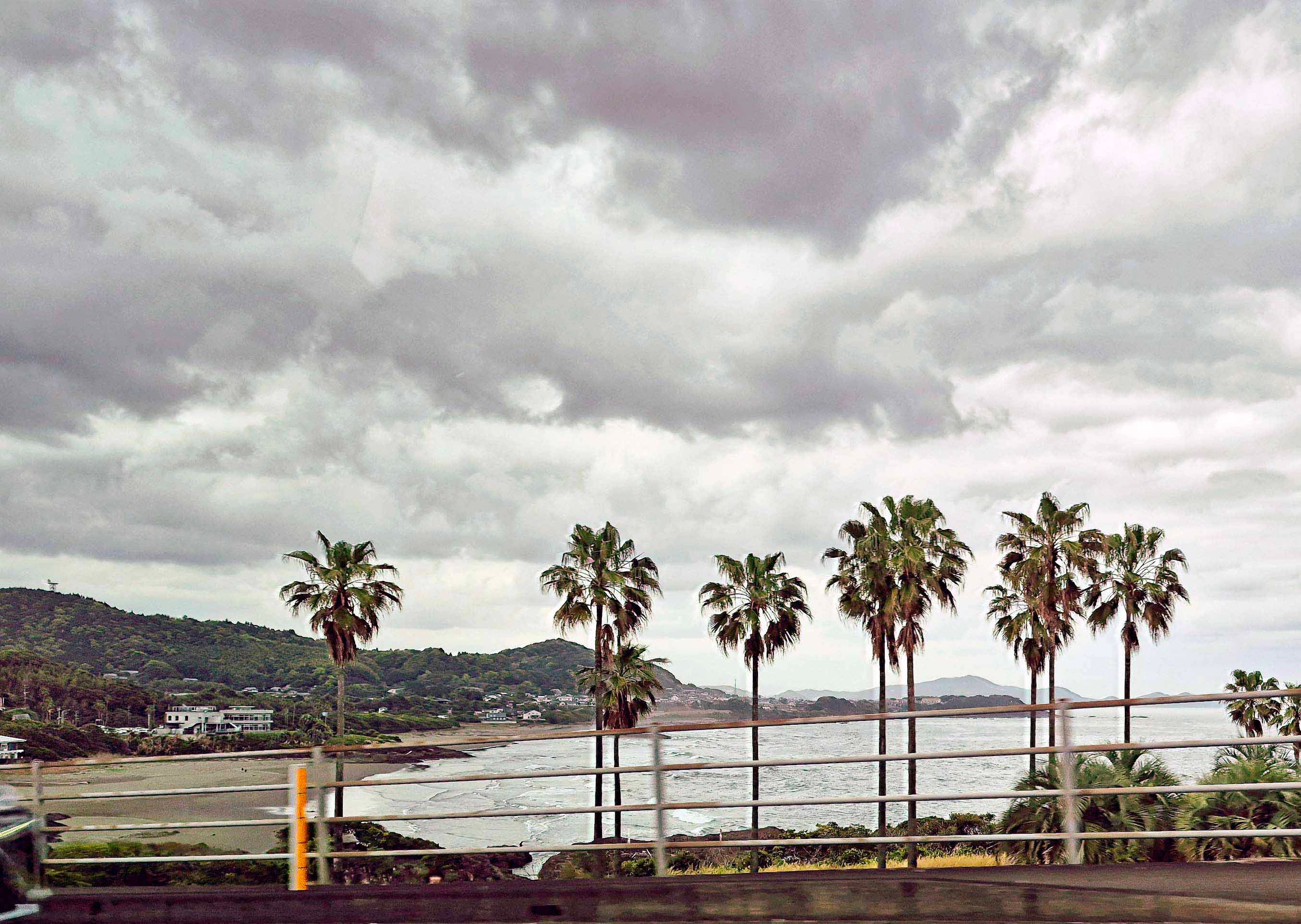
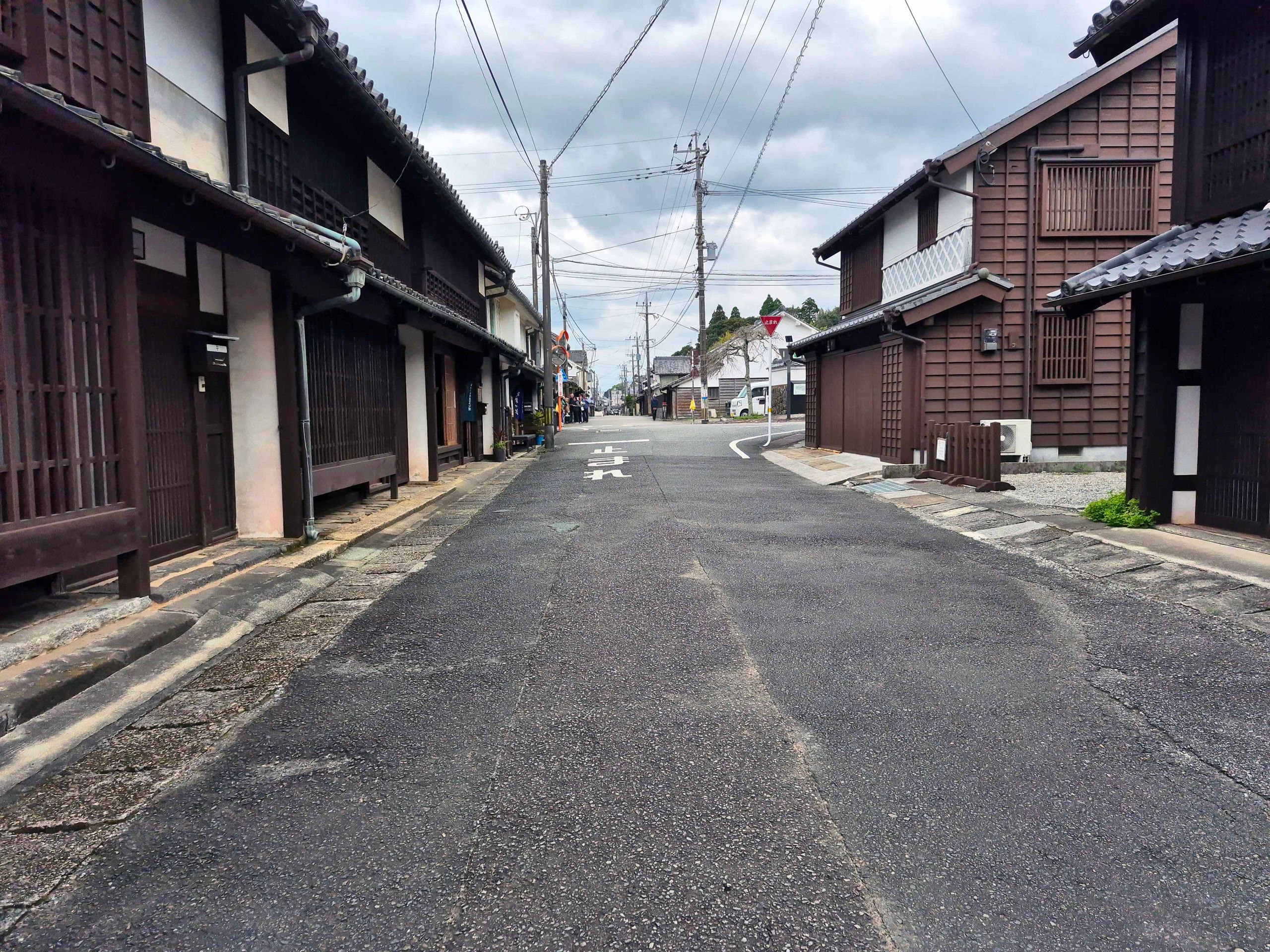
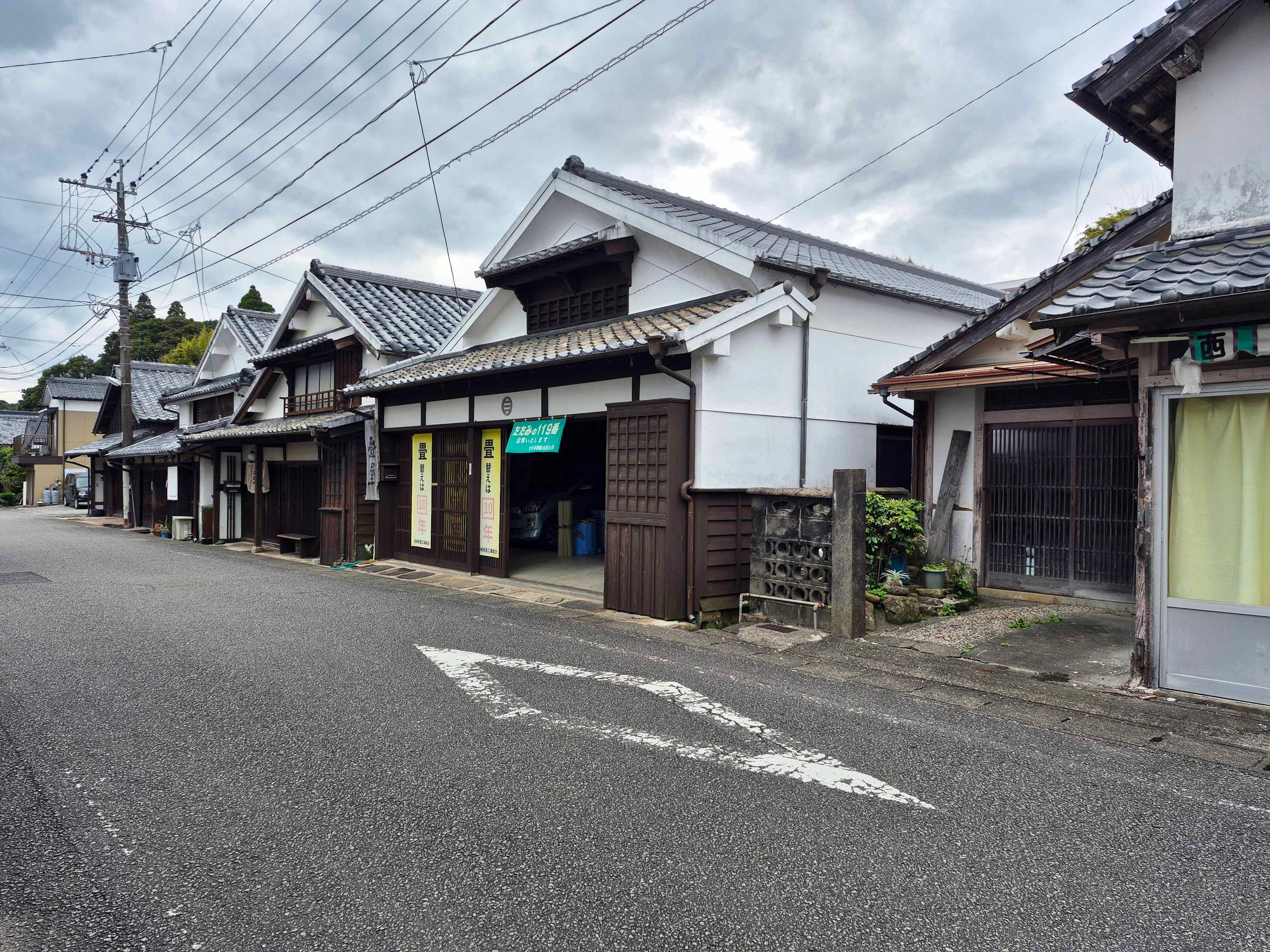
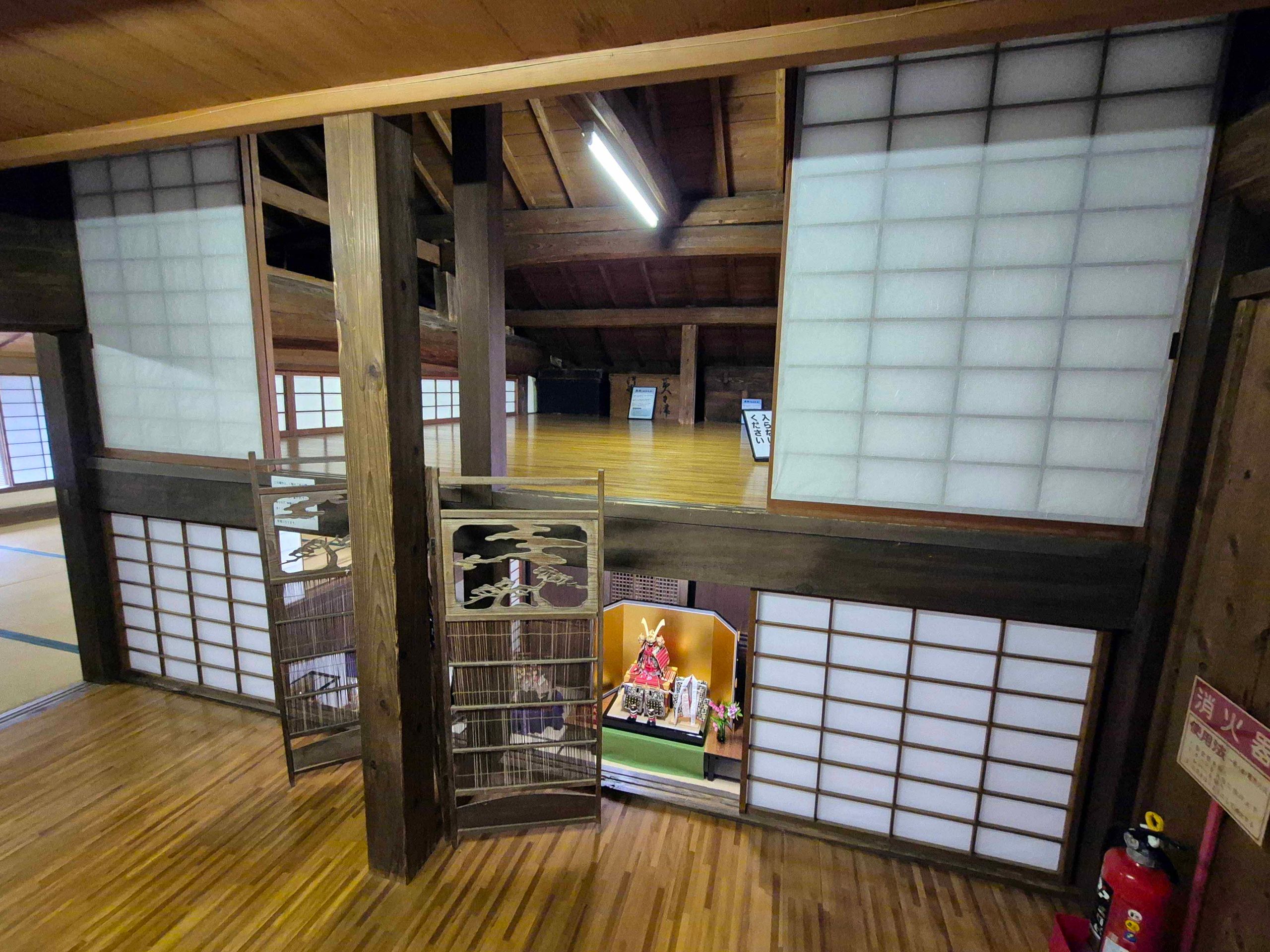
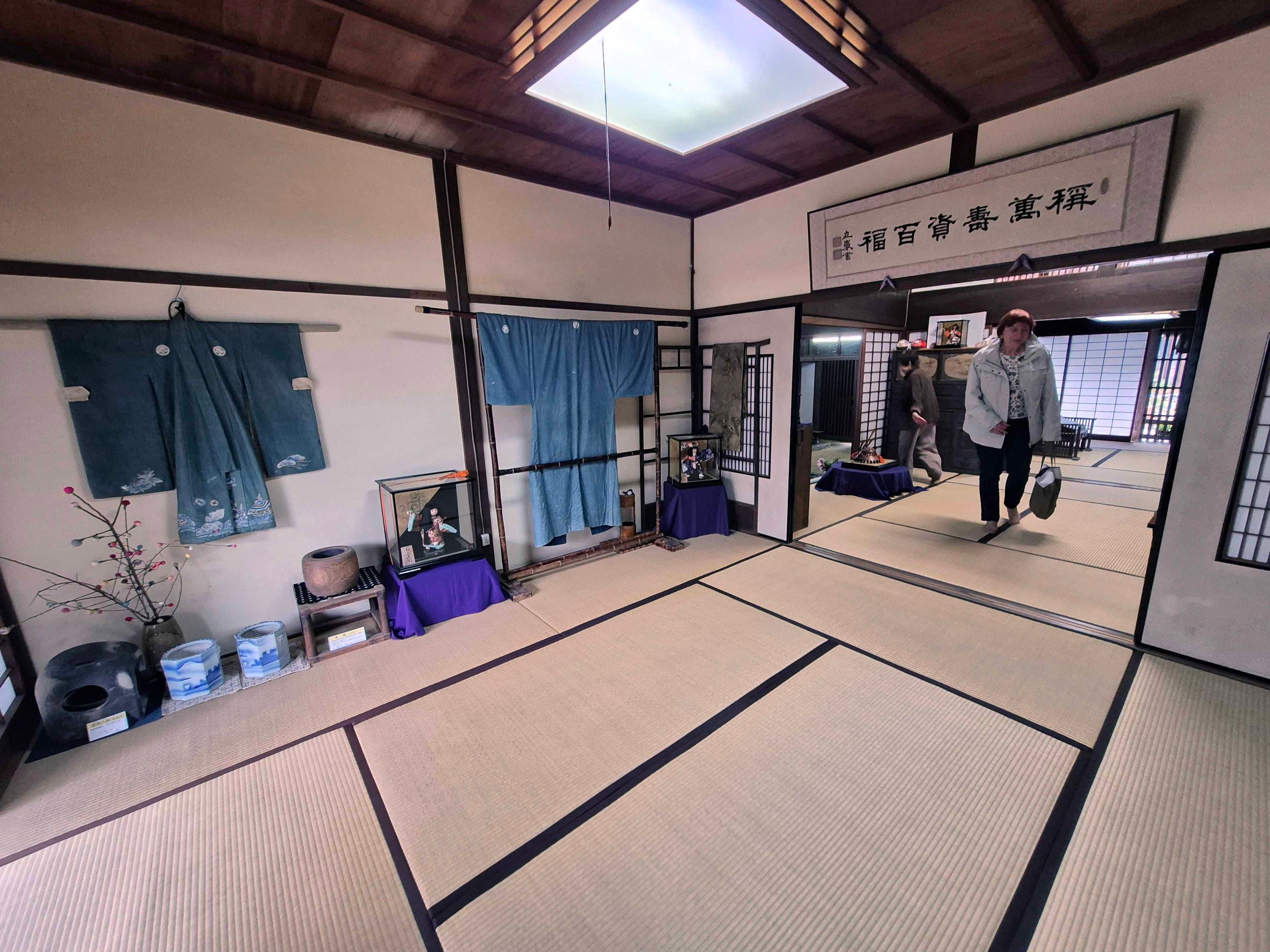
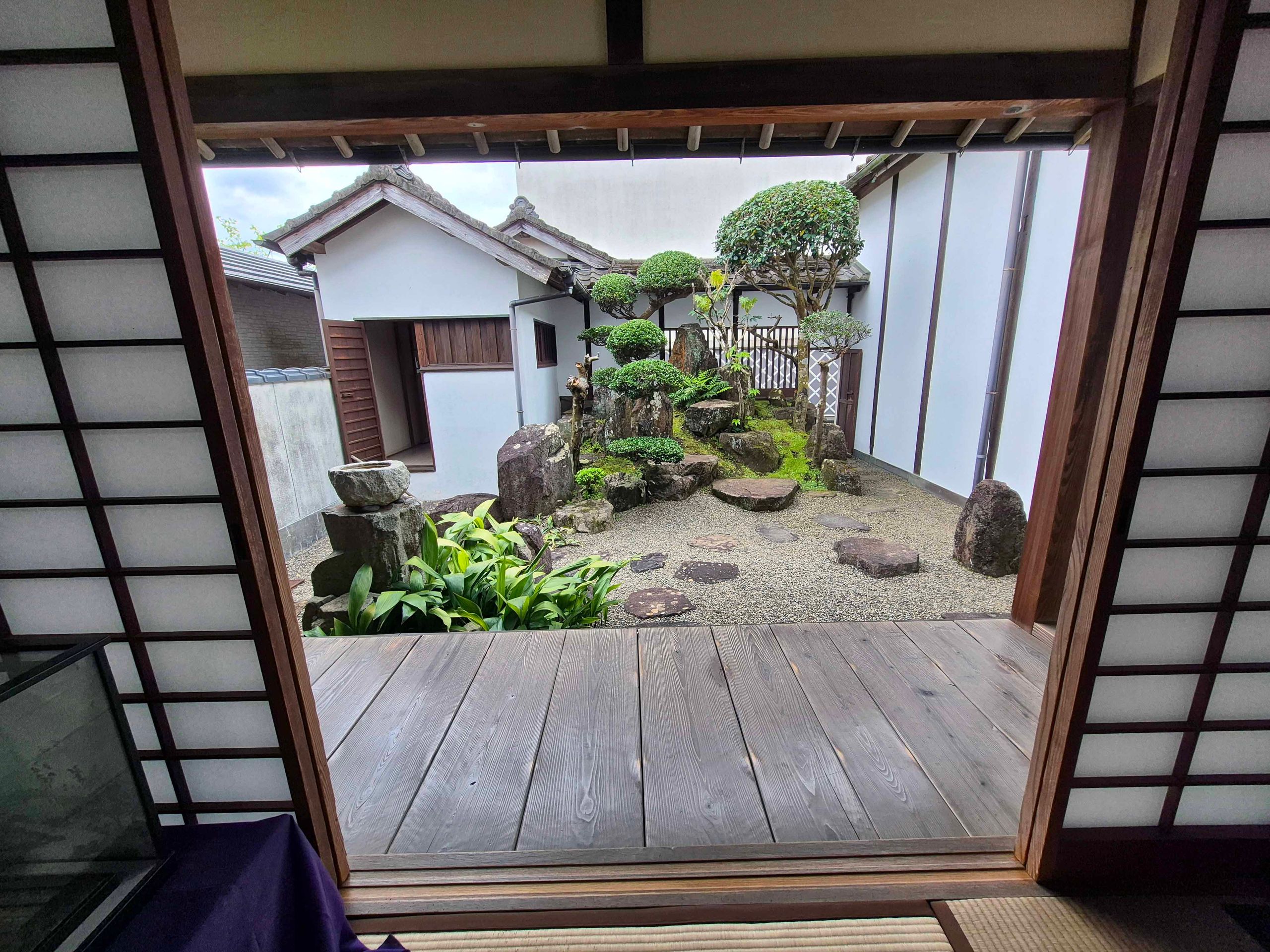
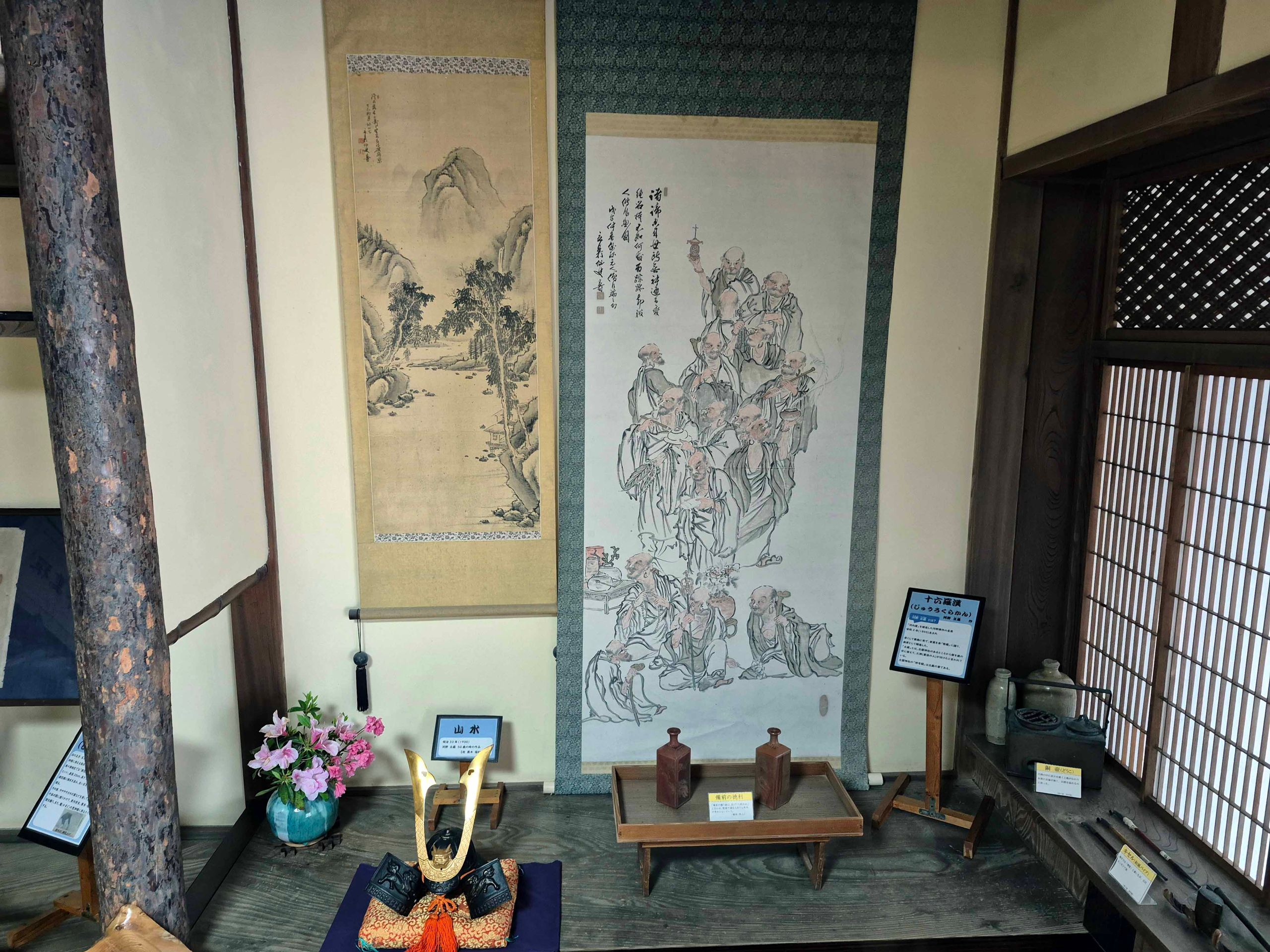
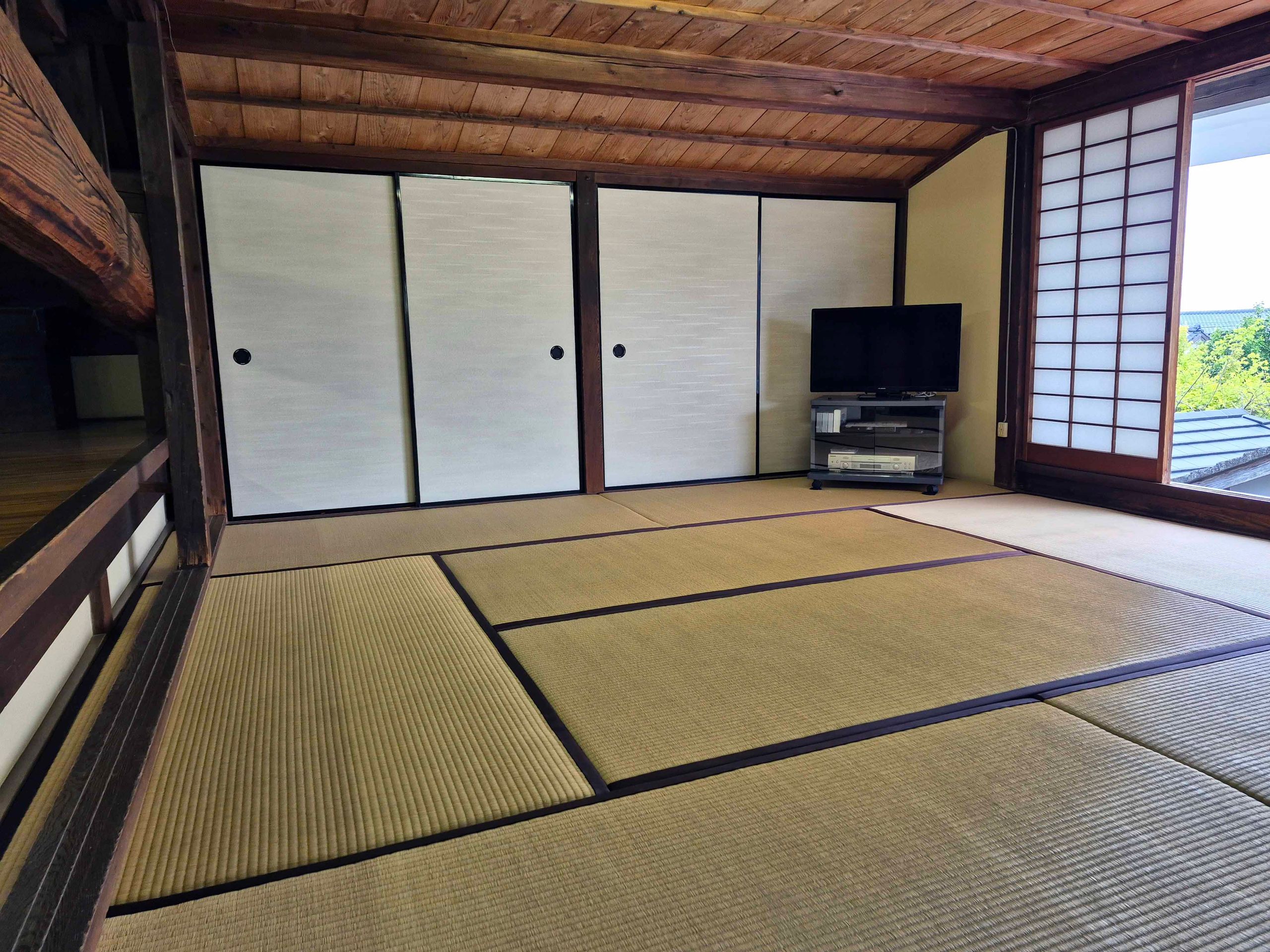
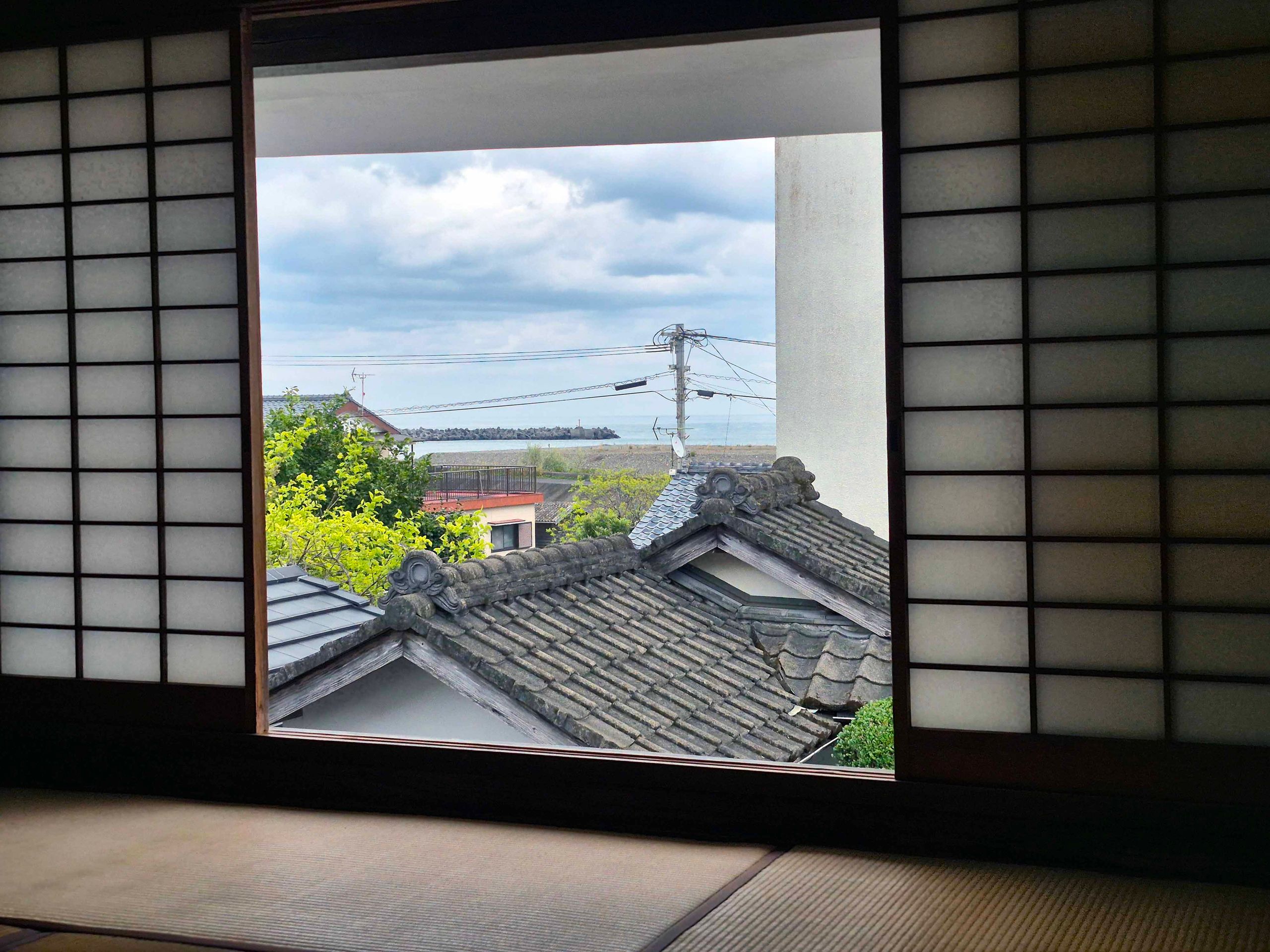
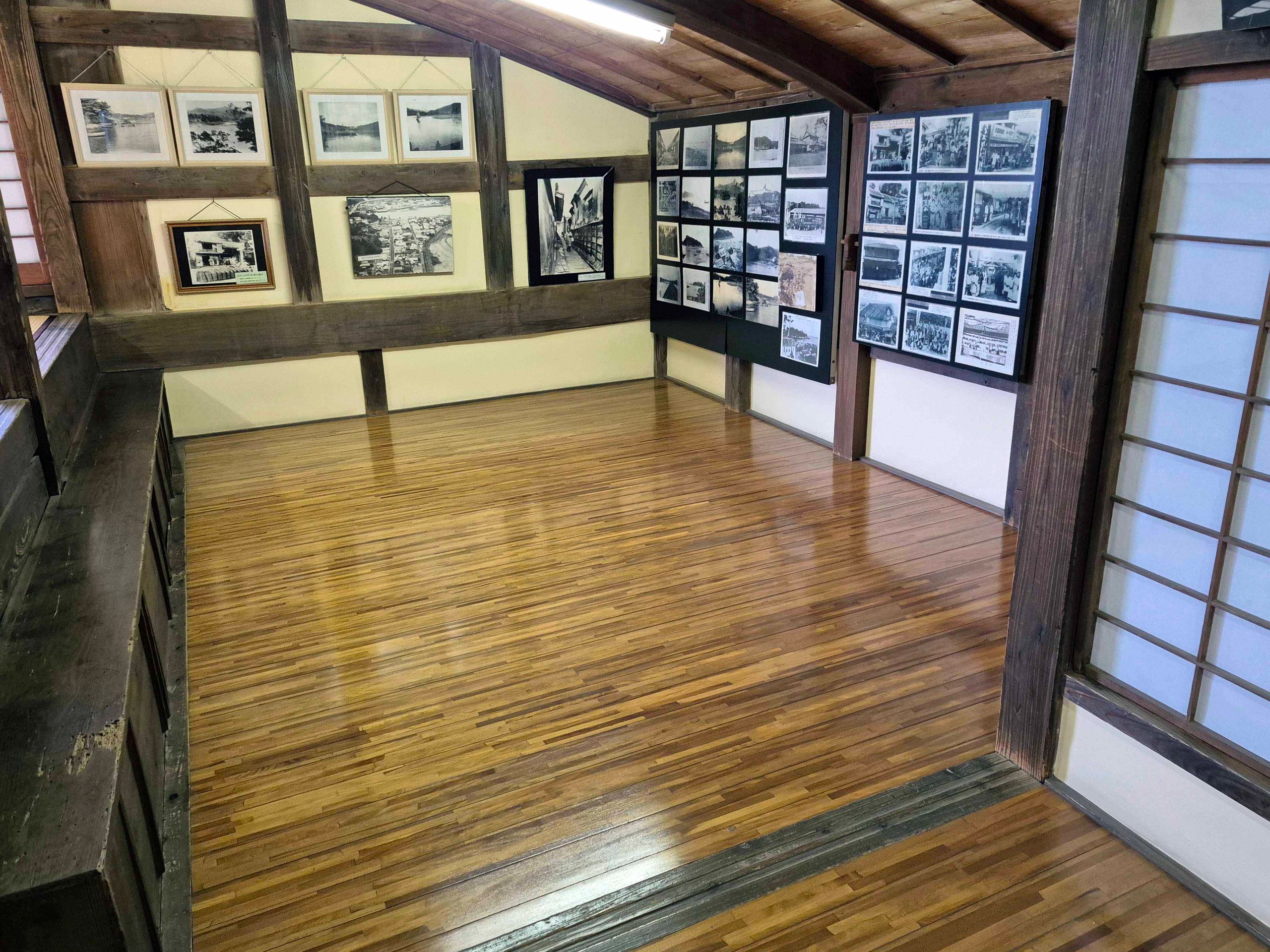
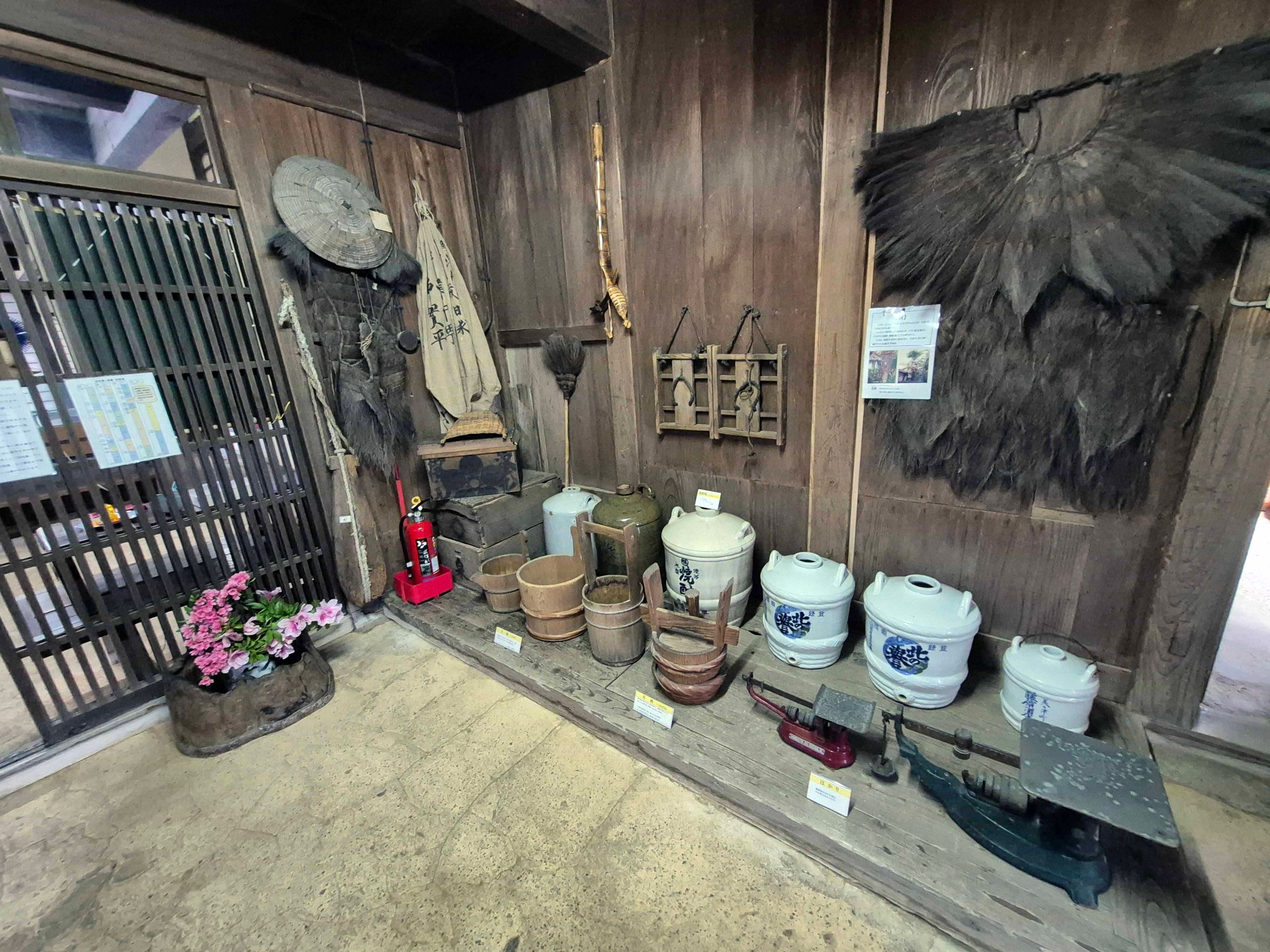

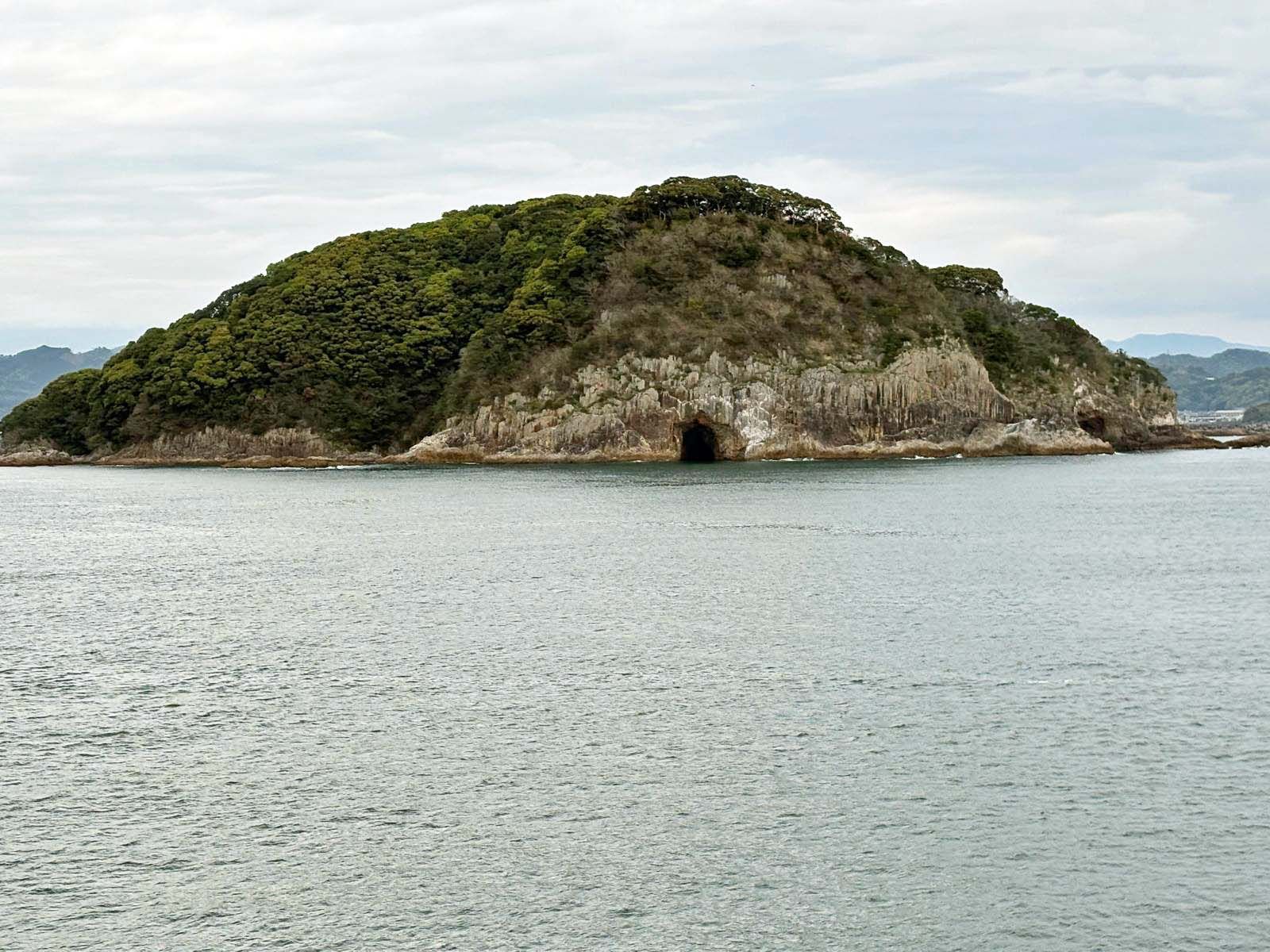

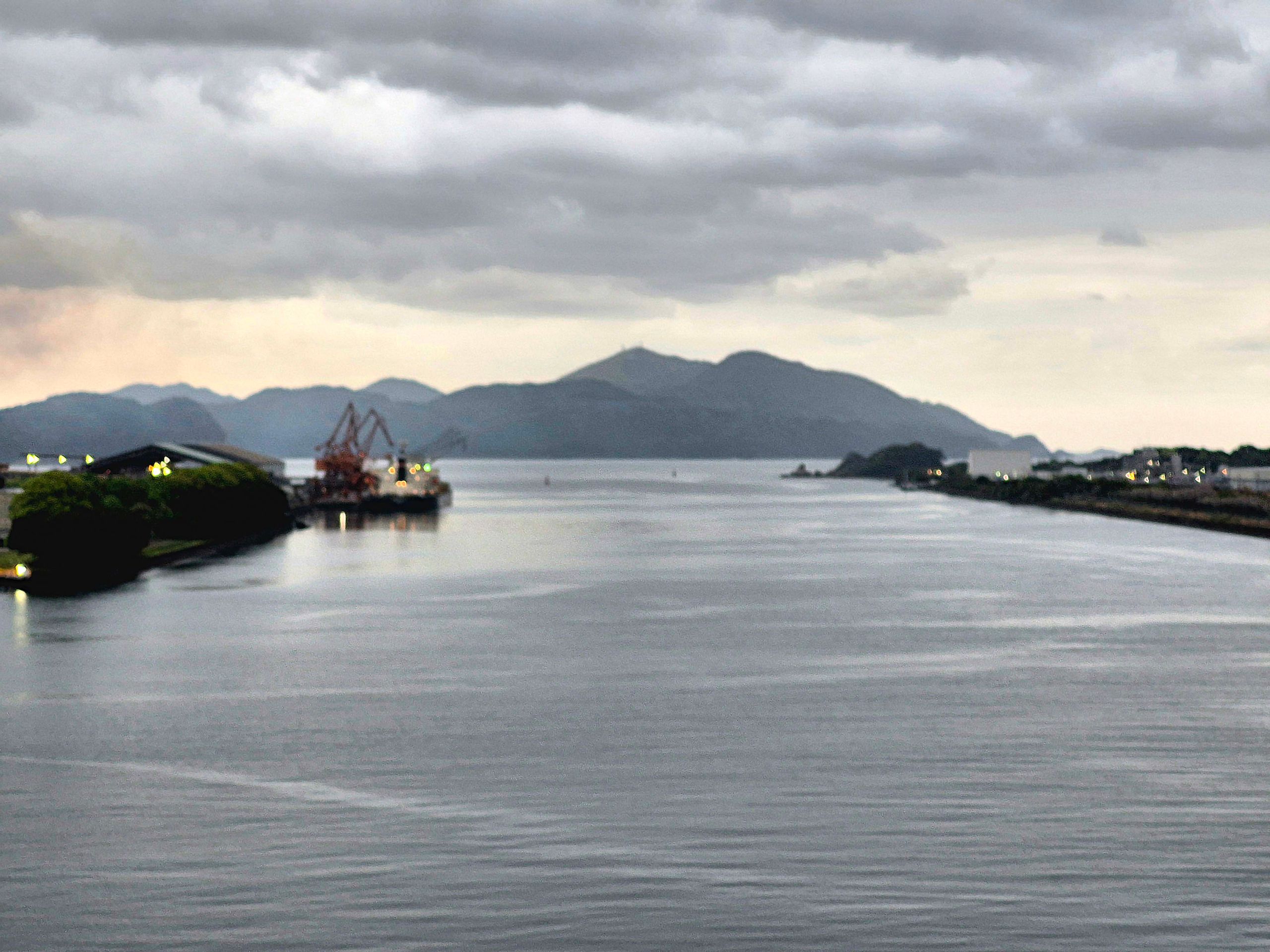
We are today in Hososhima, the port town of Hyūga. The city of Hyūga has almost 60,000 residents, and Hososhima might have around 1,000. It is a very small town. It only has two bus lines and a train line (narrow gauge). On the two bus lines, there are six buses daily in each direction, meaning a bus every two to three hours. There was also a small shuttle bus that ran every one to two hours from the port to a shopping center and a traditional village. Unfortunately, it was so small that it was too small even for our rather small ship.
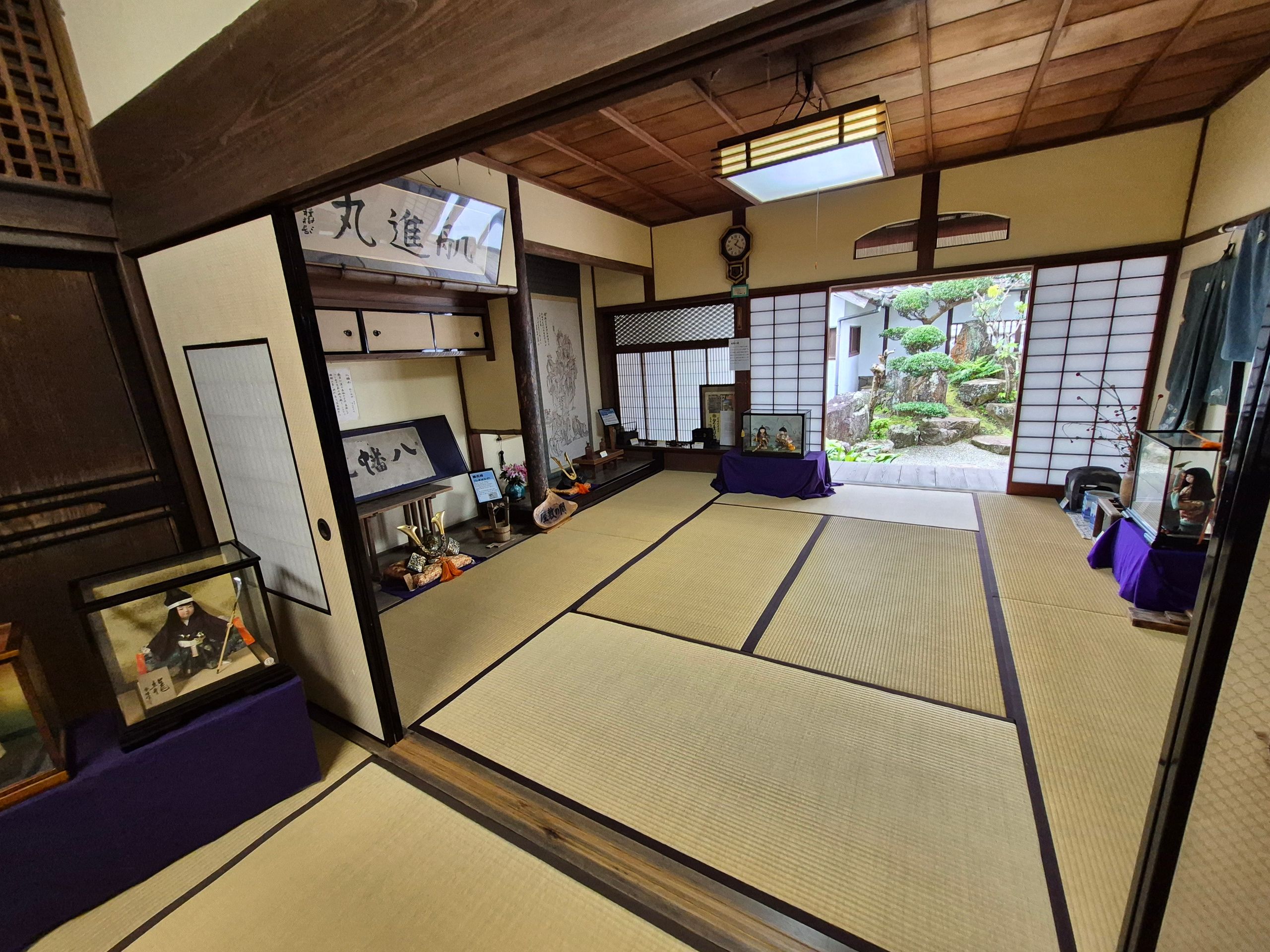
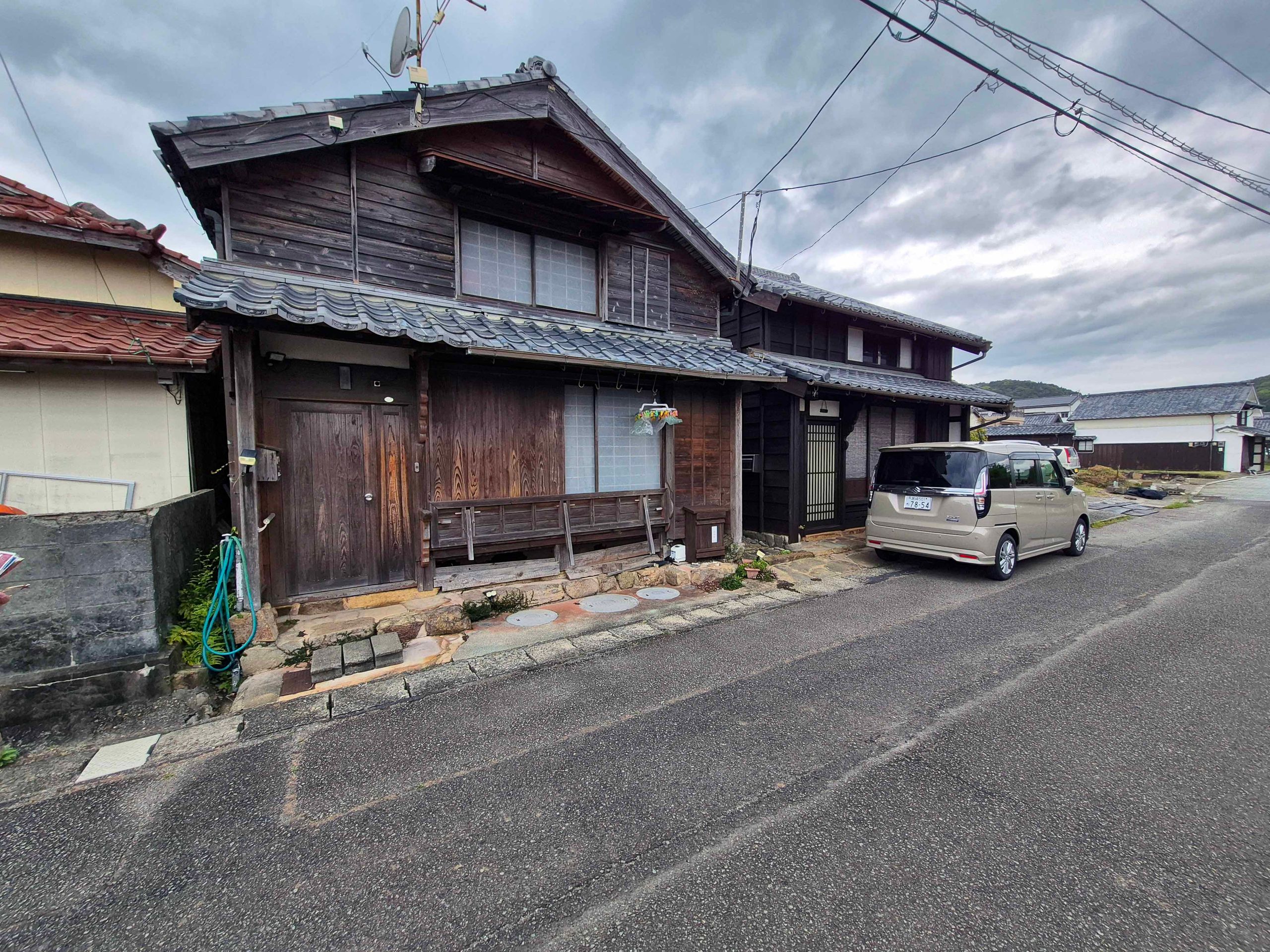
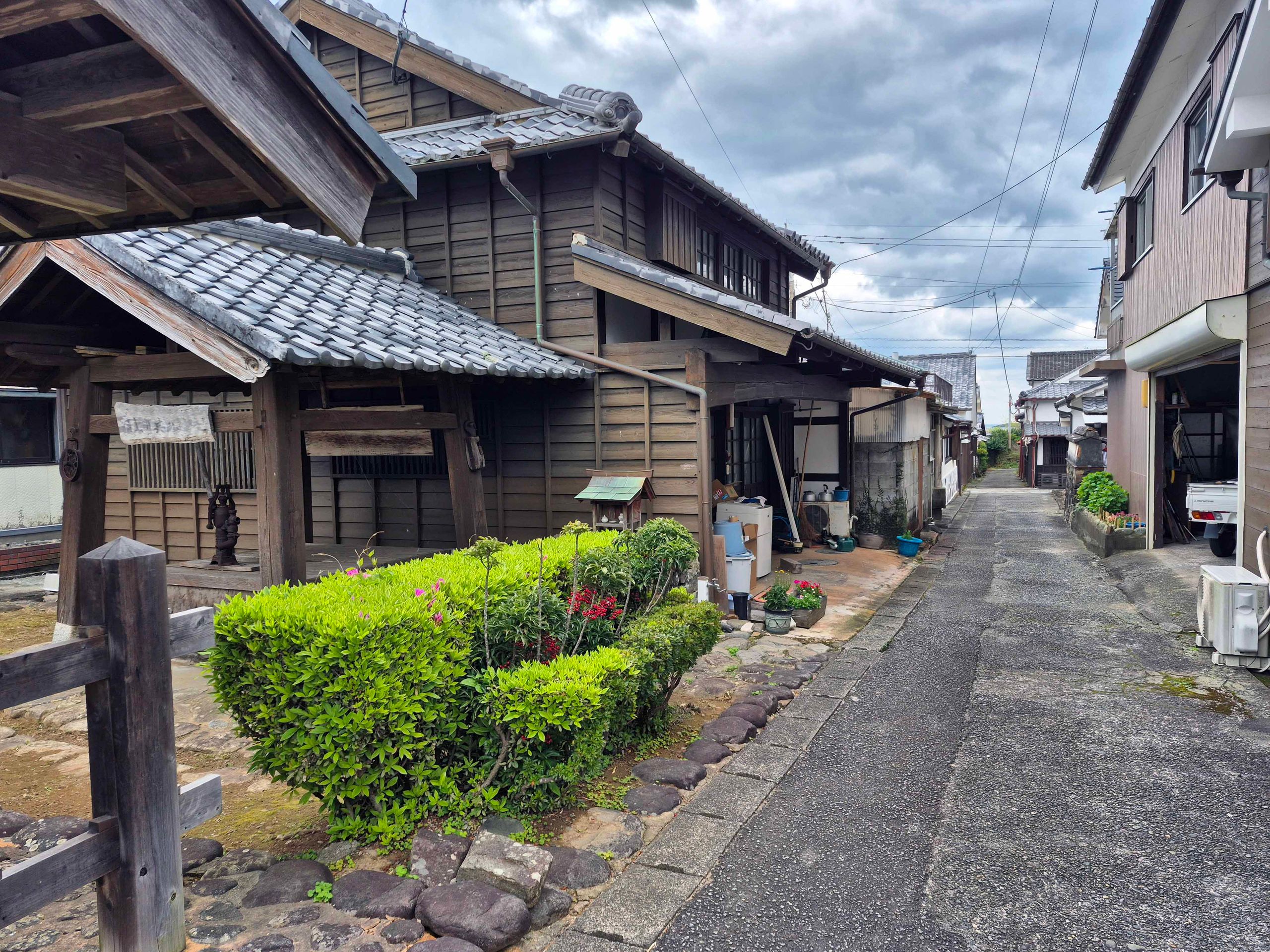
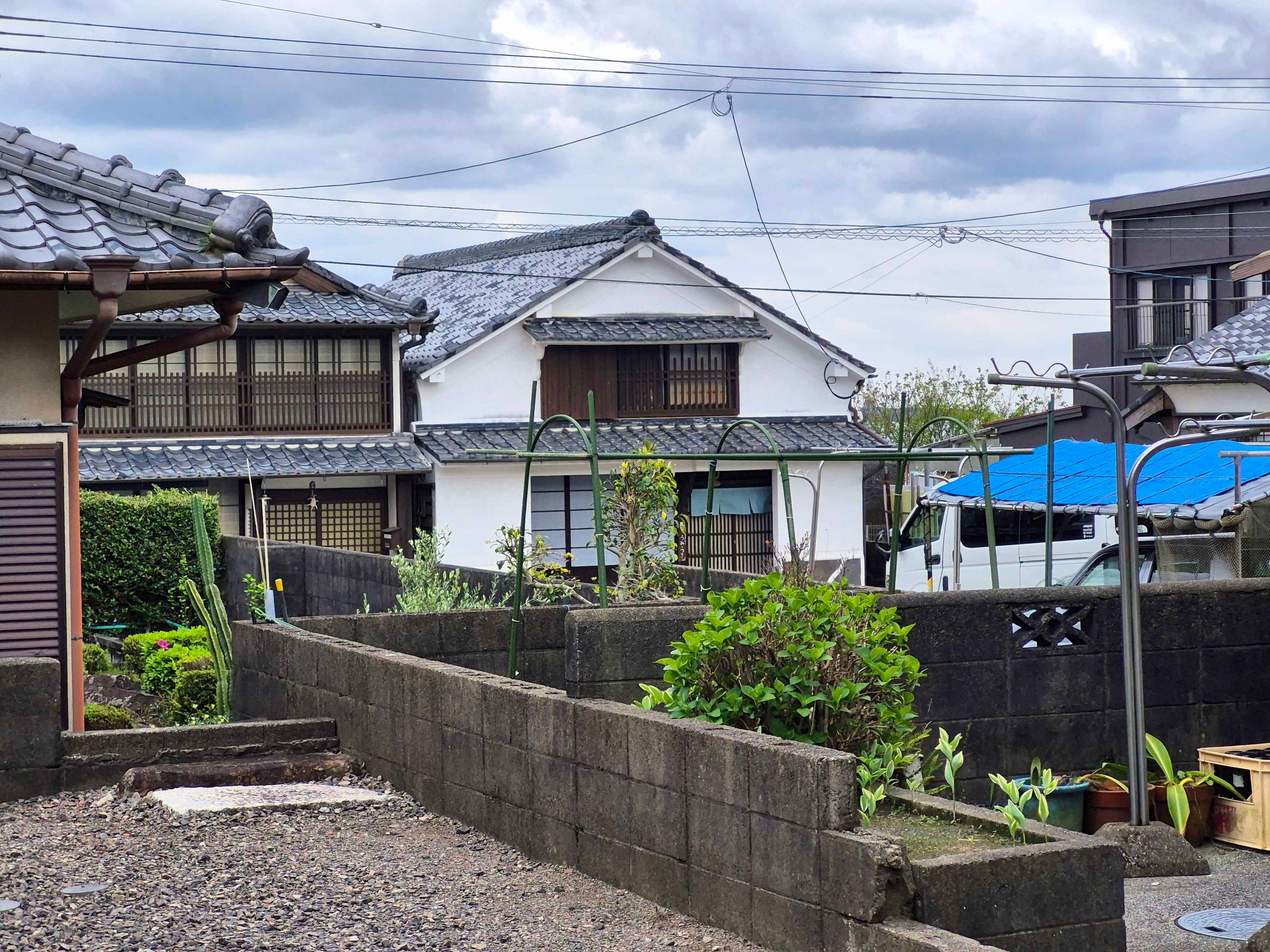
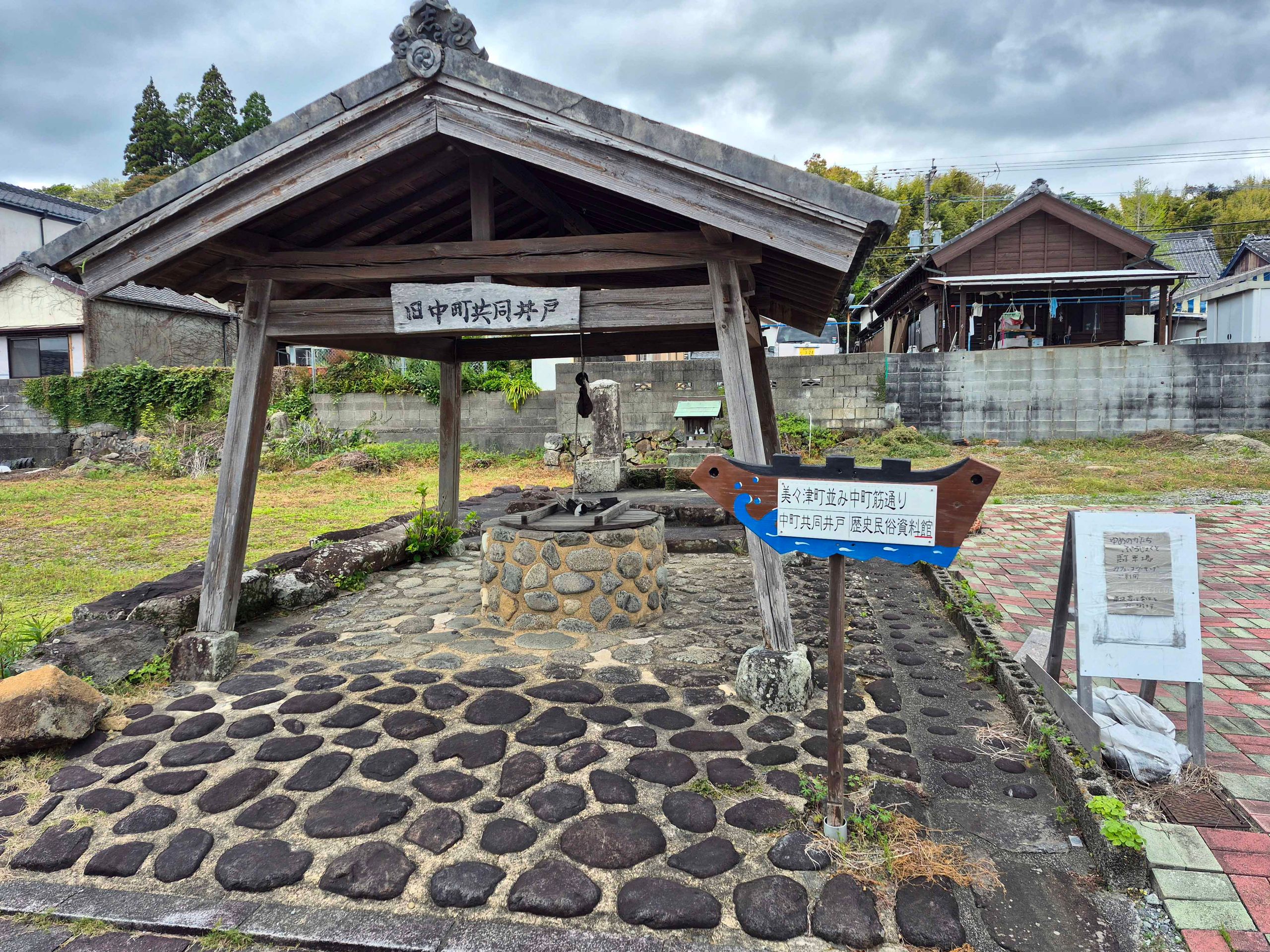
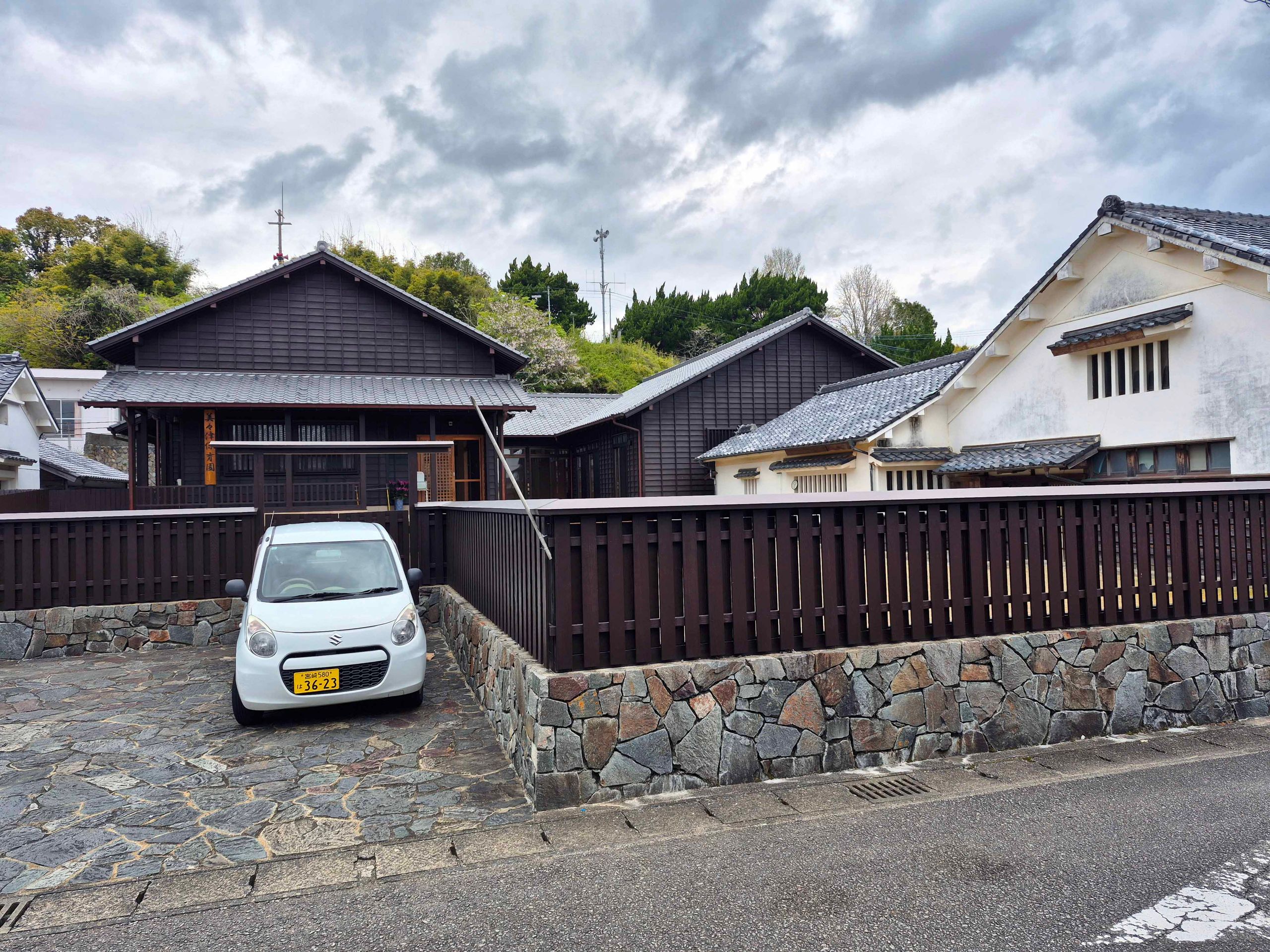
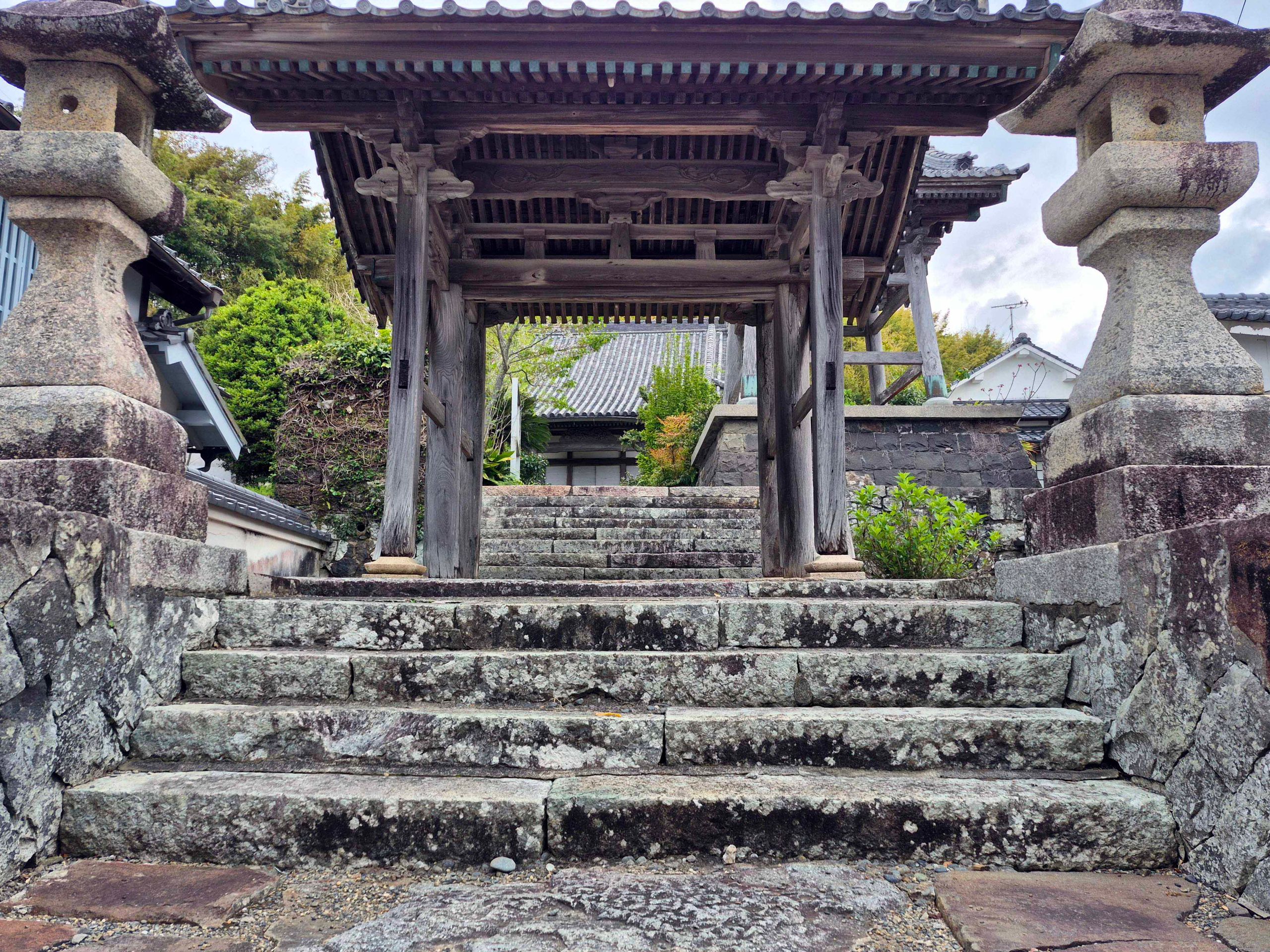
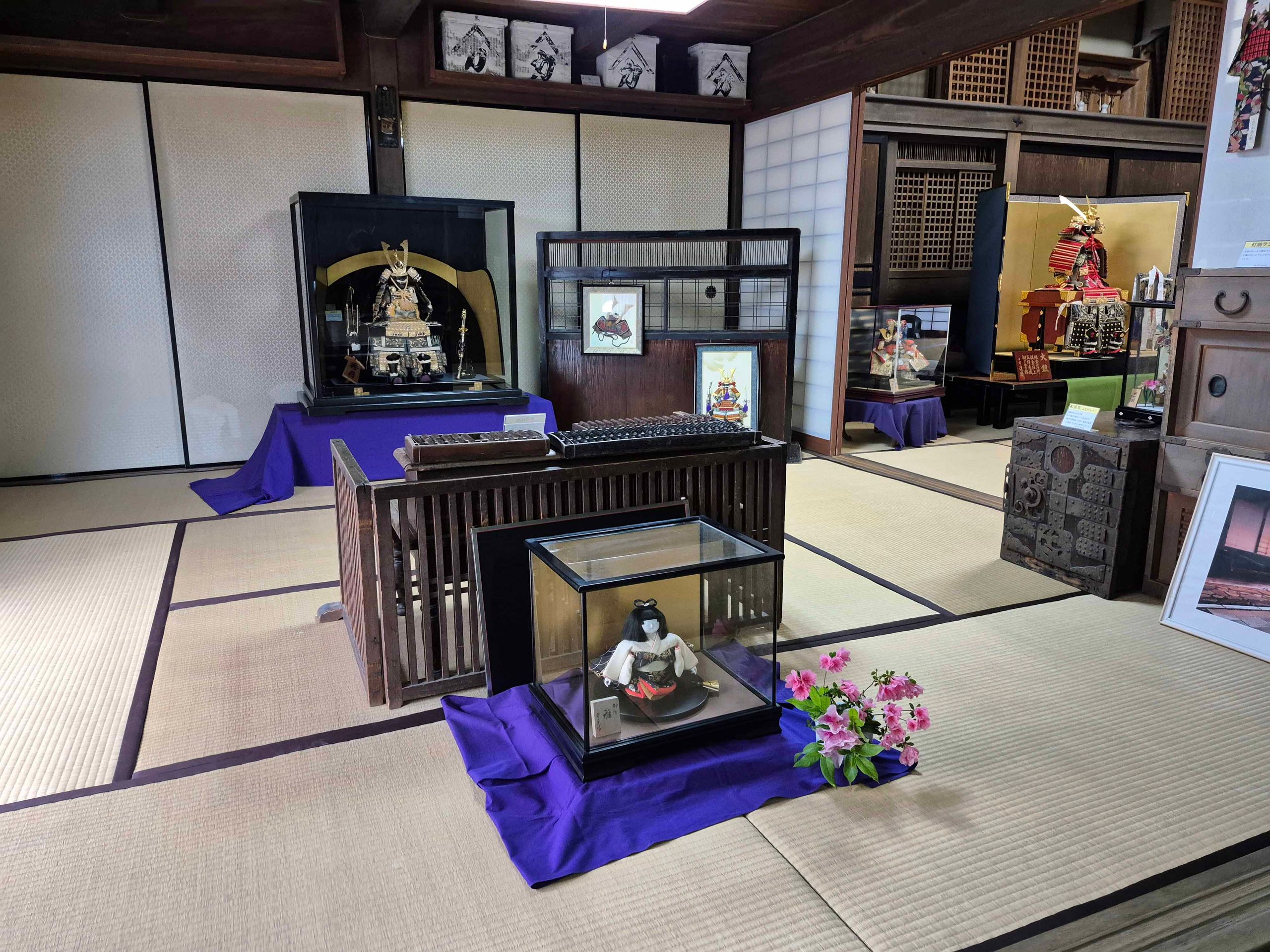
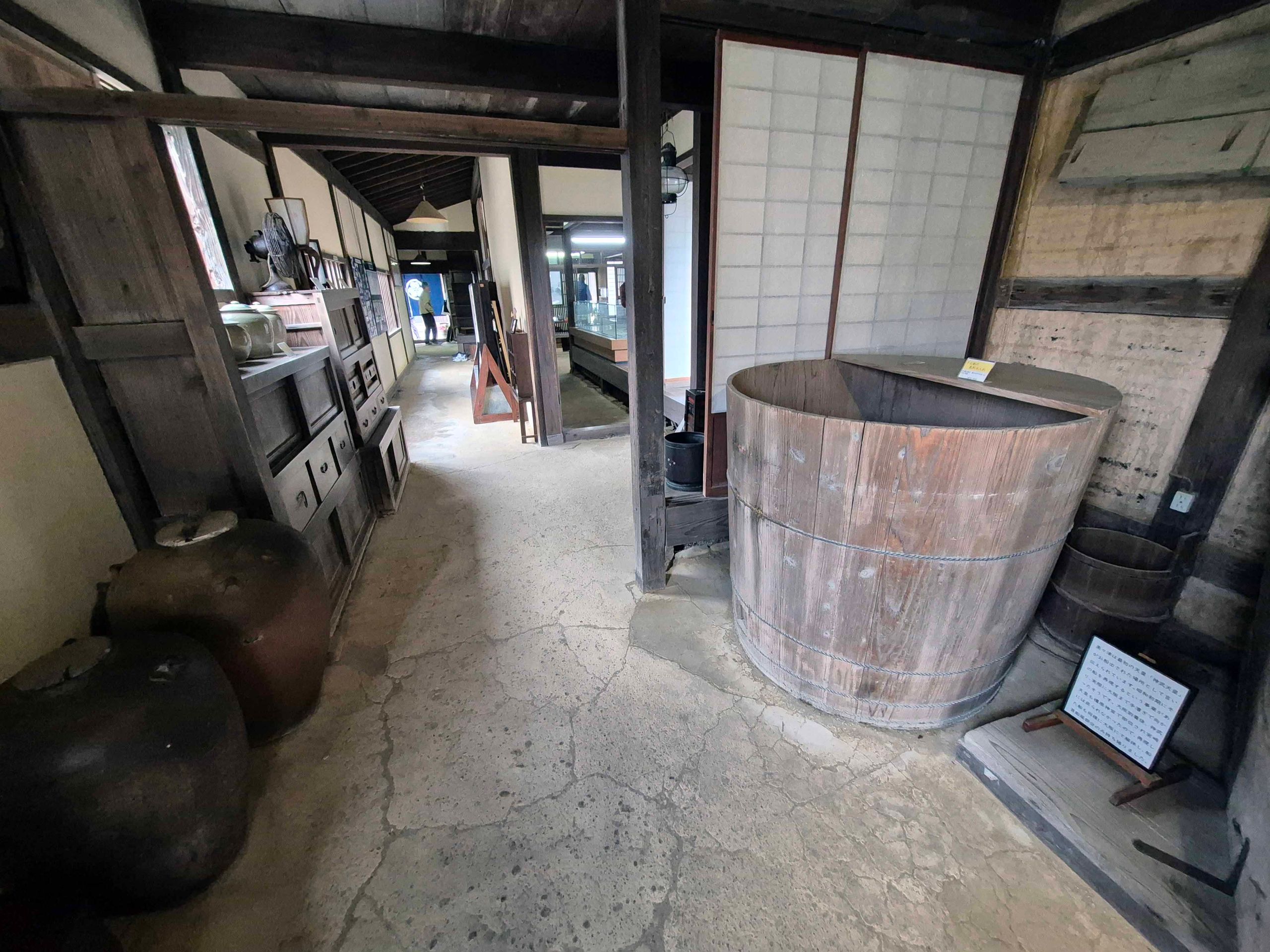
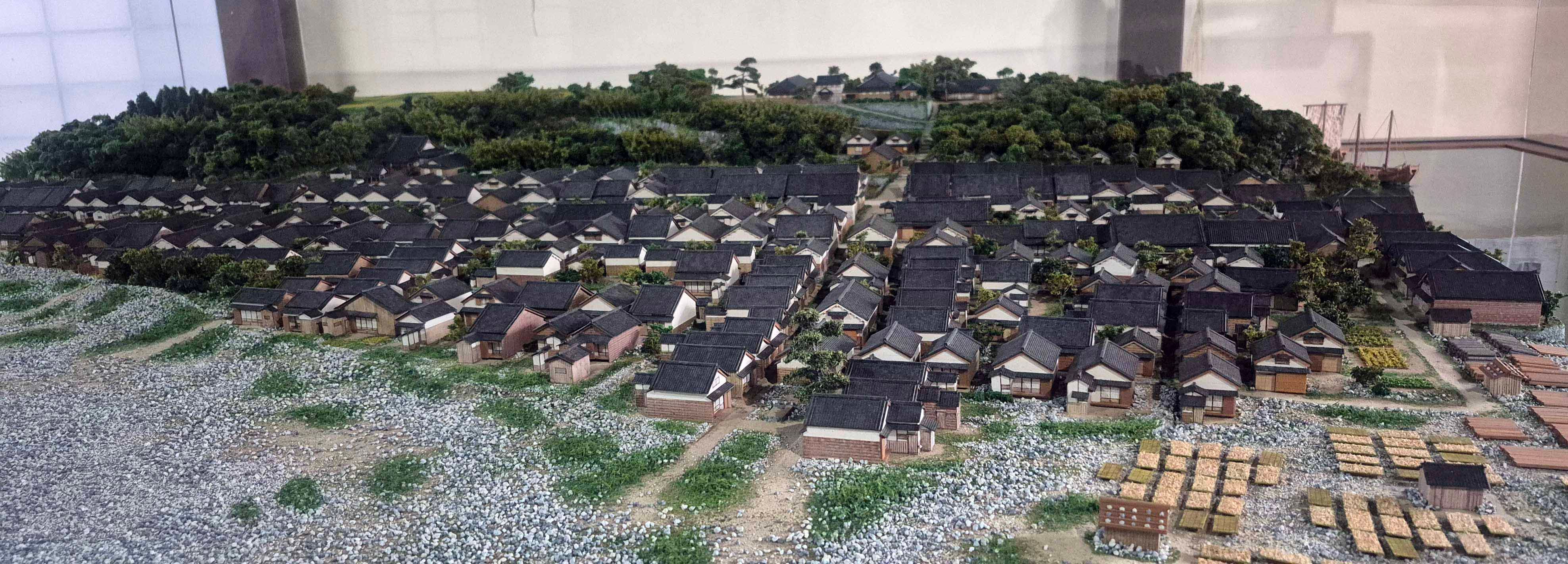
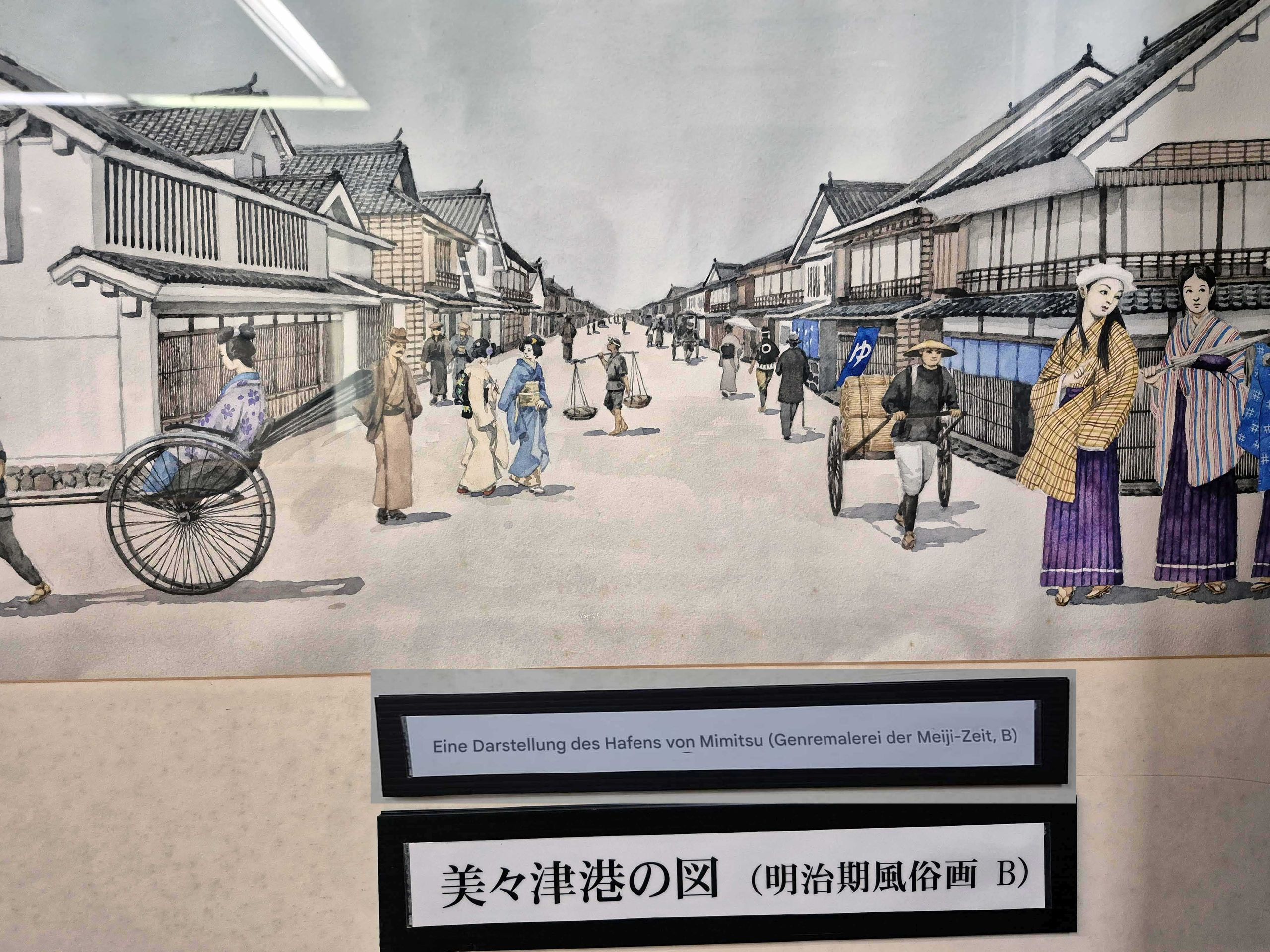
Nonetheless, we managed to take the shuttle bus to the historic district of Mimitsu and explored the area. Almost all the houses are still entirely traditional. The houses and the neighborhood structure are between about 150 to 250 years old. They date back to the period when Japan was completely closed off. The houses in this settlement are protected as cultural heritage sites and are among the 100 best-preserved historical locations in Japan.
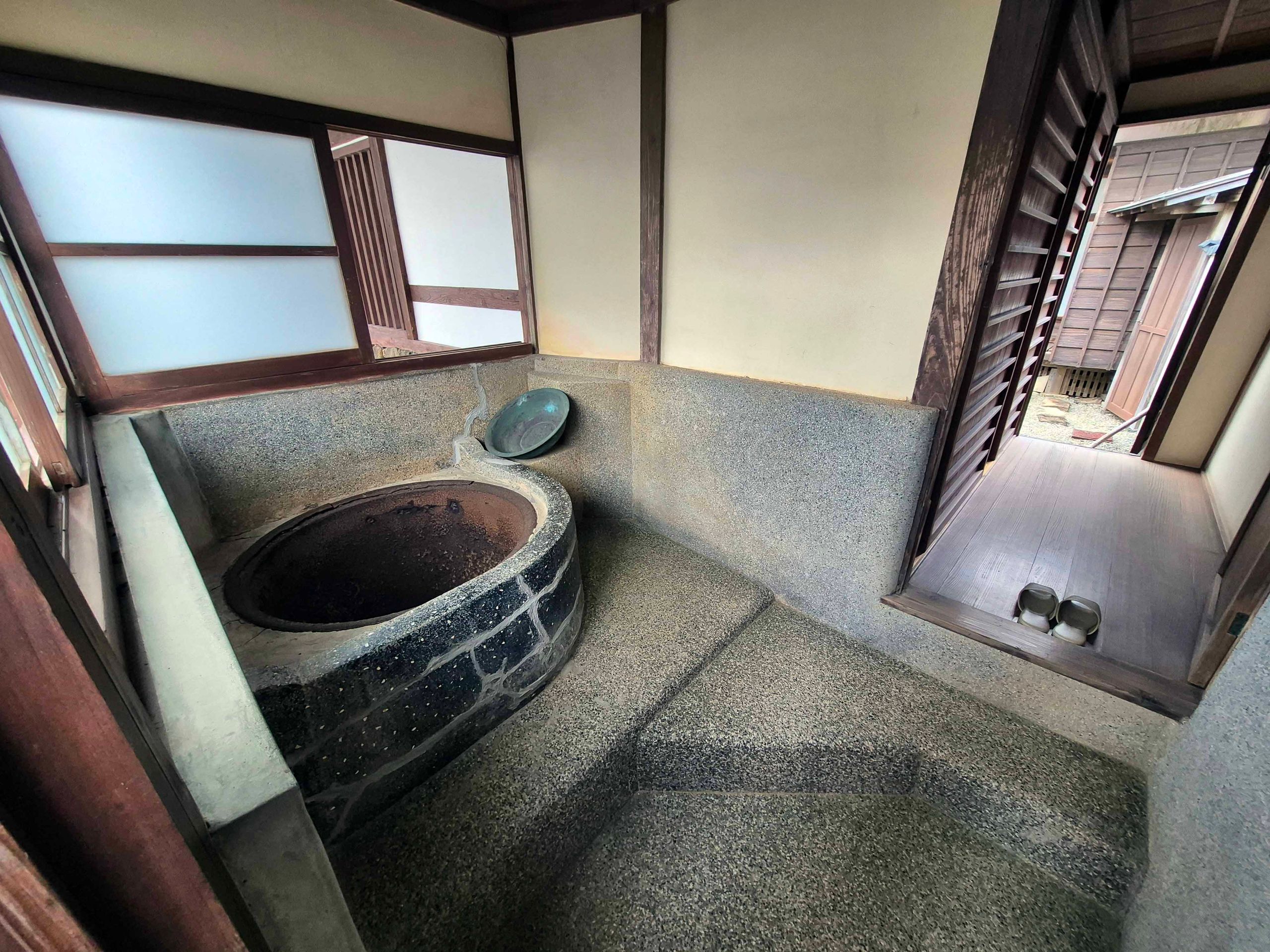
The houses are built of wood and covered with traditional tiles or straw. The doors and windows are mostly made of rice paper with wooden frames, and only a few have glass panes. The floors are covered with traditional mats. These are called Tatami, which usually consist of compressed rice straw that is woven with rush grass (Igusa). The bathroom, which also serves as a laundry room, consists of a round stone or metal basin heated from an external fire pit below. The houses in this district are still all inhabited. During our trip, we saw many more such traditional houses, but these were often poorly maintained or no longer inhabited.
The entire region seems to be relatively poor. Otherwise, the region is primarily visited in the summer for its beaches and surf hotspots. This means that it is currently not the season and much less crowded.
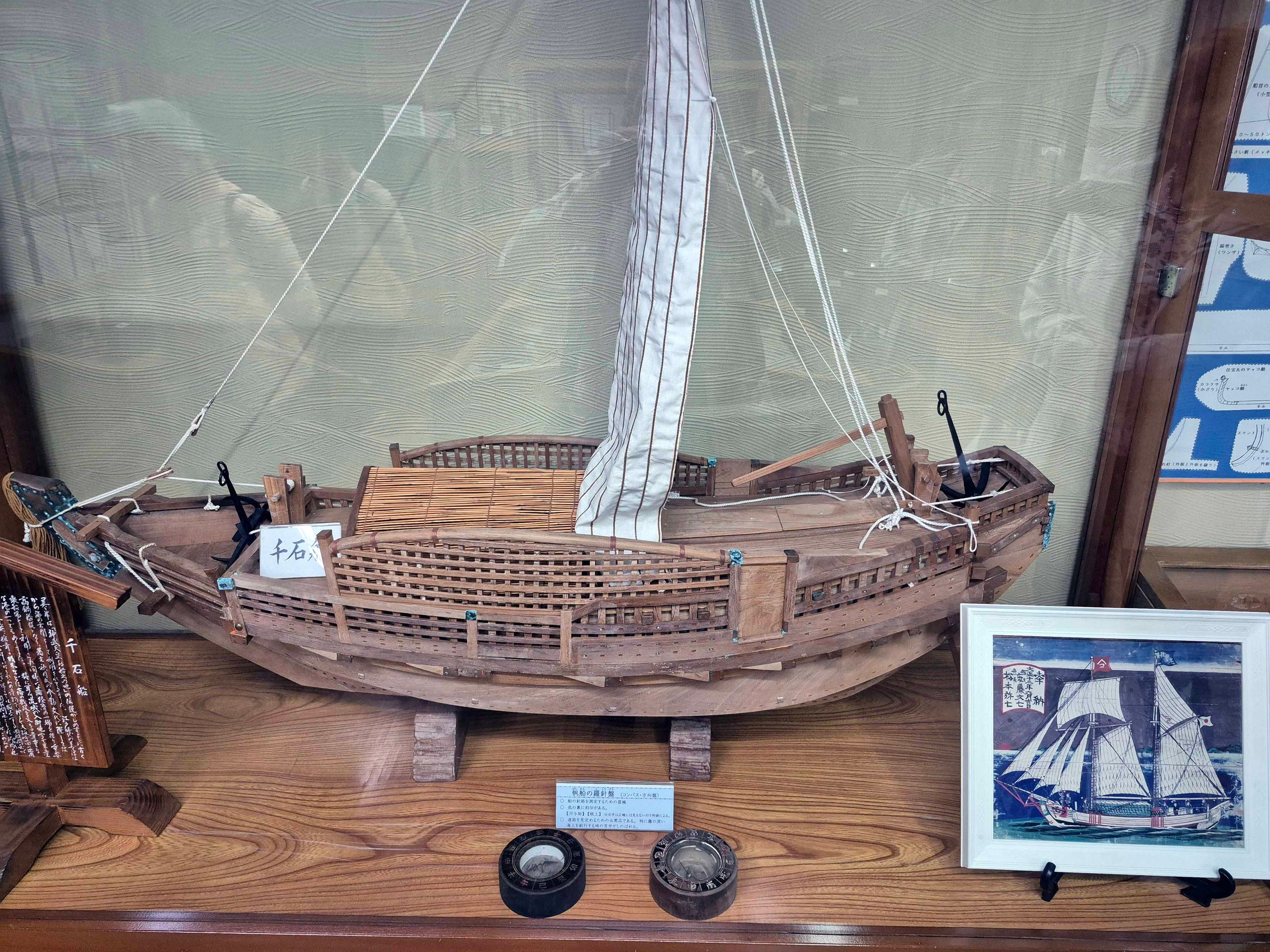
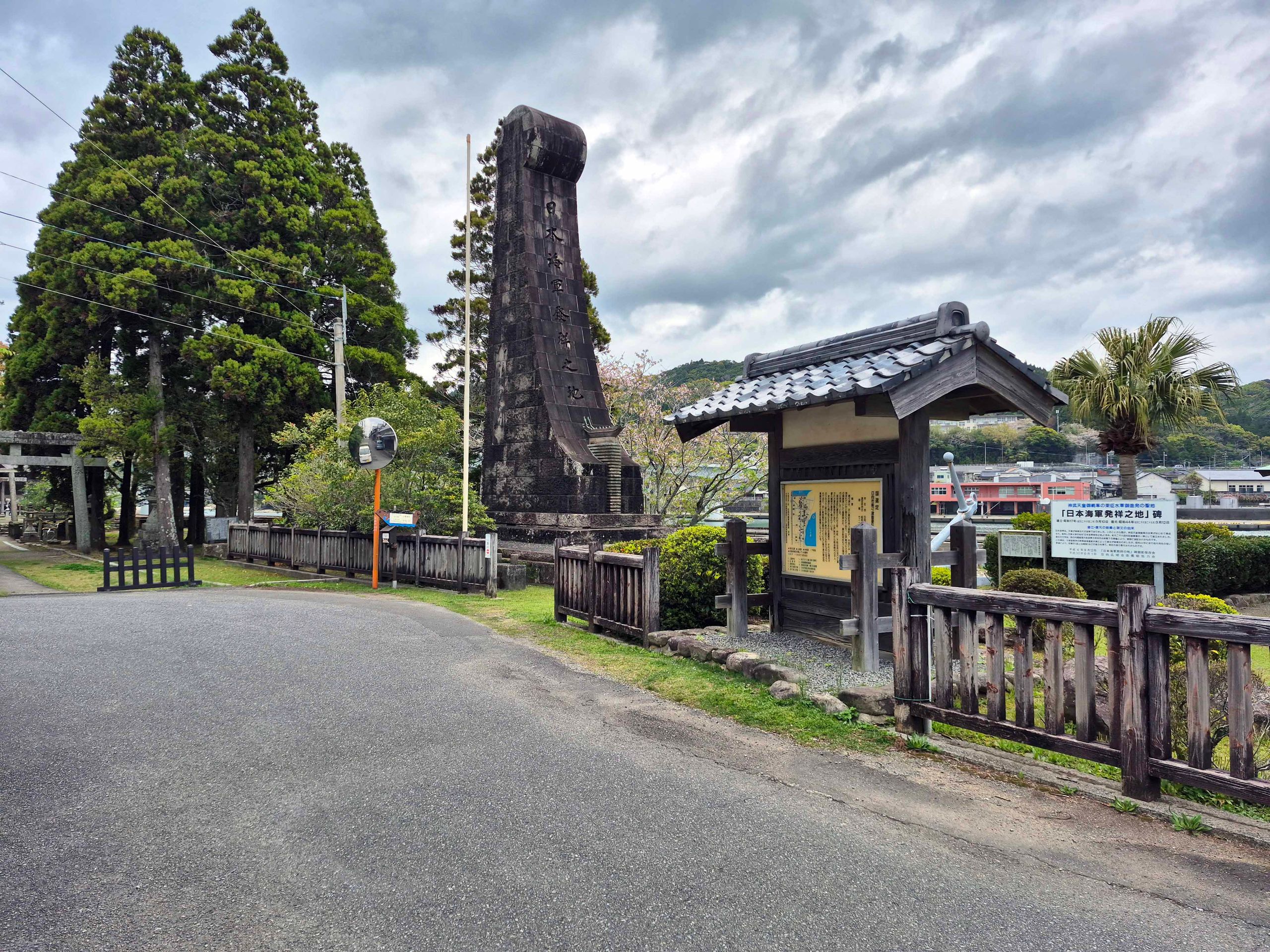
We also visited the local home museum of Mimitsu, which exhibits artifacts from its founding period and provides background information about the place. Historically, Mimitsu was an important location. It was the starting point of Emperor Jimmu's eastern expedition in 660 BC. With this expedition, Jimmu unified Japan for the first time, thus becoming the first emperor of Japan. The place is also considered the birthplace of the Japanese navy, as the expedition set sail from here. As part of the unification of Japan, Nara (the place with many tame deer) became the first capital of Japan.
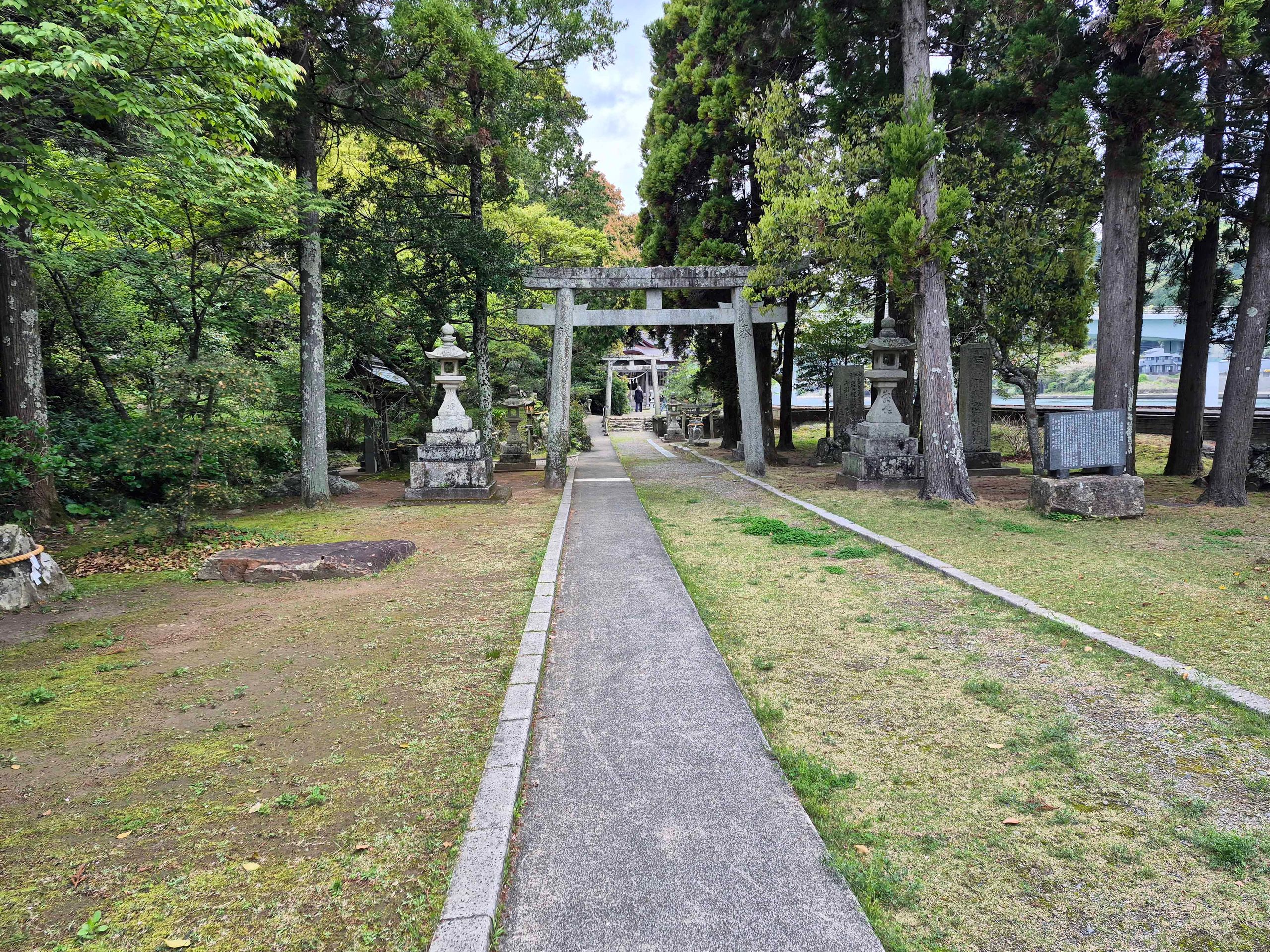
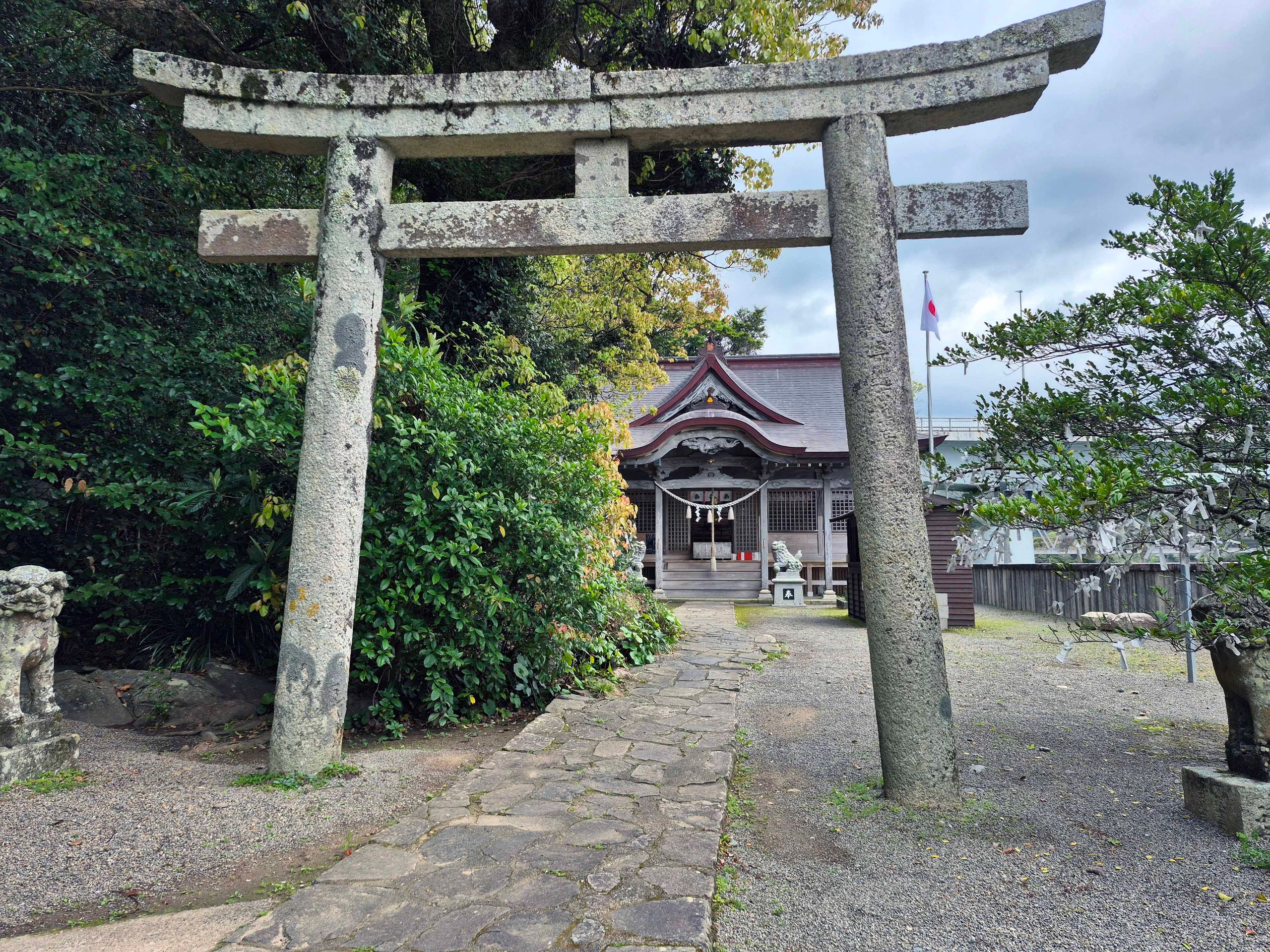
Therefore, there is a monument for the founding of the Japanese navy, a shrine in honor of Jimmu, and a stone on which the emperor is said to have sat and contemplated.
When we wanted to return with the shuttle bus, it quickly became overcrowded, as the majority of passengers only used the bus for sightseeing and did not disembark. We then ordered a taxi, which took 30 minutes to arrive due to high demand. However, it did not come. It turned out that someone intercepted our taxi and impersonated the person who placed the order. In the end, a staff member from the home museum and her friend drove us back to the ship in their private car. This made up for the wait and the annoyance. It was a fun ride, and in the end, they waved until we completely disappeared on the ship.
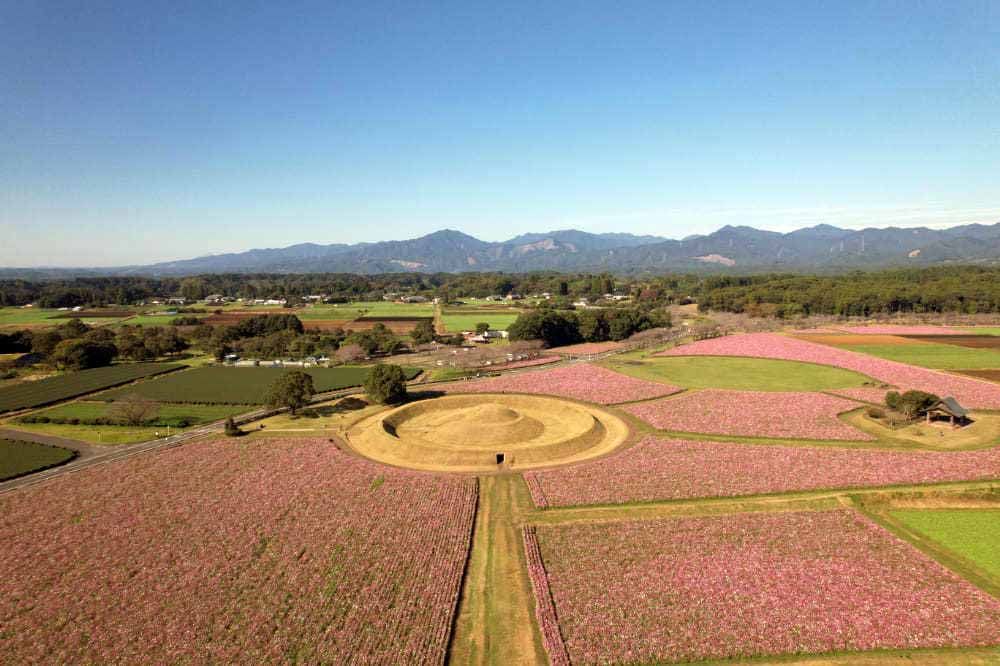
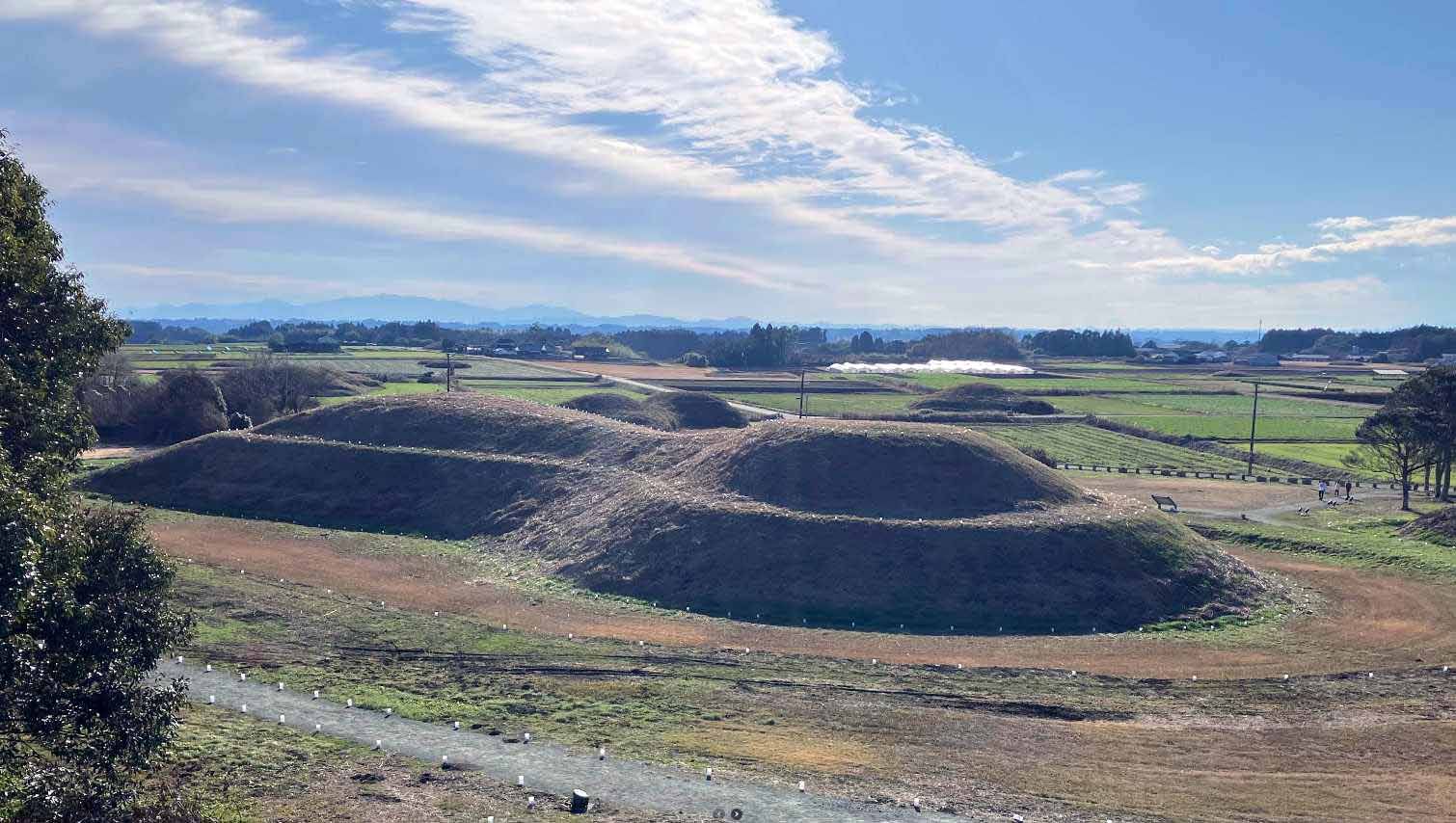
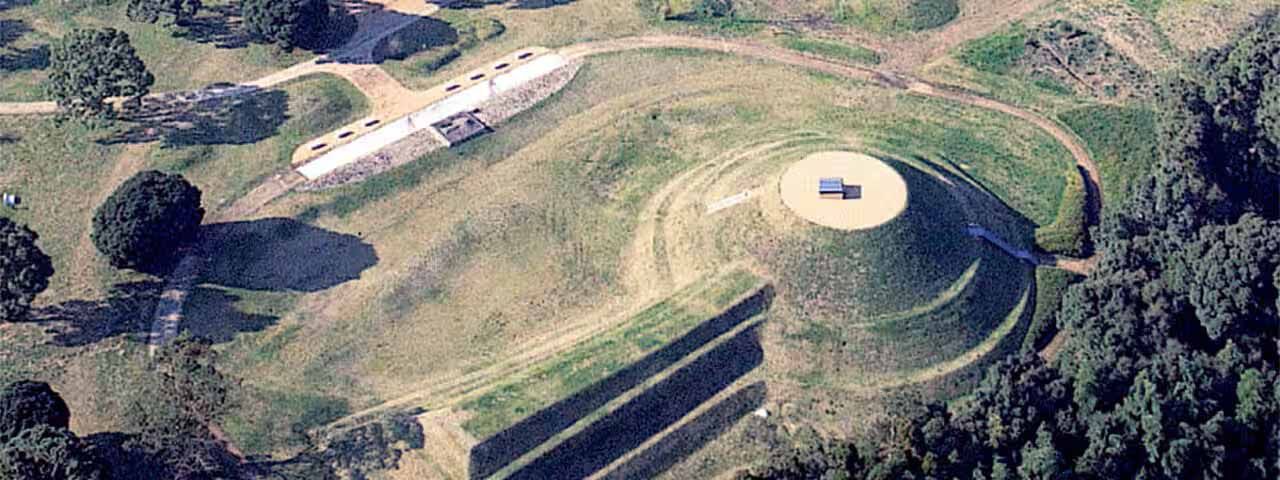
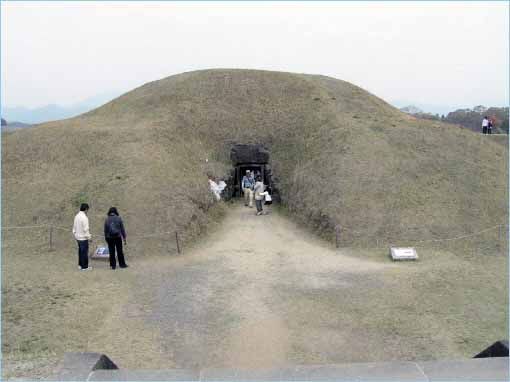
It was still quite warm, but it also began to rain. Therefore, we did not want to go out of the ship again. Afterwards, we realized that we could have visited the Saitobaru burial mounds, which are about an hour's drive away. There are a total of 319 burial mounds from the 4th to 7th centuries and are among the most significant ancient sites in Japan. Somehow we overlooked this, but now it was too late. Still, a few pictures of the burial mounds :(.