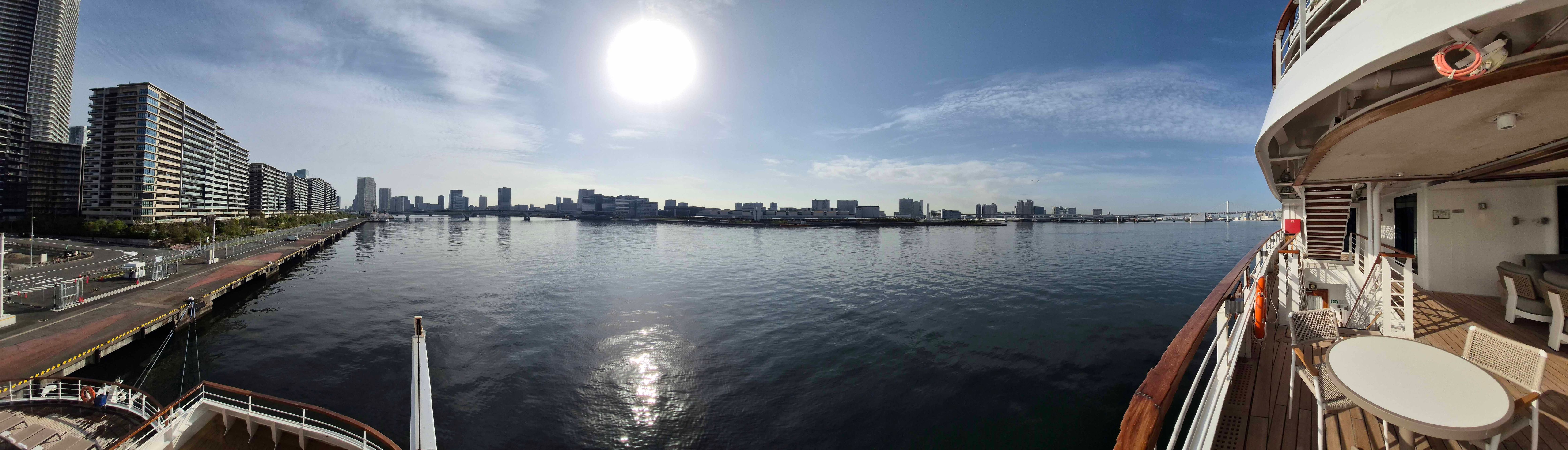
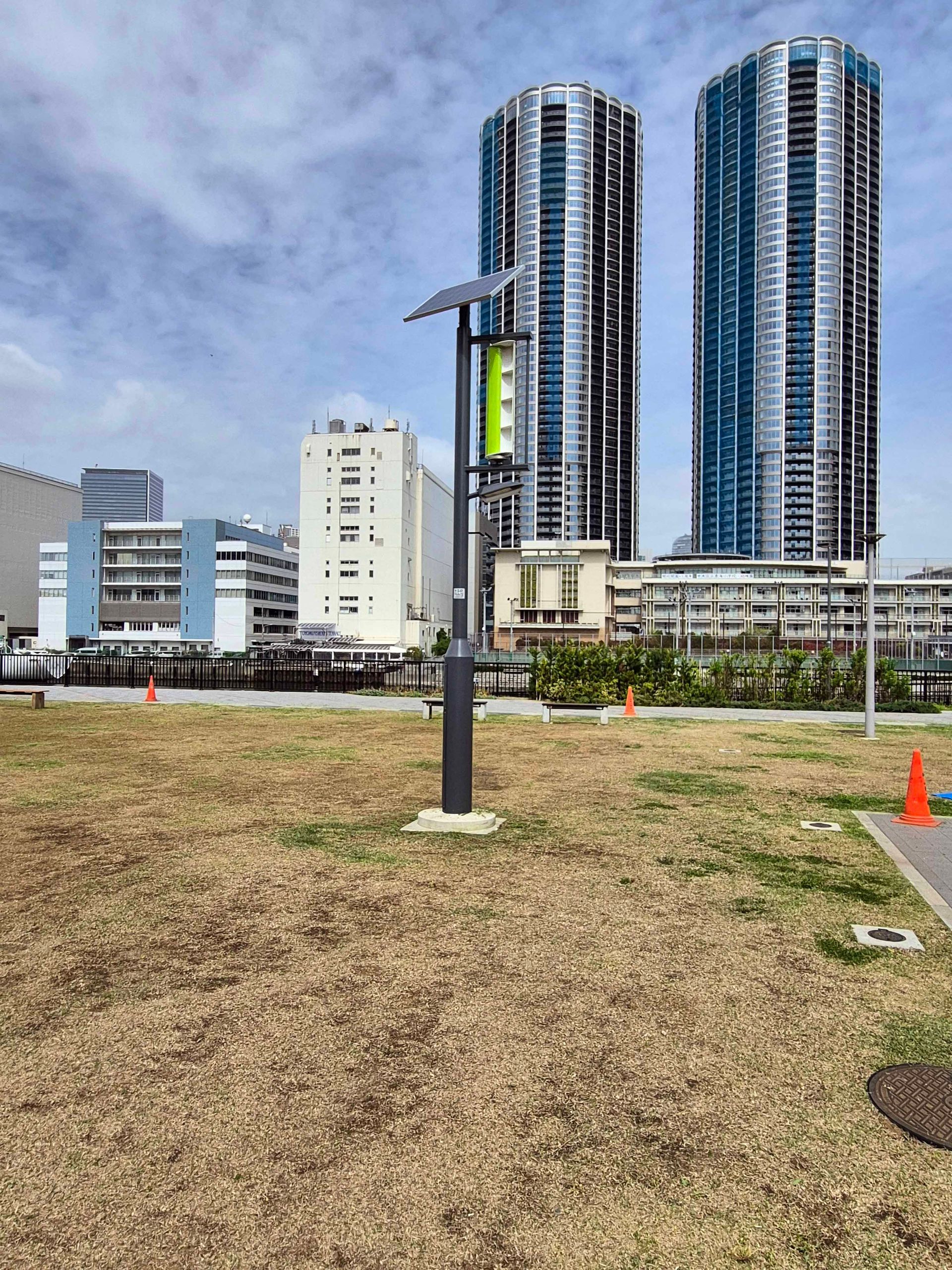
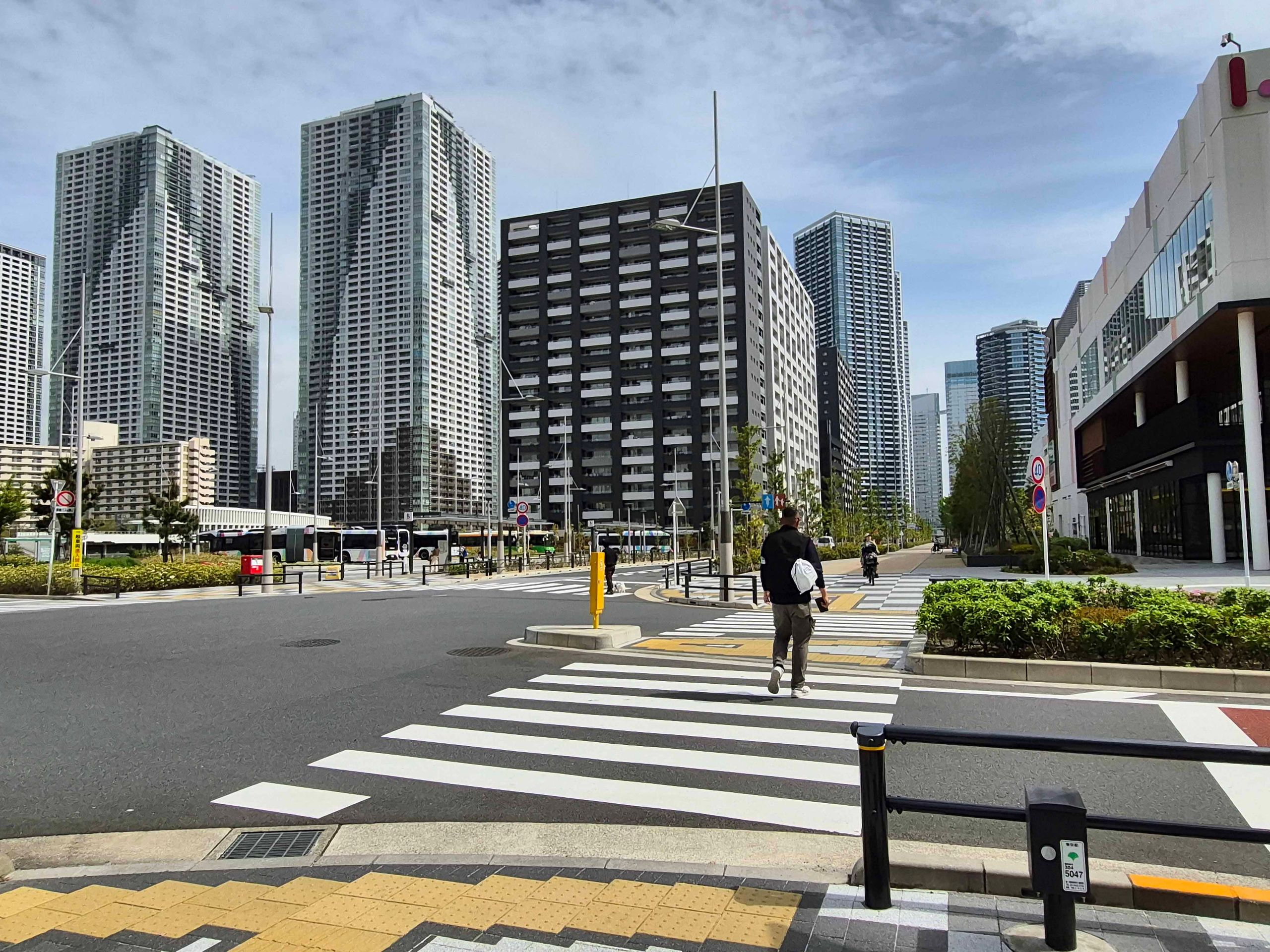
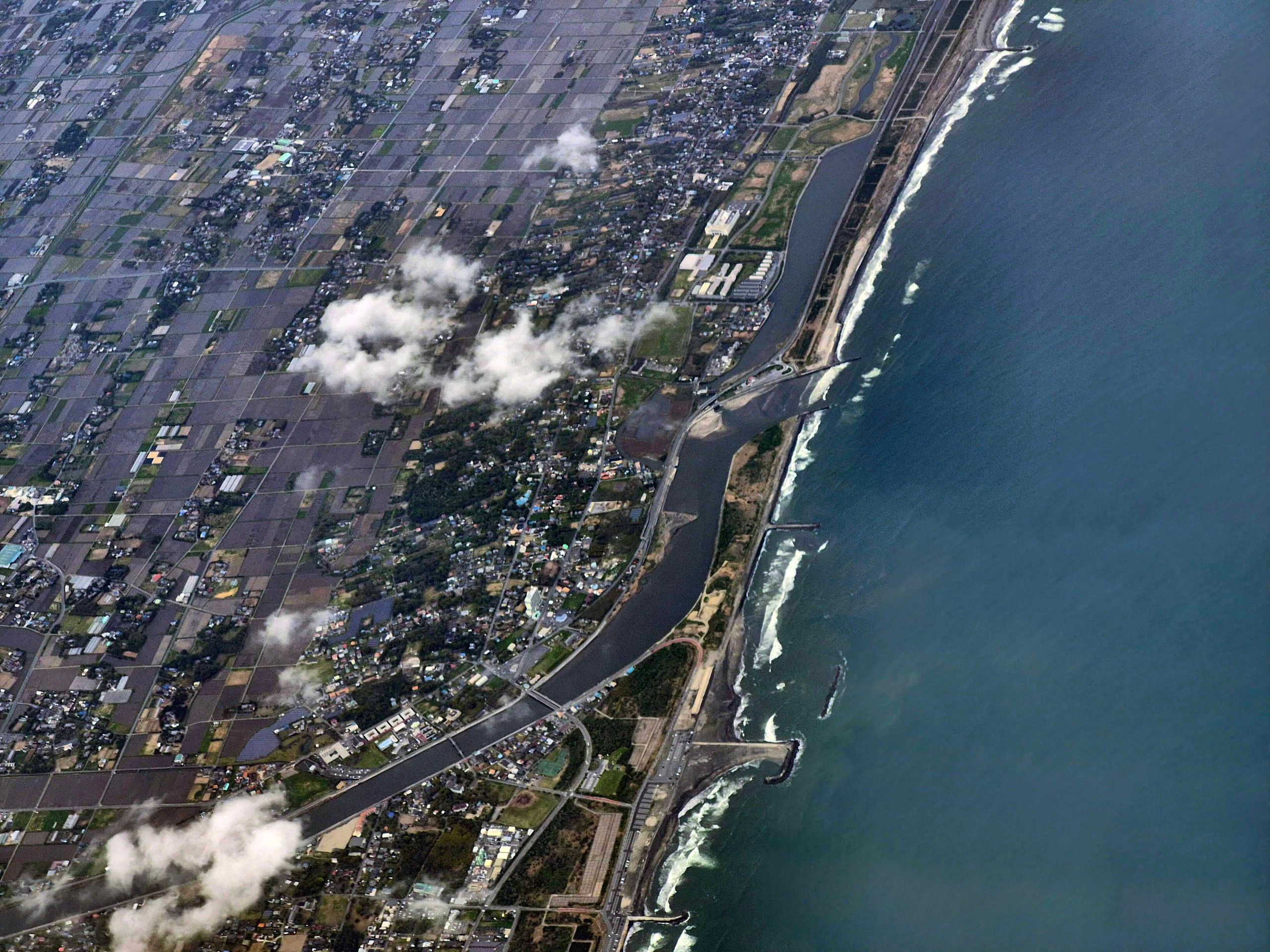

Shimizu, April 12, 2026
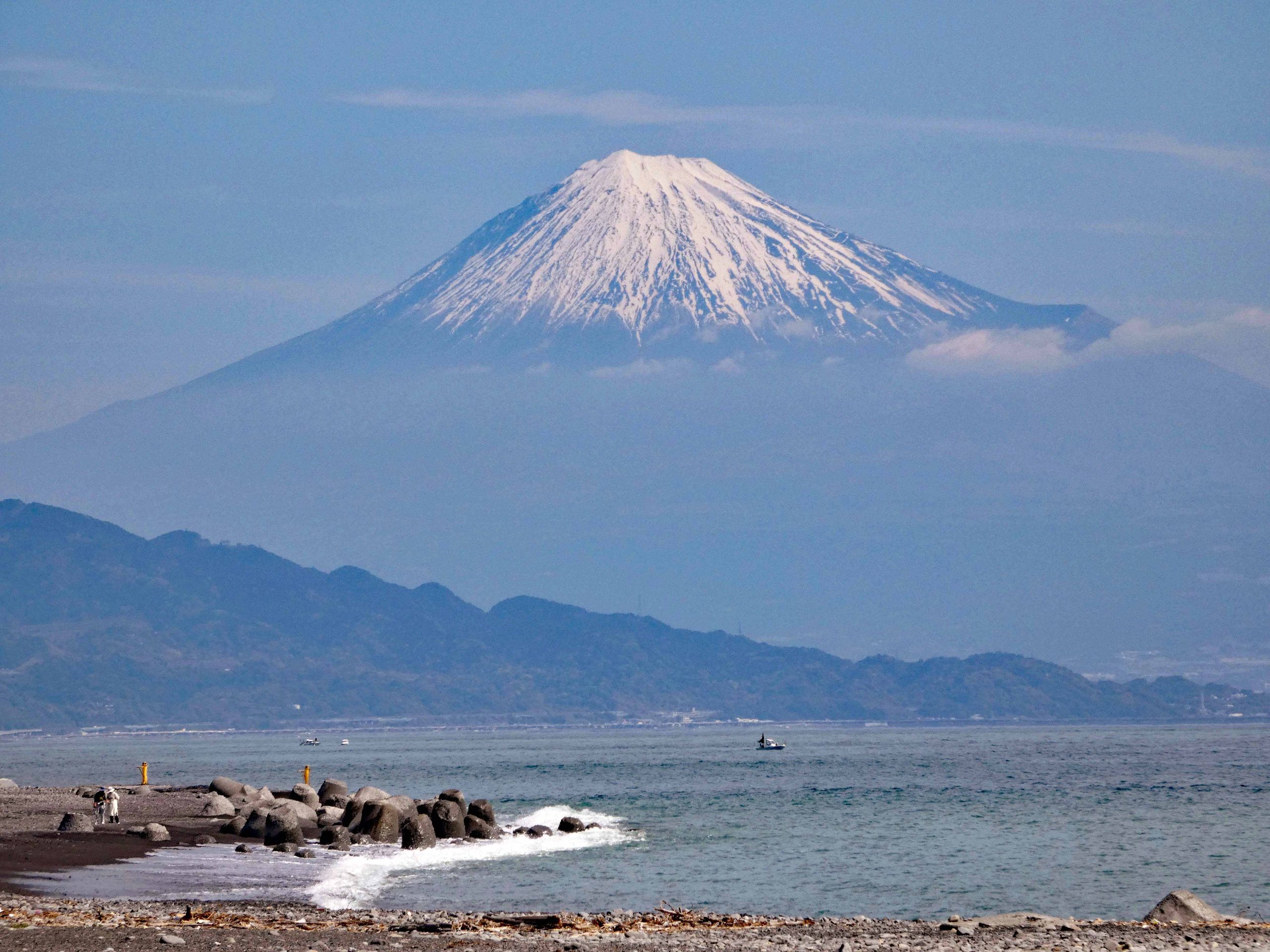
The weather forecast was not promising for a view of Mount Fuji. But surprisingly, the view from the balcony upon arrival showed Mount Fuji after all. ... Daily report to follow

Published: 20.04.2026
It was a wonderful and educational trip. Japan wasn't nearly as foreign as we had expected. The language barrier is significant, but with Google and the translation tools provided by the Japanese tourism office, it's manageable.
The Japanese are very helpful and they are keen to avoid giving you a bad impression of Japan. Occasionally, Japanese people will initiate contact, simply to find out where you're from, where you're going, and to practice their English. They will often want to shake hands. As for the rules of etiquette (e.g., not talking on public transport, wearing your backpack on your front, not using your phone while driving, always queuing), they aren't (or no longer are?) quite as strict. We did observe a few violations of these rules, though they were rather rare.
In the places where we had "business" contact with Japanese people (in shops, restaurants, taxis, public transport, etc.), they were especially helpful. It was astonishing how many people were involved. For example, when we bought tea, three saleswomen helped us; when we ate at a restaurant with a tour group of almost 60 people, 18 people served the food; and when the ship docked in a port, more than a dozen people set up and adjusted barriers for the passengers. This could easily take an hour. It's also surprising that the security checks at the ports aren't uniform. At some ports, there were passport checks when going ashore, occasionally even bag checks, and often no checks at all. On the one hand, we know that Japan is very efficient in its industrial operations, but in the work we observed, it was quite the opposite.
It's common knowledge that Japan is very clean. We can certainly confirm that. And the restrooms are fantastic for tourists. You can use them almost anywhere, and they're clean. They're usually fully automatic, with additional cleaning functions and sound effects—maybe you could even fly to the moon with them. You'd just need to know what all the buttons are for.
Public transport takes a little practice, but then a train journey with three changes is manageable. If necessary, you can always take a later train. Public transport has only one limitation: in small towns and rural areas, it can be practically unusable, not only because there are few lines, but sometimes also only a few services per day (we experienced five, probably only for schoolchildren). We have it much better here.
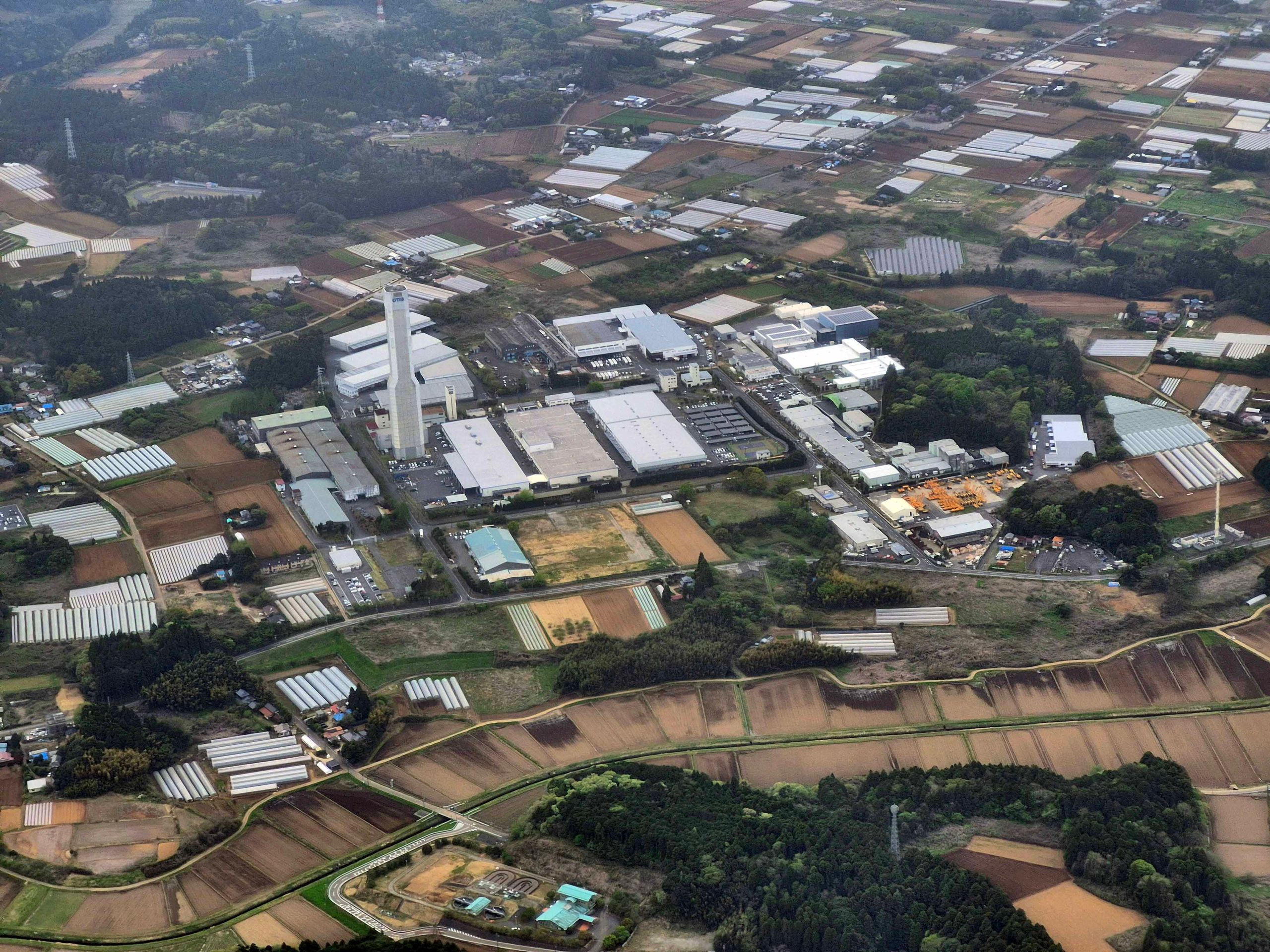
Regions with smaller populations and smaller towns have many more traditional houses, but they are also significantly poorer. The houses are less well-maintained, and everything appears shabby. Rural depopulation is also taking place there, resulting in some completely abandoned houses.
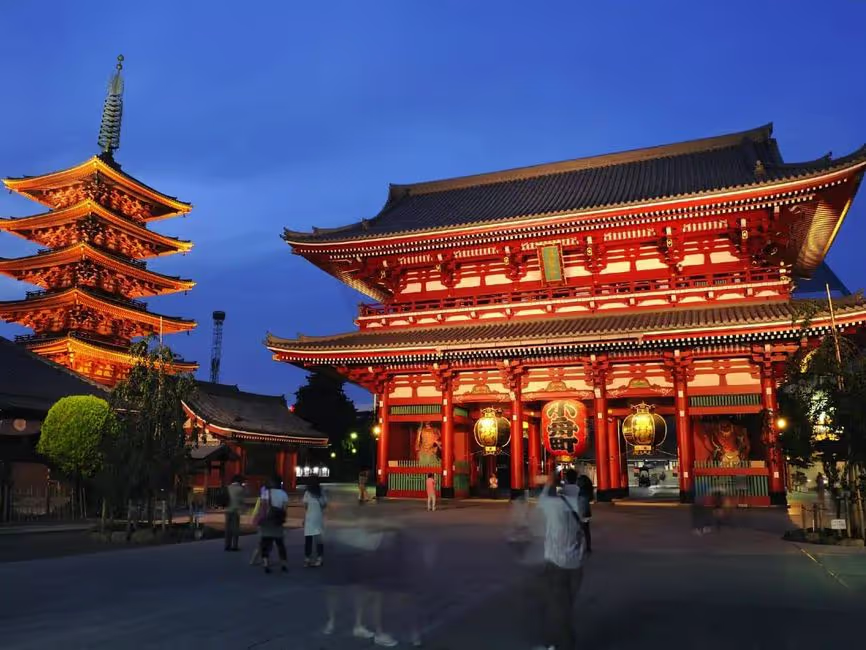
We also learned how to behave reasonably well at Shinto shrines and Buddhist temples. The experience really changes when you bow and offer a sacrifice at each gateway, for example. The religiously important temples are simply very, very crowded, especially with Japanese people. Although the majority of Japanese people now don't identify with any religion, it seems they still visit a temple from time to time. Whether it's a Shinto shrine or a Buddhist temple doesn't seem to matter much.
The way the Japanese deal with their warlike past is somewhat troubling. Whether it's World War II or the various campaigns of conquest in China, Taiwan, and Korea, the fact that injustices were committed is simply not addressed. In museums and at monuments, it's simply not mentioned that these wars were justified; nothing is said about them. However, if you read online reviews of these sites from Japanese visitors, the wars are described as necessary and justified. It's a striking contradiction that such friendly people simultaneously have no problem with the millions of war-related deaths.
There's a lot of talk about overtourism, but thankfully we didn't experience any negative reactions from Japanese people. We also didn't witness any other tourists behaving badly. While our trip mainly took us to cities and we only saw a few less populated regions, we believe we were able to get a good impression of Japan in those five weeks. We would definitely do the trip again and can recommend Japan.