
Yokohama - Kobe Crossing, March 31, 2026
Our captain prefers to drive along unpaved backroads instead of the highway. This means it's pretty bumpy and shaky. However, we are doing well for now, but there are noticeably...

Published: 01.04.2026
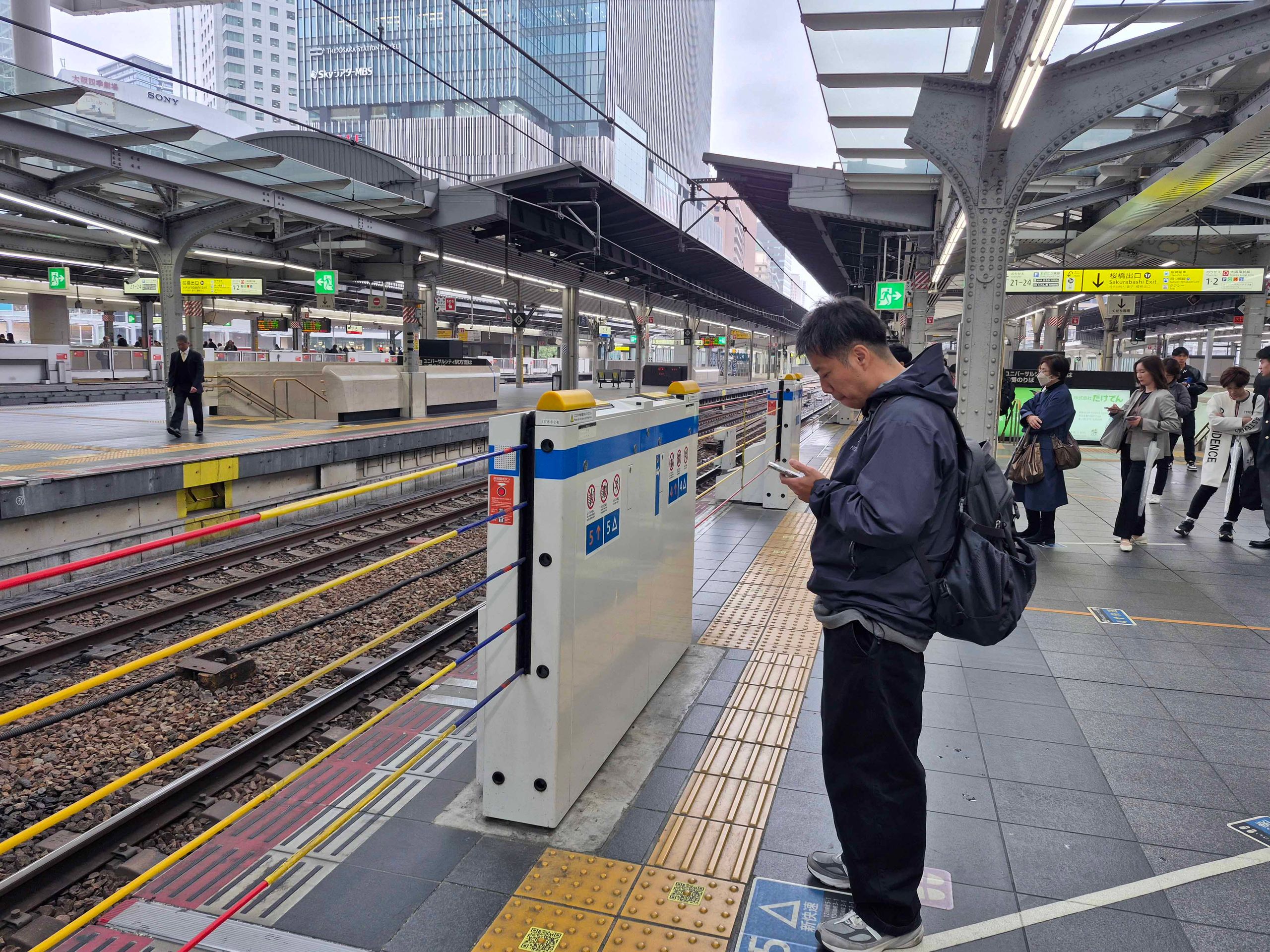
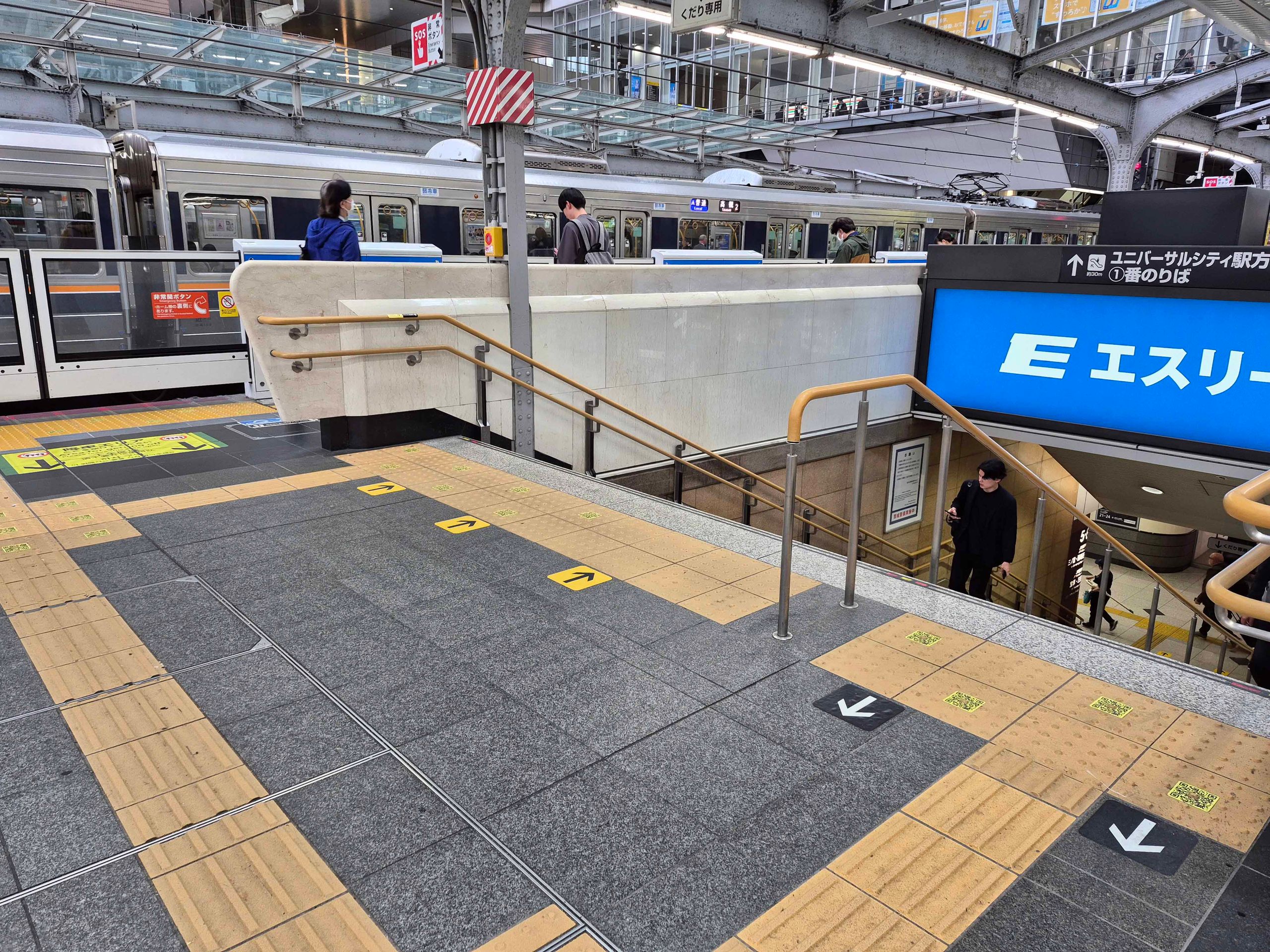
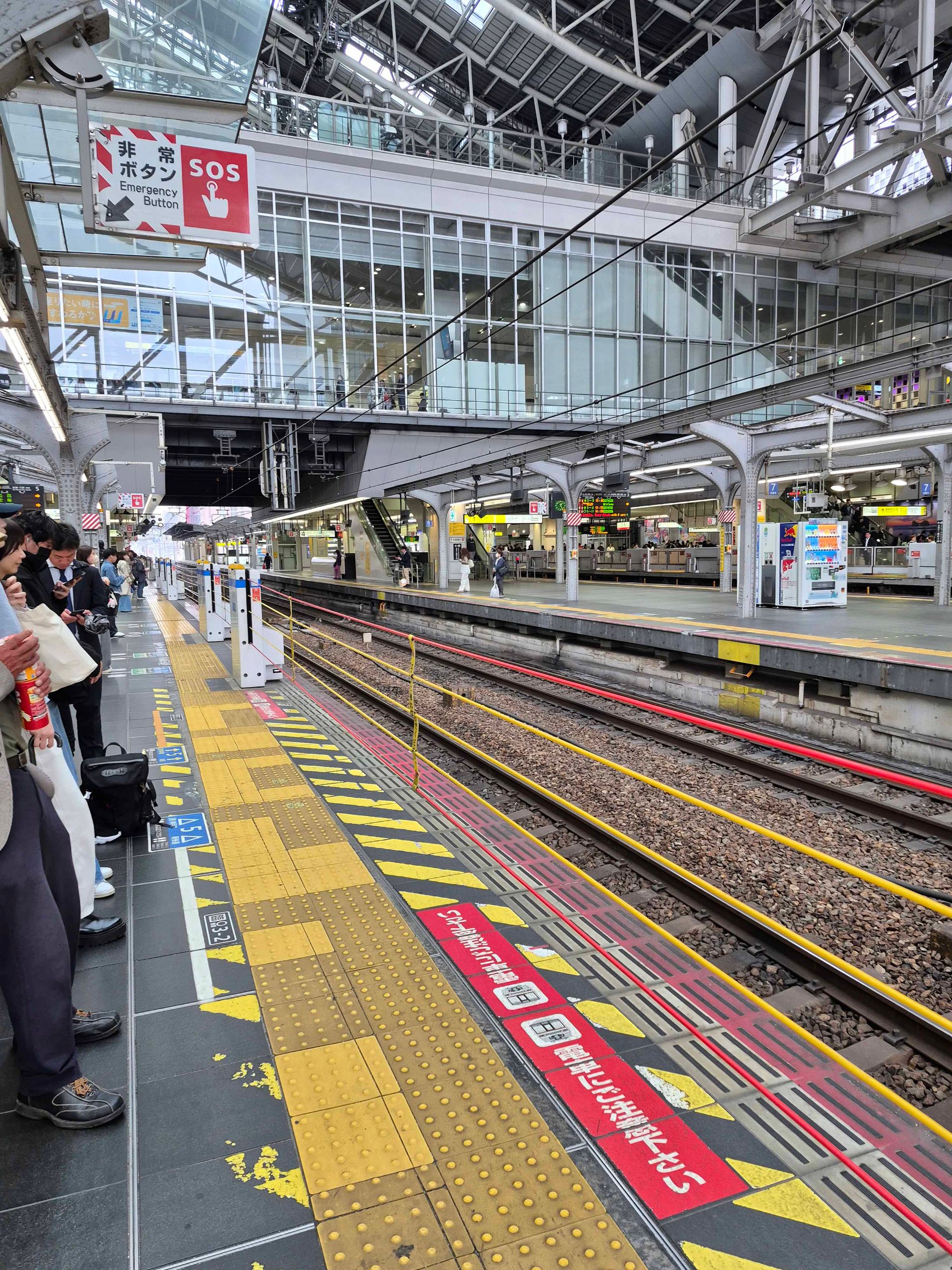
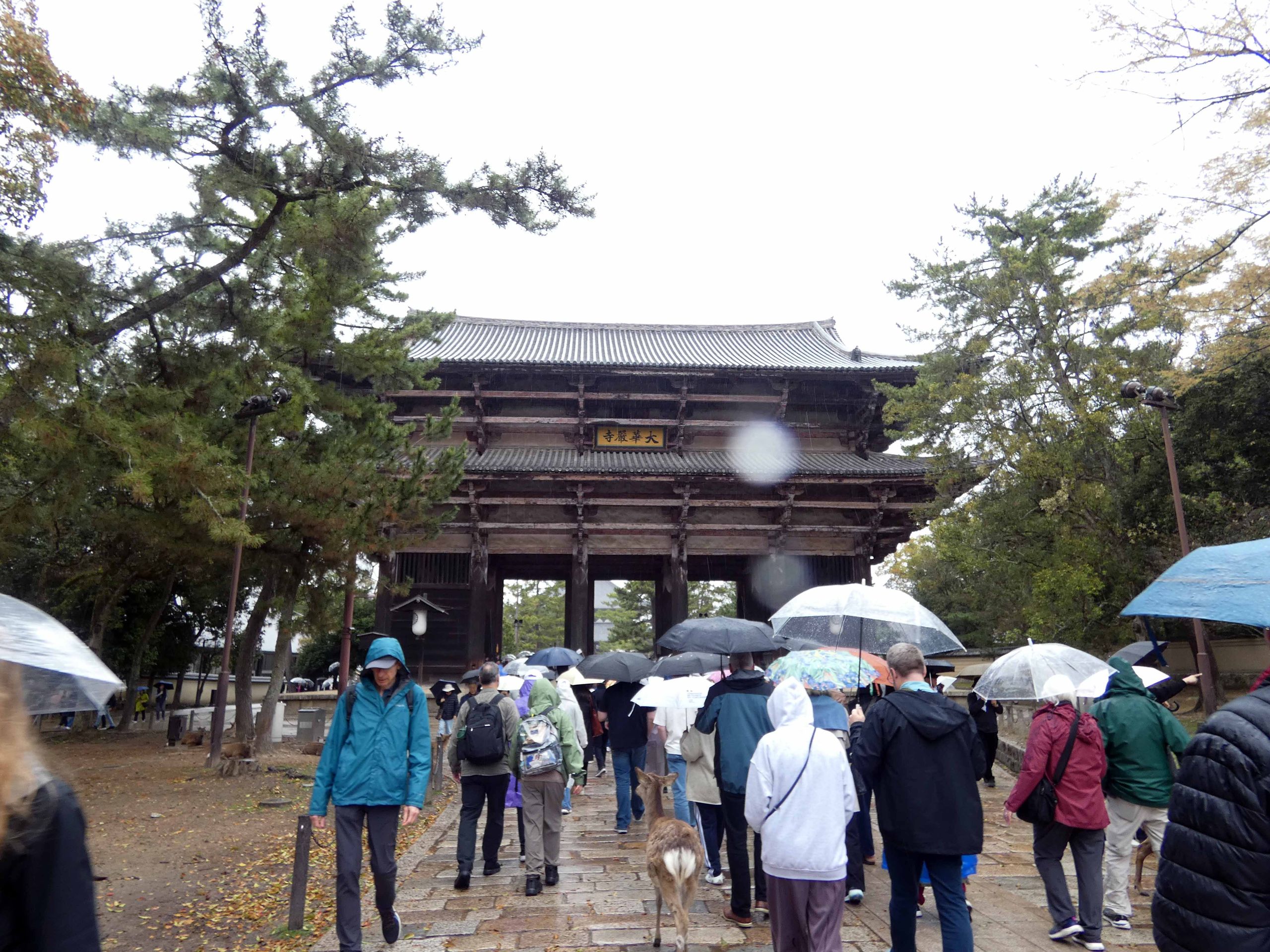
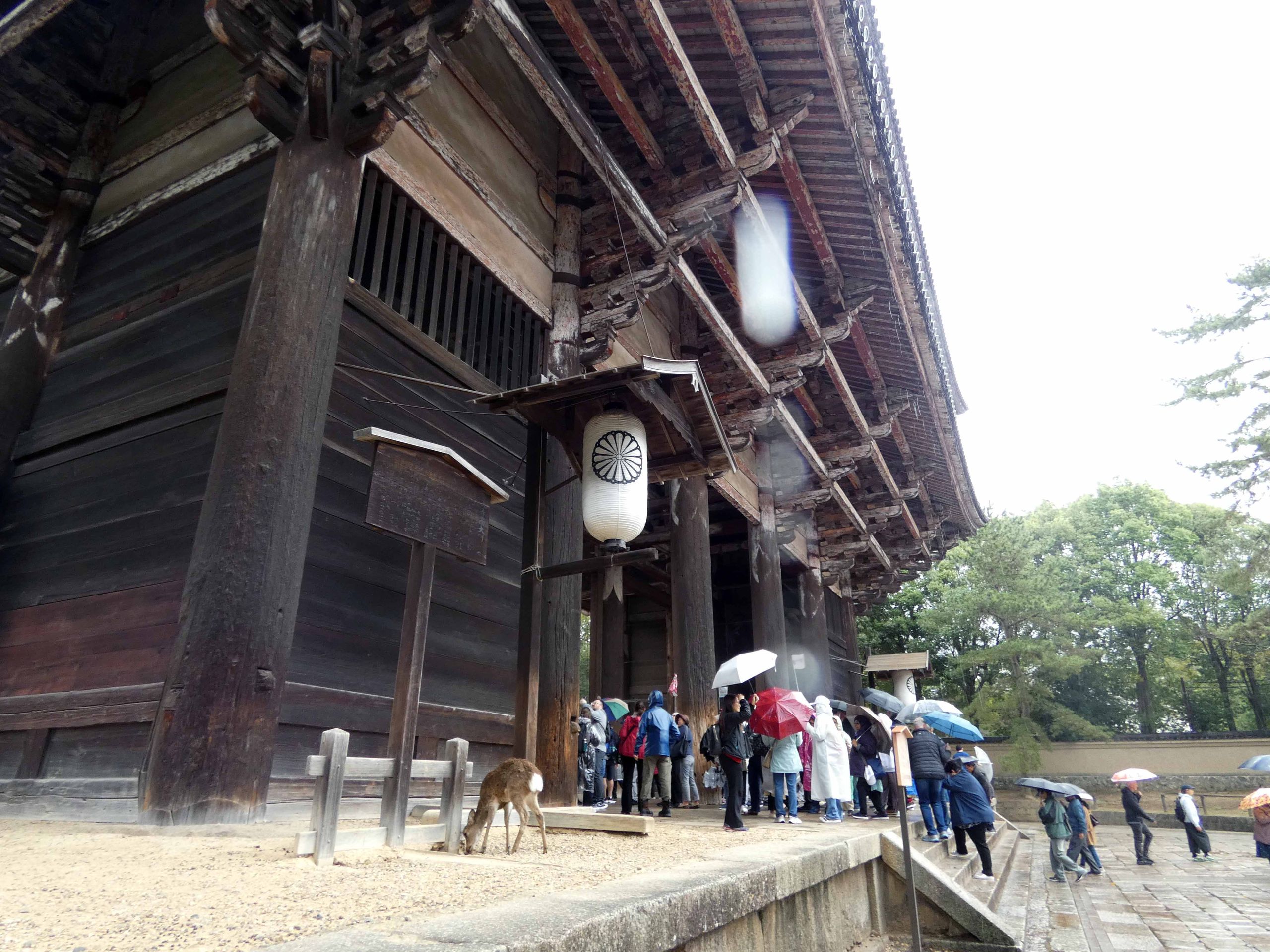
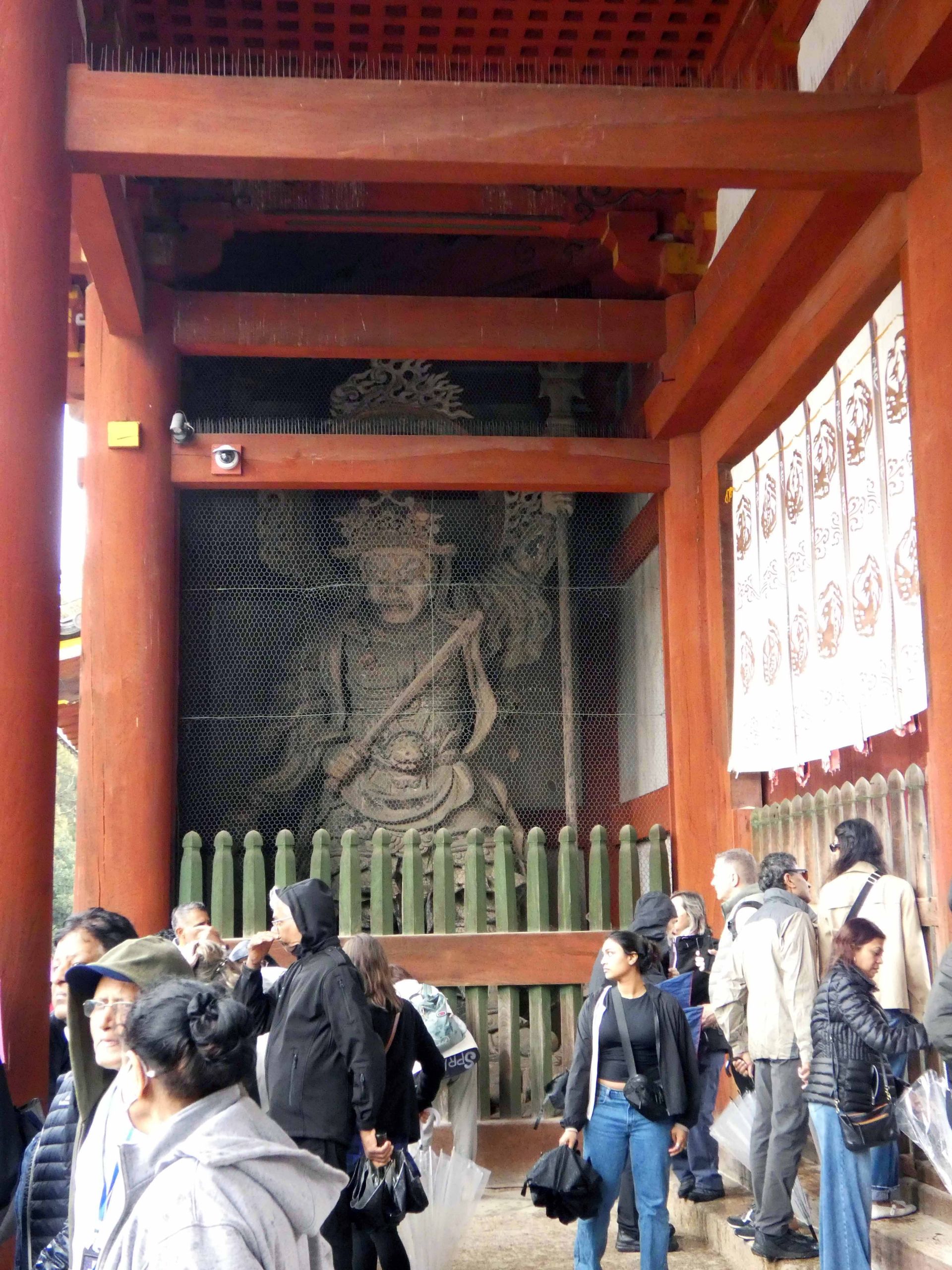
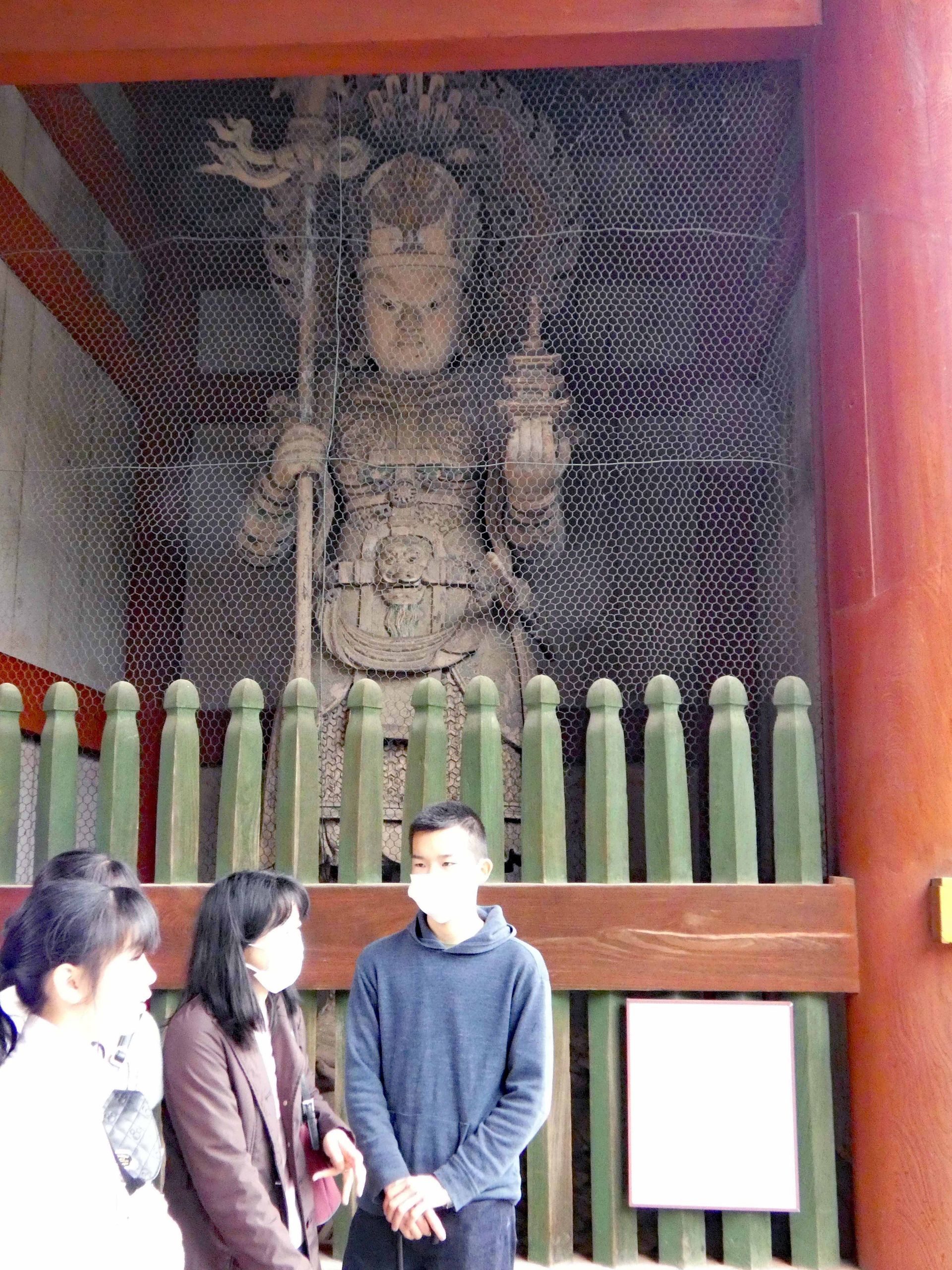
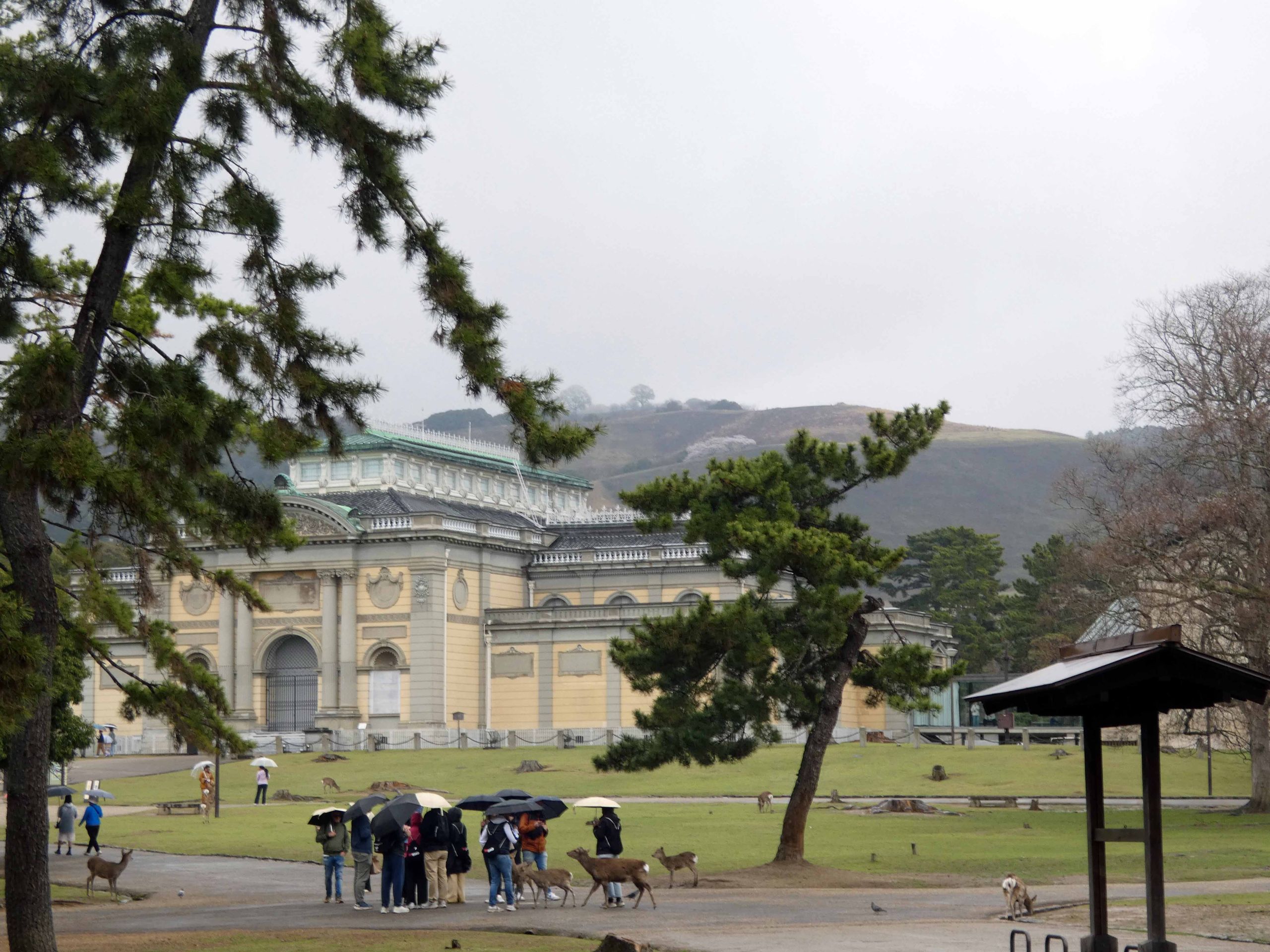
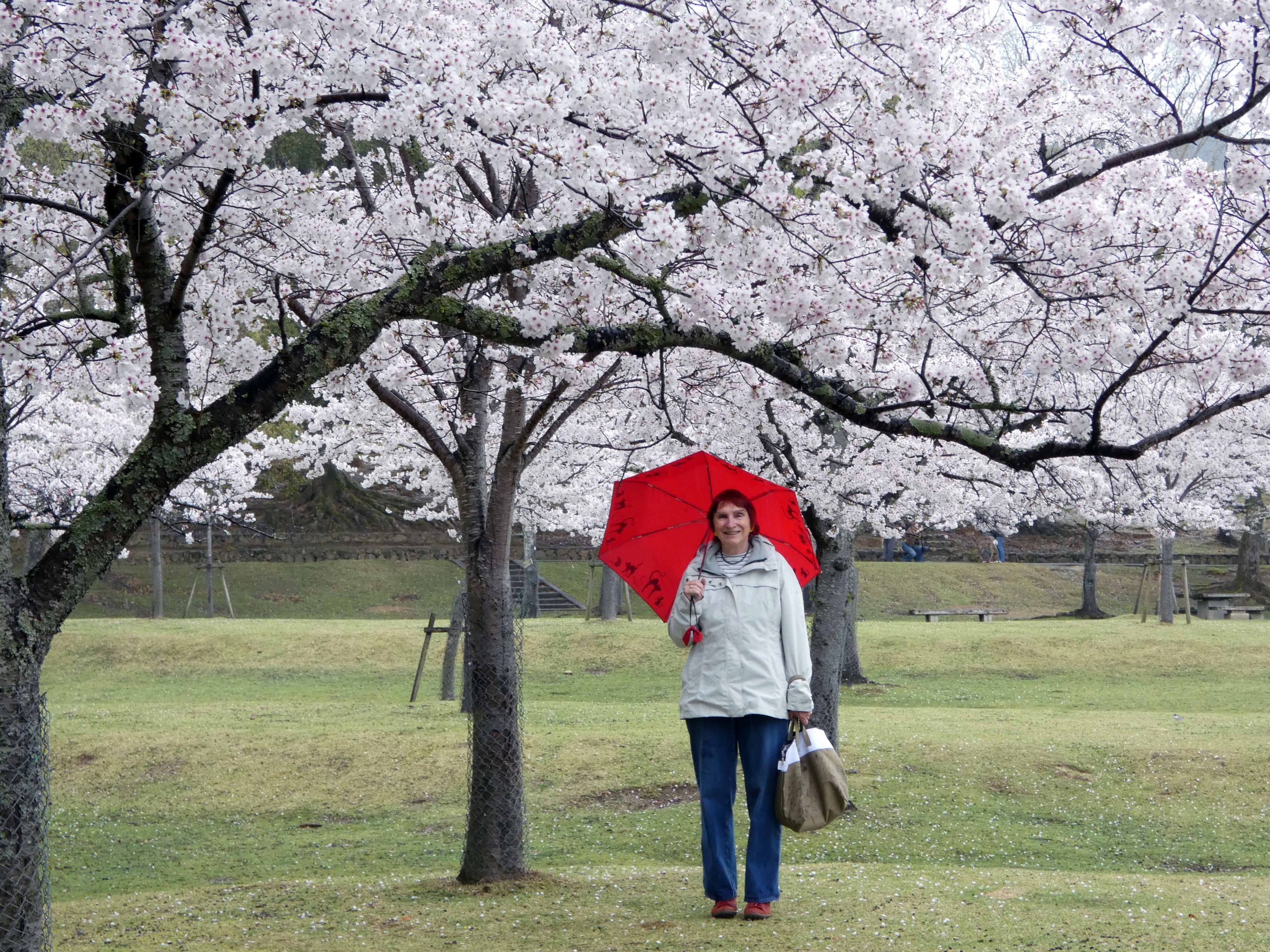
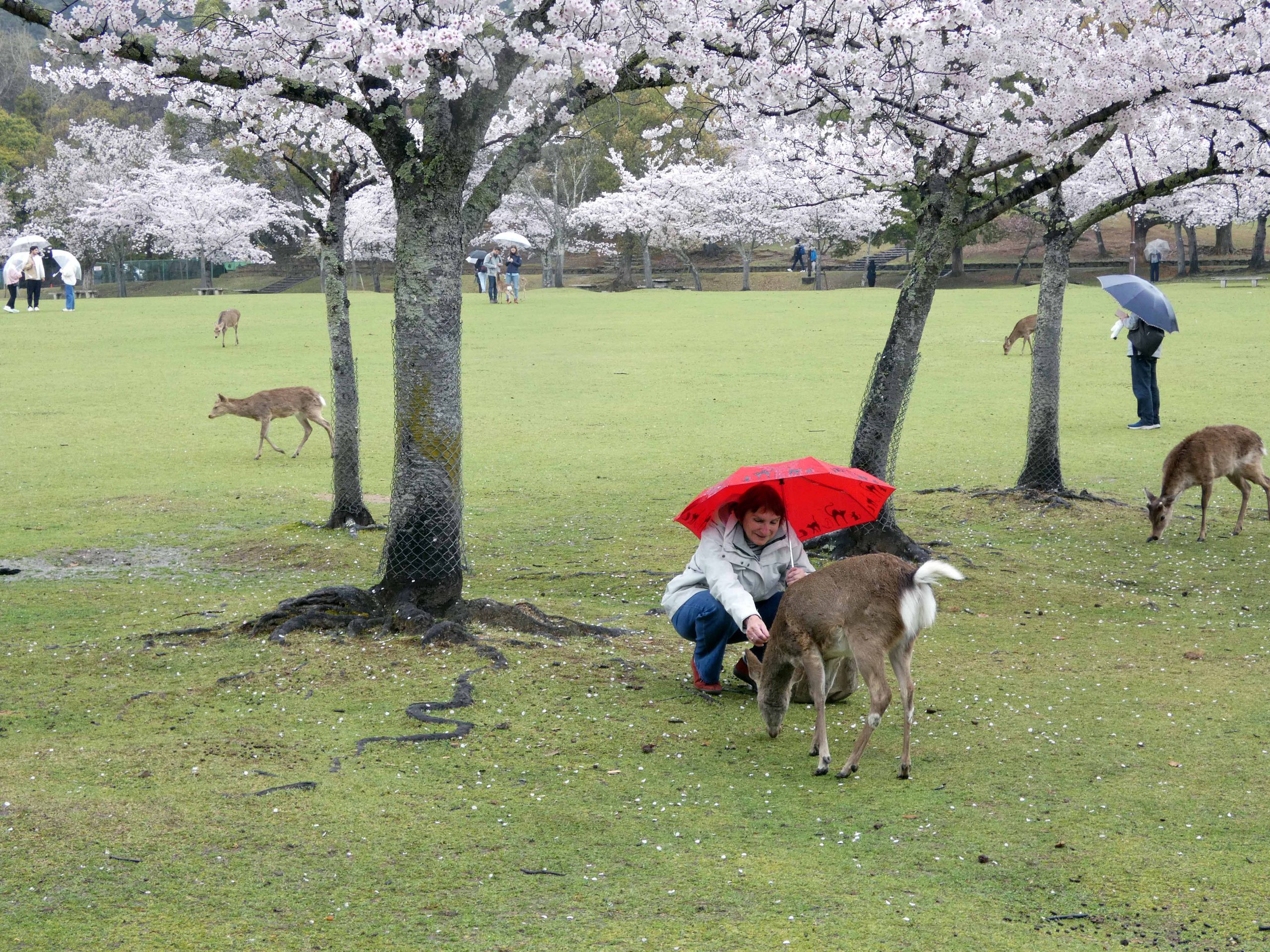
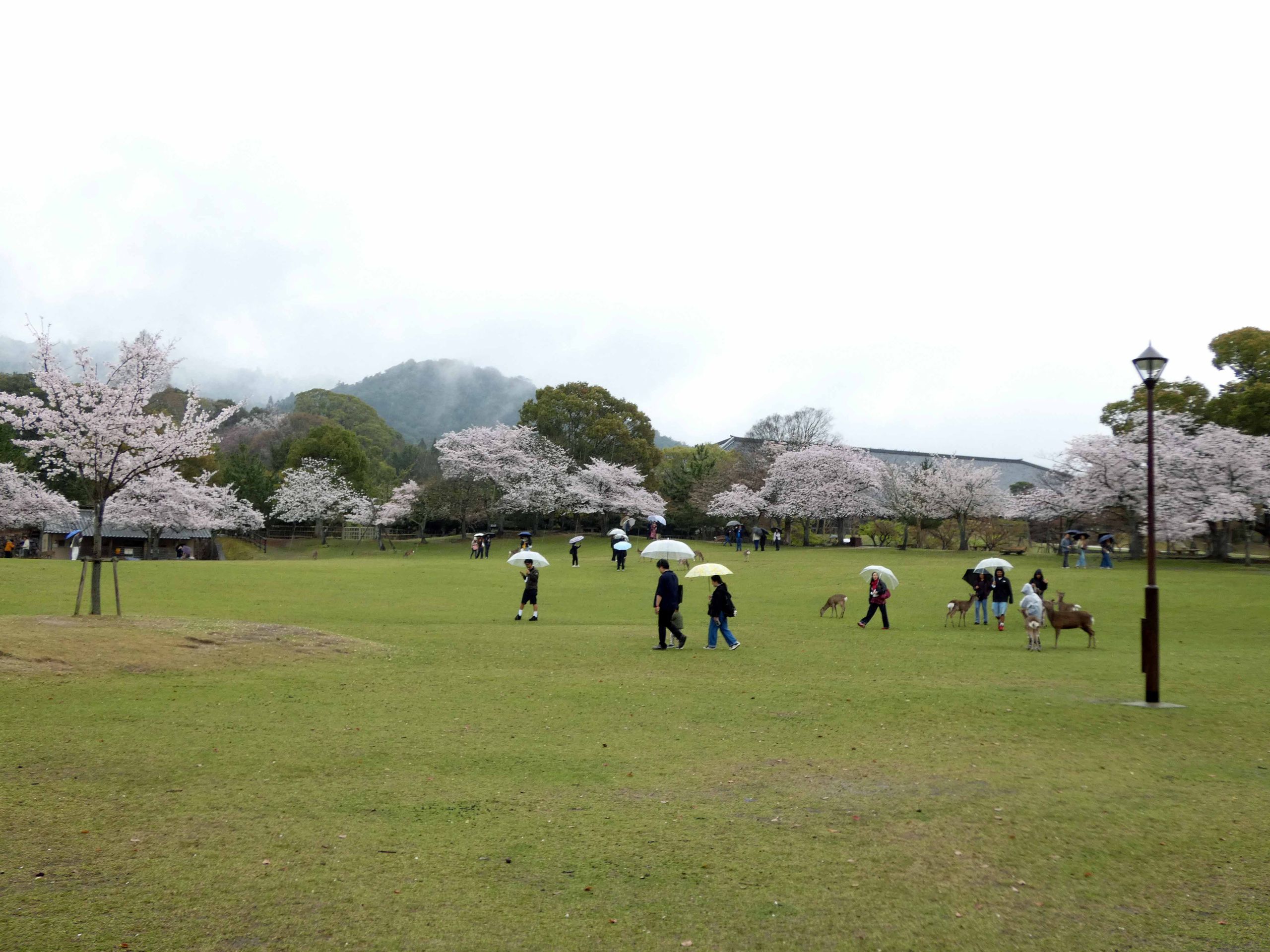
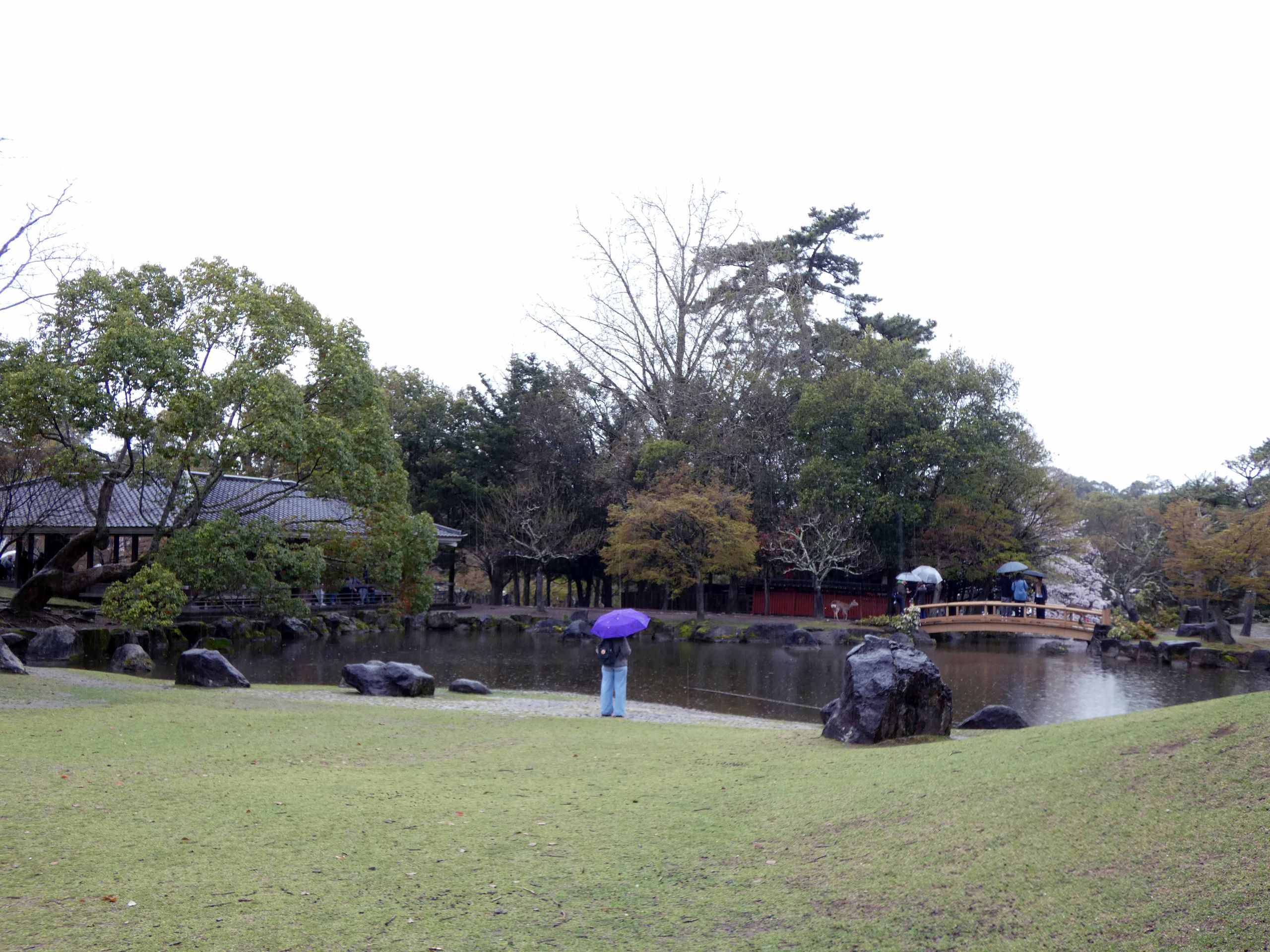
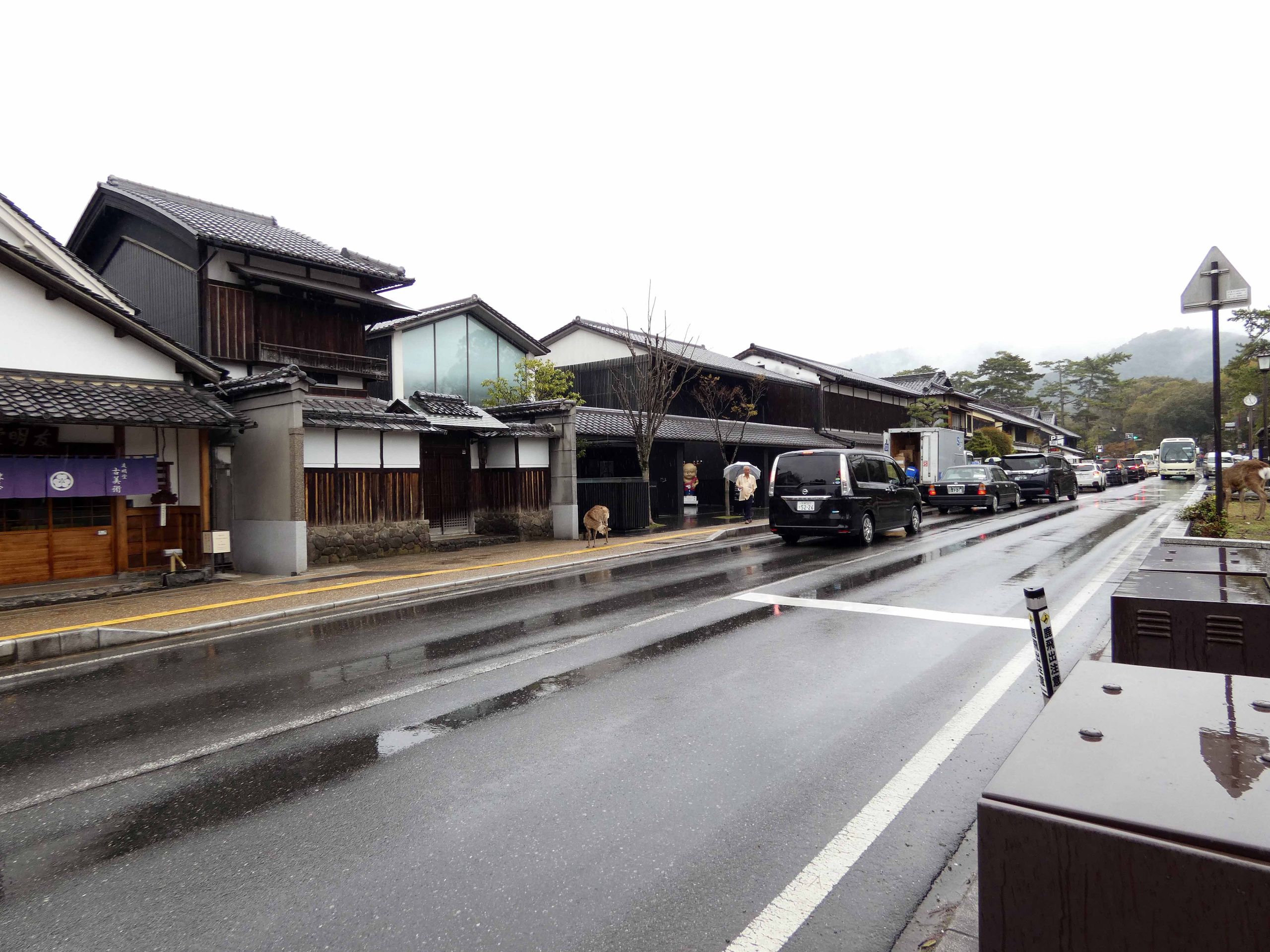
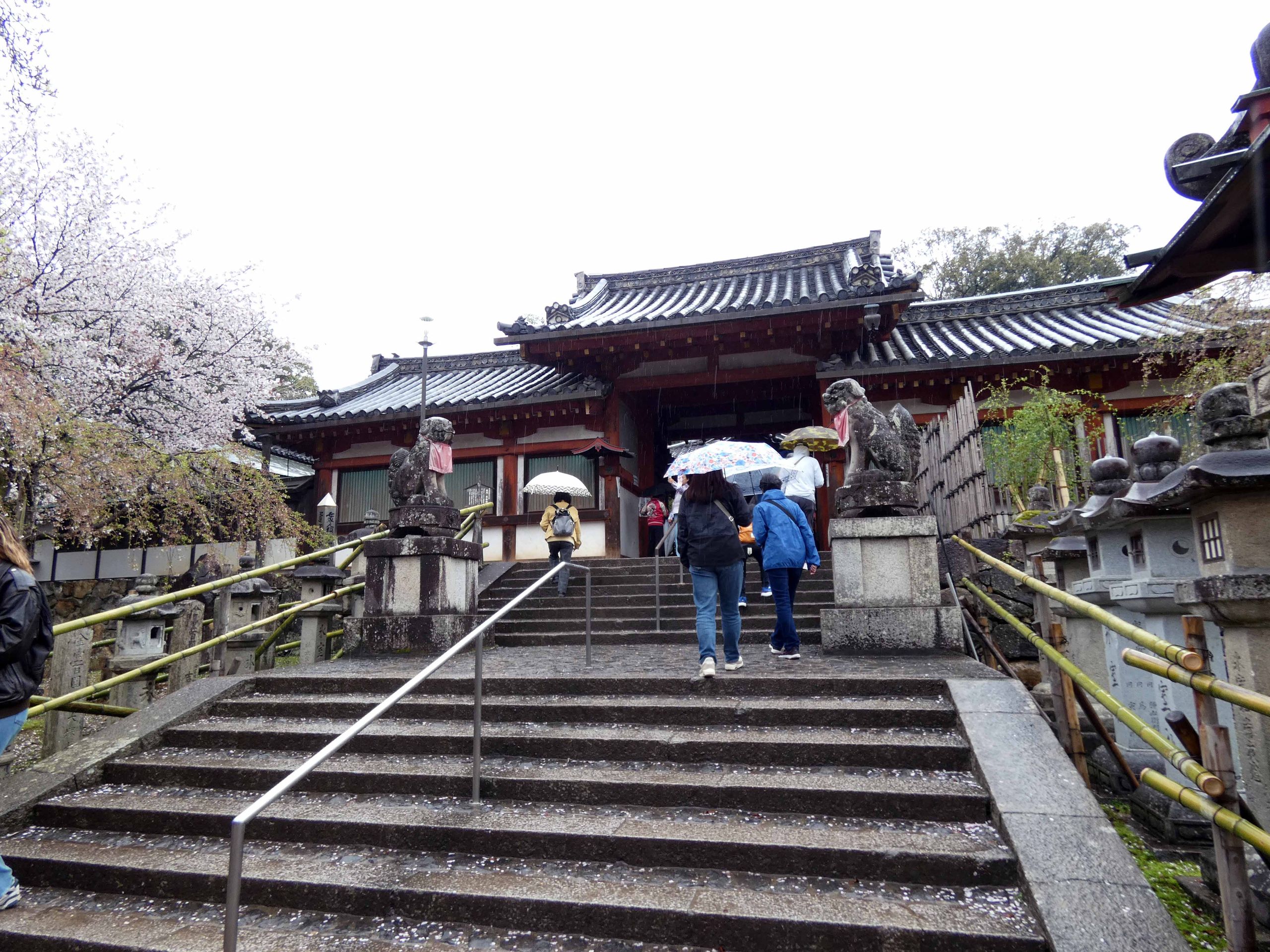
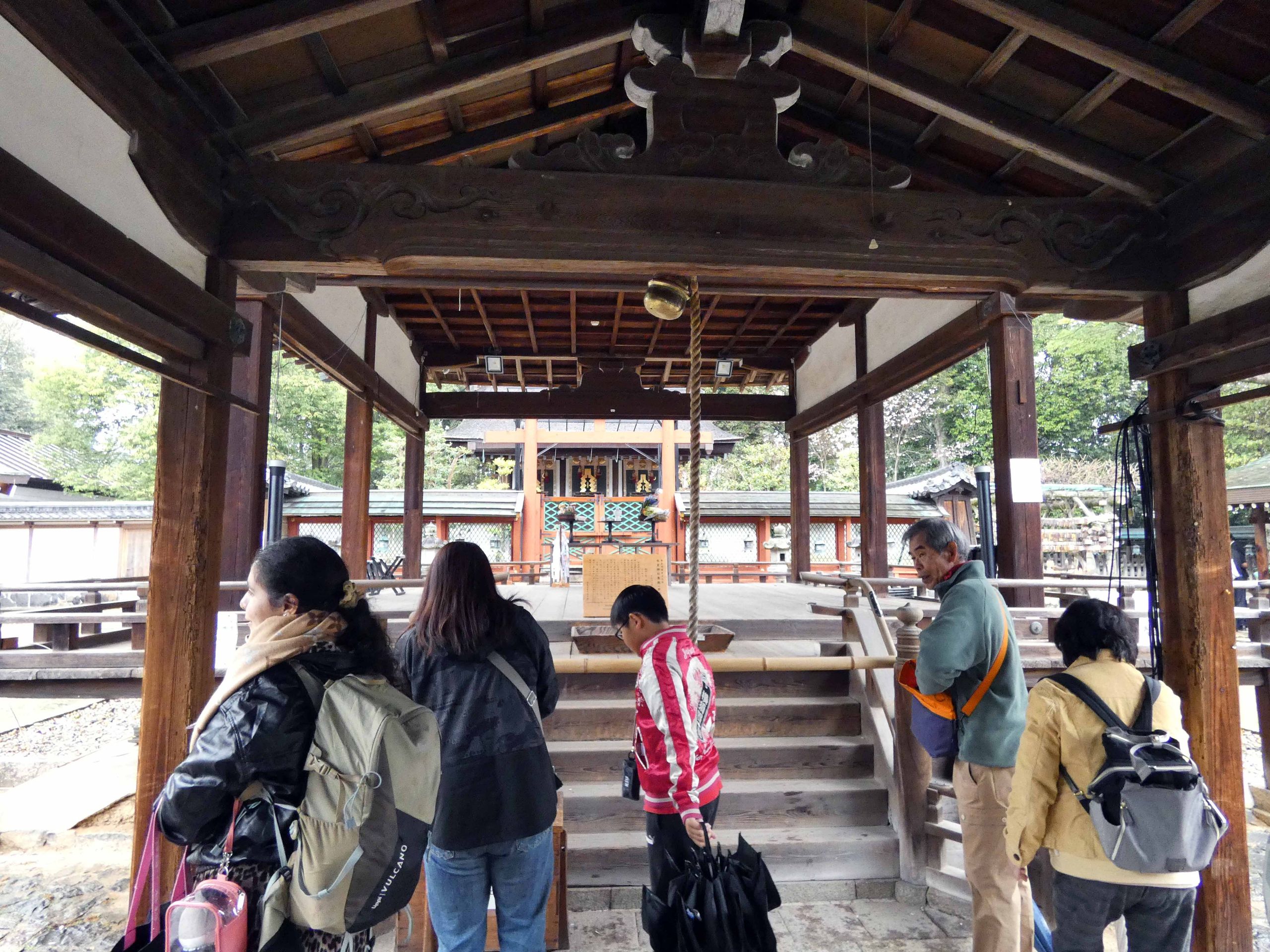
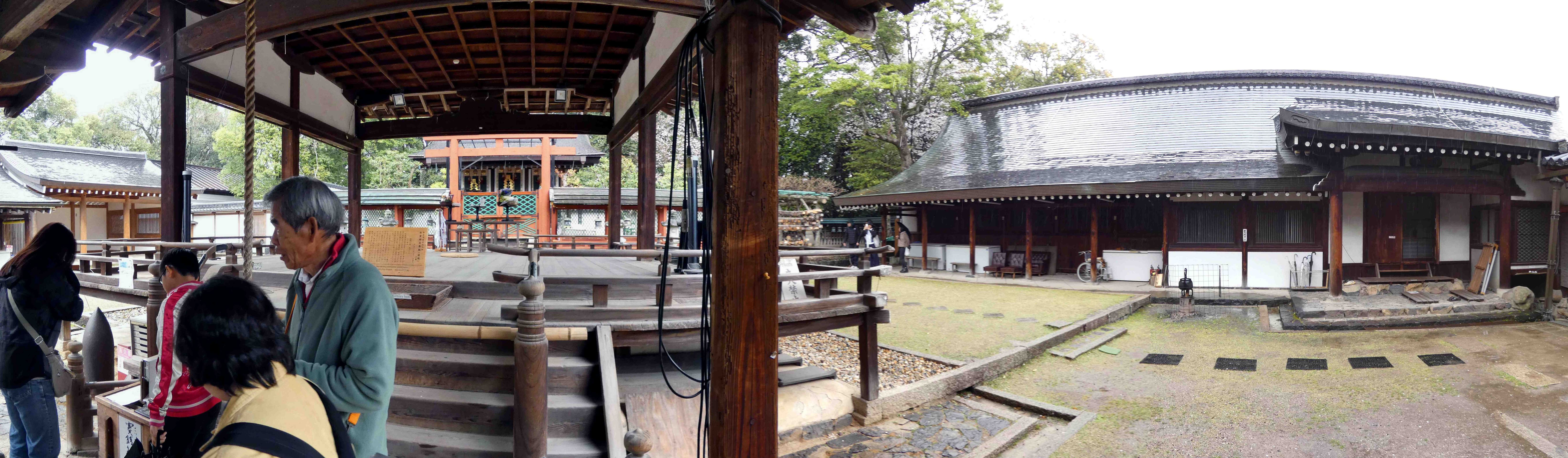
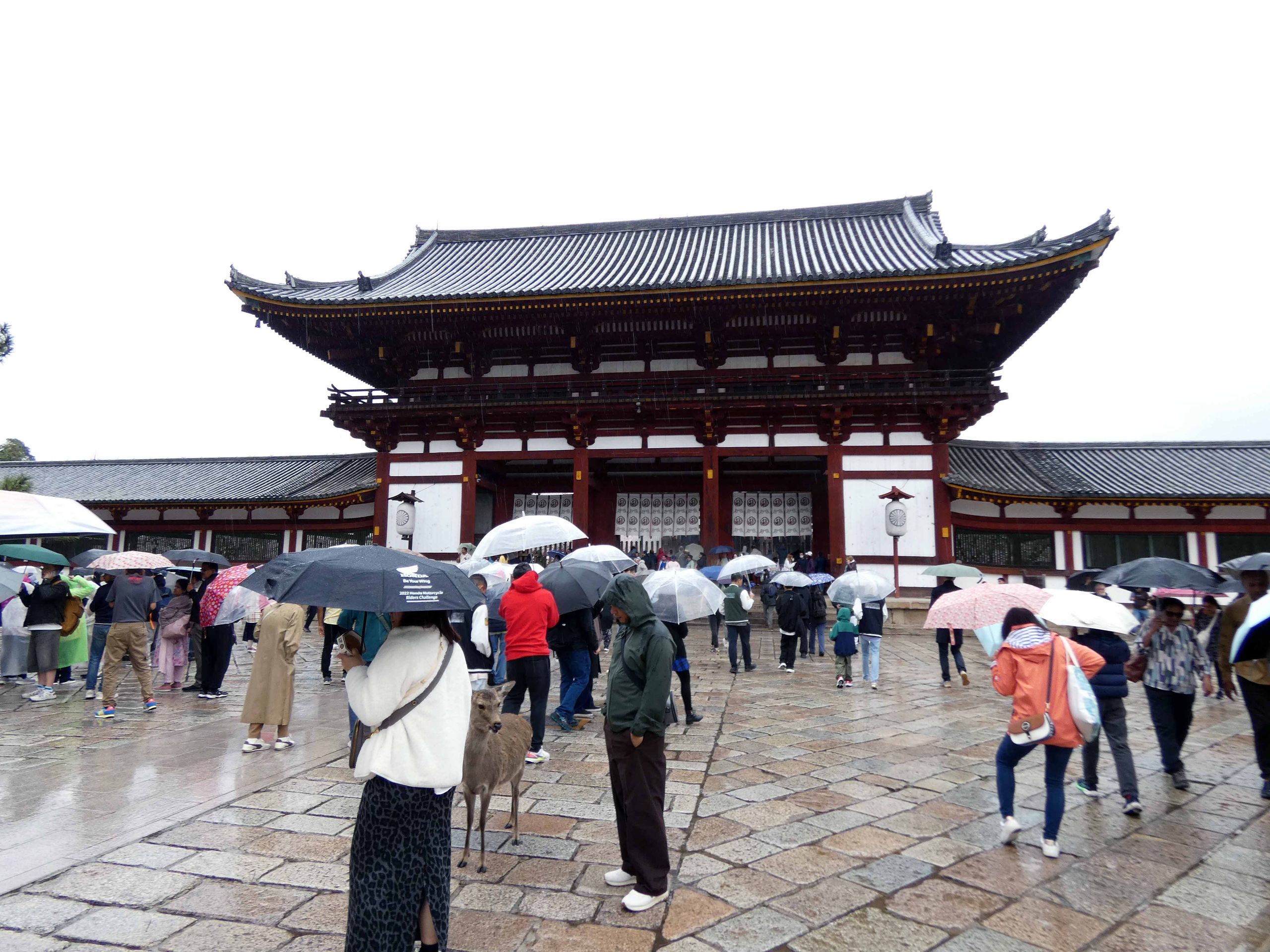
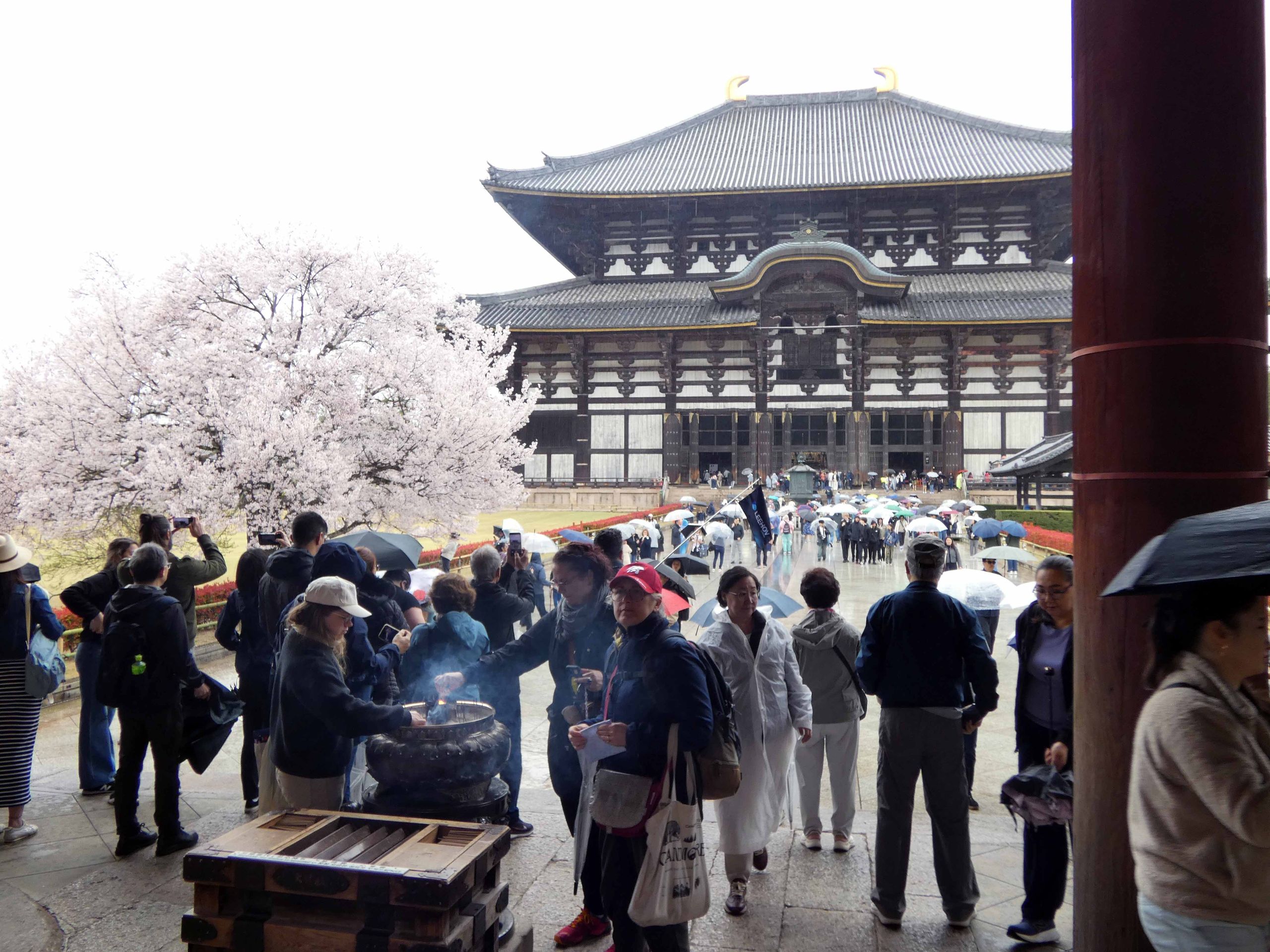
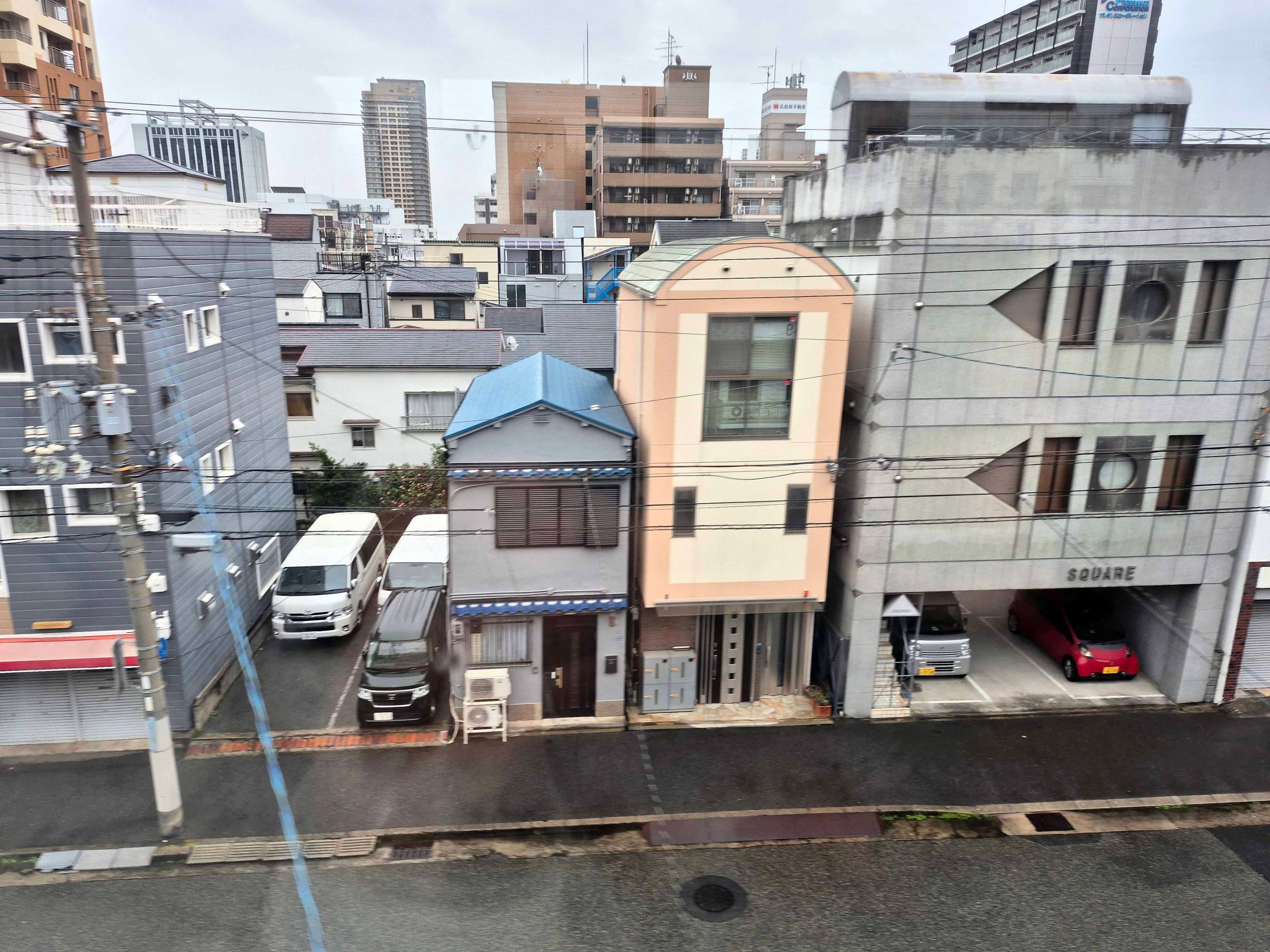
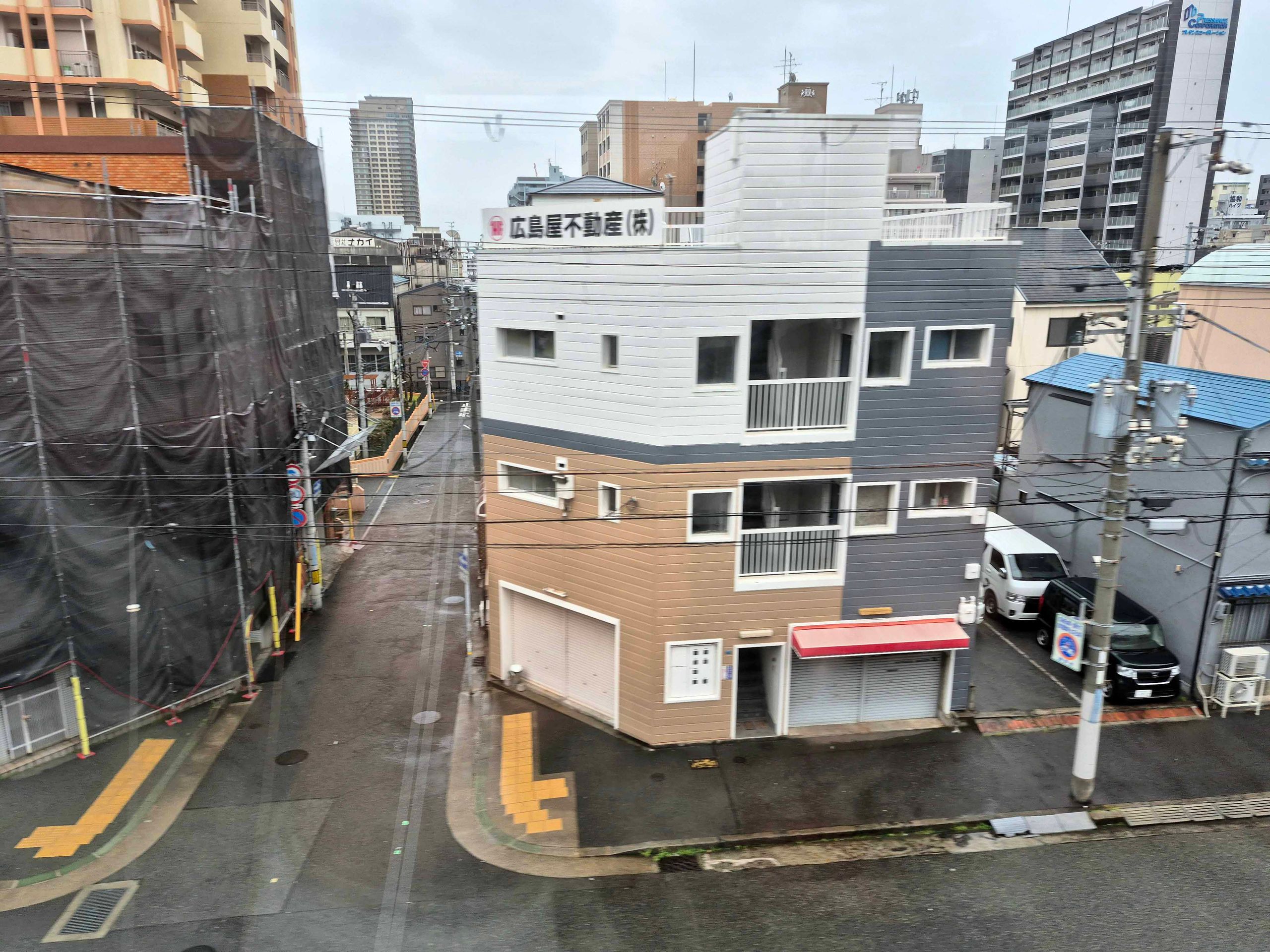
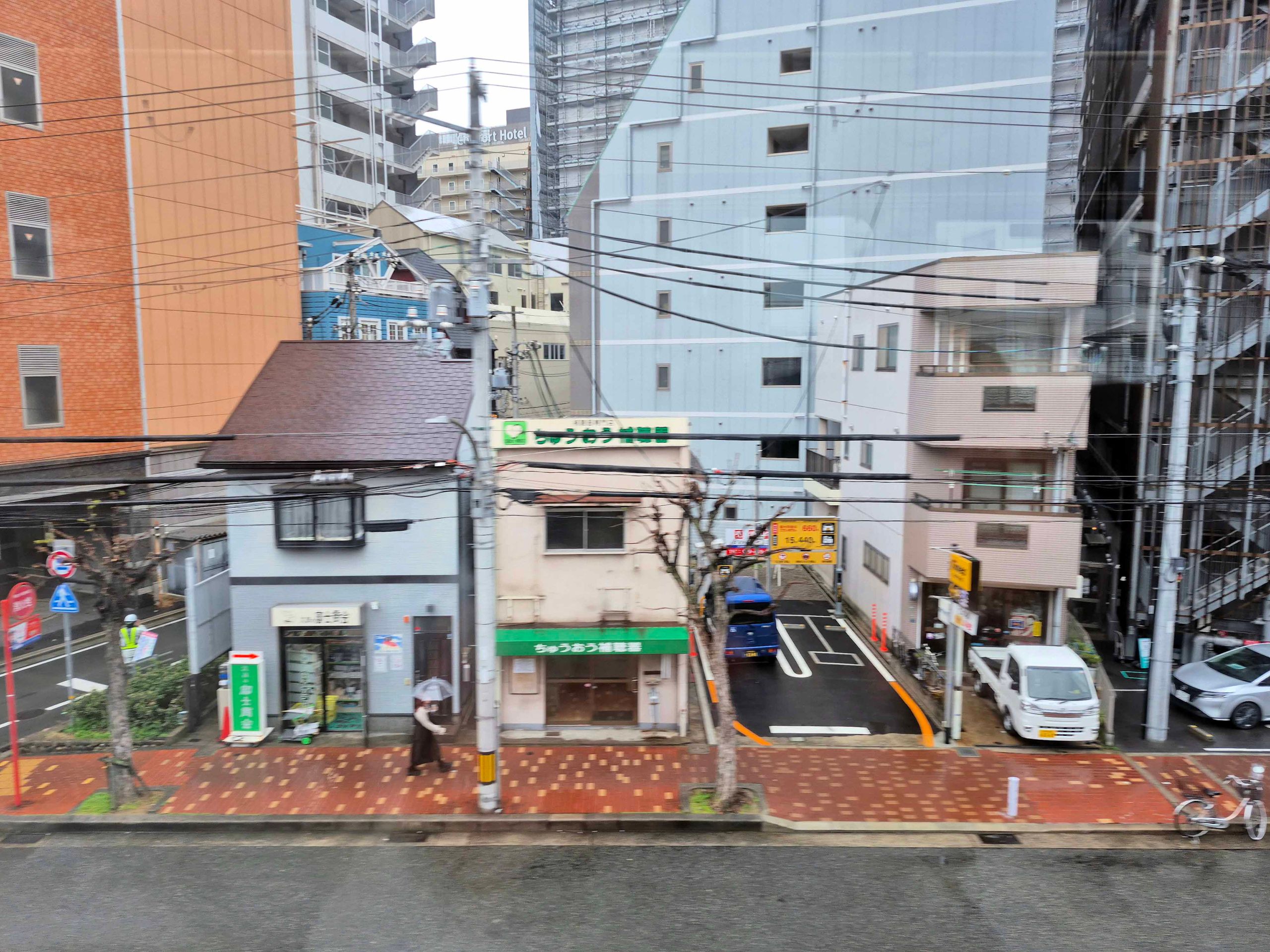
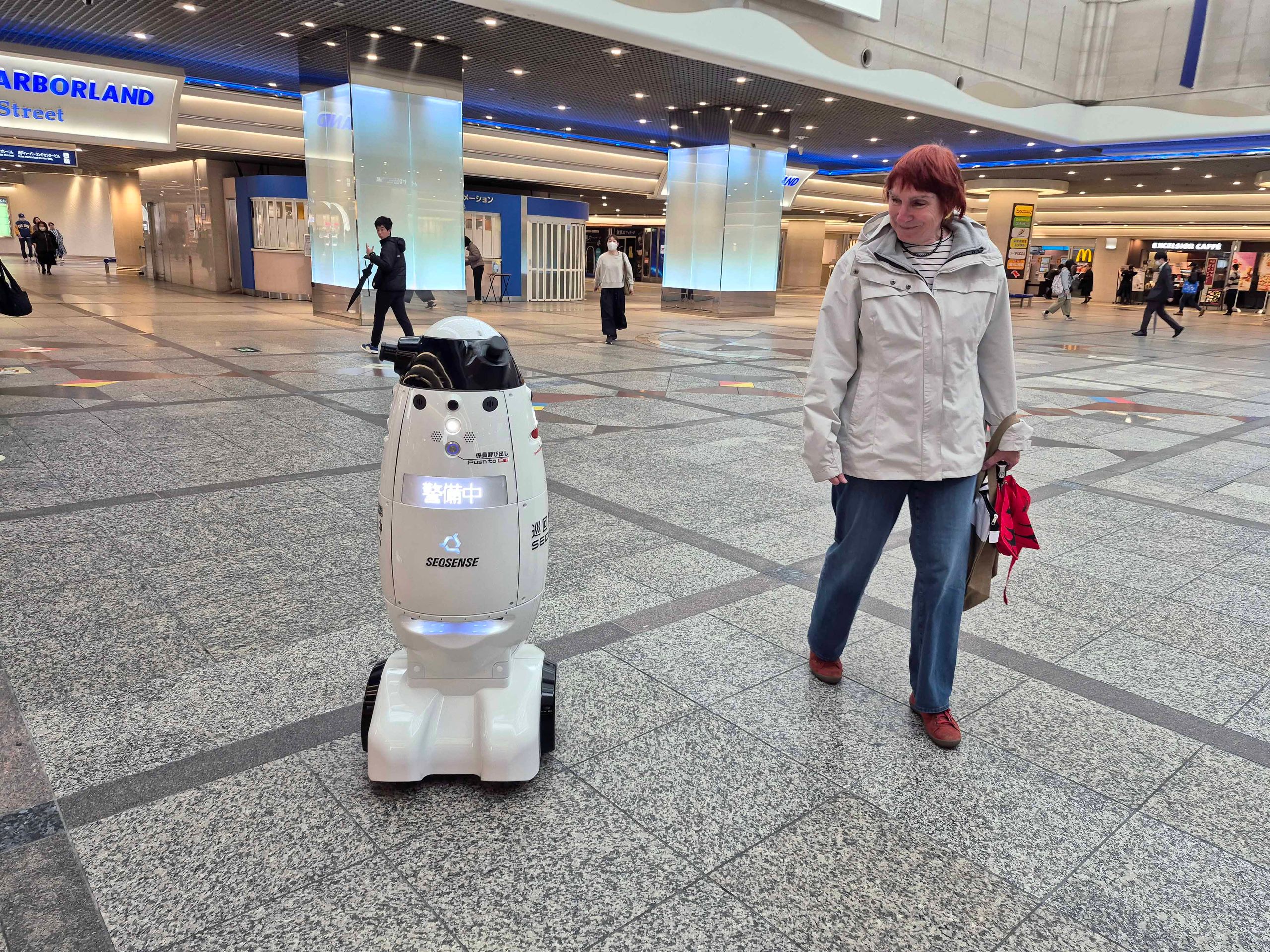
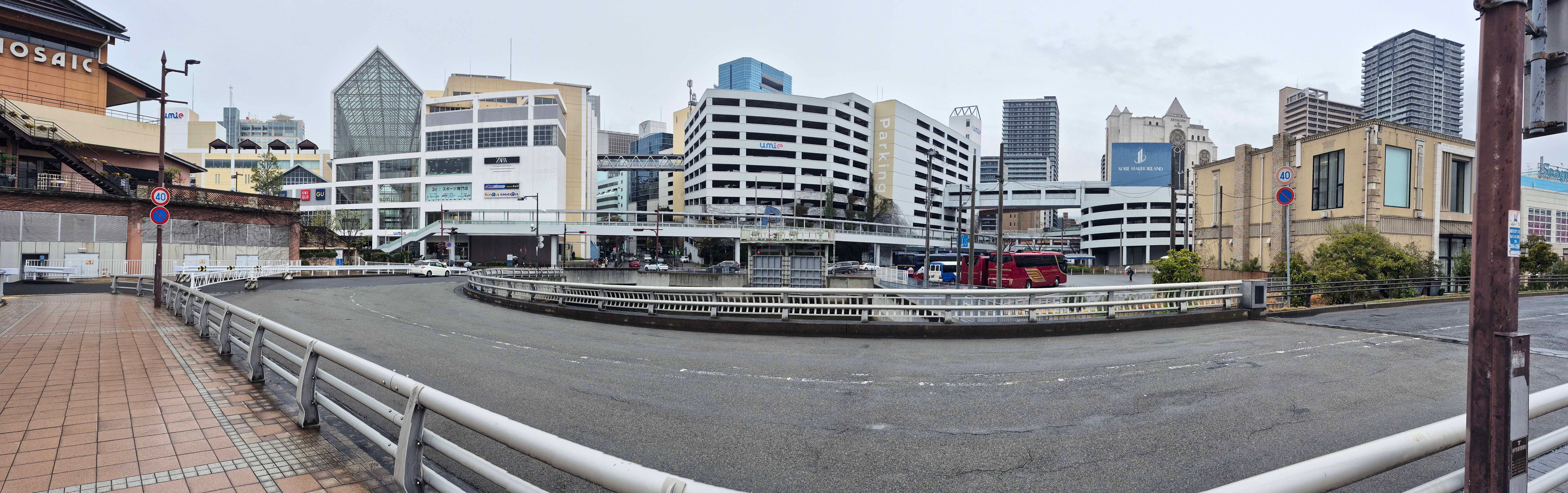
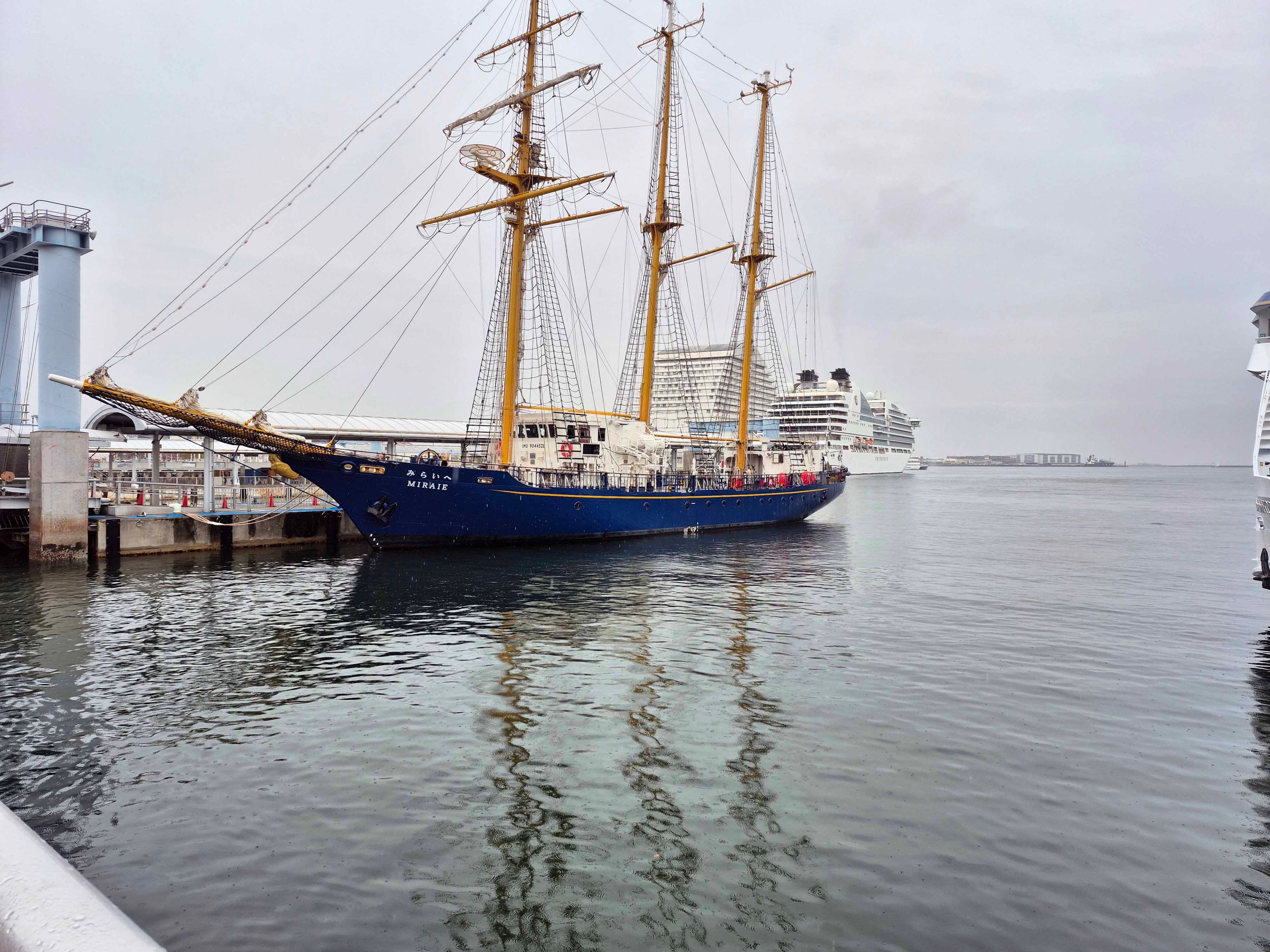
Our second round of Japan began in Kōbe. We had already visited Kōbe before when we went to the ancient capital of Kyōto. Now, despite the rainy weather, we decided to travel to Nara on our own by train. The train journey went smoothly, and even though we were uncertain at times, we arrived right on time after making three transfers, including two minutes of layover time.
Japan seems to be everything; it has a dense railway network, many bicycles, and just as many cars. We feel that the behavior of the Japanese is increasingly aligning with global standards. It is said that Japanese people carry their backpacks in the front on trains/subways, and perhaps half of them do, while the others easily push ahead. Children do not get up when an elderly person boards the train, one occupies the aisle seat and leaves the window seat free... The only rule that still applies is: one remains quiet on the train, does not talk loudly, does not engage in discussions or make phone calls.
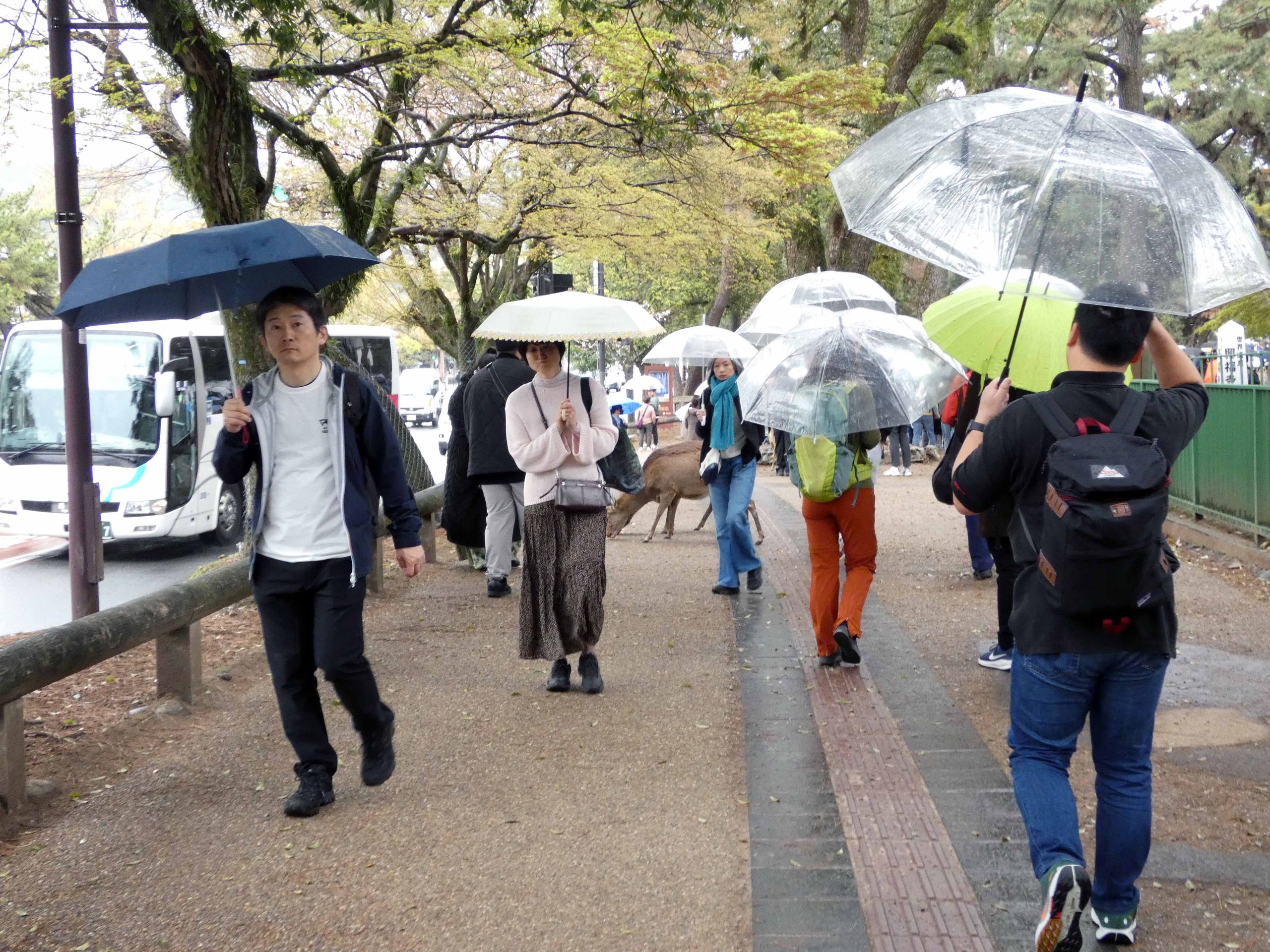
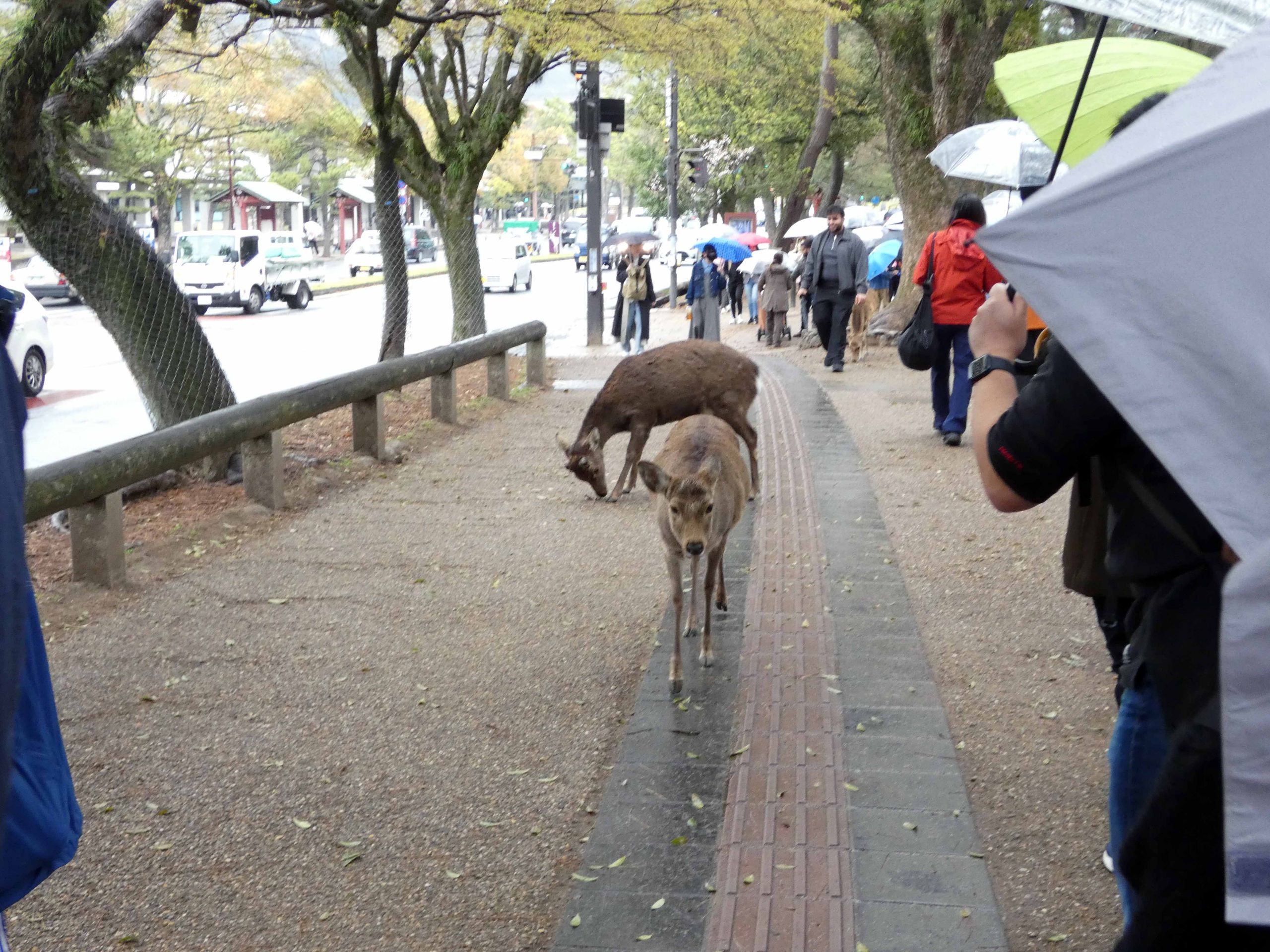
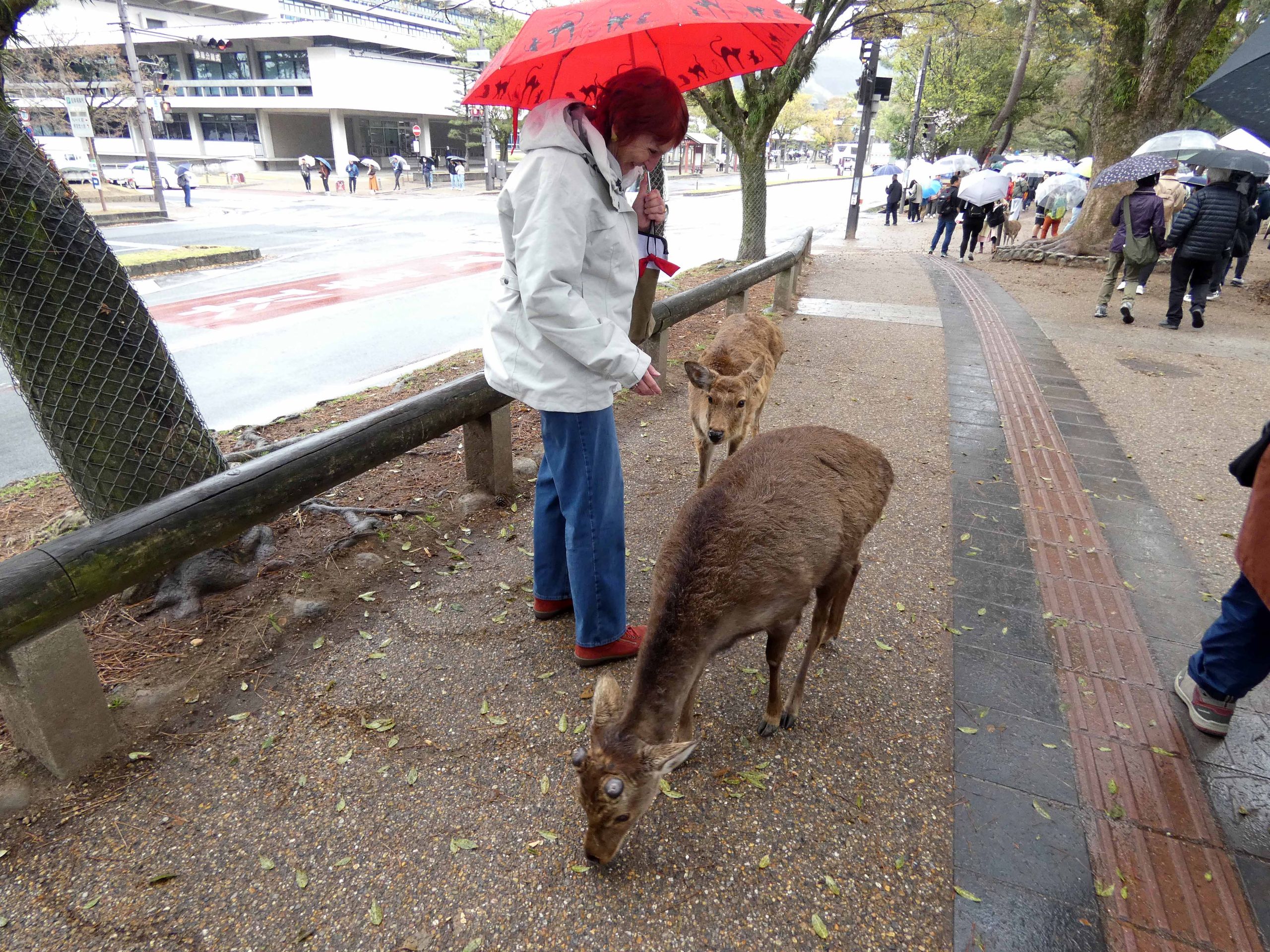
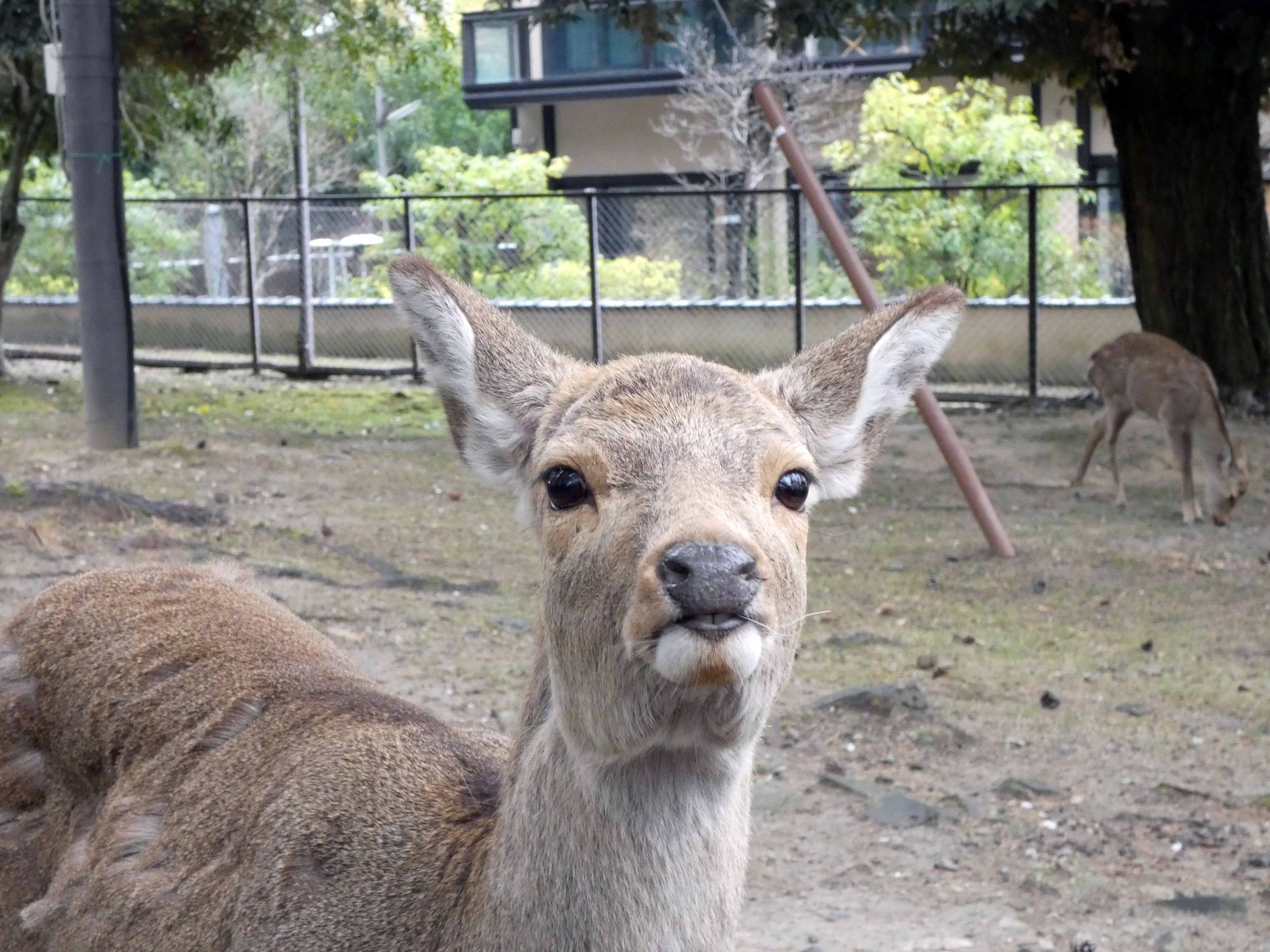
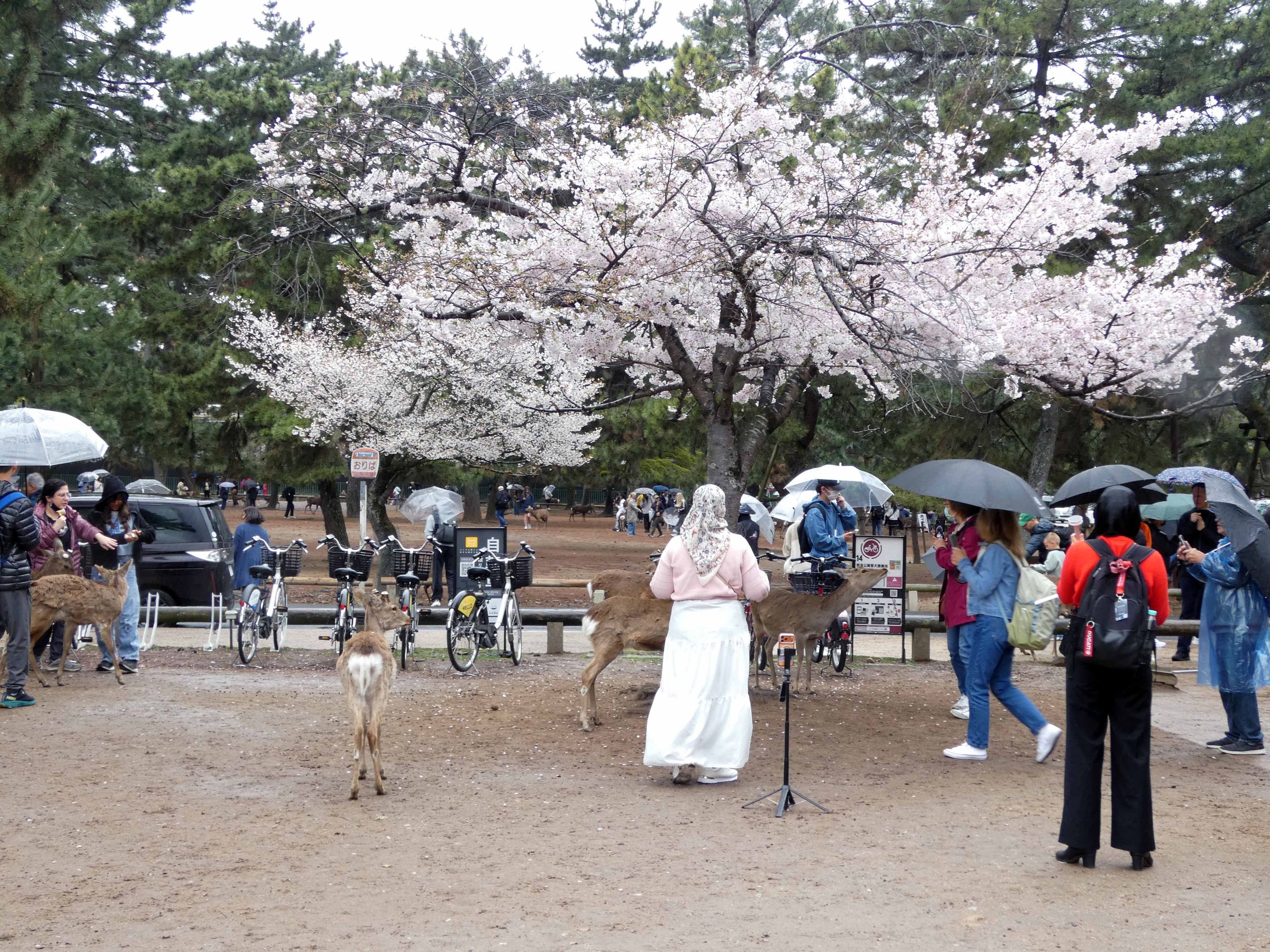
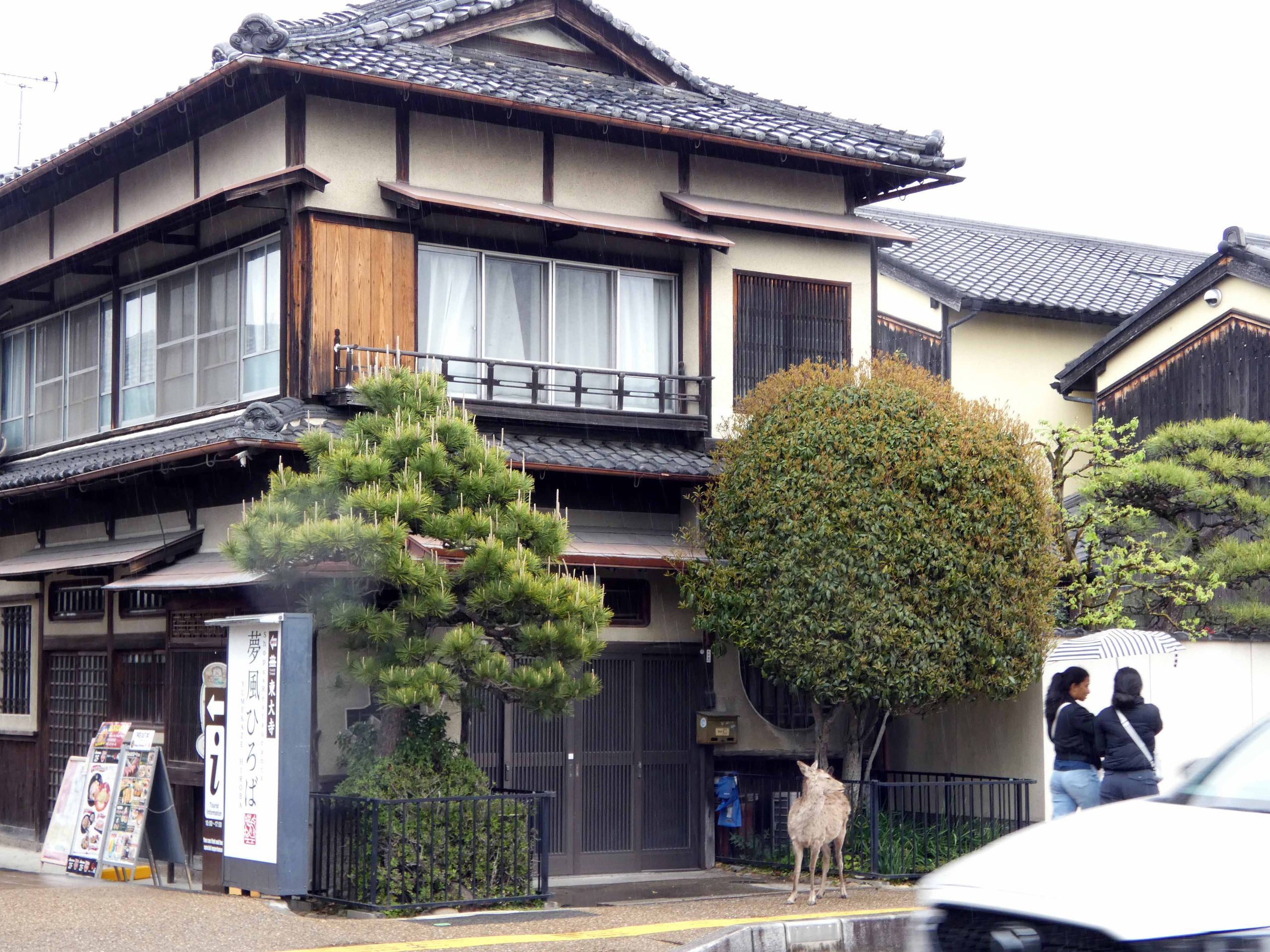
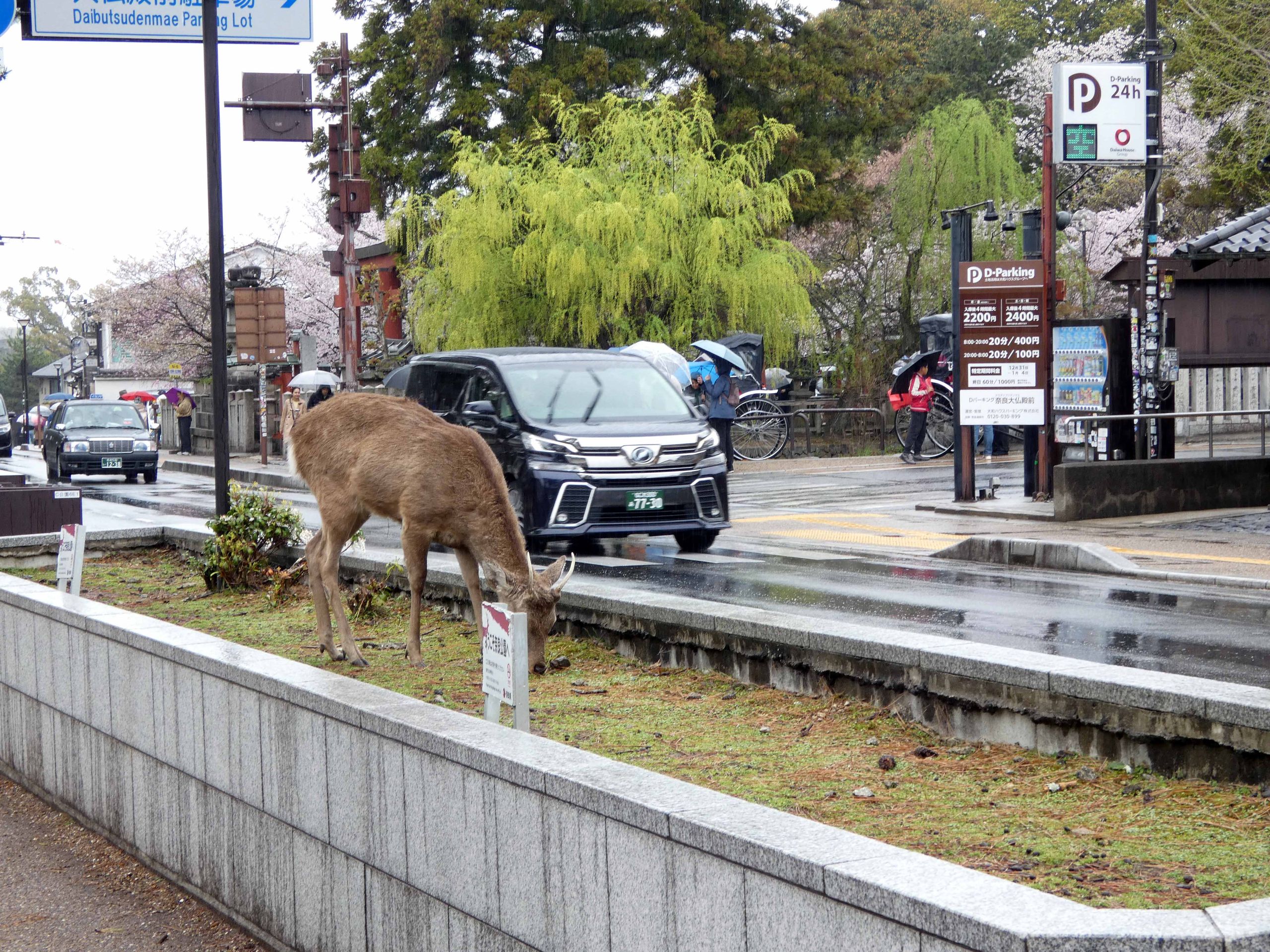
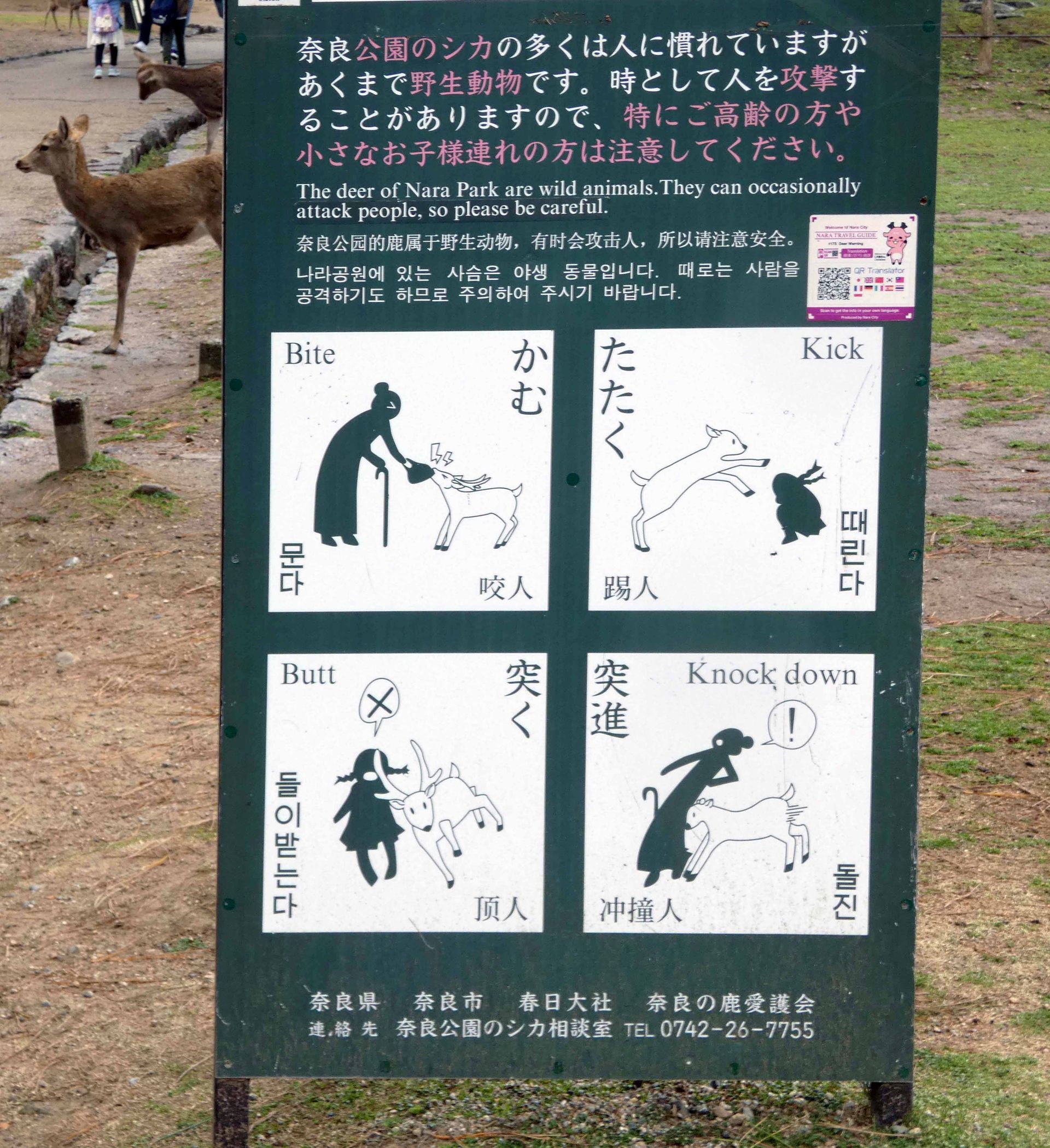
First, we went to Nara Park. This park is home to tame Sika deer that want to be fed. Visitors can buy 'food discs', and those who have some are immediately surrounded by the deer, tugged at their clothes, and nibbled on to signify they want more. There are more than 1,200 of these deer, and the grass has been grazed down to millimeter height everywhere. Since the antlers of the males can become dangerous, male deer are captured in the fall, and their antlers are cut off by a Shinto priest. The deer are not only found in this park; they are also present in all the temples nearby, in the private gardens of residential houses, and in flowerbeds along the streets.
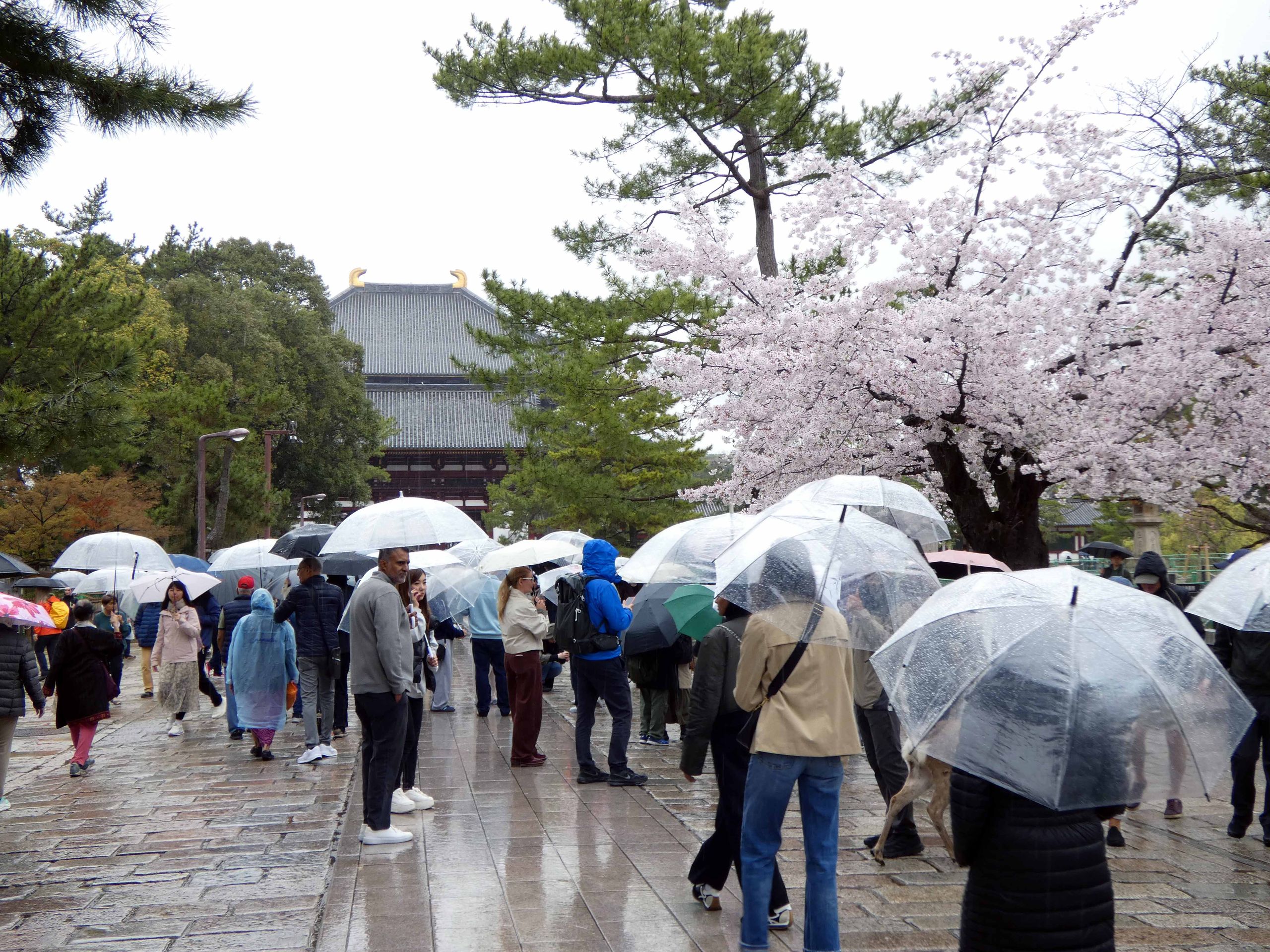
After the park, we also visited the Buddhist Tōdai-ji Temple, the Yoshikien Garden, and the Kohfukuji Temple,