BLOG 8: Wupatki NM & Sedona
On the way south towards Sedona, our next longer stop, we visit the National Monuments Wupatki and Sunset Crater. In the 140 km² area of the Wupatki NM, nearly 2600 prehistoric...

Published: 27.05.2025
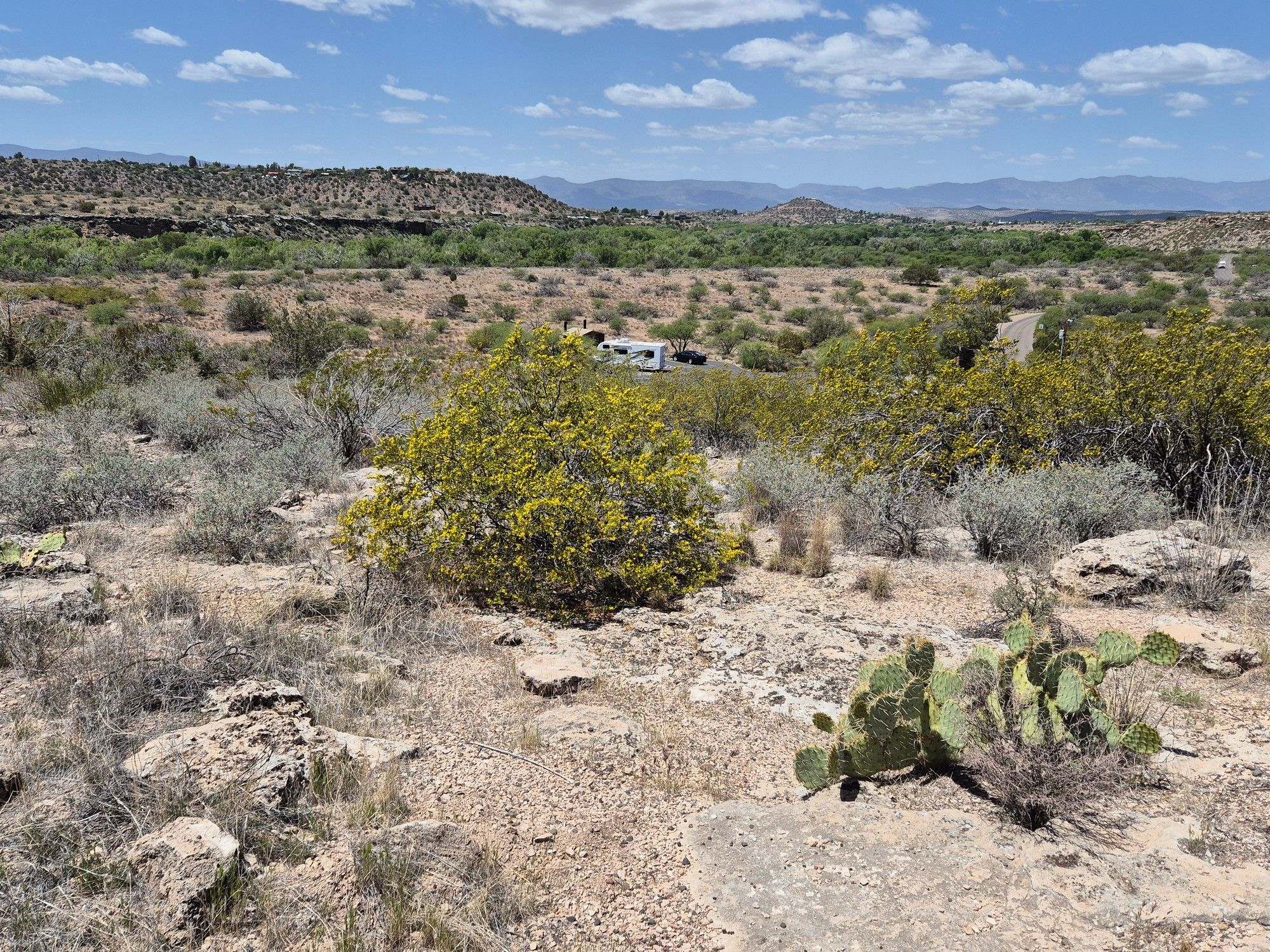
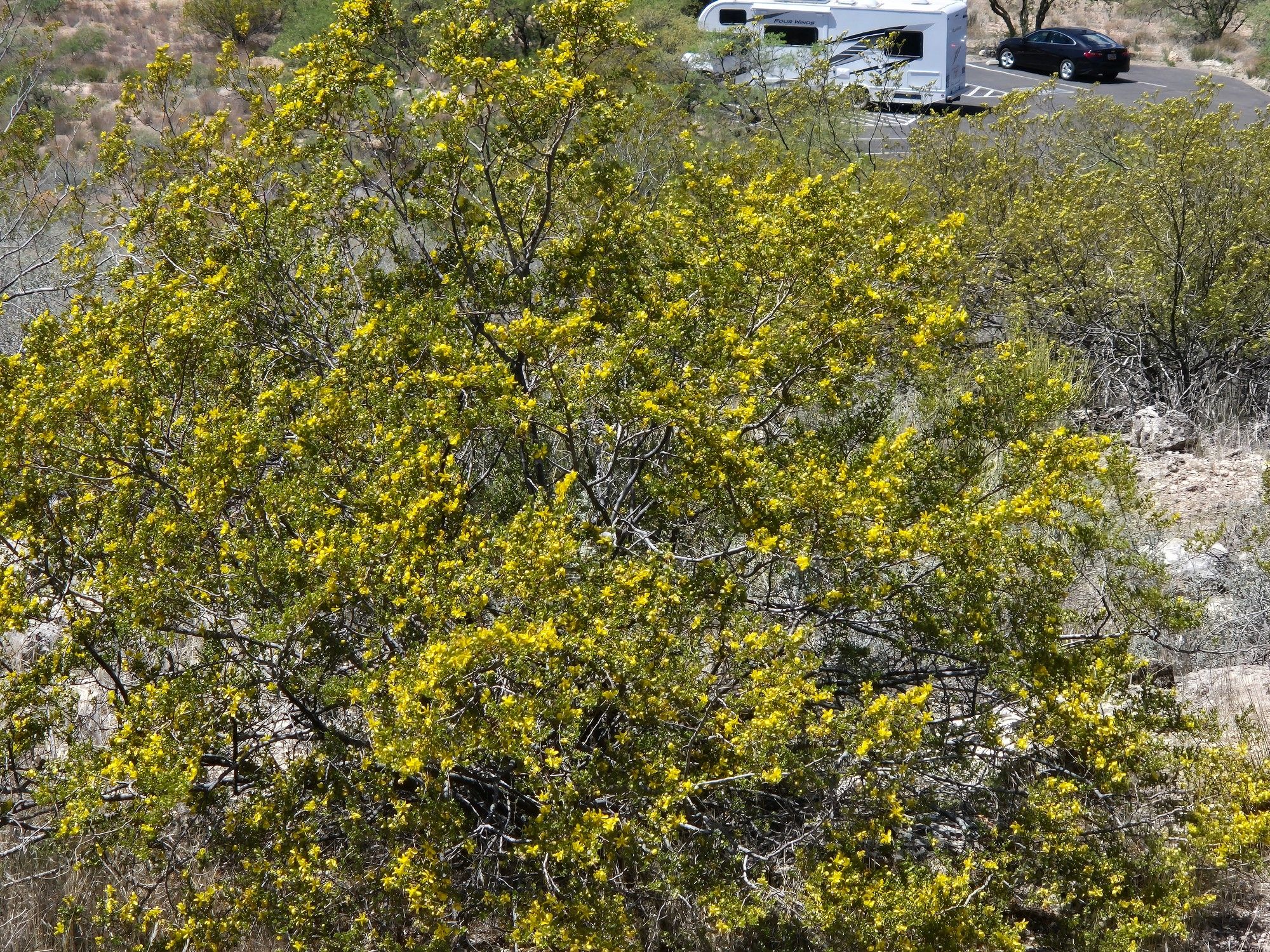
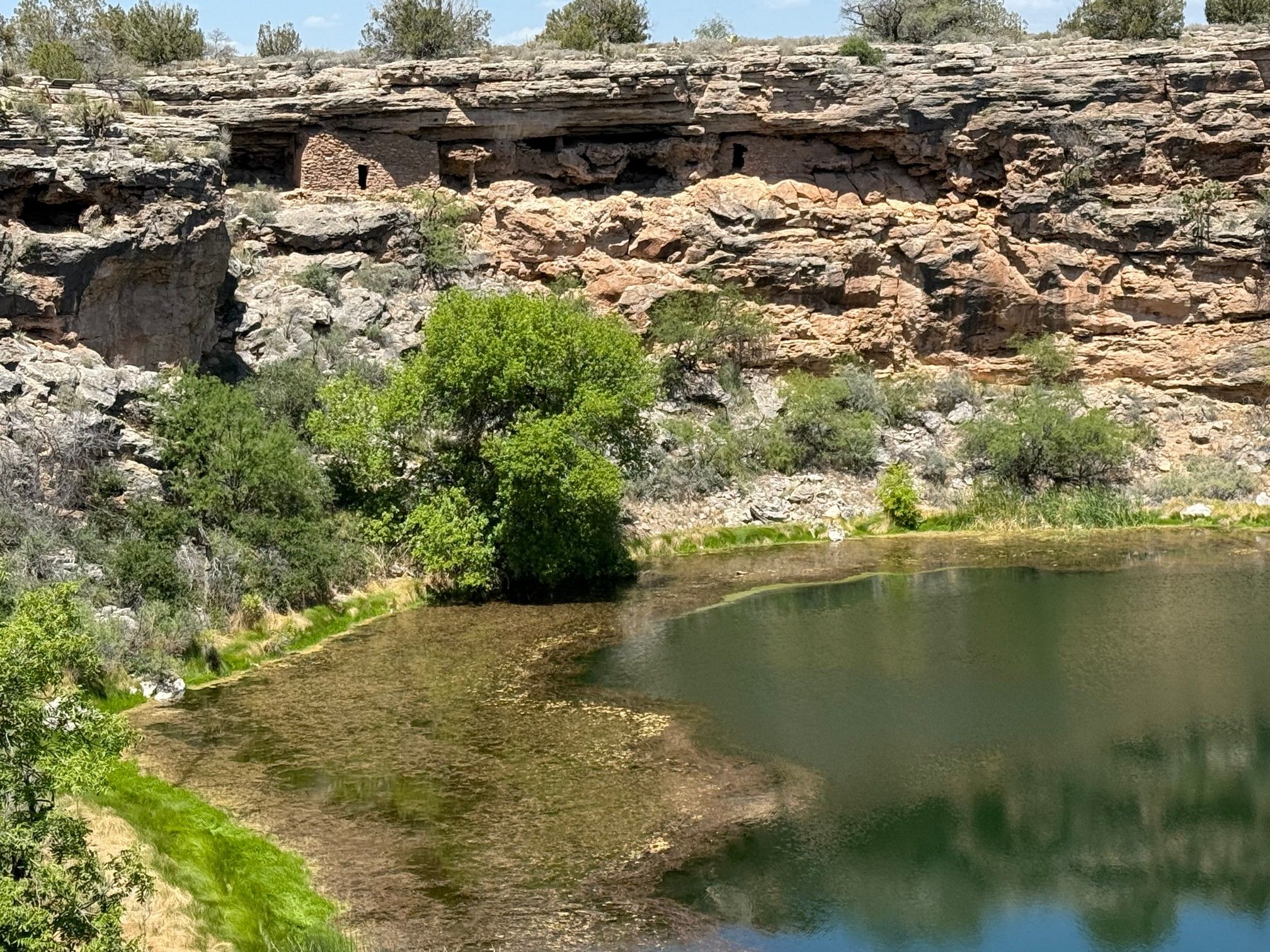
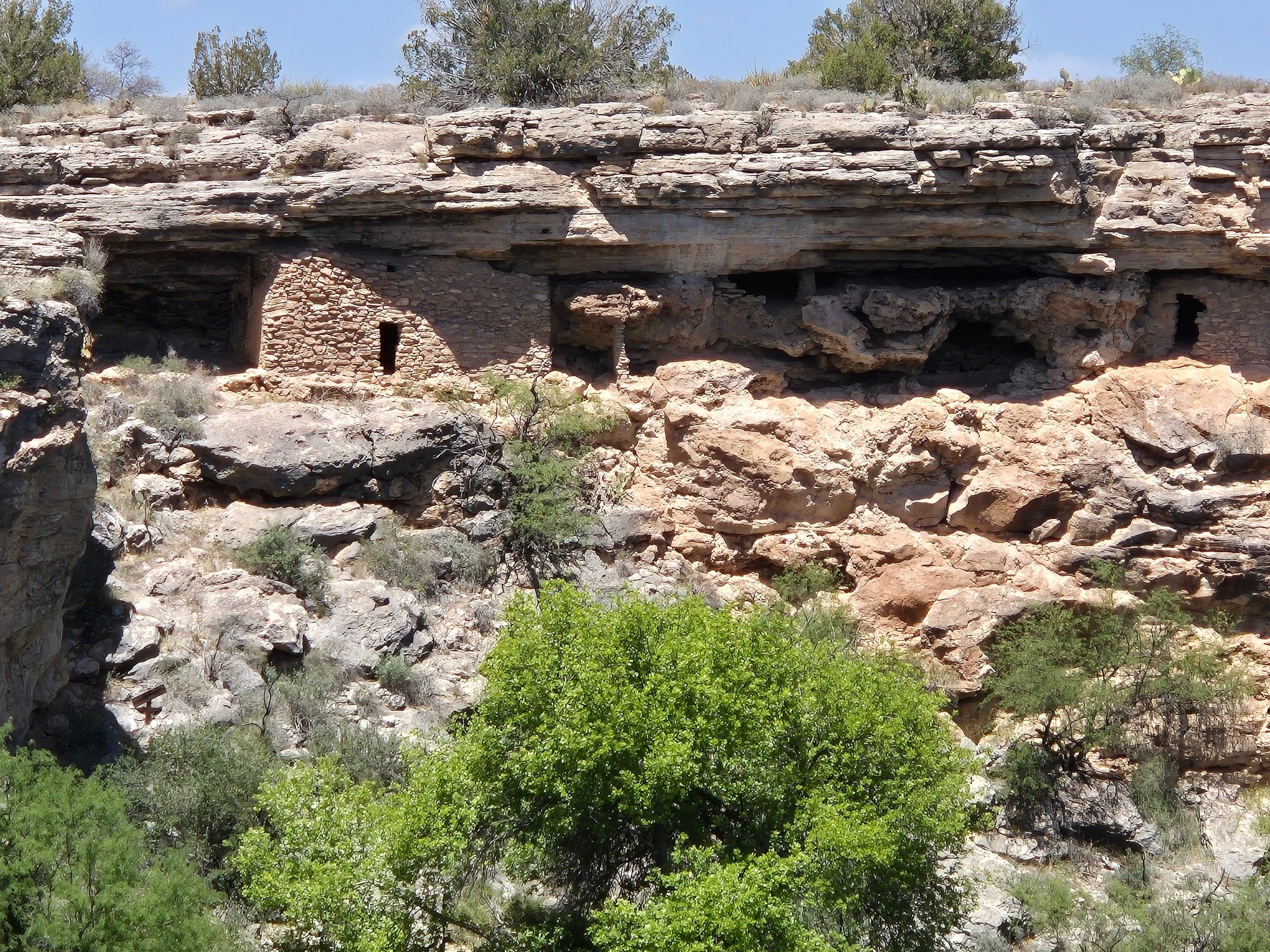
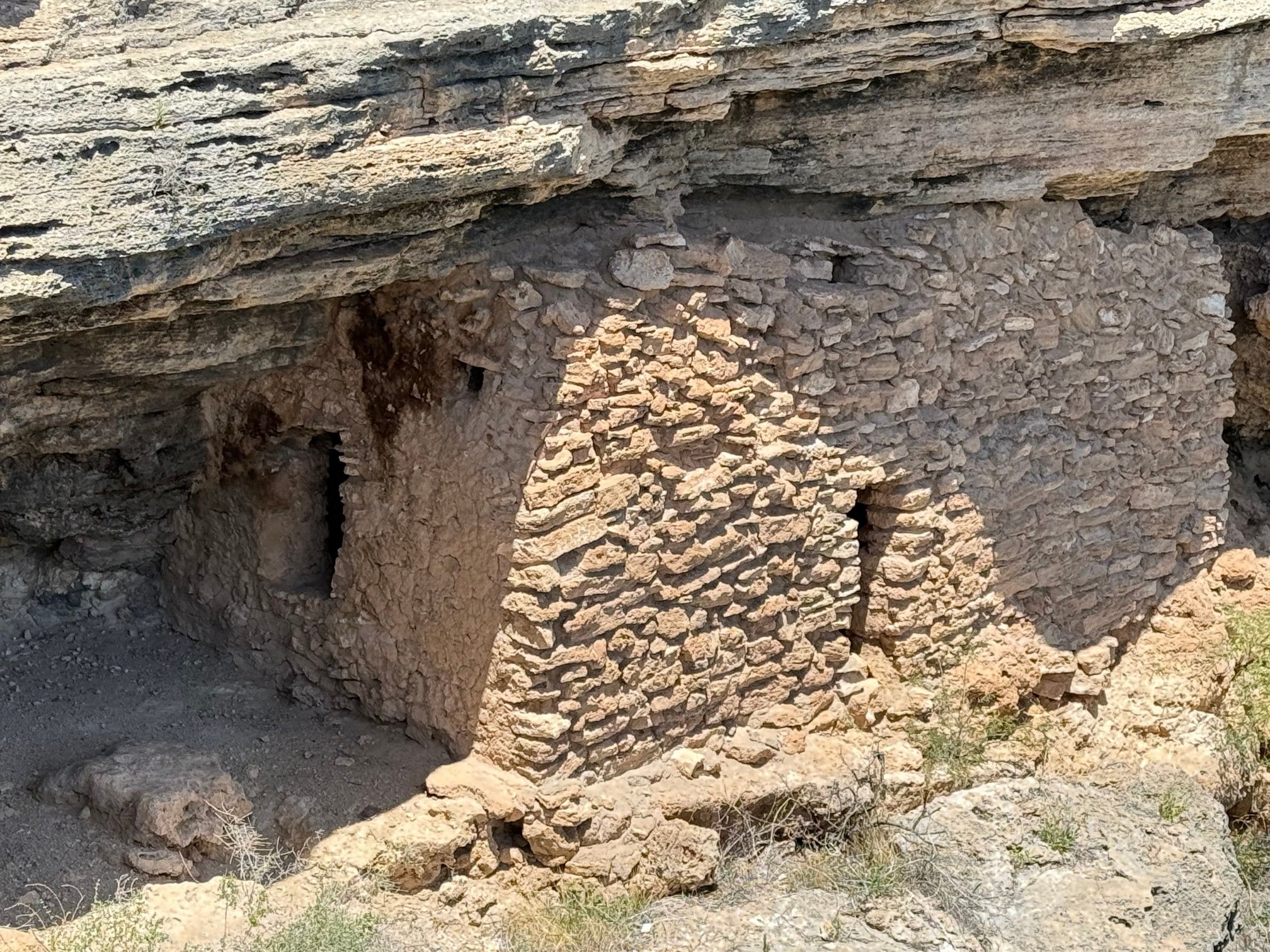
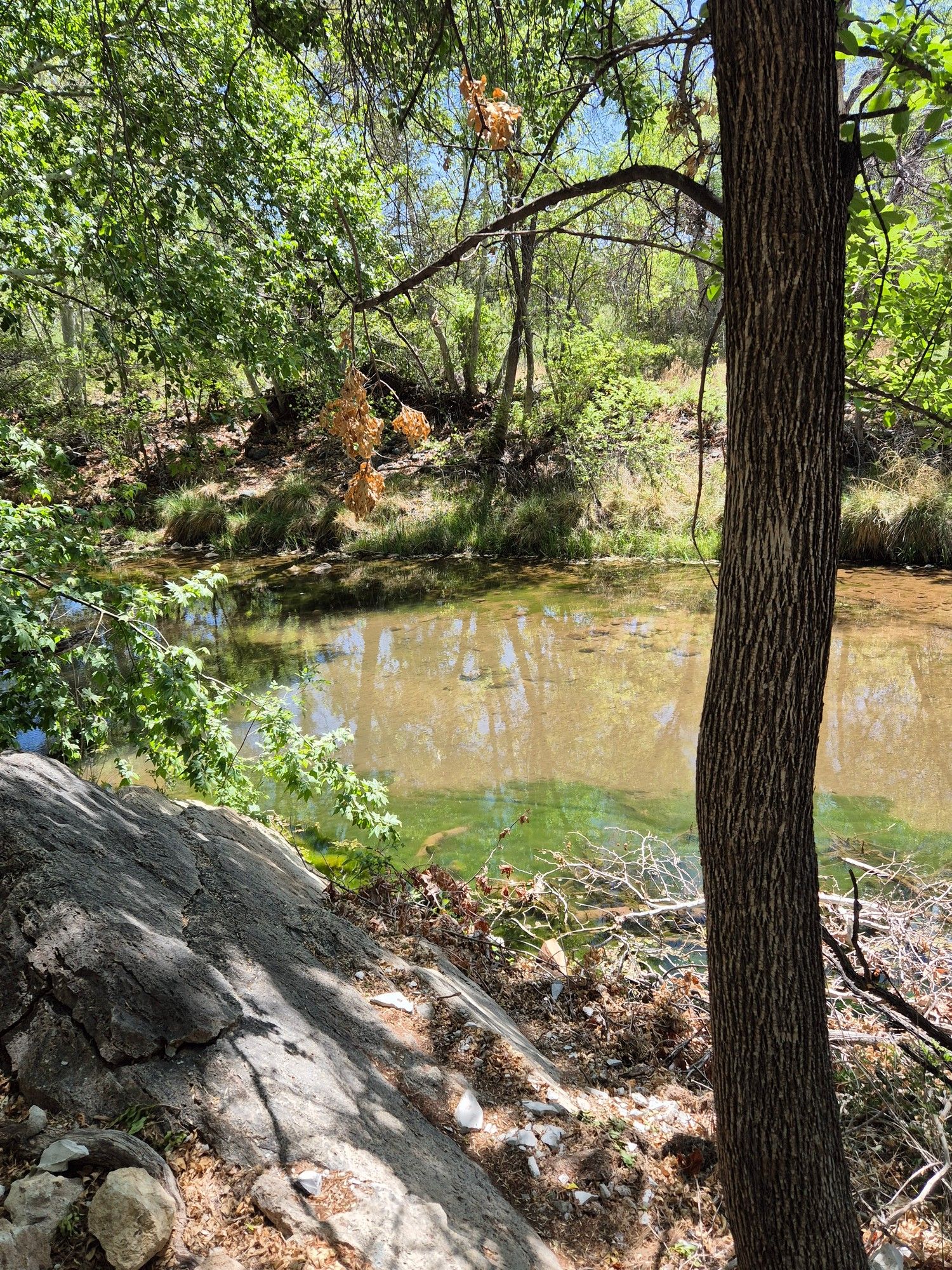

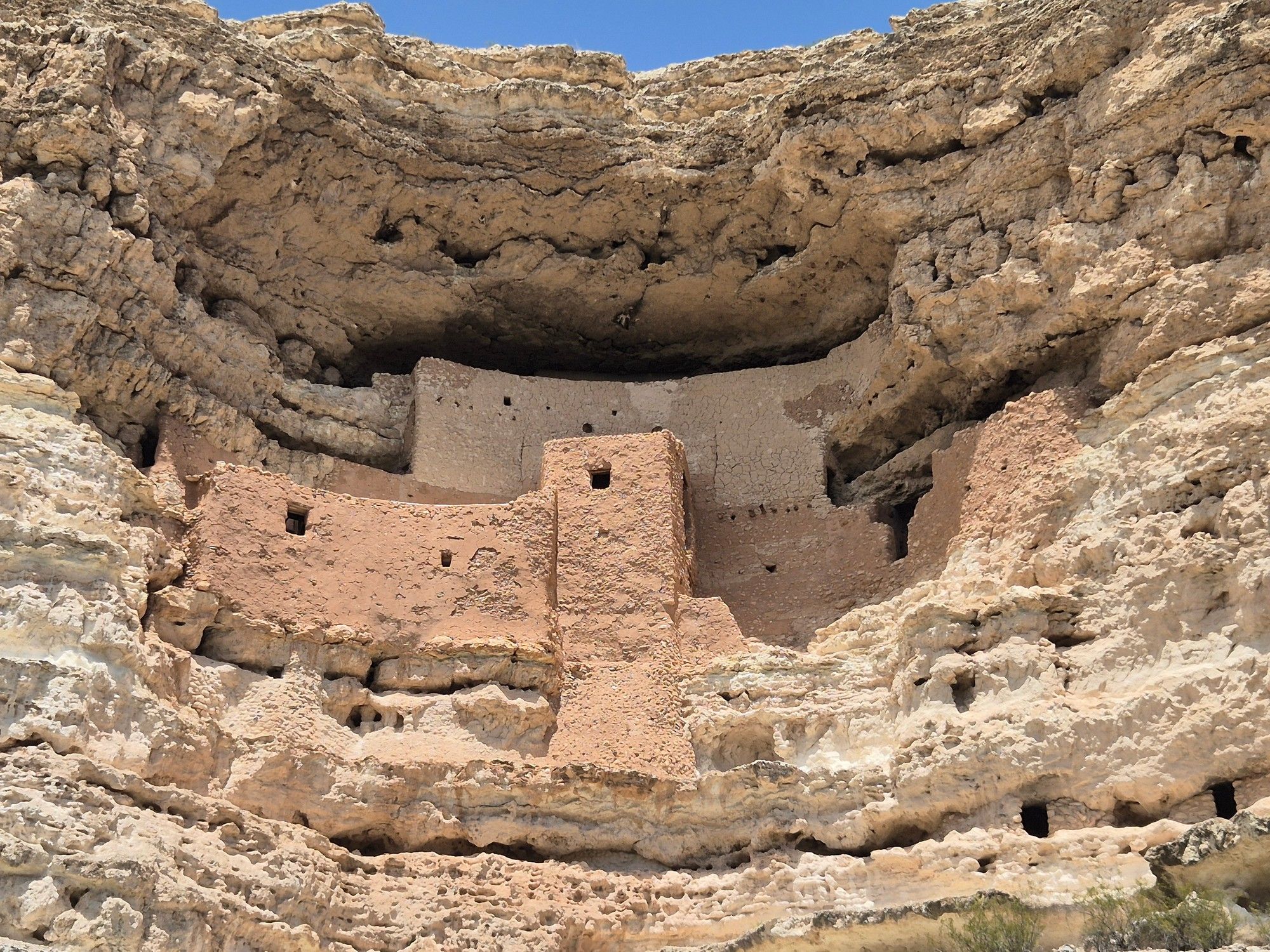
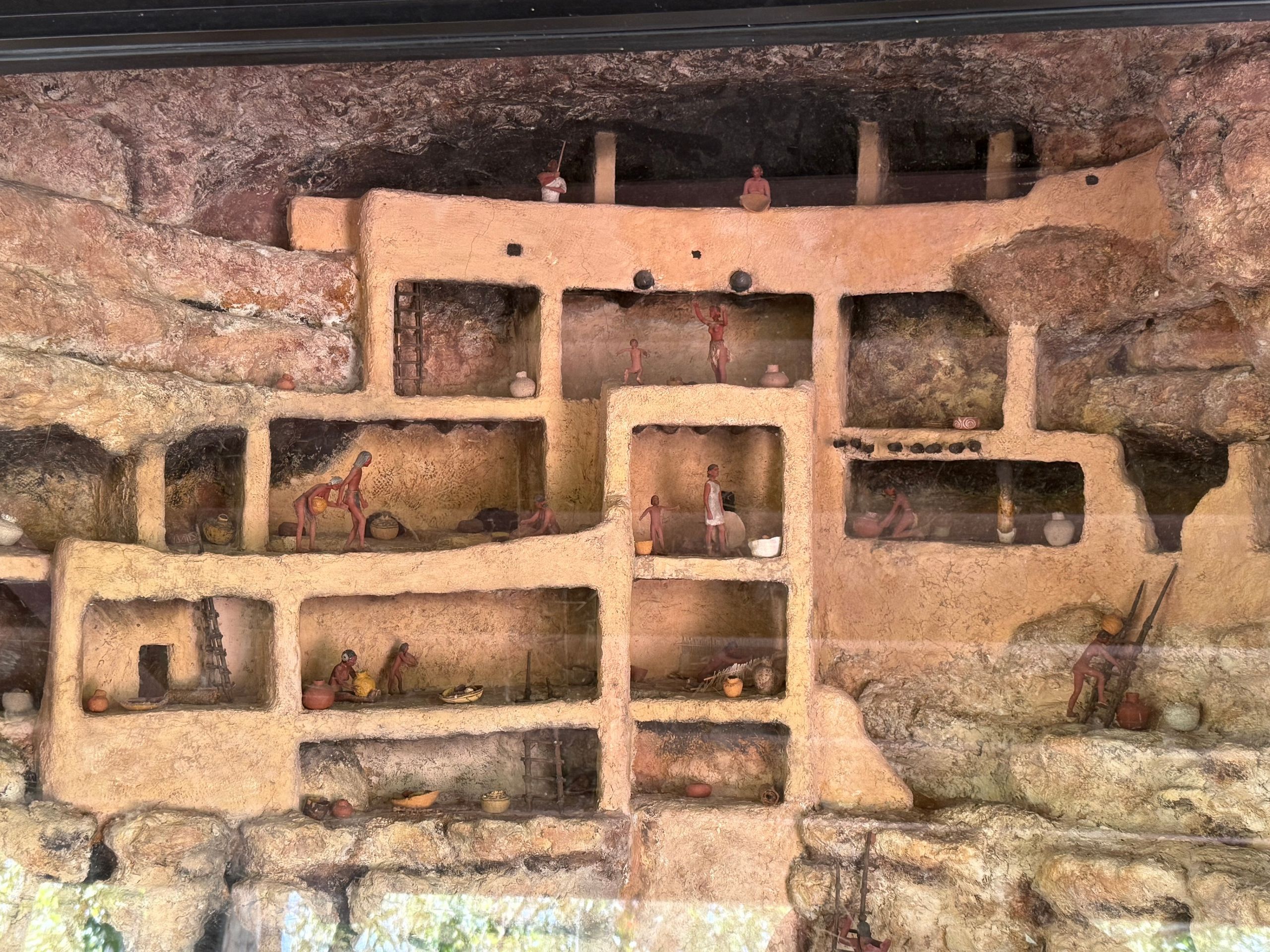
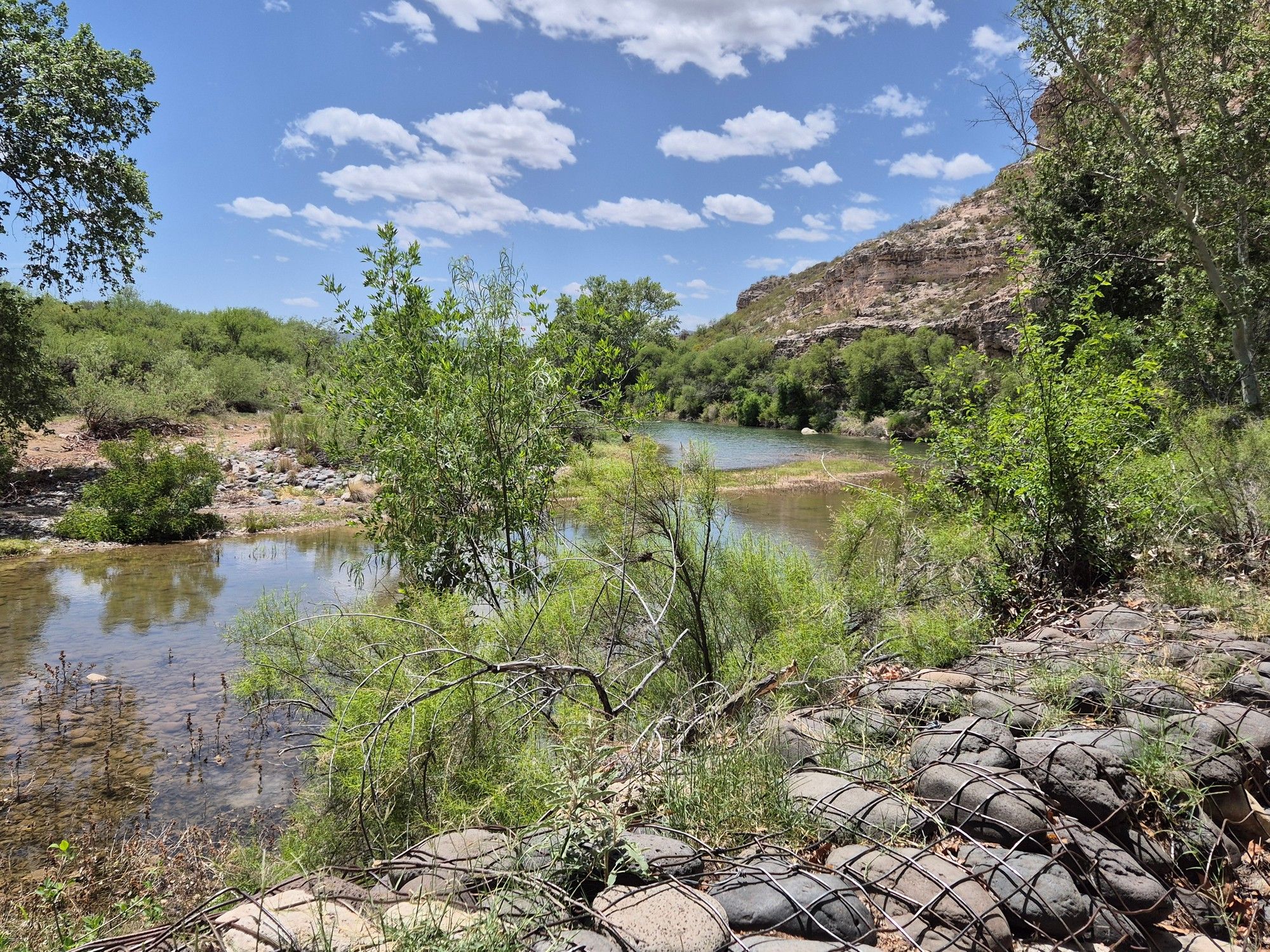
We continue south – initially towards Phoenix. On the way, we stop at two locations – Montezuma Well and Montezuma Castle. In both cases, the designation 'Montezuma' is misleading: The Aztec ruler Montezuma had no connection to either the site or the early indigenous peoples who inhabited the area.
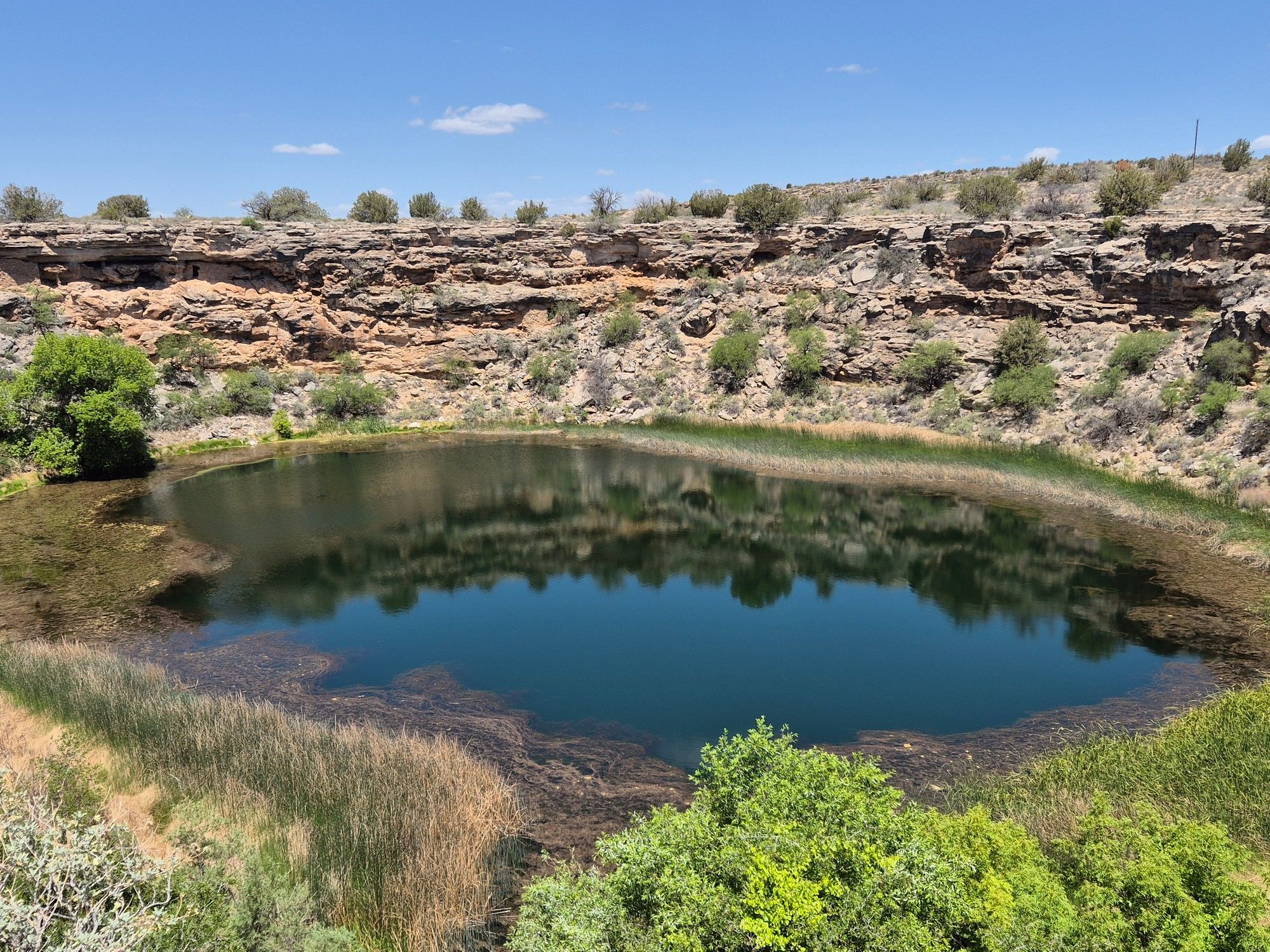
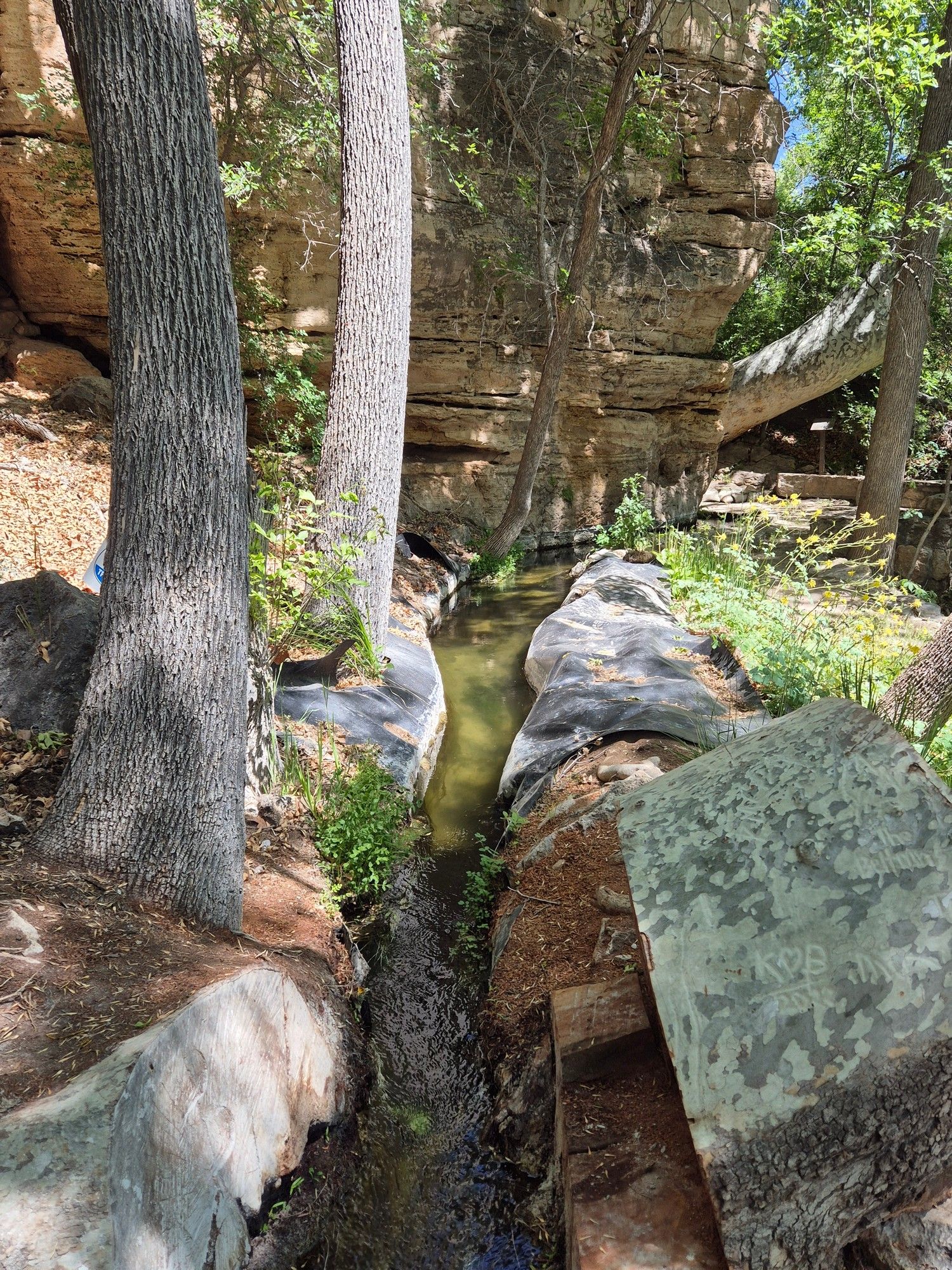
The Montezuma Well (Well / Yavapai: ʼHakthkyayva) is a natural limestone sinkhole from which approximately 5.7 million liters of water flow daily from an underground spring. It is located about 18 kilometers northeast of Montezuma Castle.
The Well has a diameter of 118 meters and contains spring water that remains nearly constant even during times of severe drought. The water is highly carbonated and contains high arsenic levels. At least five endemic species – more than any other spring in the southwestern USA – are exclusively found in Montezuma Well: a diatom, the Montezuma Well spring snail, a water scorpion, the amphipod Hyalella montezuma, and the leech Motobdella montezuma – but not a single fish!
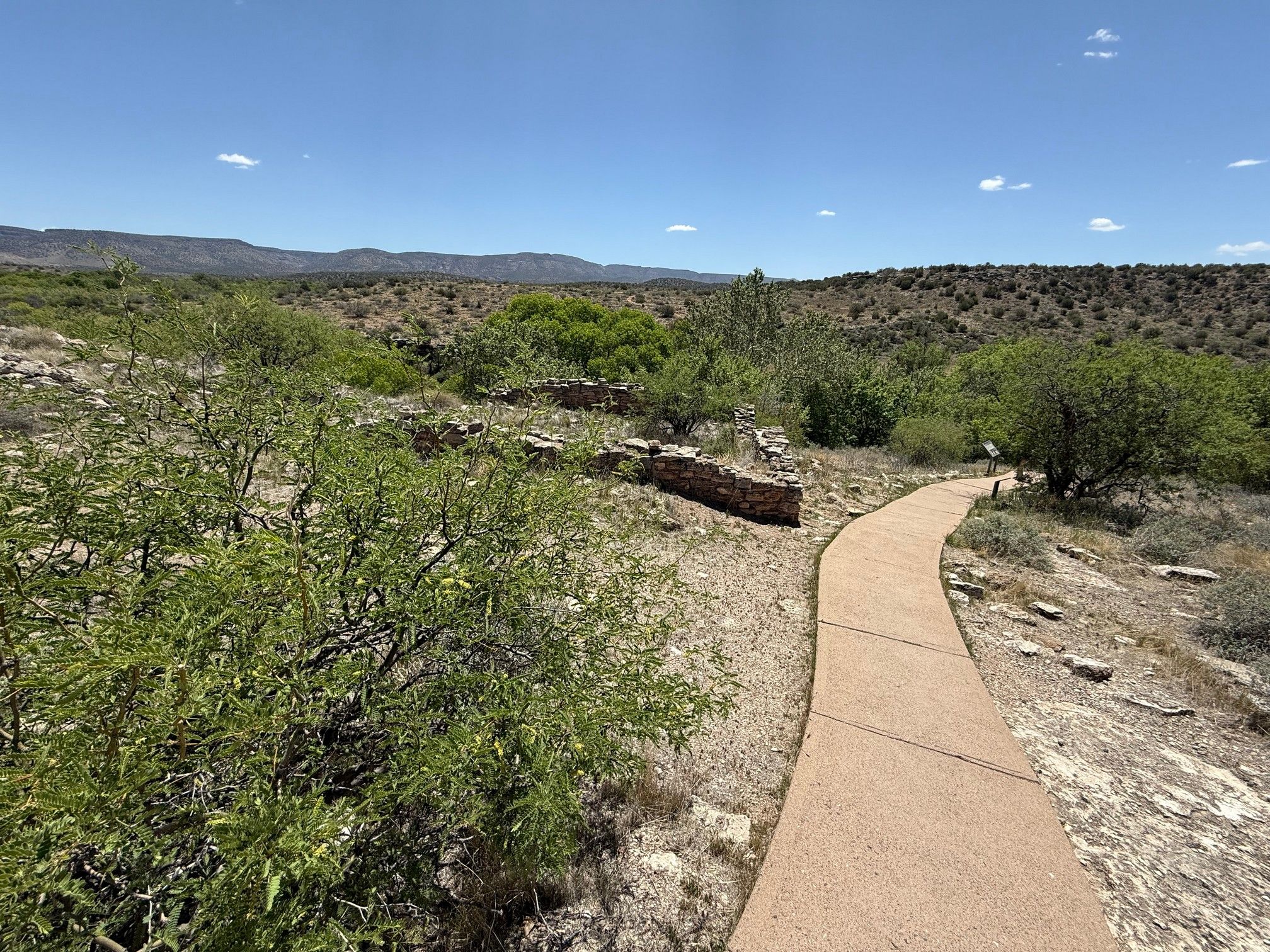
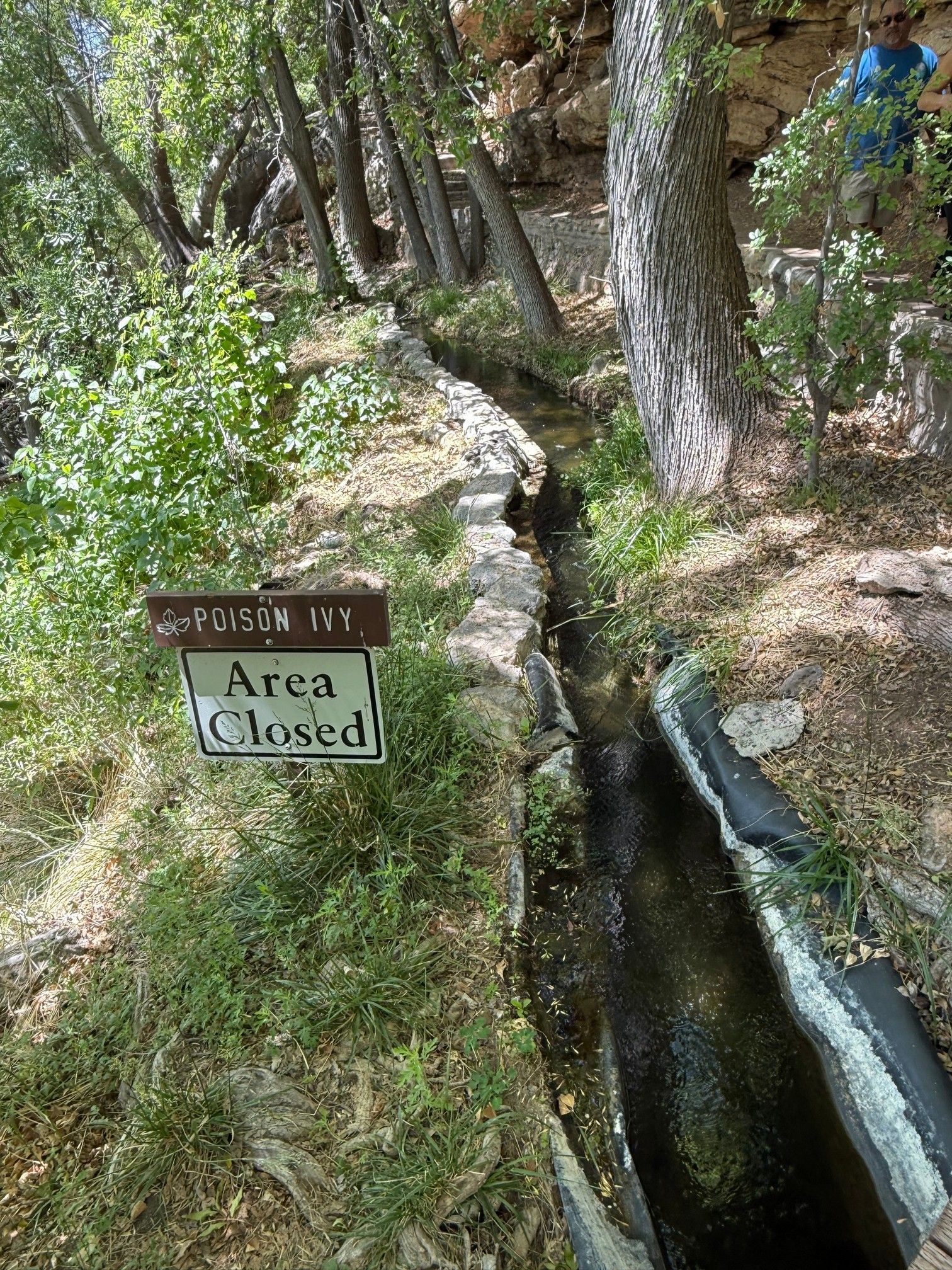
The continuous outflow from Montezuma Well has been used for irrigation since the 8th century. A part of a prehistoric irrigation canal, built by the Sinagua Indians, has been preserved, and parts of its original course are still in use today. Two small stone houses are also preserved in the overhang above the Well.
The existence of the Well and canal was almost unknown to European-descended Americans until the publication of 'Handbook to Arizona' by Richard J. Hinton in 1878.
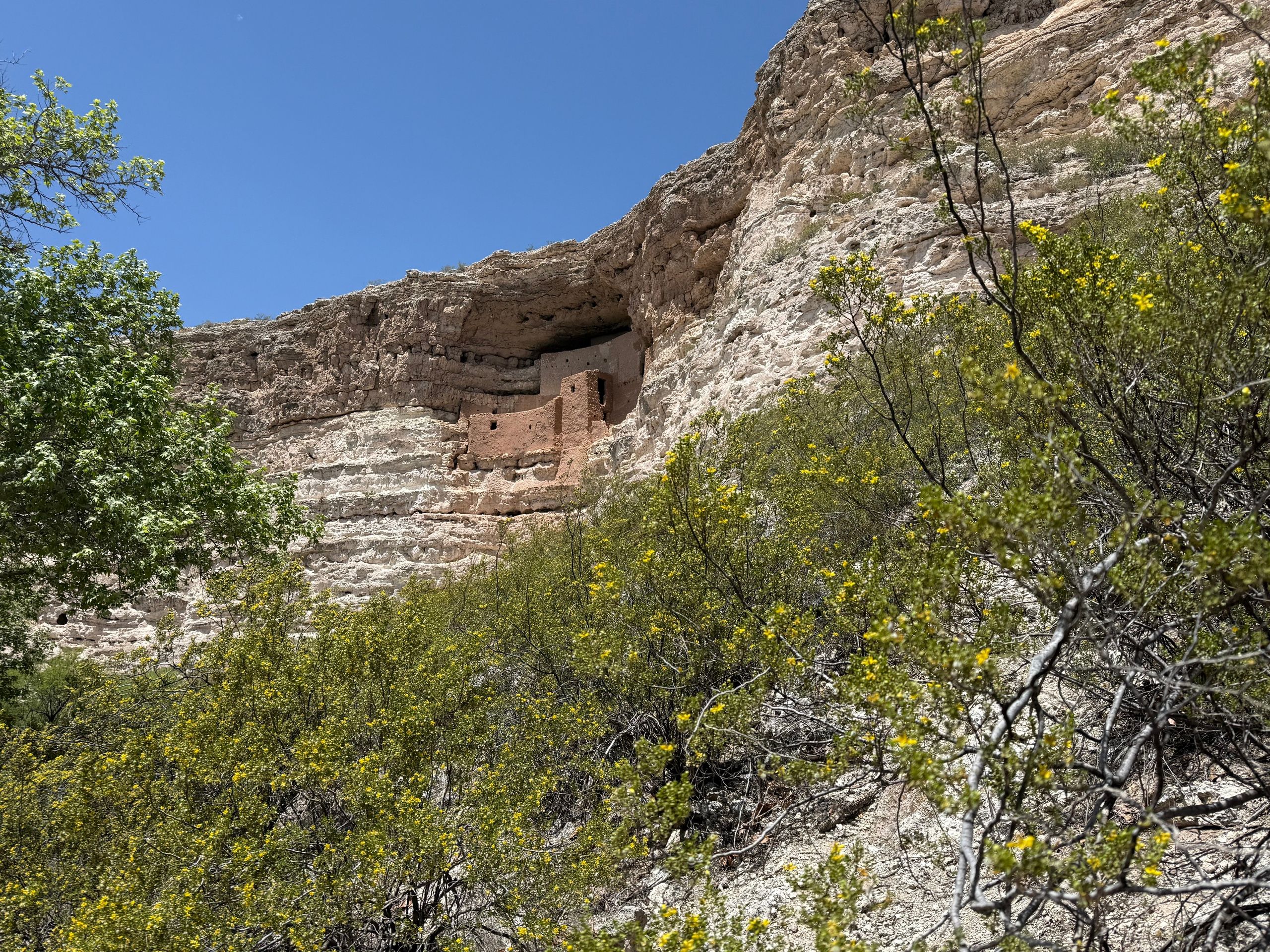
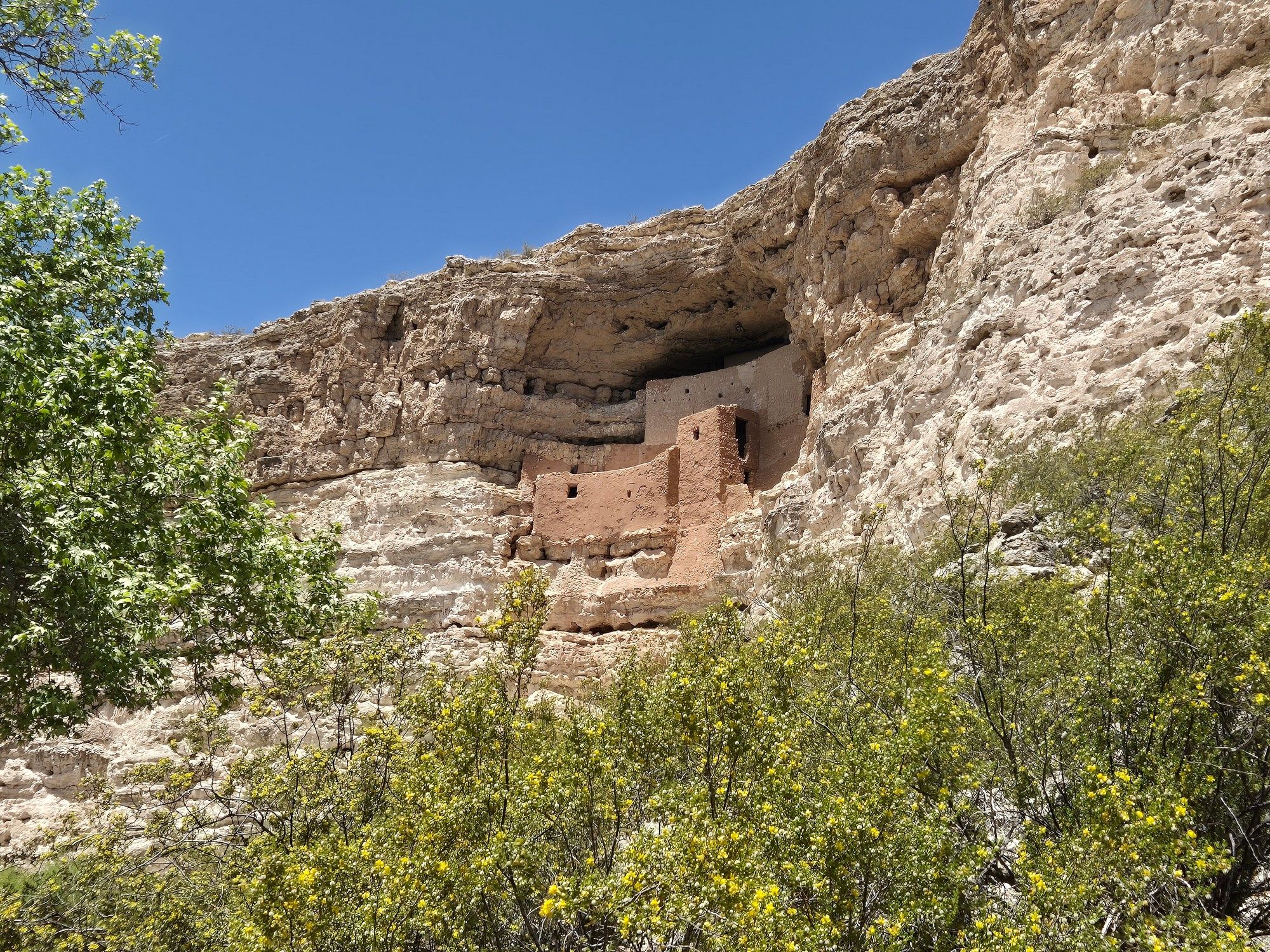
The Montezuma Castle National Monument includes a number of well-preserved dwellings in Camp Verde, Arizona. These were built and used by the Sinagua people, a pre-Columbian culture closely related to the Hohokam and other indigenous peoples of the southwestern USA, between about 1100 and 1425 AD. The main structure comprises five floors and about 20 rooms, constructed over a period of three centuries.
Several Hopi clans and Yavapai communities trace their ancestry back to early immigrants from the Montezuma Castle area.
Evidence of permanent dwellings like those at Montezuma Castle appears in the archaeological findings of the Verde Valley in Arizona around the year 1050 AD. The first clear Sinagua culture likely inhabited the region as early as 700 AD.
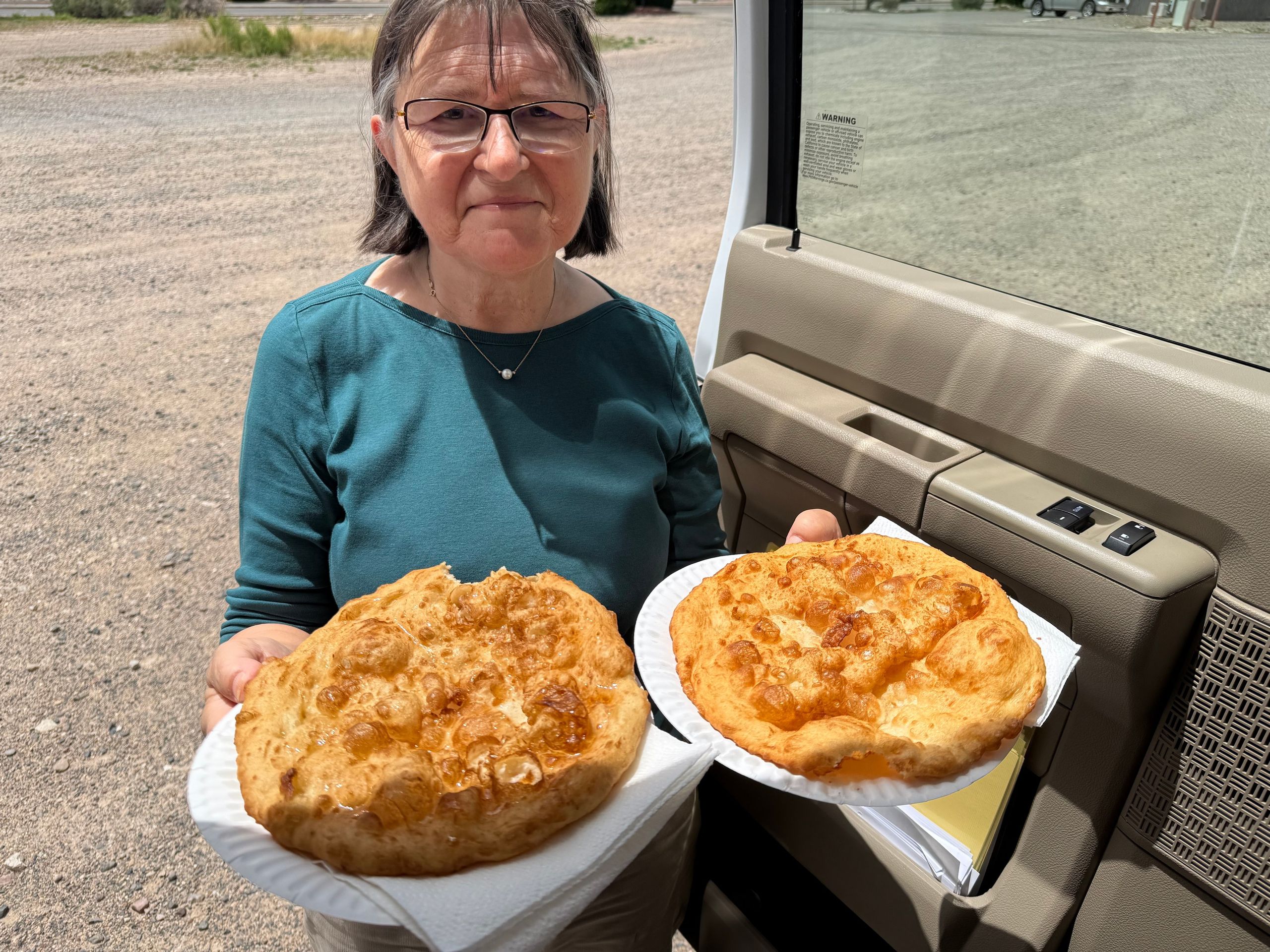
After the interesting visits, we treat ourselves to samples of Navajo Fry Bread – the origin story of which is rather unpleasant.
Fry Bread is made from simple ingredients, typically wheat flour, water, salt, and sometimes baking powder, and is deep-fried in oil. It can be eaten plain, sweet, or savory.
Fry Bread has a complex cultural history that is inseparably linked to colonialism and the displacement of Native Americans. The ingredients for Fry Bread were provided to Native Americans to prevent starvation when they were relocated from areas where they could grow and gather traditional foods to areas where their traditional foods were no longer available. This dish is seen both as a symbol of the colonization that disregarded the way of life of indigenous populations, as well as a symbol of resilience among Native peoples.