2026 - August - Tarragona
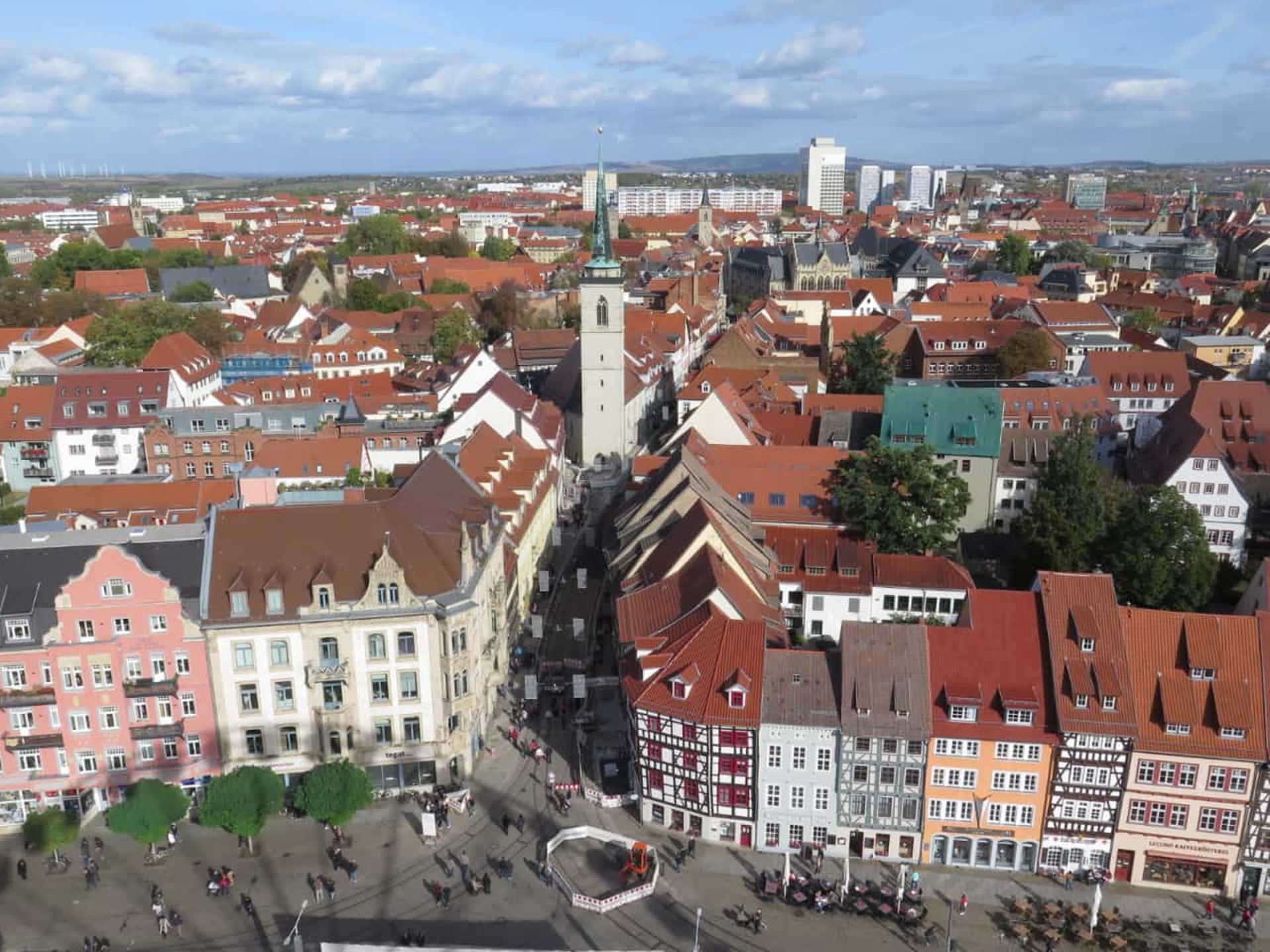
Tarragona is one of those places that is often underestimated as a vacation destination. Fortunately, I think, because who needs tourist crowds? The city is absolutely worth...

Published: 15.08.2026
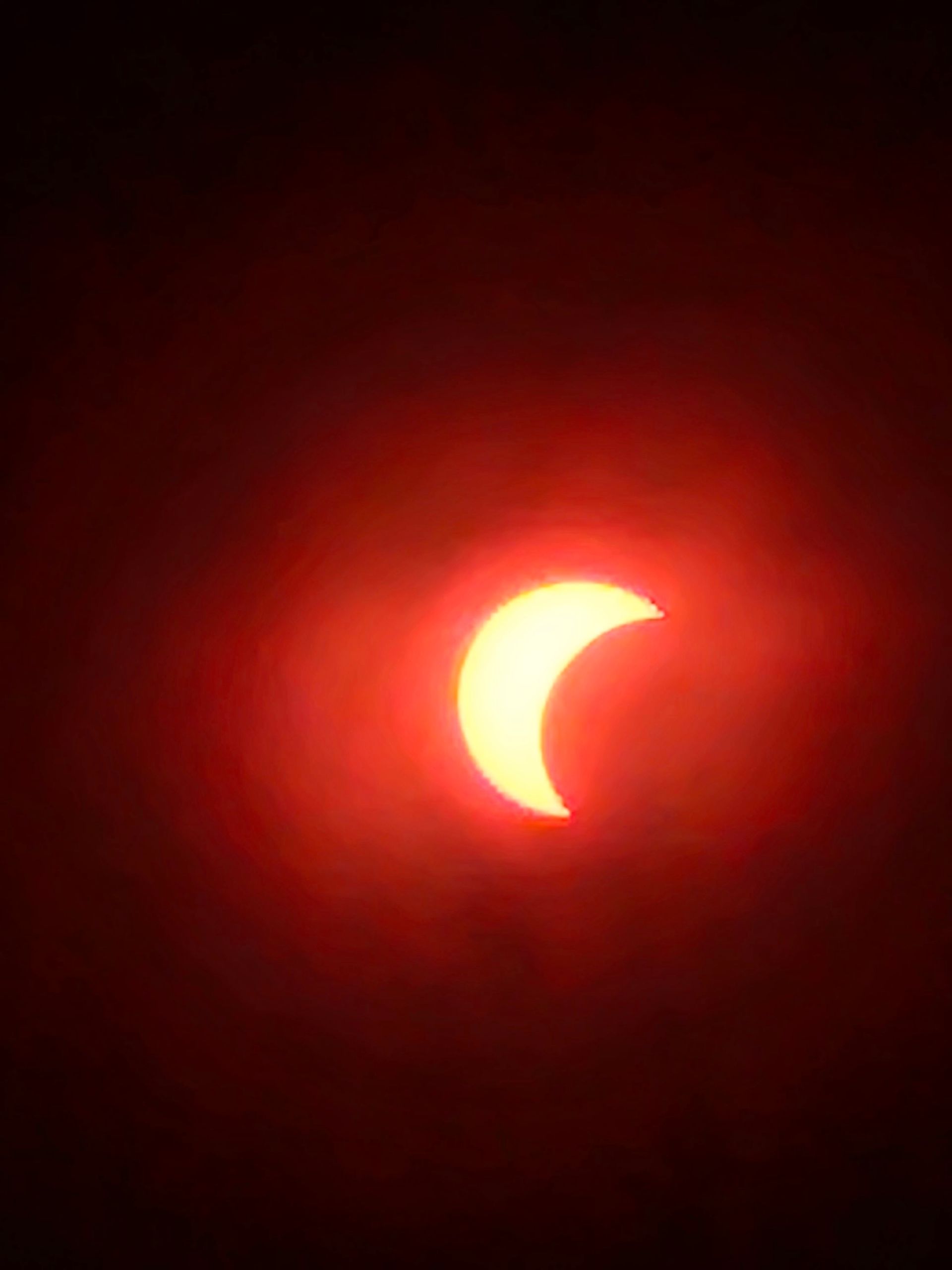
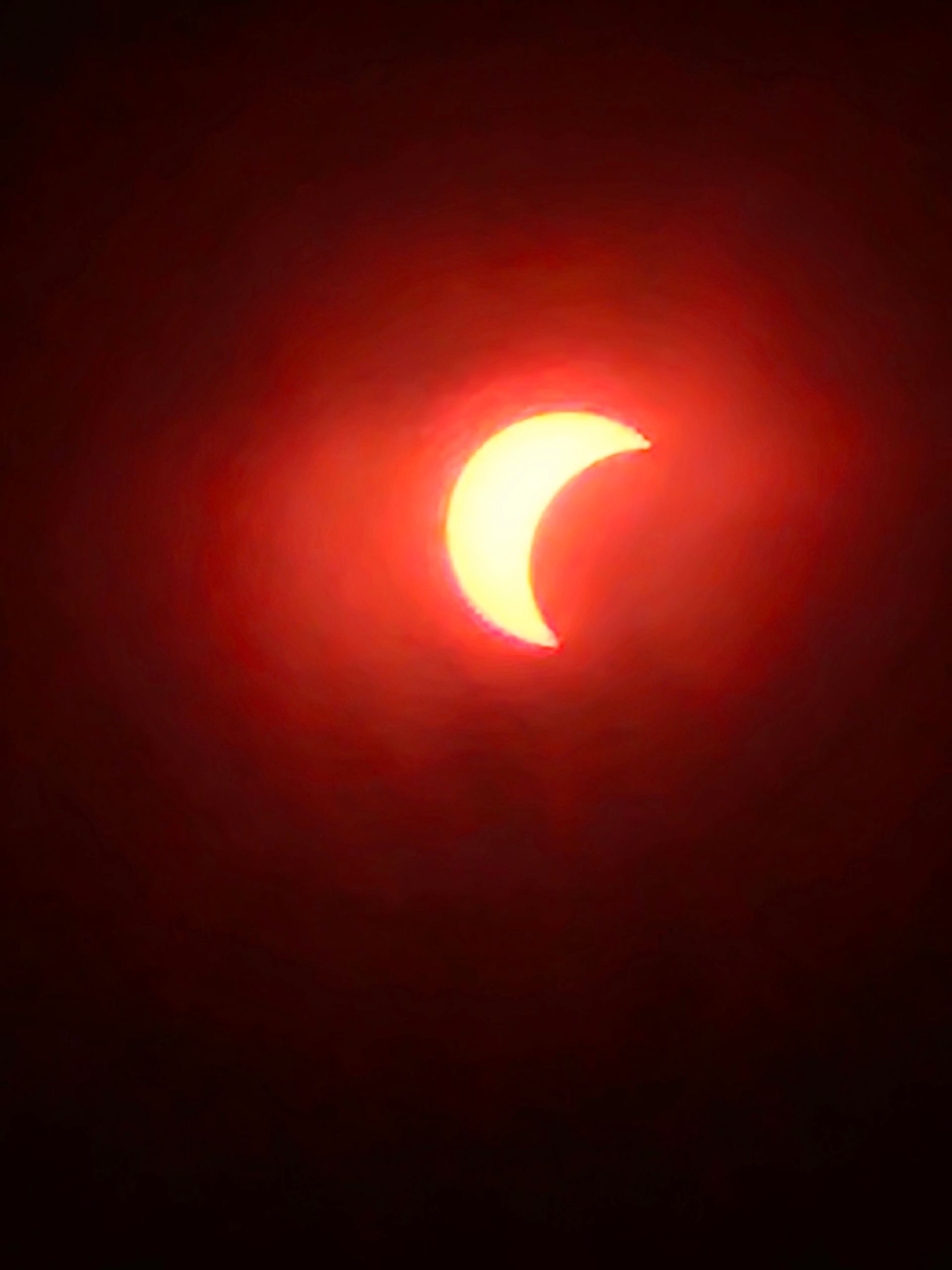

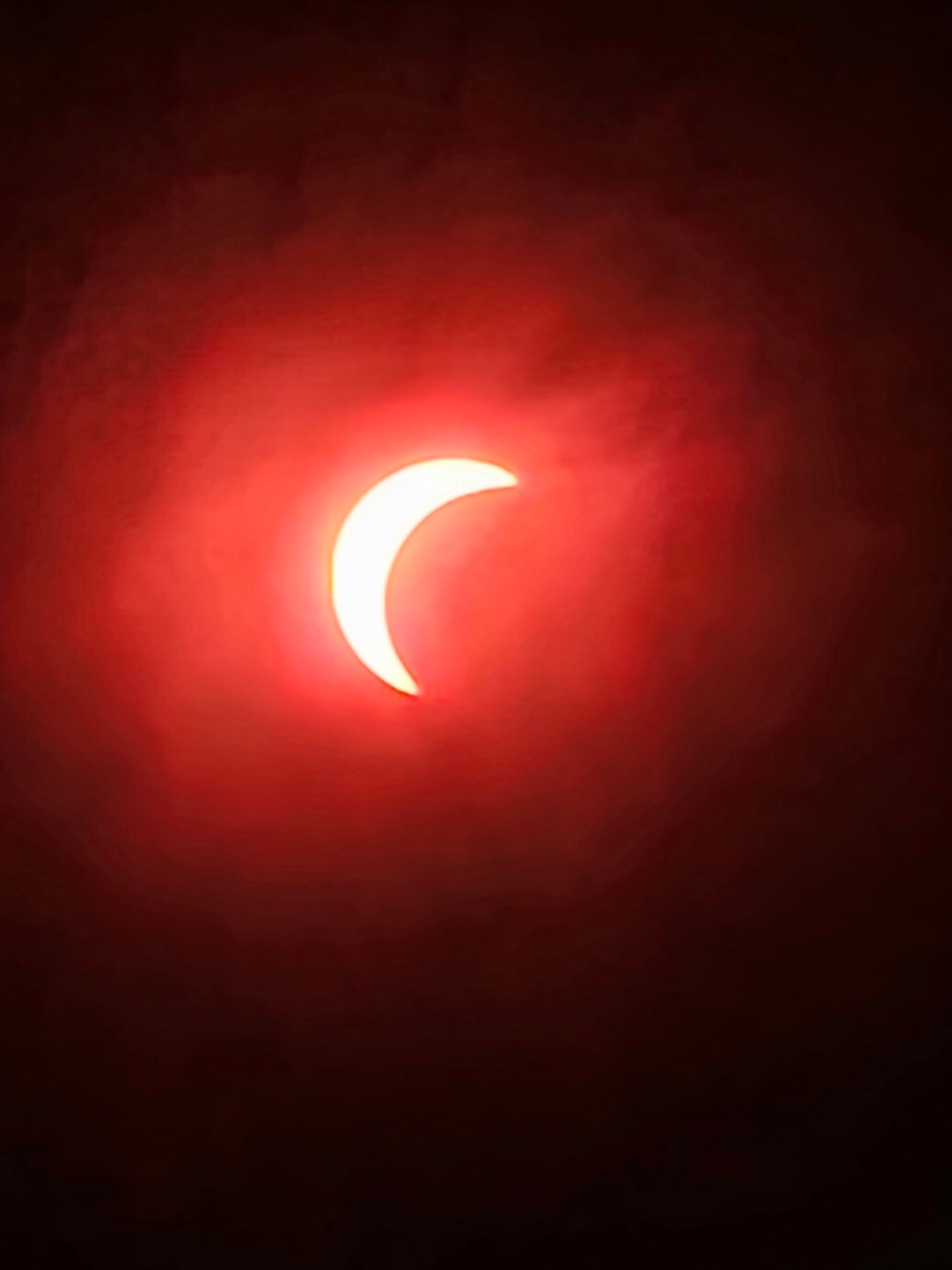
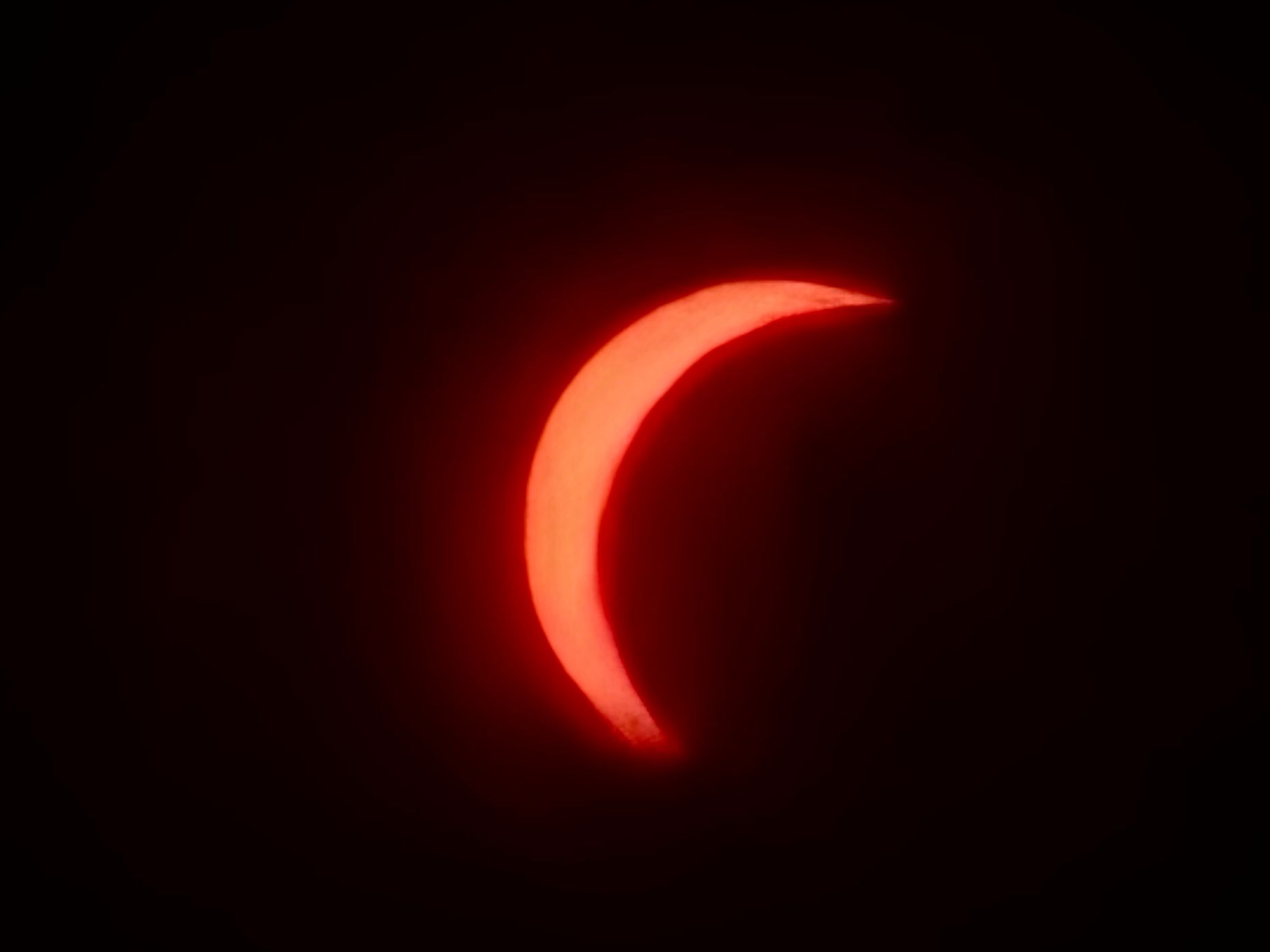
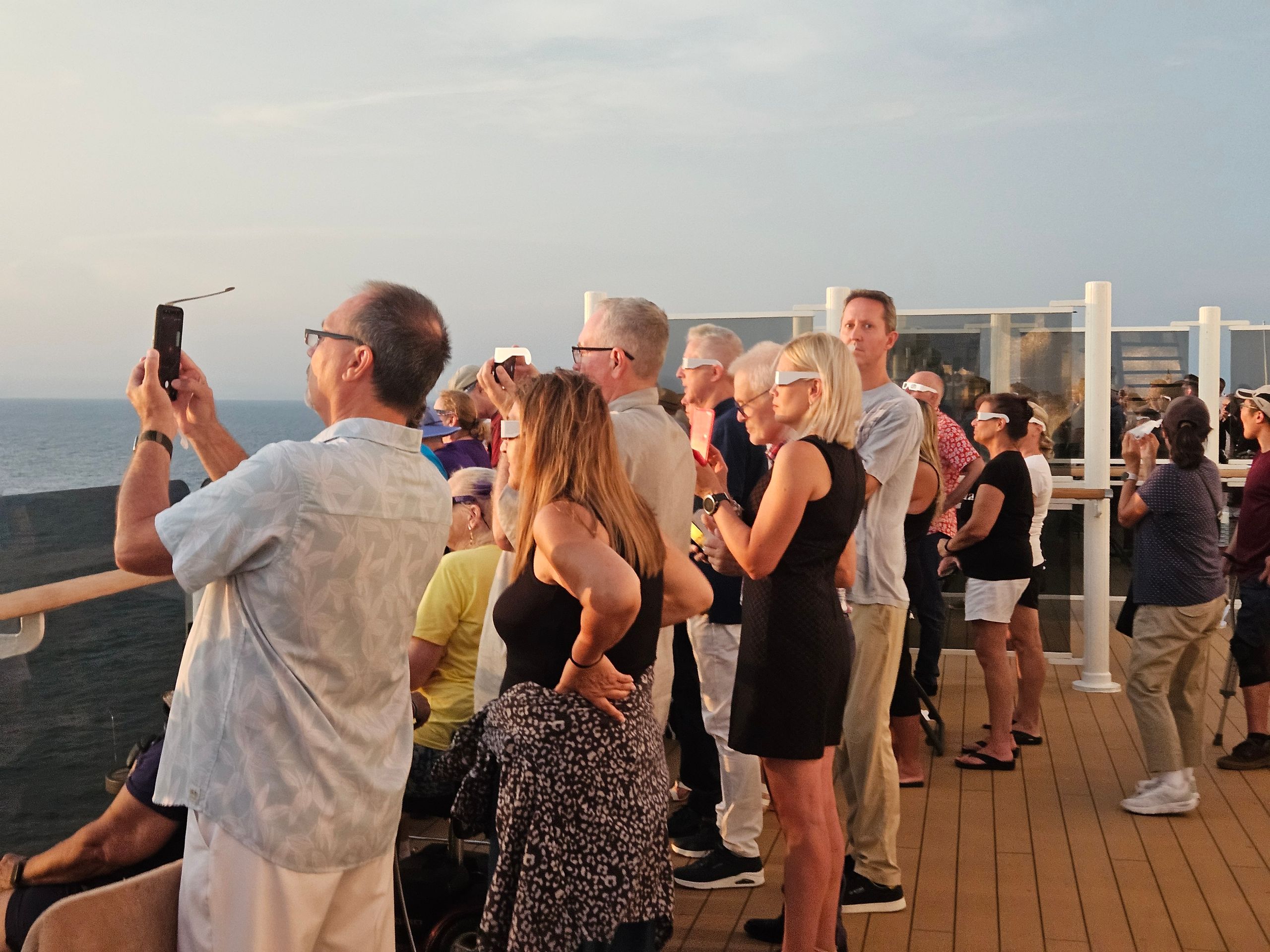
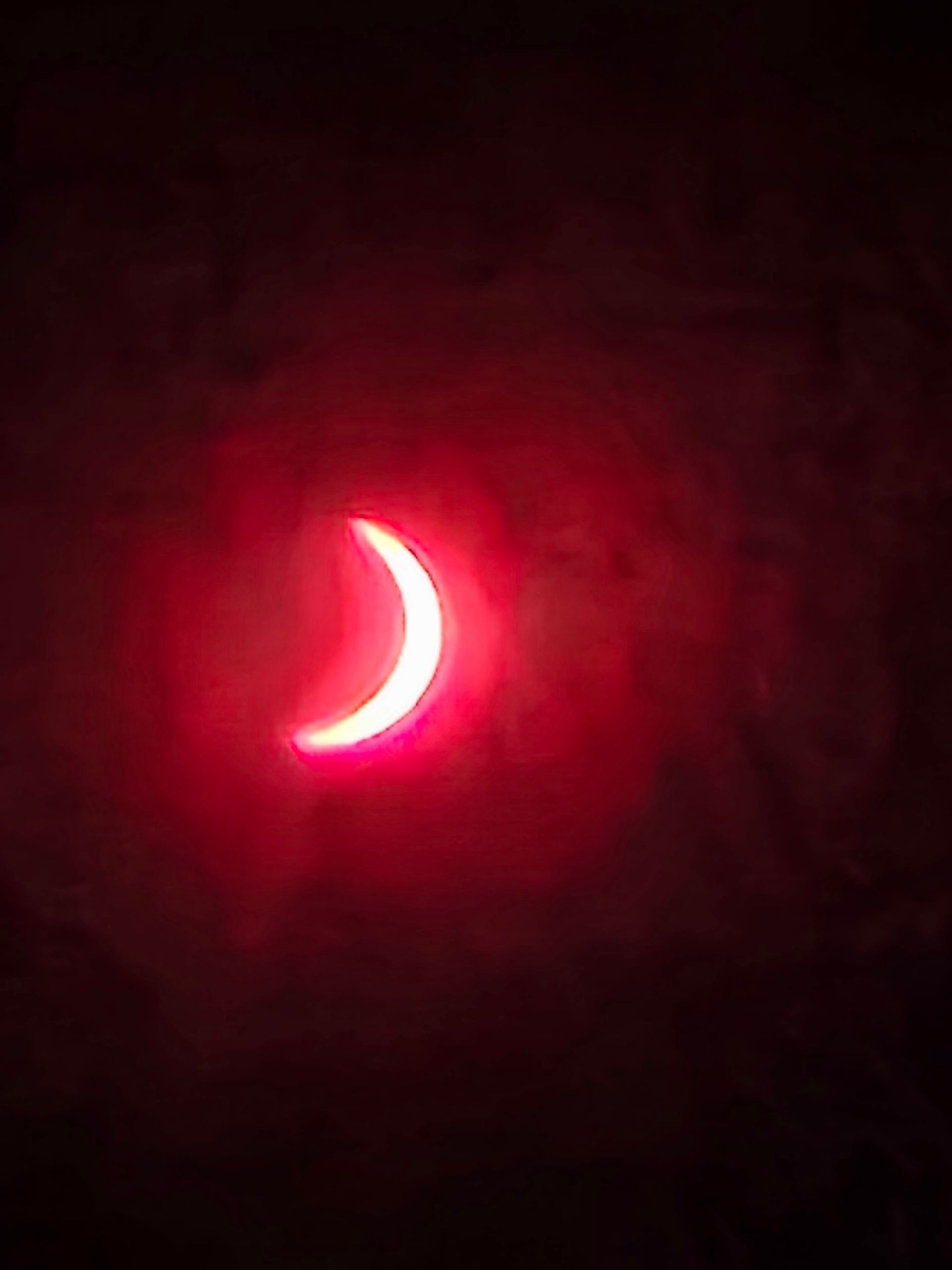
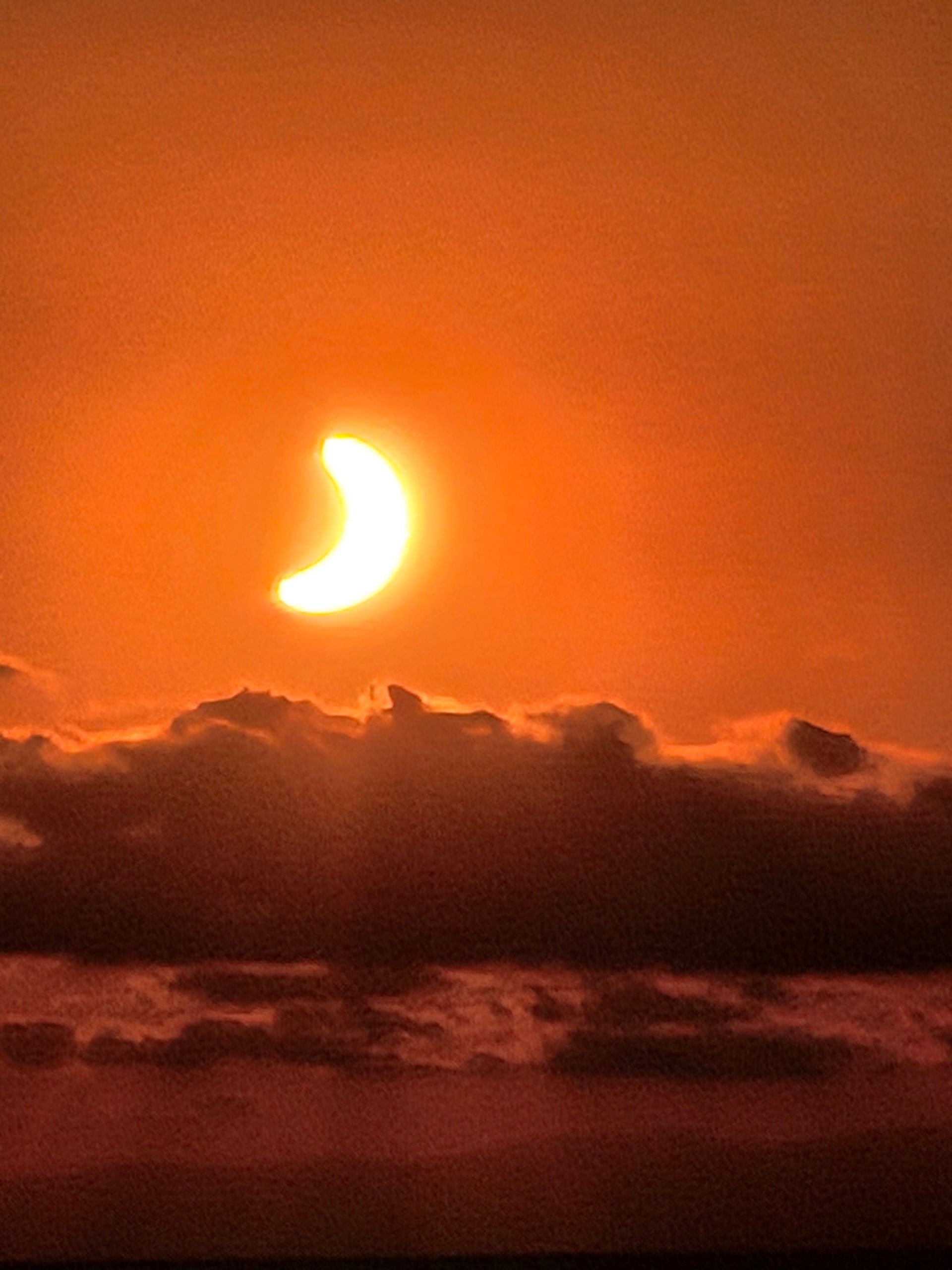
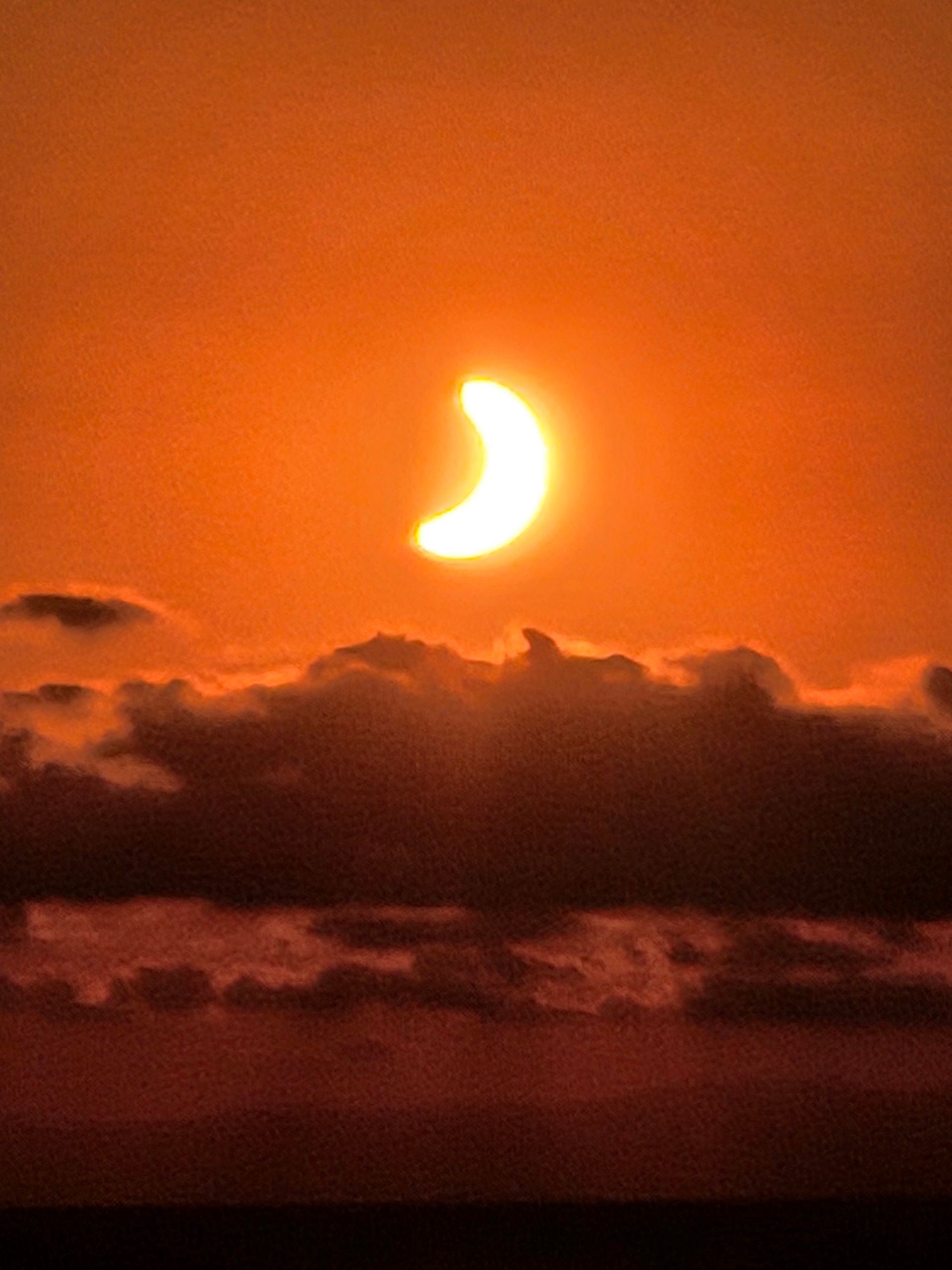
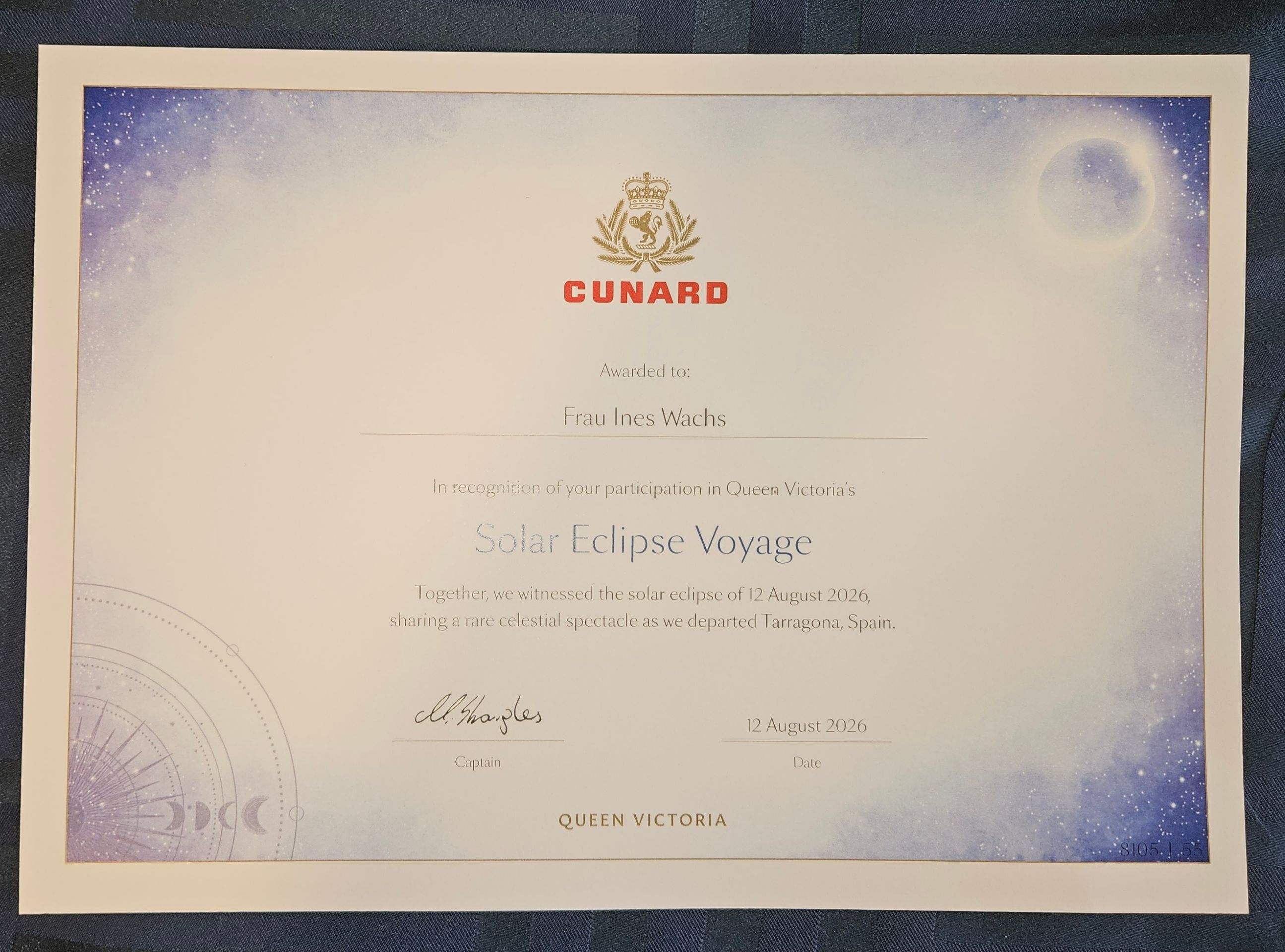
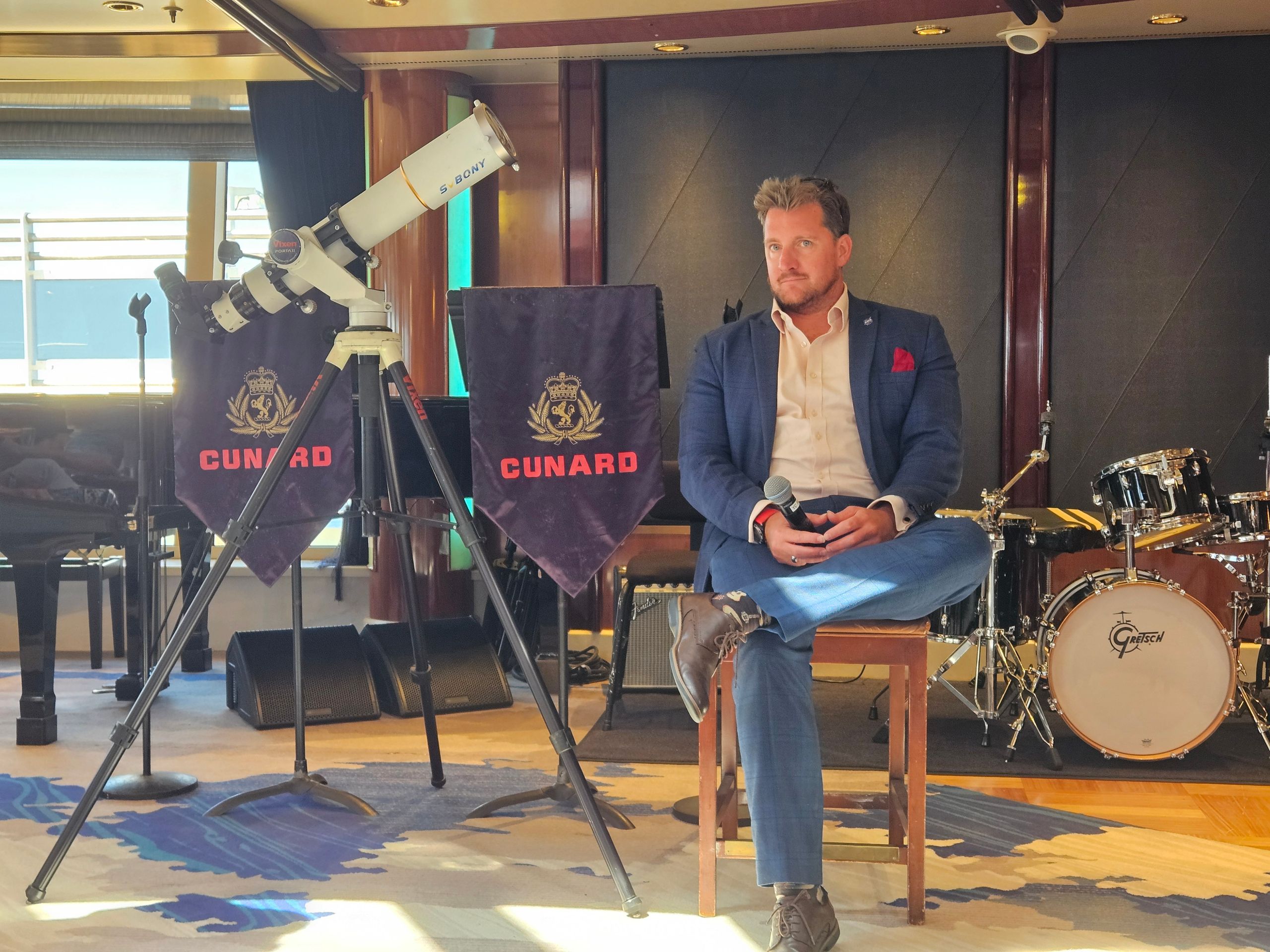
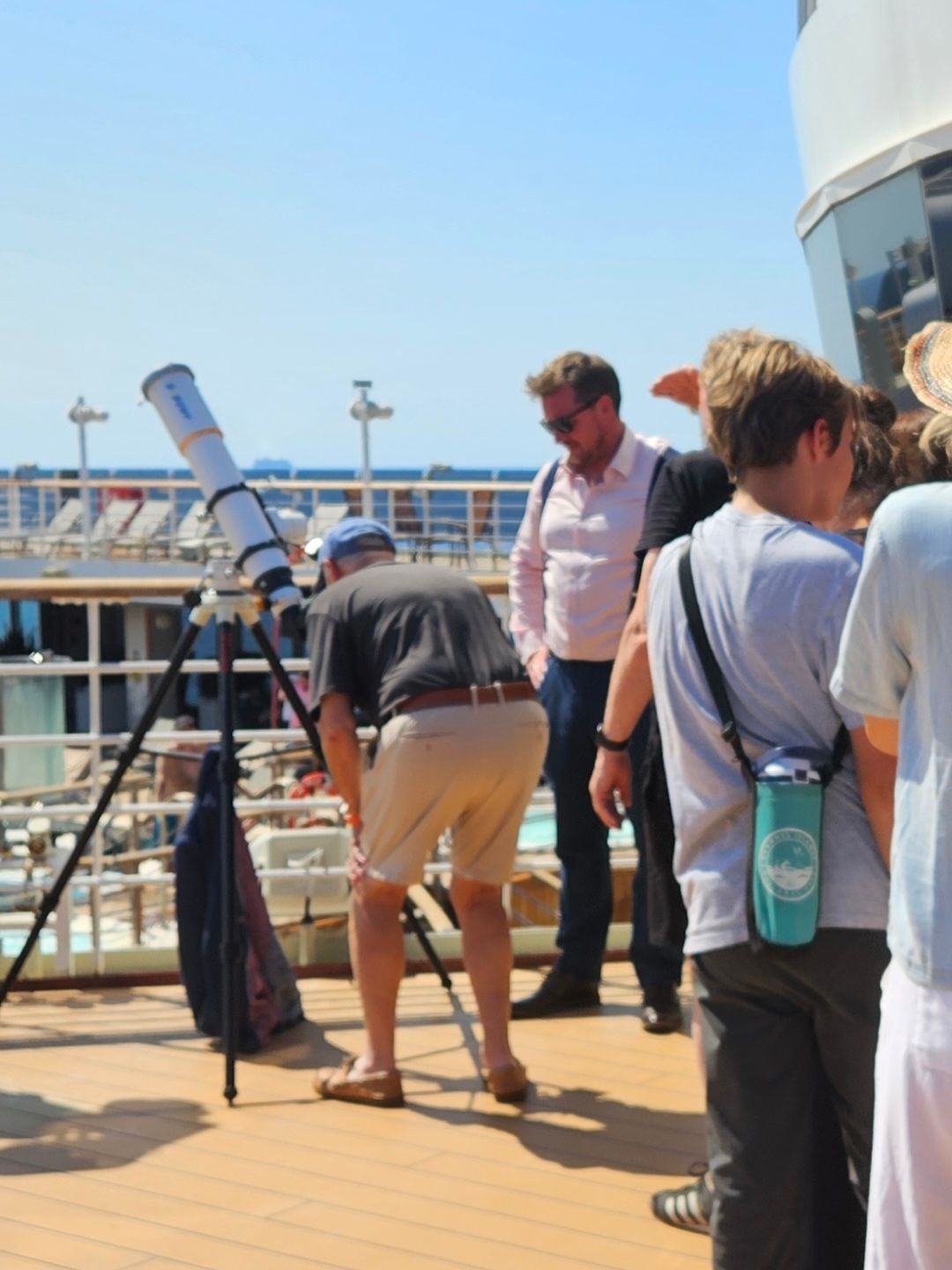
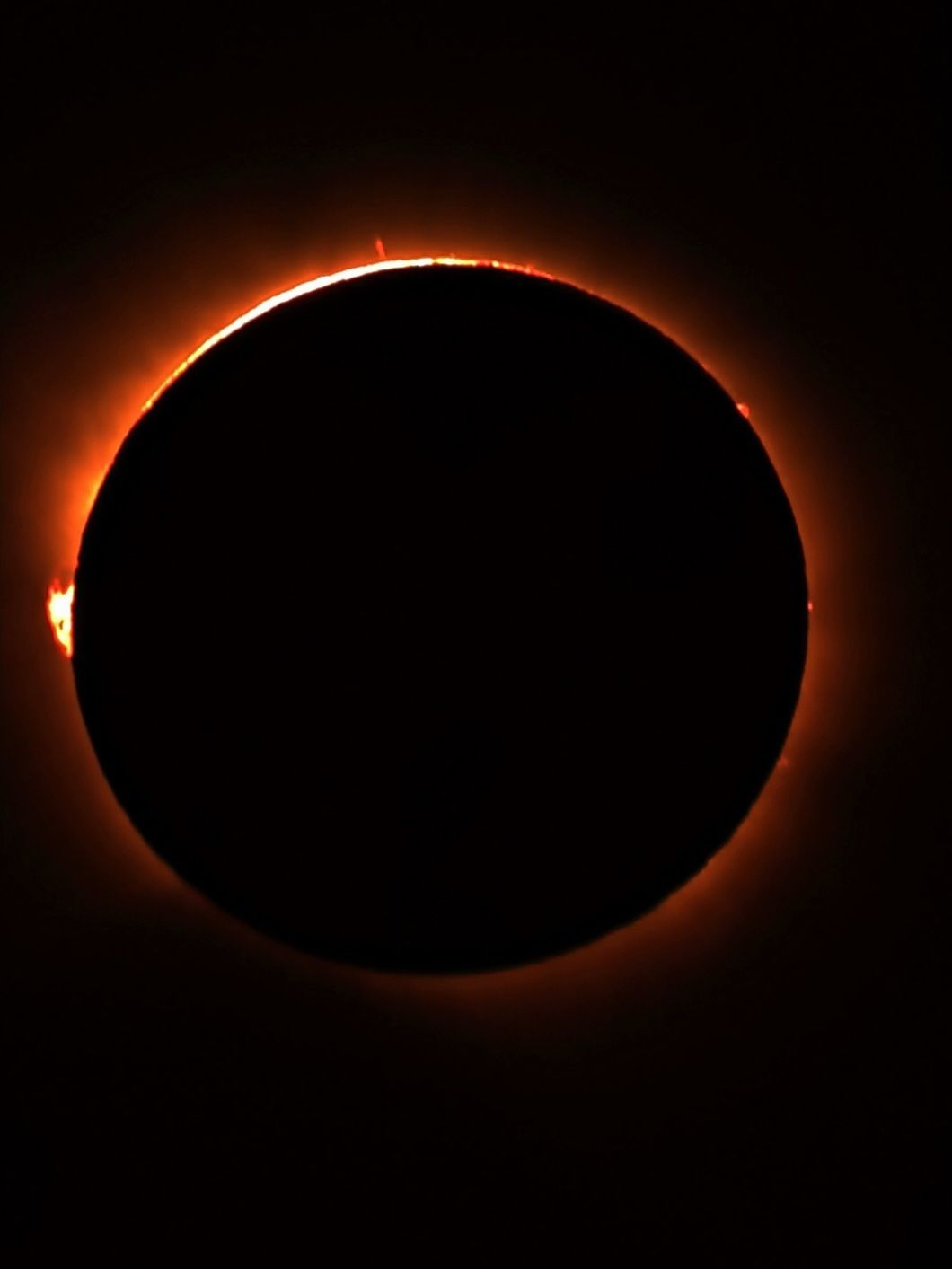
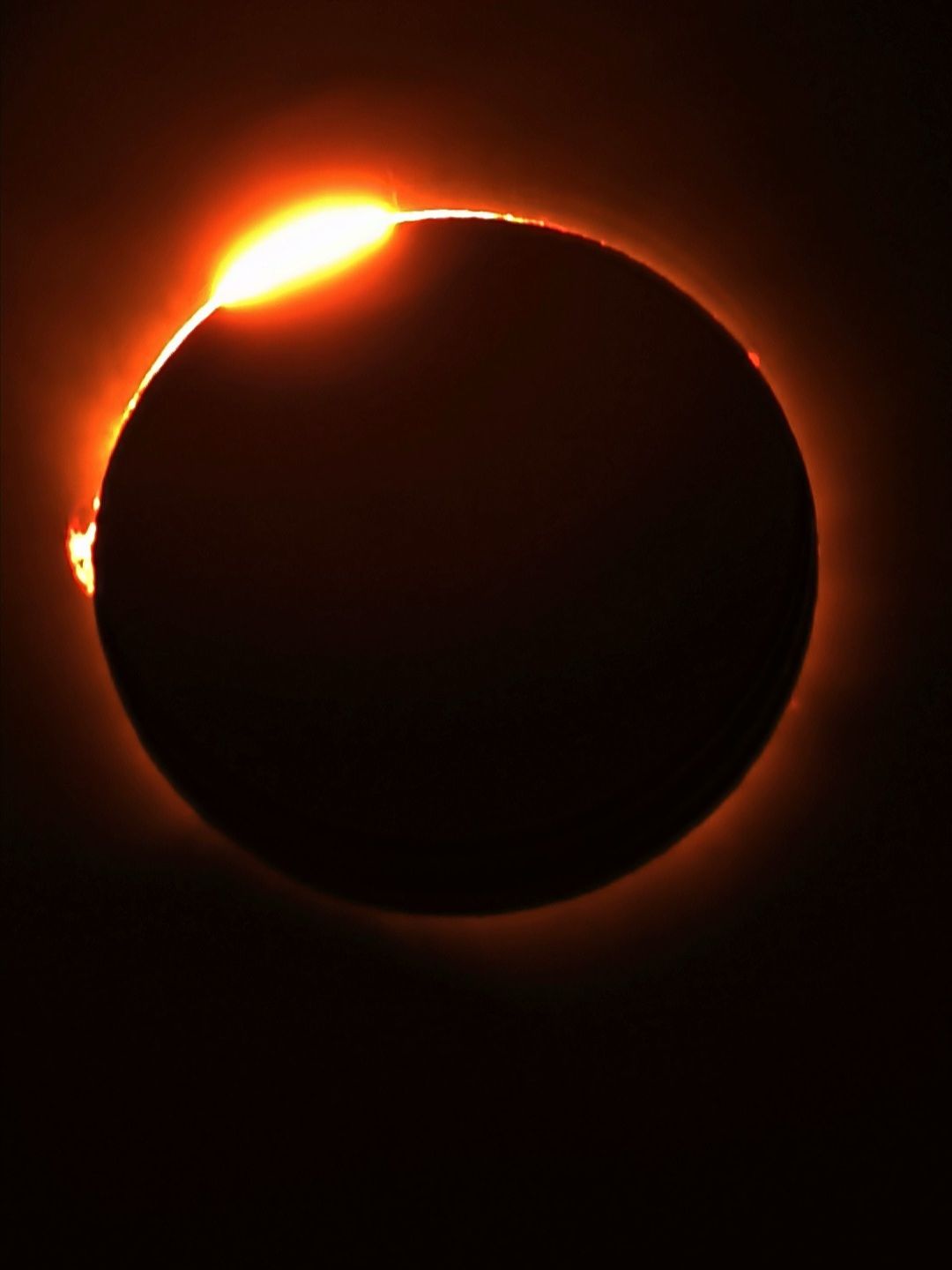
Just a single minute of total solar eclipse! To let it sink in: only sixty seconds of absolute darkness. We stood on the open decks of the Queen Victoria, somewhere on the mirror-smooth sea off Tarragona, for this magical moment on August 12, 2026, at 8:29 PM.
The great spectacle actually began the day before. Dr. Chris Crowe, astronomy expert from the renowned Harrow School in London, prepared us with a scientific yet humorous lecture. This man travels professionally from one eclipse to the next and is a walking encyclopedia of astronomy. More on him later.
He first made us aware of how fortunate we are cosmically: Only because our moon is exactly the right size and at the perfect distance from the Earth and the sun, total solar eclipses even occur. No other planet in our solar system has this constellation.
Second factor of luck: the weather. Captain Martyn Sharples analyzed the meteorological data the day before and promised us a sky 98% free of clouds. “Fingers crossed,” he said as he departed. On the evening of the eclipse, he maneuvered the ship far away from the Spanish coast to avoid any artificial light pollution.
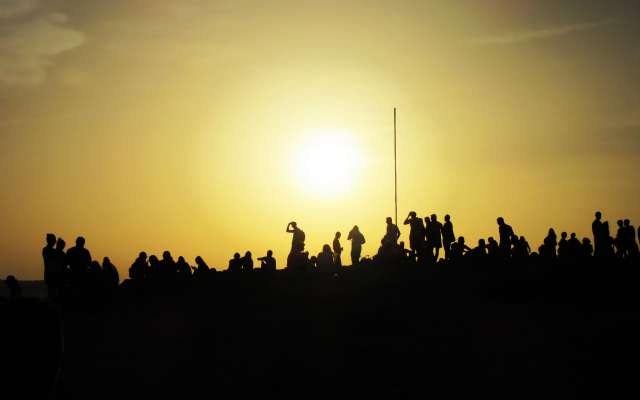
At around 7:00 PM, it was time for everyone to gather on Deck 9. We managed to snag a few chairs early on. Right on time at 7:35 PM, the moon gradually began to consume the sun until only a thin, glowing crescent was left. The only catch: the shipping company had distributed only one eclipse glasses per cabin. A spontaneous purchase during our stop in Tarragona was completely hopeless.
This backfired when it came to photography. Smartphones desperately need this filter in front of the lens; otherwise, the sensor captures only blinding white. In our desperation, we held the flimsy cardboard glasses alternately in front of the phone. It was laborious!
Then the clock struck 8:29 PM. A collective cheer erupted. The totality. Unfortunately, just for that one, damn short minute. Barely had one grasped the natural spectacle, when the “Diamond Ring” flashed on the other side of the moon—the famous diamond ring effect marking the end of the darkness.
Dr. Crowe advised us to briefly take our eyes off the sun during the totality and look around. Indeed, we experienced a fascinating 360-degree sunset across the entire horizon in the middle of the sea.
For those back home, the astronomer gave us a curious tip for the partial eclipse the day before: Take a completely ordinary kitchen strainer. If held so that the sunlight passes through, the strainer casts not round dots, but hundreds of tiny crescent moons as shadows on the ground for a few seconds.
While our friends at home also had excellent weather but only a partial eclipse, the complete eclipse stretched only in a narrow strip over Iceland, then northern Spain all the way to Mallorca.
We are somewhat satisfied with our smartphone photos, but there's definitely potential for more. Therefore, we declared the 2026 solar eclipse a dress rehearsal. Next year comes the must: On August 2, 2027, the longest solar eclipse of the century awaits us with an epic six minutes of totality, as the moon will come even closer to the Earth then. We've already booked the matching cruise for it.
The astronomical program in August continued. Like every summer, the Earth crossed the path of the Perseid meteors. Dr. Crowe and the ship's crew had a great idea for this: On August 13, 2026, at 11:00 PM, the captain turned off the lighting on the entire upper deck. Countless passengers secured deck chairs and stared into the darkness while our expert explained the constellations with an extremely powerful astronomy laser pointer.
We saw fewer shooting stars than hoped at the end, but it was enough for a few wishes to the night sky. The best part was the feeling: The Queen Victoria lay so still in the water like a rooftop. After thirty magical minutes, unfortunately, the lights came back on on deck.
The expert remained diligent. A day later, he invited us to the next lecture in the ship's theater. As an introduction, he showed photos of the solar eclipse that passengers had sent him via email, followed by his own shots and the corresponding Photoshop tricks. In the meantime, we learned a lot about sunspots and nuclear fusion, the primal force of the sun that humanity has been unsuccessfully attempting to replicate for decades.
However, the best part about Dr. Crowe were his personal anecdotes in the Q&A sessions. This man is a fantastic entertainer. As a passionate Star-Trek fan, he shared stories of how he spent a lot of money in his youth to spend time with the actors and the son of the show's creator, Gene Roddenberry.
His true idol, however, was and is Stephen Hawking. As a student and later a doctoral candidate, he spent a lot of time with the world-famous physicist. He humorously recounted Hawking's secret language: Since the genius never turned off his speech computer even while eating instant noodles, the system continuously typed out quirky word creations and sounds through his chewing movements.
To conclude, there was a nice story about Pluto. According to Dr. Crowe, it is proven that Pluto is a cosmic outsider. While the inner planets of our system are rocky and the outer ones pure gas giants, Pluto breaks all the rules: it is rocky, has a completely tilted orbit, and a totally different composition. Dr. Crowe's wonderful formulation: Pluto was simply adopted by us after the collapse of its original home solar system and millions of years of loneliness.
What one can learn on such a cruise!