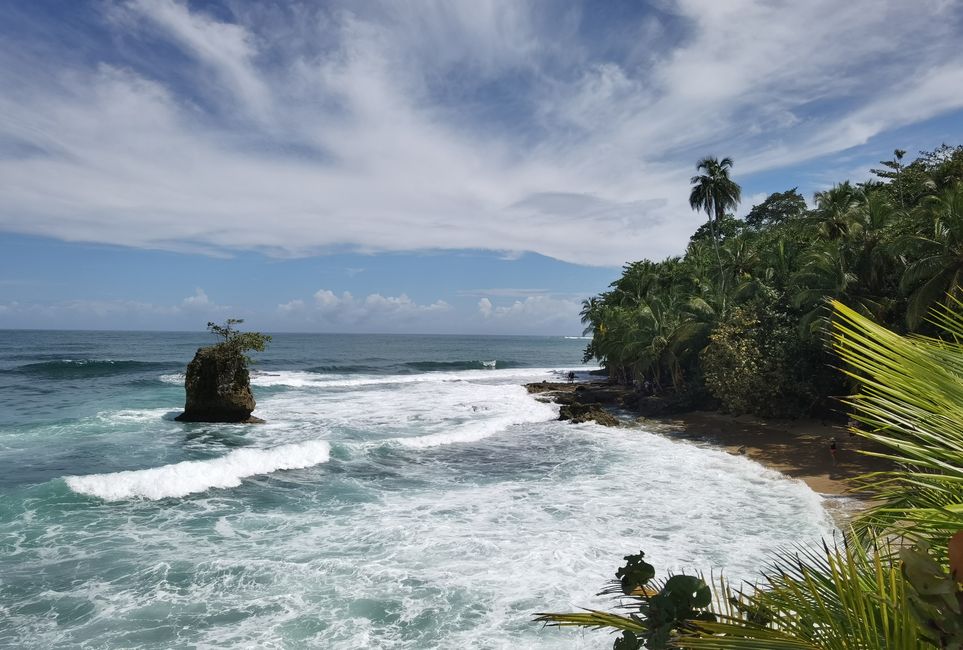

Rincón de la Vieja National Park
11.11.2026 Rincón de la Vieja National Park and Rio Negro Hot Springs After a relaxed breakfast at the lodge, we head towards the Rincón de la Vieja National Park entrance at 8:30...

Published: 13.11.2026
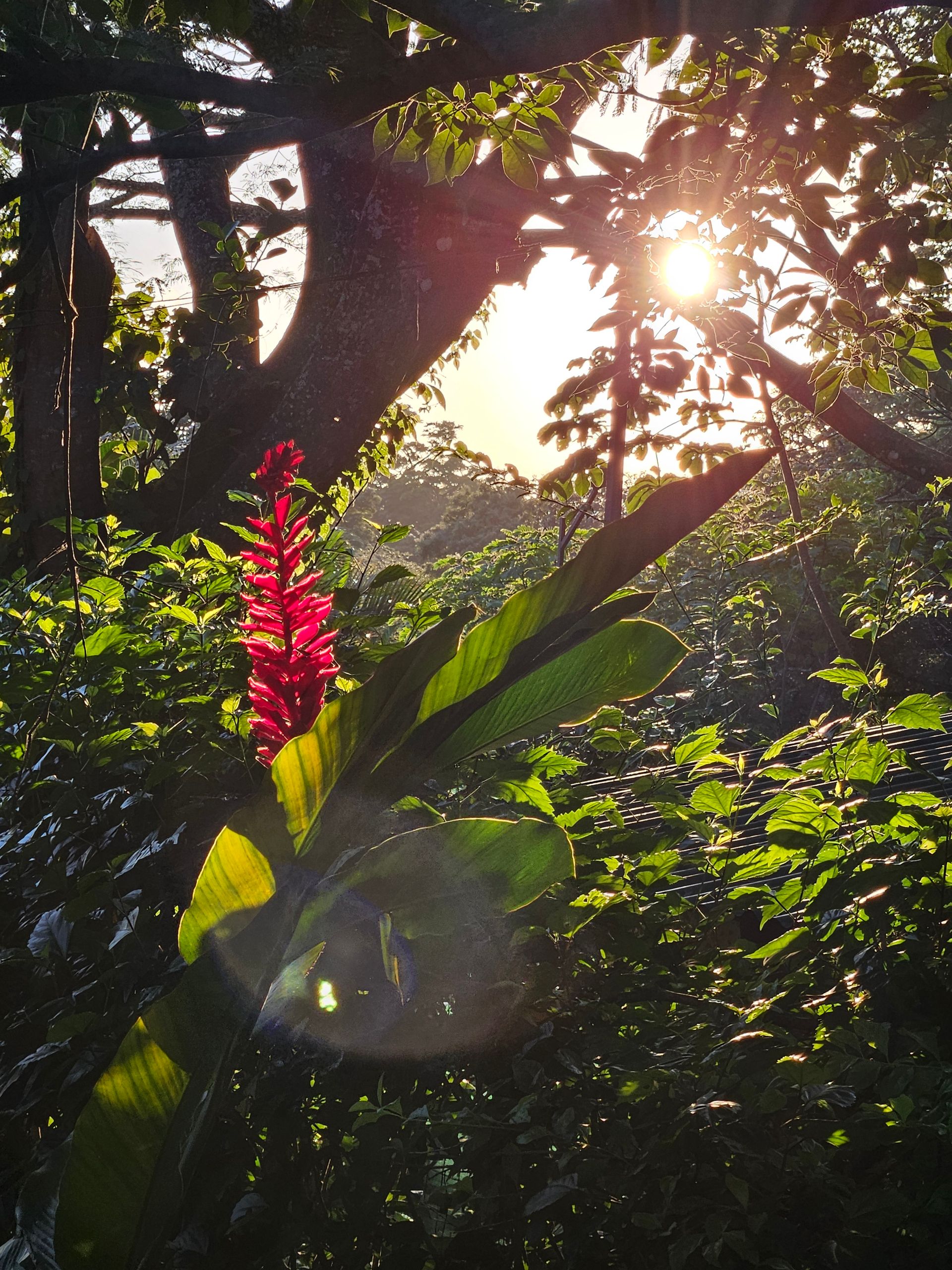
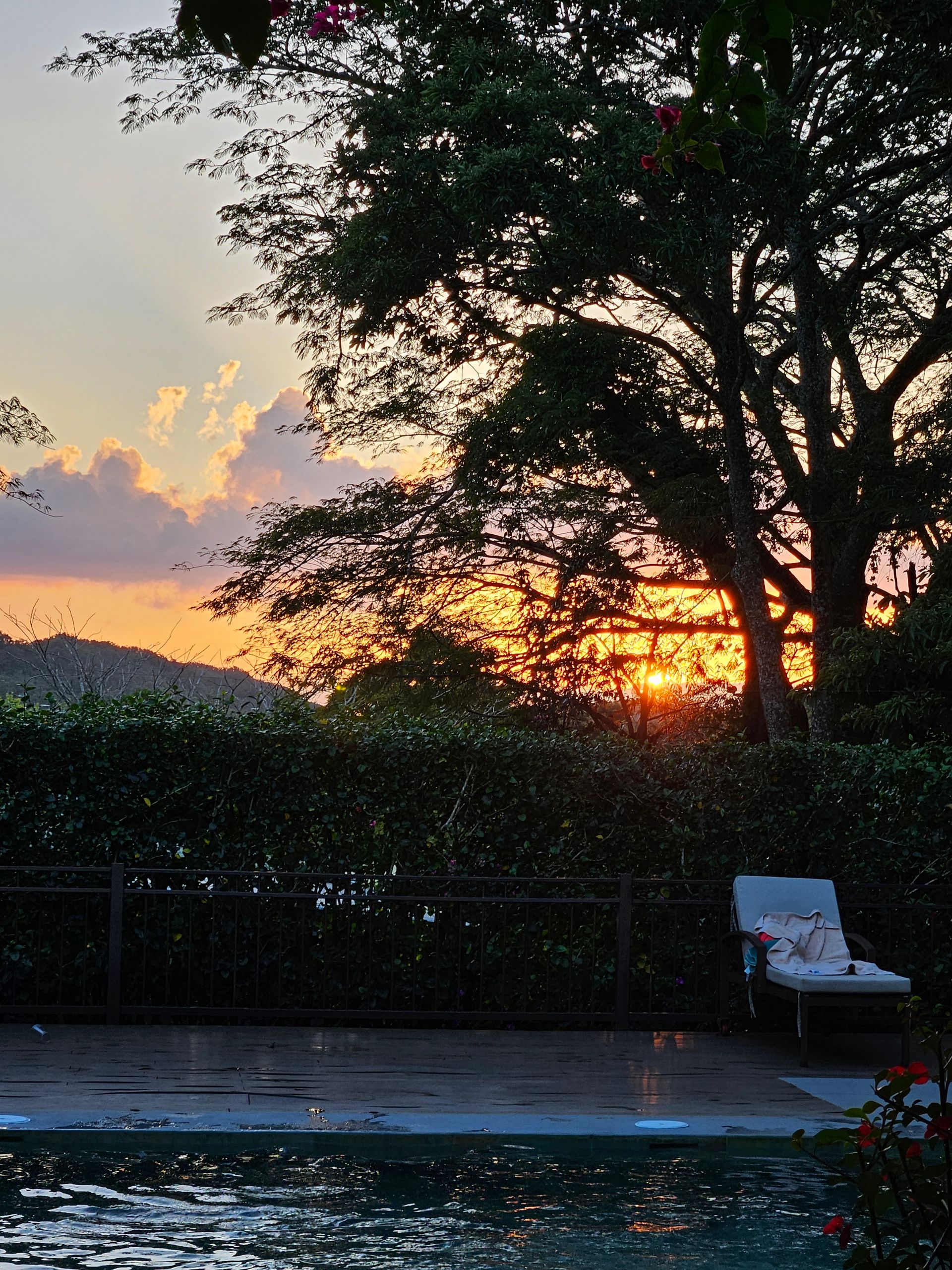
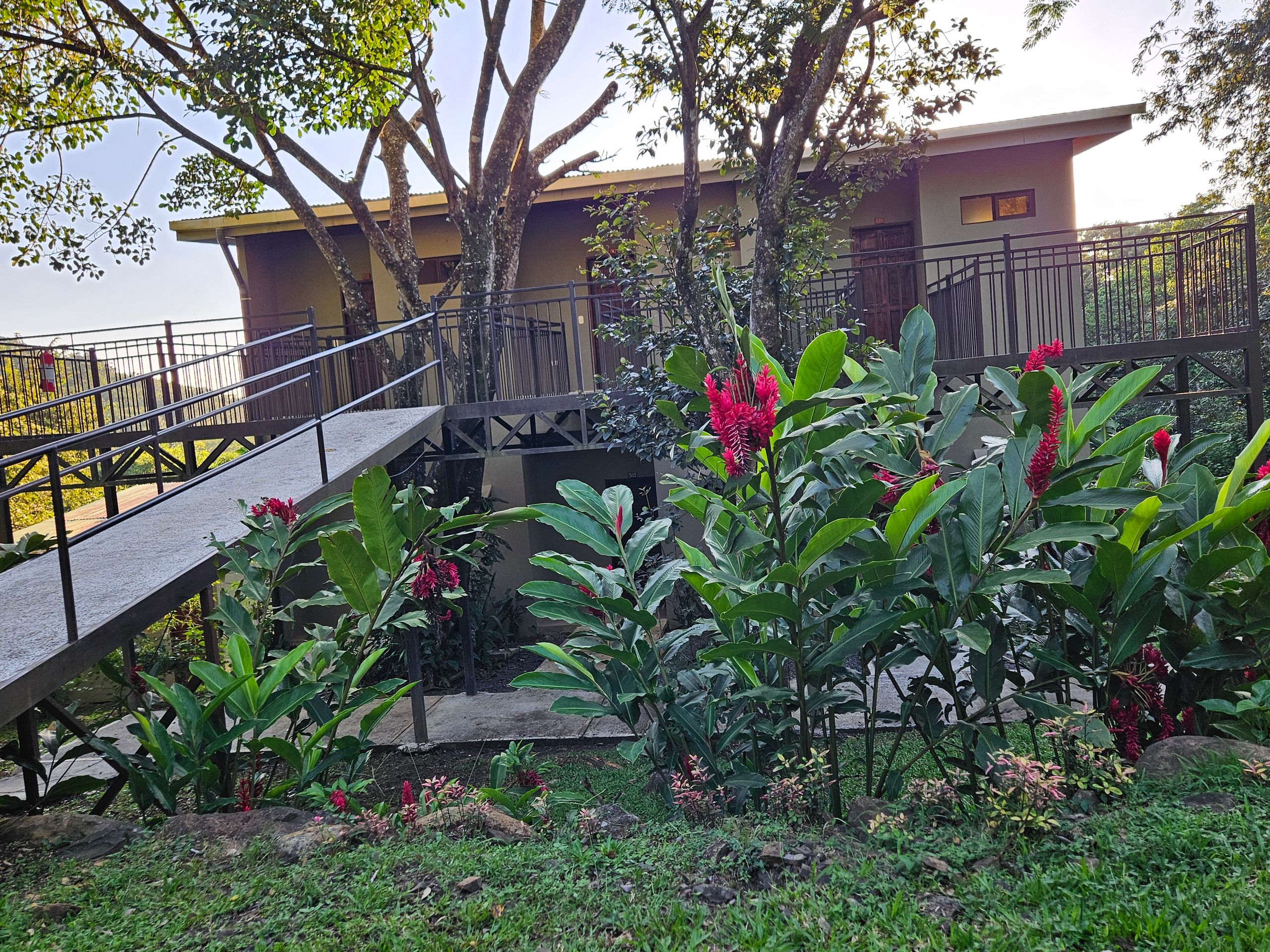
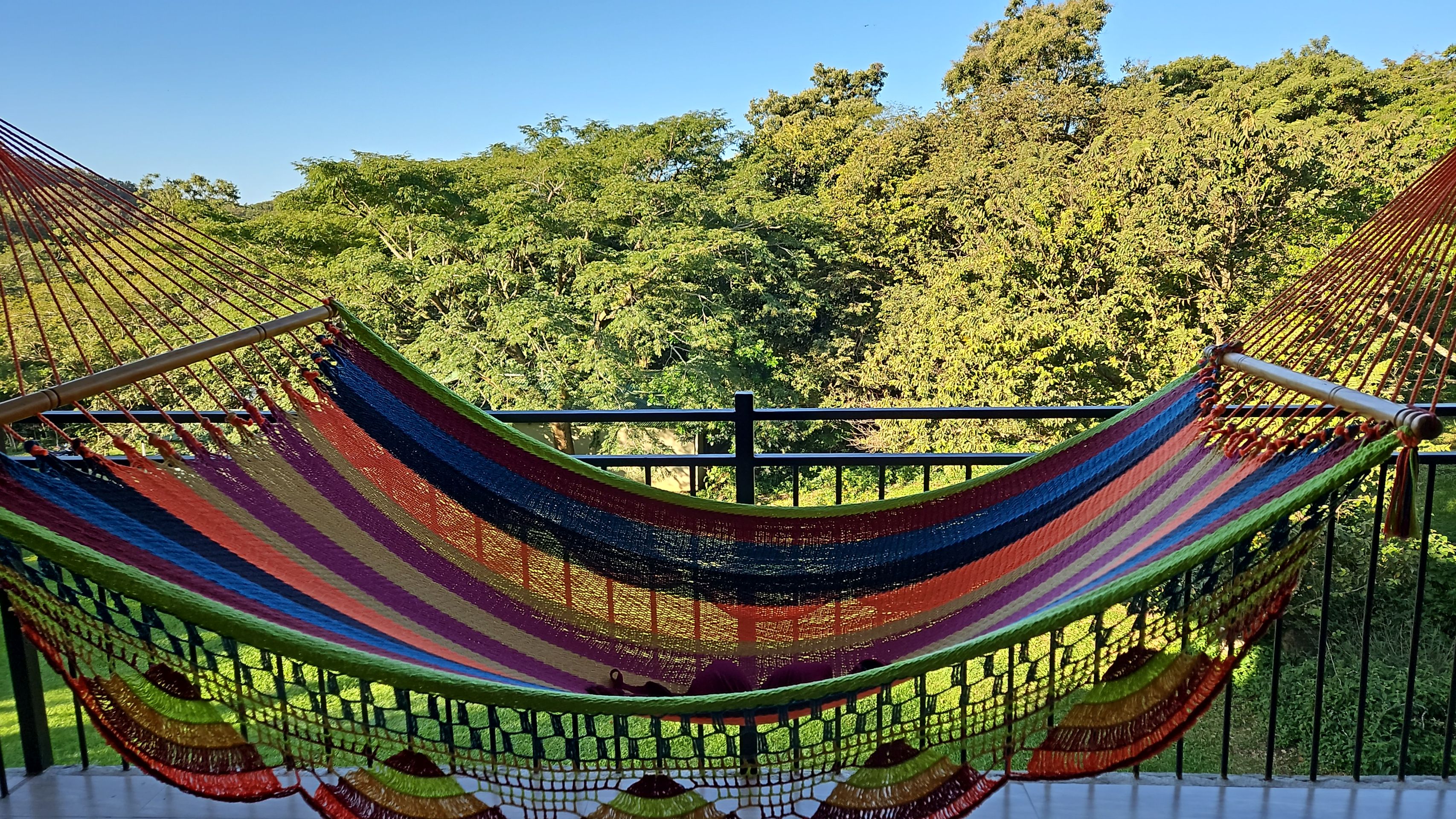
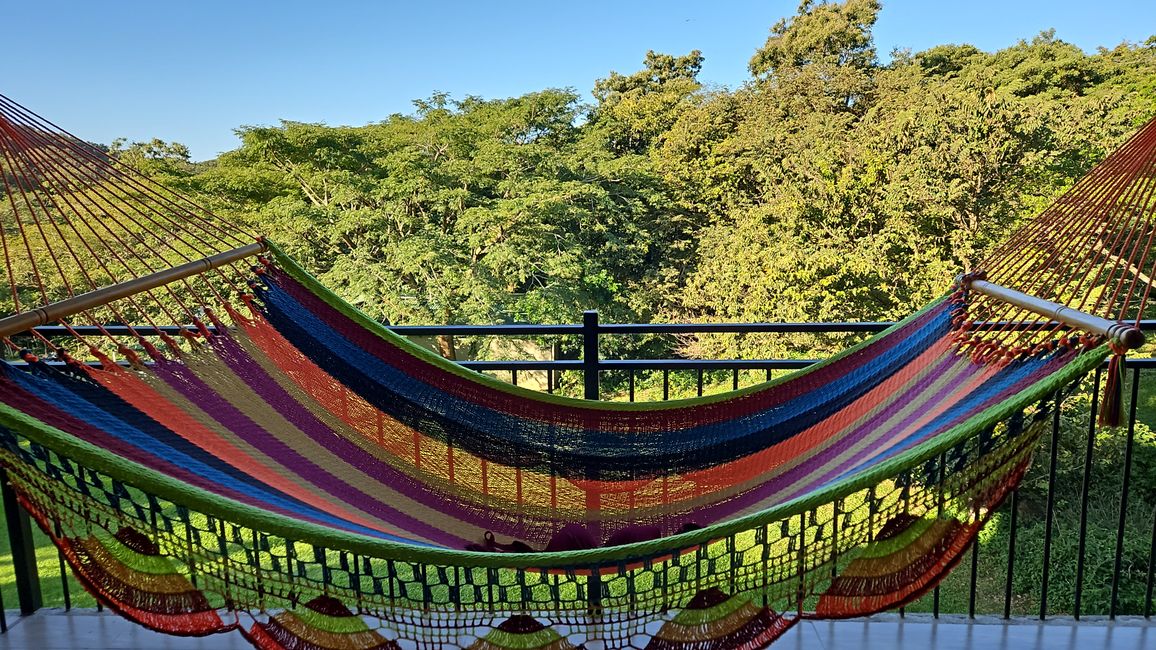
The morning begins as usual early, with a yoga session and a dreamy view from the balcony.
Today, we have a day trip to Parque Nacional de Tenorio planned, which is about 52 km in 1 hour and 23 minutes according to Waze navigation. This should make us think... or inform us about the road conditions.
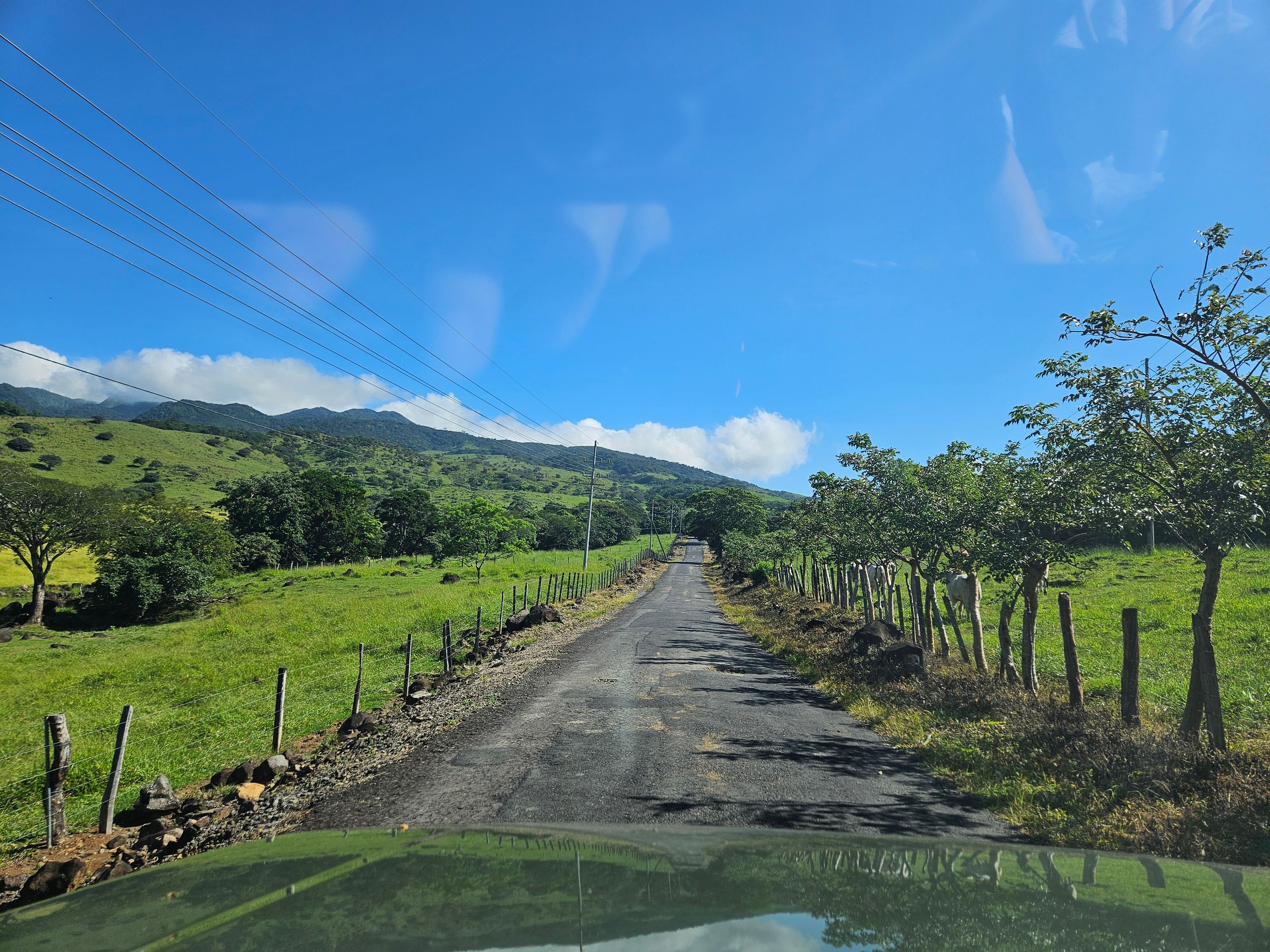
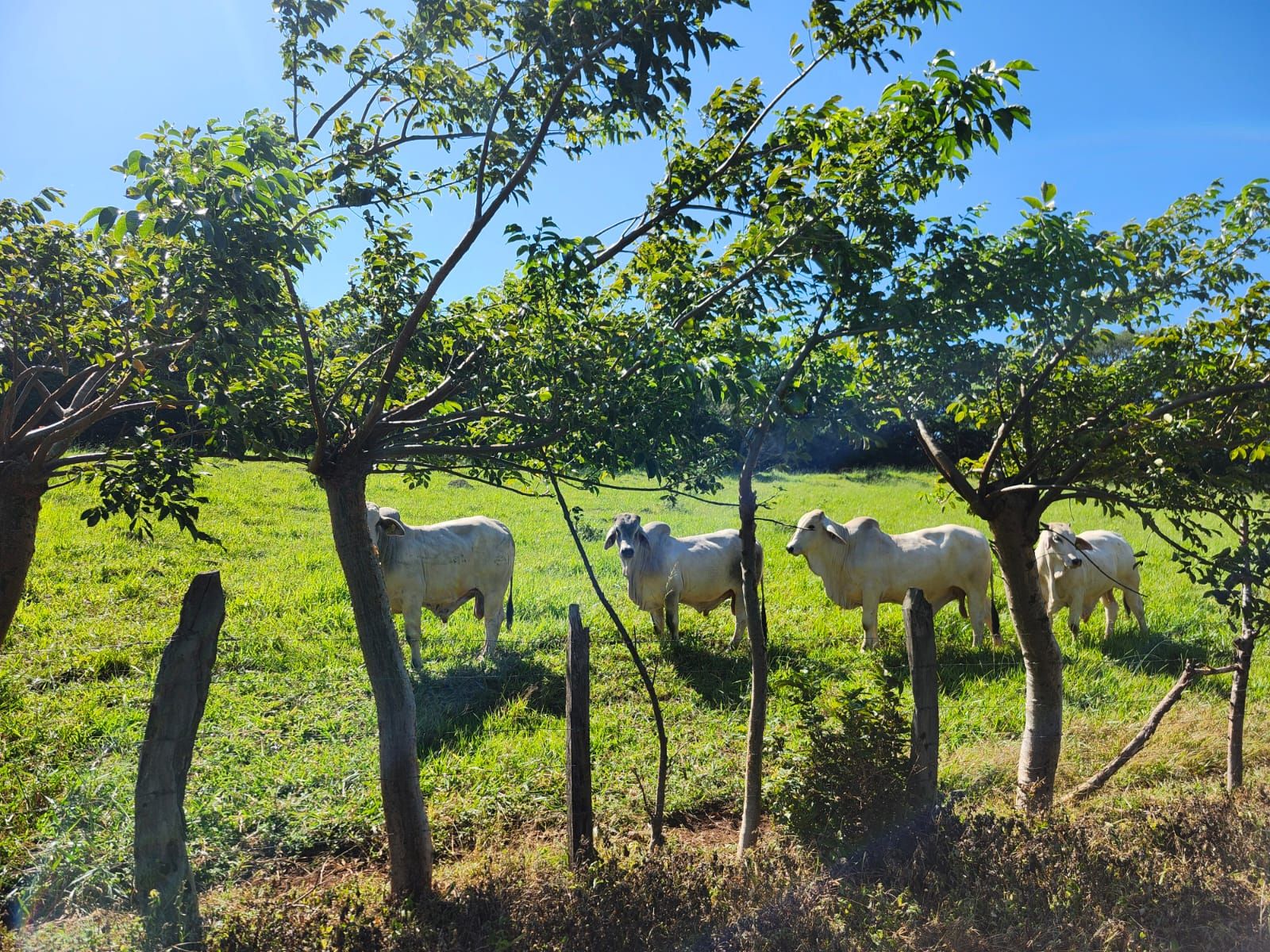
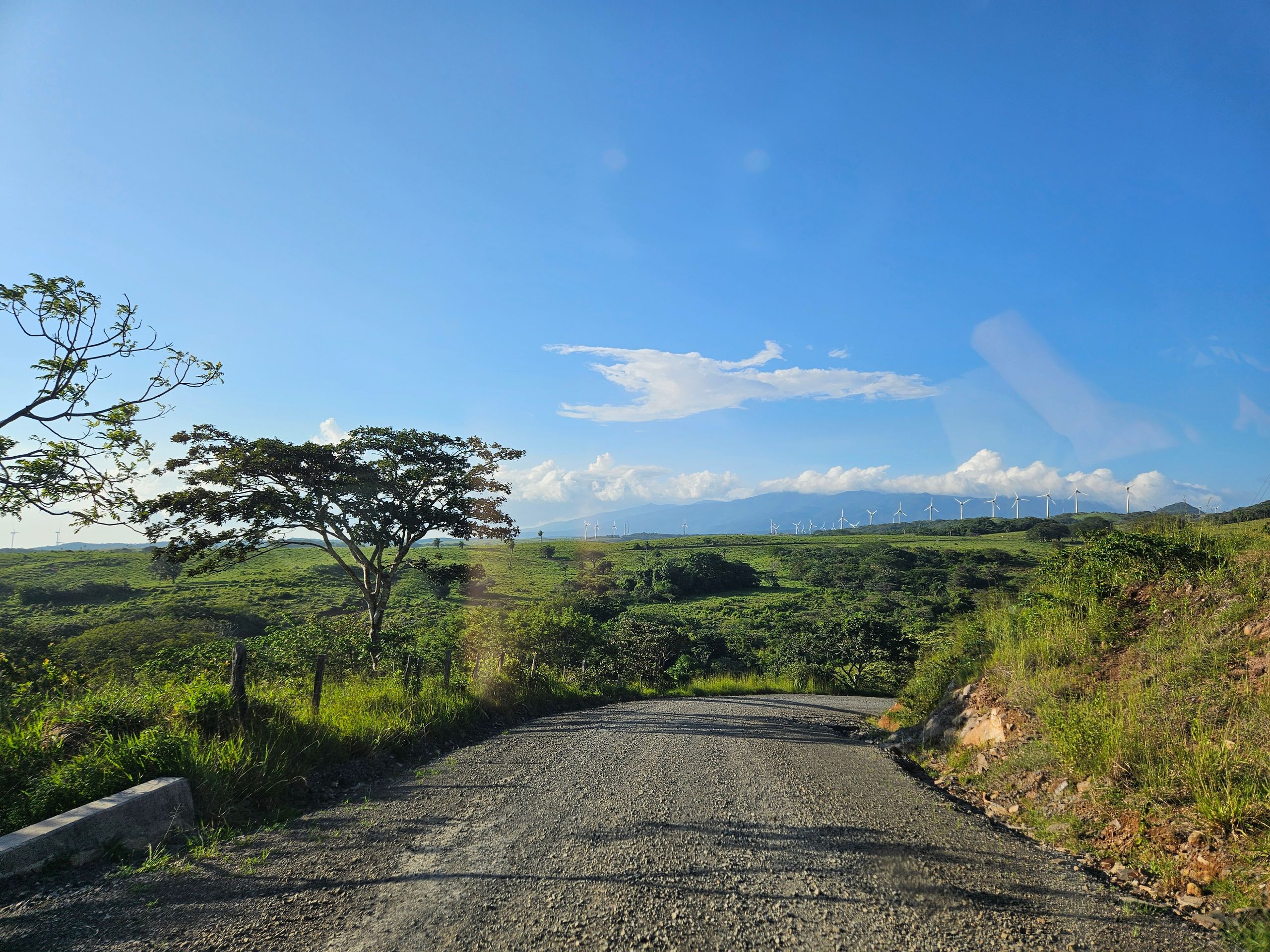
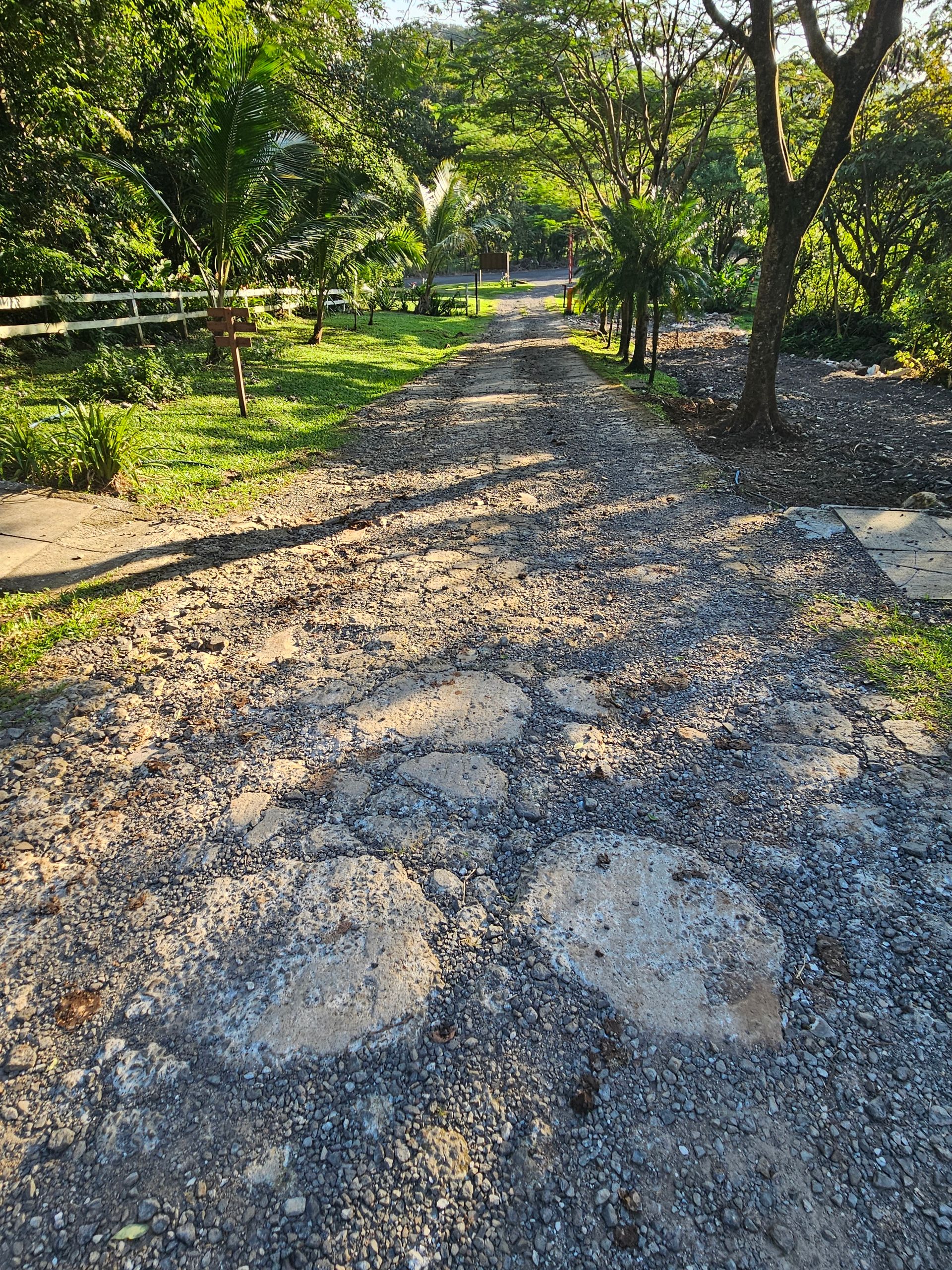
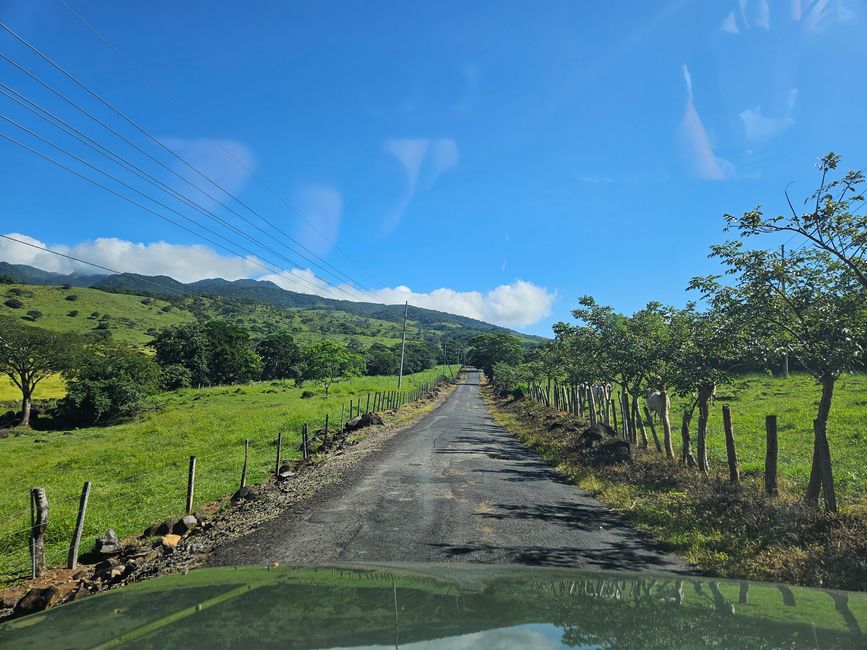
Hardly have we left the Rinconcito Lodge behind, when the adventurous journey begins. Asphalt is rather rare up here near the Rinconcito Lodge – instead, coarse gravel crunches under the tires as we cautiously navigate washed-out tracks and loose stones at a snail's pace. Lush green pastures and dense forests line the narrow path on both sides.
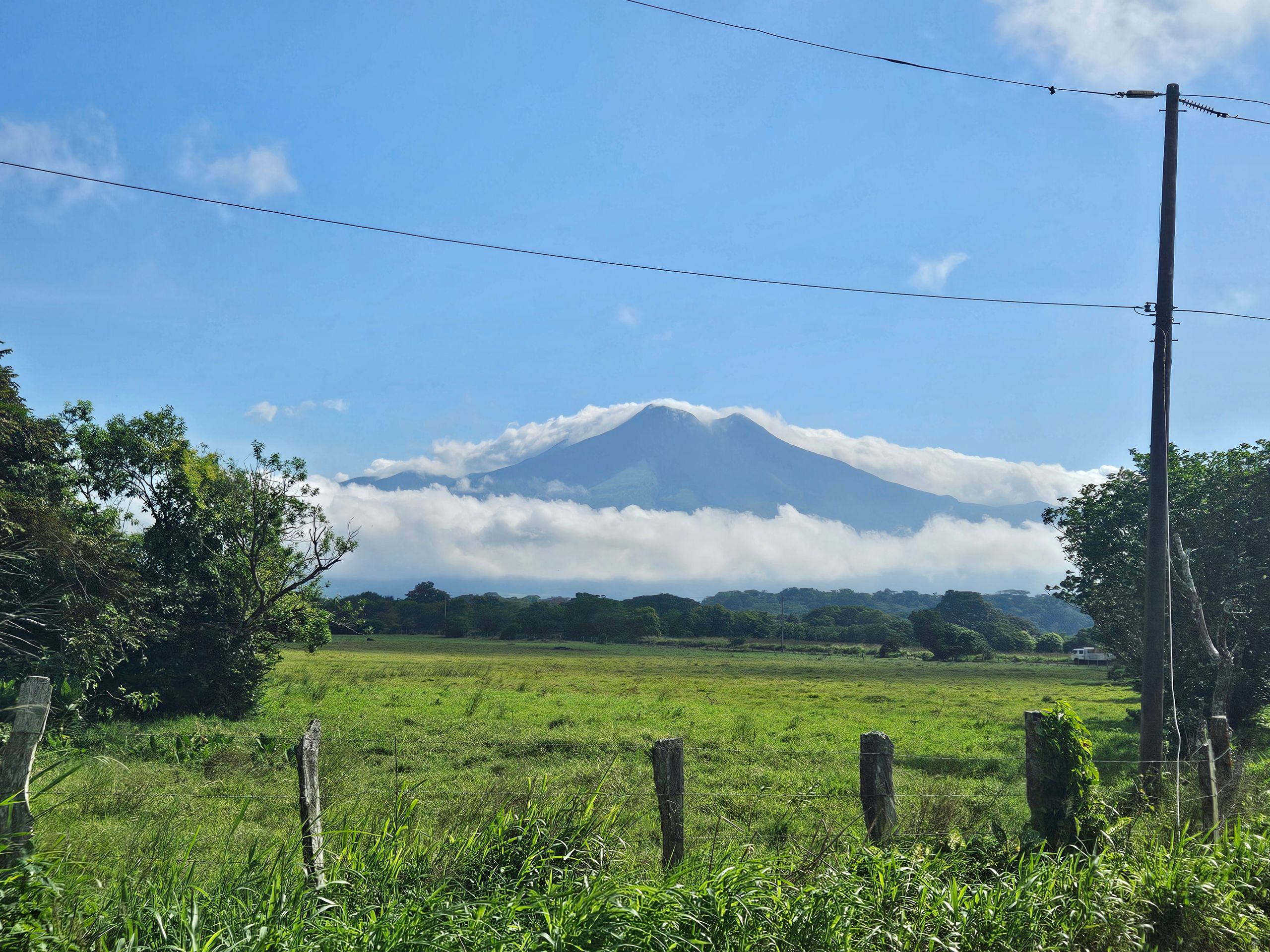
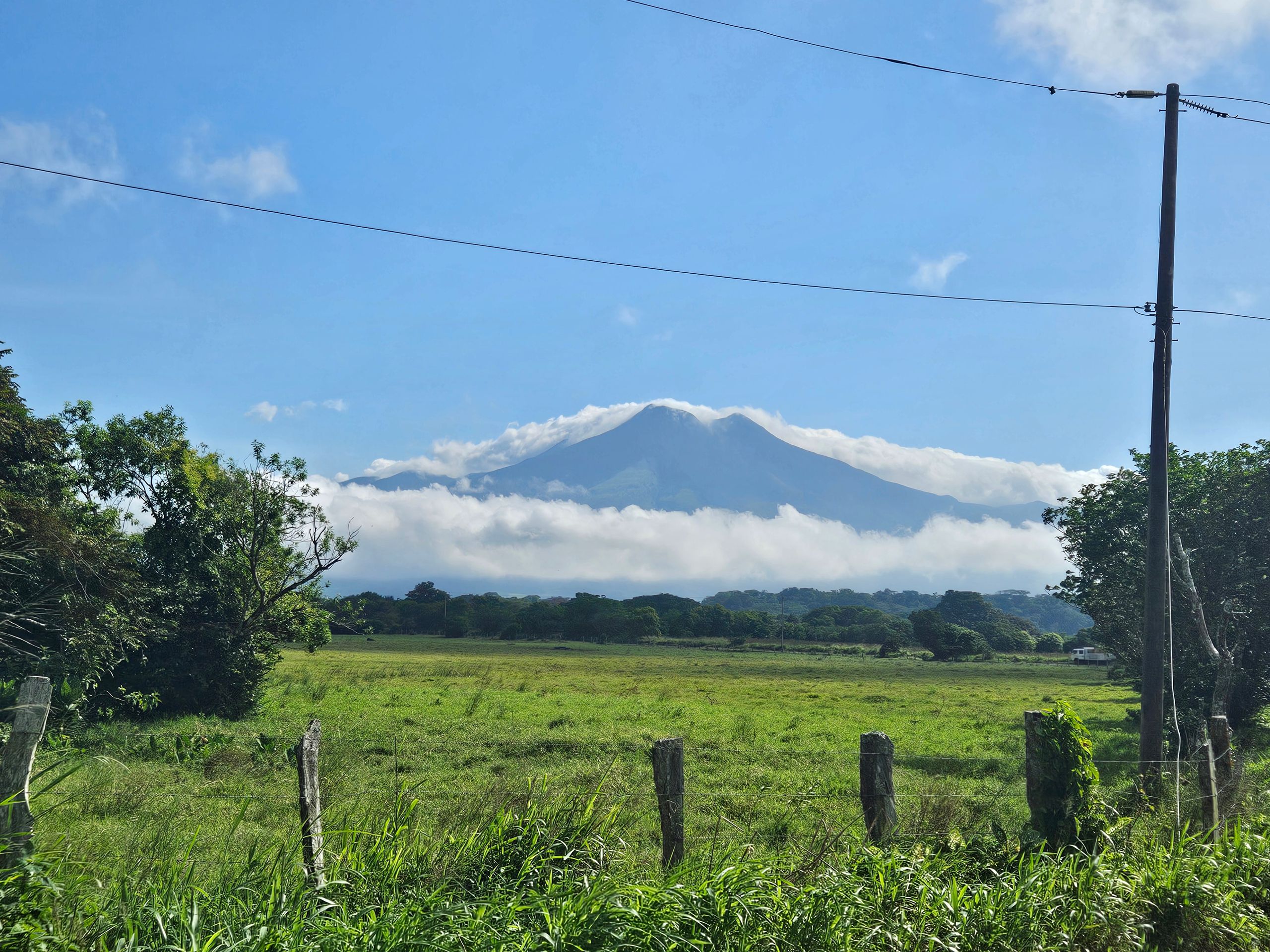
After finally reaching asphalt, we drive on Ruta 165 through the small towns of Pueblo Nuevo, Fortuna, and Guayabo, enjoying a stunning view of the Miravalles volcano, which presents itself almost in its full beauty.
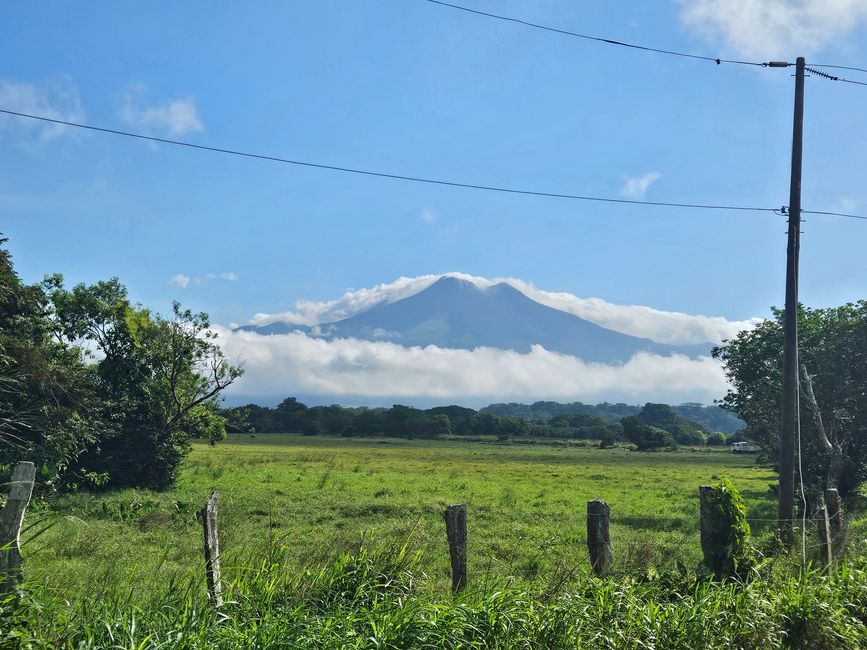
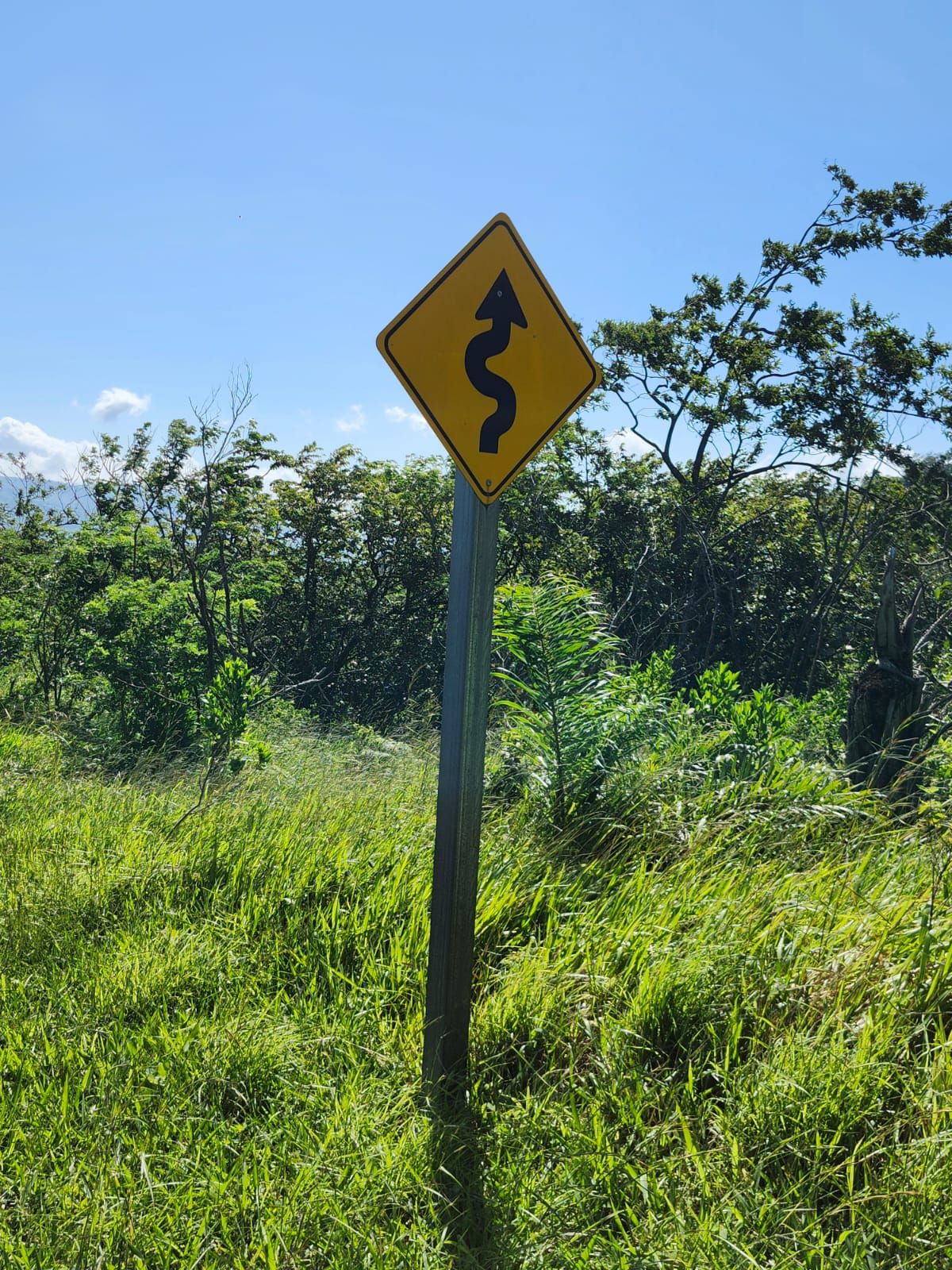
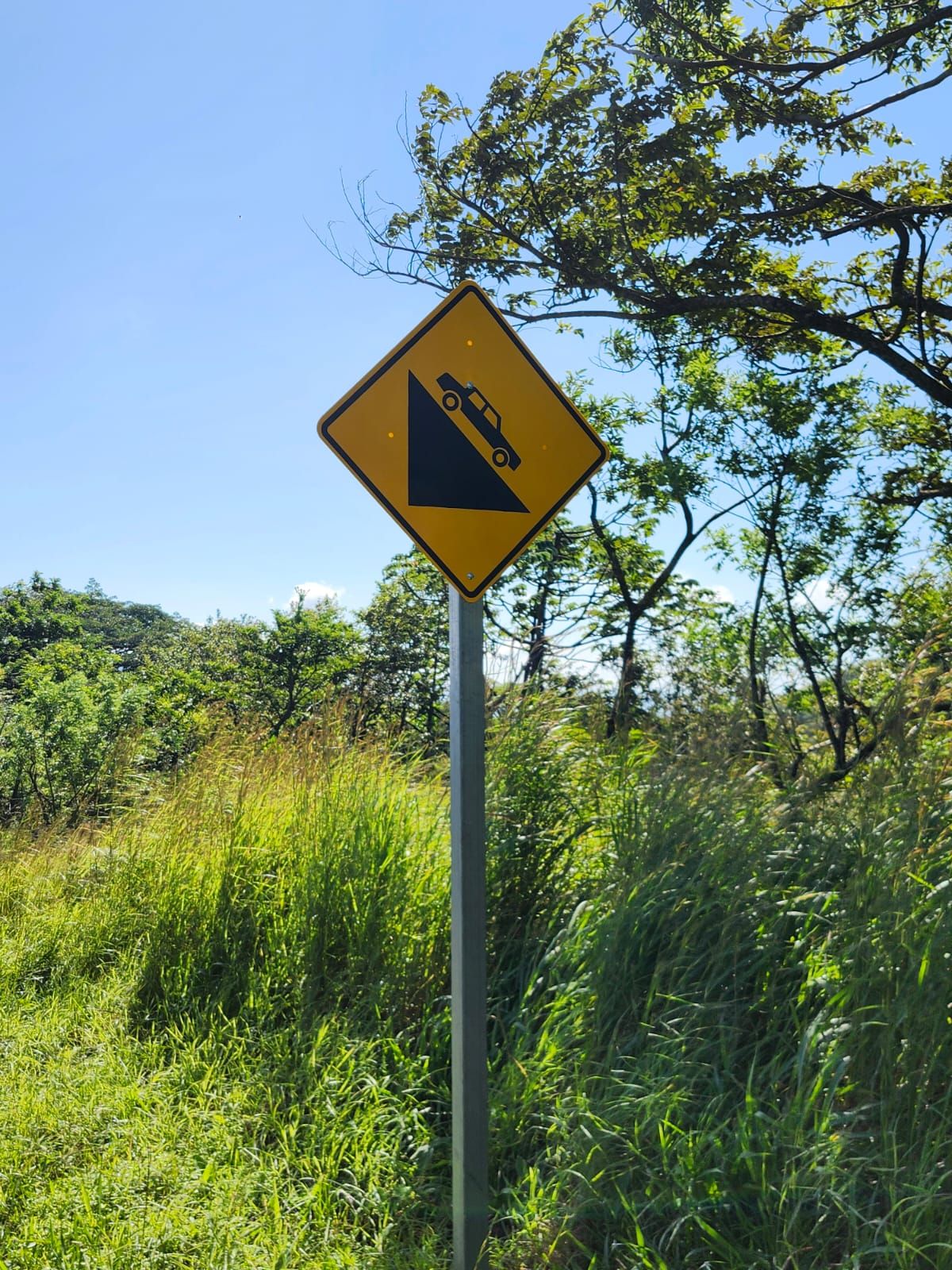
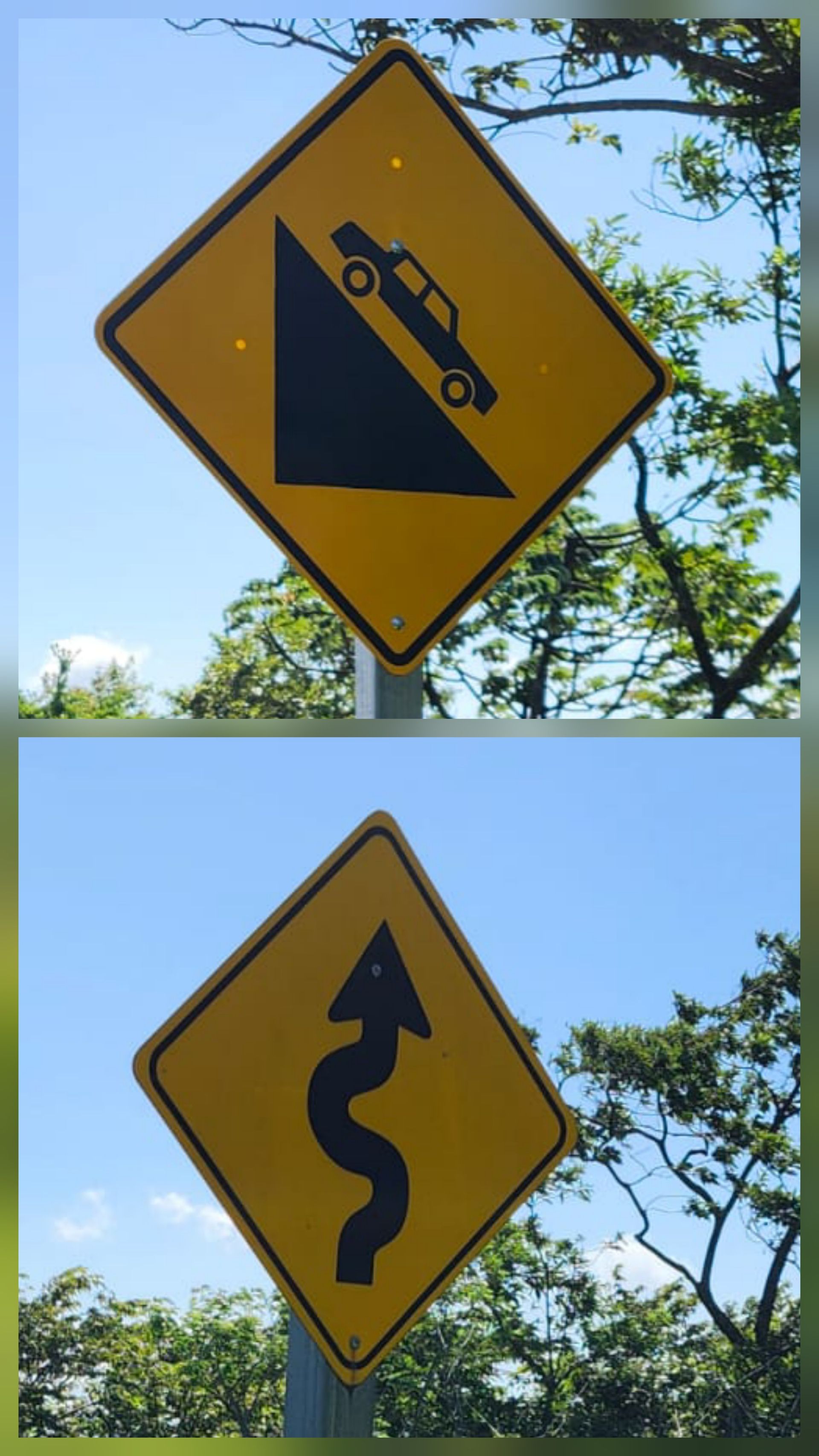
Then we head onto the mountain road towards Rio Naranjo/Bijagua, which winds like a narrow band along the flanks of the mighty Miravalles volcano. The ascent is really steep, followed by a rapid drop into small valleys, shaking the vehicle with every pothole. It is incredible how steep this path is; I often crawl up in first gear with all my strength, and from the crest, I can't see how the road continues. The descent is steep and winding, and the Suzuki indicates engine braking.
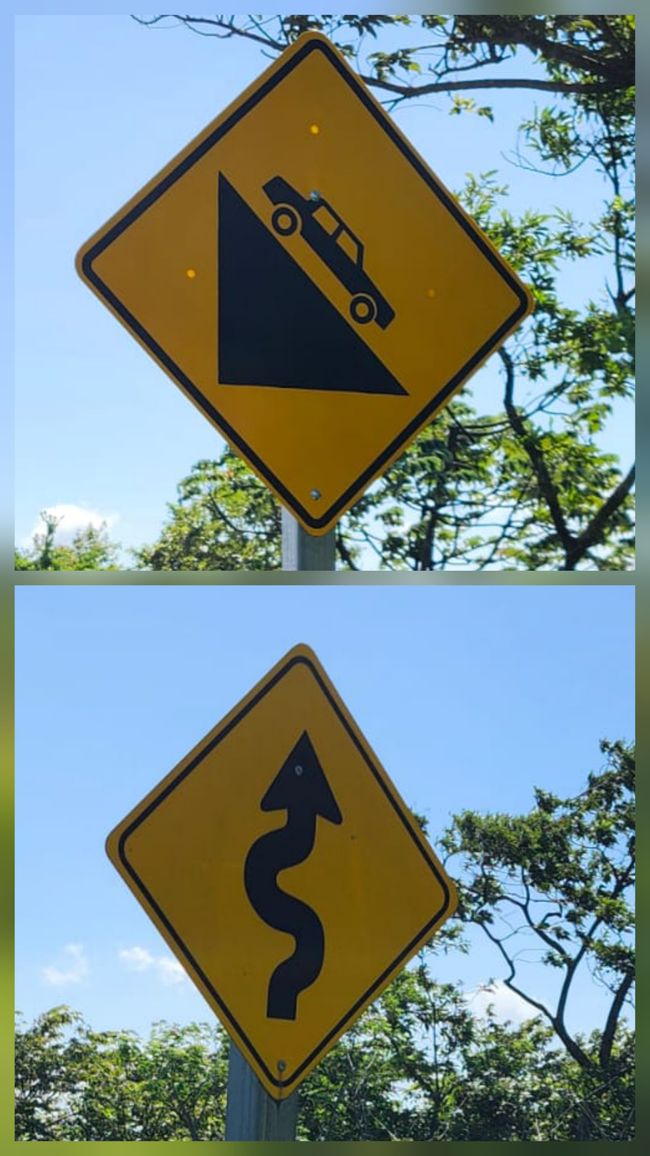
This very seclusion gives the route its charm: behind almost every blind curve or hidden mountain peak, the view suddenly opens up to vast green hills where cloud fragments linger like cotton balls. An adventurous drive that will certainly stay in our memory.
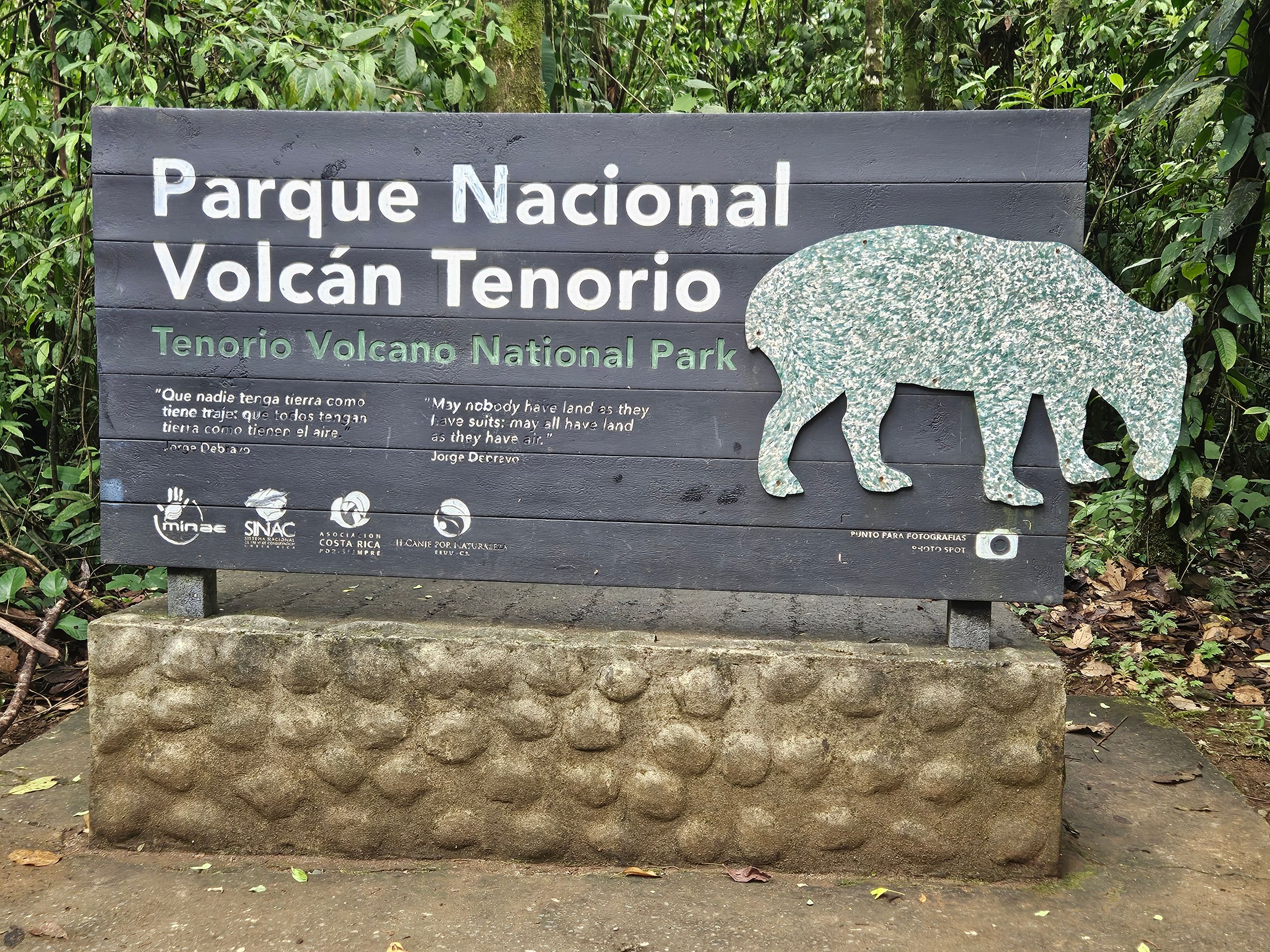
As soon as we're back on Ruta 4, we are making good time and soon reach the entrance to Tenorio National Park. We have to pay 3000 Colones to park in the official parking lot of the national park, which is monitored. There is also a free parking area near the souvenir shops, but it is unsafe.
At the entrance of the national park, we have to queue for the first time. It is busier than expected, as Nathan's National Park is supposed to be more of a hidden gem. However, we only arrive at the entrance at 10, which is usually the time for tour buses and tourist groups. Hopefully, the people disperse.
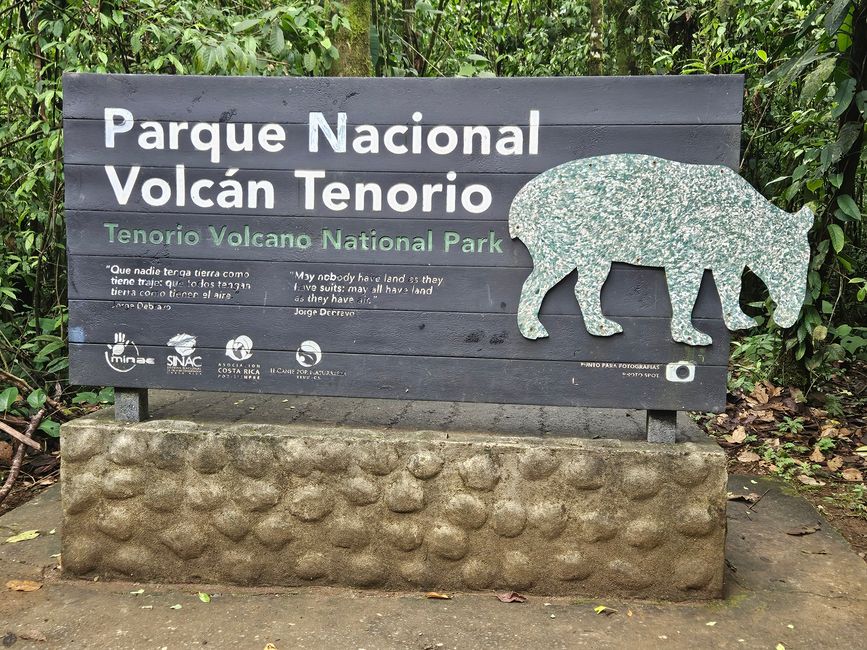
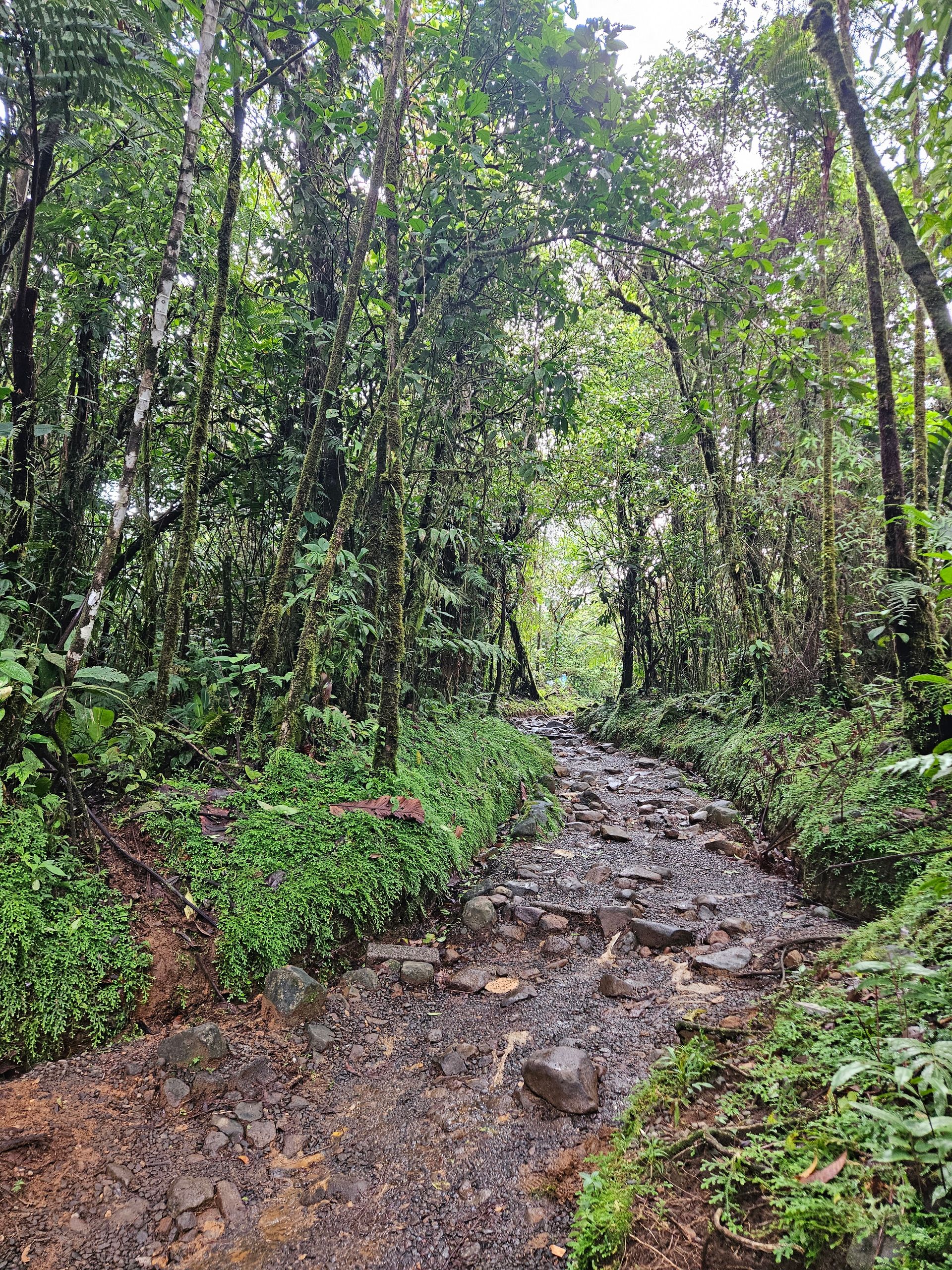
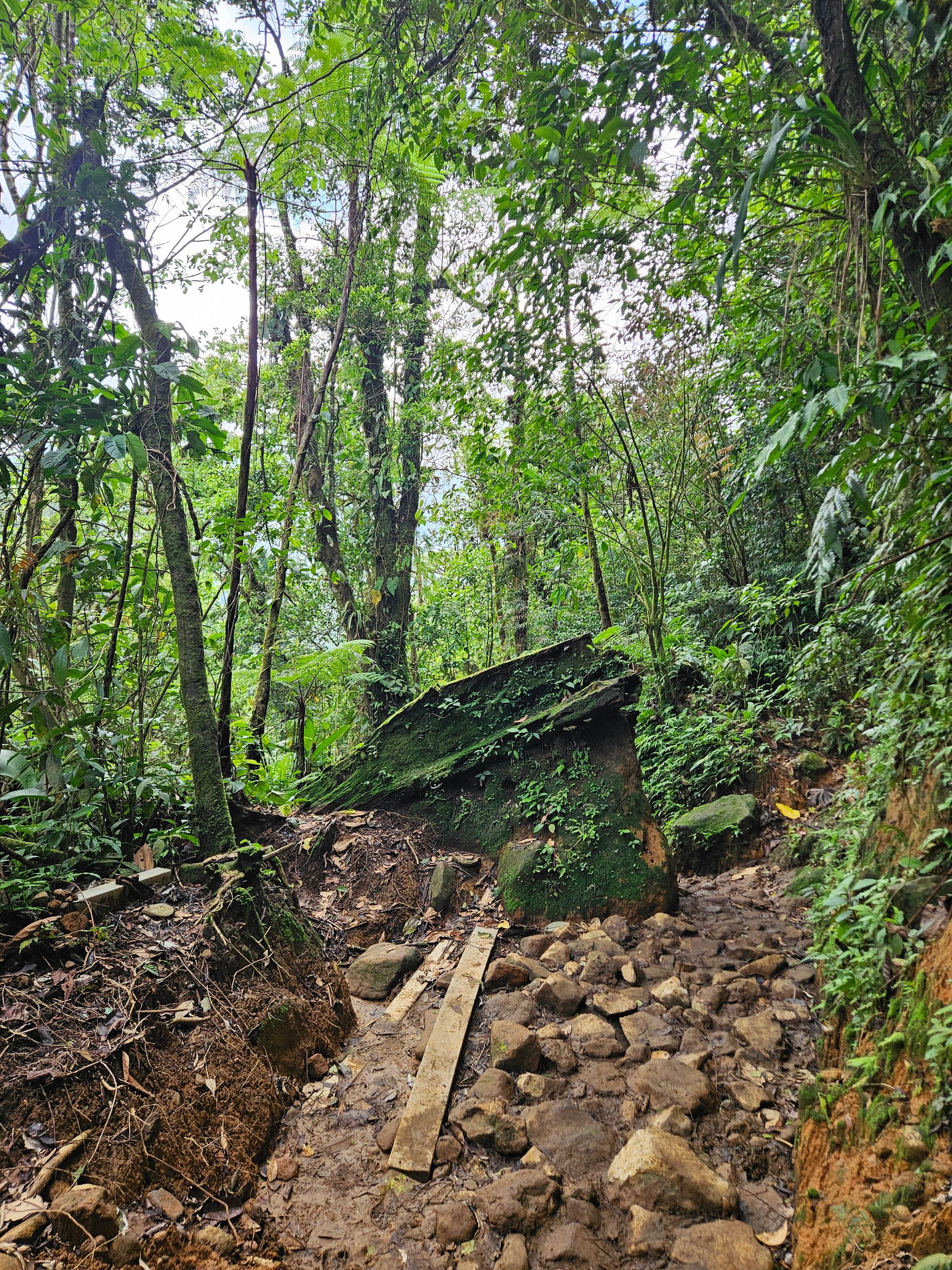
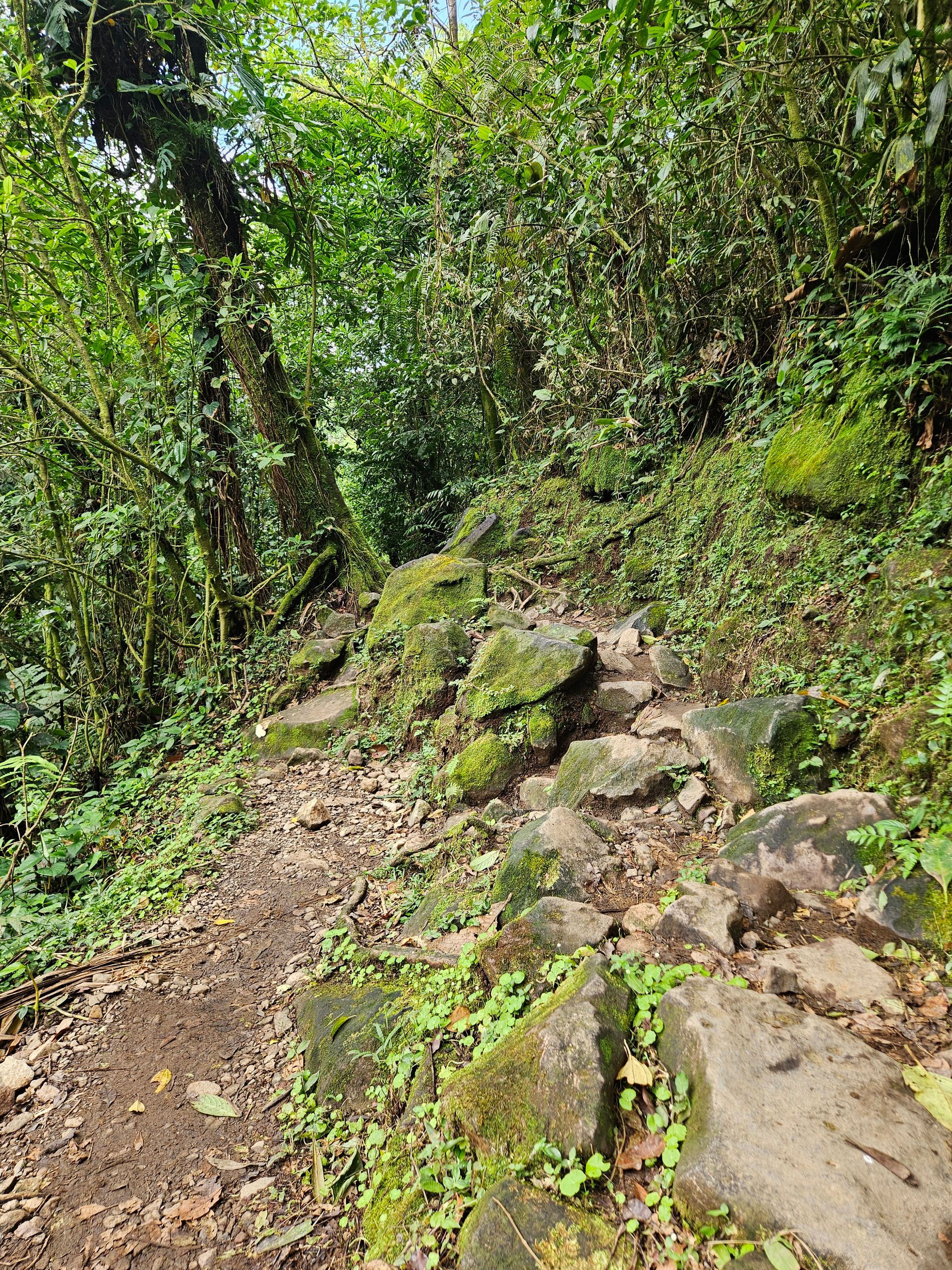
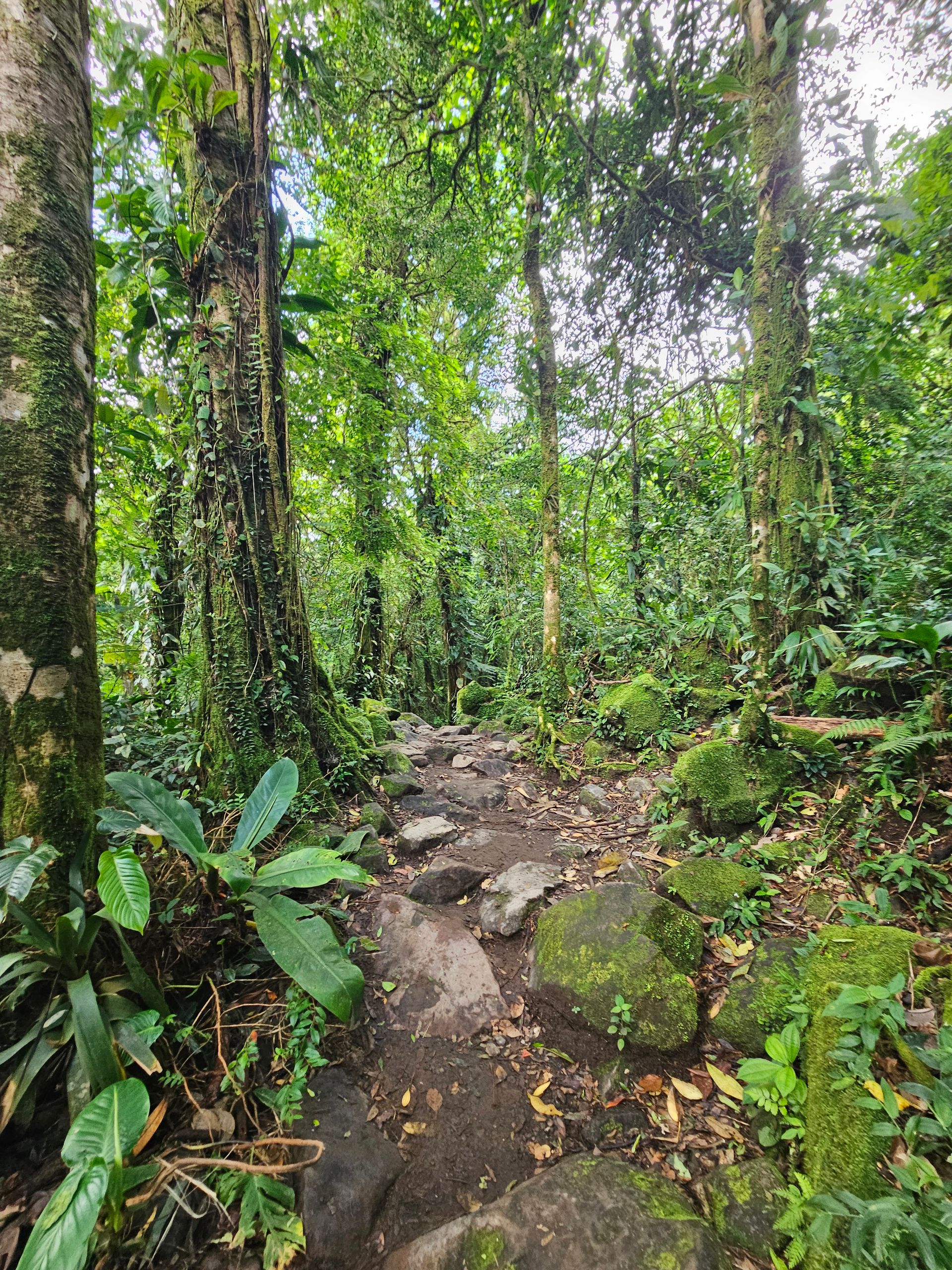
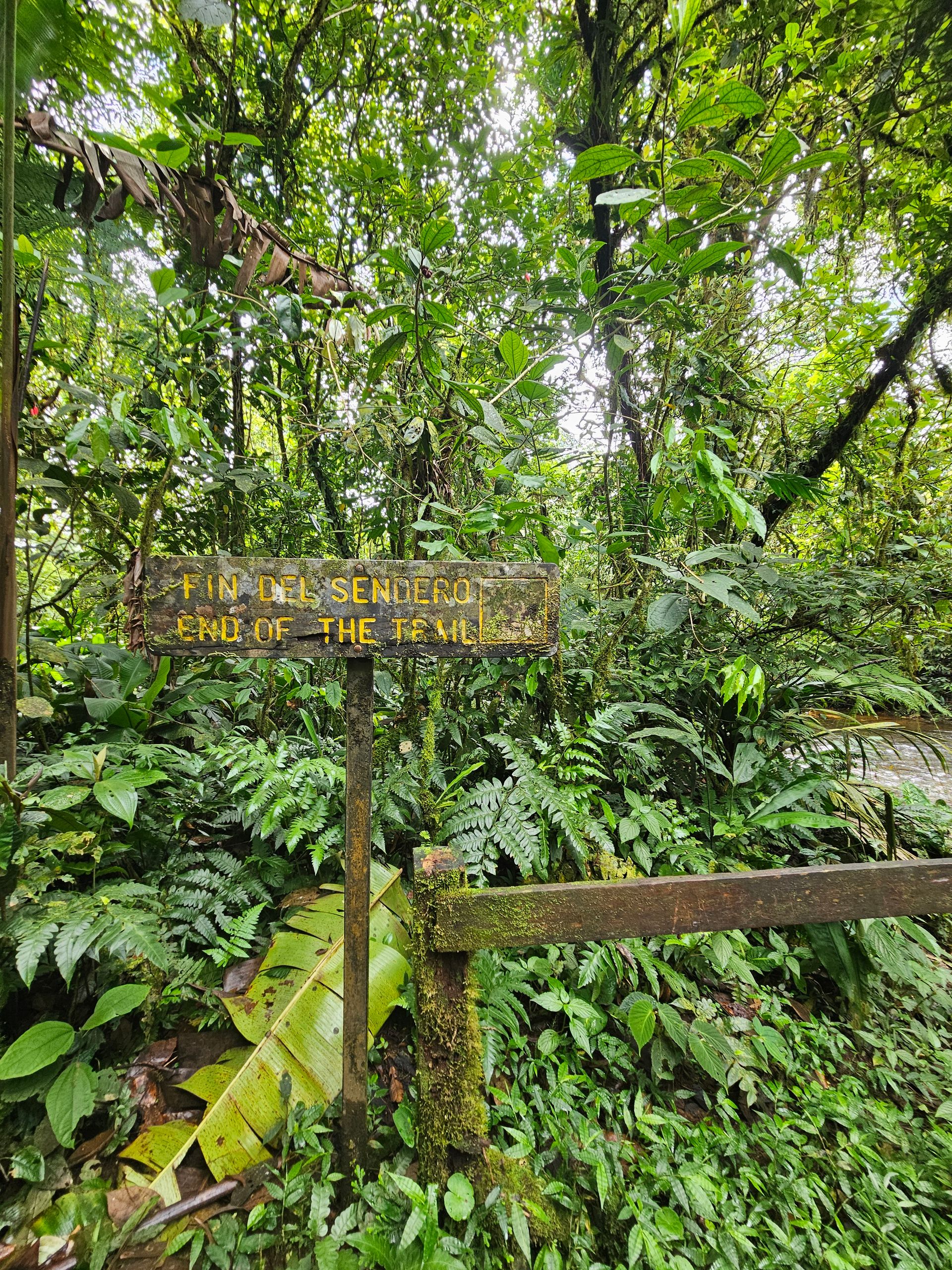
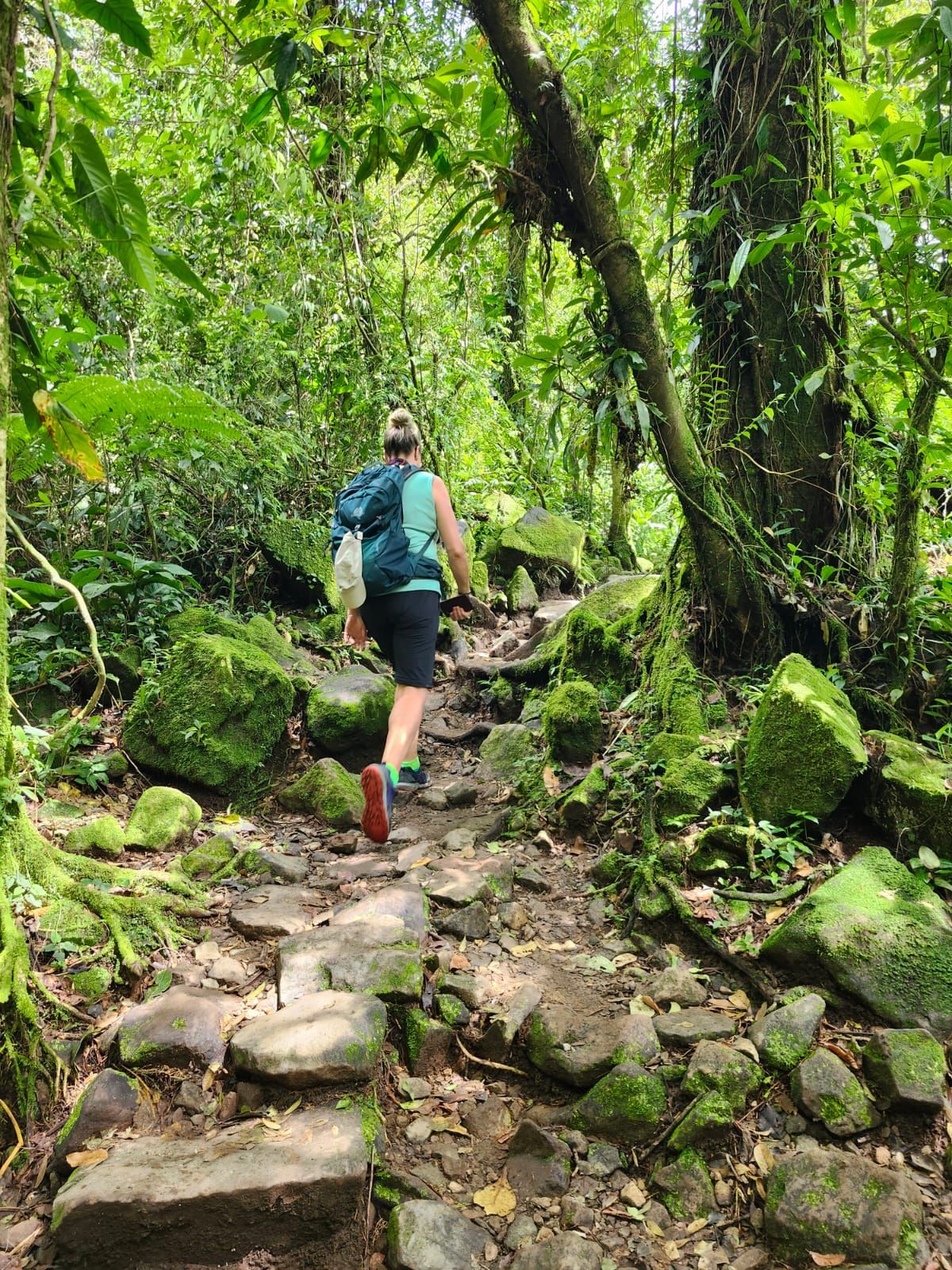
The main hiking trail in Tenorio Volcano National Park is about 7 kilometers long and takes you through the dense, often muddy rainforest to the turnaround point, El Tenidero, and then back on the same route.
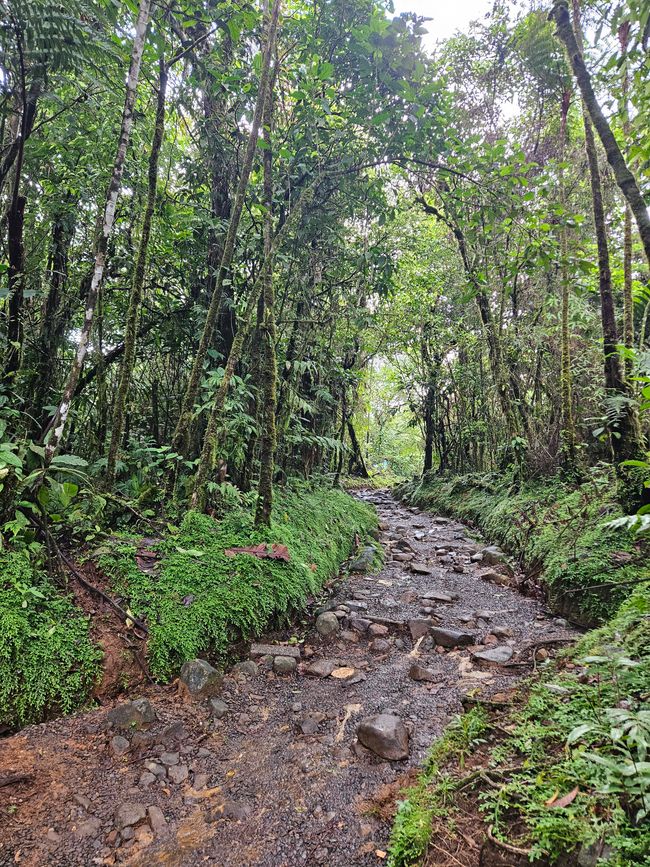
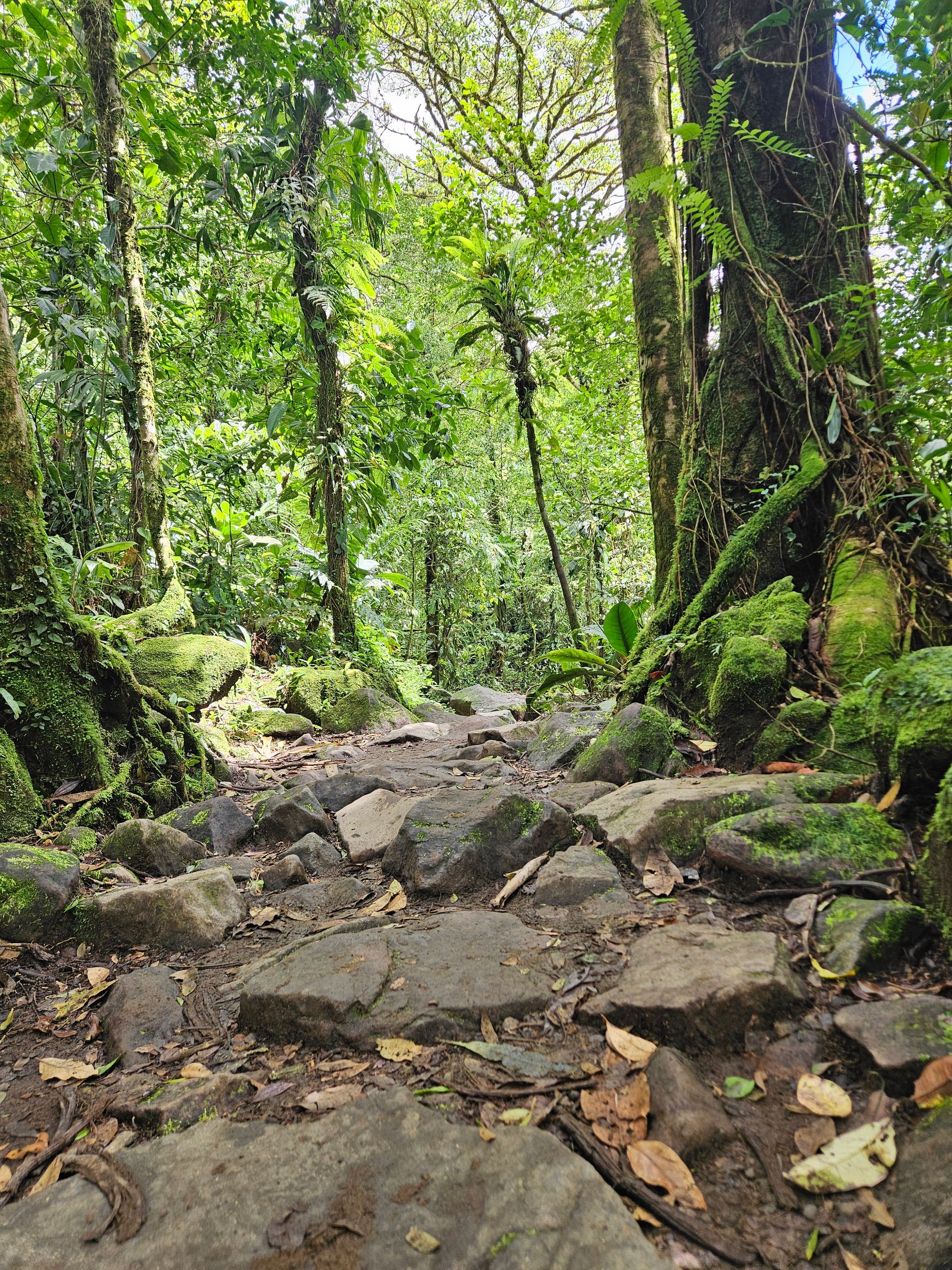
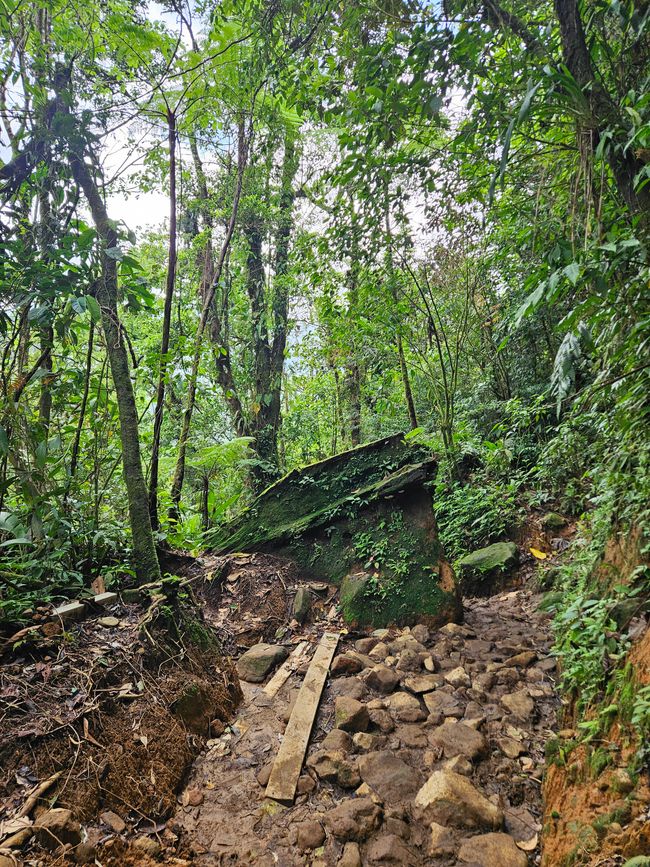
We skip the steps down to the famous Río Celeste waterfall and continue directly to the endpoint. The path becomes rootier and rockier and is not easy to walk, especially as we constantly have to yield to oncoming visitors.
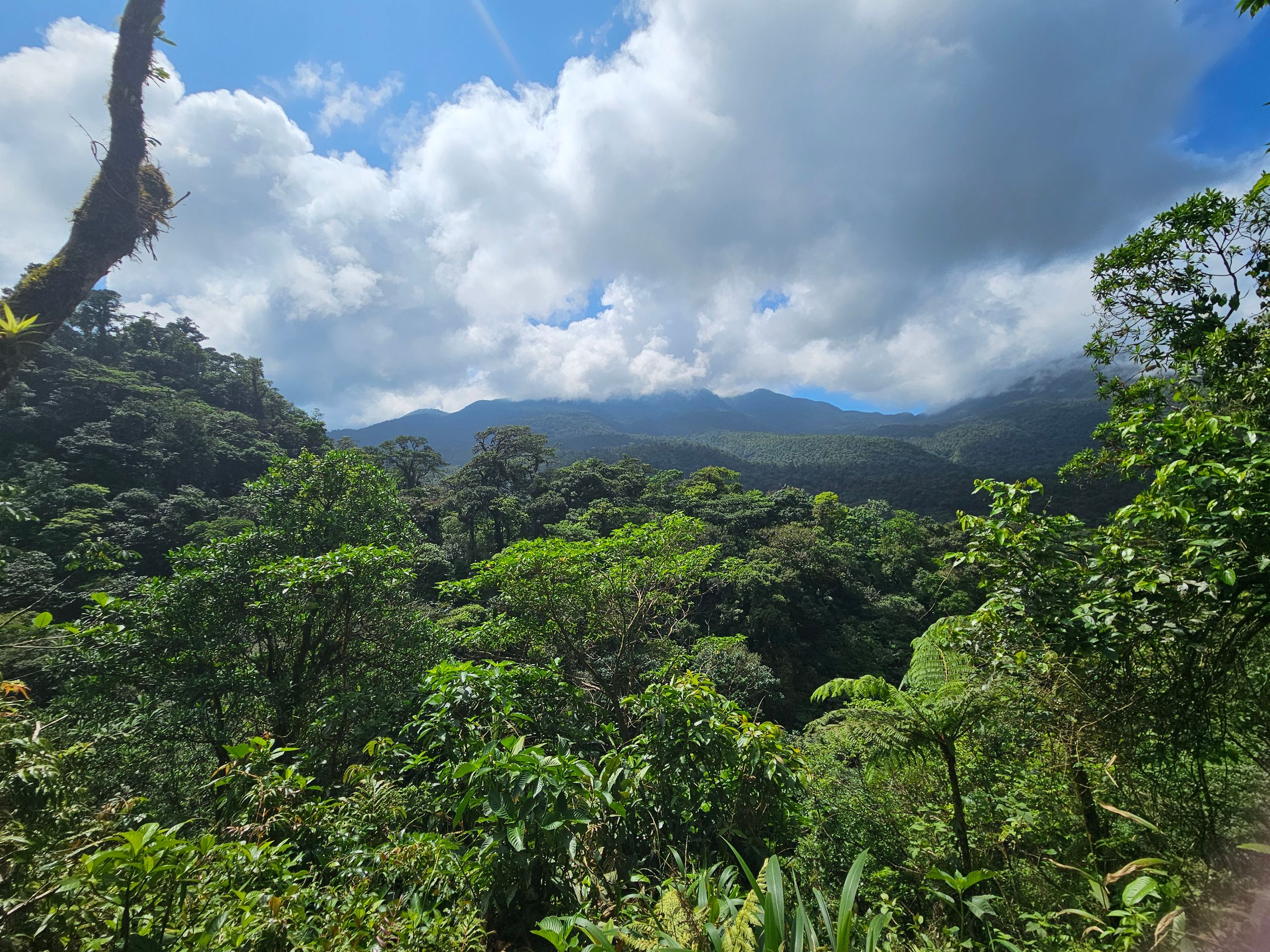
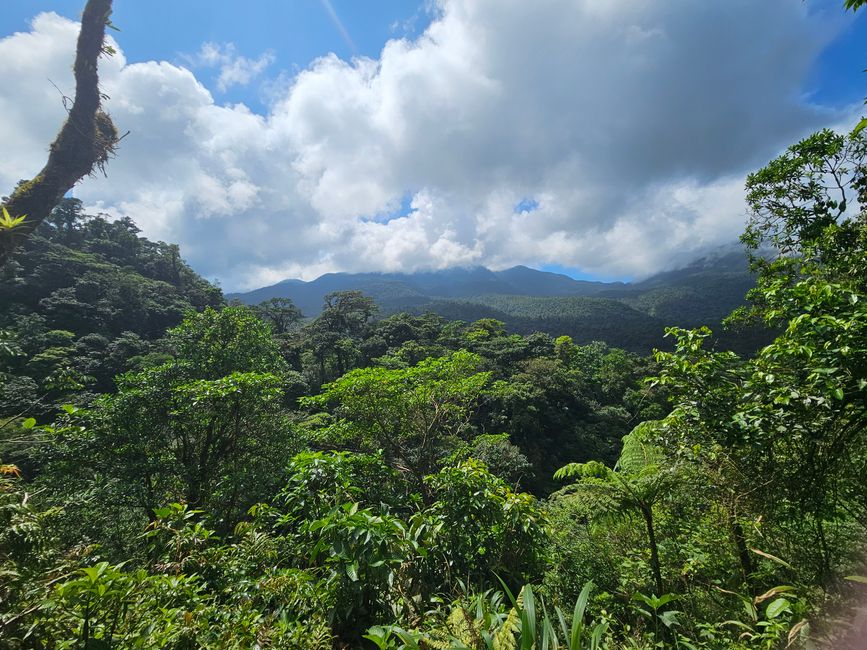
At the Mirador after about 2 km, we have a fantastic view over the seemingly endless green of the rainforest and the Tenorio volcanoes 1 and 2.
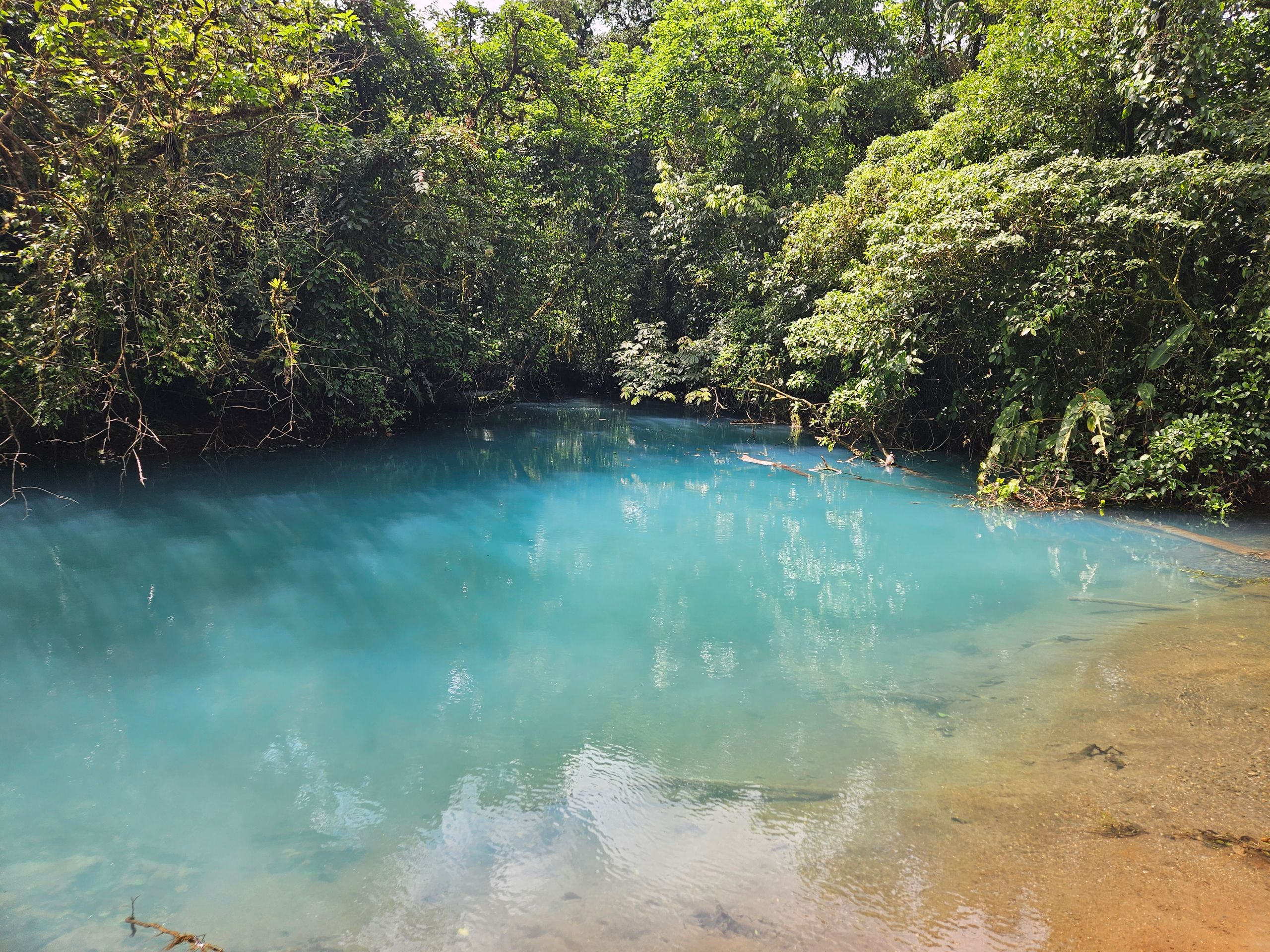
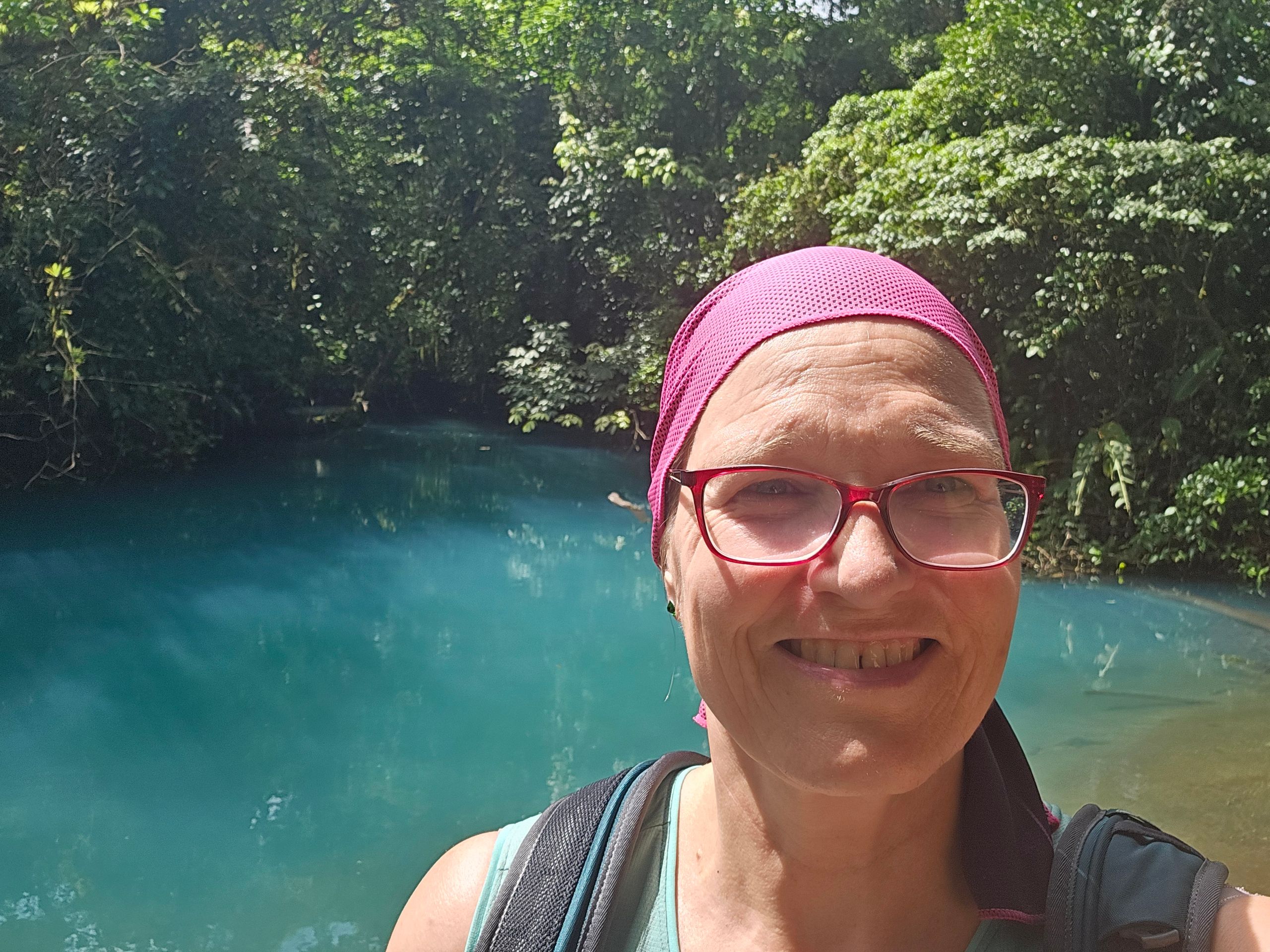
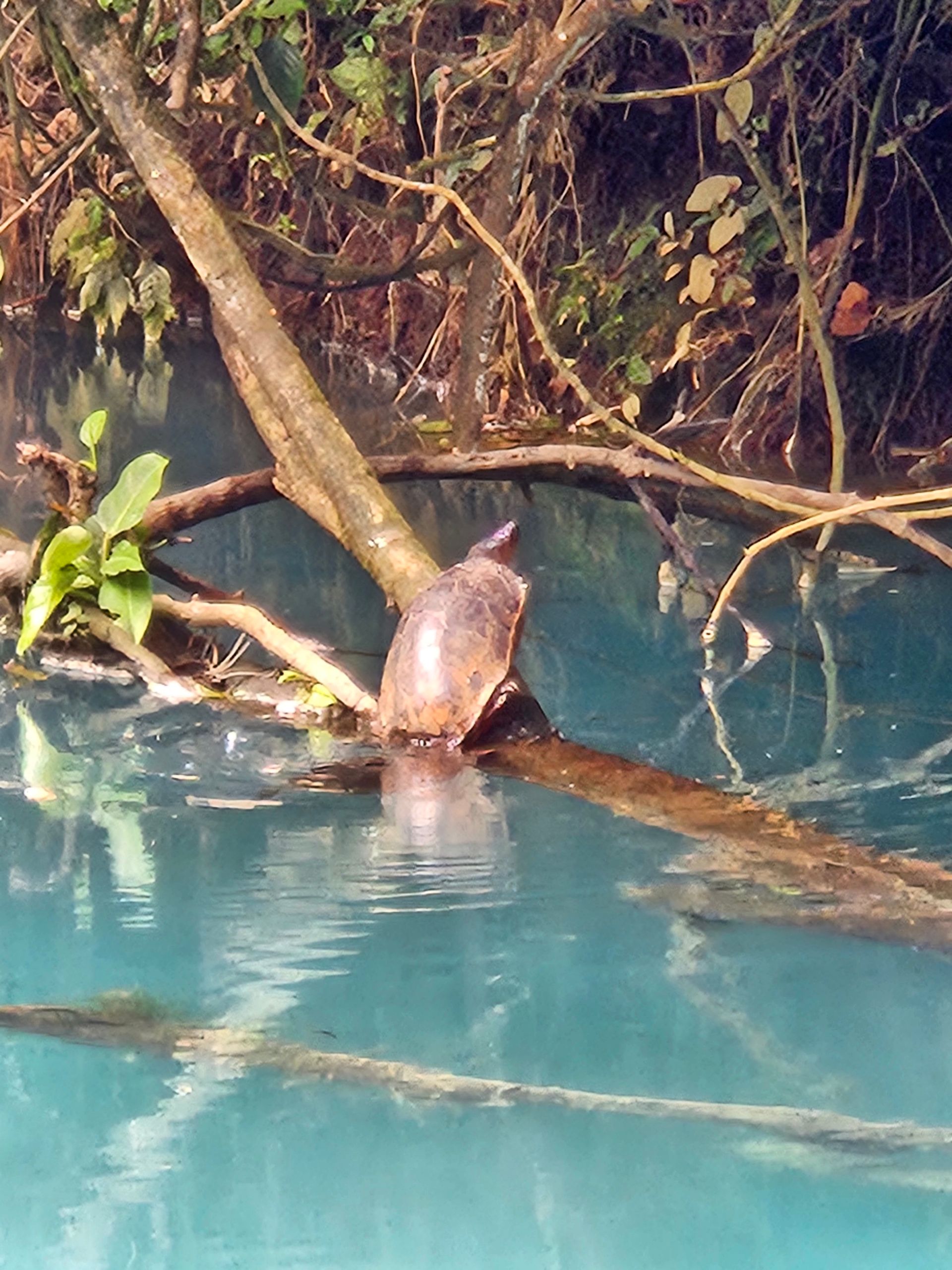
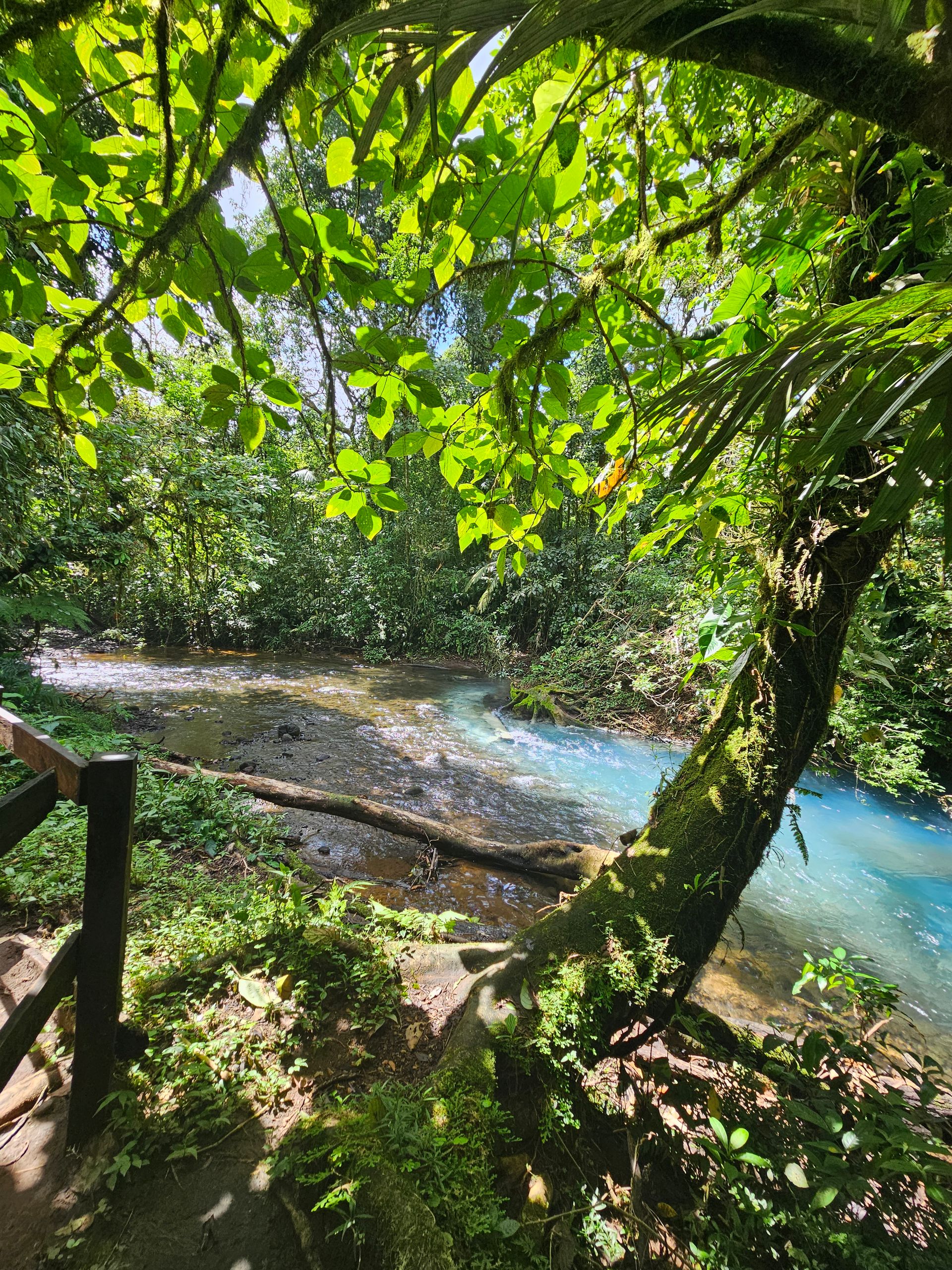
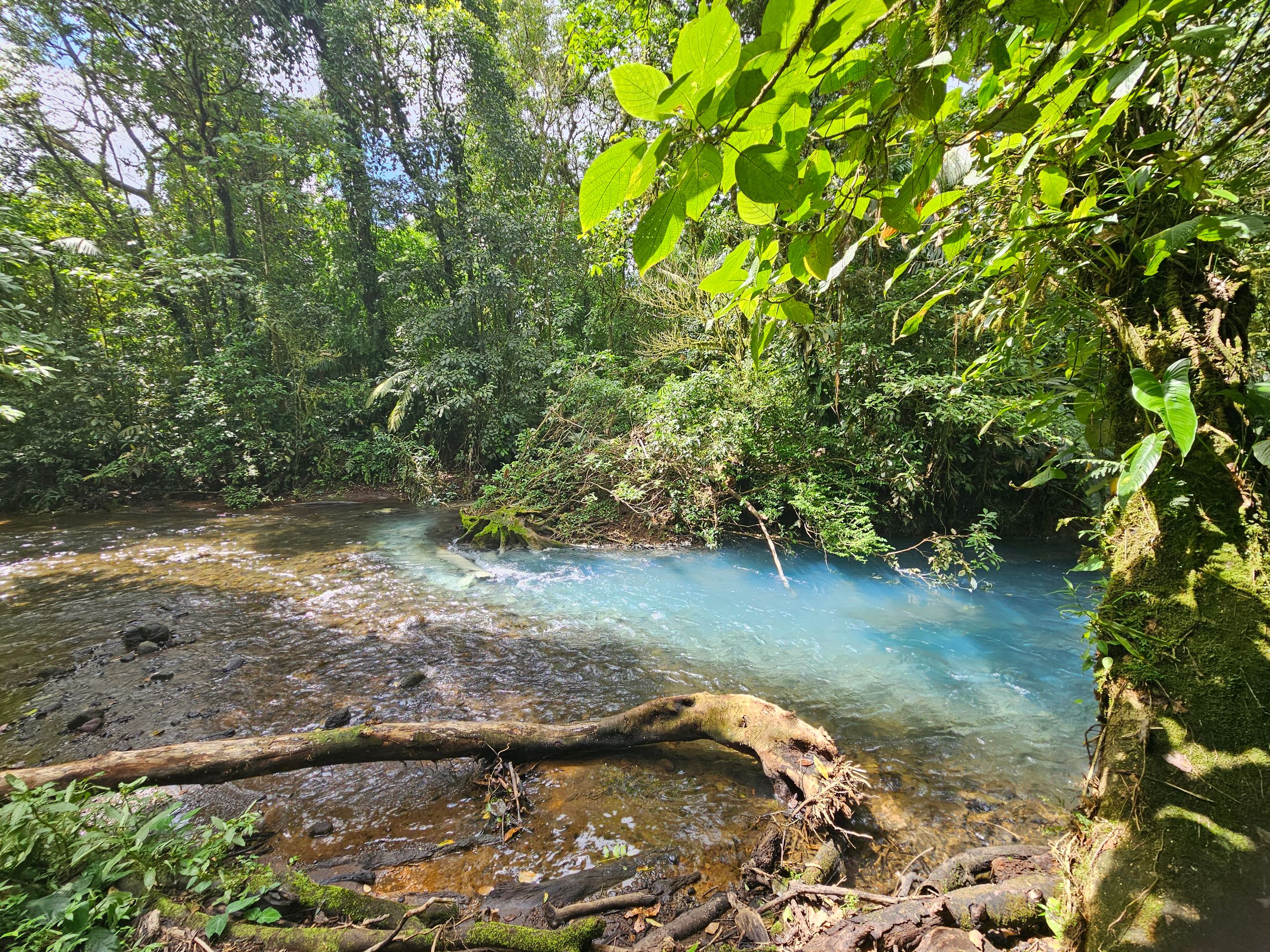
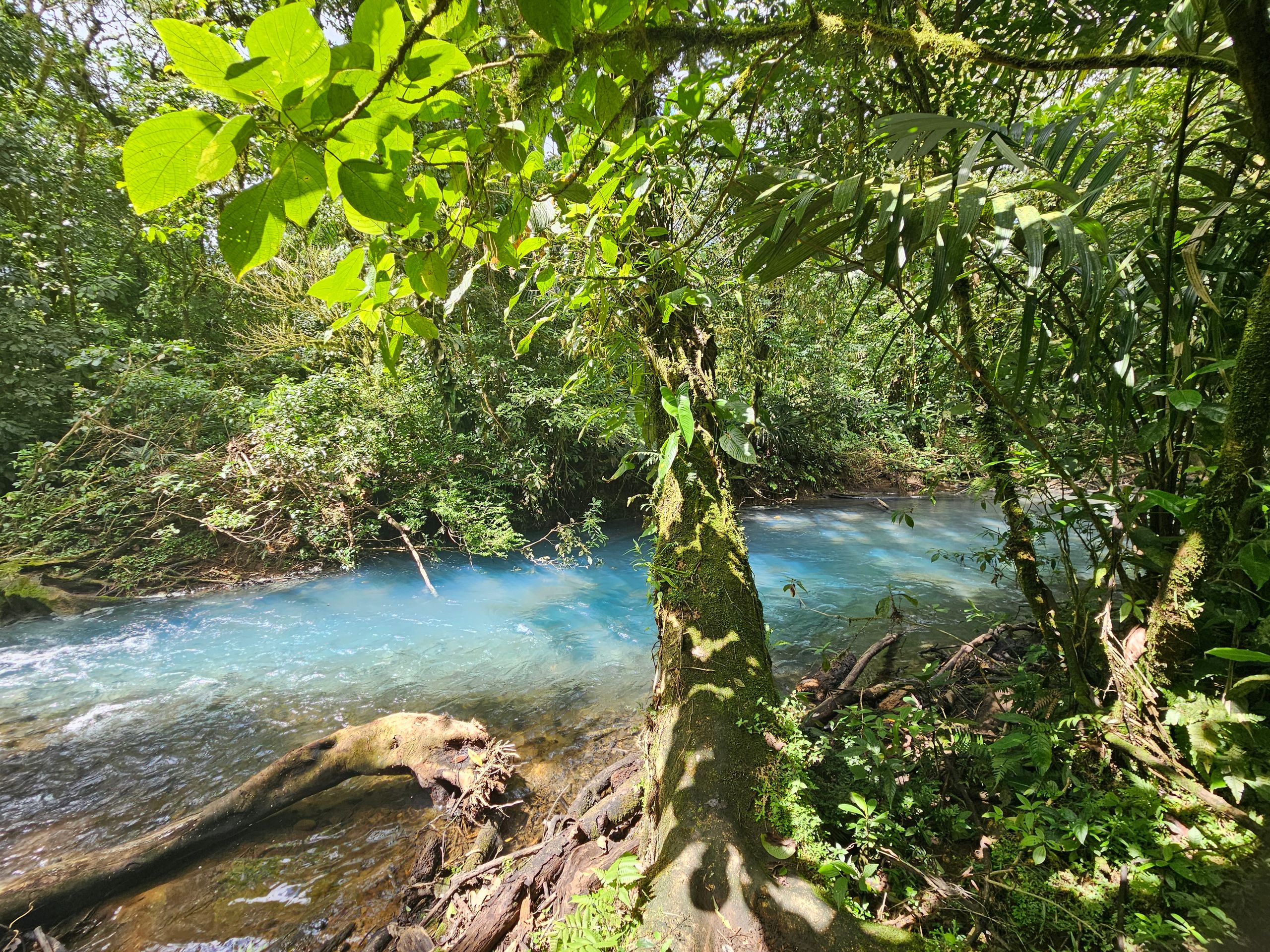
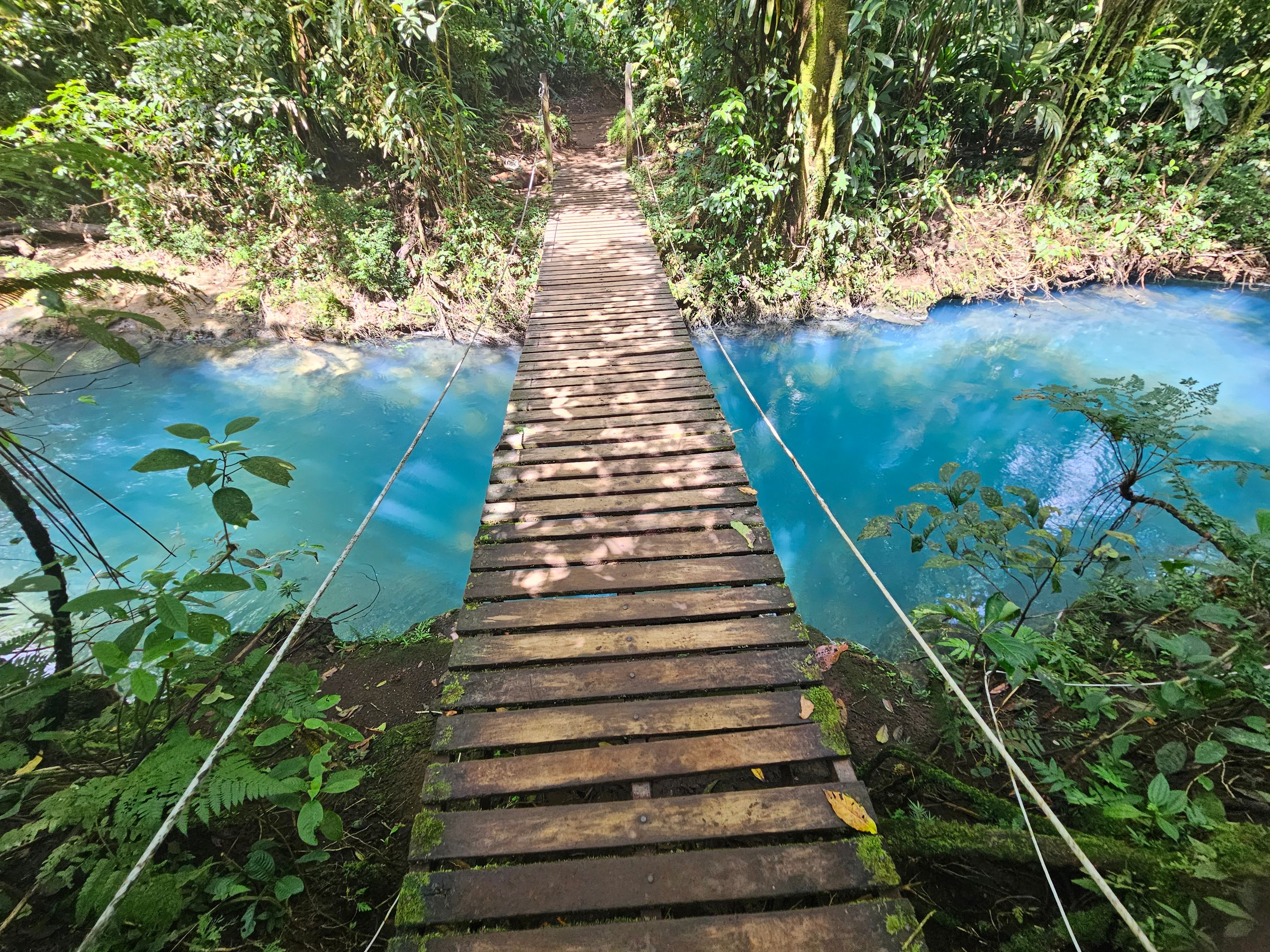
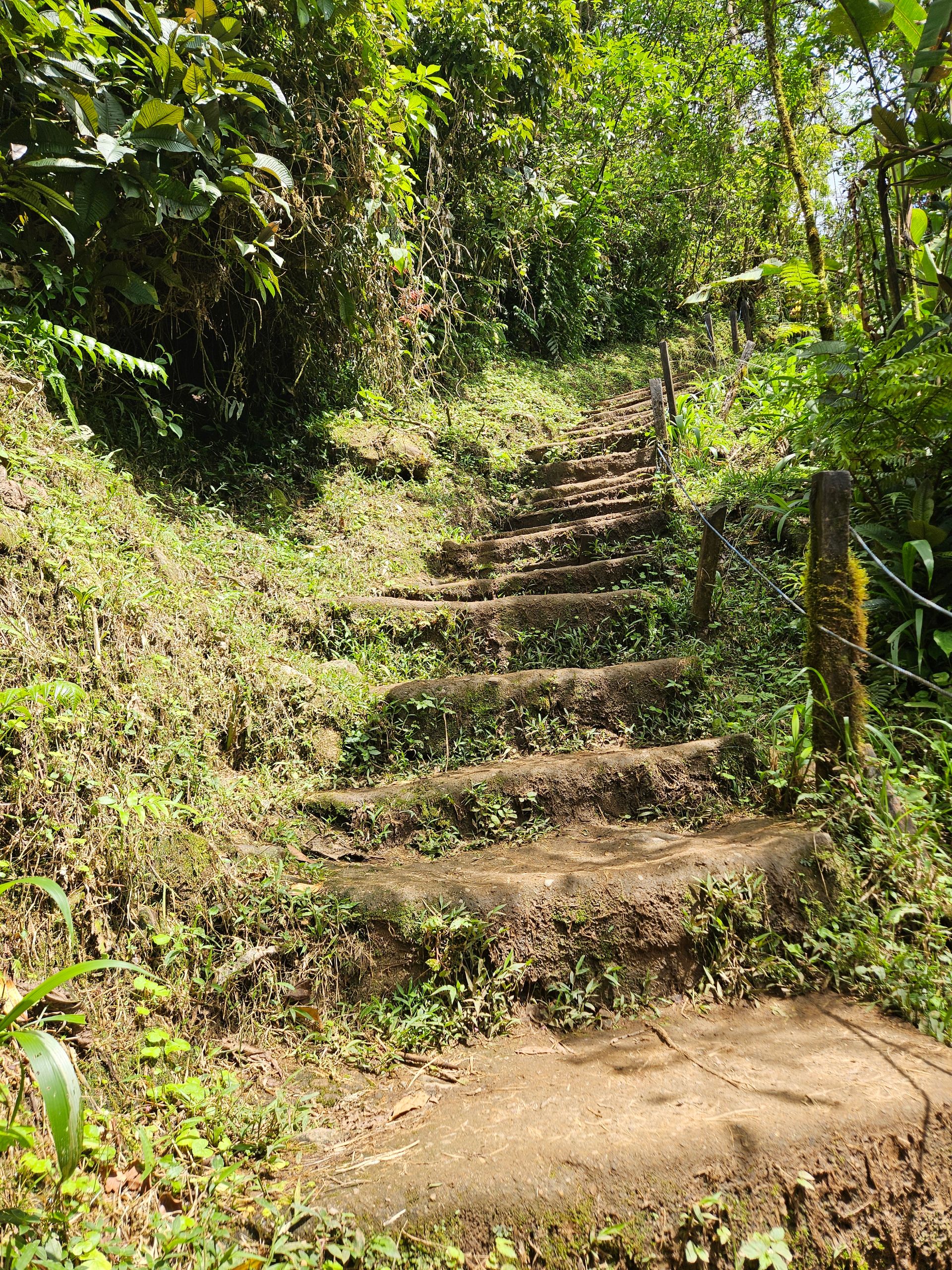
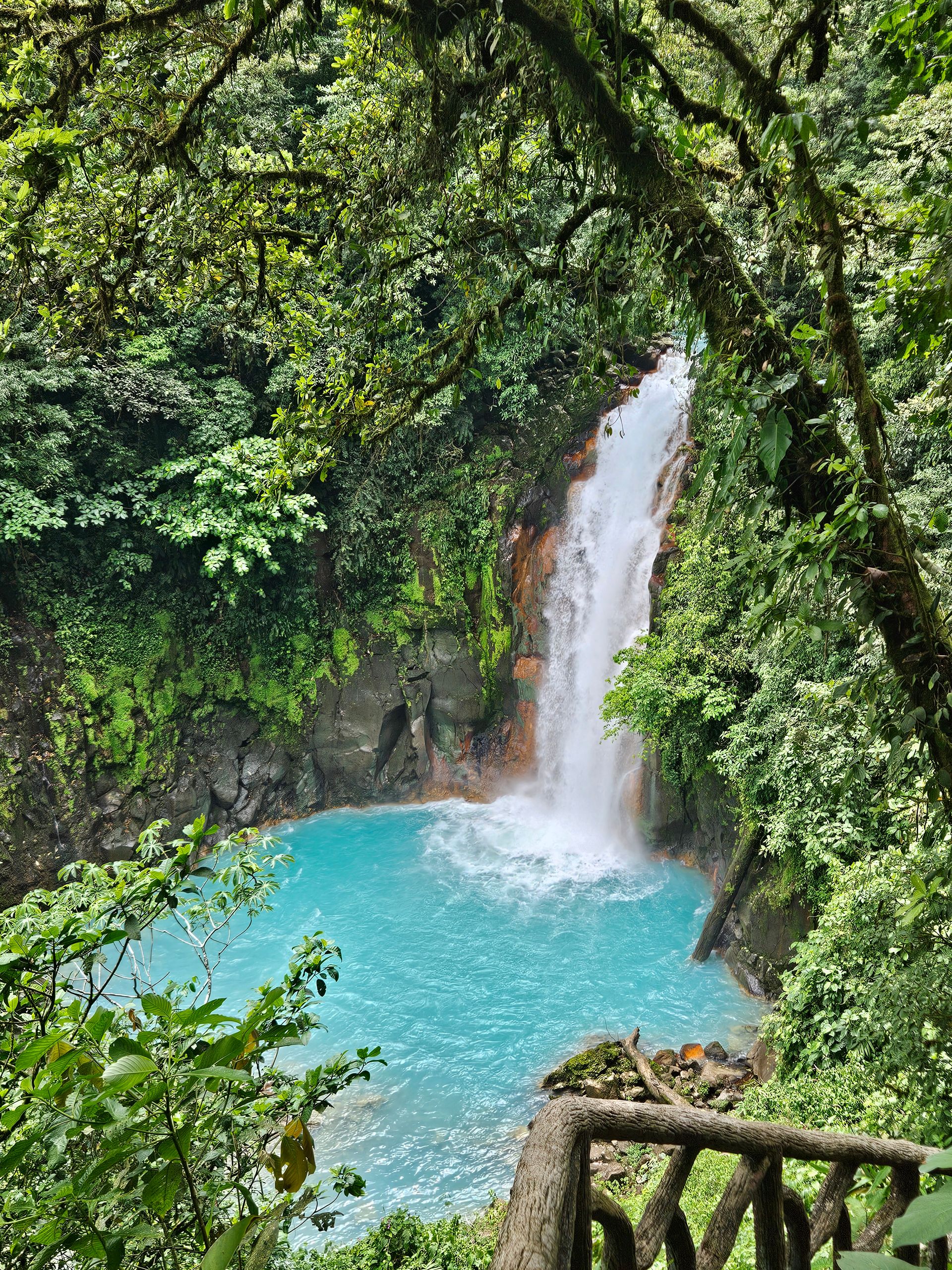
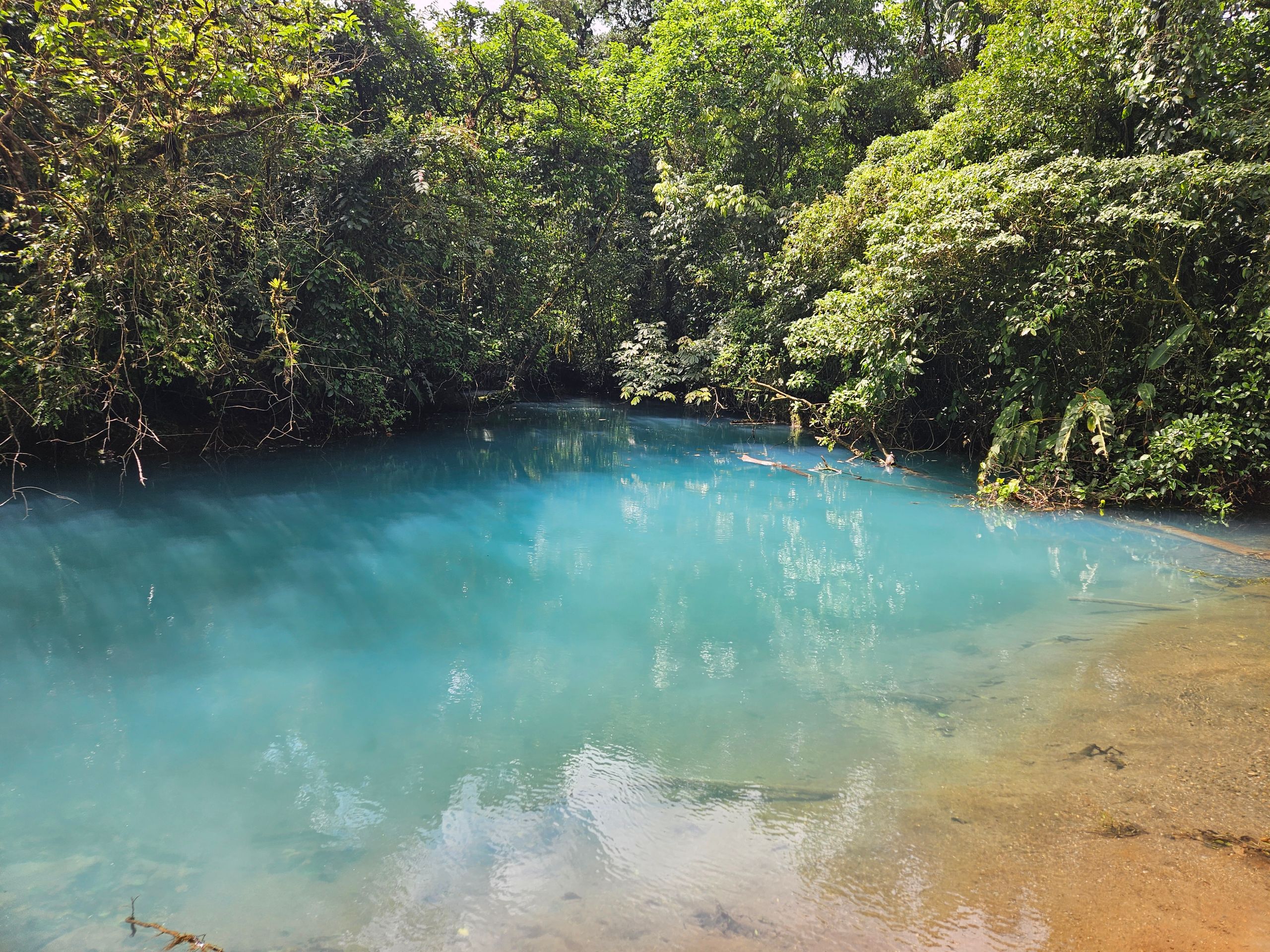
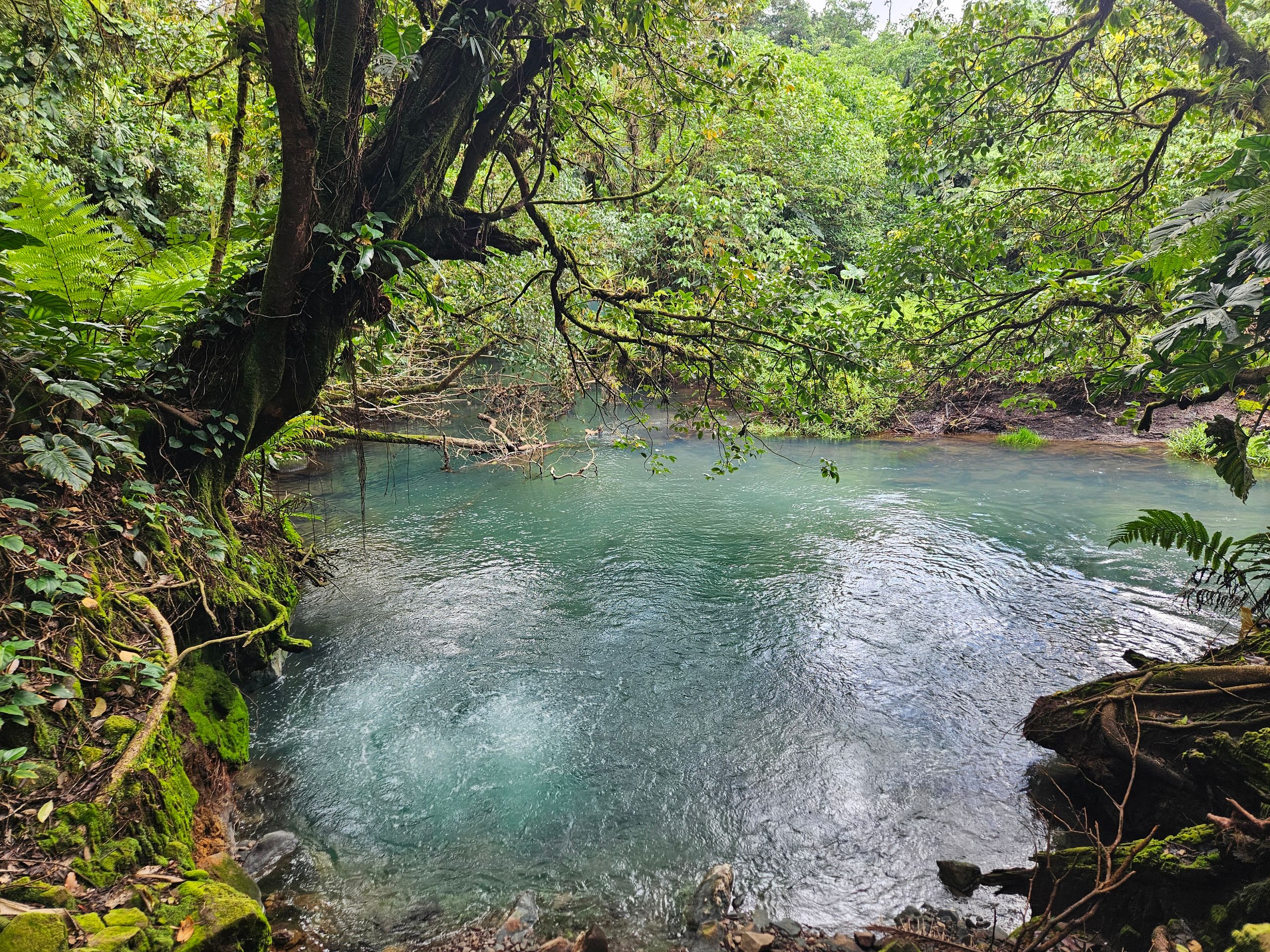
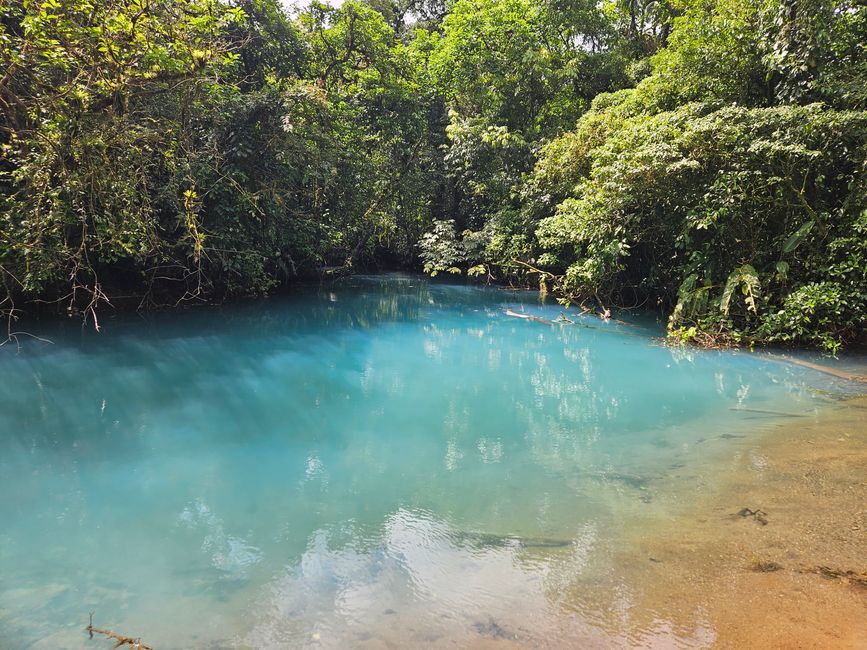
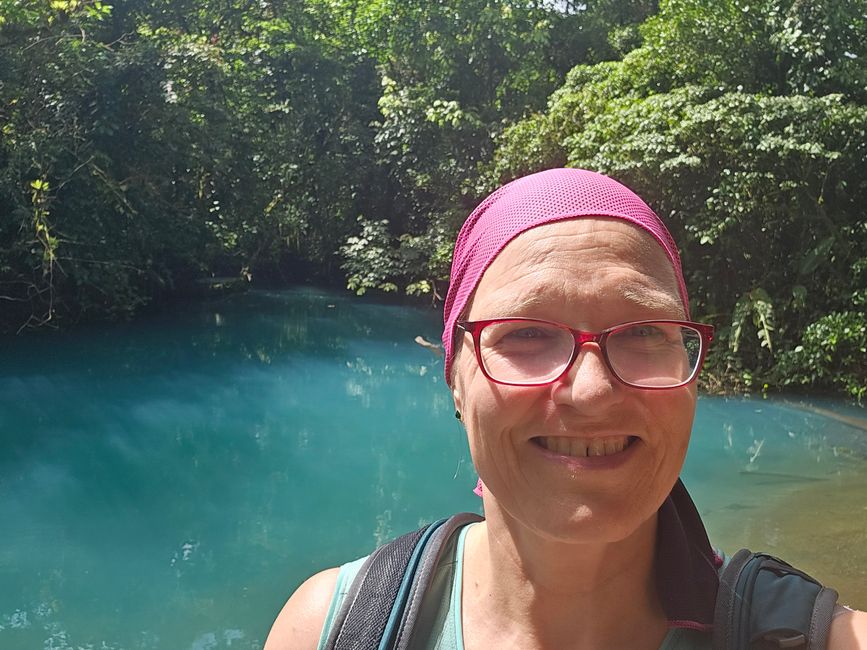
Another 200 m further along with numerous tall and steep steps down, we reach the deep blue Laguna Azul, a small natural pool where the usually wild Río Celeste suddenly becomes completely still, lying like a glowing gemstone among the trees. The special feature of this almost unreal radiant turquoise blue is that there is no real color in the water, but rather an exciting optical trick of nature. When two crystal-clear mountain streams meet a piece upstream, their volcanic minerals react with each other and create tiny suspended particles. When sunlight hits the calm, deep basin, these particles reflect just the blue light back to the surface. Because the water flows so slowly here and hardly makes any waves, the lagoon looks like a glowing mirror, creating a fascinating contrast to the lush green of the jungle.
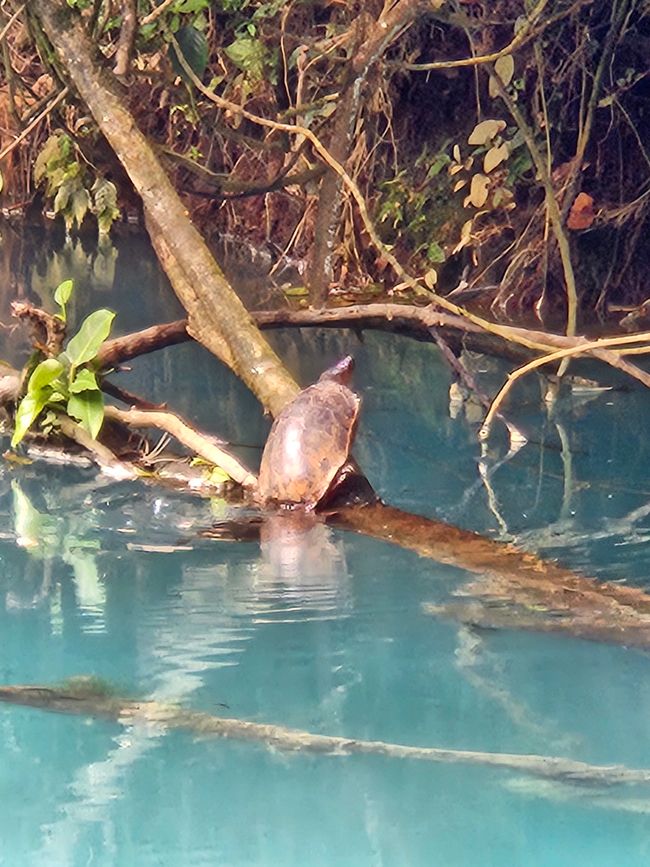
Just a short distance further, the volcano shows again that it is far from sleeping beneath the surface. At Los Borbollones, the river seems to boil suddenly, as volcanic gases rise continuously from cracks in the riverbed, making the turquoise water bubble like an oversized hot spring. At the same time, that unmistakable, slightly biting smell of sulfur wafts through the dense rainforest, reminding us of how much energy lies deep beneath our feet.
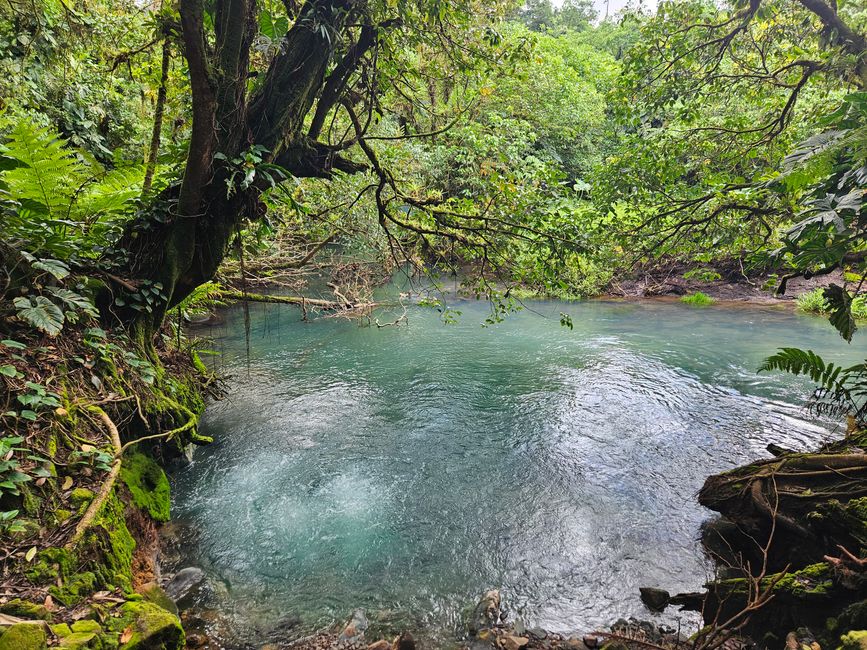
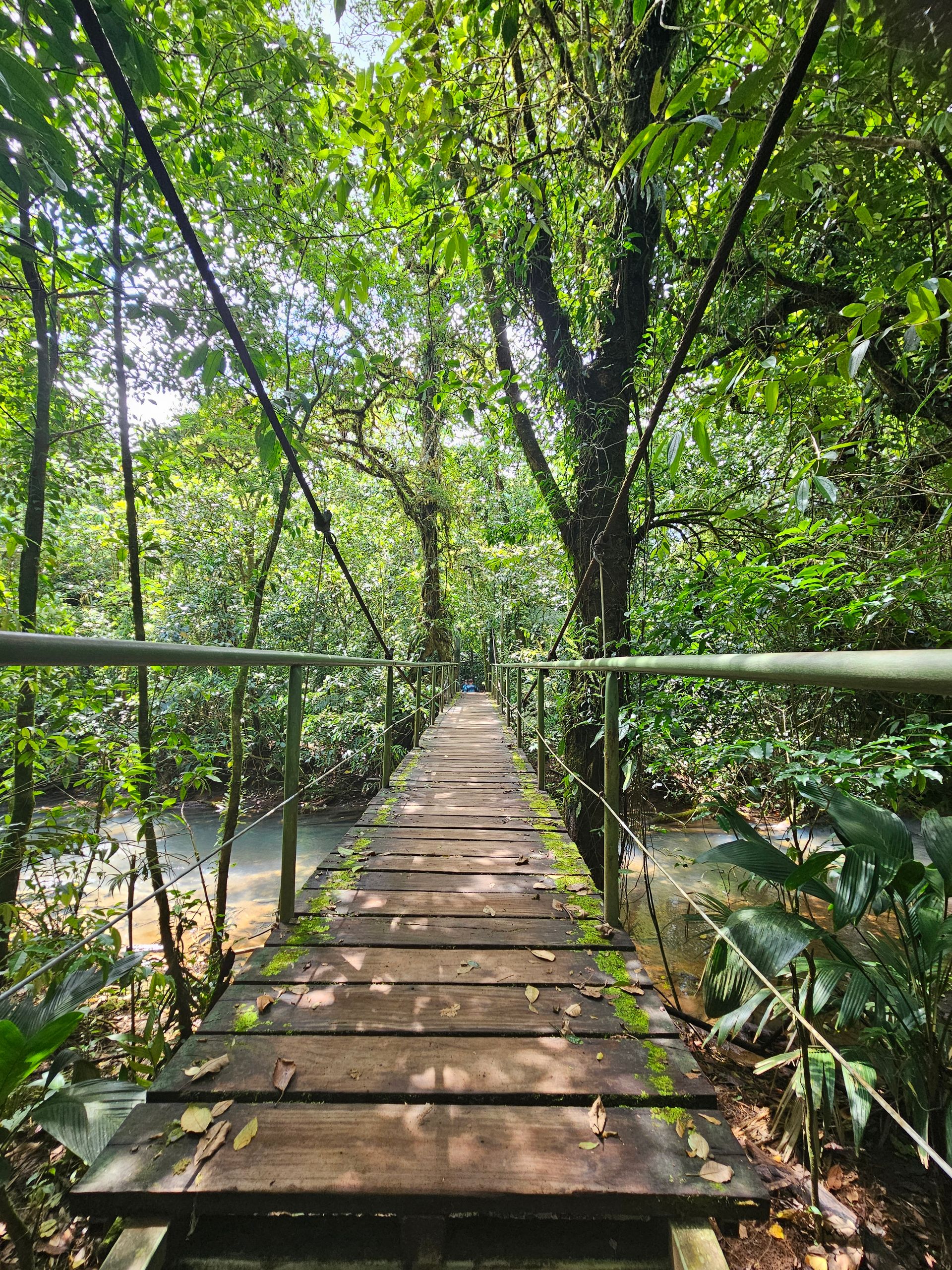
After a few more meters and a shaky suspension bridge, we finally reach the grand finale of the path, El Teñidero. Here, the famous sky blue is created right before our eyes. Two crystal-clear streams flow together, and exactly at their junction, the water changes to a radiant turquoise blue as if by magic. Since both streams carry different volcanic minerals, they react when mixed, turning sunlight suddenly into brilliant turquoise. A magical moment.
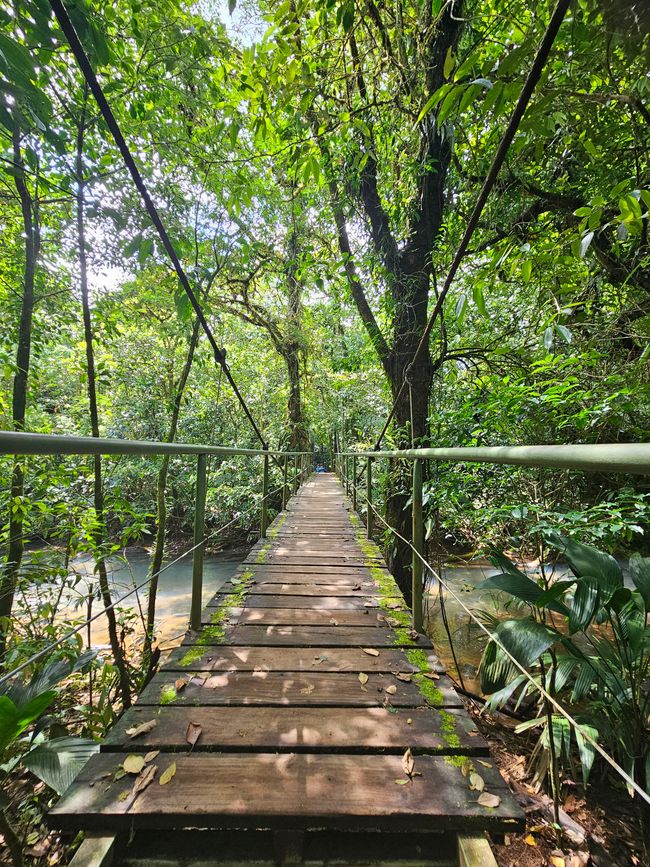
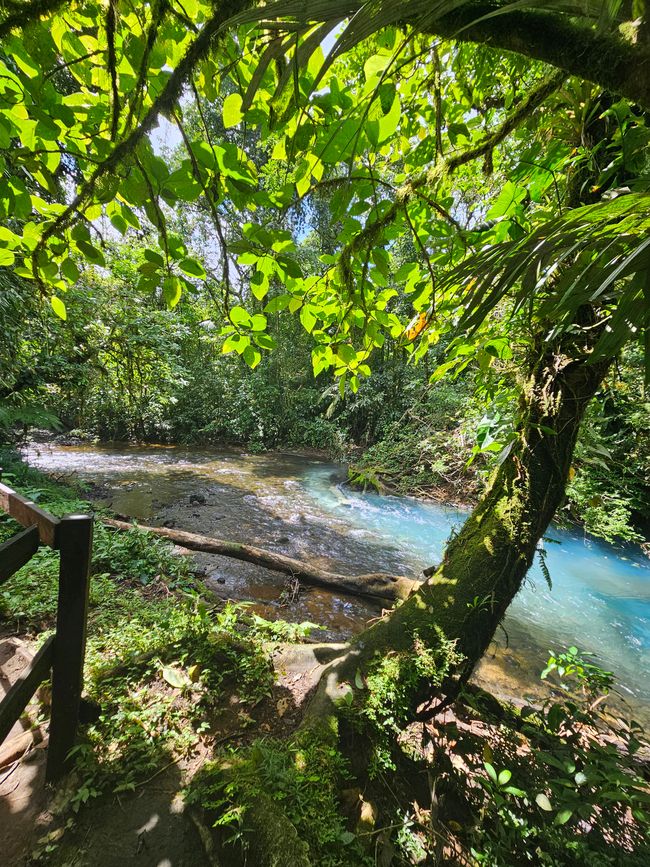
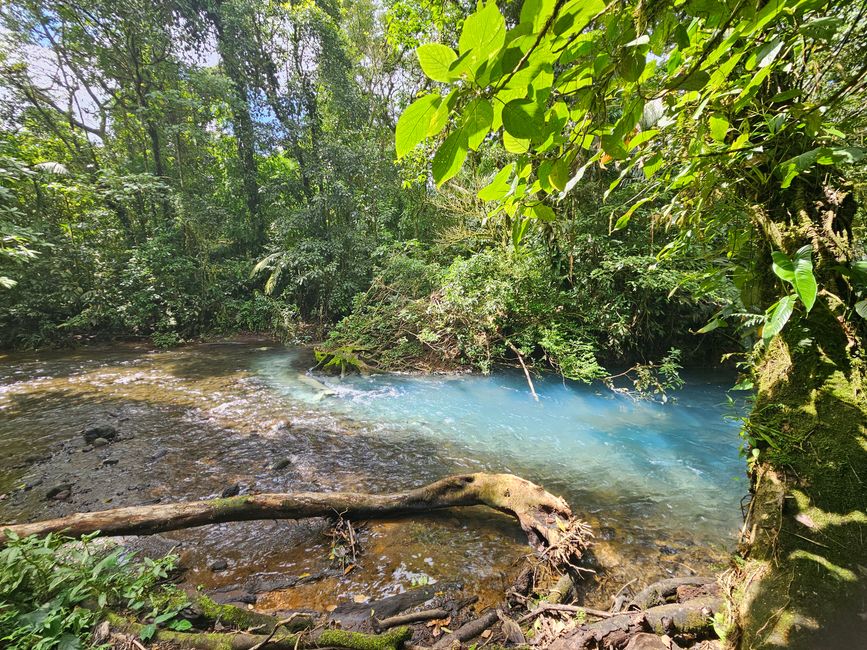
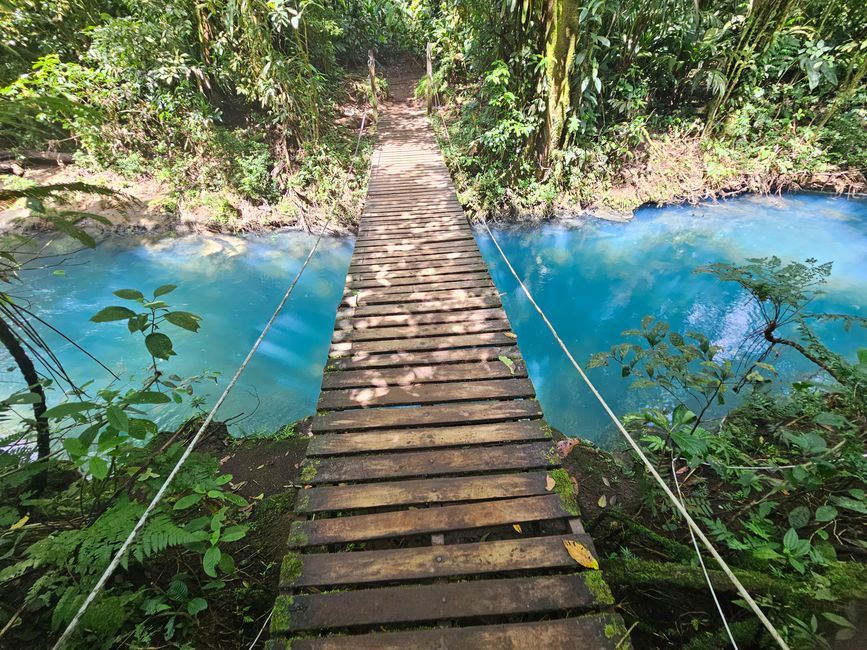
Experiencing this spectacle so intensely today is a real gift, as after heavy rainfalls, so much mud is stirred up that the magical color completely disappears, and the river flows murky and brown. We are all the happier for the perfect weather that provides us with this unforgettable sight.
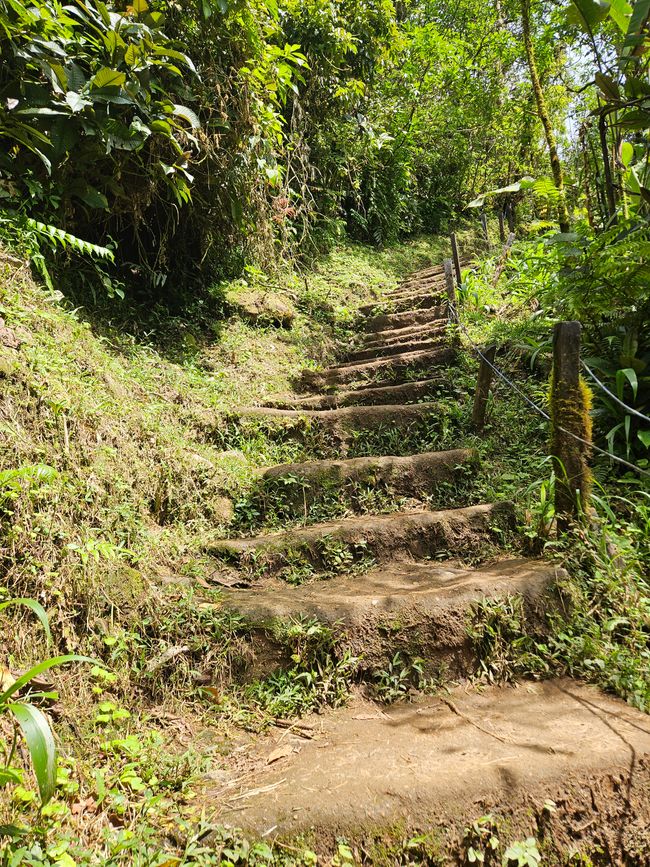
Cheerful and satisfied, we begin our return journey, and even the 'Stairway to Hell' doesn't seem as bad as it did when descending.
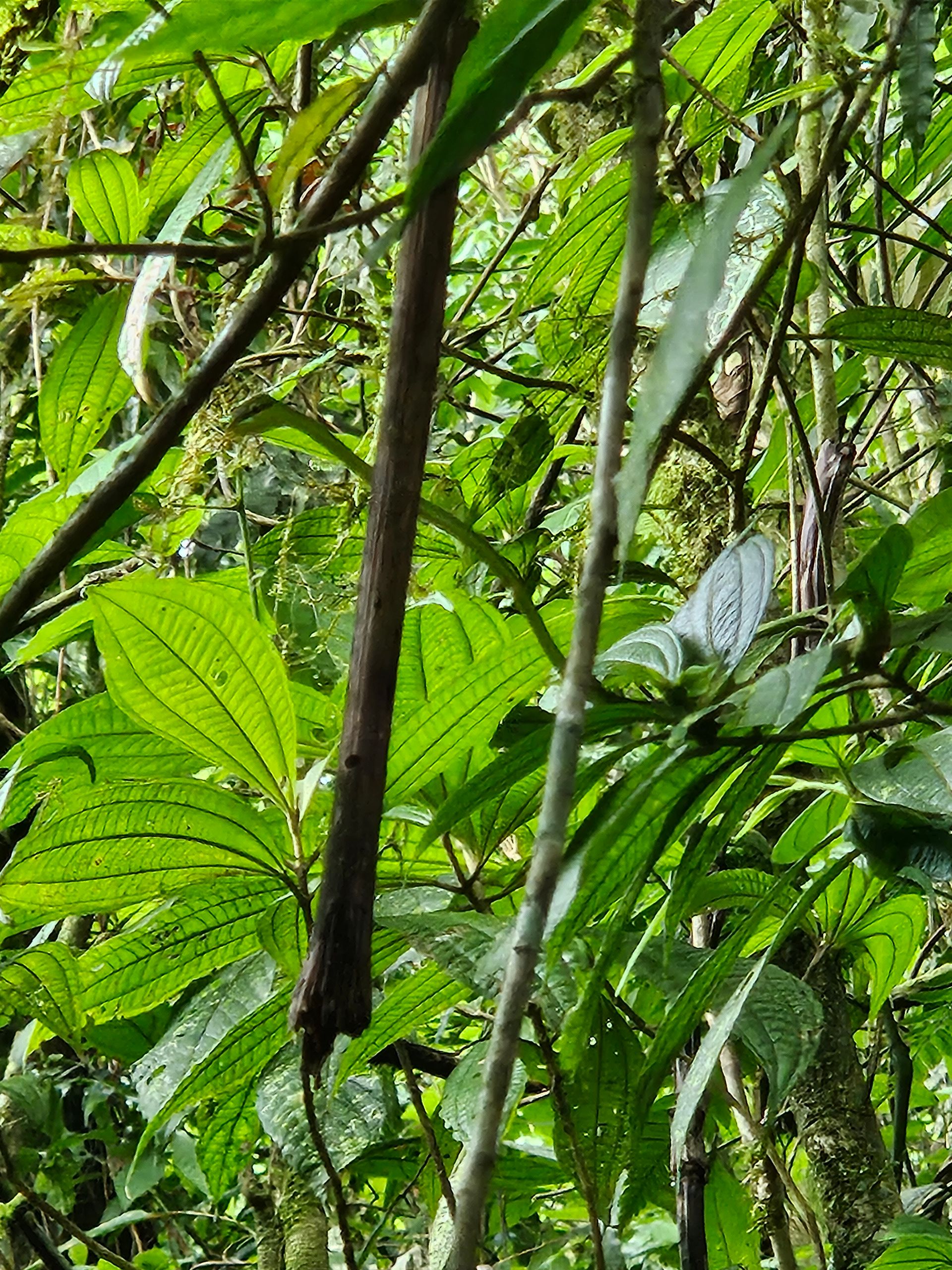
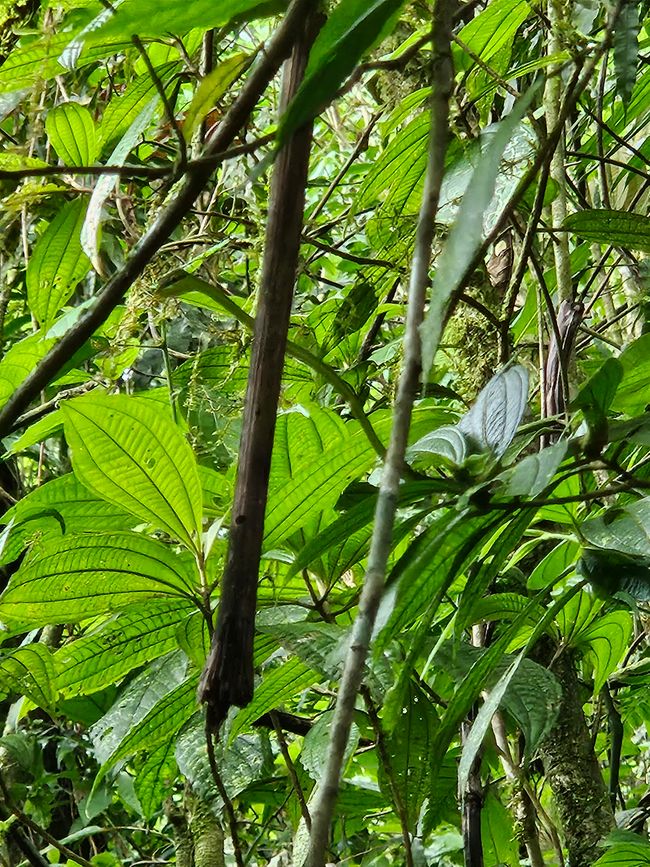
Directly next to the trail, we see a brightly colored green snake among the dense foliage, so slender and endlessly long that at first glance, it looks like a vine. Only when it slowly flicks its tongue and glides silently through the branches does it reveal itself – a fascinating little search image in the middle of the rainforest that one could easily overlook without a closer look. After that, we encounter two huge turkeys who cross our path and disappear into the bushes.
On the way back, we are greeted by the crowning finale of the hike, as we saved the famous waterfall for last. However, I descend the steep steps into the green basin alone while my friend waits above. A barrier halfway through ends the trail as the lower area remains closed for safety reasons. From this step, a fantastic view opens up directly onto the waterfall, which thunders with tremendous force into an unreal radiant turquoise pool. Surrounded by the deep green of the jungle, I enjoy this postcard-perfect view once again to the fullest.
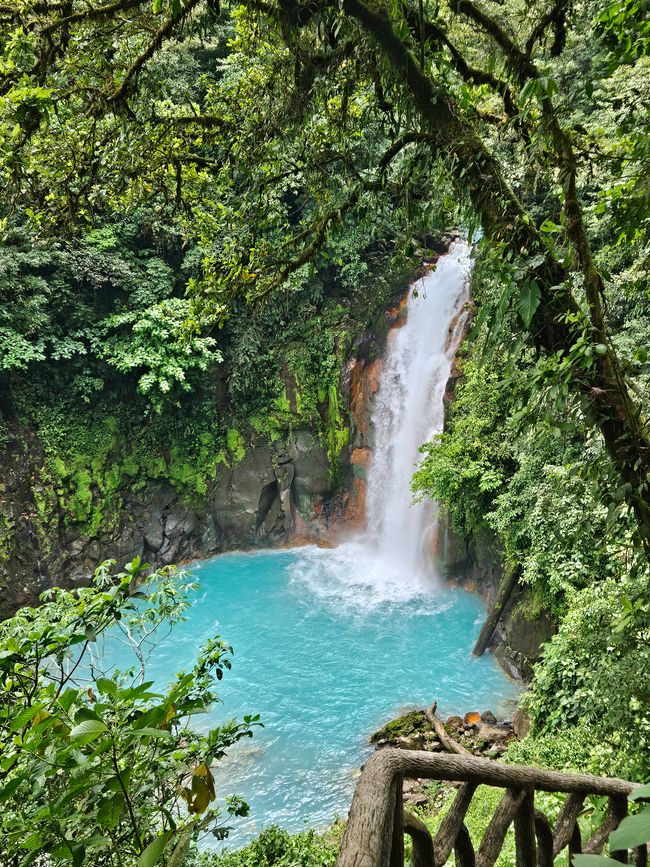
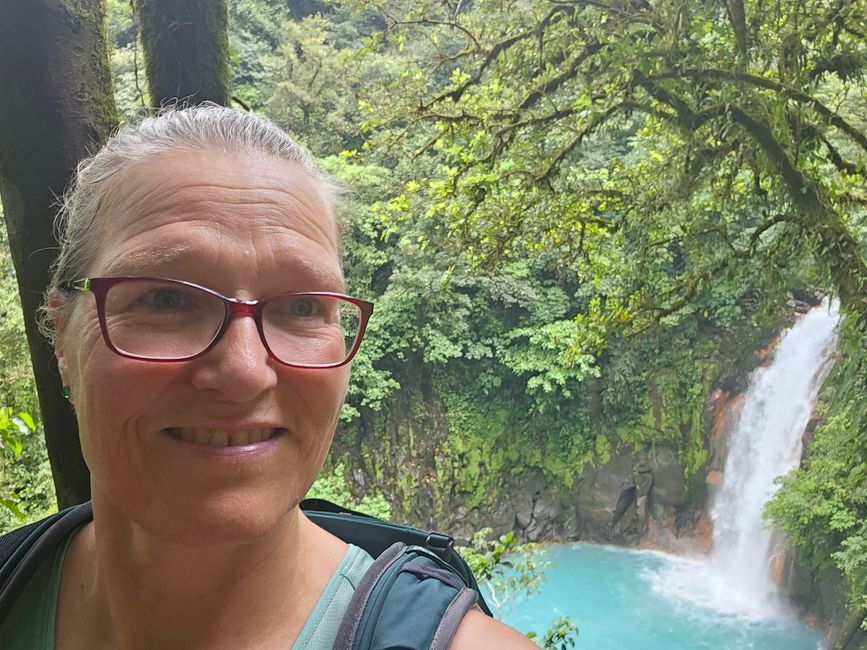
Wow, what a day. The Tenorio Volcano National Park left a deep impression on me and was so different from the other parks we've seen. It is definitely high on my list of favorites.
We take the return trip leisurely and do not take the steep mountain road, but instead, we take the longer route via Ruta 1 and continue as we did when we arrived two days ago from Bagaces towards the lodge on Ruta 164, the last section we bump along the gravel path again. You get used to it.
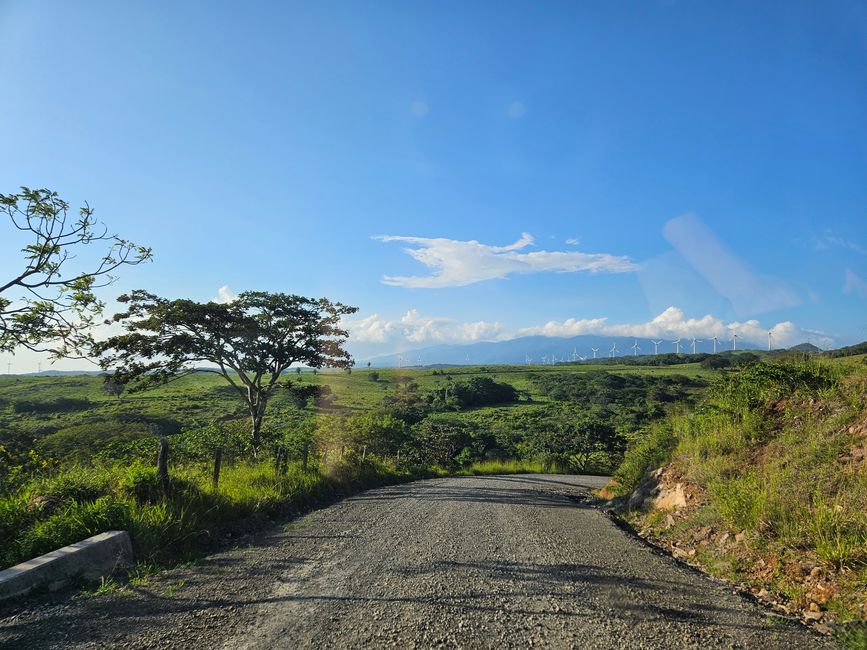
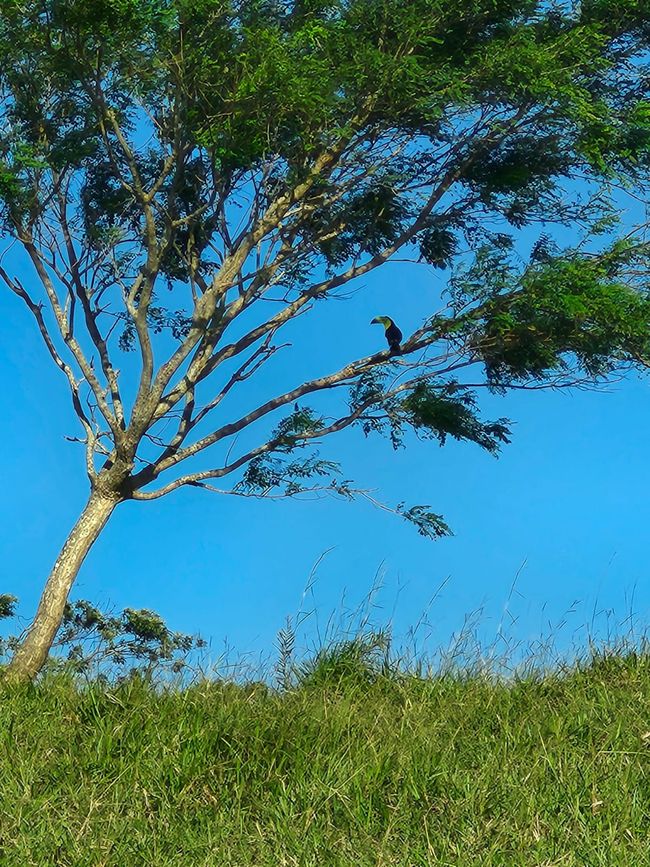
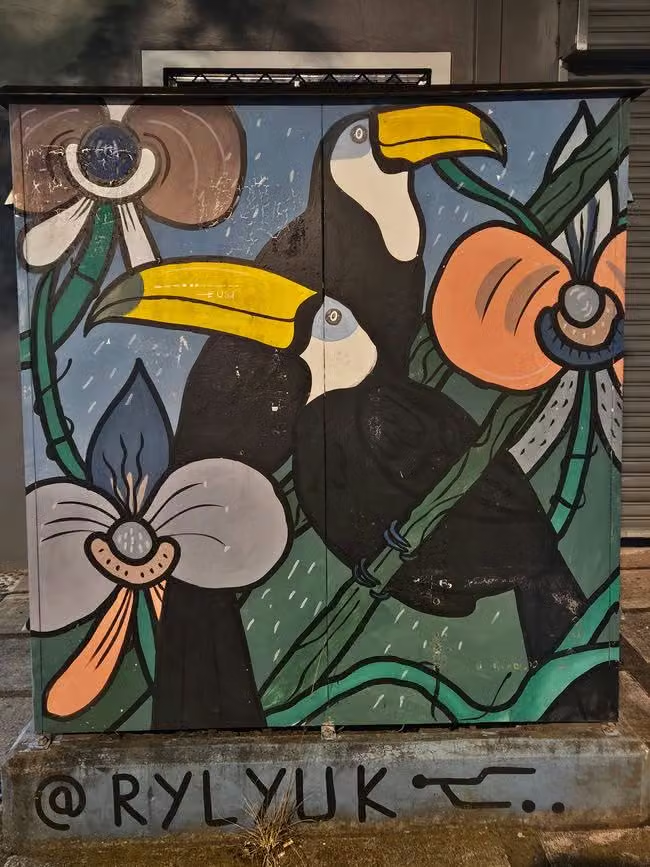
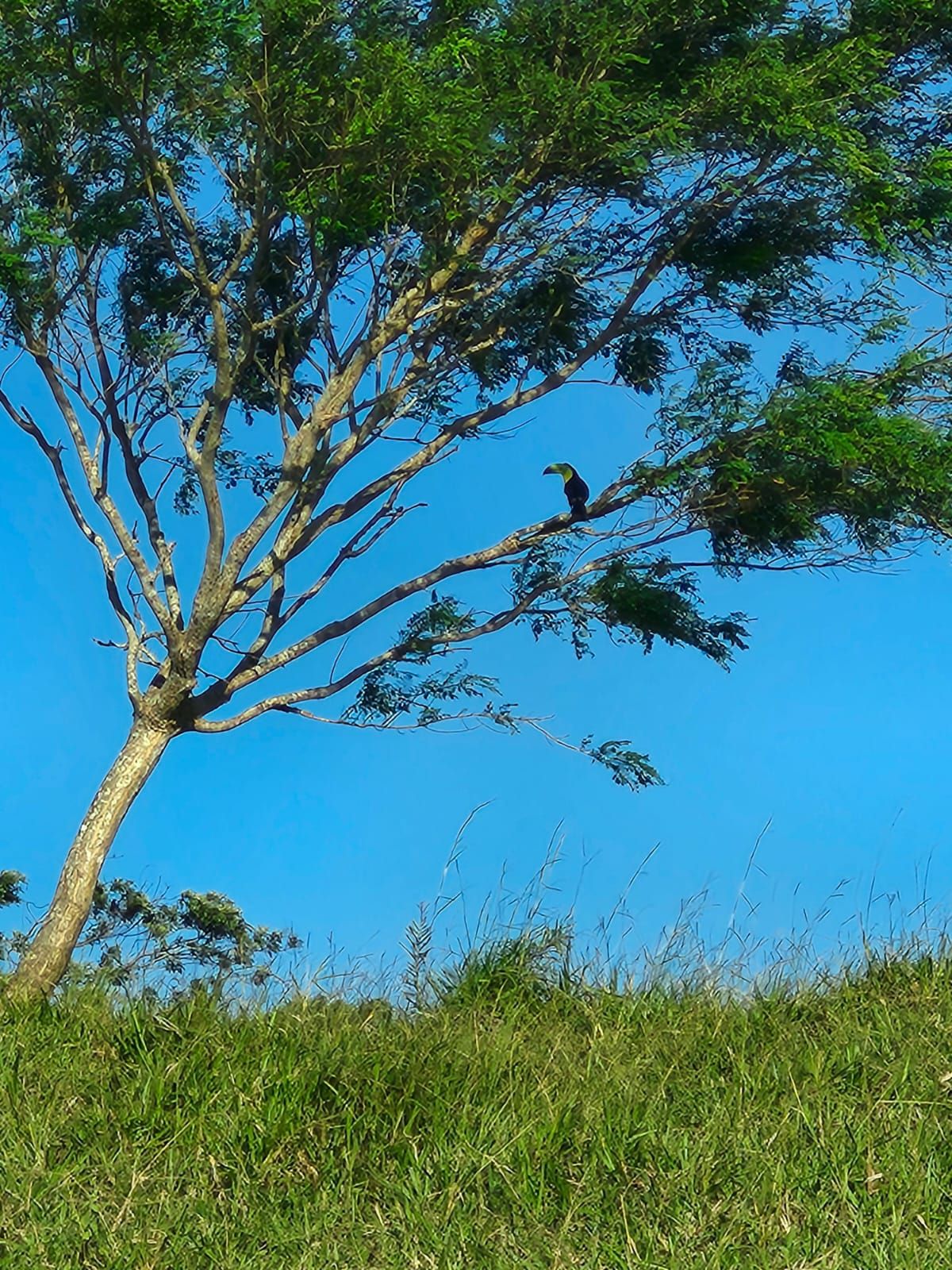
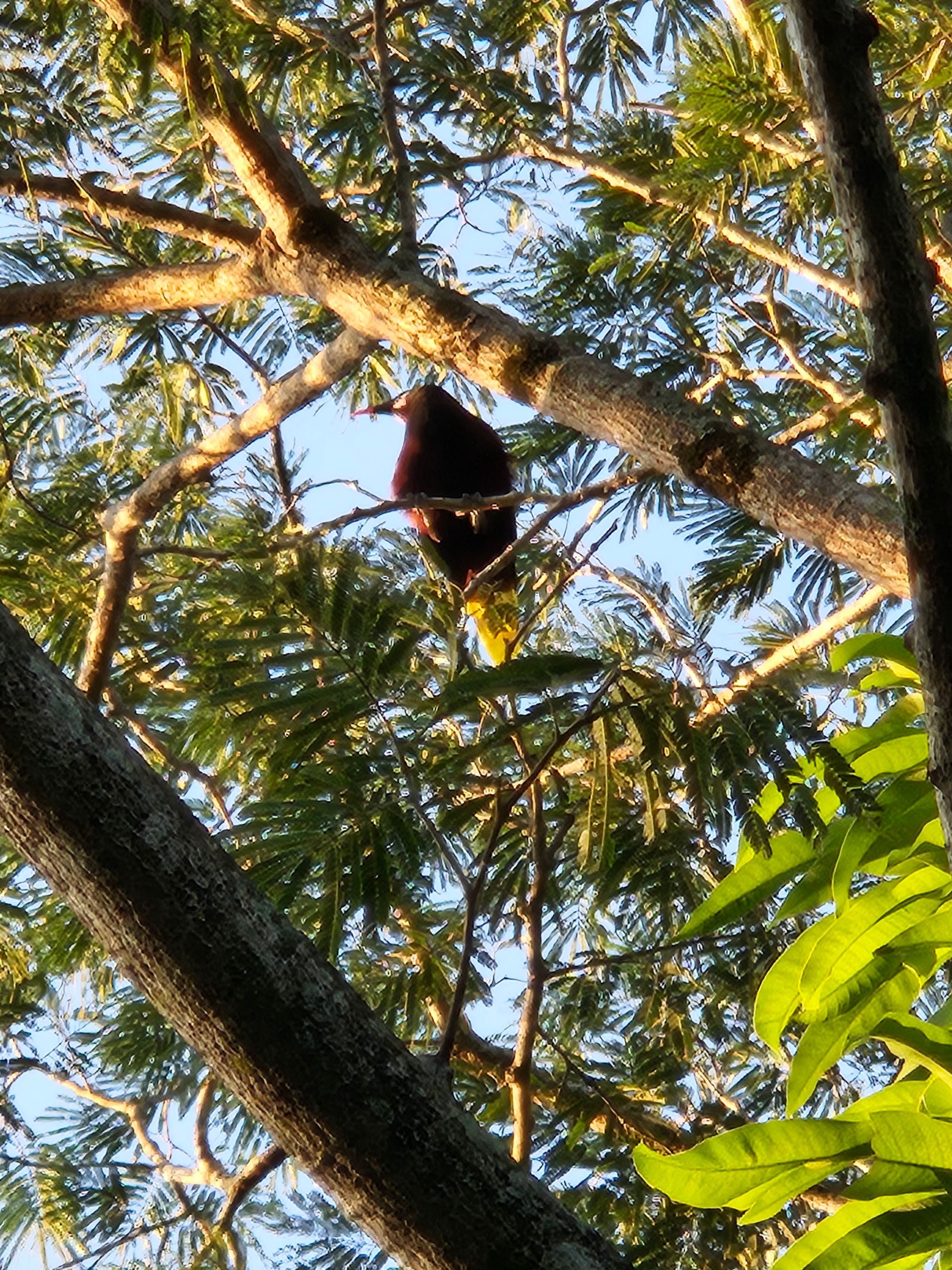
And then my friend finally spots one in the wild, the toucan. After looking for a long time, it now sits right next to the road in the tree. A few meters further, we see two more toucans, beautiful birds with these strikingly bright yellow beaks.
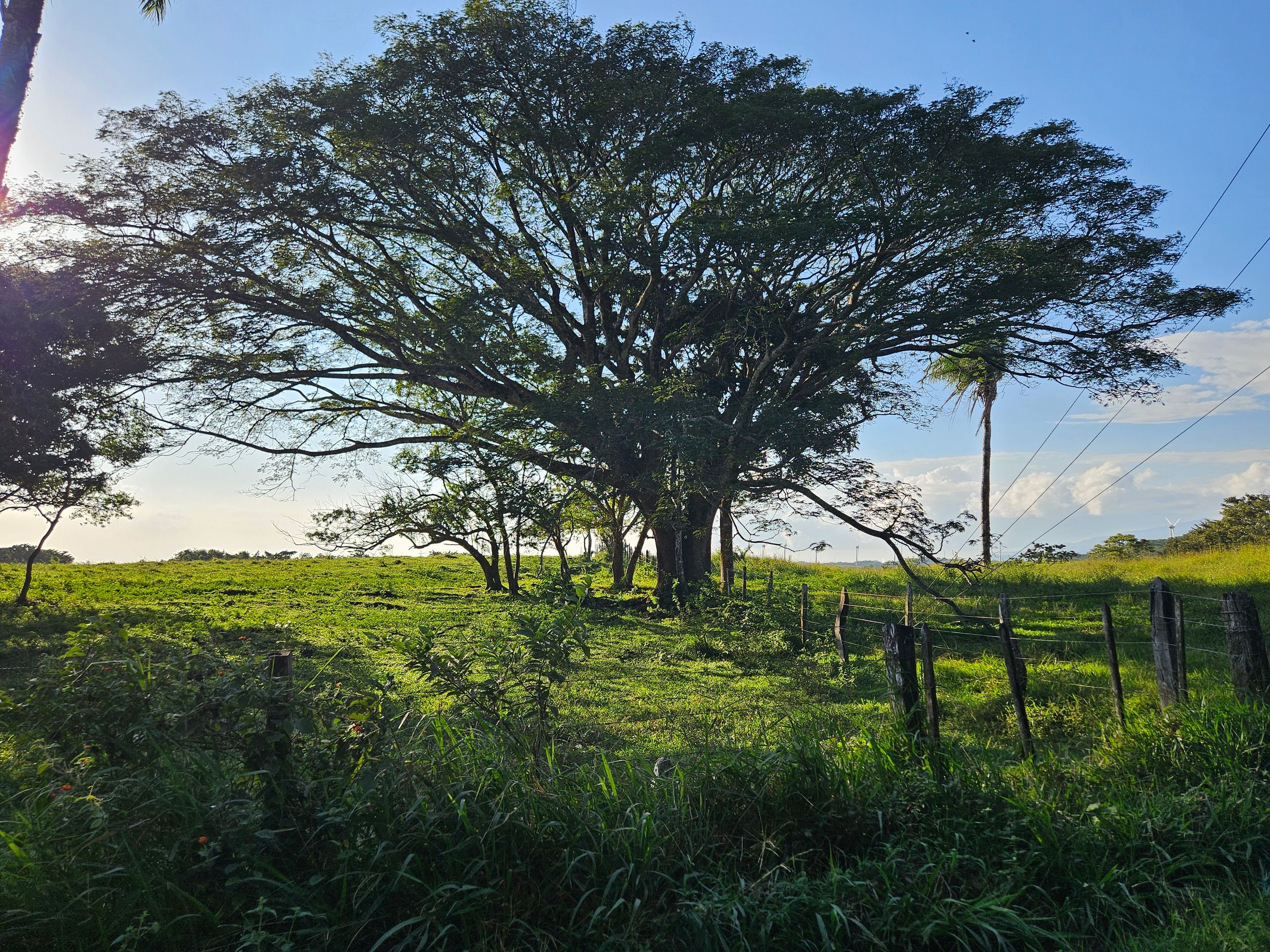
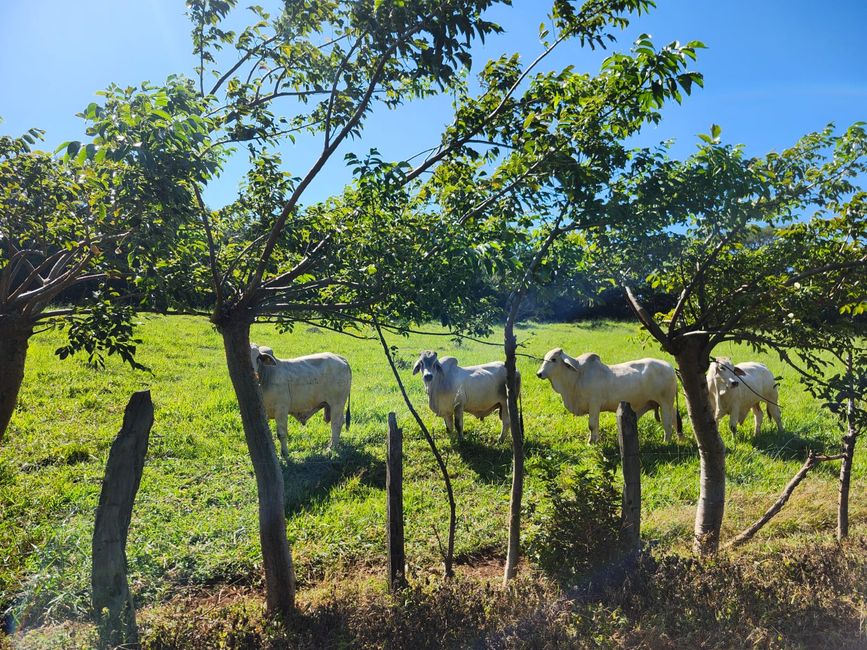
Everywhere in the vast grazing lands, you also encounter the mighty Guanacaste tree, the official national tree of Costa Rica. With its massive, umbrella-like crown, a single giant provides so much shade that entire herds of cattle find shelter from the hot tropical sun beneath it. Its melodious name derives from the indigenous language Nahuatl, where it literally means