

Bernburg on the Saale and Görlitz - on the way to Poland
We made a stop in Bernburg on the way to Görlitz.
Published: 31.03.2026
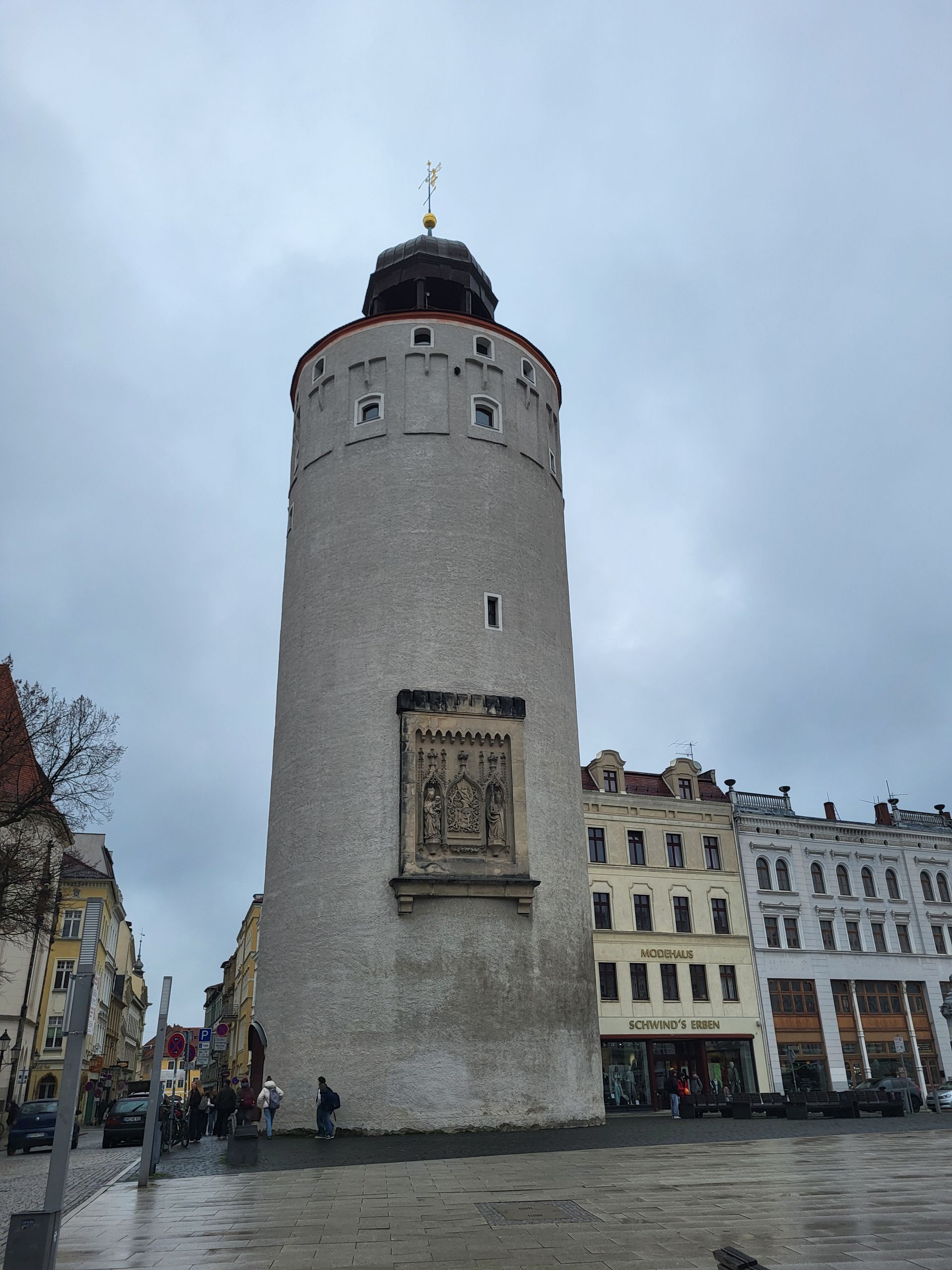
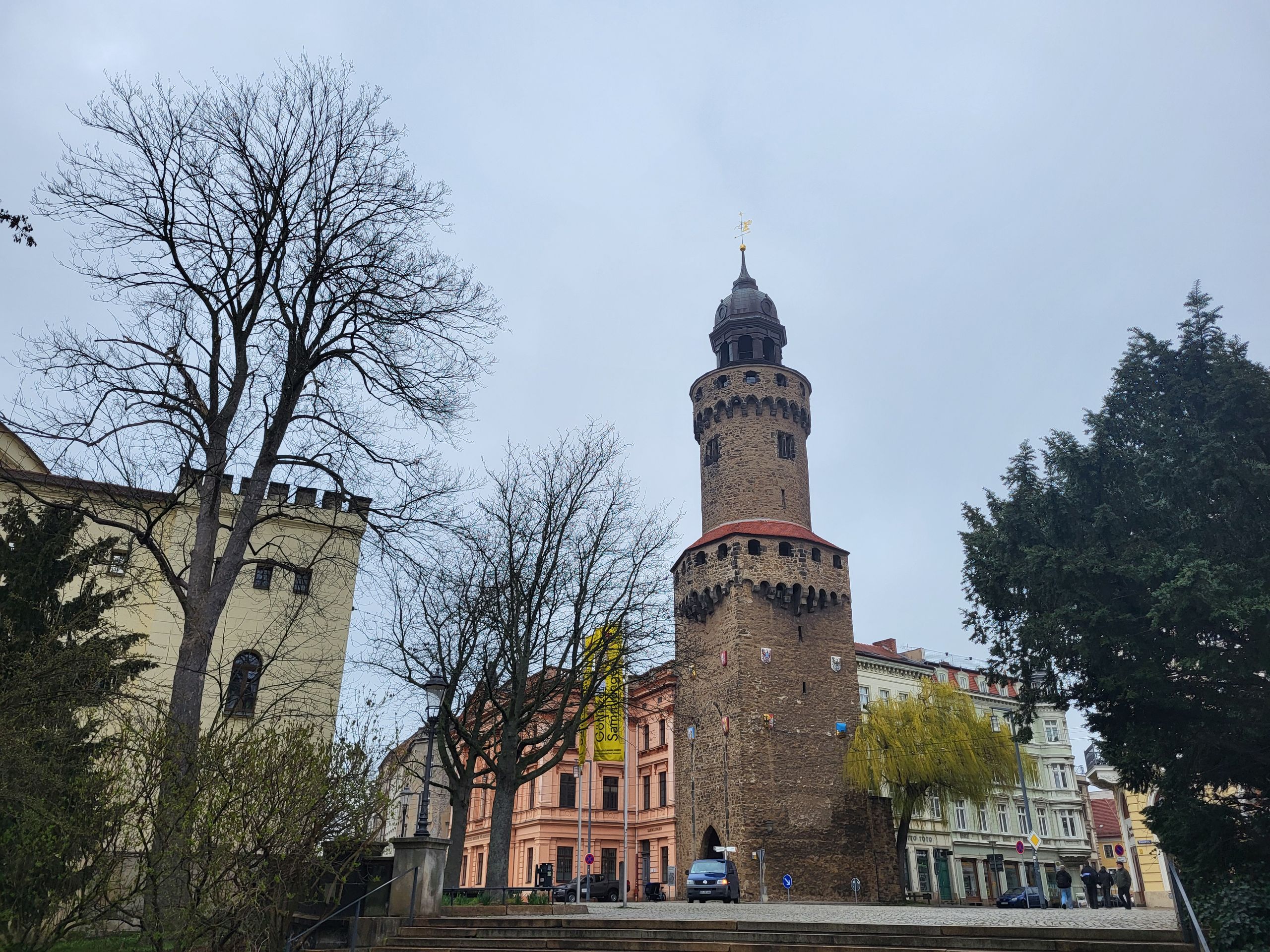
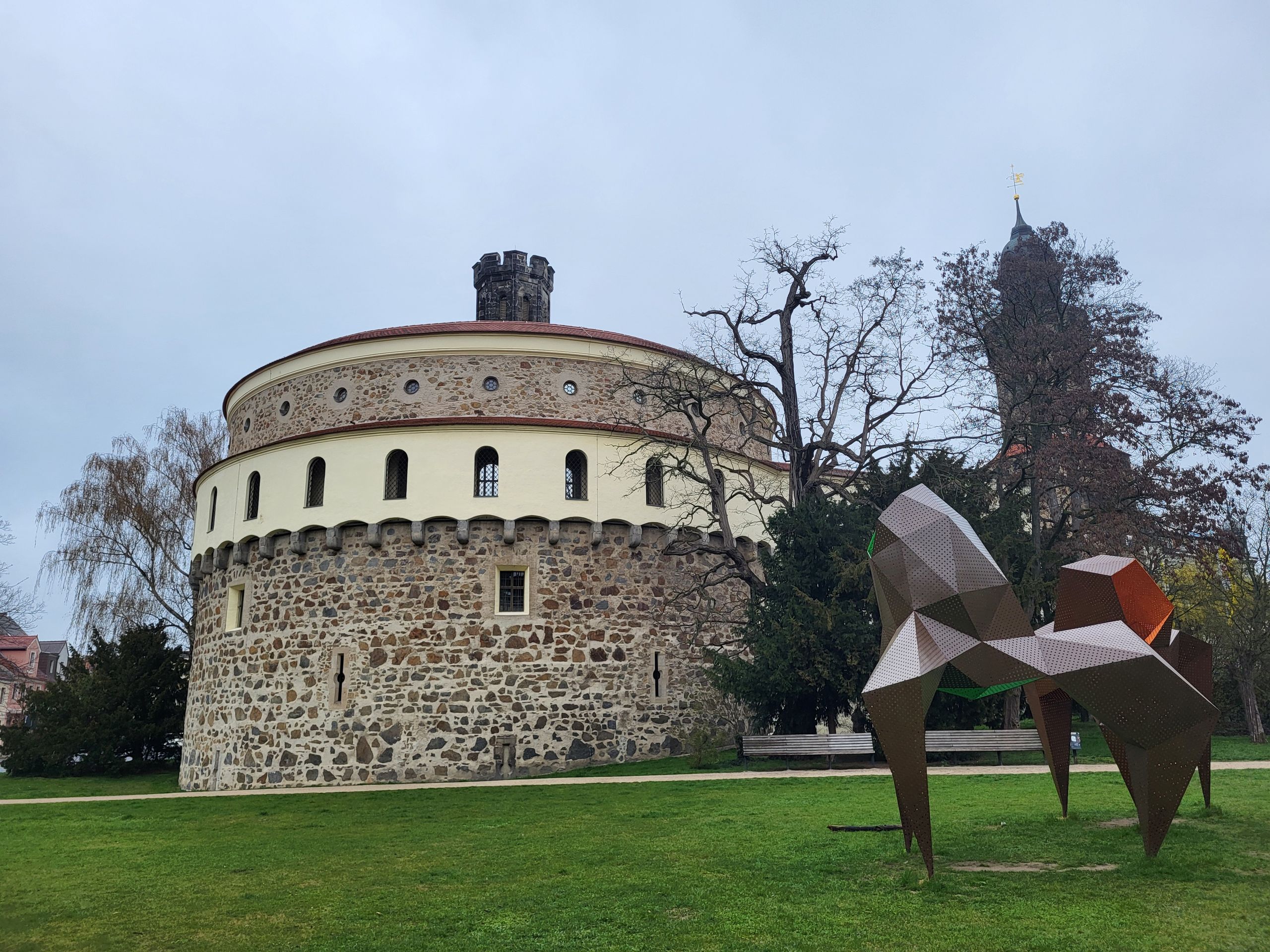
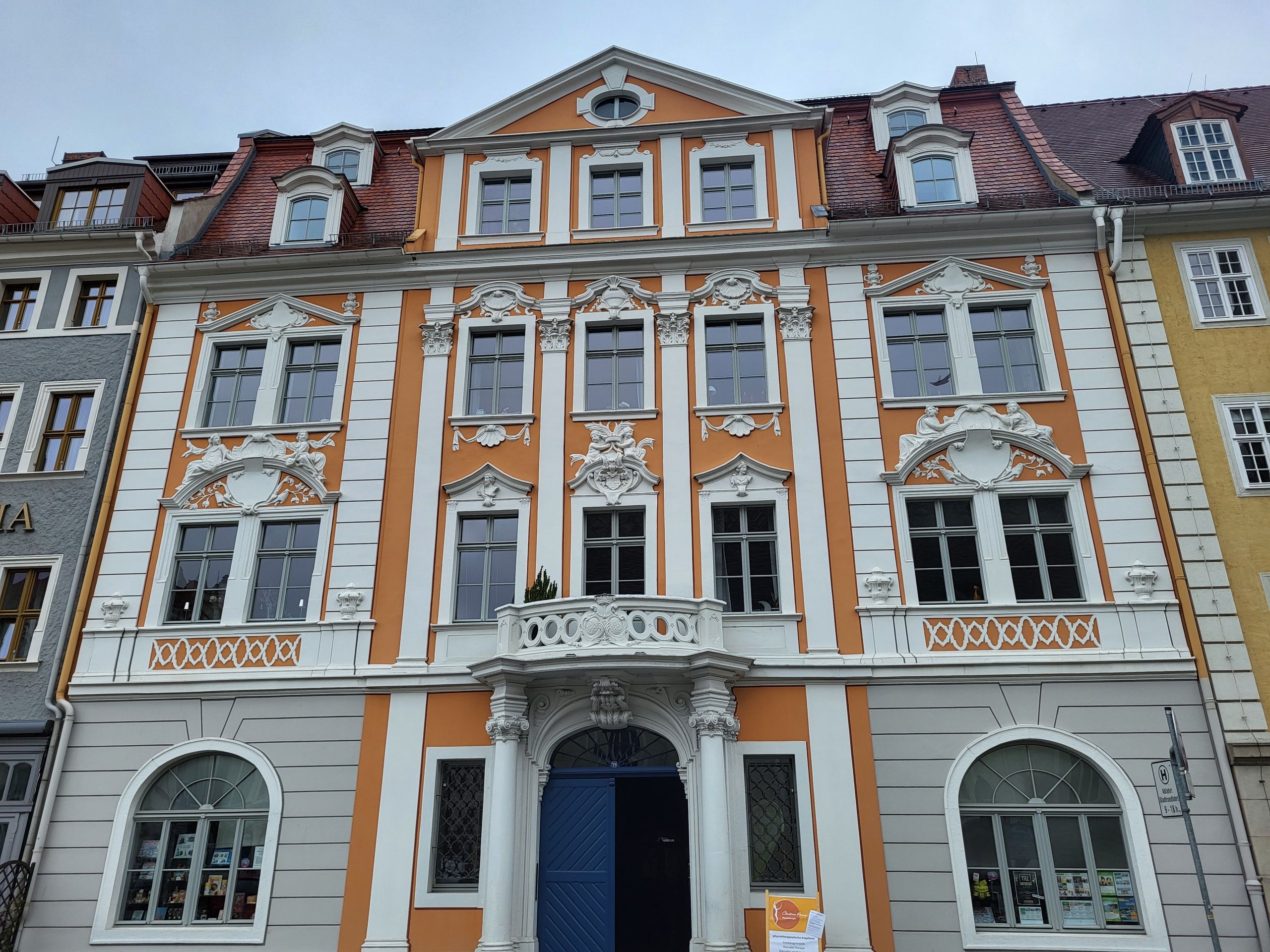
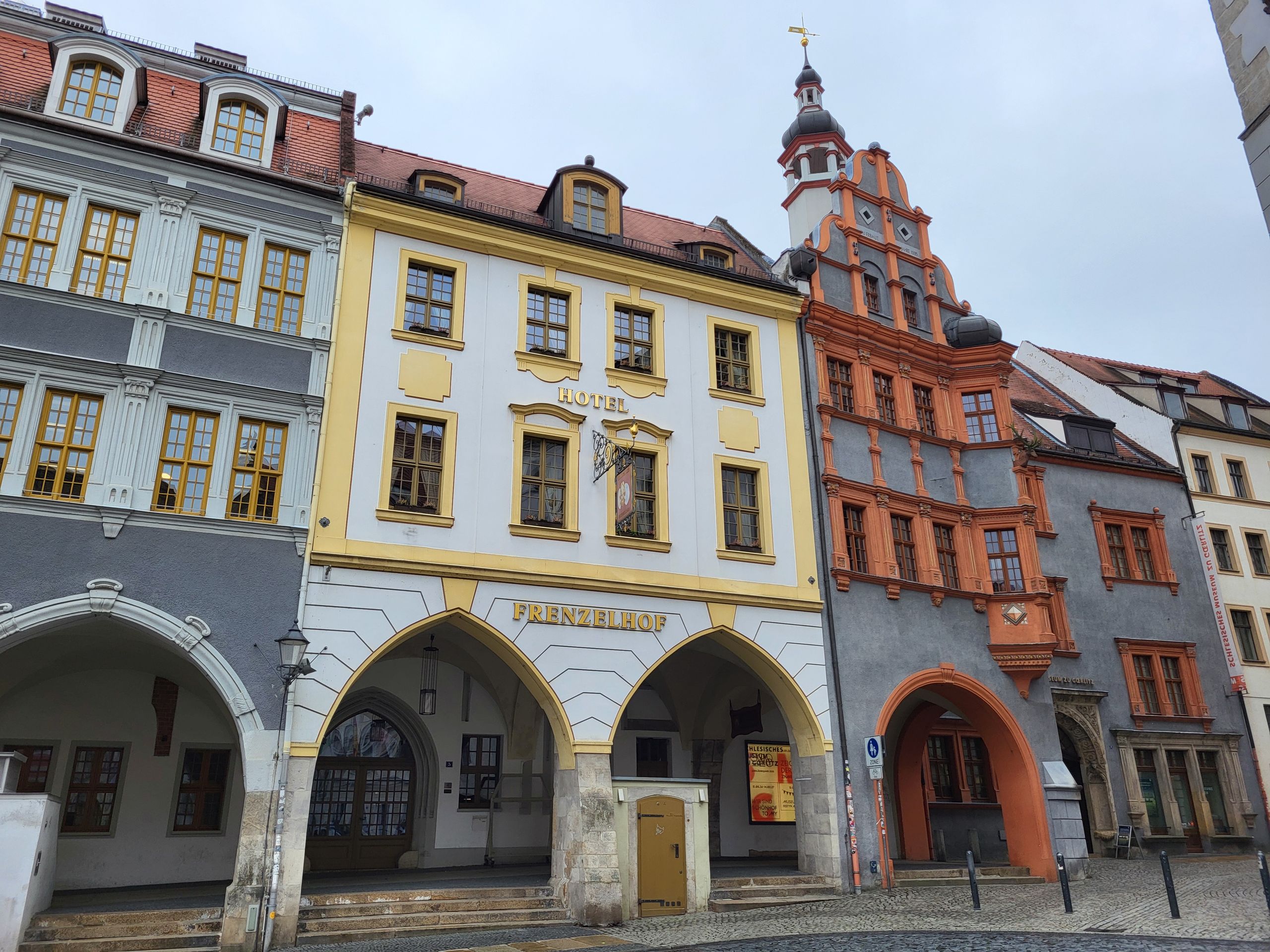
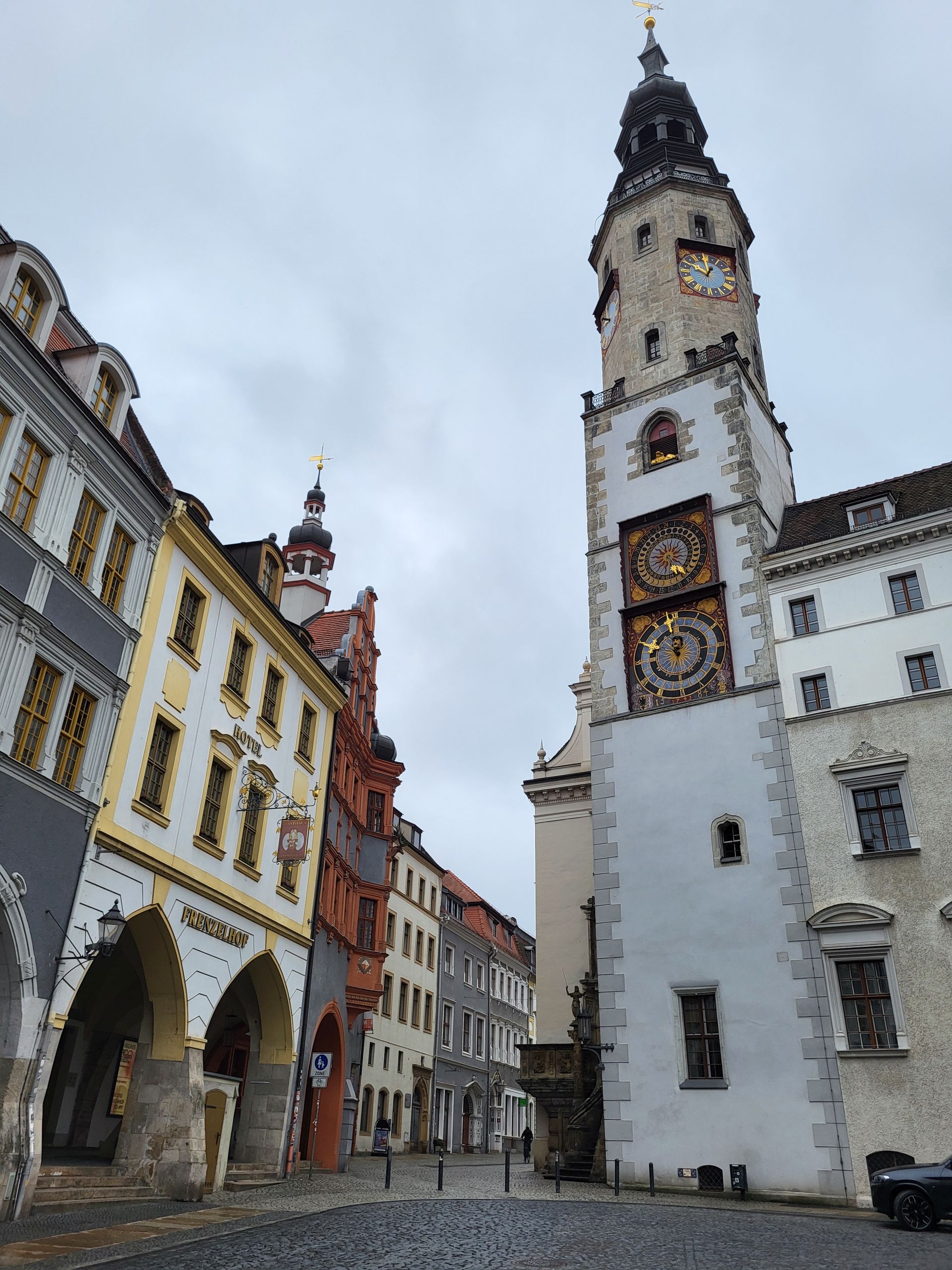
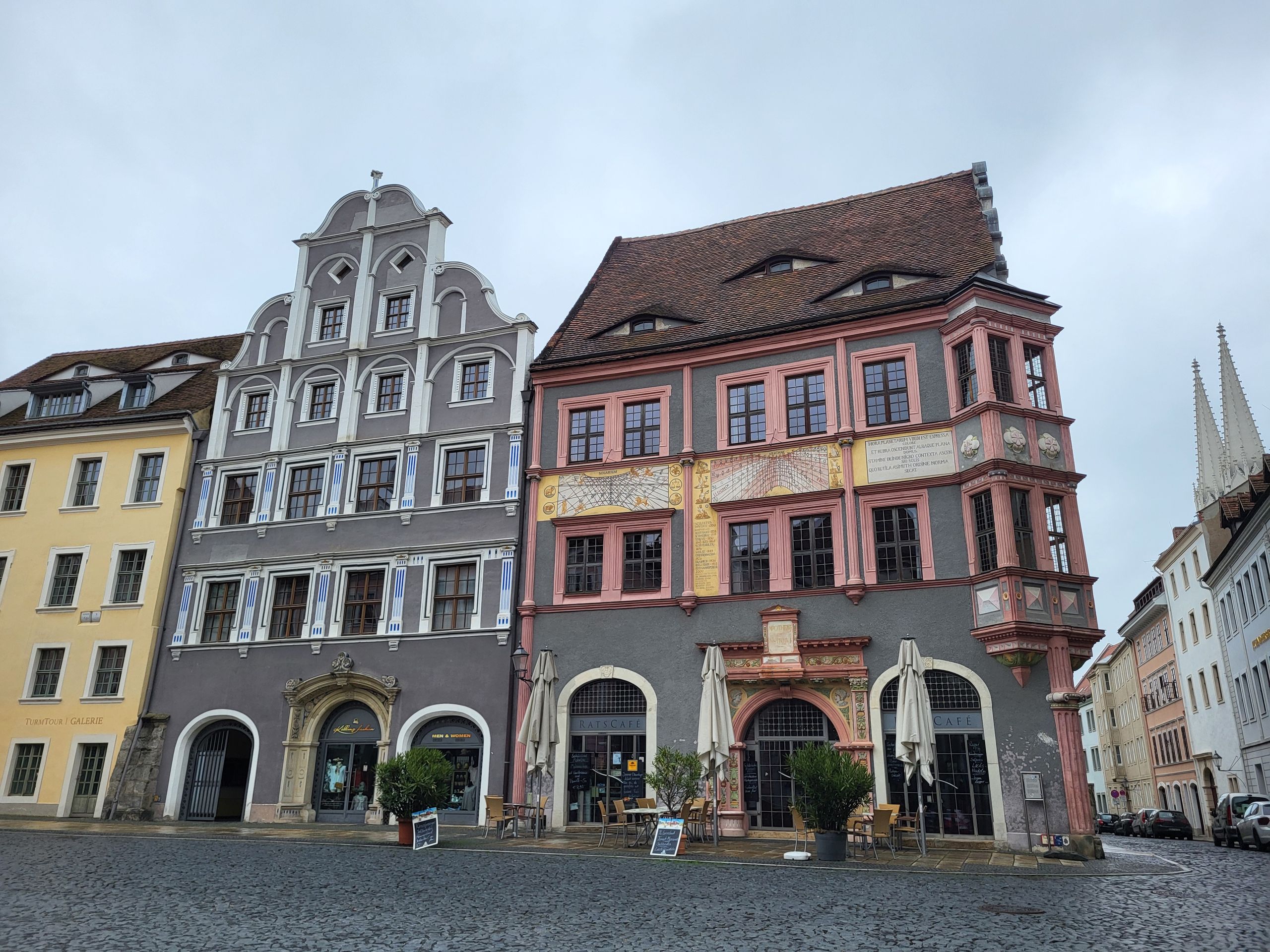
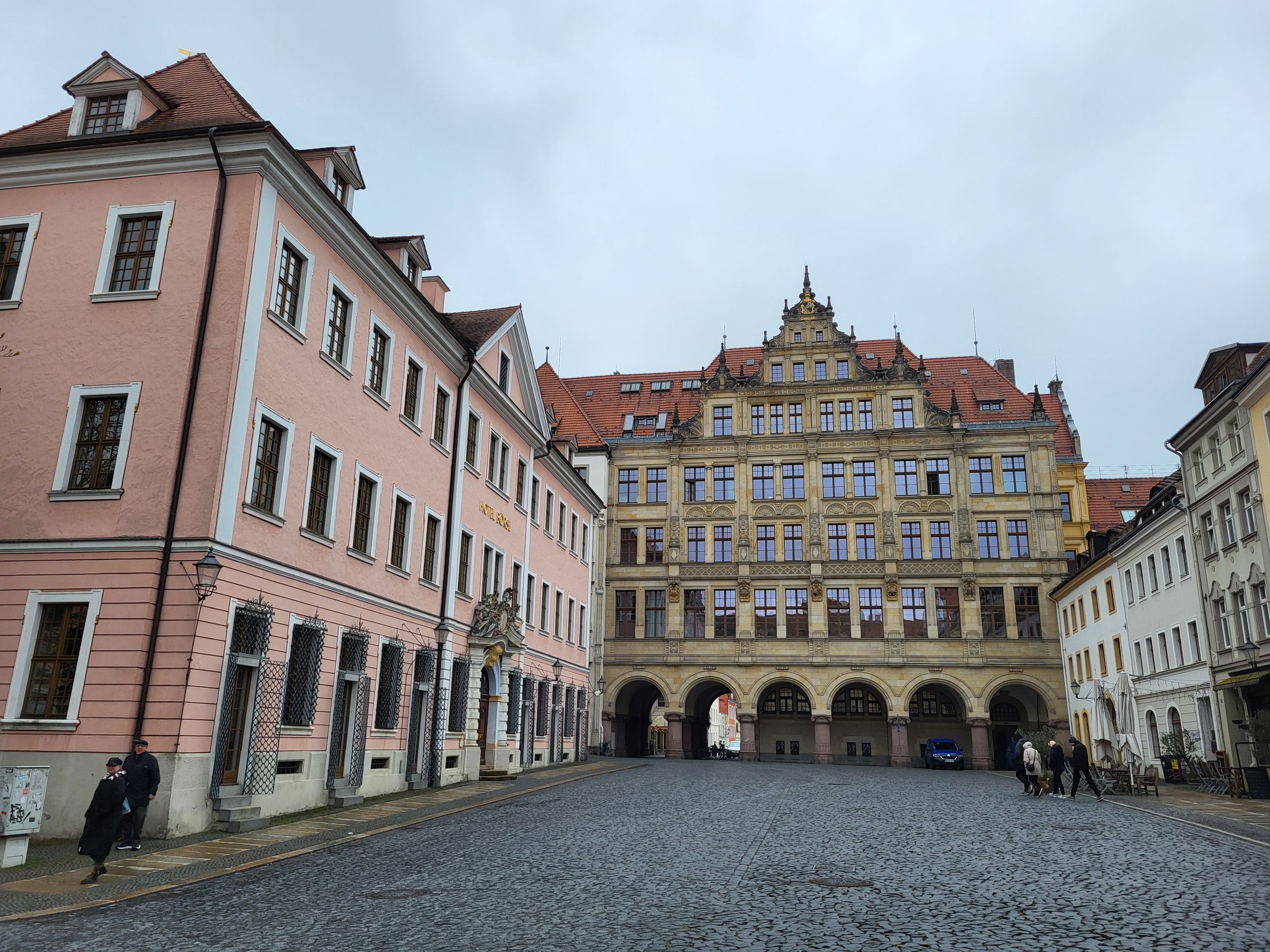
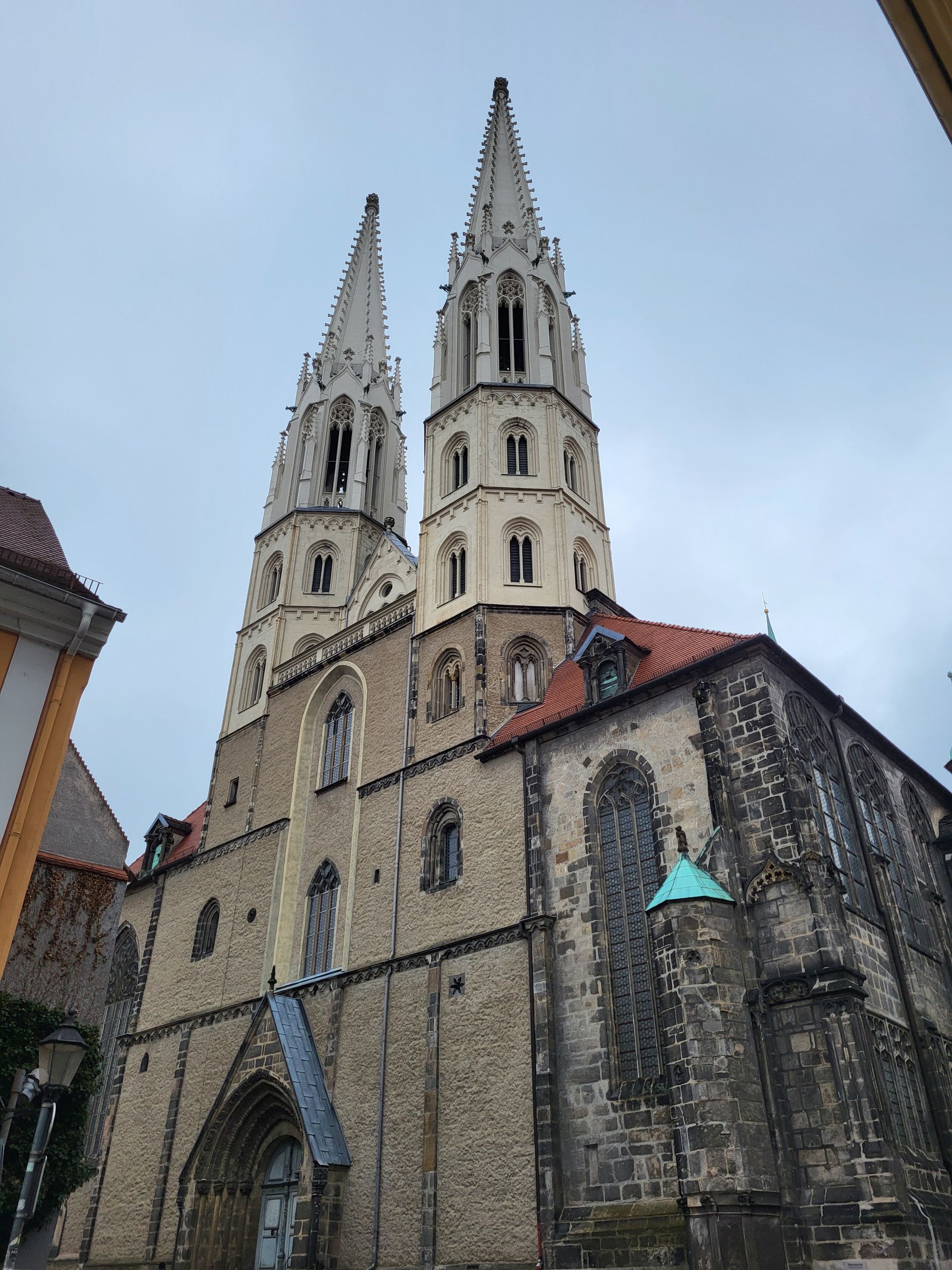
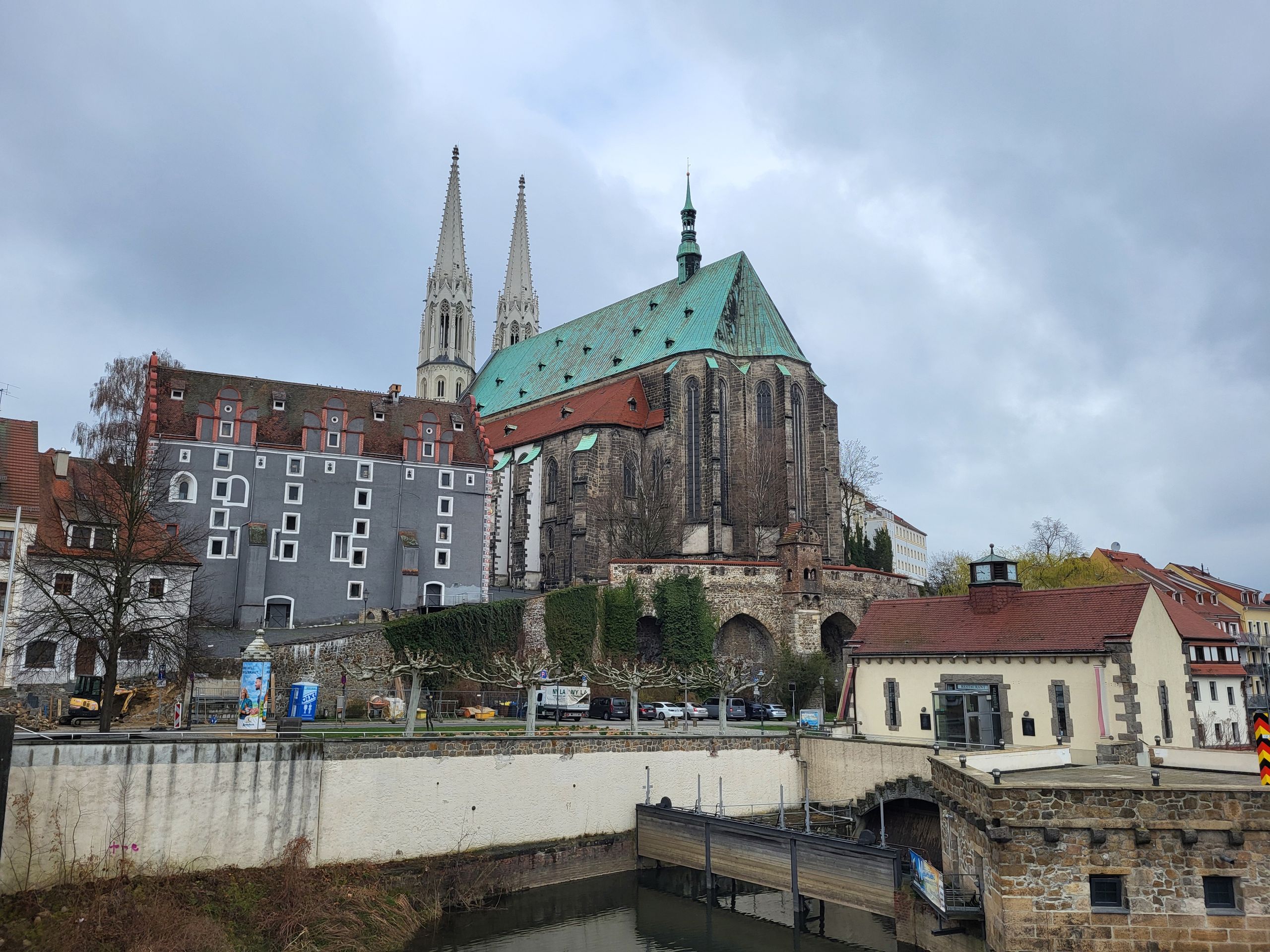
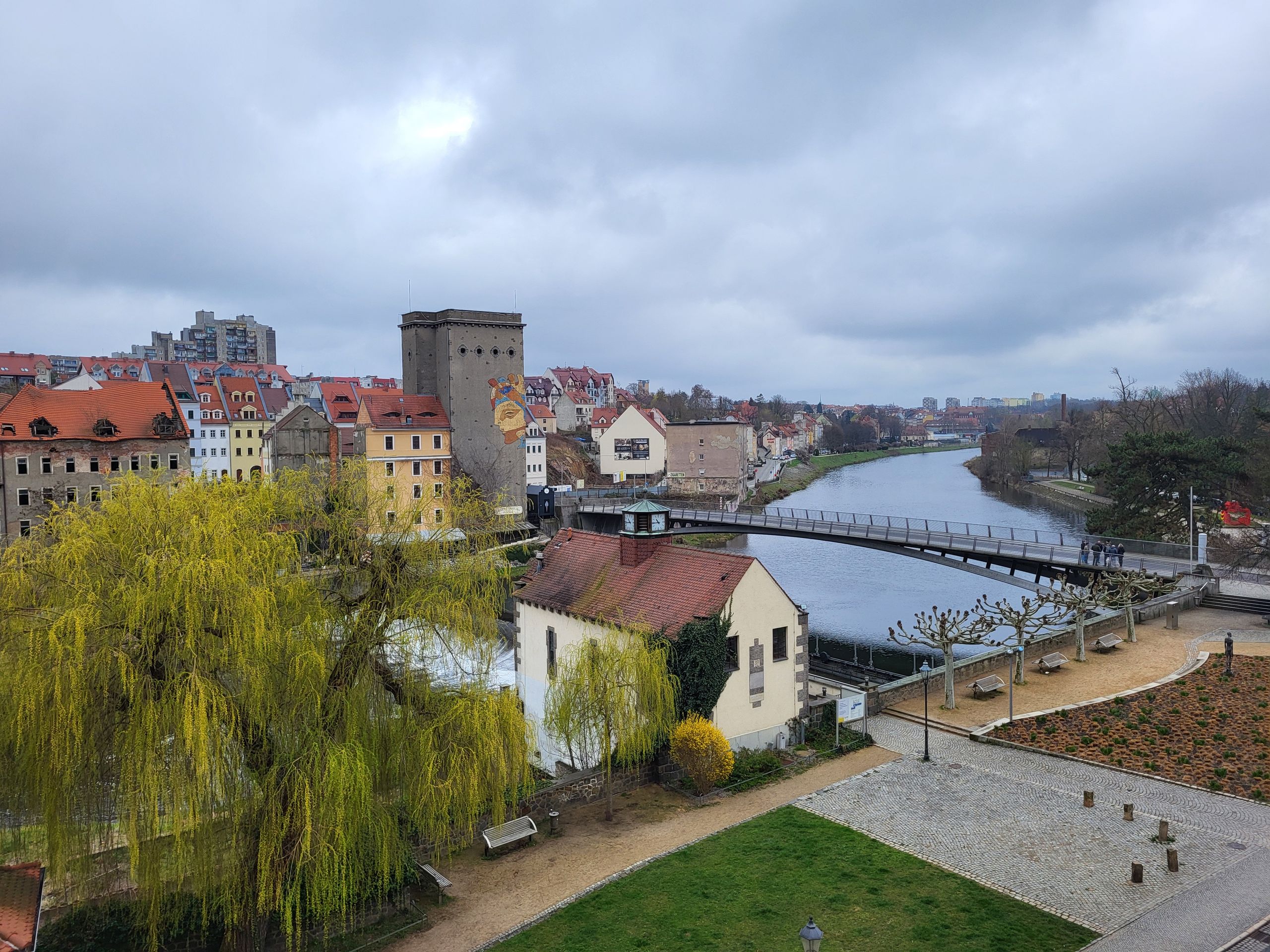
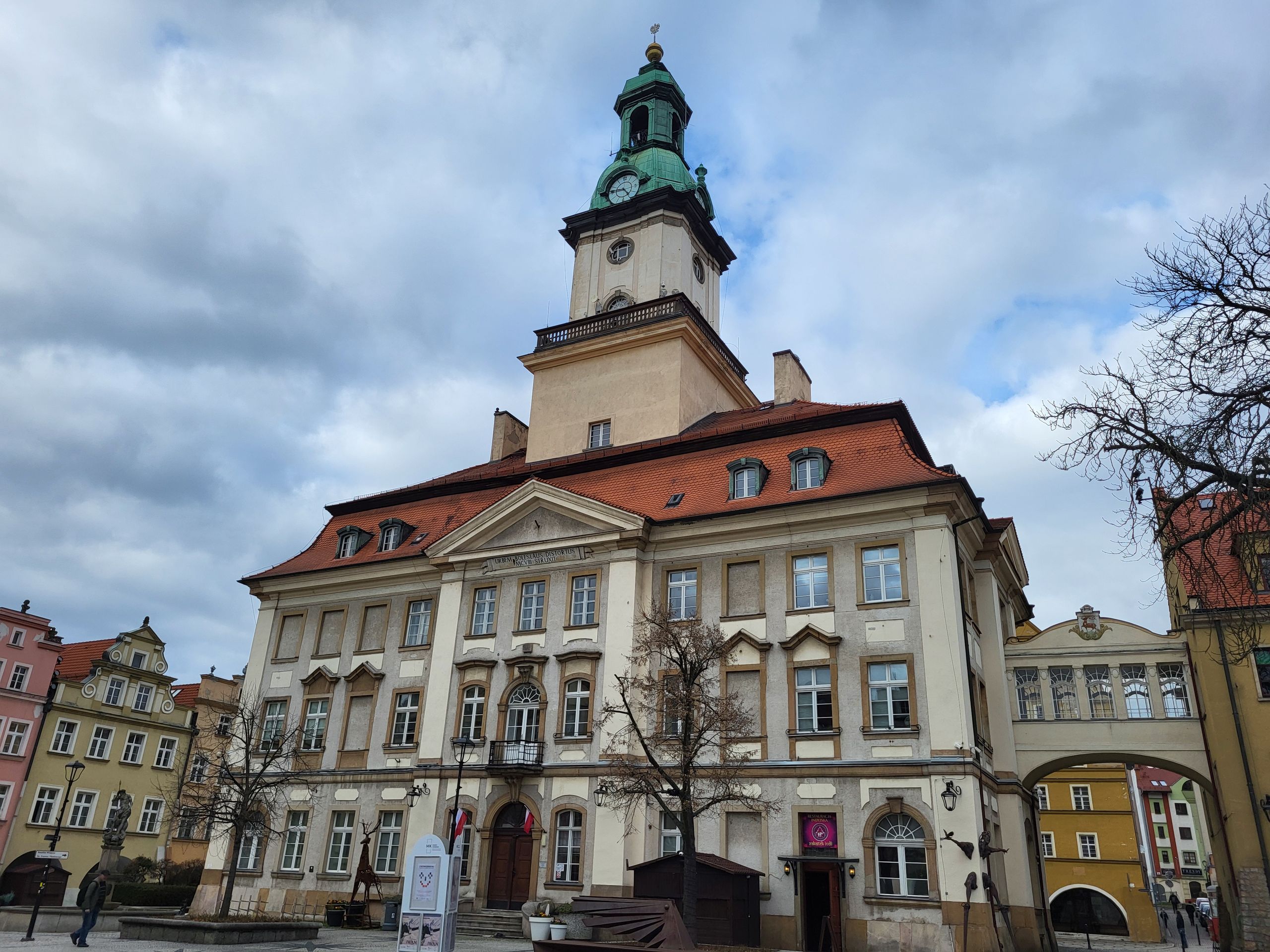
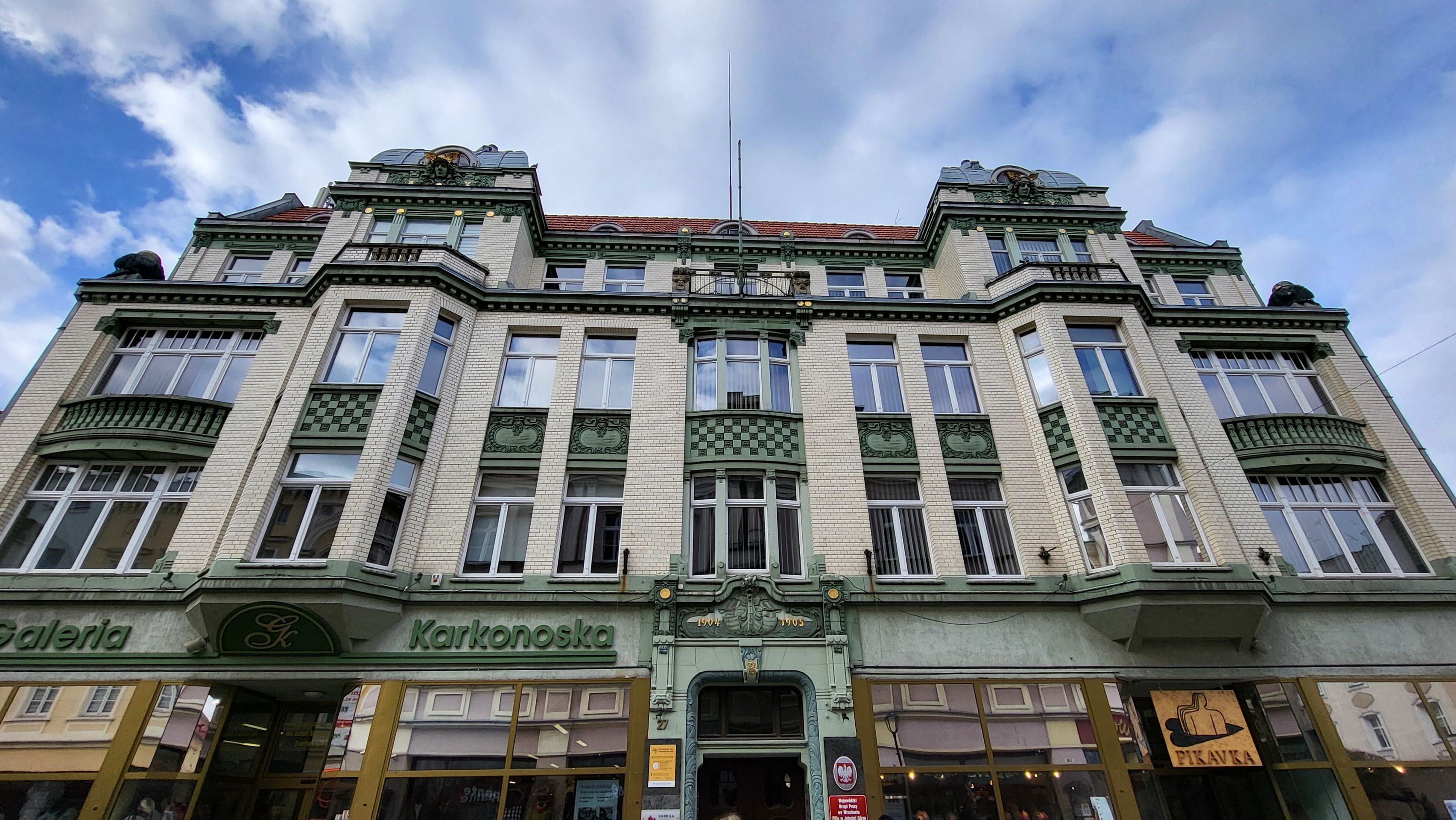
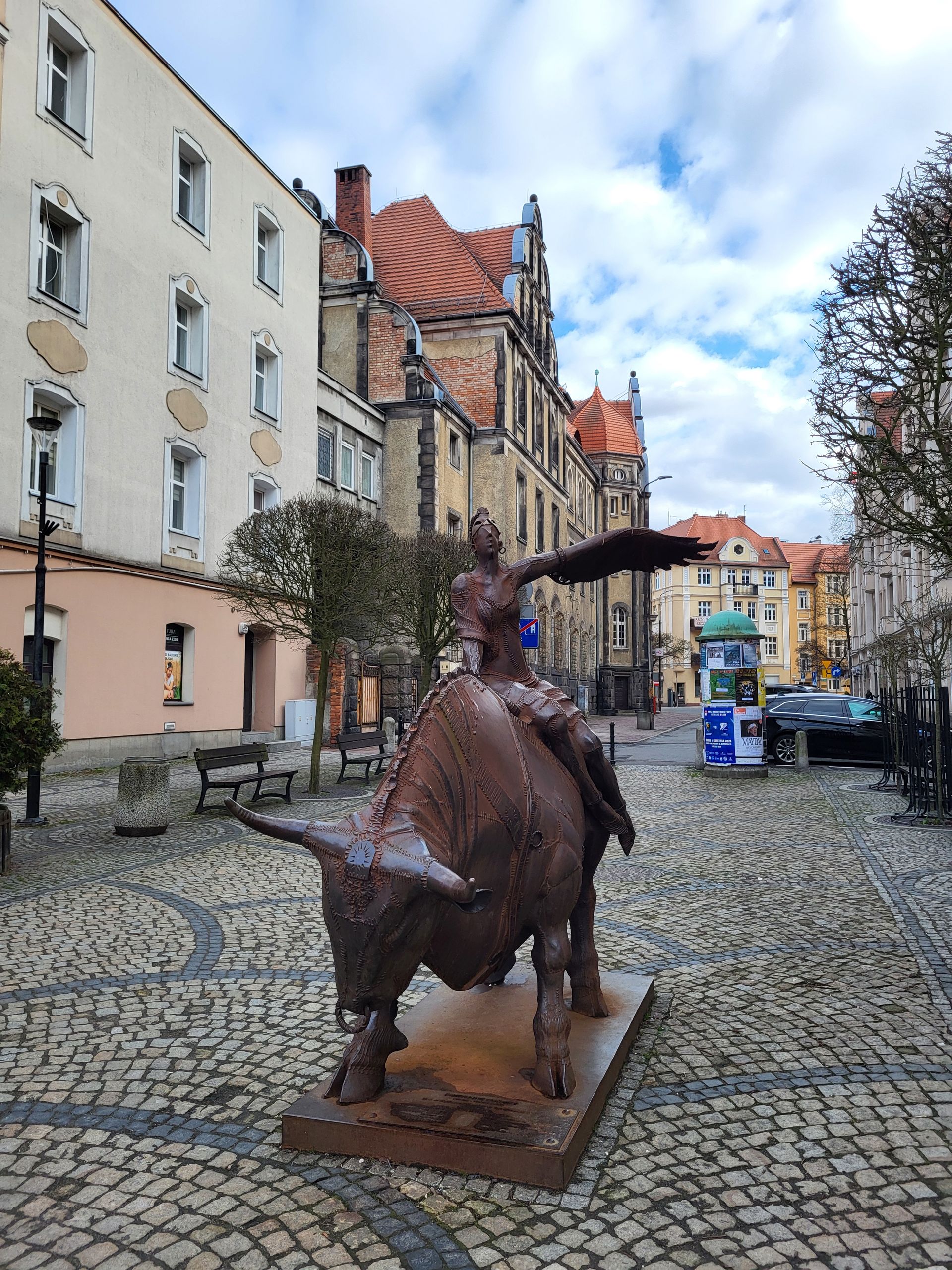
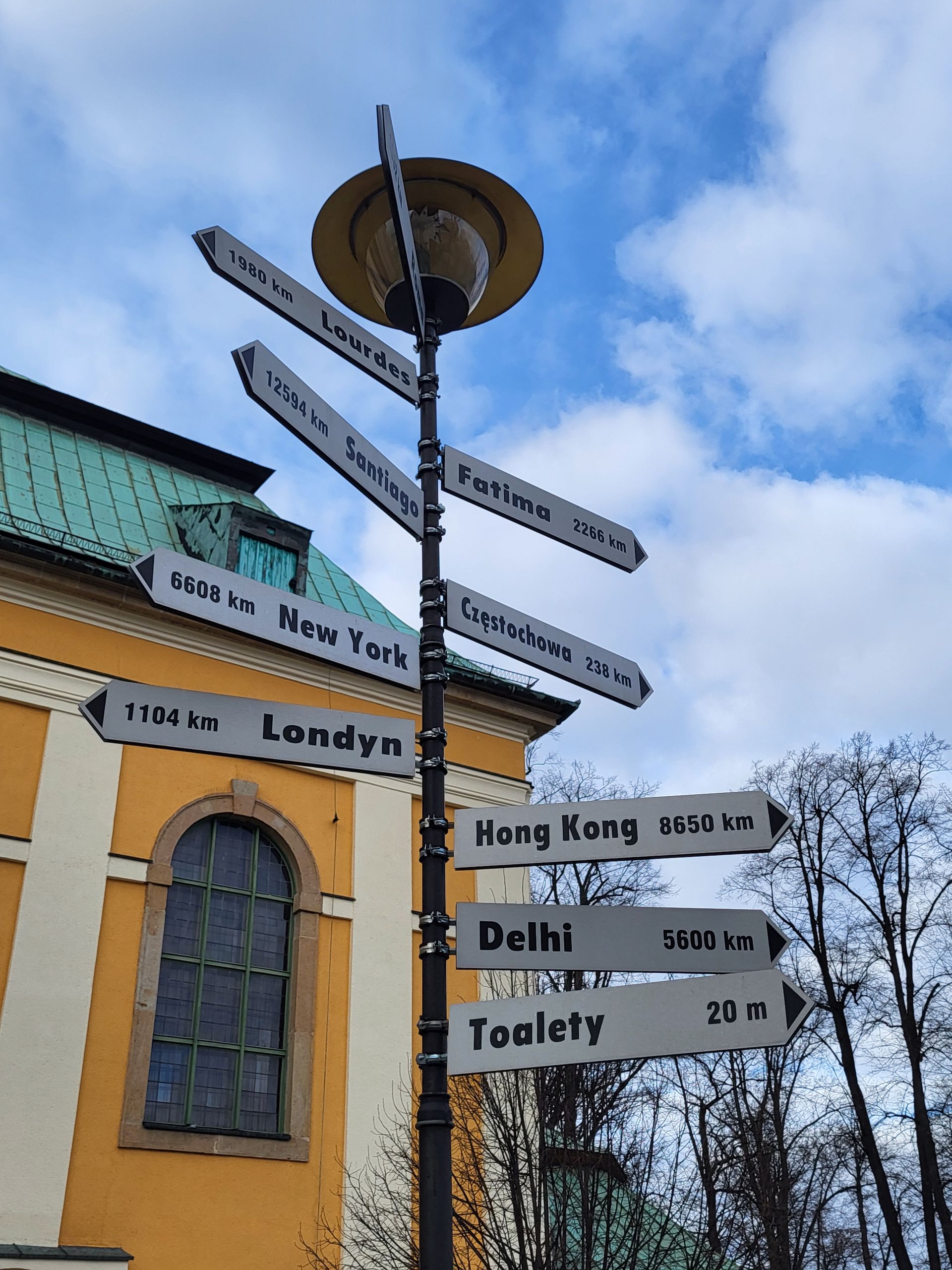
We actually wanted to start the morning with a 'city sneak' tour through Görlitz. Unfortunately, the information on the website was incorrect, and the tour at 10 a.m. did not take place.
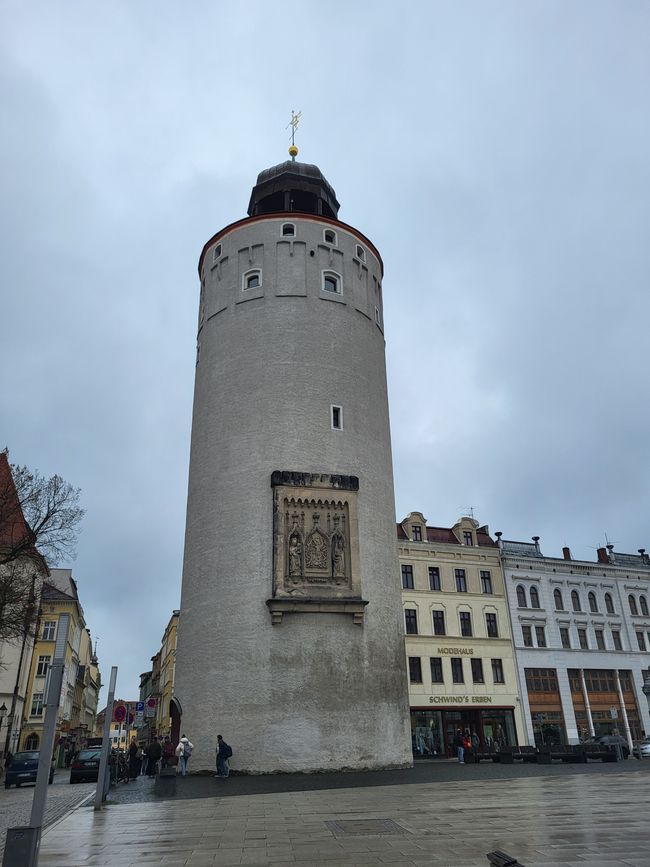
So we decided on a walking tour through the city and after some not-so-successful AI attempts at a guide, we found a city walking podcast that accompanied us on our way.
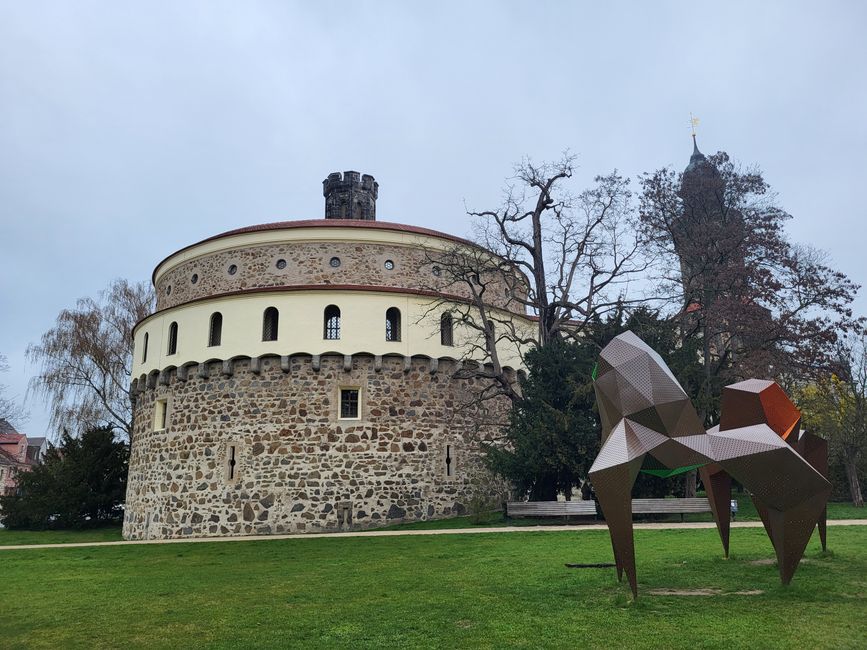
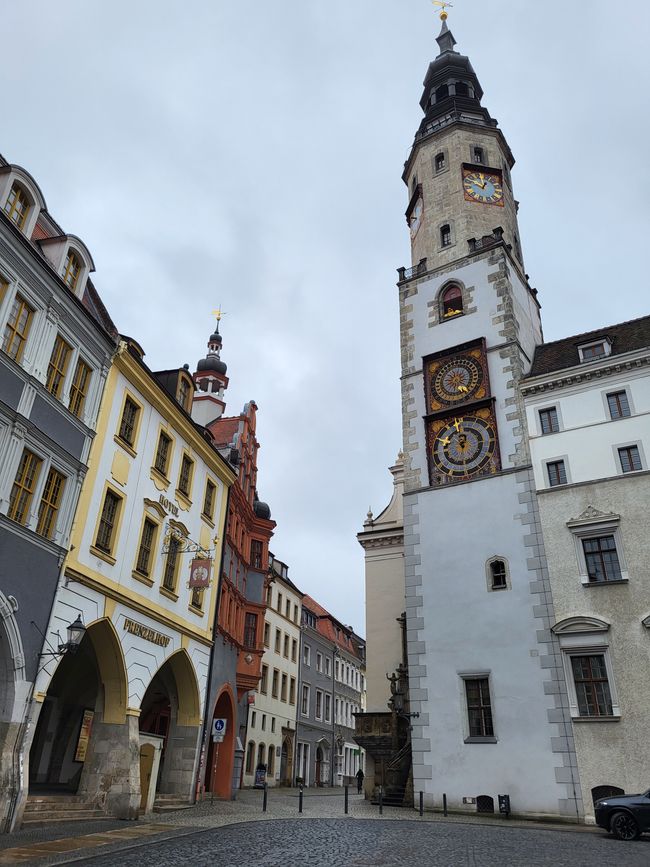
Thus, we stroll through the beautiful old town with its large squares.
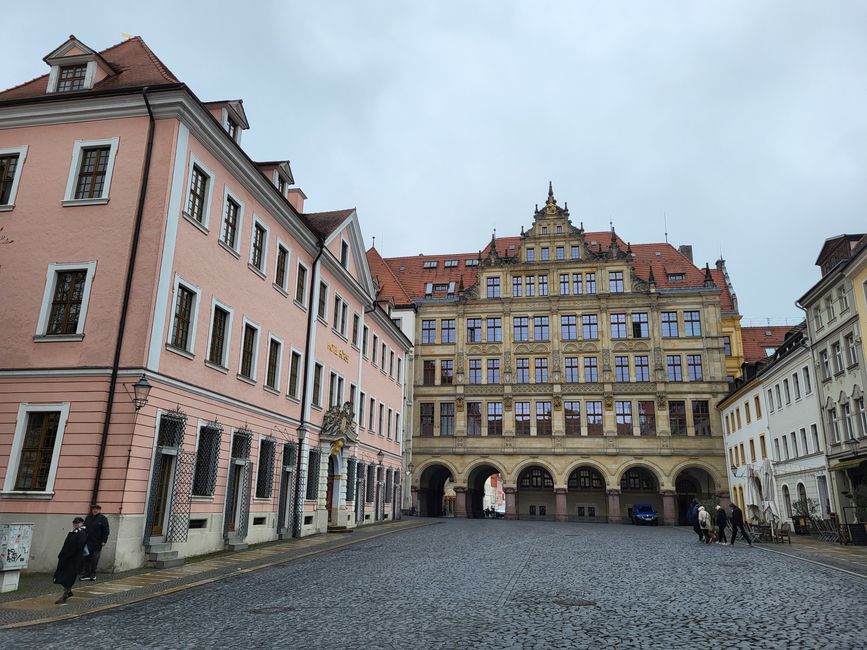
We started at the large Upper Market with beautifully renovated civic houses around the square.
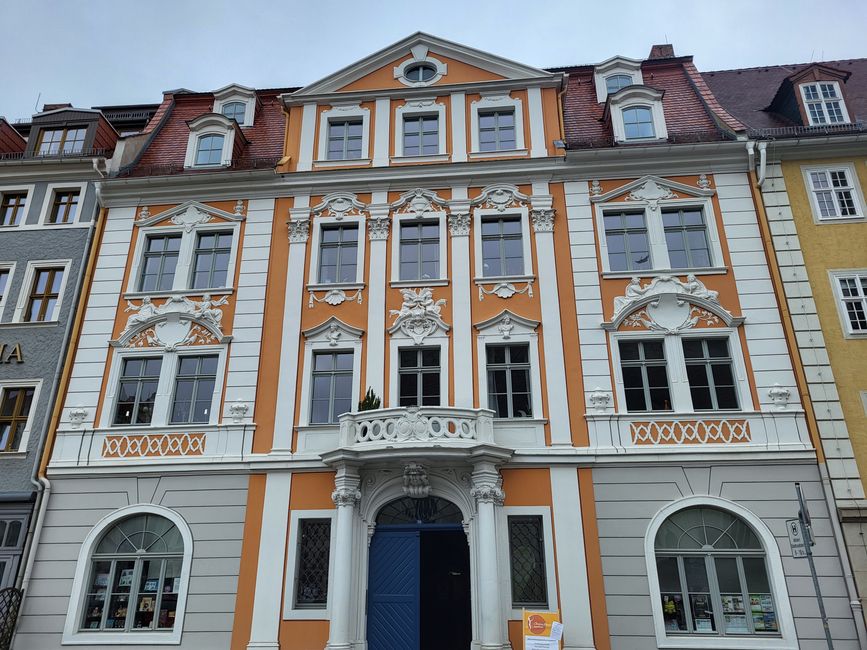
After that, we came to the Lower Market, where we found the copper-red Schönhof from 1526 particularly impressive next to the Old and New Town Halls.
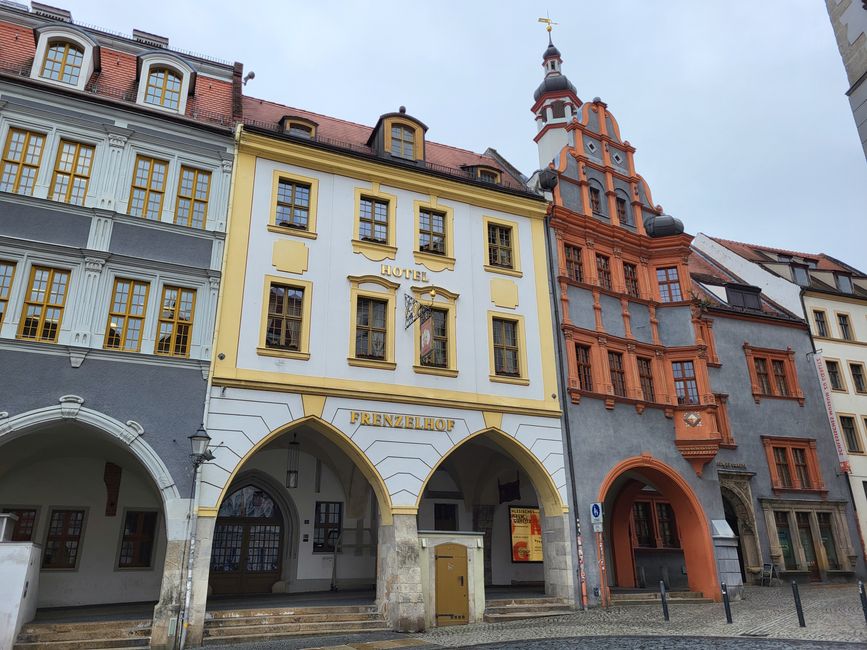
Görlitz was spared from destruction in World War II, which is why over 4,000 listed buildings from Gothic, Renaissance, Baroque, and Art Nouveau are to be admired in the old town.
At the end of the war, however, the Wehrmacht blew up the bridges over the Neisse, so the old town bridge was not preserved.
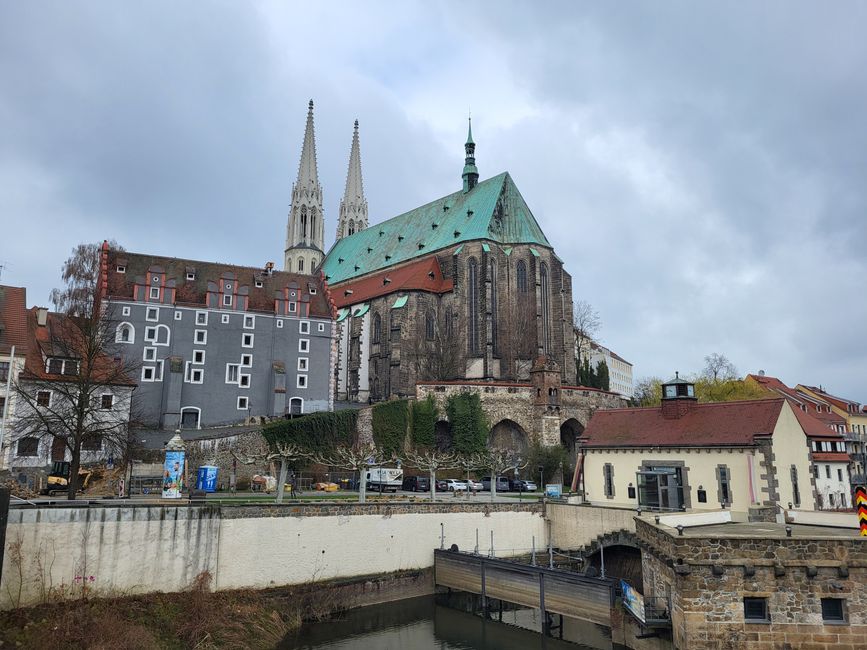
Today, bridges again connect Görlitz with the Polish city of Zgorzelec. Both cities were once together before they were separated by the border drawn after World War II.
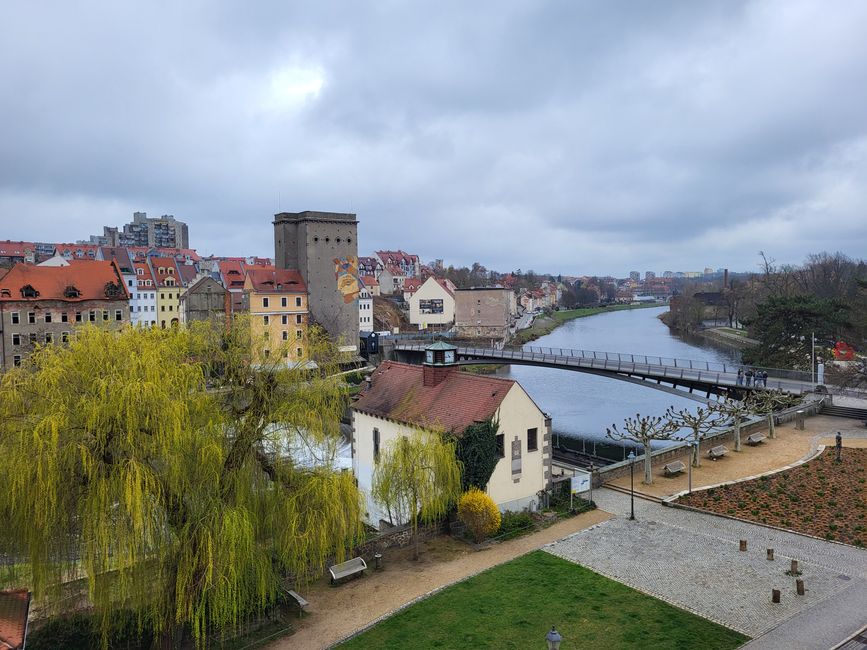
We walked across a pedestrian bridge to the Polish side and walked along the river with a view of Görlitz before indulging in a little refreshment at a café. There we learned that a 'Chai Latte' in Poland is a spiced coffee.
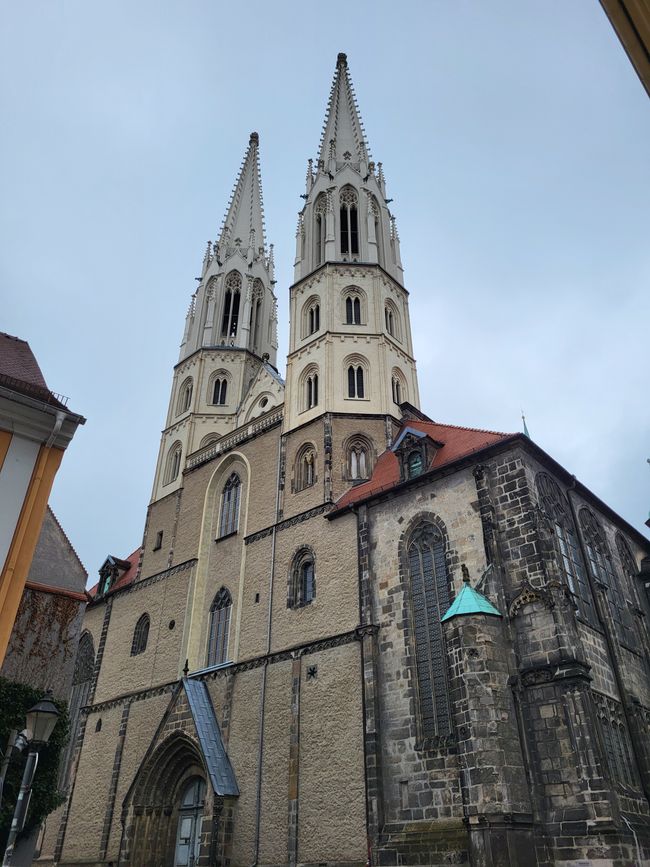
Back on the German side, we returned to the camper and then set off by car towards the bridge to Poland.
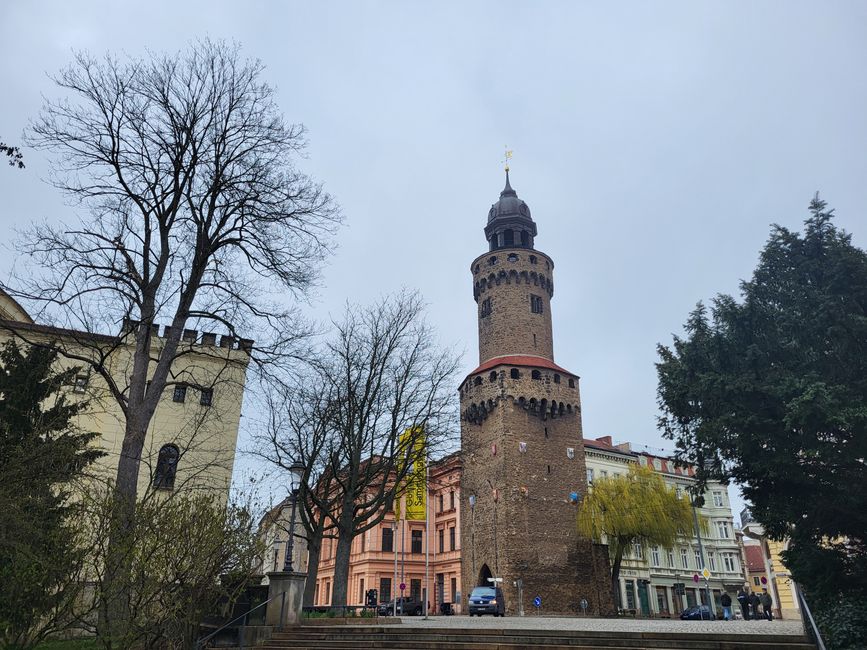
We drove to Jelenia Góra (Hirschberg).
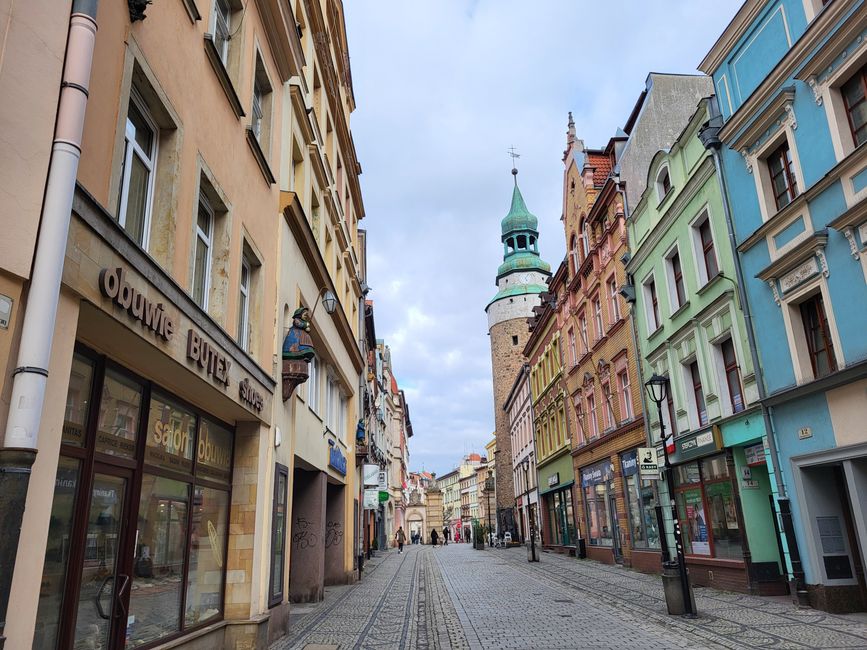
Originally, we wanted to drive a bit further, but then realized that most campsites are still closed in March. So our selection was quite limited, and we drove about an hour less than originally planned.
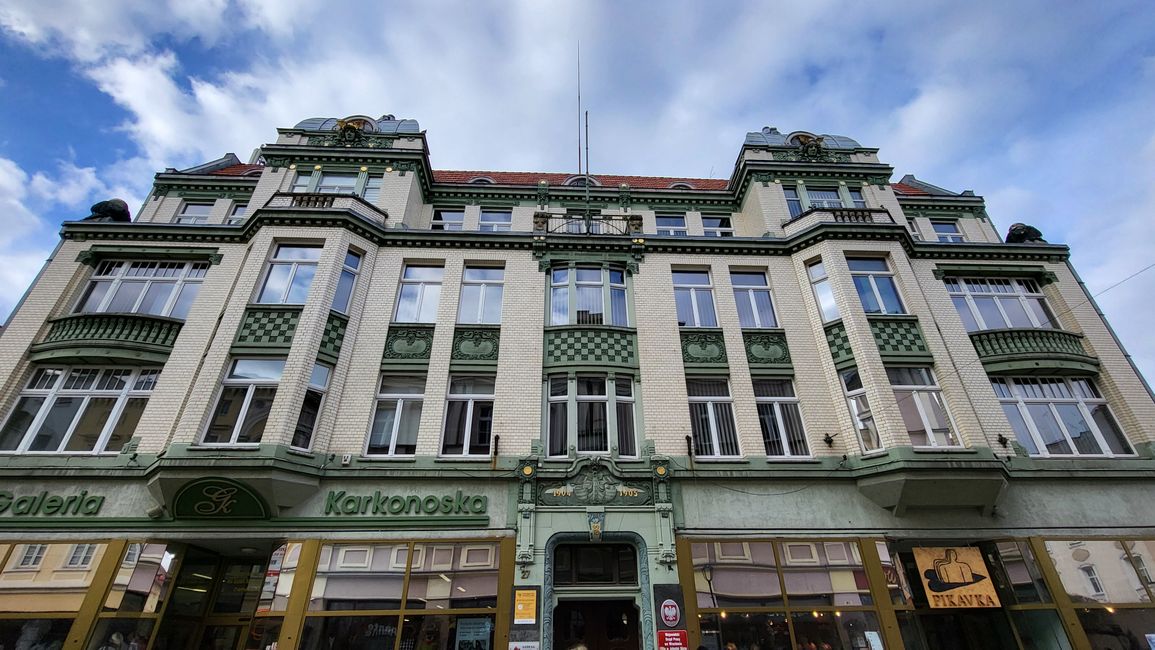
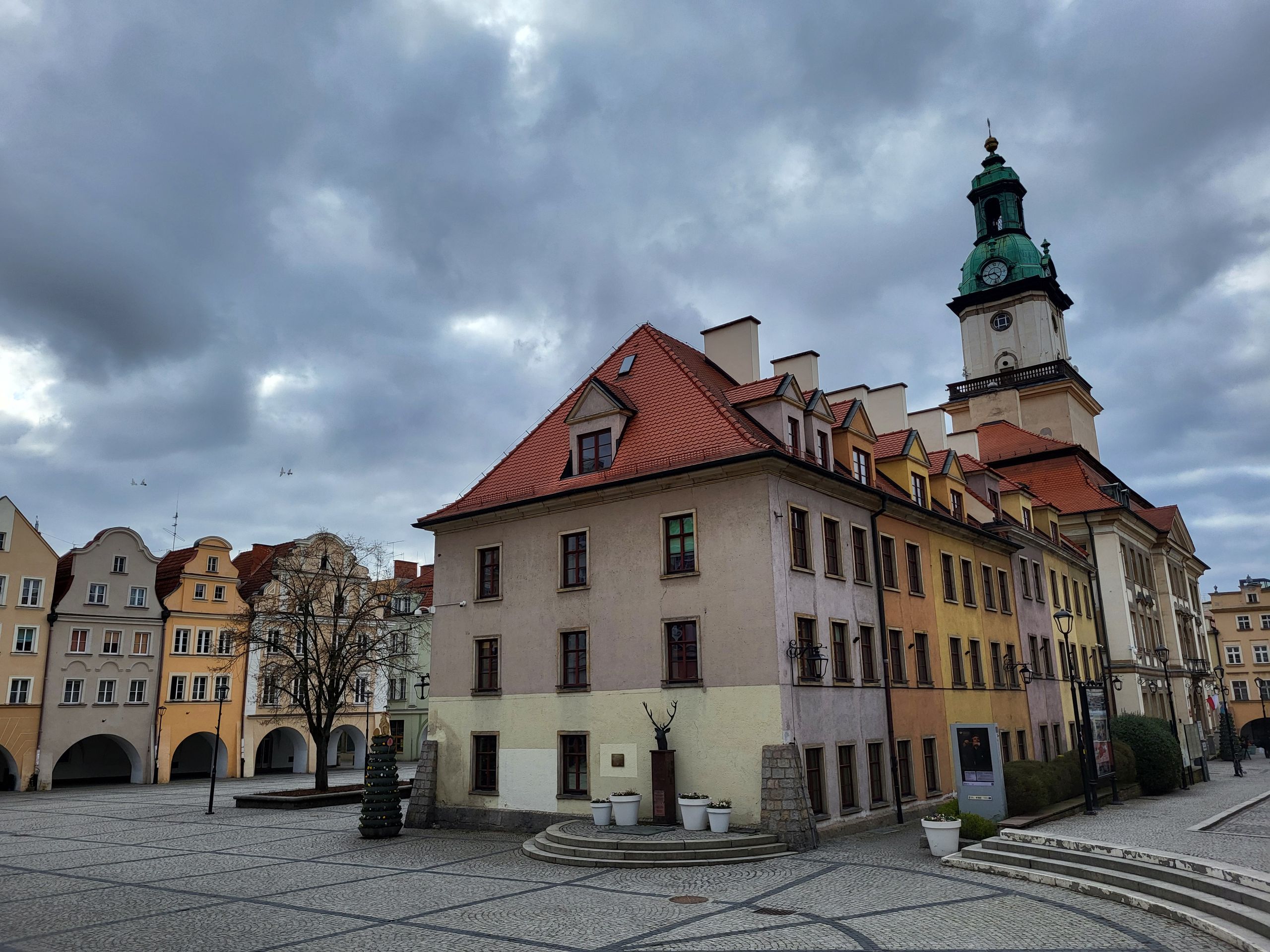
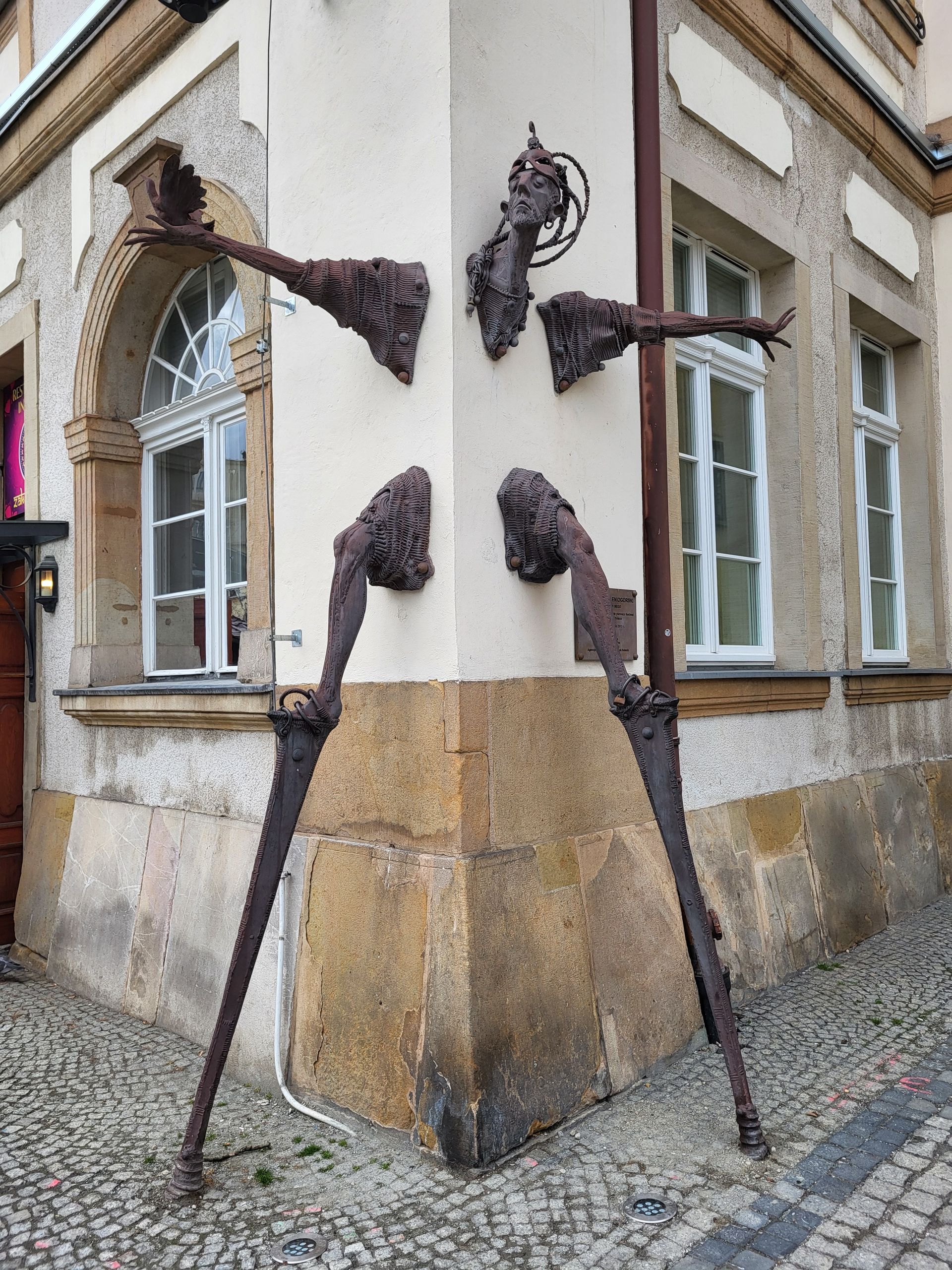
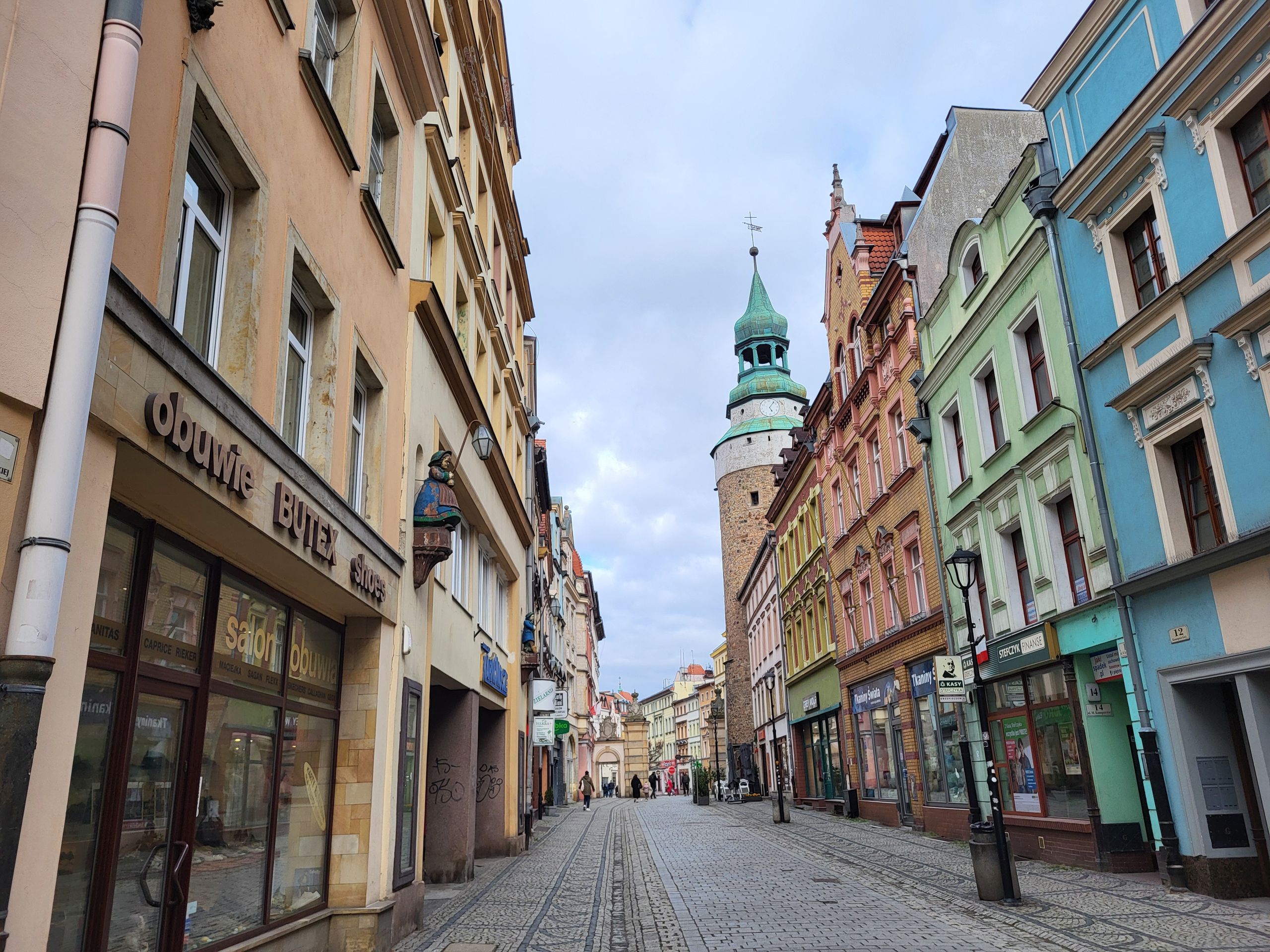
Instead, we took a little walking tour through the old town in the afternoon.
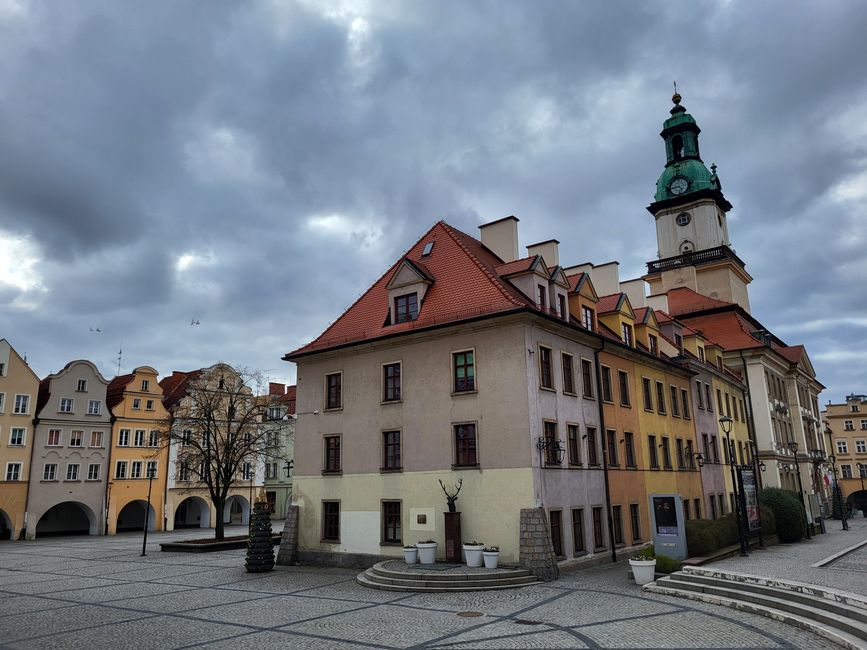
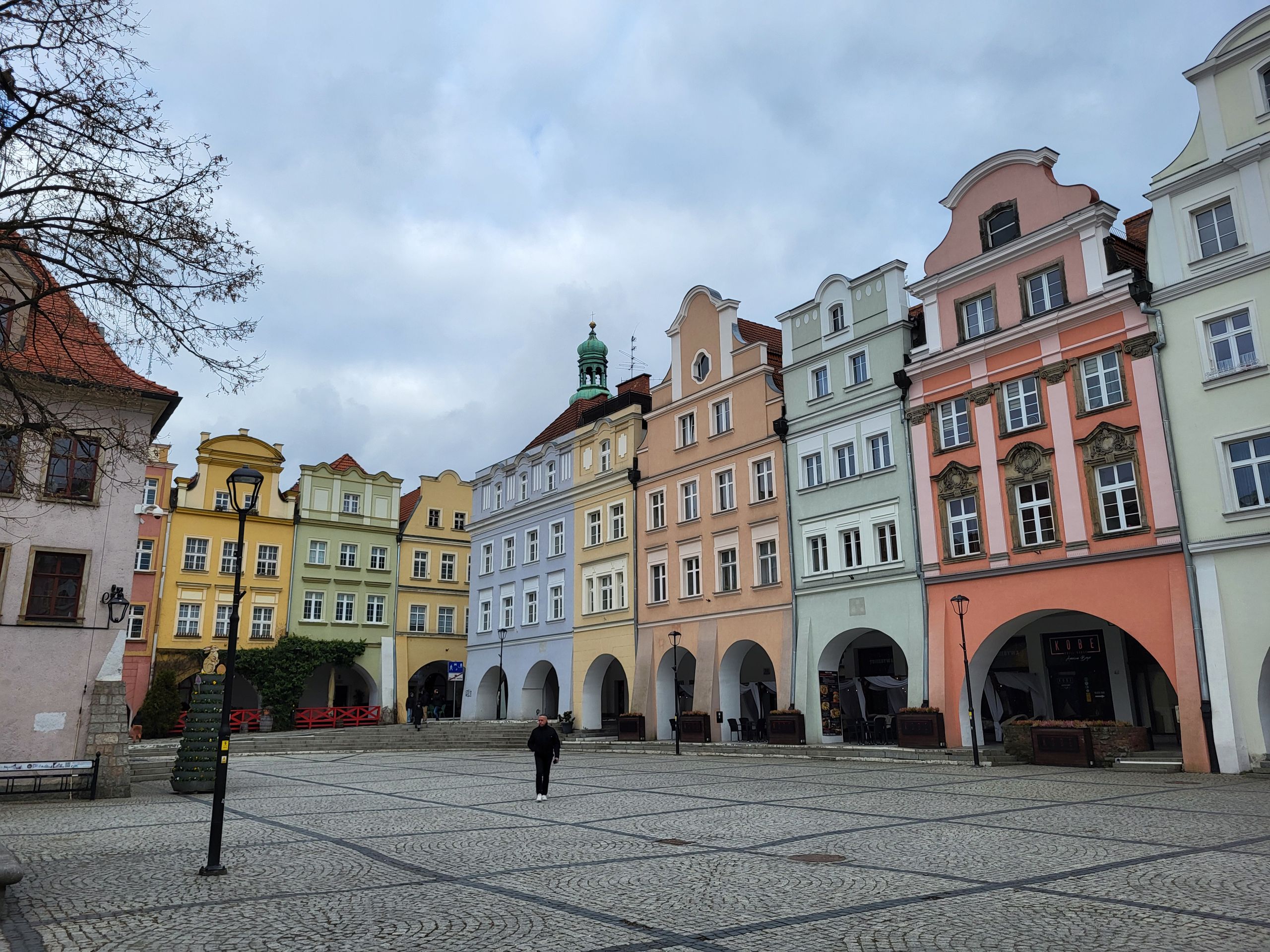
The market square, in particular, presented an impressive image: Around the large square, pastel-colored log houses stand, and in the middle rises the large town hall.
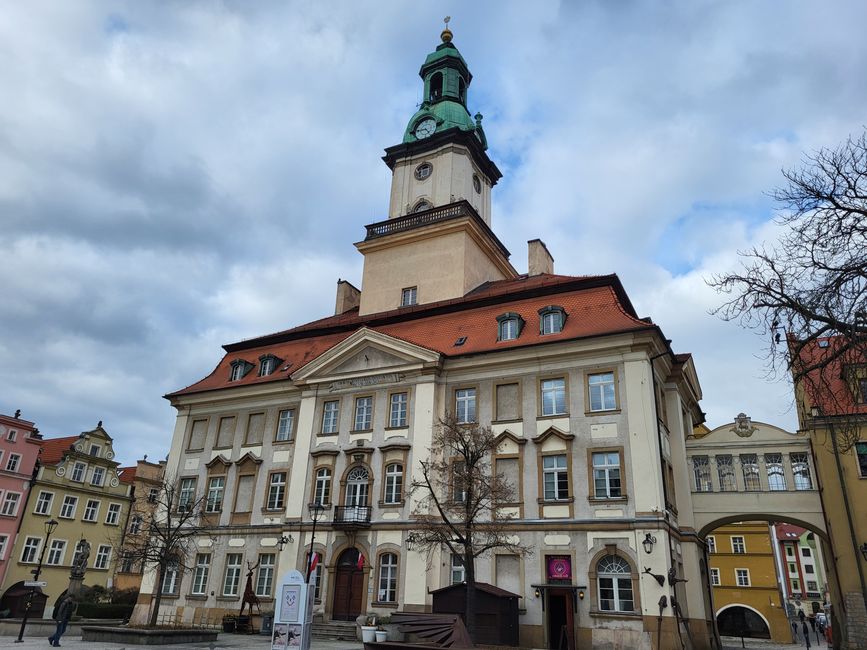
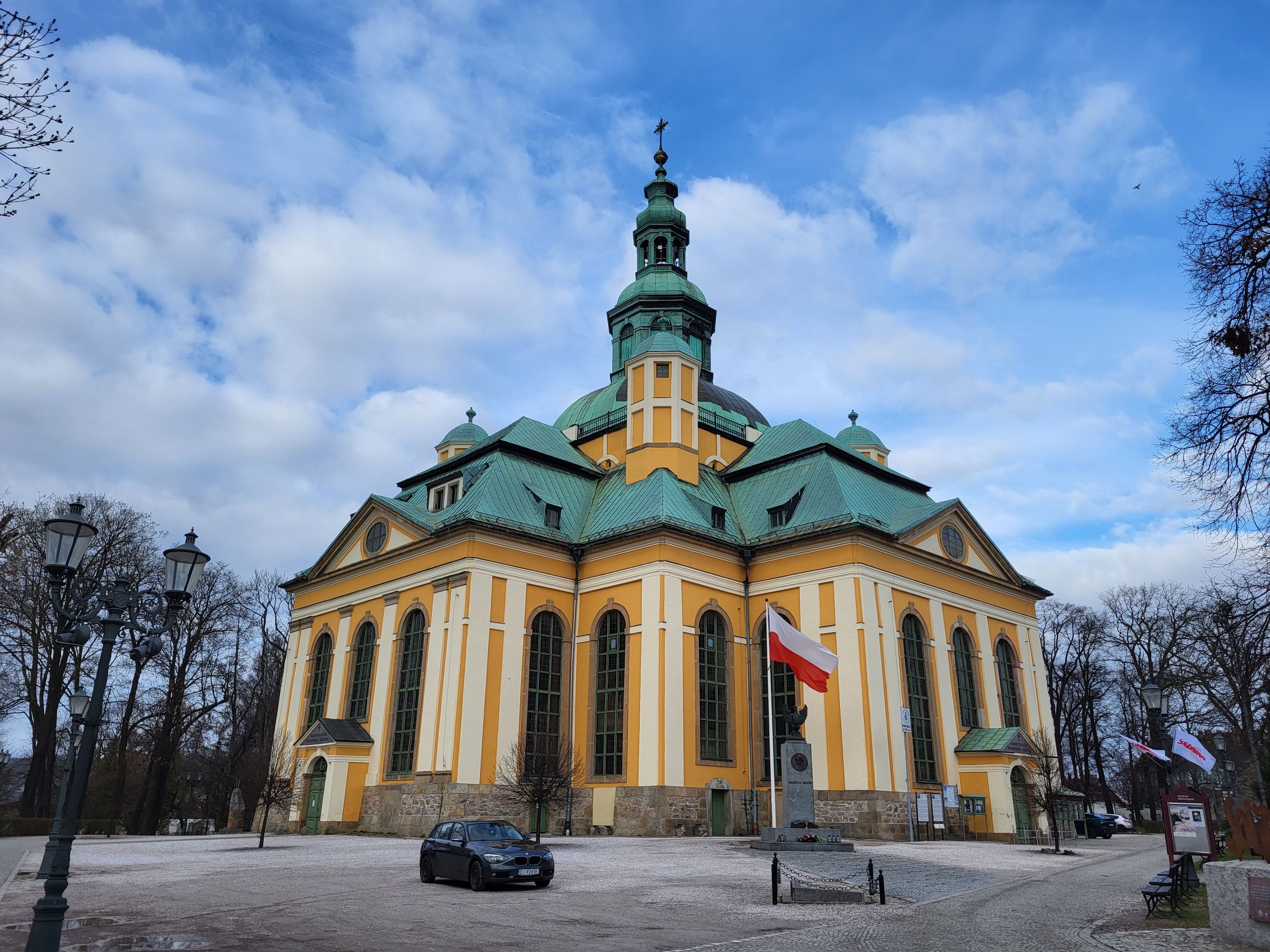
On the way back, we passed two churches, but we could only look inside through a grill.
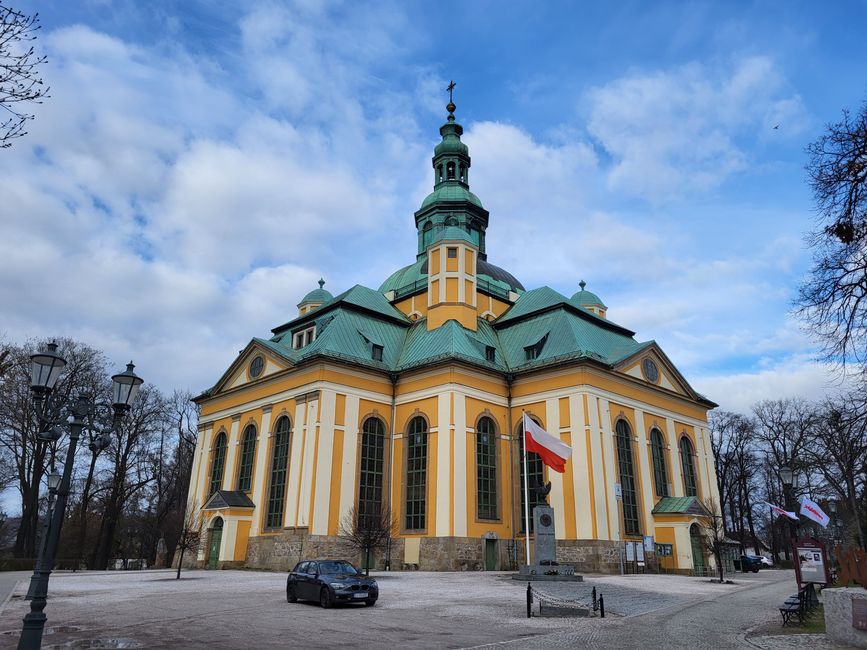
The Holy Cross Church has a capacity of 4000 people. It was one of six 'Grace Churches' granted to the Silesian Protestants by the Habsburg Emperor after 1707.
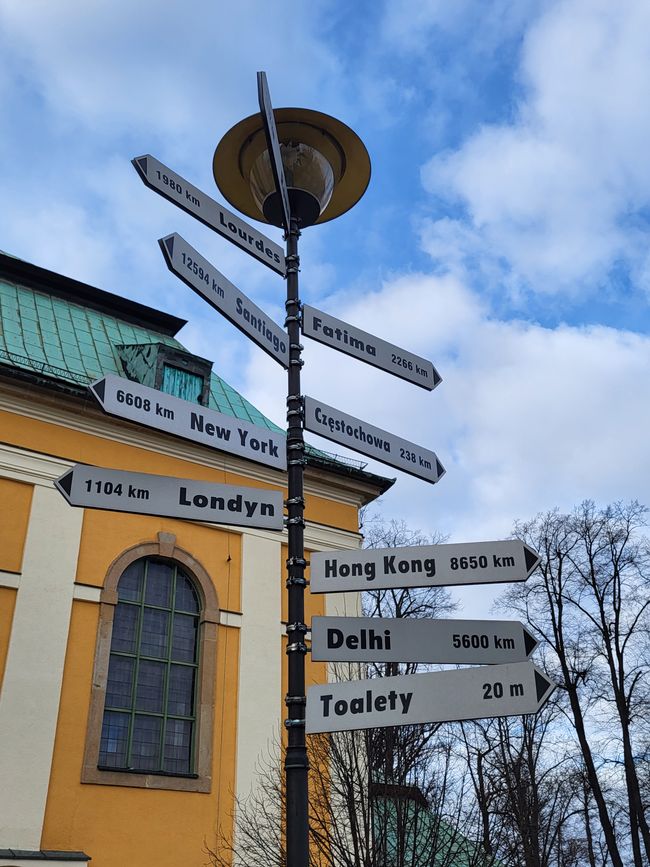
After these first impressions in Poland, we spent the night at the almost empty campsite.