

Castle Fürstenstein and the Peace Church of Świdnica
Castle and Peace Church in Silesia
Published: 02.04.2026
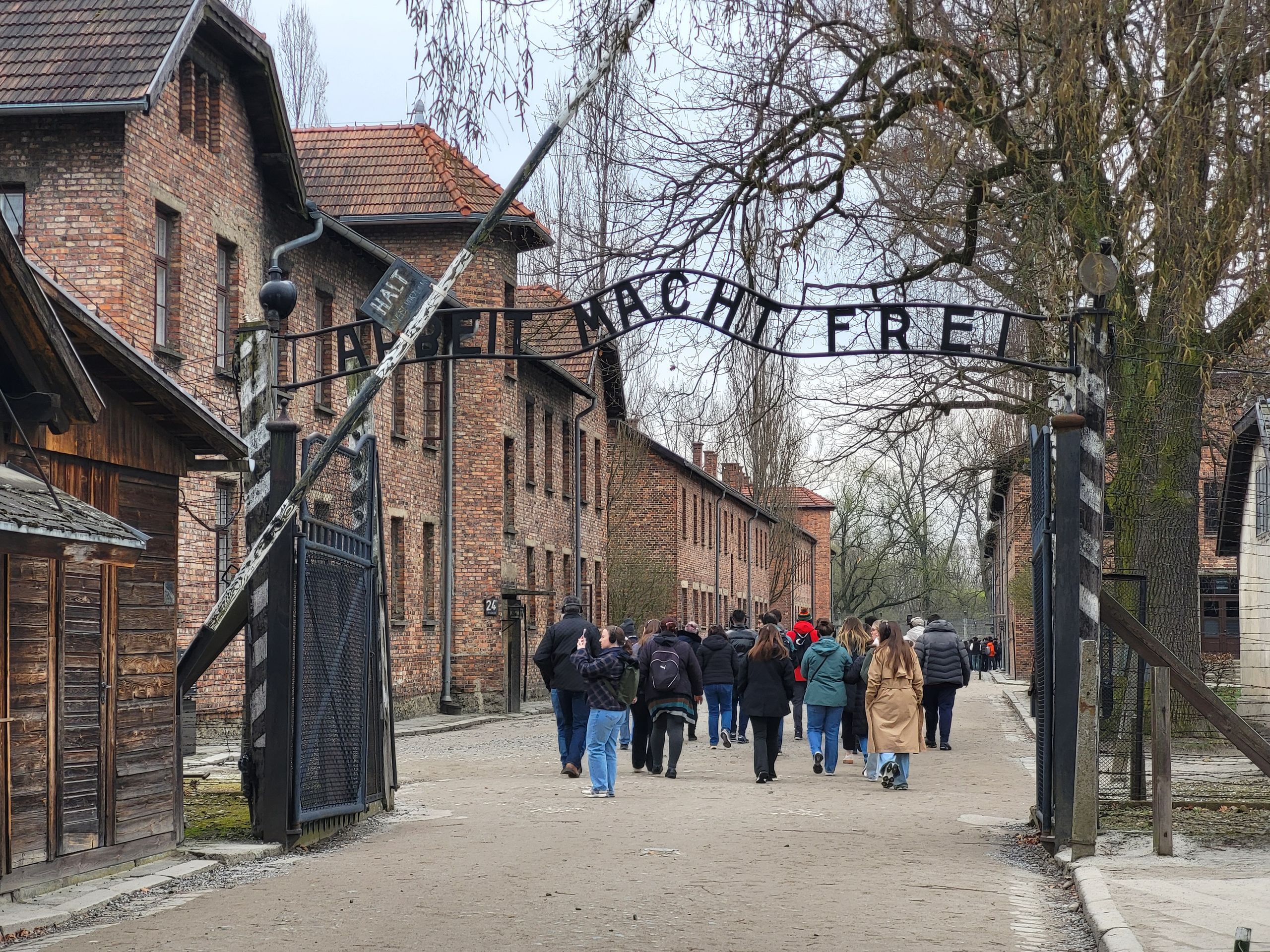
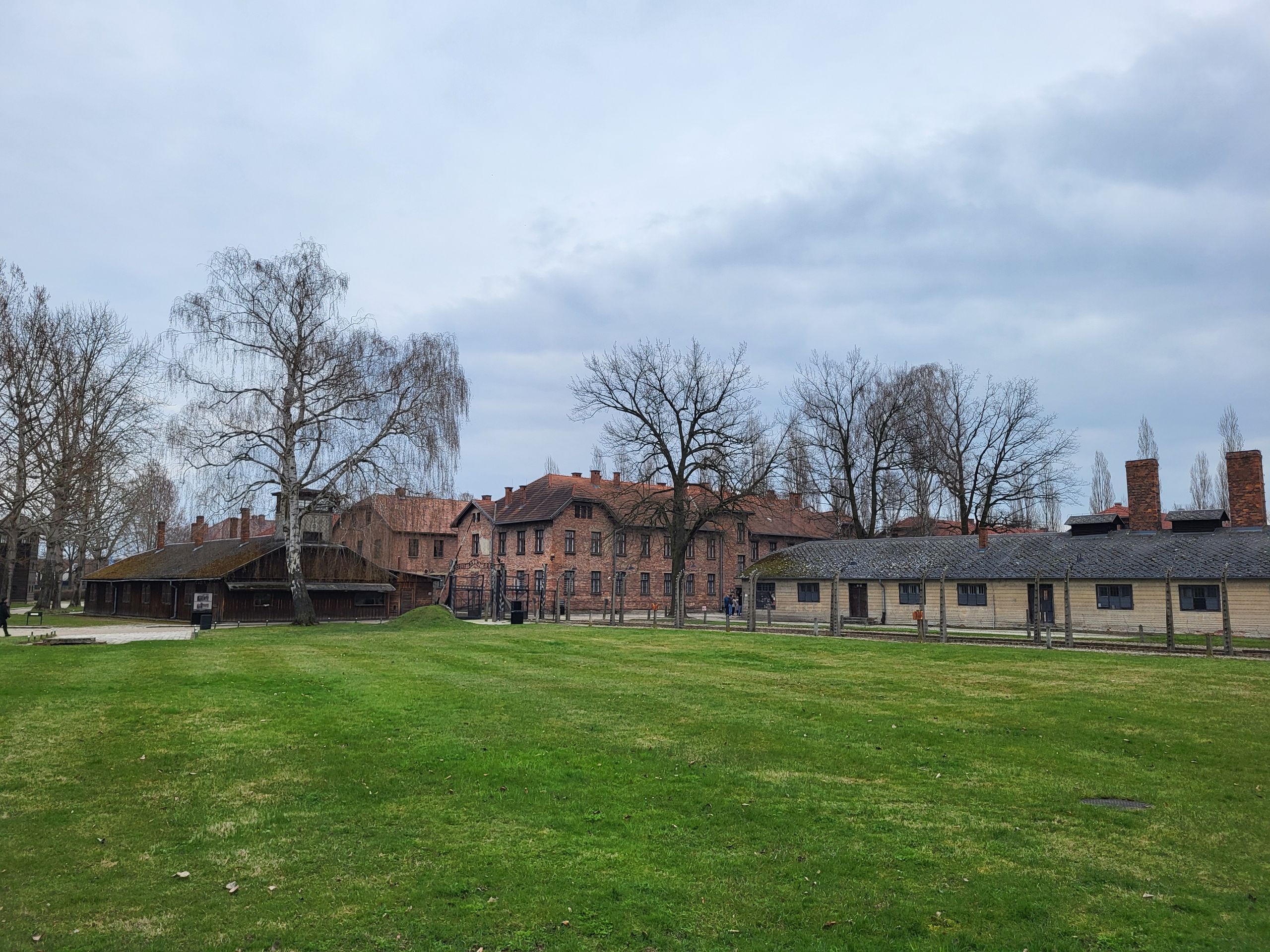
Today we visited the Auschwitz memorial, which commemorates the countless victims and atrocities of the National Socialists at the site of the most infamous labor and death camp.
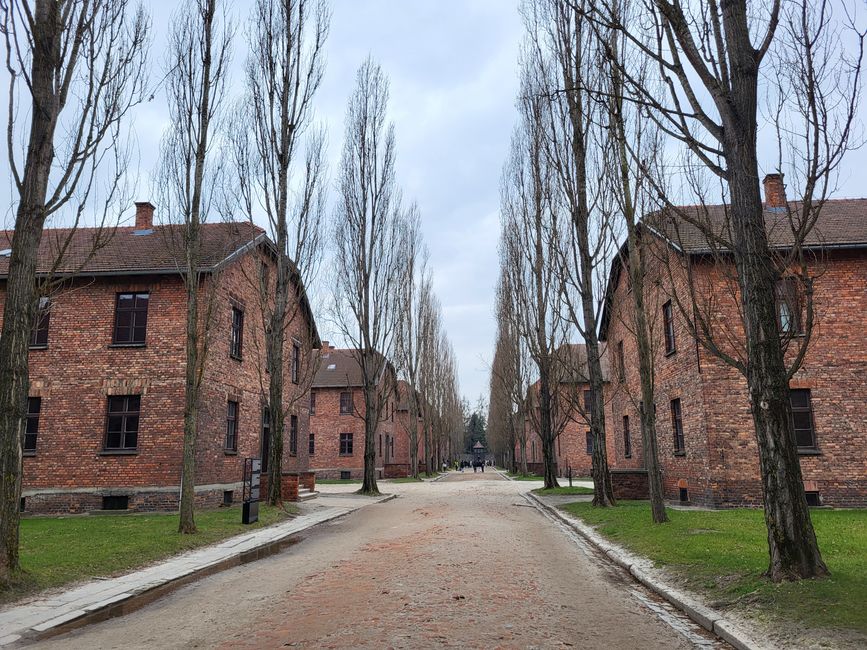
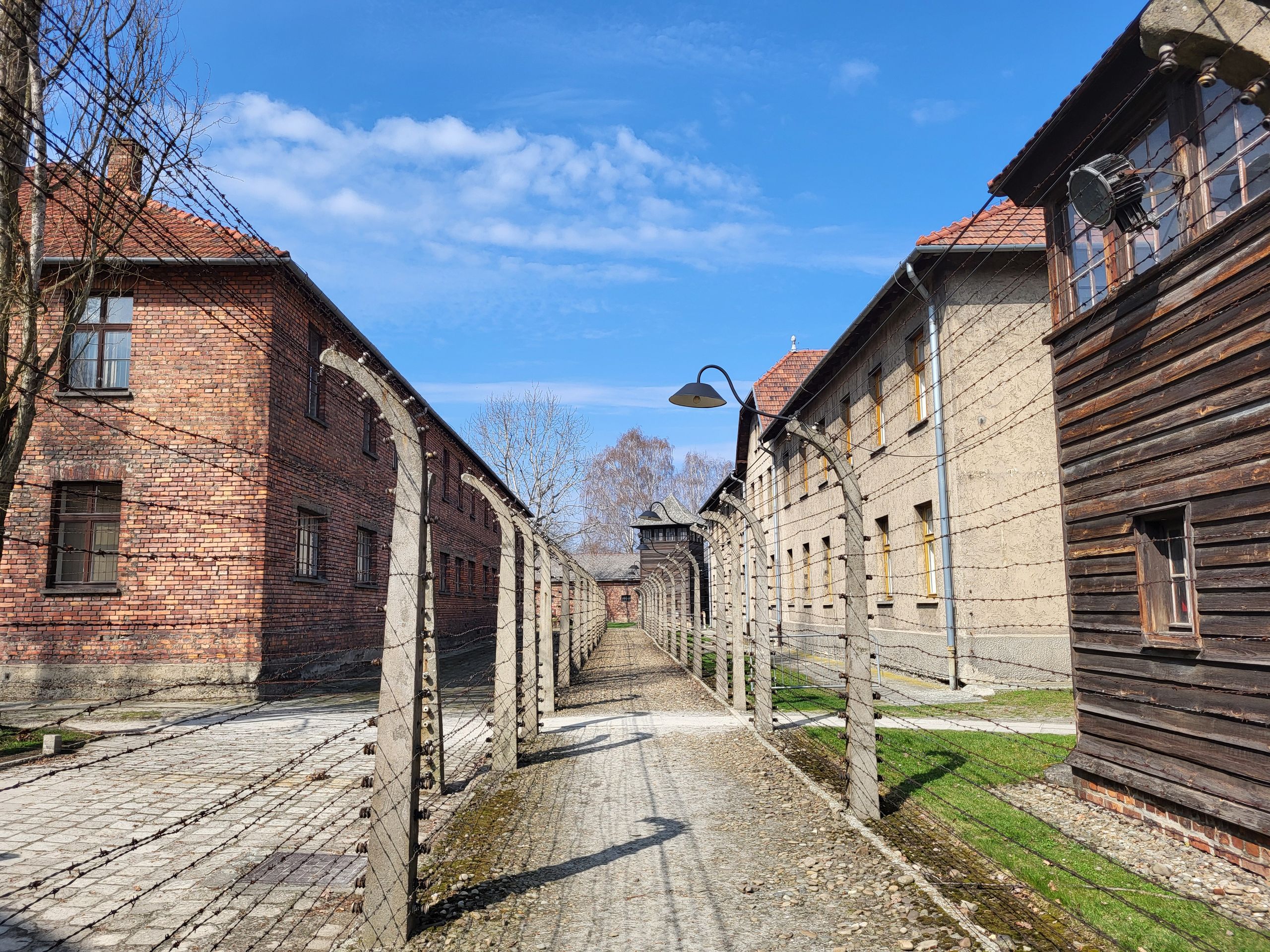
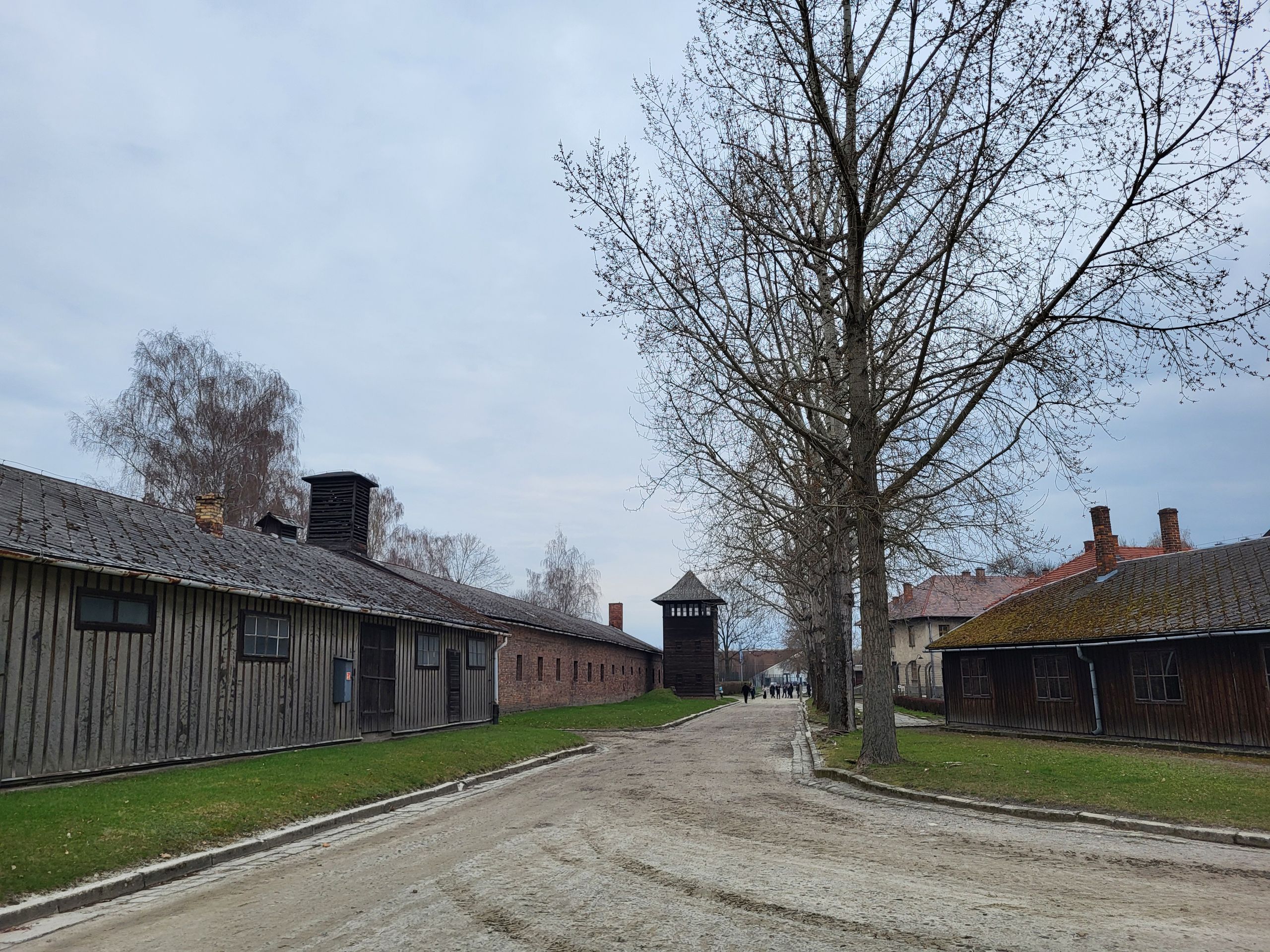
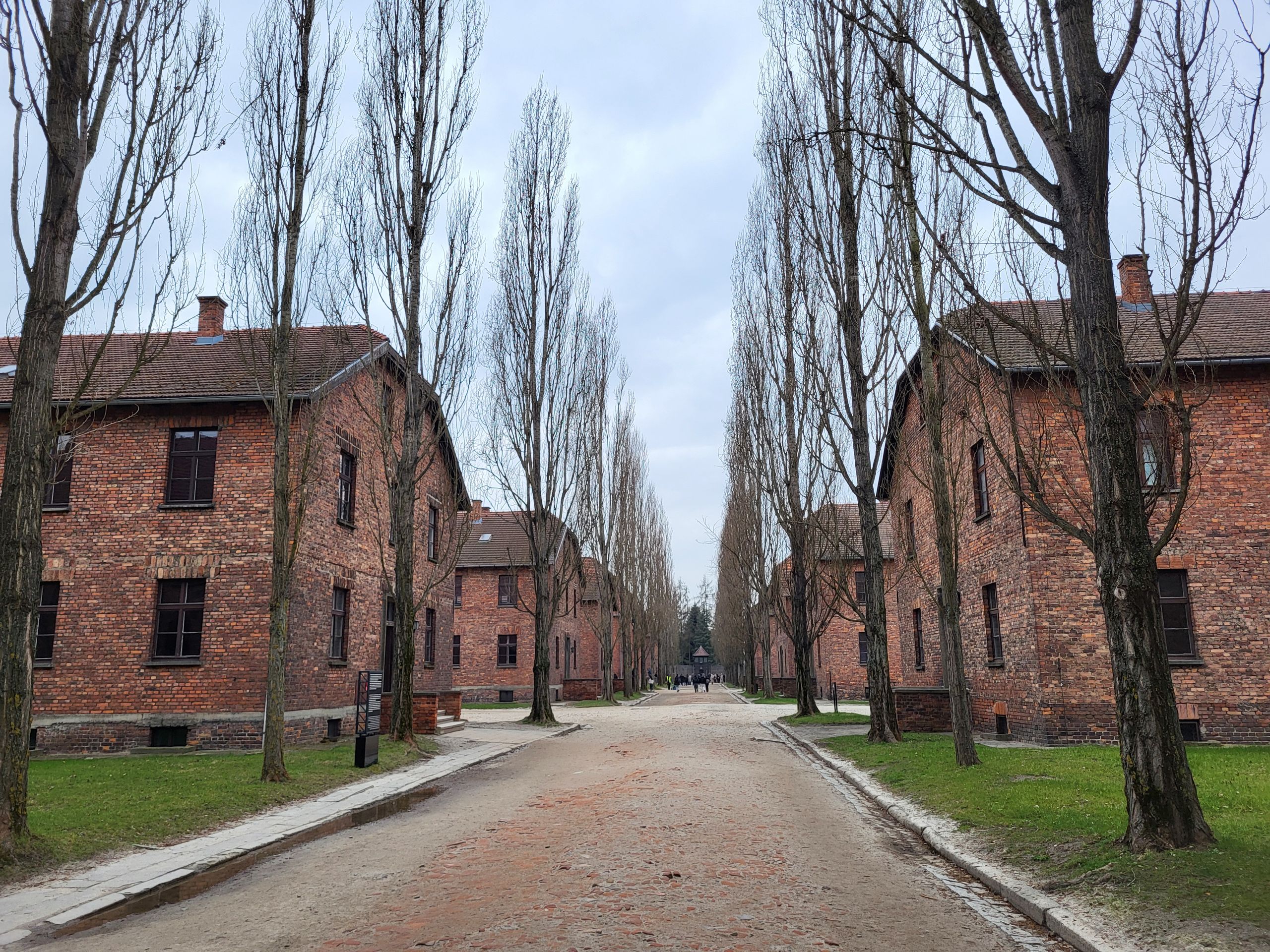
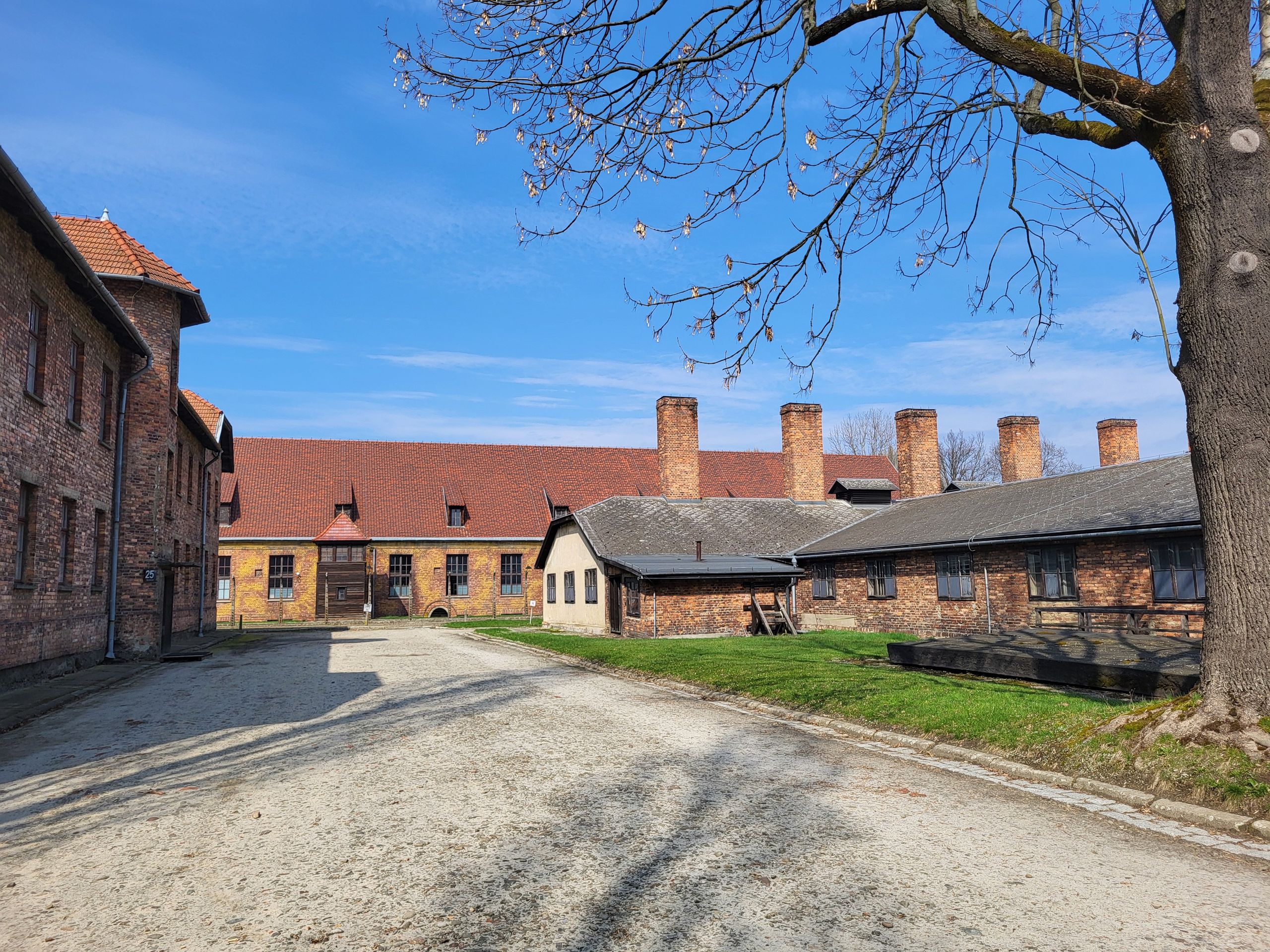
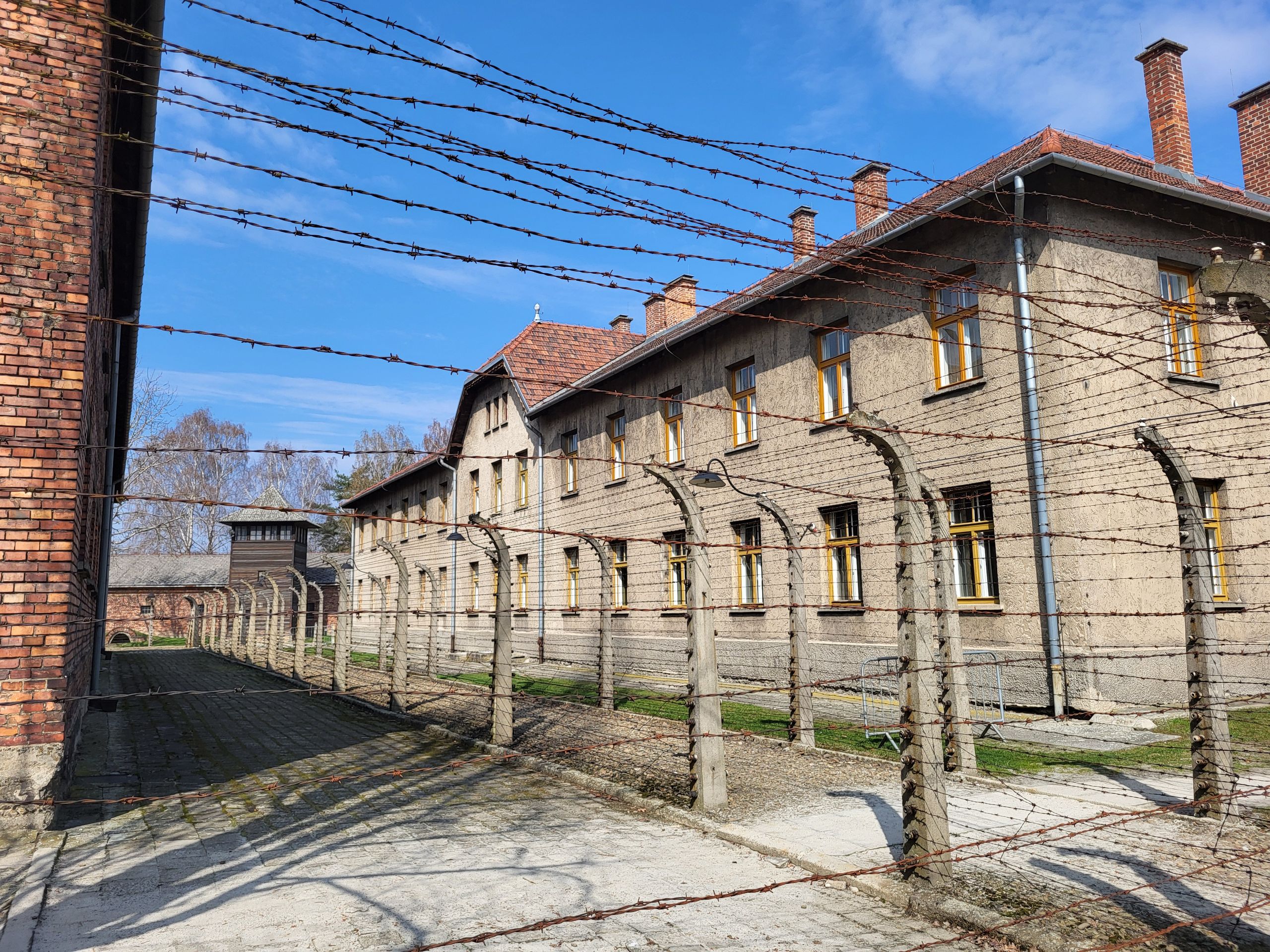
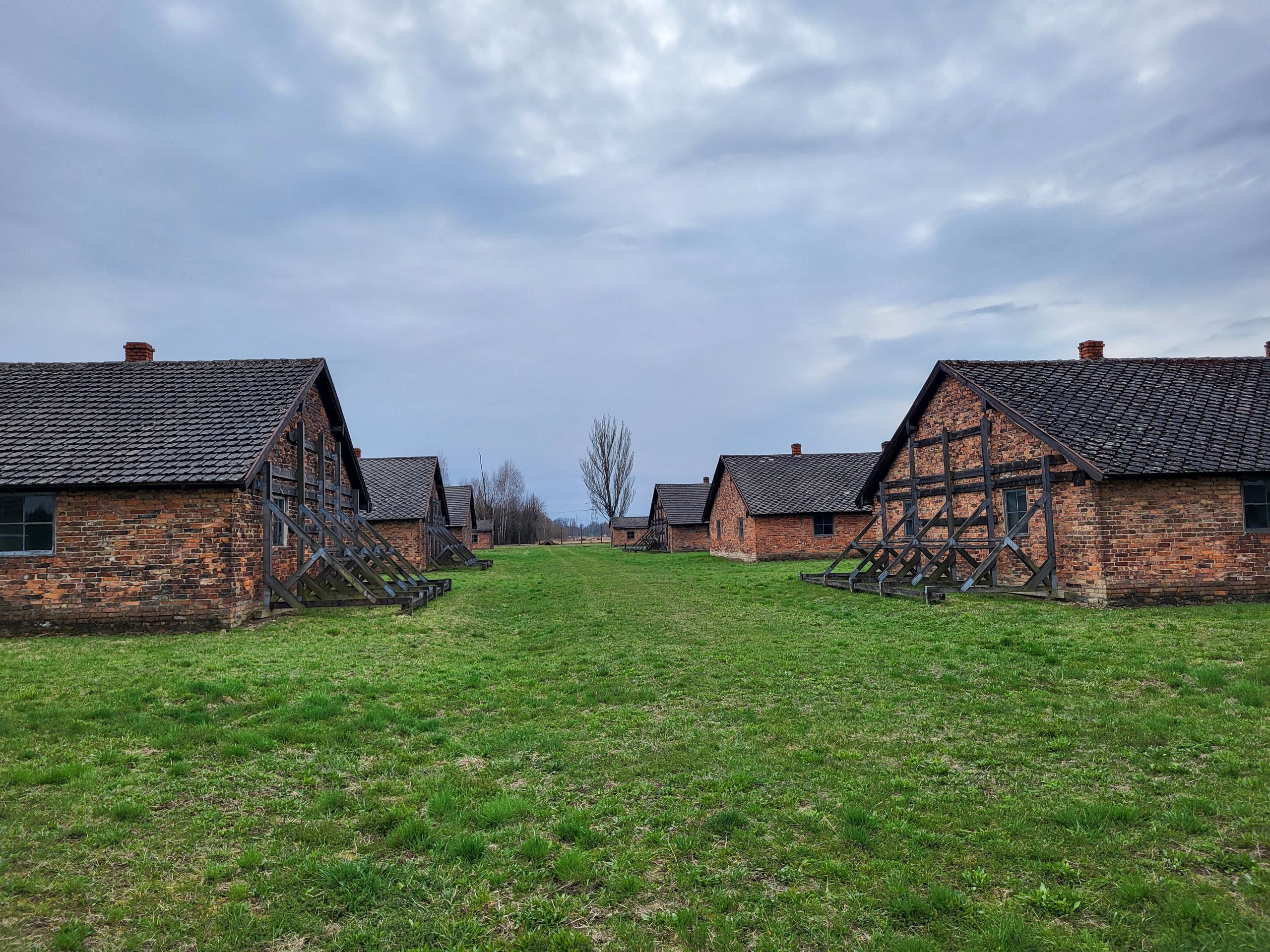
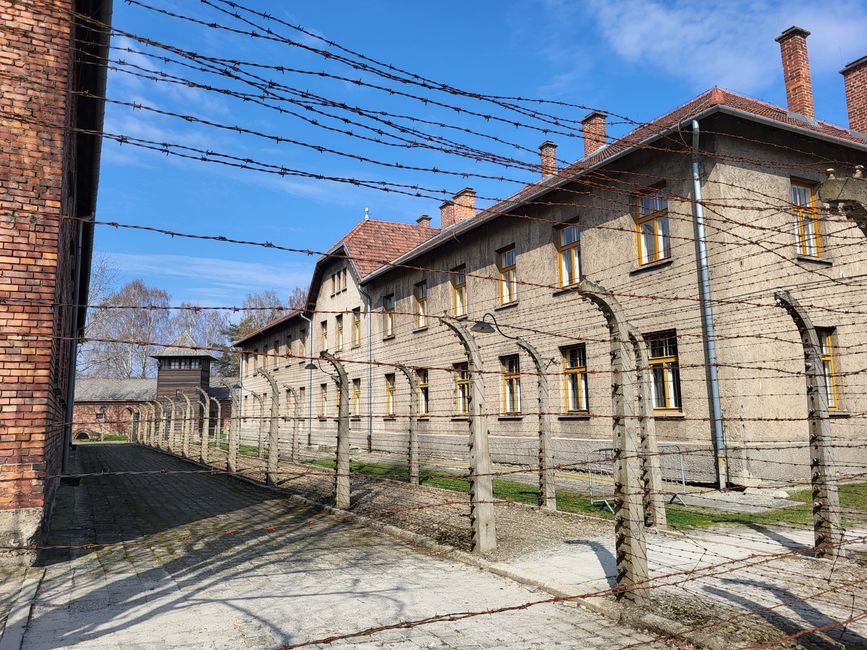
Many buildings from the main camp Auschwitz I have been preserved and are partly accessible to visitors.
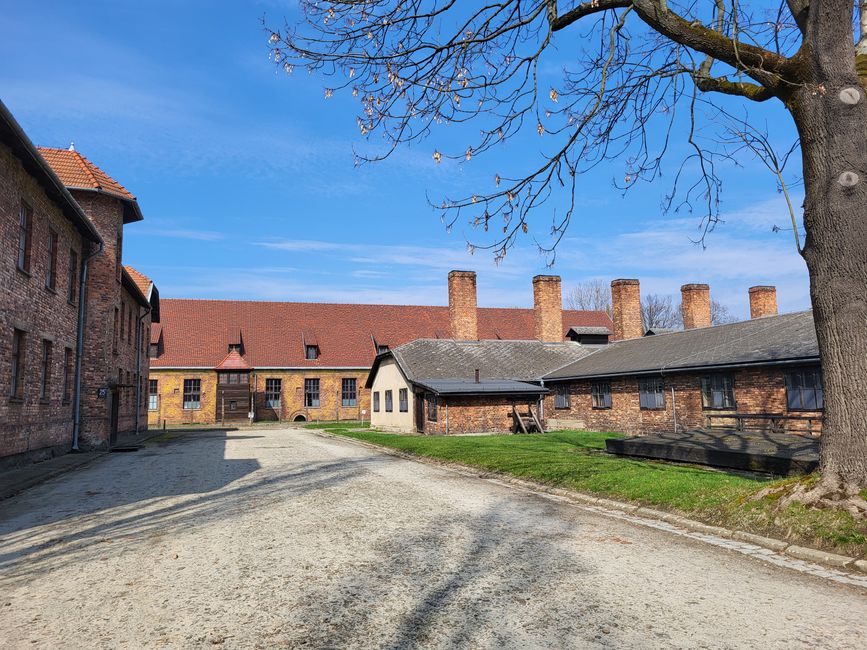
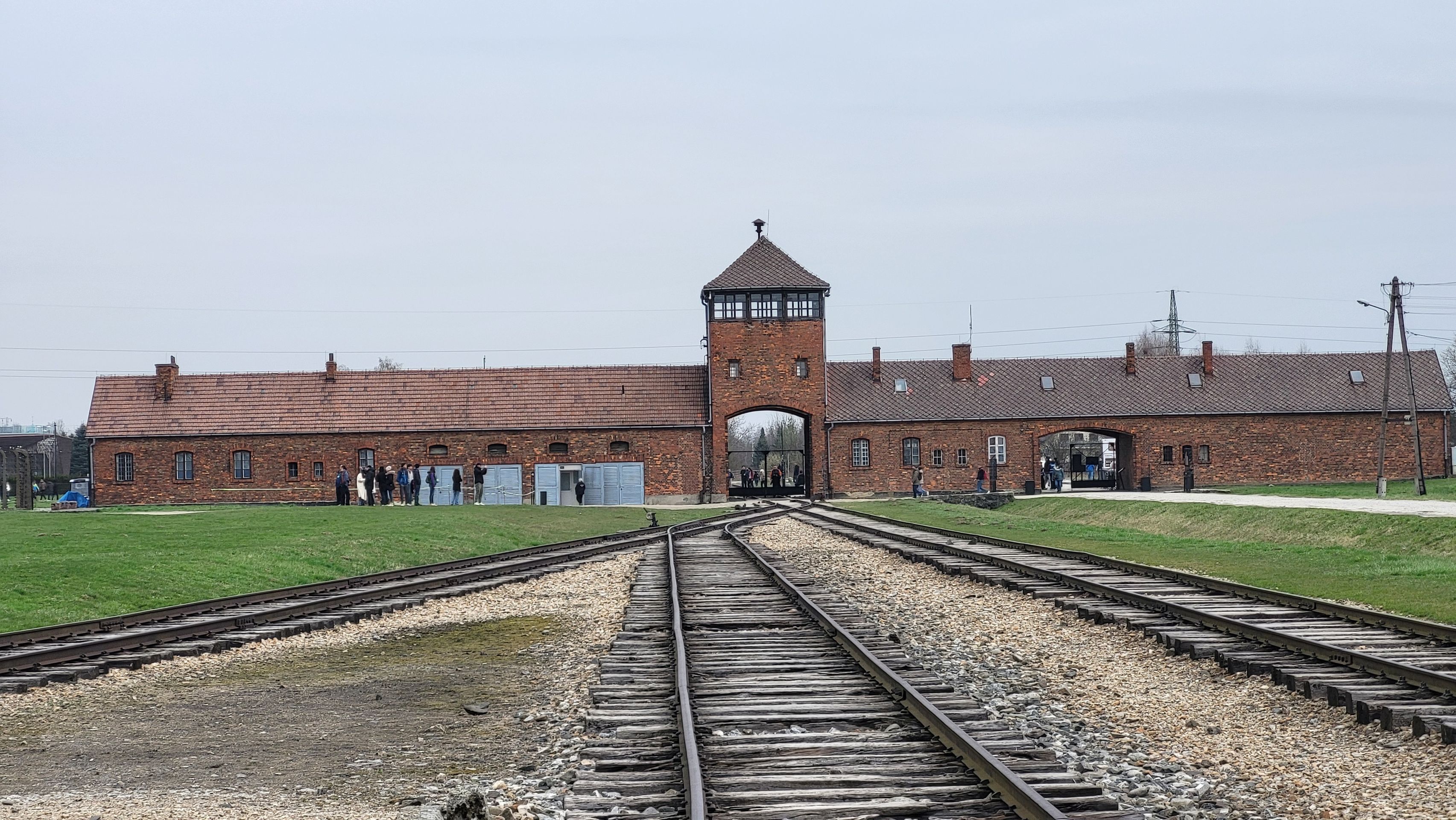
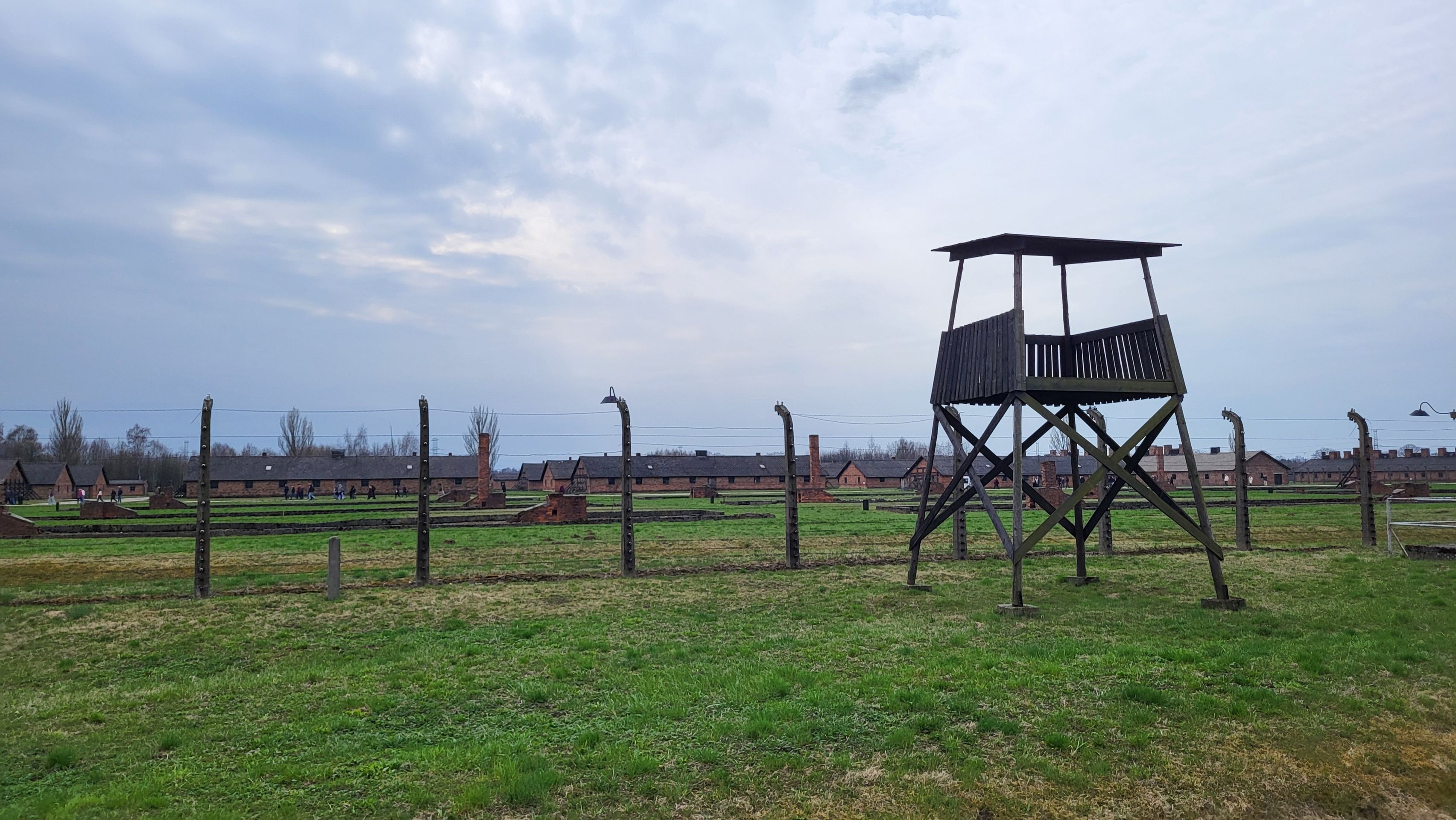
We had booked a short tour that lasted just under four hours, covering Auschwitz I and Auschwitz-Birkenau.
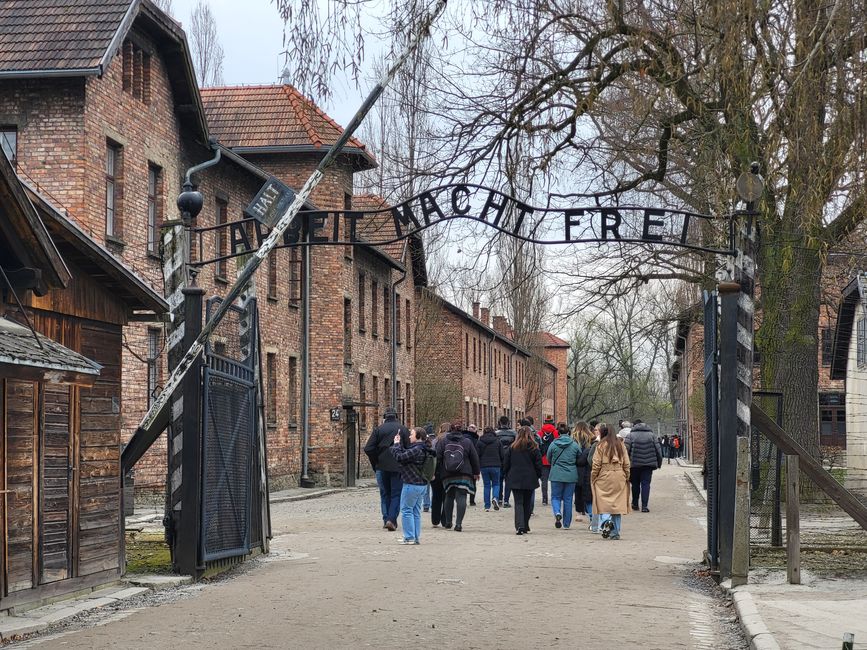
Until now, the sights we had seen in Poland were relatively less visited. This changed here: In the morning, at least two tours started every fifteen minutes.
With a German-speaking group, we followed a Polish guide who spoke excellent German across the site.
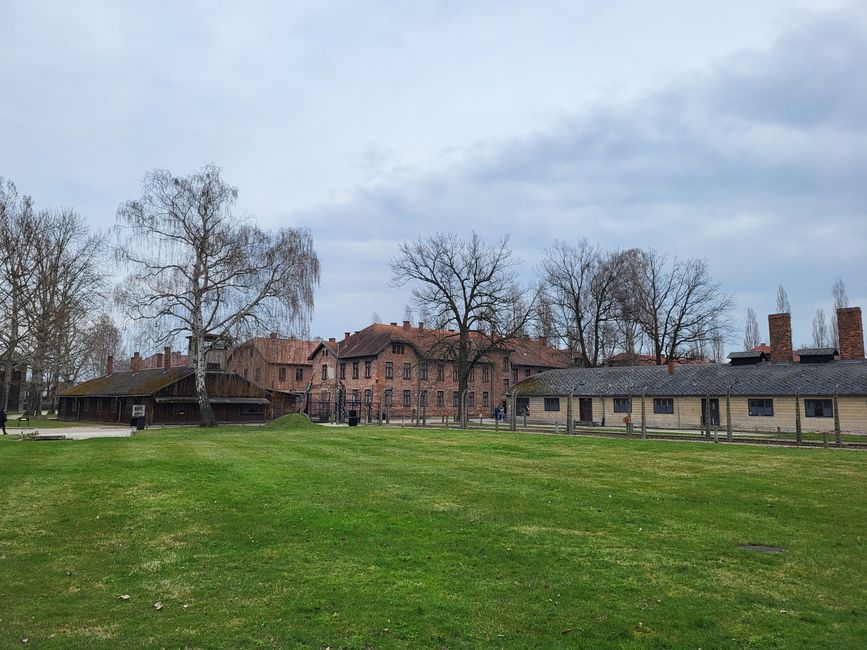
From 1940 to 1945, approximately 1.3 million people were deported to Auschwitz, of whom about 1.1 million were killed here.
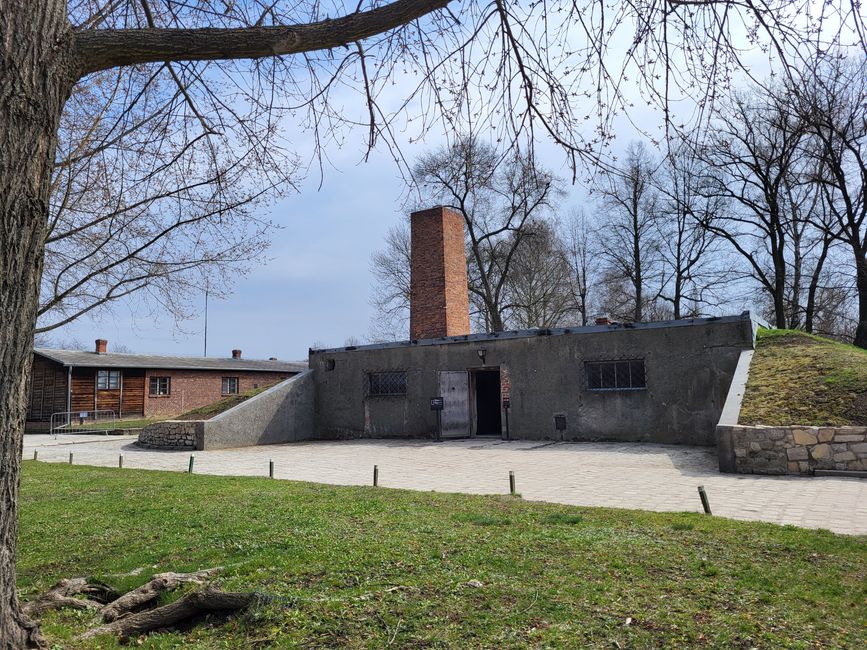
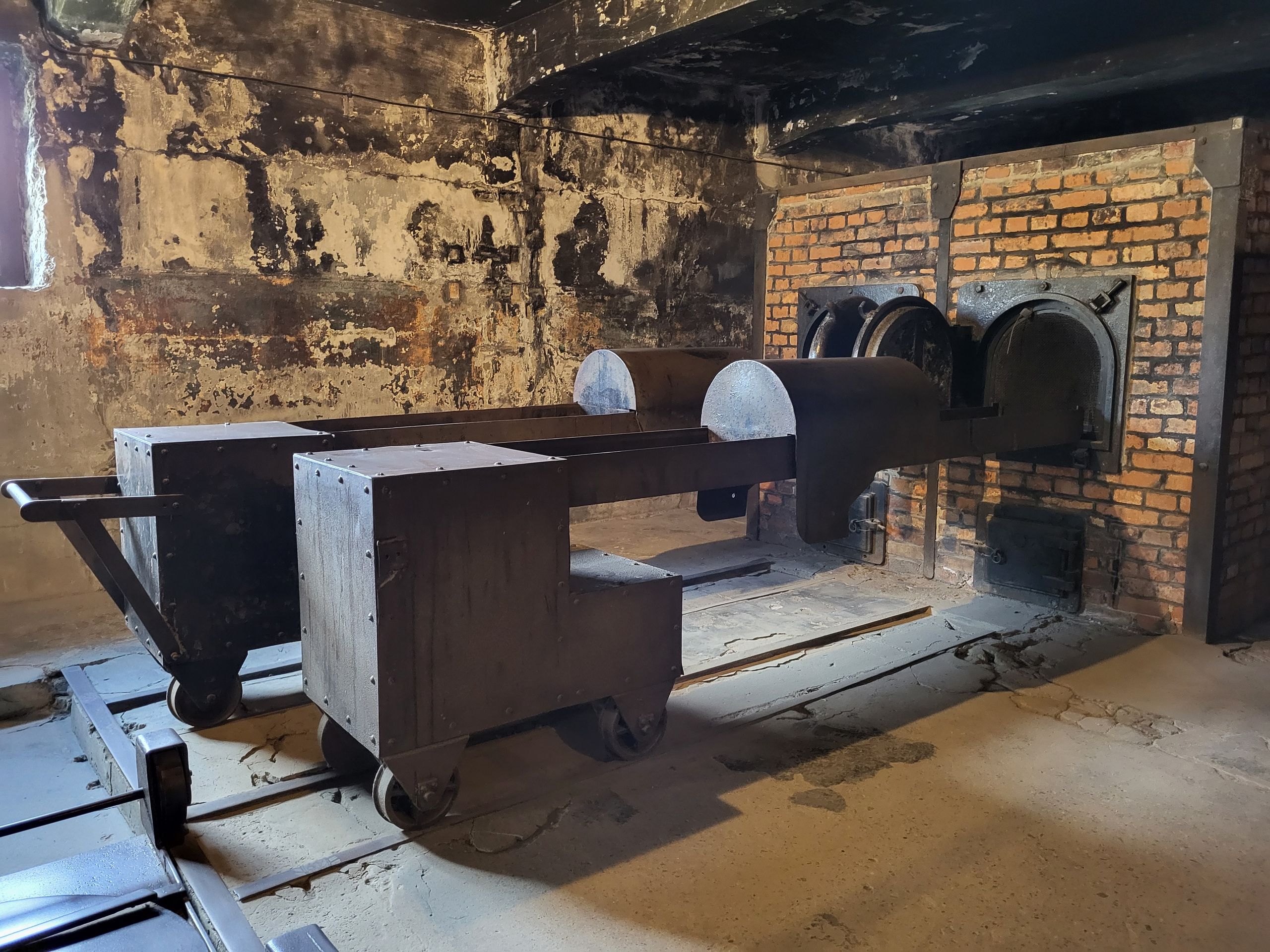
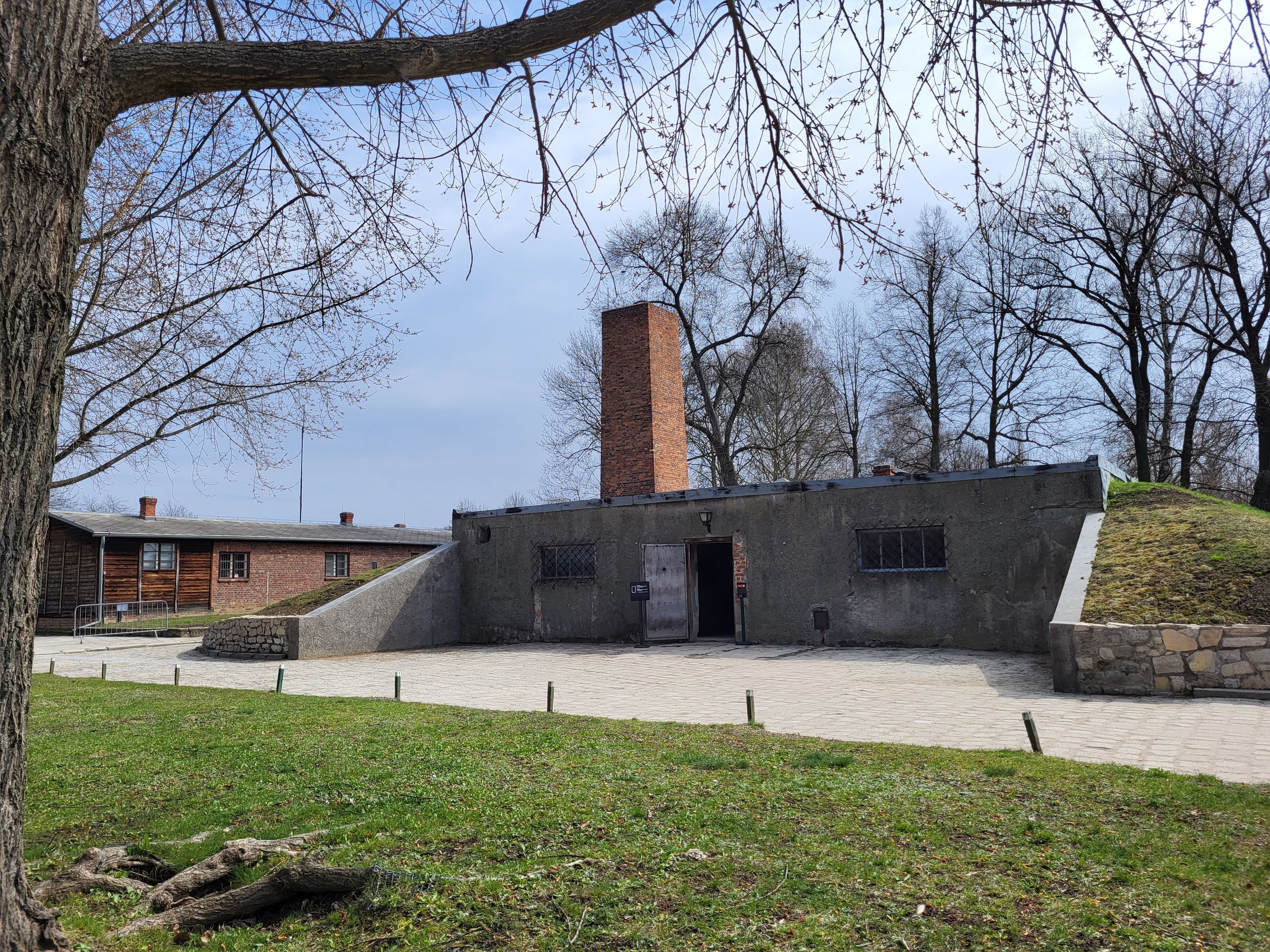
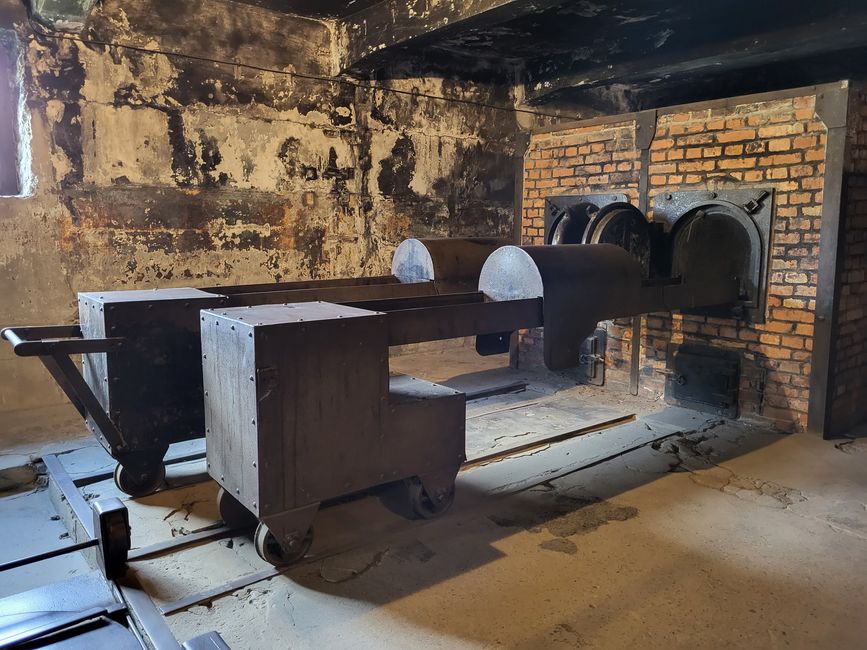
Many of the arrivals were not even registered in the camp but were killed immediately in the gas chambers of the crematoria.
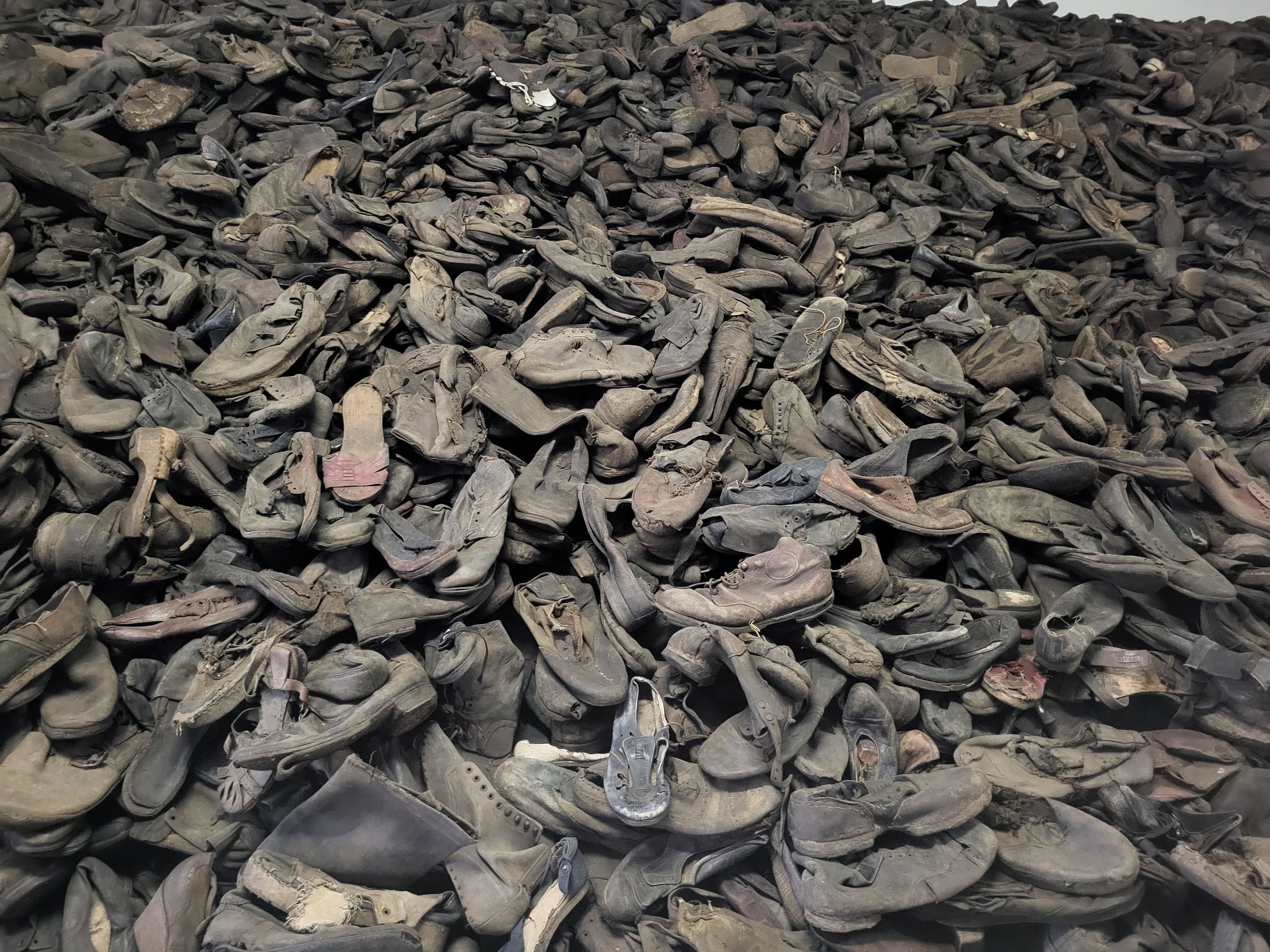
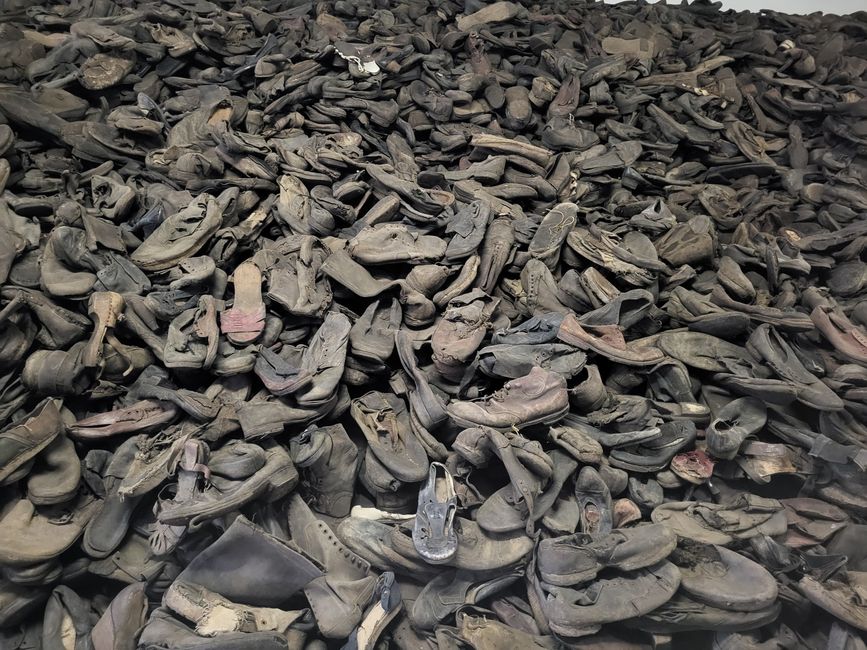
In the former barracks, there were exhibitions of the belongings of the deported, which were confiscated upon their arrival at the camp.
The buildings were very crowded because so many groups were going through at the same time. However, in the outdoor area it spread out a bit more, and we encountered even fewer other groups as we traveled by bus to Auschwitz-Birkenau.
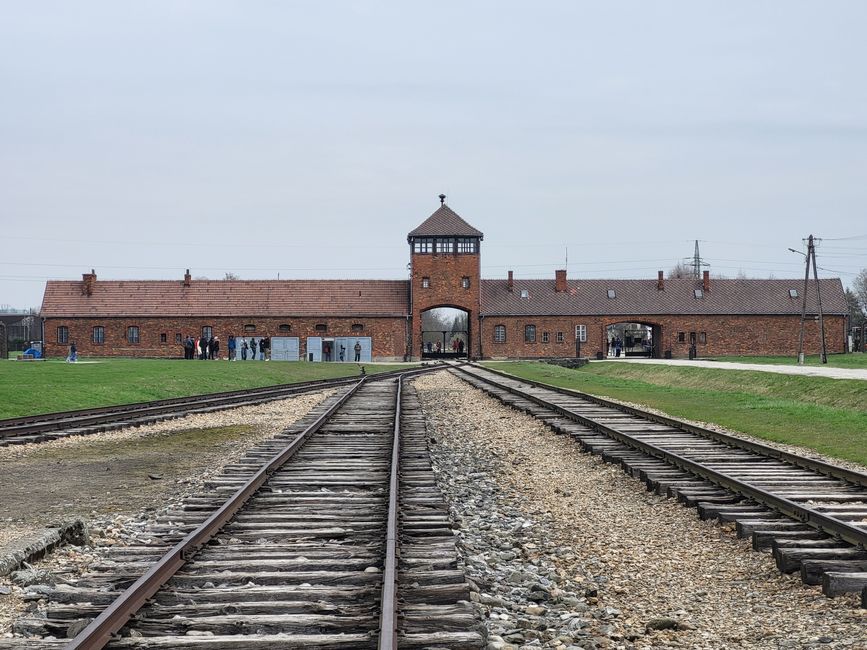
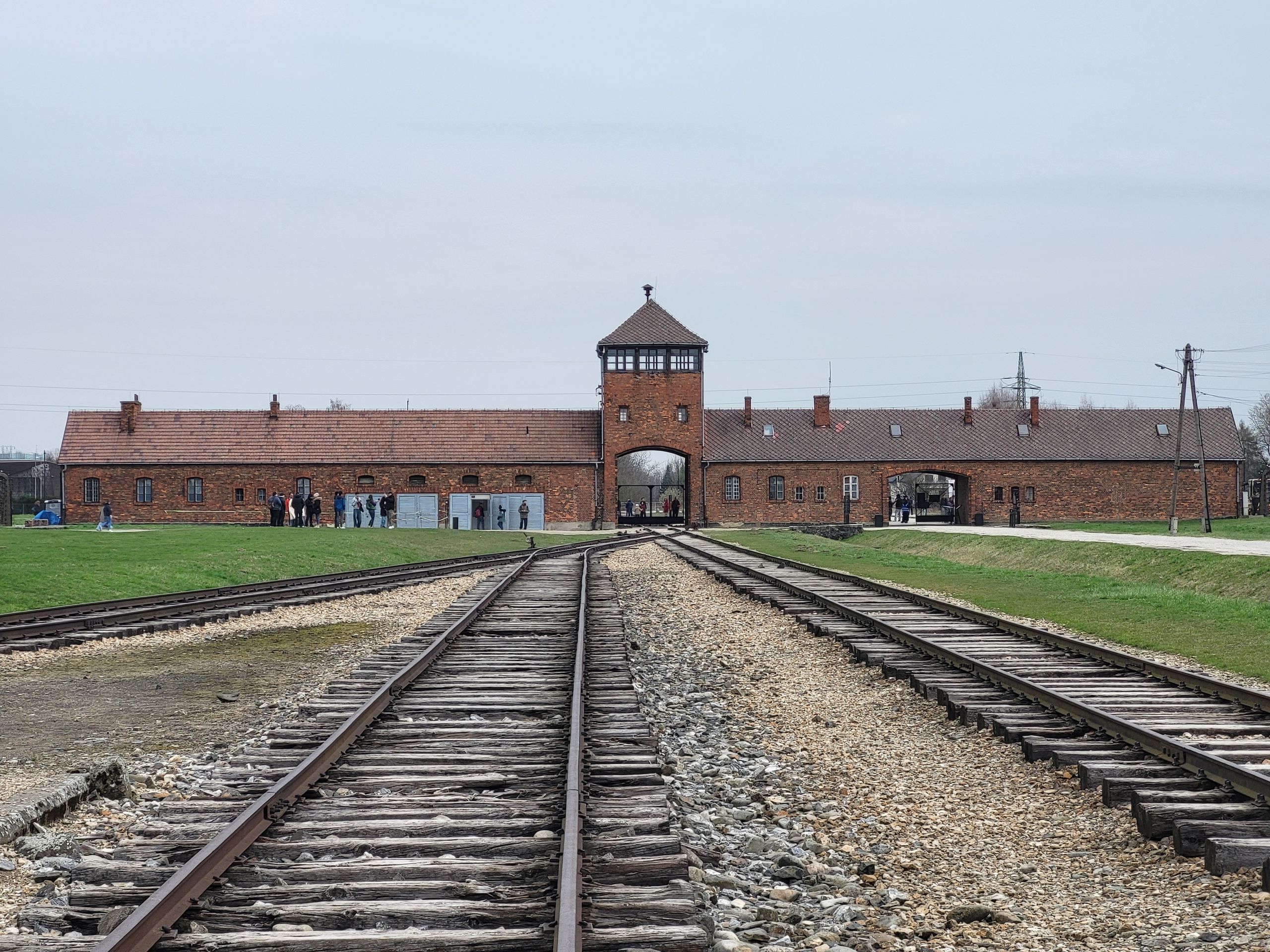
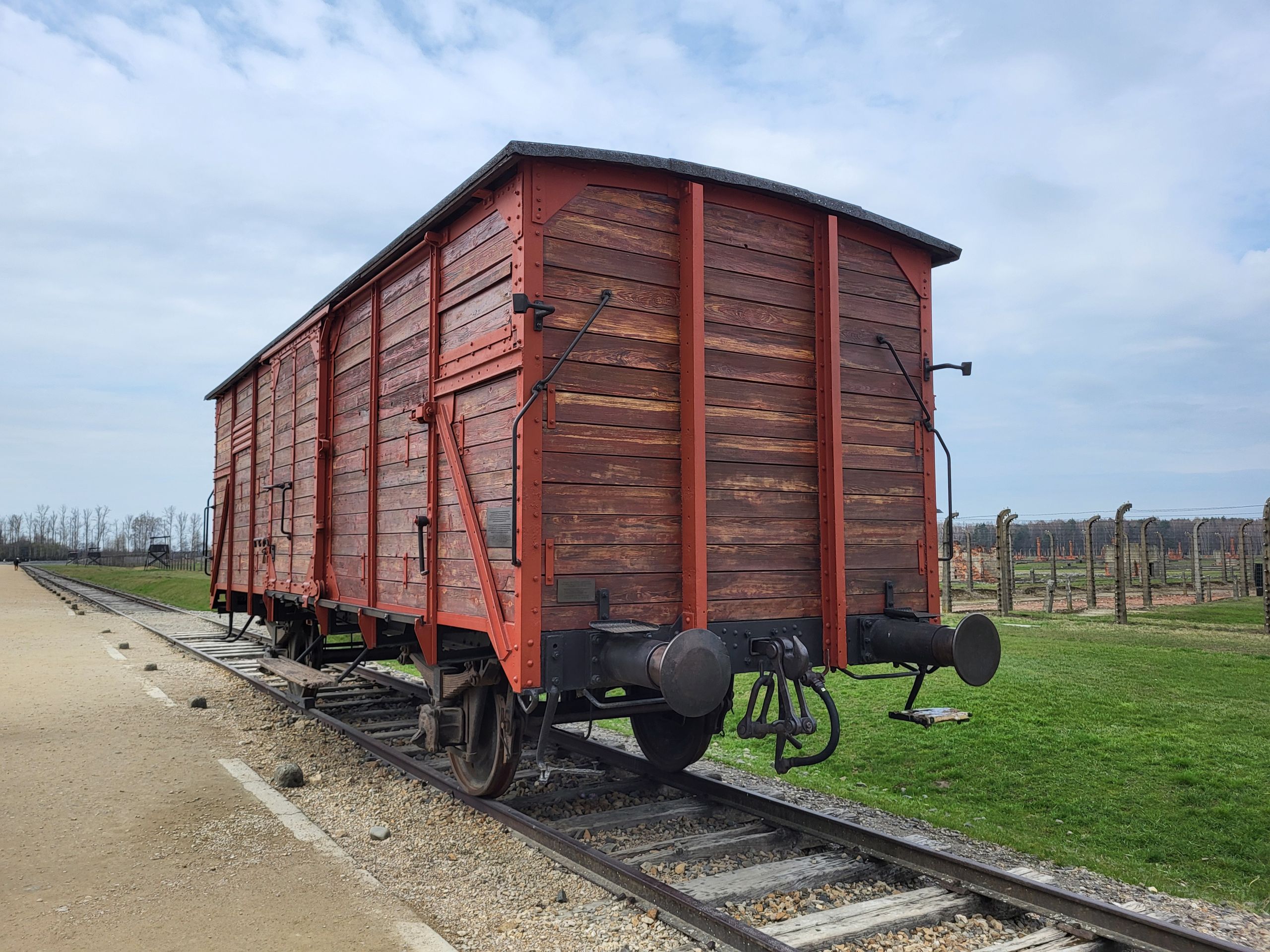
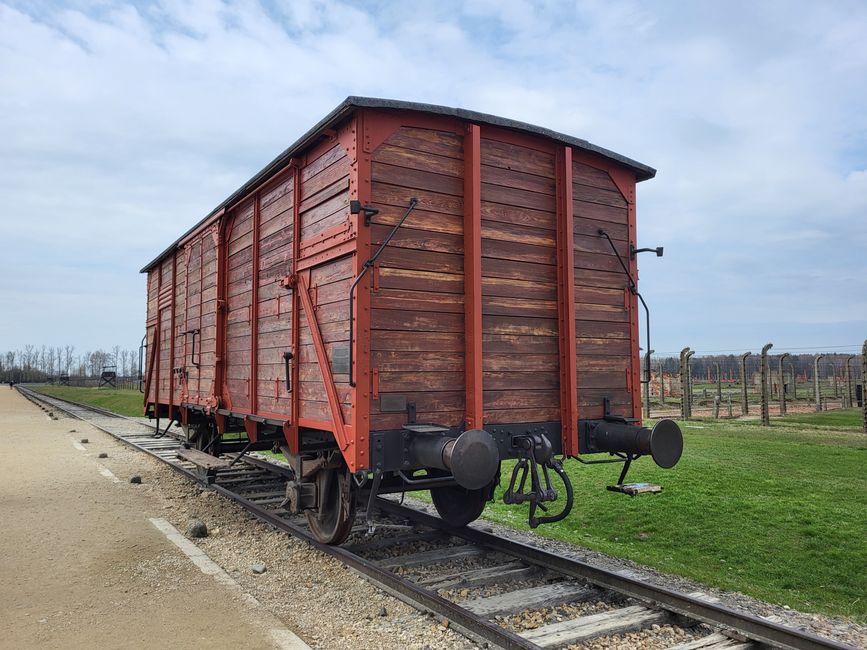
Here is the 'ramp', where from March 1942, trains with Jewish prisoners from all over Europe arrived.
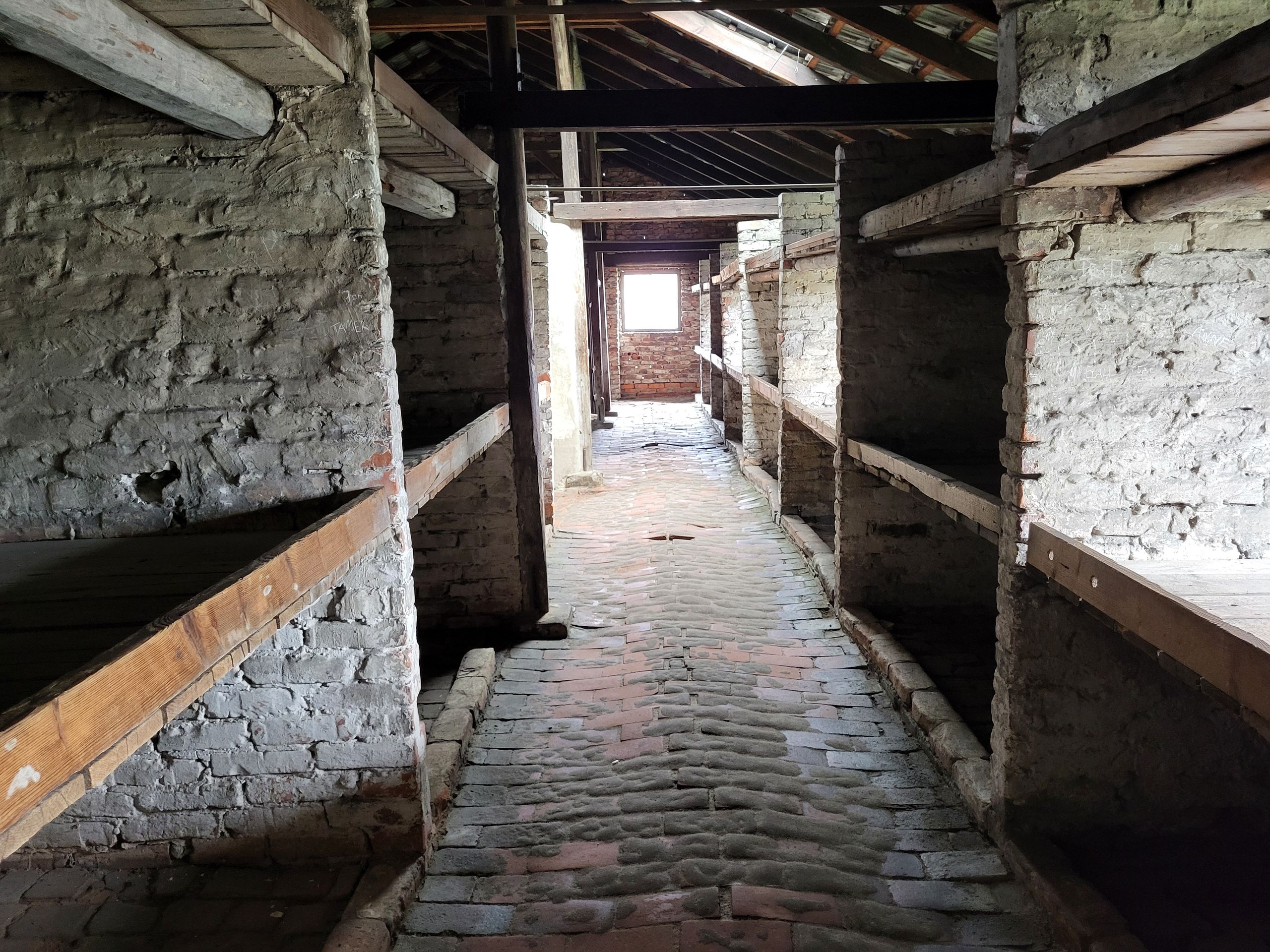
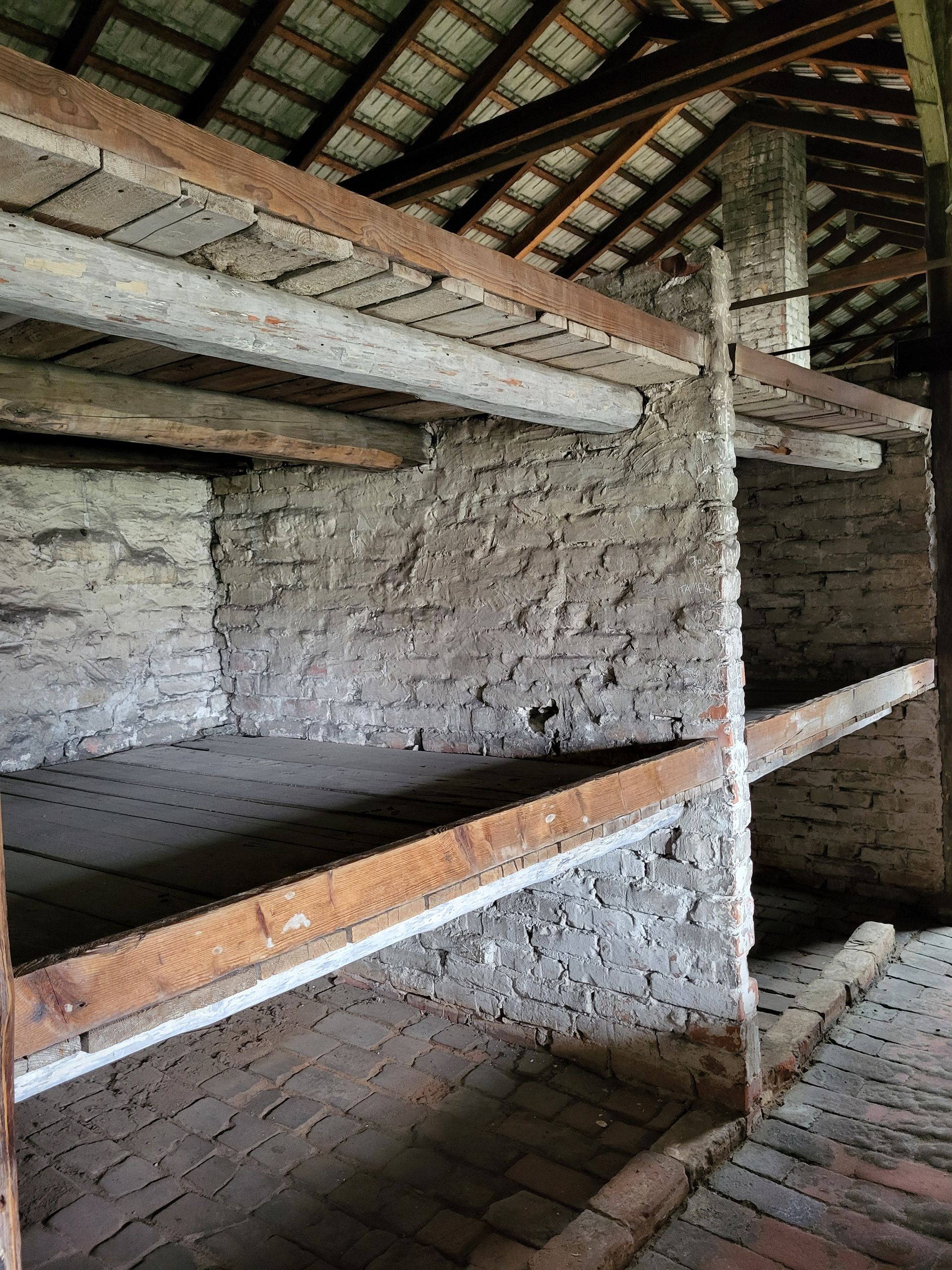
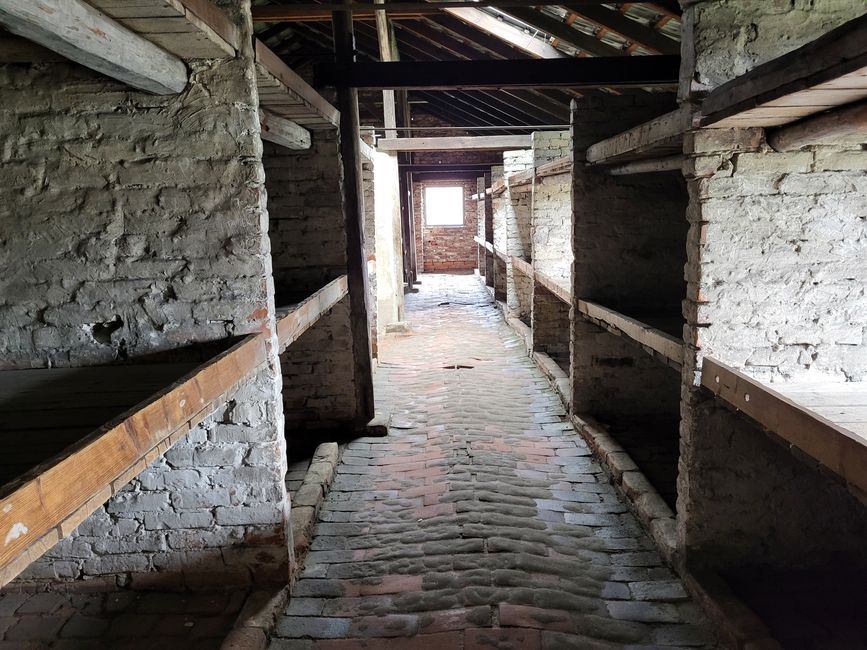
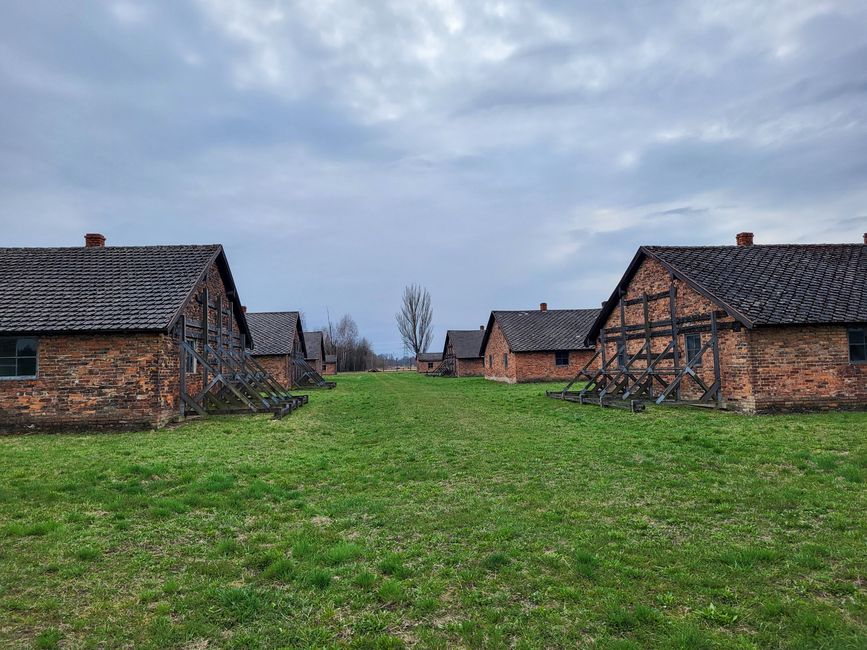
On the grounds, we were able to visit an old residential barrack and thus get an impression of the undignified and cramped conditions for the people incarcerated there.
Overall, the visit to Auschwitz was very impressive. Seeing the camp was different than just reading about it or looking at pictures.
It is horrifying what humans do to other humans.
Never again is now.