

Auschwitz
Our visit to the labor and death camp of the National Socialists
Published: 04.04.2026
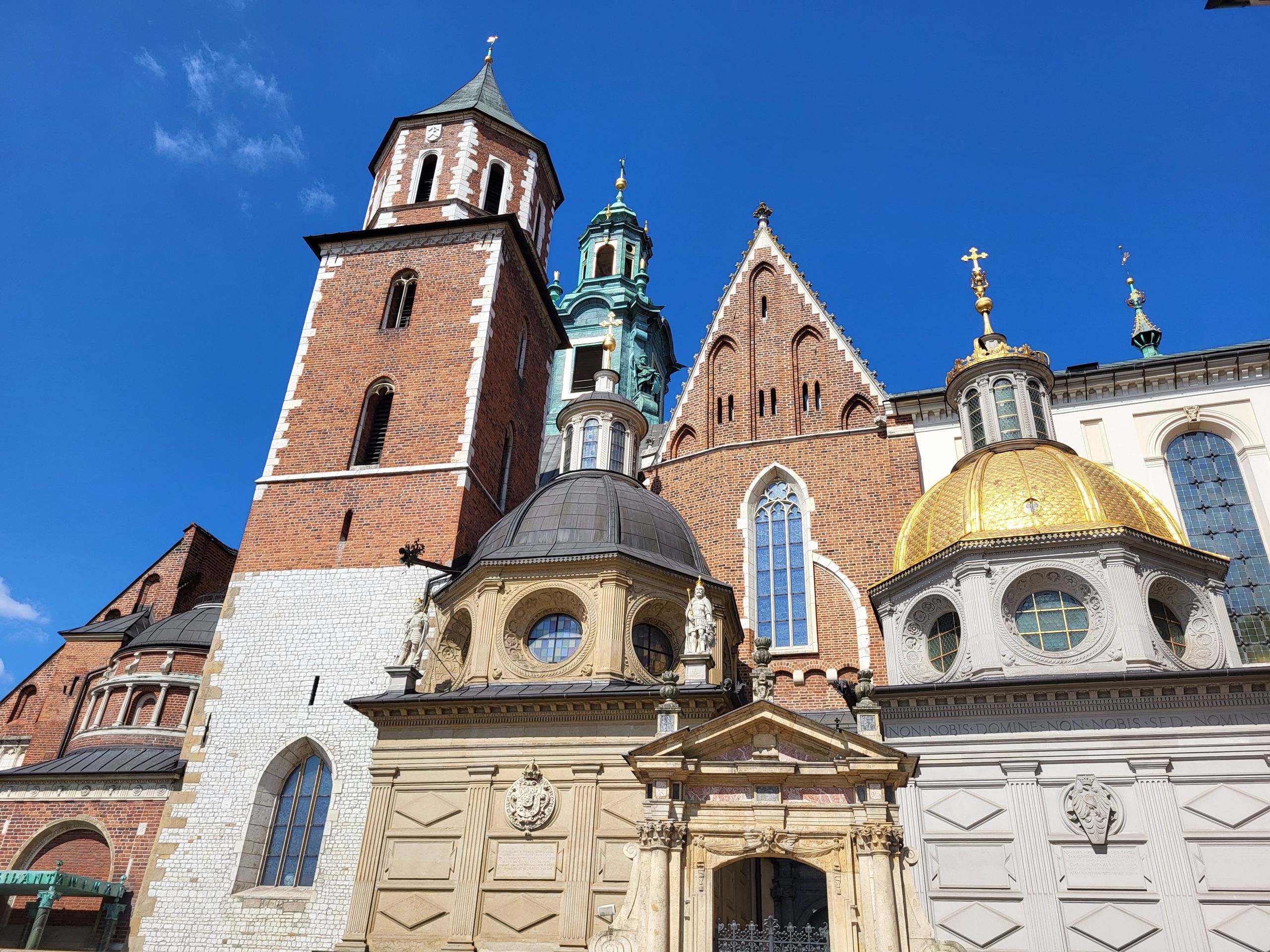
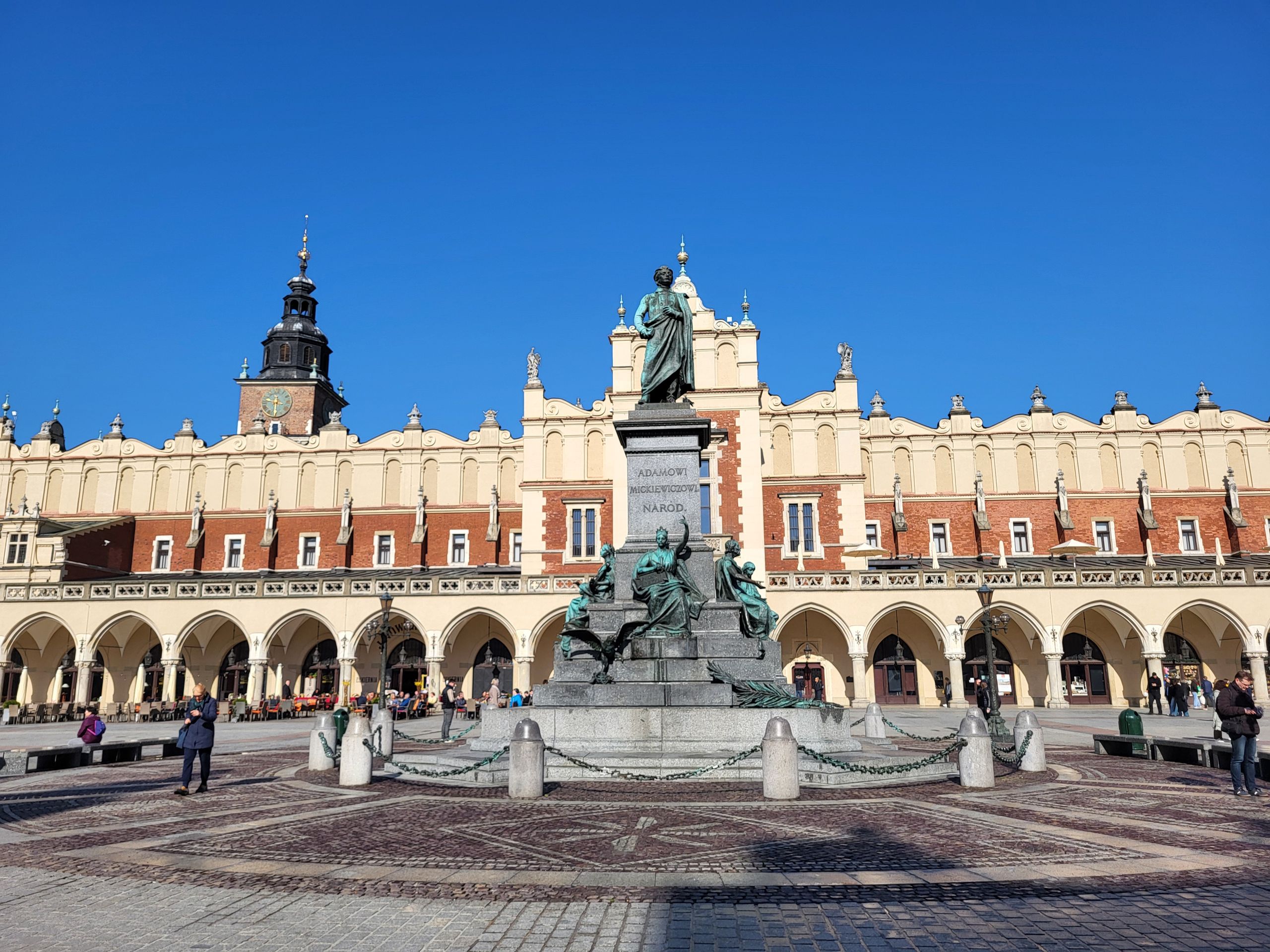
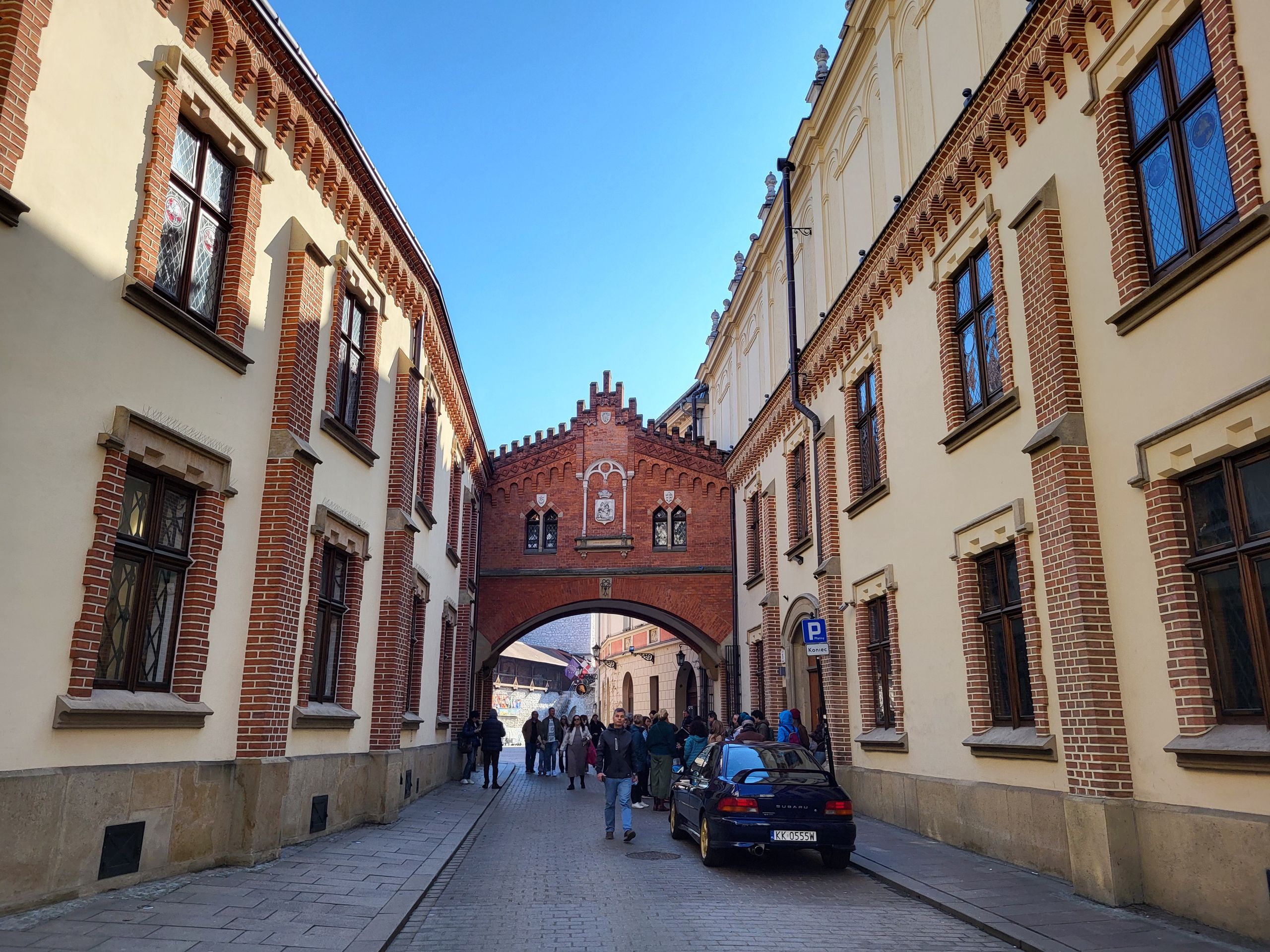
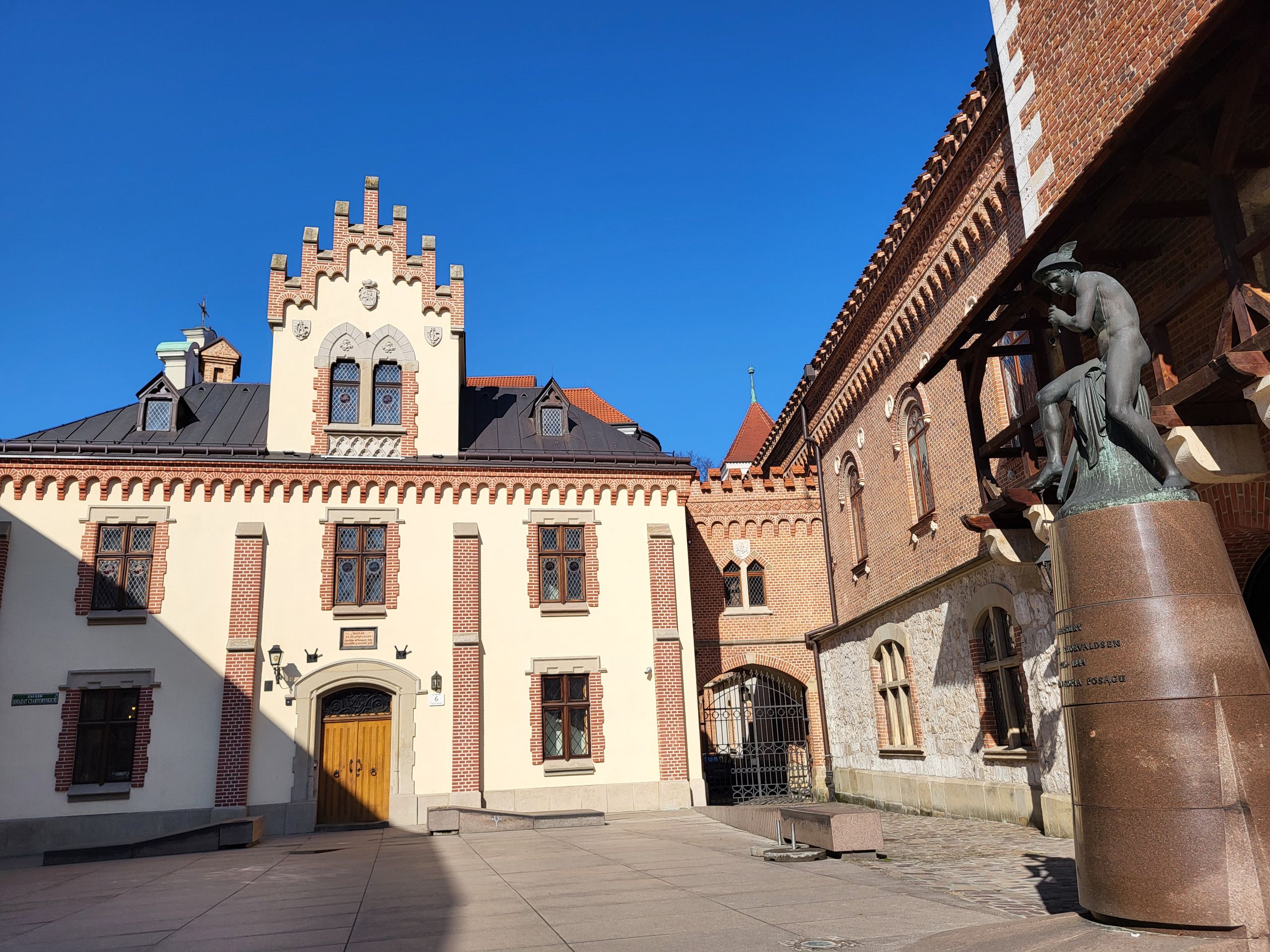
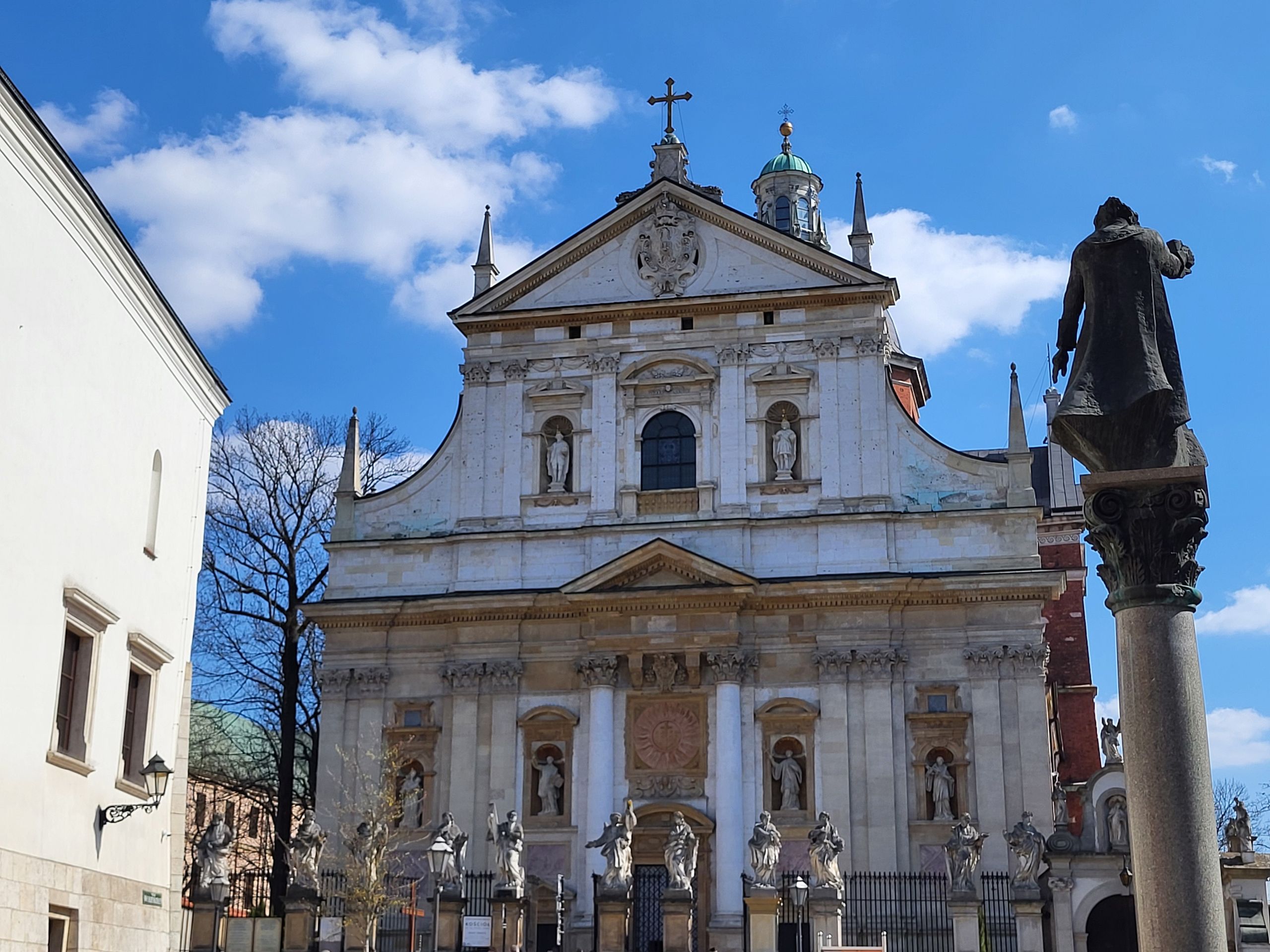
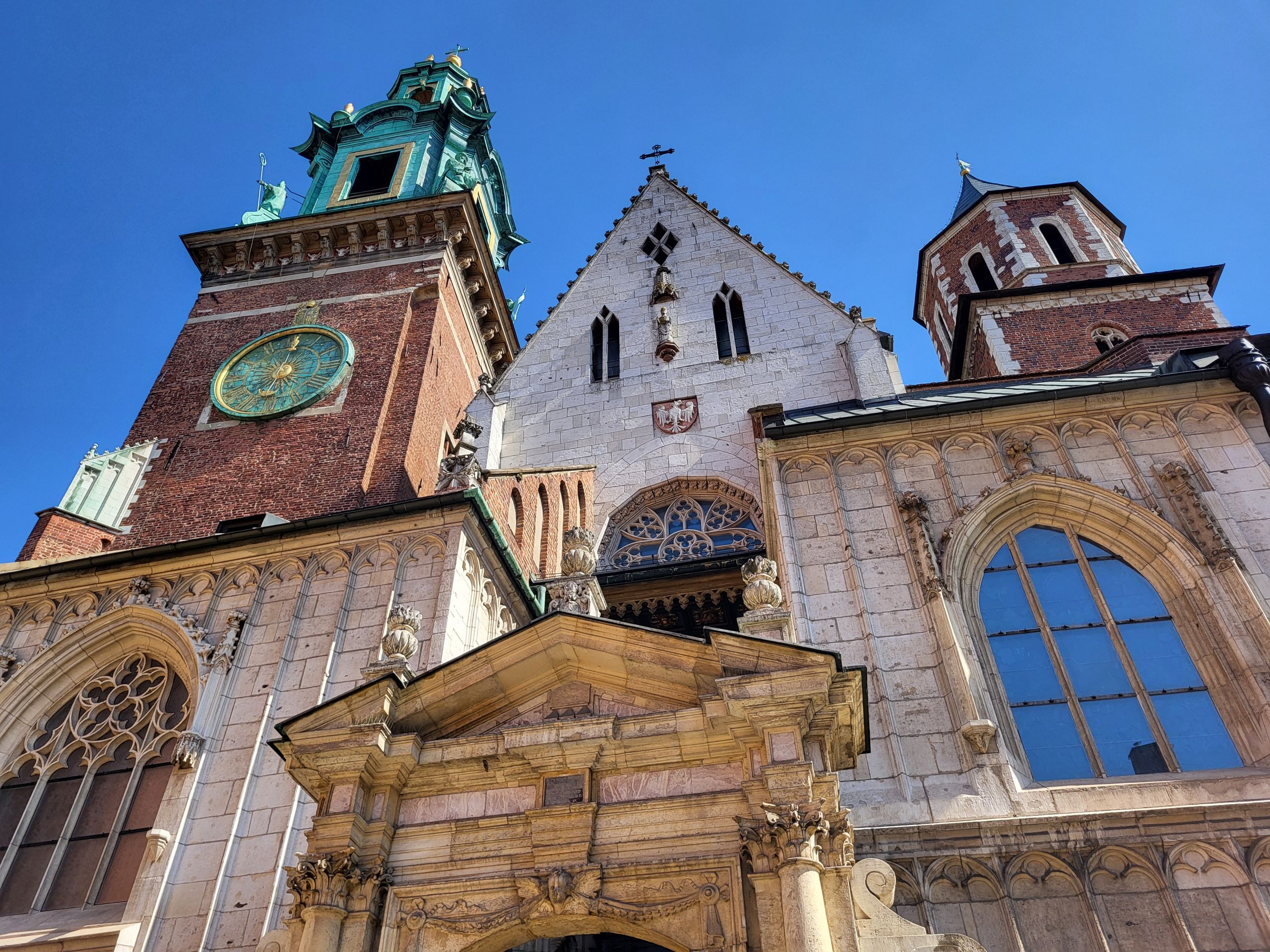
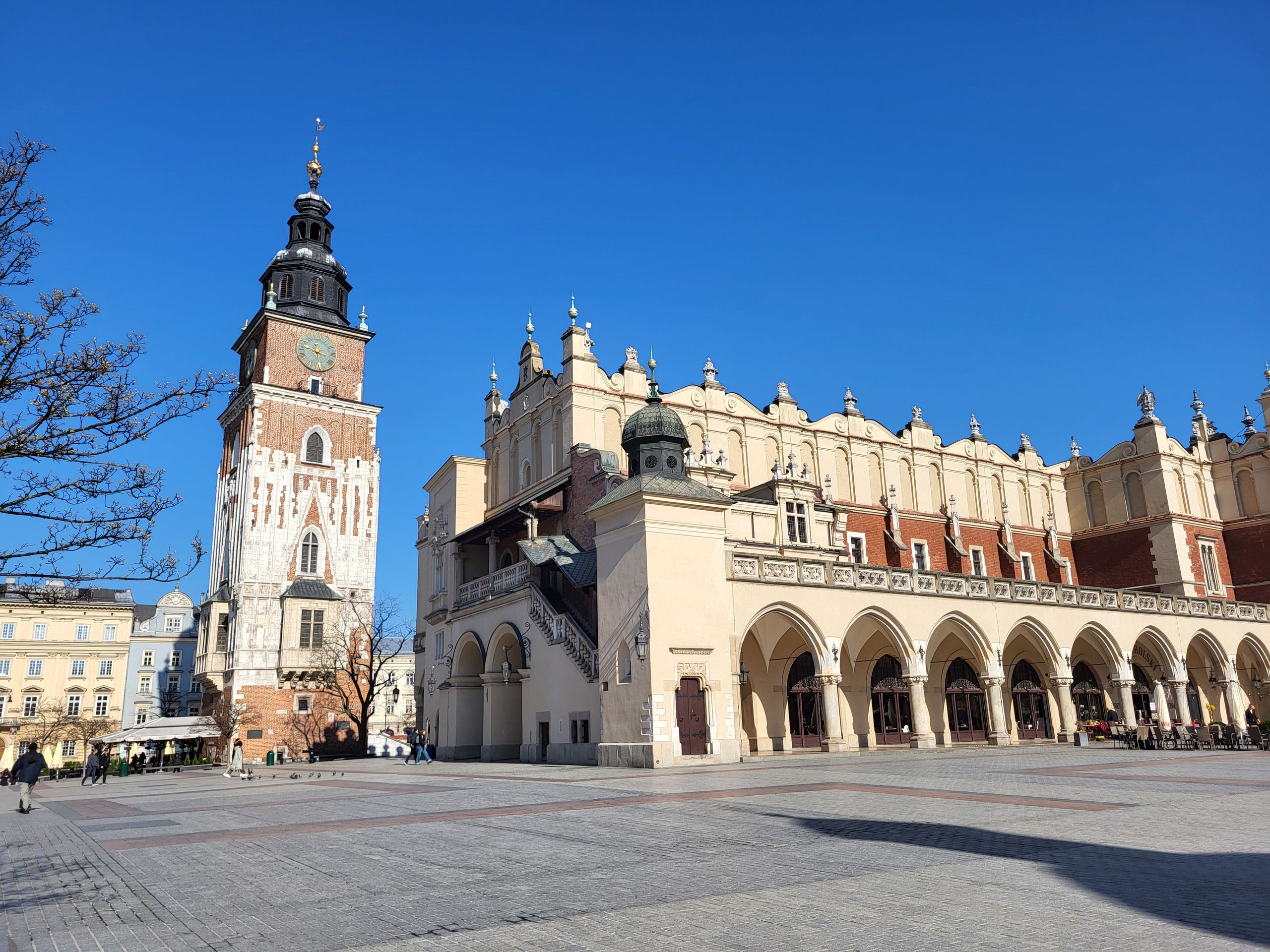
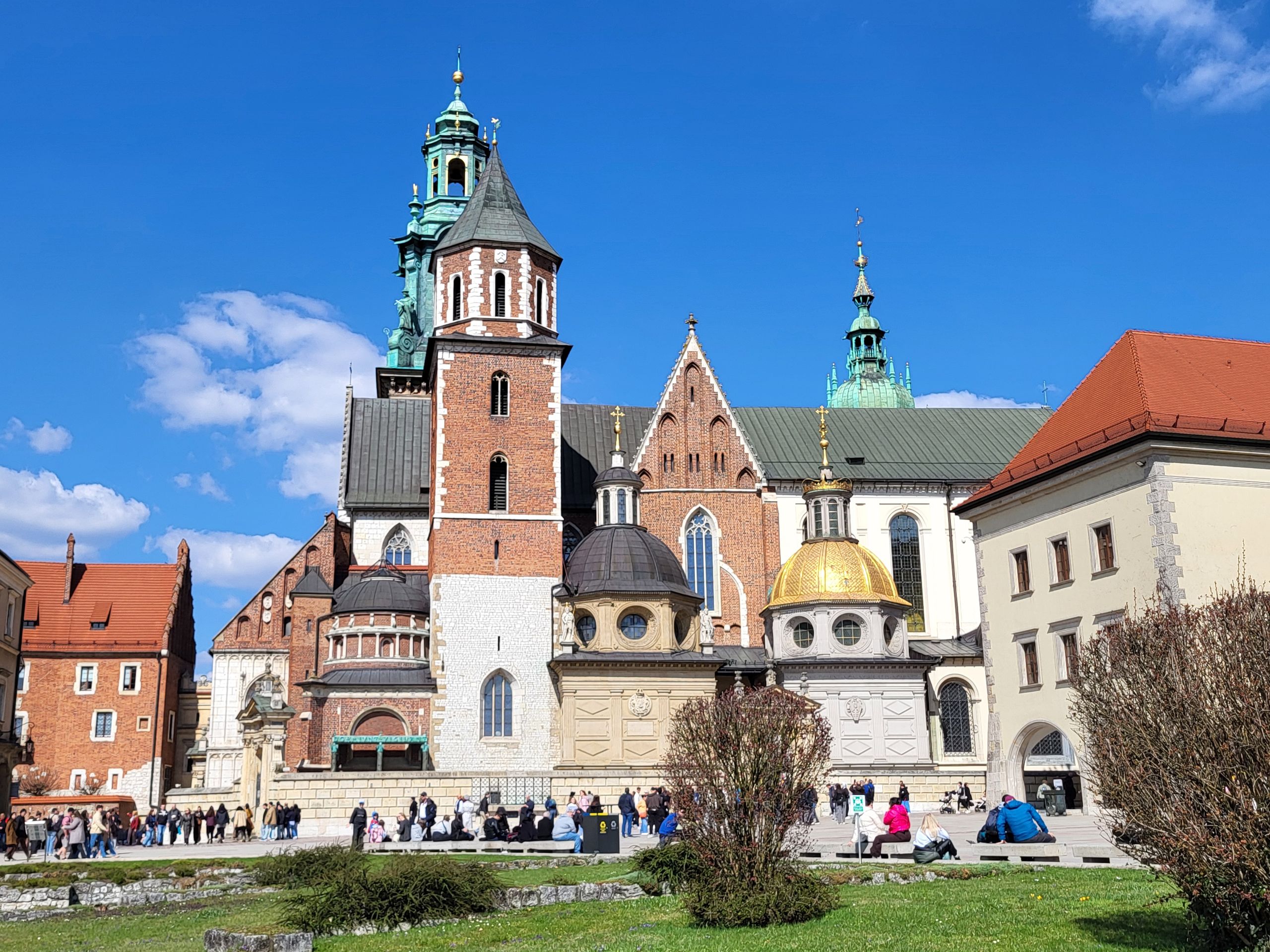
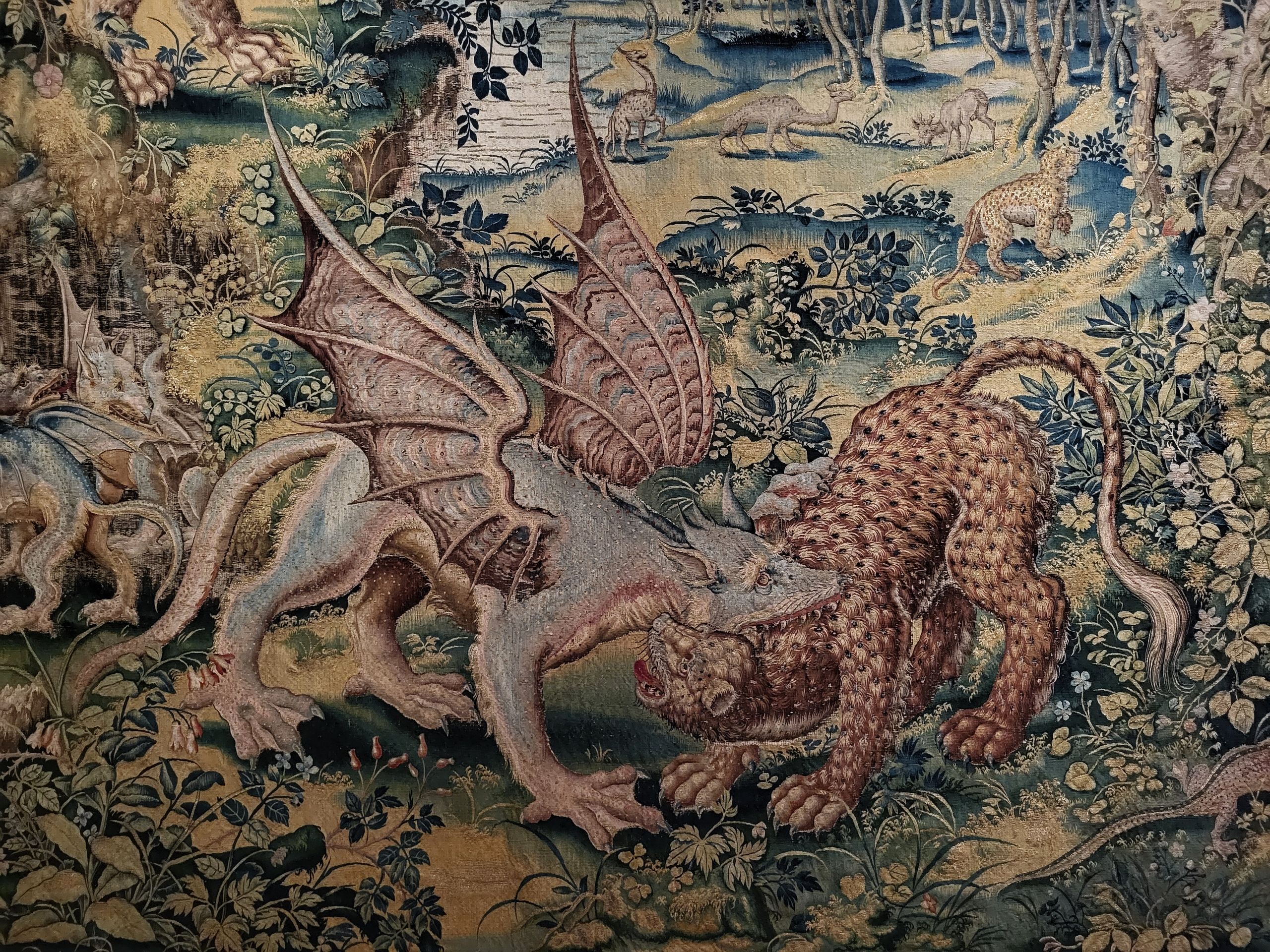
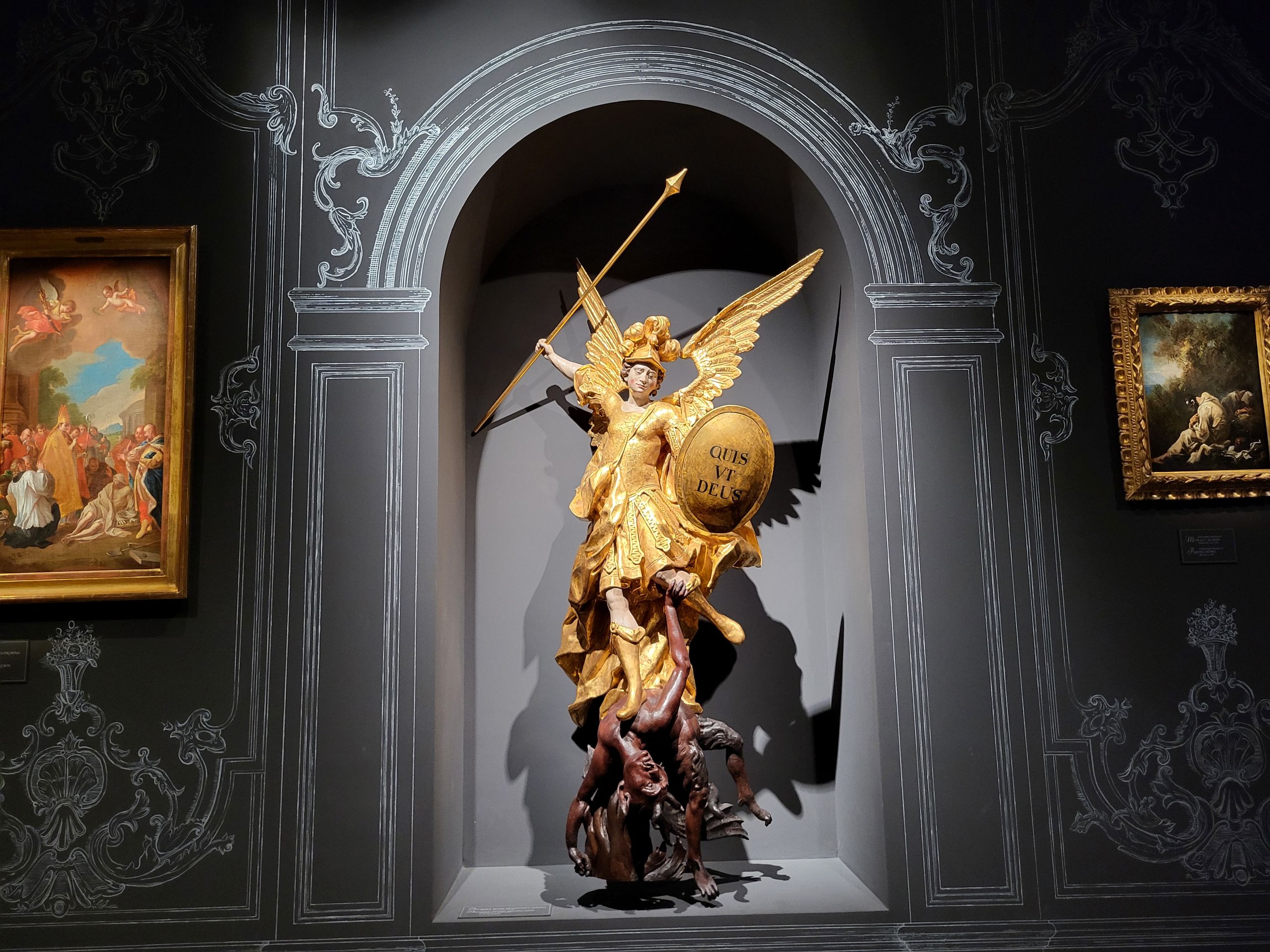
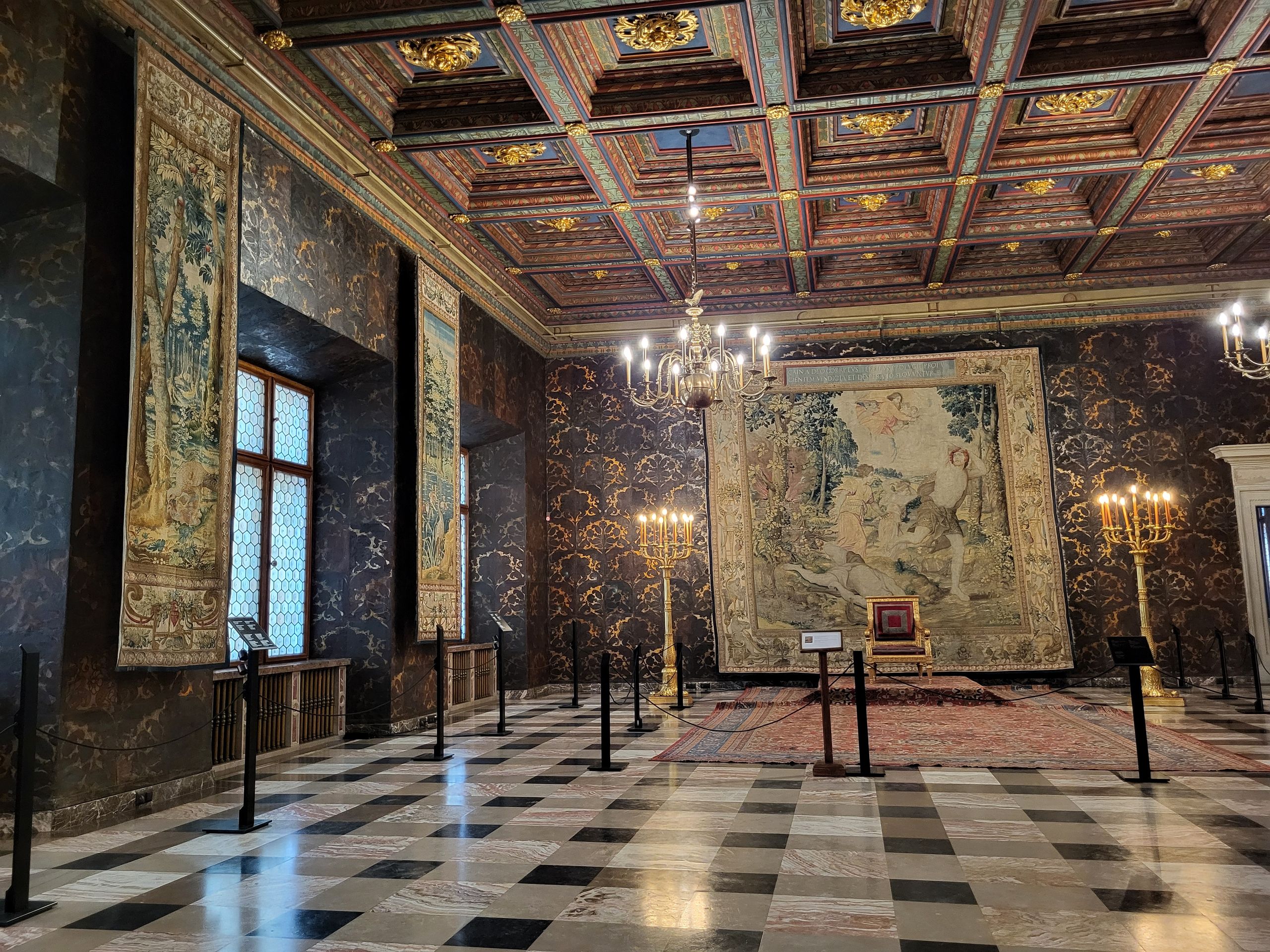
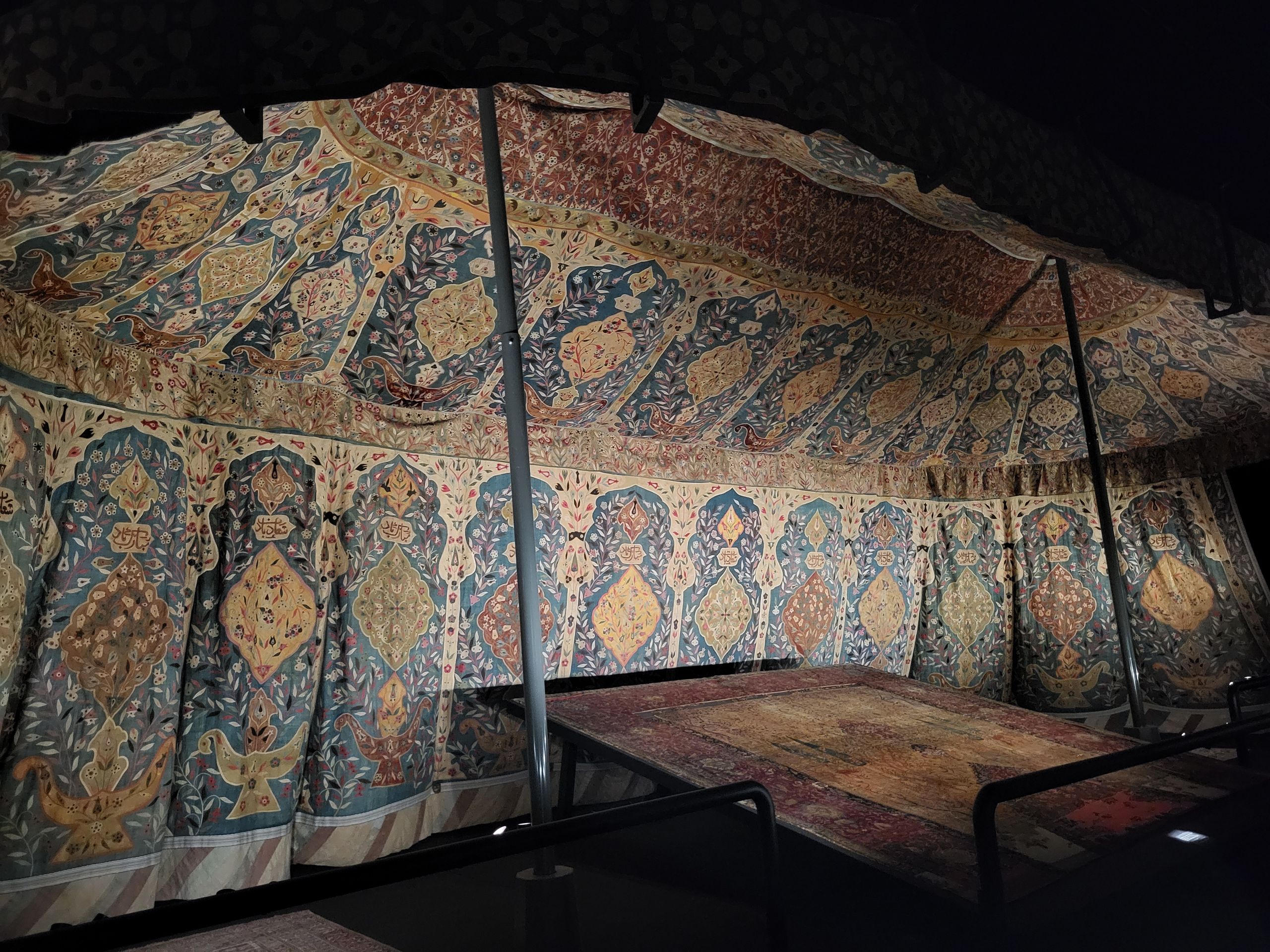
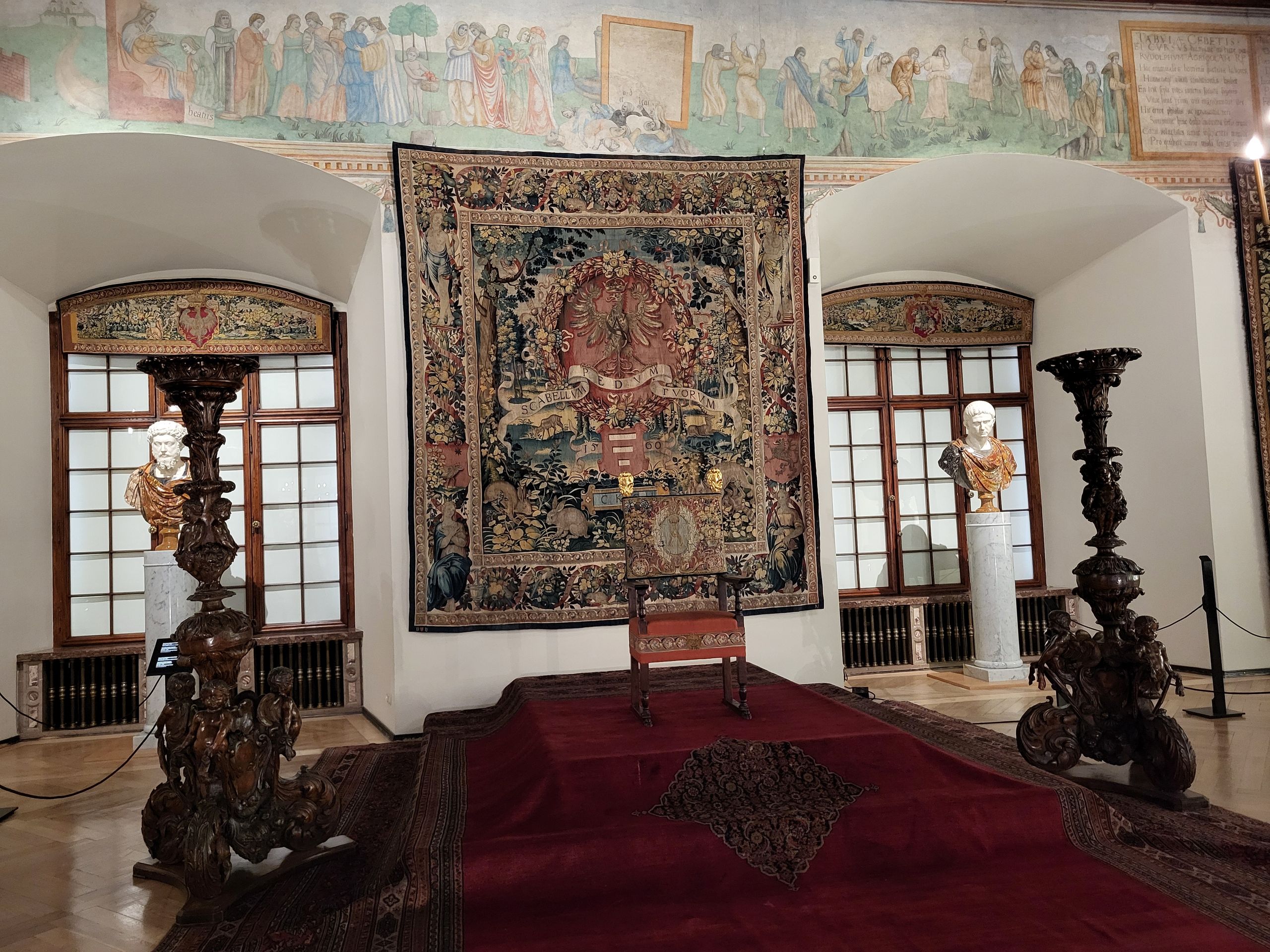
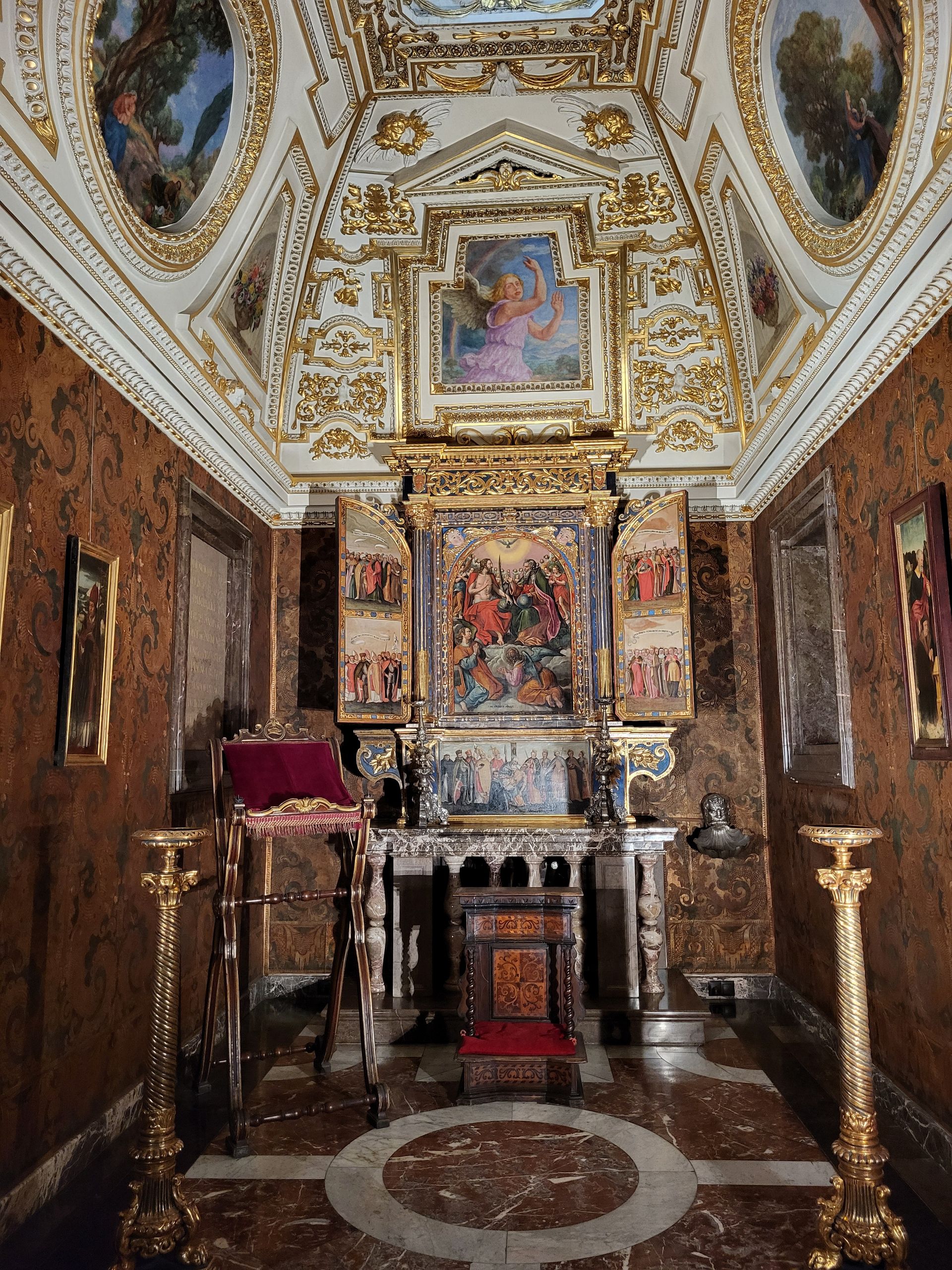
We started our first day in Krakow with a guided city tour by 'Walkative', which was even offered in German.
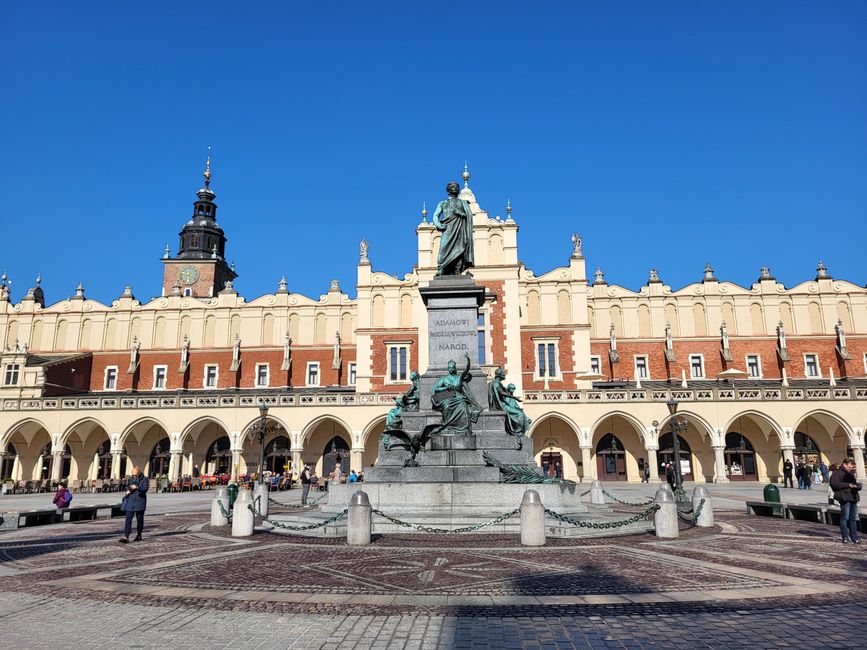
The guide, although from Krakow, spoke very good German because she had studied in Vienna for a year.
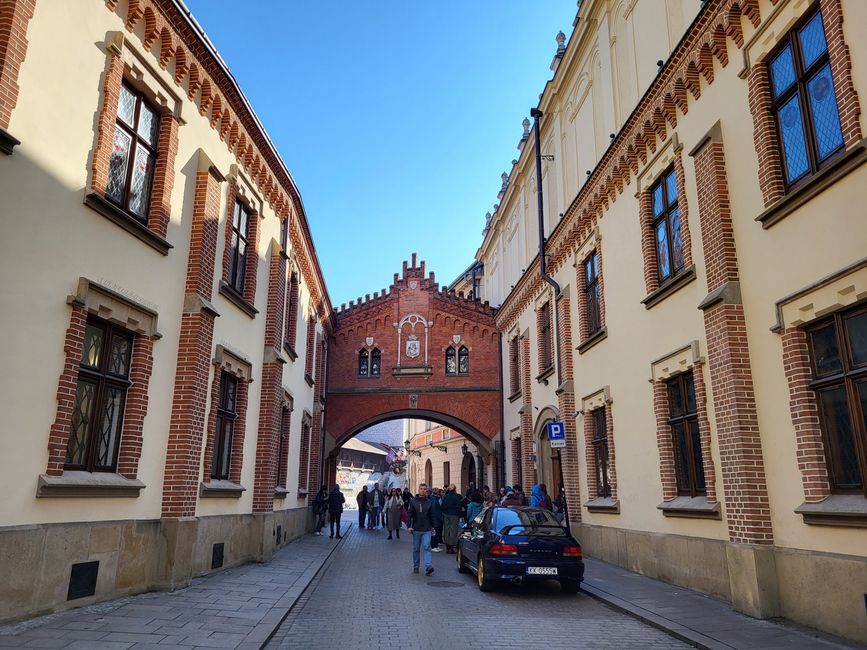
She entertainingly showed us the city center with its impressive buildings. These were not destroyed in the war because the German occupiers regarded Krakow as a 'purely German' city and therefore wanted to preserve it.
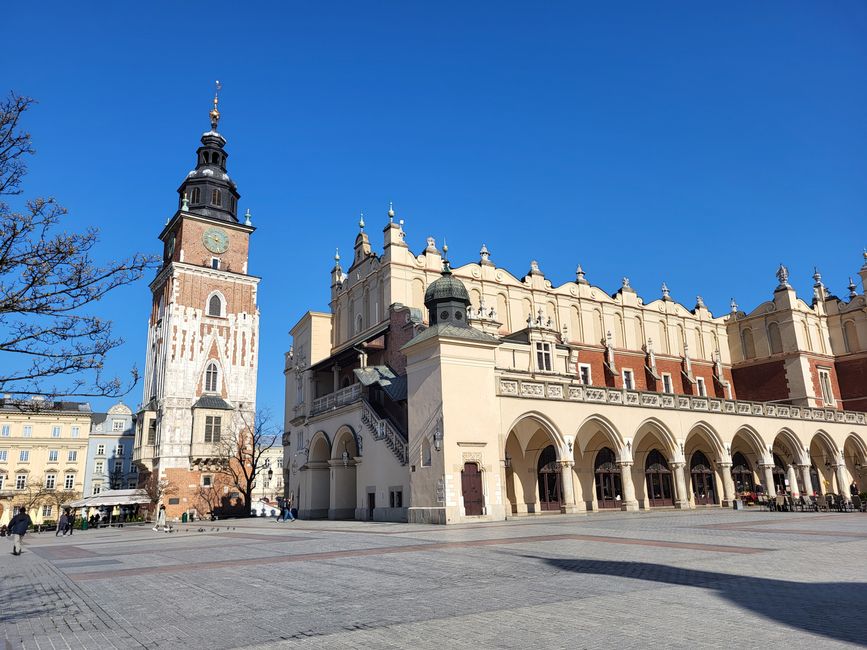
After Mongolian invasions, German settlers were called to Krakow in the 13th century to help rebuild and planned large parts of the city anew.
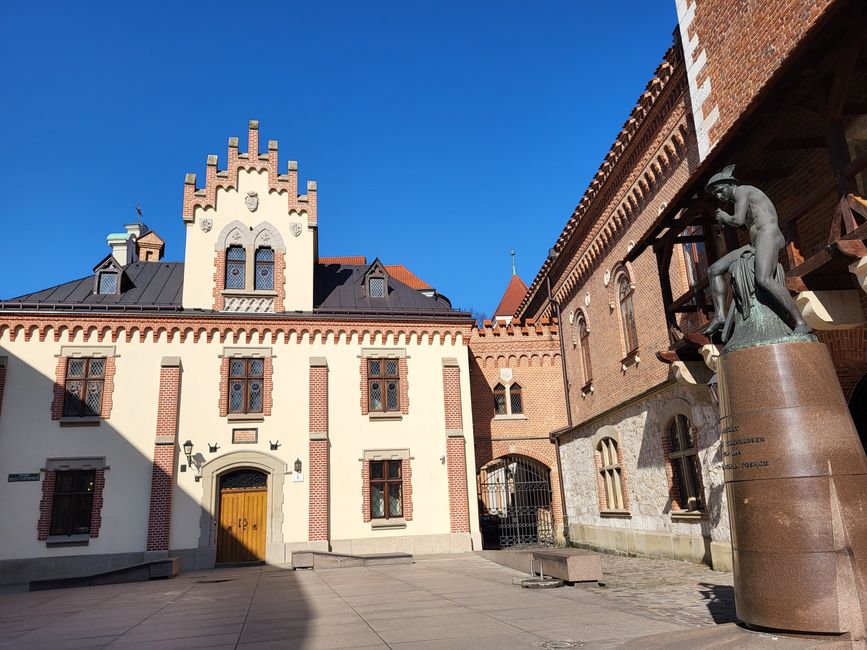
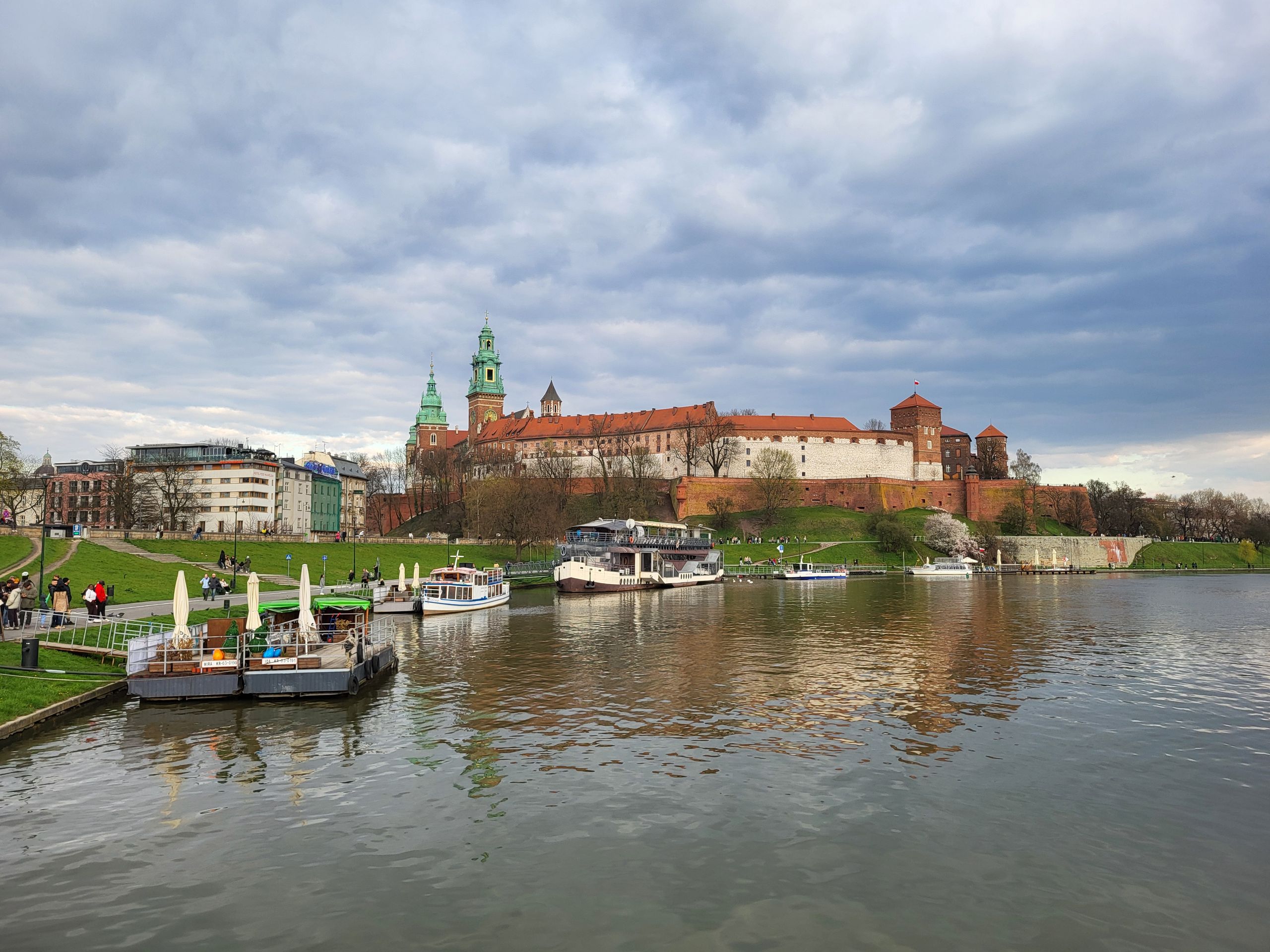
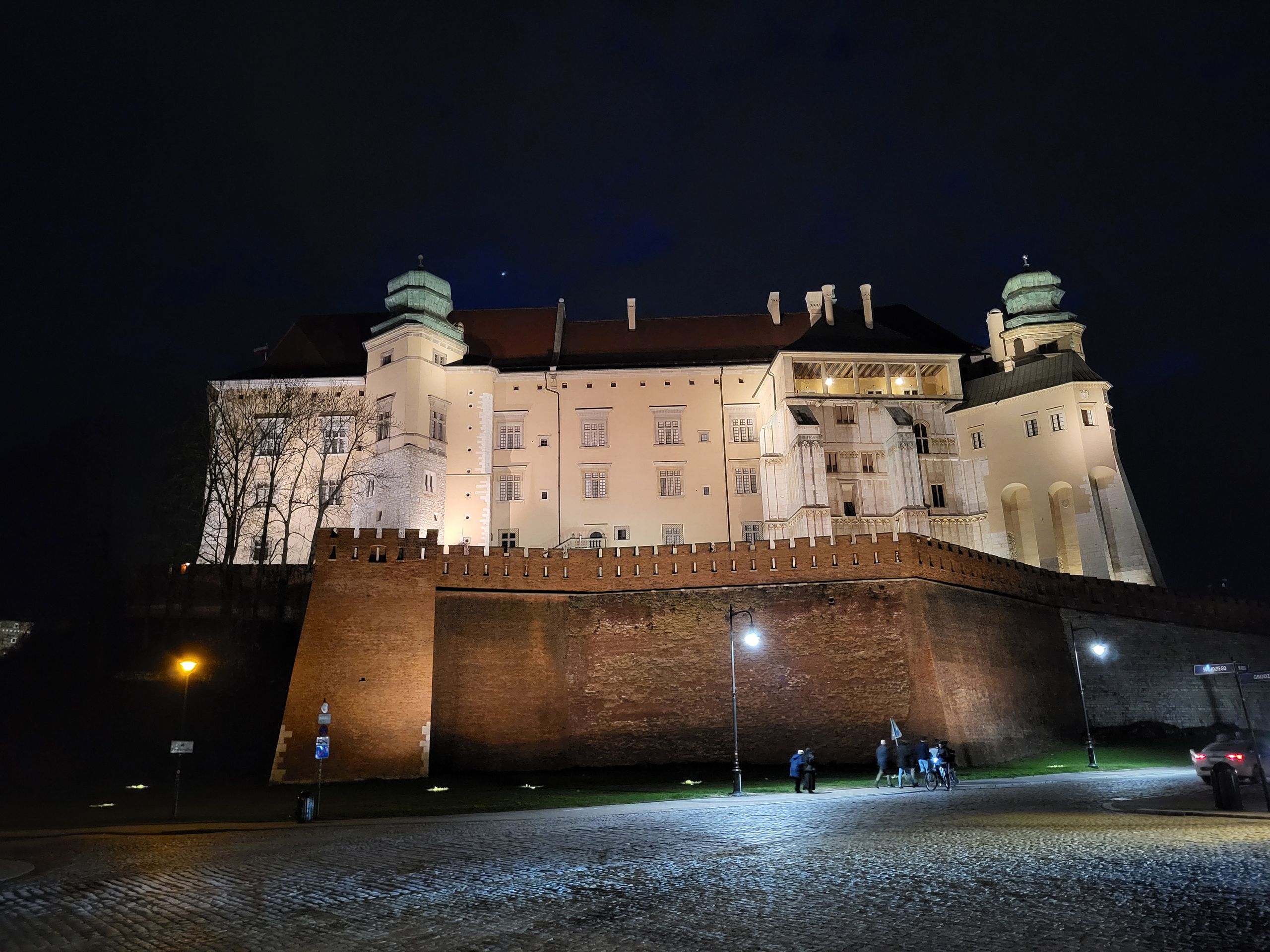
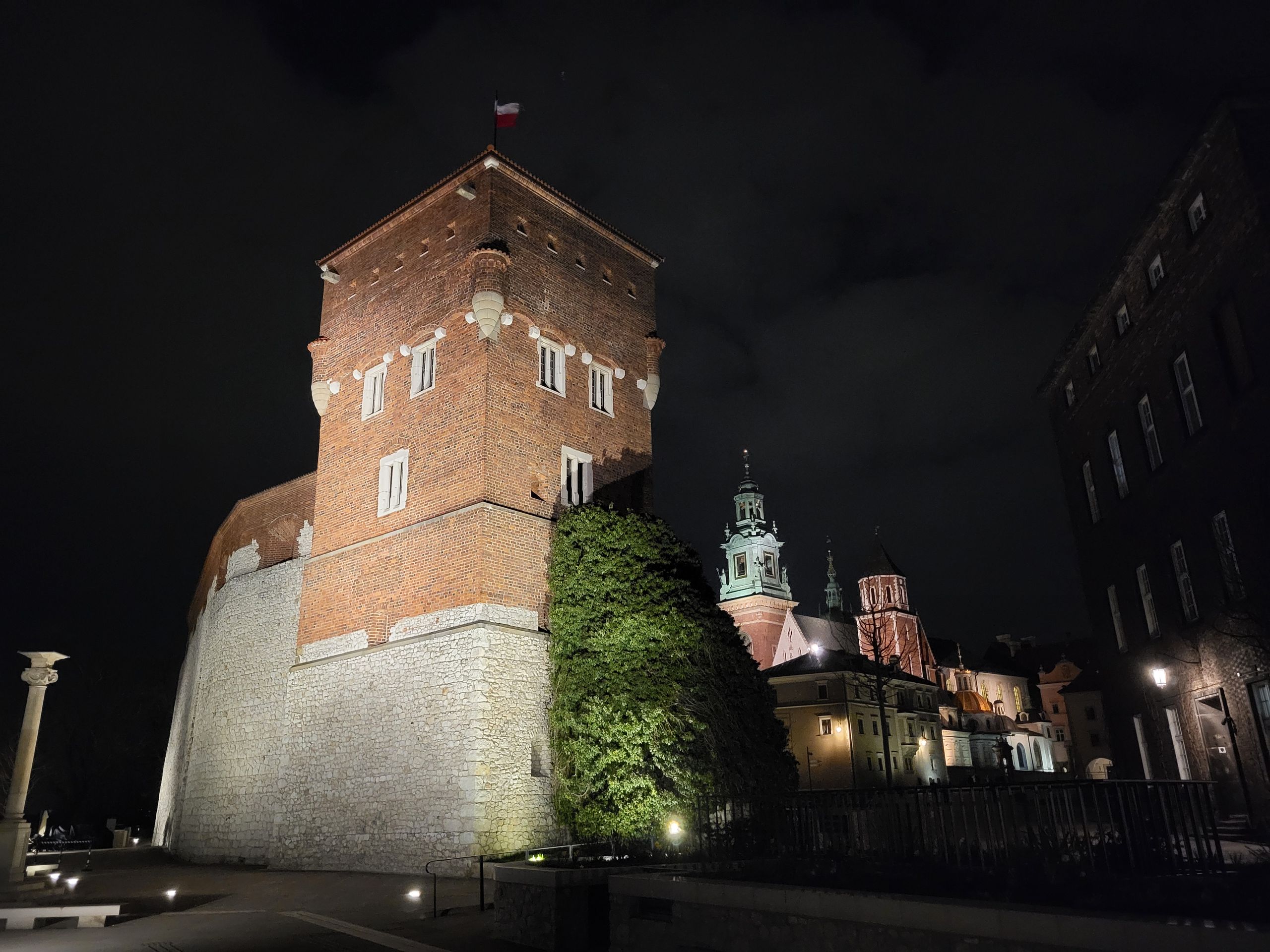
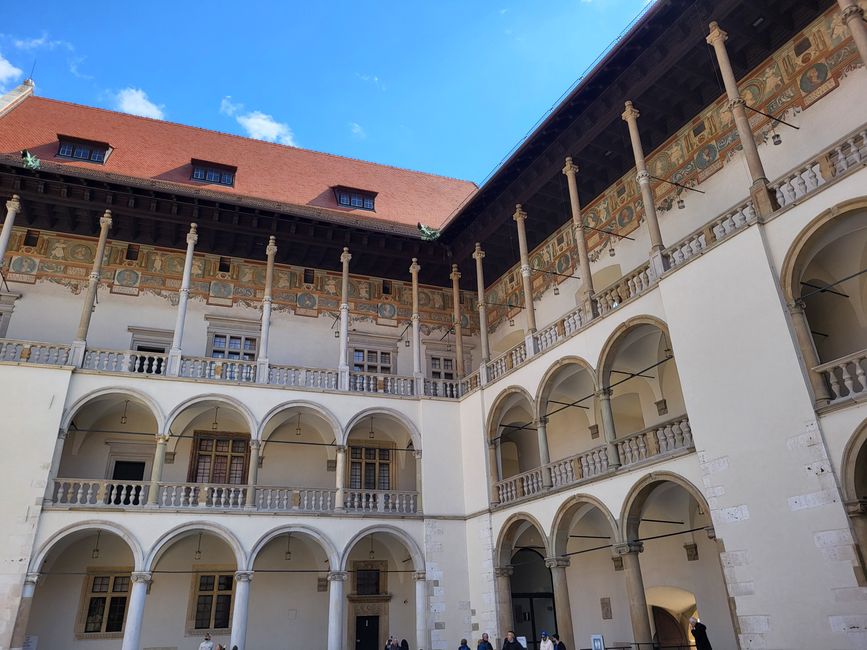
Our tour also took us to Wawel Castle, which still bears witness to Krakow's long-standing status as the capital of Poland. (Many Krakow residents, according to the guide, do not quite want to accept that it is now Warsaw.)
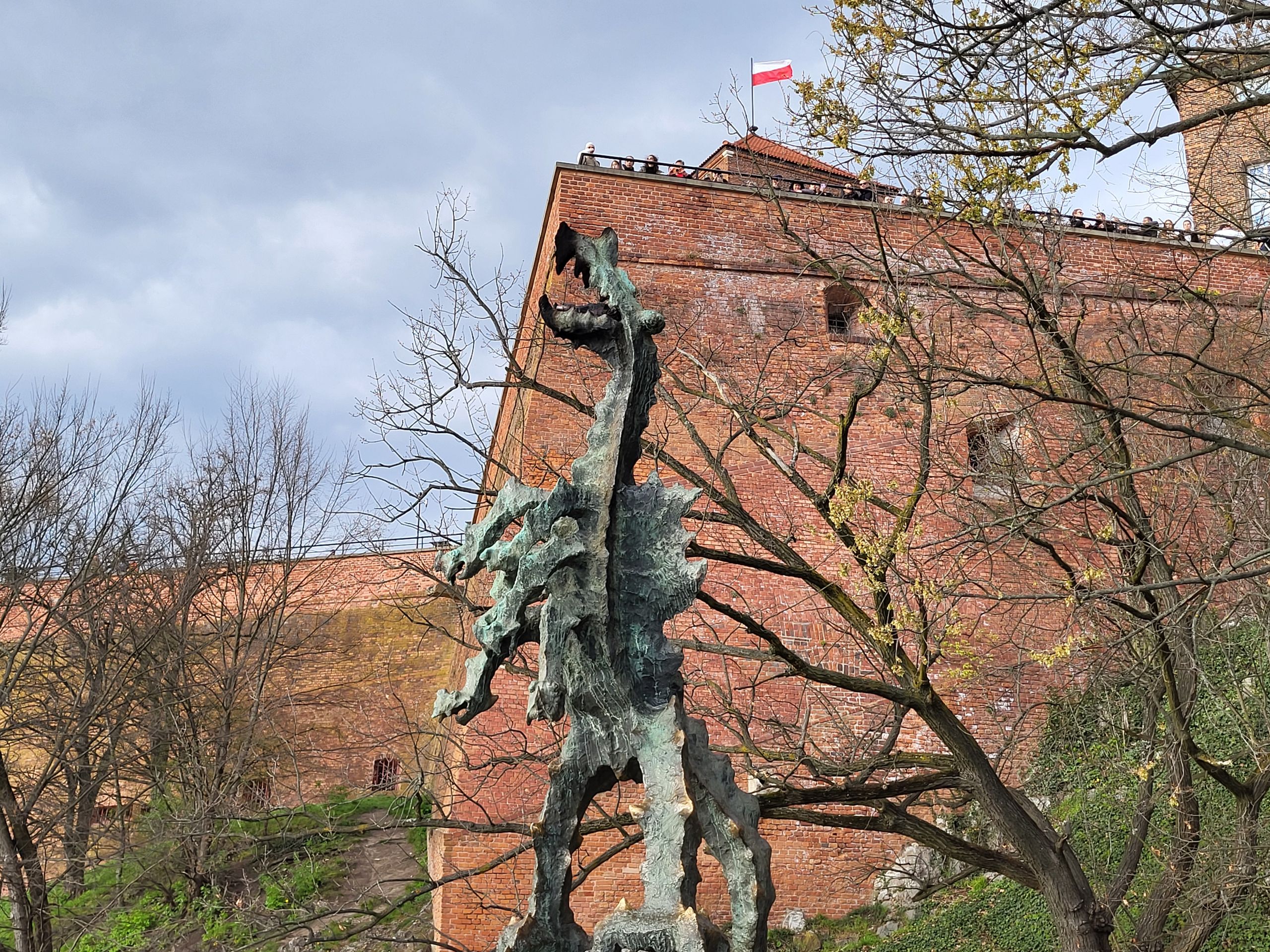
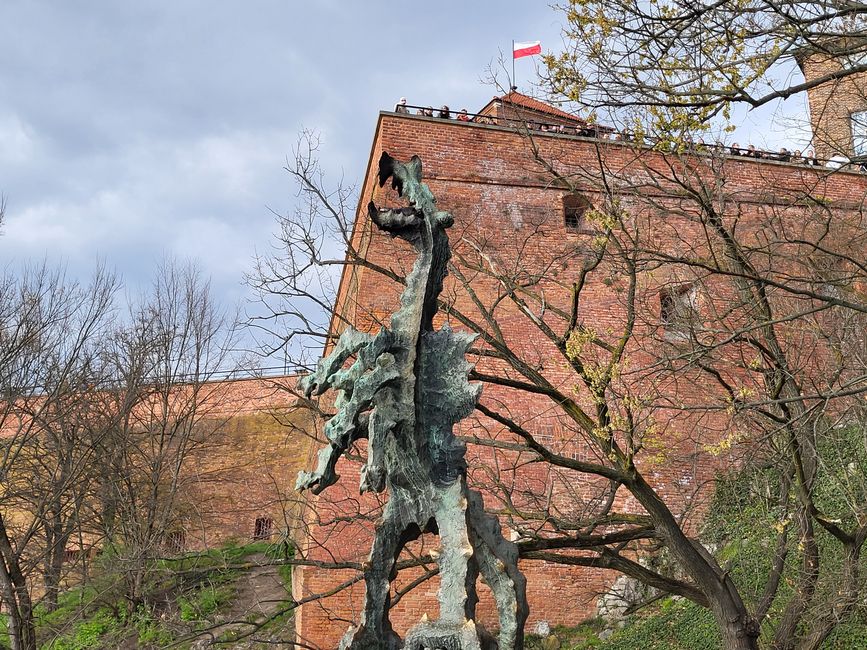
Legend has it that a dragon once lived below the hill, which could not be slain by any knight. Only a poor shoemaker had the saving plan: He wrapped tar in a sheep's wool, which the hungry dragon devoured whole. Afterward, he became so thirsty that he drank up the Vistula and eventually burst.
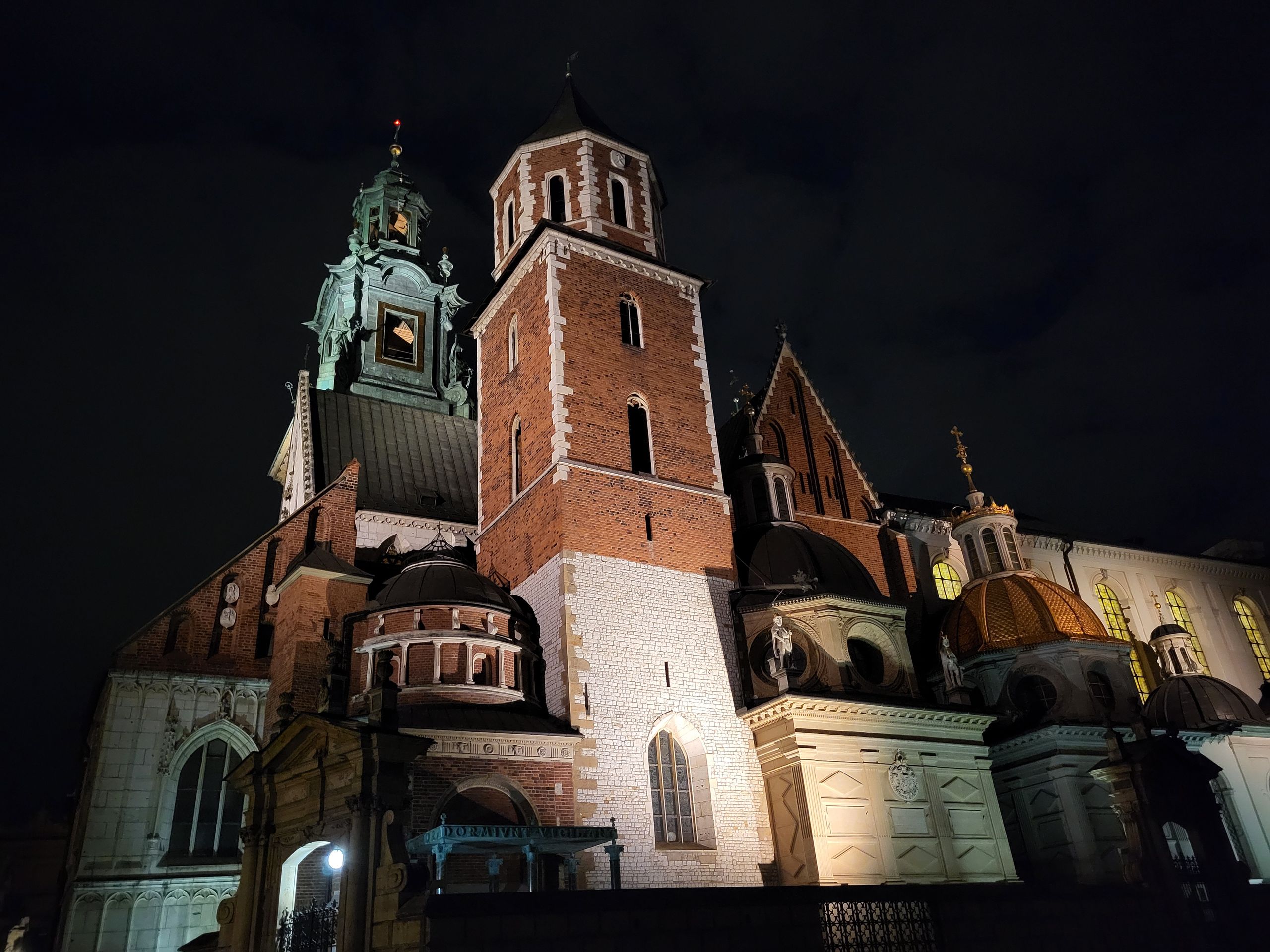
On the castle grounds stands the city's cathedral. It serves as the burial site for Polish kings, which can also be seen in the various chapels built in different architectural styles, which the individual kings had constructed as their burial sites.
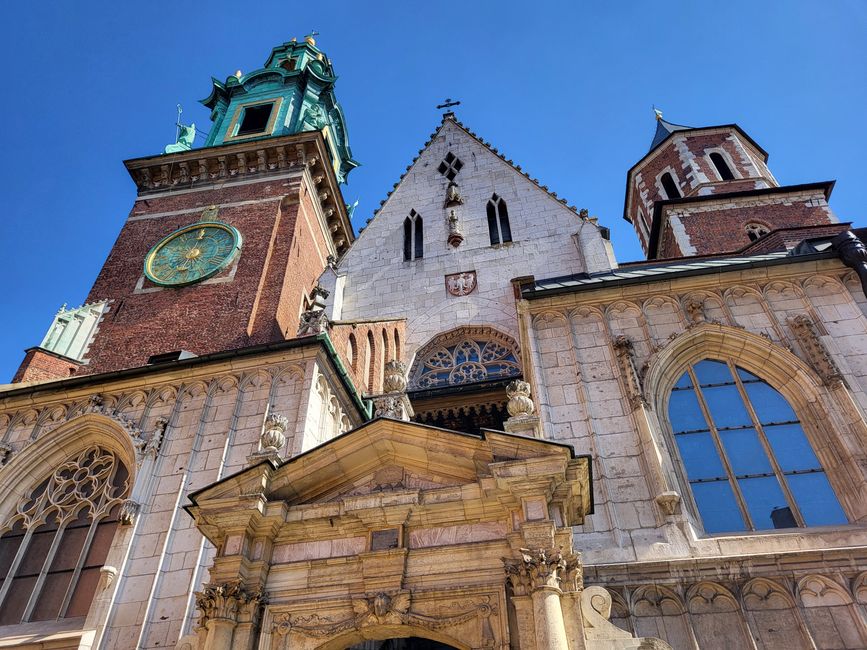
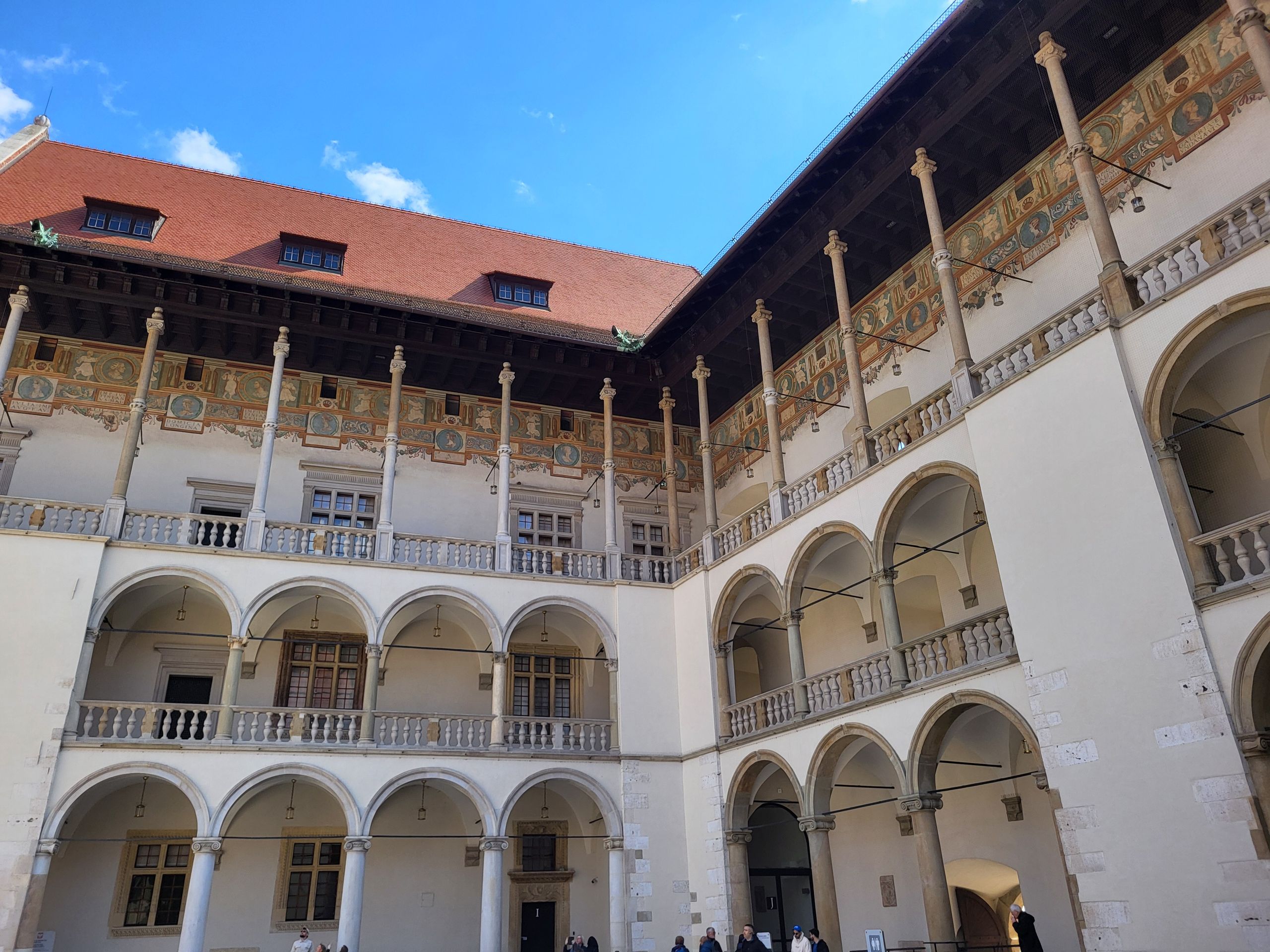
After the tour, we had time-window tickets for the exhibition at the castle.
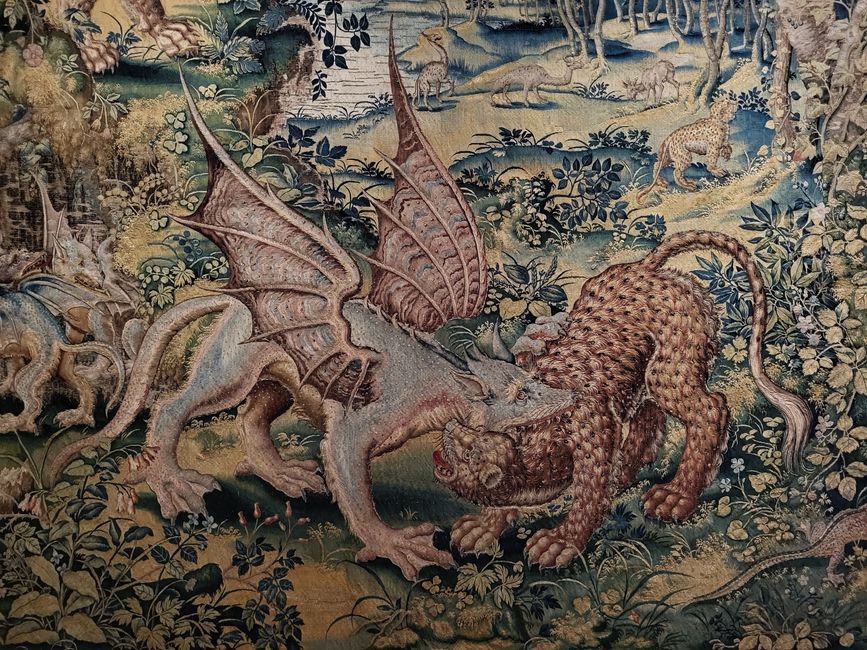
Unfortunately, despite the tickets we had purchased in advance, the line extended across the entire courtyard, so we used up our entire time slot waiting to get in.
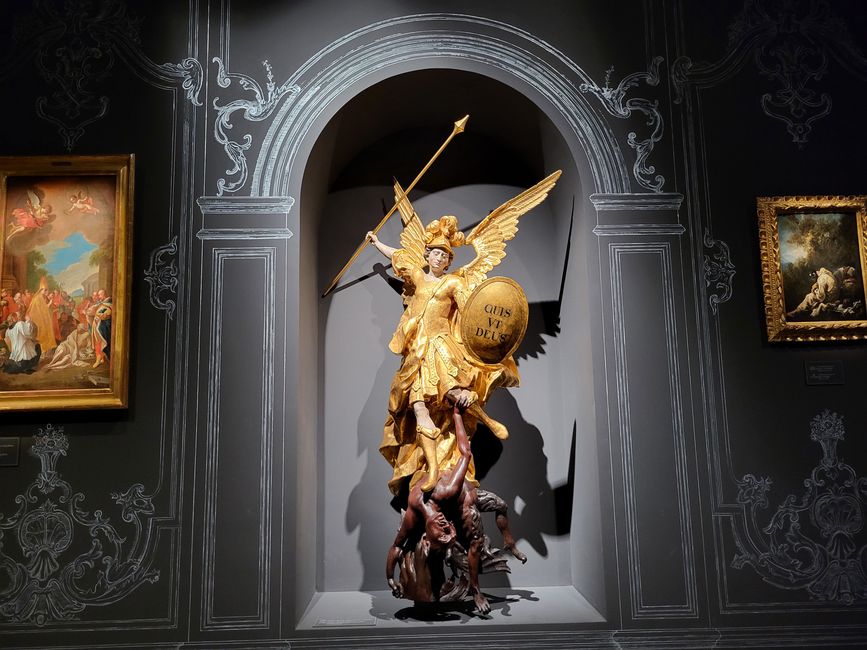
We first visited the first floor, which showcased an exhibition with various exhibits about life in the castle, even though much of the original furnishings had been destroyed.
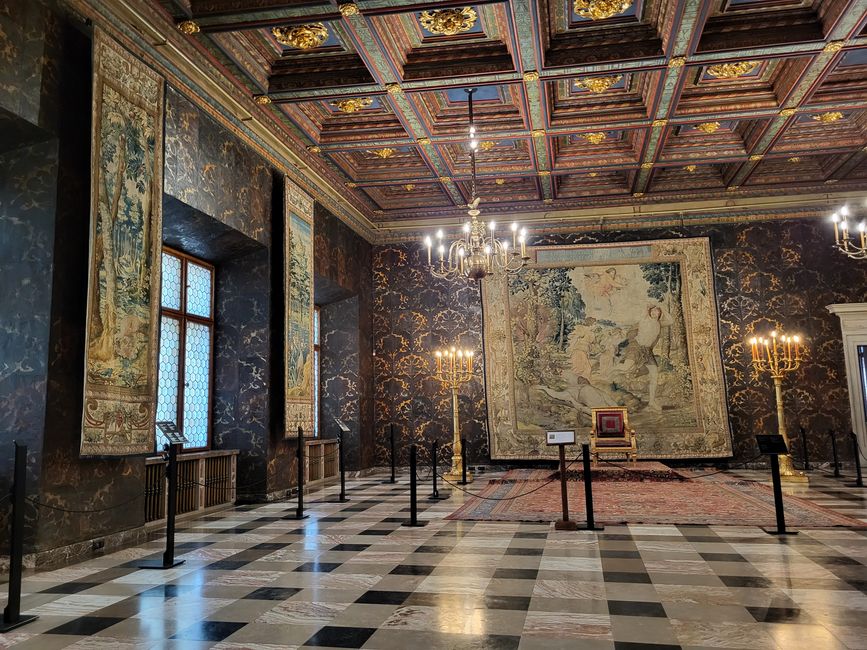
We had also booked a ticket for the second floor, but unfortunately found that our exit led us out and one would have to wait again in the long line to enter the second exhibition...
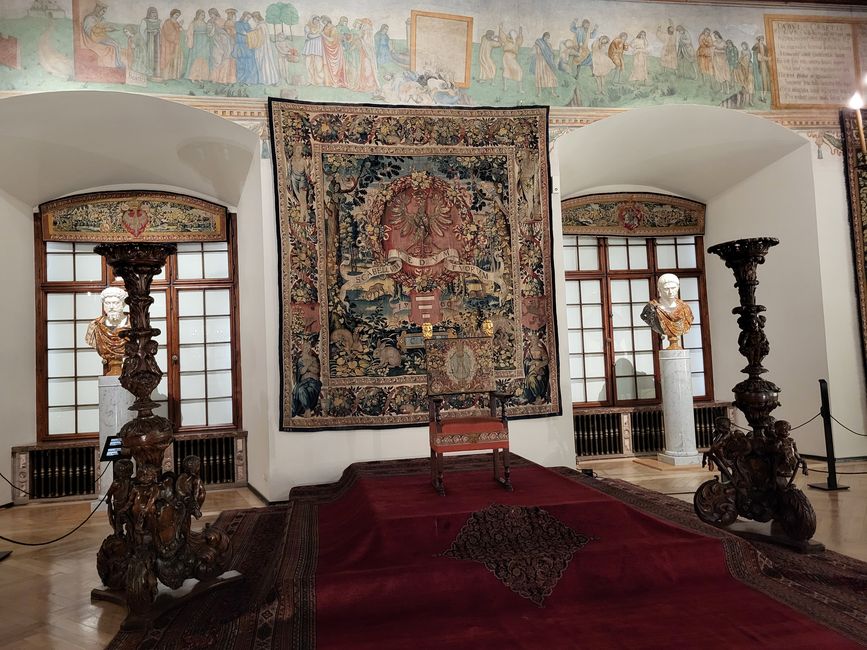
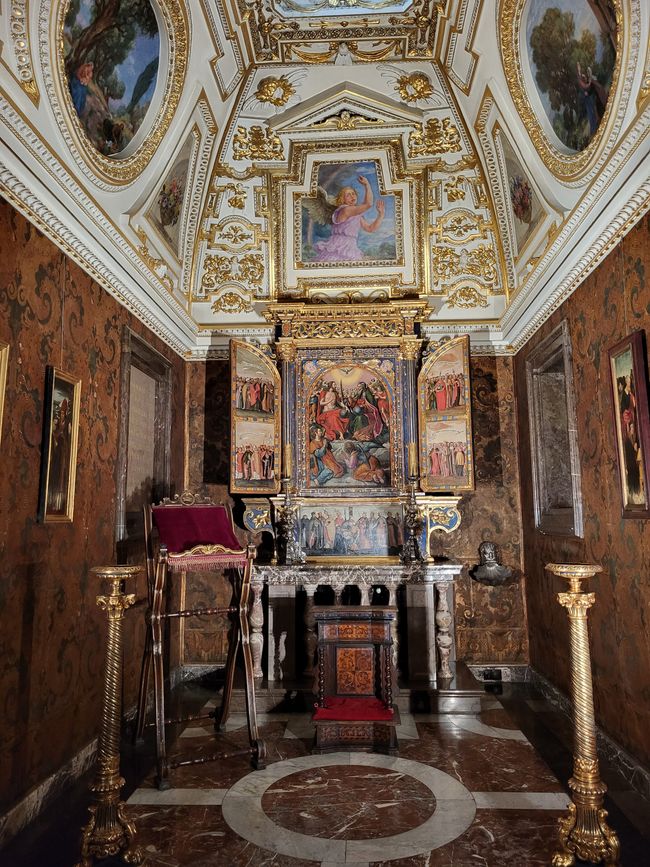
Finding the first floor less rewarding, the rooms and their furnishings on the second floor were at least somewhat more impressive.
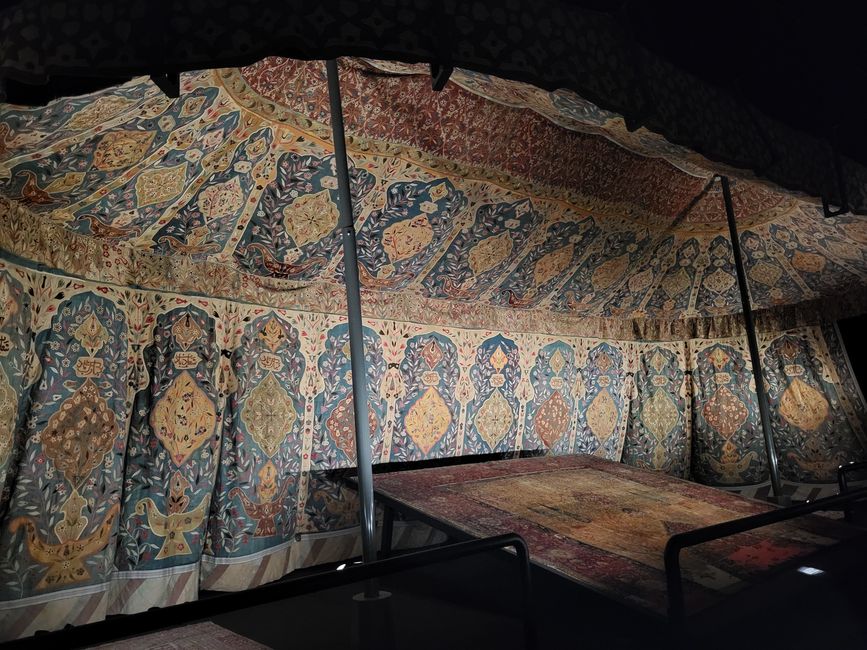
In the end, there was also an exhibition of Ottoman tents showing trophies from battles from the 17th century.
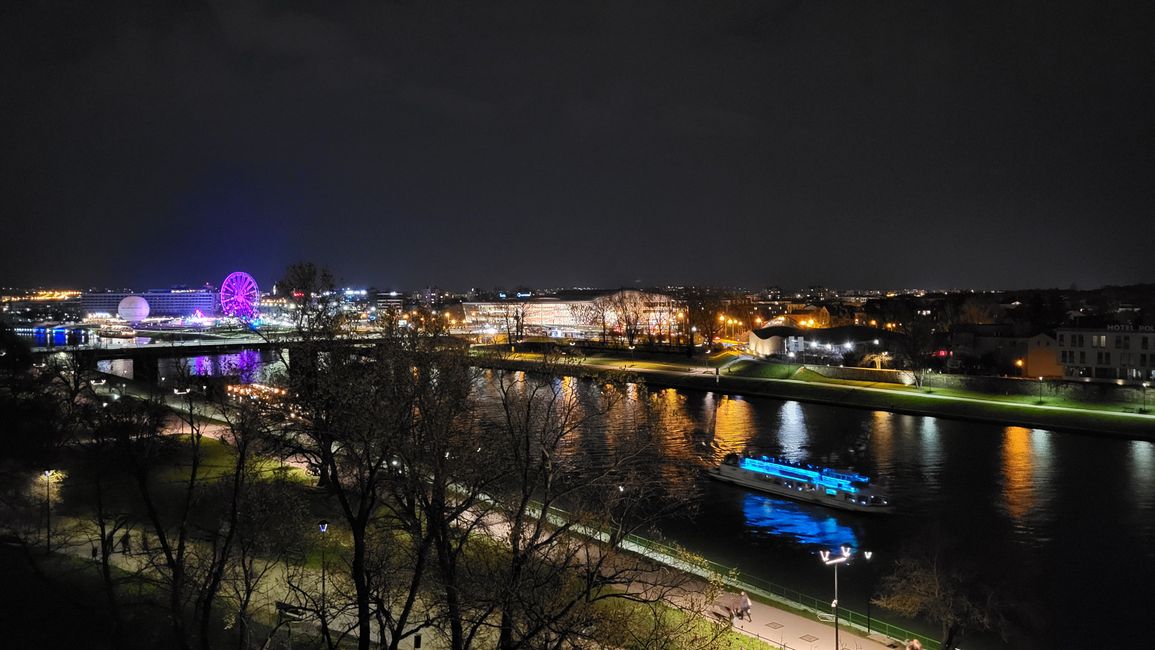
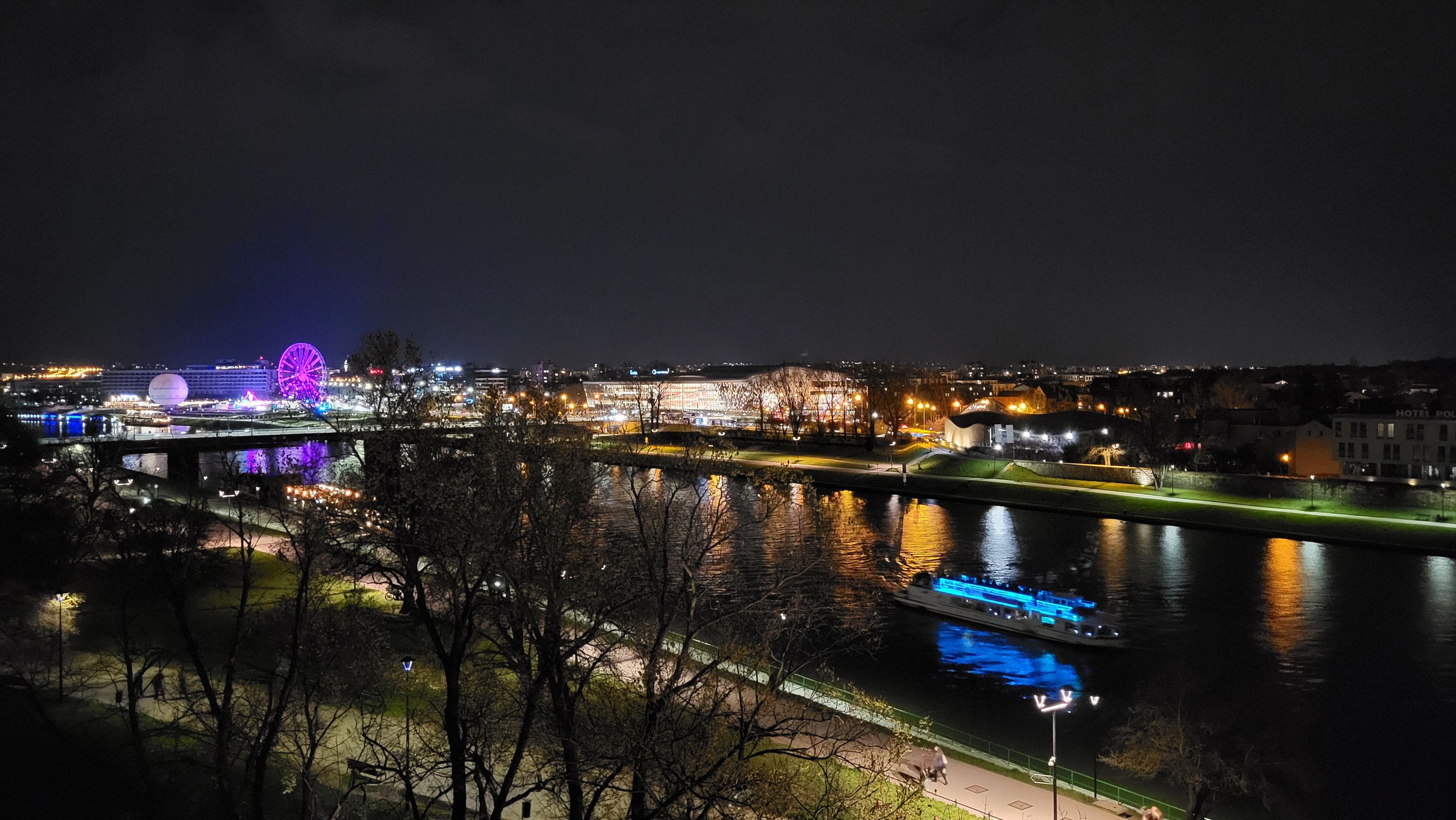
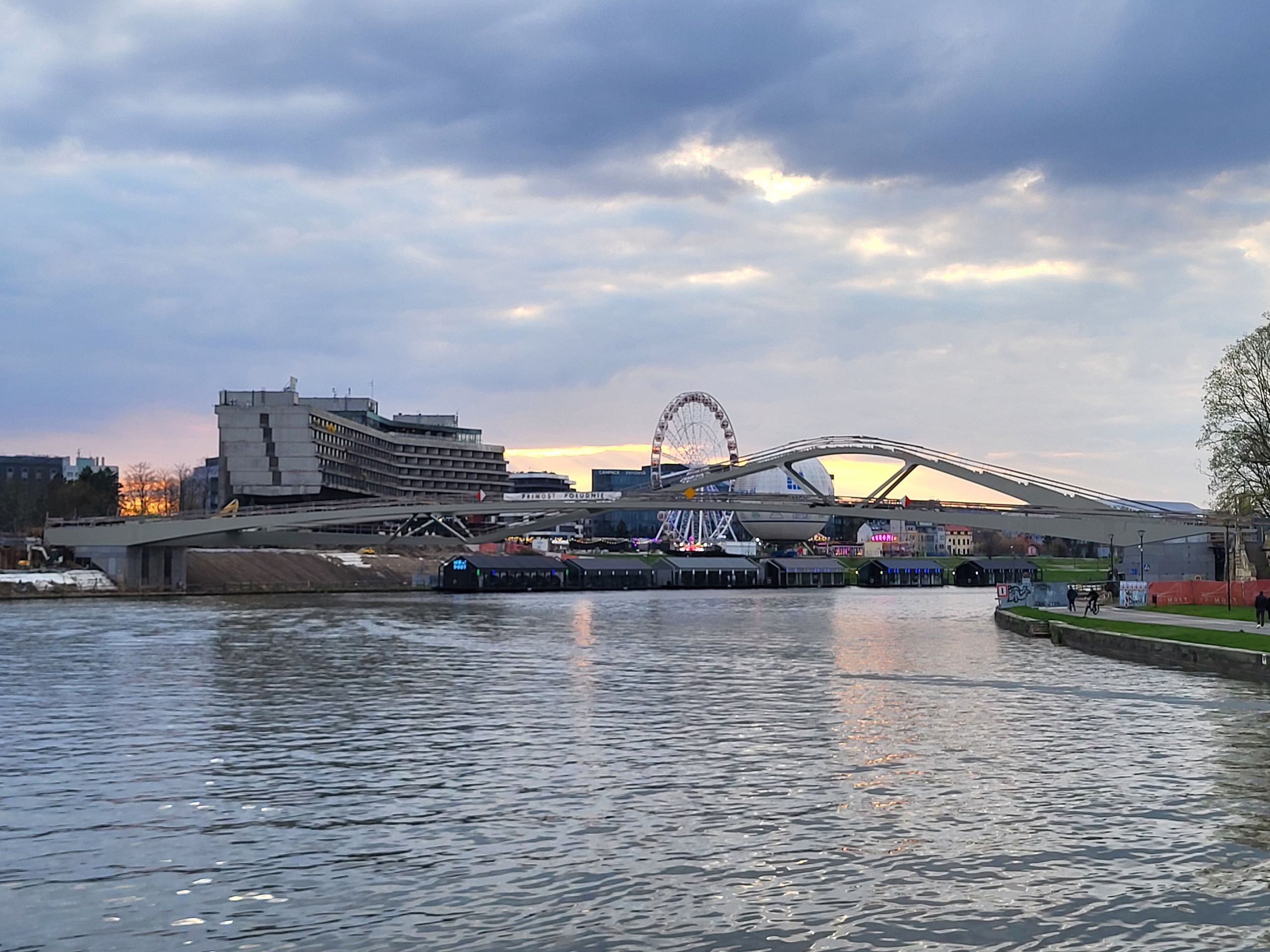
In the evening, we took a small boat trip on the Vistula.
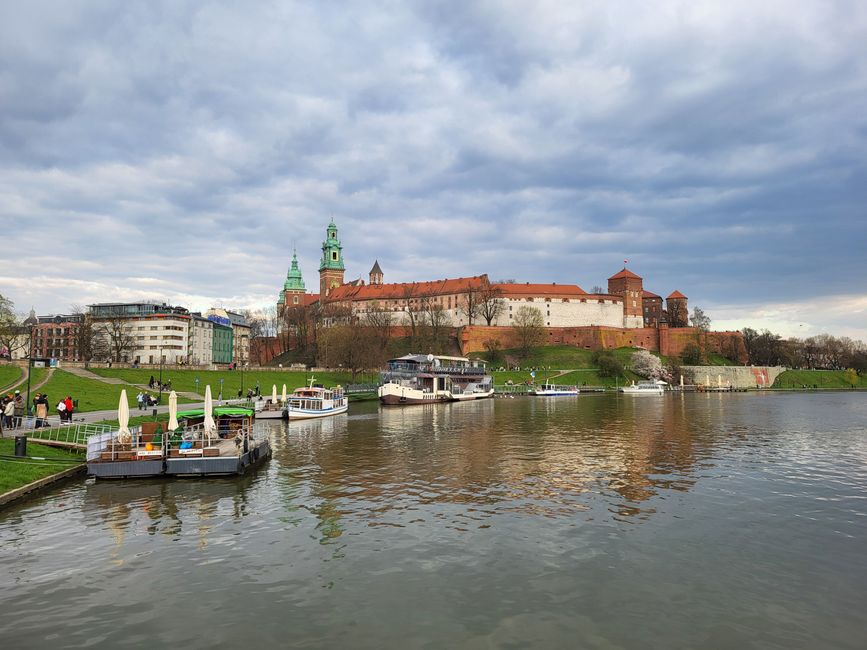
During this, we also saw some more modern parts of the city but noticed that Krakow's Old Town is best explored on foot rather than seen from the water.
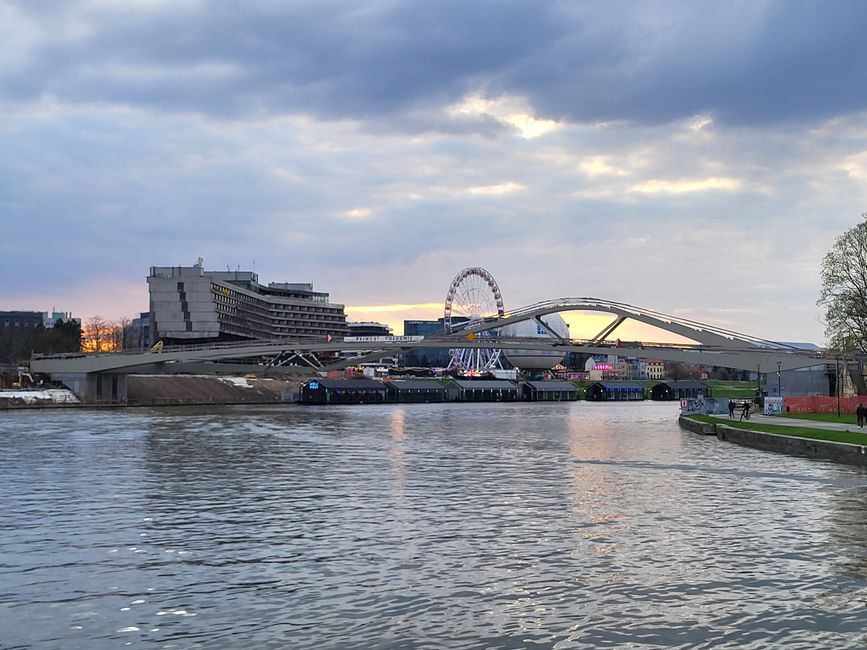
After enjoying some delicious pierogis, we strolled through the illuminated city.
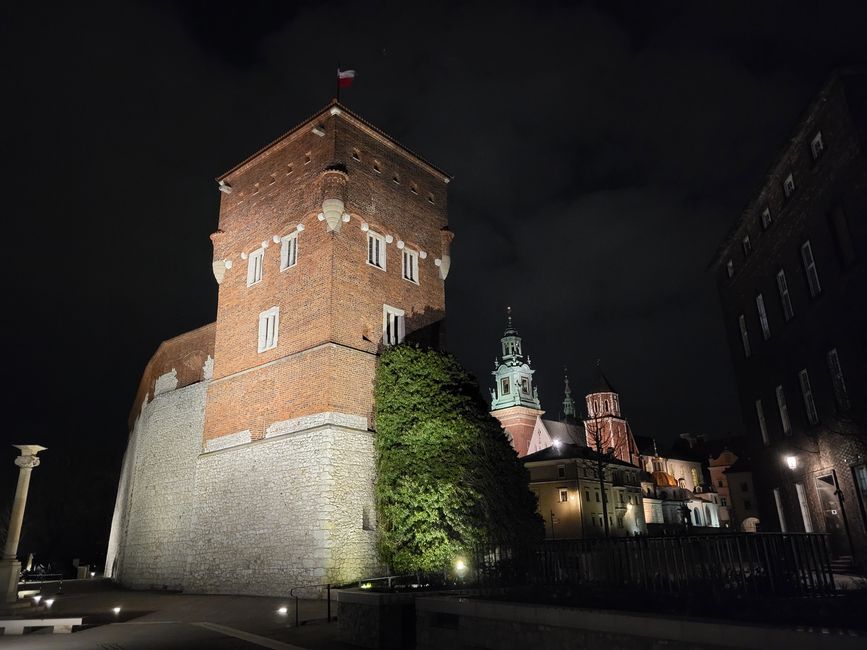
We climbed back up the castle hill, where a Good Friday mass seemed to be just ending.
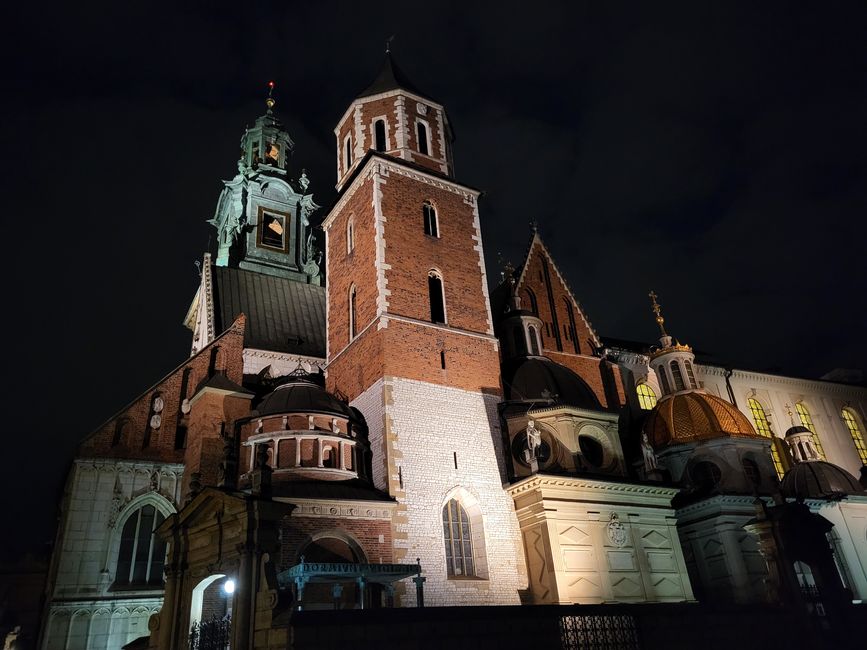
After a last look over the city, we made our way back to the campsite.