
Trondheim October 23-30, 2025/October 26
which can also be found in the municipal coat of arms. The pattern was developed by Marit Emstad. Before dinner, we will take a walk into the town (about 30 minutes)

Published: 21.11.2025
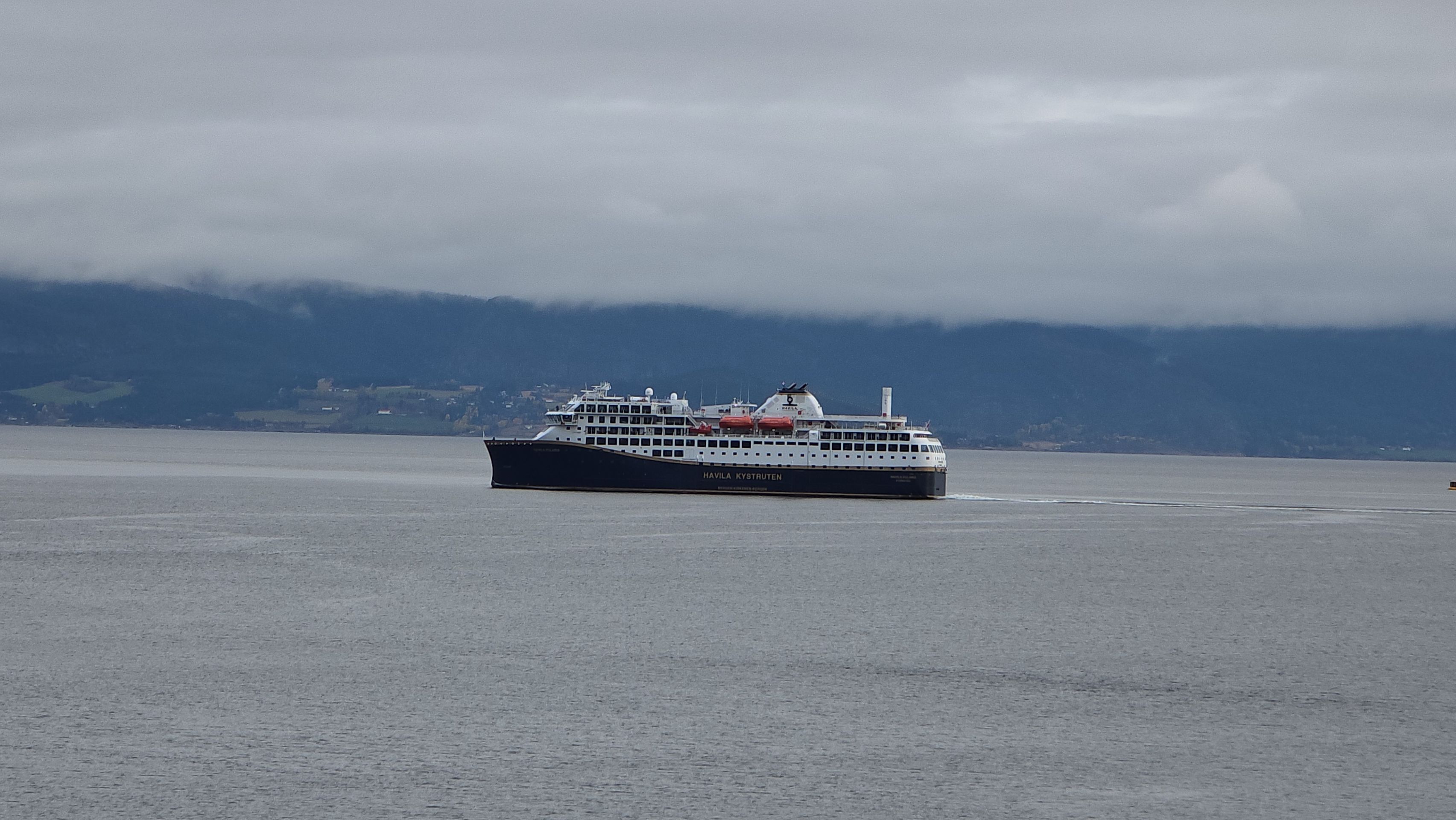
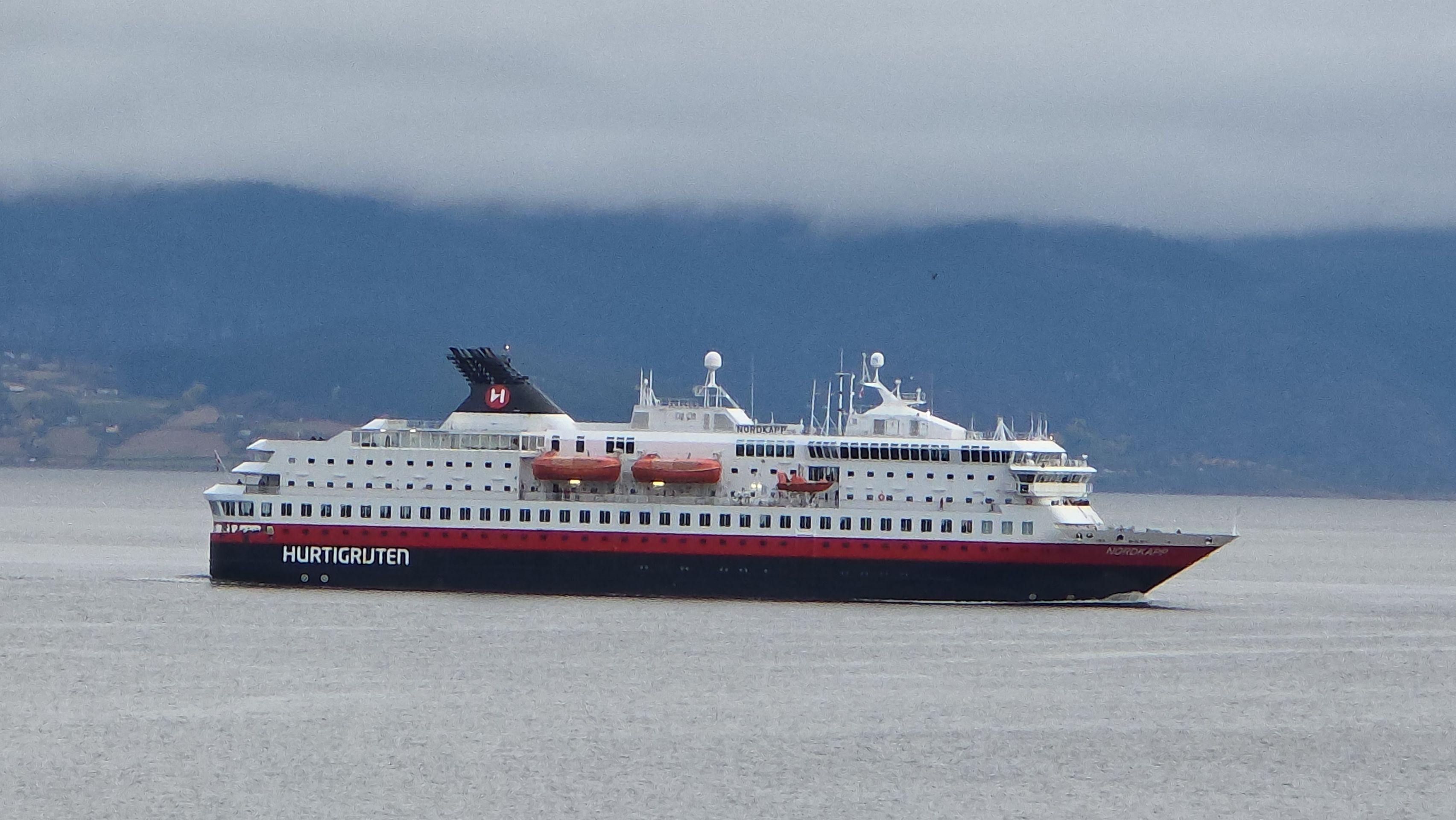
This morning we were delighted by the sight of the Hurtigruten ship and the Havilaship as they crossed paths upon entering and exiting Trondheim.
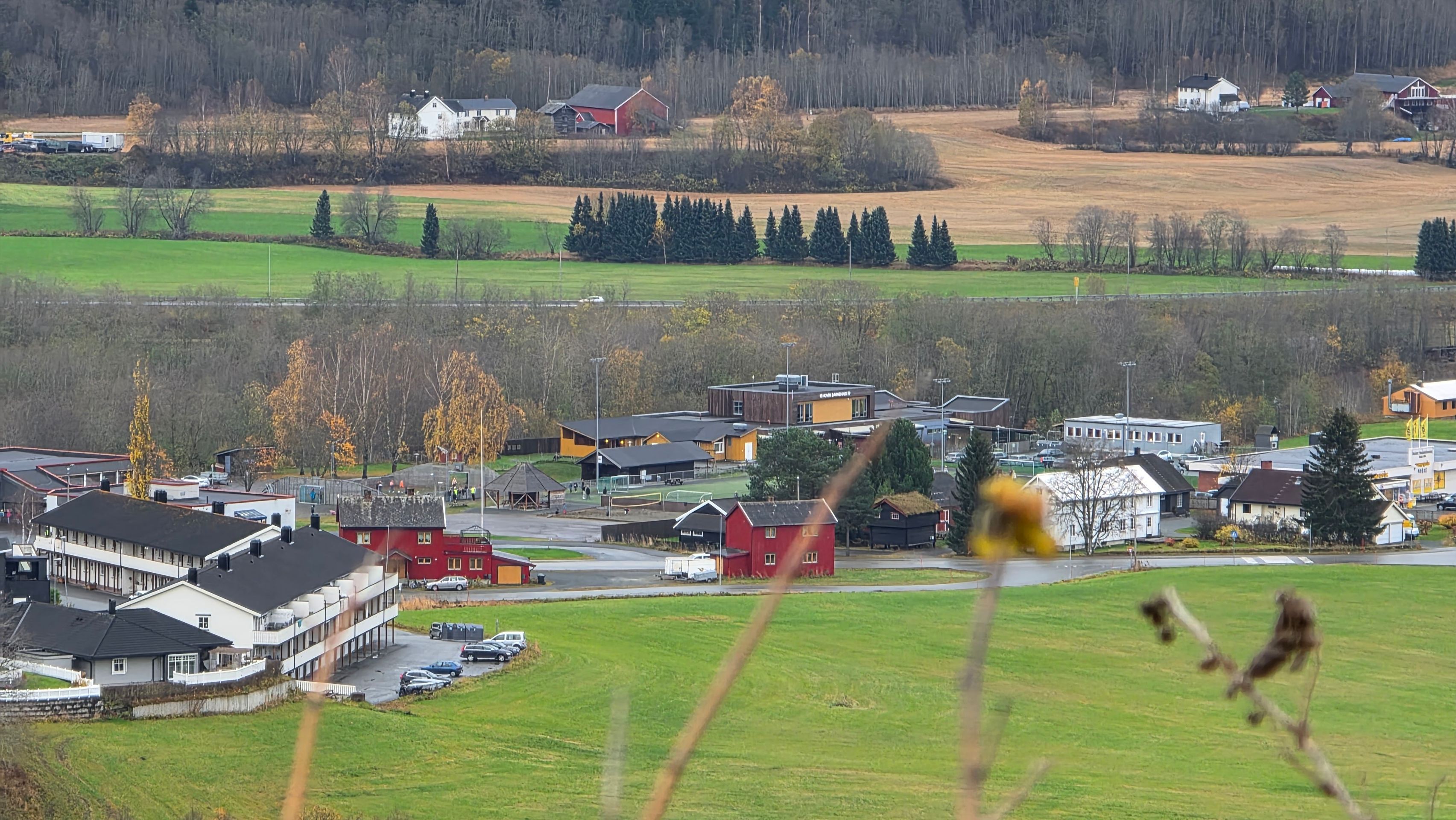
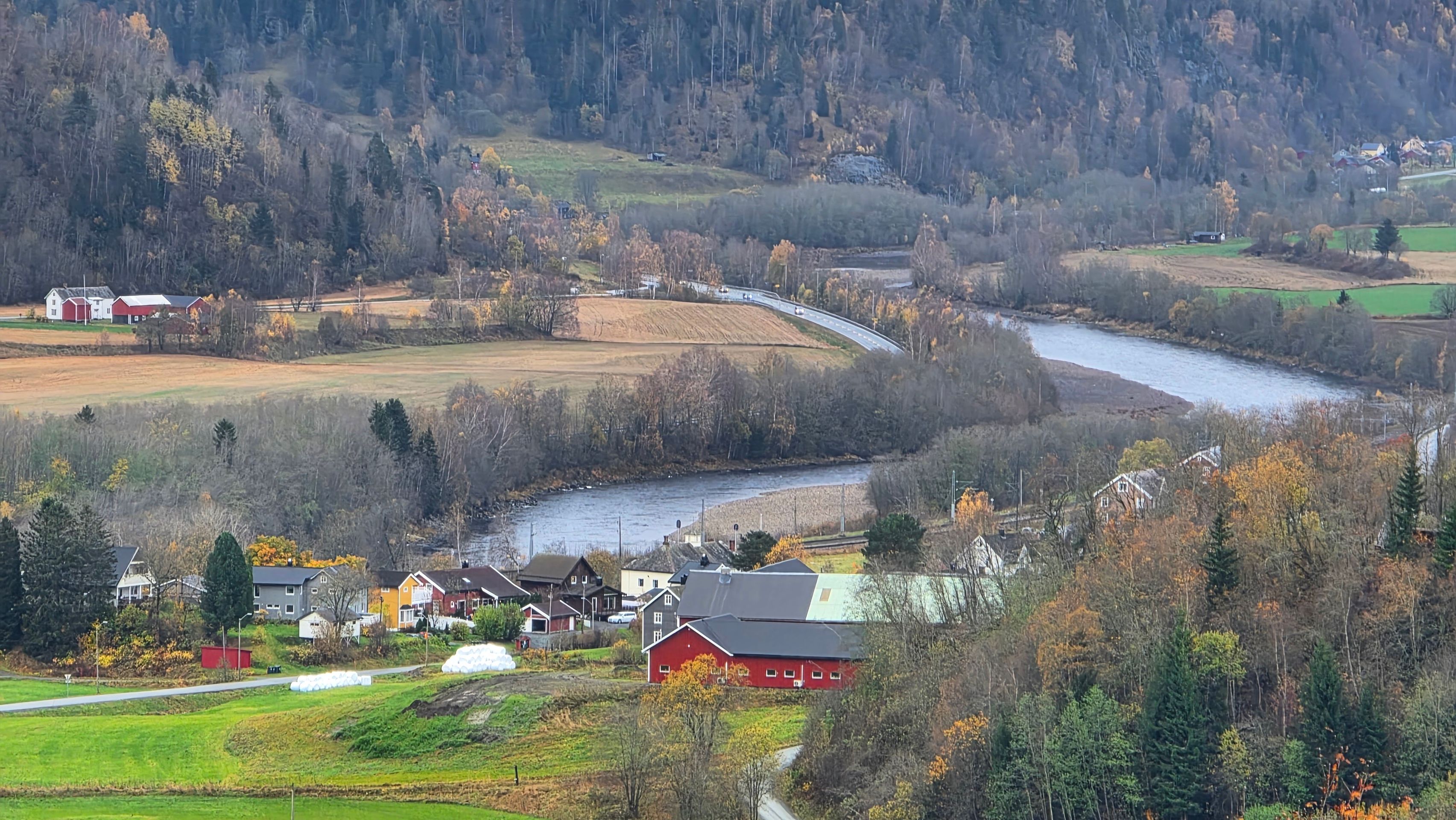
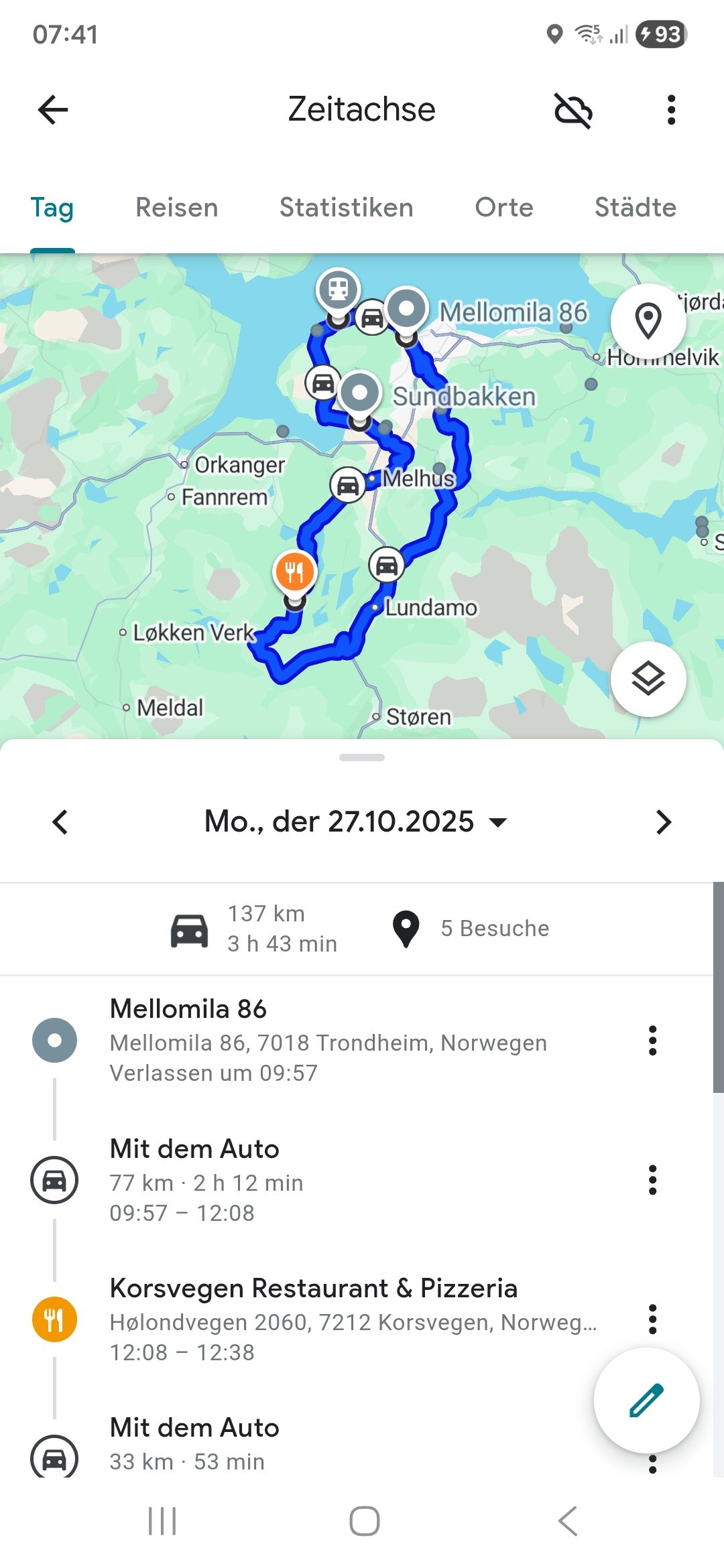
Afterwards, we will travel today along the Änøy lake to Movin, Hølonda, returning over Tillerbrua.
Hølonda is a parish and former urban municipality in Trøndelag, Norway, and is now part of the municipality of Melhus. The area covers 166.9 km² [and lies in the southwest of the municipality of Melhus. In 2001, it was home to 1,550 people. Until 1964, Hølonda was an independent urban municipality in Sør-Trøndelag. It was established in 1865 after being separated from Melhus. The administrative center of the municipality was located in Korsvegen, a settlement in the northern part of the municipality. Another significant place in Hølonda is Gåsbakken, located at the southernmost point. In 1964, after almost 100 years as an independent urban municipality, Hølonda became part of the newly established municipality of Melhus. Konrad Blokkum was the last mayor of Hølonda.
Geographically, Hølonda can be described as a wooded village with numerous mountains and hills on a ridge between Gauldalen to the east and Orkdalen to the west. The area extends from 149 to 545 m above sea level and houses around 65 large and small lakes and ponds. The geographical center of the village is Gåslandsgrenda at Gåslandsvatnet. Hølonda borders municipalities like Melhus, Skaun, Orkdal, Meldal, Kvål, Lundamo, and Hovin.
From the Iron Age to the Middle Ages, Hølonda was a trading port in the Gauldøla district and in the 19th century, the municipality belonged to the Orkedalen fogderi (until its administrative unit was dissolved at the end of the century). The first known mention of the place is found in the land register of Aslak Bolt from the year 1432. Previously, the place was known under the names Høilandet (not to be confused with Høylandet) and Hølandet before it was officially renamed Hølonda in 1931. There is uncertainty regarding the origin of the name, but some name scholars speculate that the first part of the name, Hø or Høi, comes from dry grass. This may suggest that the village was named because the area was particularly suitable for haymaking or grazing. Others have pointed out that it comes from the word Hø, which is used for height, mountain, hill, etc. This fits relatively well with the topography of the place.
The village has produced numerous athletes who have made a name for themselves both nationally and internationally. The most renowned are Oddvar Brå and Toralf Engan. In the field of research and science, the sociologist and agricultural researcher Reidar Almås is notable.
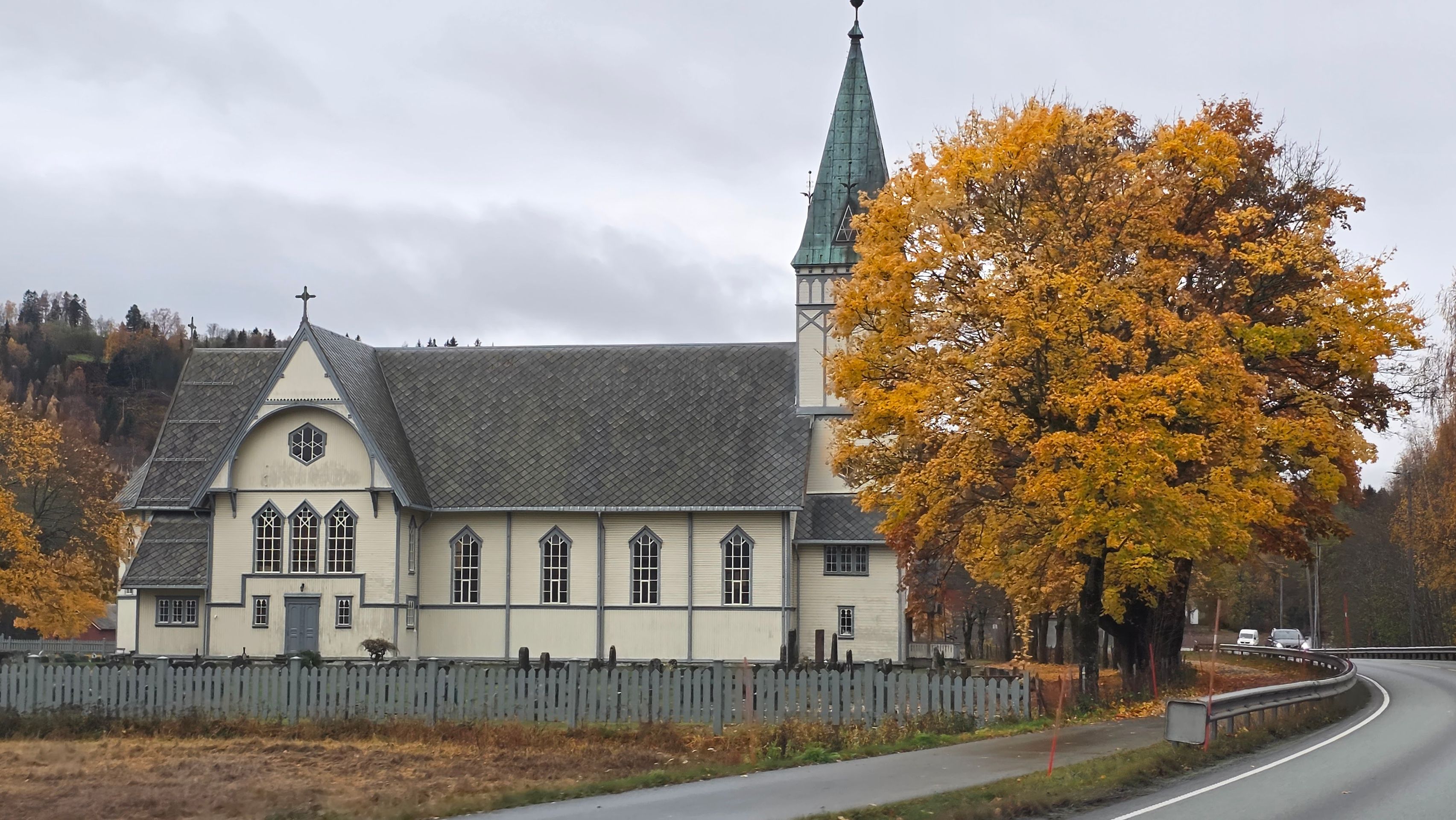
The Hølonda Church ( Norwegian: Hølonda kirke ) is a parish church of the Church of Norway in the Municipality of Melhus in the county Trøndelag, Norway. It is located near the Krokstad farm, west of Gåsbakken, about 14 kilometers west of the village Hovin and about 9 kilometers southwest of the village Korsvegen. It belongs to the parish of Hølonda, which is part of the Gauldal deanery in the Diocese of Nidaros .The white wooden church was built in 1848 according to plans by the architect Christian Heinrich Grosch in cruciform style. It accommodates about 250 people.
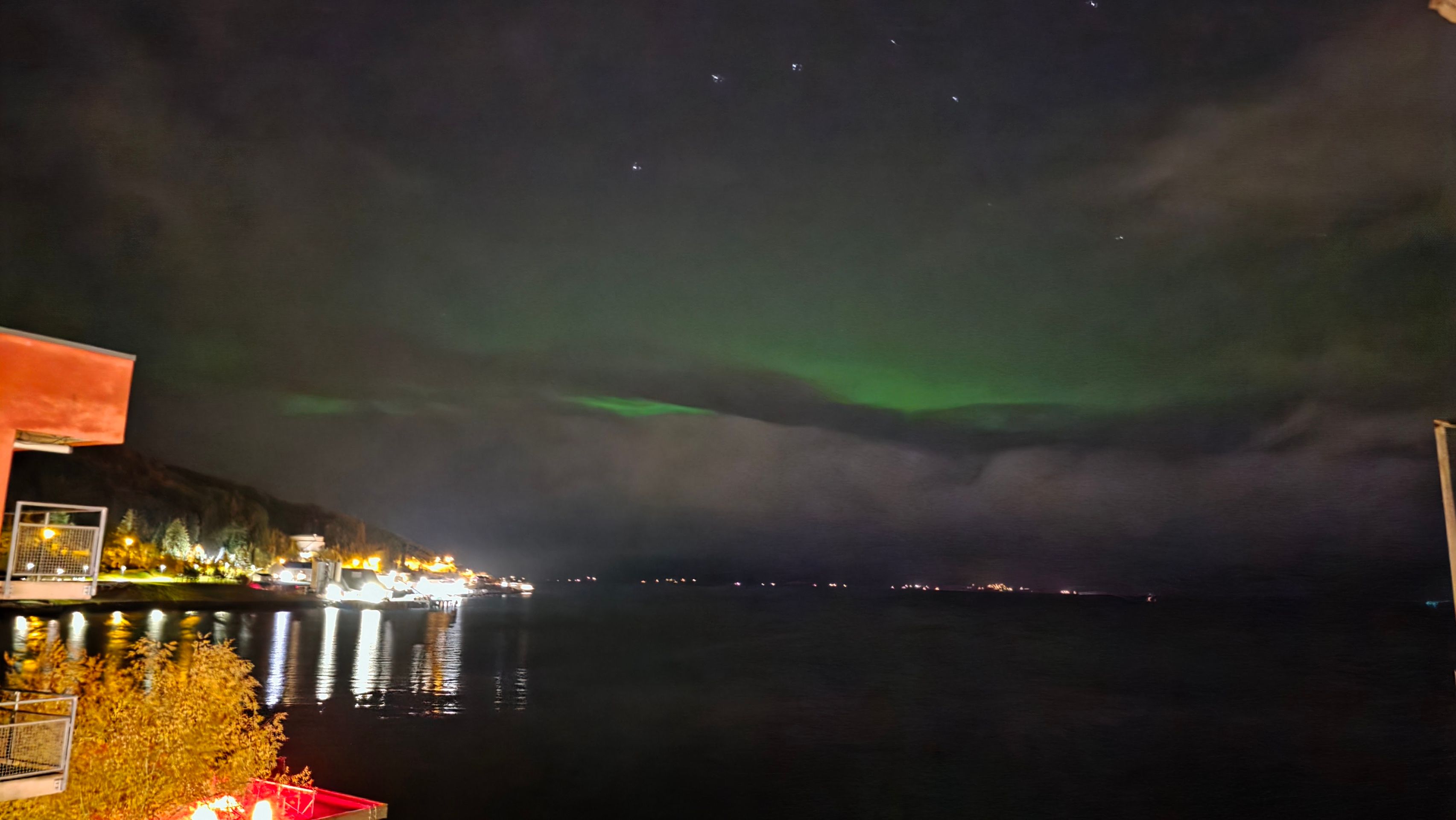
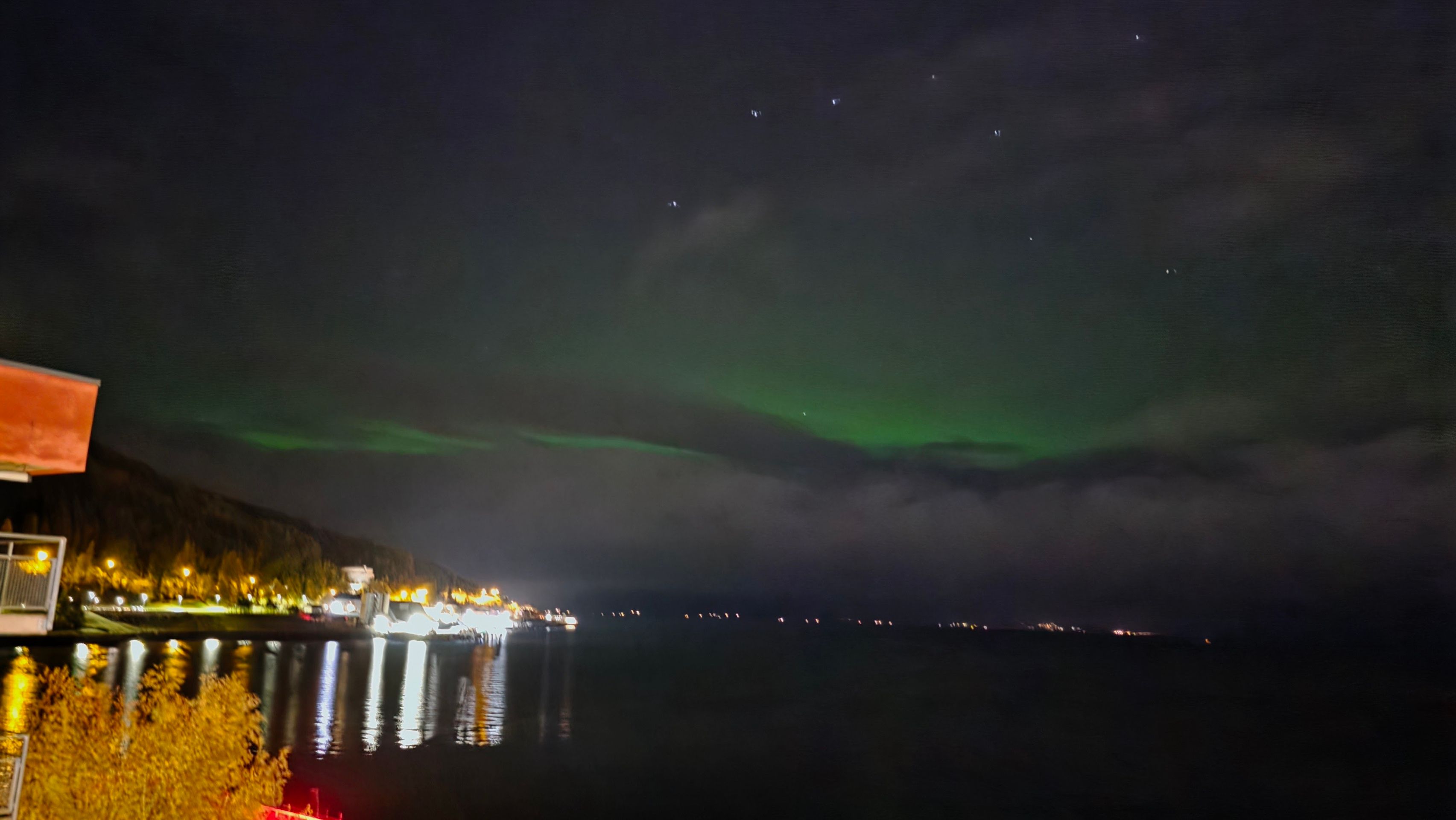
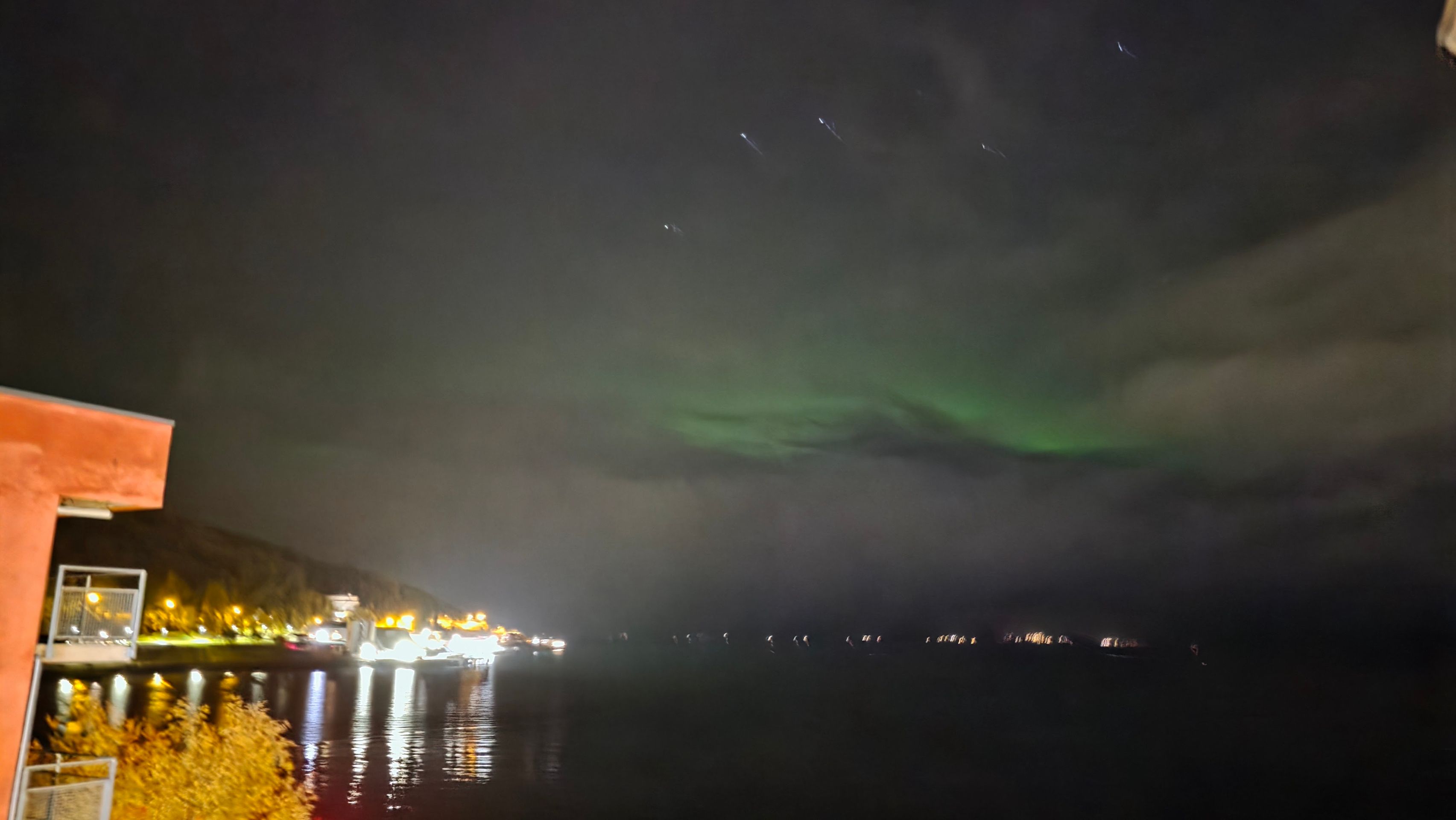
In the early evening, we will watch the Northern Lights over the Trondheimfjord