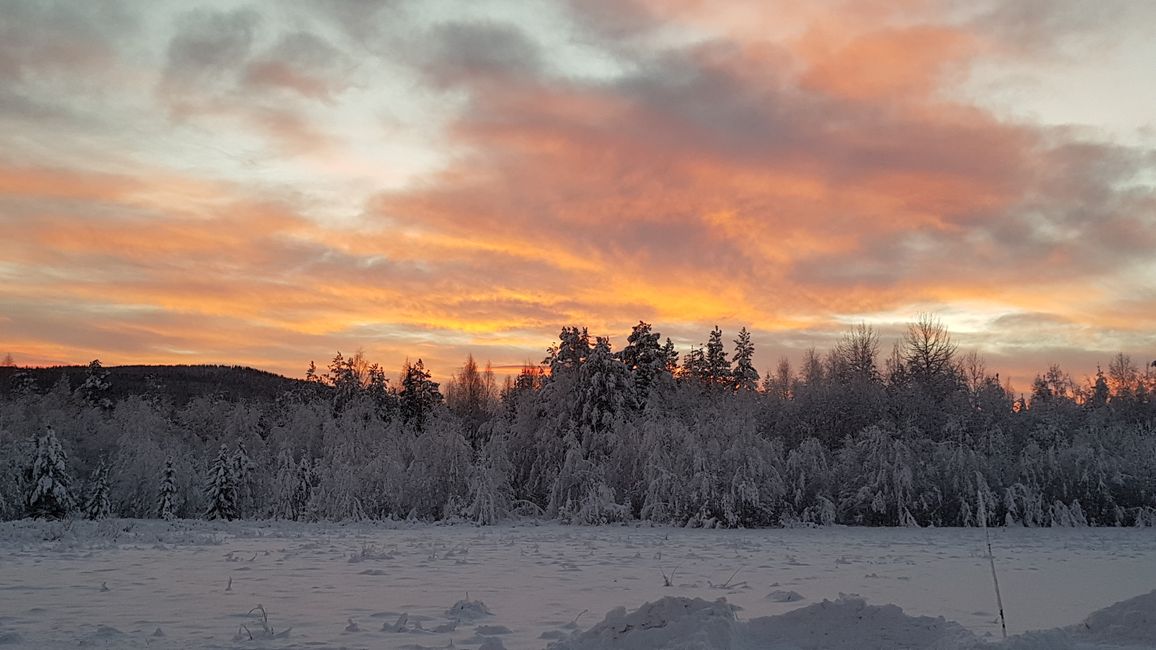
Island Runde-South Norway June 16, 2026
On our journey to Runde, we can see the Bøyabreen glacier directly from the road, impressively large and close to view. The most accessible and spectacular arm of the...

Published: 09.08.2026
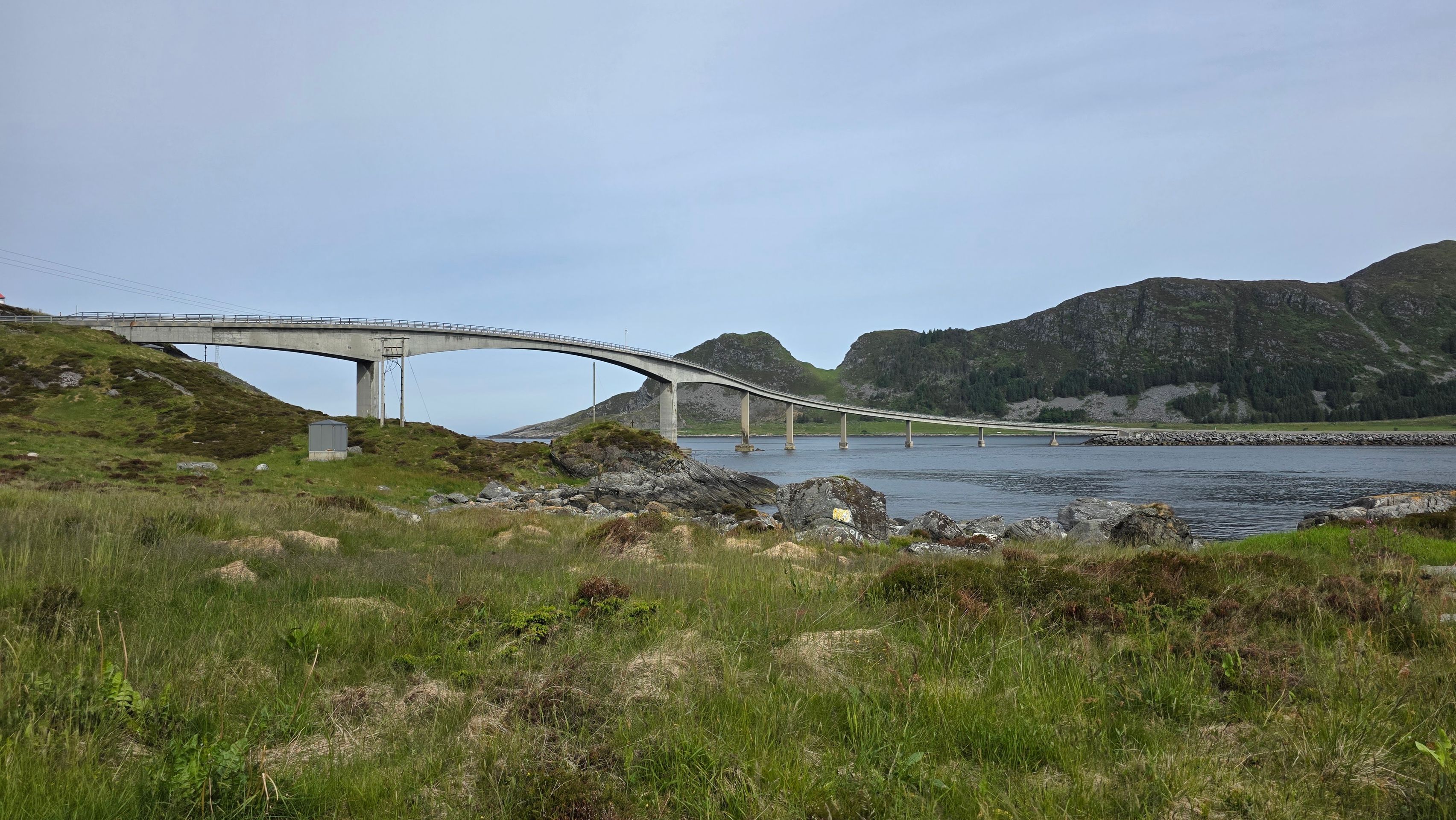
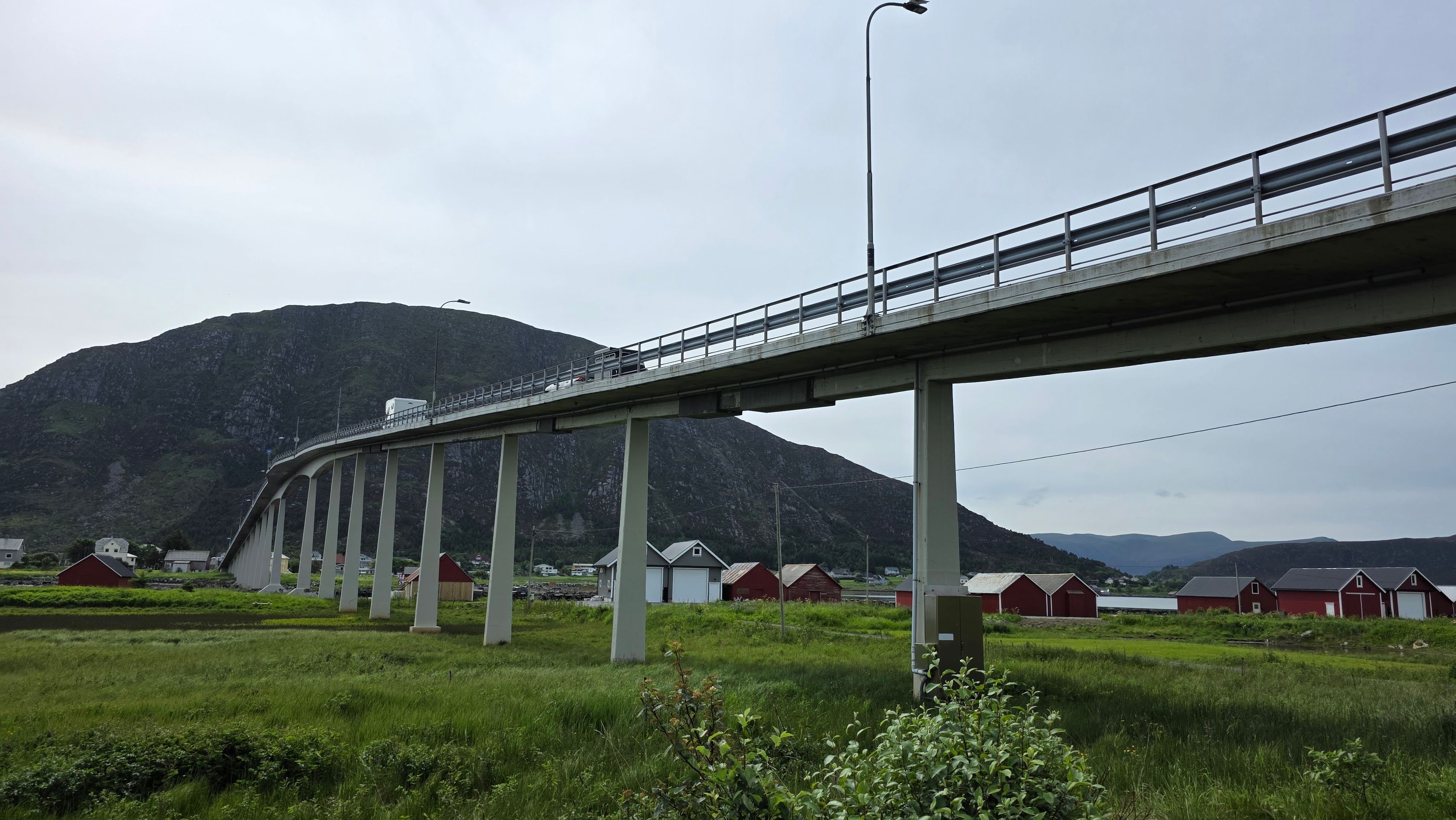
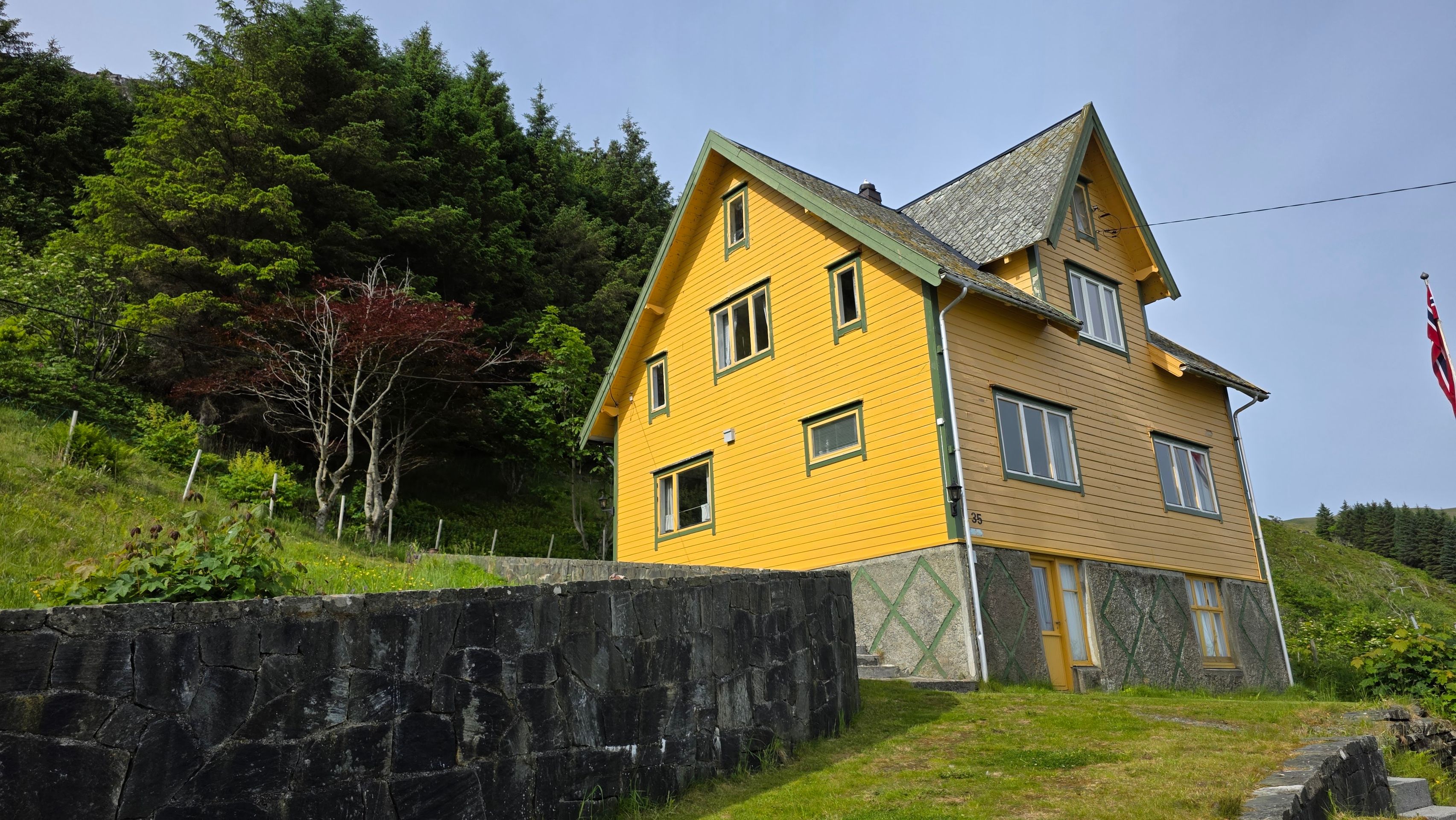
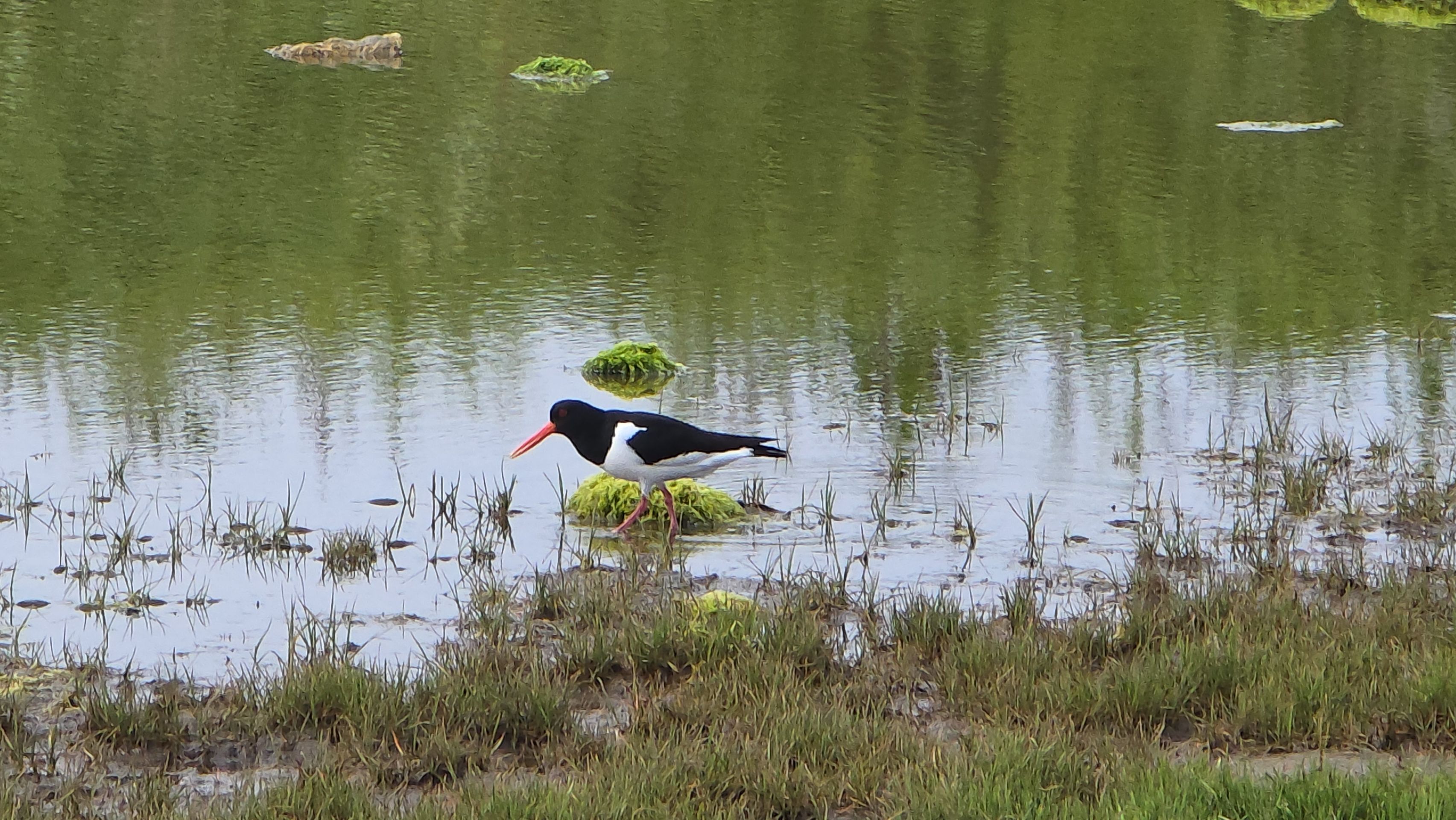
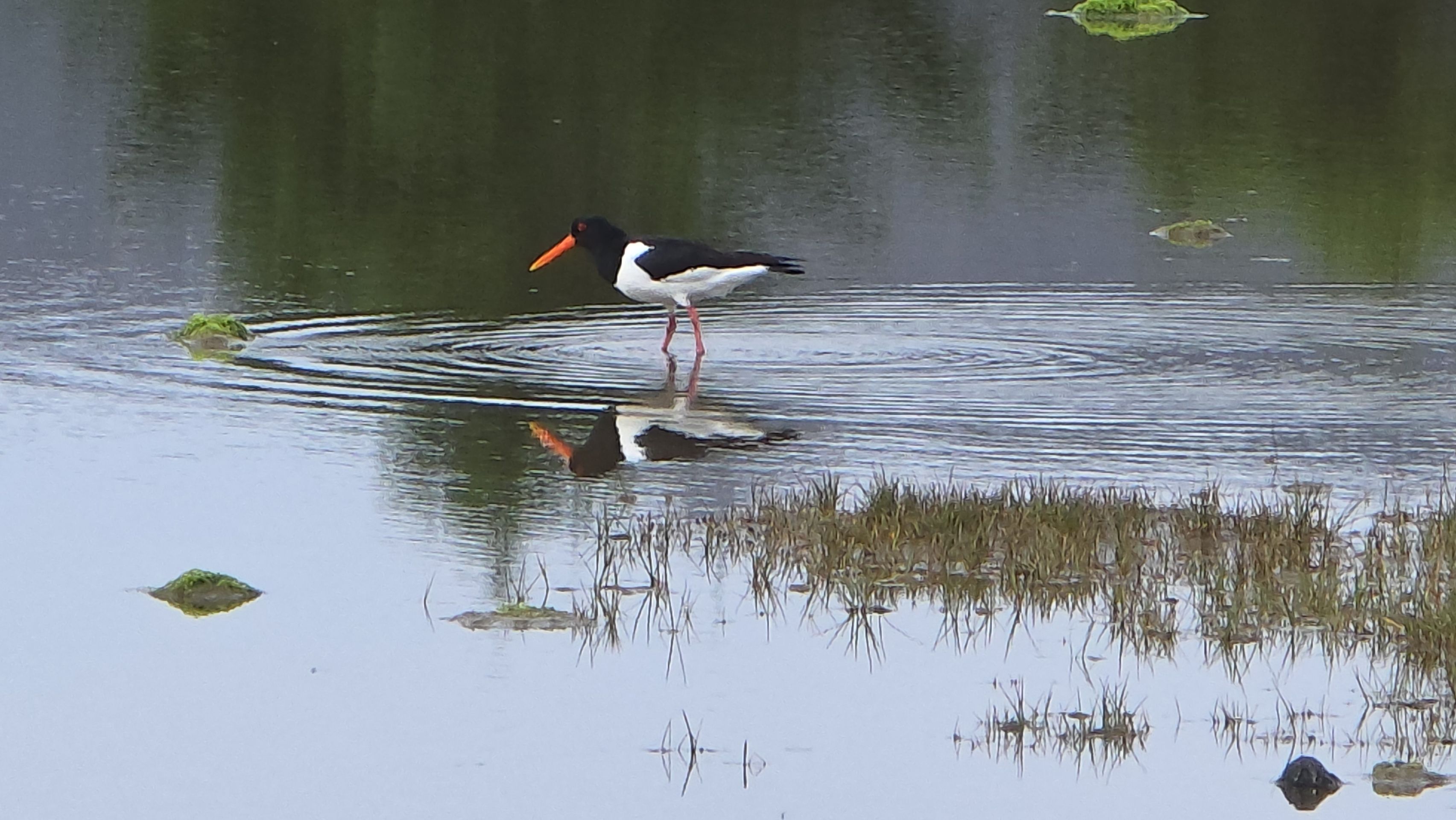
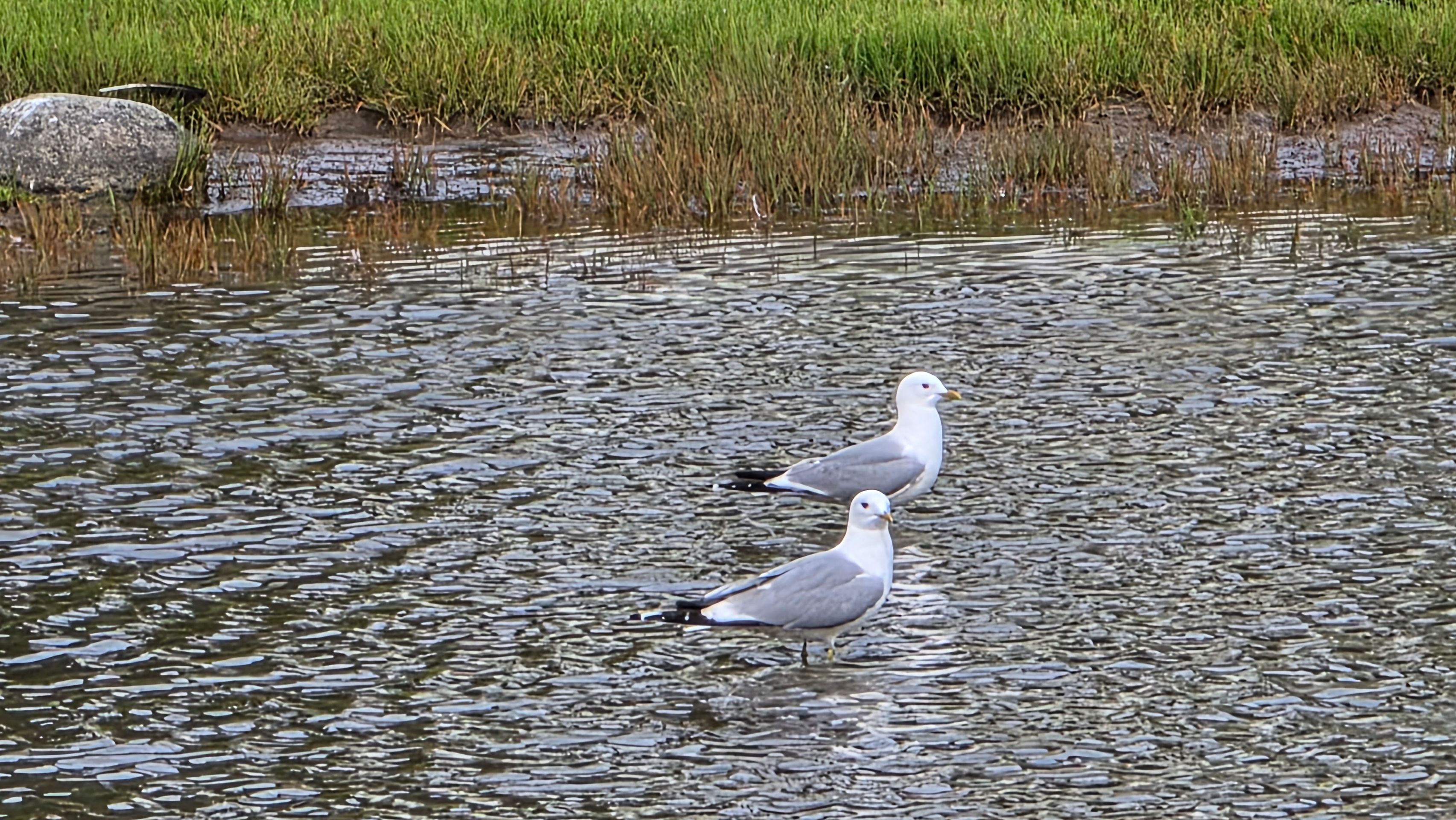
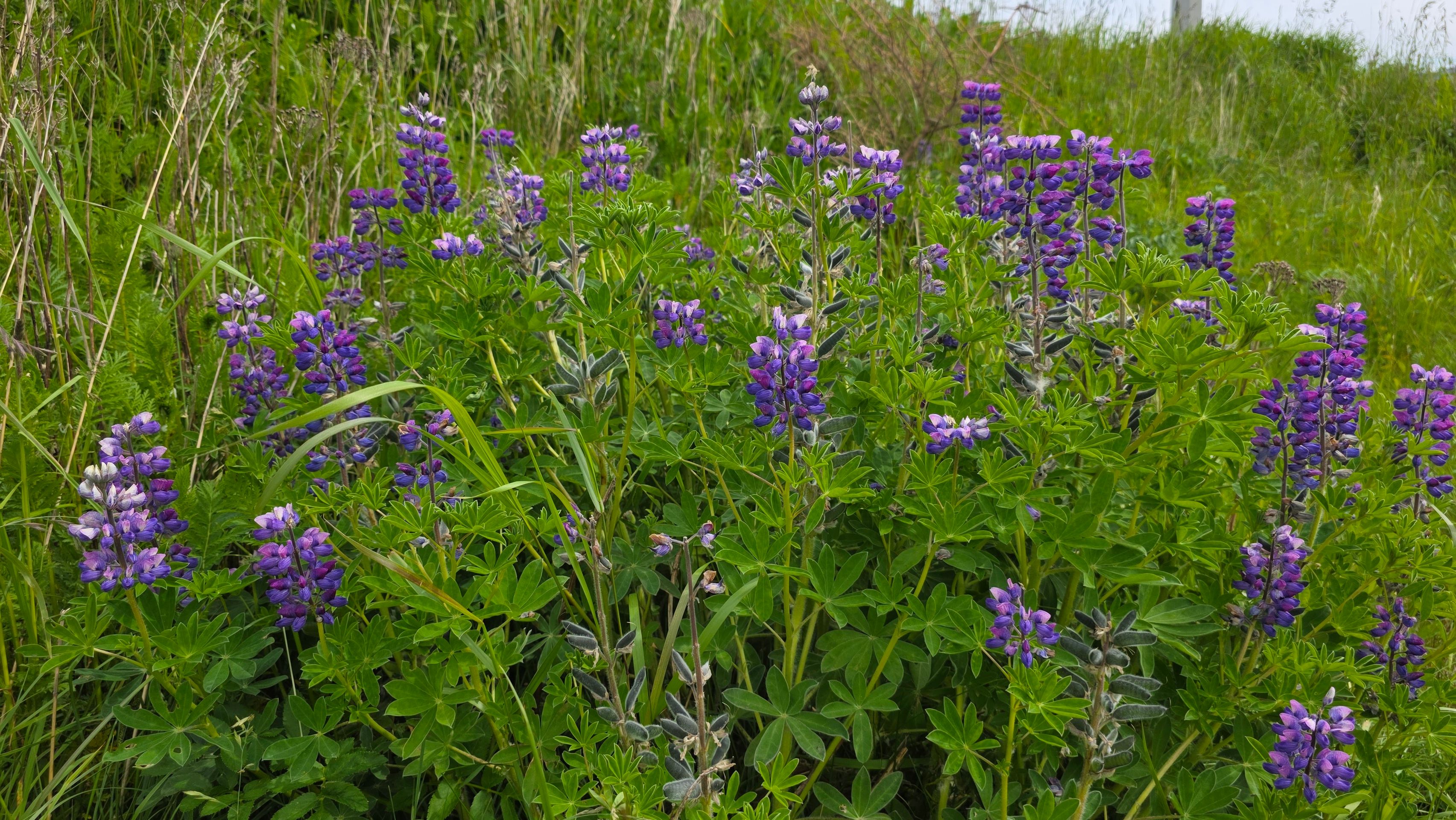
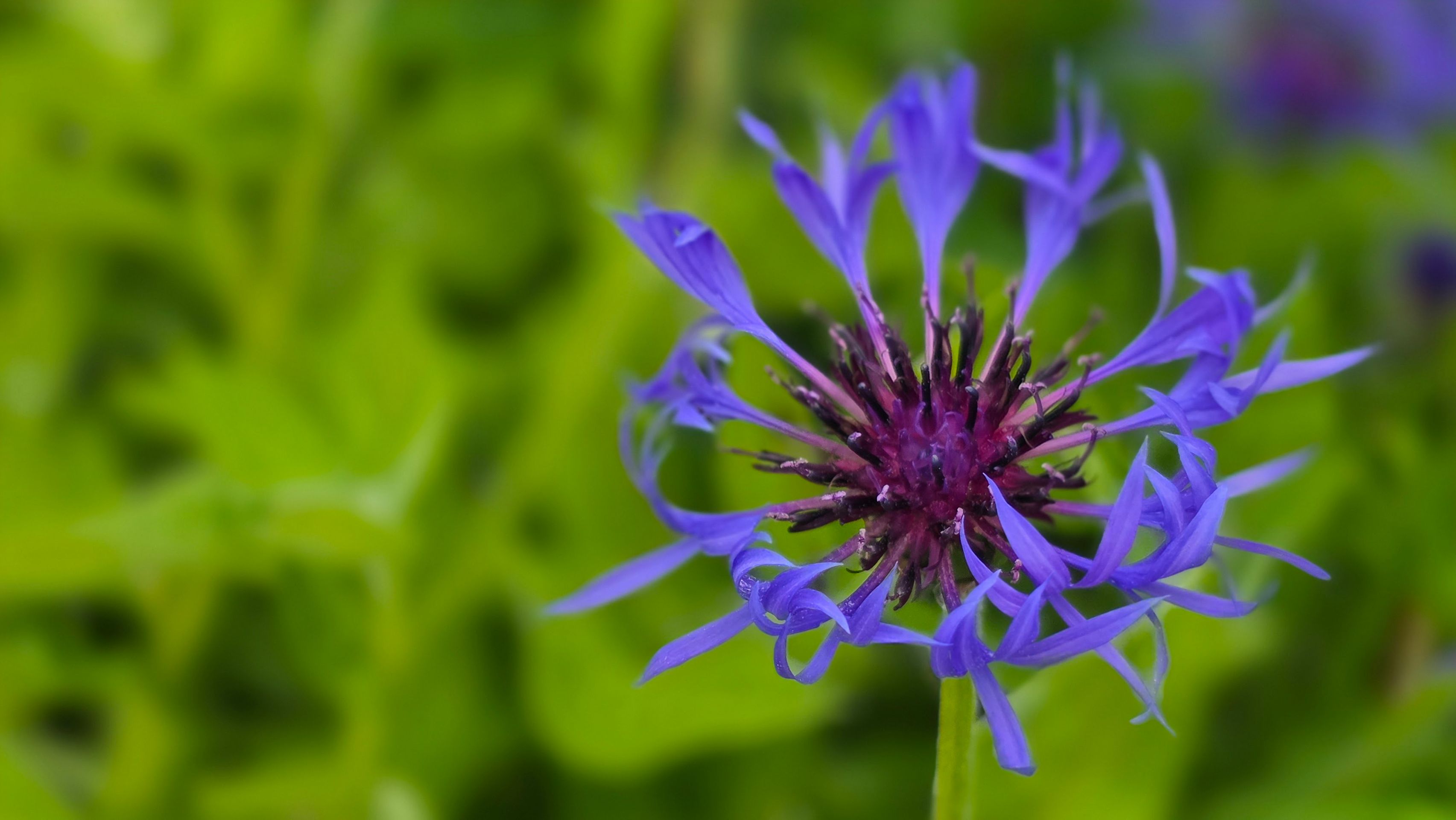
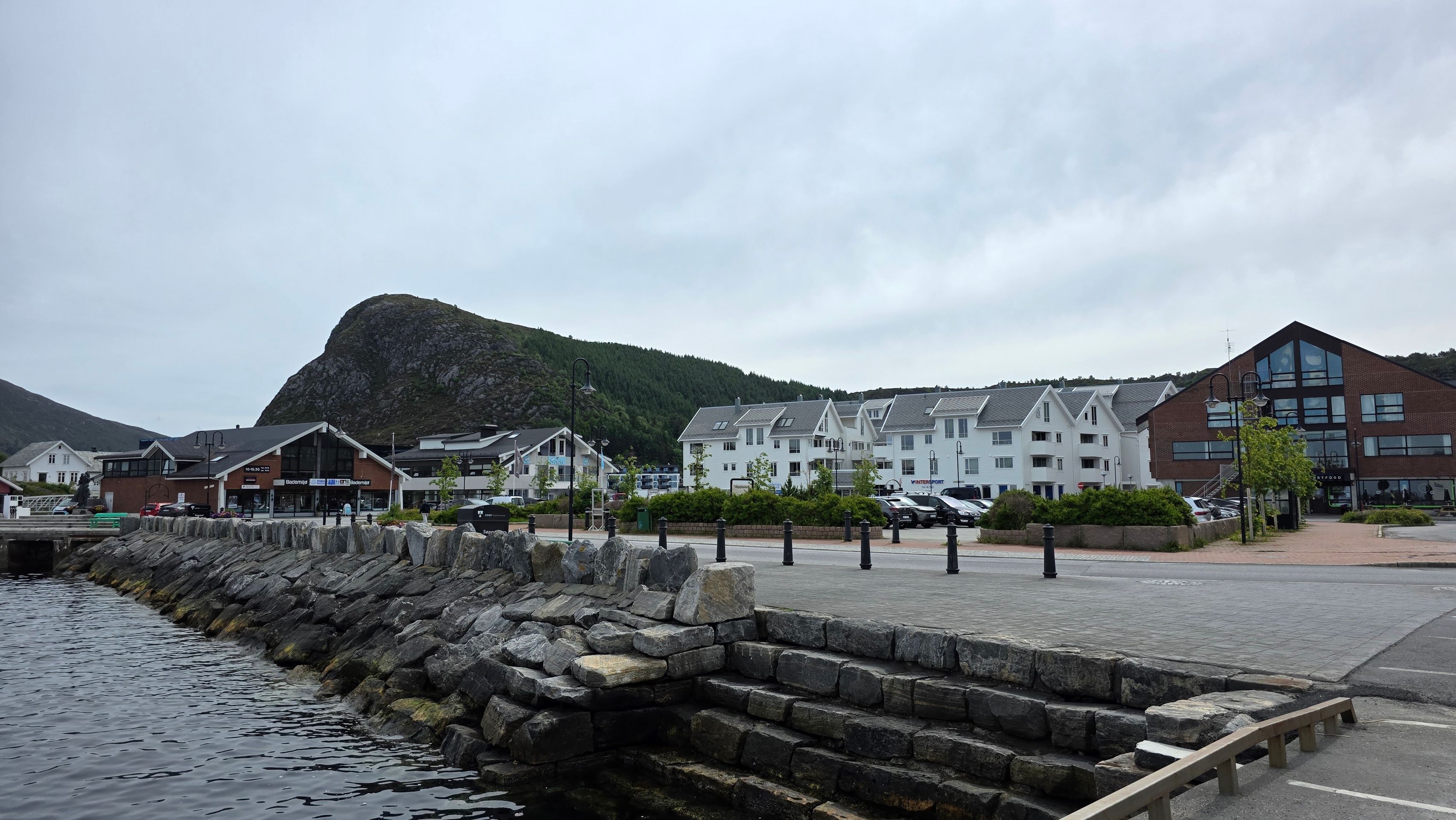
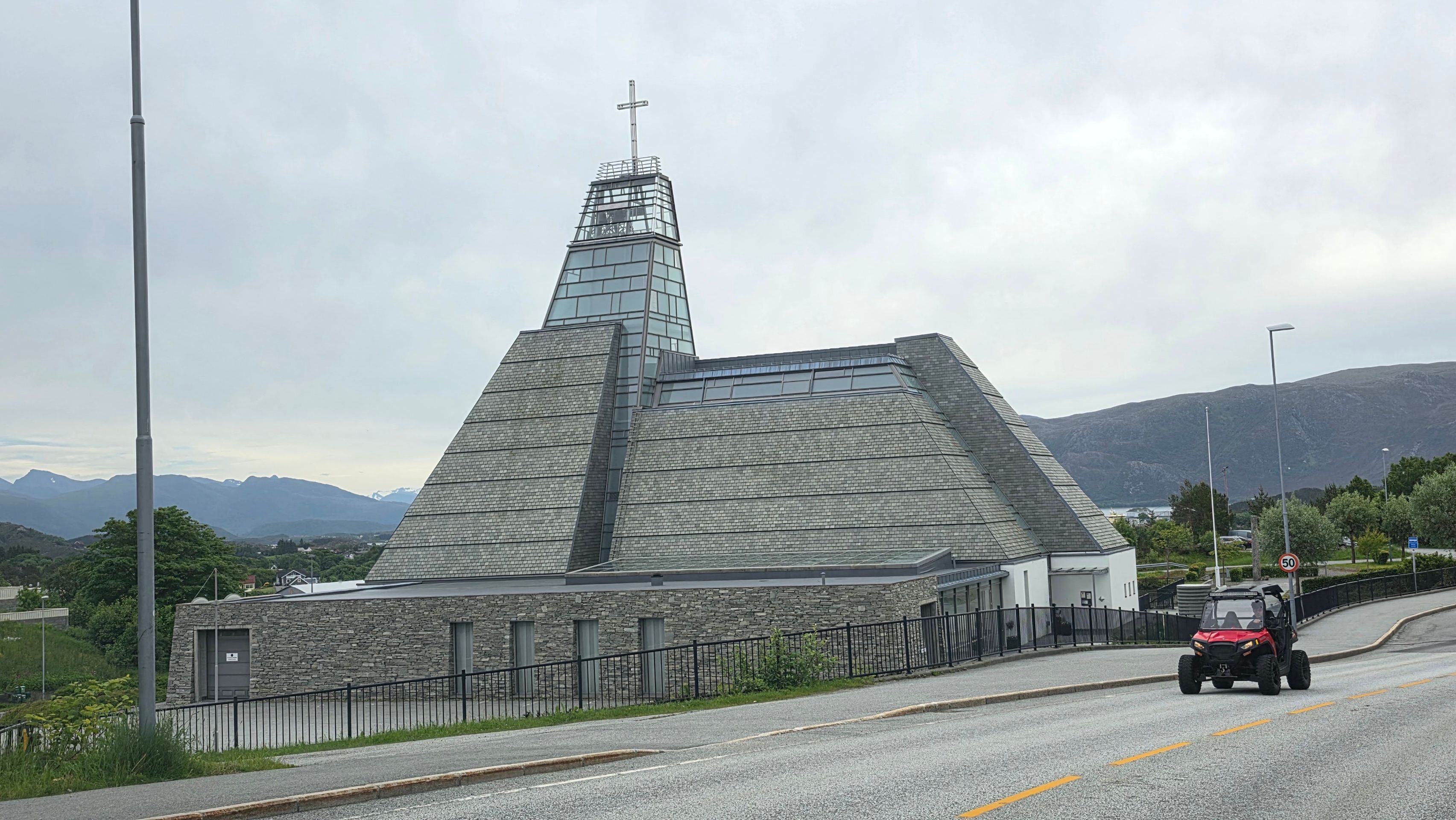
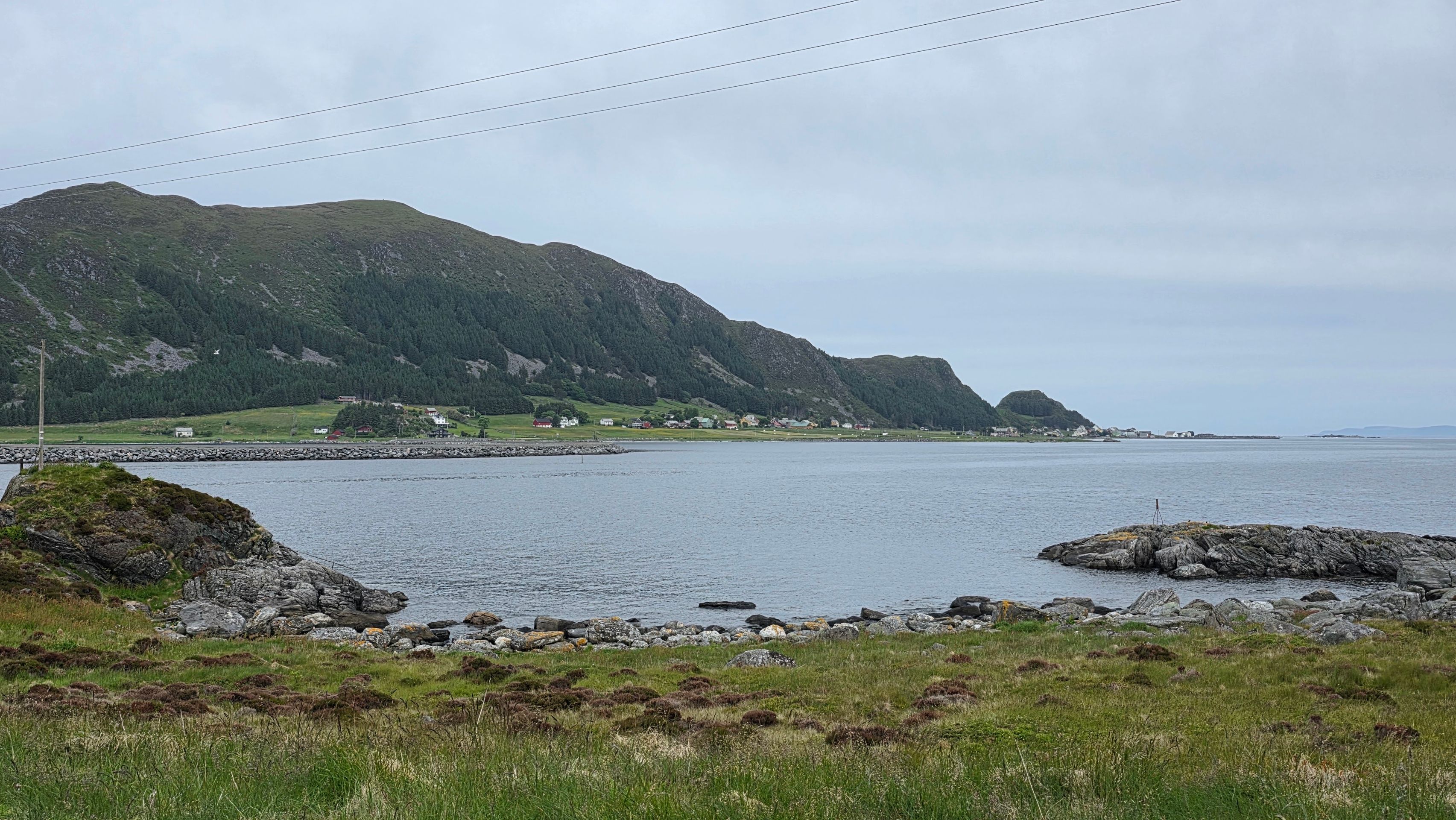
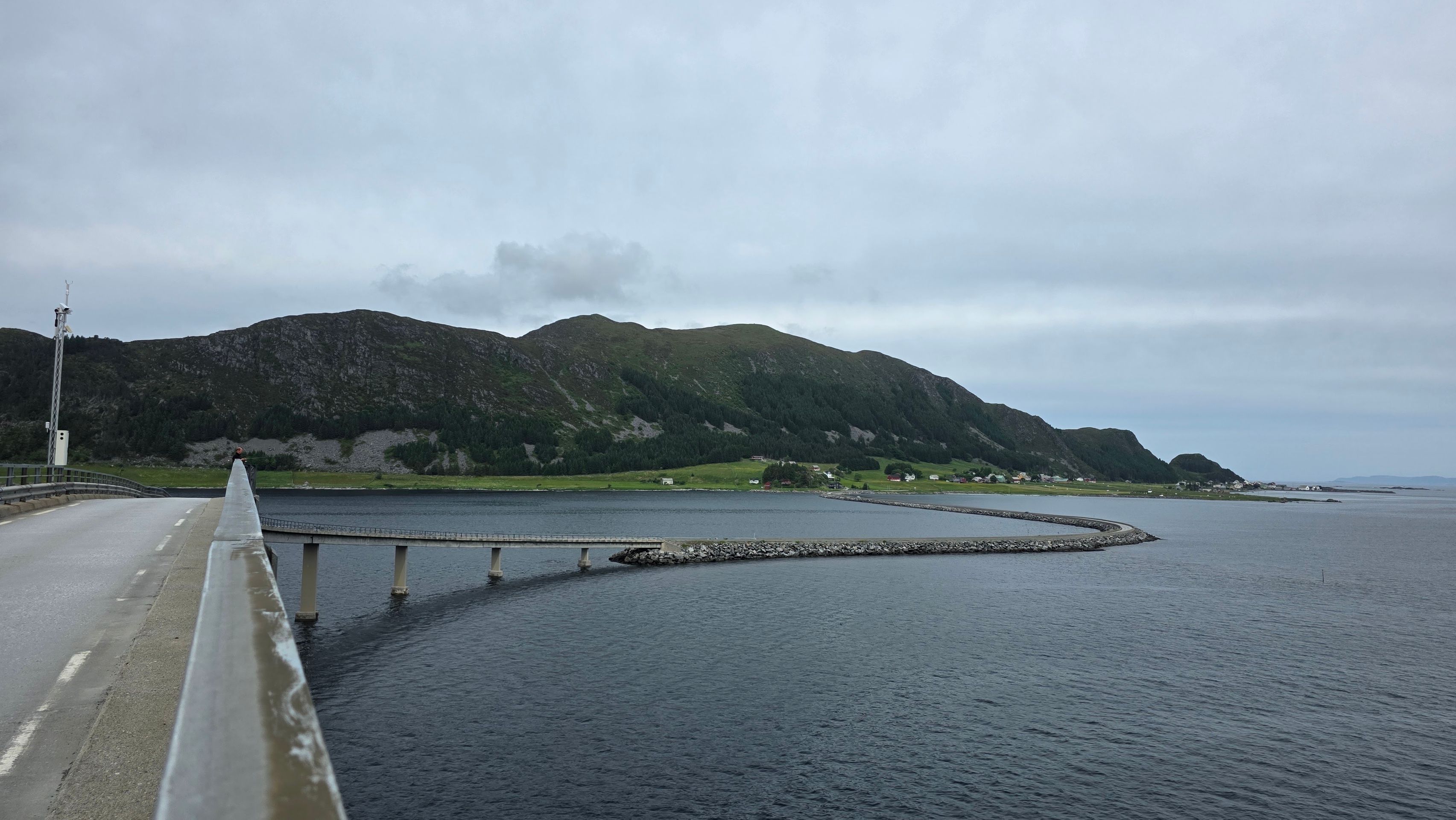
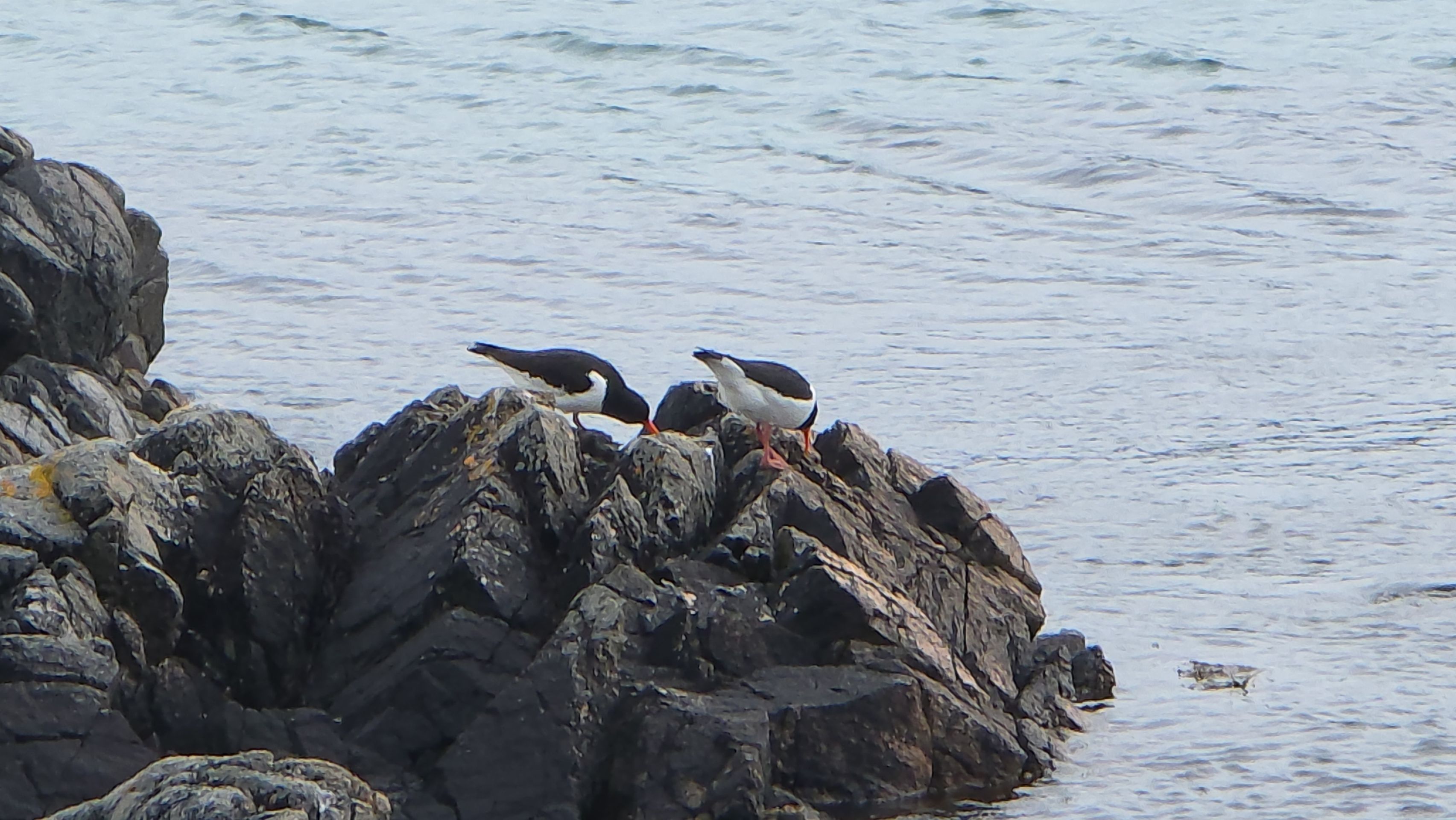
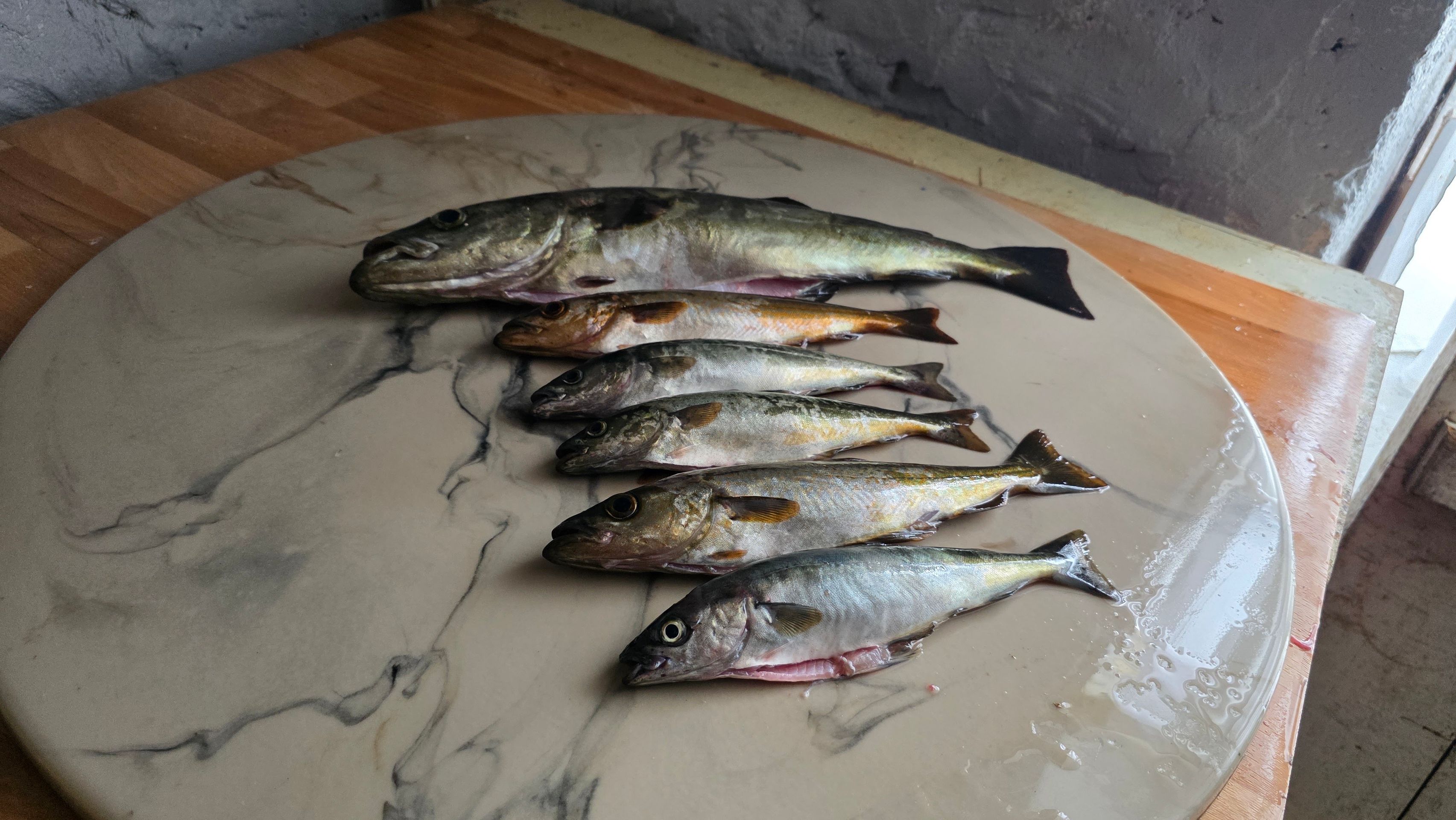
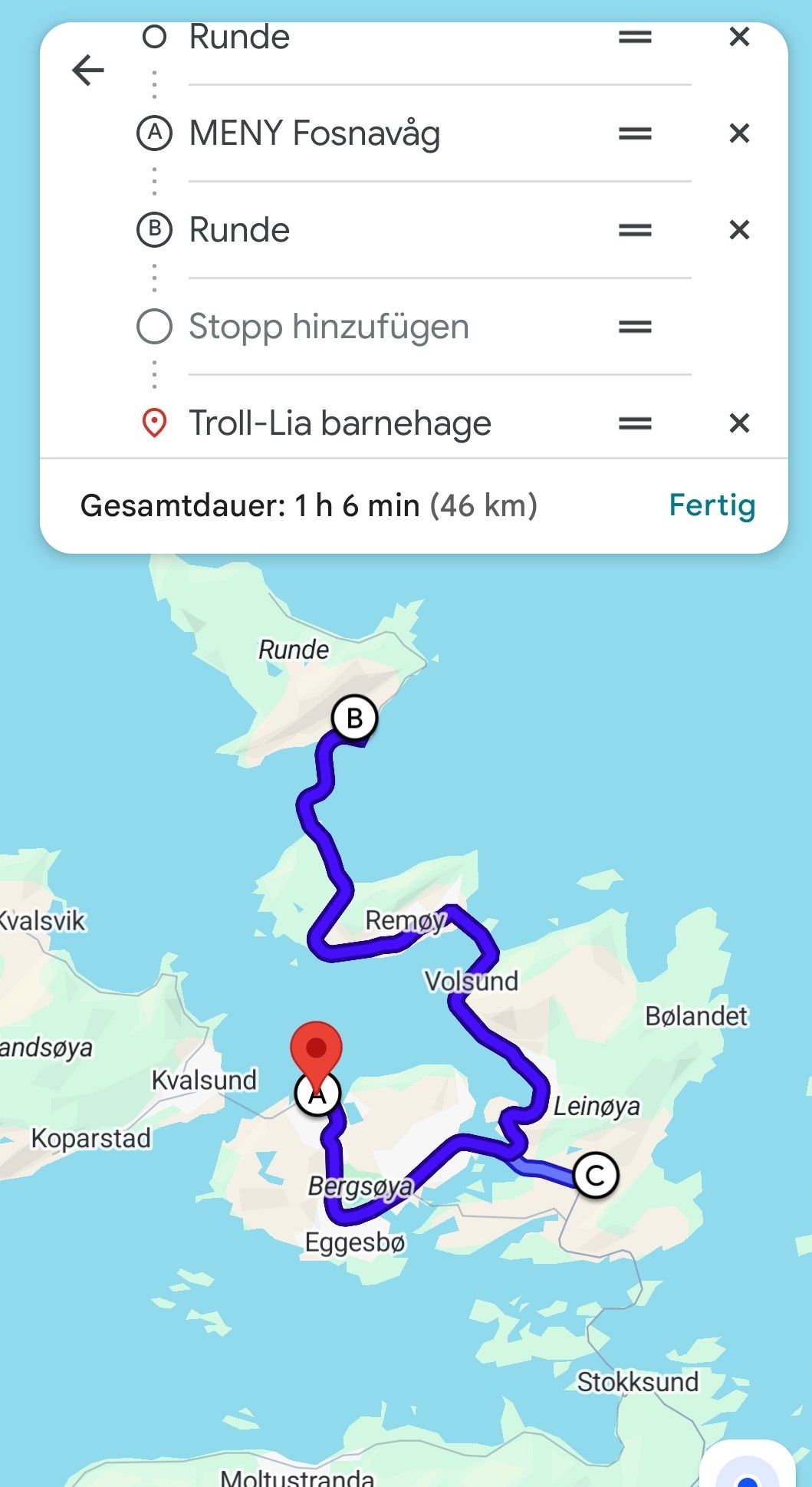
Today's schedule is to go fishing, visit the places Fosnavåg and Remoya on the island of Bergsøya. It's exciting to see what surprises a day like this brings. We observe wagtails, oystercatchers, greylag geese, and we catch six fish, which is so far our most successful catch, simply a wonderful experience, which also gives us our dinner for the next few days.
Bergsøya is a Norwegian island in the Vestlandet region (Province of Møre og Romsdal). There are two known places by this name: The larger and more famous island of Bergsøya is located in the municipality of Herøy (Sunnmøre) and houses the fishing village Fosnavåg, while a smaller island named Bergsøya is situated in the municipality of Gjemnes.
The area of Bergsøya is about 7.6 km². In 2015, 3558 residents lived there, making it the most populated island in the municipality of Herøy. The city of Fosnavåg is located on the island and serves as the administrative center of Herøy. Fosnavåg has 3710 inhabitants within an area of 3.12 km² (as of January 1, 2025). The town is situated around a small bay that cuts into Bergsøya from the north. The western part of the island is almost uninhabited. The highest elevations on Bergsøya are found in the west, with the highest point being Igesundshetta at approximately 215 meters above sea level. The lake Storevatnet is also located in the western part of the island. There is also a higher elevation on the northeast coast, while the rest of the island is largely flat. In the center of the island lies a marshy area with smaller bodies of water.
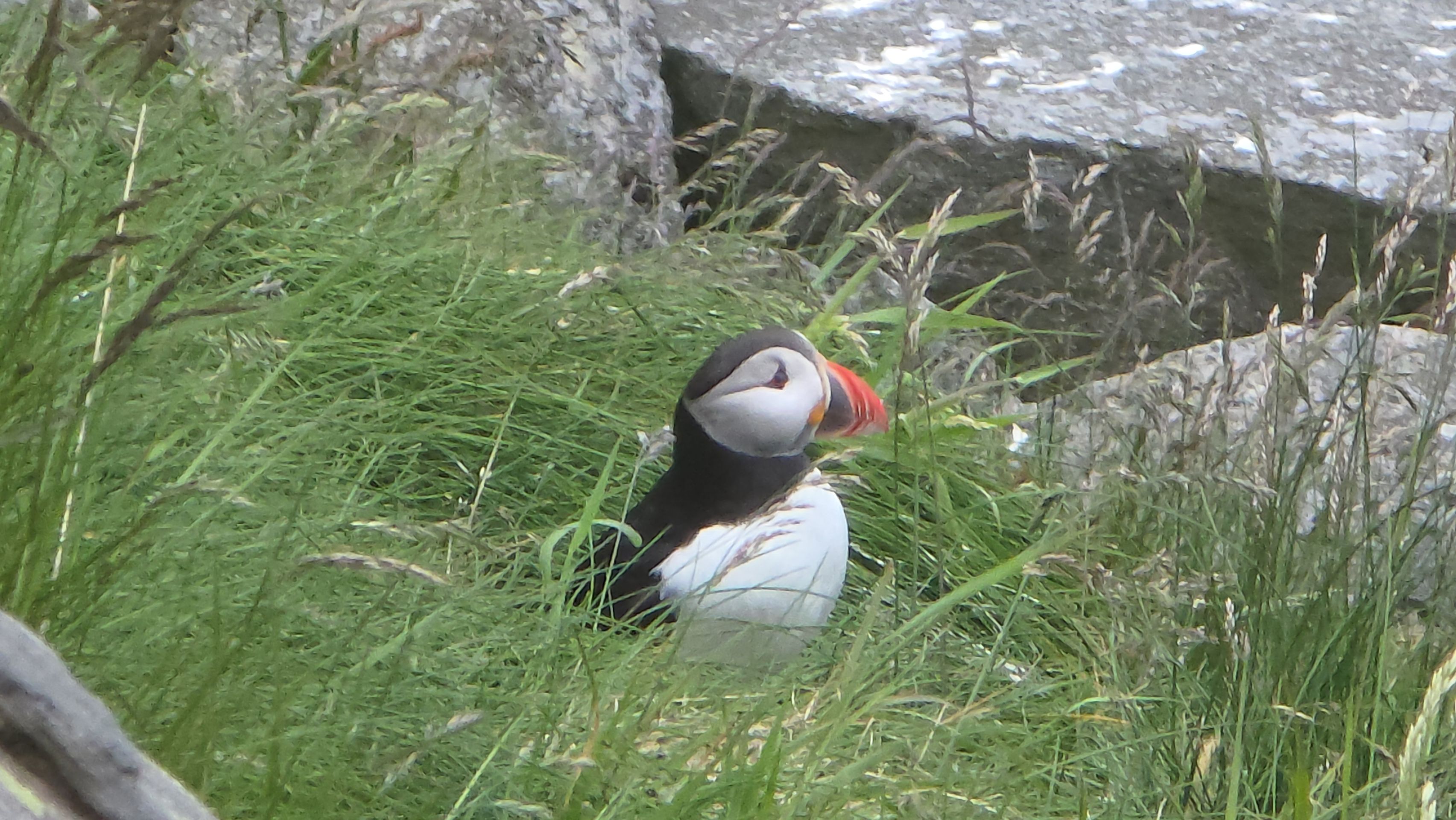
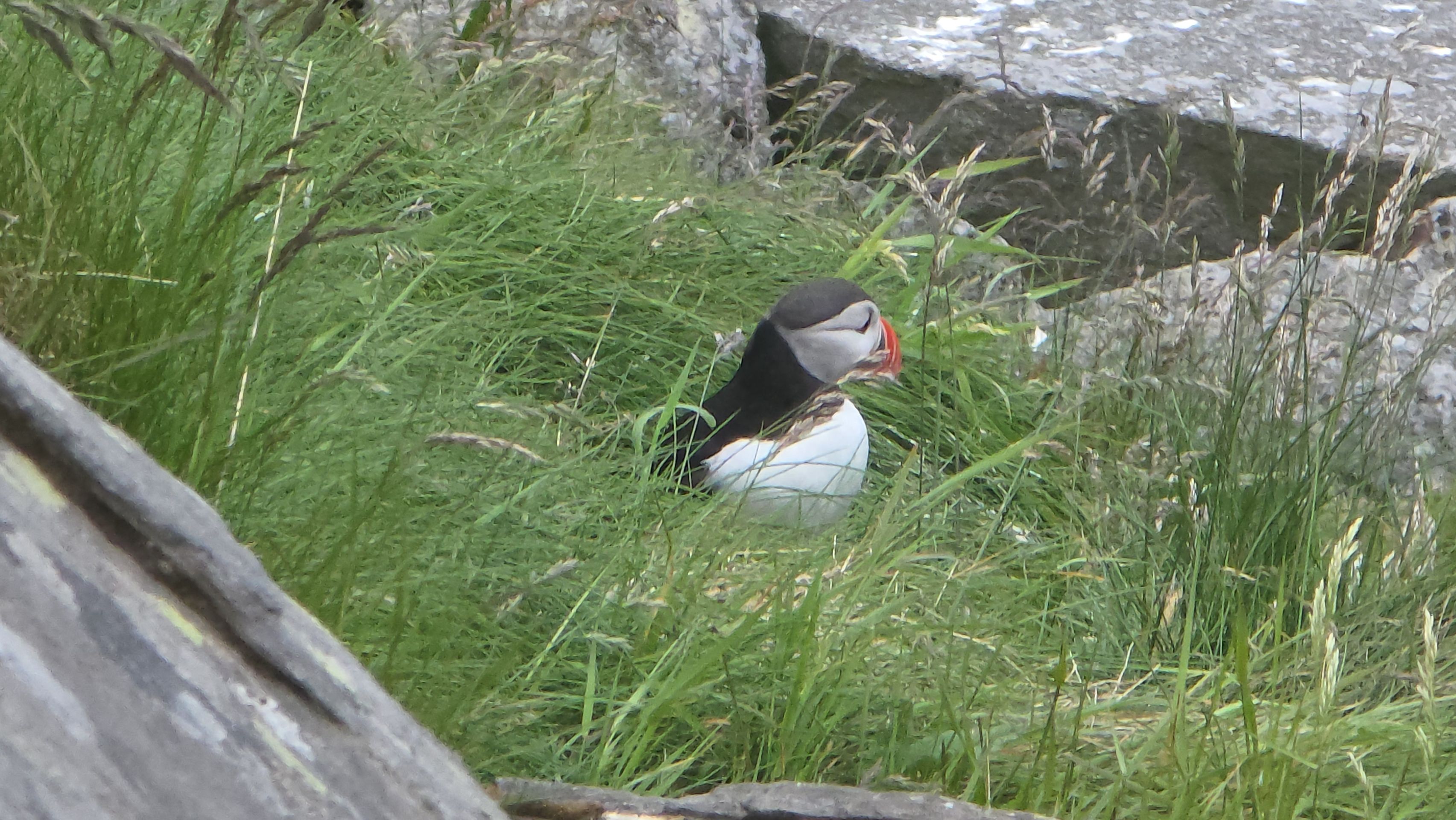
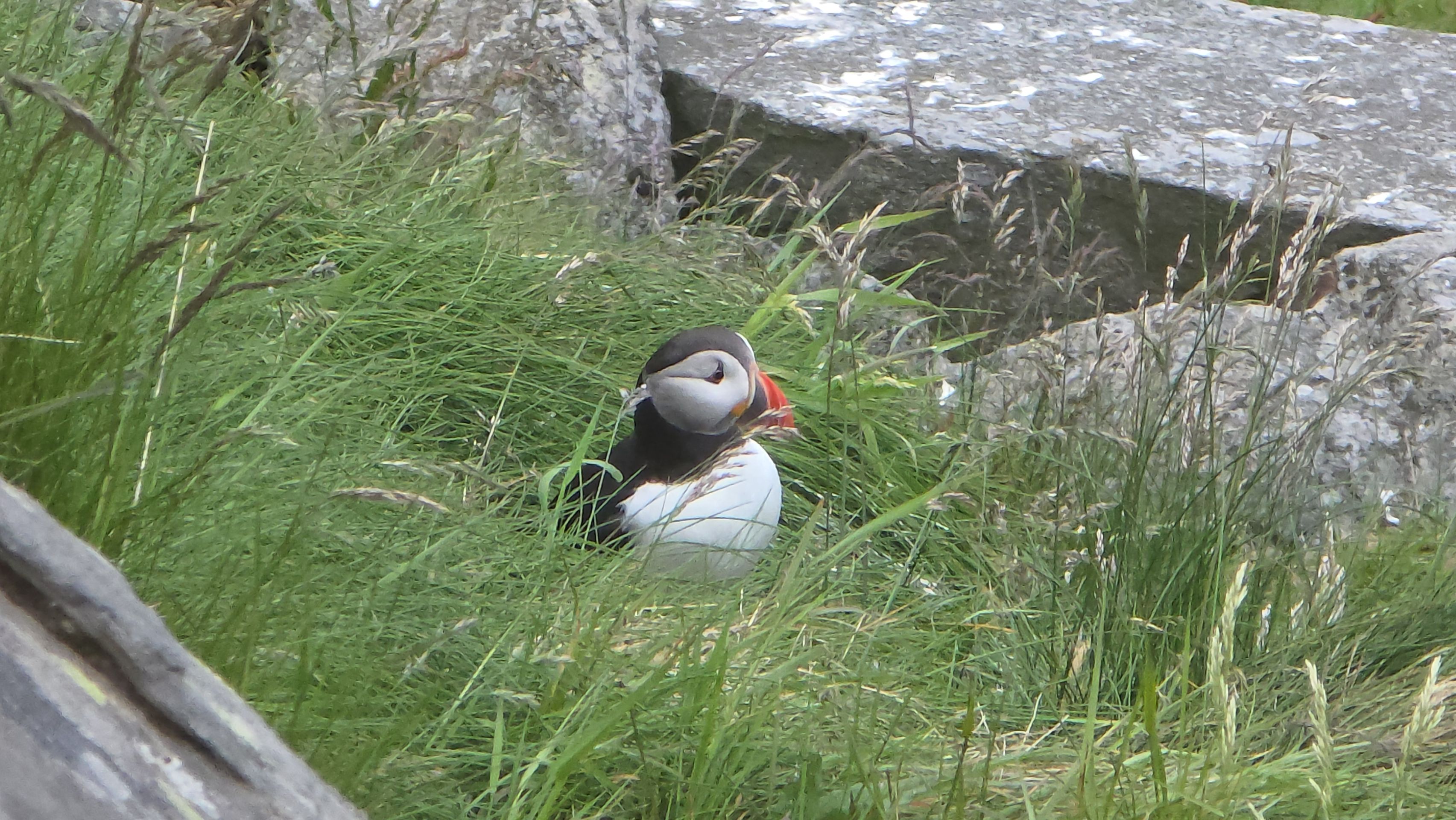
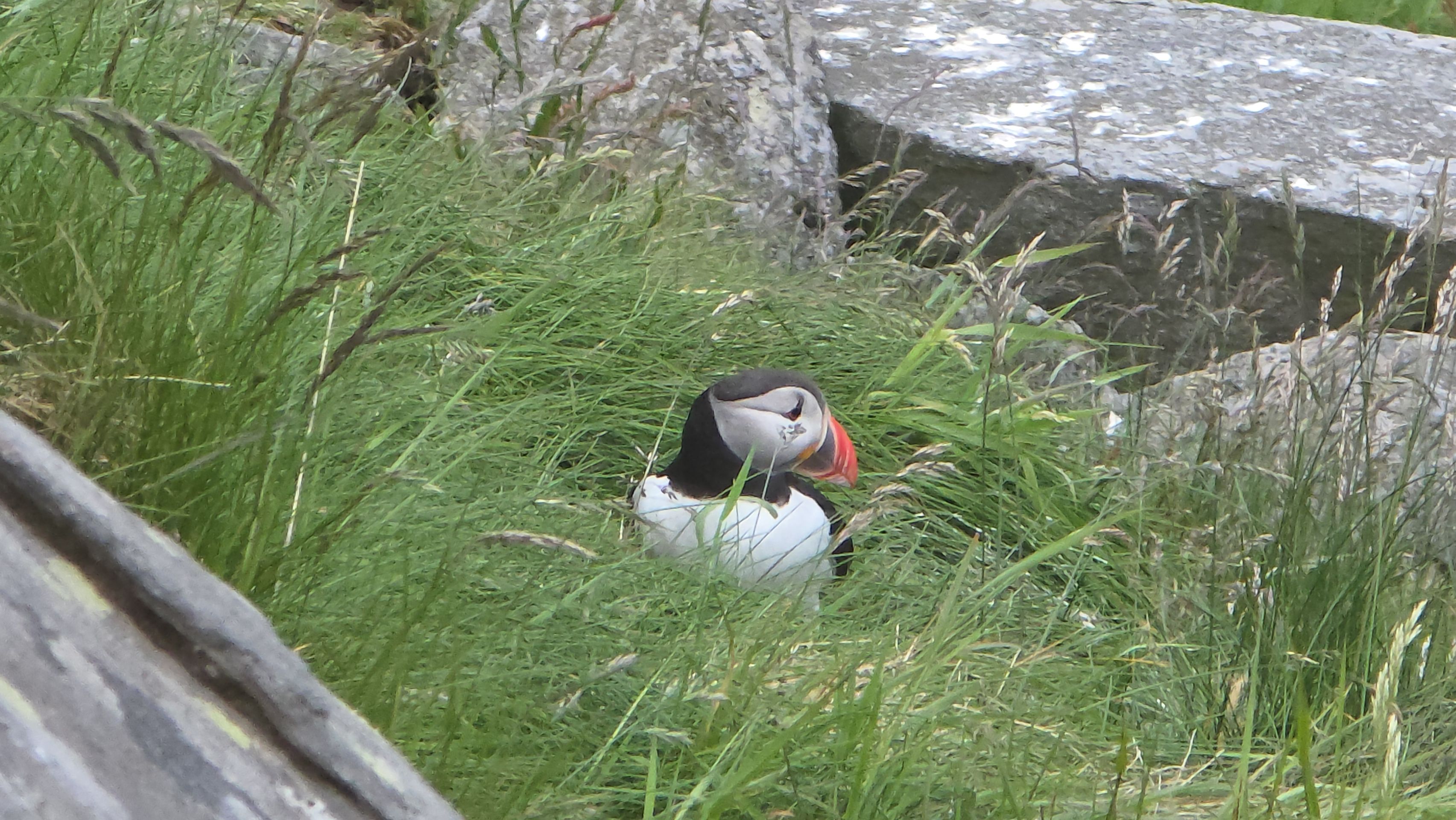
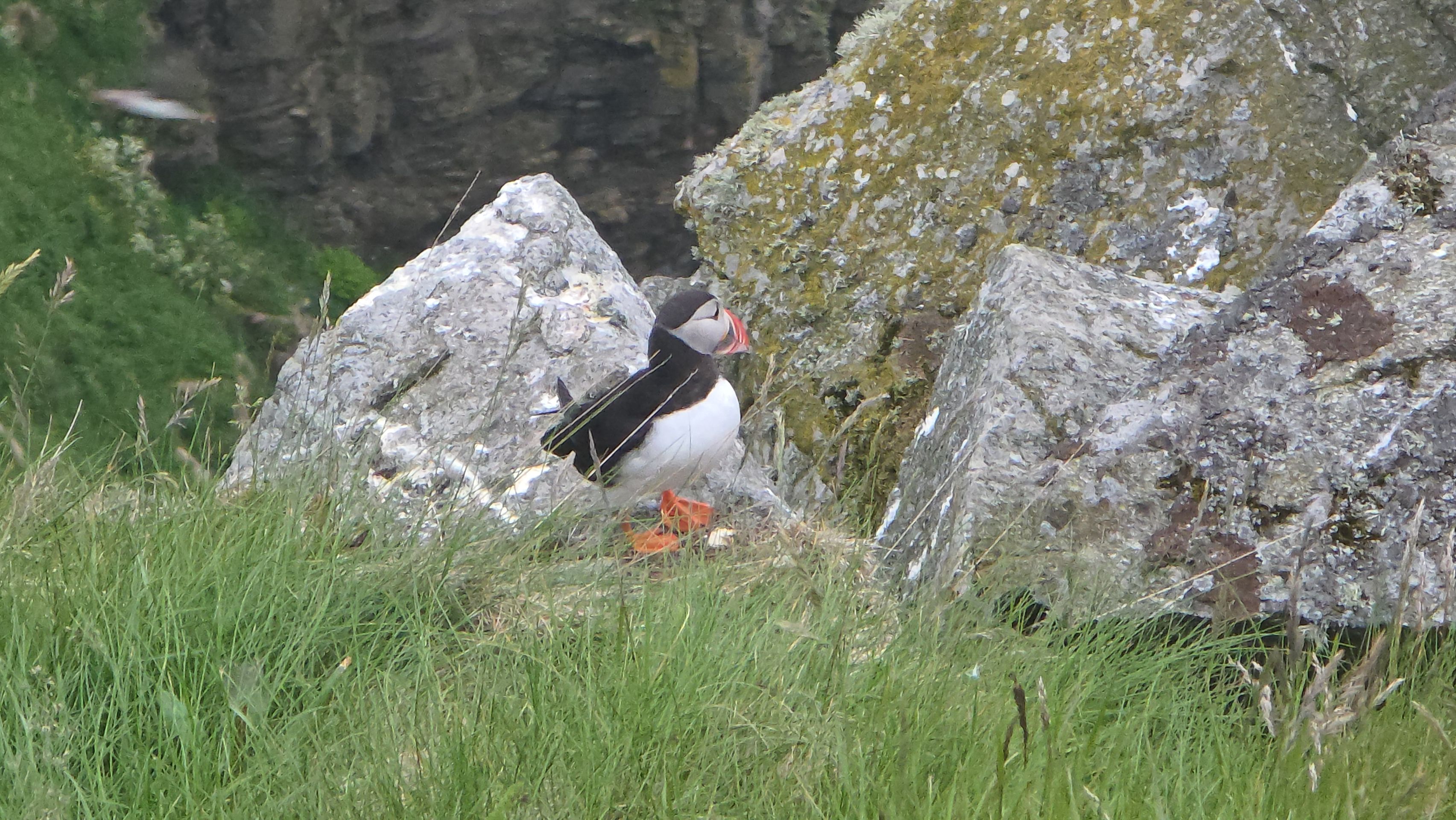
In the evening, we again visit the puffins since it was incredibly beautiful and the weather is ideal for observing.
The Norwegian bird island Runde is famous for its huge colony of puffins. The best time for observation is between March and August. The famous cliff area Lundeura can be reached via a moderately difficult hiking trail from the Goksøyr campsite in about 30 to 60 minutes.
In the evenings between 7:00 PM and 9:00 PM, there is the most activity, as the birds return from fishing. The ascent from the starting point is steep at first, but then flattens out. Well-constructed paths and stone slabs make the climb easier. It is strictly forbidden to leave the marked paths so as not to disturb the nesting sites in the slopes.
Puffins live as pelagic seabirds for most of the year in the open North Atlantic. They spend the autumn and winter as solitary birds on the water and come to the cool coasts in large colonies from spring to late summer (April to August) to breed on steep cliffs. They inhabit the cool North Atlantic, with large populations in Iceland (where the world's largest number breed), Norway, Greenland, Scotland, Ireland, and Canada. During autumn and winter, they drift and dive on the open ocean, where they spread widely. For breeding, they seek steep cliffs and grassy slopes. In spring, they come ashore in large groups, as they feel safer in numbers. They dig up to two meters deep in the ground or use rock crevices to lay their single egg. They form monogamous seasonal bonds and often return to the same partner and nest site, but separate in winter out at sea for a 'relationship break'. They hunt for small fish (like herring or sand eels) as well as crustaceans by diving up to 60 meters deep into the water. In the wild, they live an average of about 20 years.