Island Round-Southern Norway June 10, 2026
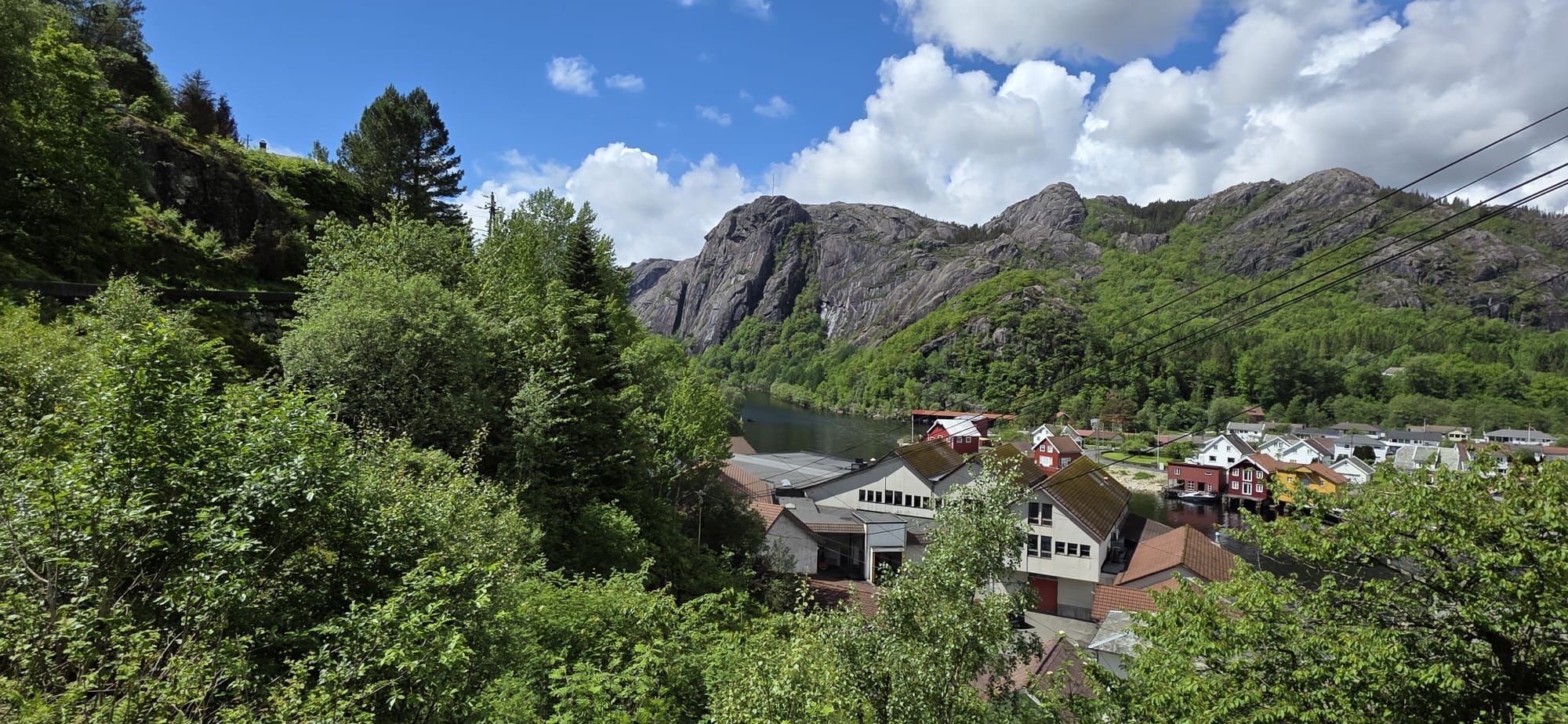
Today our journey continues towards Stavanger. We decide to take a break in Flekkefjord, an idyllic coastal town. There, we experience the warm welcome of the locals to tourists....

Published: 07.08.2026
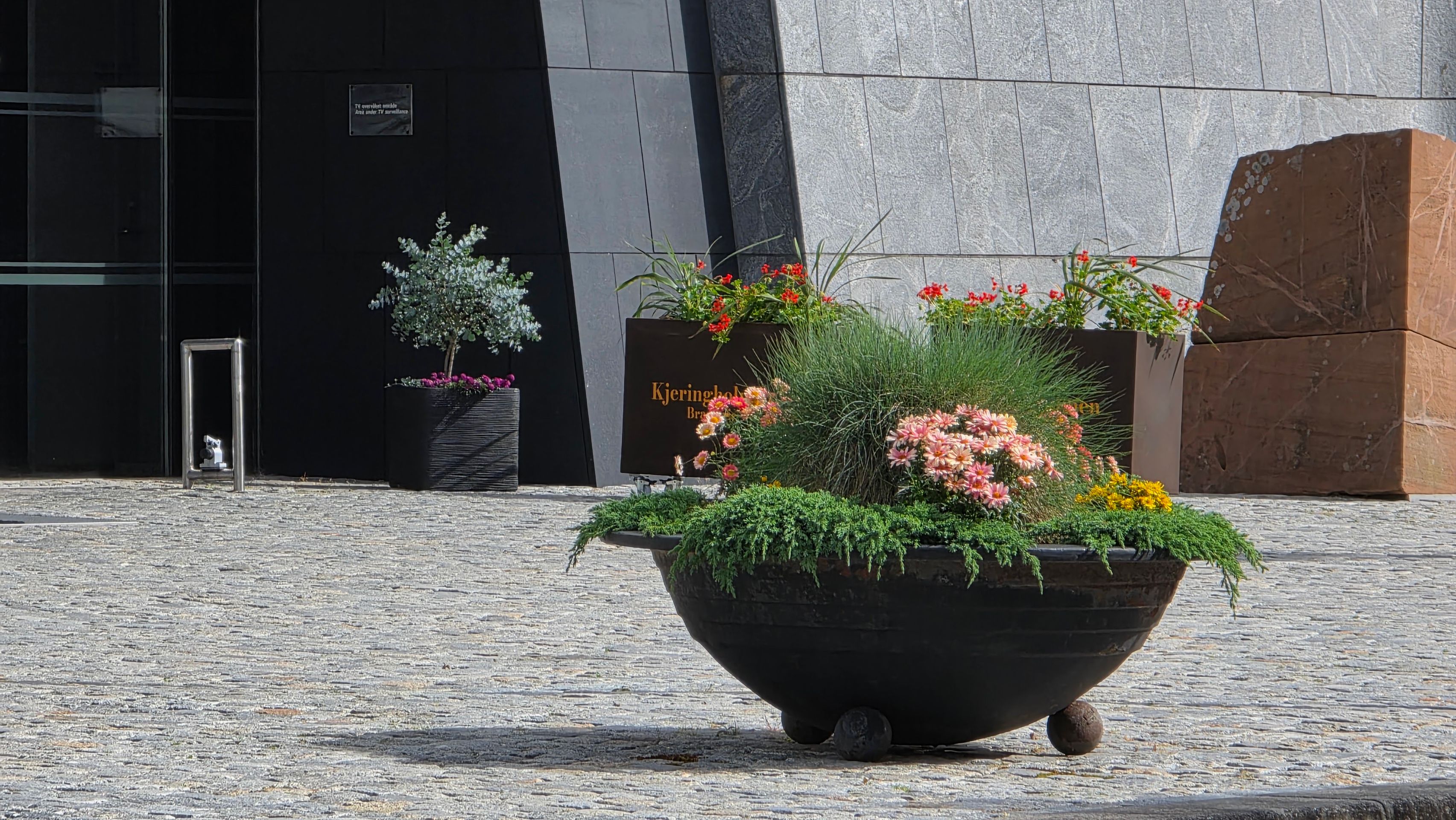
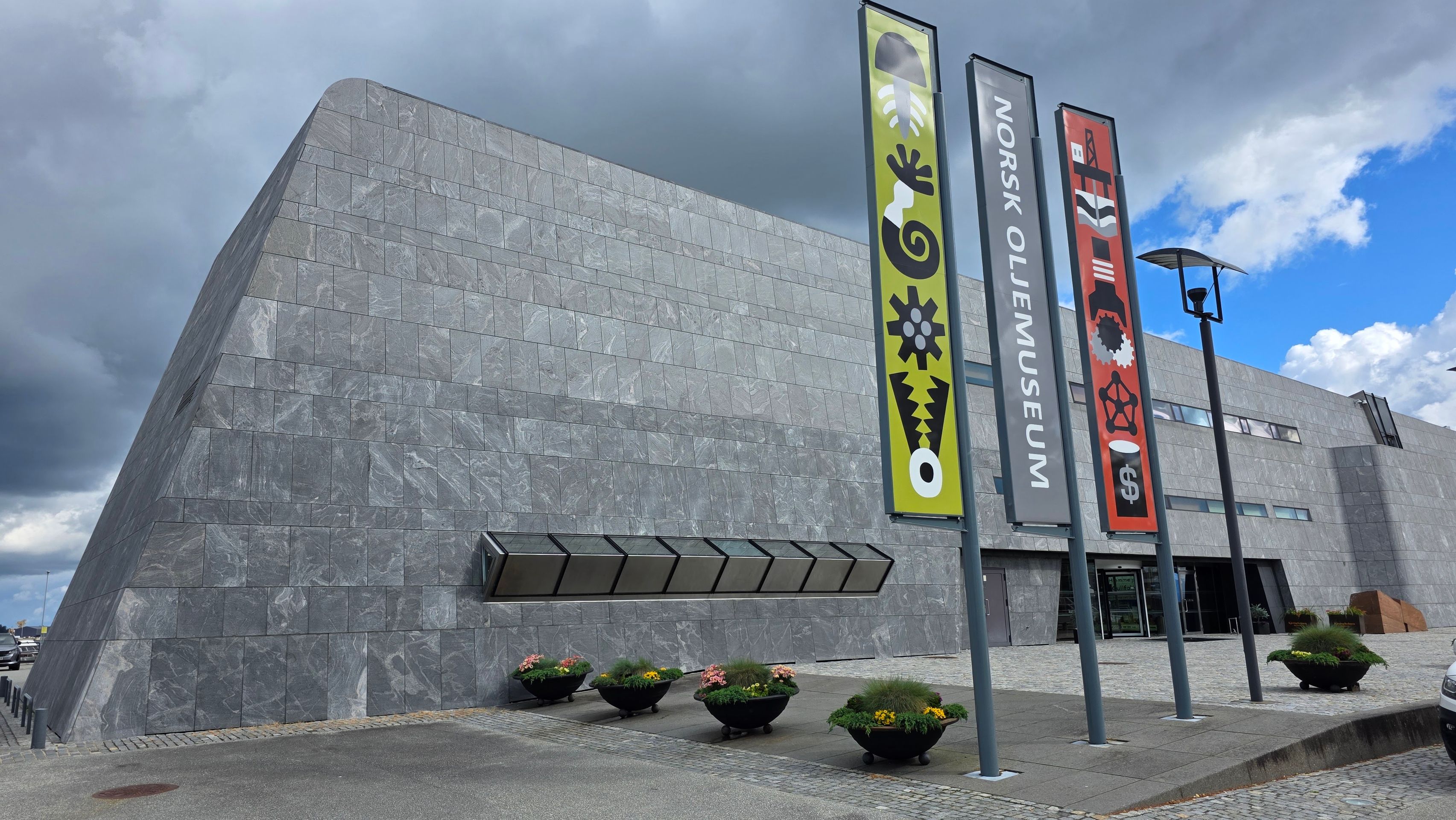
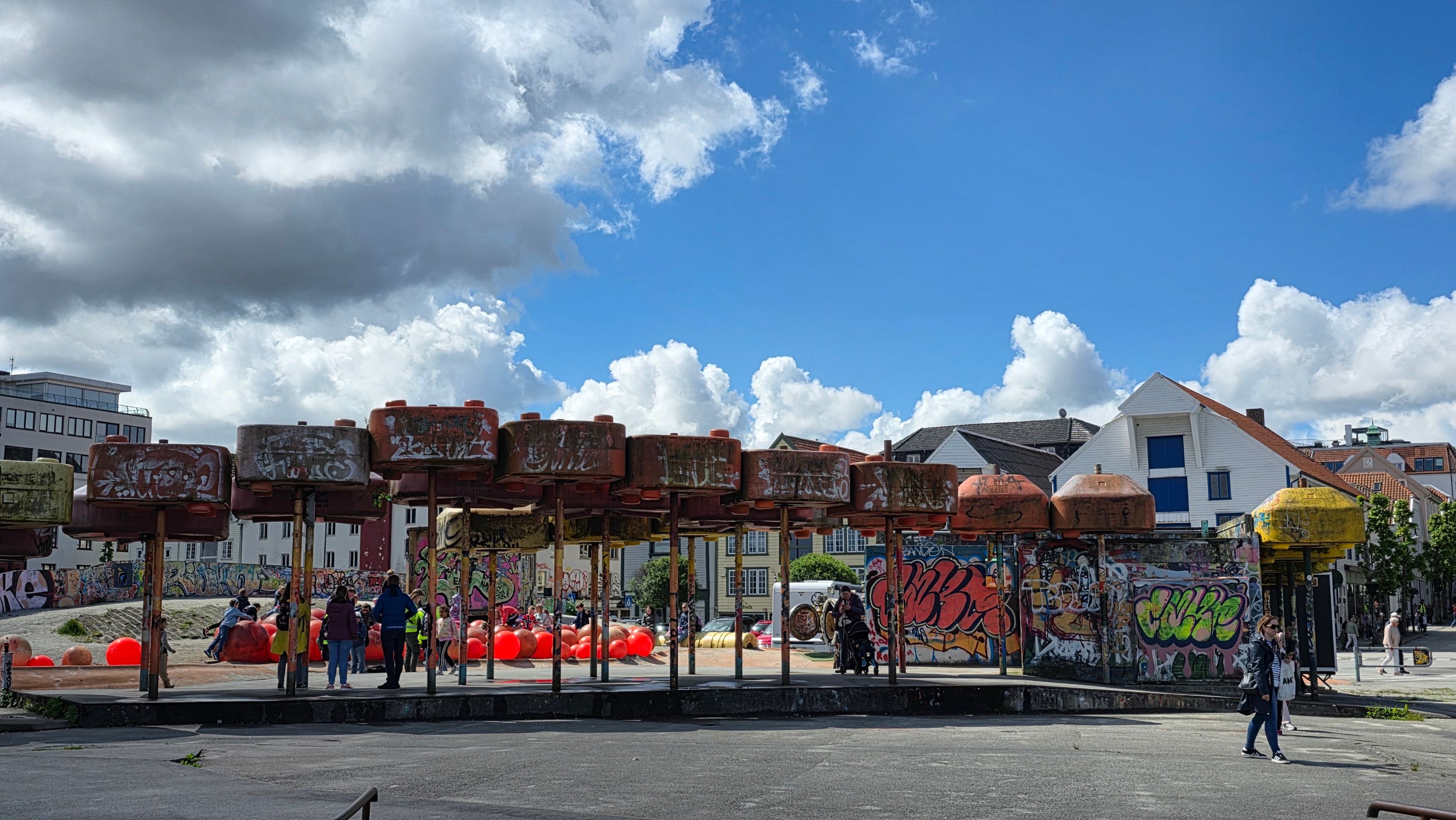
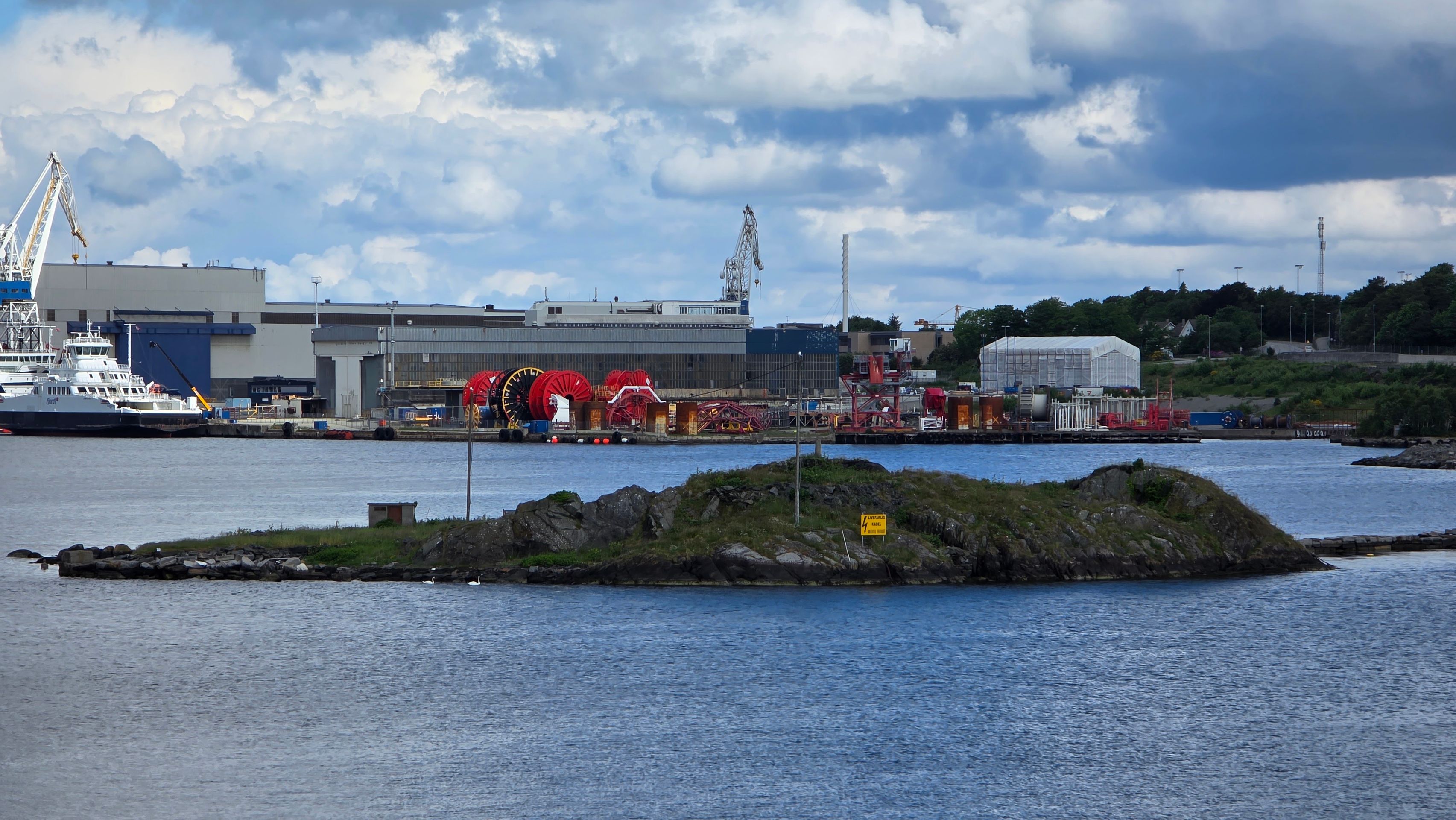
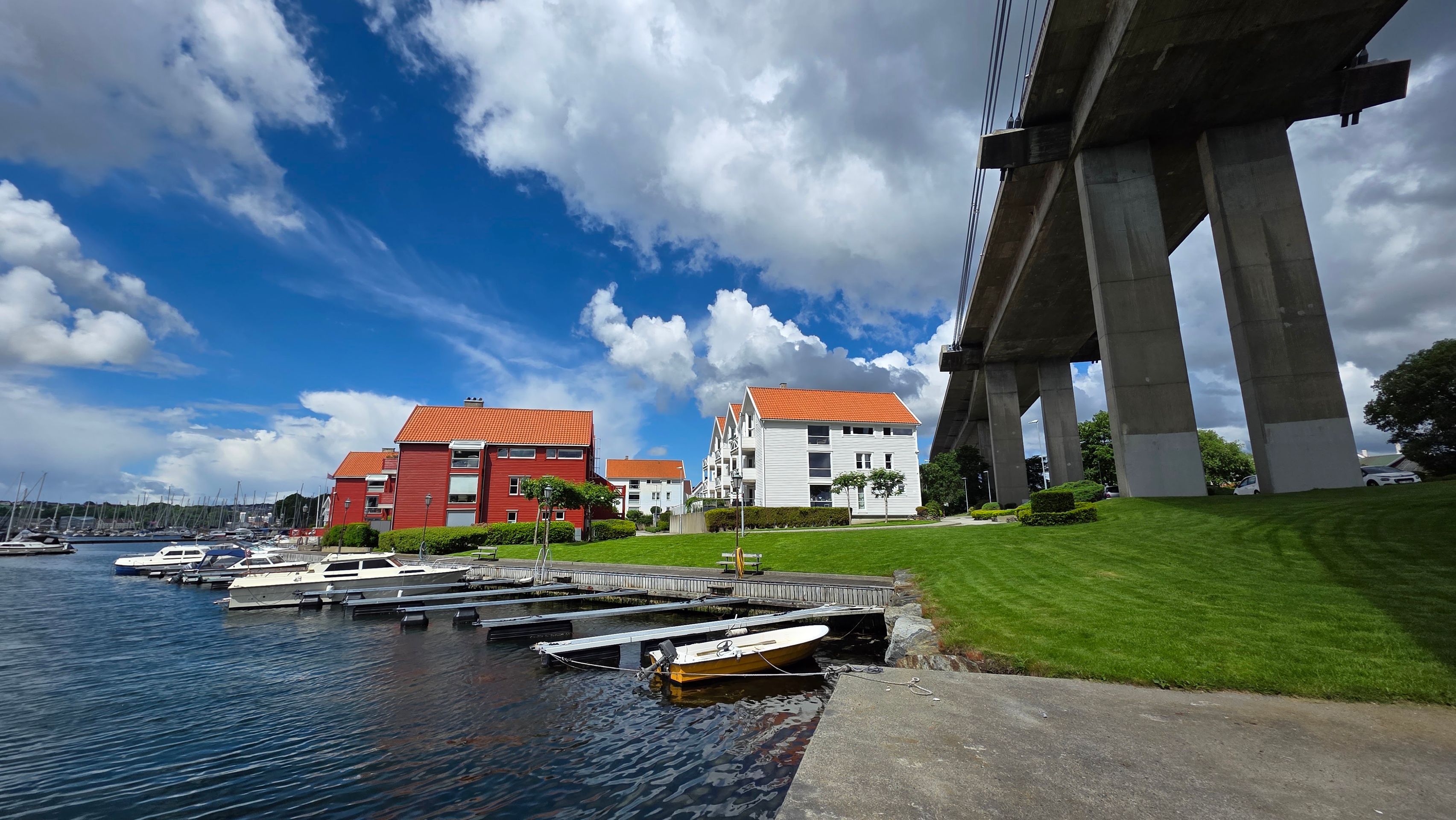
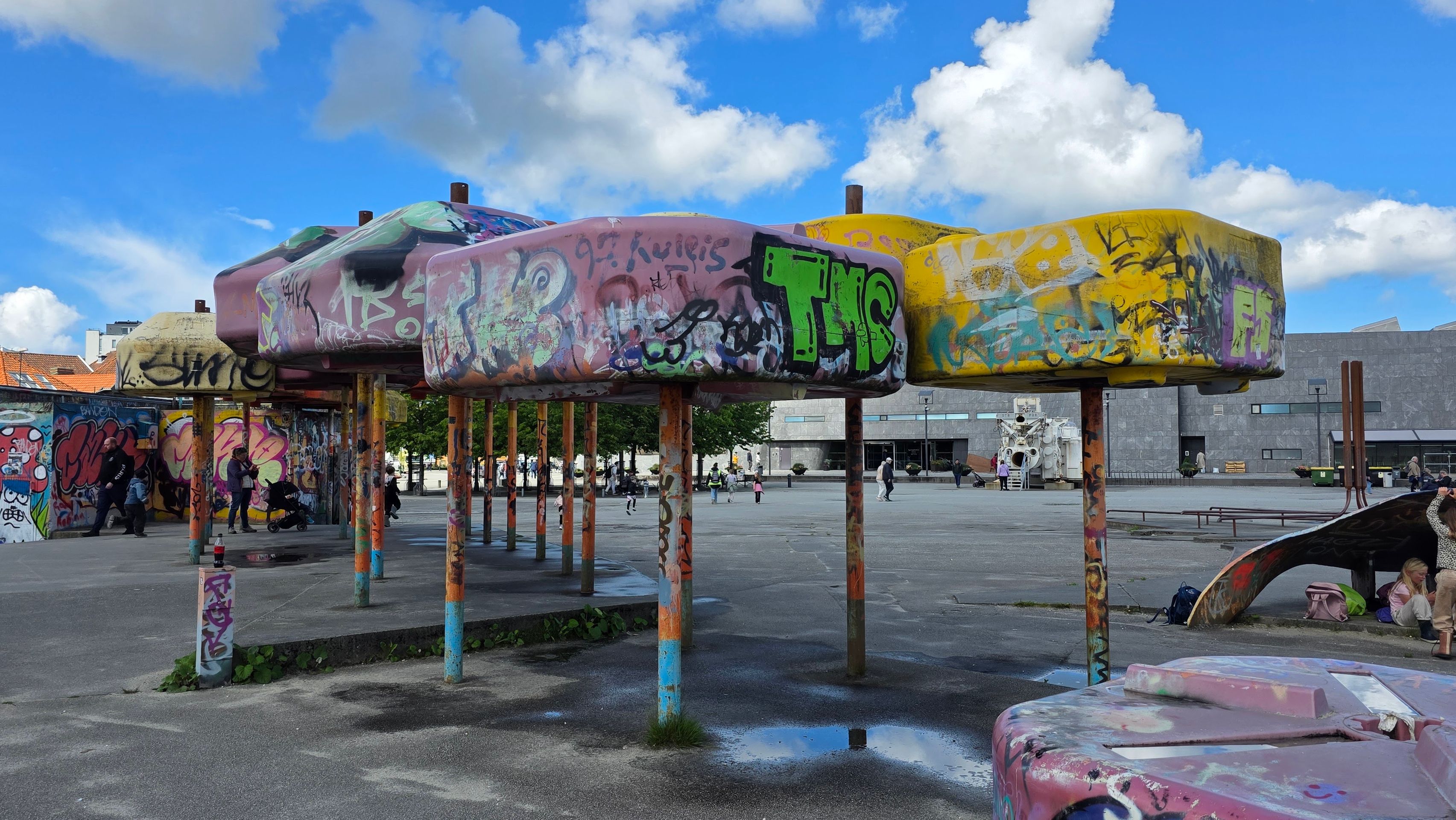
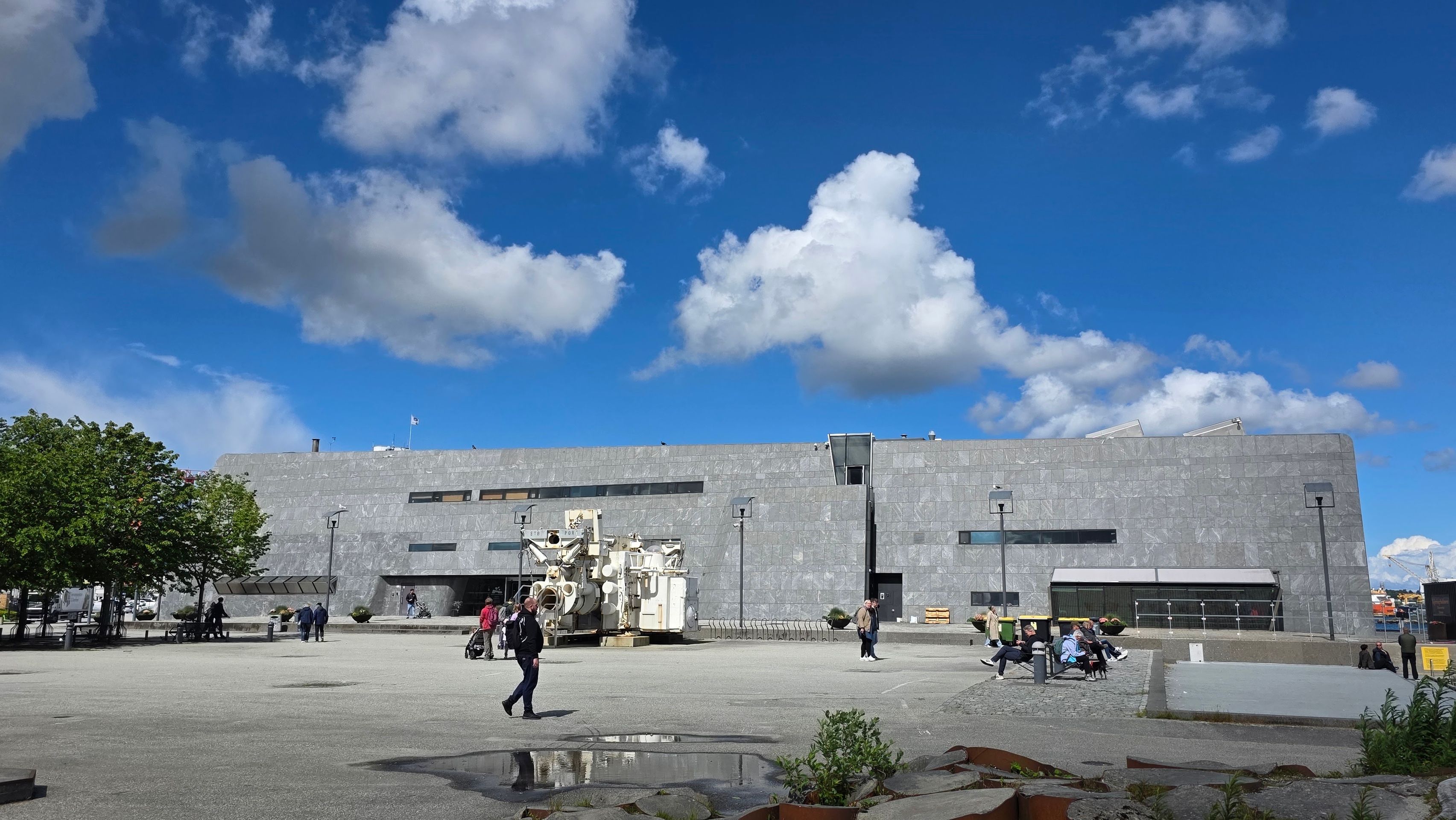
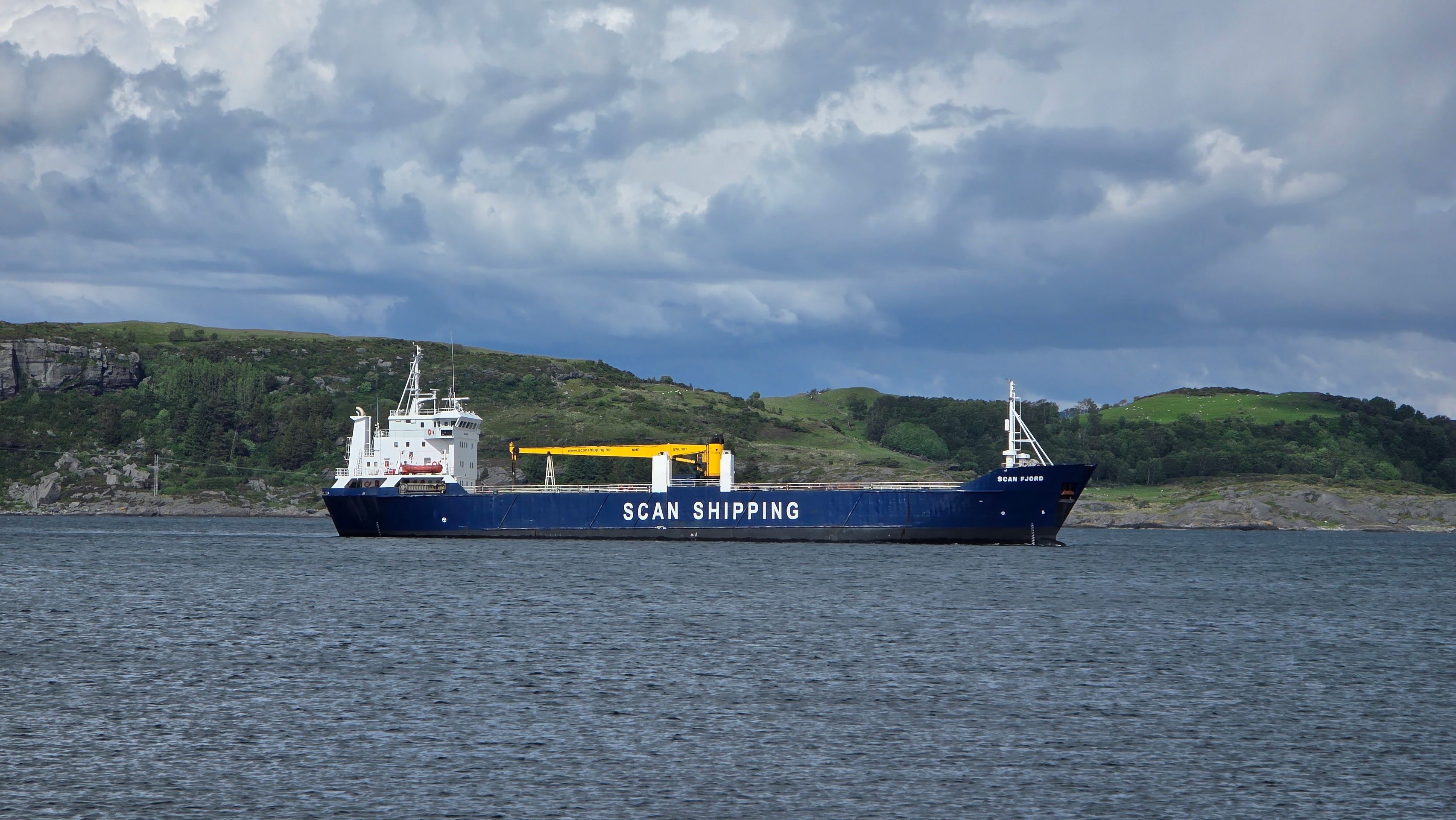
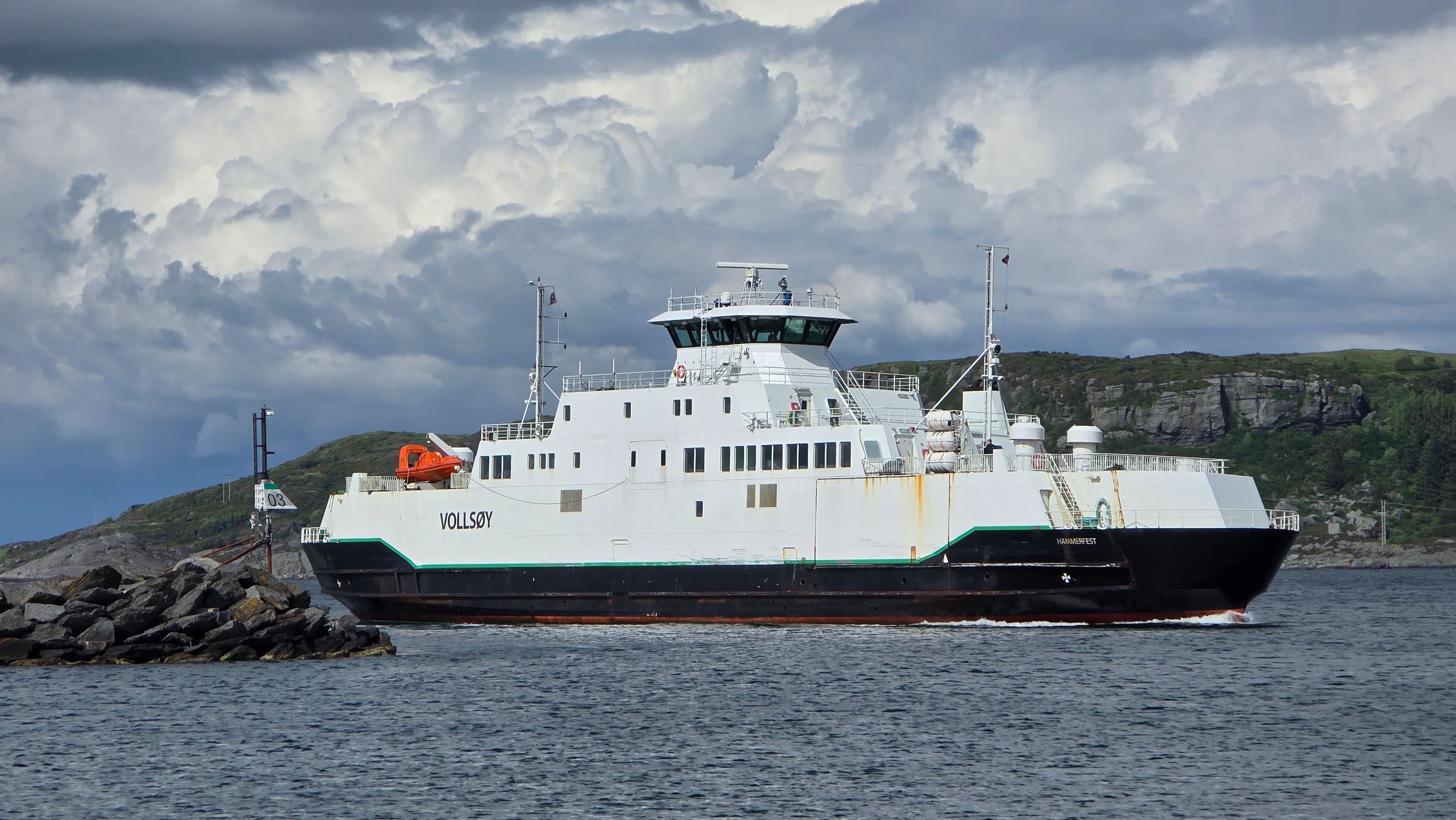

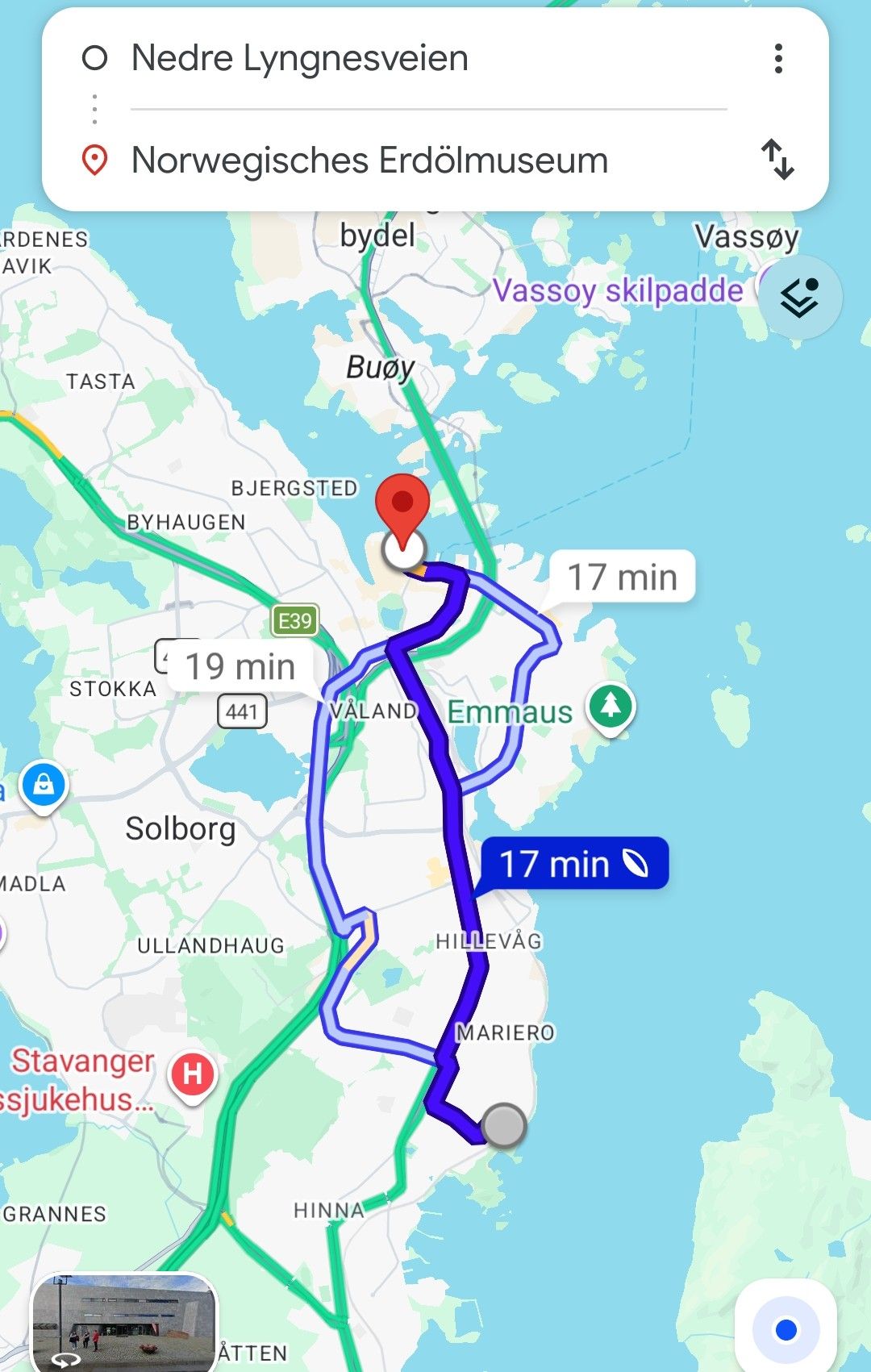
Today we explore Stavanger with a visit to the Oil Museum. Stavanger (Norwegian pronunciation: [stɑˈvɑŋːər]) is a city and municipality in the Norwegian county of Rogaland. The municipality of Stavanger has 151,669 inhabitants (as of January 1, 2026) and is the fourth largest in the country. The urban area of Stavanger/Sandnes extends over the municipalities of Sandnes, Sola, and Randaberg. It has 241,644 residents, of which 139,358 live in the municipality of Stavanger. Stavanger/Sandnes is the urban area with the third highest number of inhabitants in Norway. The city of Stavanger is the administrative center of Rogaland county and is considered the hub of Norway's oil and natural gas industry.
The focal point of the city is the Cathedral (Stavanger domkirke), which was built starting in 1125. It is the only medieval cathedral in Norway that retains its original form, featuring Anglo-Norman Gothic style. South of the cathedral is the former bishop's residence, Kongsgård. Slightly east of this is St. Peter's Church and the Methodist Church of Stavanger. The old city center east of the old harbor and the district of Gamle Stavanger (Old Stavanger) form the historical center. Gamle Stavanger, located around Øvre and Nedre Strandgate, is characterized by white-painted, well-preserved wooden houses from the 18th and 19th centuries.
In the largest wooden house settlement in Gamle Stavanger, there is the Norwegian Canning Museum (Norsk Hermetikkmuseum) located in a former cannery. The Norwegian Oil Museum, inaugurated in 1999, depicts the history of oil extraction in Norway and partially in other countries. Additionally, there is the Stavanger Maritime Museum in the city. North of Gamle Stavanger is the Stavanger Concert Hall.
On the 139 m high Ullandhaug, Nordic longhouses (Iron Age farm Ullandhaug) from the Migration Period have been discovered, reconstructed, and made into a valuable archaeological open-air museum, Jernaldergården på Ullandhaug.
Scenically, the region around Stavanger also offers several attractions. These include the 92-meter-high waterfall Månafossen and the 2.3-kilometer-long sandy beach Solastrand.