Havila 1- September 15, 2024 September 6
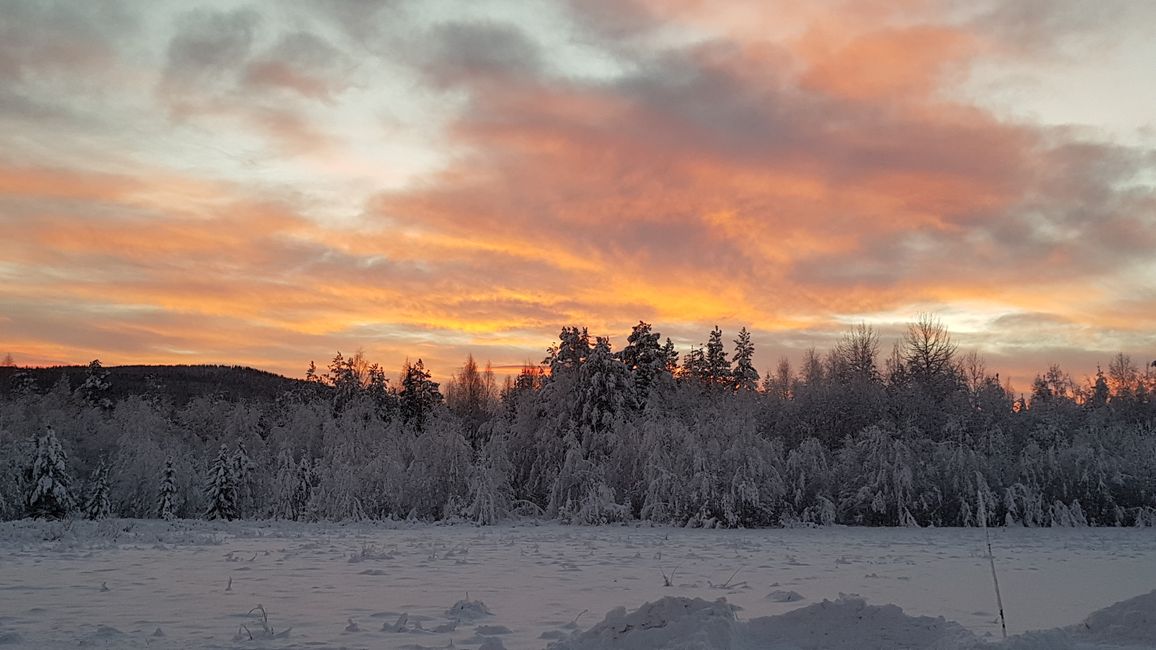
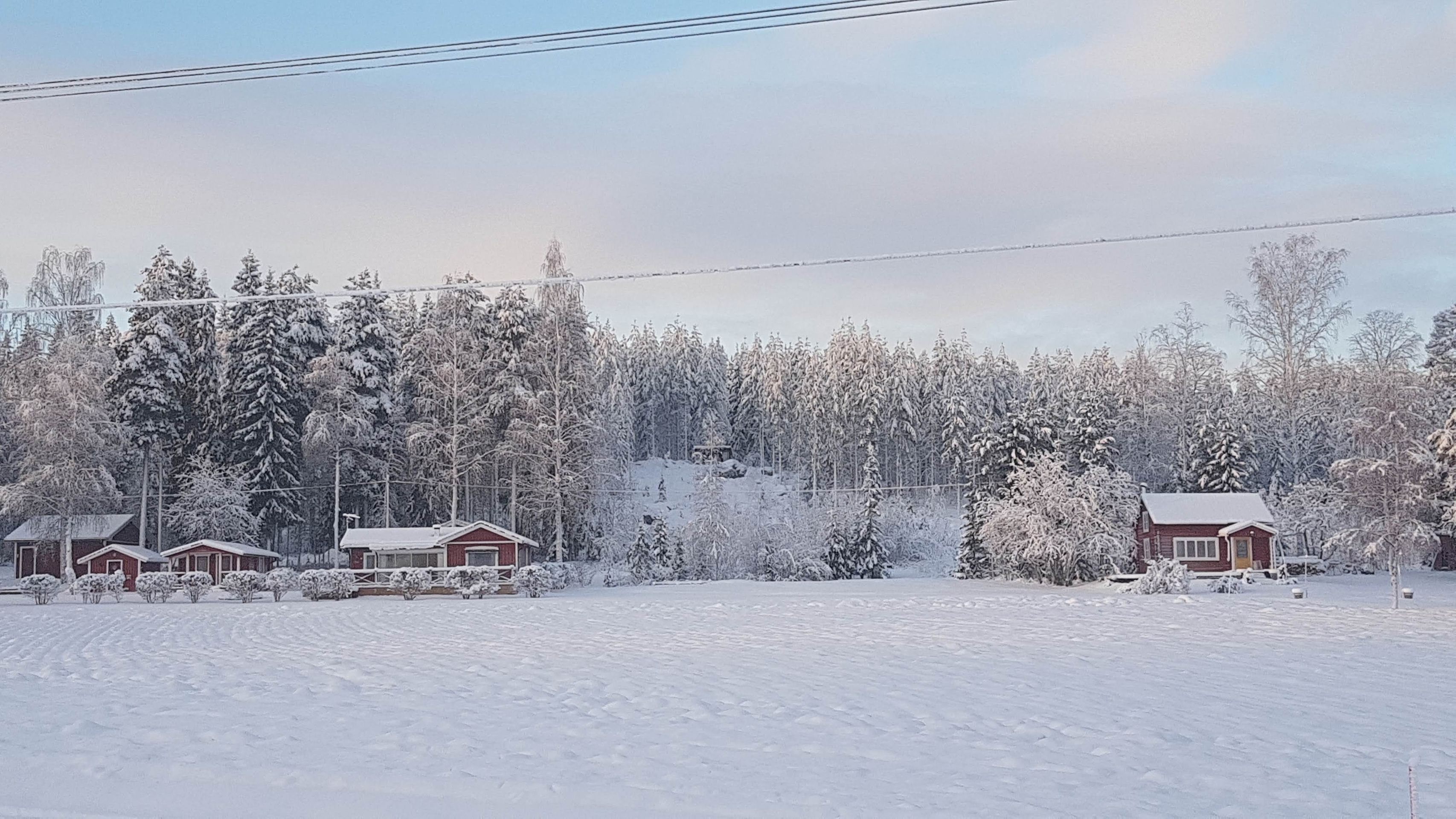
During the night, the ship makes brief stops in Rørvik, Brønnøysund, Sandnessjøen, and Nesna. Early in the morning, we cross the Arctic Circle; unfortunately, at that moment...

Published: 10.01.2025
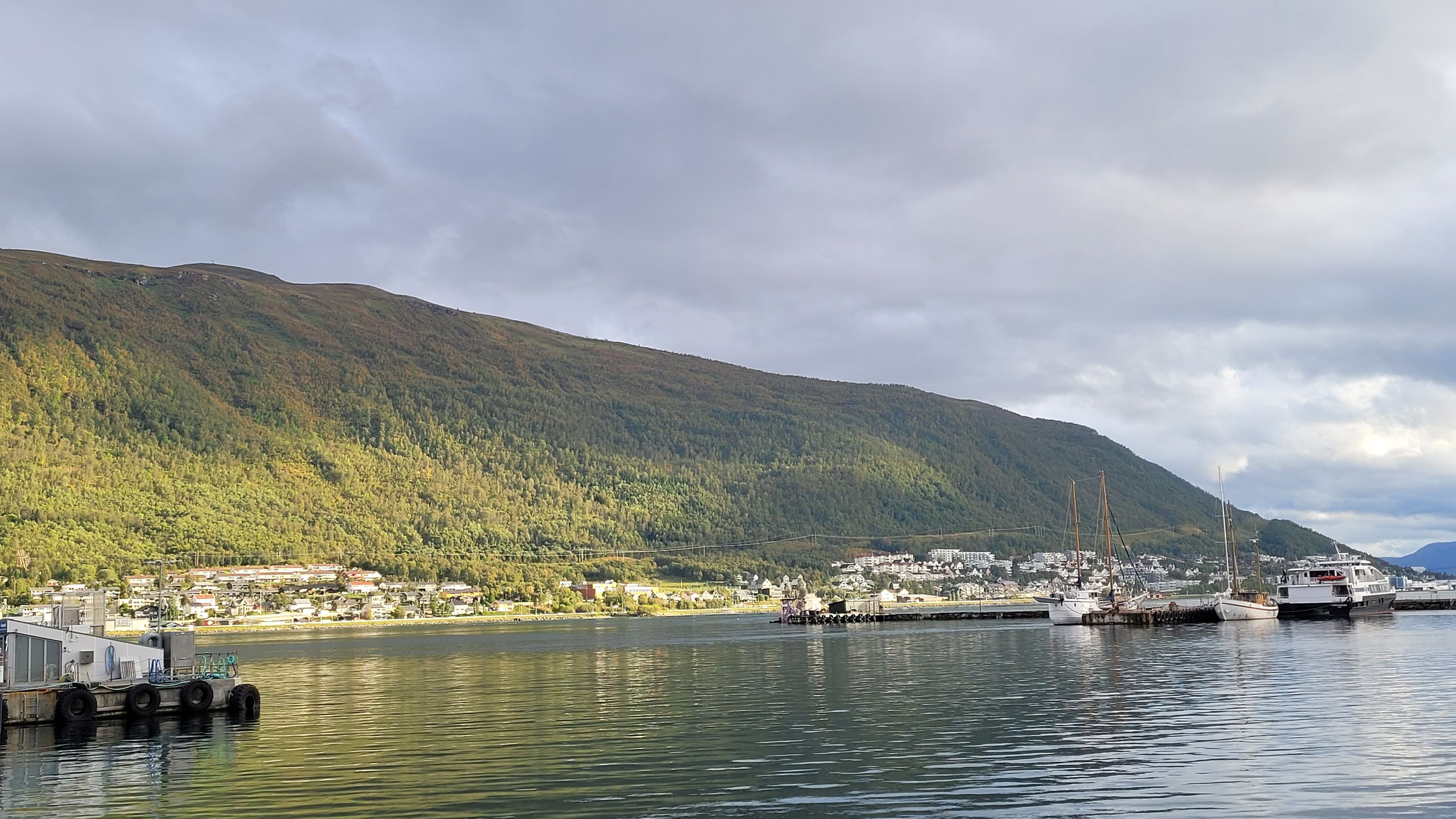


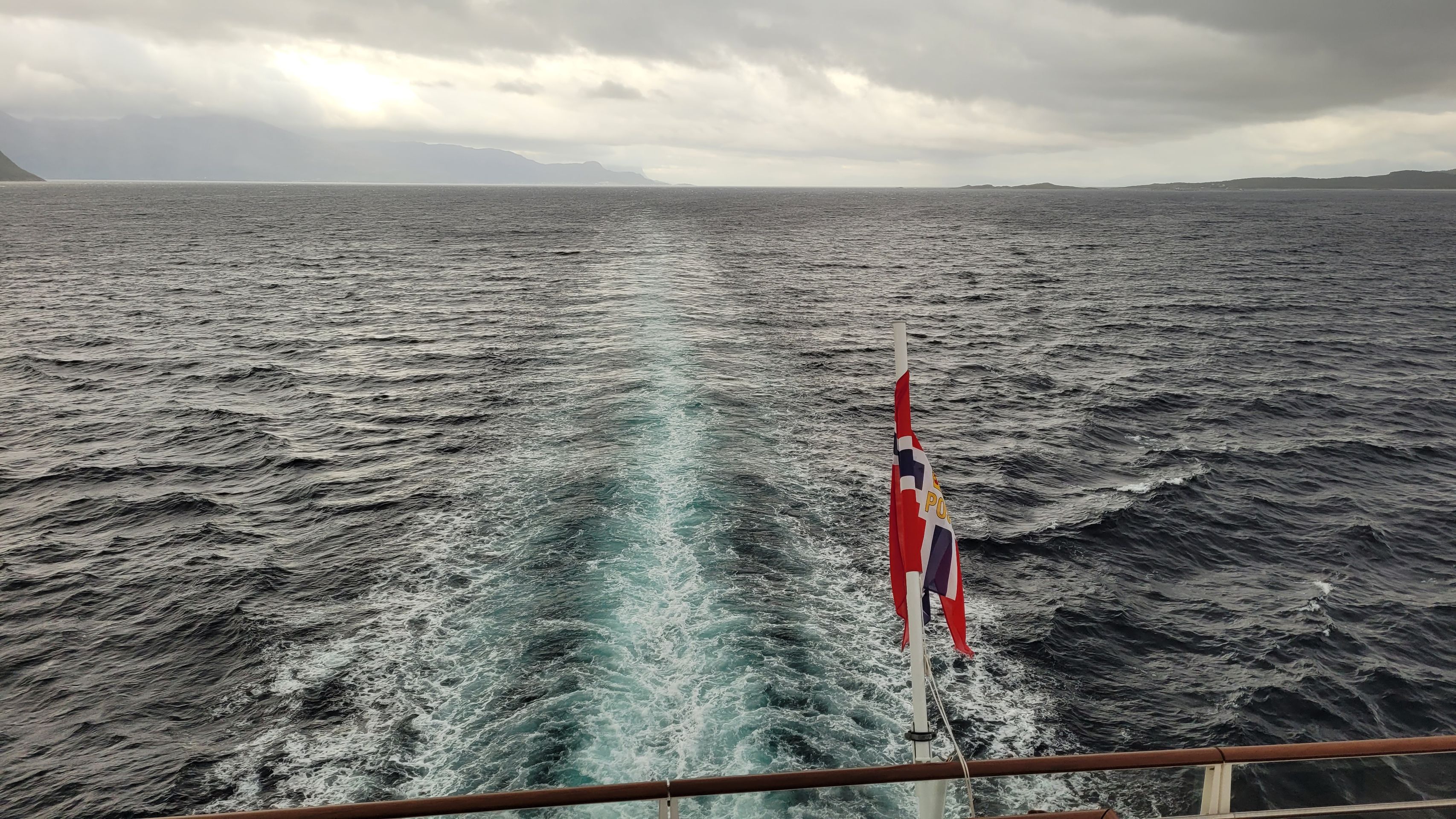
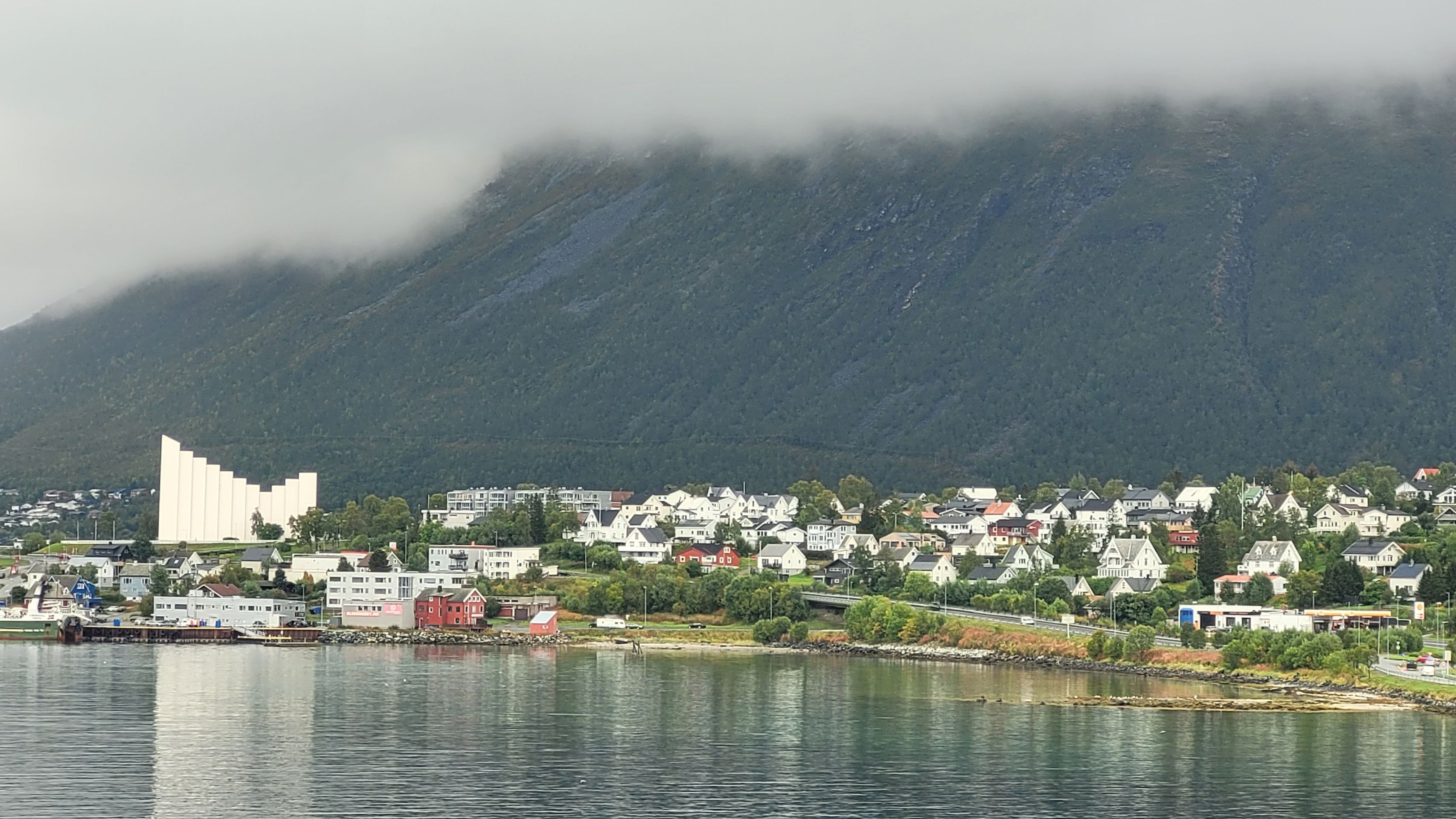
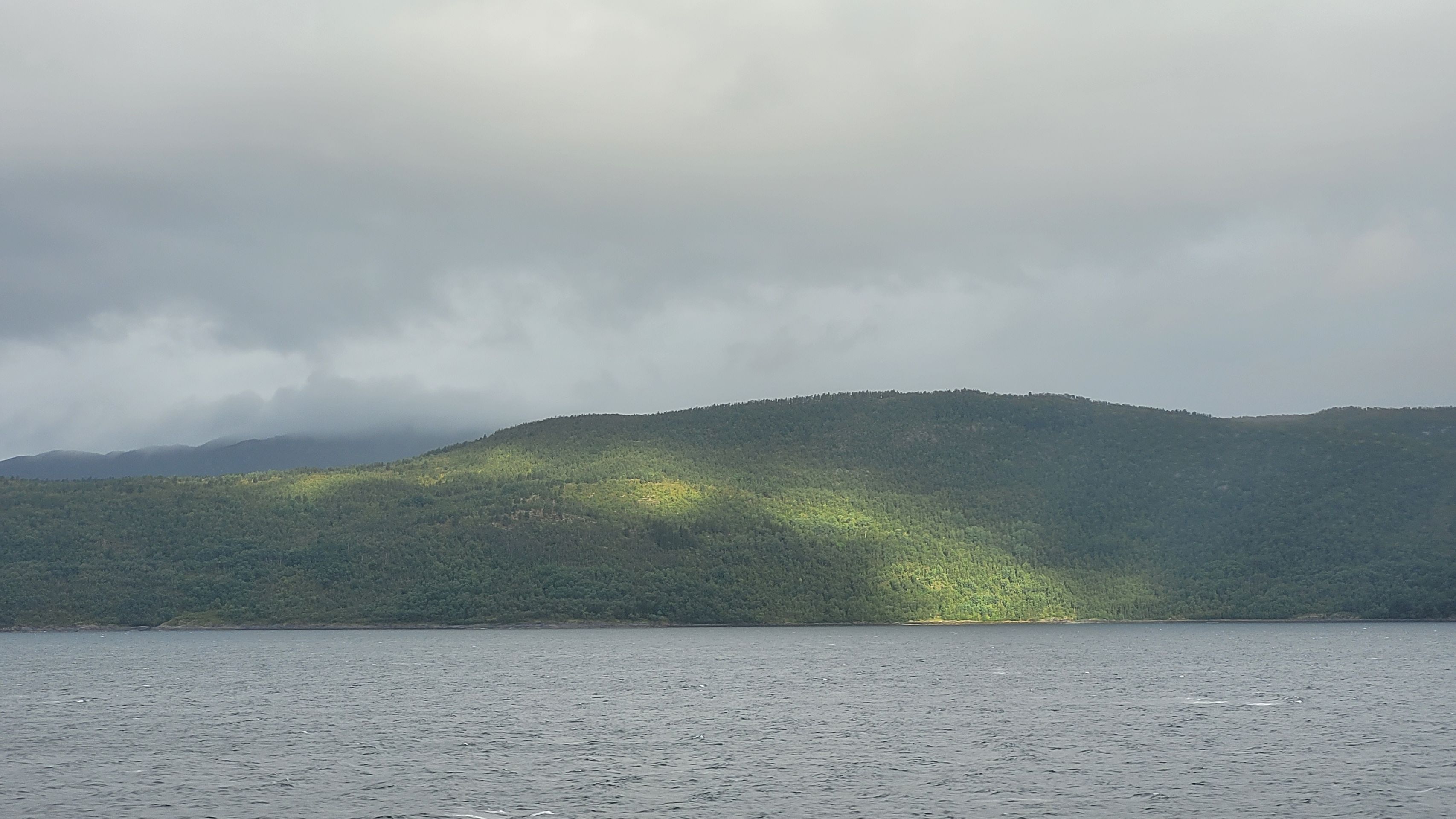
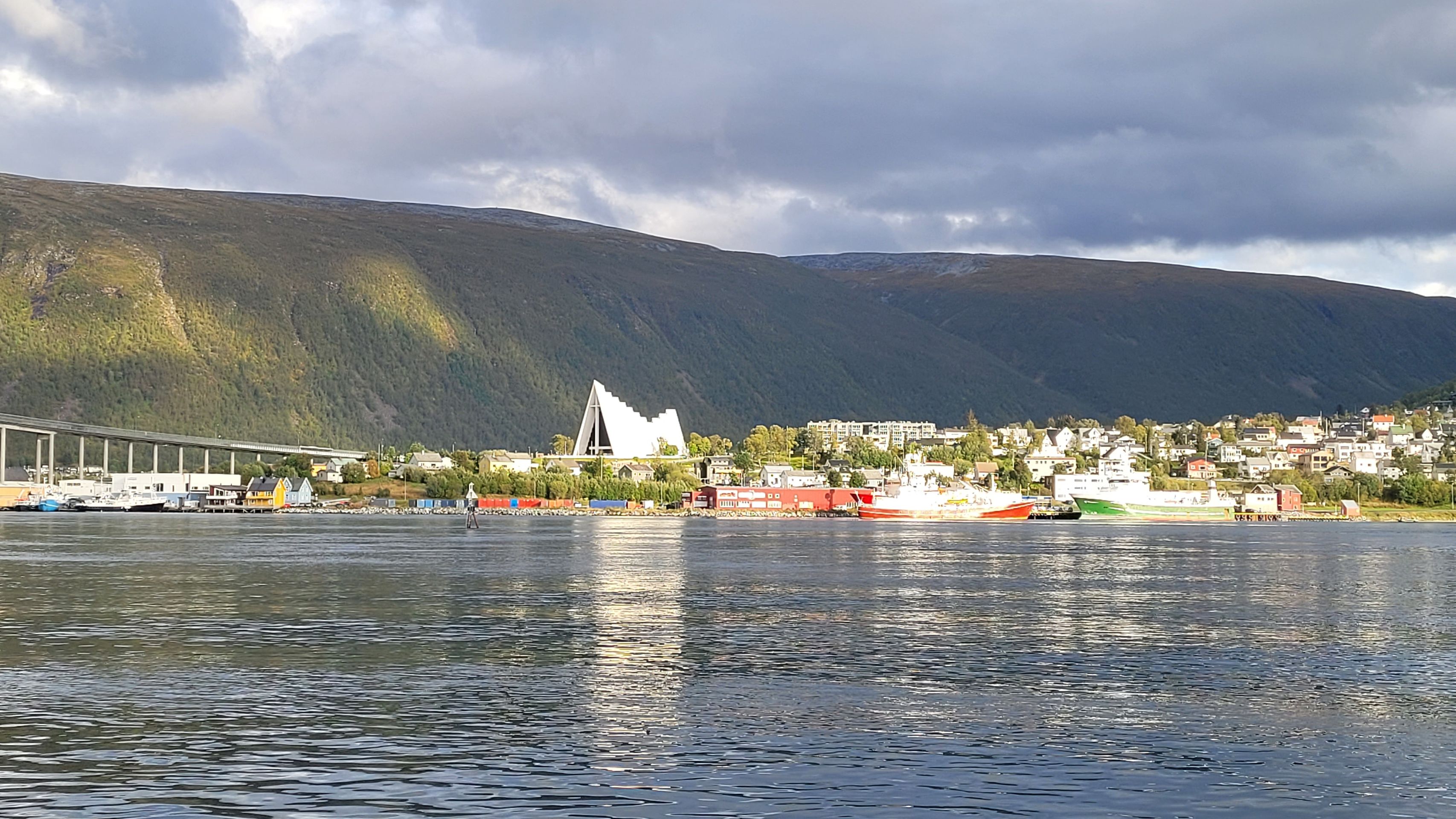
At night, our ship makes brief stops in Stokmarknes, Sortland, and Risøyhamn. In the early morning, we arrive in Harstad.
Harstad (Norwegian, pronounced [hɐ̞̂ɻ.ʃt̠ɐ̞] ⓘ) or Hárstták (Northern Sami) is a town in the municipality of Harstad in Troms, Norway. The town is also the administrative center of the municipality of Harstad. The town covers an area of 11.46 square kilometers and has a population (2023) of 21,289 (31,404 in the urban area) and a population density of 1,858 inhabitants per square kilometer (4,810/square mile). It is the second largest town after the town of Tromsø and the largest town in Central Hålogaland. The town is located in the northeastern part of the large island Hinnøya by the Vågsfjord. The town comprises several neighborhoods (Bydeler), including Gansås, Grønnebakkan, Kanebogen, Medkila, Sama, Seljestad, Stangnes, and Trondenes. In the town, there are two churches of the Church of Norway: Harstad Church and Kanebogen Church. The historic Trondenes Church is located at the northern edge of the town, near the Fort of Trondenes.
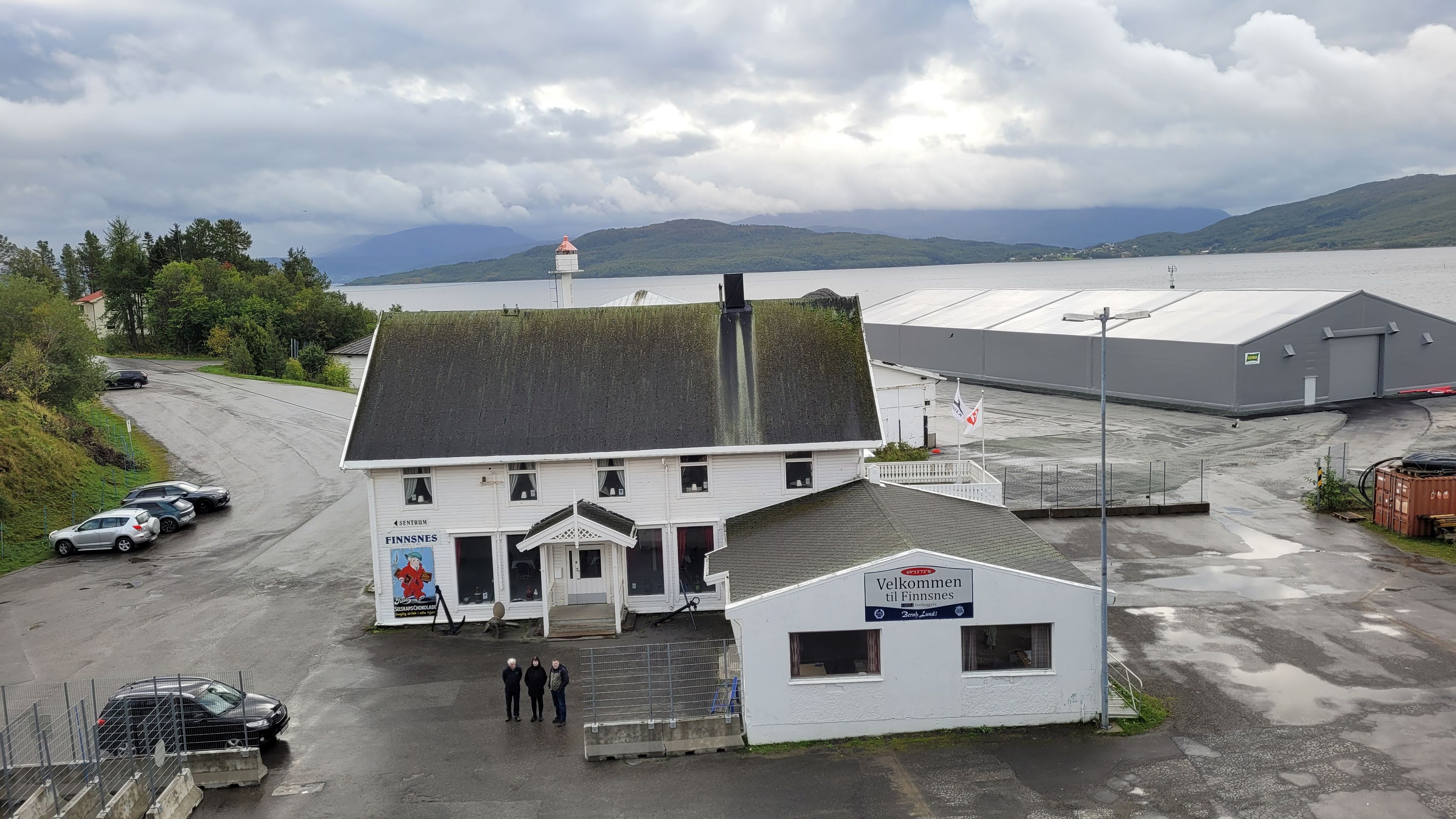
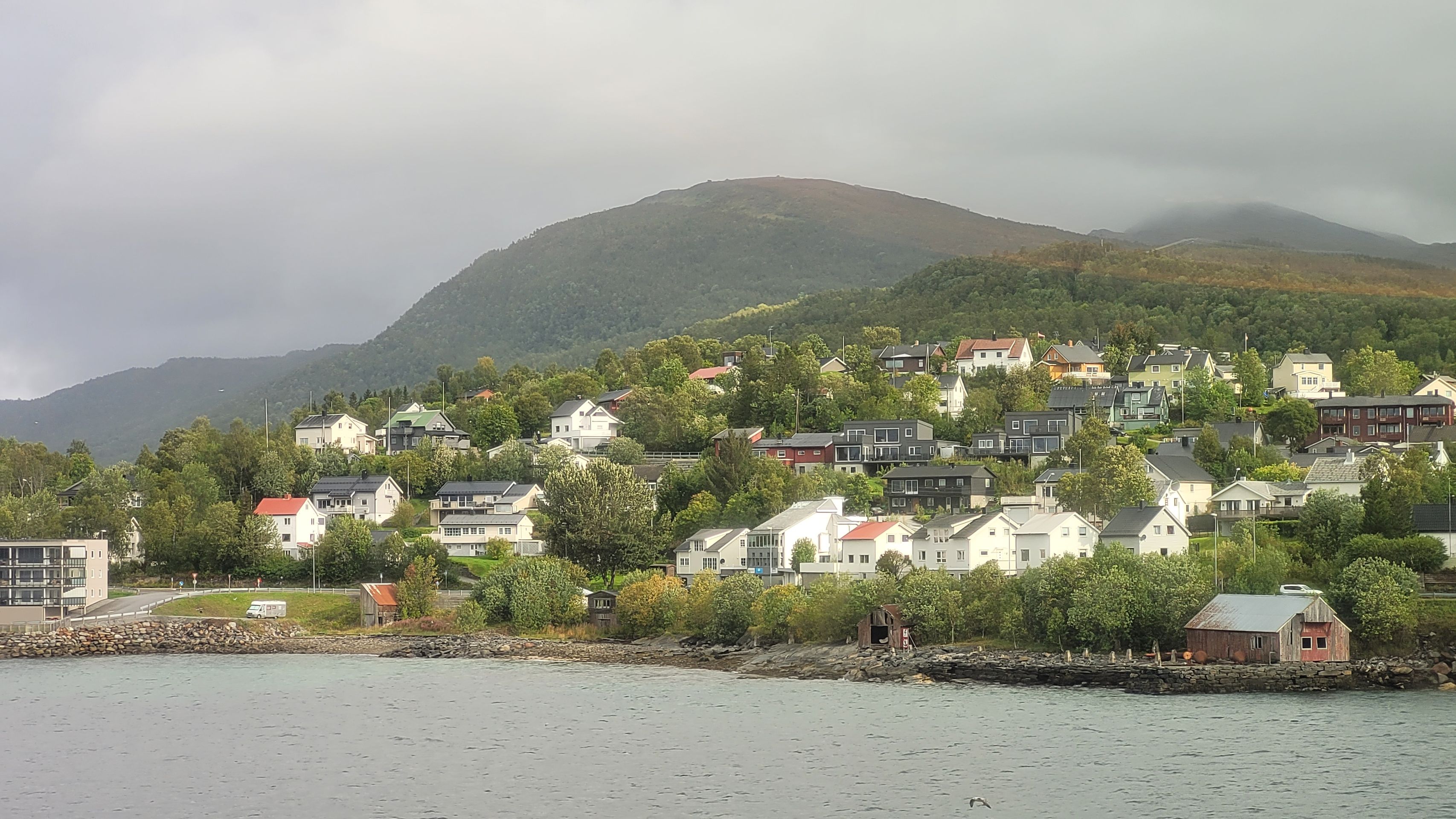
We continue through beautiful landscapes towards Finnsnes
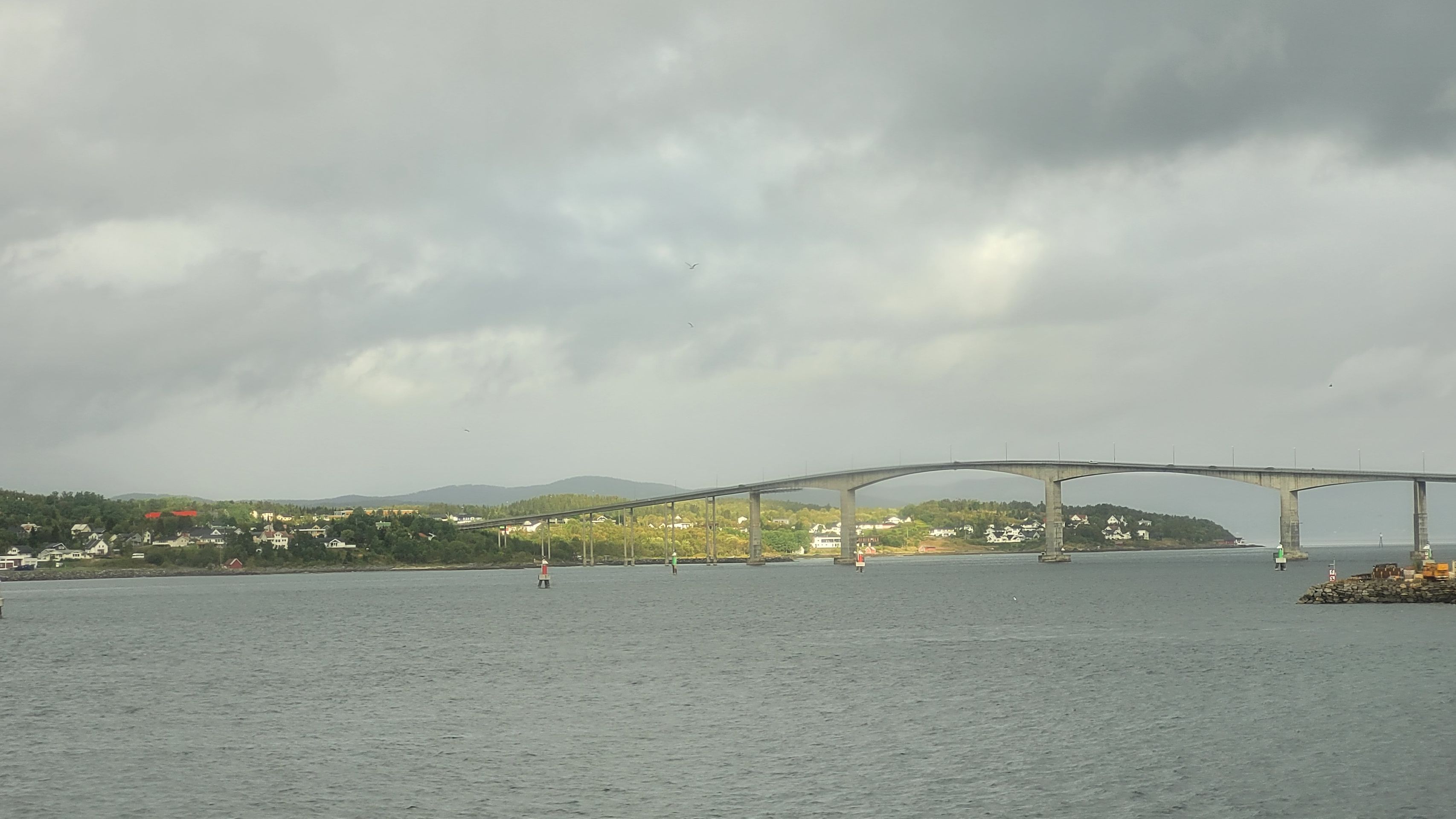
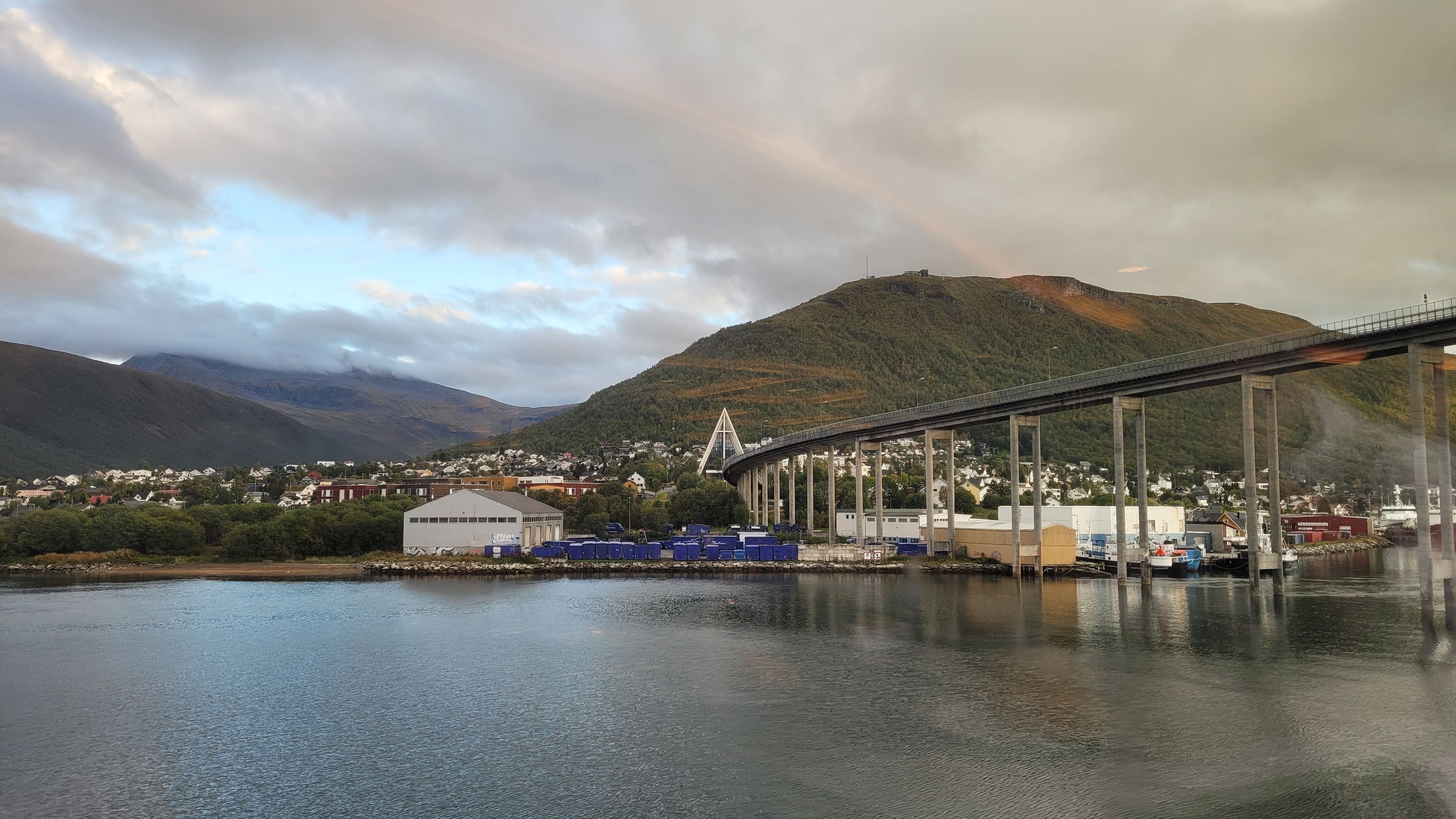
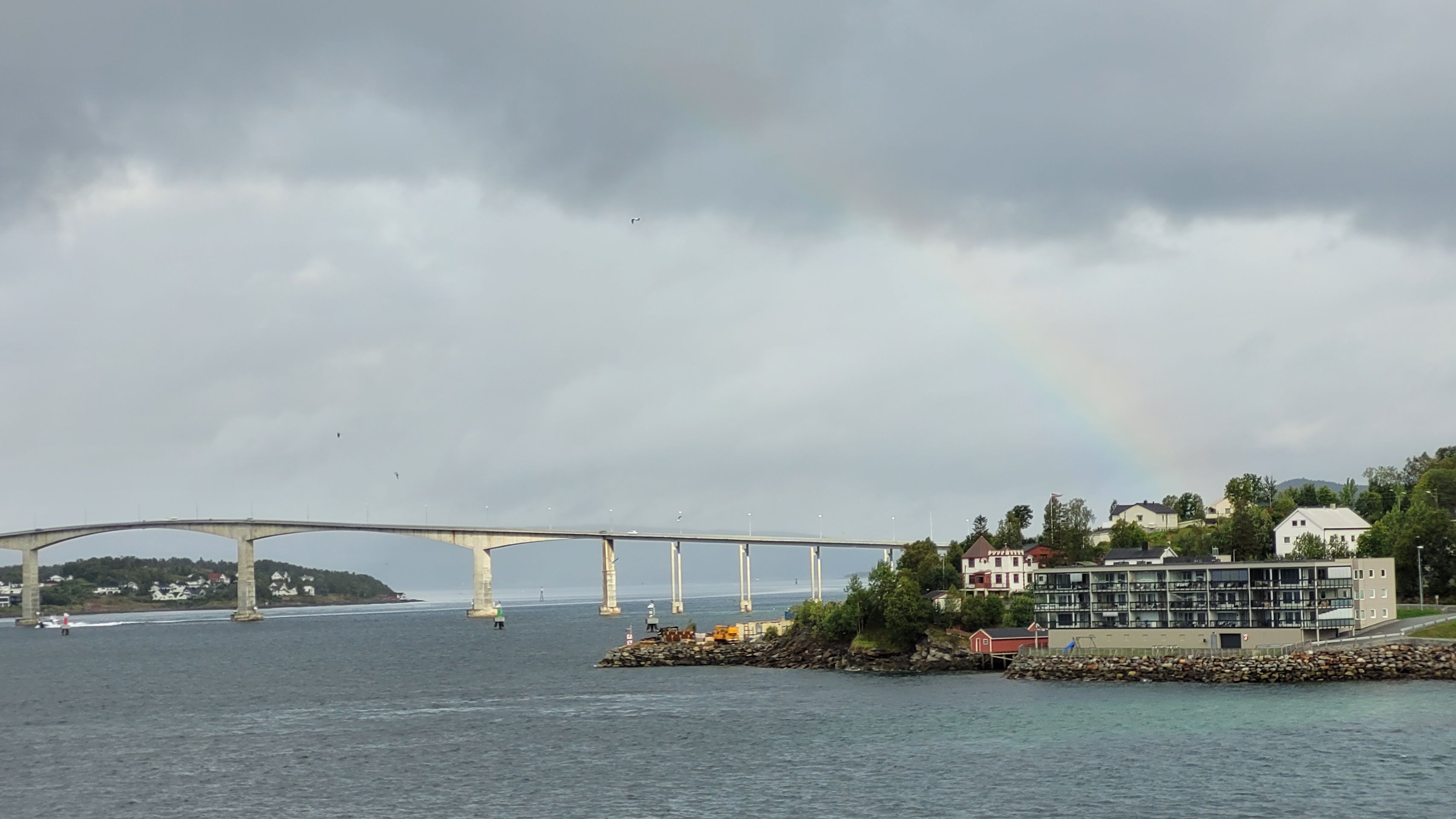
One of the most remarkable geographical features near Finnsnes is the Gisundet, the sound that separates the mainland from the island of Senja. The Gisundet is not only an important waterway but also a picturesque natural phenomenon that highlights the beauty of the northern Norwegian landscape. Spanning the Gisundet is the Gisund Bridge, an impressive 1,147-meter long concrete bridge that opened in 1972, connecting Finnsnes with Senja. The bridge symbolizes the connection and cooperation of the regions and enables direct transportation links essential for the development and growth of Finnsnes and surrounding areas. Simultaneously, with a clearance height of around 40 meters, it also allows larger vessels to pass. Regular cargo ships and smaller cruise ships also sail under the bridge, alongside Hurtigruten ships.
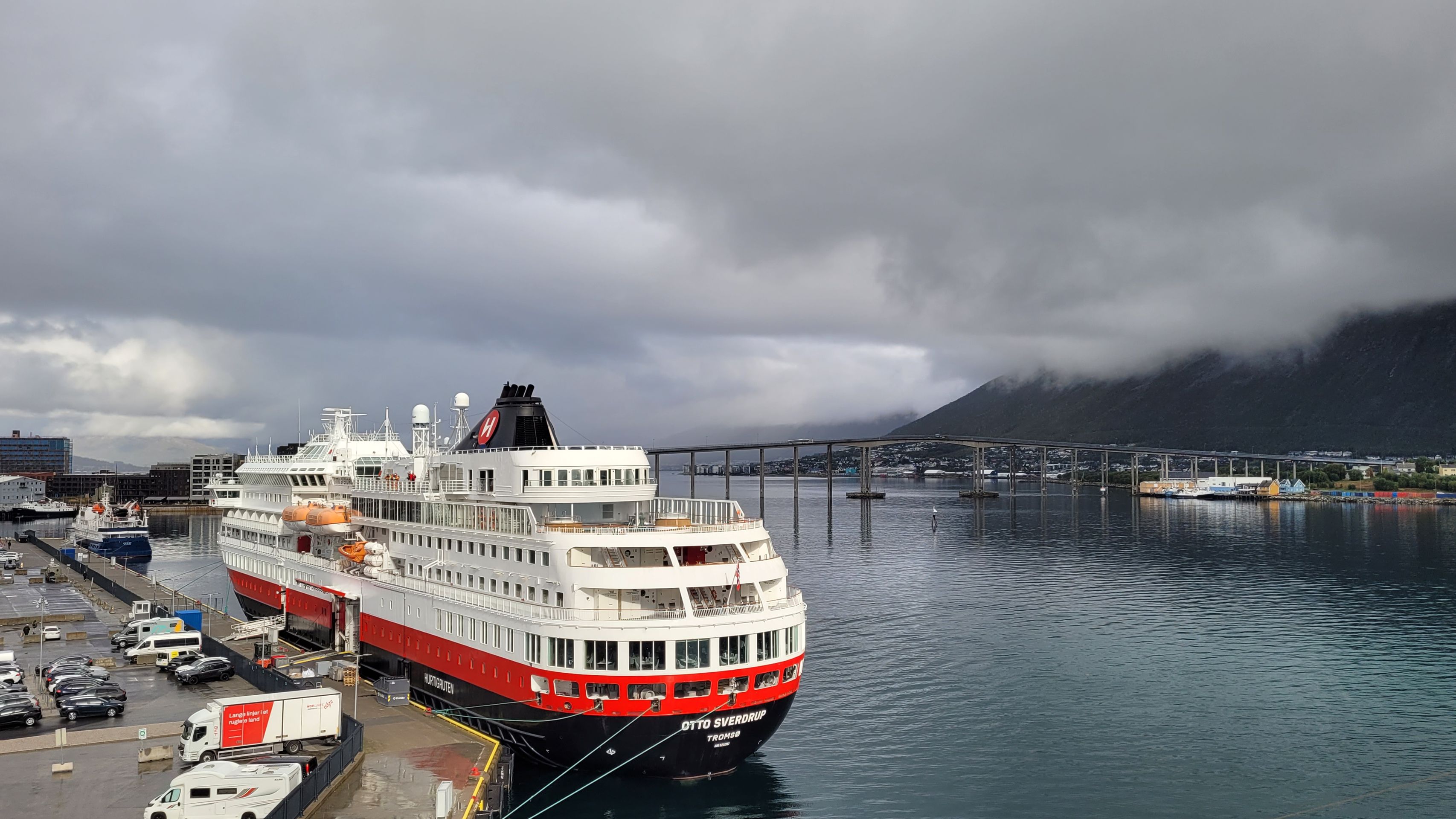
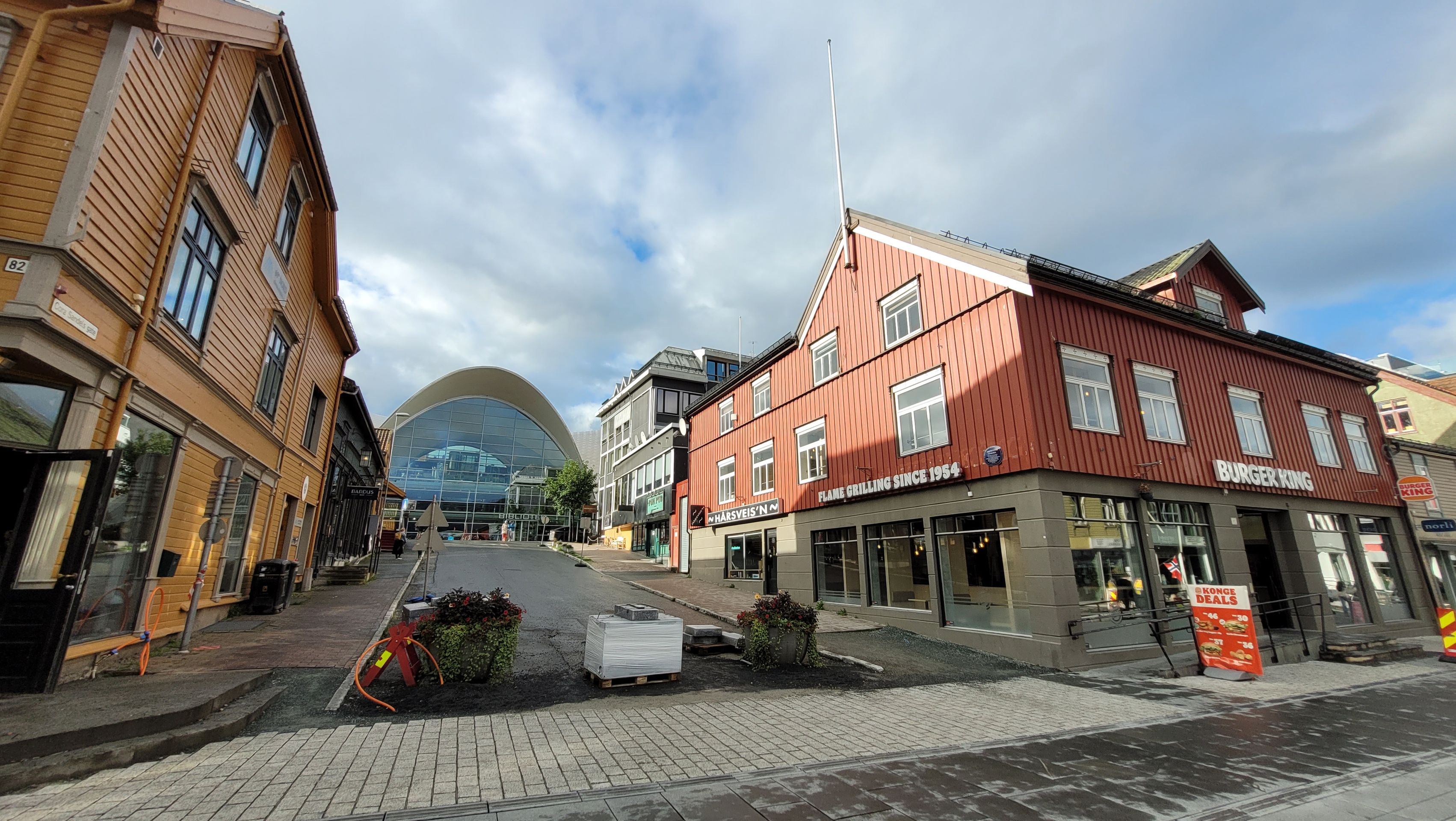
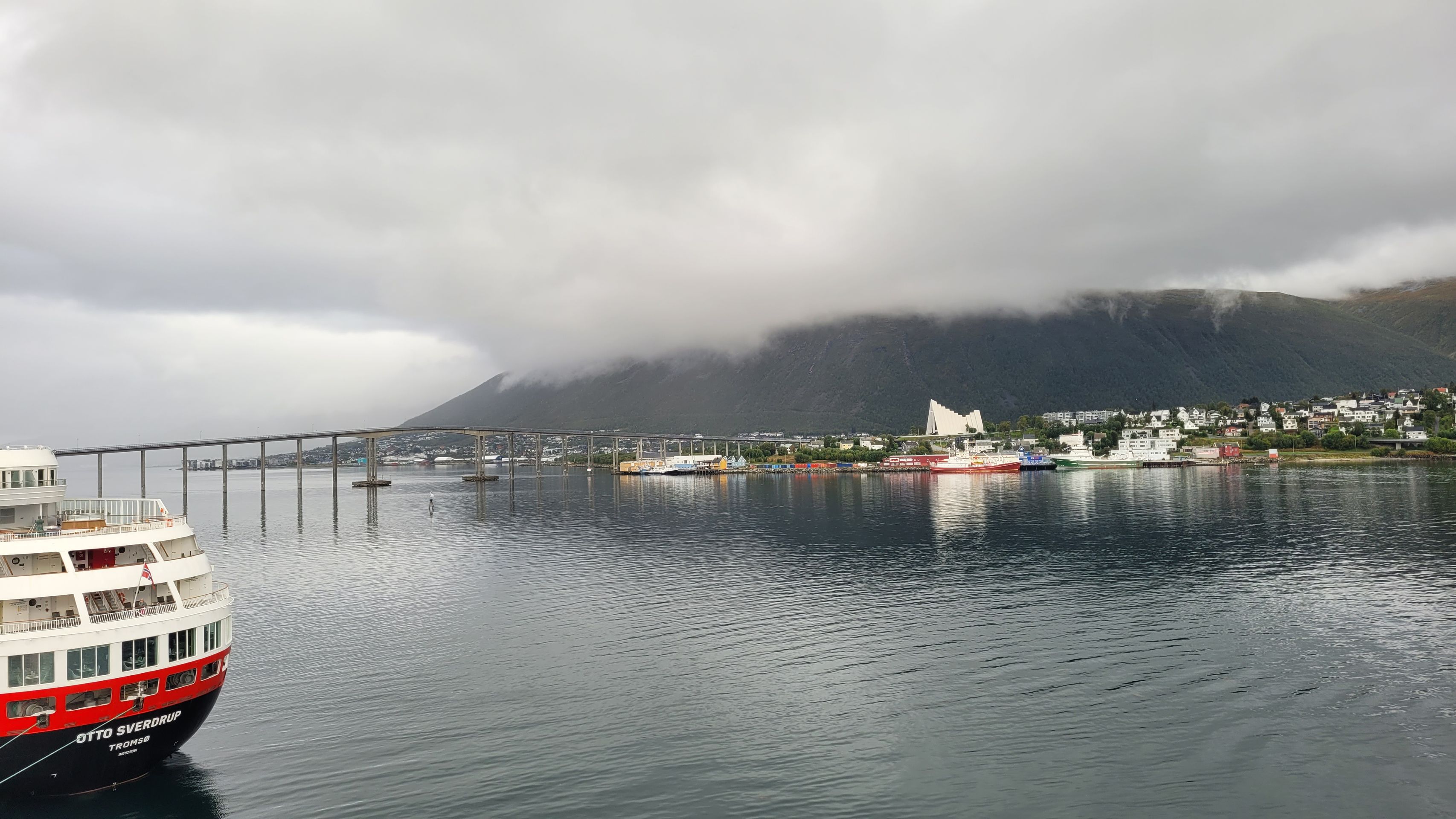
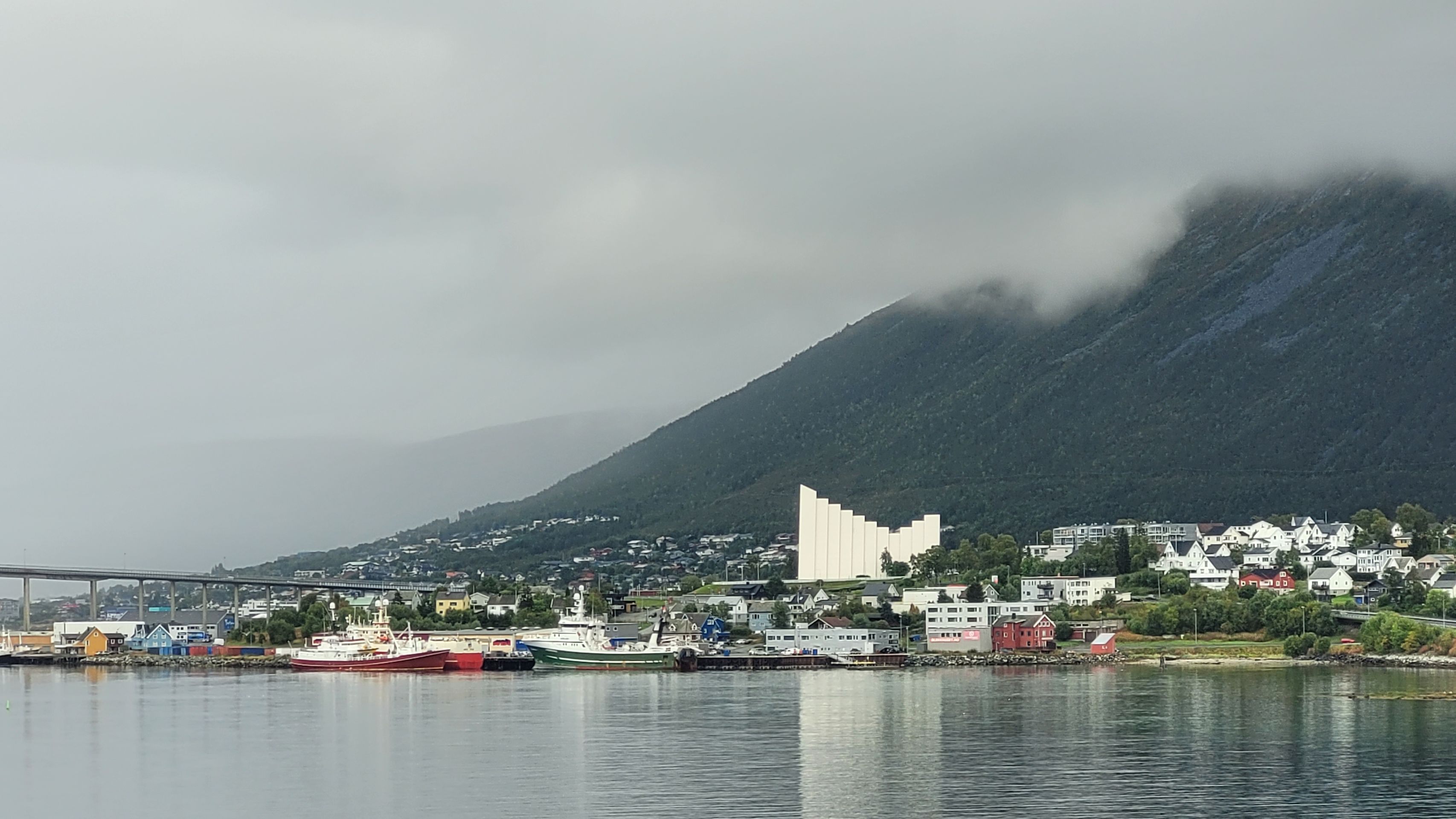
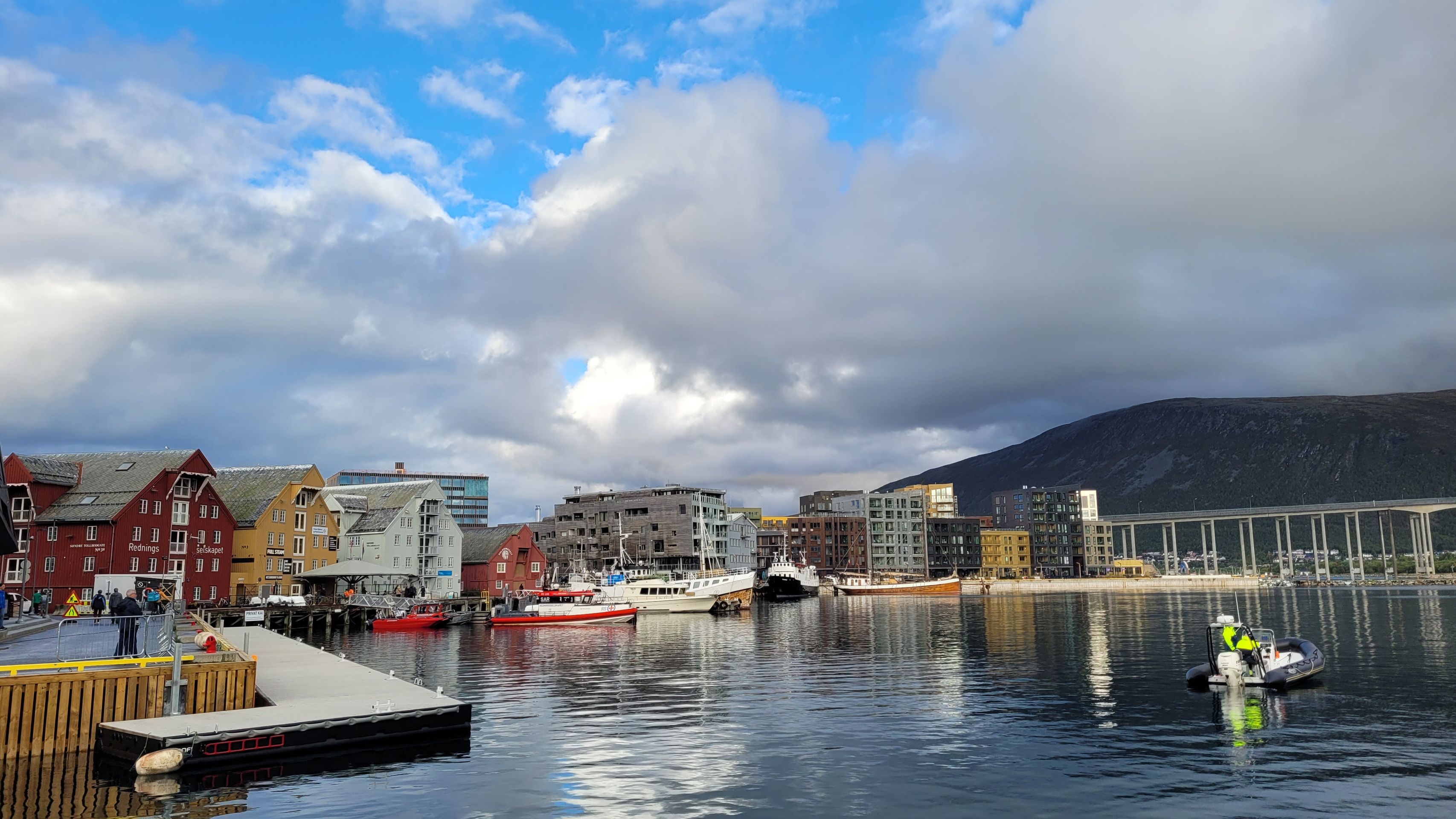
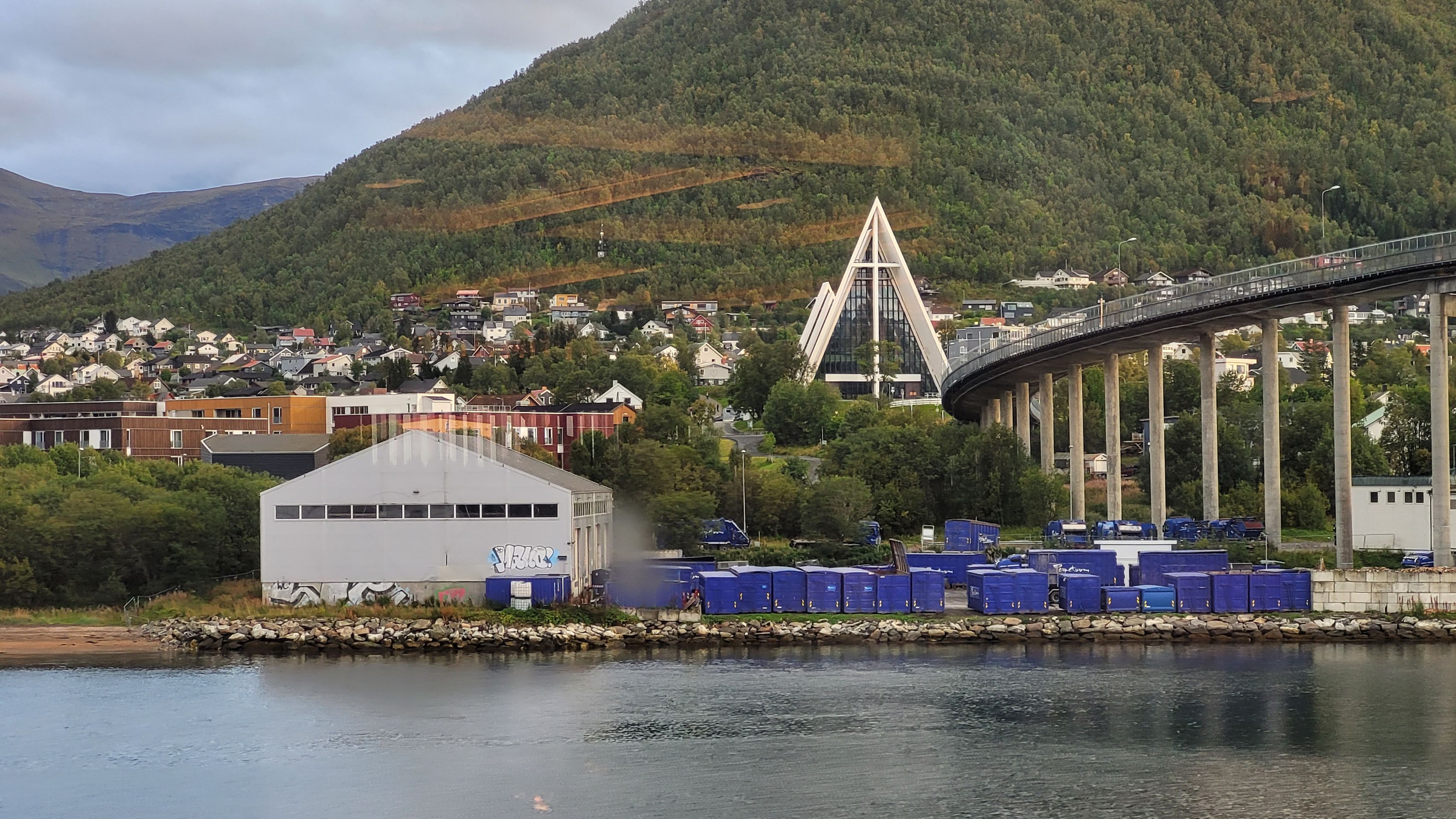
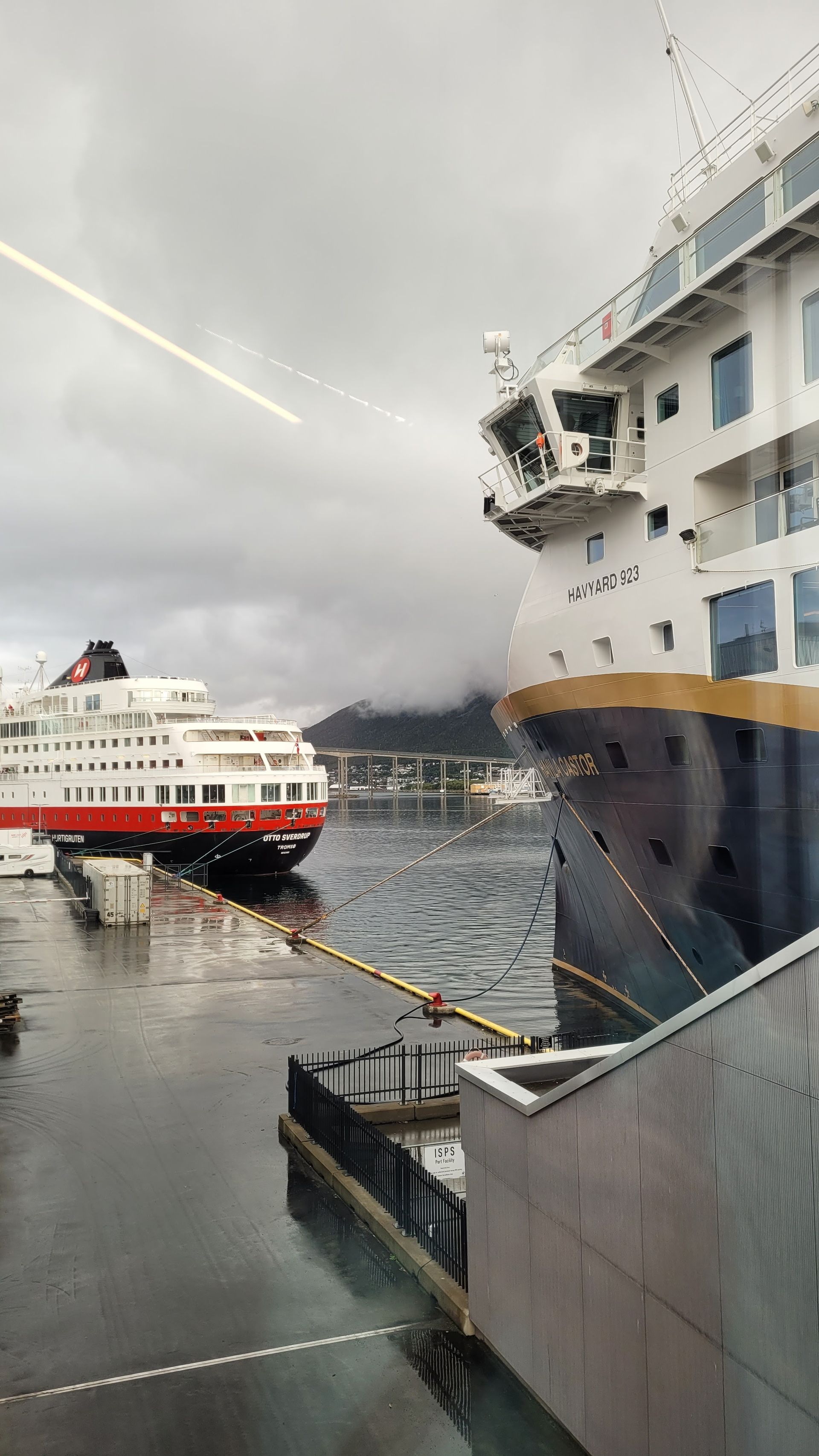
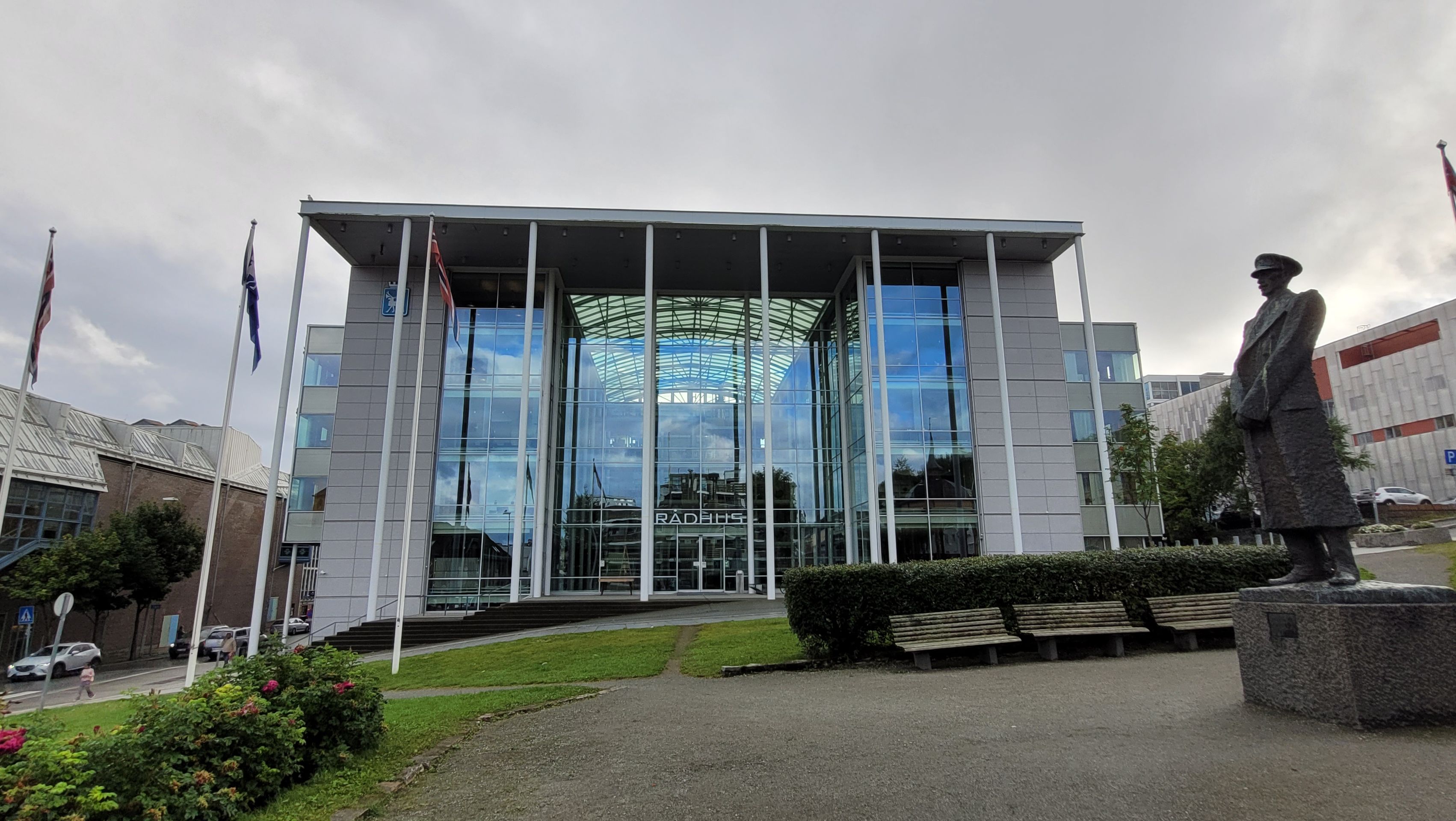
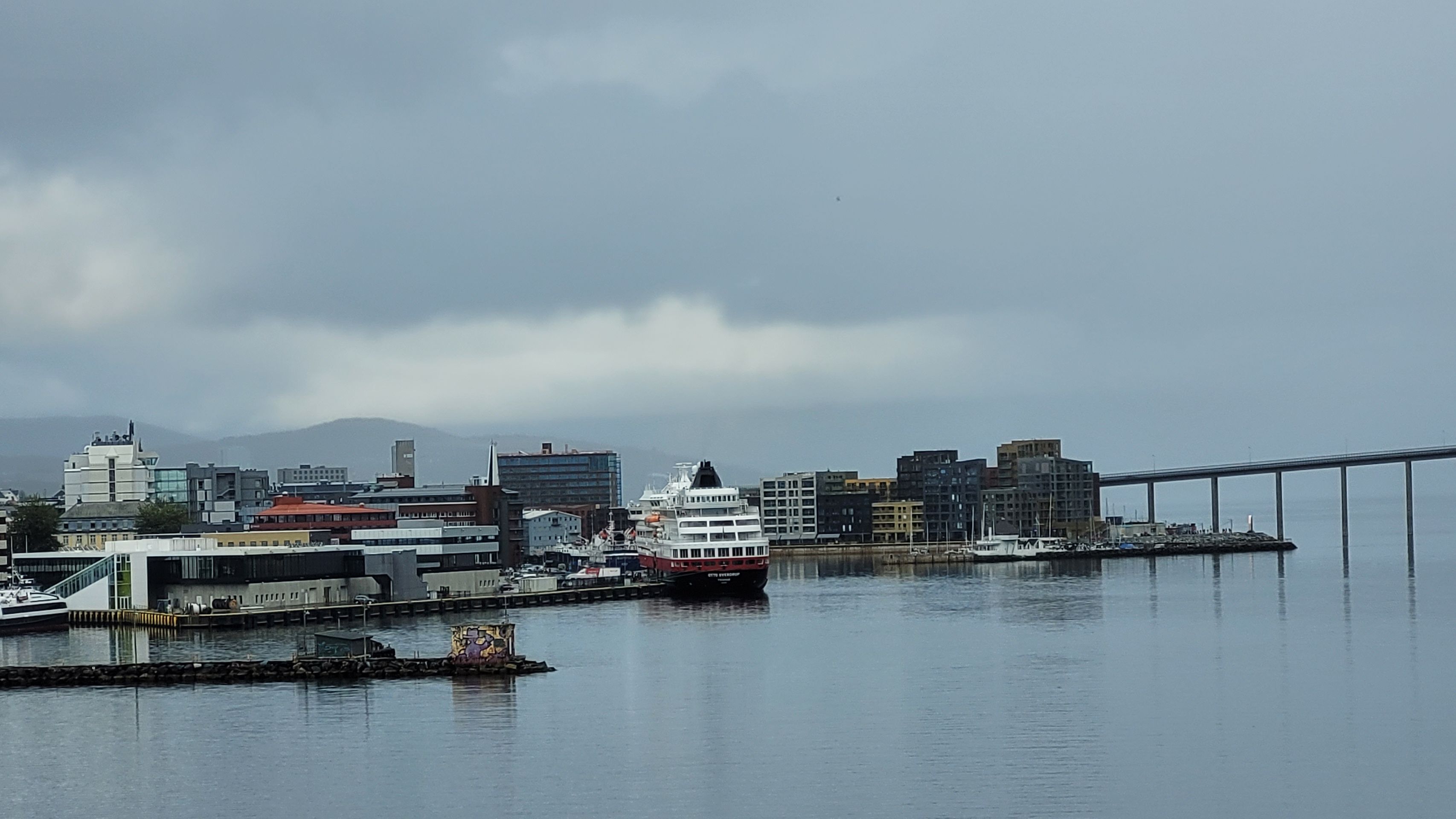
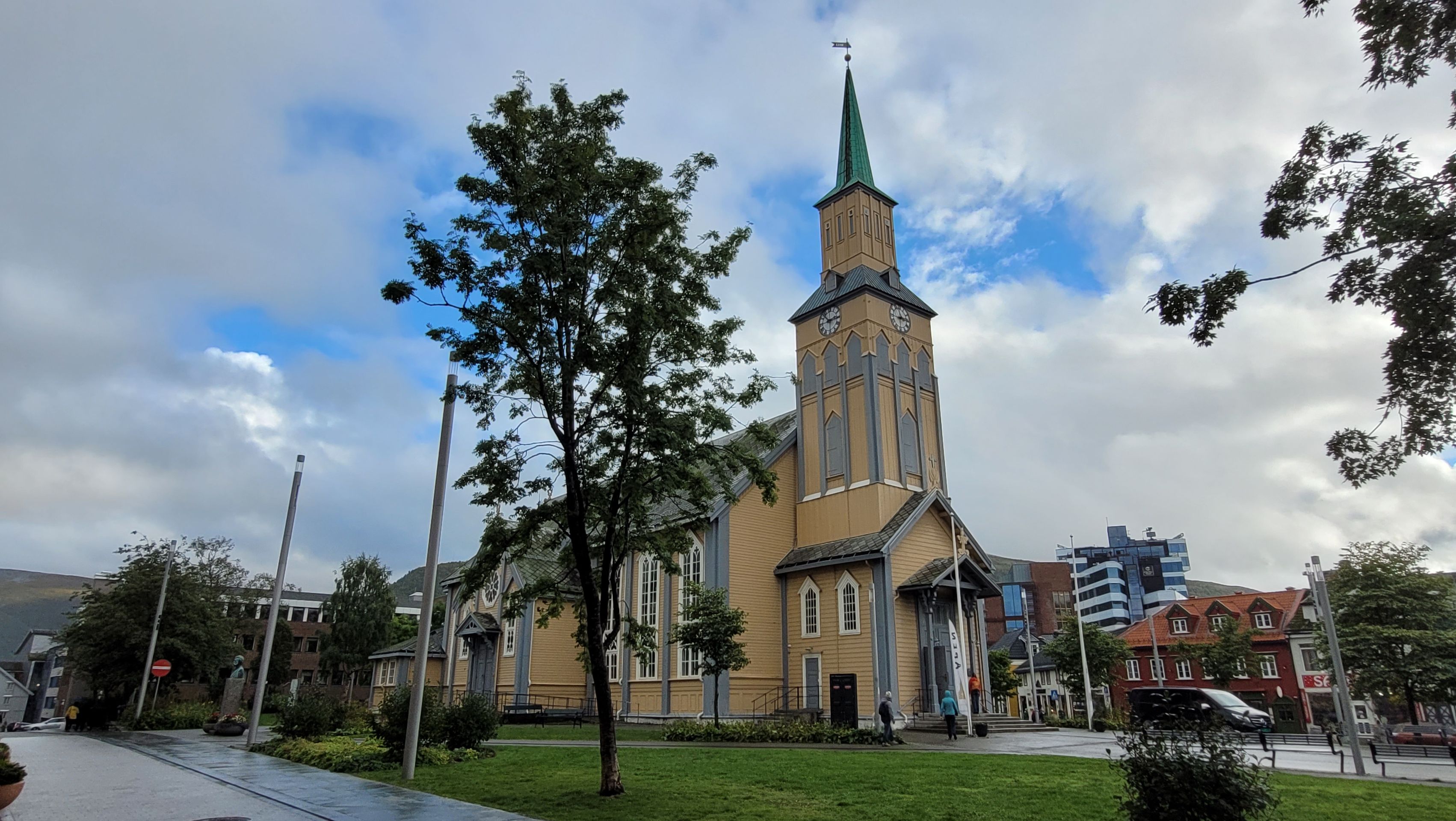
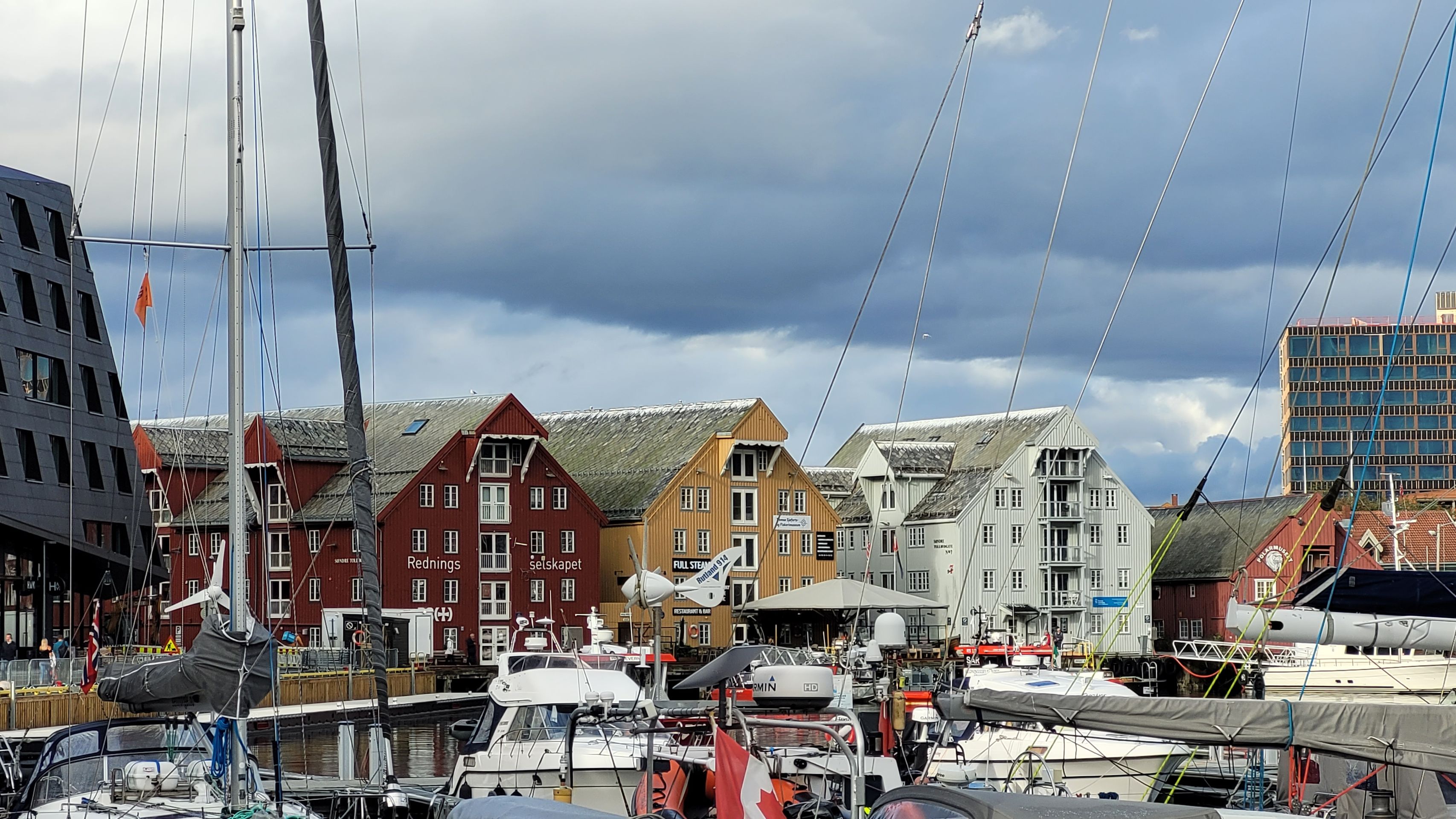
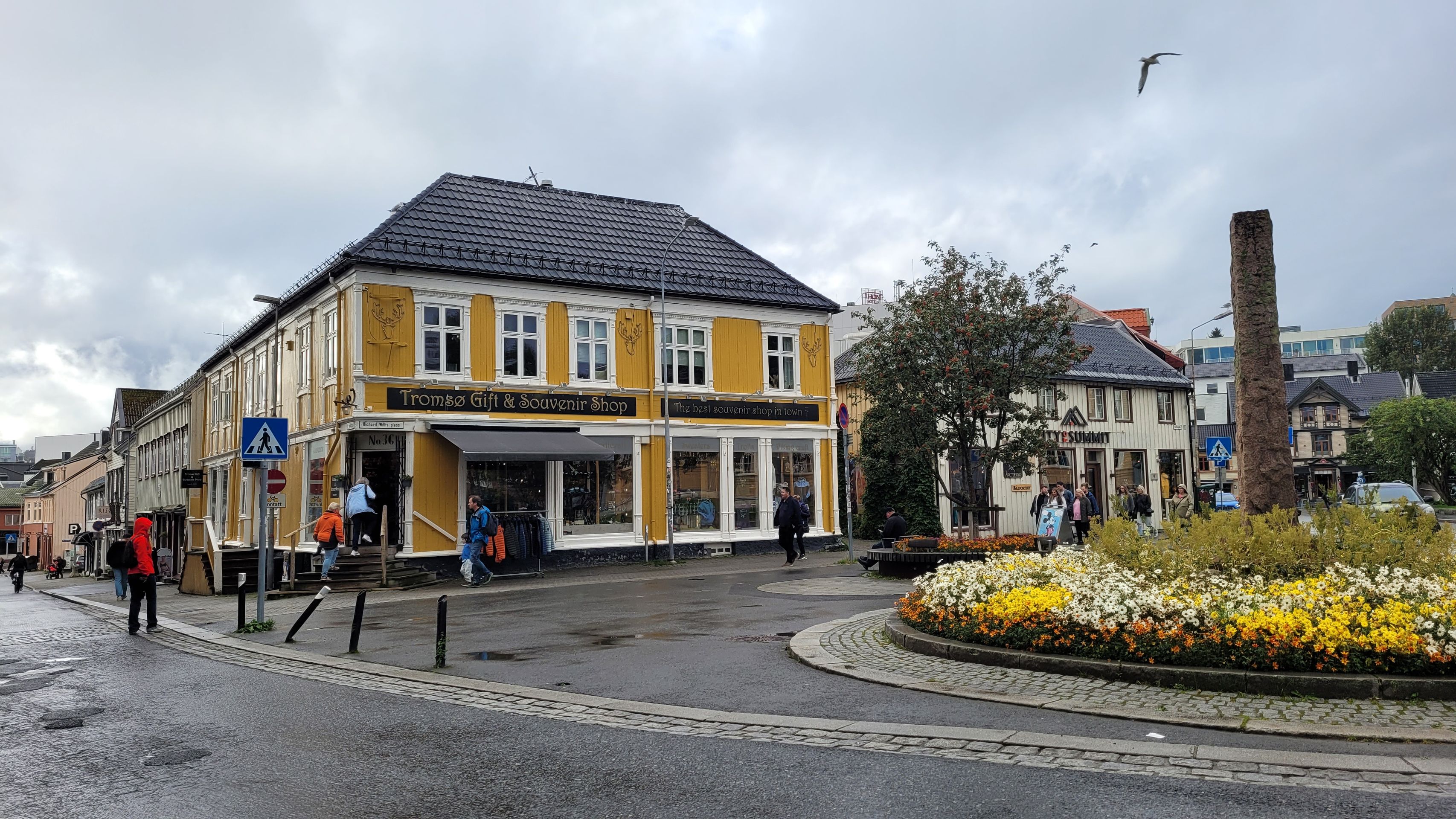
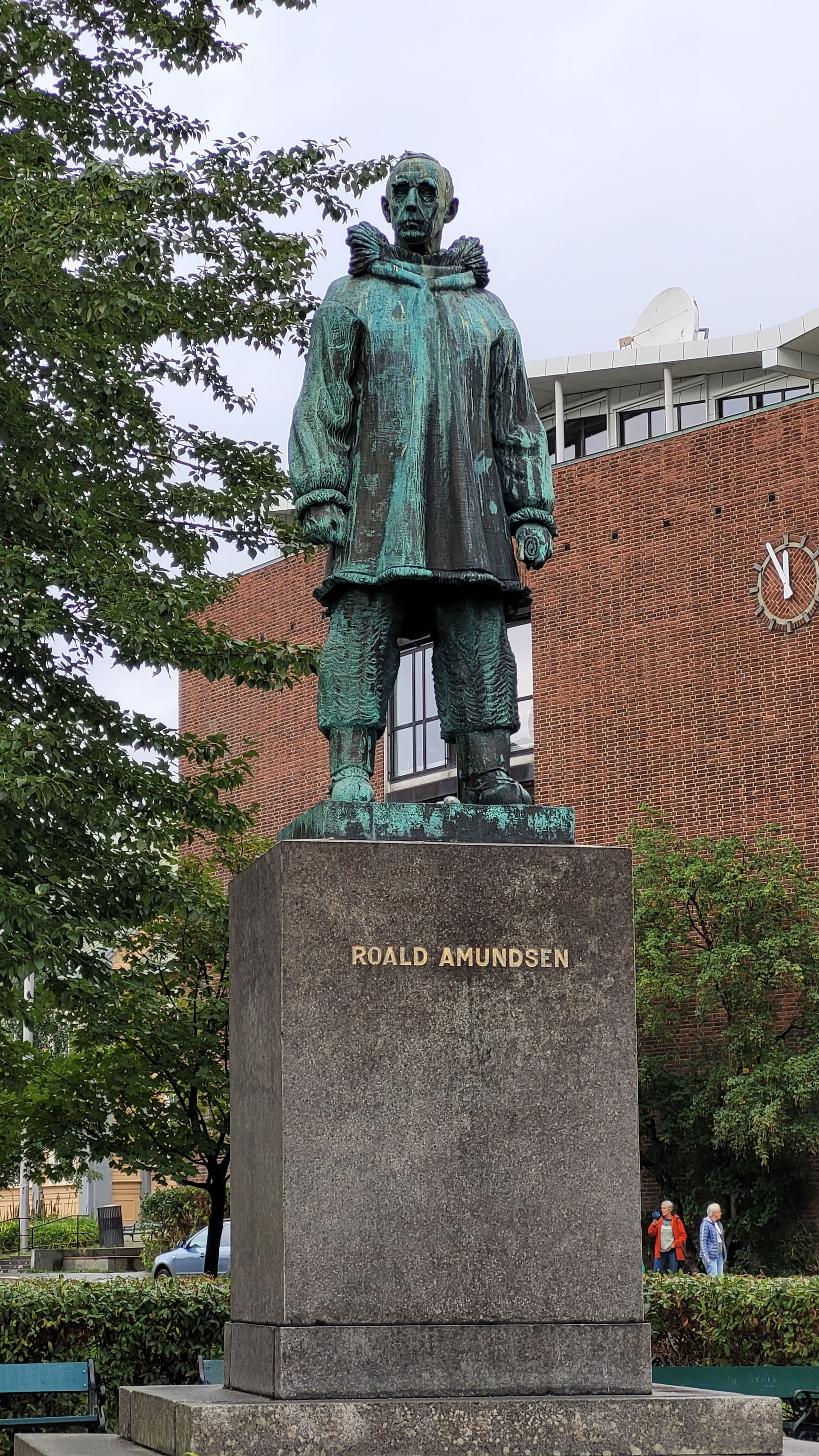
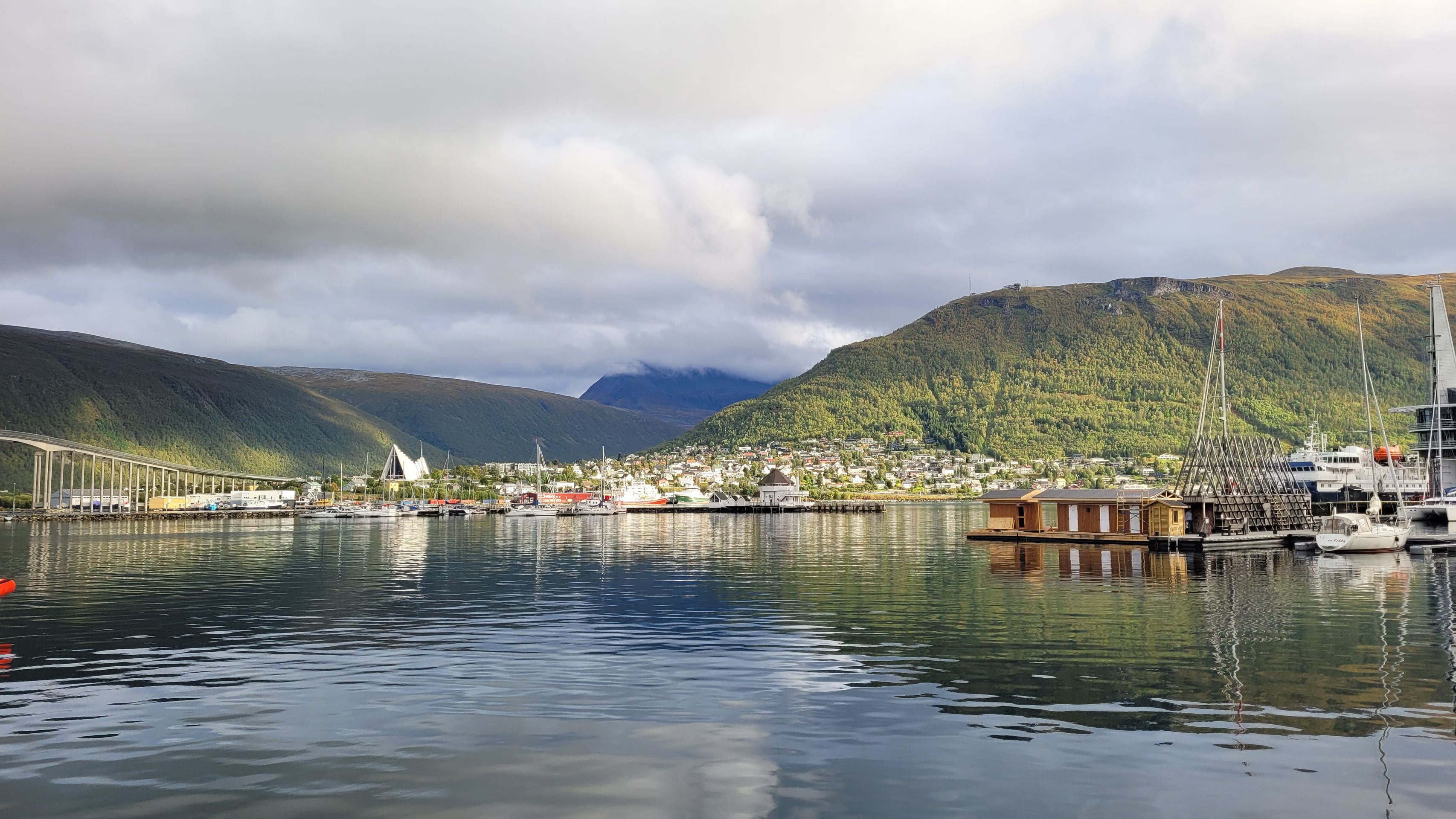
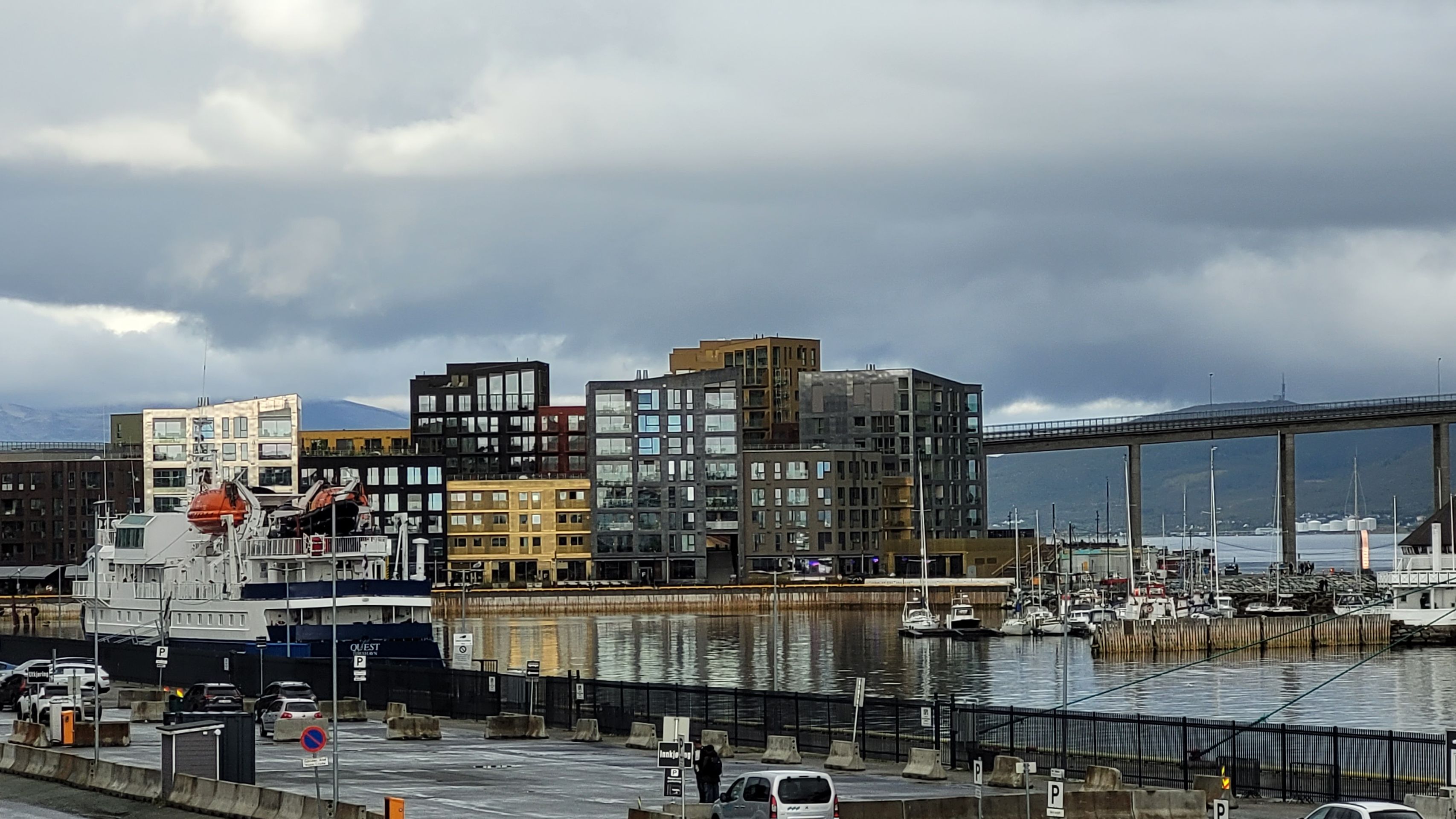
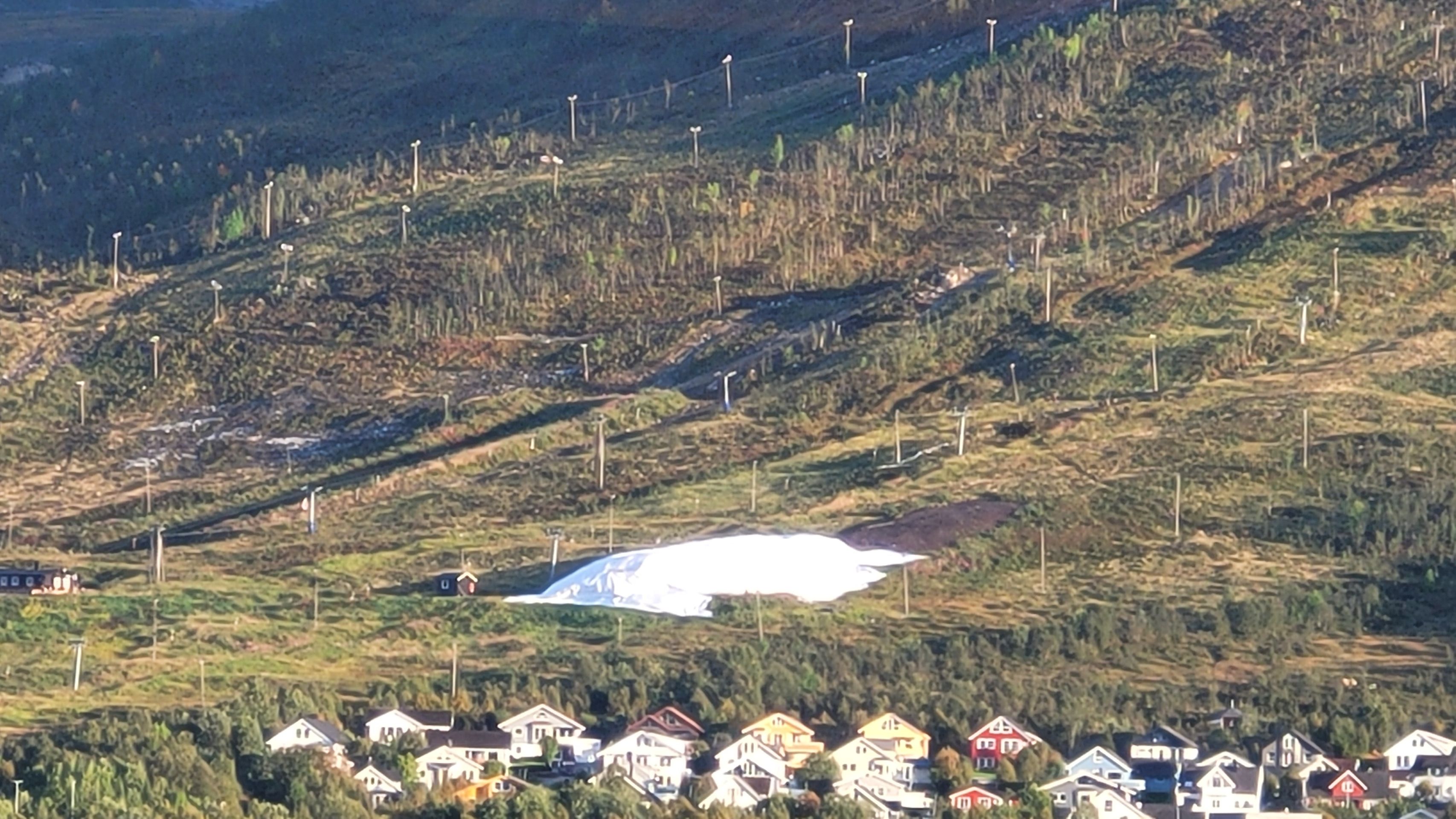
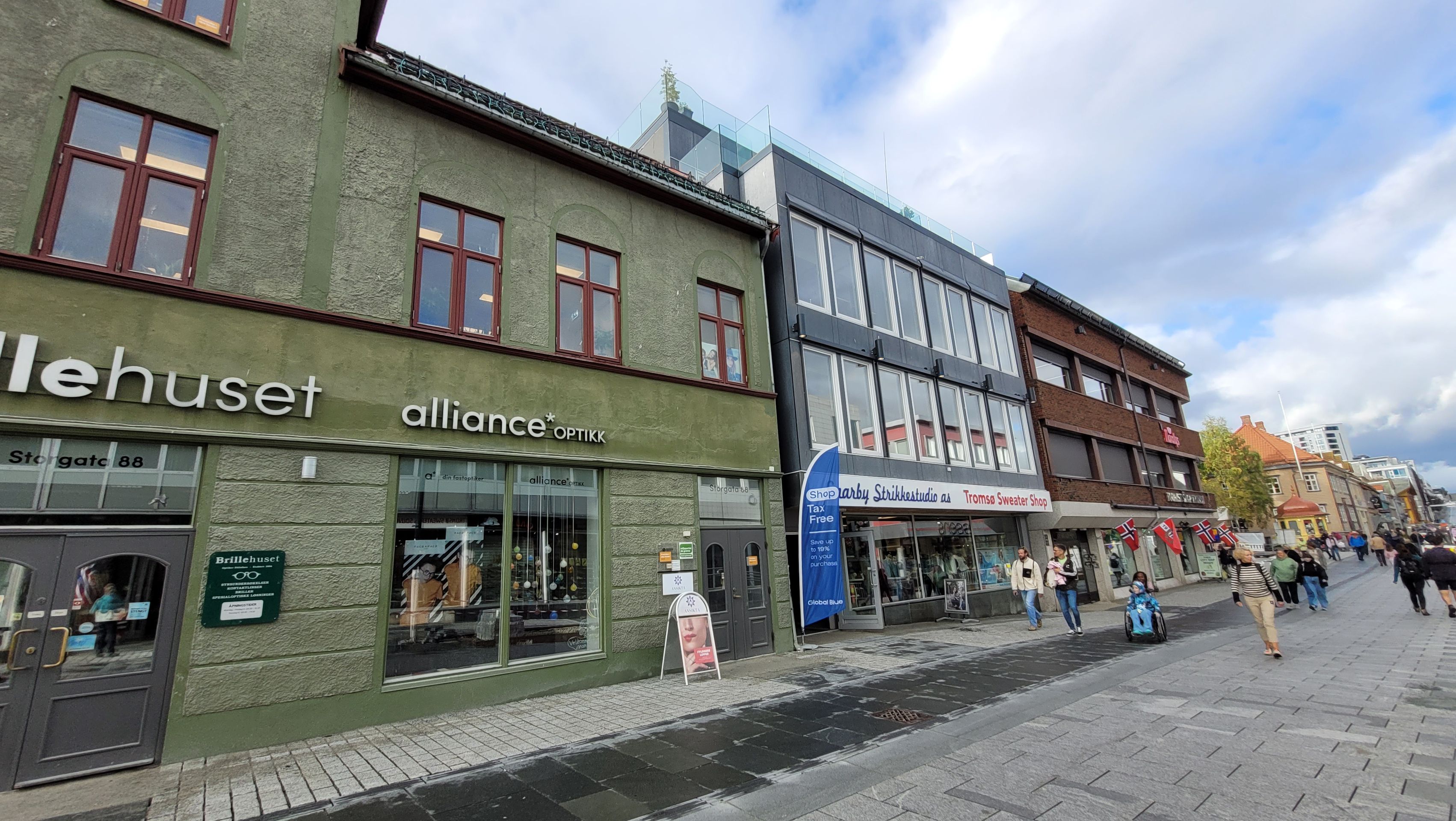
In the early afternoon, we reach Tromsø. We explore this wonderful modern city.
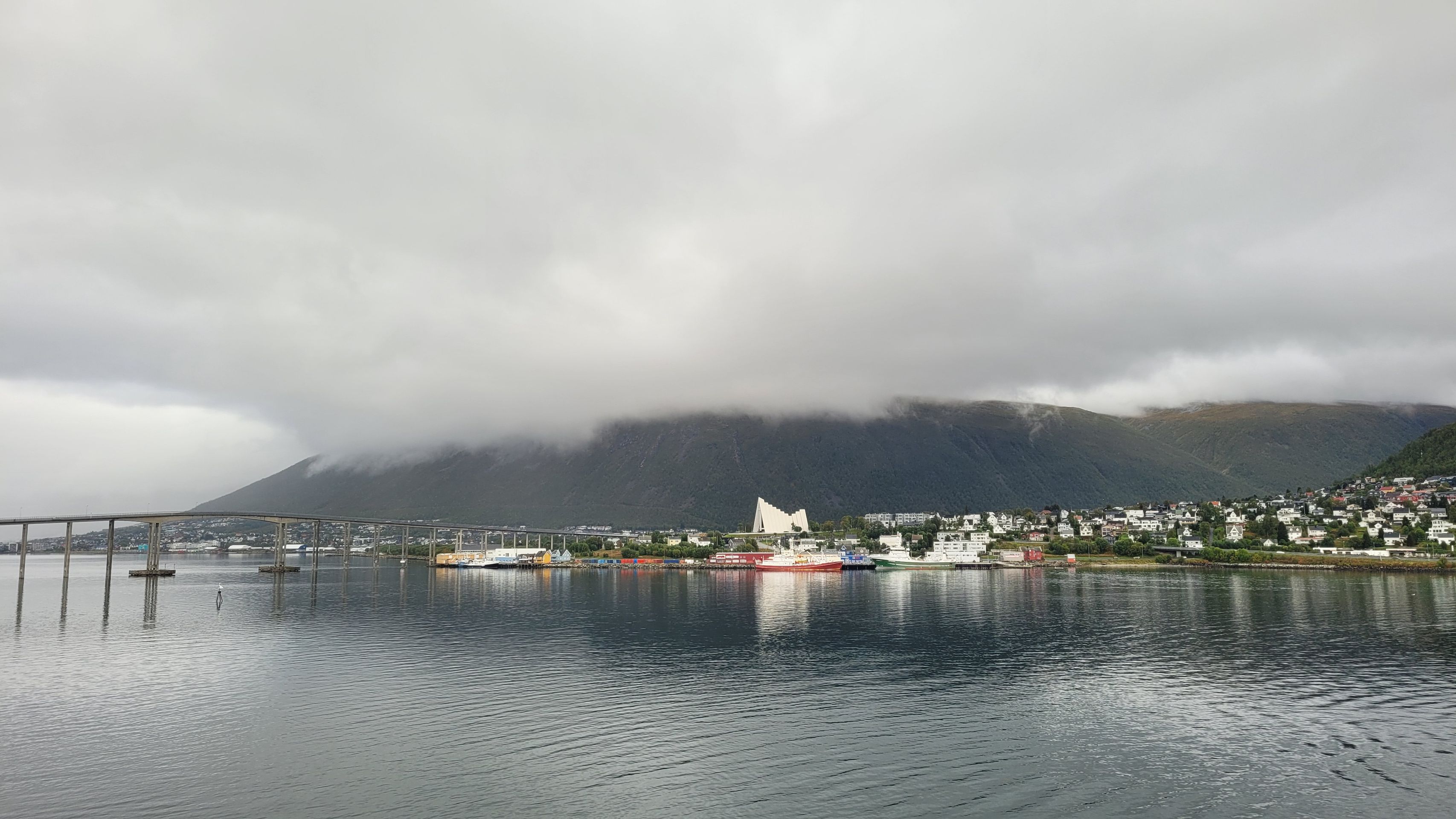
The town covers an area of 13.79 square kilometers and has 41,915 inhabitants (2023) and a population density of 3,040 inhabitants per square kilometer. The suburb Tromsdalen on the mainland has 18,202 inhabitants, and the suburb Kvaløysletta on the island of Kvaløya has 8,868 inhabitants. Thus, the metropolitan region of Tromsø has nearly 69,000 inhabitants . The most populous town in Norway north of Tromsø is Alta with 15,931 inhabitants (2023), making Tromsø a very big city for this vast rural area of northern Norway. It is also the northernmost city in the world with over 20,000 inhabitants. It is the largest urban area in northern Norway and the third largest north of the Arctic Circle worldwide (after Murmansk and Norilsk).
The largest workplaces in the town are the University of Tromsø (UiT) and the University Hospital of North Norway. The Norwegian Polar Institute is also based in Tromsø. The Northern Lights Observatory was founded in 1928, and two companies associated with the Kongsberg Group collect satellite data from space in cooperation with the observatory. The fishing industry is very important. Norway's Norges Råfisklag and Norges seafood council are both based in Tromsø. Additionally, Sparebanken Nord-Norge is located in the city. Furthermore, “Skatt nord,” an agency of the Norwegian Tax Administration, is also based here.
Due to the warming effect of the Gulf Stream, the city is warmer than most other places at the same latitude. In Tromsø, it is even milder than in other parts of the world much further south, such as in Hudson Bay and in the Far East of Russia. The warm current ensures relatively mild winters and tree growth despite the high latitude.
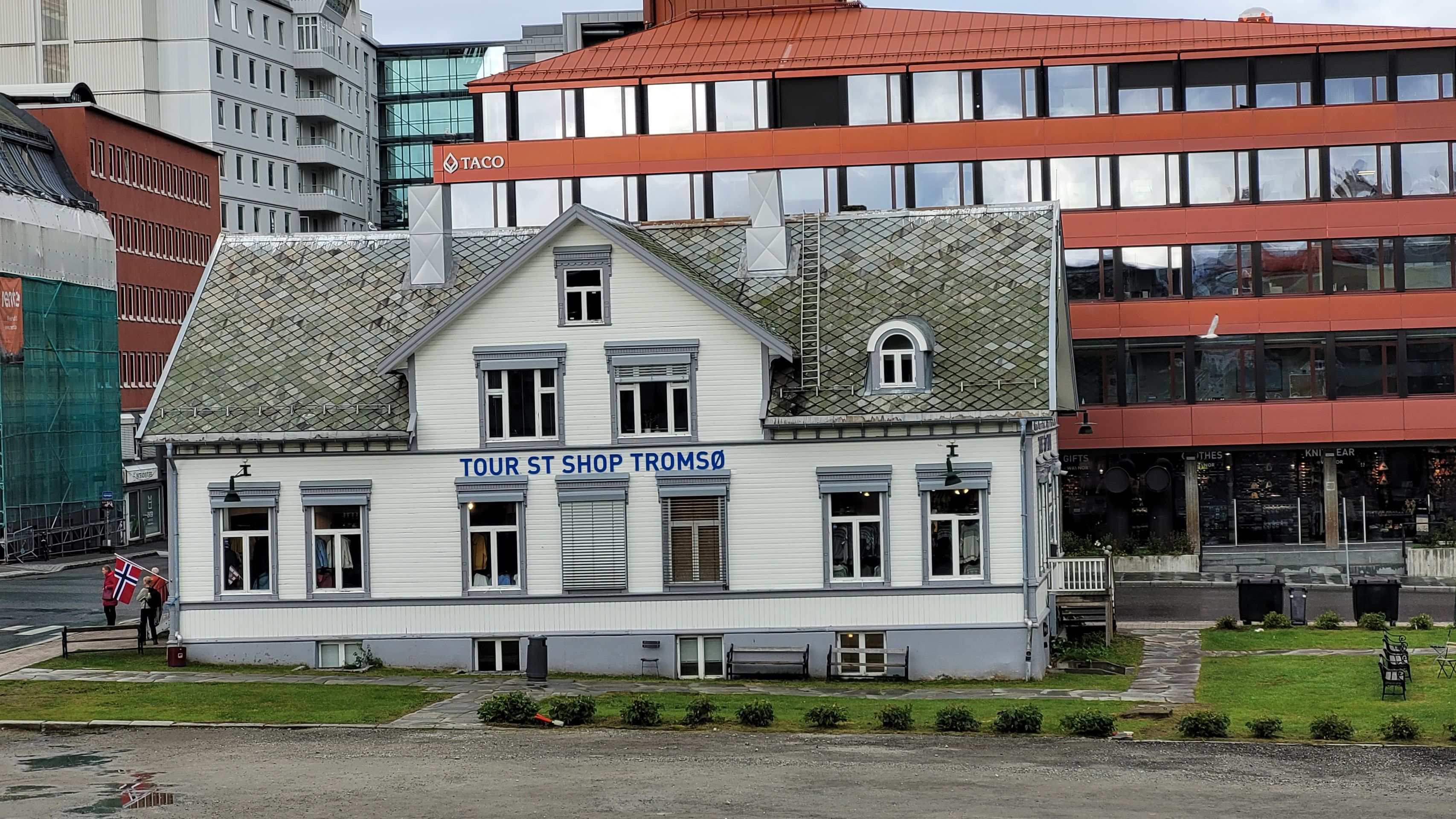
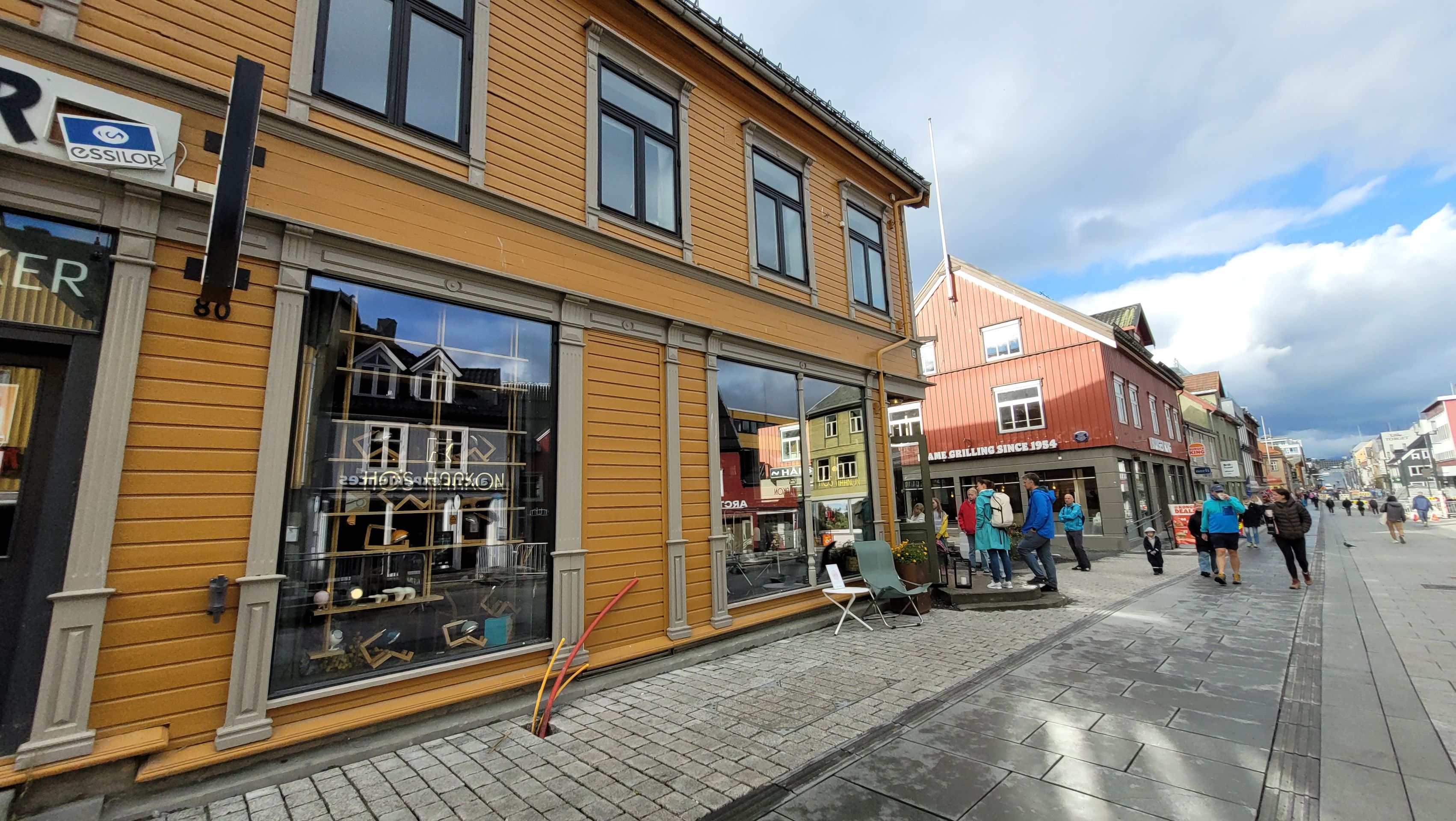
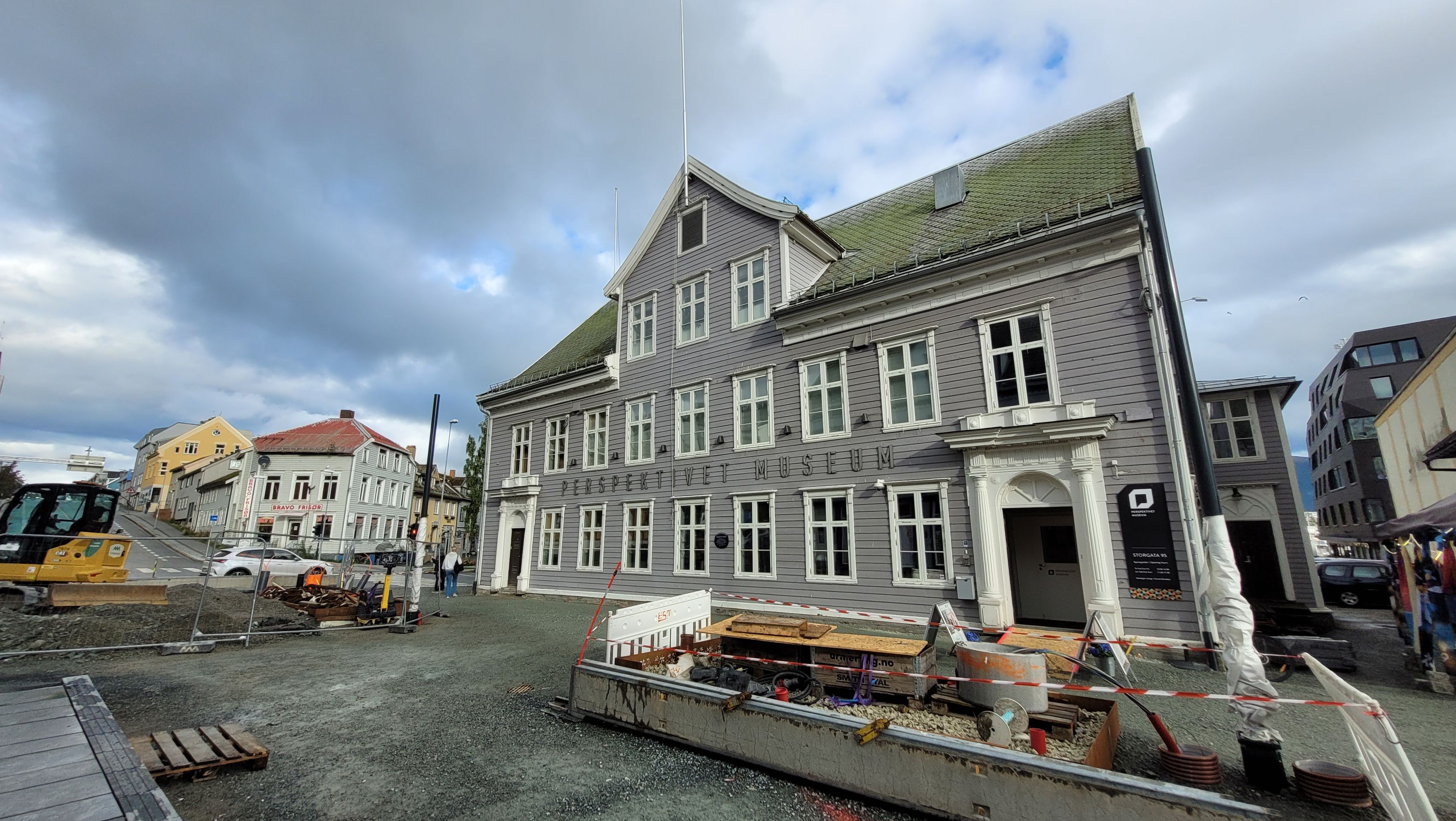
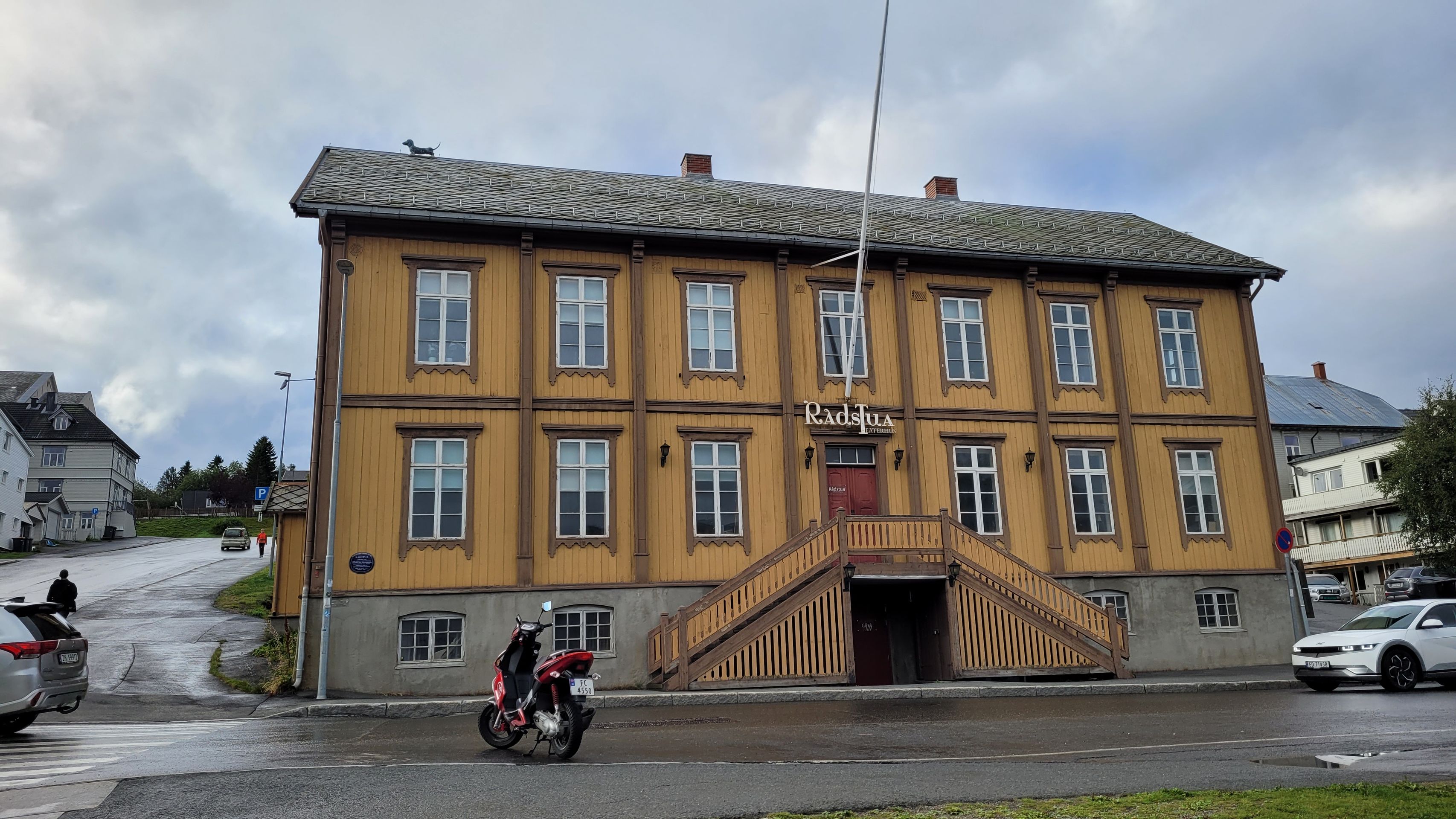
In the city center of Tromsø, there are the most old wooden houses in Northern Norway. The oldest house dates back to 1789. The city is a cultural center of the region. Several festivals take place here in the summer. Torbjørn Brundtland and Svein Berge of the electronic duo Röyksopp and Lene Marlin grew up in Tromsø and started their careers there. The well-known electronic musician Geir Jenssen also comes from Tromsø.