Havila1- September 15, 2024 September 5
During the night, our ship made two short stops in Molde and Kristiansund before it continues in the later morning through Trondheimfjord to Trondheim....

Published: 10.01.2025
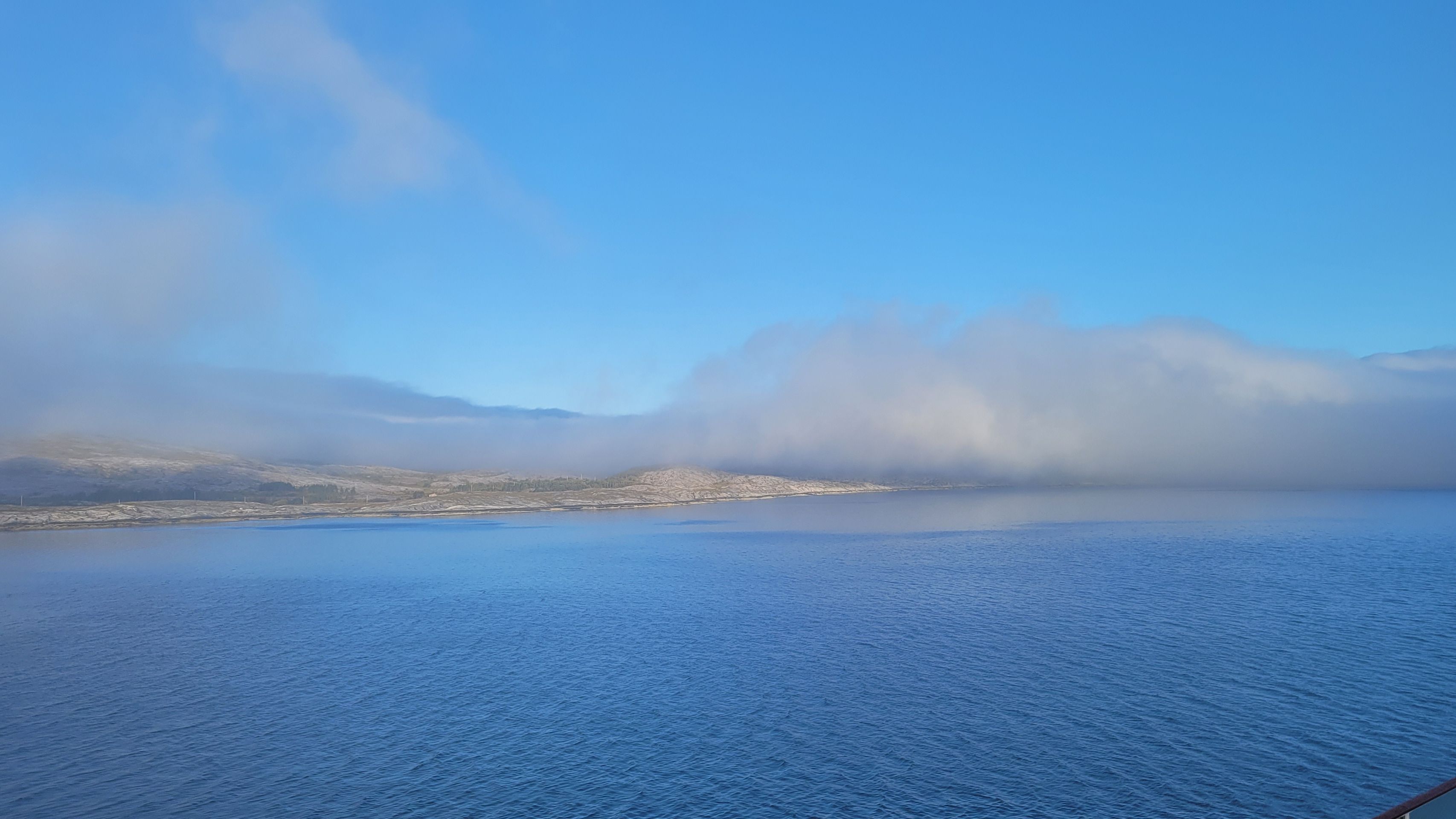
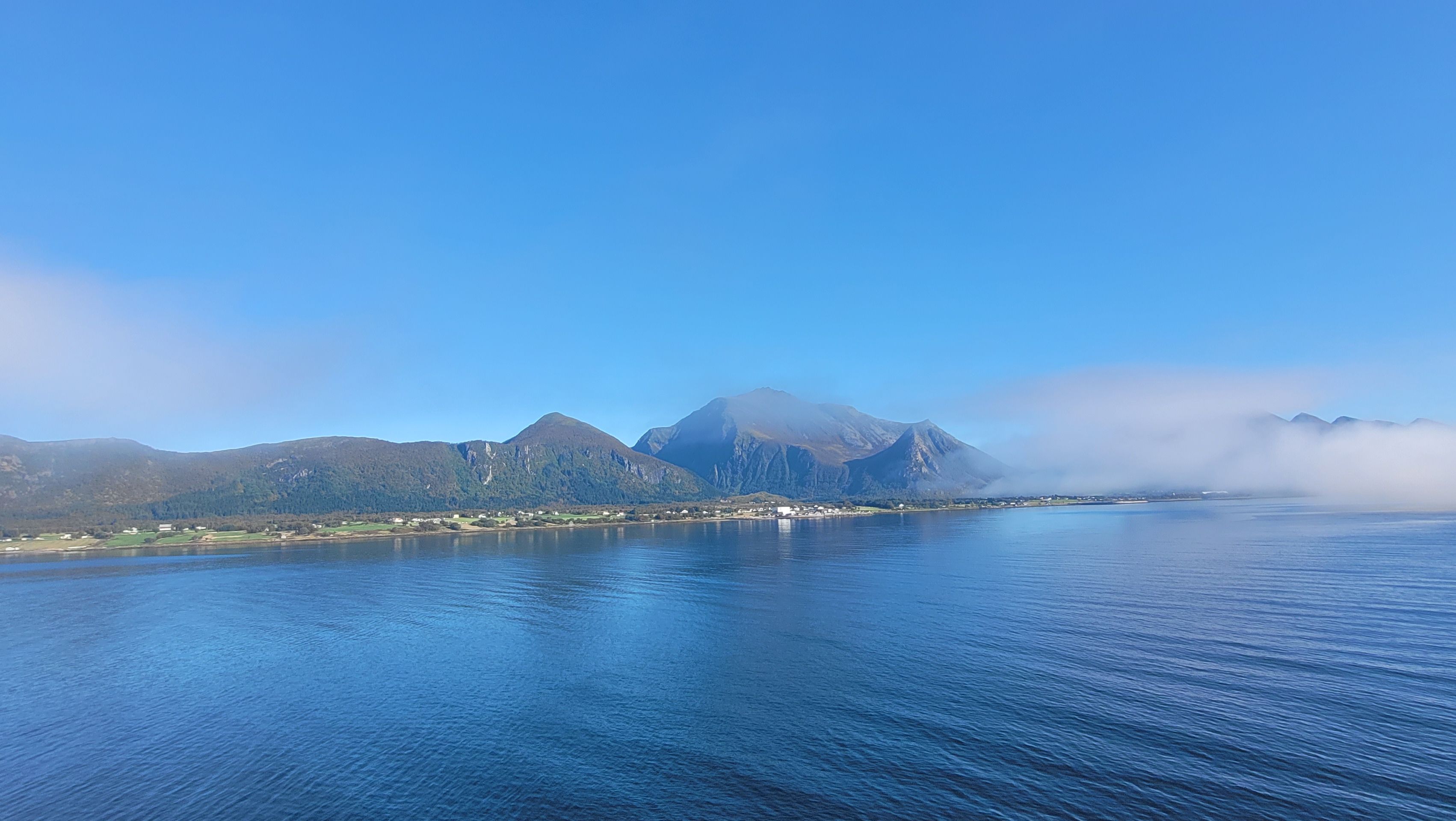
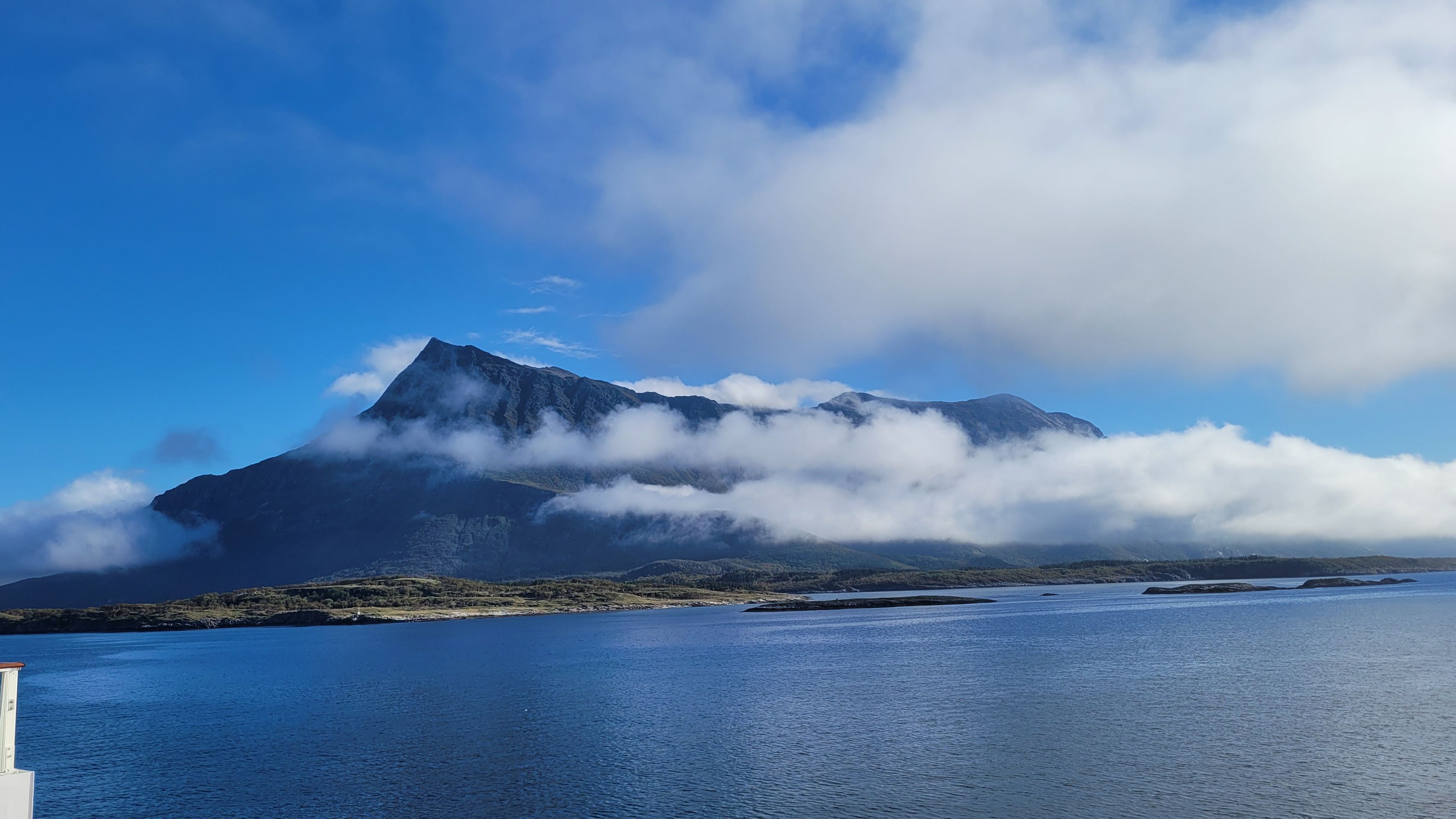
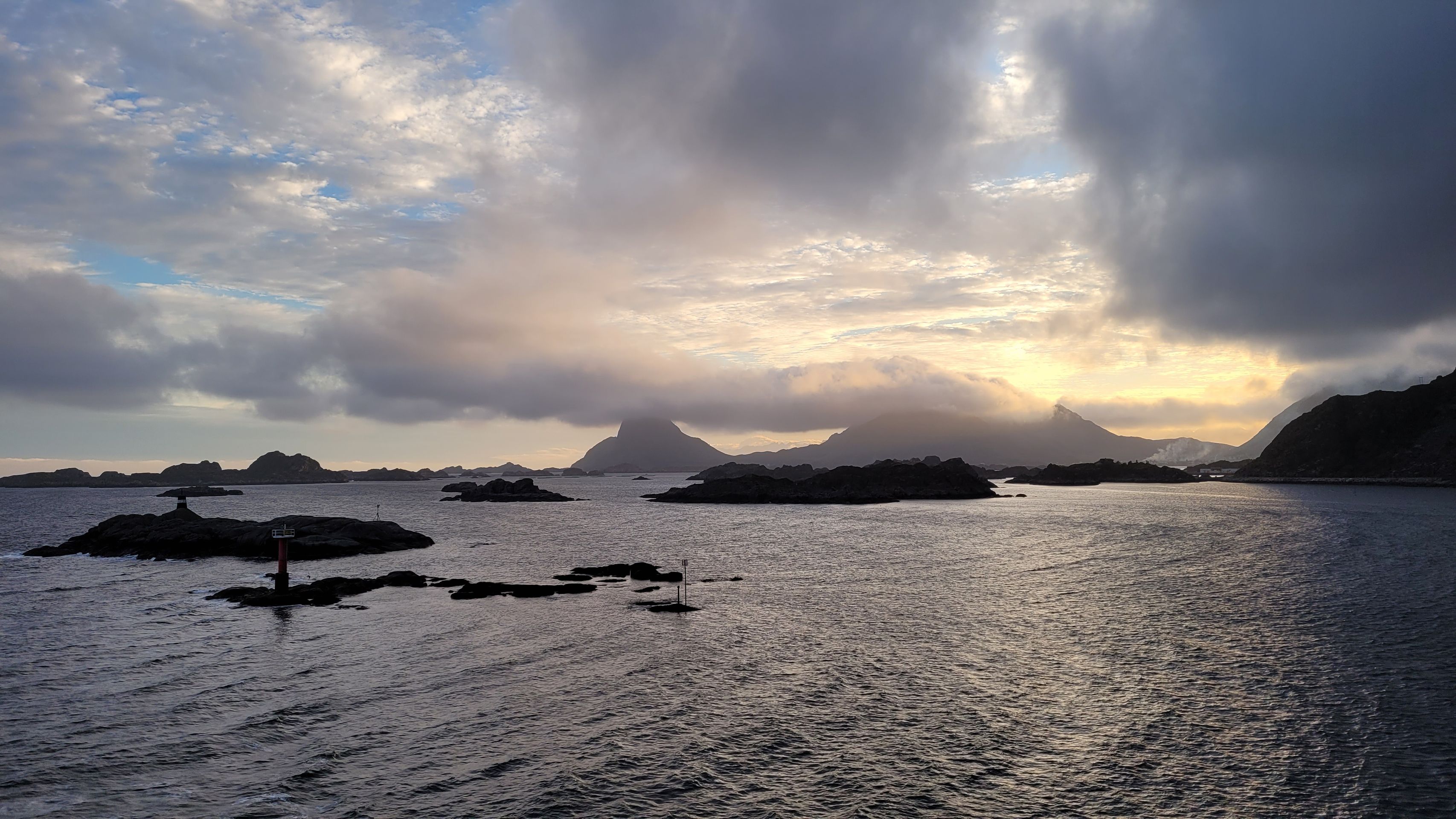
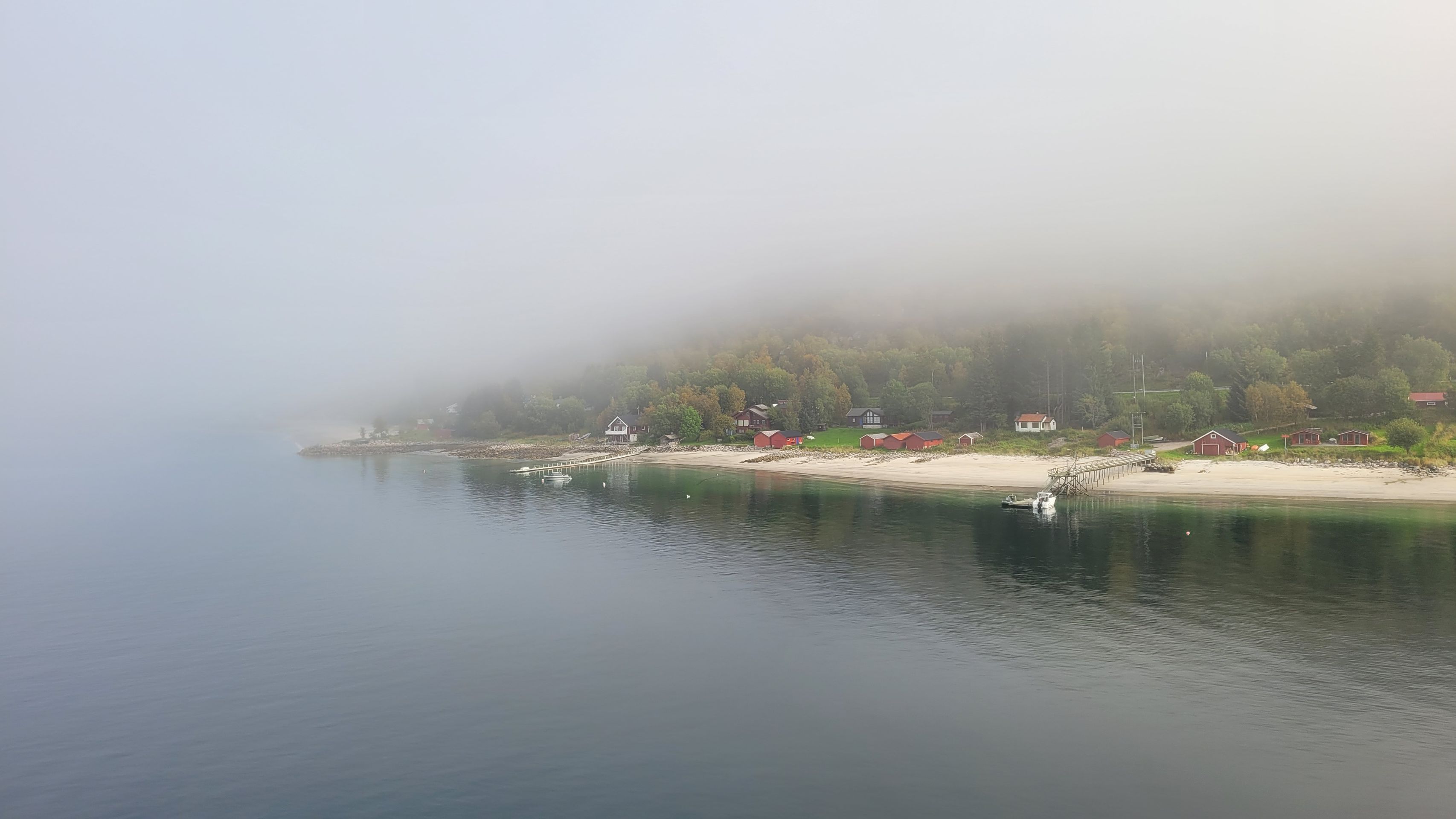
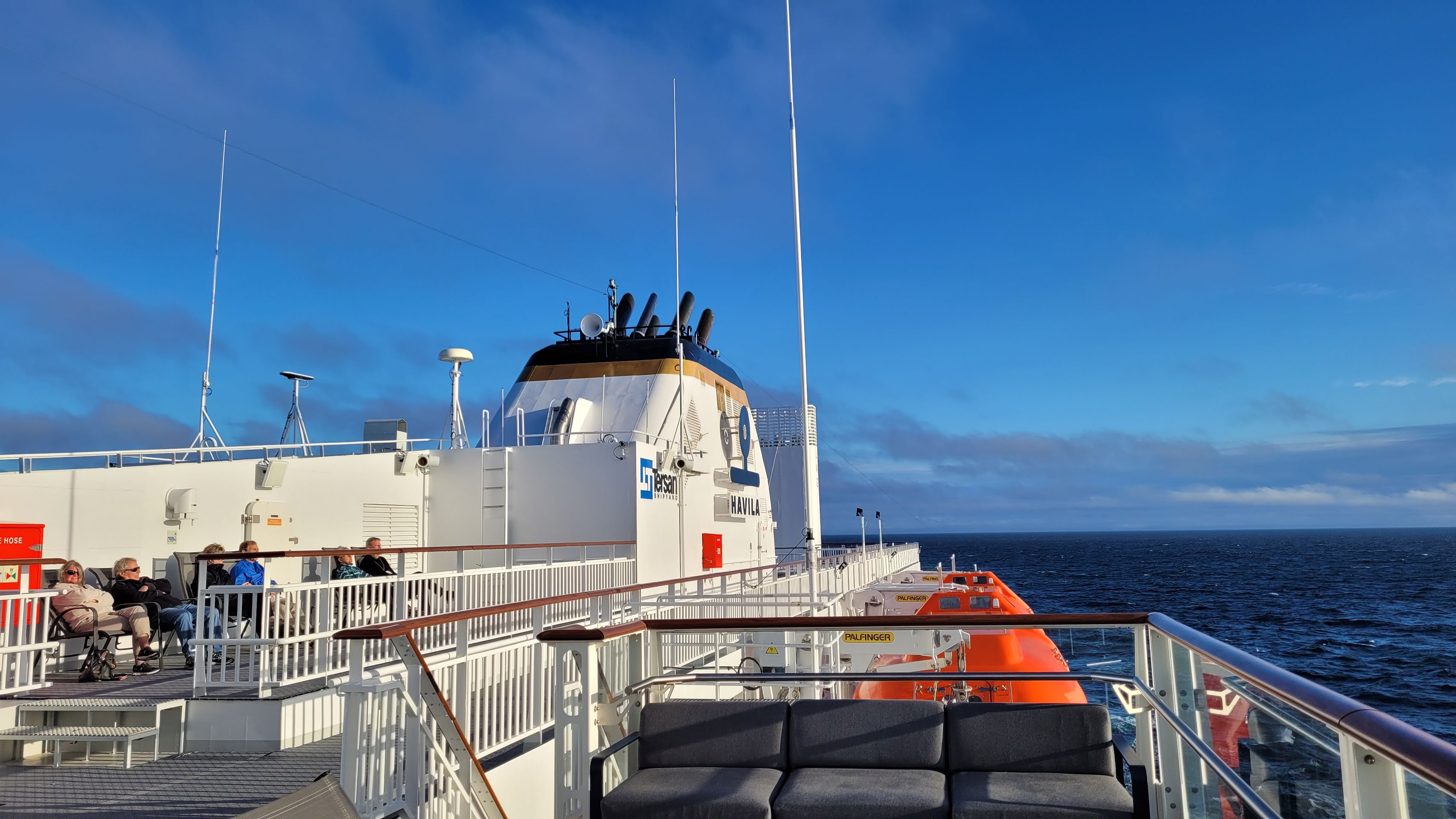
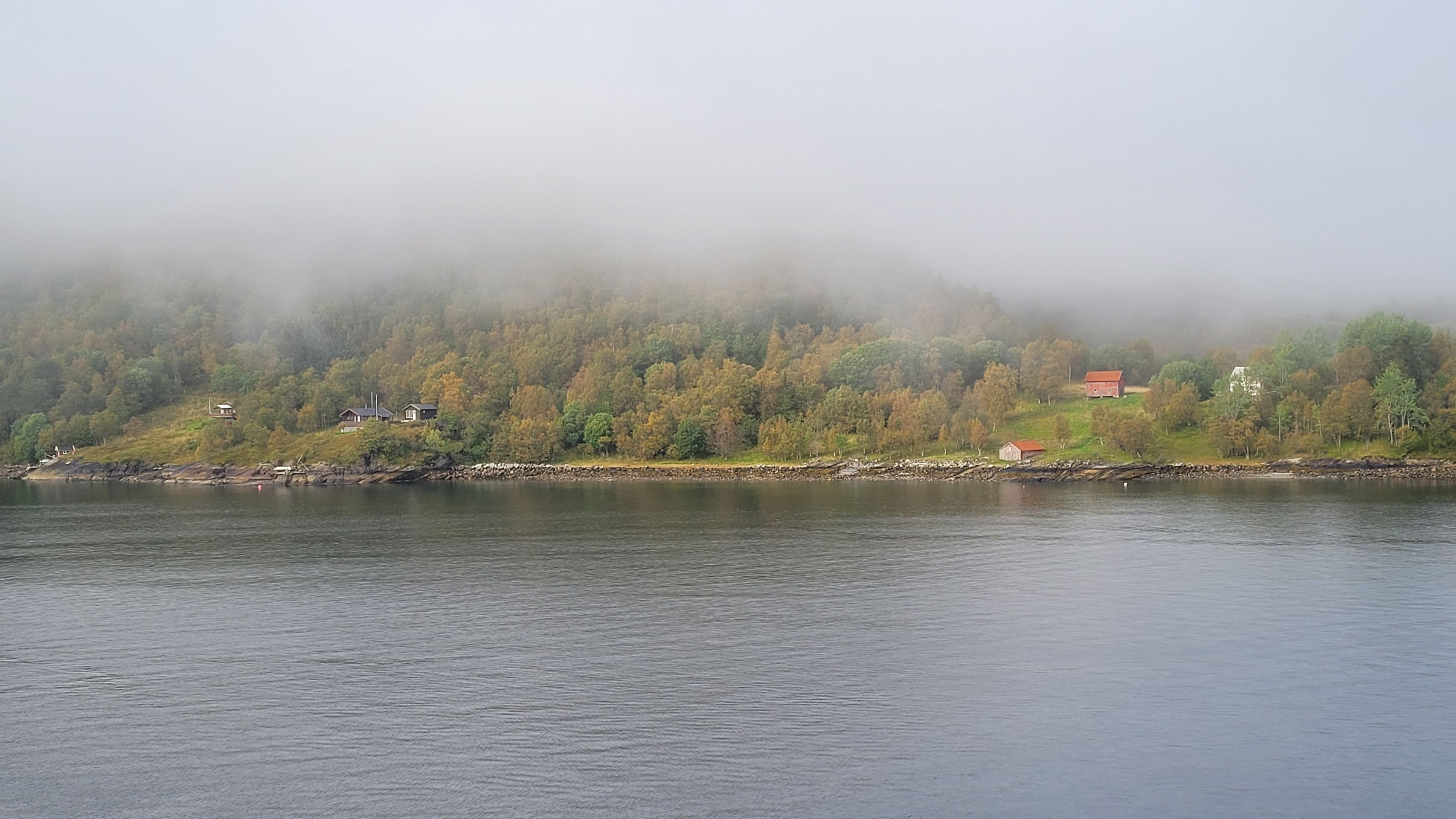
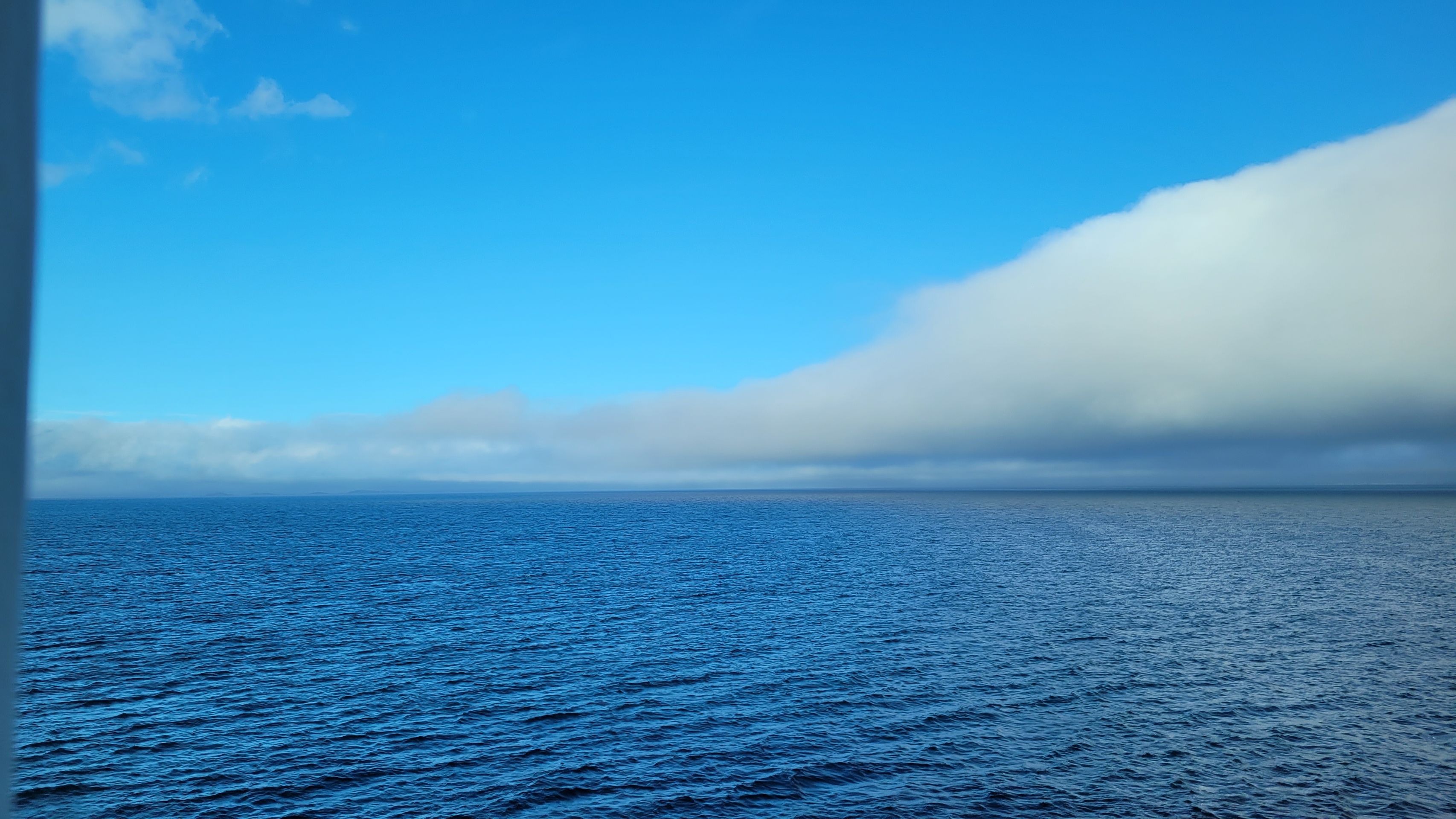
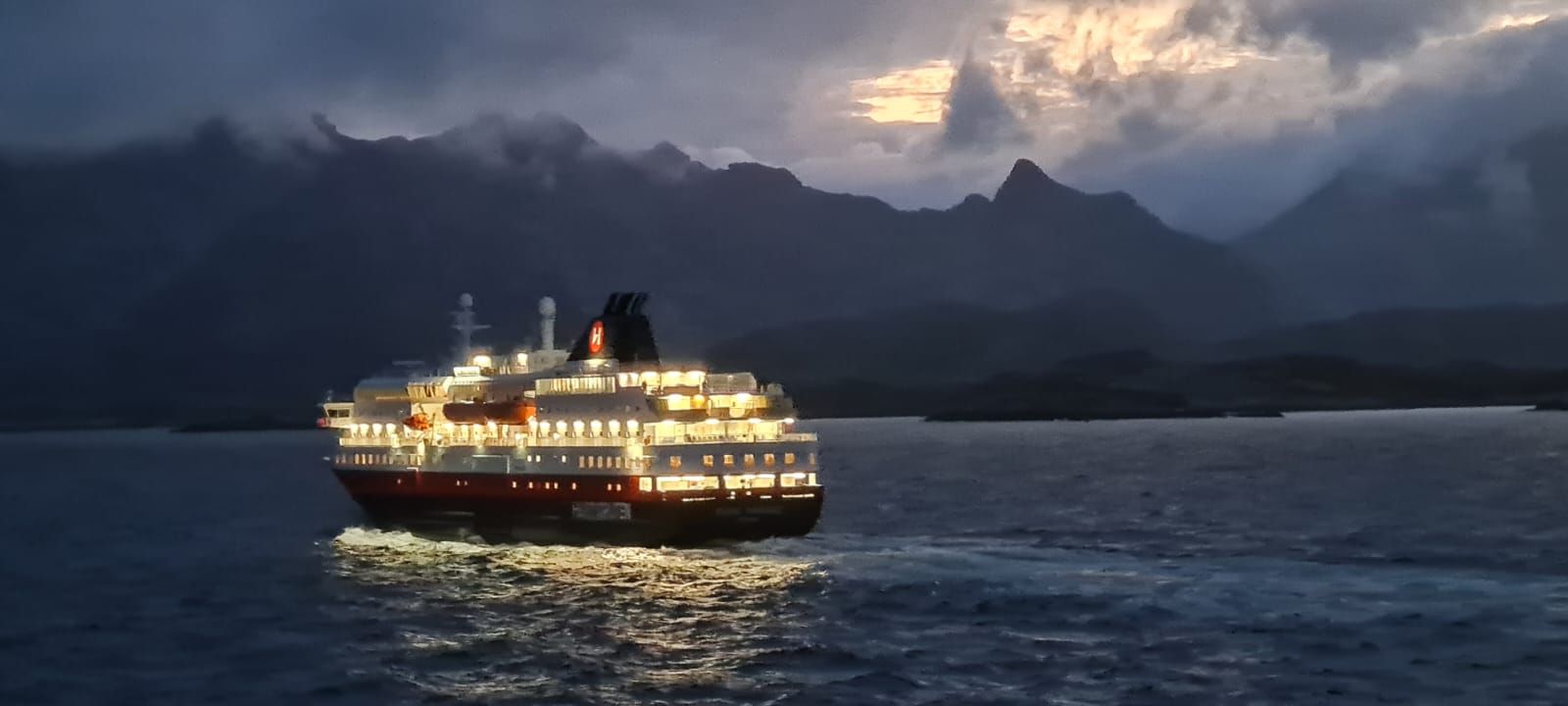
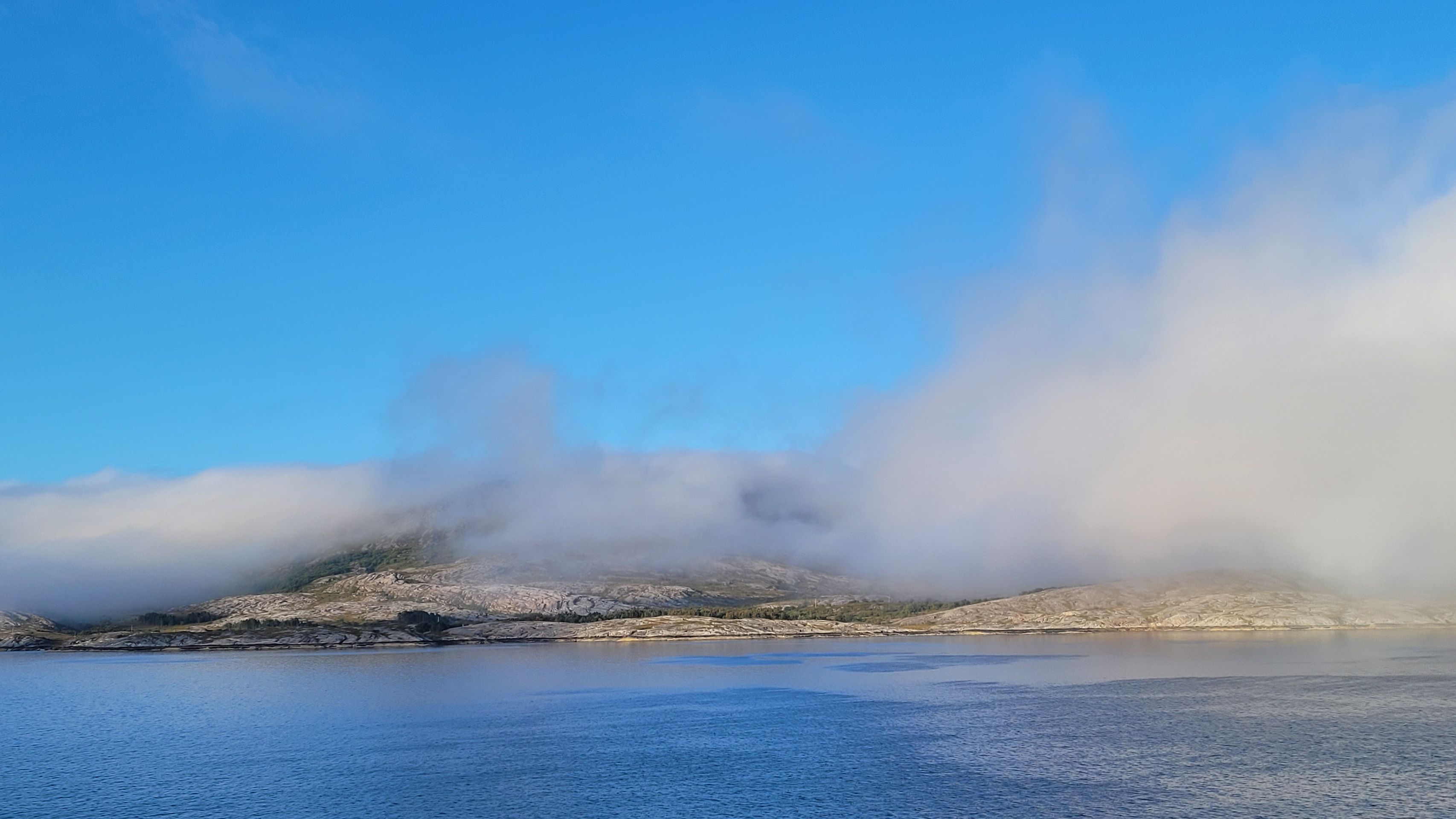
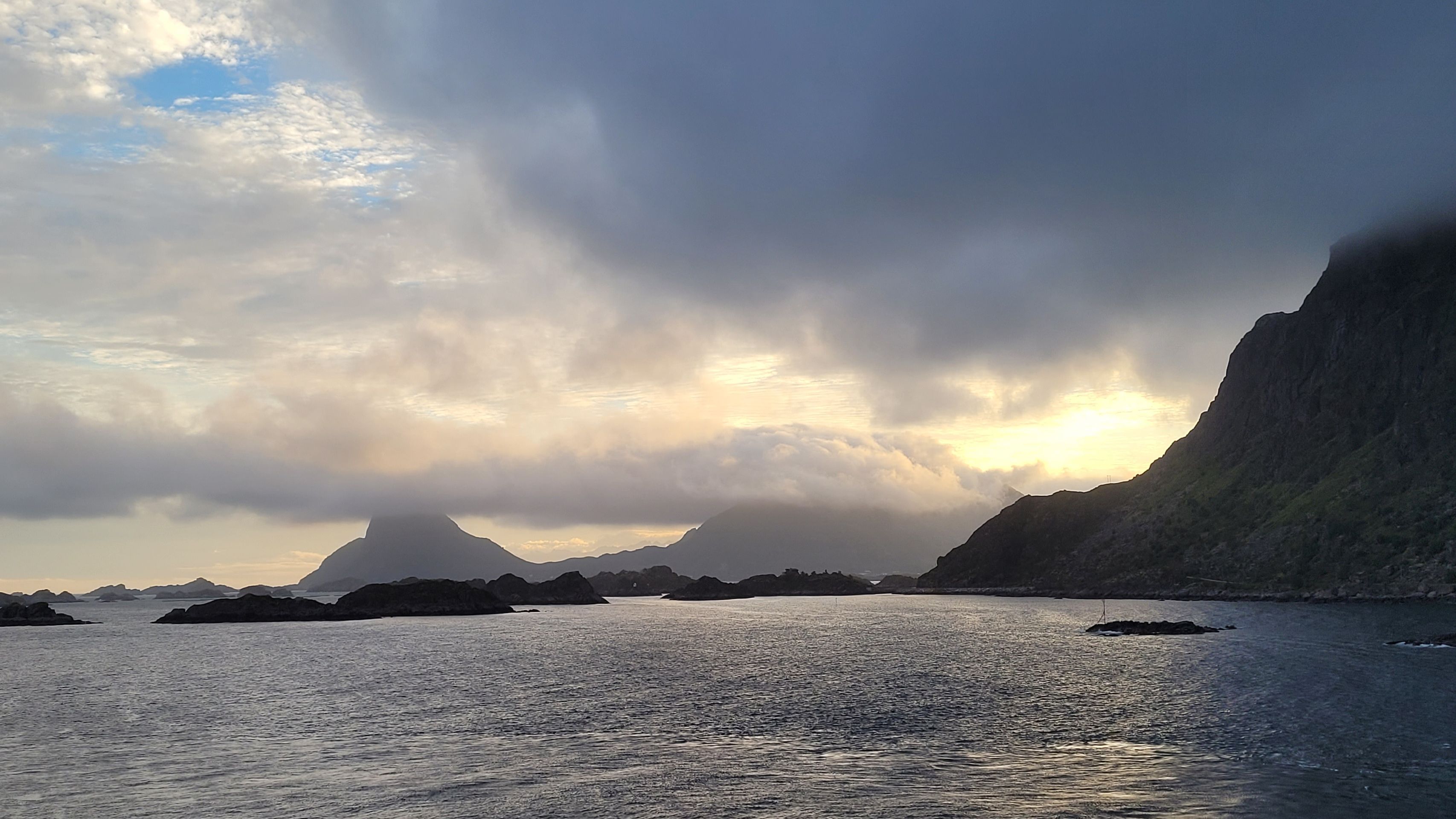
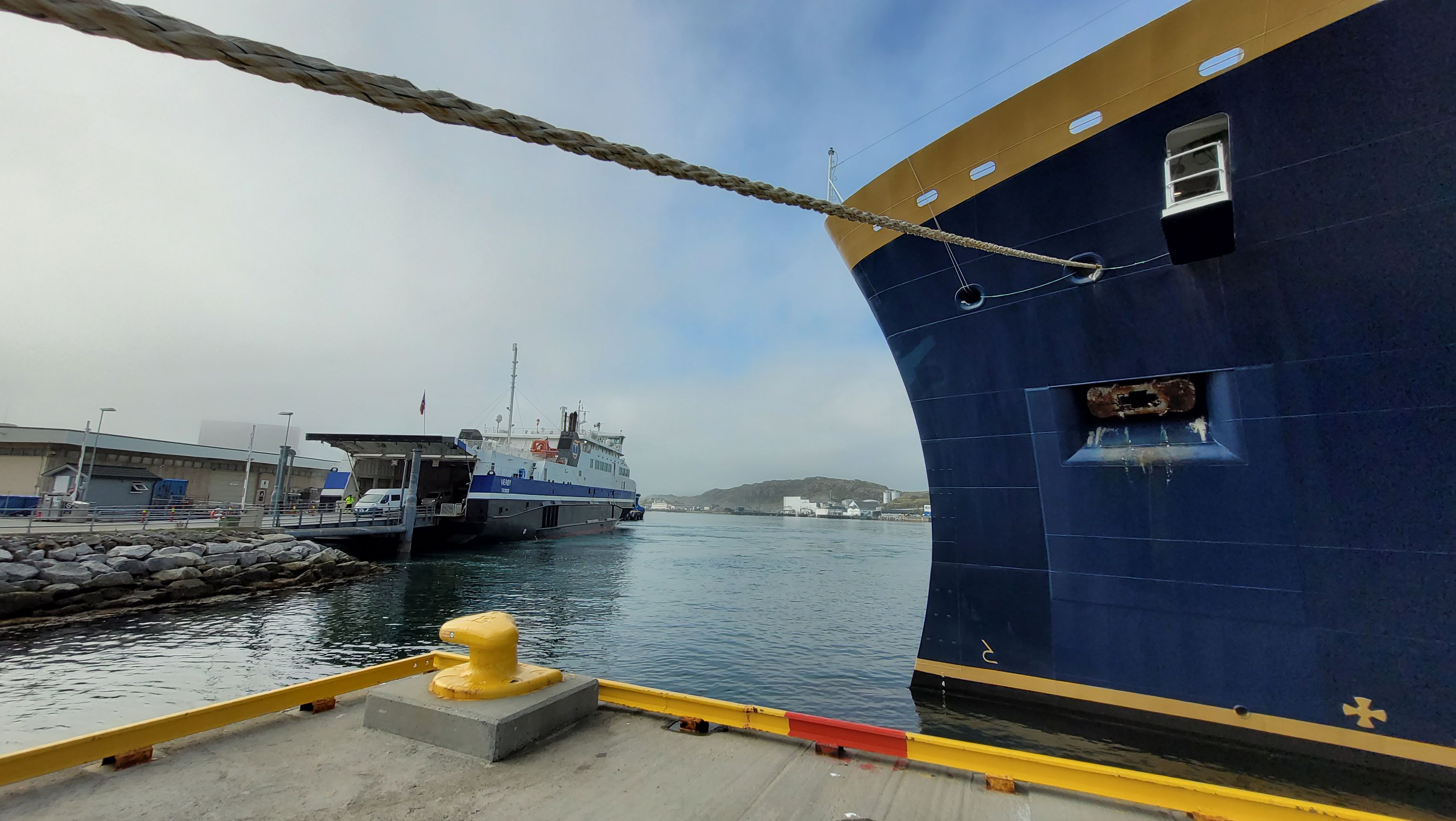
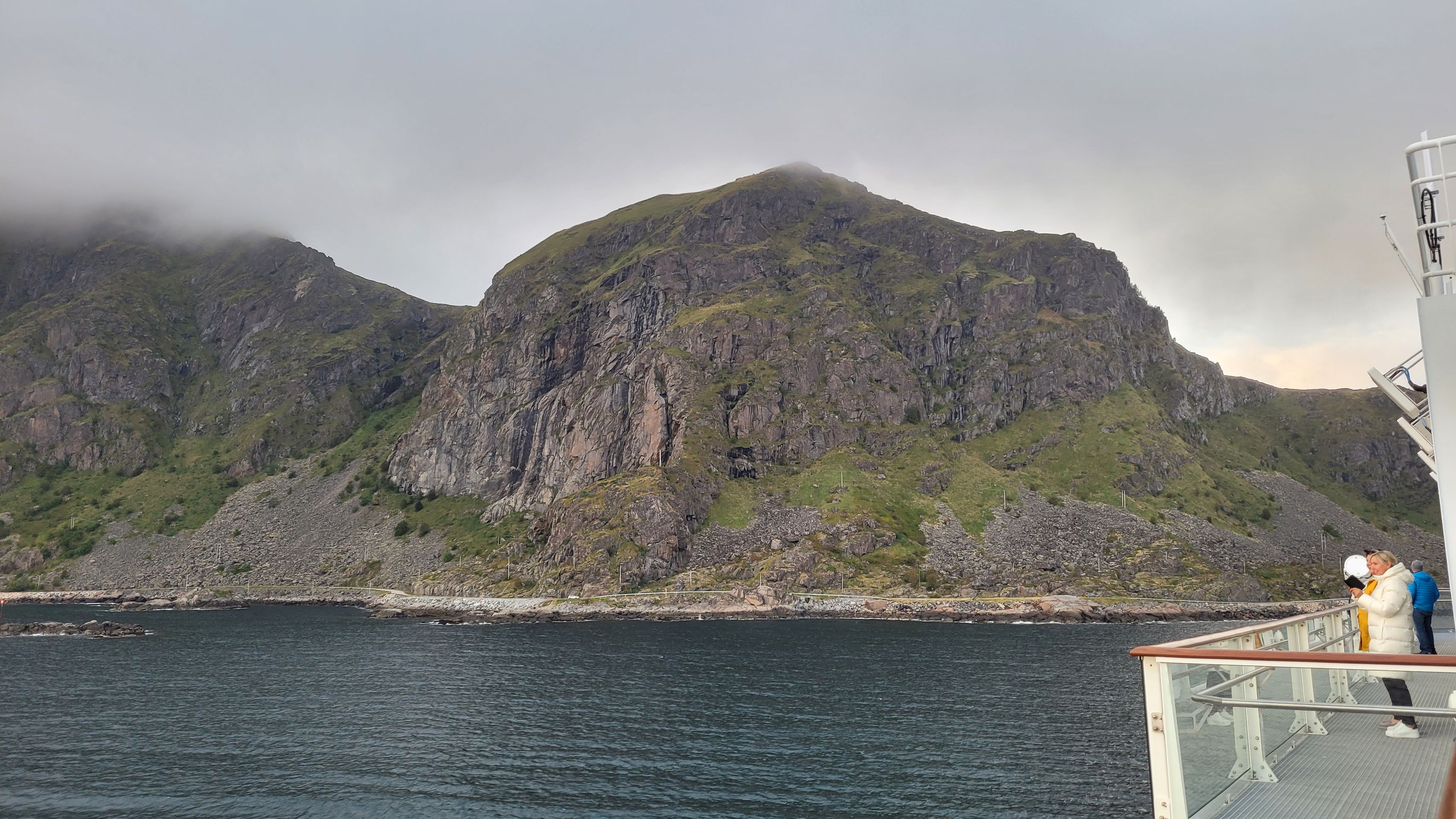
During the night, the ship makes brief stops in Rørvik, Brønnøysund, Sandnessjøen, and Nesna. Early in the morning, we cross the Arctic Circle; unfortunately, at that moment there is thick fog, so we cannot see the sphere.
An invisible line runs across Sweden, Finland, Russia, Alaska, Canada, Greenland, and Iceland. A line that also divides Norway into two parts. The magical number 66° 33' marks this line, the Arctic Circle. North of it, the midnight sun shines. Above this latitude, the sun is in the sky 24 hours a day during the summer. With suitable weather conditions, you can also observe the Northern Lights.
On trips with Hurtigruten, we often celebrate crossing this latitude with various rituals - join us on deck! You will also find the line on a globe on the small island of Vikingen, in the municipality of Rødøy between Nesna and Ørnes. West of this point lies the island of Hestmannen, which plays an important role in the North Norwegian legend about trolls. The trolls are said to have suddenly turned into stone and thus became the mountains along the coast of Nordland. To the east, the Mefjord stretches toward the Svartisen glacier.
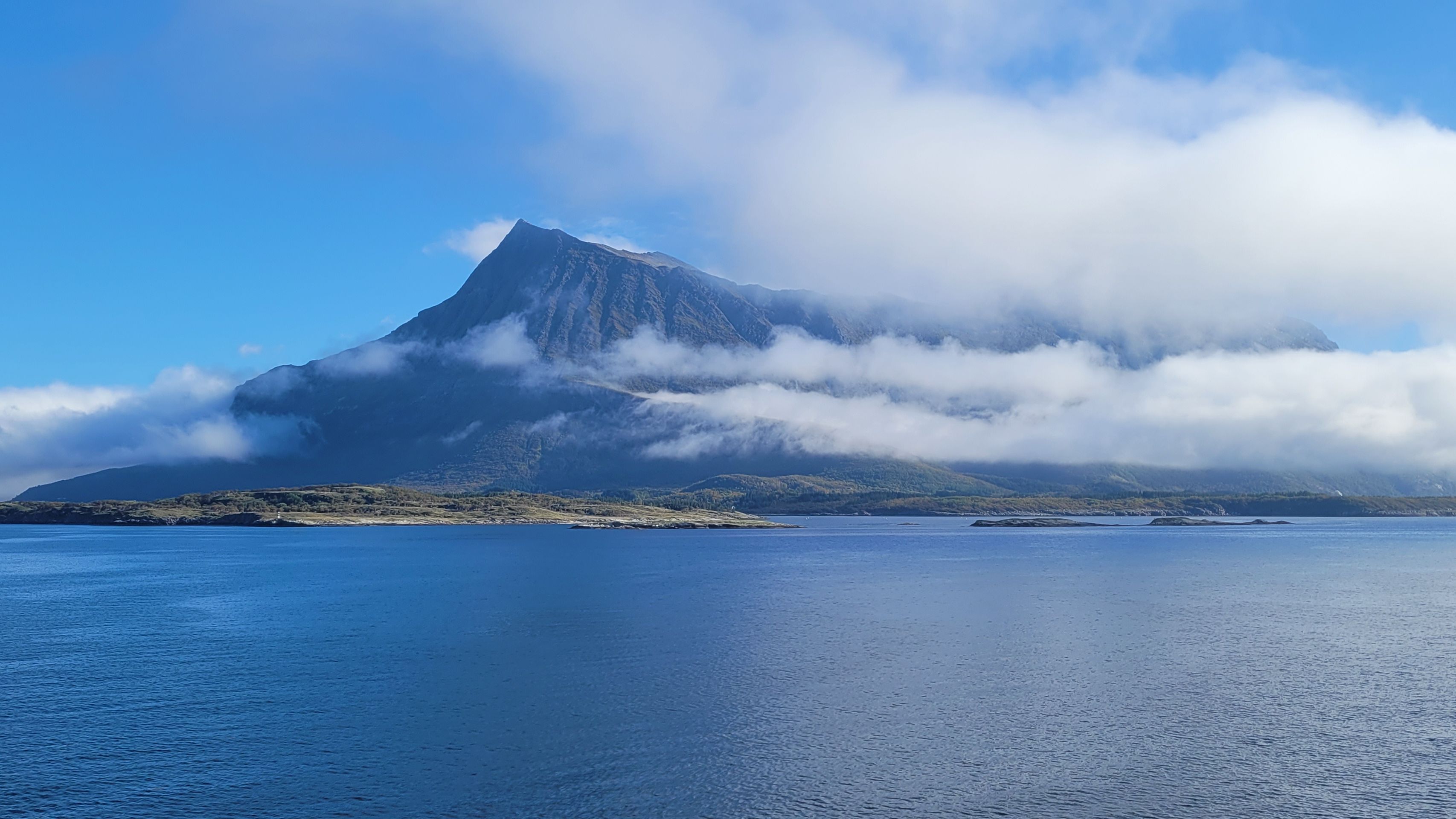
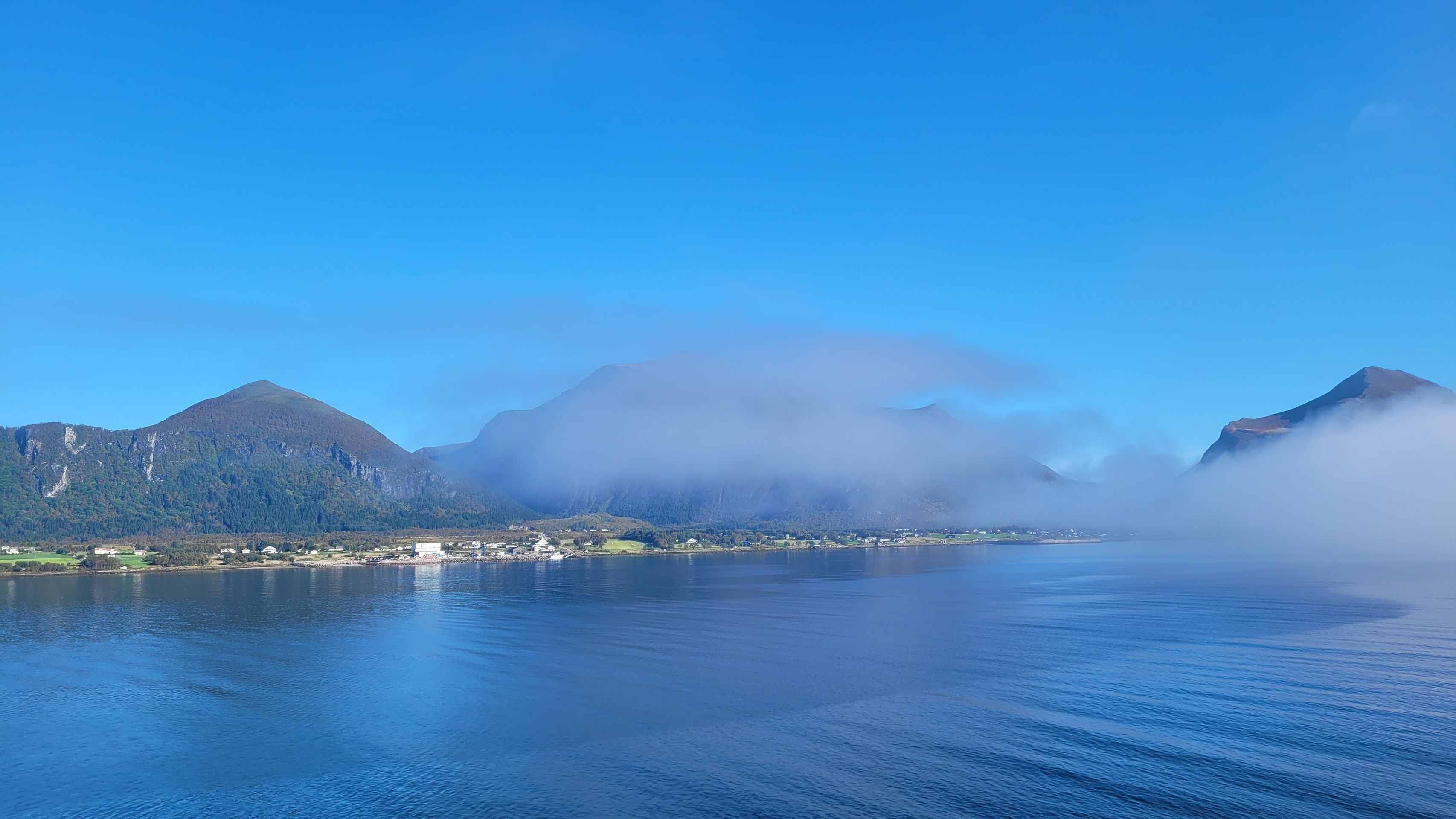
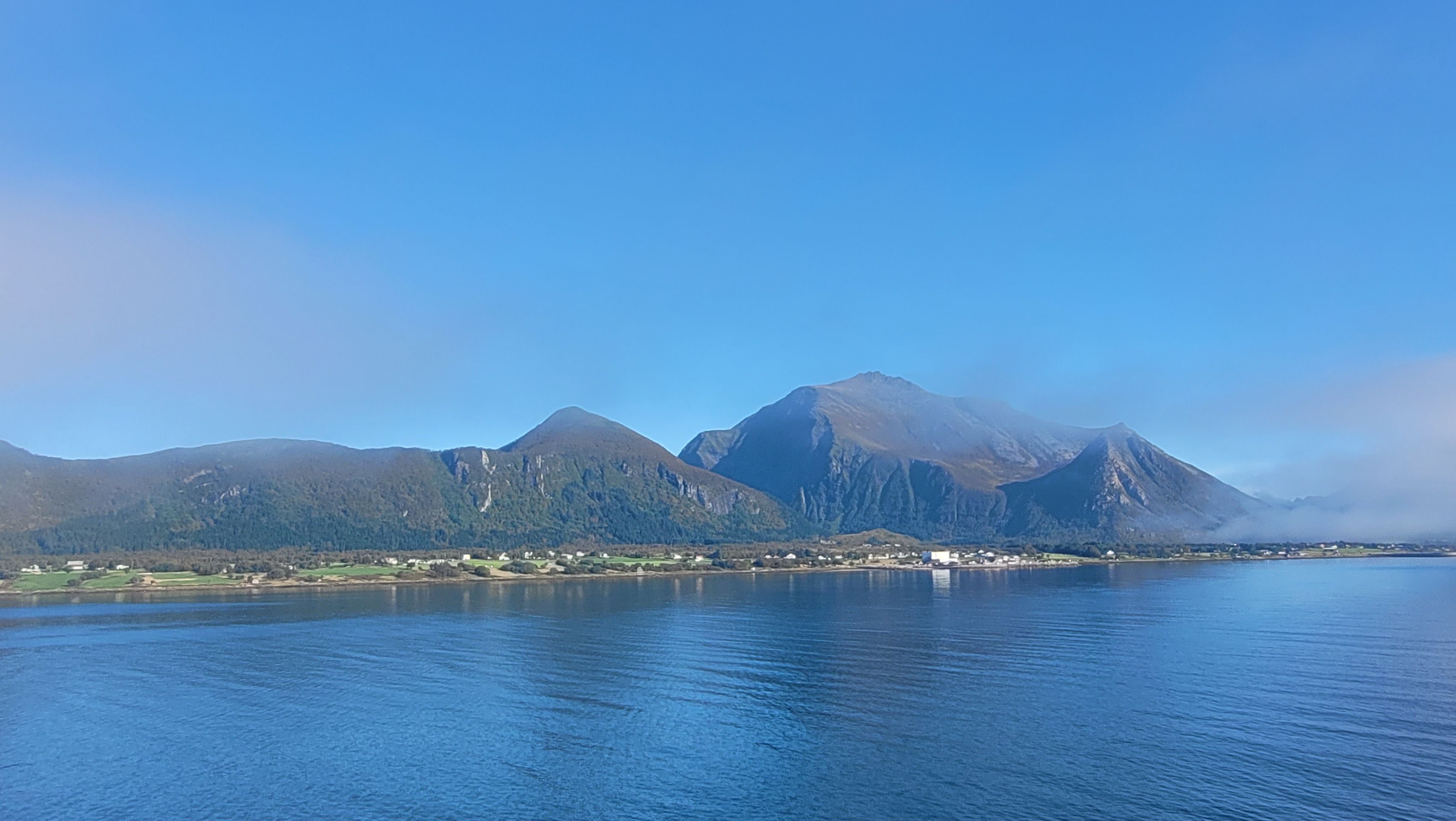
After Ørnes, which we cannot admire due to thick fog and the beautiful mountains, we continue in wonderful sunshine through the stunning nature to Bodø
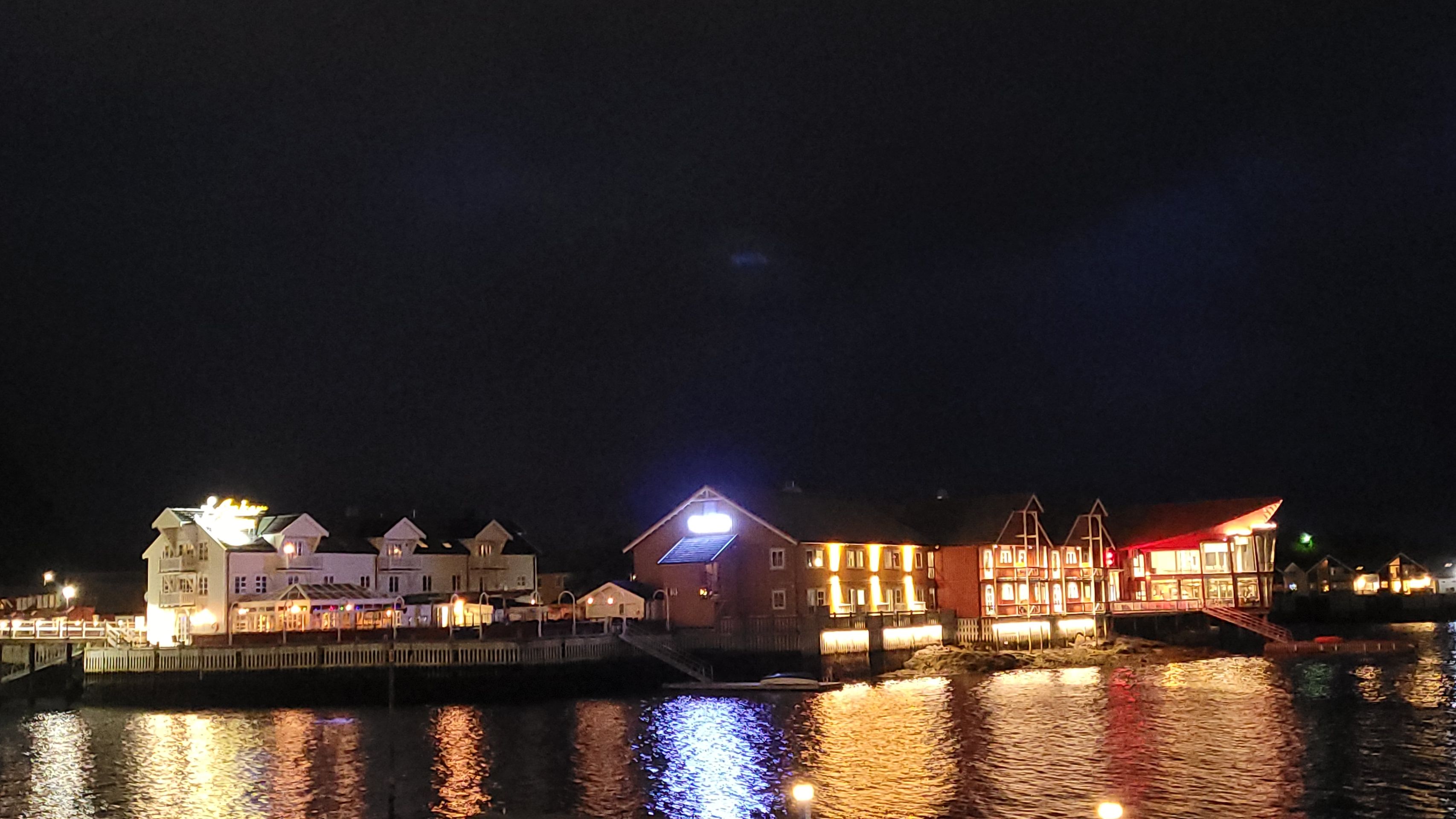
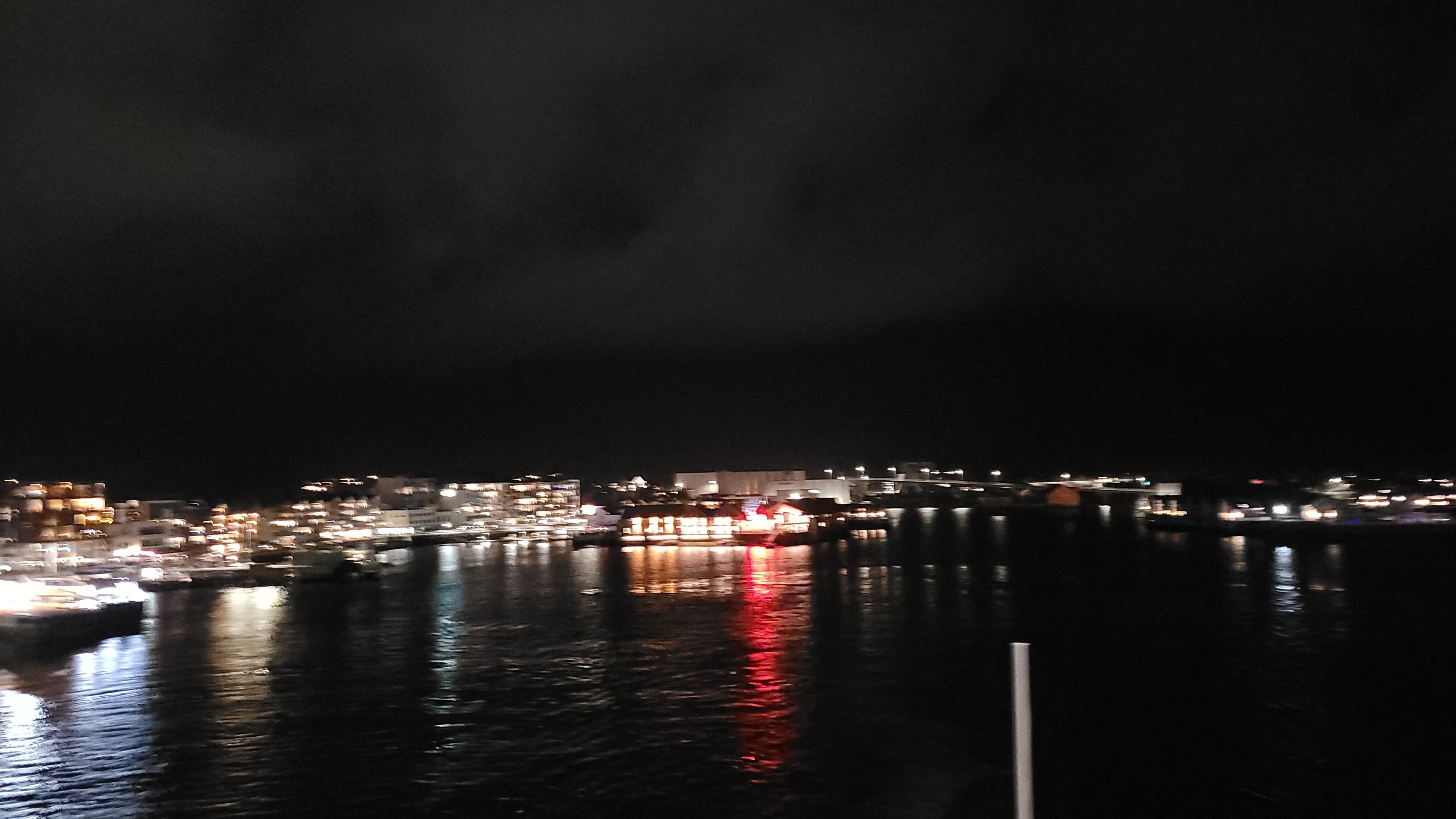
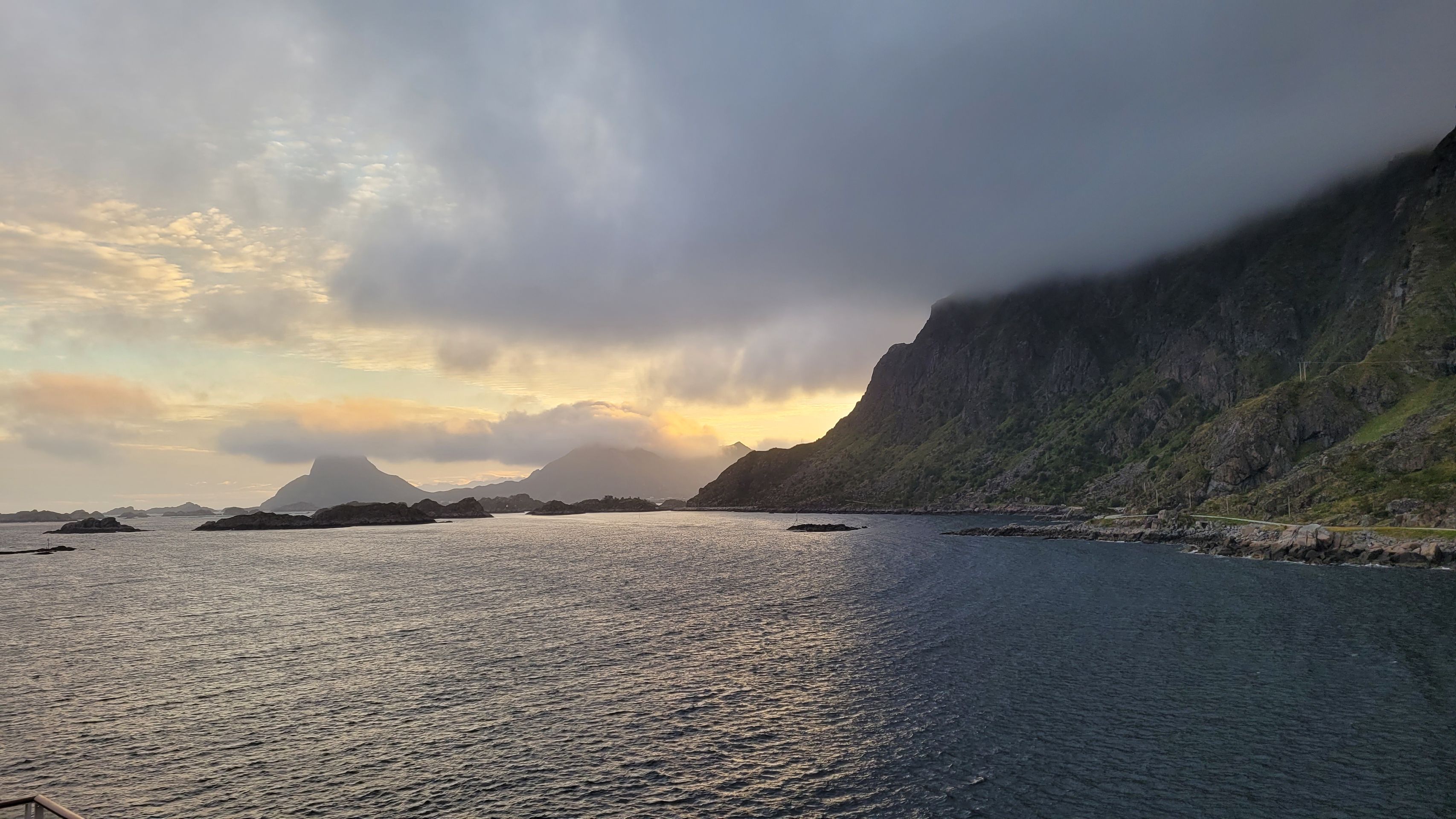
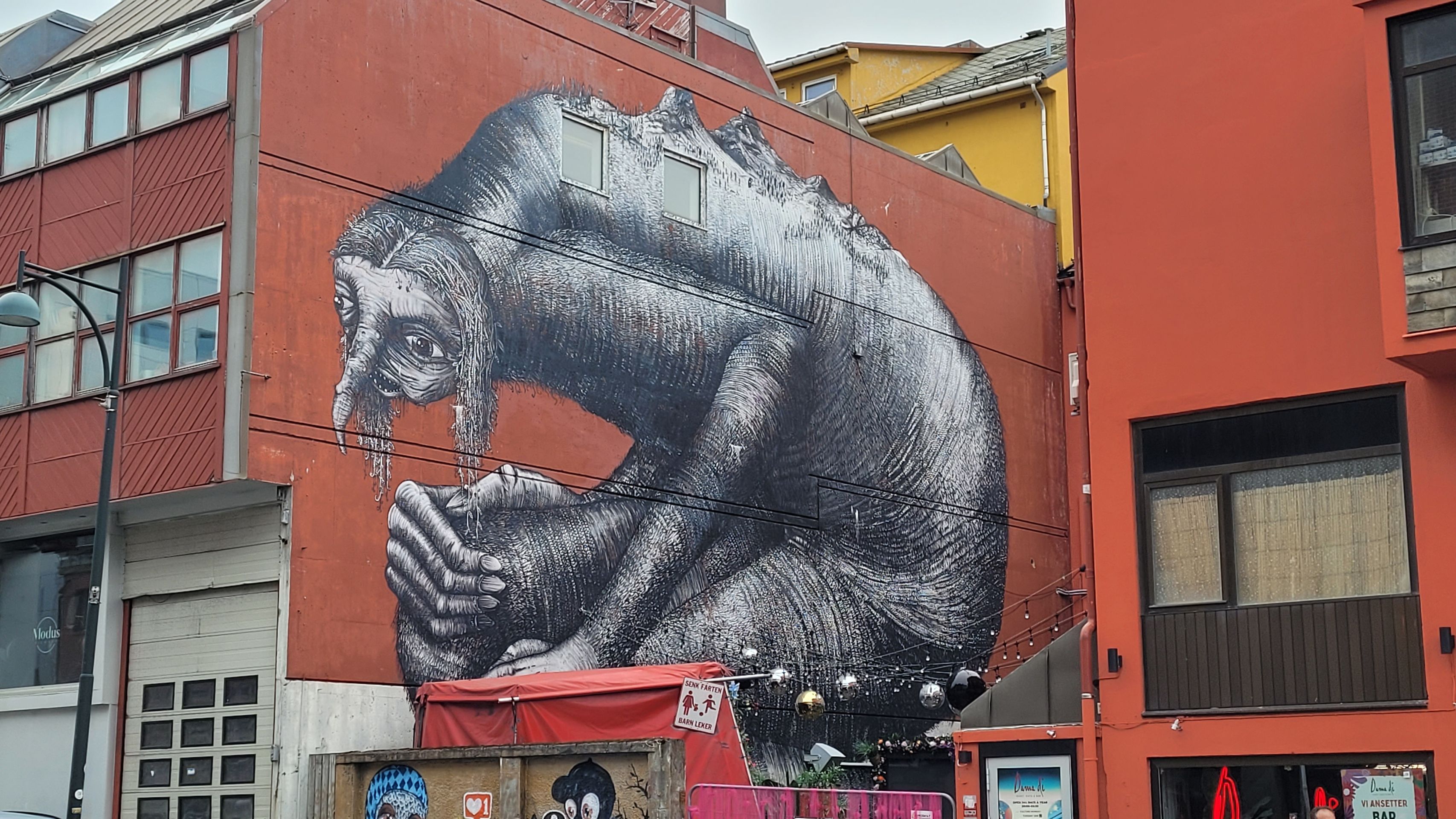
In the evening we reach Svolvær, the main town of the Lofoten. We use the short stay for a walk at the harbor
The picturesque harbor of Svolvær lies at Vestfjord. Enjoy your visit to a fishing village where centuries-old seafaring traditions have been preserved. The surrounding islands, steep mountains, beautiful beaches, and sheltered bays provide the perfect backdrop for a variety of exciting activities. Shops, galleries, cafés, and restaurants are scattered throughout the town. Locals usually eat lunch out. On weekends, the town is bustling with life.
The world's largest cod catches on the banks of Lofoten occur every year between January and April. The development of this small coastal town was based on that. On average, between 40 to 50 million kilograms were caught. Nowadays, the catch ranges yearly between 25 and 50 million kilograms. Today, there are fewer than 3,000 fishermen - a small number compared to the 20,000 fishermen in 1947, mainly due to more efficient fishing vessels. The economy is primarily based on fishing, fish processing, and shipping.
Svolvær is not only a center for fishing. In winter, the streets are filled with skiers heading to the winter sports center, as well as artists flocking here due to the beautiful landscape, colorful urban scenery, and especially the prevailing light. The extraordinary nature of Lofoten has inspired and attracted numerous artists for years. This is why the municipality of Vågan has the largest number of resident artists and, with its galleries and museums, is one of the most important art cities in Northern Norway.
The most famous landmark of Lofoten and Svolvær is the rock formation Svolværgeita, which is a preferred climbing destination in the summer. Climbers from all over the world come here to leap between the two rock peaks at the summit. One of the highlights in winter is the annual world championship in cod fishing.
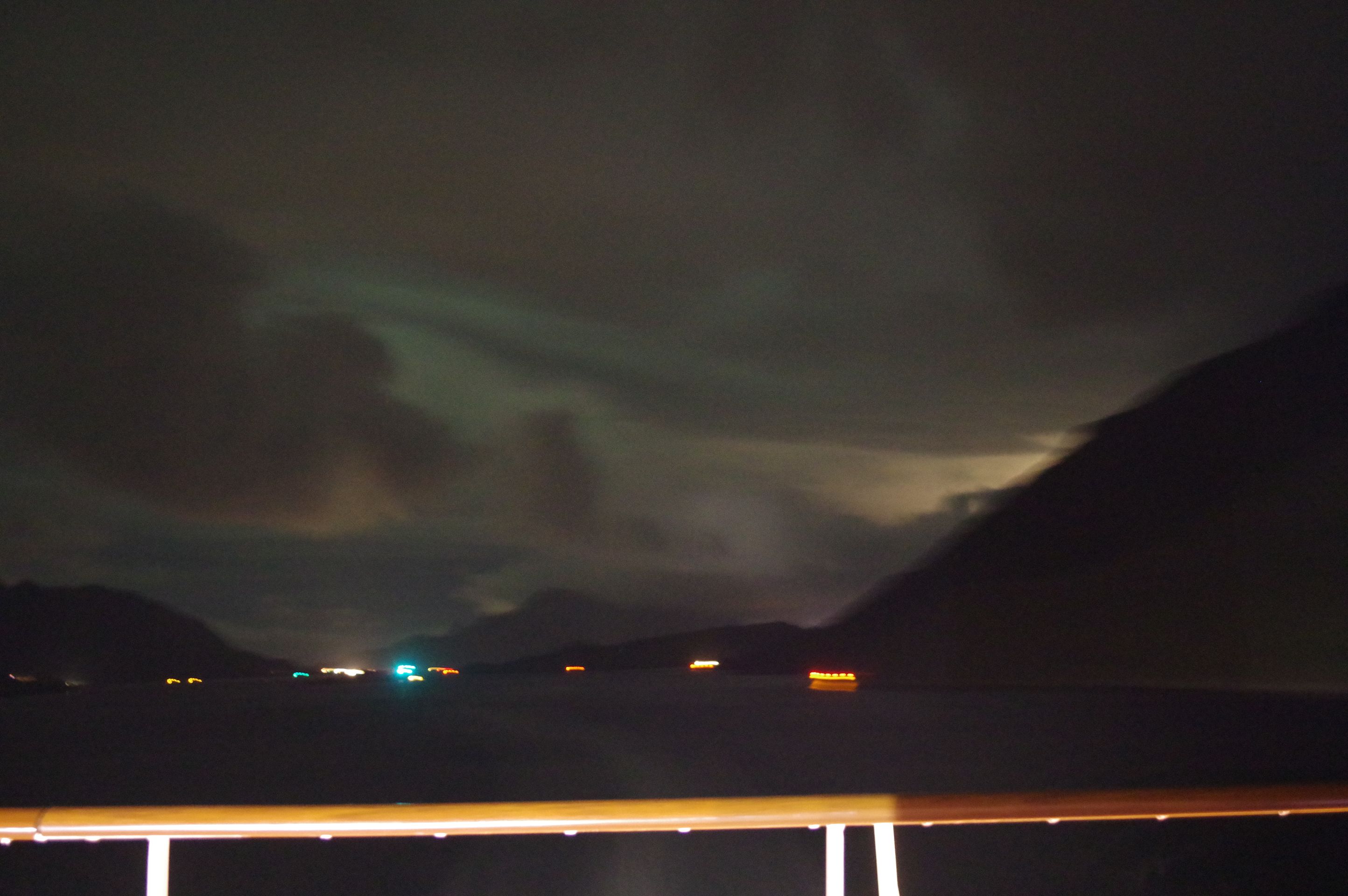
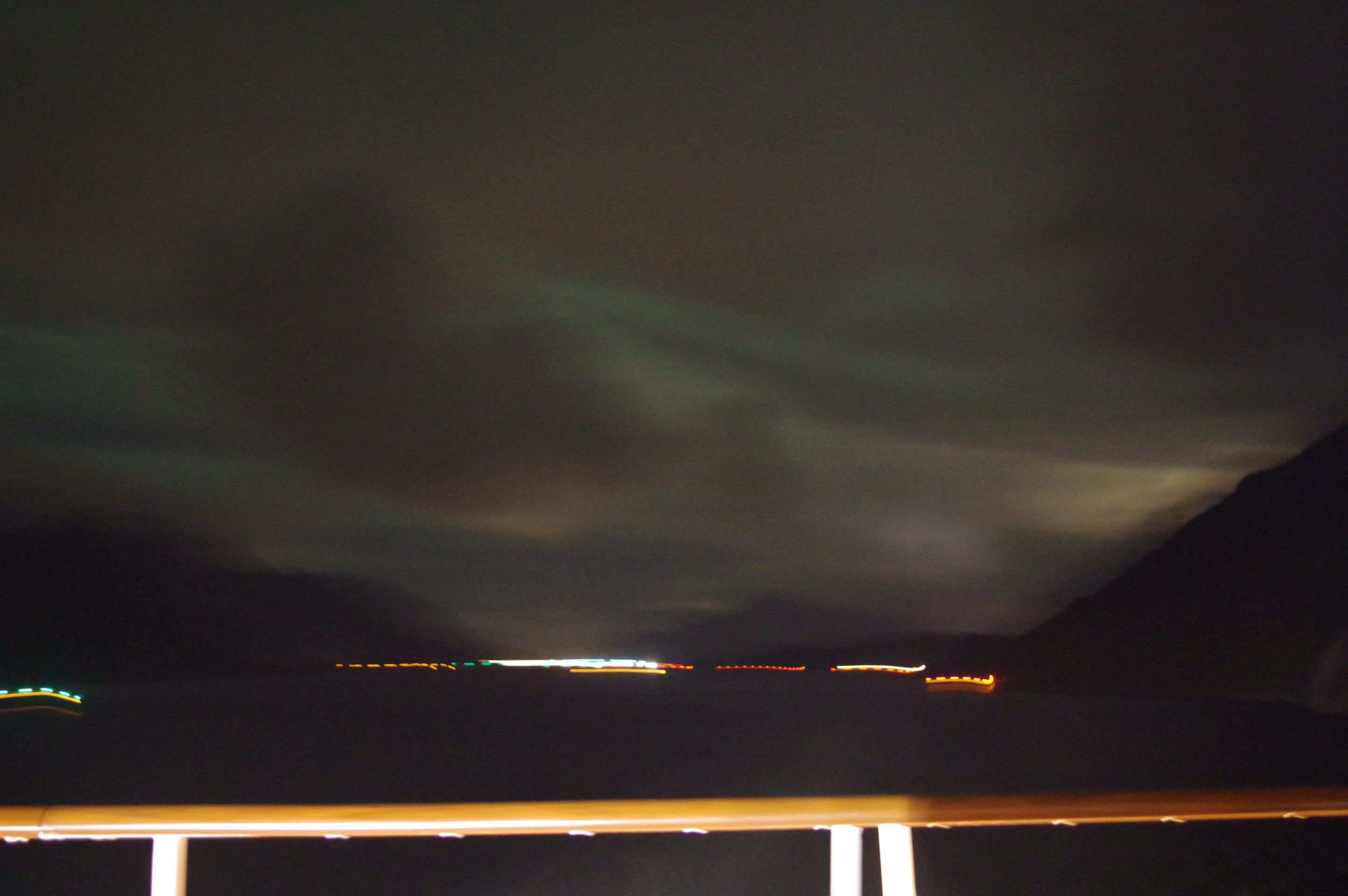
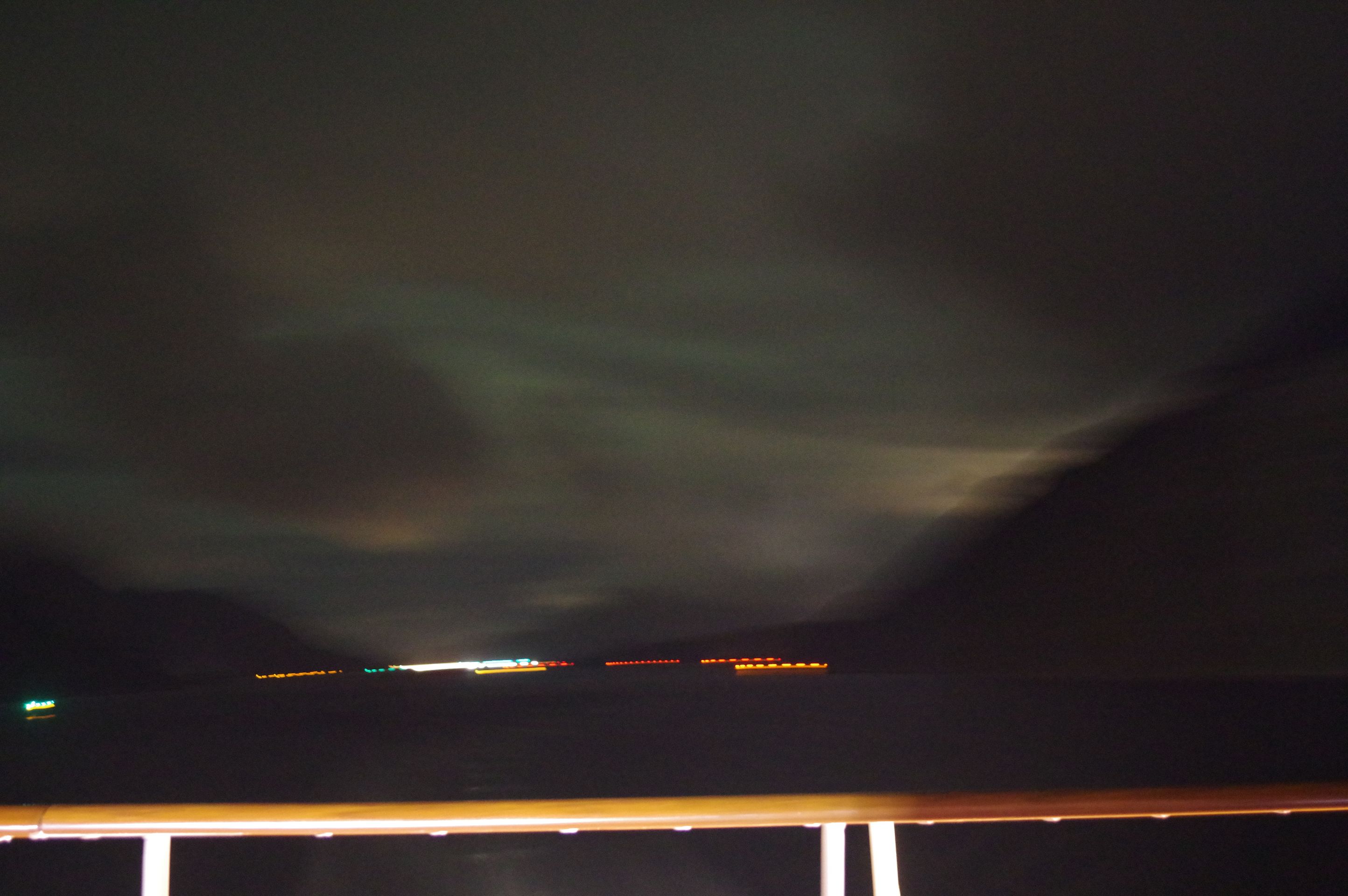
Upon departing from Svolvær, there was a Northern Lights alarm, pure excitement throughout the entire ship, simply breathtaking this natural spectacle.