January 29 - February 27, 2025 New Zealand February 8
In the morning, we visit a market in Dunedin, then continue the journey through Middlemarch, Kokonga to Ranfurly. The area around Ranfurly initially thrived during the European...

Published: 28.06.2025
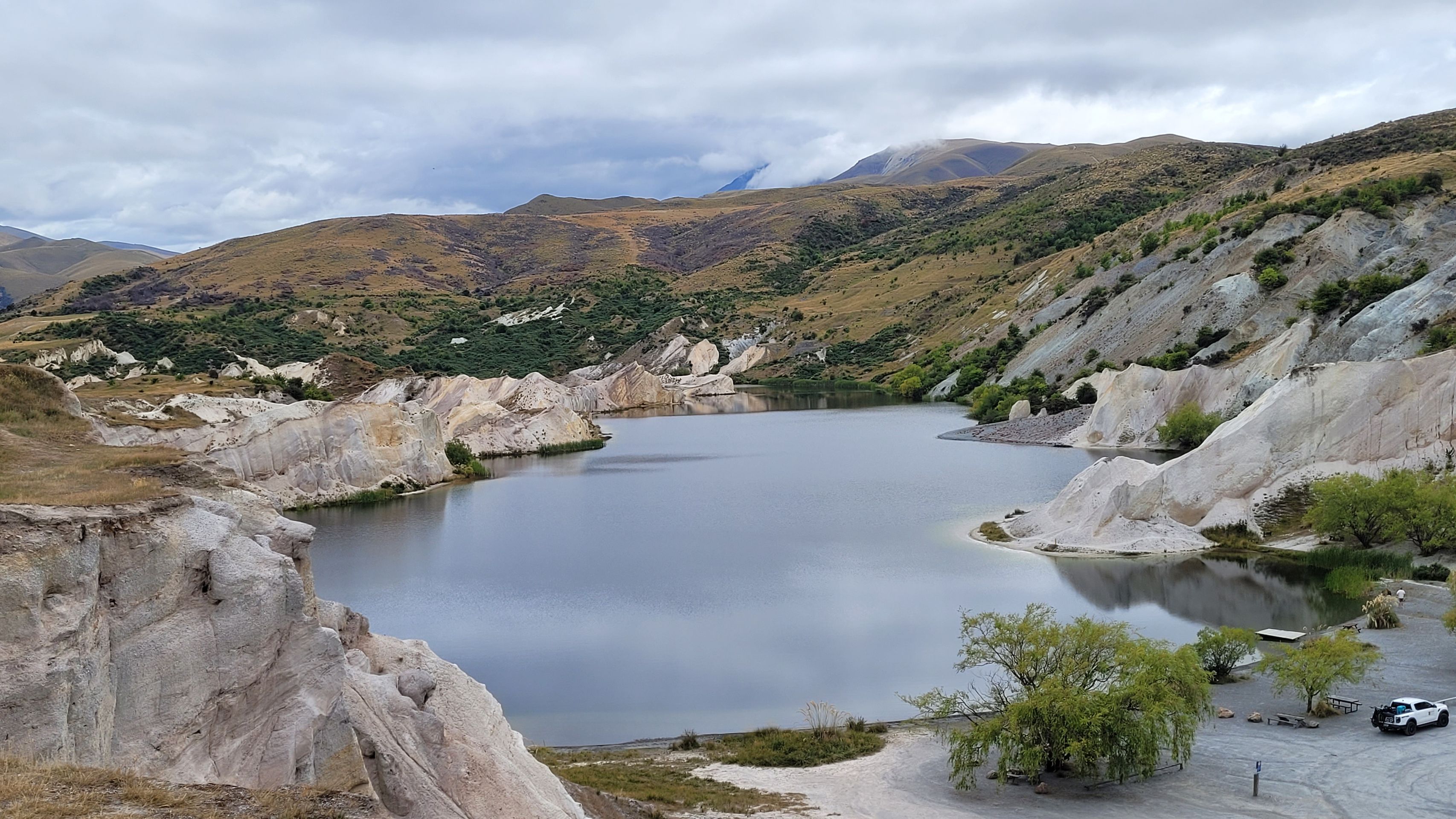
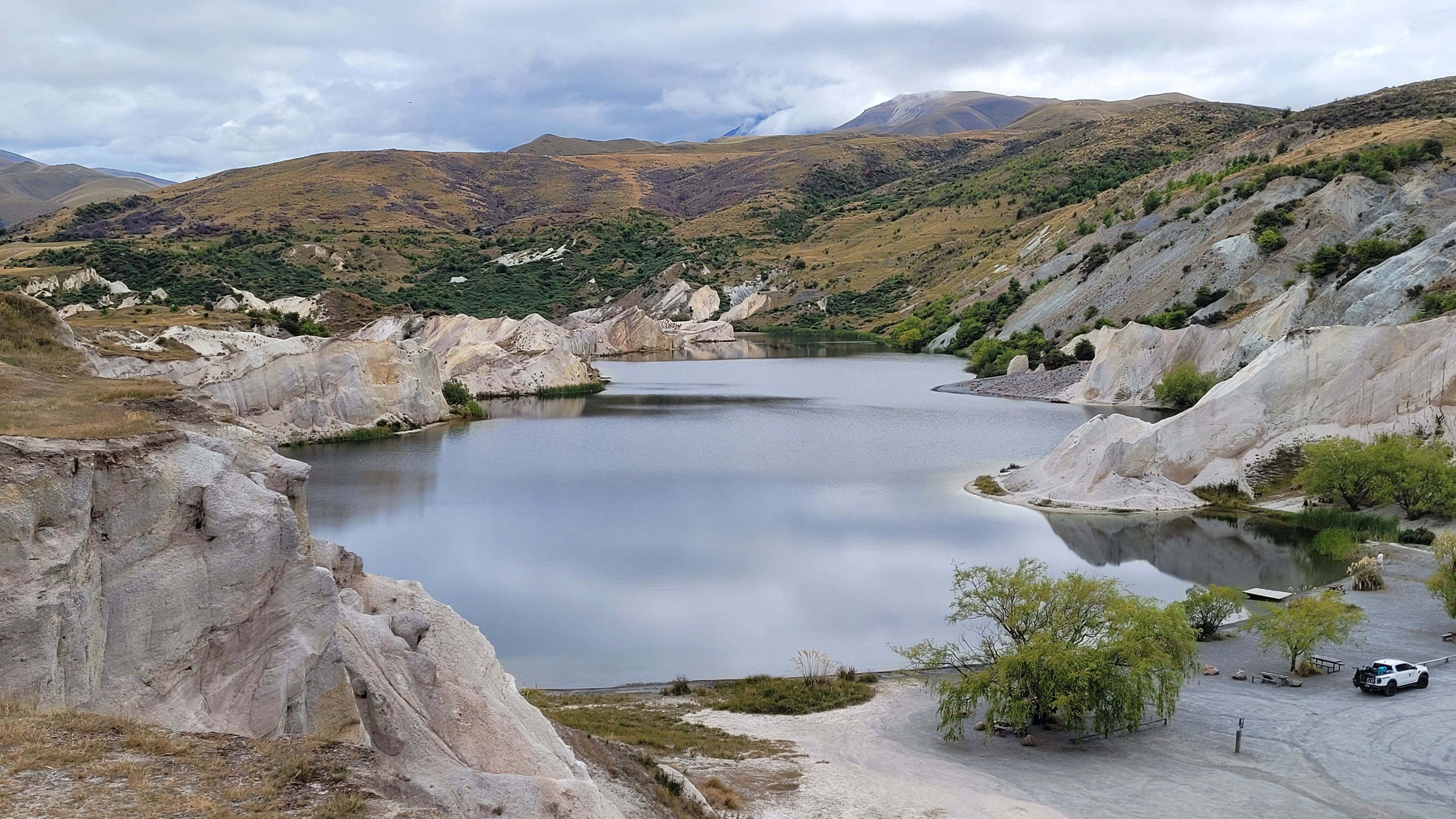
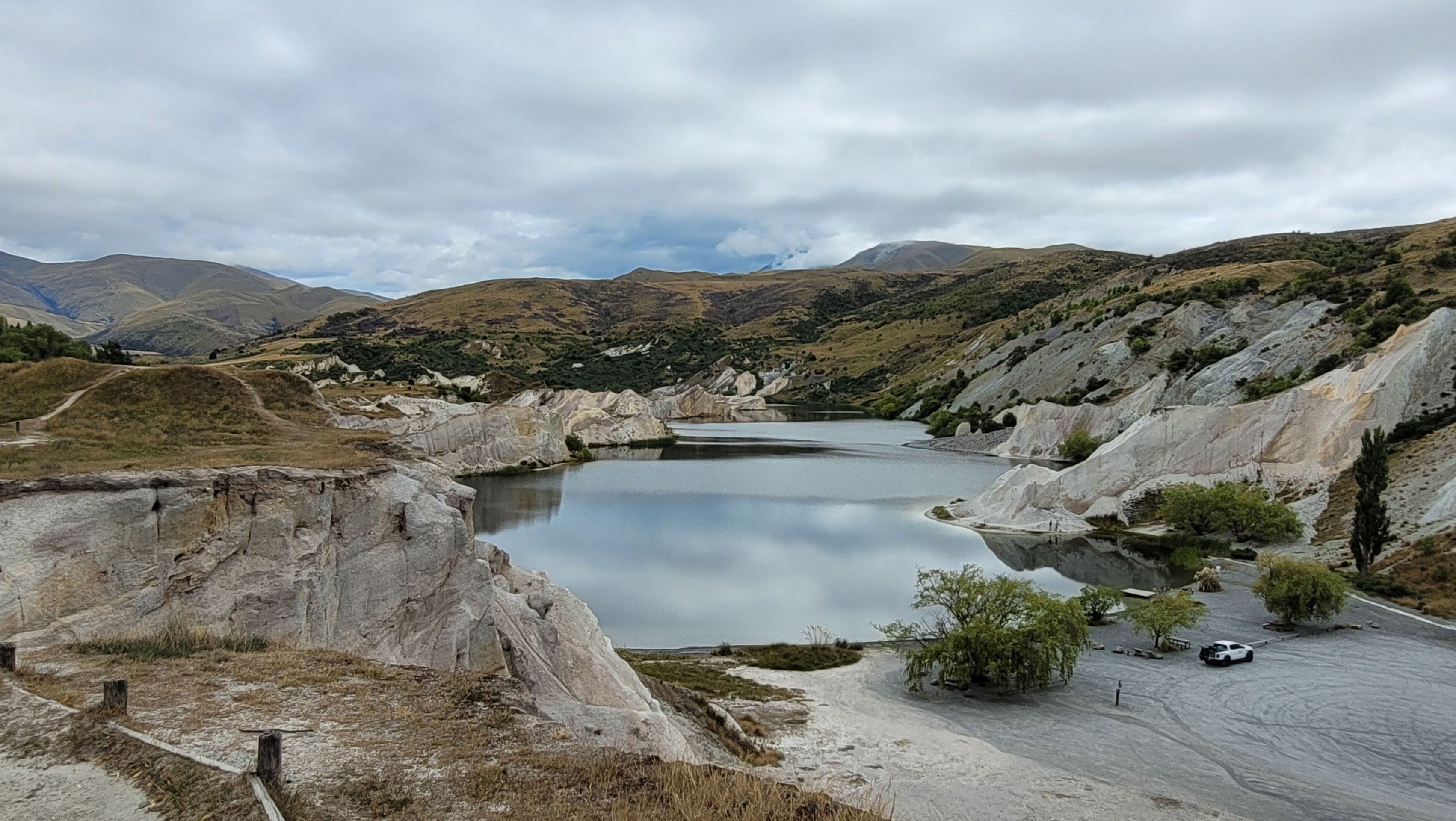
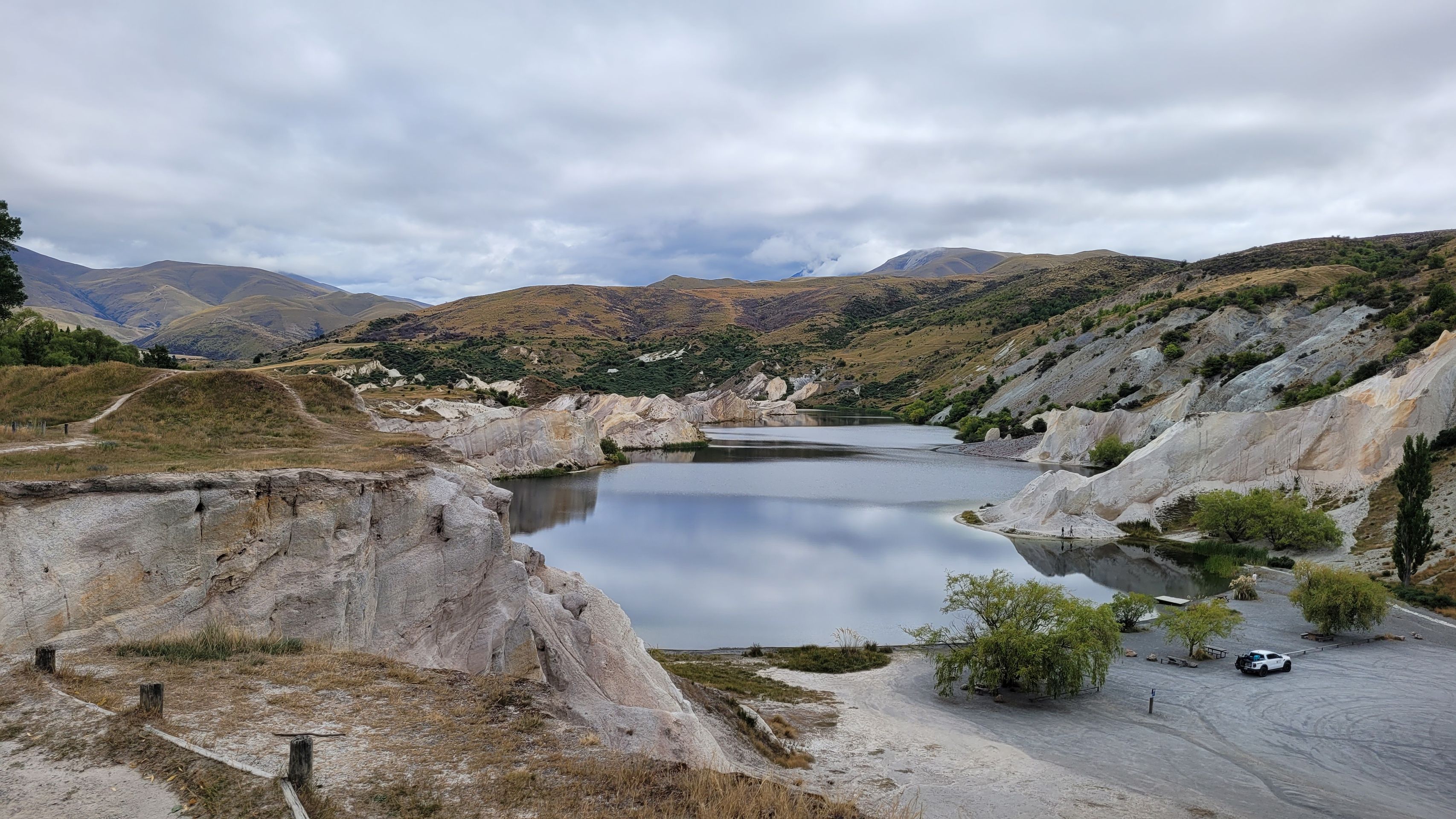
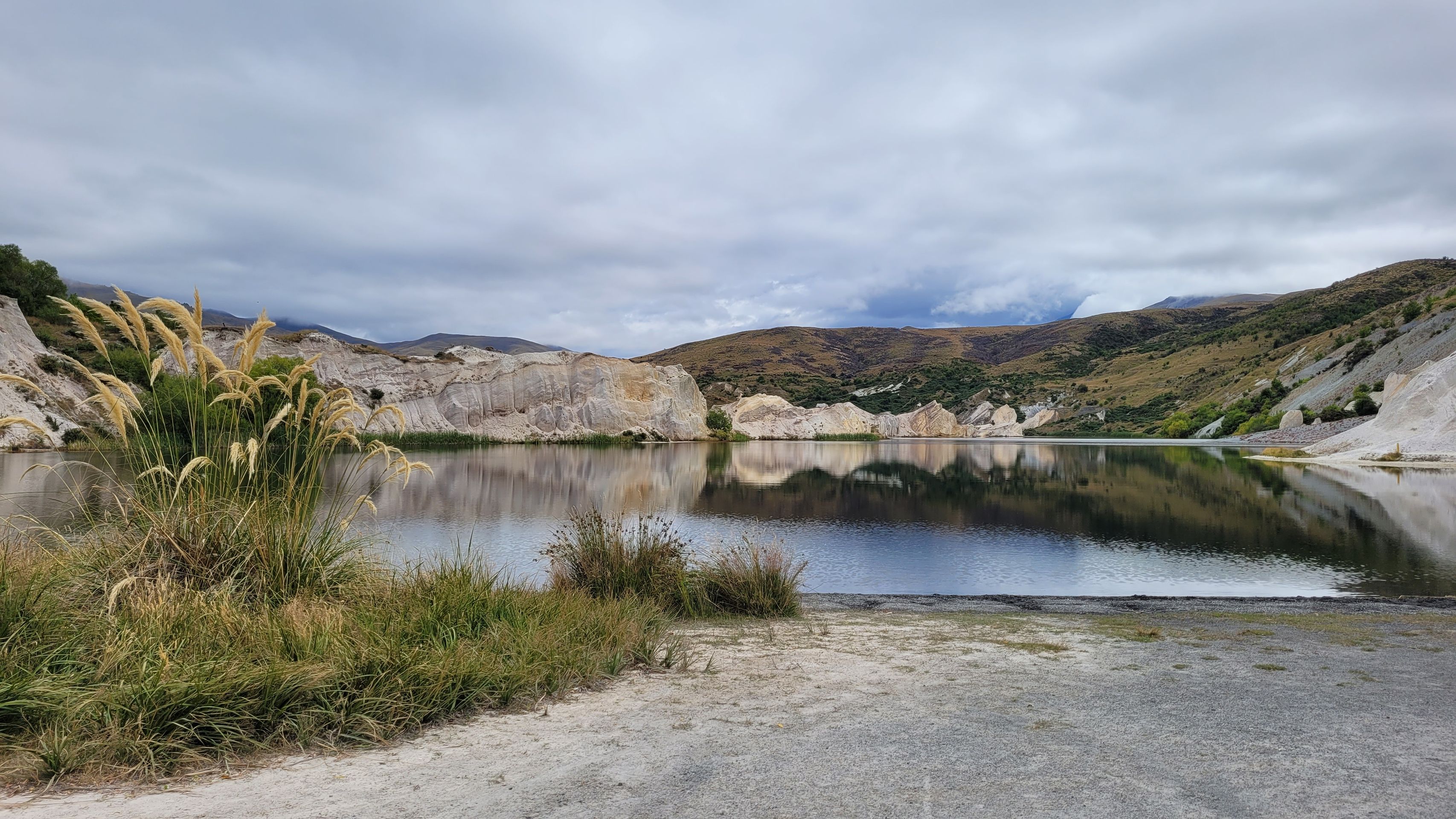
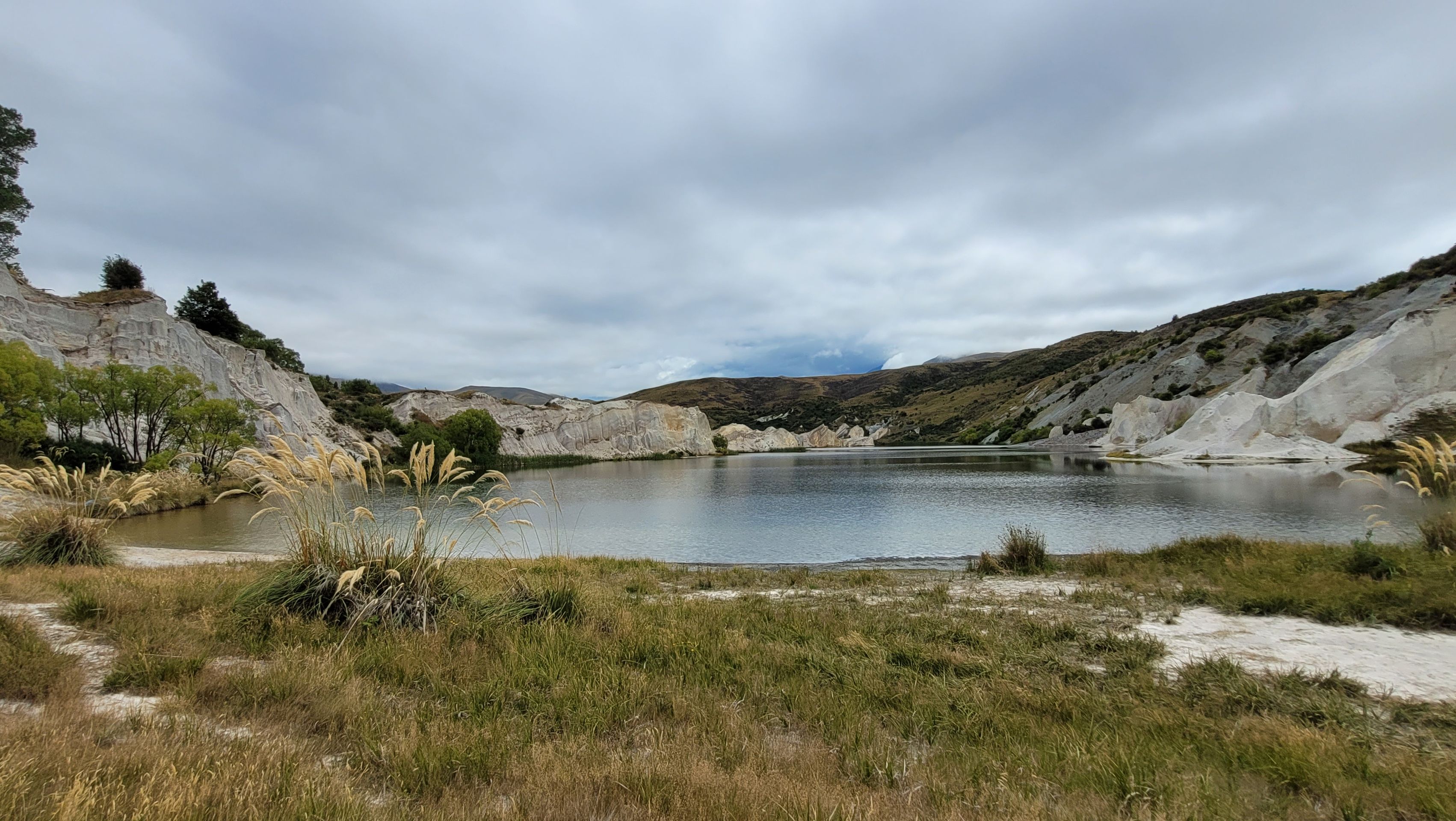
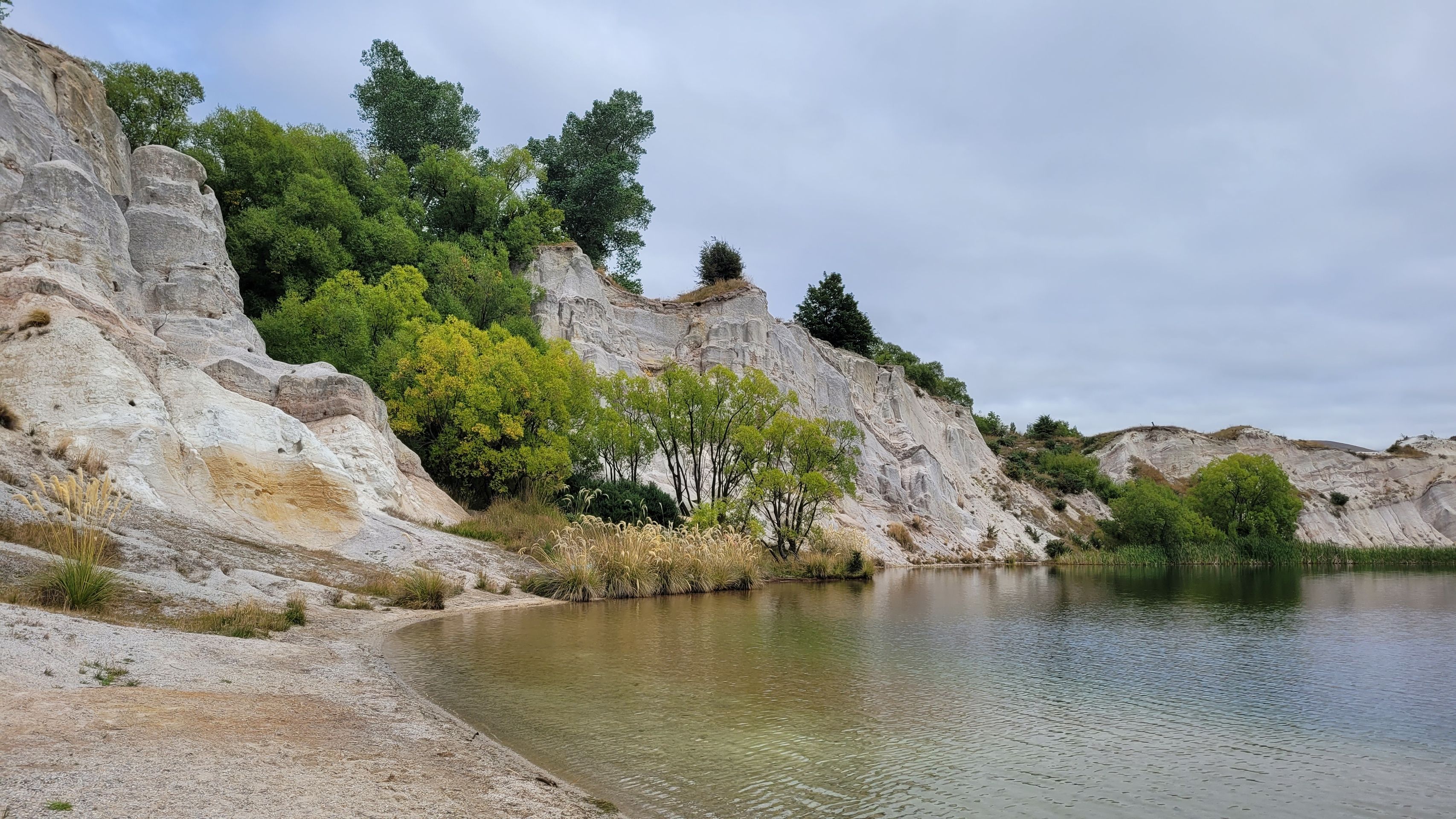
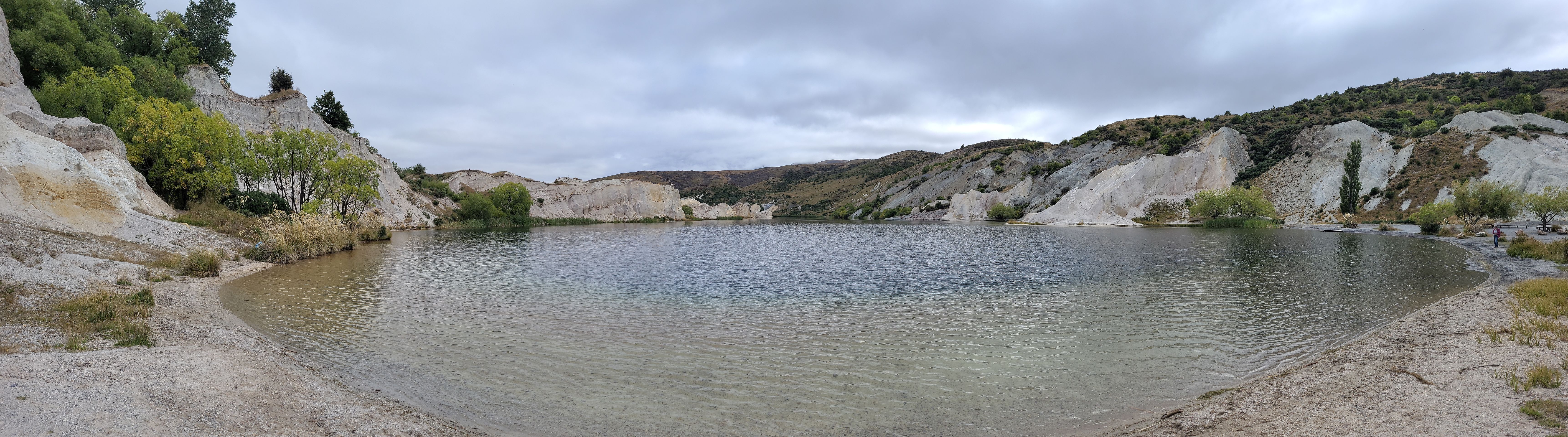
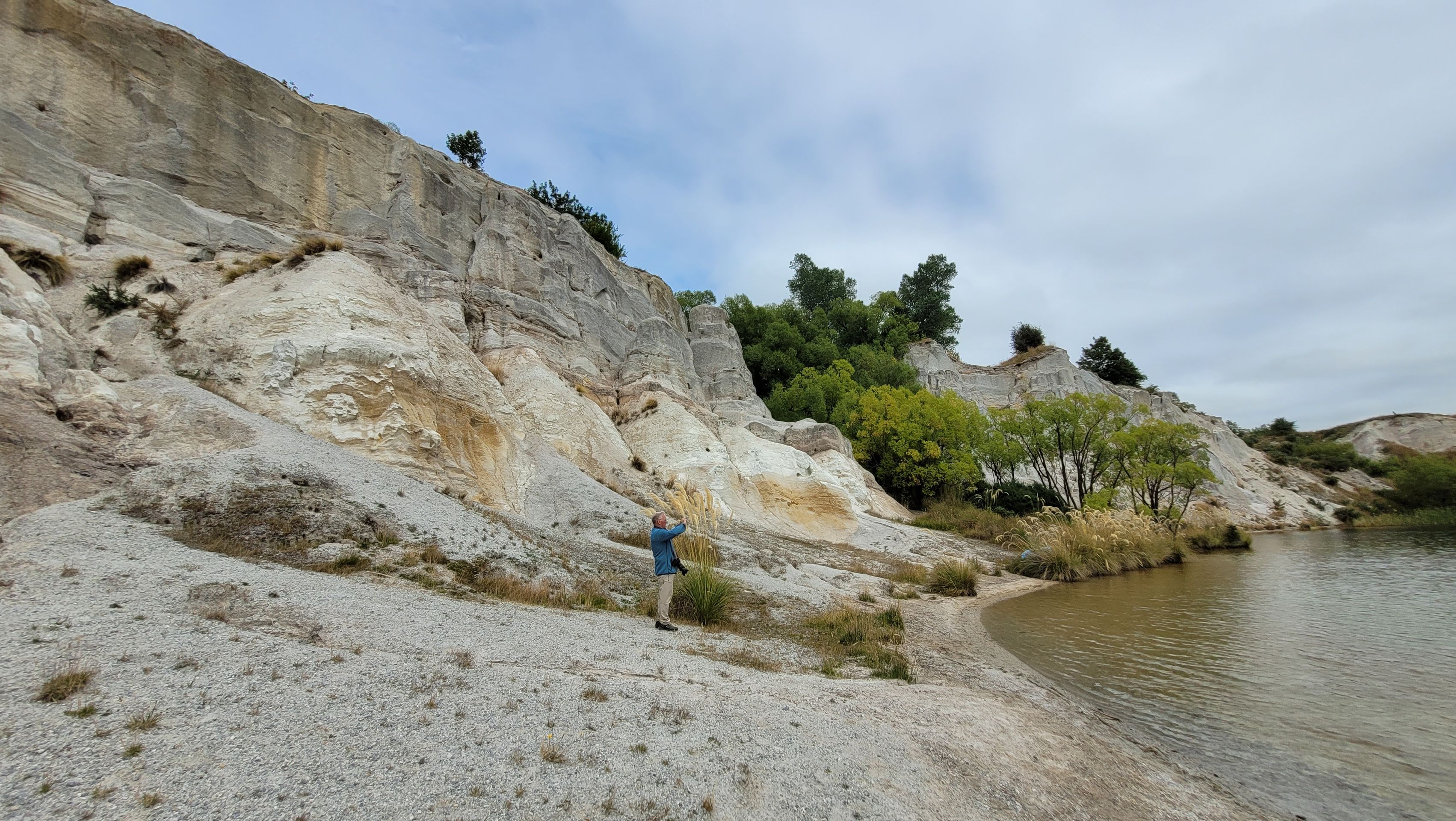
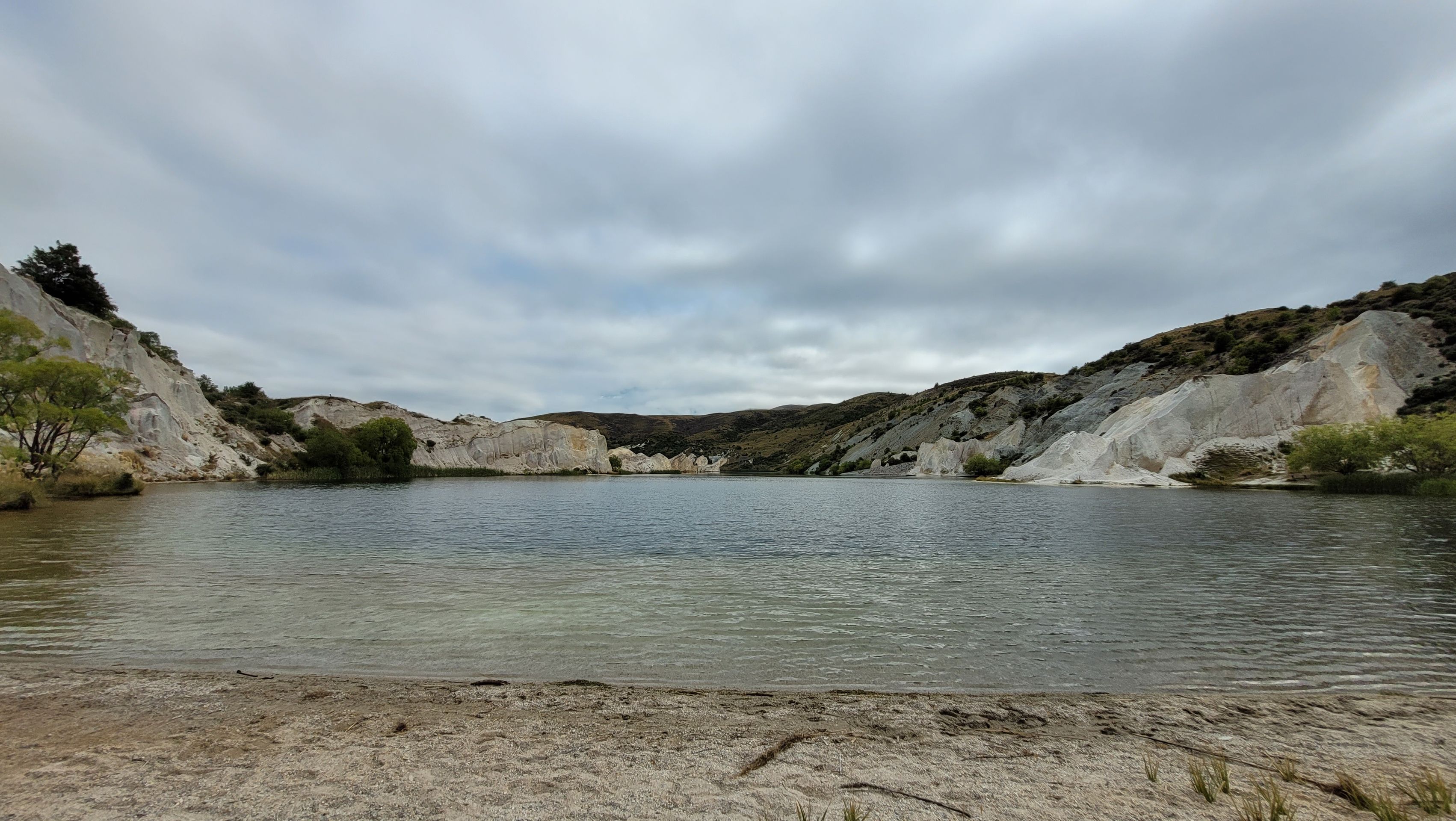
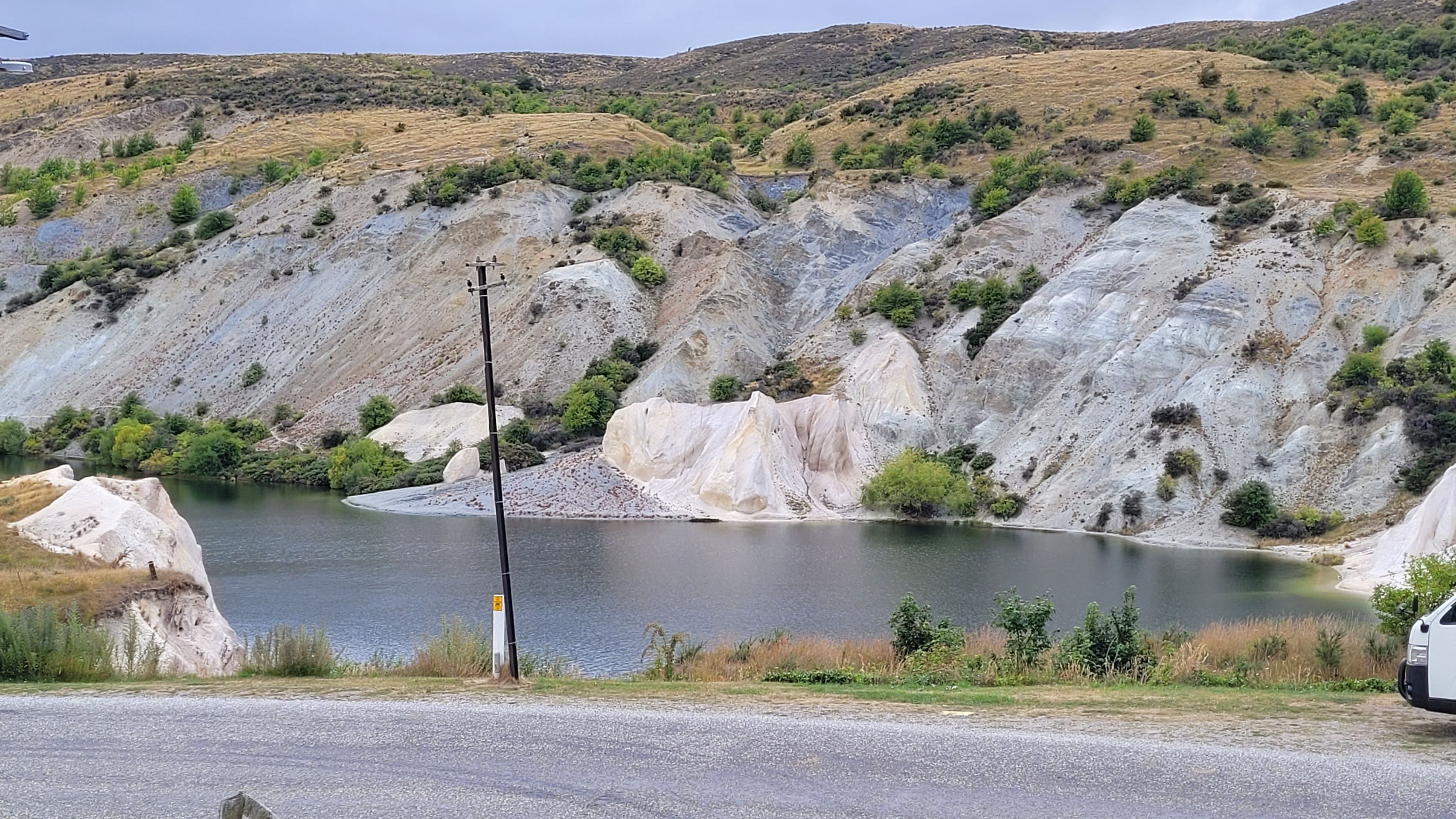
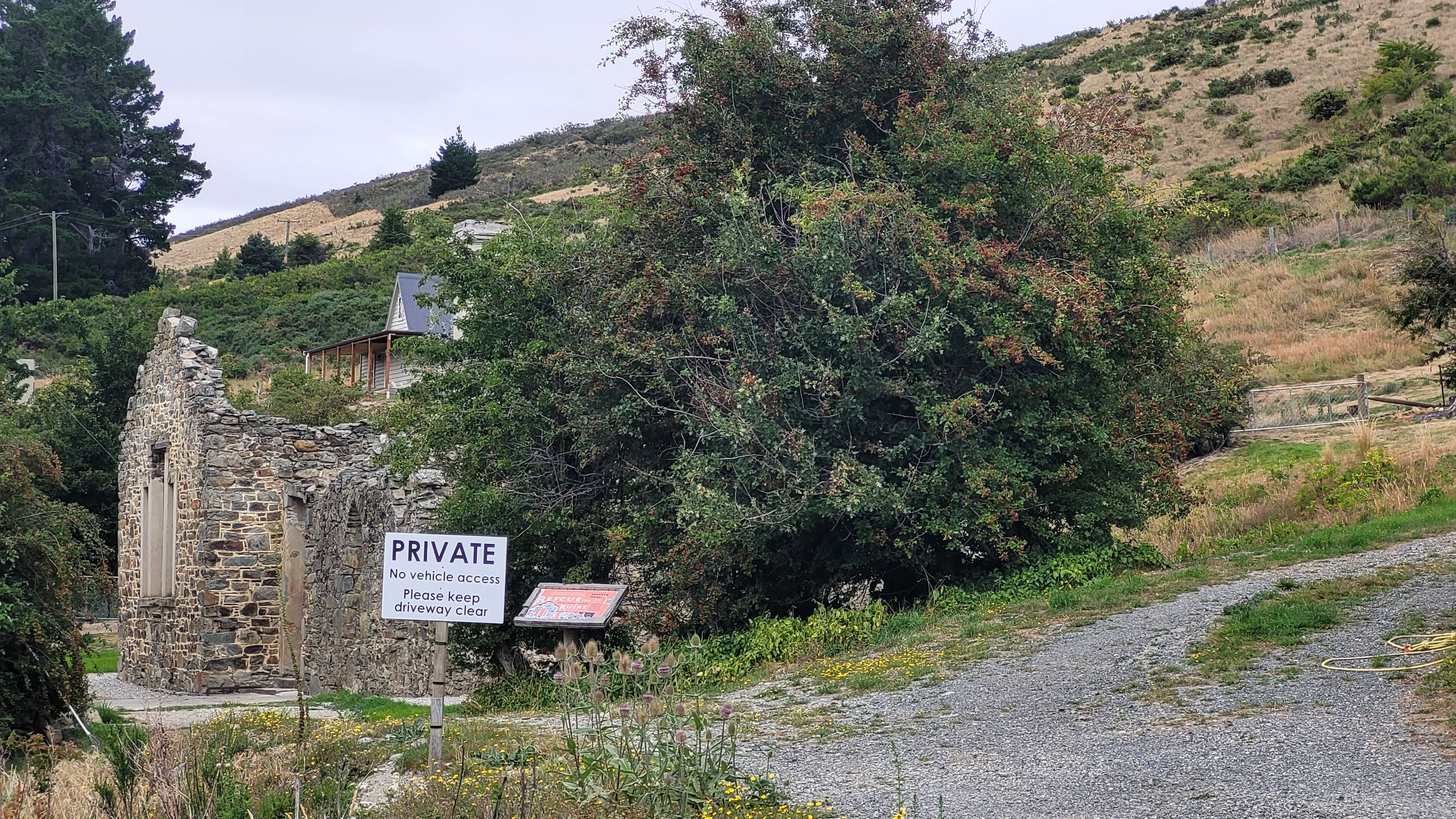
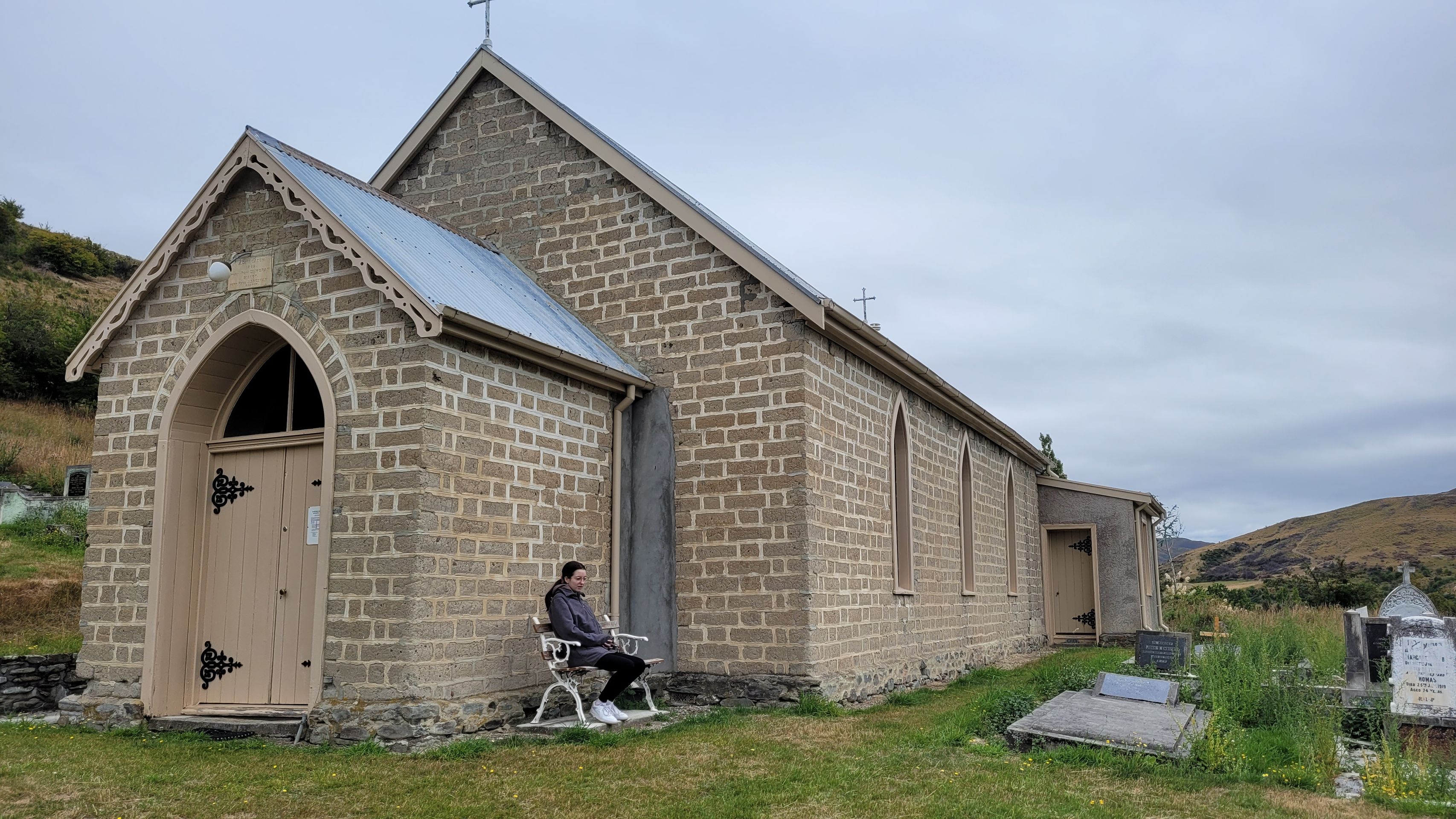
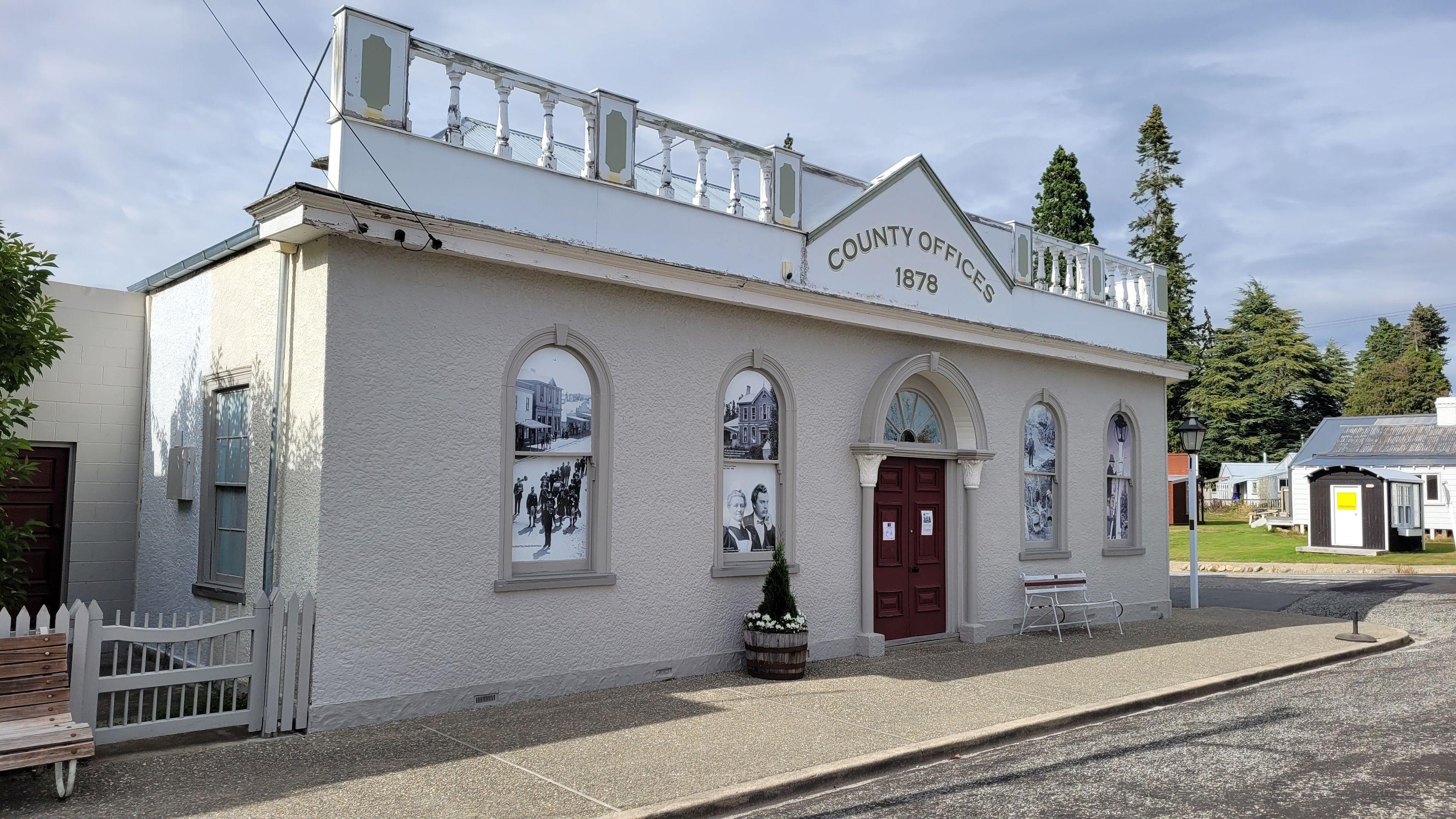
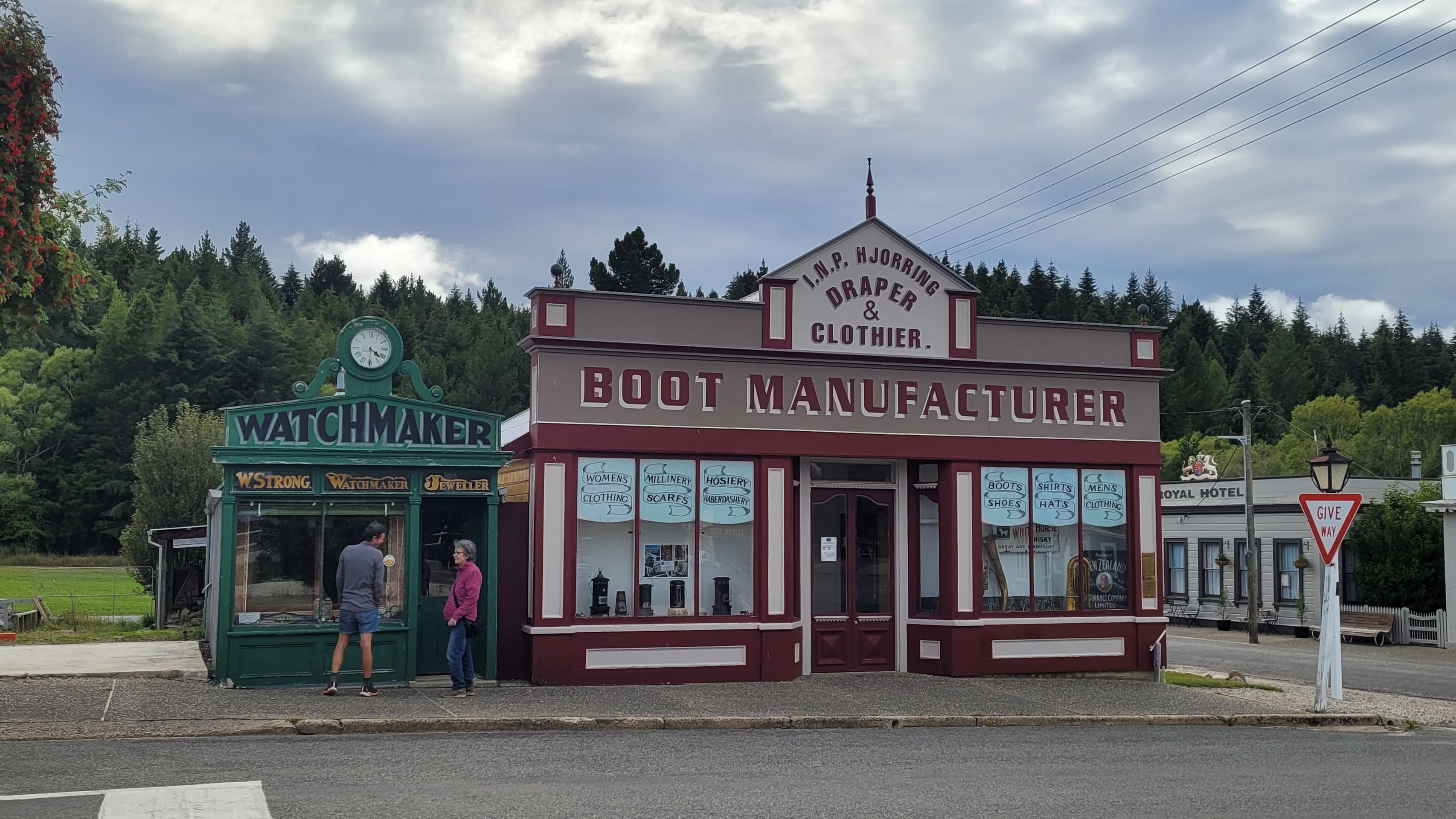
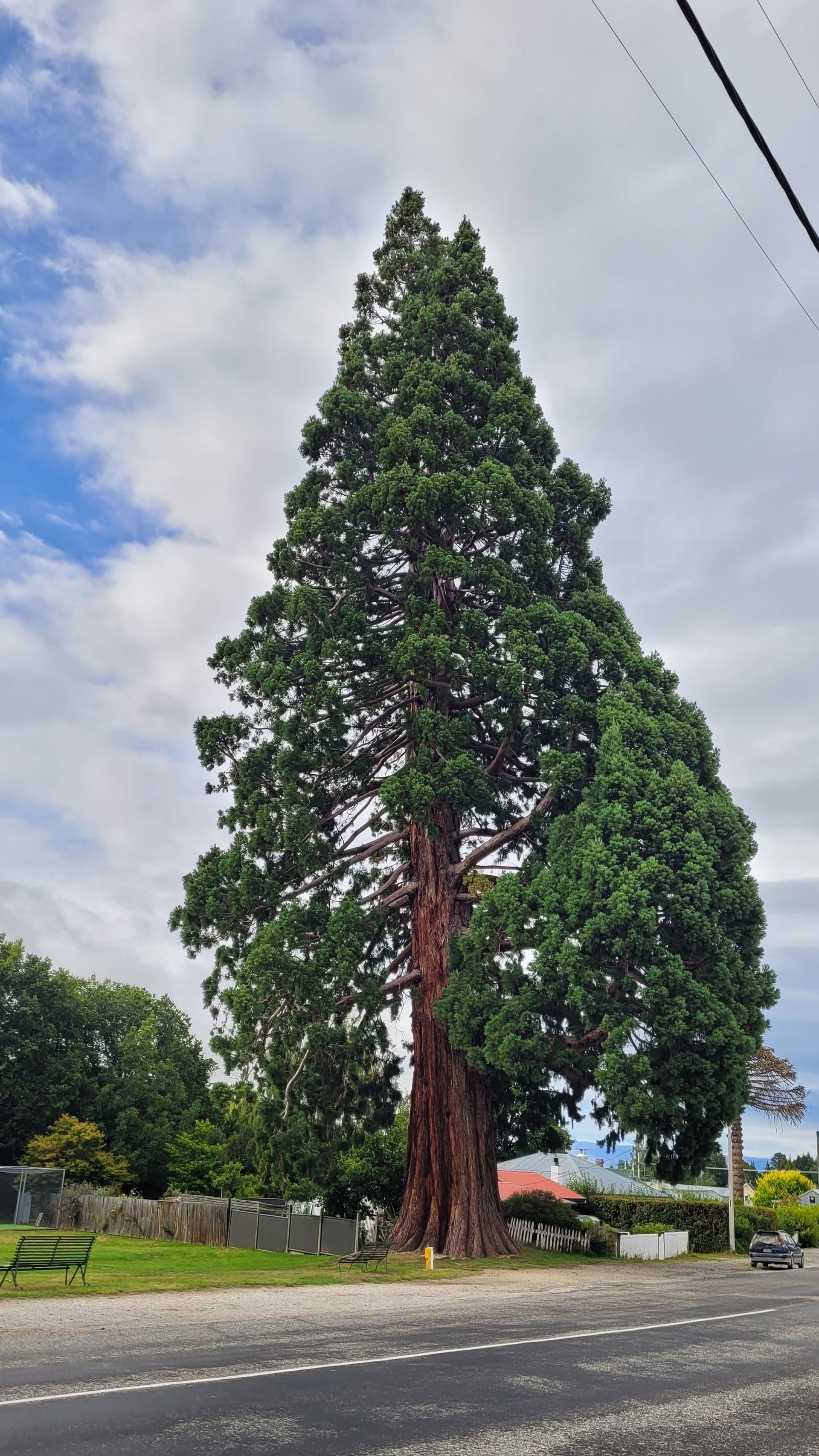
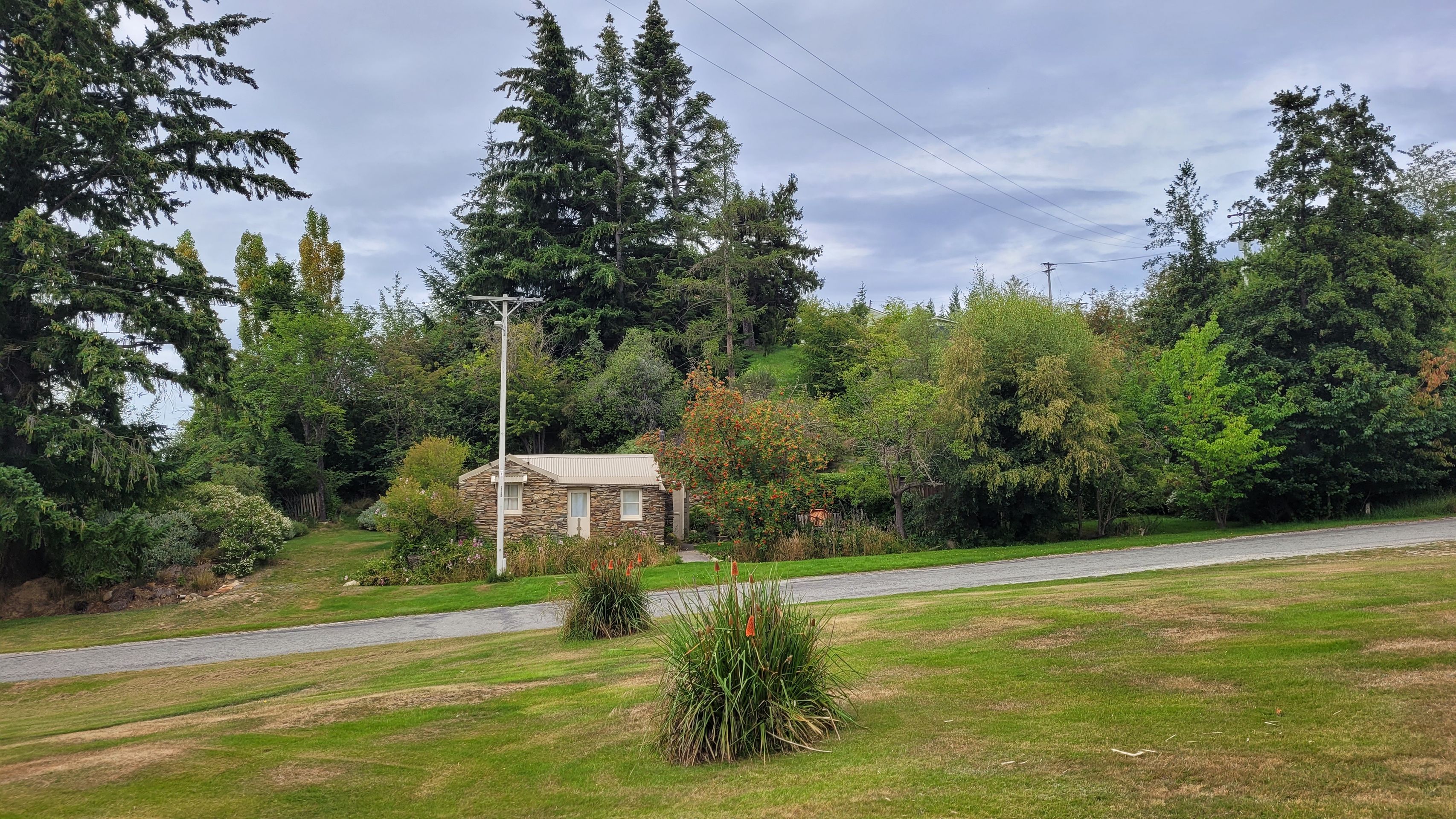
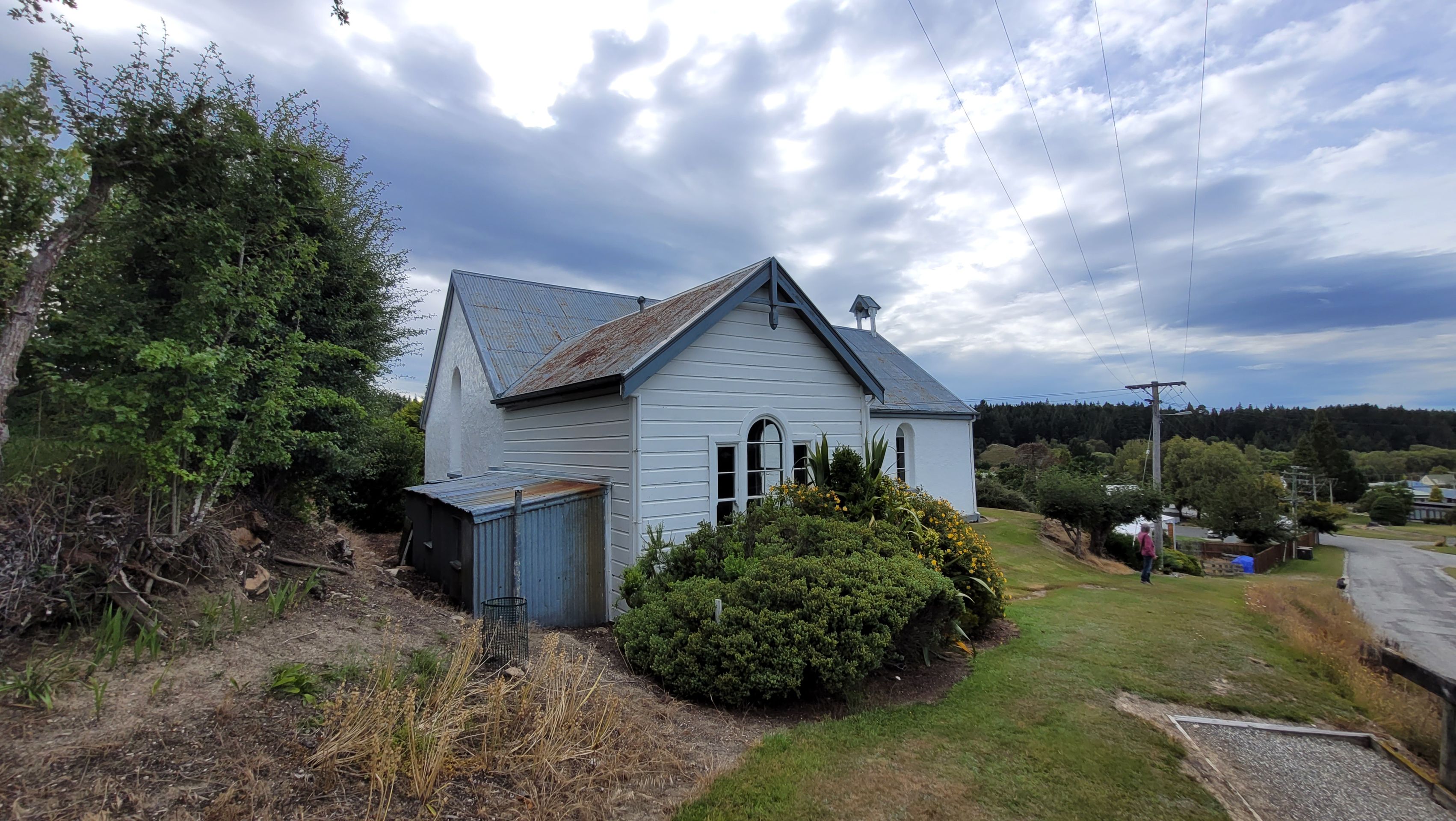
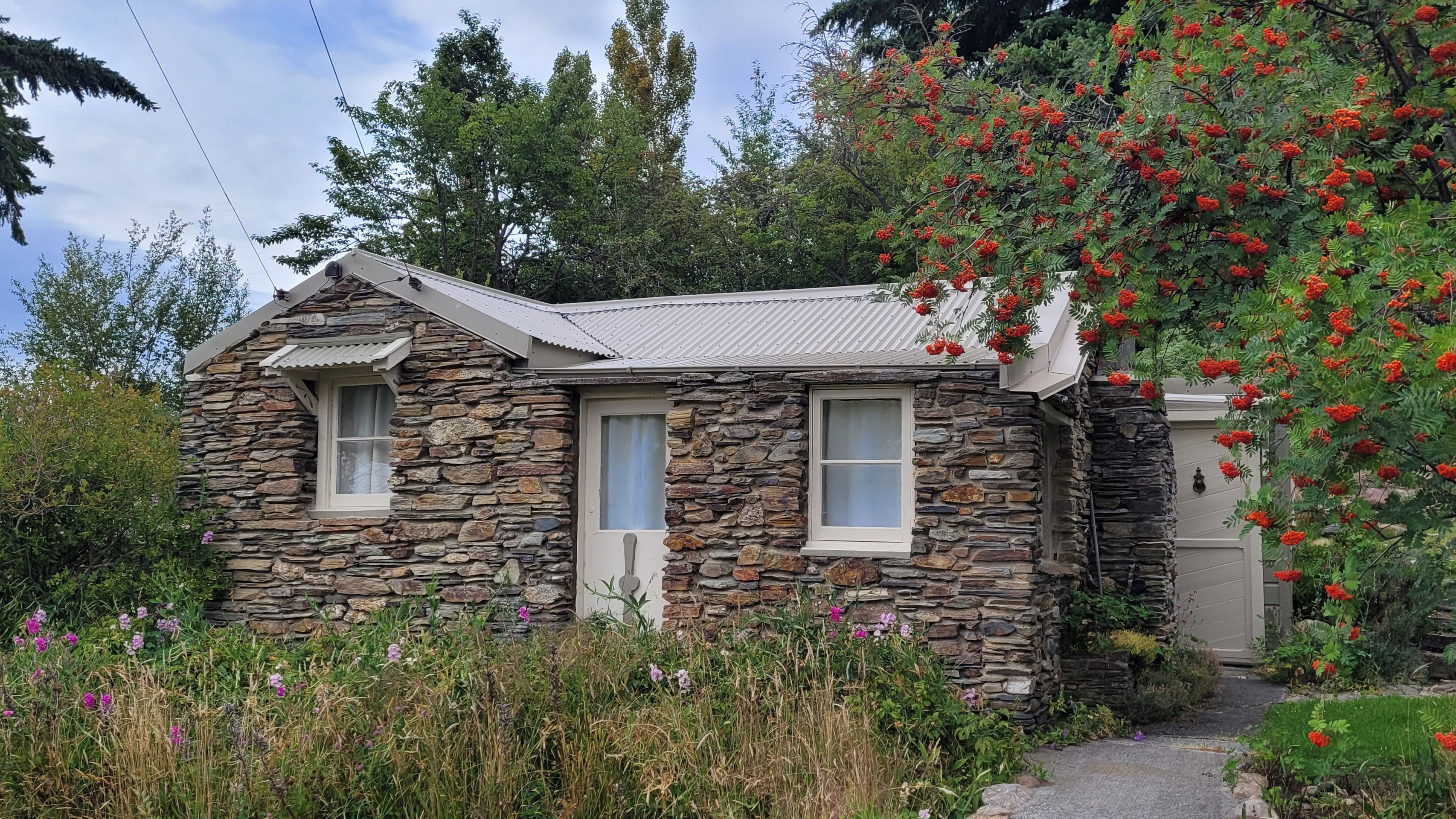
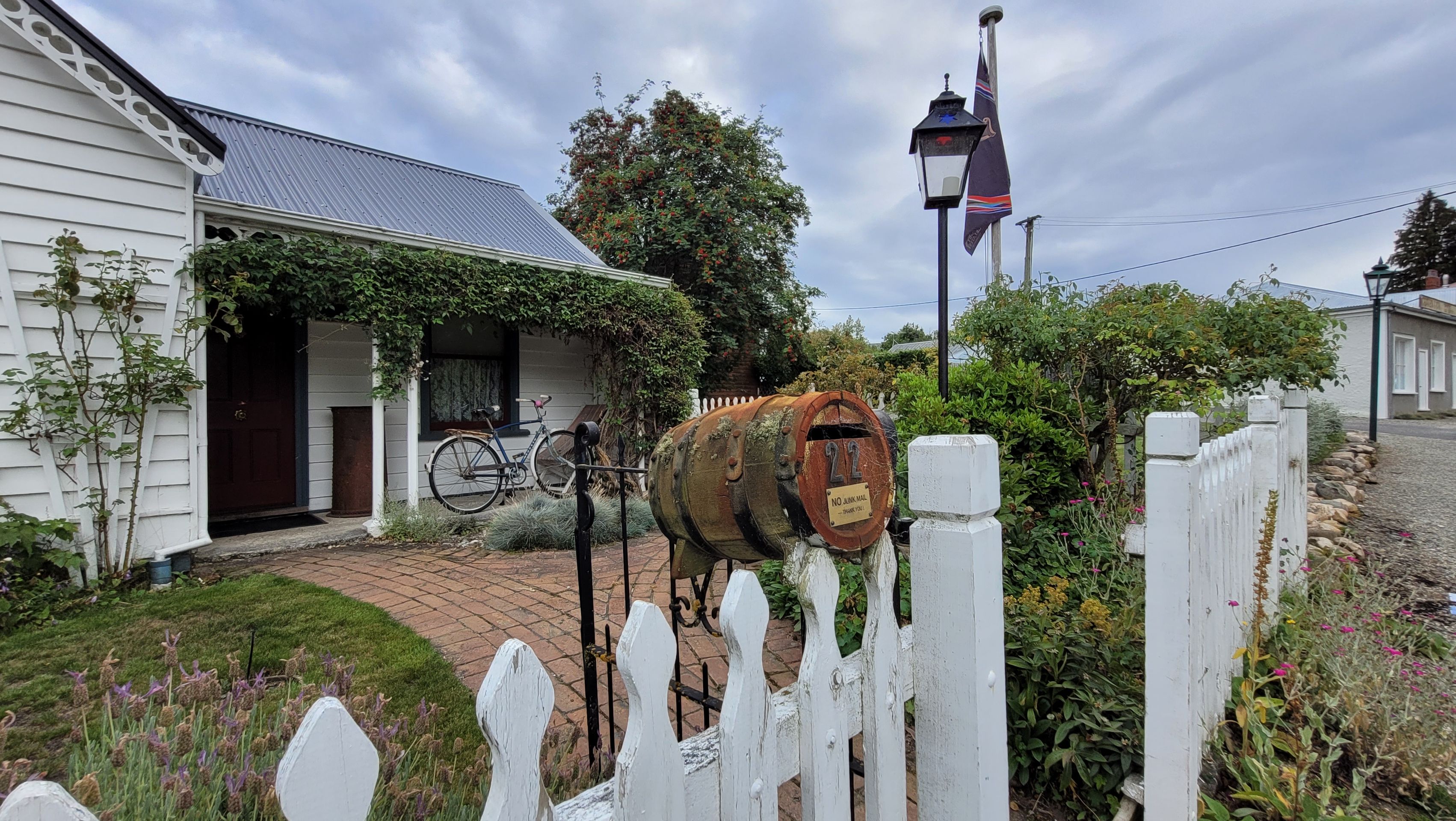
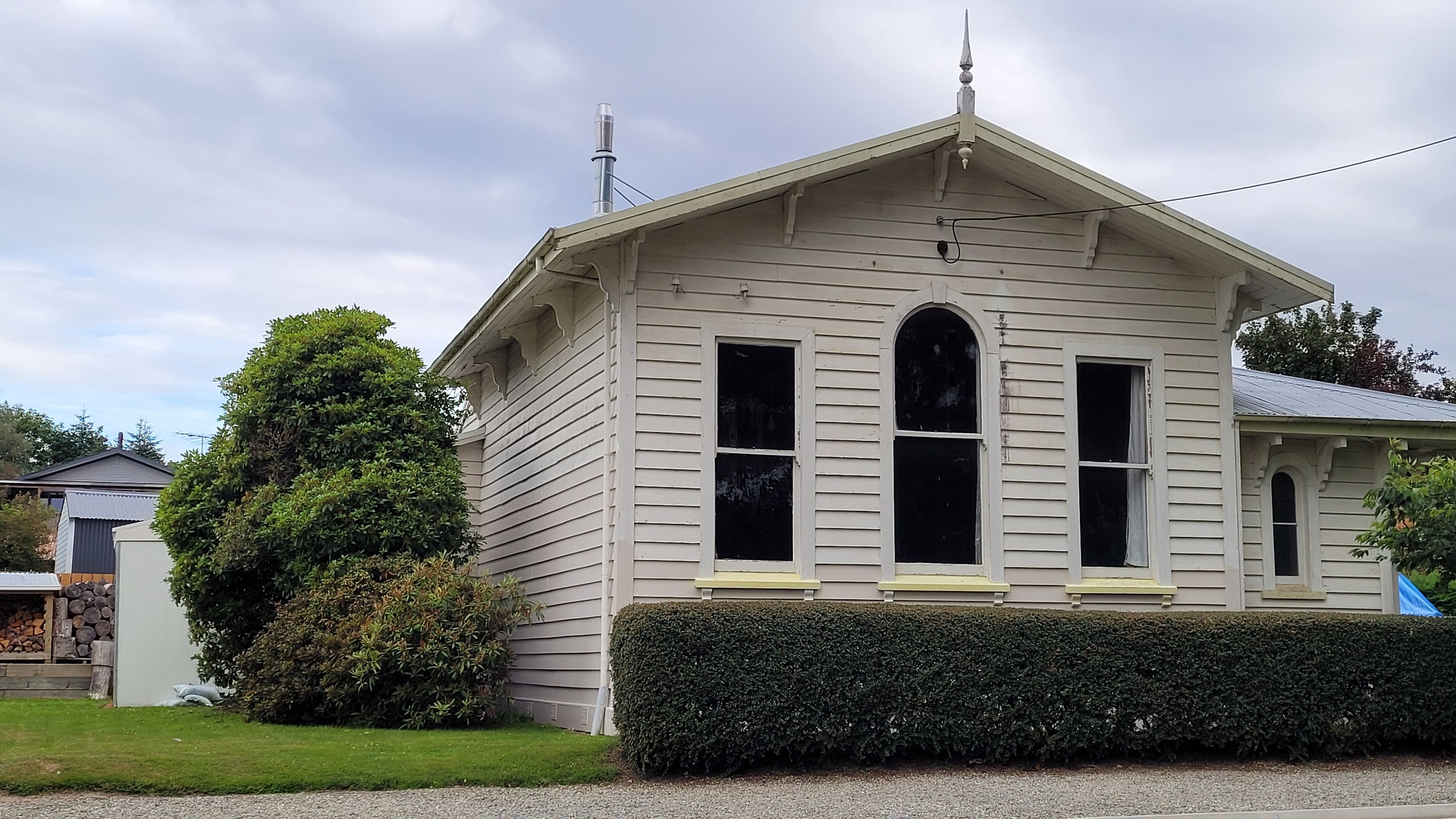
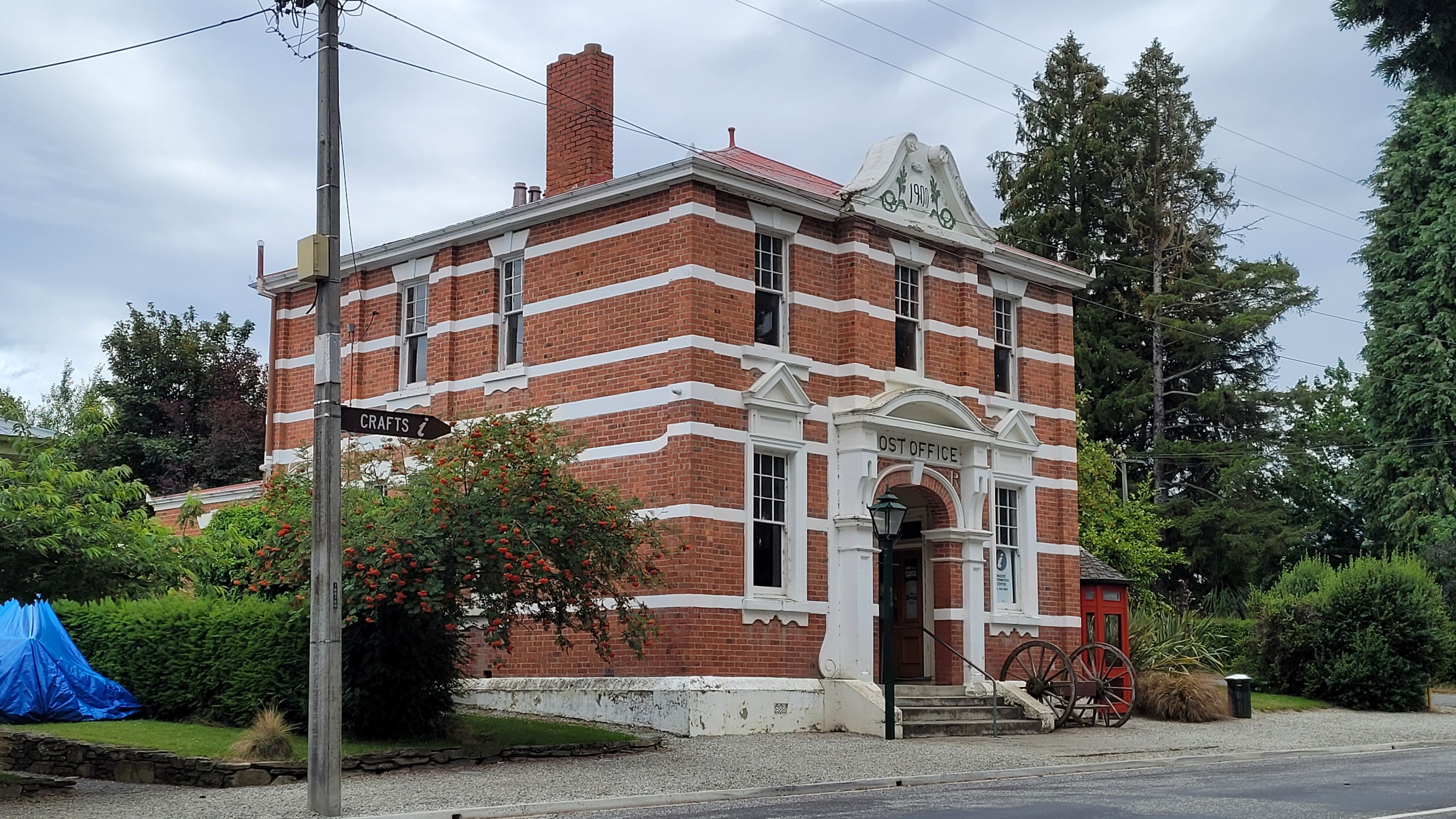
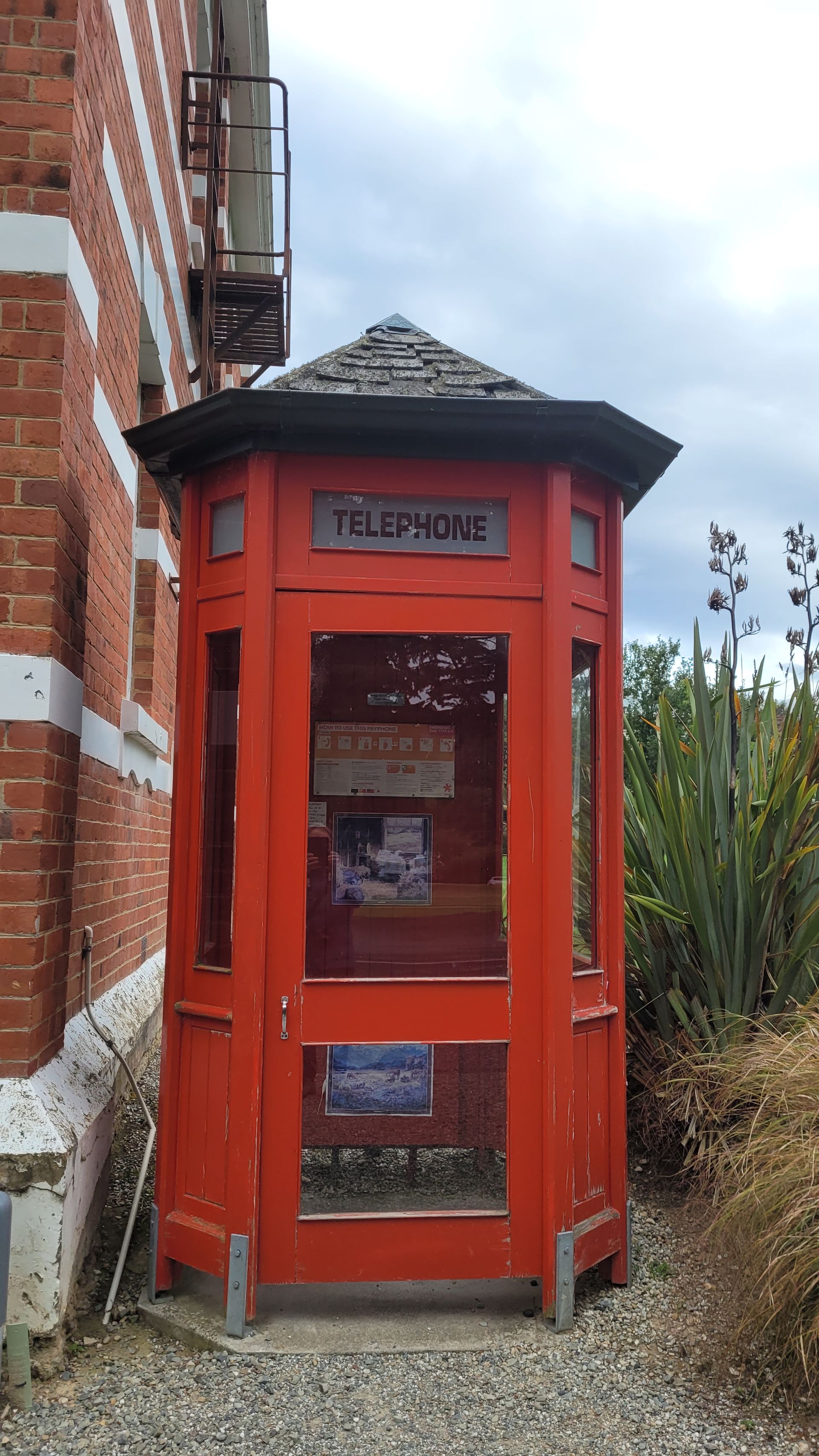
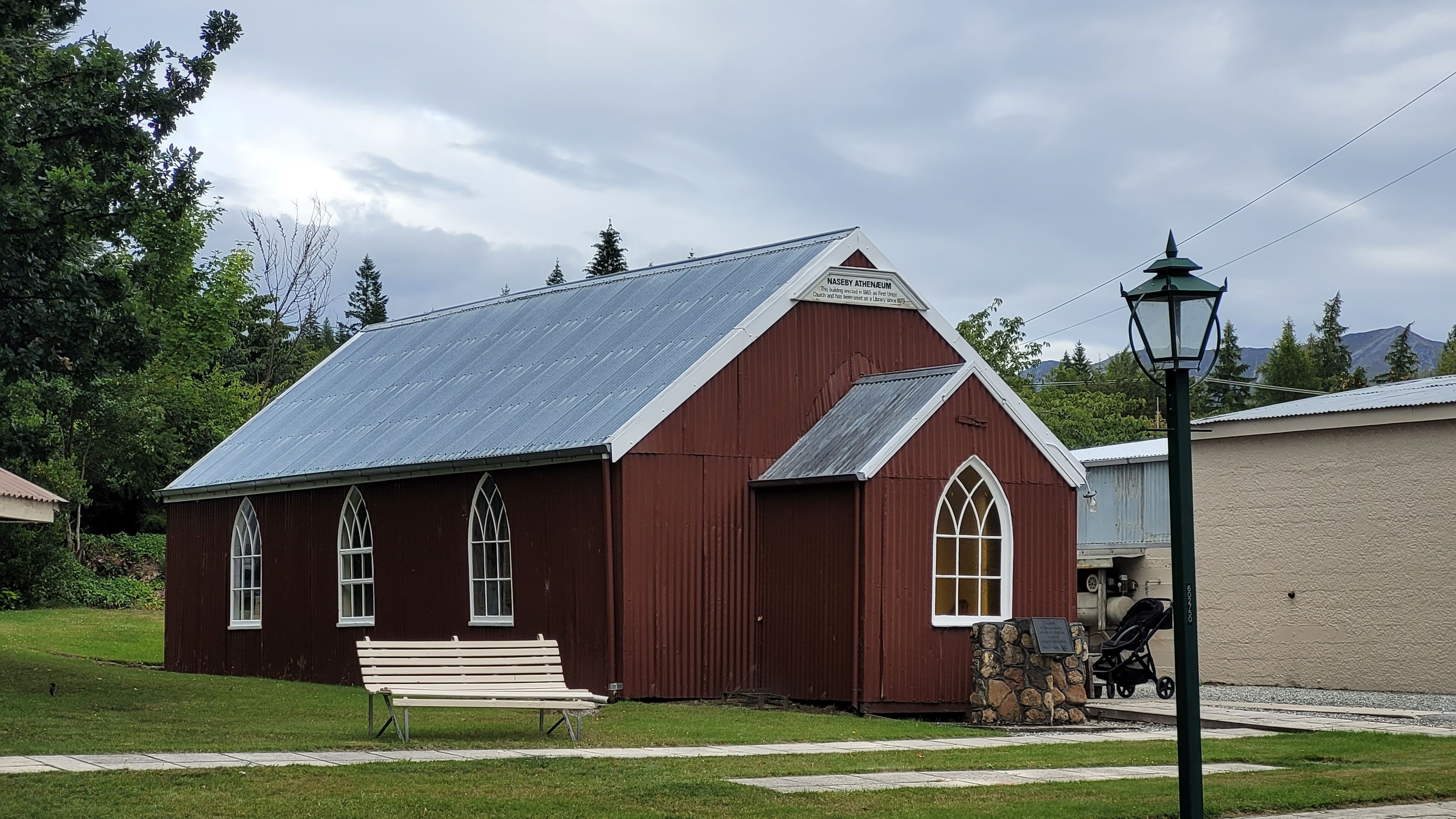
Today we visit the Blue Lake in St. Bathans. We drive through Naseby where we explore the impressive former gold mining village, then continue to the former gold mining village St. Bathans with the renowned Blue Lake. From there, we head back past a large active gold mine to Dunedin.
The gold rush in Otago began in 1861 when Gabriel Read discovered gold in Gabriel’s Gully (near Lawrence on the way to Dunedin). With a pan and a butcher's knife, he gathered 7 ounces of gold in just ten hours.
Miners from many parts of the world flocked to the region, and by 1862, two miners – Hartley and Reilly – deposited 1,047 ounces of gold (now worth nearly $2,000,000) with the chief gold receiver.
At that time, gold seekers were already working on all rivers in the area, including the Kawarau River. One of those gold fields was Gee’s Flat, which we now know as Goldfields.
In Gee's Flat, the first miners initially focused on gold deposits located in an earlier riverbed. They dug shafts to direct water from three nearby streams to a series of small dams on the terraces. From there, the water flowed in a cascade over the mining areas, where the miners broke up the gravel using picks, bars, and rakes – a method known as ground sluicing.
Mining in Gee's Flat was always limited by water scarcity. The streams feeding the dams were not reliable throughout the year, and at times, the water shortage was so severe that miners had to transport the wash sludge (the gold-bearing sand and gravel) to the river instead of bringing water to the wash sludge.
The highest population of Gee's Flat is unknown, but it is believed that around 100 miners were active in the region in the mid-1860s. Most were Europeans, but some Chinese also worked at the riverbank. They benefited from low water periods (which exposed new gold-bearing sand) but suffered greatly from floods, as drowning was common in the area.
While activities in Gee's Flat appeared to decline in the 1870s, efforts were renewed in the 1880s using ground sluicing techniques. In the early 20th century, at least two groups worked alongside a single elderly Chinese miner in Gee's Flat.
During the economic depression of the 1930s, gold mining resumed here. The lower terraces were mined using ground sluices or metal nozzles attached to canvas hoses. At least one group used an iron monitor, similar to those used today. Underground mining also regained interest, with tunnels and shafts being dug into the untouched gravel of the upper terraces and closer to the river, into the gravel just above the bedrock.
The last full-time miner left Gee's Flat in 1969, marking the end of over 100 years of mining. Although millions of dollars worth of gold were extracted from the site during those 100 years, there remains plenty of gold for those lucky enough to become wealthy. In fact, gold has recently been mined in an area adjacent to the Goldfields site that shows promising signs of gold. This could usher in a new era of mining in Goldfields in the 21st century.