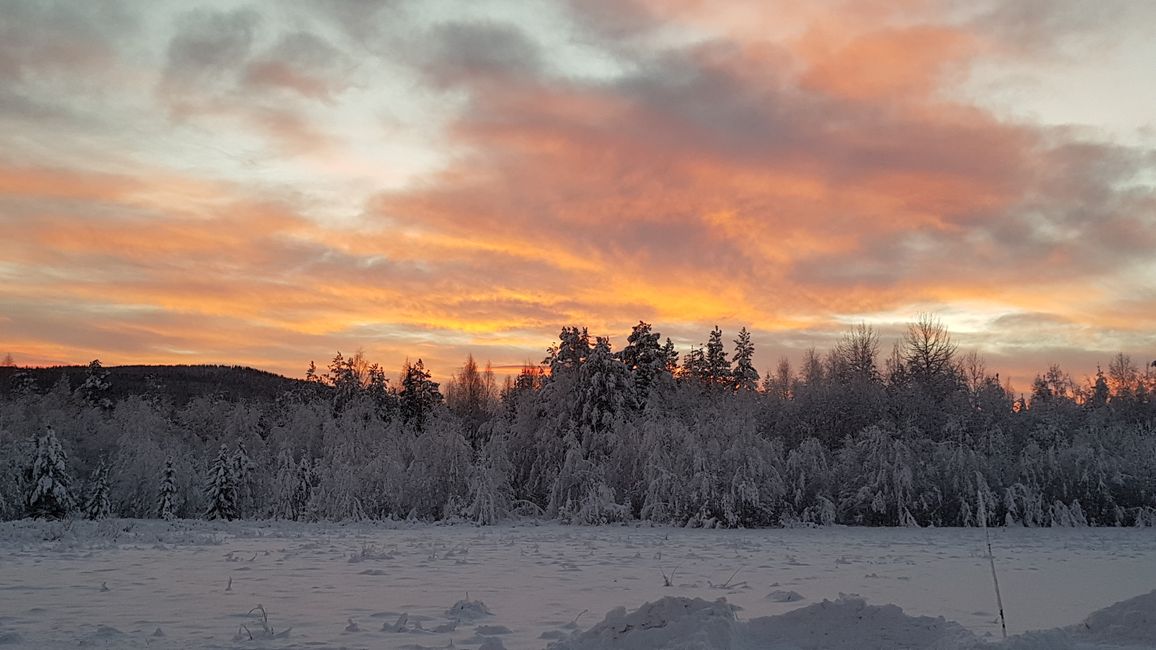

December 14-29, 2025 December 18
Today is a day for an early start, as we will cross the Arctic Circle between 7 and 8 AM. This is not to be missed. After that, we will head to Ørnes, Bodø, where we hope to...

Published: 12.02.2026
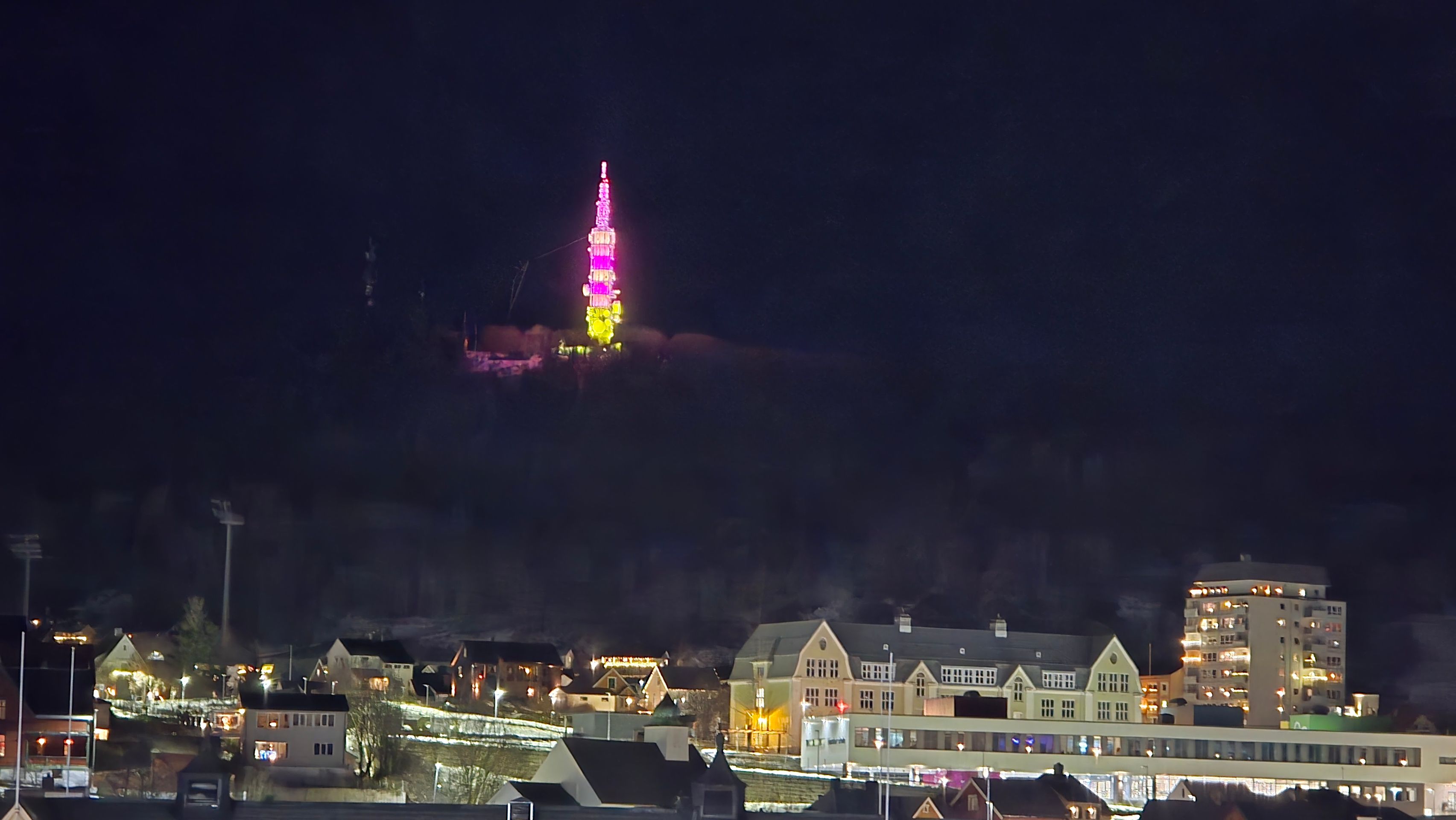
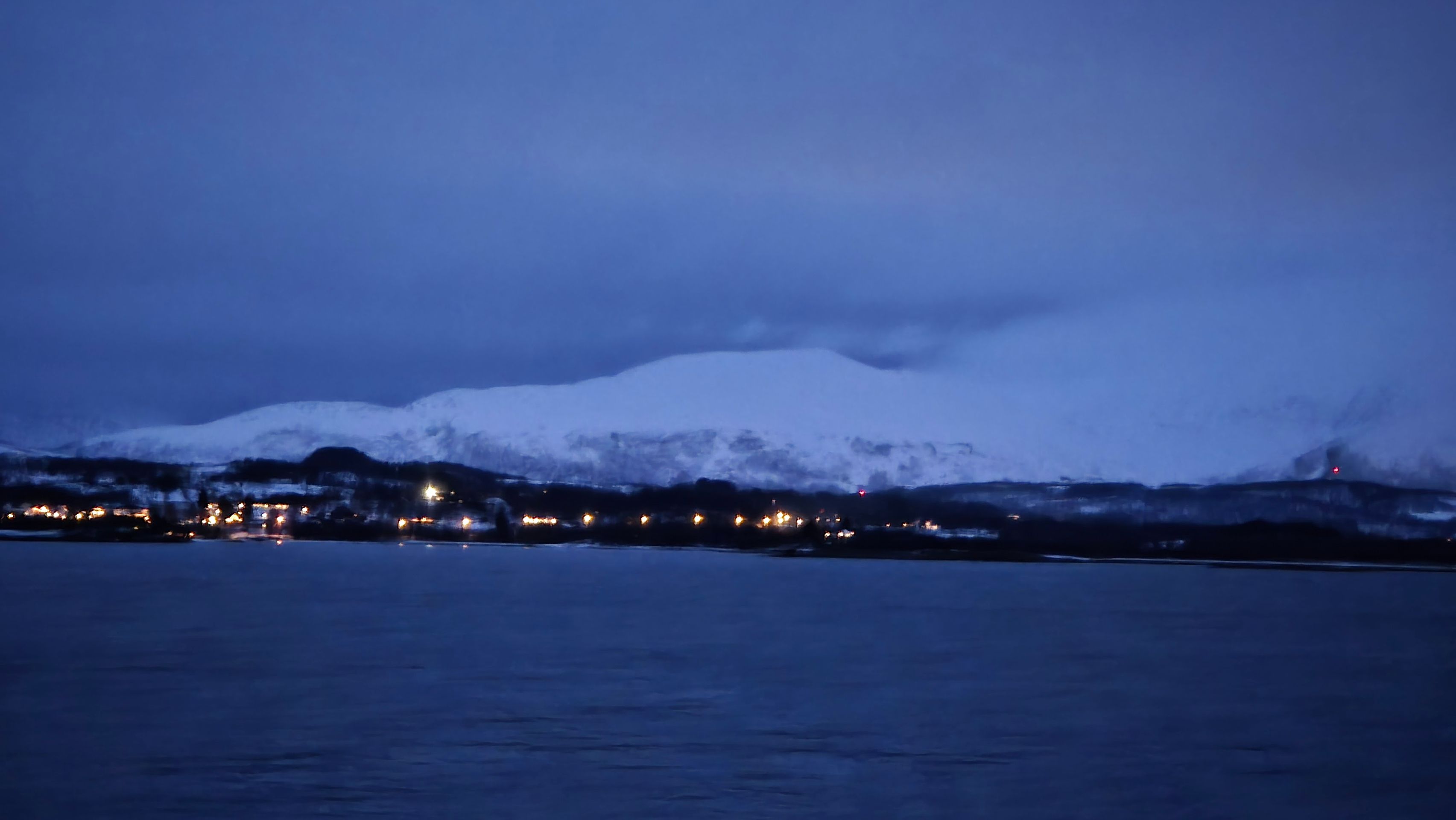
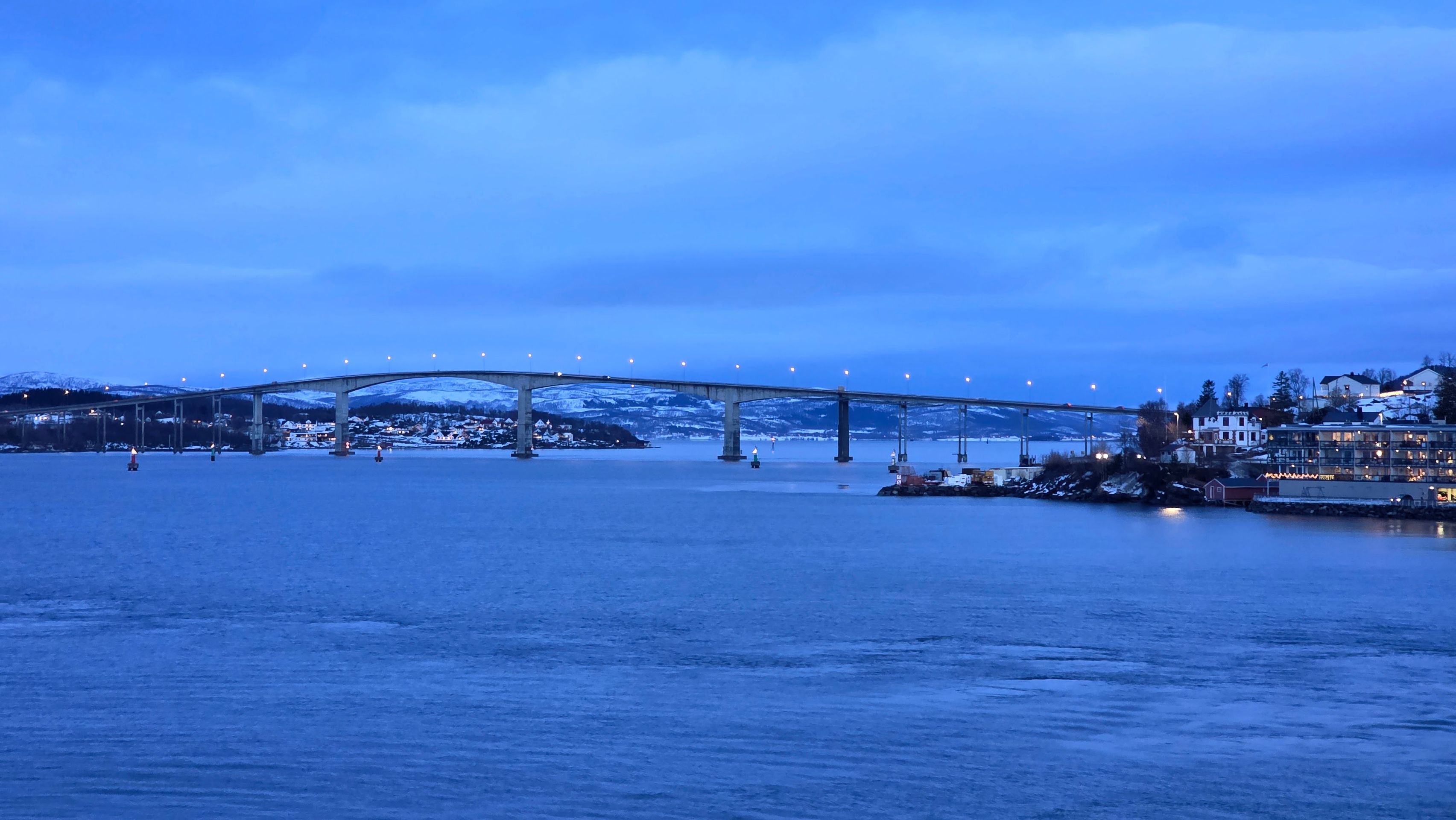
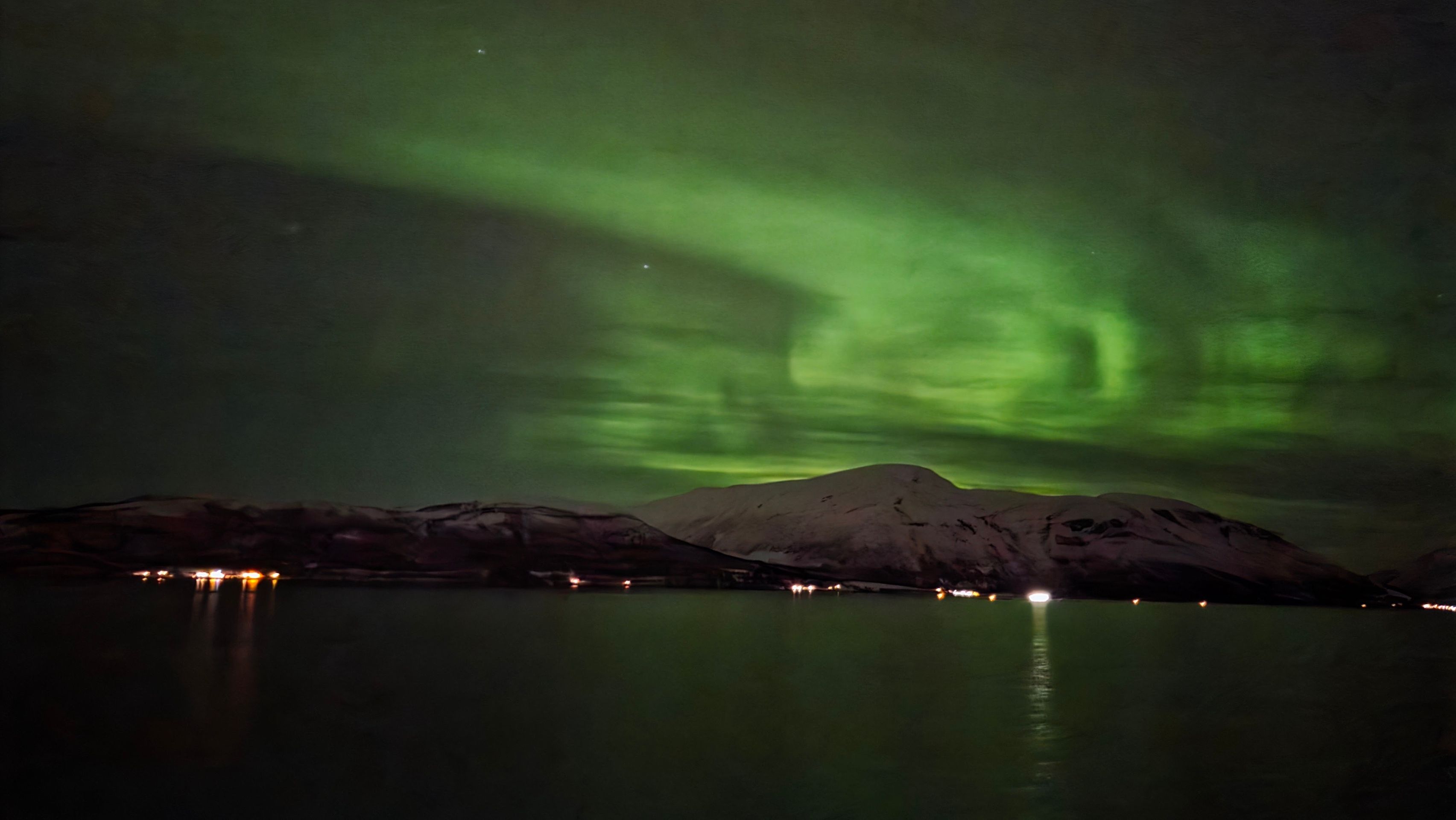
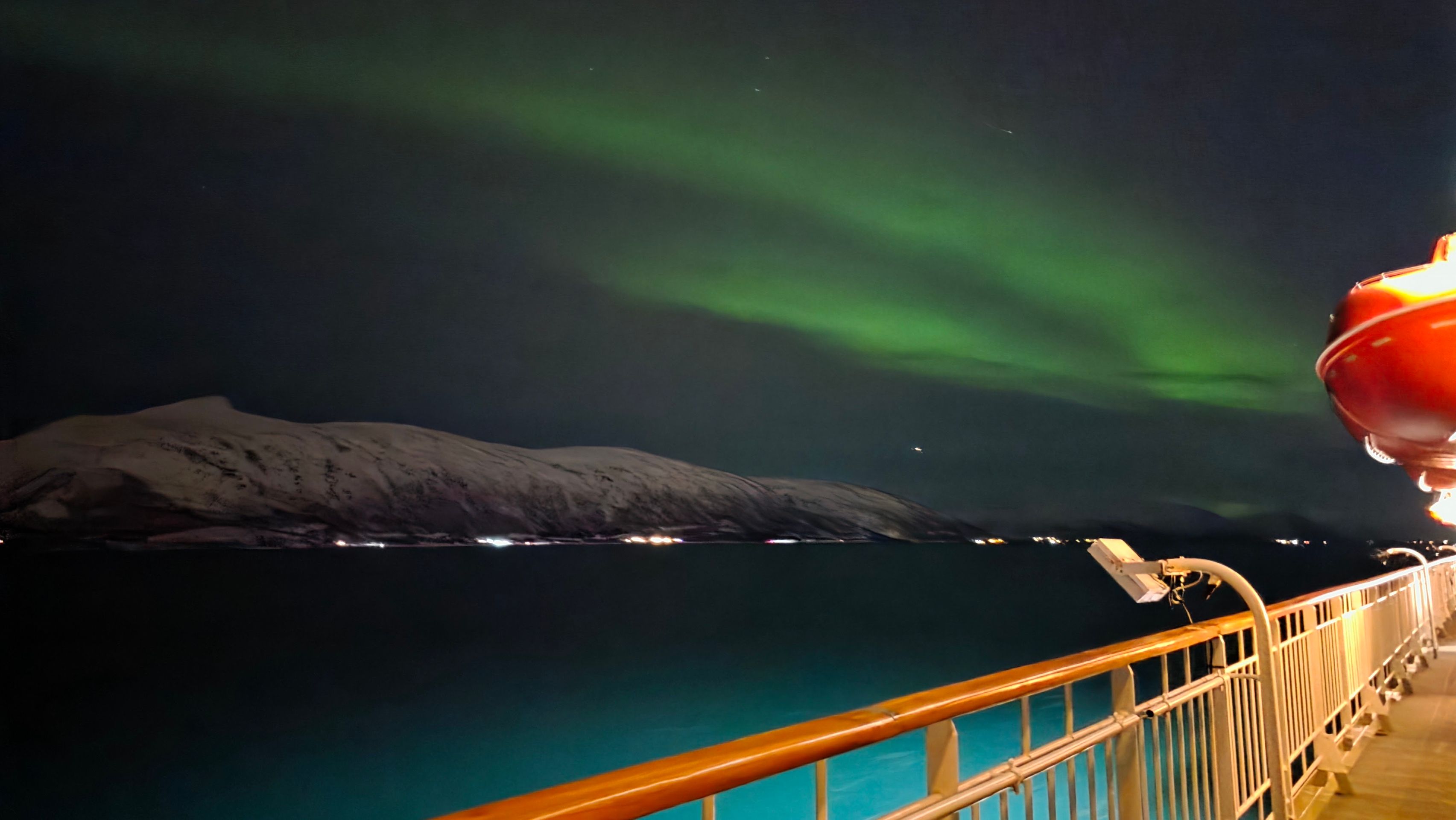
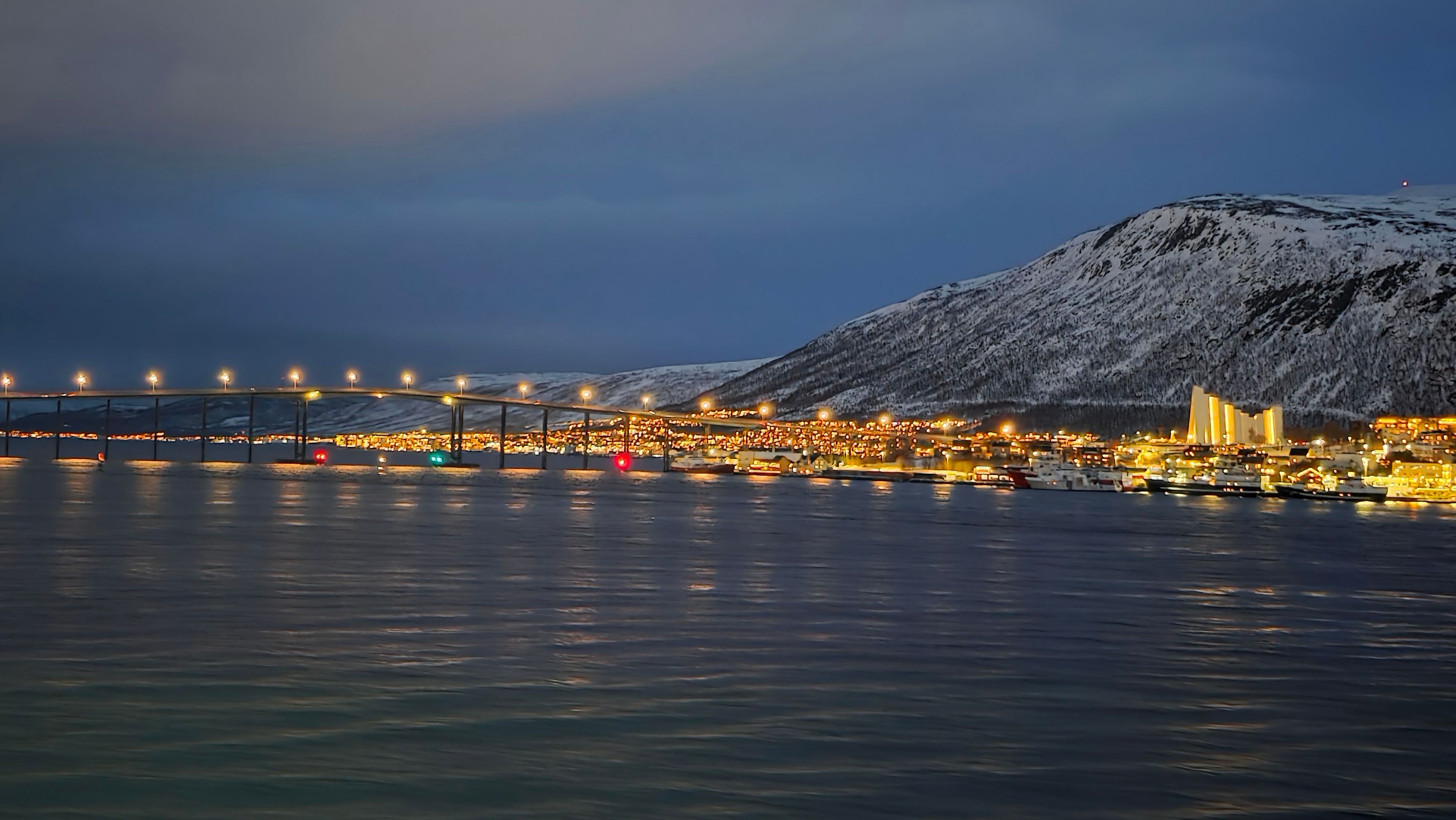
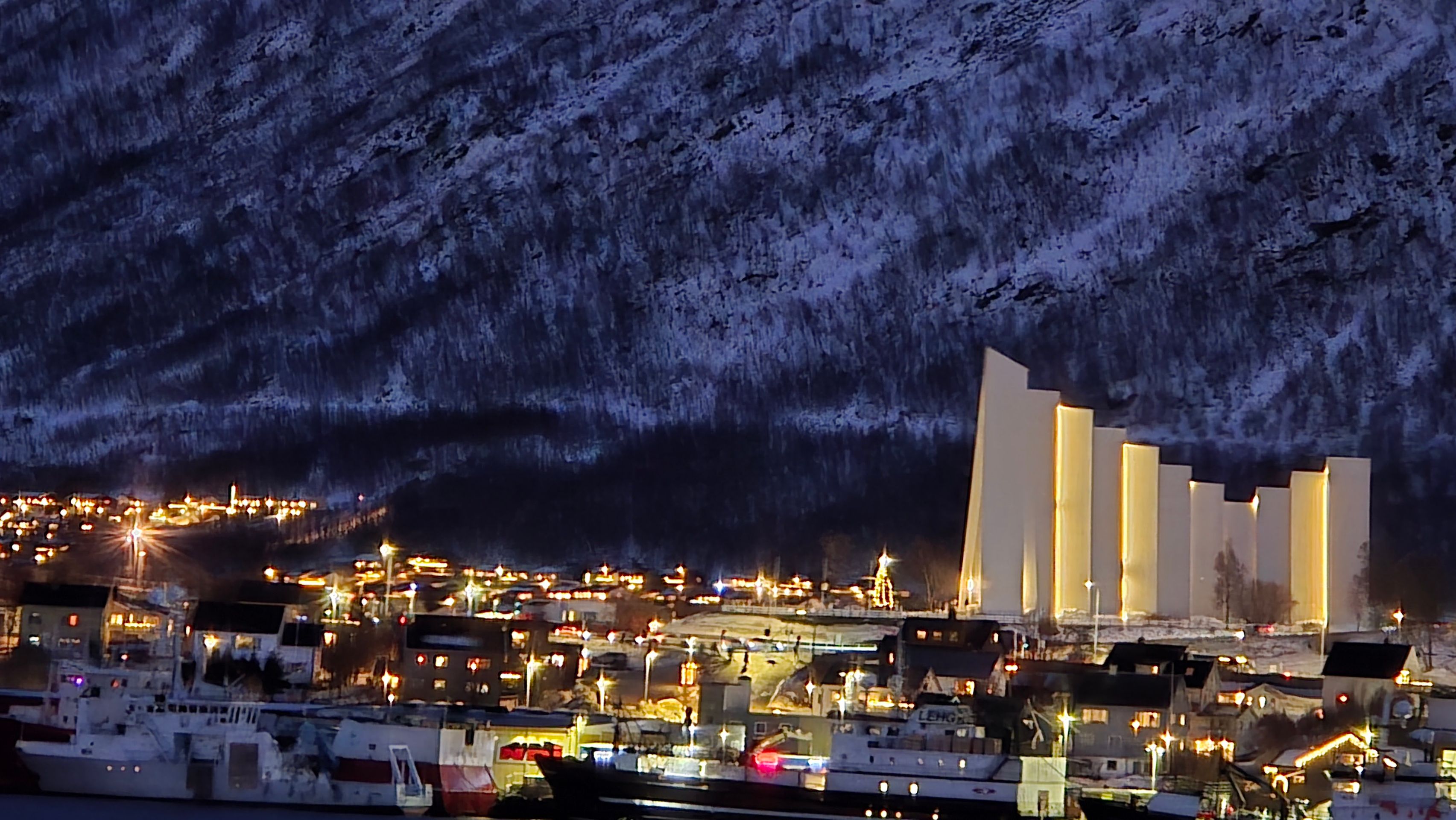
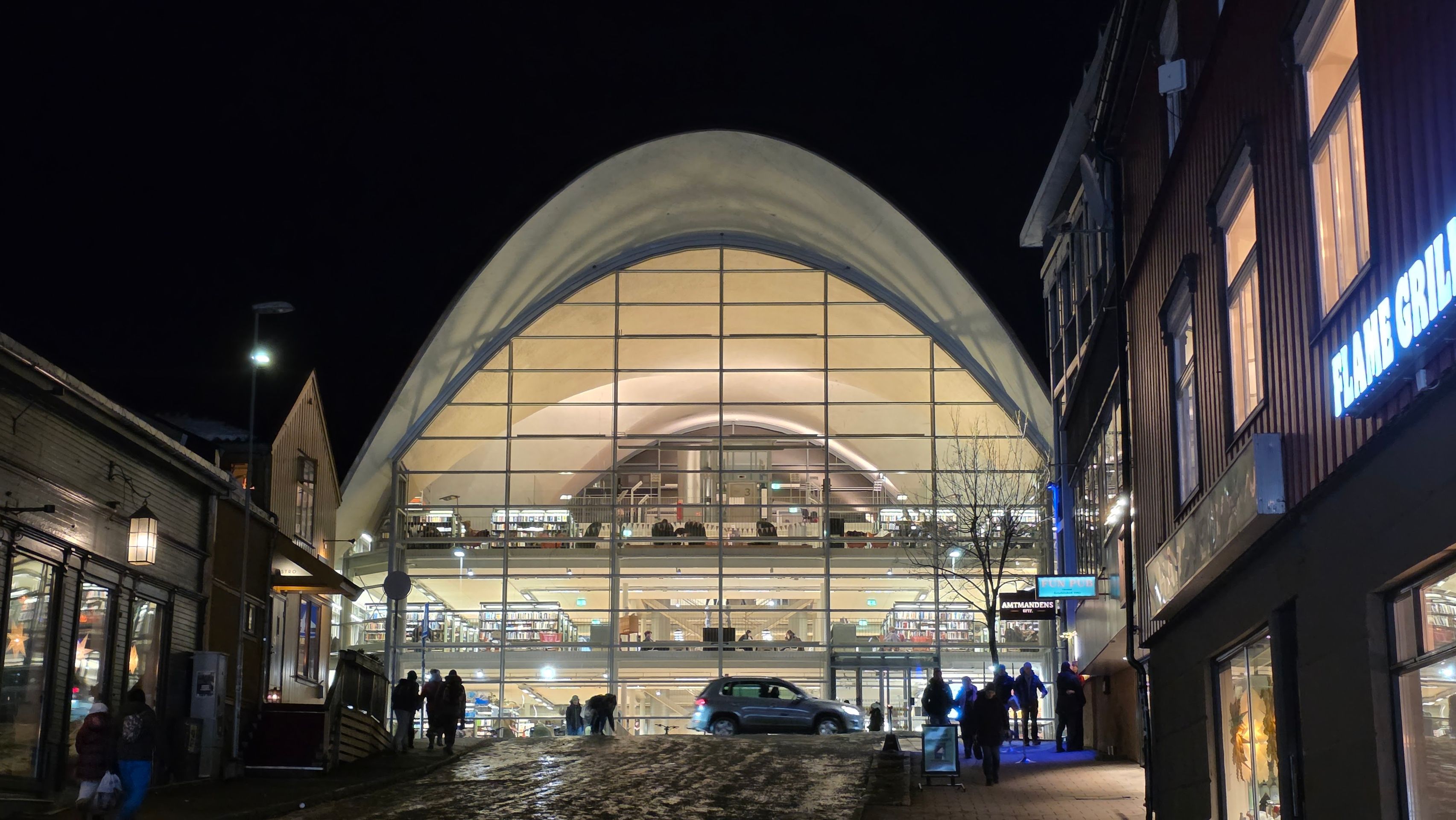
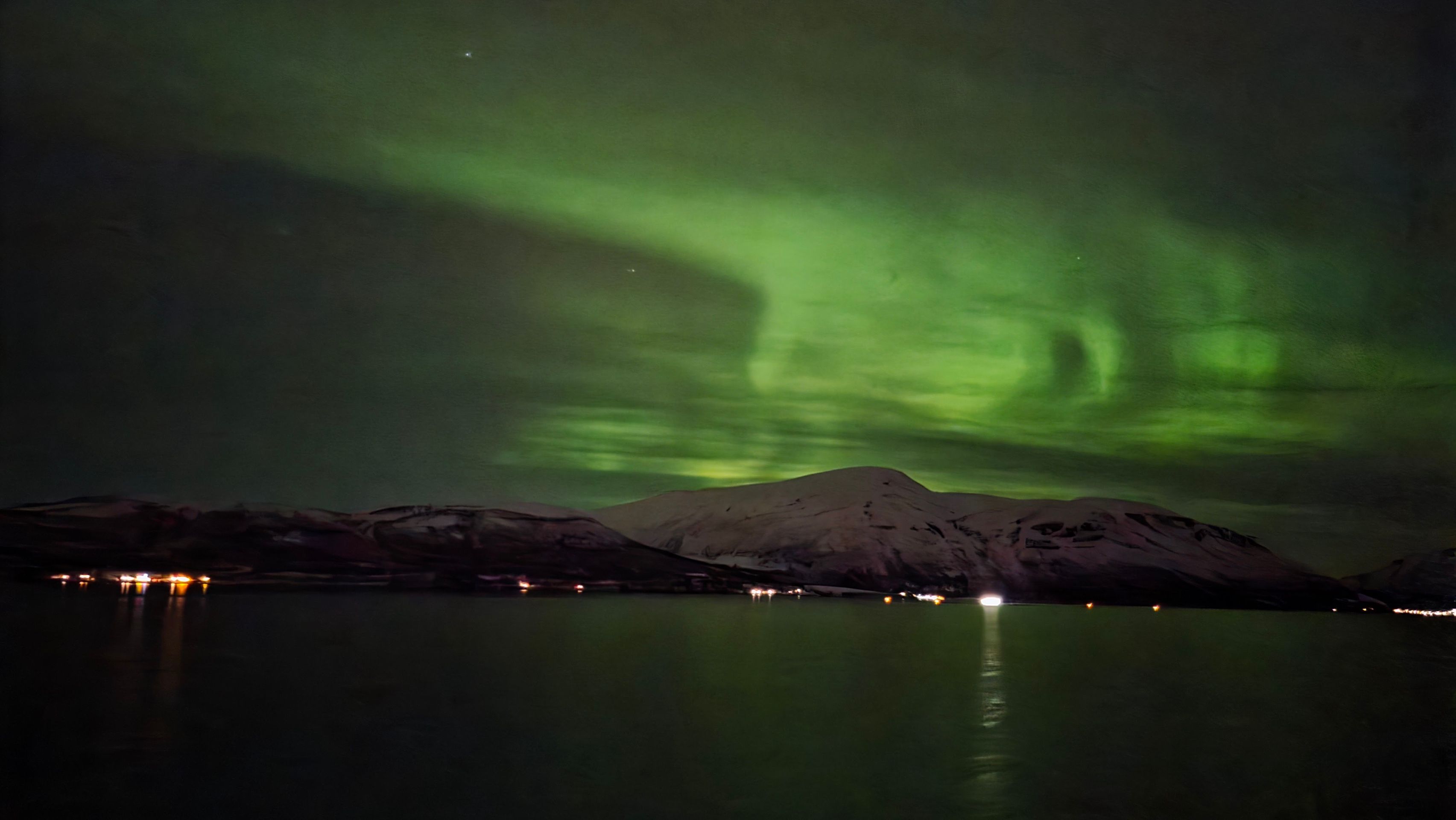
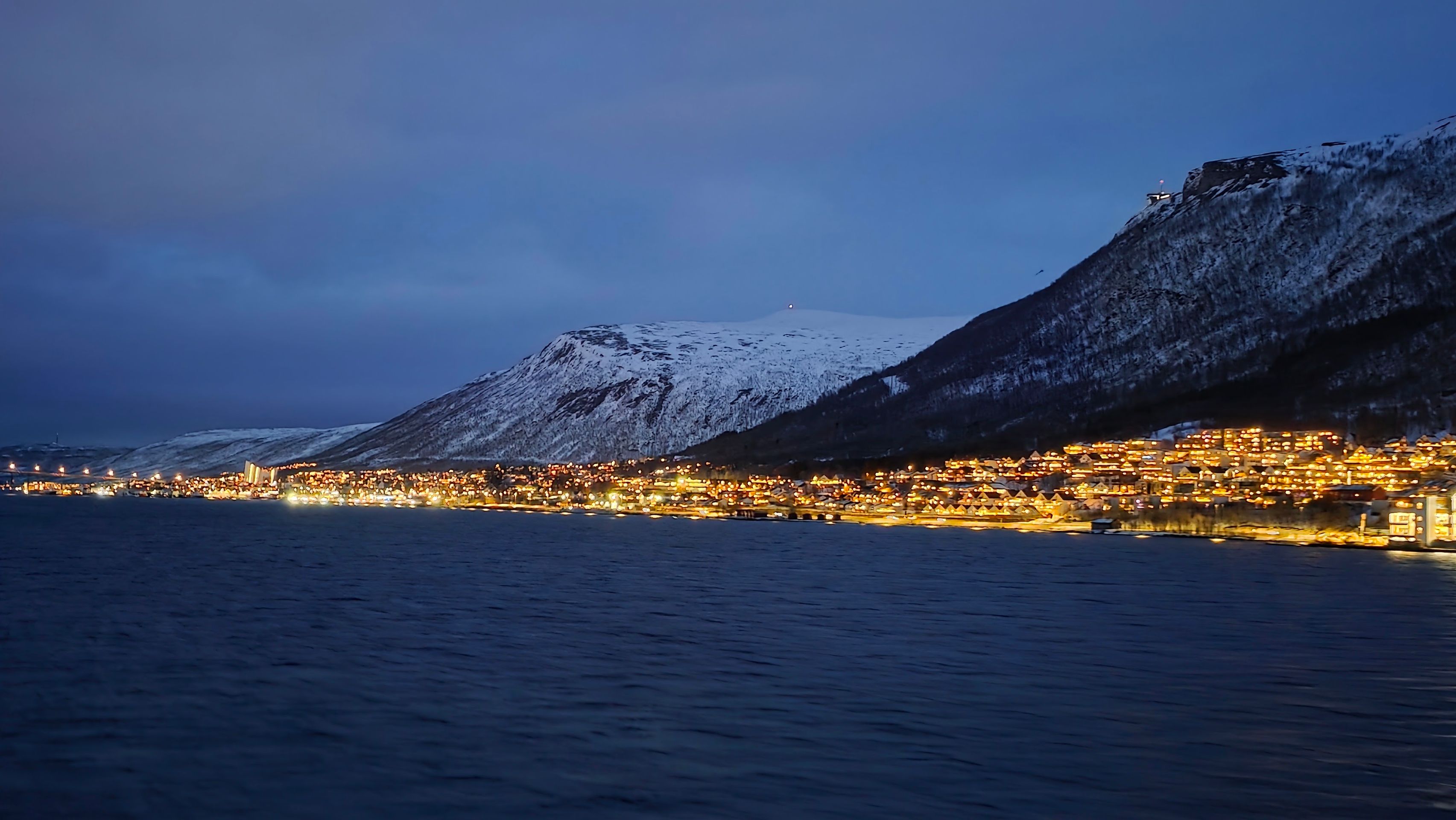
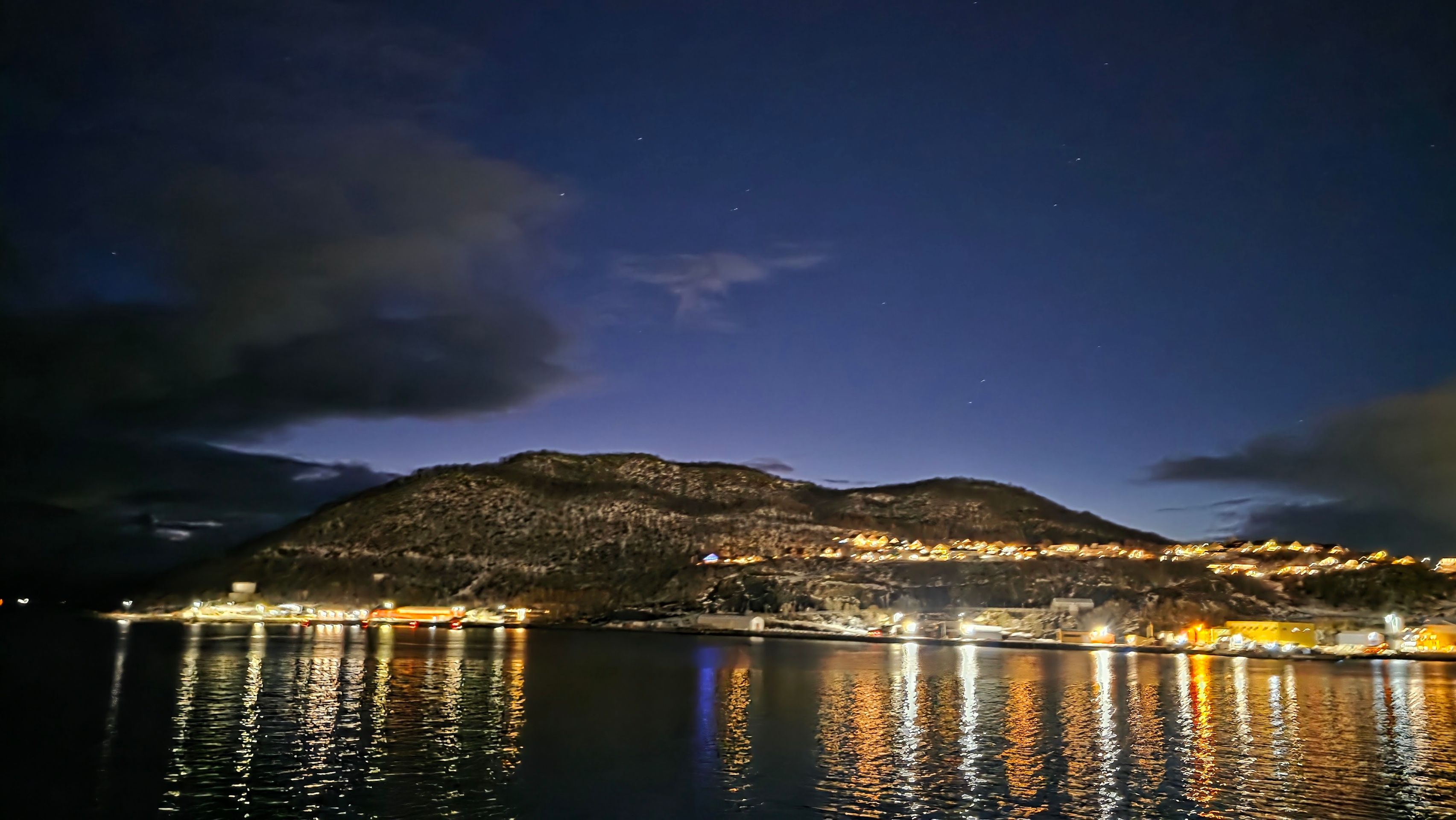
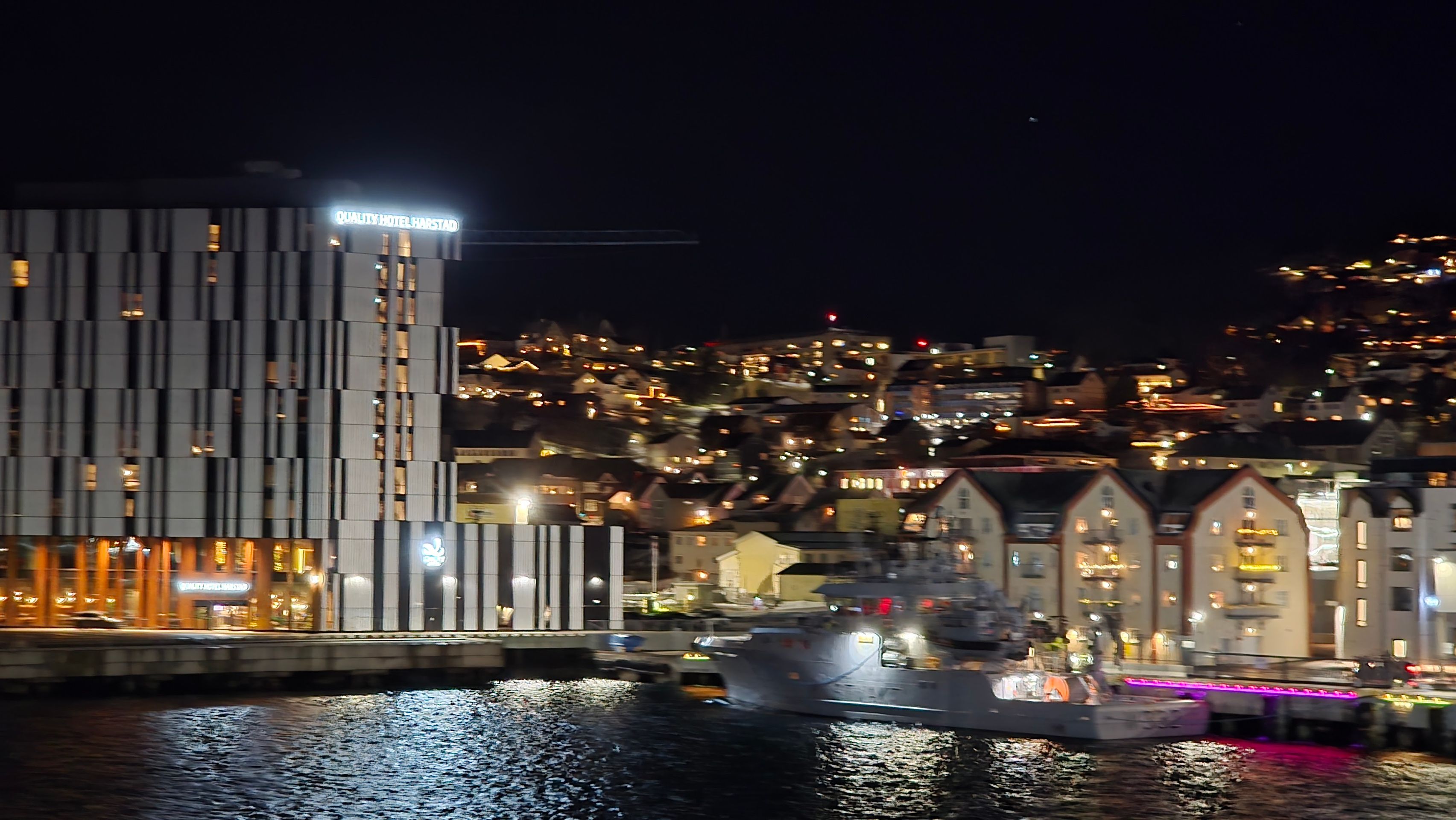
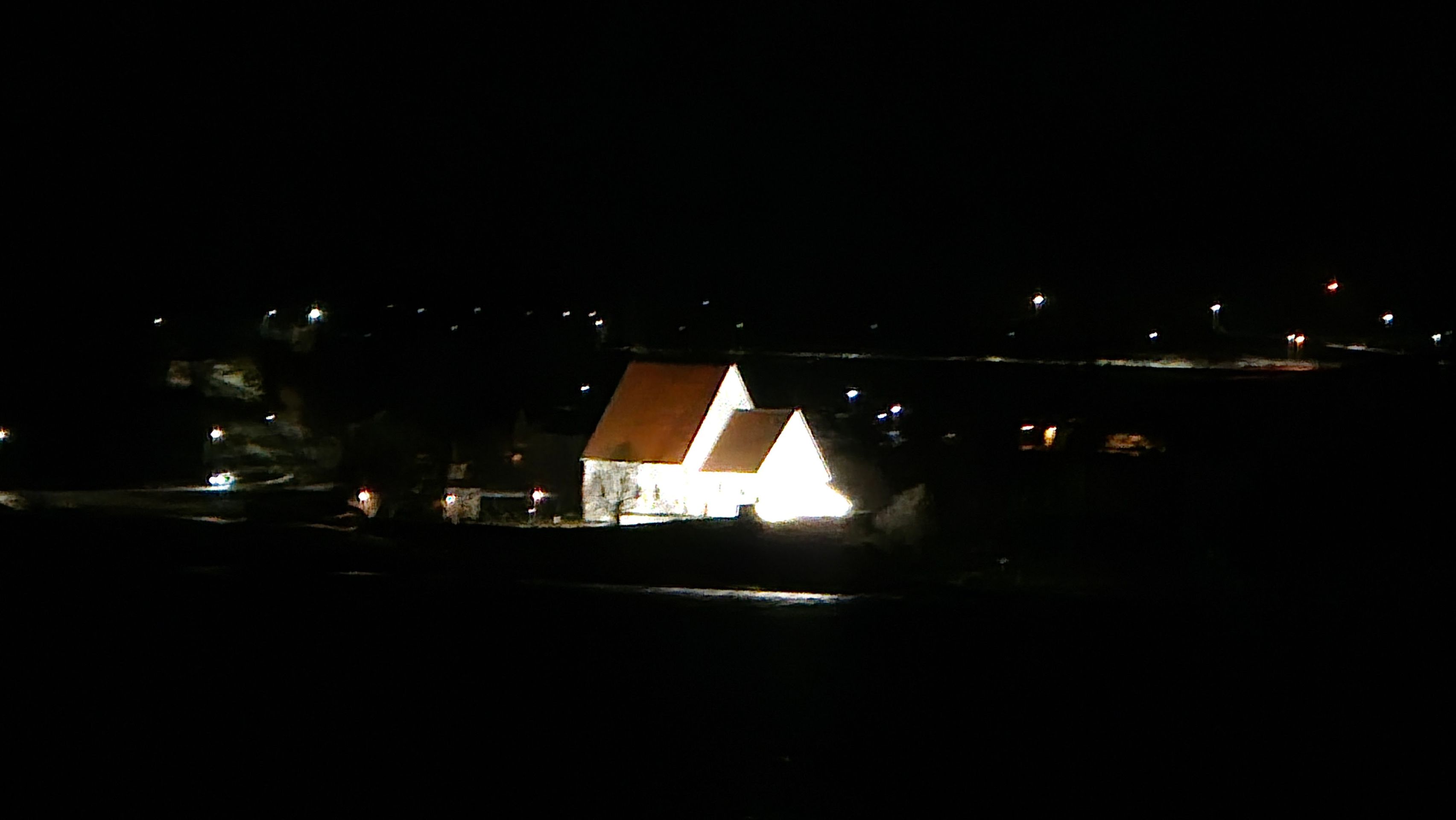
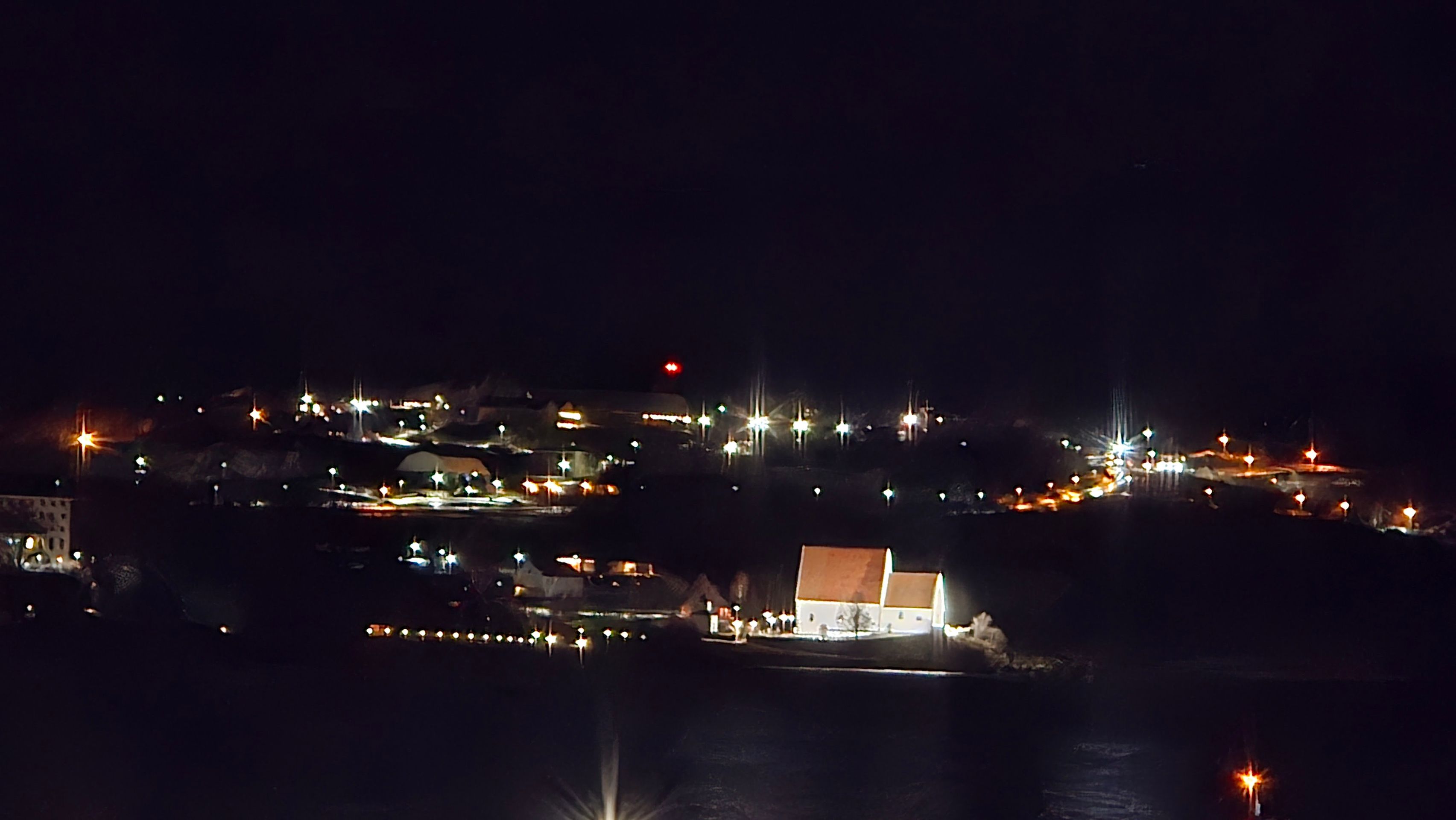
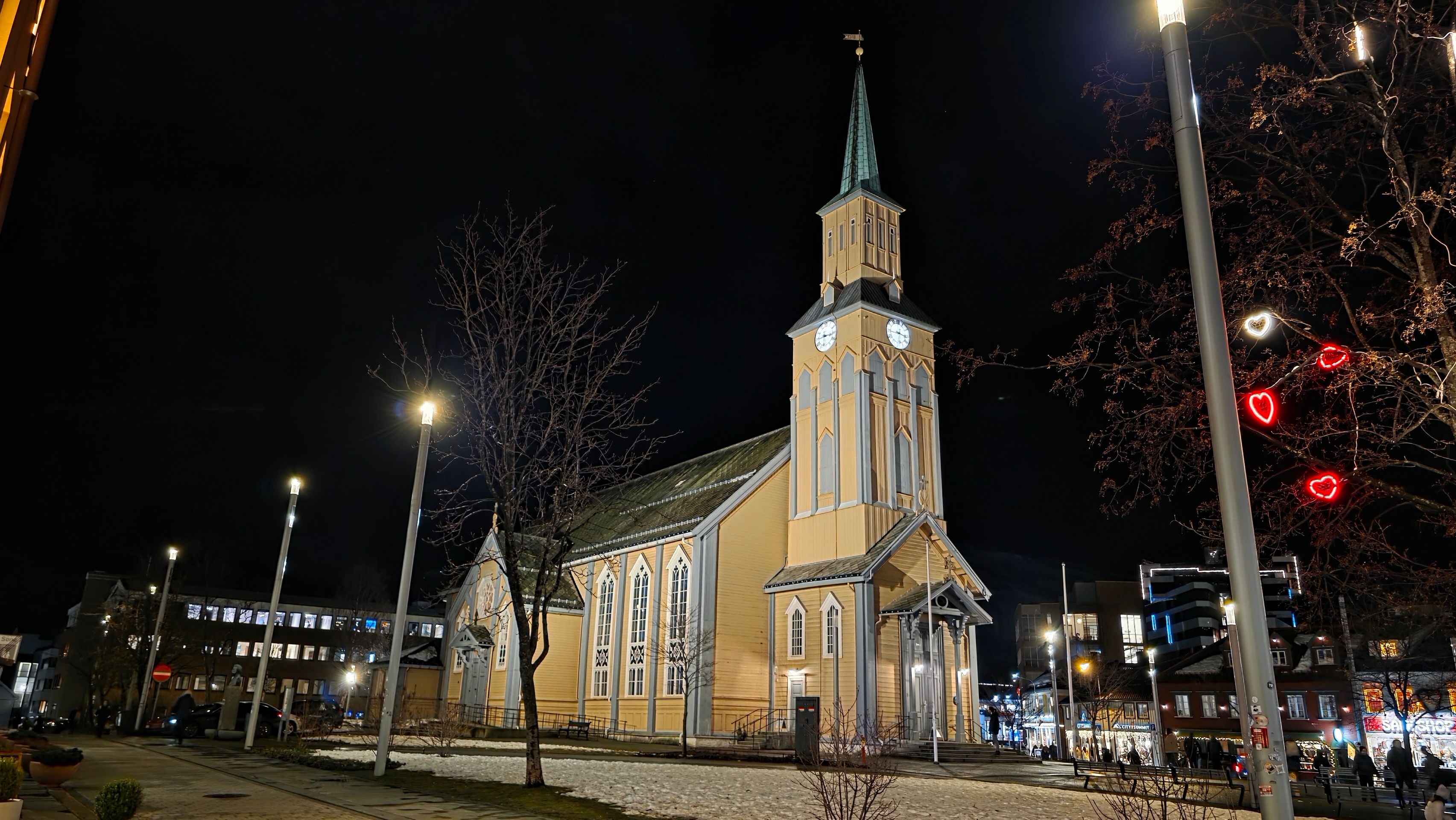
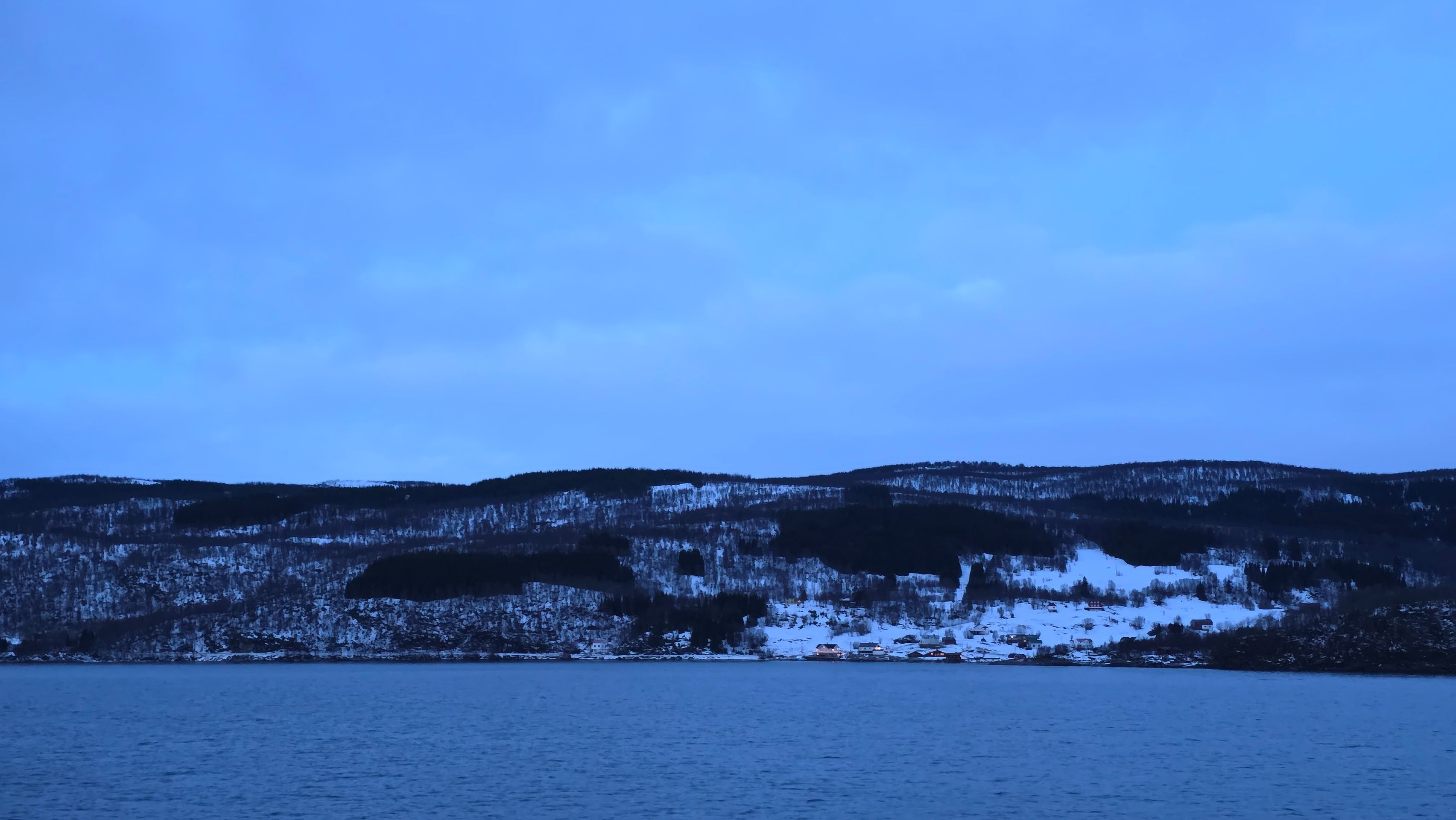
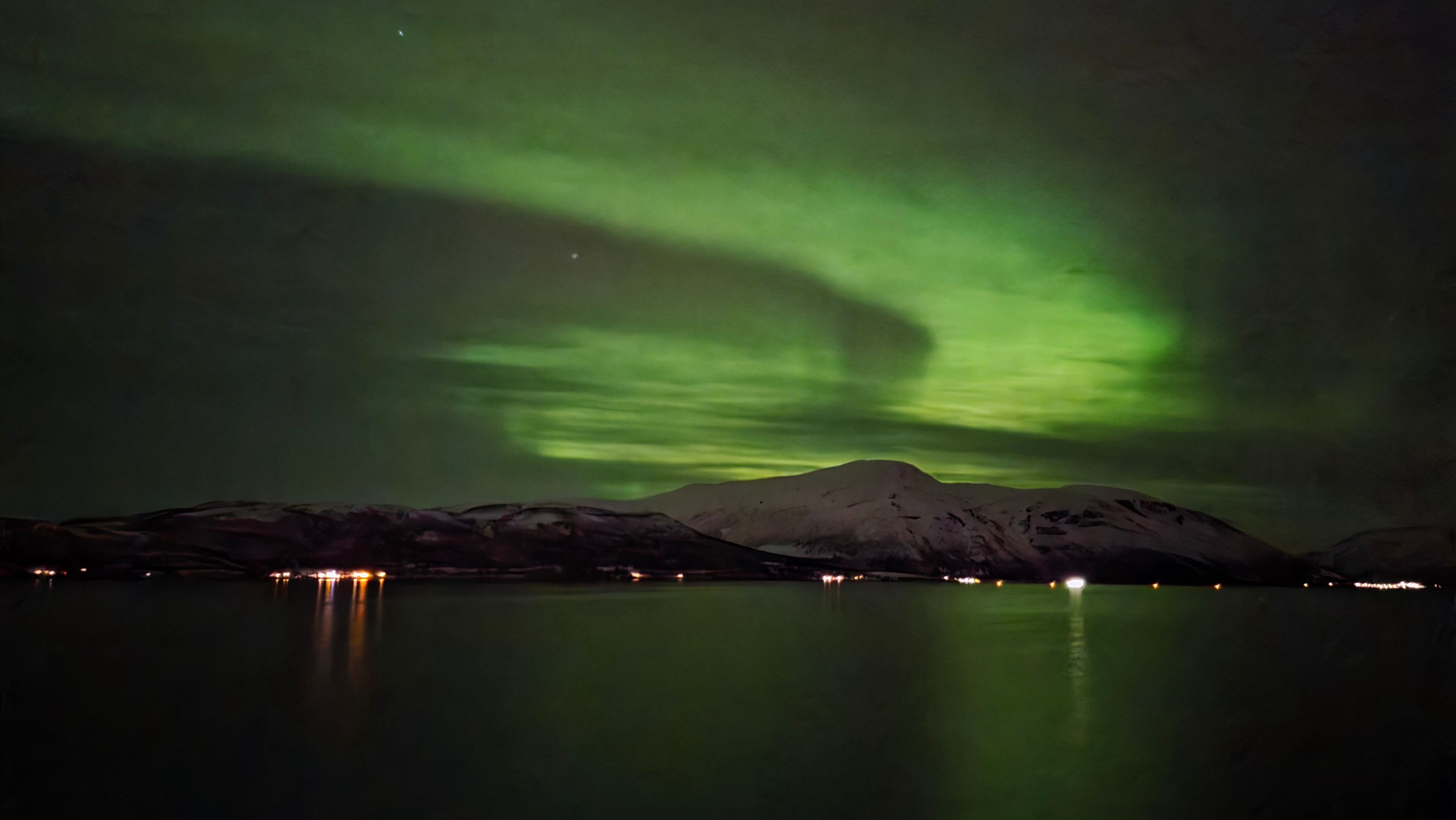
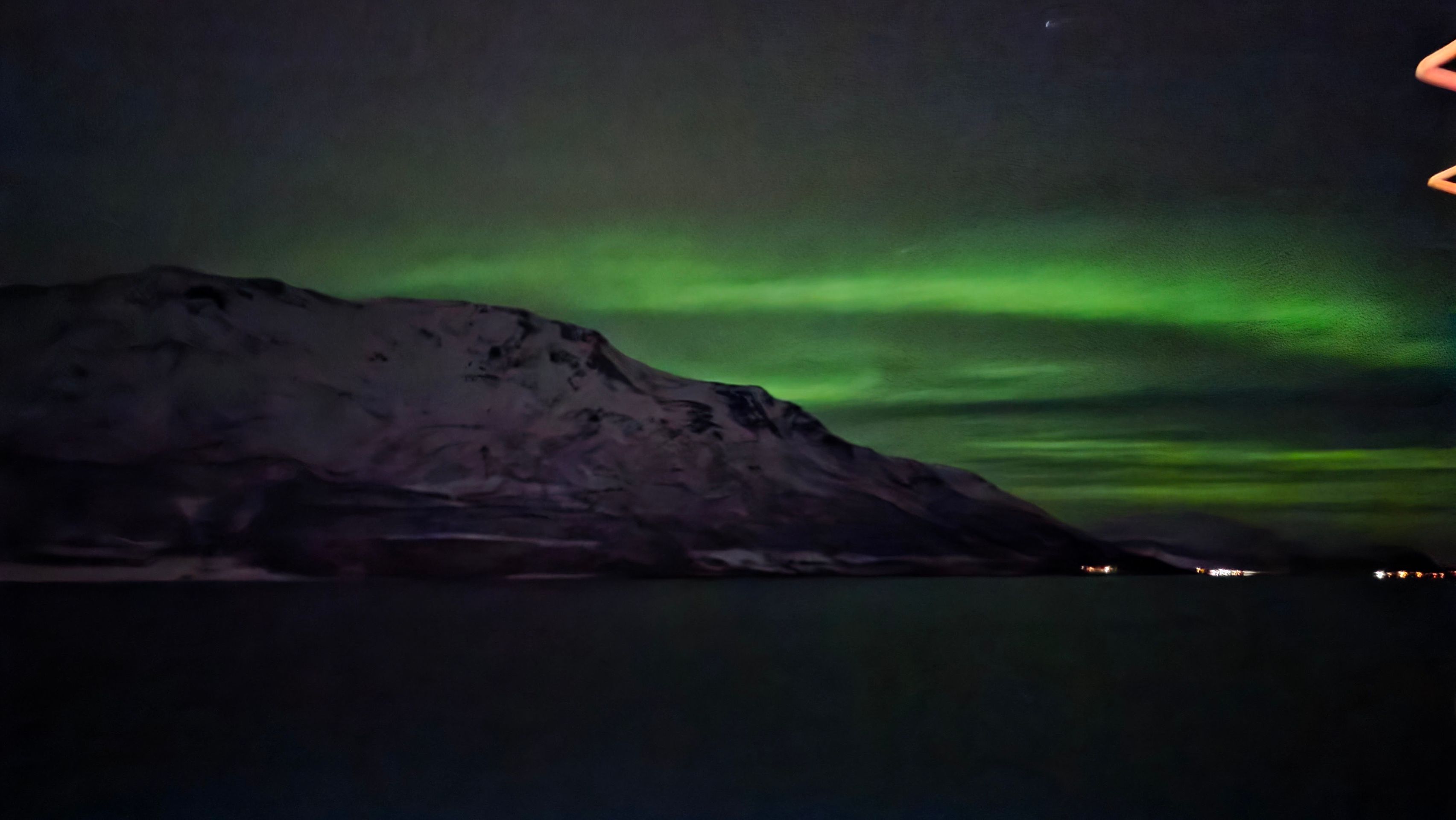
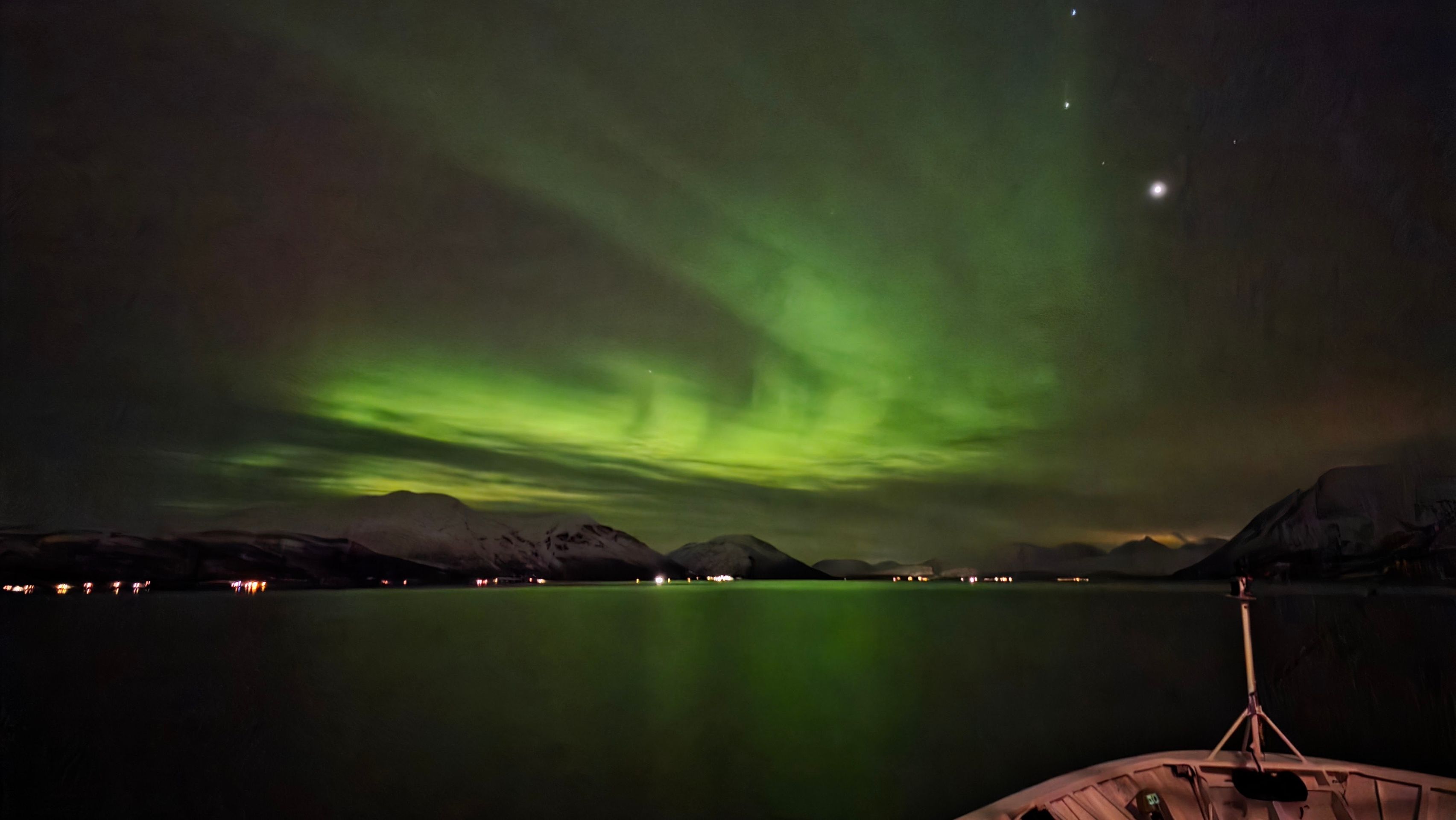
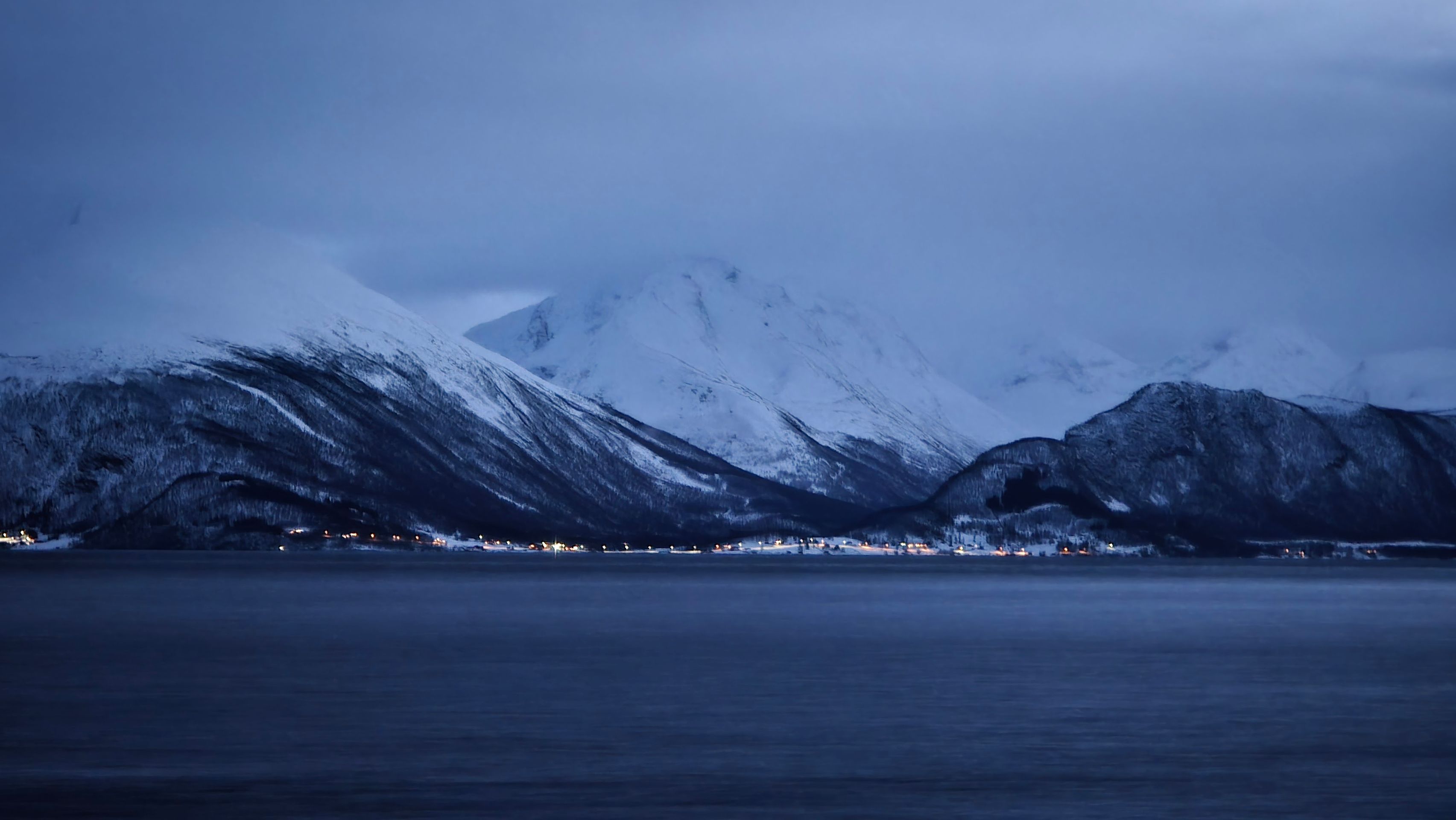
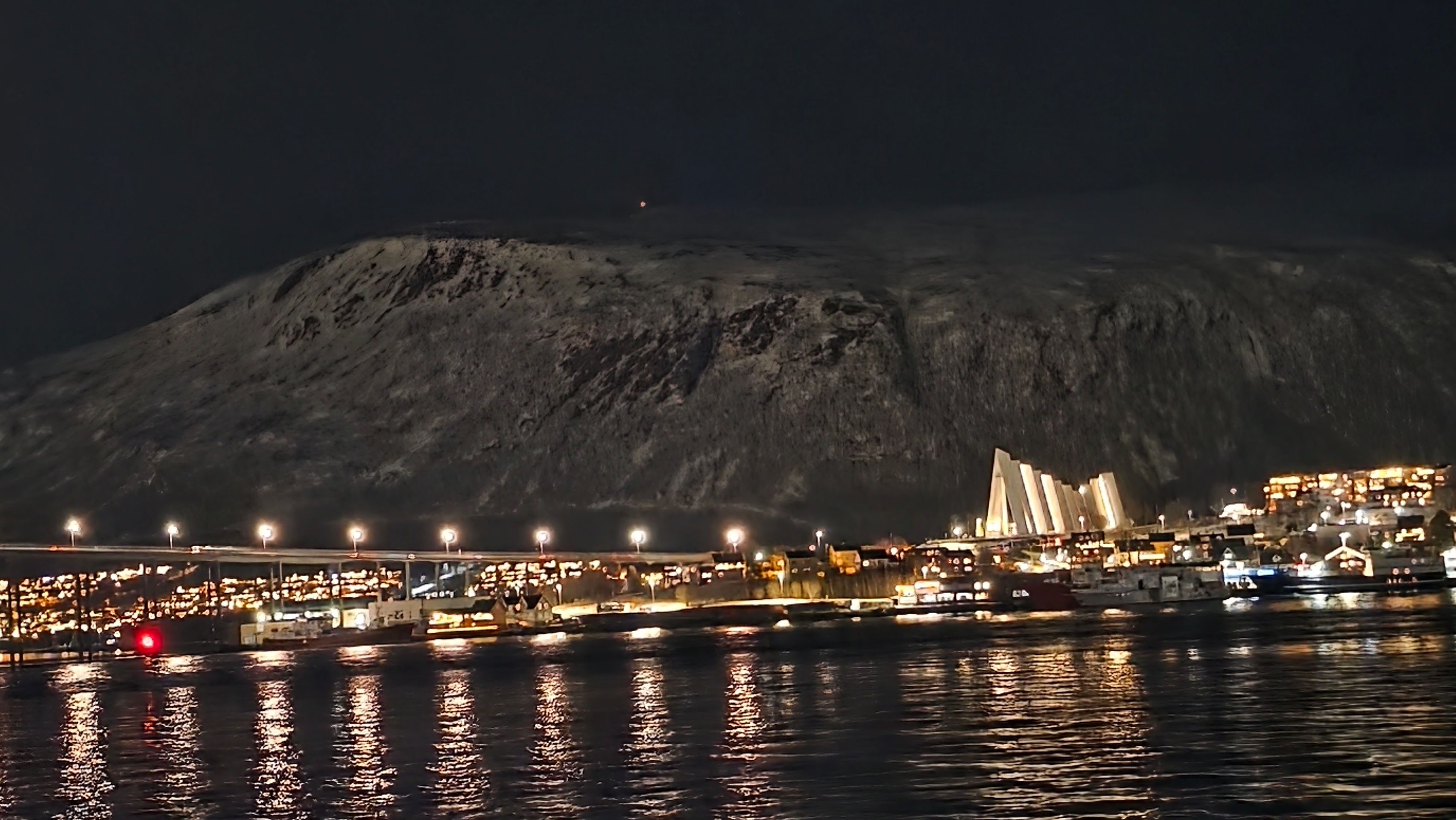
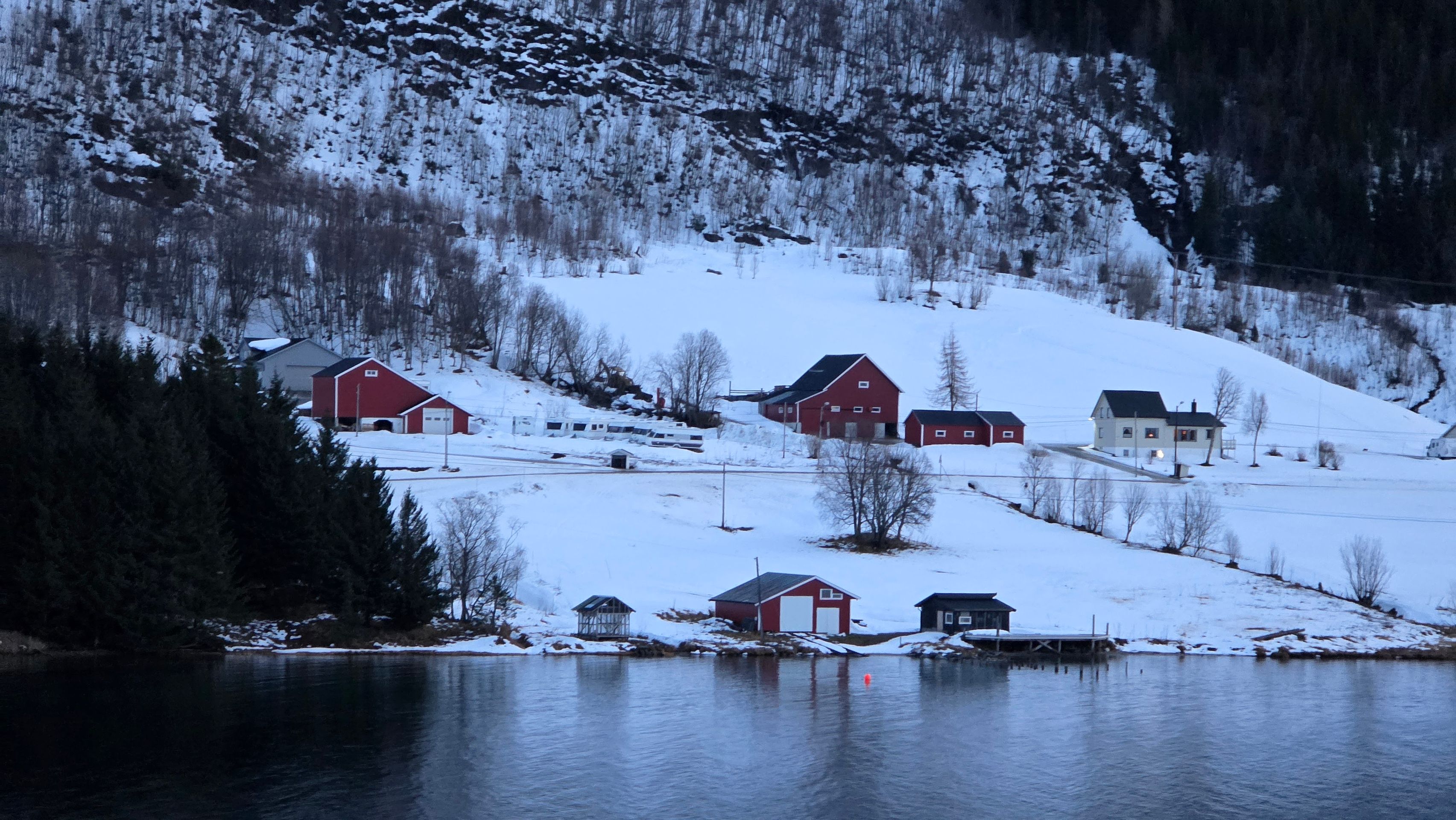
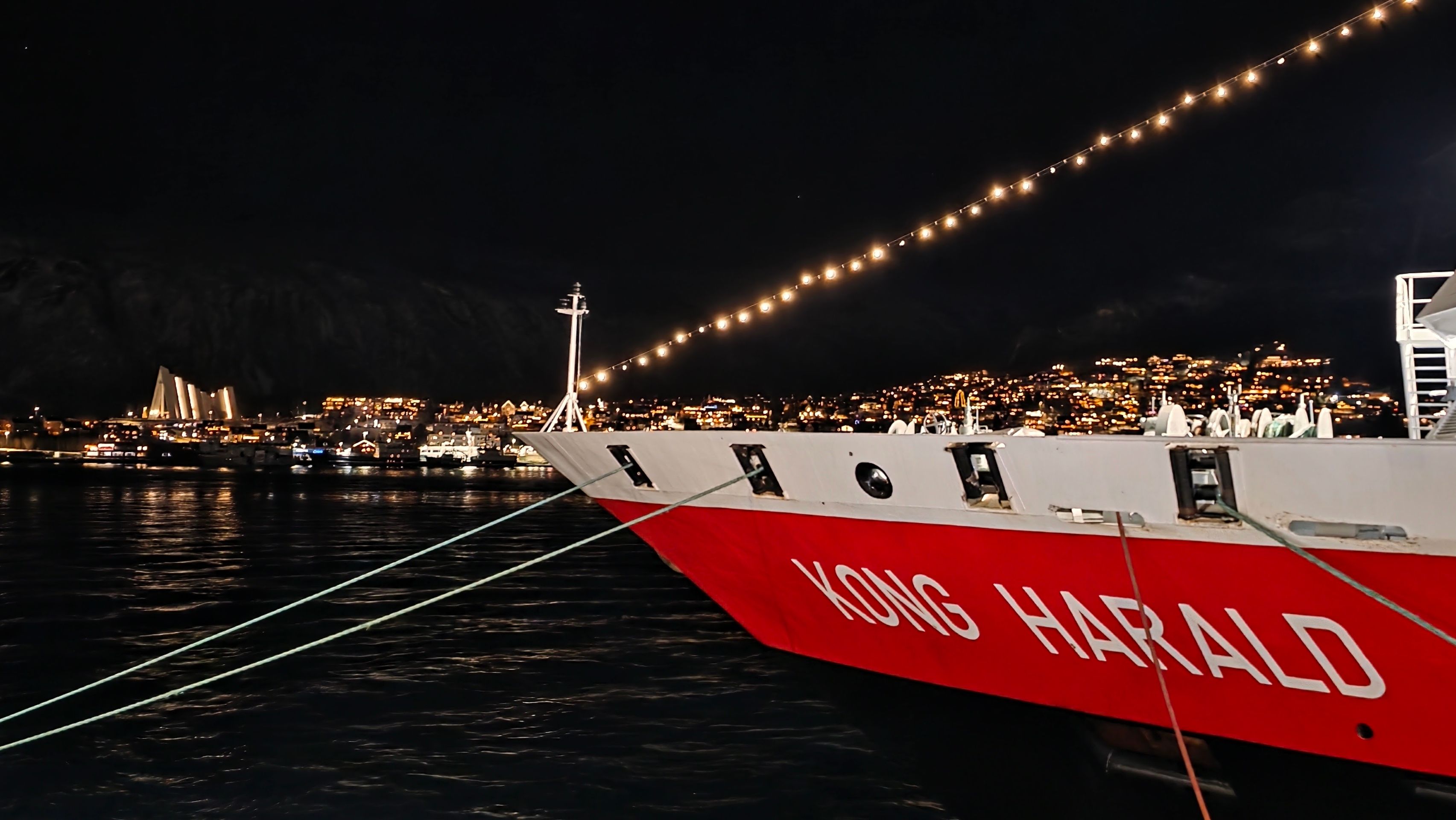
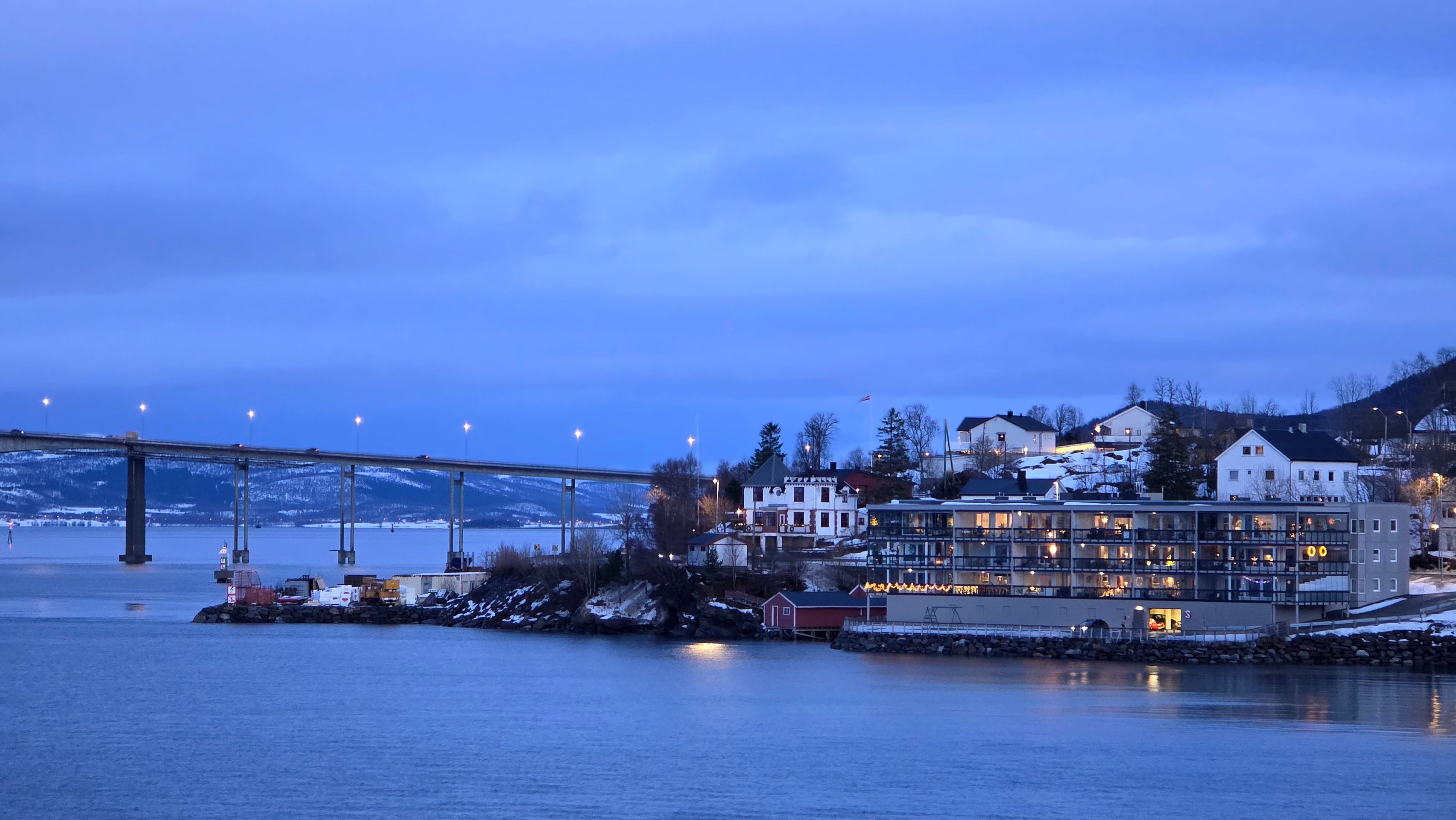
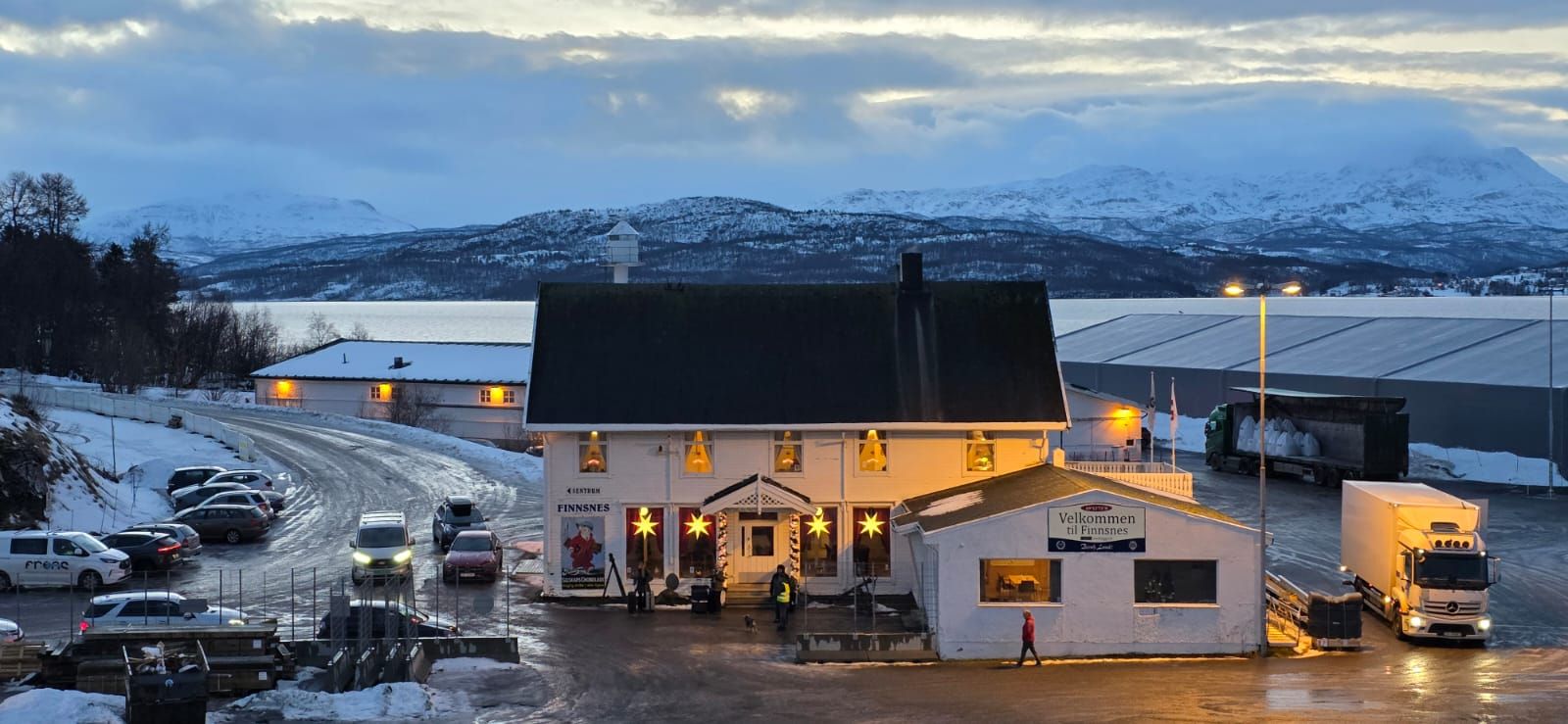
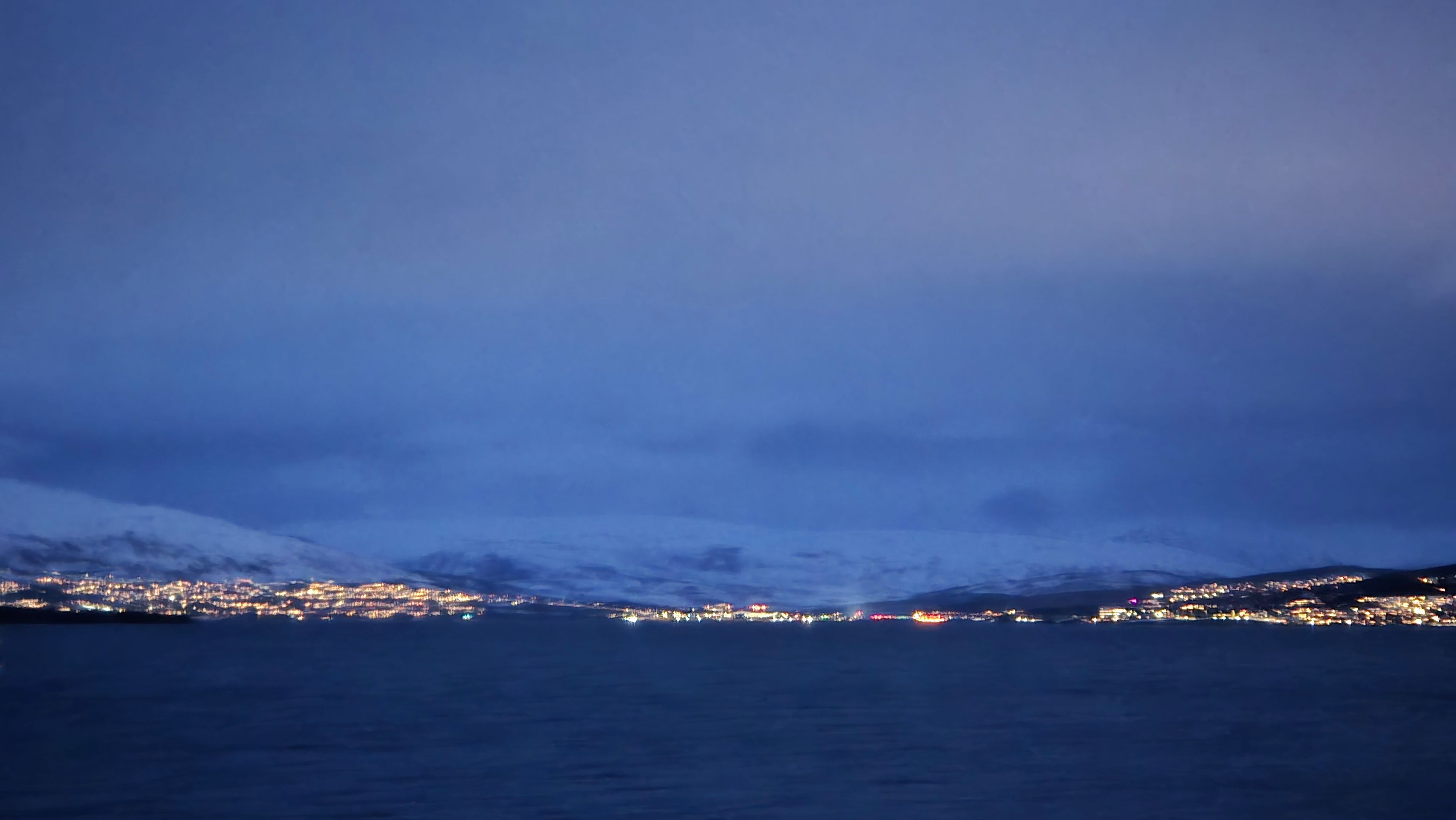
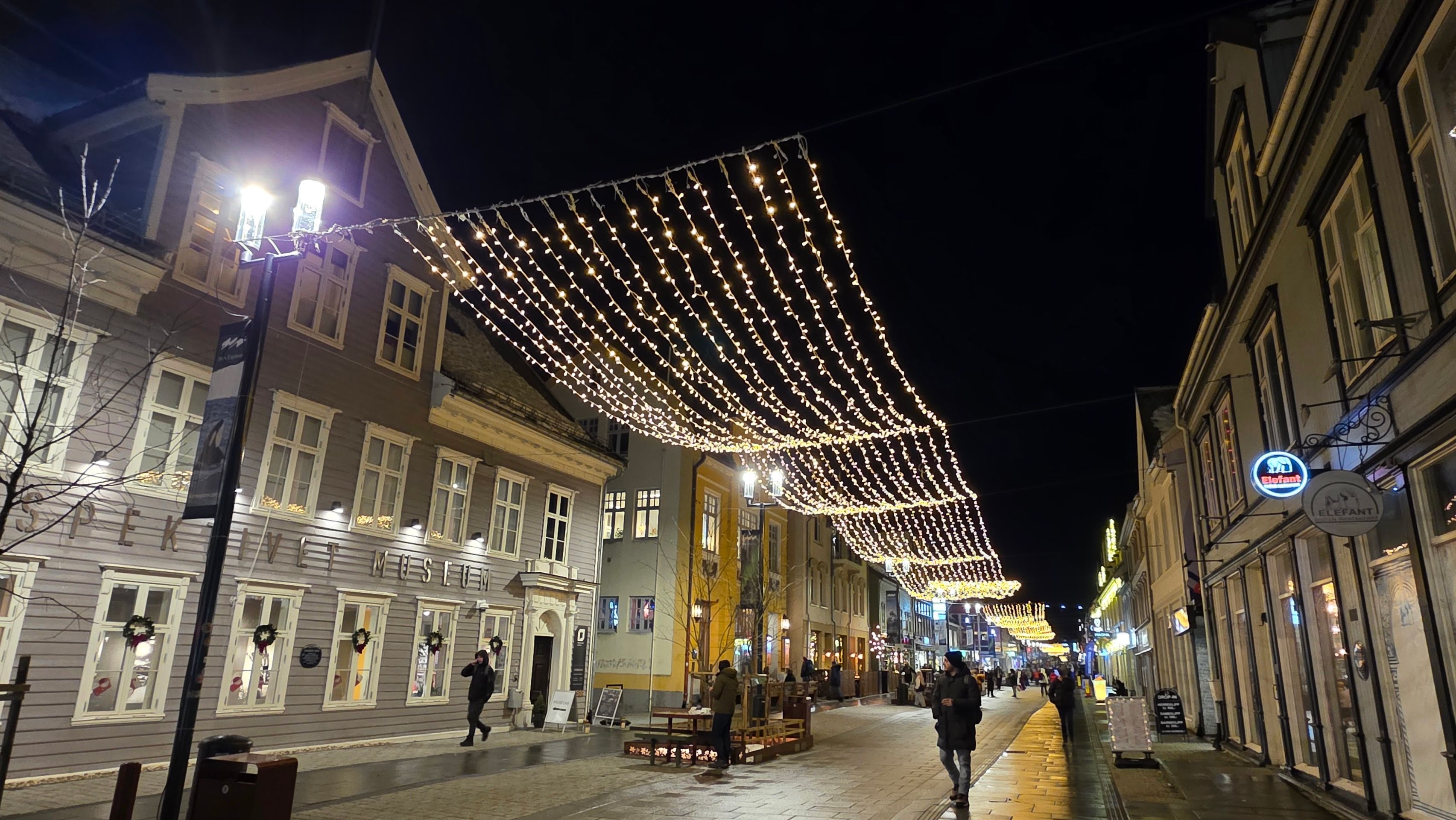
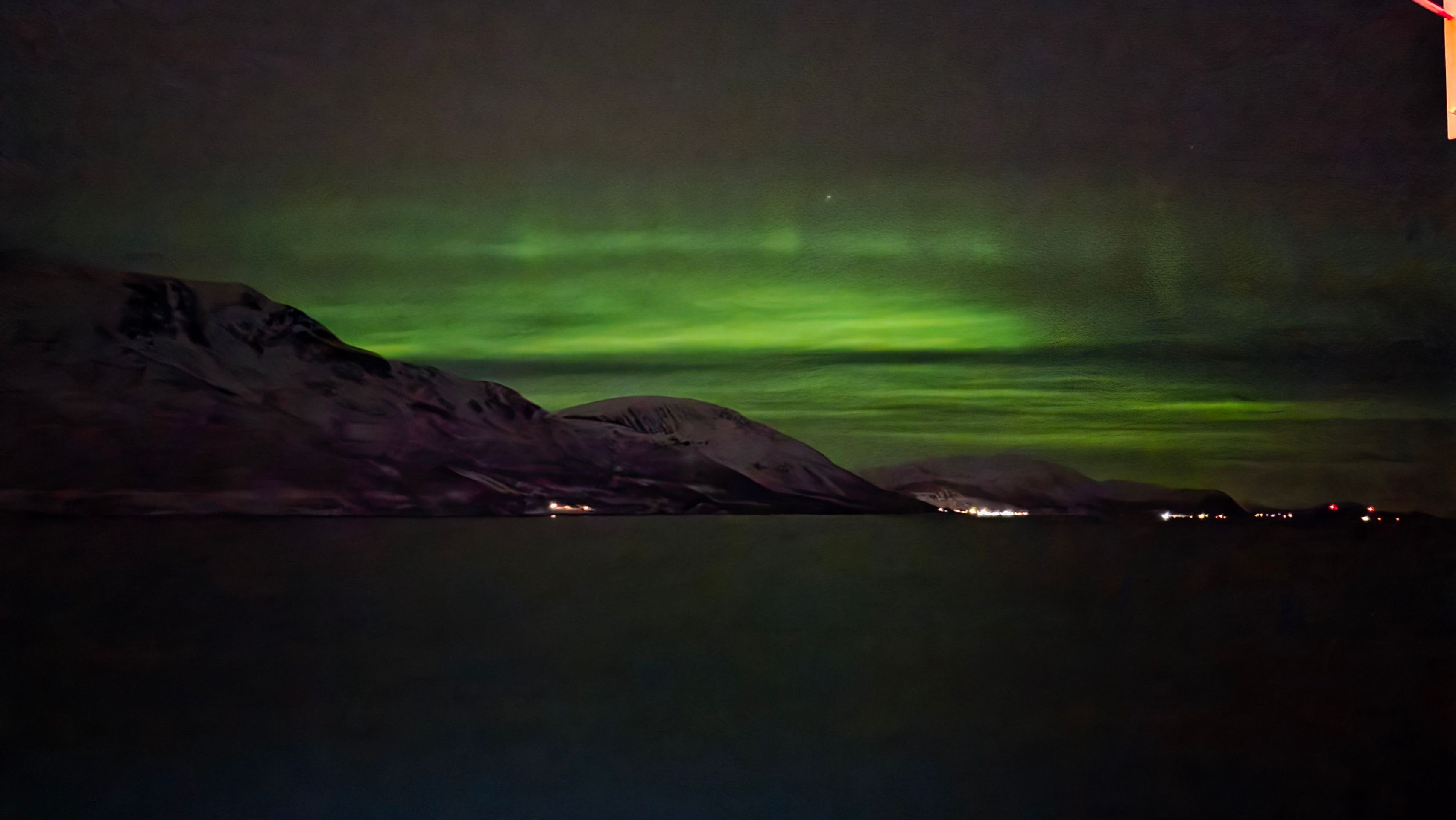
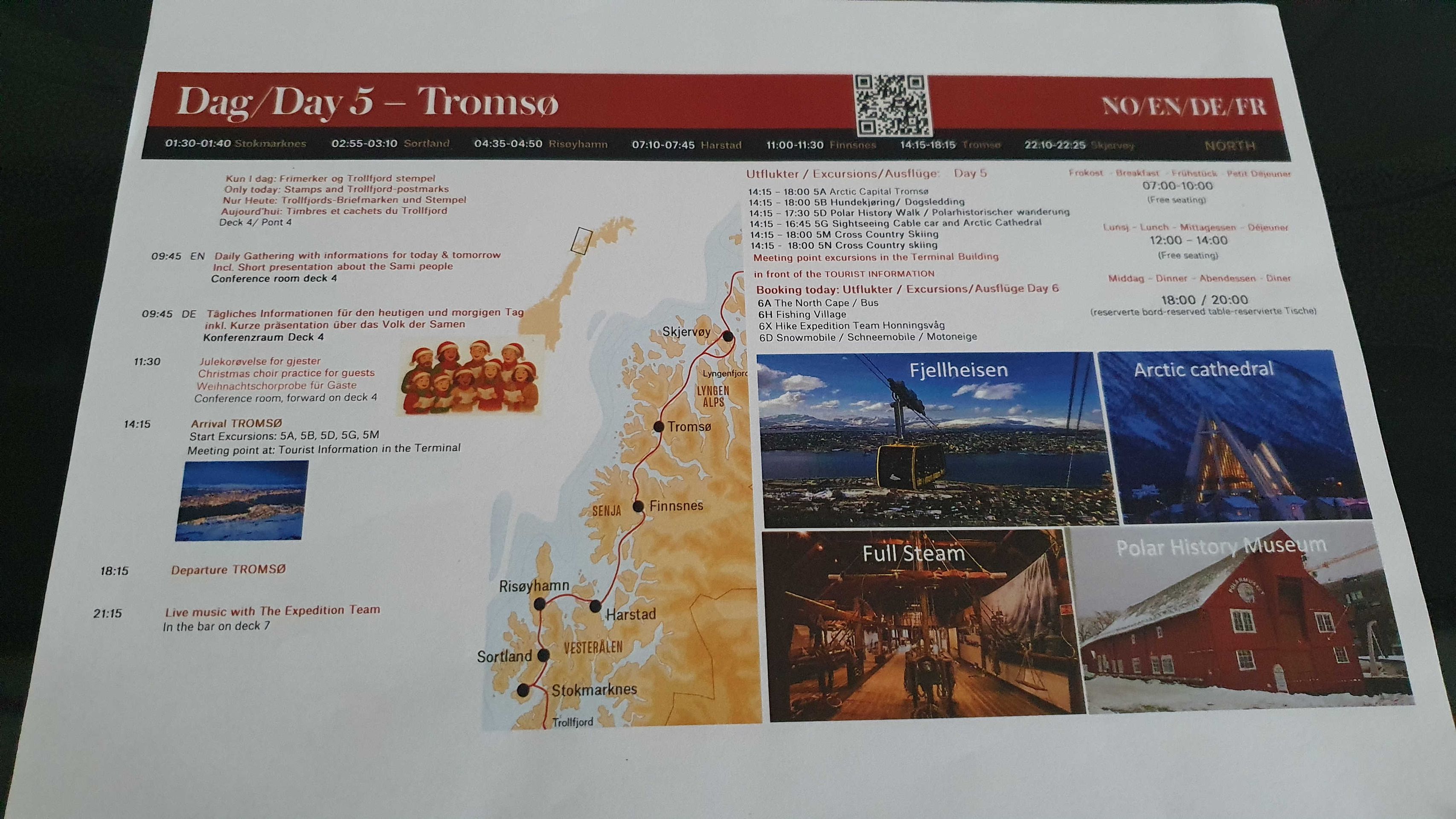
In the early morning, we arrive in Harstad, home to the northernmost medieval church, before continuing on to Finnsnes and Tromsø.
The Evangelical-Lutheran Church of Trondenes (Trondenes kirke) on the peninsula of Trondenes, about three kilometers north of Harstad, is the northernmost medieval stone church in the world. The exact construction period is unknown, but it was built between the 13th and 15th centuries, possibly in several phases.
The church layout is rectangular, consisting of a massive nave and a slightly narrower choir connected on the east side. The west gable of the church, which contains the main entrance, is 23 meters tall, making it the second-highest church gable in Norway after the gable of Nidaros Cathedral. The portal, windows, and corners of the building are adorned with soapstone.
The thick walls and narrow windows, reminiscent of loopholes, suggest that the church was built not only as a place of worship but also for defense, possibly against Karelian pirates who raided the northern Norwegian coast during the High and Late Middle Ages. In the medieval period, the church was surrounded by a stone wall, which was reportedly three to five meters high on the eastern seawall and reinforced by two towers.
The interior of the church has undergone various changes over time. Remnants of medieval chalk drawings and some fittings were discovered during restoration work in the 1950s. The Romanesque baptismal font likely originates from an older church. Another relic from the pre-Reformation era is the holy water basin at the church entrance, which is one of the last preserved in Norway.
The most significant cultural treasure of the church is the three late medieval altarpieces that come from a Lübeck workshop, likely that of the late Gothic sculptor Bernt Nocke, who was one of the largest art exporters in Northern Europe at his time. The Hanseatic city of Lübeck was responsible for the oversight of the Hanse settlement on the German Bridge in Bergen and controlled trade with Norway at that time. Stockfish and clipfish produced in Northern Norway were imported from Bergen and marketed across Europe as Lenten food.
During a renovation in 1792, a new organ and a choir screen with a Rococo altar were installed. An hourglass at the pulpit limited the speaking time of the pastors.