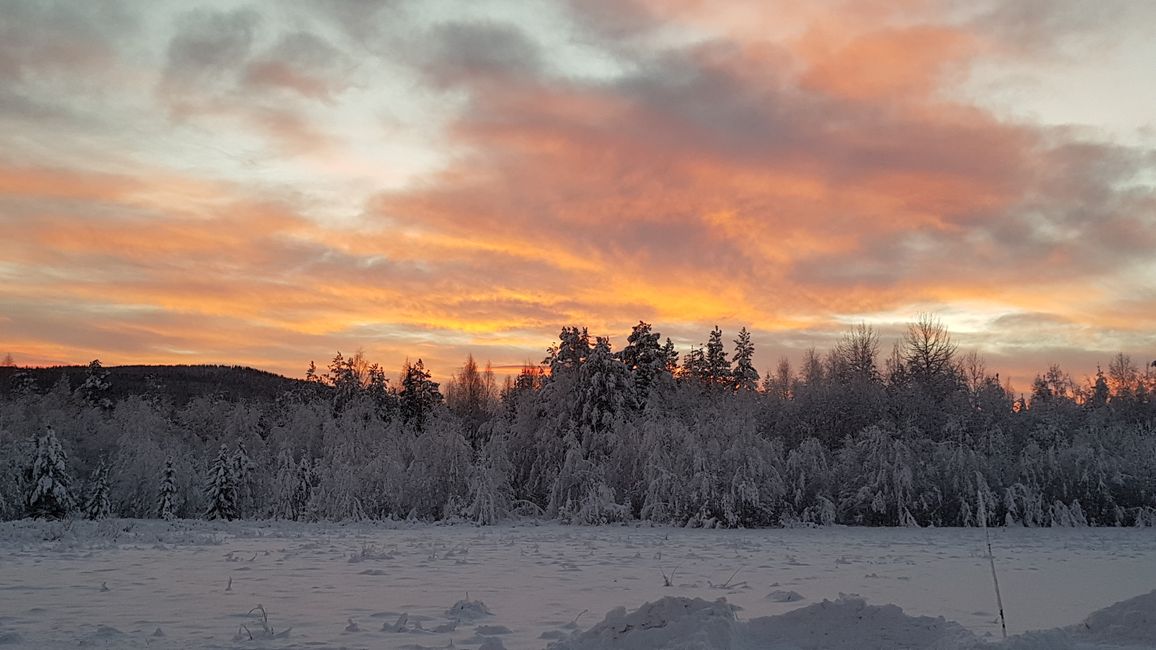

December 14-29, 2025 December 17
This morning we arrive in Trondheim. In the Trondheimfjord, we meet our sister ship Nordkapp. We will visit the old town, the Nidaros Cathedral, and the Christmas market. The old...
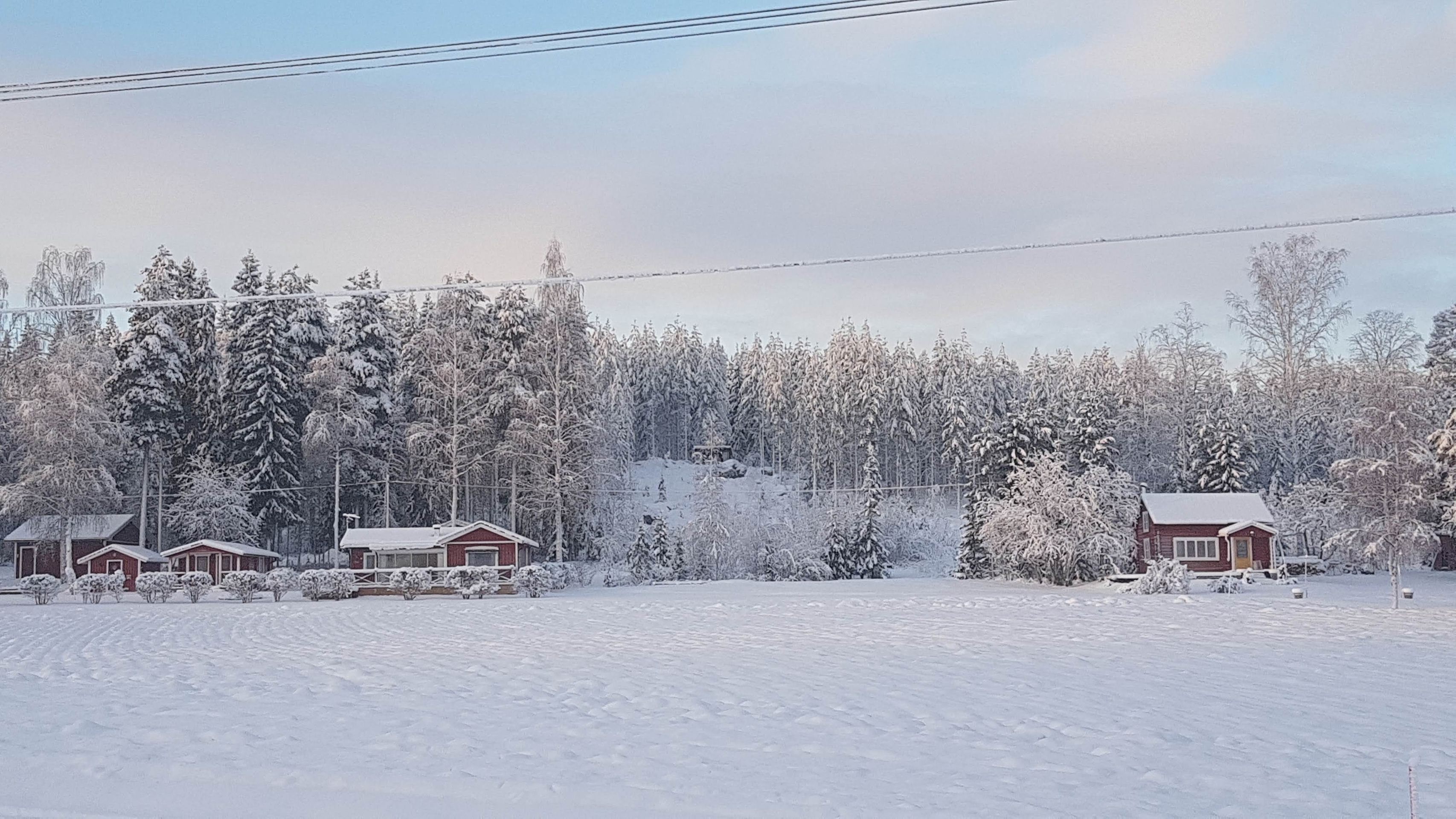

Published: 12.02.2026
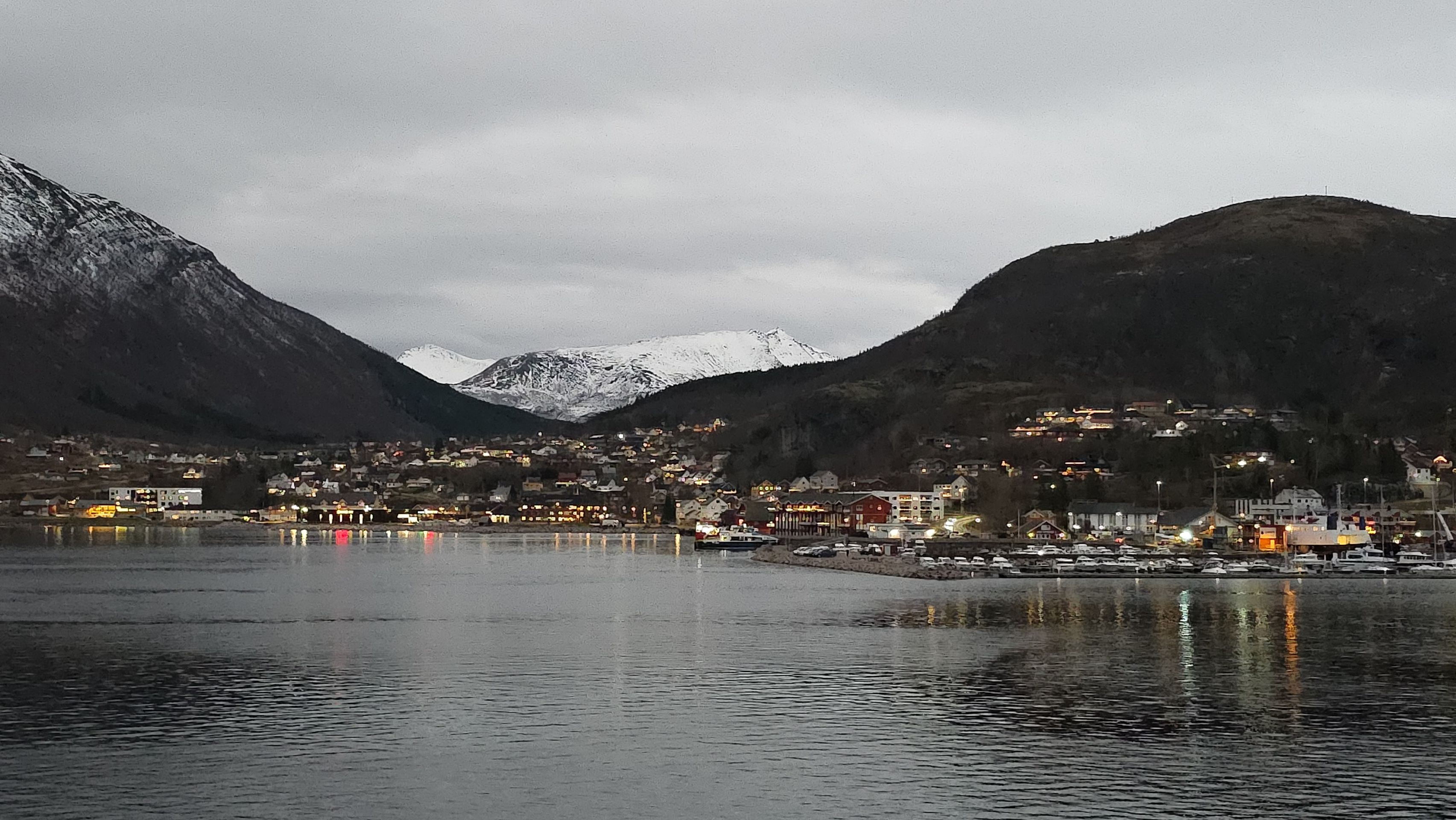
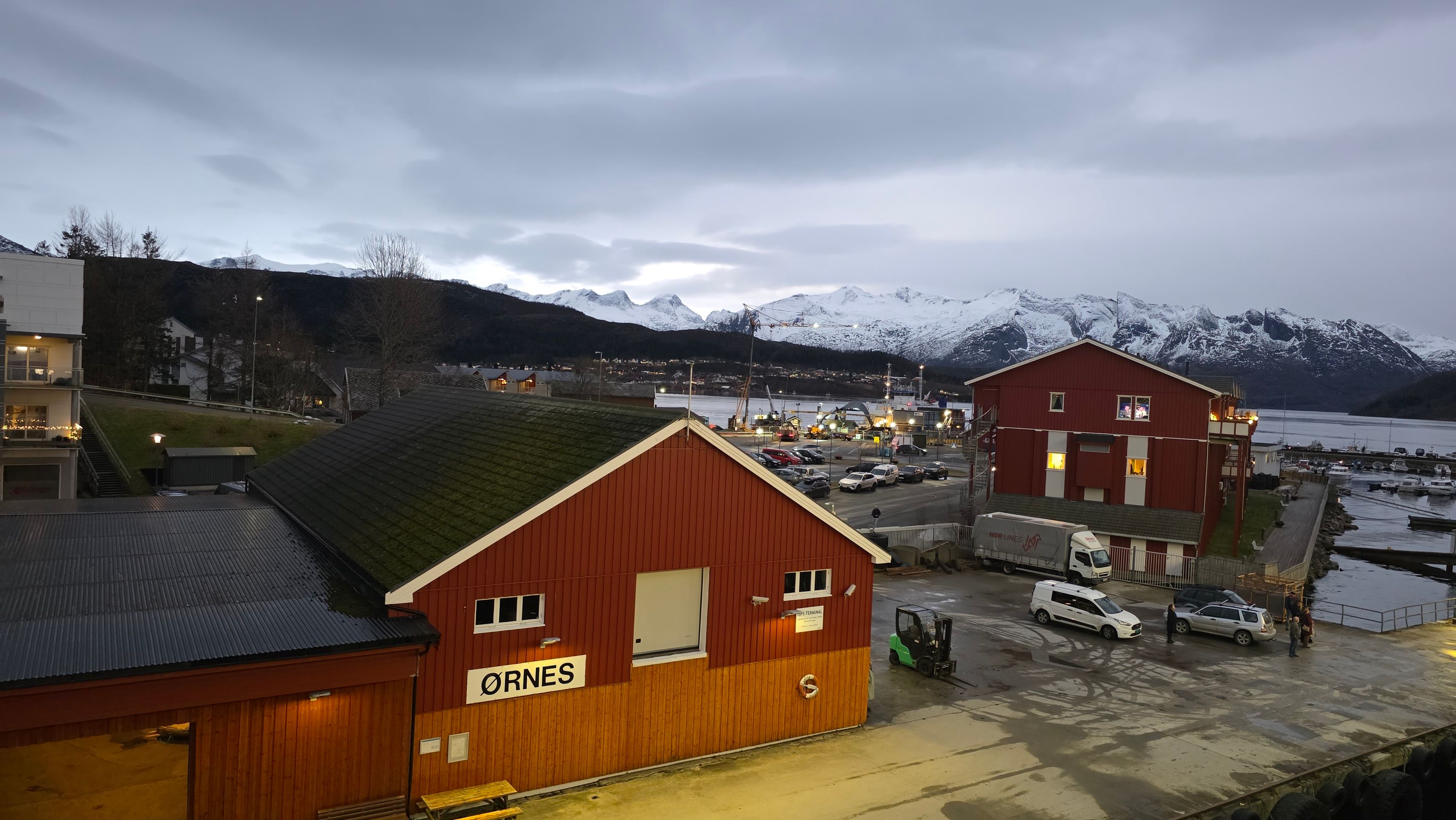
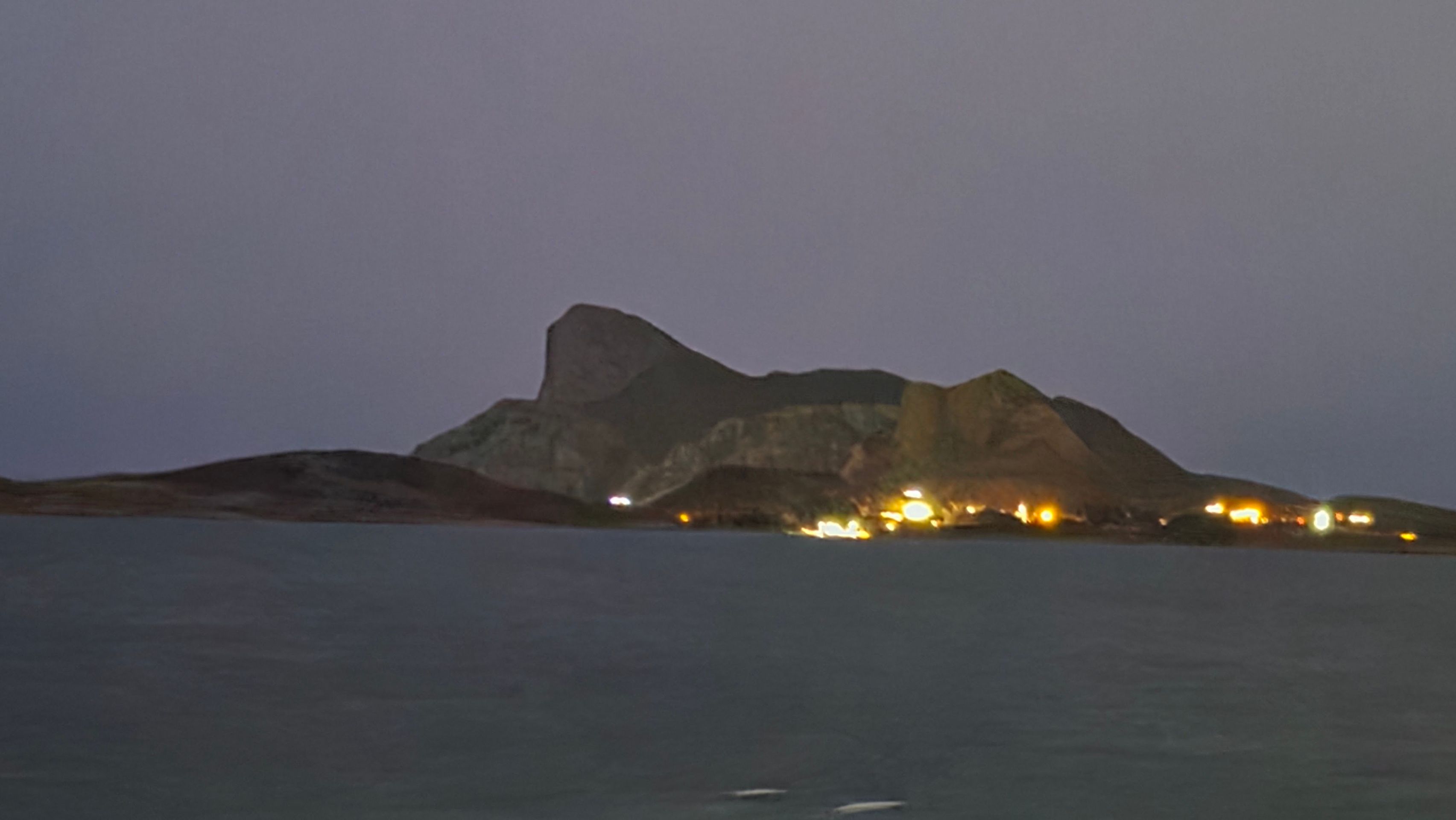
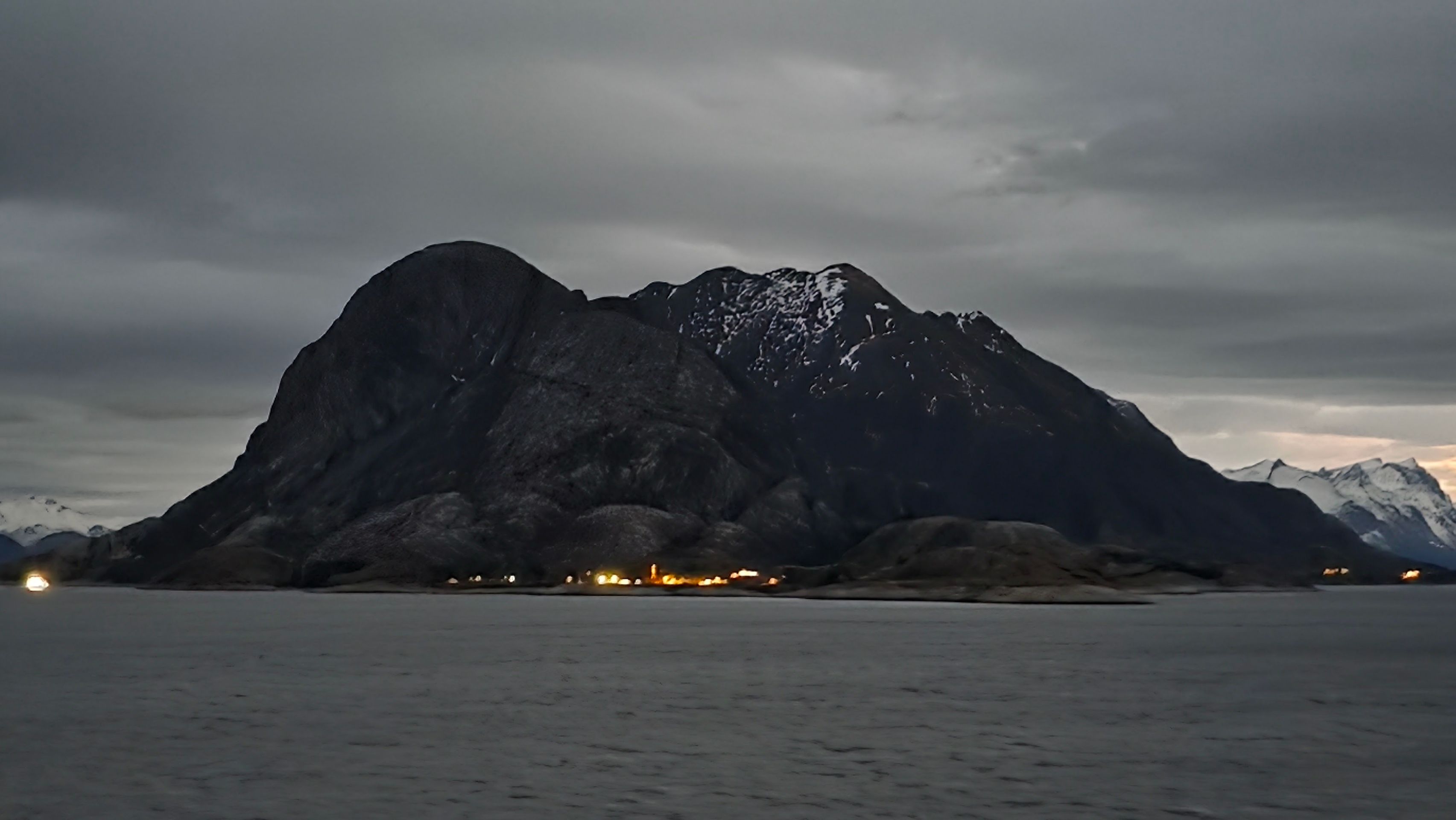
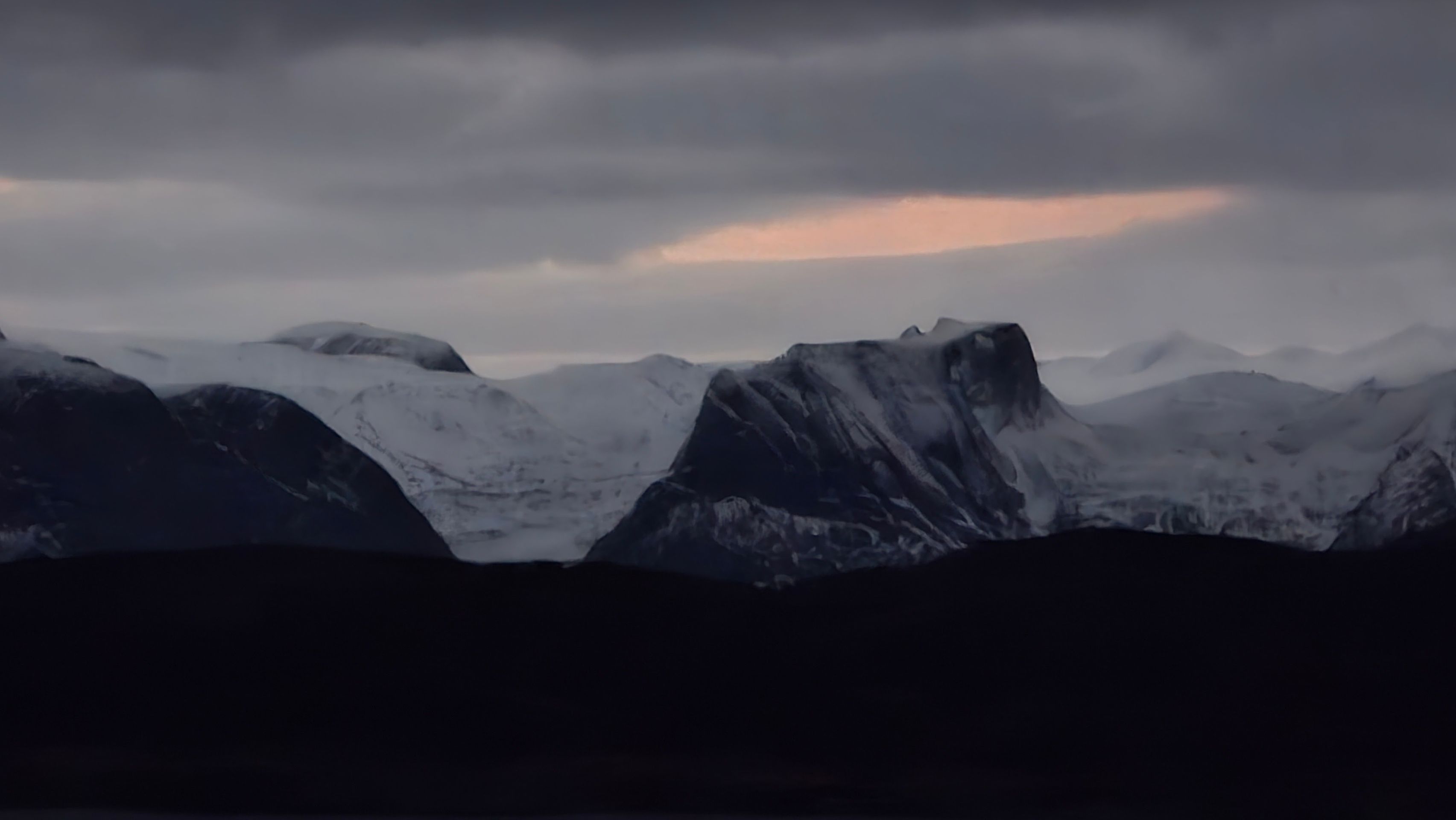
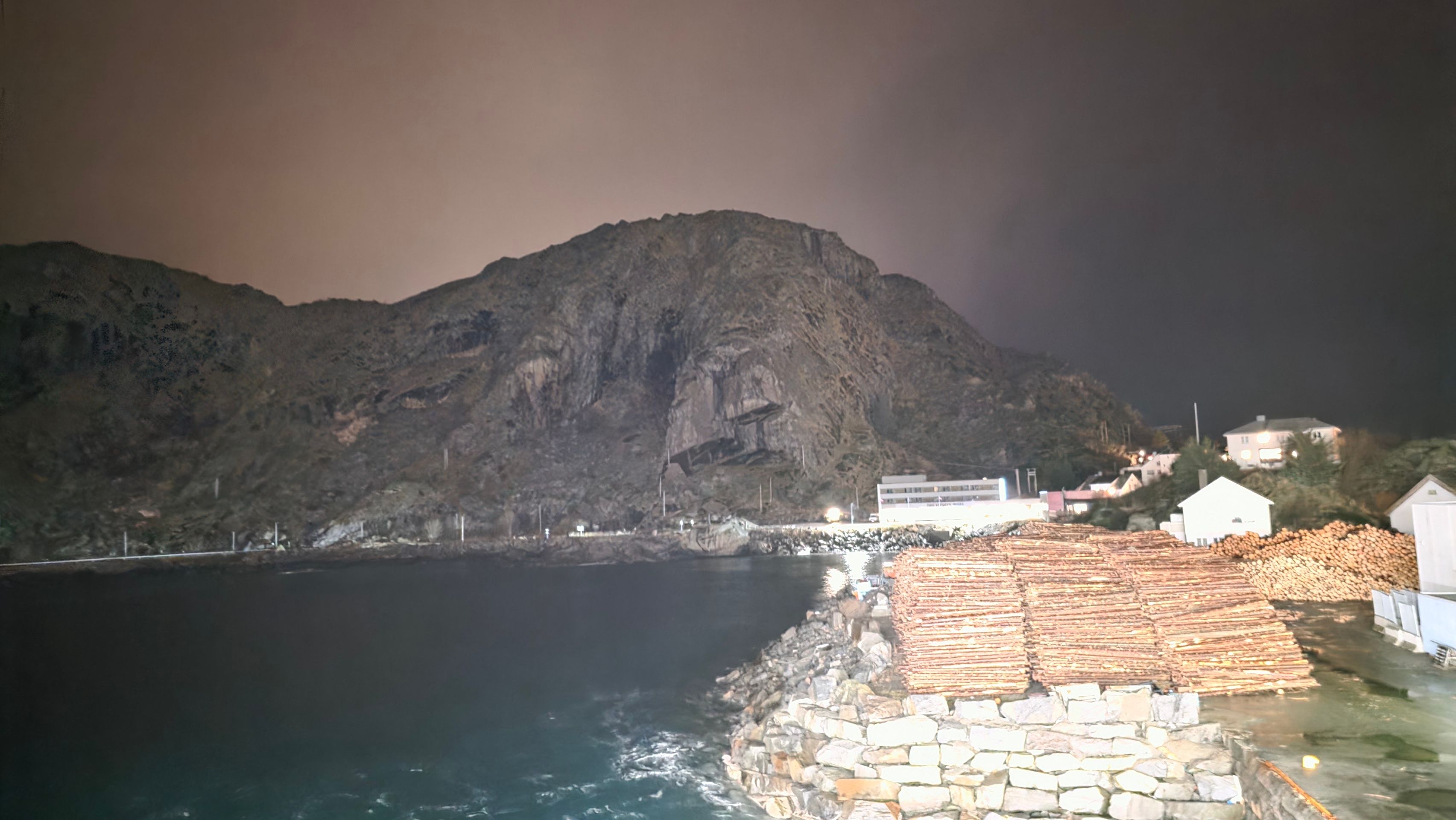
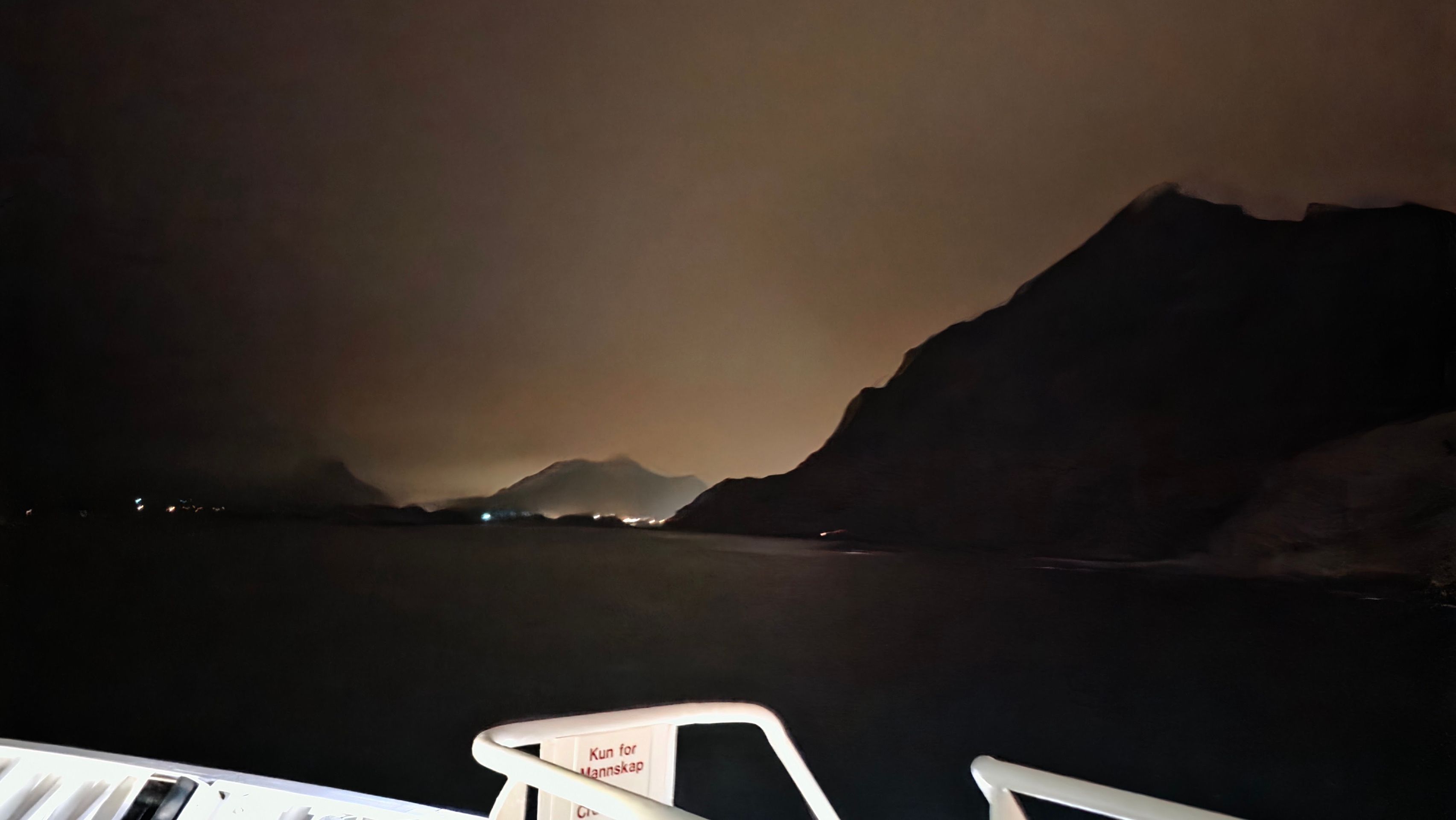
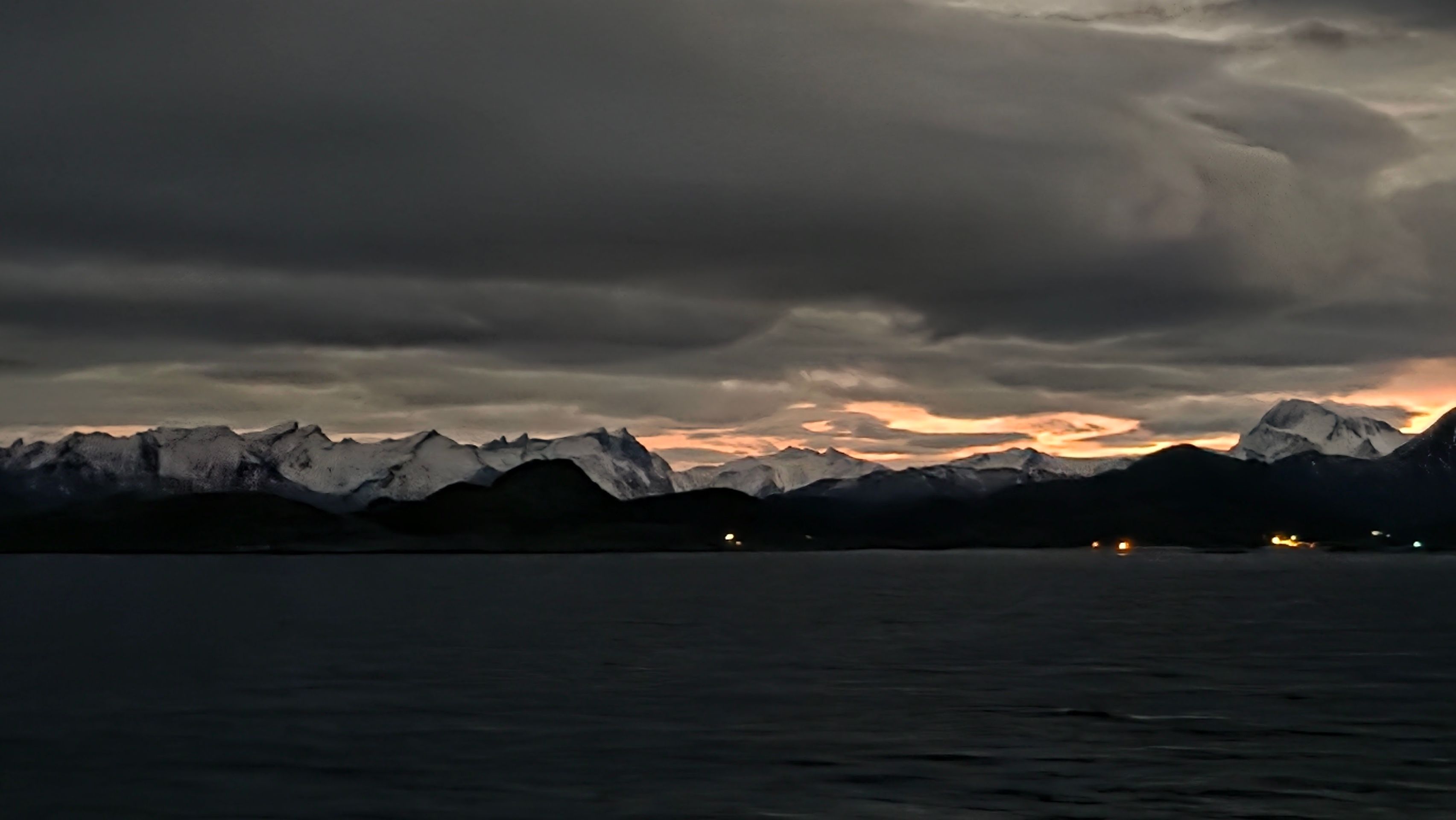
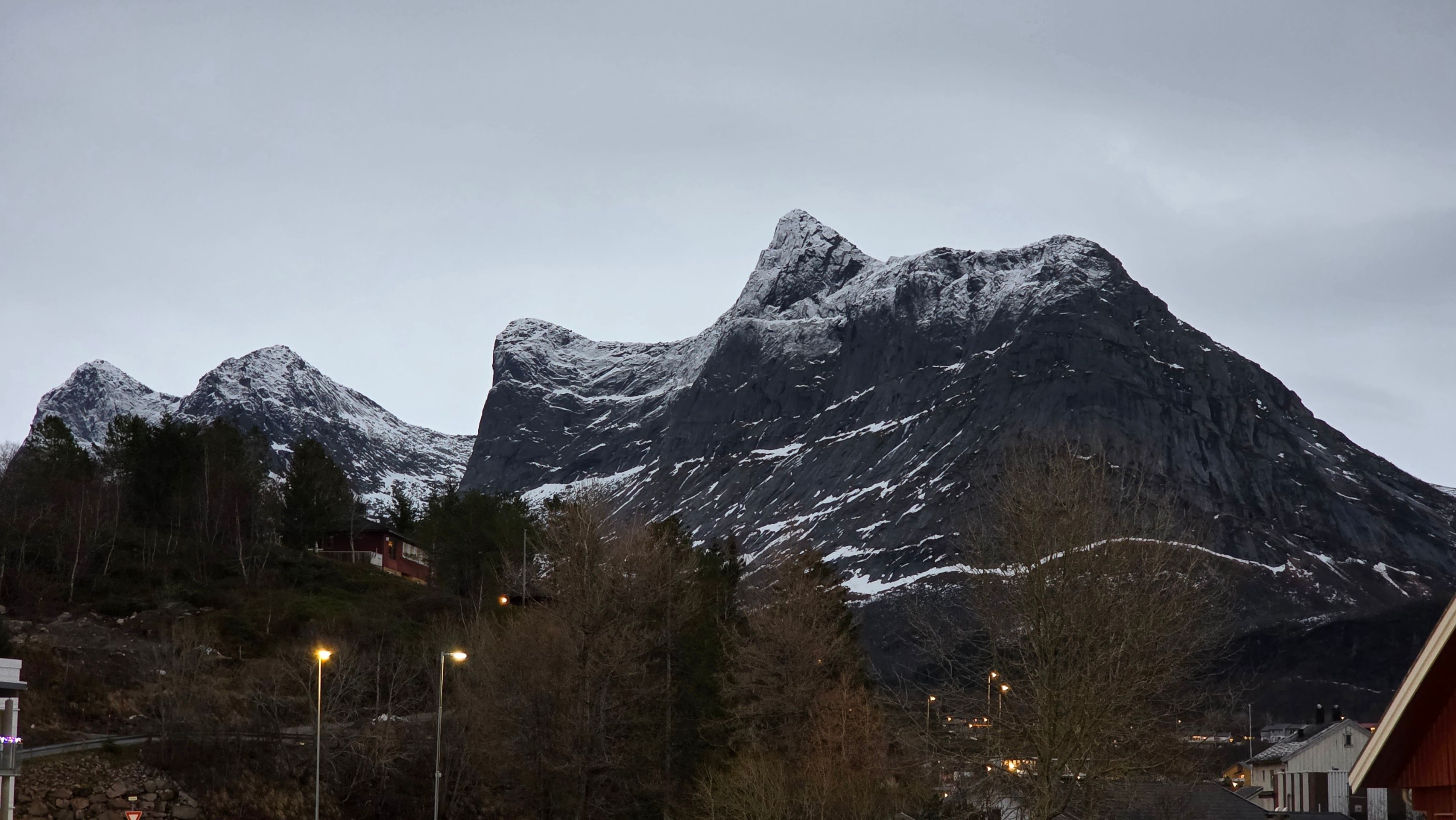
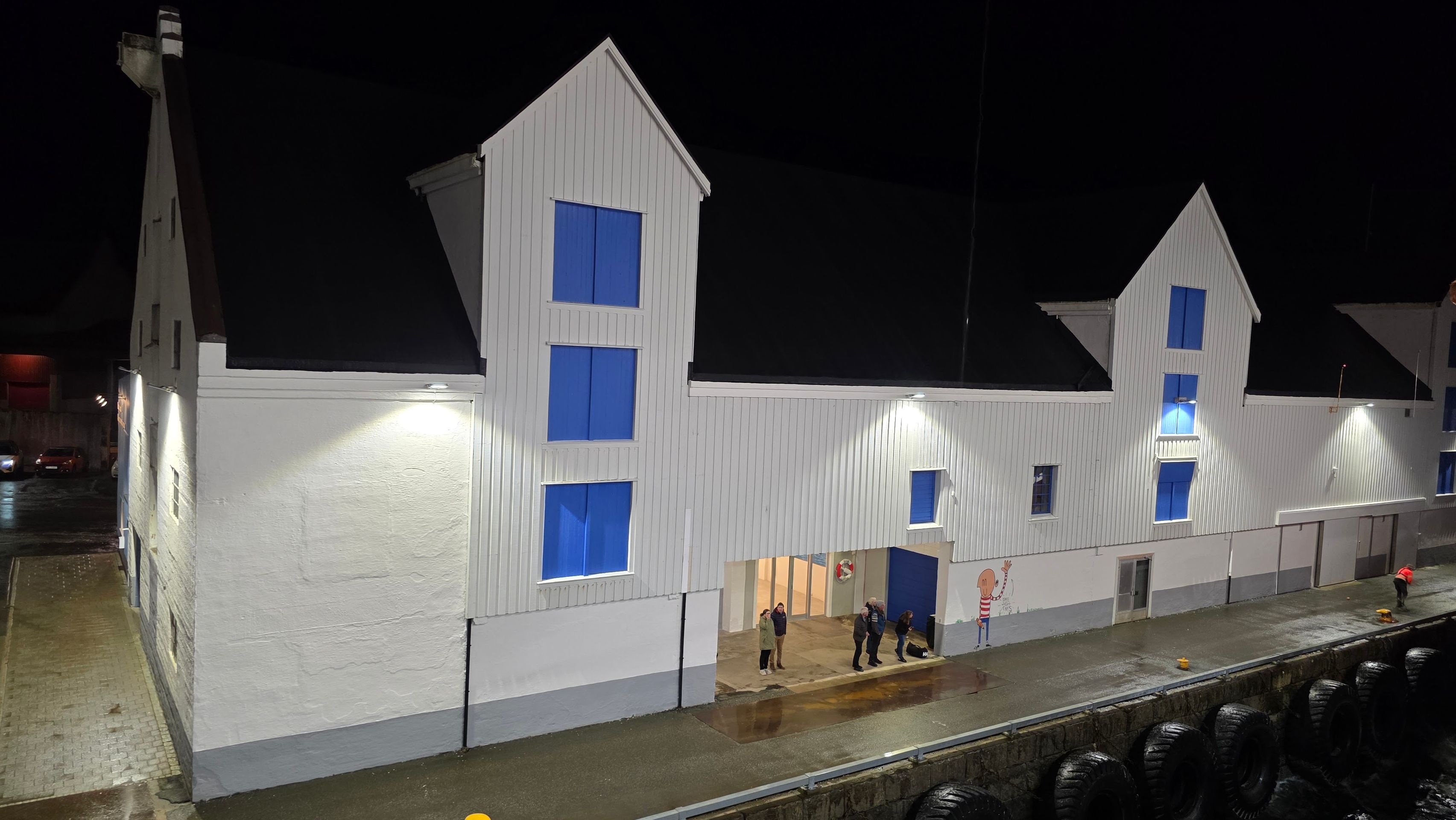
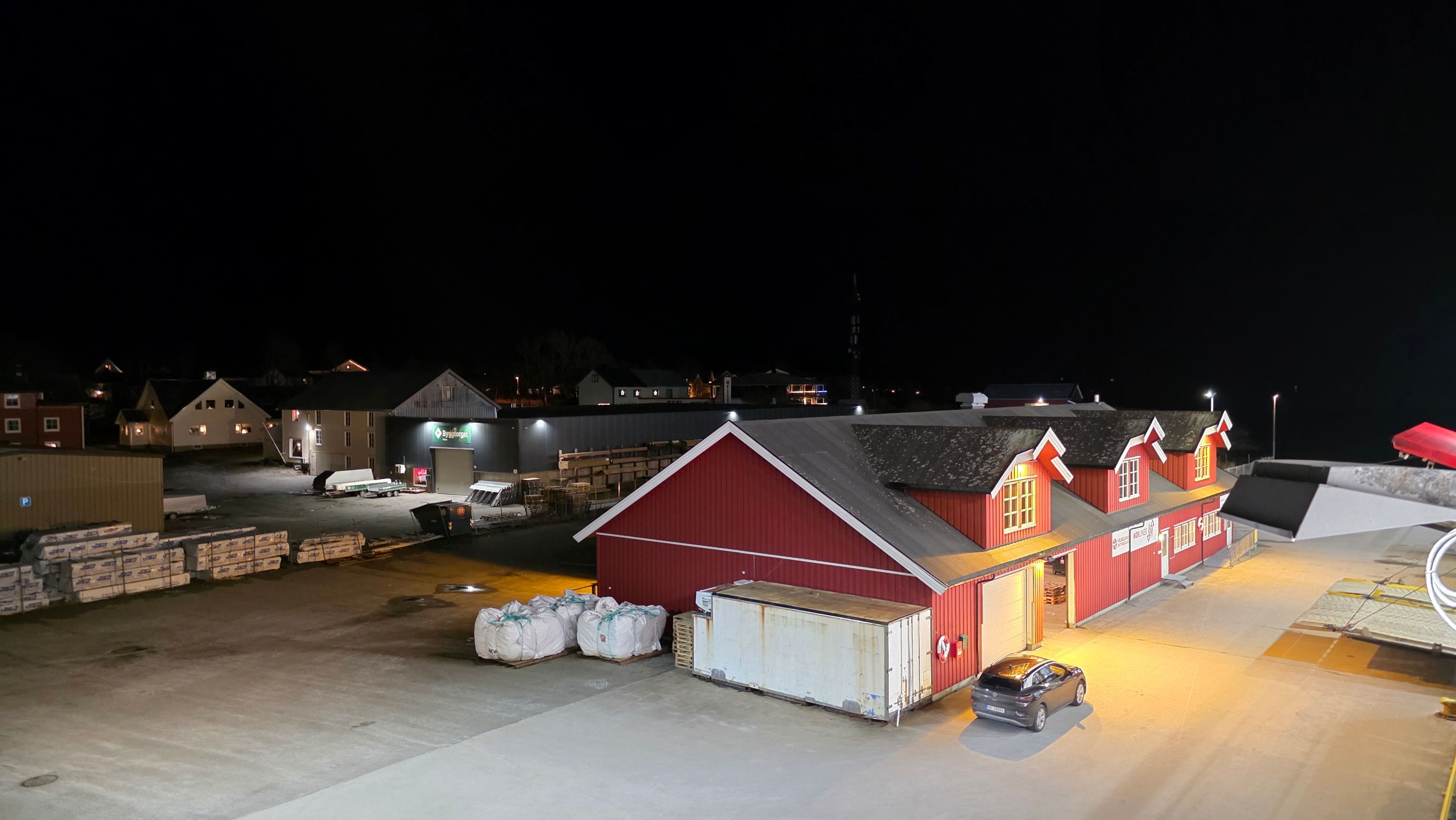
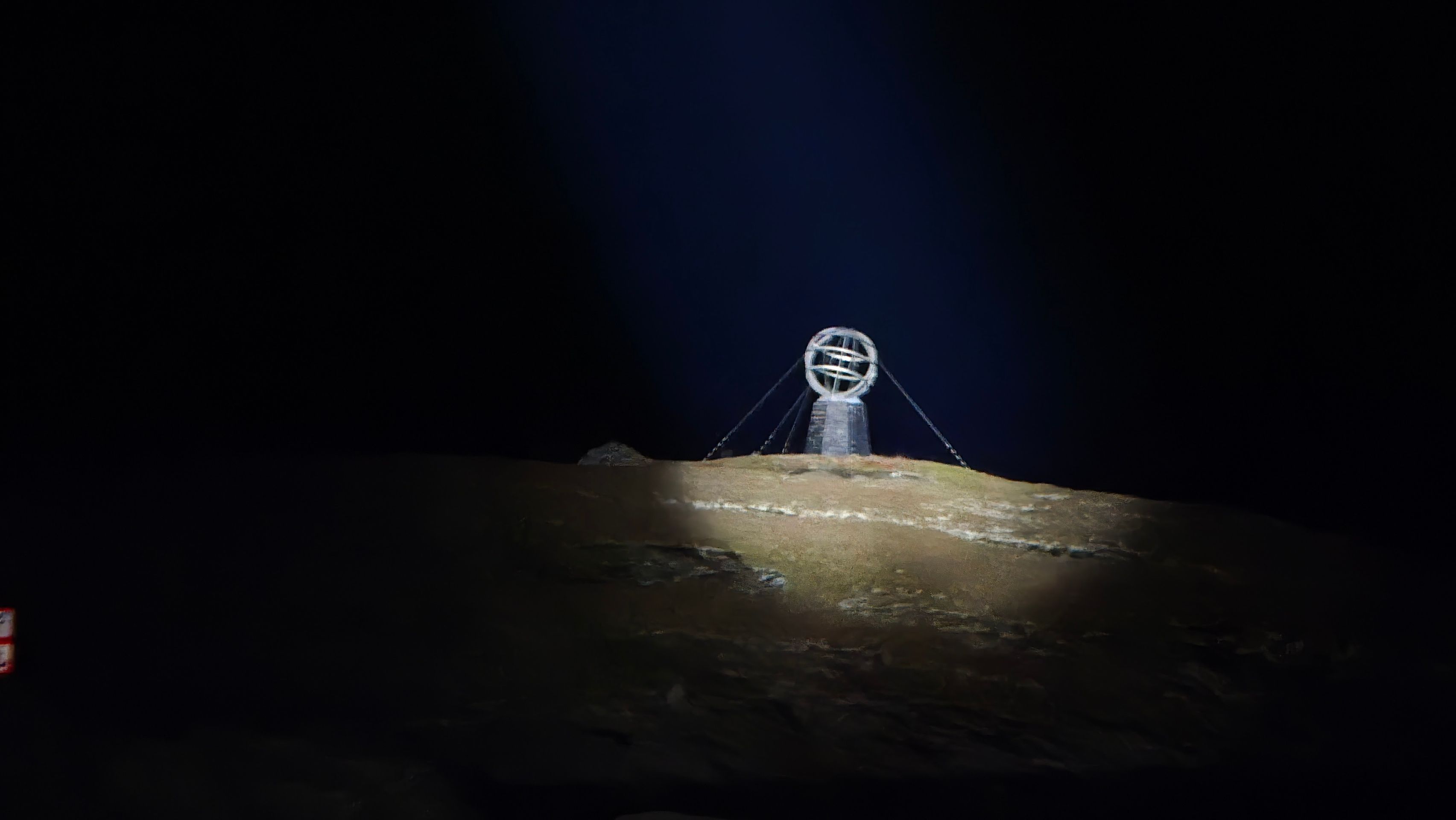
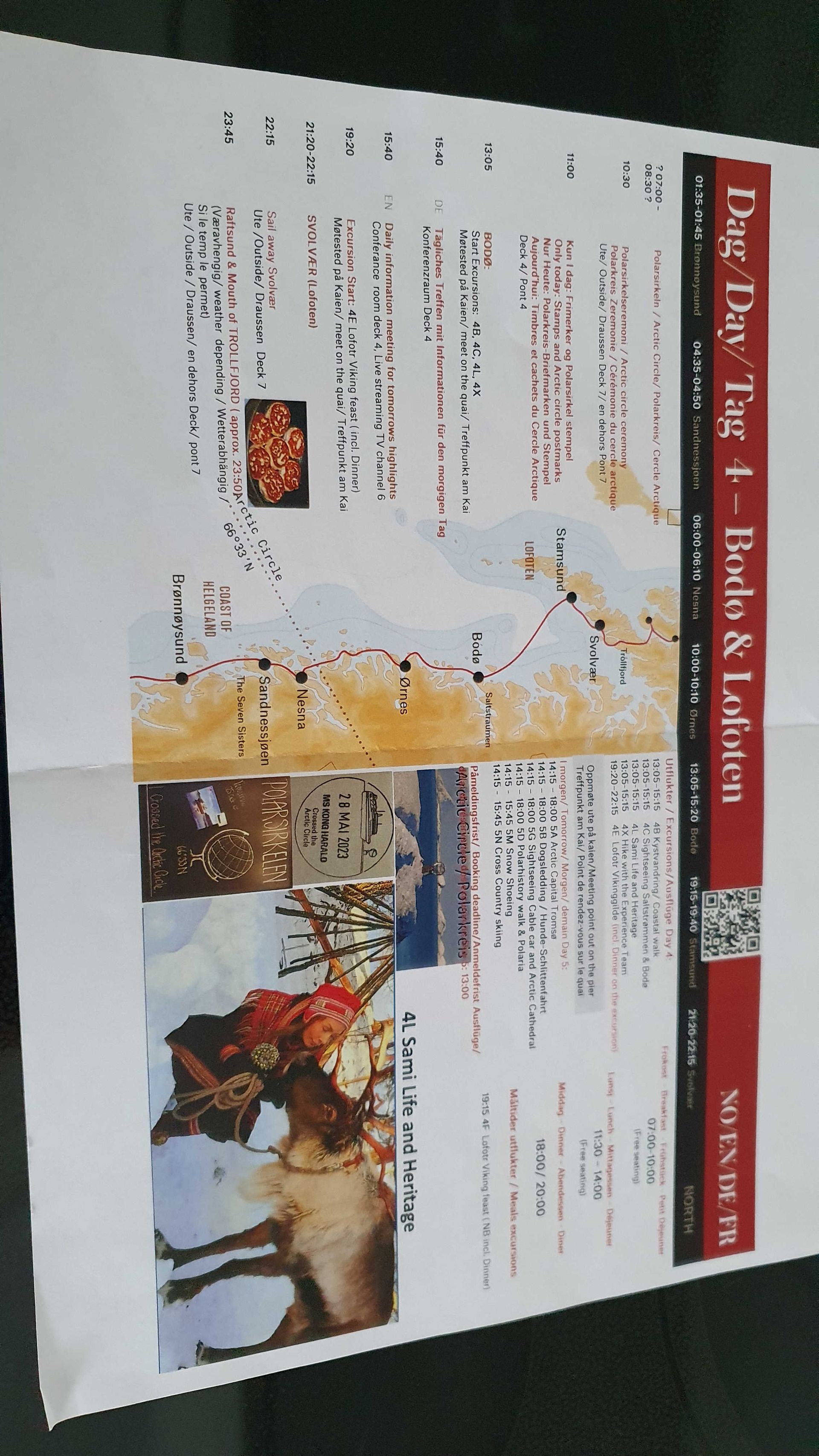
Today is a day for an early start, as we will cross the Arctic Circle between 7 and 8 AM. This is not to be missed. After that, we will head to Ørnes, Bodø, where we hope to explore the city before heading over the Vestfjord to Stamsund, Svolvær after lunch.
Nestled between steep peaks and the calm waters of Meløyfjorden lies Ørnes, a peaceful village in Nordland, just within the Arctic Circle. From here, you can visit the Svartisen glacier, paddle to nearby islands along steep mountains, or dive into the past at one of the best-preserved trading posts in Norway.
Farming has been practiced here since at least 1610, but the Ørnes we know today began in 1794 when Captain Elling Pedersen was granted permission to open an inn and a trading post. Over the next two centuries, it became a lifeline for the nearby islanders, a community center, and later, a base for resistance during World War II.
You can still walk through this past today. The Ørnes trading post includes three original buildings – the main house, the old bakery, and the forge – all lovingly restored. Inside, exhibits tell the story of trade, daily life, and the daring sabotage of the Nazi industry in the nearby Glomfjord. There is also a museum café and a shop selling local goods and souvenirs.
Today, Ørnes is the largest settlement in the municipality of Meløy, home to just over 1,700 people. To the south lies Svartisen, the second-largest glacier on the Norwegian mainland and the largest in Northern Scandinavia. Don't be fooled by the name – Svartisen means 'the black ice,' but the glacier ice is famous for its blue, not black, and is an impressive sight on a guided walk.
Due to the significant differences between the Arctic seasons, the pronounced sense of culture, and a vibrant student population, Bodø is an extremely dynamic place. Colorful murals from artists decorate the streets. The café and restaurant scene is thriving, and there is a wide range of cultural facilities.Like many places along the Norwegian coast, Bodø owes its existence to the sea, especially the unusually rich fish and seabird stocks in the Saltenfjord.
The city was founded in 1816 and was known for its military airfield and as a war site for many years. In 1940, German aircraft destroyed two-thirds of all the buildings in the city. Twenty years later, Bodø came into the public eye due to one of the most famous events of the Cold War: an American spy plane stationed there was shot down by the Soviet Union.
In 2022, the Bodø Air Station closed after more than 80 years, and Bodø had to reinvent itself – which posed no problem for the Arctic city.
Since the announcement of the closure, Bodø has established itself as a cultural city. "Bodø is now a cool city with nice restaurants and bars surrounded by beautiful nature,” says Raymond Limstrand Jakobsen, sales manager of the Wood Hotel and a lifelong resident.
Englishman Craig Alibone has been living in Bodø for ten years. For the owner of Craig Alibone Pàttisserie, culture and a certain sense of belonging are inextricably linked to Bodø. “There is always live music in the city. Musicians play in various cafés and restaurants throughout the city or perform as part of festivals and events.”
With the designation as the European Capital of Culture in 2024, Bodø's cultural status is recognized on an international level.
Due to the significant differences between the Arctic seasons, the pronounced sense of culture, and a vibrant student population, Bodø is an extremely dynamic place. Colorful murals from artists decorate the streets. The café and restaurant scene is thriving, and there is a wide range of cultural facilities.