
11. On the Way to Poggio Bustone
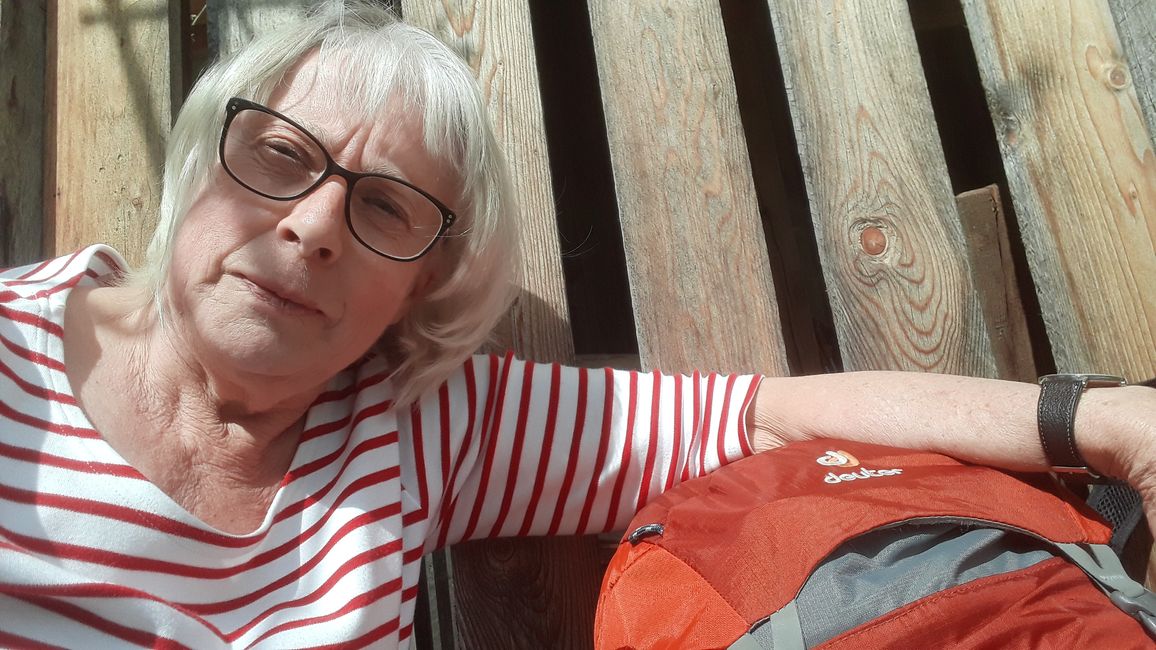
My first encounter today: a pilgrim from Israel, Anata, approaches me and asks if she can take my photo. I am the first gray-haired woman she has seen alone on the pilgrimage...

Published: 26.04.2025
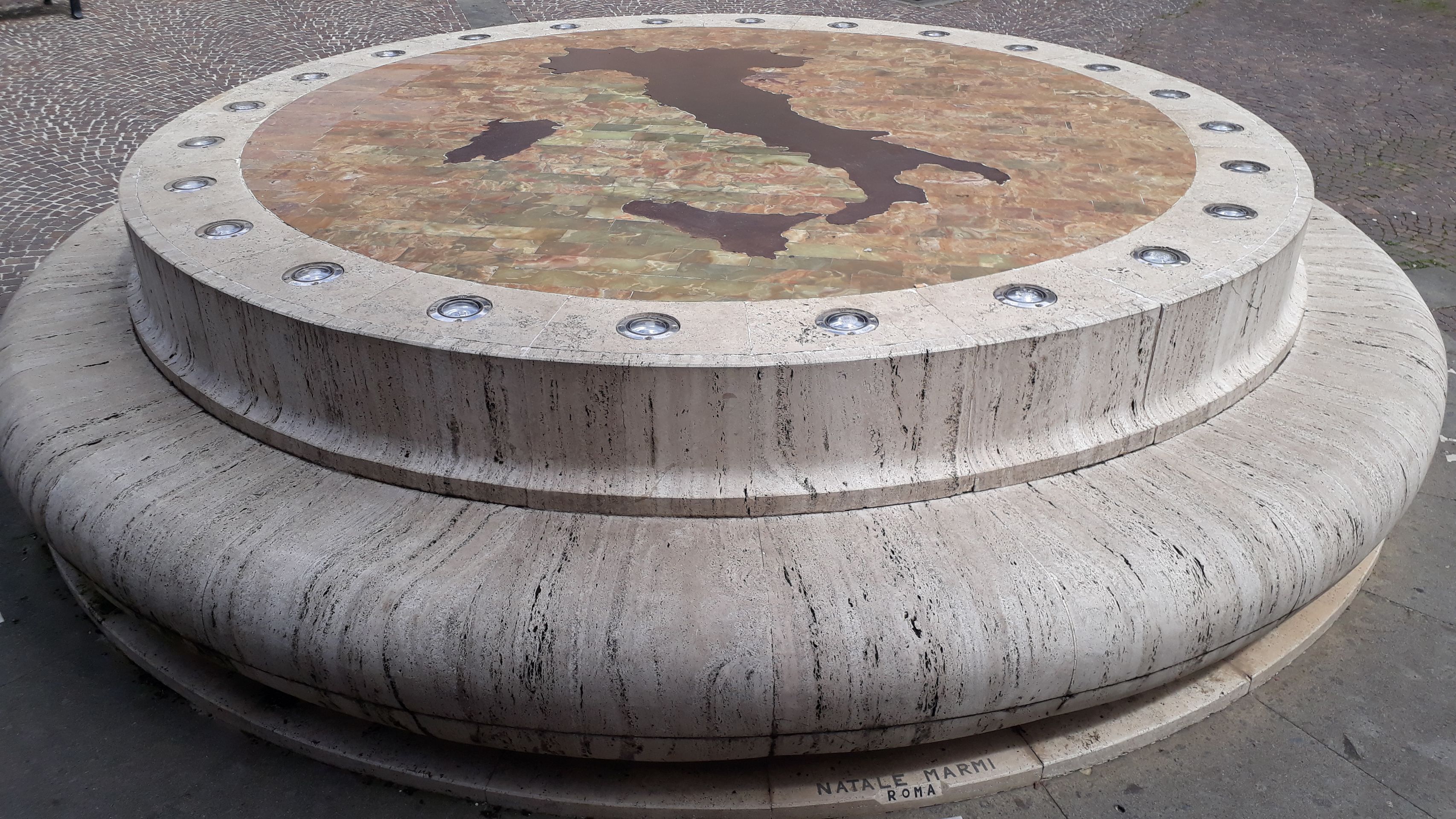
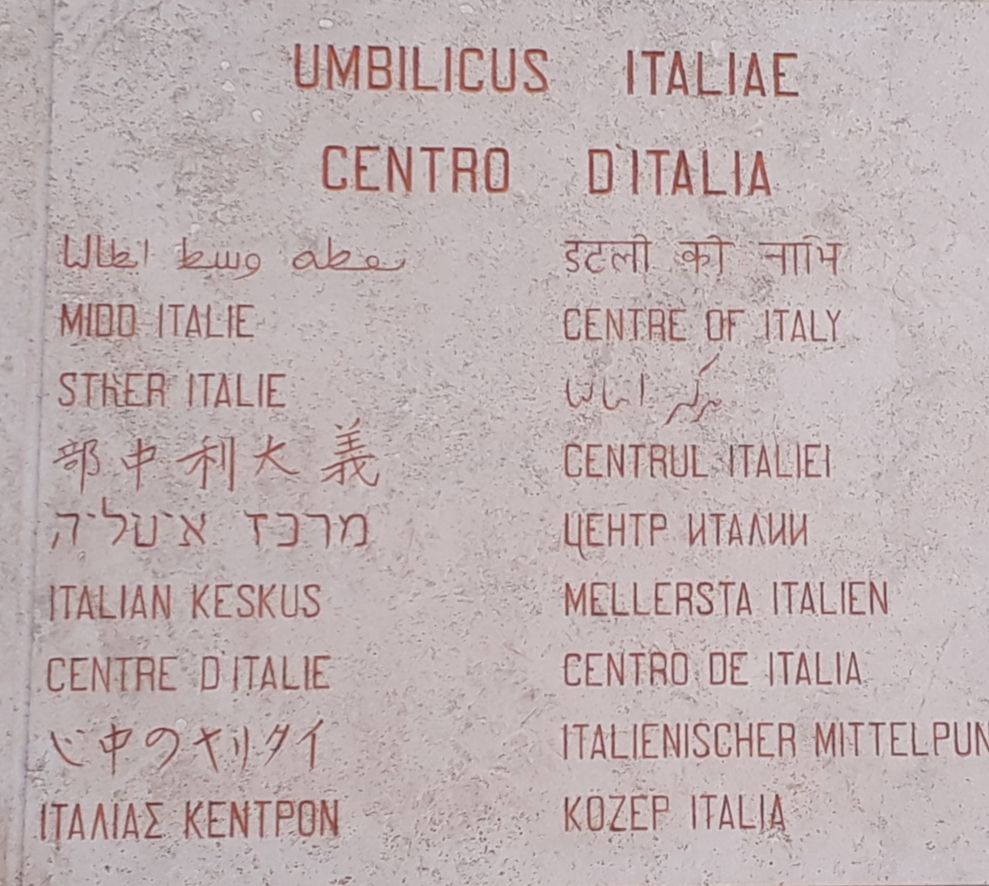
Rieti is said to be the navel of Italy, and therefore exactly in the geographical center, according to the Rietini. As proof, there is a roundel and a plaque in 18 languages at Piazza San Rufo. However, Dutch surveyors have determined the geographical center of Italy to be in Orvieto (Umbria) using new software.
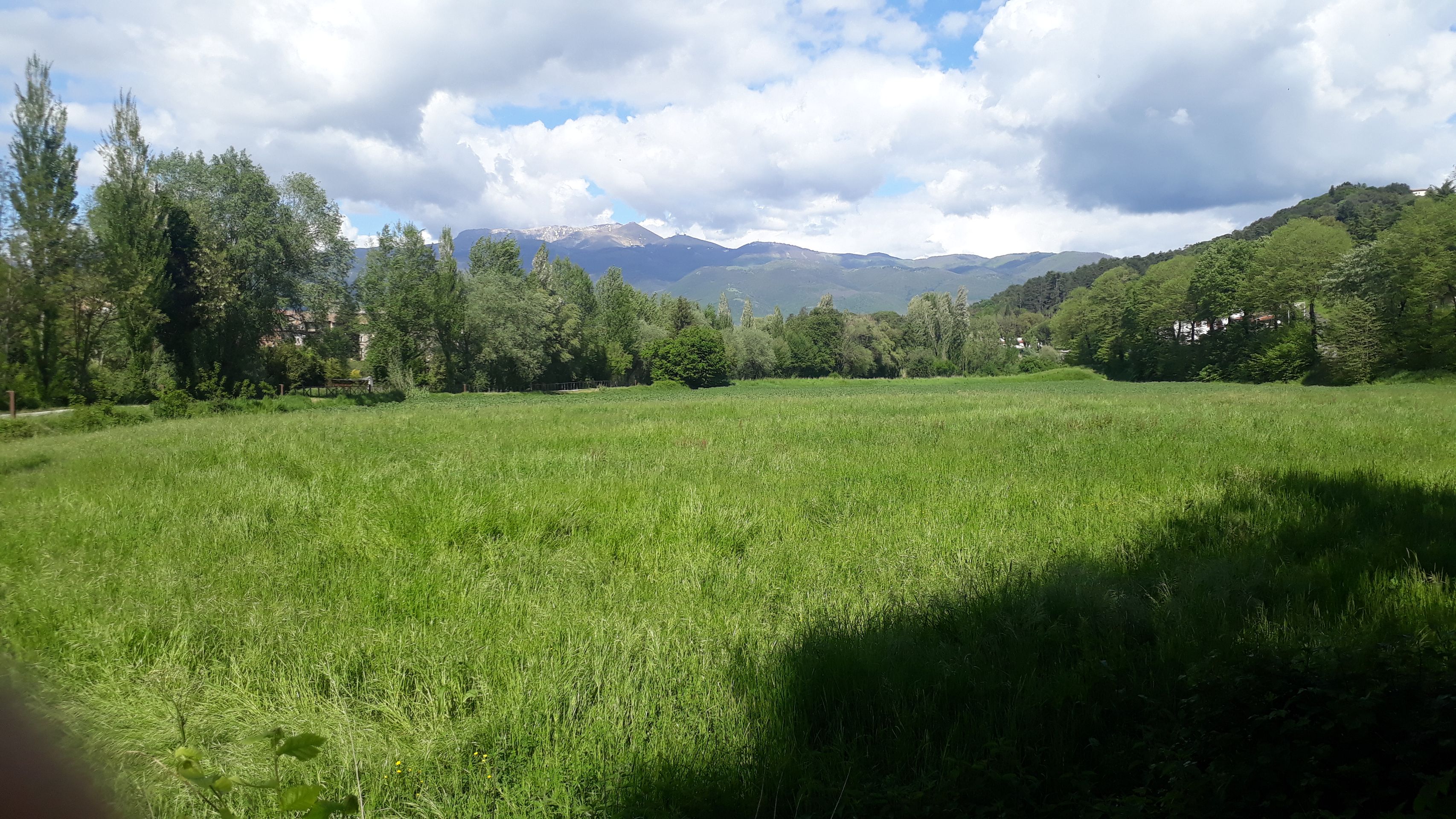
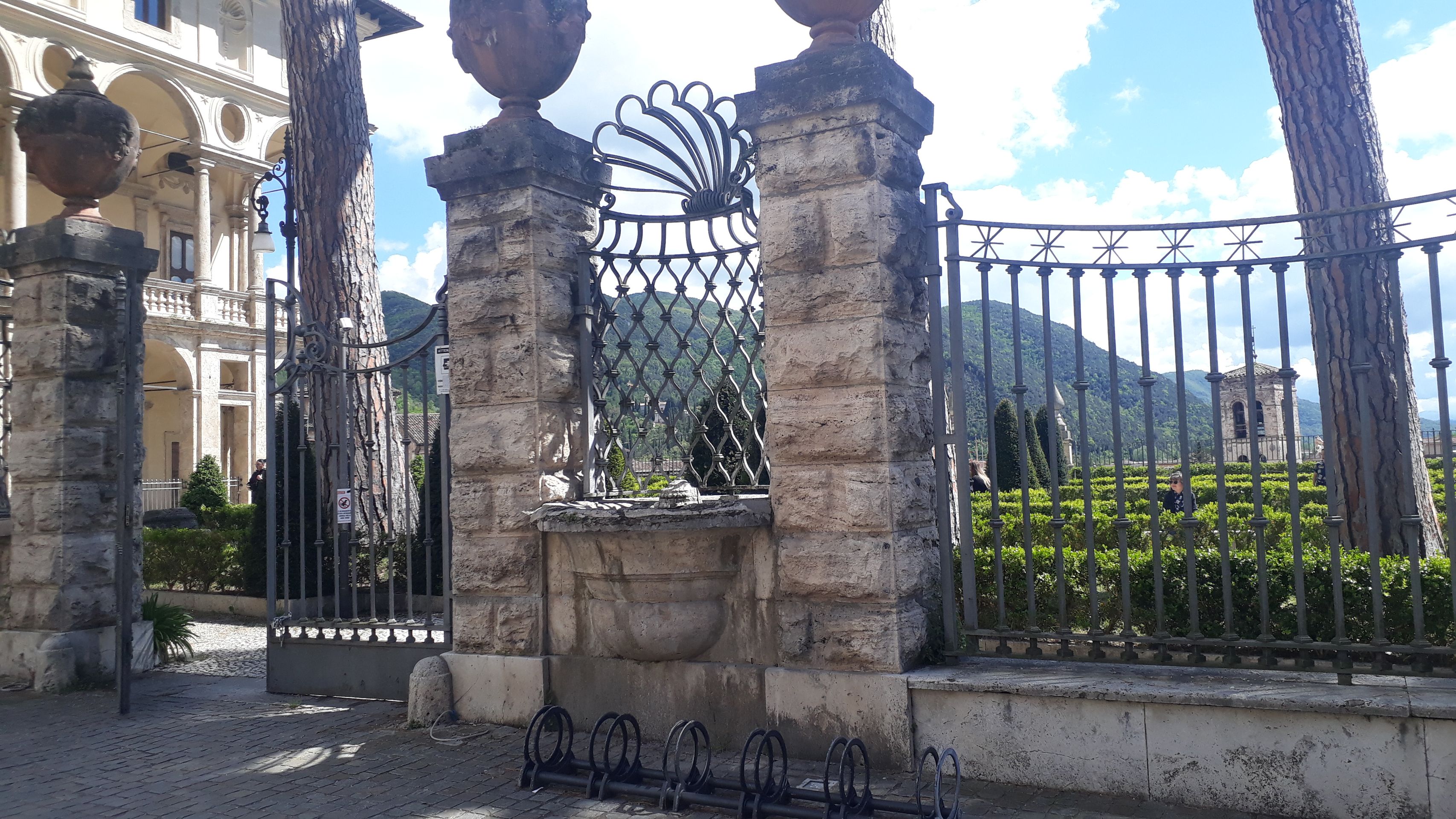
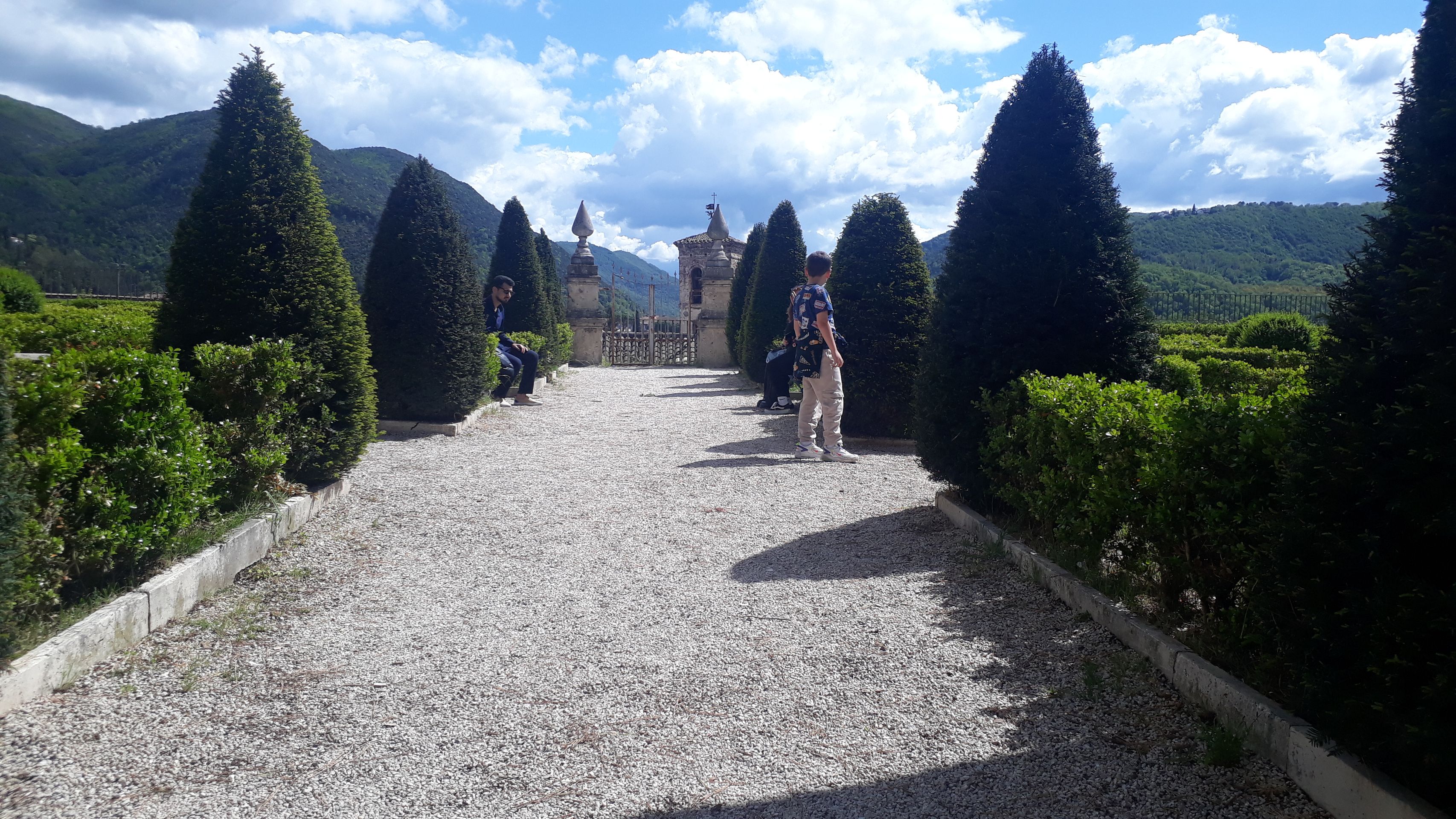
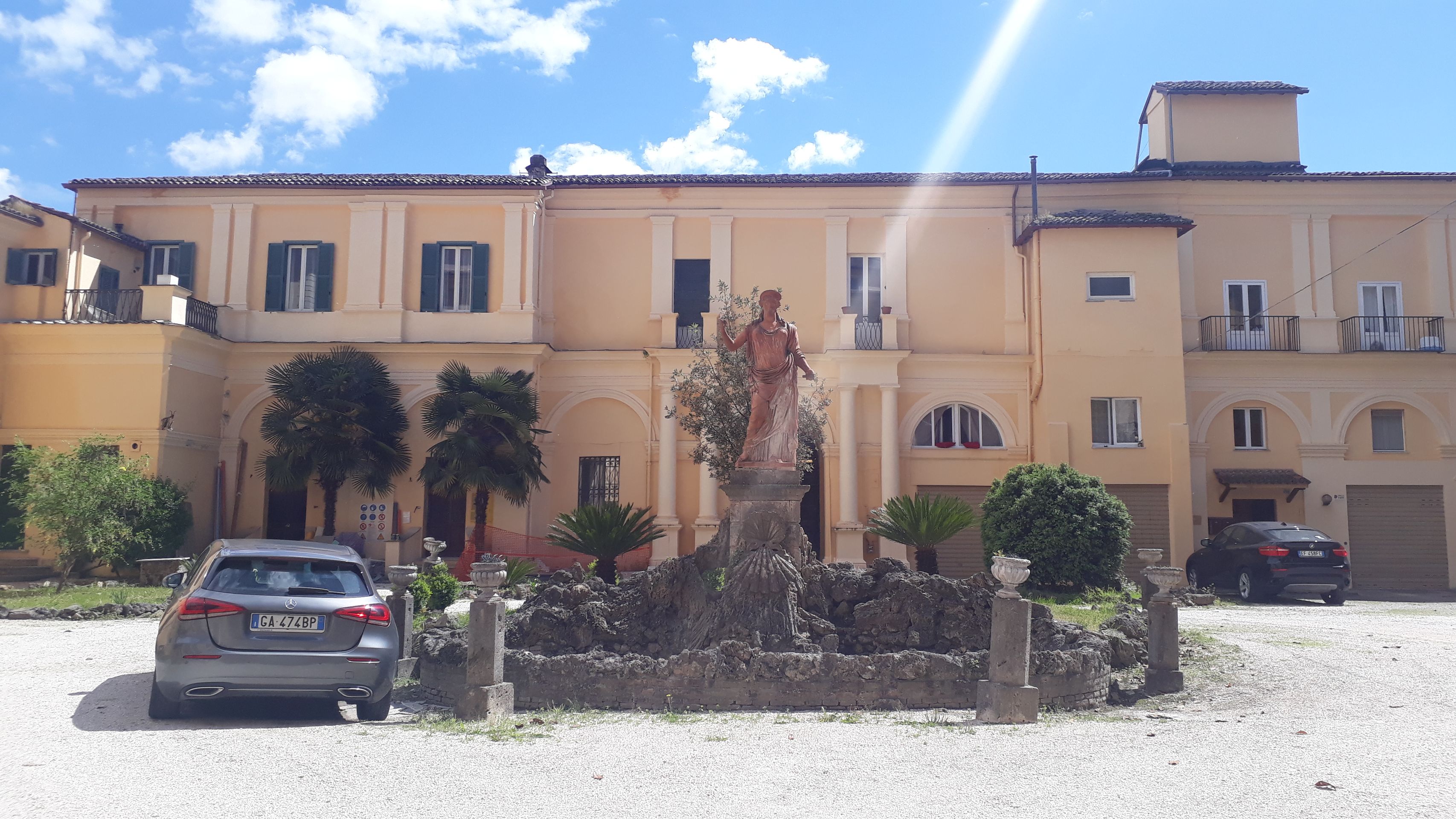
This slight misrepresentation will not diminish Rieti's charm. It is a very appealing city (with about 45,000 inhabitants), young, lively, and peaceful. Surrounded by gently rolling hills of the Abruzzo, the city feels pleasantly preserved.
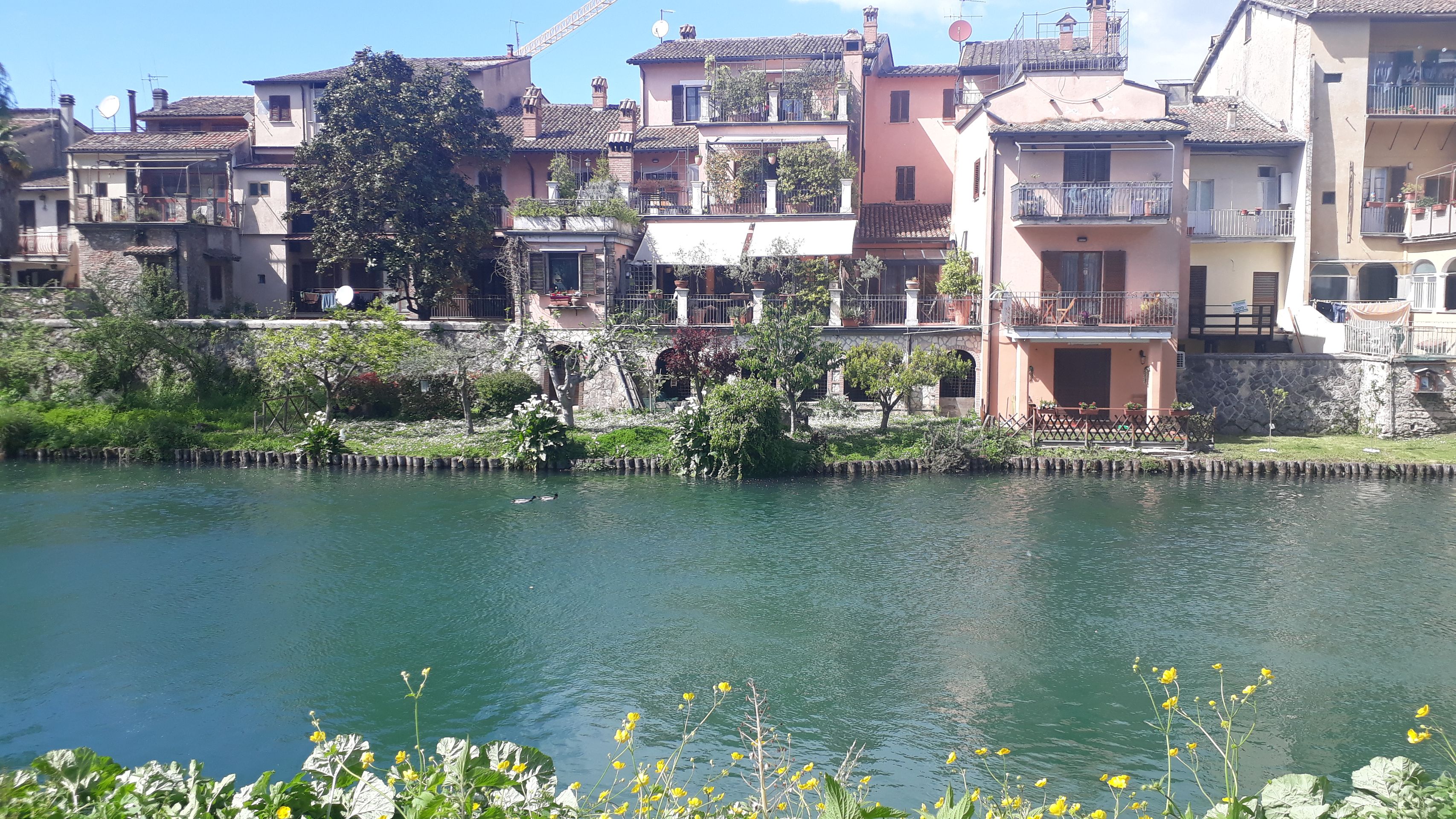
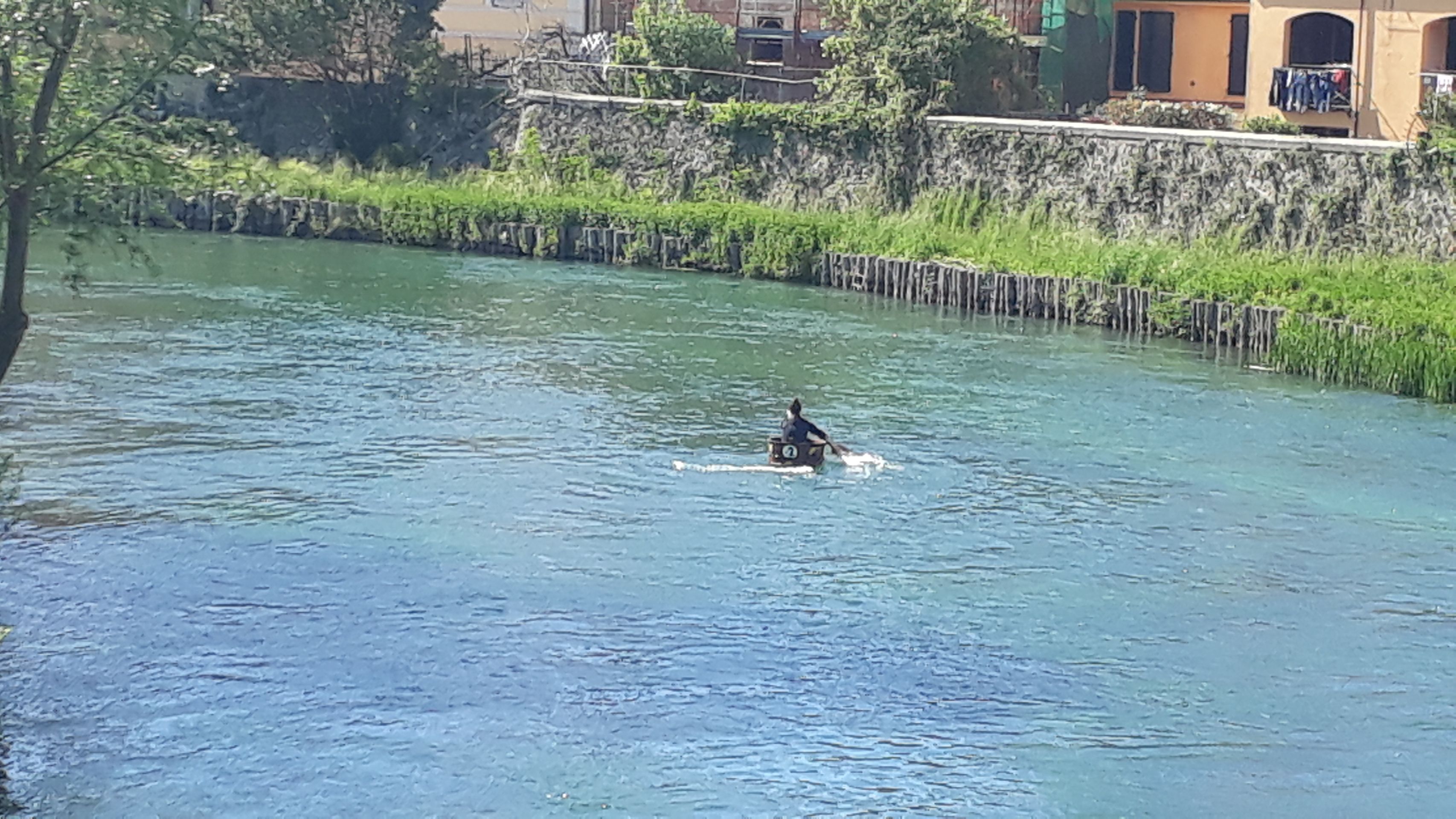
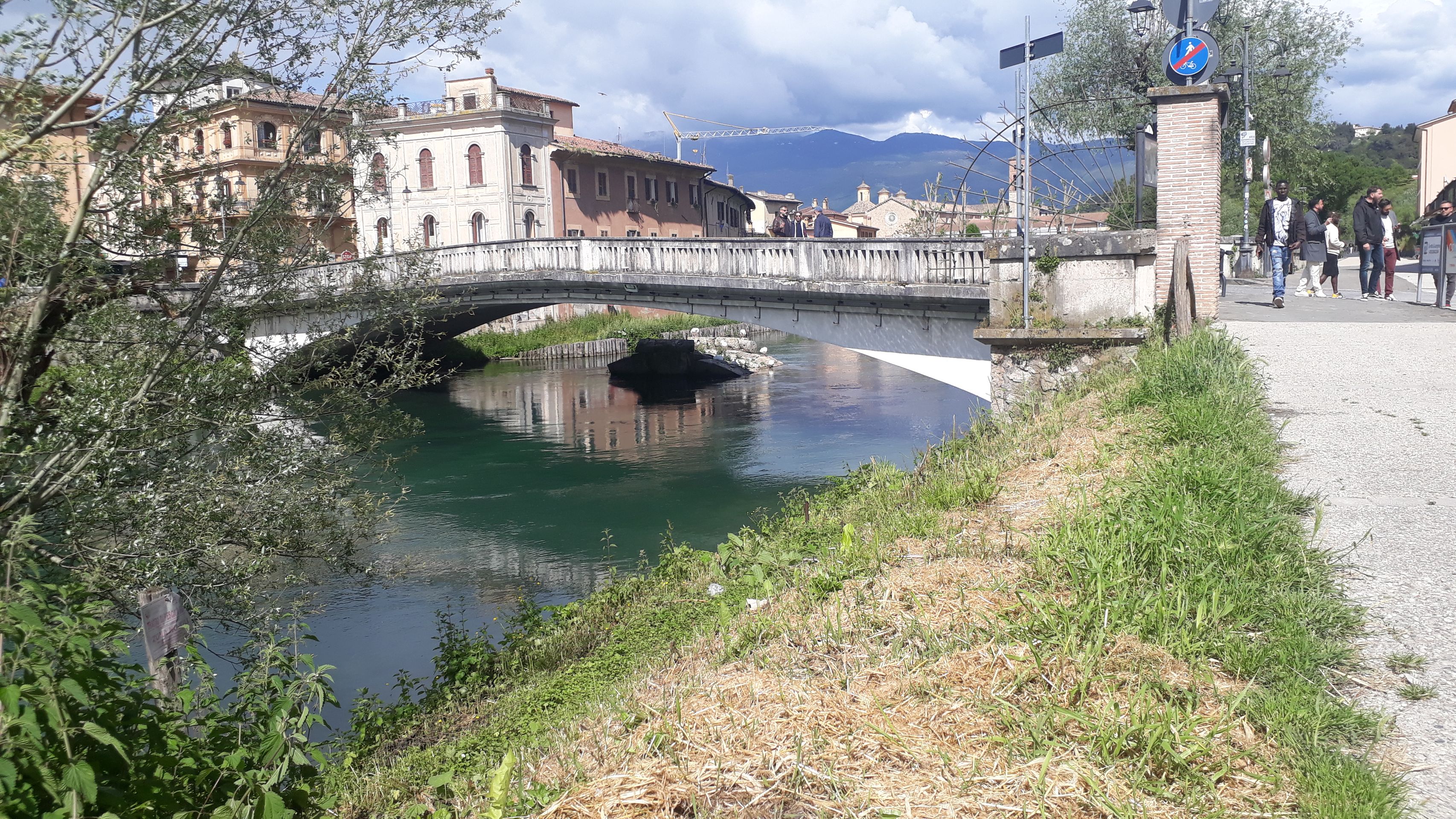
The clear and pine-green Velino River winds around the old town, creating a beautiful tranquil area with its accompanying greenery.
The countryside around Rieti also offers delightful sights. The mountains and the high plains between them are filled with small, fertile, and agricultural lands. There are no major thoroughfares to disrupt the serenity.
As peaceful as Rieti appears today, its past is quite tumultuous: The Aborigines and Polasters were displaced by the Sabines, who were then followed by the Goths. They were succeeded by the Lombards, and then the Saracens. And if that isn’t enough: Rieti was subsequently absorbed by Naples, later by the Pope, and then by Napoleon, until it finally became part of the Kingdom of Italy following some unremarkable skirmishes. This raises the question of what exactly Italian identity is.
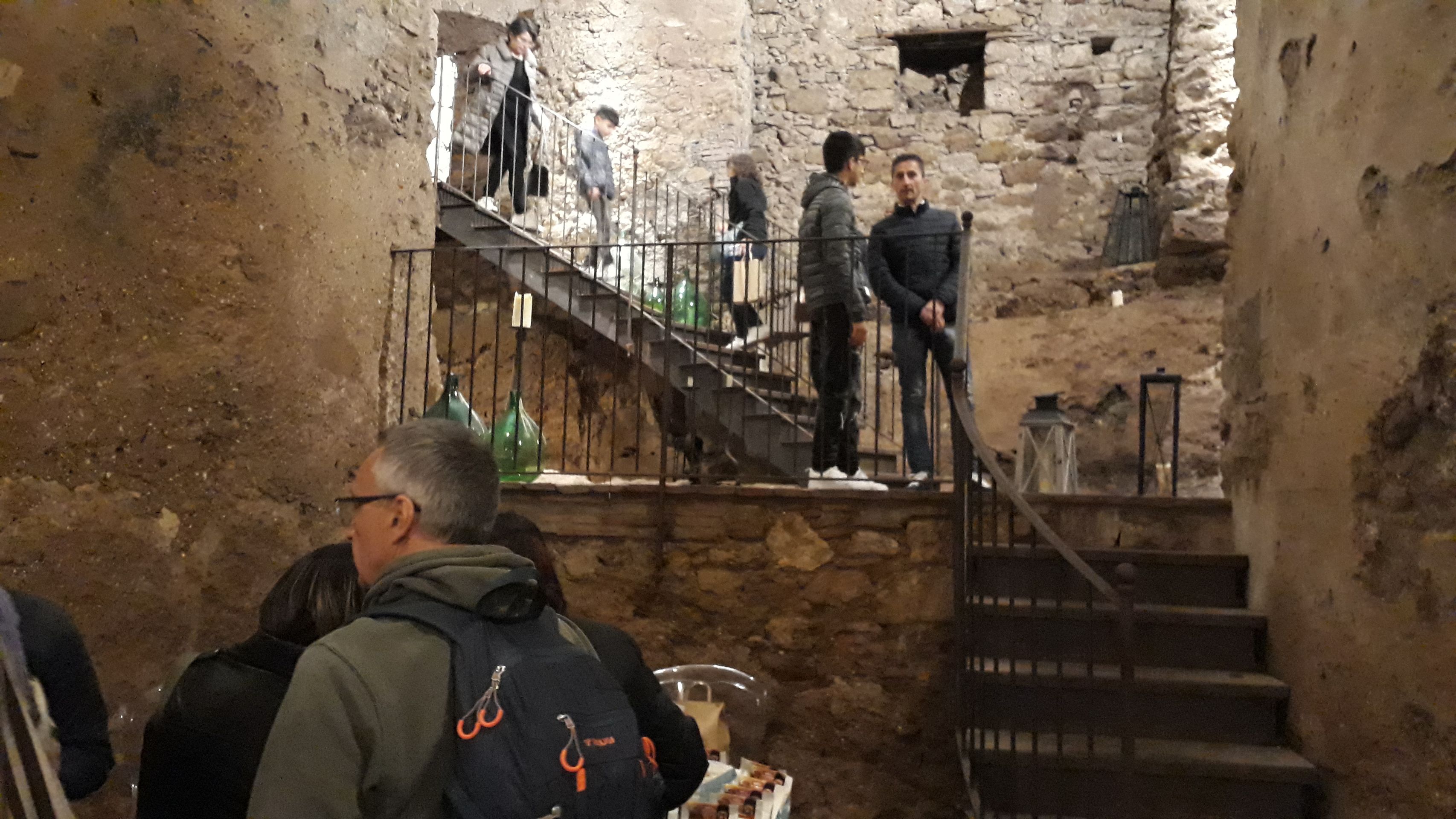
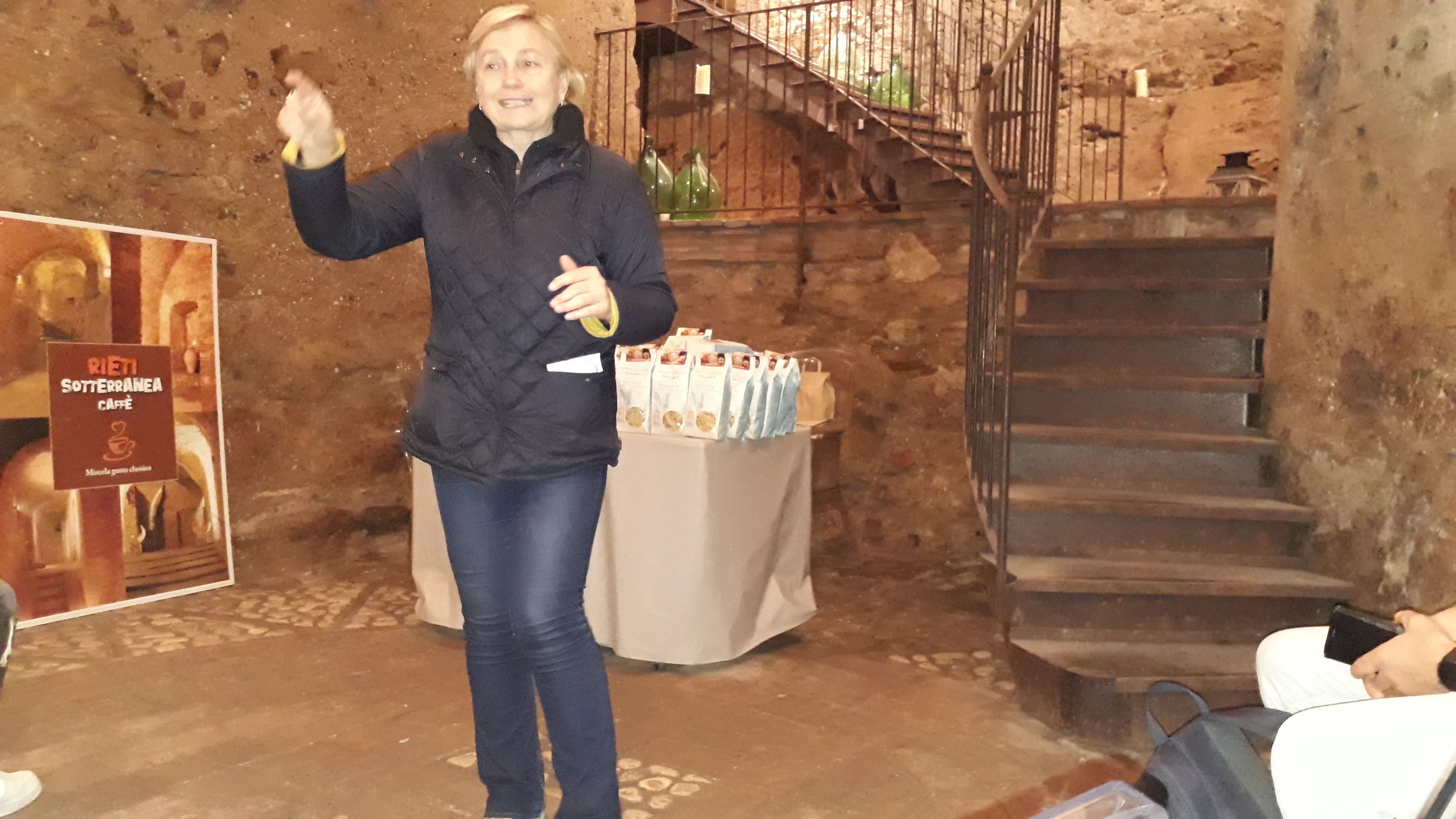
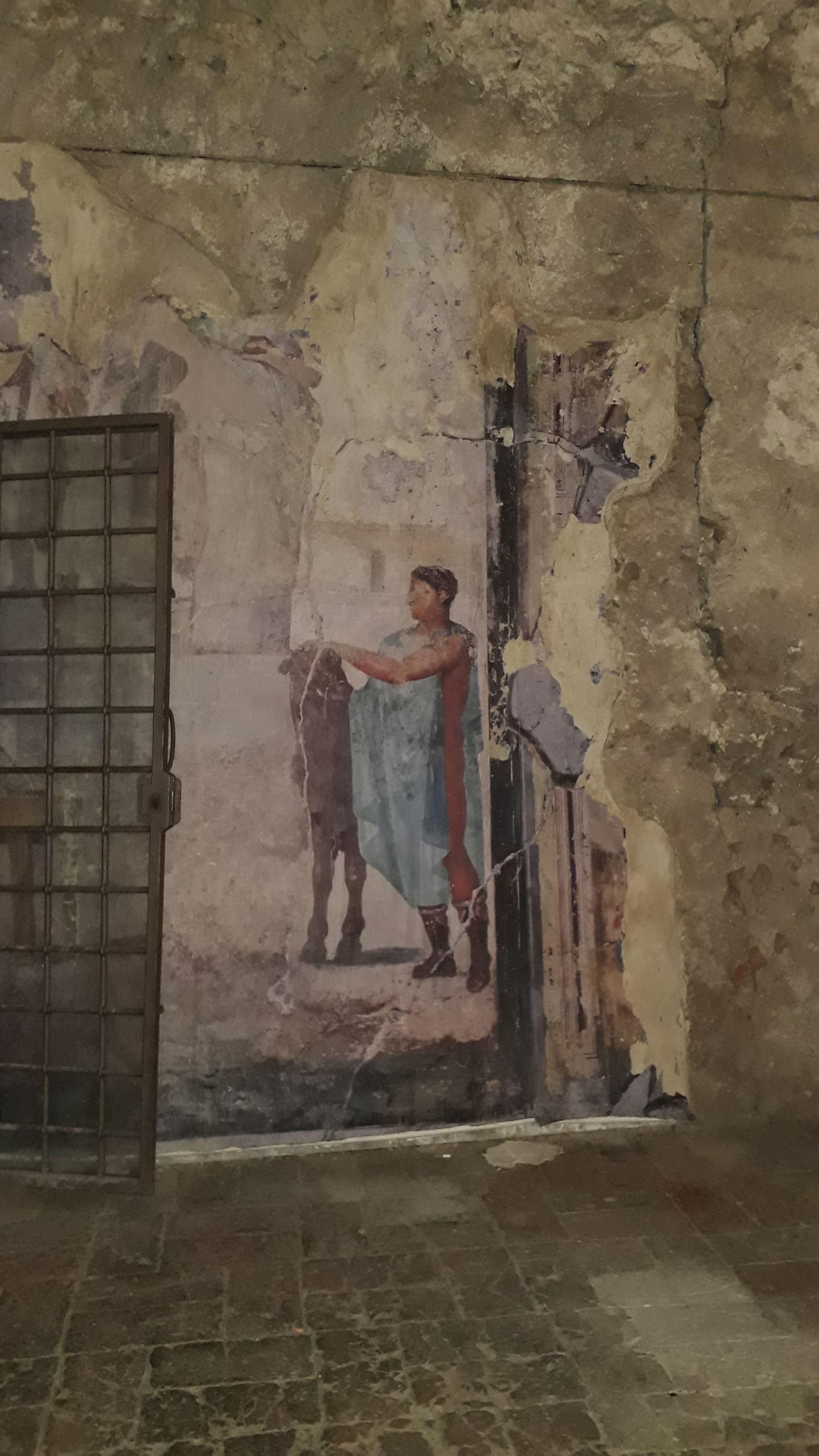
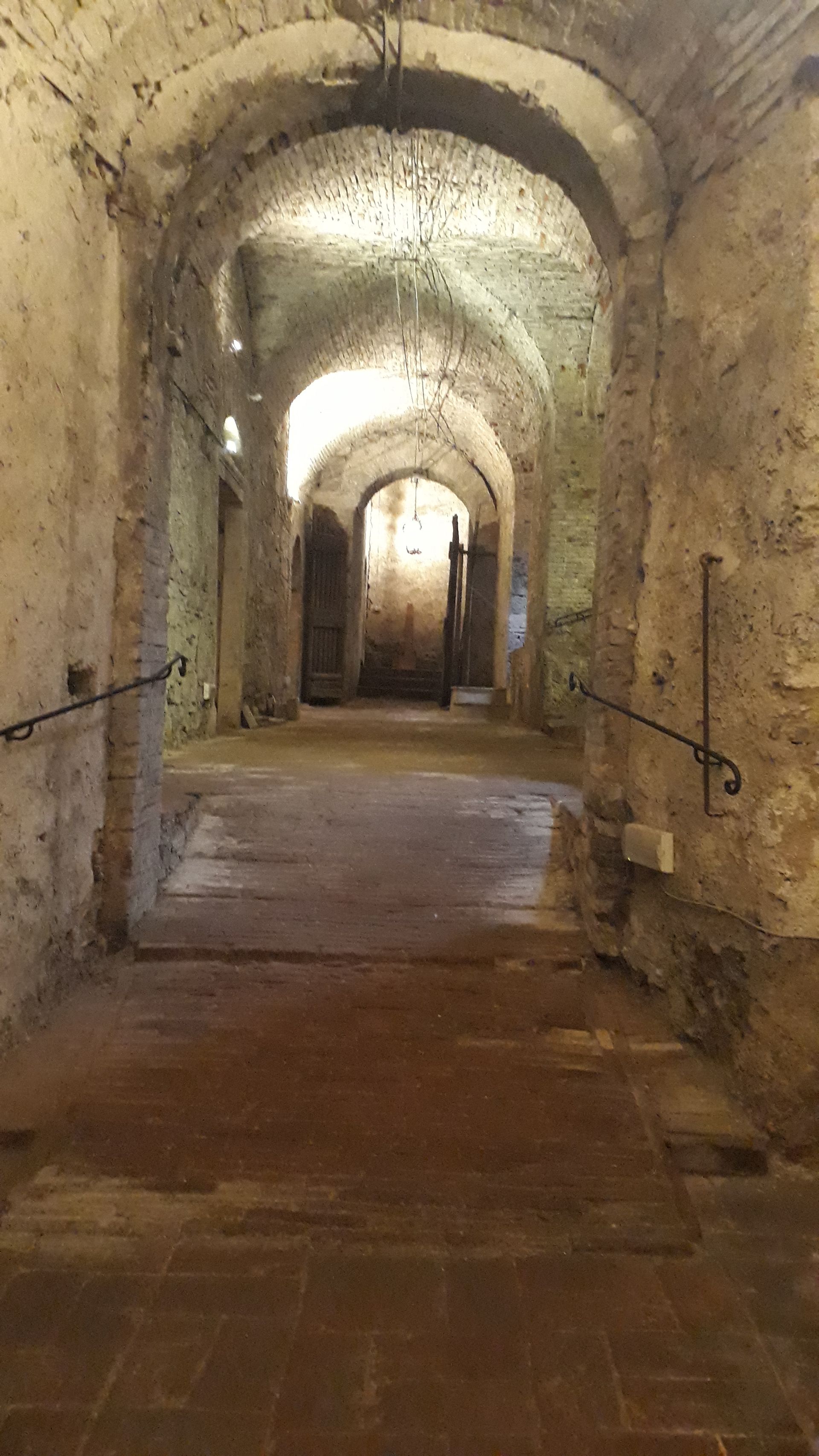
Now, to the present. Today, I checked into a pilgrim hostel in the old town. After I settled in, Rita, the landlady, pointed out that she had double-booked the room. Since the room has 4 beds, Desire, a Dutch pilgrim, and I quickly agreed to share the room. In gratitude, Rita invited us to a guided tour of the underground.
More about that coming soon.