

Edinburgh - New Town
Edinburgh – A City Full of History 🏰 Edinburgh, the capital of Scotland, fascinates with its tumultuous history and medieval charm. Around the imposing Edinburgh Castle, the city...


Published: 18.10.2026
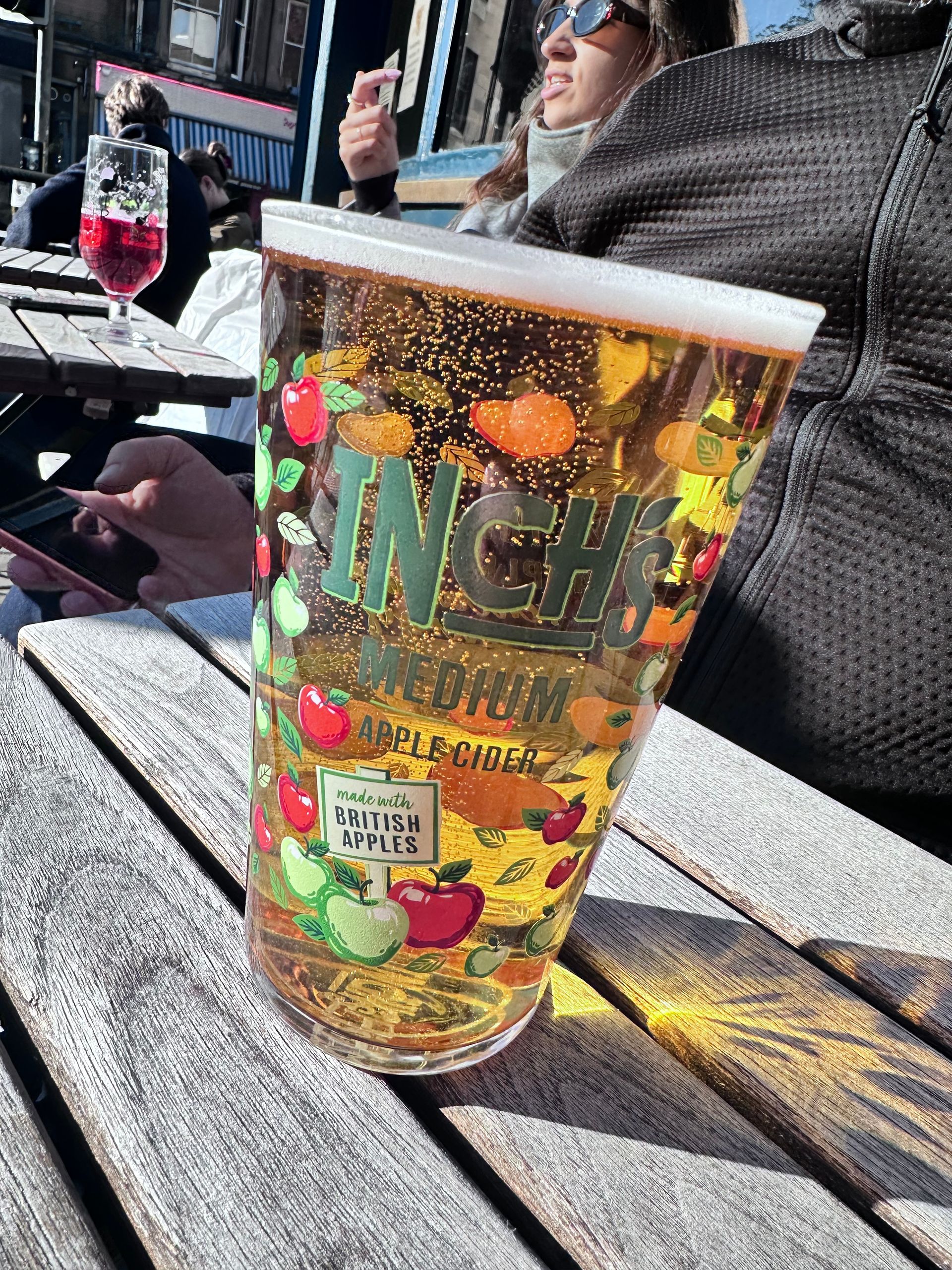
The morning started in our kitchen with breakfast. The boys got coffee and pastries from the bakery across the street and paid a hefty £50 for 4 coffees and 6 pastries 🥸 End result: one of us was so dissatisfied that there was a beer at 8:58 am... of course, only for the electrolytes and nutrients 😂
After that, we set off to follow in the footsteps of J.K. Rowling today.
J.K. Rowling, the author of the famous Harry Potter series, was born near Bristol (England) and later moved to Portugal with her husband and children. After her divorce, she moved to Edinburgh with her children, where her sister lived with her husband. It was here in Edinburgh that she drafted the first scripts and wrote the first Harry Potter book. Various places here served as her inspiration and are now tourist magnets. Nevertheless, we set off on the trail.
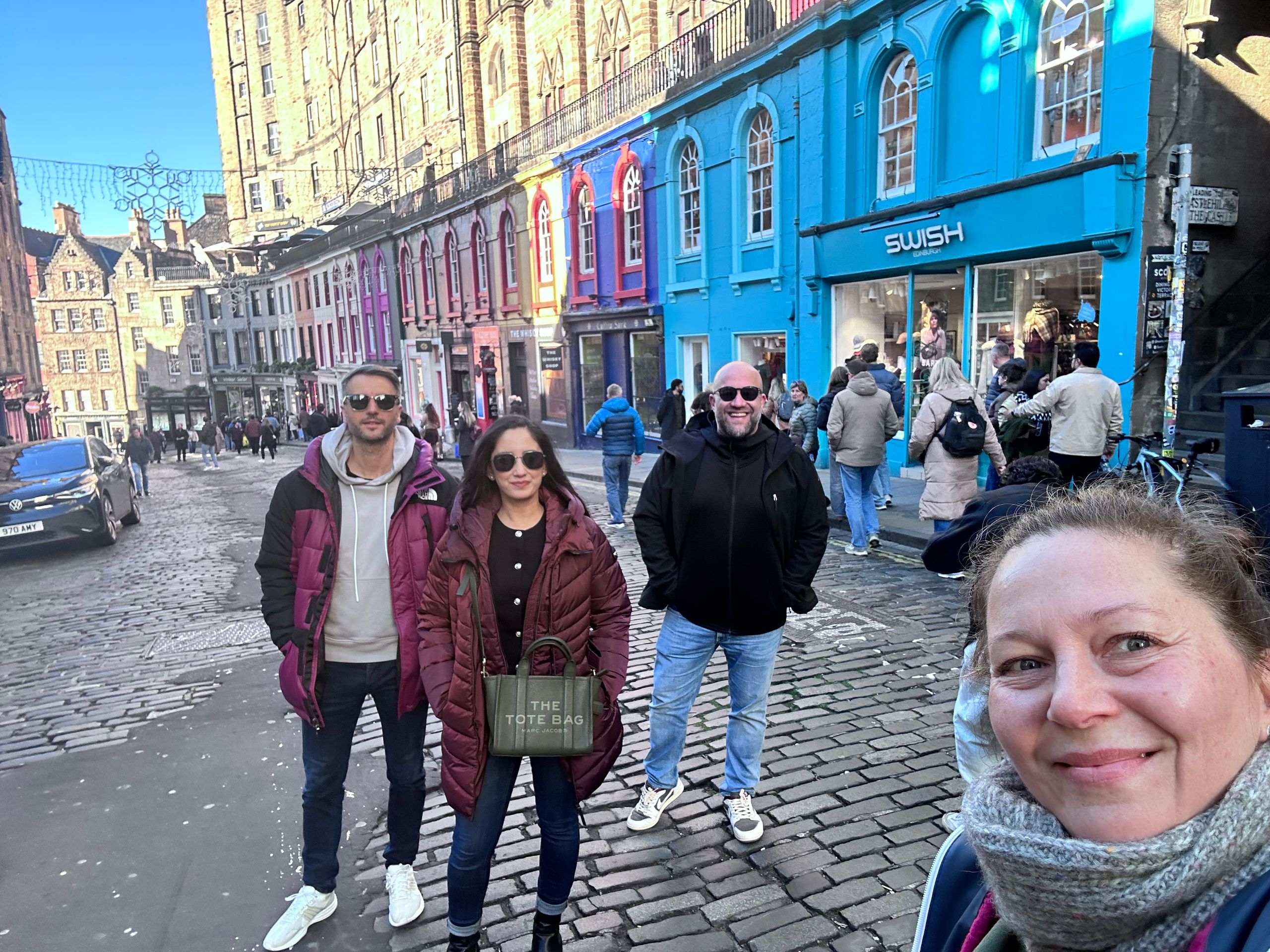
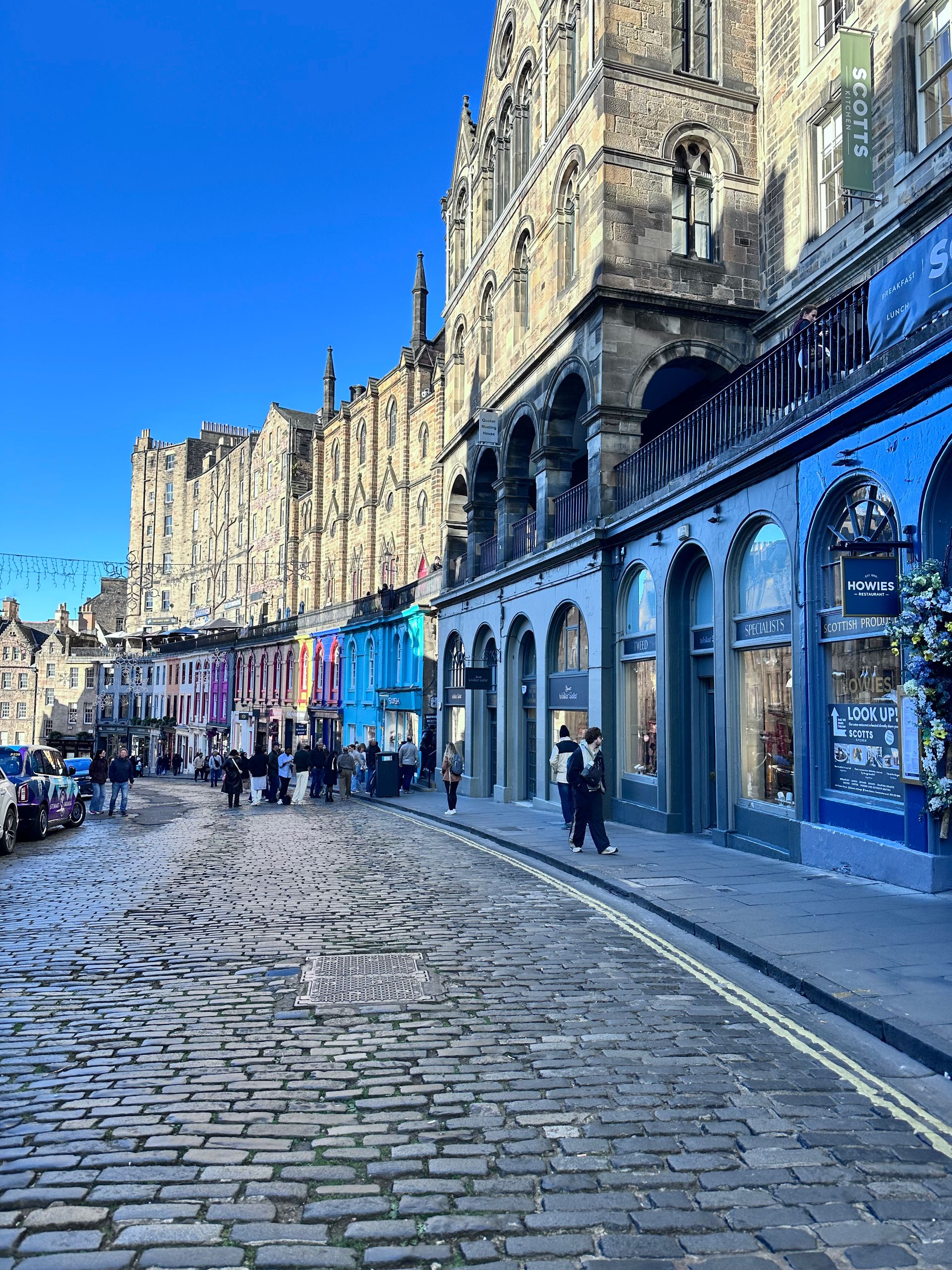
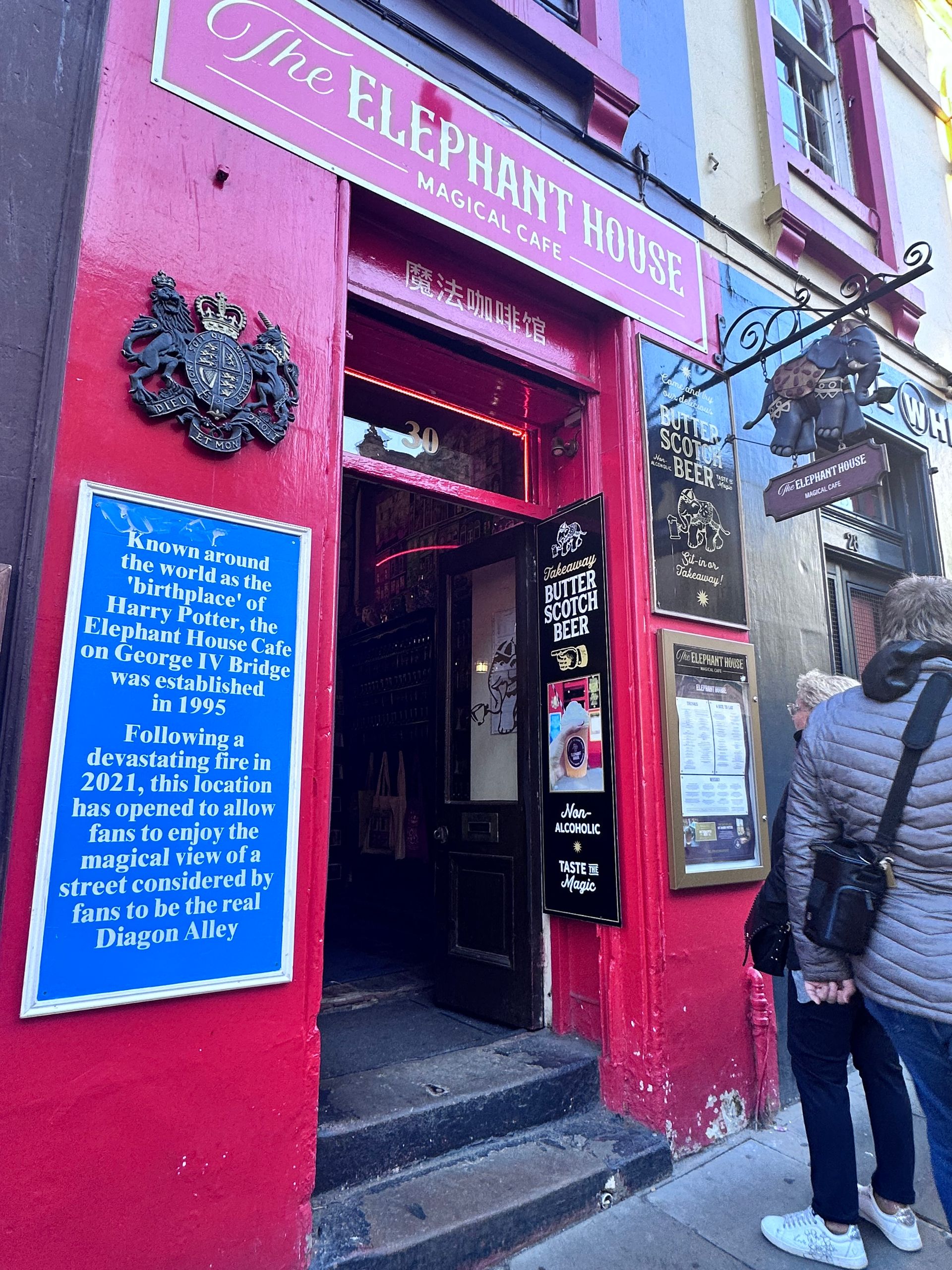
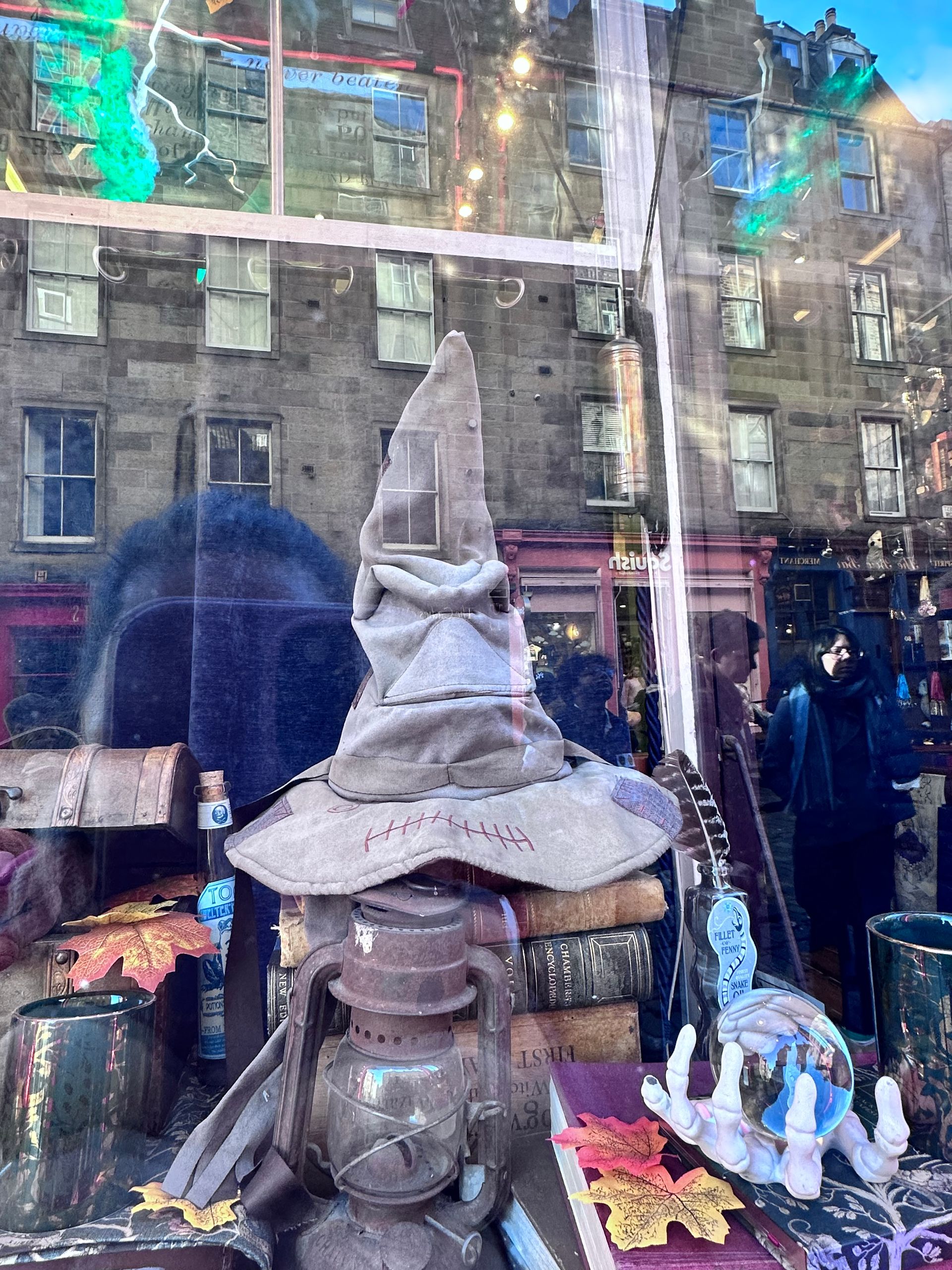
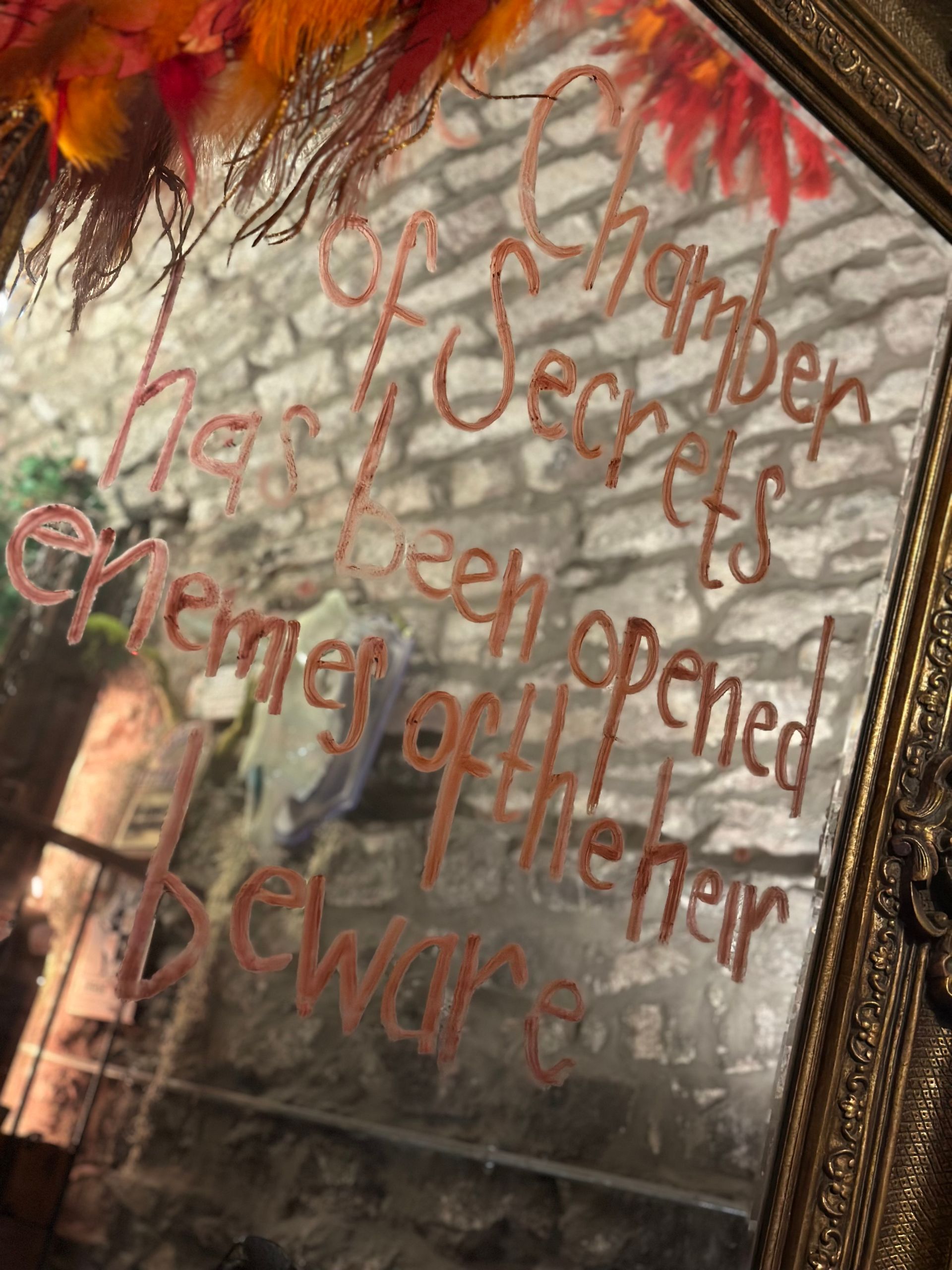
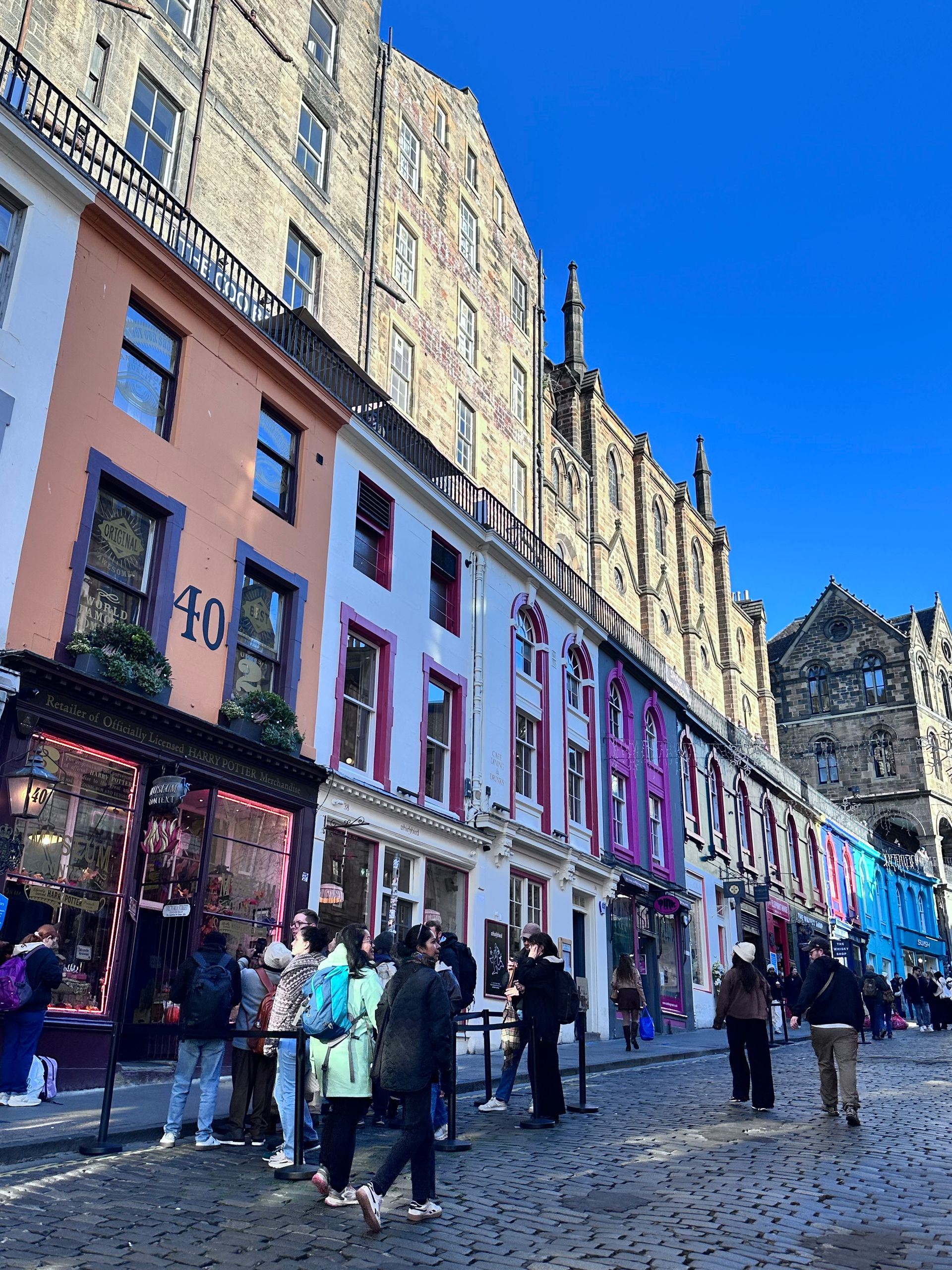
First, we passed by the Balmoral Hotel, where she wrote the last Harry Potter book (...and the Deathly Hallows) in suite 552, to continue on to Victoria Street. There, small colorful shops line up, which served as models for the well-known Diagon Alley. There is also the café The Elephant House, where J.K. Rowling often sat to write the first Harry Potter. Next door is a Harry Potter fan shop, which is beautifully designed and offers a range of fan merchandise.
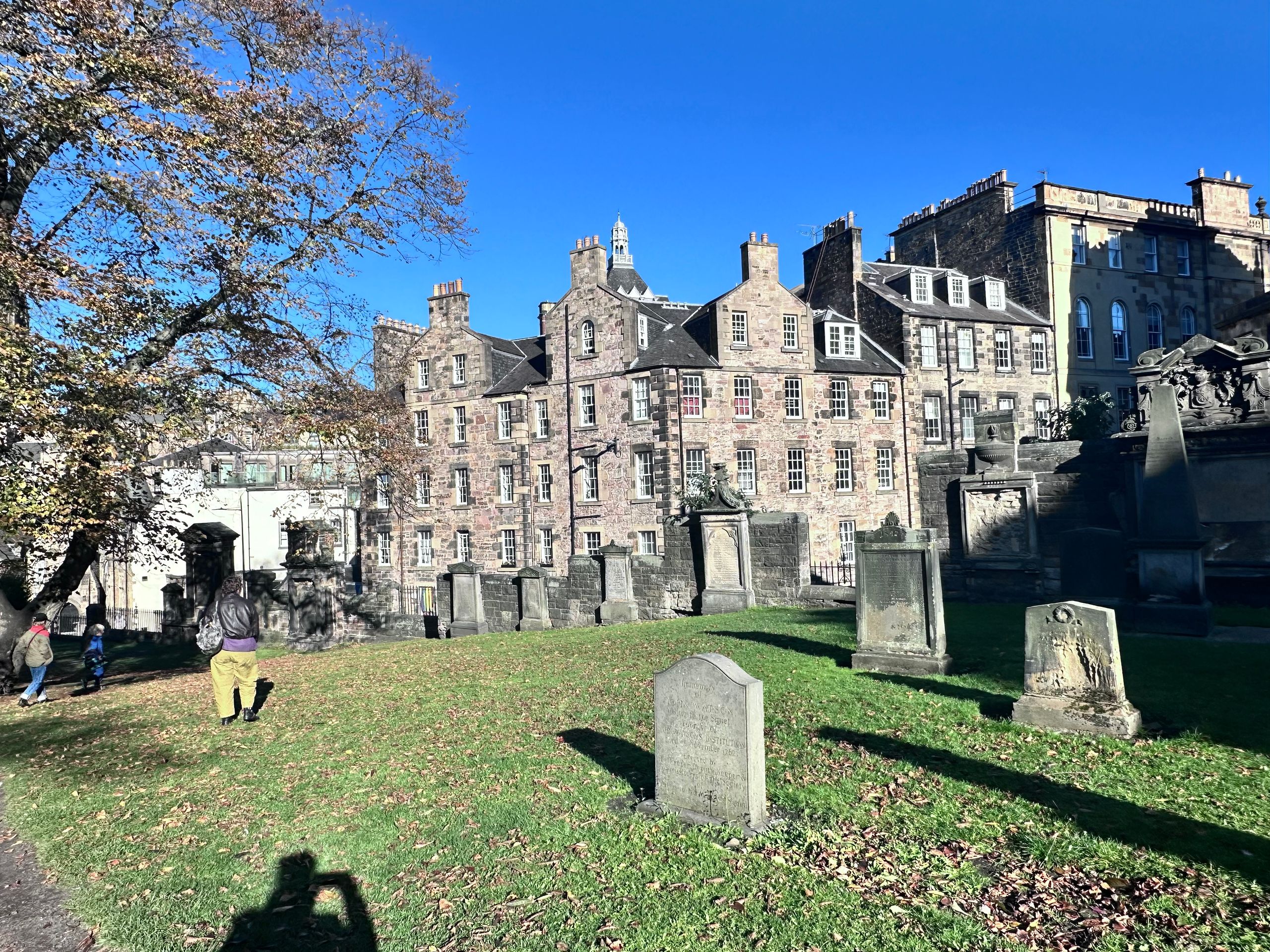
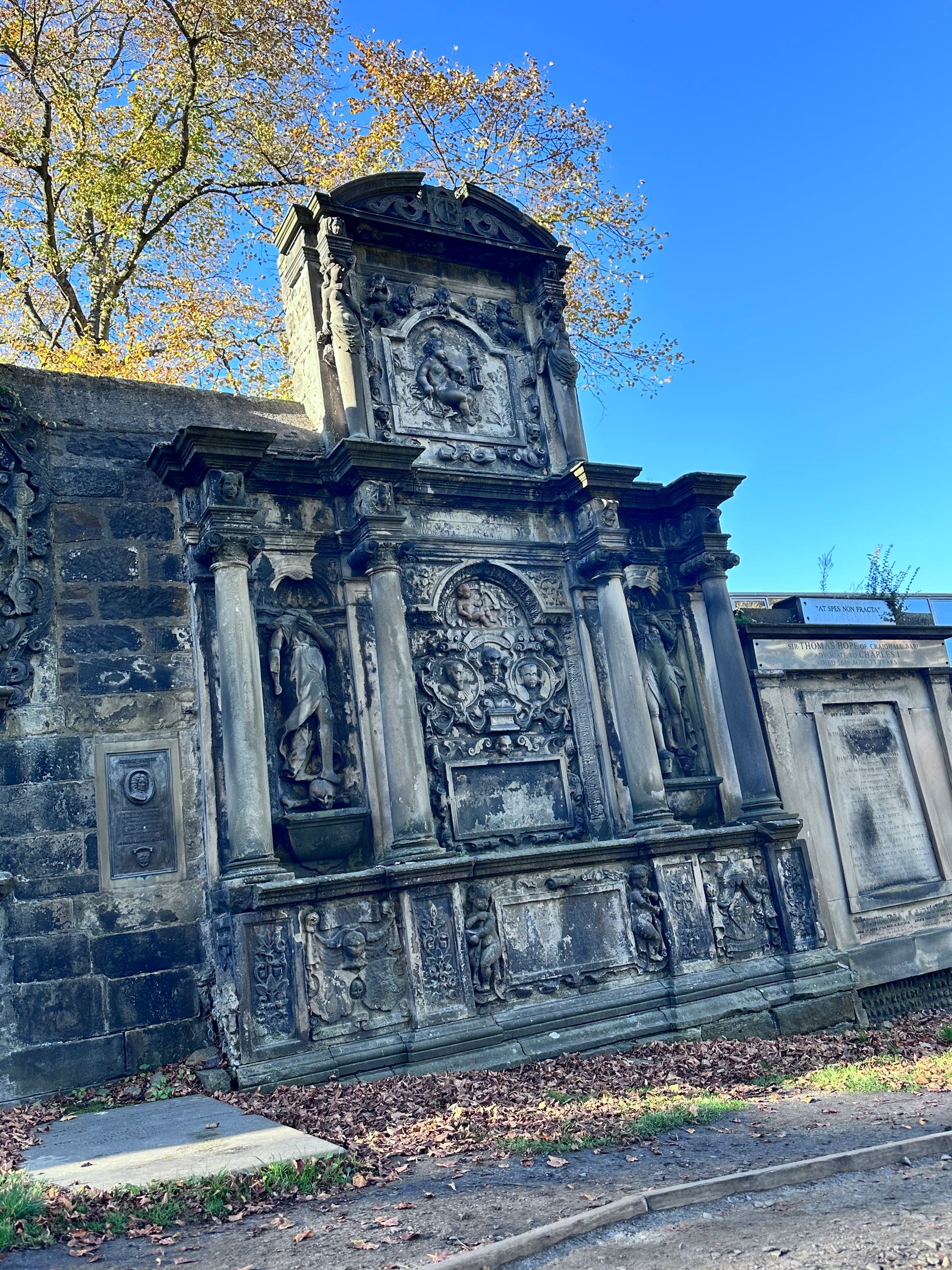
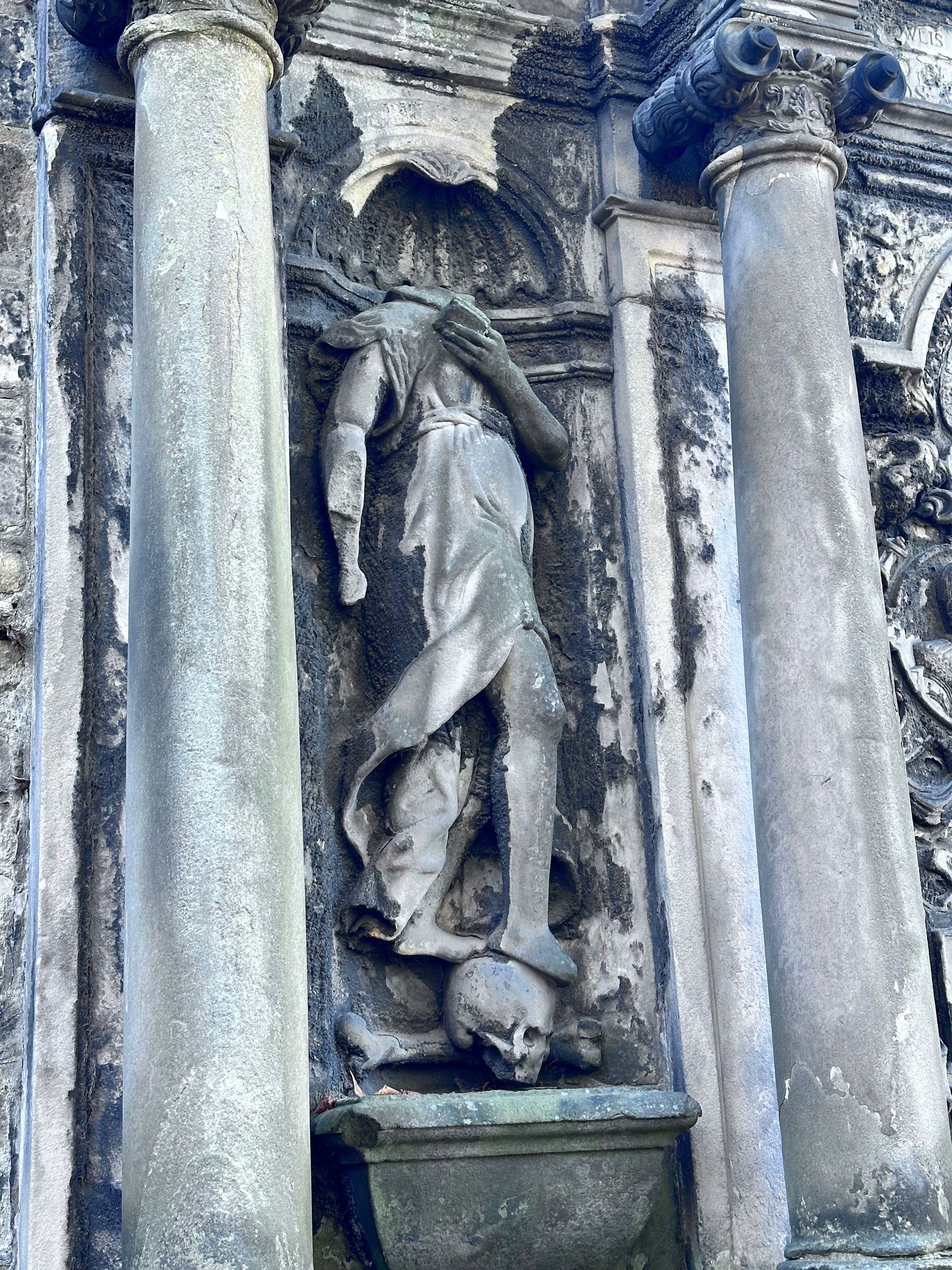
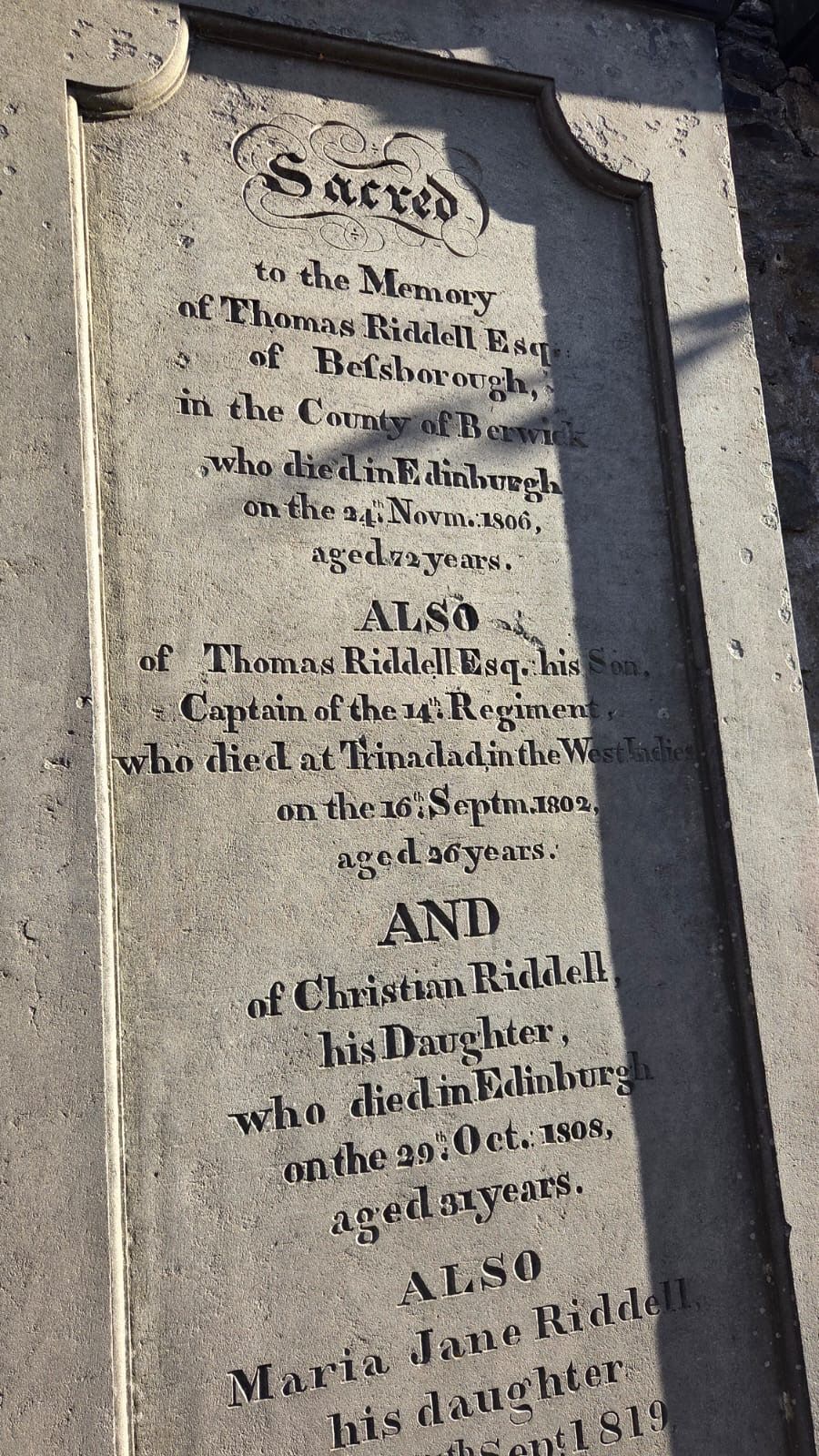
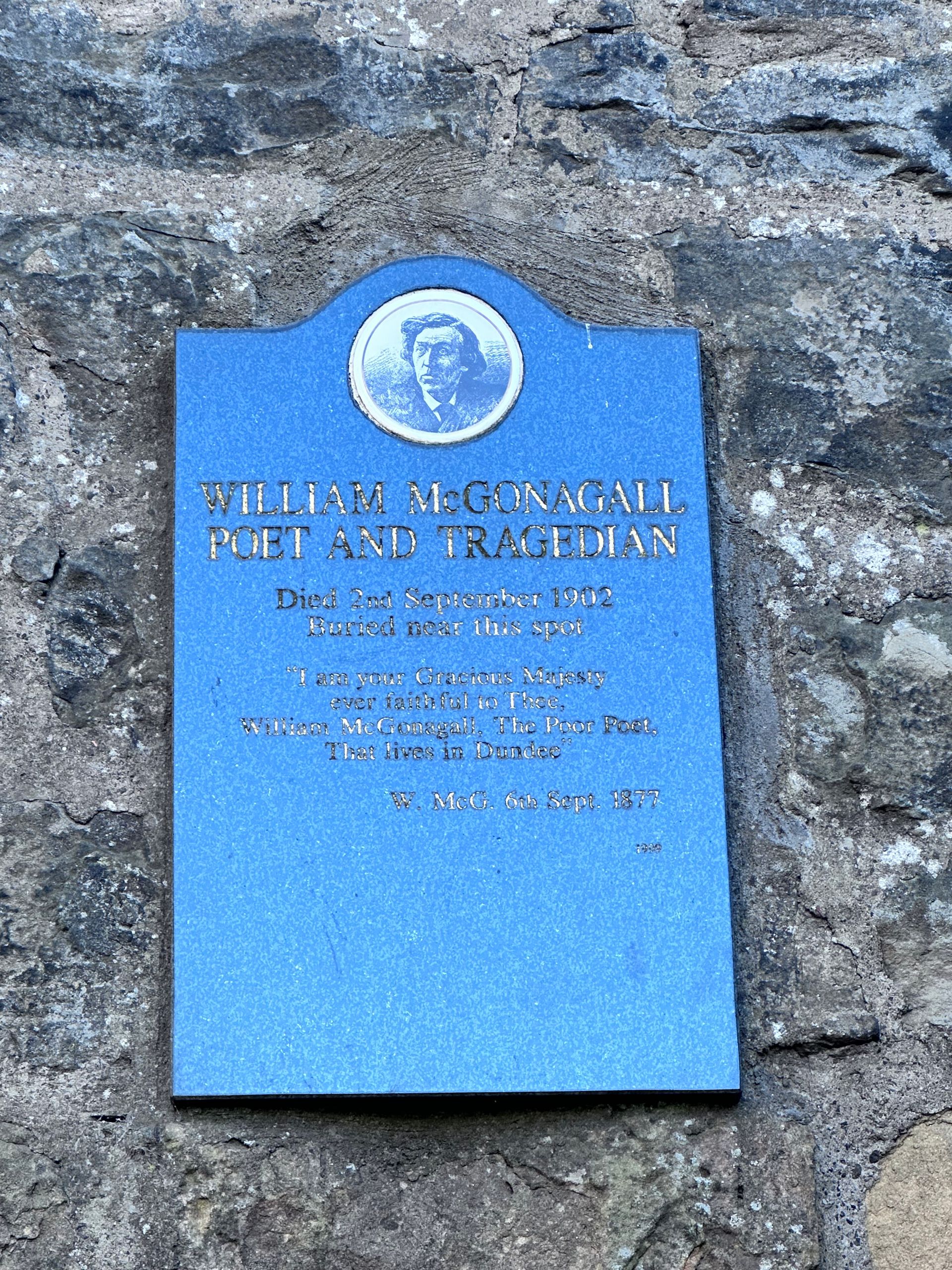
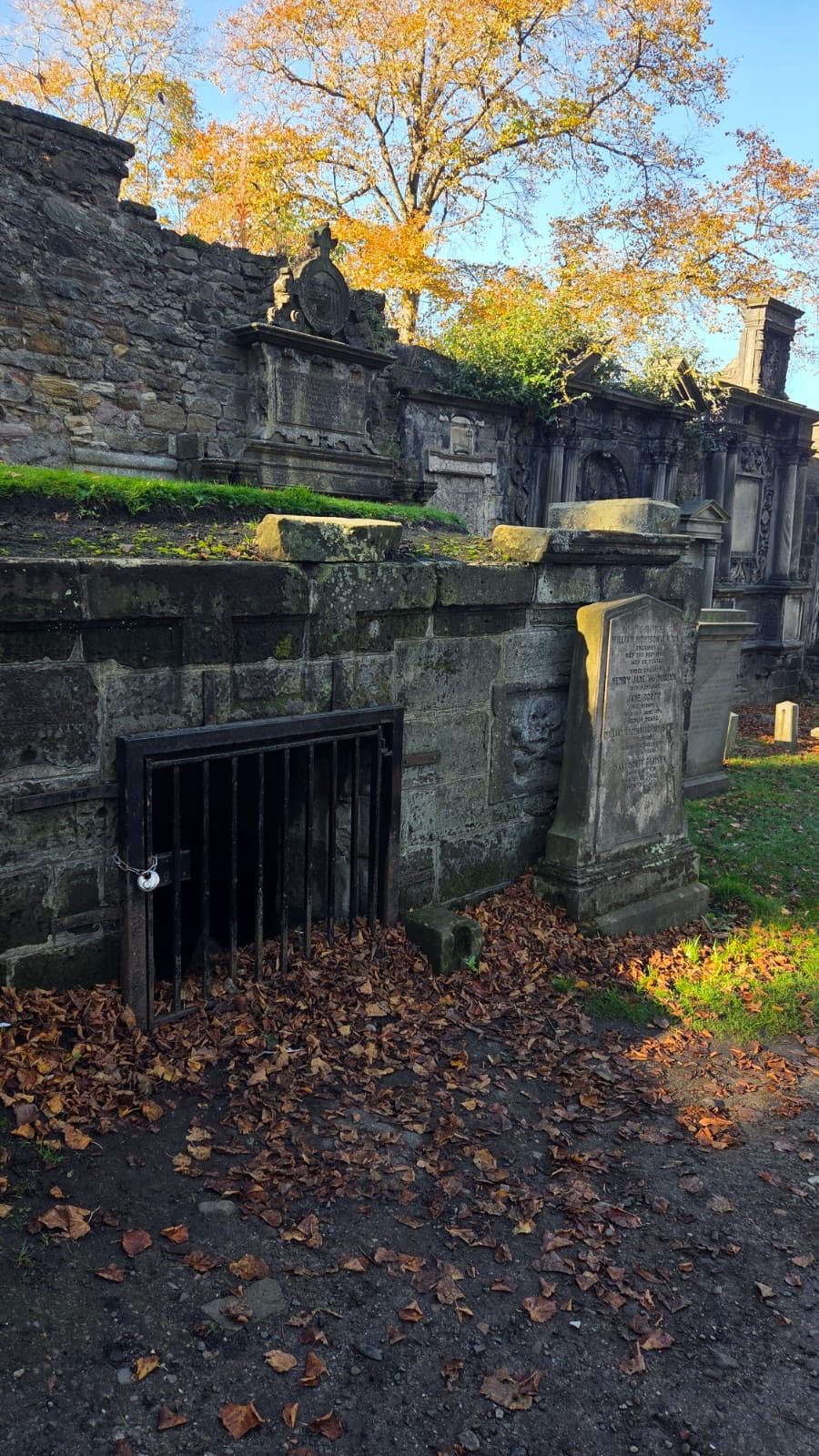
Another Harry Potter spot is Greyfriars Kirkyard - a cemetery from the 17th century. Rowling often strolled over and found many name inspirations there. One can find the grave of the Riddell family (Tom Riddle = Voldemort) and the poet McGonagall (Prof. Minerva McGonagall, head of Gryffindor).
That concluded the Harry Potter trail for us. It was very interesting to see the real-life inspirations for the fictional places and characters from our absolute favorite book series.
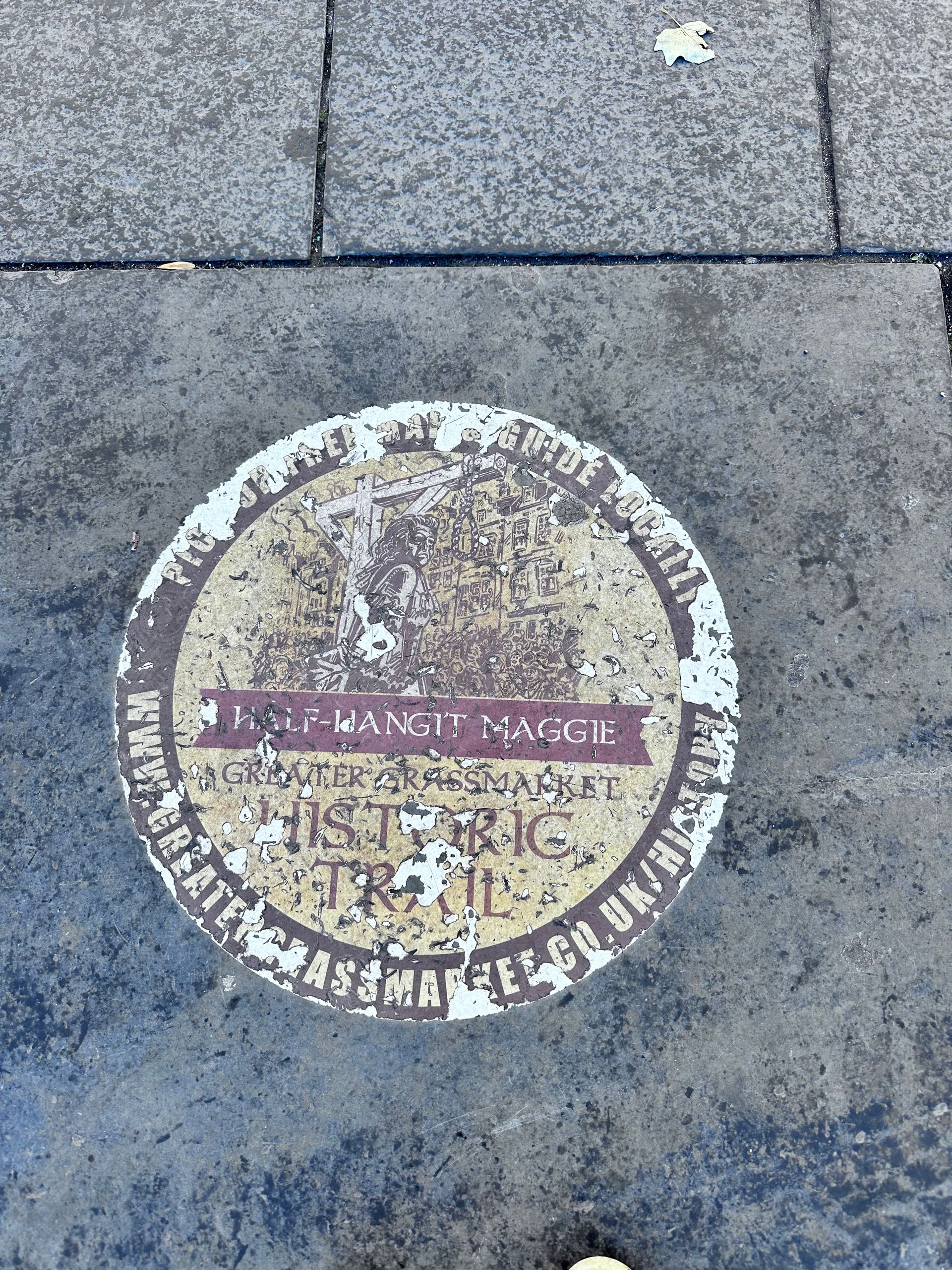
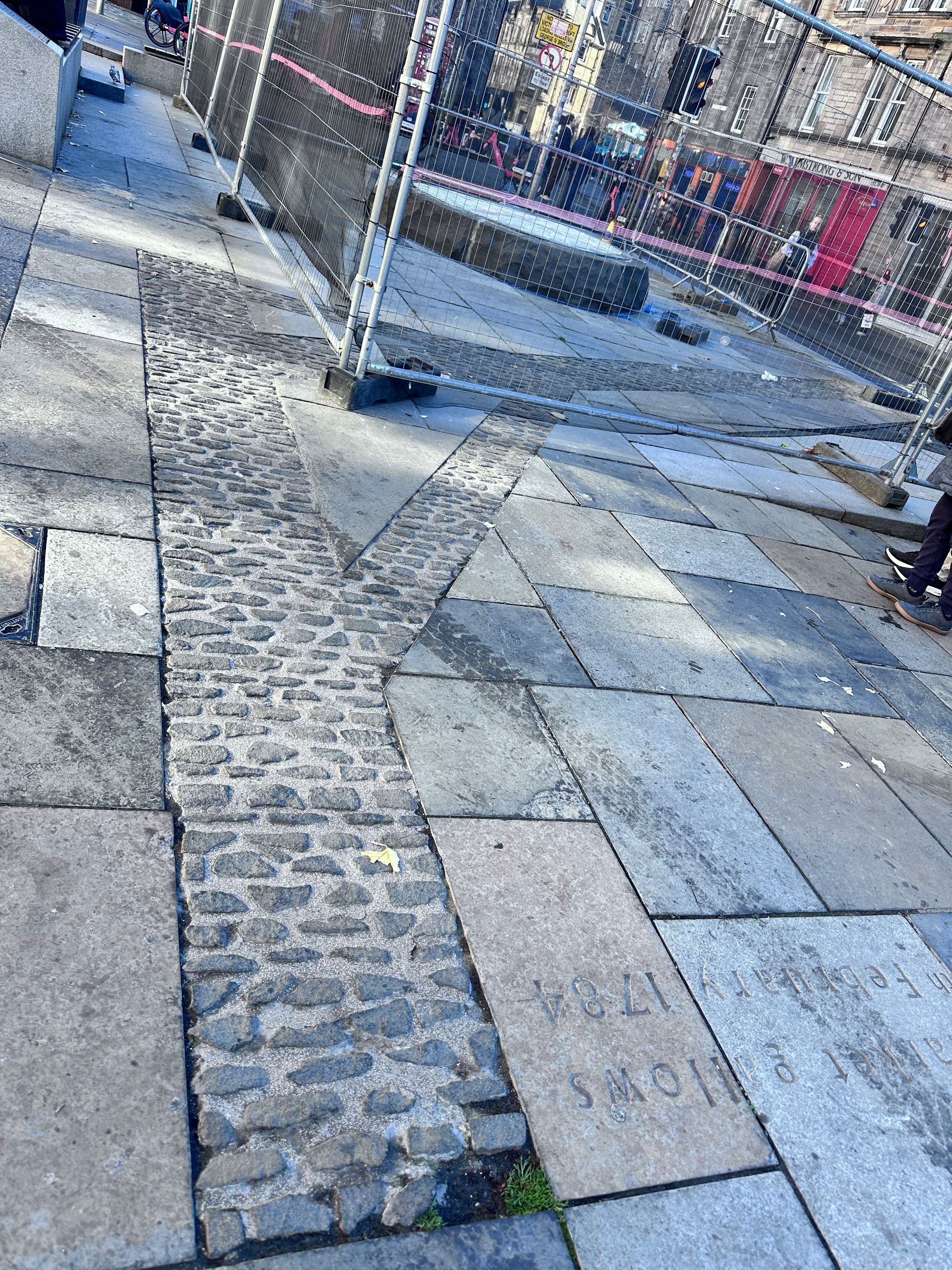
Another historically interesting place is Grassmarket. In the early 15th century, it served as a livestock market and trading area. From the 17th to the late 18th century, it functioned as a public execution site - preferably death by hanging. This is also remembered by black stones embedded in the ground that have the shape of a gallows. The last execution at Grassmarket took place in 1784 when James Andrews was hanged for robbery. Another story about the executions at Grassmarket is the case of Margaret Dickson. A round stone inscribed