
San Francisco
The friendly Border Control is surprisingly quick, and after about 30 minutes of waiting, we can head to our hotel where we will spend our first night. Having two consecutive...


Published: 29.06.2025
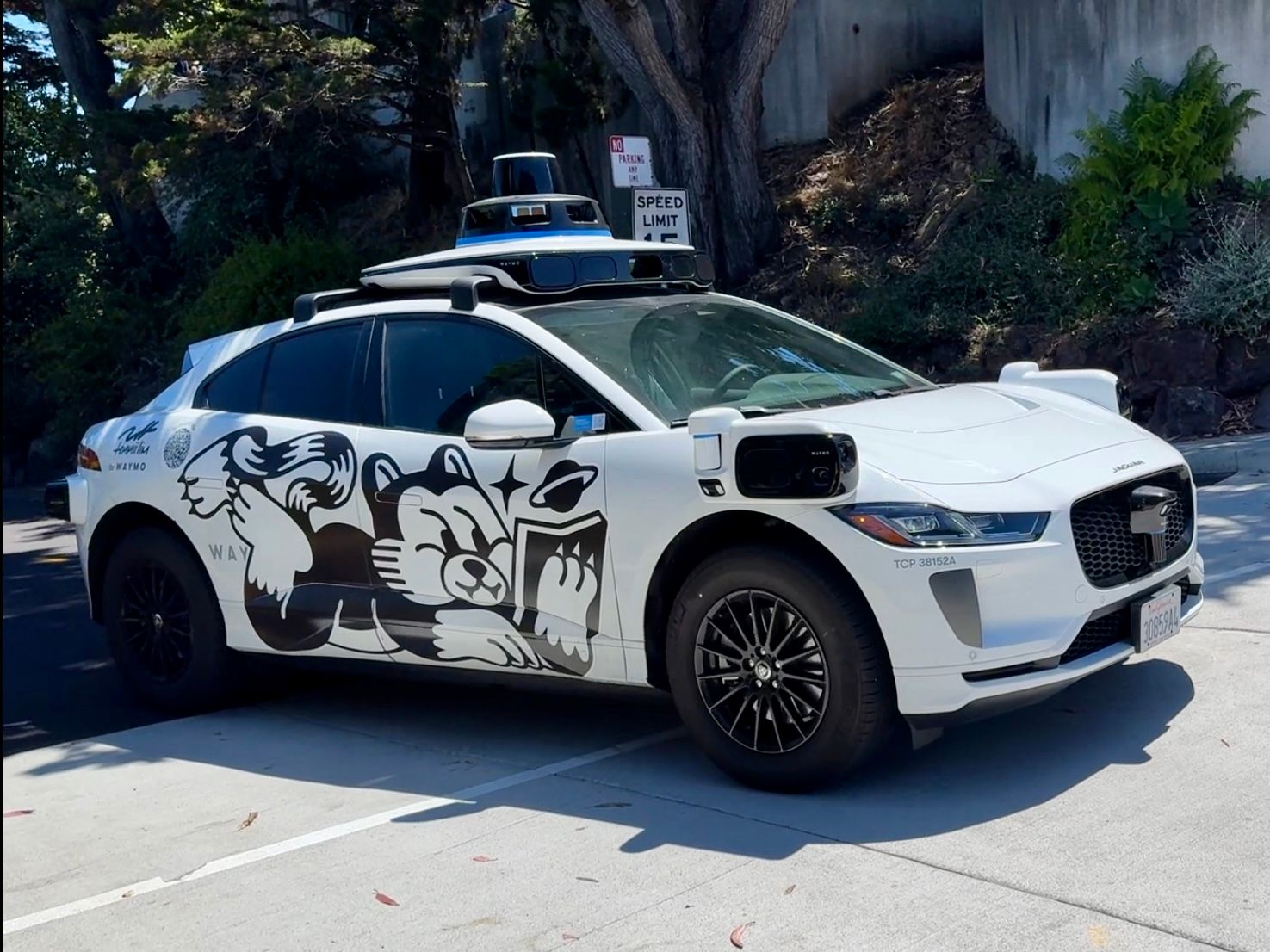
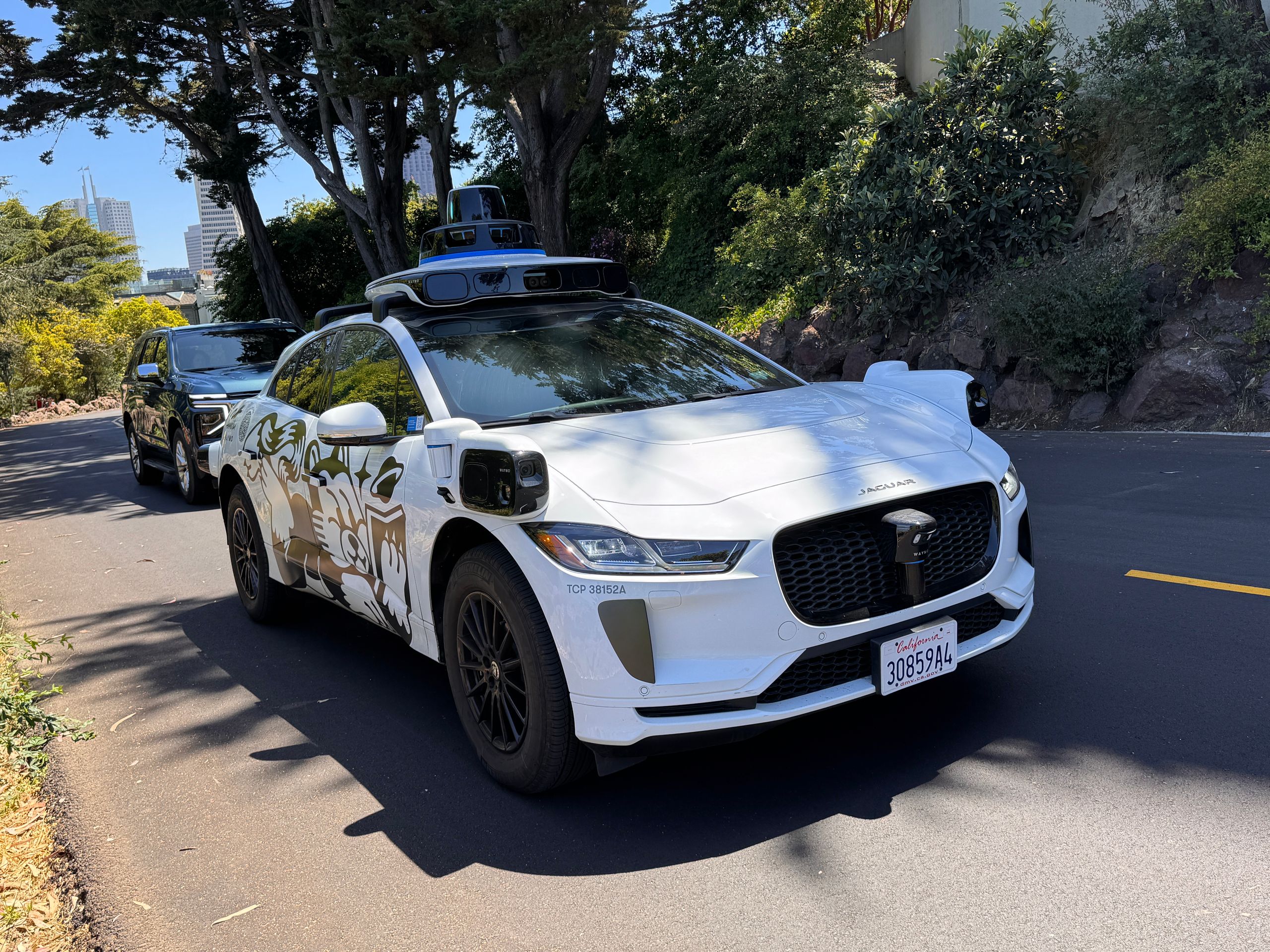
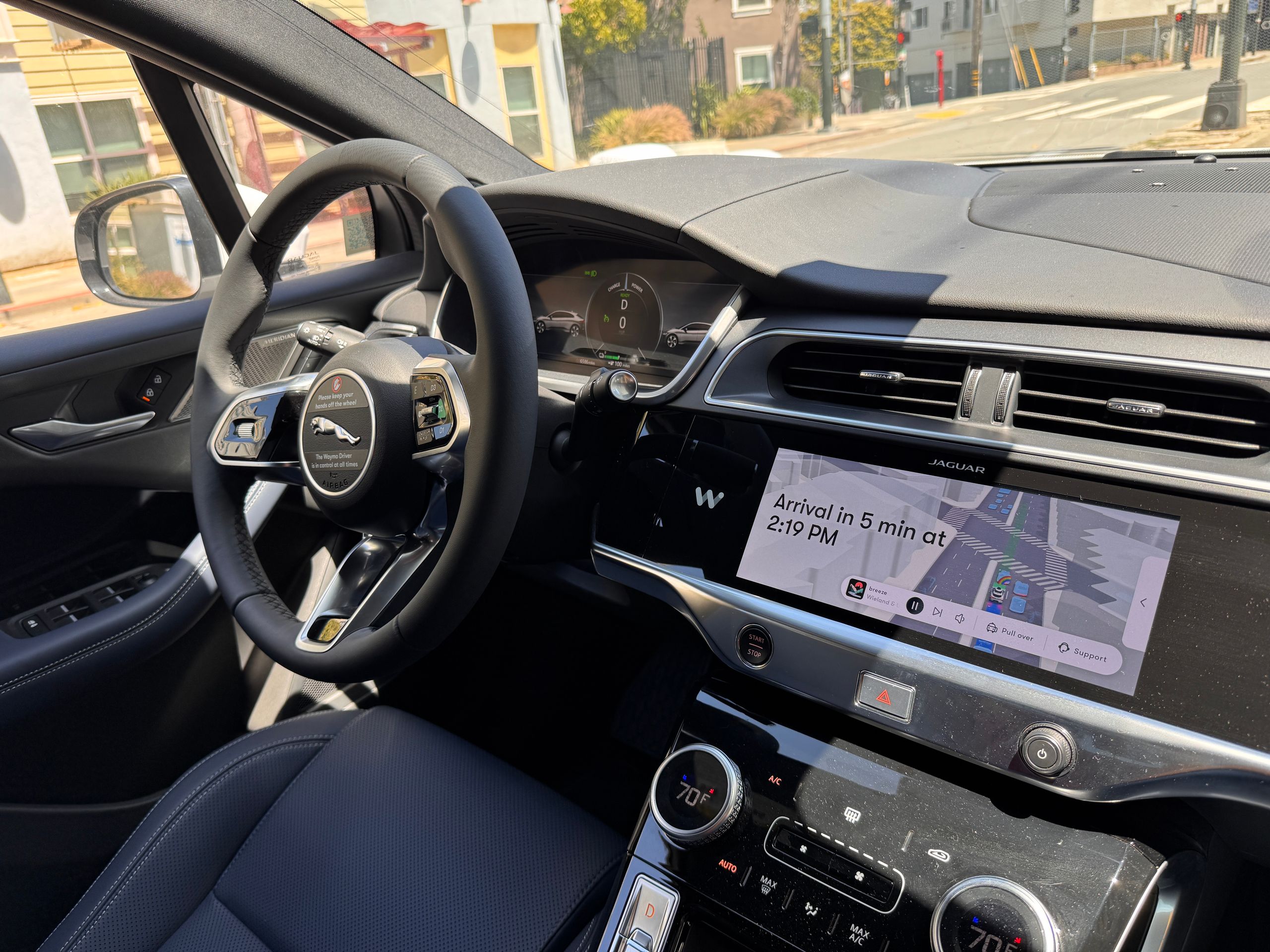
To my surprise, the autonomous vehicle drives briskly through the streets of San Francisco—somewhat unusual considering you're usually driving the vehicle yourself. Fortunately, we haven't yet figured out what the ethical dilemma of self-driving cars and the decision-making process for the so-called "trolley problem" would look like in practice.
Digression: This moral-philosophical thought experiment is profoundly European and culminates in the juxtaposition of utilitarianism with Kant's categorical imperative from the ethics of duty. The "trolley problem" describes the case of a switchman who, by setting a switch, can save many human lives at the cost of a single human life. According to proponents of utilitarianism, he should set the switch because fewer people will die as a result. According to Kant's ethics of duty, actively setting the switch would be a clear violation of the universal rule and maxim to kill no one.
In the land of dreams, you create facts before dealing with problems that your future self will have to solve. The benefits of autonomous cars are difficult to quantify and will drastically change our lives. To return to the "trolley problem": the Waymo car probably doesn't have a clear answer to it. In any case, Waymo has a good chance of becoming the next American "Winner Takes It All" company. The company seems to have a gigantic lead over the major automakers. We felt largely safe during the ride. When do you think robo-taxis will arrive in Europe?