Museum Day in Takayama
September 25 On Friday, after breakfast, we first headed to the morning market where local foods and products were offered – mainly fruits and vegetables. Since we were still...

Published: 29.09.2026
September 27
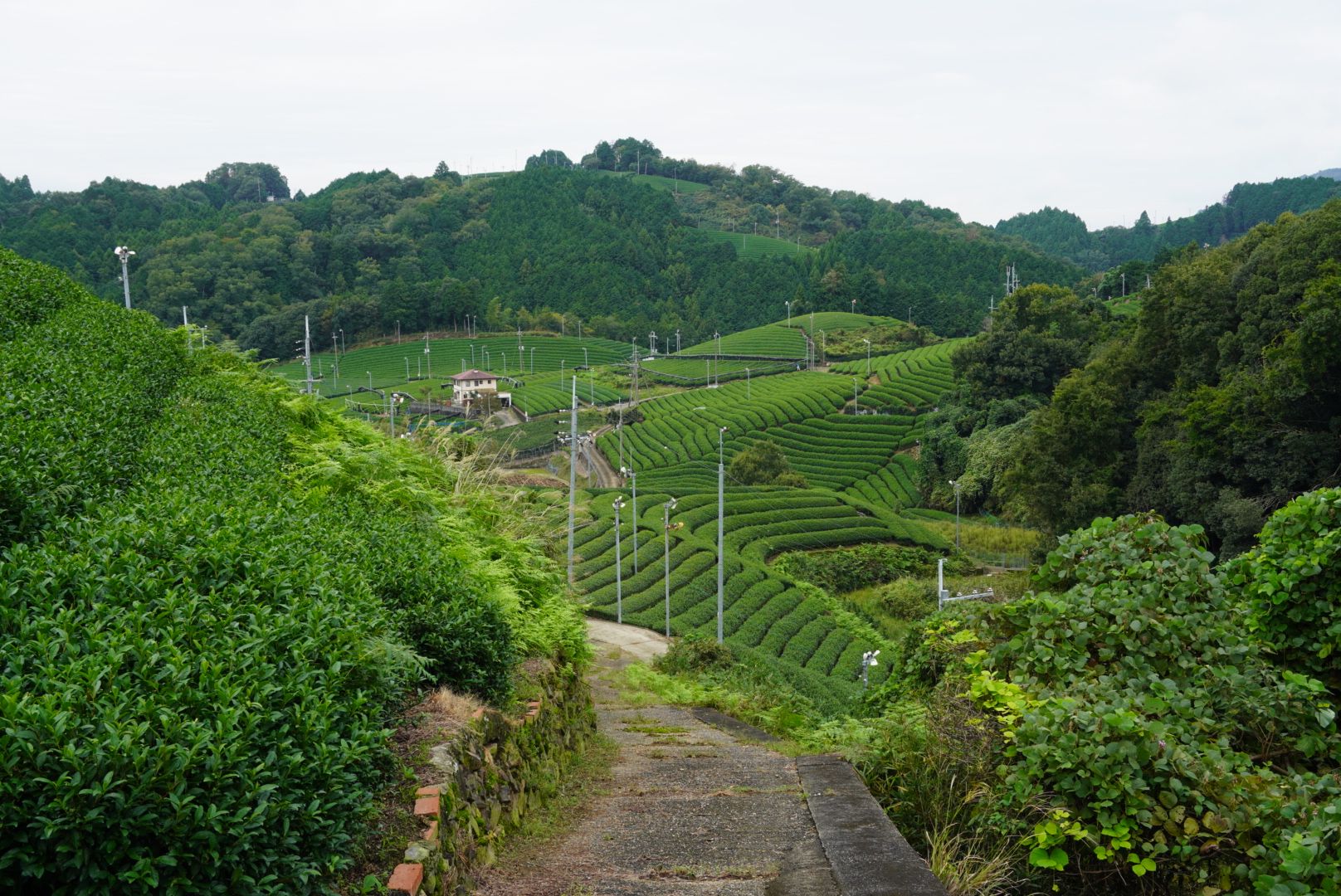
On Saturday, our journey continued. After breakfast, we drove for over three hours in the rain with our rental car towards Kyoto. Before settling in the city, however, we made a stop in the tea-growing region of Wazuka, where we had booked a farm stay.
When we arrived, we met our host Michael, who, along with his wife Ikuko, has specialized in tea tourism in the small town of about 3,000 inhabitants. Michael is originally from Australia but has been living in Wazuka for twelve years.
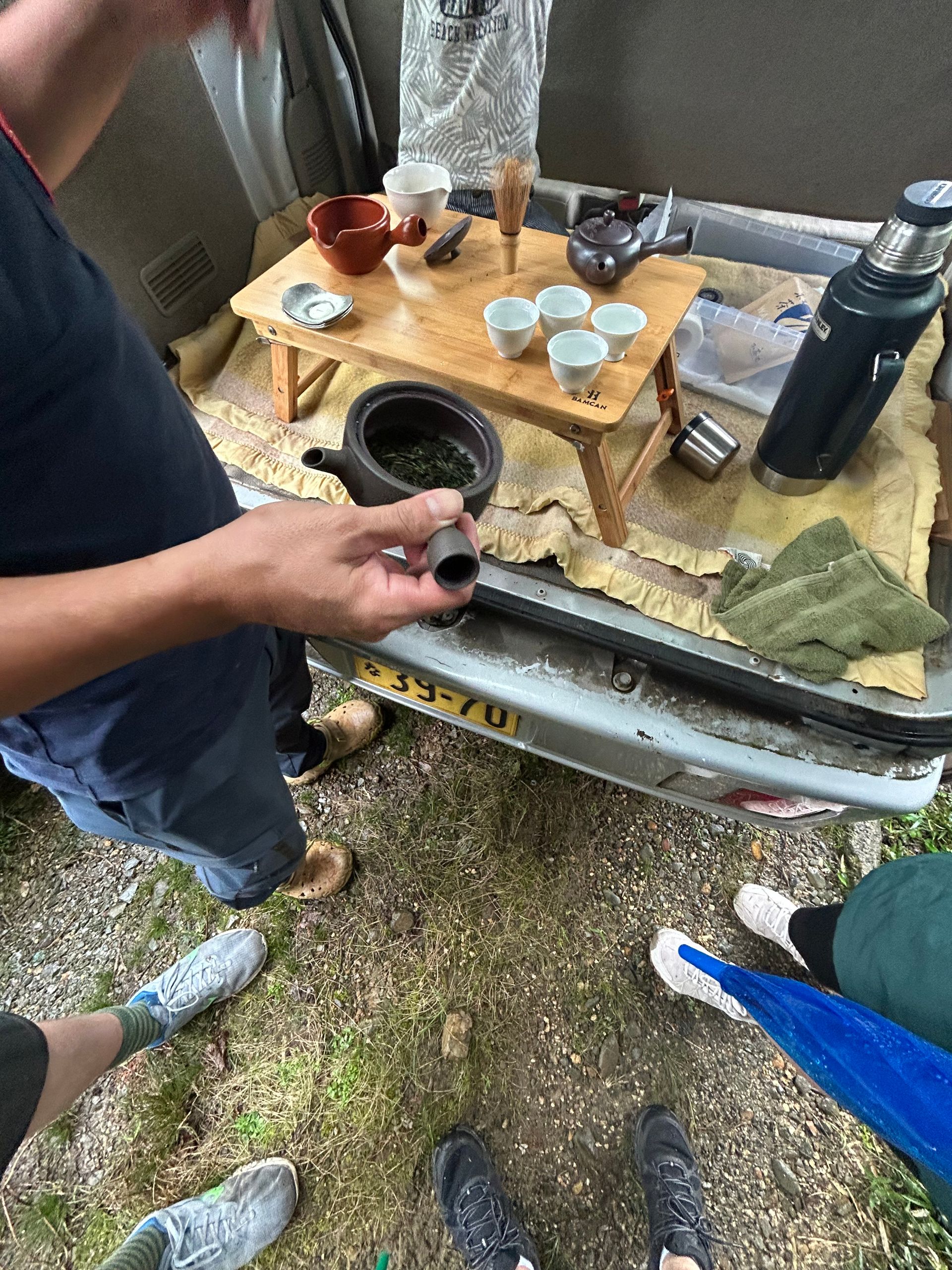
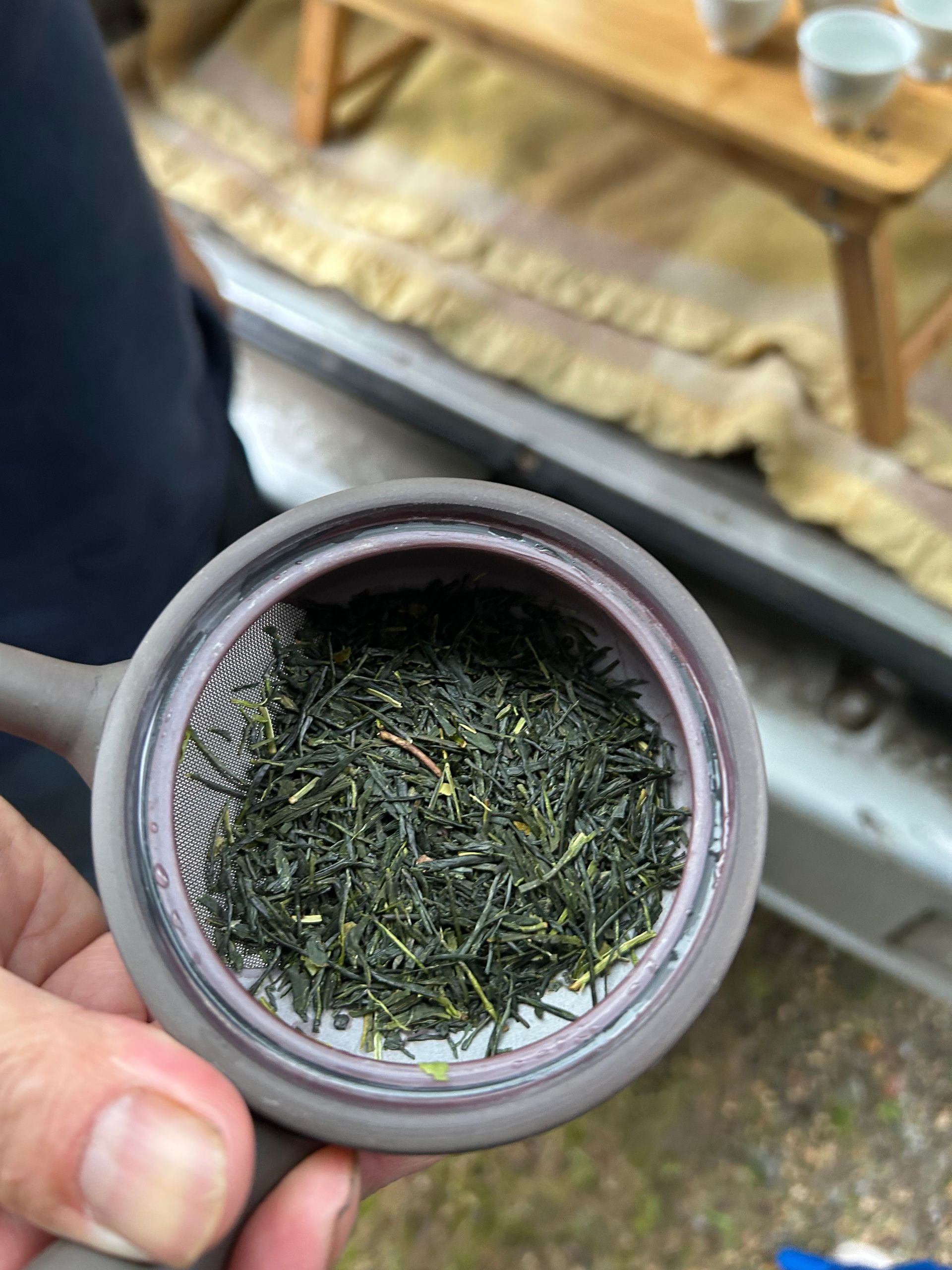
He clearly had a lot planned for us, because right after our arrival, we first tasted various types of tea from the region and received detailed explanations. Afterwards, we went together to a small café for lunch.
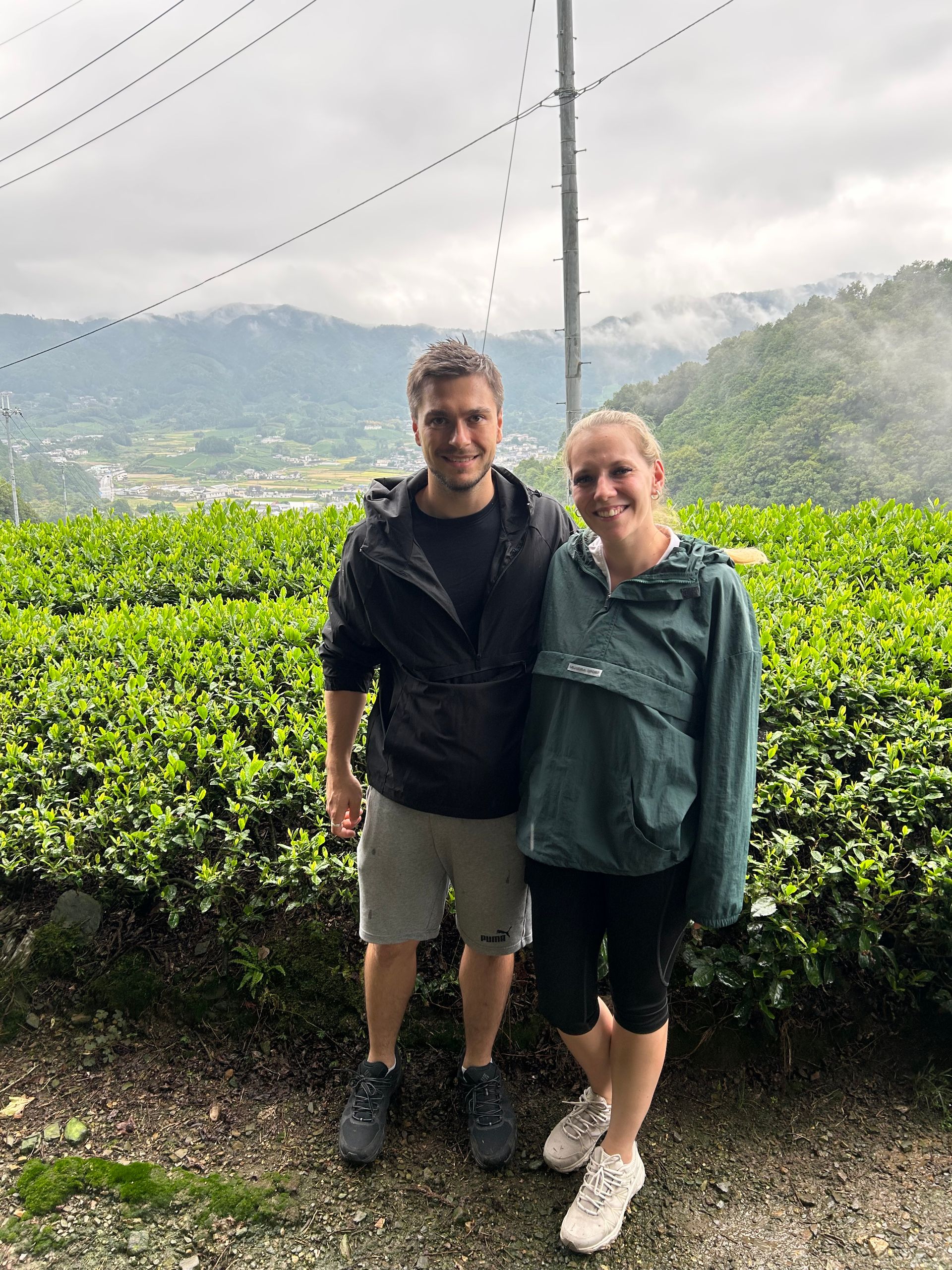
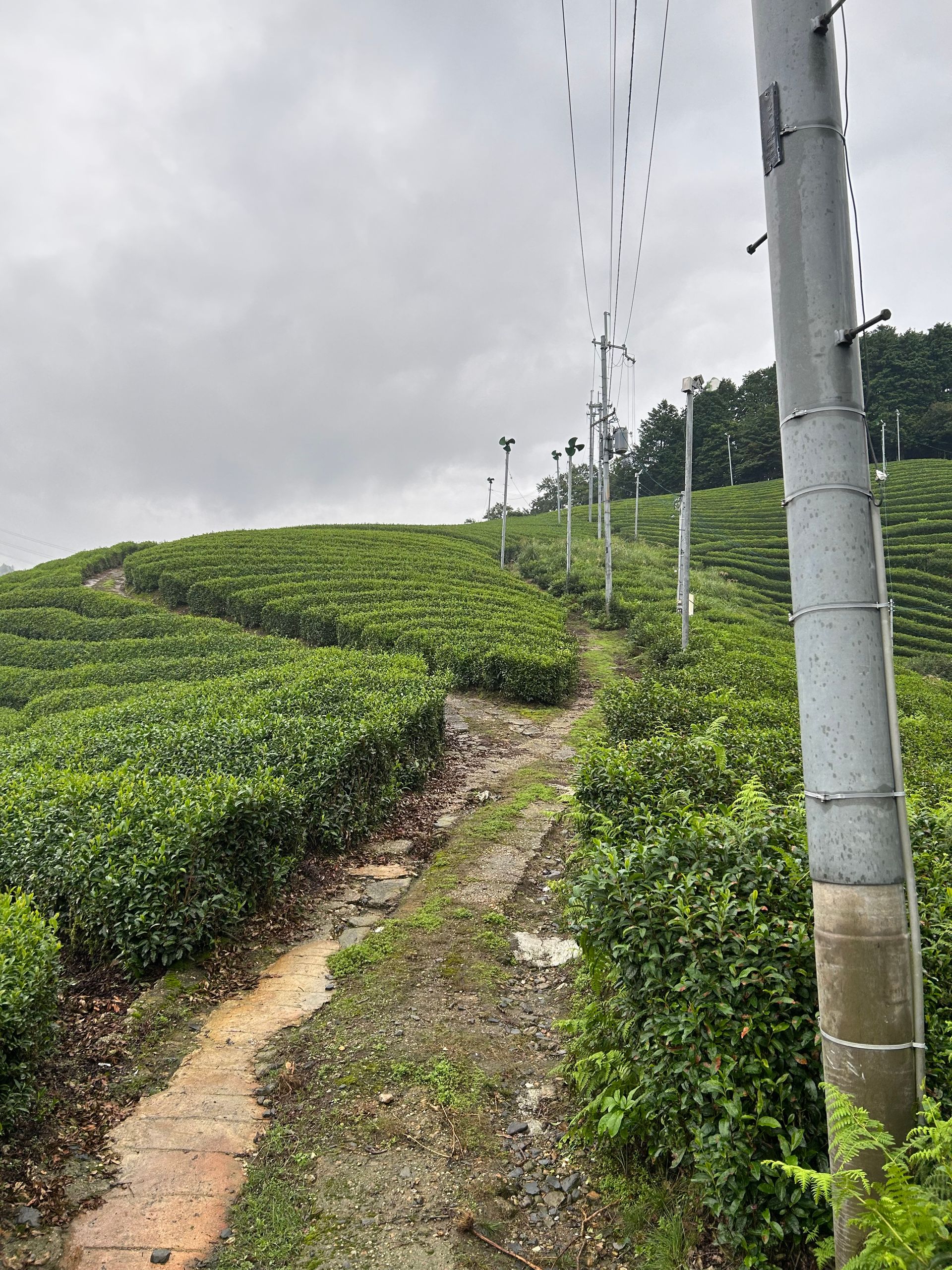
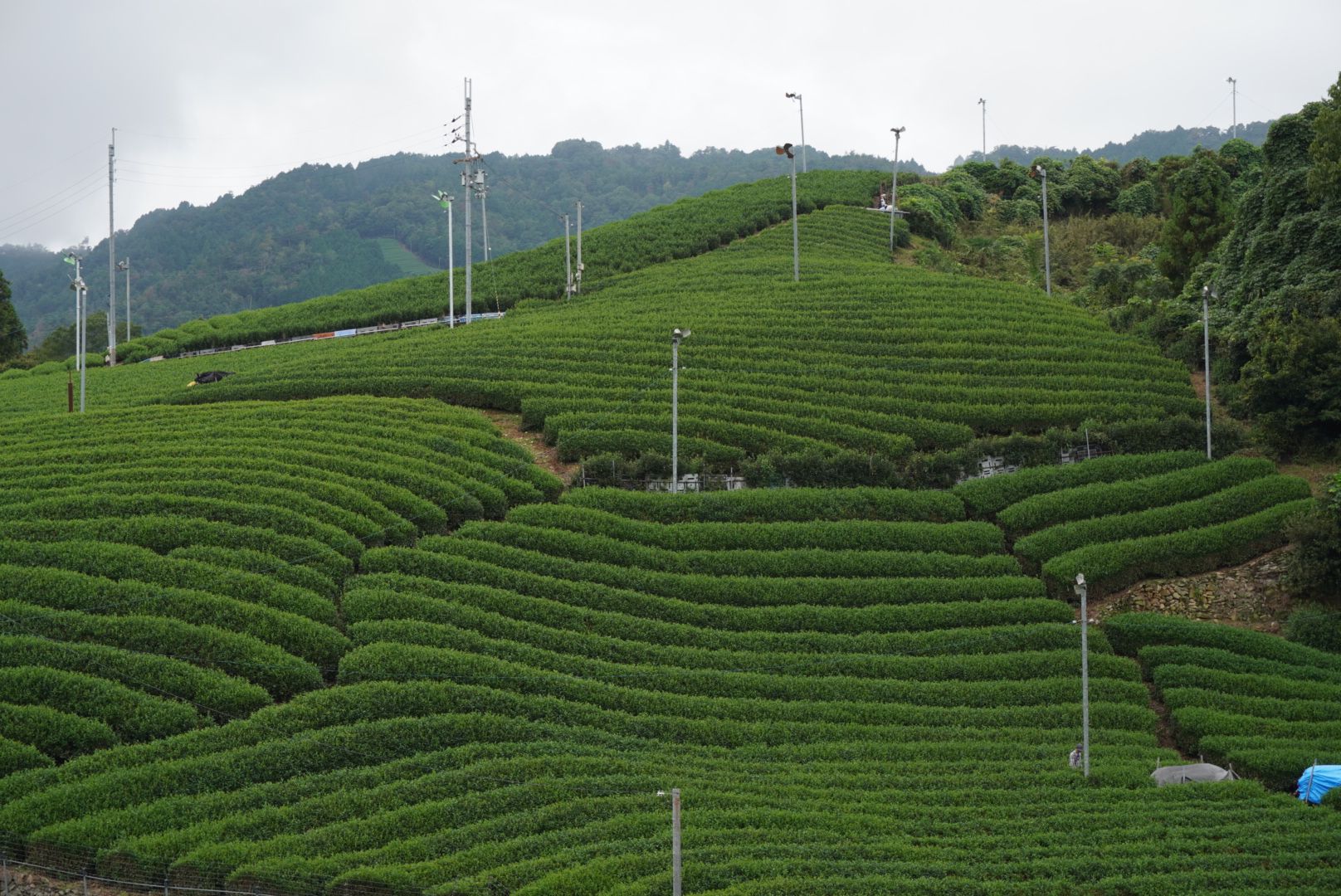
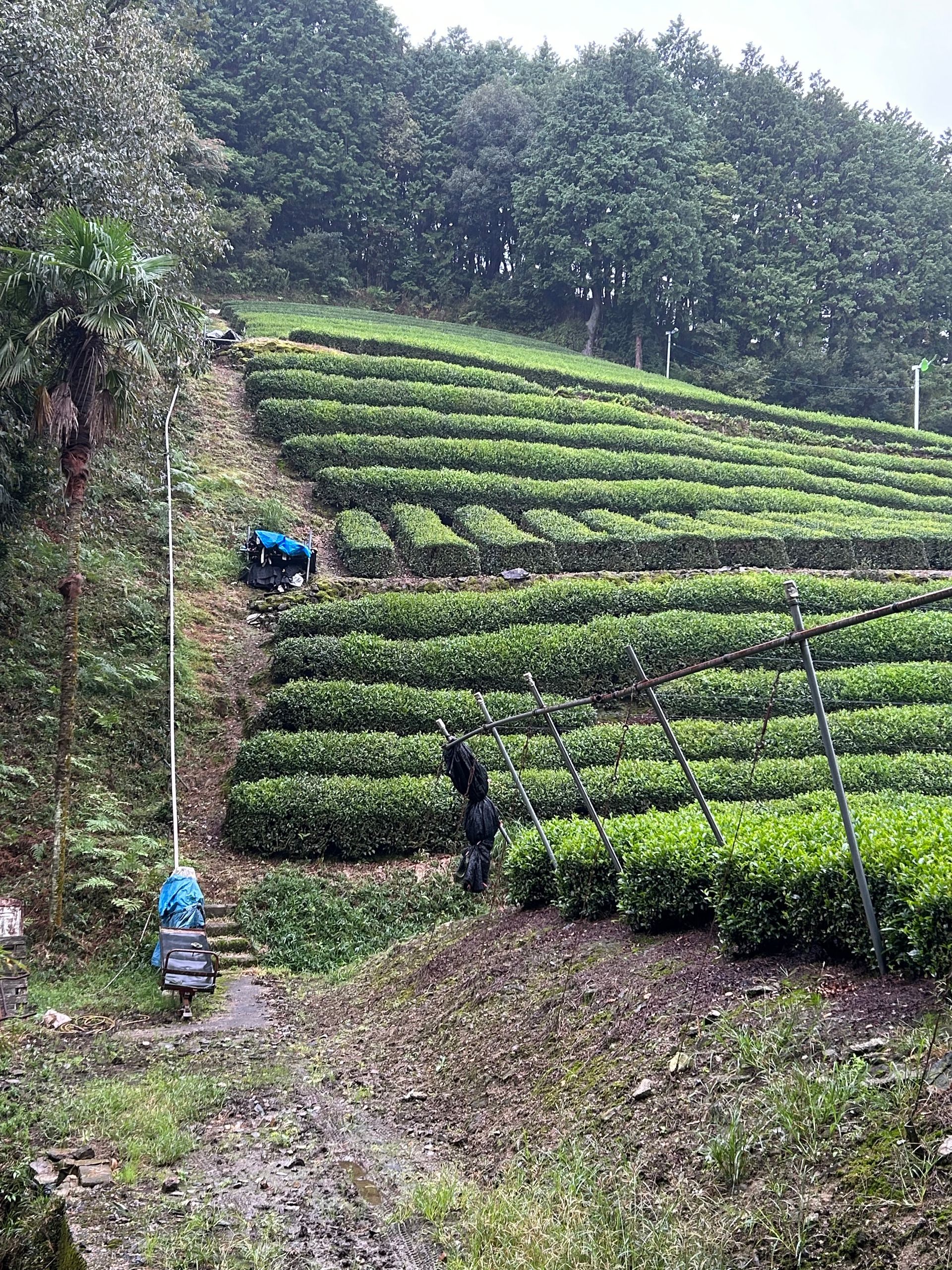
After that, we met with a local tea farmer named Osamu. He quickly packed us into his tiny car and drove us up quite adventurous roads into the mountains to his tea fields.
There he explained everything possible about tea cultivation, and of course, we had some tea to drink again. For me, it was really very interesting to see how this type of agriculture is actually operated.
Little Tea Excursion
All true tea varieties come from the same plant: the tea shrub Camellia sinensis. The big difference between green tea, black tea, oolong, white tea, and the like lies not primarily in the plant itself, but in which parts of the plant are harvested and how they are processed afterwards.
There are so-called cultivars, which are bred varieties particularly suited for certain types of tea. However, theoretically, any type of tea can be made from any tea plant. We will, however, focus here on green tea.
Sencha is essentially the standard variety. The leaves are harvested - sometimes up to three times a year - and are then brought to the factory as quickly as possible, where they are sorted and steamed. Steaming is meant to stop oxidation. This is undesirable in green tea, while it is an important part of the production of black tea.
Afterwards, the steamed tea is rolled, breaking the cell walls of the leaves. In the past, this was extremely labor-intensive handwork, but nowadays machines happily take over this task. The rolled tea is then cut and dried, thus it is basically already finished.
With other green tea varieties like Gyokuro or Tencha, the tea fields are shaded for several weeks before harvest. This allows other substances to be stored in the leaves, which affect the taste.
And with Matcha, it is basically finely powdered Tencha.
Afterwards, we returned to our accommodation, where we had some time to rest until the evening.
Later, we had a little cooking lesson with Ikuko. Together, we prepared a typical Japanese dinner. There was miso soup, teriyaki chicken, spring rolls, vegetable tempura, and a salad. Everything was excellent!
Afterwards, we had a really nice dinner with the host family. During this, Michael shared with us quite a bit about how his immigration to Japan had worked and how the wheels of bureaucracy turn here.
Afterward, we were really dog tired, and glad to be able to spend a quiet night in our spacious accommodation.”]}},{