Matsumoto Castle and Beer
September 23 On Wednesday, we set off early and drove to Matsumoto after breakfast. There, we first dropped off our belongings at the hotel and returned the rental car in perfect...

Published: 25.09.2026
September 24
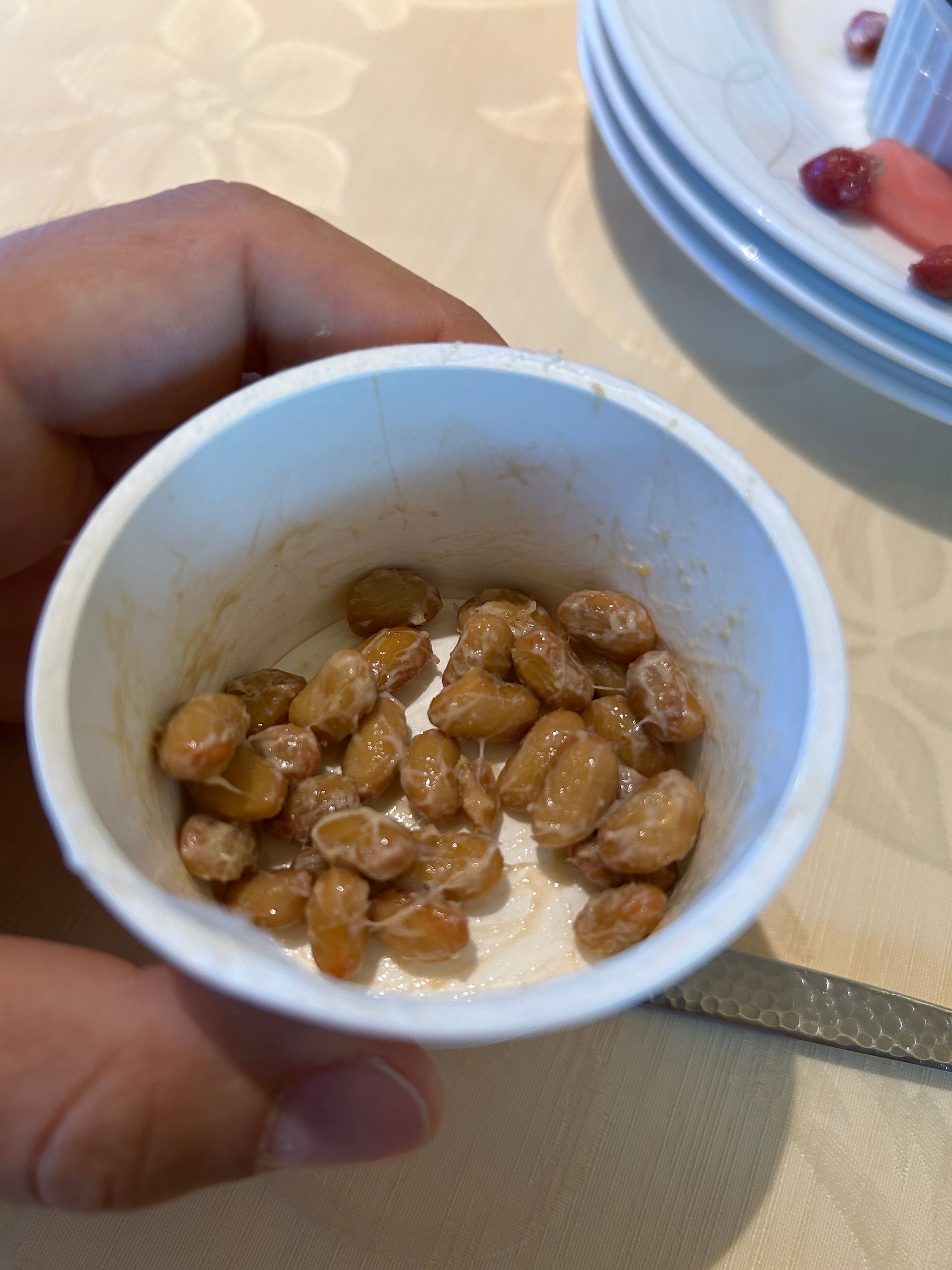
On Thursday, we first enjoyed breakfast at the hotel, and Isi was brave enough to grab a portion of natto.
This consists of soybeans fermented with a bacteria found on rice straw. The result has a rather slimy consistency and a truly strong, almost cheesy taste.
Of course, we tried it and we give it the label: OK!
If you can handle Limburger cheese, you can also manage natto without major issues.
Afterwards, we checked out and took a stroll through Matsumoto. During this, we noticed a fully packed antiques shop, where Isi promptly fell in love with a handmade ceramic teapot.
This teapot now just needs to be safely transported to Germany. It's exciting.
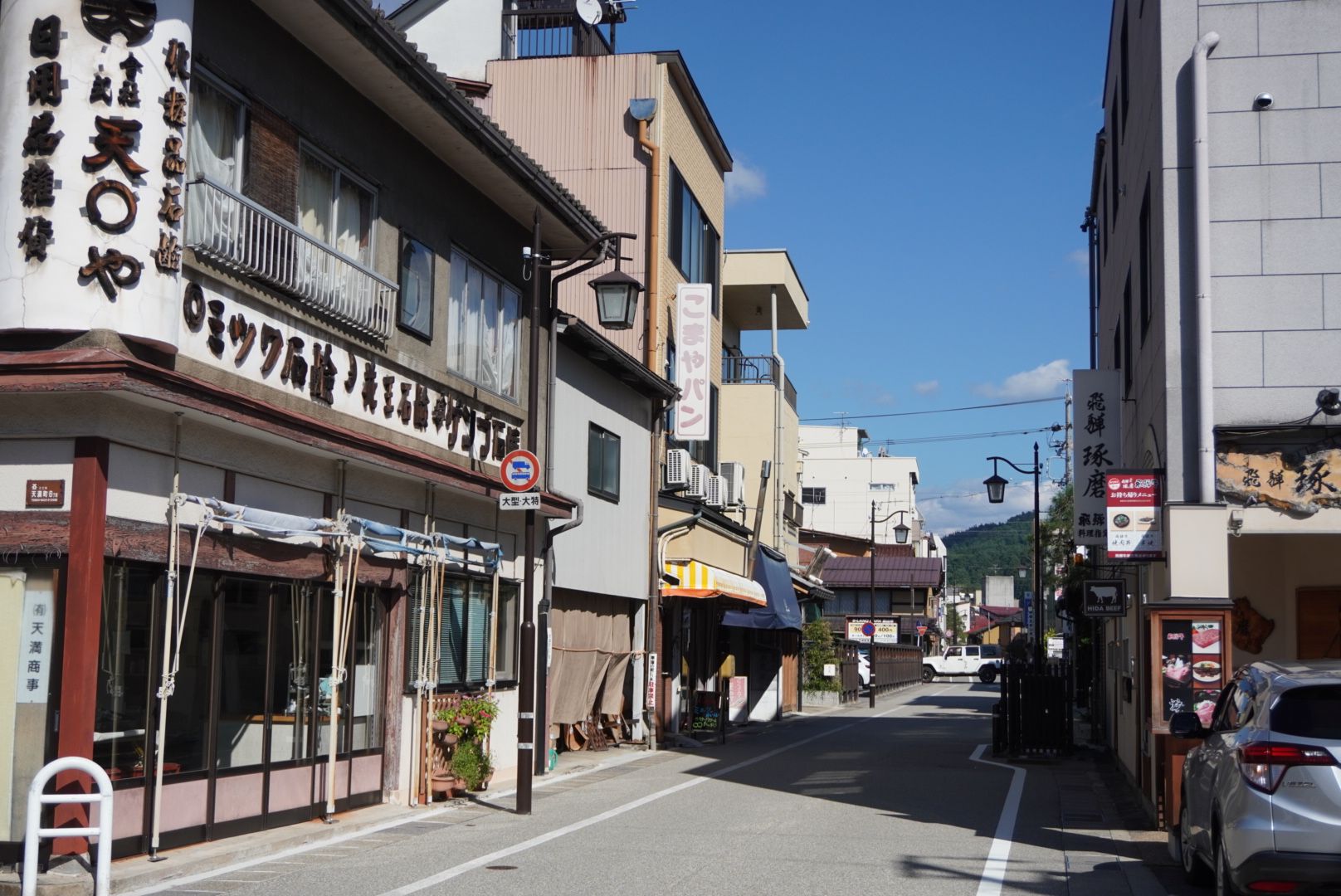
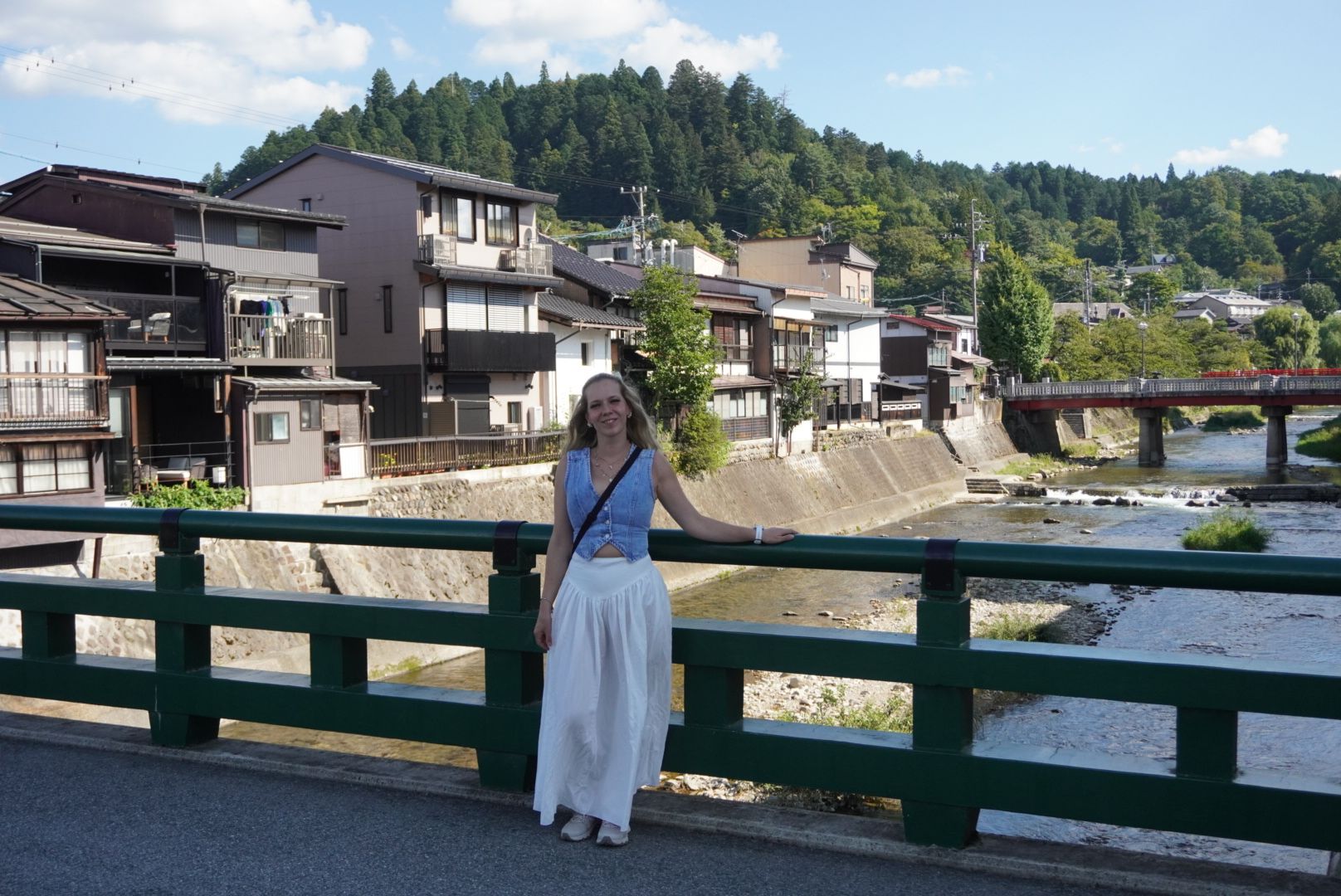
After that, we continued by bus to Takayama. A town with about 80,000 inhabitants, known primarily for its beautiful old town, its excellent beef, and not least for its numerous sake breweries.
So overall, quite a nice place to spend some time.
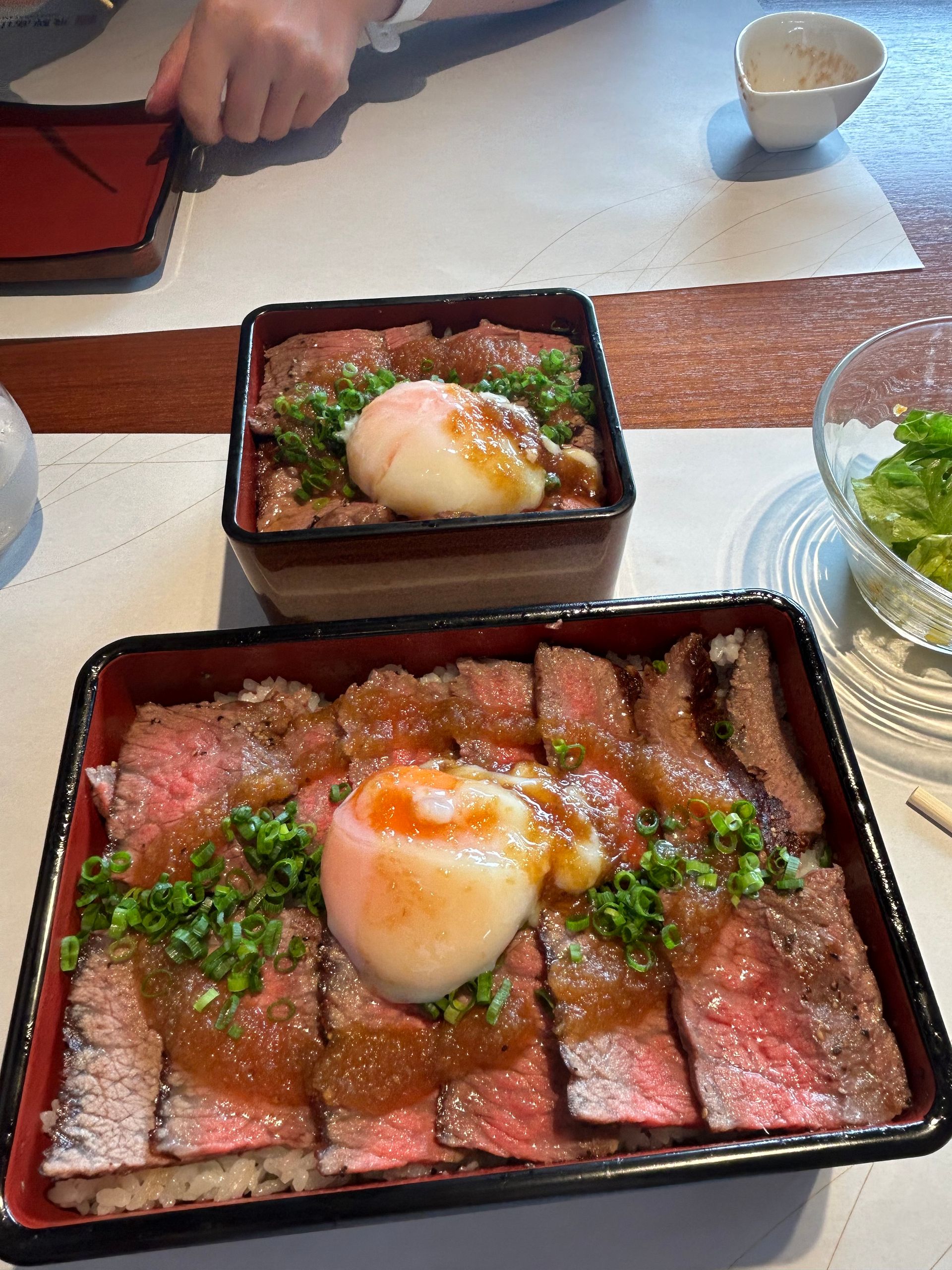
Once we arrived, we first brought our things to the hotel and then made our way to the old town to grab something to eat. We wanted to try the locally famous Hida beef. This is a protected regional brand name. Only Wagyu beef that has been raised in the region and has undergone a specific classification process can bear the name Hida beef.
We quickly found an appealing restaurant where we could taste the meat. It had a fine fat marbling, was incredibly tender, and truly tasted excellent.
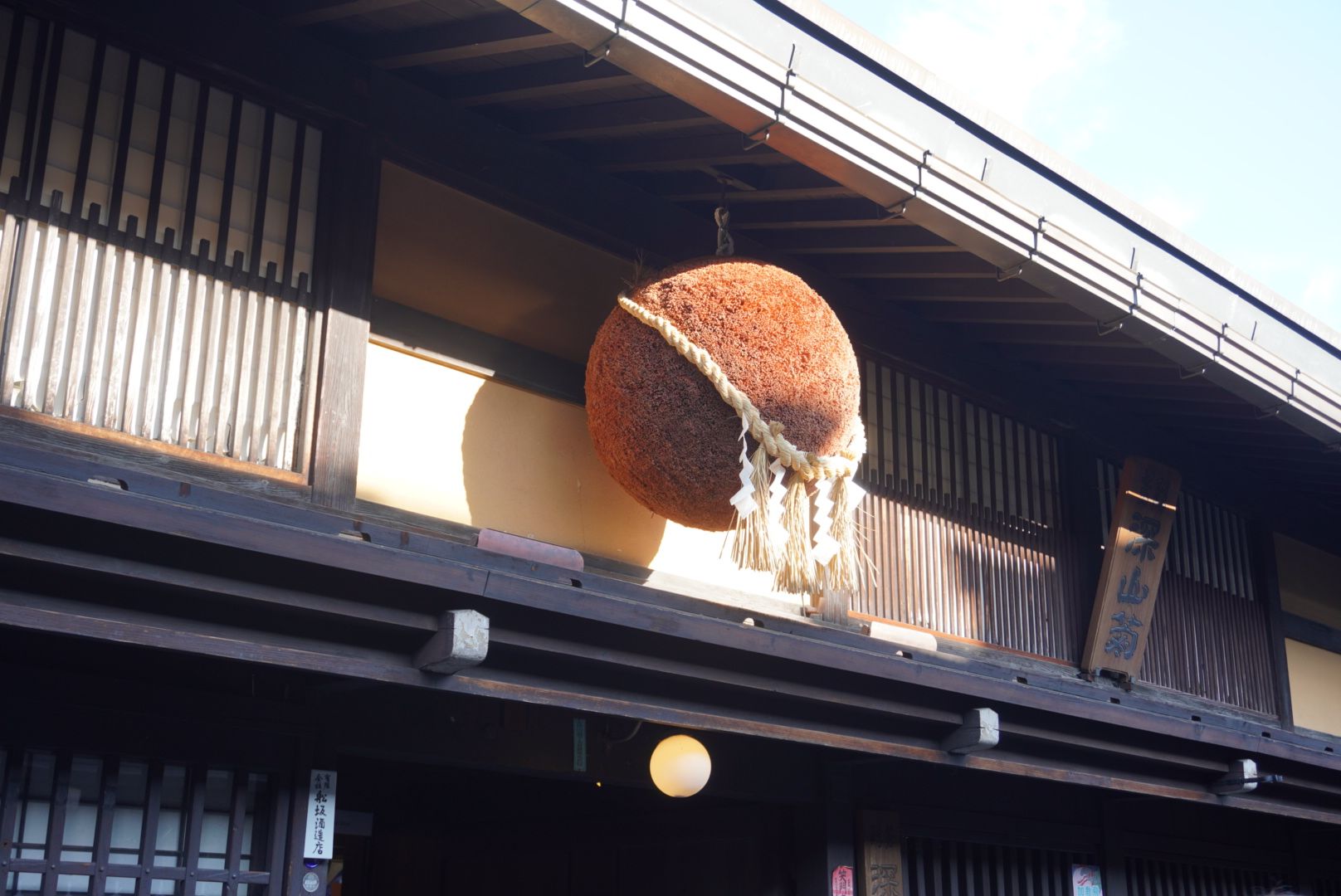
Afterwards, we went straight to our next program point, which couldn't have been more fitting after such a meal: a sake tasting.
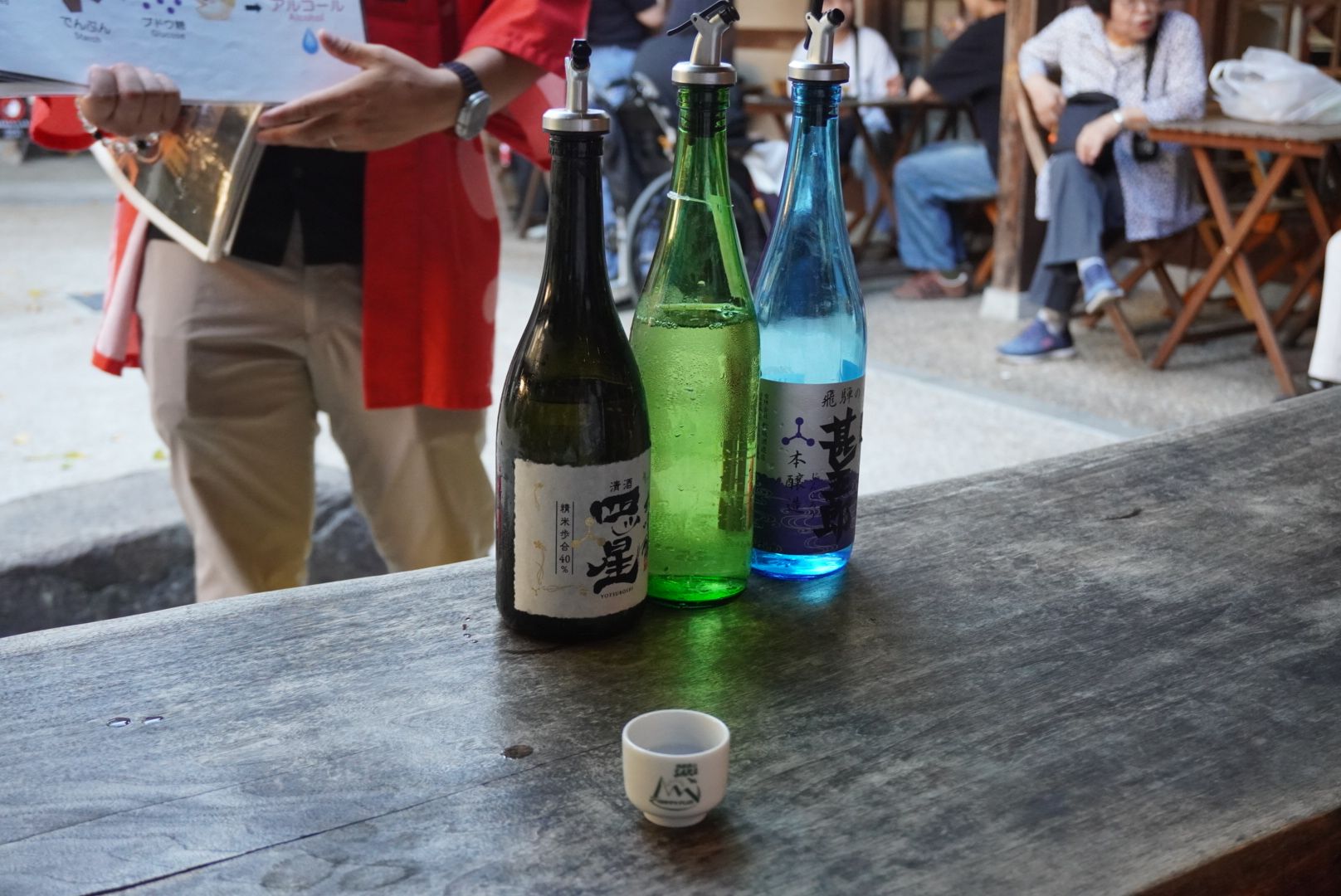
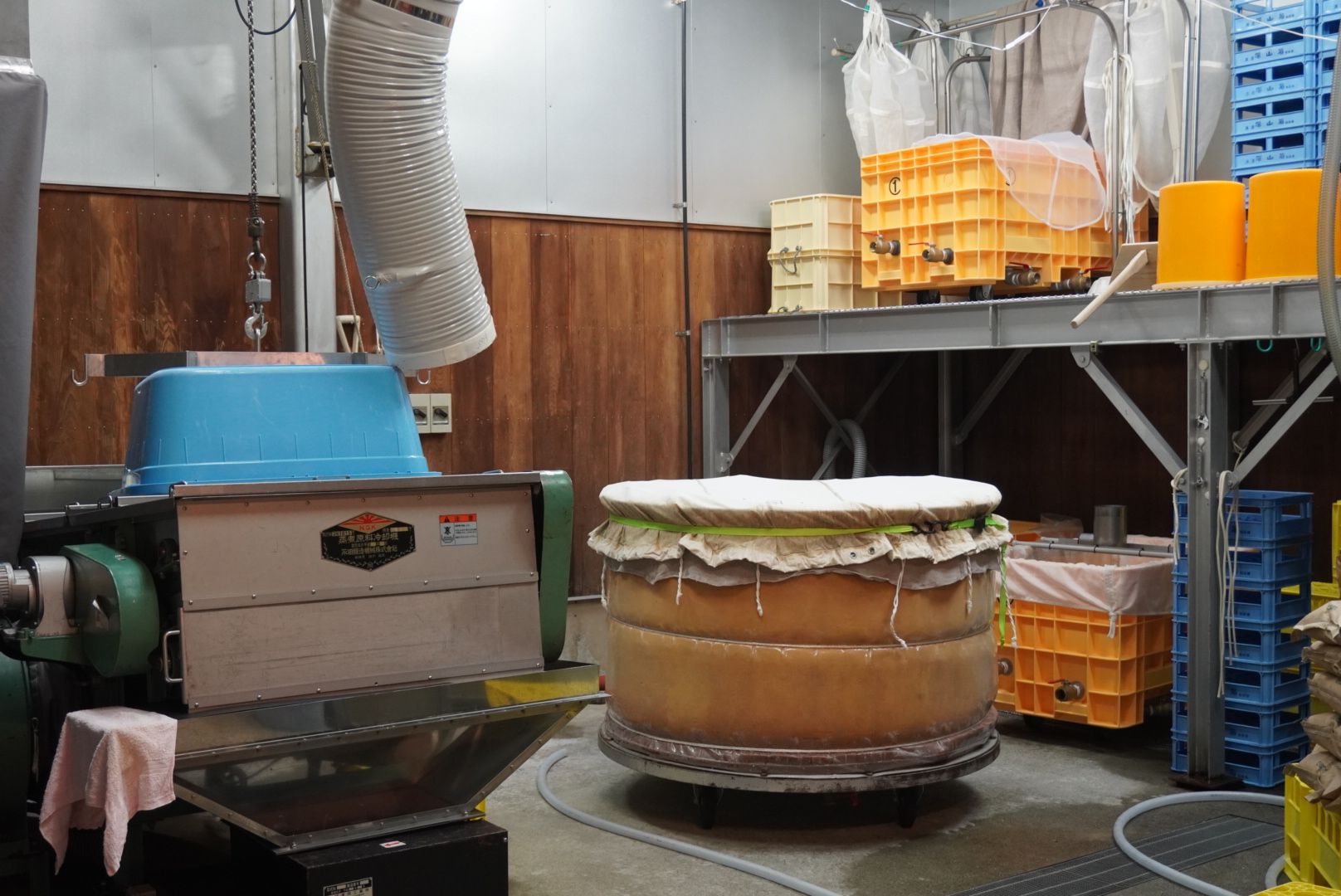
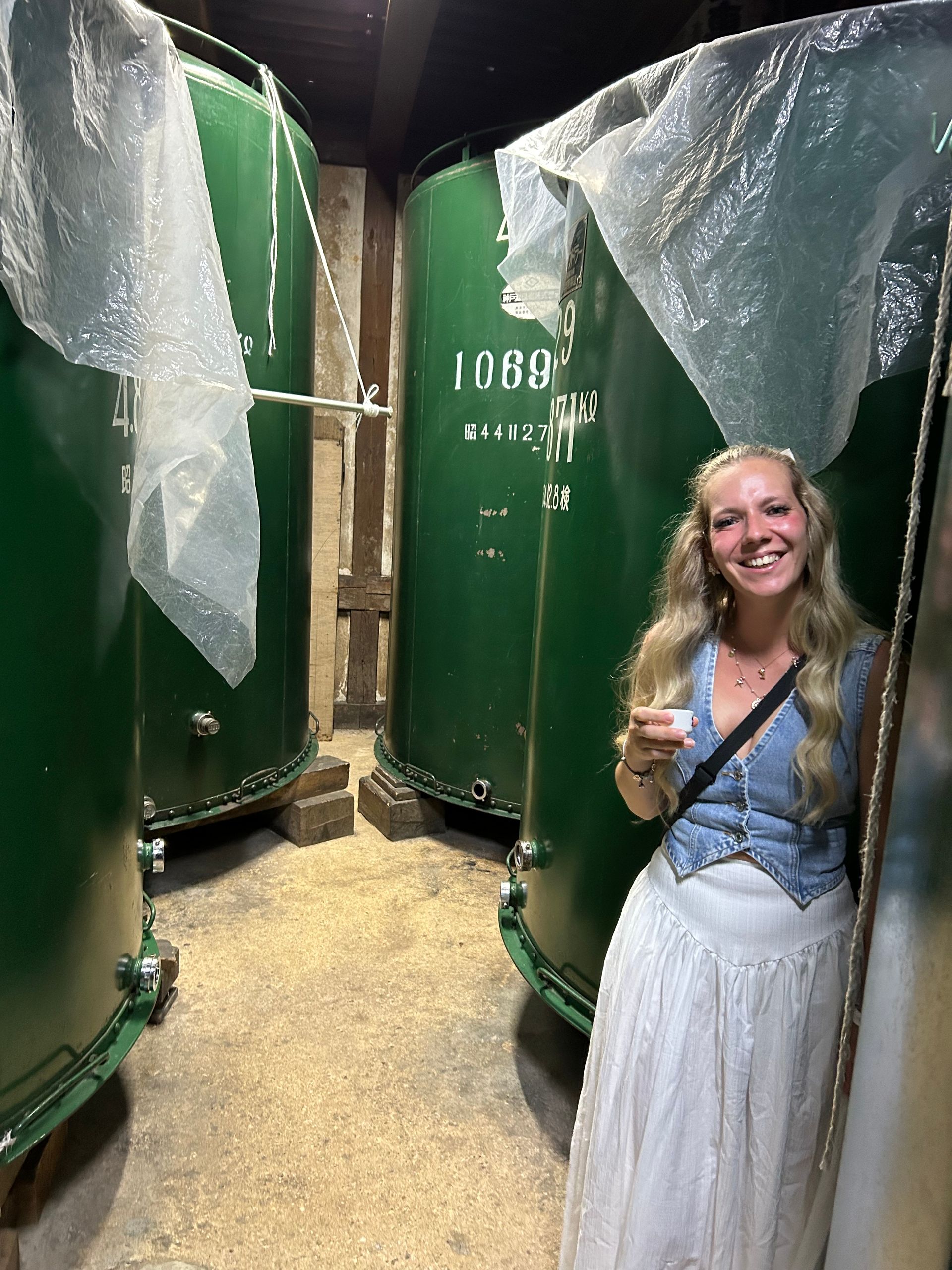
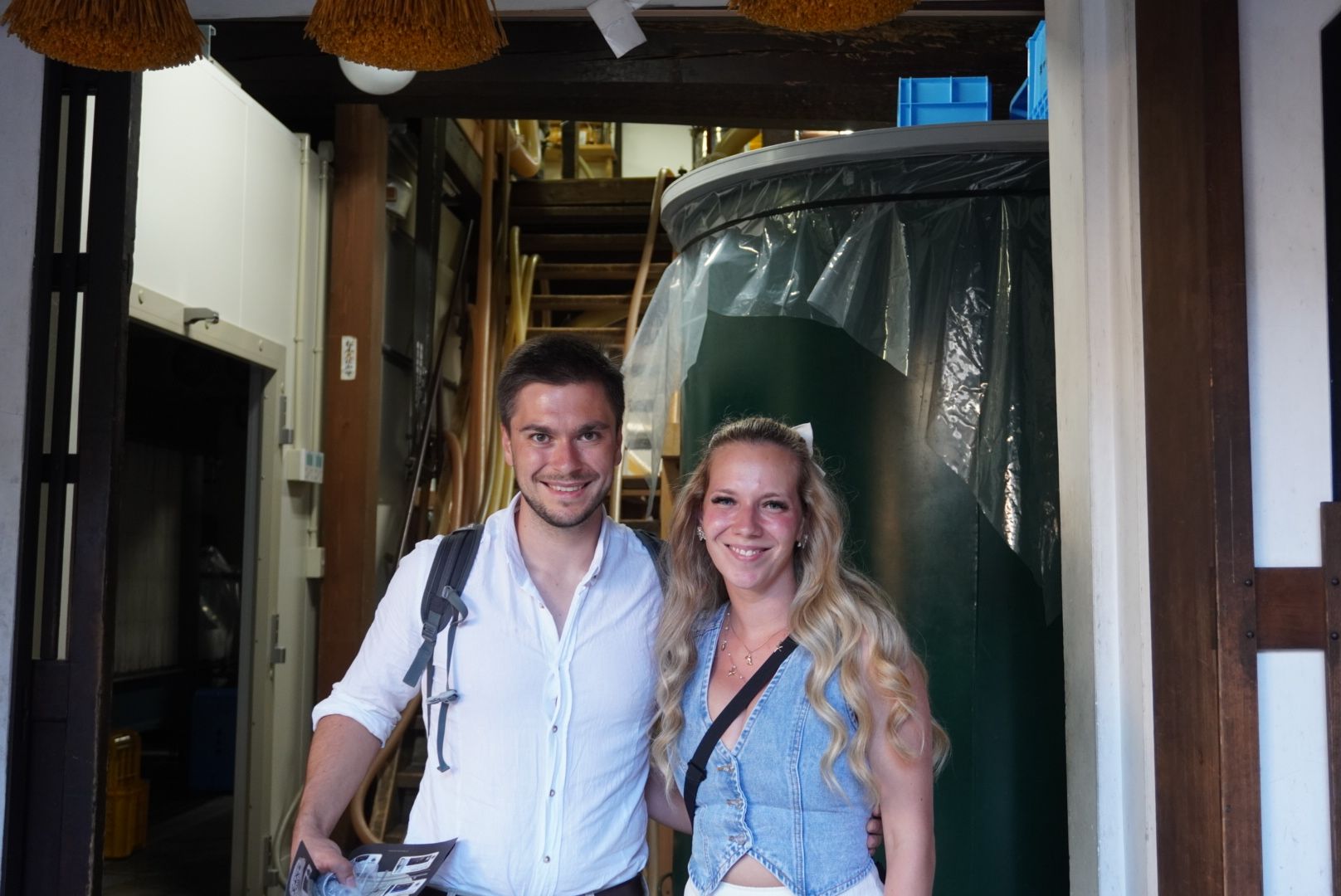
A guide took us through the Funasaka brewery, explained the production process, and then let us taste the varieties produced there. It was both very interesting and quite tasty.
Here’s a brief summary of the production process:
First, the rice is polished to remove the outer layers of the grain, as the proteins and fats contained therein are rather detrimental to fermentation. The higher the polishing degree, the higher quality the sake can achieve – however, this obviously requires more rice. A polishing degree of 40% means, for example, that only 40% of the original rice grain remains.
The rice is then washed and steamed. Afterwards, it is inoculated with a mold called Koji. This breaks down the starch in the rice into sugar. Then, the Koji rice is mixed with more steamed rice, water, and a yeast culture.
The mixture ferments for about a month and is then filtered and pasteurized. After that, the sake is allowed to mature in steel tanks for several months.
And then it finally becomes drinkable.
All this information fascinated us so much that after the tasting, we conducted further research in the Harada brewery located right across the street. There, we stumbled upon a downright absurd deal: For a mere 500 yen, you could get a tasting glass that allowed you to try each individual sake from the brewery once.
Fortunately, the brewery had only about 15 different varieties on offer.
Despite our initial enthusiasm, we ultimately couldn't manage to try all the varieties and eventually left without completing the task.
We quickly grabbed a small dinner at our trusted convenience store and then finally headed to the hotel.