
In the Sprint through Kyoto
September 30 On Wednesday, the weather in Kyoto was significantly better again, and we had quite a lot planned for what we wanted to see that day. Our first destination was the...

Published: 05.10.2026
On Thursday, we set off for the last accommodation of this vacation. We took the Shinkansen train to Hiroshima. After breakfast, we headed to the station, where we boarded the bullet train. Despite several stops, we traveled the 360 kilometers to Hiroshima in just 1 hour and 42 minutes. On some sections, the train reached speeds of over 300 km/h, and the landscape blurred by us.
In Hiroshima, we first took our luggage to the hotel and then set off for our destinations for the day, which had a very somber history.
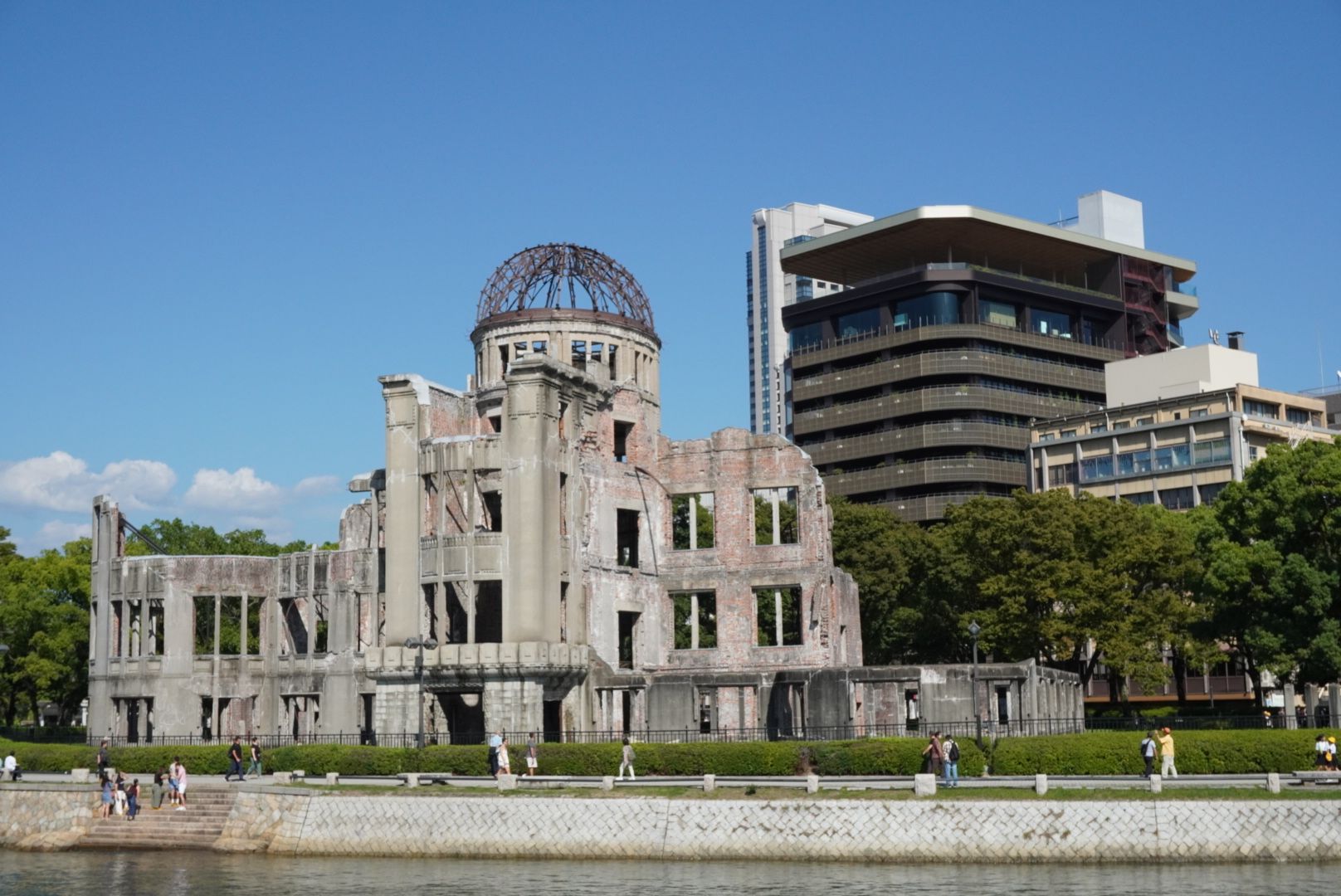
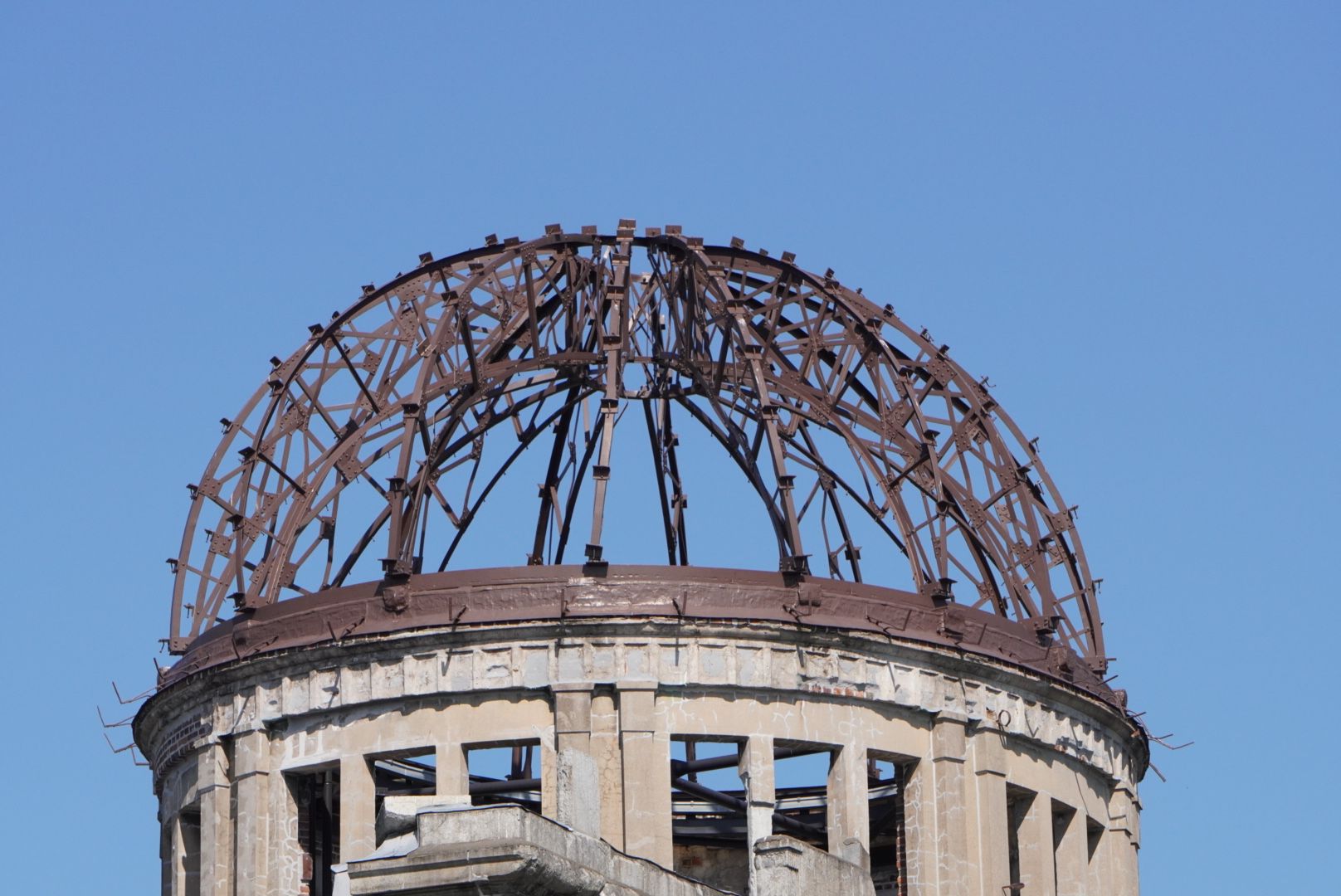
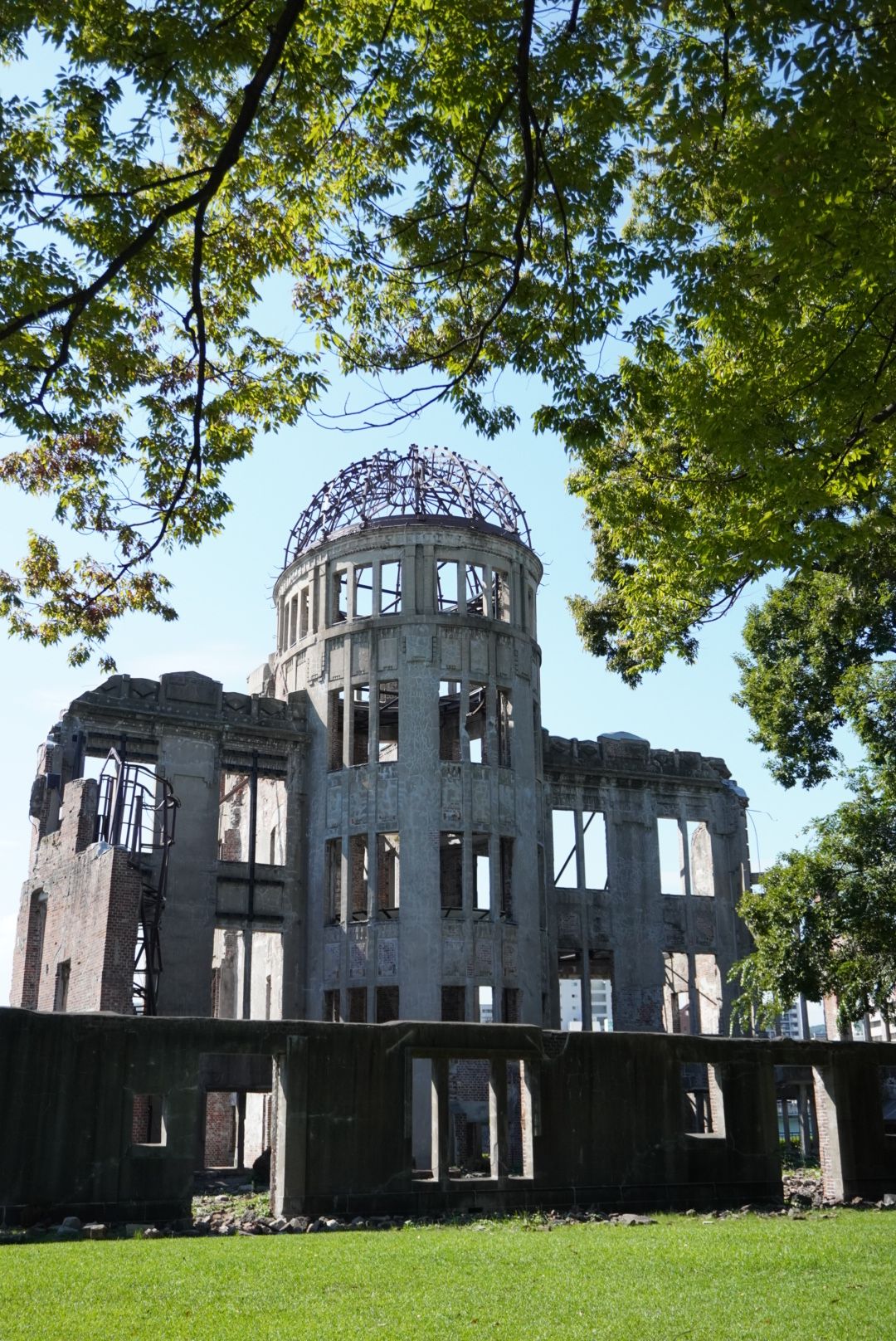
First, we visited the Atomic Dome, a ruin in the middle of the city. It is precisely here that the hypocenter of the atomic bomb dropped by the Enola Gay on August 6, 1945, at 8:15 AM lies, exploding at an altitude of 600 meters. Within a two-kilometer radius, most buildings were swept away by the shockwave. However, this building partly remained standing because the bomb detonated above it, and the immense forces acted primarily downwards.
It was peculiar to see the huge modern city surrounding this ruin.
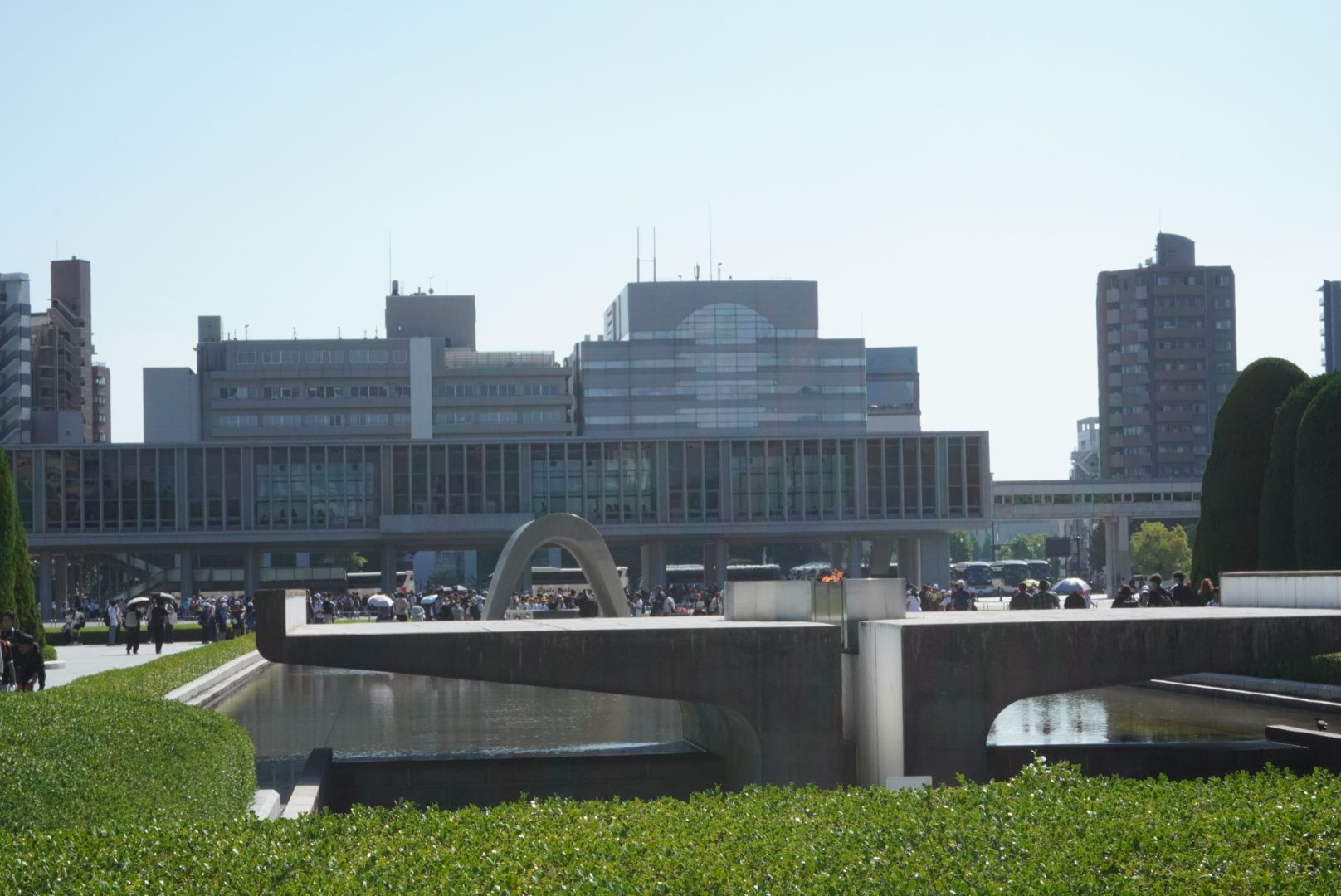
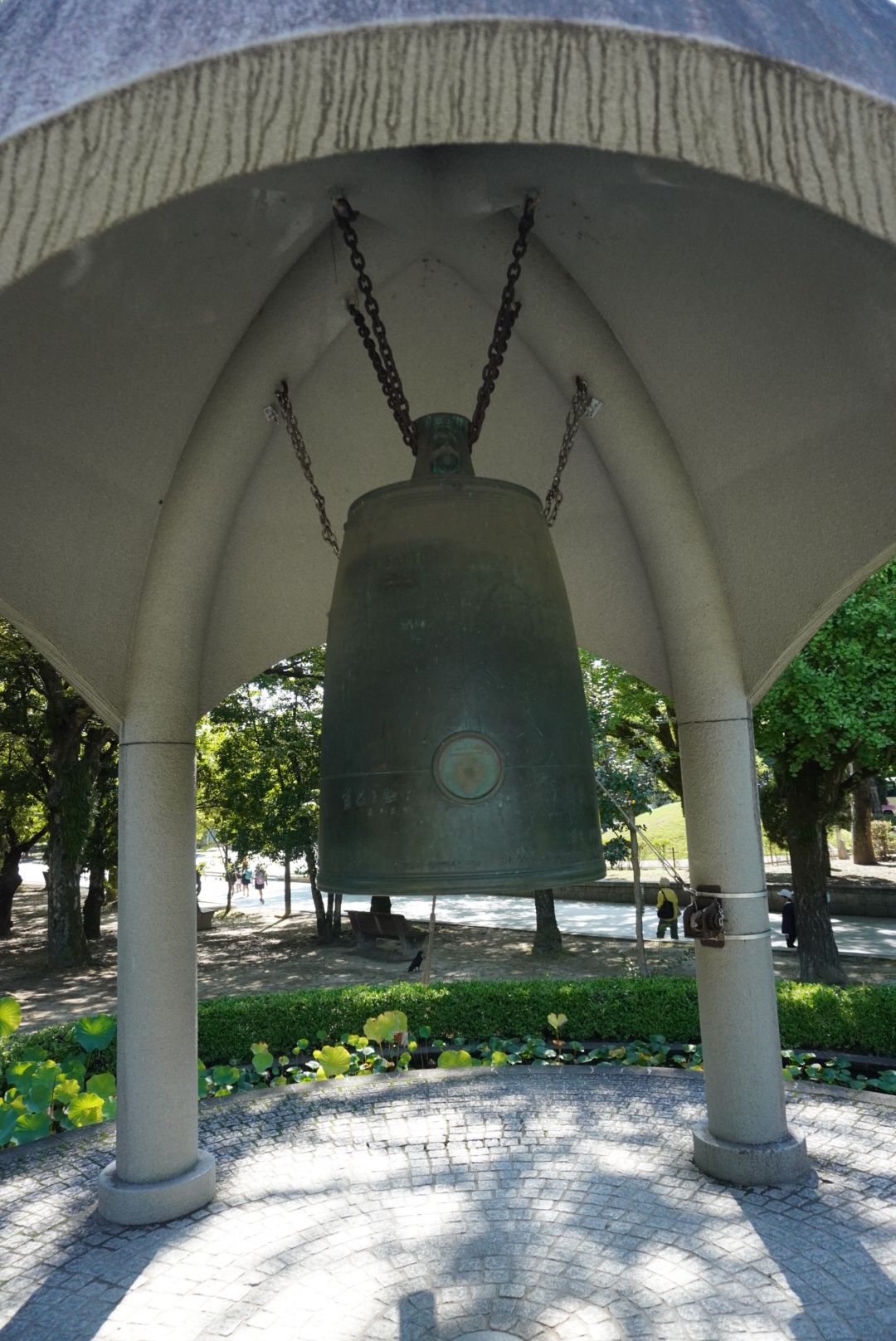
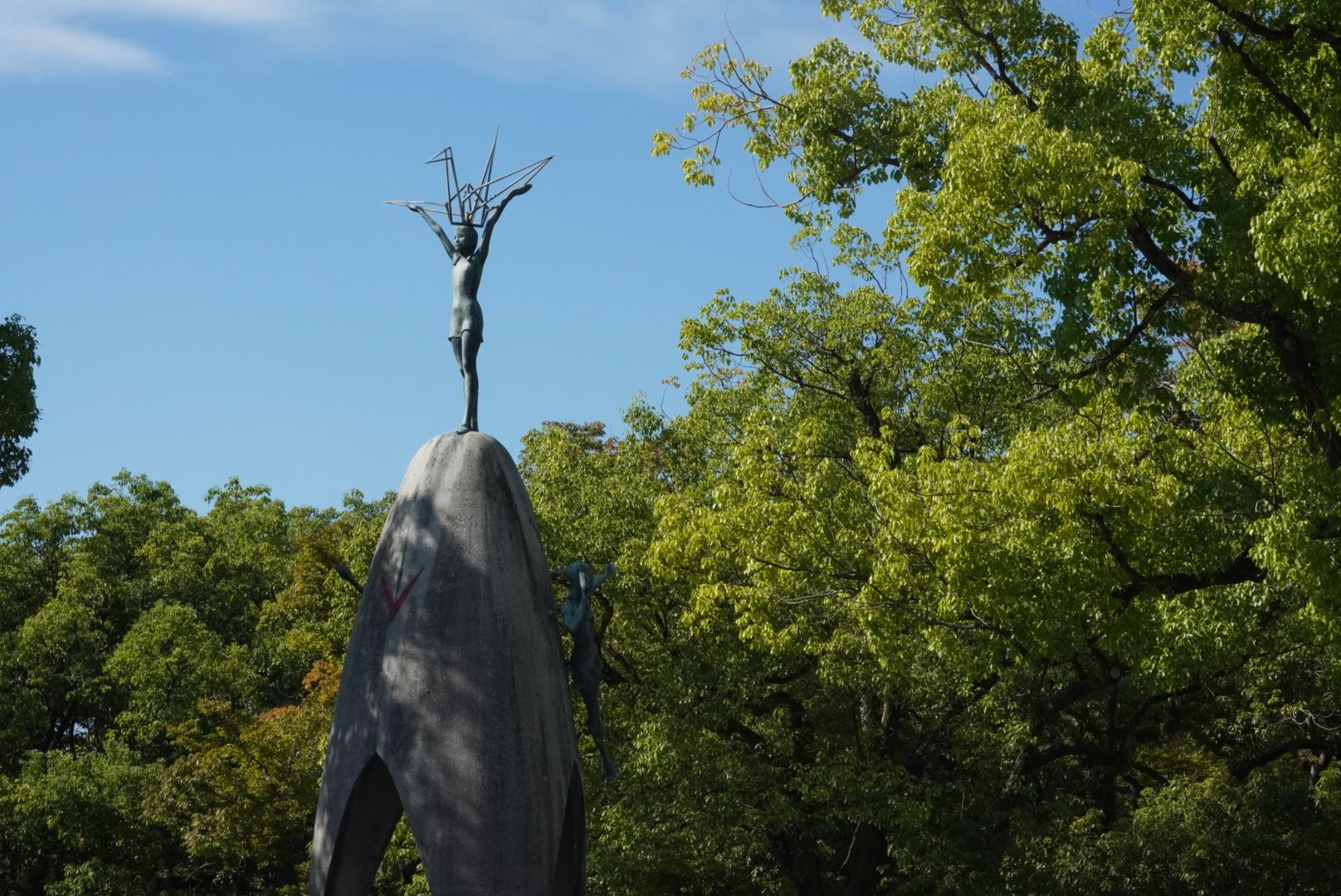
Adjacent to the Atomic Dome is the vast Peace Park, which contains numerous memorials and plaques for the victims. There was a very solemn atmosphere. The park also has two large peace bells that can be rung to commemorate the victims and promote peace, which Isi and I did.
After that, we went to the Peace Museum. It was as expected a moving experience, but we didn't anticipate it would affect us so deeply.
On one hand, there were the stark numbers, which were shocking by themselves: Around 80,000 people were killed immediately by the explosion, thousands more died under the rubble and in the subsequent fires. Further thousands fell victim to severe injuries, burns, or radiation sickness later on. By the end of the year, over 140,000 people were expected to have lost their lives.
They also highlighted tragic individual fates. People who suffered not only from psychological aftermaths but also from the pain of their injuries or illnesses for the rest of their lives. Stories about families being torn apart and entire lives destroyed. In addition, personal impressions in the form of writings, quotes, photos, and paintings.
Later, in additional exhibition rooms, the history and functioning of nuclear weapons were explained. They demonstrated what kinds of damage occurred at various distances from the explosion center. Thus, people even three and a half kilometers away suffered burns from the immense heat radiation.
All in all, it was quite an intense experience. But of course, it is one we would say should be experienced if one wishes to visit this city.
Afterward, we needed some time to process it all. We walked once more through the Peace Park and later through the streets of the city.
Before the bomb was dropped, Hiroshima had around 340,000 inhabitants and has since evolved into a modern metropolis with about 1.2 million residents today. We really liked the modern city.
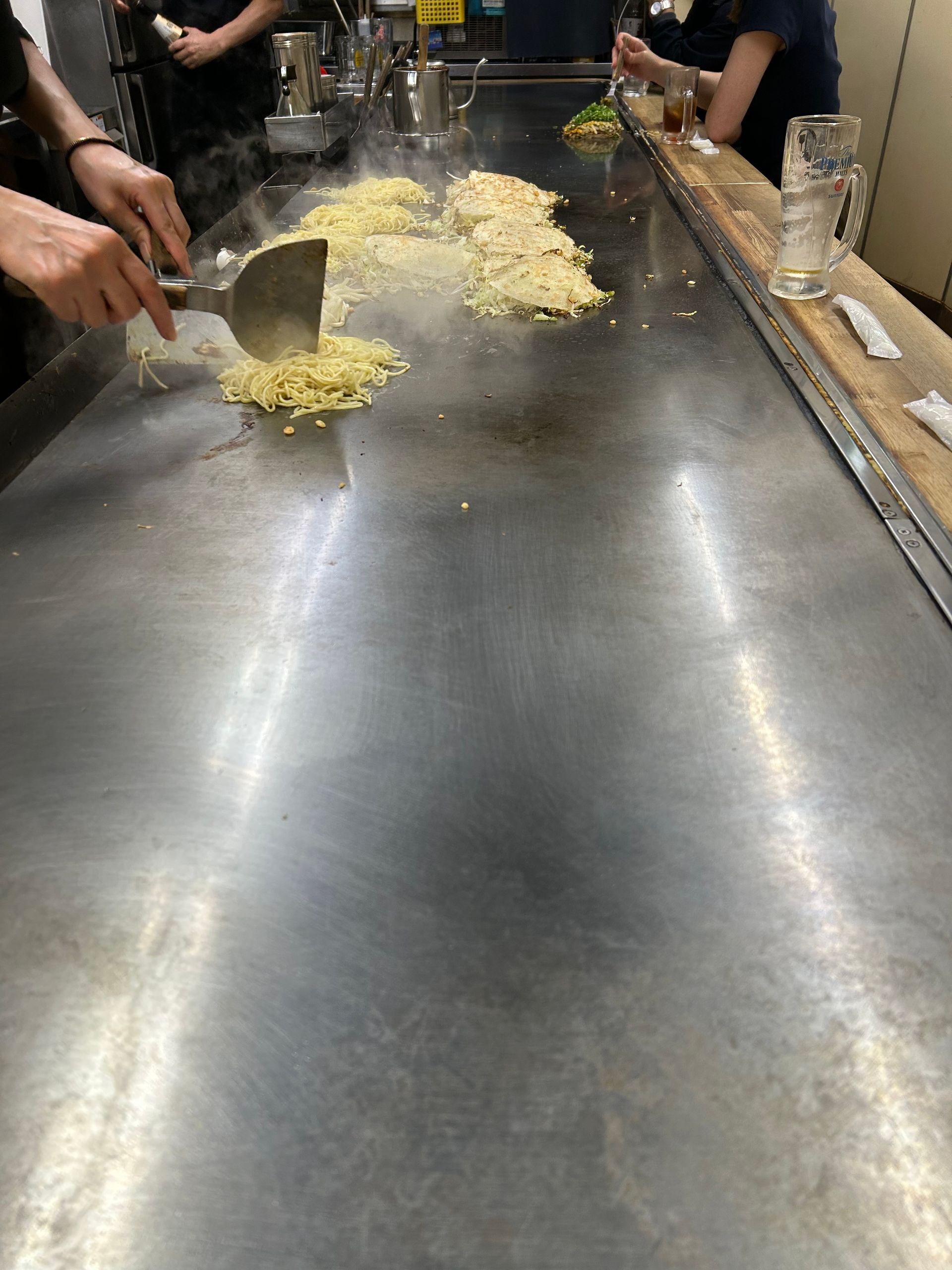
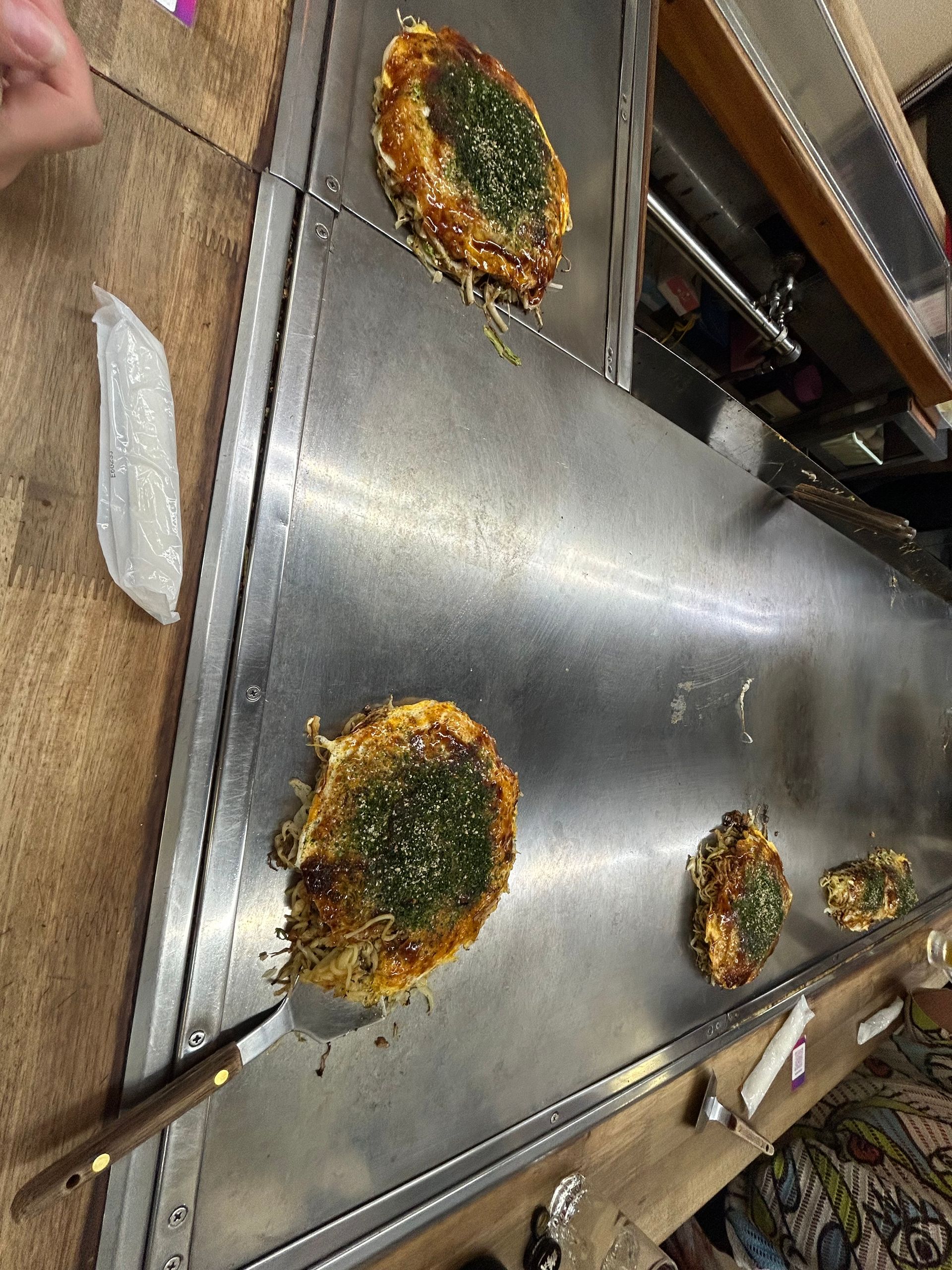
In the evening, we went to eat at Okonomimura. It is a building containing several quaint Okonomiyaki shops. We had already tried Okonomiyaki in Osaka, but Hiroshima claims to have its very own version of this cabbage pancake.
In Hiroshima-style Okonomiyaki, the ingredients are piled individually on the hot plate instead of being mixed together as before. Additionally, noodles are also included in the pancake.
Interesting – but for us, the Osaka-style remains the favorite.
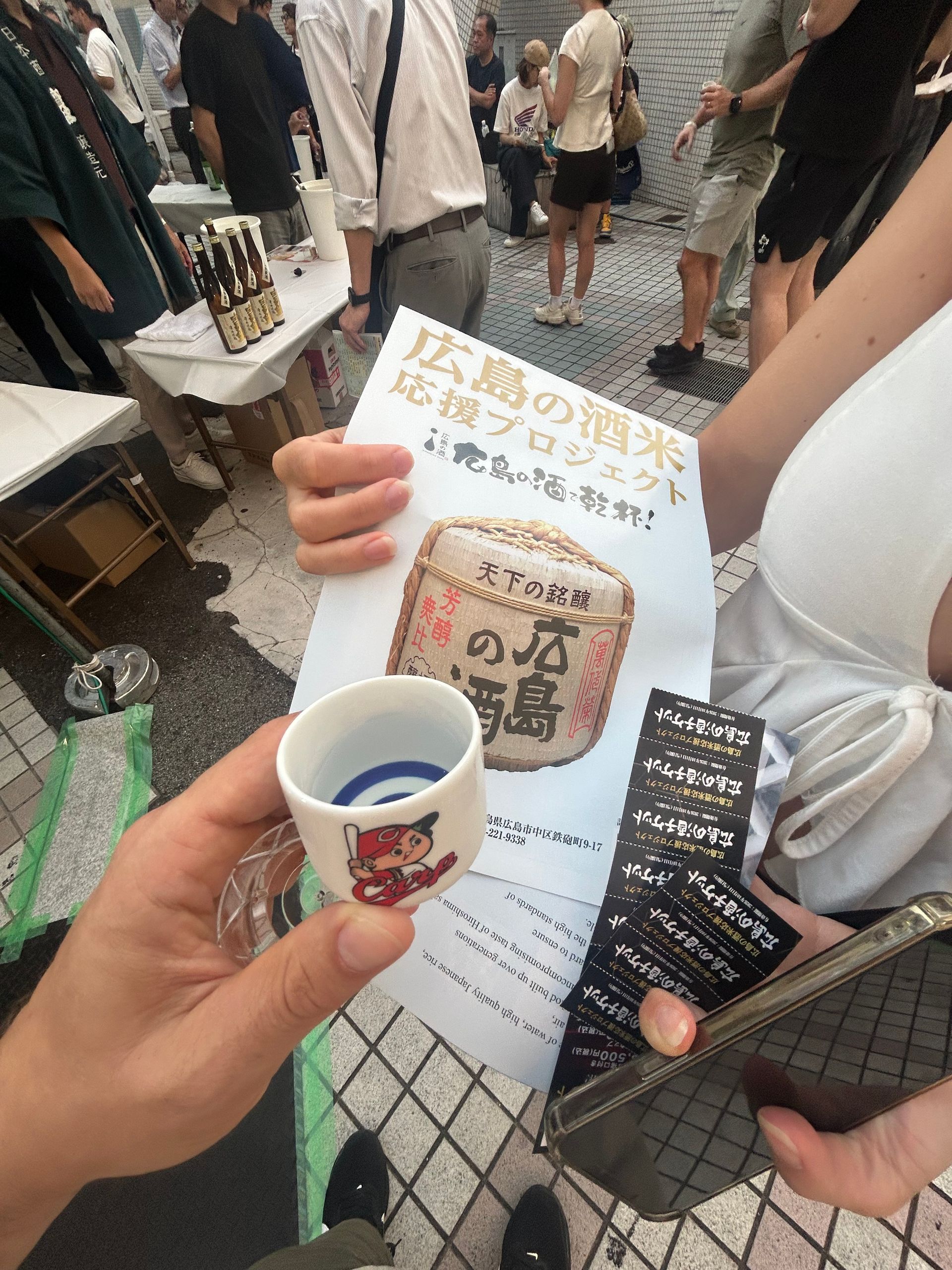
After the meal, we stumbled upon a sake contest in downtown. Similar to the beer festival in Matsumoto, we could buy ten tokens to sample various kinds at different stands.
We were actually a bit worn out, but one shouldn’t pass up such an opportunity.
The different varieties should have been rated too. However, for that, one would have needed a Japanese app. So we just made our own ranking.
Somehow, we caught the attention of a reporter. She quickly interviewed us about how we found out about this festival and what we thought of Hiroshima.
Of course, we could impress with our now gathered sake knowledge and probably appear on some Japanese website.
Unfortunately, we couldn’t quite remember or find out the name of the site, as it was written in Japanese kanji characters.
After that, we finally headed back to the hotel.