Tourism in Japan has risen rapidly. The country is considered safe, with no terrorist attacks, and increasingly more tourists coming from Arab countries as well. Australians are heading to Hokkaido, the northernmost island of Japan, to ski.
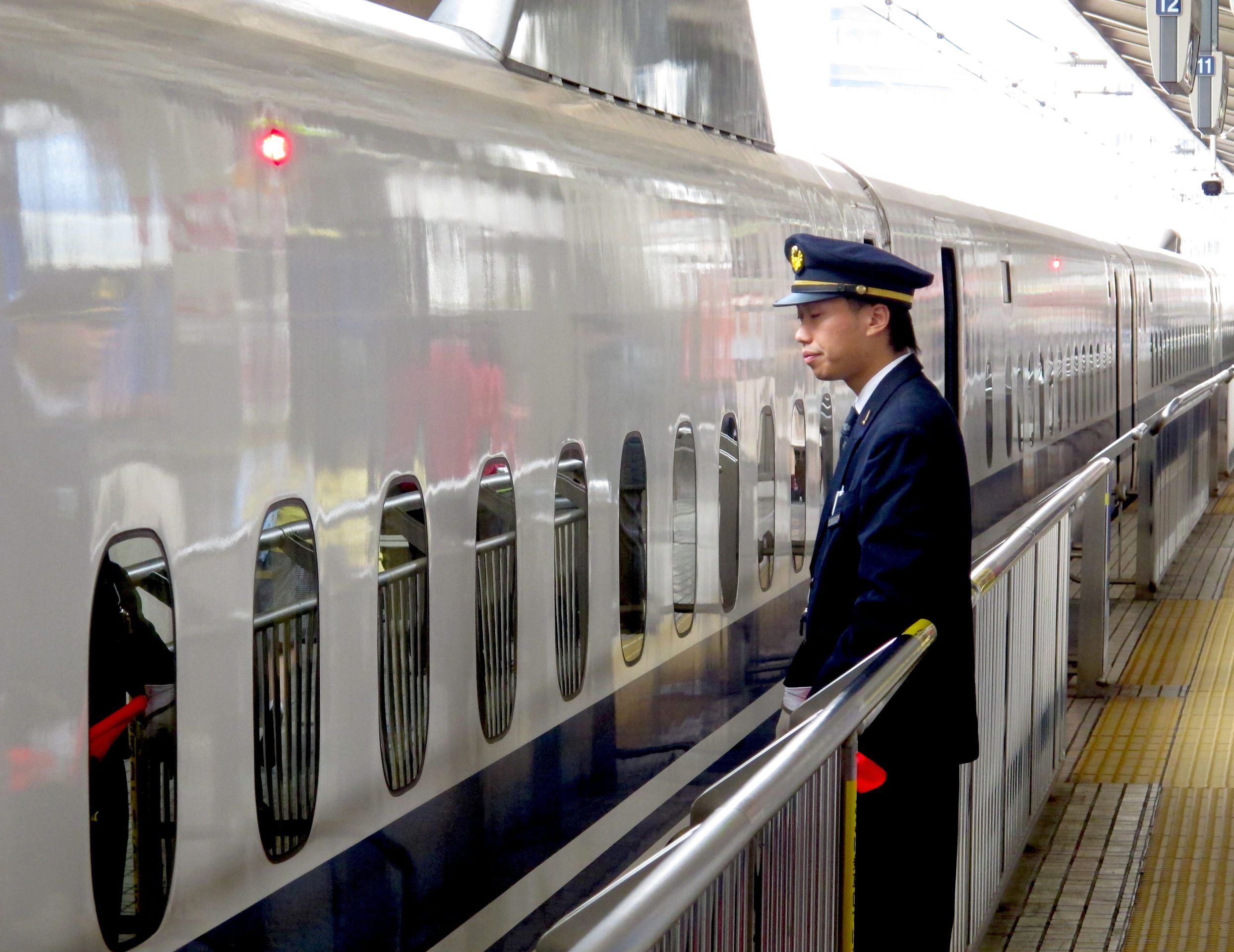
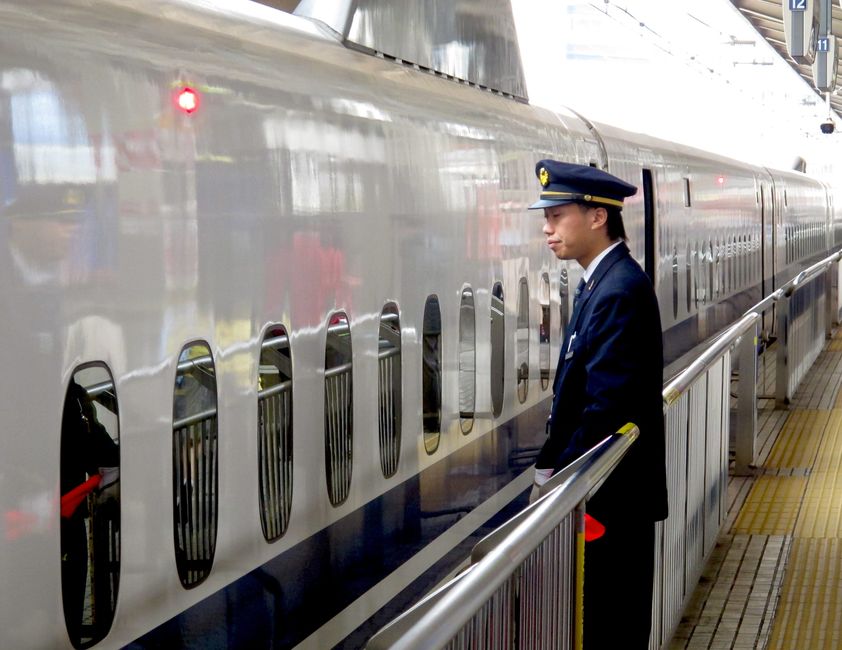
Everyone uses the Shinkansen, which, with speeds of up to 320 km/h, is not the fastest but is one of the most punctual trains according to regular schedules. This means that the schedule regulates entry and exit in a second rhythm, so you must know where the correct train door is.
You must know which train door is assigned to you.Shinkansen means 'New Main Line', with the first syllable stressed, like many nouns, for example Waaaasabi or Tooookyo or Kyoooto.
Which brings us to the former capital during the Heian period, from 794 AD to 1886.
Kyoto is the religious center of Shintoism. Palaces and temple complexes have been traditionally preserved.
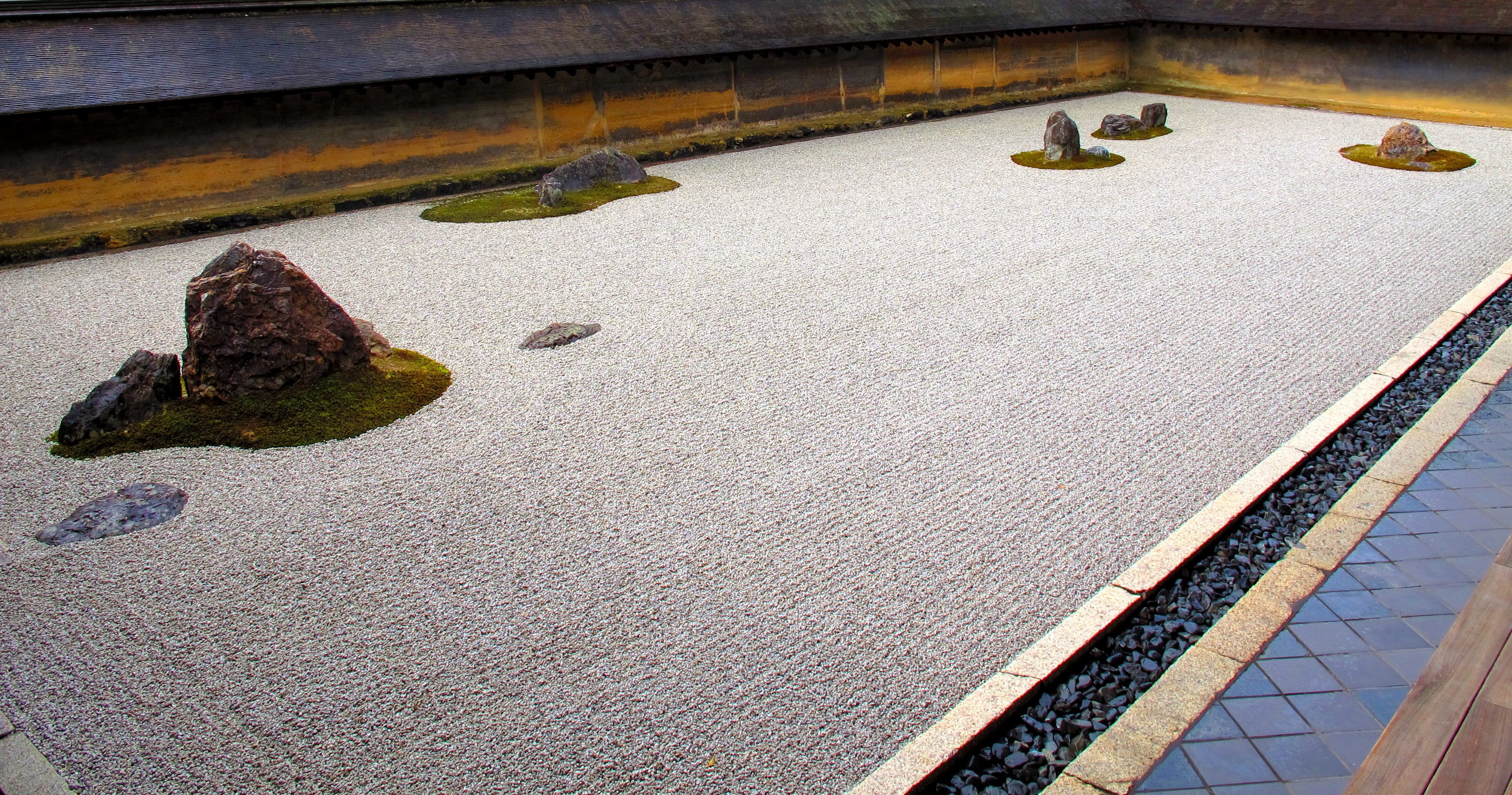
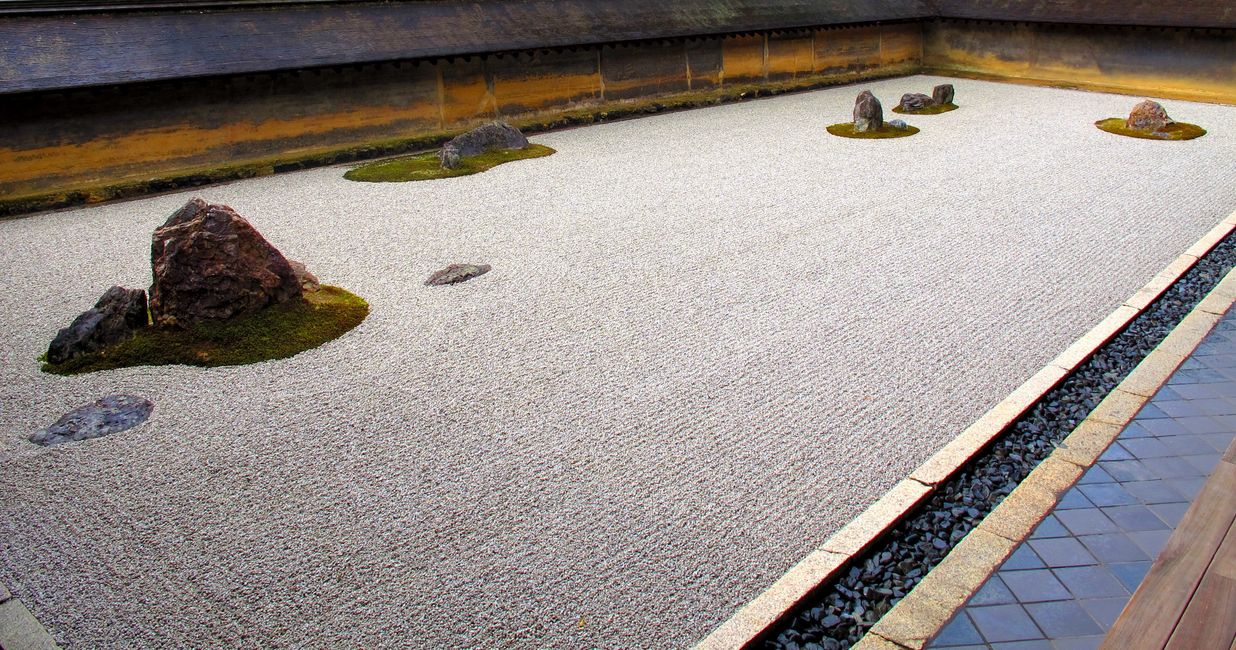
The Ryoanji Temple is the Mecca of Zen Buddhism. The famous rock garden contains 15 stones, the meaning of which remains a mystery: What are they supposed to tell me?;-))
A total of 15 stones that have not been moved since at least 1680. Zen Buddhism
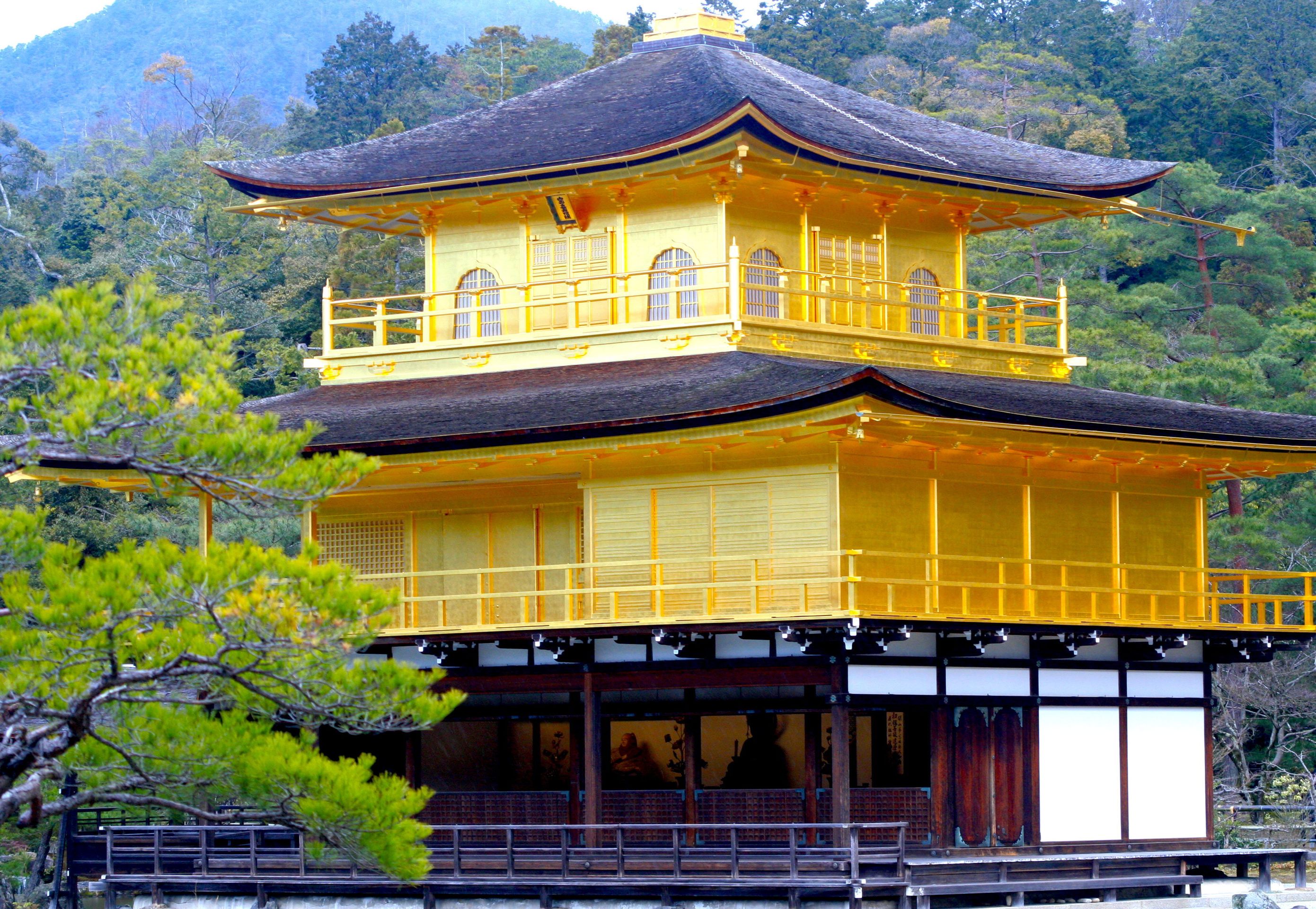
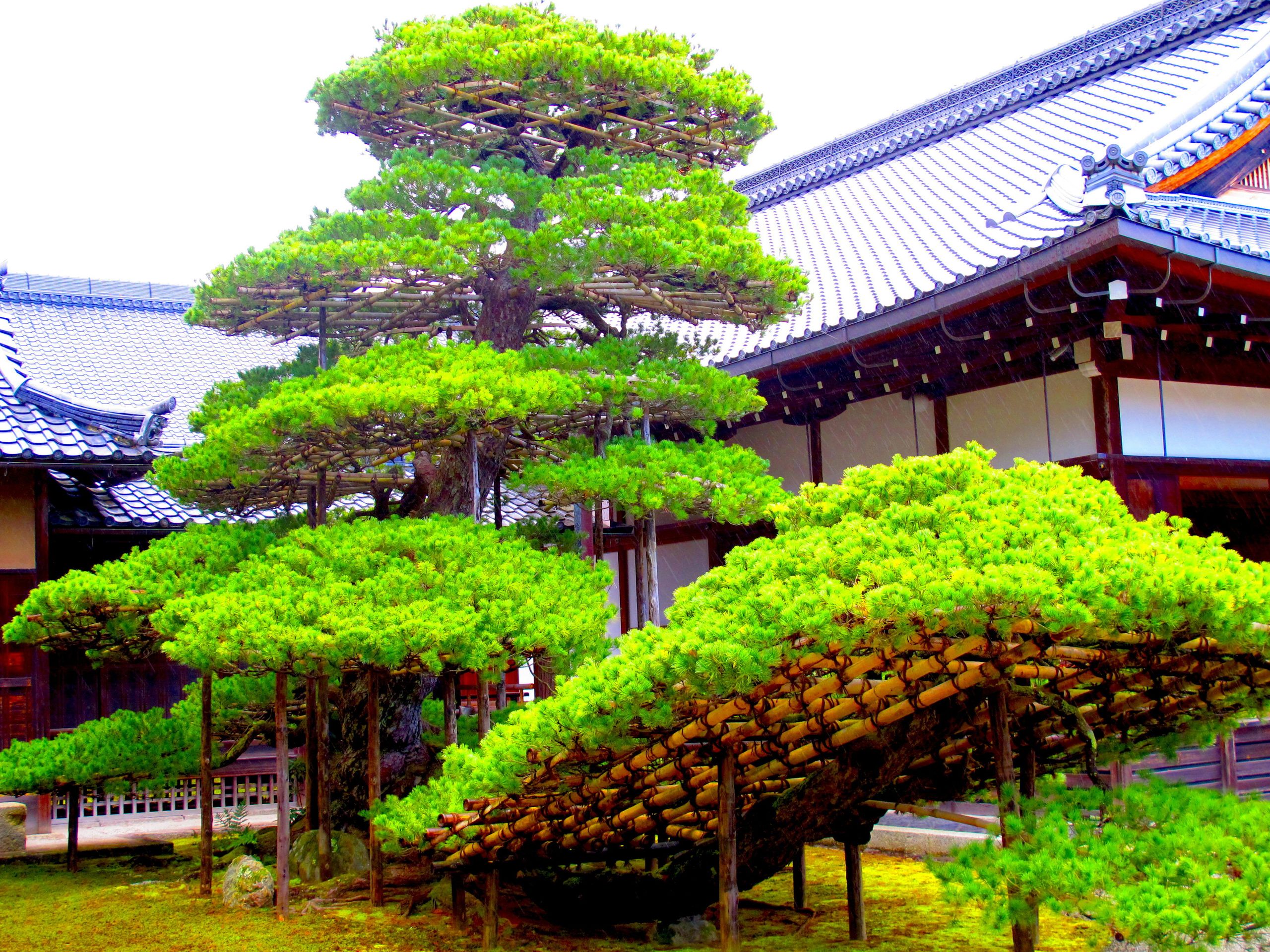
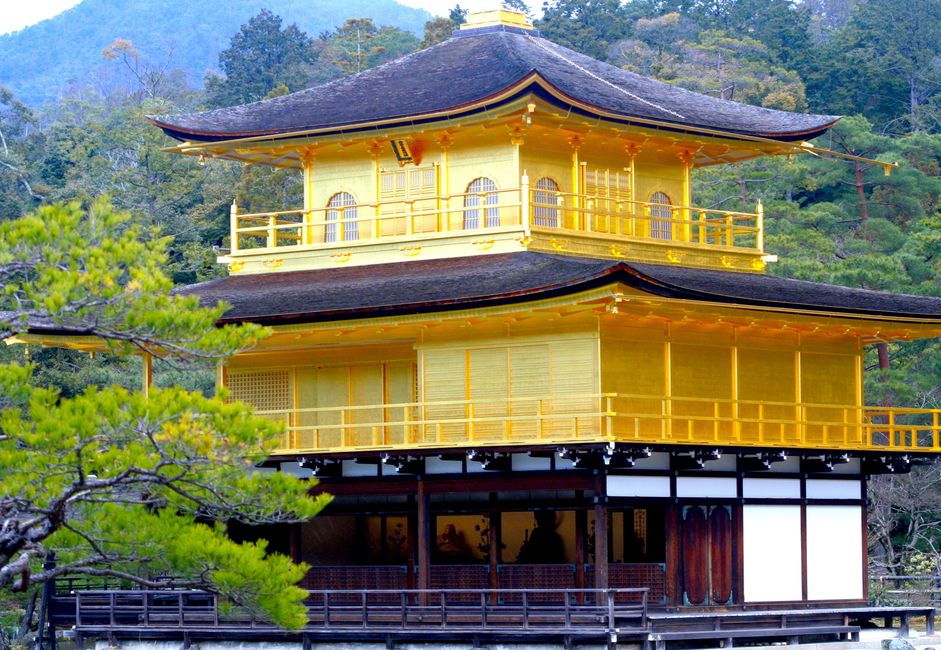
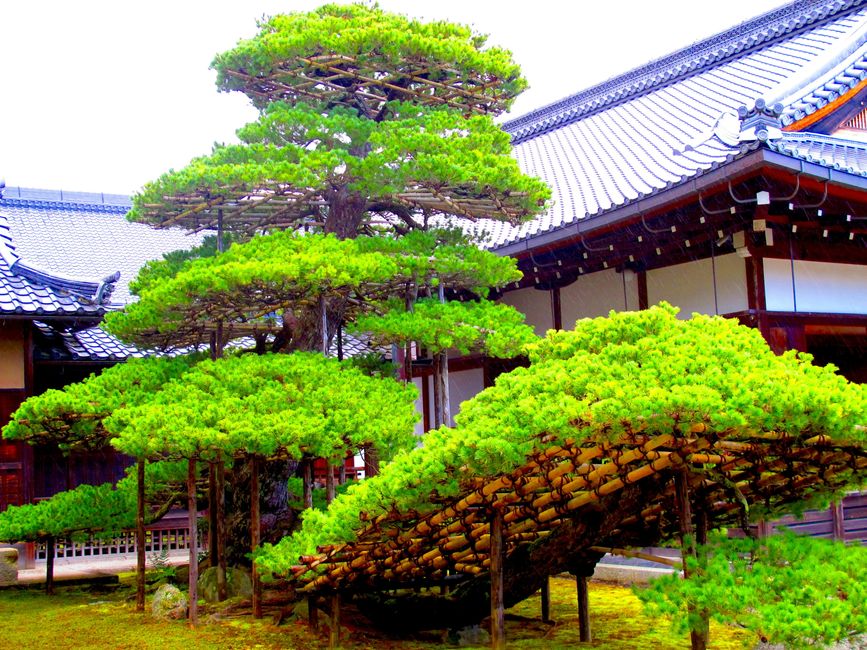
The Kinkakuji Temple, the Golden Pavilion, was rebuilt in 1950, the tea house restored in 1874, and the 600-year-old pine tree, a former bonsai, supported.
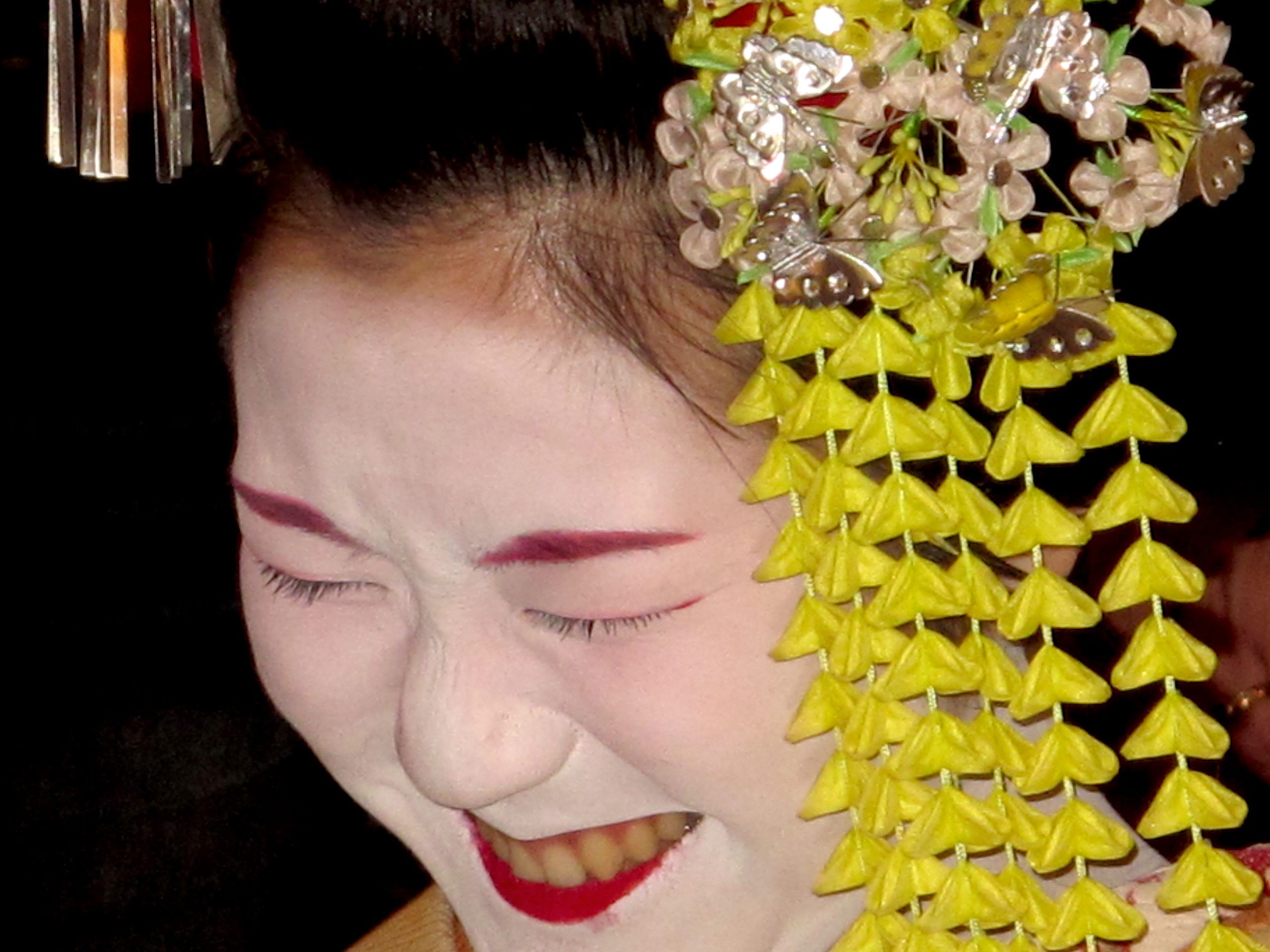
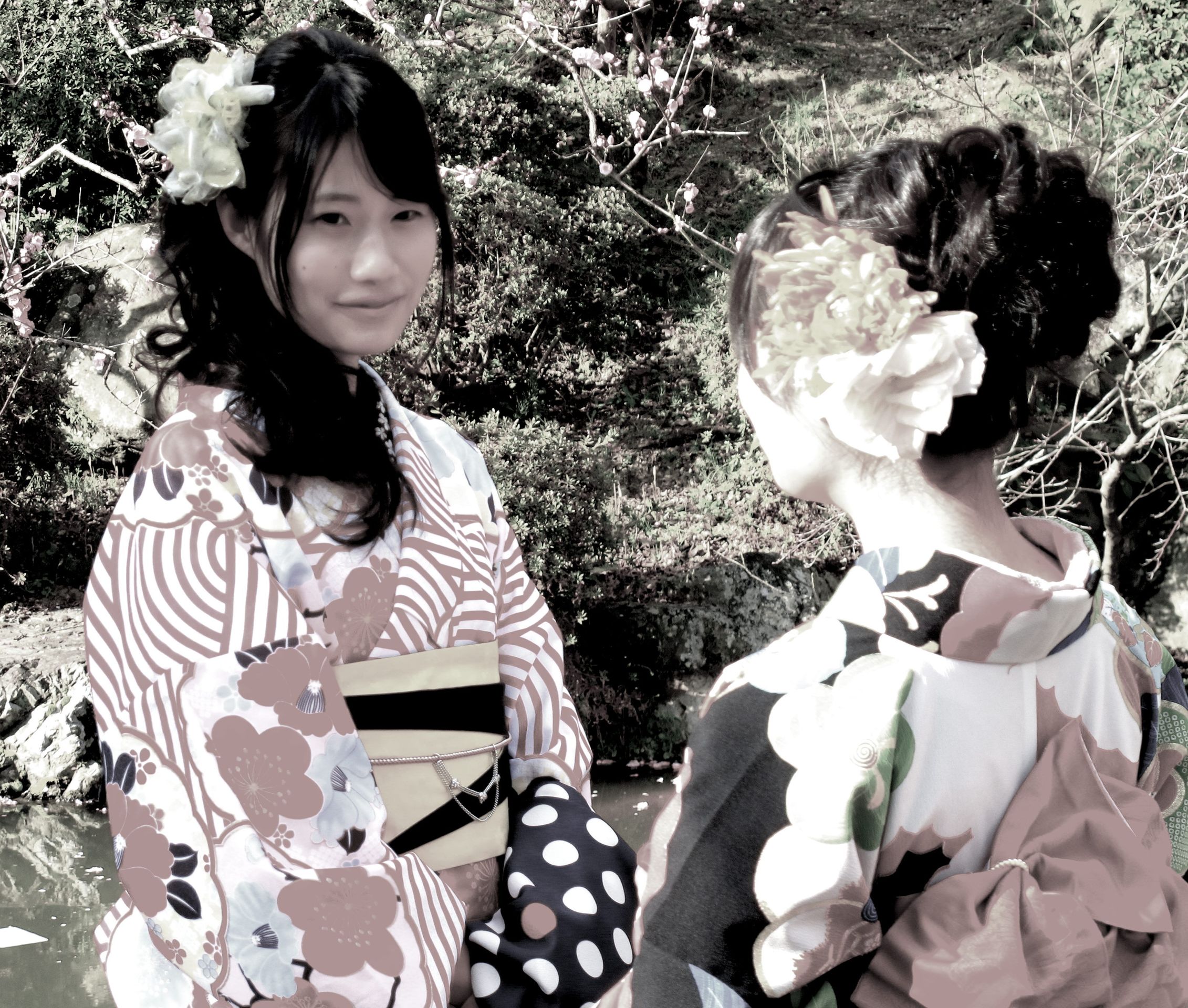
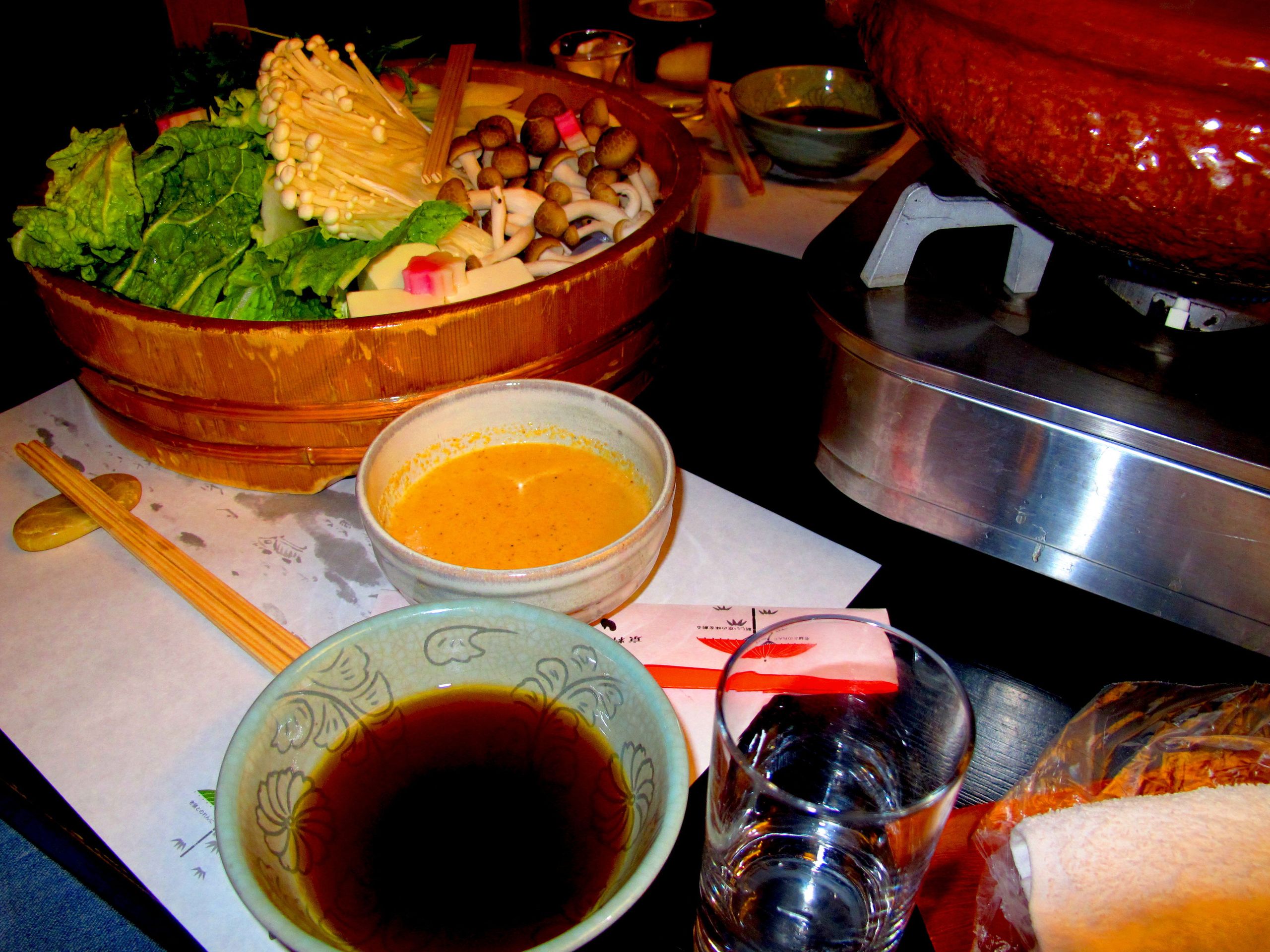
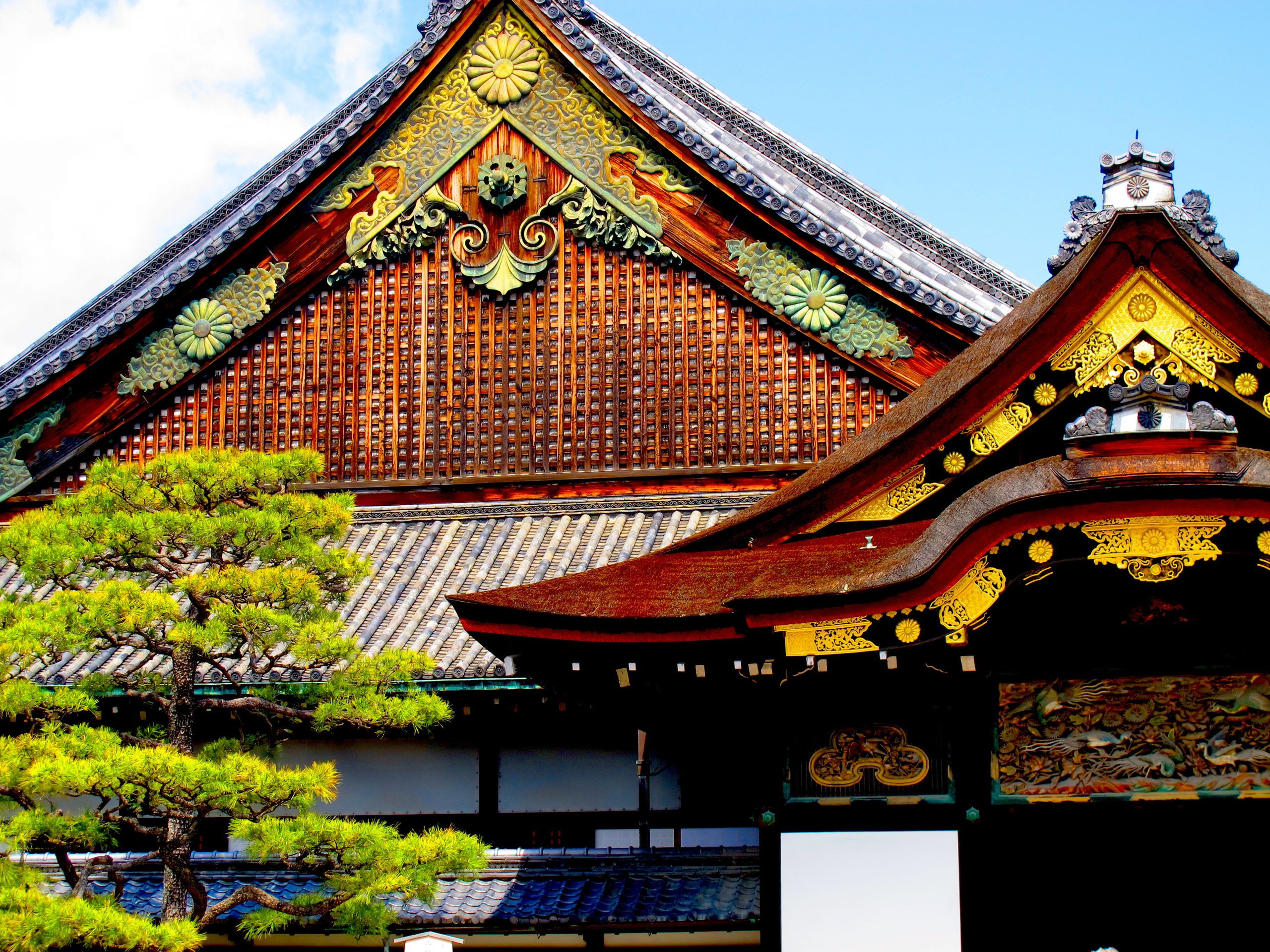
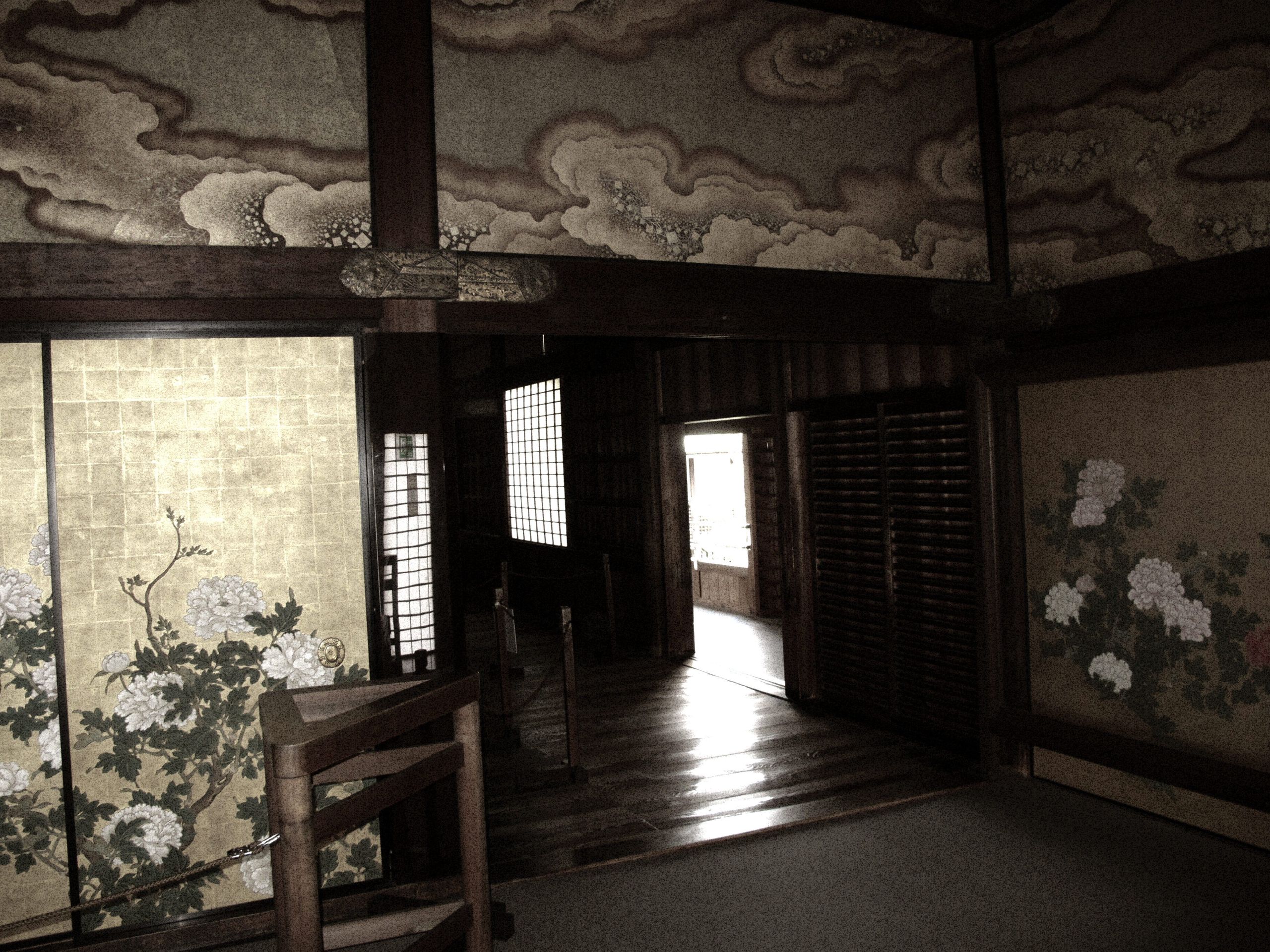
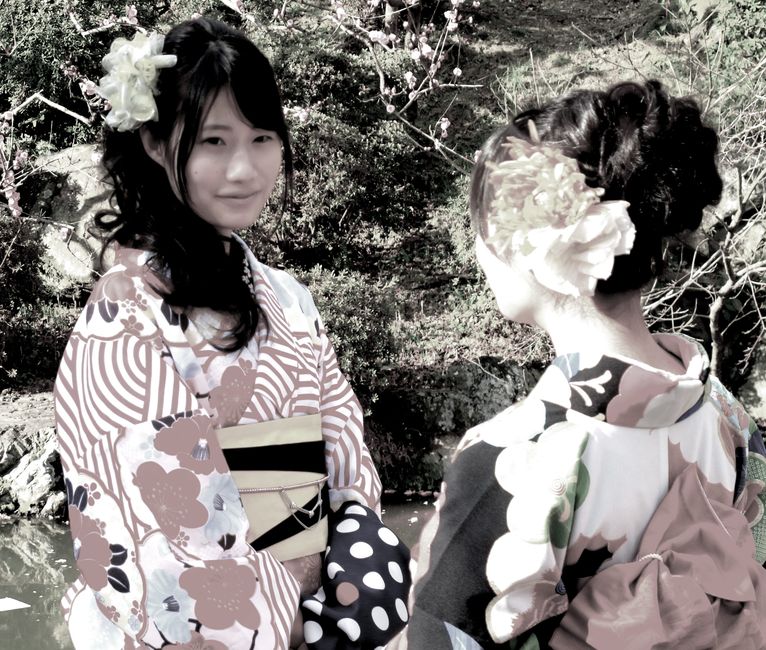
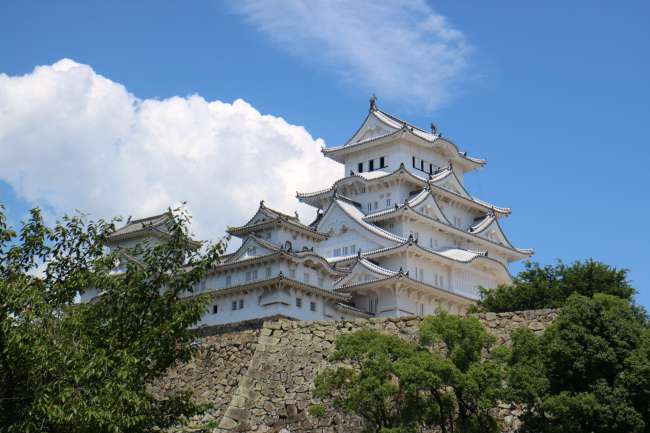
Kinkakuji Temple, the Golden Pavilion600-year-old pine tree supported with structures taken from a bonsaiThe Gion district in Kyoto is famous for the Geiko tradition. Before turning 20, women are called Maiko. They paint their faces very white, which symbolizes porcelain-like beauty; Maikos only paint their lower lip, and their neck remains bare as a sign of eroticism. There are still about 300 Geikos and Maikos, but their numbers have declined significantly. An evening with tea ceremony, games, and dancing costs more than 100,000 yen, roughly 600-900 euros. When in Japan, one should definitely try Shabu Shabu. Here, noodles, vegetables like mushrooms, bean sprouts, napa cabbage, daikon radish, spring onions, and beef carpaccio are cooked in hot broth at the table, enhanced with sesame oil, soy sauce, wasabi, and rice. In Japan, we drive on the left because the Emperor stands to the left of the Empress, the heart beats on the left, and the Samurai carried their swords on the left to draw them with the right hand.The Nijo Castle in Kyoto is a historical castle from the Tokugawa Shogunate period, the Samurai era. It was built in 1603 and symbolizes the power of the Samurai with thick walls and deep moats.
From the 12th century until the mid-18th century, the shogunate ruled over the Emperor, a military dictatorship.
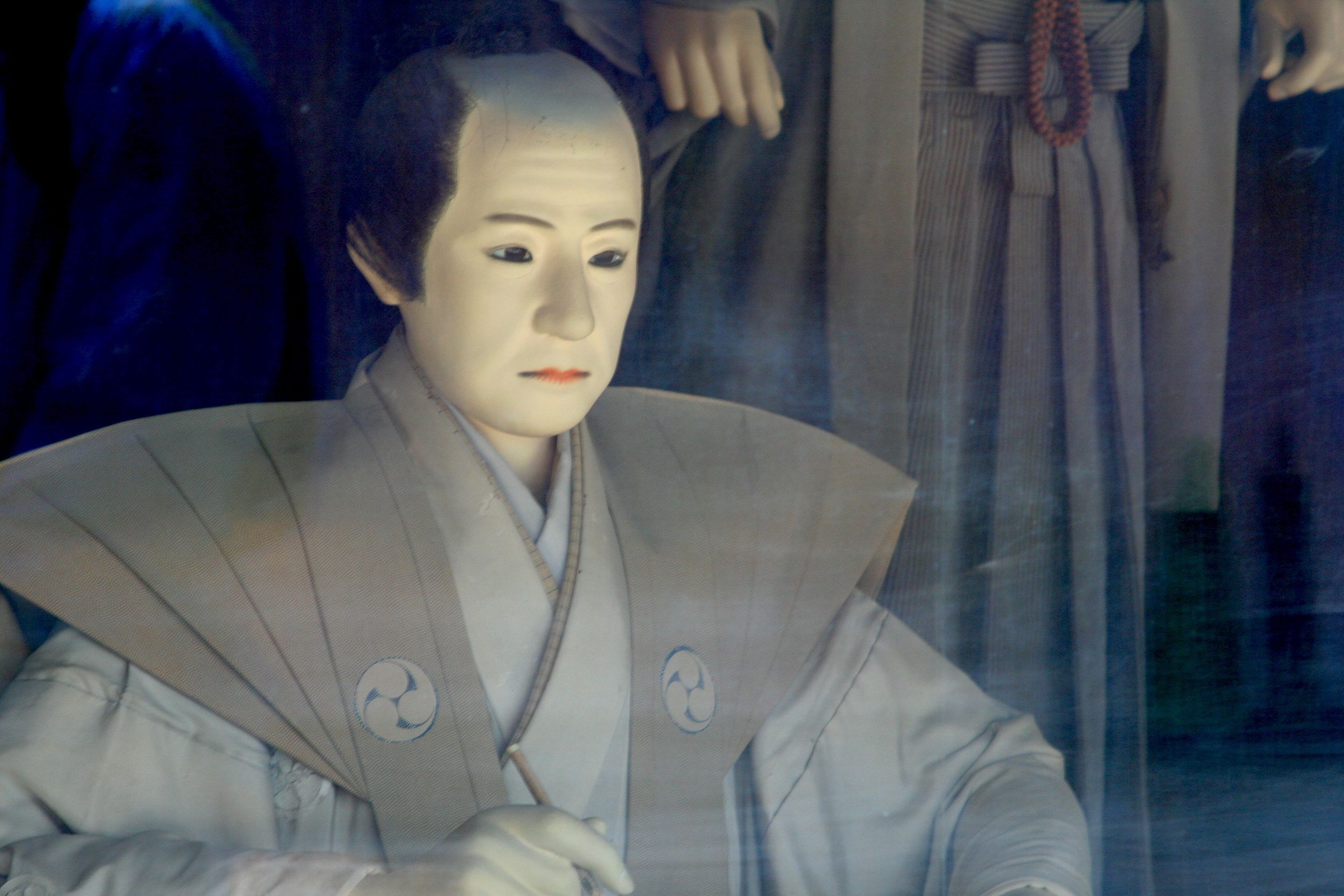
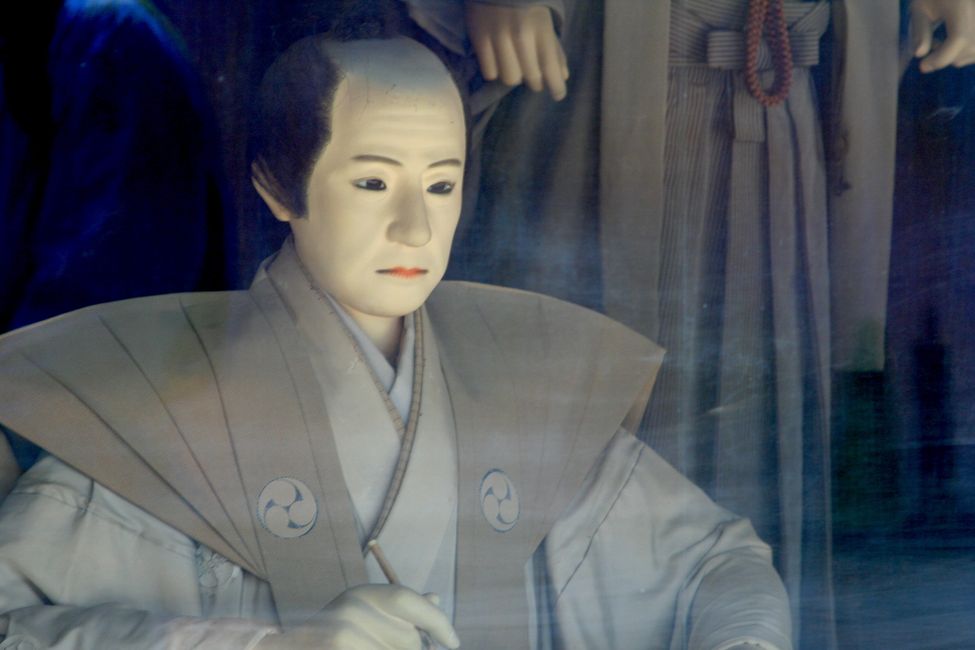
Tokugawa Shogun, the supreme commander of the Edo periodOnly at the end of the Edo period (1868) was the imperial power restored in the Meiji period (1868-1912). The Samurai were ordered into labor camps in Hokkaido.
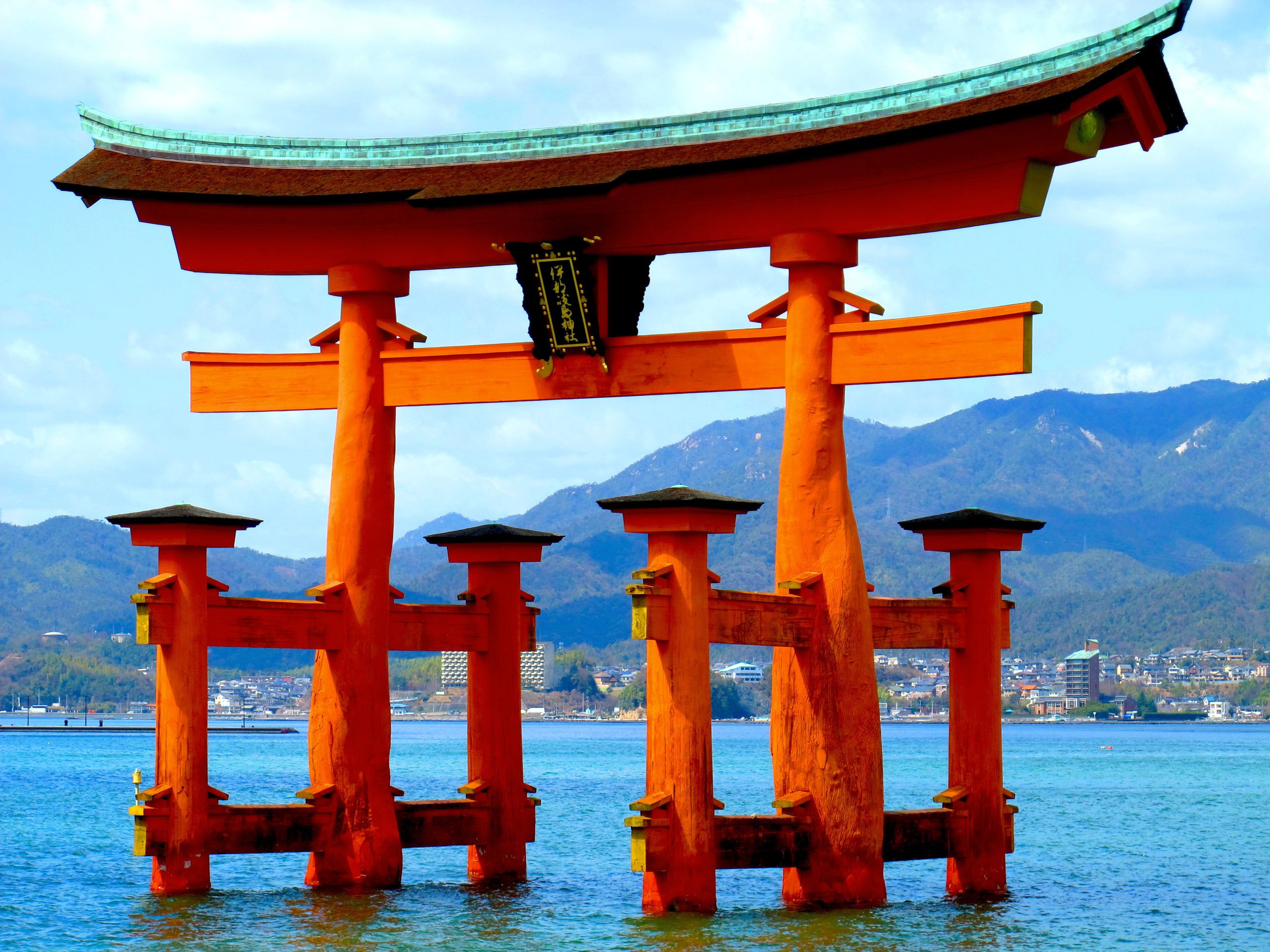
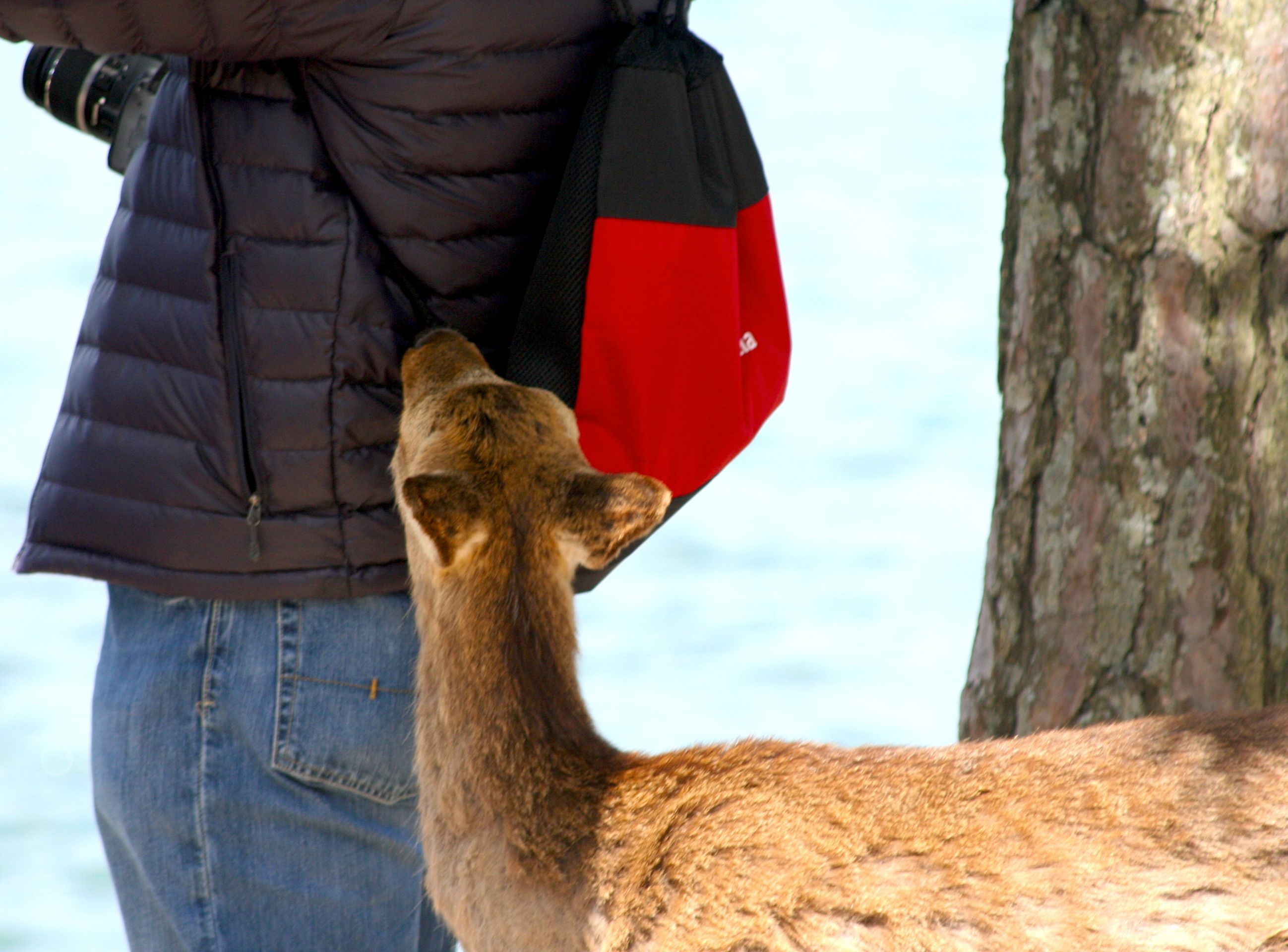
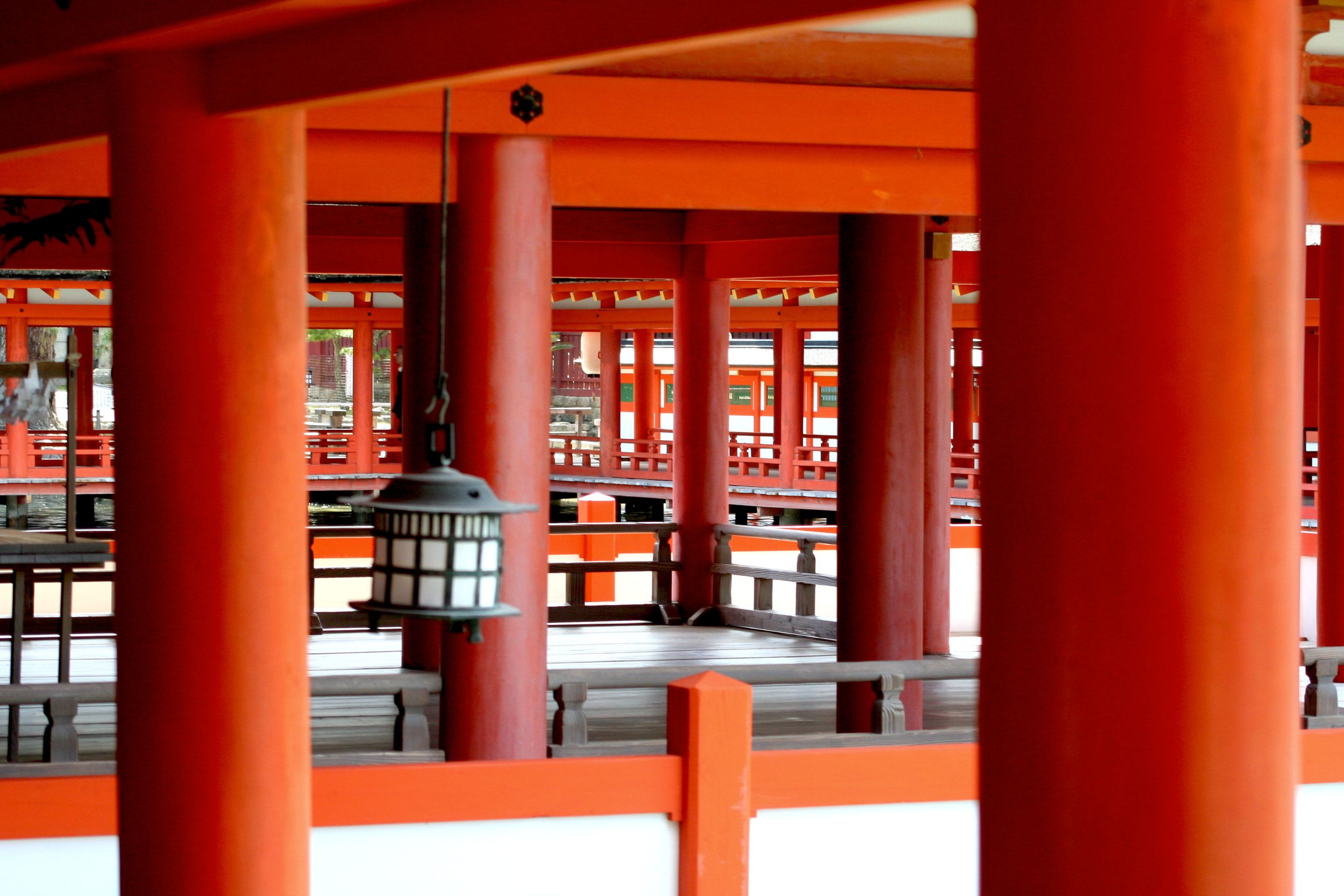
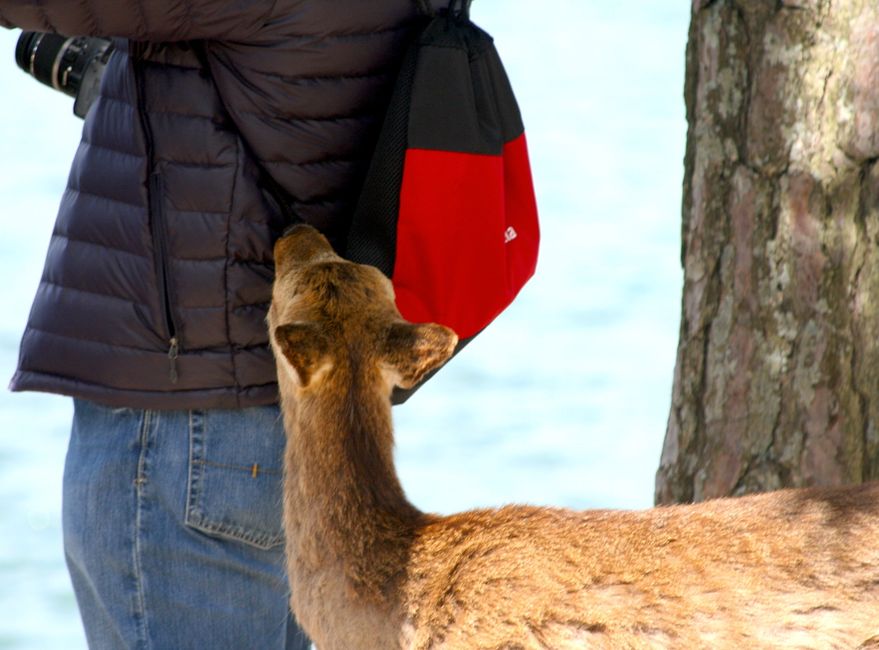
Miyajima is a sacred island located offshore, where deer are seen as messengers of the gods and can do whatever they want. Here stands the Itsukushima Shrine, which has existed since the 6th century. Access is only possible by boat.
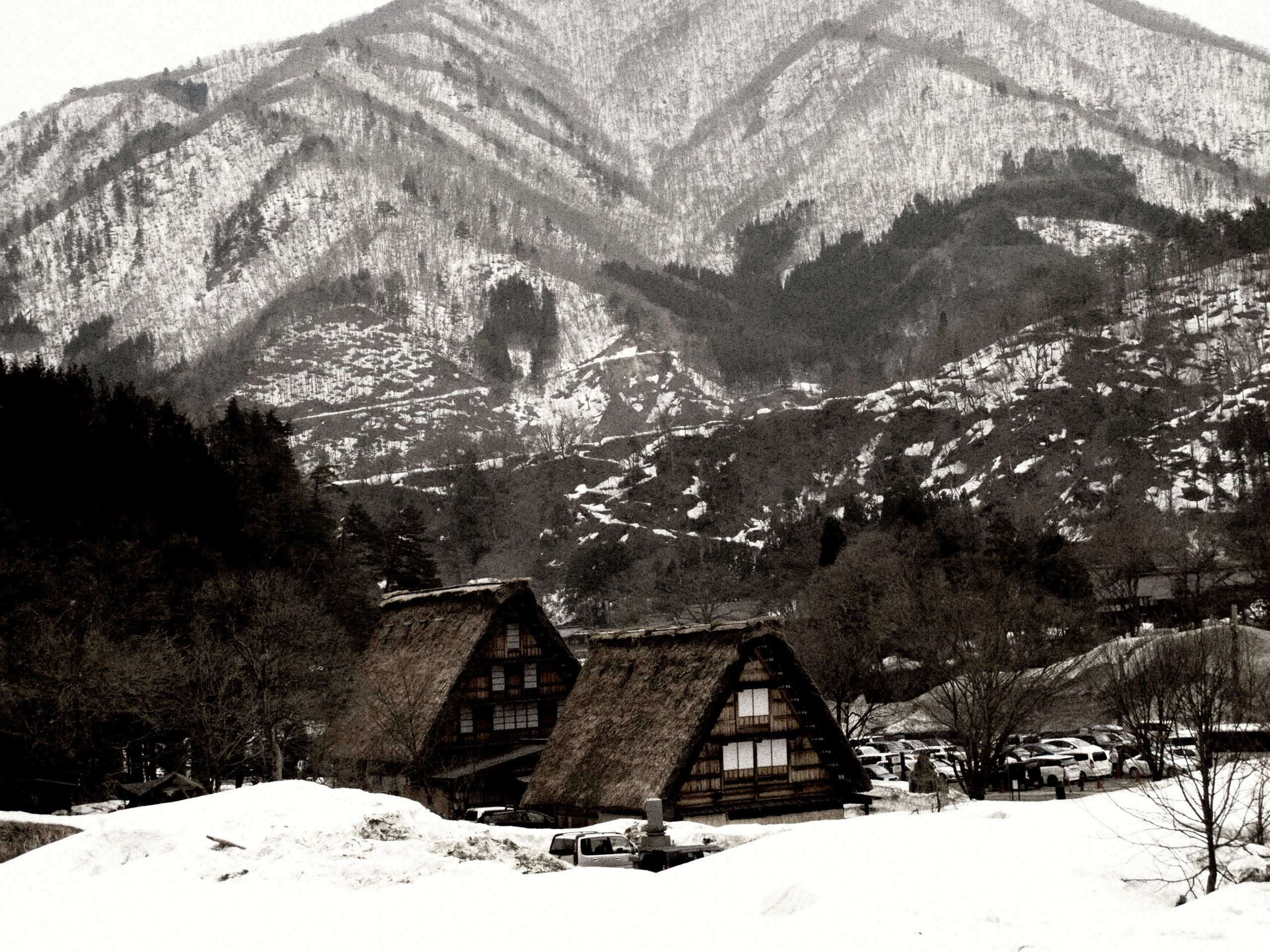
At Miyajima Park, the Bambis have specialized in their hoovesShirakawago is a village with three generations of houses whose roofs are covered with straw.
The village was first named in the 12th century, where silk worm breeding was conducted. Since 1995, the village has been recognized as a UNESCO World Heritage Site.
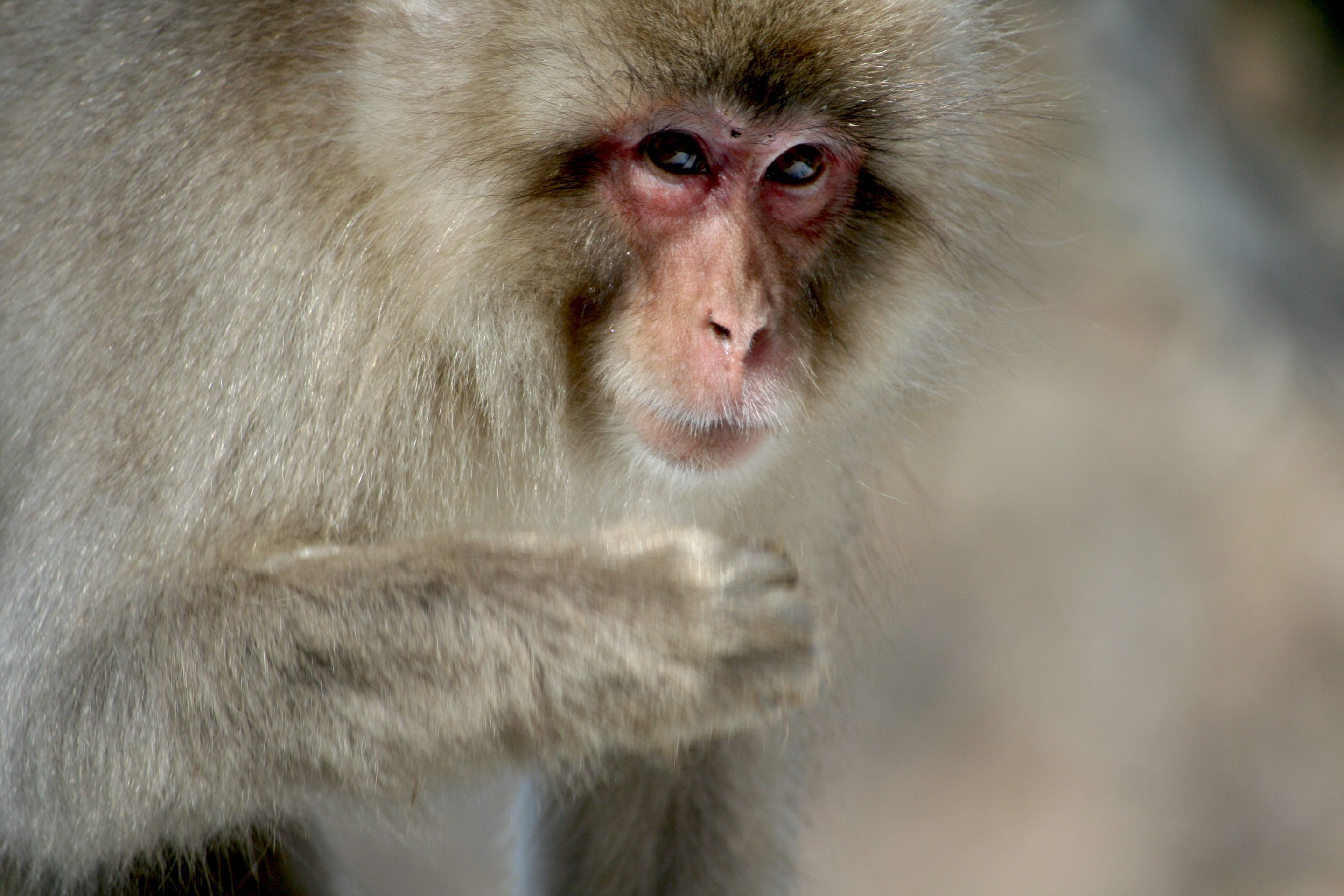
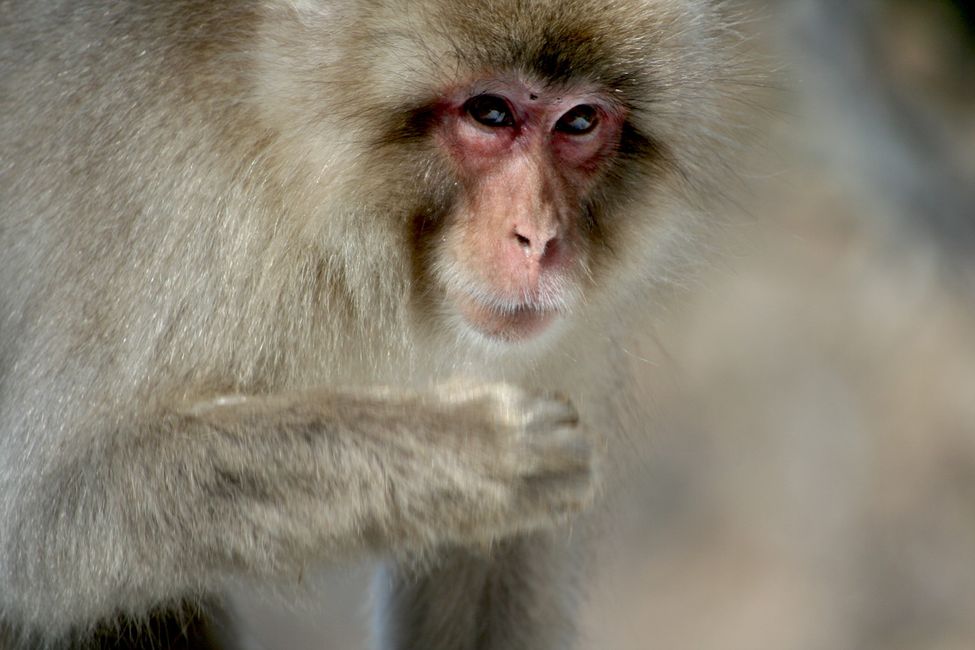
Nagano, the land of snow, is located to the northeast, with its Jigokudani Park. It offers onsen for the local Japanese macaques...
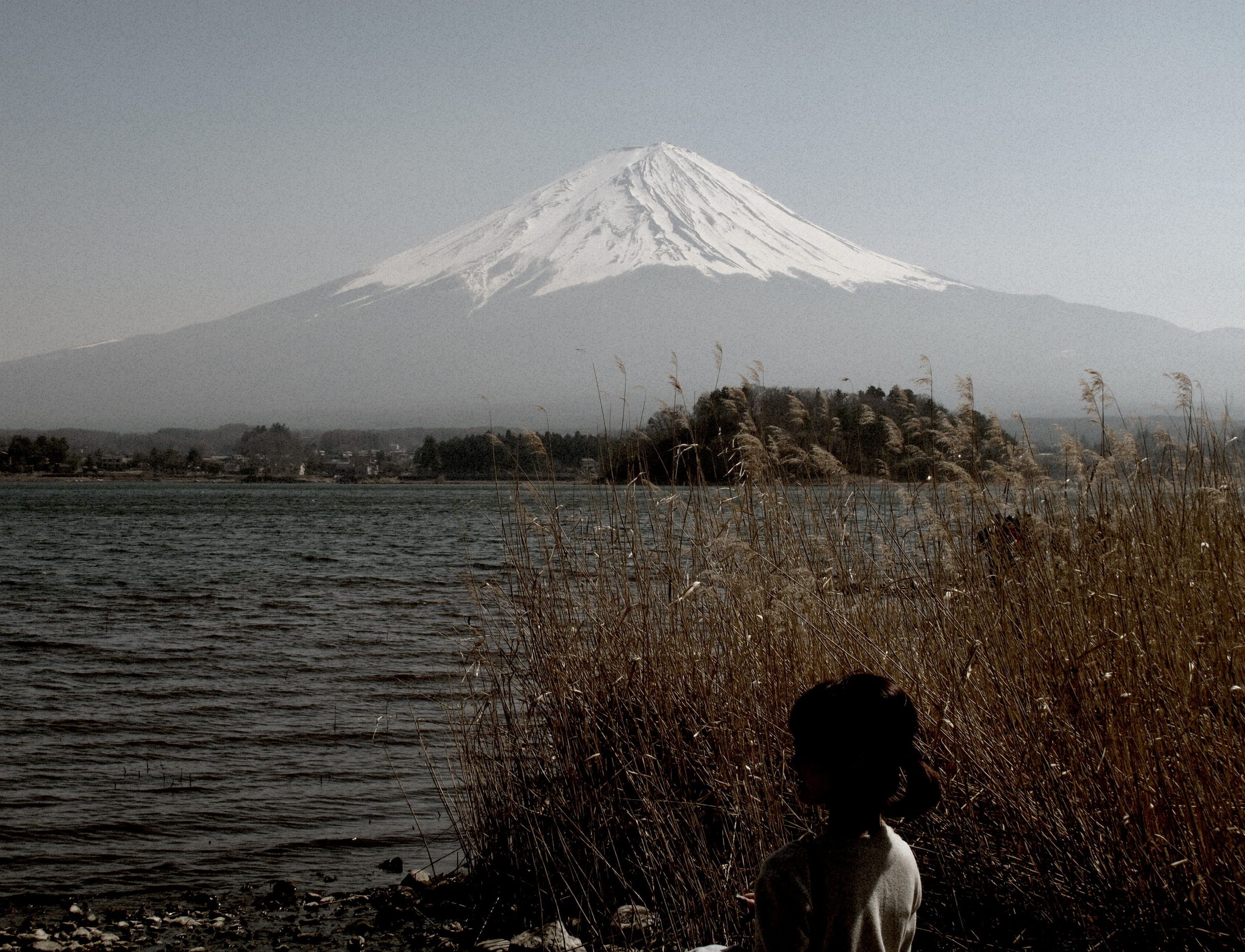
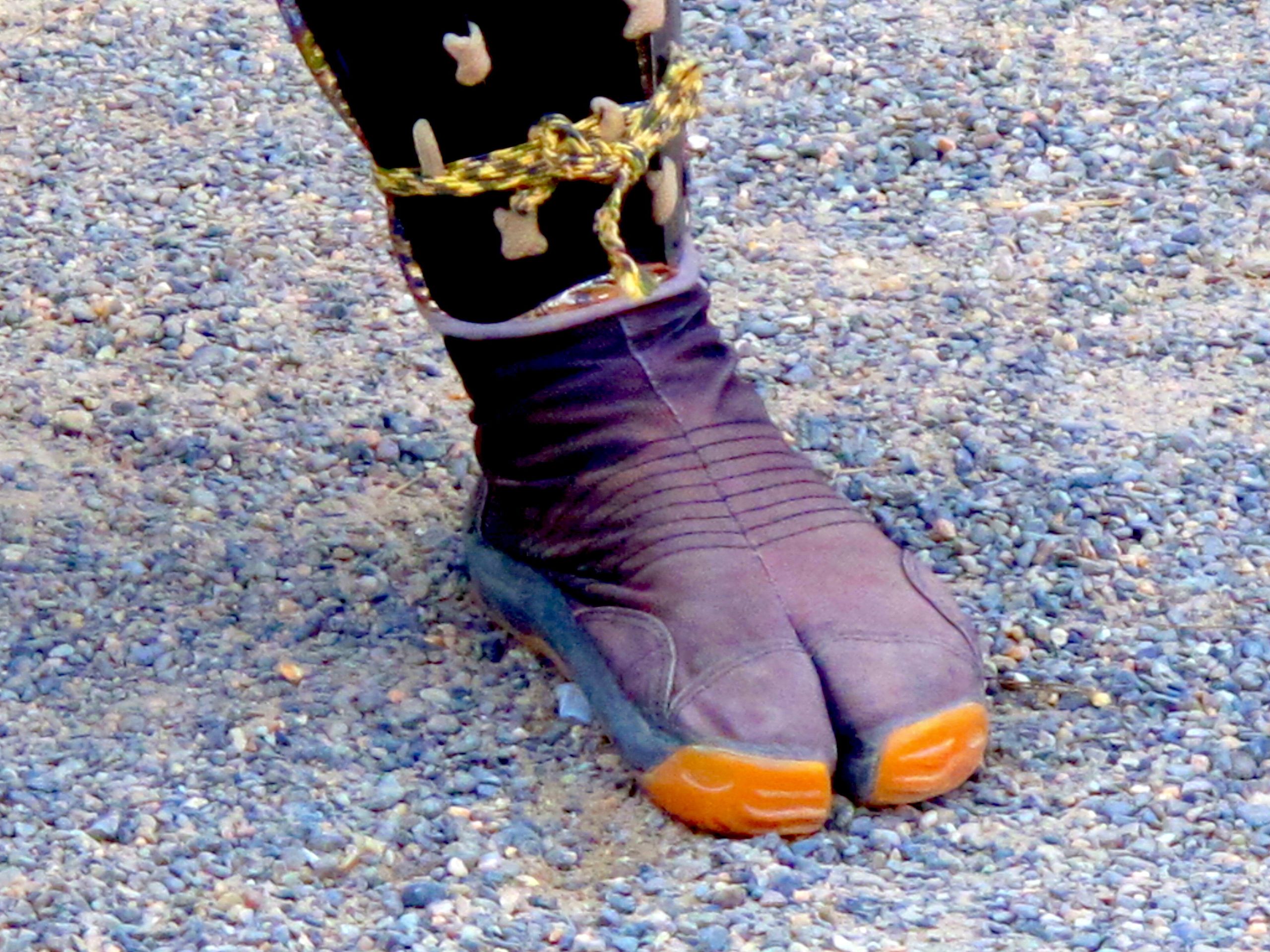
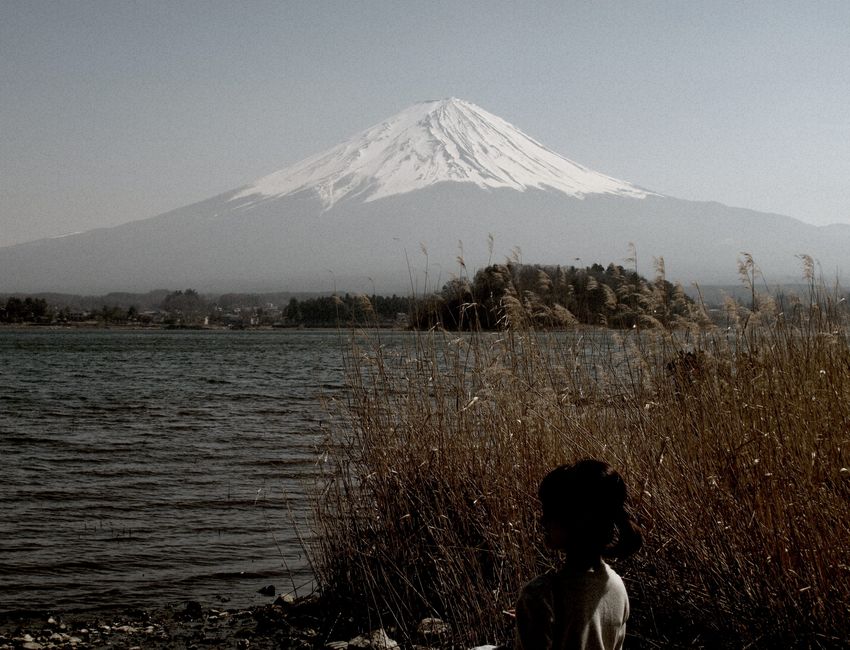
....and when it comes to snow, I must mention Japan's landmark, Mount Fuji, with its harmonious cone shape and height of 3780m. Fuji-san, the immortal mountain, is a sacred mountain with no skiing opportunities.Fuji SanNinja means 'Secretly, in hiding'. It is a martial art used for espionage. Unlike the Samurai, Ninjas carried small daggers, chains, etc.
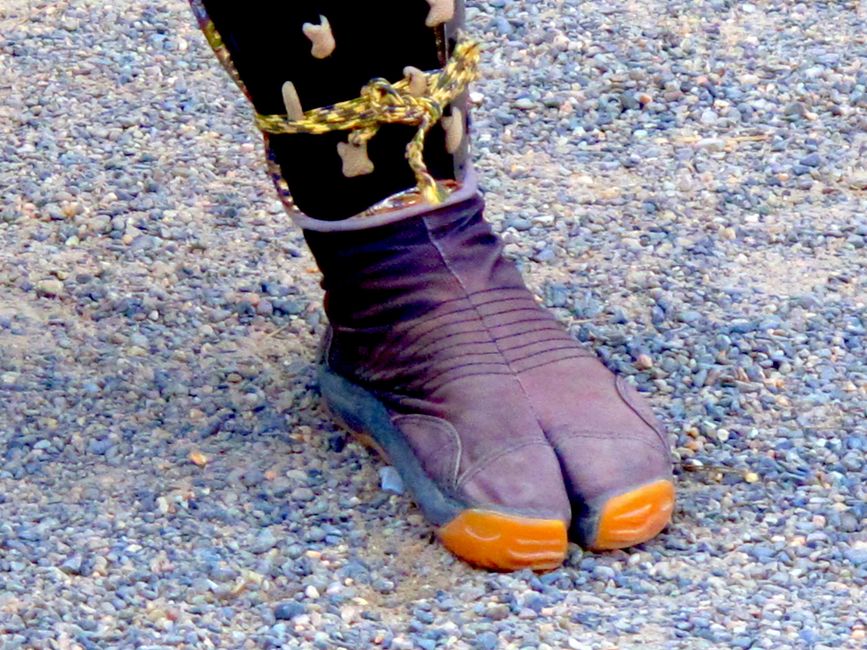
Their training also included herbal medicine. Their peak period was in the 14th-15th century. Today, there are still two martial arts schools that teach Ninjutsu.
Ninja, quiet and can brace against a rope
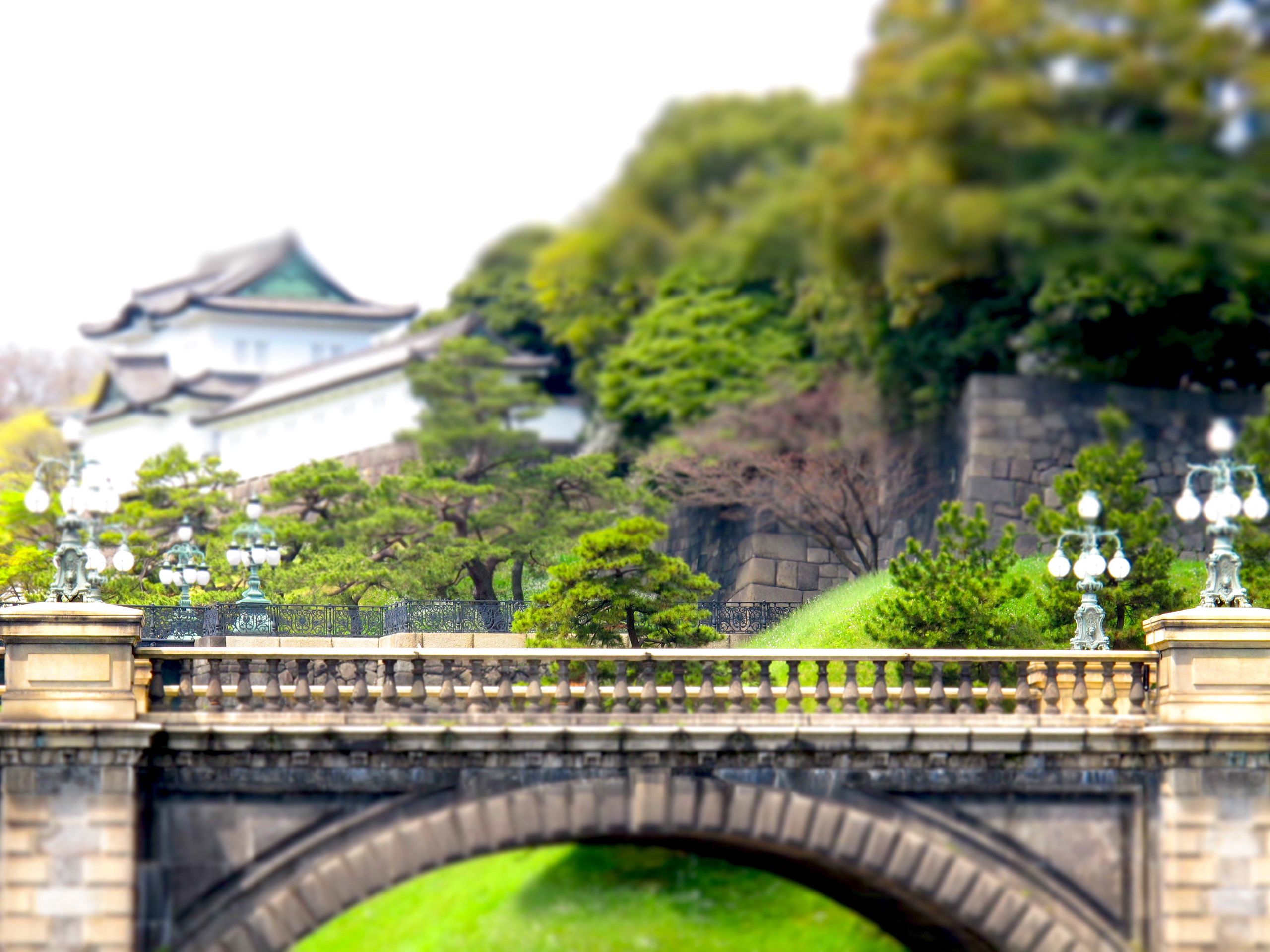
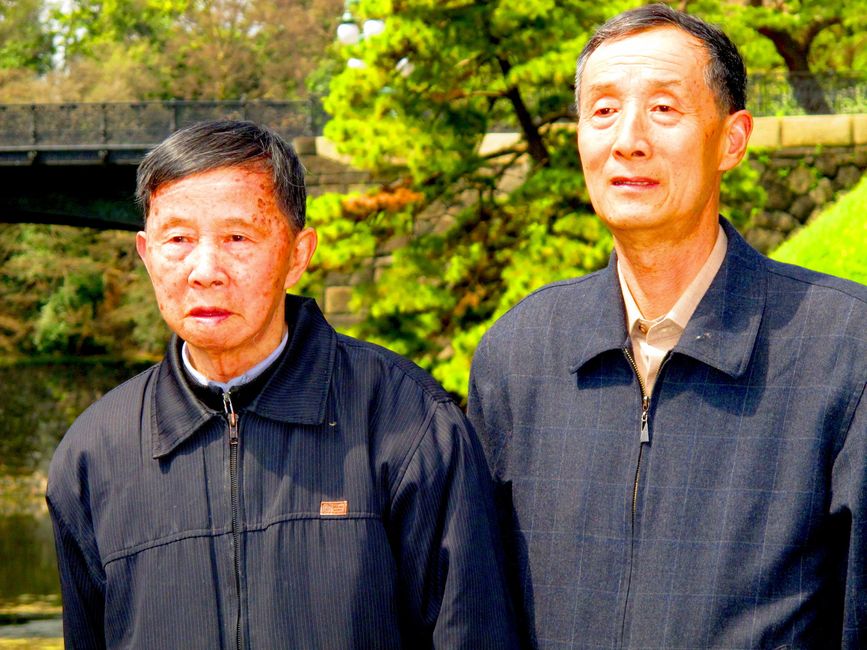
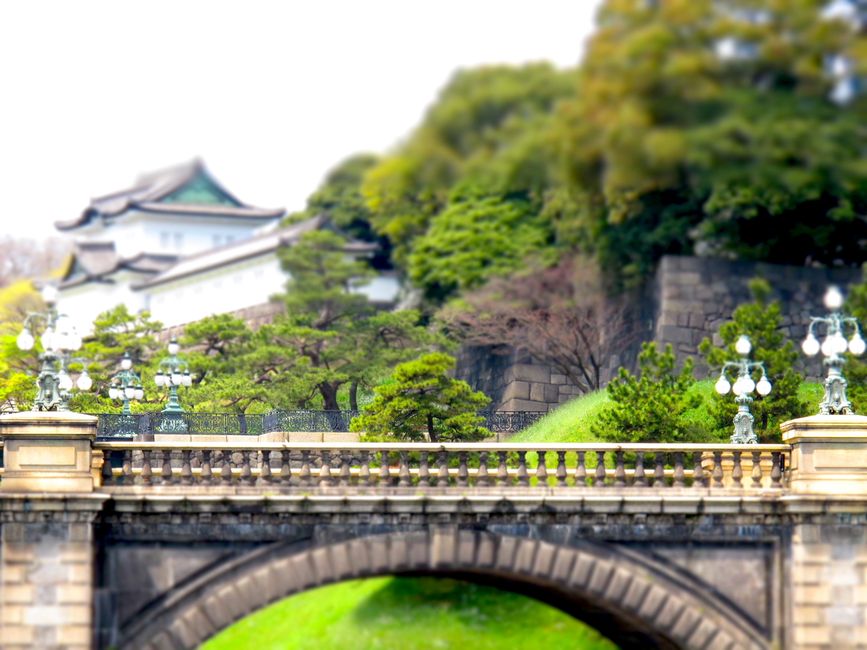
Upon arriving in Tokyo, the Imperial Palace is a must-see. It is surrounded by a wide water moat. It can only be visited on two days of the year. In 2015, during this trip, the Tenno, or Emperor Akihito, was in charge; currently, his son Naruhito rules.
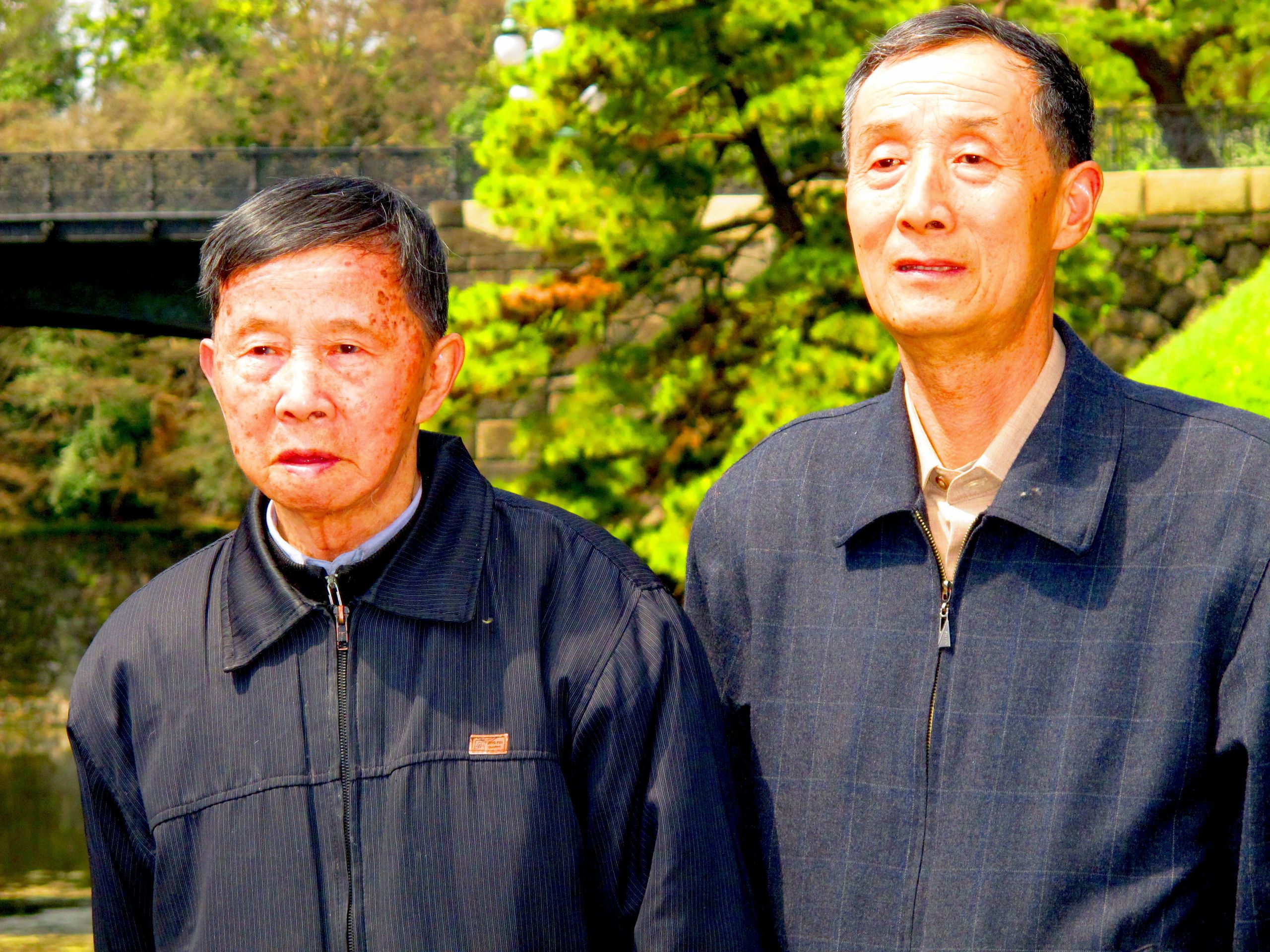
...in front of the Imperial Palace for a photo op...
Imperial Palace
In the Shinjuku district, you can enjoy a free view over Tokyo from the highest city hall in the world (243m high).
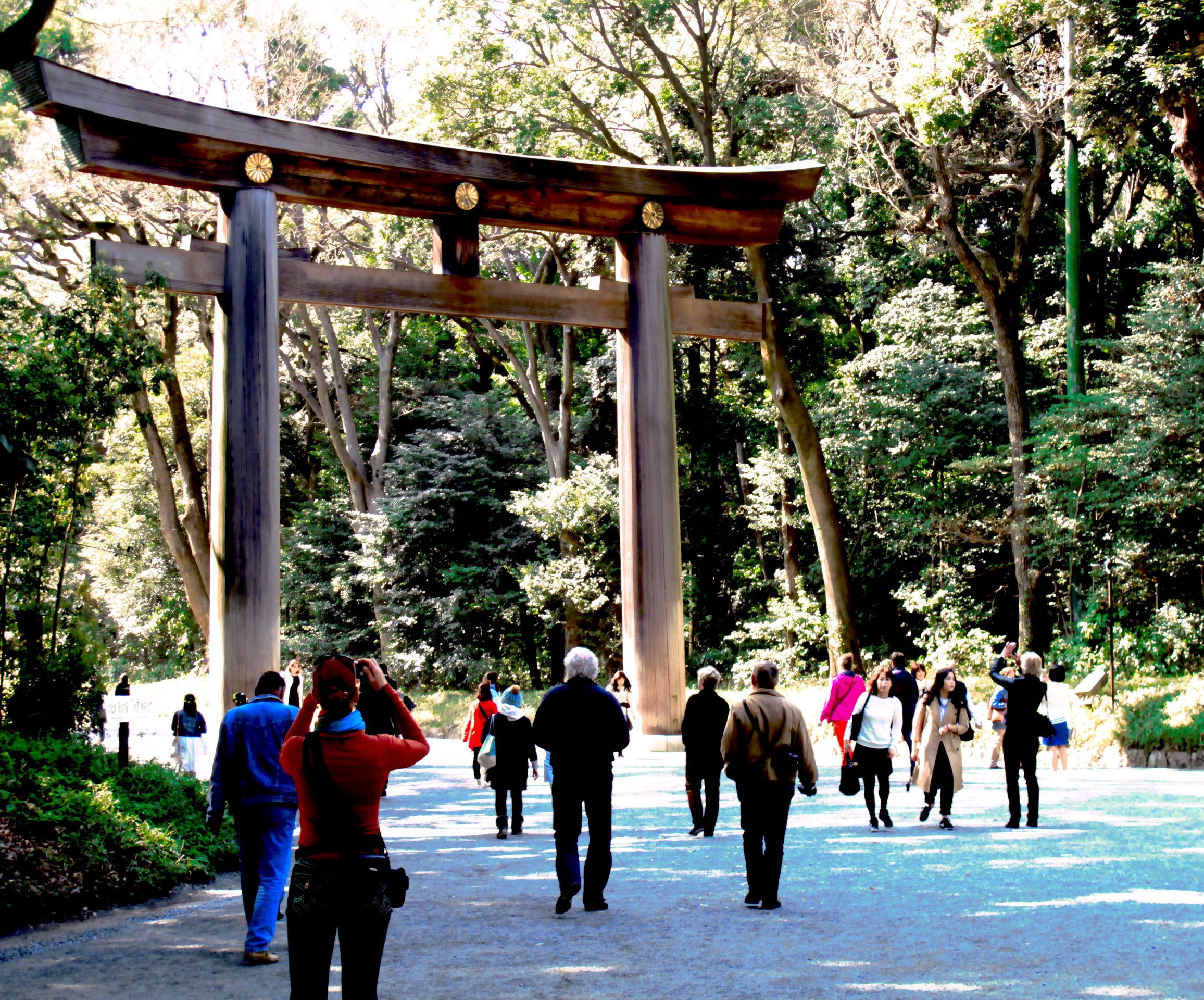
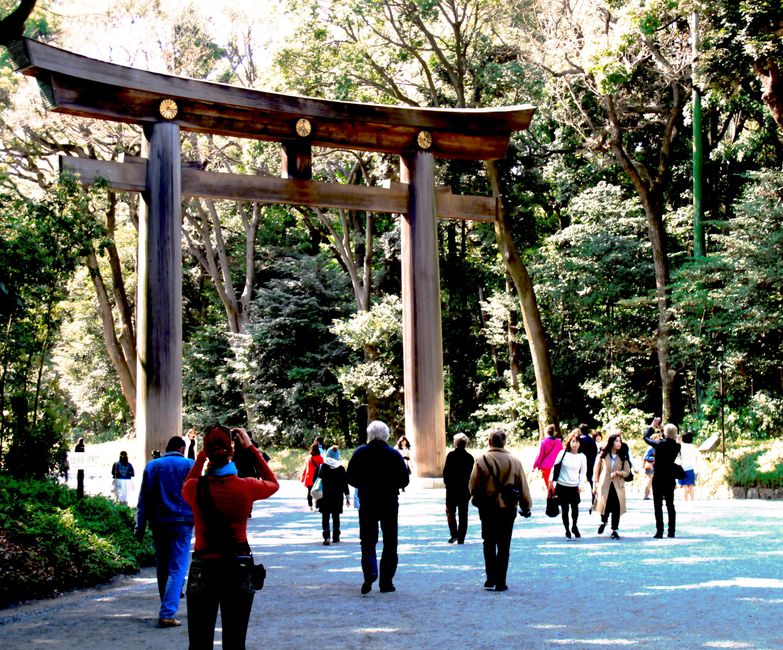
Meiji Gate: Japanese wooden art combines supreme simplicity with utmost dignity.
Thank you for taking the time ' Arigatō', cheers ' Kanpai' and goodbye ' Sayonara'.
At a glance
Automatically extracted from the post
Mood
Cultural
Highlights
Shinkansen
Kyoto
Ryoan-ji-Tempel
Kinkaku-ji
Gion
Shabu Shabu
Burg Nijo
Miyajima
Itsukushima-Schrein
Shirakawago
Jigokudani Park
Berg Fuji
Kaiserlicher Palast
Shinjuku
Meiji Tor
Topics
CityCultureEatTransitStoryArchitectureNature
Cost
Teezeremonie, Spiele, Tanzen in Gion¥100,000
Fischbach‘s ReisenLike a newsletter: every new post arrives via email.