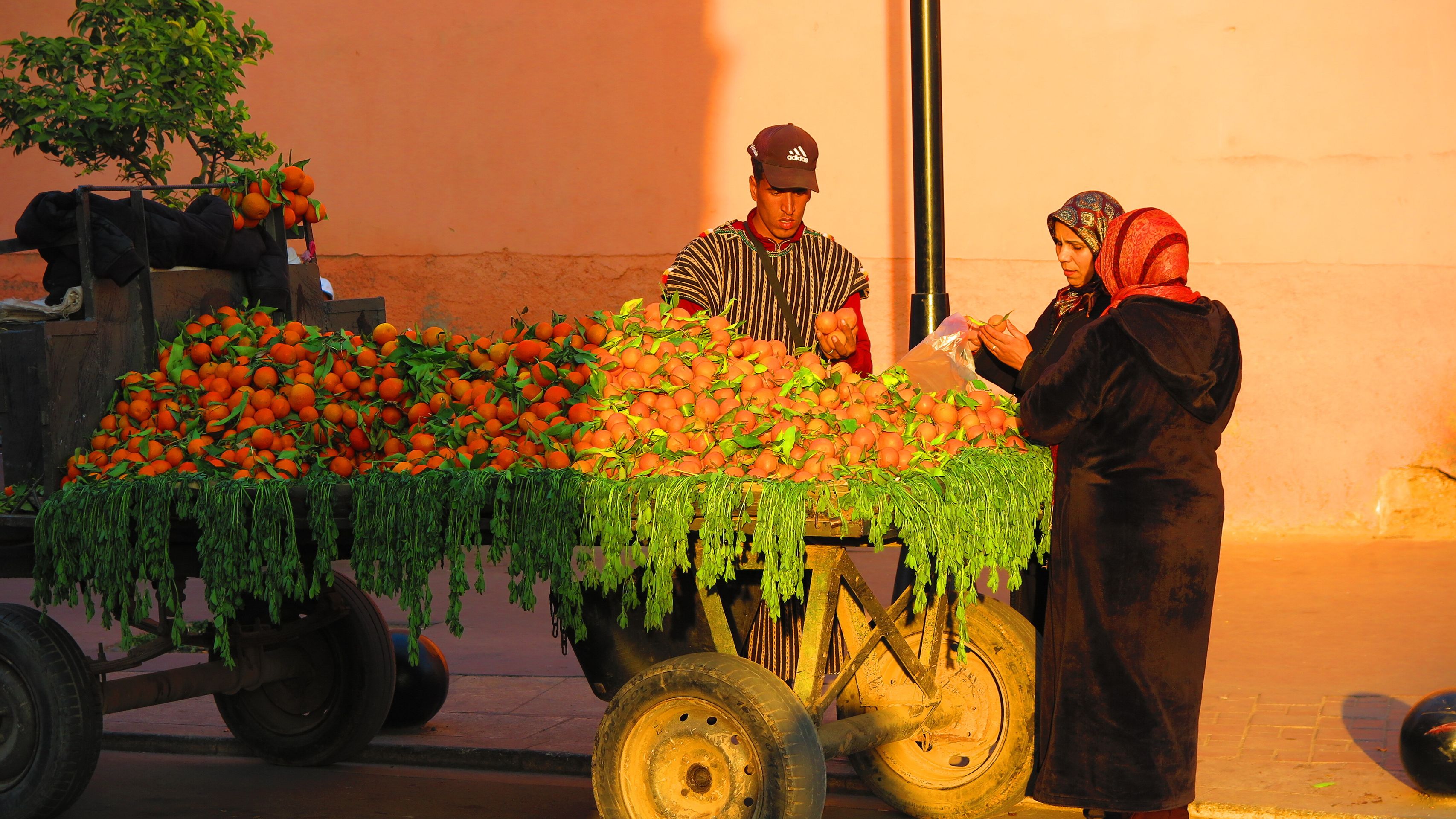
Marrakech, known as the Ochre City, was founded in 1070 by Abu Bakr Ibn Umar. His goal was to provide a new center for the new movement of the Almoravids. His successor, Yusuf Ibn Tashfin, conquered northern Morocco and Andalusia, making Marrakech the capital of his empire. A city wall was constructed.
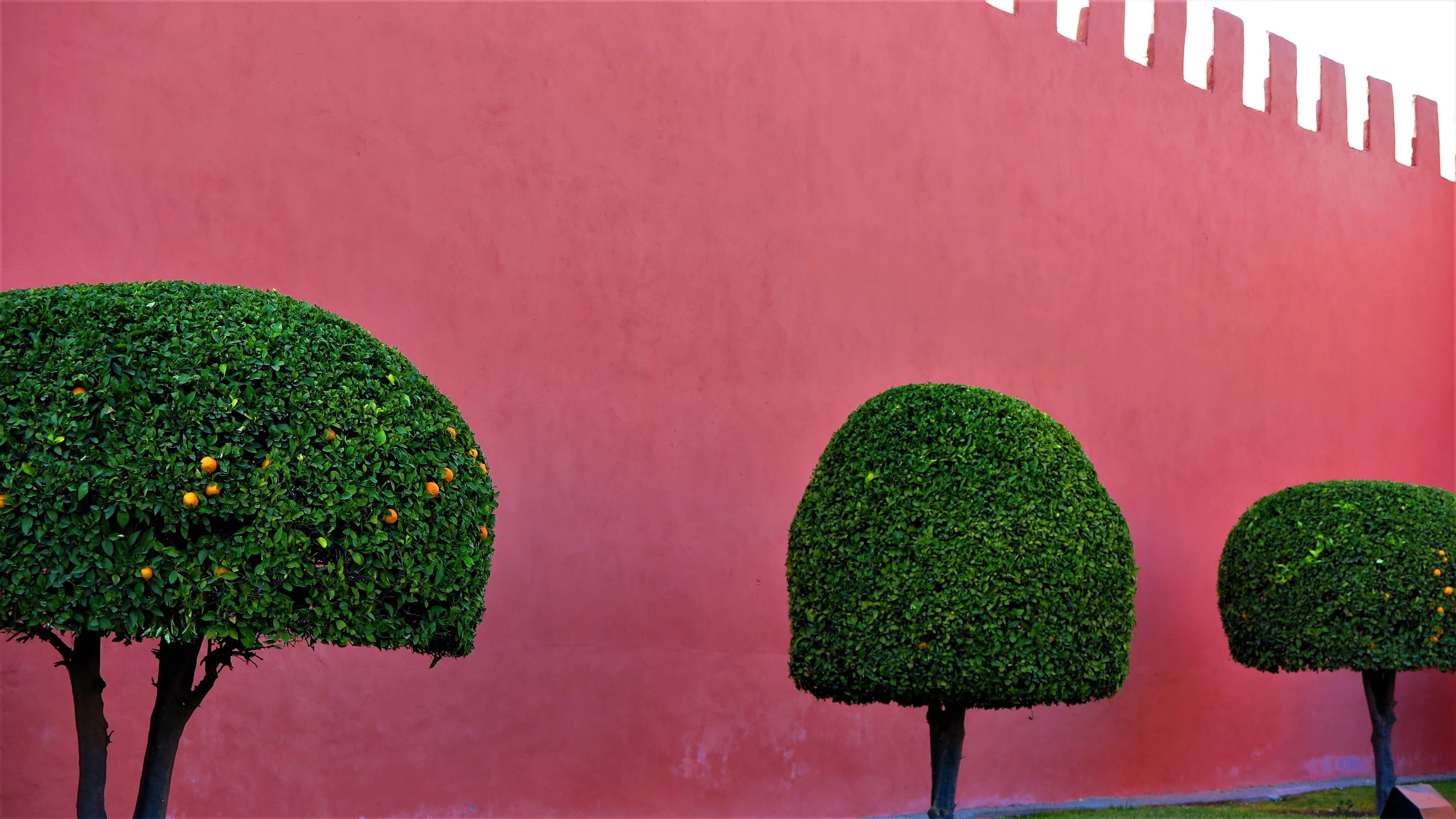
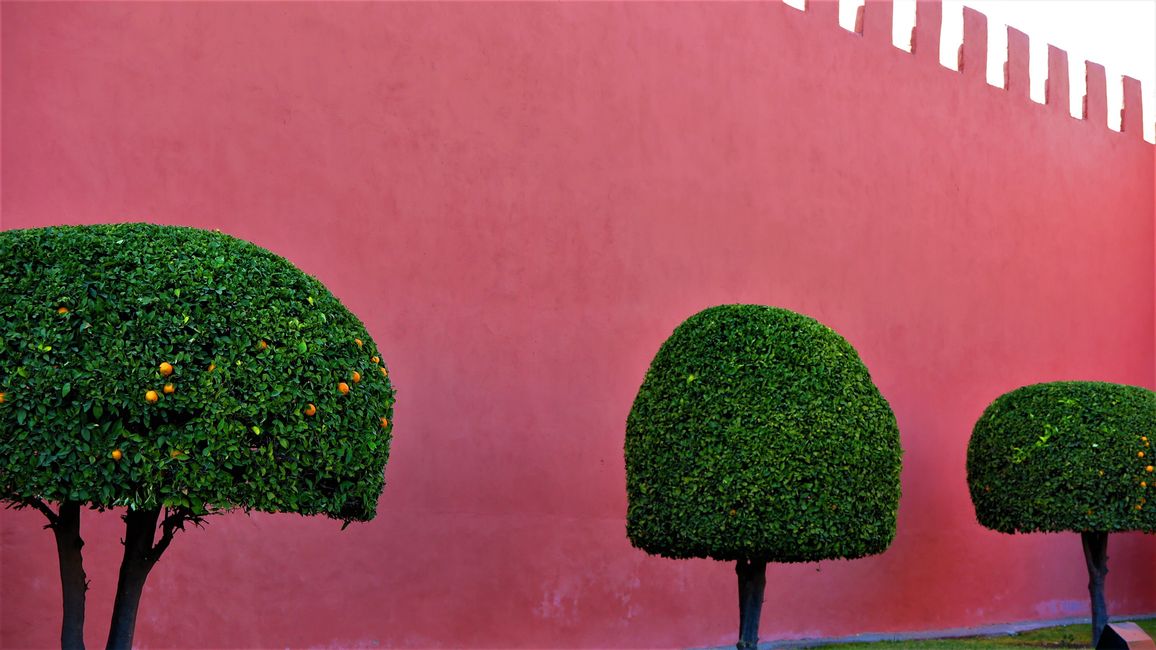
The city wall is over 900 years old, just freshly whitewashed ;-))
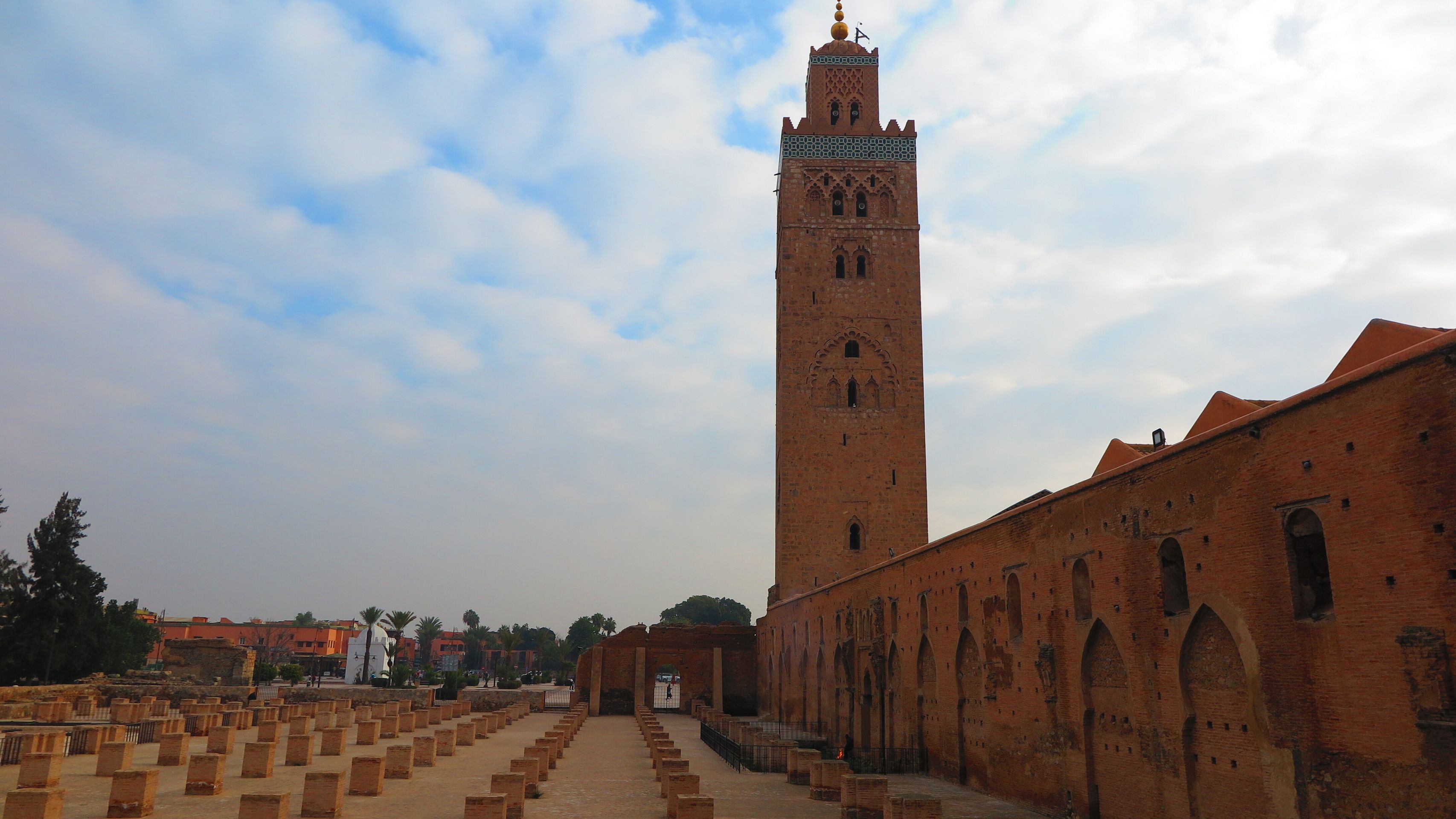
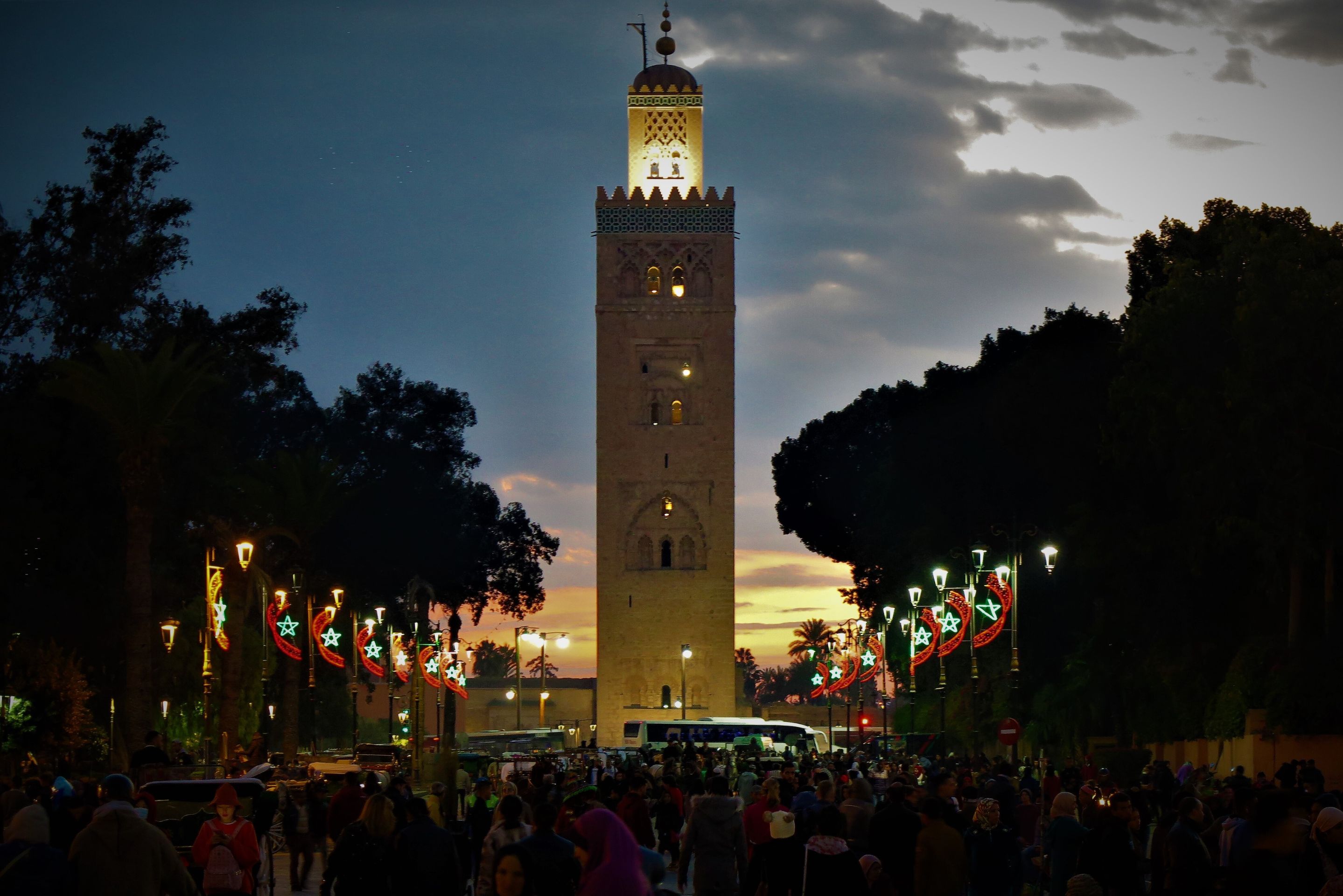
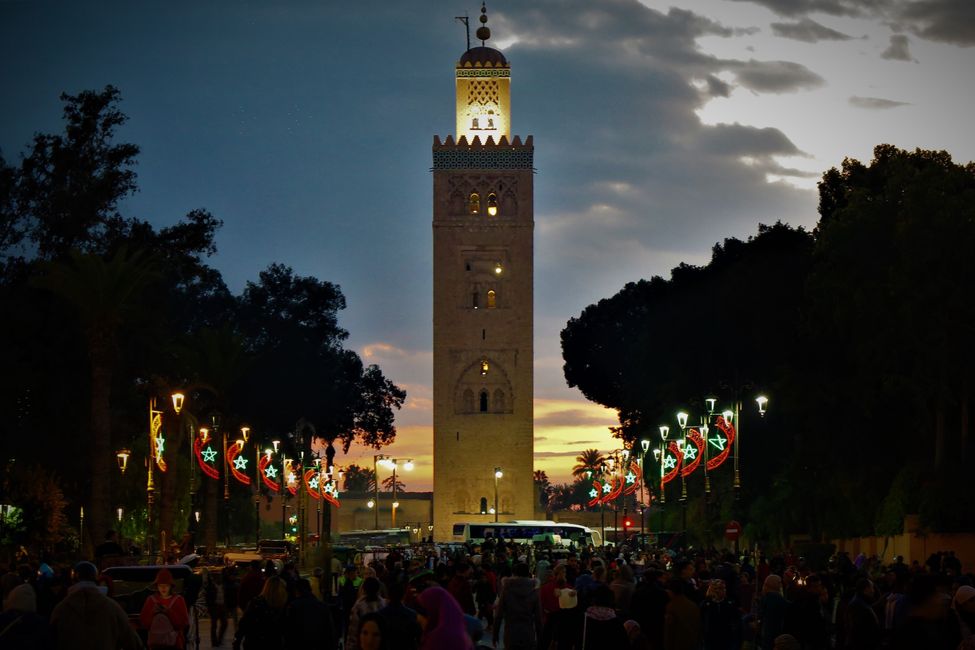
The Almohads destroyed the symbols of the Almoravids in the 12th century under the ruler Abd al-Mu'min and founded the famous Koutoubia Mosque. It is 77m tall and the oldest mosque in the country.
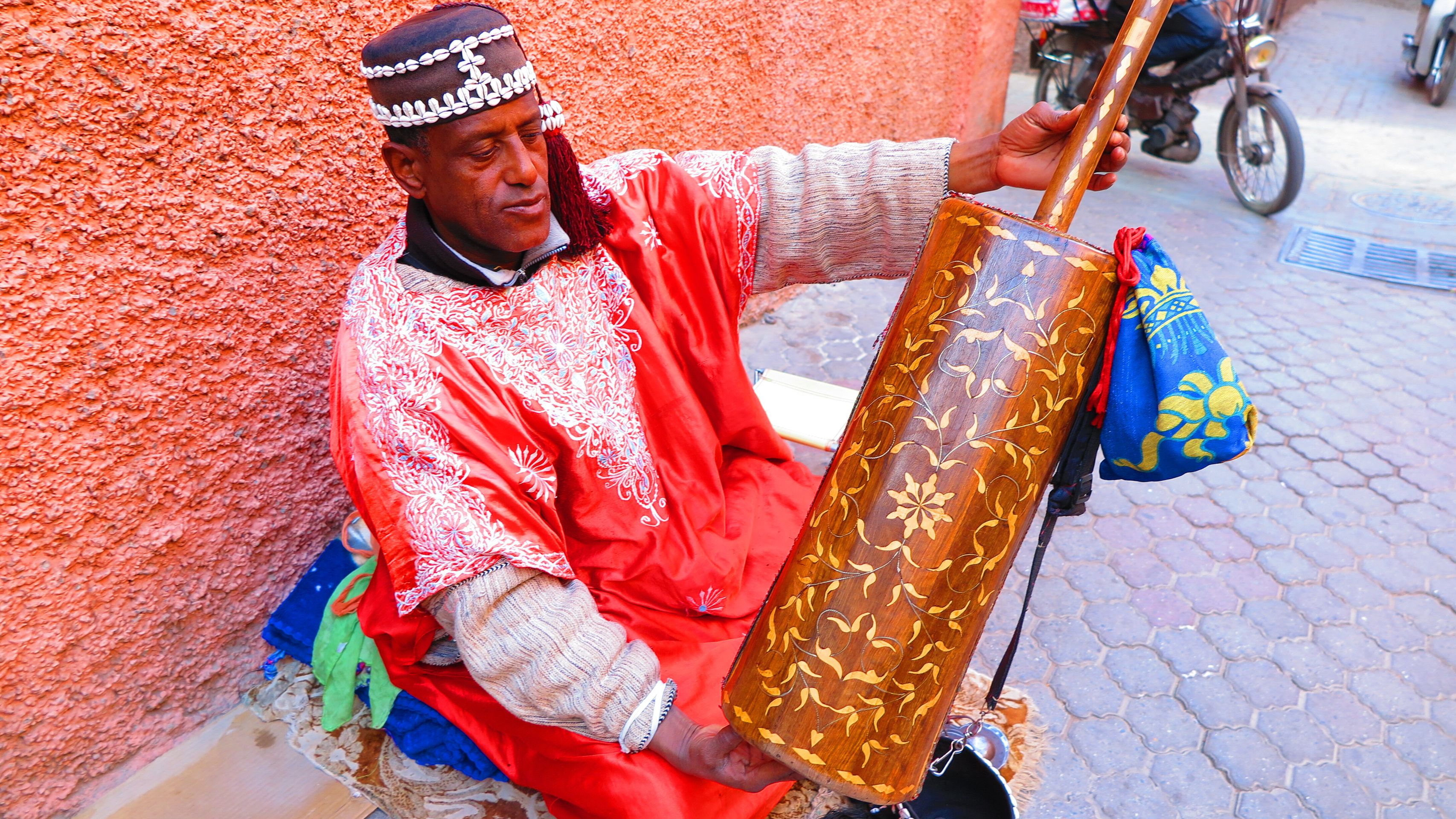
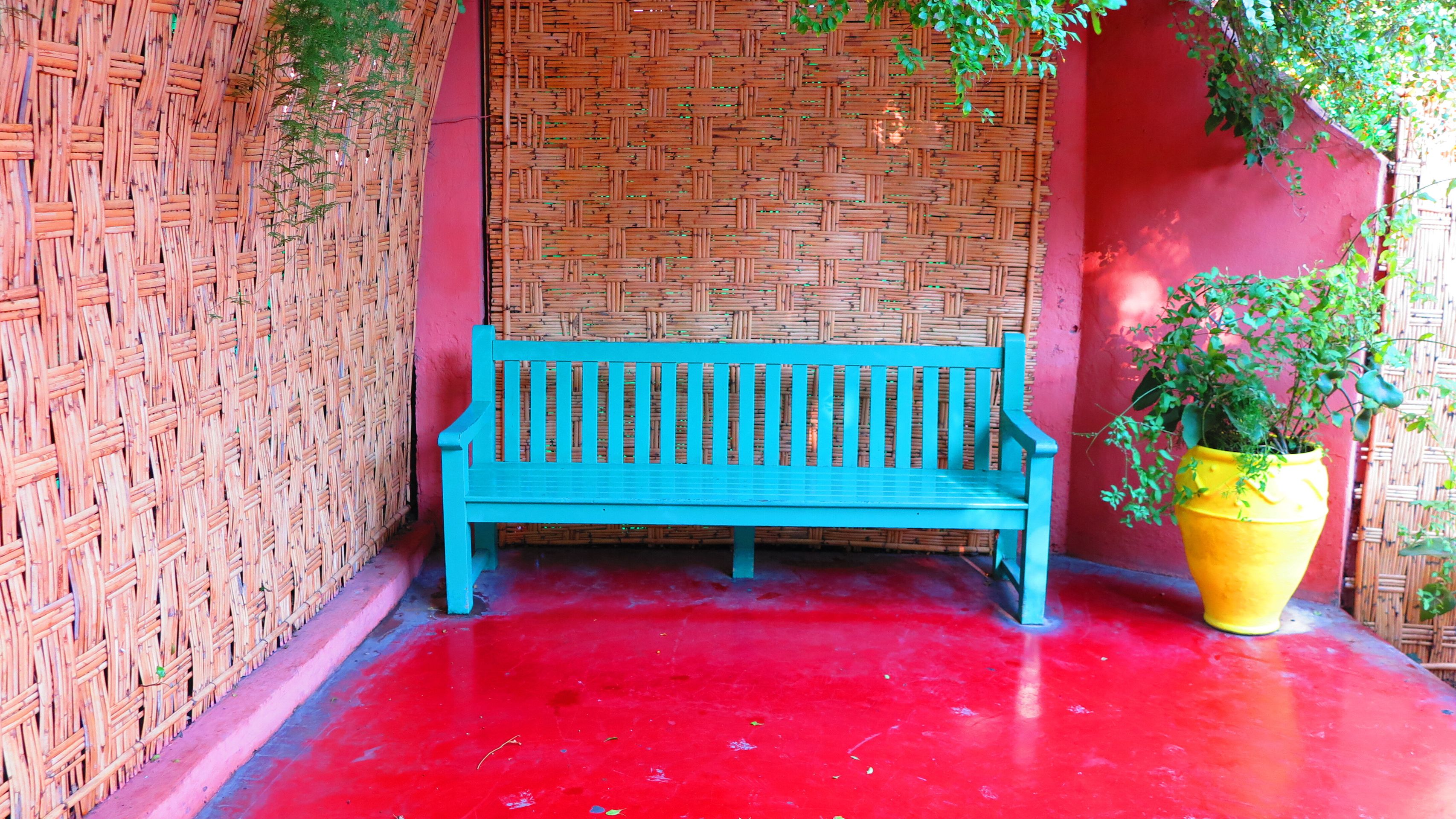
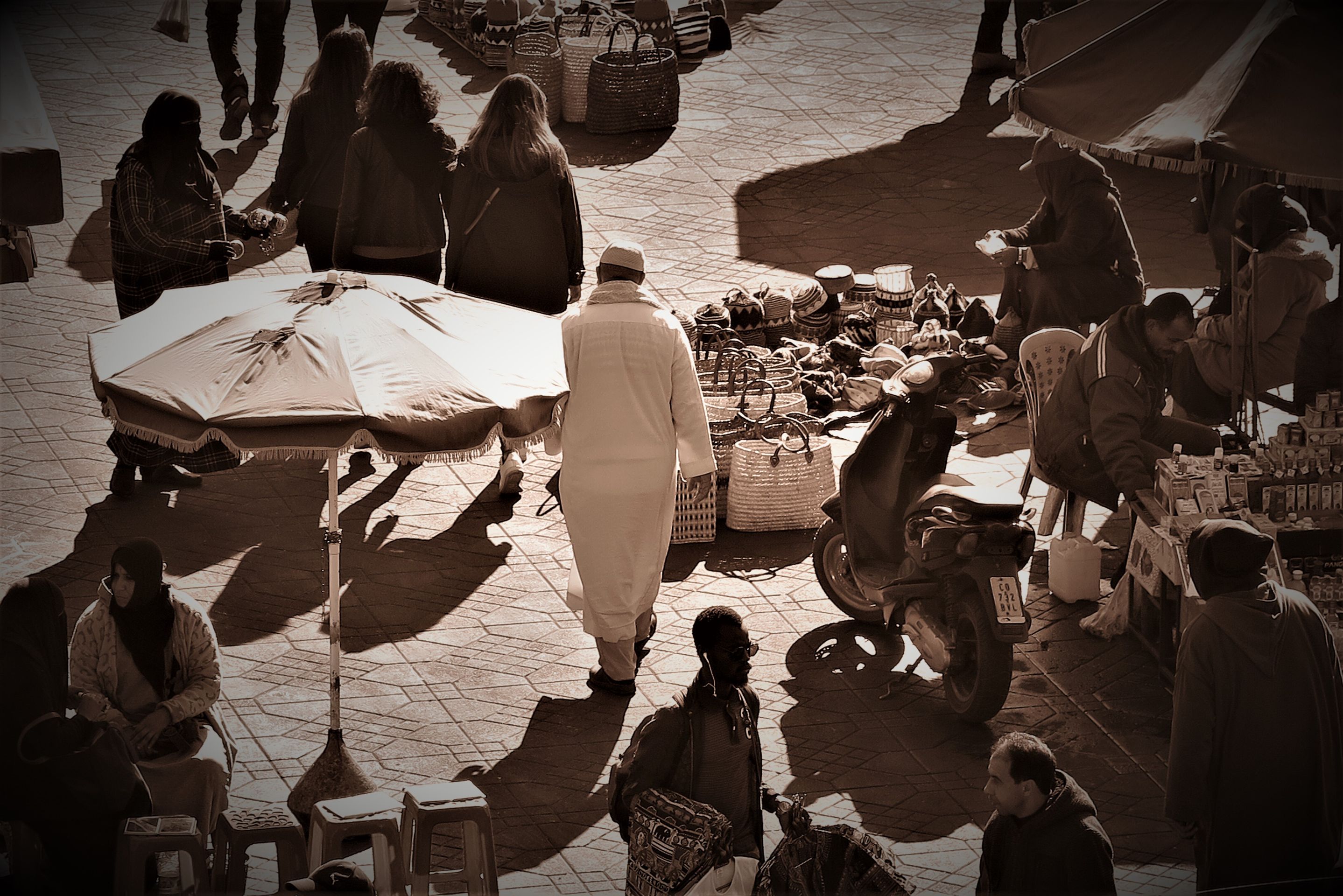
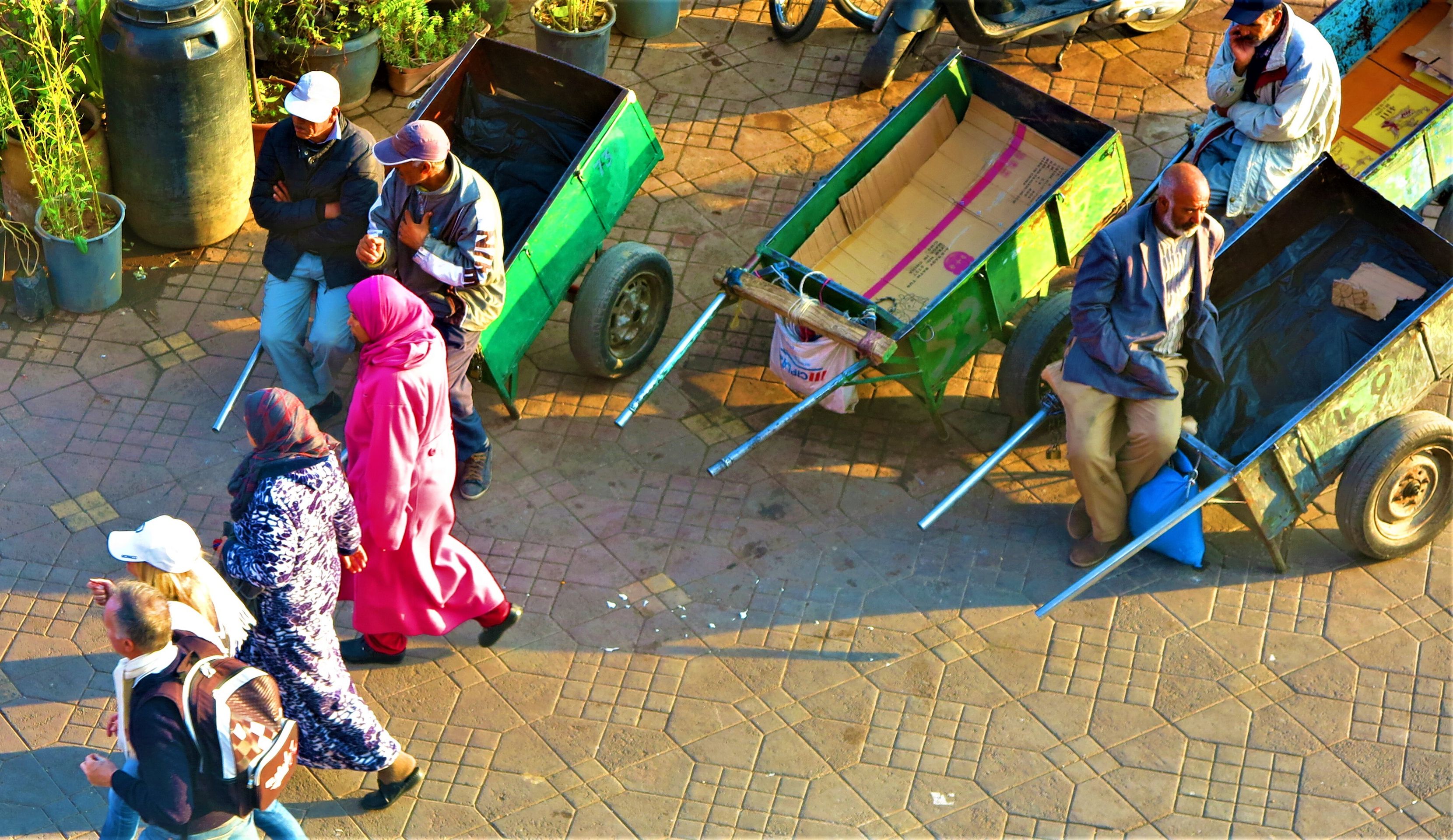
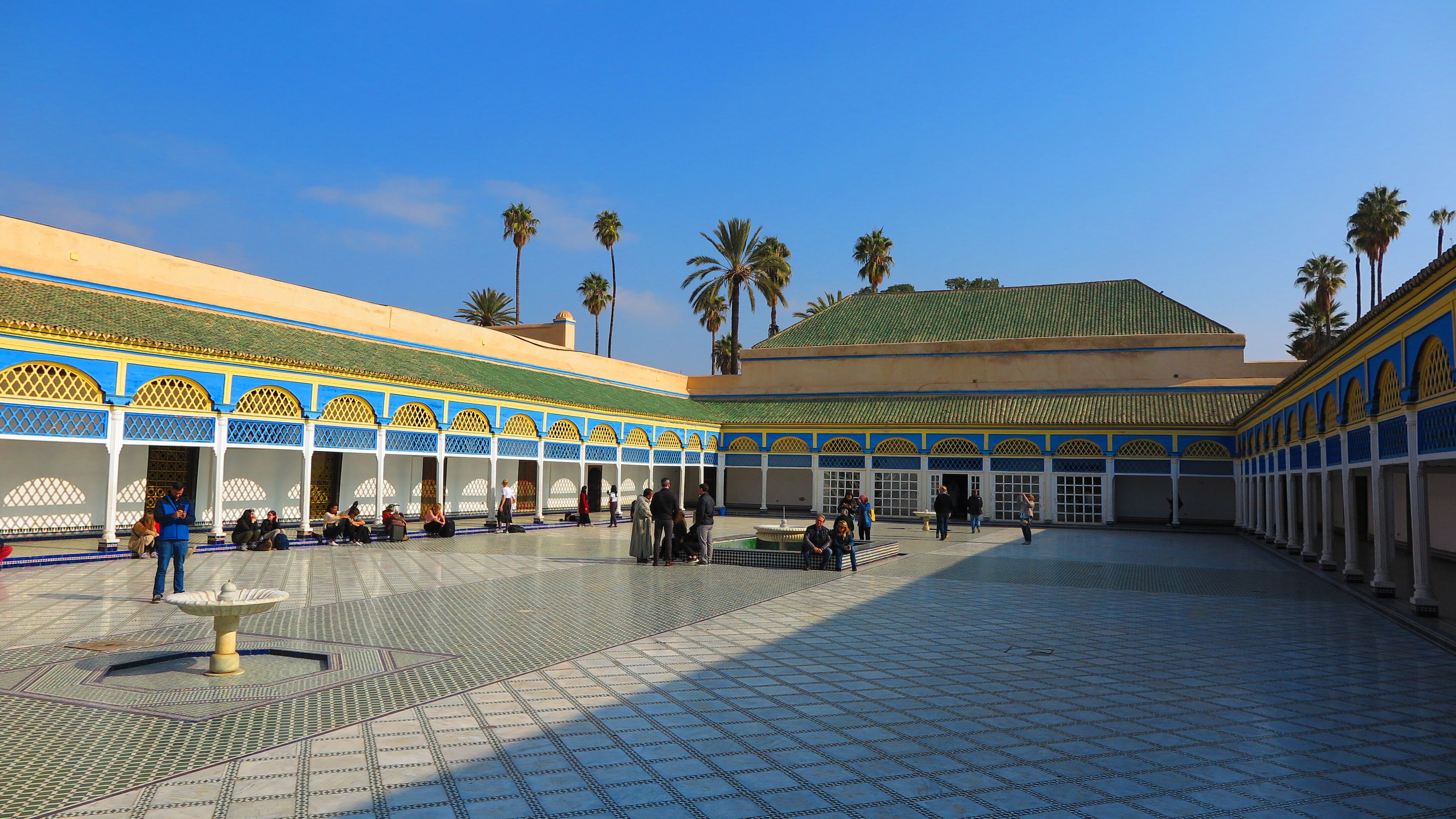
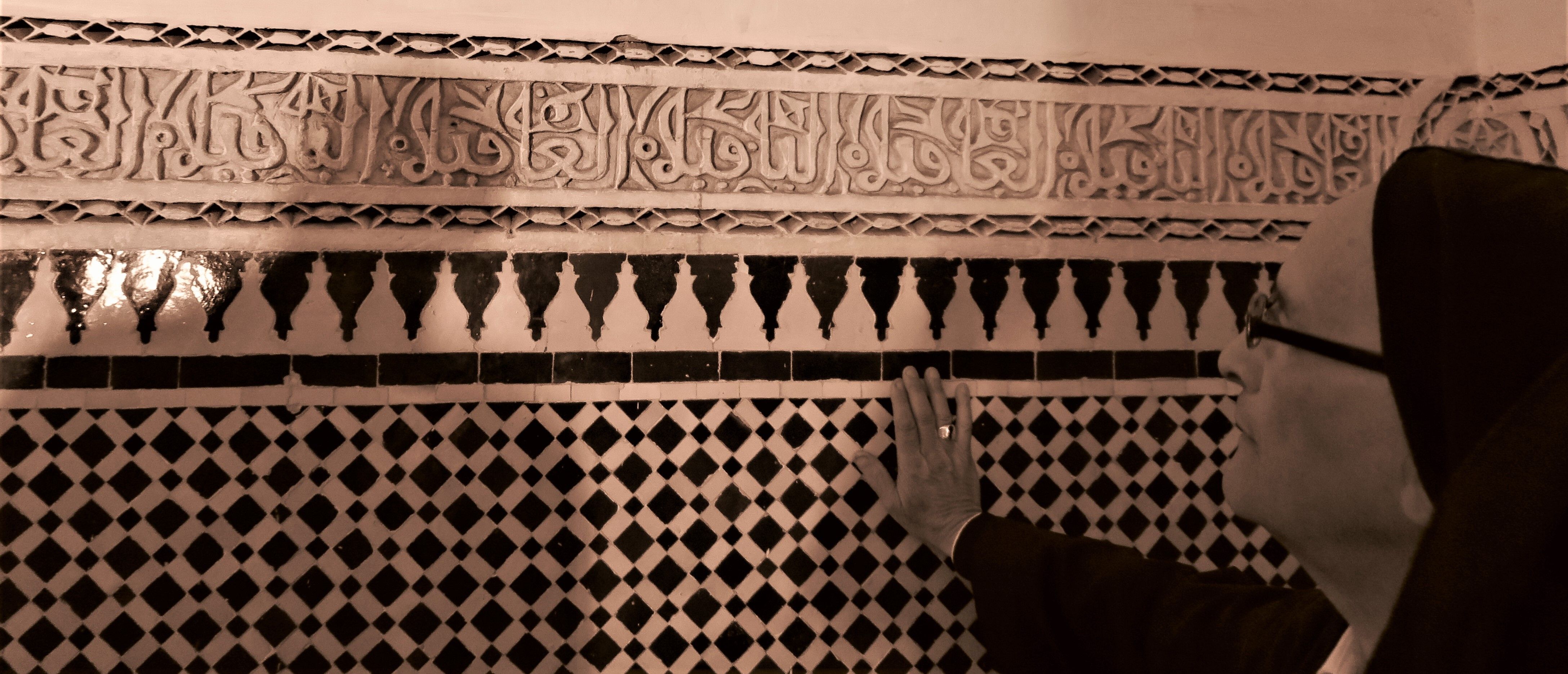
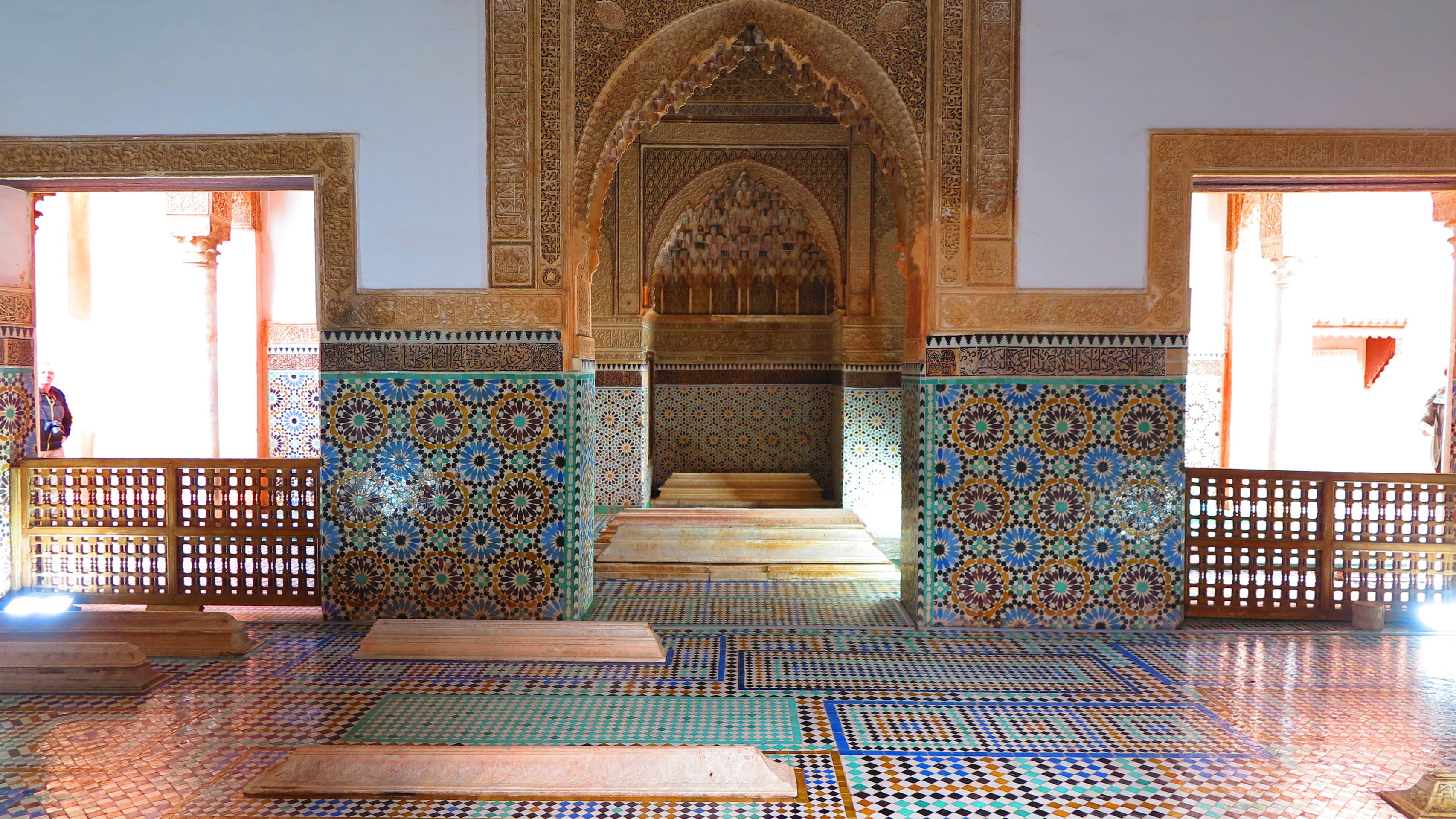
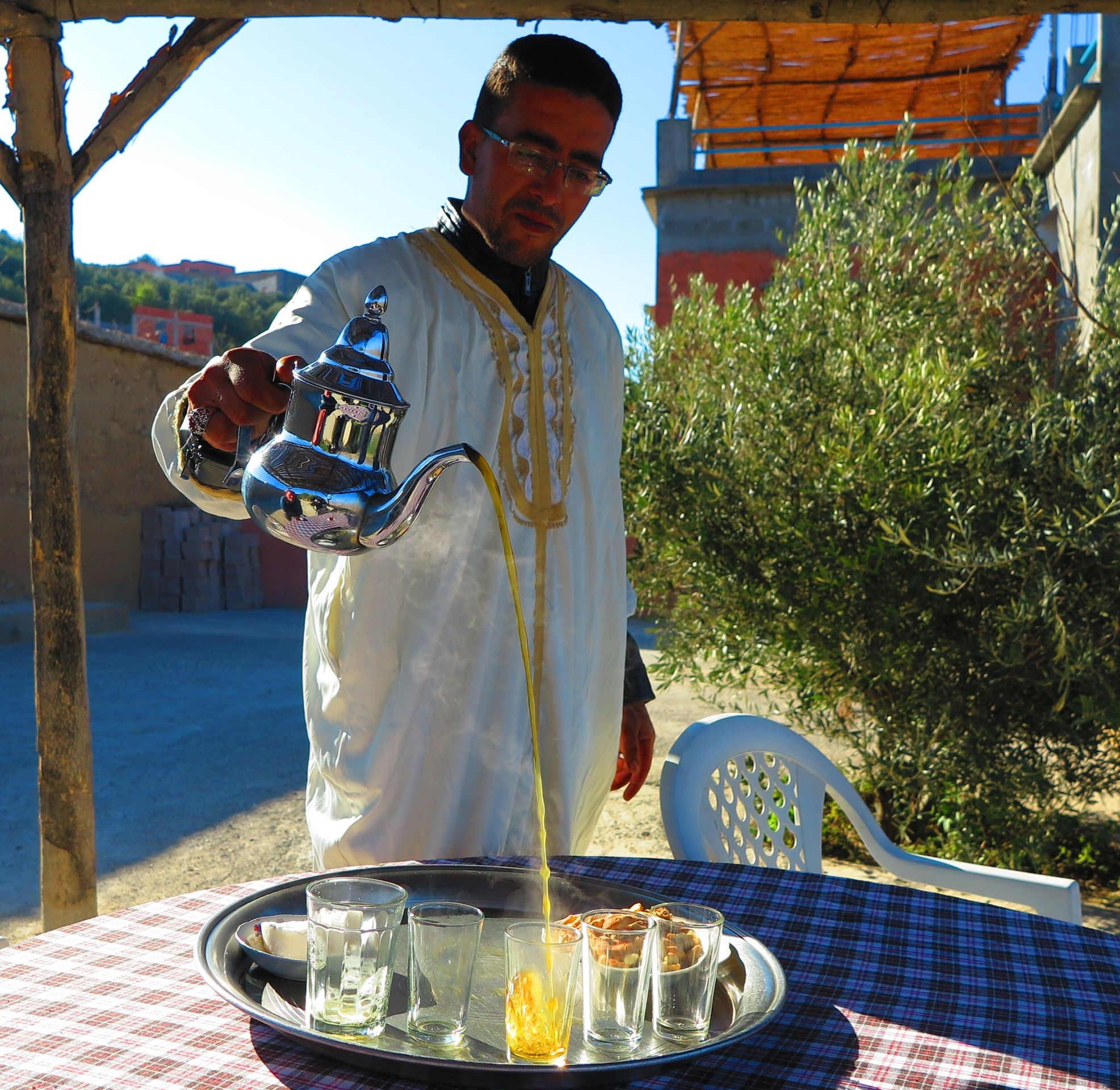
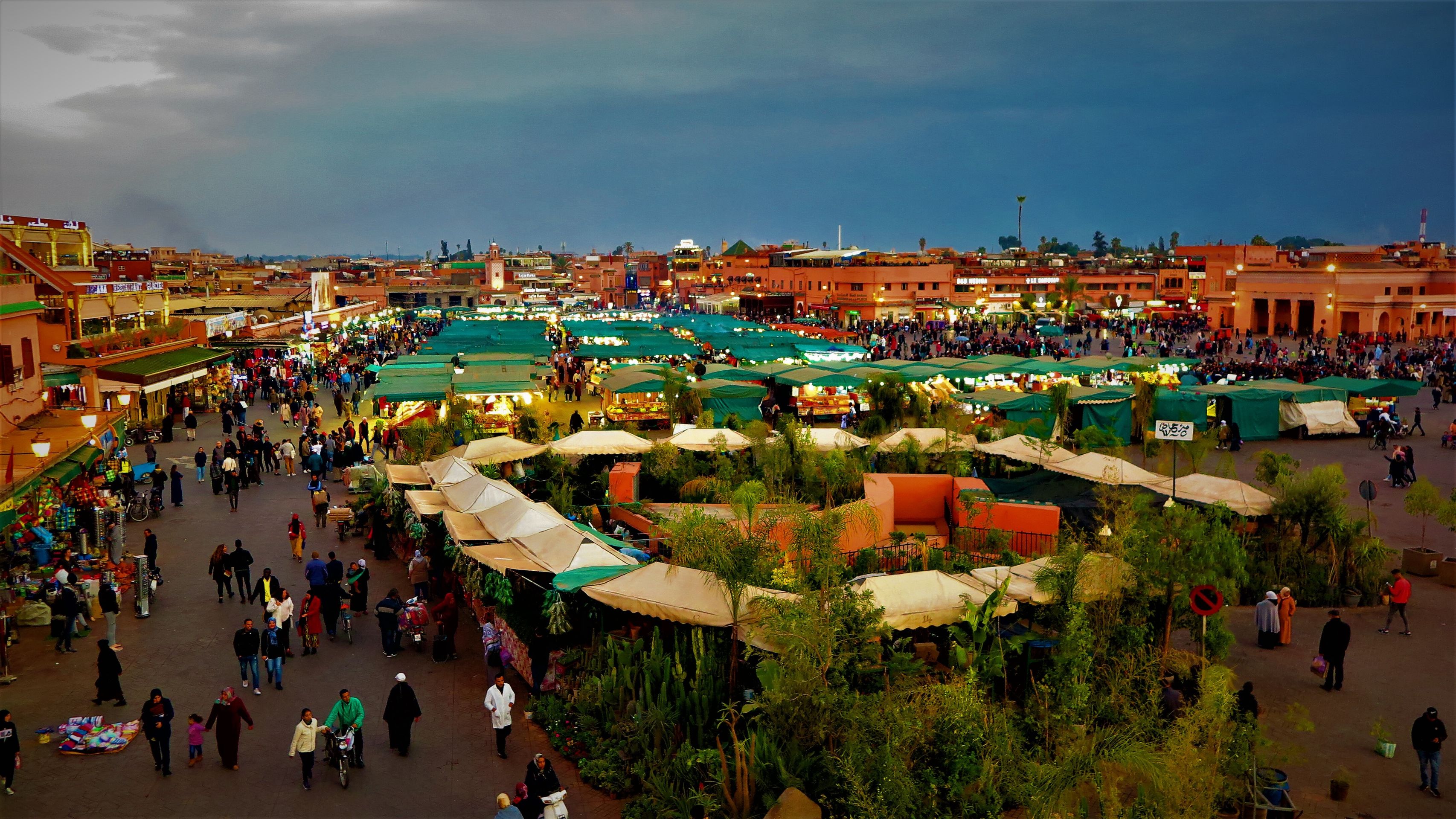
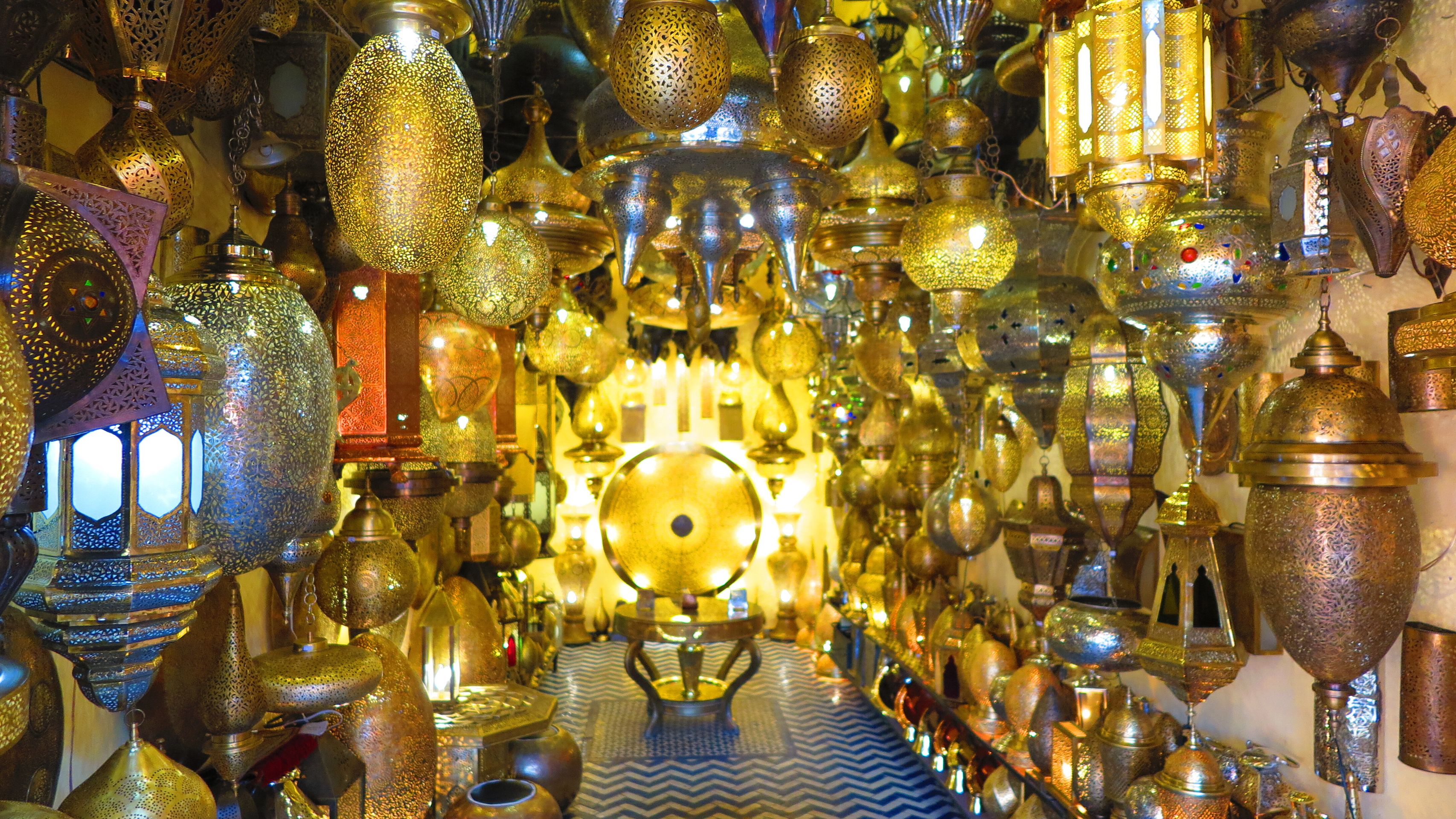
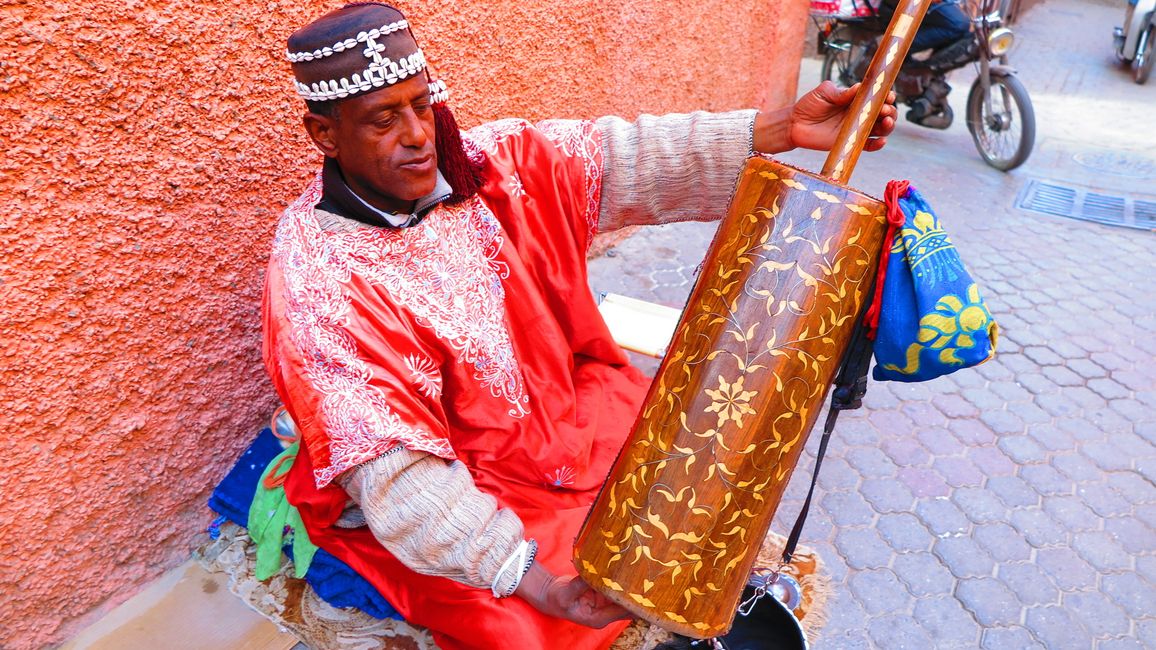
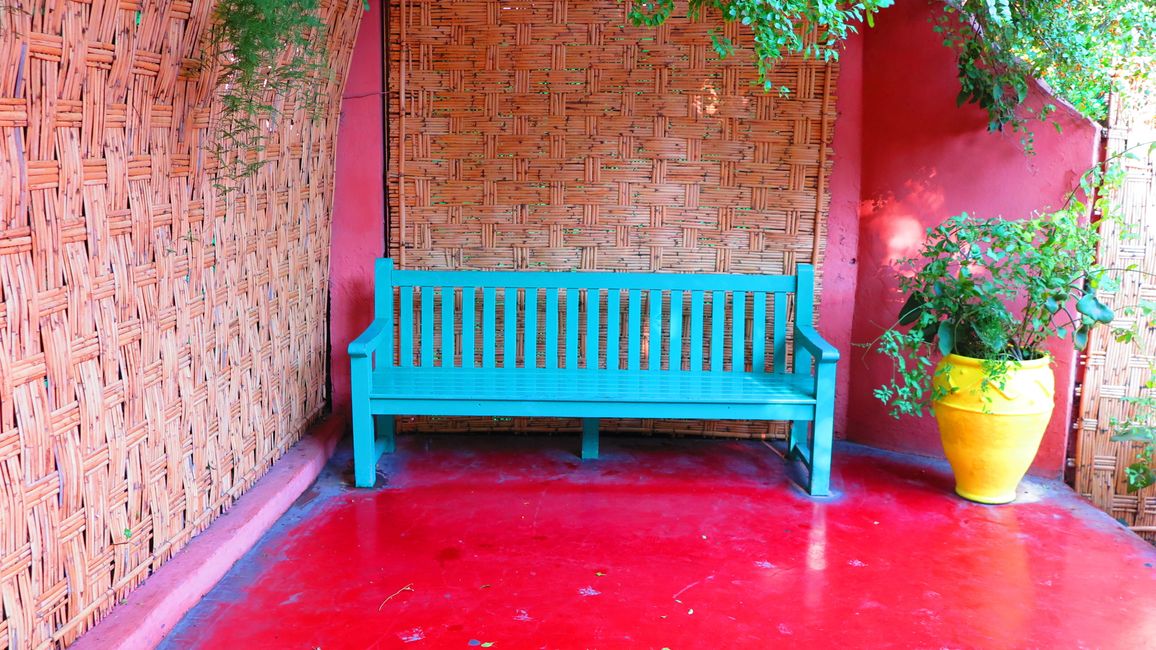
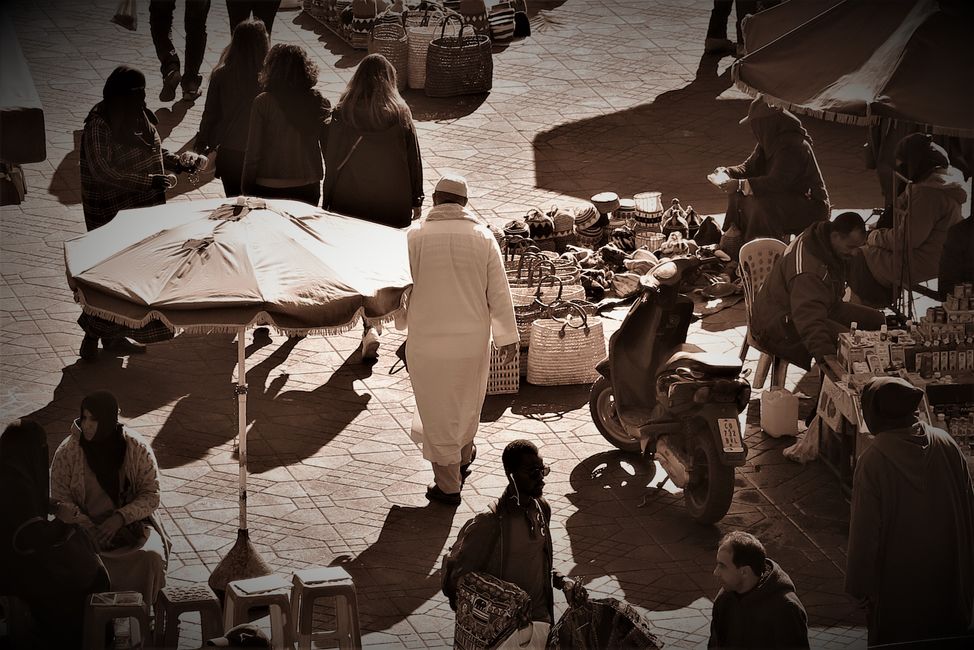
Koutoubia MosqueThe main attraction of the city is Djemaa el Fna, which translates to “Assembly of the Dead.” Once a place for executions, today you will find jugglers, snake charmers, henna artists (Nekacha), Oriental storytellers, Gimbri, or Guembri musicians and souks for spices, leather goods, carpets, lamps, and much more.Gimbri, a plucked three-string luteThe Jardin Majorelle, an almost artistically designed garden, impresses with its colors, plant diversity, and tasteful interior. Created in 1920, it fell into oblivion and was rediscovered and cultivated in 1980 by the fashion designer Yves Saint Laurent.The Jardin Majorelle is a feast for the eyes.A special culinary culture is offered by the slow cooking in a tagine that originates from Berber cuisine. Vegetables, lamb or chicken, and potatoes are cooked in their own juice. Served with a date tart and mint tea. The best view is from above the juggler's square.Djemaa el Fna, the view from Café Glacier is greatThe Bahia Palace was built in the mid-18th century on the orders of the Alawite dynasty. You can recognize Andalusian and Moorish architectural styles. The palace was used as a backdrop for the epic film
At a glance
Automatically extracted from the post
Mood
Cultural
Highlights
Koutoubia Moschee
Djemaa el Fna
Jardin Majorelle
Bahia Palast
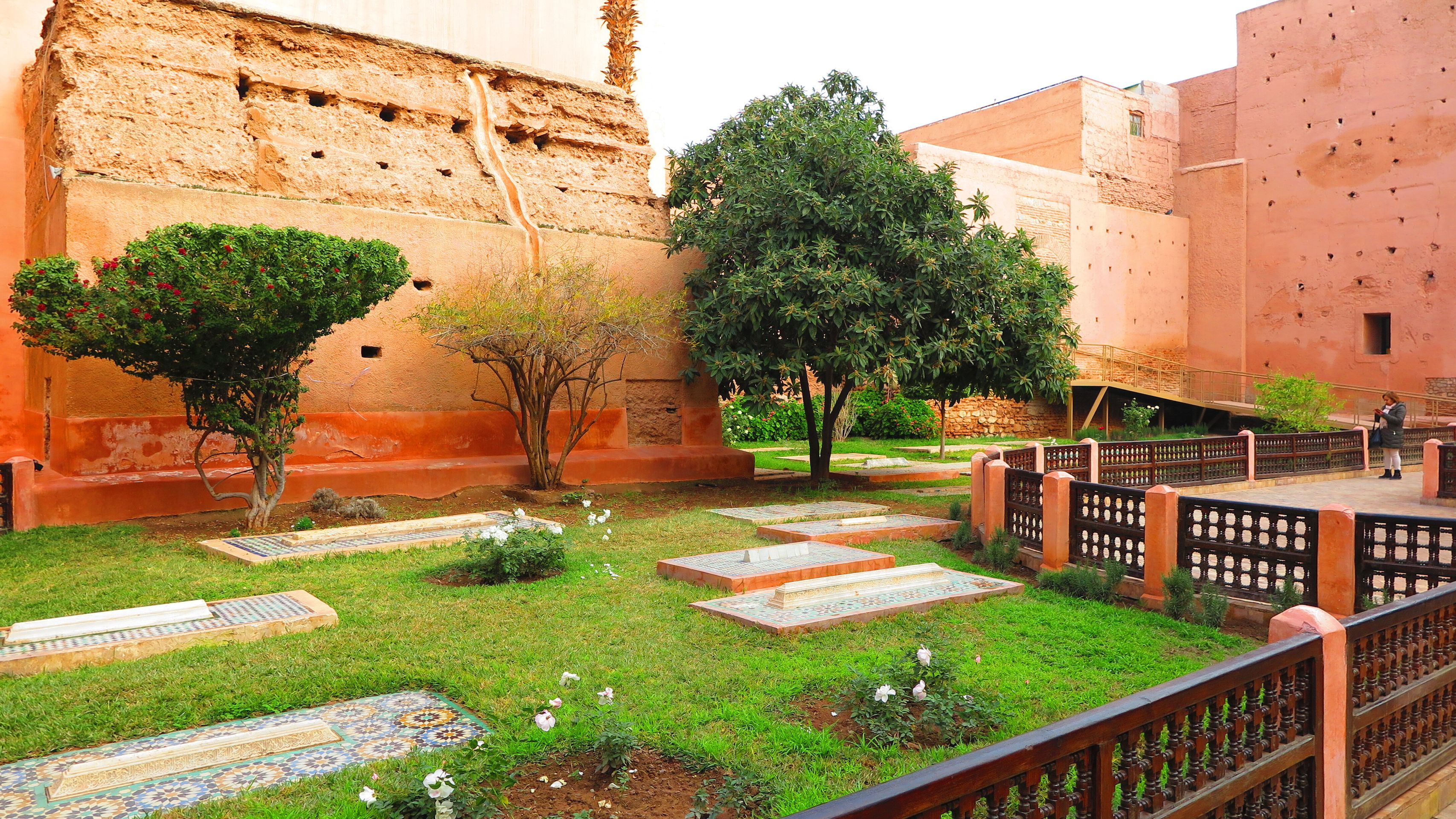
Saadier Gräber
Topics
CityCultureEatStoryArchitecture
Fischbach‘s ReisenLike a newsletter: every new post arrives via email.