
The Mystery of Banksy, a Street Art Artist MULHEIM an der Ruhr
The exhibition showcased more than 150 works under the motto 'Copyright is for losers'; these tributes and the displayed artworks are not authorized by the artist due to his...

Published: 19.05.2026
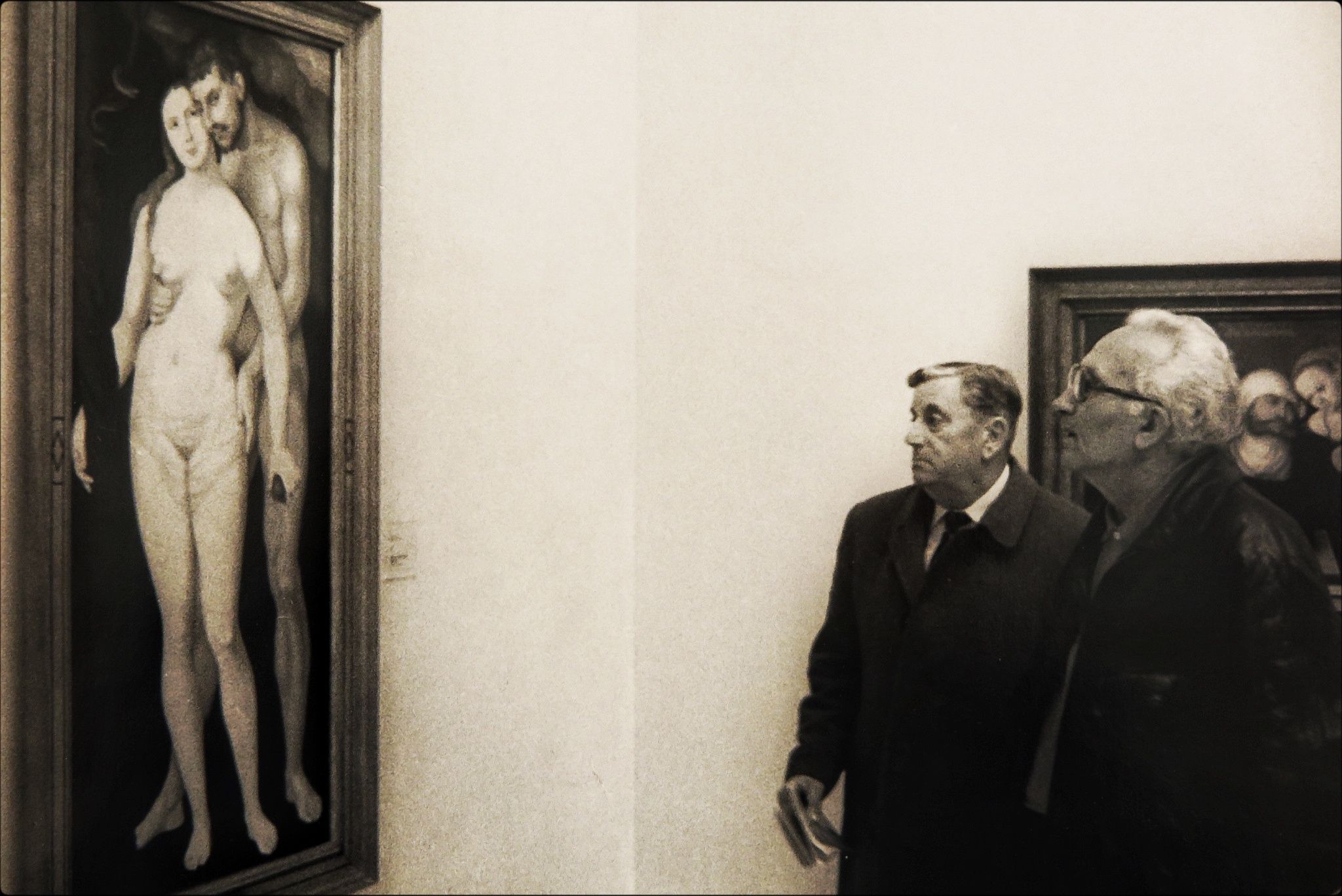
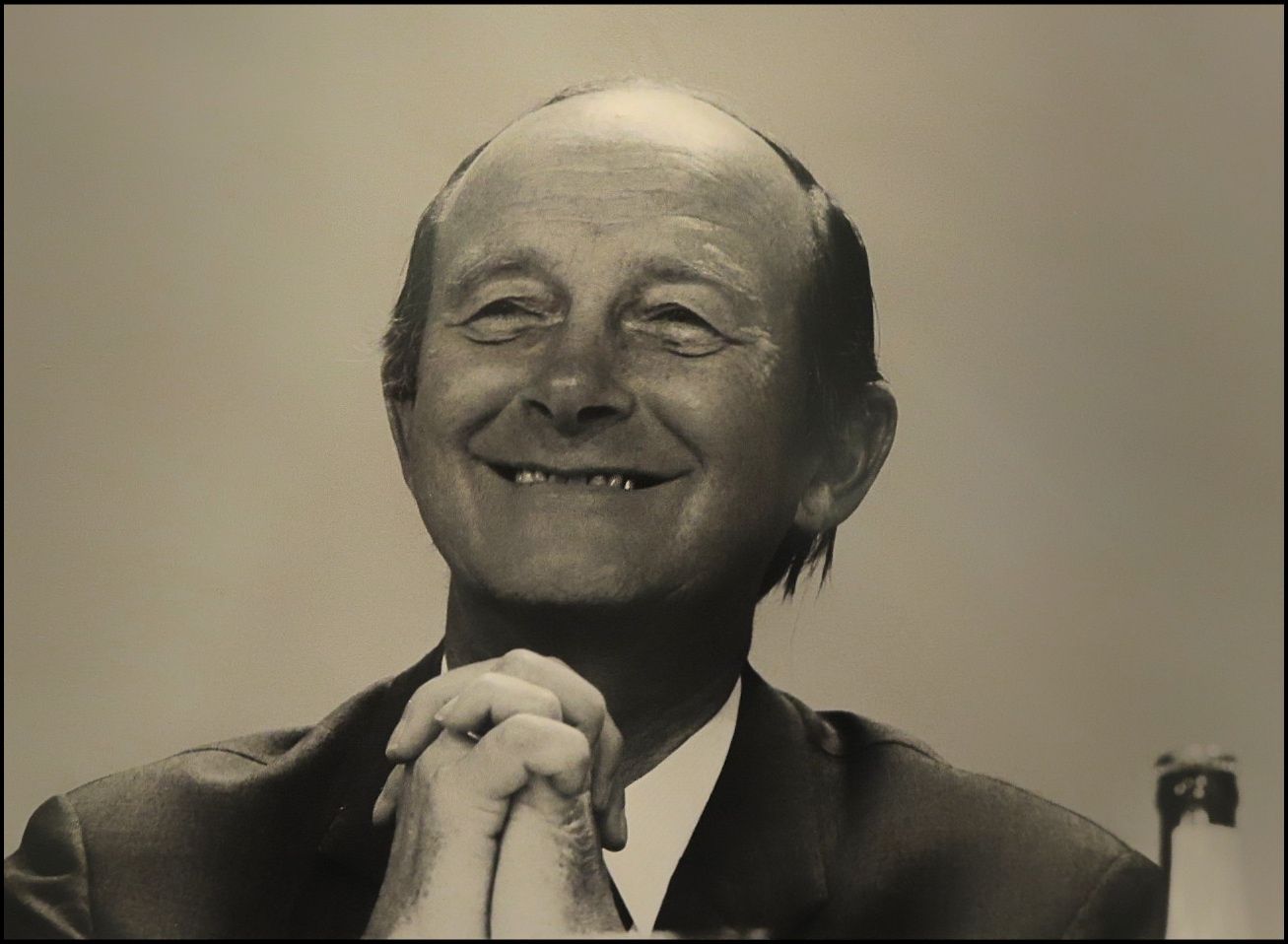
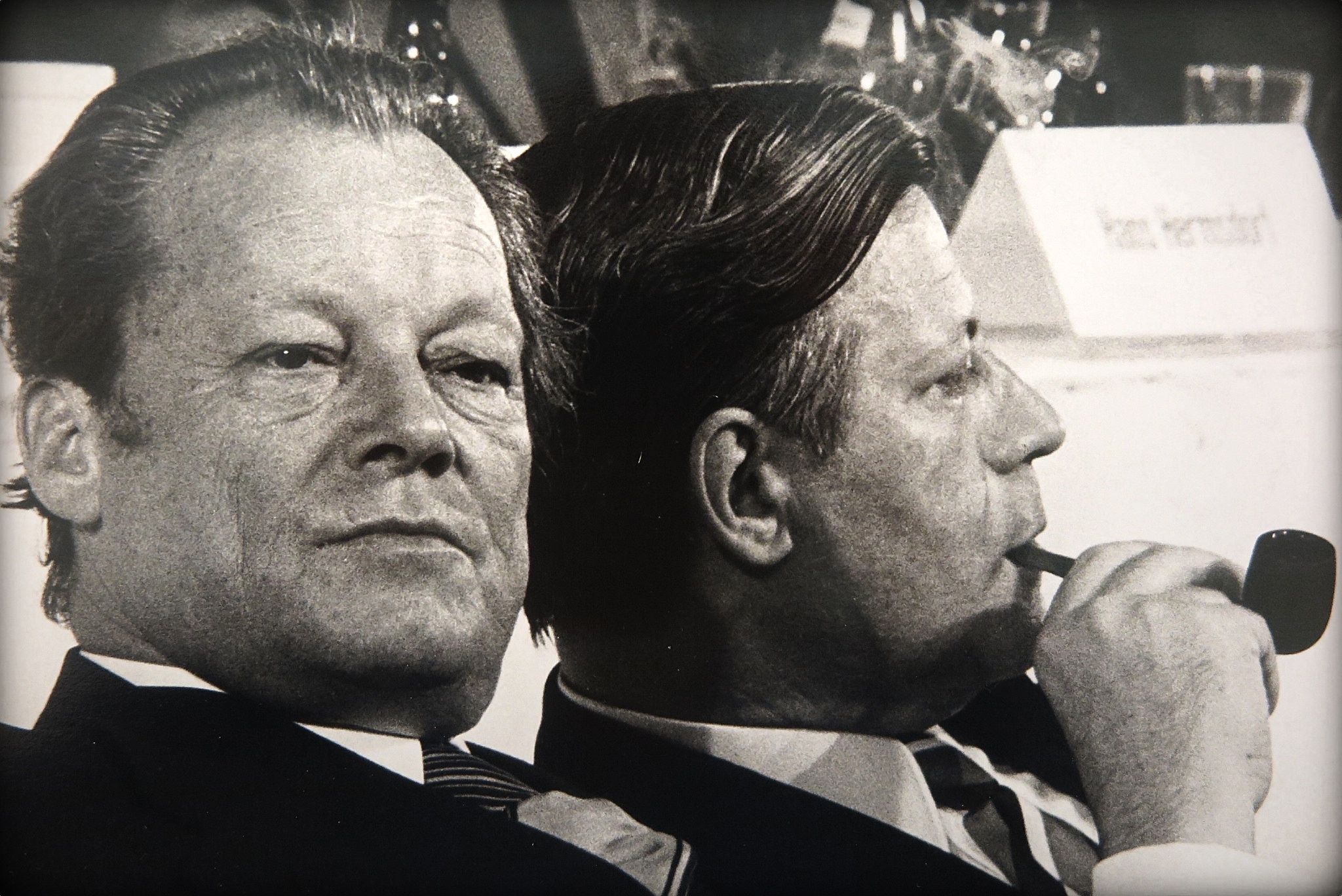
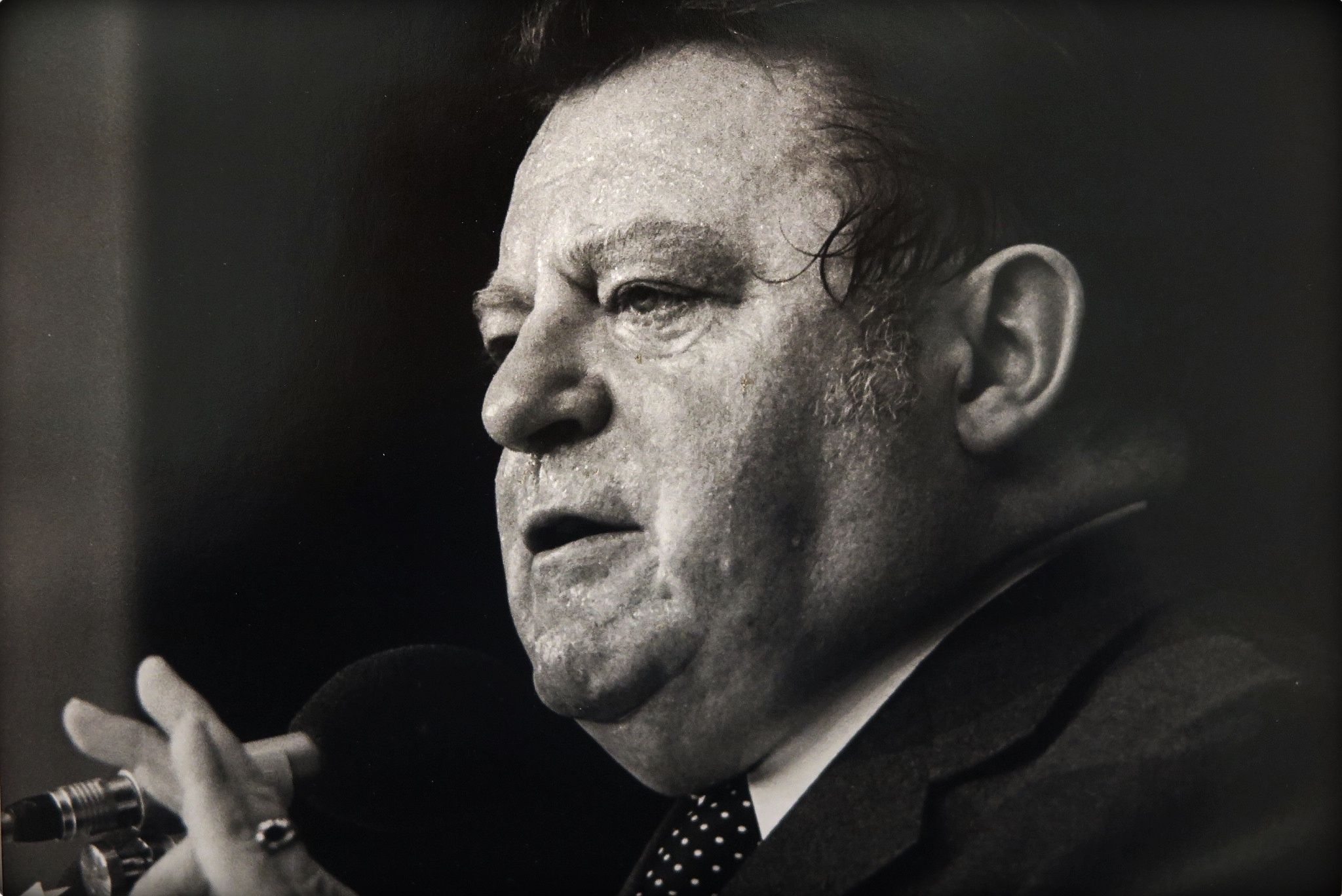
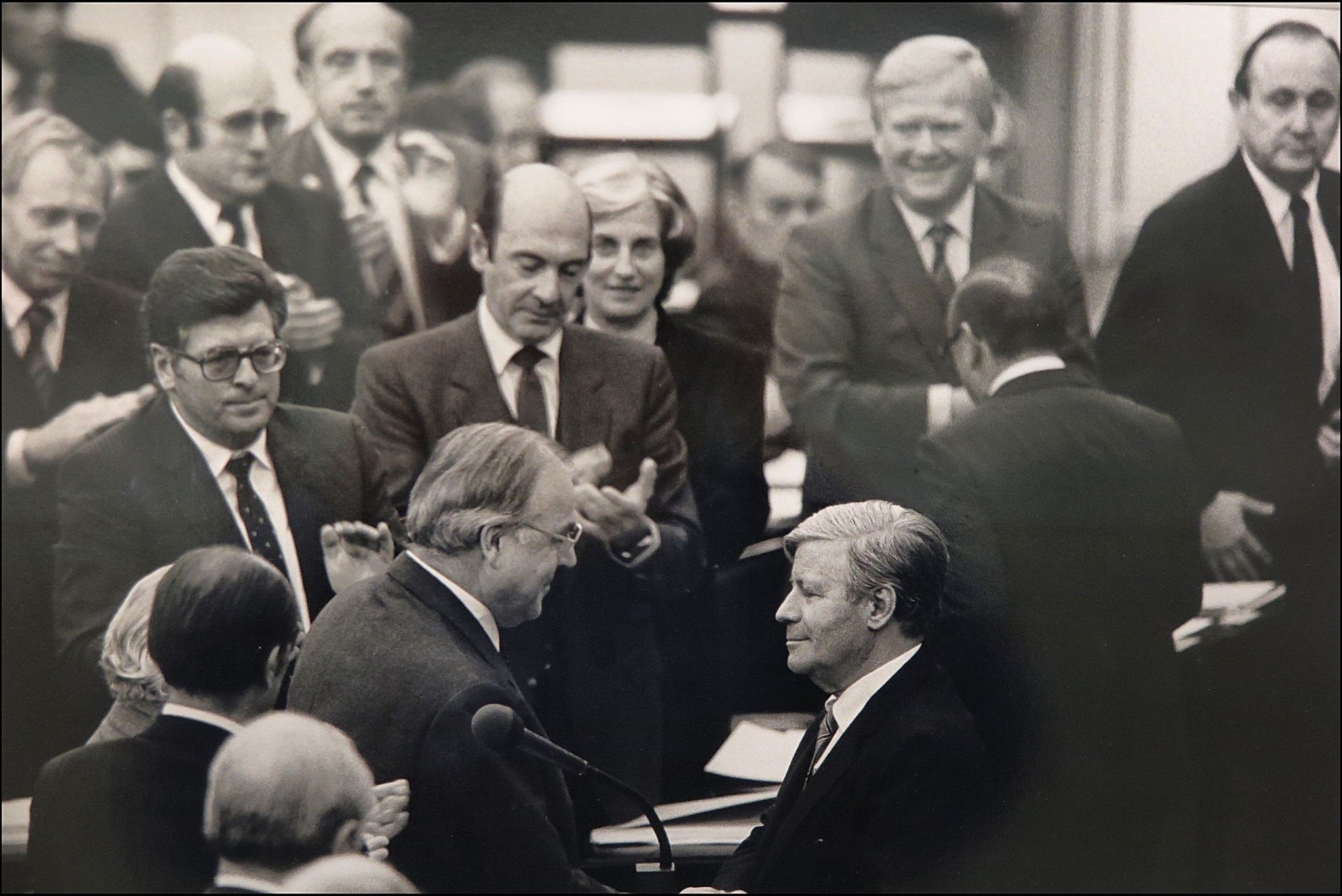
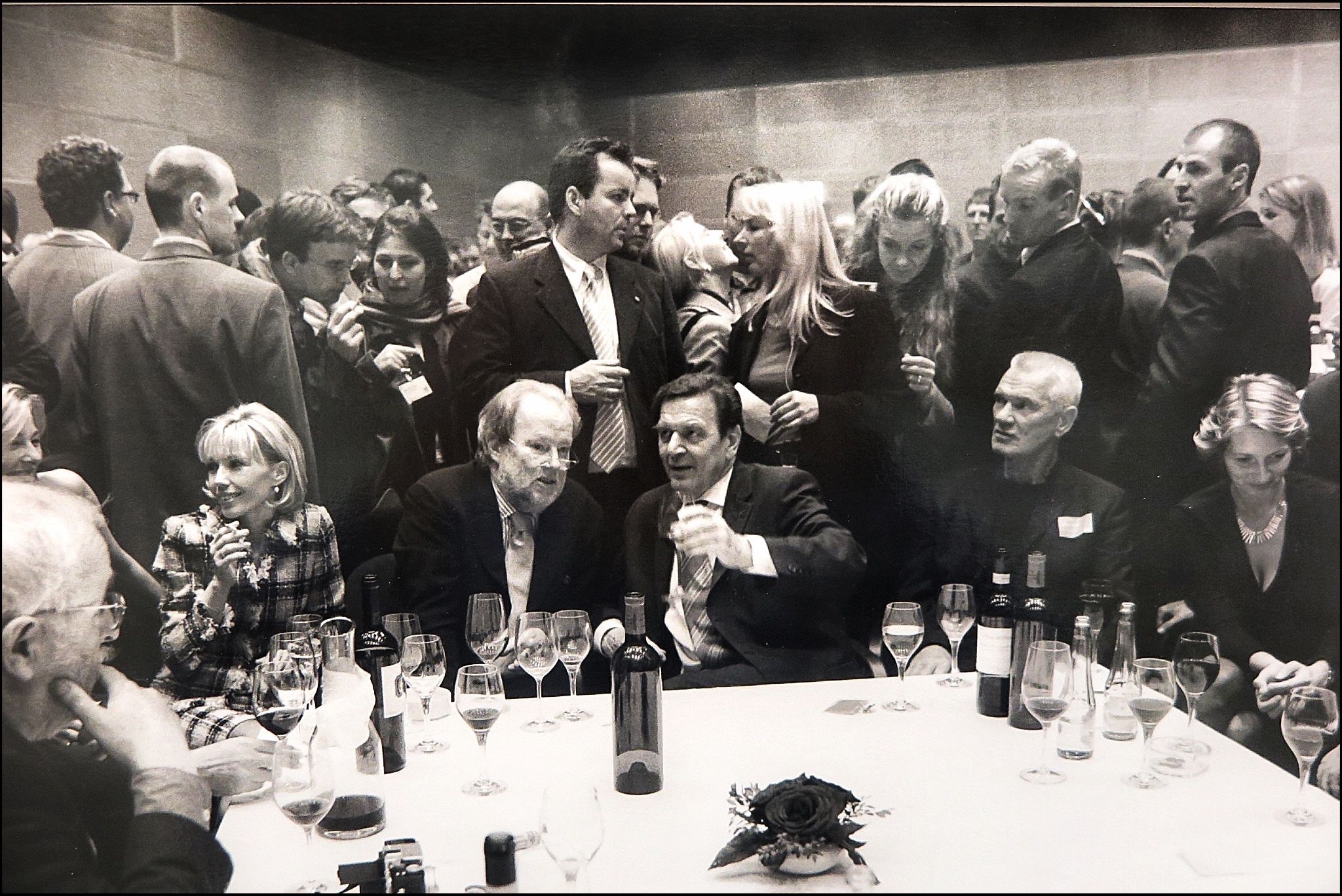
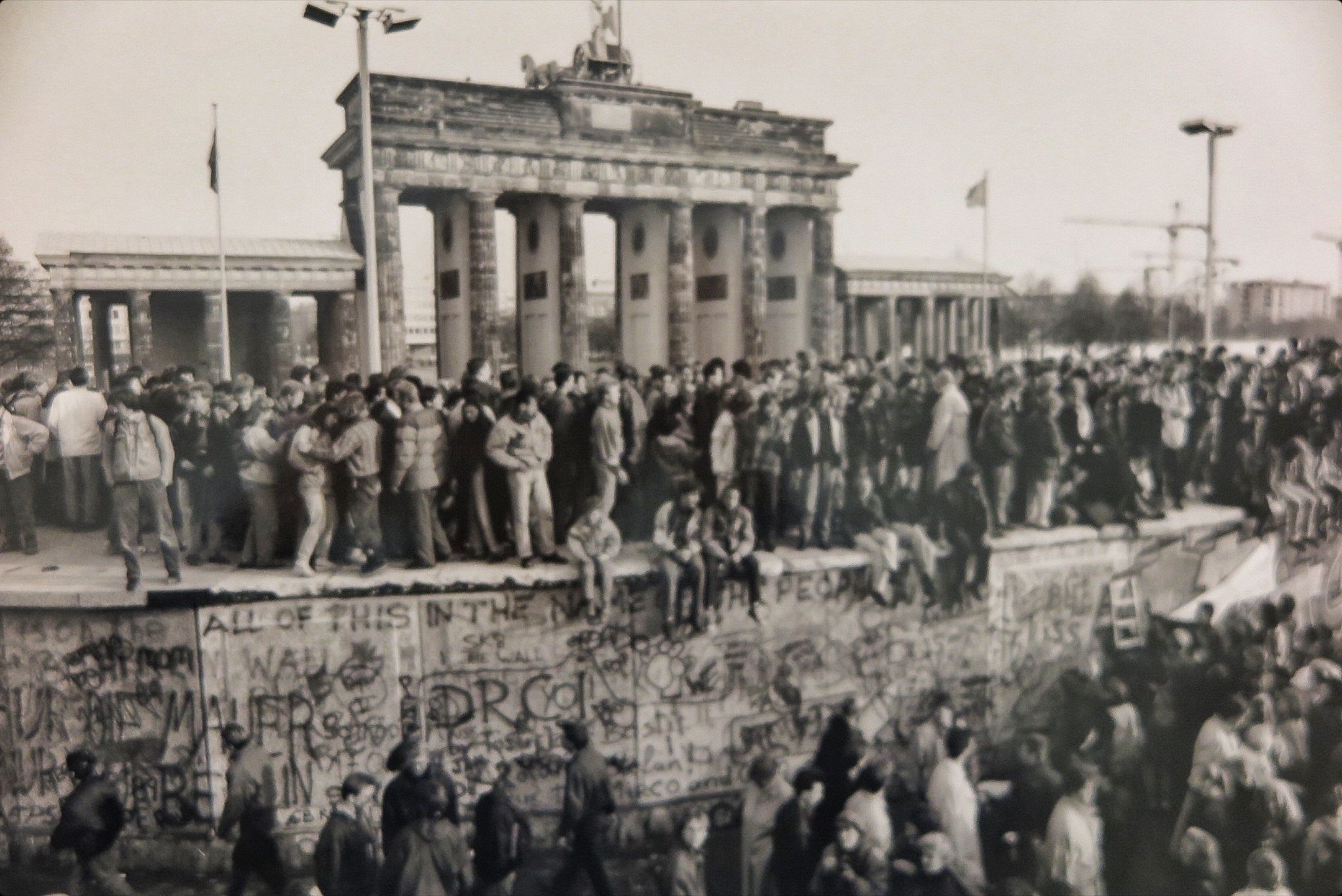
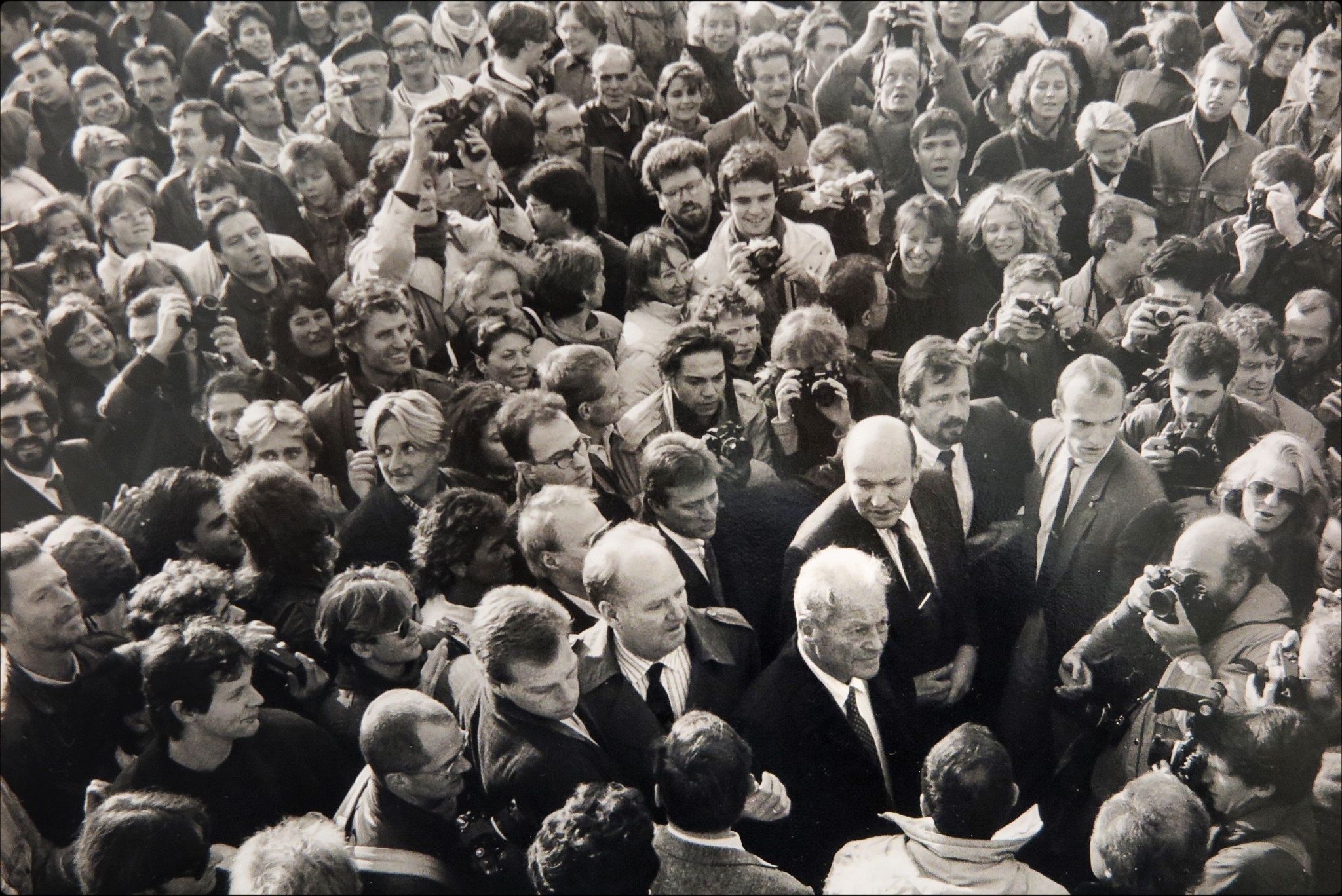
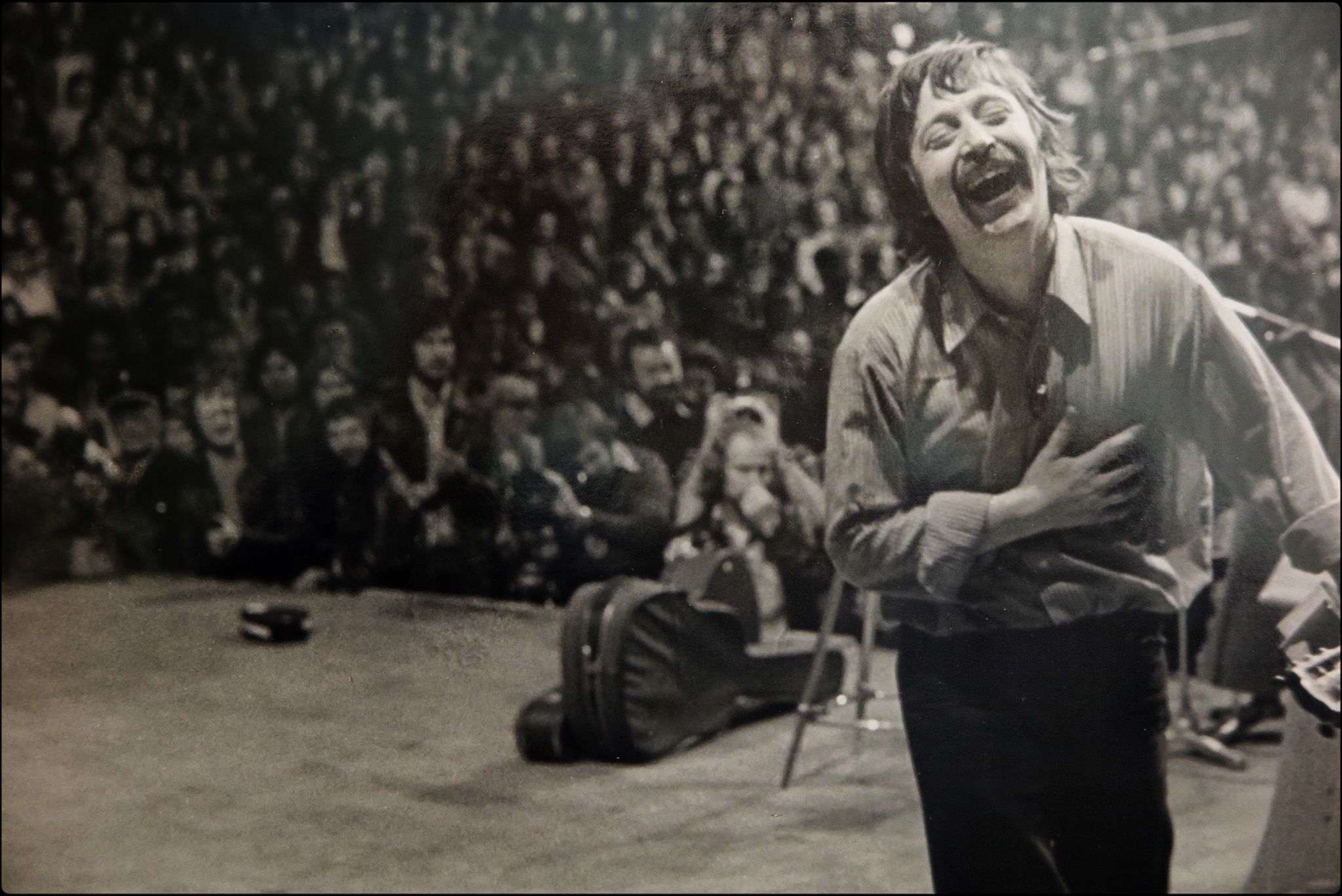
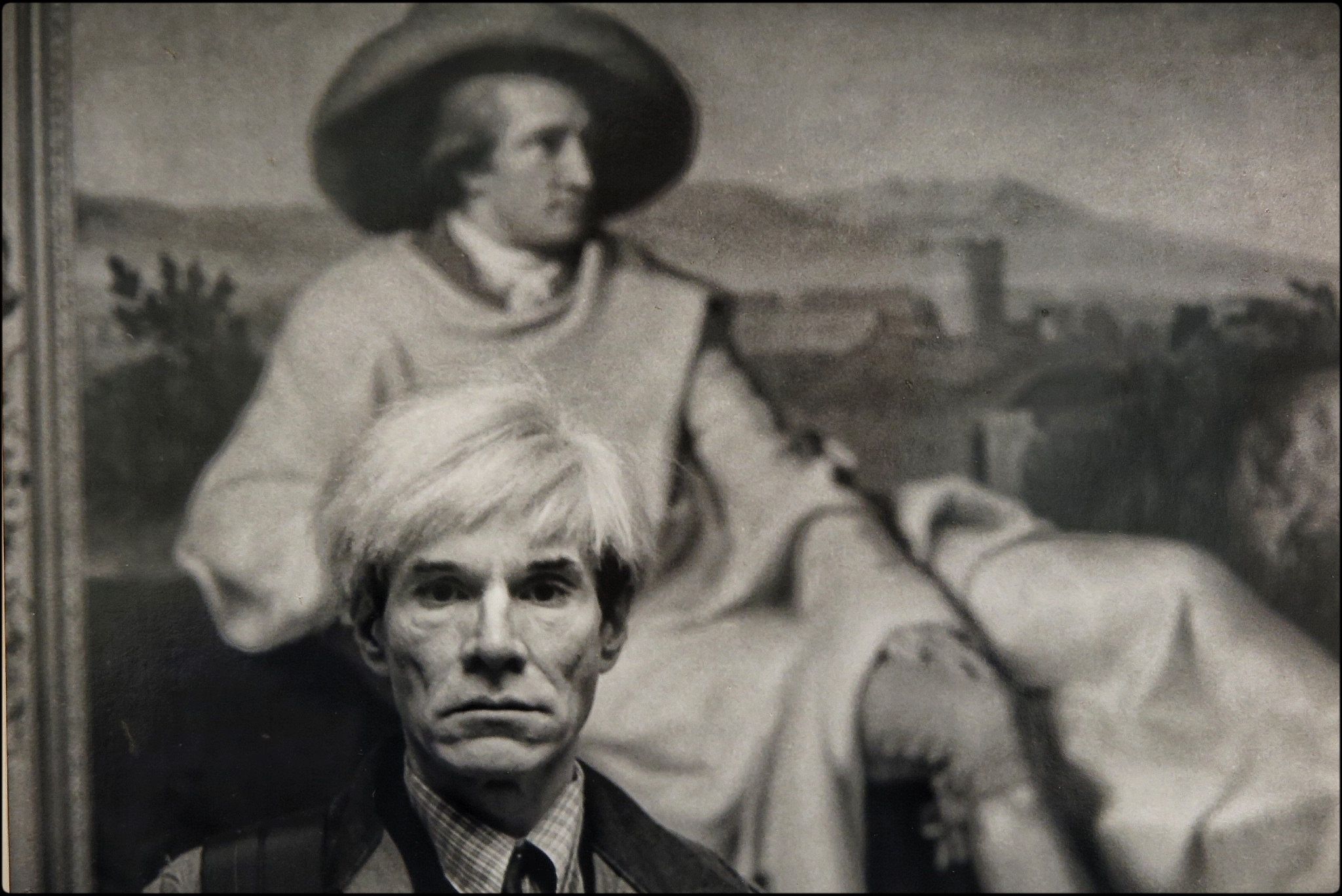
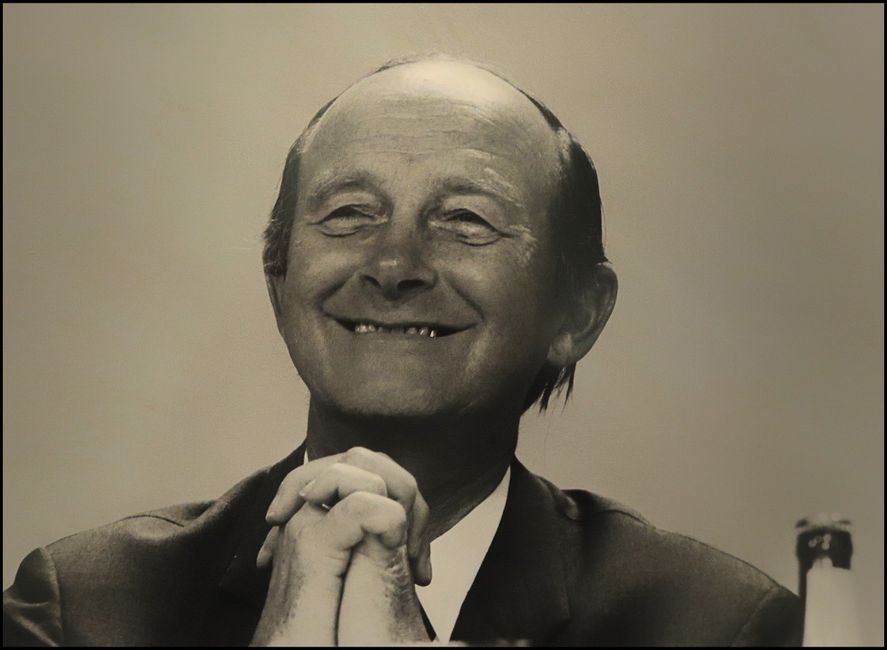
With this exhibition, Barbara Klemm provides a comprehensive insight into German post-war history, fittingly featuring all light images in black and white. Many photographs are well-known and represent key figures at extraordinary historical crossroads. The time documents span 50 decades, from 1967 to 2019.
Beginning with the student demonstrations against the Vietnam War in May 1970, not only in Frankfurt but also in Ohio, known as the Kent State Massacre.
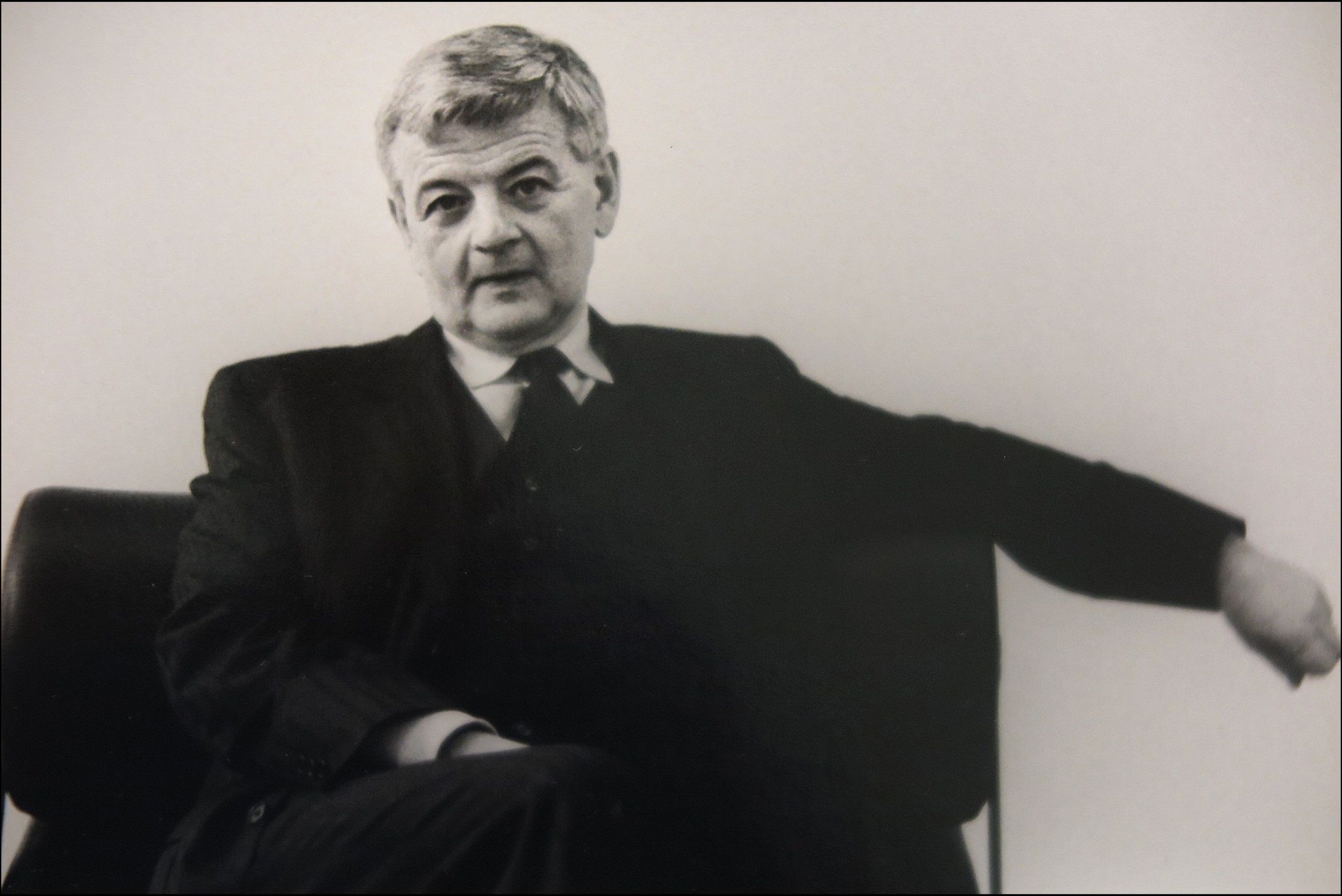
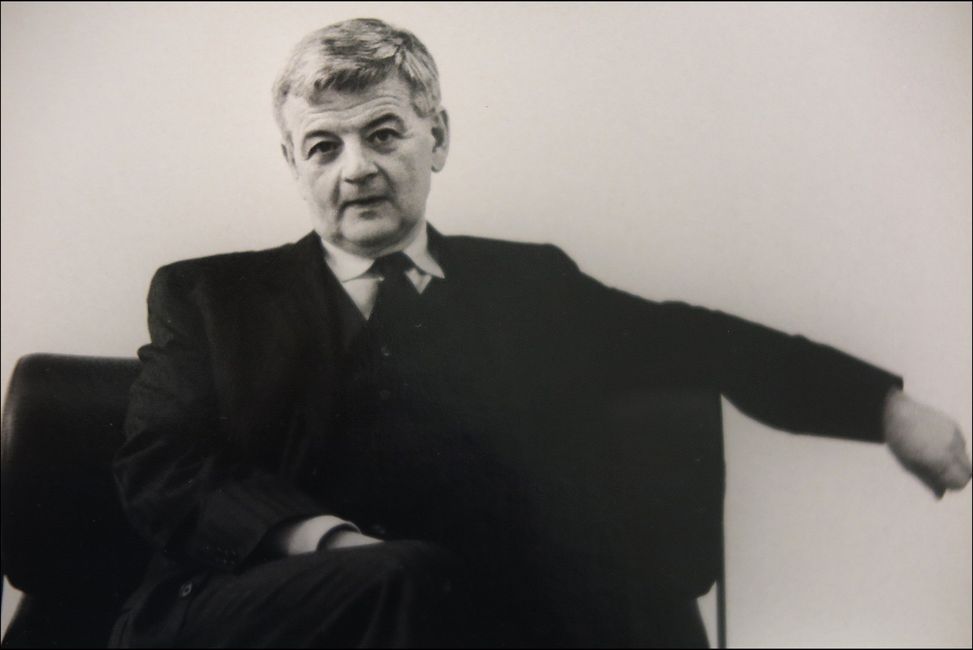
Image change of Joschka Fischer, 1969 with a construction helmet, in 2001, Joseph Martin Fischer presents himself as a statesman in a tailored suit, vest, and tie.
Hans Filbinger, Minister-President and also elected as the state chairman of Baden-Württemberg in 1971. However, he had to resign from his office in 1978, as it could be proven that in 1945, he, as a lawyer, had imposed death sentences against deserters in Norway.
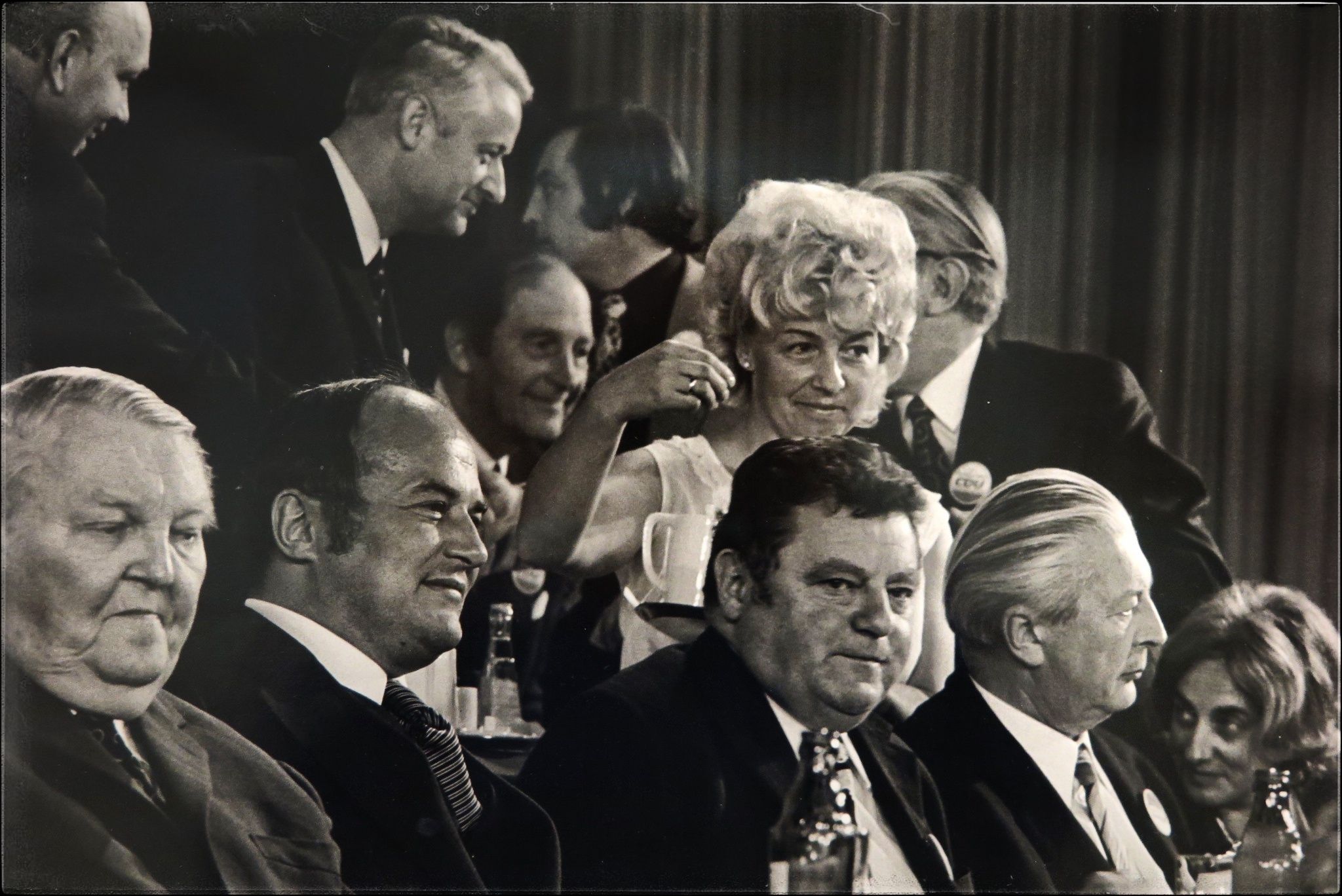
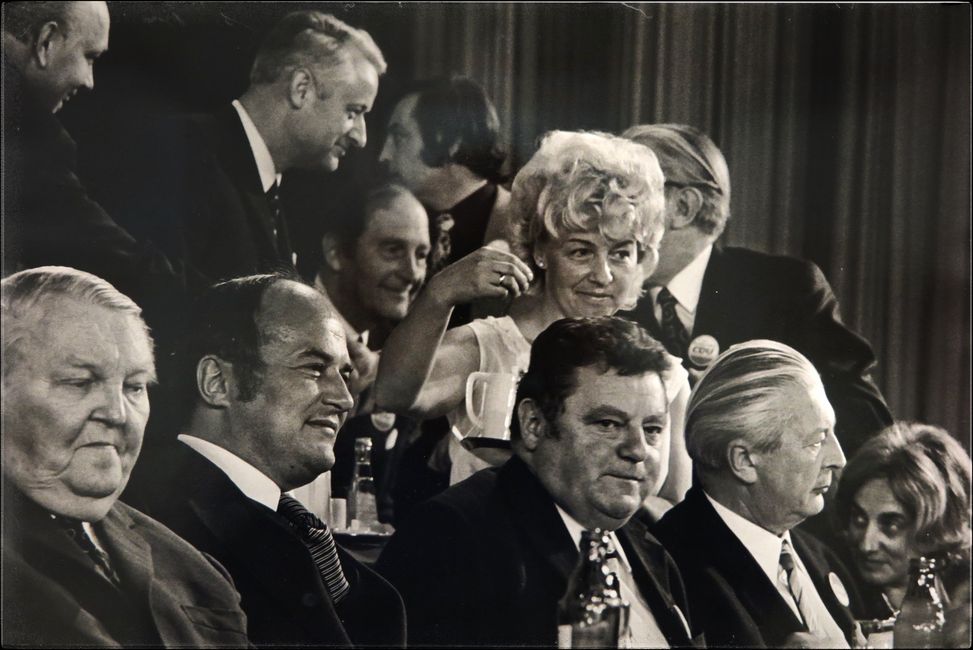
In 1971, Rainer Barzel was elected party chairman of the CDU, Helmut Kohl replaced him in 1973 after the vote of no confidence against Willi Brandt failed. Ludwig Erhard (left in the picture) resigned, Kurt Georg Kiesinger (right in the picture) became Chancellor and Franz Josef Strauß, an unsuccessful chancellor candidate in 1980.
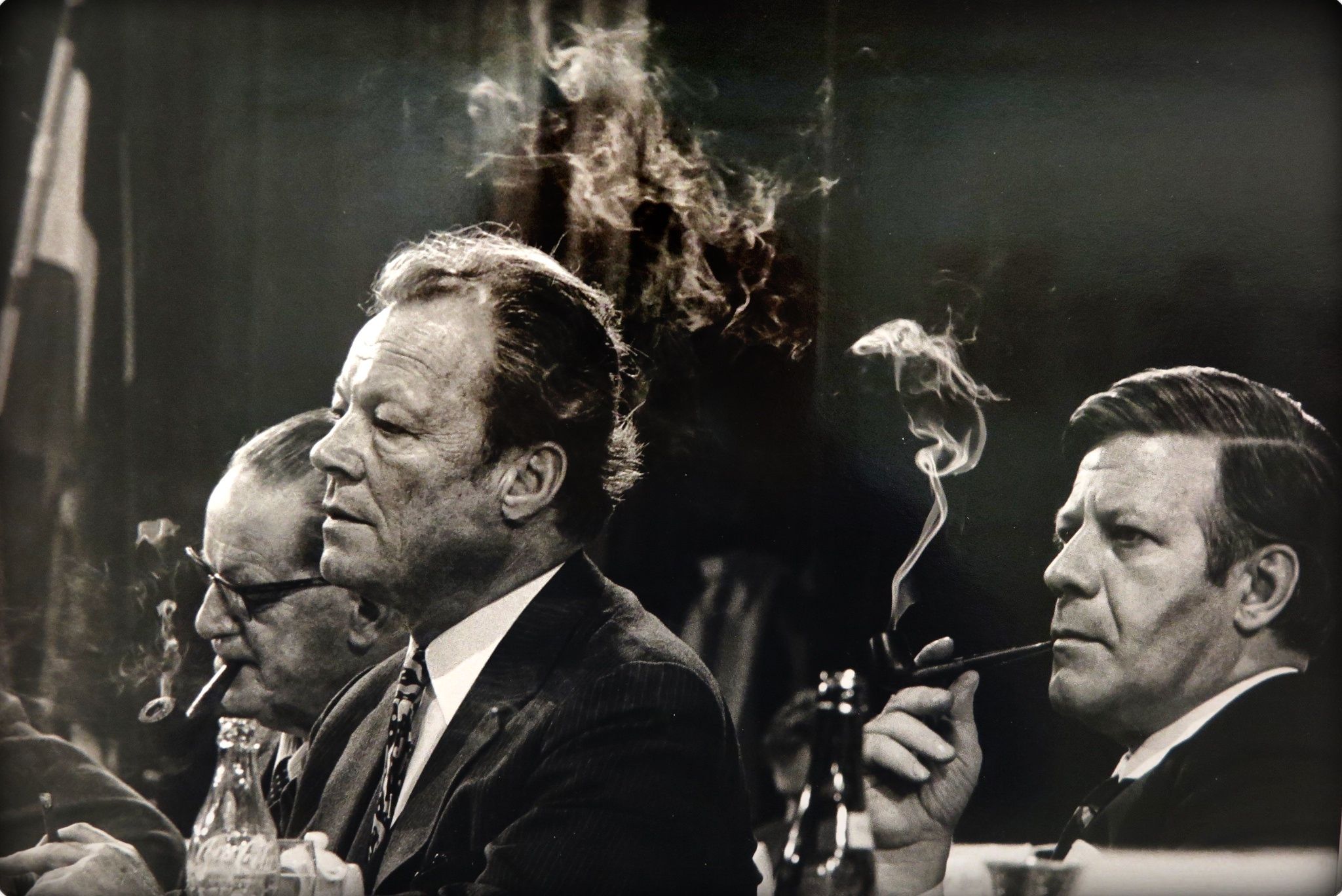
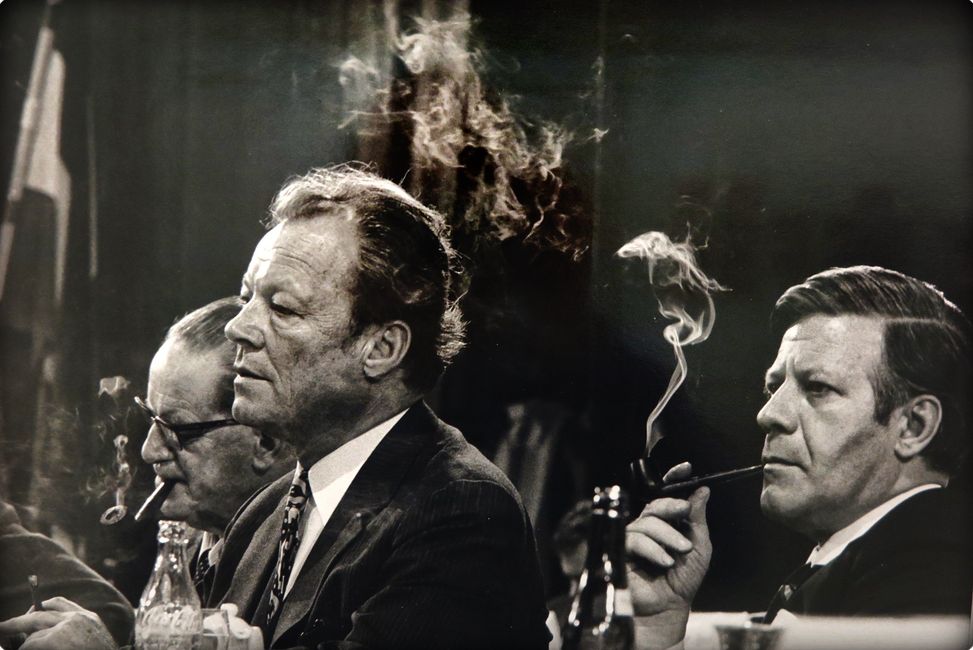
No confidence vote 1972, sitting Chancellor Willi Brandt highly concentrated, Defense Minister Helmut Schmidt, Herbert Wehner busy taking notes, cigarillos, a pipe, and cola would be unimaginable today.
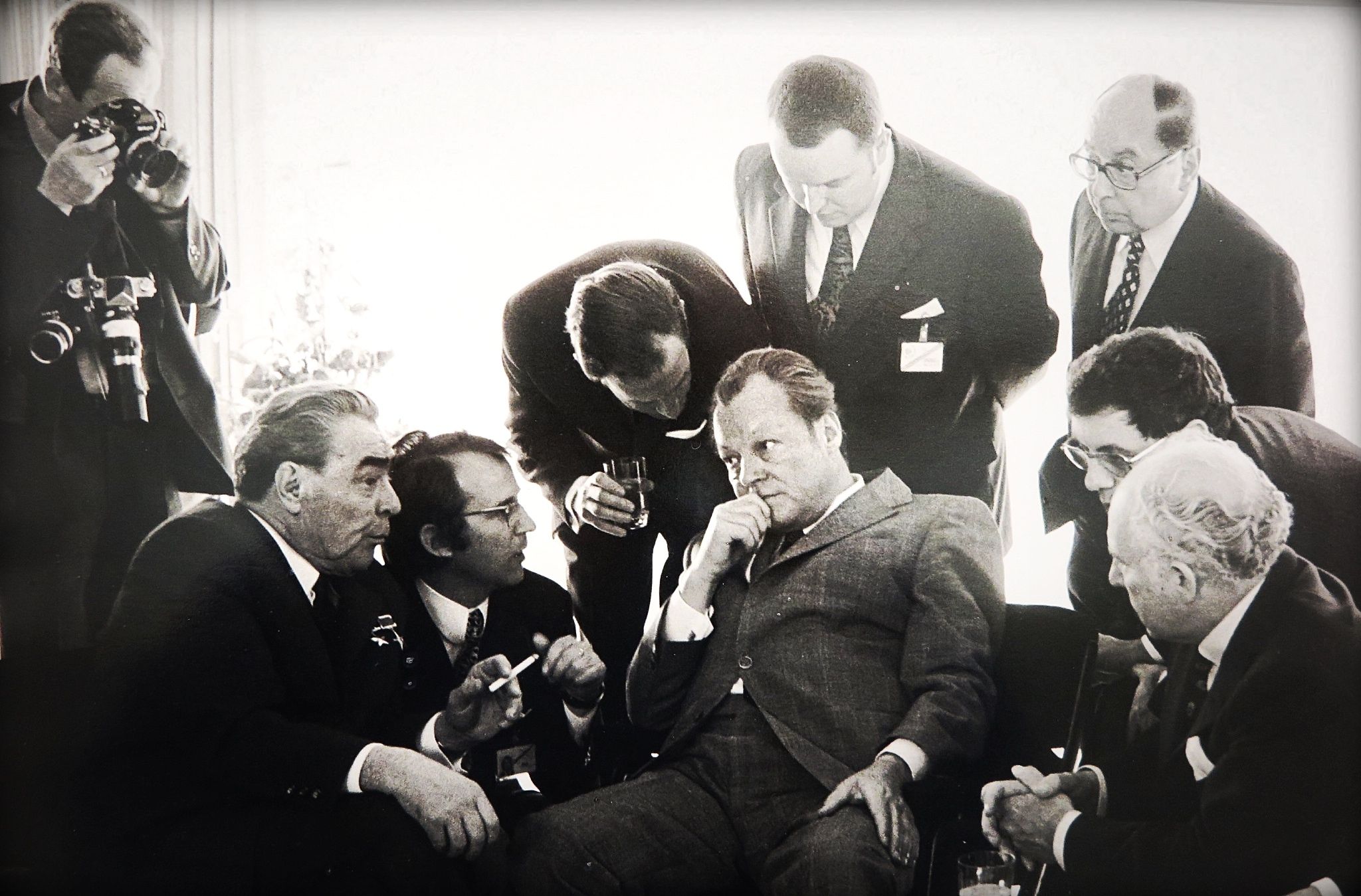
Leonid Brezhnev and Willi Brandt in 1973, a first warm gesture during the Cold War.
Willi Brandt and Helmut Schmidt in 1973. A cold shoulder or friendly sunny fog: Arnulf Baring in “Change of Power' .
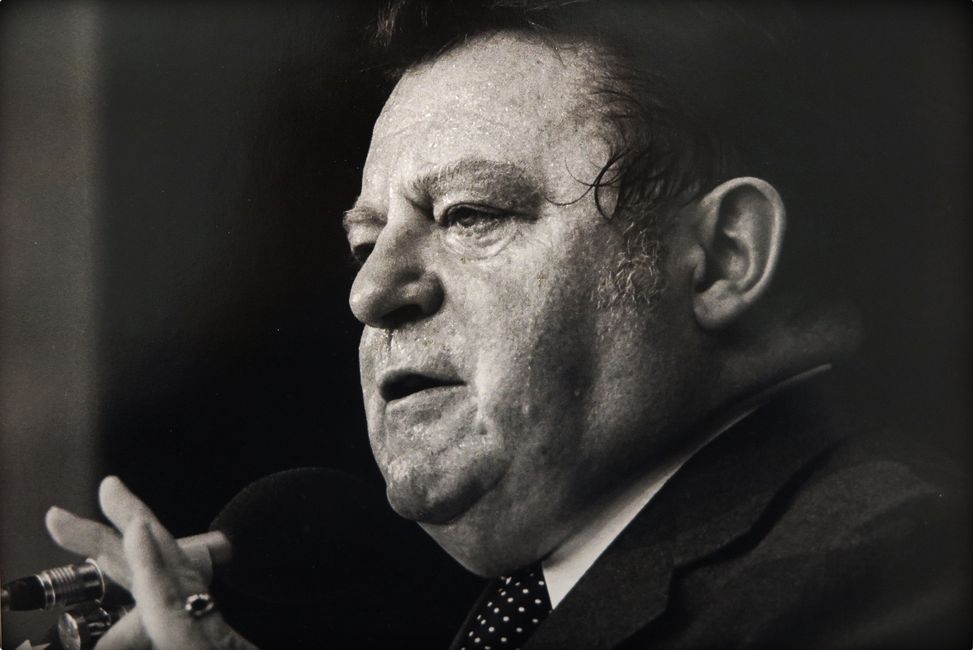
Franz Josef Strauß met the communist Mao Zedong in 1975, without protocol, hoping for positive feedback for the 1976 federal elections. However, Helmut Schmidt was the man of the hour.
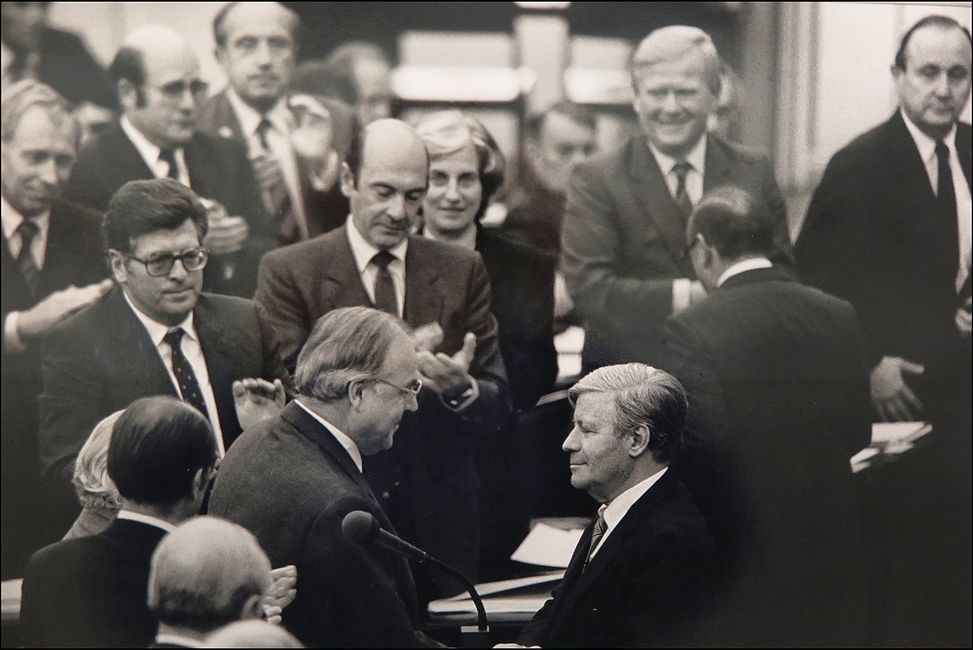
In 1982, Hans Dietrich Genscher of the FDP, top right, pushed for the vote of no confidence against Helmut Schmidt. Helmut Kohl was elected Chancellor as the man of the center.
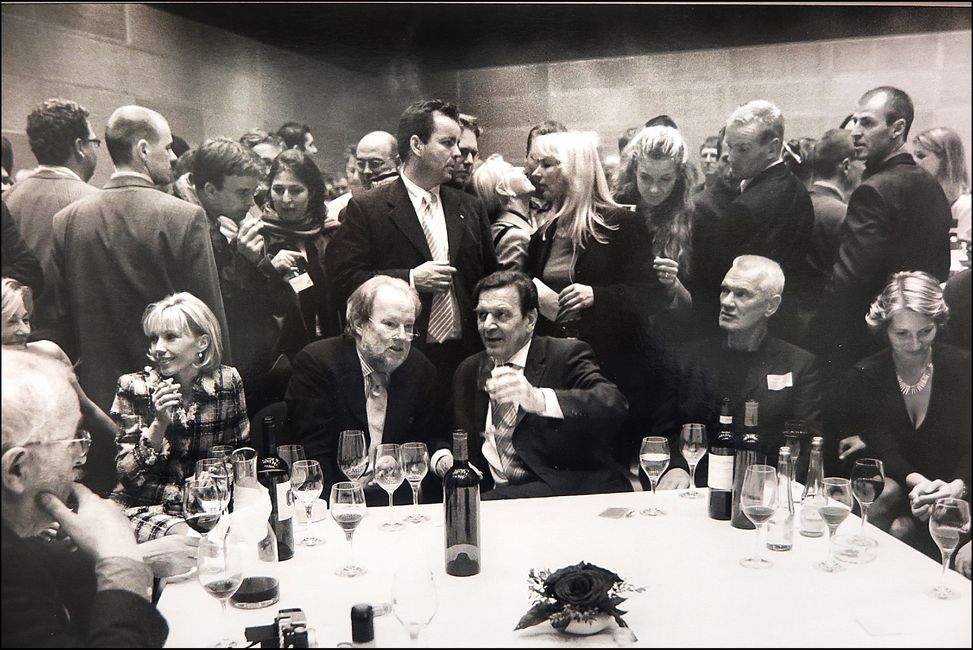
Gerhard Schröder on election night 2002 in Berlin at a late hour was joined by Burkhard Driest, actor from “Endstation Freiheit', journalist Doris Schröder-Köpf, and publicist Manfred Bissinger, left-liberal.
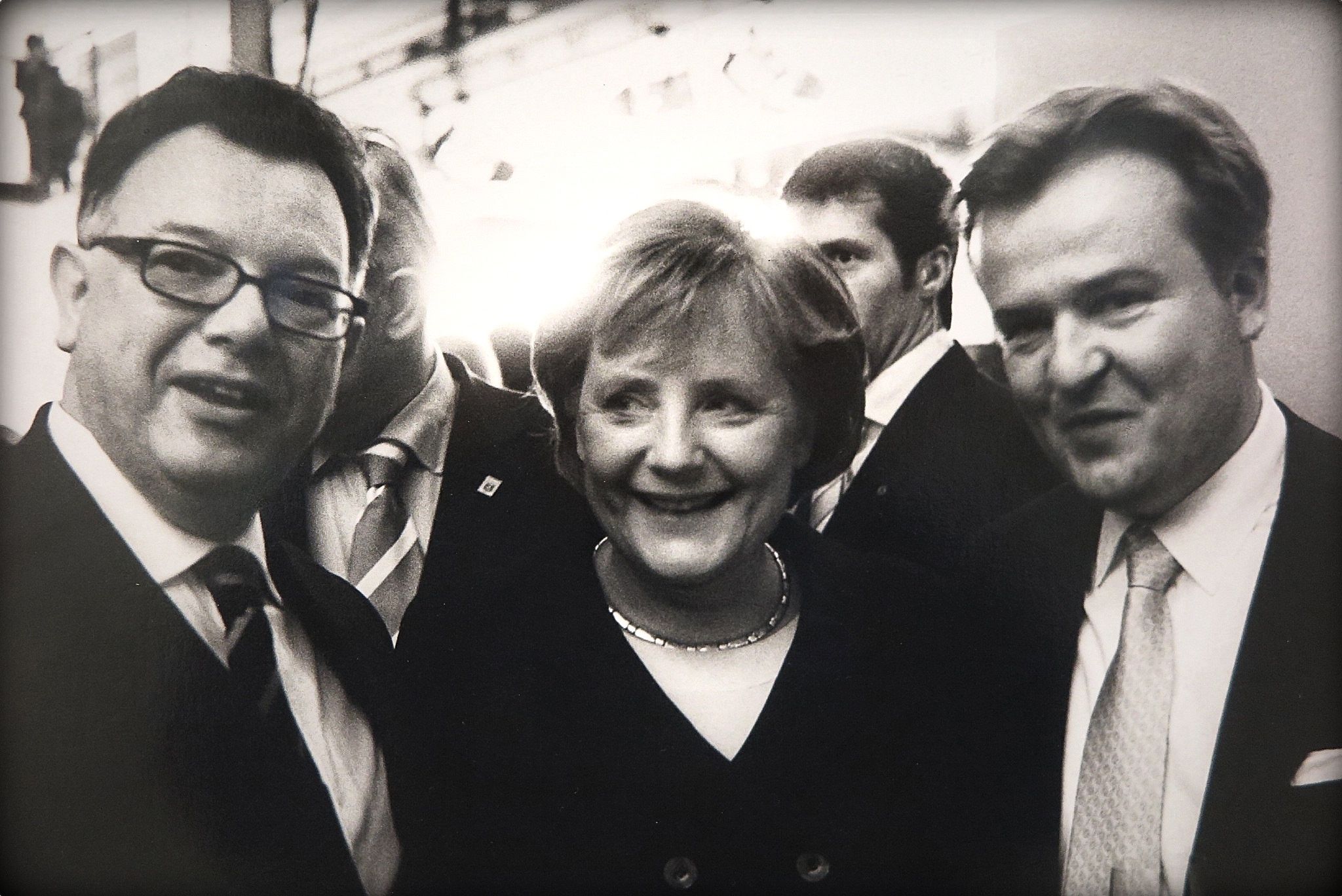
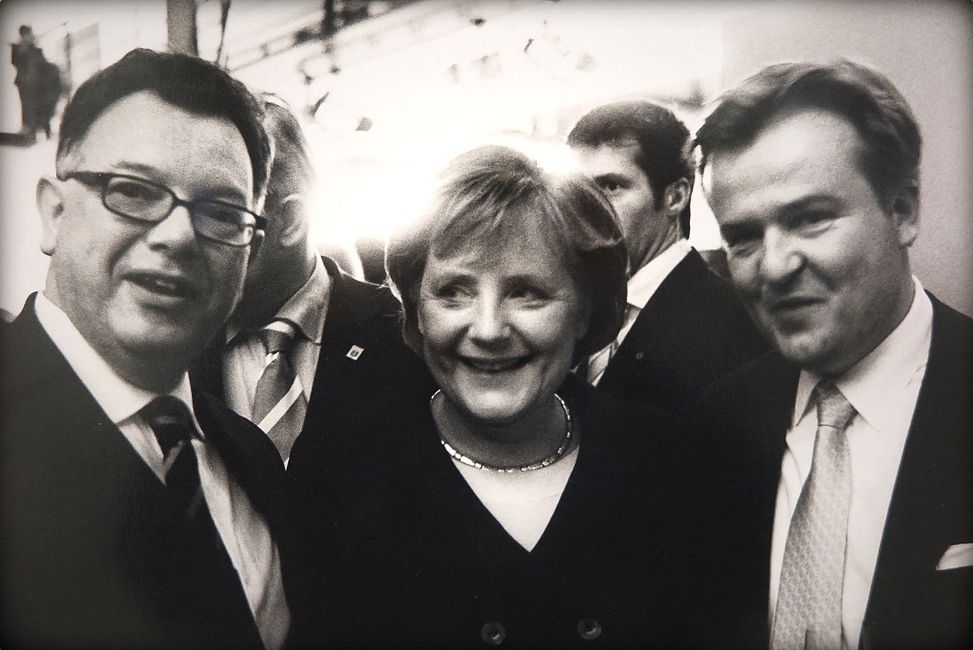
German Stock Exchange 2008 as a winner of the financial crisis, Angela Merkel with the CEO Reto Francioni
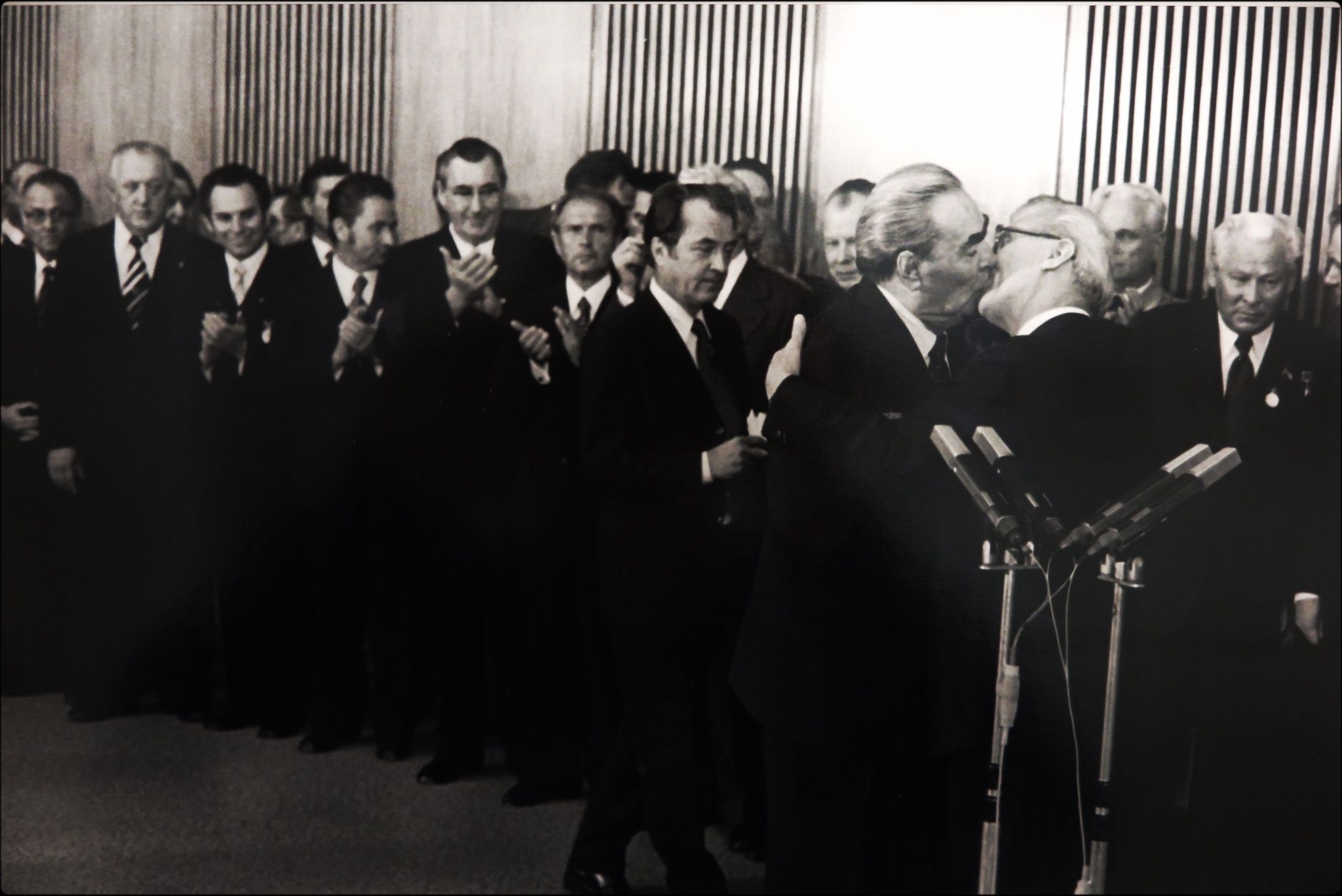
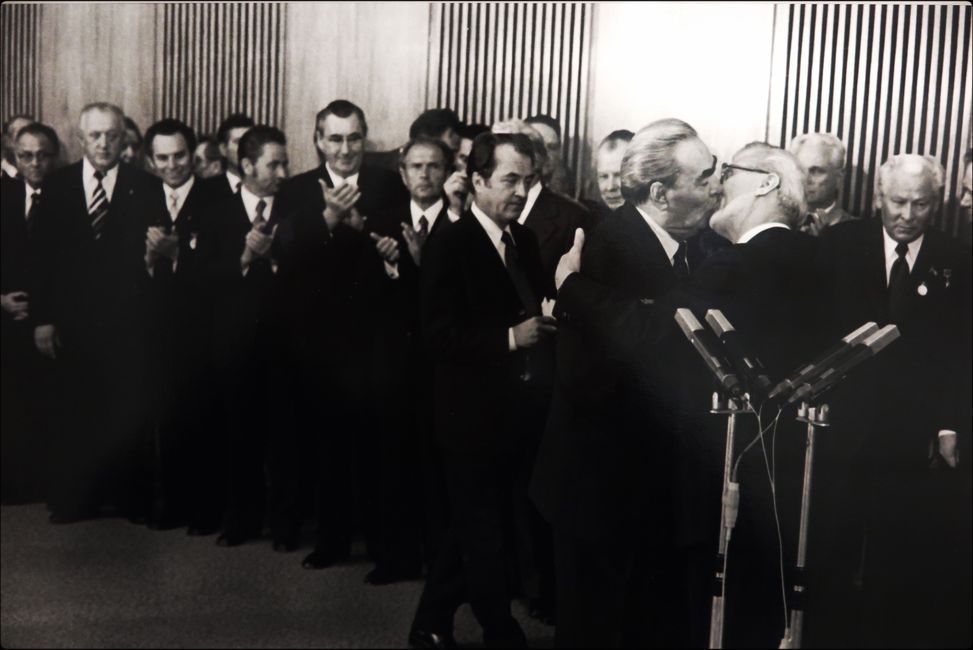
Leonid Brezhnev and Erich Honecker in 1979 for the 30th anniversary of the GDR, the brother kiss signals belonging and connectedness in the times of the Cold War.
Barbara Klemm gives a grand frame to the reunification.
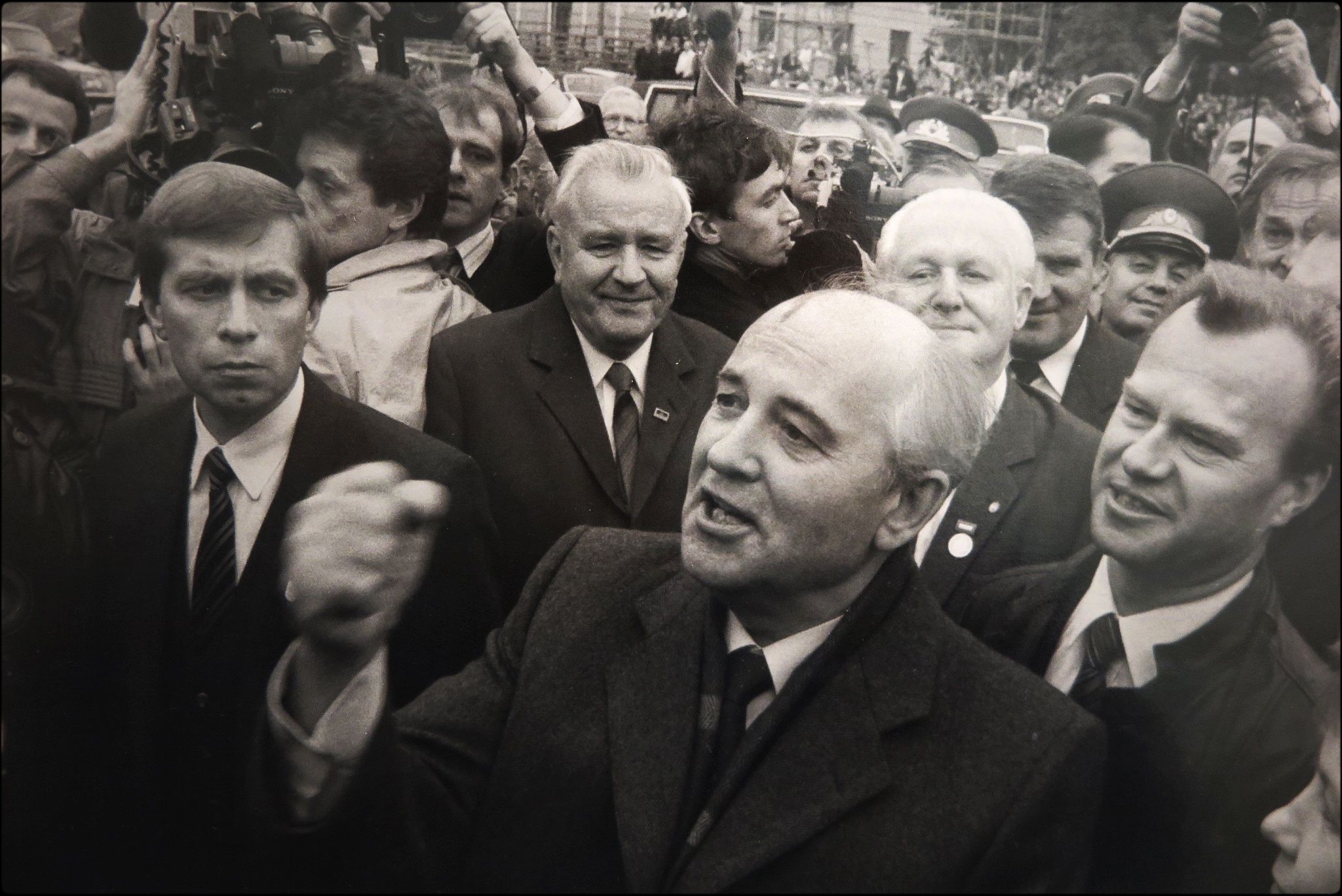
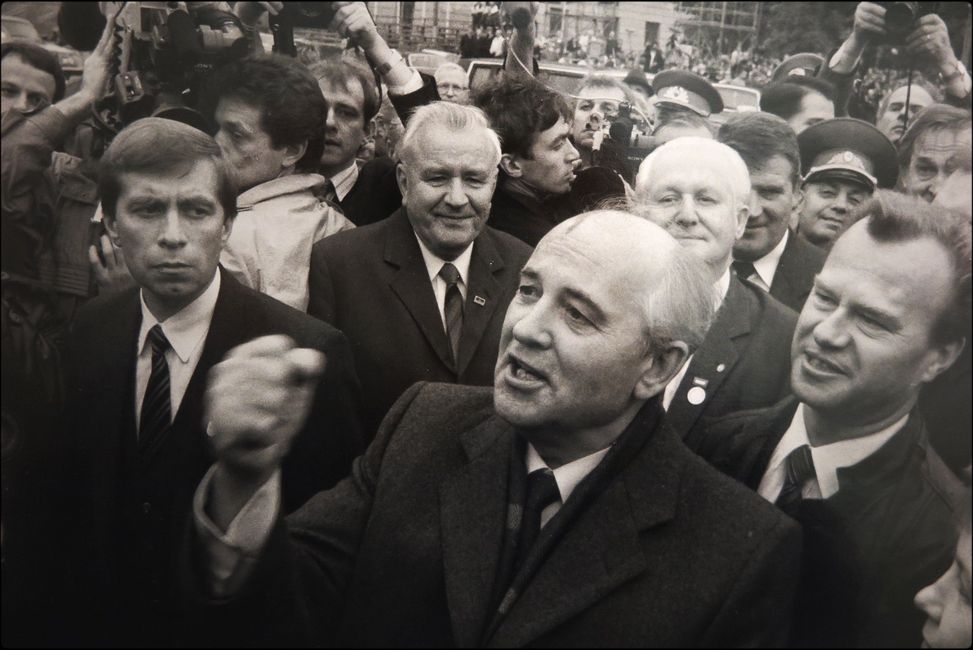
Mikhail Gorbachev, 40th anniversary of the GDR 07.10.1989
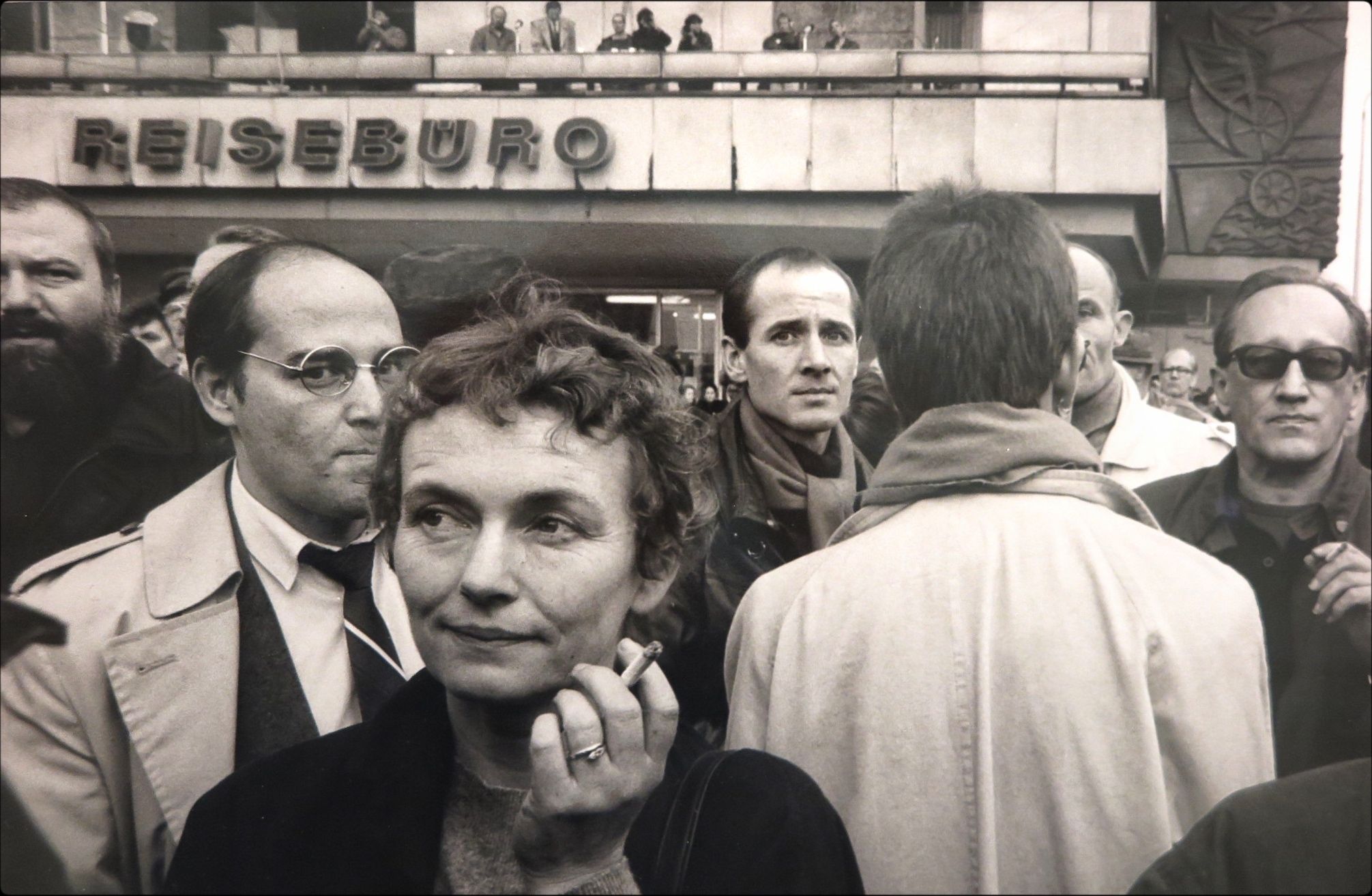
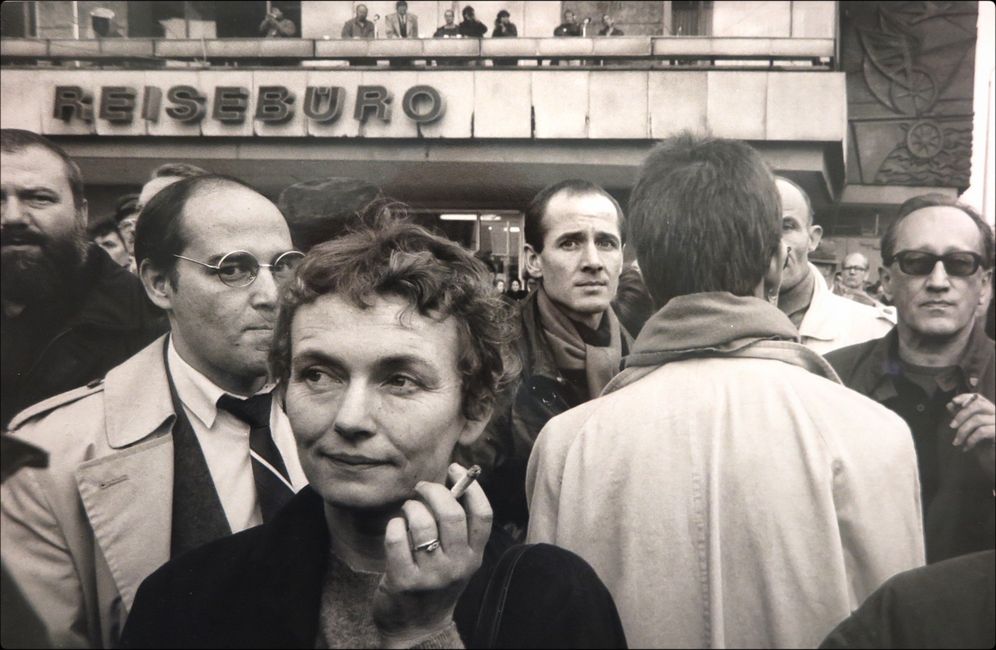
Gregor Gysi, lawyer and politician of the party The Left, Ulrich Mühe, a brilliant actor from “The Lives of Others', Bärbel Bohley, co-founder of The New Forum and painter, Heiner Müller, dramaturg and writer of the GDR at a demonstration in Berlin on 04.11.1989
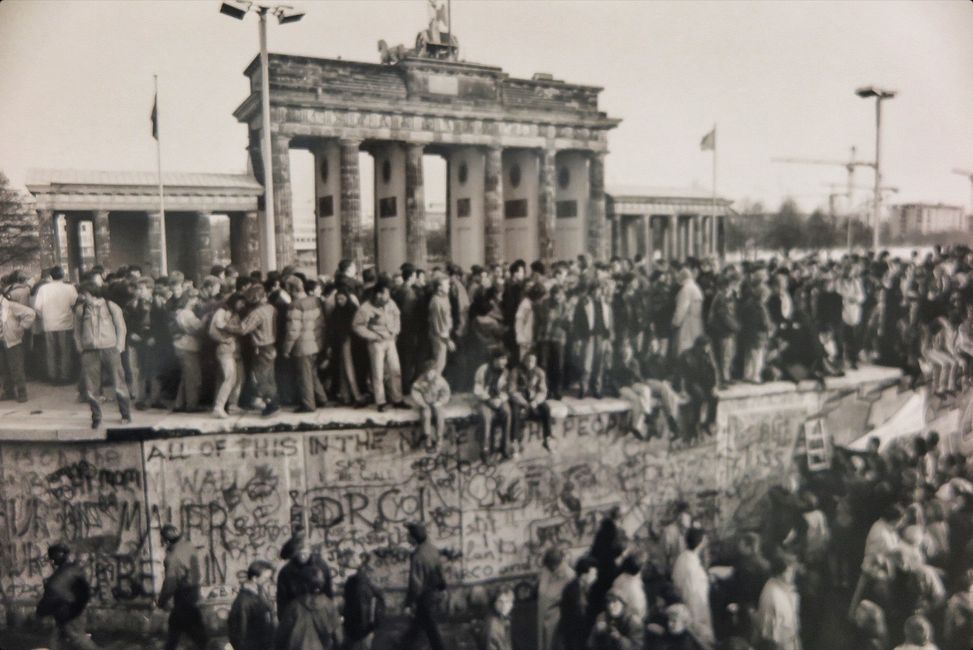
Fall of the Wall 10.11.1989
Willi Brandt at the Wall 10.11.1989
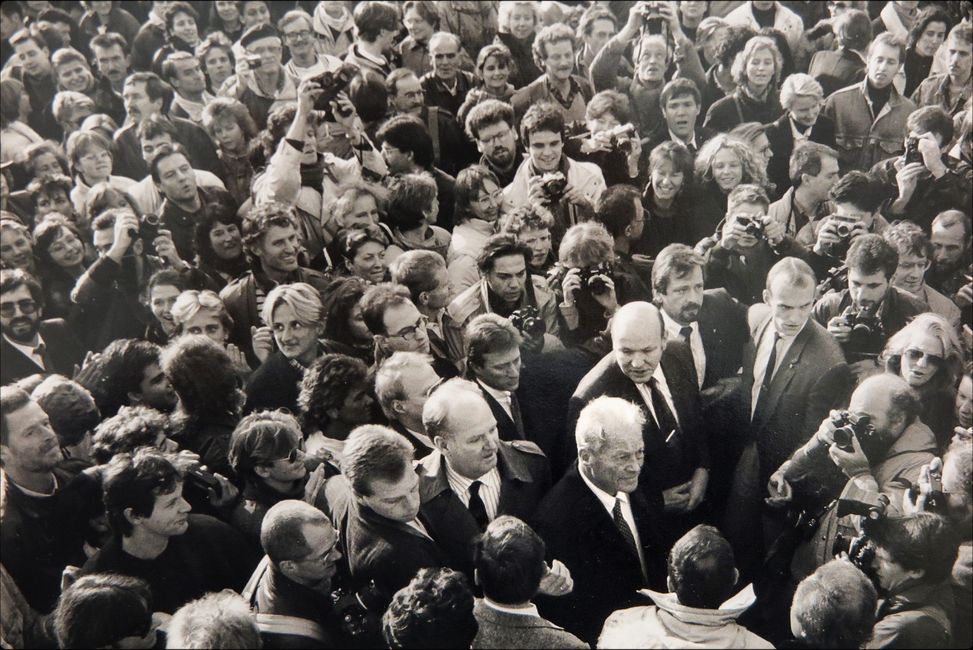
Egon Kreuz and SED leadership 10.11.1989
Opening of the Brandenburg Gate 22.12.1989
Day of German Unity 03.10.1990
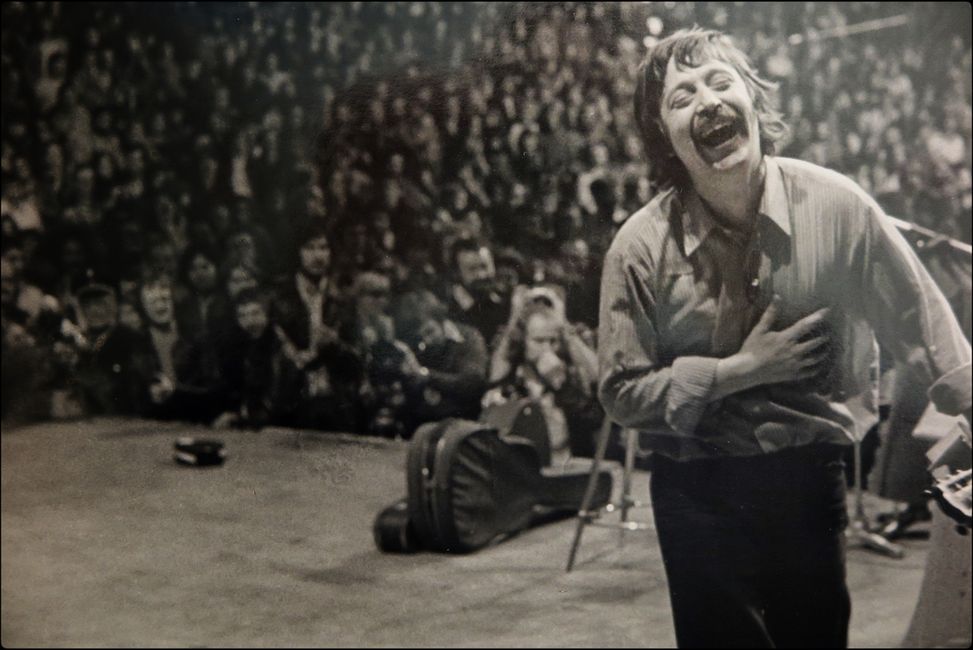
A picture that moved me deeply, Wolf Biermann in Cologne 1976. After years of performance ban in the GDR, Wolf Biermann finally received a visa and was invited to Cologne by IG-Metall. What started as a 2-hour concert turned into 4 hours. Afterwards, his emigration followed, which was certainly a key event in the East-West conflict. Many artists such as Christa Wolf, Bärbel Bohley, Stefan Heym signed an open letter voicing their opposition to his emigration.
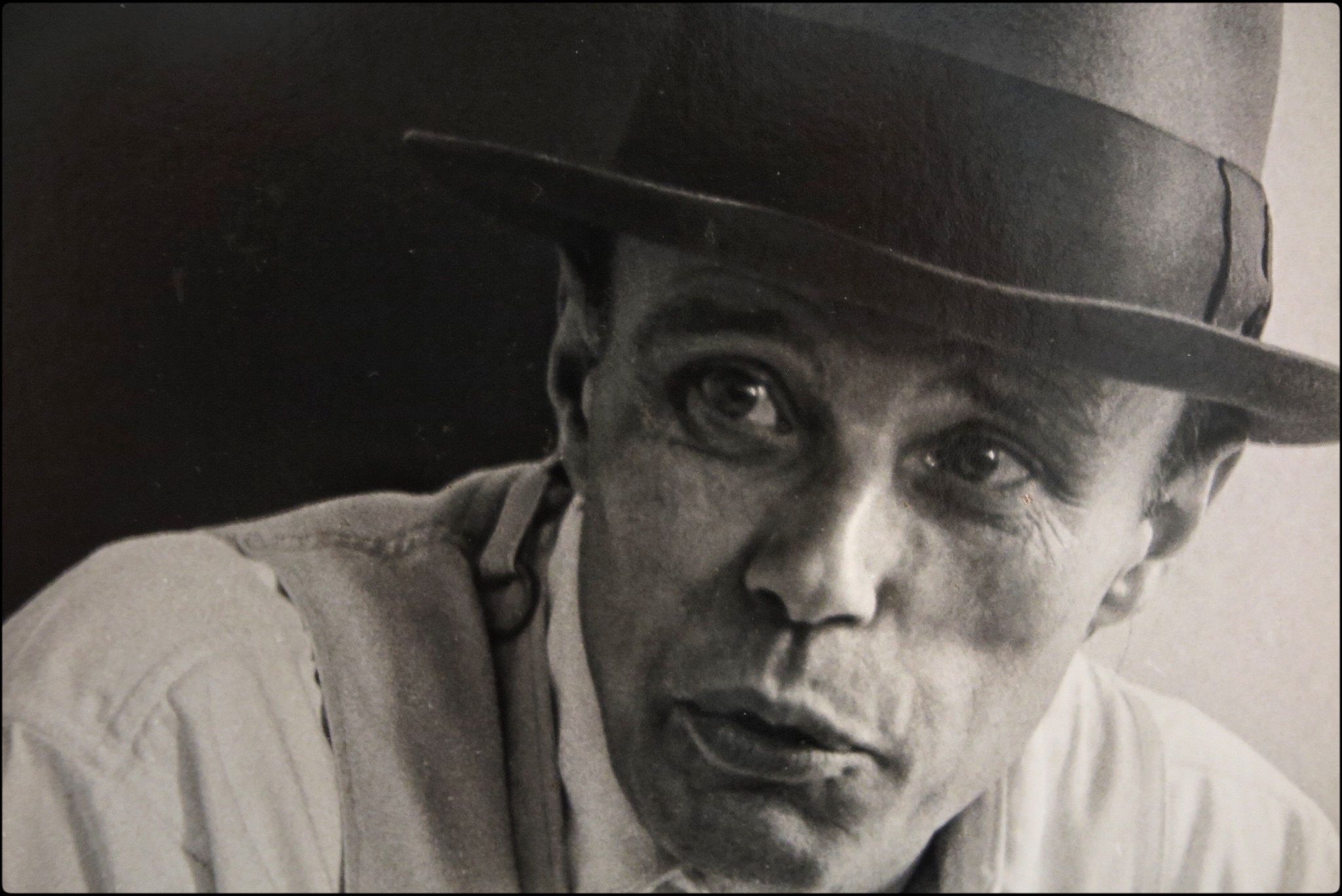
Joseph Beuys 1972, action artist, an almost biographical film “Werk ohne Autor'
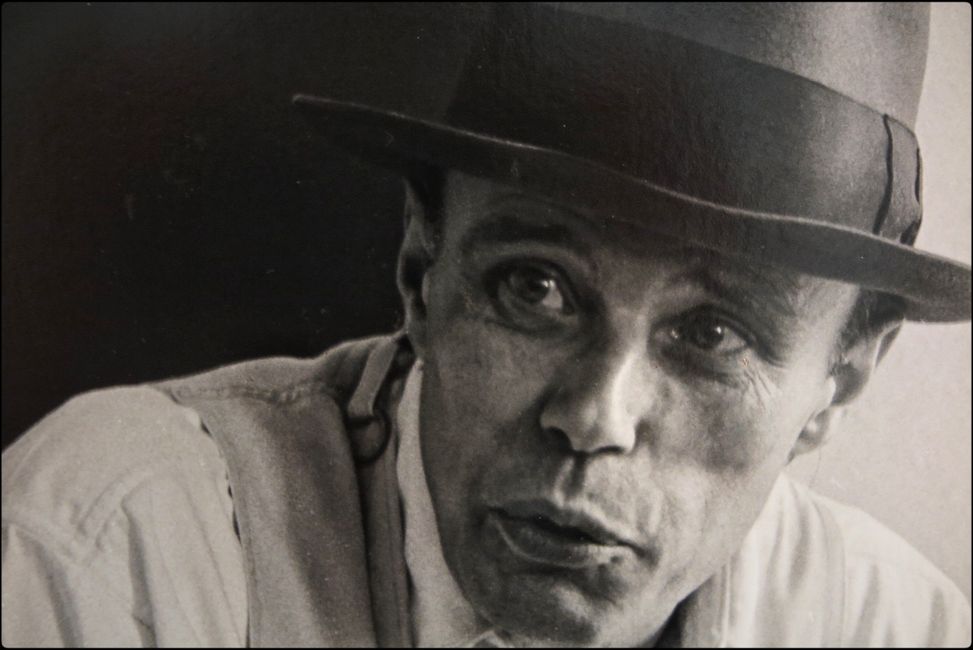
Christa Wolf 1982, writer from the GDR “The Divided Sky'
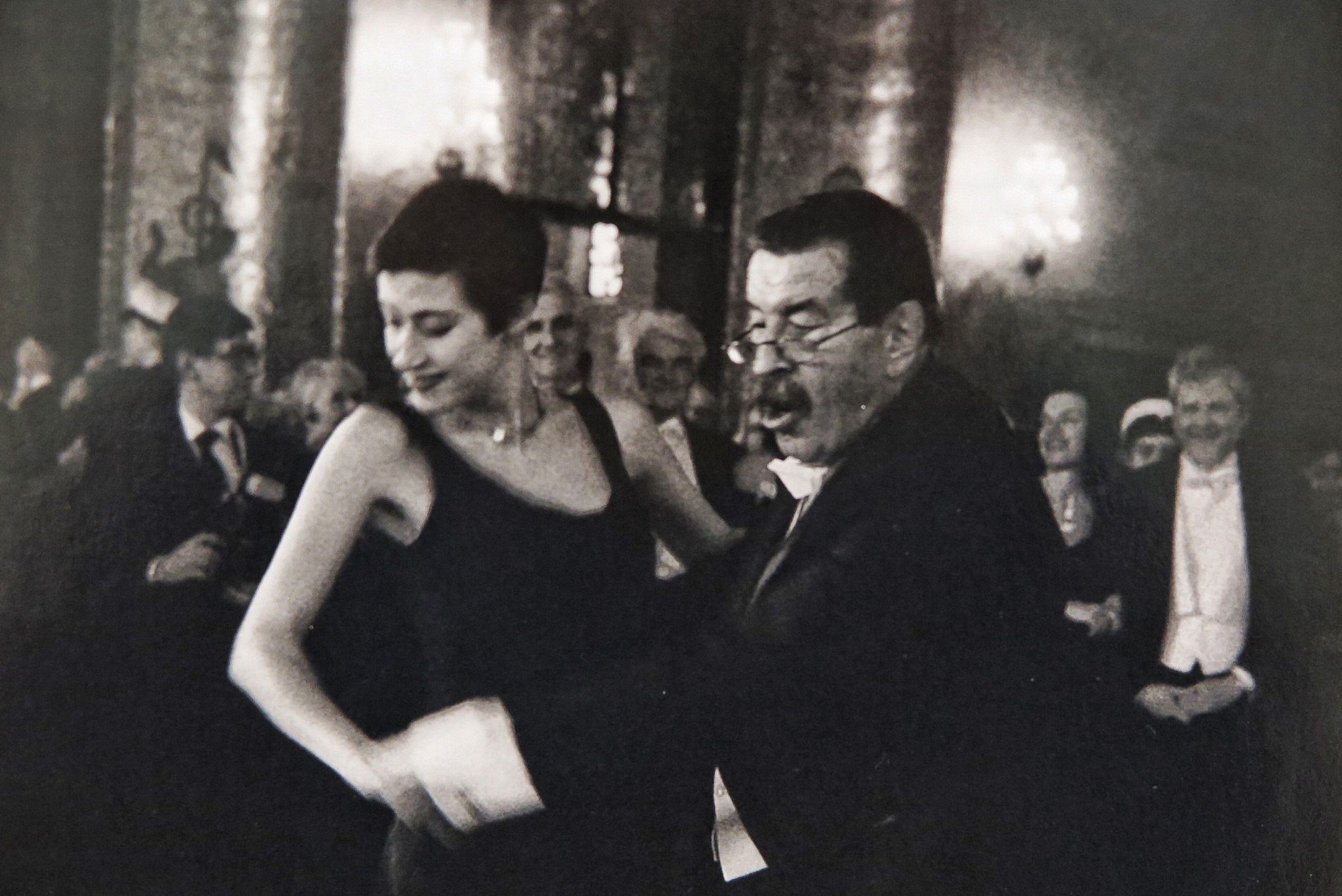
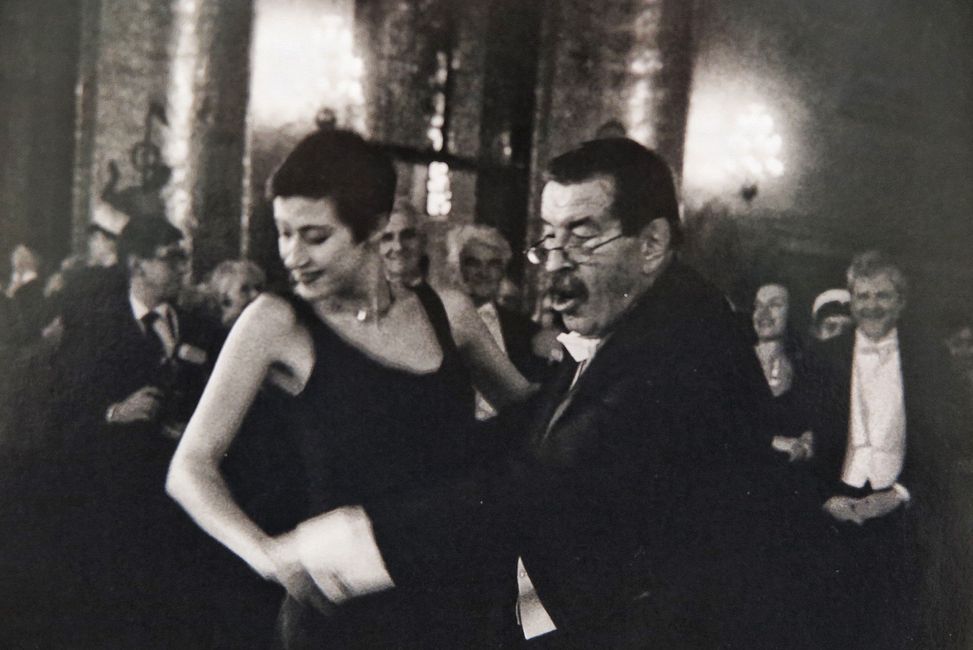
An absolutely life-affirming image of Günter Grass and his daughter in 1999
My conclusion: An exhibition that has brought me closer to contemporary history, arousing curiosity, excellently documented. Barbara Klemm turns 86 this year and has captured her view of the world in images over decades. Absolutely worth seeing.