
Party
Before the apocalypse descended upon the world and the USA elected a convicted sex offender and fascist as president, we wisely fled across the border to Latin America – not in...

Published: 03.12.2024
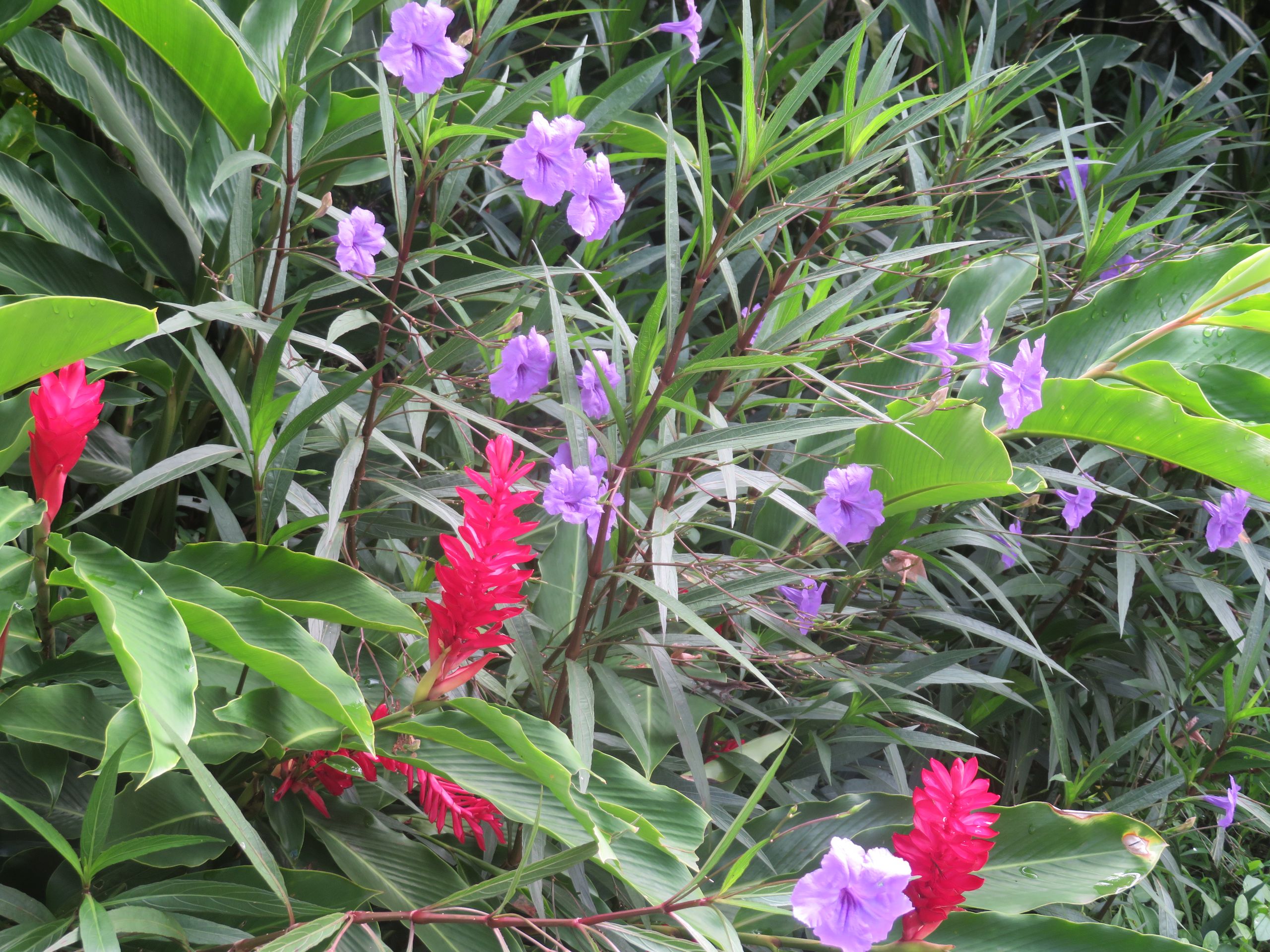
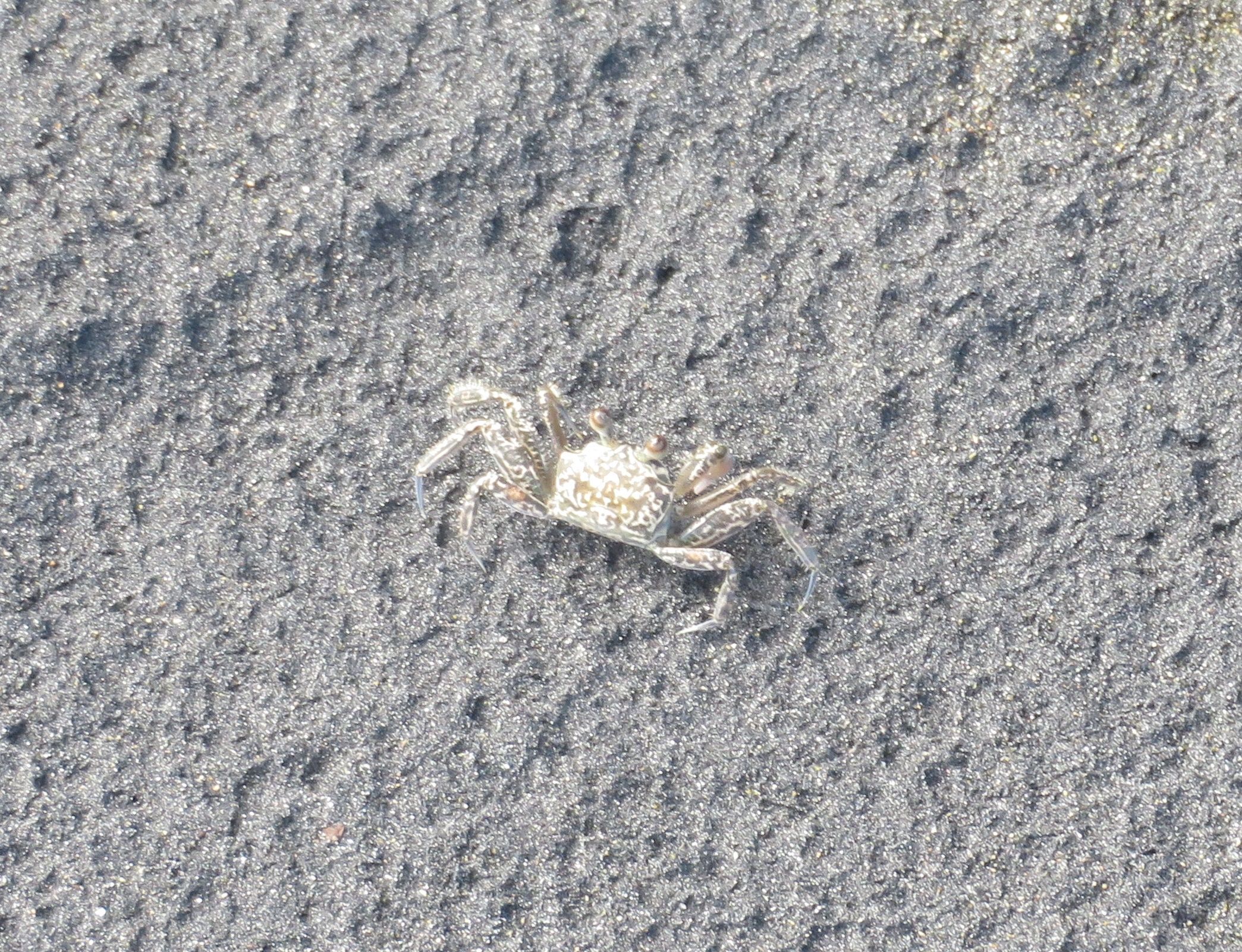
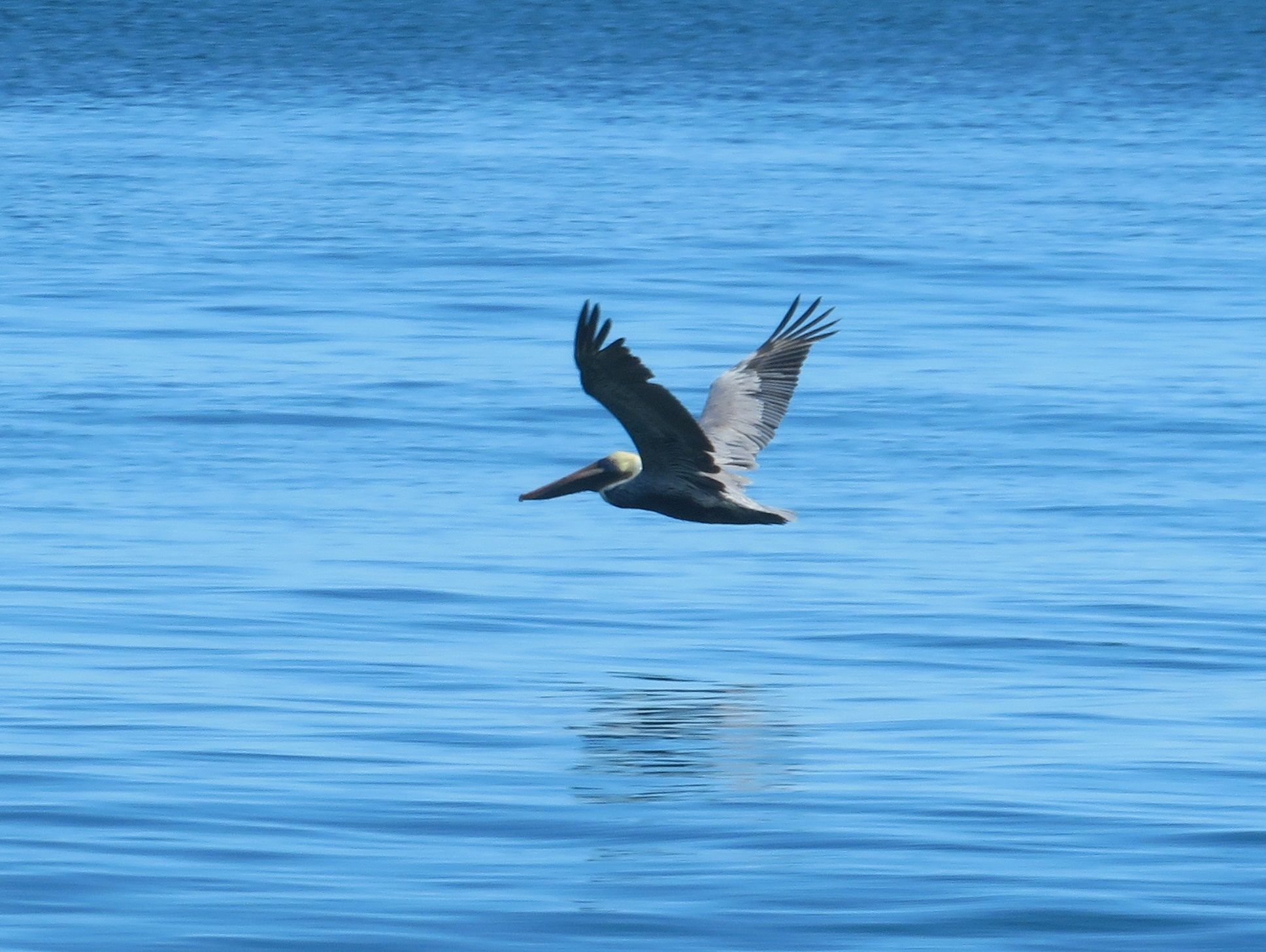
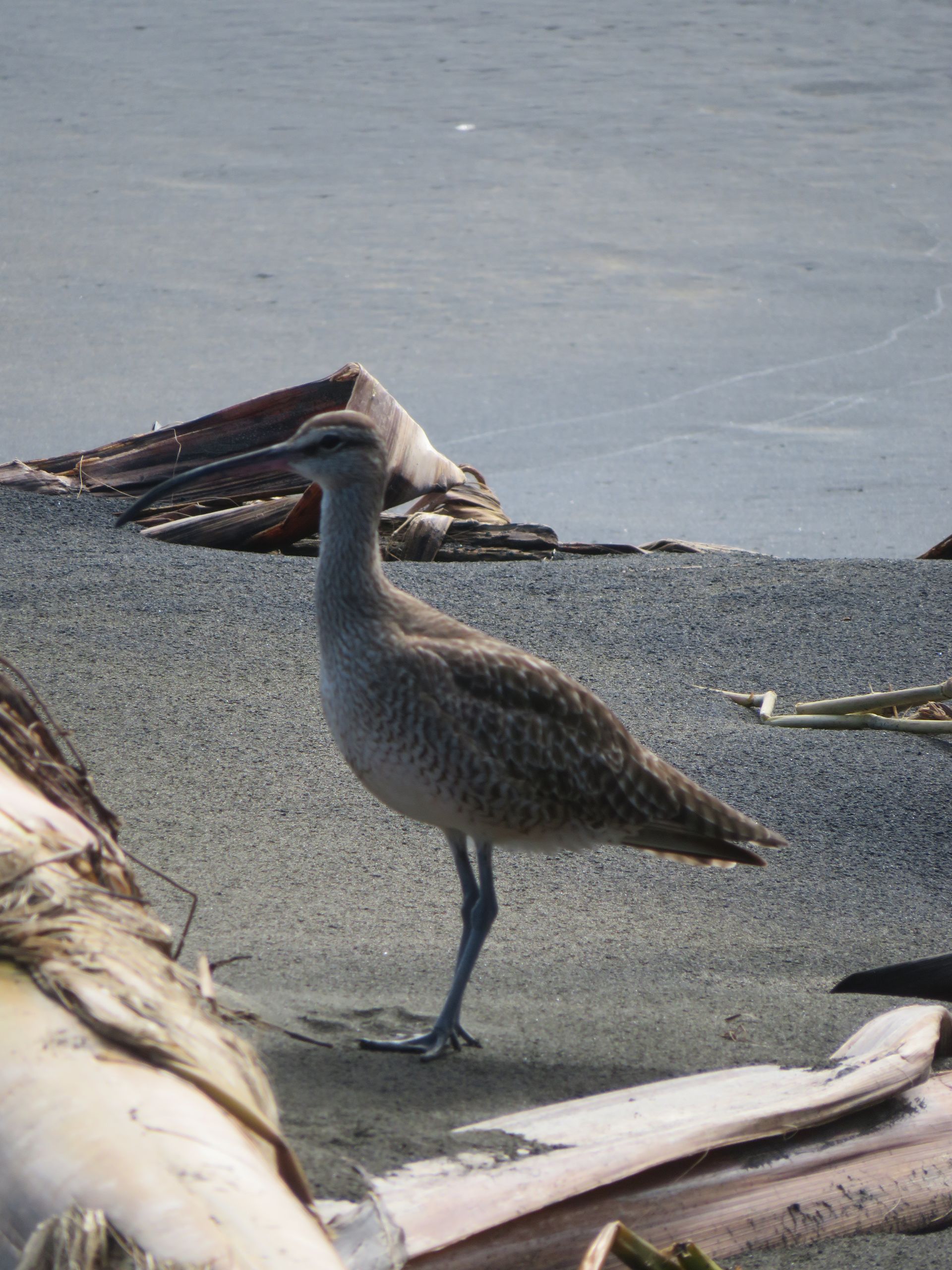
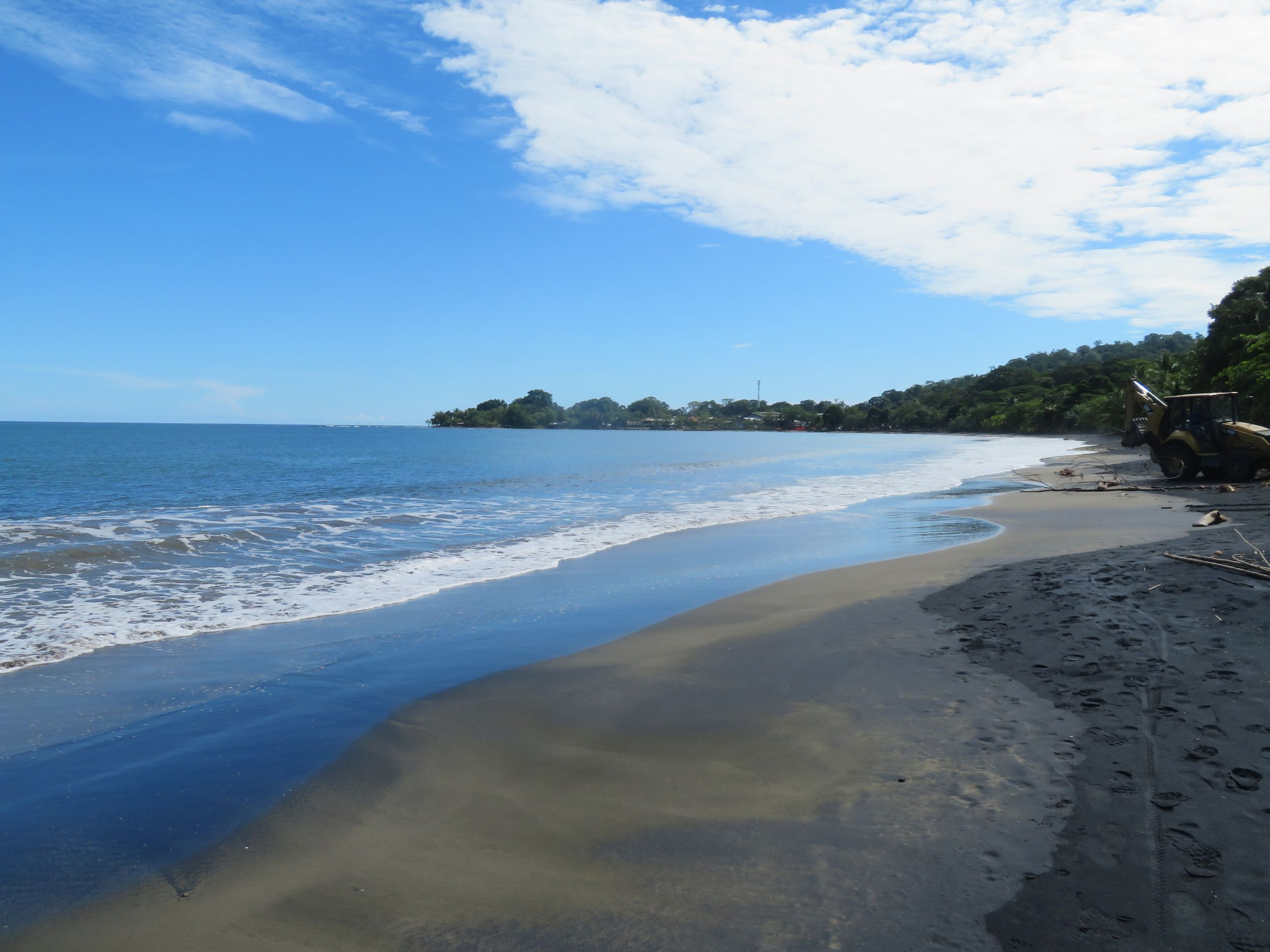
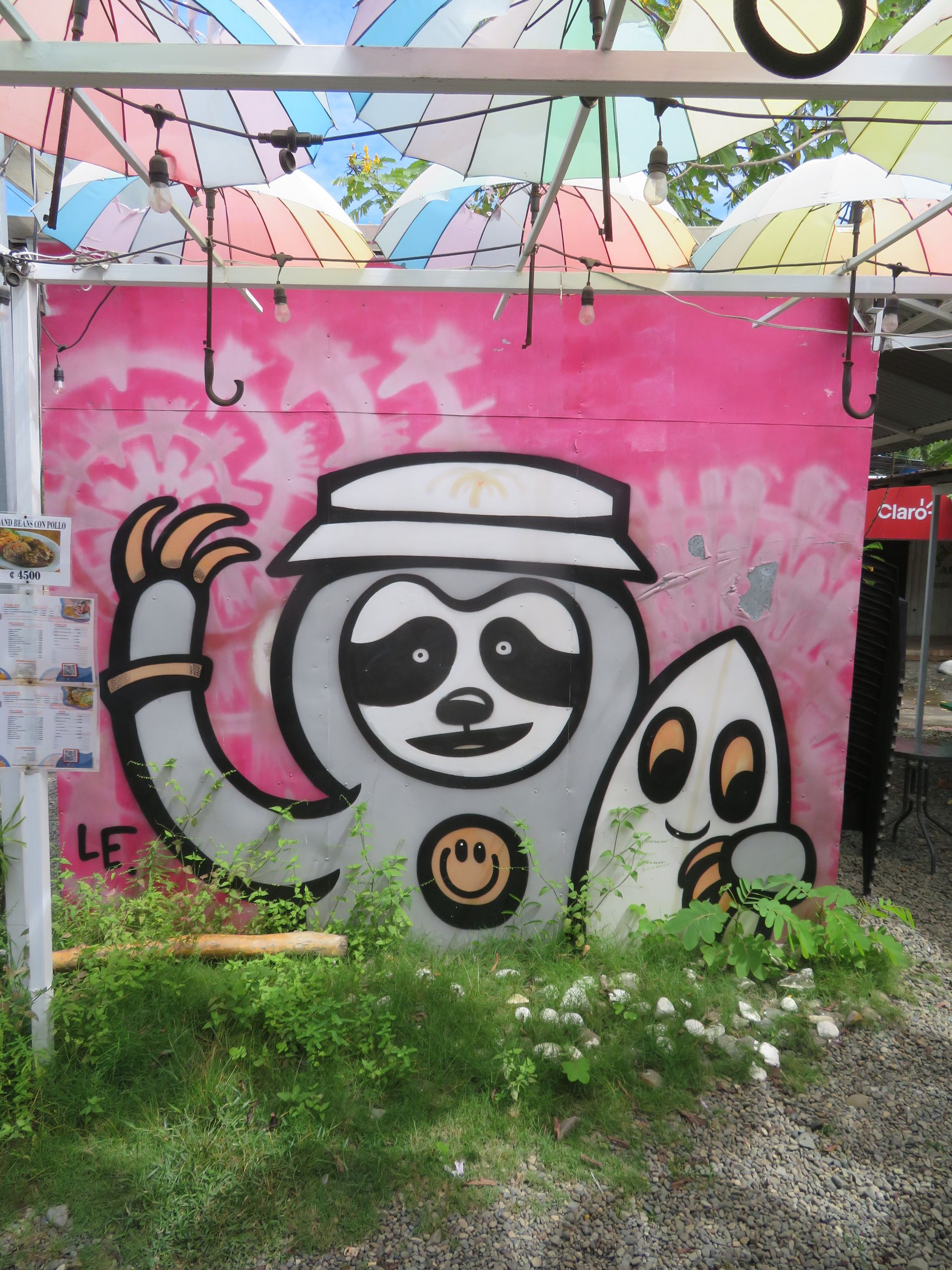
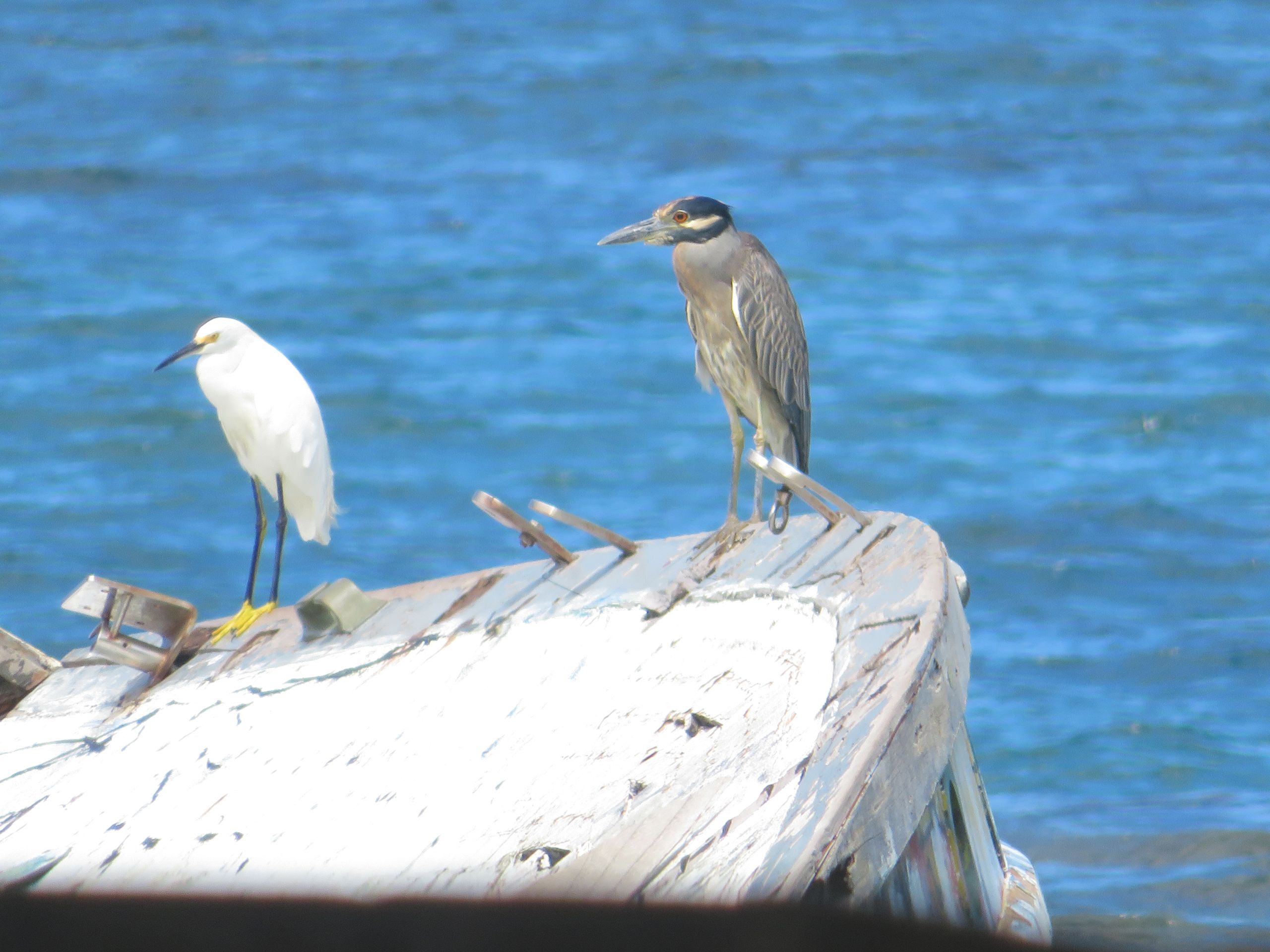
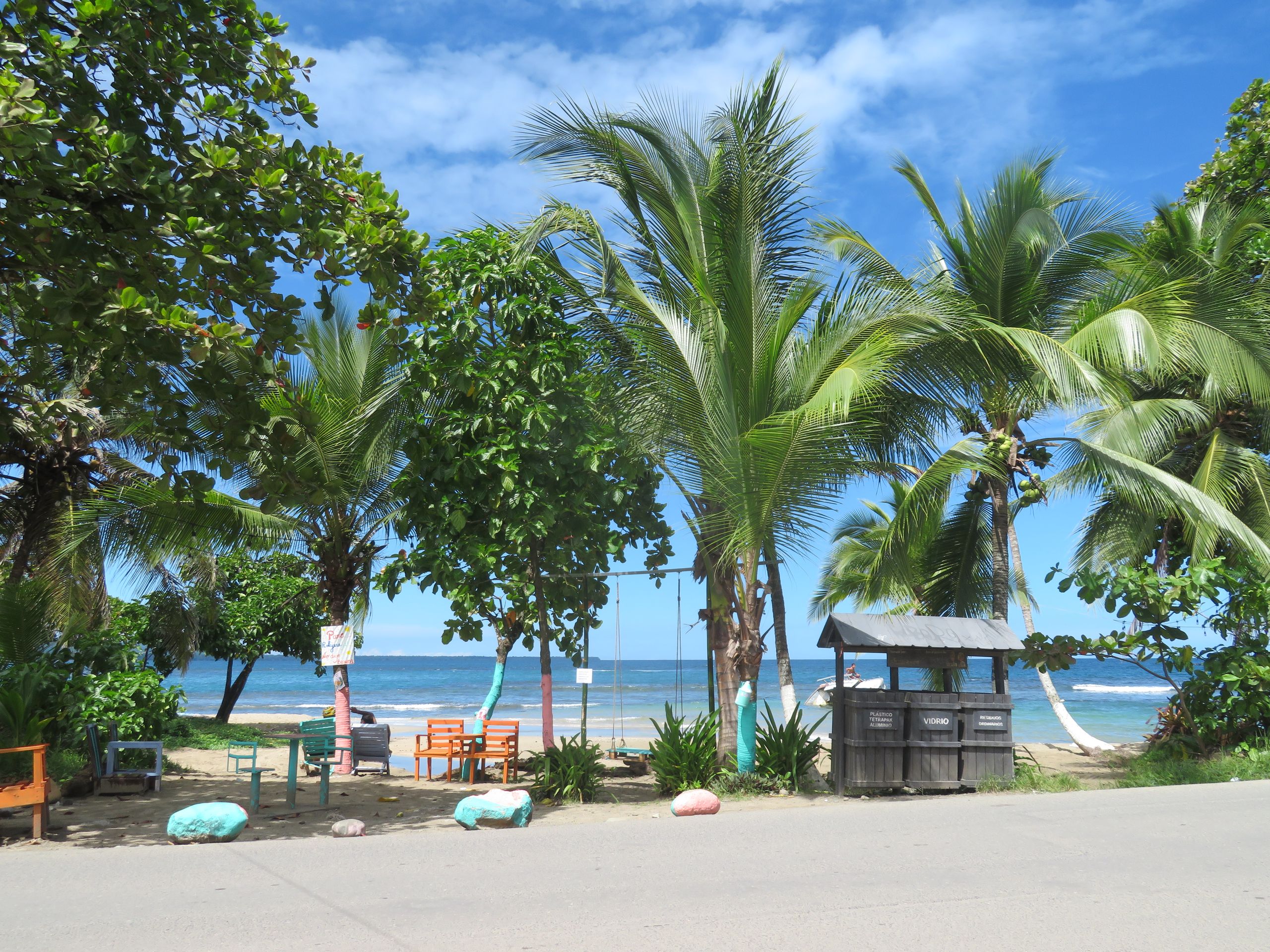
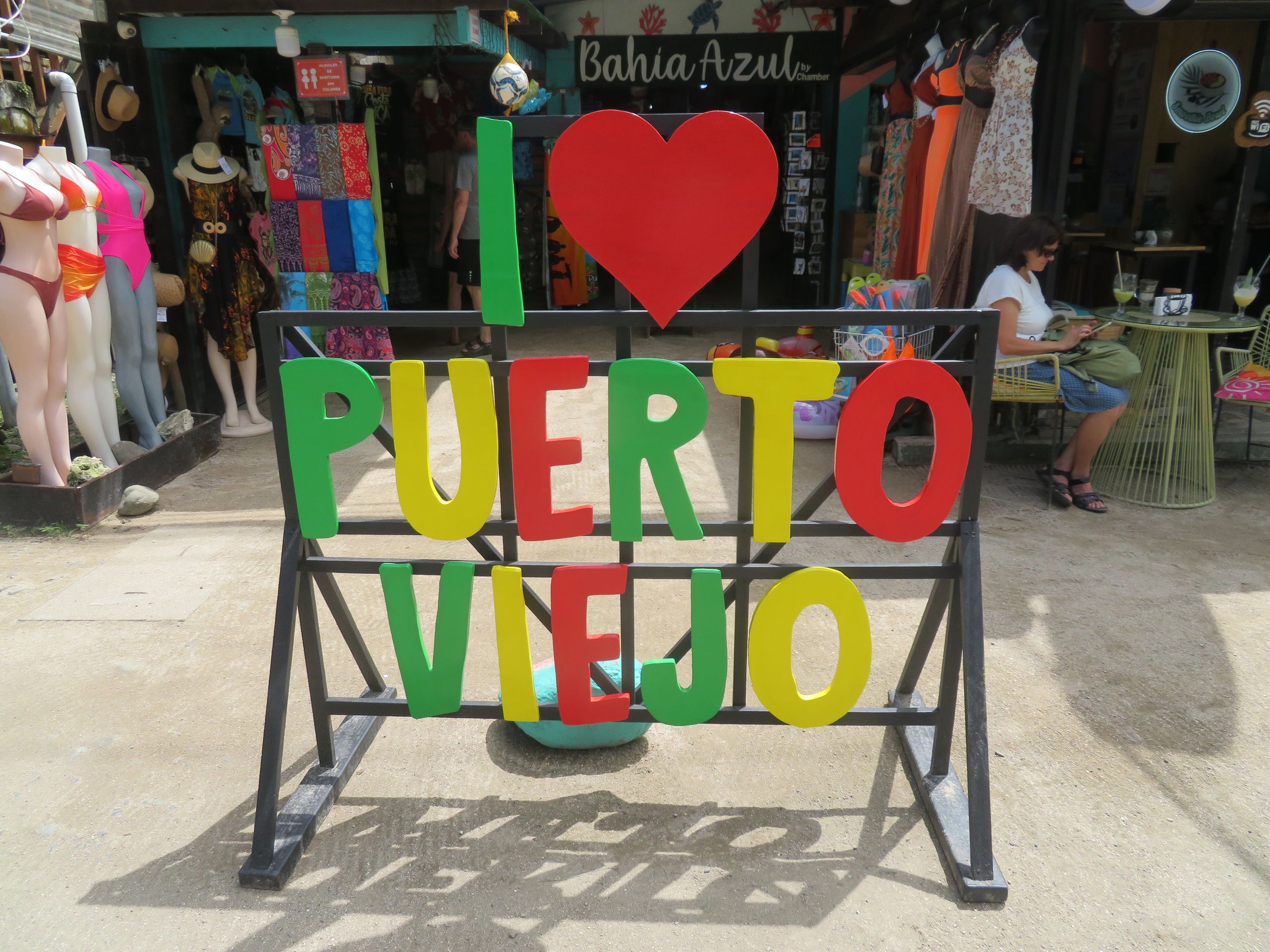
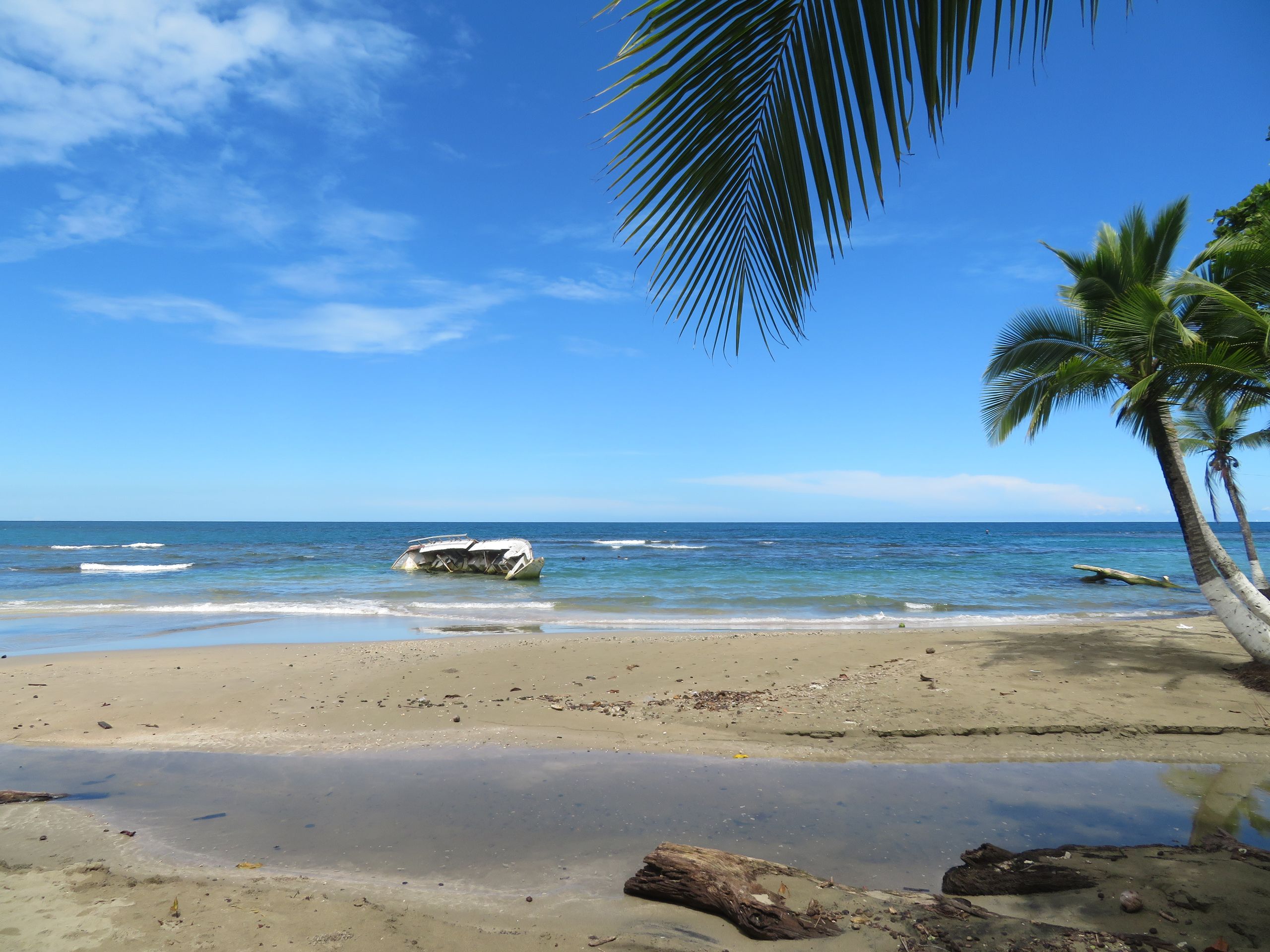
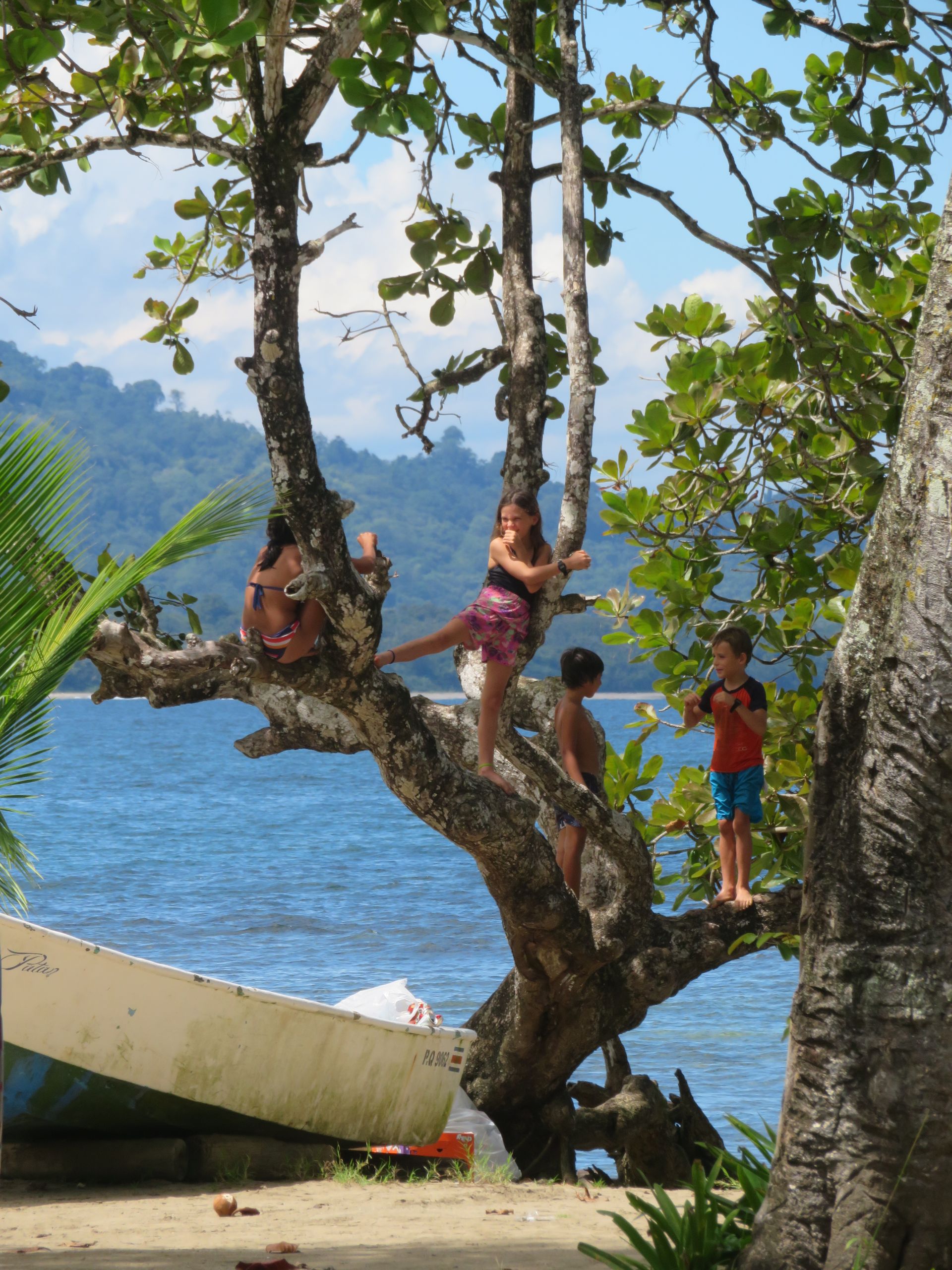
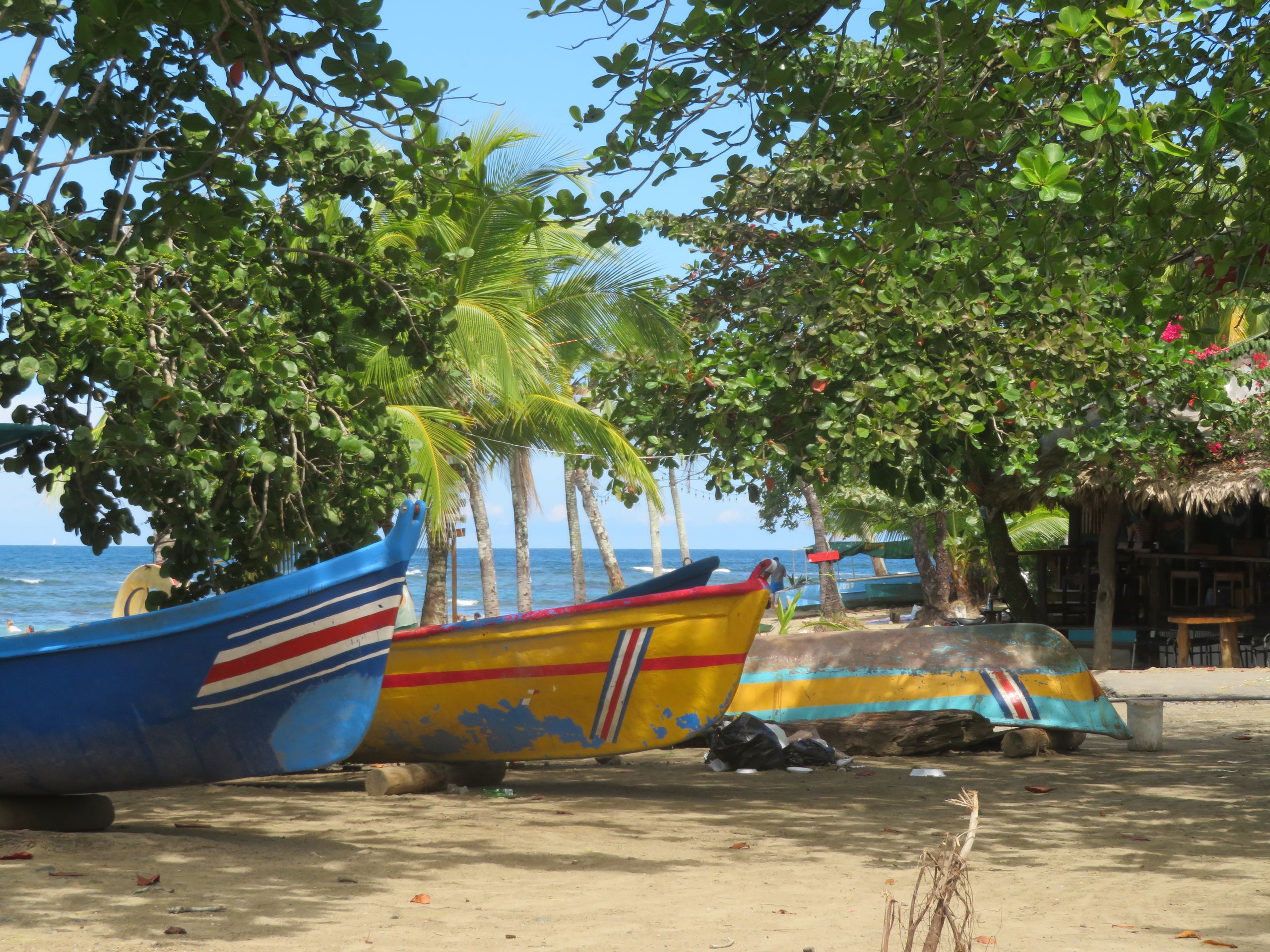
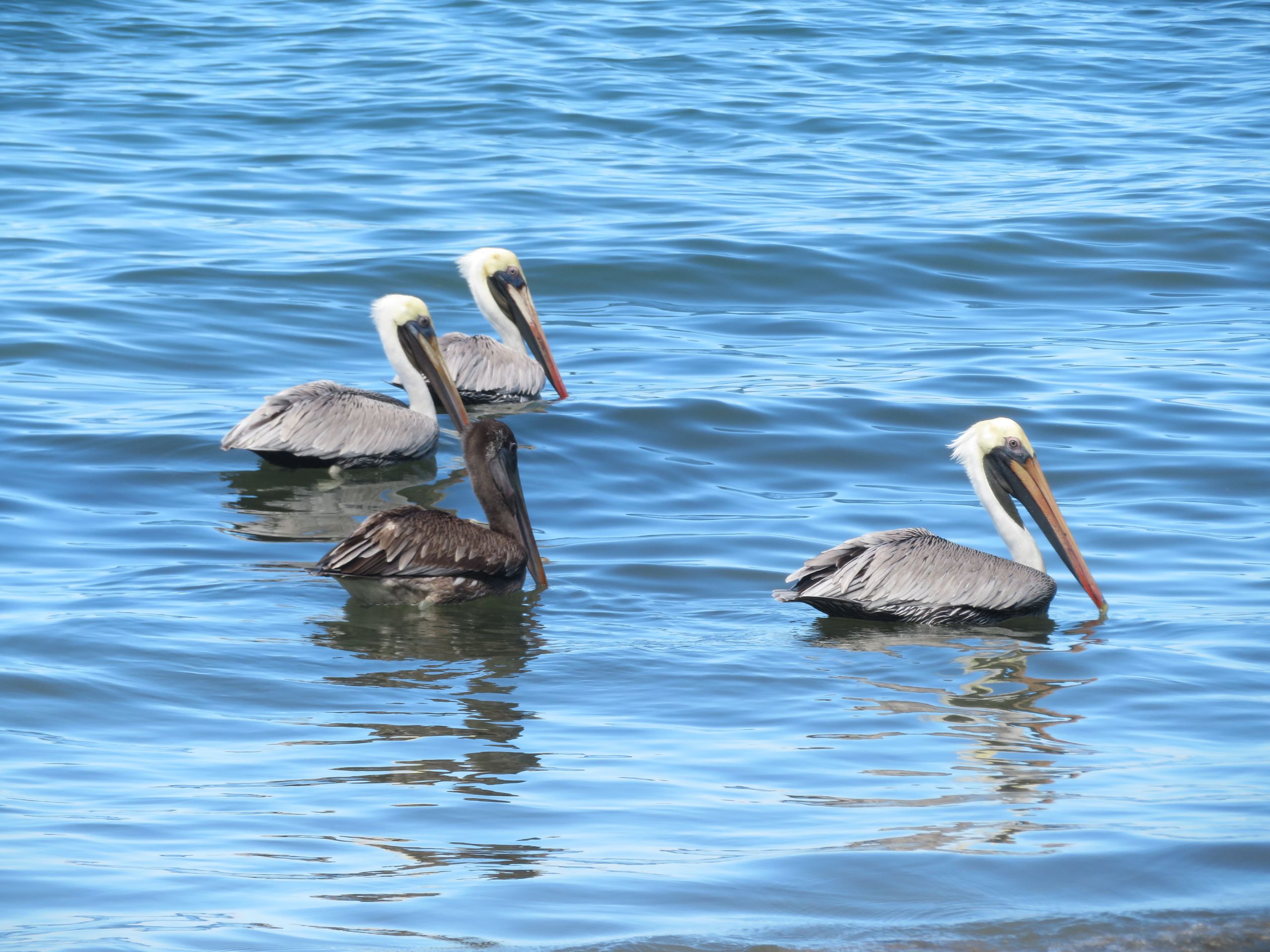
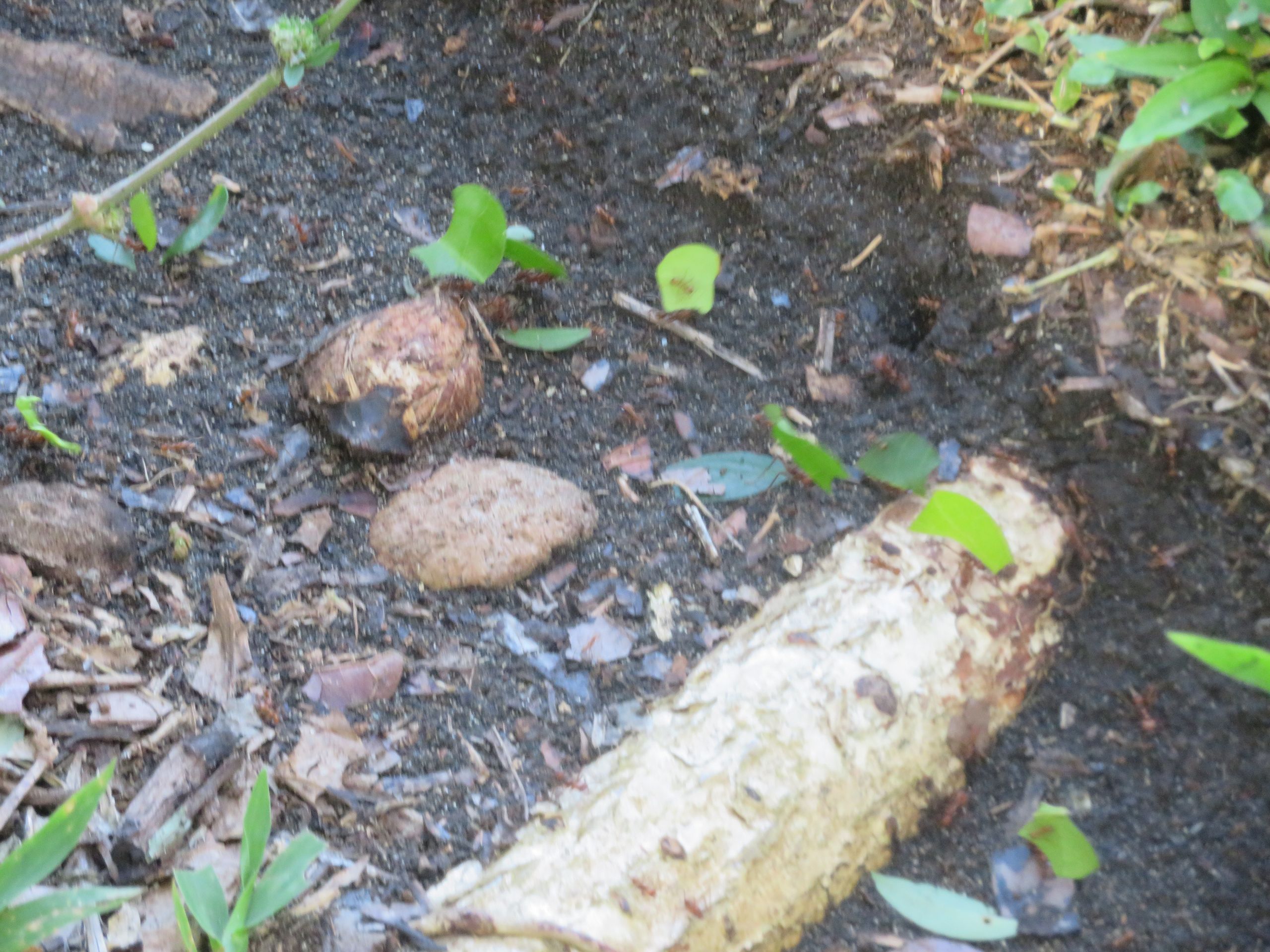
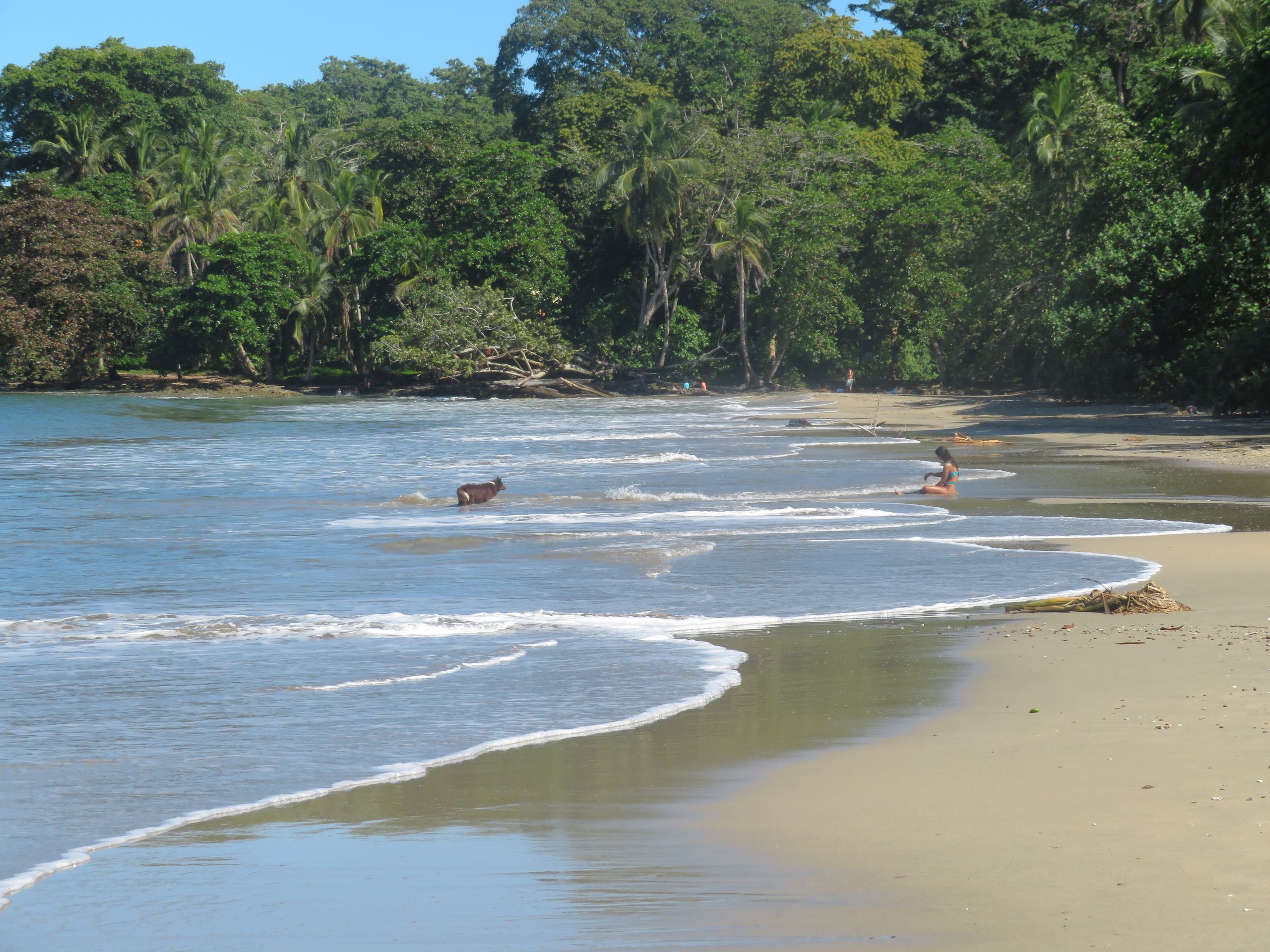
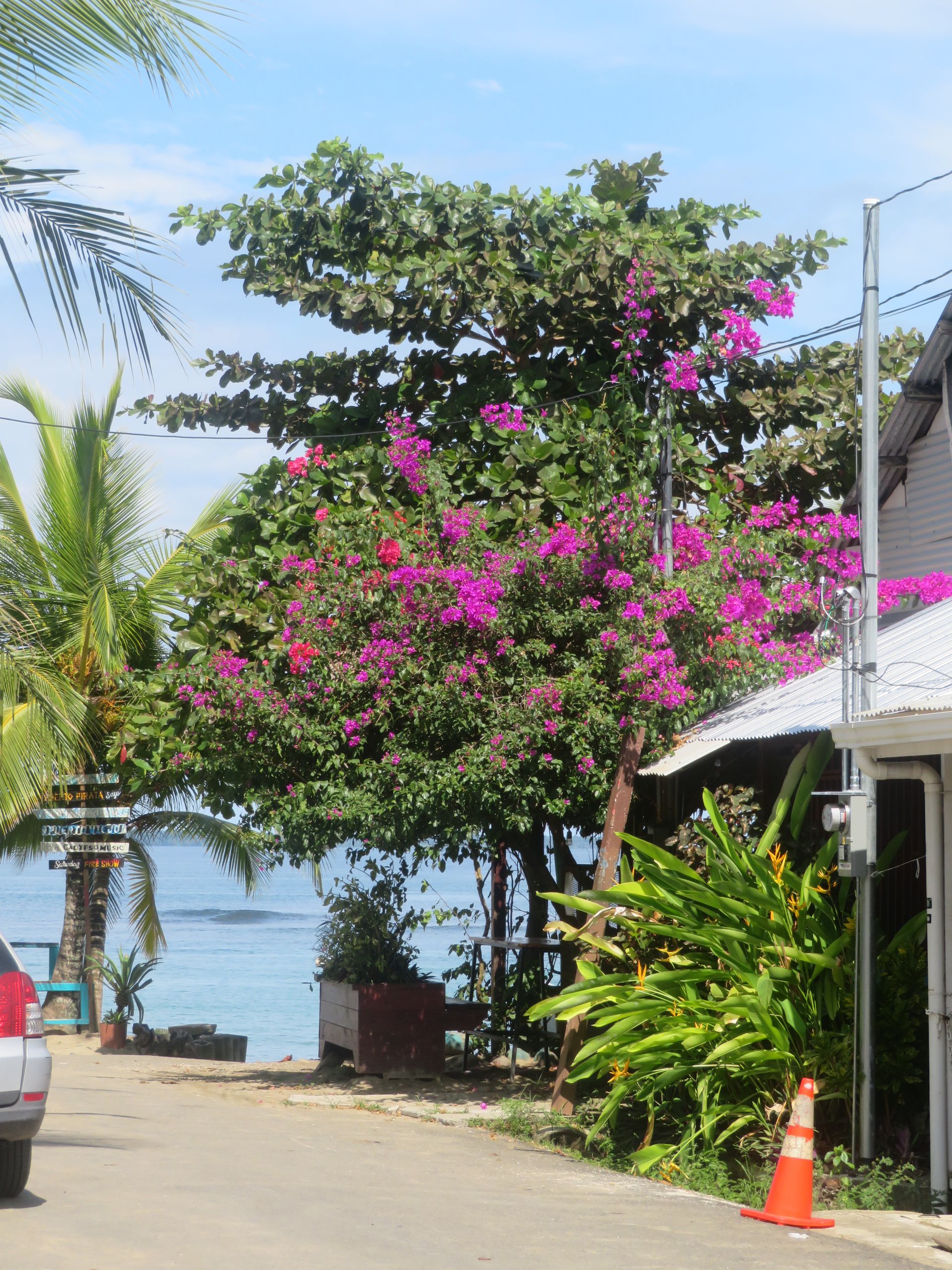
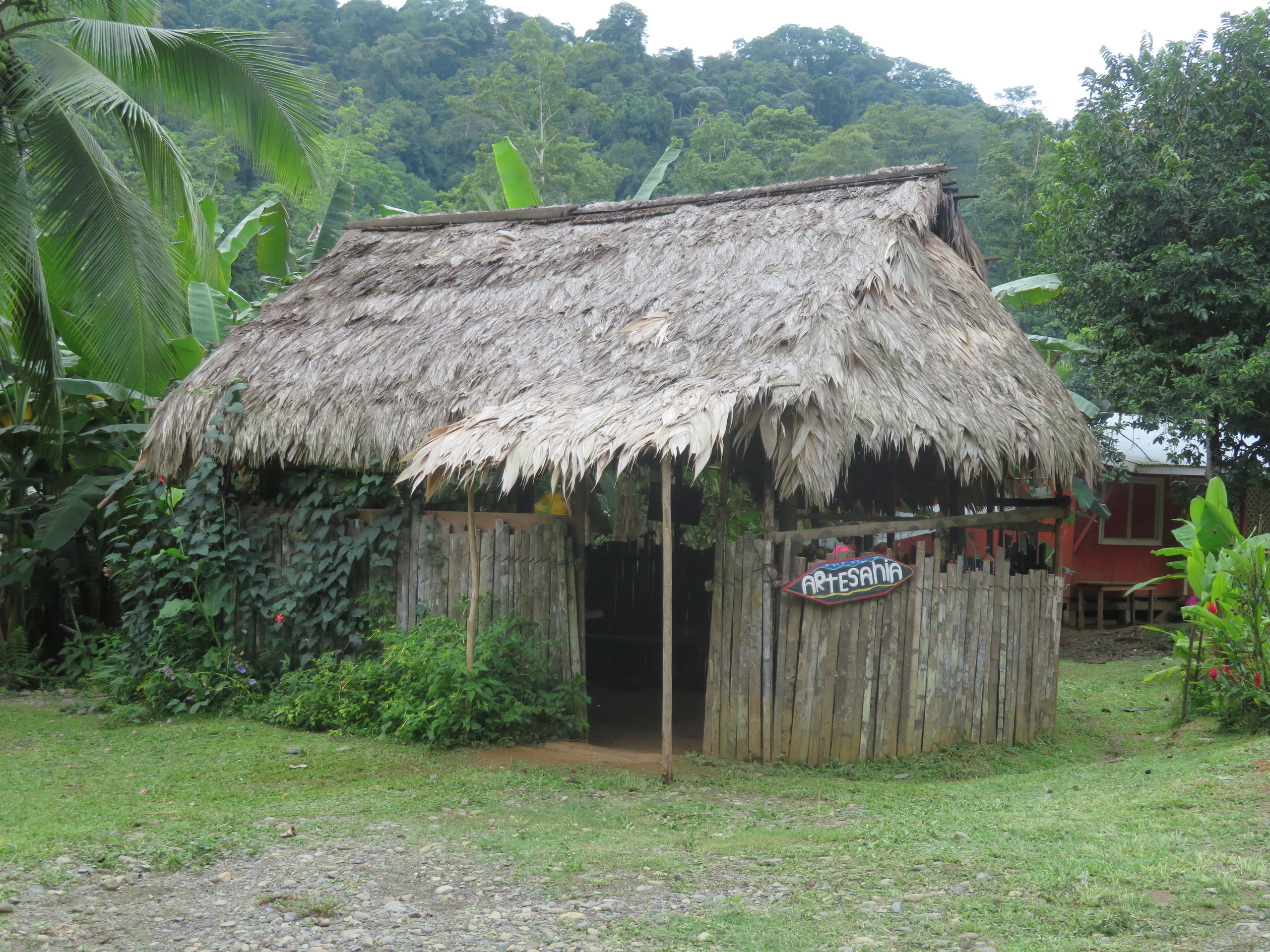
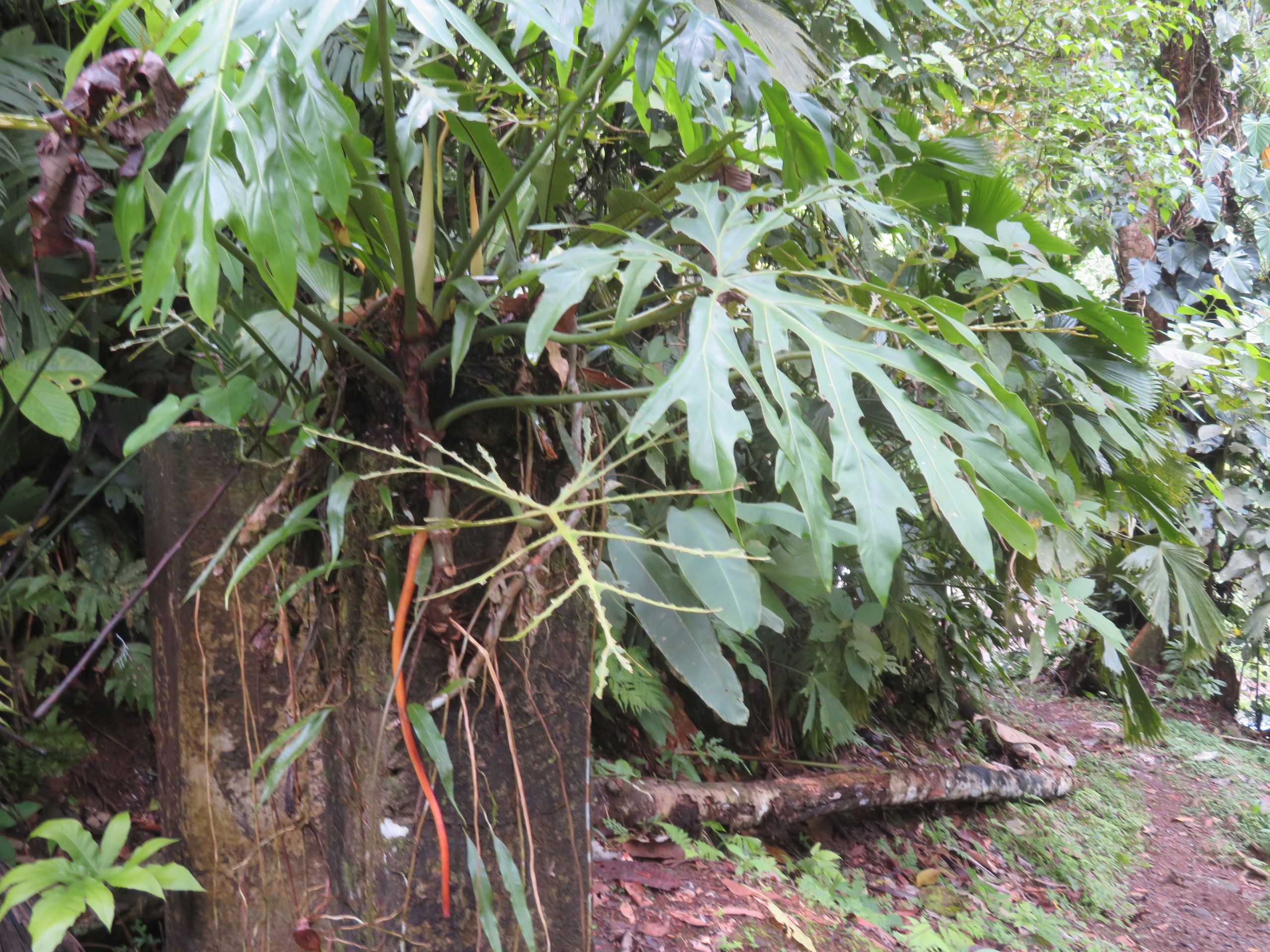
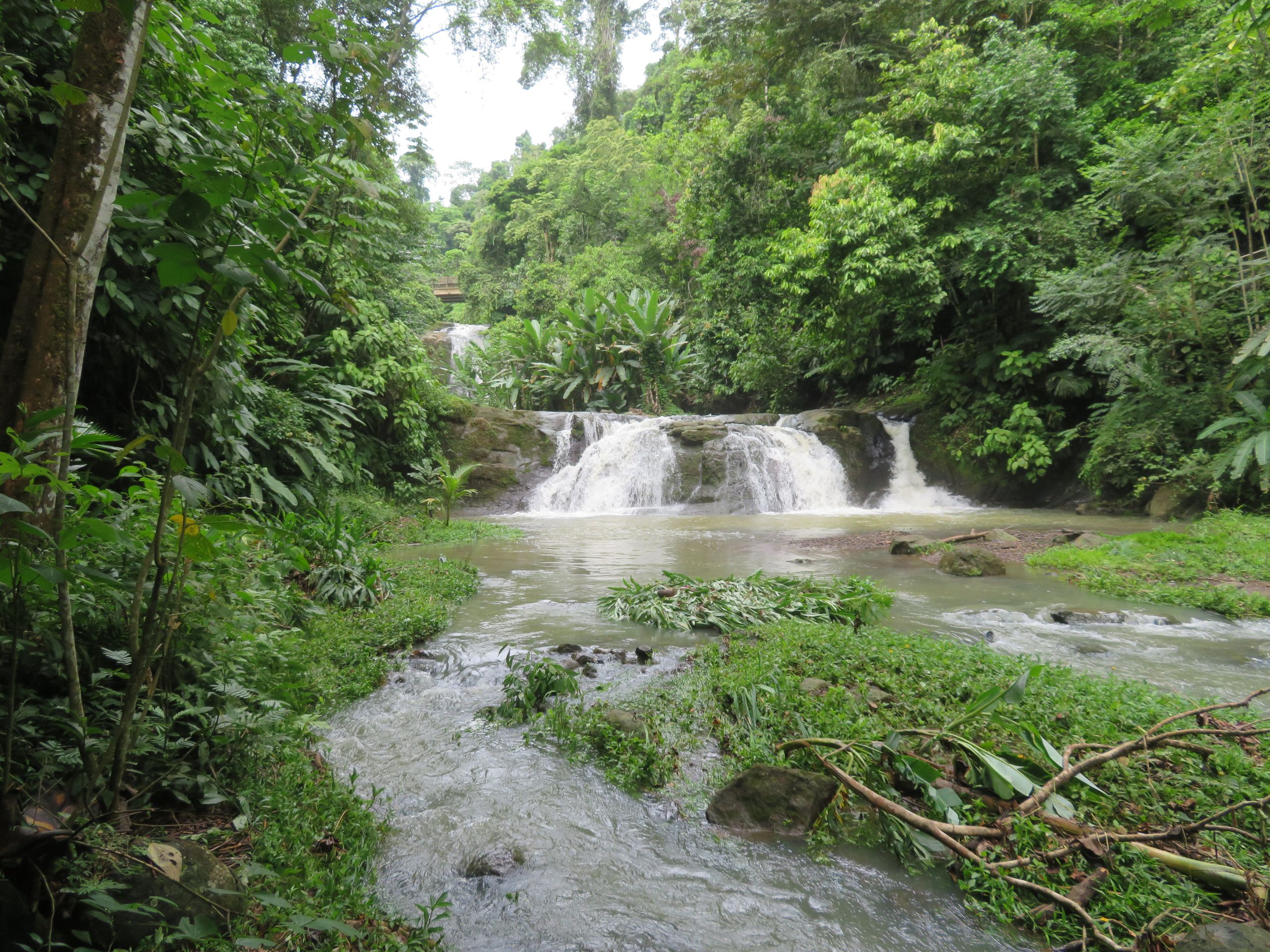
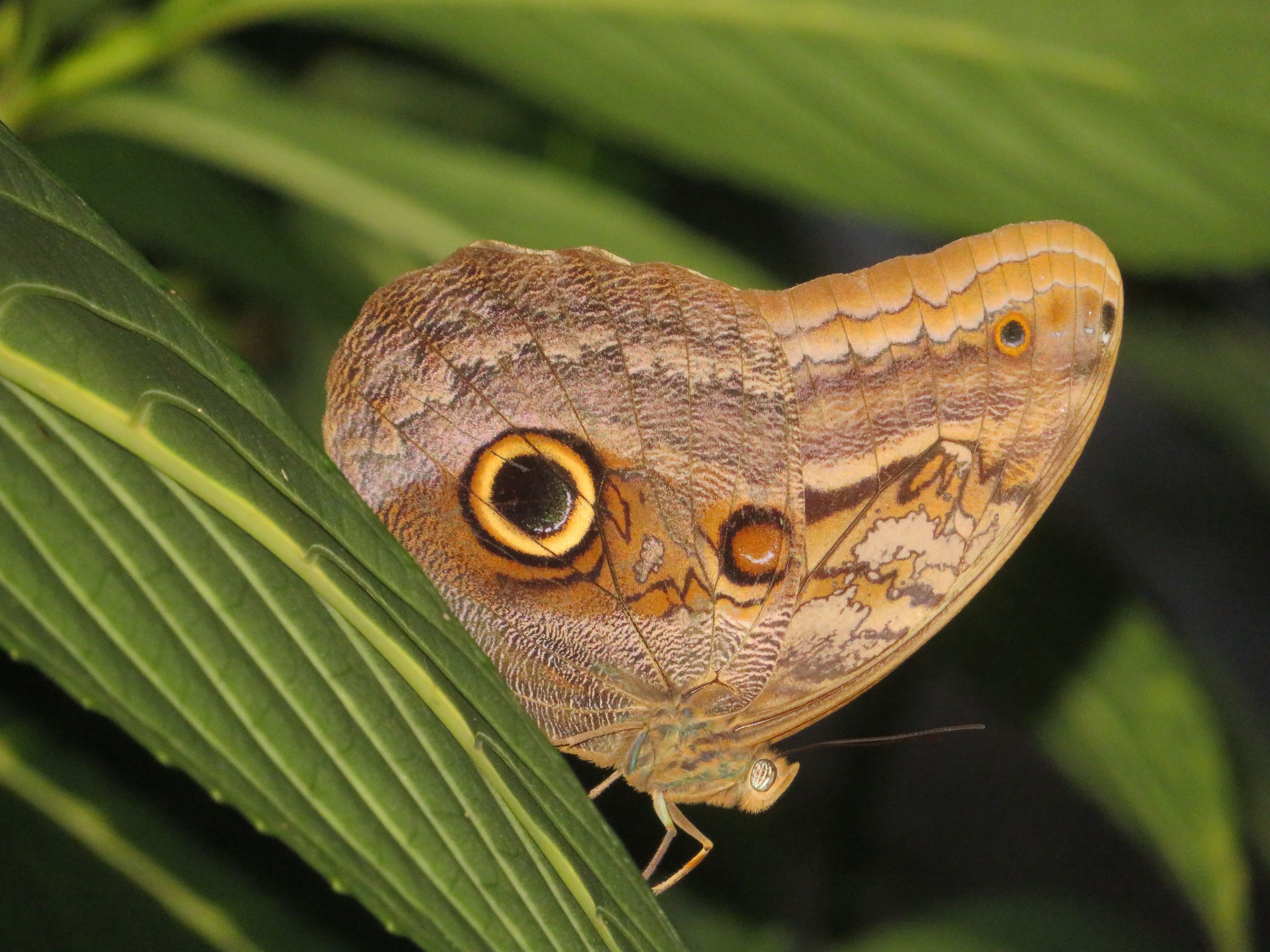
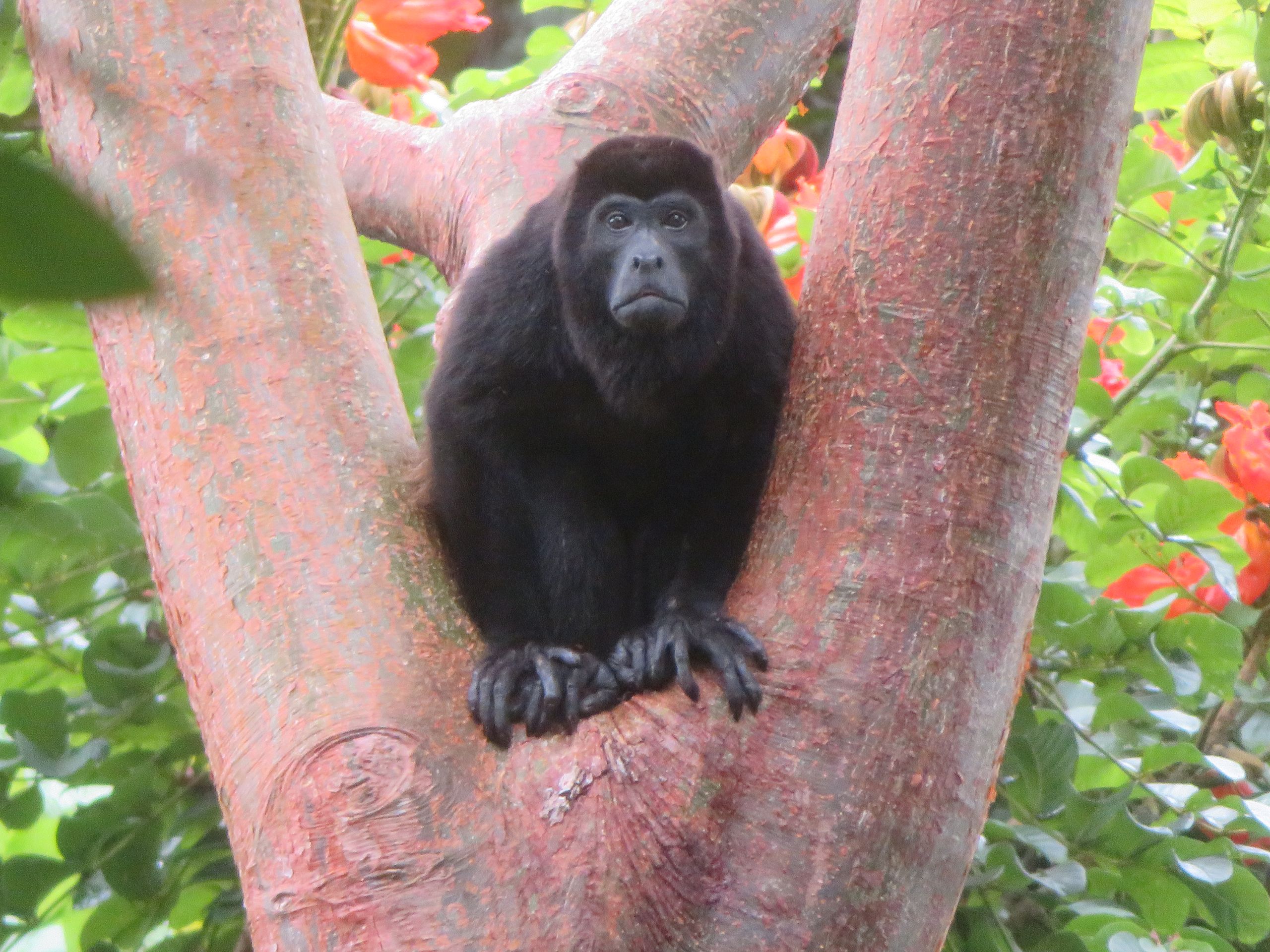
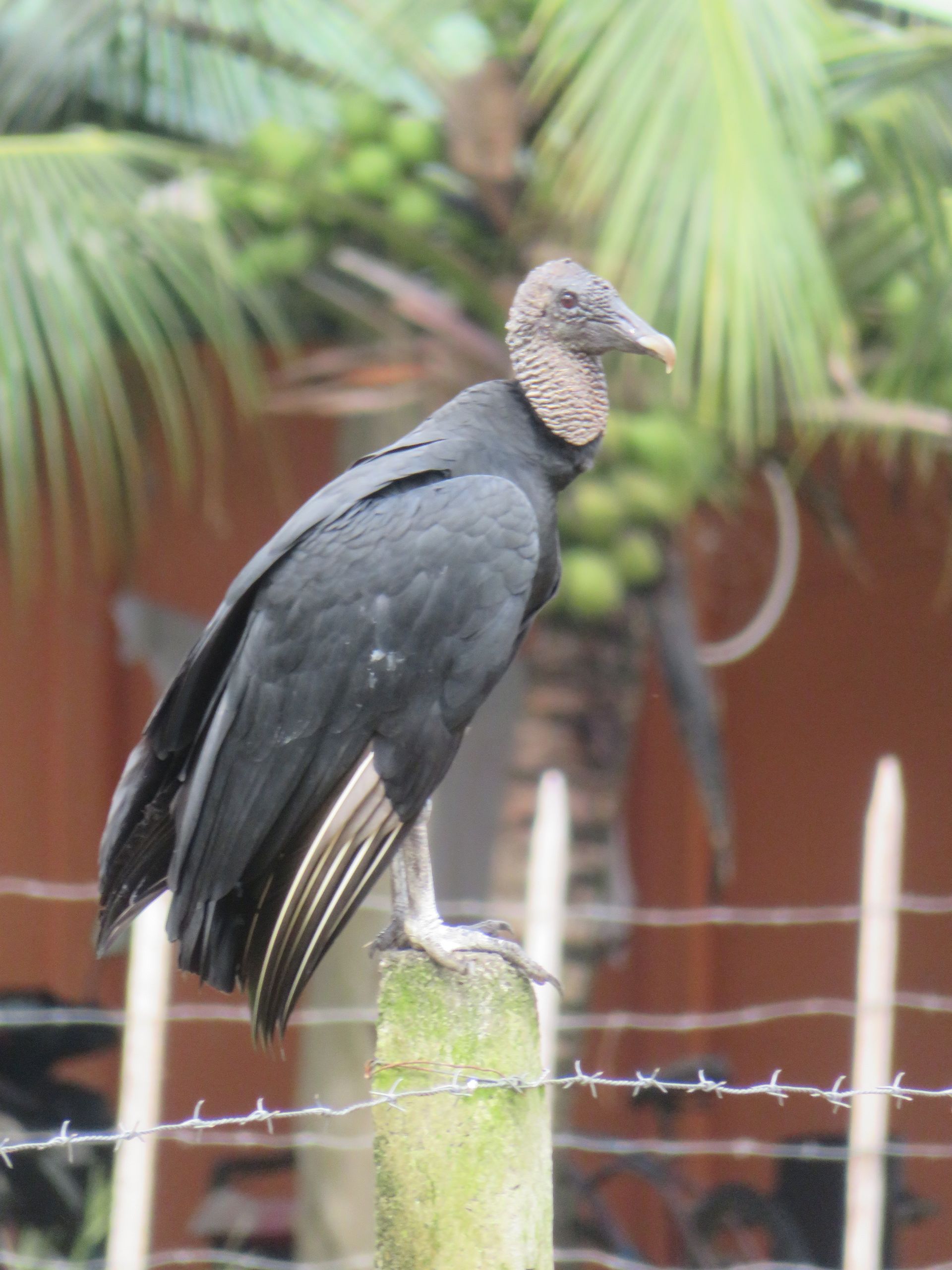
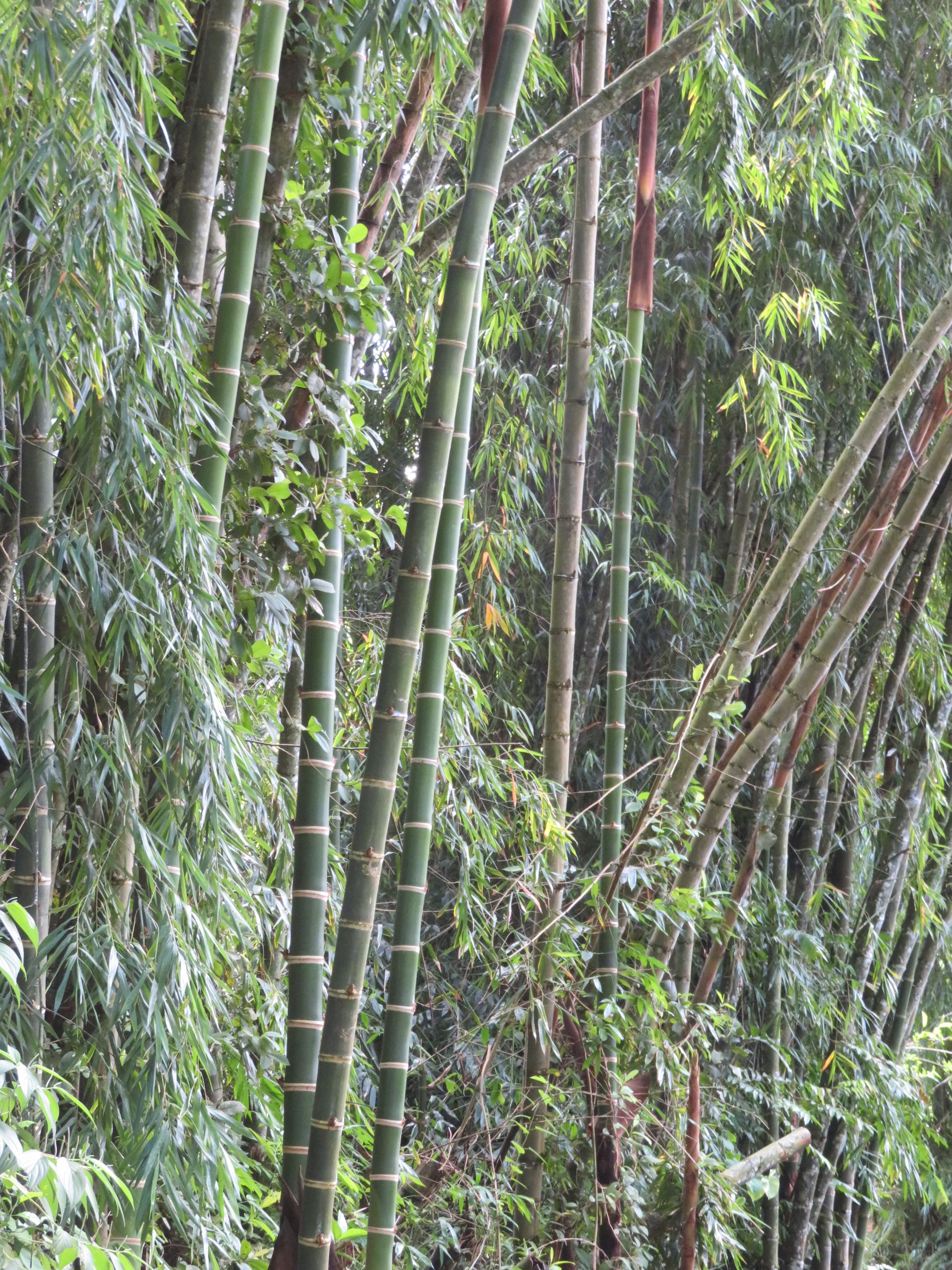
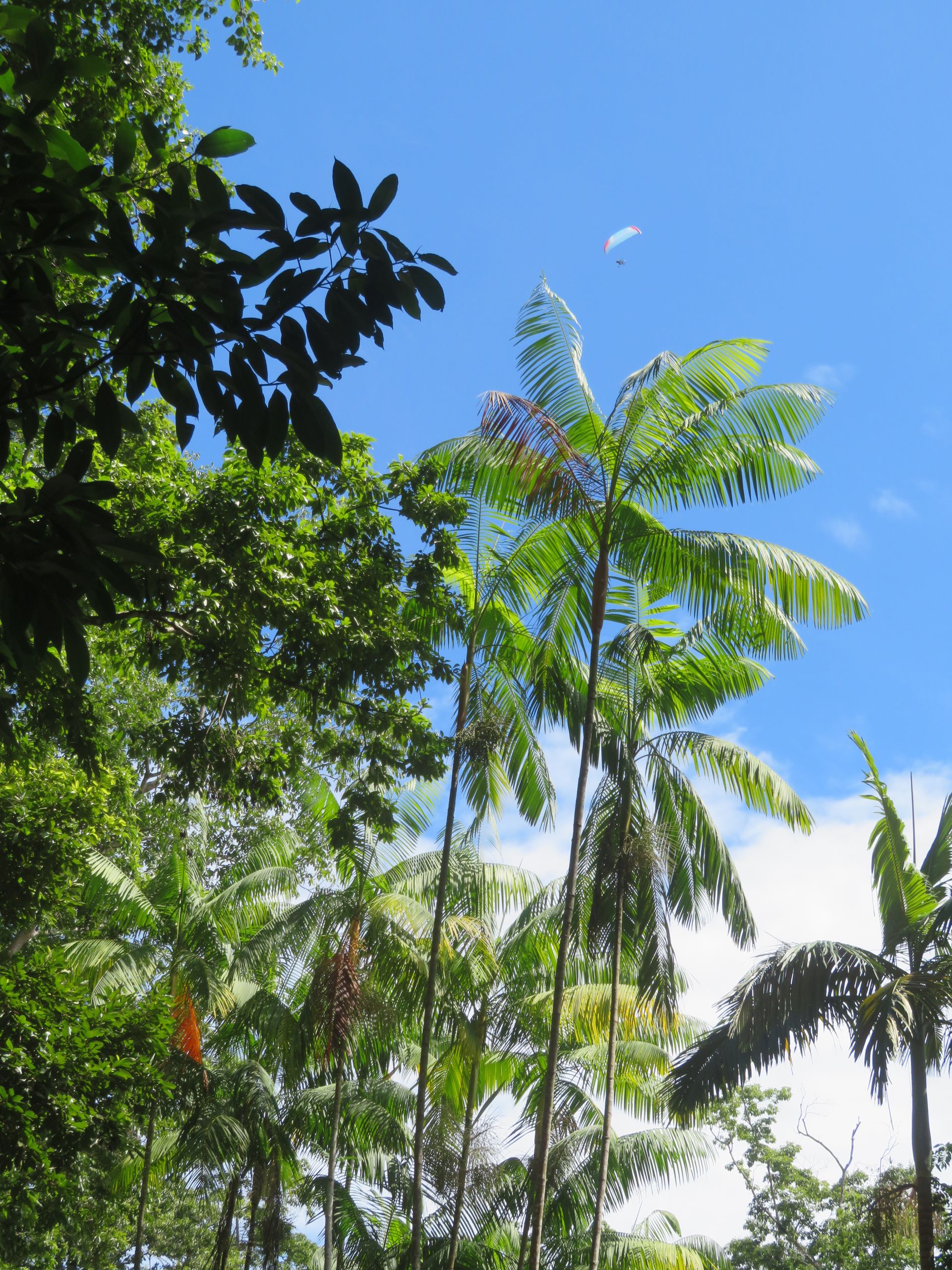
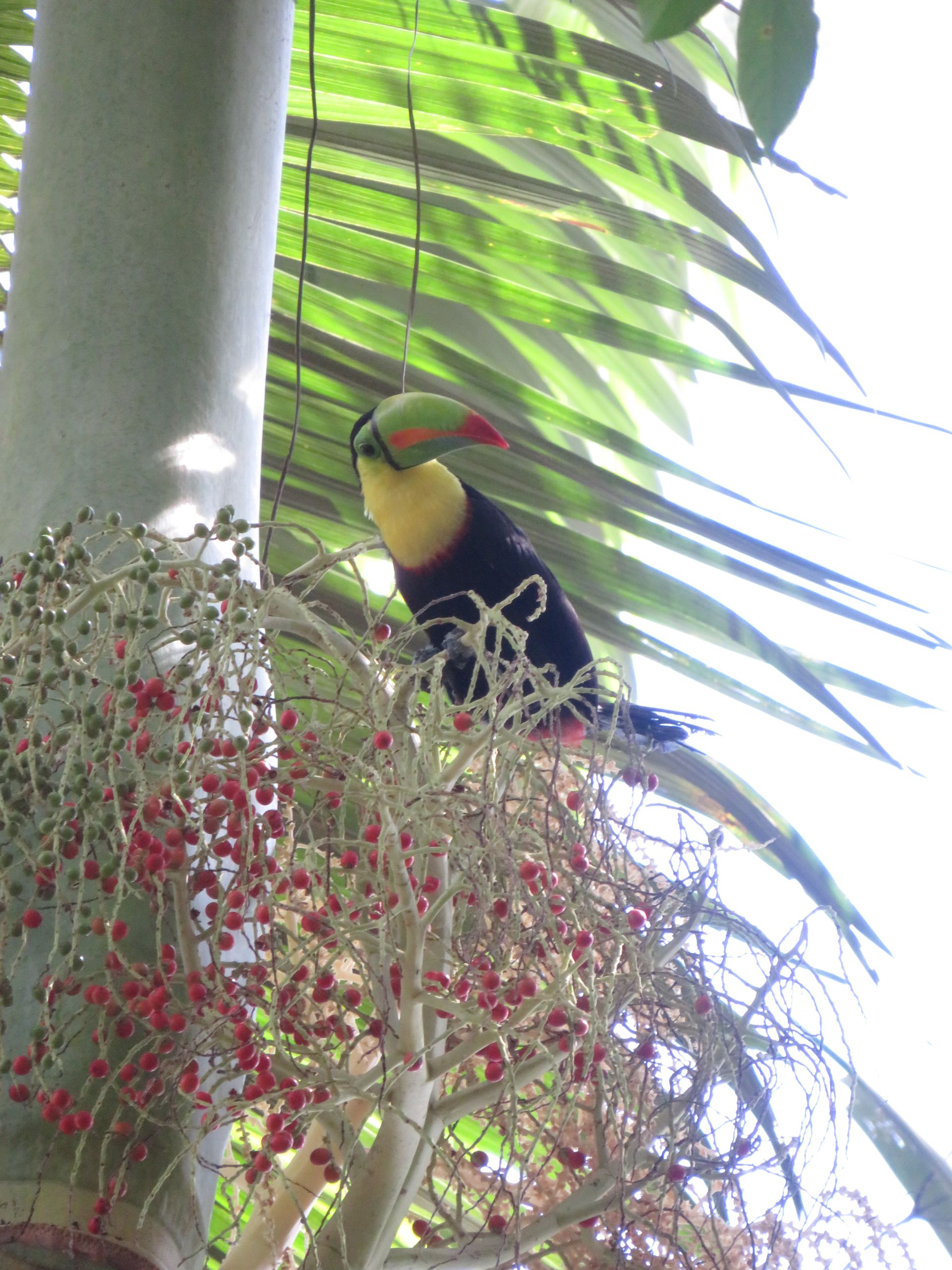
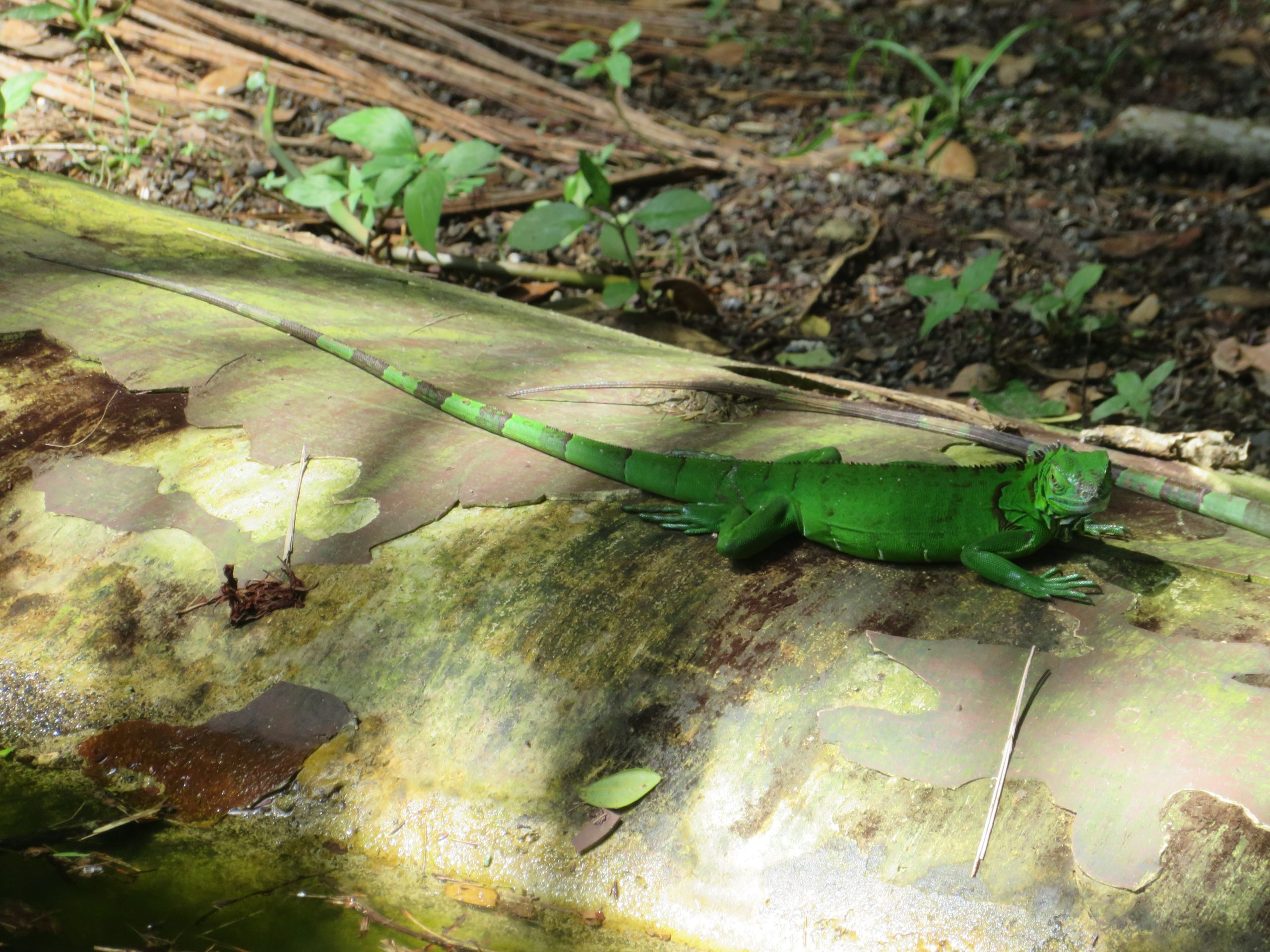
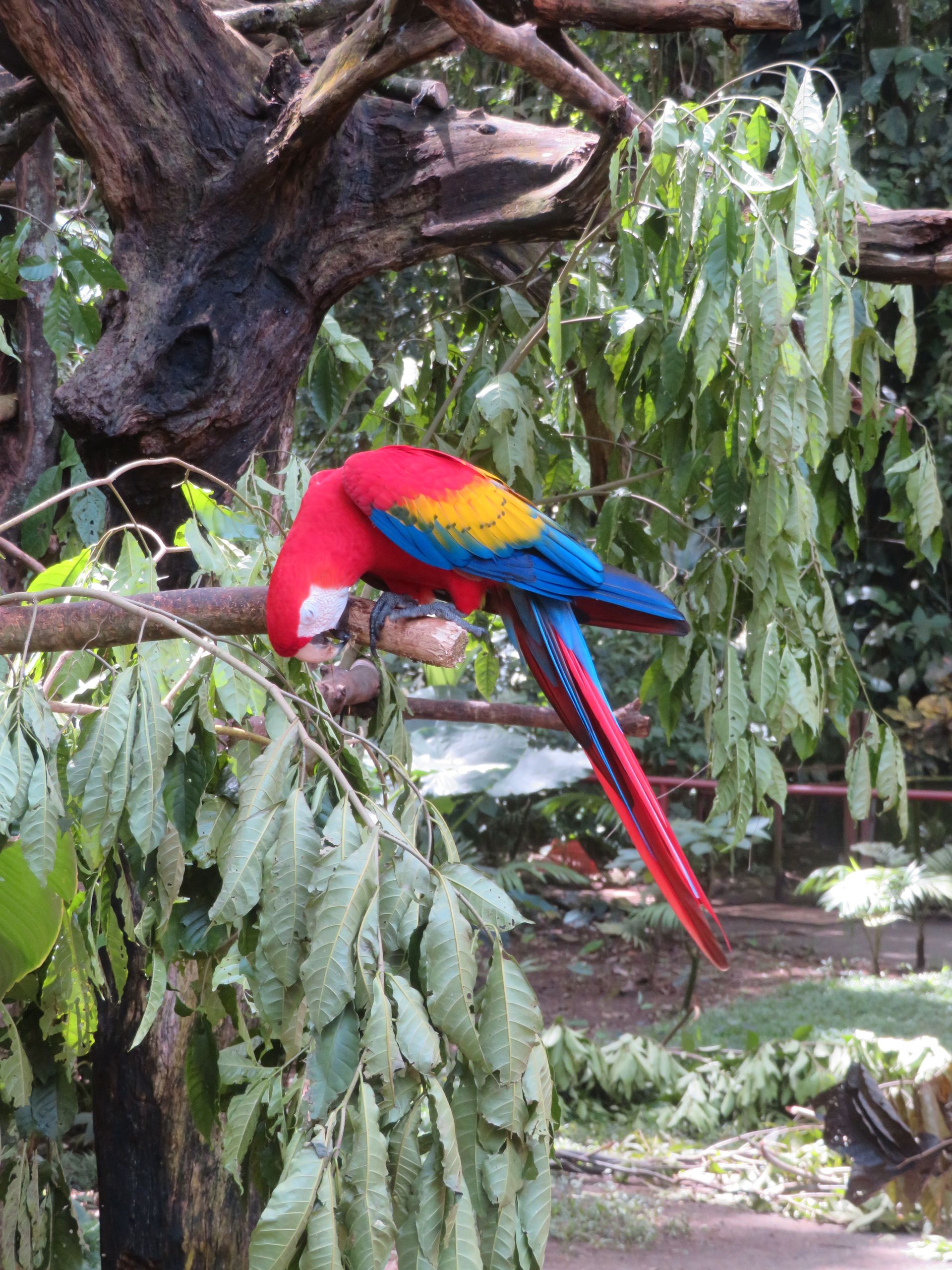
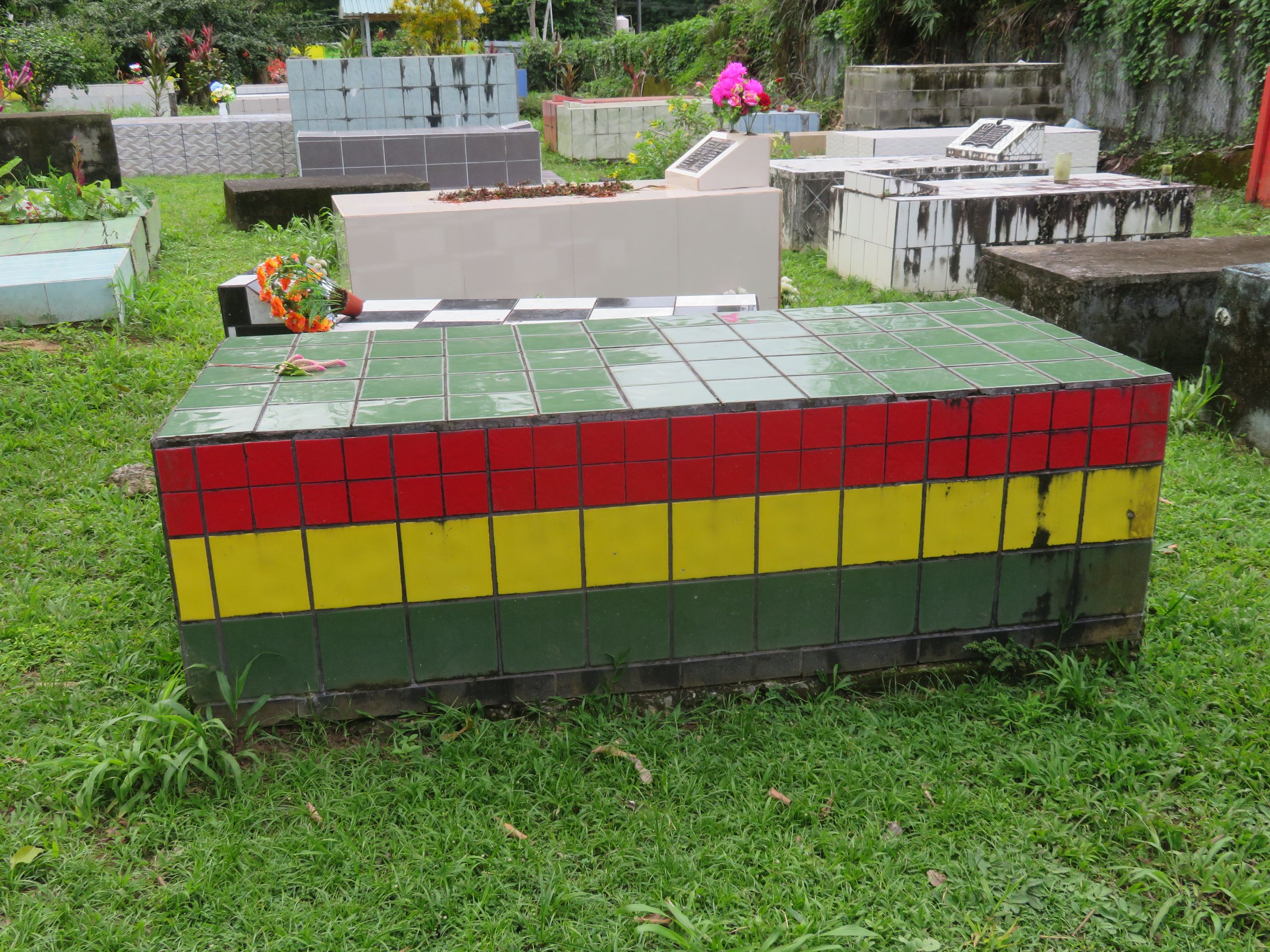
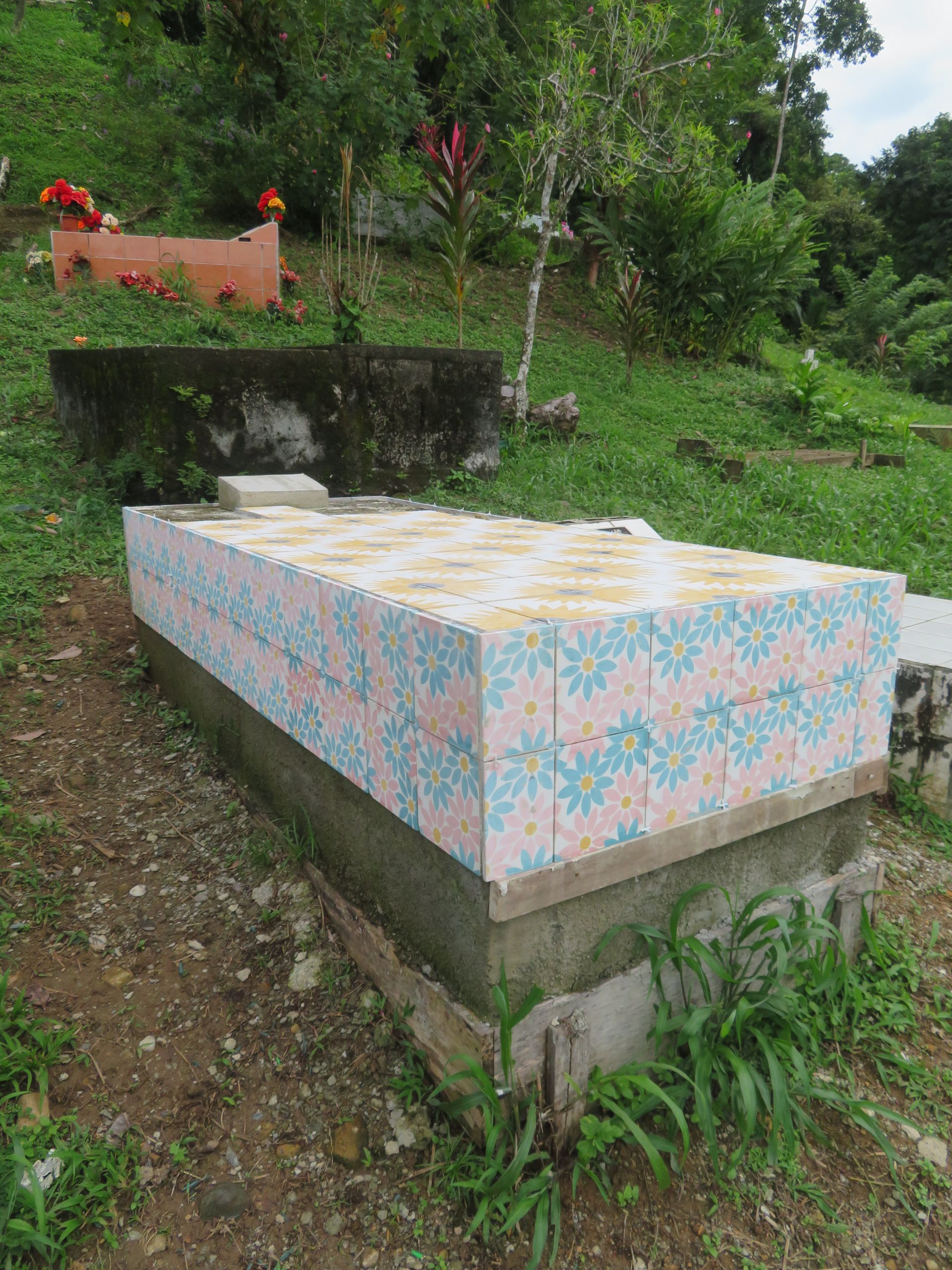
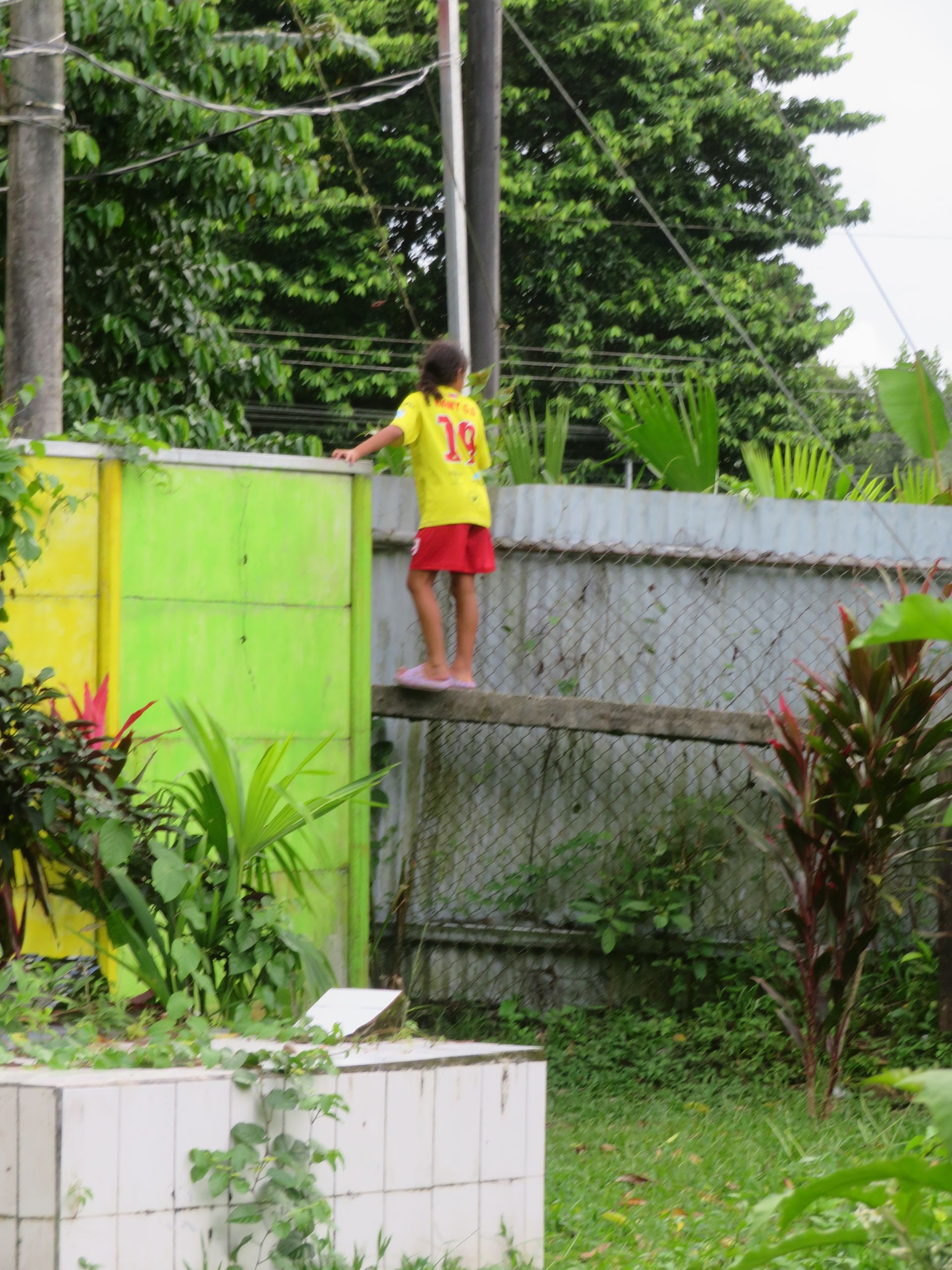
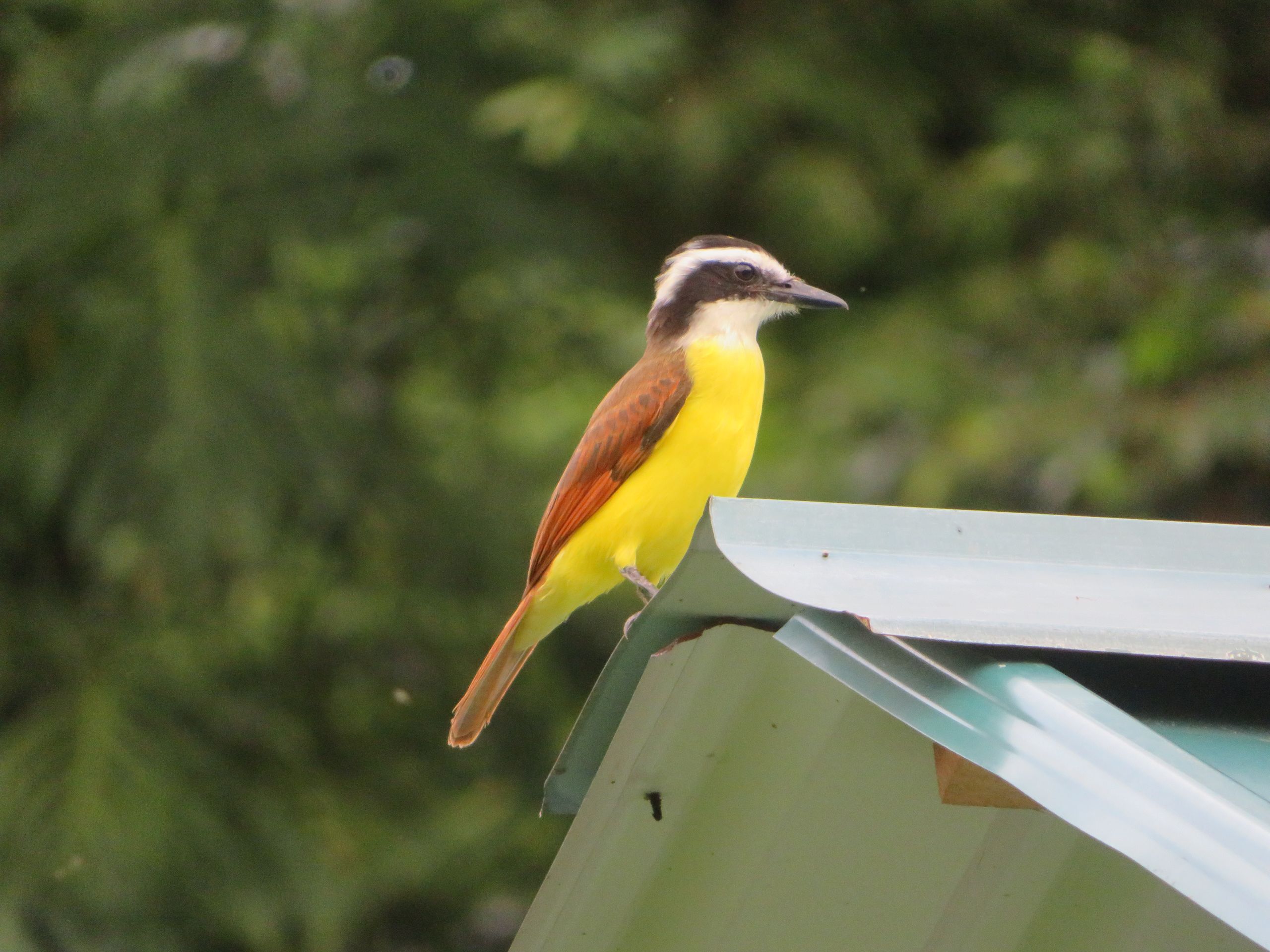
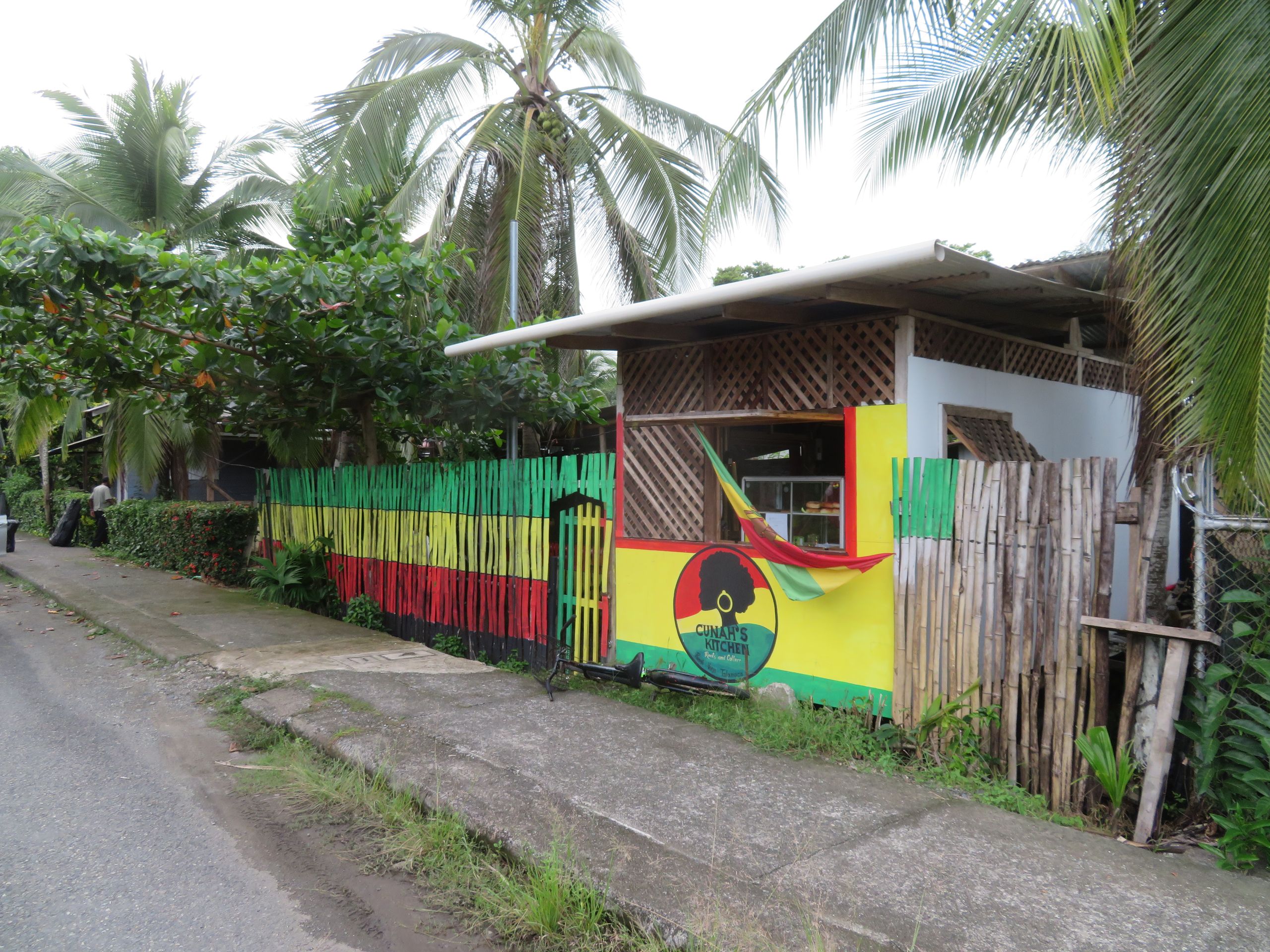
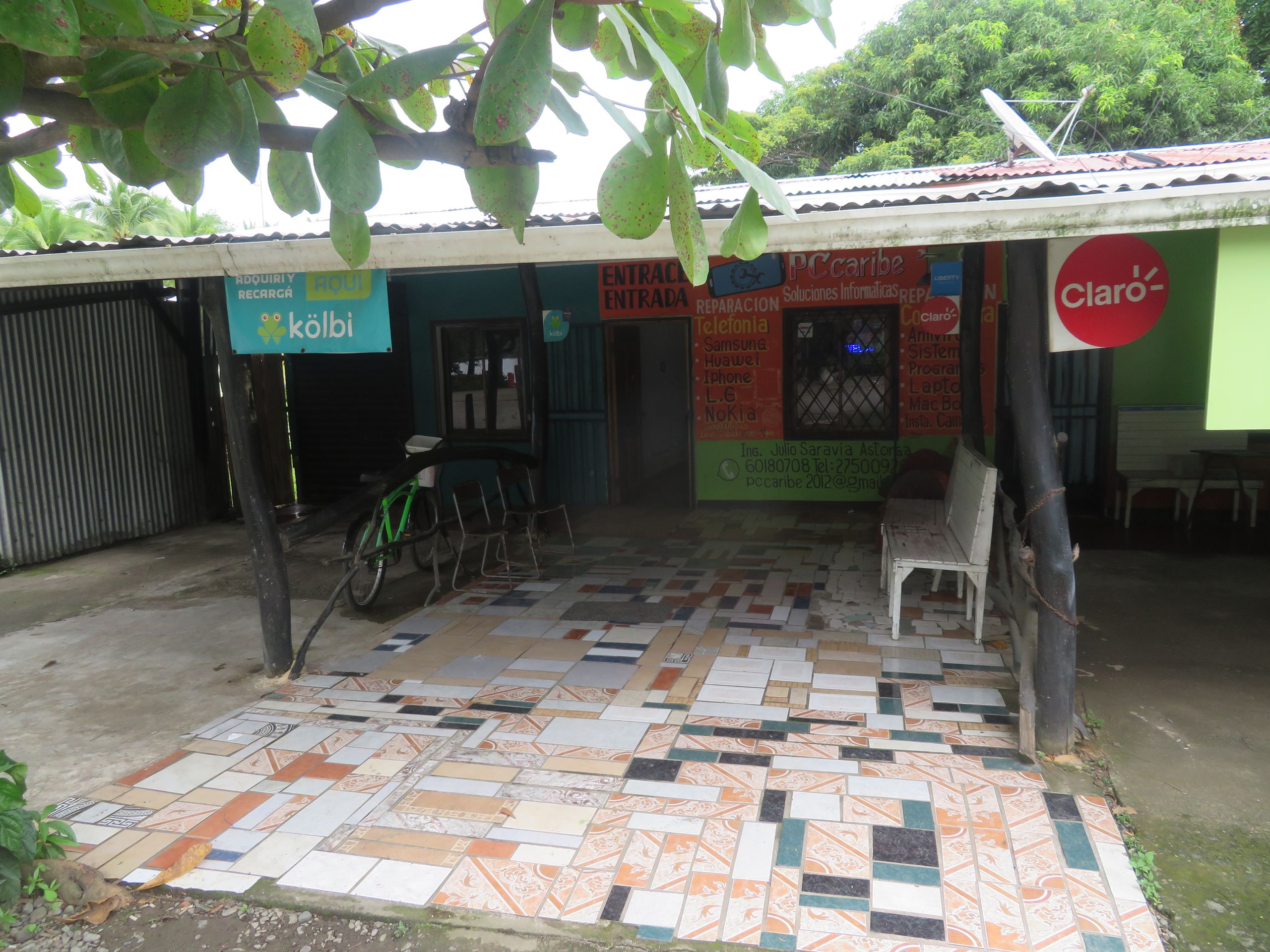
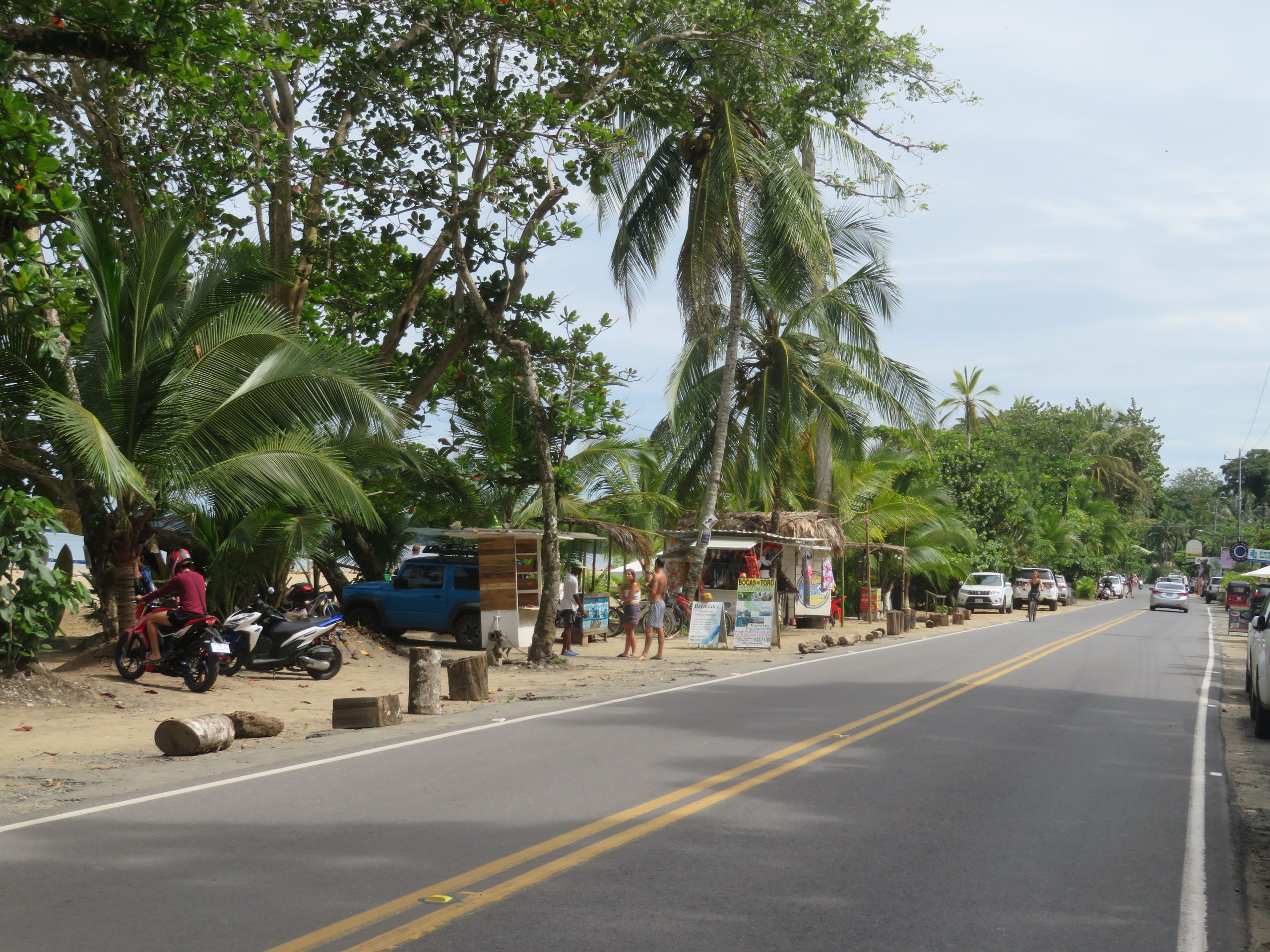
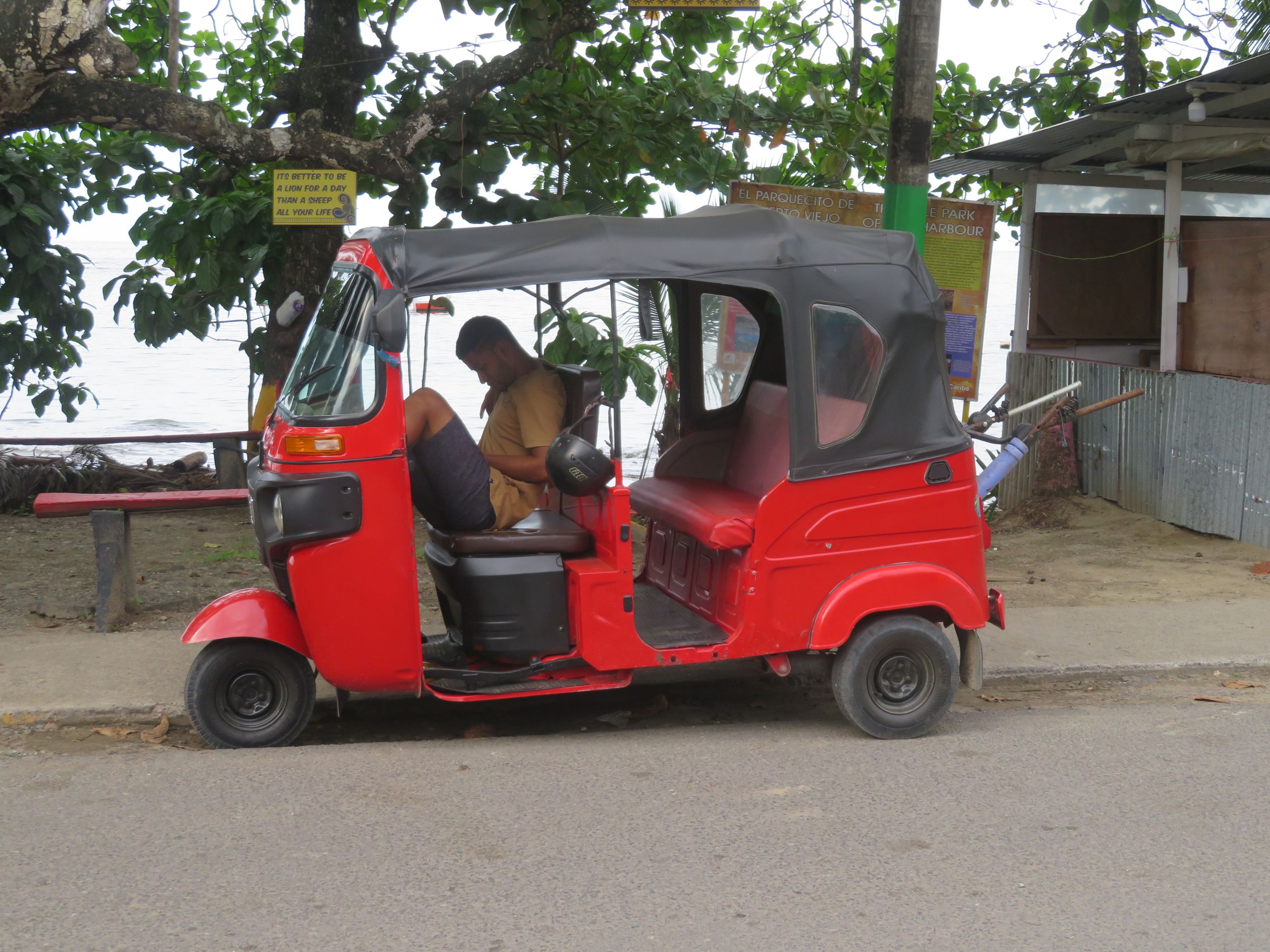
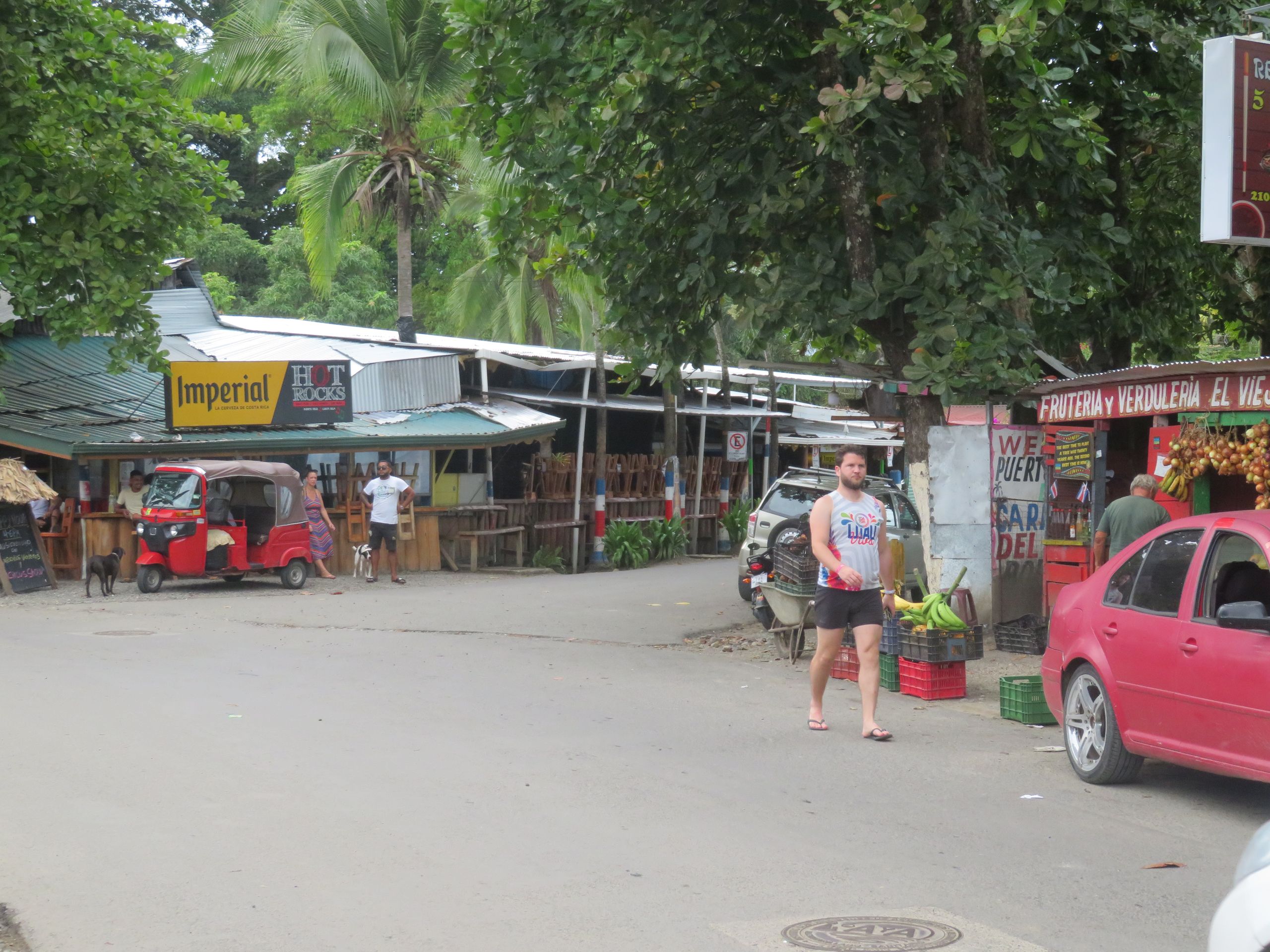
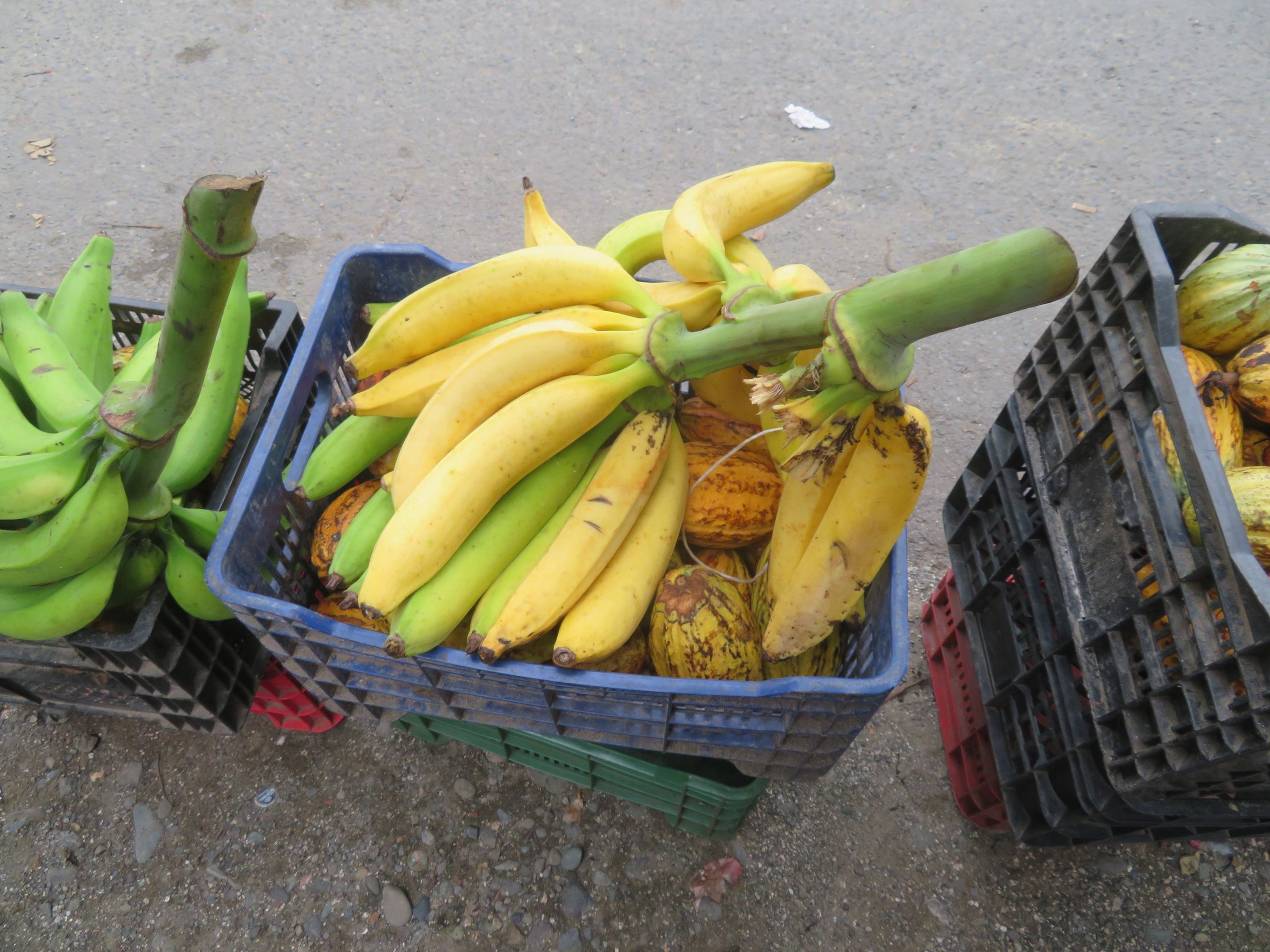
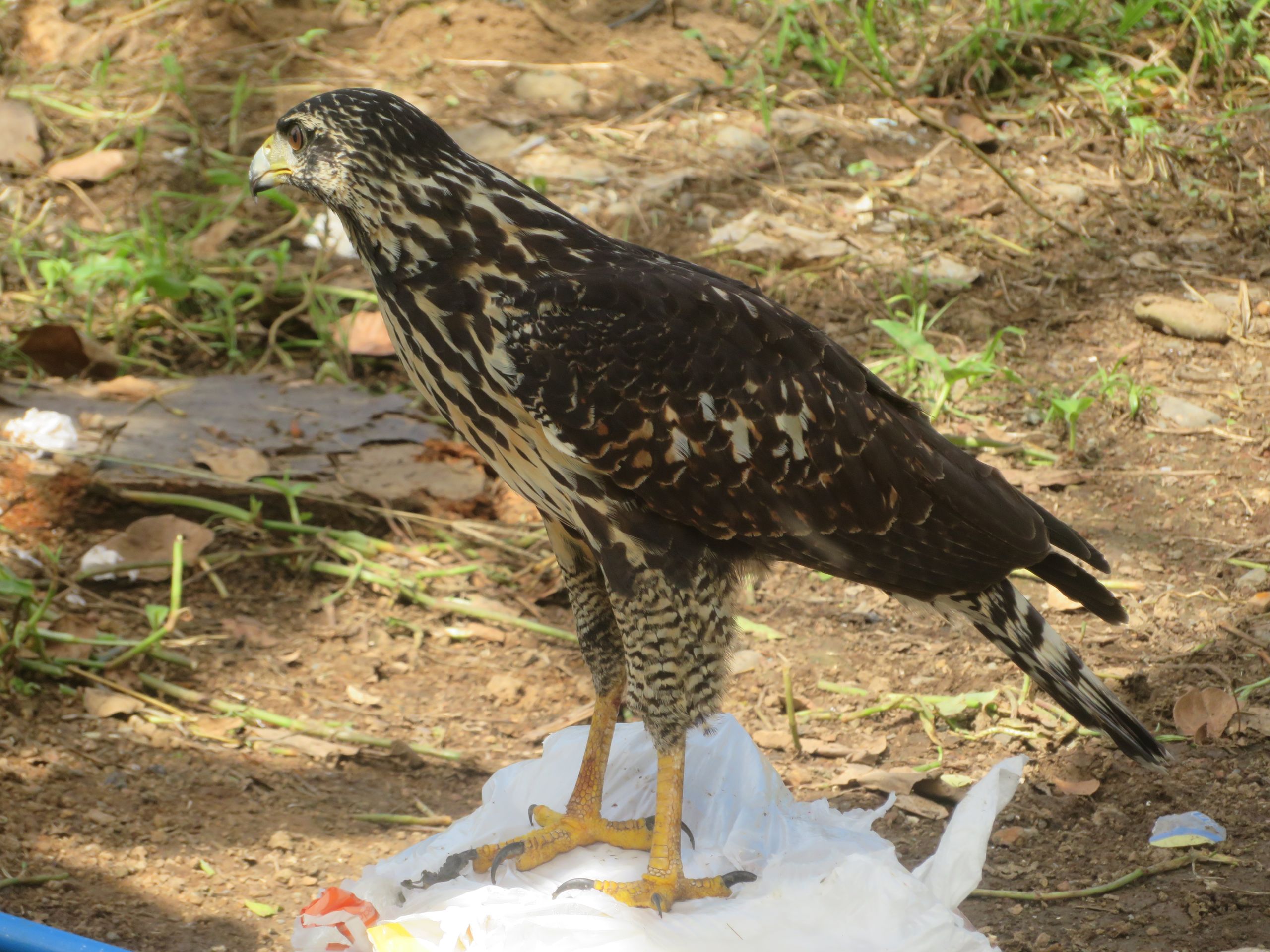
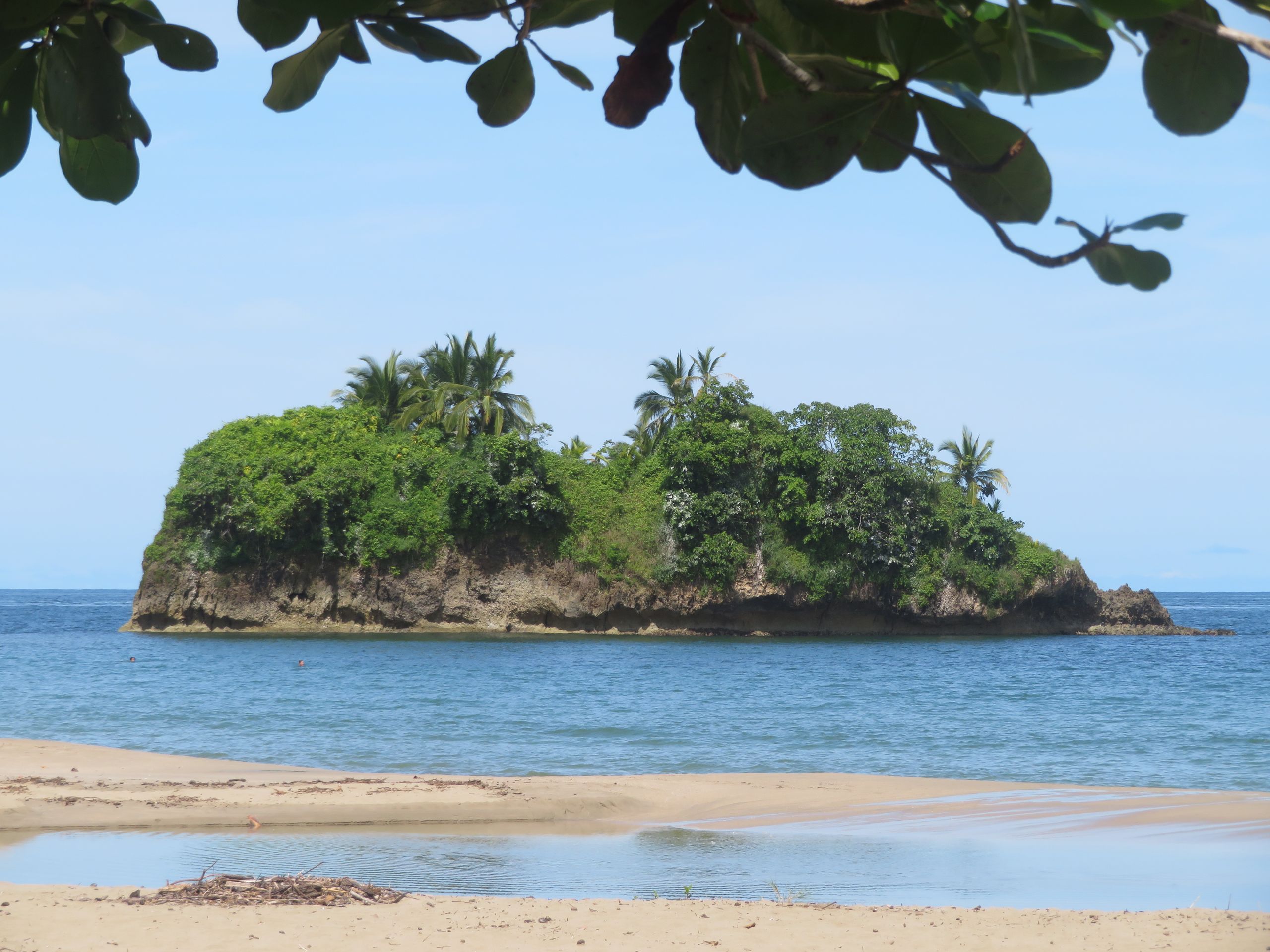
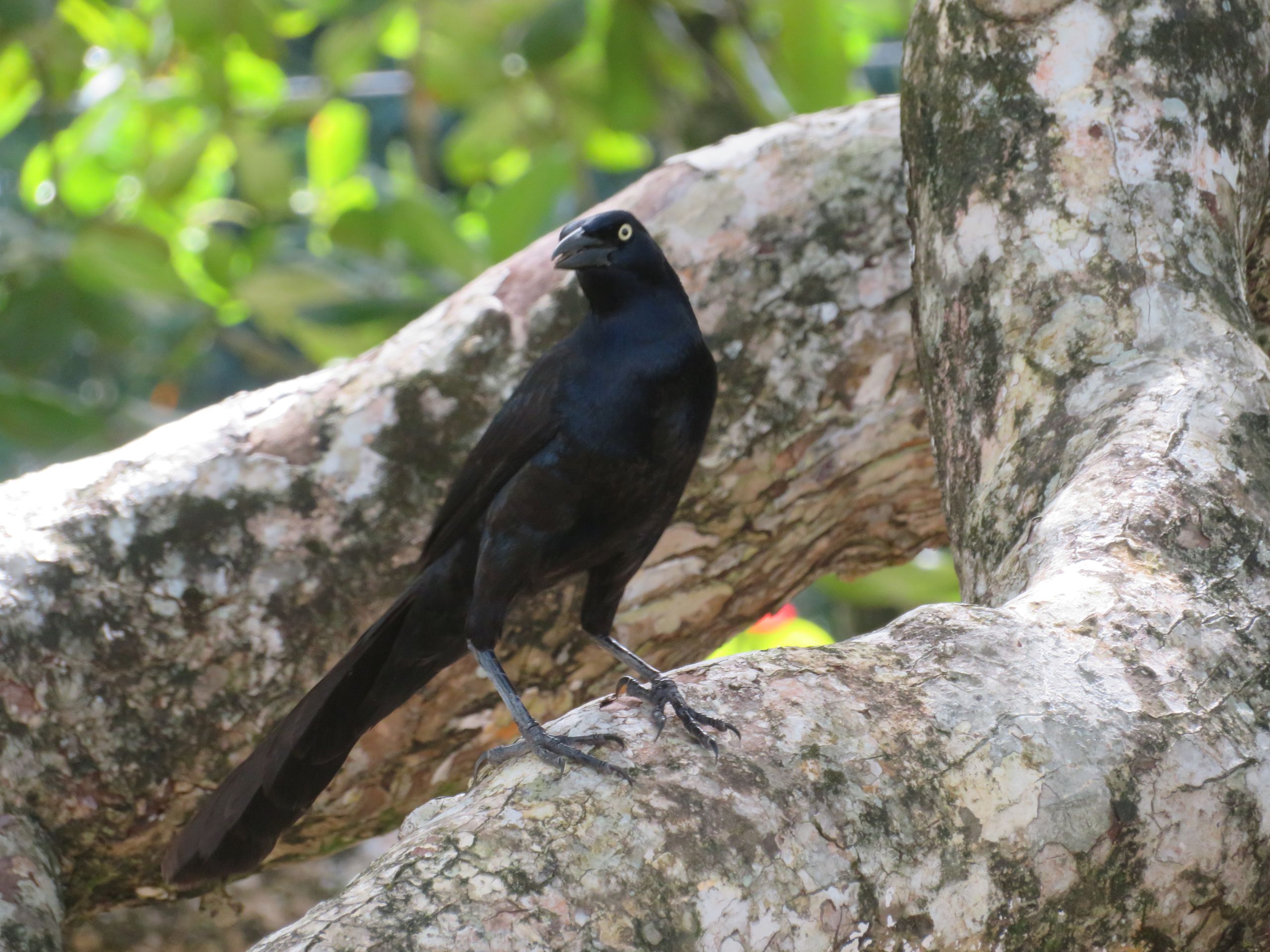
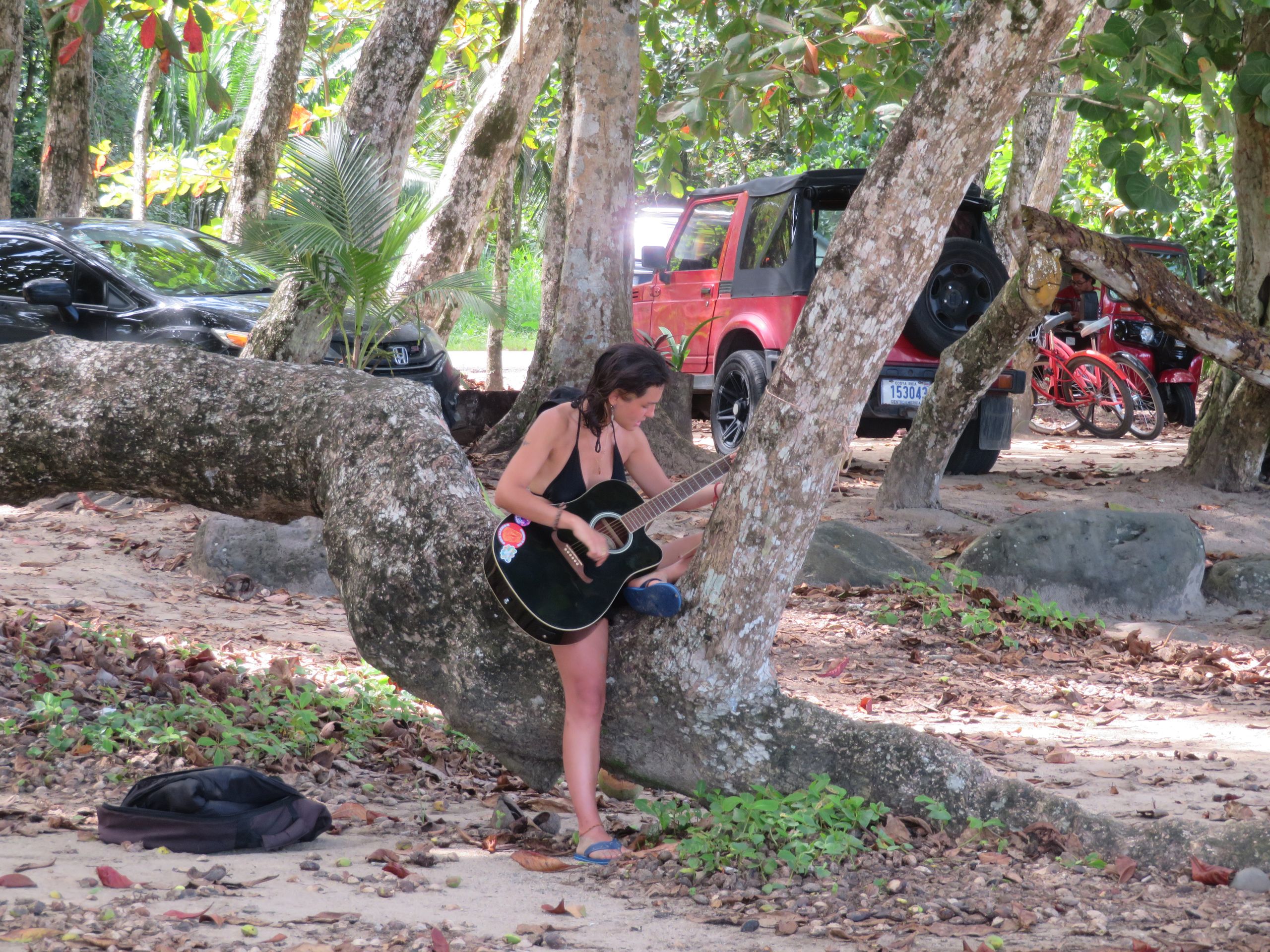
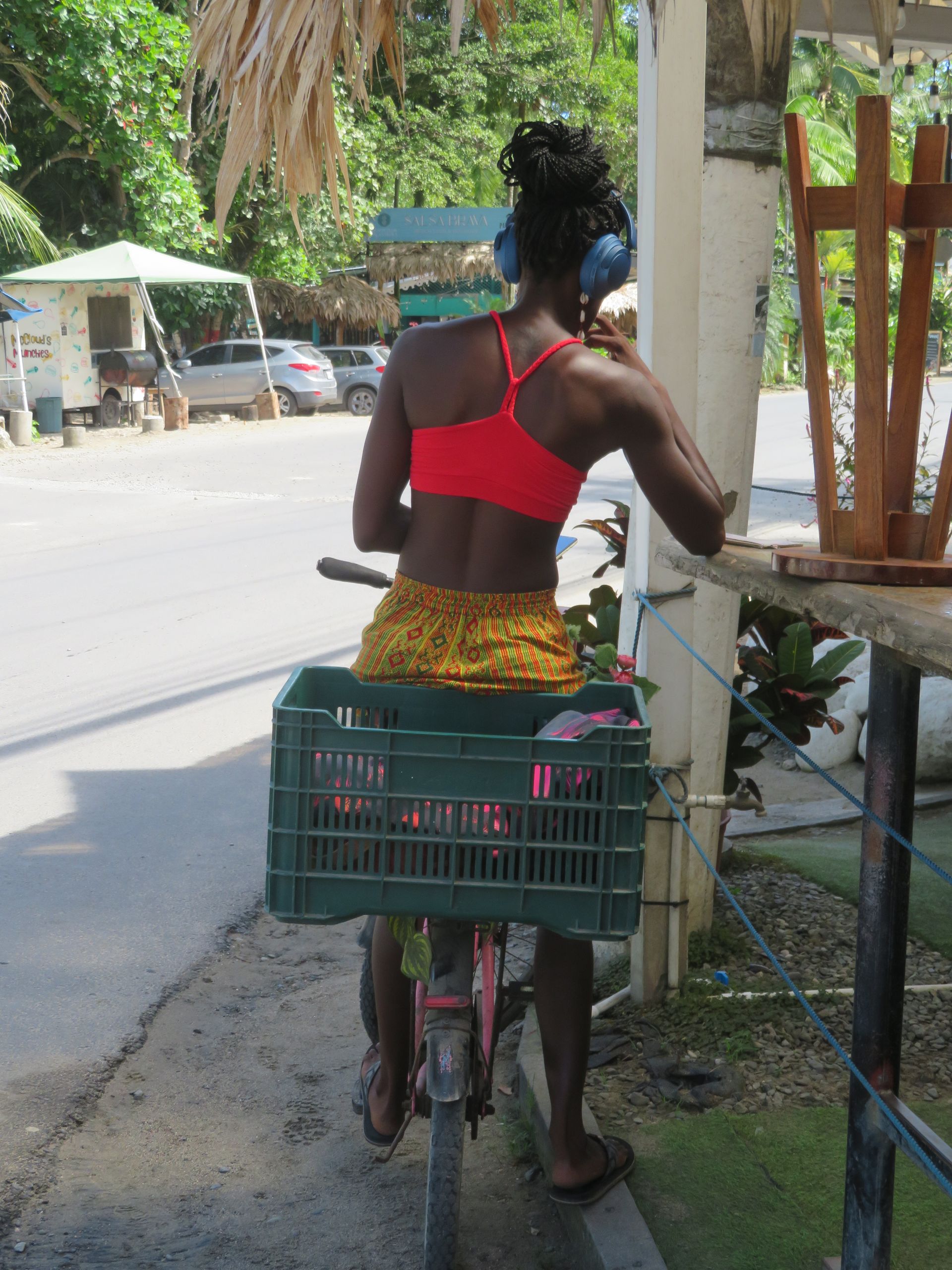
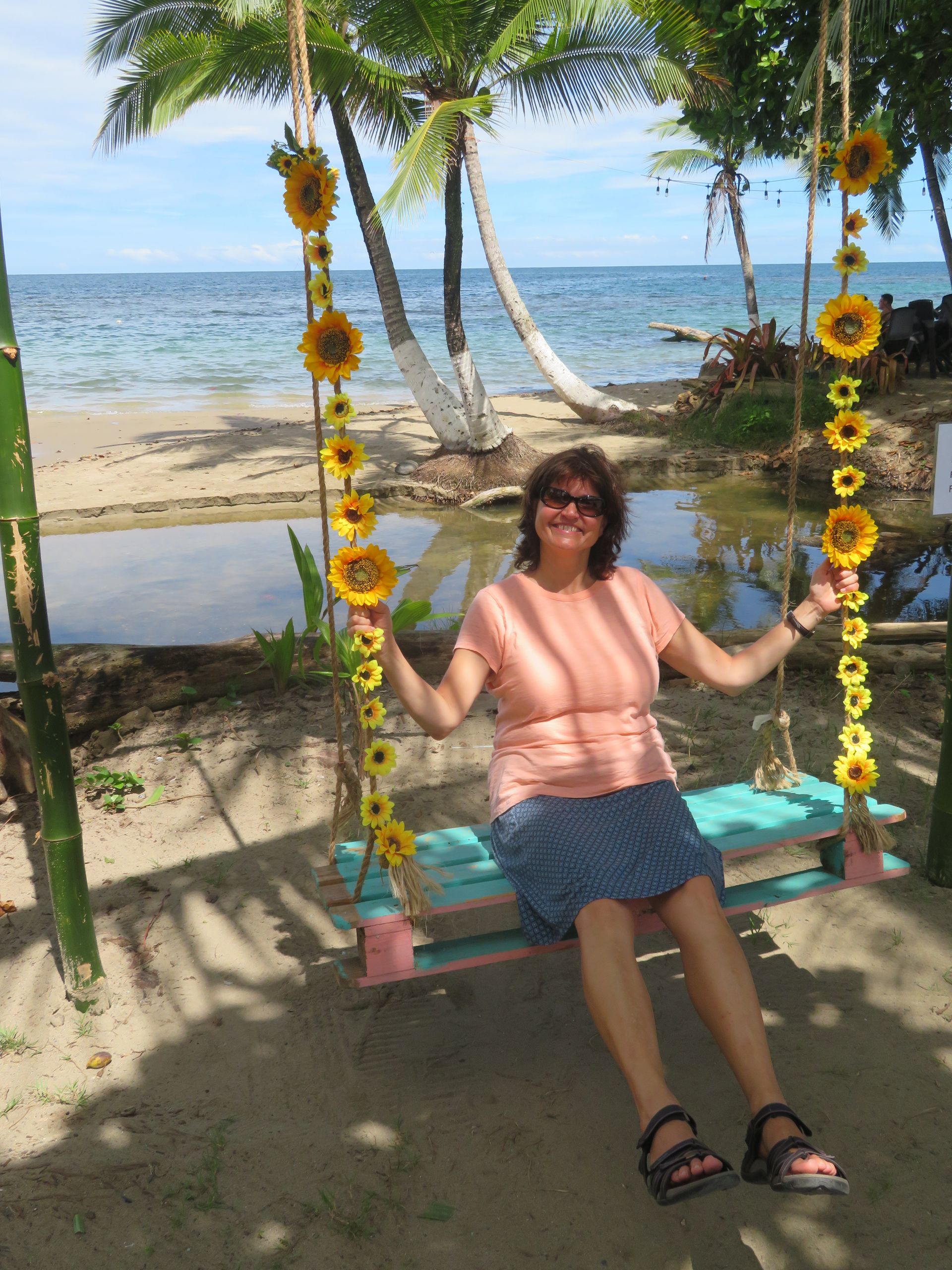
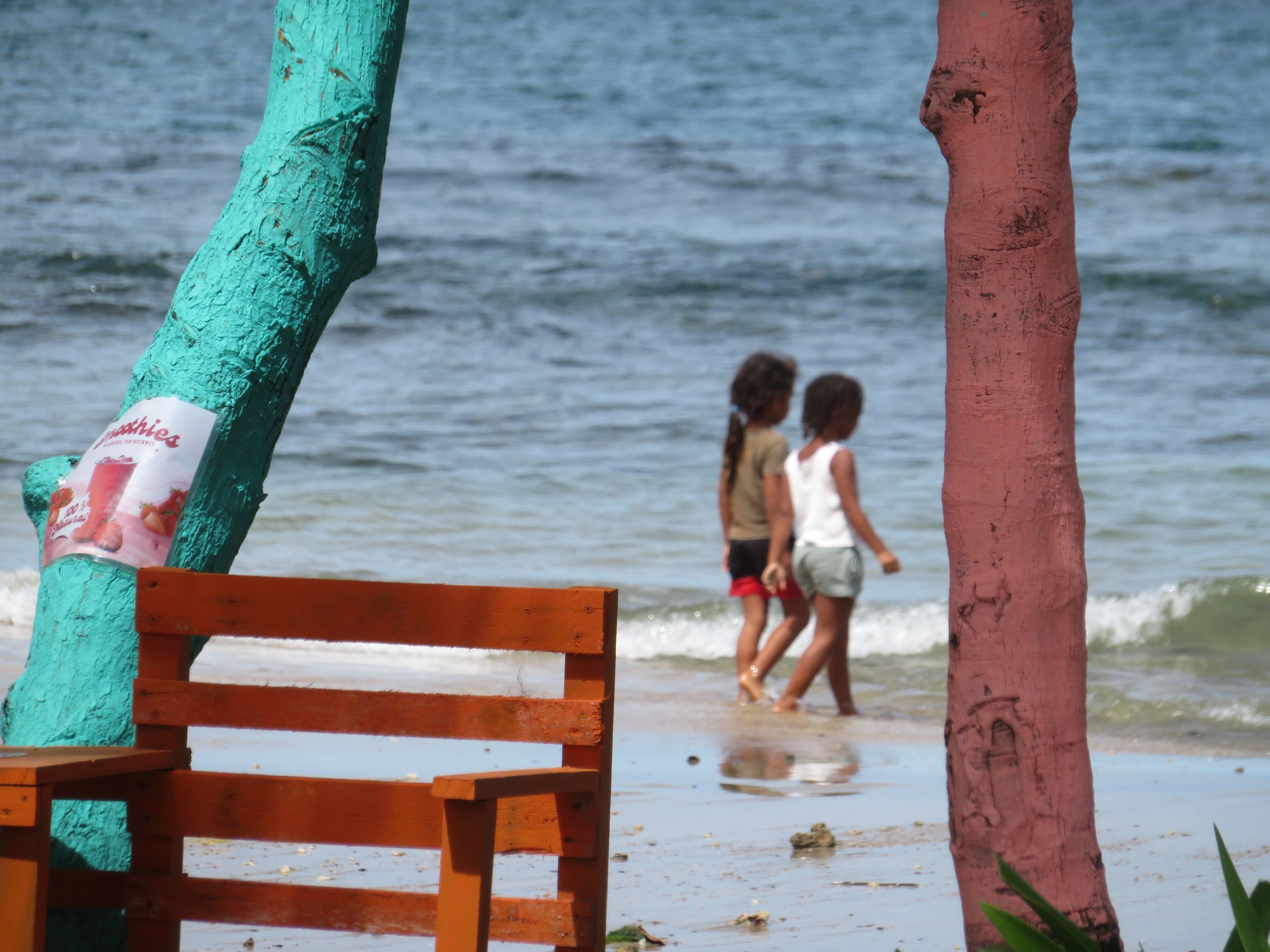
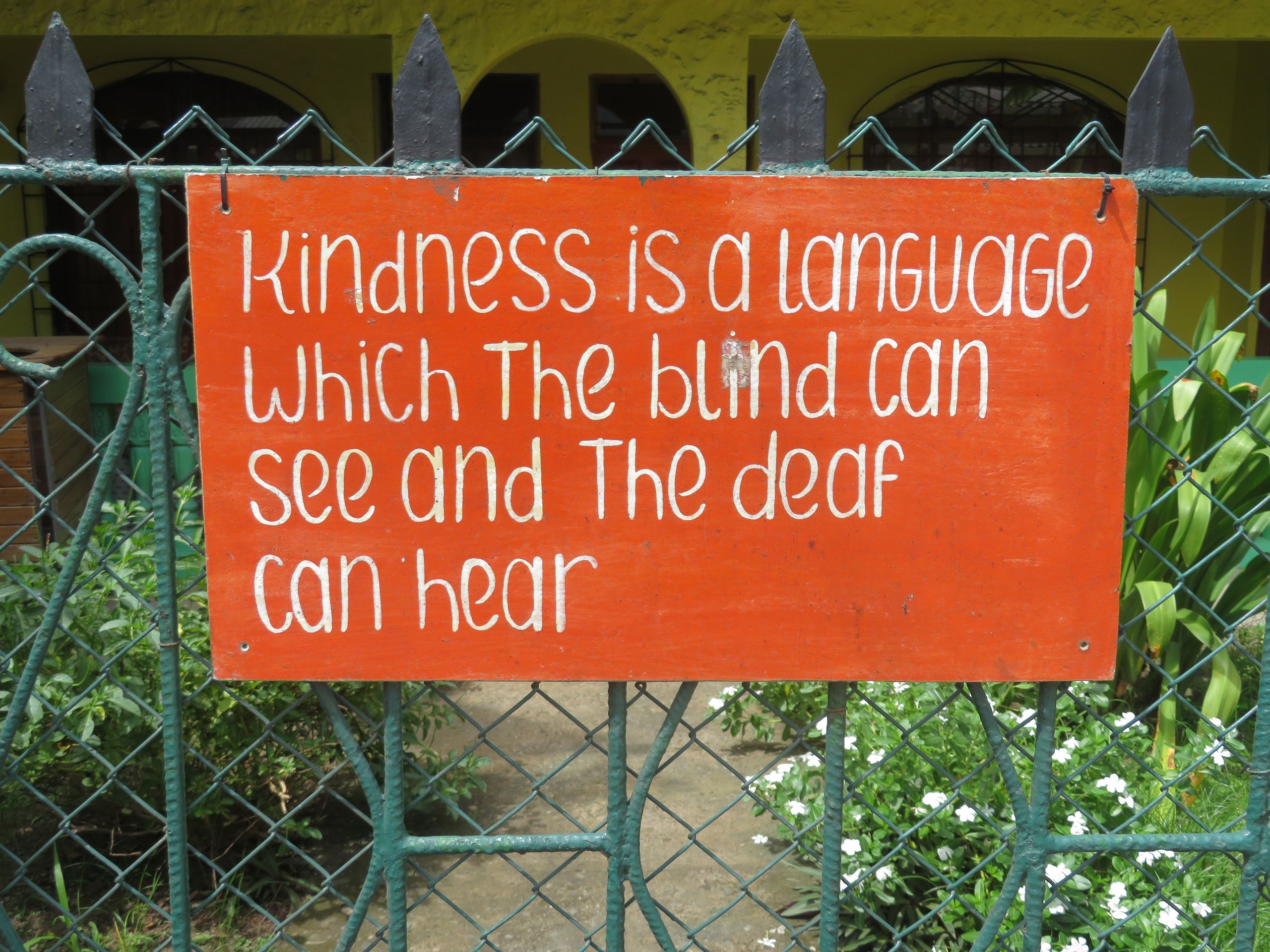
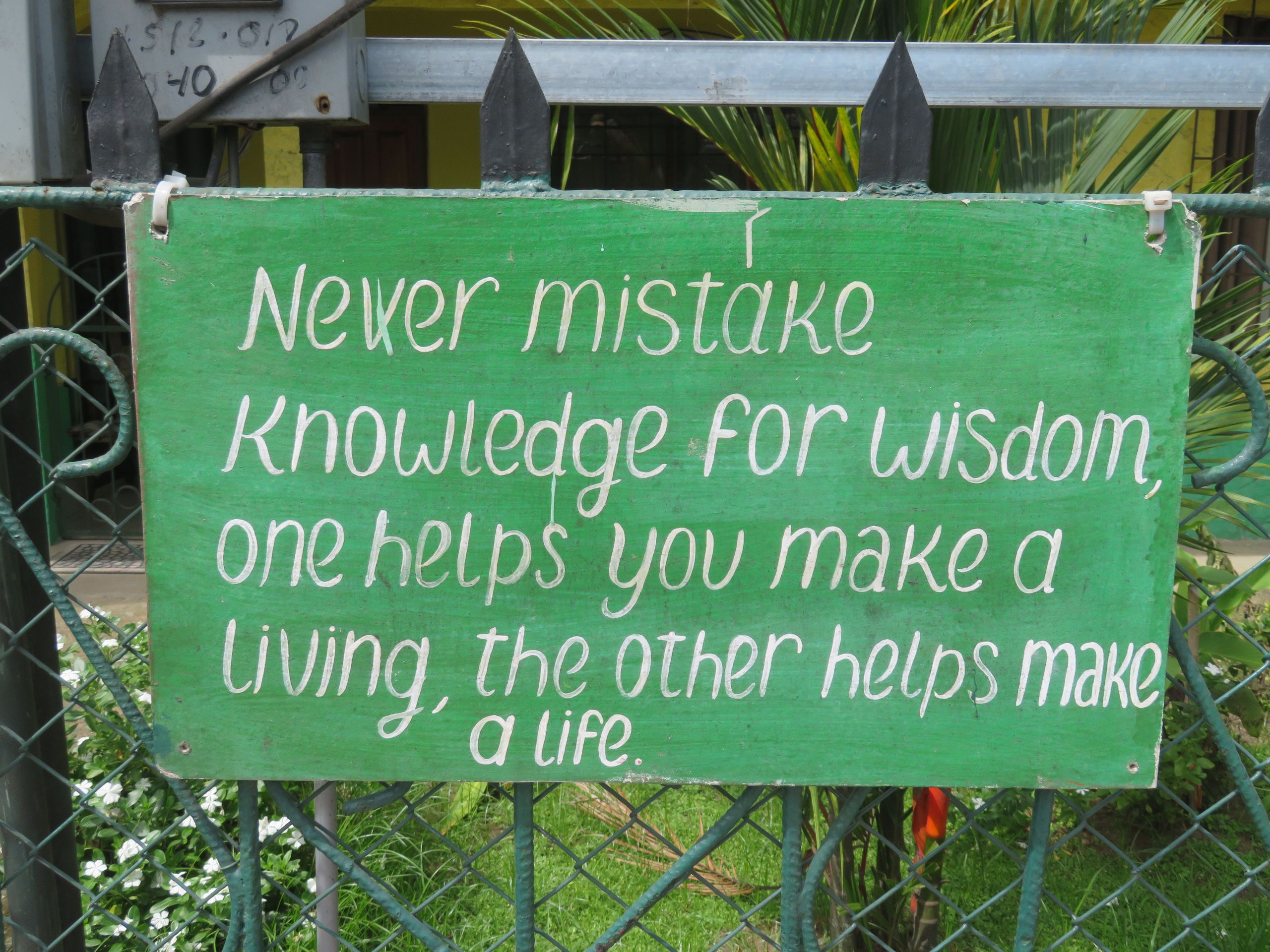
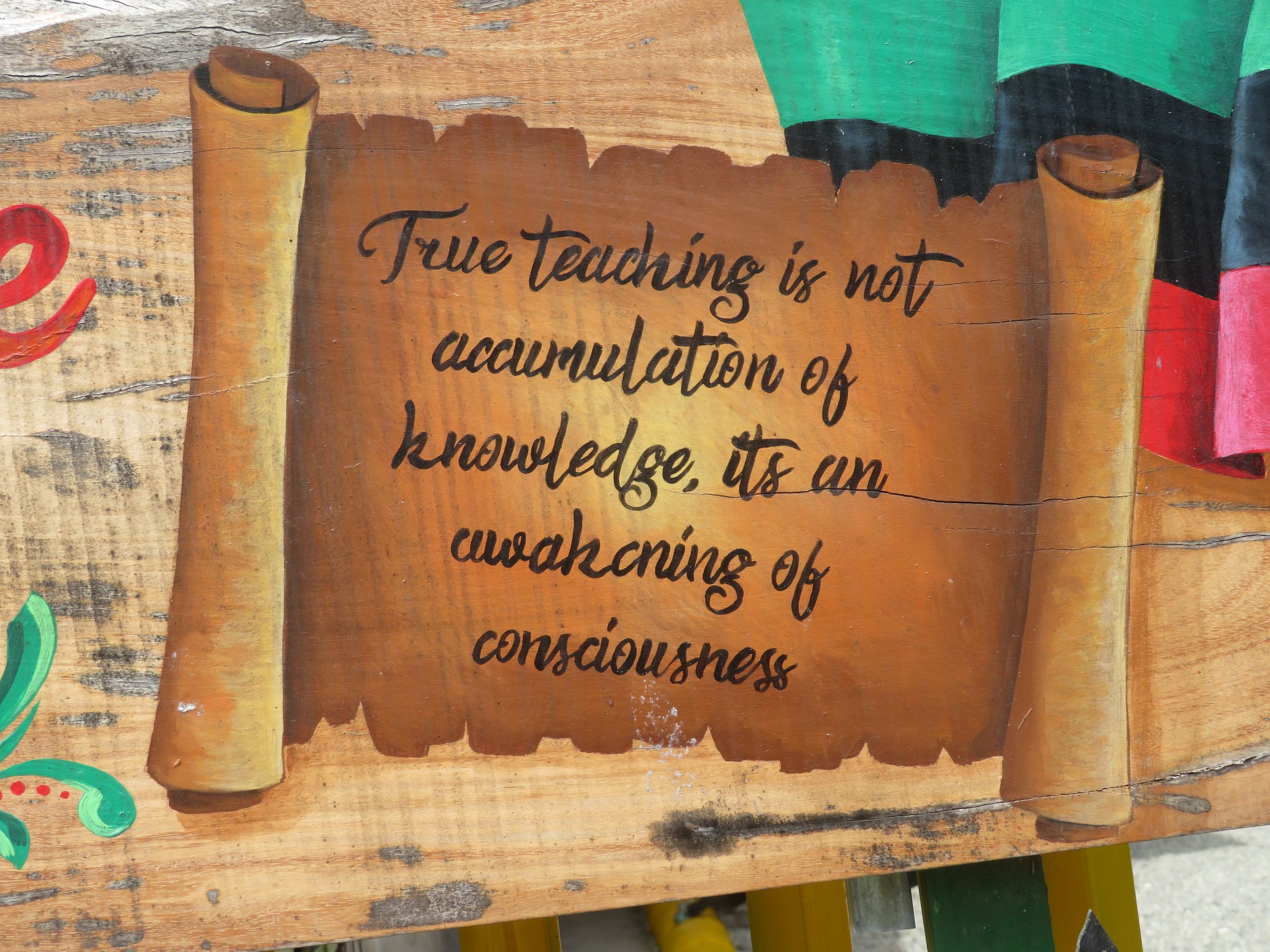
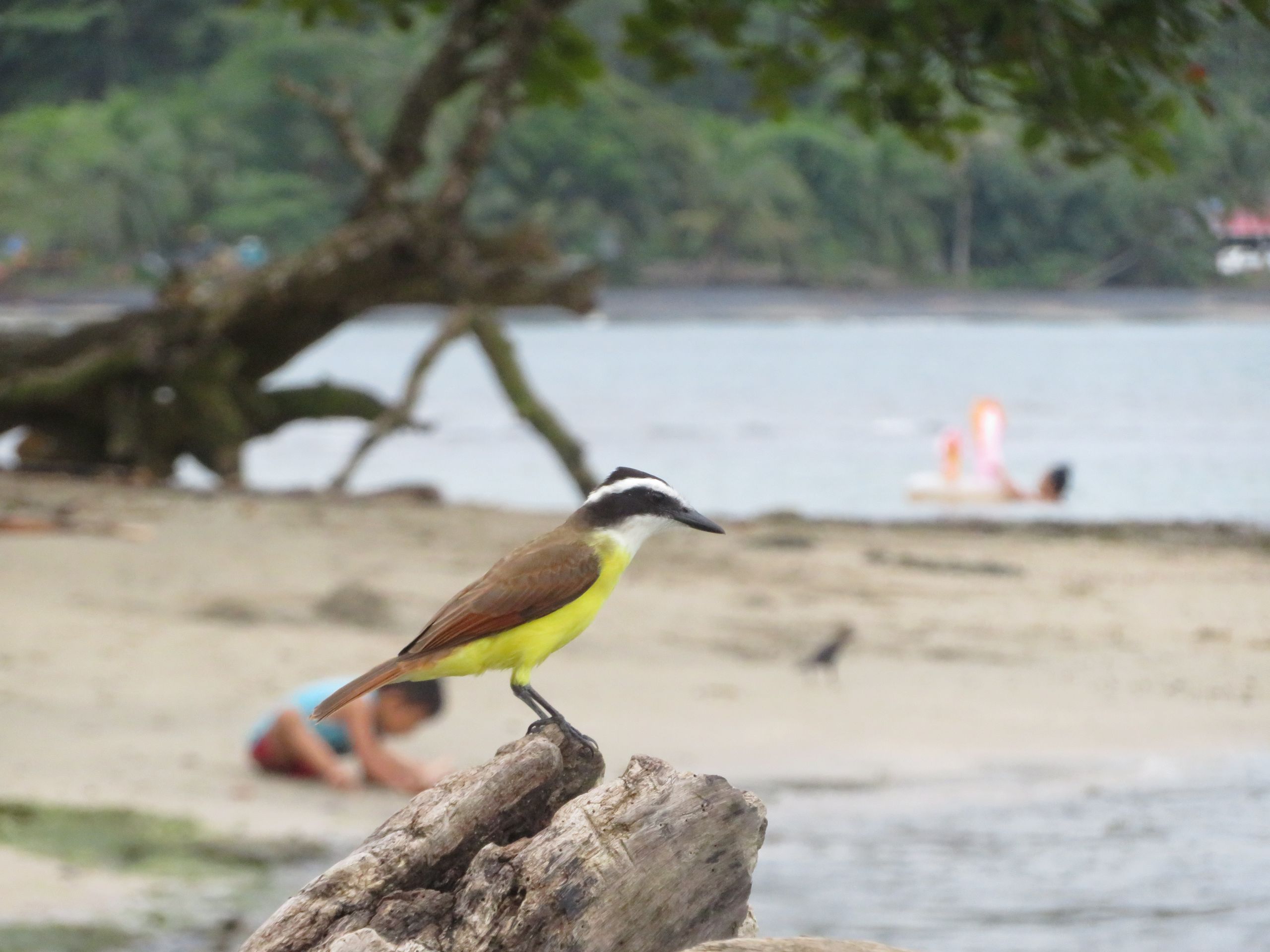
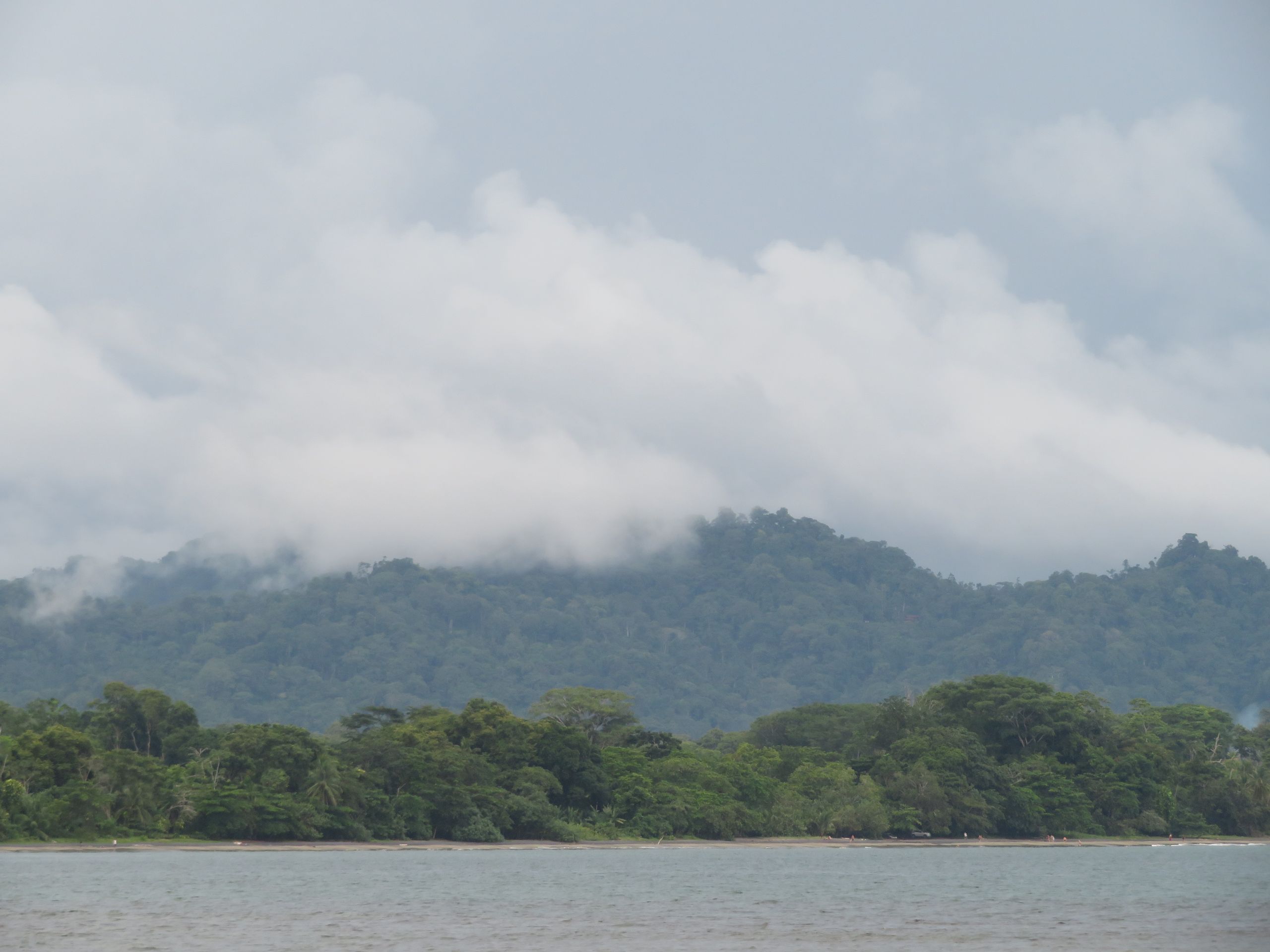
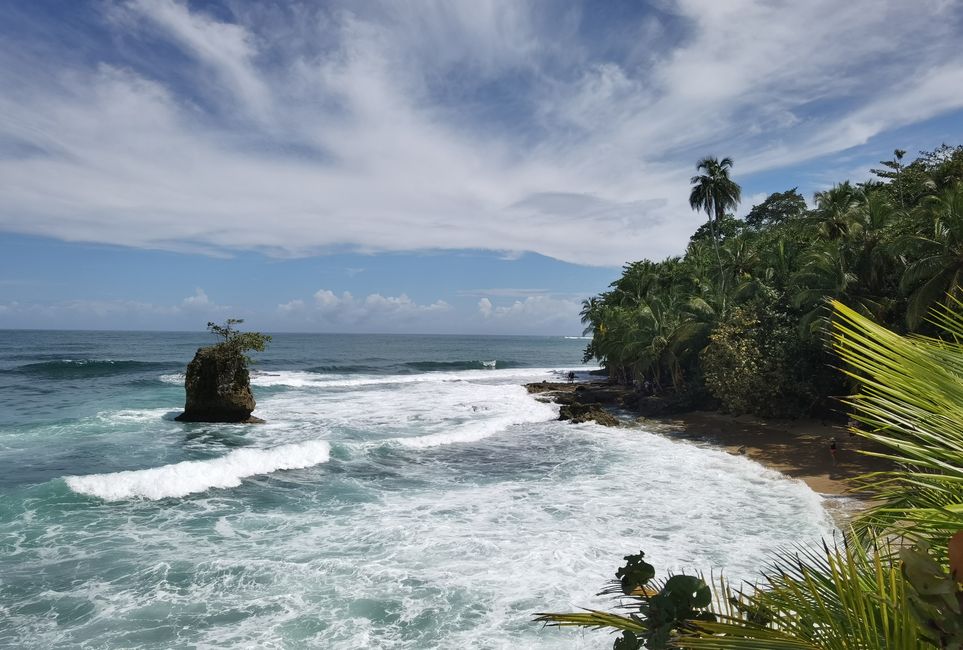
A desire place, according to Duden, is a location where someone's longing hangs. And that's exactly how we feel about Puerto Viejo since we traveled there for the first time 2.5 years ago. This charming and particularly laid-back place on the Caribbean coast, with its friendly people, Caribbean vibes, interesting shops, small boutiques, bright colors, delicious and diverse fruits and vegetables, fantastic beaches, dense rainforest with howler monkey concerts, its incredibly beautiful butterflies, and colorful, melodic birds! All of this sounds like, if not a paradise, at least a desire place for many people. Therefore, many people move here in search of their fortune. These dropouts often differ significantly from US package tourists on the Pacific coast. Puerto Viejo often attracts people who are drawn to the reggae atmosphere that prevails here. The atmosphere of the place makes it quite distinct from the rest of Costa Rica. However, emigrating is out of the question for us. We are content to have experienced this place twice and to dream about it for the rest of our lives and thrive on our dreams.
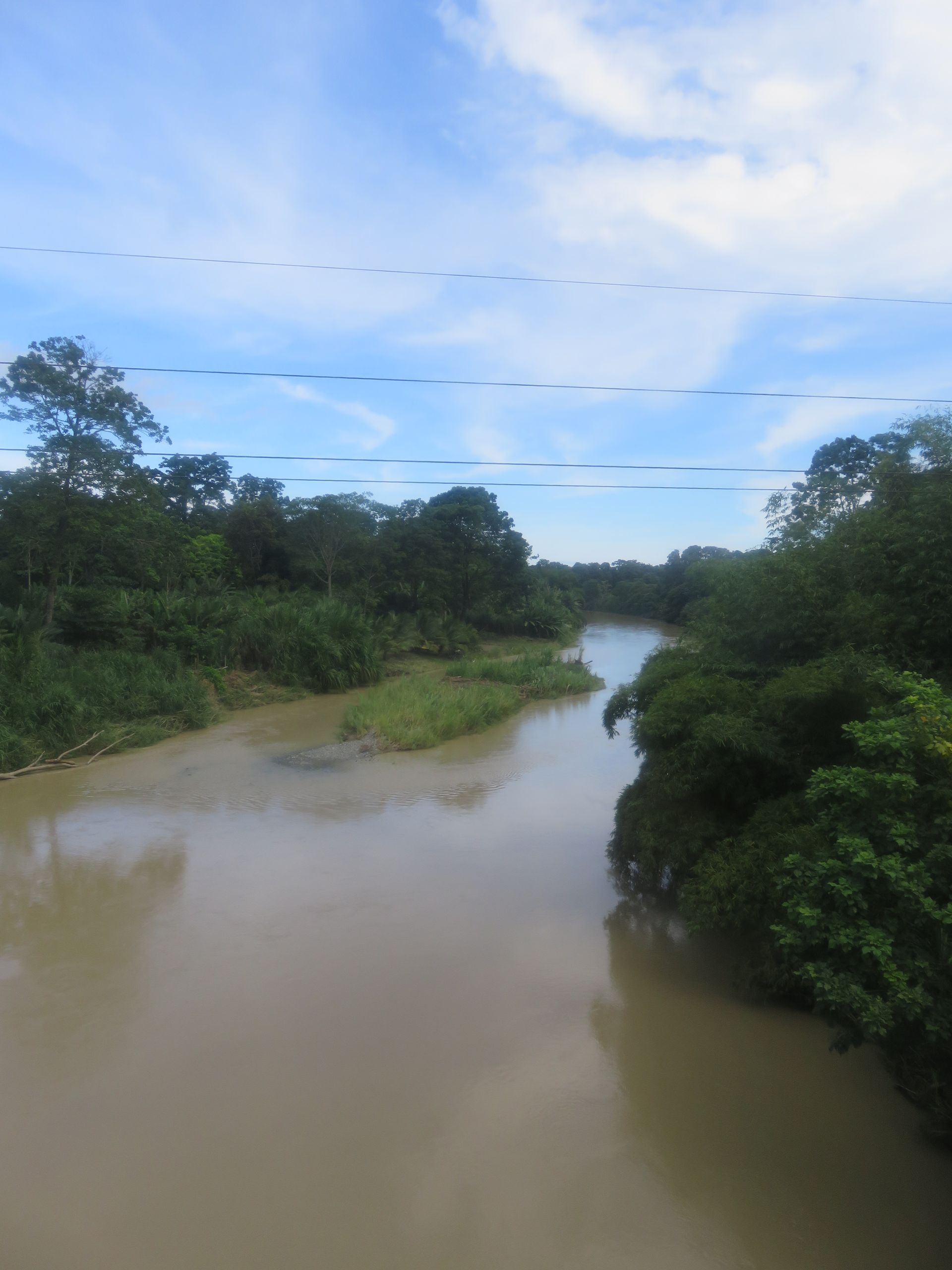
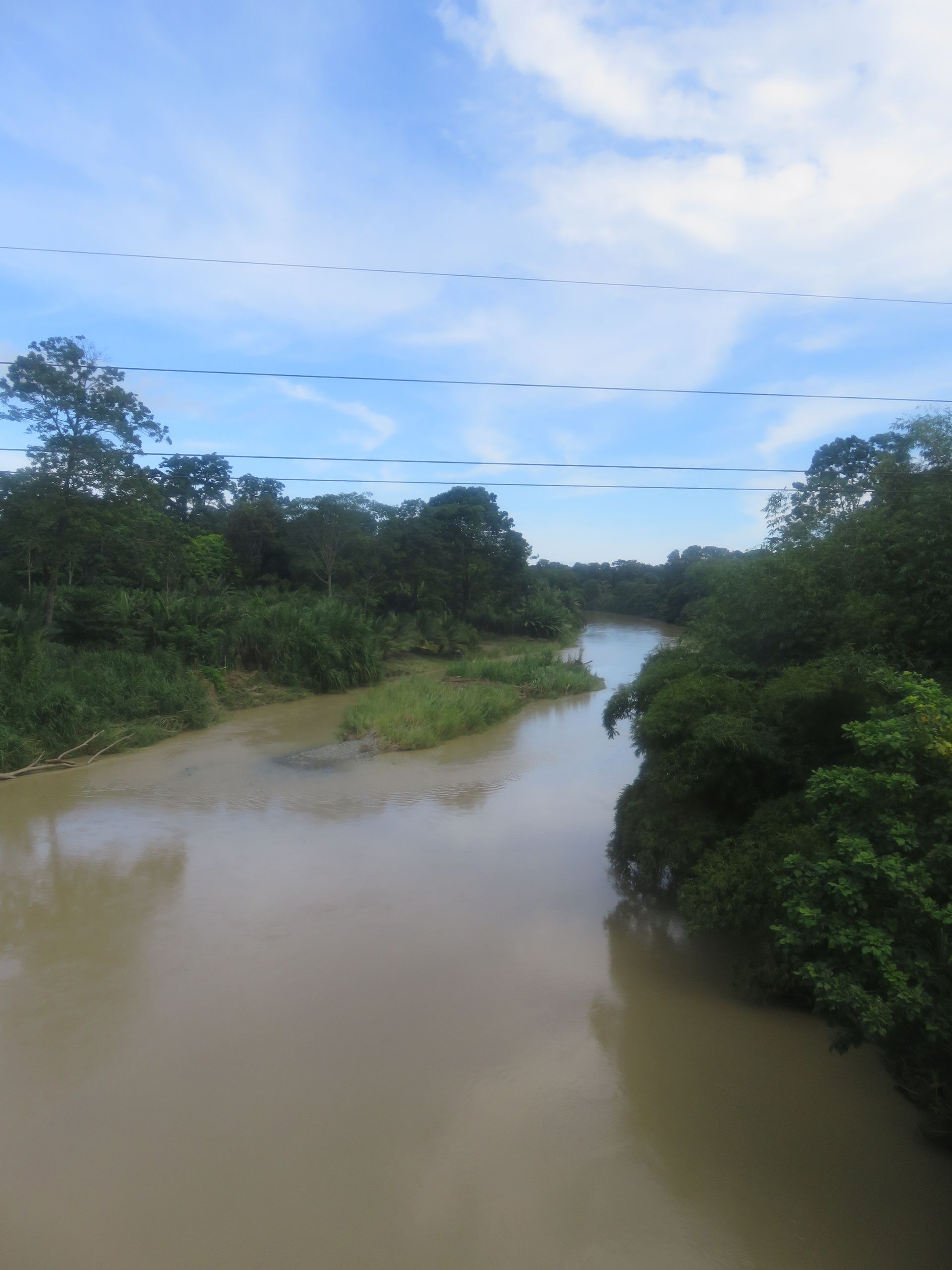
We took the public bus from San José to Puerto Viejo, a bus filled with both many tourists and locals. The journey lasted a total of 5 hours, and it became increasingly sunny and warmer in the non-air-conditioned bus. Upon arrival, we immediately recognized our desire place. The familiar feeling set in as we crossed the beloved Rio Banano. From there, it was not far anymore. After about 4 months of always new places, it felt really good to see something familiar again. And so we arrived in good spirits at our accommodation, where our landlord Ron was already waiting for us. Our guesthouse was nestled in the jungle but still very close to Playa Negra. As one might expect from its name, the sand here is partly made of black volcanic sand. In between, there are always bright grains of sand that sparkle with a golden hue. In Oregon (USA), there was a similar beach section, officially titled Golden Beach, which, in our opinion, reveals a lot about the market-oriented qualities of capitalism in the USA. (At this point, one might notice that we are still upset about the election outcome in the USA).
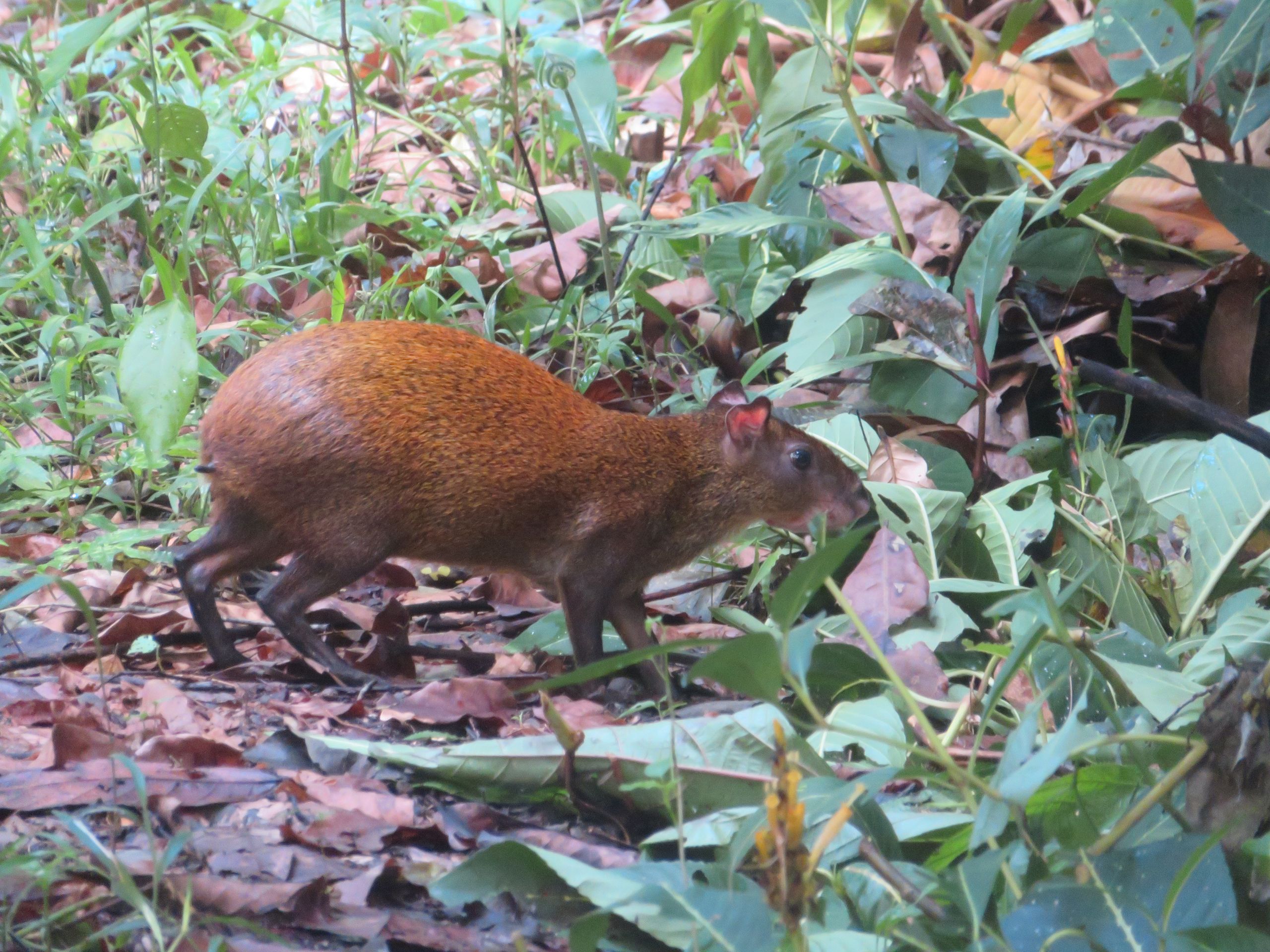
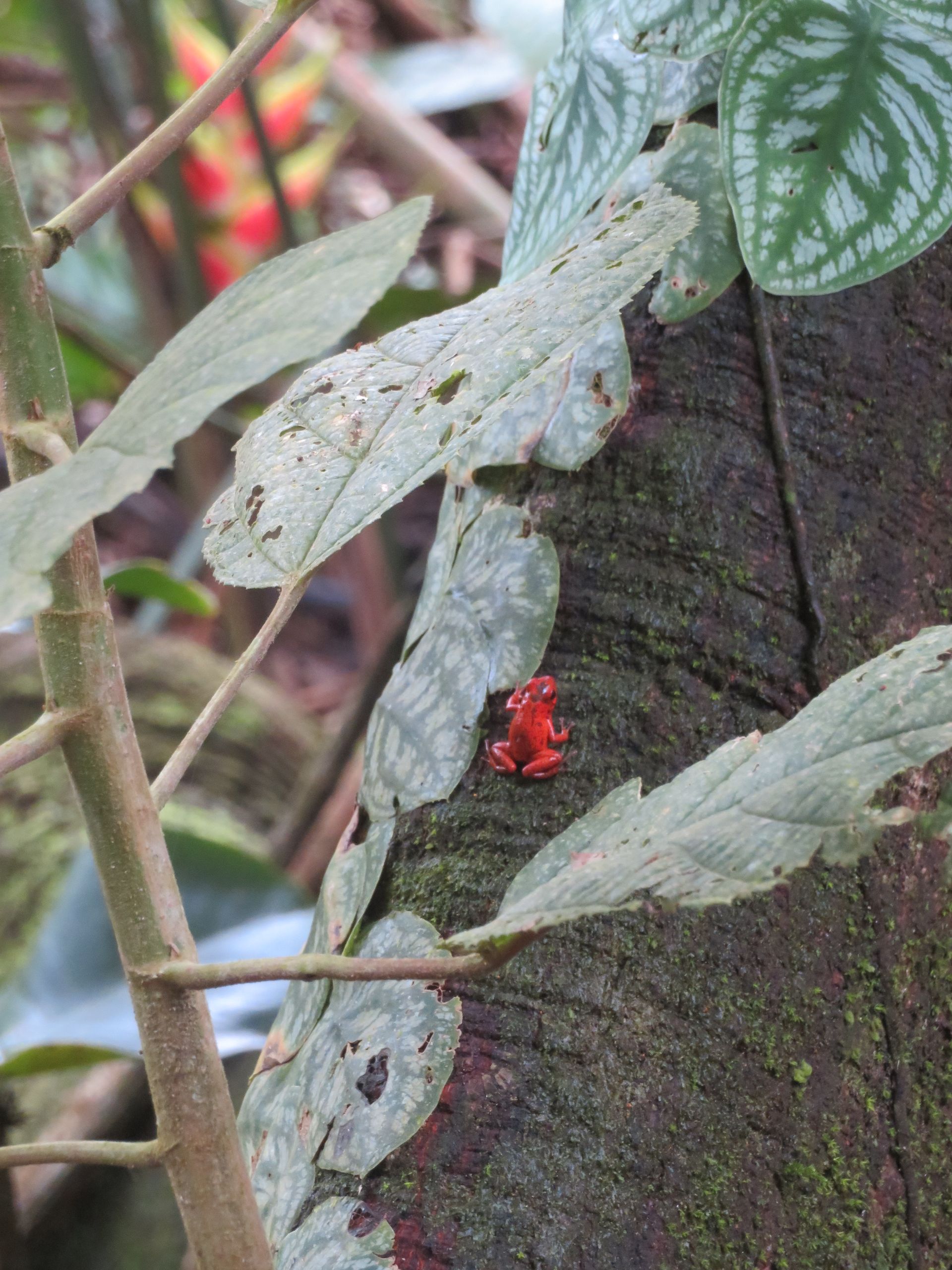
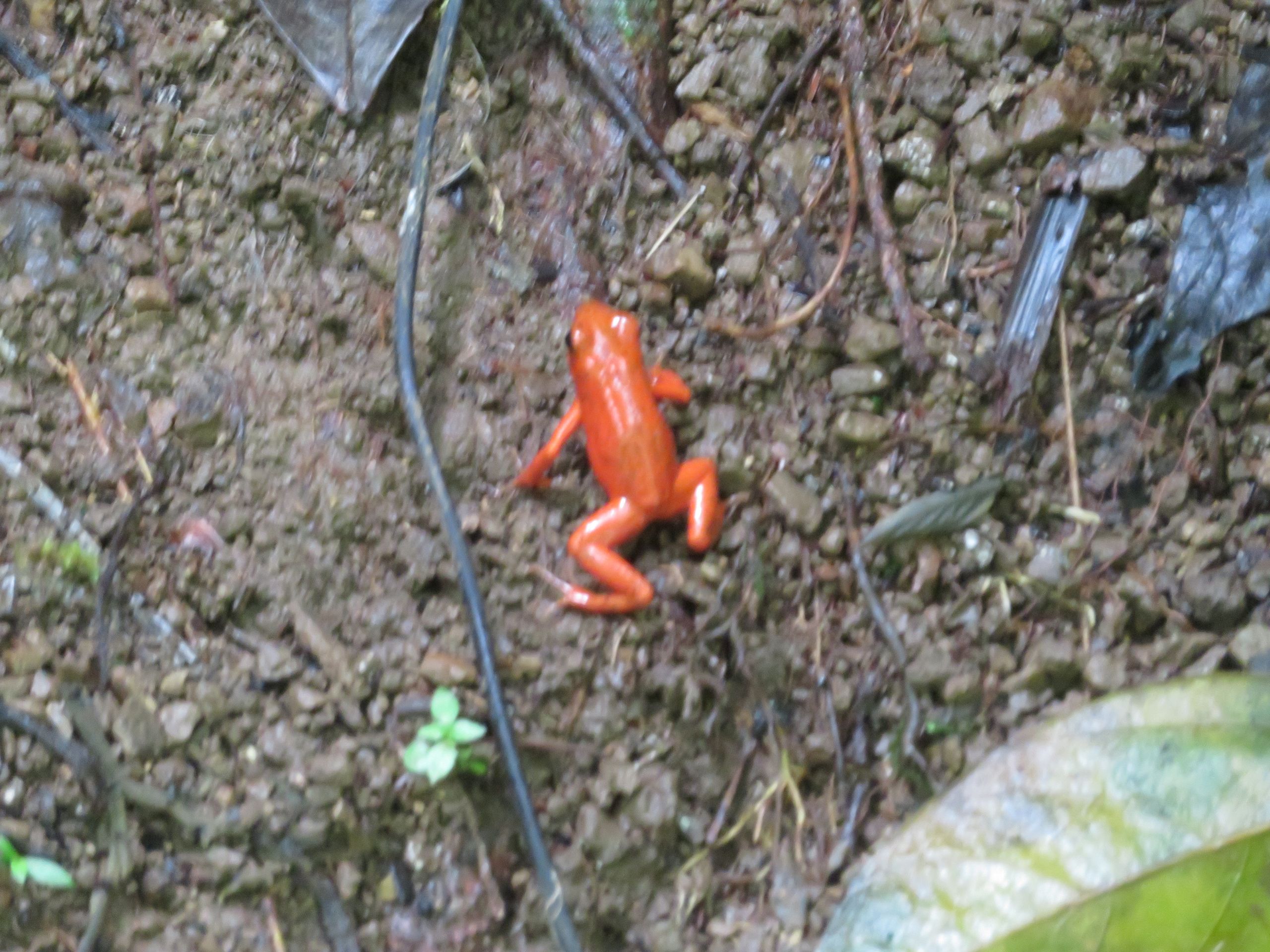
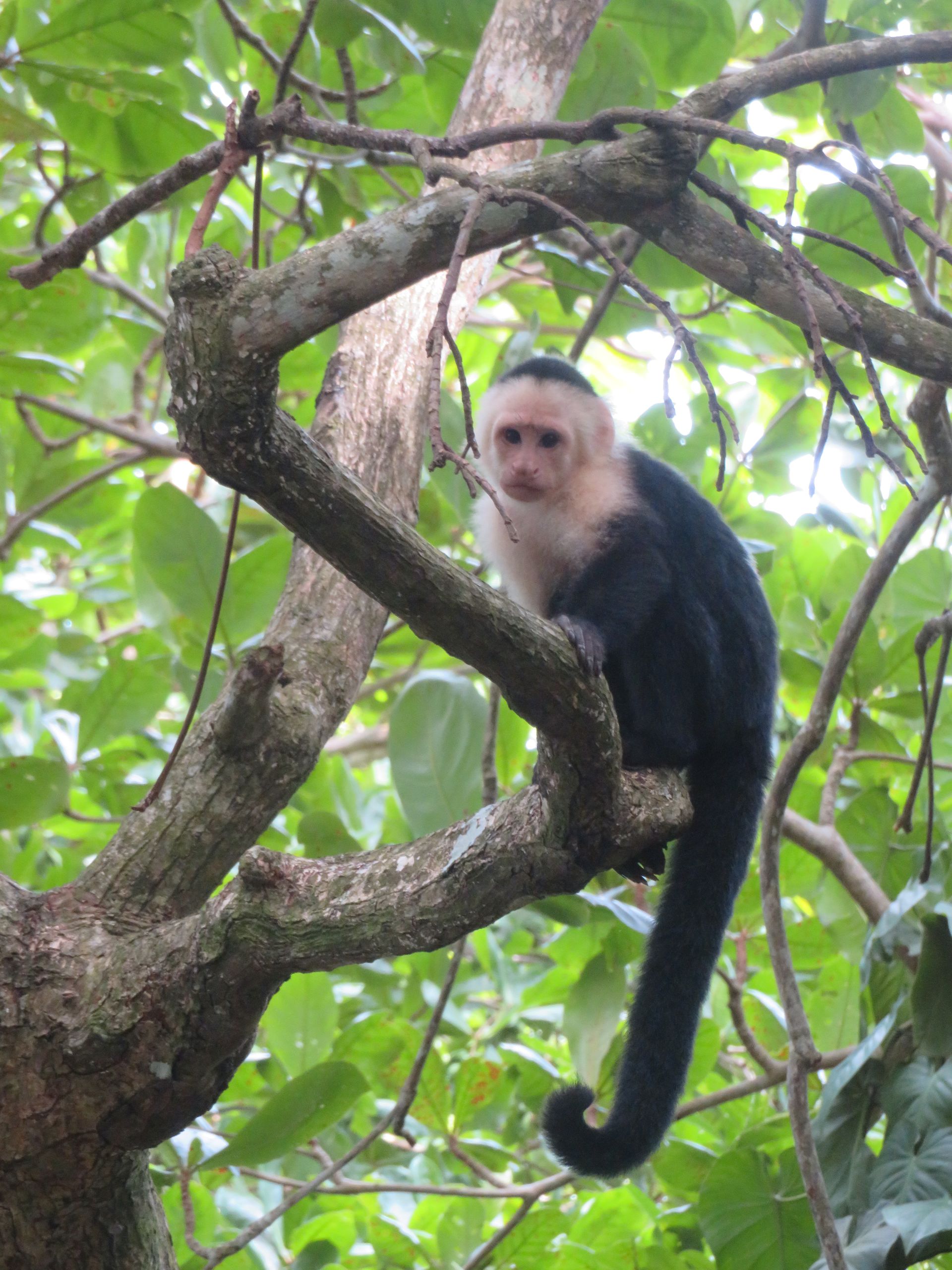
Playa Negra is a deserted beach where once in a while, especially locals wander, and a few street dogs rest, which somehow emphasizes the relaxed habitus of the place. Our guesthouse (as previously mentioned, nestled in the jungle) spanned three levels, with the top floor functioning entirely as a rooftop terrace. The ground floor housed the kitchen and bathroom, and thanks to a clever technique with roll-up doors, one could turn the small kitchen into a huge open kitchen with a large terrace. This way, we could decide every morning whether to have our breakfast tea on the rooftop terrace to be close to the birds and monkeys and look down on the cocoa tree or prefer to sit on the ground floor terrace to keep the agoutis and frogs company while looking up at the cocoa tree. The jungle is indeed full of life, and primarily, it is noisy. Our landlord Ron (name changed) tried to prepare us for this. He announced that the howler monkeys would be very loud from 4:00 AM. And indeed, you could time your clock by it every morning. The monkeys started their howling at 4:00 AM and yelled at each other from afar. But insects and especially frogs also found it necessary to showcase their full repertoire of sounds and frequencies at night. It took several nights for us to realize that the nighttime chirping was not a neon lamp that was about to switch on, but that it was a frog that... well, whatever it was thinking.
Ron is a fantastic landlord. He is helpful, a great conversational partner, creative, and always approachable. And since he loves nature as well, we quickly found common topics of conversation. It became a habit for us to stop by Ron for a chat every morning as we were about to leave the property and every evening when we returned. As helpful as Ron was in many matters, he could not prevent our belongings from eventually starting to mold in about 90% humidity, even though he dried Mr. Ärmel's shoes separately and repeatedly offered to wash and dry our laundry, which we gladly accepted.
One morning at 4:00 AM, the monkeys were howling louder than usual. Only the males howl, but they howl for two, creating a gigantic, intensely penetrating concert. So we checked what was happening and found that they had surrounded our guesthouse. The howler monkeys are generally harmless but will throw their droppings at you if you get too close, meaning standing randomly under their tree. And since we happened to be having breakfast below and Ron reported that he had just been specifically peed on by them, we quickly made our escape.
The town center of Puerto Viejo is much livelier and more touristy. Here, you find plenty of hotels, one restaurant after another, nice cafés, and many small shops. Although it's very touristy, we could still enjoy the center, as Puerto Viejo does not lose any of its charm. On the contrary, it's fun to explore new cafés and delicious restaurants and to sift through interesting art items, clothing, and accessories.
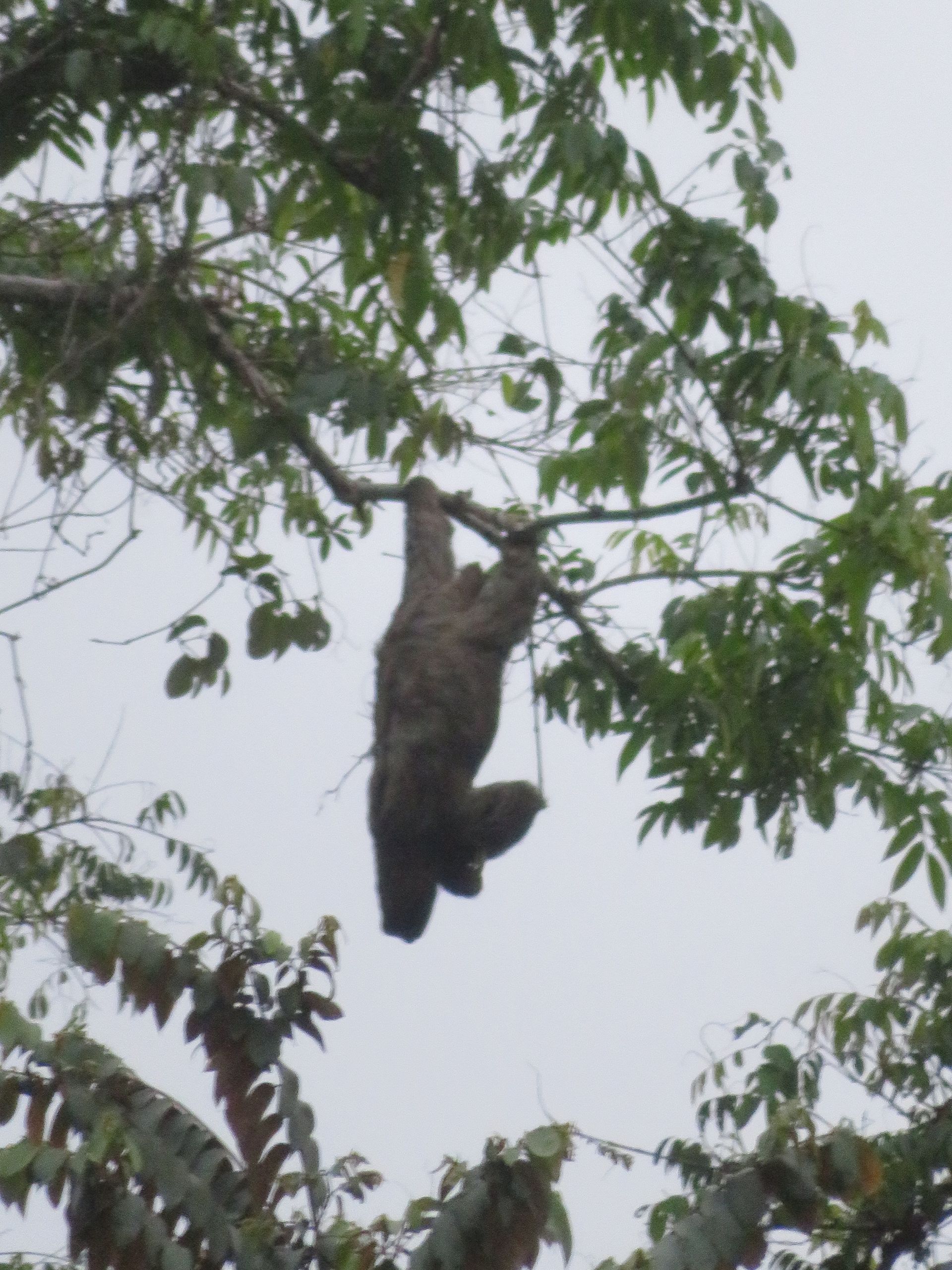
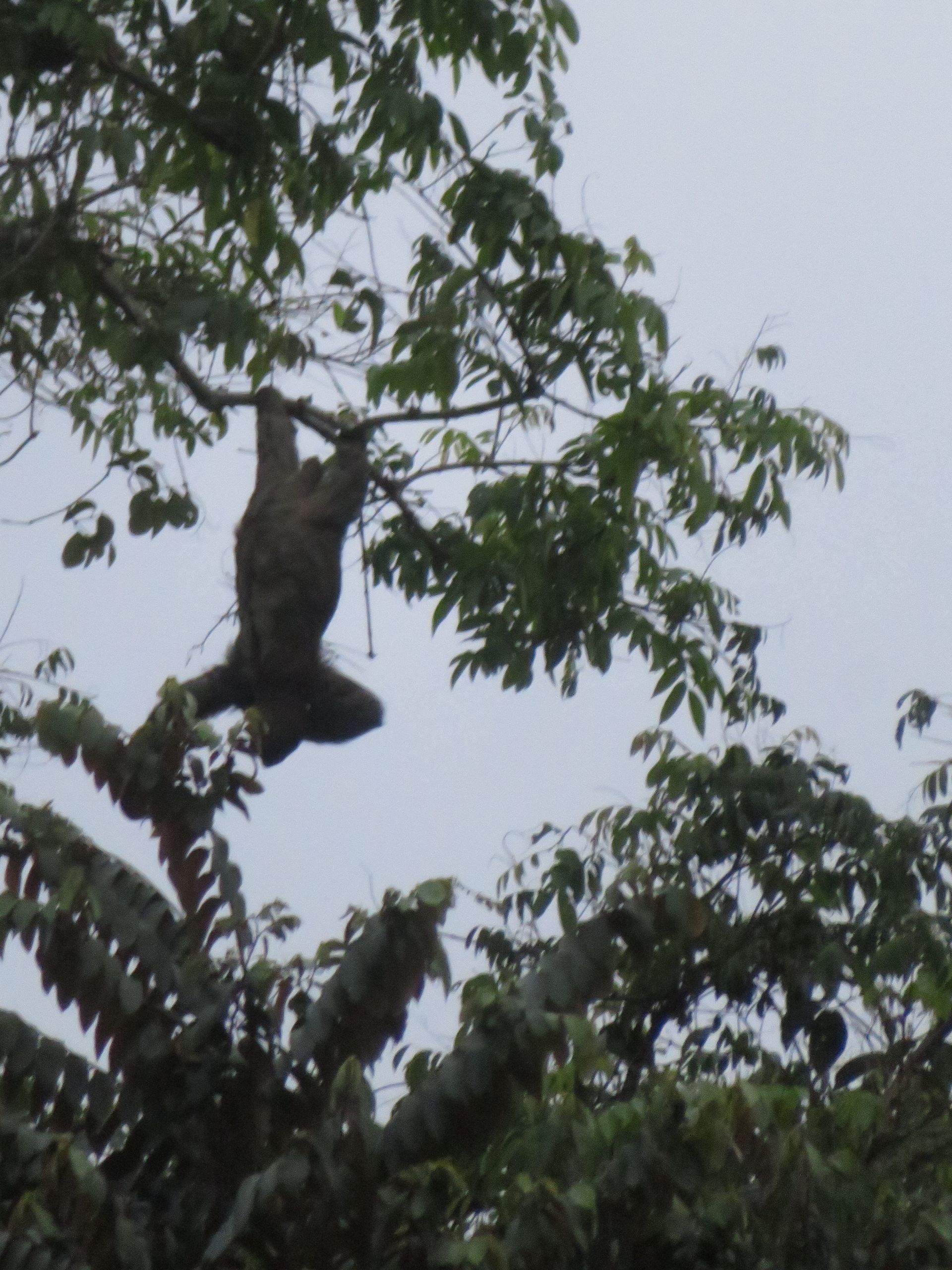
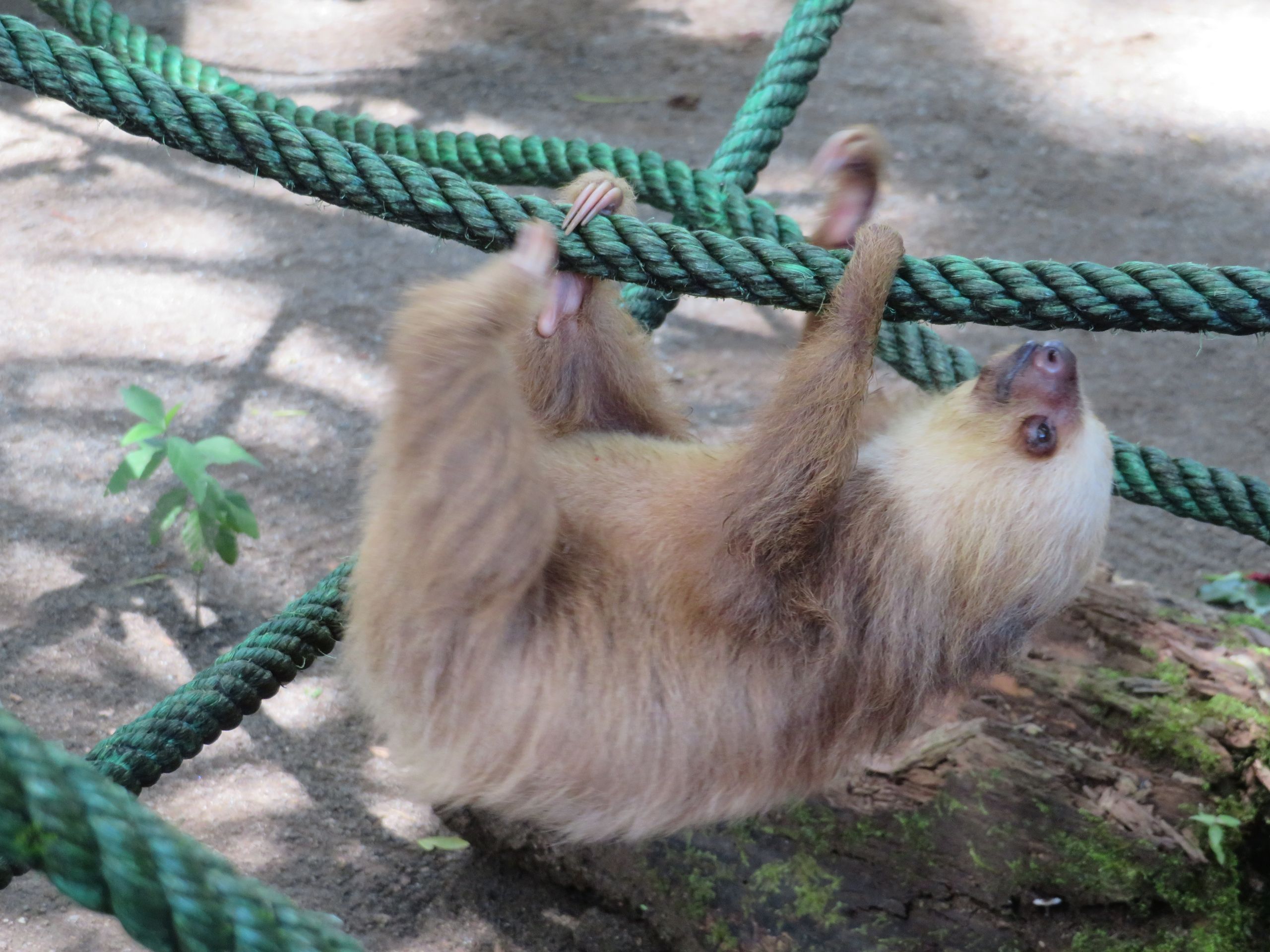
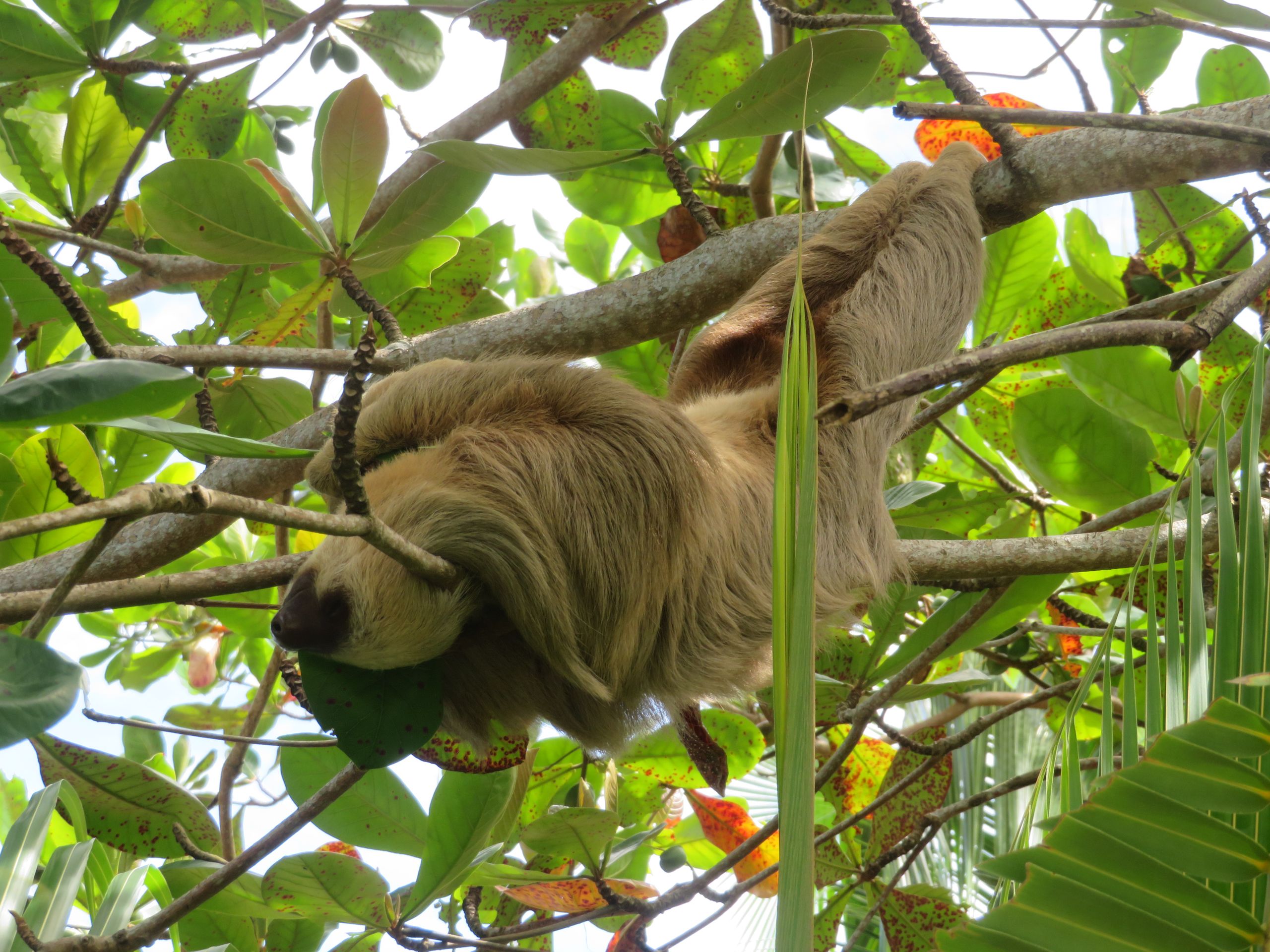
The Jaguar Rescue Center is definitely worth a visit. Here, injured or otherwise endangered wildlife is cared for. Often, it's monkeys and sloths that have suffered electrical shocks due to uninsulated electrical lines on the streets. The center is attempting to remedy this now. Over 25% of the lines have already been insulated by them. But the staff at the center also do a great job otherwise. After providing medical care to injured, sick, orphaned, or rescued animals from poor conditions, the first priority is always the attempt to rewild these animals. These animals may not be viewed by humans as they should not become accustomed to them. As a visitor, you only see the animals that are either too restricted or accustomed to humans that they could not survive in the wild anymore. Moreover, you receive interesting information about the native animals, for example, that a sloth has four stomachs and only defecates once a week, losing 1/4 of its body weight during this process. The question of why the animals come down from trees to do this instead of (as other animals do) simply letting it drop is still unanswered. You will also be informed about a very good Costa Rican law: it's forbidden to have a human and a wild animal in the same photo. You can photograph wild animals and humans, but please not together in one picture! This law protects wild animals from exploitation financed by tourists. Very good 👍. The animals in the rescue center are only confronted with humans for a short period of the day and are sometimes even taken into the rainforest for supervision. The Jaguar Rescue Center is worth a visit for people who usually avoid zoos.
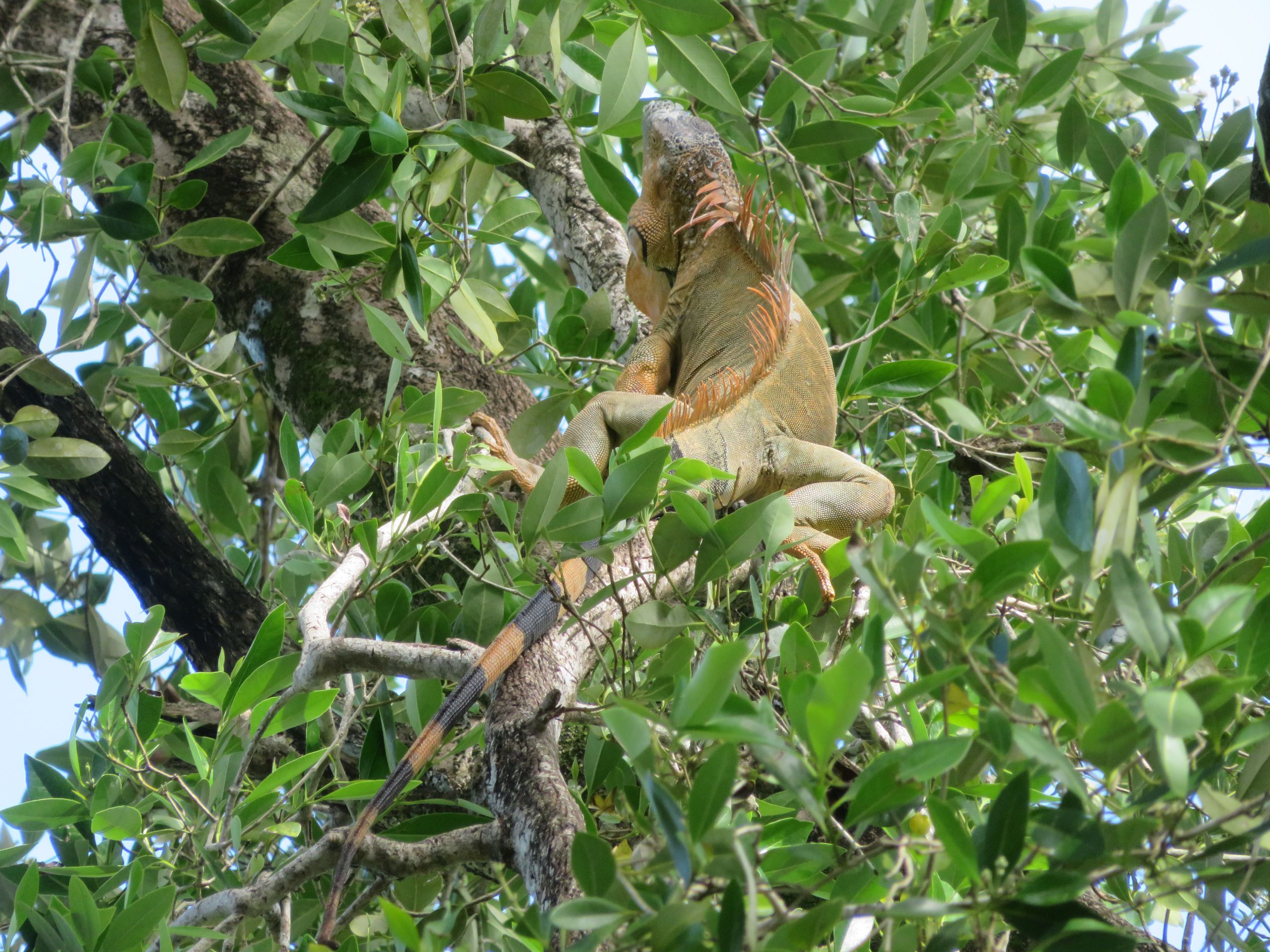
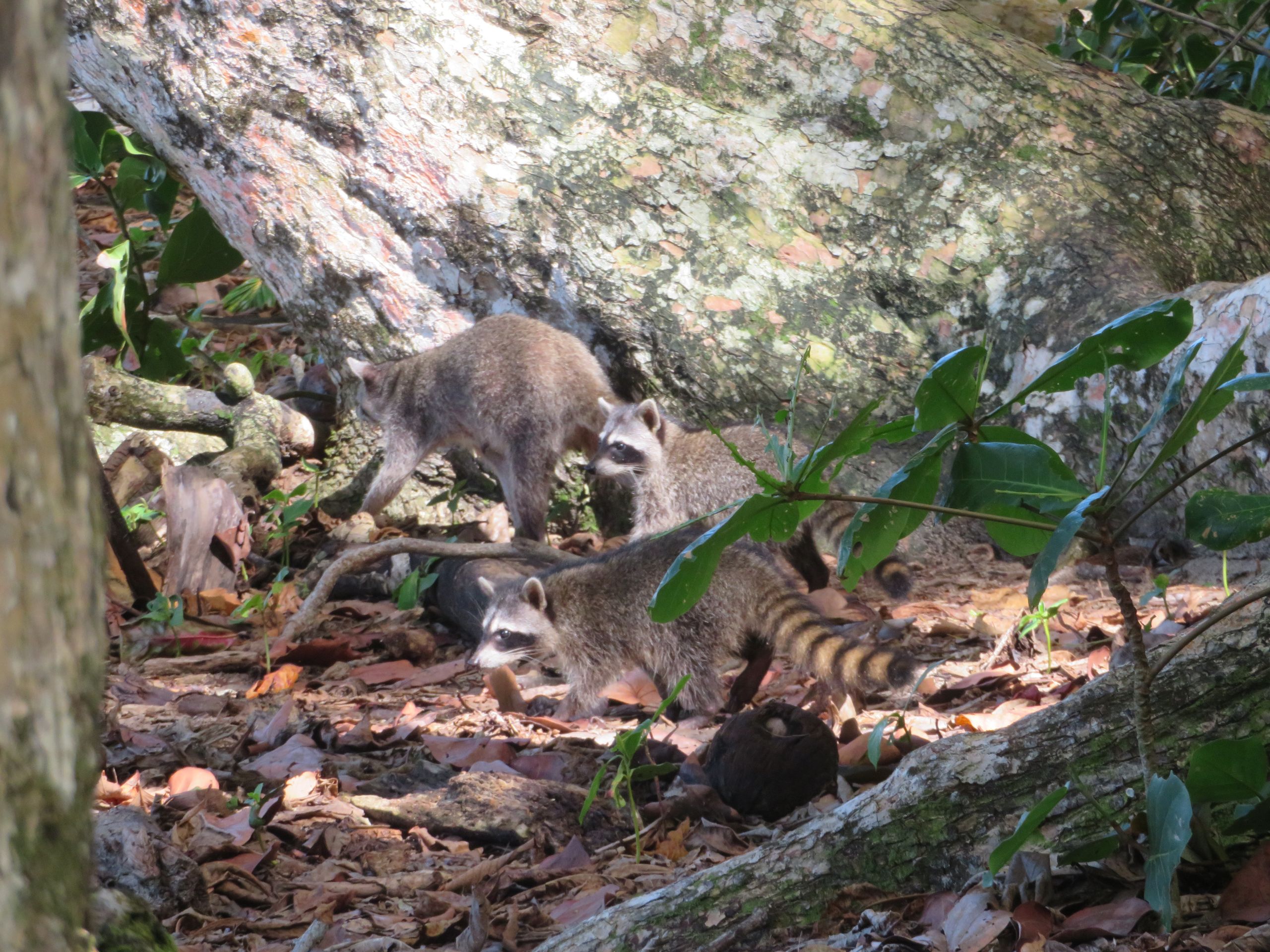
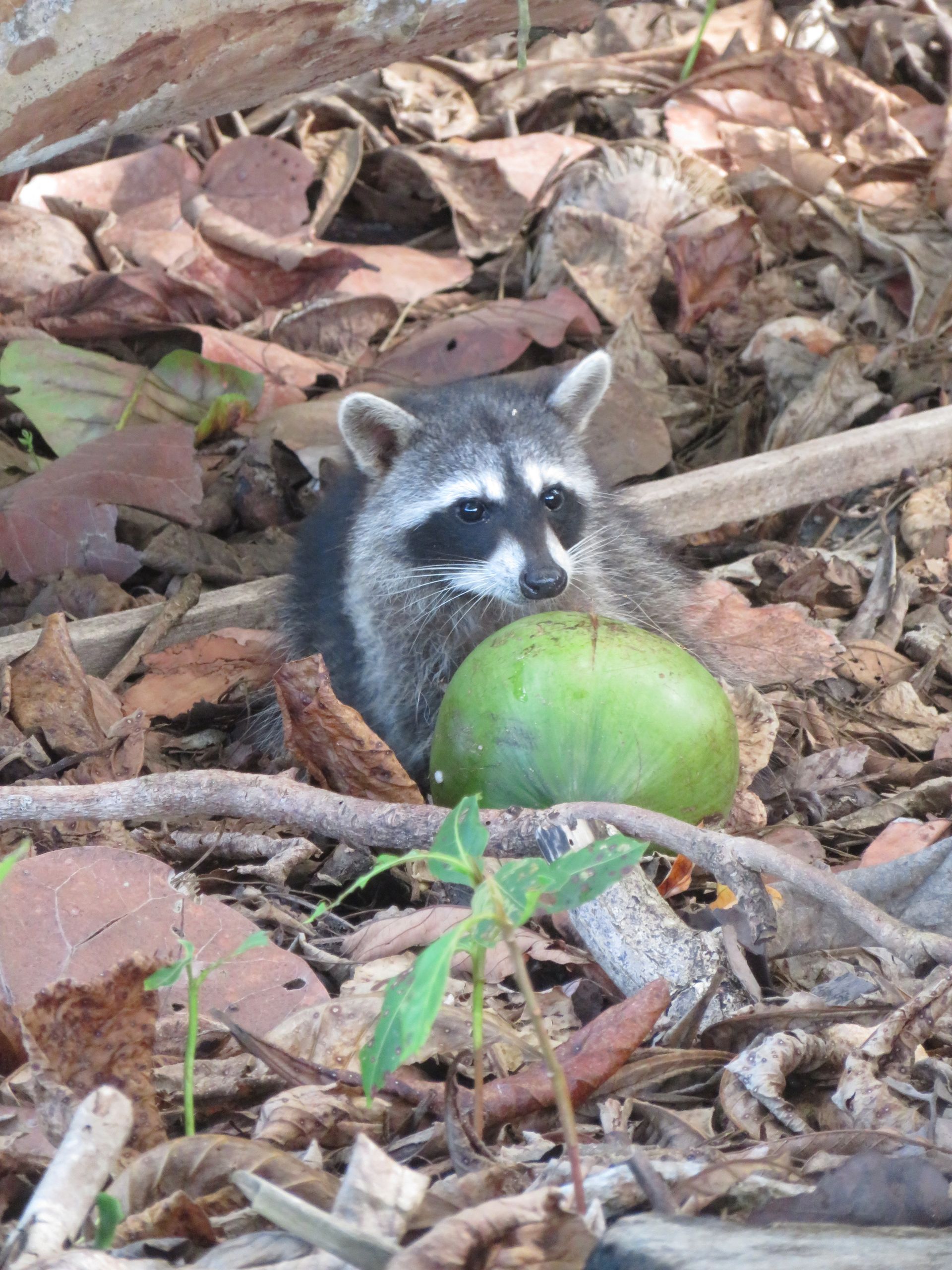
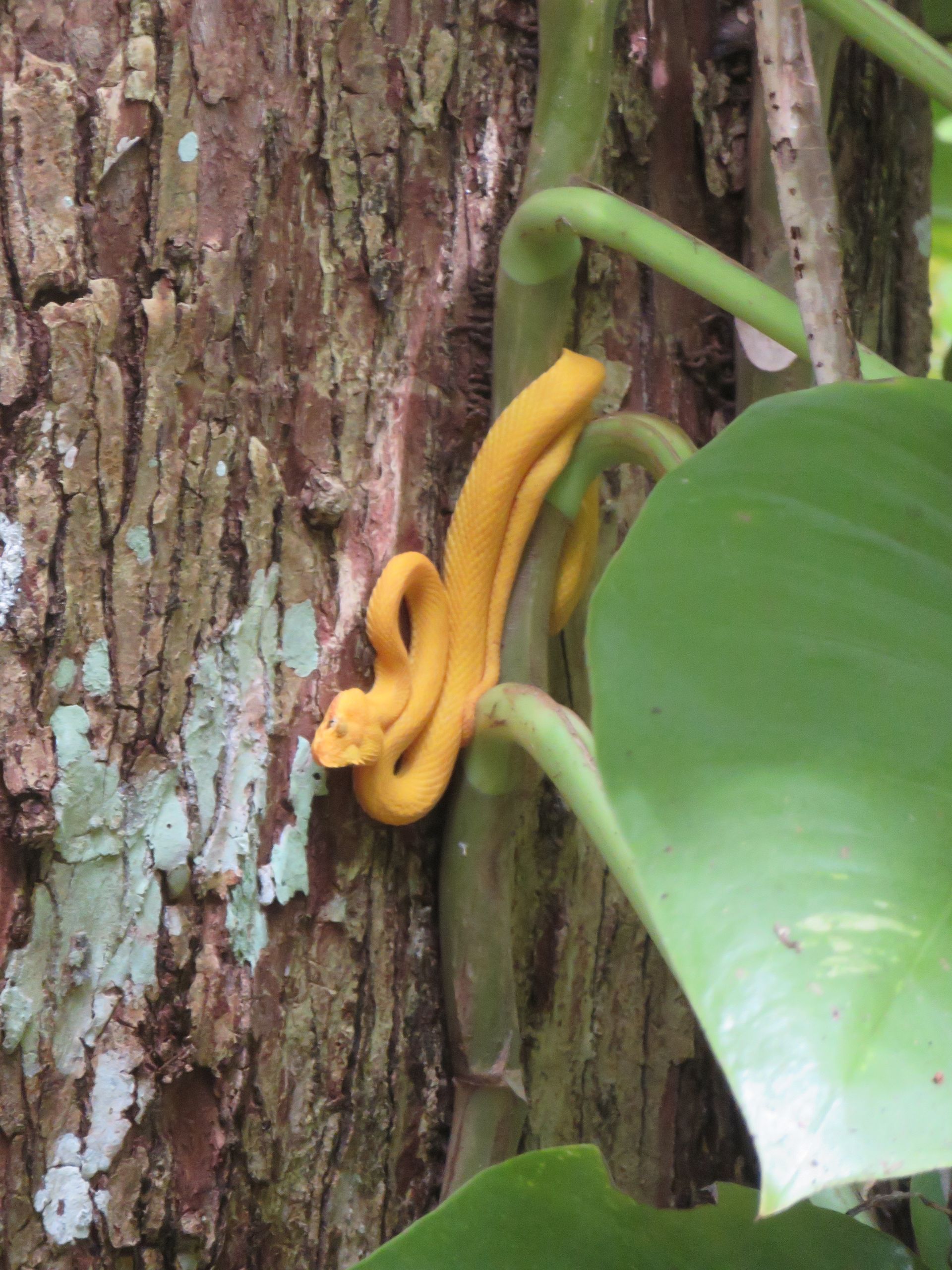
In the nearby Cahuita National Park, thanks to the hawk eyes of the respective guides, many wild animals can be observed along with interesting additional information about the plant and animal world. A highlight for us was a family of raccoons, where the mother was trying to crack a coconut. But also the many sloths, capuchin monkeys, turtles, snakes, and a lot of birds were wonderful to observe.
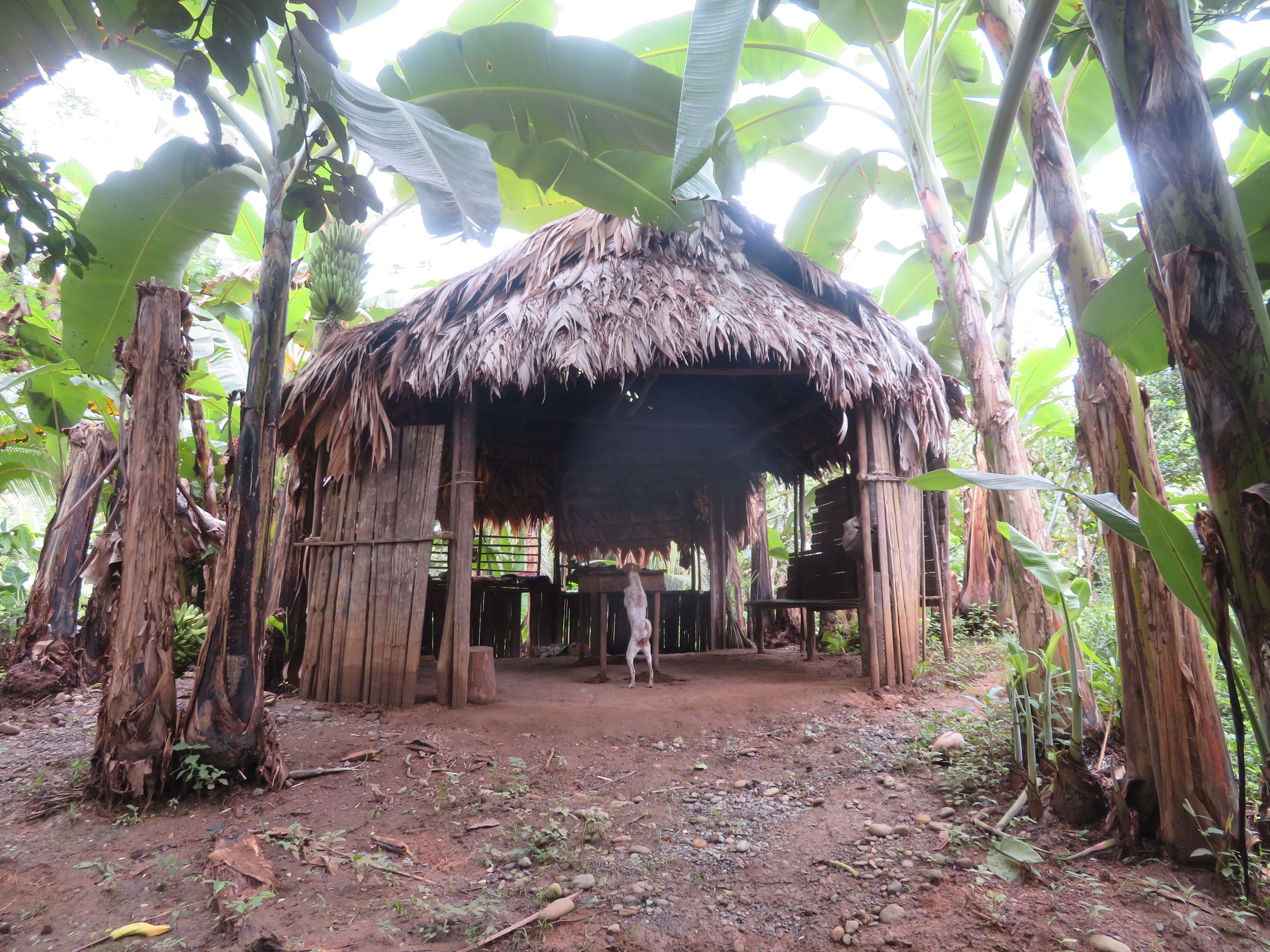
After some consideration, we decided to visit a Bribri family. (The Bribri are an indigenous tribe that has lived in what is now Costa Rica long before the arrival of Europeans. The Bribri believe that a different god created them than other tribes and Europeans, and that despite good relations, they should not become romantically involved with them. Therefore, the Bribri have always been very reserved.) The Bribri are very committed to preserving their original culture. Thus, as tourists, one should really not disturb them and distract them from their traditional work, but on the other hand, they are also dependent on income, and this source is certainly better than other wage labor.
The Bribri live withdrawn deep in the jungle. They hold tightly as a community and do not wish for mixing with people who do not have Bribri ancestry, which has become increasingly difficult since the introduction of compulsory schooling for the indigenous population. After all, anyone who wants to teach in this school must also learn the Bribri language and familiarize themselves with the specific culture.
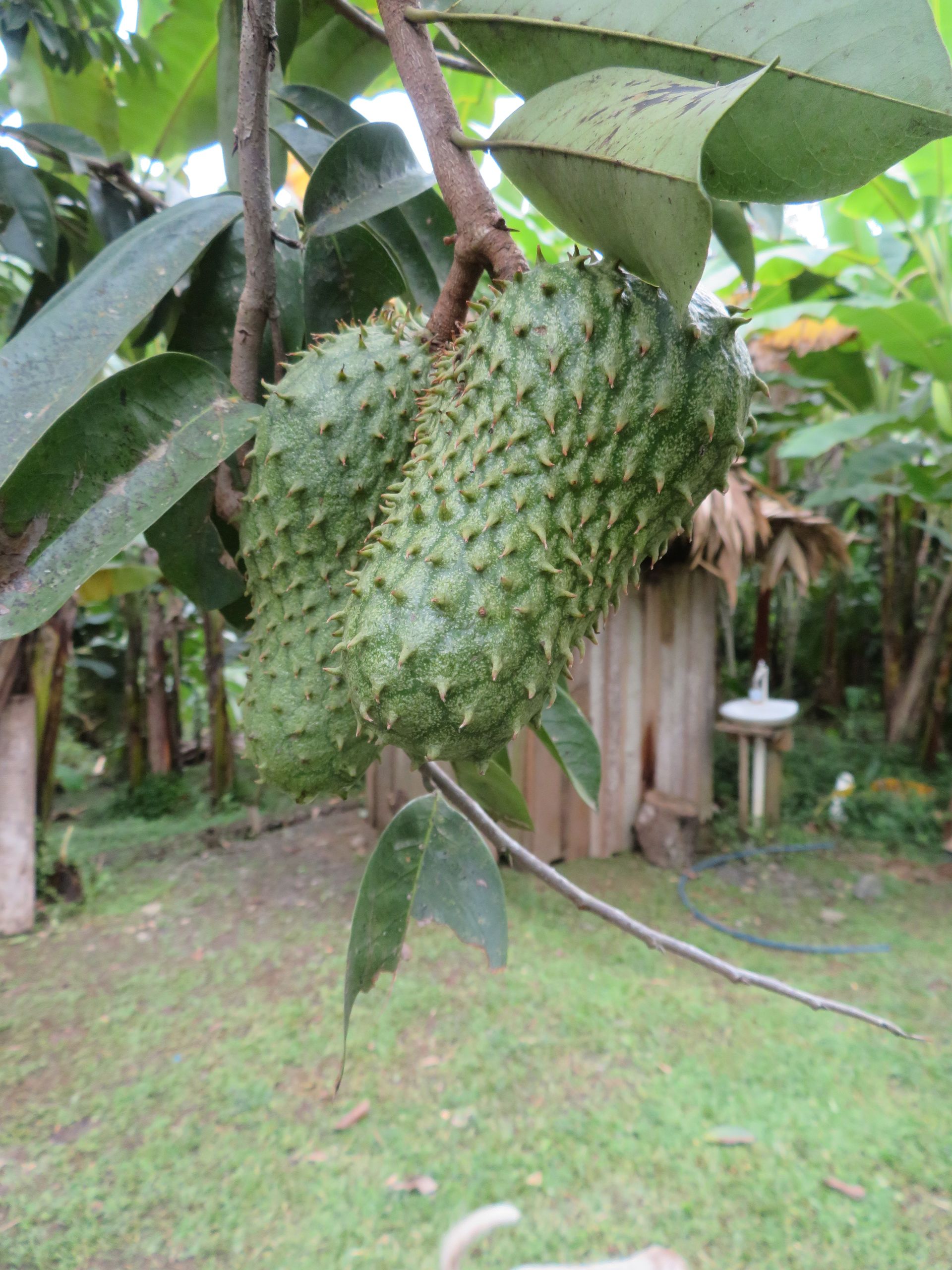
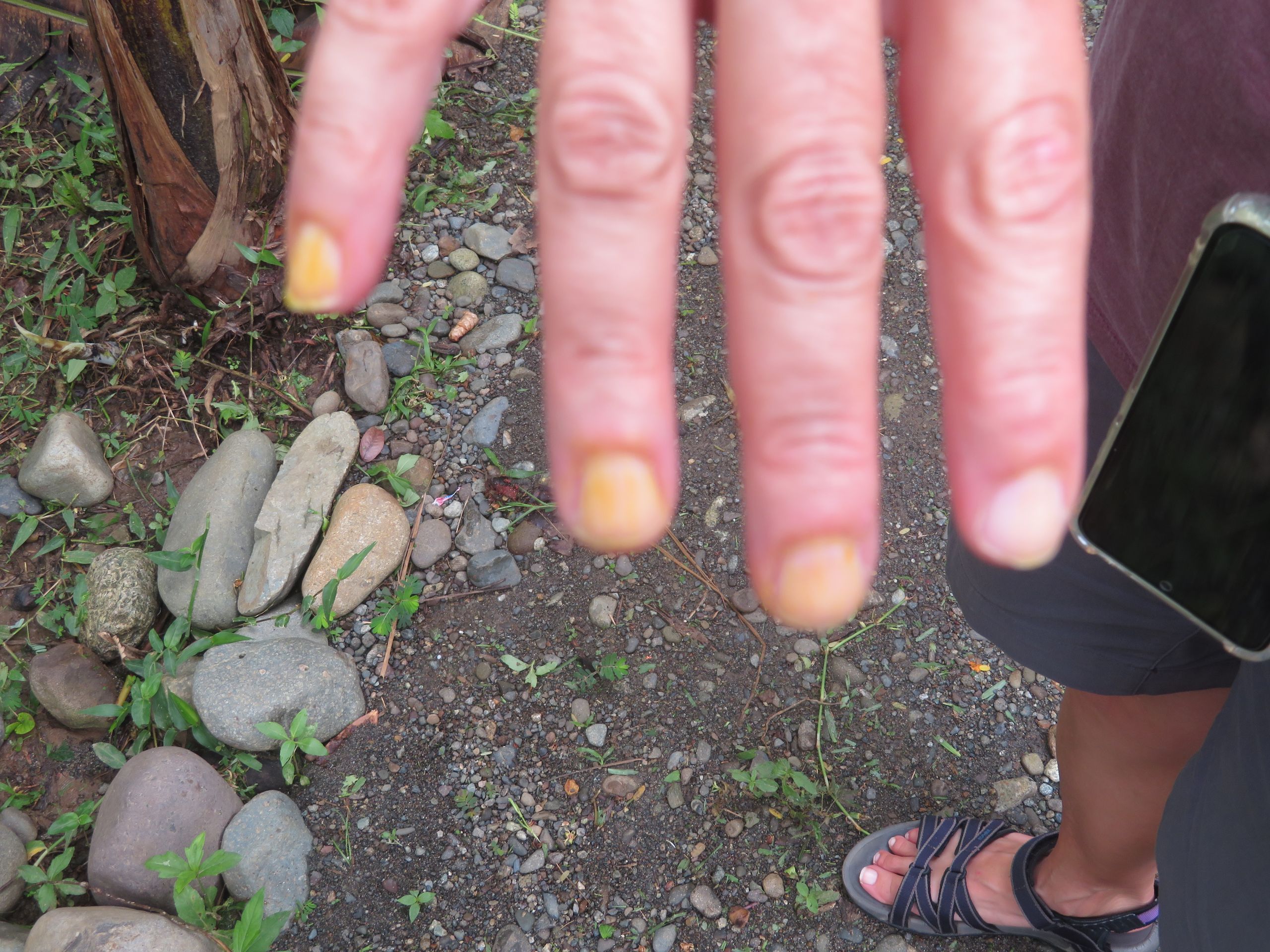
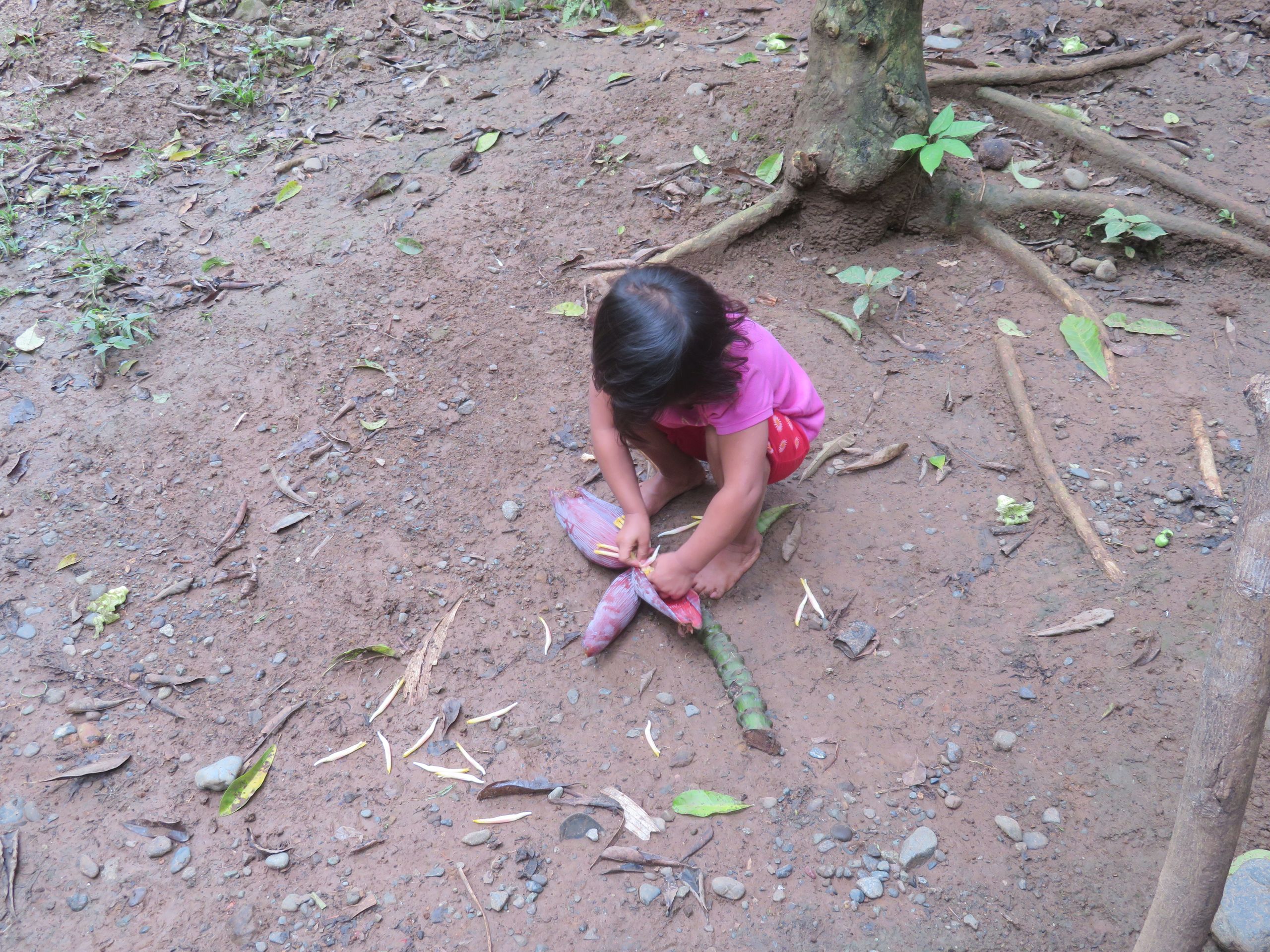
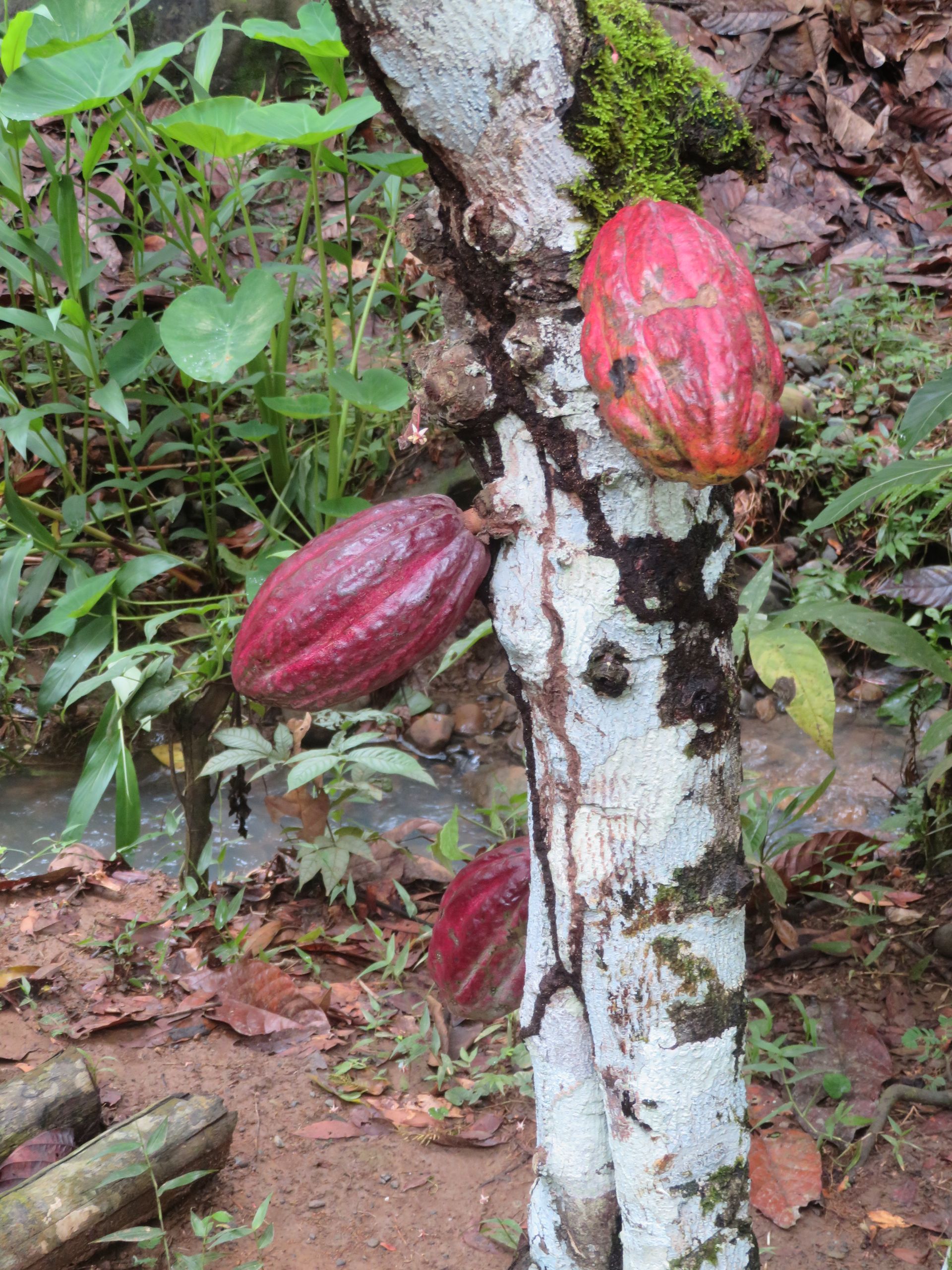
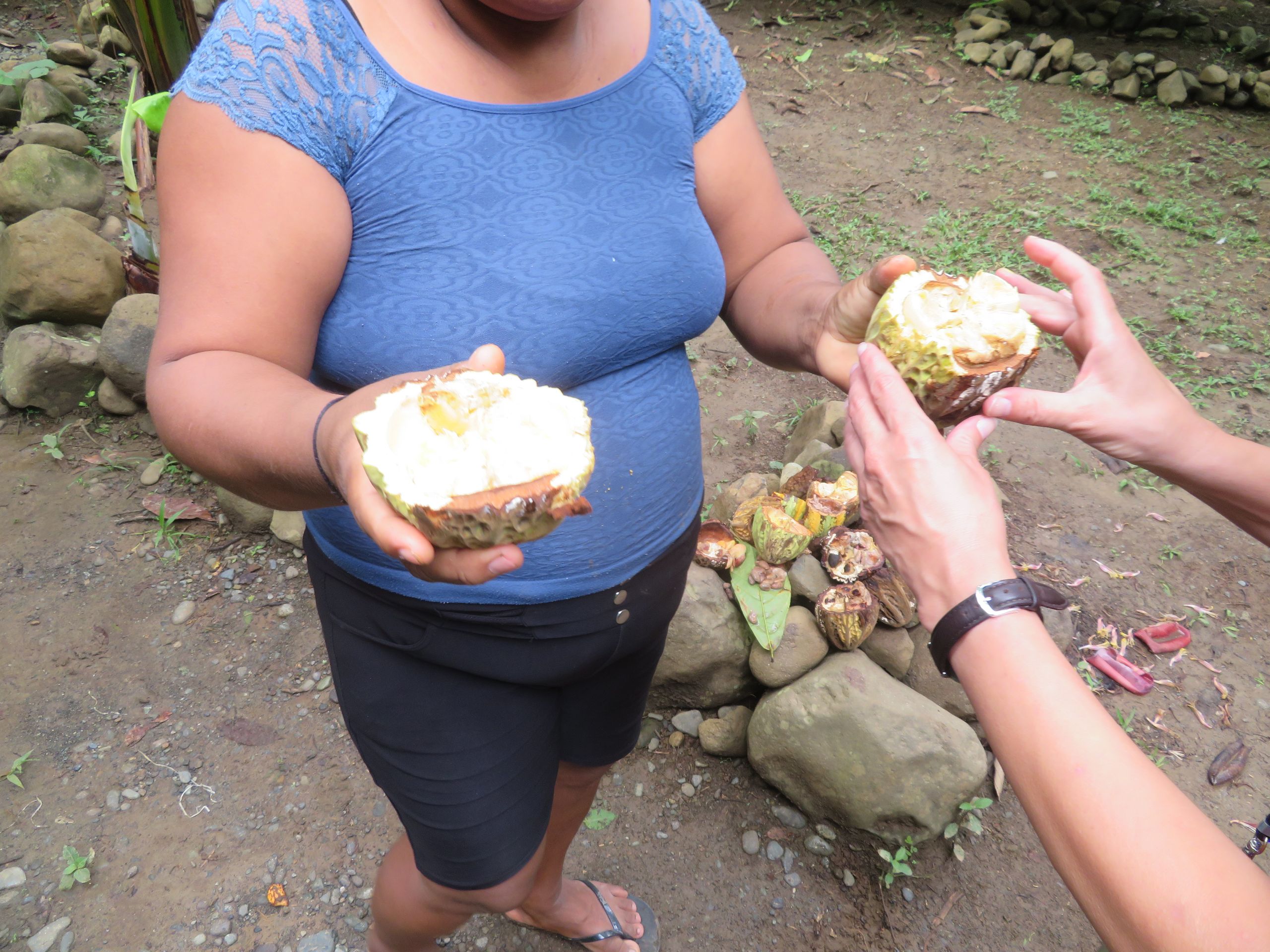
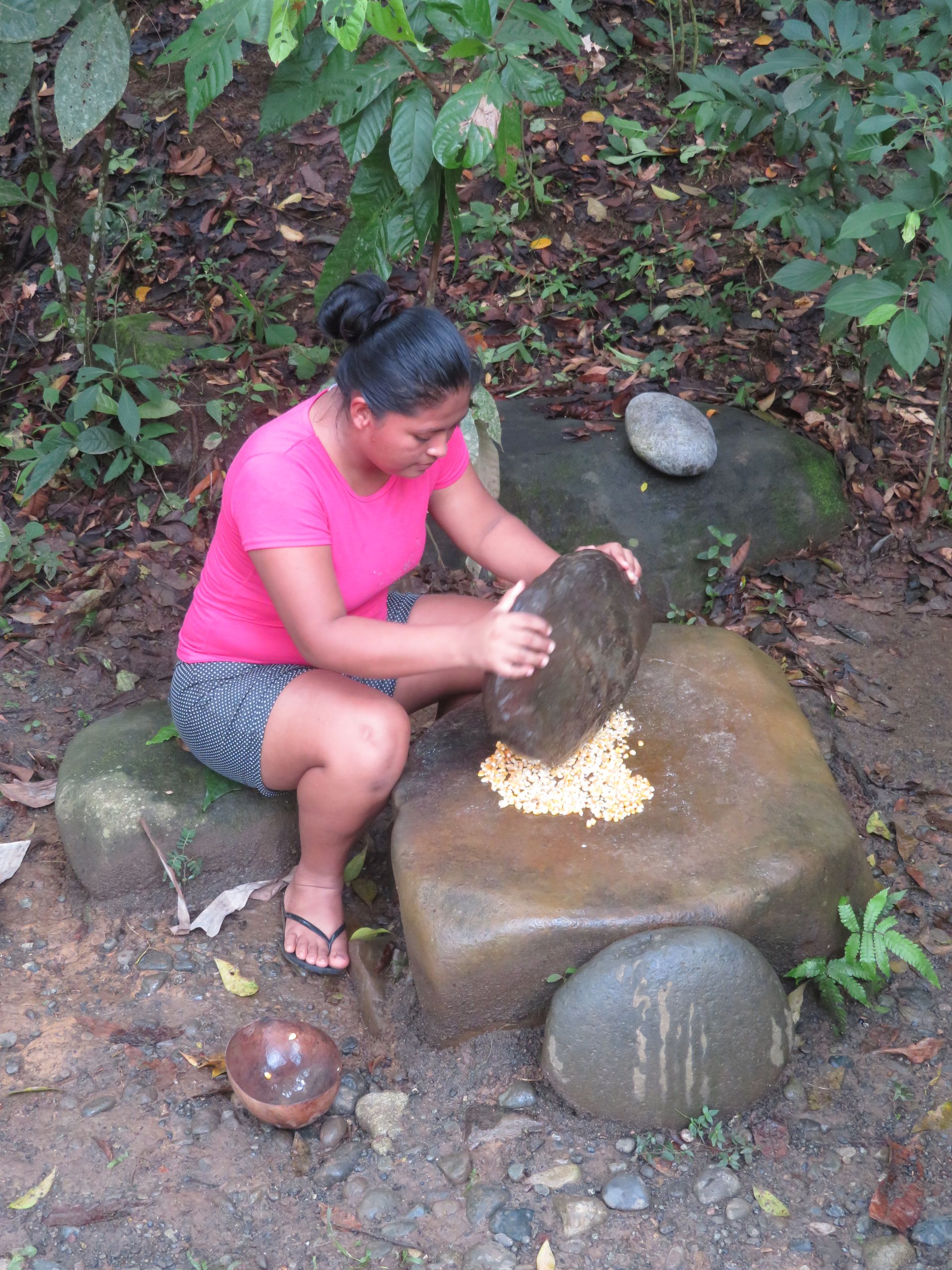
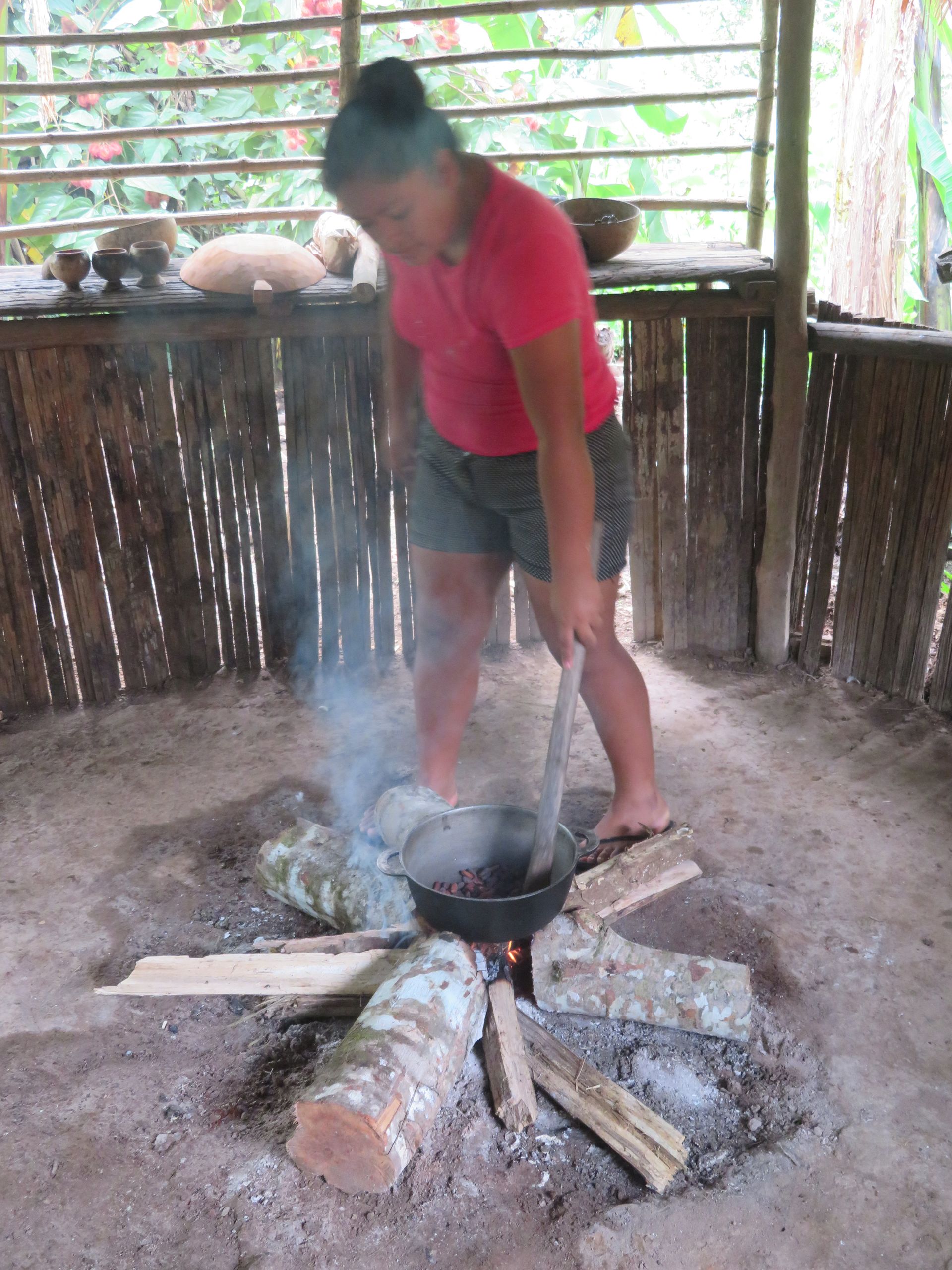
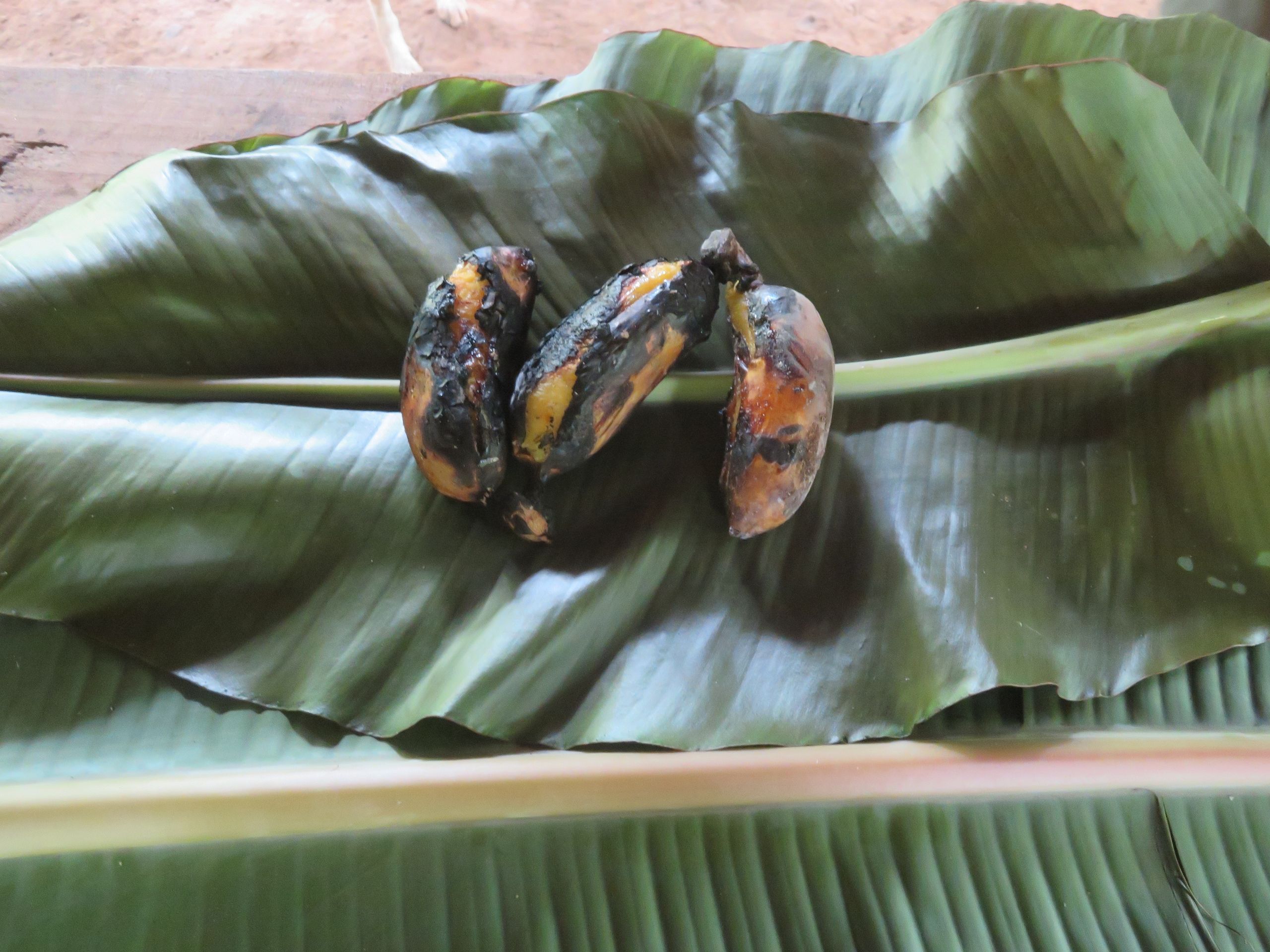
The family we were fortunate to visit lives a bit on the outskirts, so when visiting, you do not have to disturb the whole village. The mother showed us her wild garden, together with the older daughter, and explained which plant is good for which ailment. They also presented the processing of a cocoa bean and let us help out. The cocoa processing is deeply connected to their culture. Cocoa serves both as a drink and as food, as well as a medicine and a psychedelic substance. The processing is a communal act, some of which also carry mystical meanings. For instance, in their belief, the cracking of the cocoa beans during roasting is supposed to reveal insights into the character of the person performing the roasting. We were very pleased that they confirmed good energy through the cracking. After all, you don’t want to bring any negative energies as a guest! The small children in the family charmed us. They appeared free and happy and were already very knowledgeable about nature. The parents are certainly not helicopter parents. They allowed their small children to try opening the cocoa fruit with large knives, and they were also allowed to help with the removal of a poisonous snake in the garden. And Mrs. Waas had to suppress the impulse multiple times to call out 'Caution' and 'Watch out' to the little ones during their climbing activities. These children are both fine and gross motor skills far superior to those from Western industrialized countries. It was a joy to observe them and experience how free they were and that they were allowed to help with many things. And once again, Mrs. Waas remembered the phrase, 'Children who are not allowed to do anything will grow into adults who can do nothing.' If this saying is true, the Bribri children will possess many competencies that the Western world has lost.
In the end, we also bought a fruit and vegetable bowl made from coconut shells, which will always remind us of this visit. Although that day was so impressive that we wouldn’t forget it even without a souvenir.
With a heavy heart, we left Puerto Viejo, feeling we had done so far too early. There were many things we would have liked to see, many restaurants we would have enjoyed visiting a second or third time, one more sour fruit smoothie at the café with an ocean view, one more taco from Phil's husband, or perhaps watch a youth soccer game in the cutest stadium we had ever seen. But no matter how long we had stayed, we would have taken our longing with us again.