

Temple Hopping - Punakha, Tongsa, Bumthang
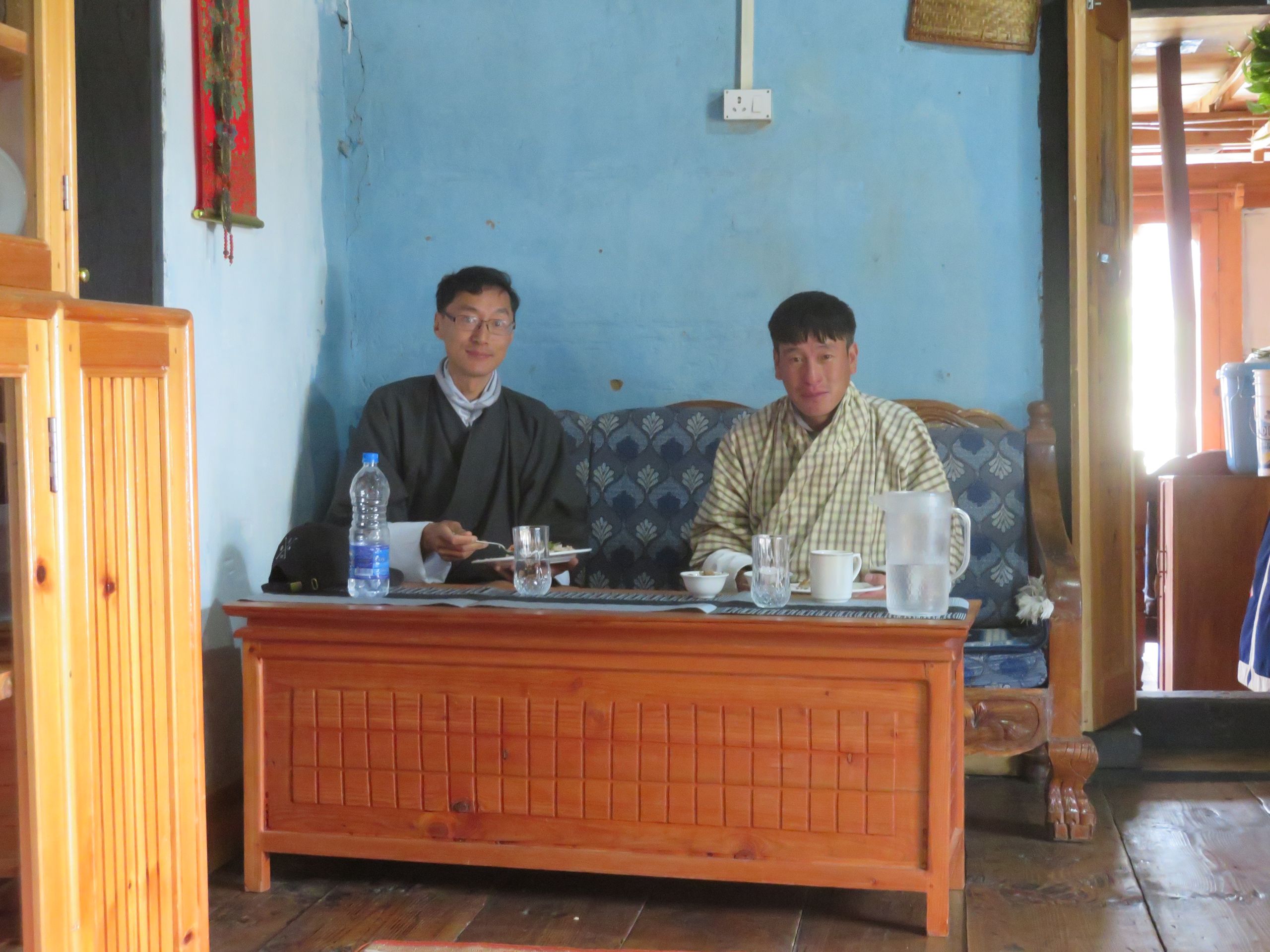
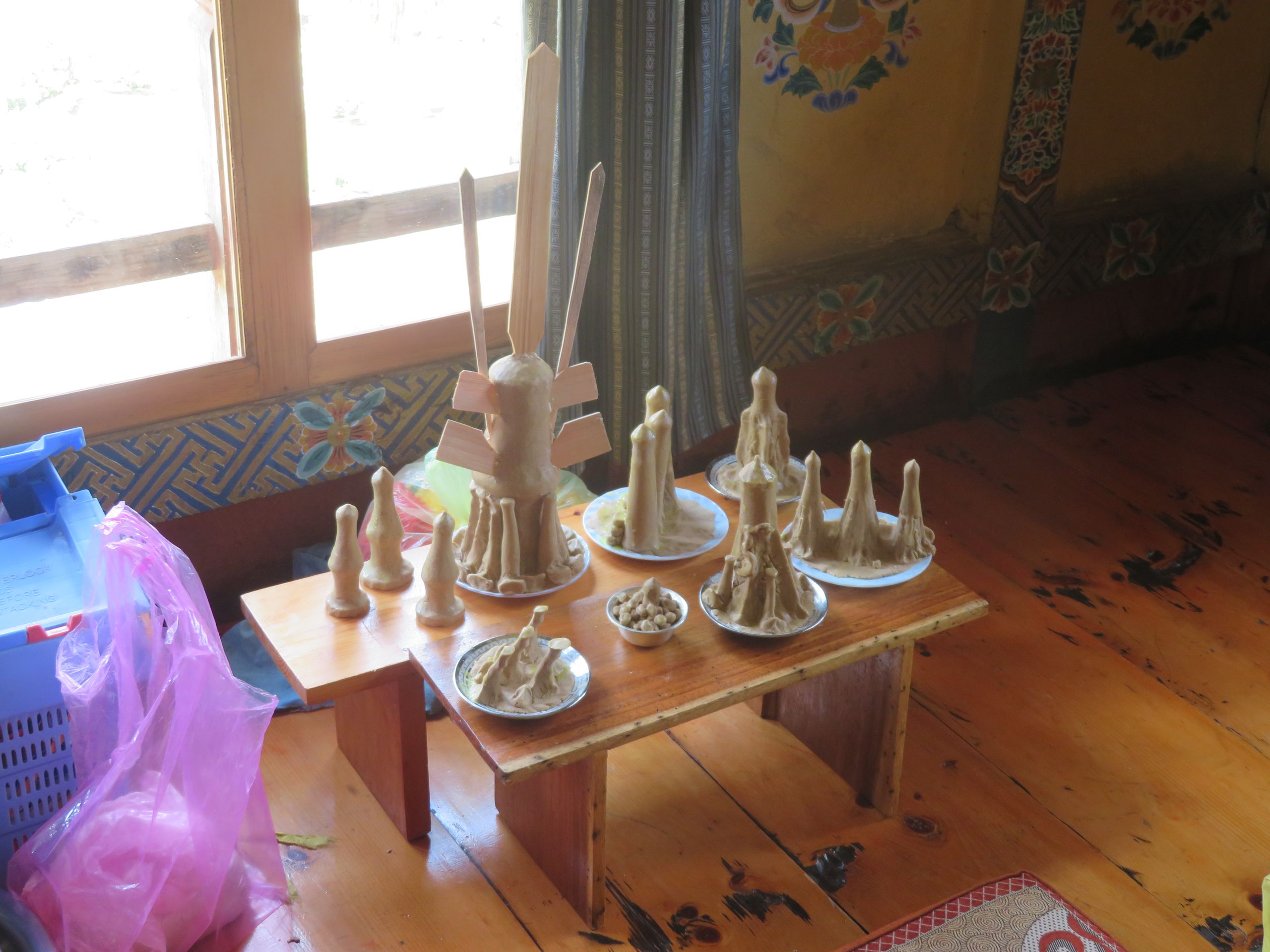
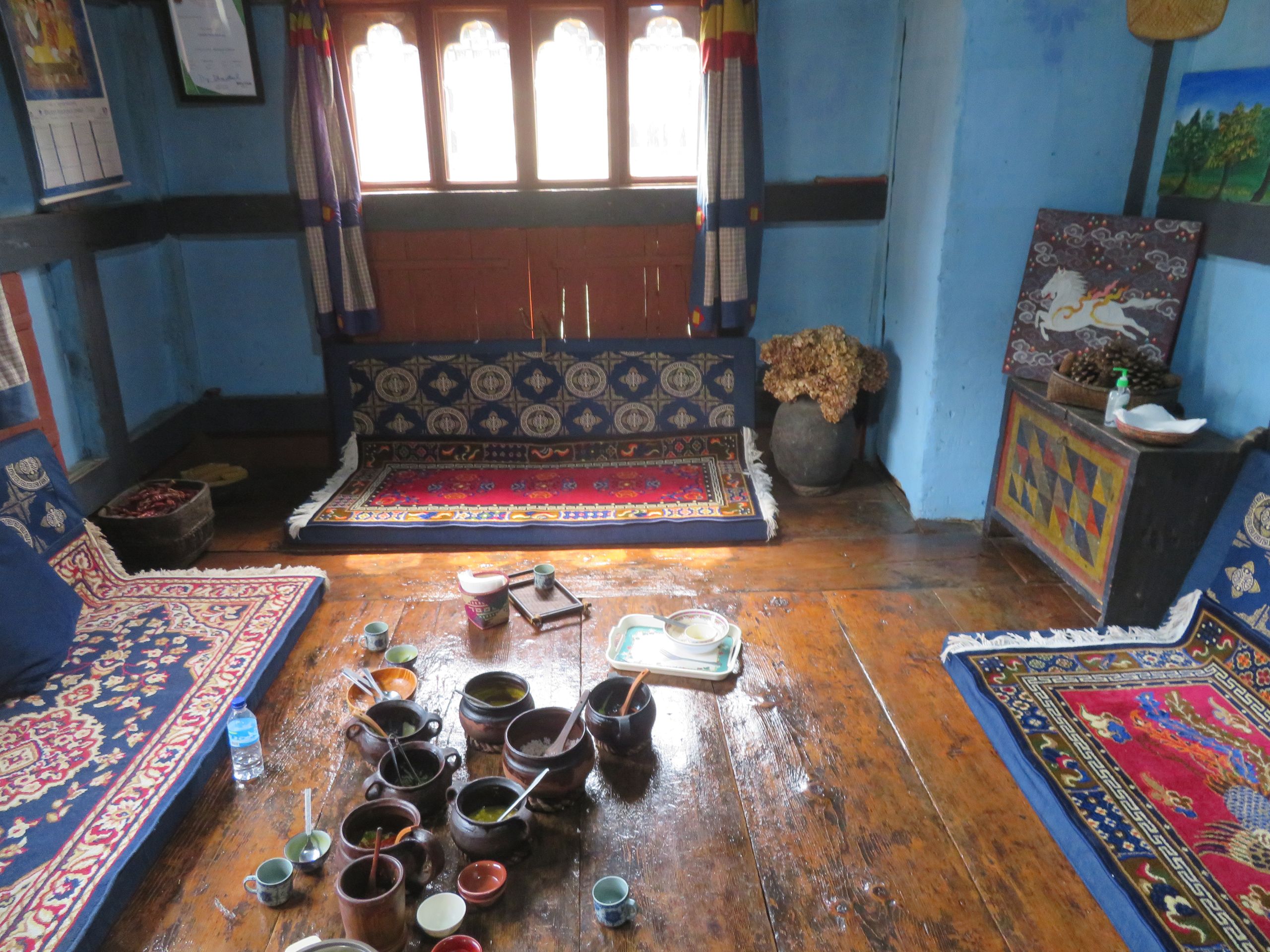
farmhouse. Both times we were shown the meditation or prayer room where we were allowed to take photographs, unlike in temples. Ara, the homemade liquor, was also found as an...

Published: 09.05.2025
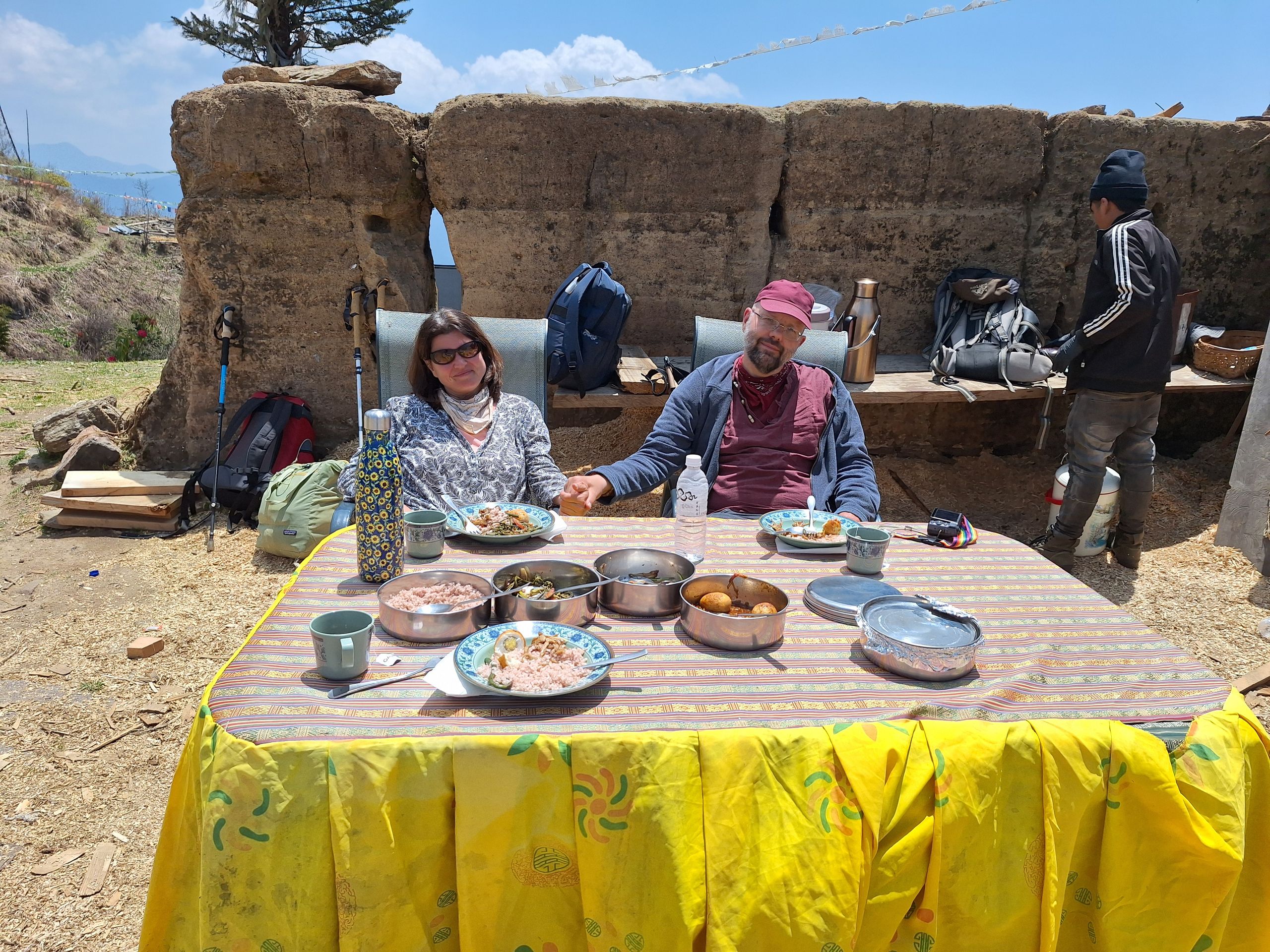
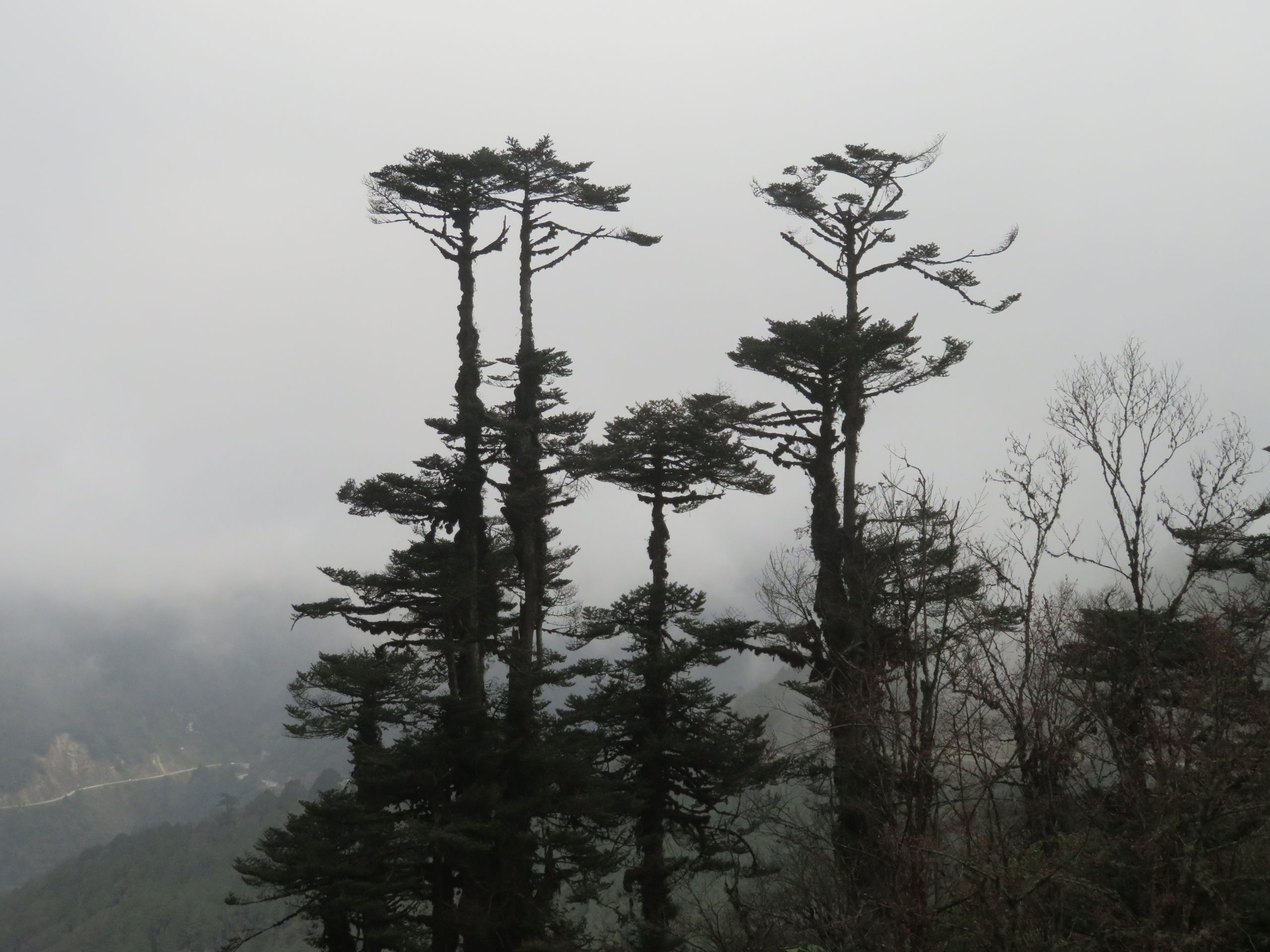
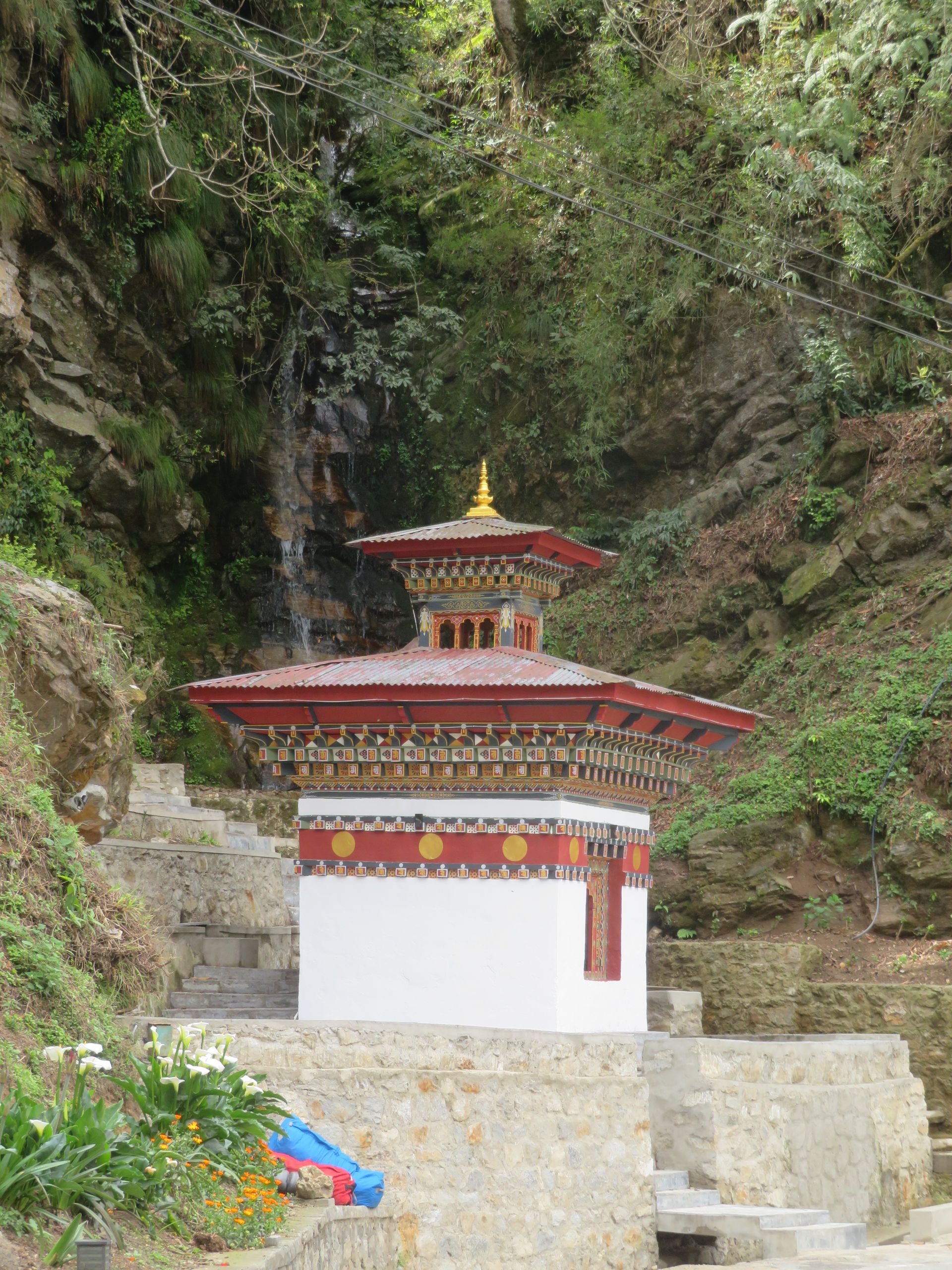
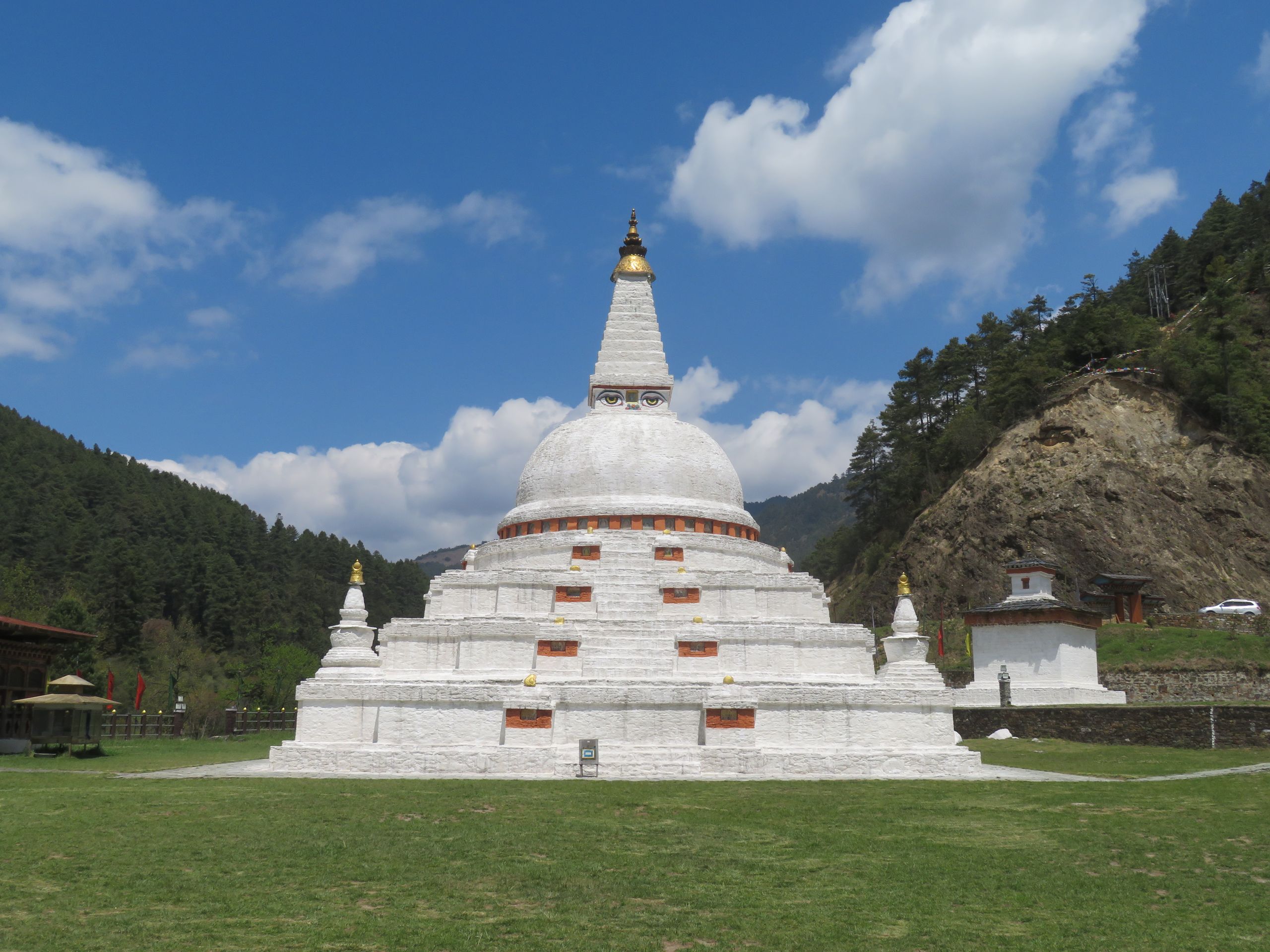
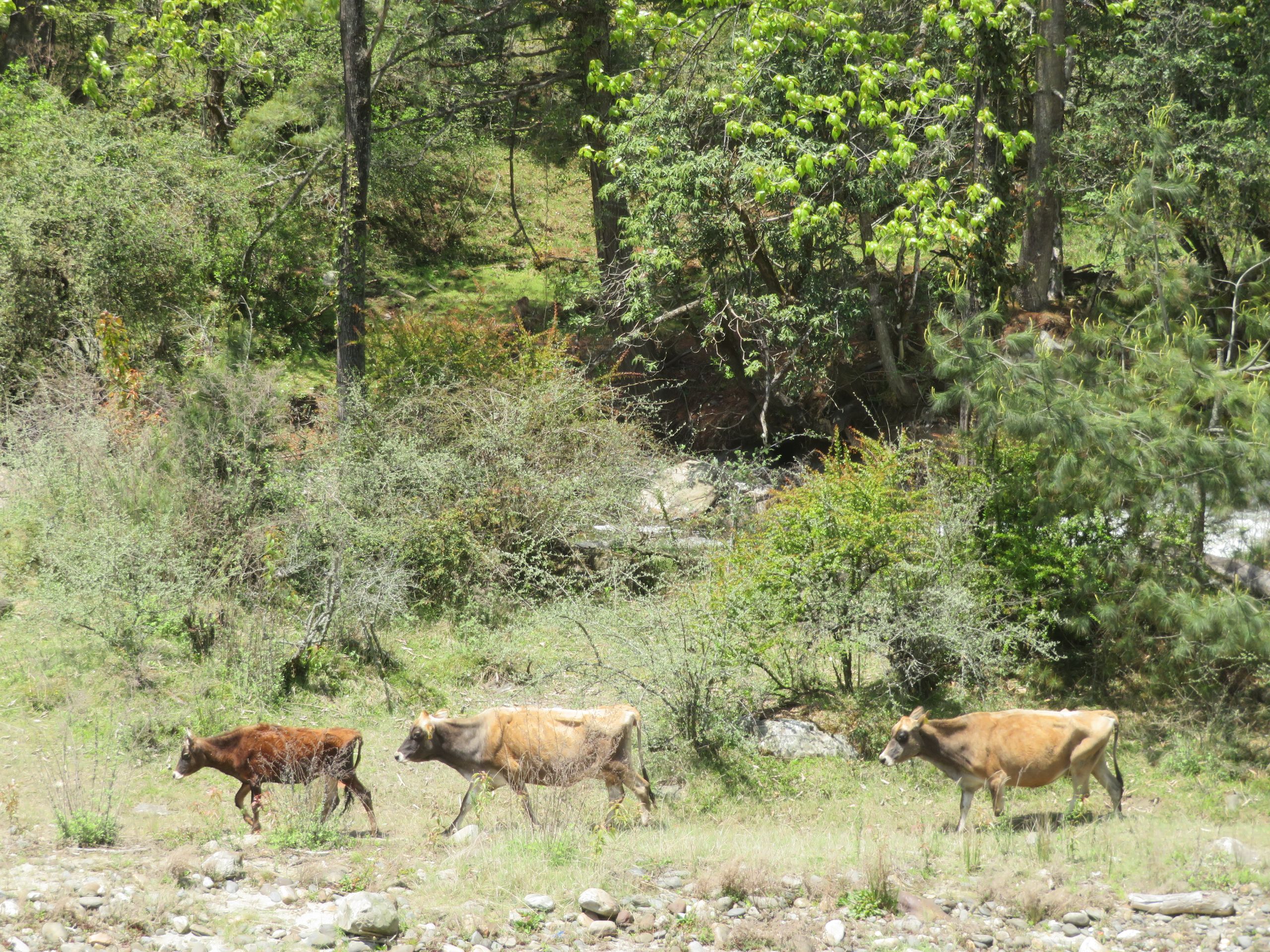
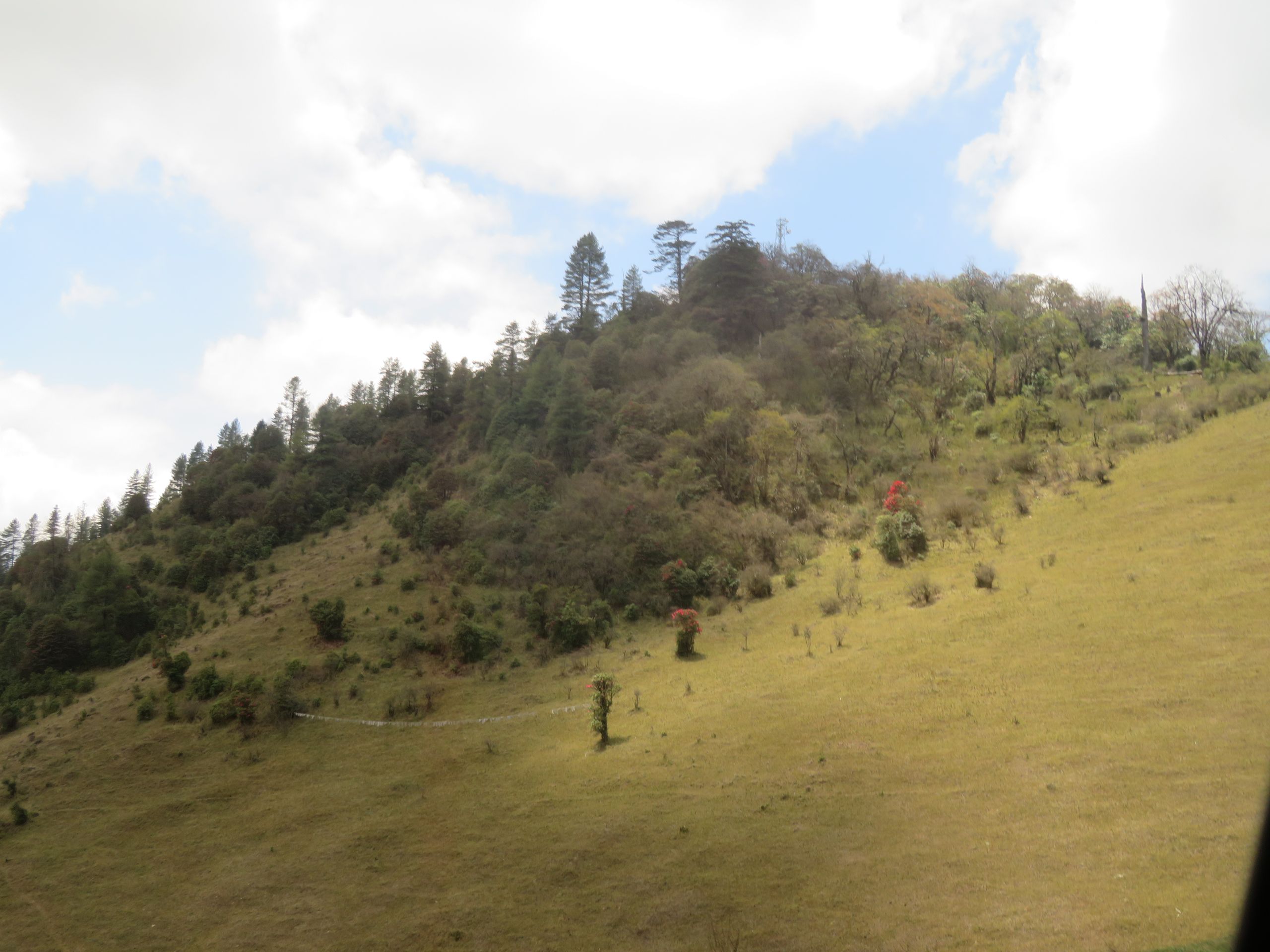
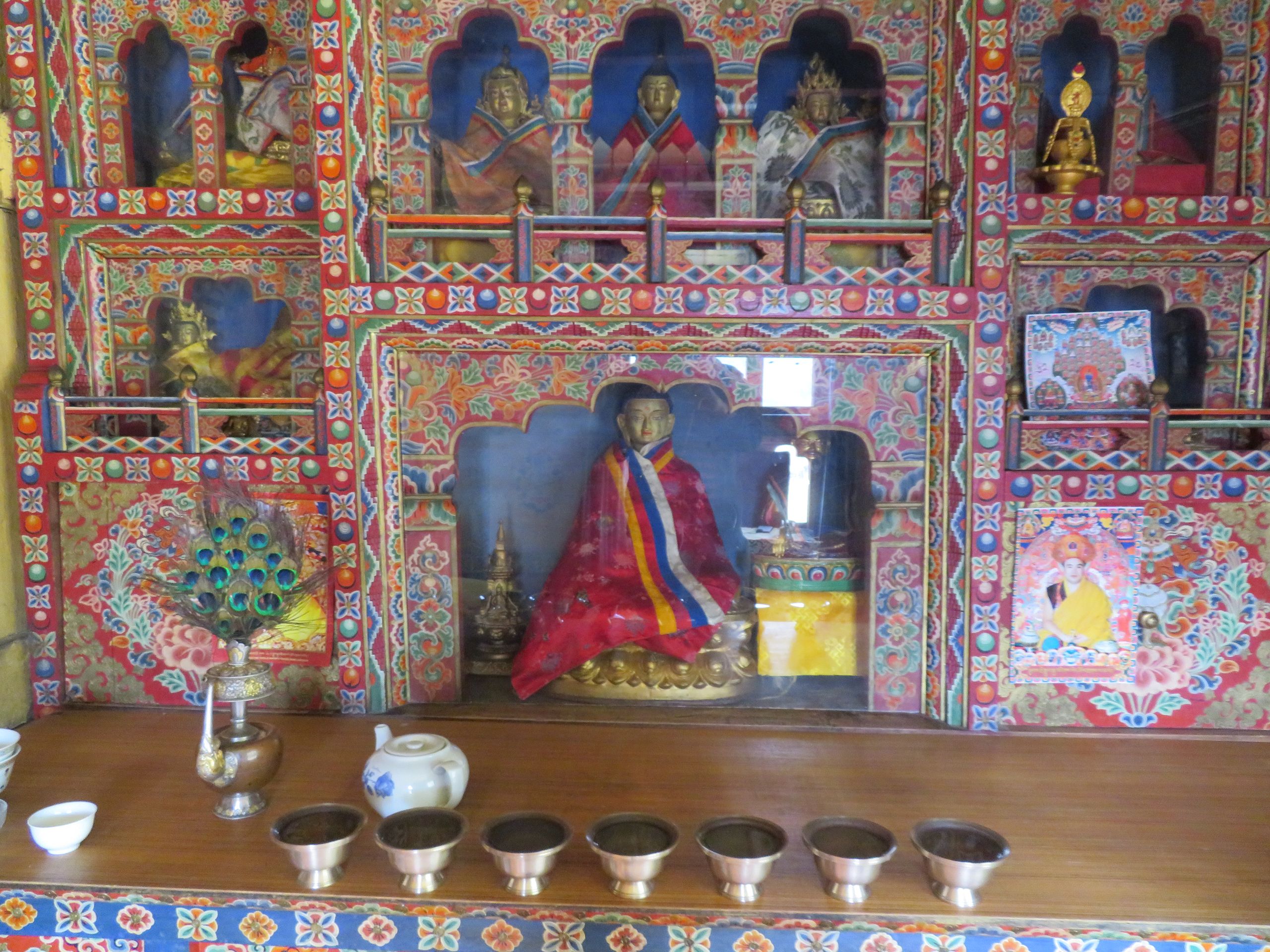
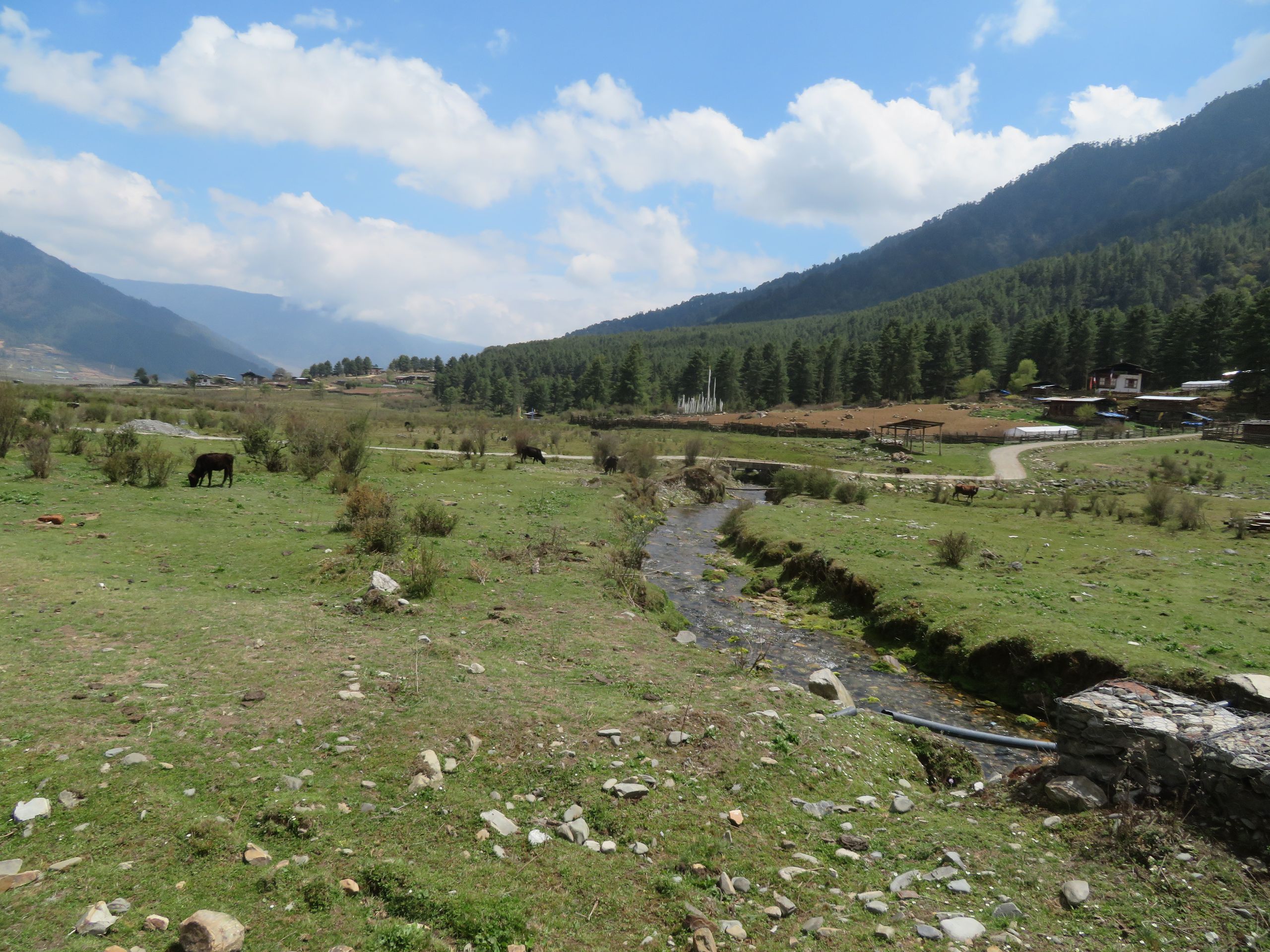
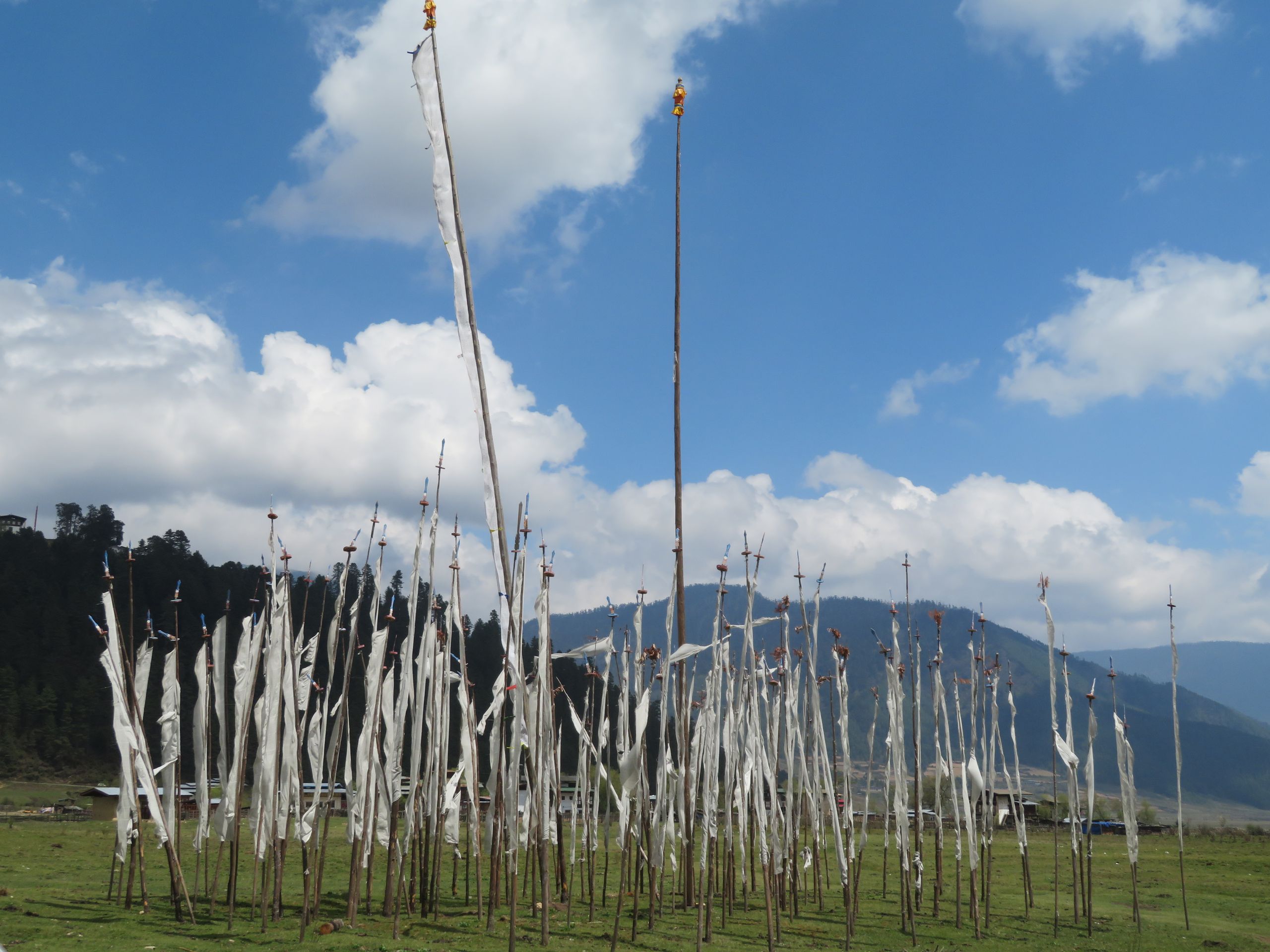
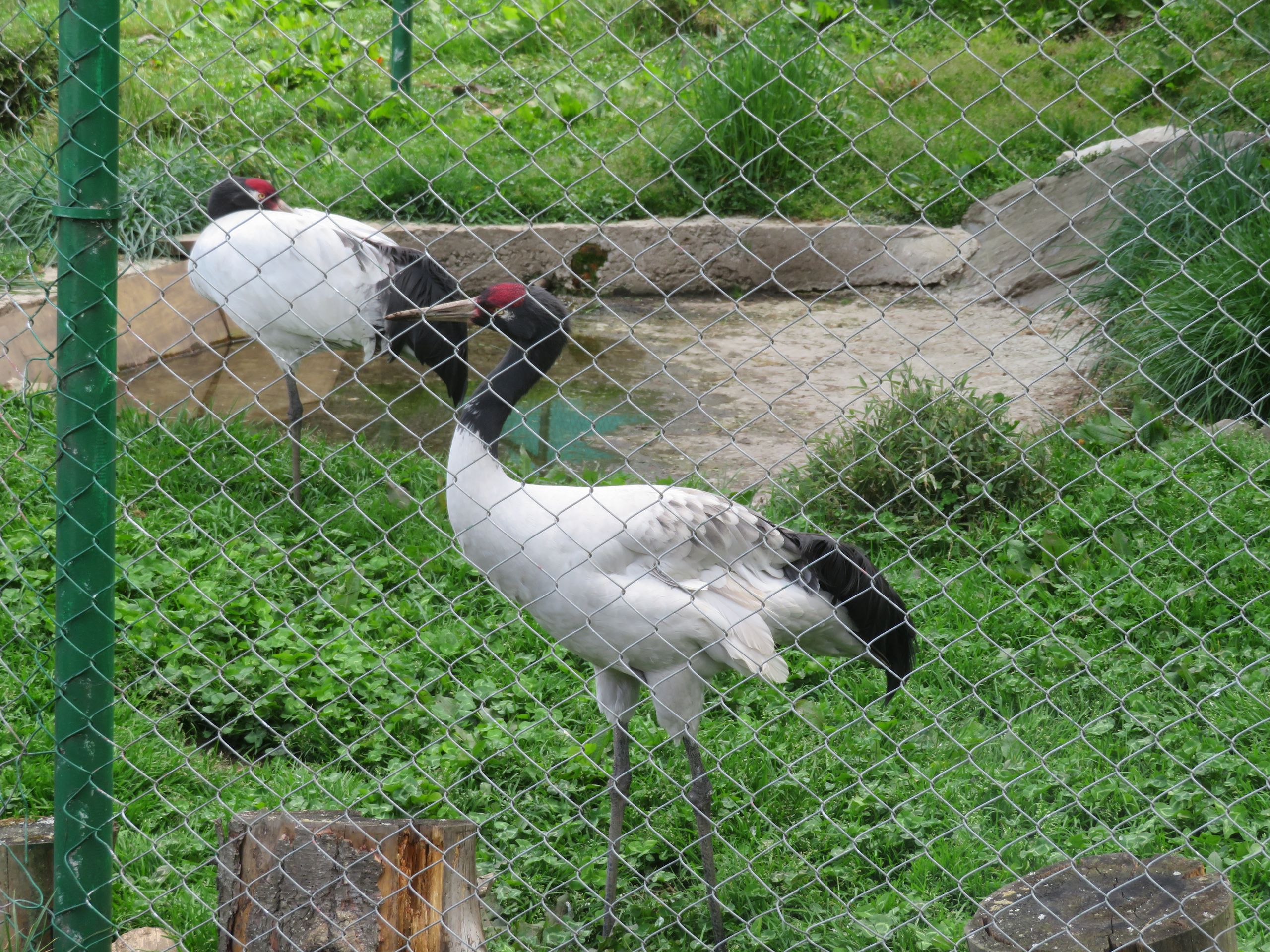
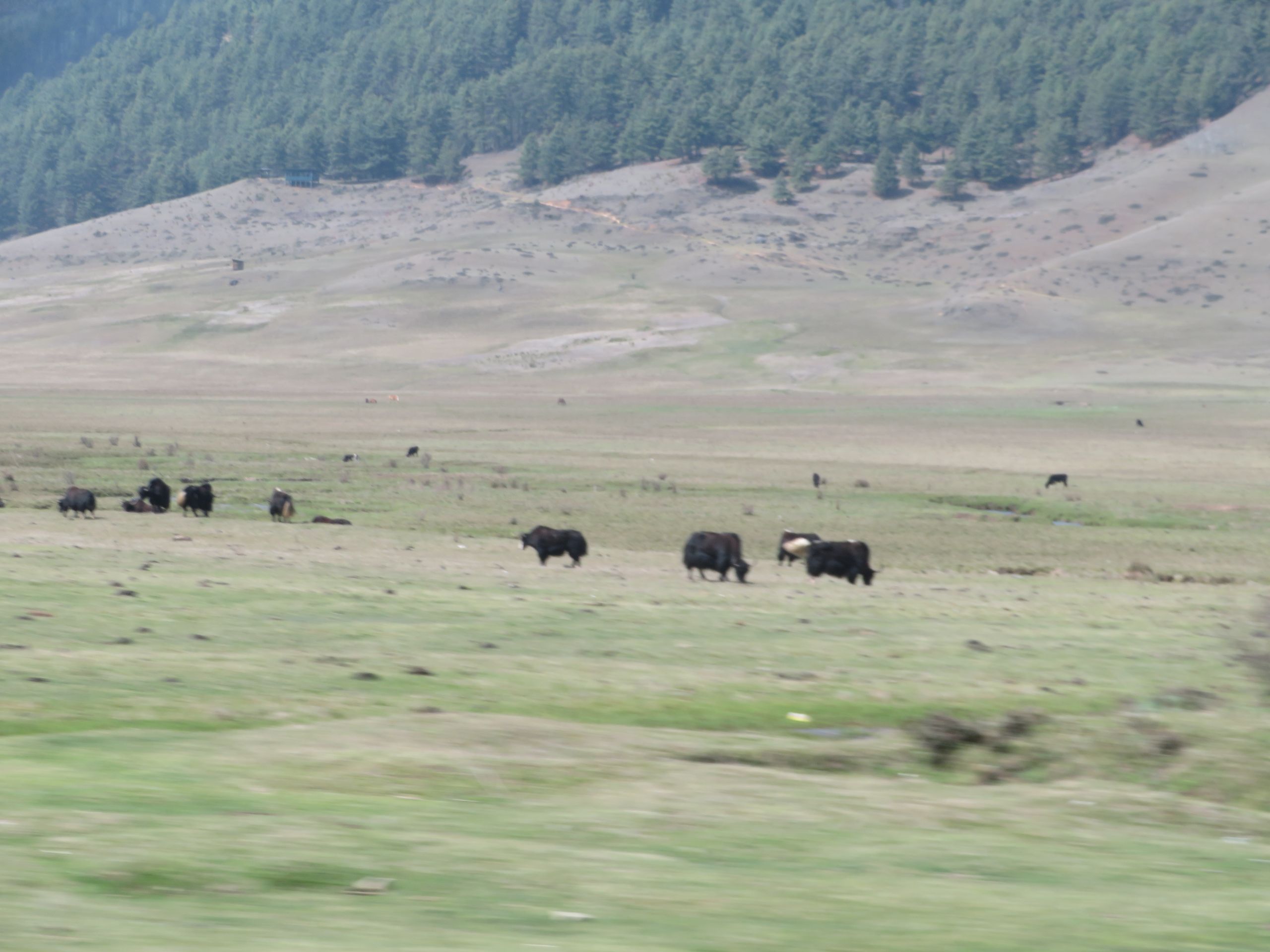
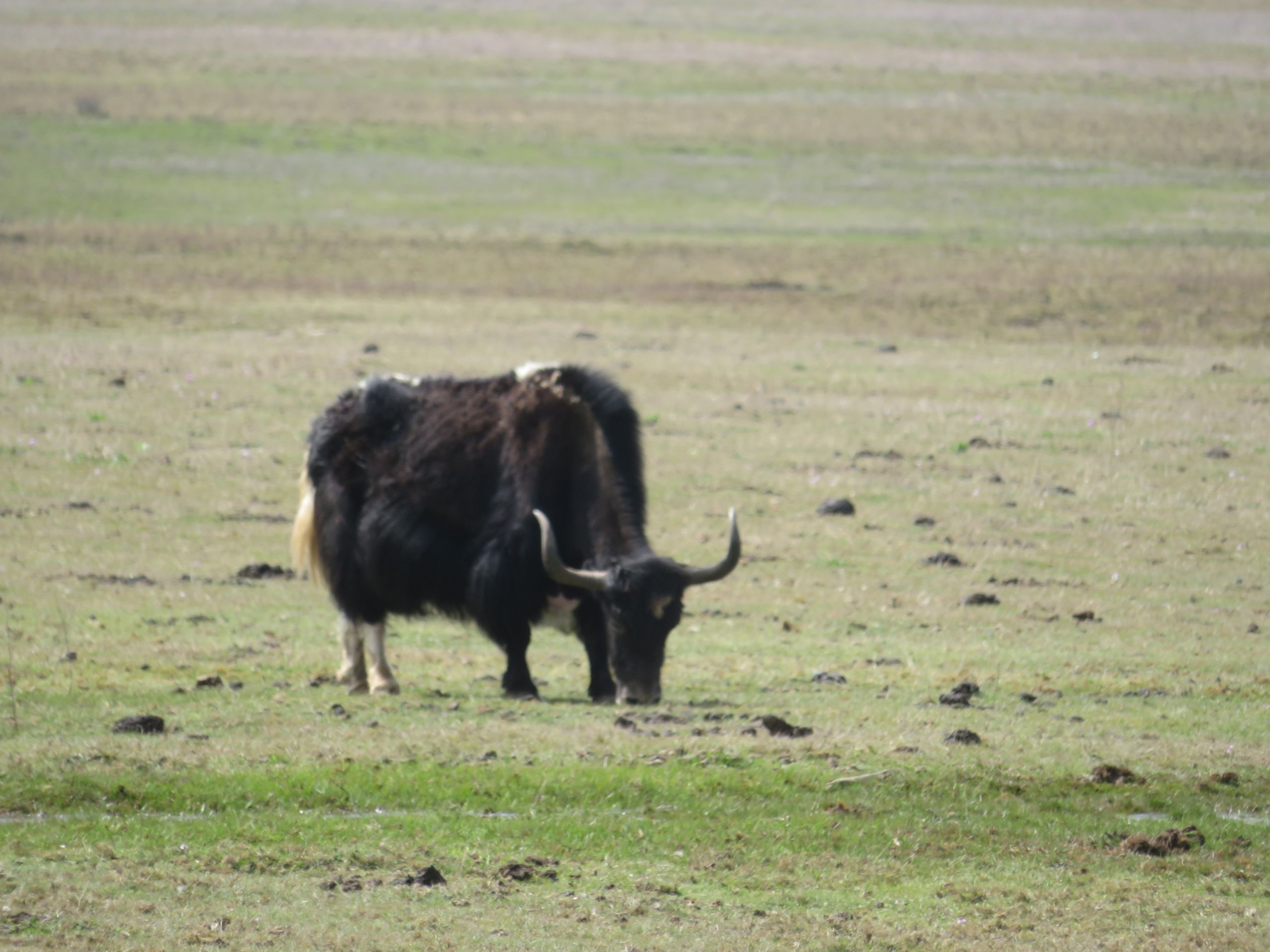
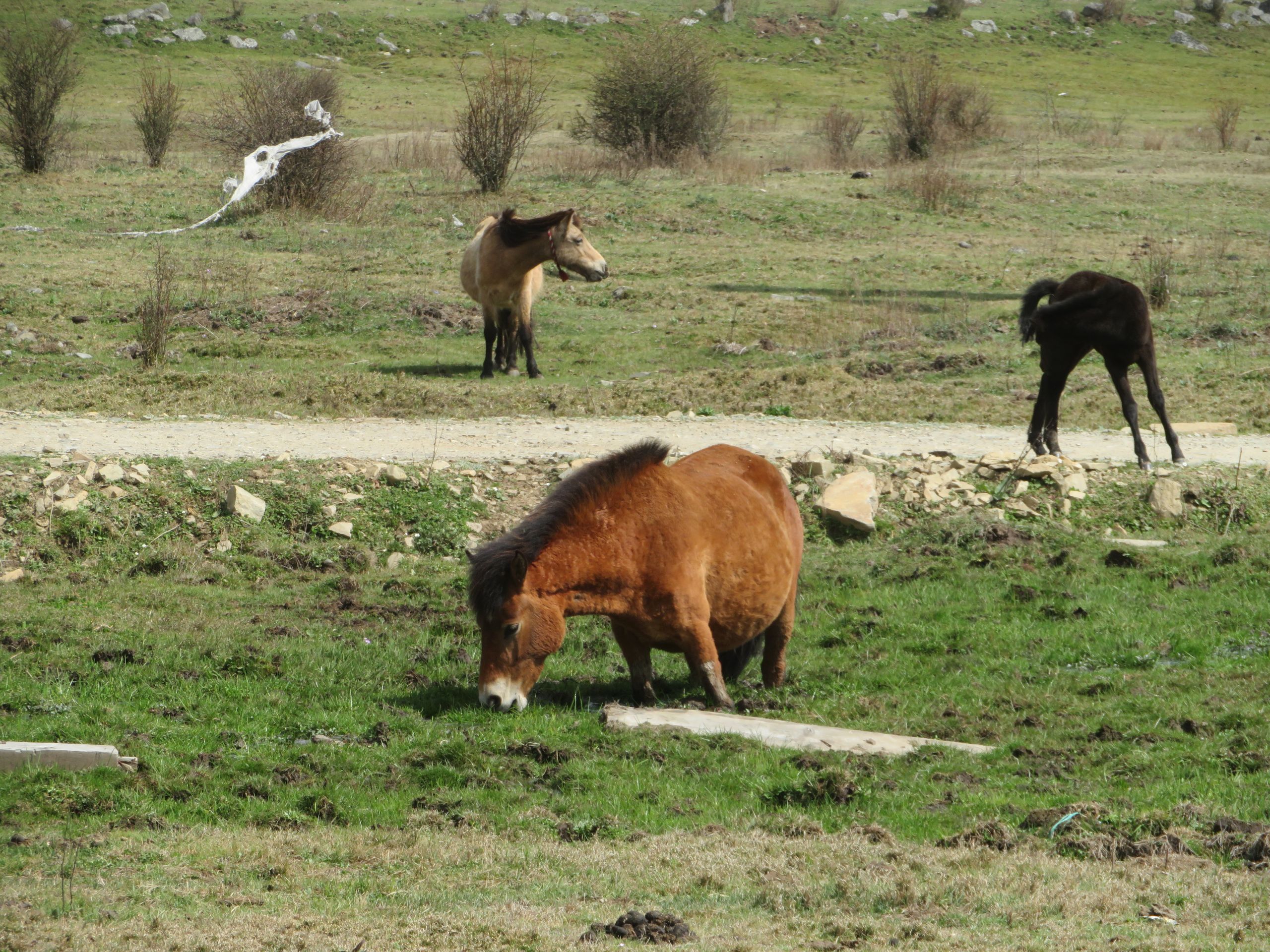
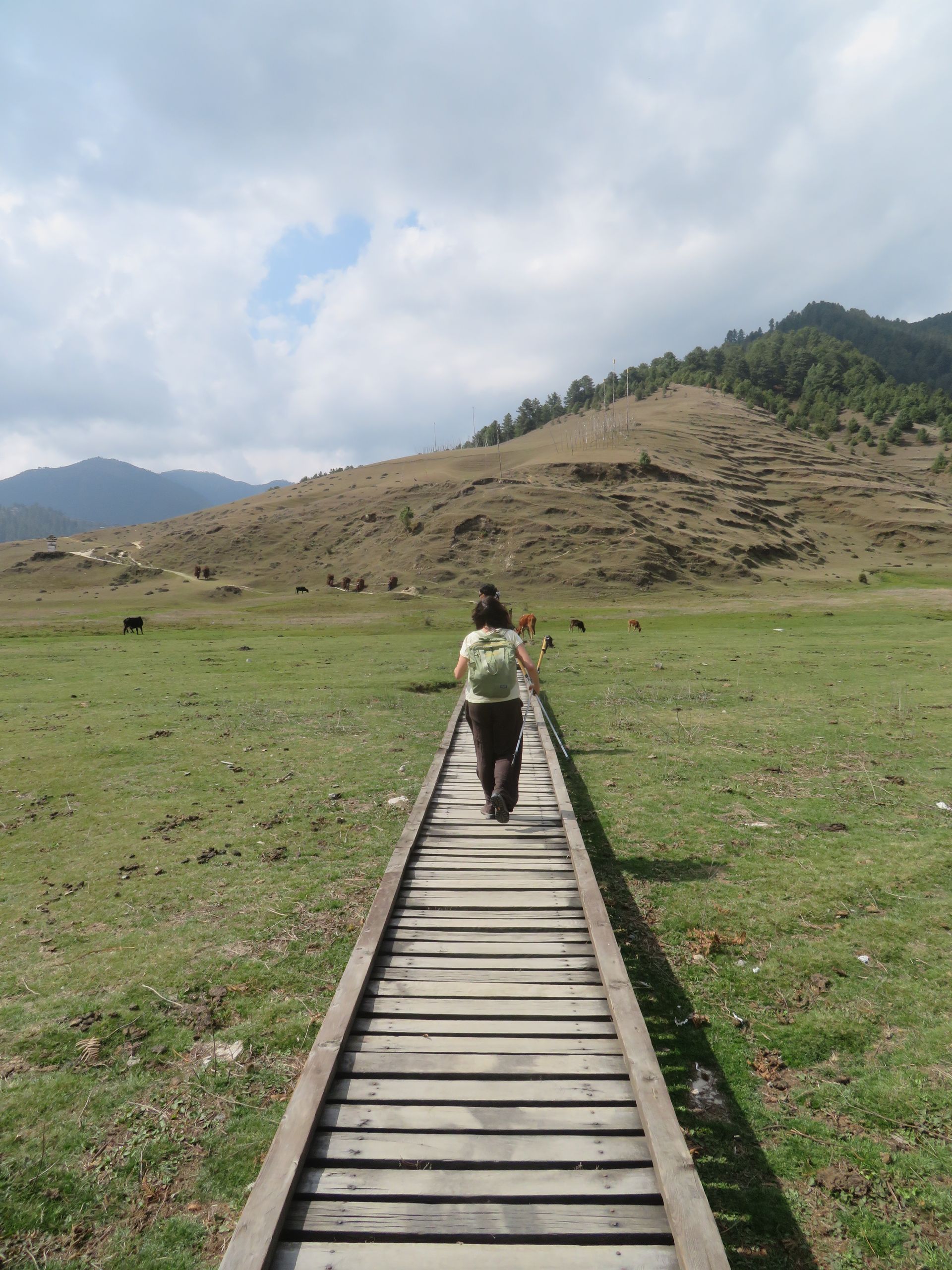
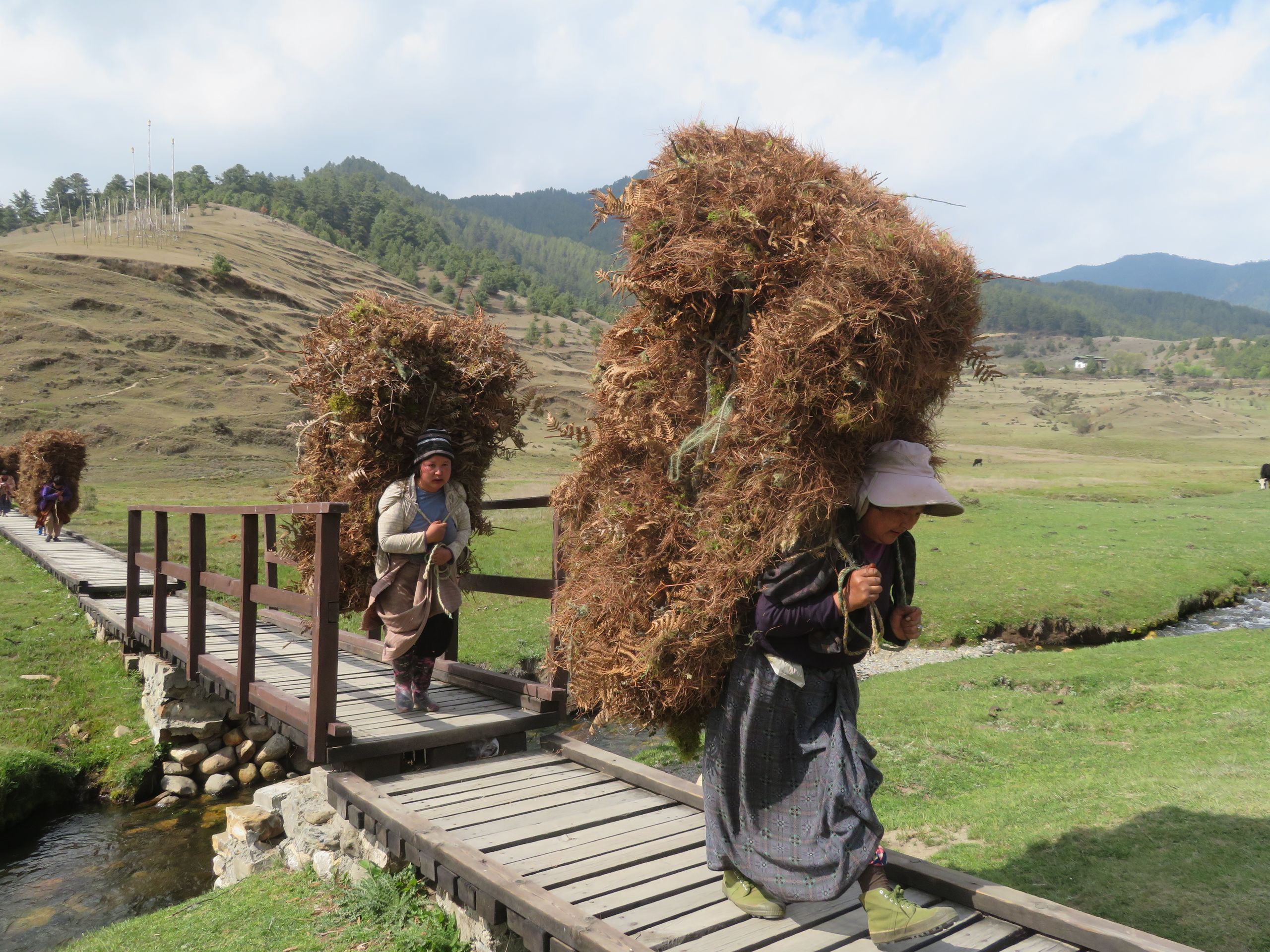
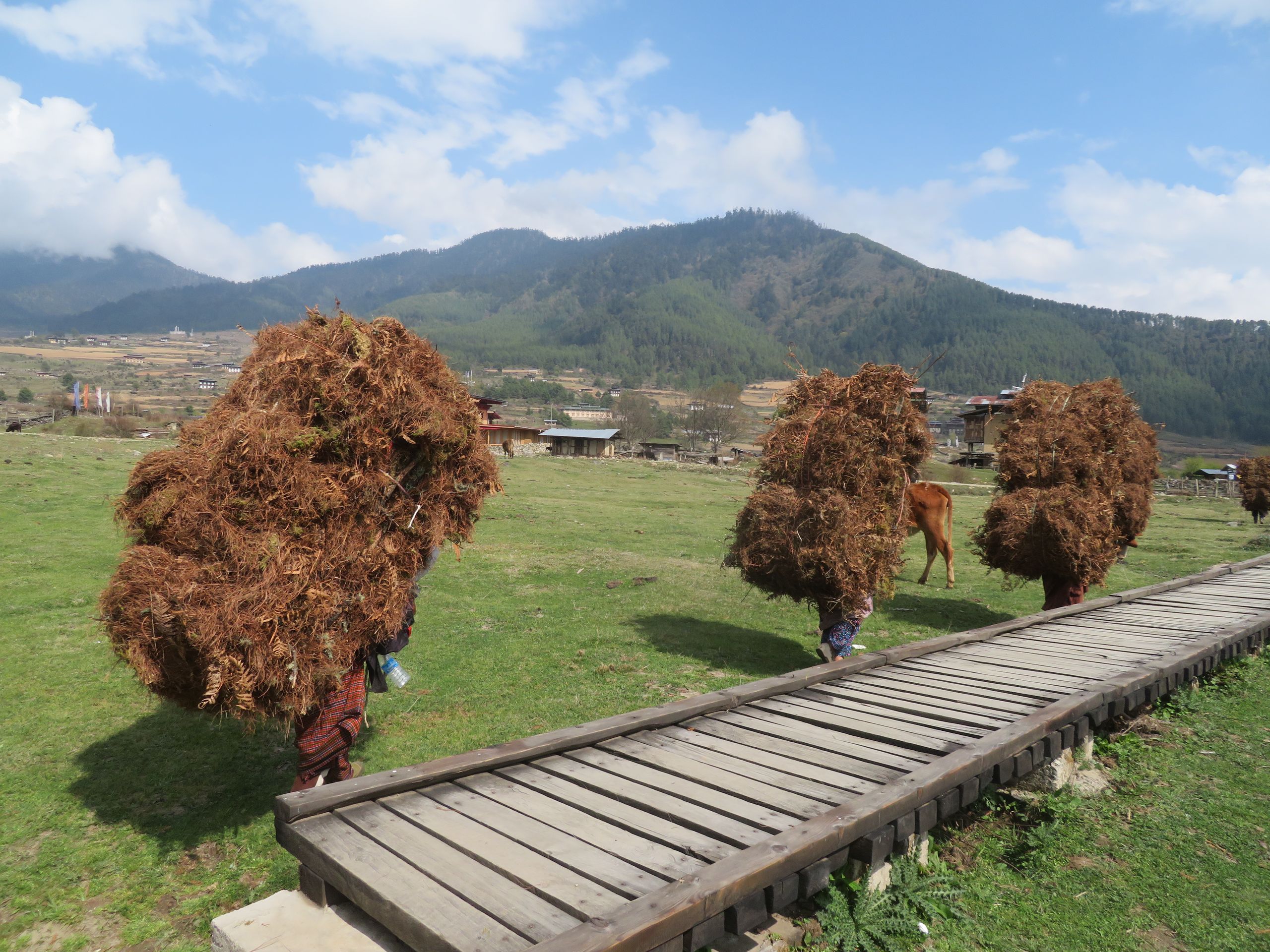
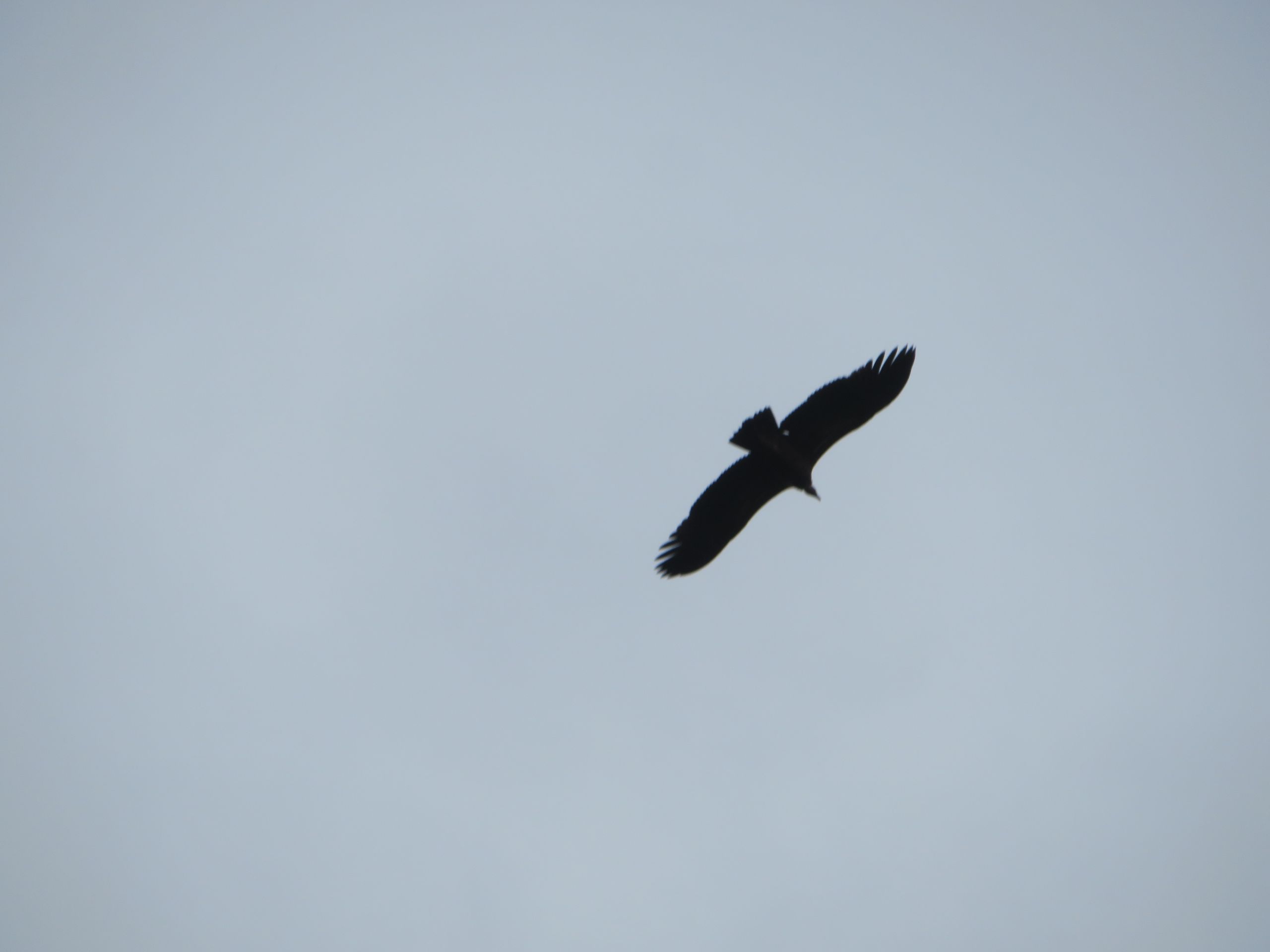
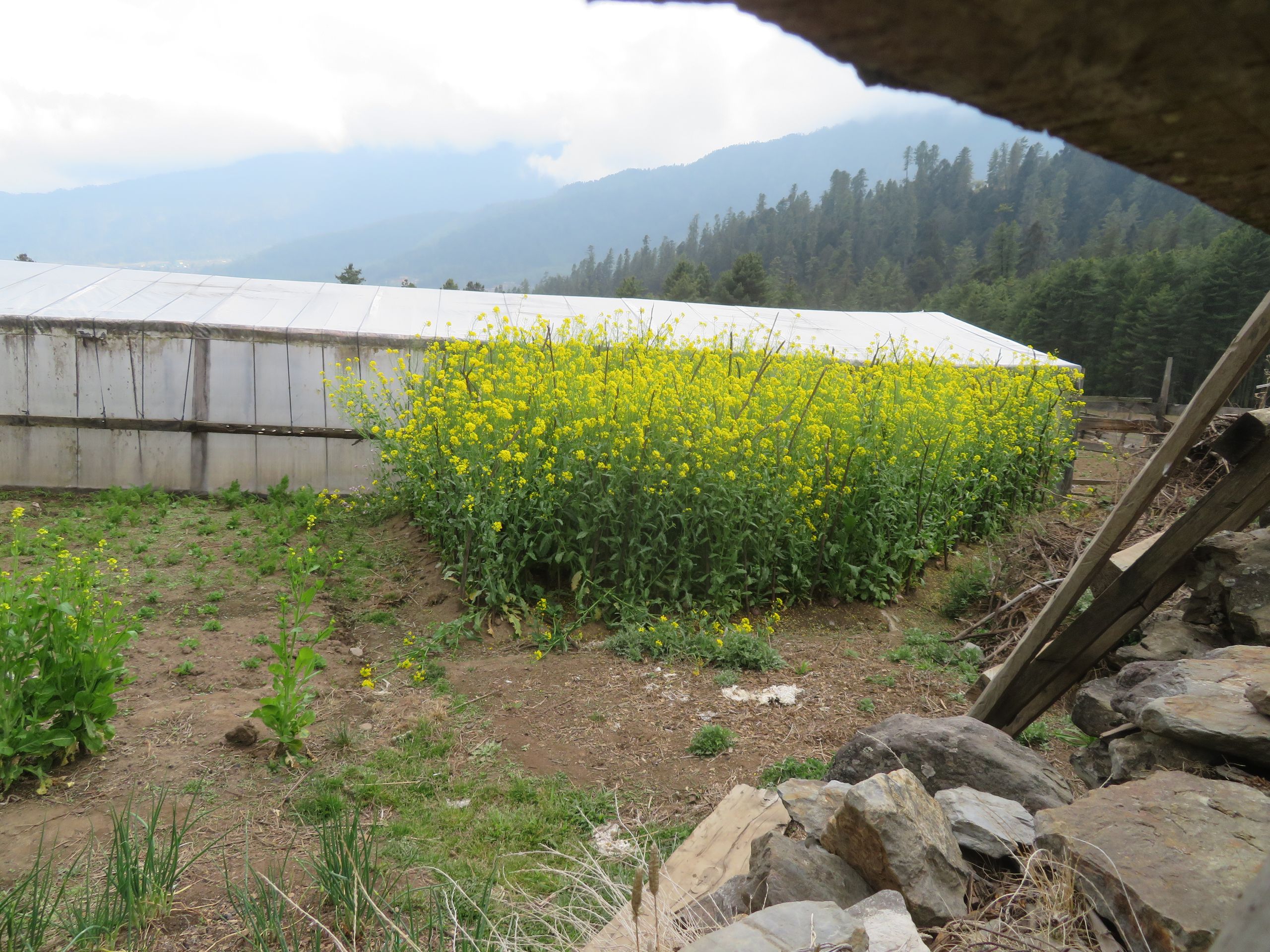
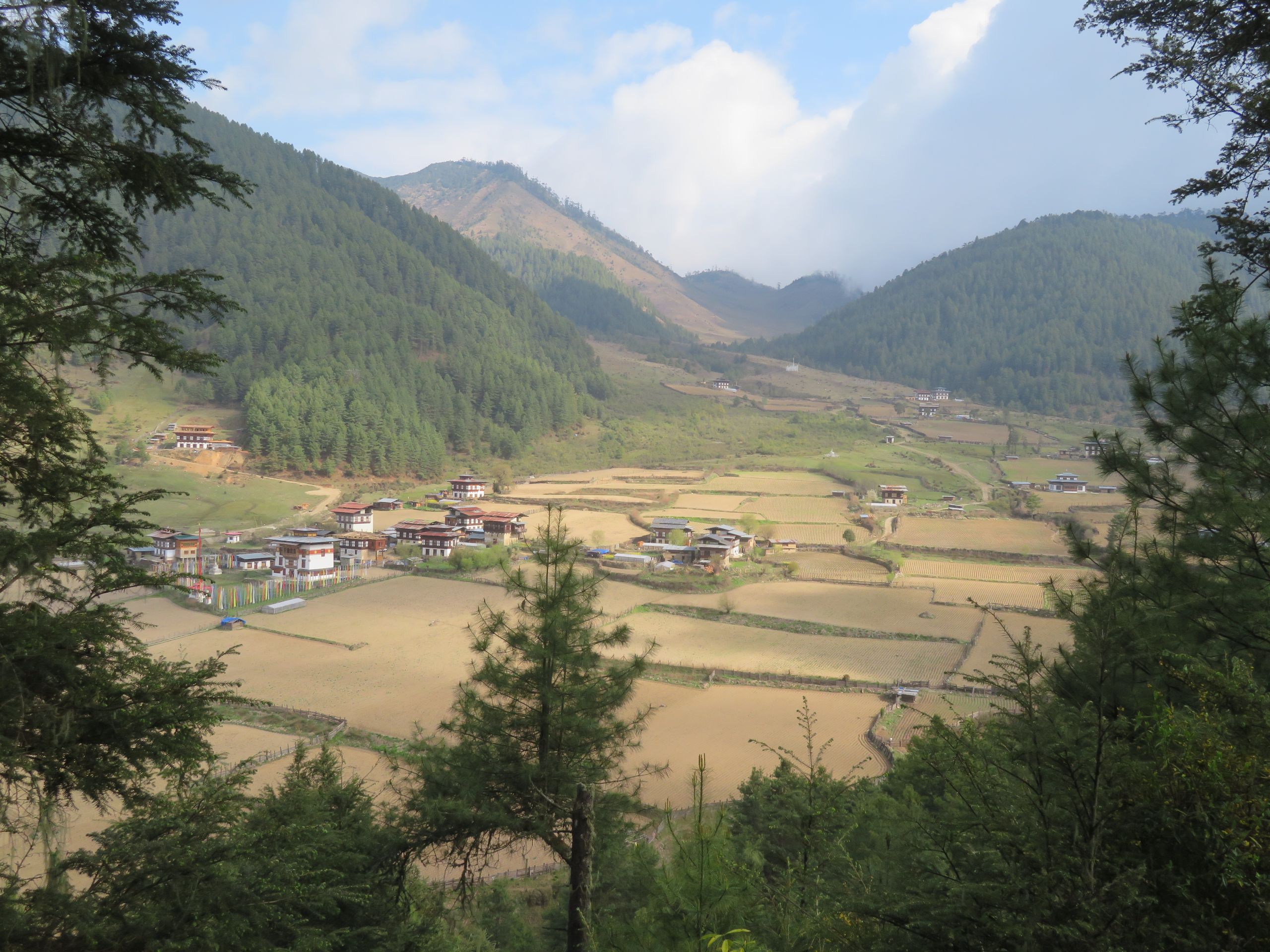
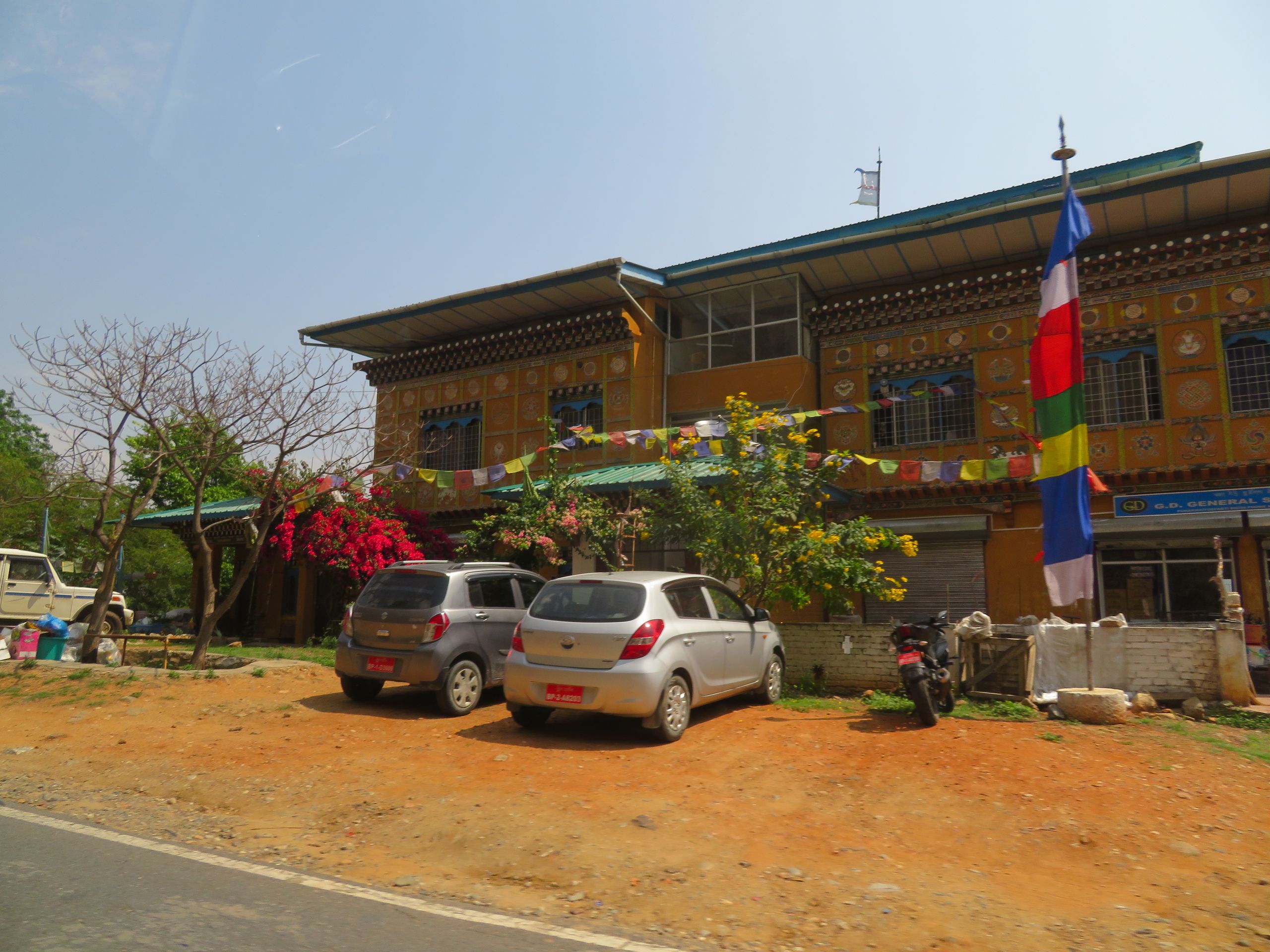
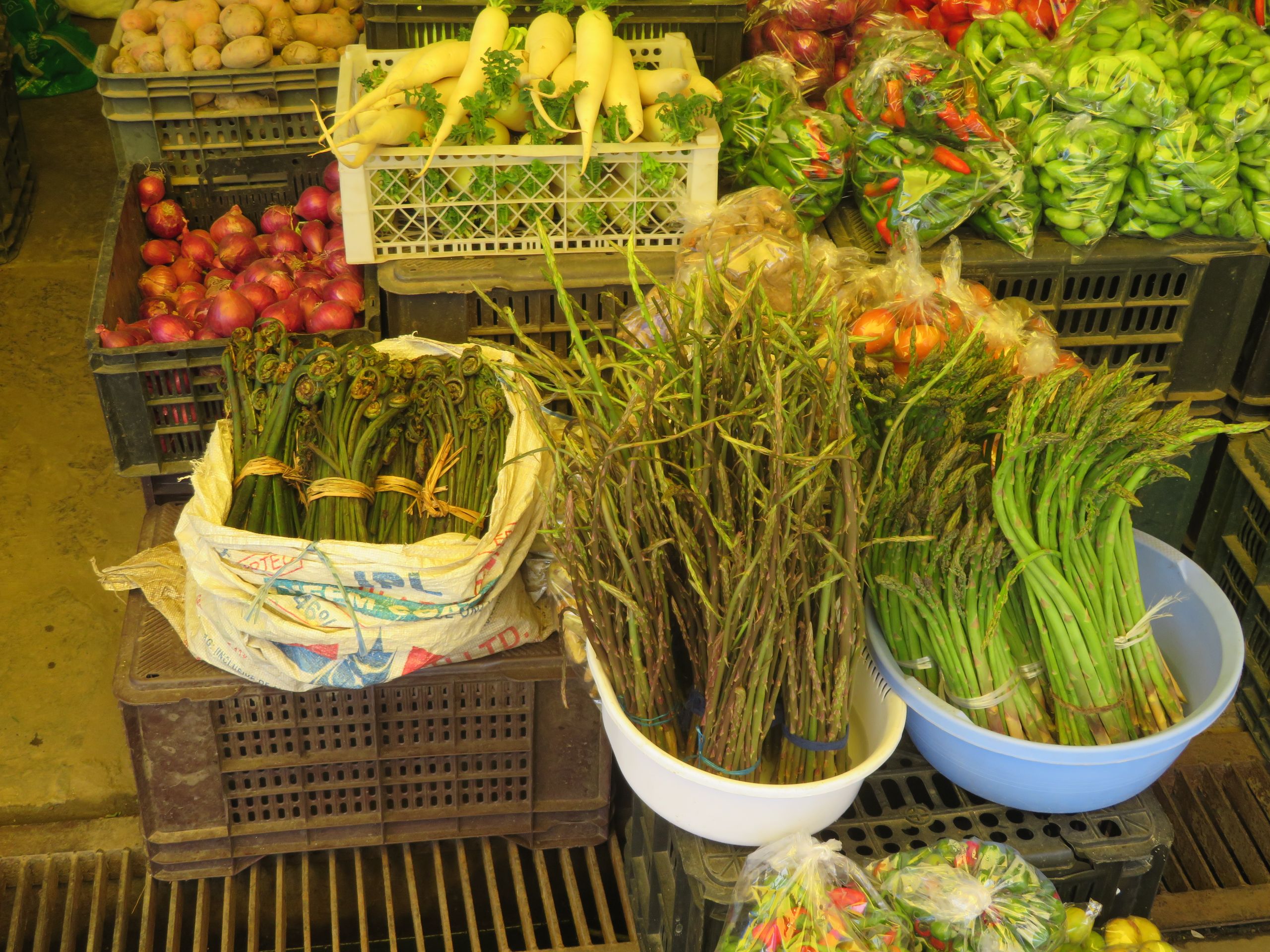
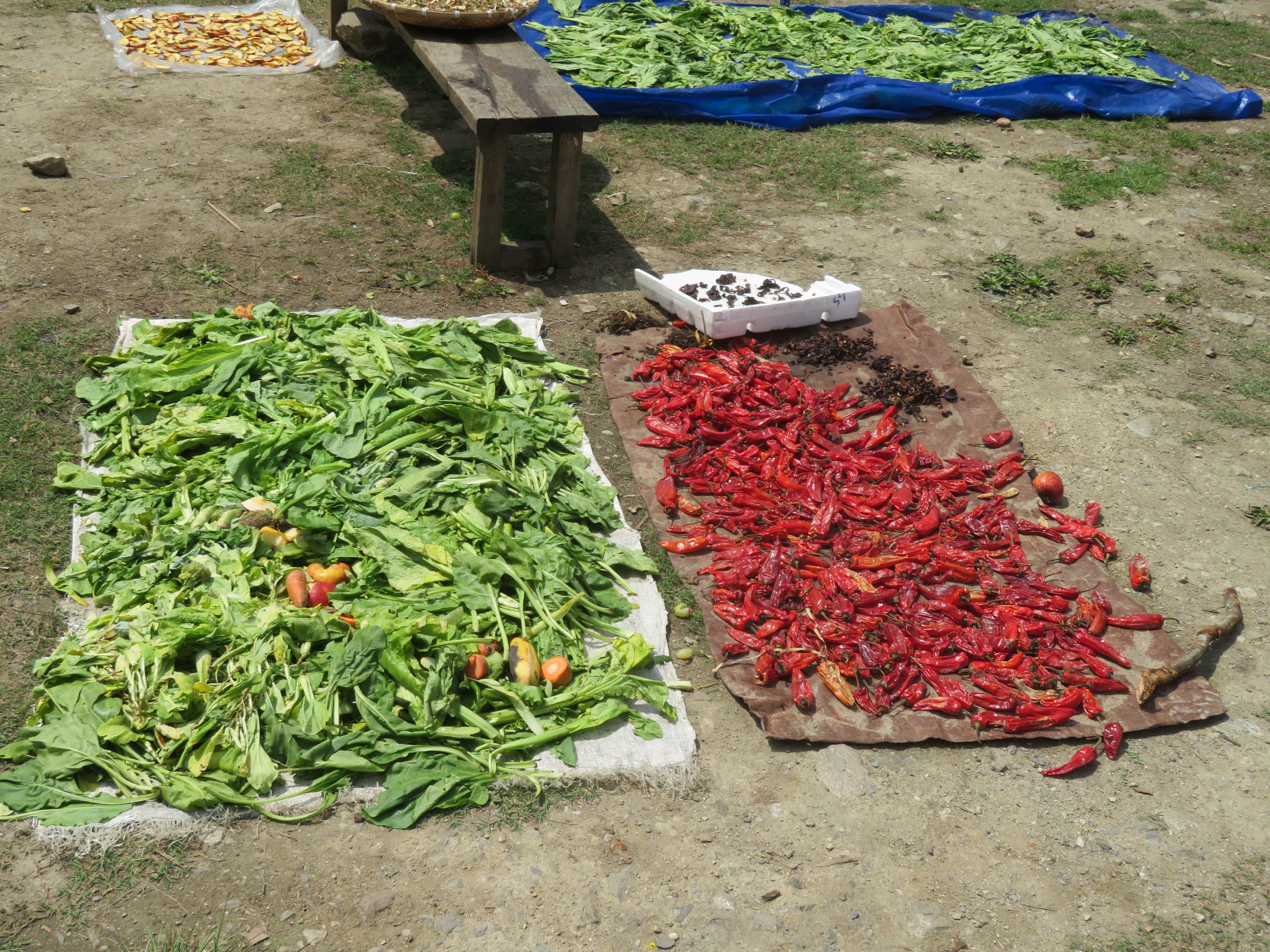
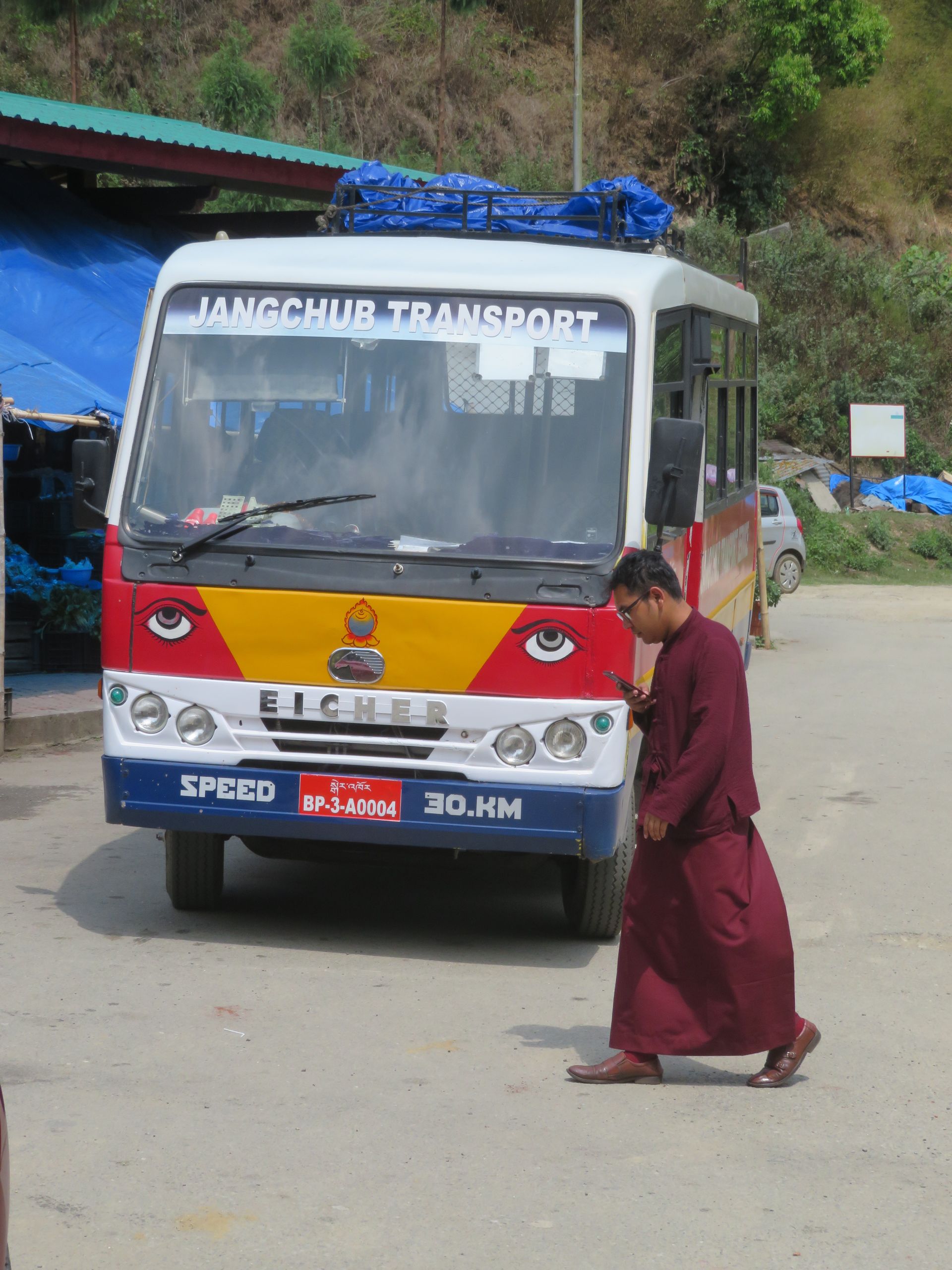
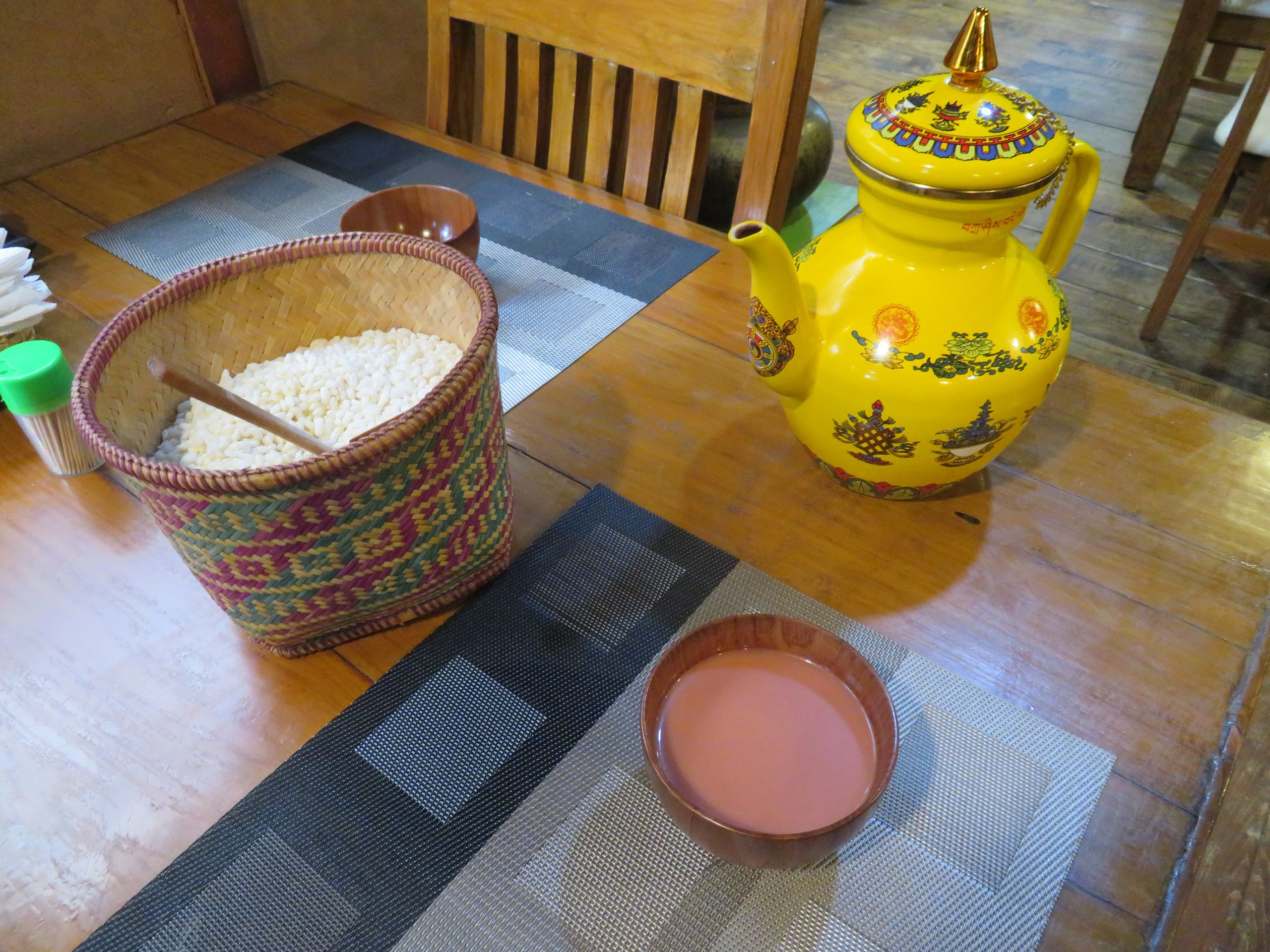
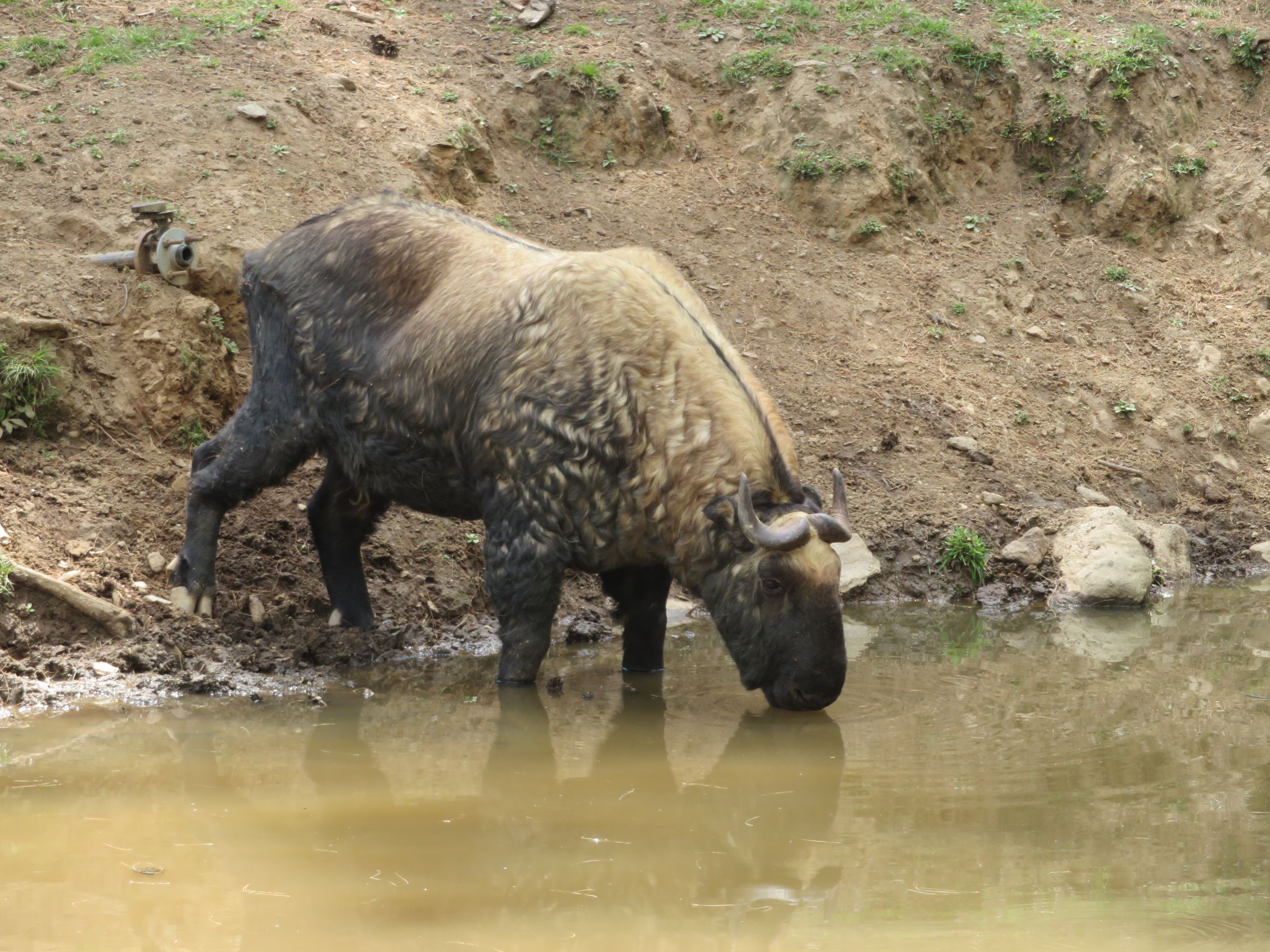
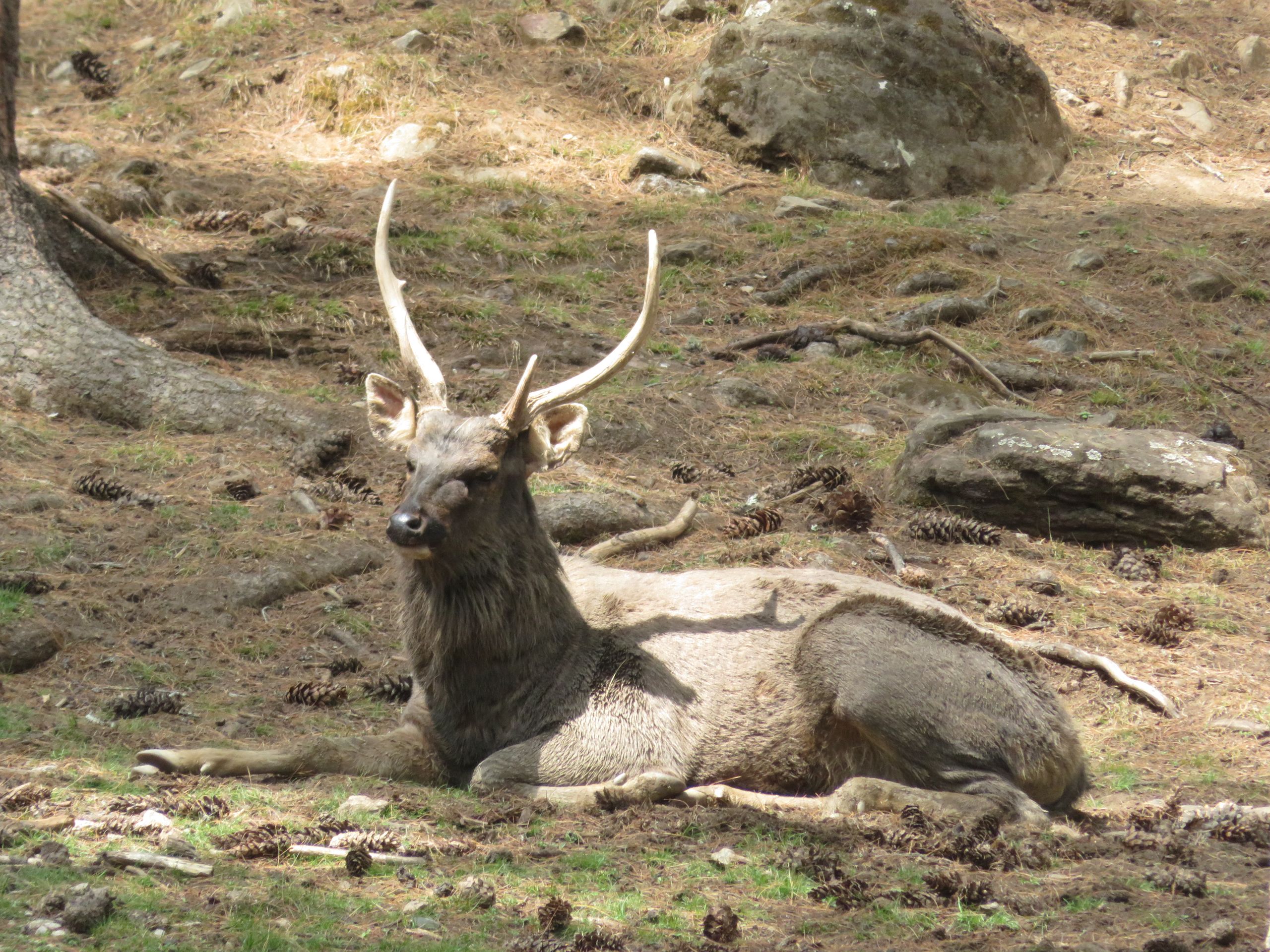
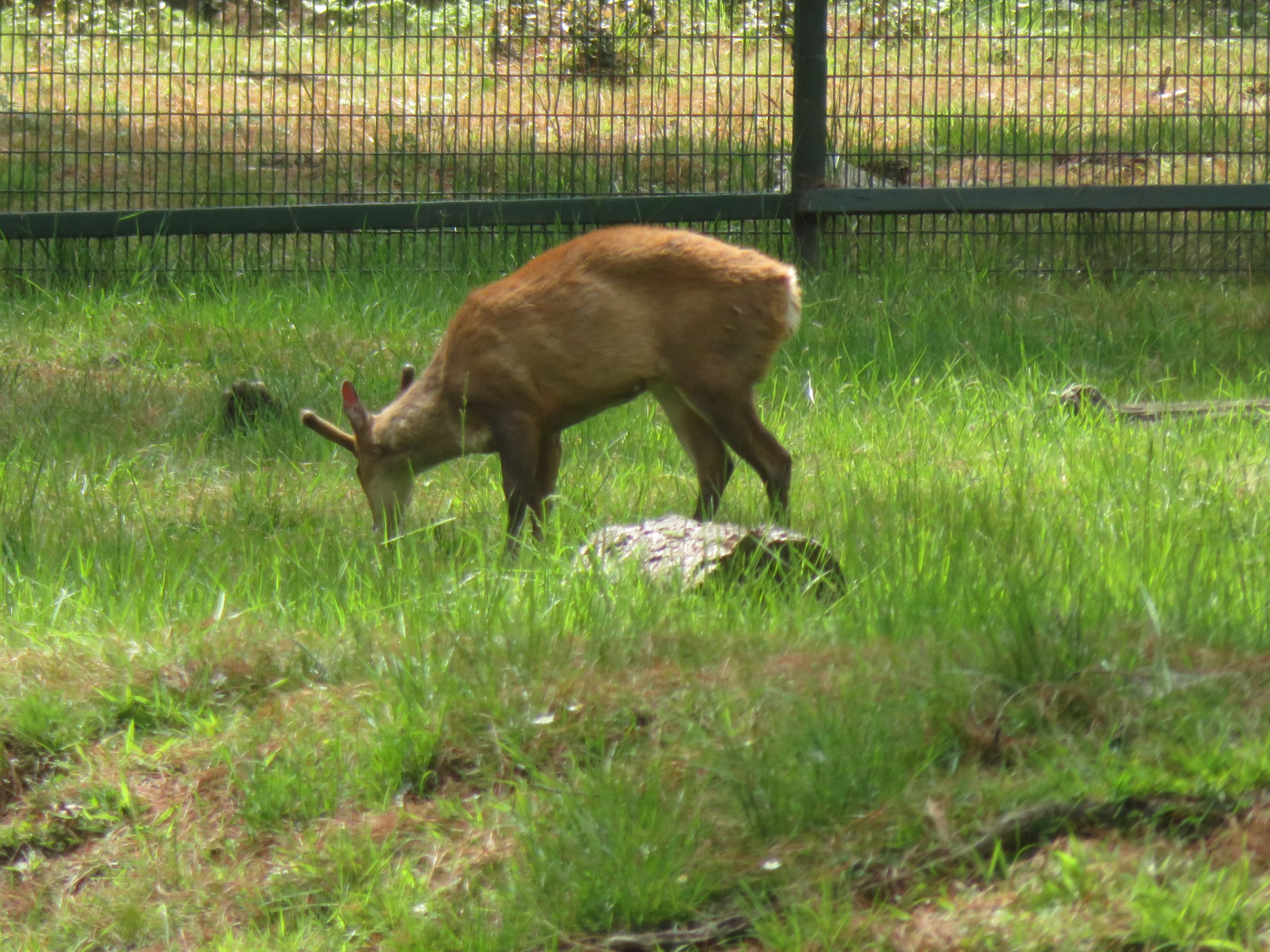
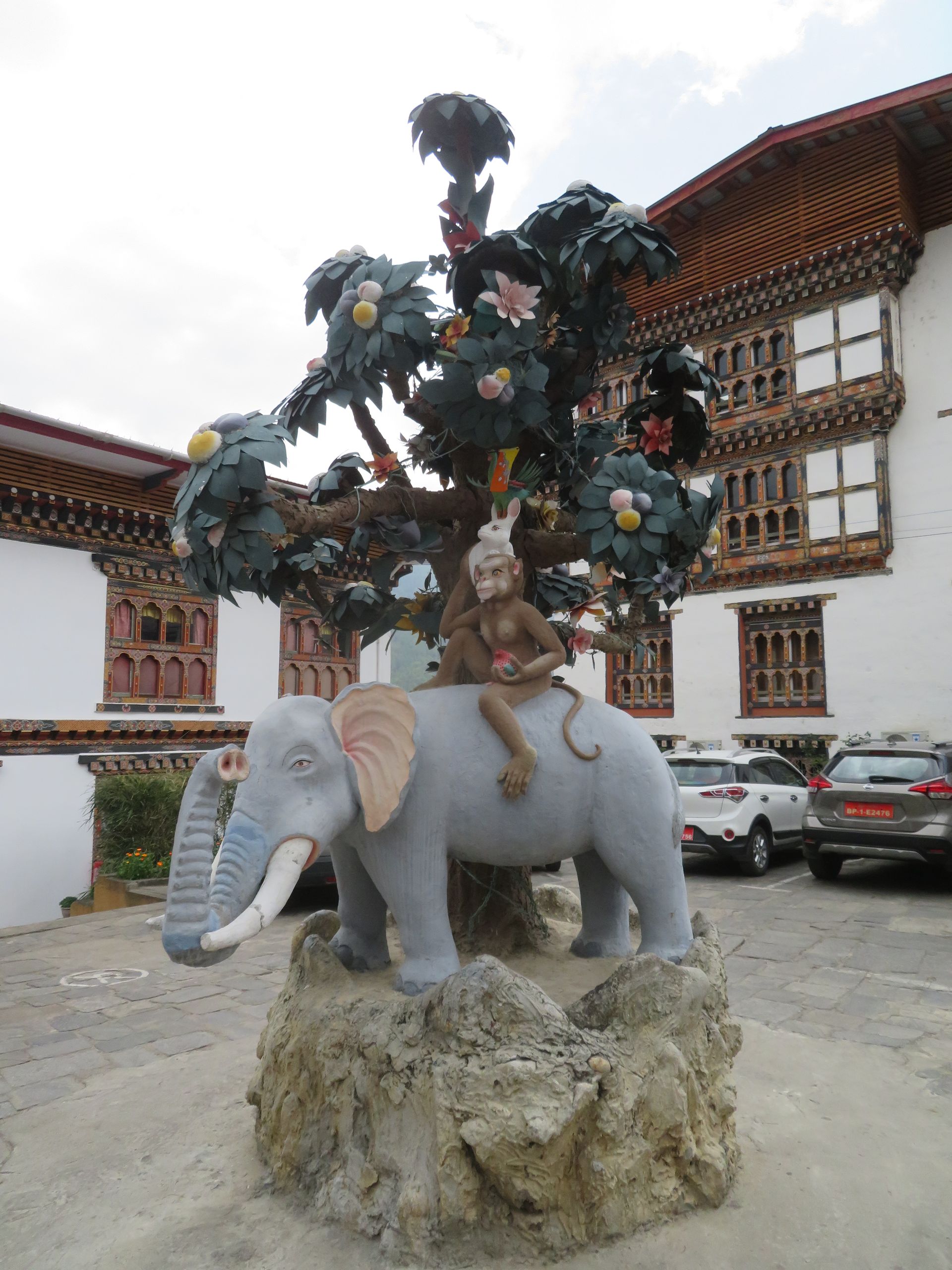
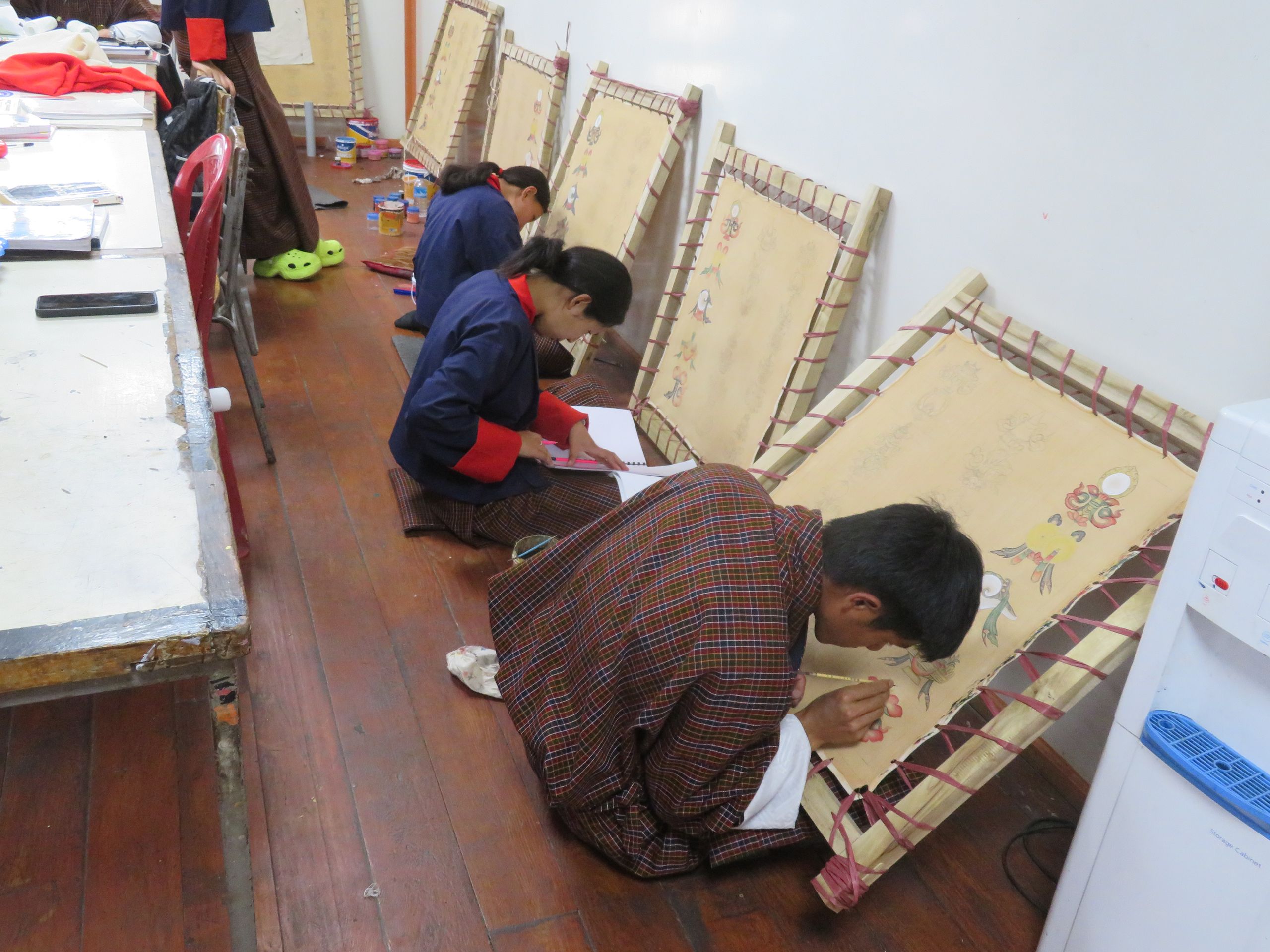
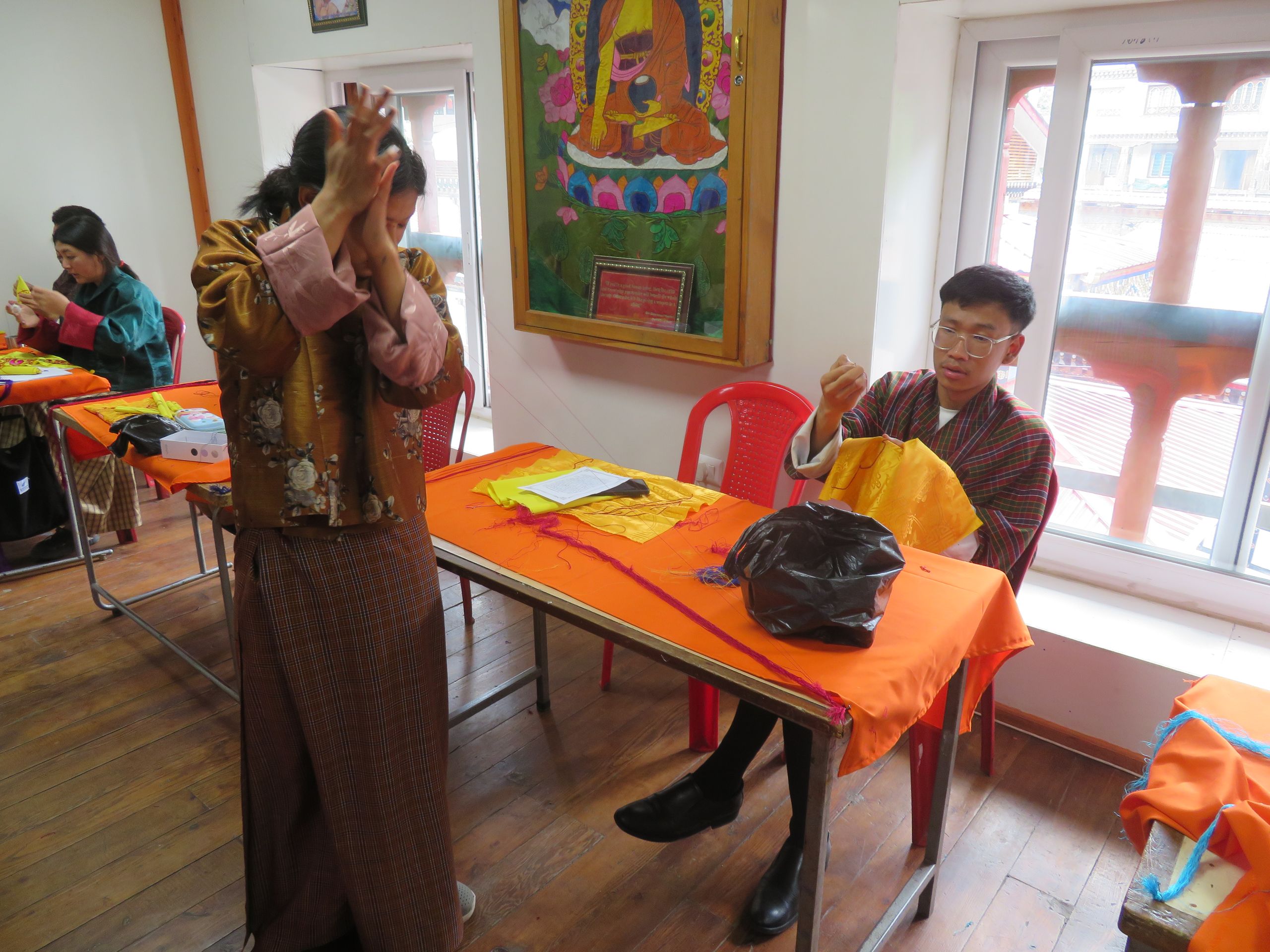
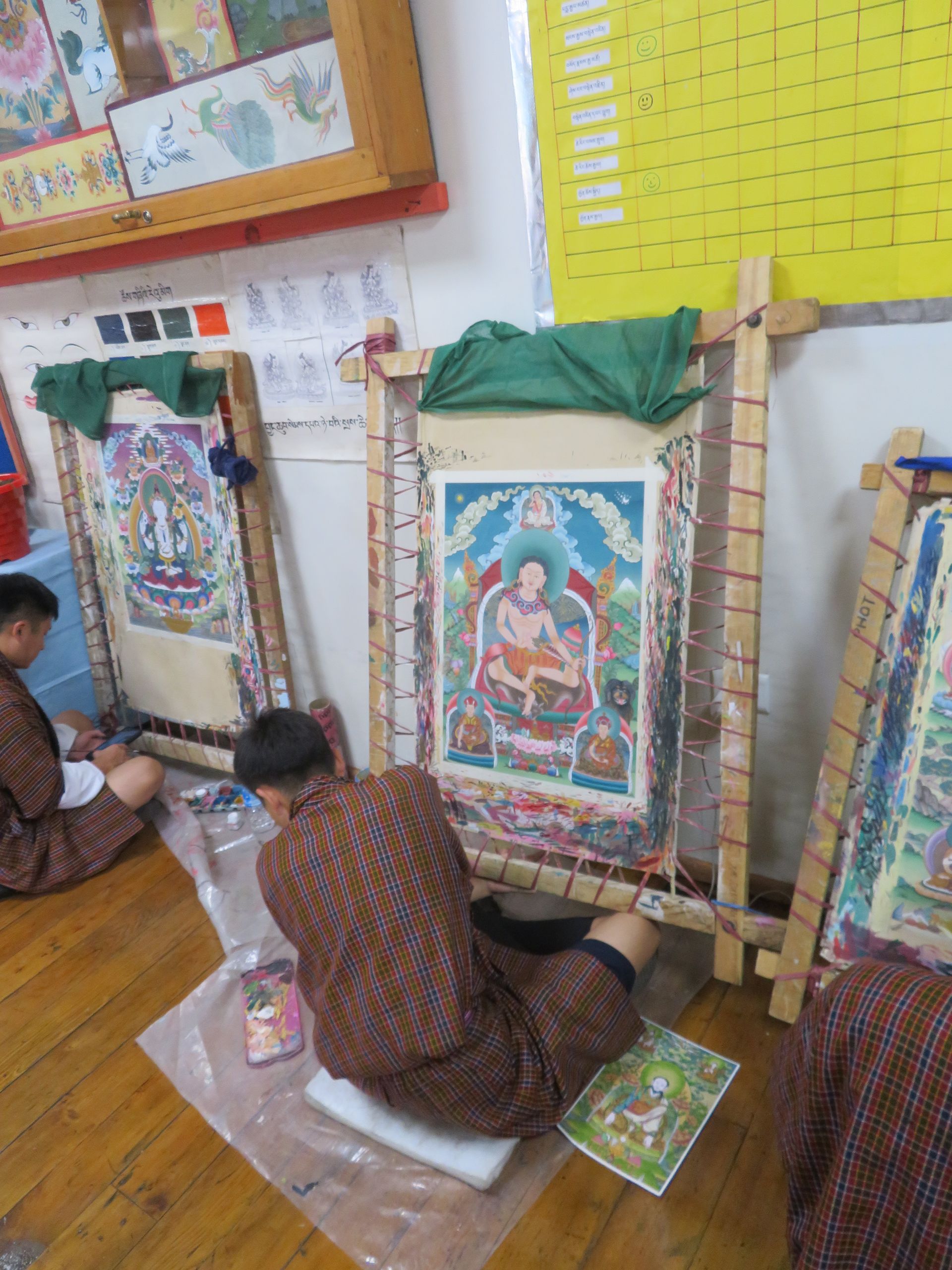
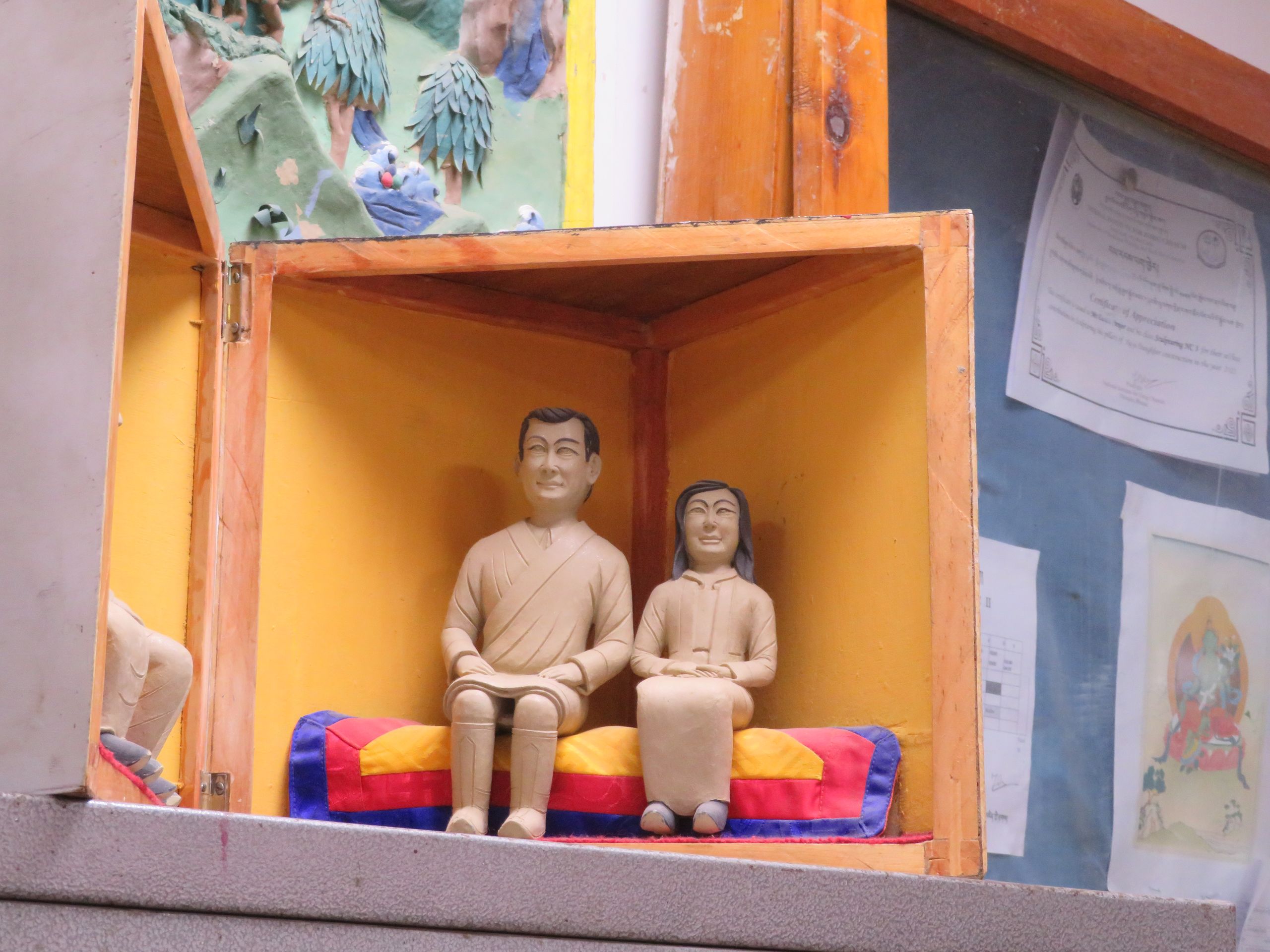
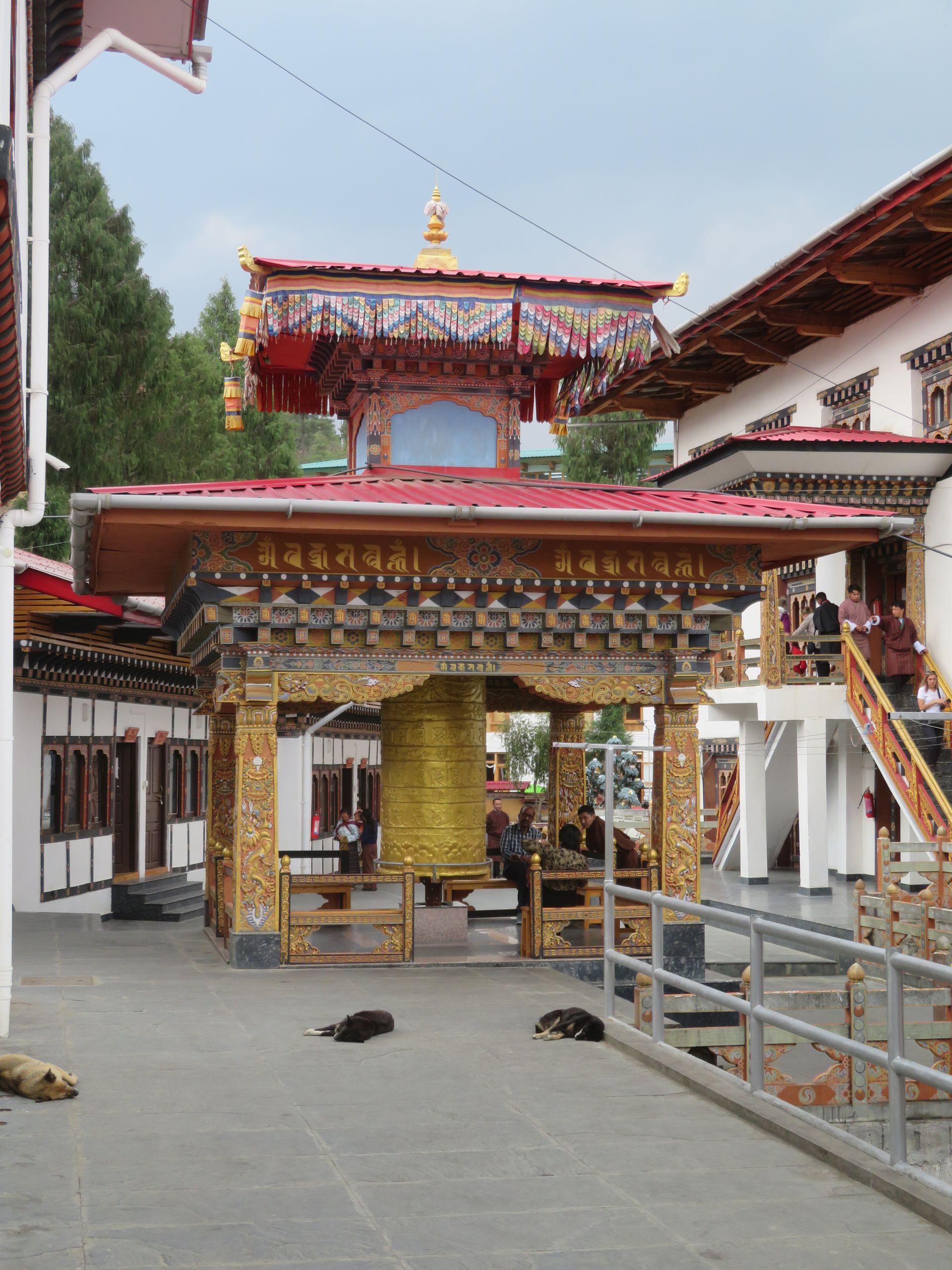
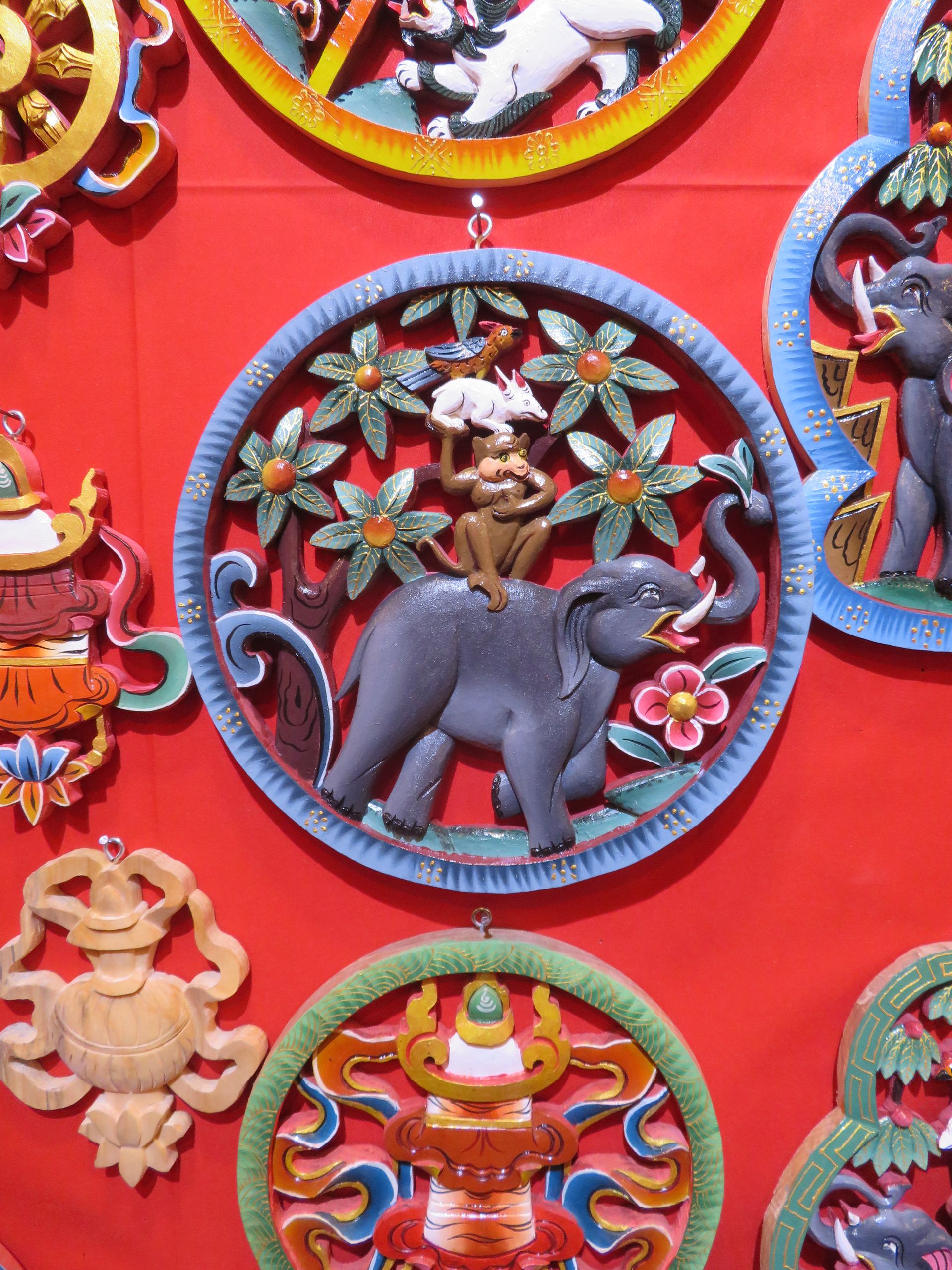
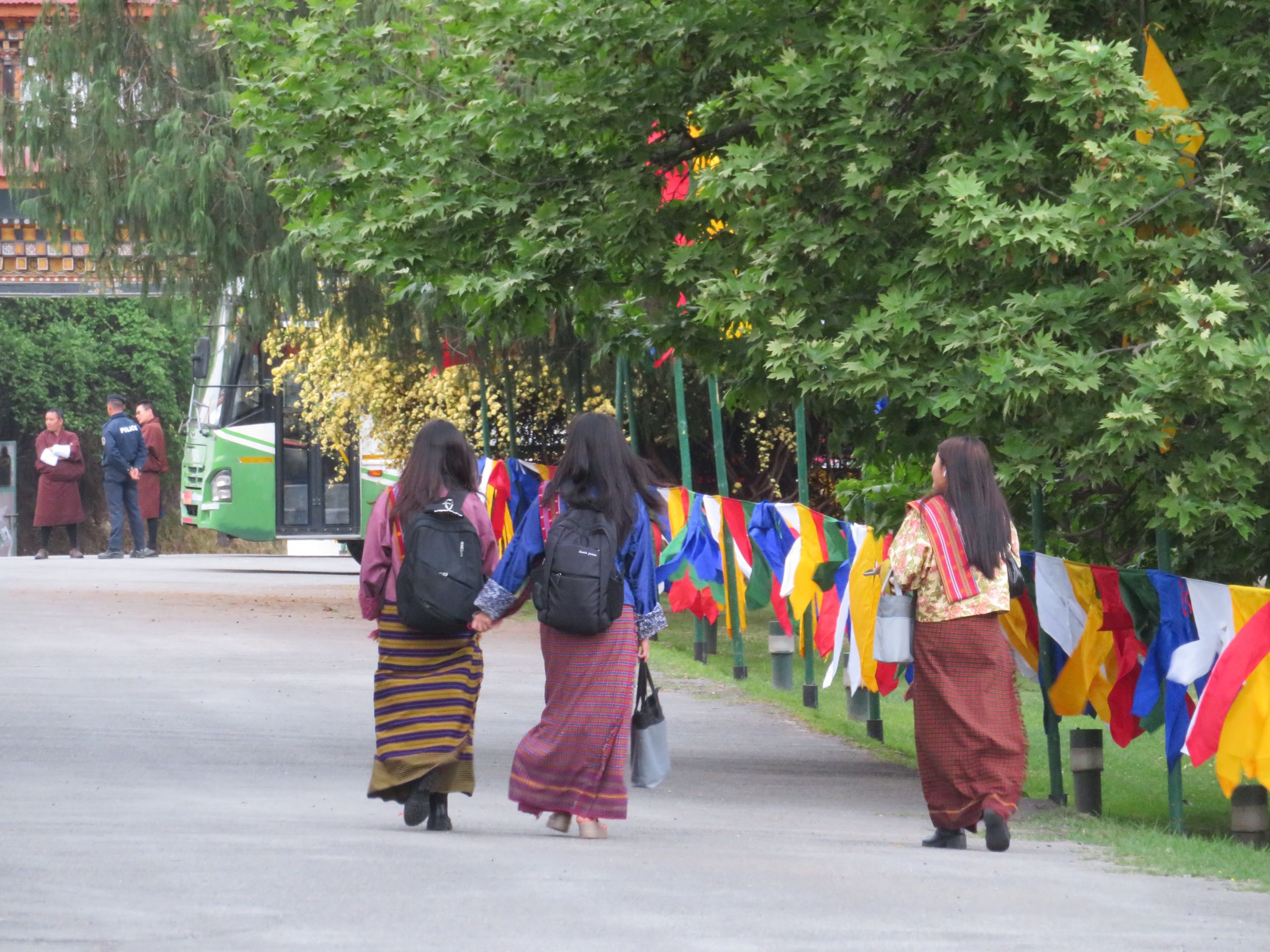
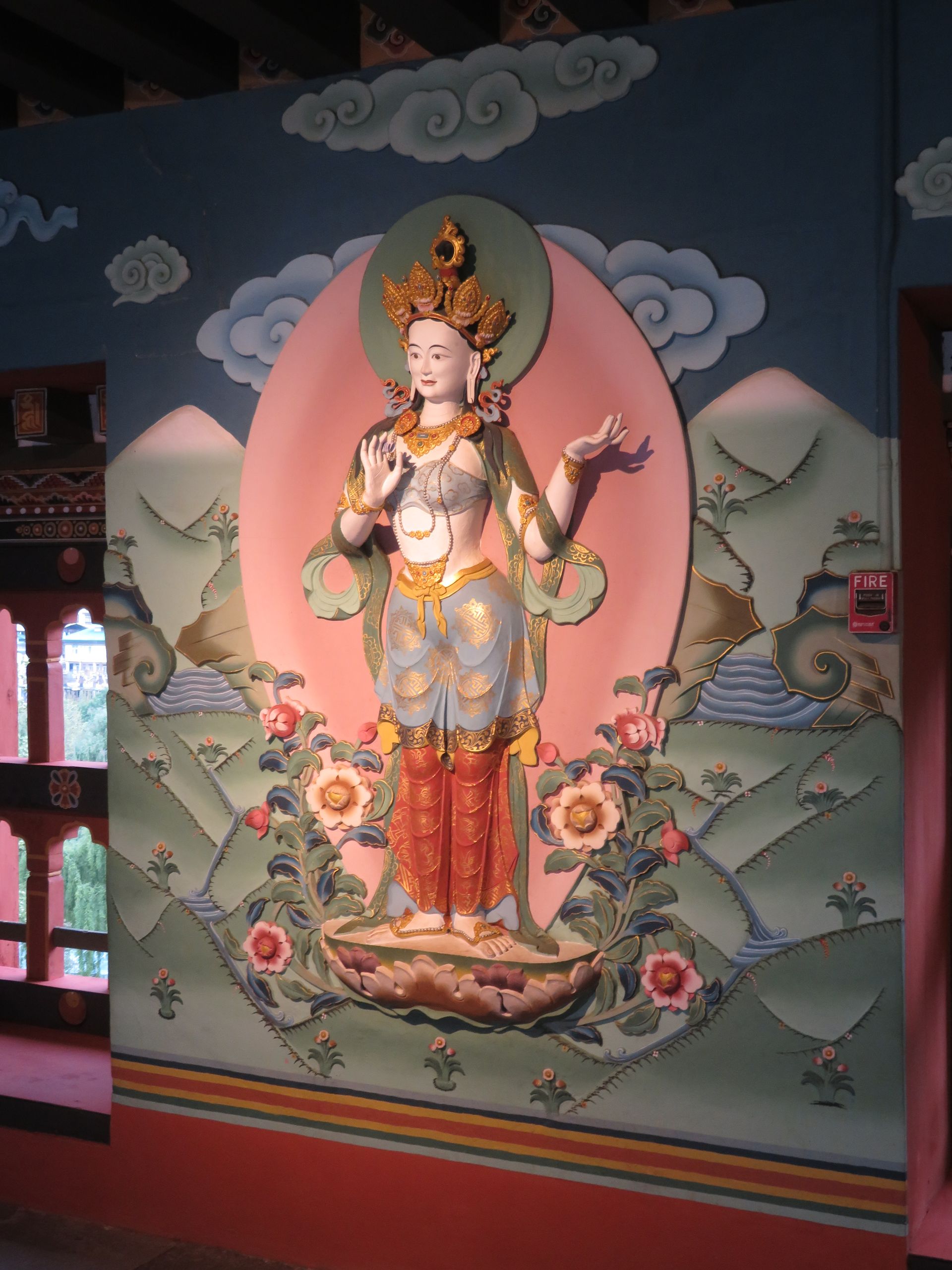
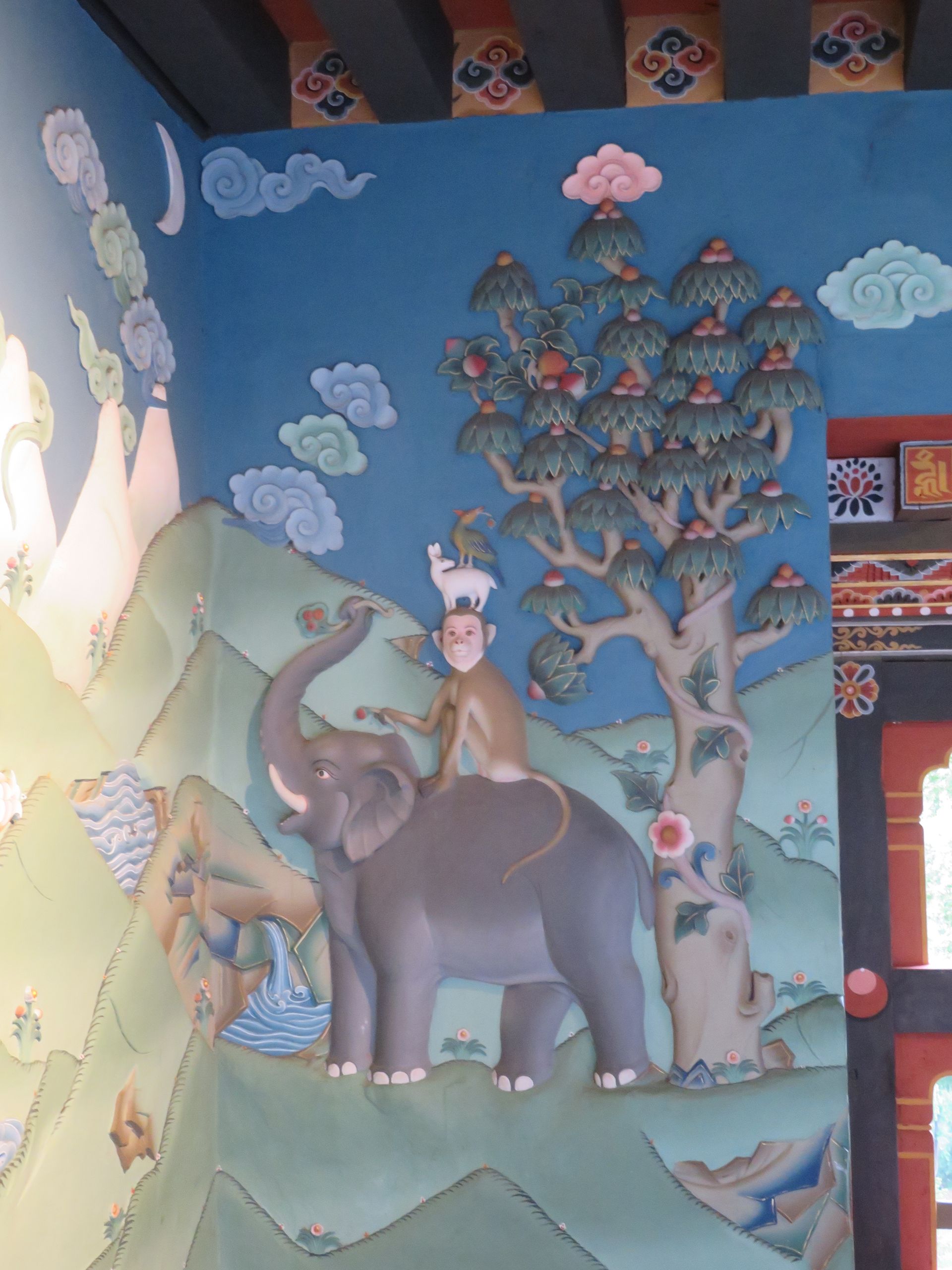
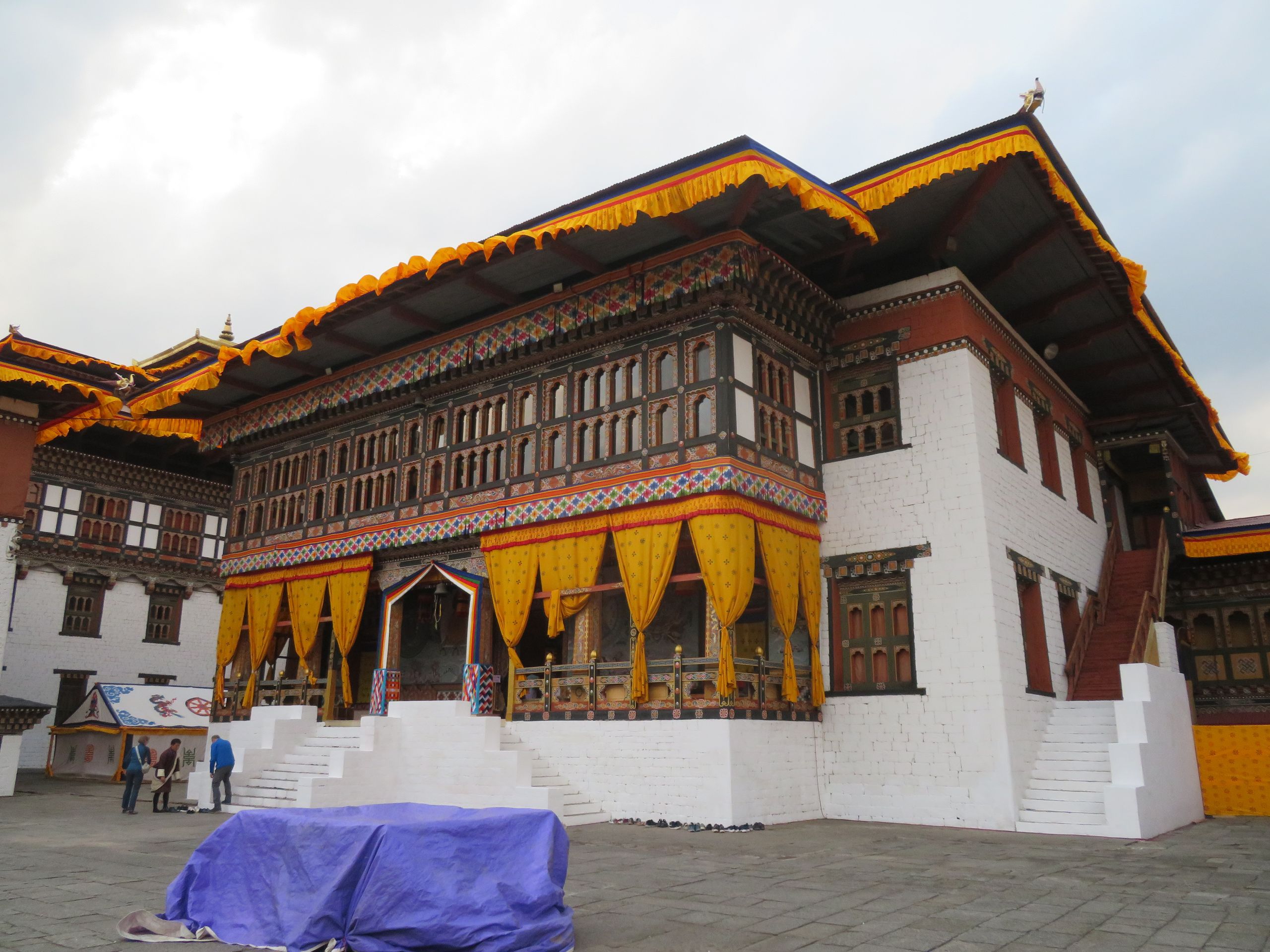
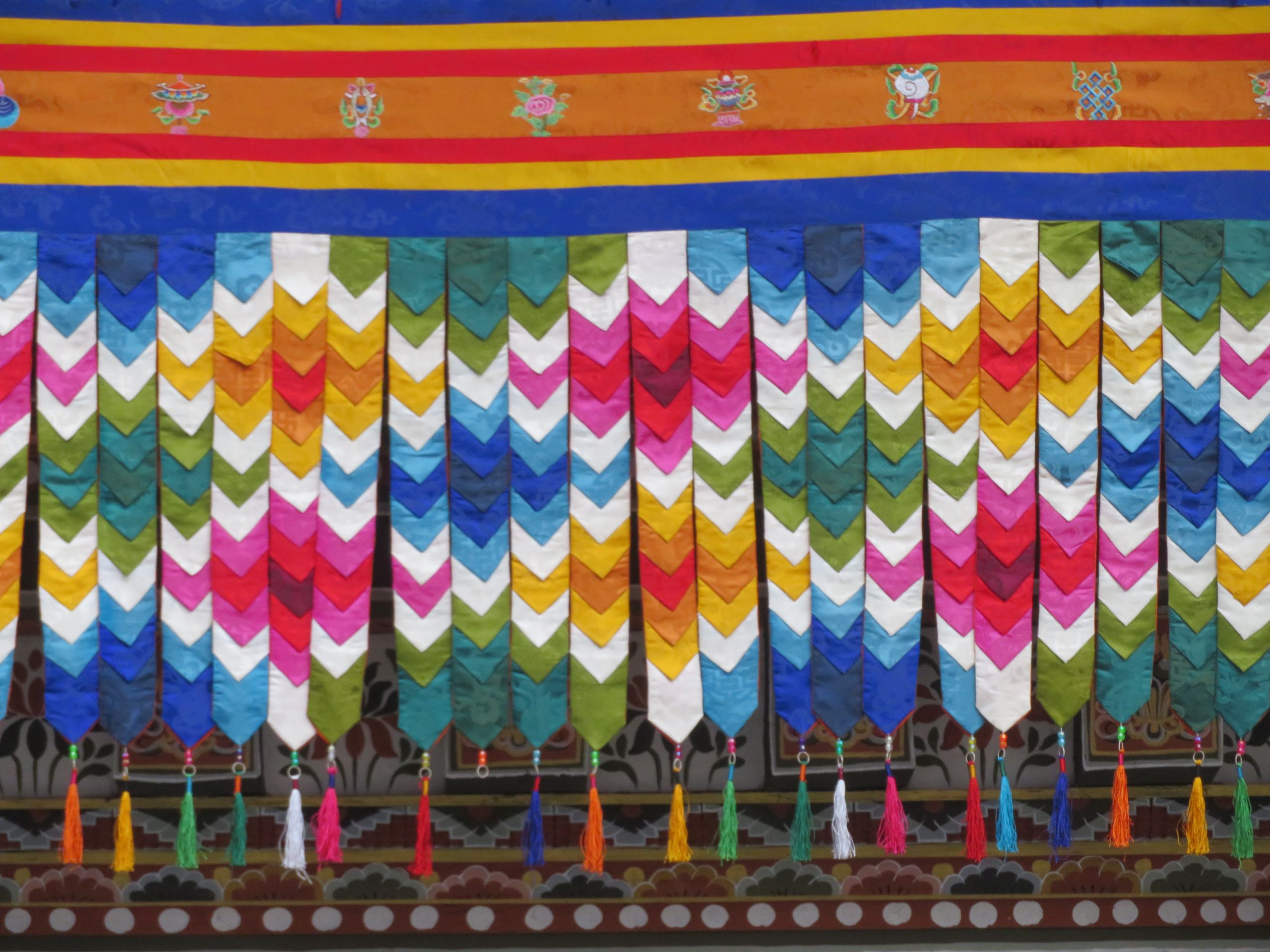
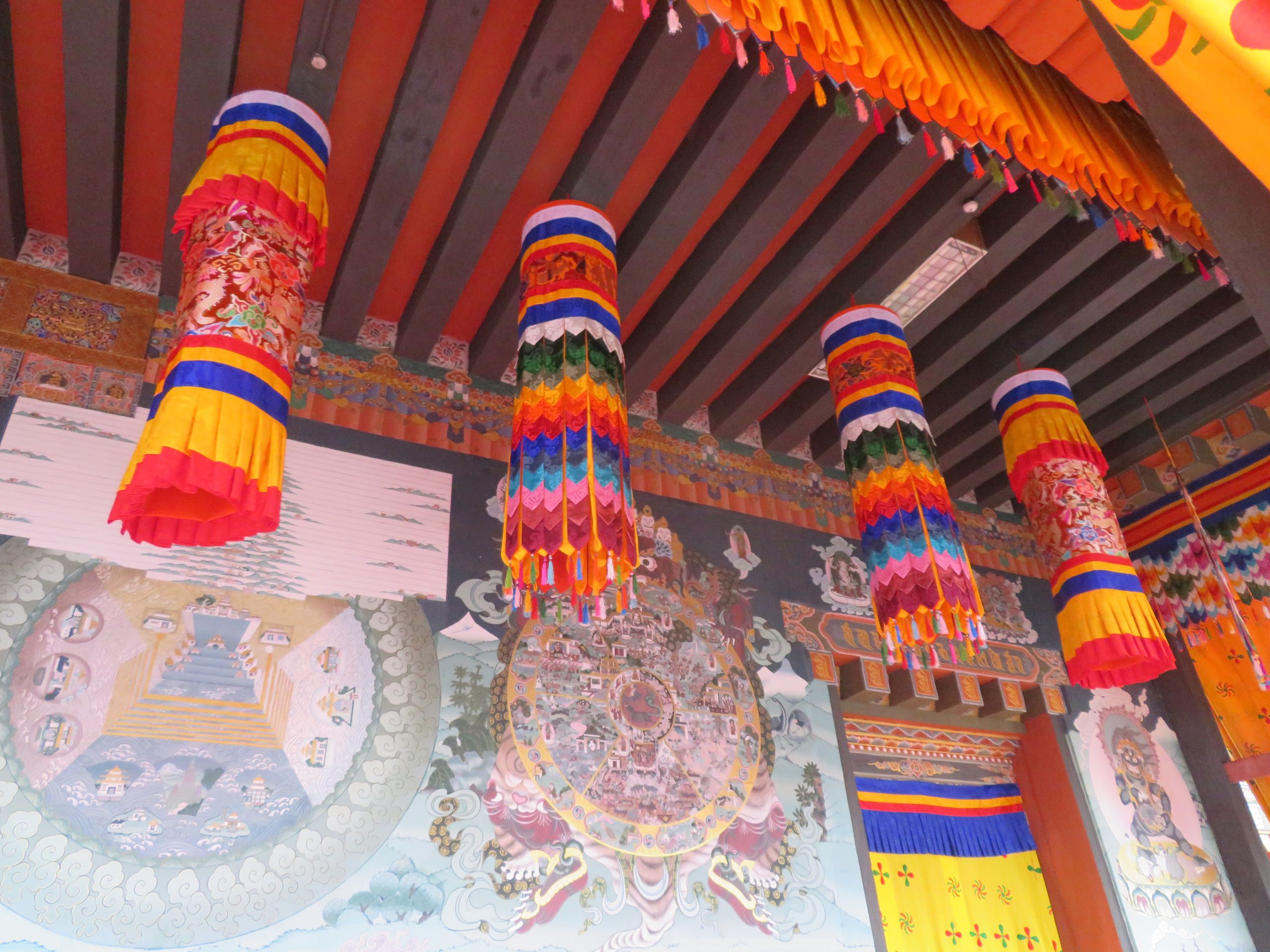
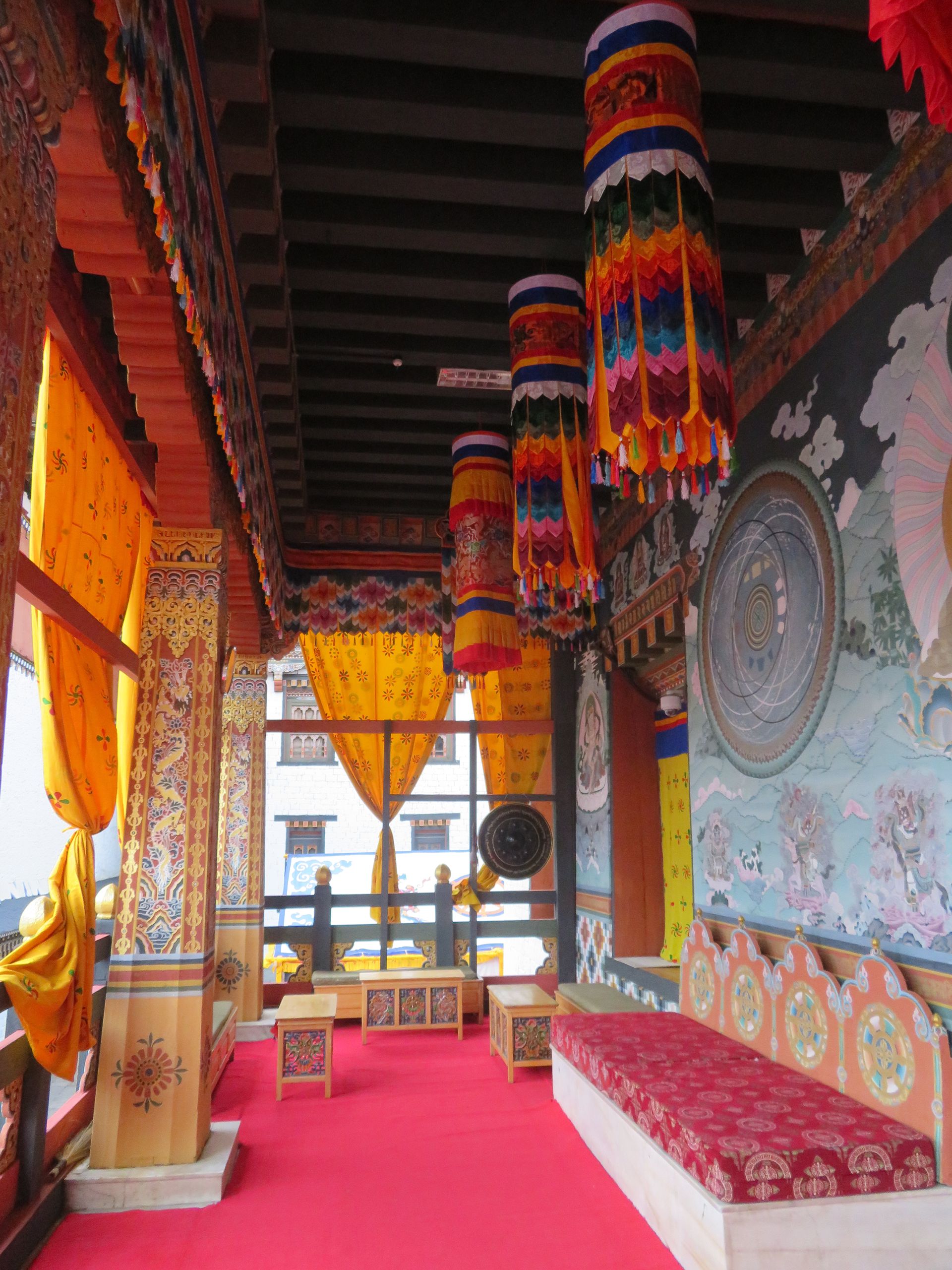
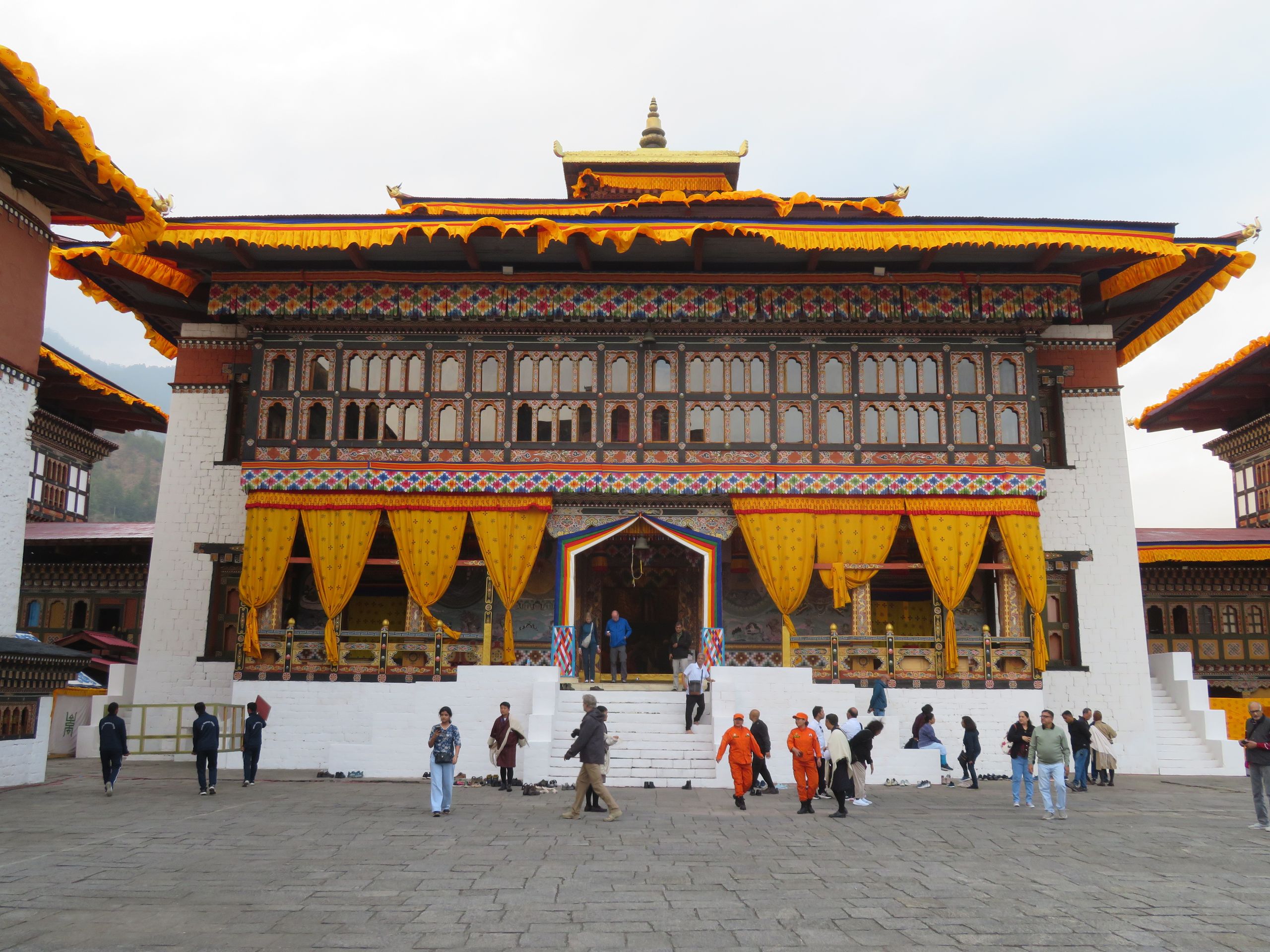
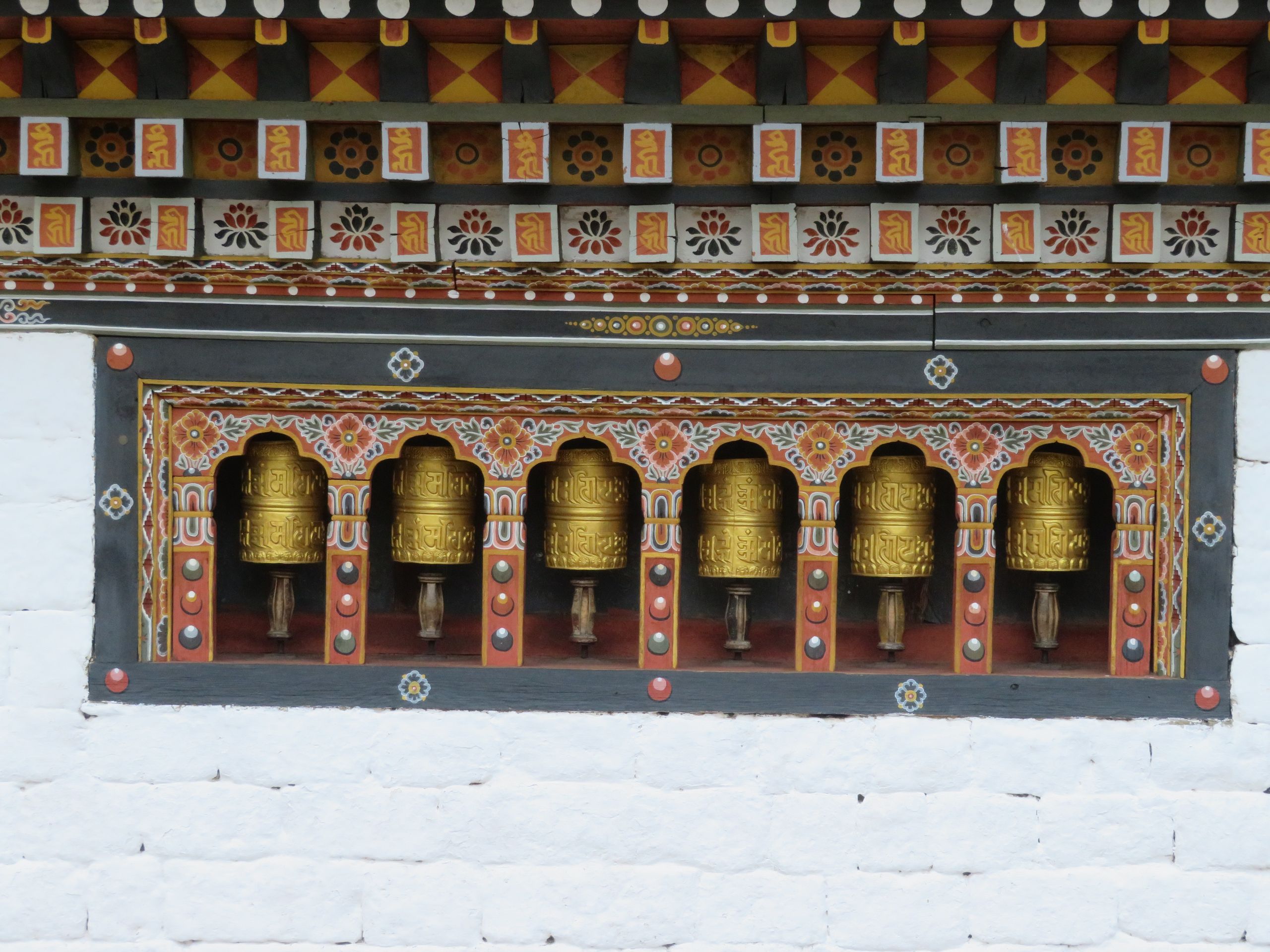
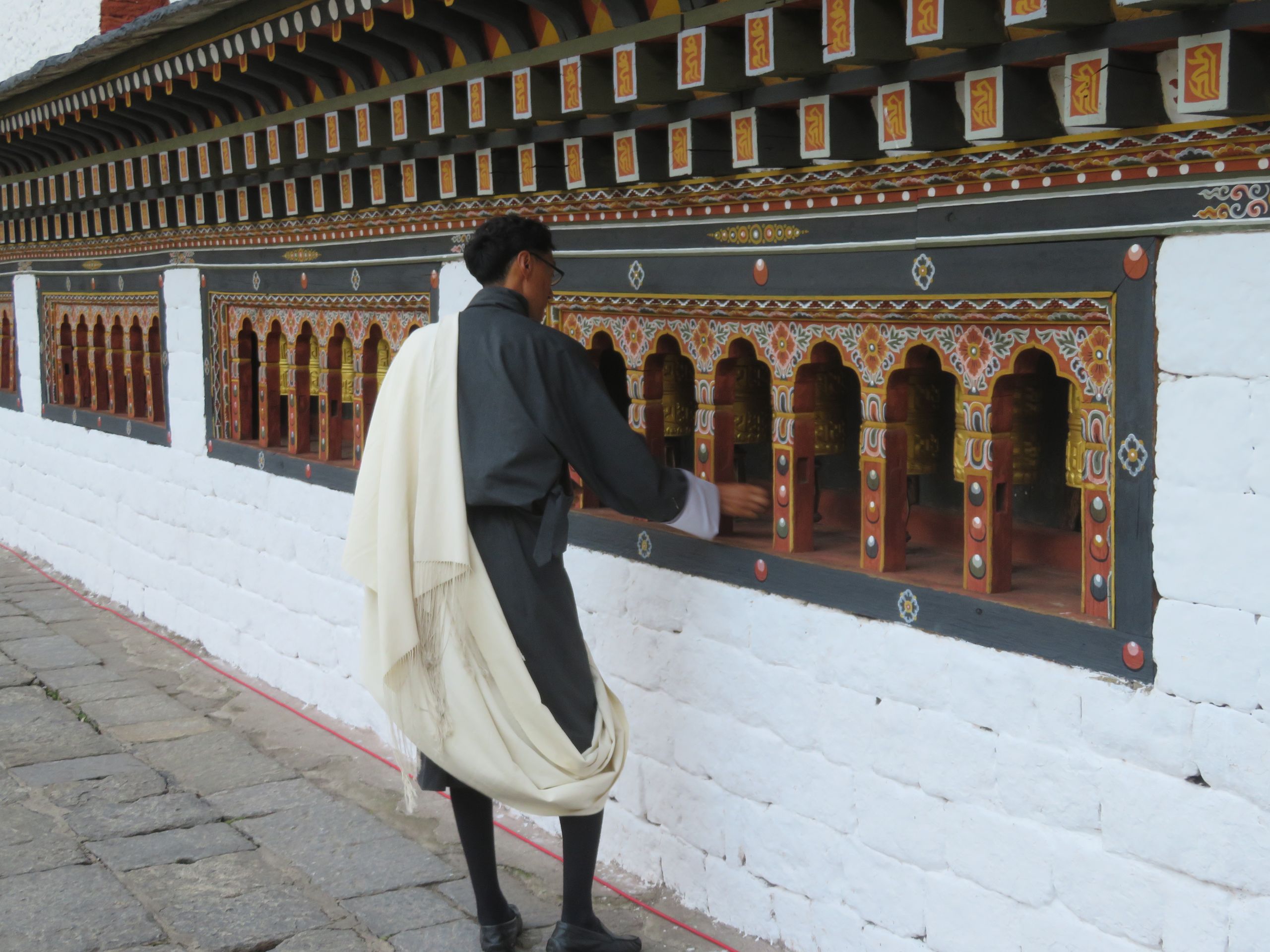
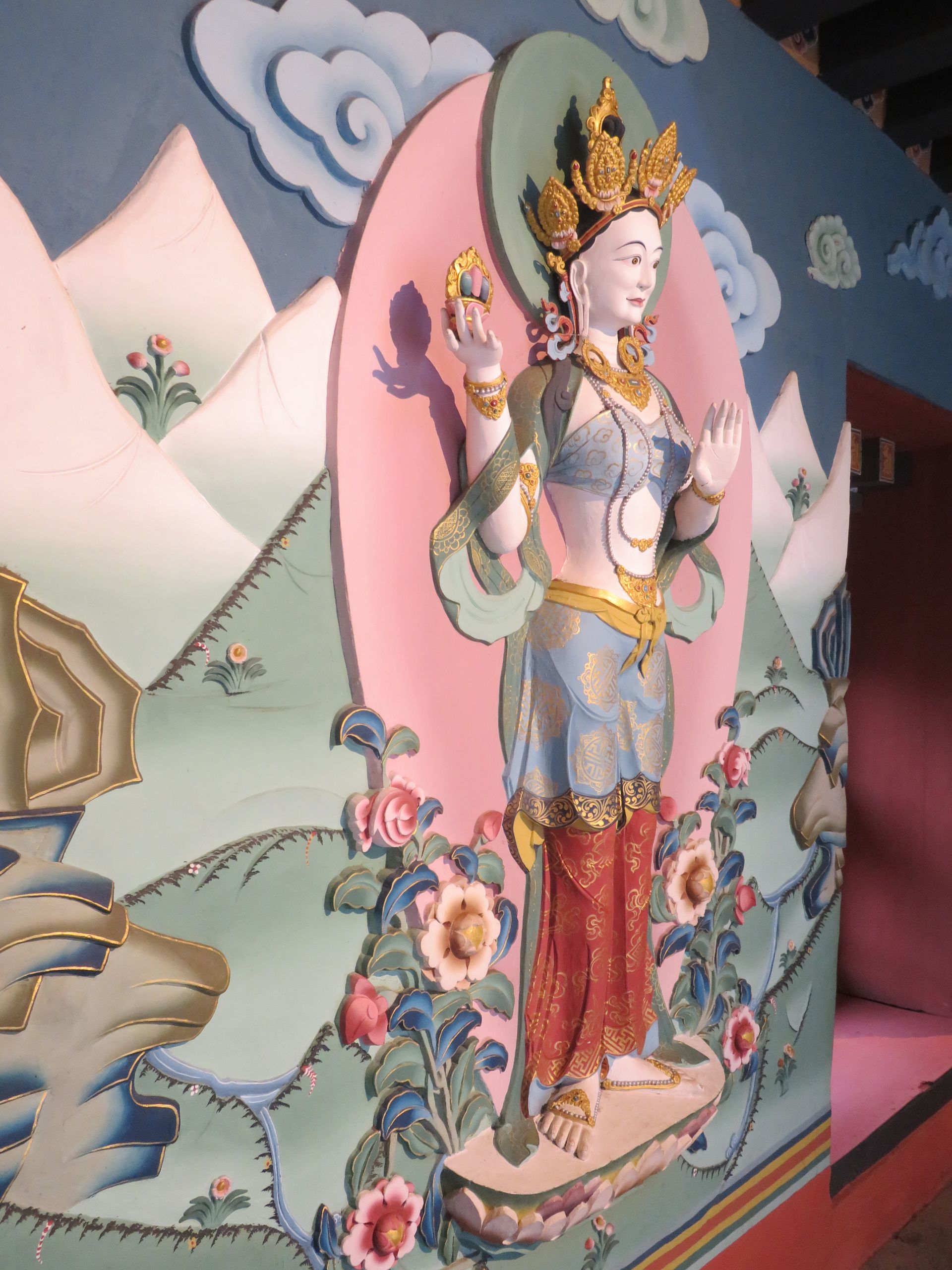
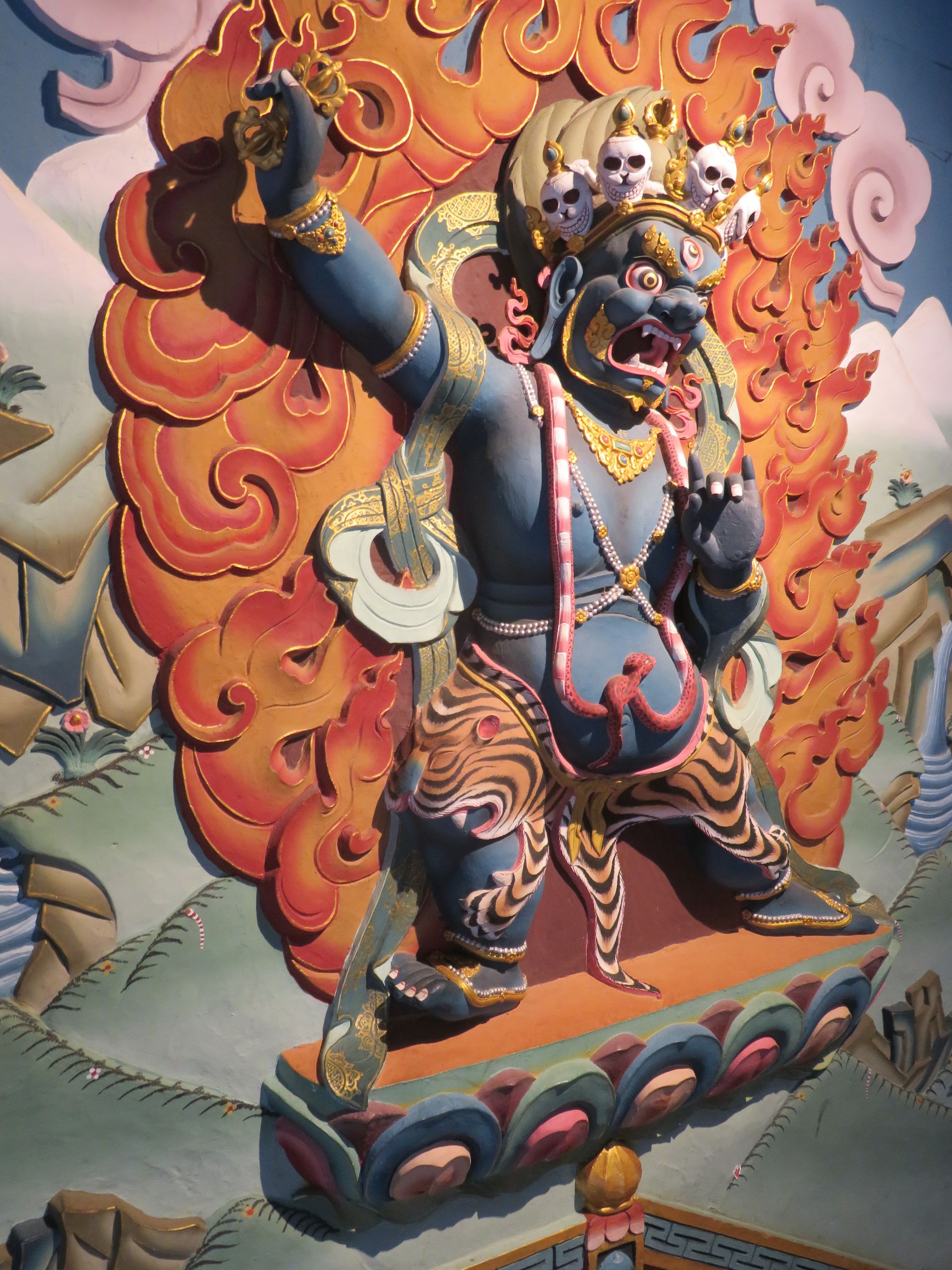

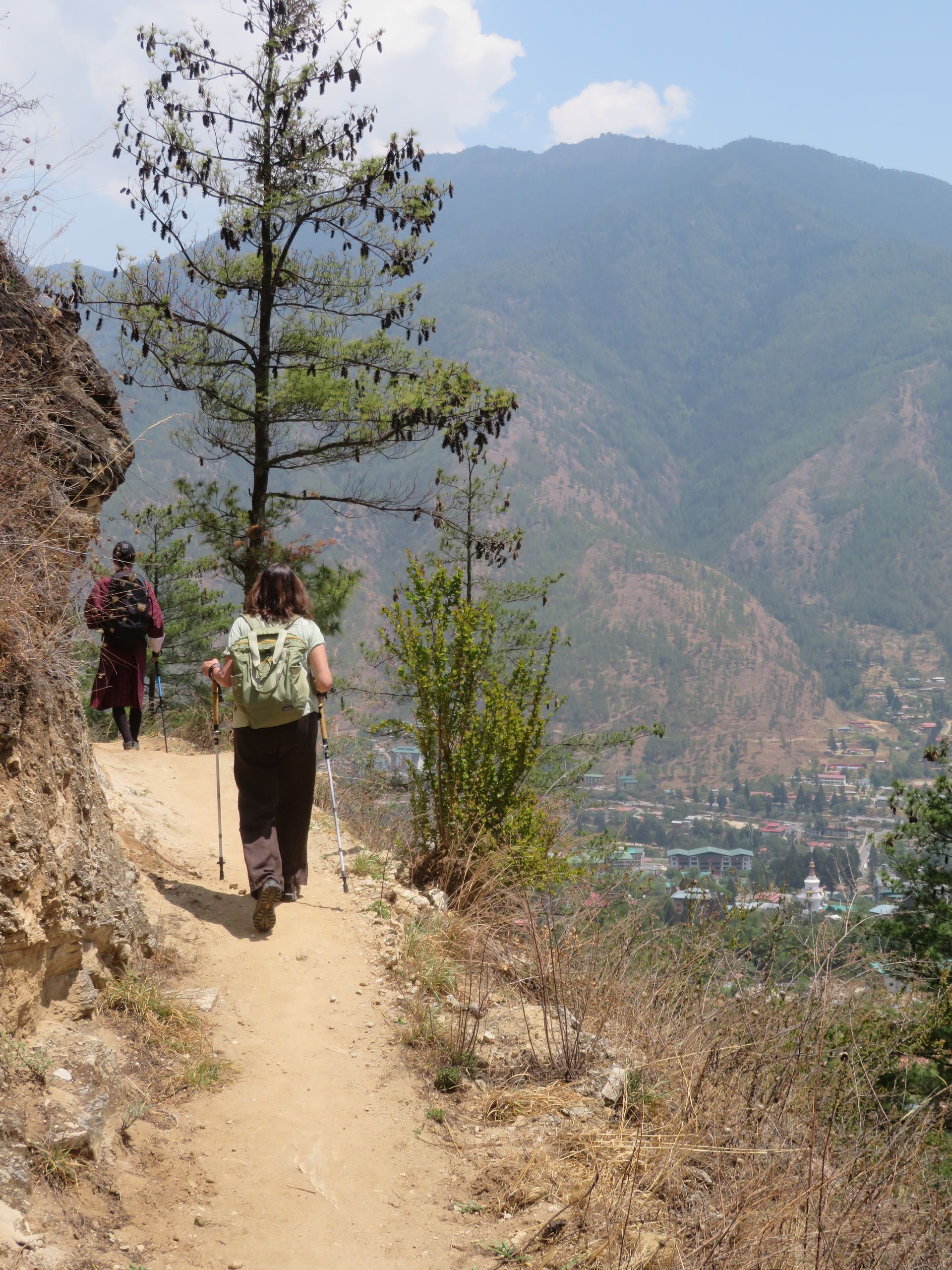
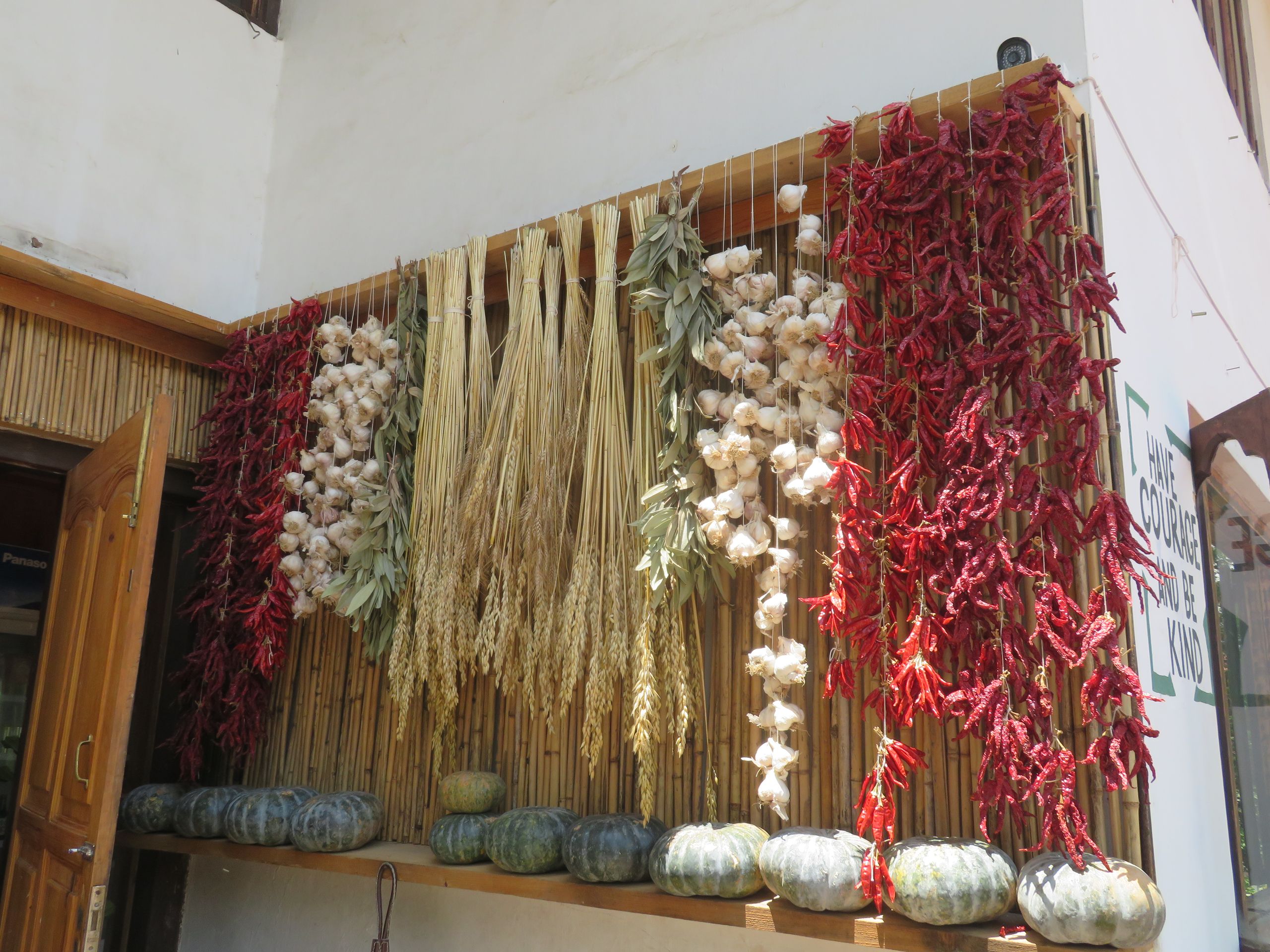
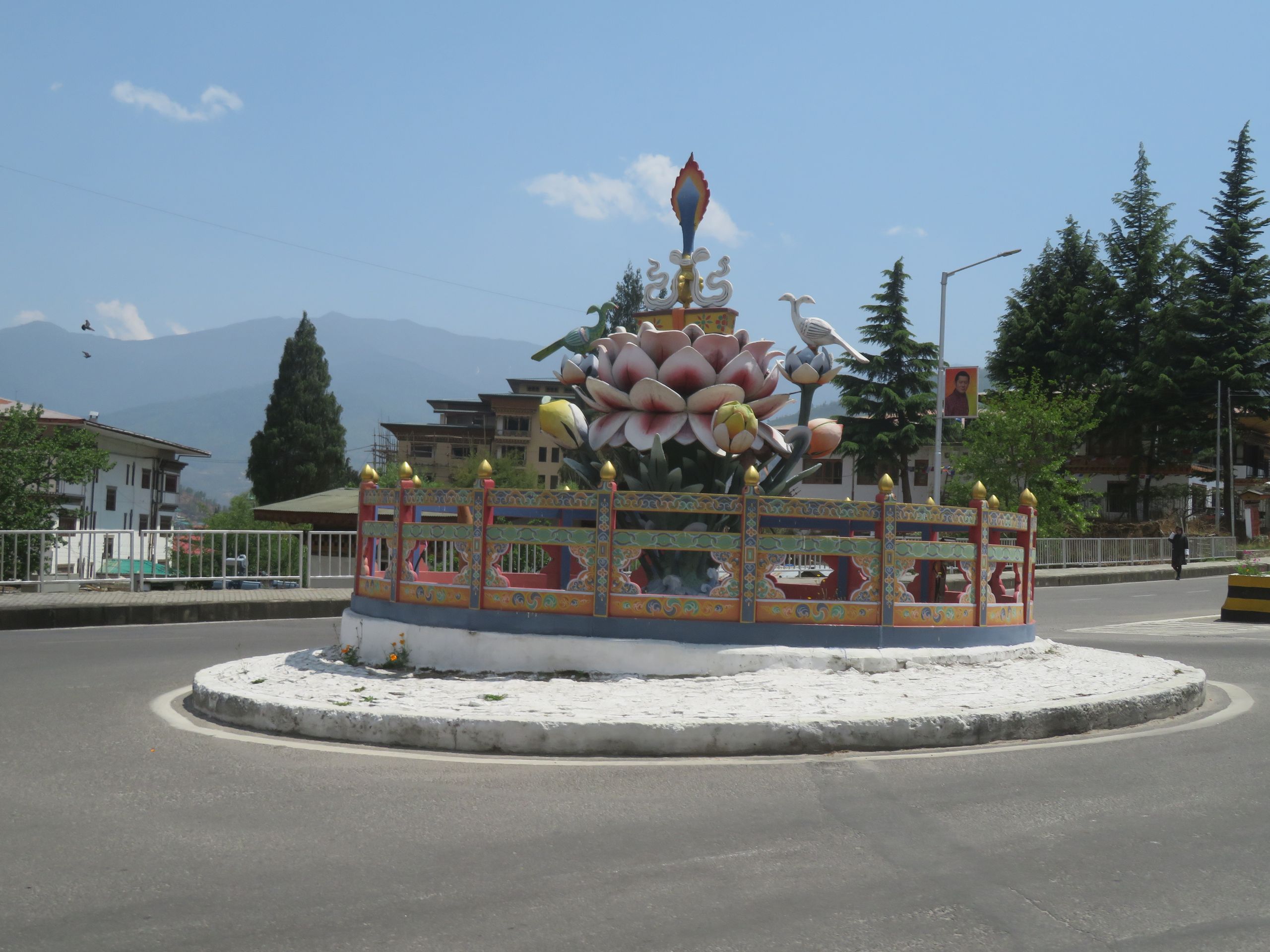
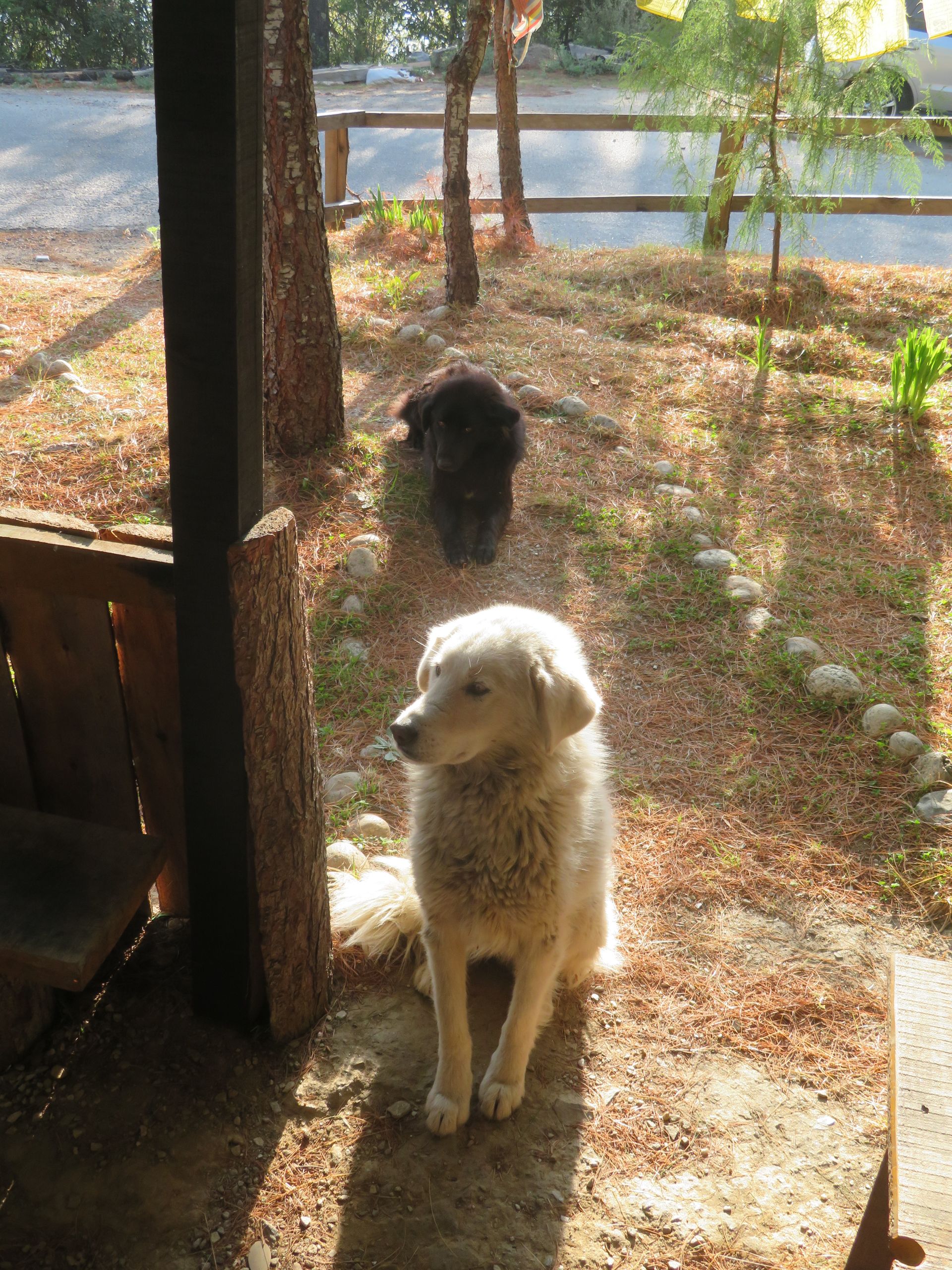
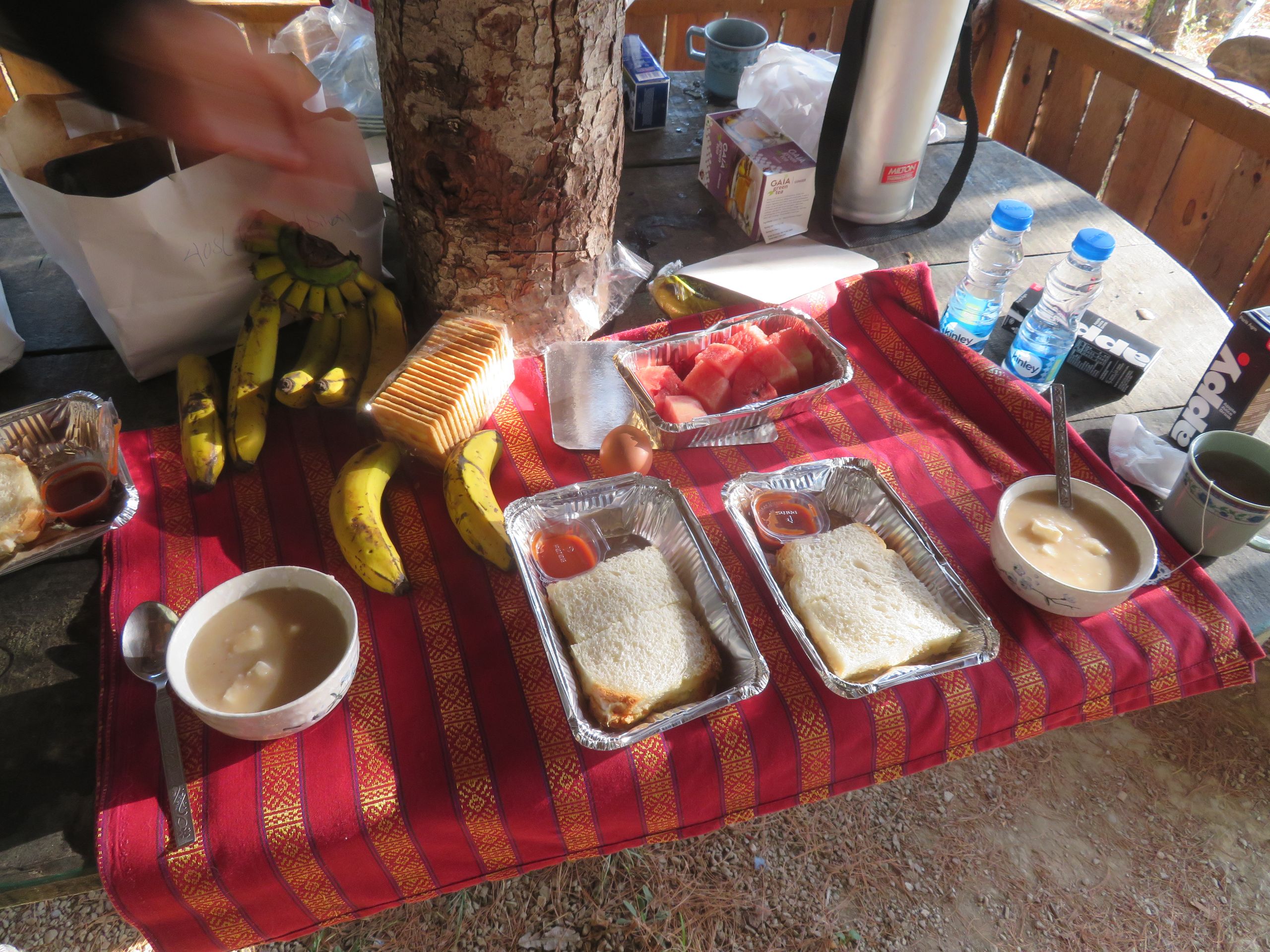
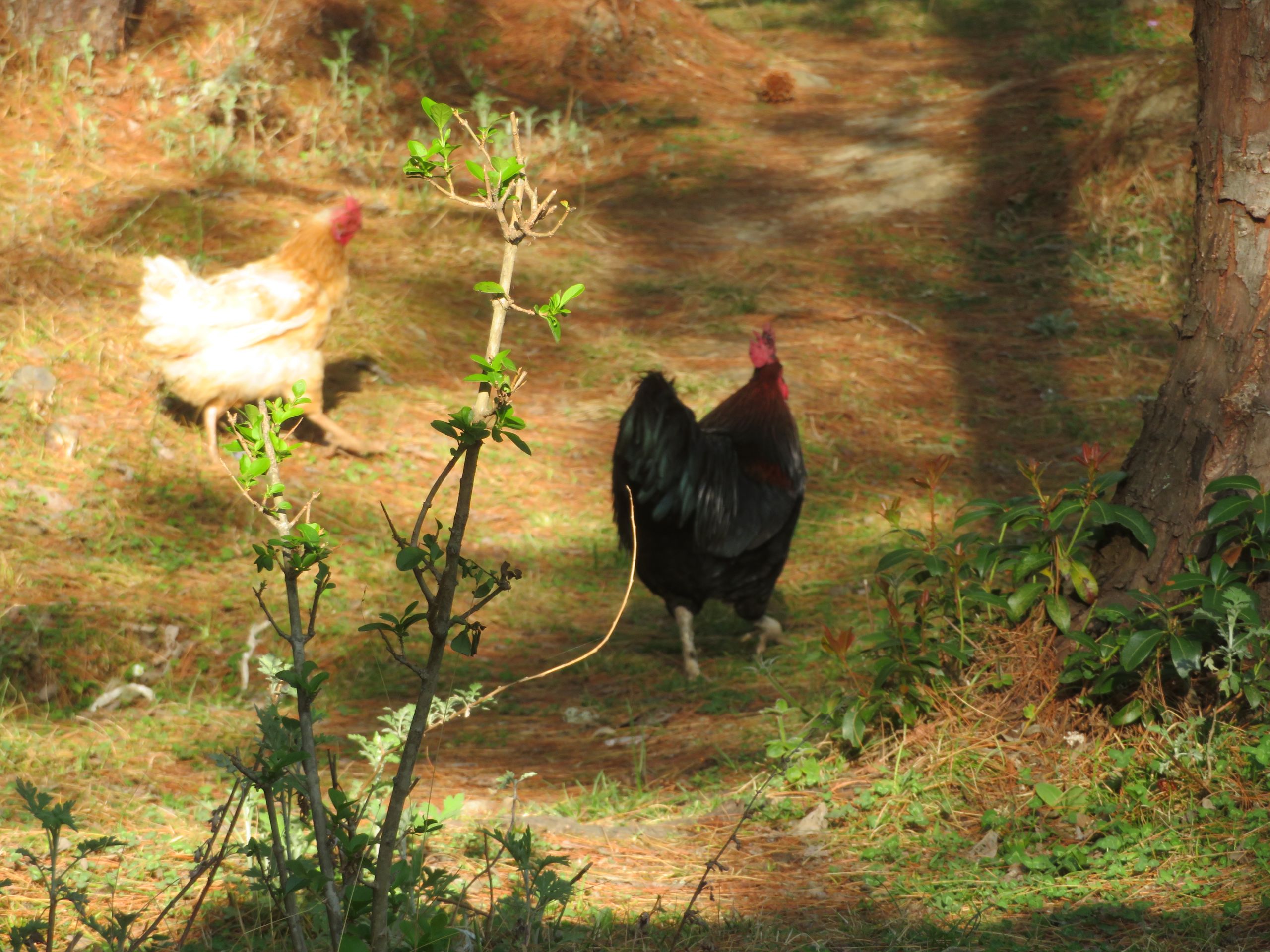
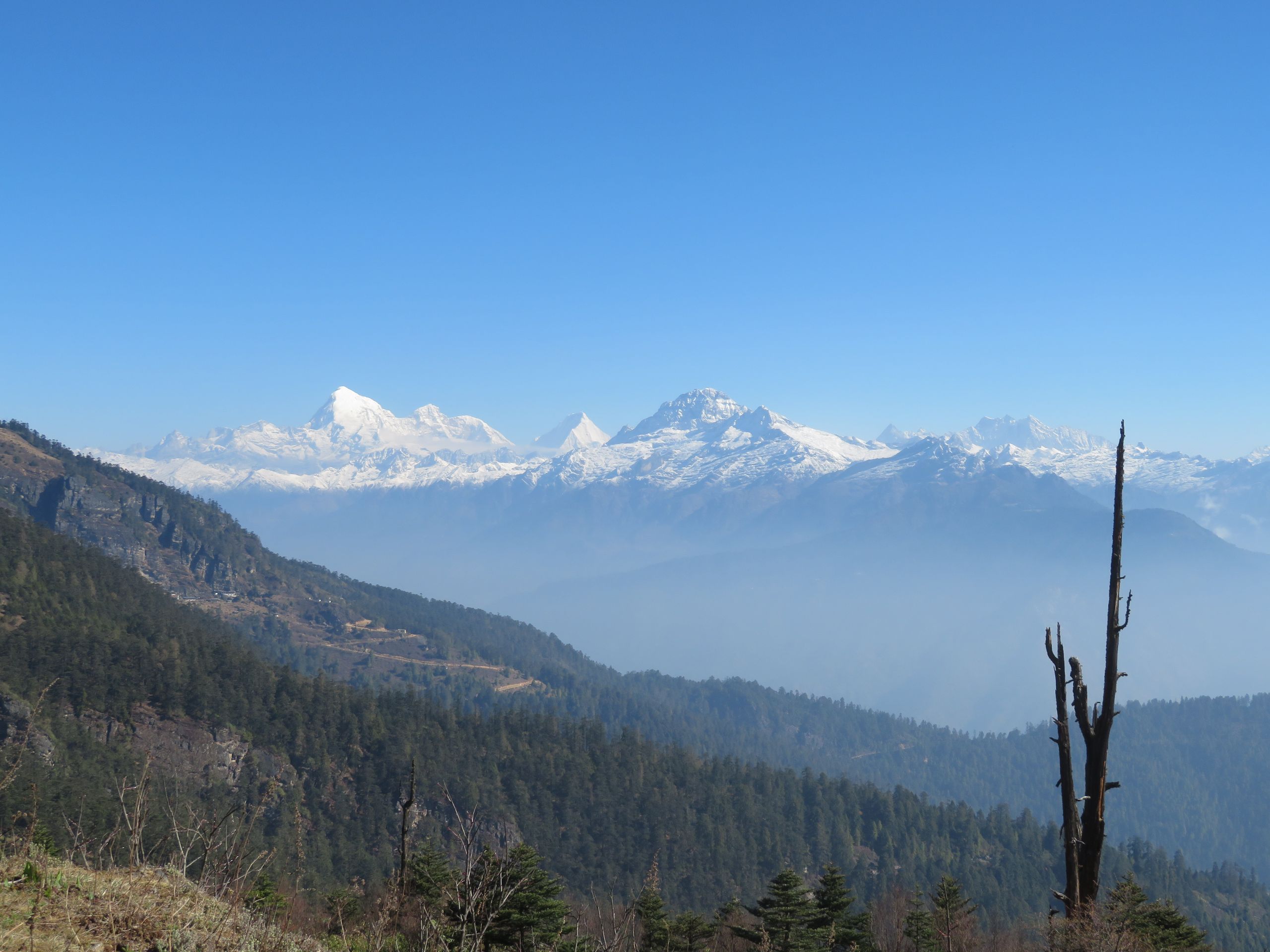
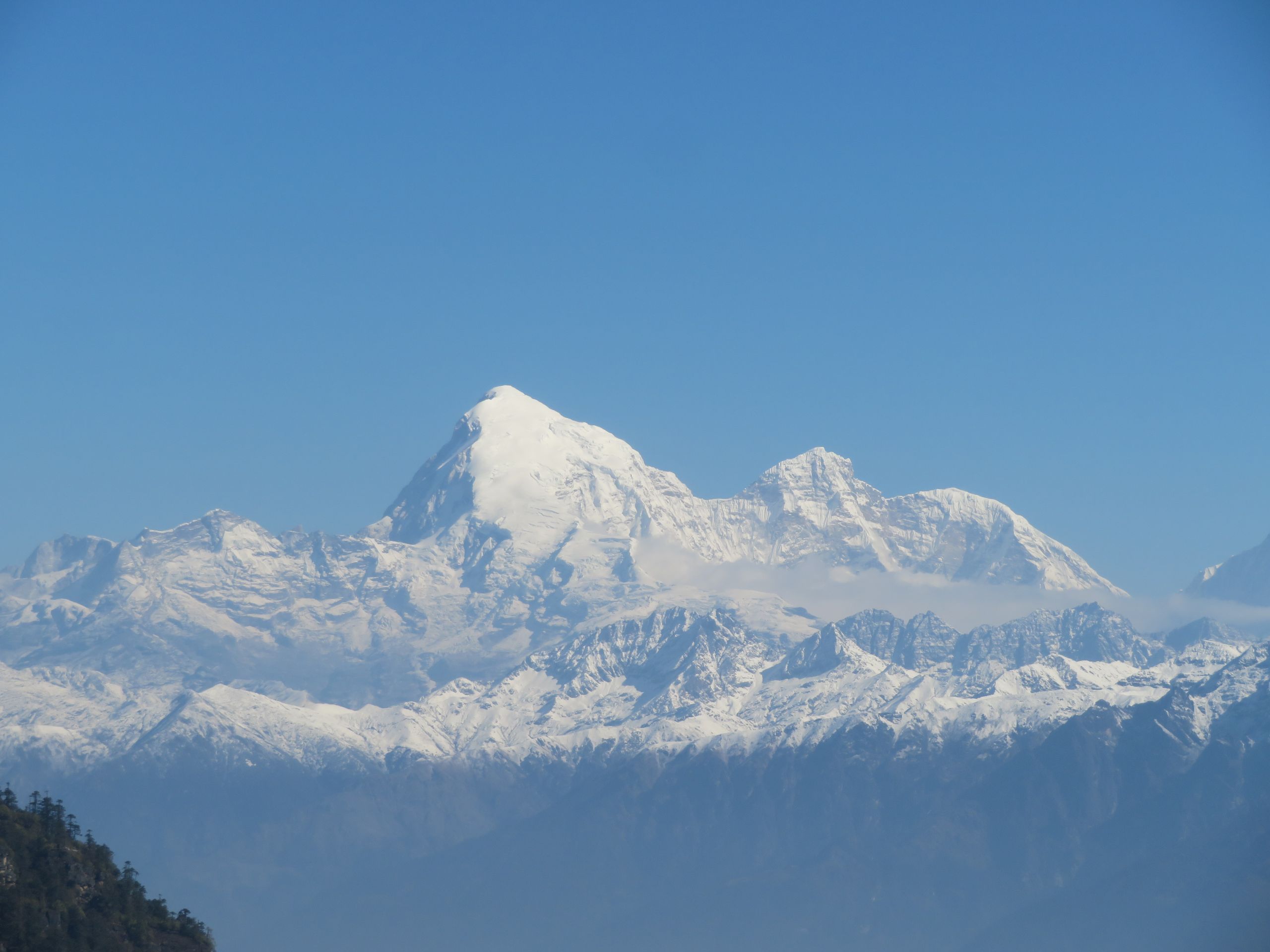
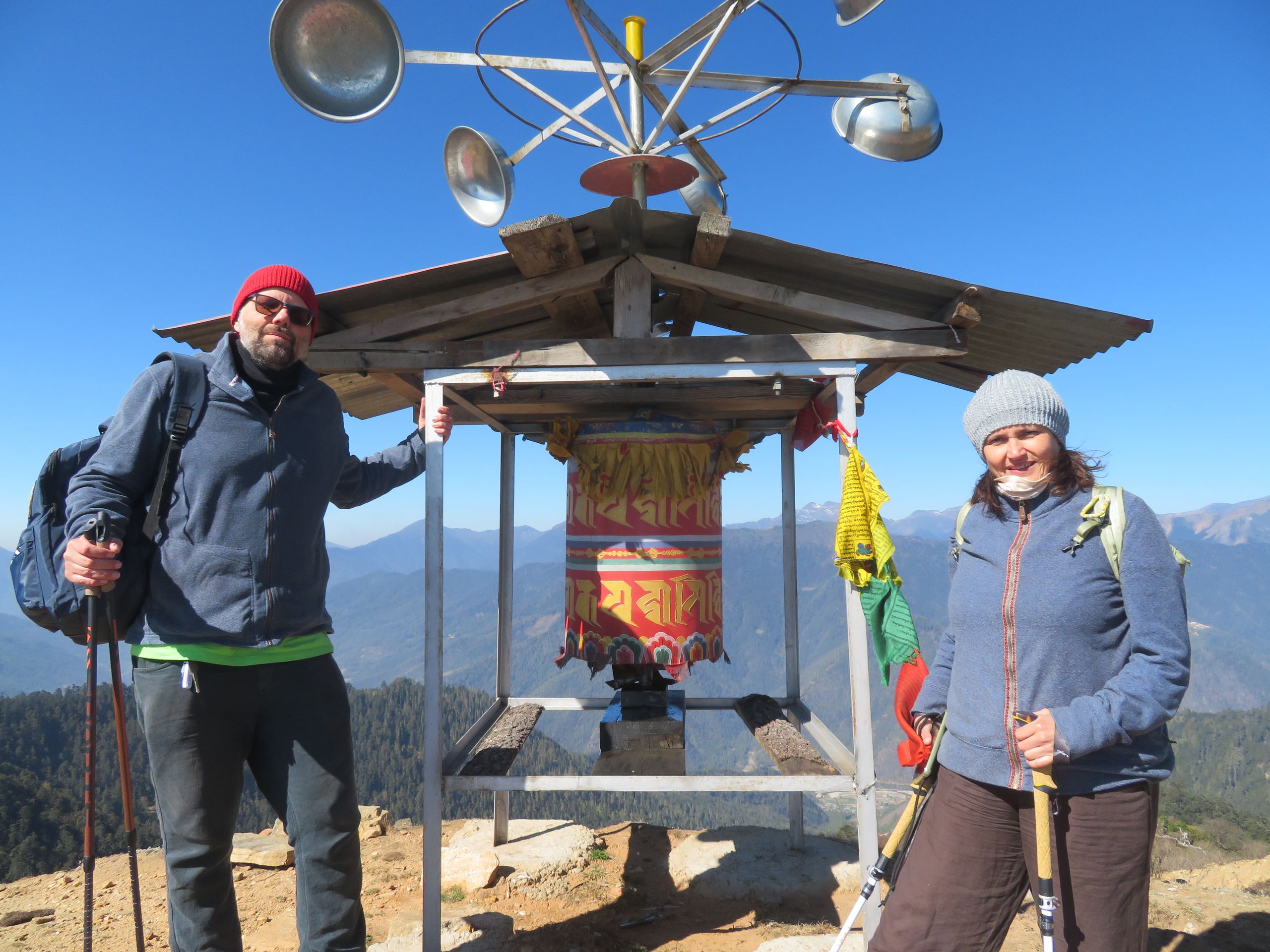
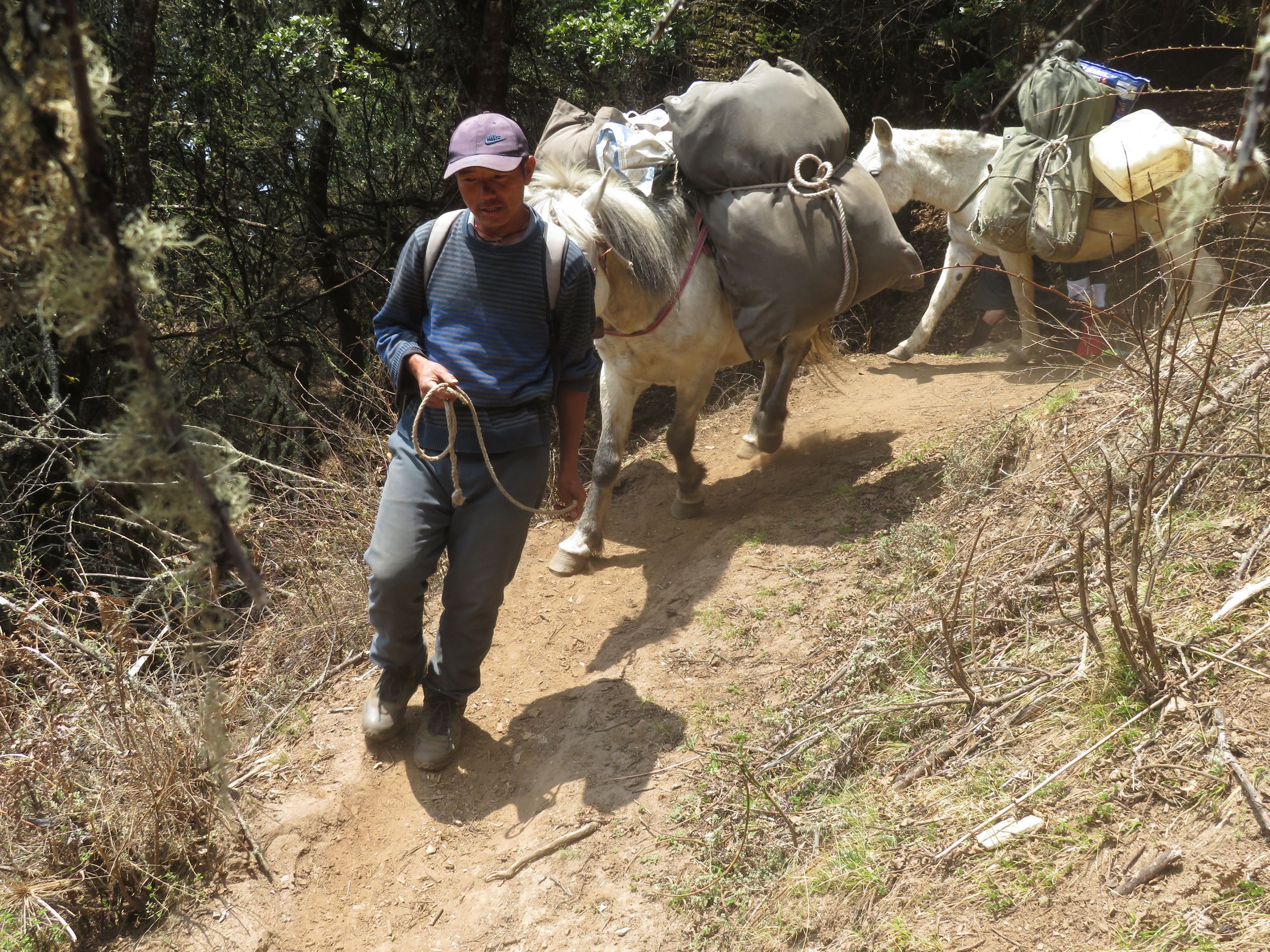
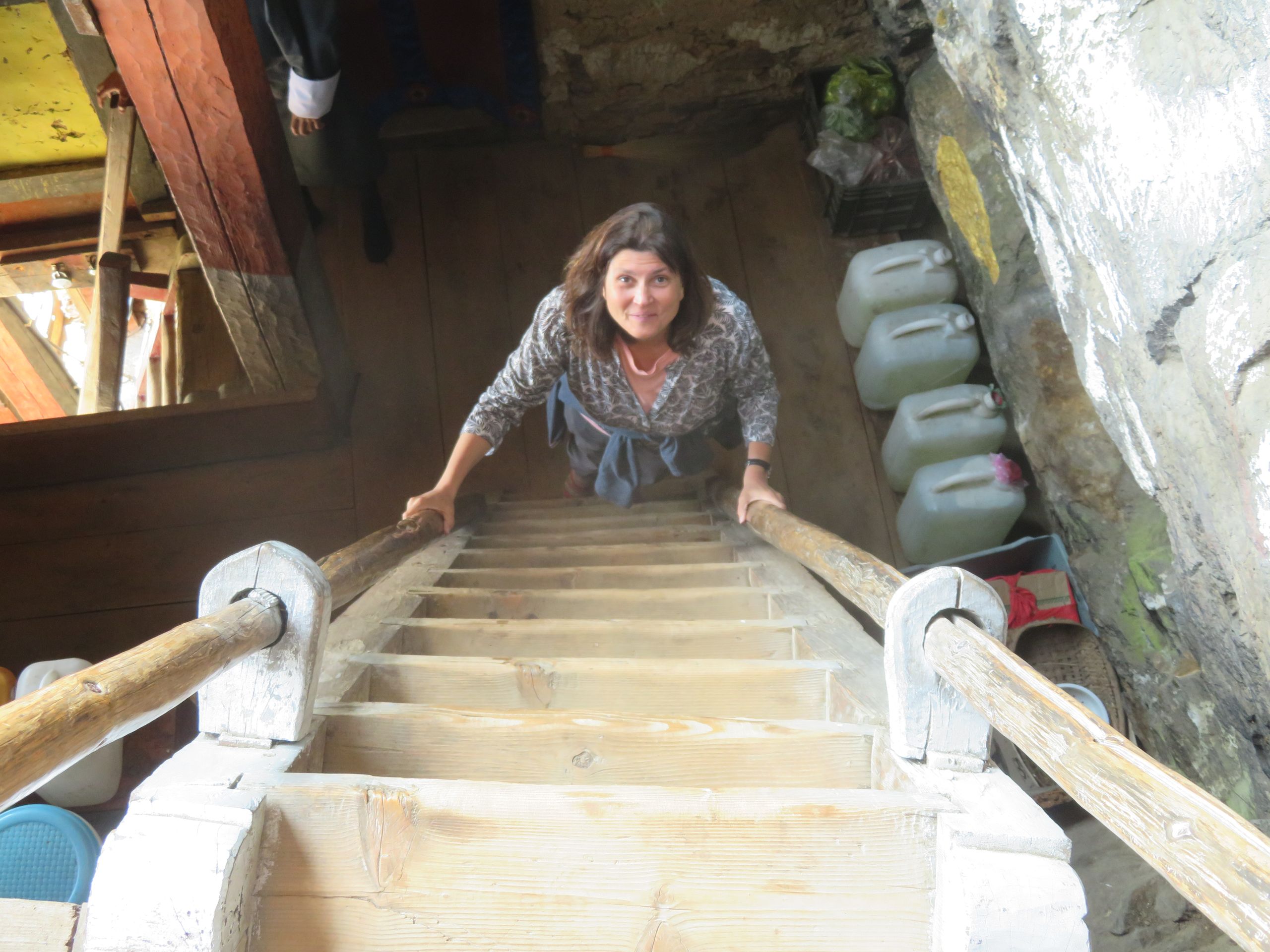
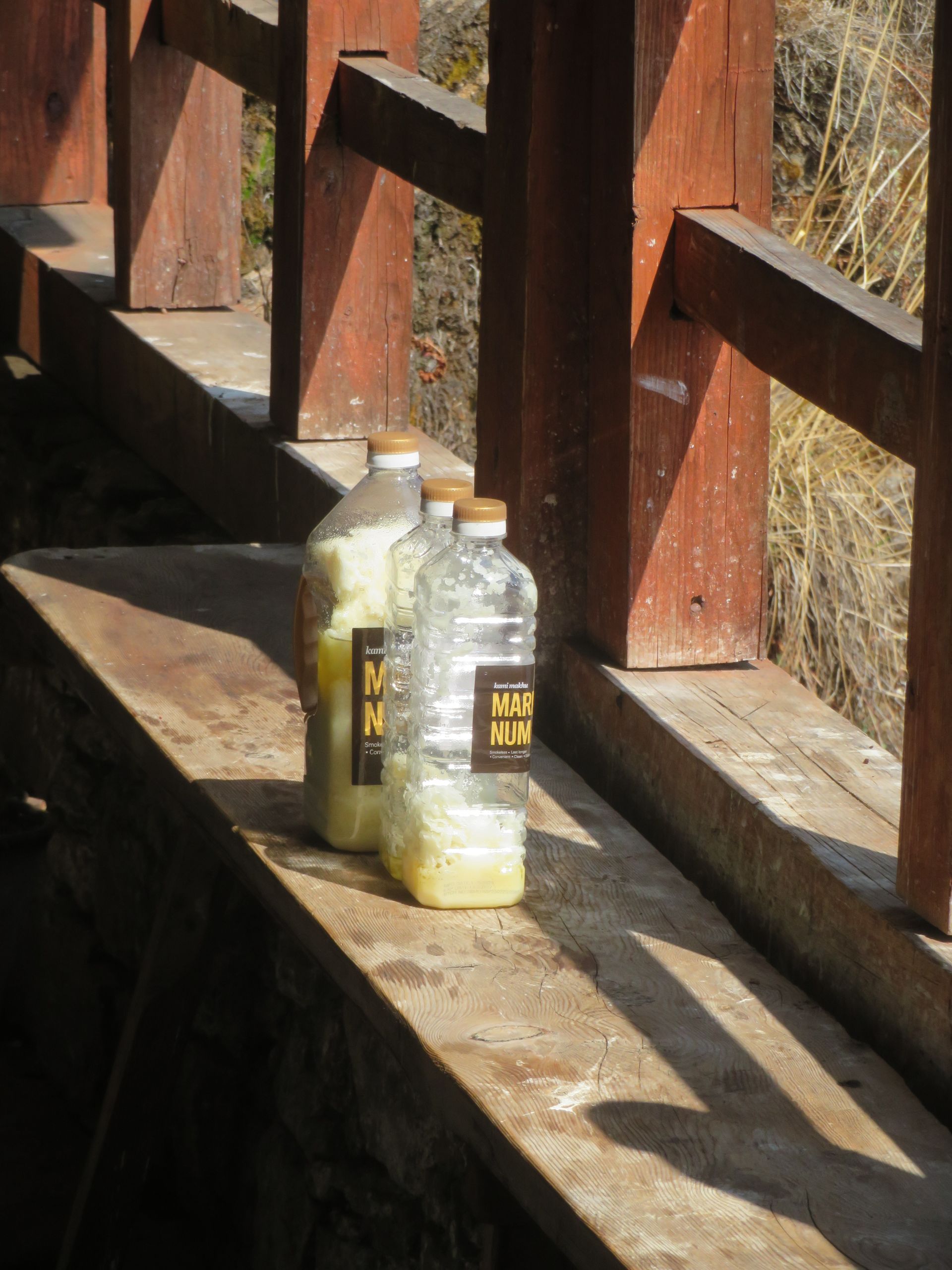
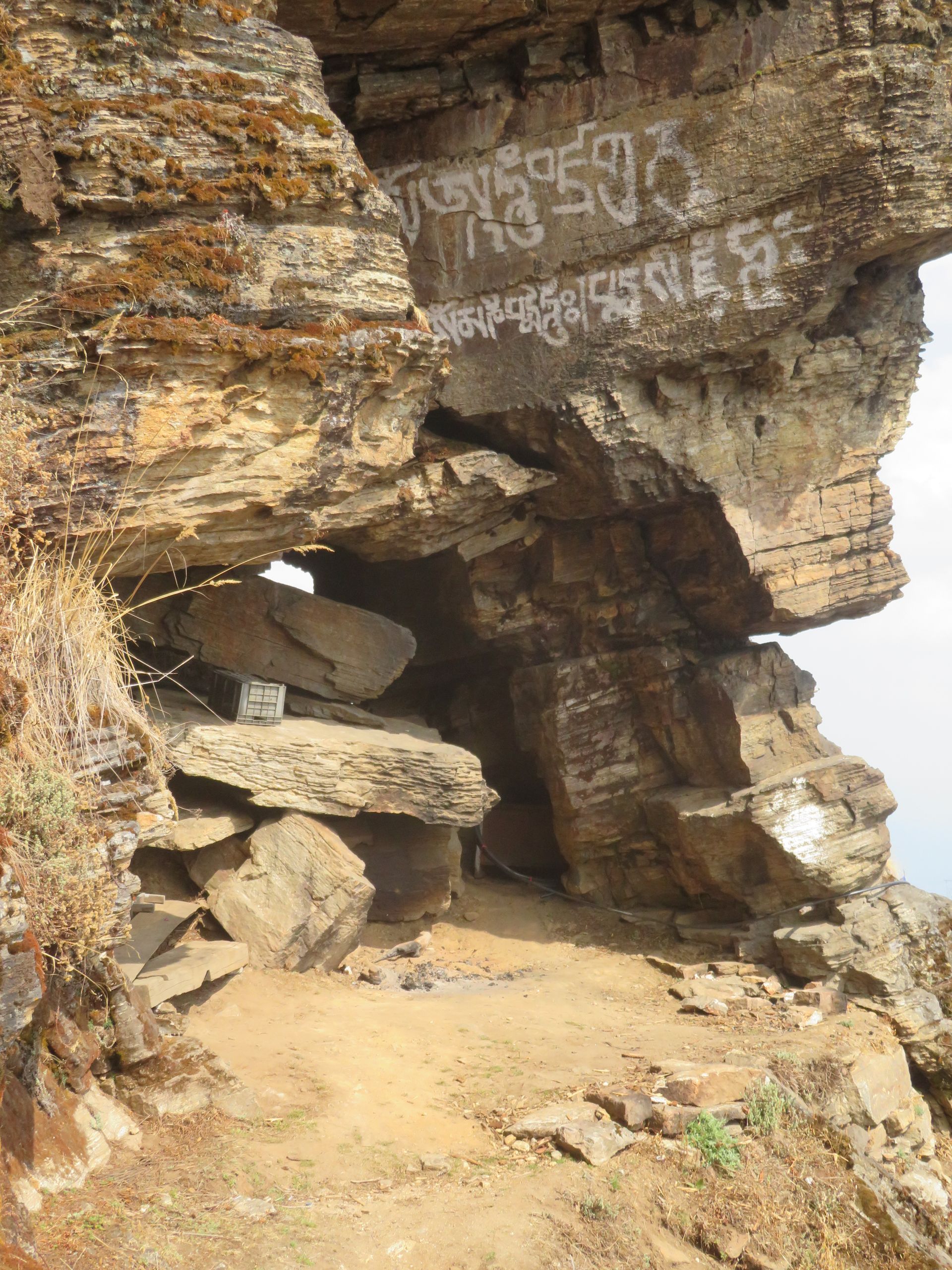
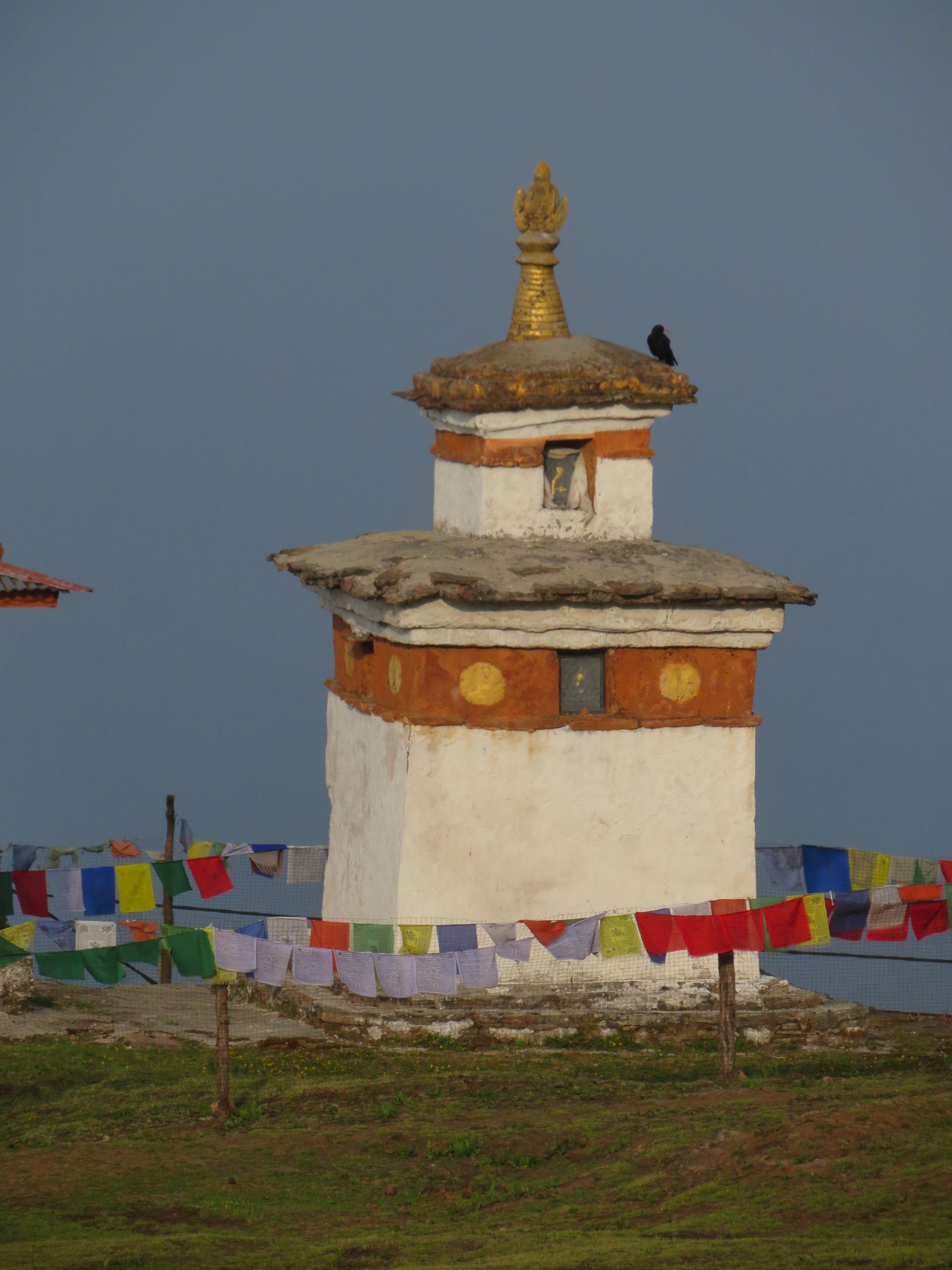
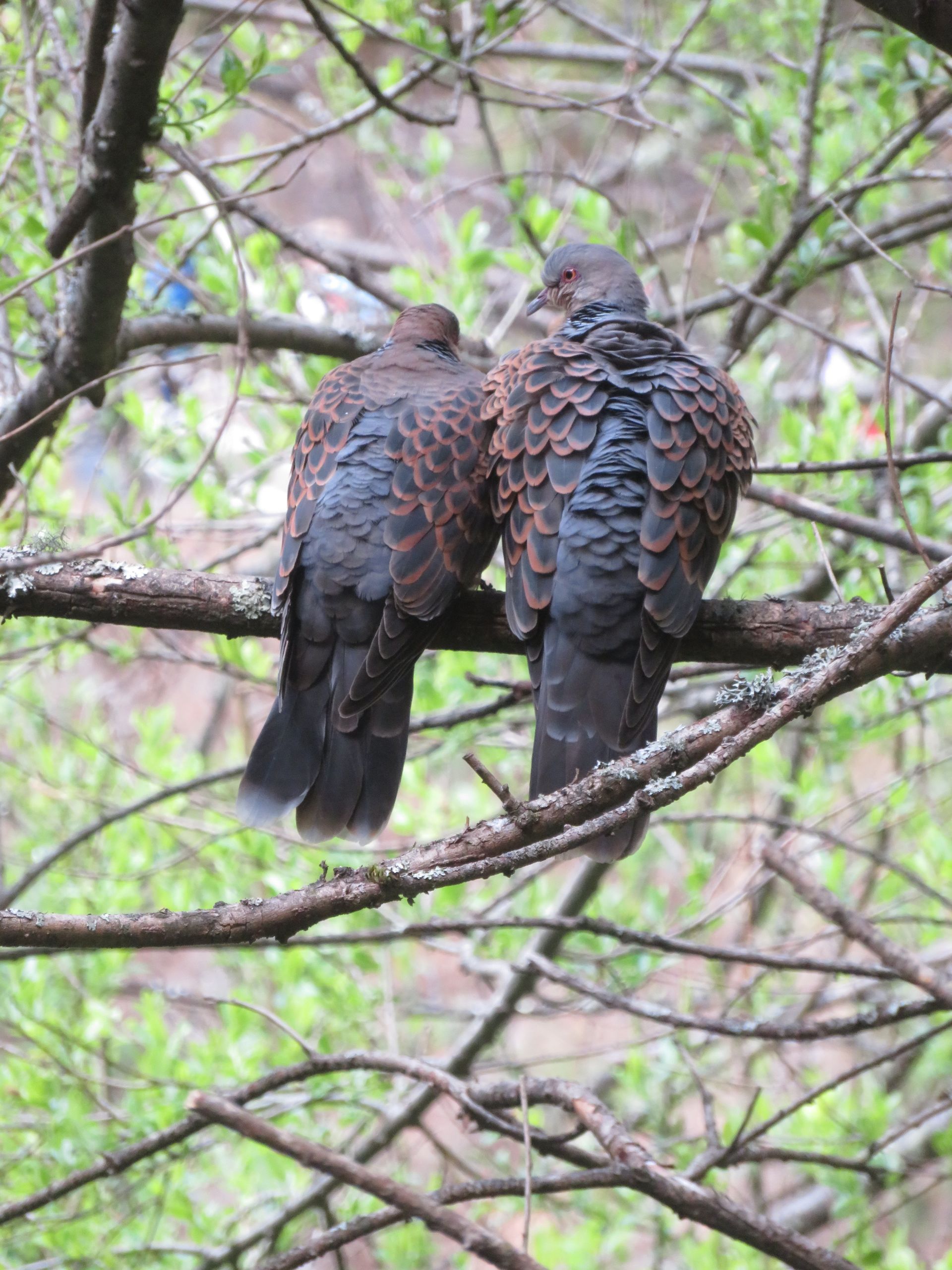

From our last travel destination, Bumthang, our journey guided by a mandatory guide through Bhutan continued to the high plateau, where one can see cranes in early April, which, however, had already flown away by the time we arrived. Instead, we could observe 2 disabled cranes and especially the high plateau with its cattle and yaks. Highlights included an eagle sighting and a crow that flew onto the back of a much larger vulture to drive it out of its hunting territory - seemingly successfully.
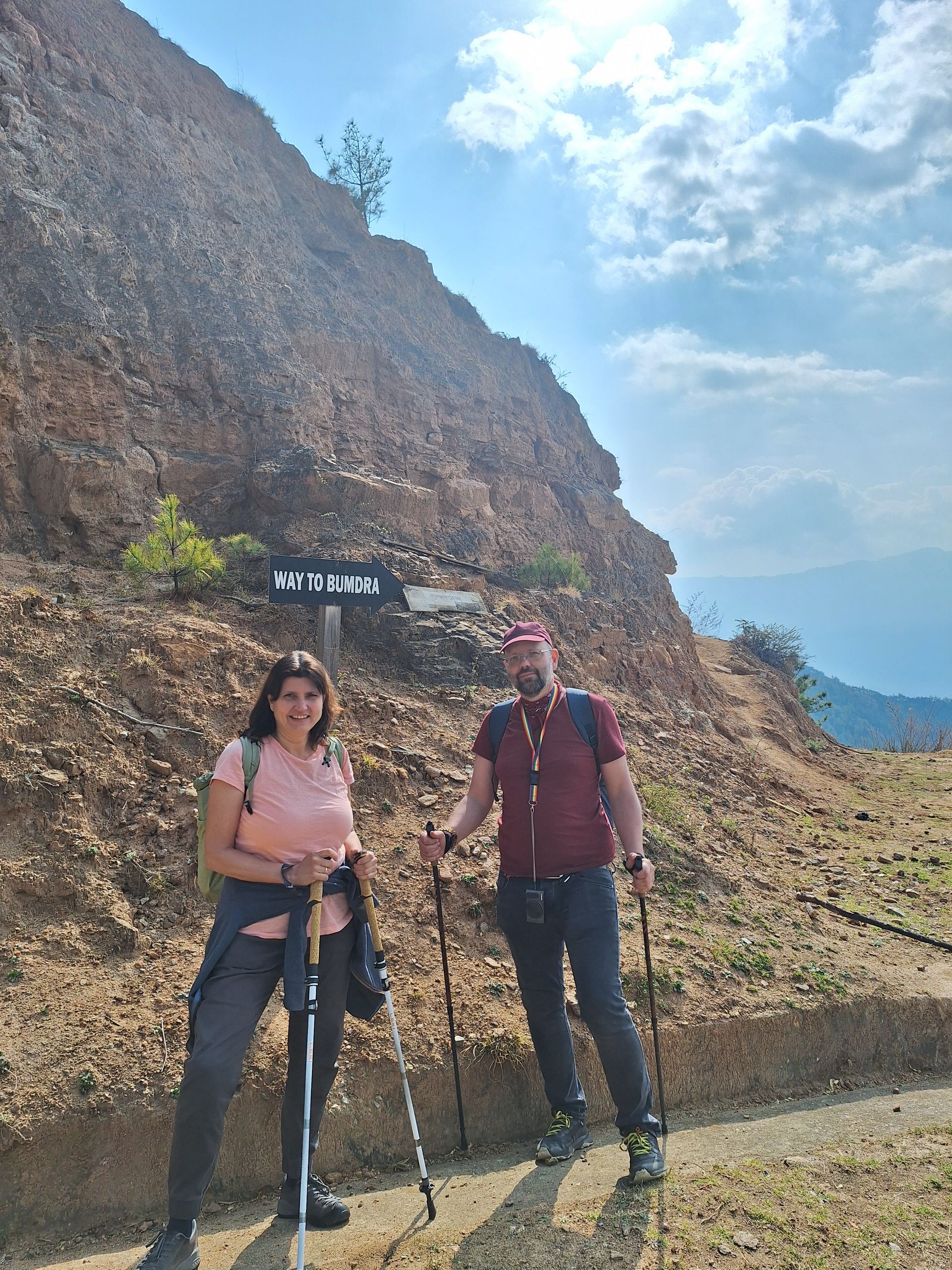
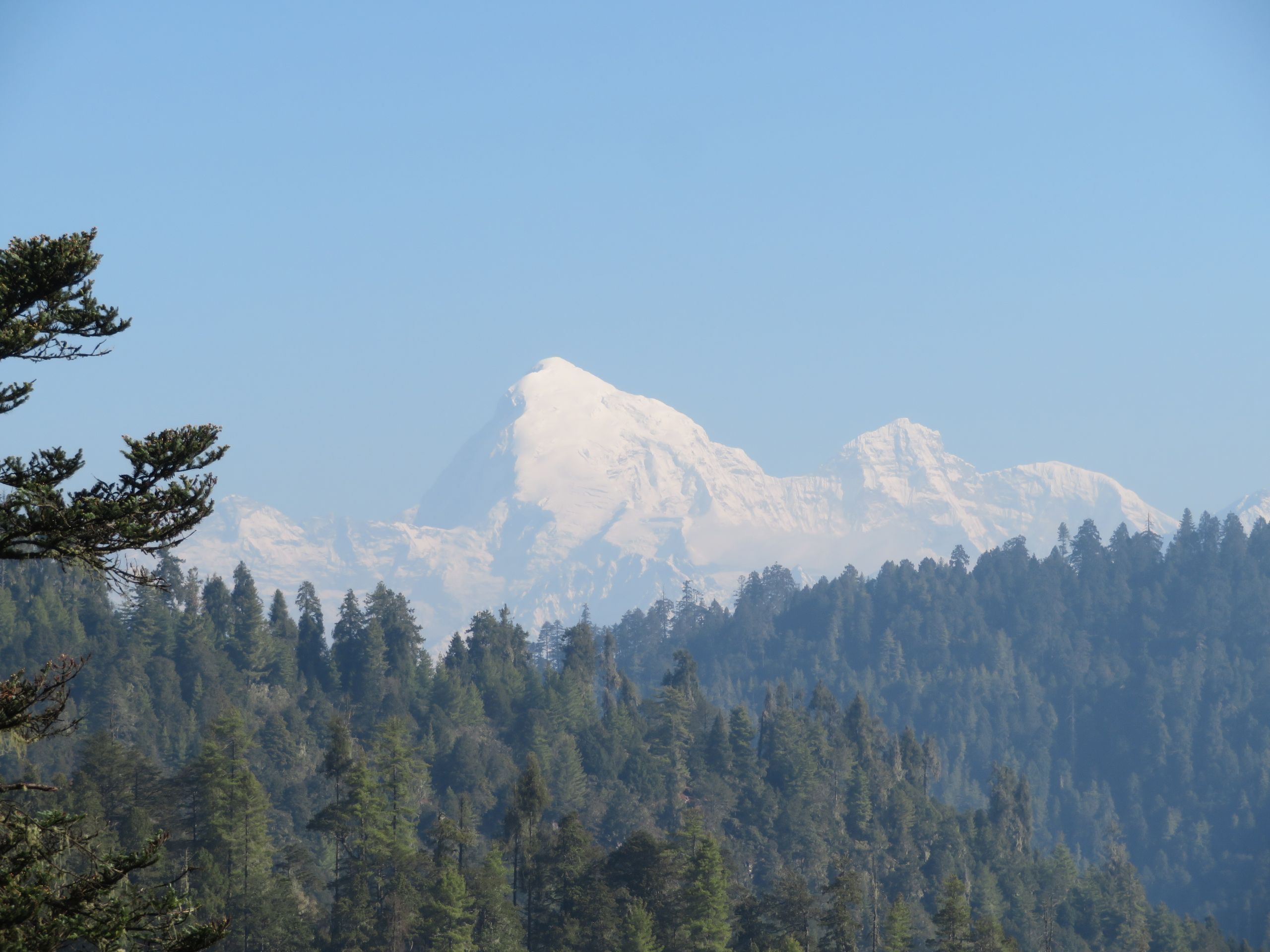
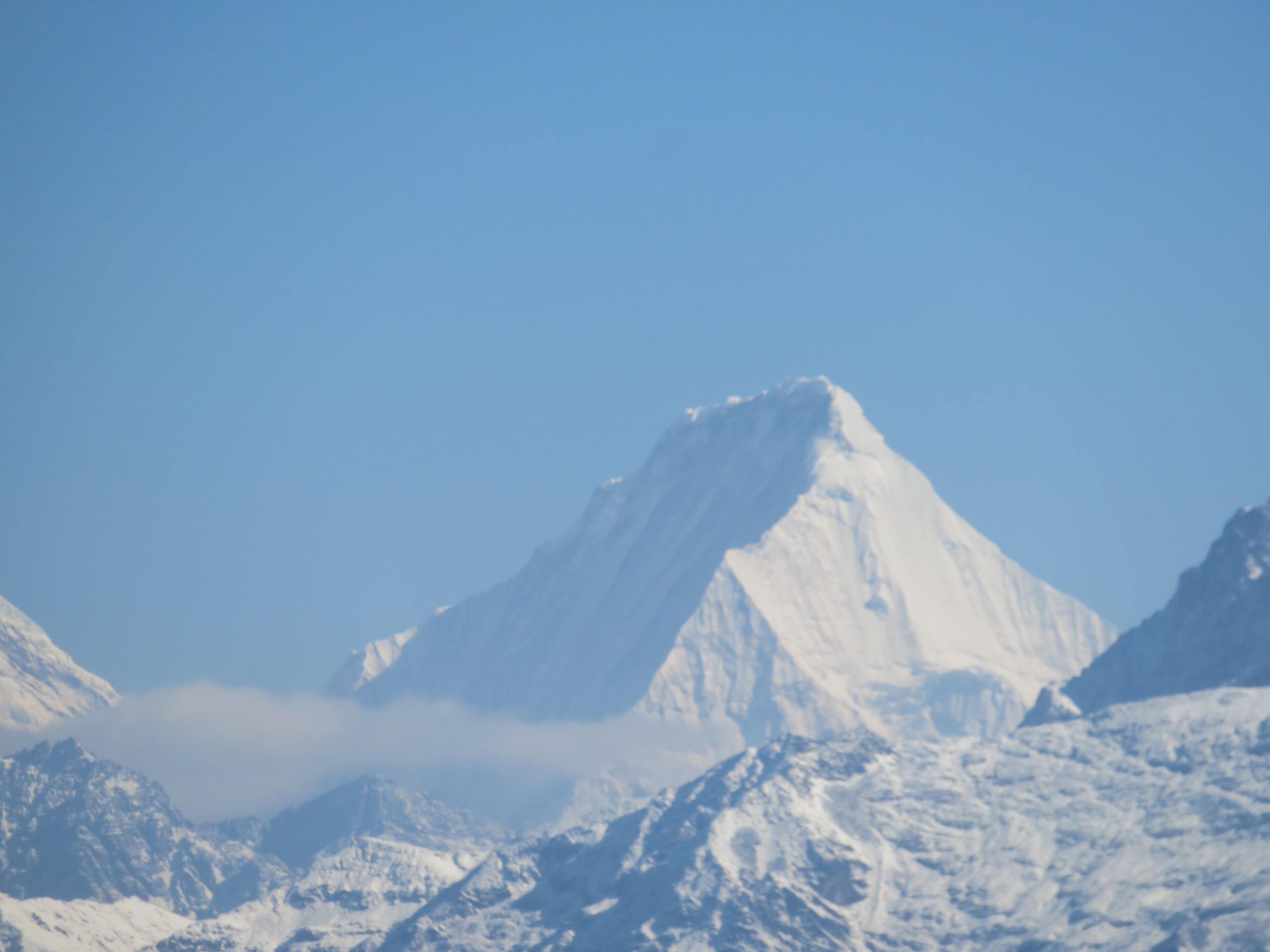
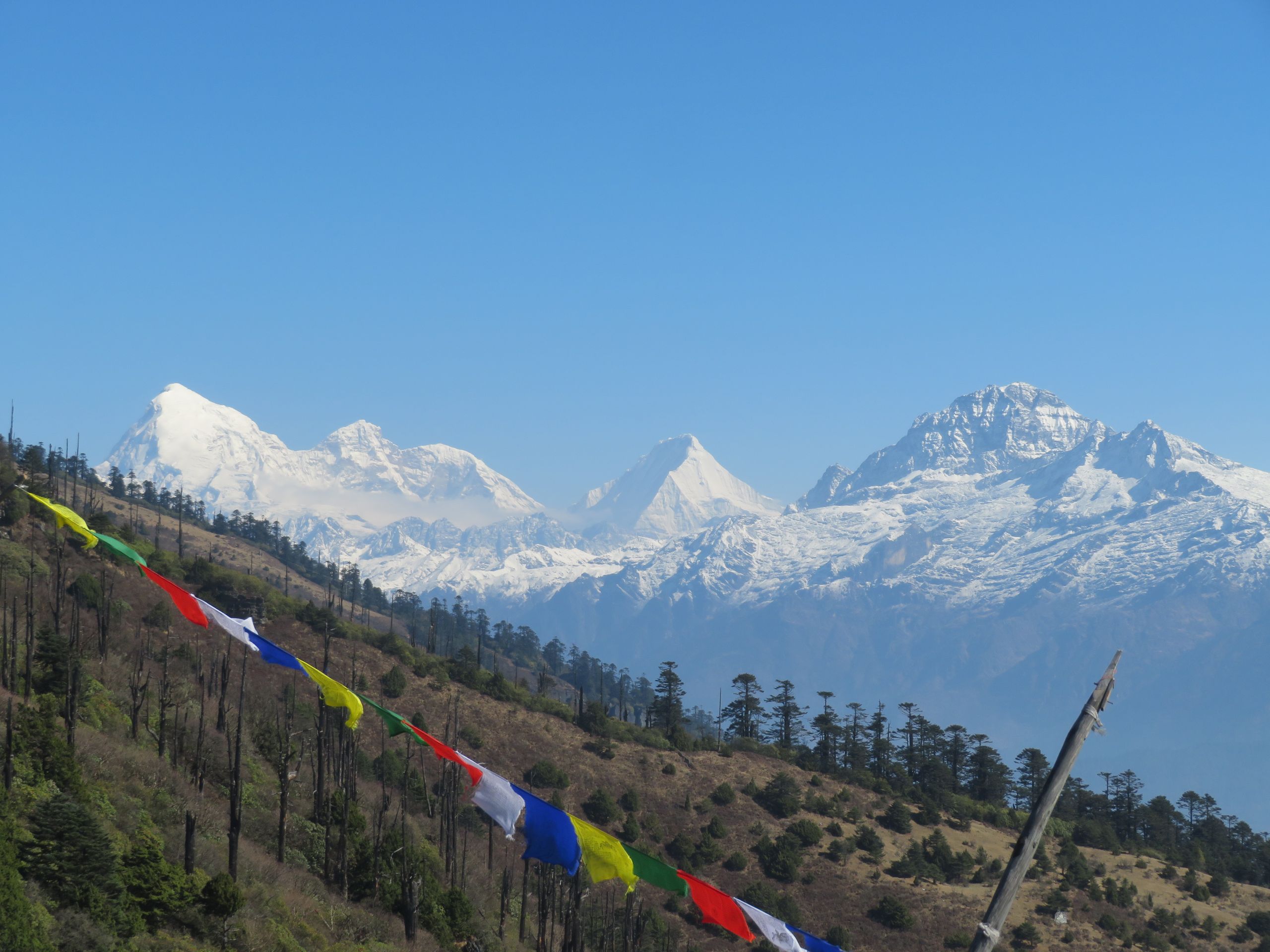
From the high plateau, we continued to a pass located at an altitude of 3088 meters. From here, we could ascend a small subsidiary peak at about 4010 to 4015 meters and for the first time in our lives enjoy the air at over 4000 meters, which was surprisingly free of pollen but also low in oxygen. But all of this was good training for the hike to the famous Tiger's Nest, which lay ahead of us. We also enjoyed the view of Bhutan's second-highest mountain, over 700 meters high, as well as the view of mountains in Tibet (about 6700 meters) and in Sikkim (once independent like Bhutan and now part of India), including Kangchendzönga, the third-highest mountain in the world at 8586 meters.
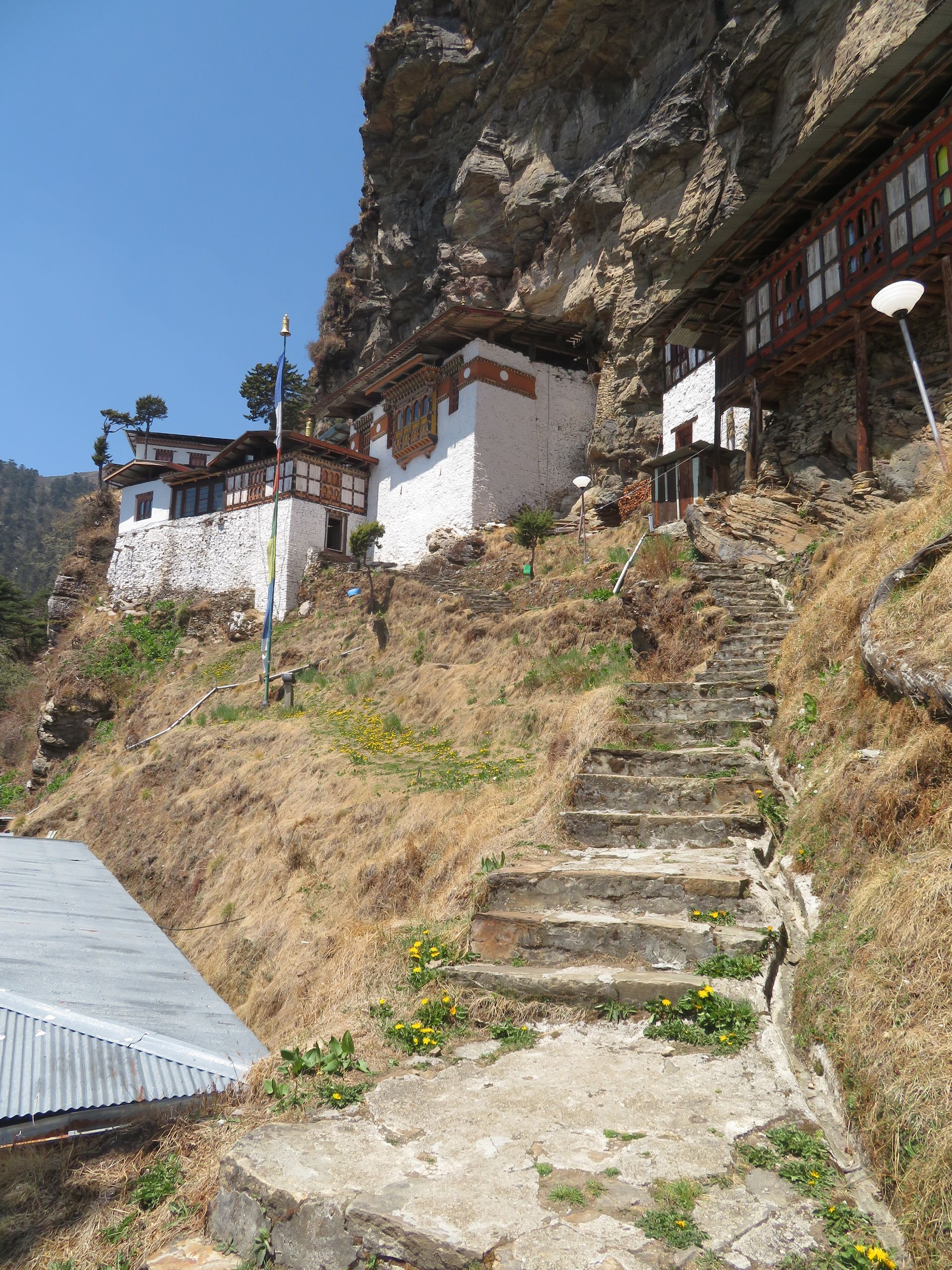
We hiked from our not even half as high summit to a women's temple that lay at a comparatively moderate 3600 meters and we really liked it - perhaps our best temple experience.
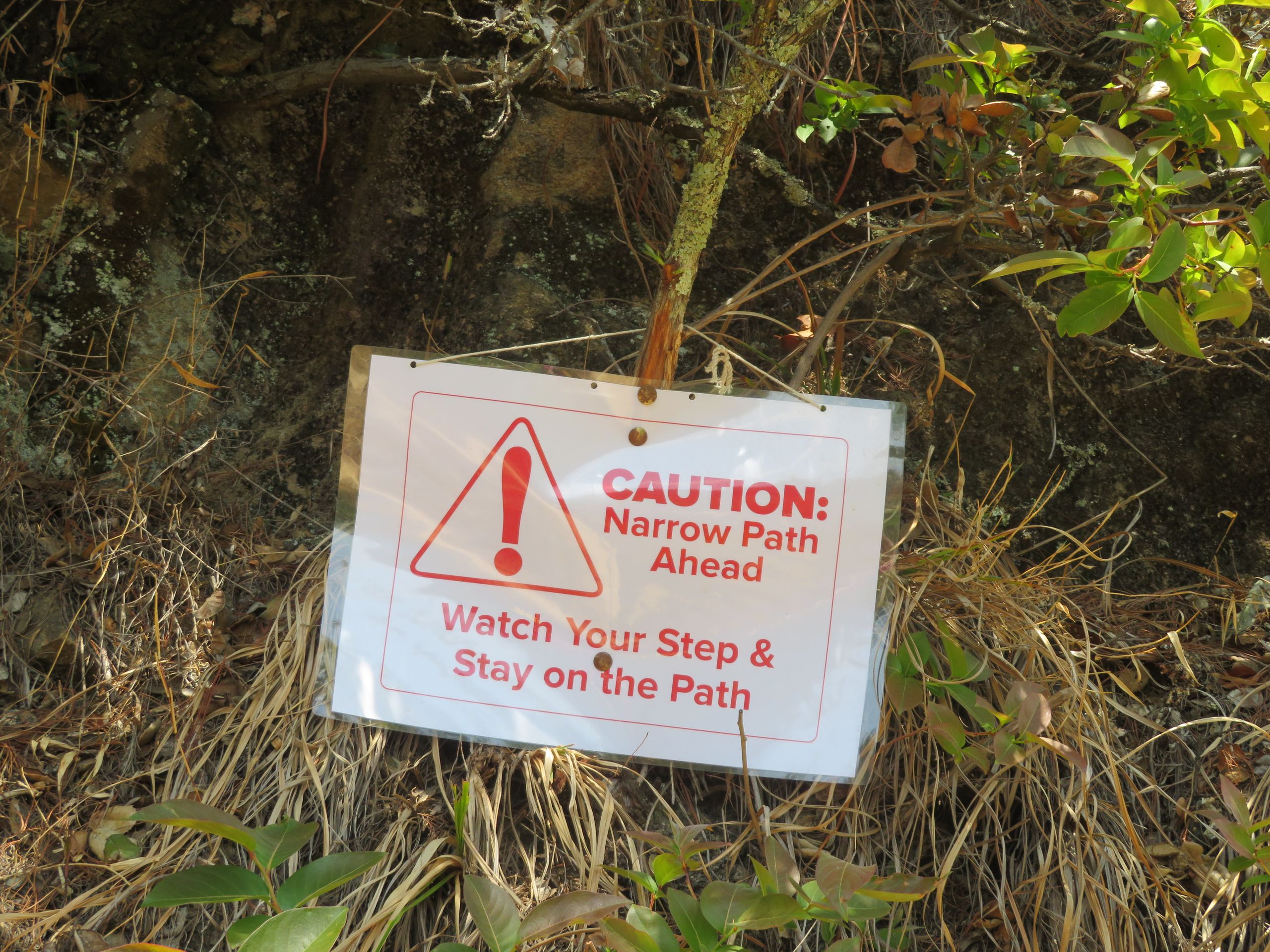
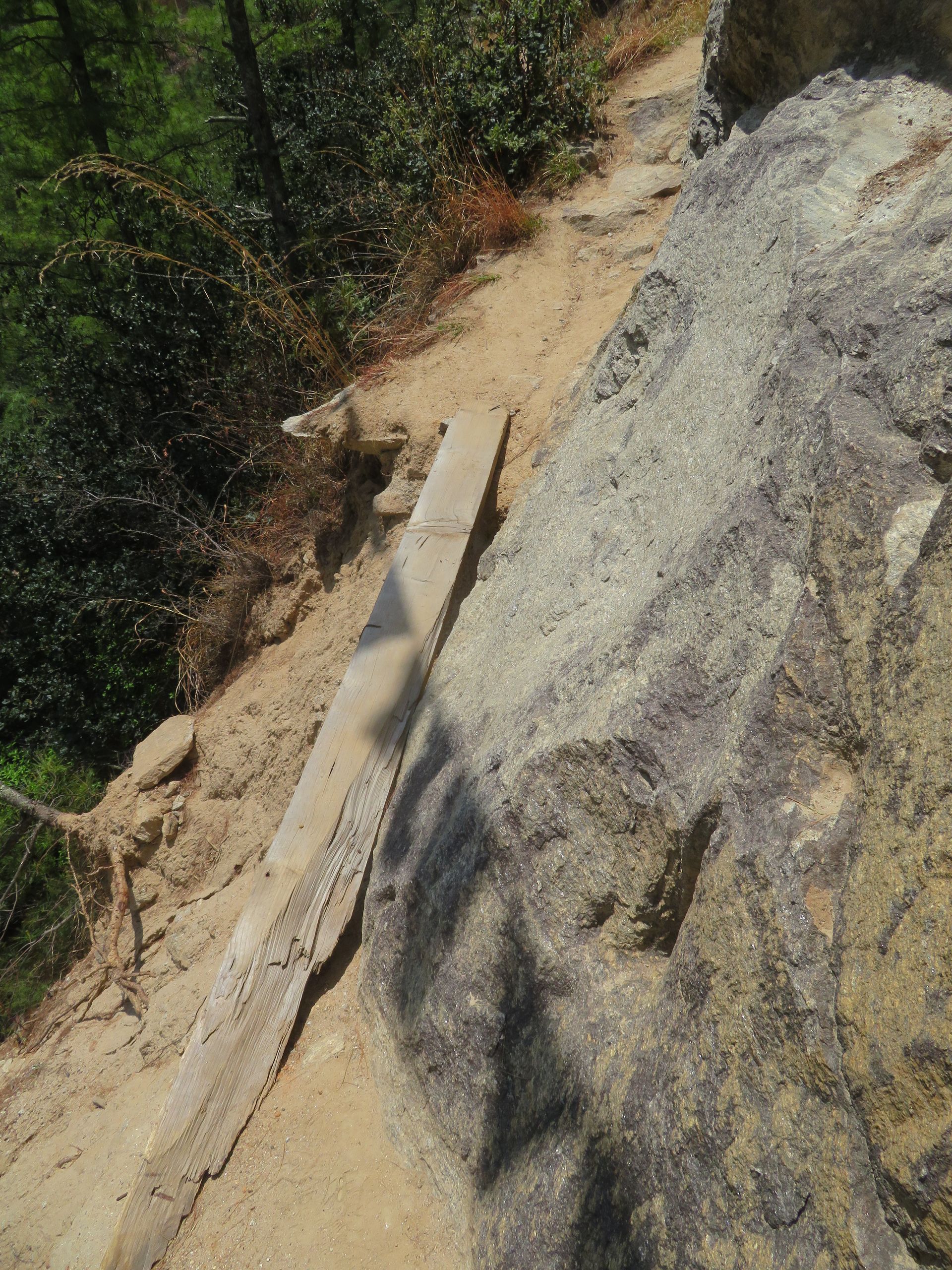
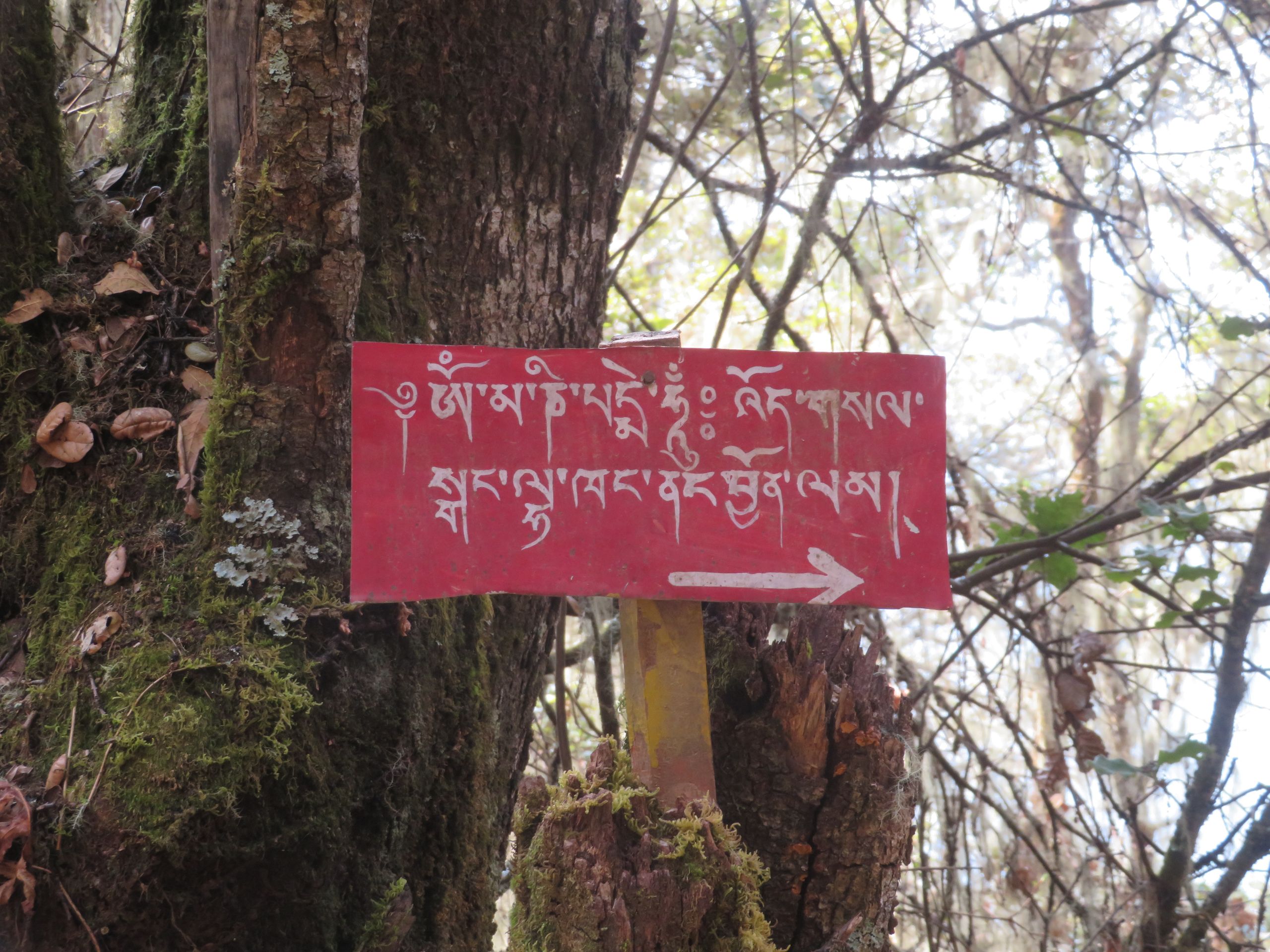
To get there, however, one had to walk along a narrow path along the slope. And when a sign warned us of a narrow section, it bode poorly. Some may find it refreshing to walk along a 20 cm wide plank at 3600 meters - Mr. Ärmel, on the other hand, derived little pleasure from this experience.
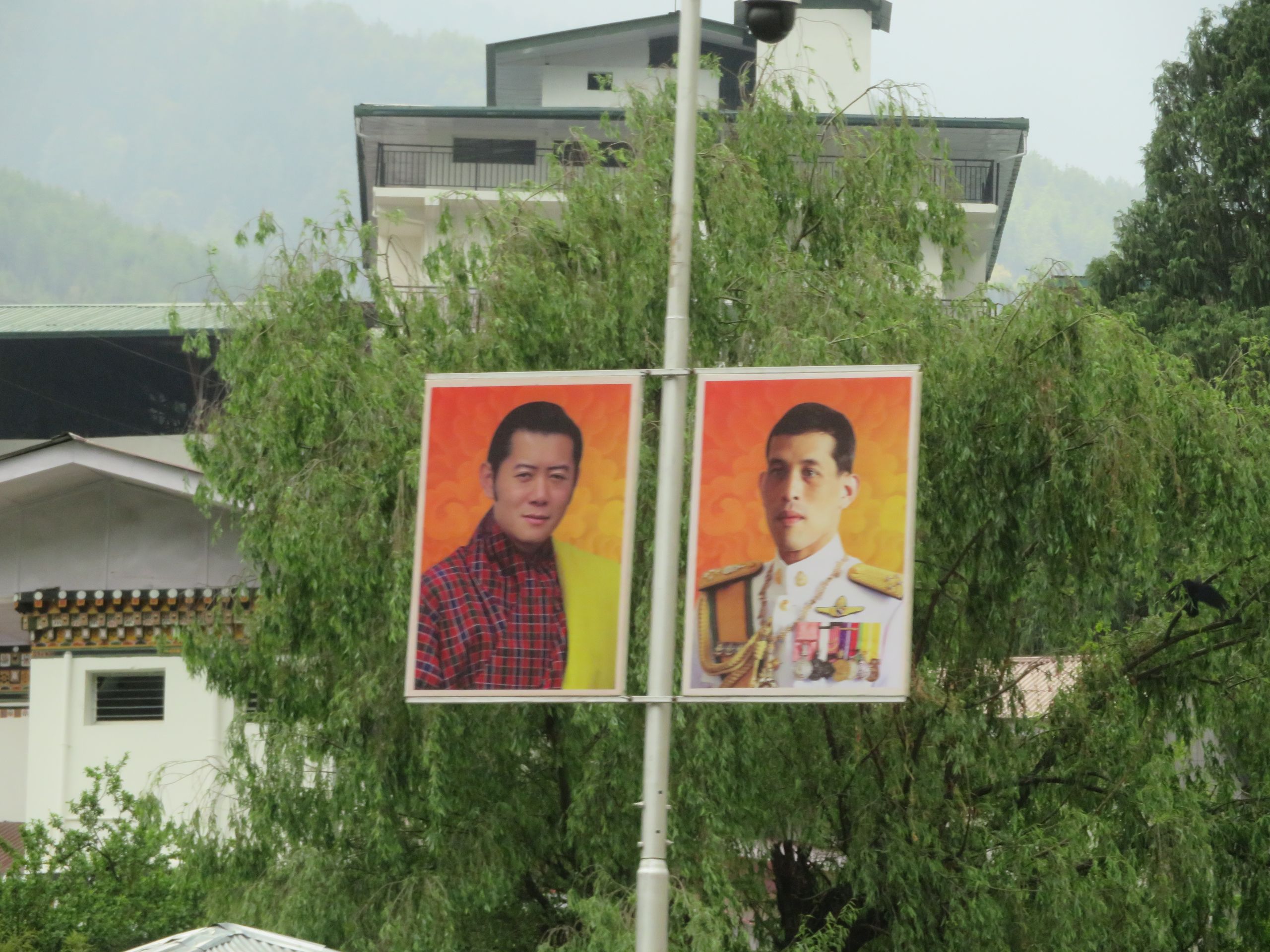
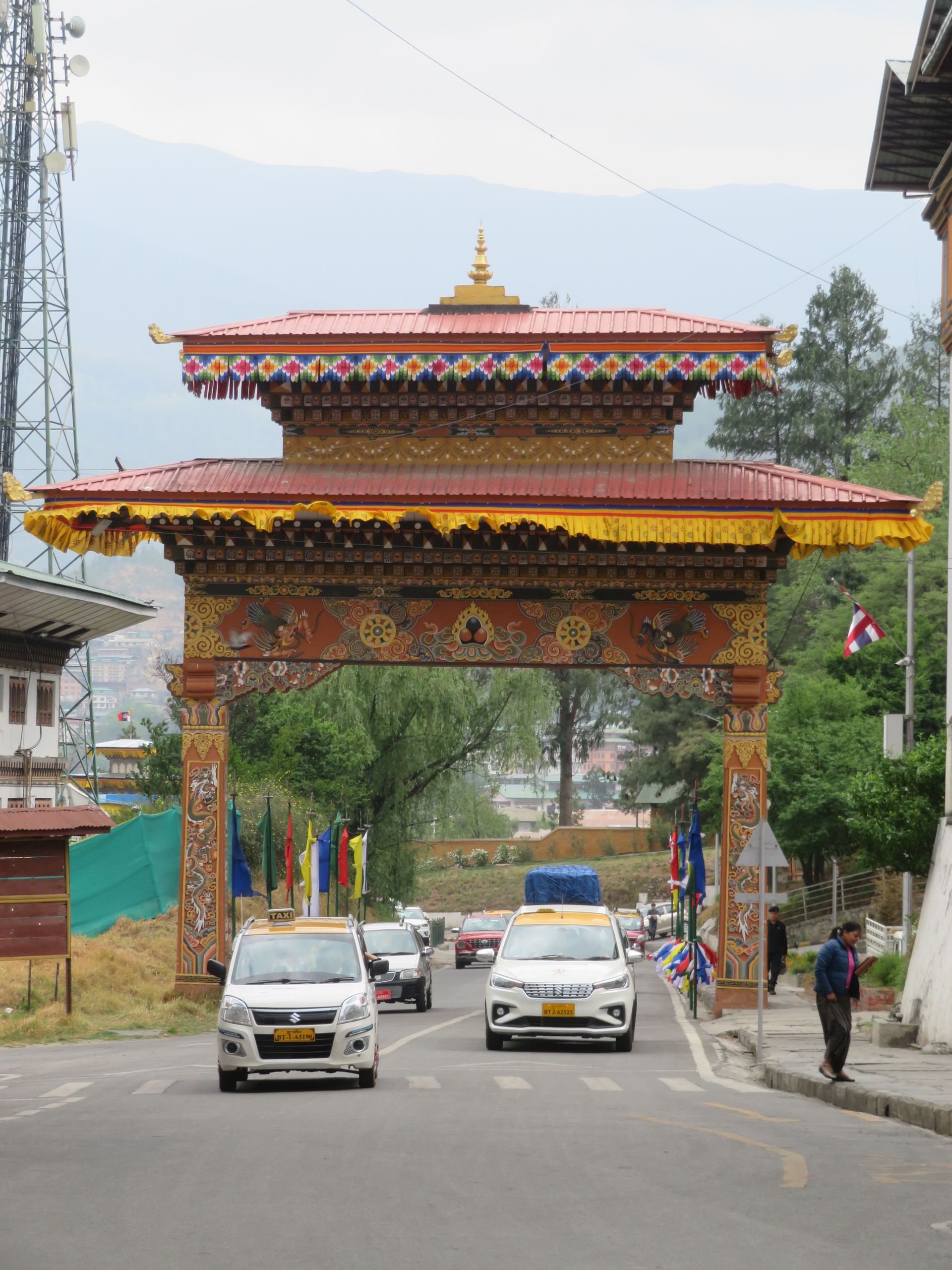
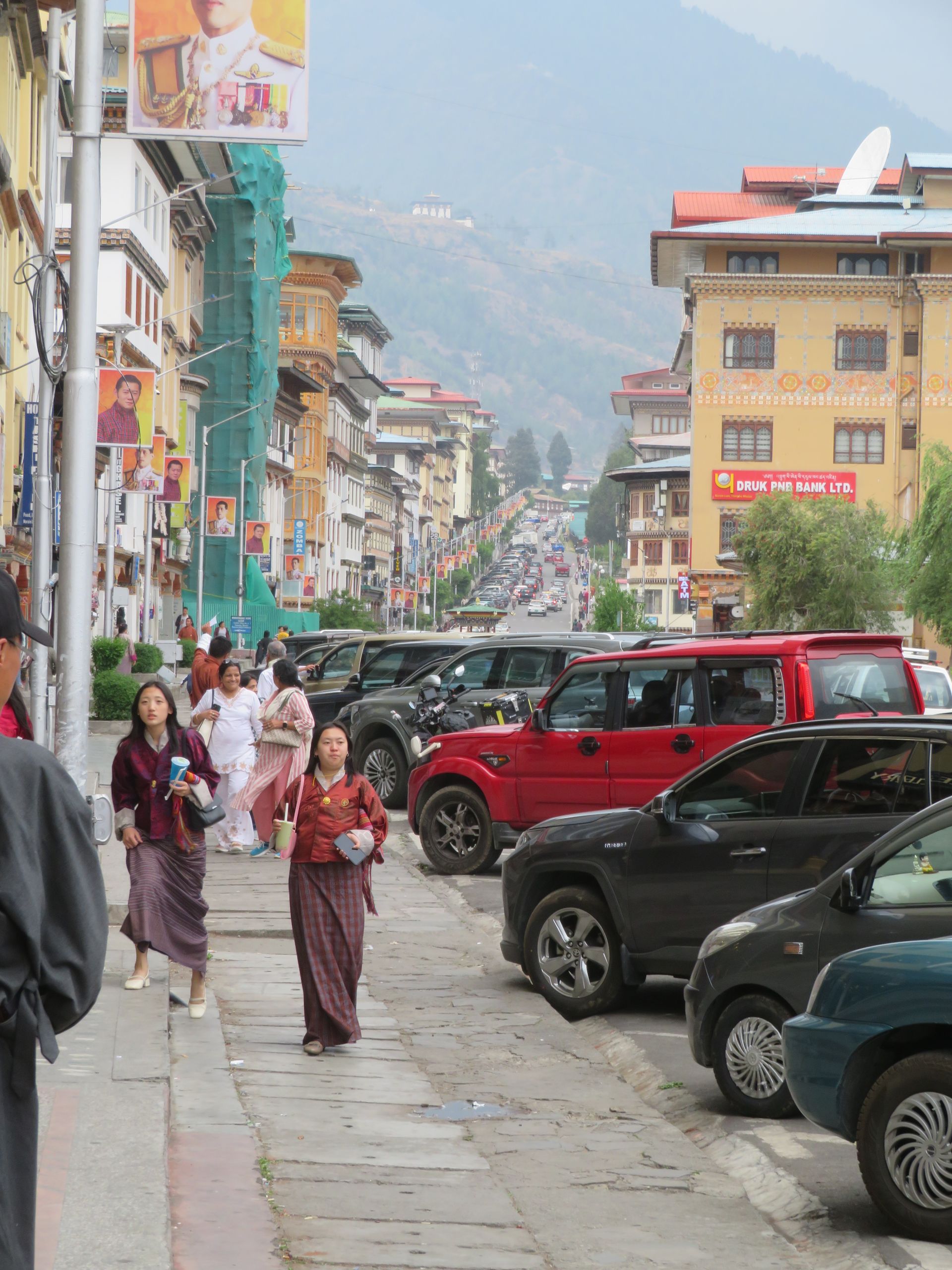
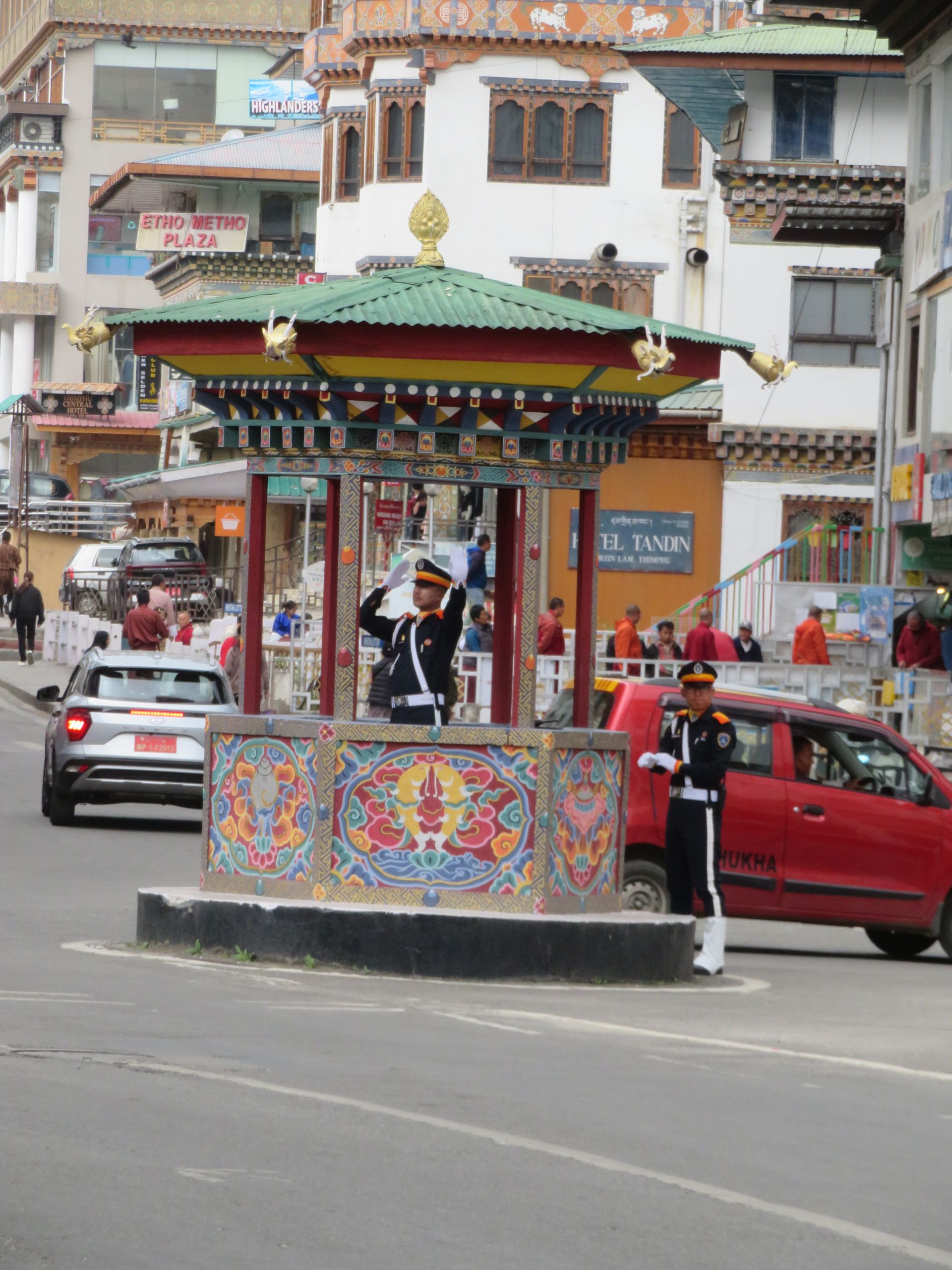
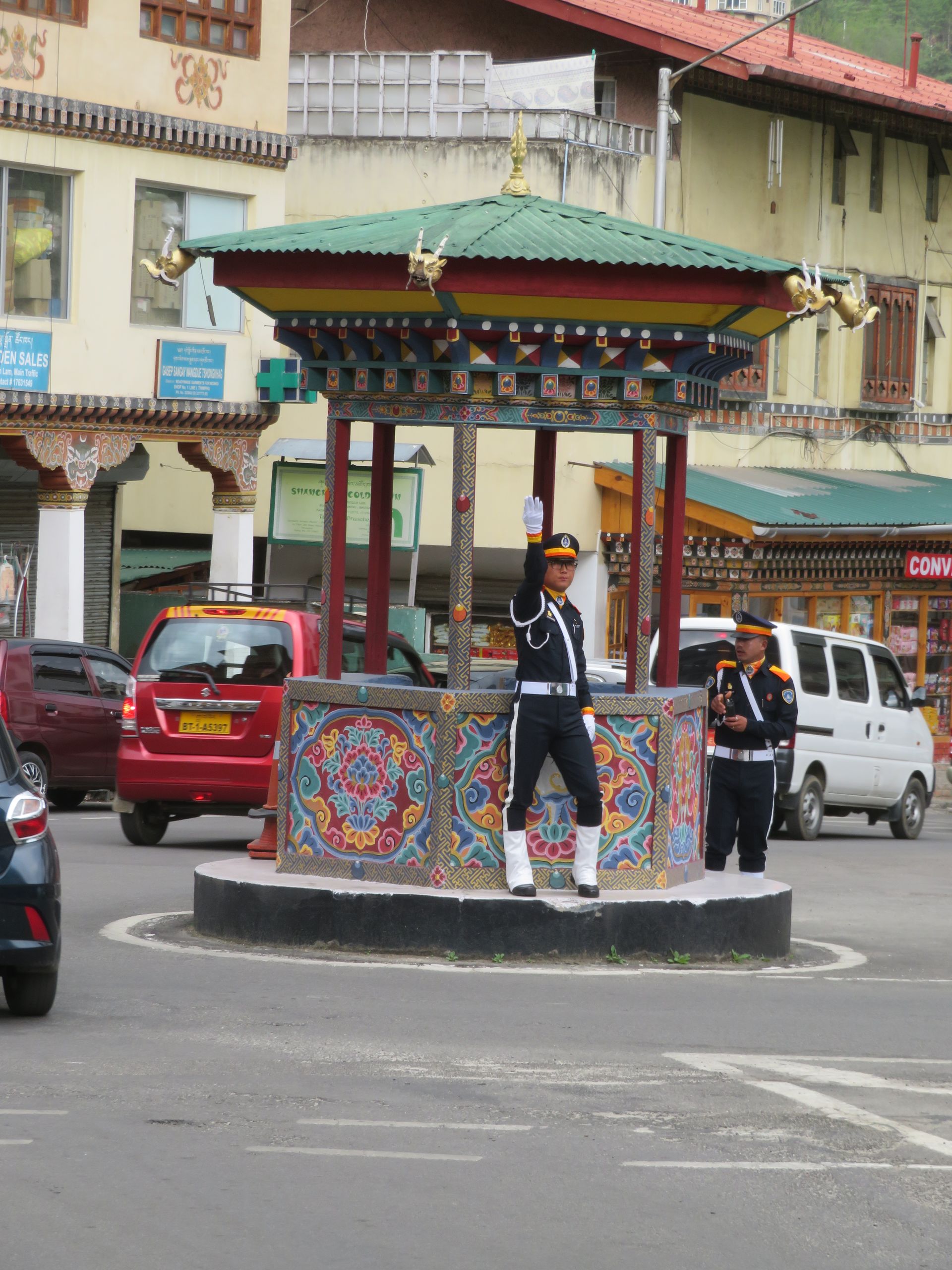
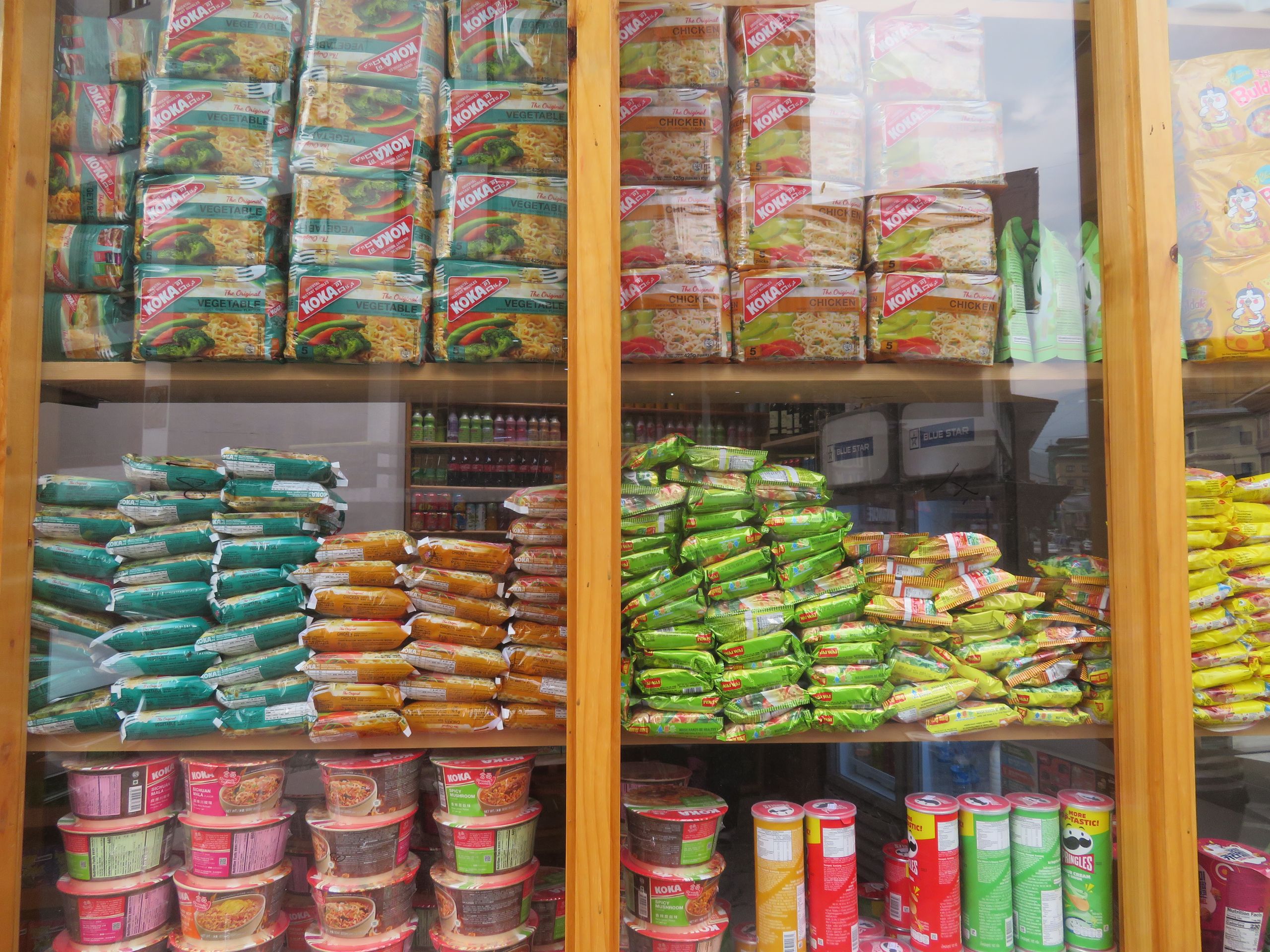
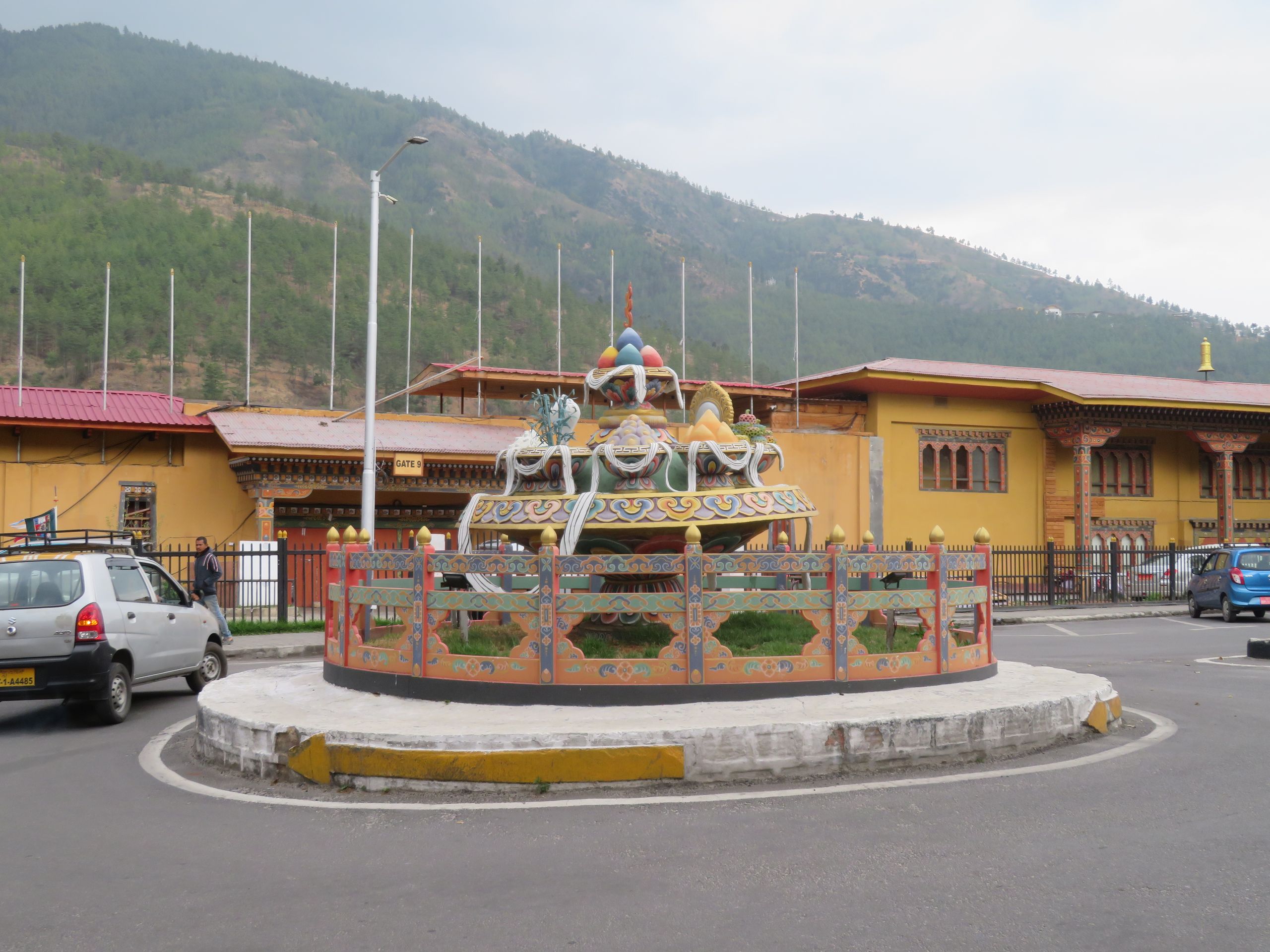
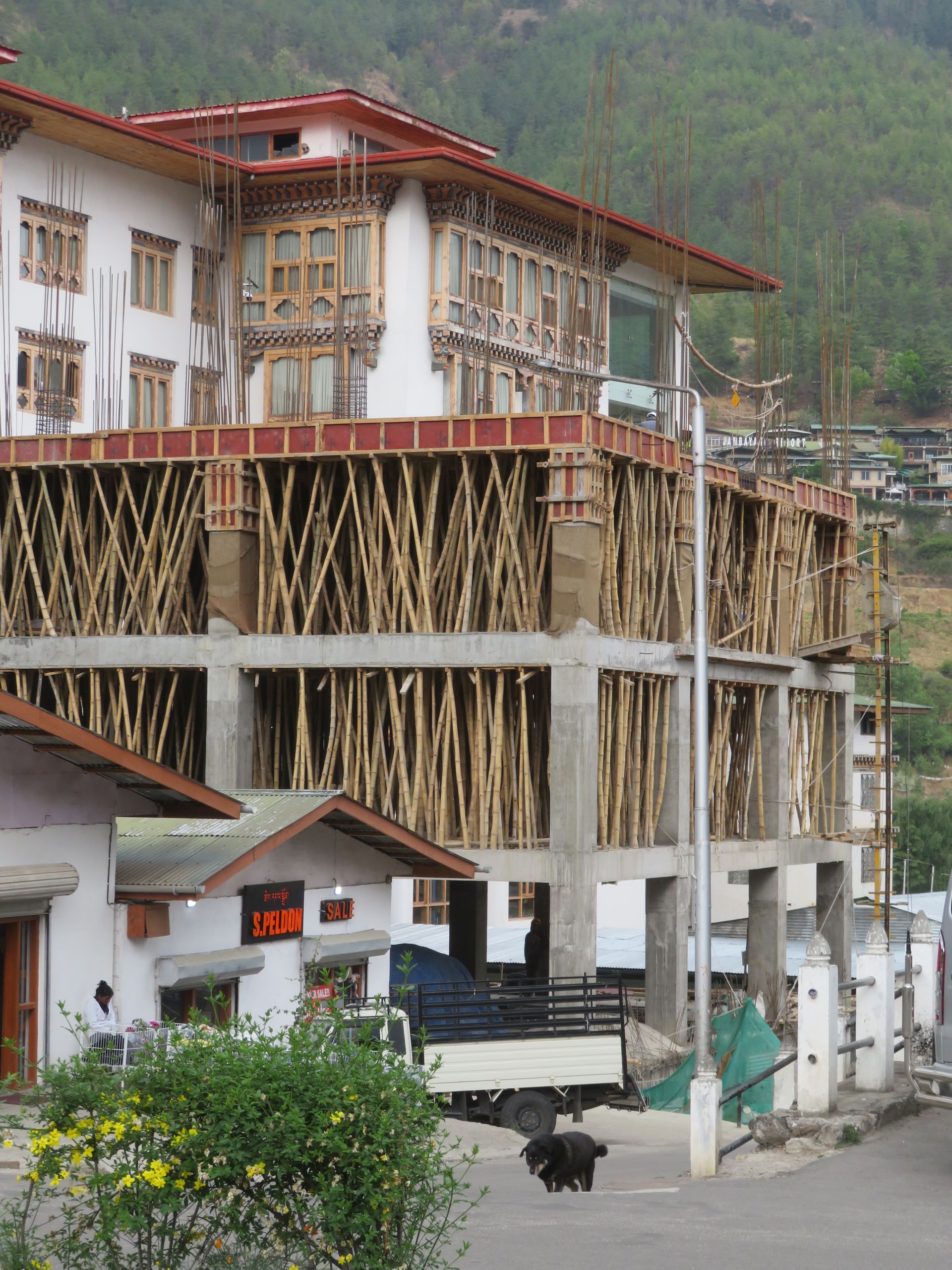
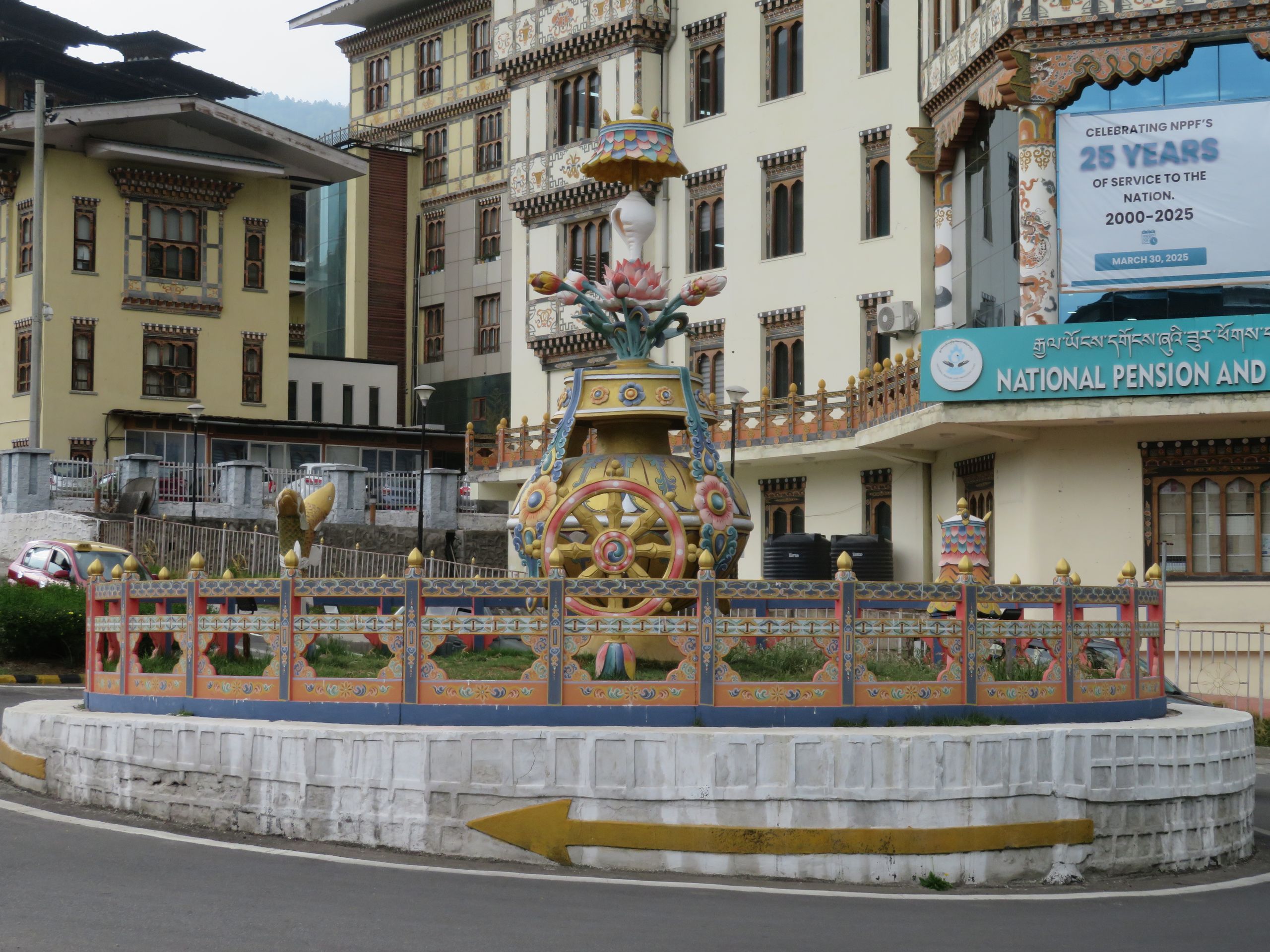
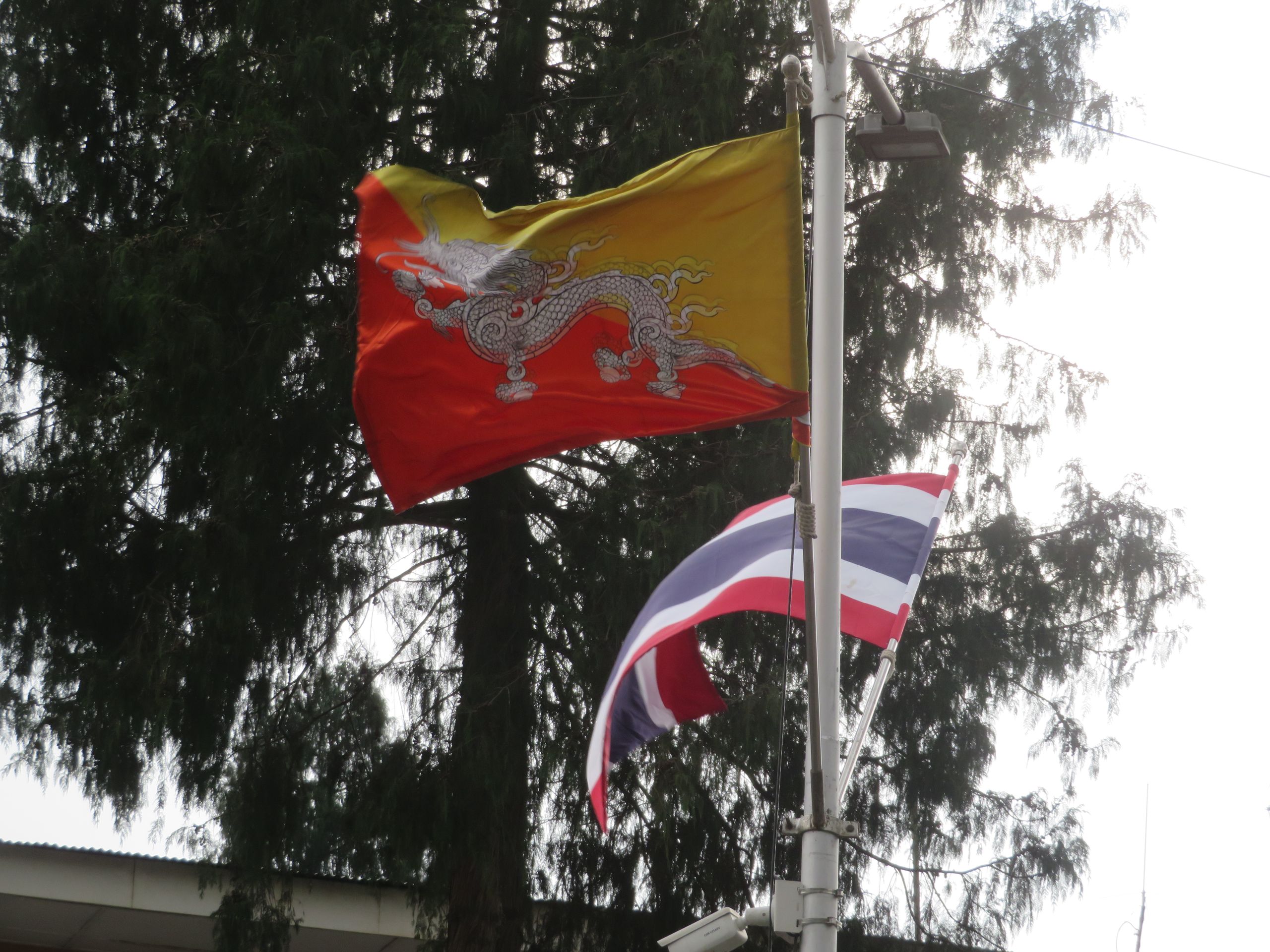
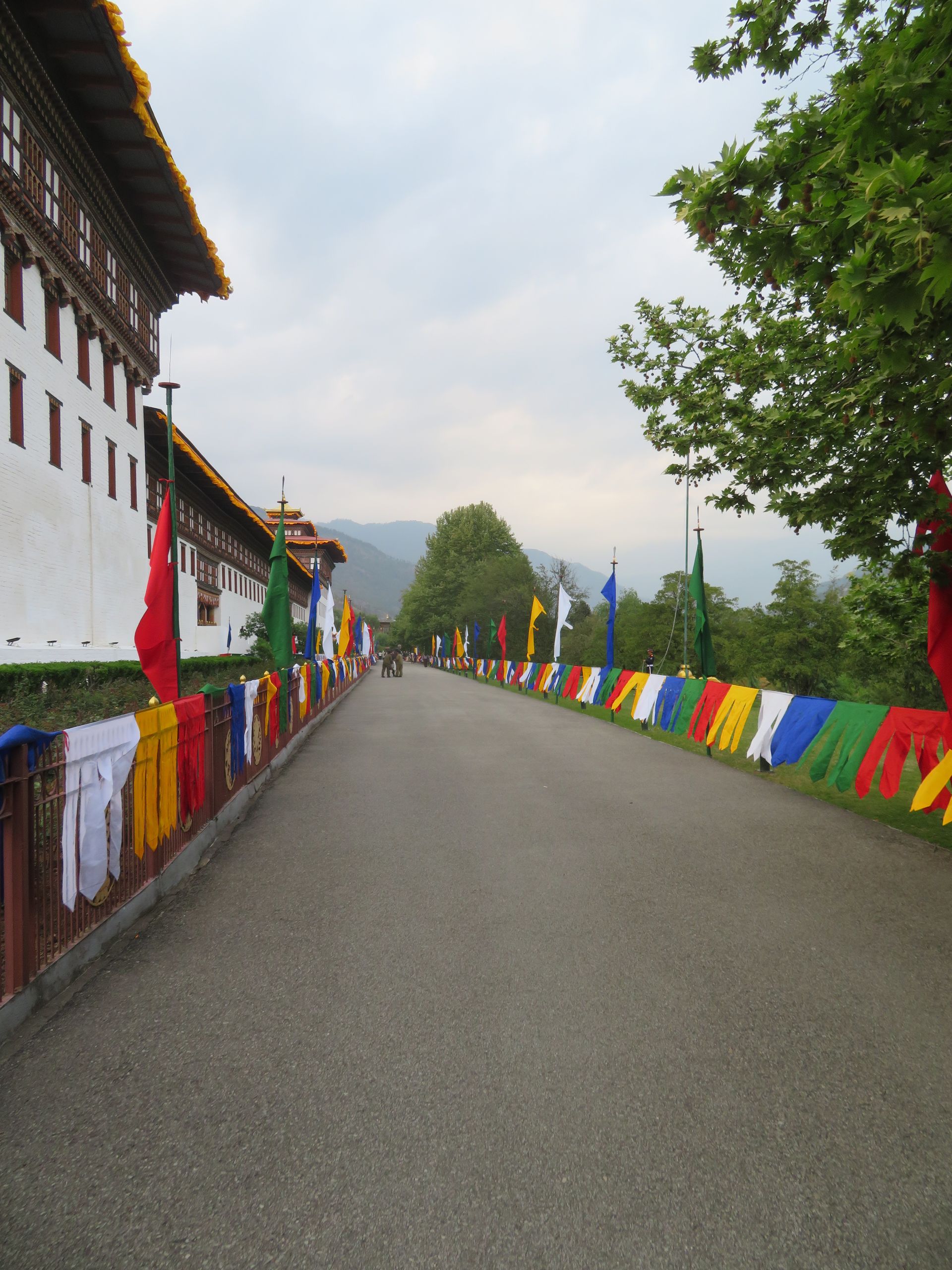
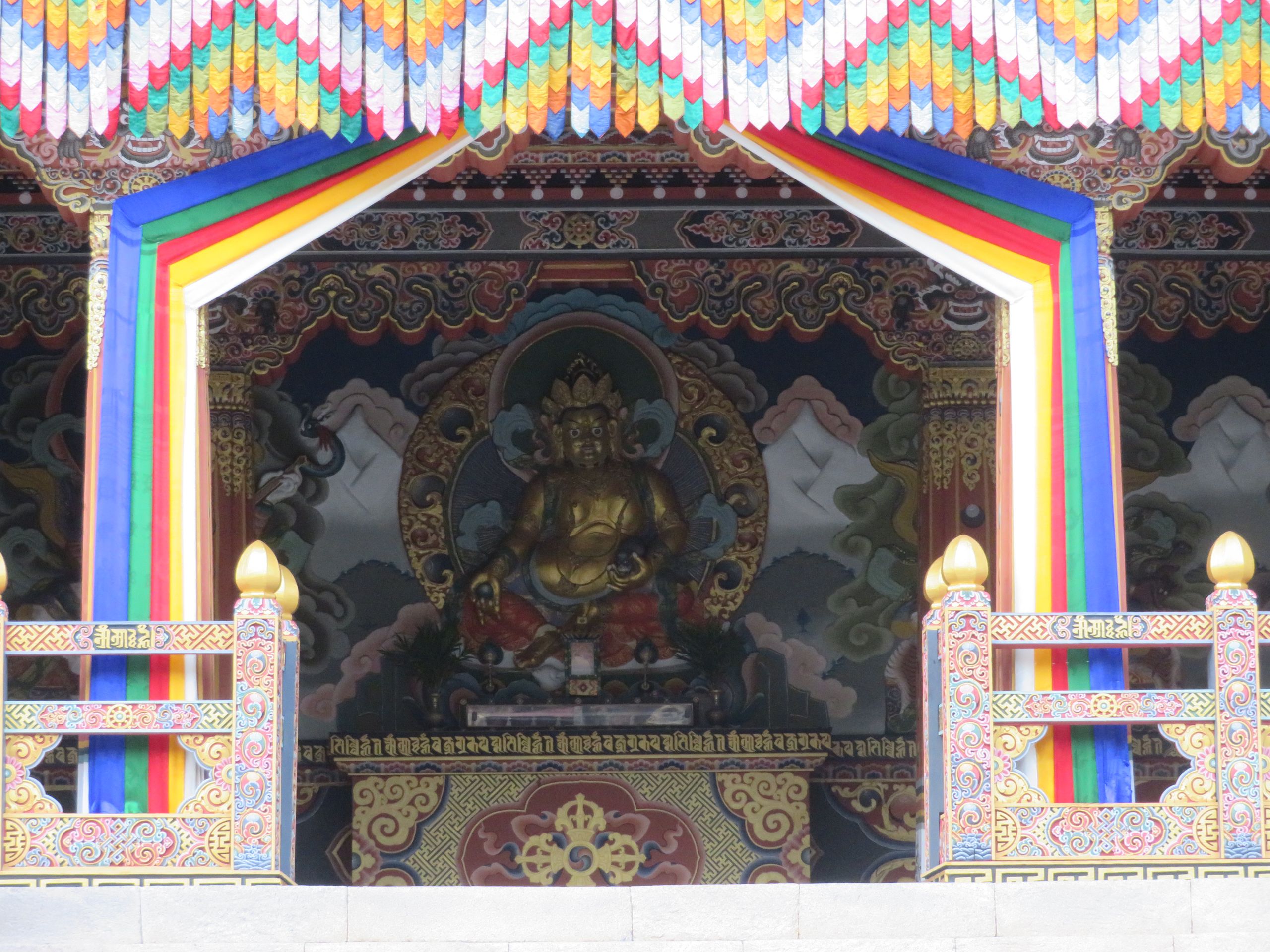
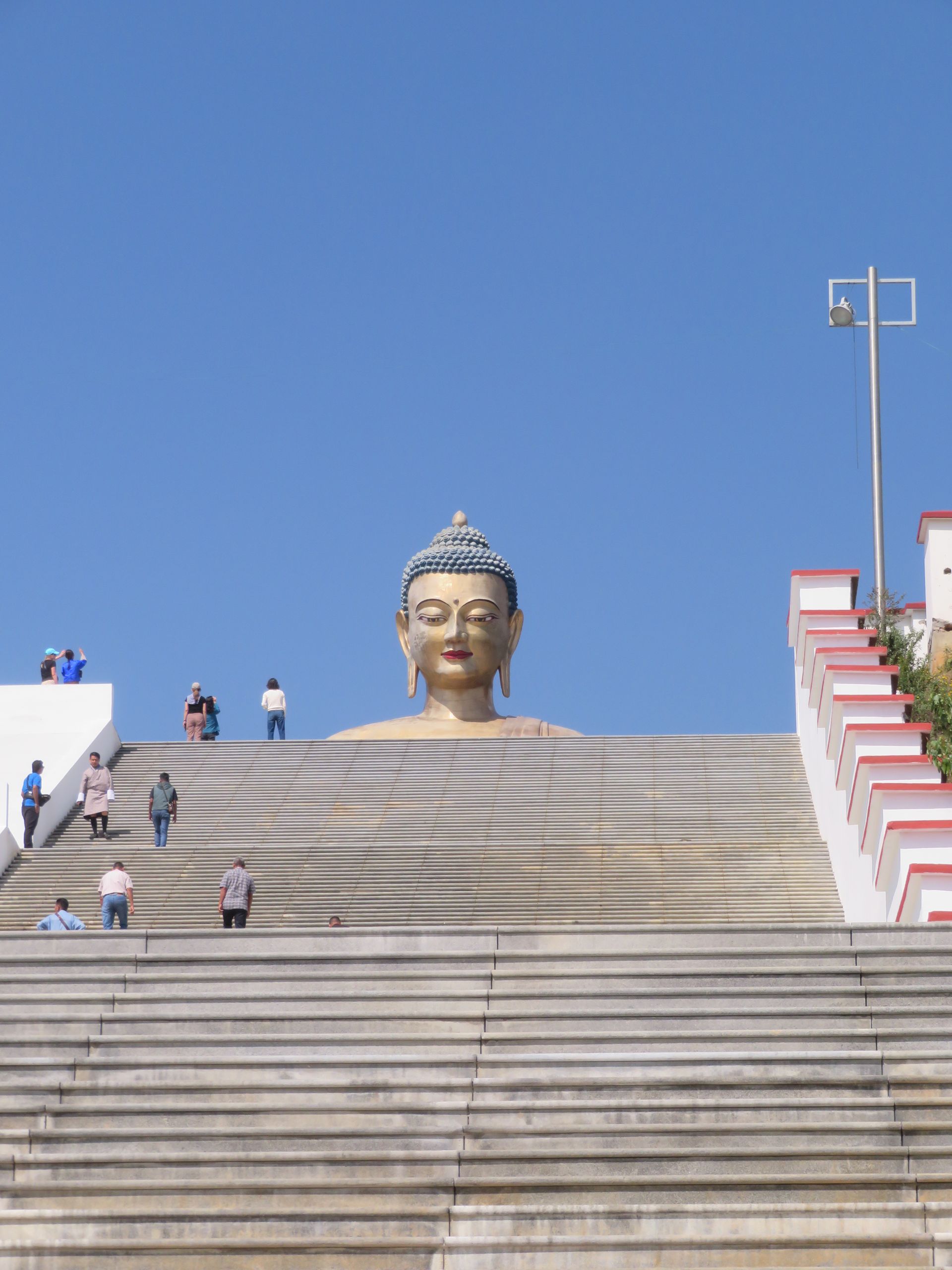
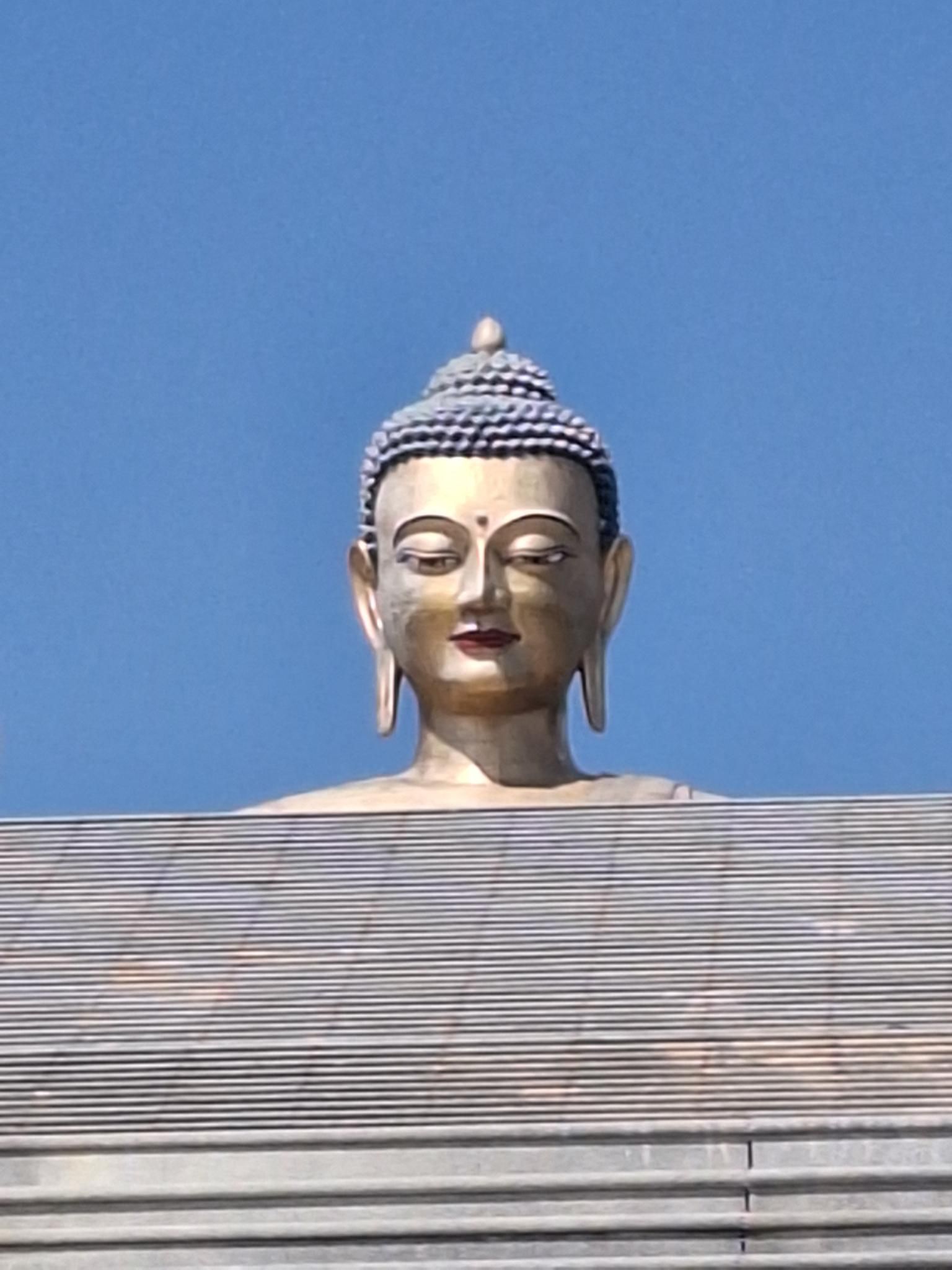
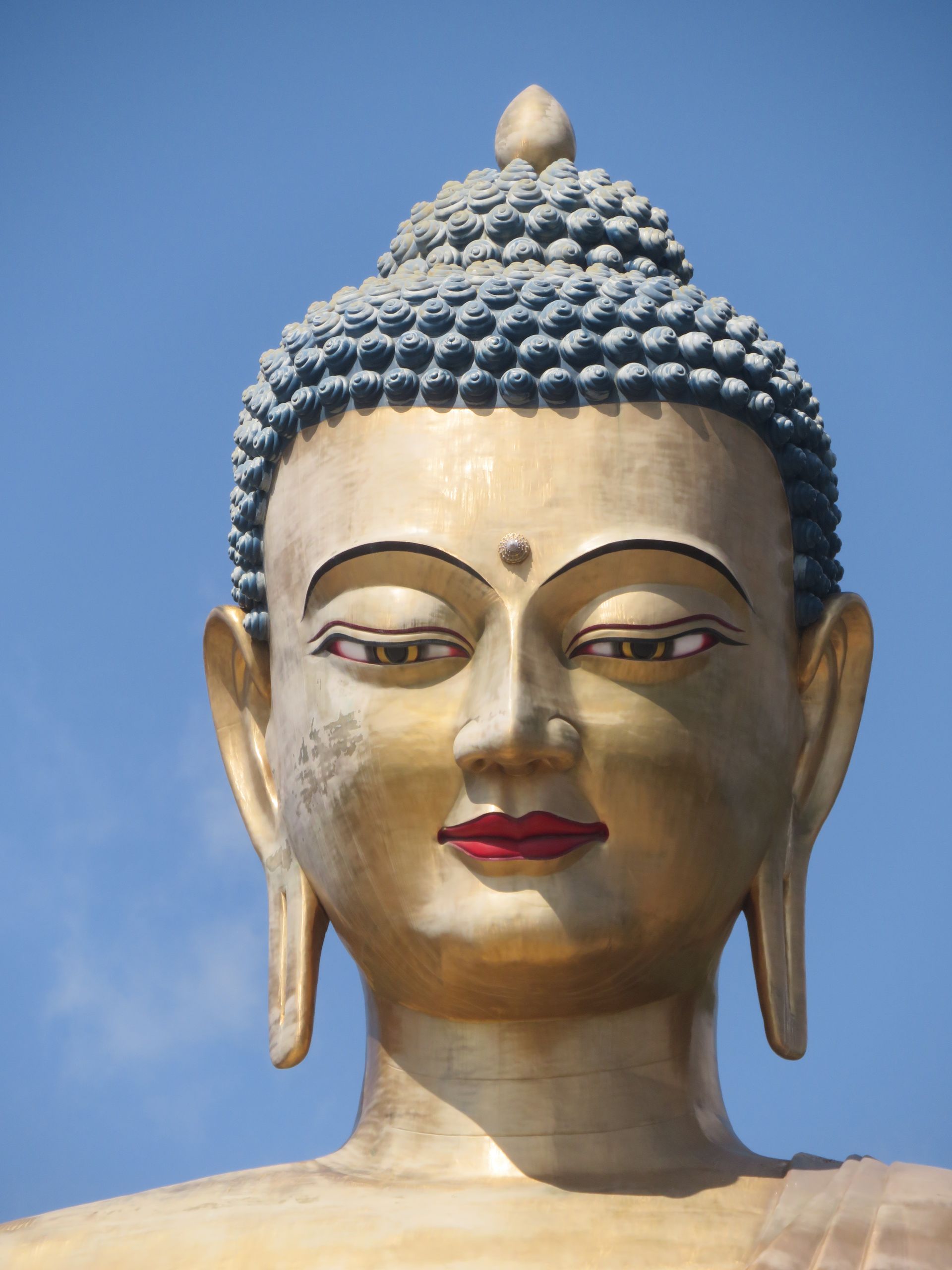
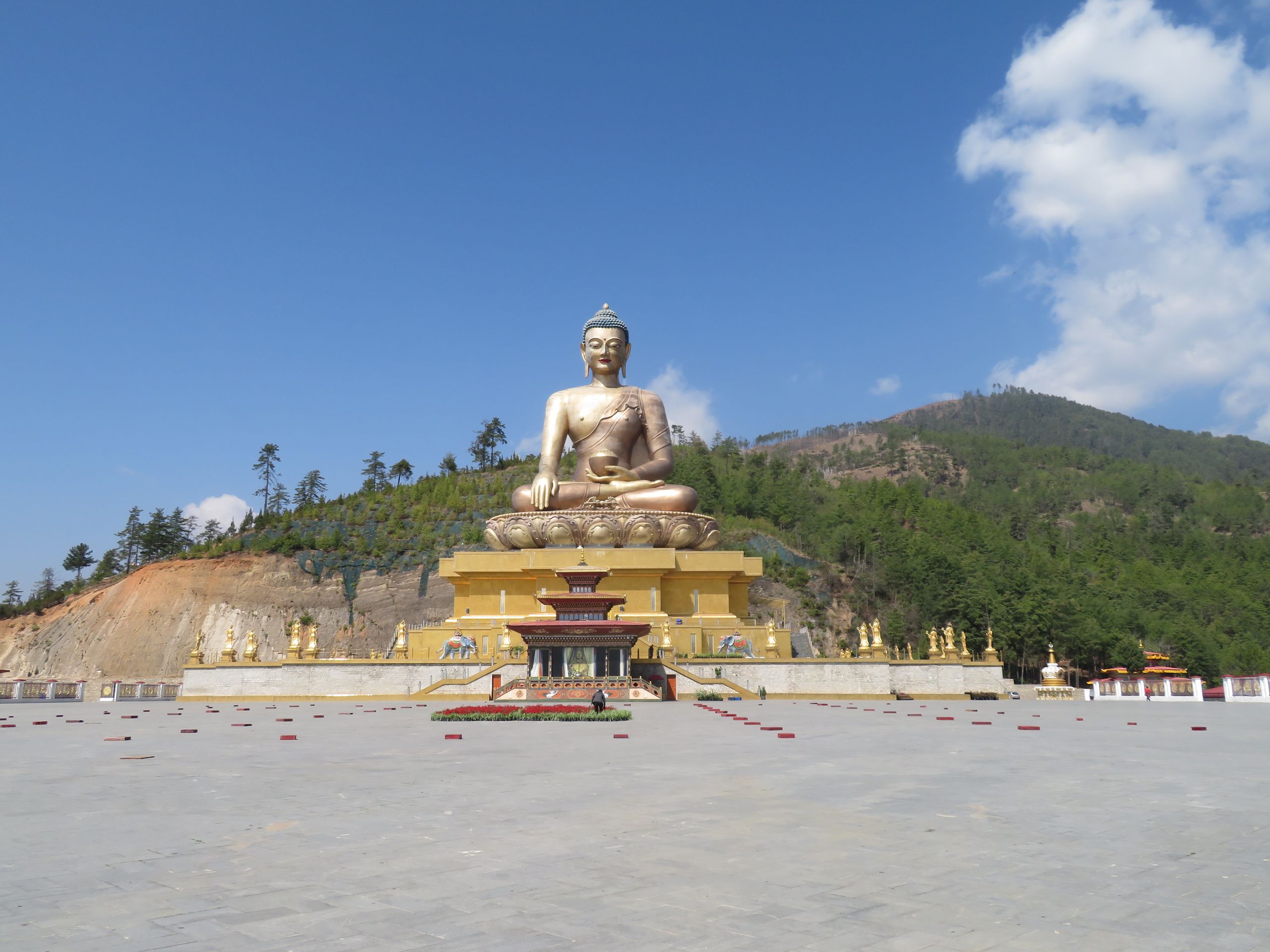
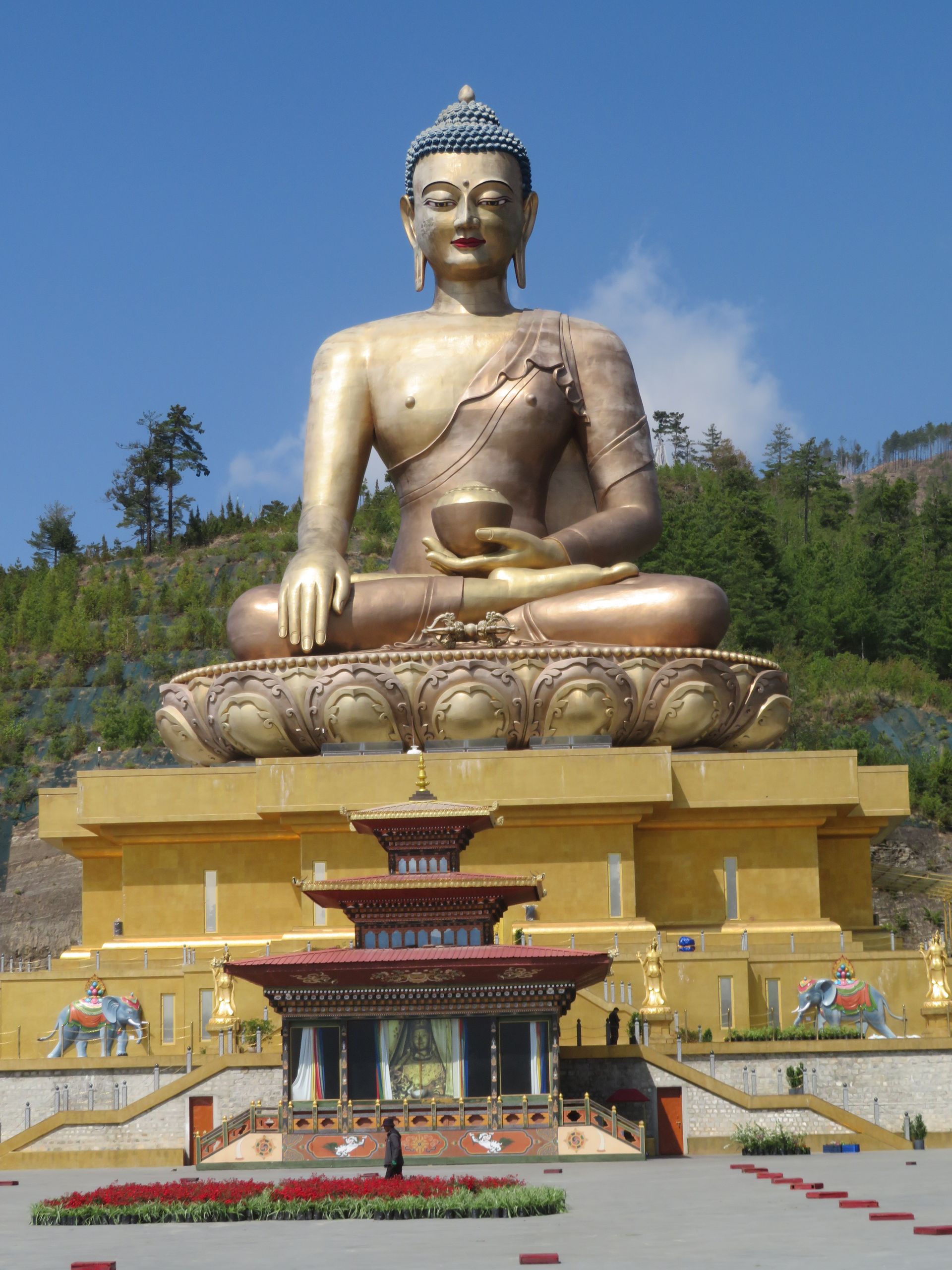
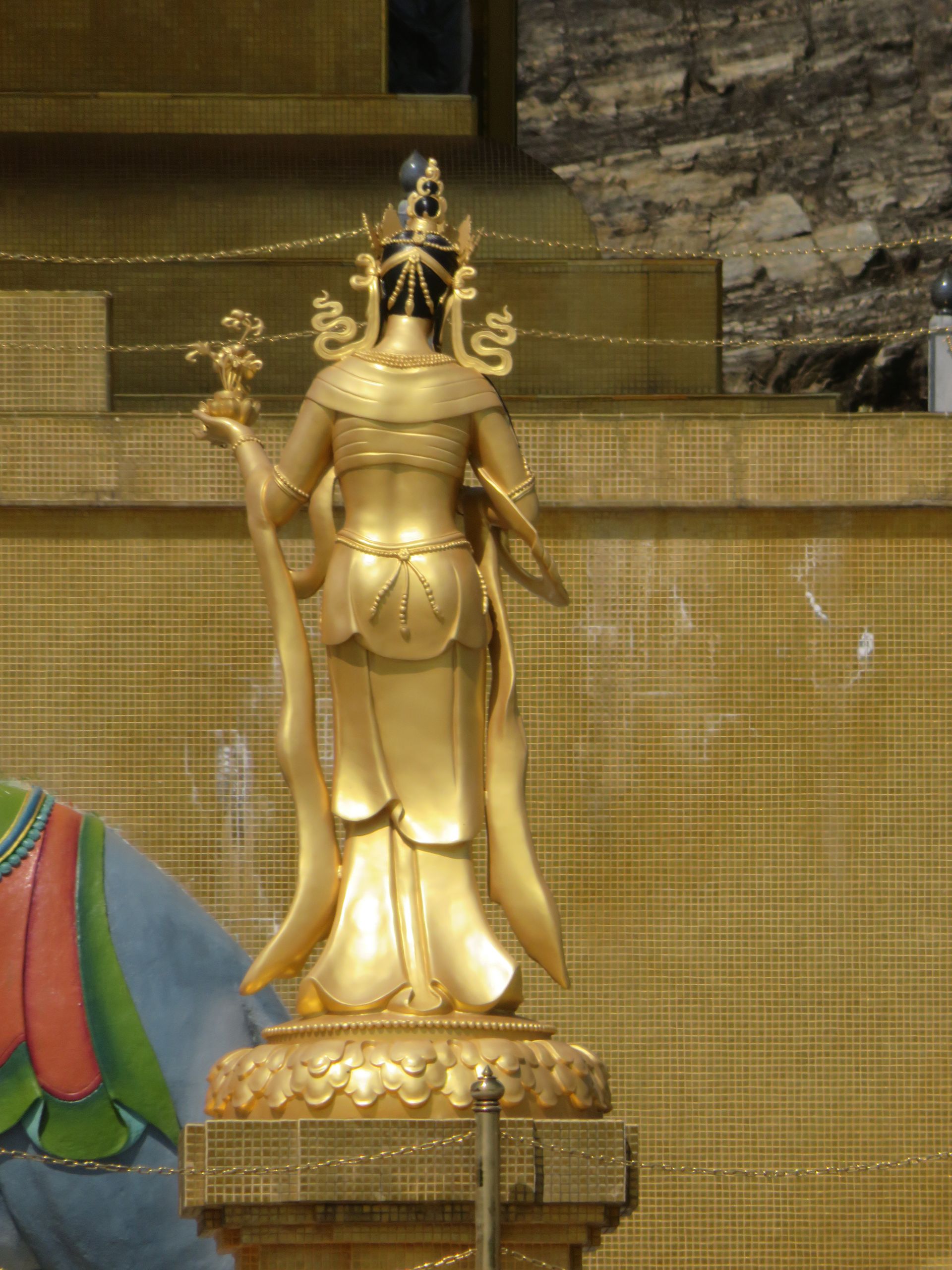
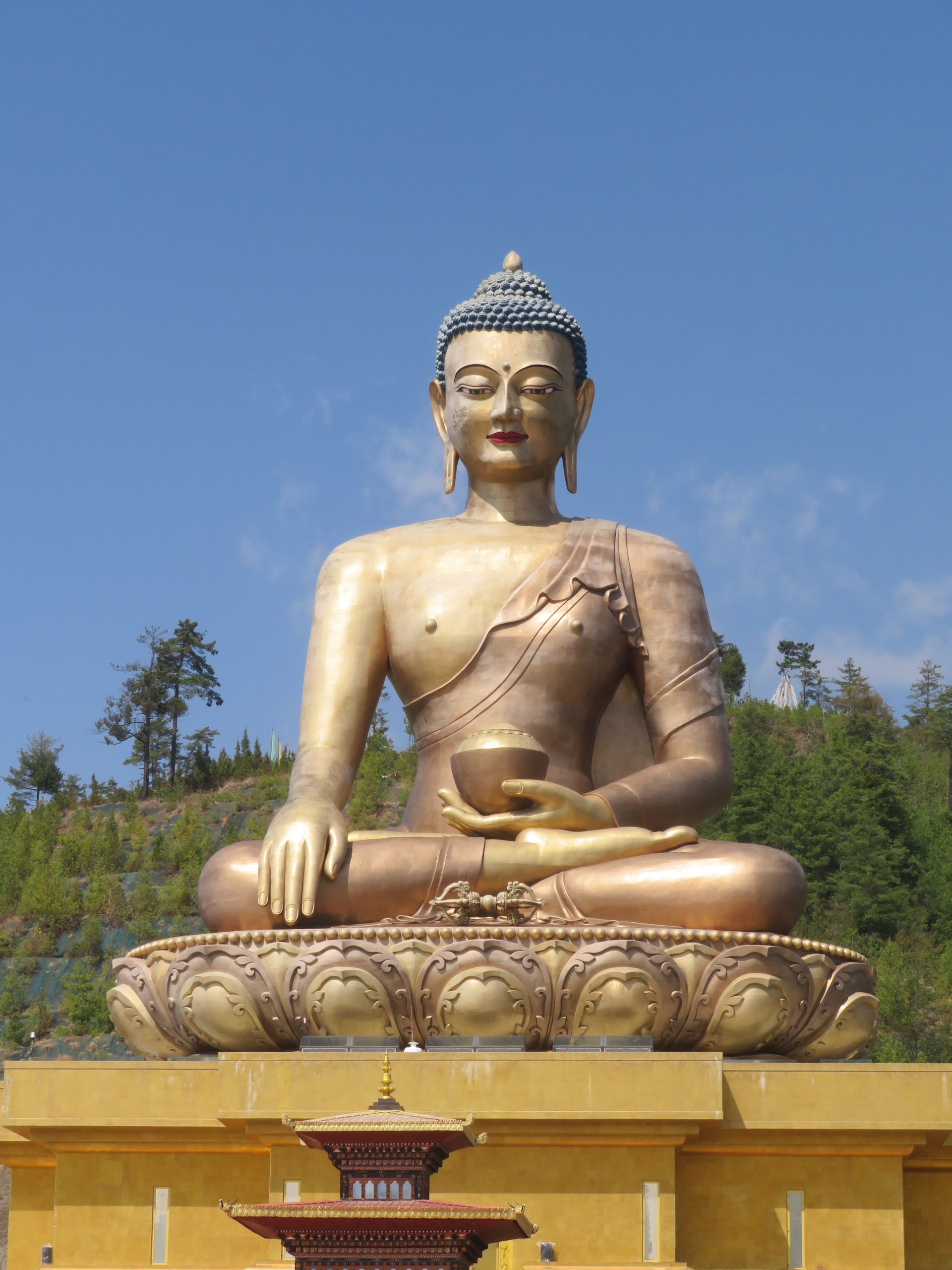
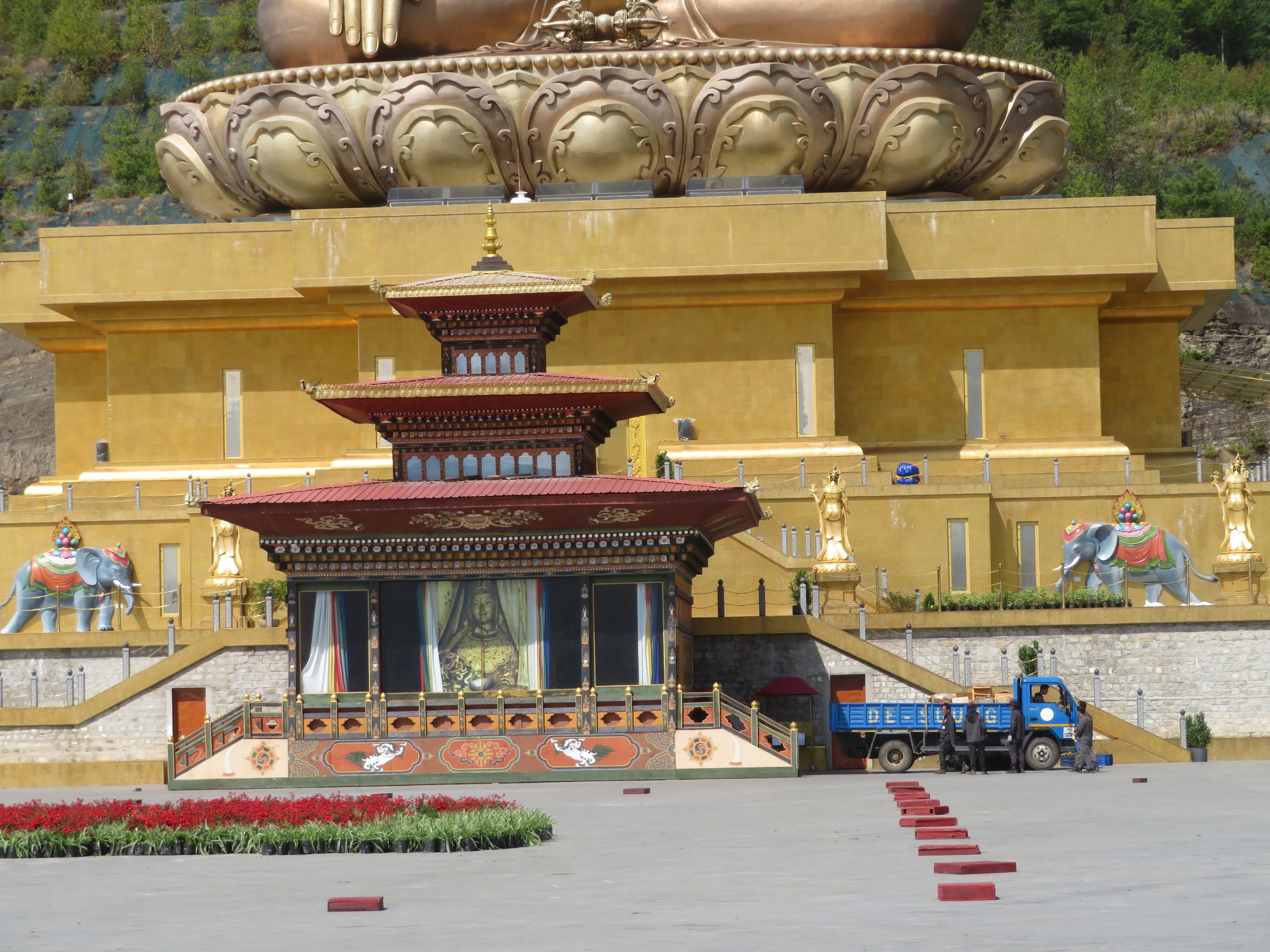
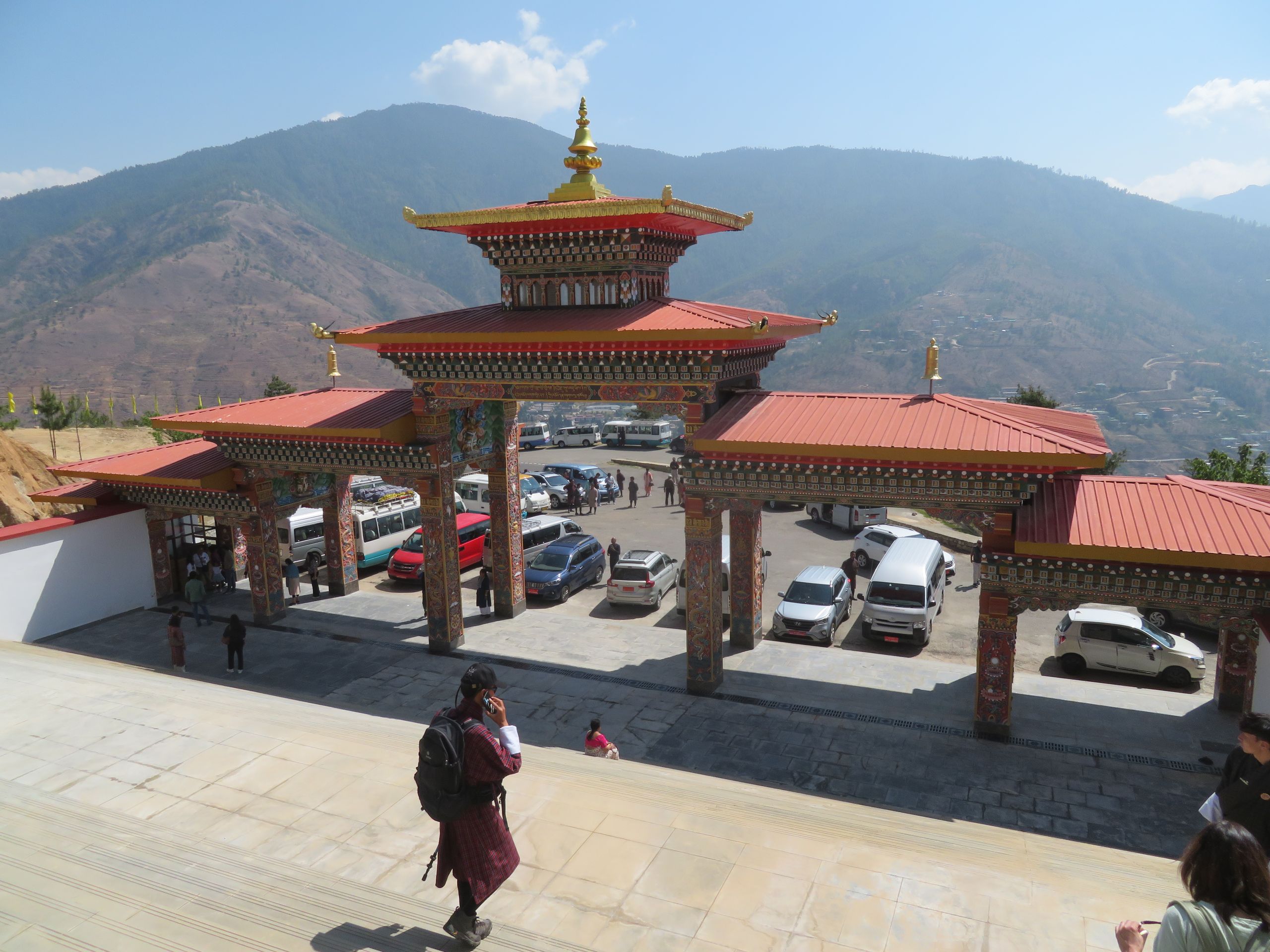
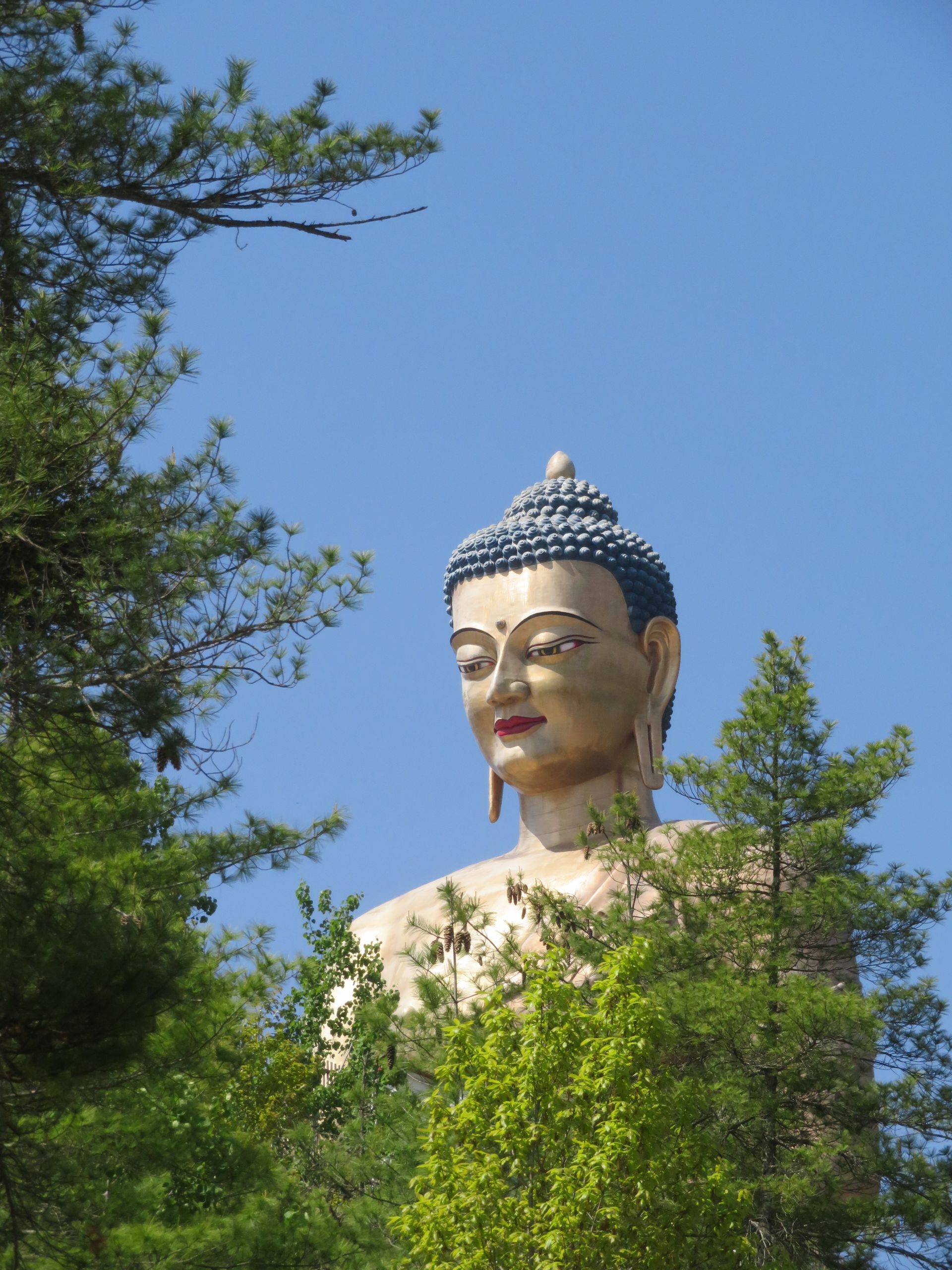
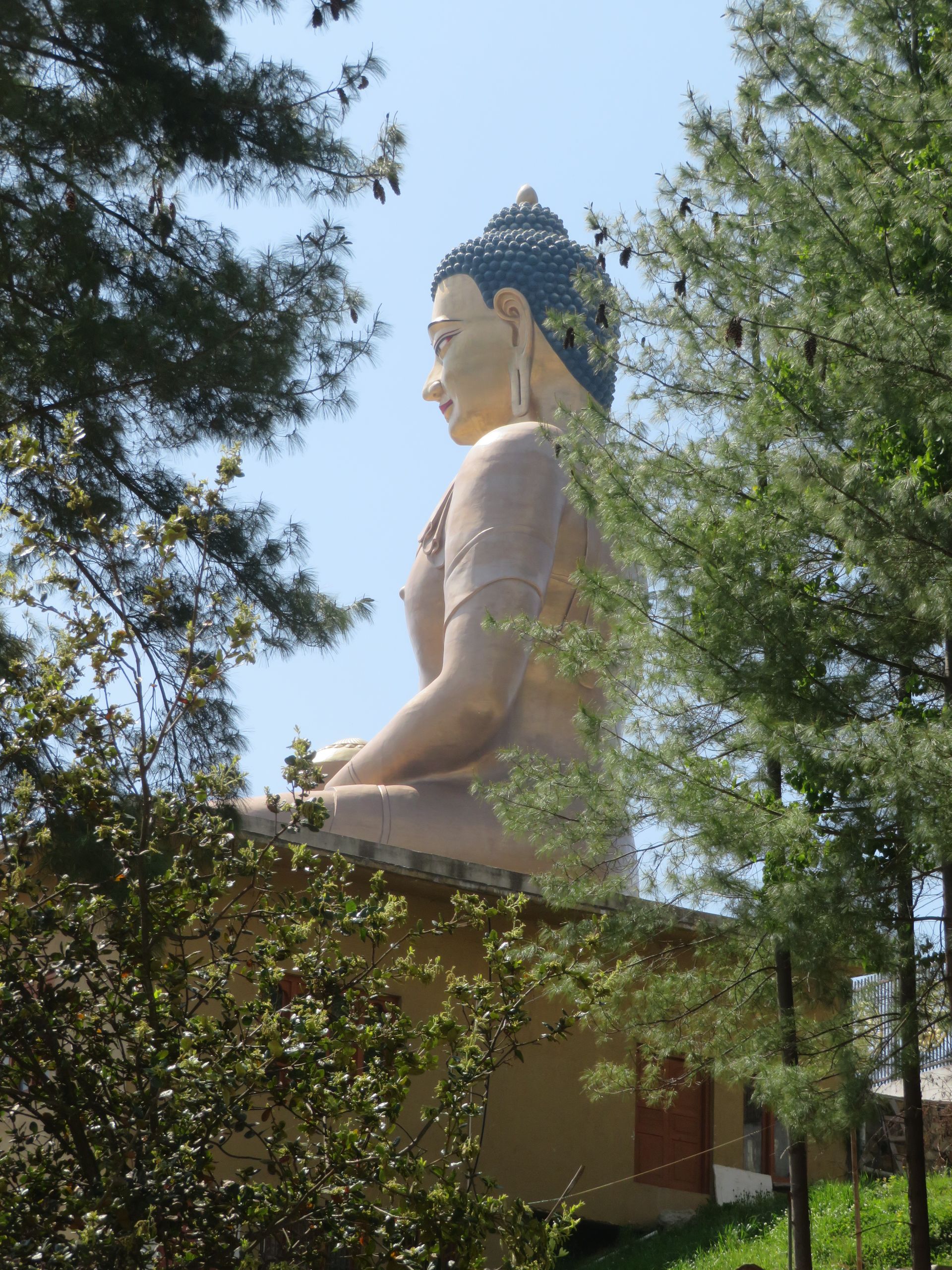
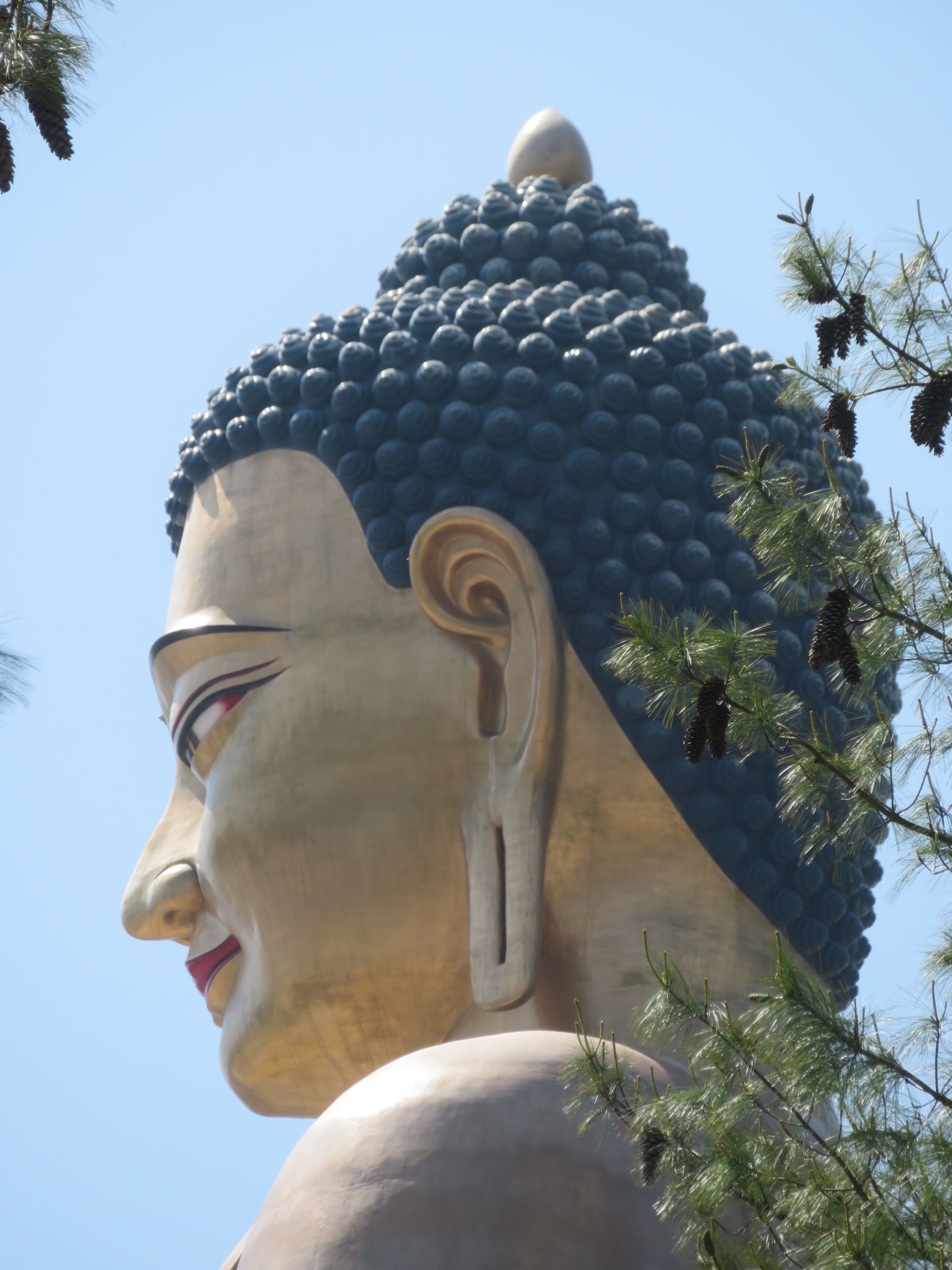
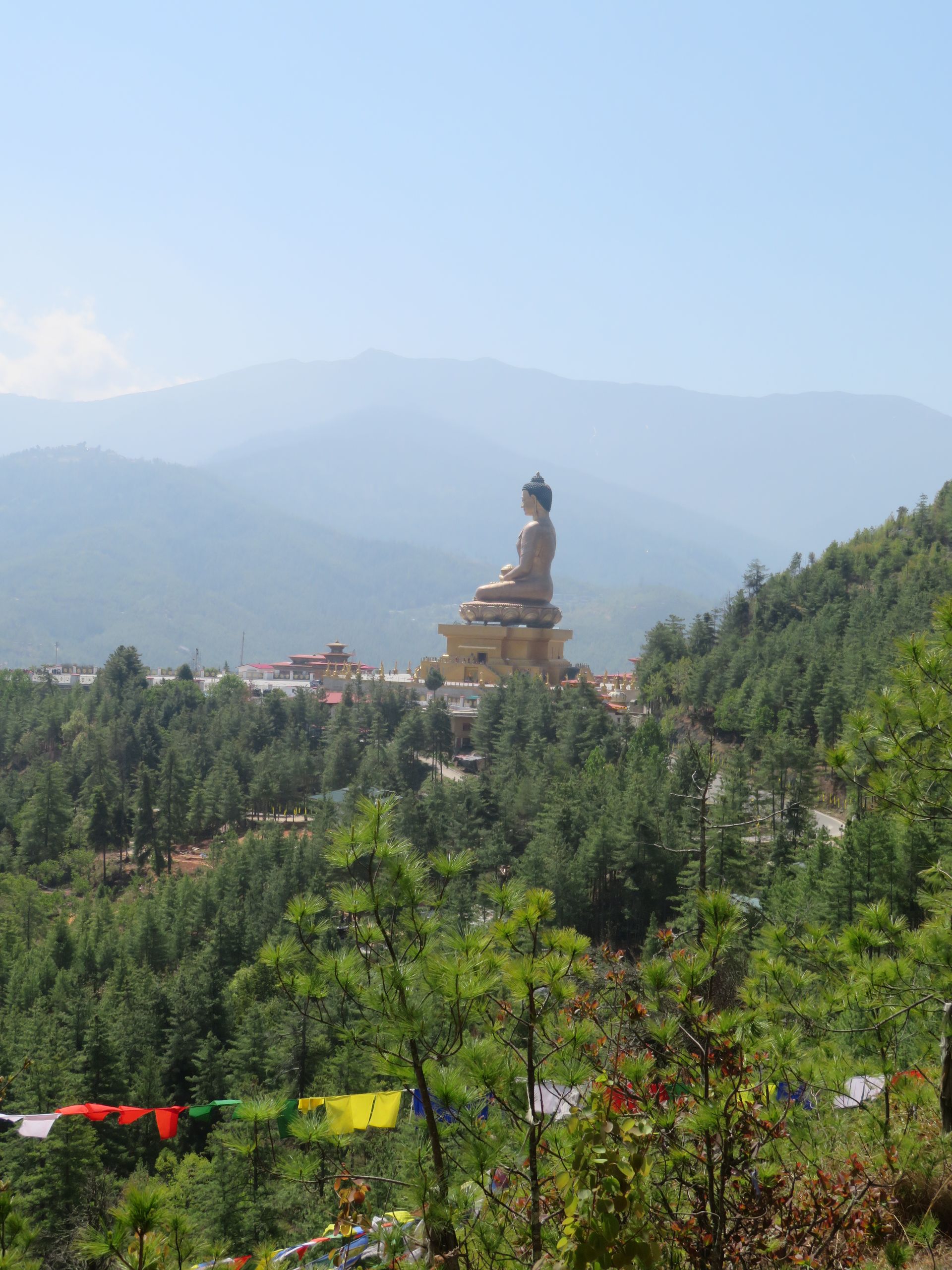
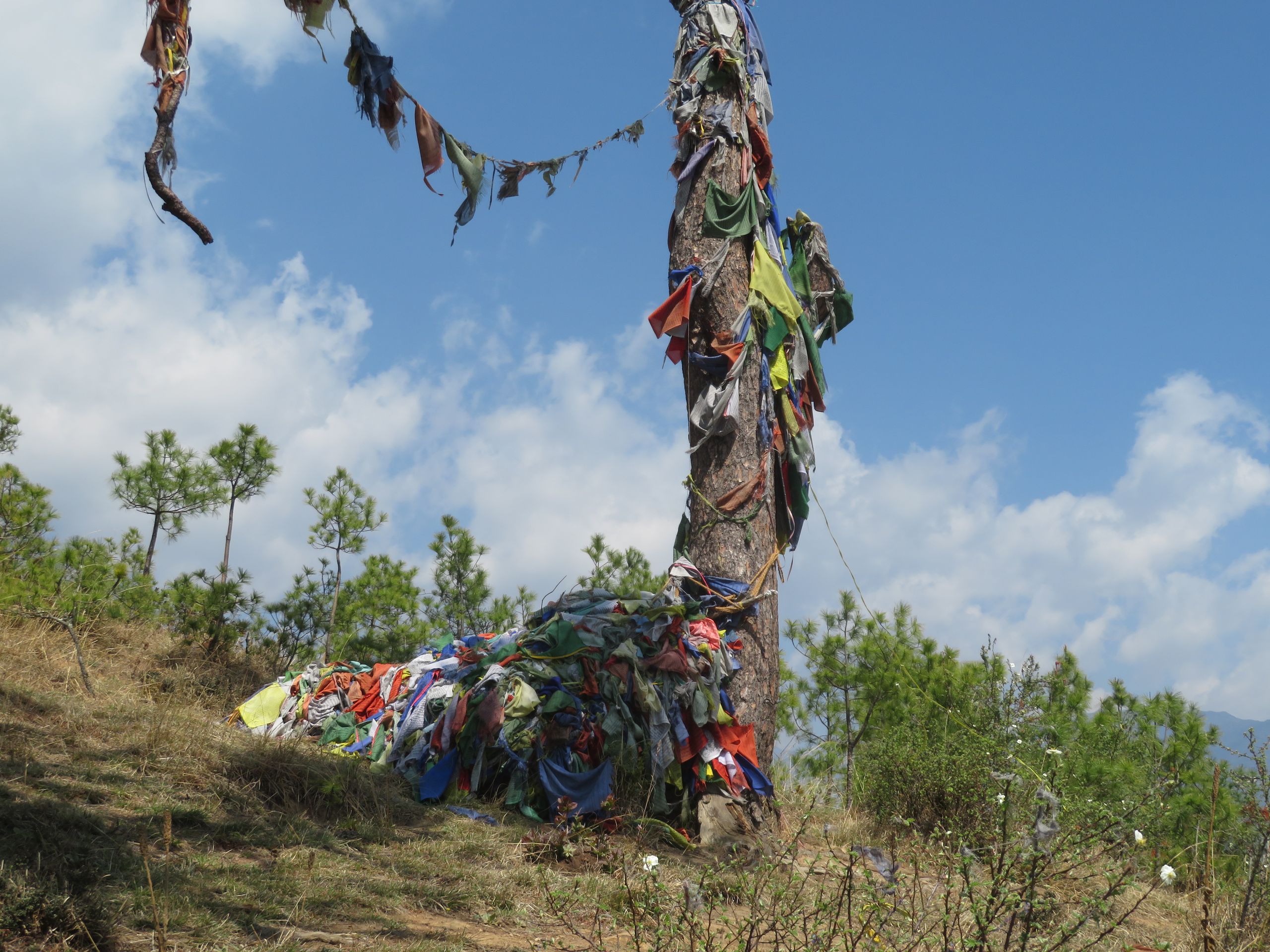
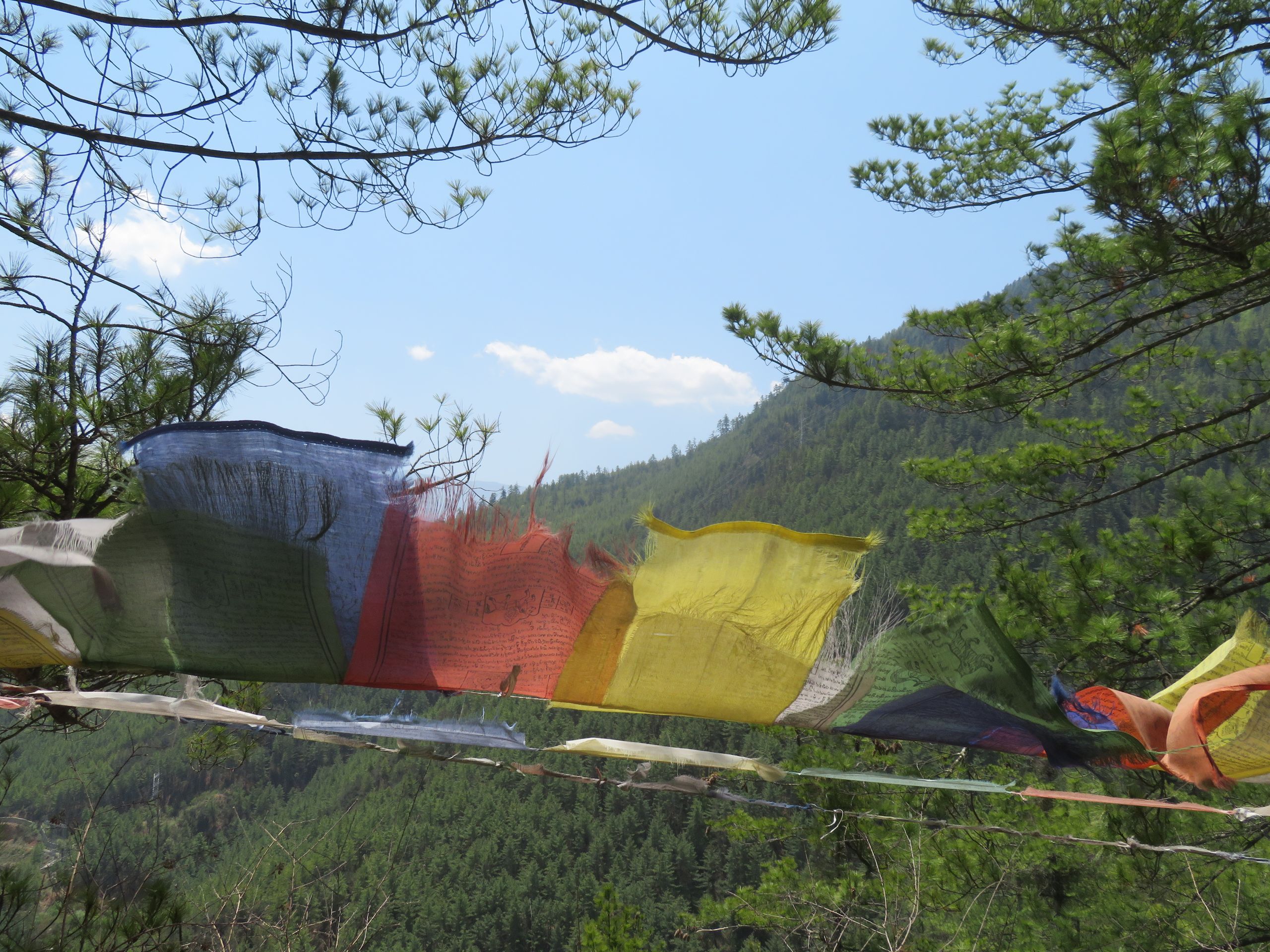
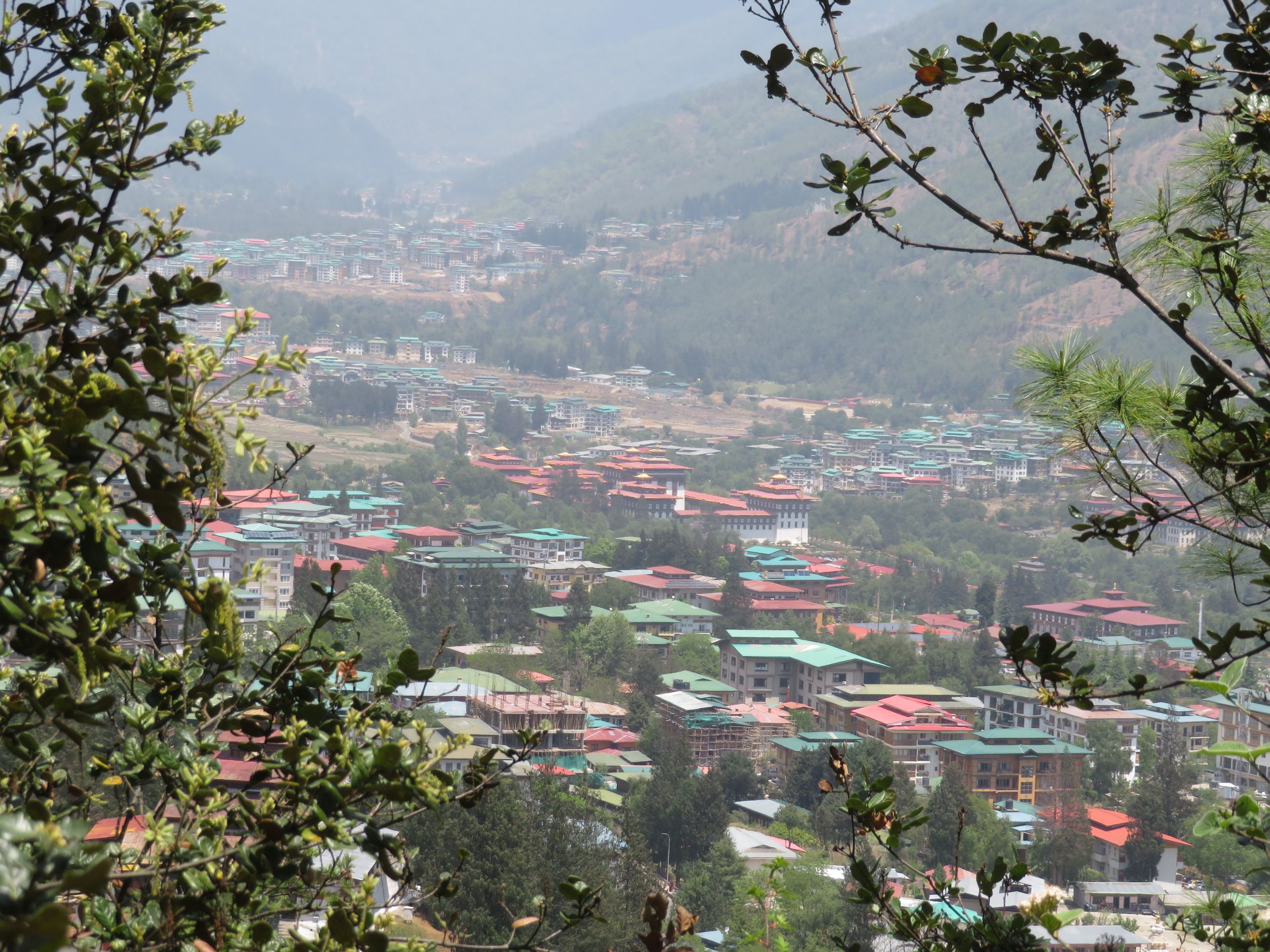
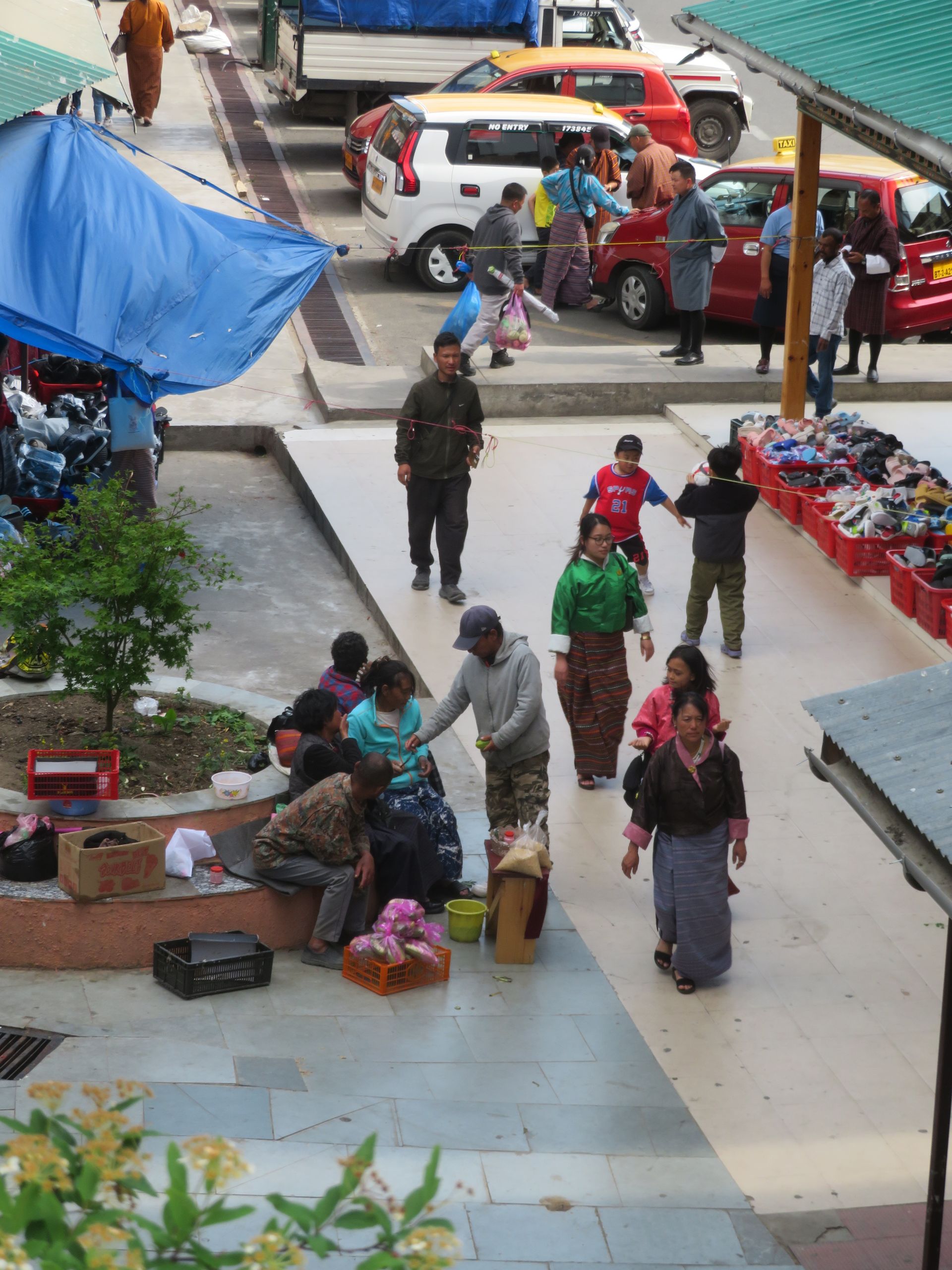
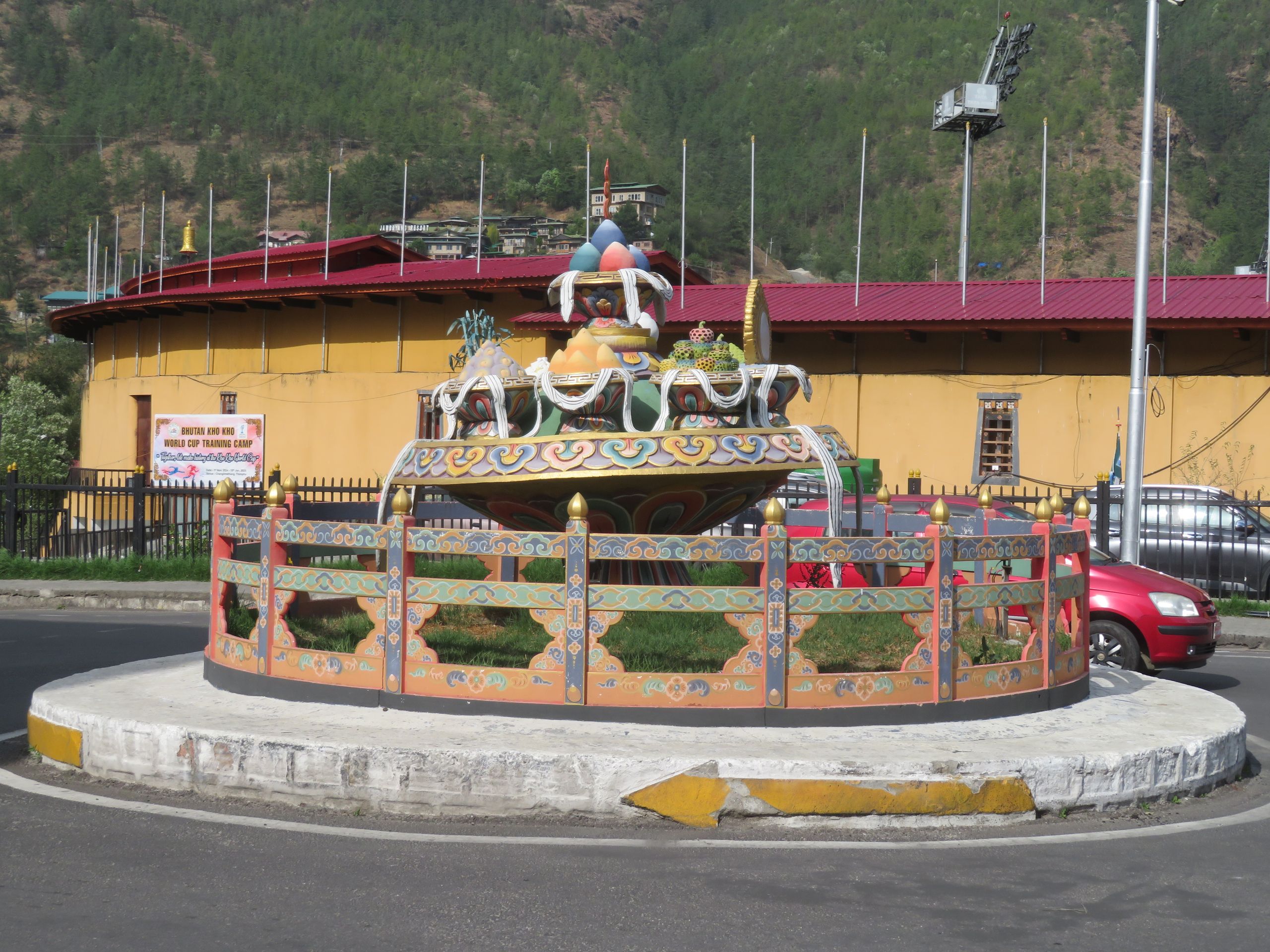
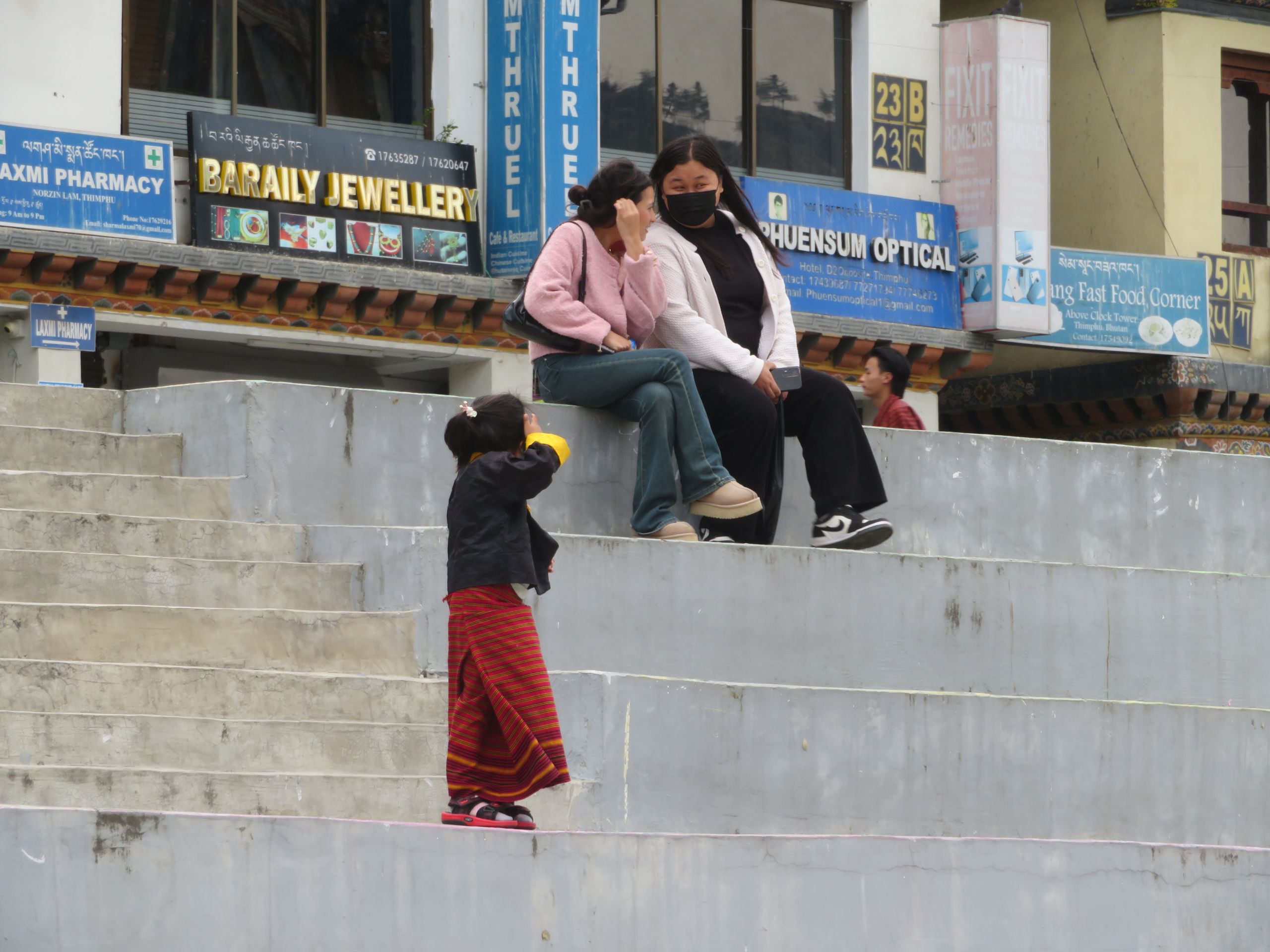
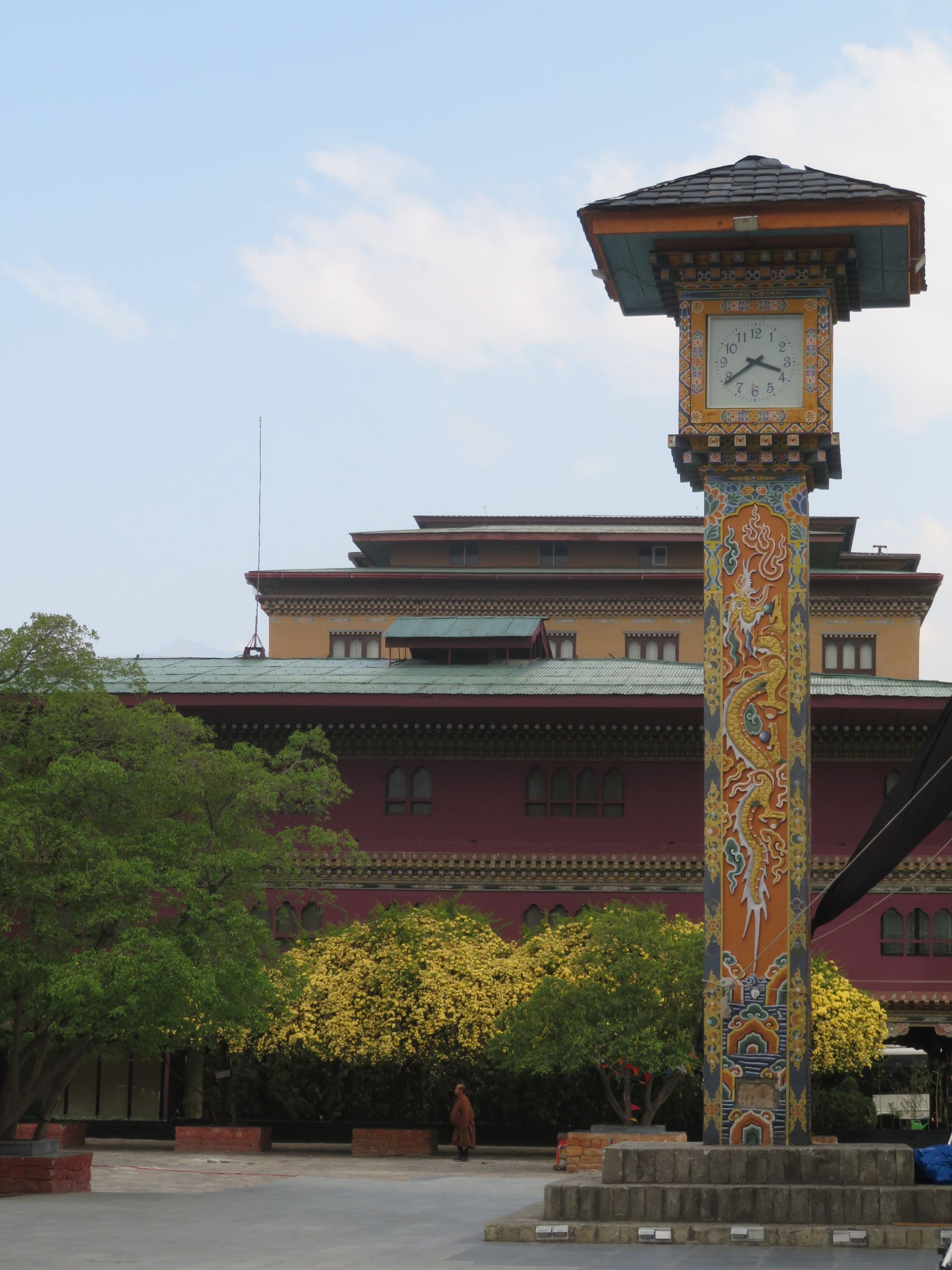
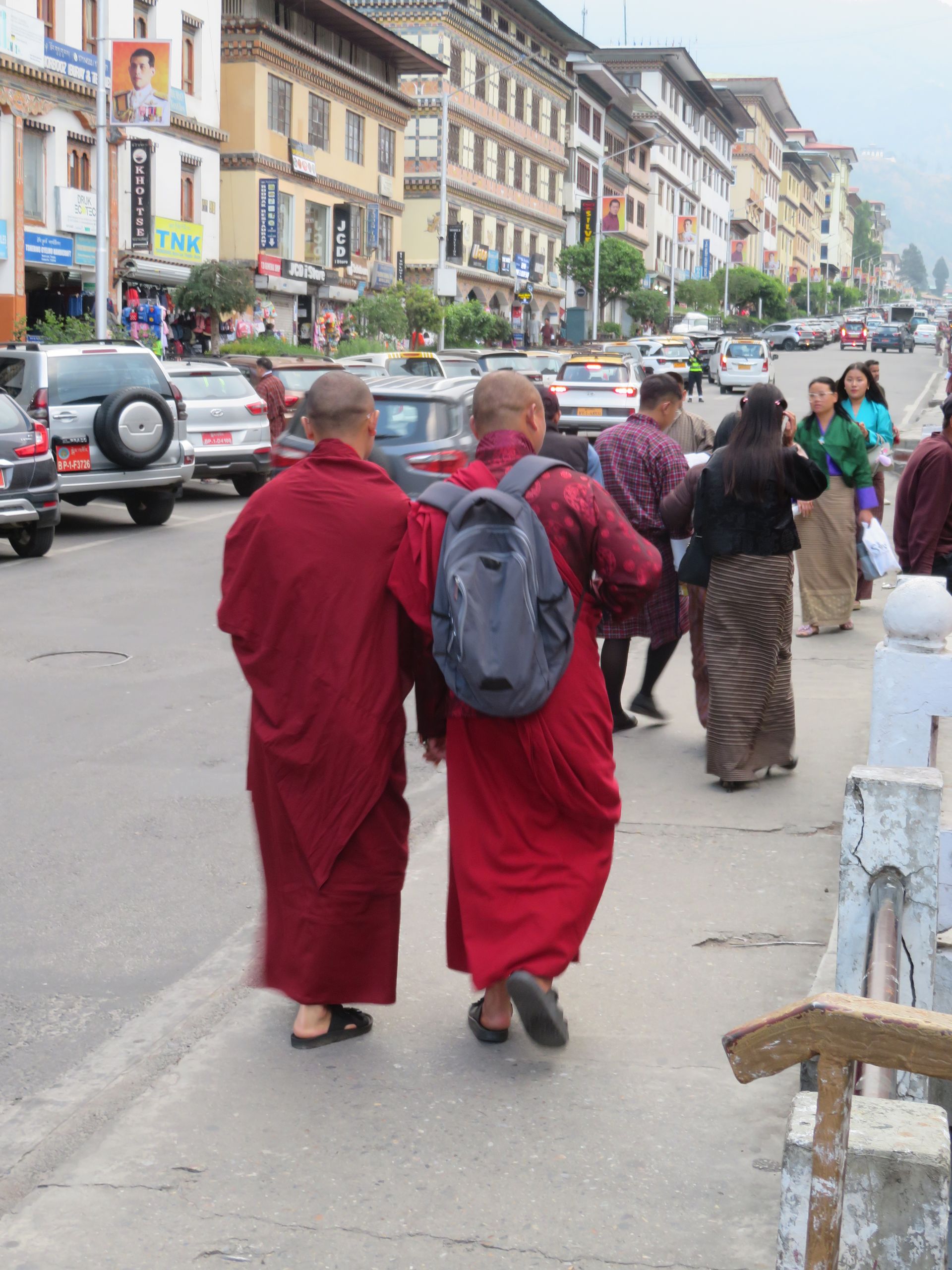
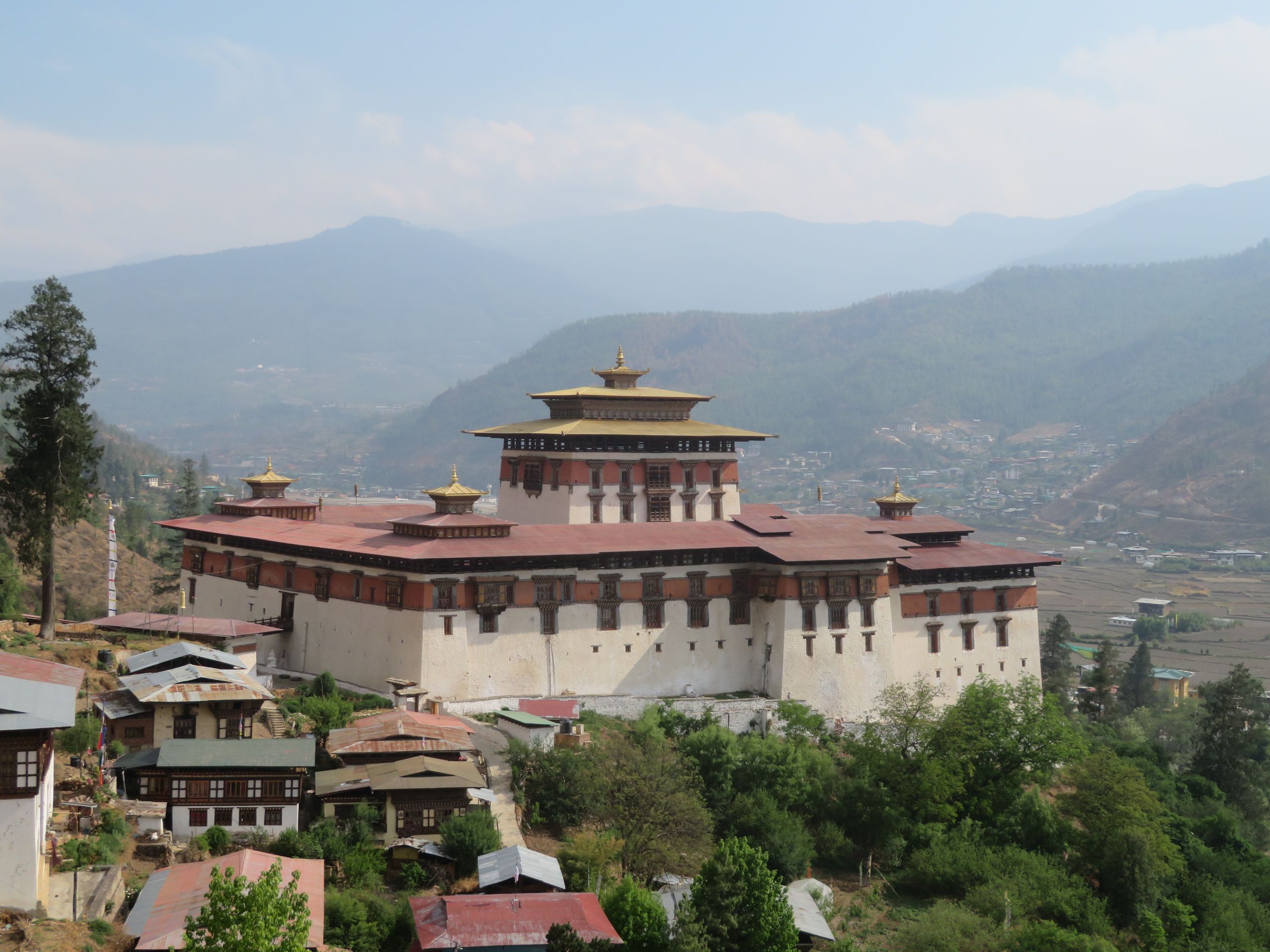
Next, we arrived in the capital, Thimphu. Here, the influences of western modernity are most clearly visible, gradually threatening to erase Bhutan's charm and uniqueness: western chains, attempts to imitate western cuisine (if you ever go there, don't try the Linzer Torte), and cheap plastic shoes and similar disposable items. Nonetheless, Bhutan still preserves much of its charm even in its 90,000-strong metropolis. The most magnificent dzong in the country (no, we won't explain again what that is) and the 54-meter high Buddha statue dominate the city. However, we could not get close to the Buddha statue because the entire city and surrounding areas were in an uproar due to the upcoming visit of the King of Thailand, with streets decorated and important areas blocked off. The good thing about a 54-meter high statue is, however, that you can also view it from a distance. Our considerate tour guide also ensured that we left Thimphu in good time before the road to Paro was blocked due to the King’s visit. However, we were treated to a view of the road adorned with prayer flags for dozens of kilometers. Schoolchildren in Thimphu and Paro seem to have it lucky and often get time off when there is a state visit so that everything can be prepared.
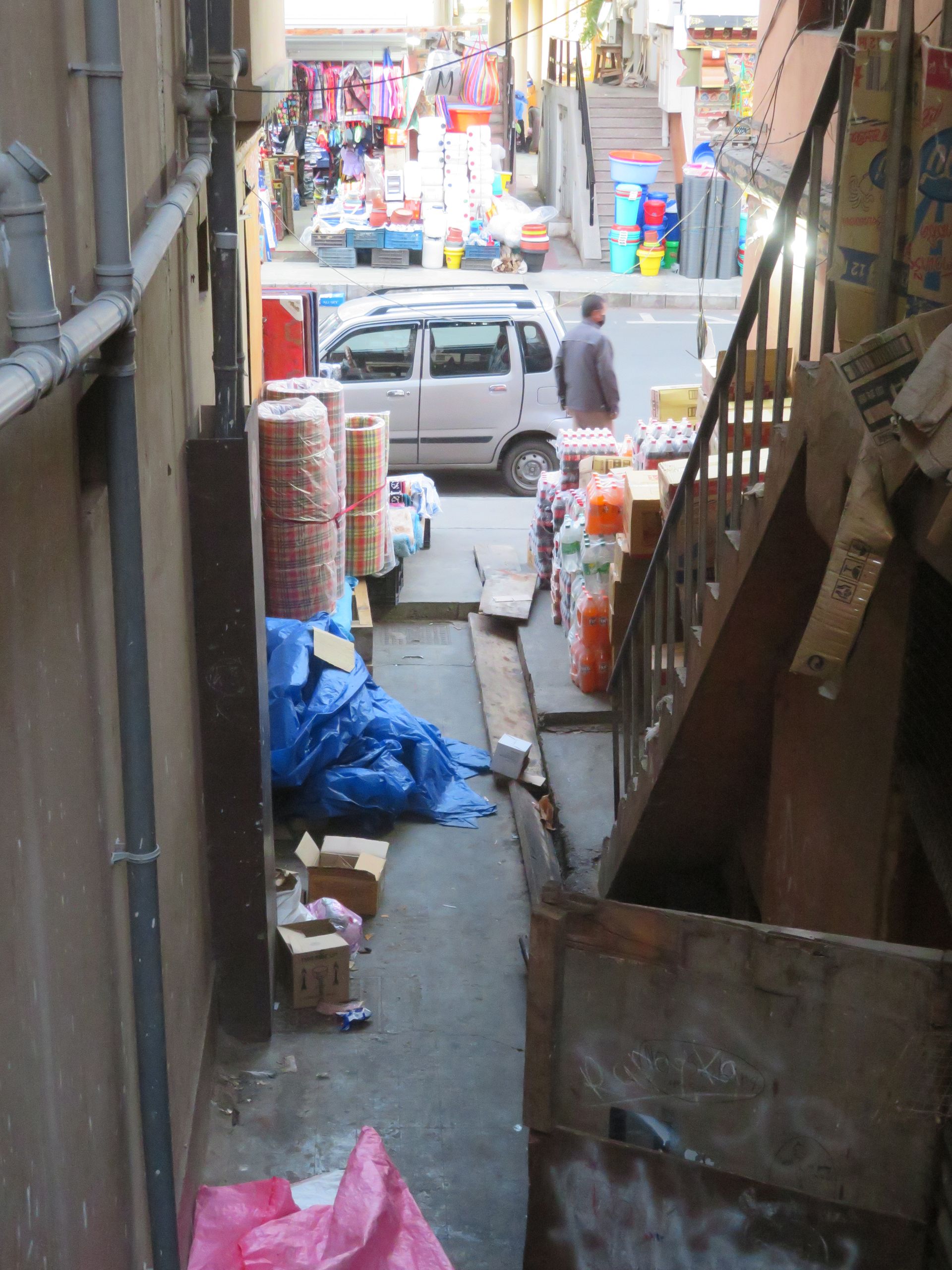
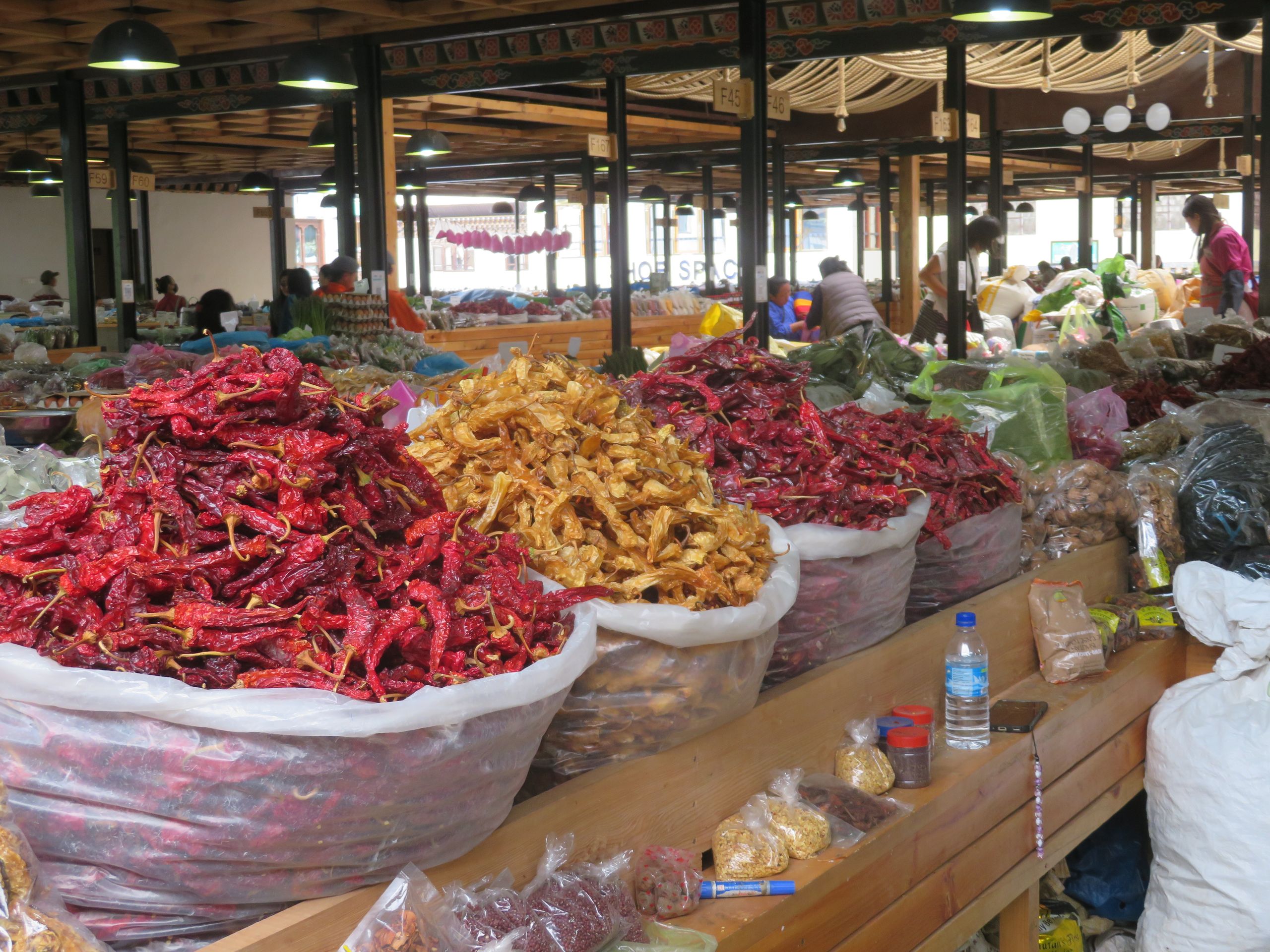
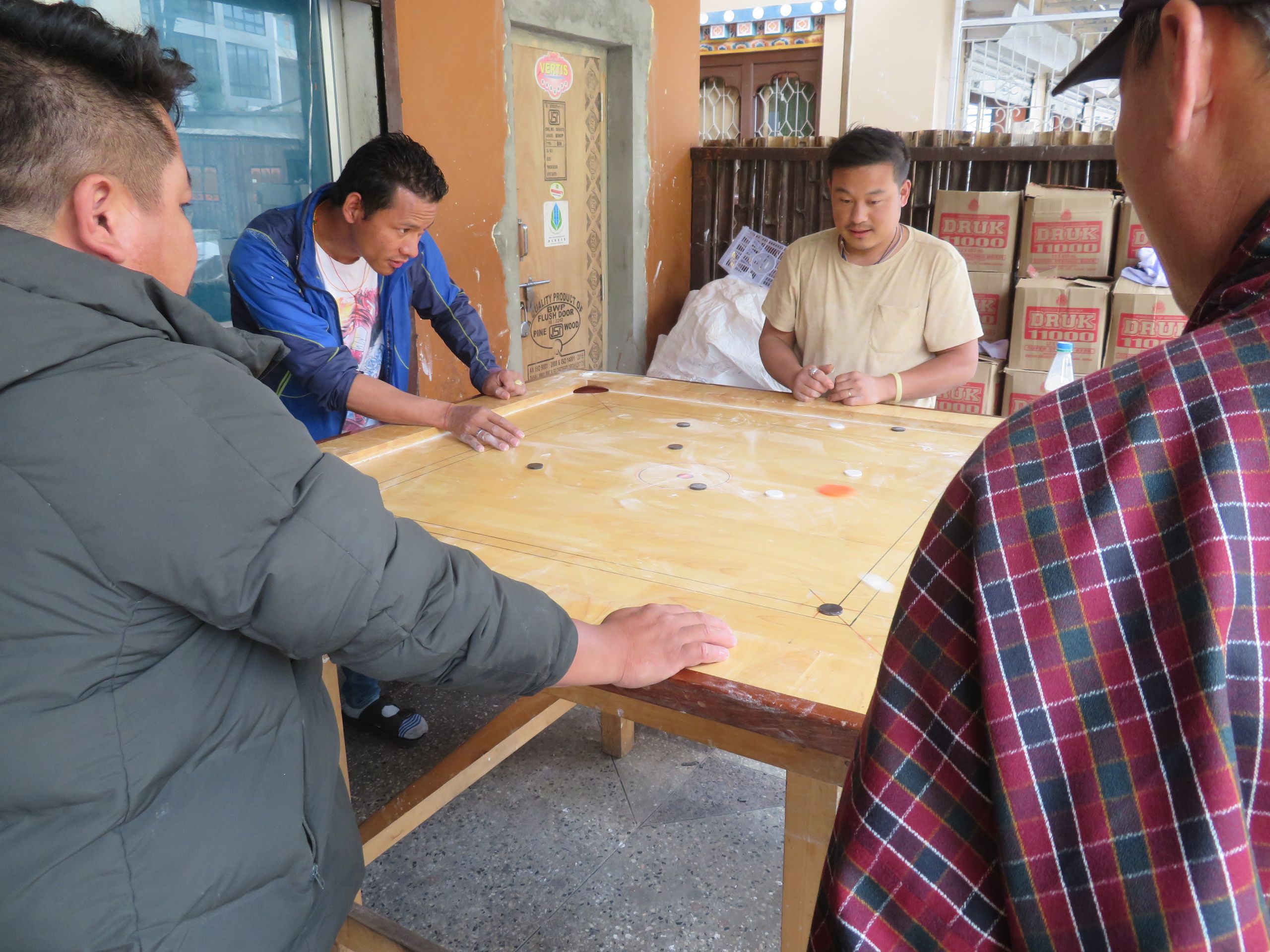
But back to the capital: We stayed in a hotel that was very tailored to Indian tourists. From here, it was a stone's throw to the two-story farmers' market, and across the street, you could see about 10 men gathered around a Carrom board playing. Since Mr. Ärmel enjoys playing Carrom (a kind of Indian-Central Asian finger billiards), he watched briefly but held back on offering good advice as he realized his Dzongkha was not good enough.
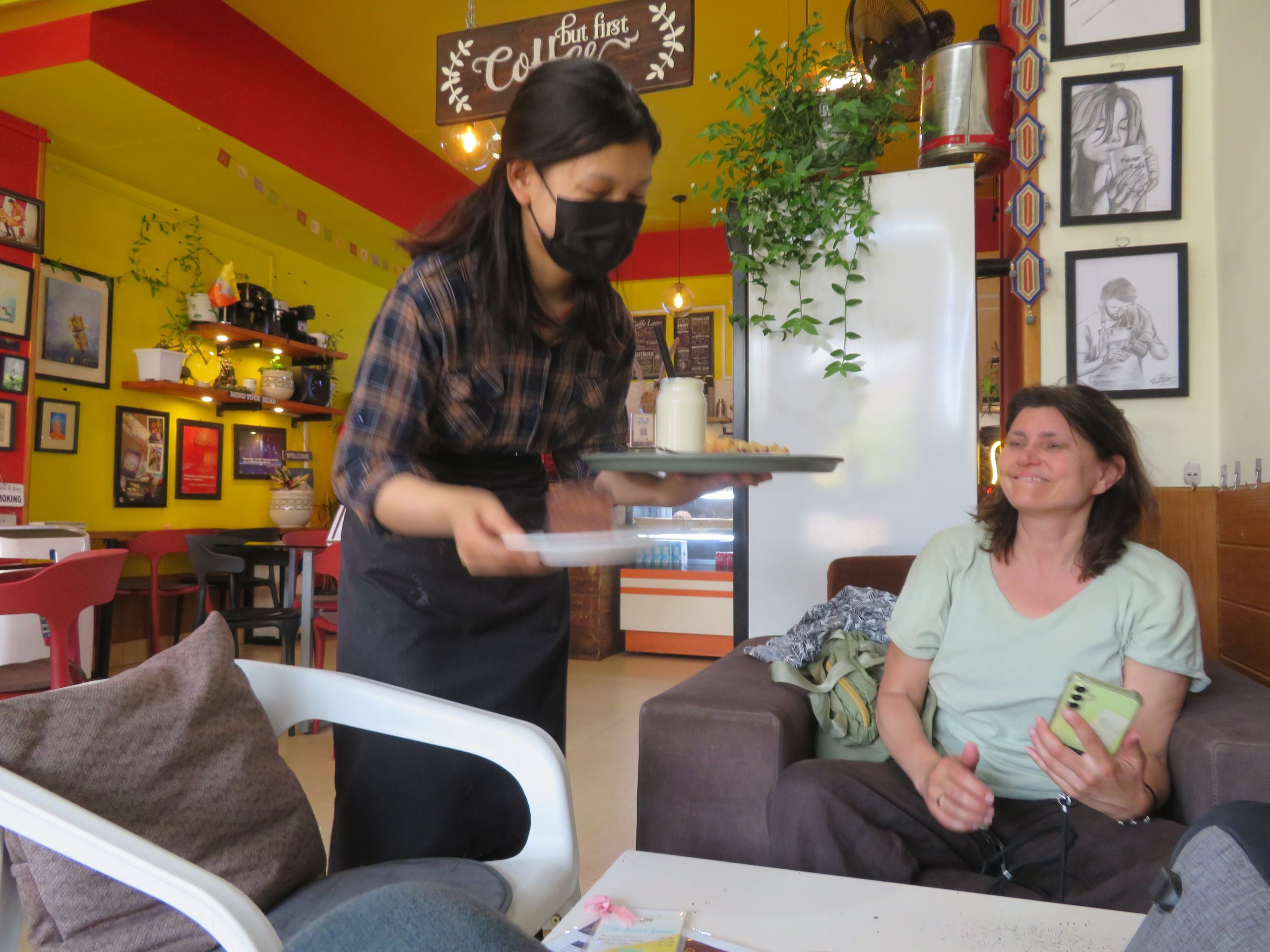
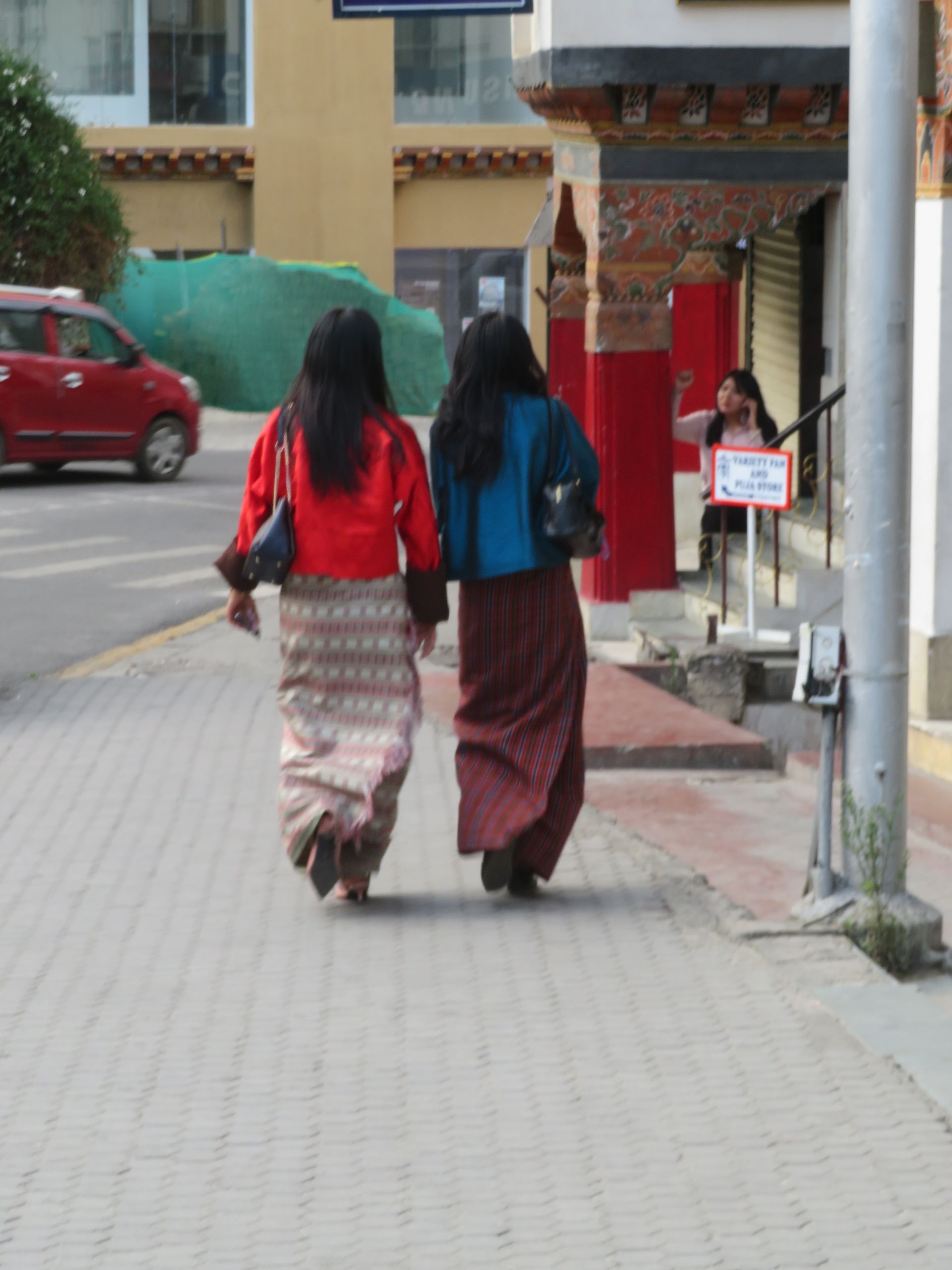
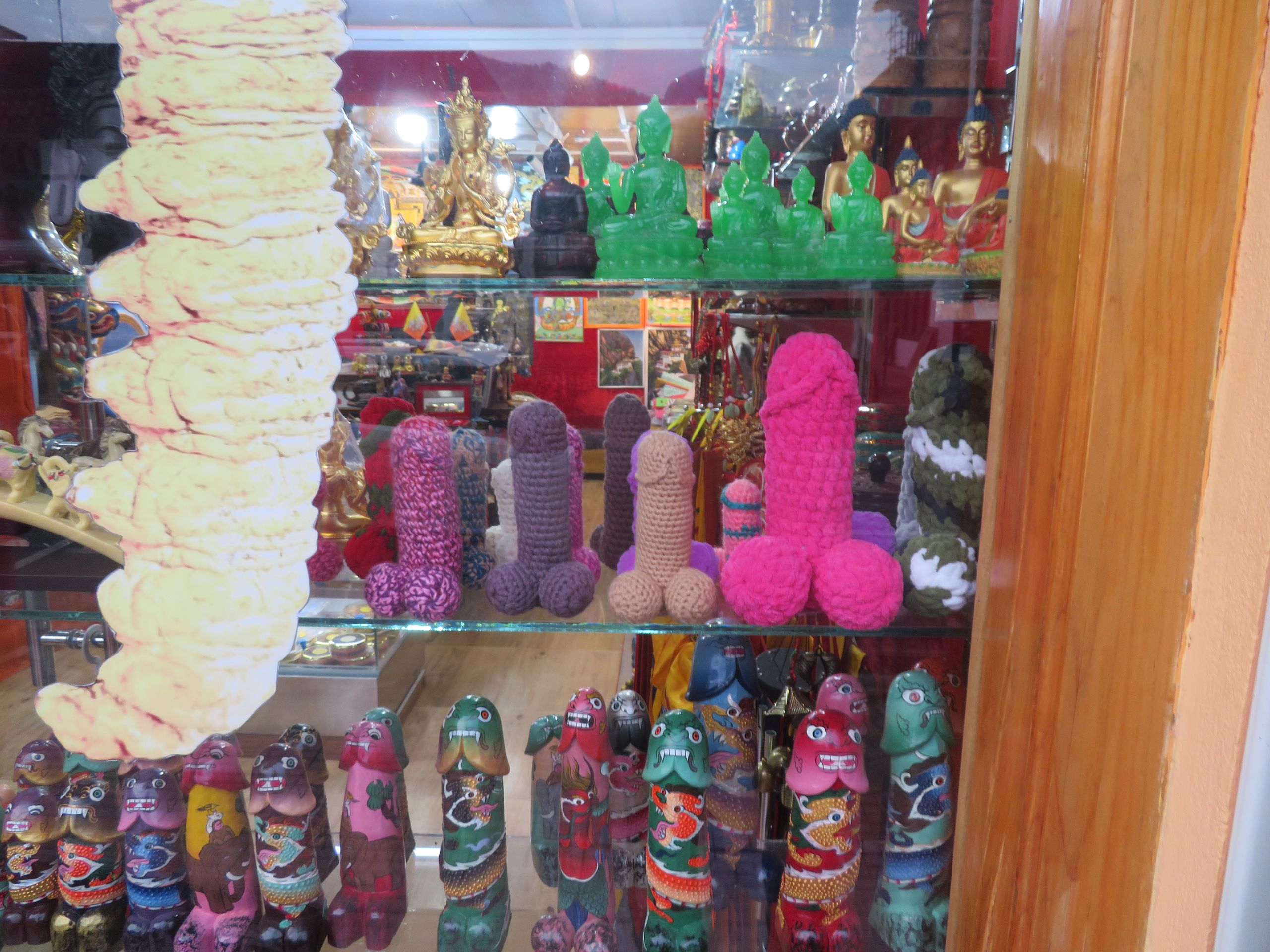
We found nice cafés and shops alongside many tourist shops, and Mrs. Waas found a typical Bhutanese top for herself. When she wore it in the evening, she received appropriate compliments from Bhutanese people.
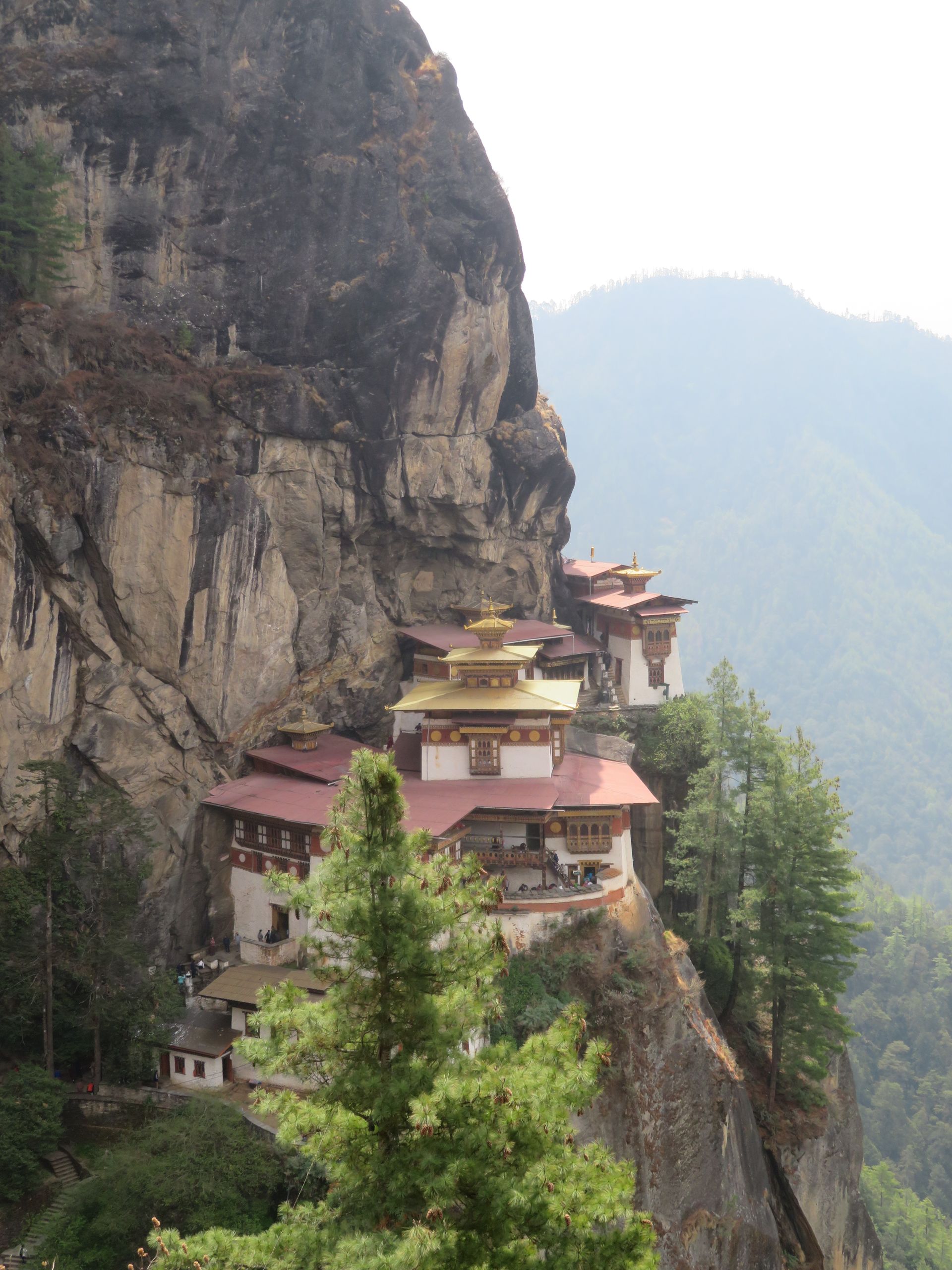
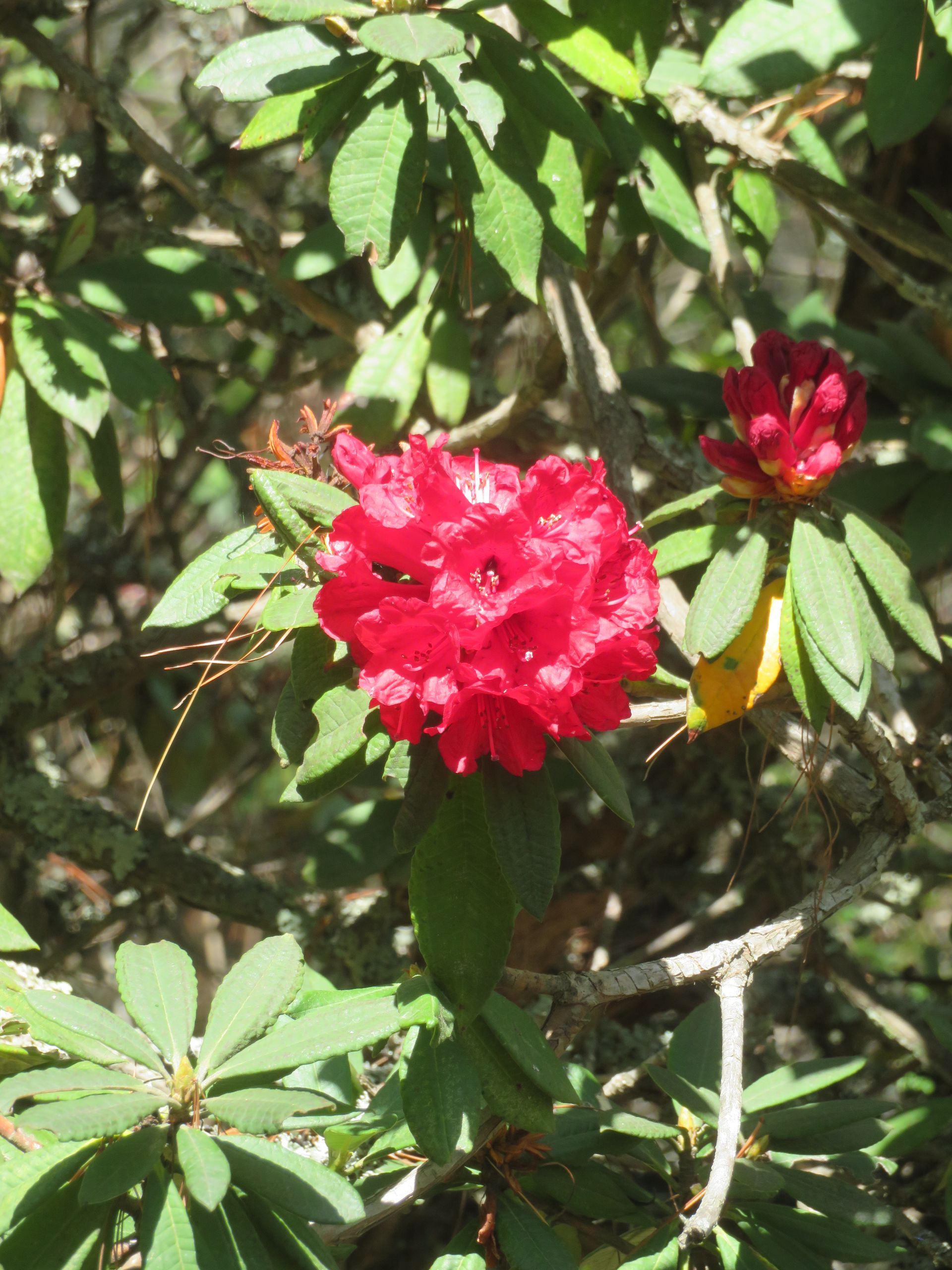
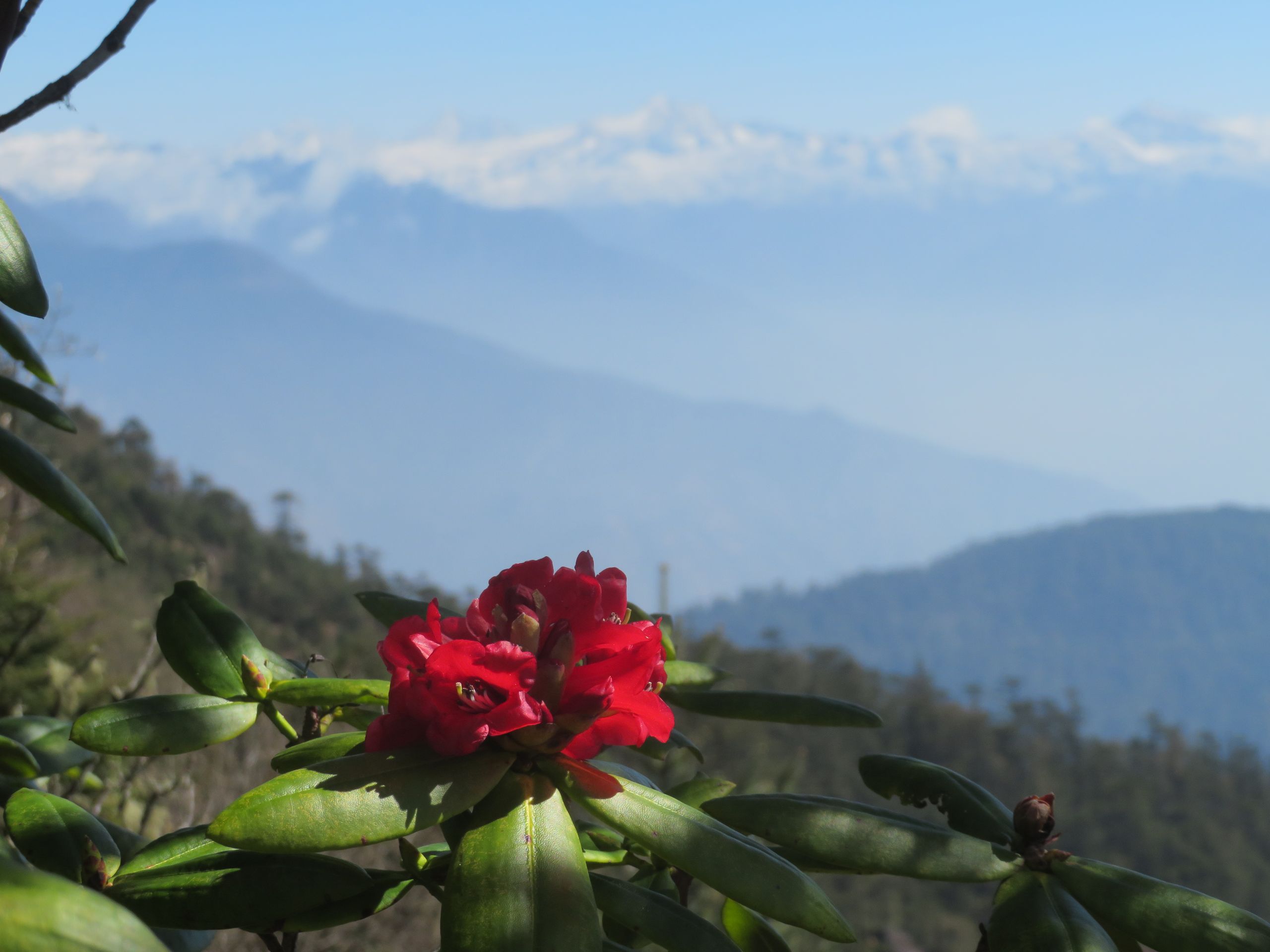
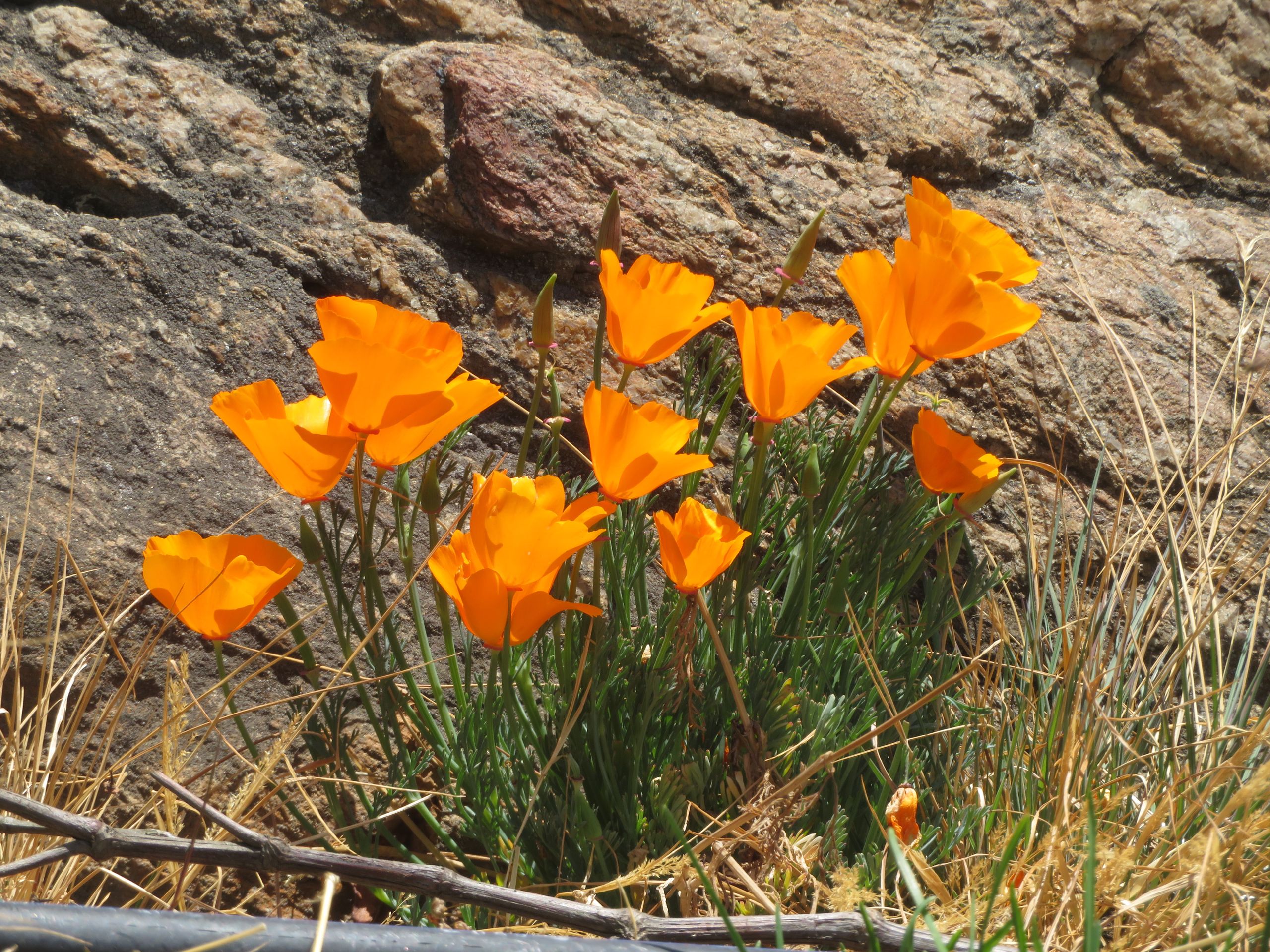
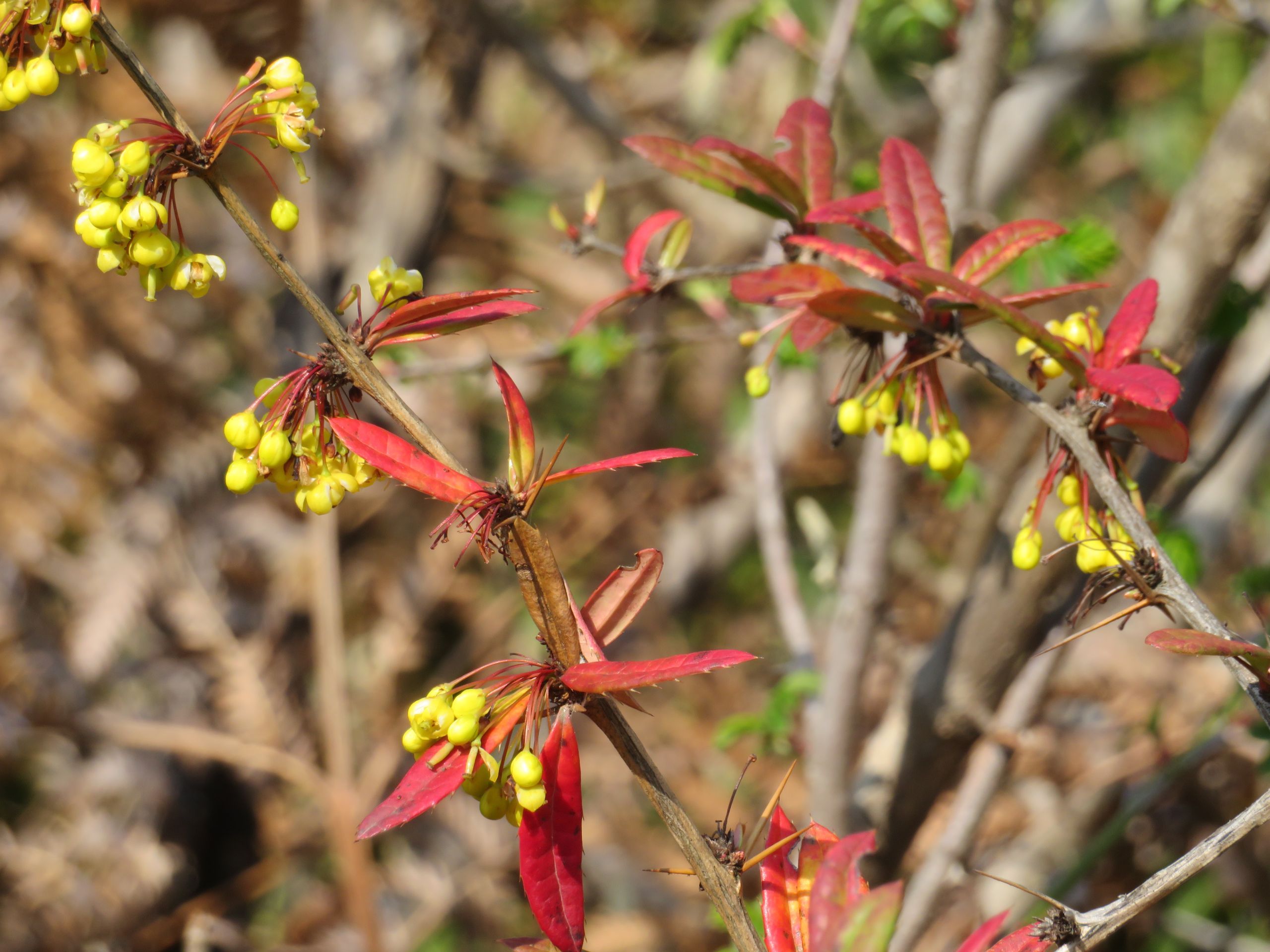
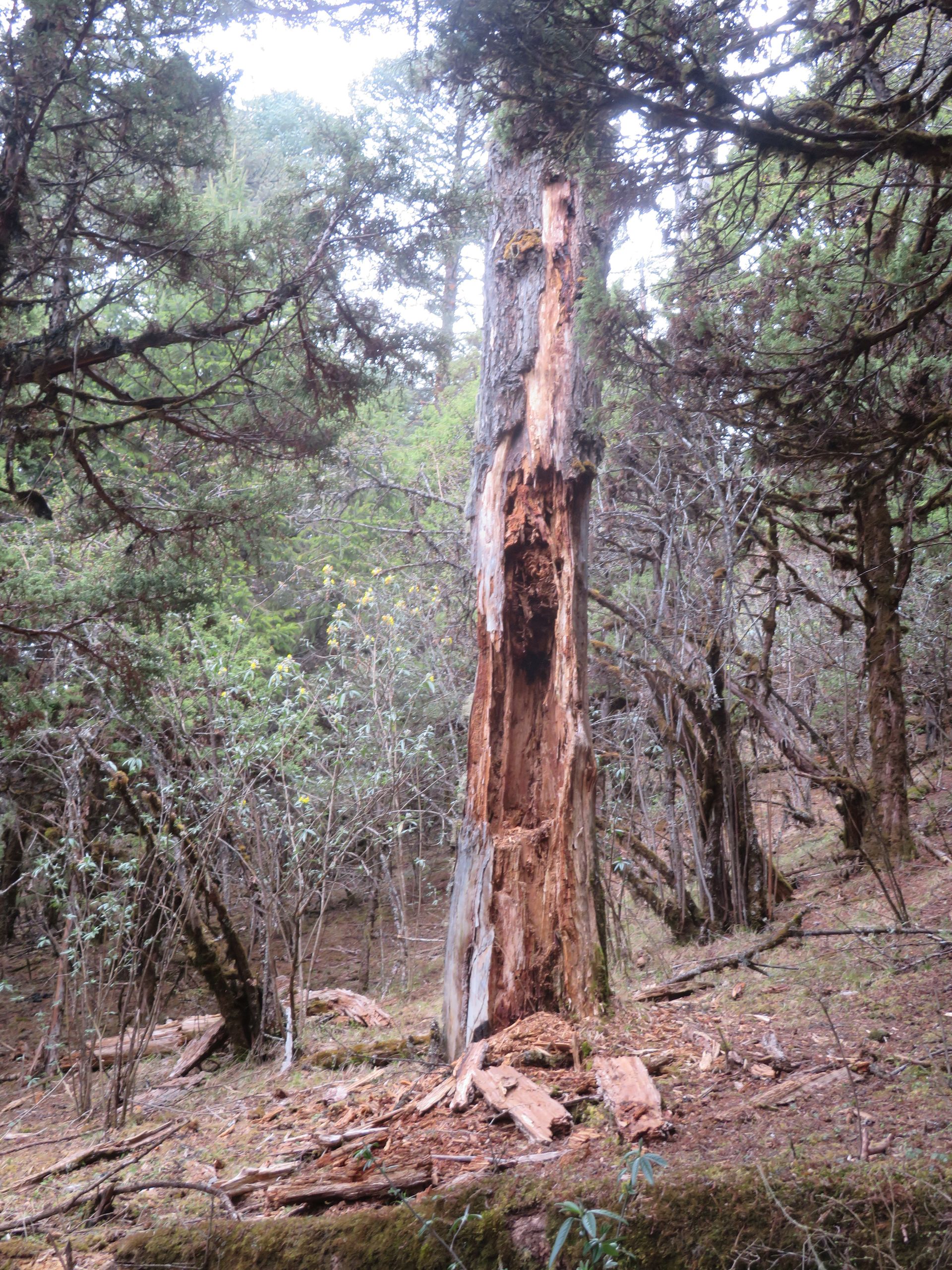
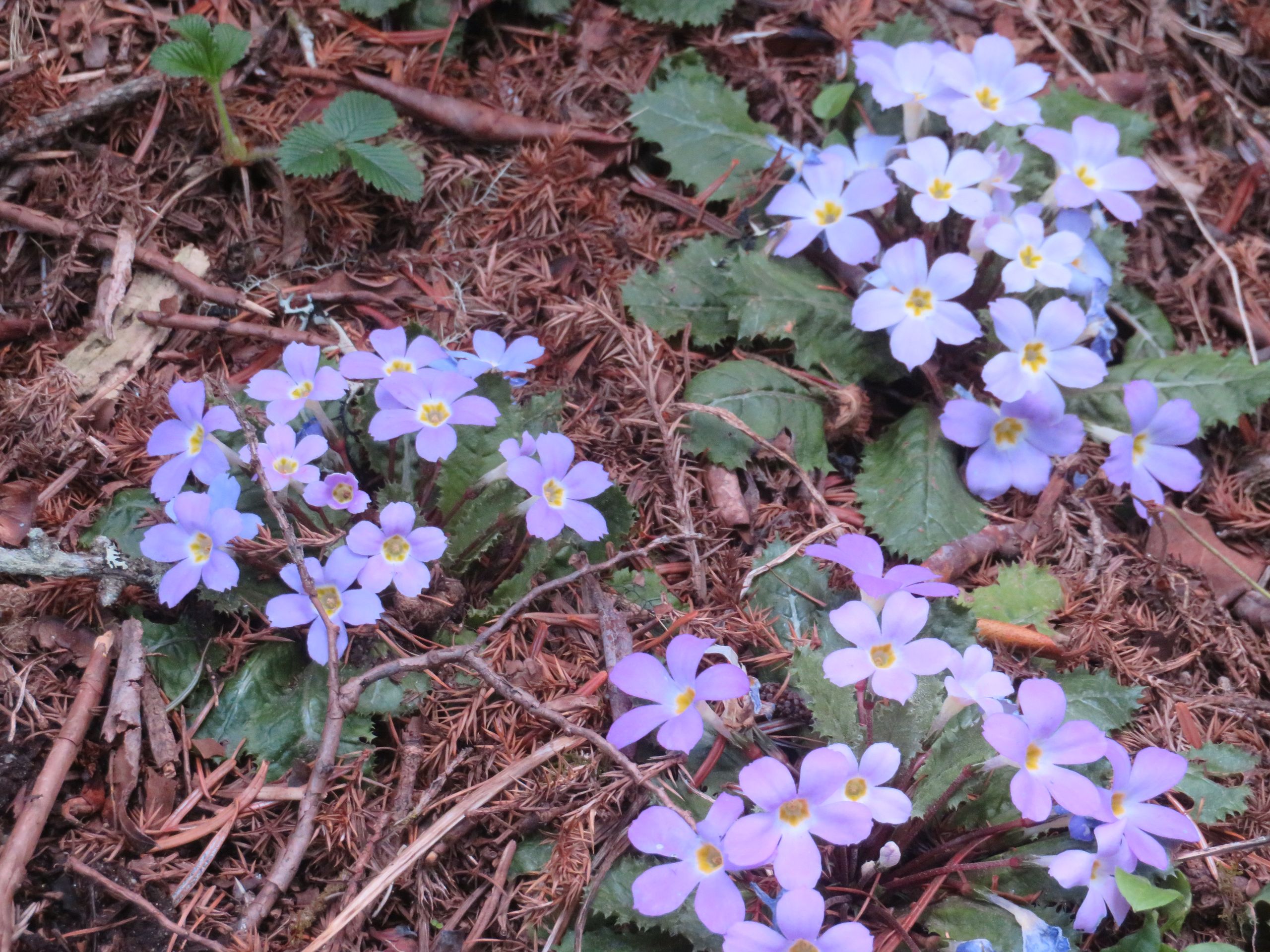
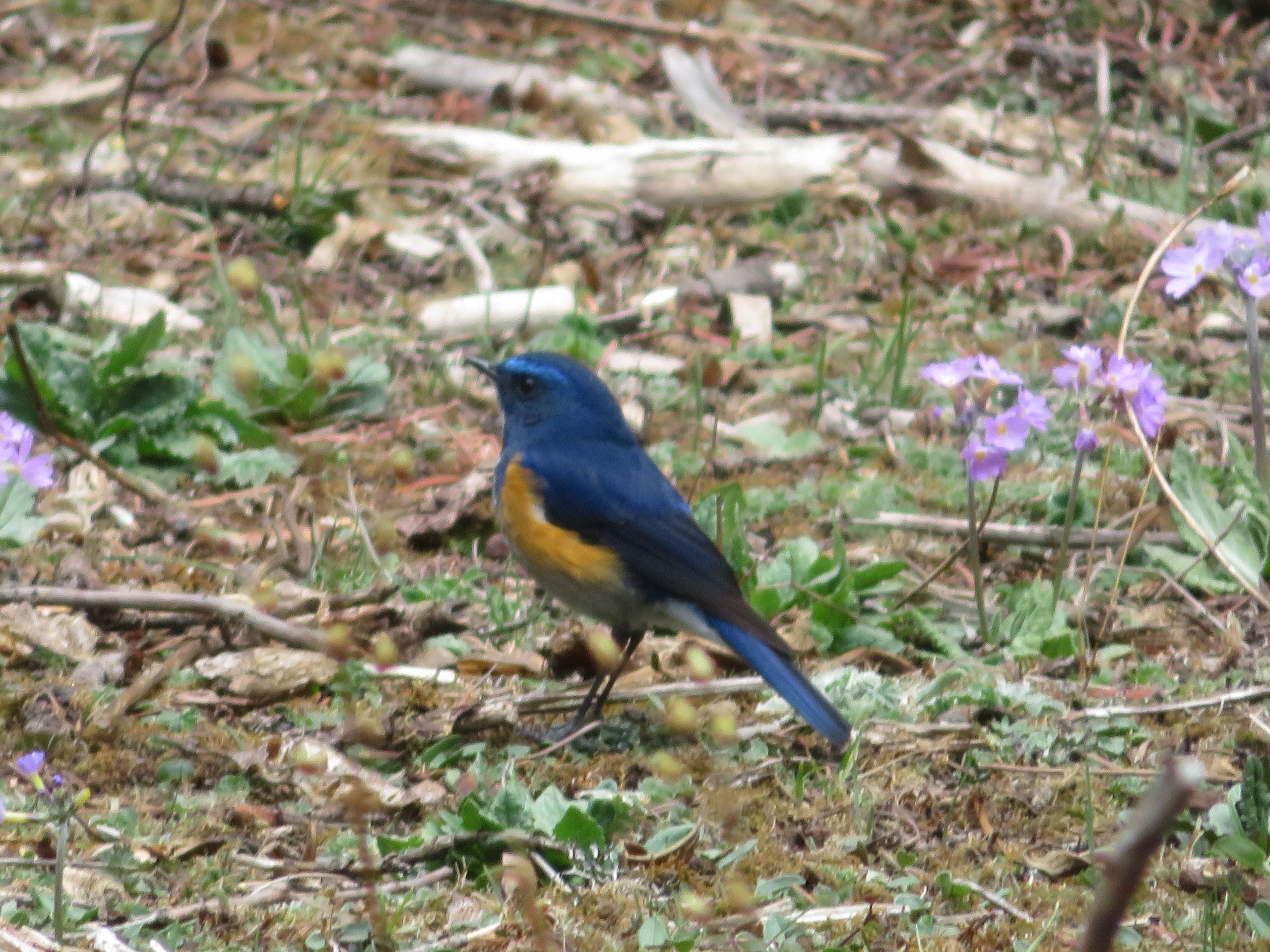
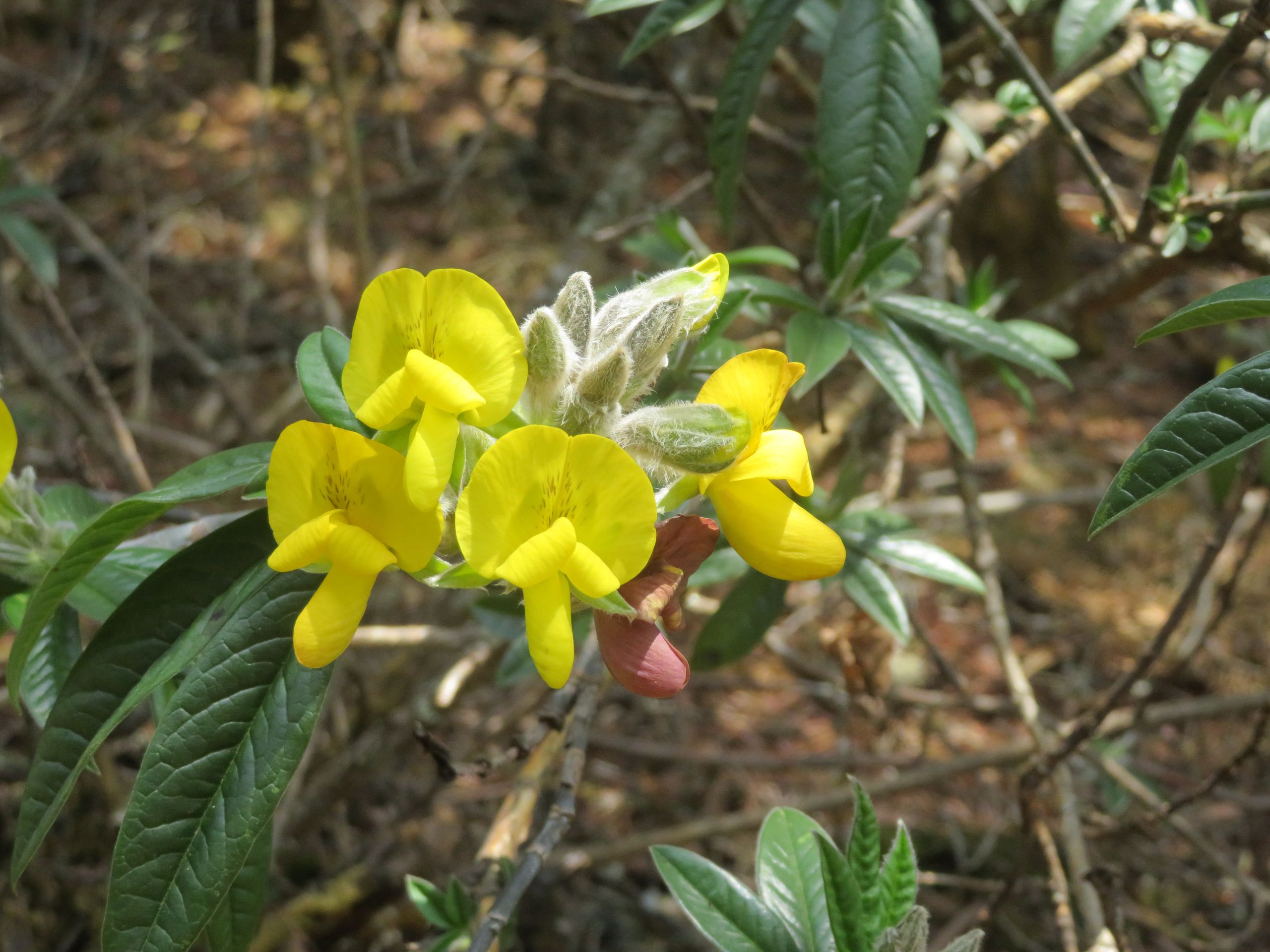
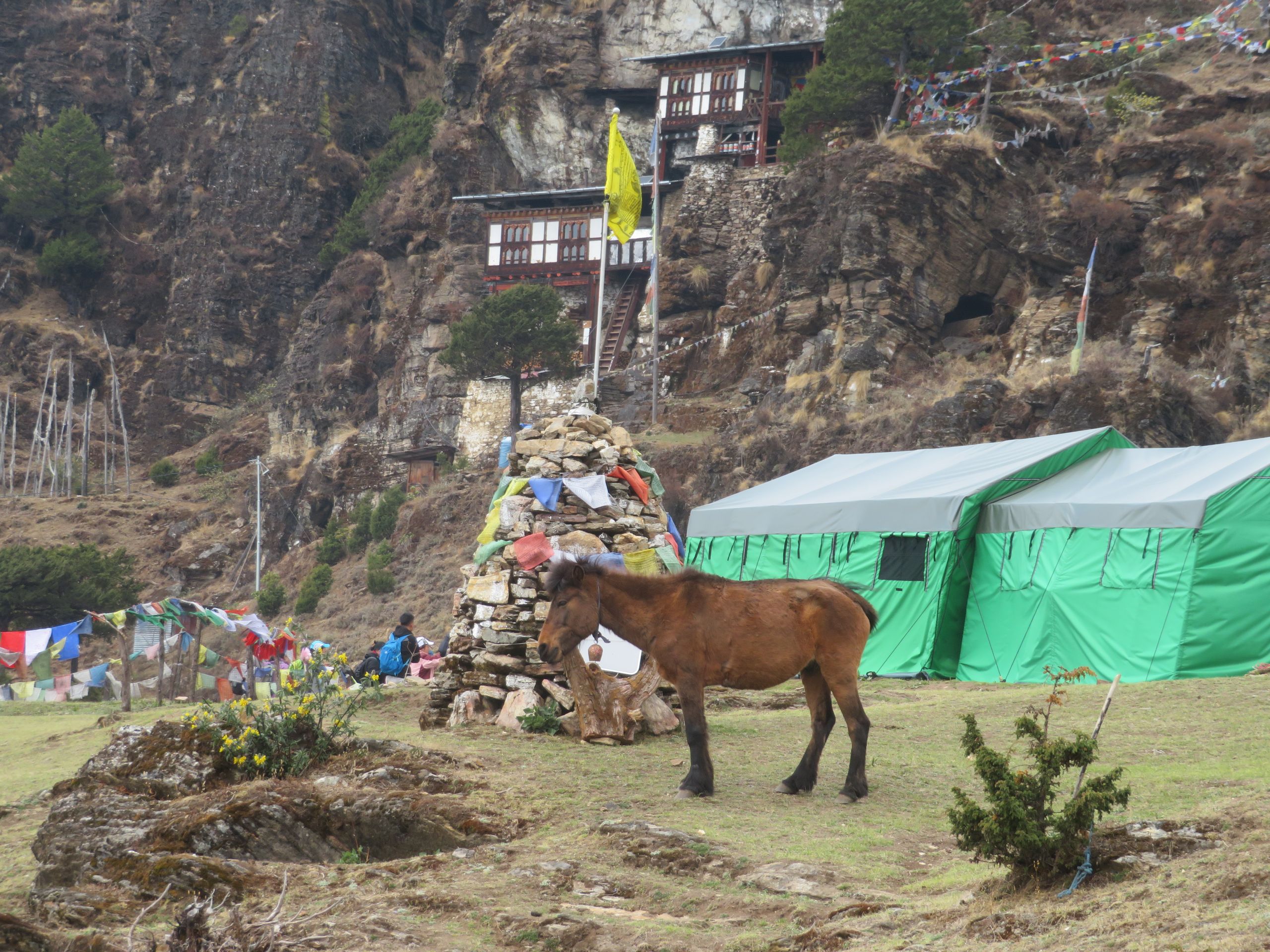
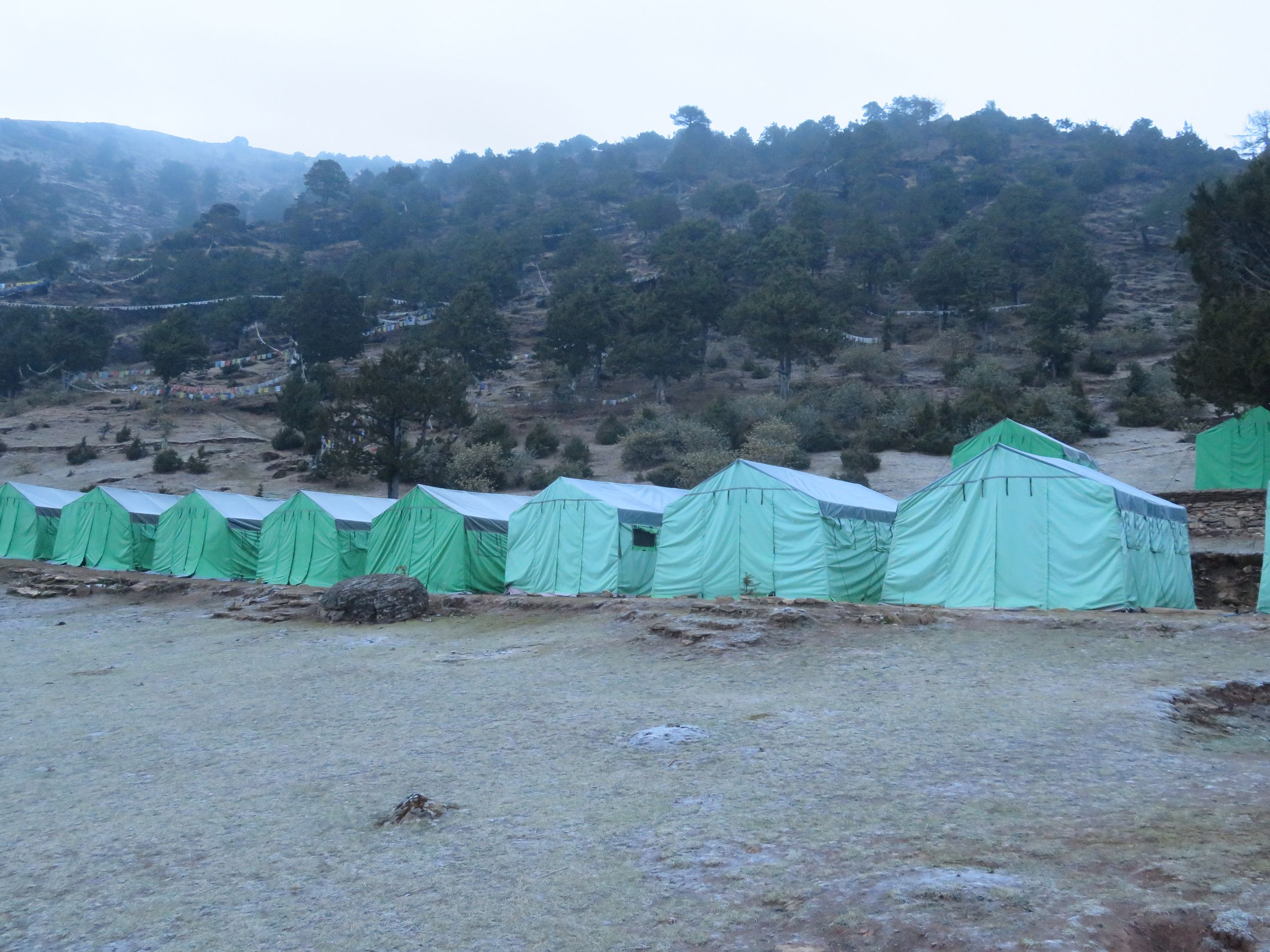
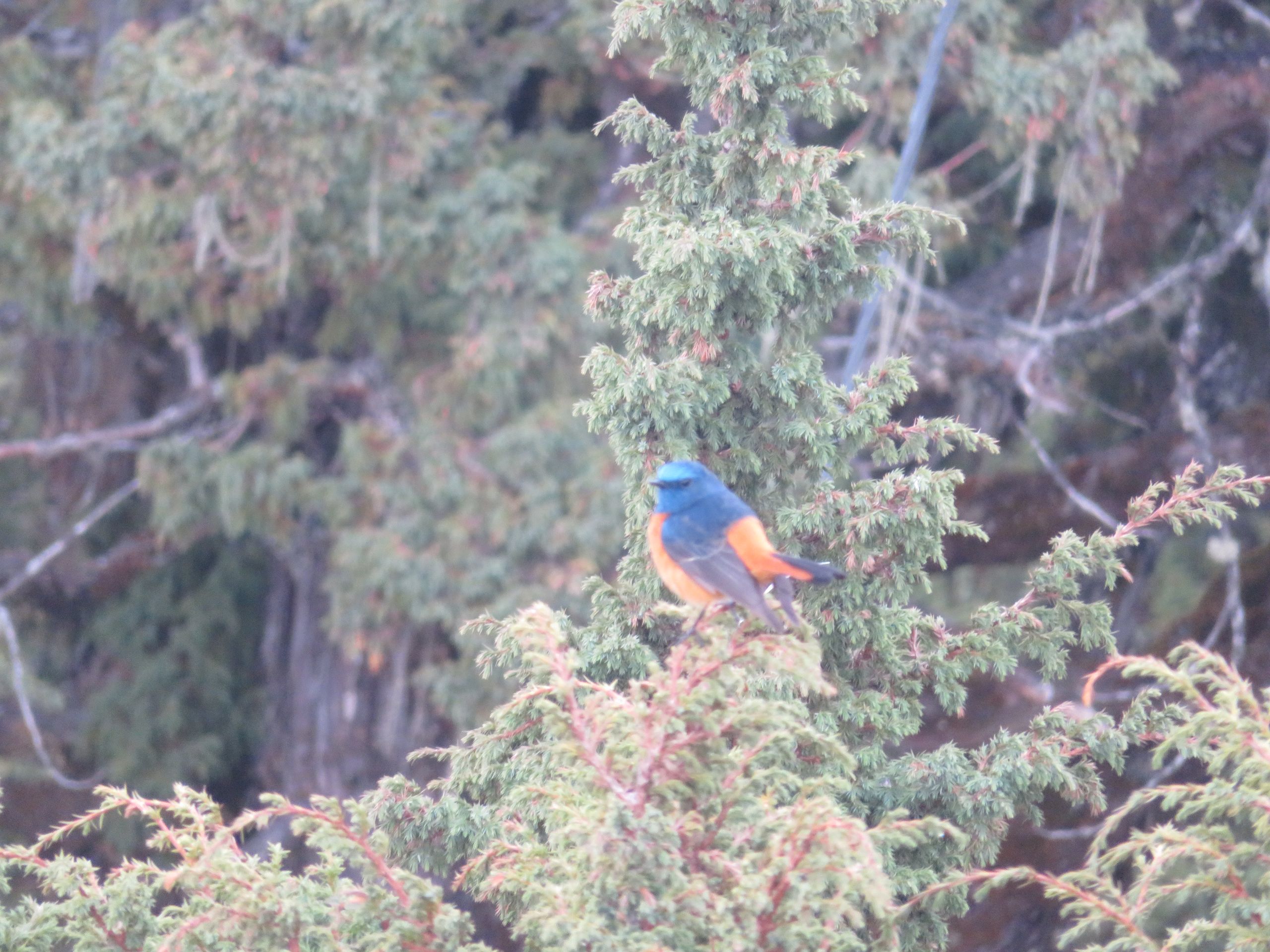
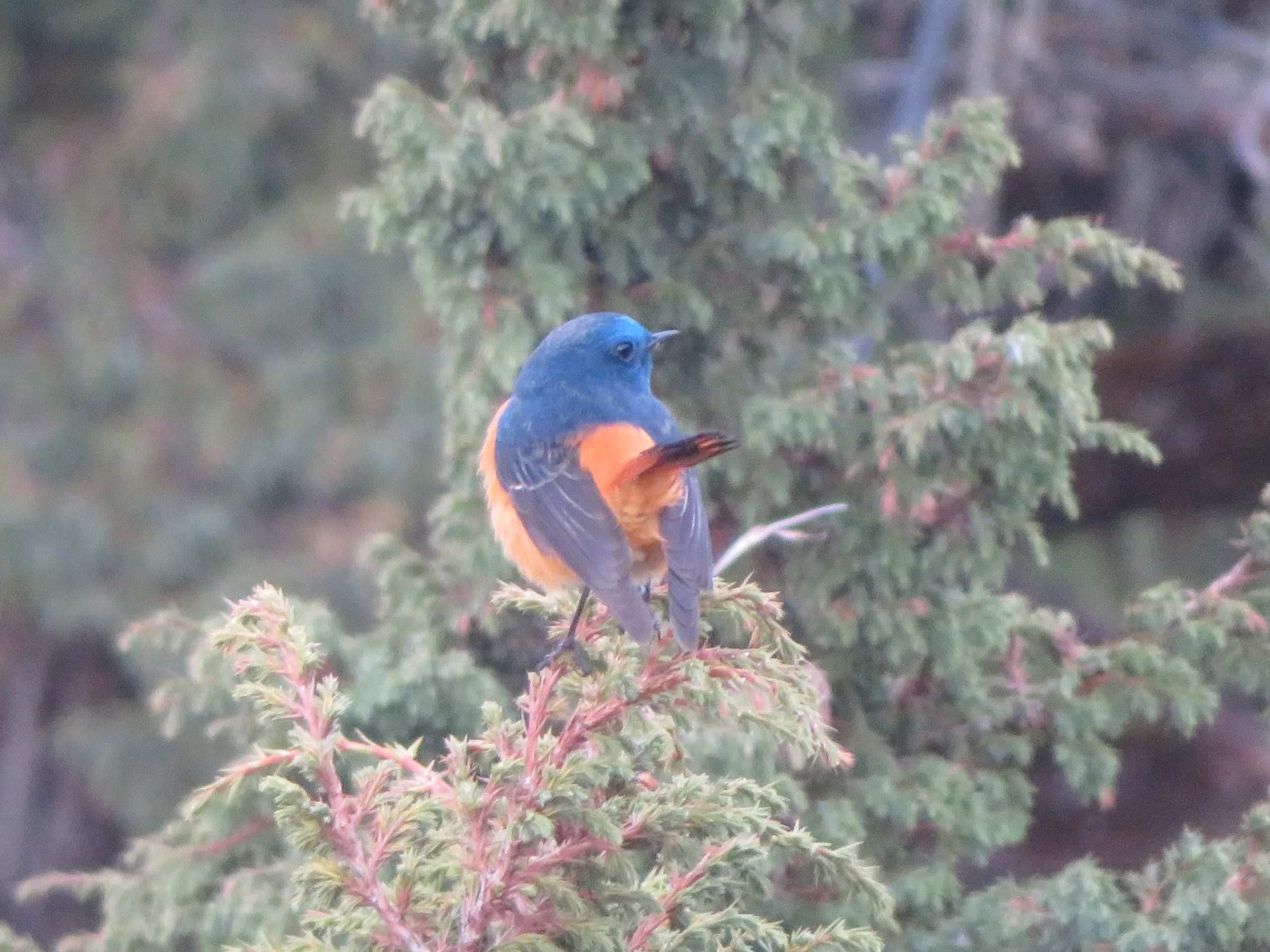
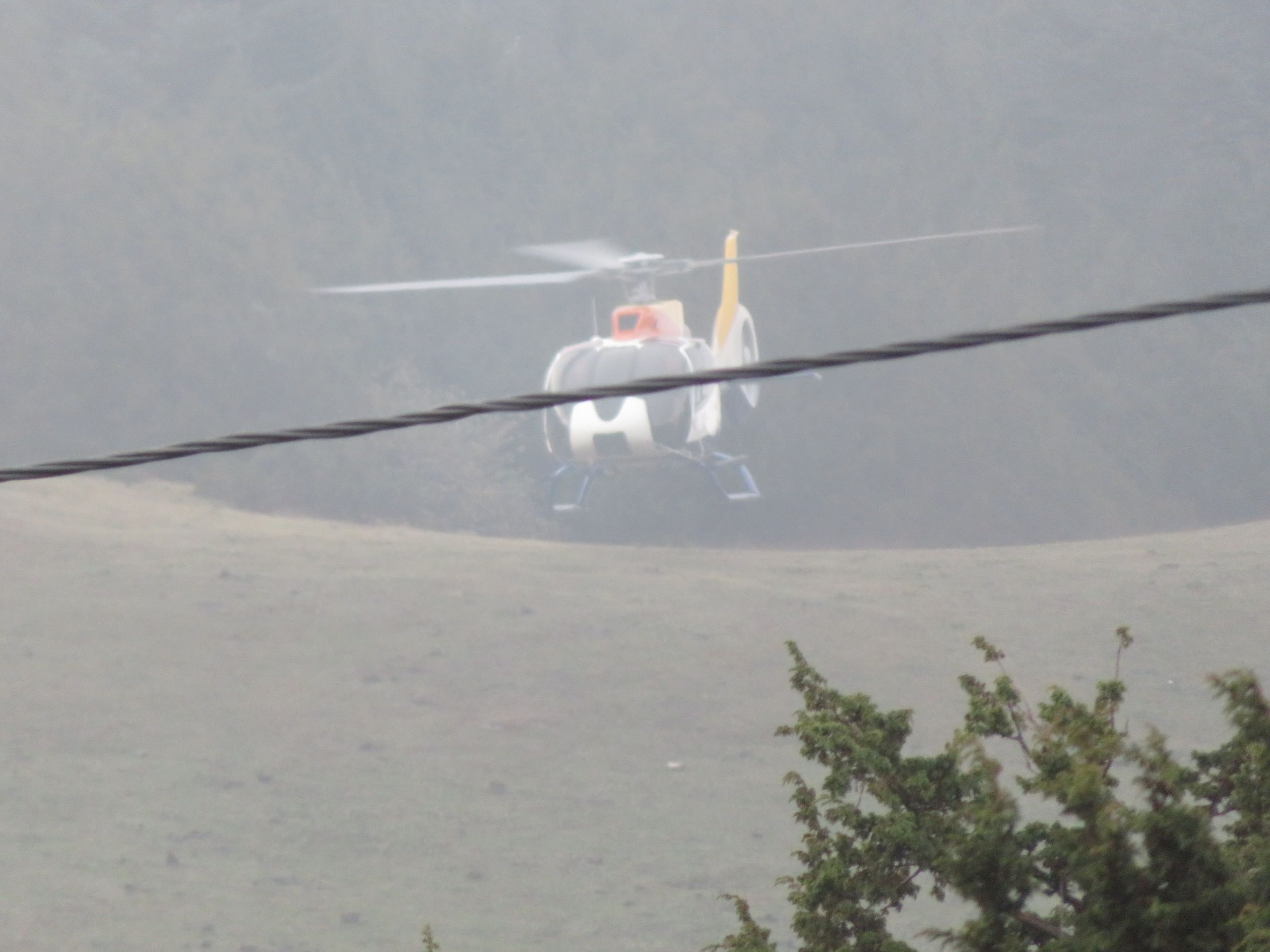
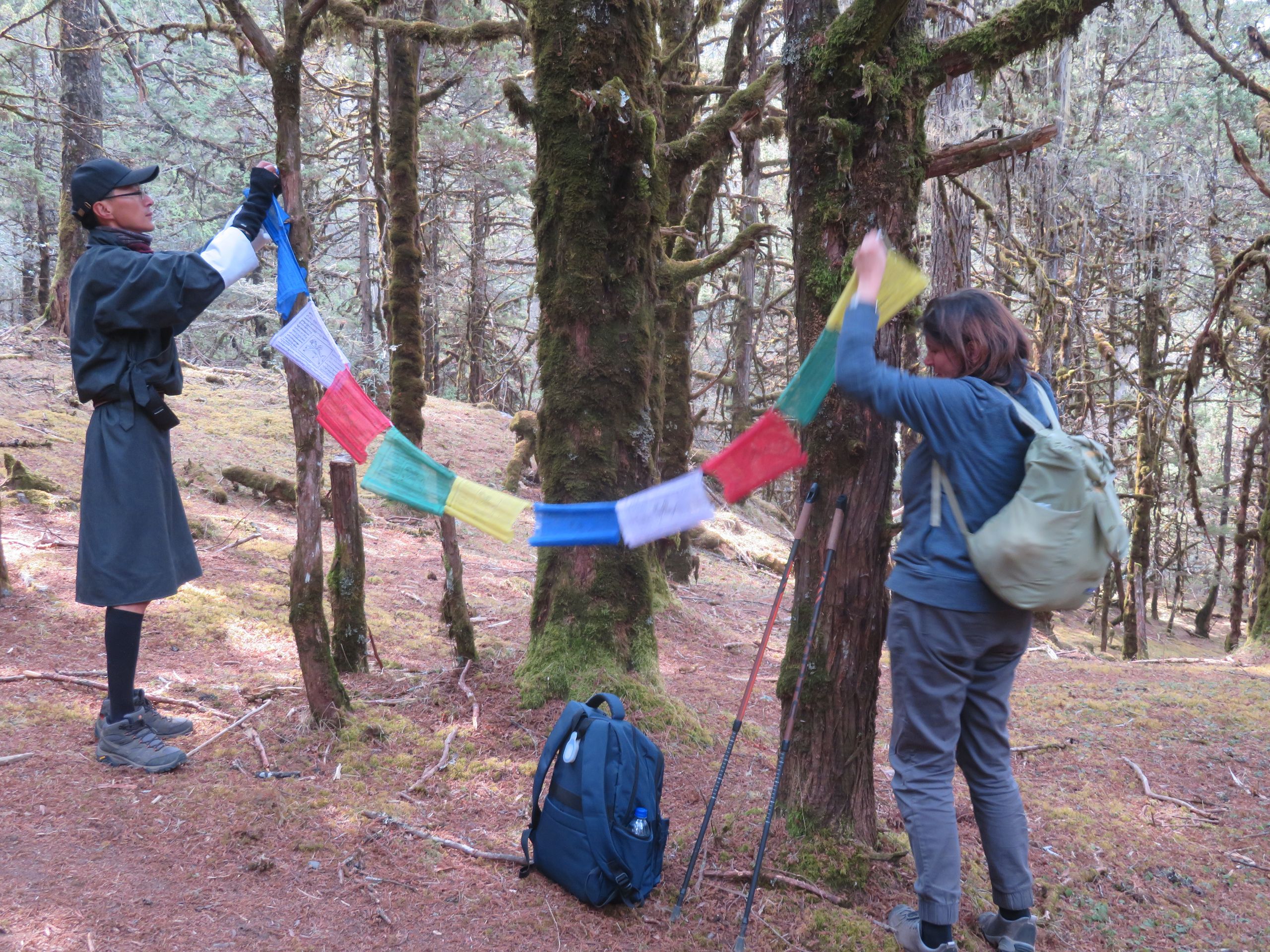
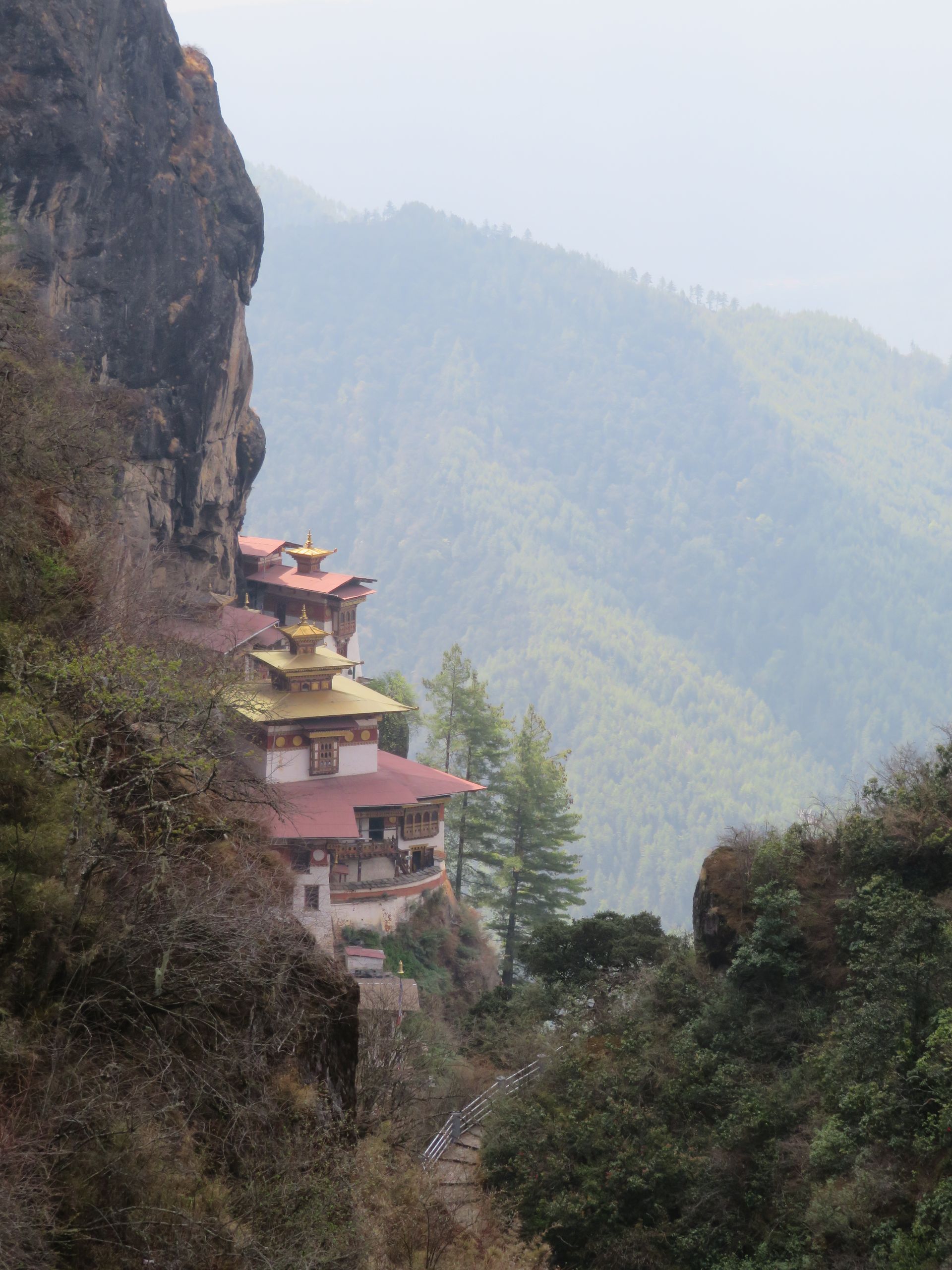
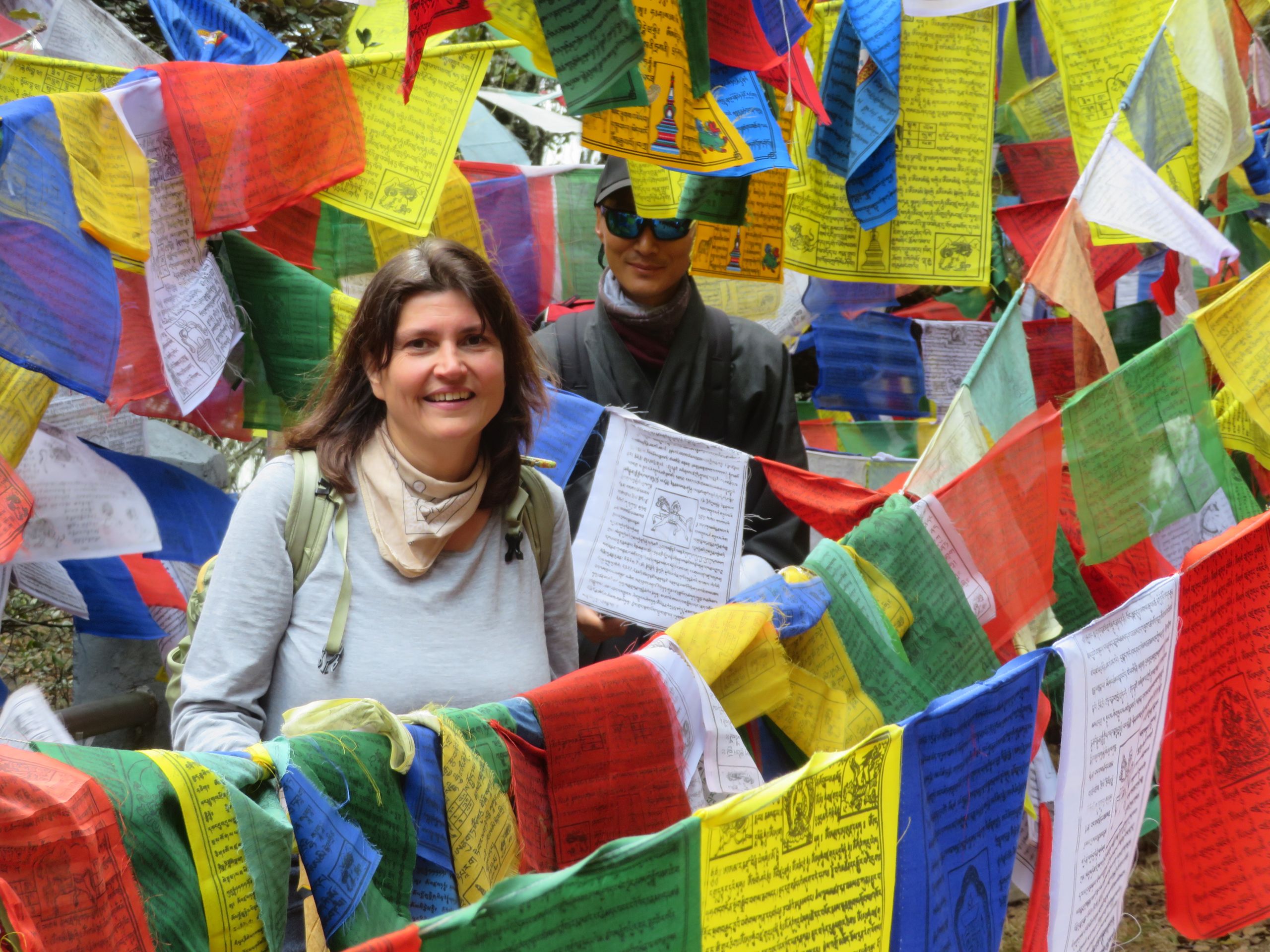
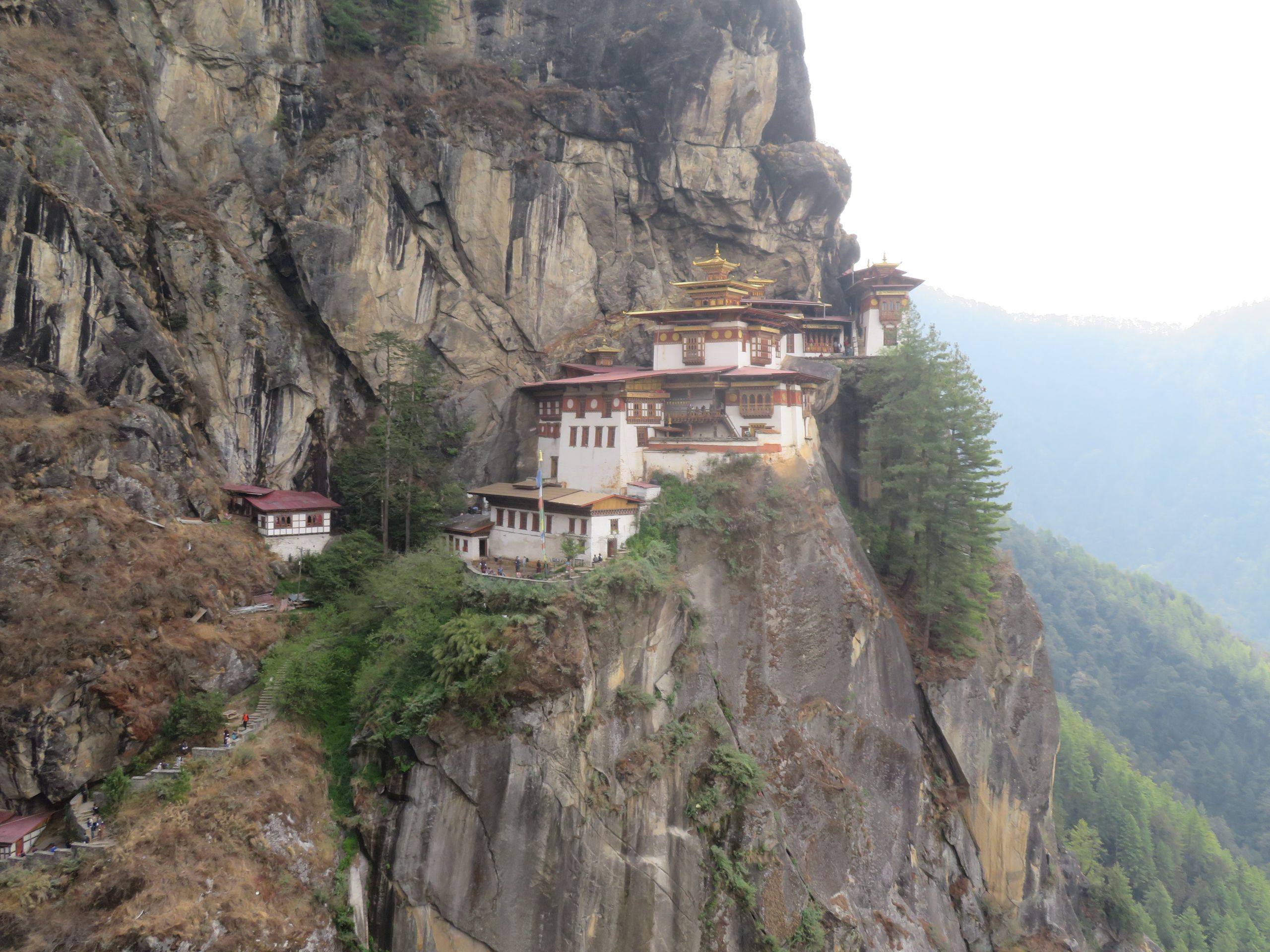
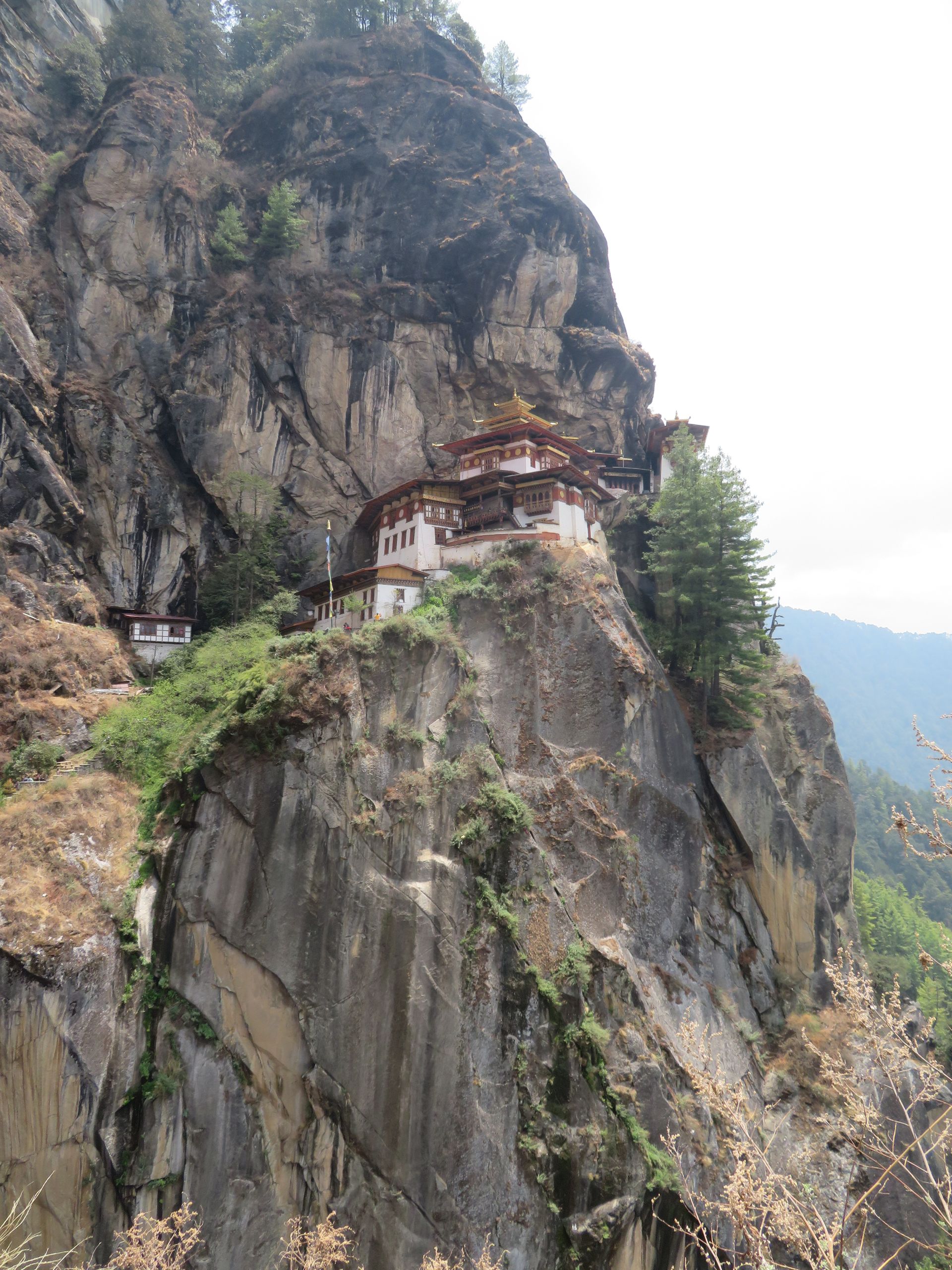
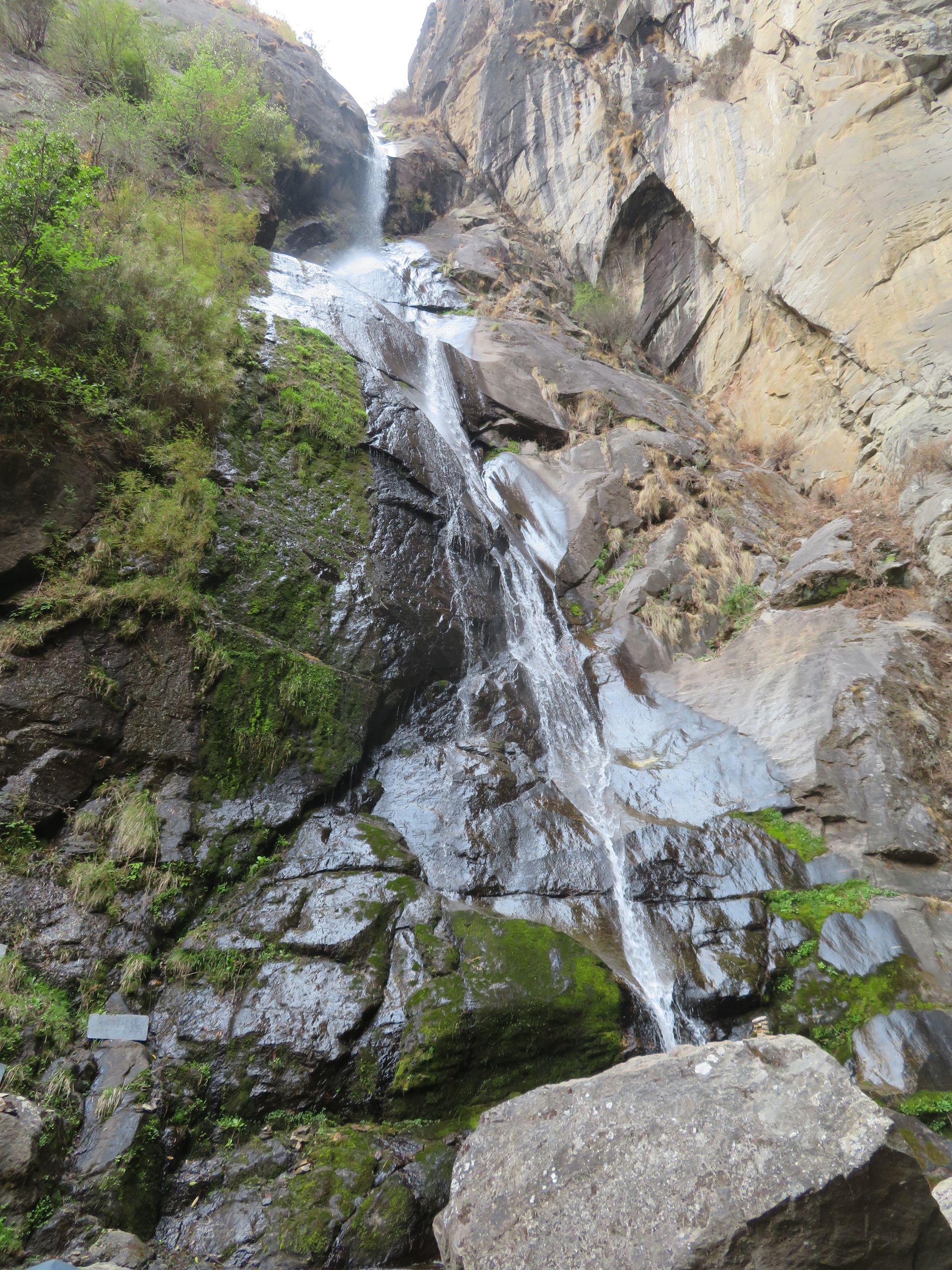
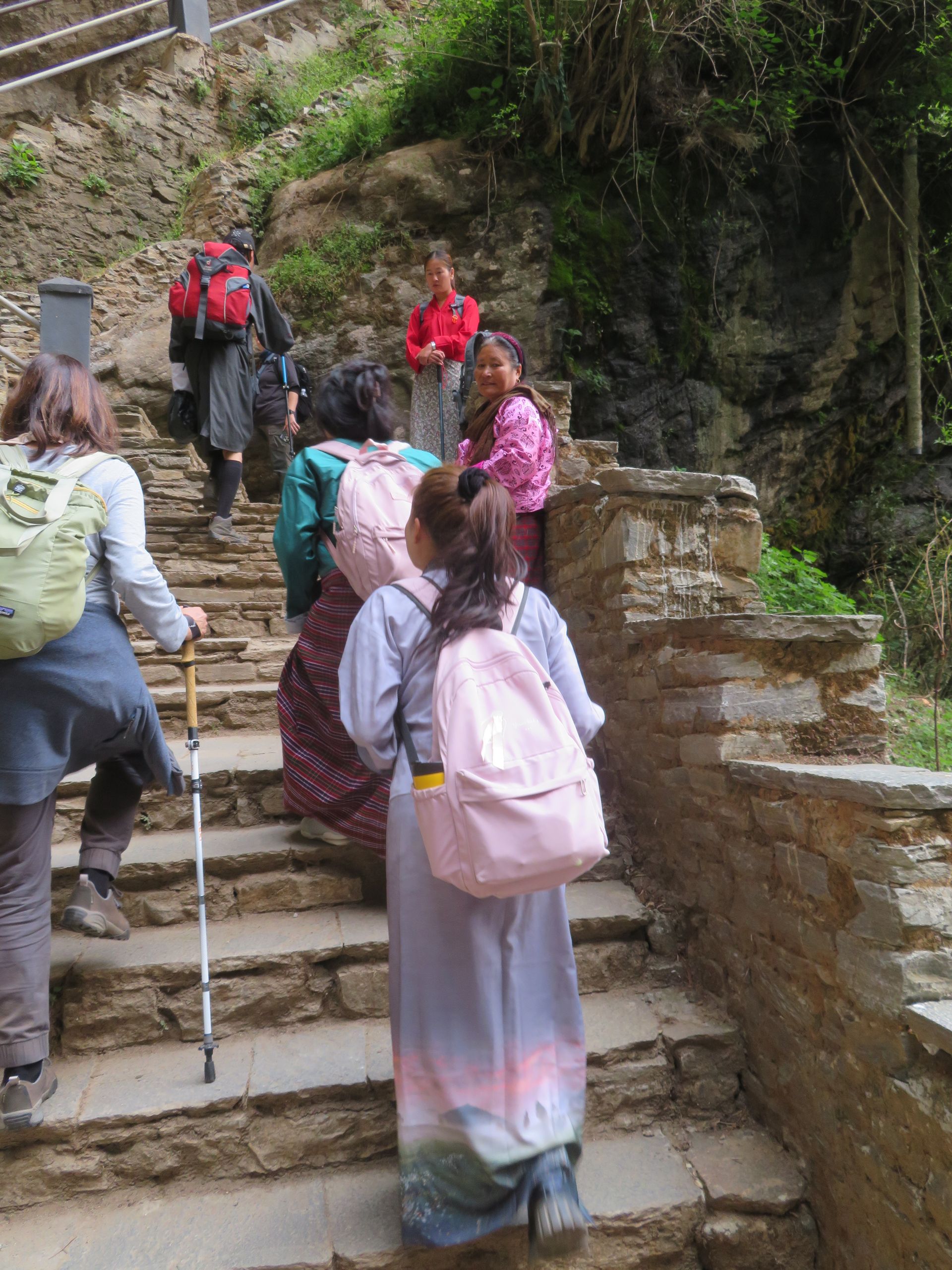
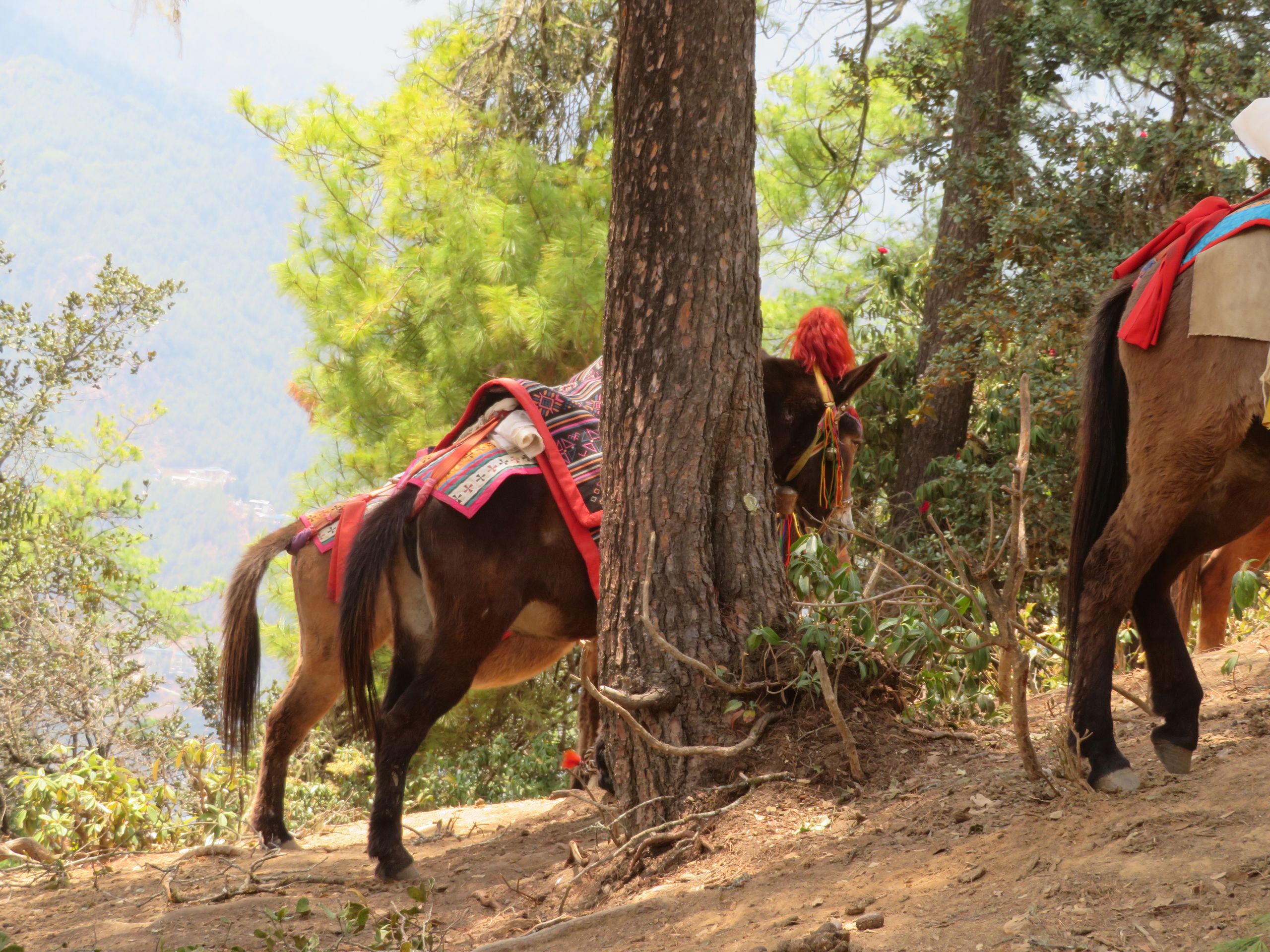
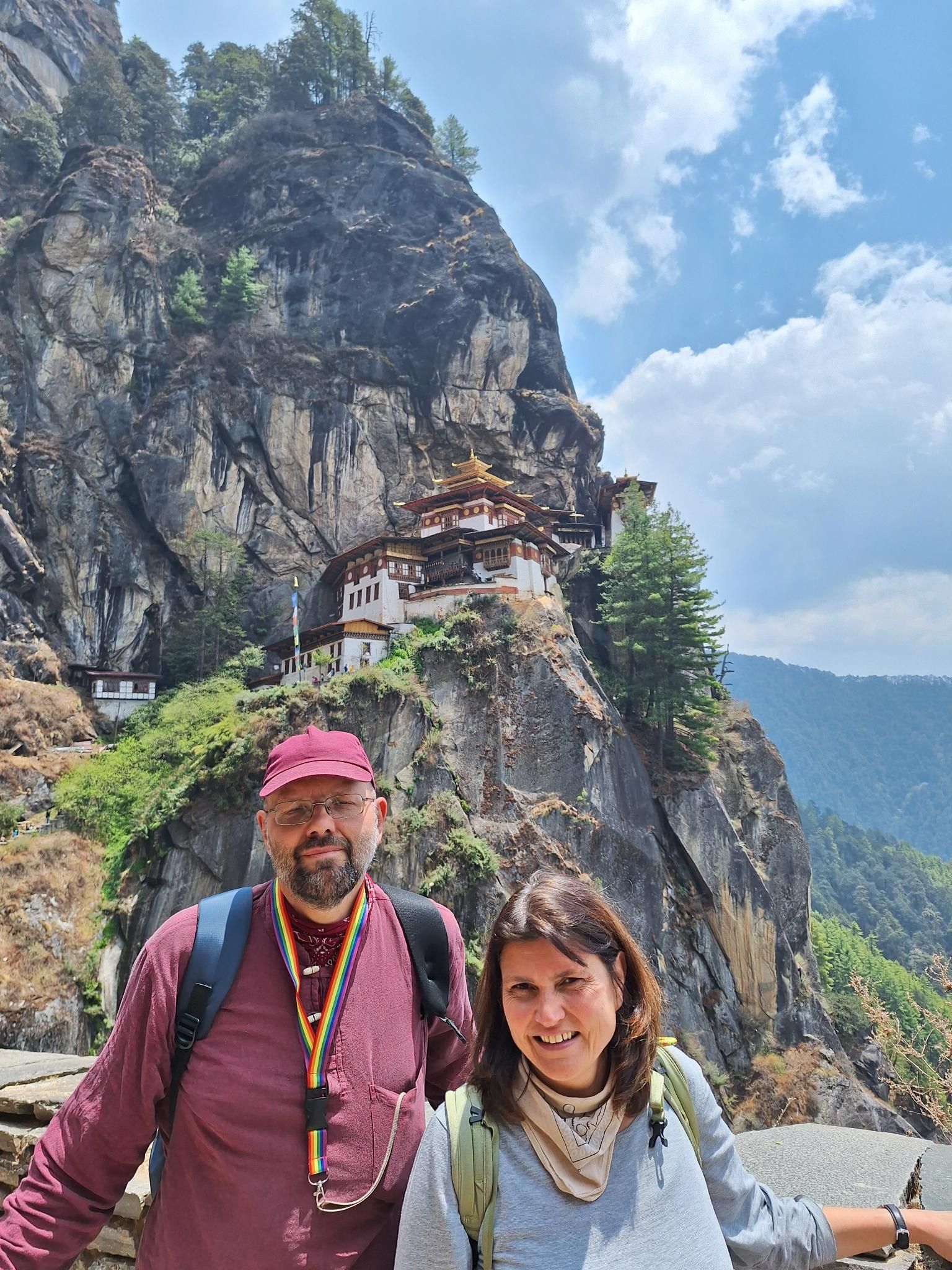
As we are both, at heart, city dwellers who enjoy the liberal atmosphere of “metropolises”, we left Thimphu (which now also has an LGBTIQ community, for example) with a heavy heart. But one final highlight awaited us: The Tiger's Nest. Many people will have seen pictures of the Tiger's Nest without knowing its name. They may have seen it as a computer wallpaper or as part of a puzzle or an impressive photo in the (once) social networks. The Tiger's Nest (Taktshang) is the holiest place in Bhutan and a must-see for tourists. It was founded at the place where the founder of Buddhism in Tibet, who is believed to have brought Buddhism to Bhutan, Guru Padmasambhava, is said to have meditated for 3 years, 3 months, 3 weeks, 3 days, and 3 hours in the 8th century. He arrived there while fleeing (and flying) on the back of a tiger, which seems a far less convenient way to travel than taking a night train. However, the idea of traveling with a tiger occasionally seemed tempting. Although there is now a private helicopter in Bhutan that helps some tourists cheat, even then, you still have to walk at least two hours. For 99% of tourists, however, there are only two options: either a several-hour ascent on foot to the monastery located at an altitude of 3120 meters or – like us – hiking up to 3800 meters, then spending the night and setting off early in the morning to descend to the Tiger's Nest before the greatest crowds of tourists arrive. This meant for us an overnight stay in a comfortable tent with plenty of blankets and hot water bottles while it was frosty outside. However, this descent was also challenging and posed a test for both our knees and our fear of heights. In return, we were rewarded with beautiful views and stunning blooming nature during the ascent and descent. While rhododendrons are entirely worthless to German fauna, they belong here in the Himalayas and provide a food source for small birds. We also admired numerous primroses and other flowers and blossoms, as well as kalij pheasants and other birds. Our desperate tiny hope of spotting a red panda, however, did not come true as expected.
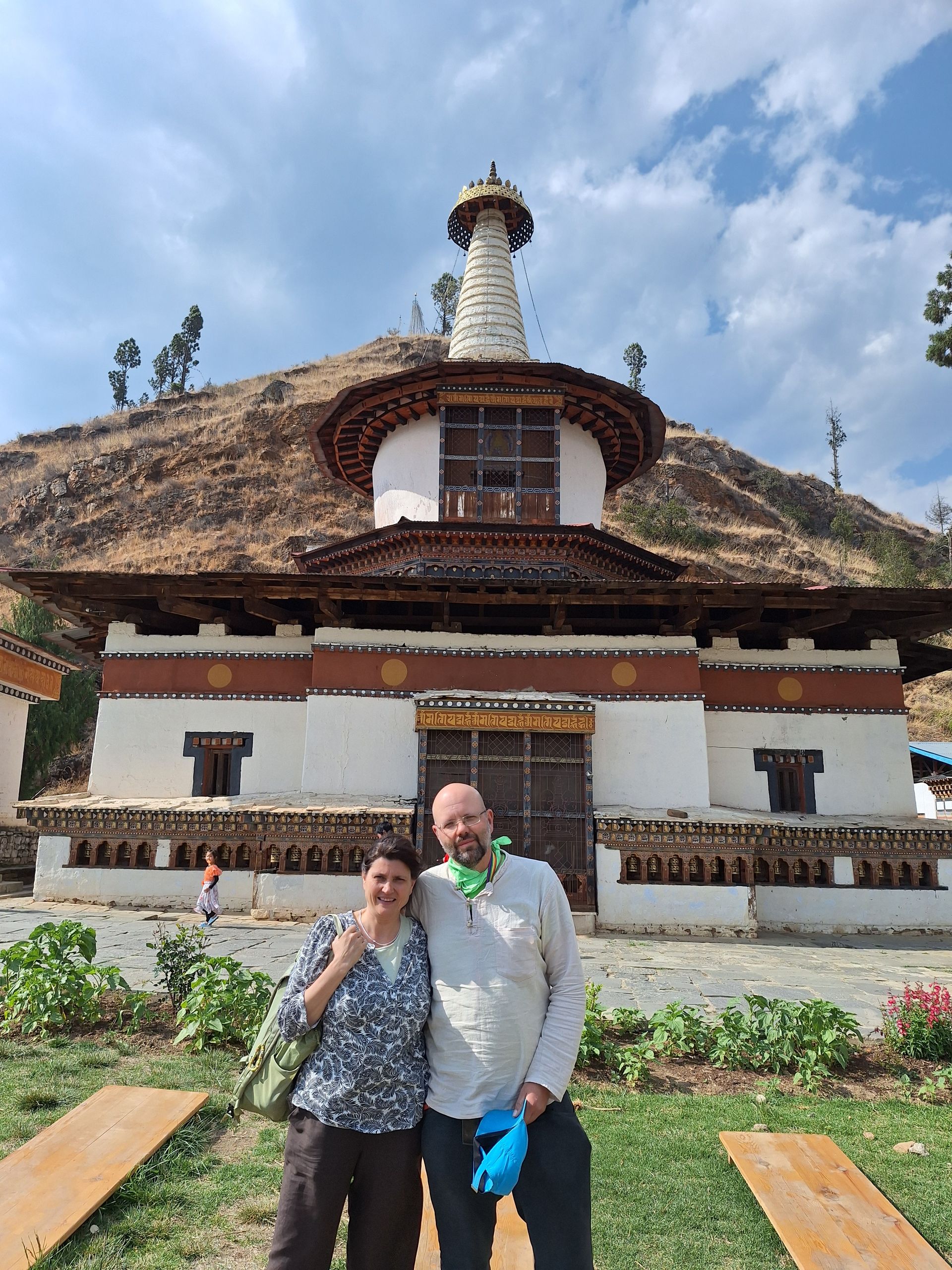
And finally, at the end of our hikes, we reached the truly beautifully situated Tiger's Nest. Inside, as in all temples, photography is strictly prohibited. What can we say/write? We will not describe the interior. Either you experience it for yourself or imagine it as you wish. Overall, we have to say, one is guided through relatively quickly. Even the believers do not linger long at this, from a Buddhist perspective, holiest place in Bhutan. We felt like part of the problem. Perhaps one should just leave it at a glance at the Tiger's Nest and let the monks be in peace. Our most beautiful insights into Buddhism and contacts with nuns and monks were experienced in different places, anyway. Nonetheless, the Tiger's Nest was an undeniable highlight of our overall 7 months of traveling through foreign countries and cultures and will remain a valuable memory for us.
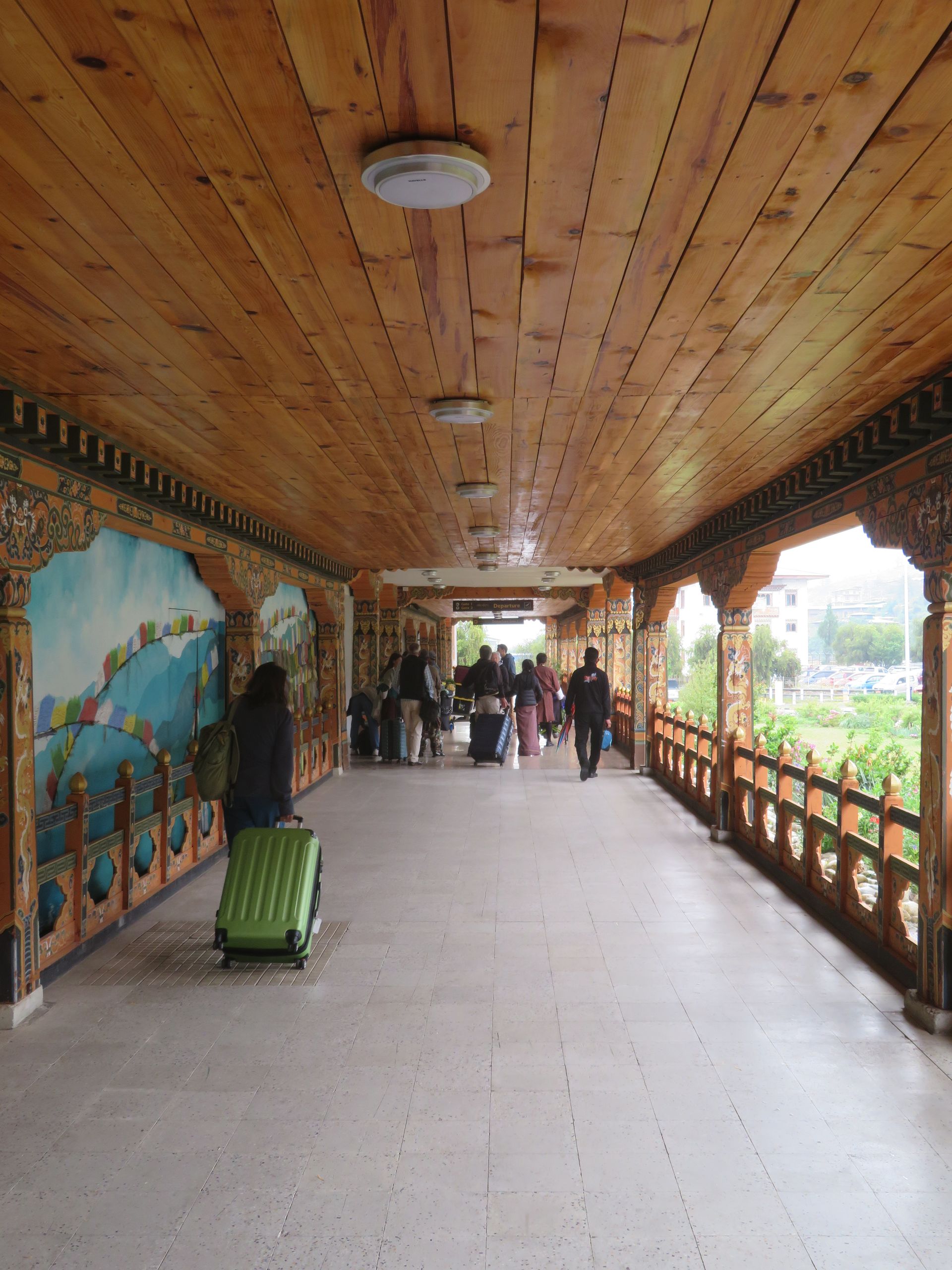
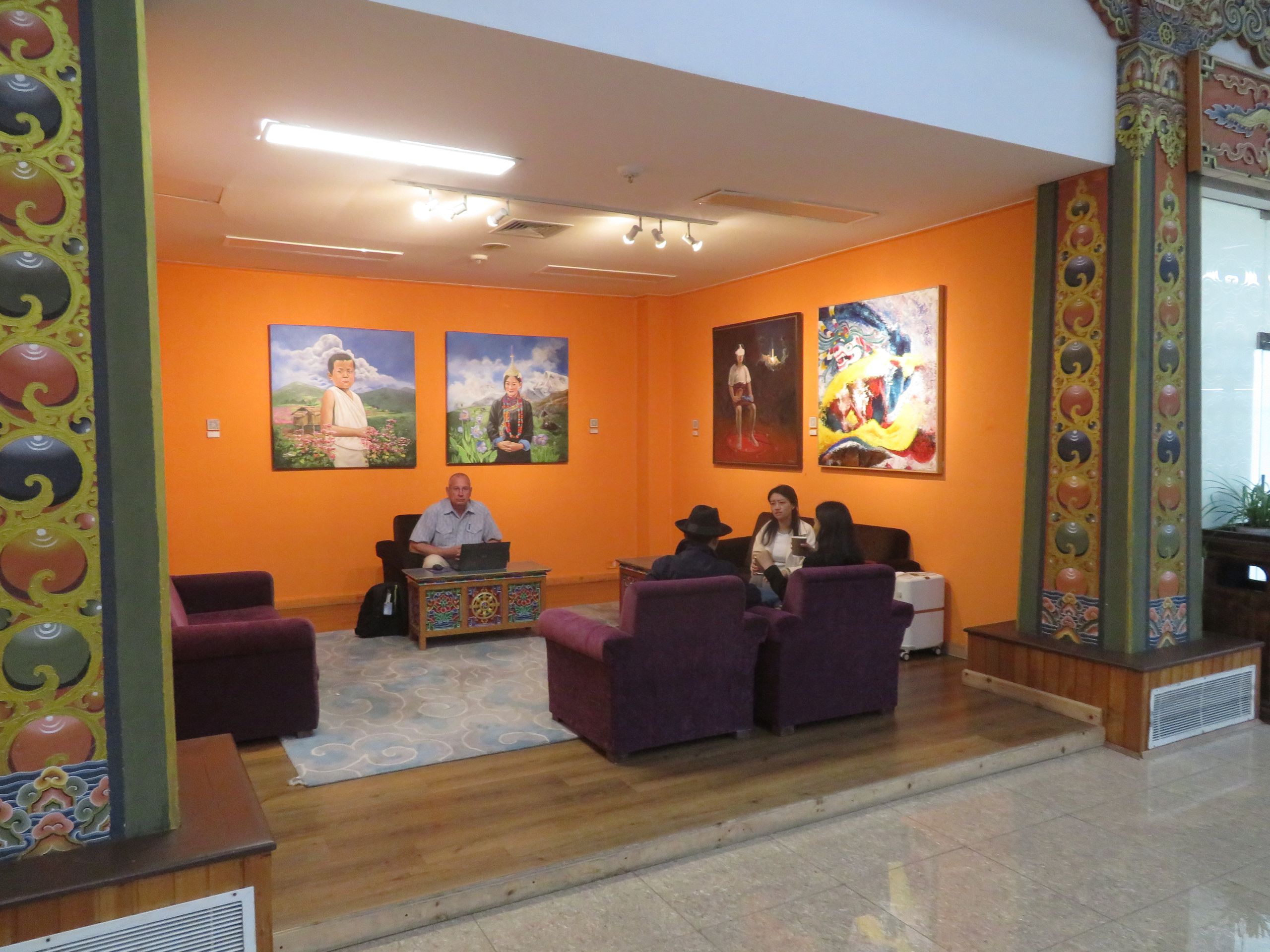
After a sad farewell to our guide and Bhutan, we finally headed to the airport with six power outages while we waited for our flight. And again, this airport provided us with beautiful waiting areas and lovely children’s books from Bhutan that we found at the last minute before boarding the plane. Here, we still chatted with Dave, an American who wanted to introduce himself as a Canadian out of shame for his government. But in the end, we are all just people, and the nationality with which we are born remains nothing but a stupid coincidence.
When we arrived in Amsterdam after 6 months in North and Central America, we felt at home again in Europe. However, as we returned to Lummerland via Delhi and Frankfurt, we missed that feeling. Yes, we longed for Lummerland cuisine, but otherwise, we didn’t feel as if everything was normal or familiar again. Lummerland is not “normal” and everything else is an anomaly. Lummerland is just a small island in the world, and things run lummerlandish here. That is not better or worse than elsewhere. And what seems entirely normal to us as Lummerlanders may appear bizarre to others. Certainly, Lummerland's culture is no better than that of other countries - just different. Of course, it was an incredible luxury and a great gift to explore the world for seven months, and it may sound arrogant, but we will conclude with a quote attributed to Alexander von Humboldt:
'The most dangerous worldview is the worldview of those who have never viewed the world.'