
Left alone at 4,000 meters
My hike to Toubkal – over 4,000 meters high, the highest mountain in North Africa – starts in Imlil. Here, at 1,600 meters, I want to acclimatize to the altitude. It's still...
Published: 09.11.2025
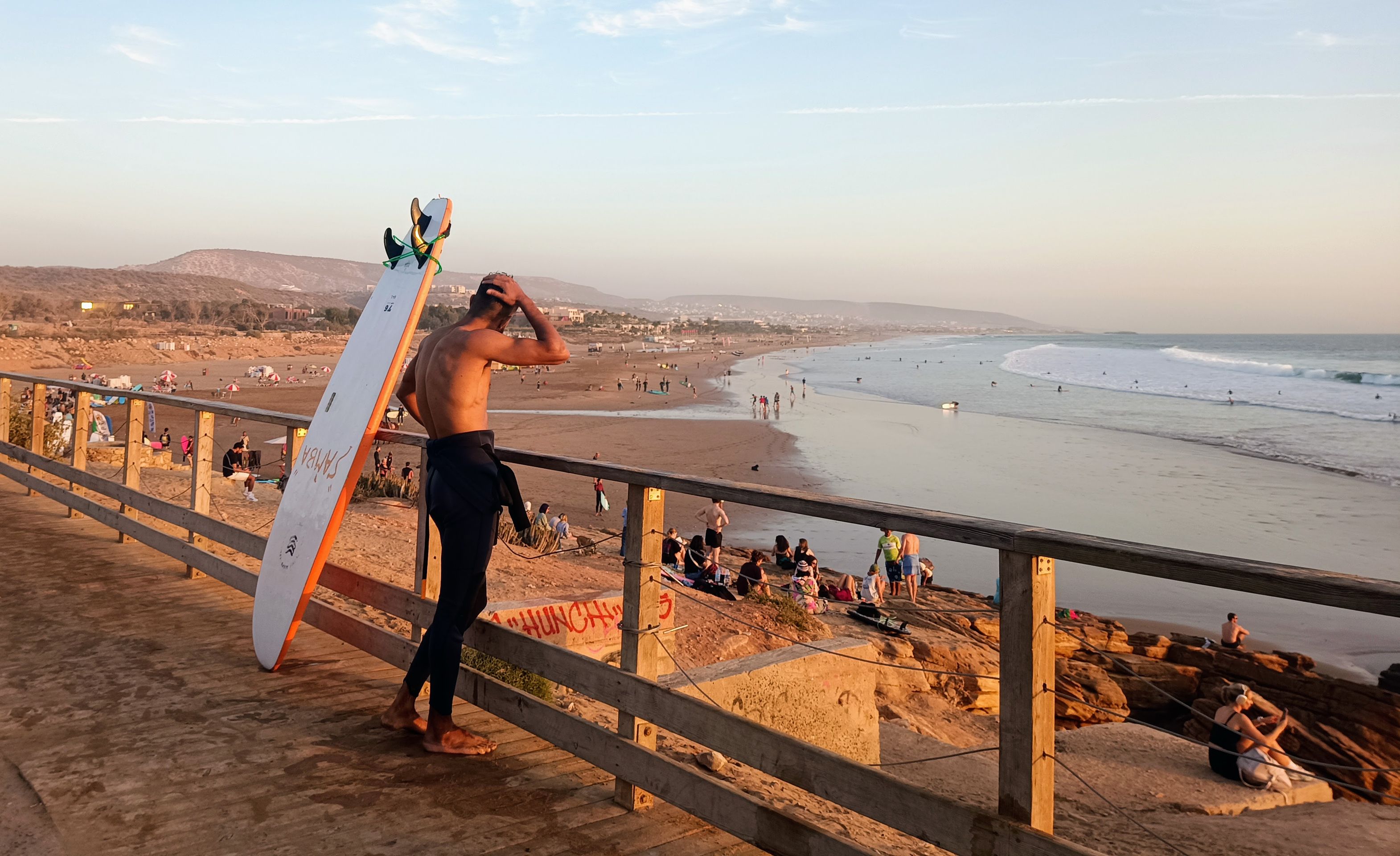
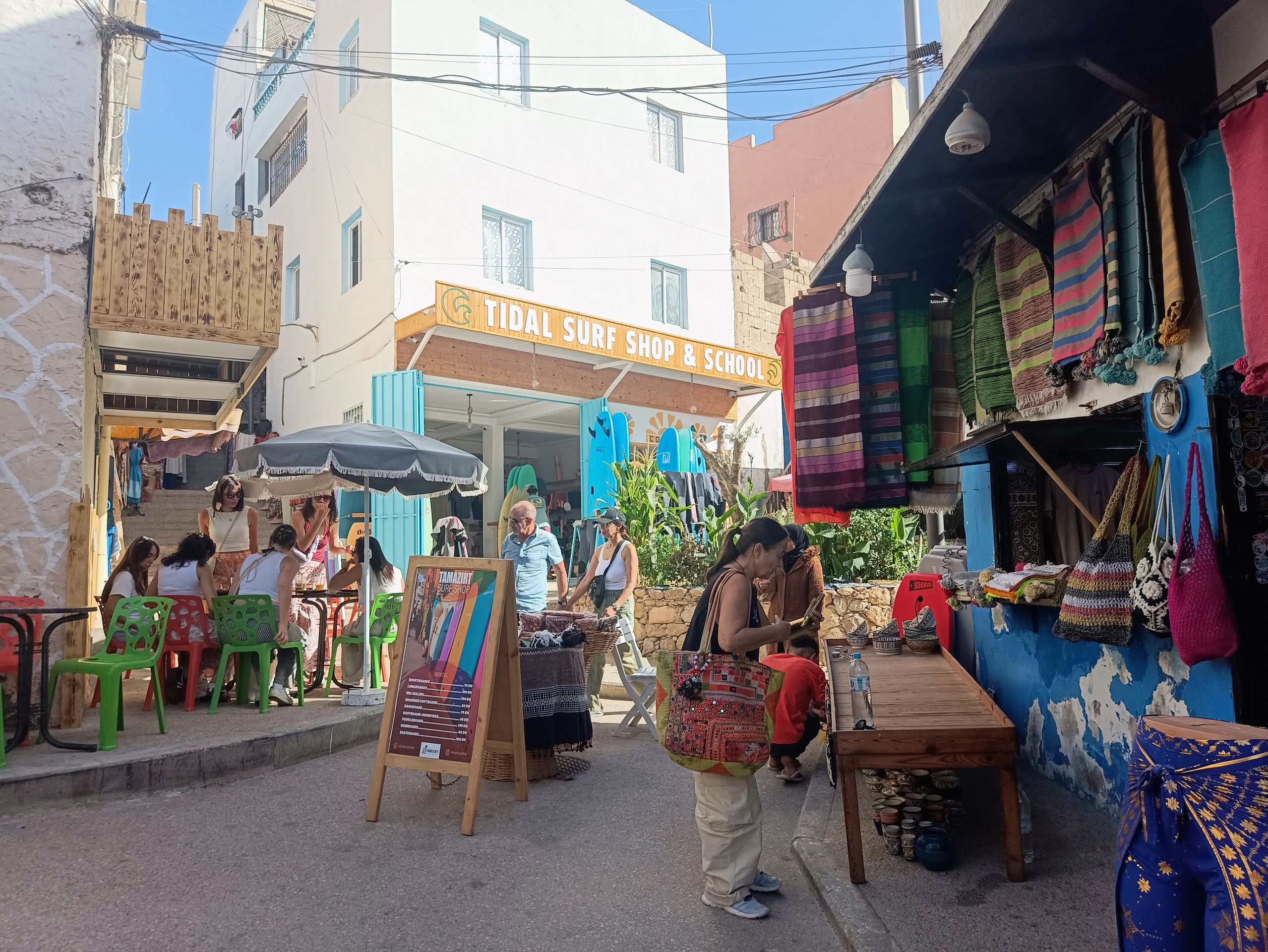
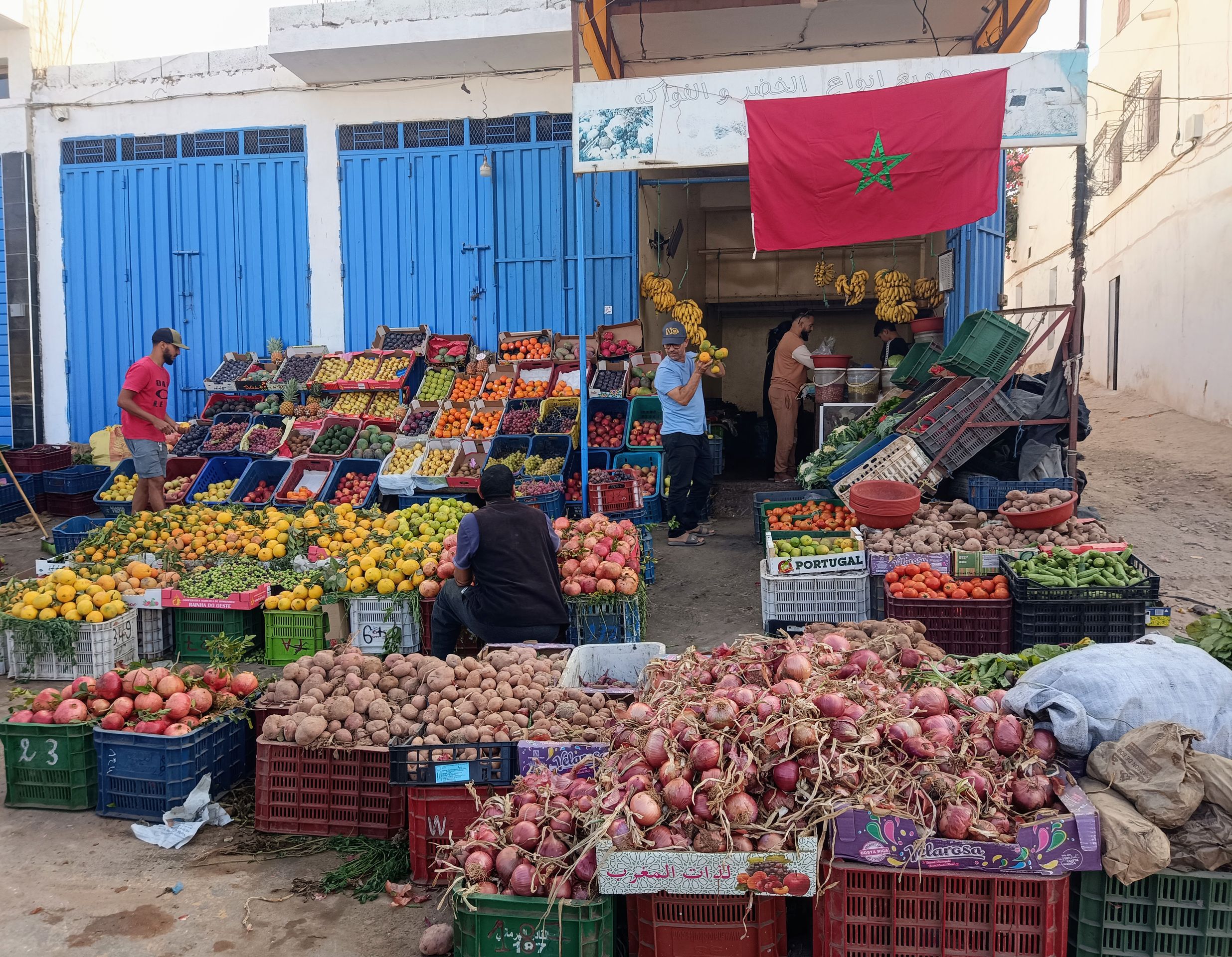
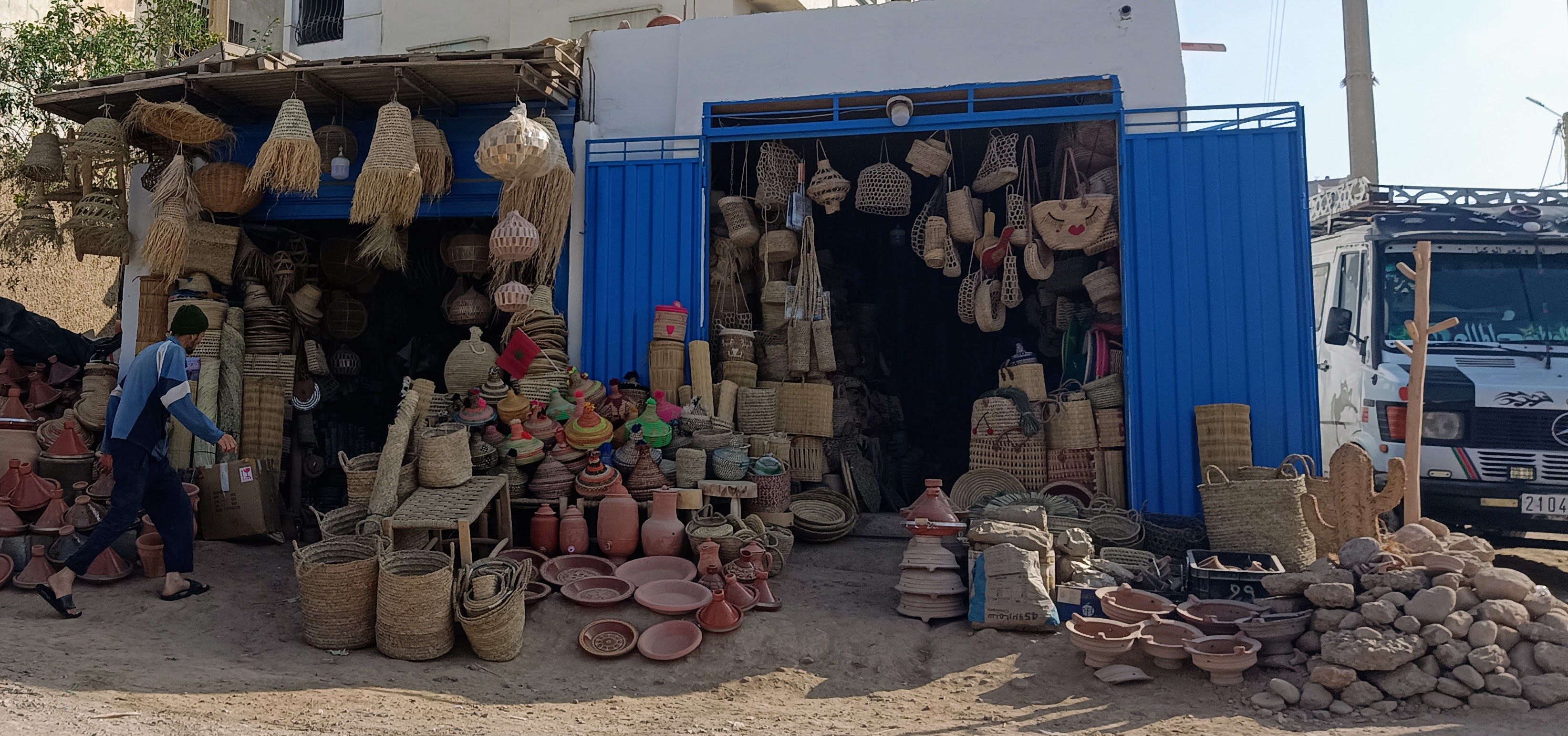
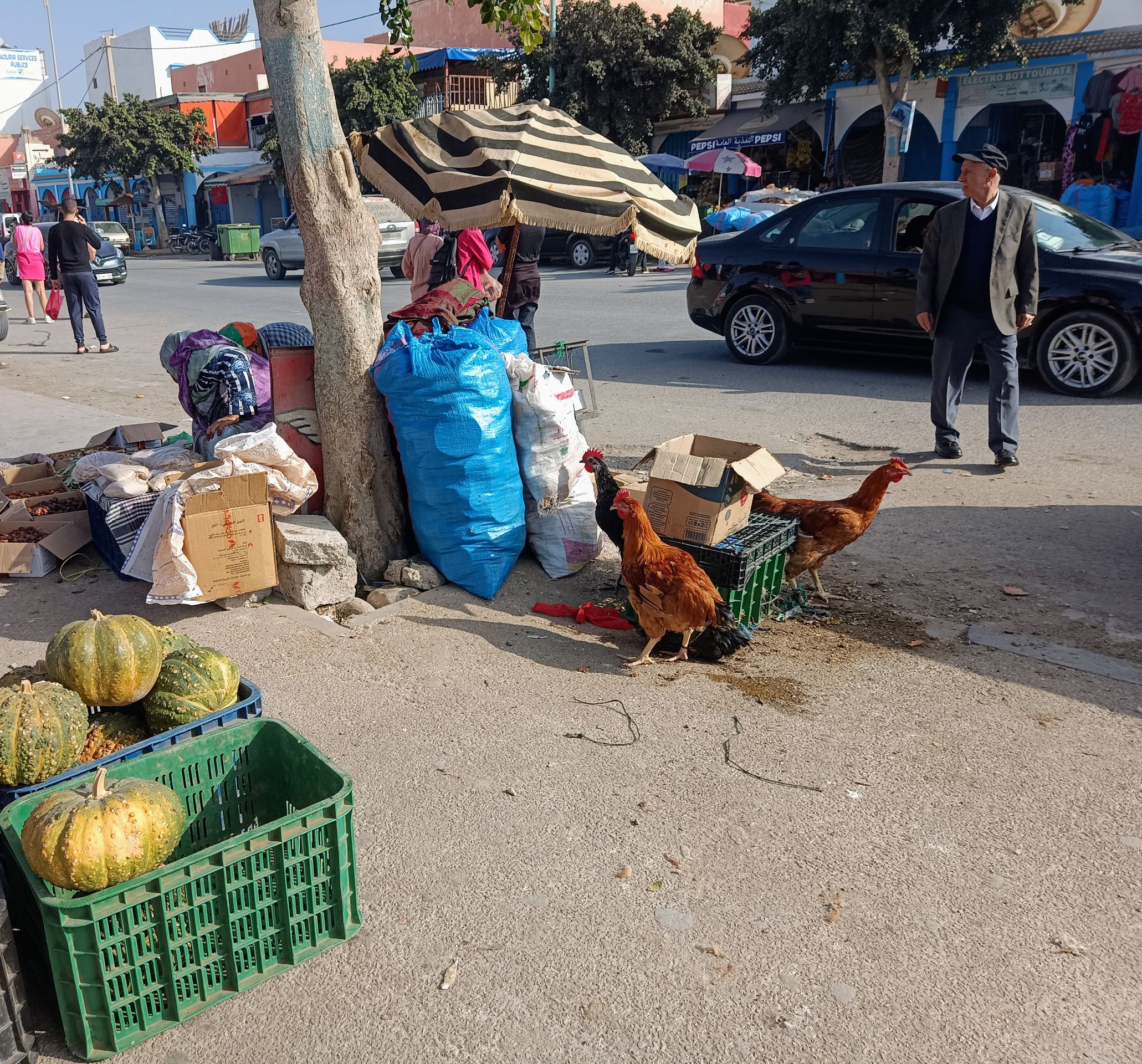
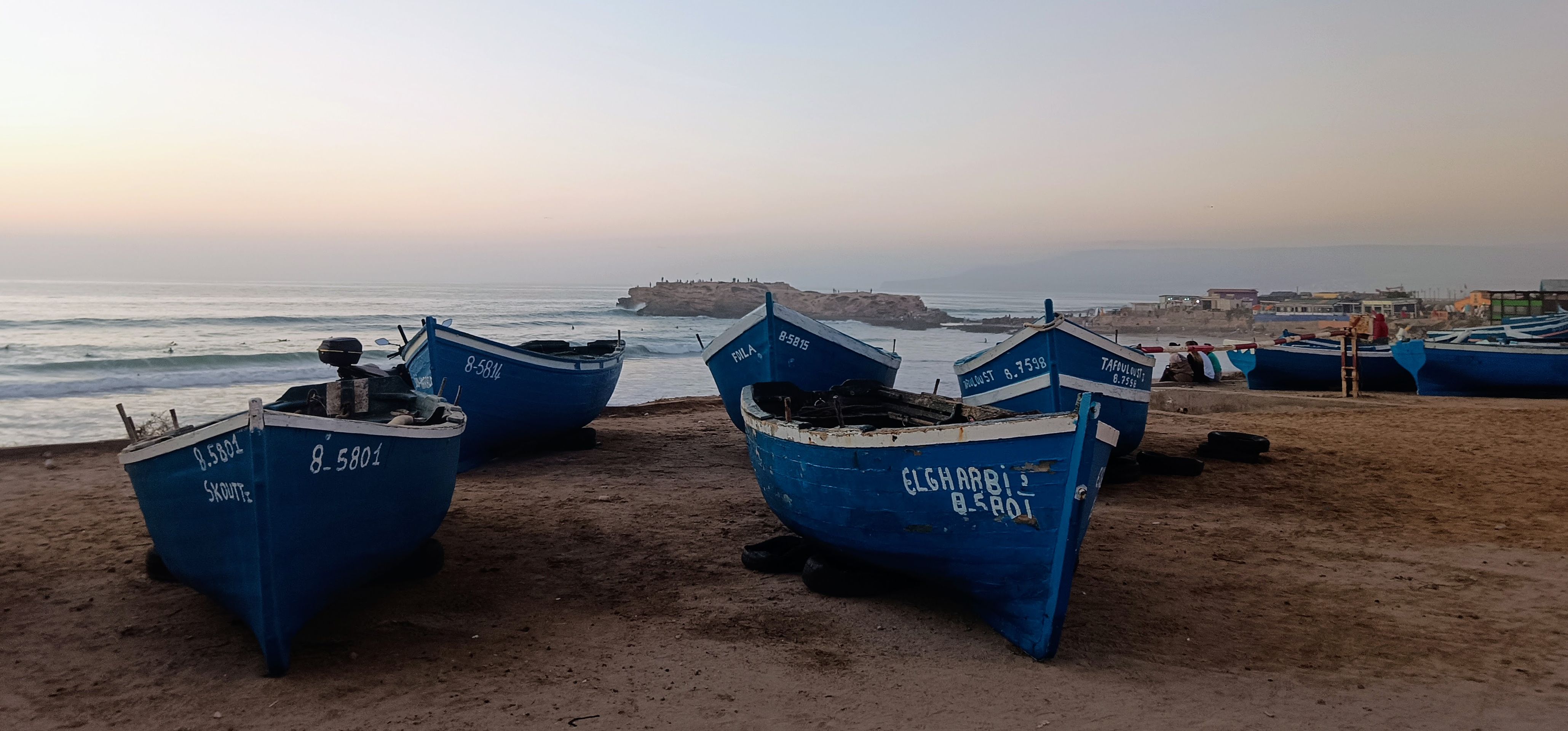
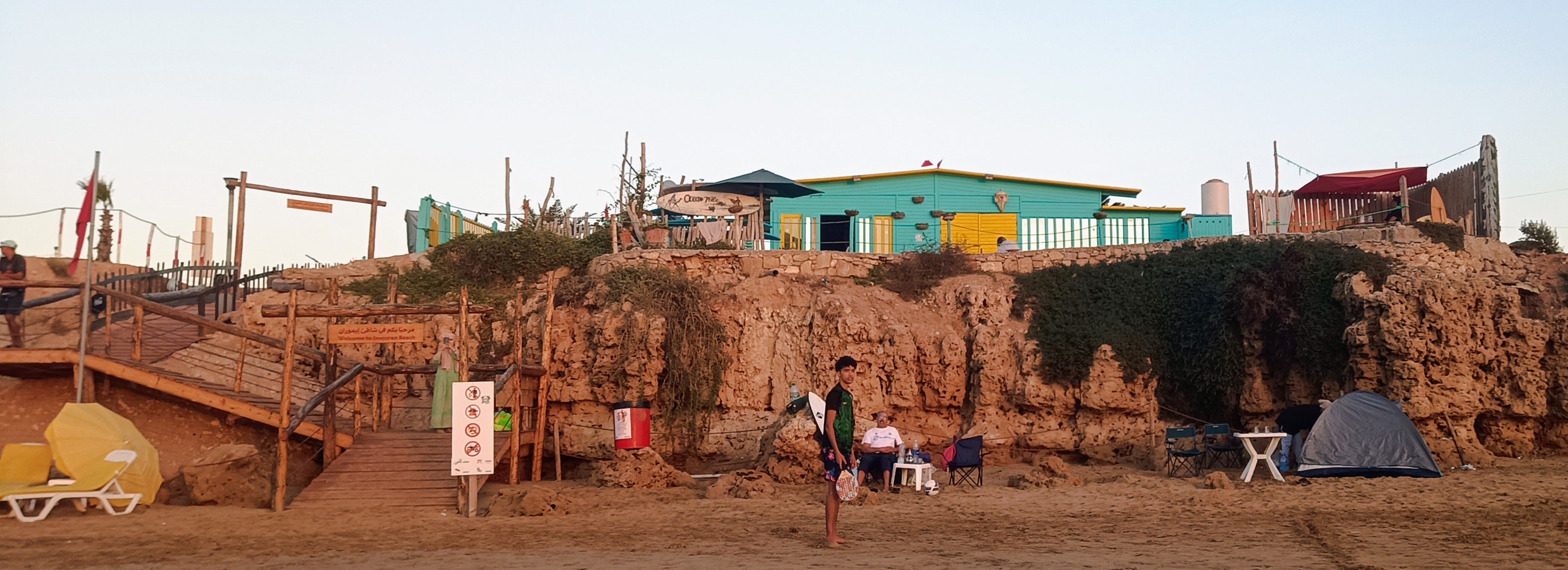
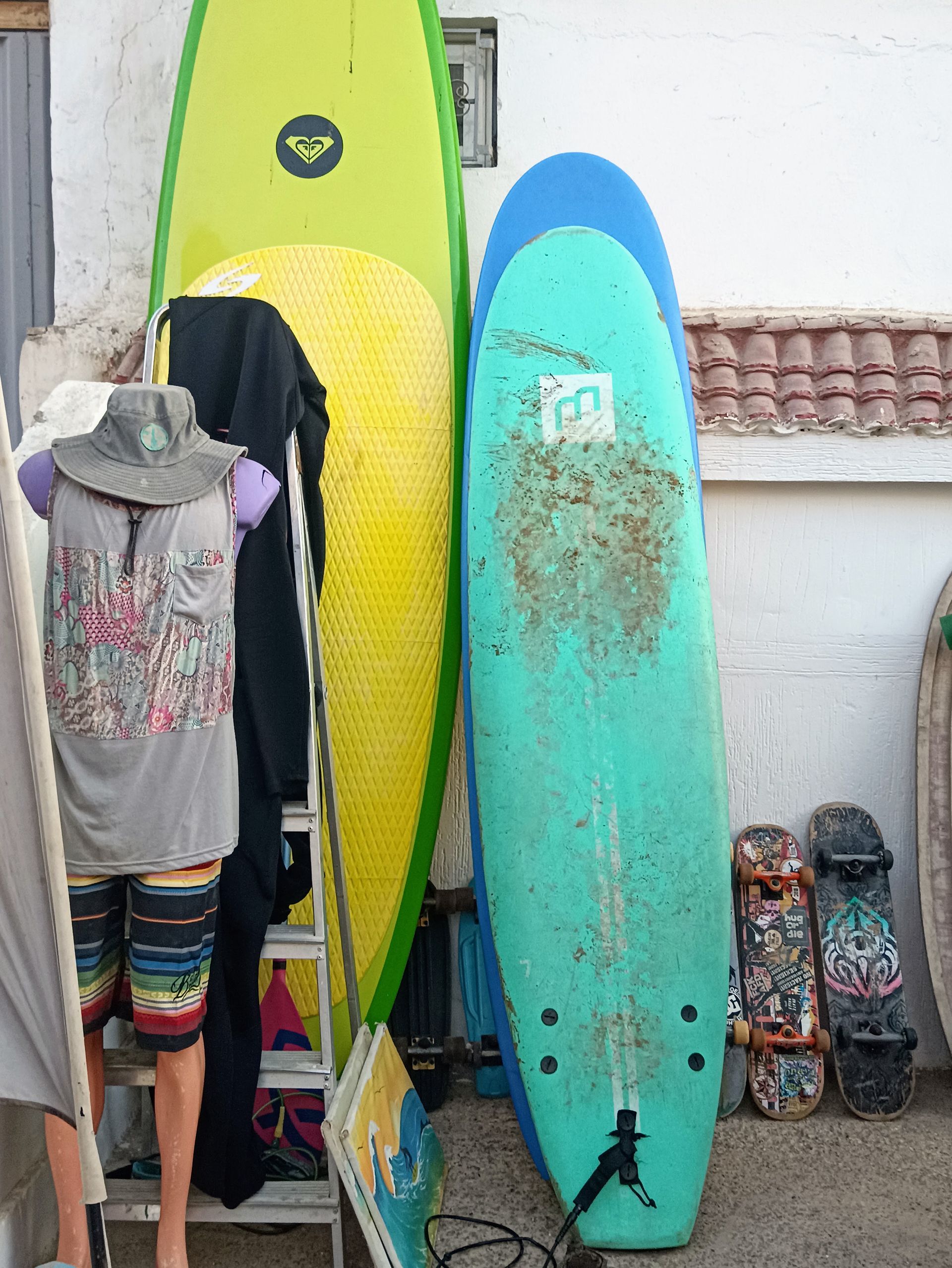
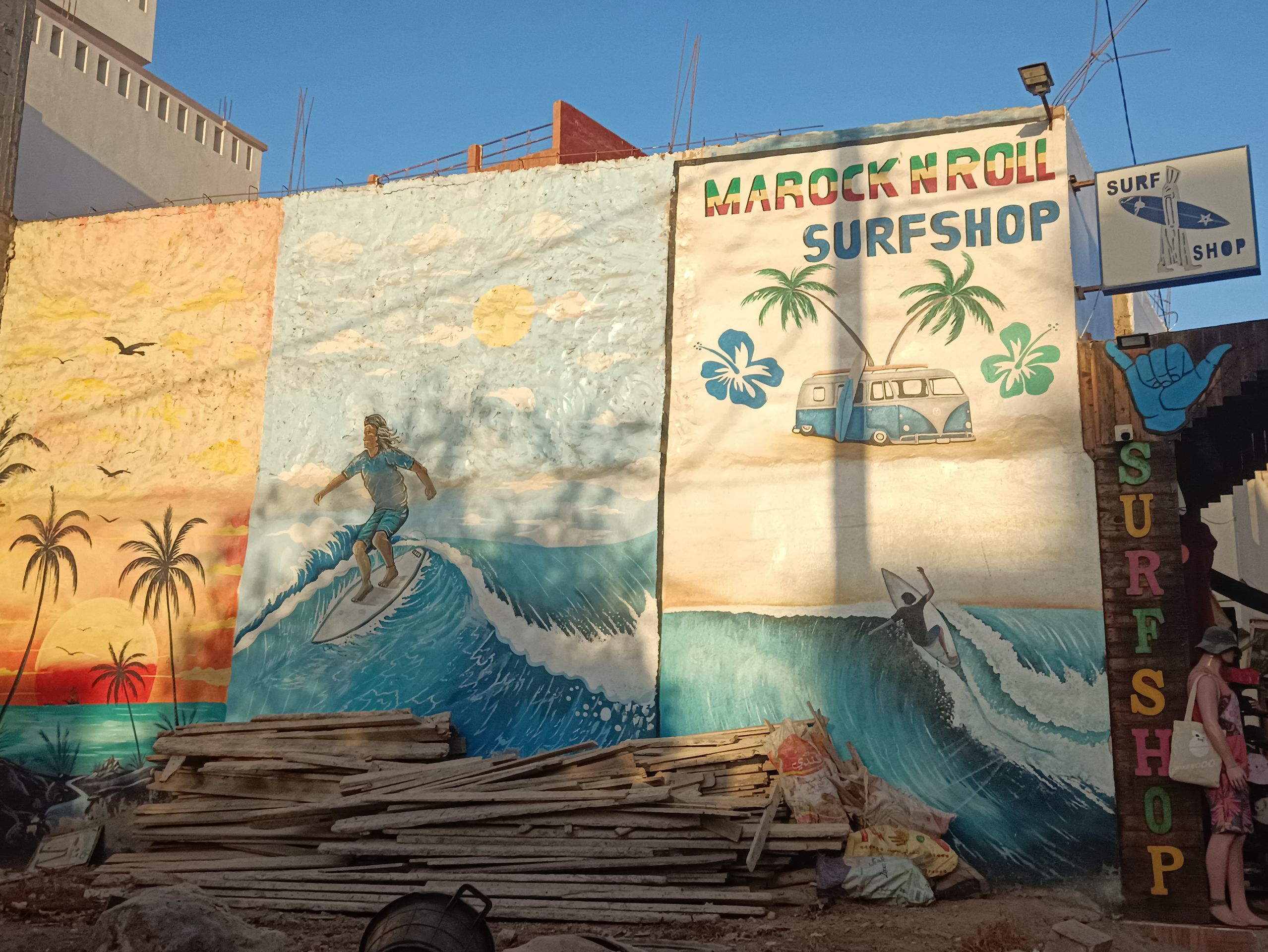
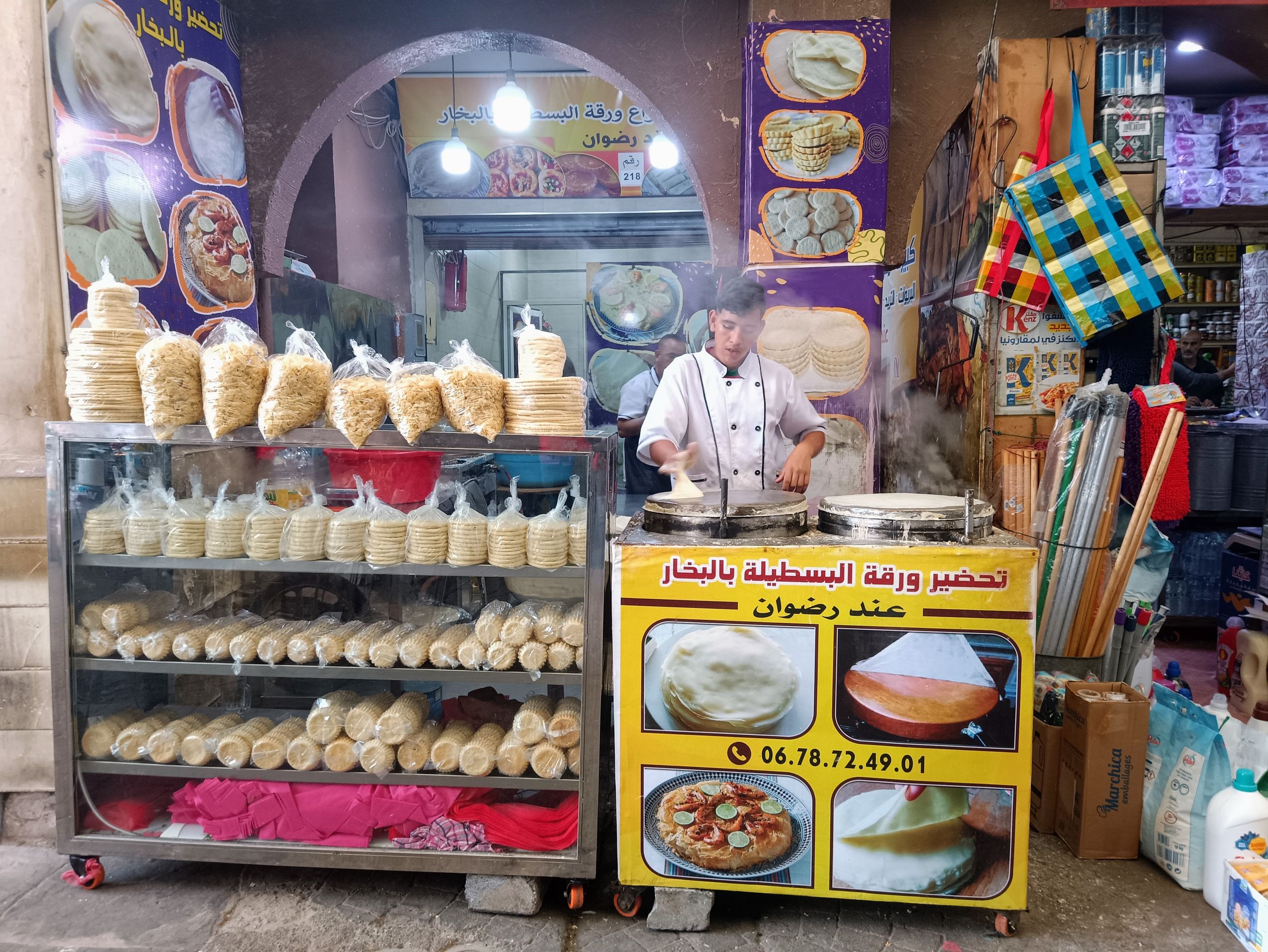
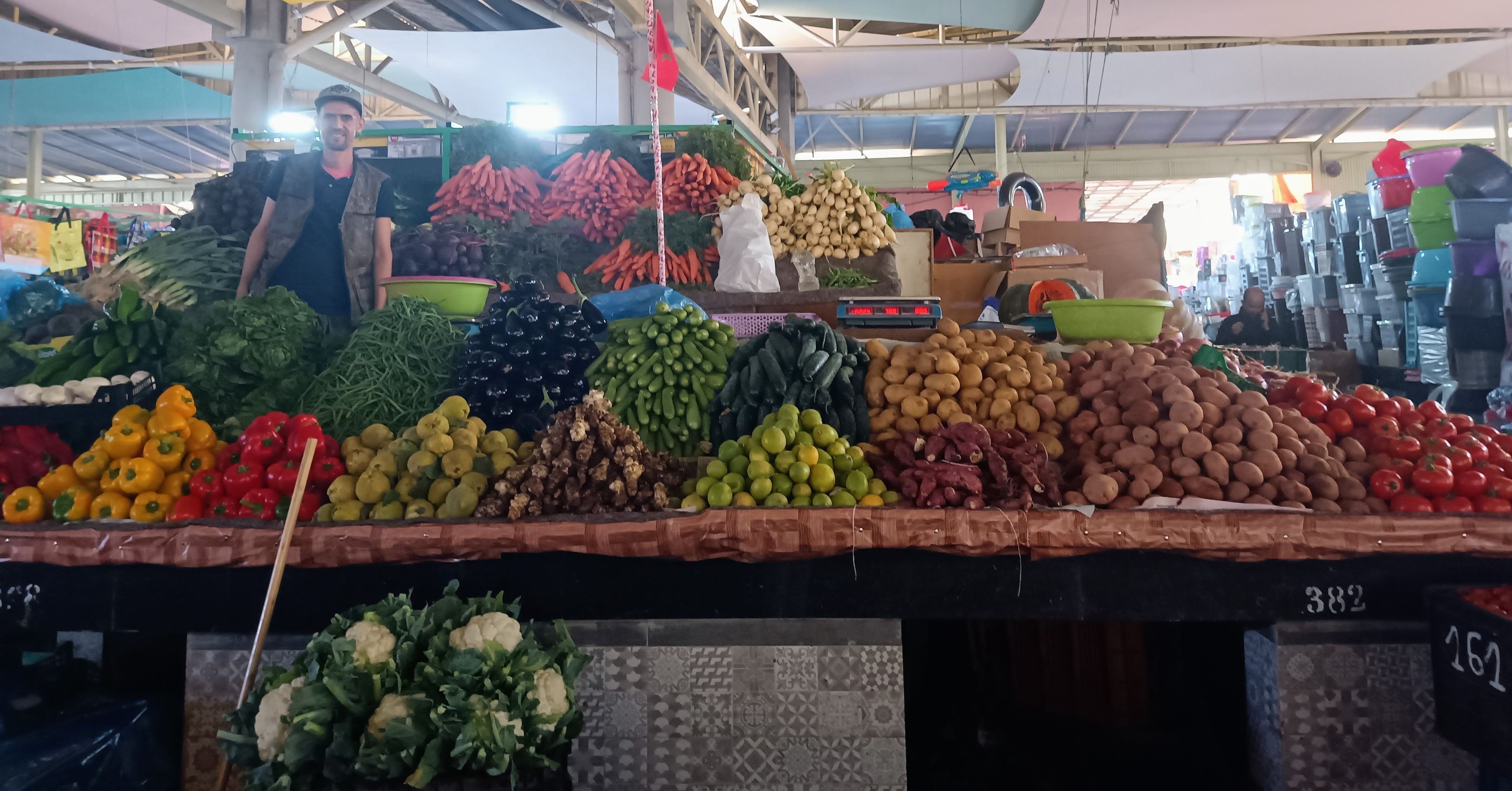
“Is that your lunch?” a tourist asks the surf instructor in front of the street shop in Taghazout.
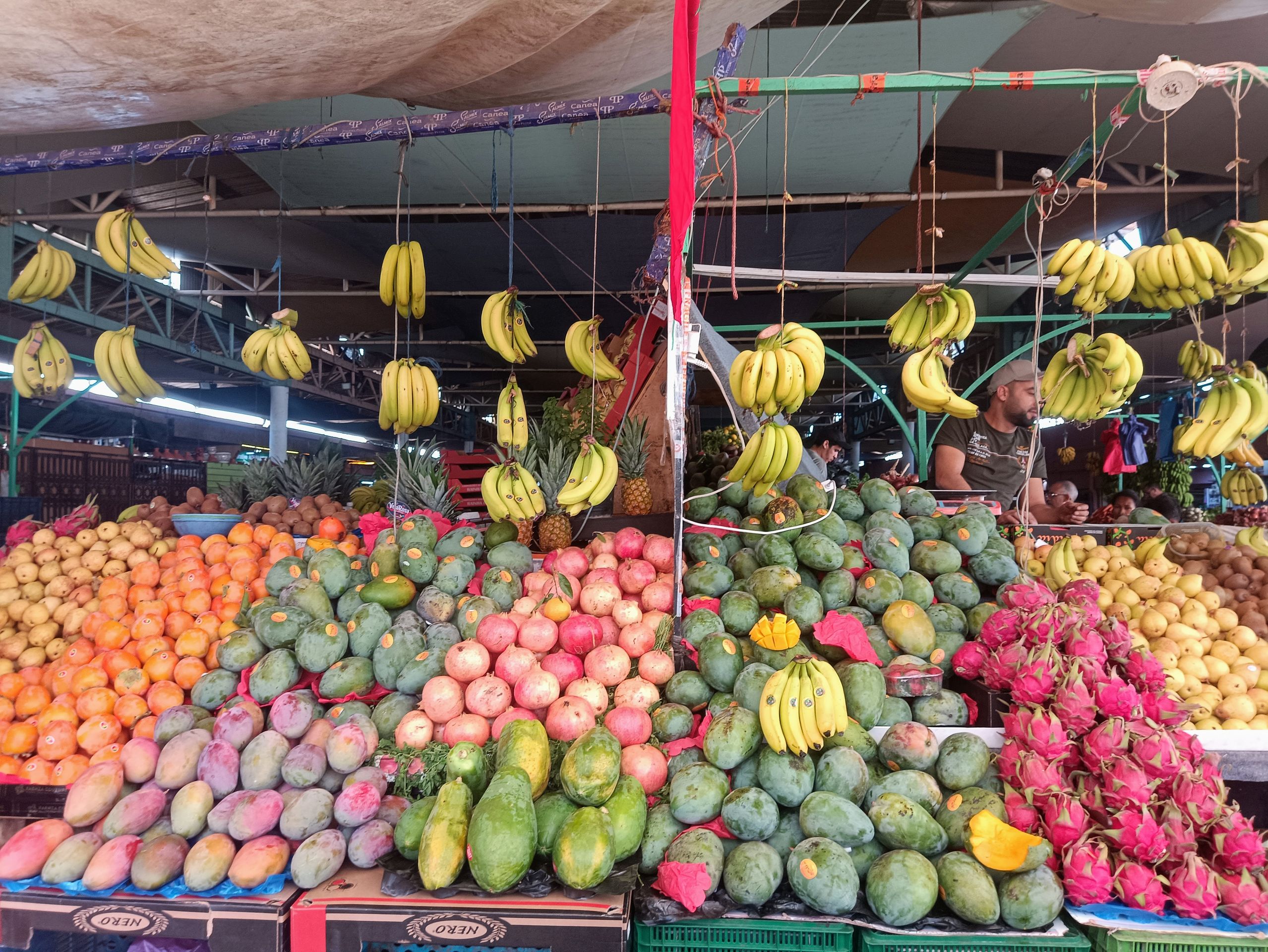
The surf instructor: black, sinewy, upper body shines in the sun. In his hand: banana, persimmon, almonds.
The tourist: Brit, pale, small, thin arms. Admiring glance.
“No, my breakfast.”
The Brit laughs briefly, then seriously: “You look so good. What do you do to look like that?”
A bold question. We both listen as if it were a lecture on eternal youth.
The Brit puts the Pringles back. The bread is “only for his girlfriend.”
I look at my avocados. I feel briefly superior – and then not. At the checkout, I buy almonds. And a persimmon. Just in case.
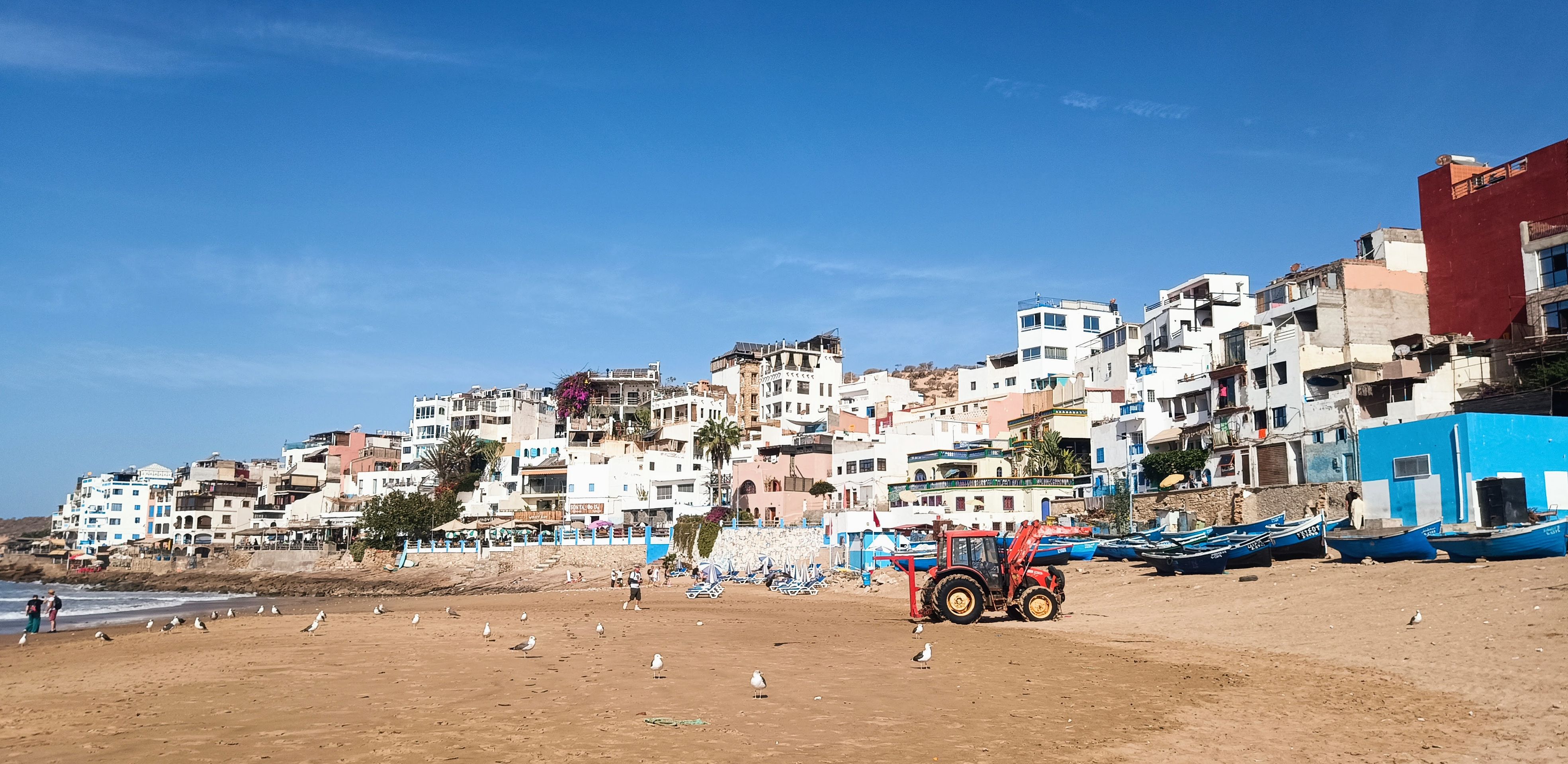
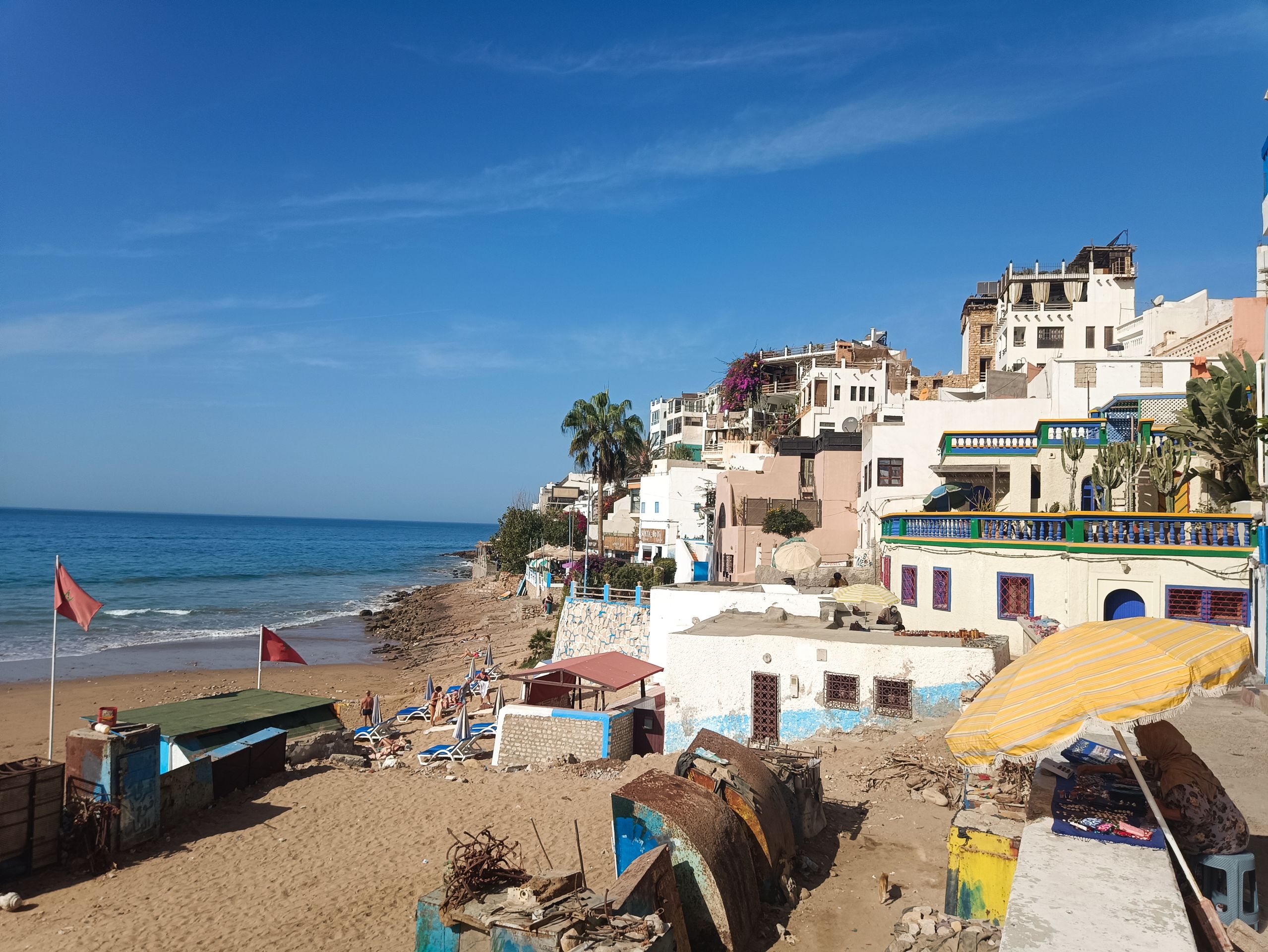
My journey has now reached the coast. I am in Taghazout. The inland was buttoned up. Here everyone shows what they have - muscles, beauty, confidence. I consider what I want to show.
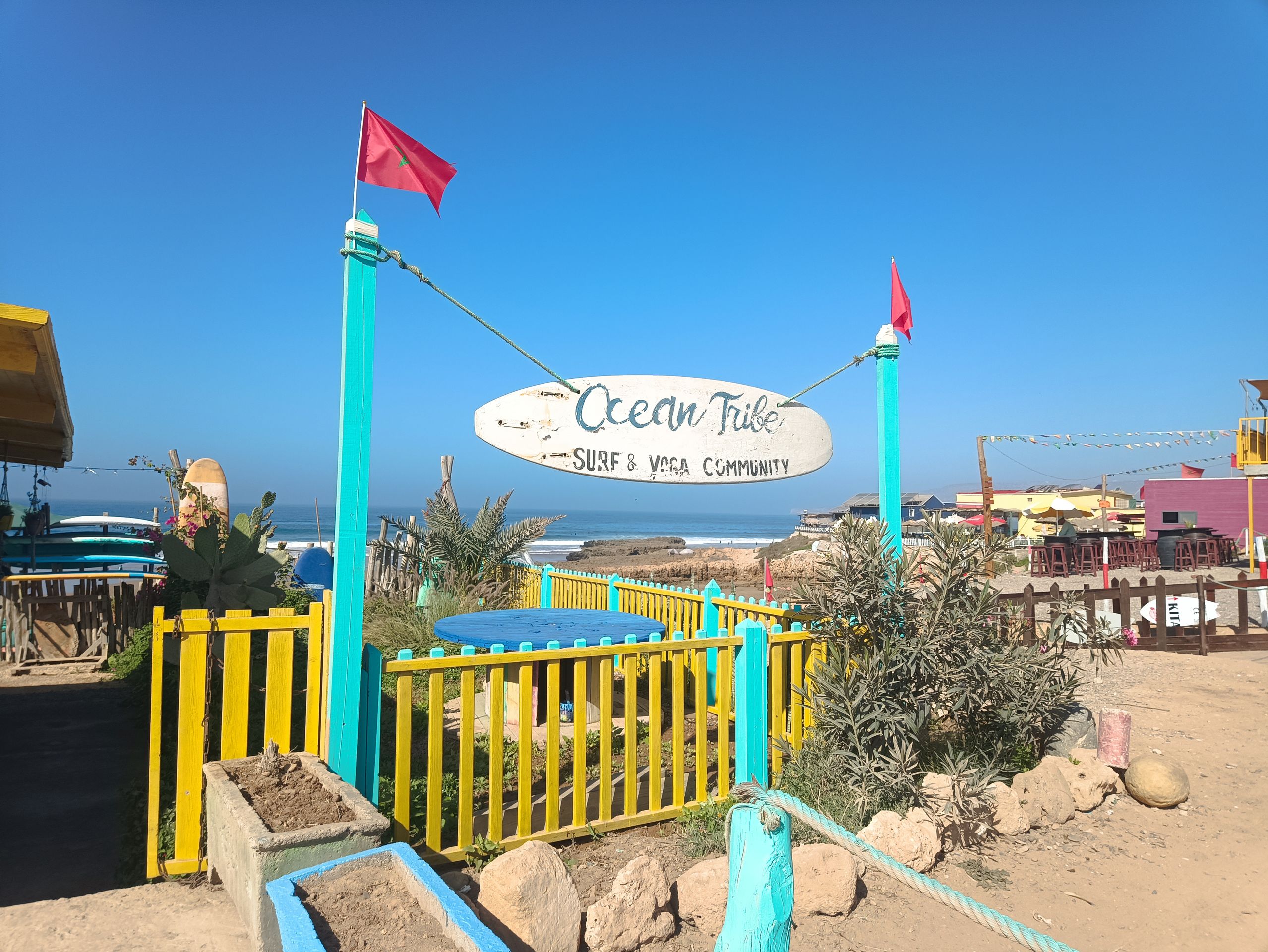
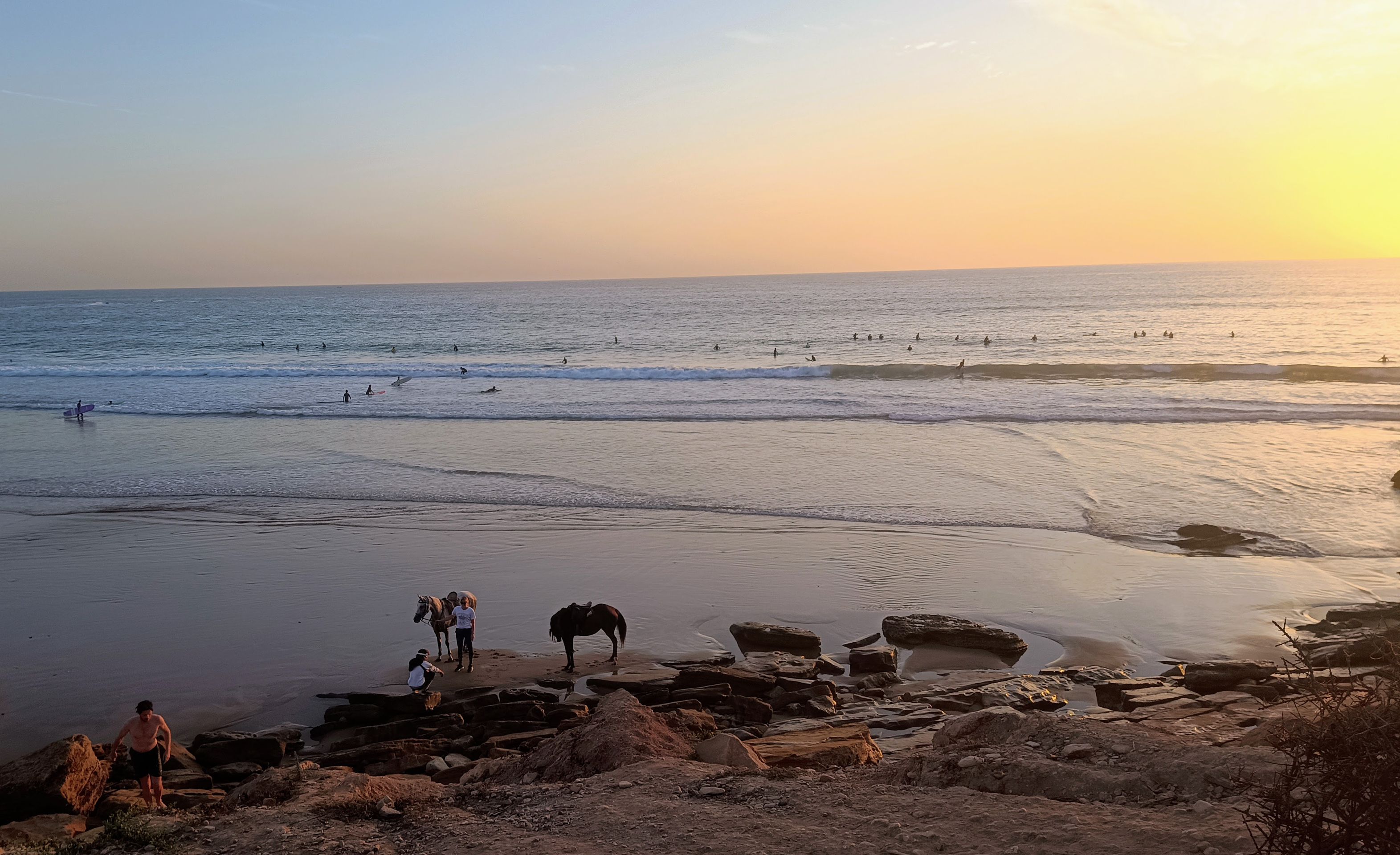
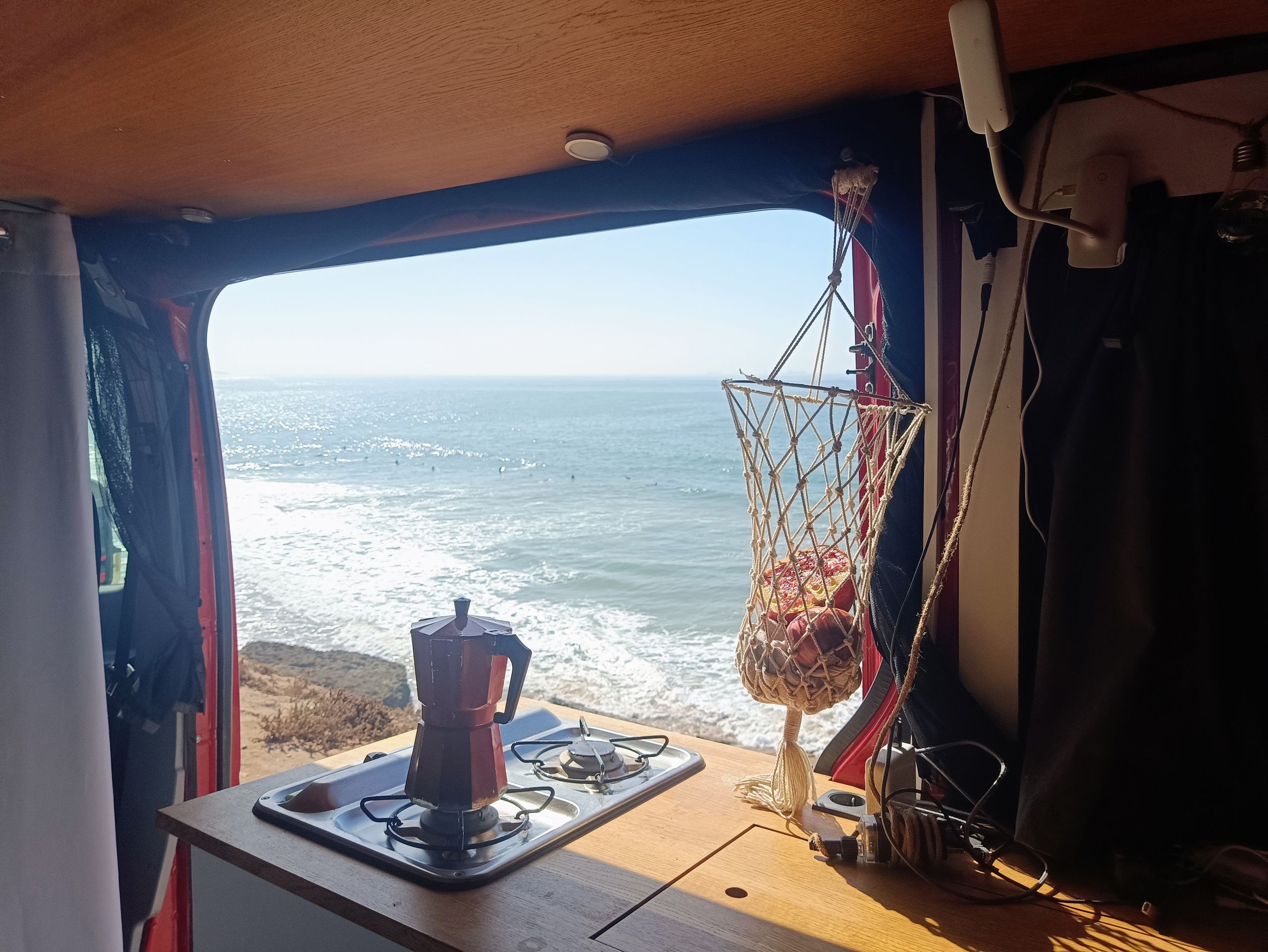
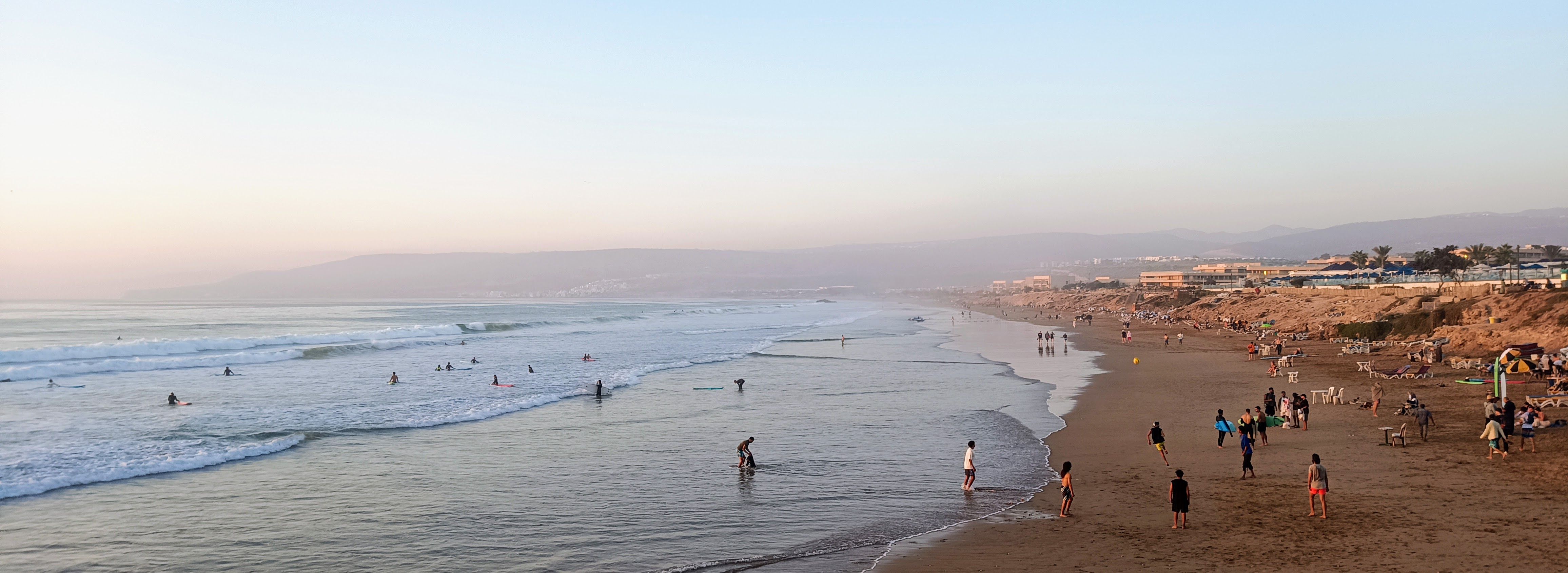
The first surfing lesson. Hundreds of surfers with me in the water. Everyone is looking for the wave that leaves us beginners standing for a moment. It has spread. Morocco is a surfer paradise. Long waves. Wide beaches. Affordable. Taghazout offers everything: hostels, surf schools, yoga, boards, and bars. The surfer vibe. On so many trips I have avoided the surf spots. Too crowded, too bustling. I prefer it quieter. And now I am right in the middle of it. I let myself be thrown off the board by waves. I have fun but find it tiring. I want to be able to do it well right away.
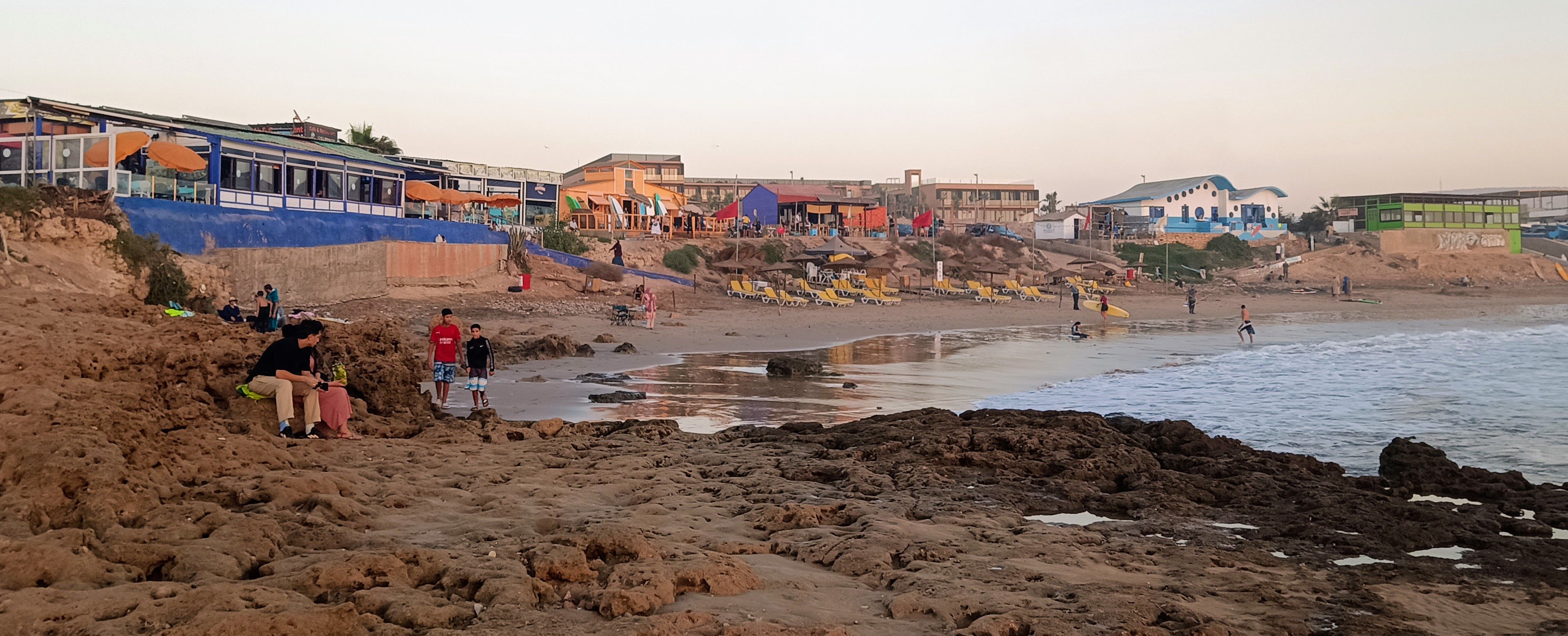
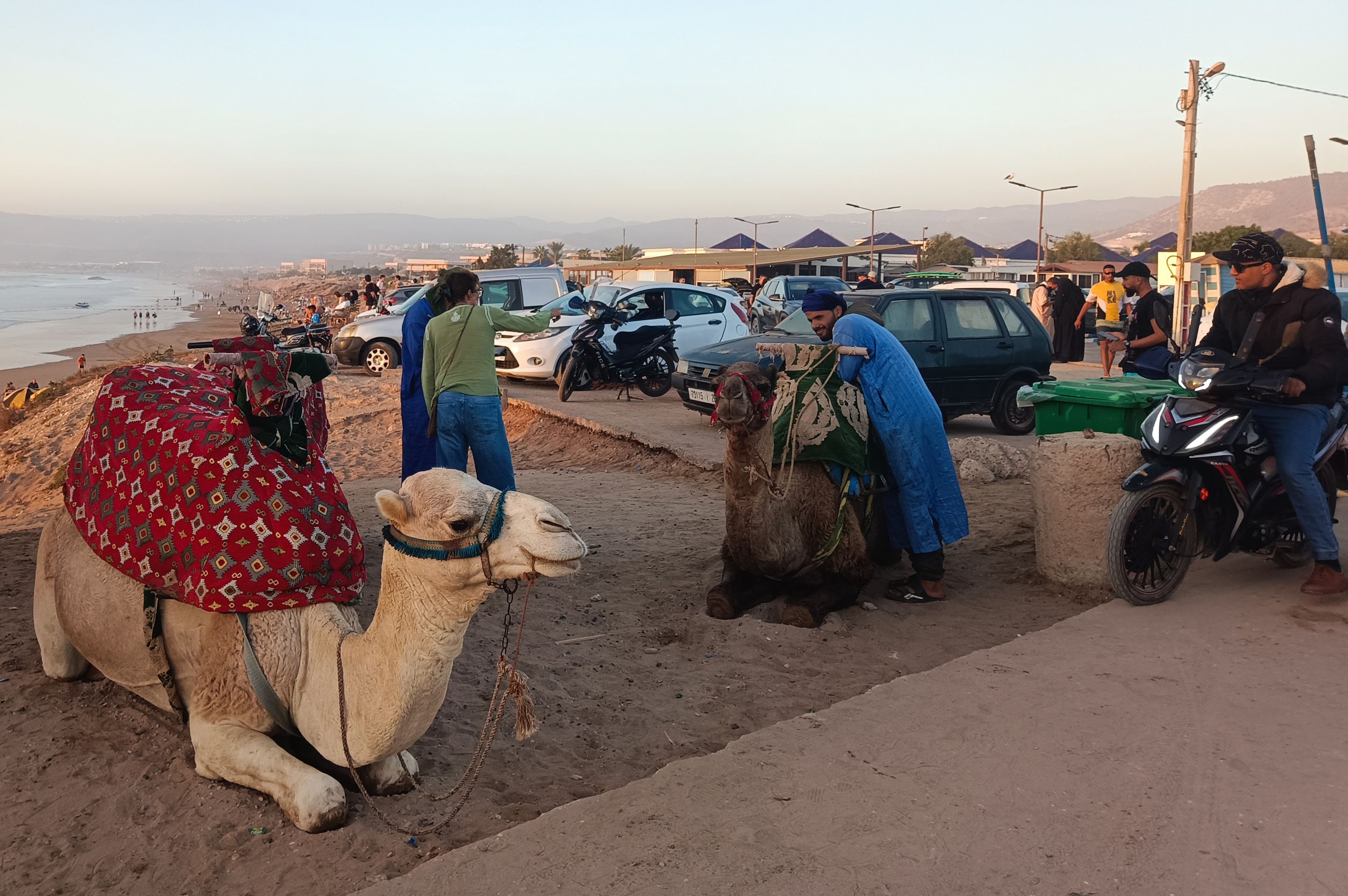
It is National Holiday. Schoolchildren are running through the city with flags. Families are picnicking and cooking tagine on the beach. Female surfers in bikinis. Muslim women in long swimsuits. Praying on the beach. These images seem harmonious. I wonder how naked skin affects locals. Maybe it's common here since surfing has been around since the seventies.
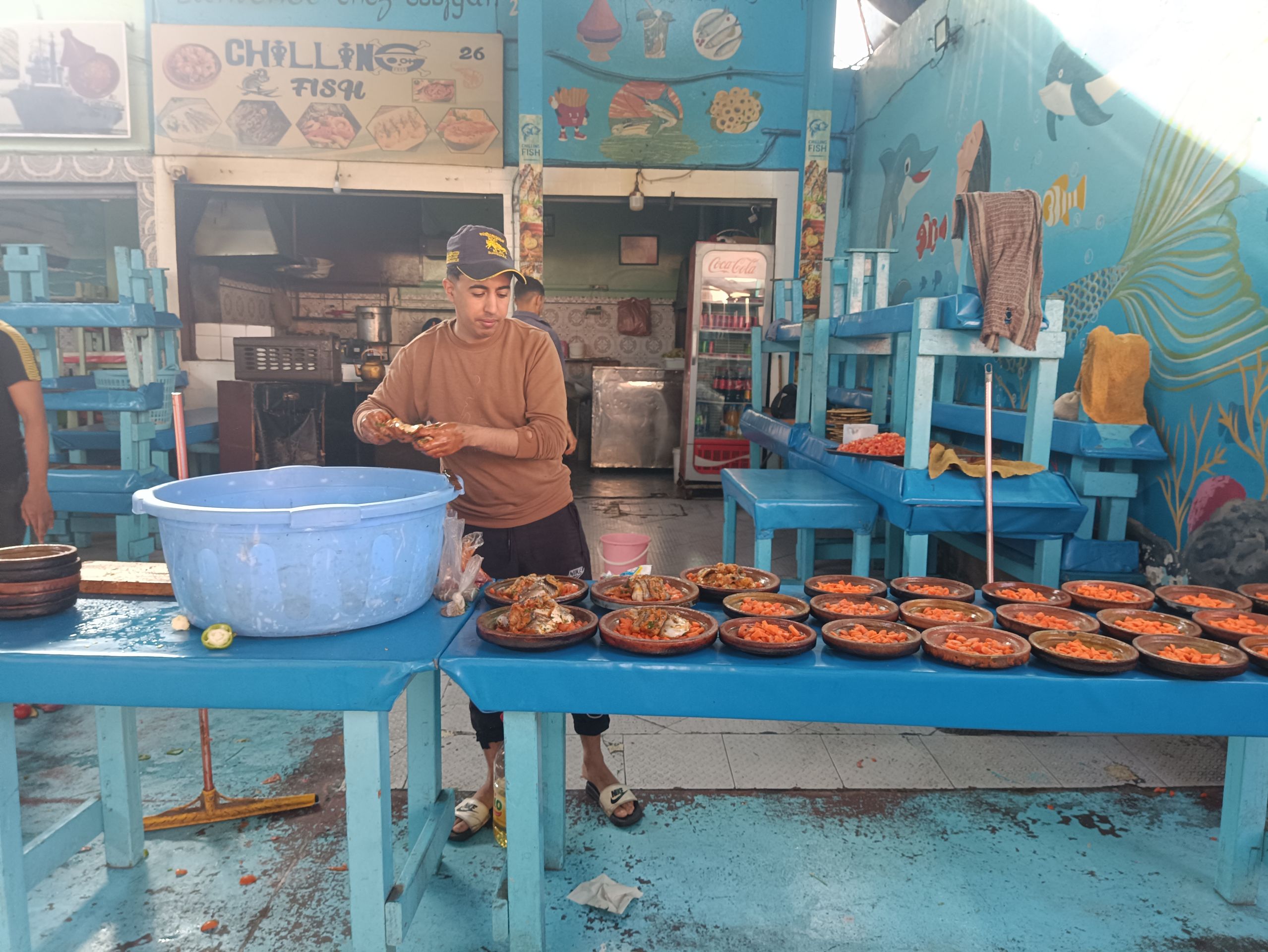
In the evening, I sit with Luisa from Toubkal and her friend while eating. There, where the locals also go. Unobtrusive, simple, and really good. Meat and fresh catch of the day are grilled openly, high plumes of smoke surround us. Cats and dogs beg for leftovers. It looks dirty. My stomach has tolerated it.
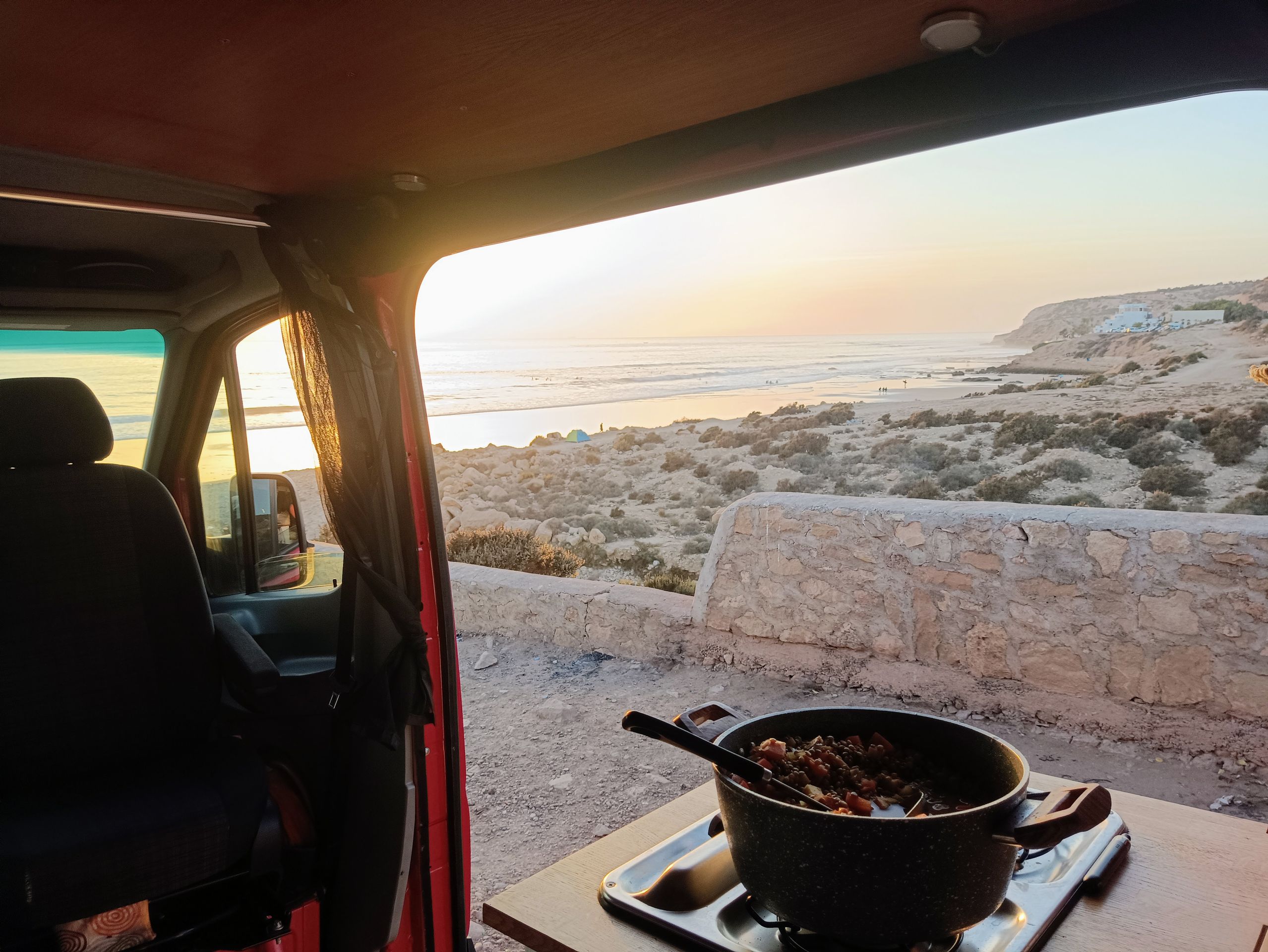
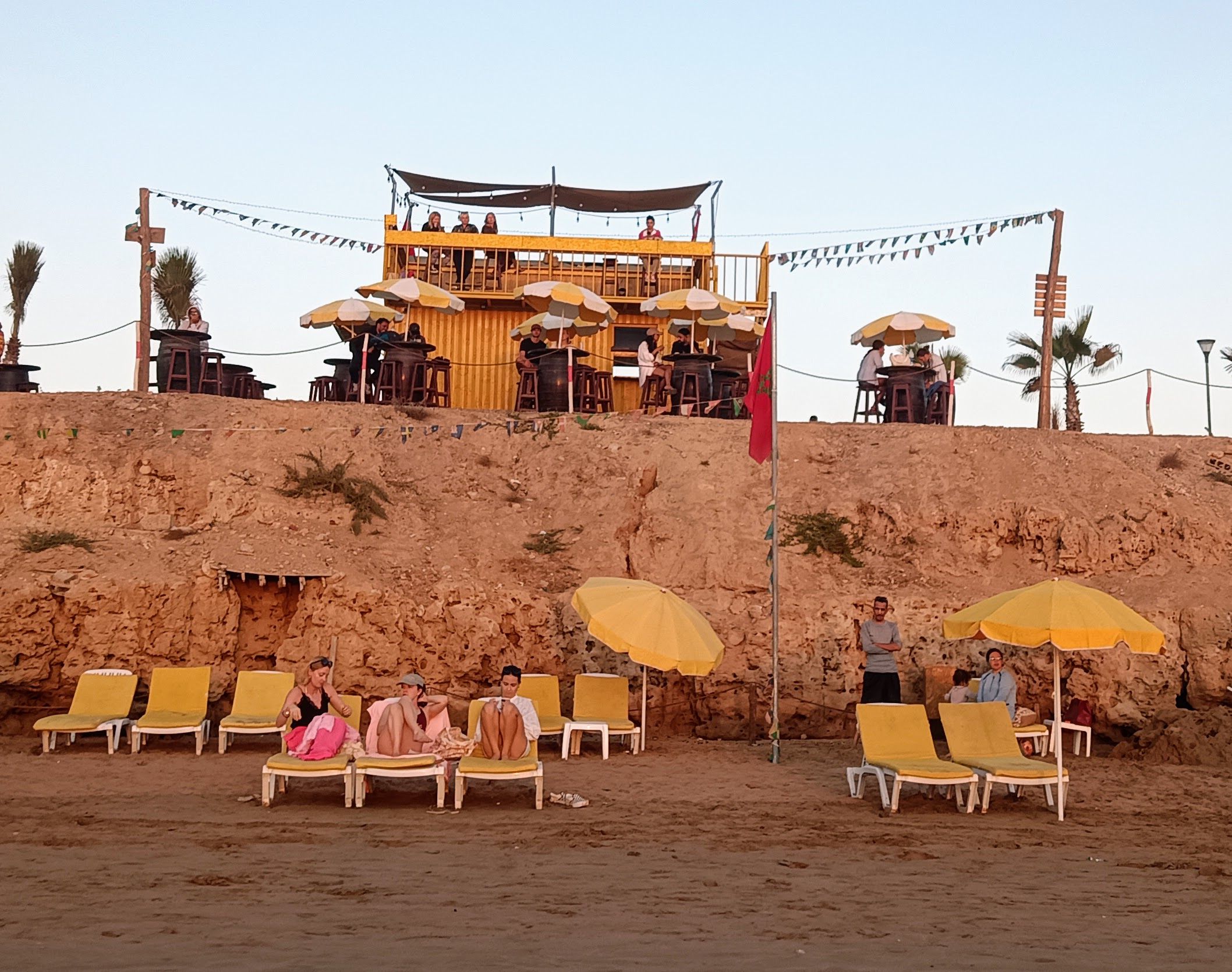
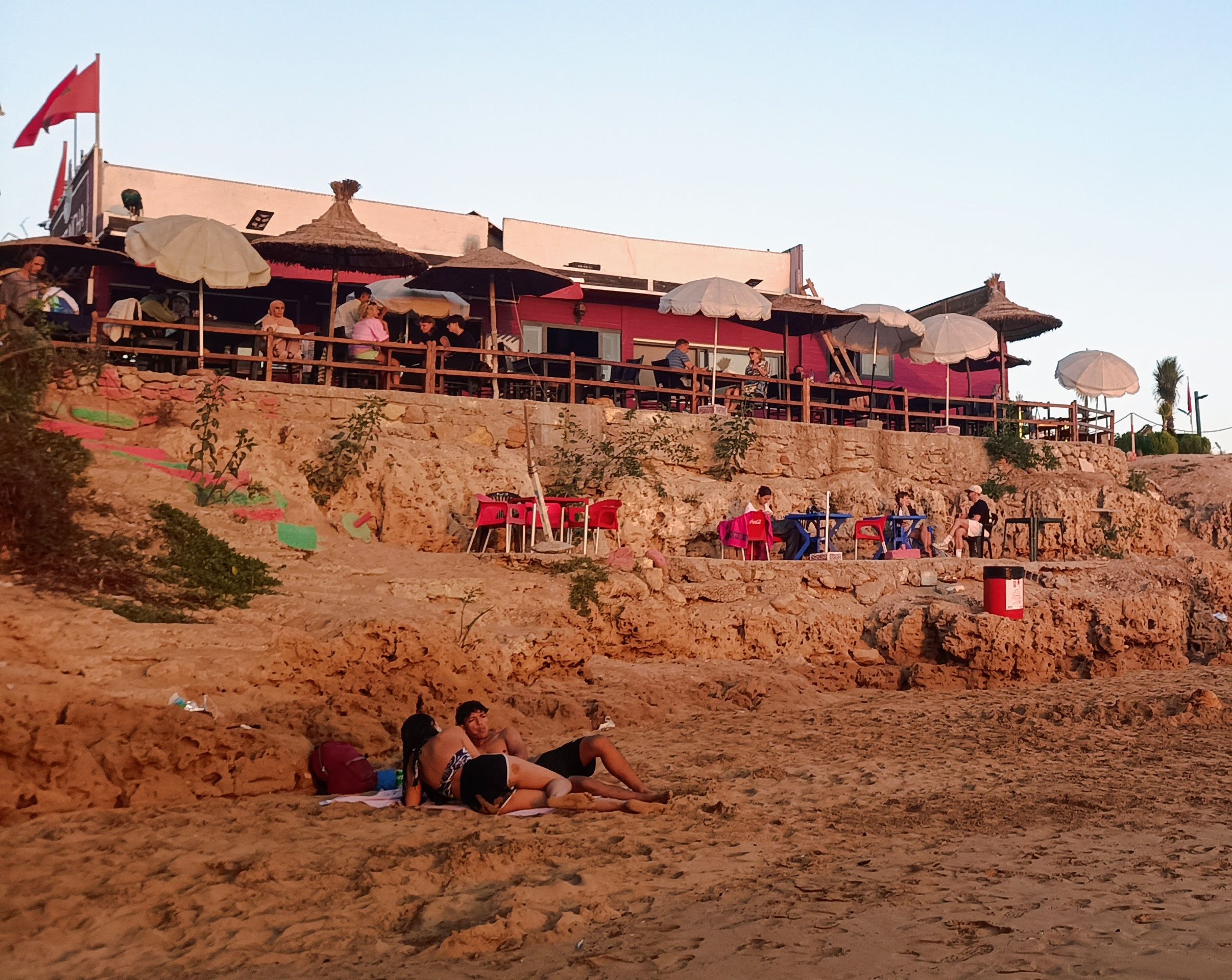
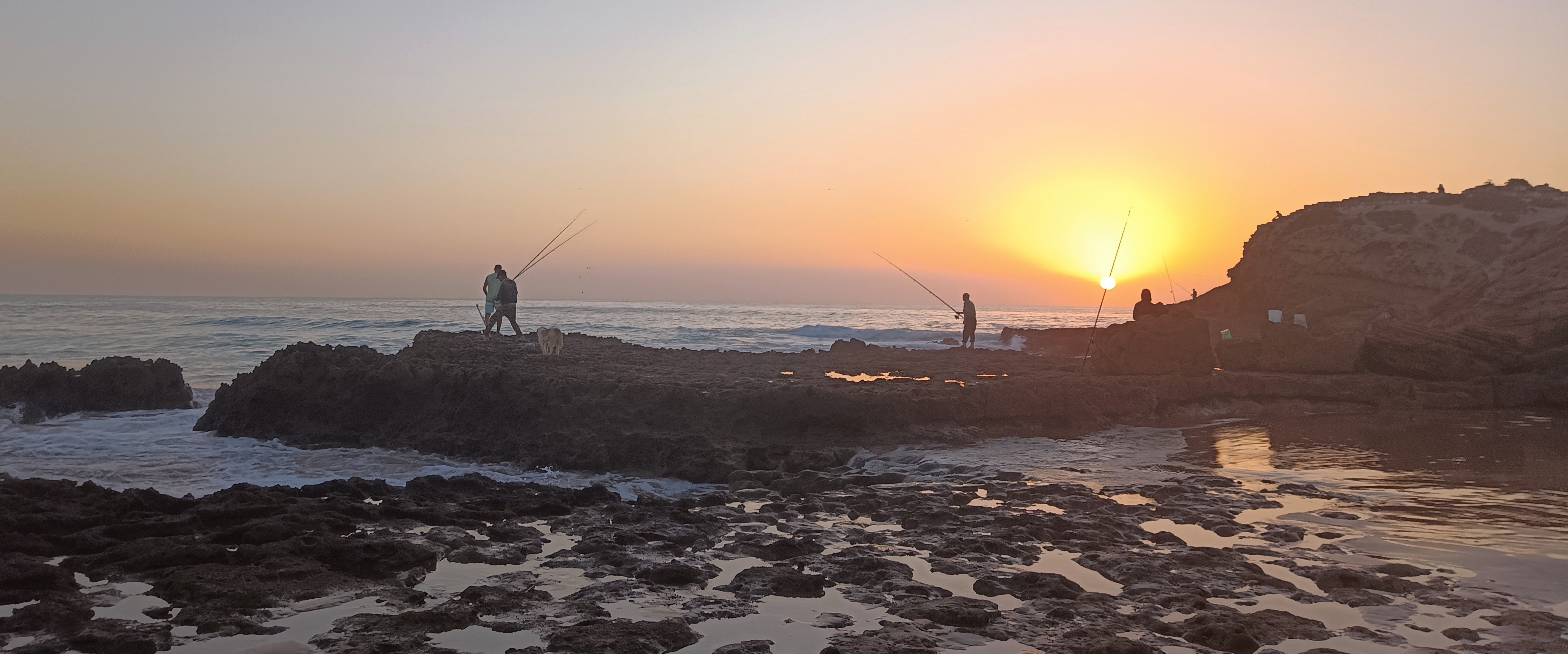
One place further it is quieter. Tamraght. Here we do not crash against the boards anymore. I can practice more relaxed and find my own pace. Without school. Women cook mussels on the beach. A wonderful atmosphere at sunset. Surfer bars and restaurants shine in colorful lights.
And like everywhere: Many construction sites. Hotels are being built. The road network is to be expanded to Agadir by the World Cup. Tara says, his neighboring village Tifnit has been flattened. There wasn't enough left to make it beautiful. The locals had to move. To make way for the large hotel complexes planned by foreign investors. Now he sells argan oil in Tamraght.
The rhythm of my days is now even quieter: surfing. Sunbathing. Immersing myself in the feeling of the place. The images linger. The Yogi culture with matcha latte resembles Berlin Prenzlauer Berg and does not fit into my image of Morocco. But that is my barrier in my head. People bring with them what they know. Change what they find. Is this the rhythm of this country? Constantly under construction, constantly in balance. Like the waves on the beach.