
Marrakech (1)
Peace be upon you, welcome to my travel diary. This year's destination is Morocco. The journey begins in Marrakech and ends in Tangier, with 21 unknown days in between. This time,...

Published: 25.10.2026
In the afternoon, I take the regular bus, which is very cheap, to Amizmiz. Boarding is quite chaotic, regardless of whether you are a man or woman. The bus is full, with a lot of physical contact. It was a very exhausting ride. As I discovered at the bus stop, the restroom situation here is also different: just a hole in the ground. If you're lucky, there's a squat toilet, but I wasn't lucky. Amizmiz is a Berber town, about 1.5 hours away from Marrakech. I want to meet Youness. A friend of his picks me up on a motorcycle and takes me to Youness's village. Neither the motorcycle ride nor the road were pleasant.
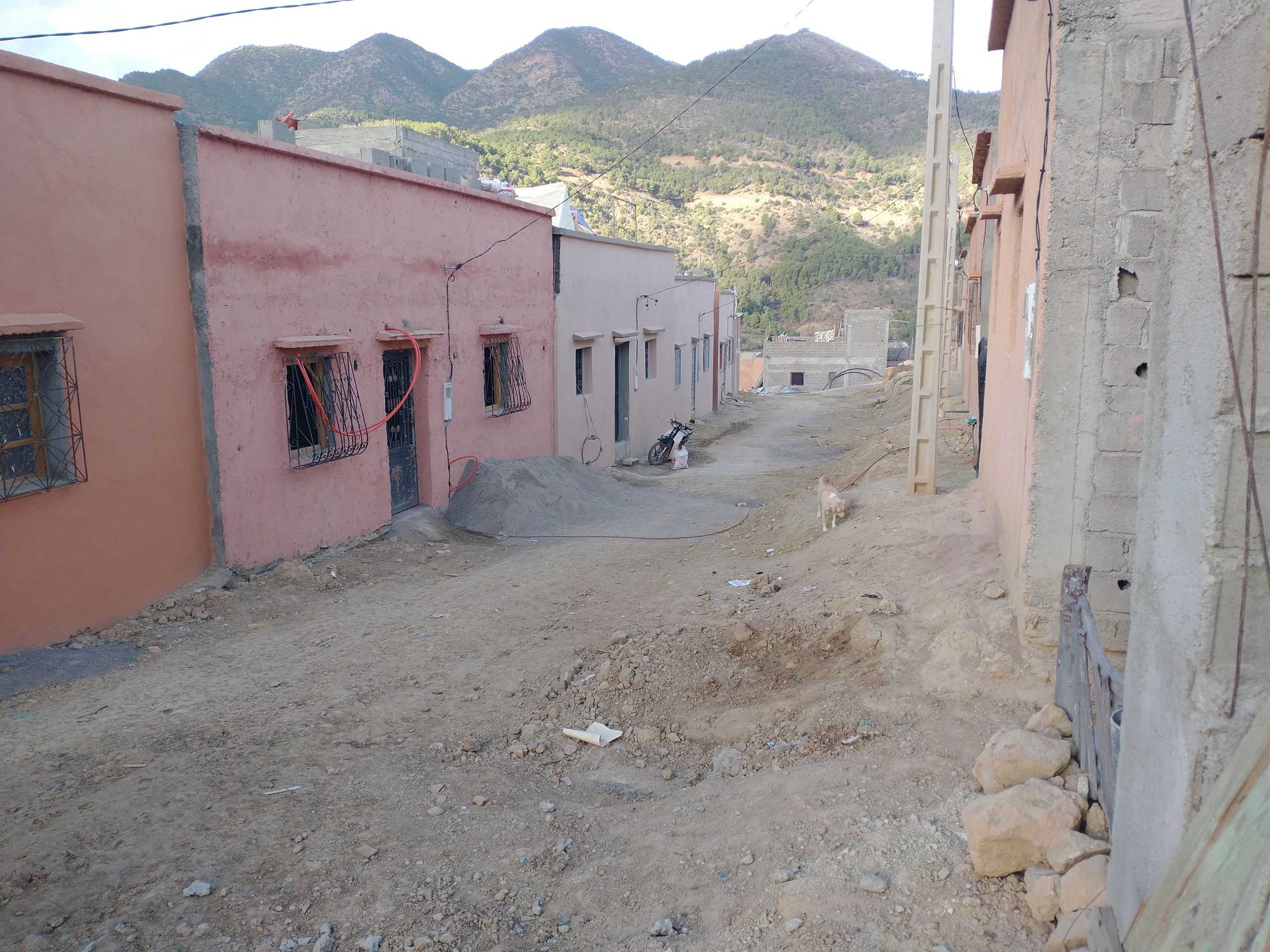
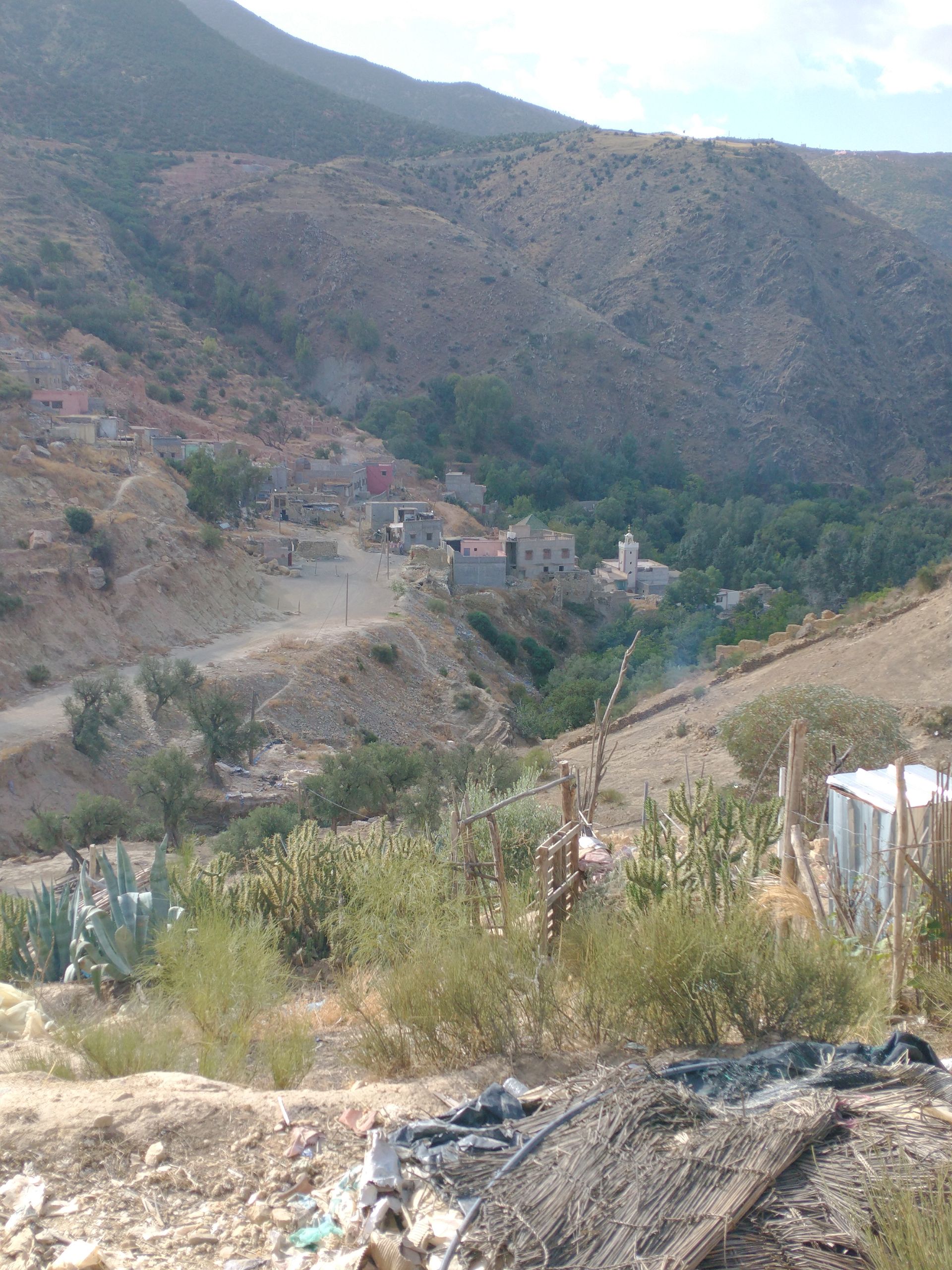
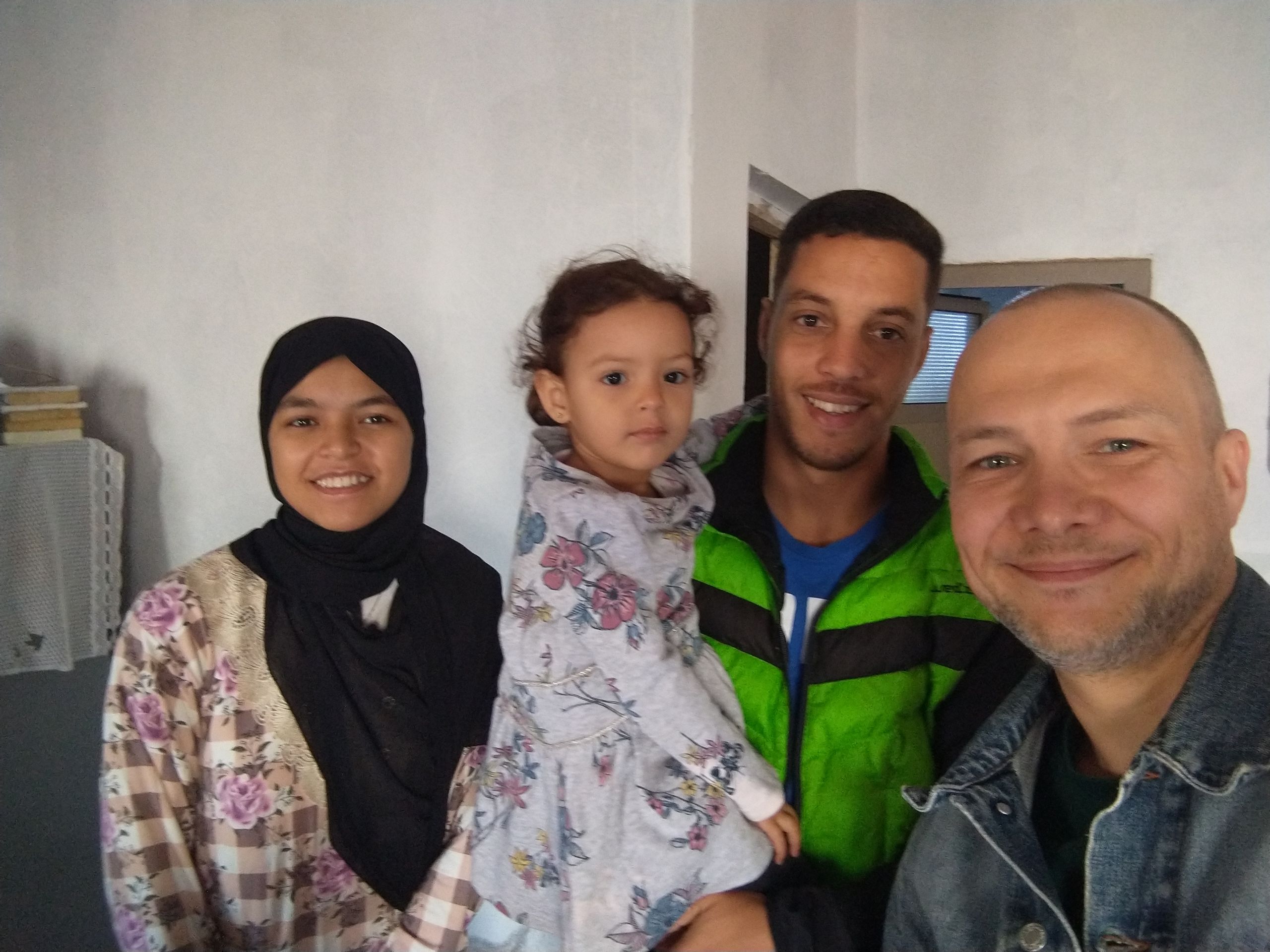
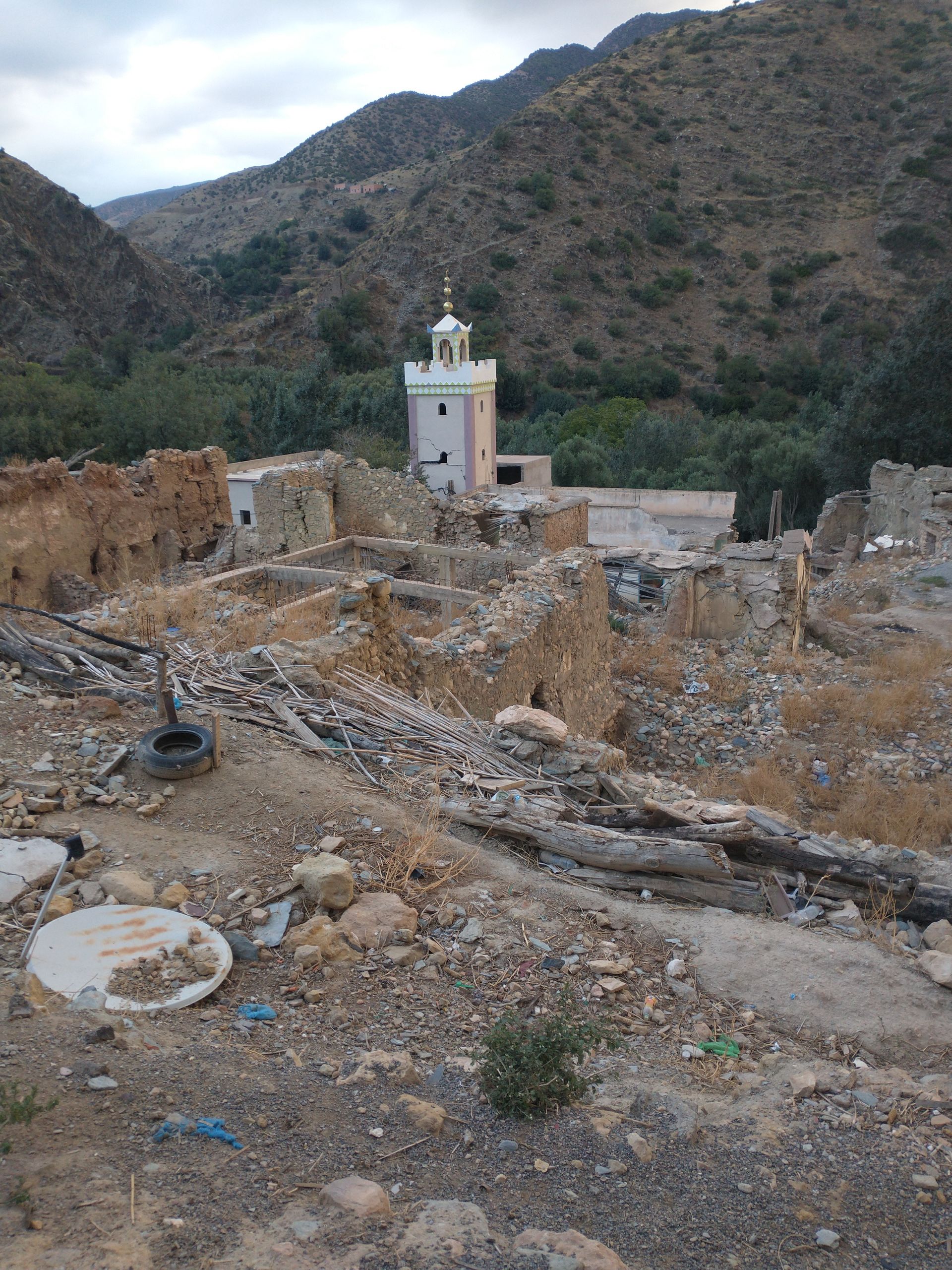
The village is small, around 80 families. Almost all the houses are new, as a major earthquake in 2023 destroyed many homes, and the government is helping significantly with the rebuilding. There's everything one might need: electricity, hot water, a stove, a washing machine, it's all there. He lives with his wife and their little daughter, who is very active and loves to take up my time. His mother also occasionally stays with them. We briefly visit his father, who lives in a very simple house. We eat together, drink tea, and in the evening we go to the only shop in the village. It's a very small room where drinks and snacks are available. In the back room, the men from the village gather, playing cards and drinking tea and hot milk. They play a kind of Rummy, and I join in. Sometimes I have good luck with the cards, but in the end, I naturally lose. Everyone is very friendly and amusing. Many smoke hashish on the side.
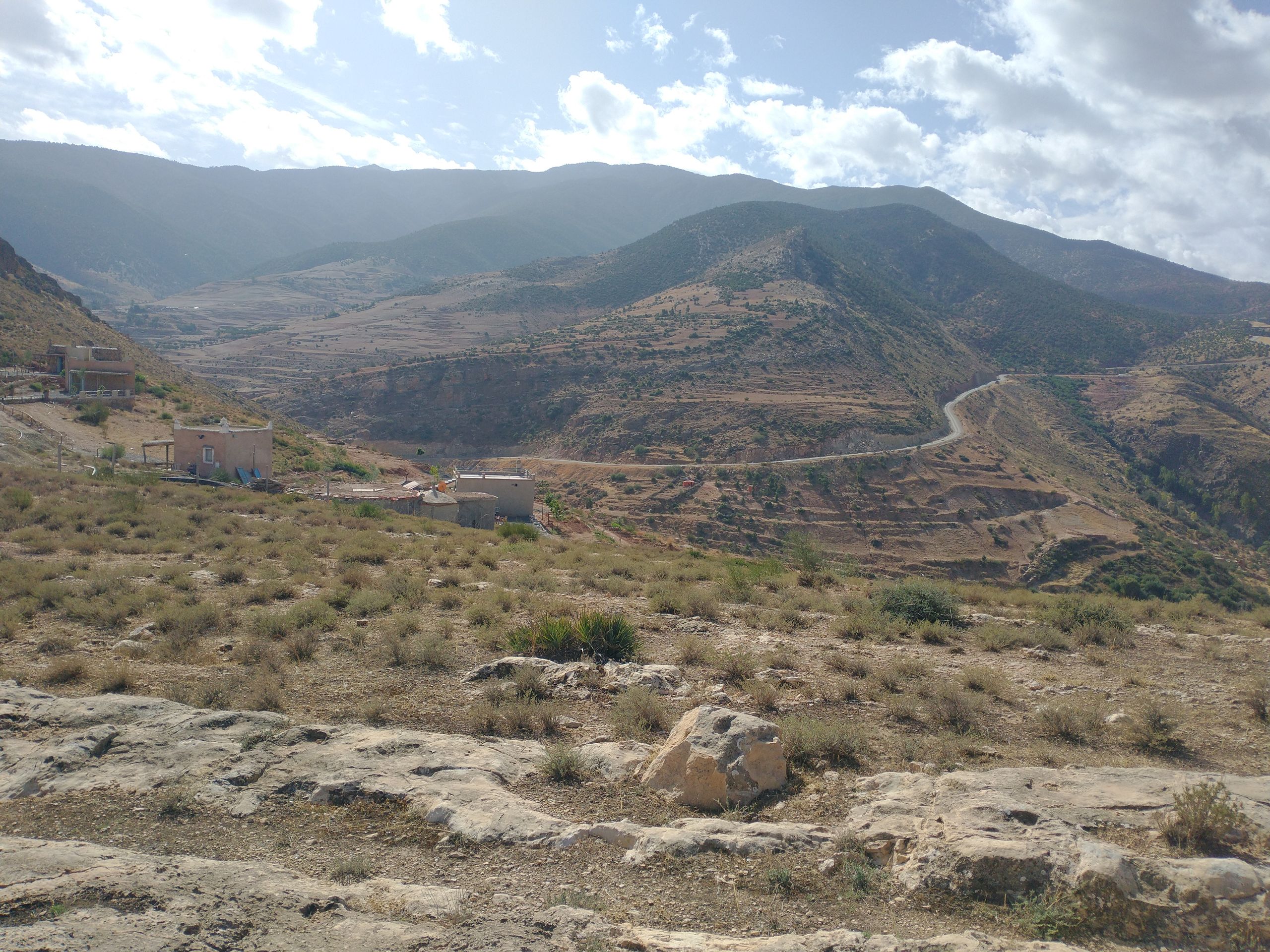
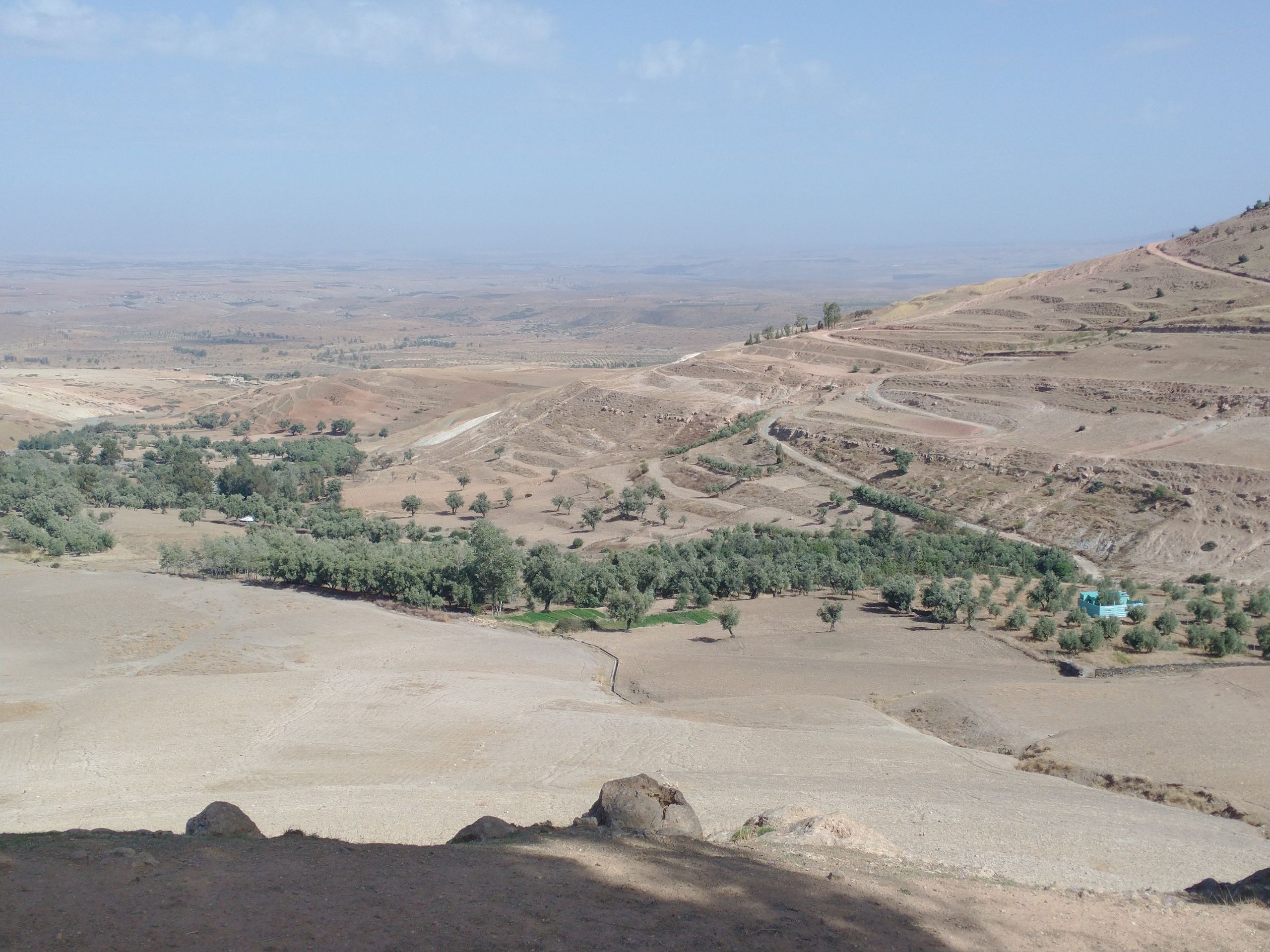
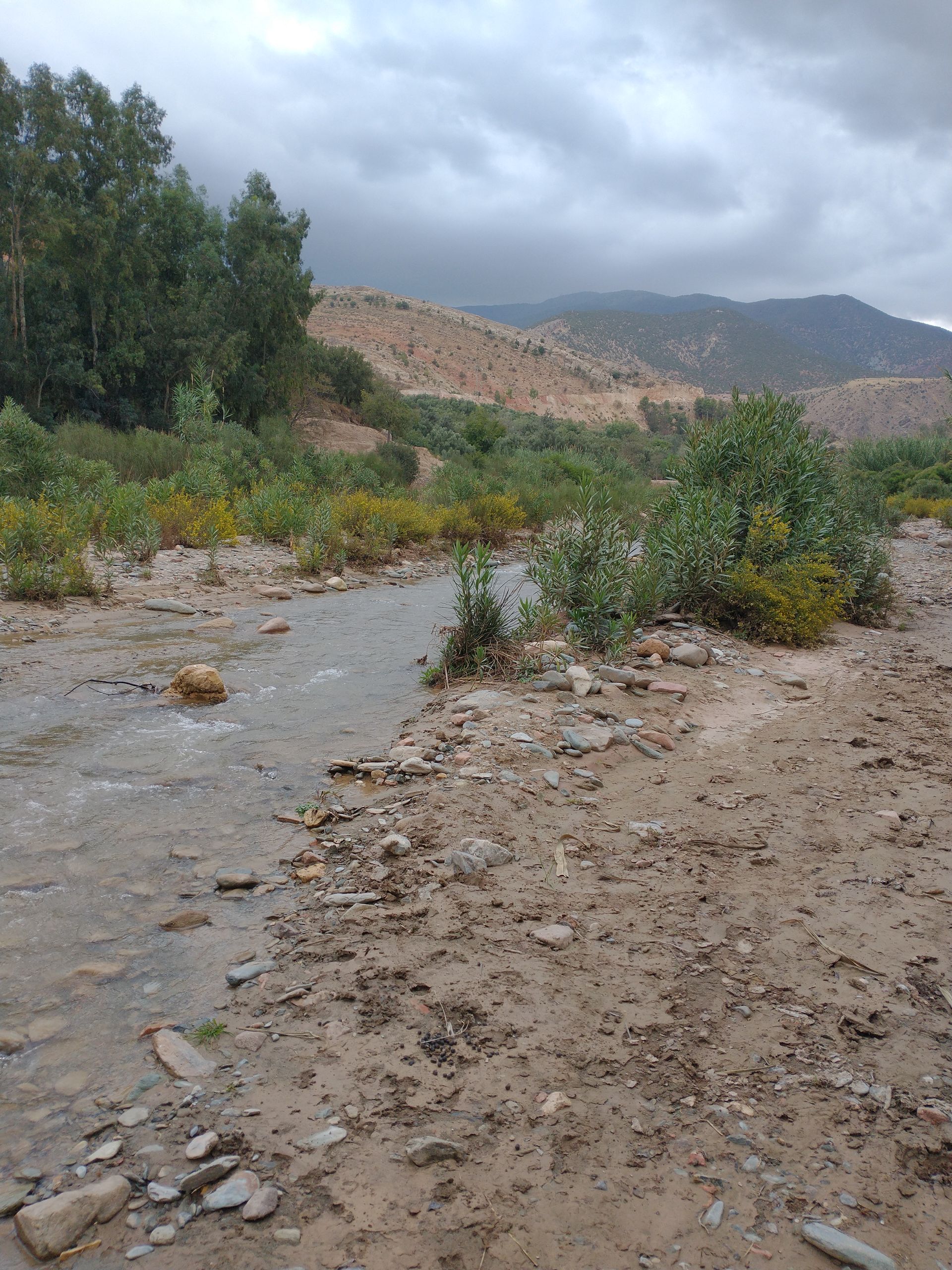
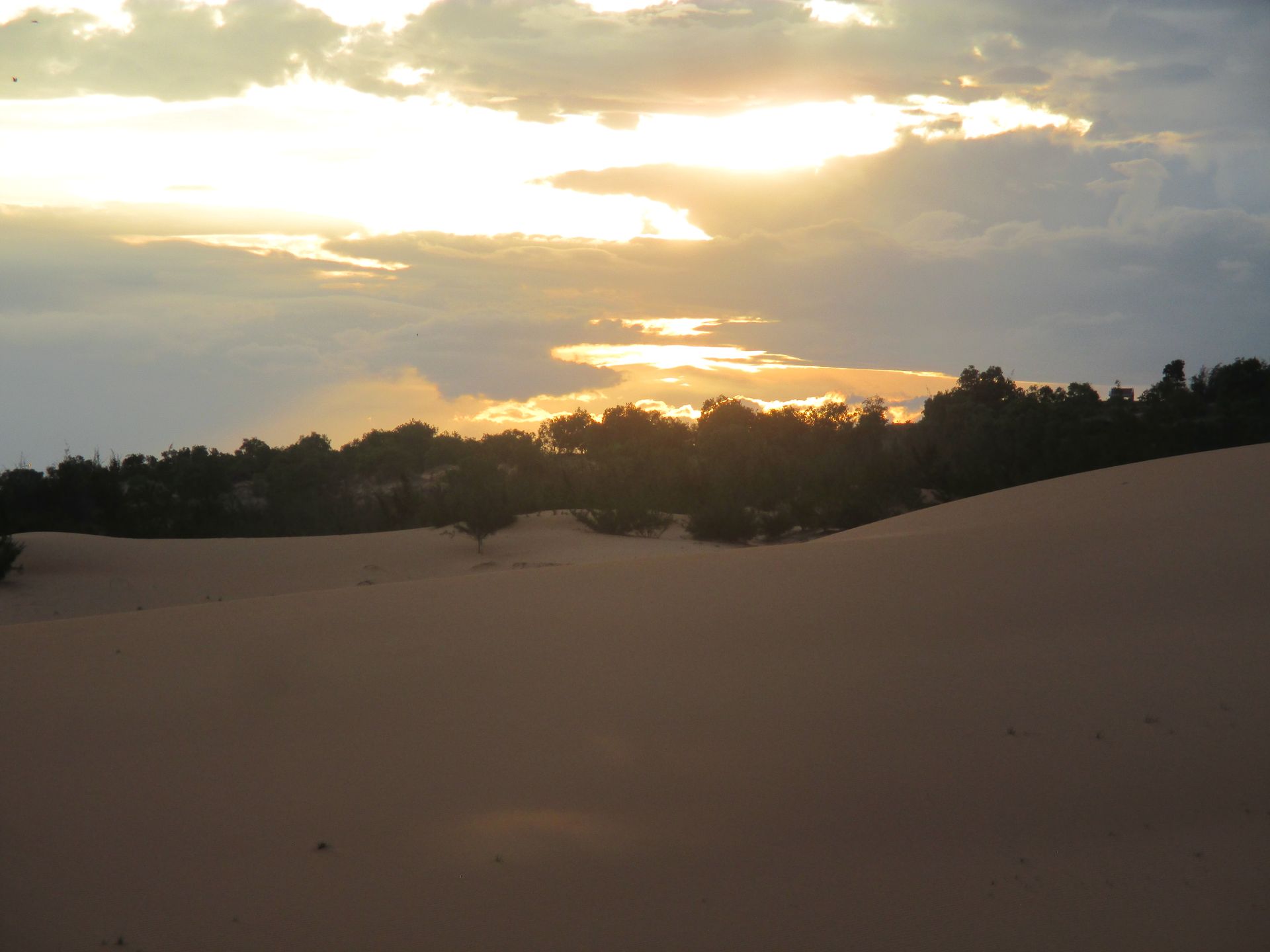
Each morning, Youness's wife bakes fresh flatbreads for the day. She talks little and says her daily life isn't very varied. Occasionally, she gives cooking lessons for tourists. Youness and I set off for a small hike. He talks about his job as a tour guide, how he takes tourists to the highest mountain in North Africa and how the season is going. To me, the landscape looks very barren, but he says everything is green and blooming in spring, and they grow wheat here. He shows me pictures and videos, filled with flowers. And pictures from winter with a lot of snow. There are ski areas here too. If I had come to Morocco in the Atlas Mountains three months later, I could have witnessed all that beauty.
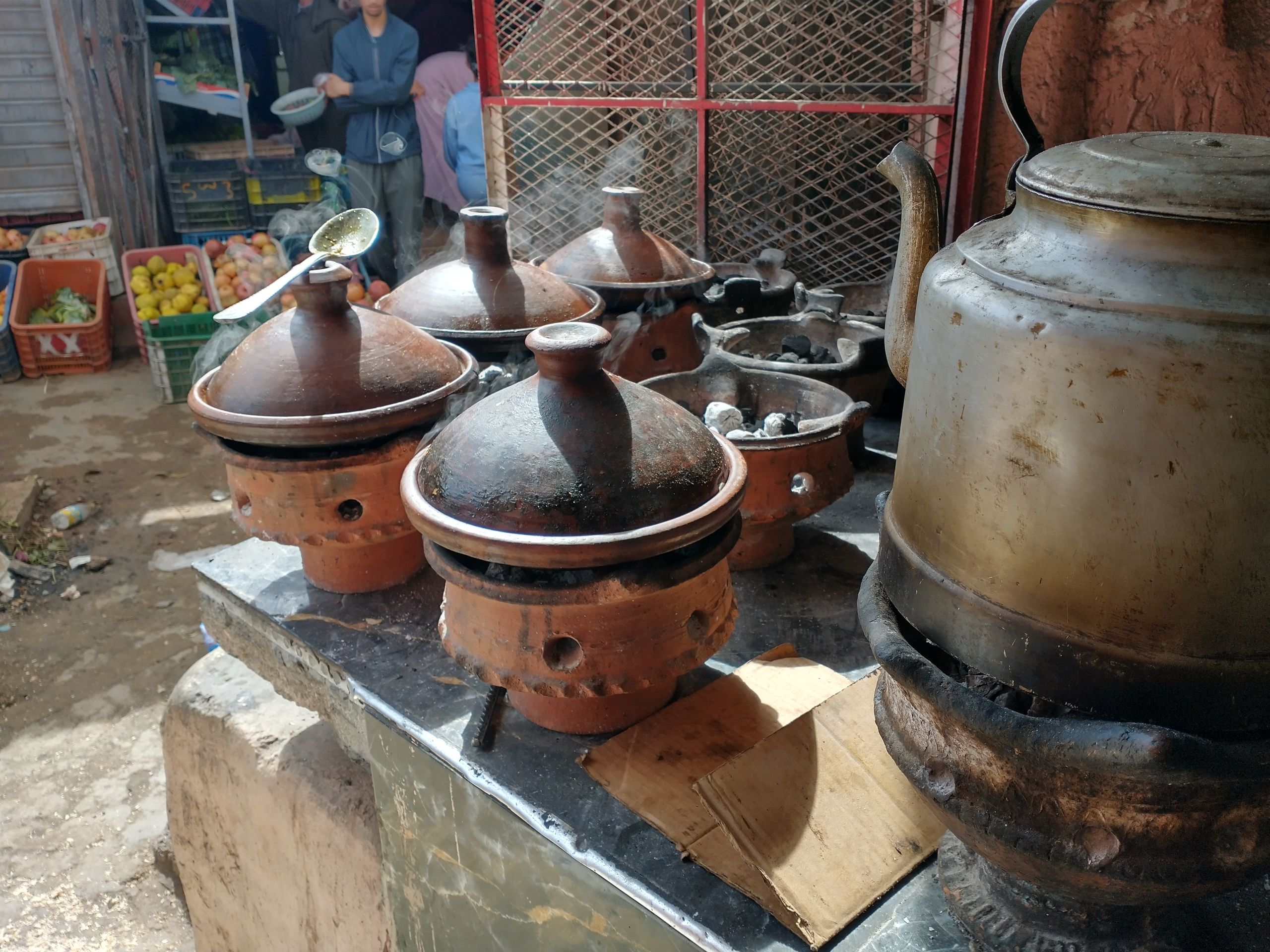
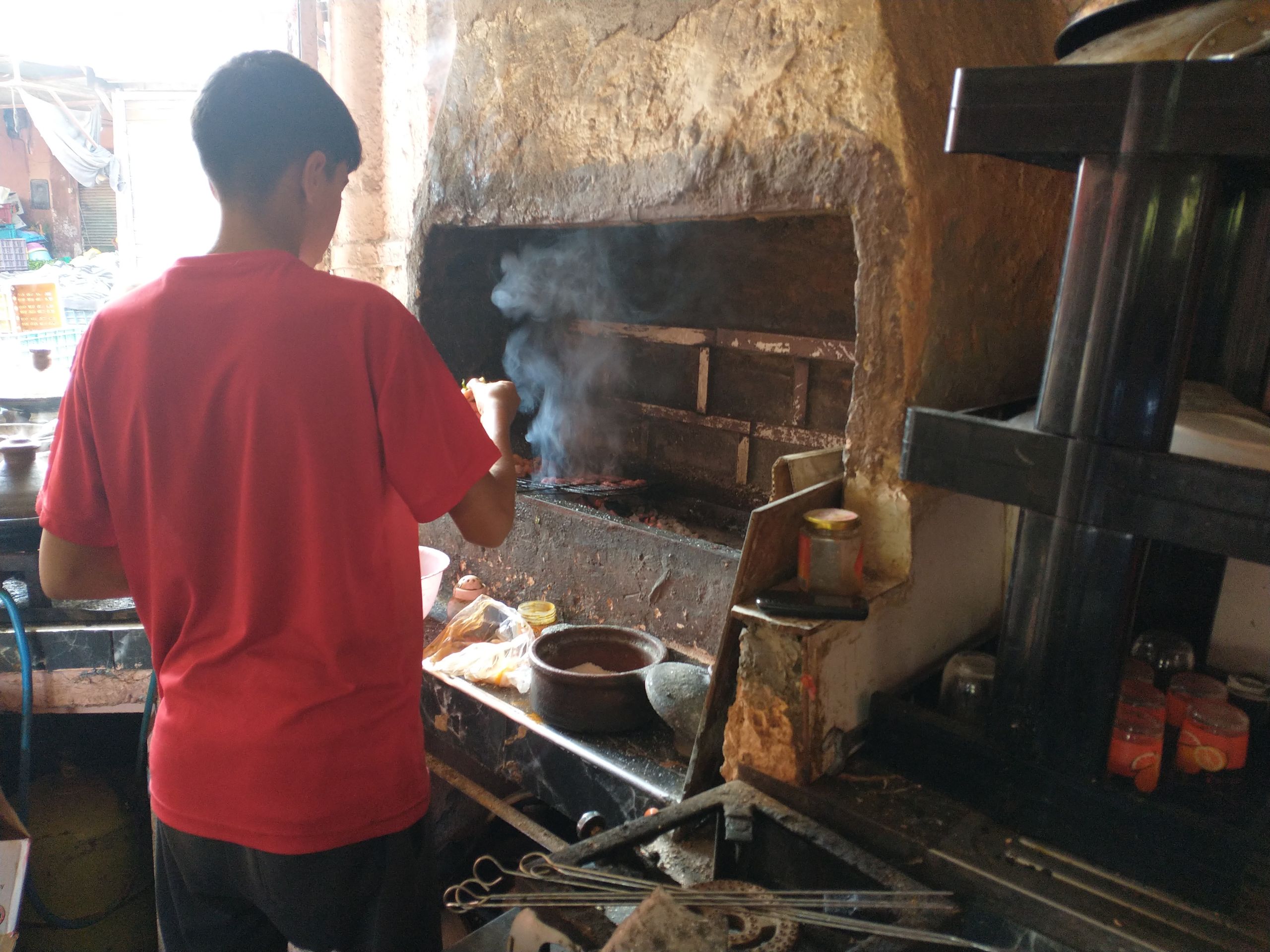
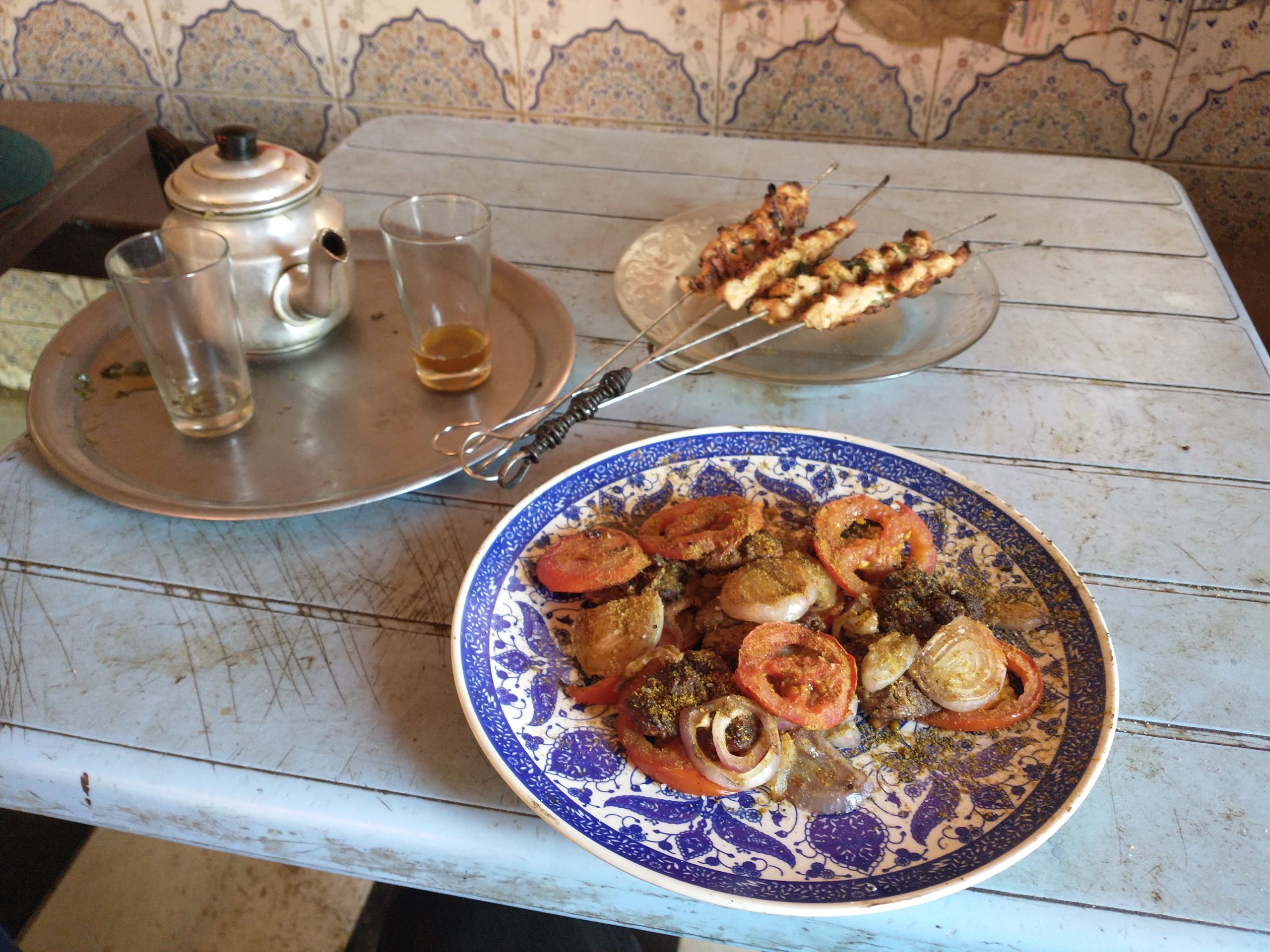
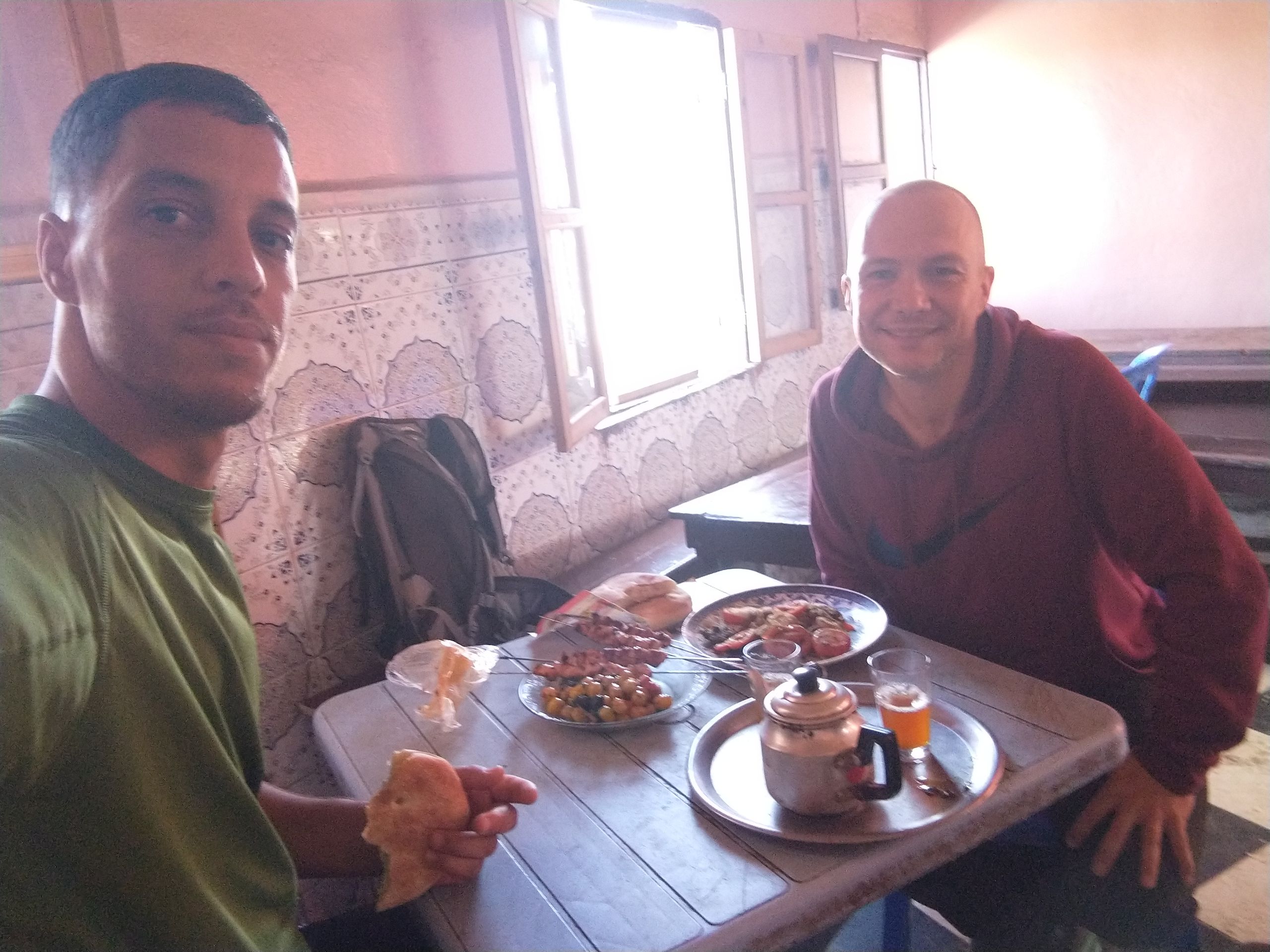
In Amizmiz, we have lunch, which is a bit different from what one might be used to. At the market, we buy all the ingredients and give them to a snack shop. They prepare it for a small fee. There are various kebab skewers with grilled vegetables. After the Friday prayer, the place quickly fills with men, like us, waiting for their food. Again, very delicious. Afterwards, we run some errands, buy some medicines, and visit a second-hand market. All sorts of used goods from Spain are offered. Shoes, clothing, radios, bicycles, and refrigerators. In the end, I buy some fruit for everyone, and we make our way back along the river.
Youness isn't one to talk much on his own, but during the hike, we warmed up to each other, and he starts sharing more about his daily life. On the way back, we stop by a cousin of his in another small settlement. There is very sweet and delicious cake and tea. The cousin is also a mountaineer and speaks several languages. Many here have that talent. Everyone speaks Berber and Arabic, and in addition, they also know French, English, and Spanish. While we enjoy the cake, it starts to rain, which I wasn't prepared for. Everything gets wet, but why get worked up? It will rain all evening, and there's nothing to do in the village then. We sit in Youness's house. Life is quite uncomplicated. If there are no tourists' bookings, there isn’t much to do, and time just passes. You don't need a lot of money. However, there’s no safety net for unforeseen events. An illness or an accident can cause serious problems. It was interesting to learn about other, non-Eurocentric perspectives. They are proud of their culture and what it has produced.
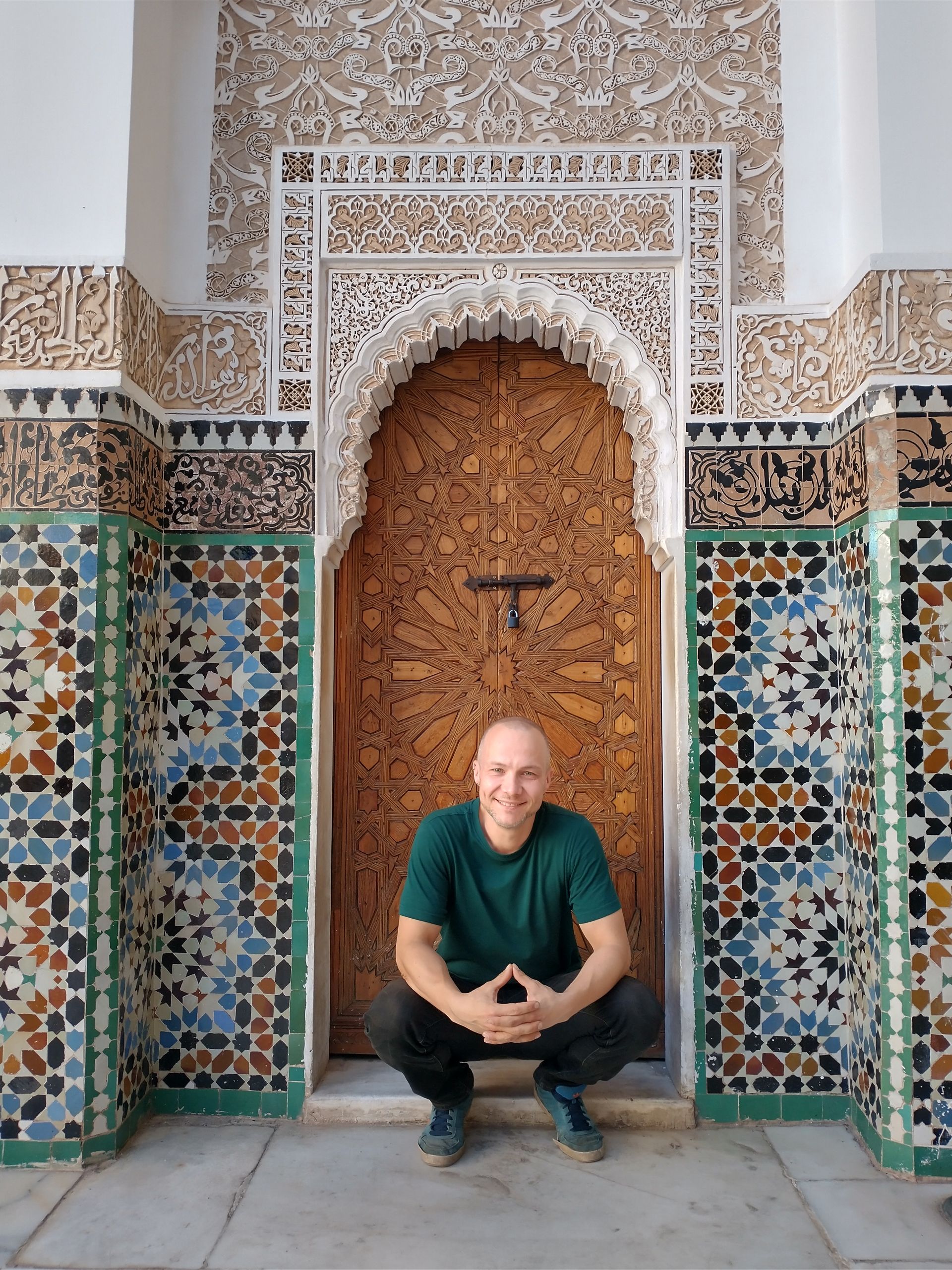
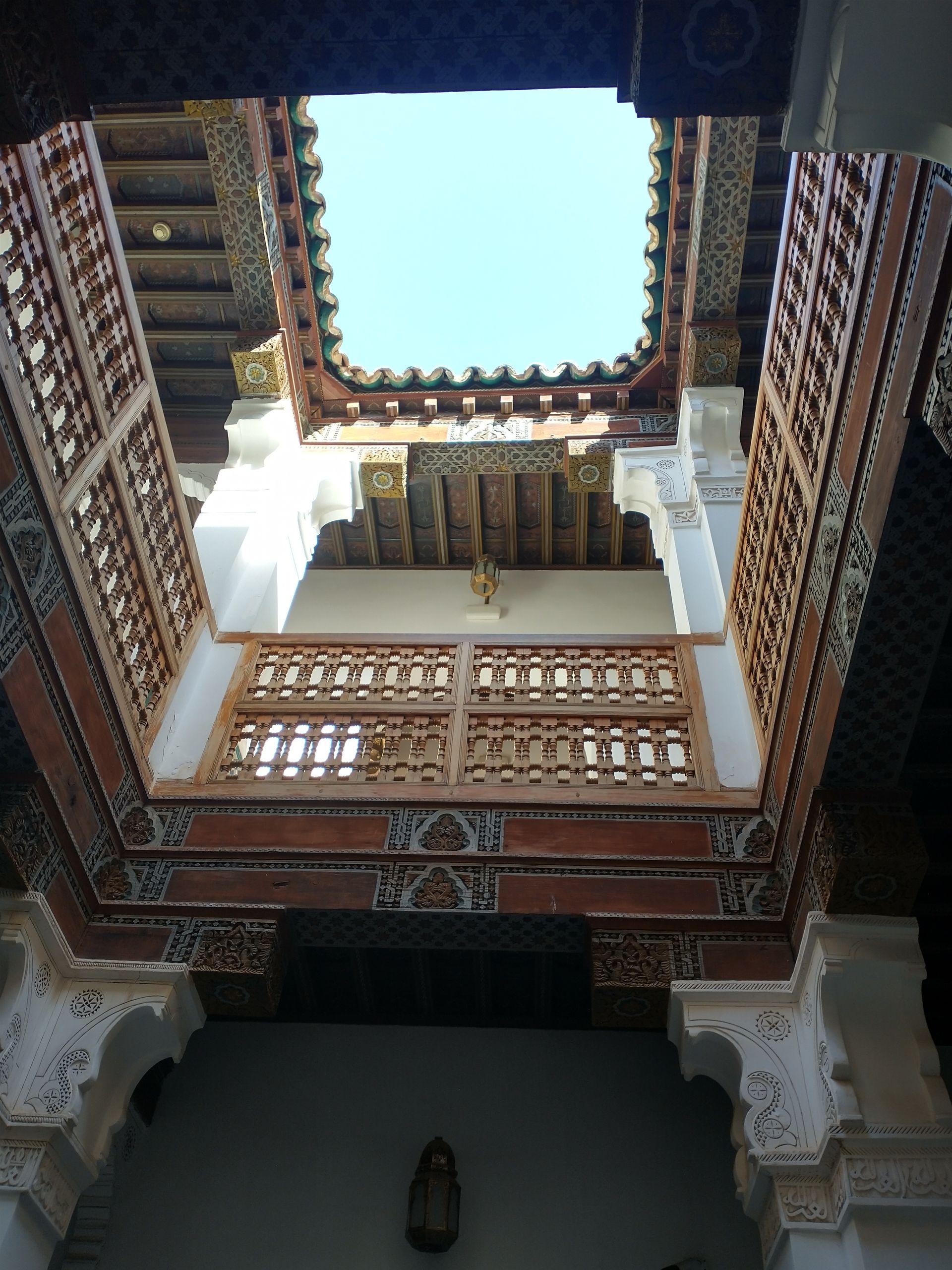
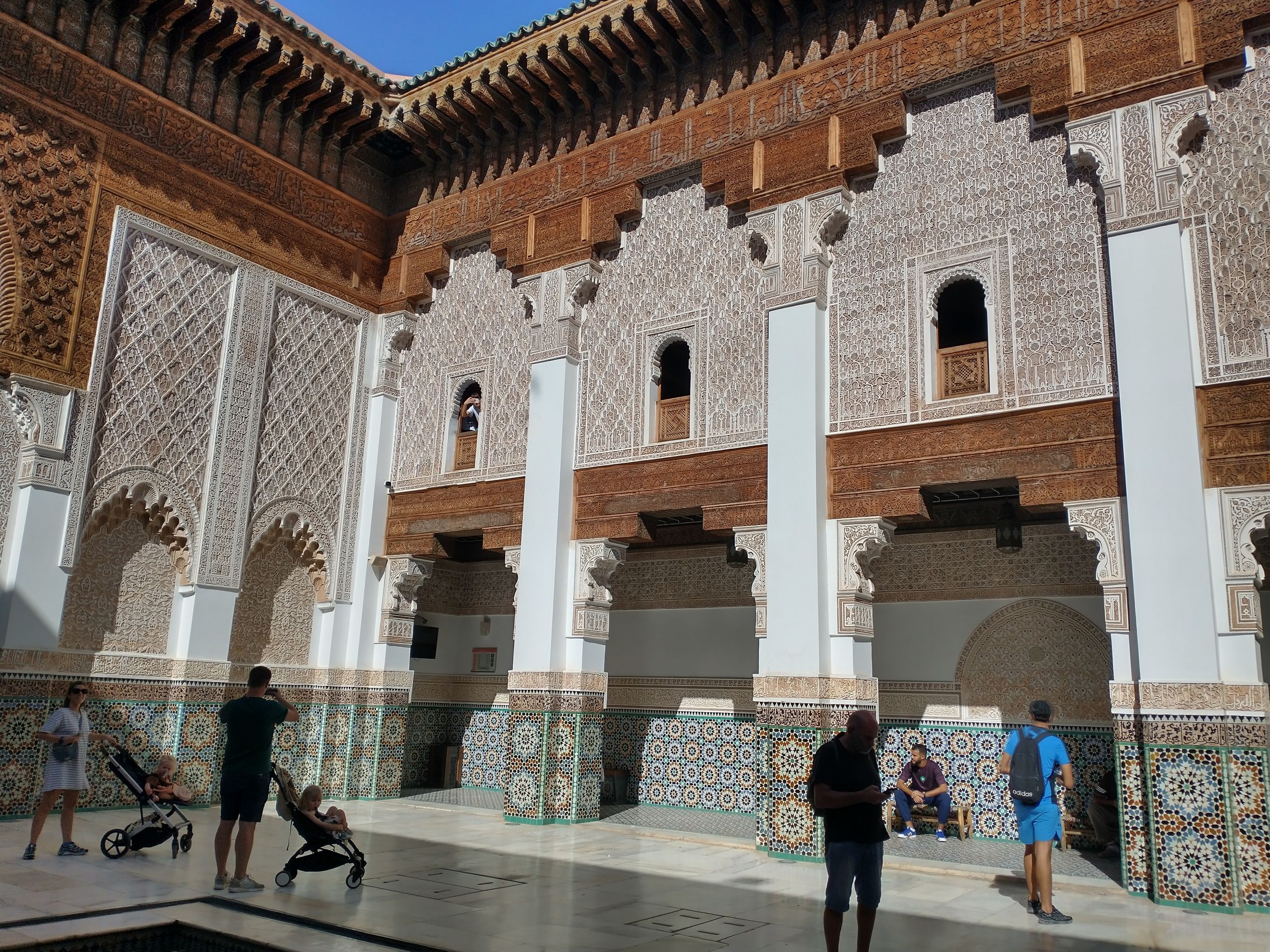
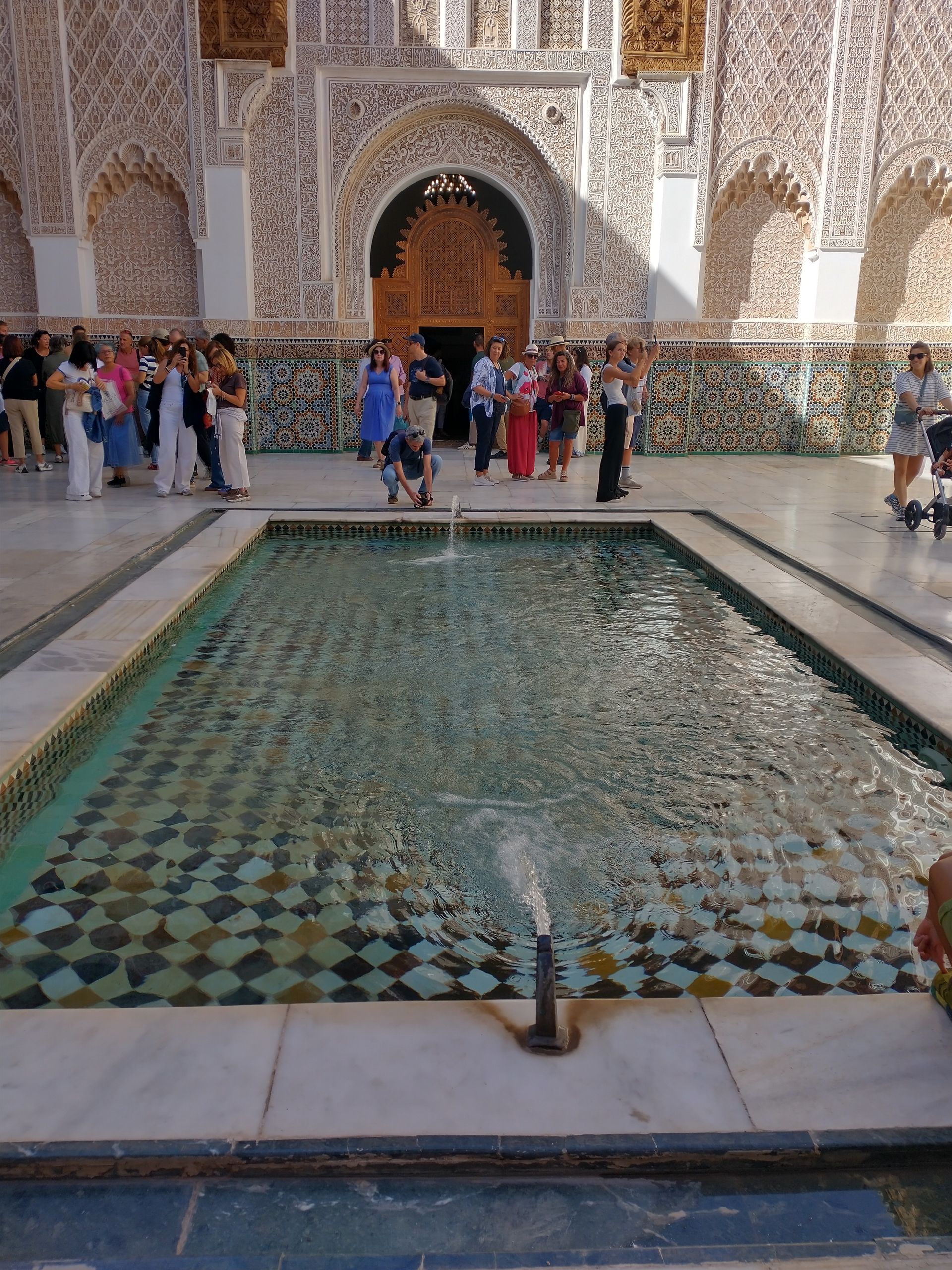
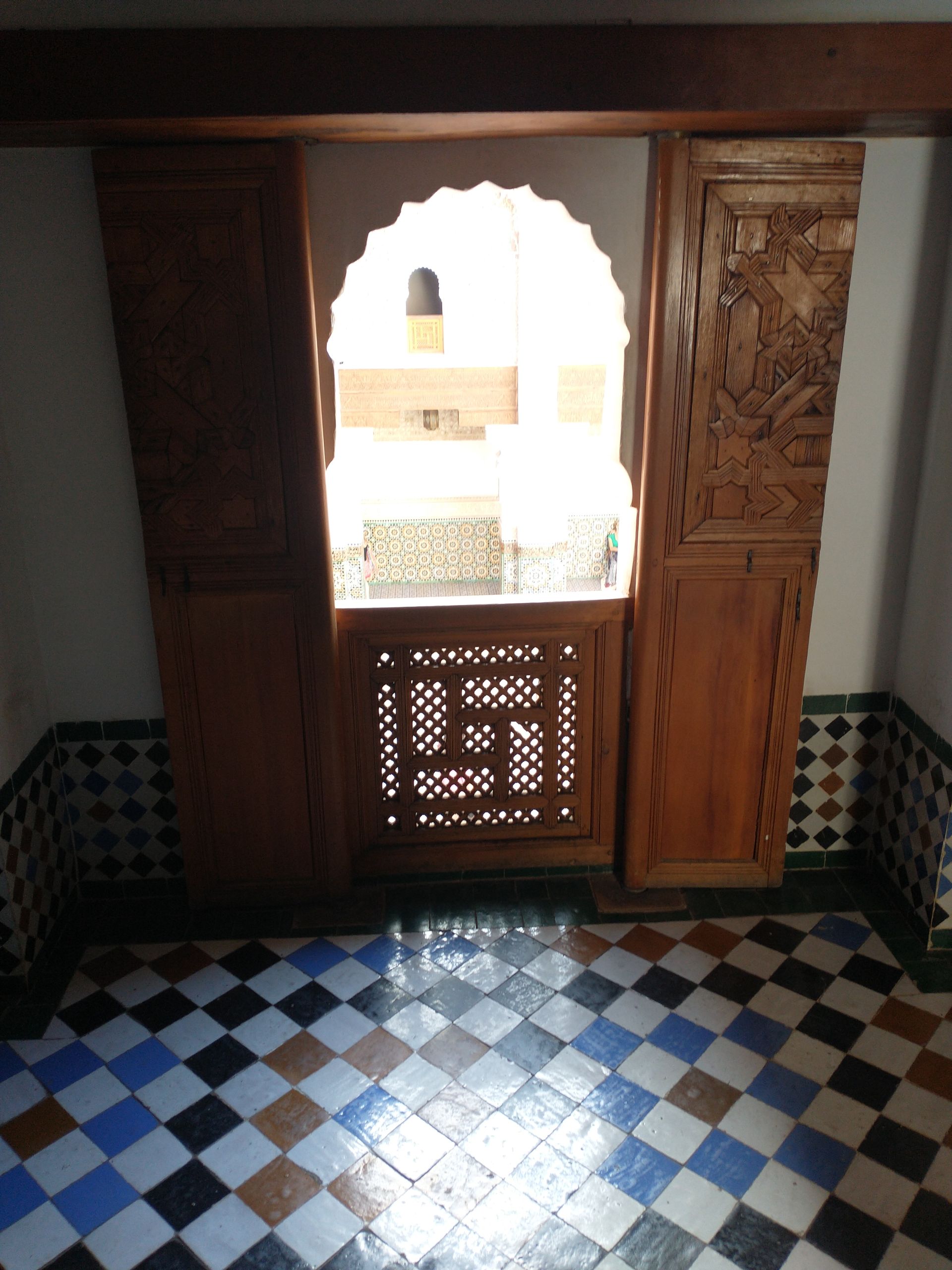
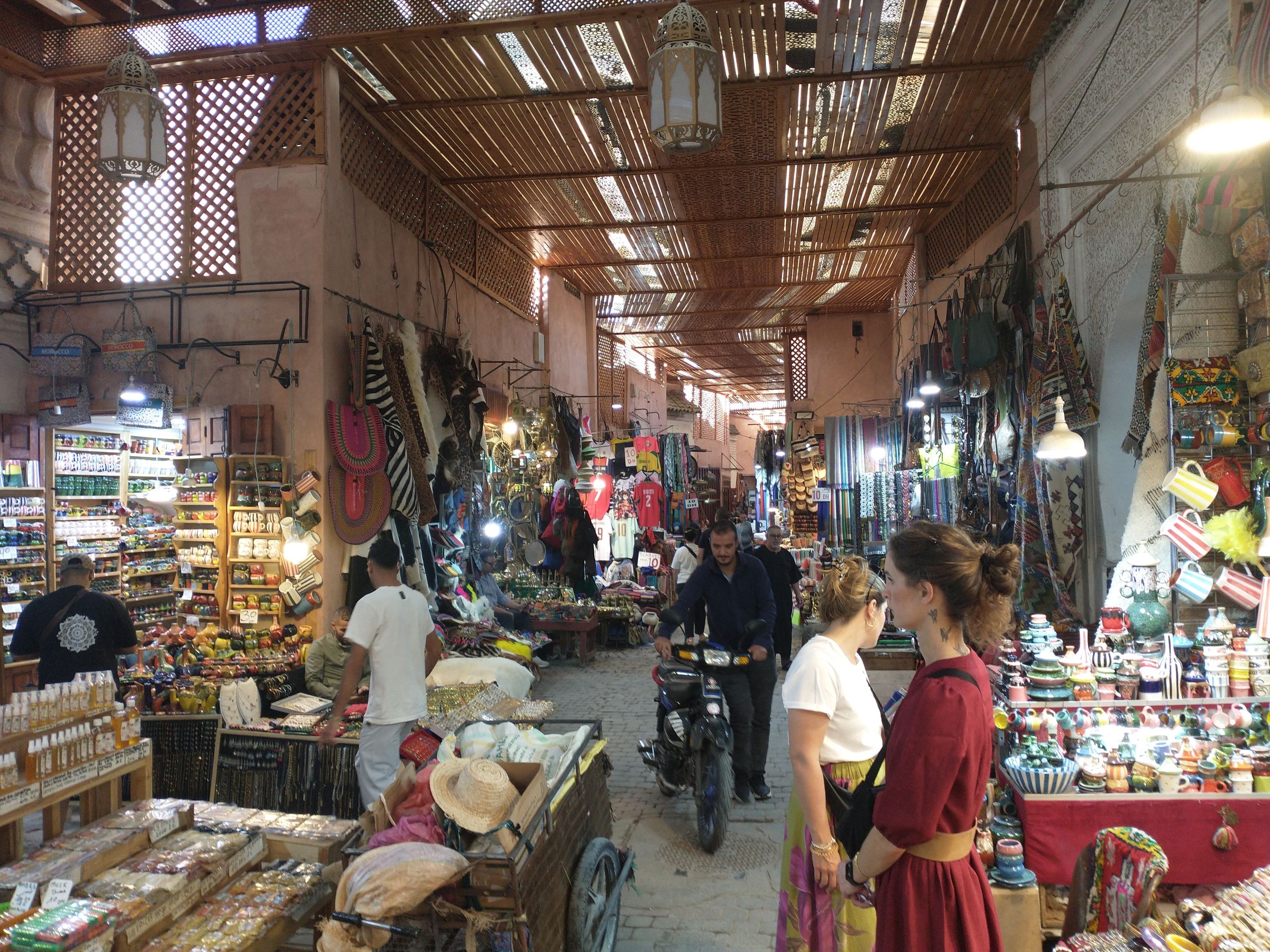
It’s Saturday, and after breakfast, Youness takes me back to Amizmiz on the motorcycle. The return bus ride is much more pleasant. I check into the new hostel and then visit the Medersa Ben Youssef. An old Quran school and educational institution. Very elaborate decorations, and the students' rooms are very simple and small. One is also supposed to focus on learning. After that, I take a look at the spice market. All the small vendors with their always similar goods become quickly boring. But they are always friendly. A vendor wants to show me various items. She enjoys letting me smell eucalyptus concentrate. Very, very sharp in the nose. There’s a larger square, the Jemaa El Fna square, where hundreds of food stalls open every evening, and you can buy all sorts of things. Pomegranate juices are popular, really good. But there are also some musicians, dancers, henna tattoo women, and people showing trained monkeys and snakes in the square. You don’t have to like everything. I need to start planning the rest of my journey. I’ll probably skip Casablanca; just not enough time.