
In the Idleness of Time
At eleven o'clock it’s surfing time. Fouad and his crew know me by now; they hand me the wetsuit in my size without me asking. ‘We saw you surfing yesterday,’ says Fouad. ‘You...
Published: 15.12.2025
“Is this your first visit to a hamam?” asks the woman who will soon spend an hour scrubbing, peeling, moisturizing, and rubbing me down from head to toe. My nod apparently explains my uncertain movements to her.
I opted for a spa-hamam in Essaouira. A traditional bath, but not a public one. Hoping to be treated gently and not having to wash myself with a hundred other women from a bucket – as is practiced everywhere in Islam before Friday prayers. There, washing takes precedence over relaxation.
My hamam experience is relaxing. Just my dad and the woman for me alone. I am soaped, washed five times, and in between, I get to rest on a warm marble stone. A candle burns, and an oil fills the room with a soft, soothing scent. At first, it feels strange to do nothing on my own. Not washing myself. Giving up control.
Then I let myself be there. To the foreign hands on my body. To being taken care of. My hair is soaped, warm water is poured over me from a wooden bucket. Gently, she lays me back on the lounge. An hour passes, and I step back outside feeling slightly dazed – but unusually clean and free.
My list of things I wanted to experience on this trip is almost checked off. There’s not much left. Just the way back along the Atlantic coast to the north. A little sadly, I say goodbye a second time to Sidi Kaouki. To Ahmed and his team, the best surf instructors I could have wished for.
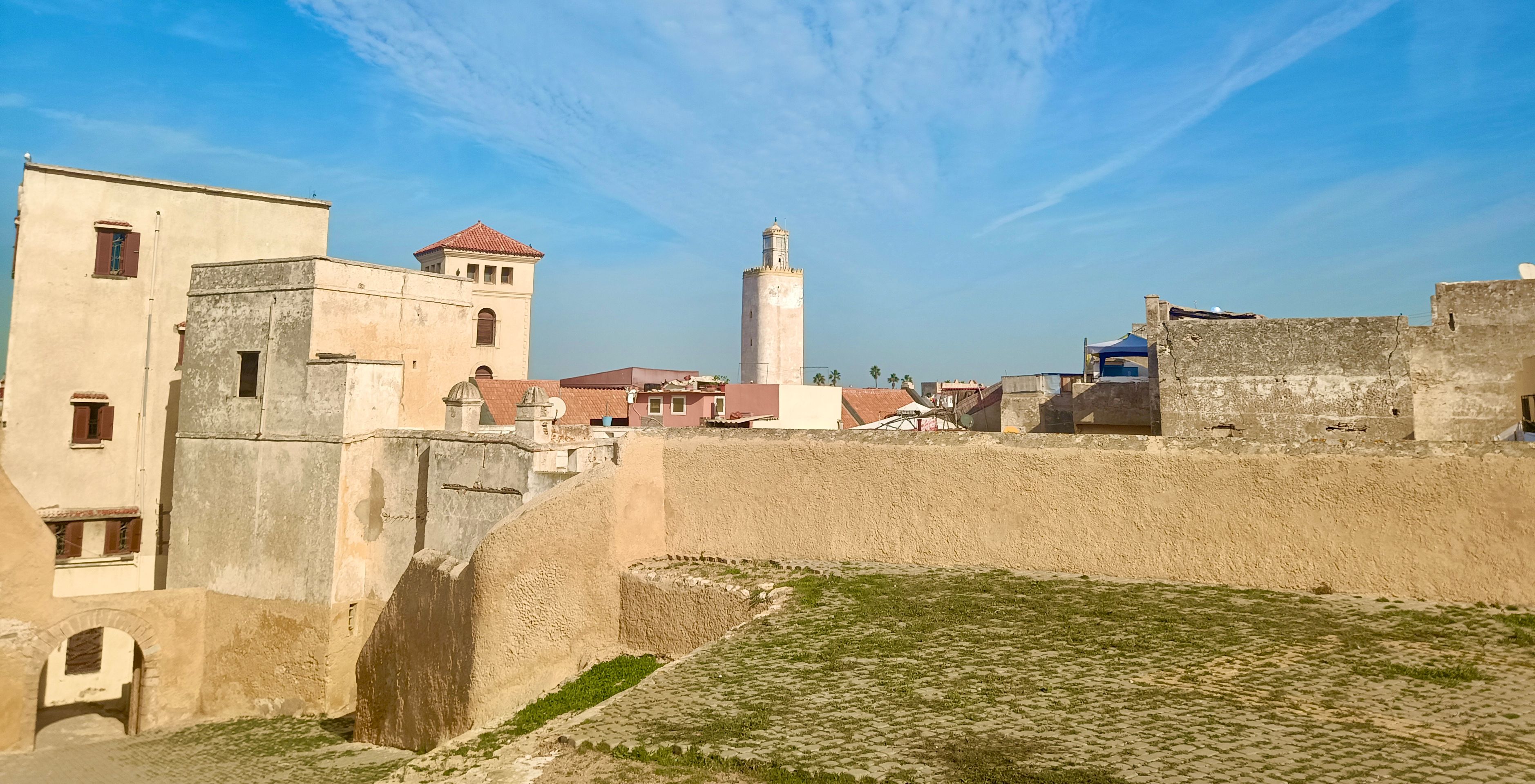
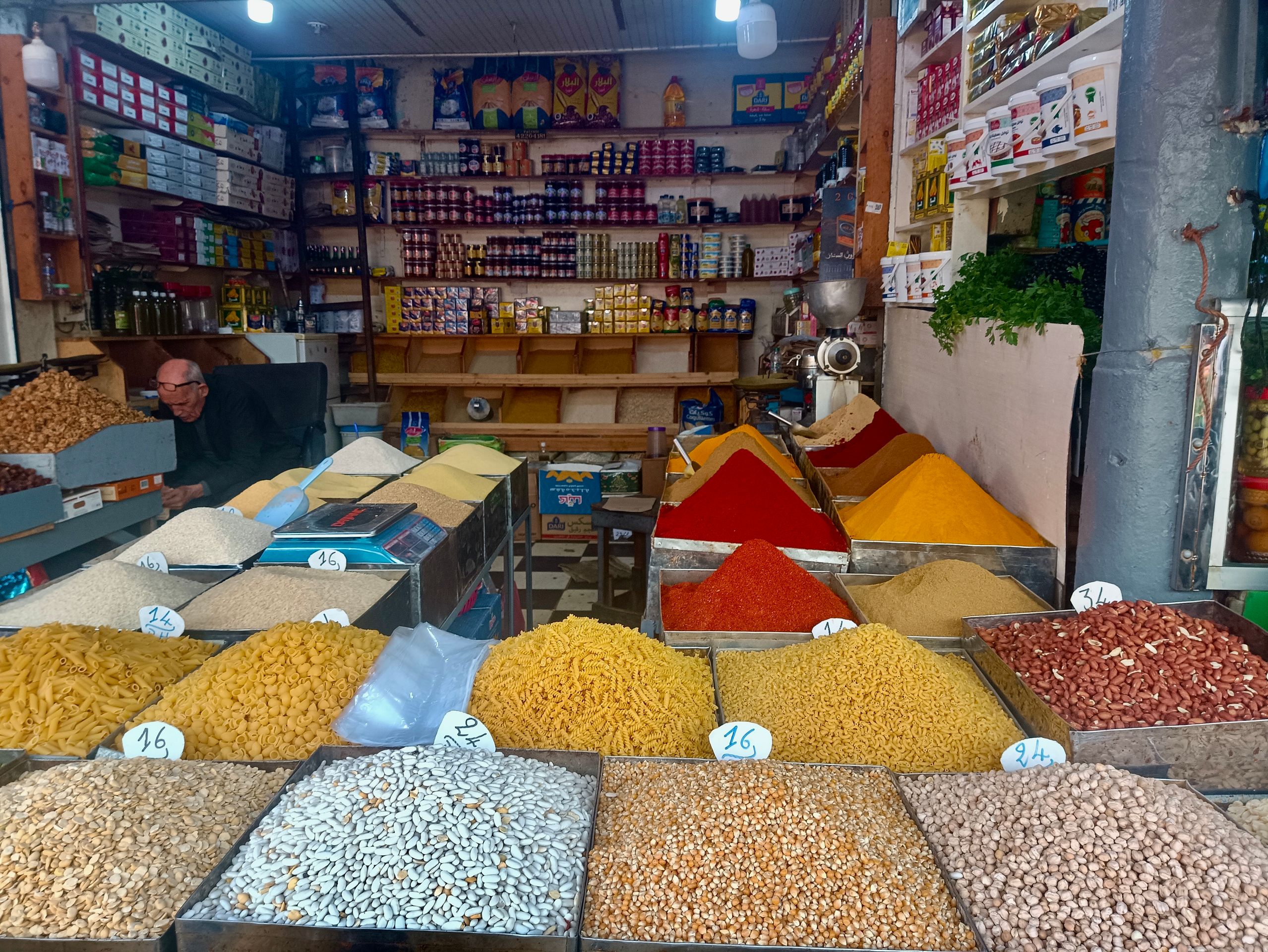
El Jadida lifts my spirits. Once founded by Portuguese settlers and largely ignored by tourists, the city welcomes me warmly. The medina is the cleanest and best-maintained I have seen so far. The people are unobtrusive, no intrusive sales dialogues. I am well advised, buying spices for an entire year.
Later, I tell Kadin, the guide at Casablanca’s gigantic mosque, about El Jadida. About the relaxed, pleasant atmosphere there. He furrows his brow. He has tried it three times there, he says, and each time it brought stress.
“But of course,” he adds, “as a blonde woman and tourist, you have it easy everywhere.”
It’s all a question of perspective, I think. And from where you are looking.
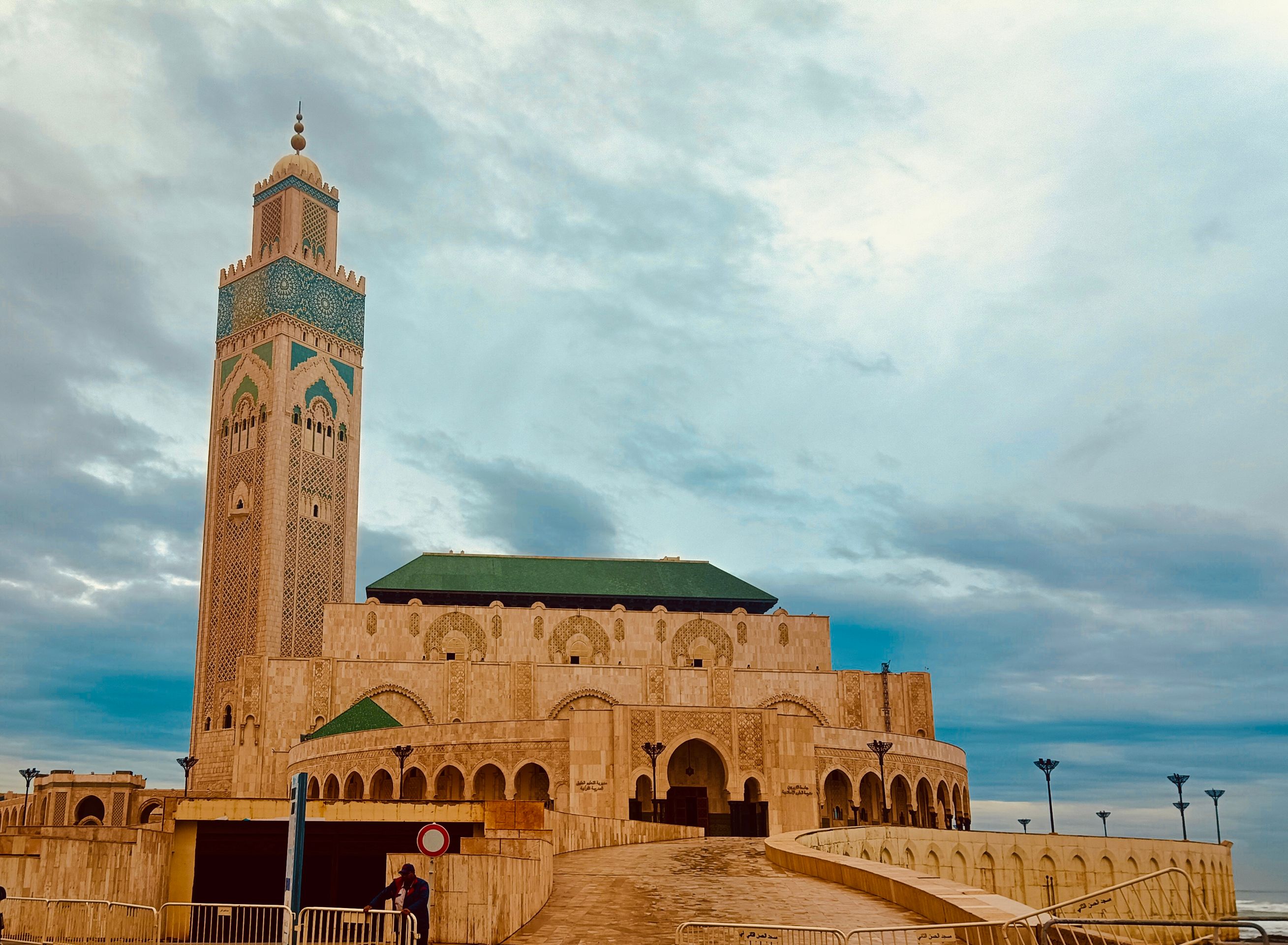
The Hassan II Mosque in Casablanca is the largest, tallest, and richest mosque in Africa – and one of the few that non-Muslims are allowed to enter. We are divided by languages. As the only German, I have Kadin all to myself. He showers me with superlatives: the second-largest mosque in Africa, the tallest minaret, the tallest religious building in the world. After only seven years of construction, it was inaugurated in 1993. 25,000 people can fit in the prayer hall, another 80,000 in the outdoor area. During Ramadan, every spot is filled.
“But why was such a giant mosque built at all?” I ask.
“To attract tourists to Casablanca,” Kadin says. Marrakech has the souks, Fès has the oldest university in the world – Casablanca had long had nothing. The mosque changed that. A prestige project of King Hassan II, a landmark for the city, a showcase for Morocco. Over 600 million dollars expensive. Funded by “national donations.” Everyone who could was supposed to contribute. In a time of great poverty, it created enormous social pressure – hardly anyone could escape this donation.
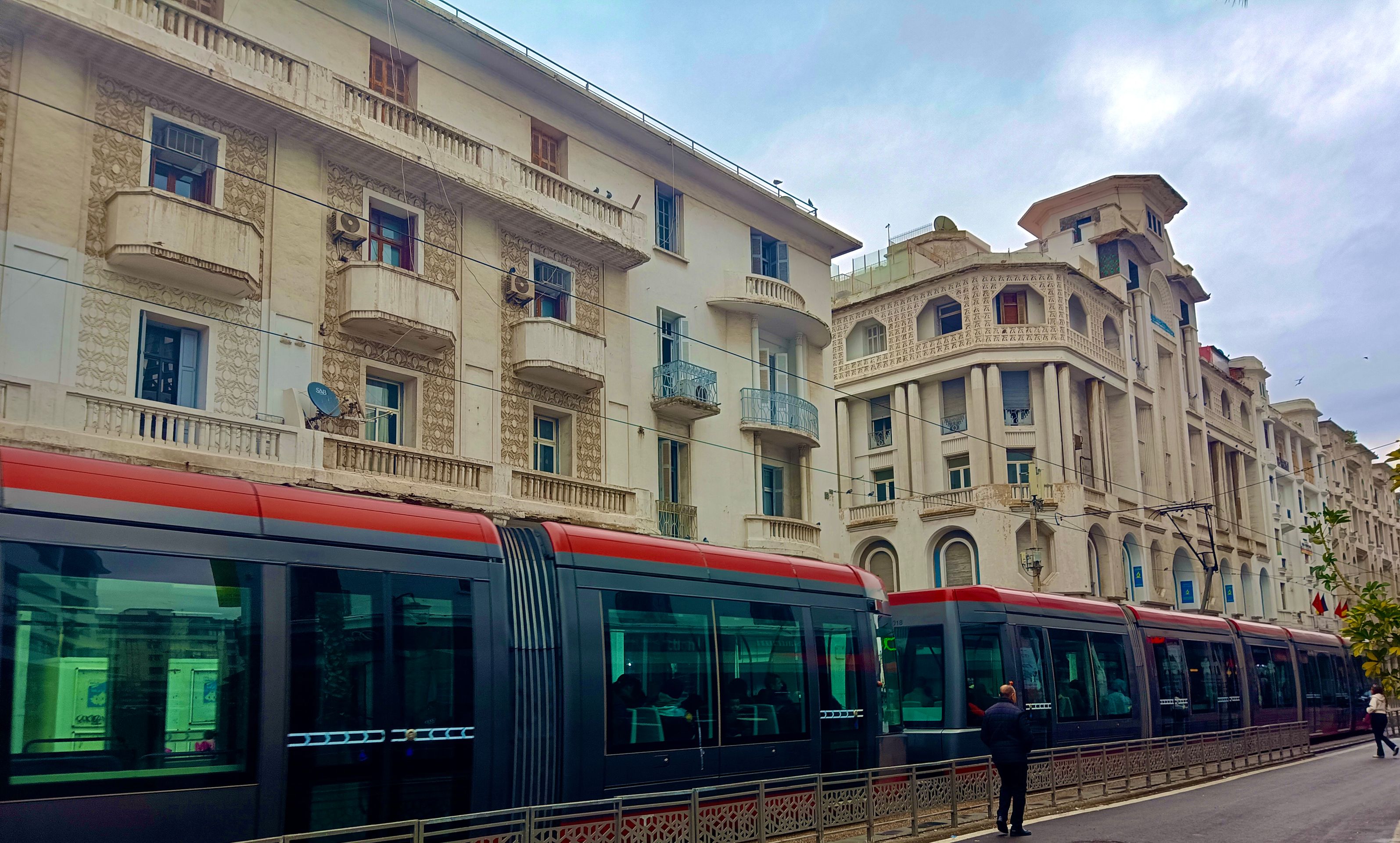
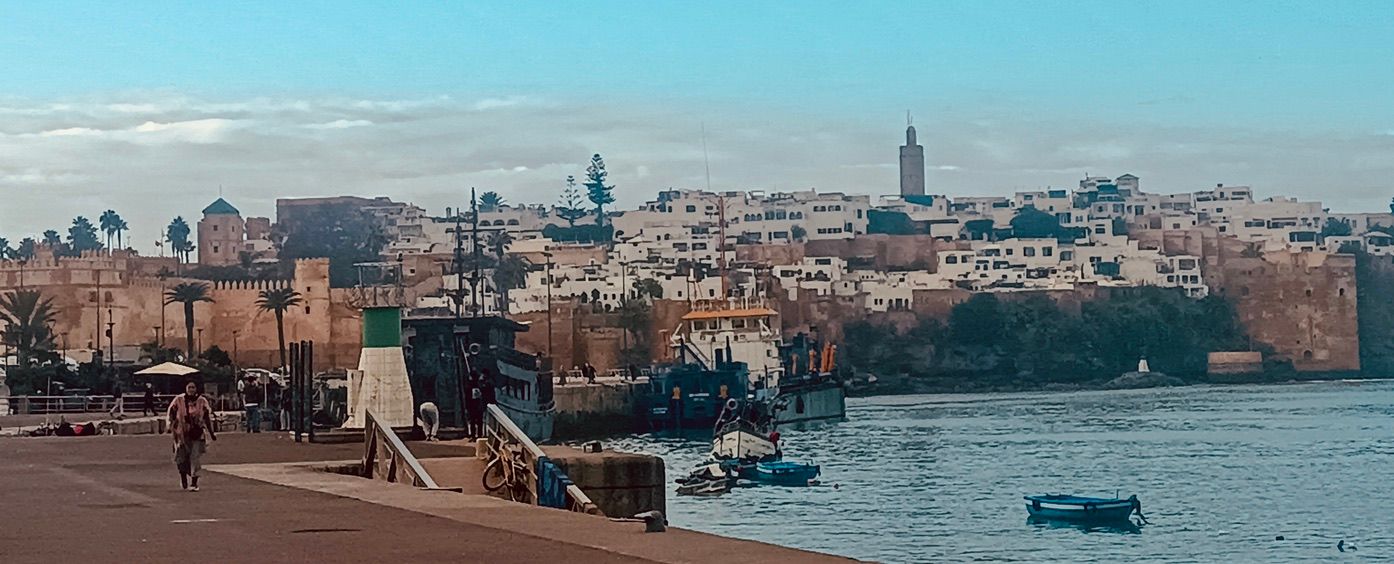
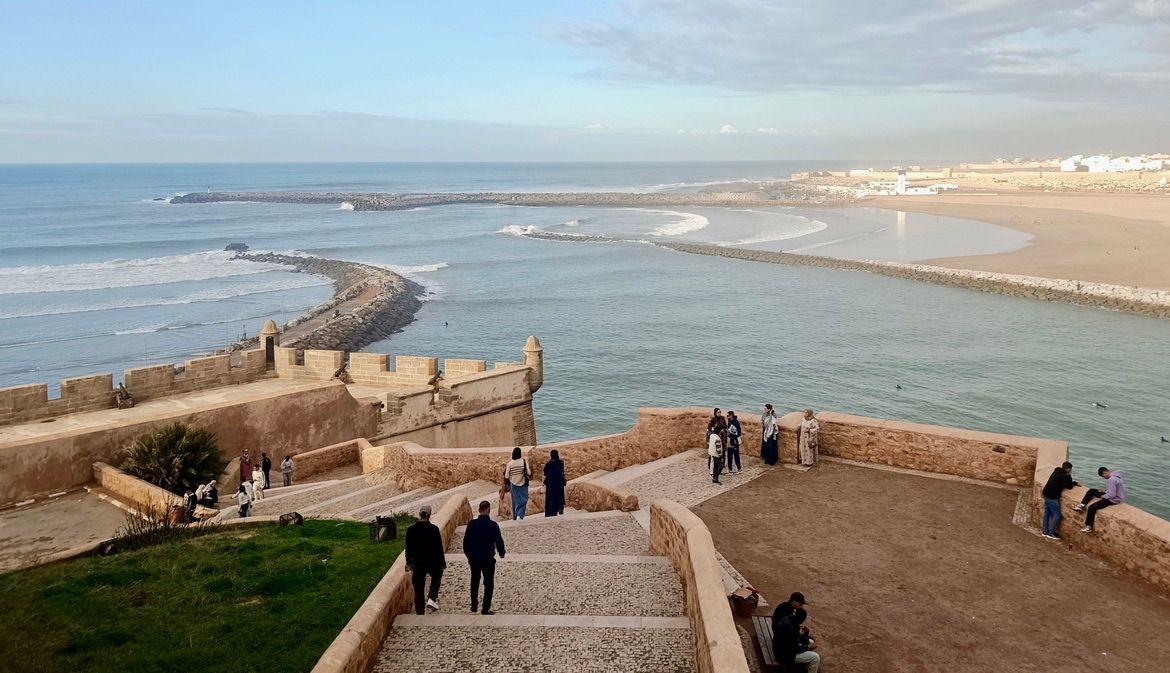
With every kilometer northward, it gets cooler, and Rabat suddenly feels familiar. Hardly any trash on the streets, green lawns, trams, high-rise buildings, a modern theater. The medina and the kasbah are meticulously restored. The city of government and the king must not decay. It seems like a wish image of Morocco. But just because a city sweeps its trash doesn’t mean it disappears. A few minutes further, in Salé, it returns. The closeness, the asks for donations, the crowd.
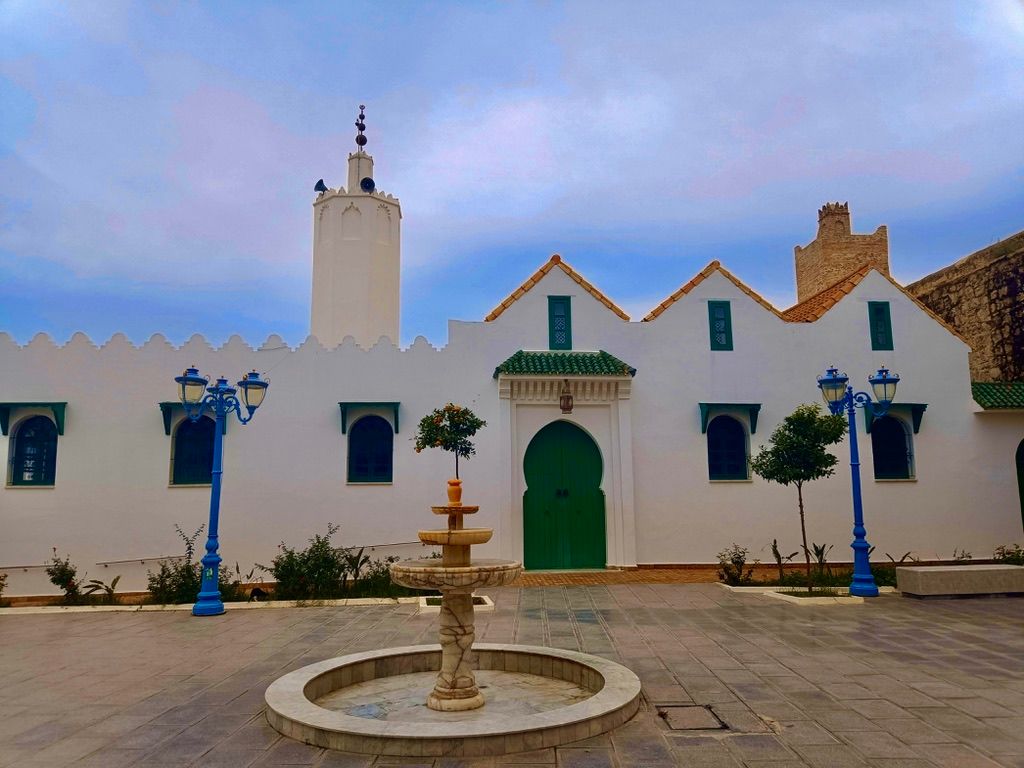
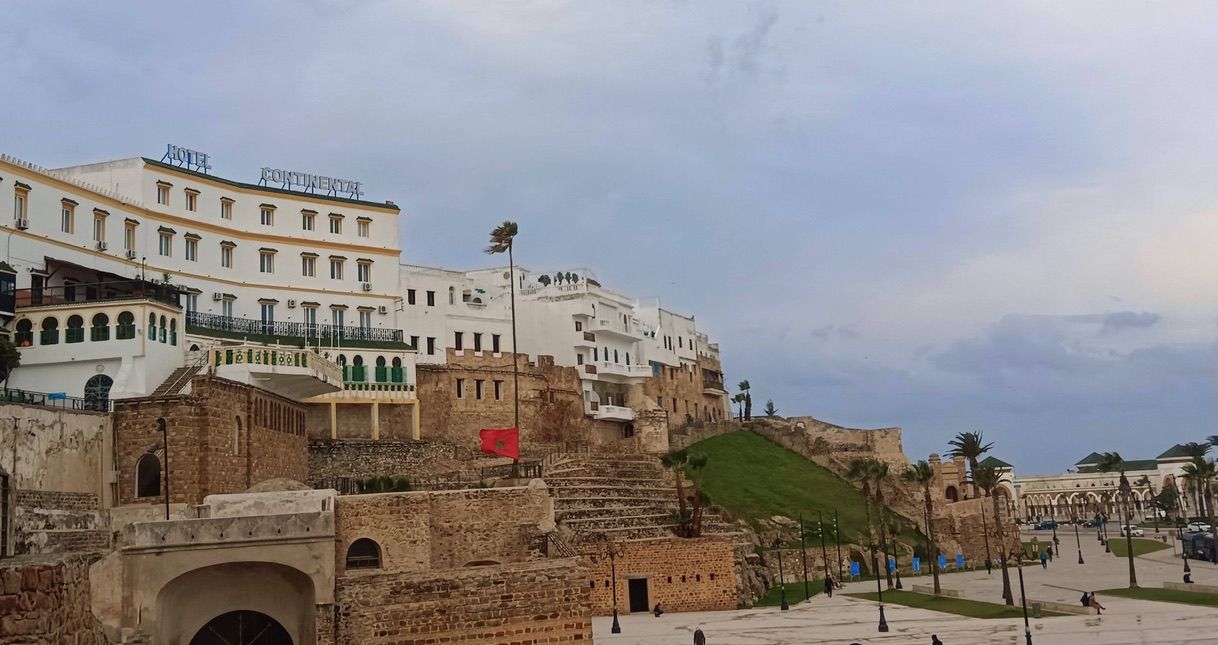
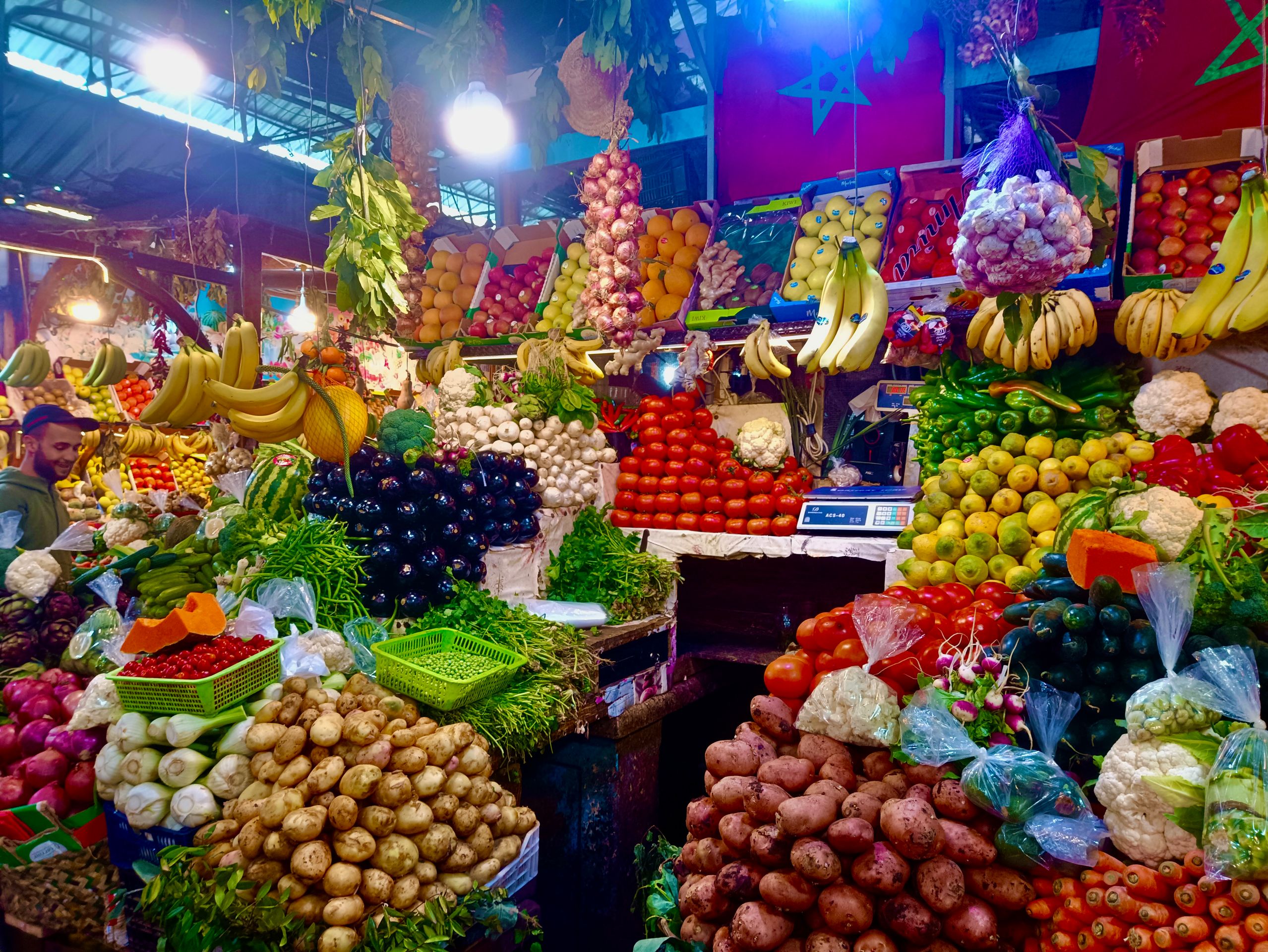
Places like Larache, Assilah, and Tangier correspond more to the Morocco I have imprinted in my mind and that I now like. The small dark shops with dusty floors, unwashed vegetables, and disorganized shelves feel familiar. The food doesn’t taste better just because it comes from a hygienically perfect supermarket. They are the same products. Just more expensive and polished.
What I liked here are the people. Who greet me with a smile, remember what I buy, and ask how I am doing. That is intimacy in the foreign. Community without many words. That’s what I will miss.
And also the muezzin. When the stores close on Fridays and the streets are empty because everyone is at prayer in the mosque. And then return together. Not hurriedly, but thoughtfully. Still in thought, hardly exchanging words. These images remain. And the feeling of humility. Humility in the face of faith, rituals, diligence, and commitment to something larger than ourselves. Faith connects. And sometimes it also separates.