
Happy New Year 2562
Buddhism is omnipresent in Luang Prabang, the spiritual center of Laos. The Buddhist calendar is 543 years ahead of our Gregorian calendar. In April, the Laotians...

Published: 03.05.2019
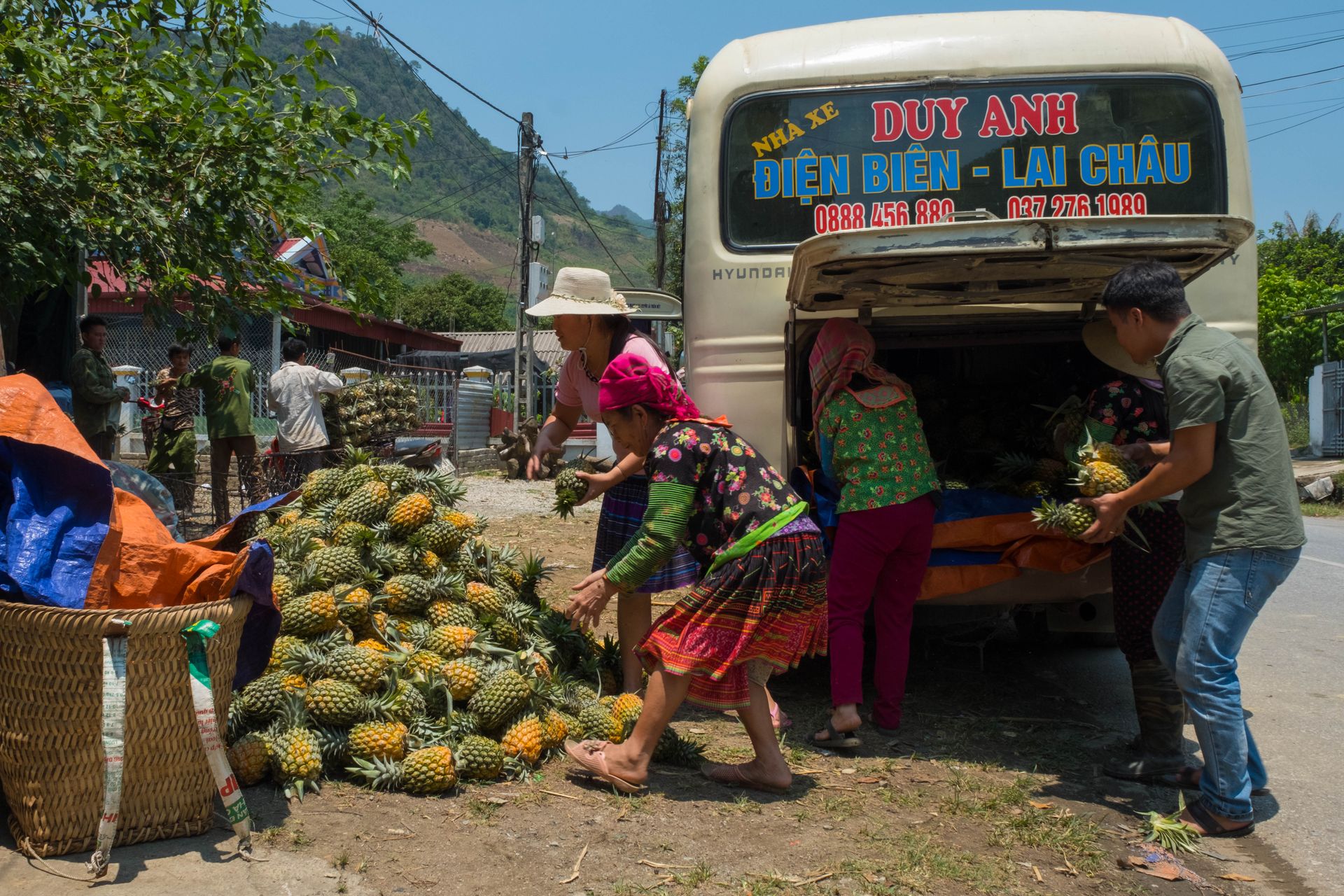
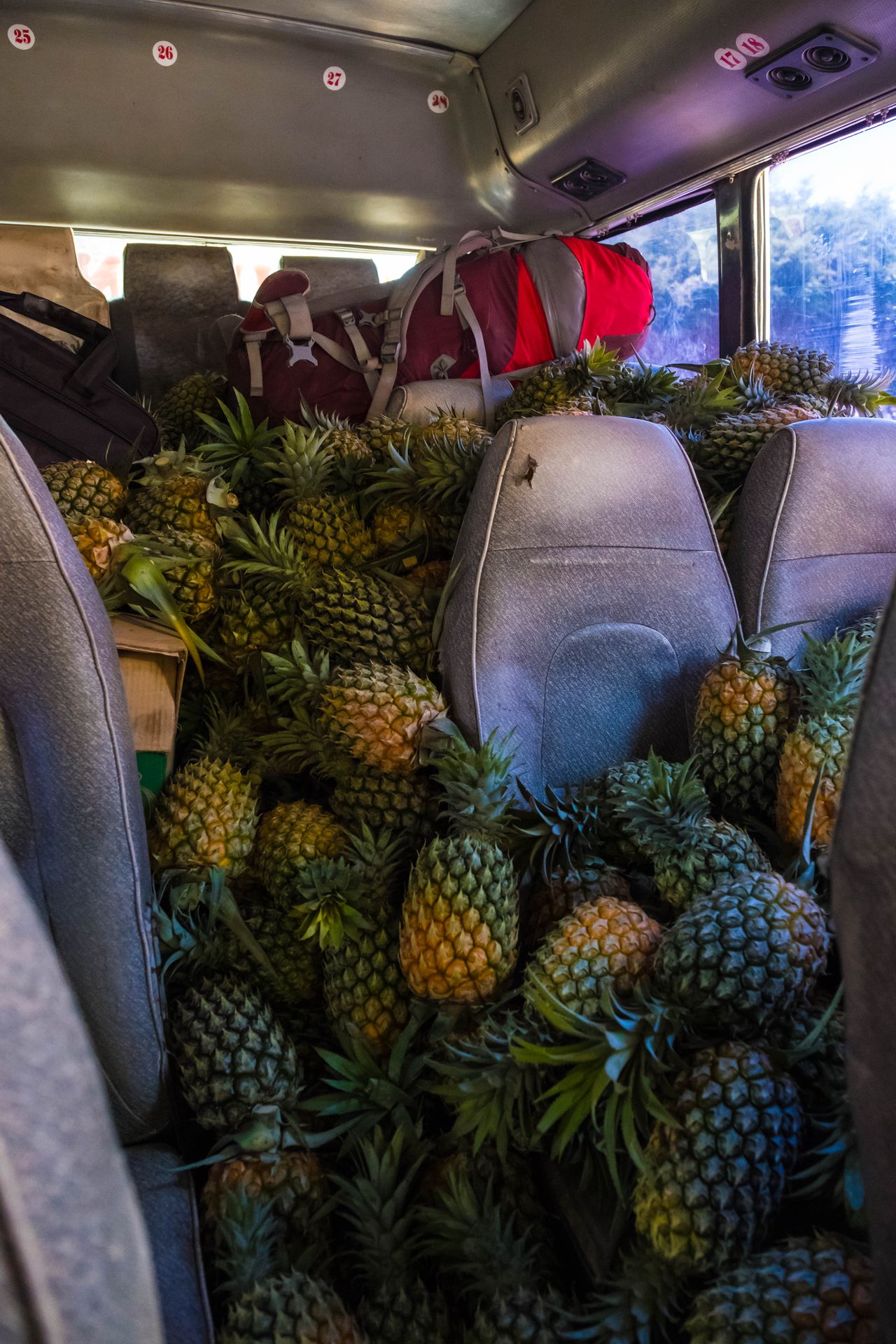

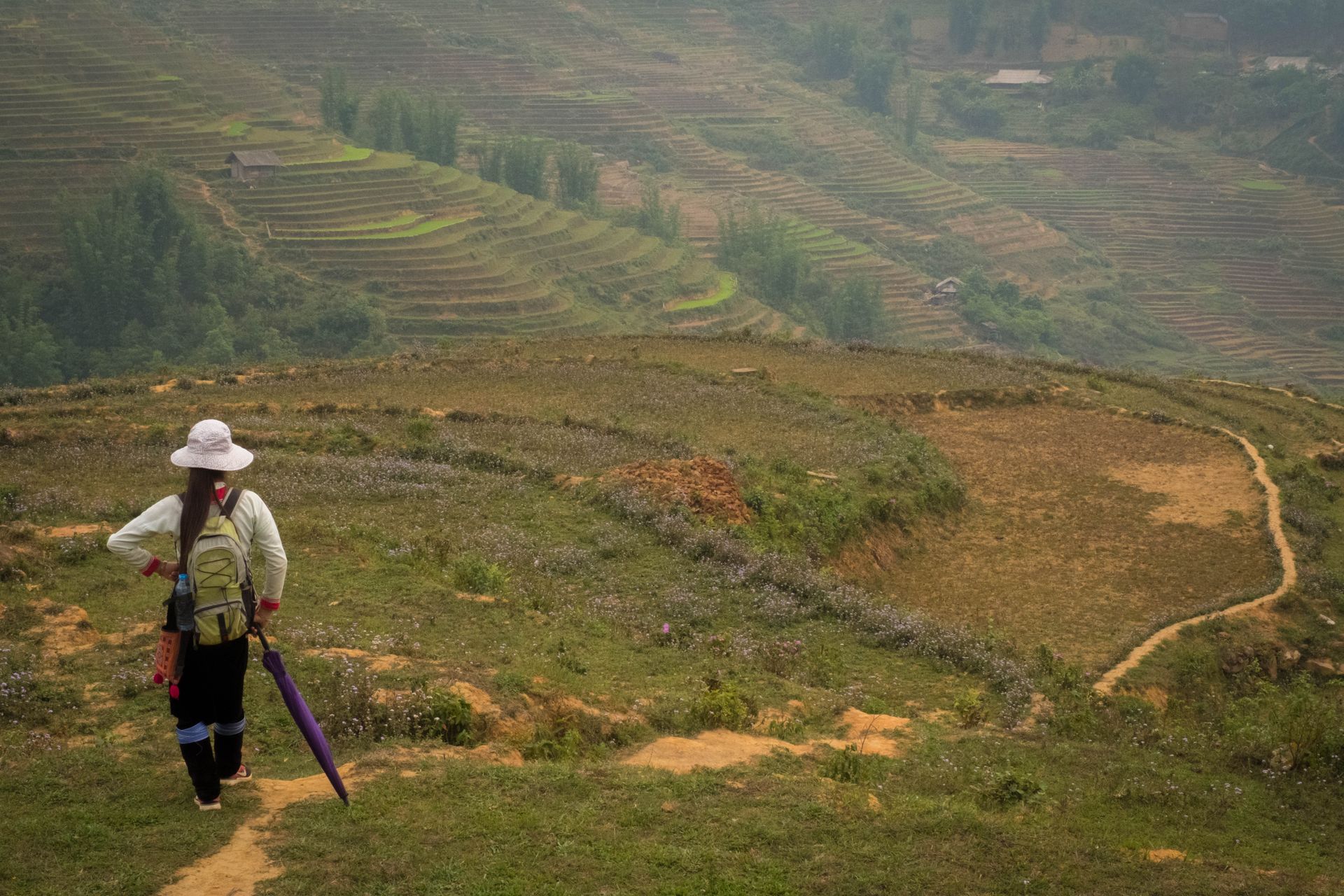
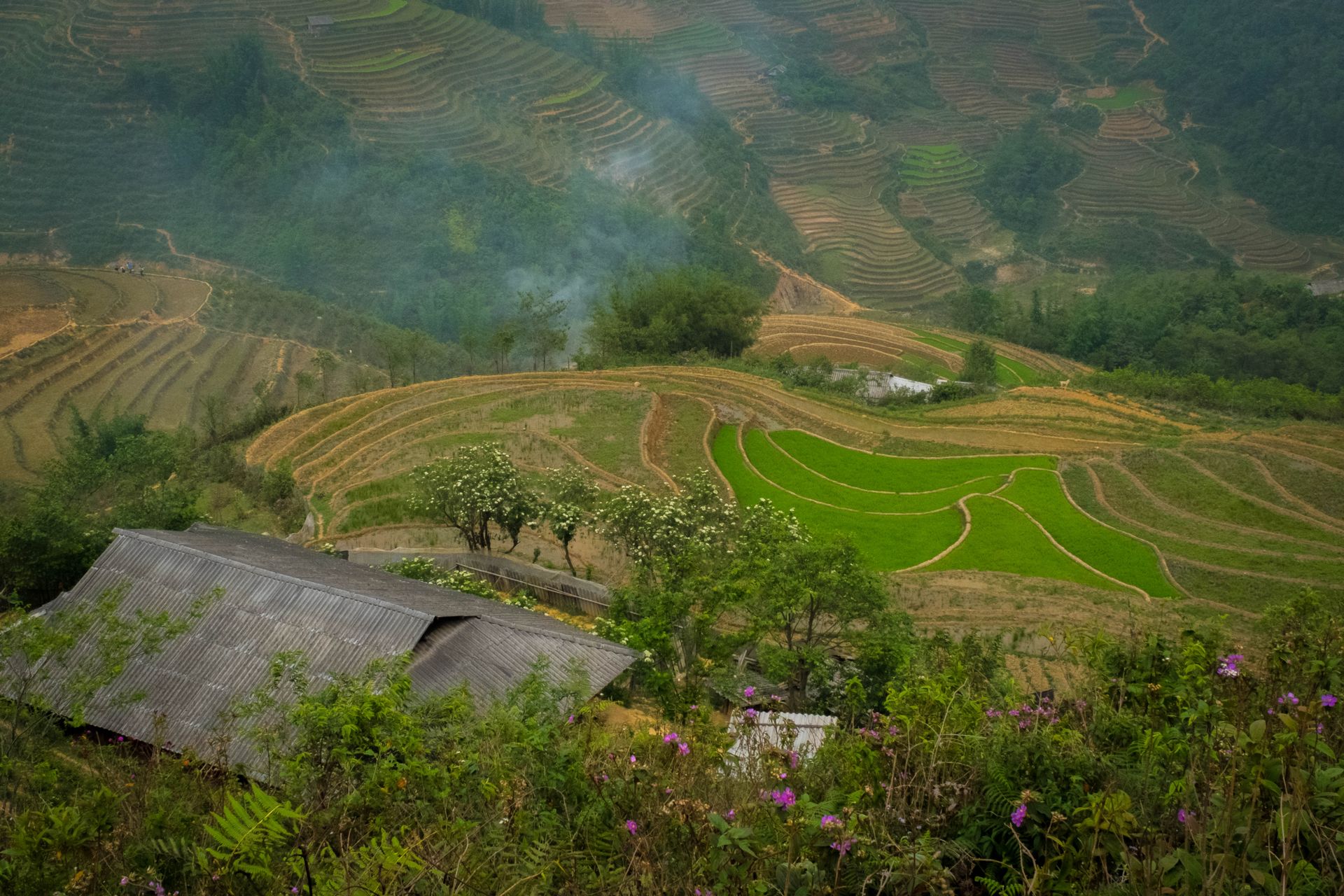
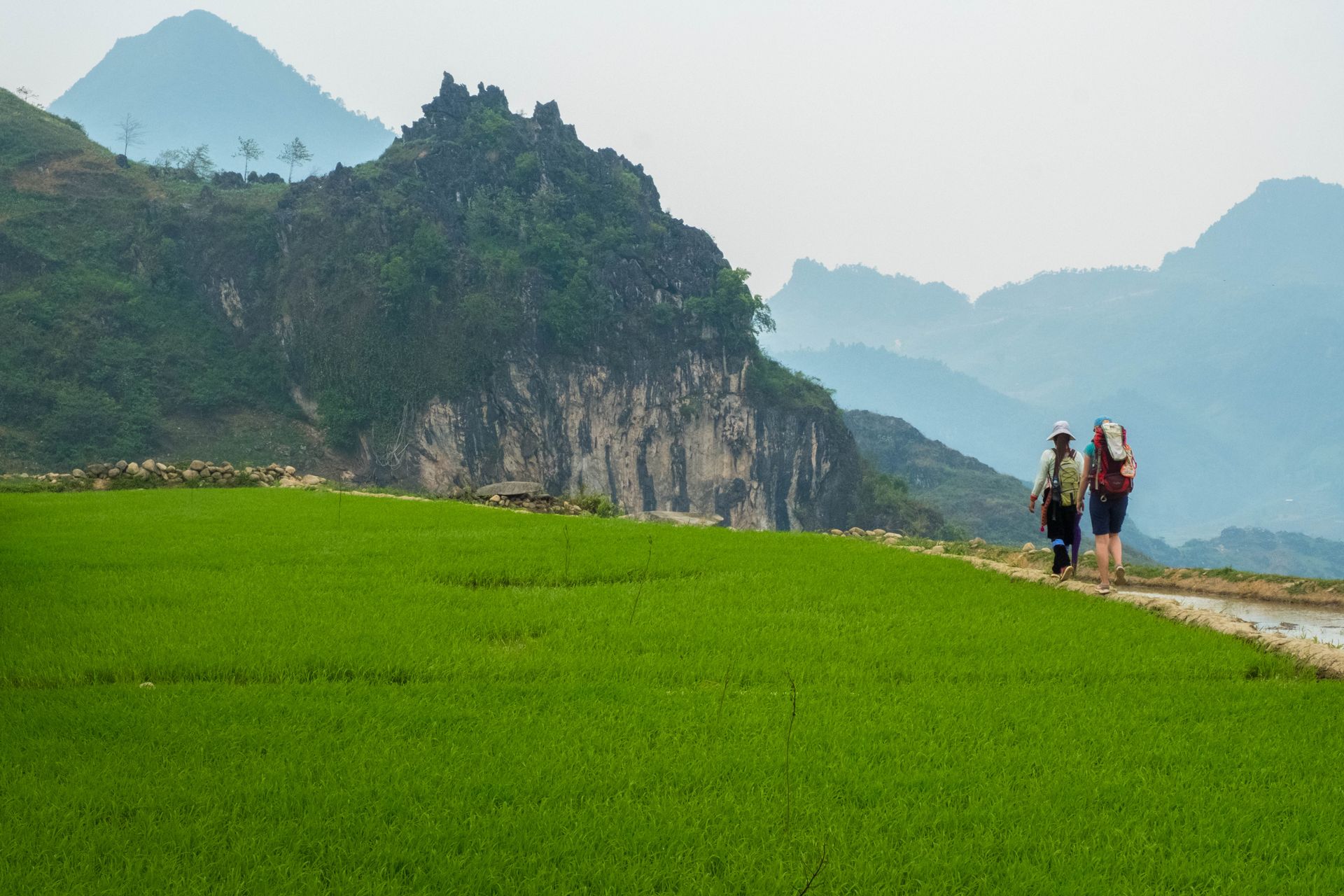
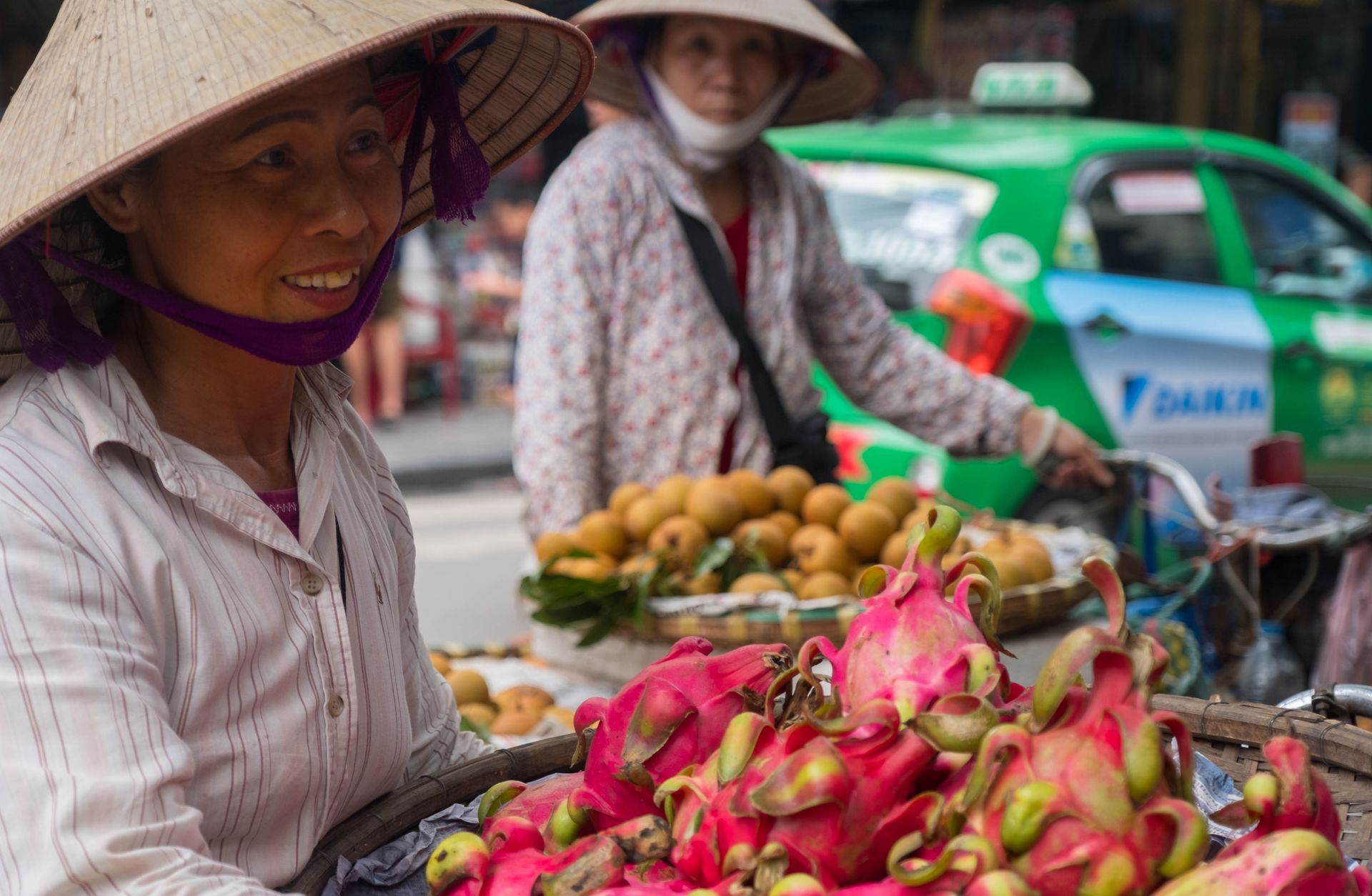
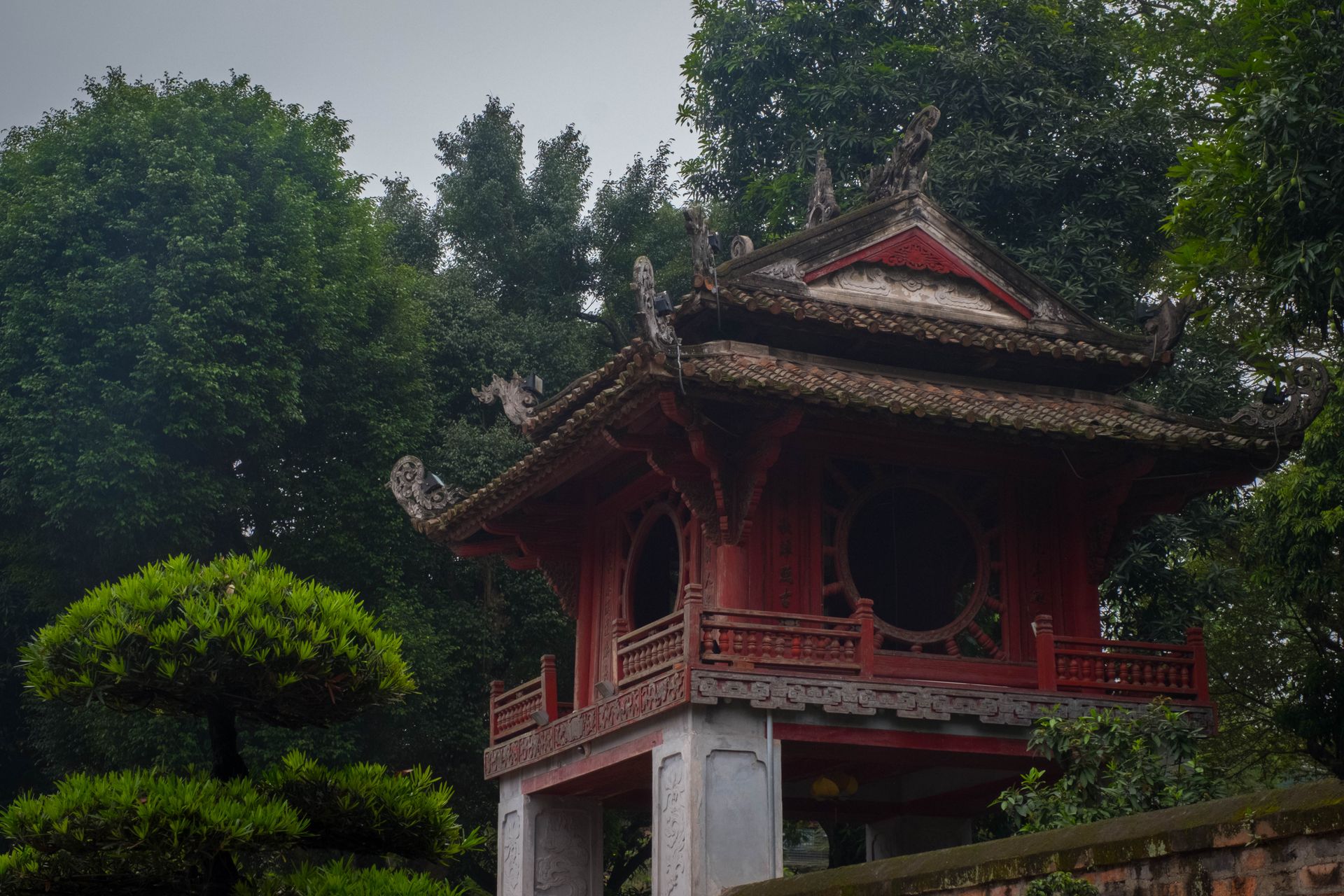
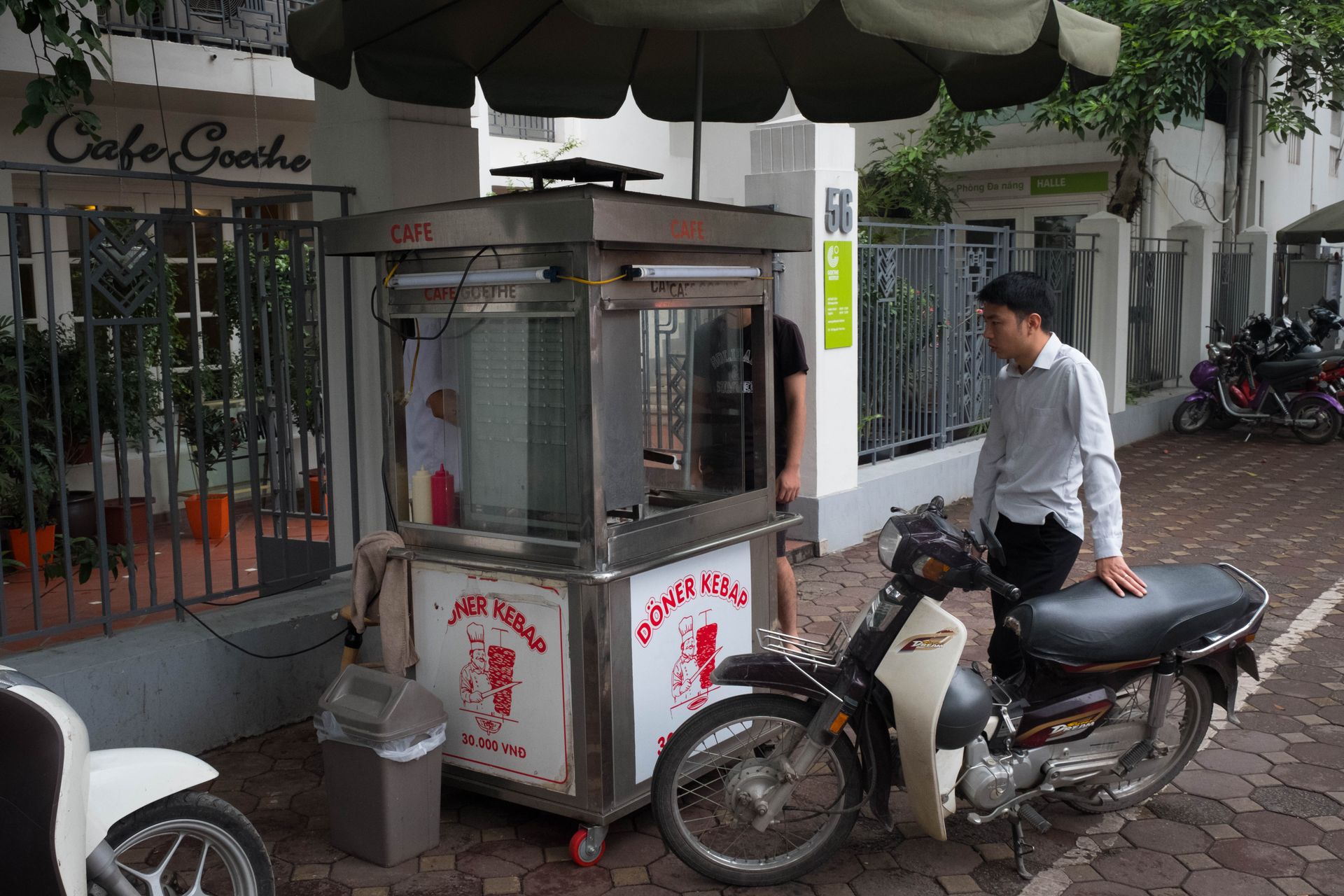
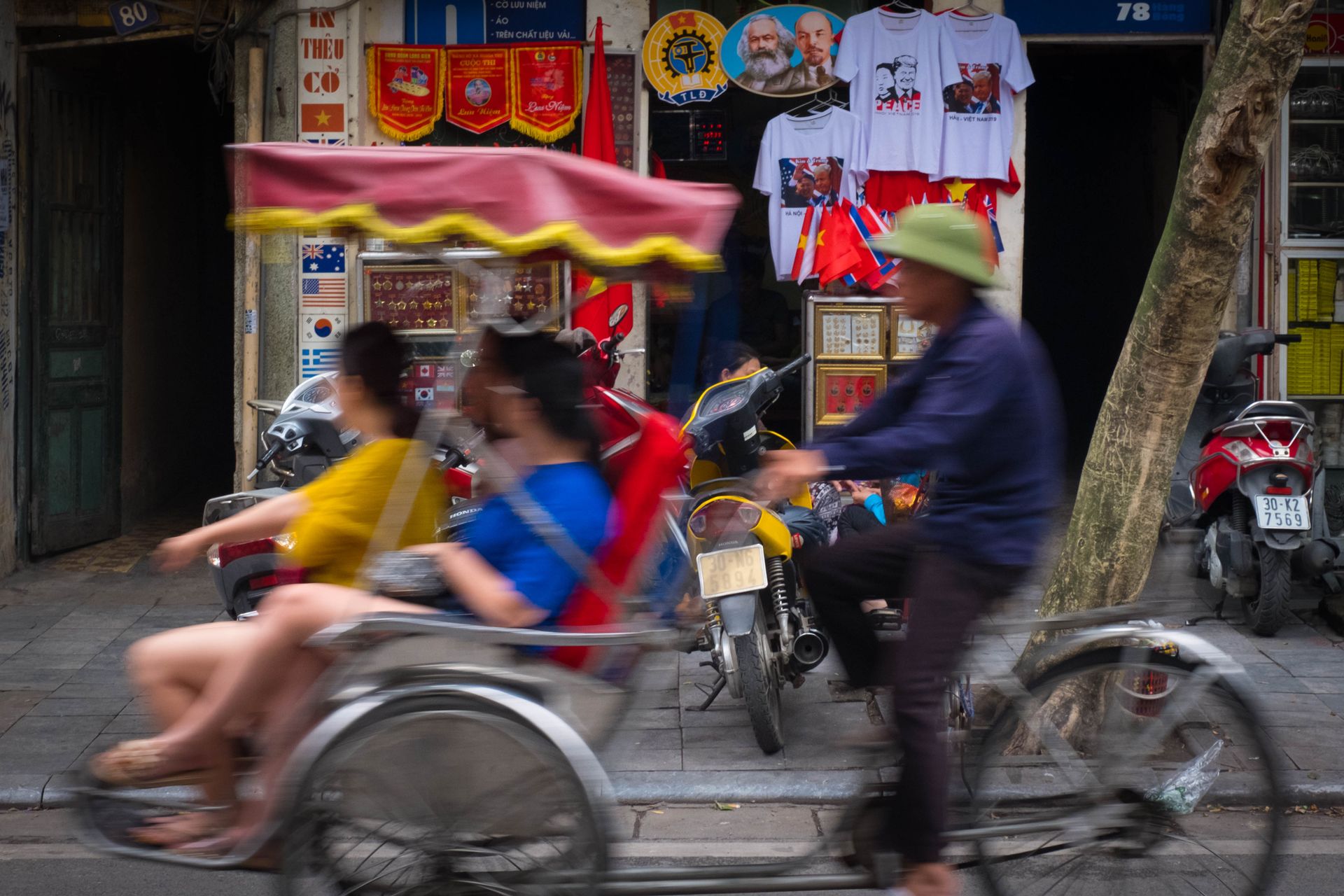
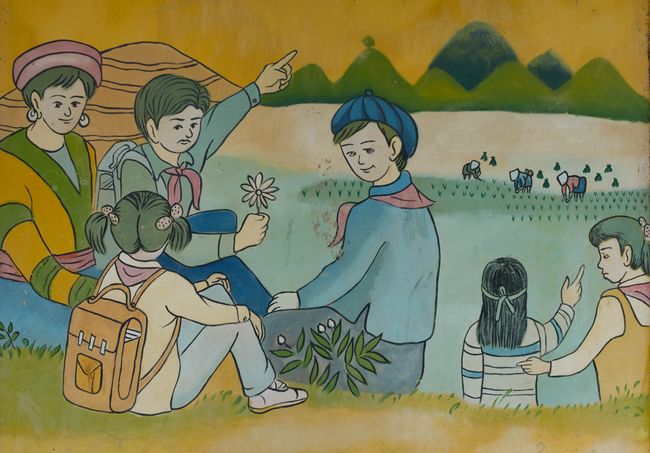
Scene change: When we arrive in Vietnam at Dien Bien Phu, we are overwhelmed. By the size of the city, the wide streets, and the huge grand buildings. We notice the many uniformed people right away. Socialist cliché? This is also certainly due to the historical significance of Dien Bien Phu. This is where the colonial power France suffered a decisive defeat in 1954, which subsequently led to Vietnam's independence and division. The pride of the Vietnamese in this victory is evident not only in the Dien Bien Phu Victory Museum: here, one group of decorated veterans after another is paraded through. The posters at the cinema also speak volumes, which we understand even without knowledge of Vietnamese. The glorious victory is portrayed on the screen in several films.
In the restaurant, it becomes difficult without knowledge of Vietnamese. There is no English menu, and the waitresses do not speak English either. So we approach the table of other guests somewhat hesitantly and point to their dishes to make it clear to the waitress what we would like to order. Our table neighbors promptly grab a fresh spoon and offer us samples of their food to taste. In the next restaurant, the chef invites us directly into the kitchen to select our food. And if there is no paper available, the bill amount is sometimes written on the hand. We feel very welcome and are enthusiastic about the helpfulness and openness of the Vietnamese.
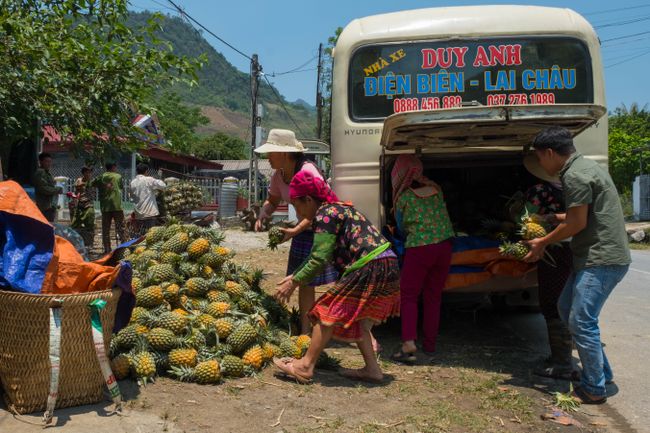
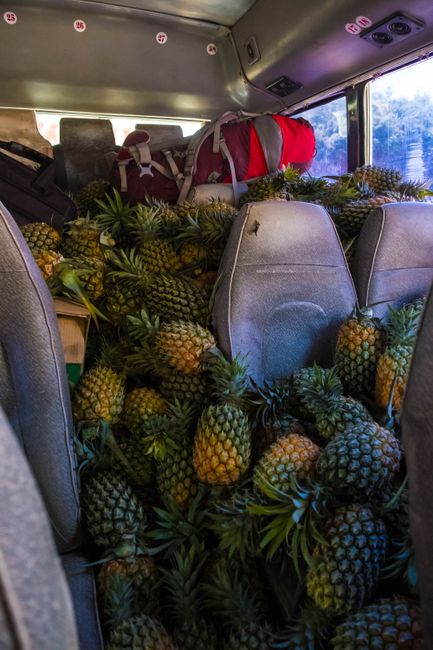
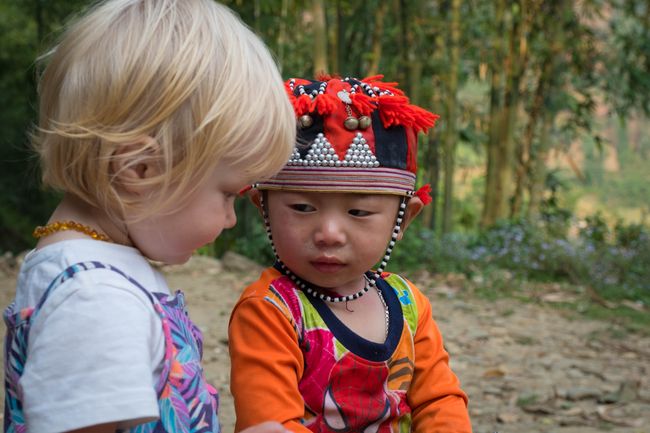
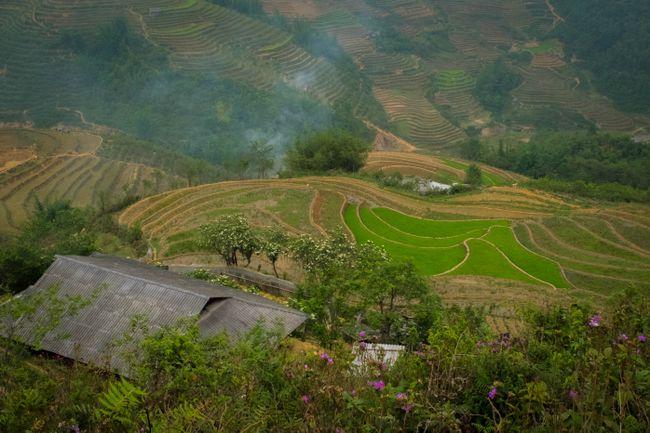
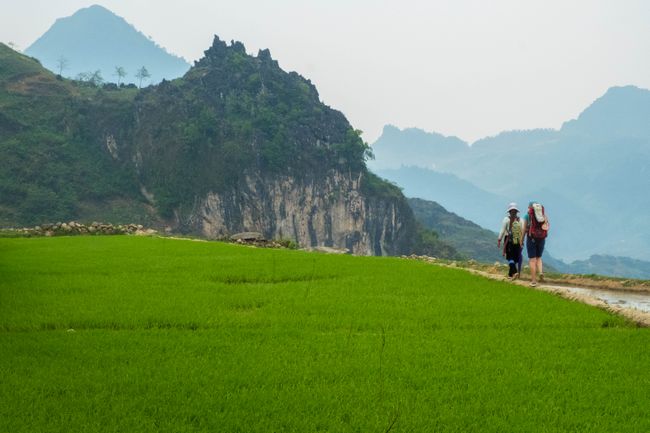
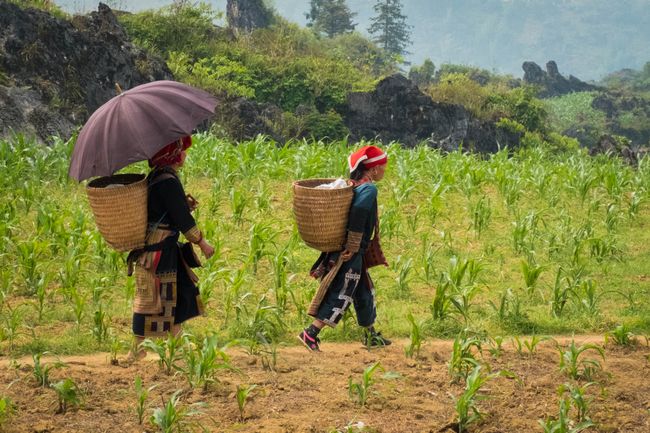
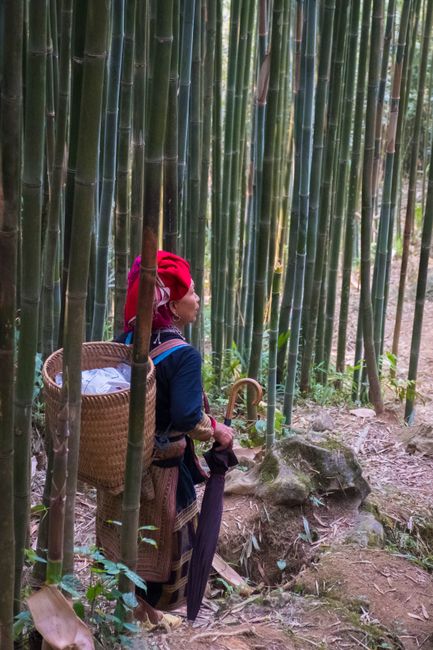
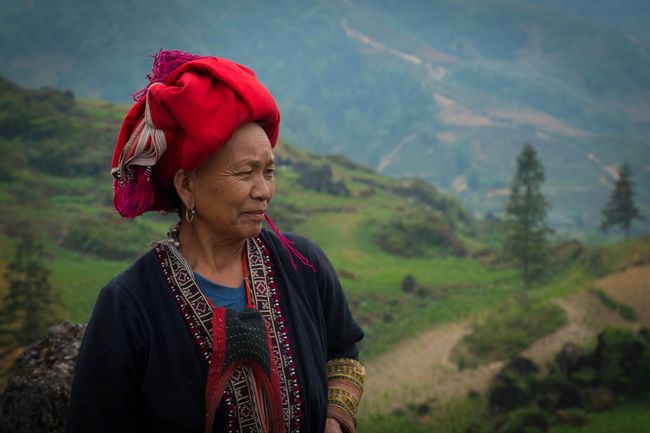
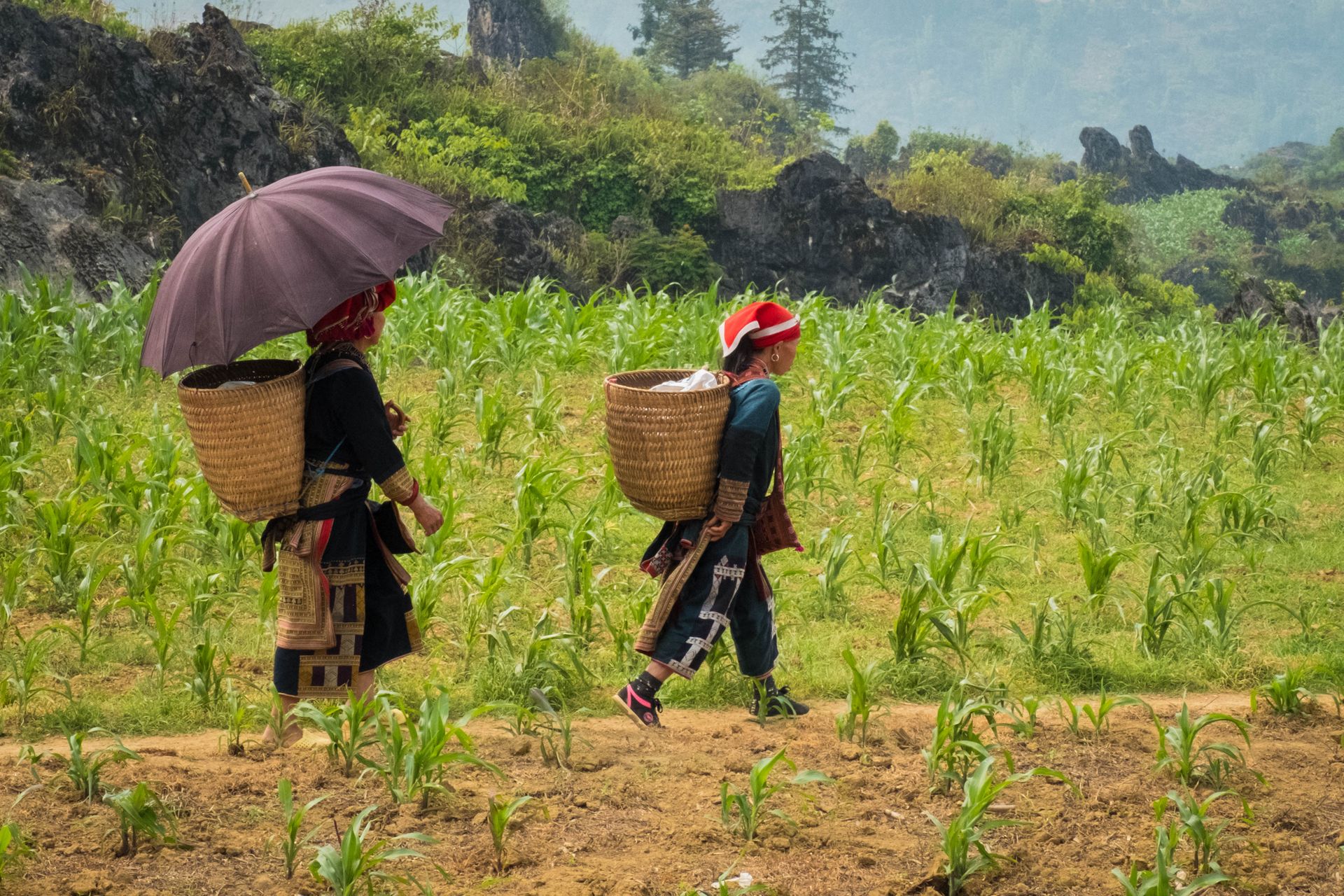
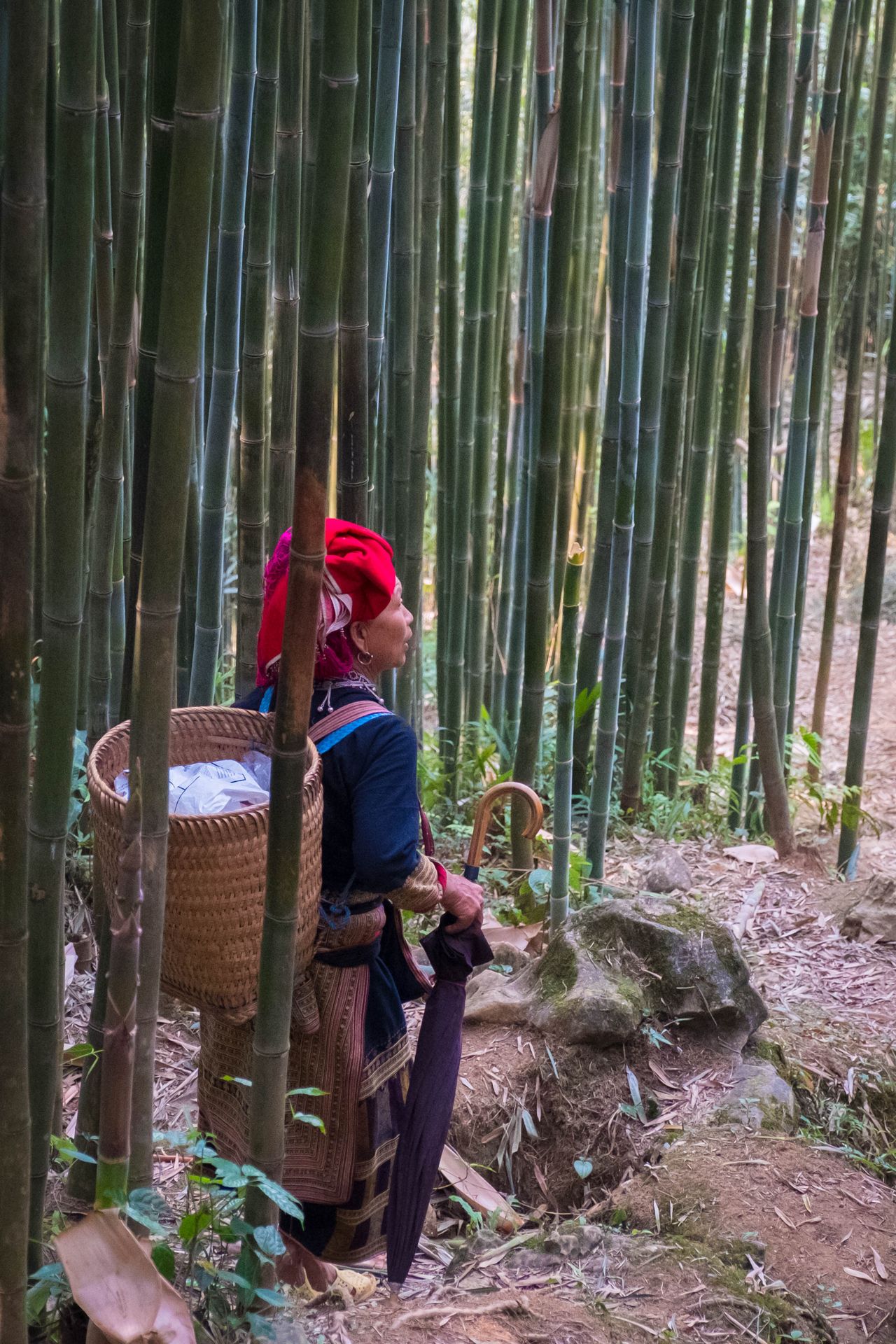
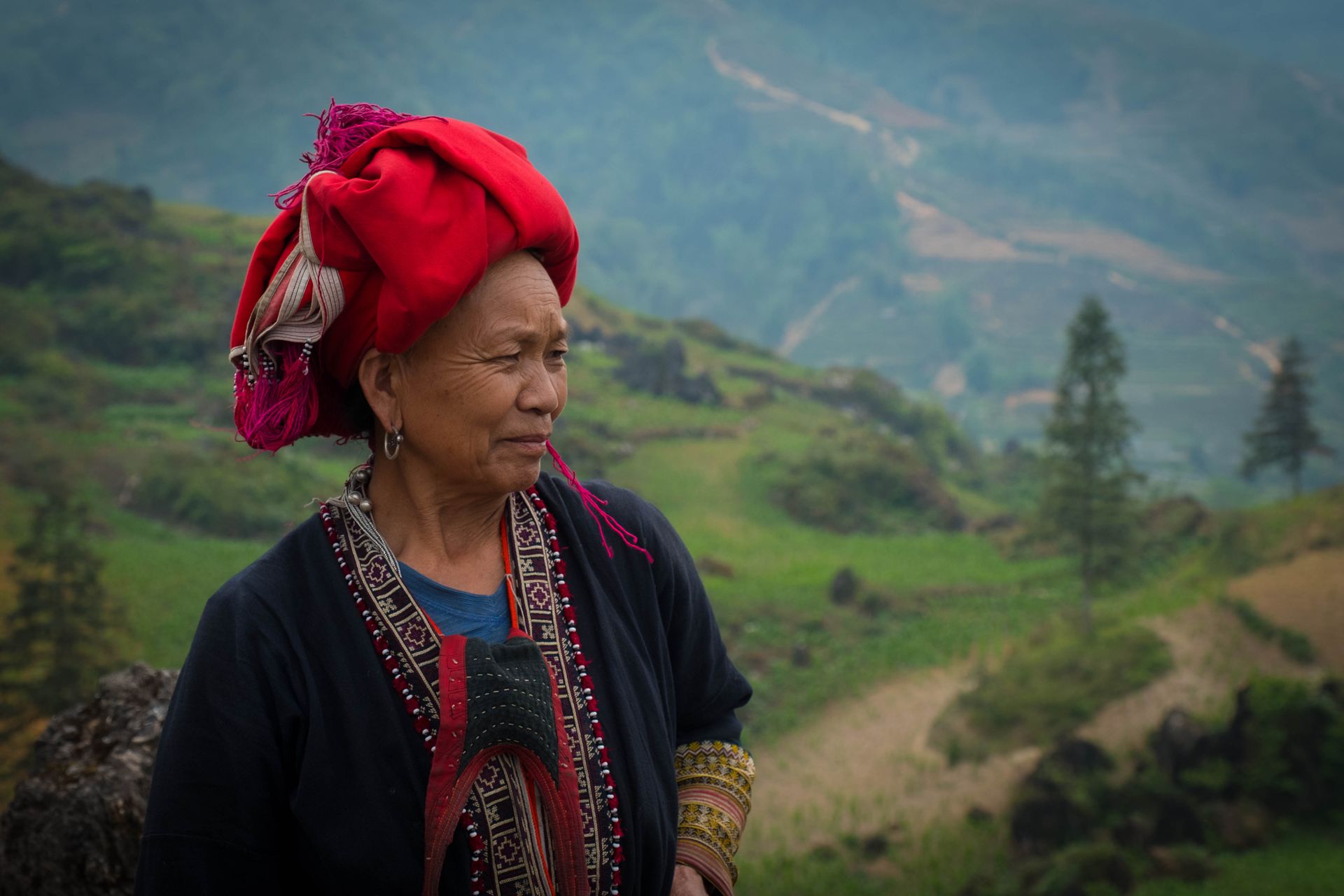
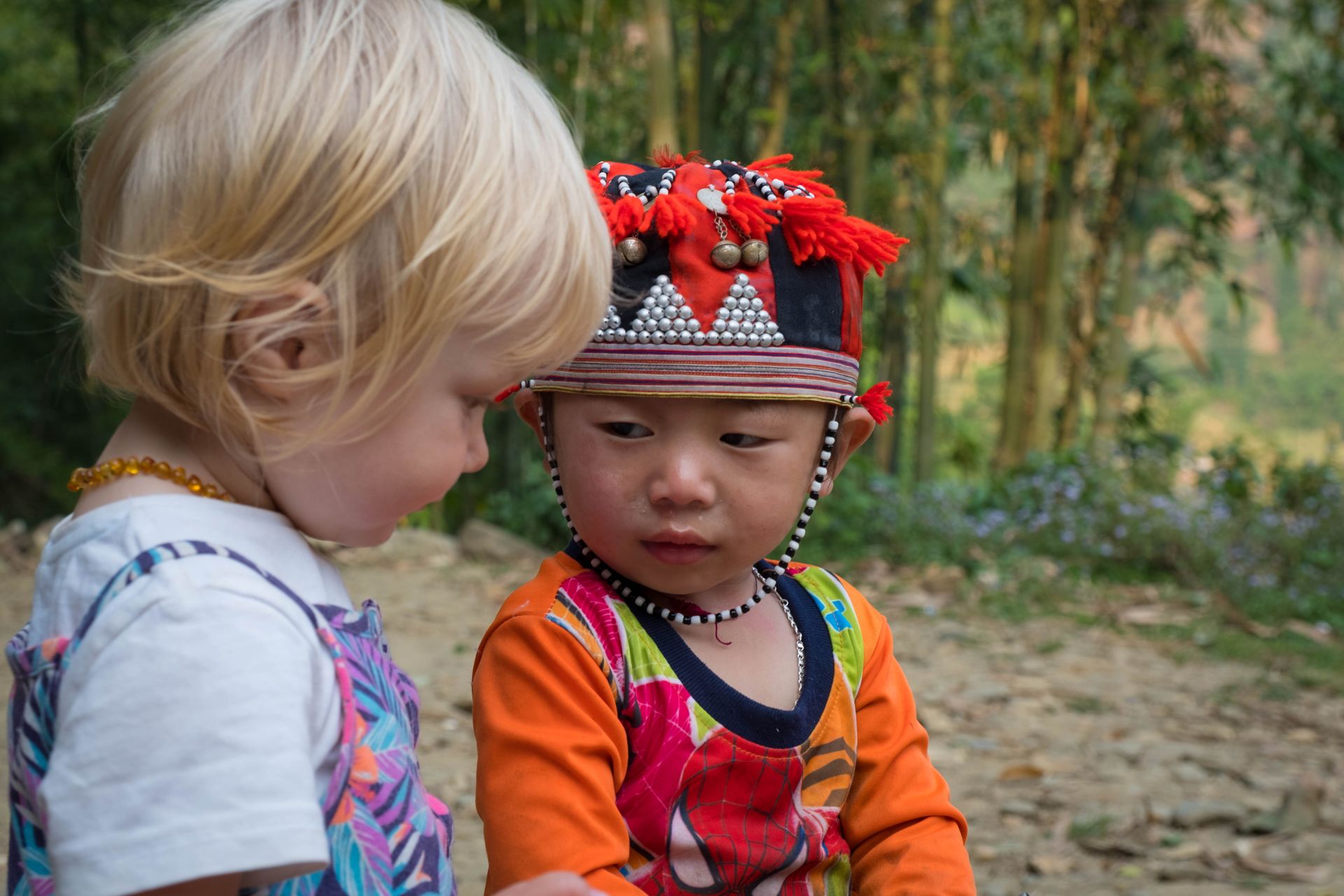
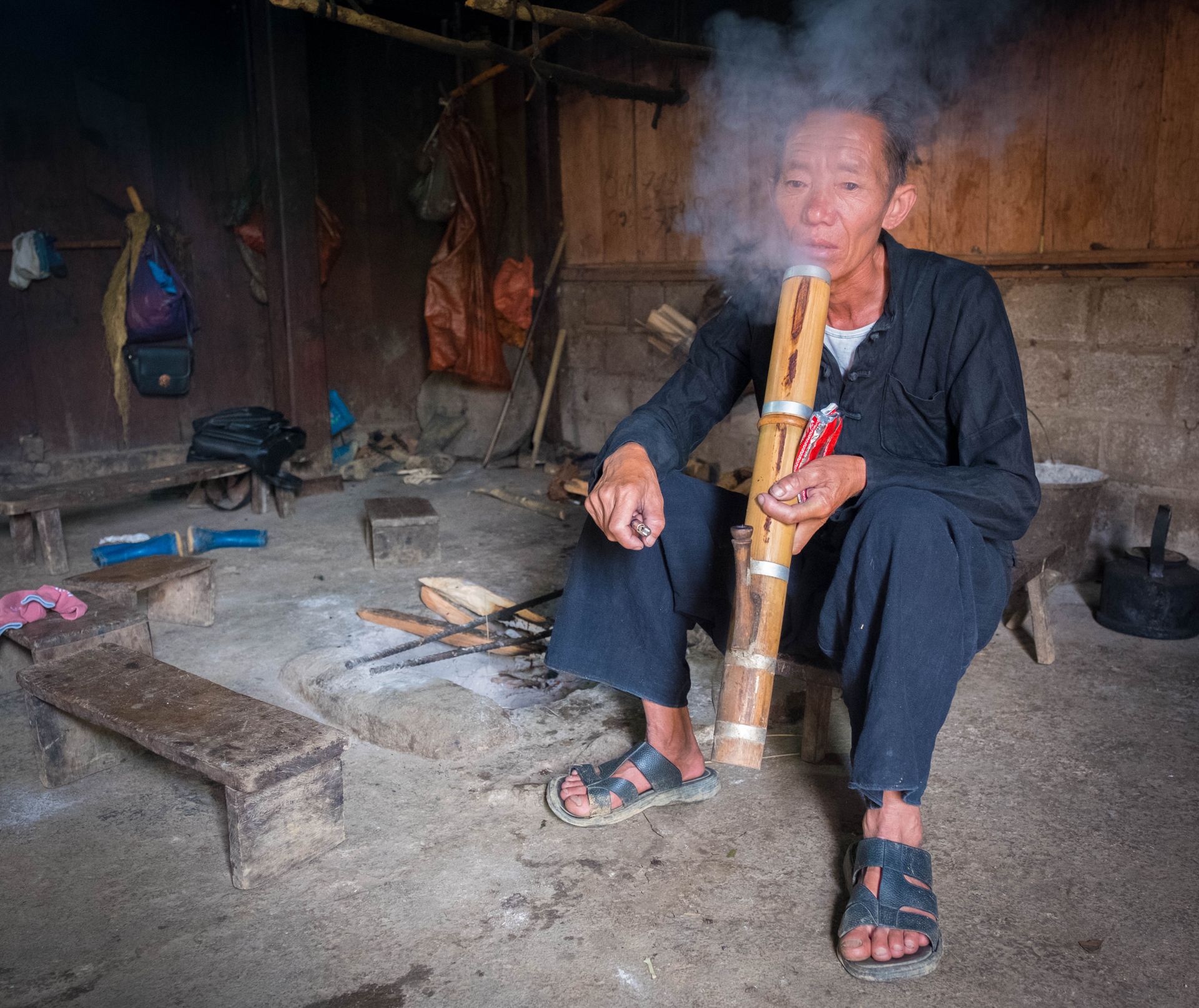
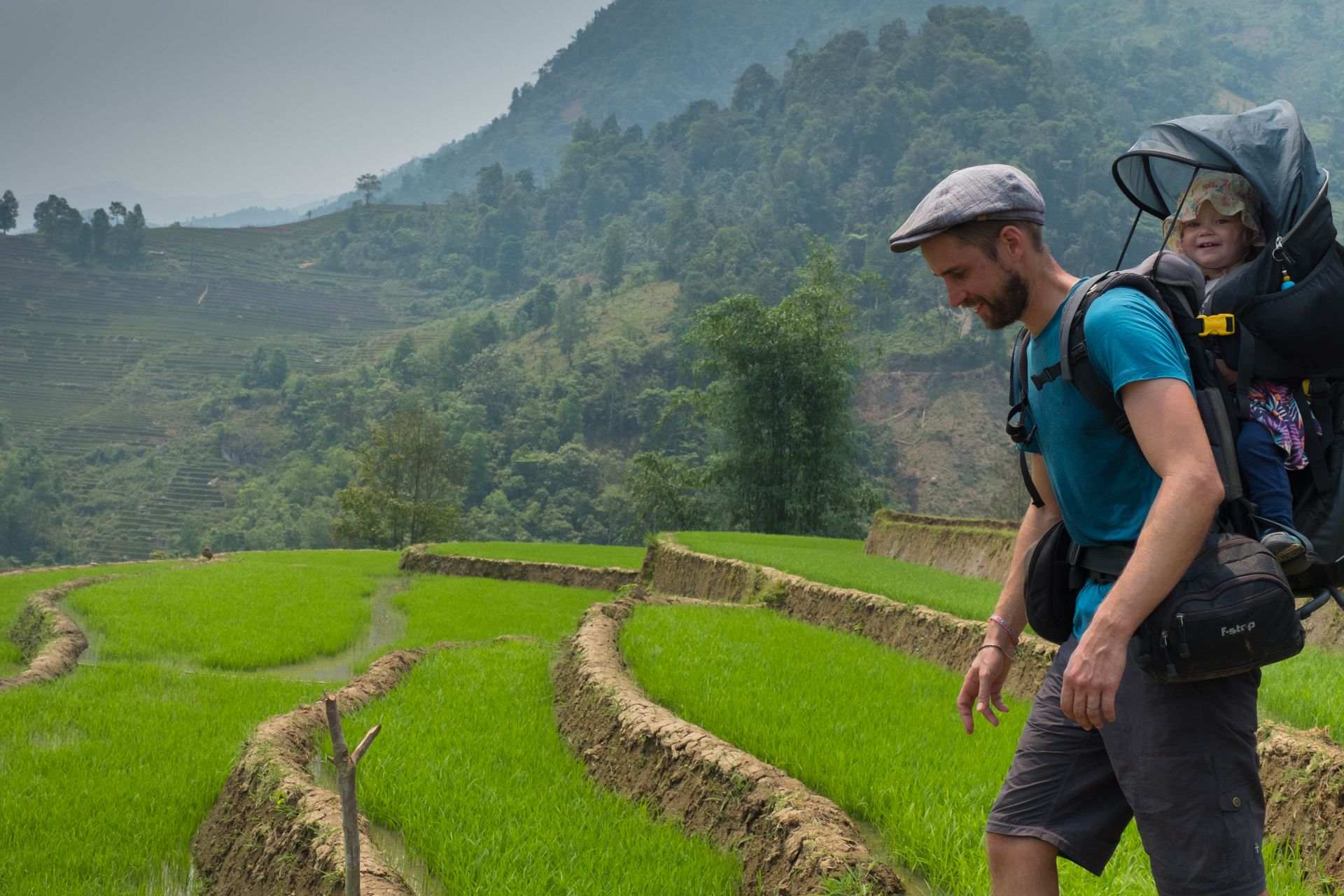
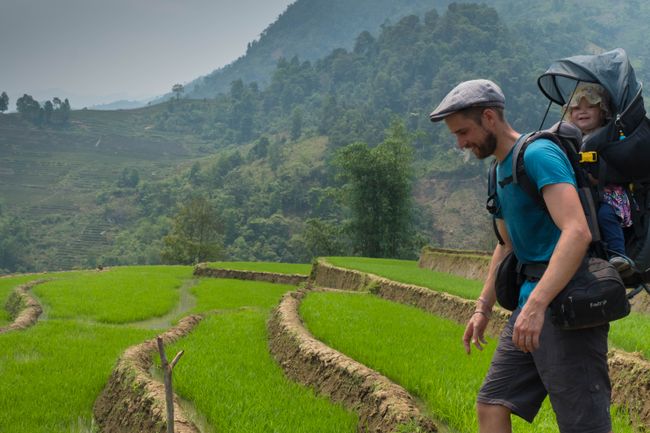
We find it admirable that some traditions are still lived as they are, such as traditional clothing and its independent production. However, it is shocking that due to poor health and maternity care and strong distrust of doctors, it is common to call a shaman even in serious illness and that traditionally, children are only born in the presence of the mother of the giving birth - not to mention prenatal care. Fortunately, we have not come across another questionable tradition. Some time ago, another couple of tourists returned to Sapa without their guide because she was kidnapped along the way. Traditionally, a woman is kidnapped by a suitor who has an eye on her and has to live with him and his family for four days. After that, her family decides whether the wedding will take place - often without even talking to the woman about it.
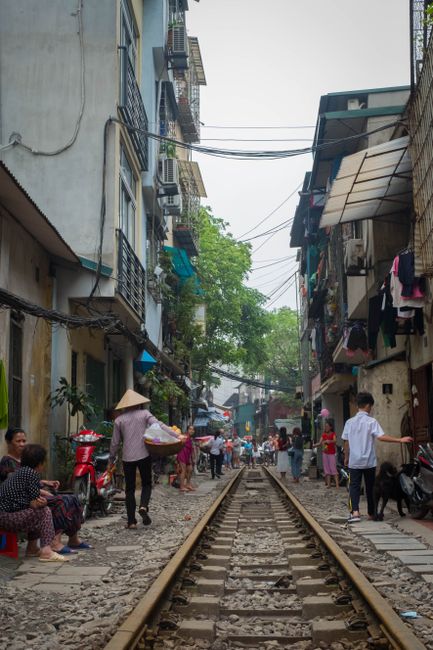
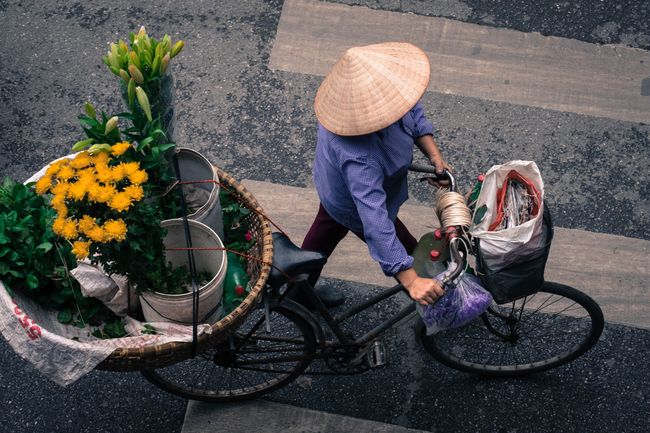
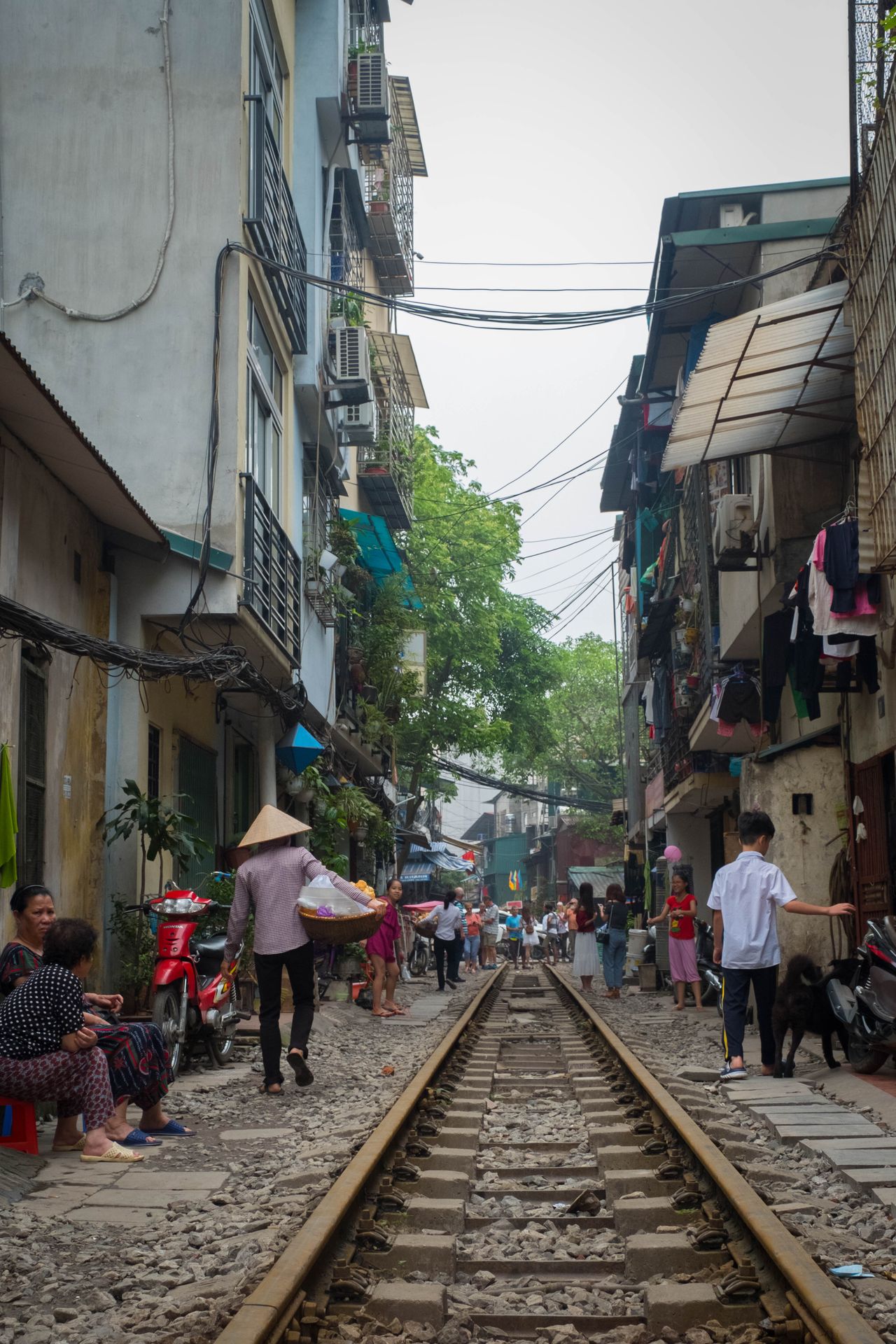
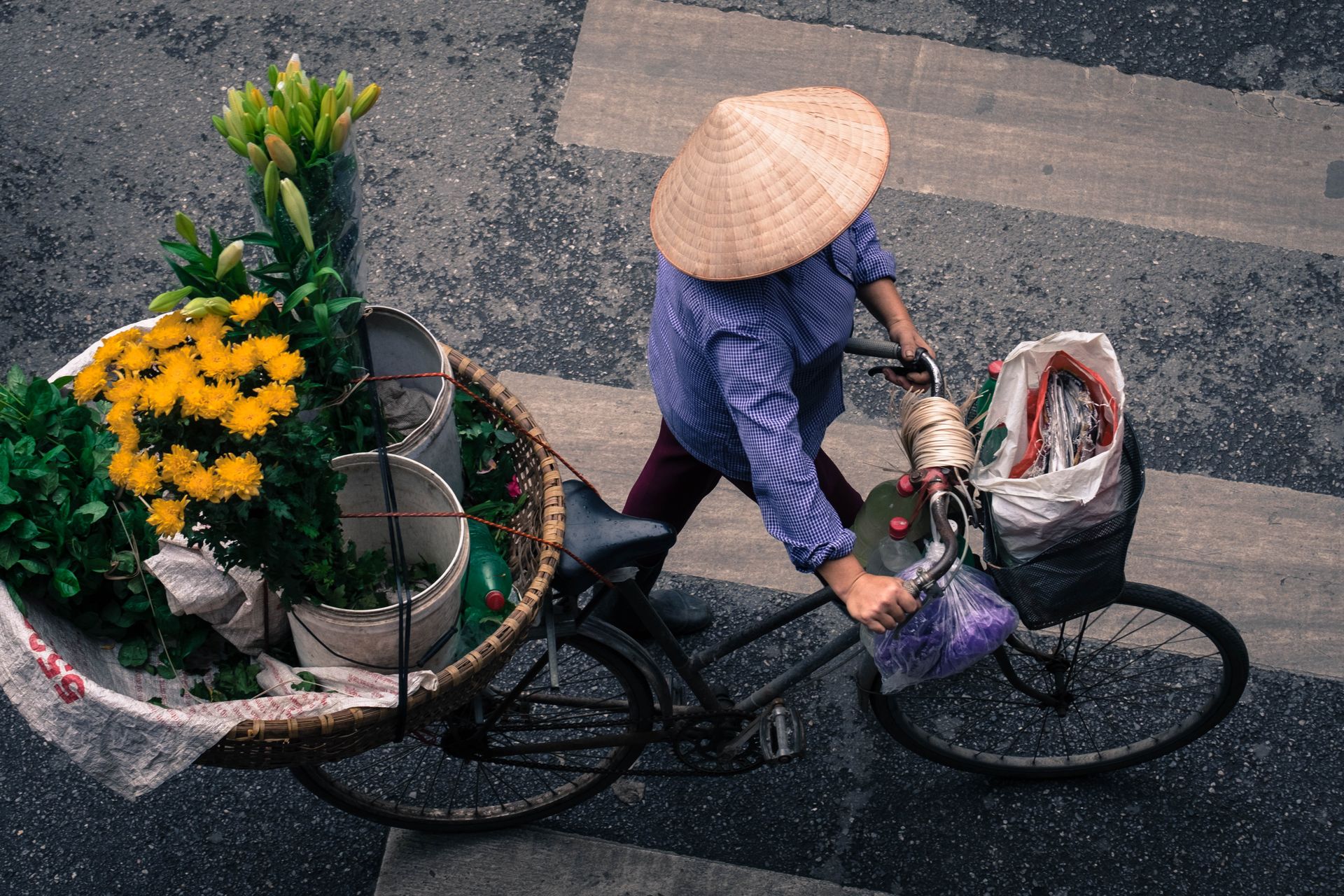
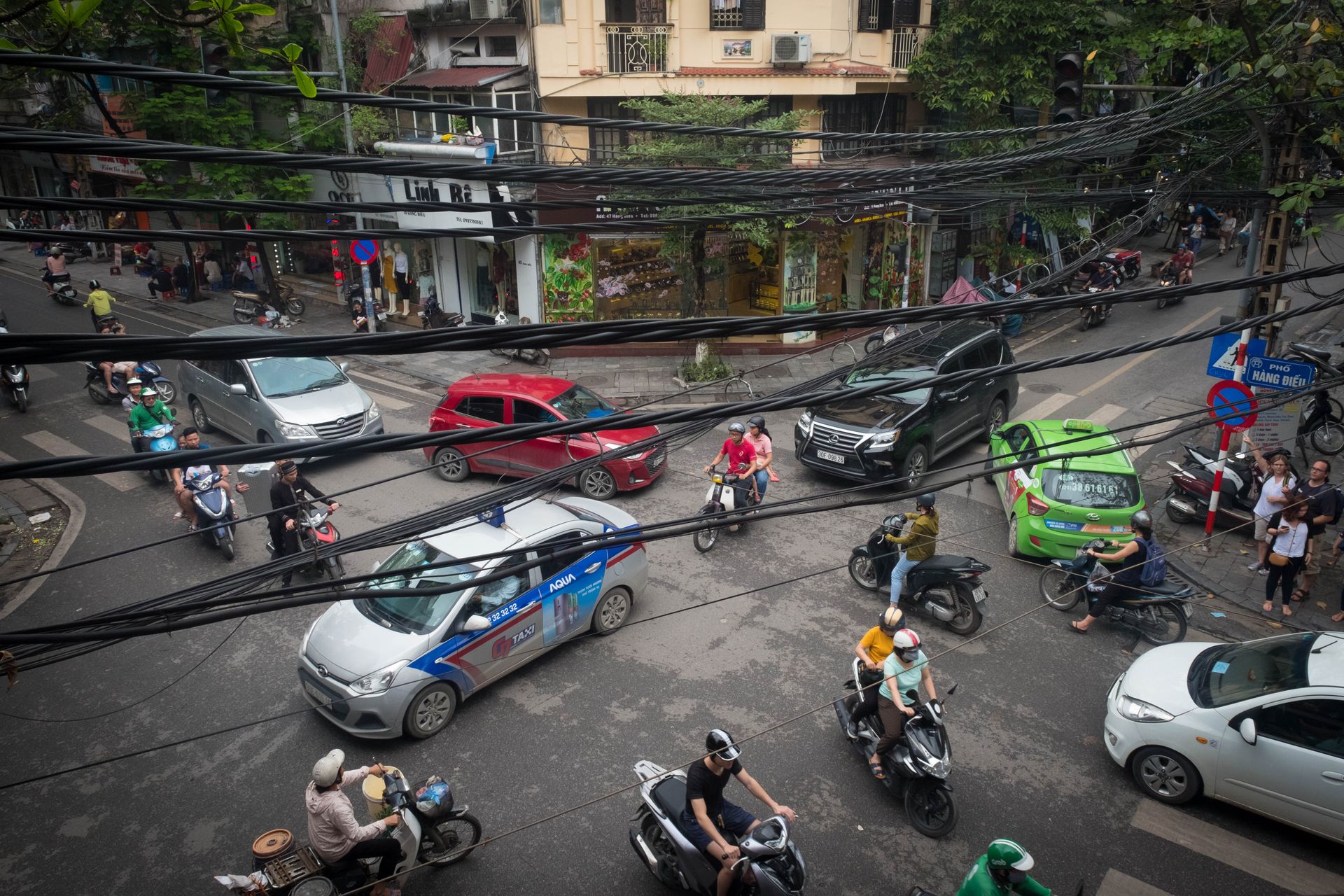
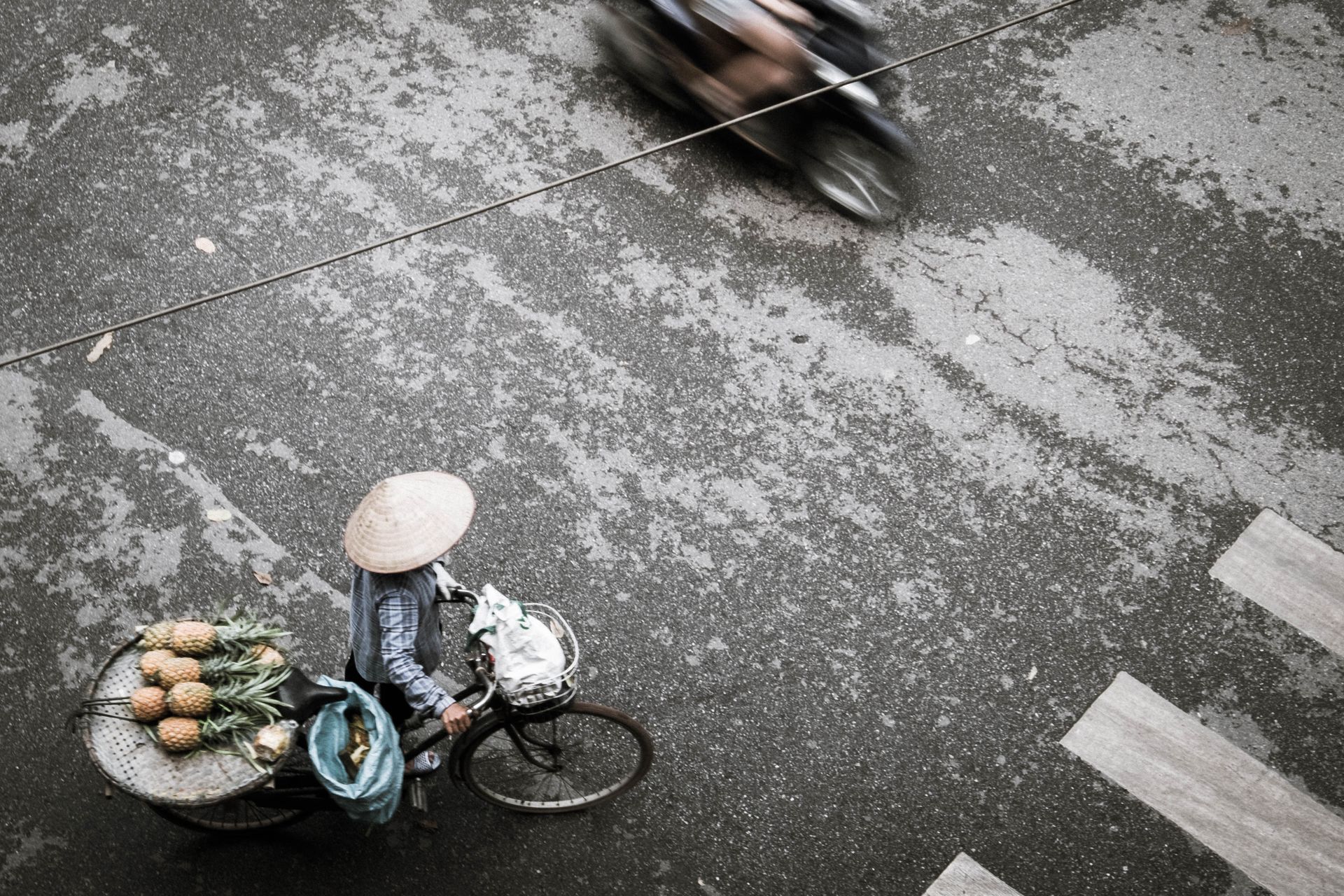
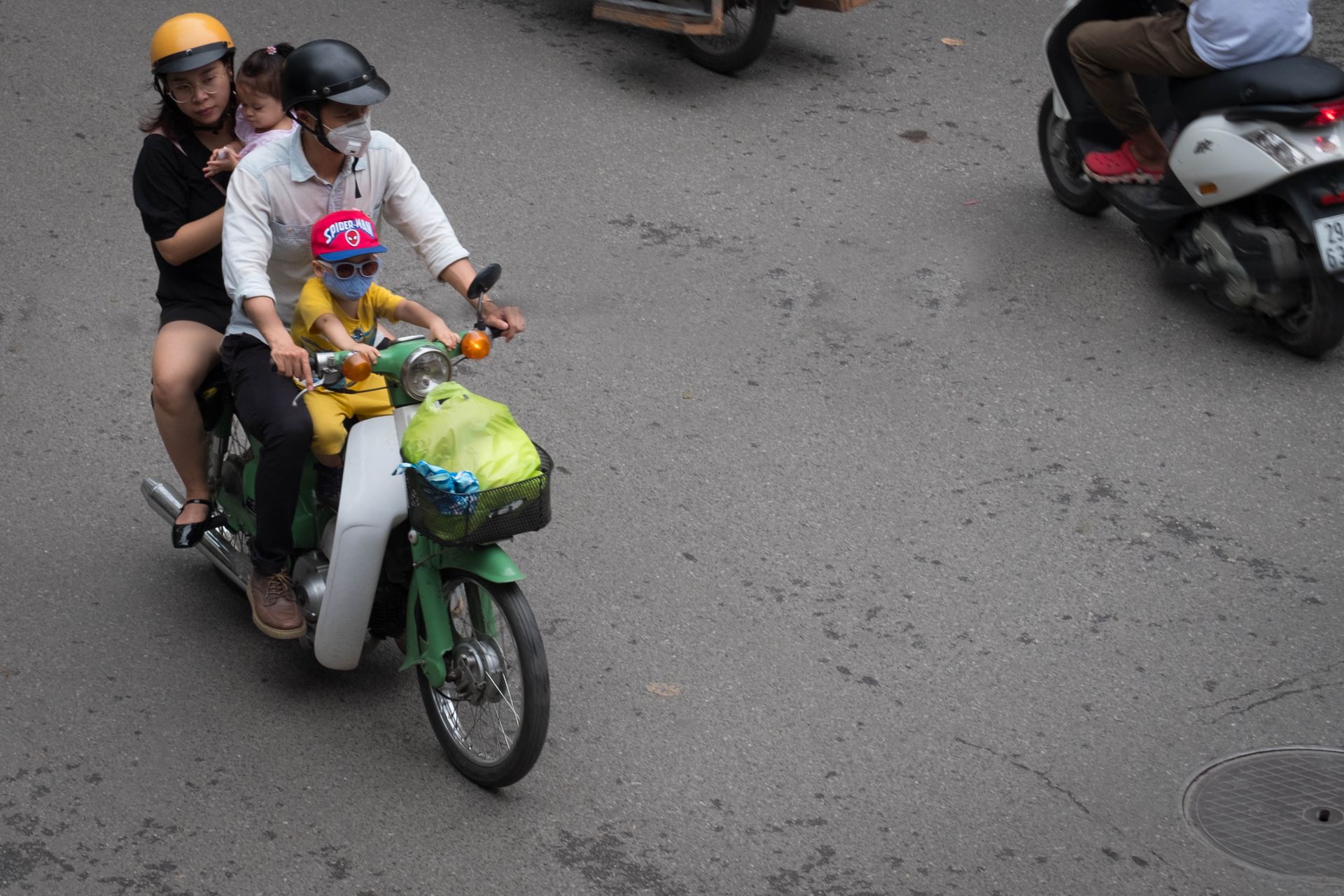
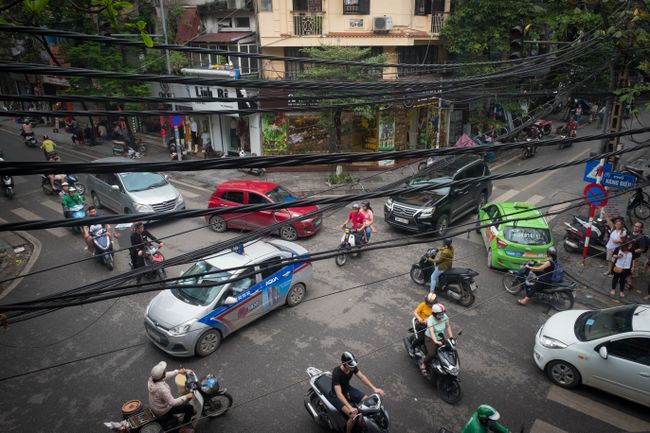
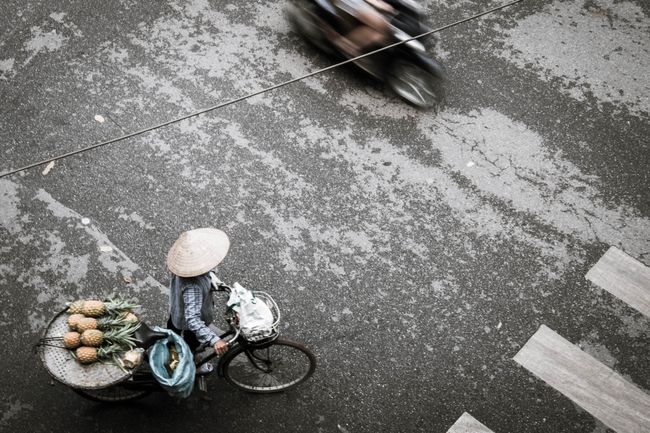
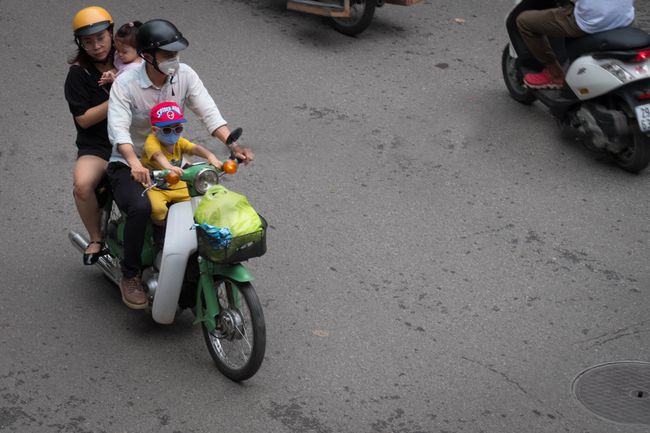
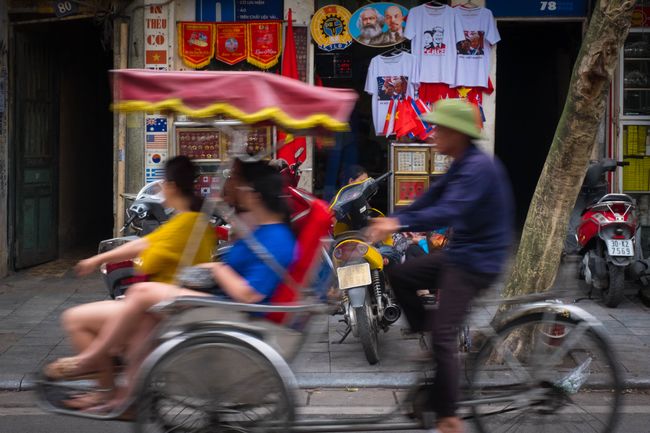
In Hanoi, there are more than five million motor scooters on the road. Especially in the narrow streets of the old town, they are the fastest means of transport. However, the daring driving style creates a completely chaotic traffic situation. The fact that more and more large SUVs and sedans are mixing in does not necessarily make the streets safer. But what can you expect from a Southeast Asian capital? Exactly this kind of traffic chaos par excellence! Don't worry too much, make eye contact with the drivers, and confidently walk on and continue. That's how it works crossing the street. But let's see how long this will still be necessary. Starting in 2030, motor scooters will be banned in the city center of Hanoi. Instead, the population should switch to an expanded public transportation network. In view of the poor air quality, this is certainly a sensible measure. Whether the 7.6 million inhabitants will see it that way remains to be seen. If the bustling traffic chaos disappears, Hanoi would definitely lose some of its identity. Unless everyone switches back to bicycles.
We are a little sorry that we cannot explore more of this country. Therefore, our motto is: Goodbye Vietnam.