
Bilbao, Day 2: Modern Art, Architecture, and Vibrant Streets
Our second day in Bilbao started with a very good breakfast at the hotel – a perfect foundation for an eventful day. Afterwards, we dedicated ourselves extensively to the...

Published: 06.12.2024
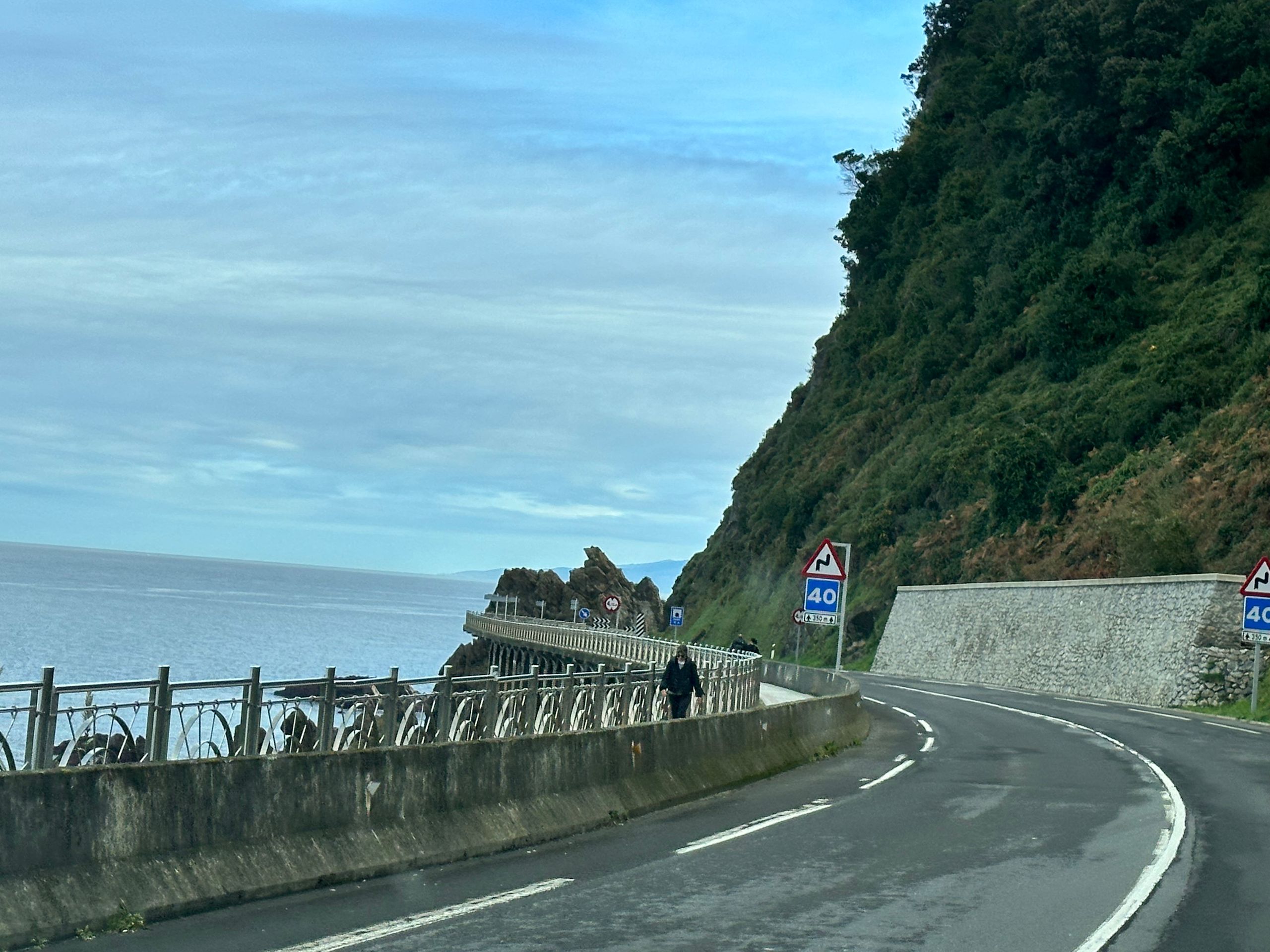
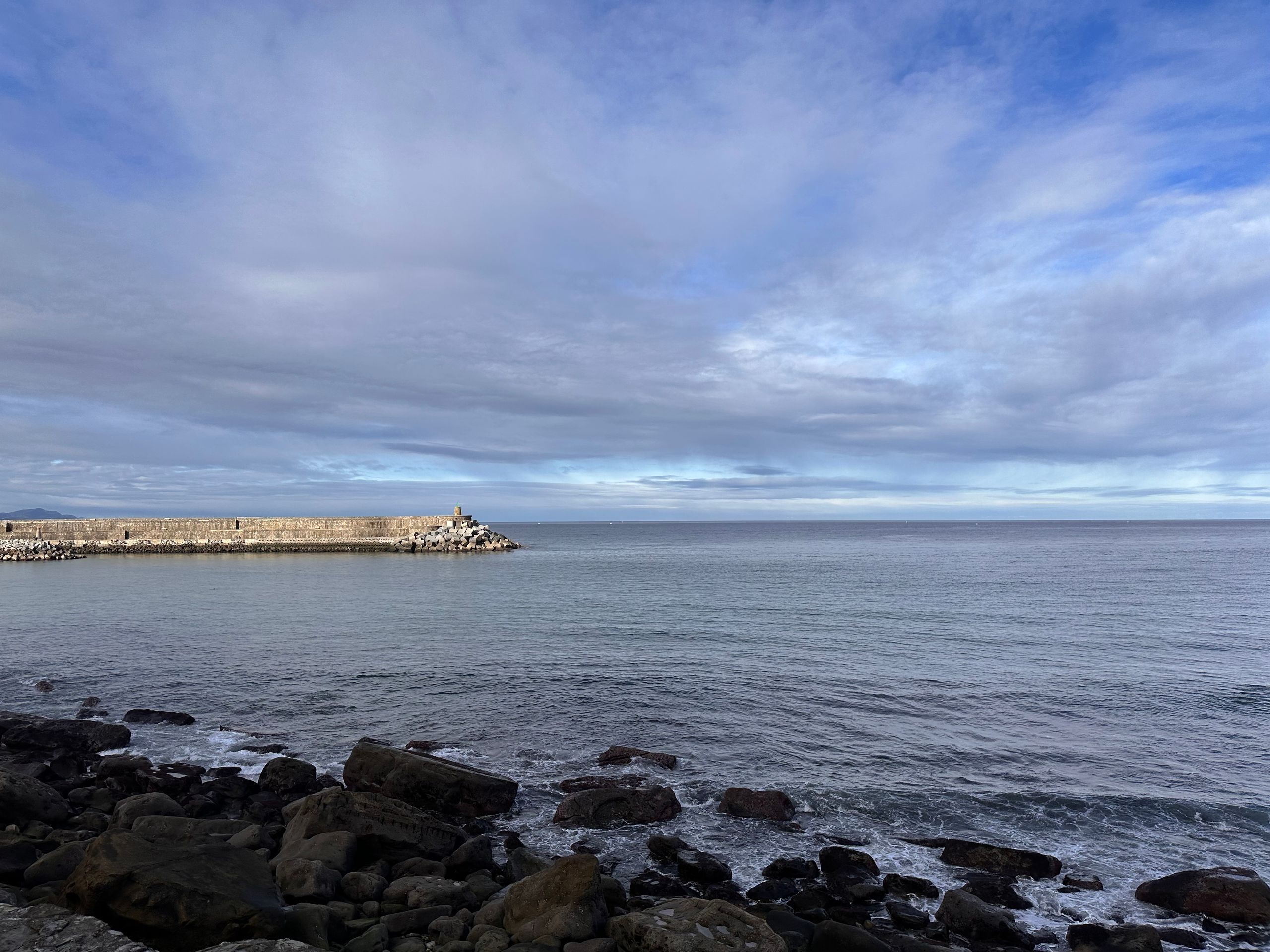
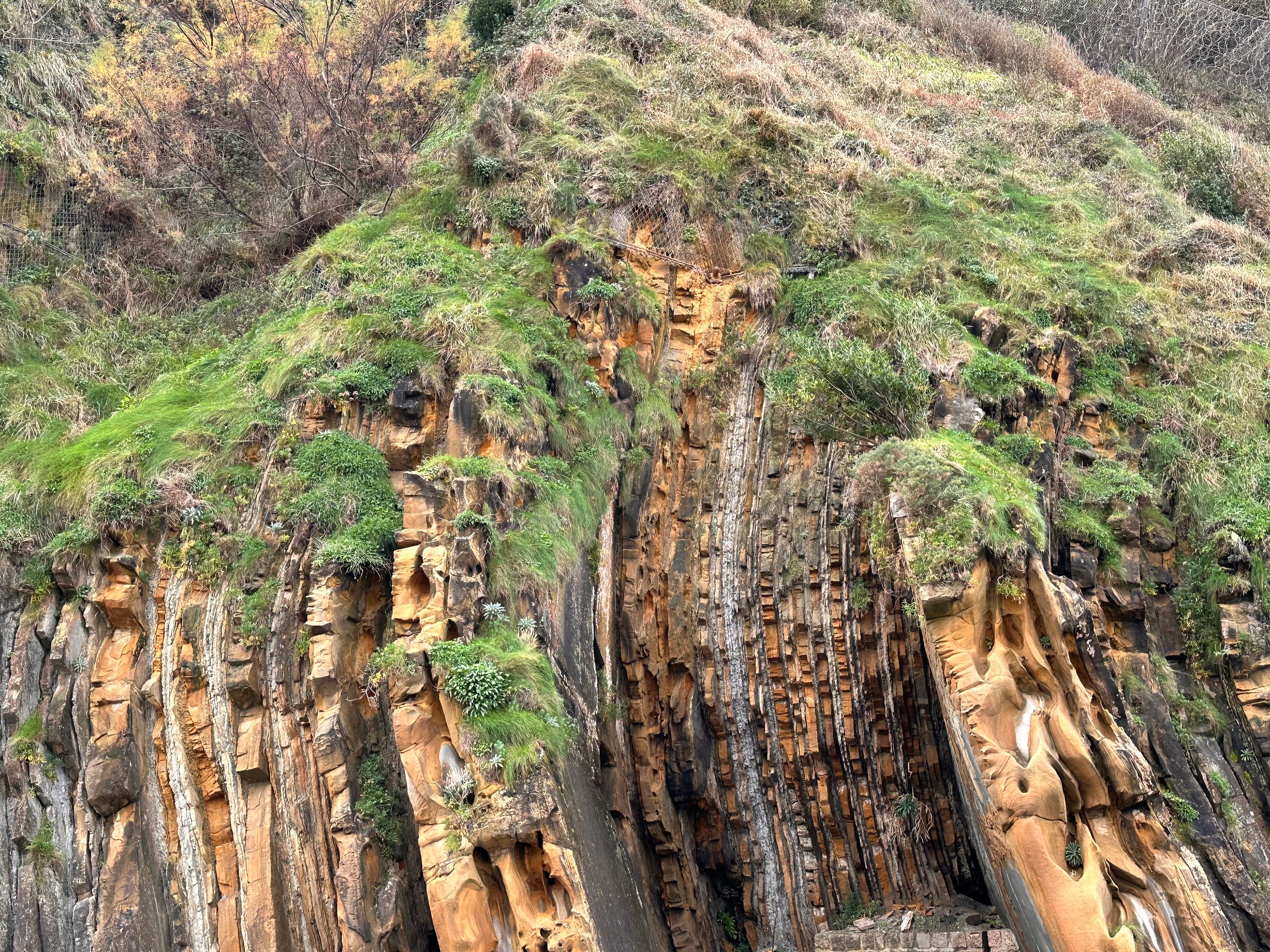
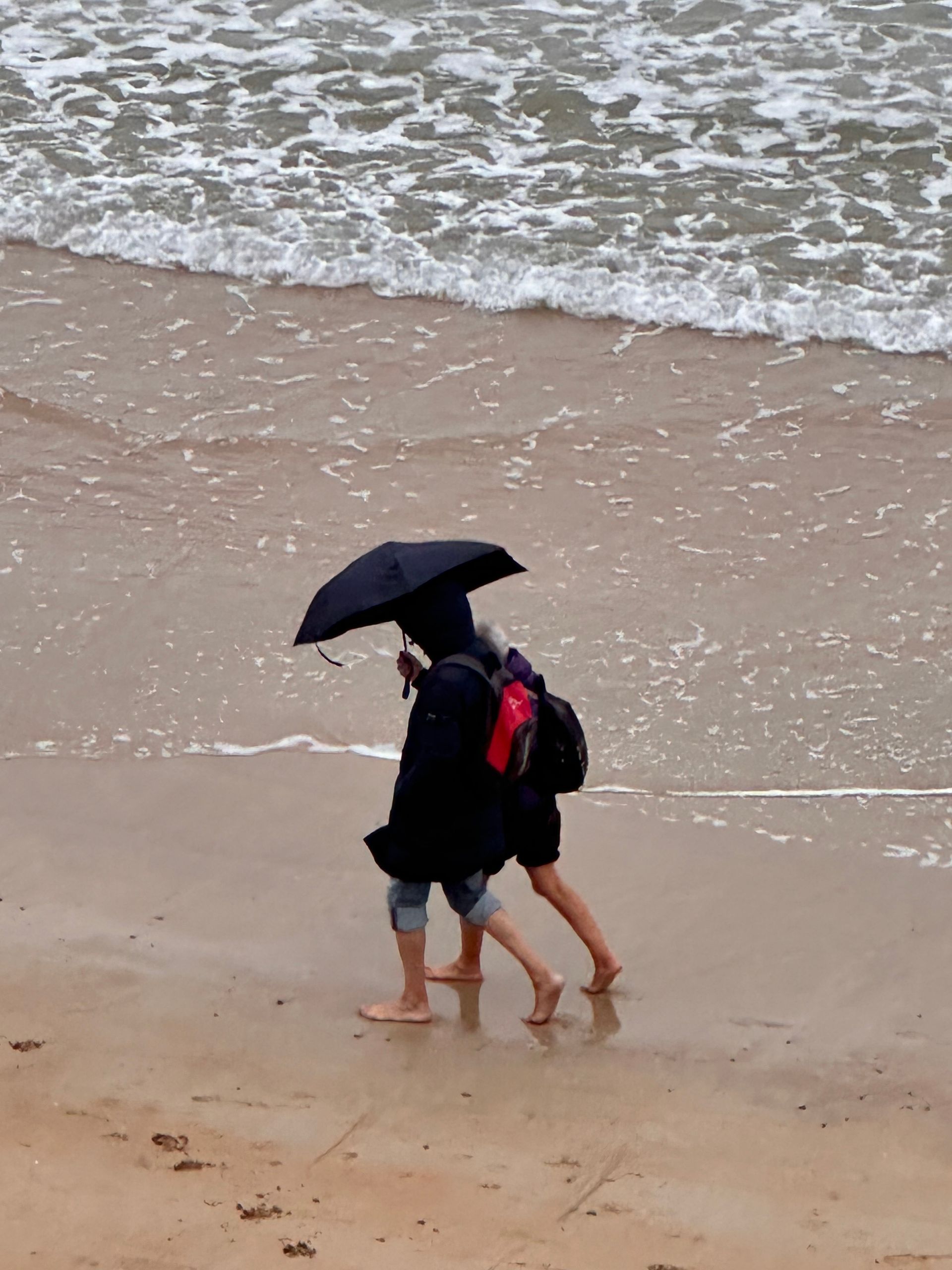
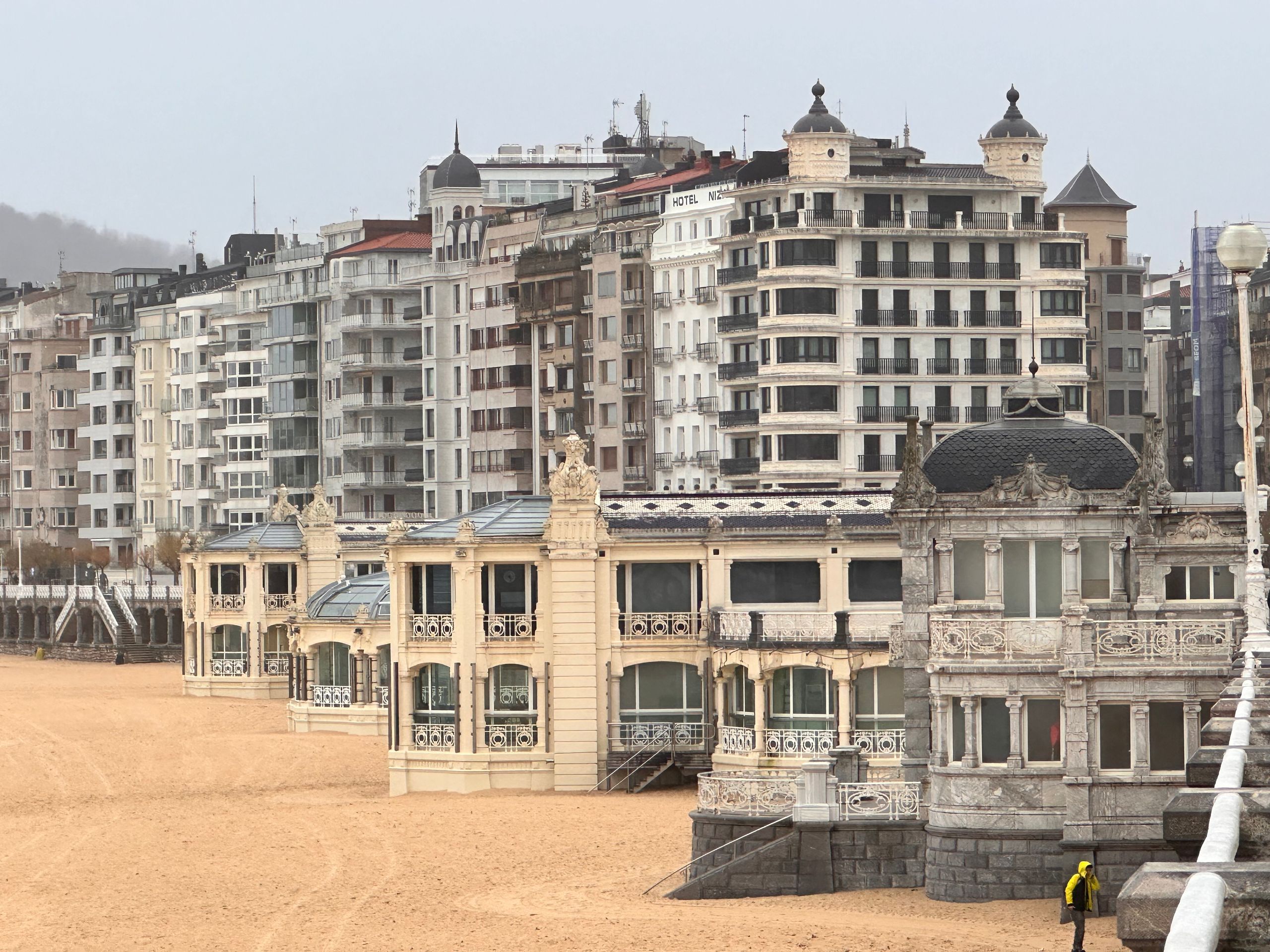
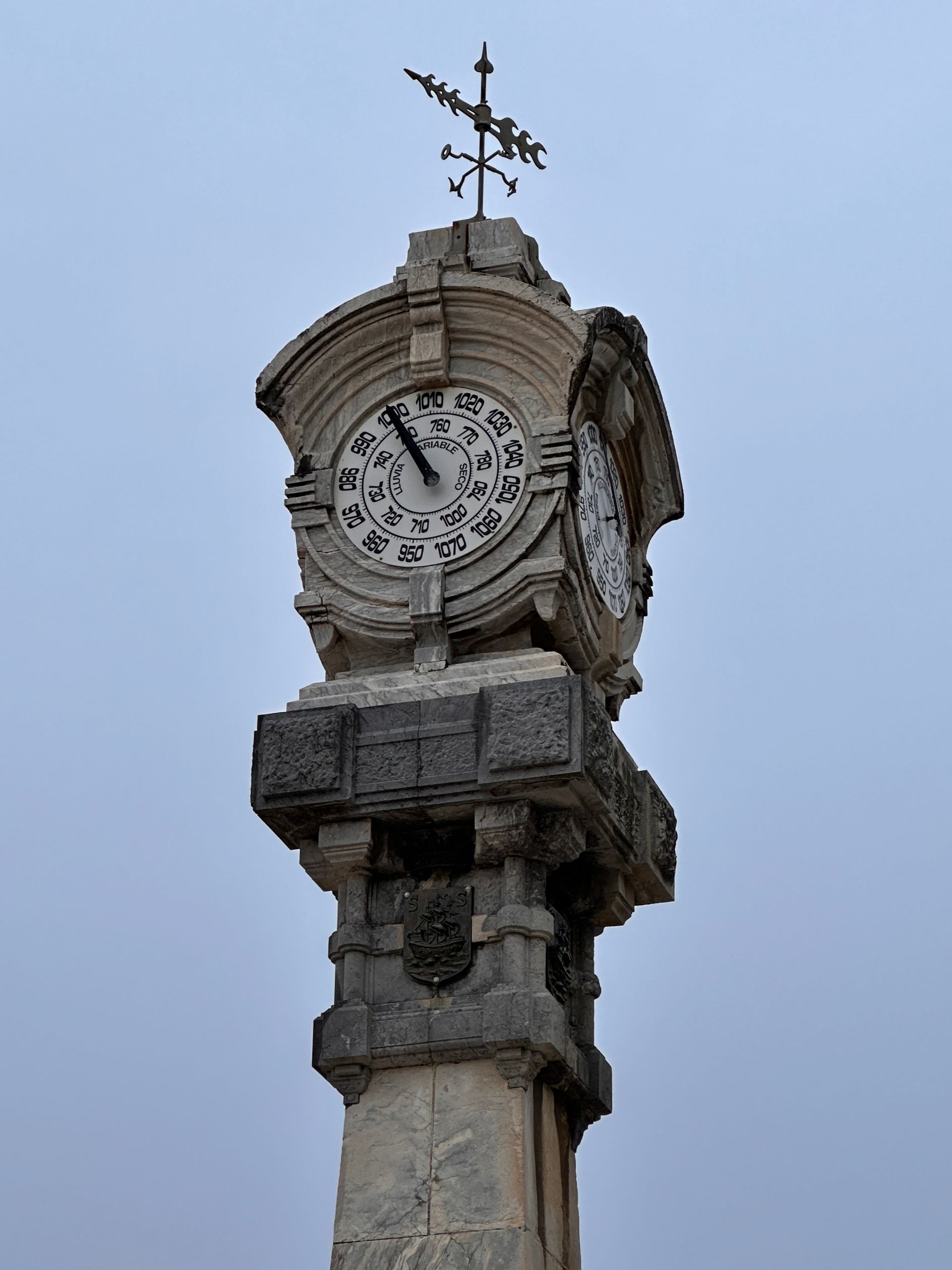
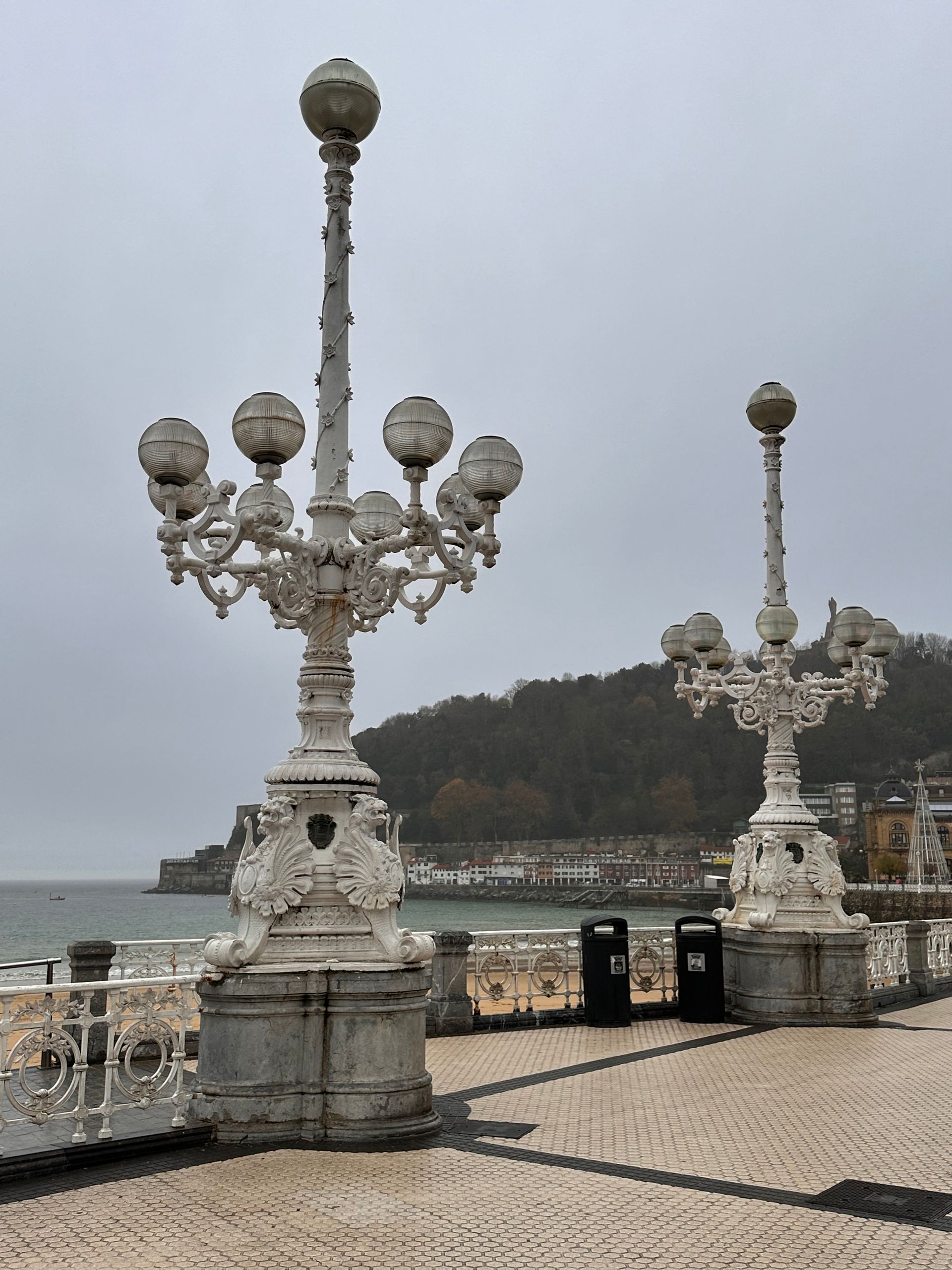
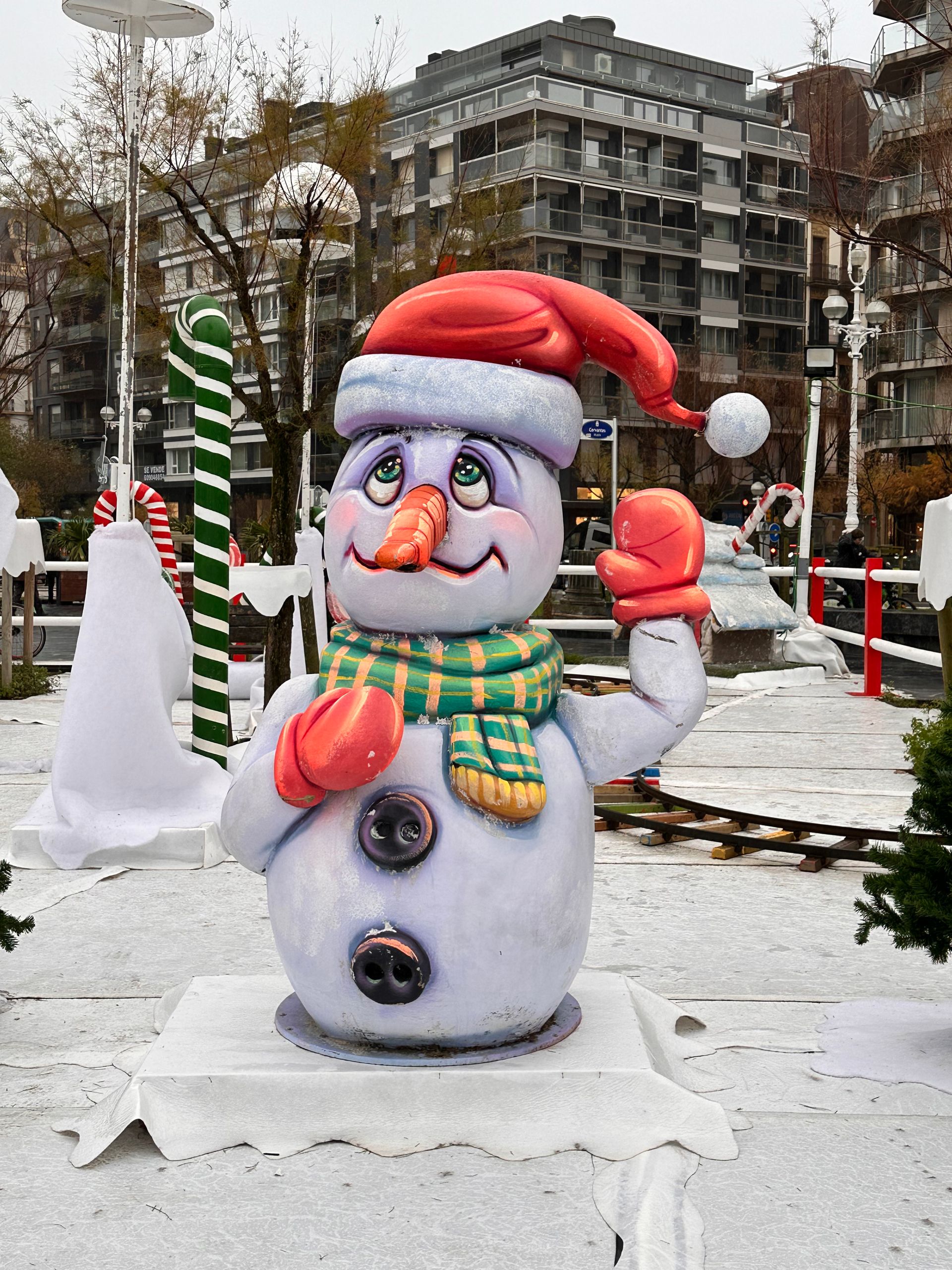
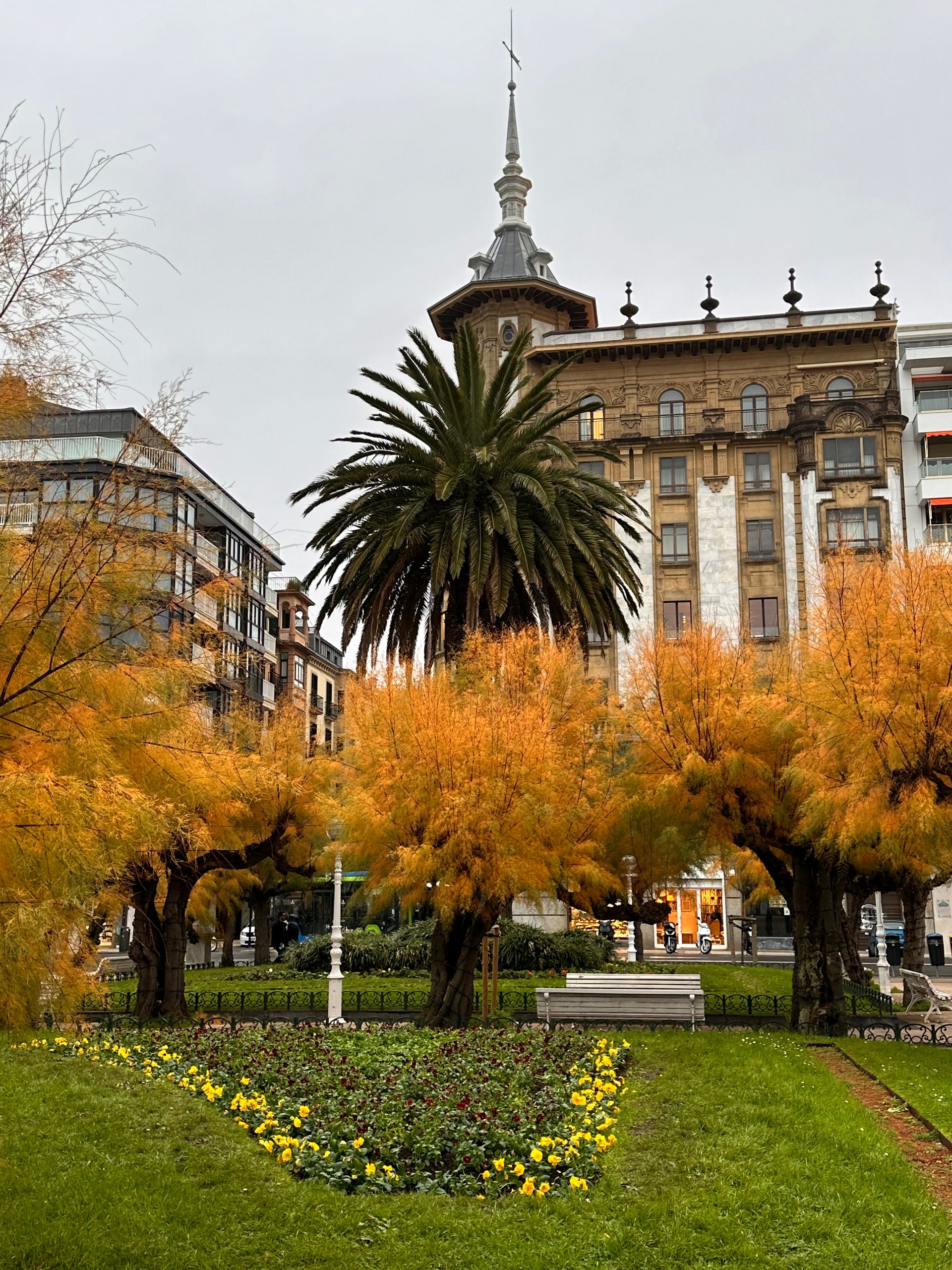
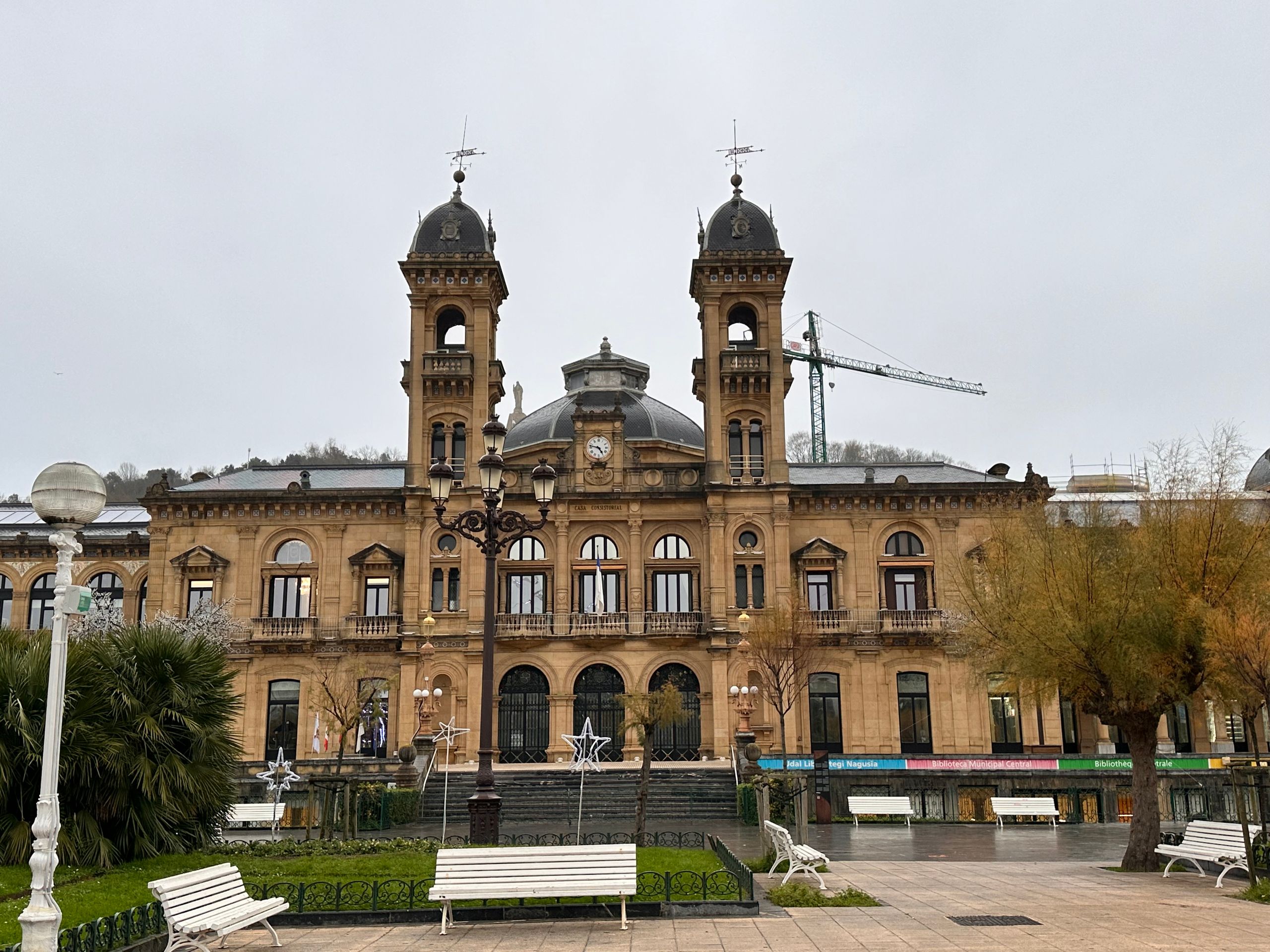
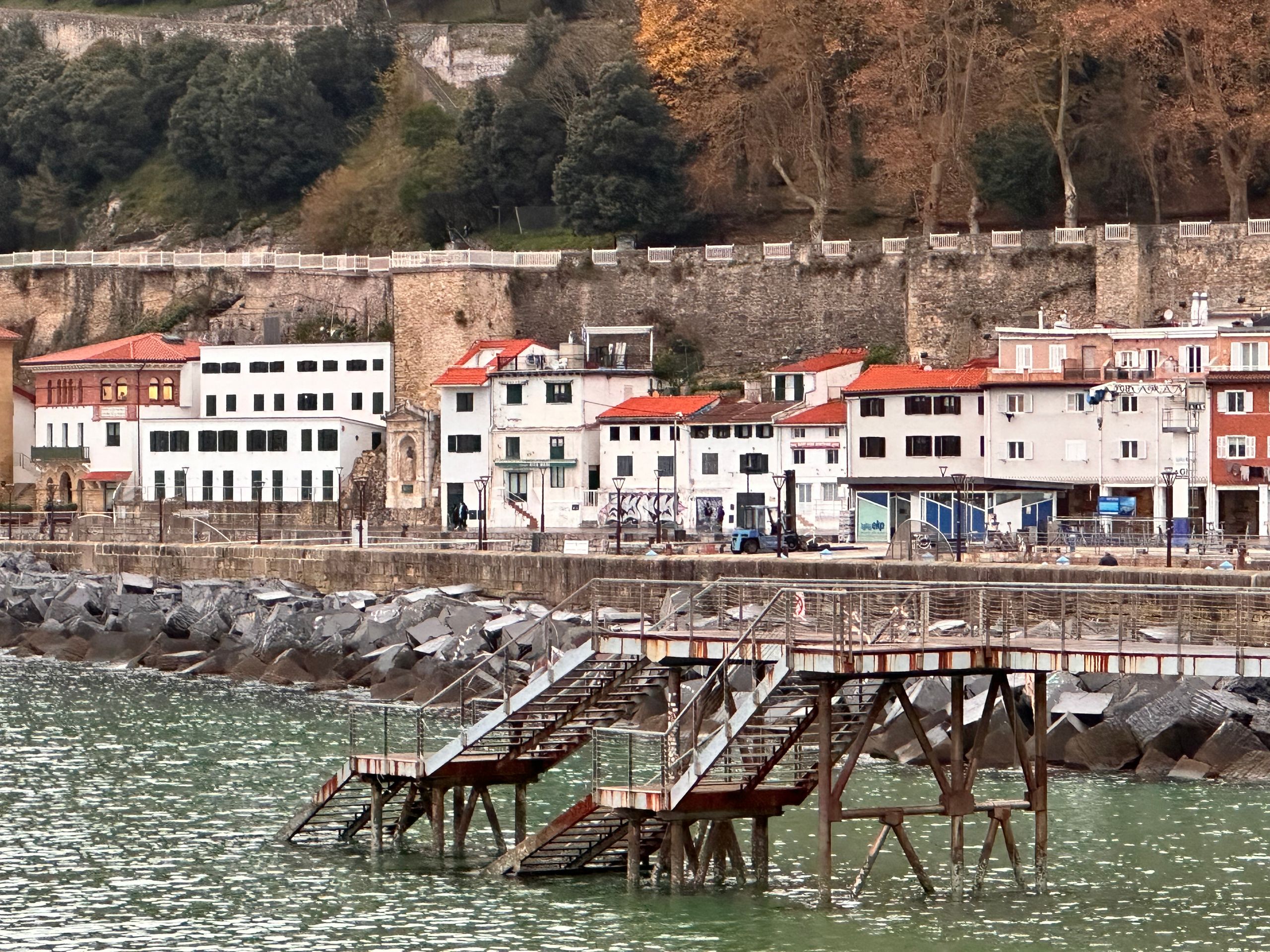
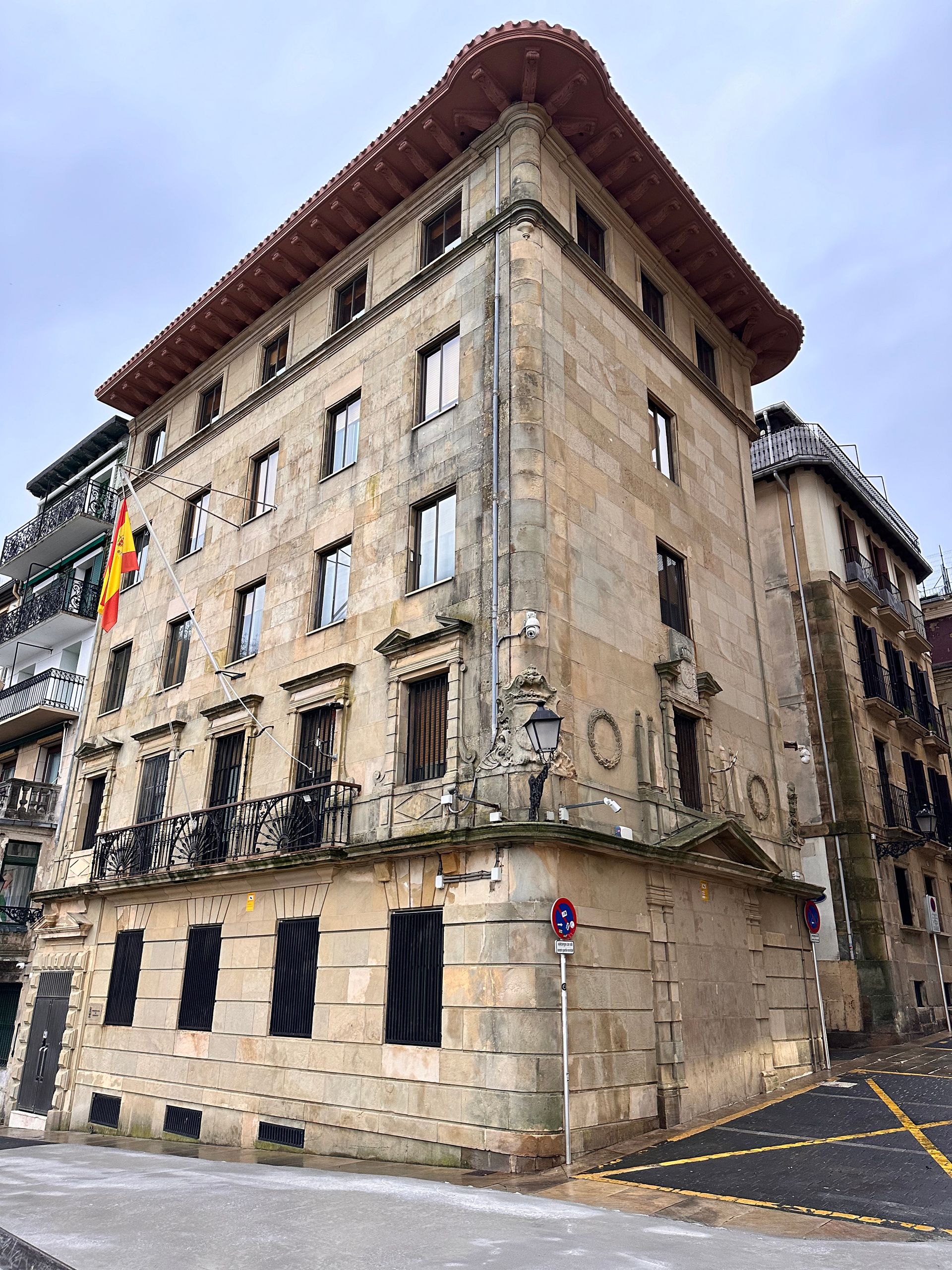
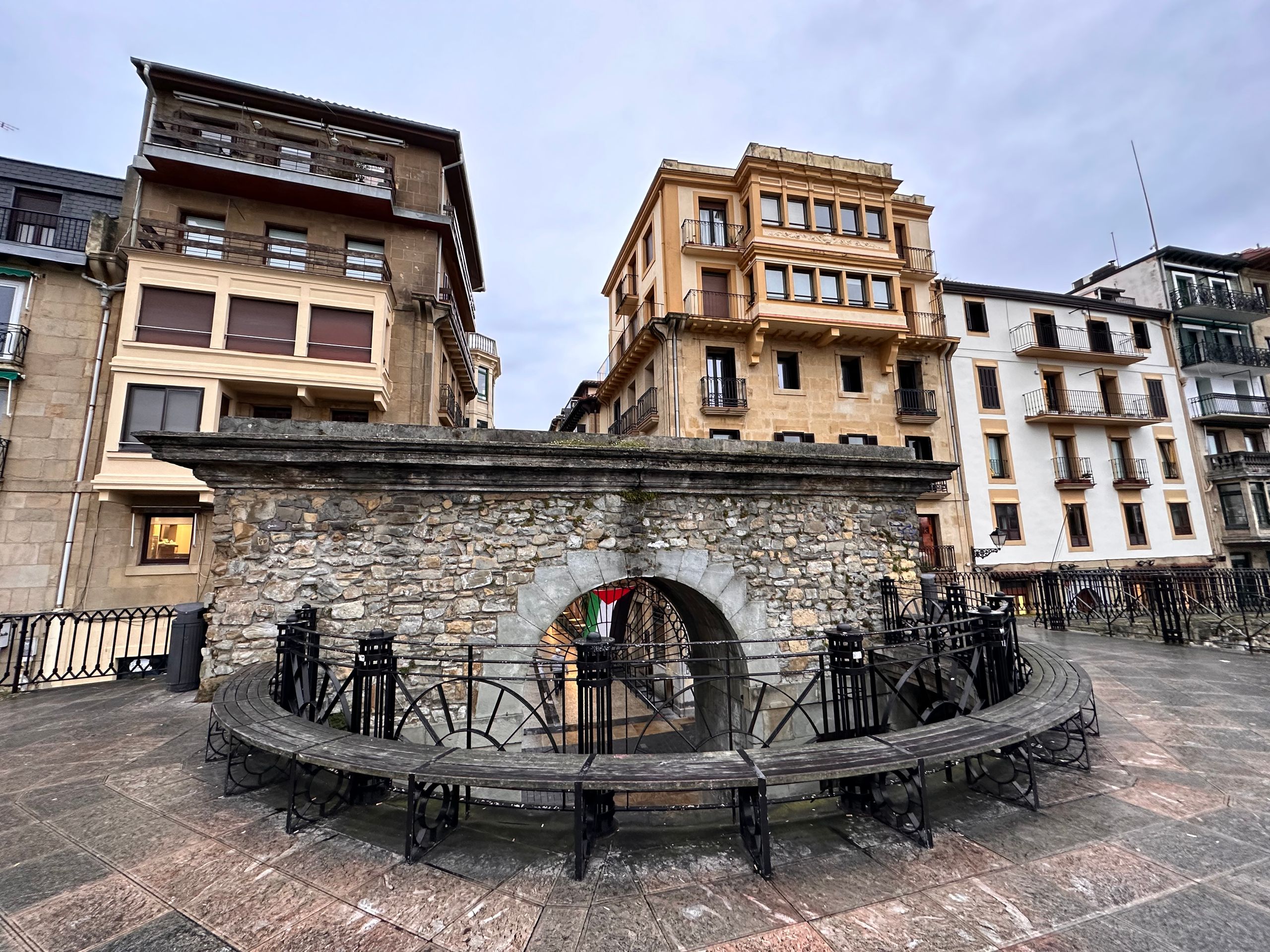
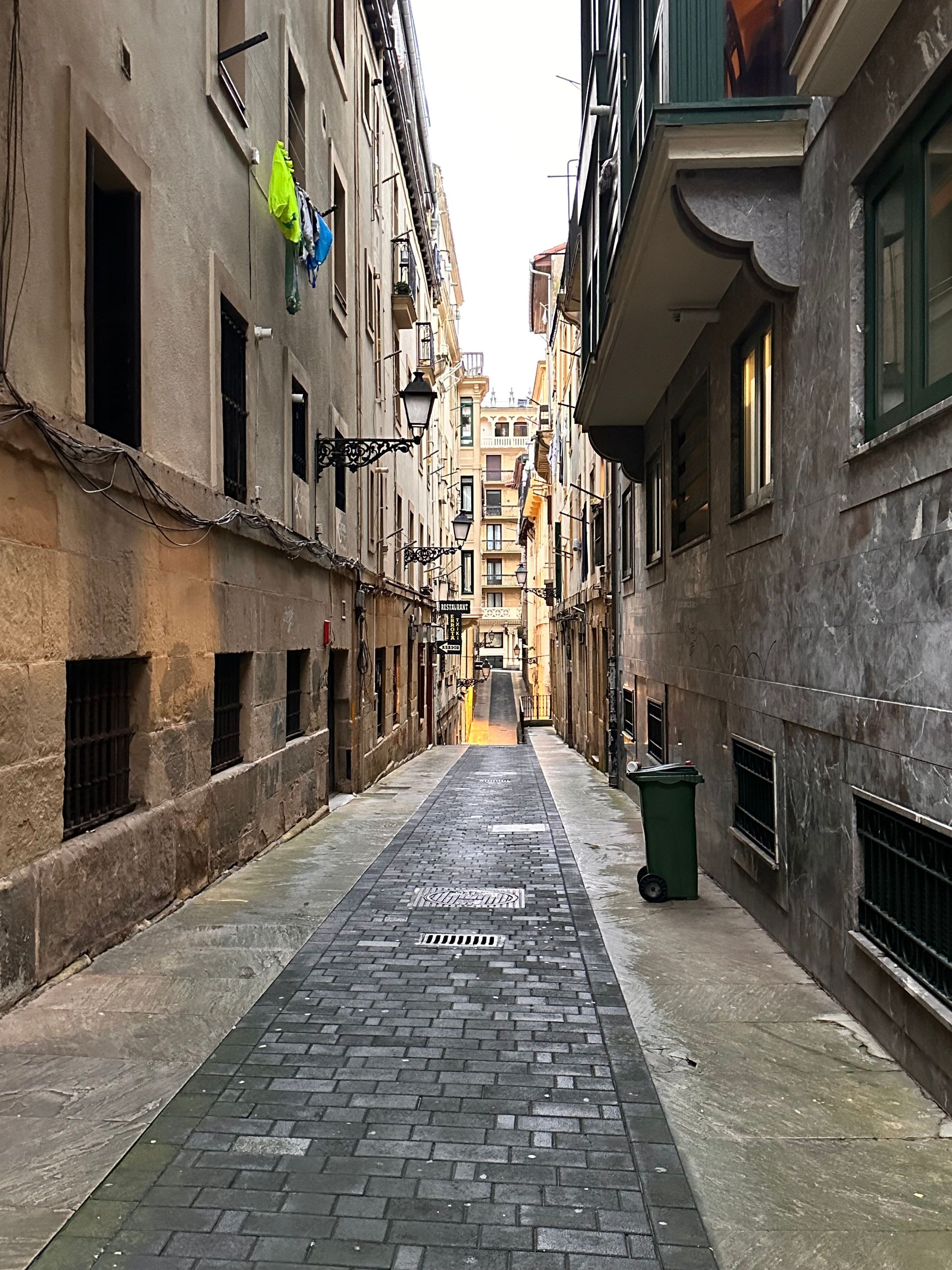
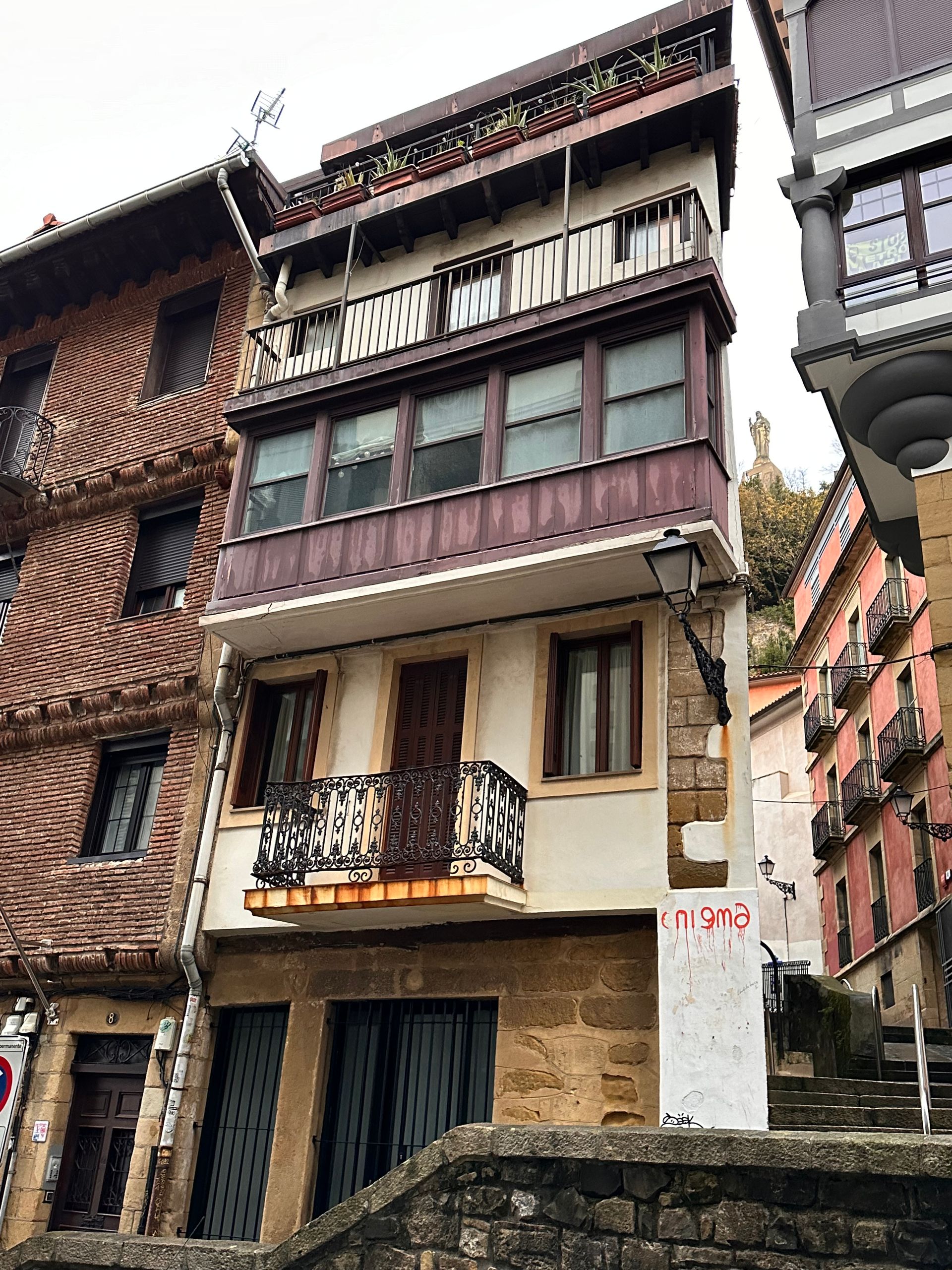
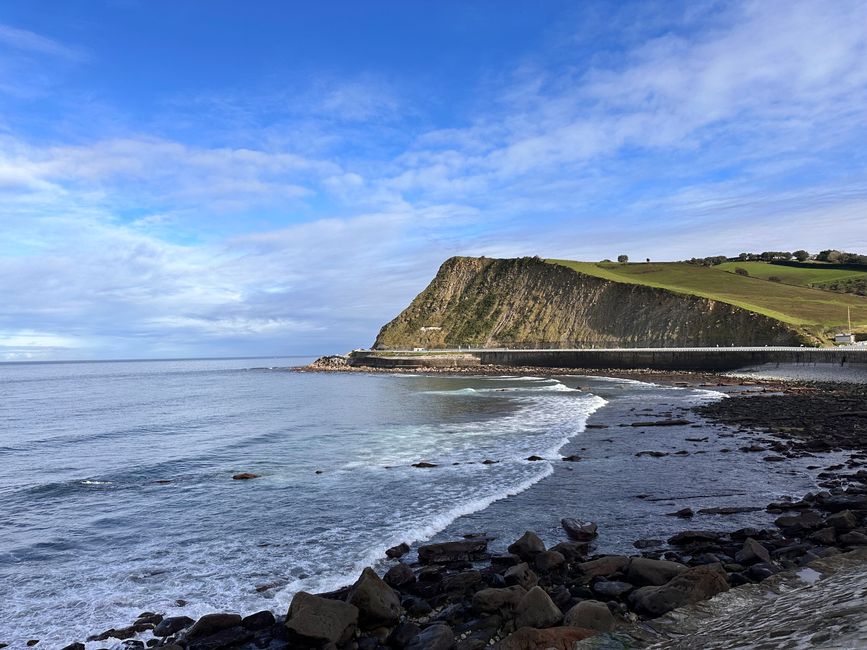
Today we had a short but very pleasant drive from Bilbao to San Sebastián. The route was entertaining, especially the stretch along the coast between Zumaia and Zarautz, which we took off the highway. The view of the sea was simply wonderful! Afterwards, we took the highway again until we reached San Sebastián.
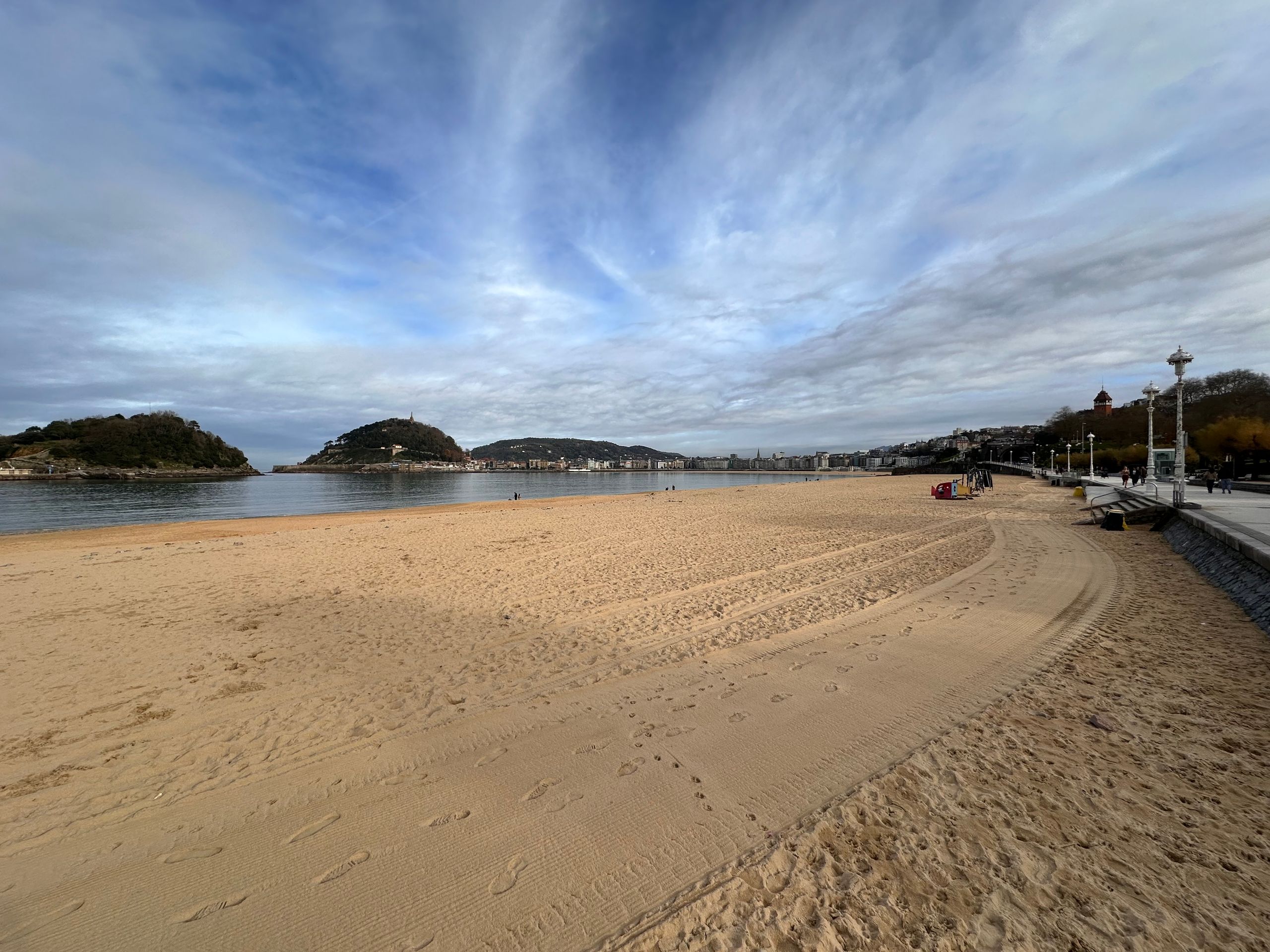
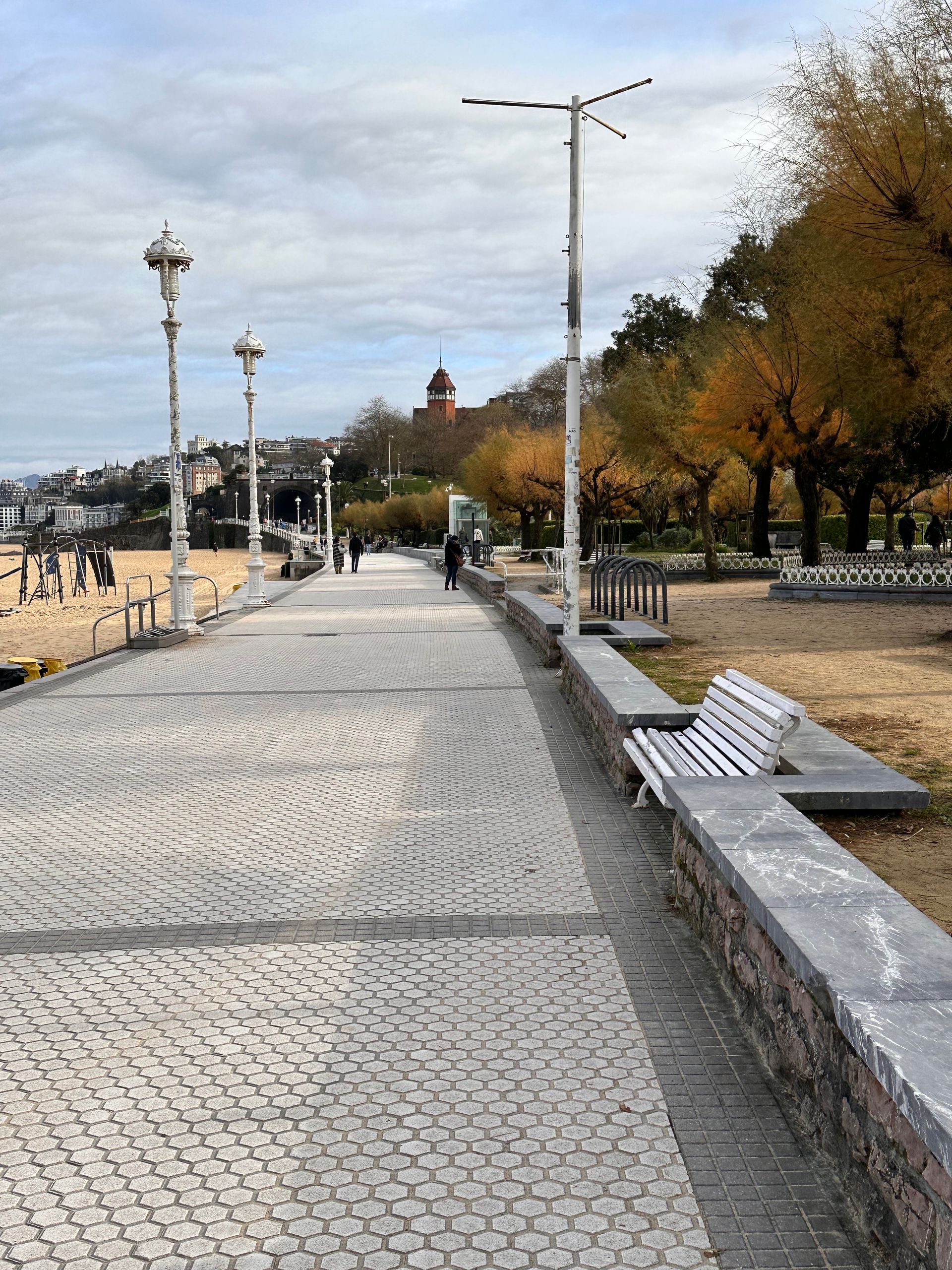
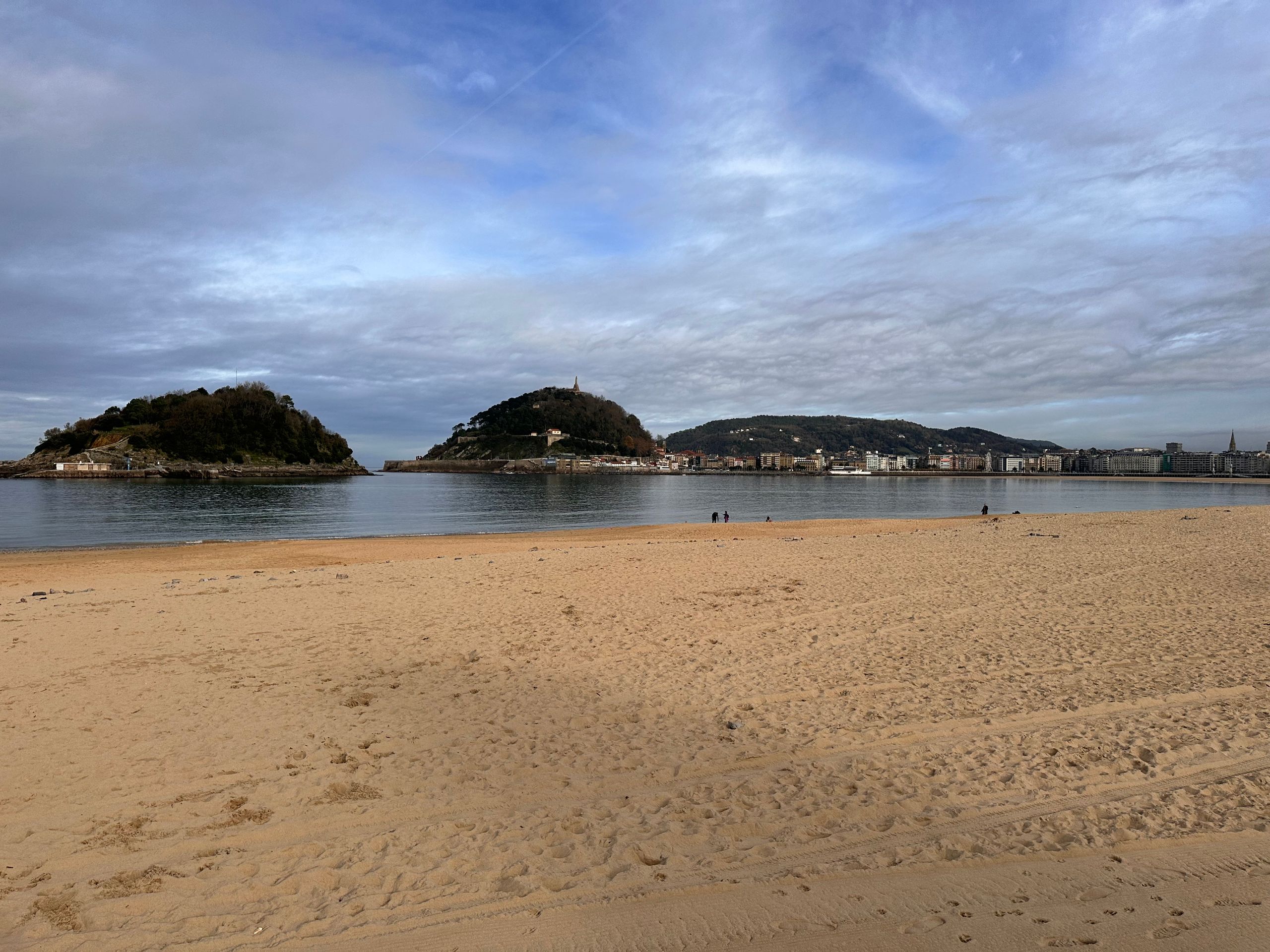
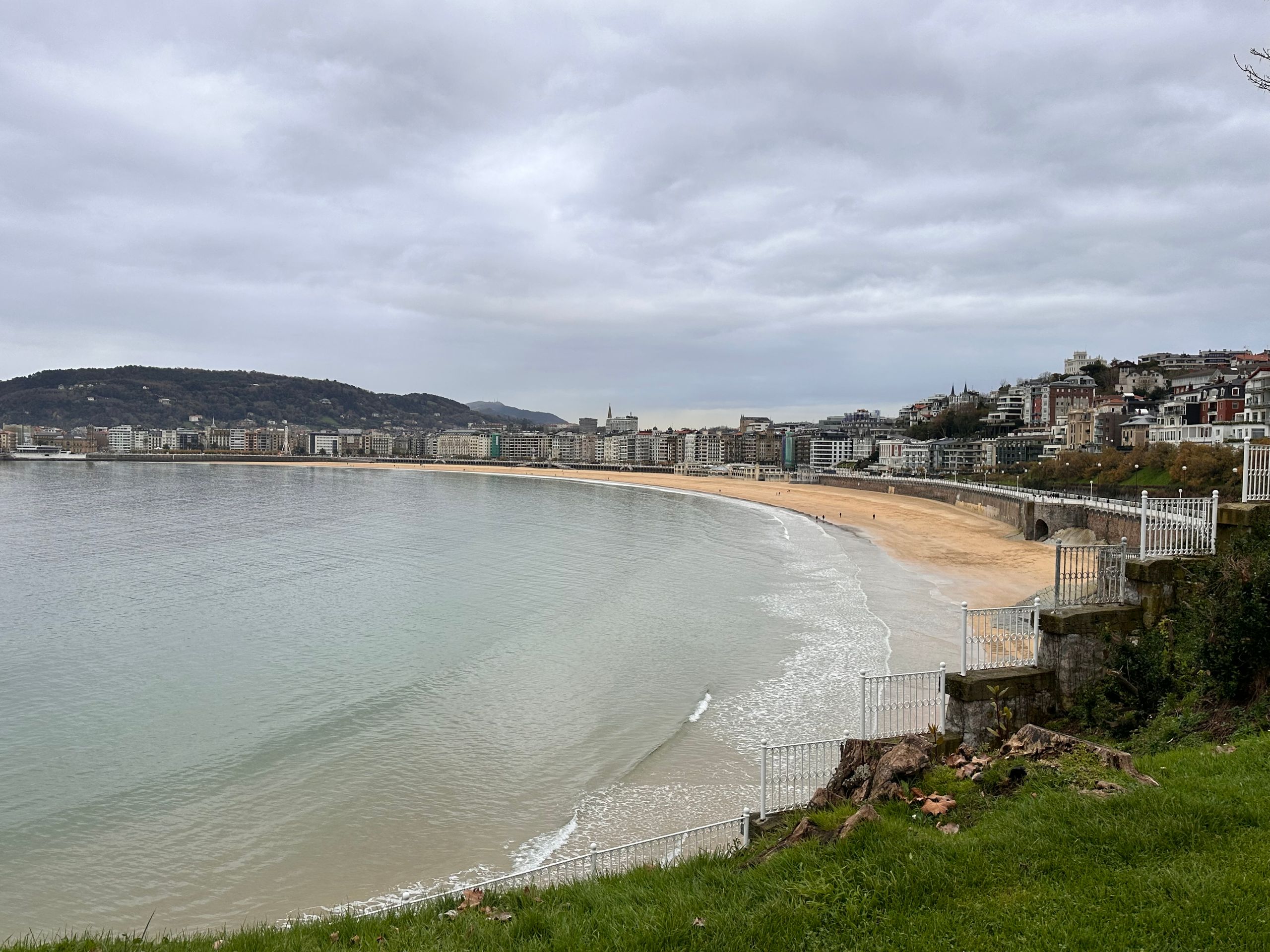
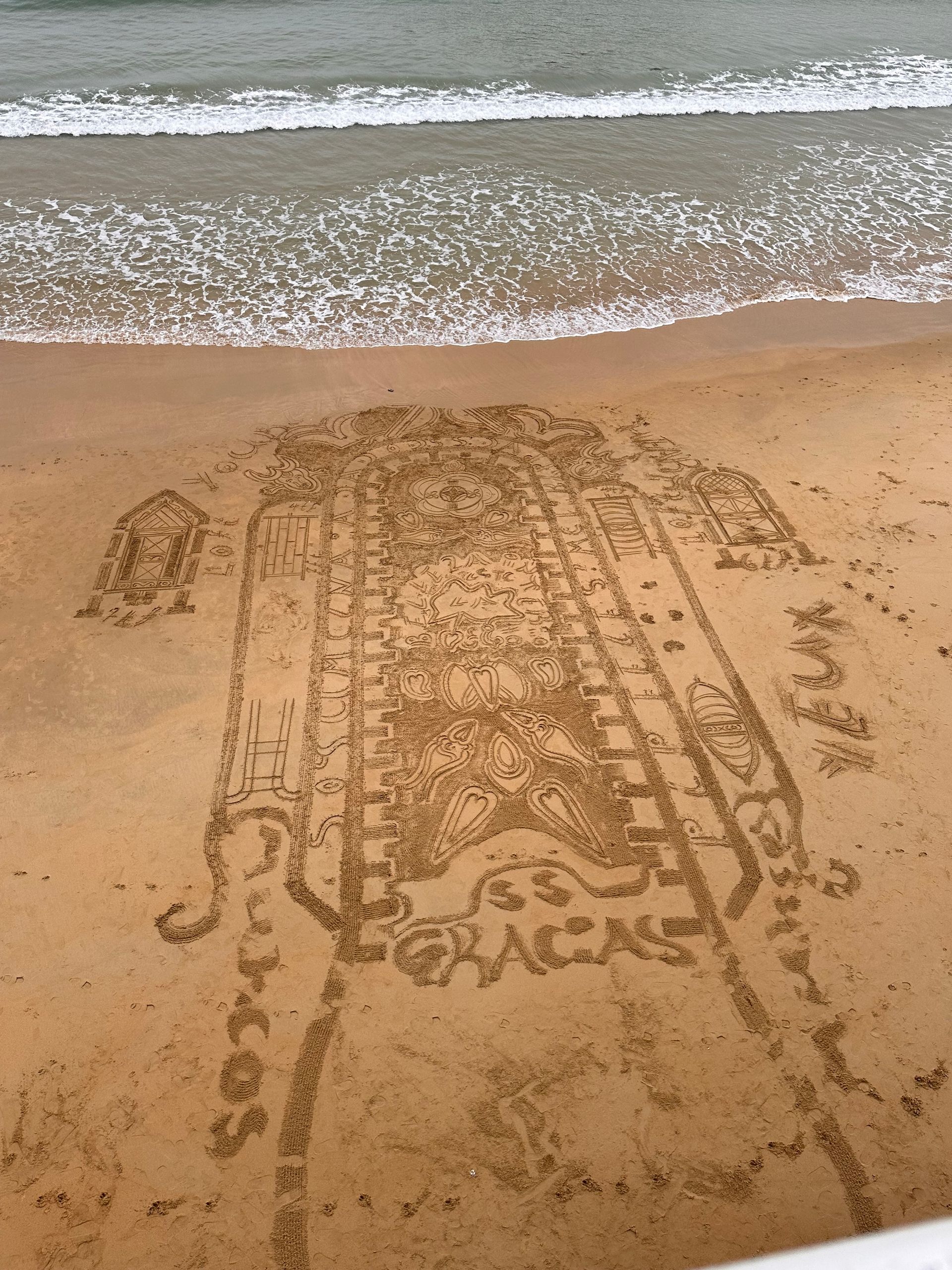
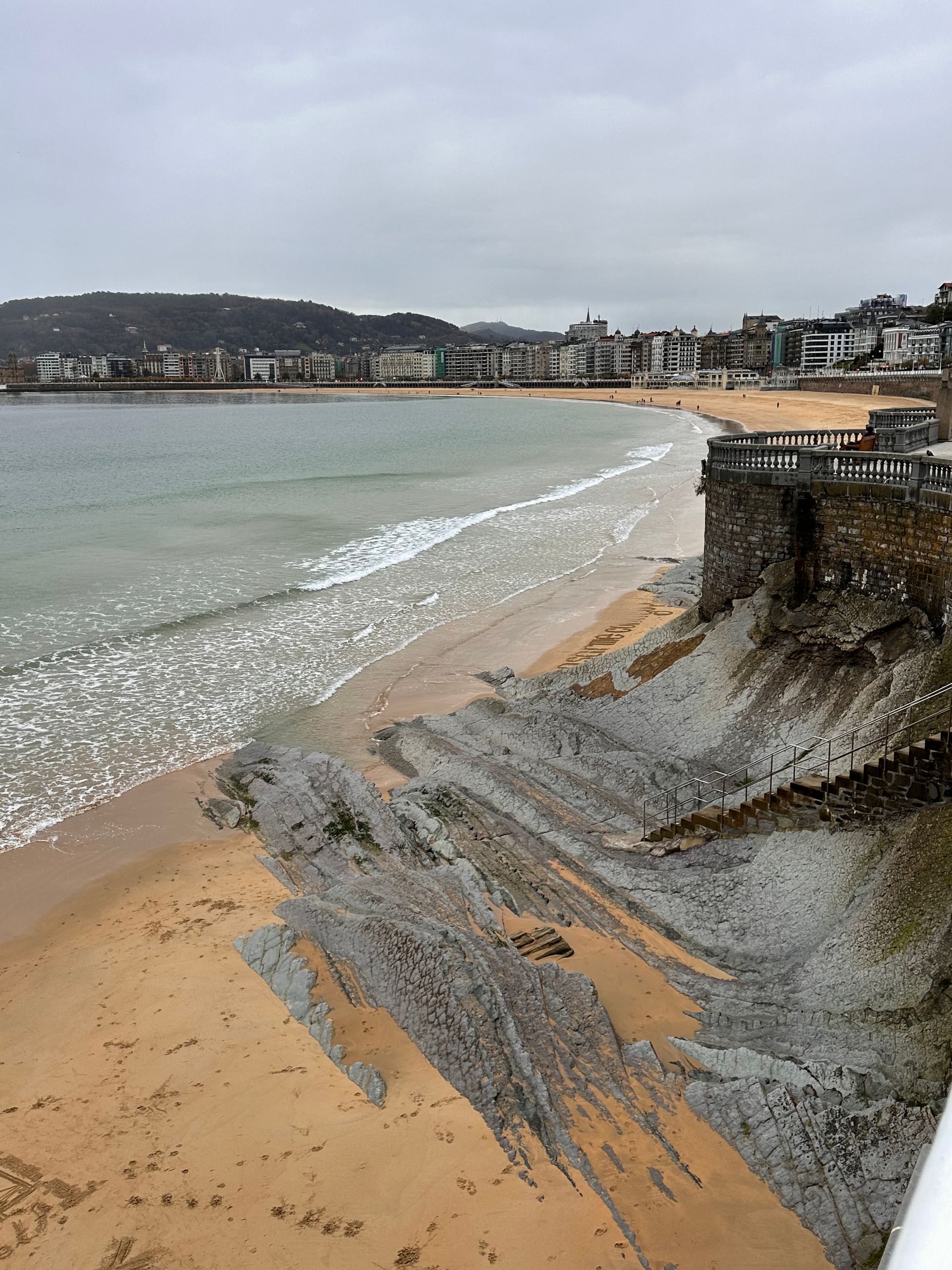
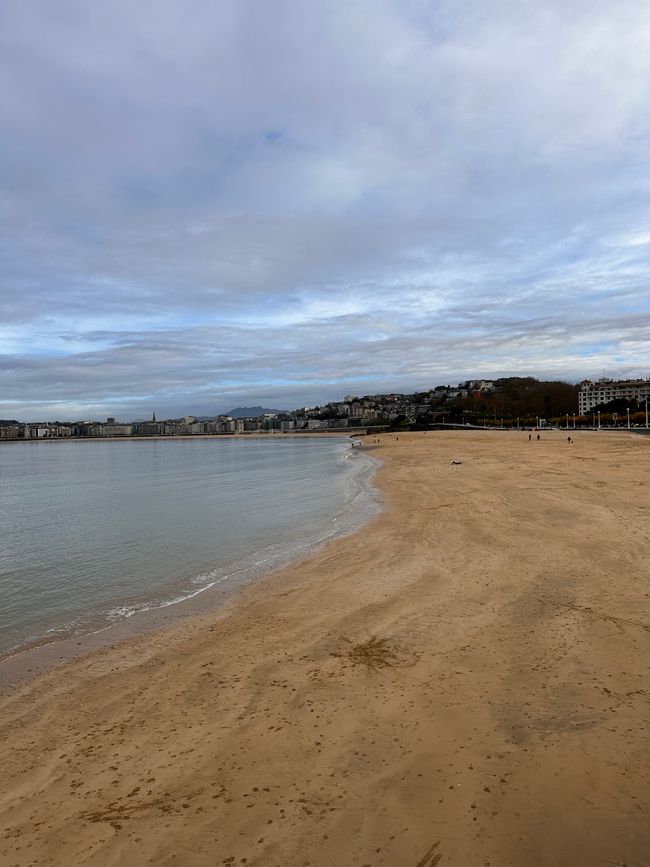
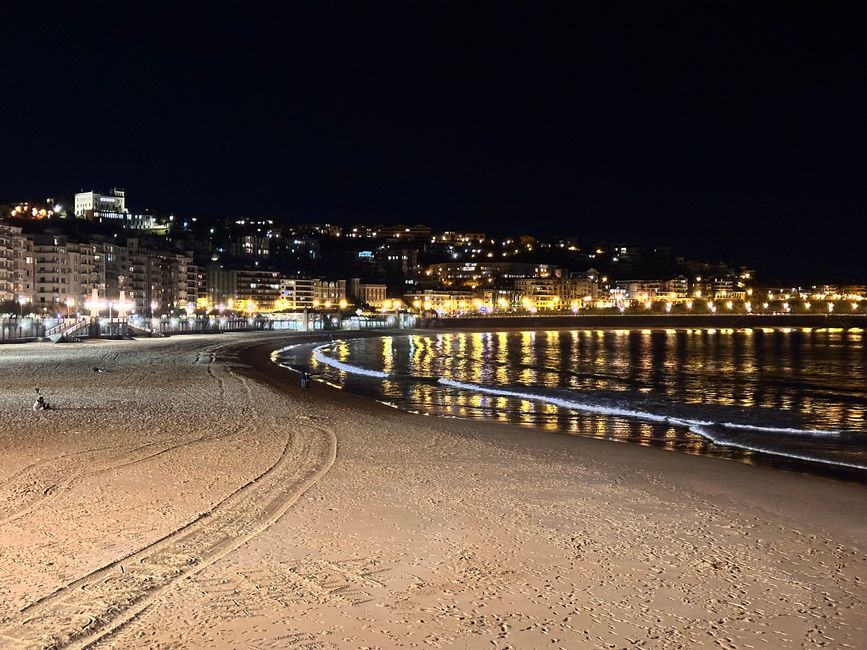
After our arrival at the hotel, we immediately set off on foot to explore the city. Our first stop was the beautiful “golden beach” (Playa de la Concha), which truly lives up to its name.
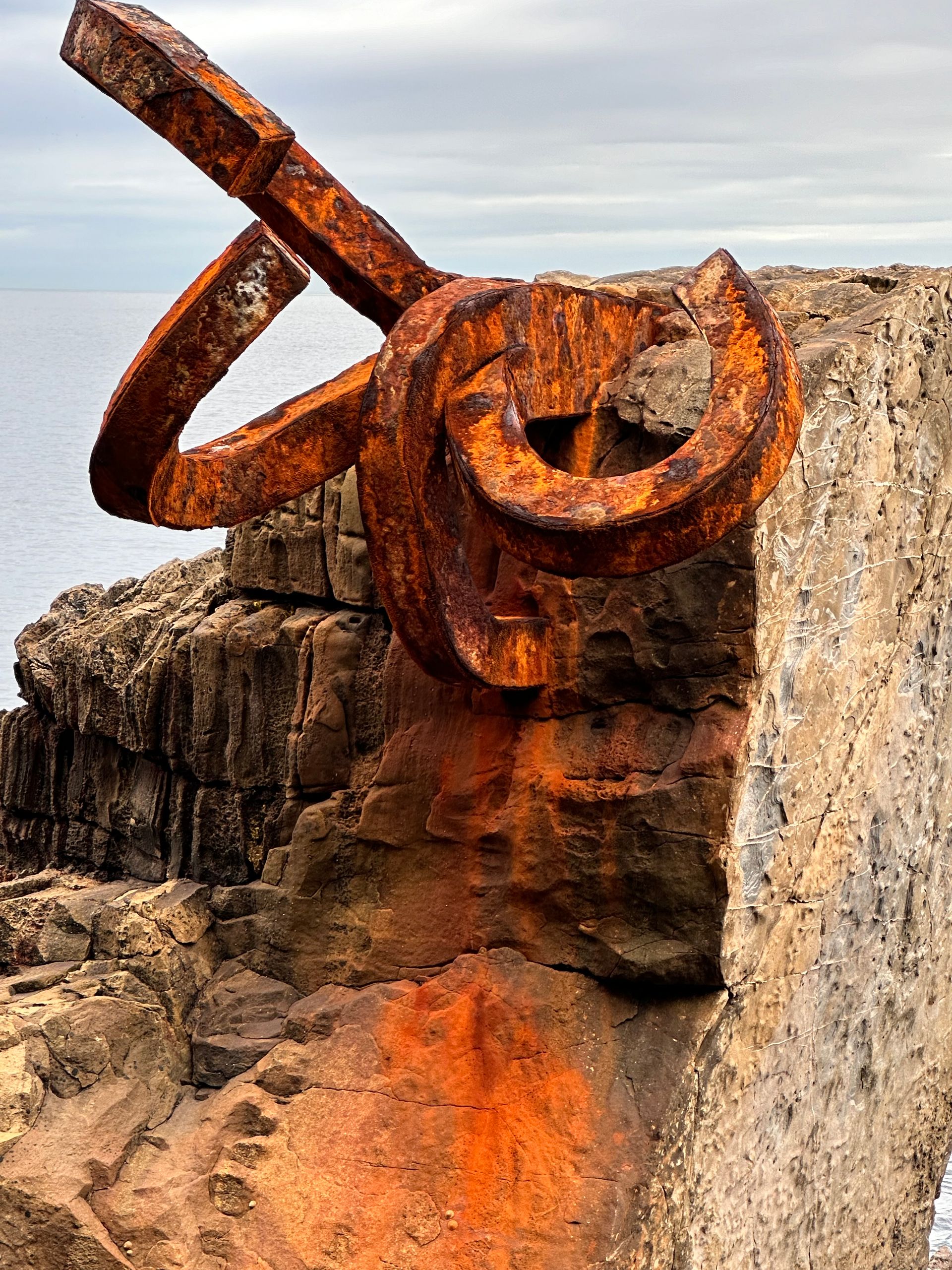
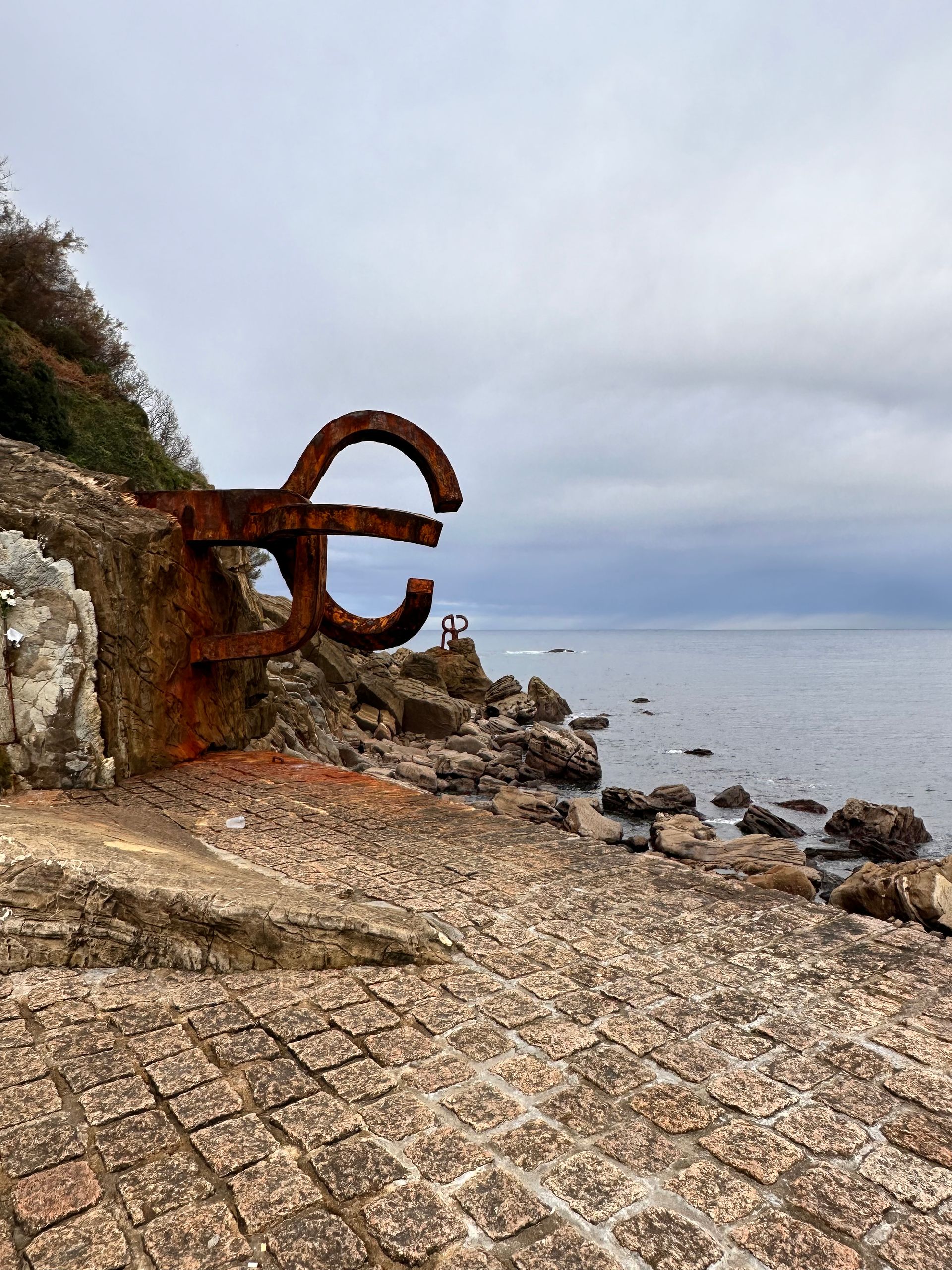
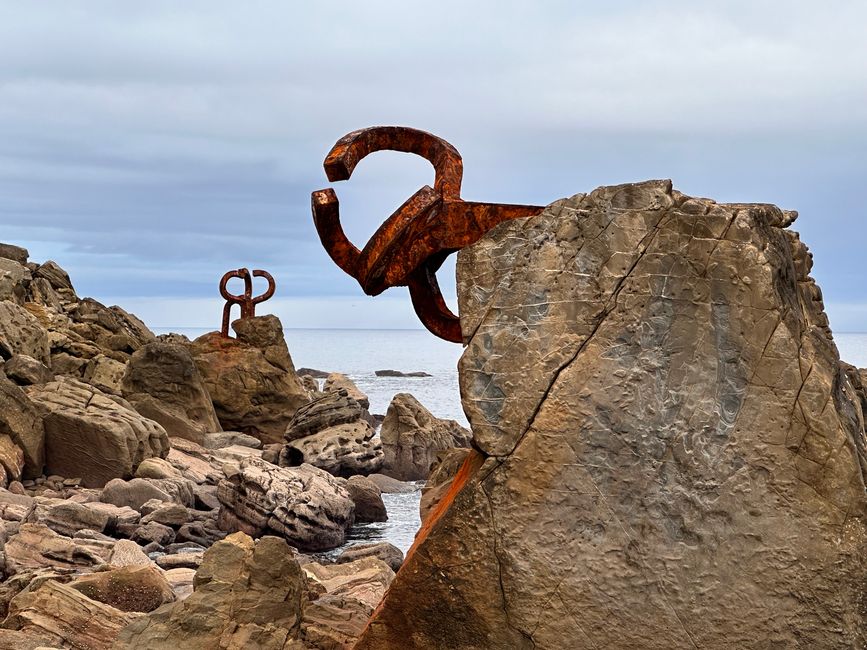
From there we walked to the Peine del Viento (Comb of the Wind), a famous group of sculptures by the artist Eduardo Chillida. The steel sculptures are directly at the coast and are not only a work of art but also a symbol of the connection between humanity, nature, and wind.
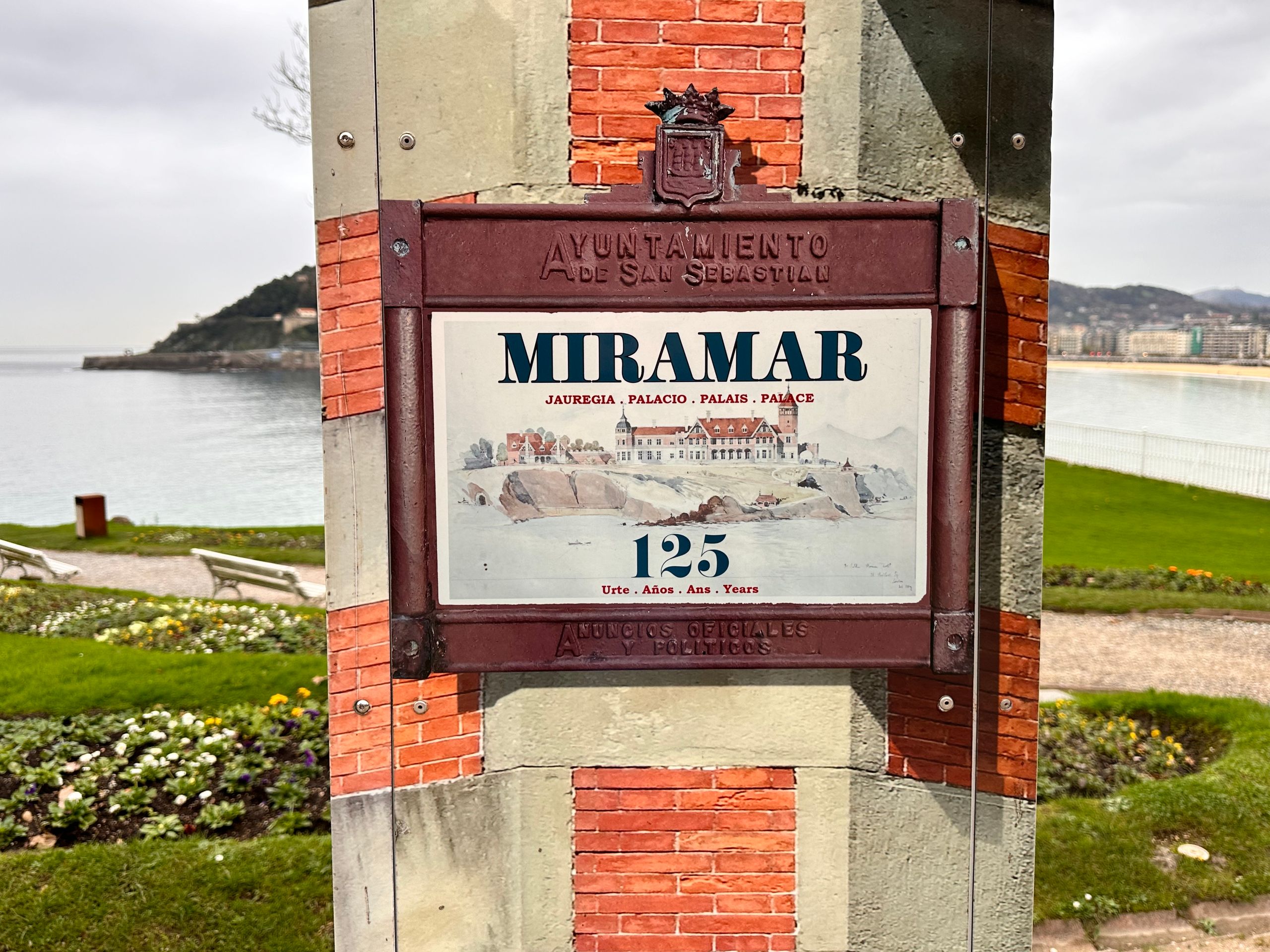
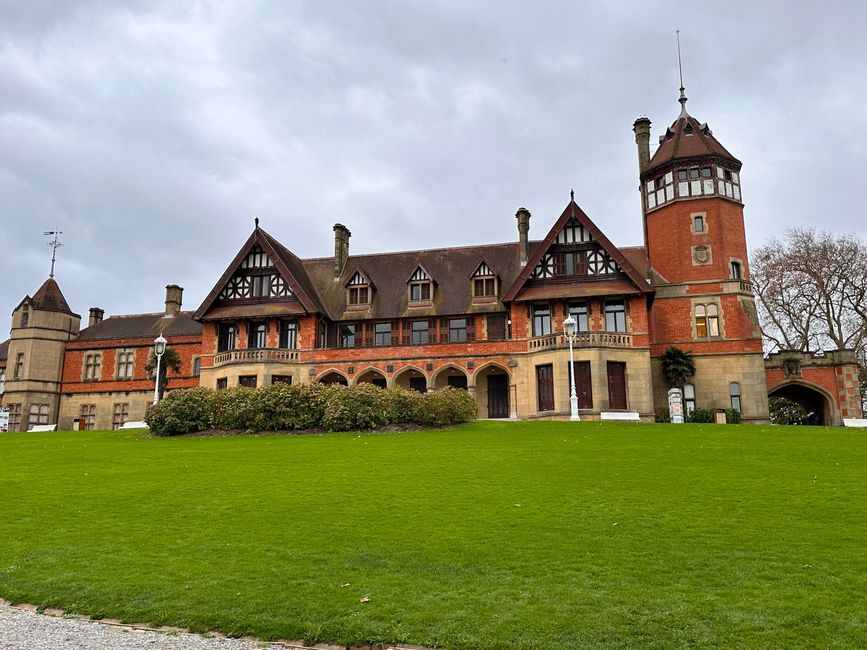
Next, we headed up to the Miramar Palace, an impressive building that once served as the summer residence of the Spanish royal family. The view from here over the bay of San Sebastián is simply spectacular.
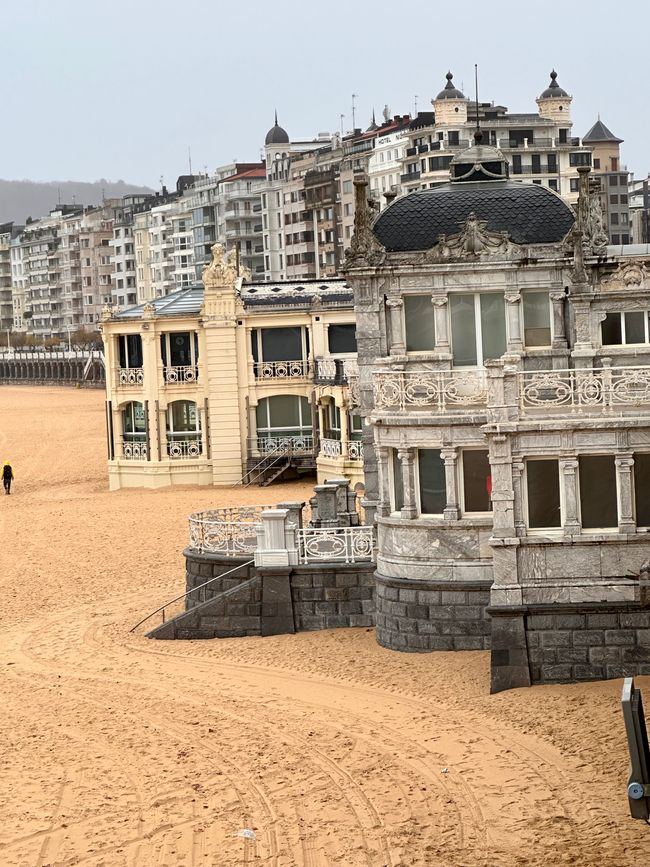
Our path then led us into the old town, passing by the charming historic bathing houses along the promenade, which impress with their nostalgic architecture.
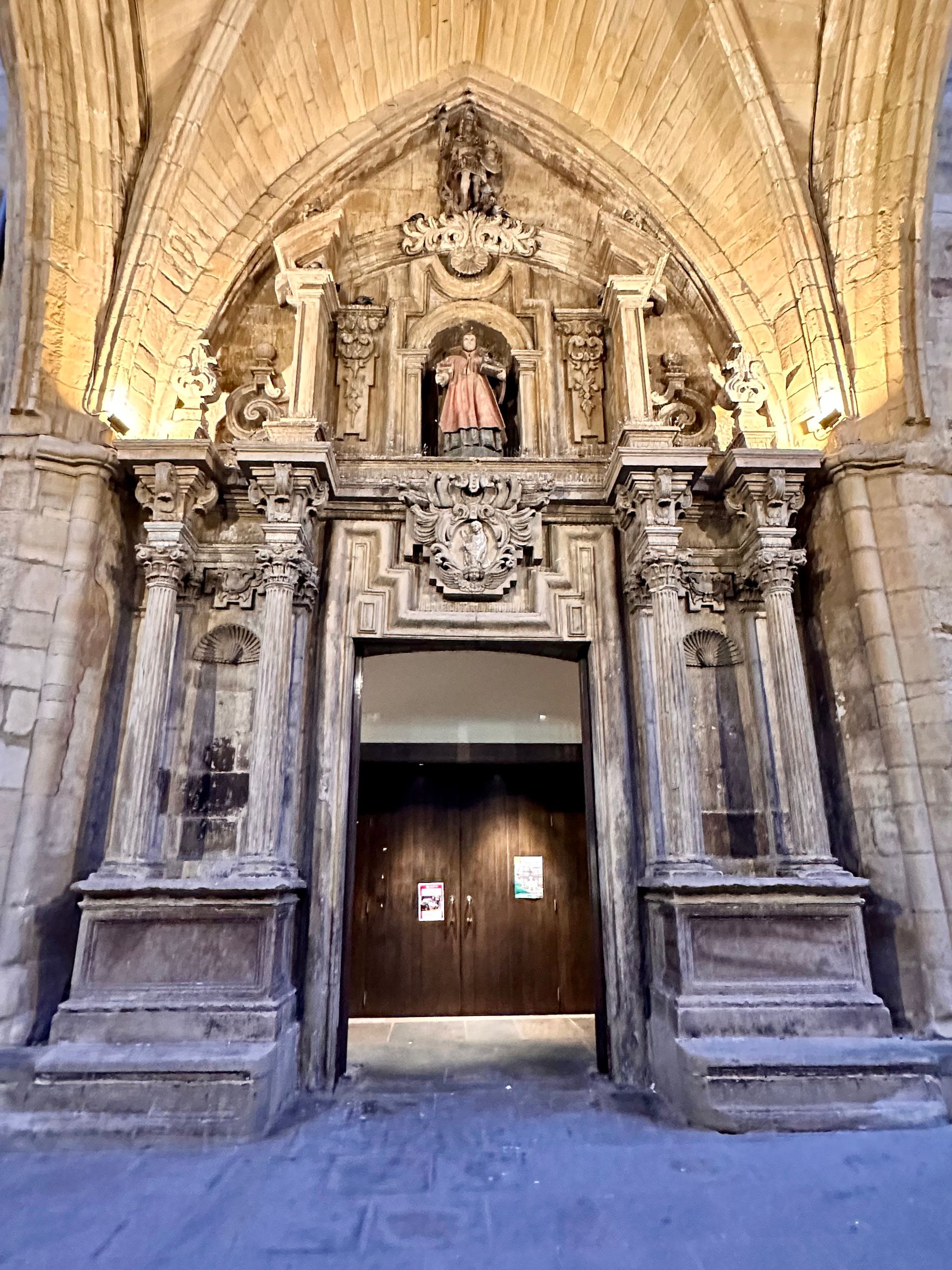
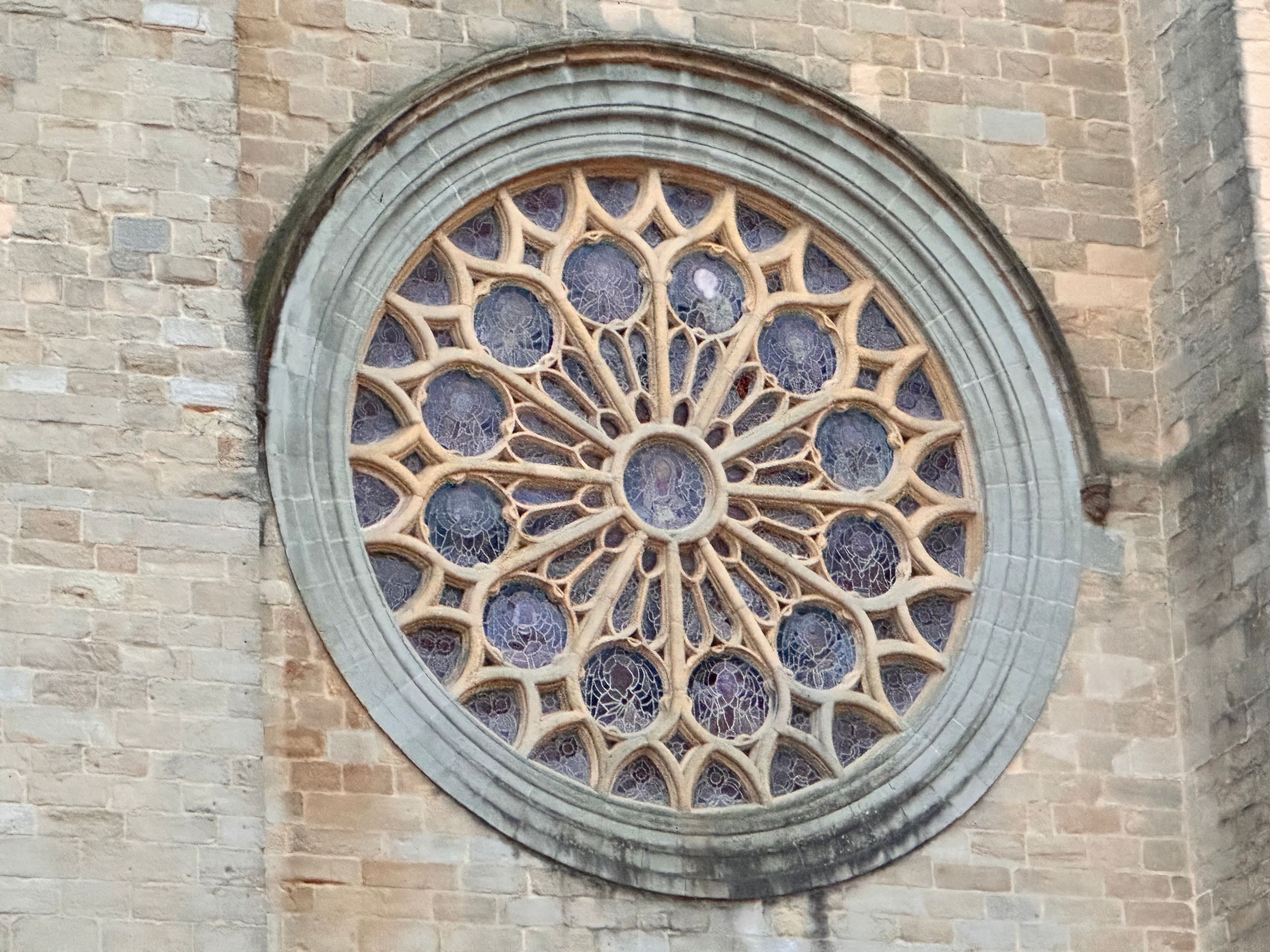
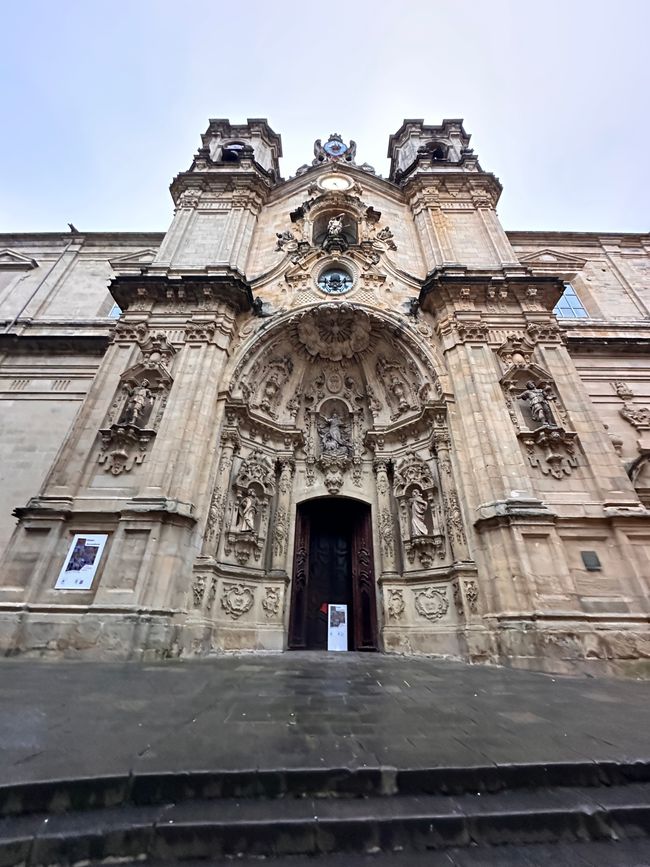
In the heart of the old town, I visited the Basilica of Santa María del Coro, an impressive building in Baroque style with a richly decorated facade.
Afterwards, we strolled through the narrow alleys of the old town, enjoying the vibrant atmosphere and admiring a few houses. We walked through the Plaza de la Constitución.
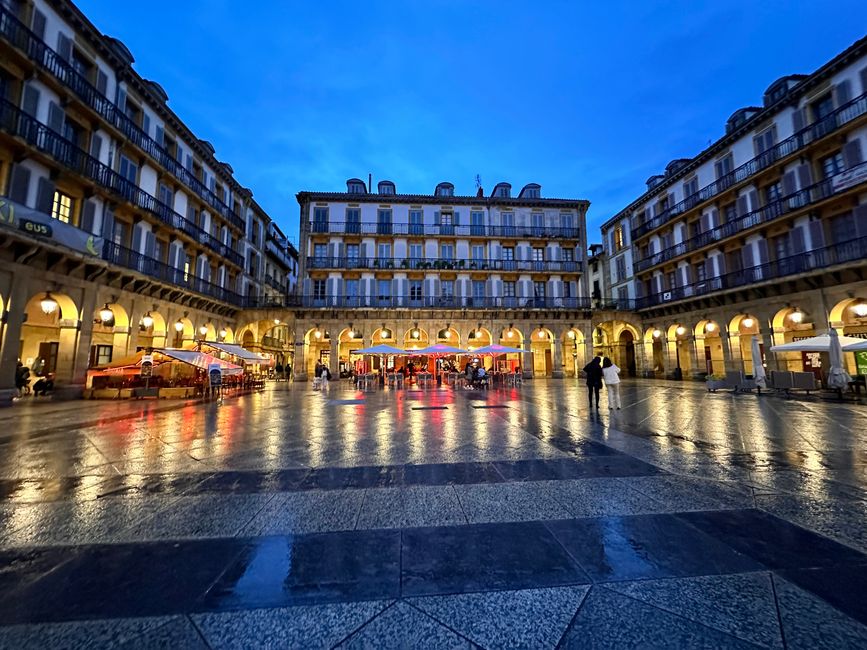
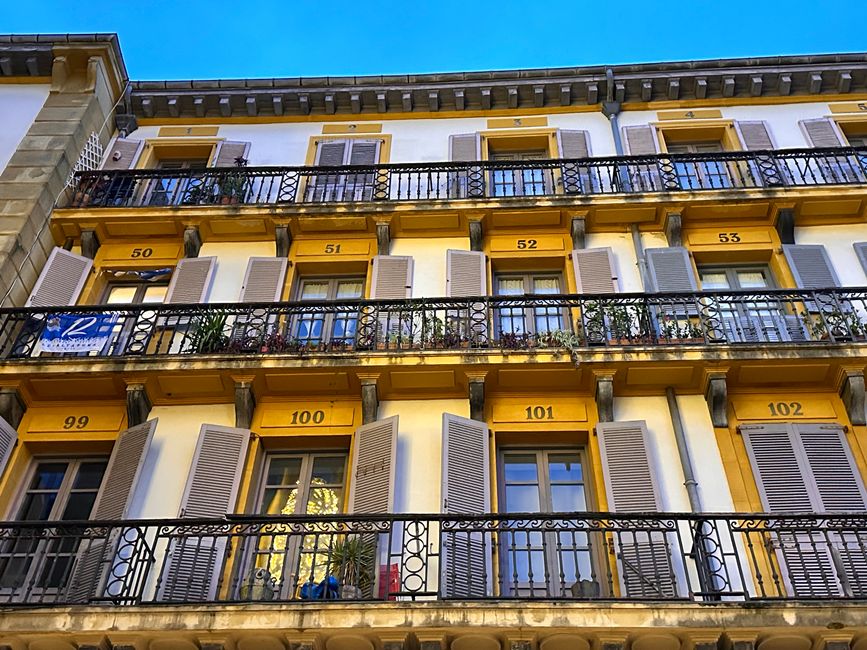
It is one of the central squares of the city and an important meeting point. Particularly striking are the numbered windows, which have a historical function. In the past, the square was used as a bullfighting arena, and the numbering indicates the balconies that served as box seats for spectators. Residents could rent these balconies for the events, making the square unique in this respect.
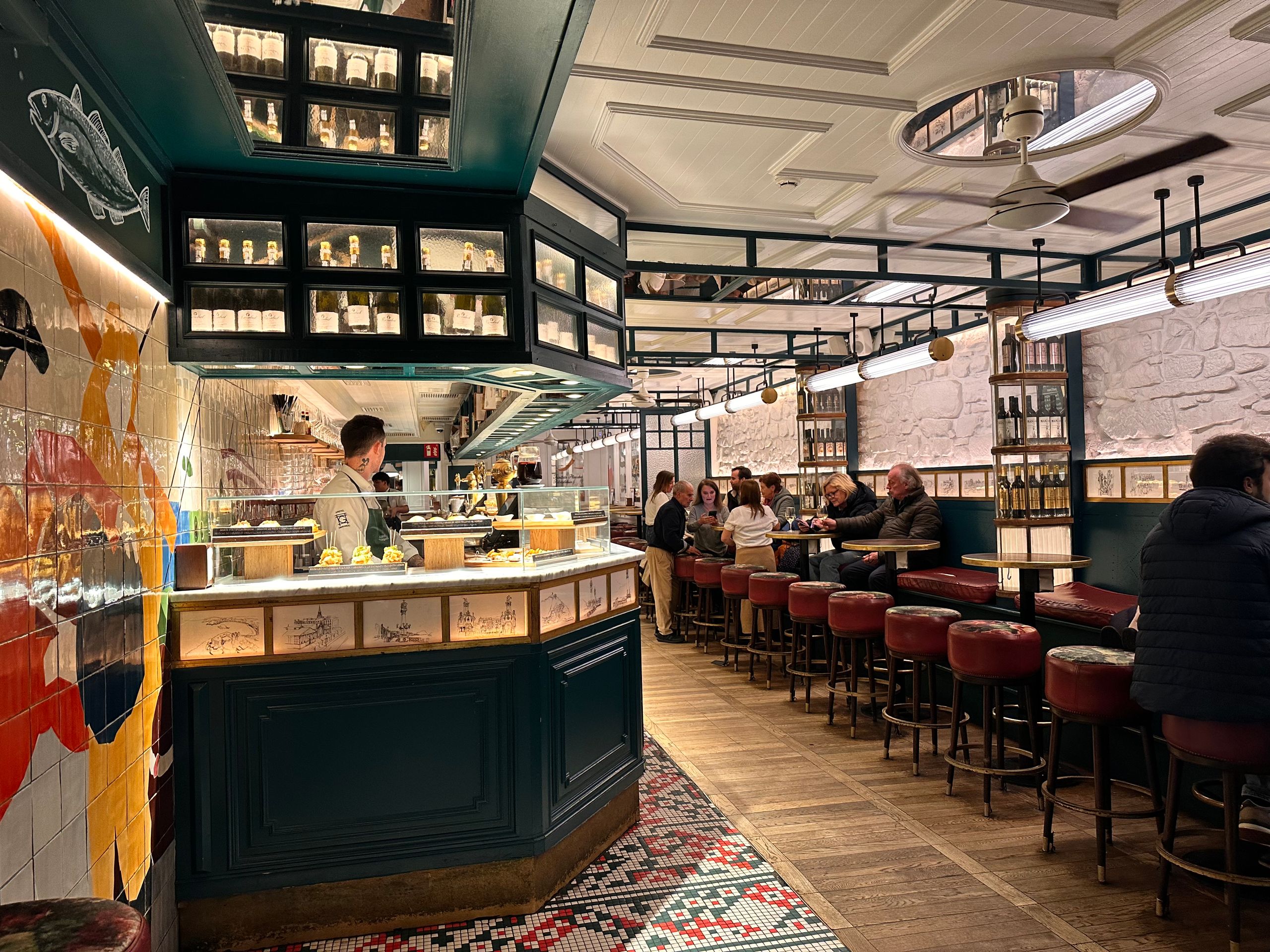
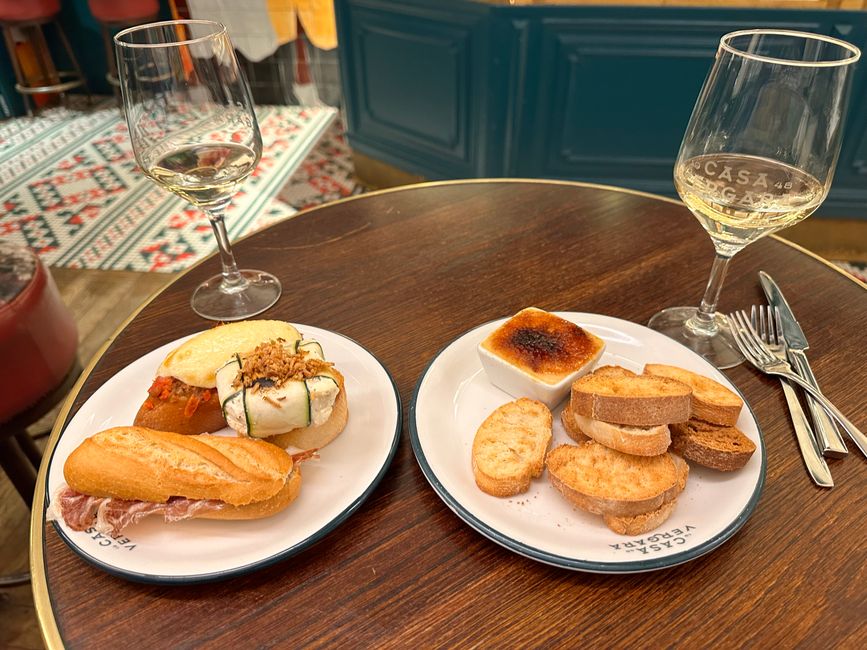
To finish, we settled down at Casa Vergara, where we enjoyed a glass of white wine and sampled a selection of delicious pintxos (that’s what tapas are called here in the Basque Country). With truffles, duck liver, Serrano ham, and much more... The variety and creativity of the pintxos are truly remarkable!
The weather accompanied us with a mix of sunshine and rain, but it hardly diminished the beauty of this day.
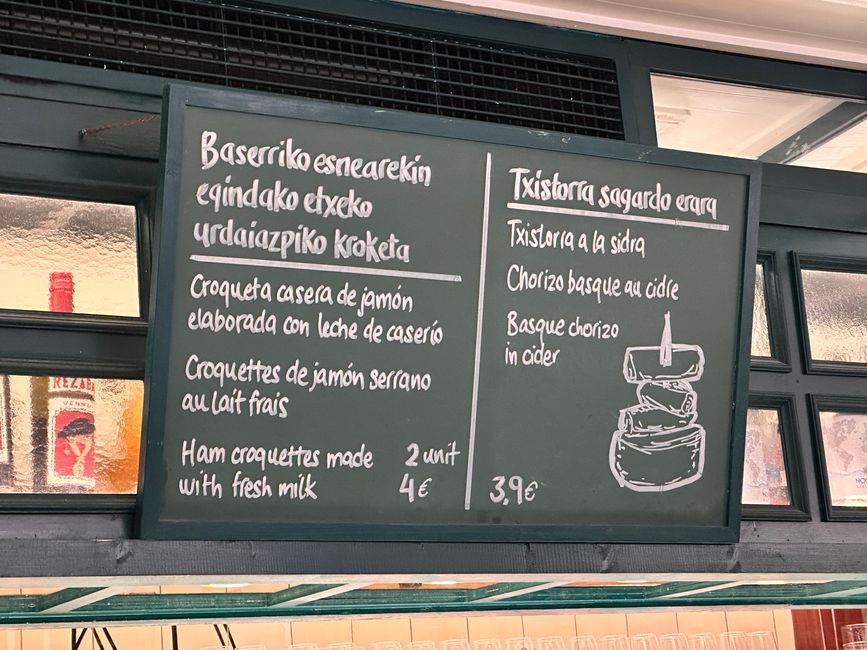
At this point, a little addition about the Basque language.
The Basque language, Euskara, is truly fascinating and unique. It does not belong to any other language family and is thus completely autonomous. The words and characters are often barely readable or understandable for outsiders. It is impressive how proudly the Basques preserve their language and culture, and you see bilingual signs everywhere – in Spanish and Euskara.
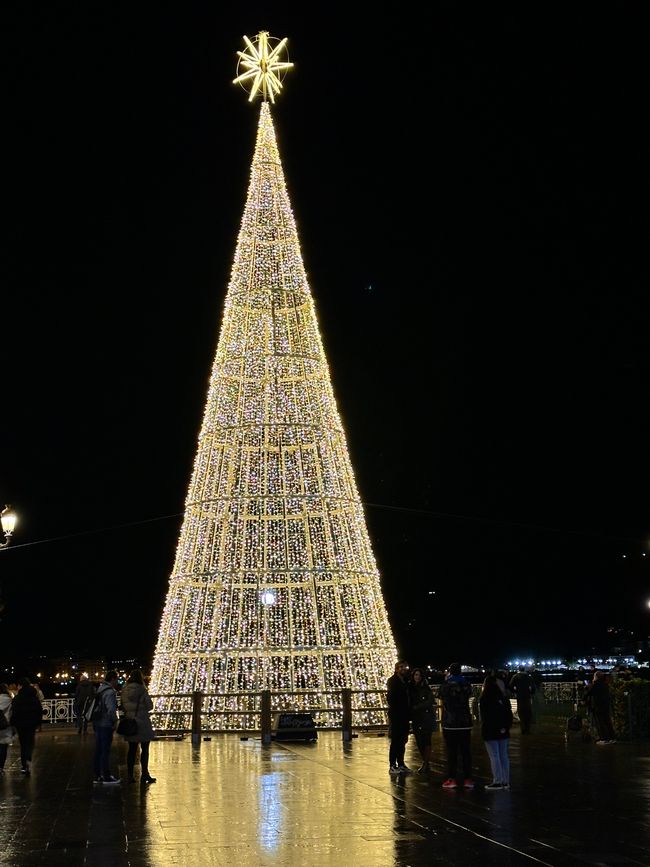
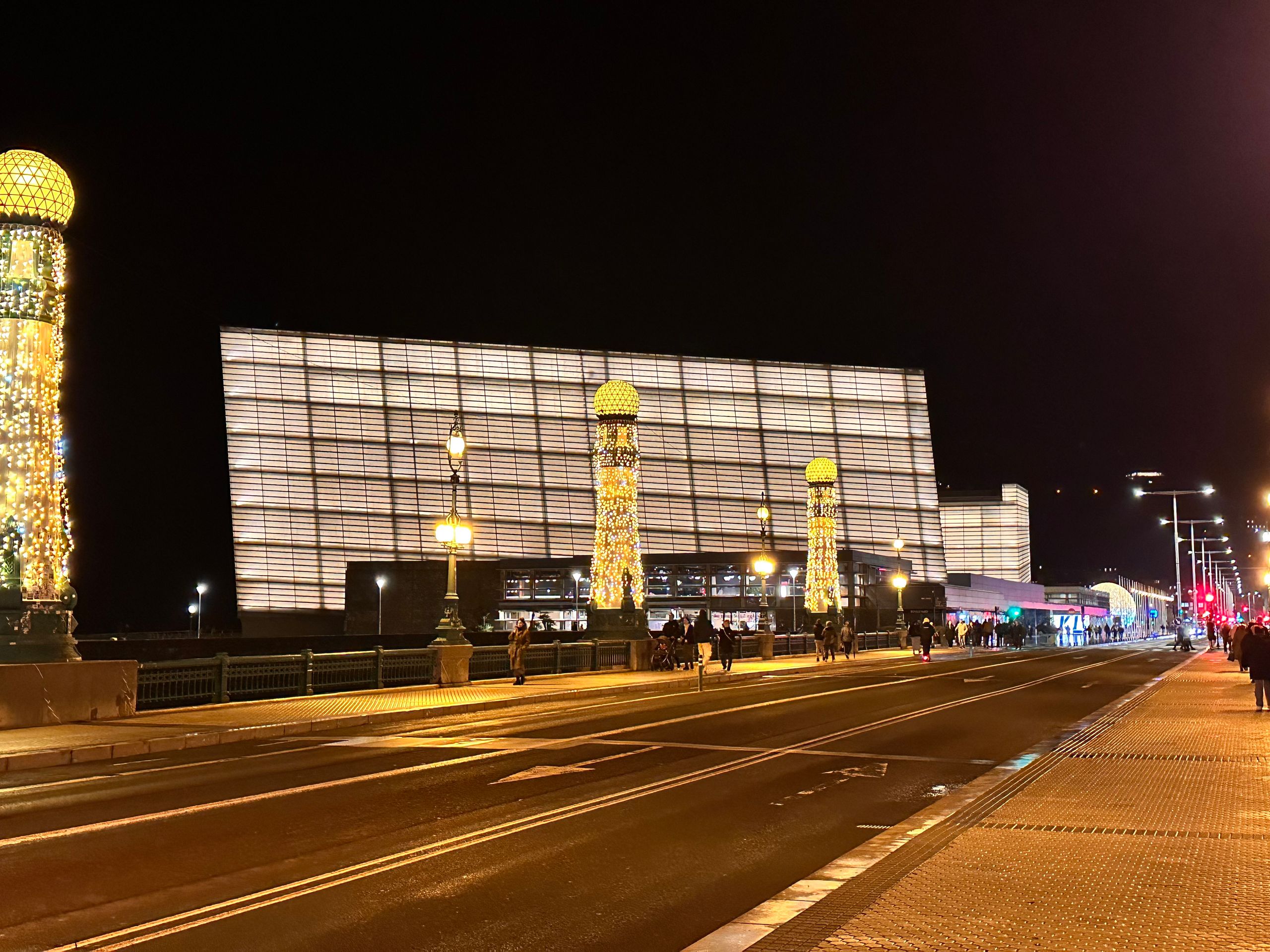
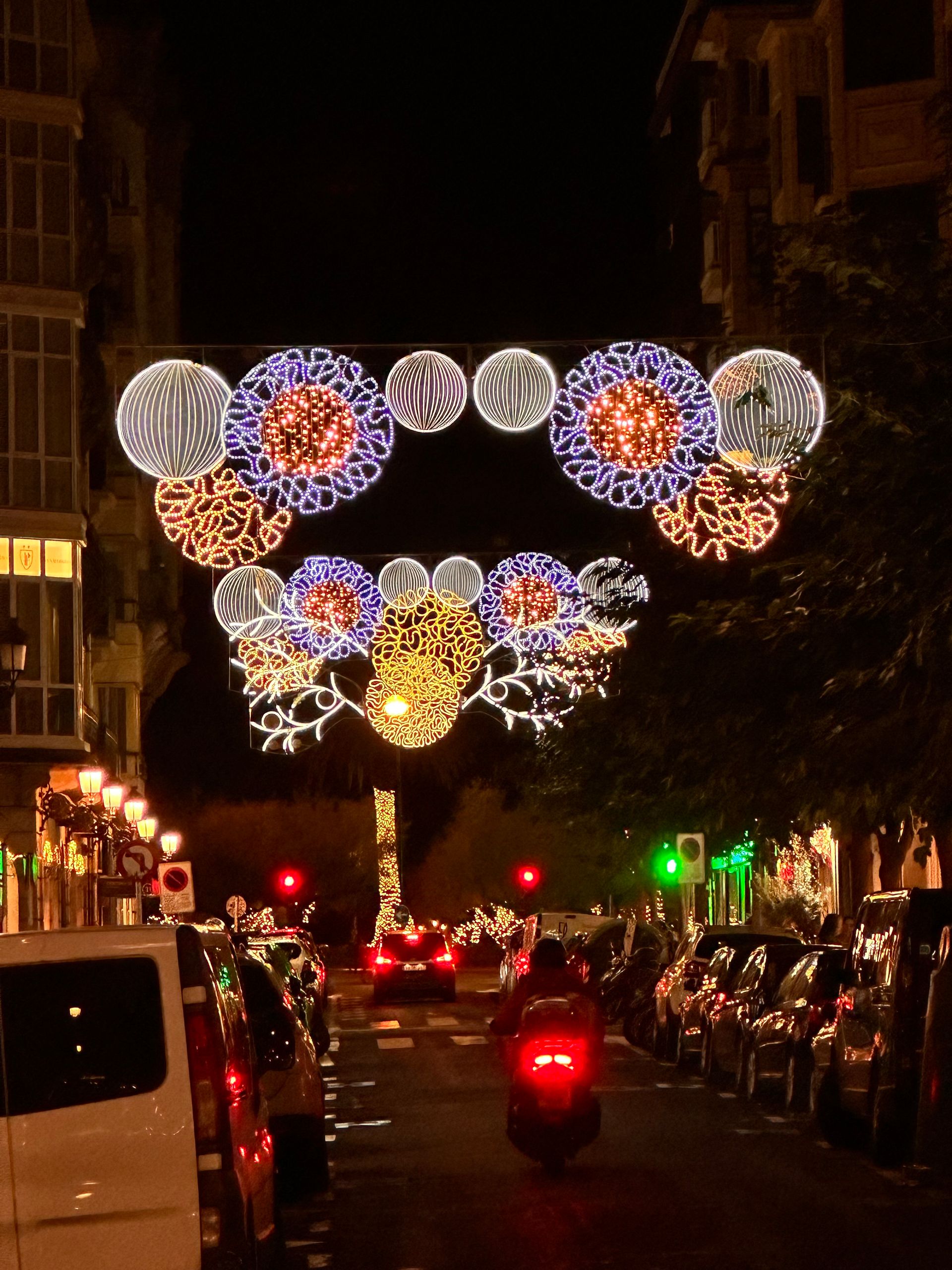
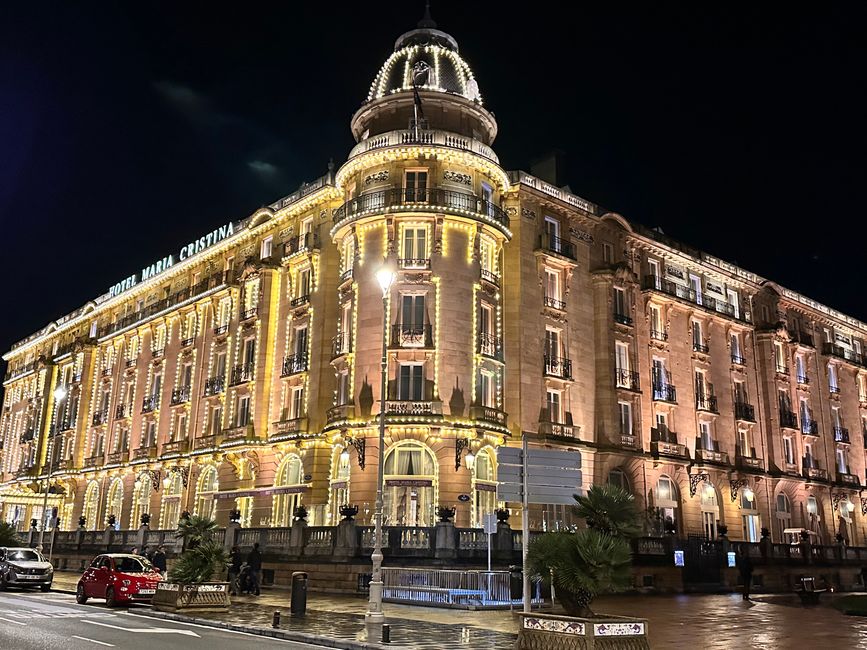
As night fell, the rain stopped – and suddenly there was quite a bit going on in the streets! We strolled again through the old town and followed the festively illuminated paths. The city was beautifully decorated. Our walk took us to the Kursaal Conference Center, then to the magnificent Hotel Maria Cristina and through the festive shopping street.
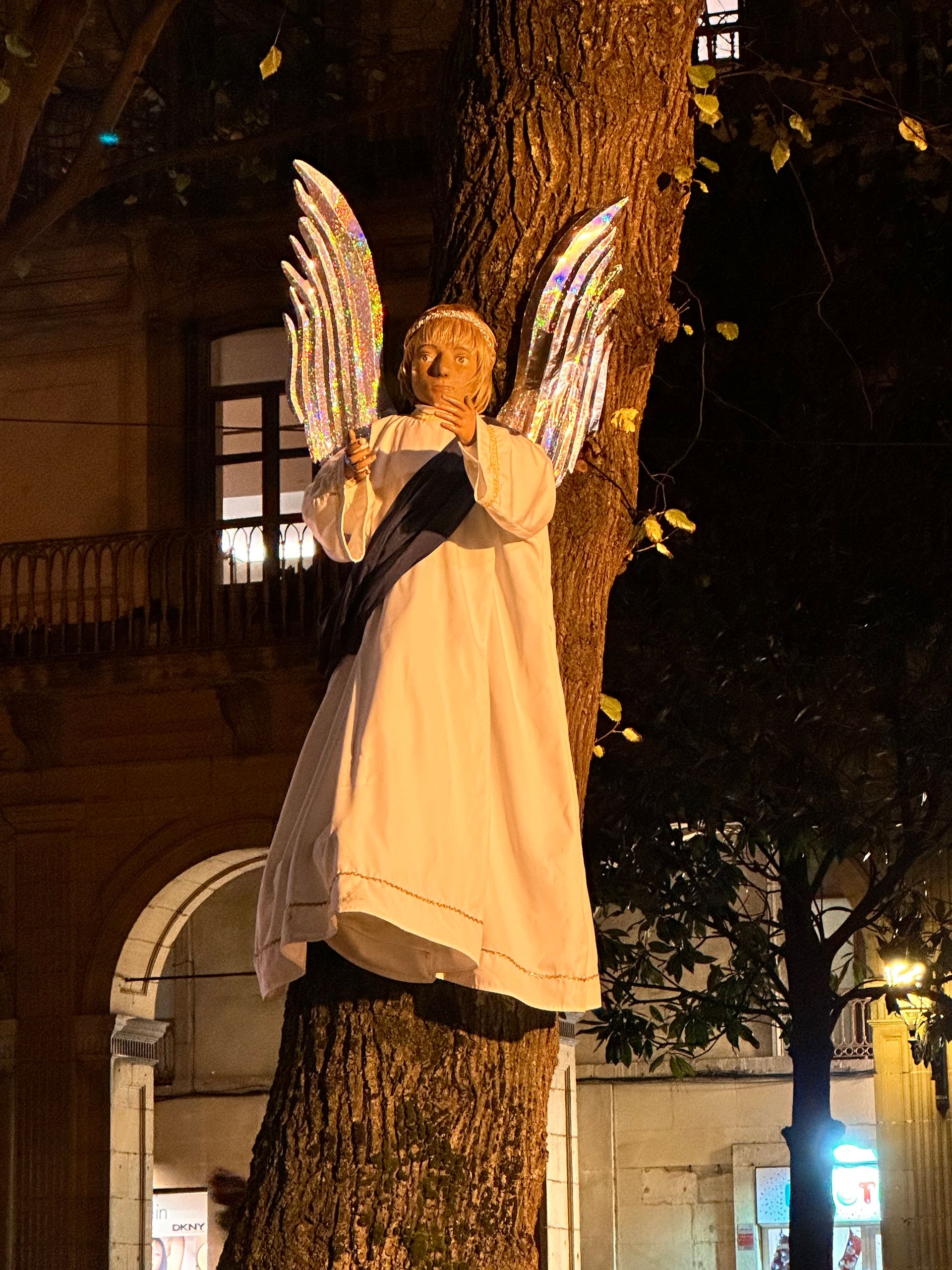
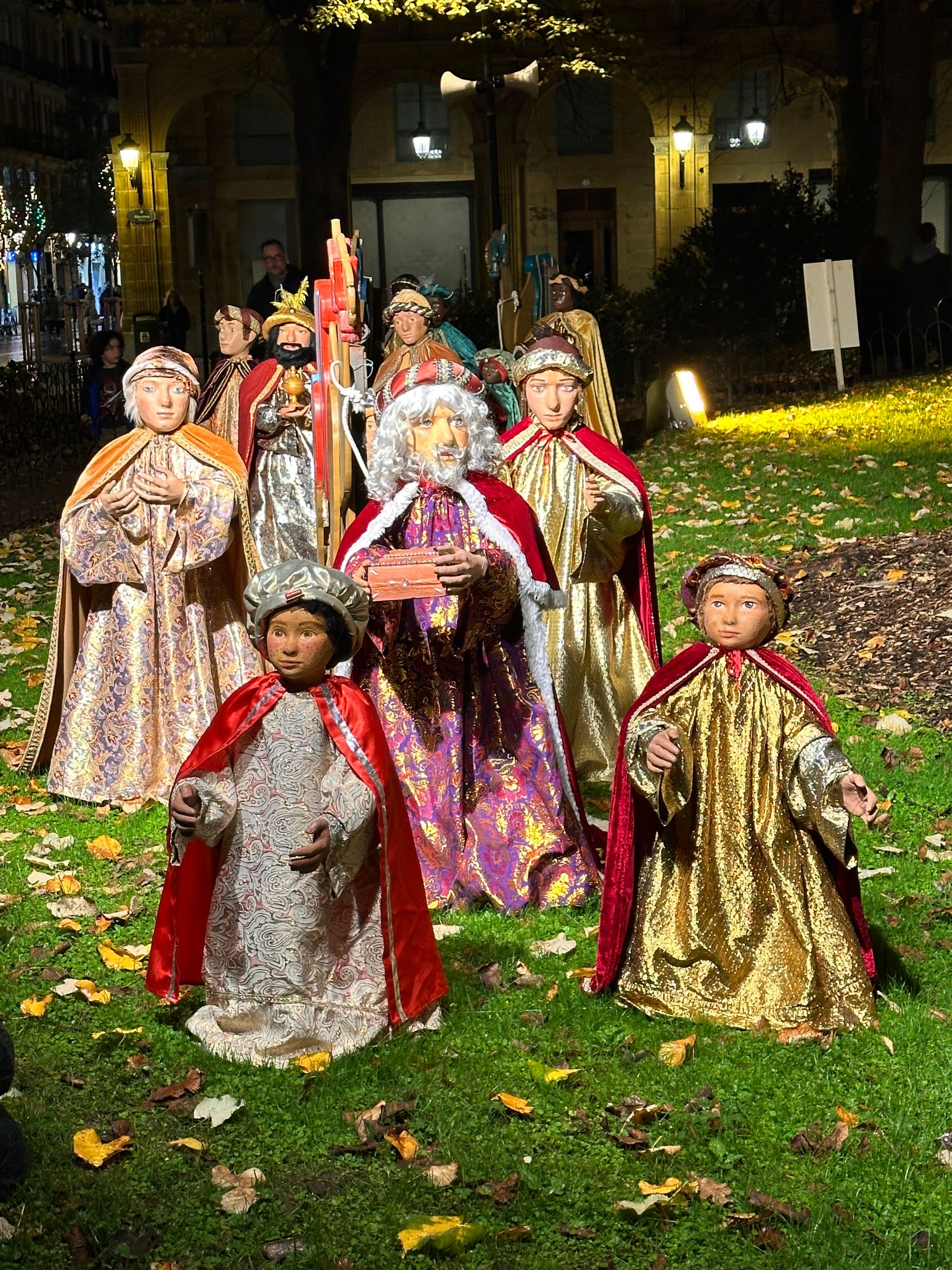
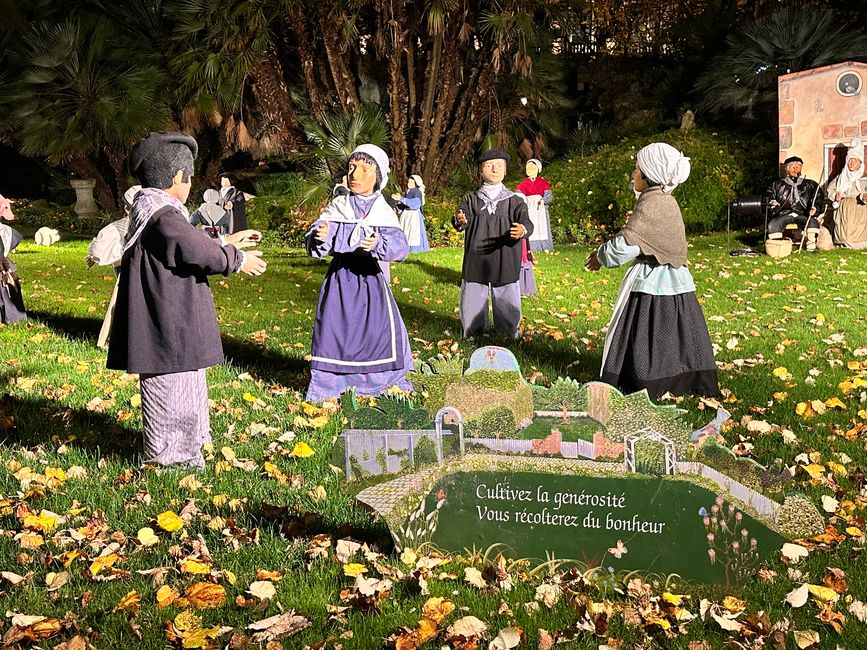
On Gipuzkoa Plaza, we discovered a wonderful surprise: The Christmas story was depicted here, complemented by scenes from Basque life with giant puppets. Festive Christmas music was playing in the background. We assume this is another special tradition, as we have experienced in recent days in other Spanish cities.
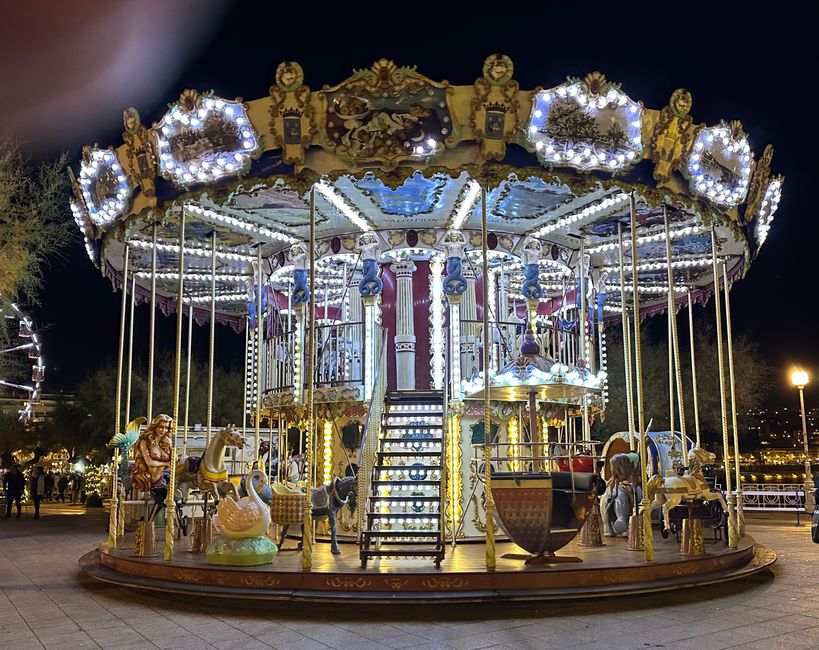
From there, we returned to Alderdi Eder Park, where a glowing sea of Christmas lights and a big Ferris wheel awaited us. There is also a carousel. The two-story carousel known as Tiovivo is a real gem in Belle Époque style. This well-preserved carousel is from the early 20th century (1900) and is a permanent landmark of the city. It stands all year round on the promenade La Concha. Especially in the evening, when it’s illuminated, it unfolds its nostalgic charm.
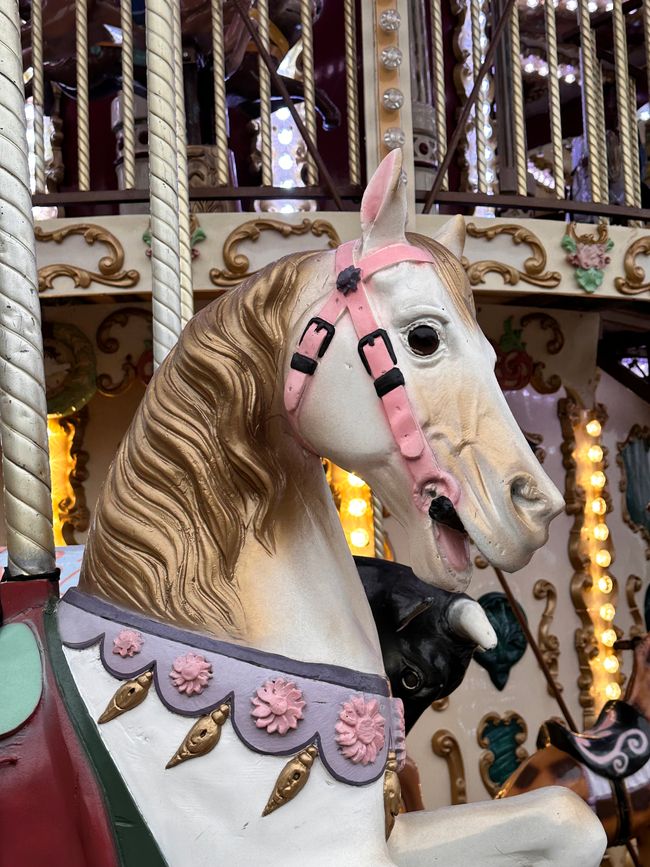
The elaborately painted wooden figures and the elegant design make it very popular among both locals and tourists. It is not only an attractive spot for children but also a symbol of the romantic and historical atmosphere of San Sebastián.
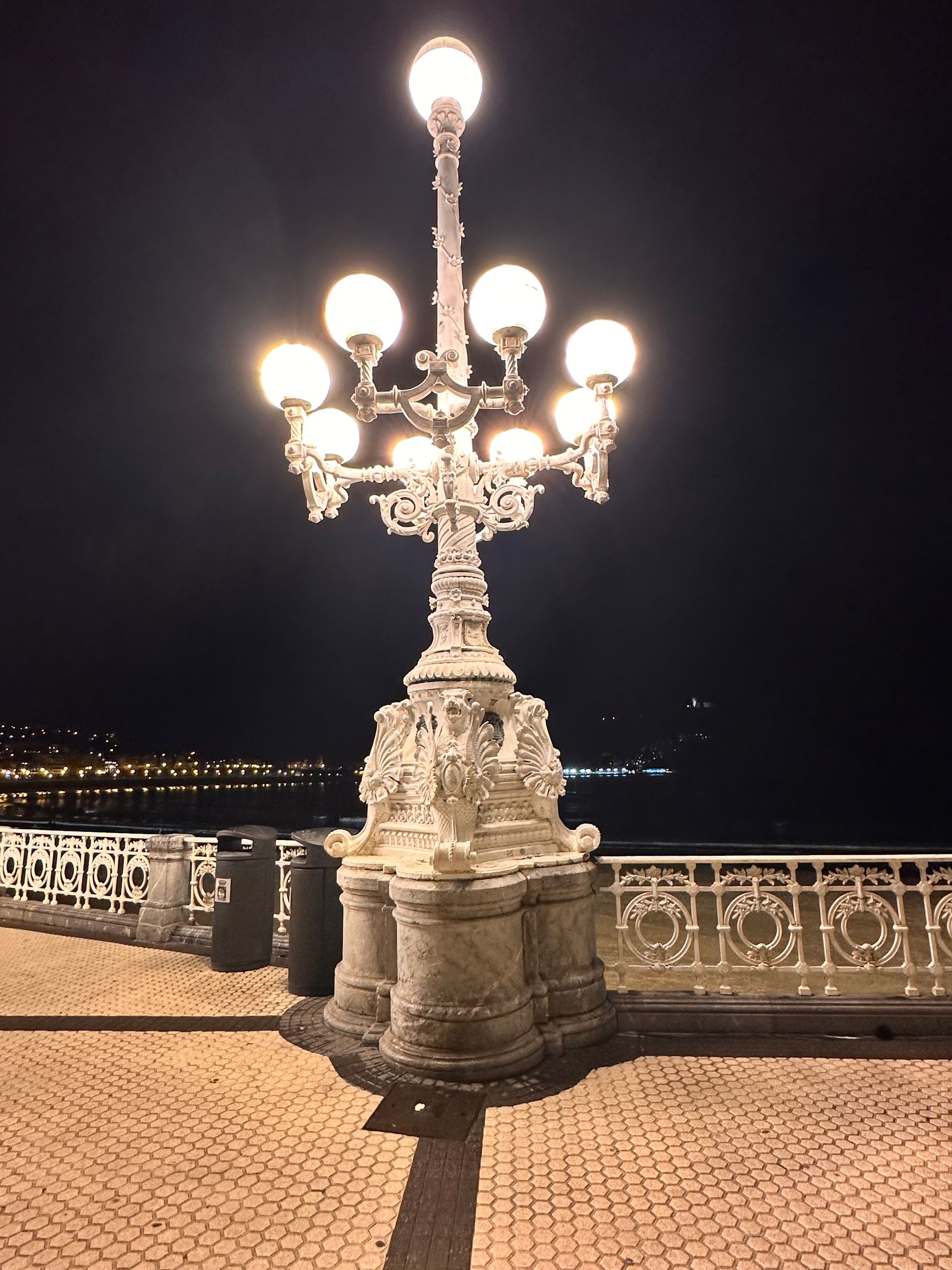
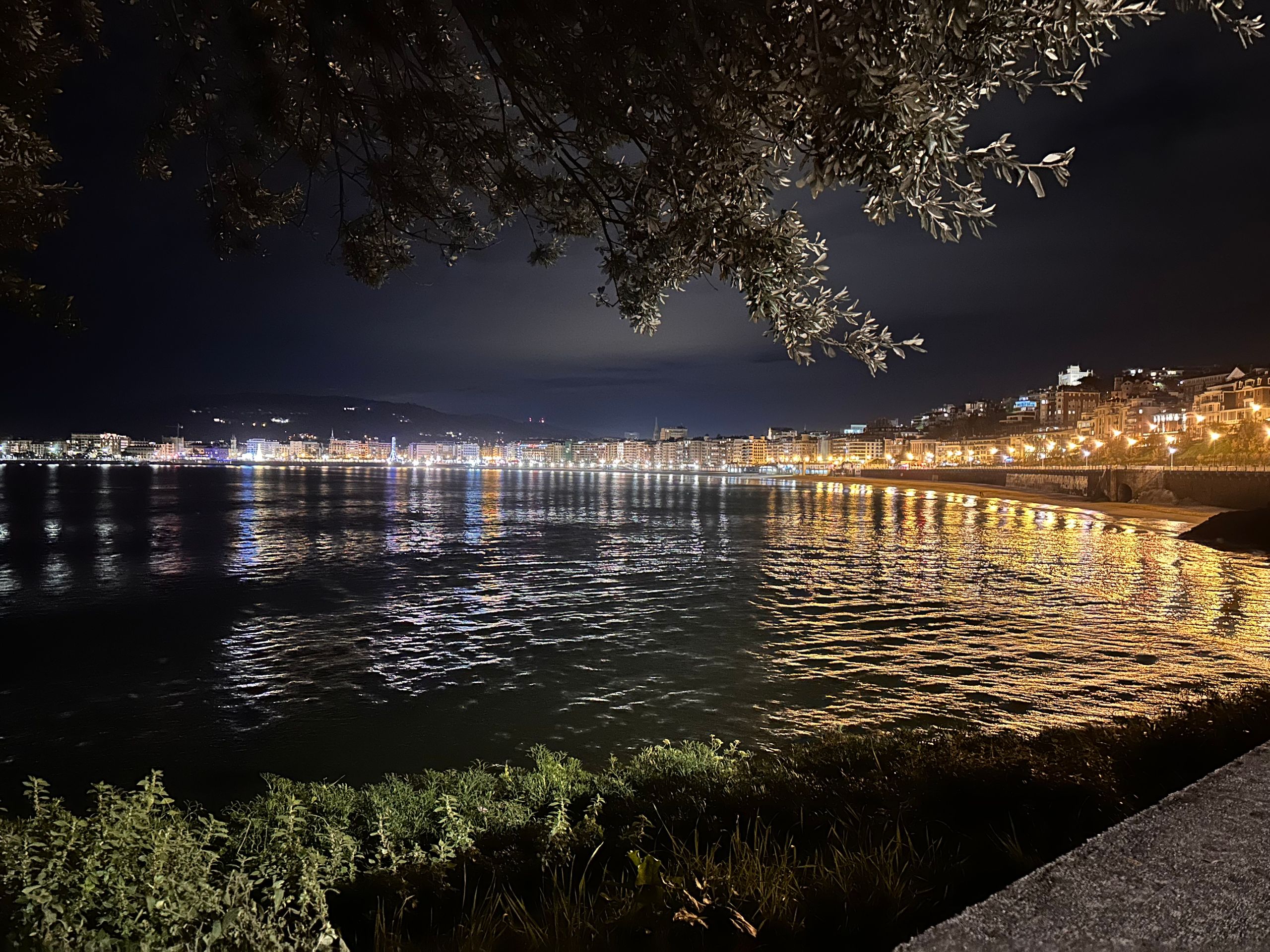
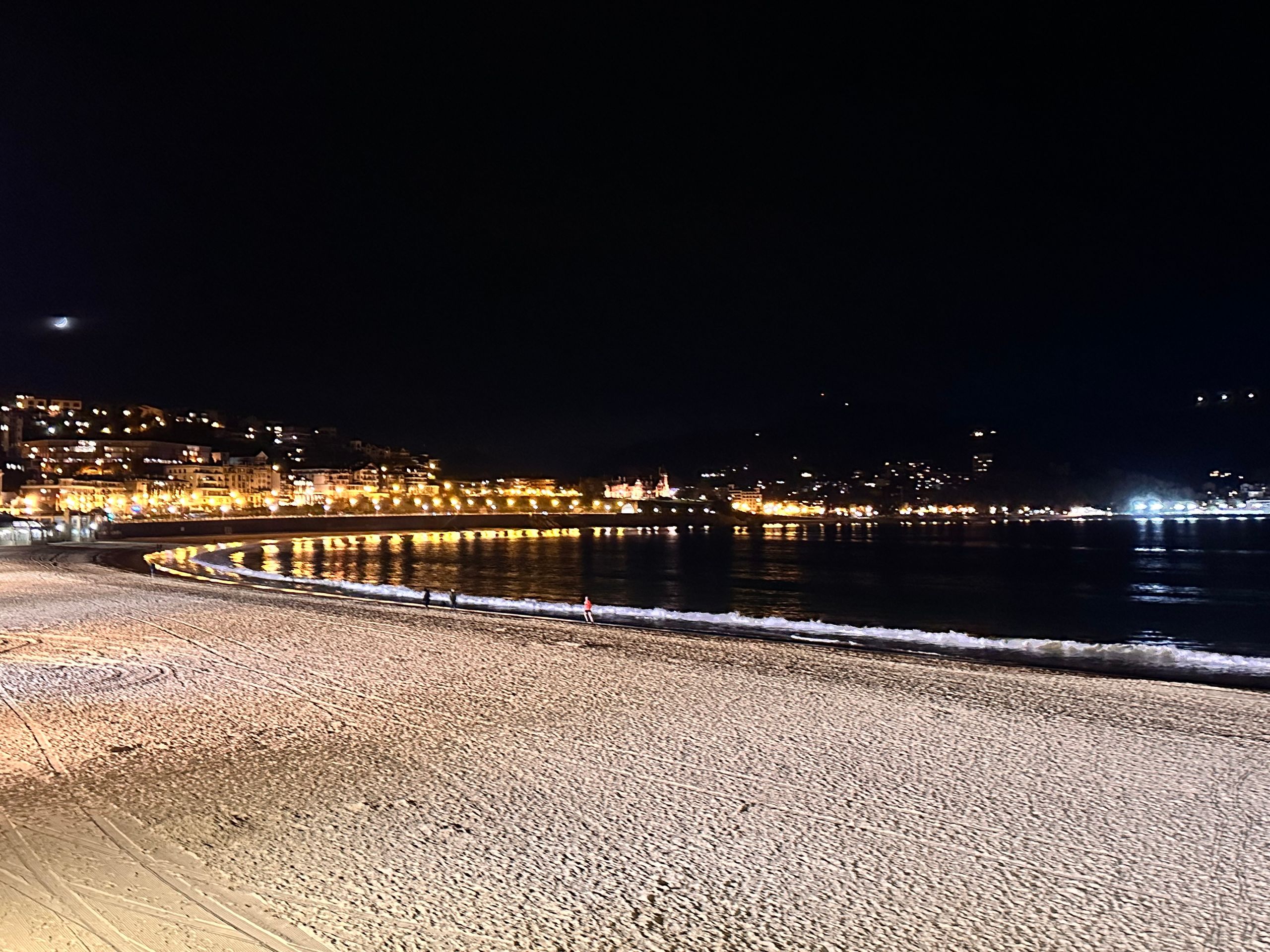
Finally, we walked along the waterfront promenade back to our hotel. The view of the city's lights was fantastic.
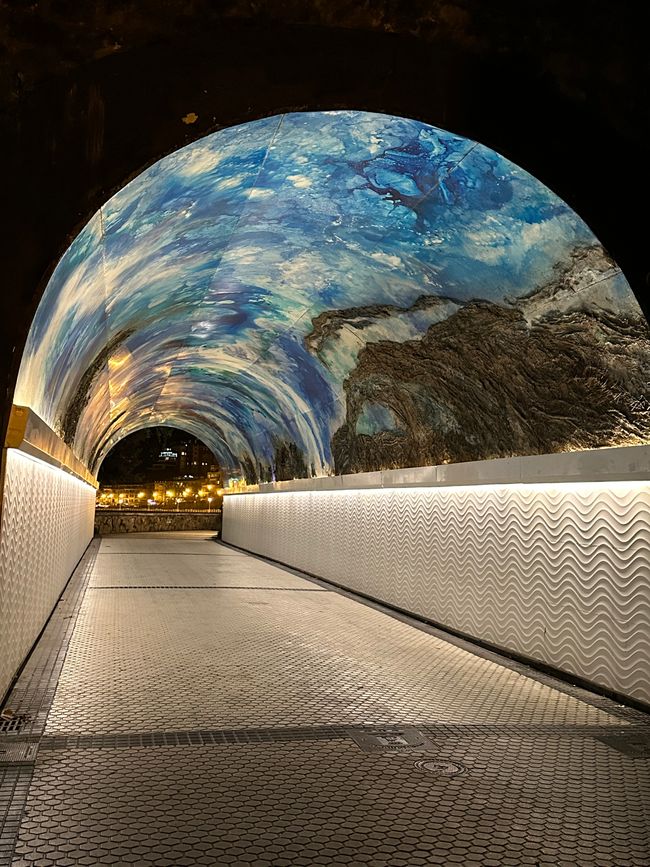
Under the Miramar Palace, we passed through the so-called Túnel MiramArt, an impressive art project. This pedestrian tunnel, which connects Paseo de la Concha with Ondarreta, was redesigned in 2016. Artist Víctor Goikoetxea created an underwater world on the ceiling, producing a vivid impression of sea movement and water through special materials and lighting. The combination of art, architecture, and technology makes the tunnel special. The lighting changes the atmosphere, and passersby can generate energy through movement. In the evening, the lighting reveals its full effect, making the experience even more impressive.
We ended this wonderful day with a nightcap at the hotel bar. After walking over 10 kilometers, today’s fitness program was definitely complete!