Completely broken
This morning we somehow couldn't get going. After our opulent breakfast, Schaahatz fell into a soup coma (which he had for breakfast), and I dozed off half-asleep. Yesterday was...

Published: 21.07.2025
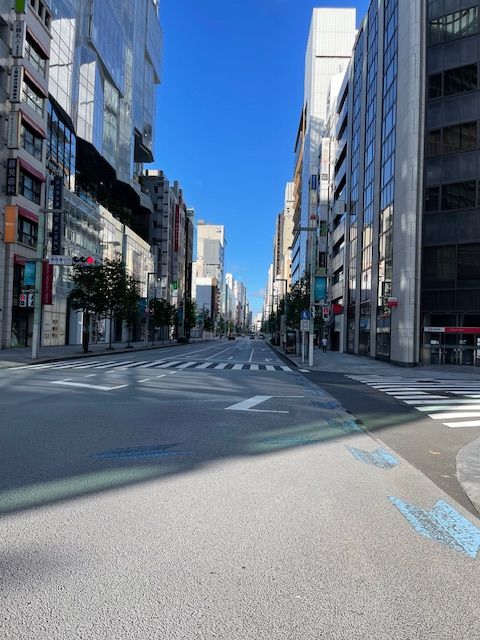
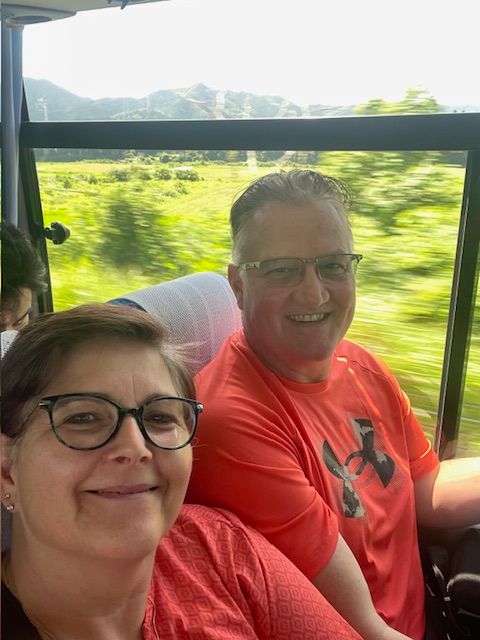
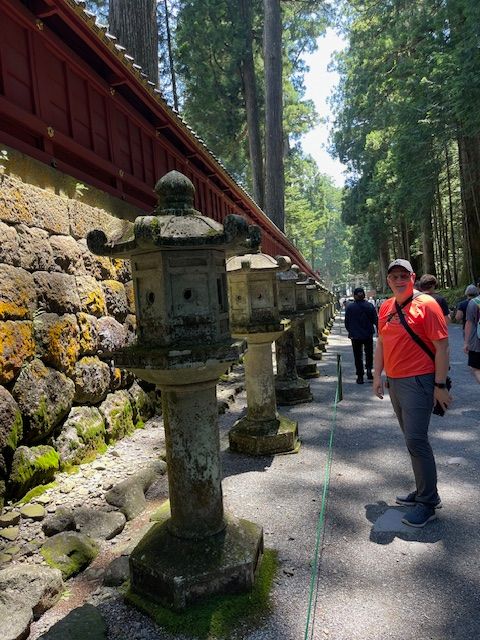
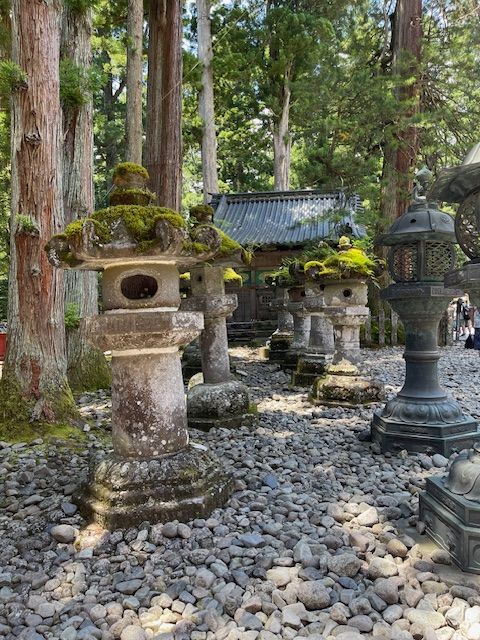

5:45 the alarm rings. Today we have our booked tour to Nikko. At 6:30 we leave the hotel for the meeting point.
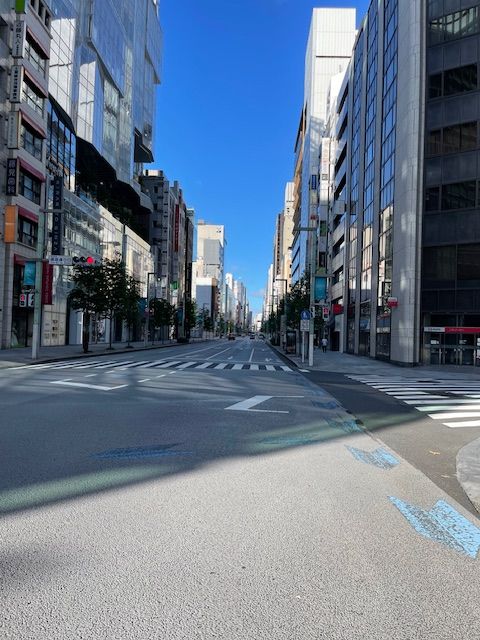
Quickly bought sandwiches at Familymart because the hotel doesn’t serve breakfast until 7:00 and lunch packs couldn’t be obtained beforehand. Maybe it’s better this way, who knows what would have been in them. At 6:50 we find out that our guide is sick and they have to find a replacement. Finally, at 8:15 we start with Raoul. (Poor guy probably had a different kind of Sunday in mind). When booking, I had reserved the tour in English. On the bus, we were seated with the Spanish tour group and Raoul shared everything in both languages. A real language challenge.
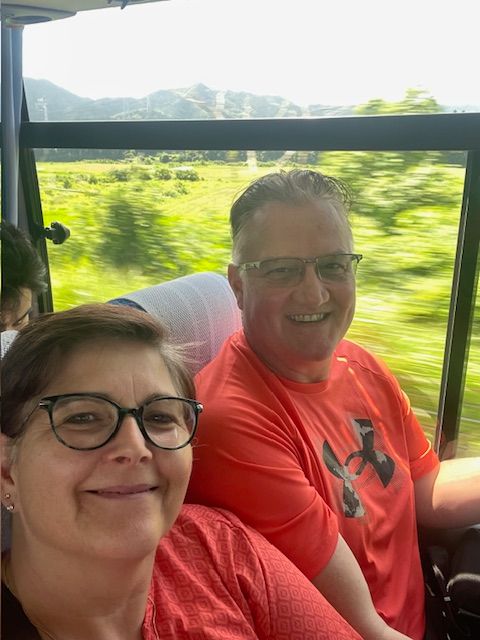
After 2.5 hours we reach Nikko. Due to the hour delay, it is already quite crowded and warm here. (The sun is blazing from the clear sky).
Facts
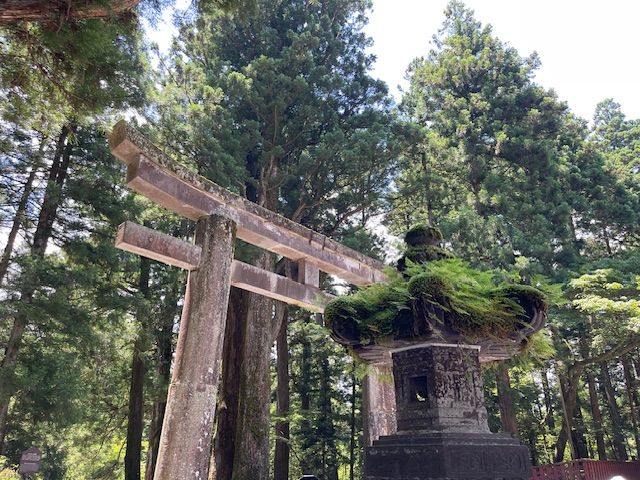
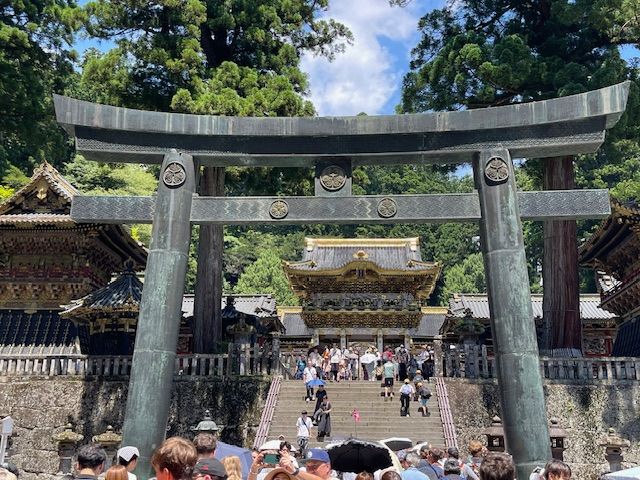
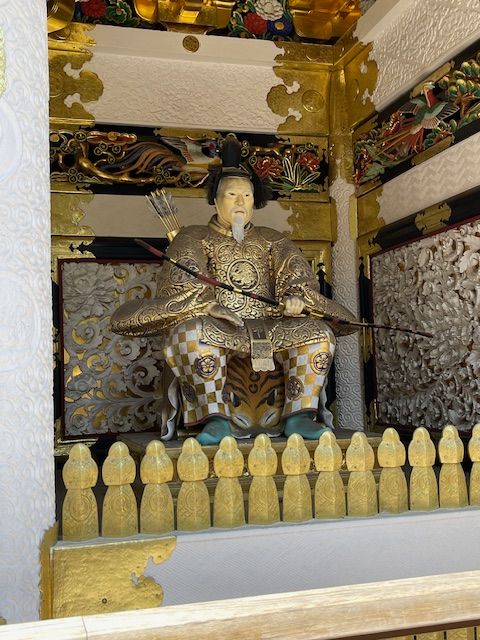
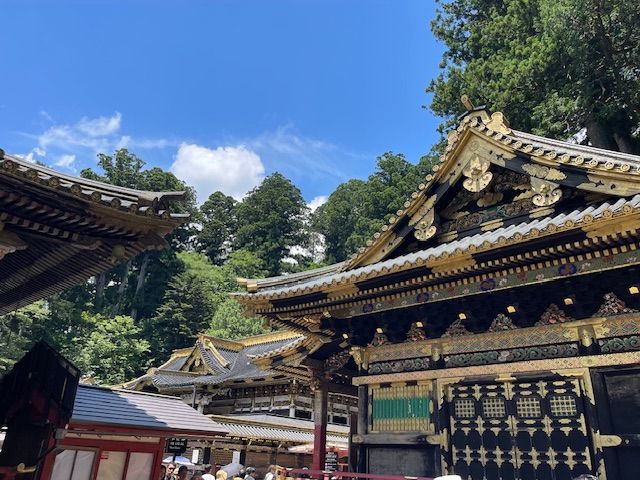
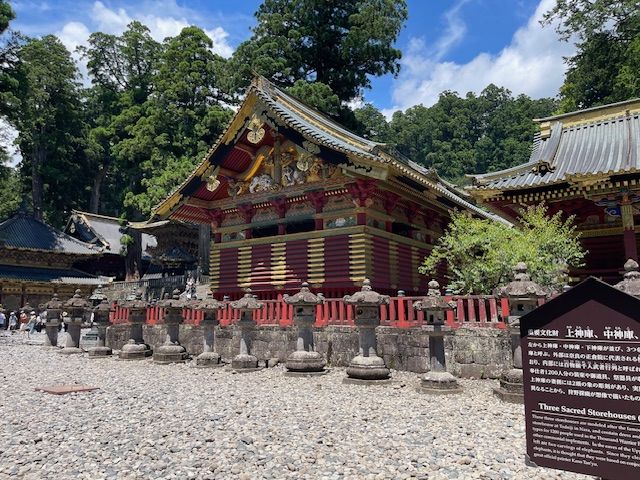
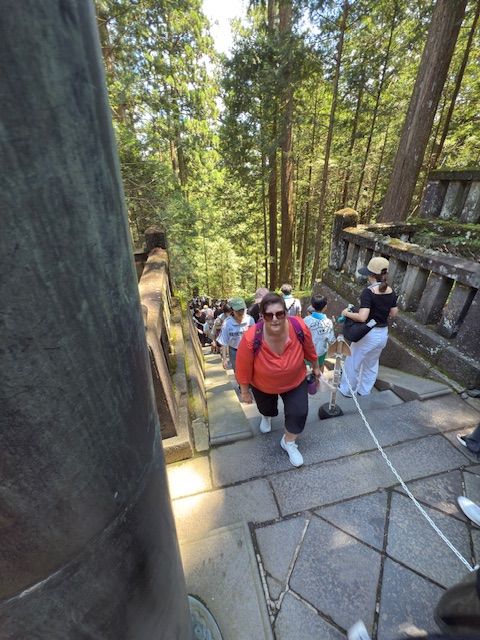
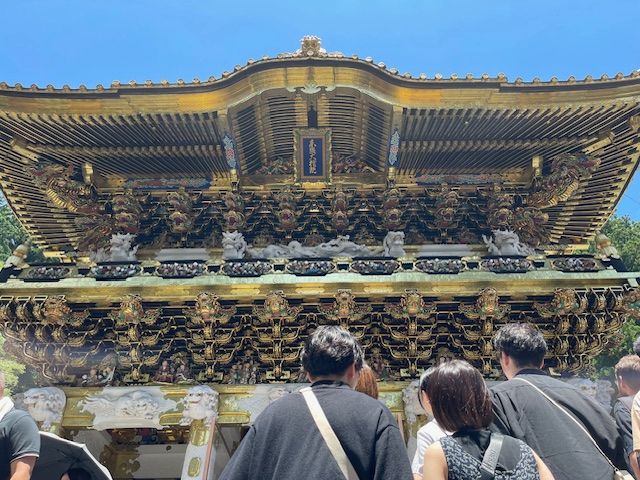
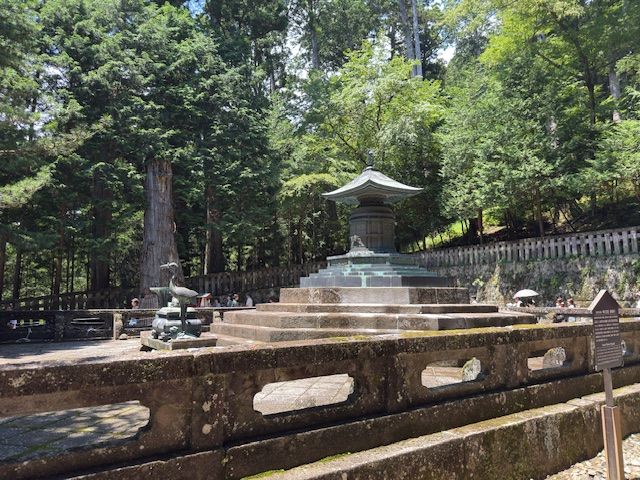
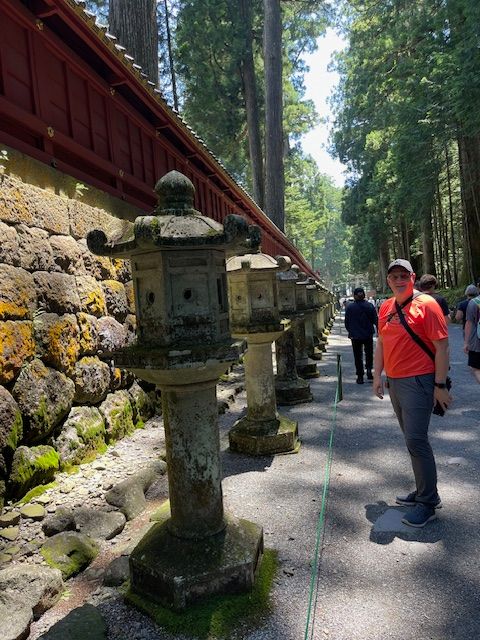
Nikko is a small town in the Tochigi Prefecture of Japan, located in the mountains north of Tokyo. Here you will find Toshogu, a famous Shinto shrine built in 1617, which serves as a mausoleum for the renowned samurai leader Tokugawa Ieyasu, the founder of the Tokugawa shogunate and the Edo period. The shrine features the ornate Yomeimon gate, the main prayer hall set in a cryptomeria forest, and the tomb itself. To reach it, one must climb a long staircase (270 steps) through a dense forest. However, the view of the main hall and the Yomeimon gate makes the effort worthwhile.
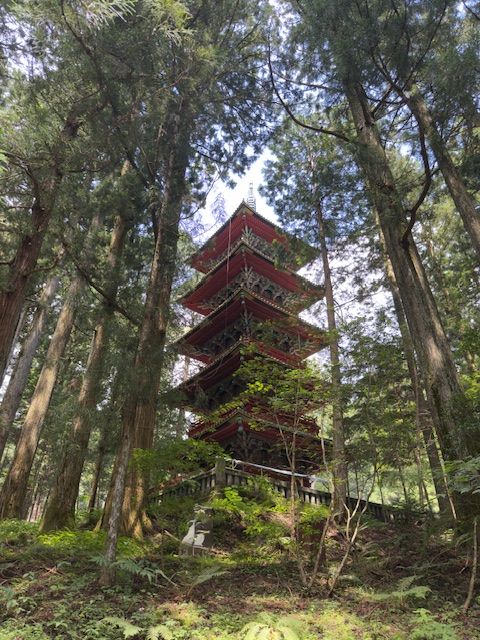
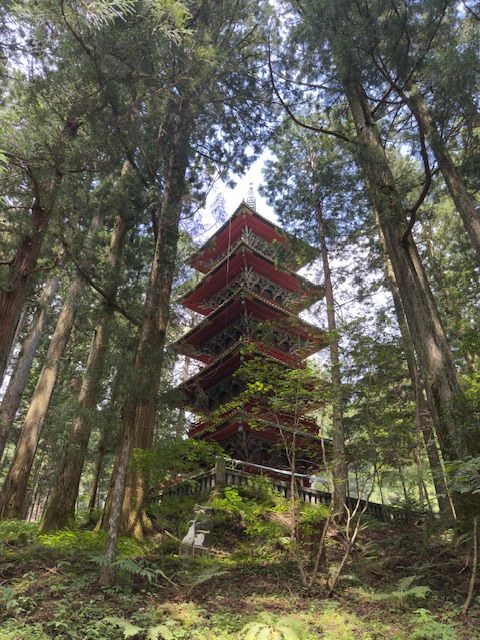
When the Toshogu shrine in Nikko was built, the builders had something divine in mind. The ingenuity and attention to detail reflected in the Toshogu shrine are extraordinary. Its vivid colors and extravagant carvings stand in stark contrast to the often Spartan constructions found in Japan. Among the most impressive buildings in Nikko Toshogu is the five-story pagoda, which is most noticeable due to its height. It stands near the main entrance. The five stories represent the elements of existence in ascending order: earth, water, fire, wind, and void.
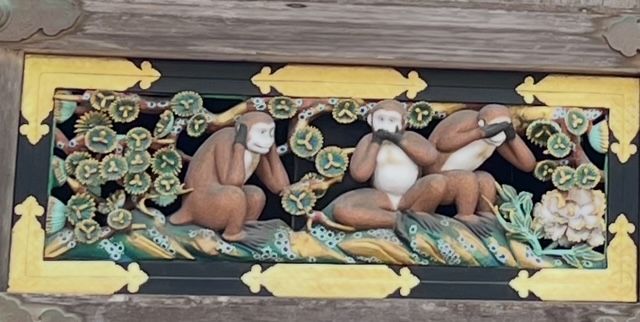
The most famous carving of the shrine is the three wise monkeys.
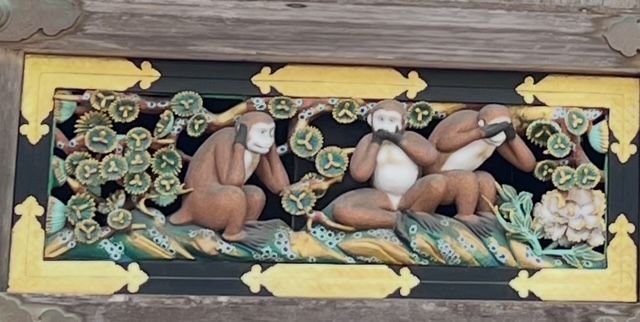
The first “sees no evil,” the next “speaks no evil,” and the third “hears no evil.”
Unfortunately, this delay throws everything off. We also have half an hour less at this site, so we have to rush through the truly beautiful area. As we climb the steps at a slow pace,
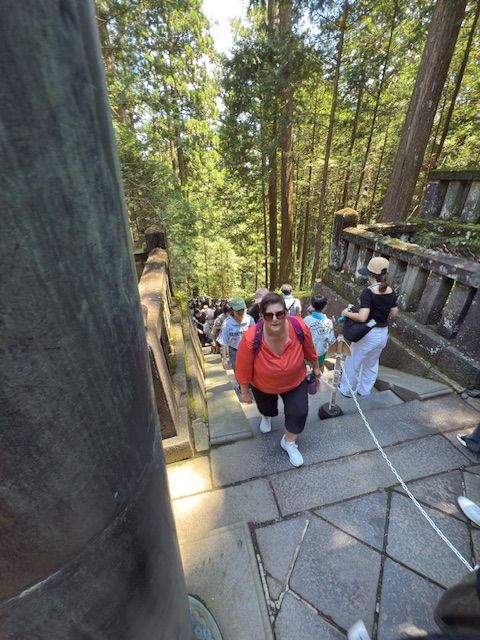
two paramedics rush past us. Carrying a stretcher, quickly making their way up. We don’t have much time, so we have to save our slow pace for other places. We quickly circled around the tomb,
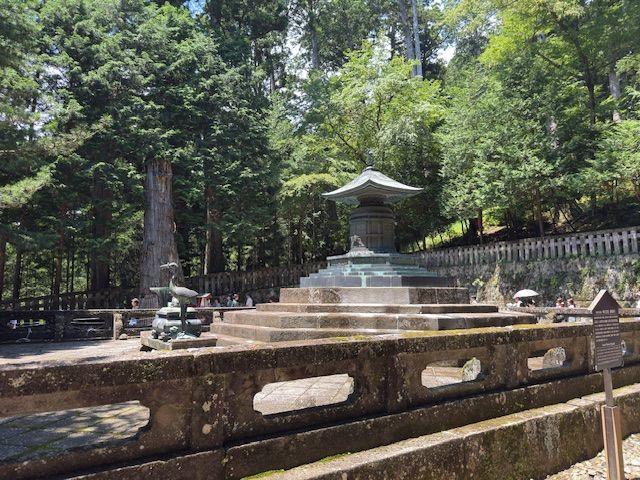
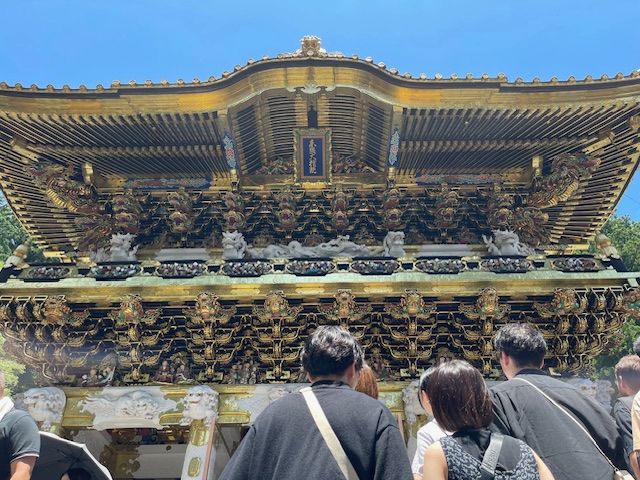
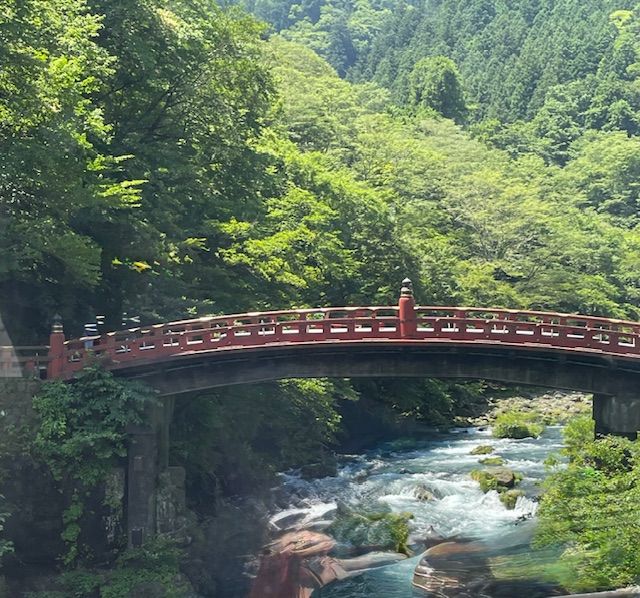
Shoes off - tossed a coin in the shrine - made a short wish - bowed twice - clapped twice - and bowed again - put on shoes and continued. We actually wanted to check out the red bridge at the entrance of Nikko,
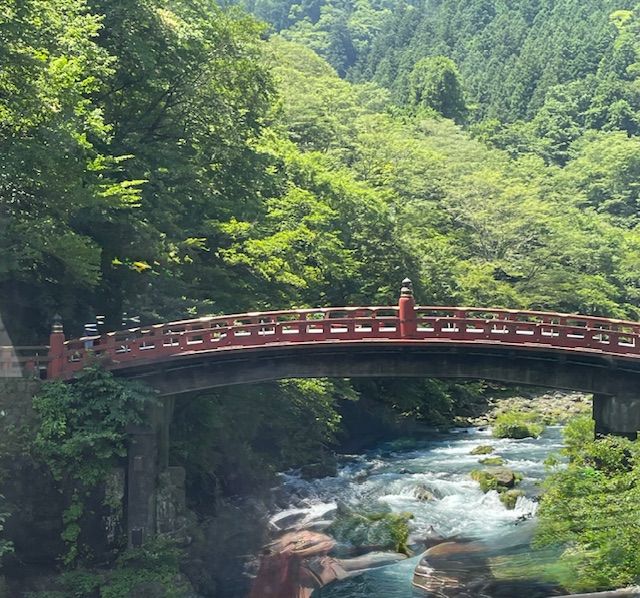
but there was no time left. We could only watch a monk perform a fire ritual for a few minutes before we had to head back to the bus.
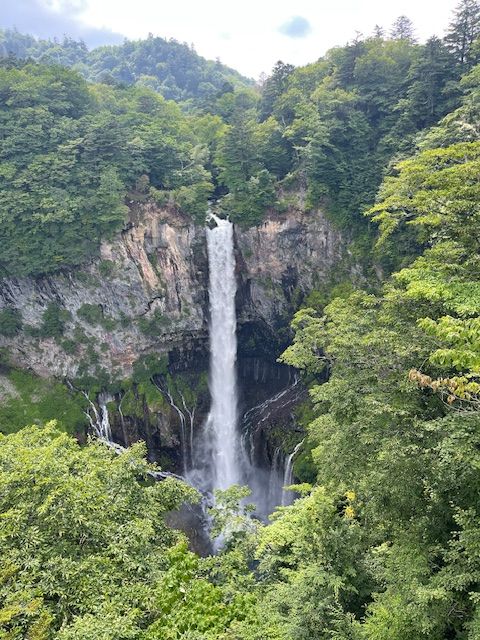
Next, we go to the Kegon waterfall. Up into the mountains via a two-lane winding road. Here we lose a 3/4 hour due to heavy traffic.
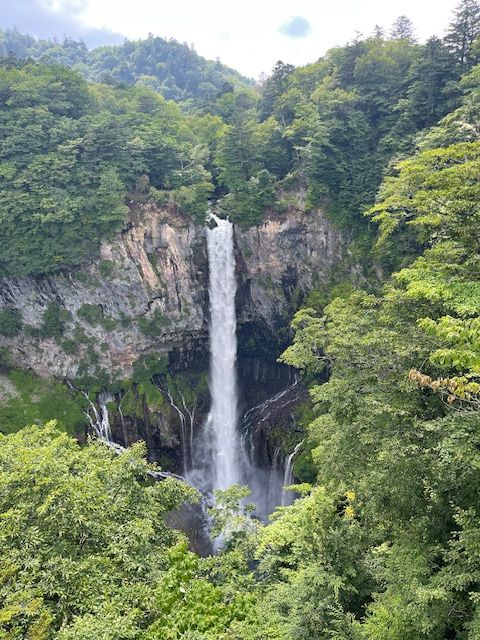
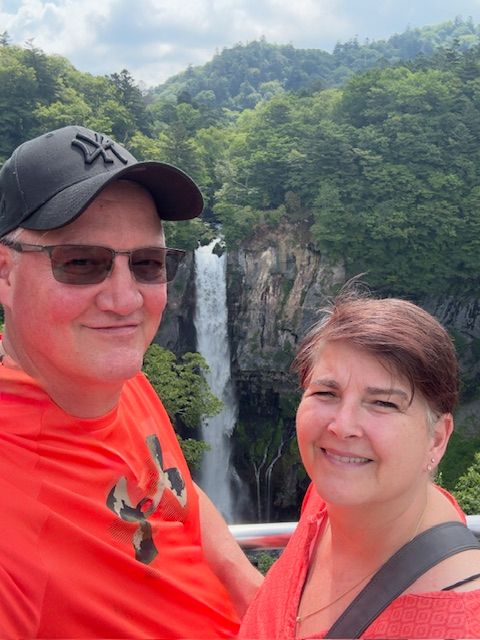
The Kegon waterfall is 97 meters high and flows from Lake Chūzenji. It is one of the three most beautiful waterfalls in Japan. The waterfall is said to be particularly impressive in winter when it partially freezes.
I found it beautiful, since we have seen smaller and less water-filled or even dry ones.
We had actually planned to see the lake as well, but the agency canceled that part because heavy traffic was anticipated for the journey to the lake, and the driver must adhere to his driving times.
Lake Chuzenji is Japan's highest natural lake.
So no lake, but we have 30 minutes to grab something to eat - and we do.
Fried potato pockets filled with gyoza.

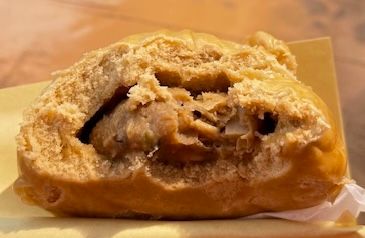
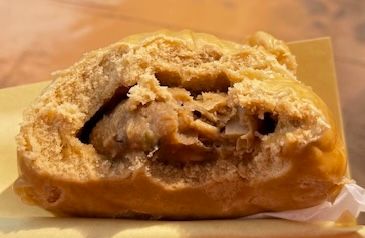
Alternative sweet buns with a savory filling of pork, cabbage, and beans.
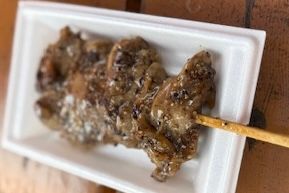
Chicken skewers in a pepper marinade.
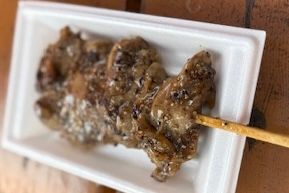
And finally two soft ice creams 😋😋
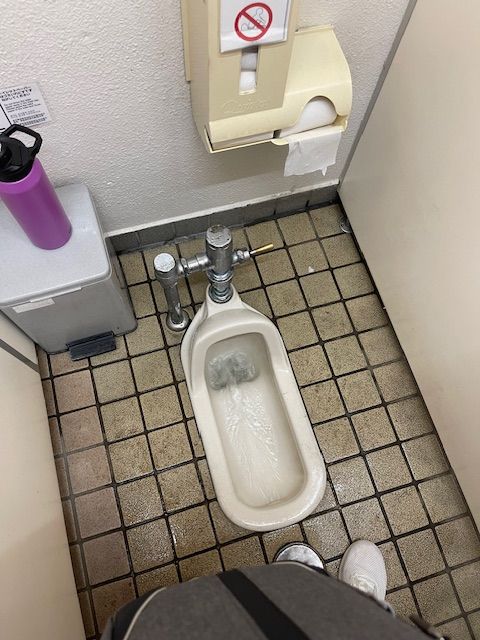
Then we have to start our journey home. Just a quick encounter with the alternative to the high-tech toilet.
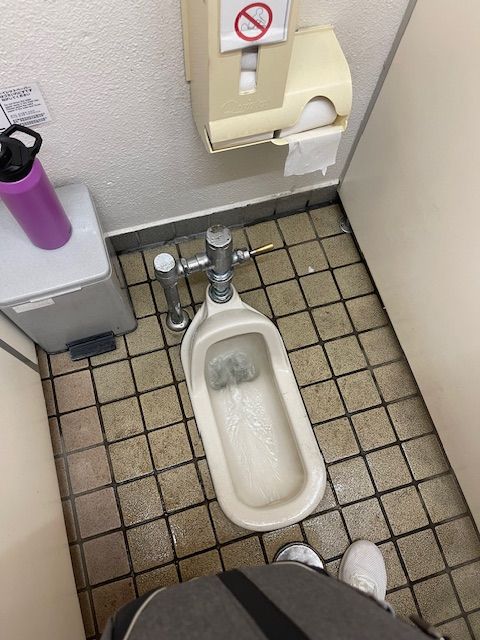
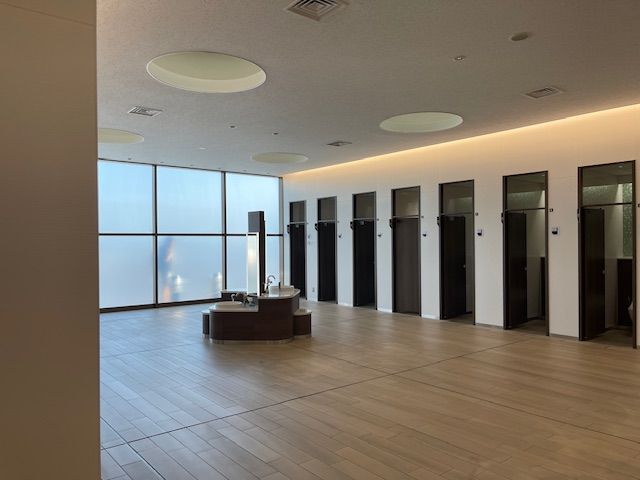
Only a brief stop at a highway rest area interrupts our nearly 3-hour drive home. Here, our rest stops could learn a thing or two — at least 10 times, if not 100 times better.
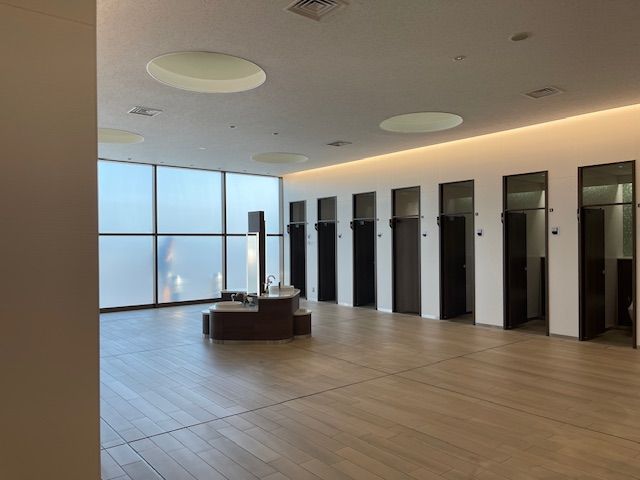
In Japan, toilets are always and everywhere free. Ours don’t even look like that - despite paying.
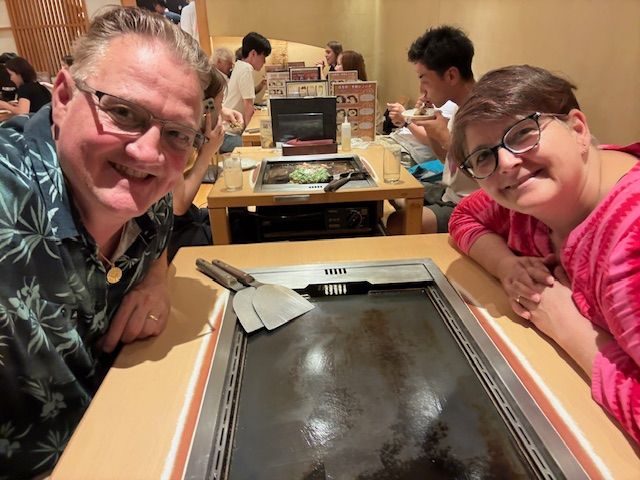
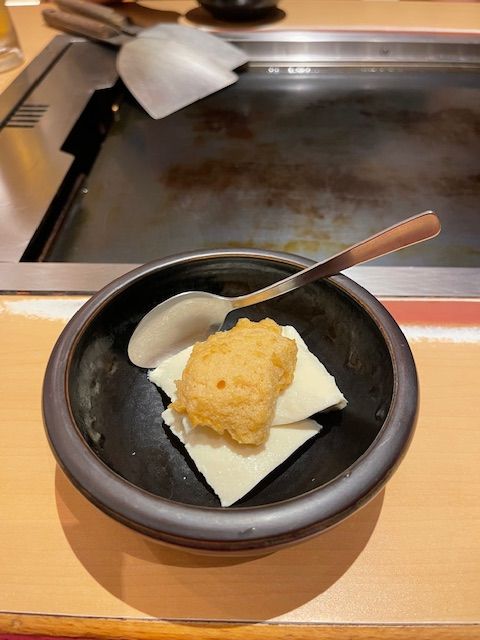
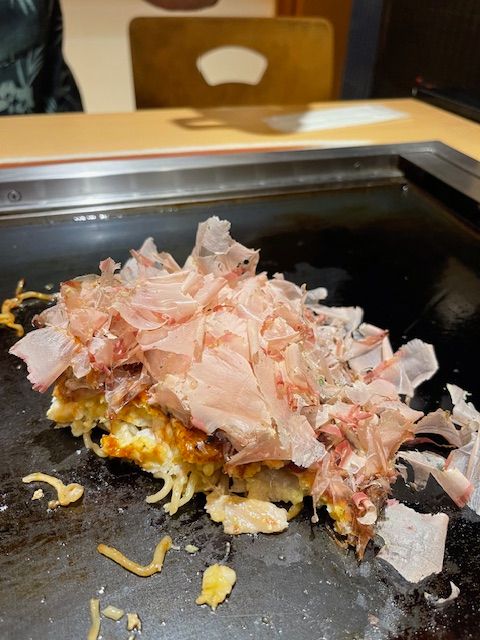
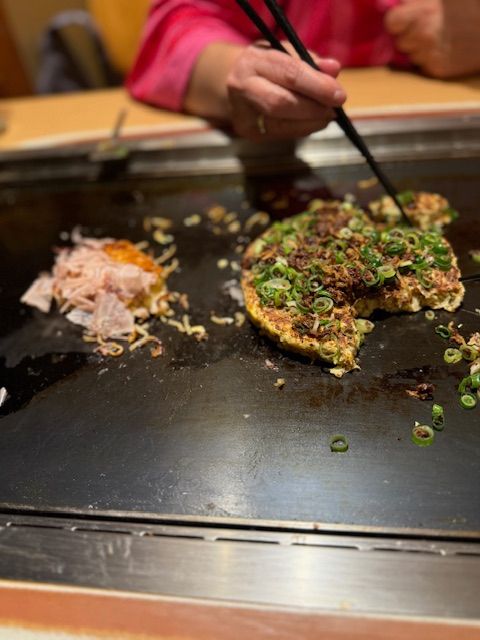
Around 6:30 PM we are back in Tokyo. There’s still time to visit the Asakusa shrine that we didn’t see yesterday. But this time, we go to eat first. Originally, we intended to have ramen, but now it’s okonomiyaki.
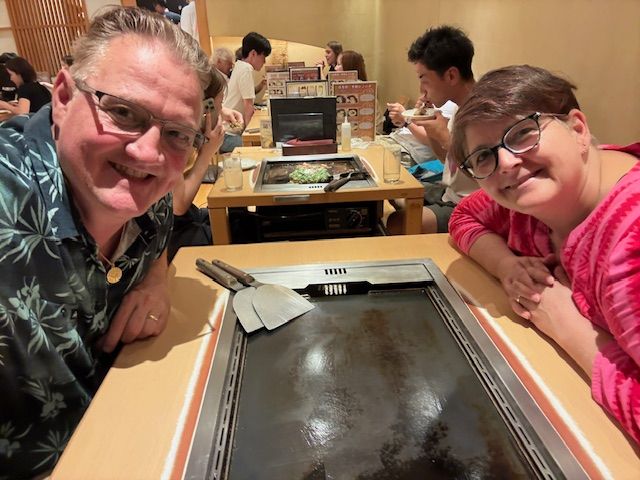
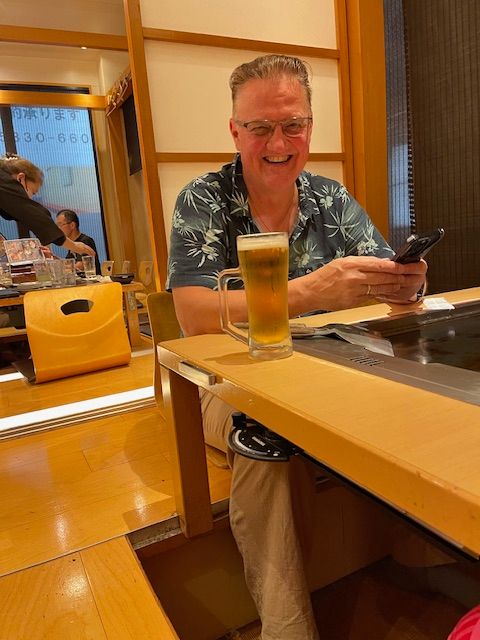
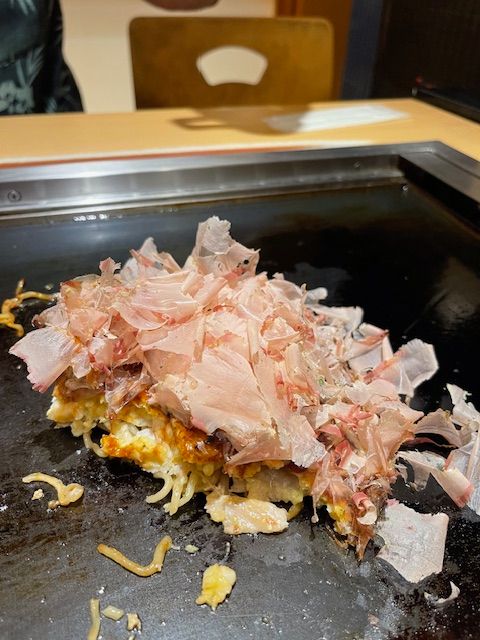
Premium mixed modern Okonomiyaki
An okonomiyaki made with carefully selected pork, tender squid, juicy shrimp, wrapped with firm yakisoba noodles.
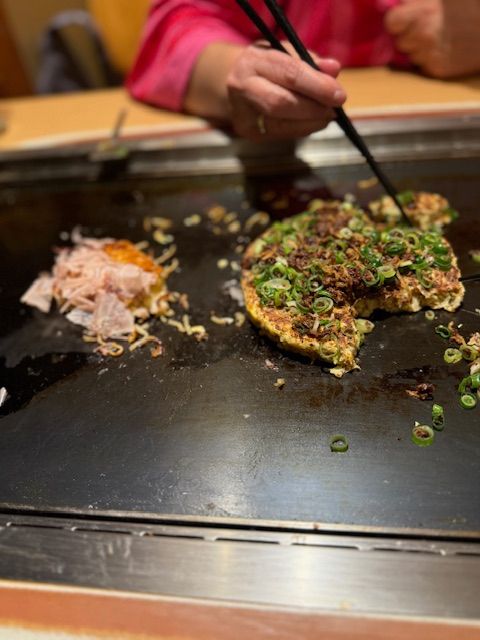
Beef Okonomiyaki
The okonomiyaki featuring sweet and savory beef soy sauce flavor and a generous amount of green onions. The “hash brown” consists of cabbage, chicken egg, and wheat flour.
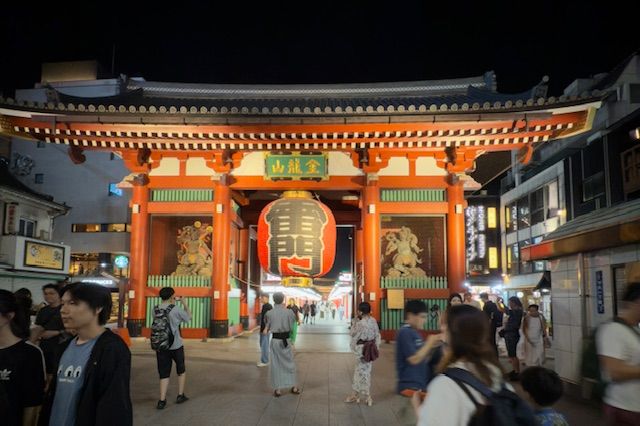
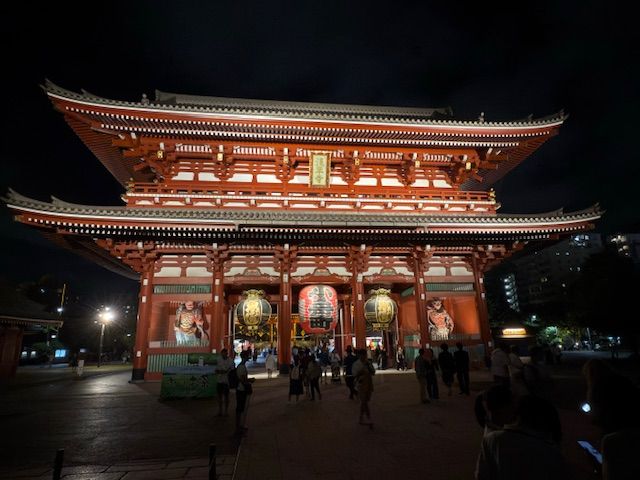
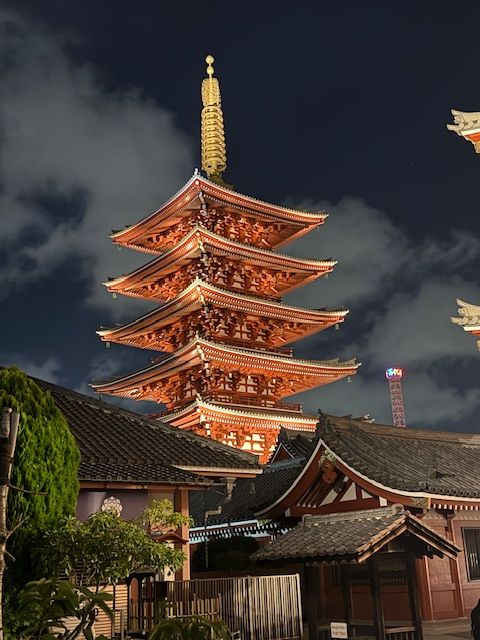
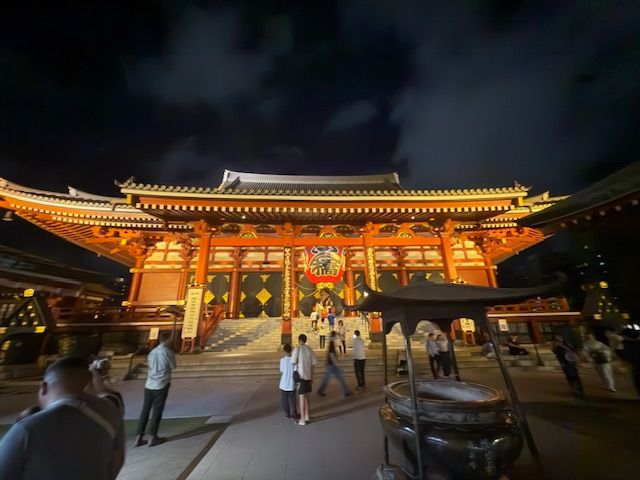
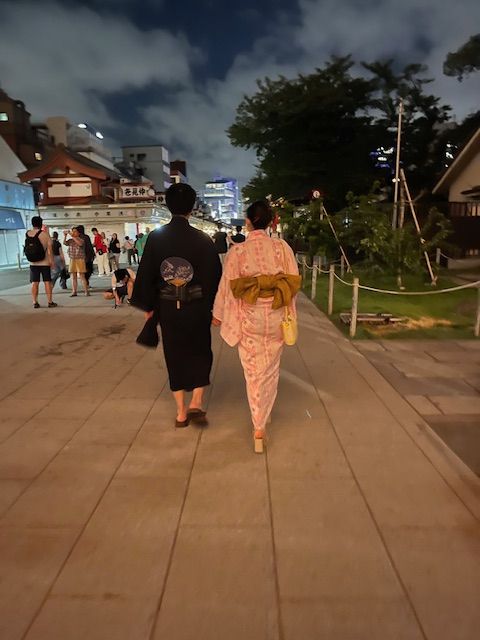
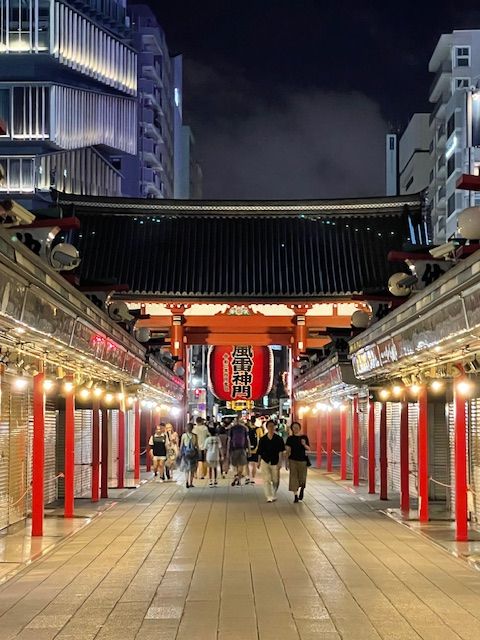
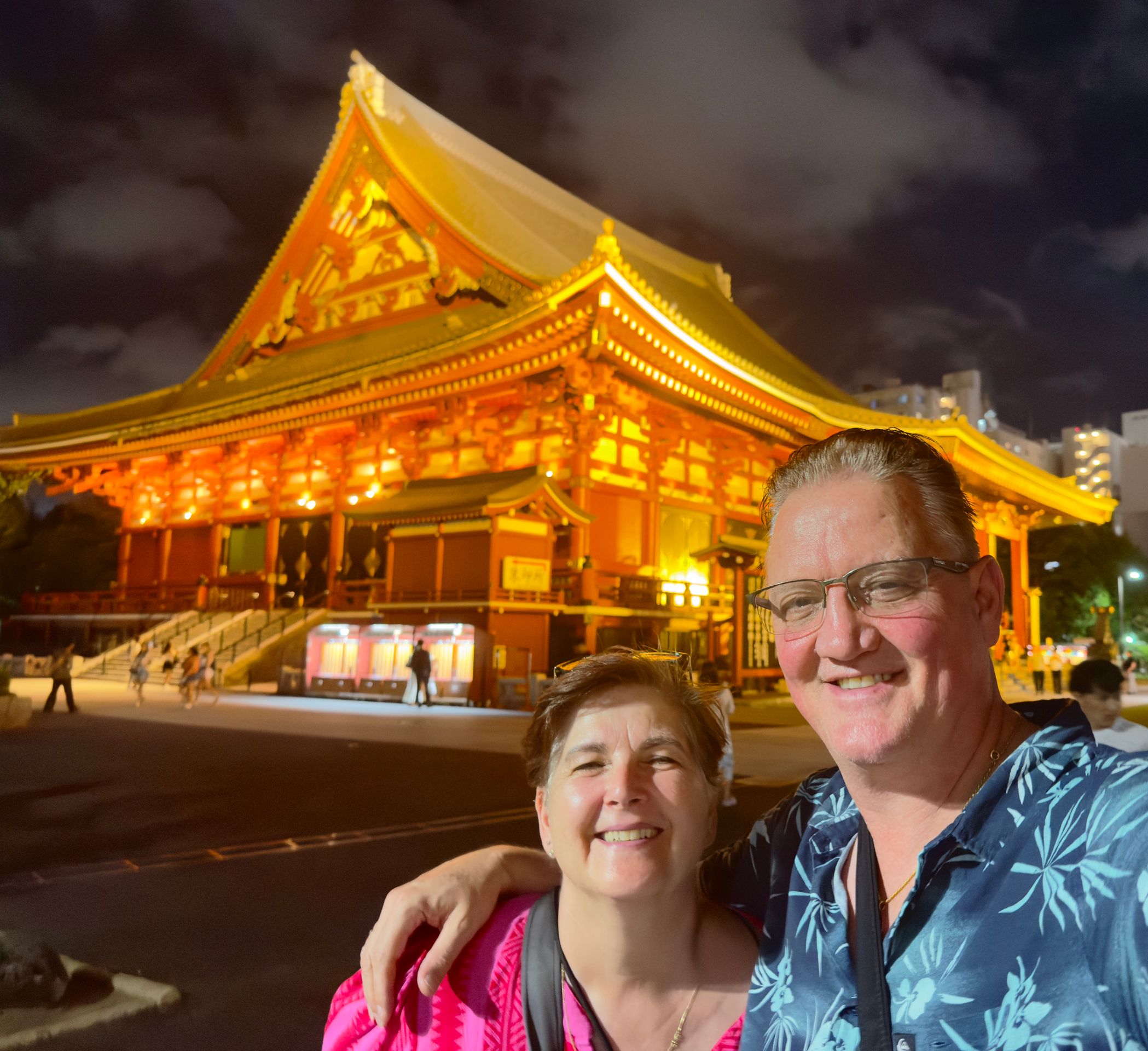
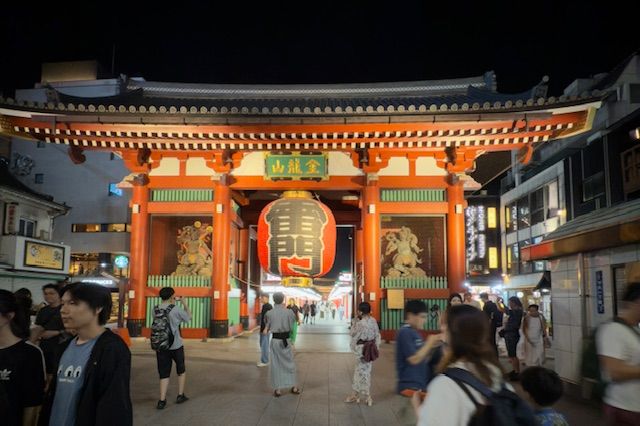
During a digestive walk, we take a look at the Asakusa Temple.
Facts:
Sensoji, or Asakusa Temple, is a Buddhist temple. The temple was founded in 645 and is one of the most beautiful and oldest in Tokyo.
The entrance to Sensoji is marked by the Kaminarimon (Thunder Gate), featuring a huge lantern and four guardians in the archway.
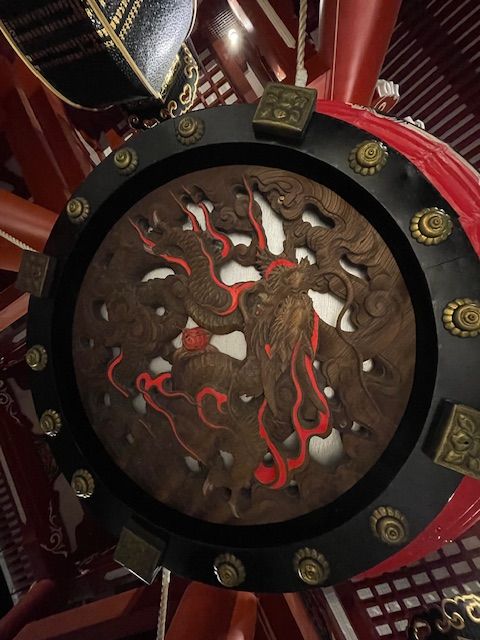
The second gate (Hozomon) houses two guardians and three giant lanterns. The red lantern in the center weighs over 400 kg, while the other two copper lanterns weigh approximately 1000 kg each.
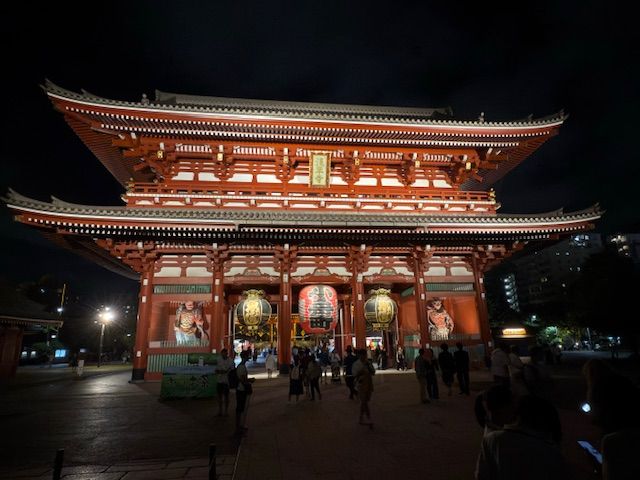
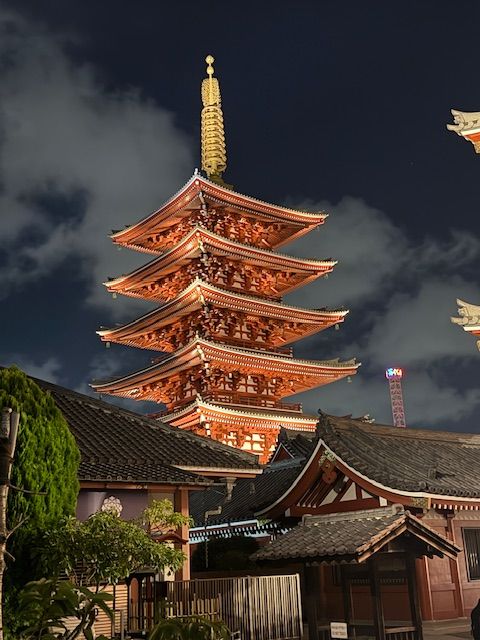
Next to the Hozomon Gate stands a five-story pagoda that reaches over 53 meters in length. It contains images of Buddha and relics. The tip of the pagoda symbolizes the burial mound of Buddha.
In the center stands the main hall, the Hondo building, which has burned down several times over time, most recently during the air raid in World War II.
That was Tokyo