


10,000 Tourists or 10,000 Torii
A final breakfast at the hotel (Hakone Yutowa), packing our suitcases, and promptly at 9:50 a.m. we leave Gora on the Hakonetozan Line towards Odawara. Today we're traveling on...

Published: 25.07.2025
The night was good, except for the fact that I had to constantly relax my gluteus maximus muscle, also known as the big butt muscle. After 3 weeks in Japan, one gets fit from all the stairs you walk every day. We actually wanted to get up at 7:00 AM, but we postponed it to 8:00 AM. After a delicious breakfast and the first step outside, our planned program immediately fell victim to the heat. It's already unbearable in the morning, like moving in a sauna. So we decided to skip the shrines and instead set out for shopping.
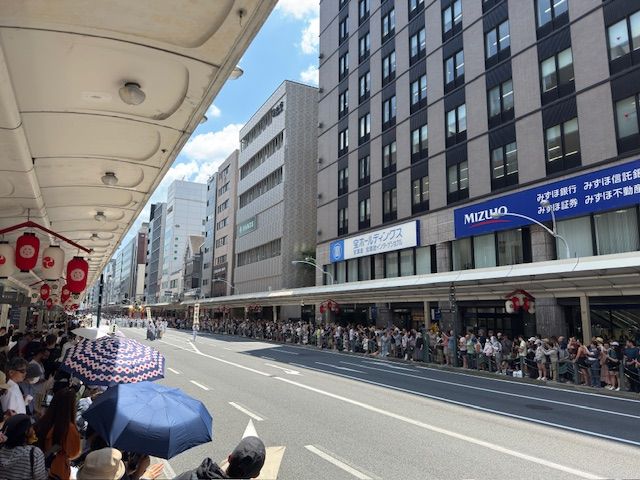
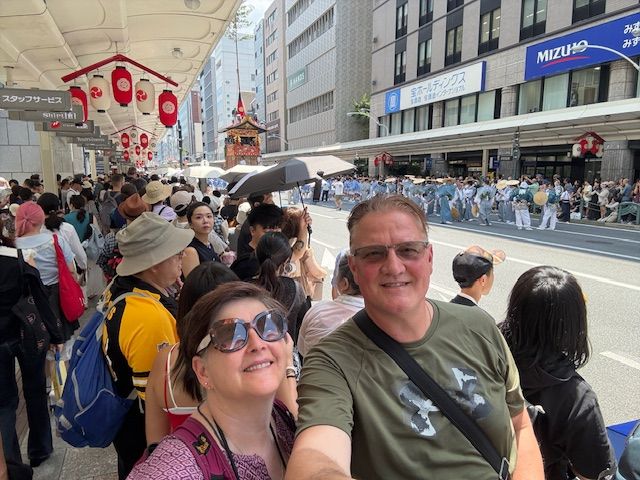
On the way, we encounter crowds of people lining the streets.
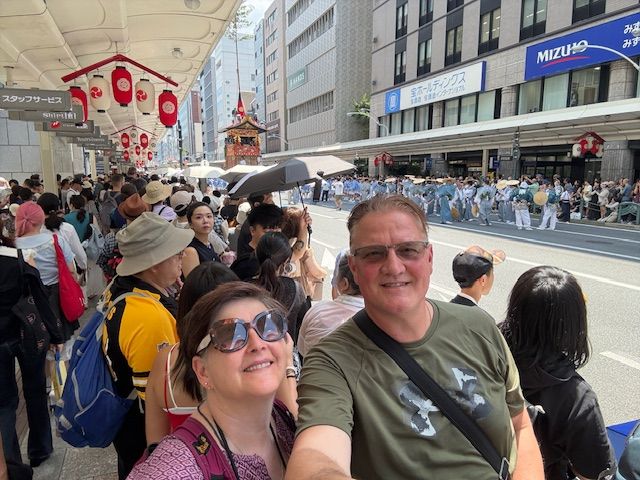
Whoa, what's going on here?
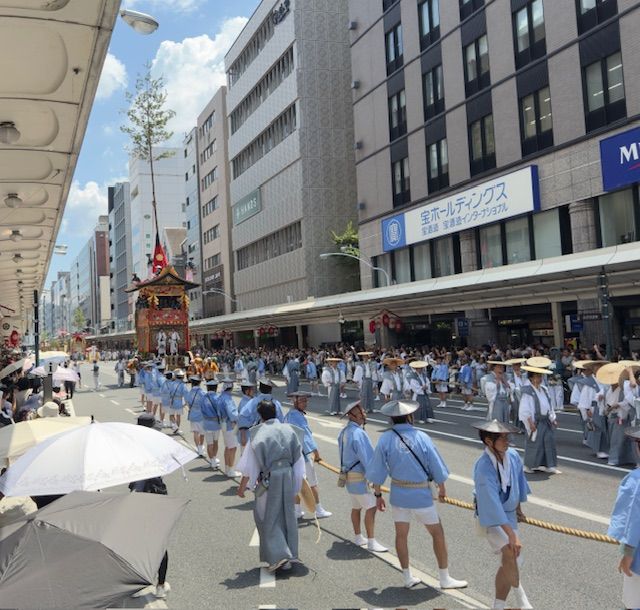
After 5 minutes, a group of men in traditional costume (as we would say) approaches with a shrine.
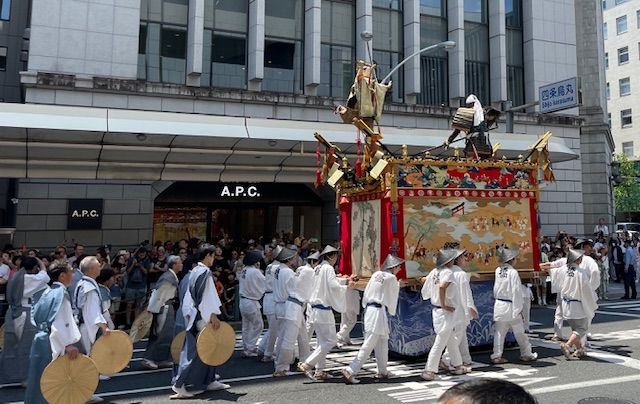
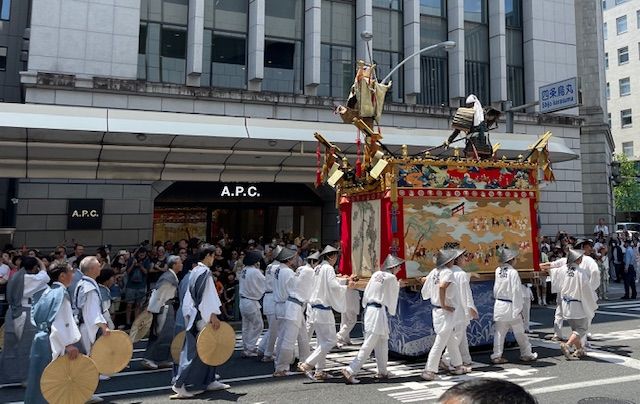
And soon after, another one.
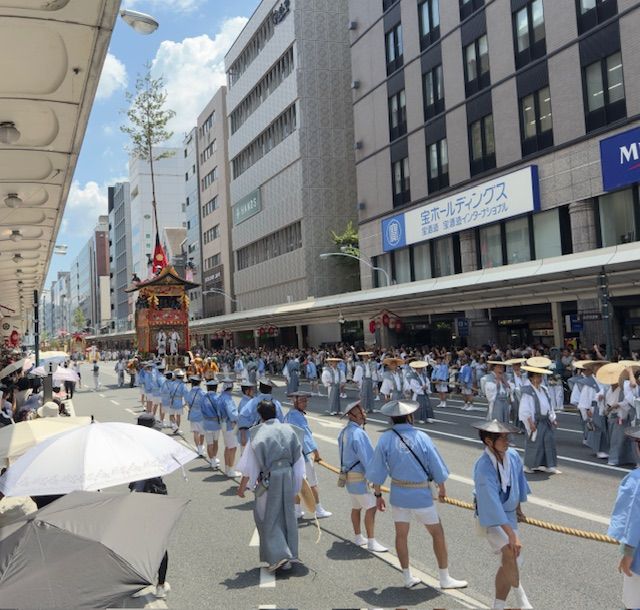
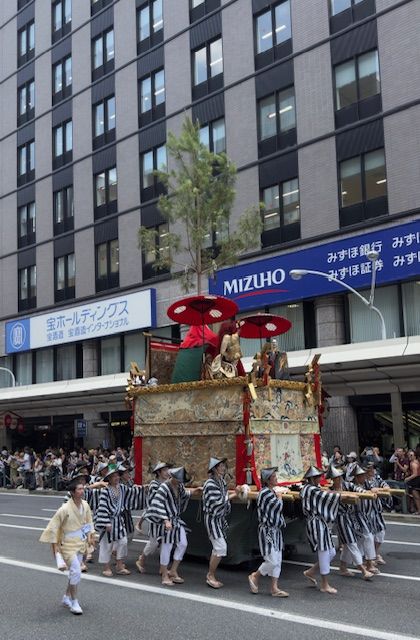
And another.
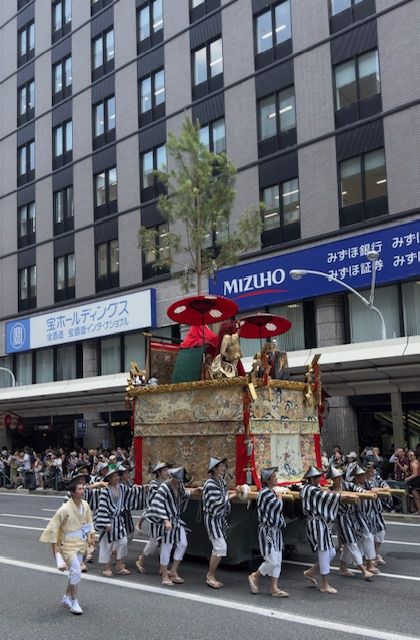
Schahaatz quickly googles and finds out that today is the Gion Matsuri Festival, one of the three largest festivals in Japan. The history of the Gion festival dates back over 1,000 years and is a month-long celebration that takes place from July 1 to July 31 at the Yasaka Shrine. Today's Yamahoko procession, on the 24th, is also referred to as a 'moving gallery' because the floats are adorned with beautiful embroidery, imported fabrics, and other stunning ornaments.
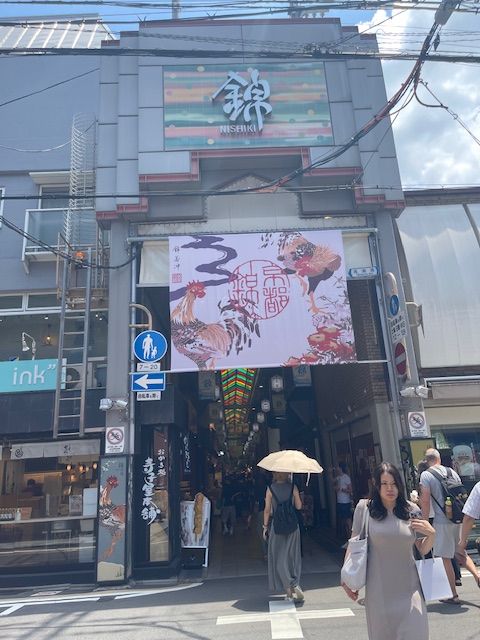
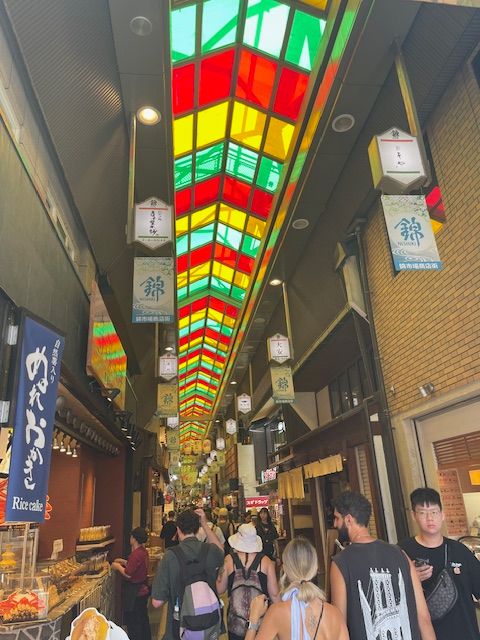
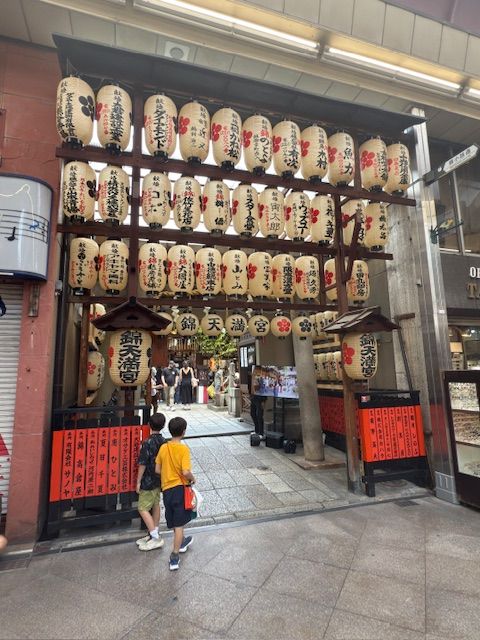
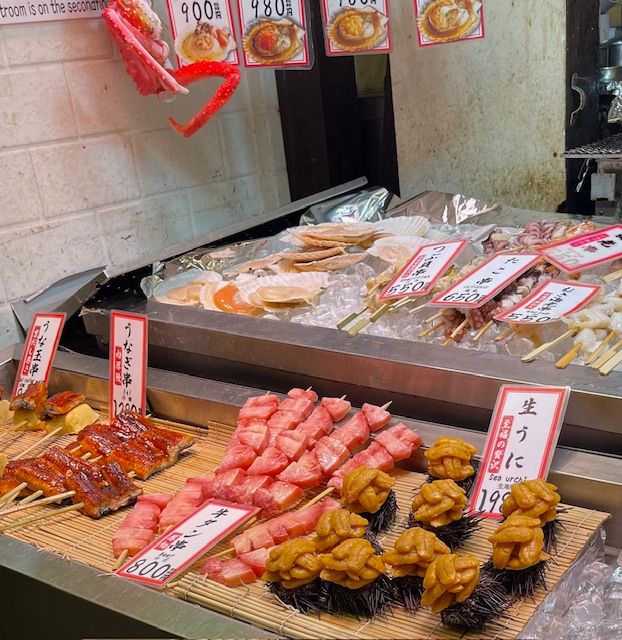
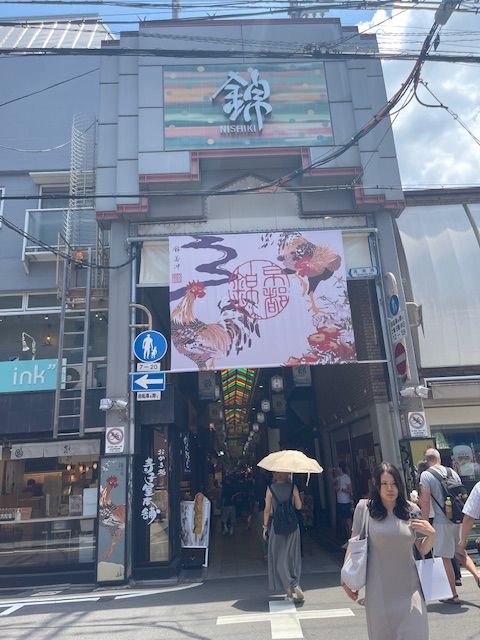
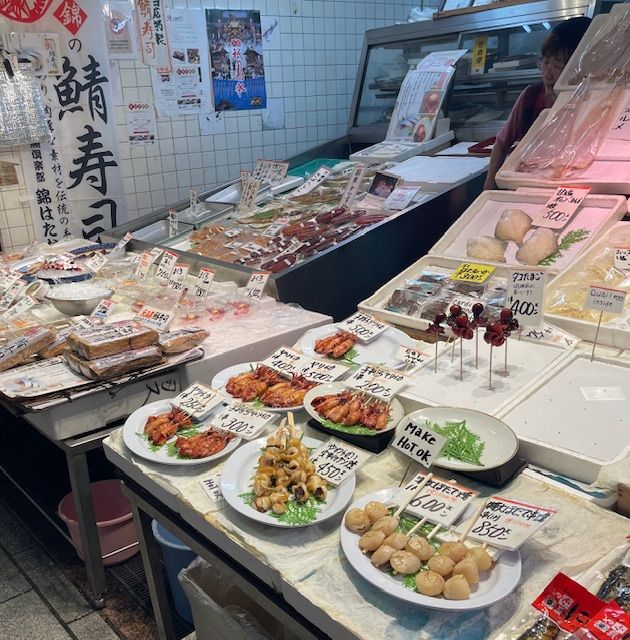
After a few floats, we’ve had enough, and we move on to our shopping destination, the Nishiki Market.
Facts:
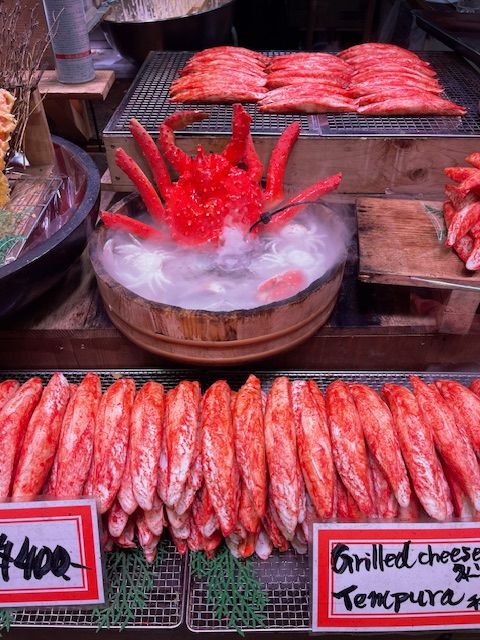
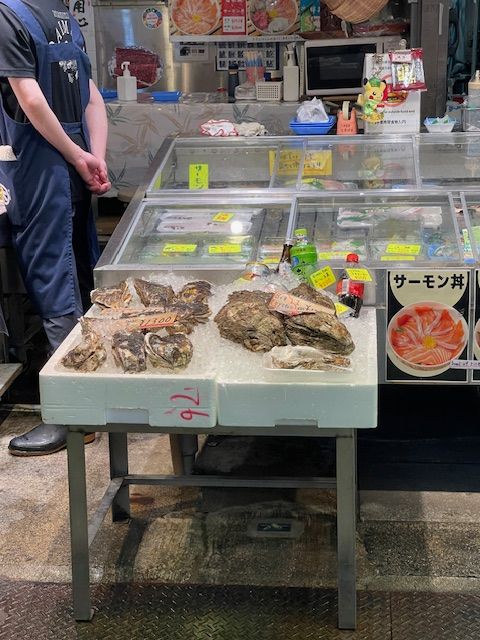
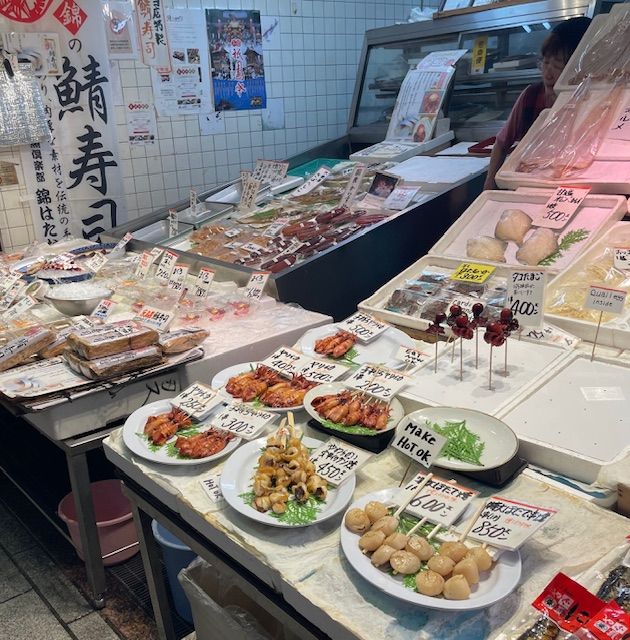
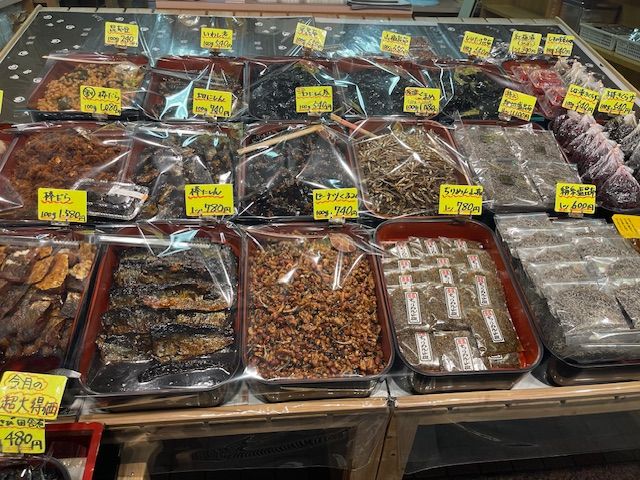
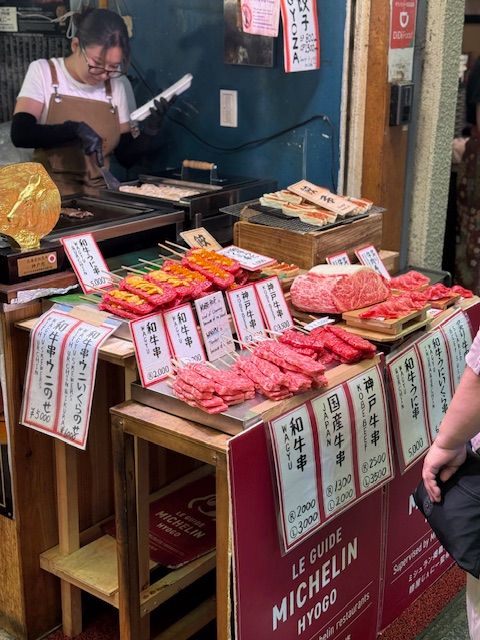
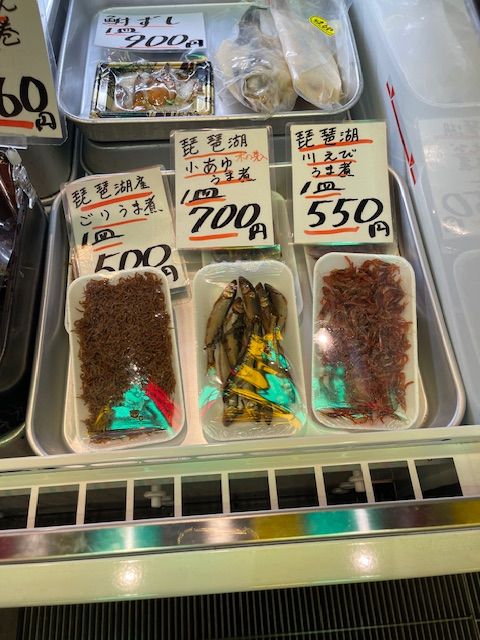
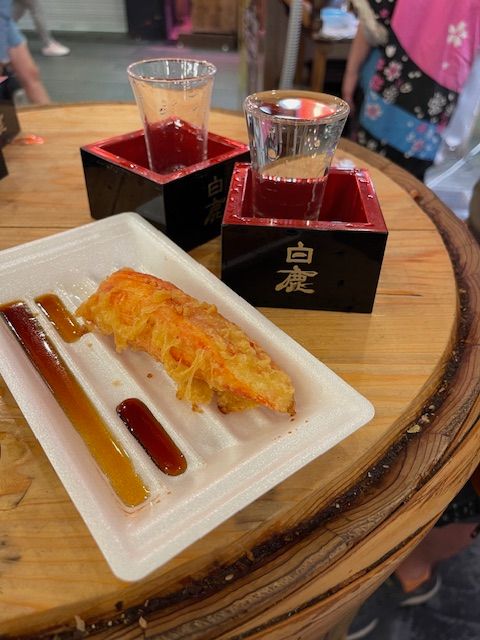
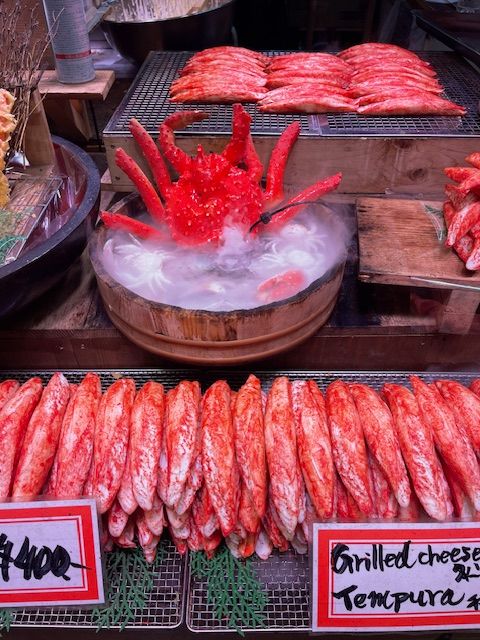
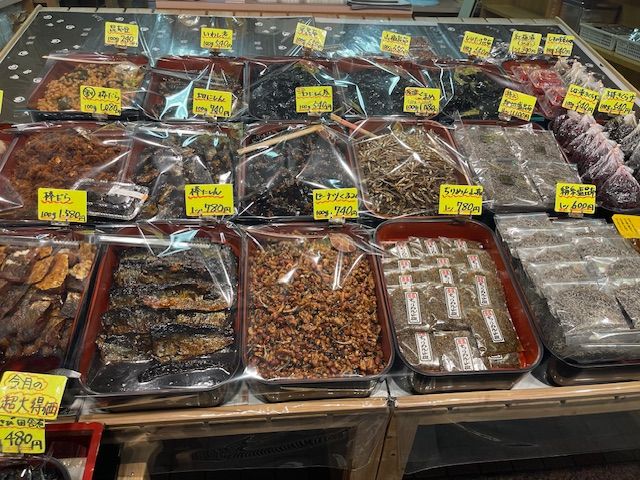
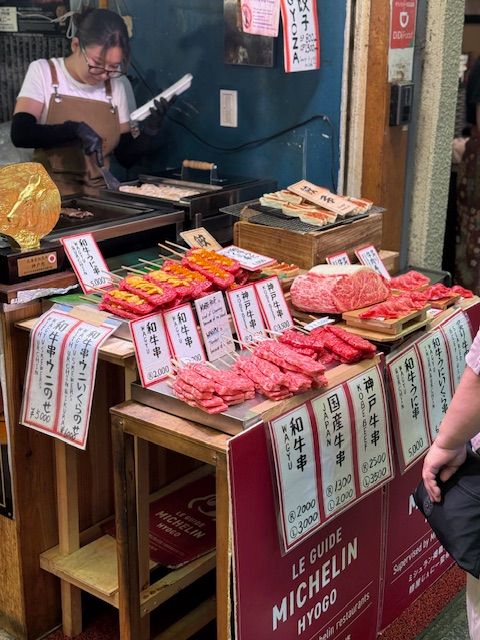
The Nishiki Market is a covered shopping street with a wide variety of fresh and preserved foods, including duck specialties, Japanese sweets, and pickled vegetables of all kinds. You can also find excellent cookware, fine ceramics, spices, and paper goods here.
For us, there were indeed very curious things.
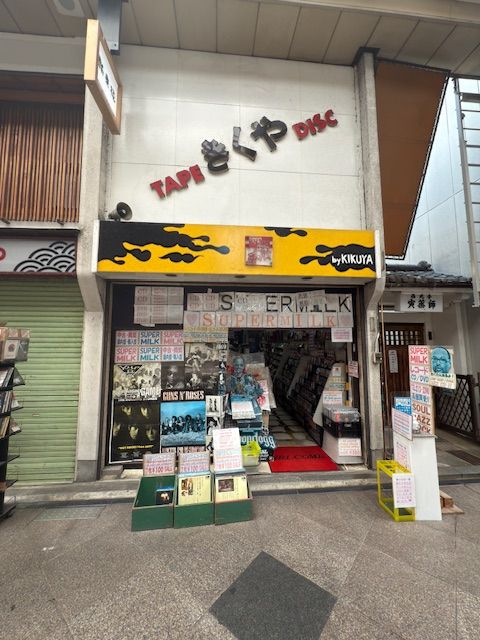
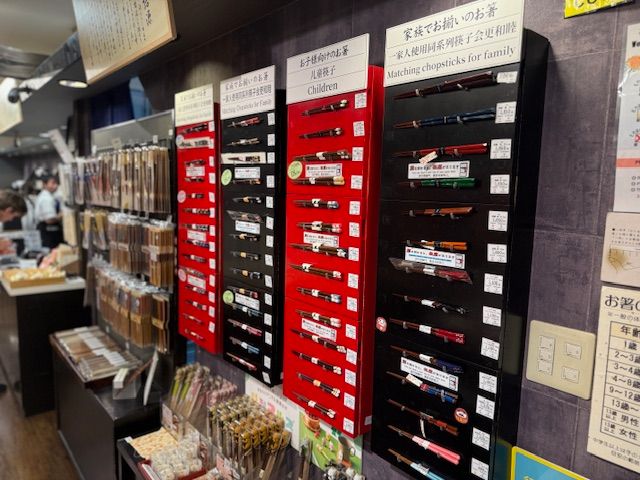
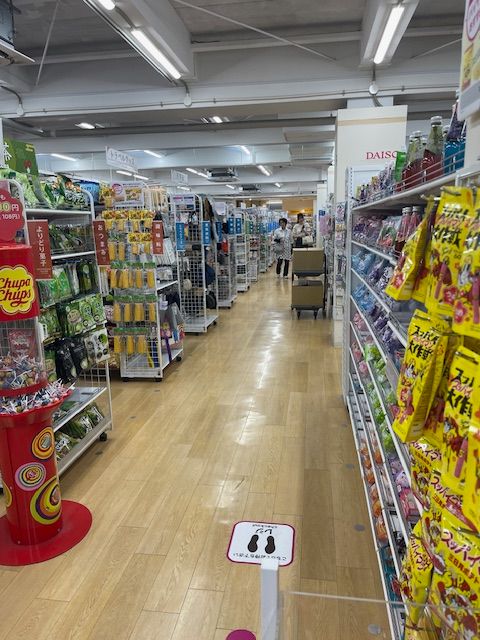
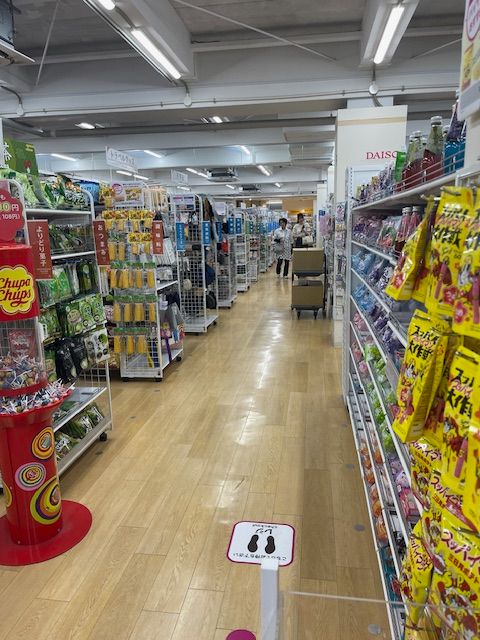
By chance, we discover a miscellaneous goods store that really has everything - kind of a Thomas Phillips of Japan, as we urgently needed 2-component glue for the repair of my suitcase (the screws of one wheel had come loose), as well as 2 lanyards for our fans, a battery, … - and Schahaatz was in his element and happy, not least because it was air-conditioned here.
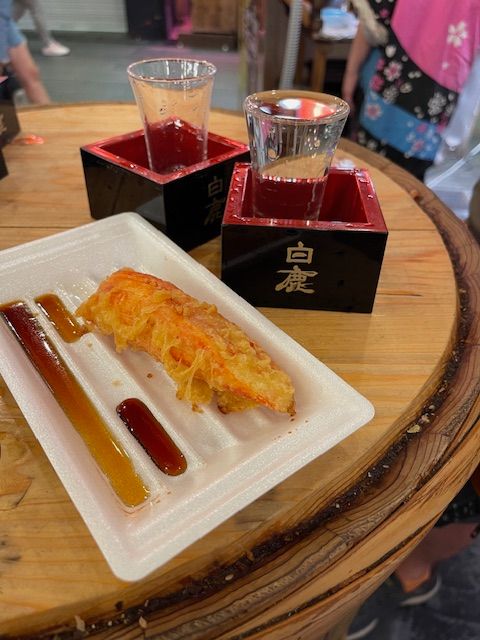
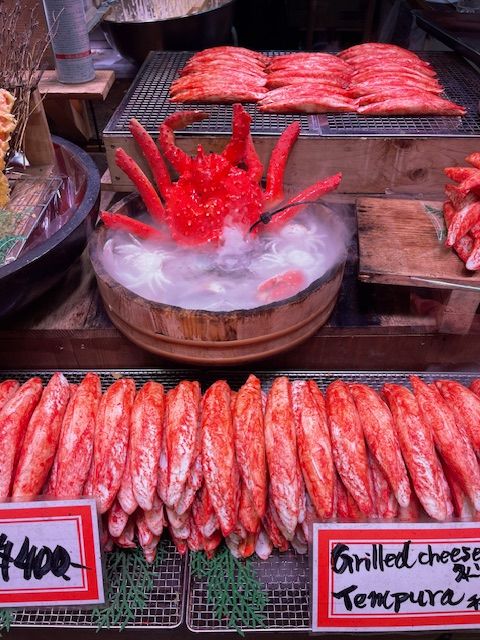
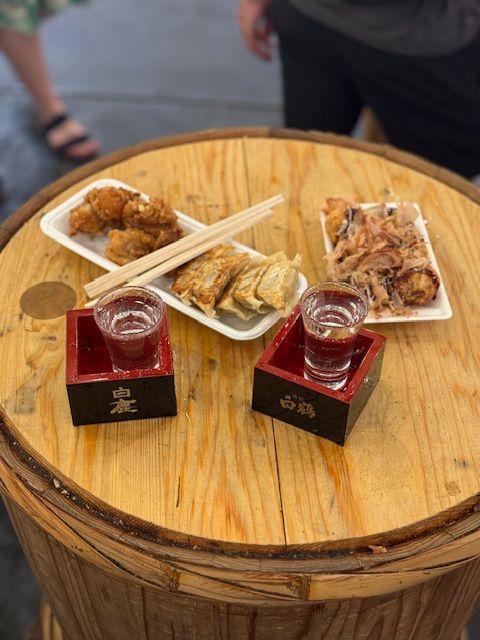
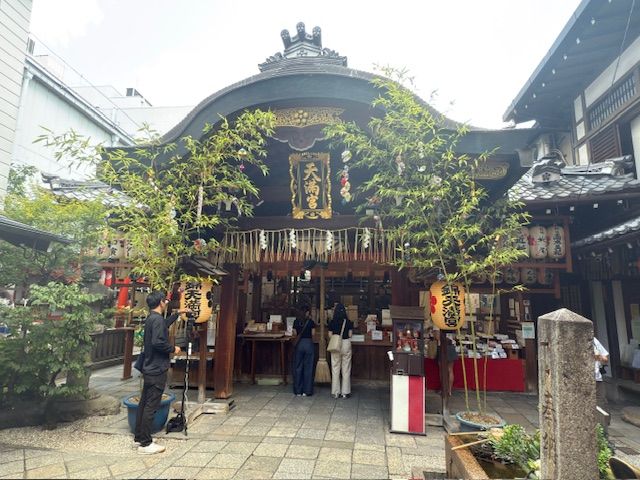
By the afternoon, our feet hurt, our knees ache, and the little voice on one shoulder calls: “Oh, a nap would be great now.” So our feet carry us back to the hotel, even though the voice on the other shoulder calls: “15 UNESCO World Heritage sites are still waiting for you in Kyoto” - but they will have to wait until next time. They’ve waited 1000 years, so they can manage another 10 years 😂.
Facts:
Kyōto was the imperial capital of Japan from 794 to 1868. At times even the capital of Japan. During World War II, Kyoto was originally at the top of the list of targets for the first use of the atomic bomb and was spared from heavy conventional air attacks. However, at the urging of US Secretary of War H. Stimons, who had once visited the city and was aware of its cultural significance, it was removed from the list.
14 temples and Shinto shrines were declared UNESCO World Heritage sites in 1994, along with three others in the neighboring cities of Uji and Ōtsu. Today the city has about 1,430,000 inhabitants.
The most important source of income is tourism. The city's attractions draw Japanese of all age groups, and many foreign tourists visit the city as well. The city has a well-developed tourist infrastructure.
Kyōto is especially famous for its silk manufacturing (Nishijin, after the eponymous district) and kimono production.
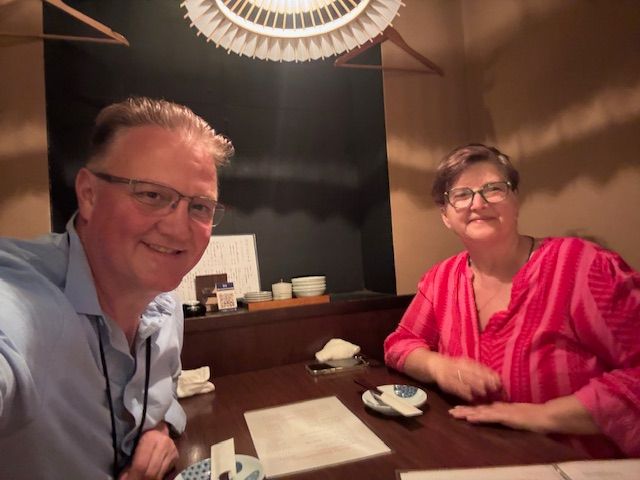
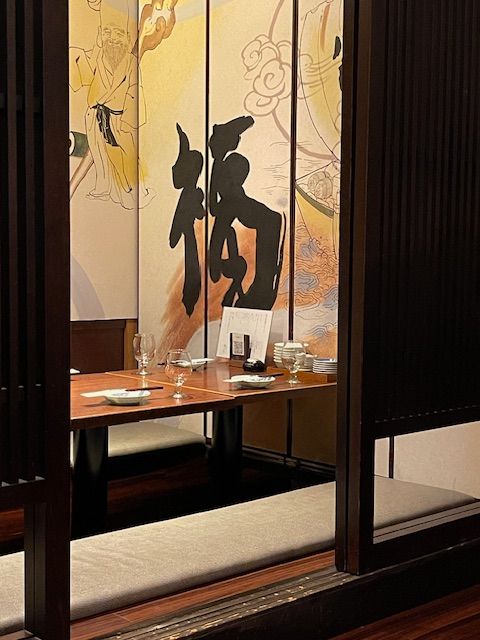
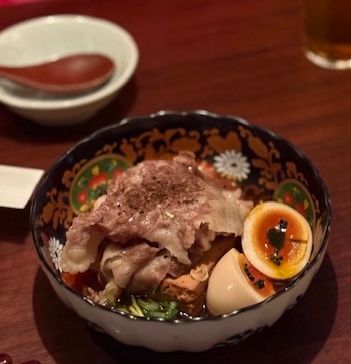
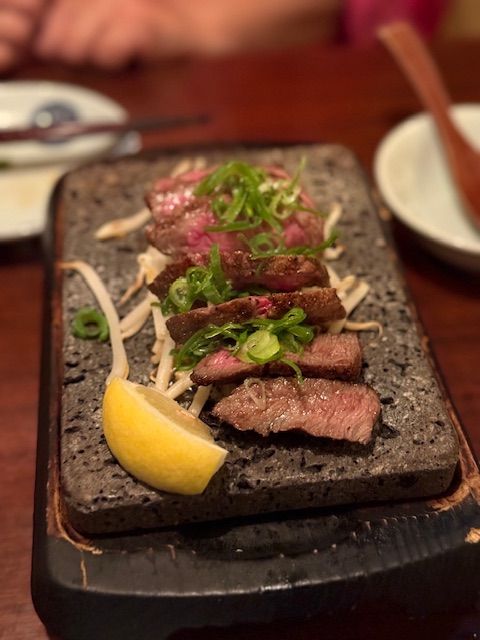
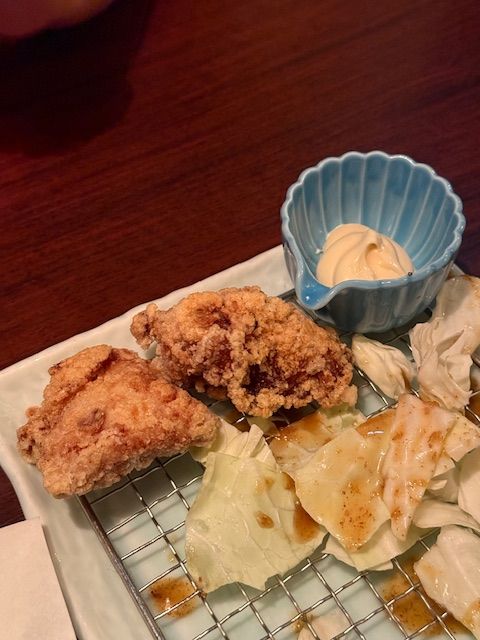
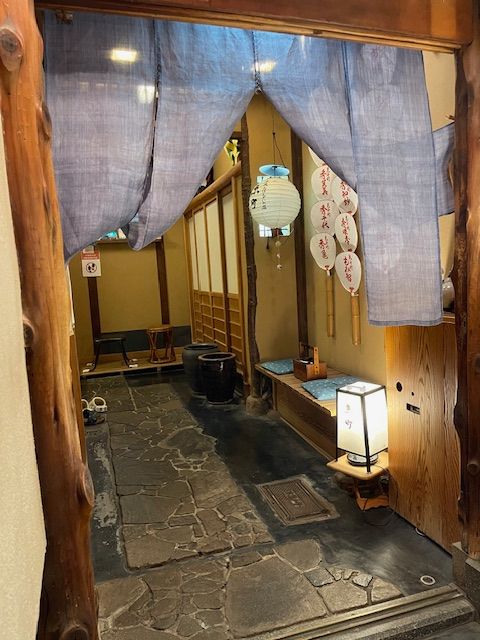
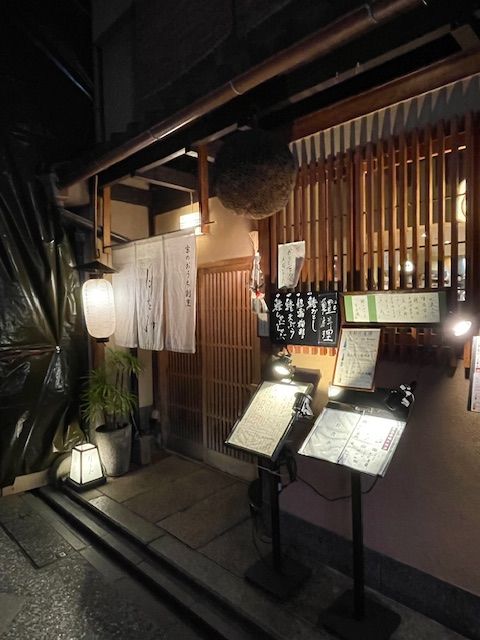
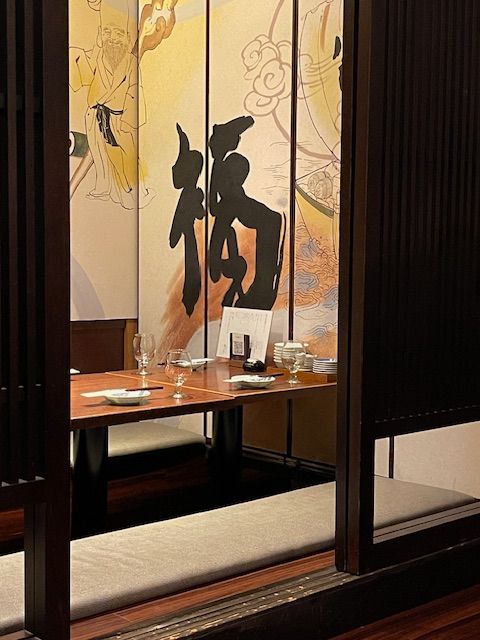
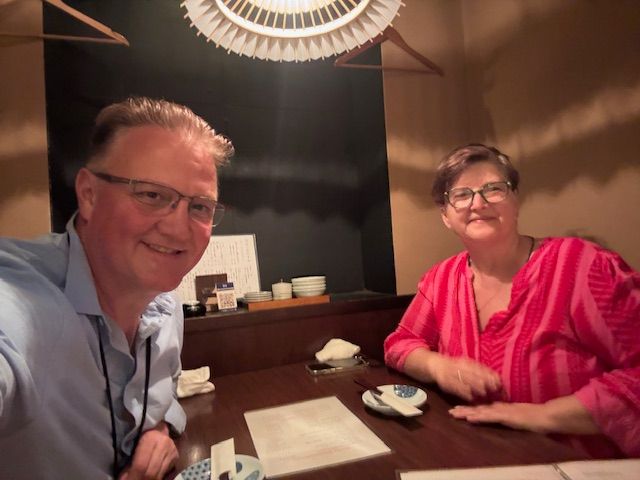
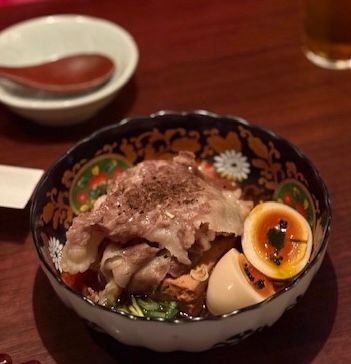
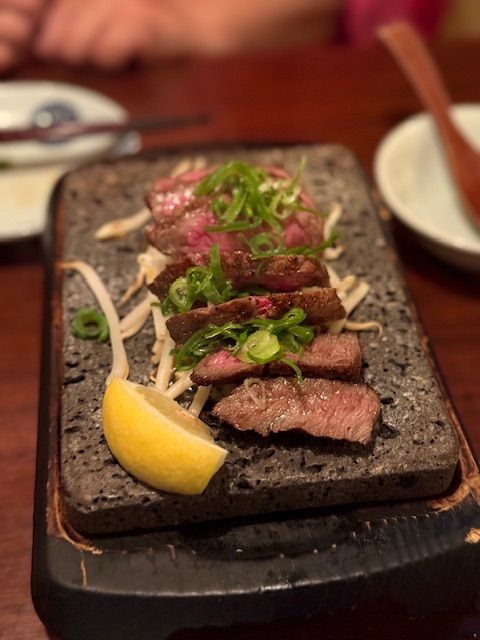
Let's return to the nap. In warm countries, a siesta is always taken, and so we will do the same - because it is sooo warm here. In the early evening, hunger drives us out of the cool room. Time to eat - today Teppanyaki. We consulted TripAdvisor - received a response, but somehow the restaurants are never where they are supposed to be. Perhaps it was there, but the restaurants rarely have their names in English, and TripAdvisor does not list the Japanese names. Really annoying. Anyway, the alternative was also delicious.
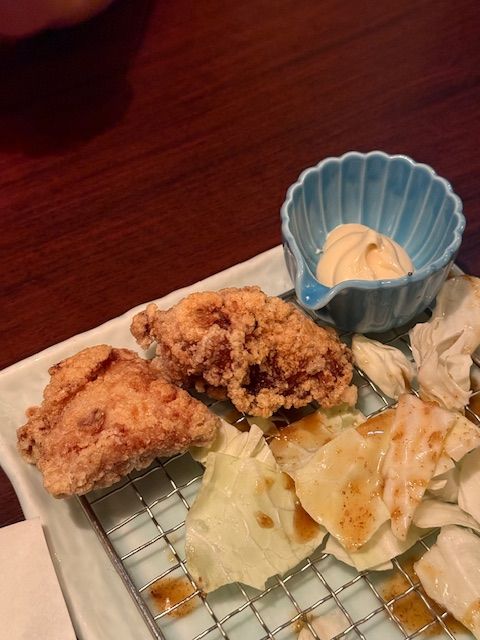
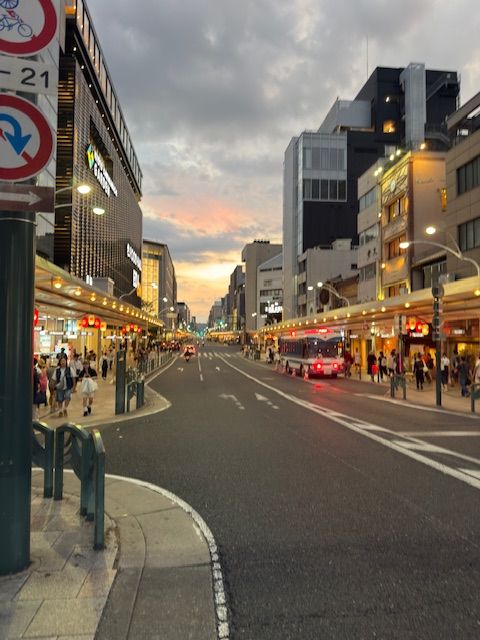
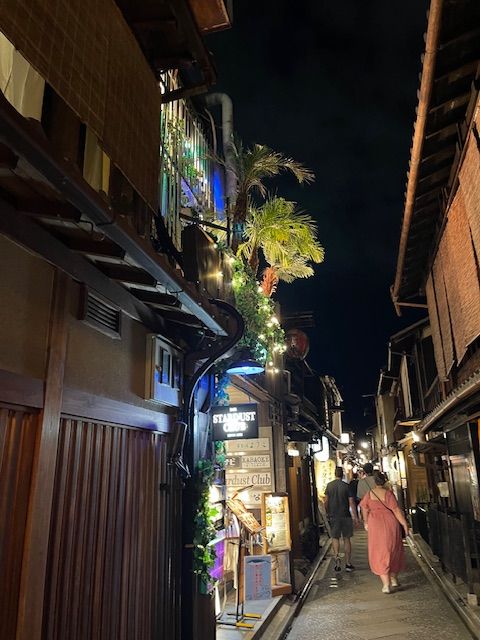
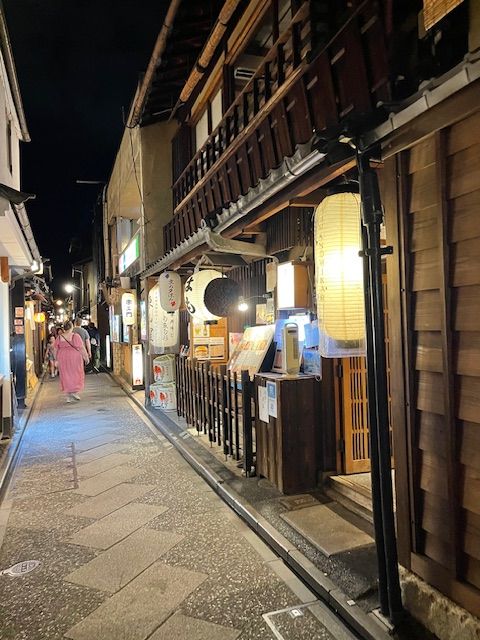
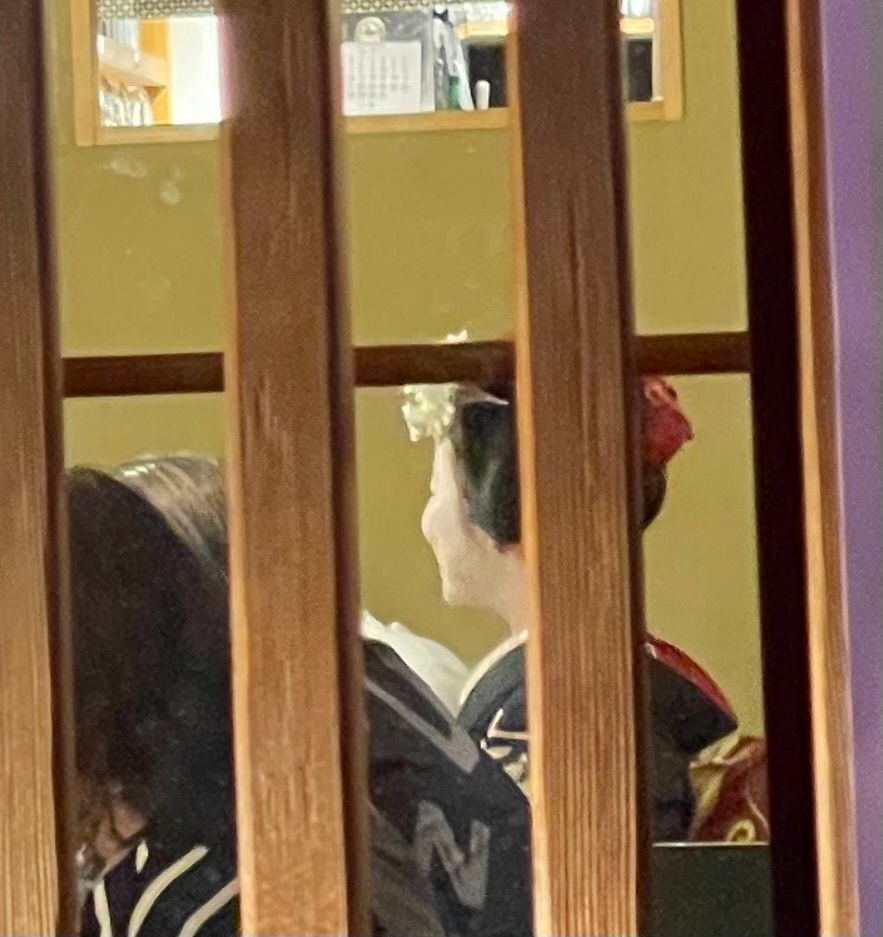
Well fueled, we head to Gion in the Geisha district.
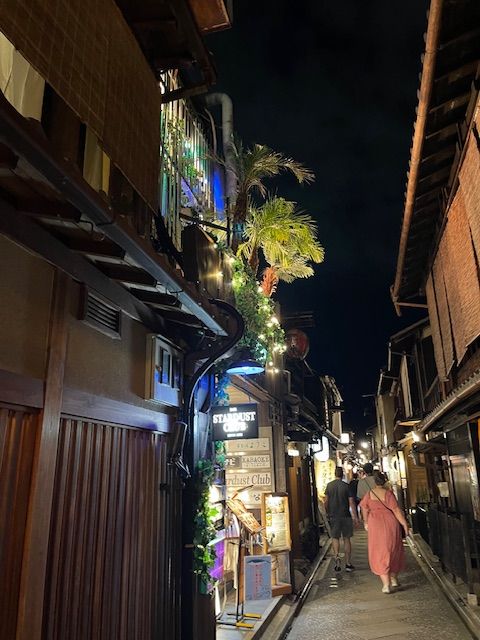
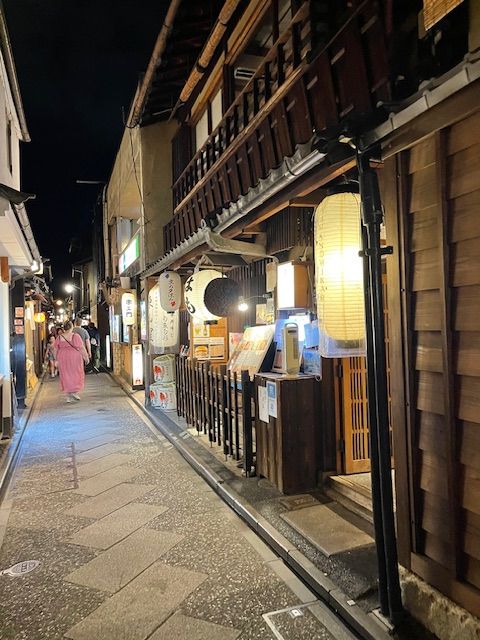
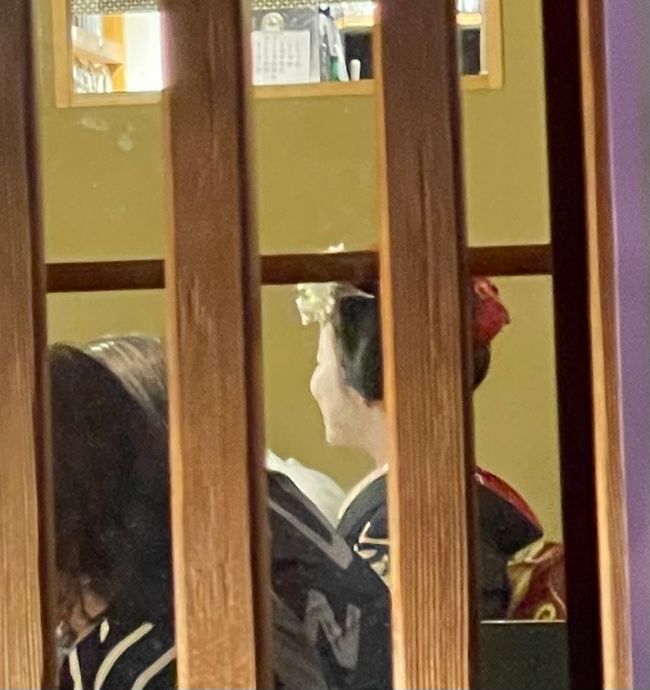
Facts:
In Japan, a Geisha is considered an entertainer and hostess who performs various traditional arts and performances. Geishas are known for their elaborate makeup and splendid costumes; they are regarded as an ideal of beauty worldwide and as