
Hakone super delicious
Today we want to start early; the internet stated that the first cable car goes at 8:00. The night on the futon bed was good. However, using the cherry pit pillow as a headrest...

Published: 23.07.2025
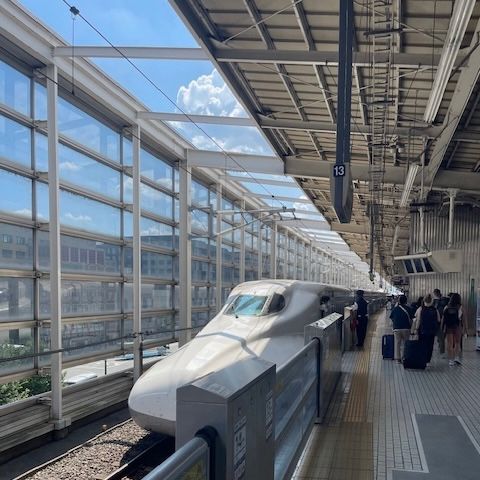
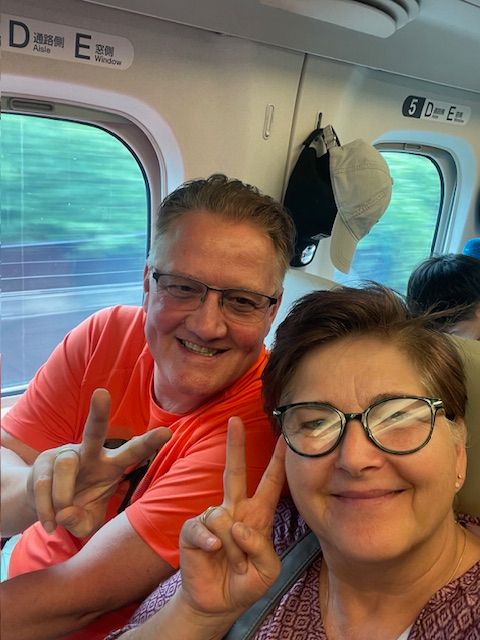
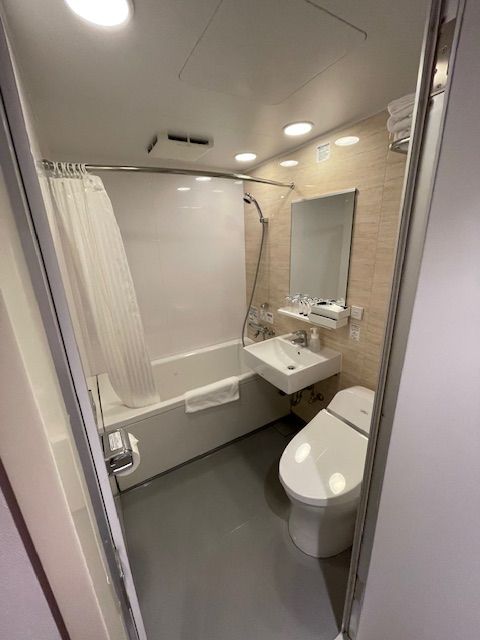
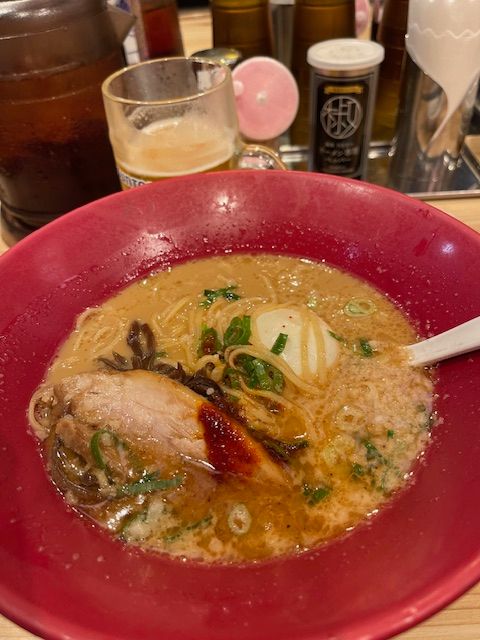
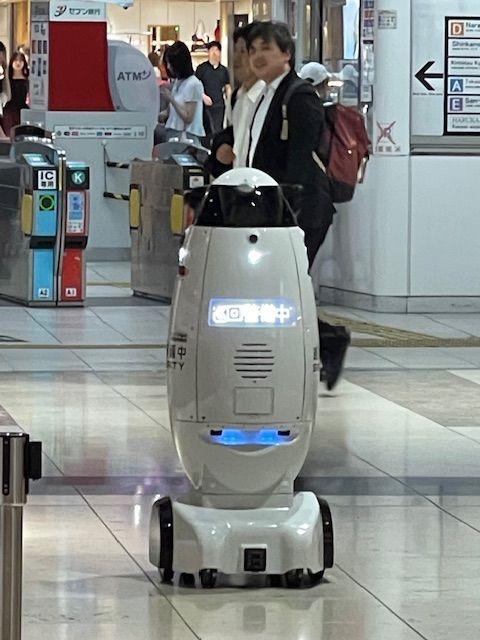
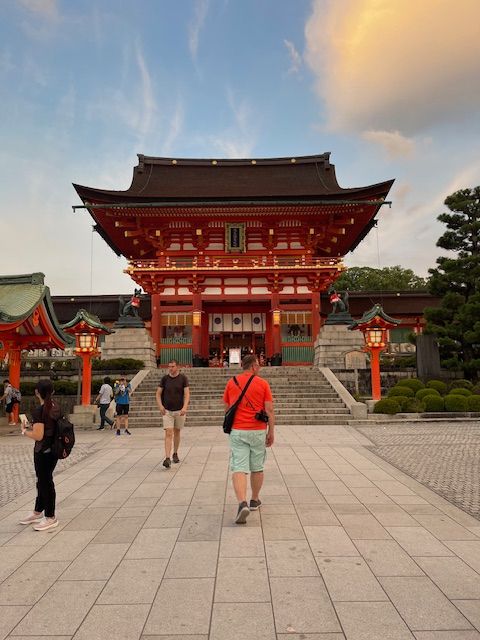
A final breakfast at the hotel (Hakone Yutowa), packing our bags, and promptly leaving Gora at 9:50 AM on the Hakonetozan Line heading towards Odawara. Today we will take the Shinkansen to Kyoto.
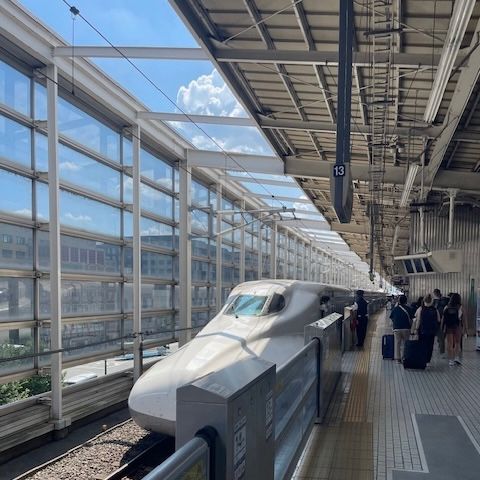
Facts:
The Shinkansen is one of the fastest regularly scheduled trains in the world.
In its original sense, Shinkansen is the name of the high-speed rail network introduced in 1964, which was newly built on standard gauge, and not the name of the trains themselves. It connects Japan's major cities with a maximum speed of up to 320 km/h. There are 3 types of high-speed trains:
There are 2 classes of seats: the 2nd class, which has 3 and 2 seats in a row, and the 1st class, known as Green Car (2 and 2 seats in a row).
We are taking the Tokaido Shinkansen line, which is Japan's most heavily trafficked and popular line. You can definitely tell, the train is packed.
The Tokaido is also known as Japan's first high-speed rail, opened in 1964 for the Olympic Games in Japan.
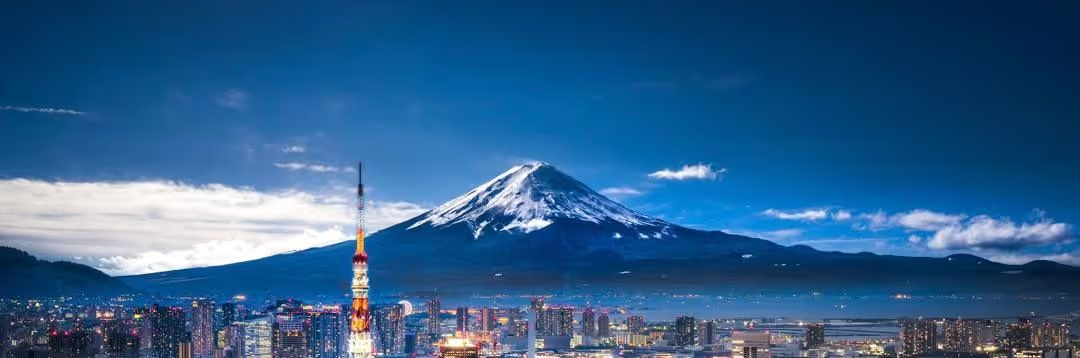
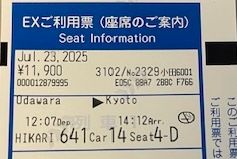
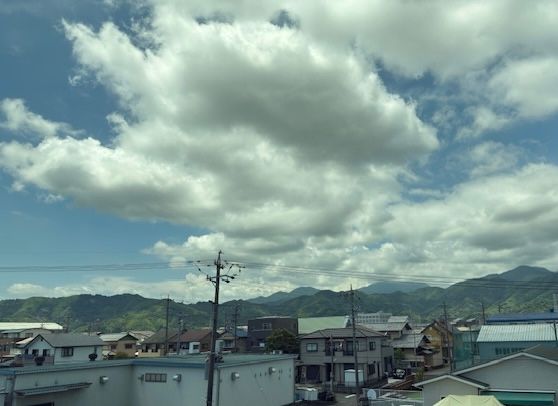
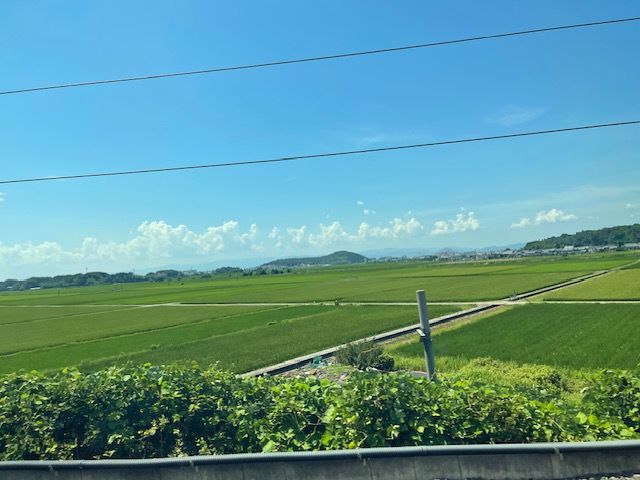
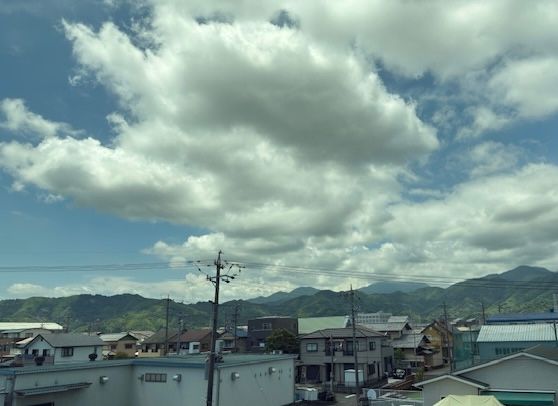
We have booked special seats with a view of Fuji in the 2nd class on the Hikari train (7 stops). Unfortunately, only clouds today, no Fuji.
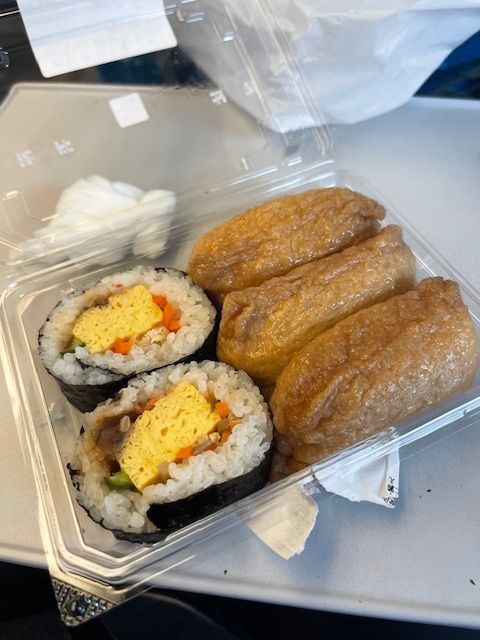
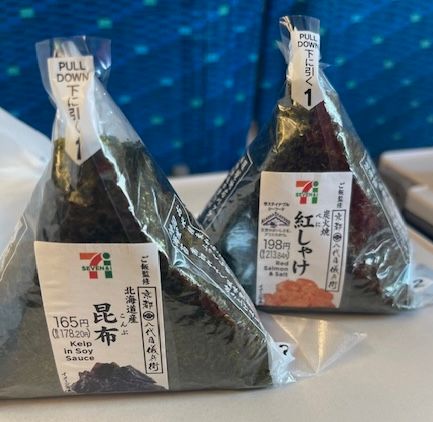
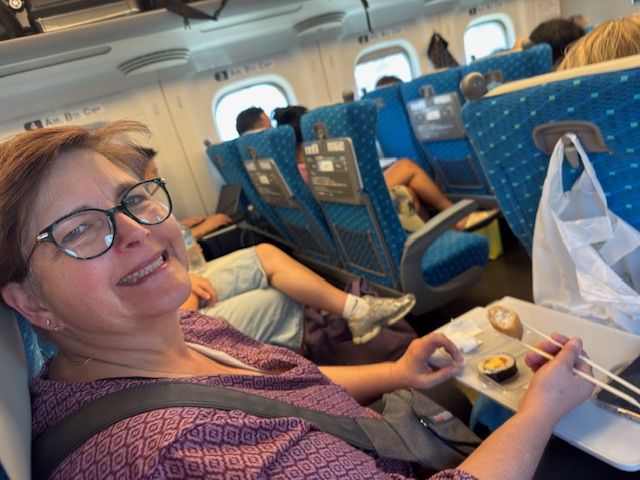
Before boarding the train, we quickly need to buy a handheld fan (it's 31 degrees this morning again) and something to eat. Actually, we wanted a so-called bento box (a lunchbox with various snacks), but we didn't fancy those. So, this went into our bag instead.
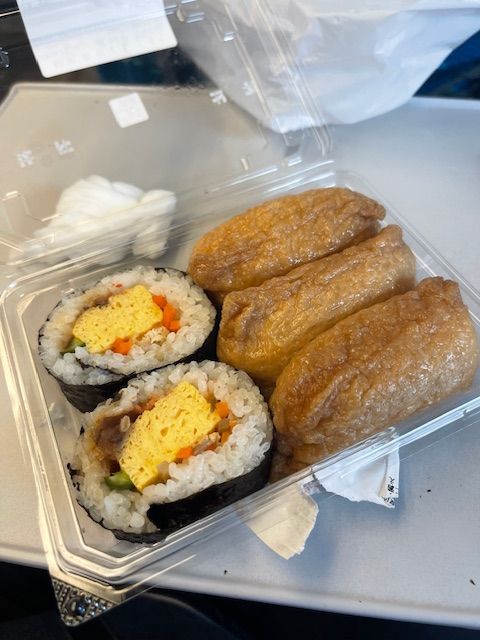
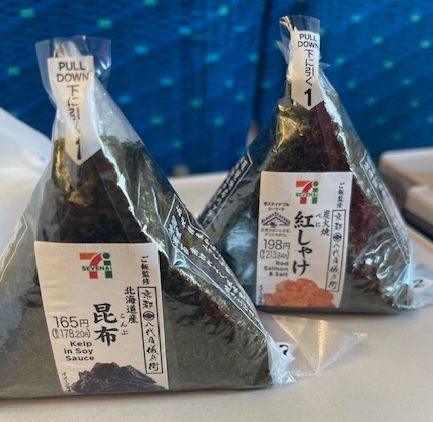
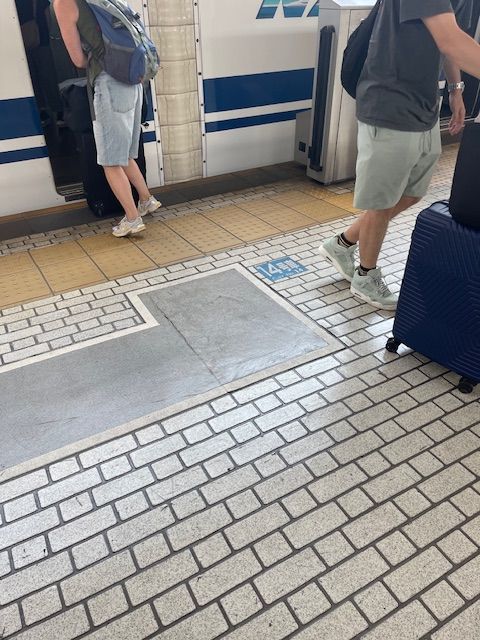
Then it’s off to the train. To board, you have to line up at the queue for the designated car on the Seat Ticket (received when scanning your rail ticket at the entrance).
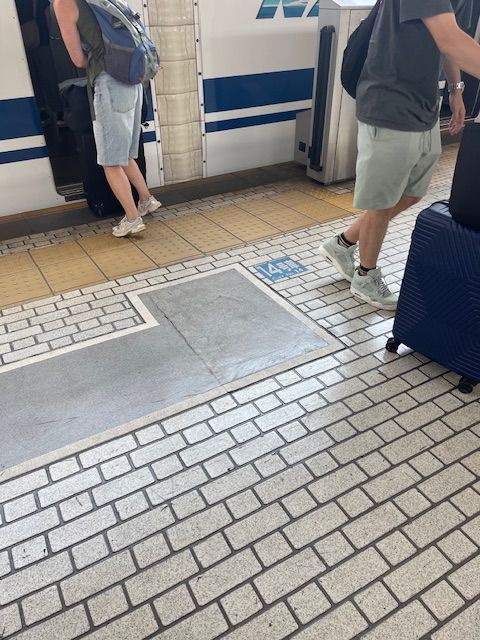
We have to walk halfway down the platform. It's definitely going to be athletic, with so many people expected to get on and off in 1 minute of stop time. The conductors encourage you with short, firm words to keep moving. Then we are seated inside.
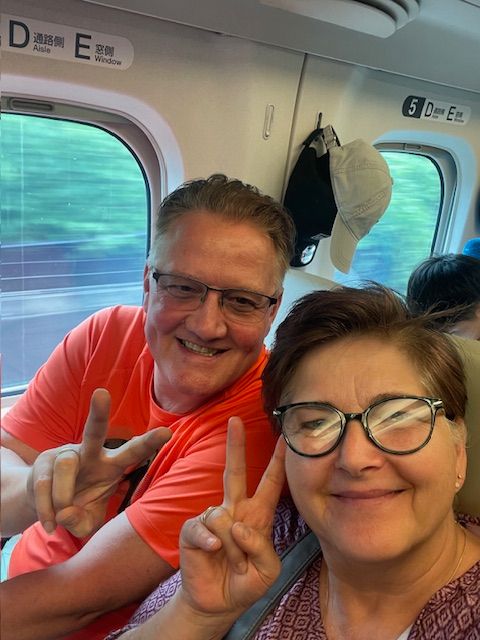
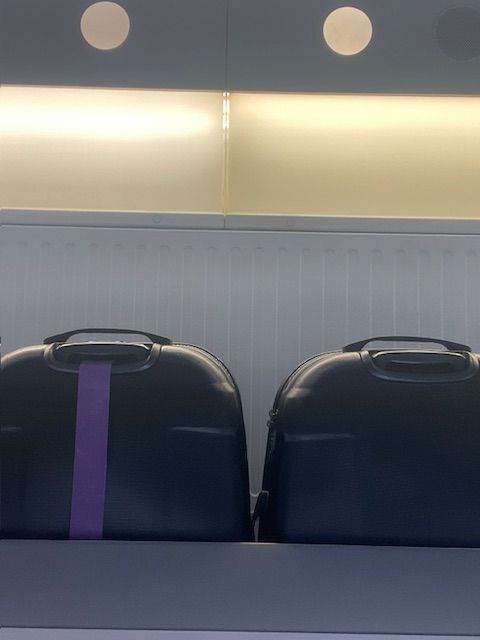
I am a bit concerned about our luggage as it juts out quite a bit.
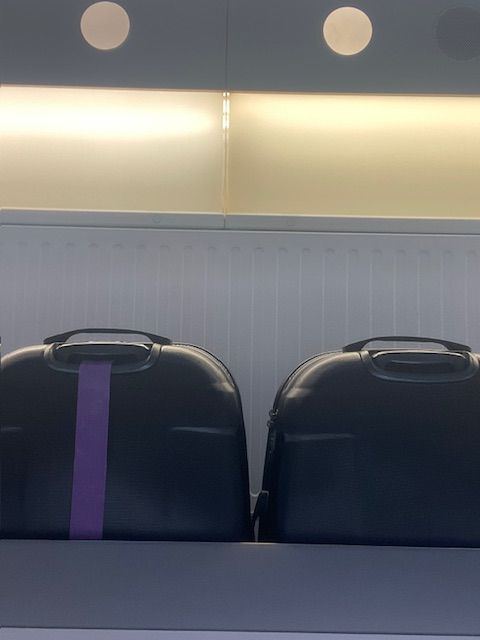
But the conductor says nothing, so it must be alright. I pass the time by writing the blog, Shaahat is napping.
Gdesk: (Thoughts that cross your mind)
Trash in Japan
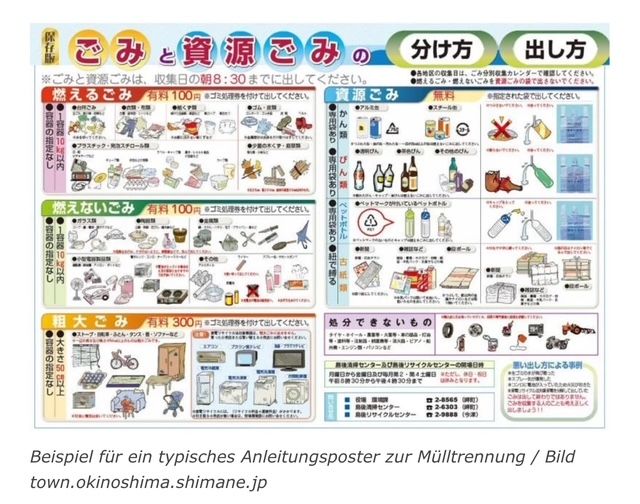
The Japanese love plastic. Everything is packaged in it. No one carries refillable bottles around, when thirsty, one simply buys something at the vending machine, which is found at every corner. What is surprising is that there’s no litter on the streets, even though there are hardly any trash cans. This works because the mentality in Japan is simply different from ours. Here, it is quite normal for everyone to take their trash home and dispose of it there. Not only do we separate waste, they do it here in Japan too. However, this is said to be a little science in itself, as what goes where is prescribed down to the finest detail.
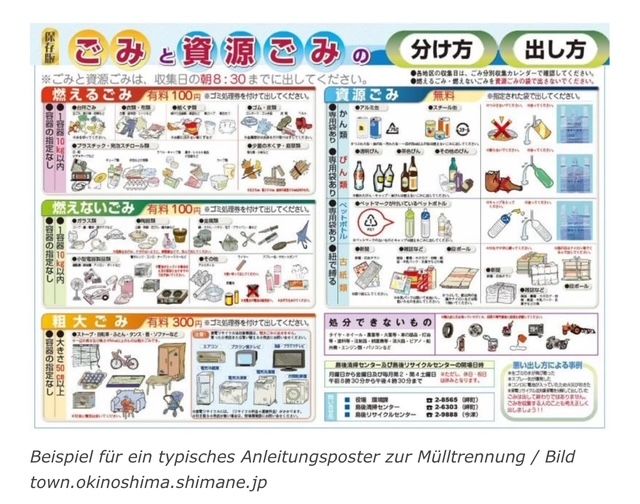
For example, regarding a PET bottle: The bottles must be completely separated from their labels and often from their caps as well. Labels and caps go into the plastic waste, and the bottle goes with the PET bottles. Sometimes, the plastic caps are even collected separately. Whenever possible, the bottles should also be thoroughly rinsed before disposal.
Japan generates huge amounts of plastic waste; however, the rest of the waste, especially organic and residual waste, is at least equally problematic. While plastic is mostly recycled, organic and residual waste in Japan is disposed of together as