
Pearl Harbor Memorial on a Budget
The Pearl Harbor Memorial is considered a must-see for anyone visiting Hawaii - at least that's what the internet says. And so do the advertisements at the airport, in hostels,...

Pubblicato: 15.12.2024
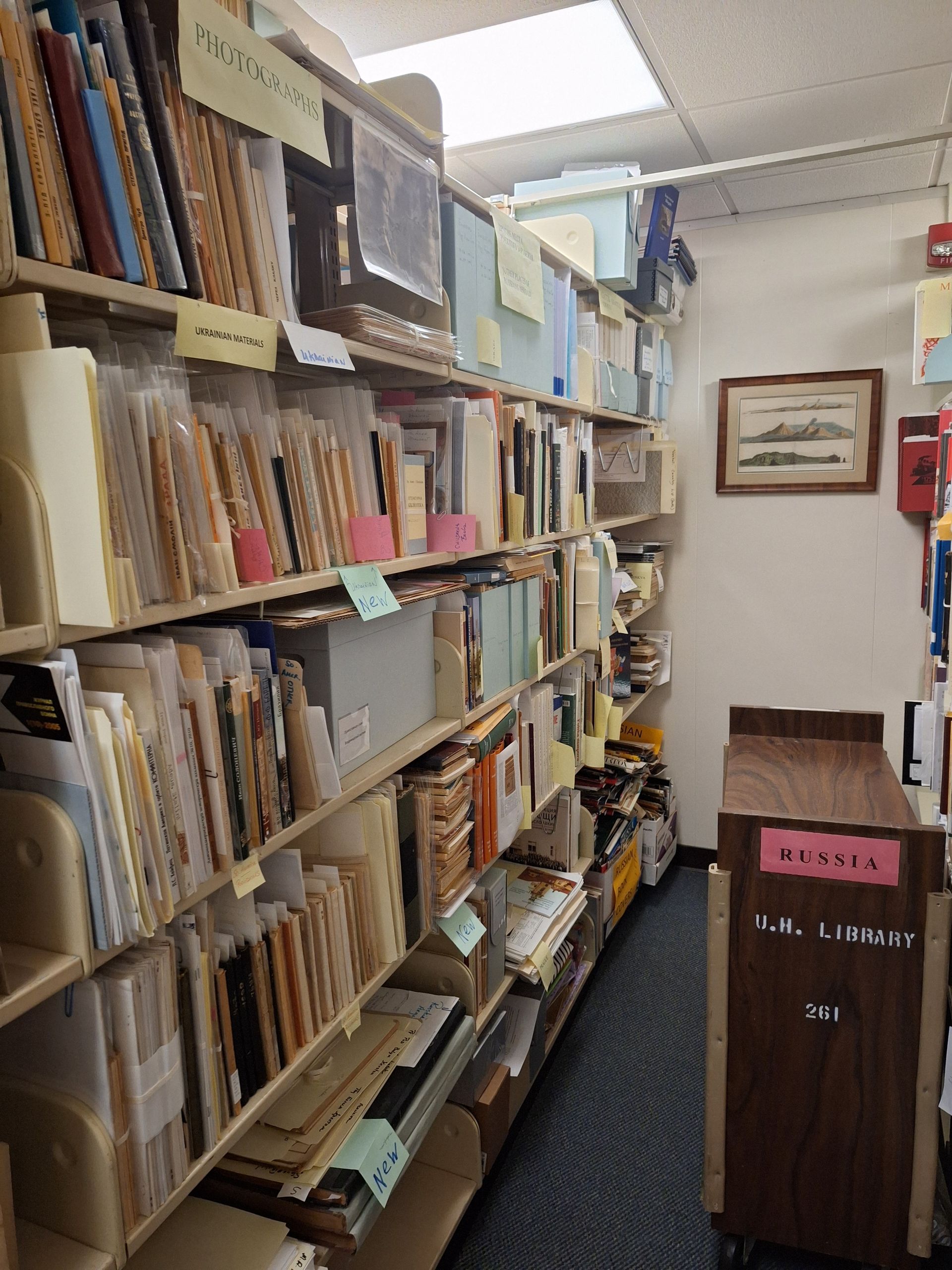
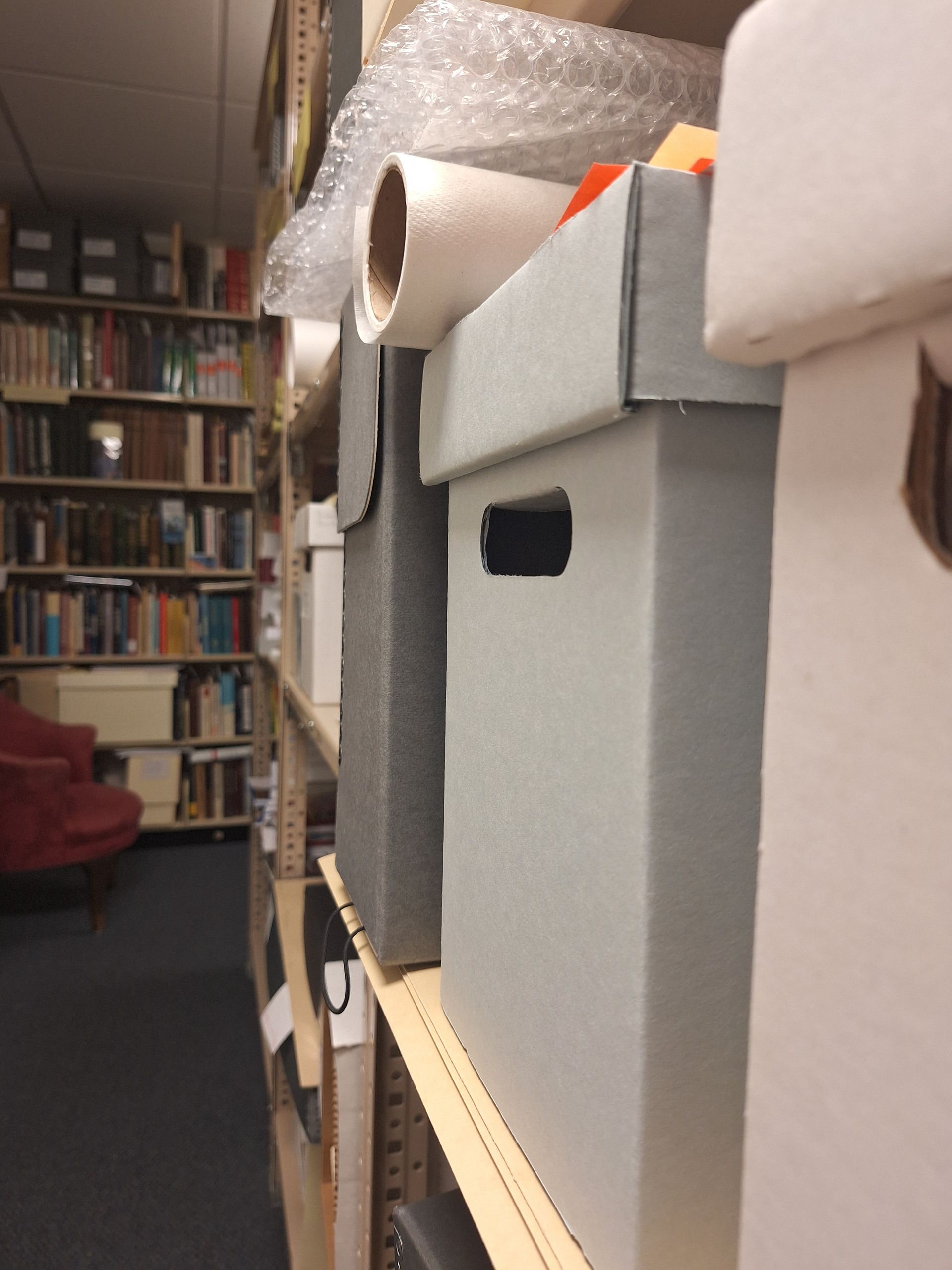
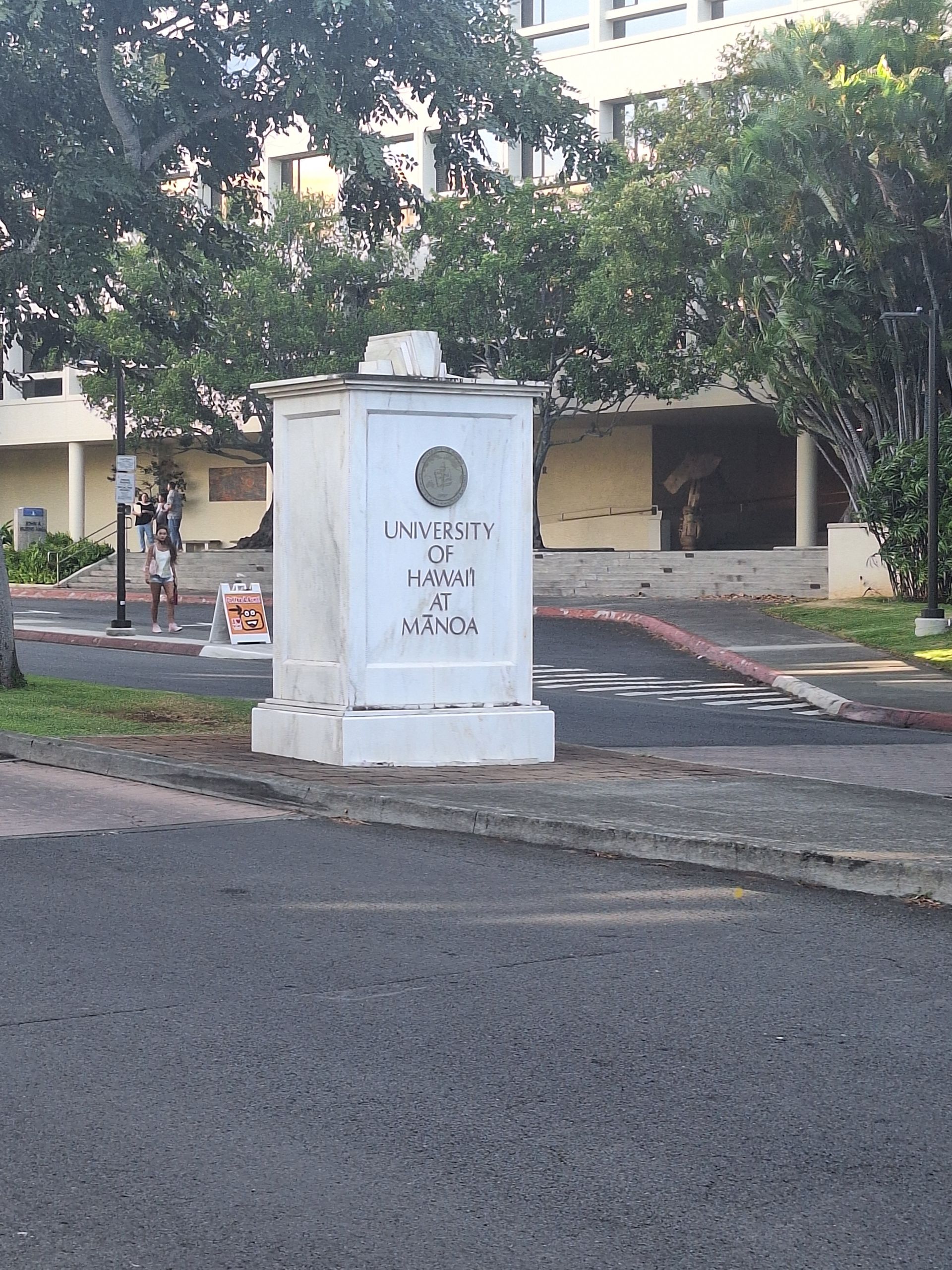
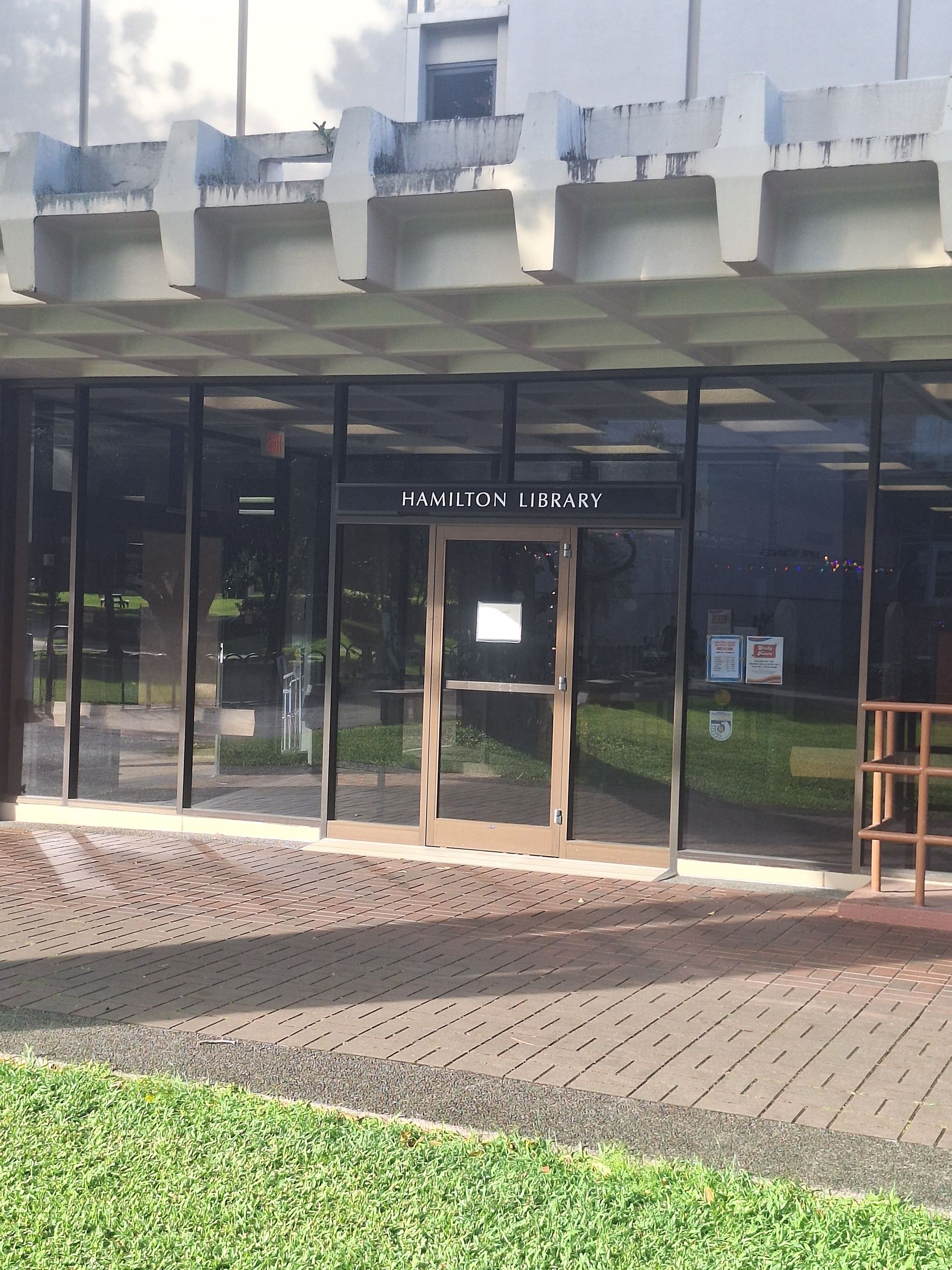
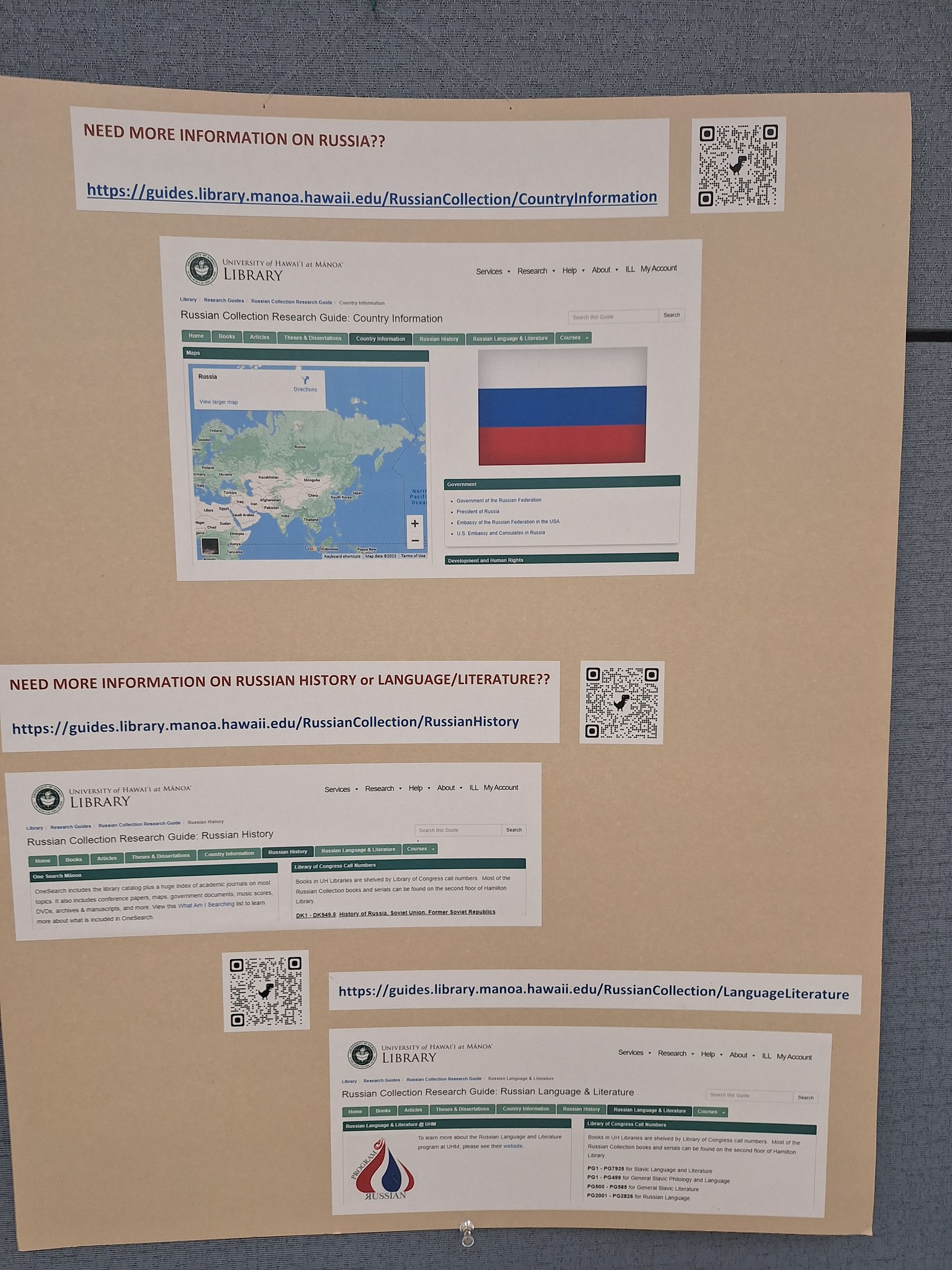
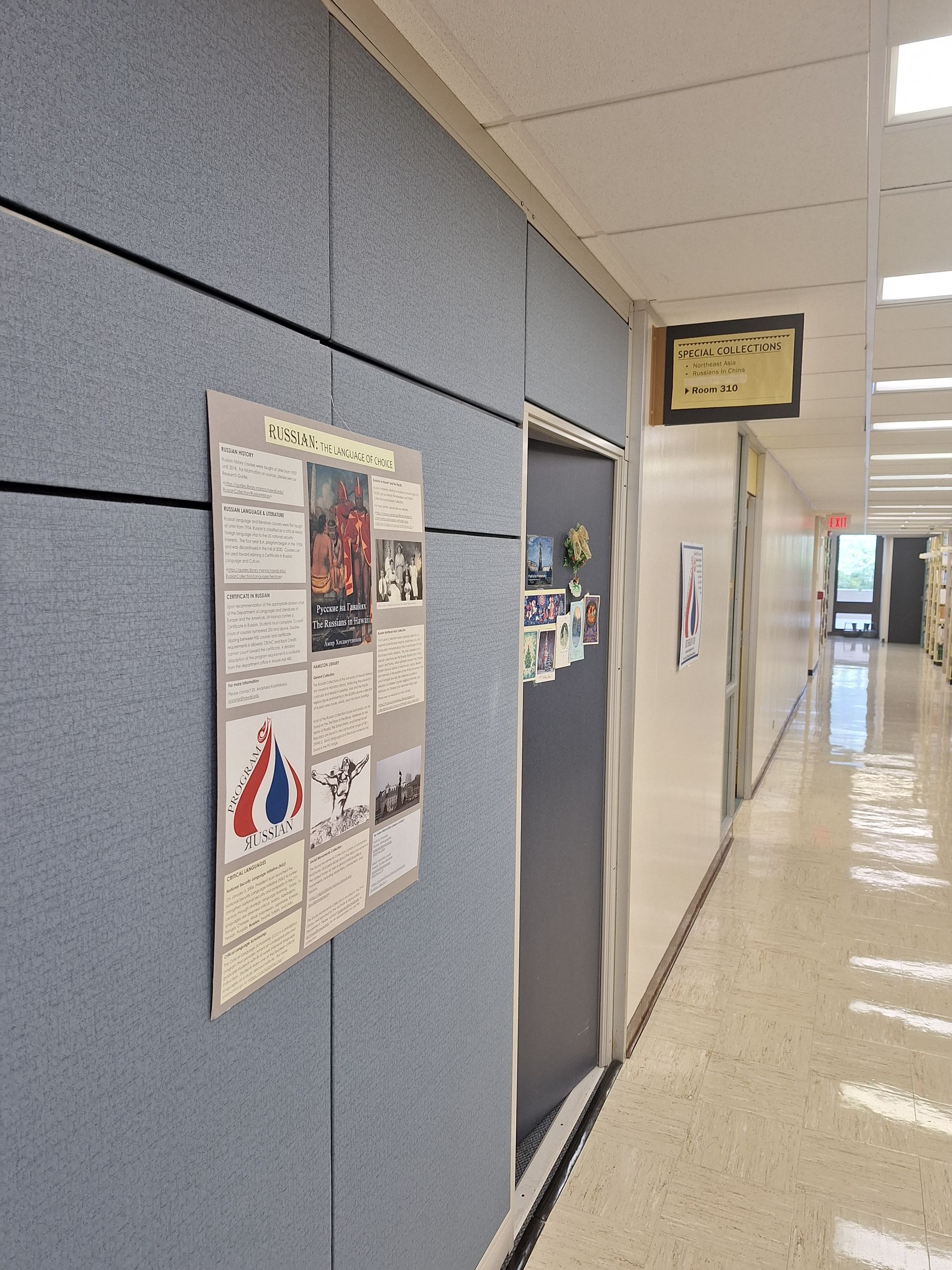
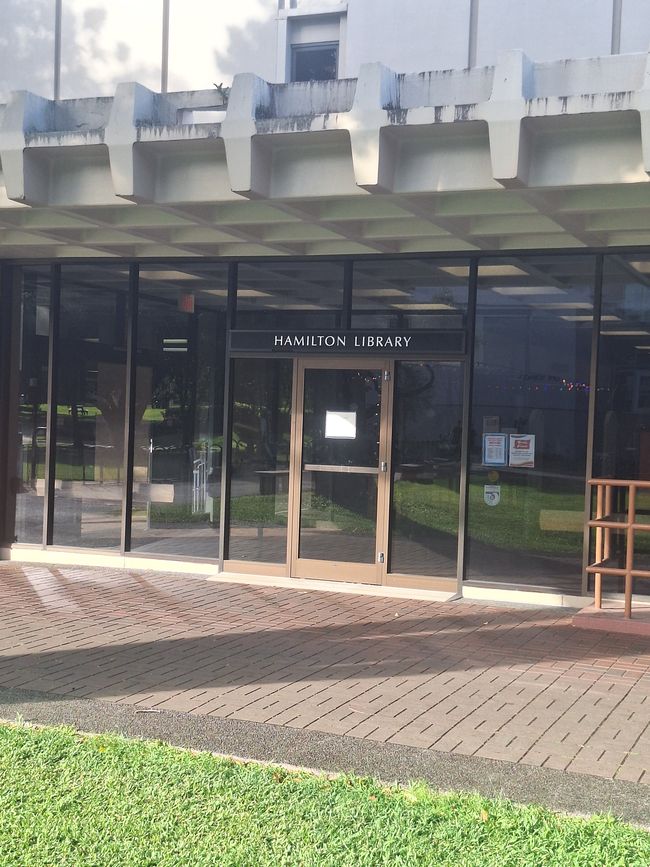
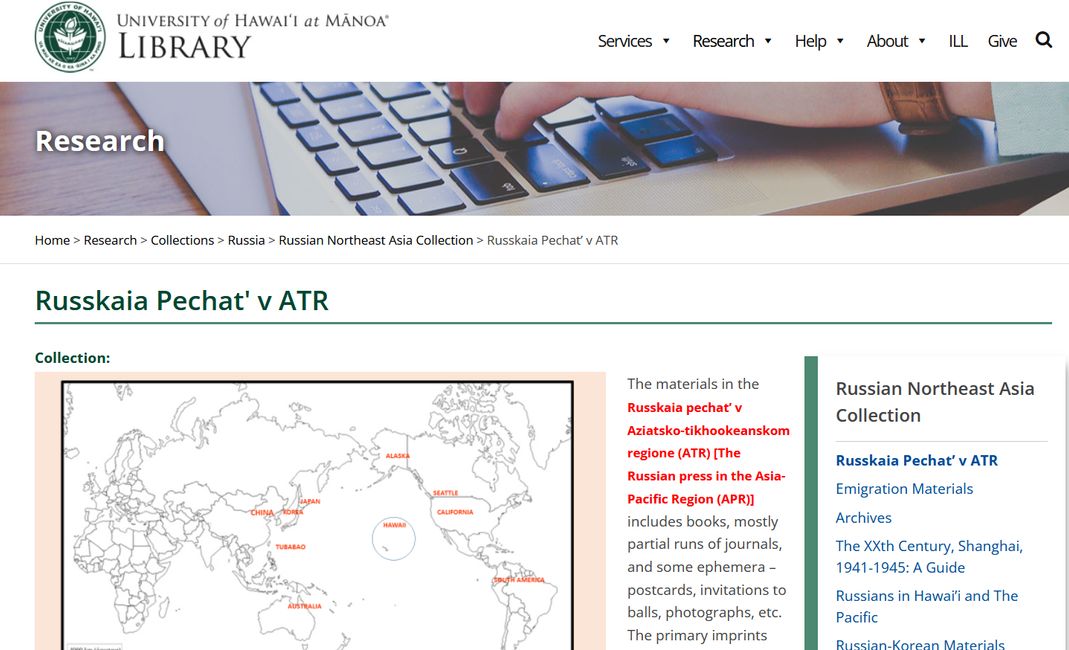
Hawaii, Honolulu, Hamilton Library, the university library, 3rd floor. That’s where I’m meeting Patricia. “Most come to vacation, but sometimes they also come to us in Hawaii,” she greets me with a warm smile and the obligatory “Aloha.” I can easily find Patricia’s desk and the small archive. Already at various spots before her office, there are posters and wall art on the topic of Russia and calls to learn Russian. The entrance to her office, which is half glass, is adorned with a stained glass version of the Moscow Kremlin.
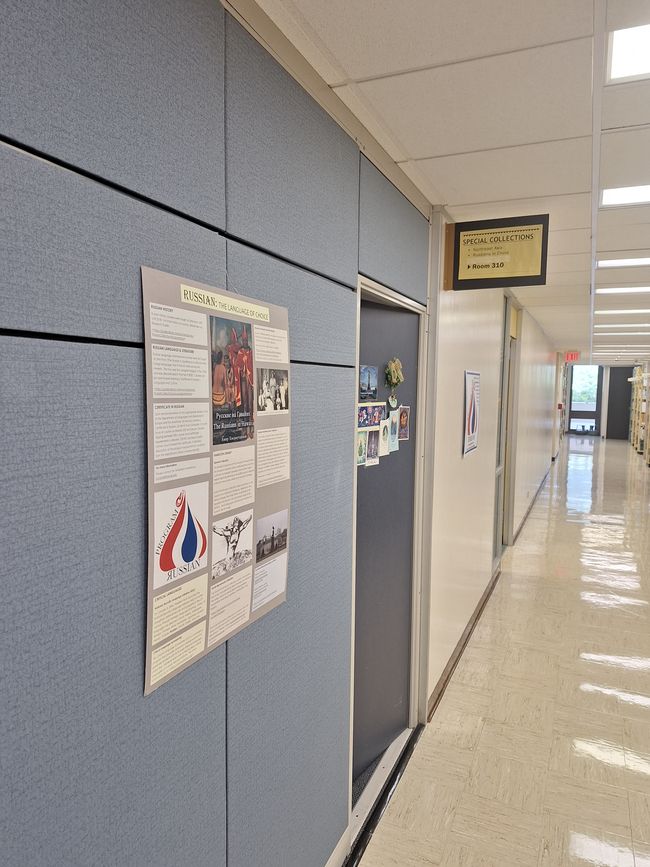
Outside it’s 30 degrees, palm trees, and sunshine, yes, we are in/on Hawaii. Patricia’s life's mission, her life’s work, revolves primarily around Russia - or more precisely around Russian exiles, especially here in Southeast Asia. But that is also far from Hawaii, the most remote island chain in the world, in the middle of the Pacific.
Or maybe not, depending on perspective.
Patricia, with her grayish, shoulder-length hair, I estimate to be around 70, although she might be older, as she mentions that this year (2024) marks her 56th anniversary as a librarian. 56 years, more than half a century.
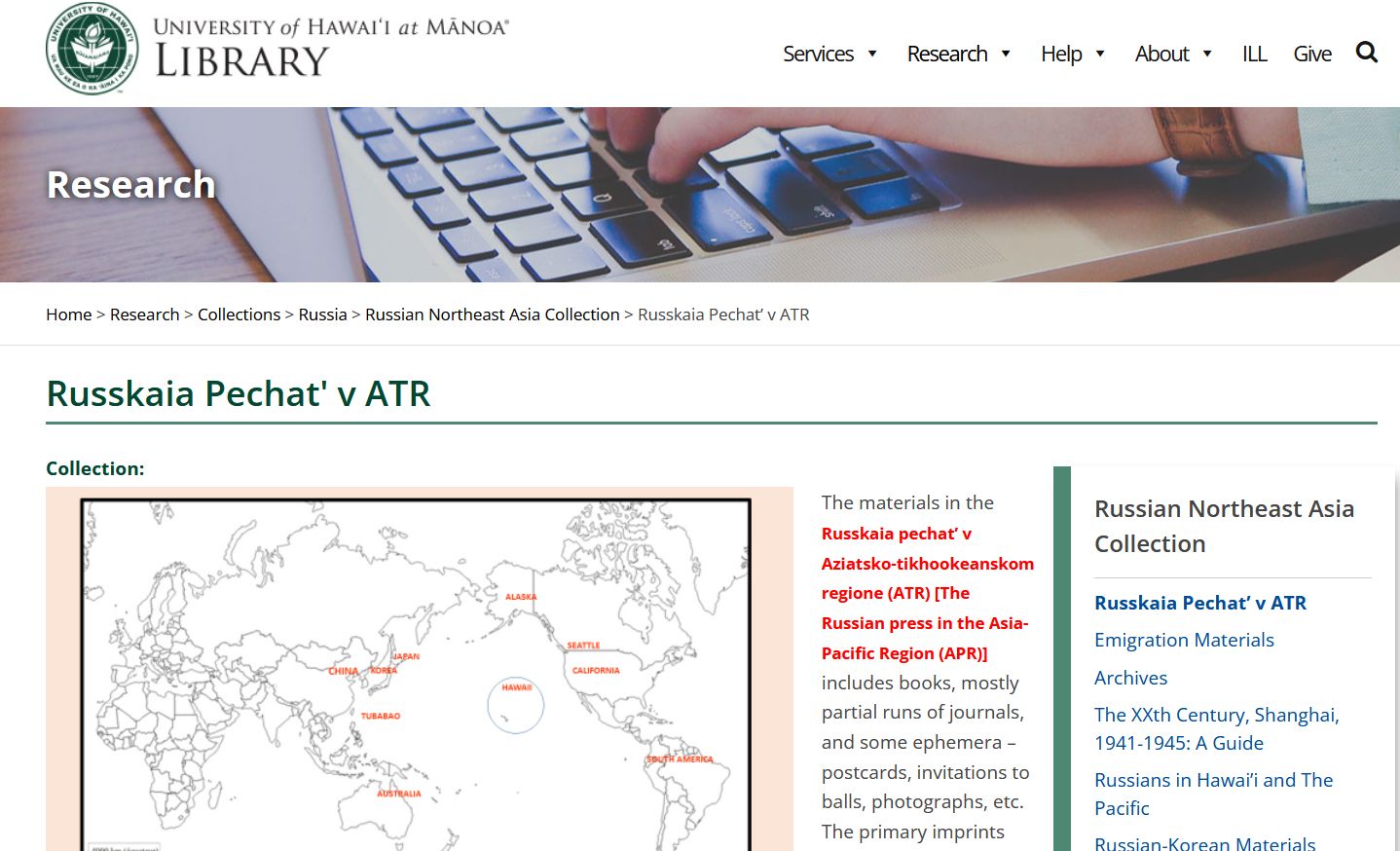
I am impressed by this consistency and dedication to the subject. In the beginning, she tells me, it was just a little bit, but then the focus of the collection shifted towards Russians in China, Southeast Asia, and later also Australia and South America, growing larger. Today it is one of the central places on the topic. Anyone working on anti-communists from Russia inevitably ends up at the university library in Hawaii.
A favor from a friend brought me to Patricia. “Can I maybe ask you to look at something for me? But really only if you're there anyway, I think you need plenty of free time for surfing 🏄♂️ 🏄♀️ 🌞”, Lena wrote to me a few weeks ago.
“Russians in Hawaii, I would definitely make that stop!” and I, of course, said yes.
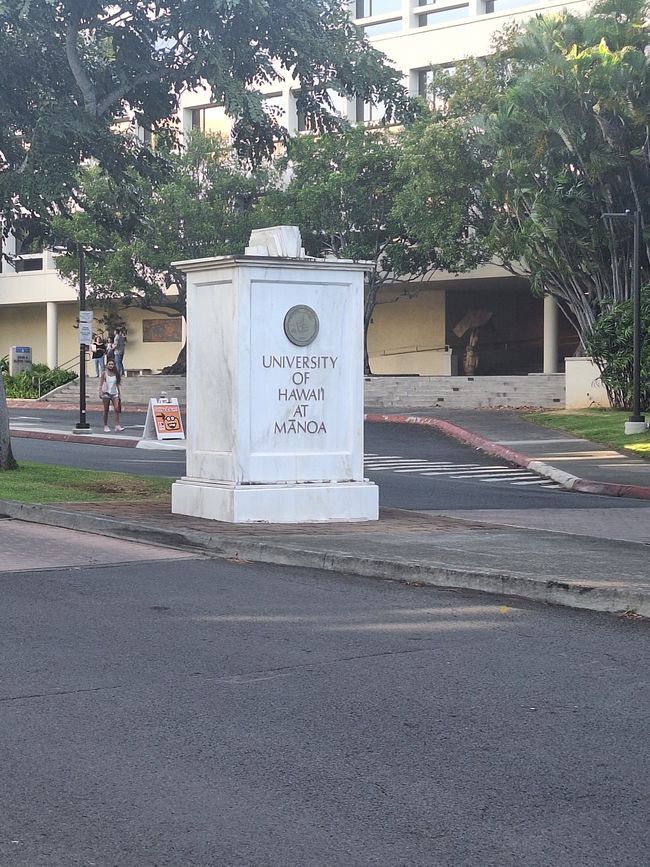
Thus, my second day in Hawaii takes me away from the tourist beach in Waikiki towards the mountains, to the university campus, to the third floor of the library, to Patricia.
Patricia exudes enthusiasm for her topic, for her collection. I am fascinated and impressed. I assume that she must be a descendant, given her dedication to this subject in Hawaii; her last name is Polansky. It seems likely that she is not ‘just’ American. But it is quite different: she tells me that she has German-Irish ancestors and that when she was small, her parents moved to Hawaii. Patricia’s father worked for the US Army.
And why are these Russian-speaking materials here in Hawaii?
And even more, how did anti-communists end up in Southeast Asia, in Shanghai, then later in the Philippines, and then emigrate to Australia or America? So many questions, and where do we start?
Here too, it’s complex and yes, this is also DP history. Lena and others are far more experts on this topic than I am. Moreover, my Russian is quite rusty. So I will try to keep it brief and broad, while I must also reach far back: In World War I, the Soviet Union was founded, and there was a civil war among various factions. Here, we limit ourselves to anti-communists (also known as anti-Bolsheviks) against Bolsheviks, i.e., Lenin and Co. Some of these anti-communist forces eventually left the Soviet Union - or rather had to leave (violence, terror,...). Some went east, across Siberia and further to China, eventually they ended up in Shanghai (see for example my post about Shanghai). After the end of World War II and the establishment of the communist People's Republic of China under Mao, these anti-communists from the former Russian Empire went to the Philippines. There, they had to wait to see what would become of them. They were considered displaced persons by the Allies - just like those in Flossenbürg and Austria, whom I study.
But what does all this have to do with Hawaii, the islands in the Pacific?
Patricia, who speaks fluent Russian and established the collection focus at the university library in Hawaii, tells me that she stumbled into the topic somewhat by chance during her studies, here in Hawaii, about 60 years ago - this was at the height of the Cold War. She proudly shares that Hawaii had the first chair at a US university where you could learn Russian, as early as 1936. The engagement with Russia therefore has a tradition at the University of Hawaii.
Well, looking at the map, Russia is also practically a neighbor, a coastal state. It just takes a little longer to get there, over the North Pacific.
Patricia’s office and also the room with the collection on “Russians in Southeast Asia” is alongside the library and archive a collection of souvenirs and relics: pennants from Karelia, magnets and other knickknacks from Russian cities, a few paintings; on her desk a photo of Navalny, next to it a red heart. Next to it, Patricia’s office is packed with books, notebooks, and papers; there is a lot to do here.
However, in recent years, Patricia tells me that the collection has lost more and more significance. Russian-speaking people in Hawaii no longer need a library to access Russian-language literature. Additionally, the importance of the humanities at the University of Hawaii has declined, and there is the added factor of the Russian war in Ukraine. She is about to retire, and what will become of the collection is completely open. Today, not many at the university are still interested in Russia or the Hawaiian tradition of Russian studies. However, researchers from abroad repeatedly come here, including myself today.
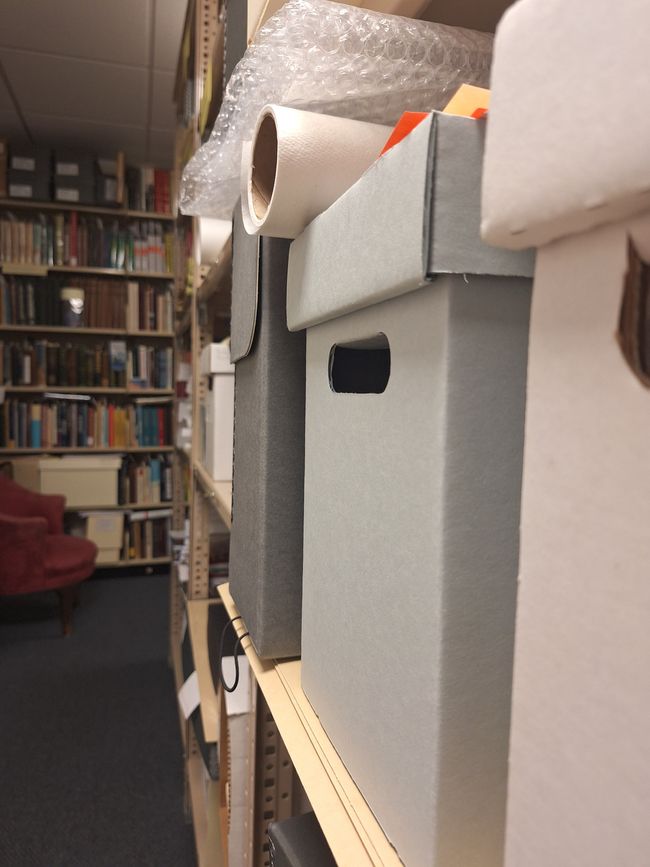
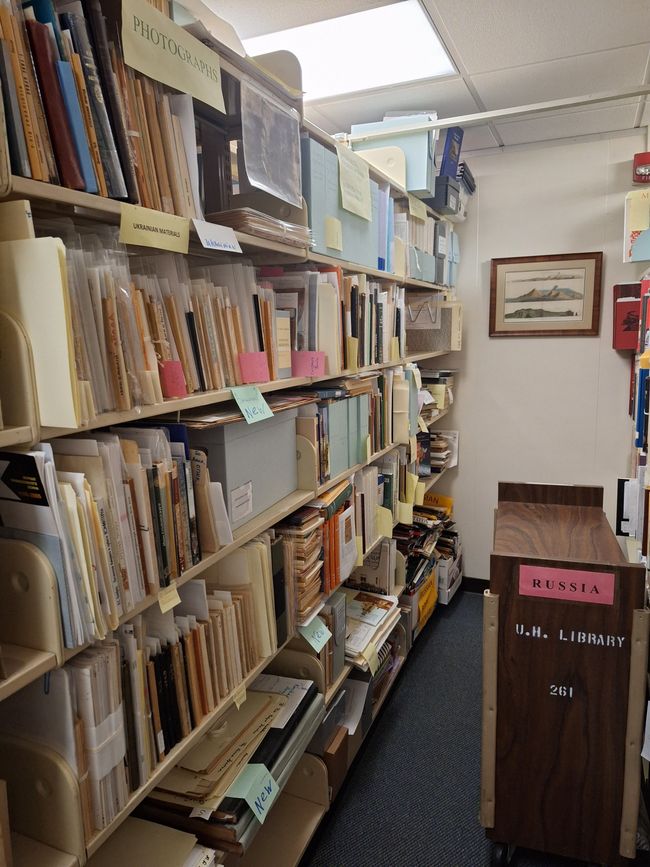
The biggest boom, however, Patricia says, was in the early 1990s when after the end of the Soviet Union, everyone wanted to know what happened to the “others,” the anti-communists, the opponents of communism. “It was a really hot topic,” she emphasizes. Back in the 1990s, she also began collecting Russian publications from South America and Australia. “Everything is interconnected, and somewhere there needs to be a central point to gather it all.” She repeatedly included Ukrainian exile newspapers and books, as she relates to me and shows me the shelf that is interesting for my work. Ukrainian exile newspapers from South America. “Crazy,” I think, flipping through them.
Until the Russian annexation of Crimea in 2014, there were also regular events that Patricia organized. Although there aren’t so many Russian speakers in Hawaii, there were and are a few hundred, she tells. Since the Russian annexation in 2014, however, the group has been deeply divided. No one speaks to each other anymore, and she, the Russian-speaking Hawaiian of German-Irish descent, sits in between. While she laughs while speaking, I sense that it hurts her. However, there aren’t just two opposing groups, as one might think, Patricia explains. “No, there are four!” and she shows with her fingers. “Four groups!” The pro-Putin Russians, the anti-Putin Russians, the pro-Putin Ukrainians, and the anti-Putin Ukrainians. “And that has been the case since 2014,” Patricia emphasizes. That’s over ten years.
She is surprised by this front formation, as she had not known any Ukrainians among “the Russians” before 2014. But starting in 2014, she has met quite a few, Patricia says.
We talk about identity(ies), languages, and cultures, and how they can change and are changing in times of political upheaval, under pressure, in war. Back then, after World War I and World War II, just like today.
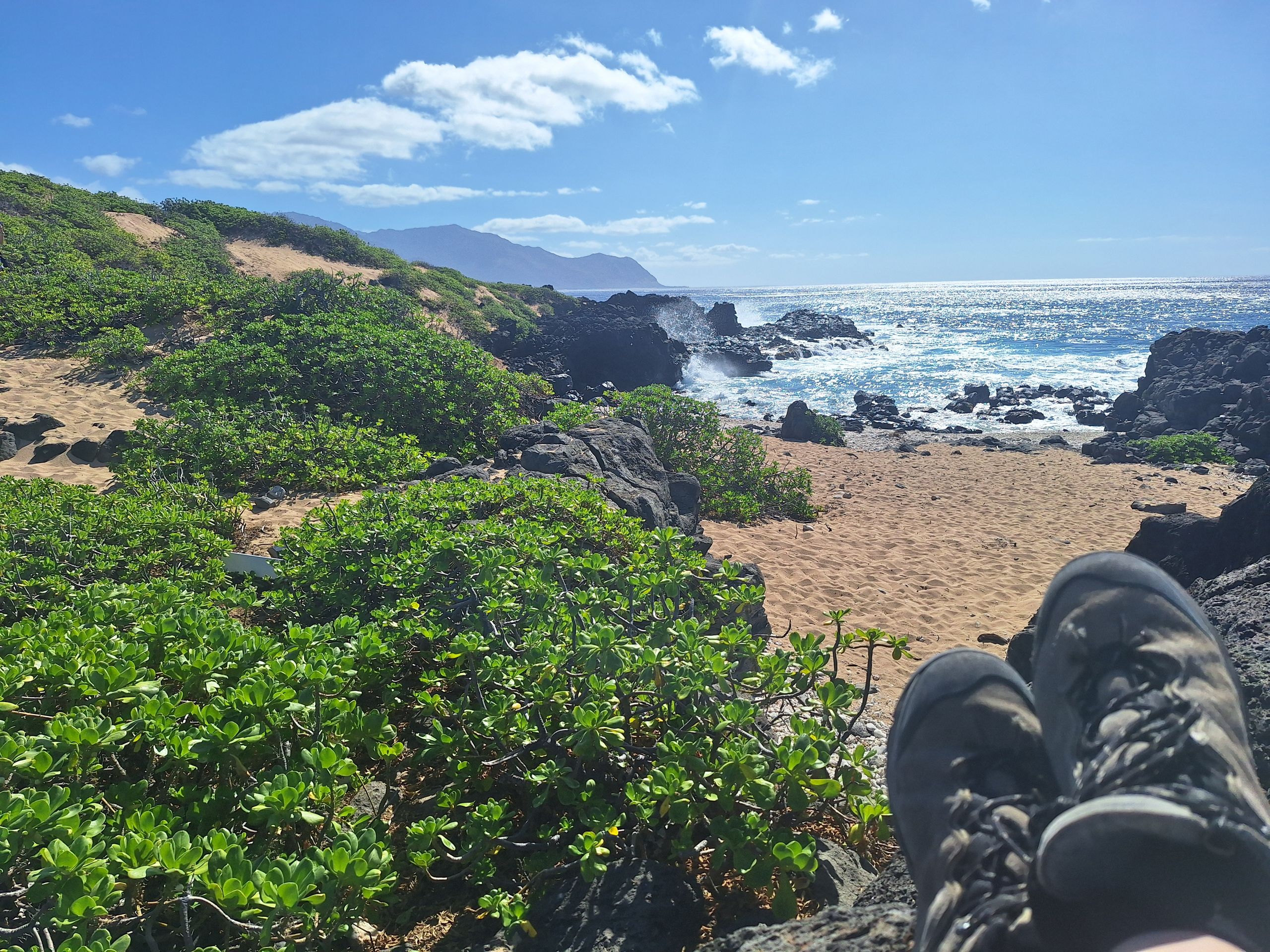
My favor for a friend is quickly completed, and I chat longer with Patricia before I finally head to the beach. I now have vacation and then an intense writing schedule for my dissertation, almost in Australian writing exile. The next post might take a while.
For the indeterminately long transition period, I refer to earlier blog entries here as well as my digital StoryMap 'Getting Away from War and Communism' on DPs in Australia.