
AMAZONIA Sebastião Salgado Rautenstrauch-Joest Museum in Cologne
The exhibition by the renowned Brazilian photographer will run until mid-March 2026. The focus is on the largest tropical rainforest area on Earth.

Pubblicato: 20.04.2026
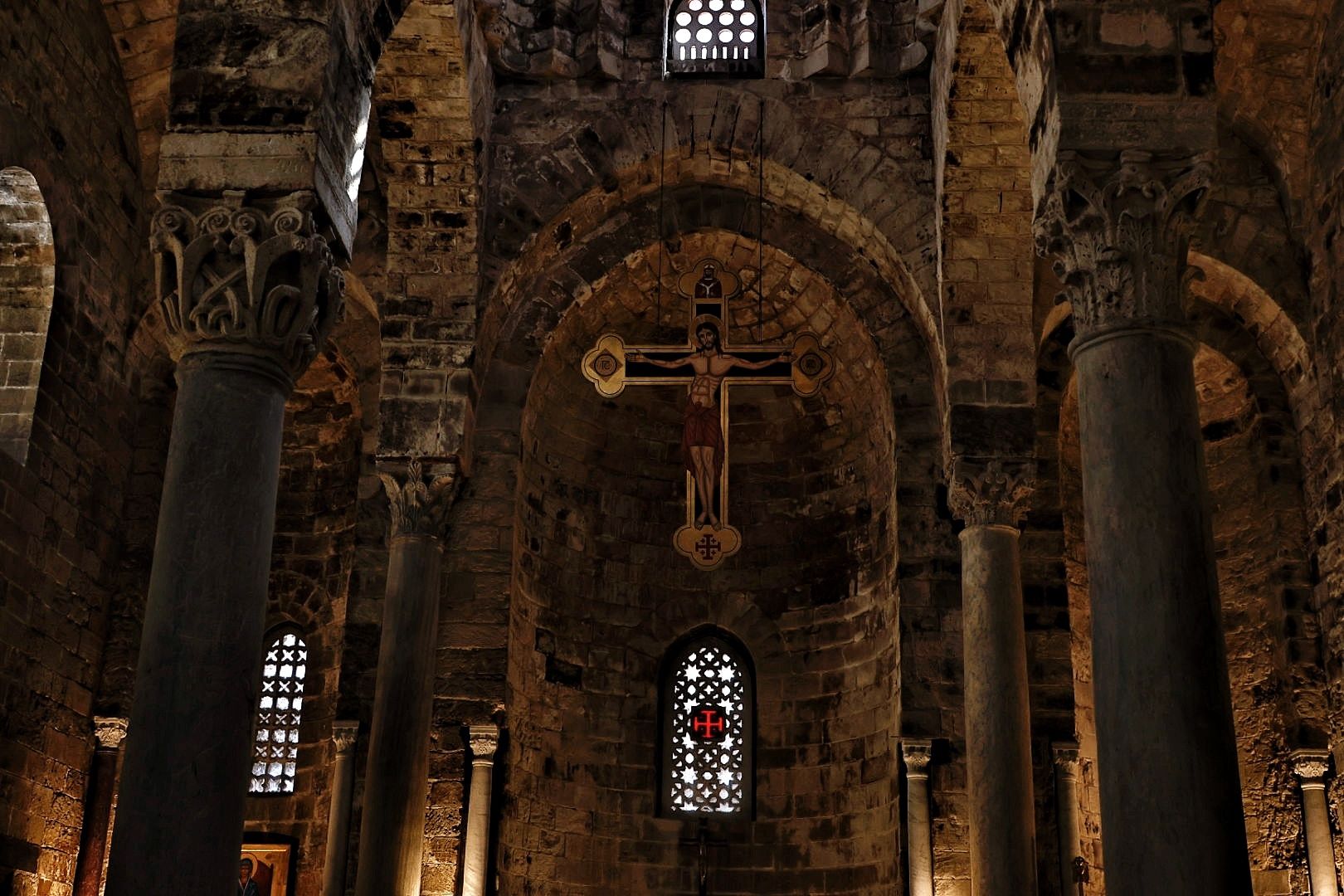
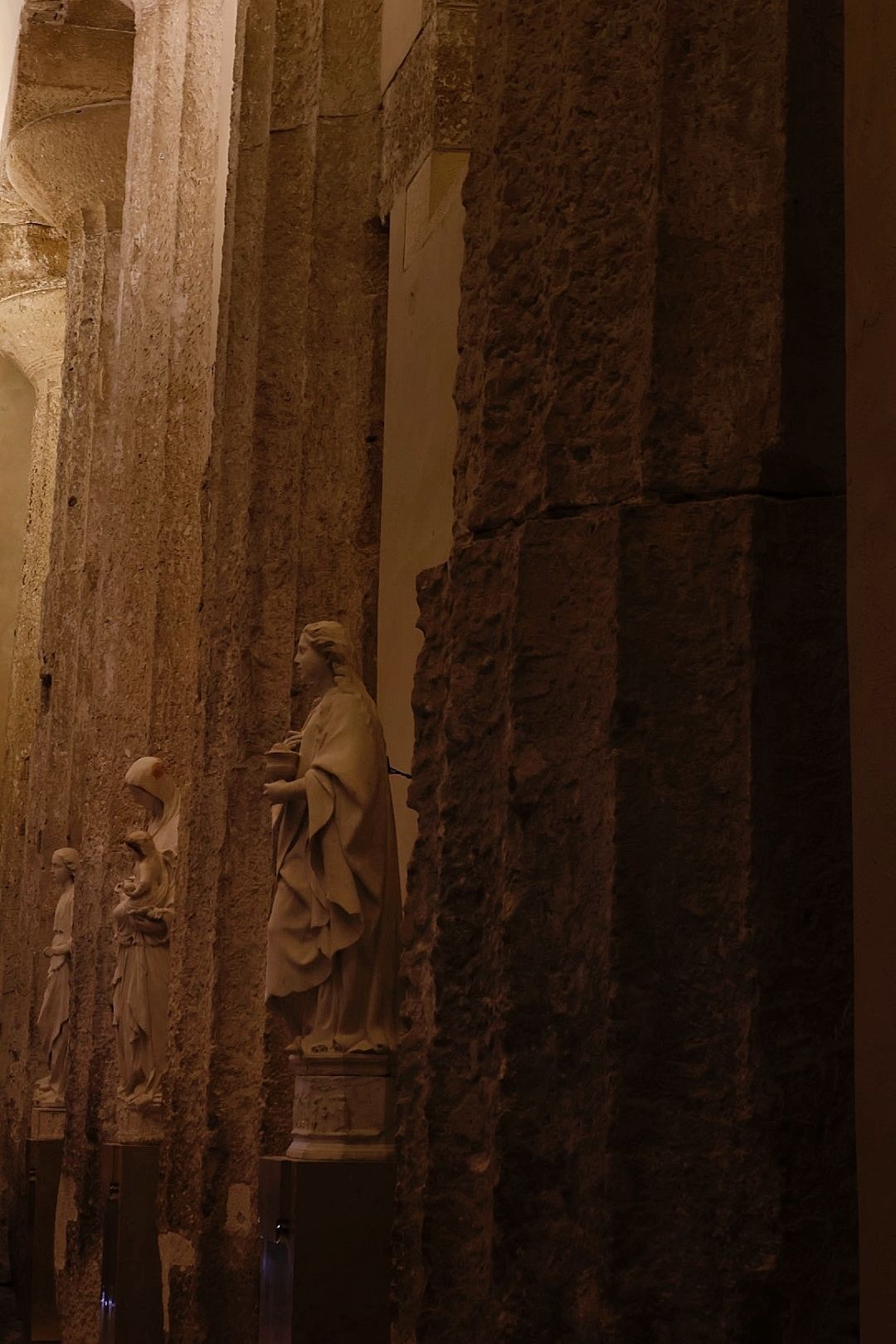
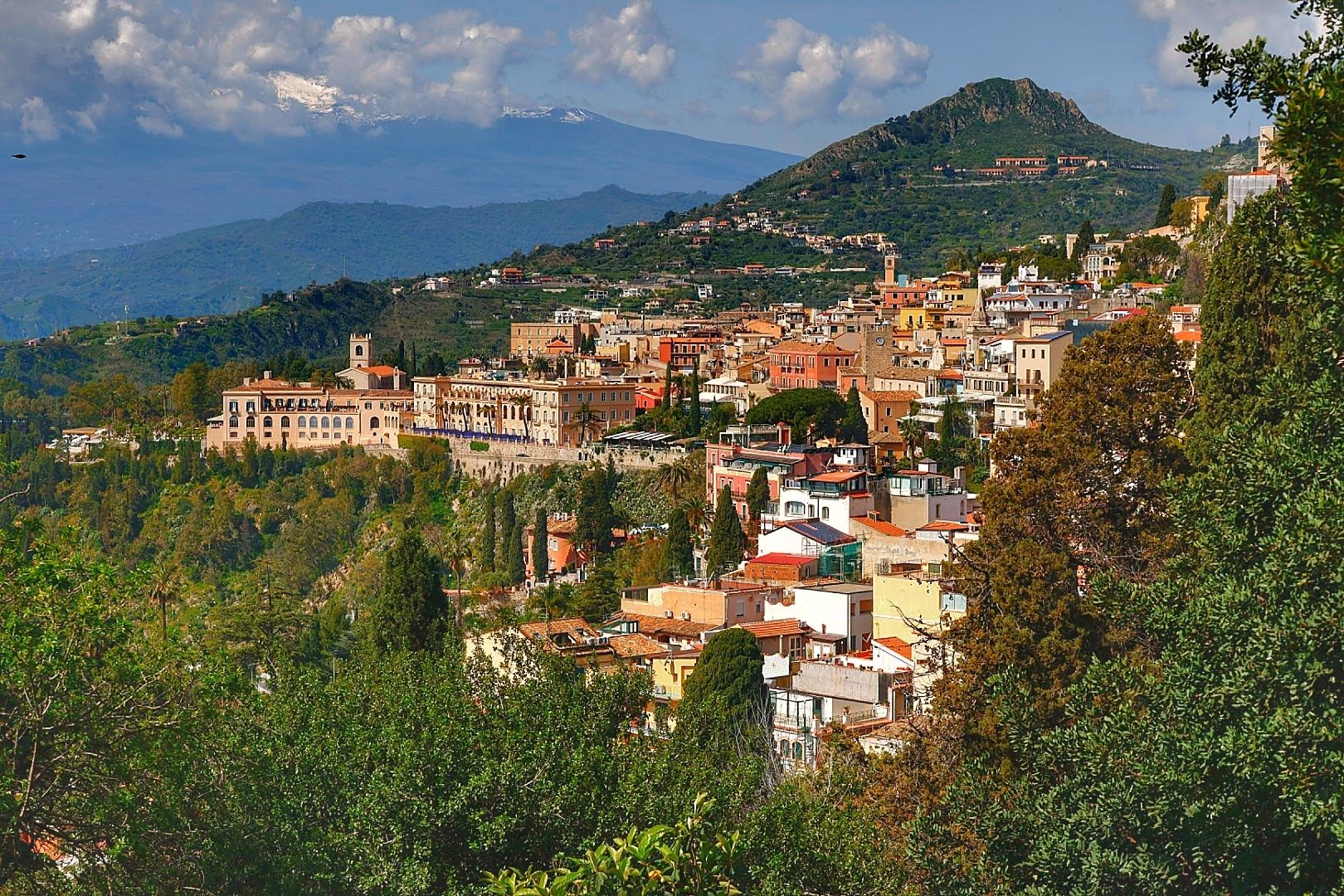
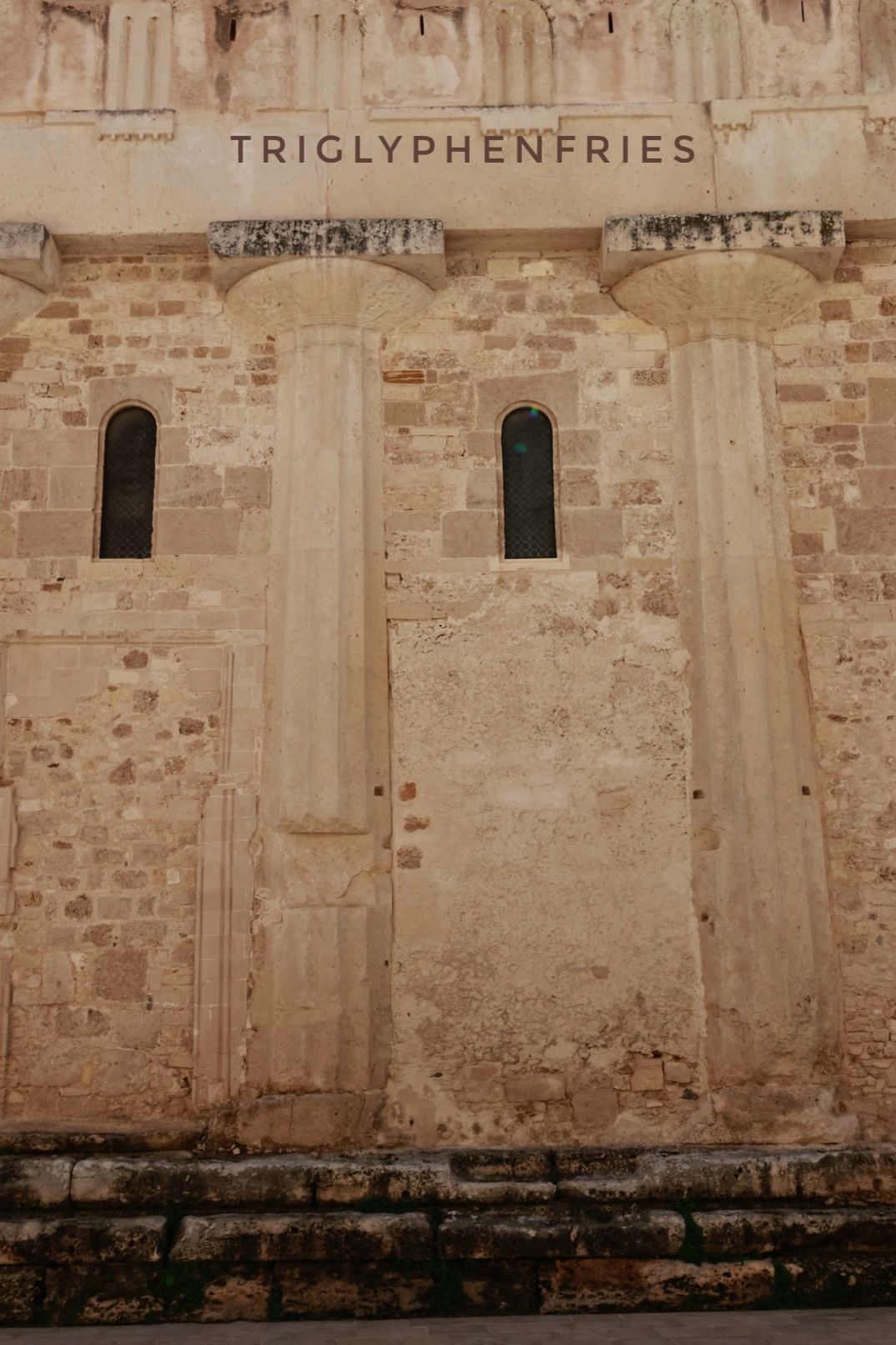
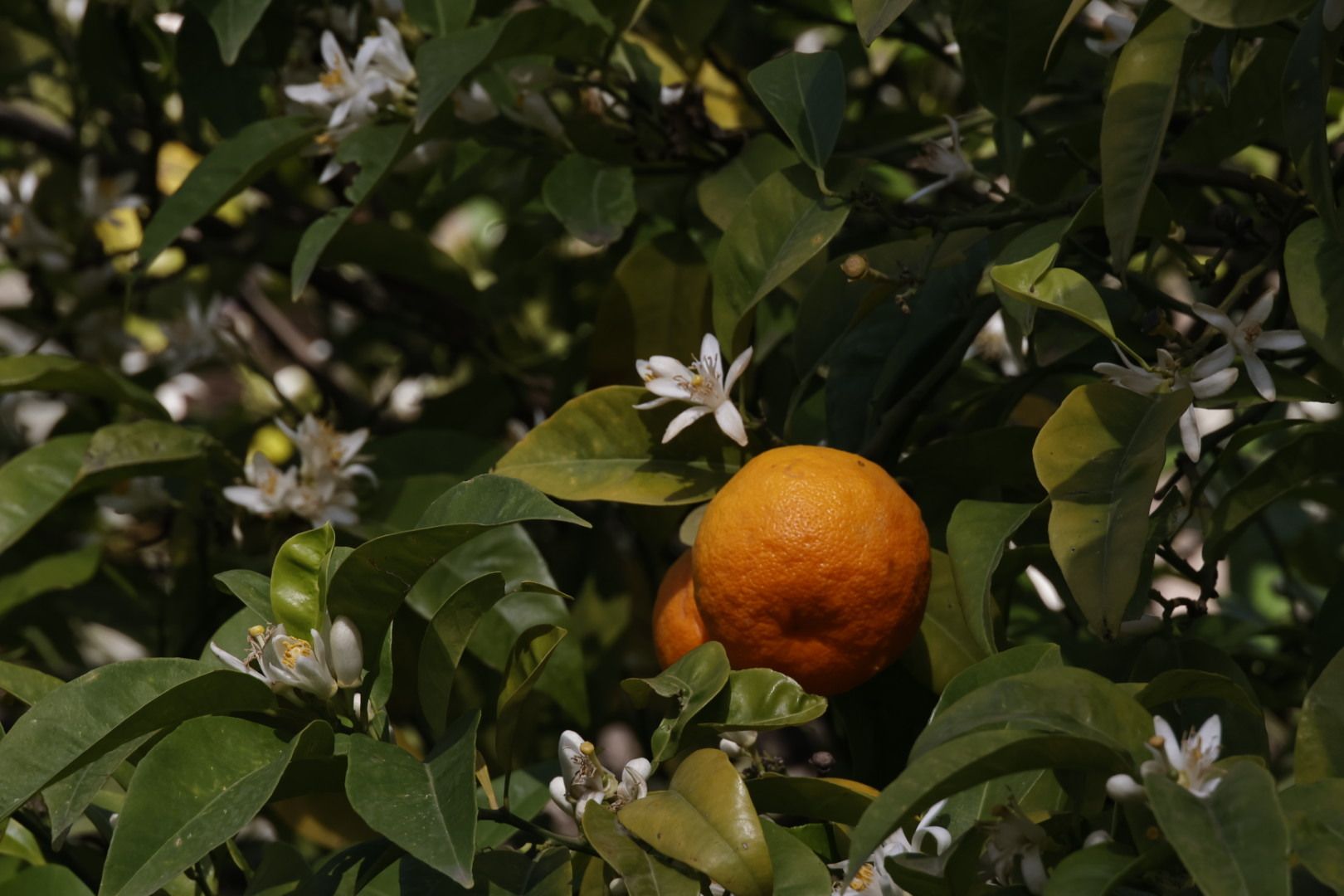
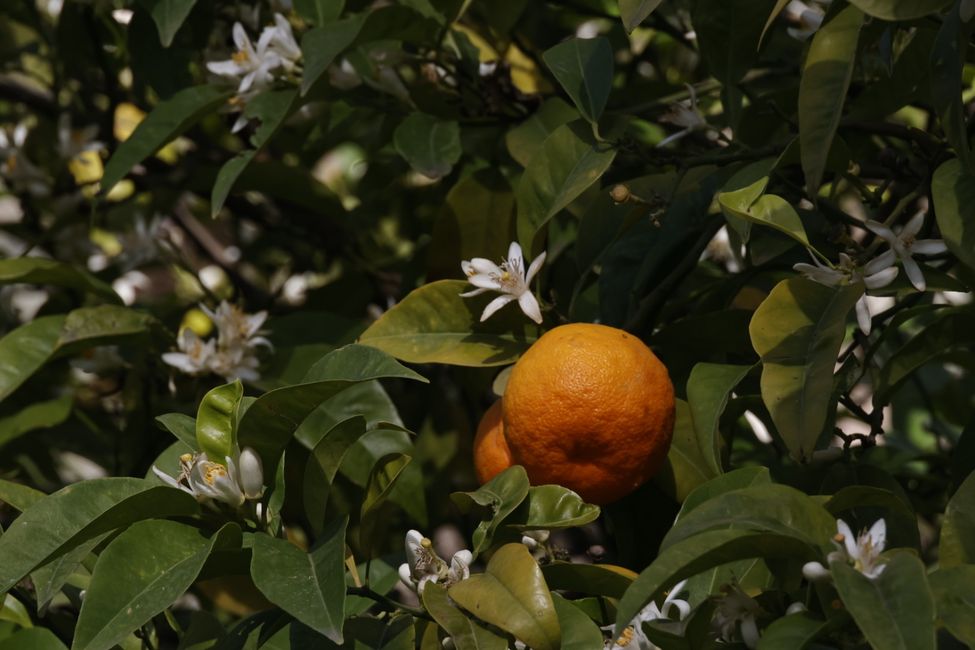
Sicily is best visited in spring, as temperatures and tourism are rather moderate and the whole country smells of orange and lemon blossoms.
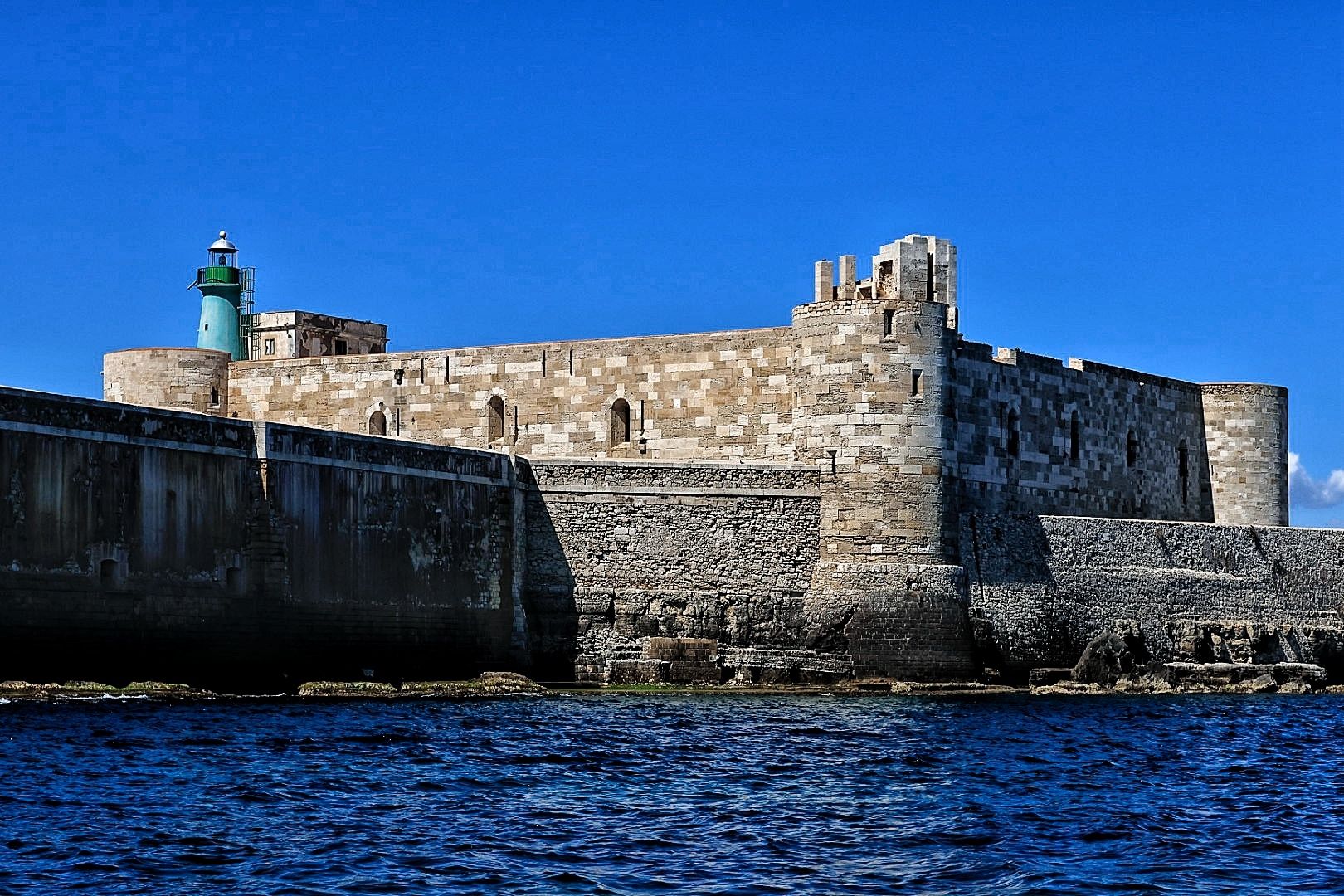
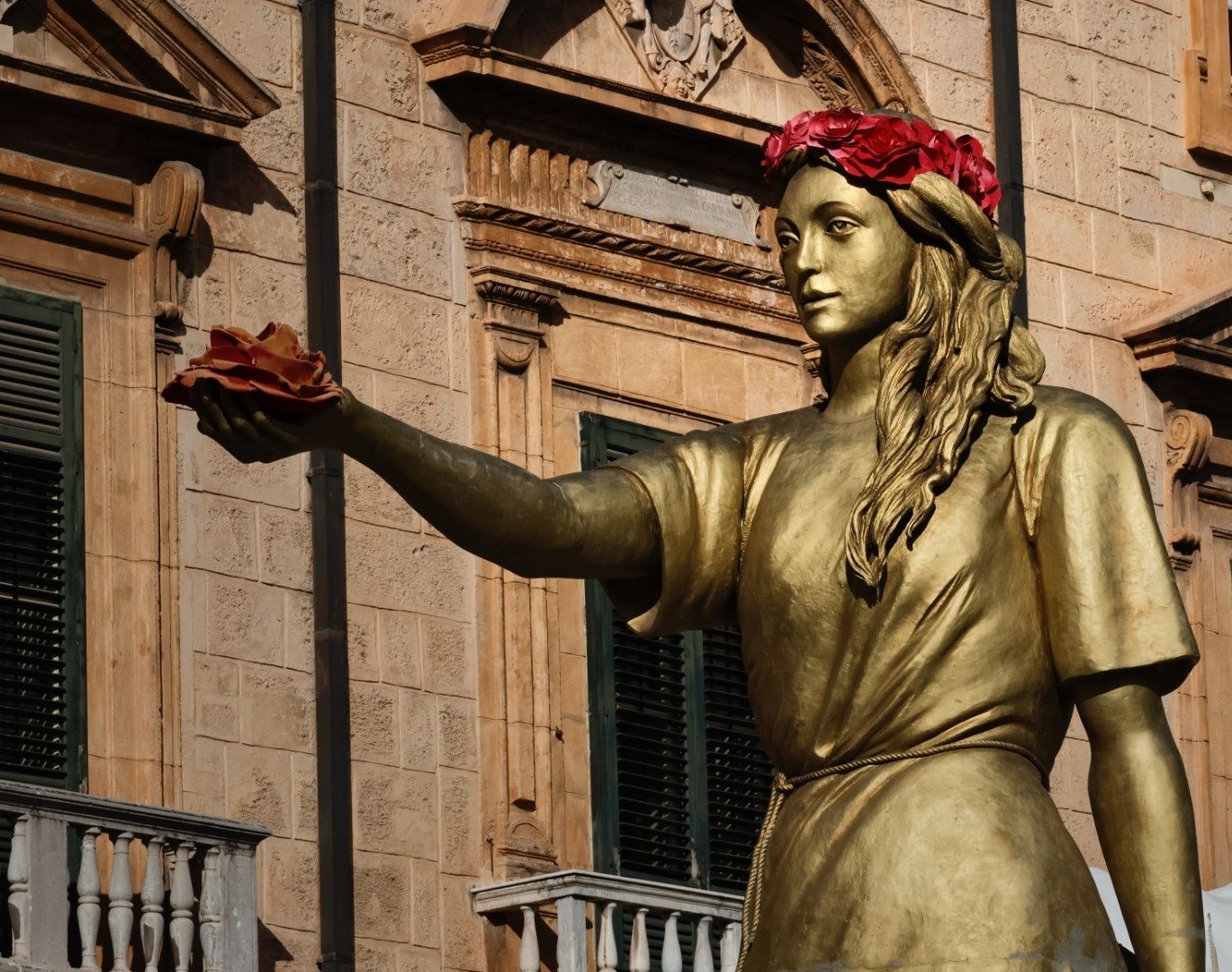
The Trinacria, the island's coat of arms, represents the three outer regions of Messina, Syracuse and Marsala, but also the sun and the cyclical change, i.e., spring, summer and winter.
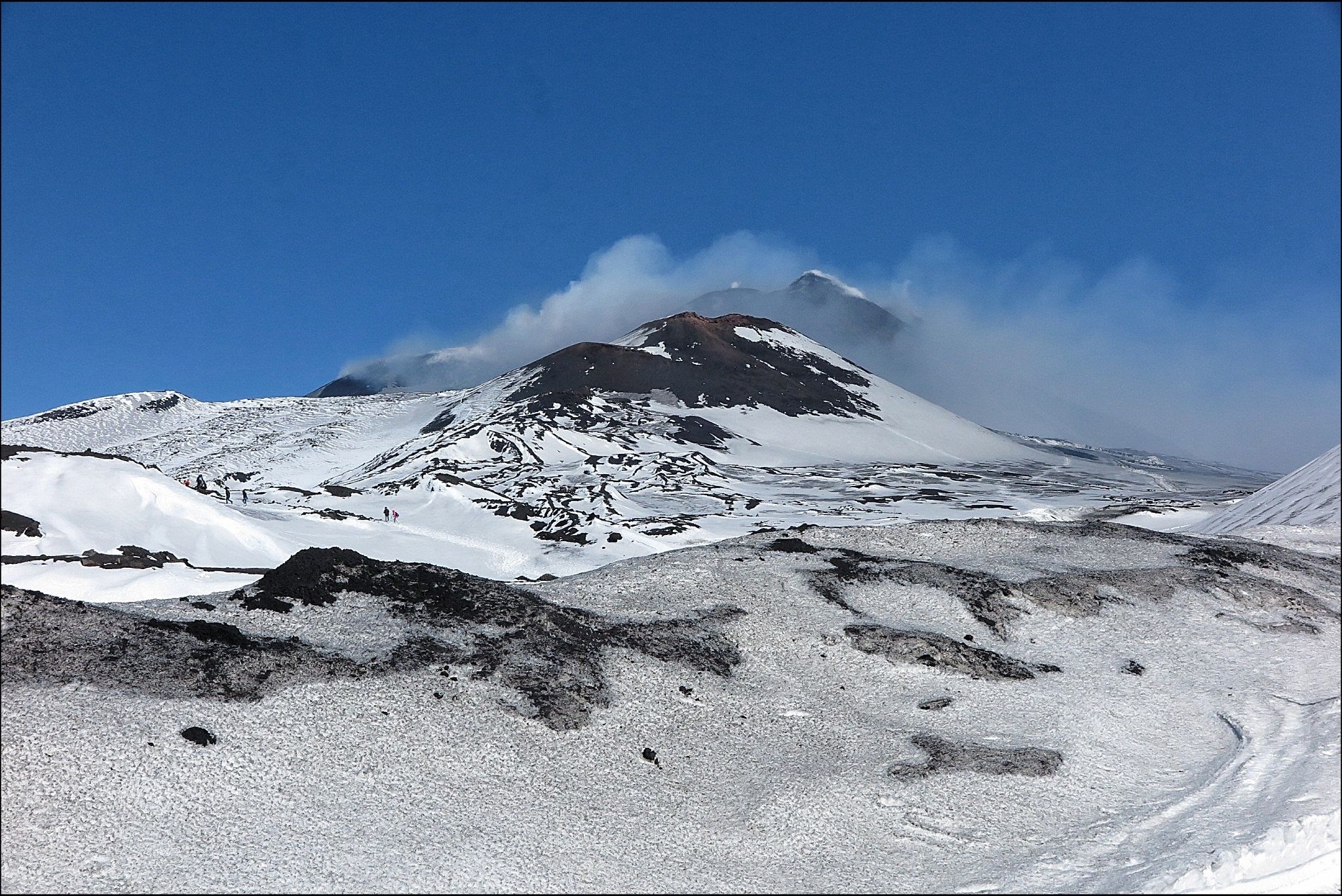
In spring, you have the opportunity to enjoy both the sun and the snow on Mount Etna, which is 3403m high.
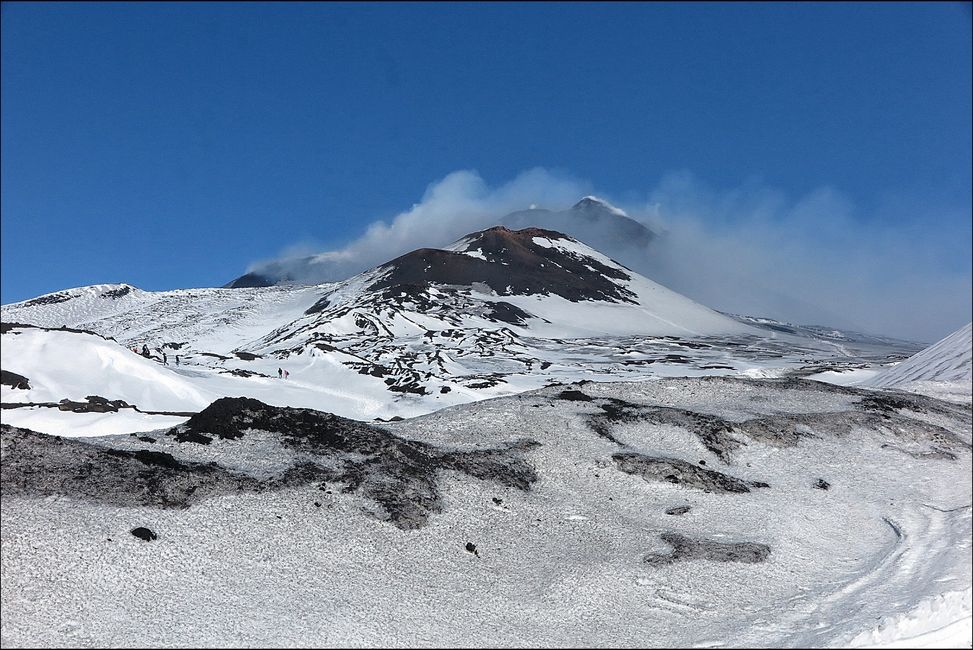
Many foreign conquerors were attracted to Sicily, not least as a strategic bridgehead between the eastern and western parts of the Mediterranean.
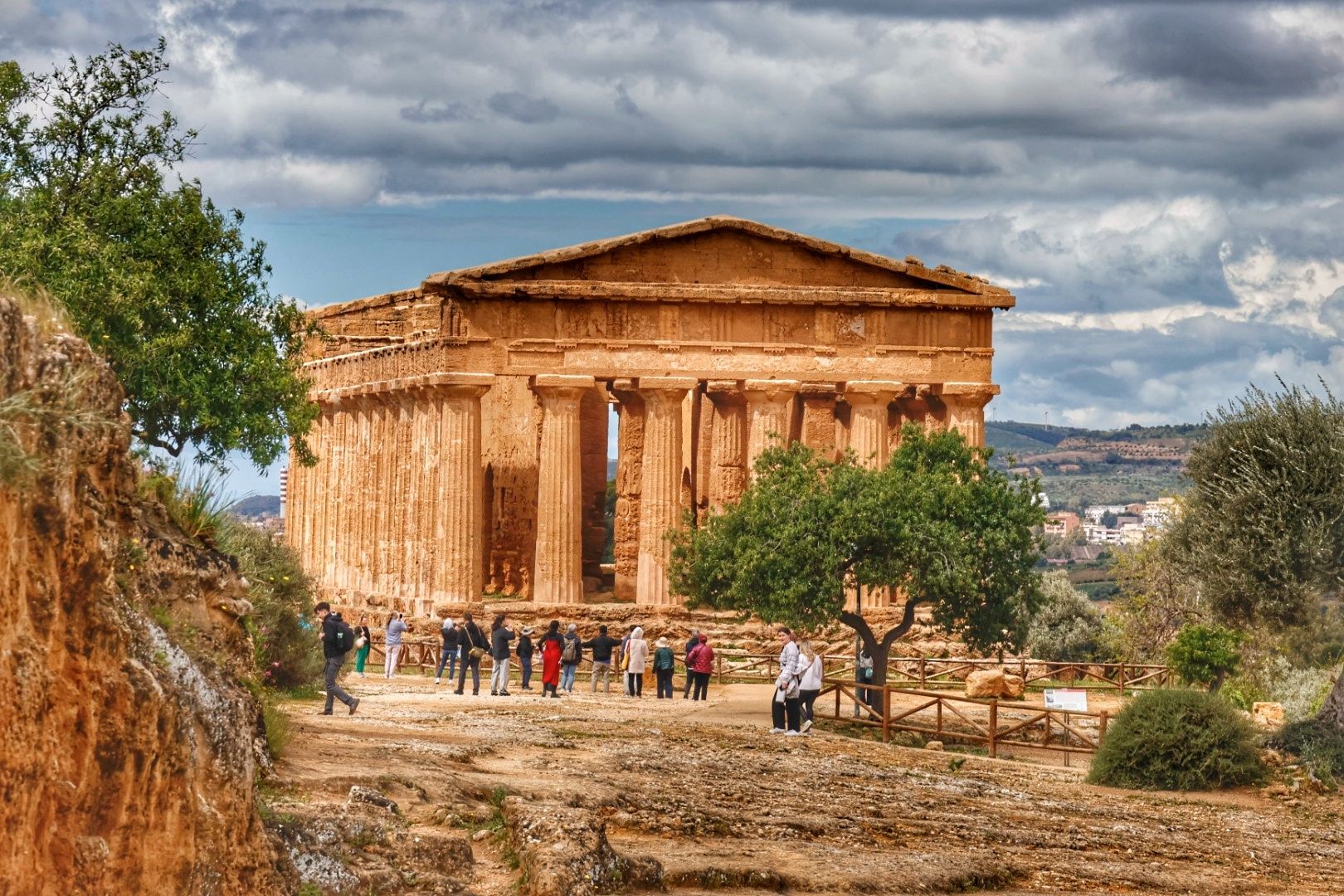
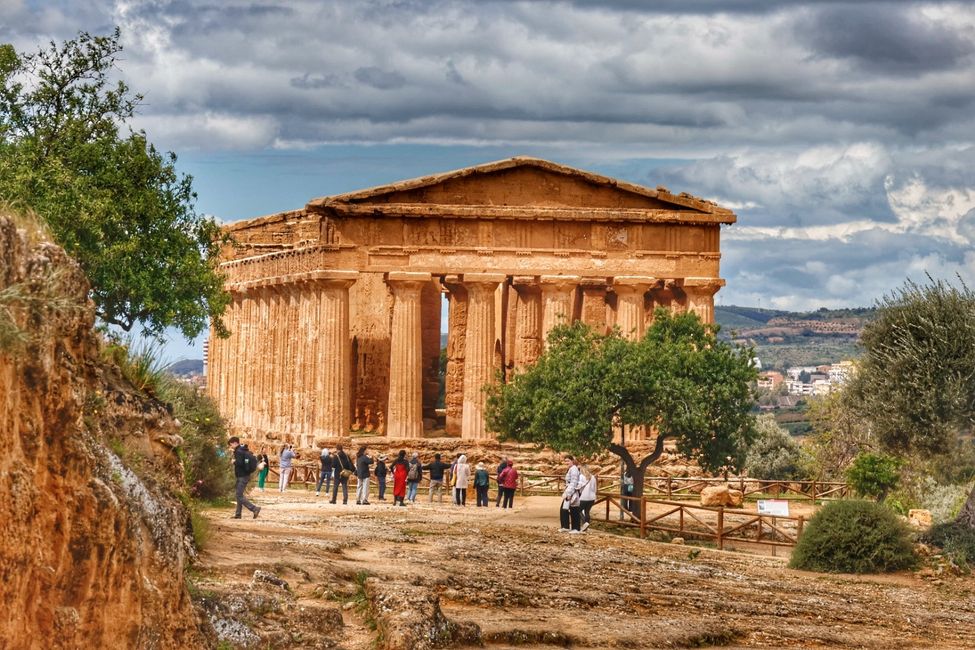
It began with the Elimians, who fled Troy and settled western Sicily. From the 8th century BC onwards, the Greeks arrived and expanded their settlements in the southwest.
Magnificent temple complexes and cathedrals, like the one in Syracuse, were built everywhere.
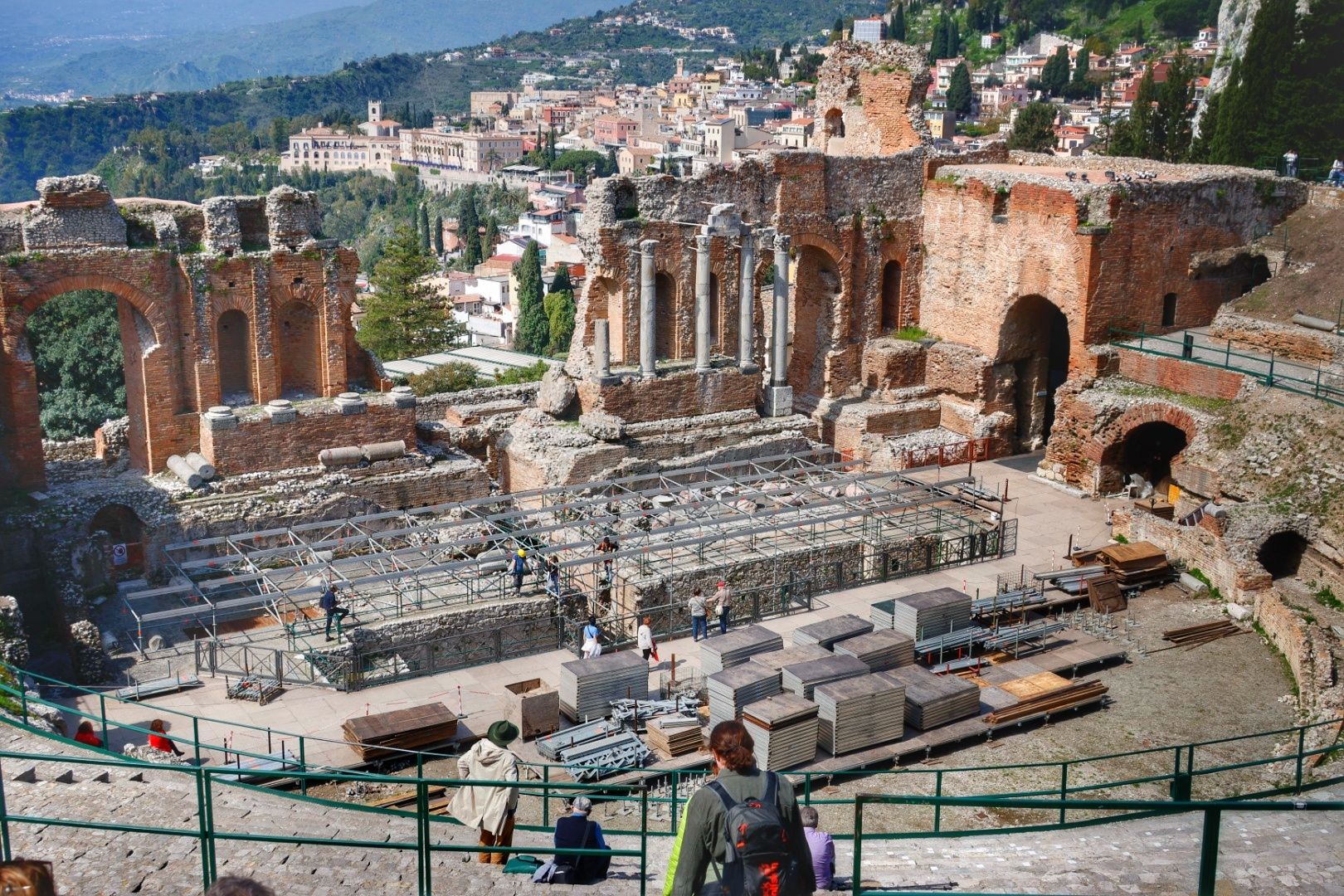
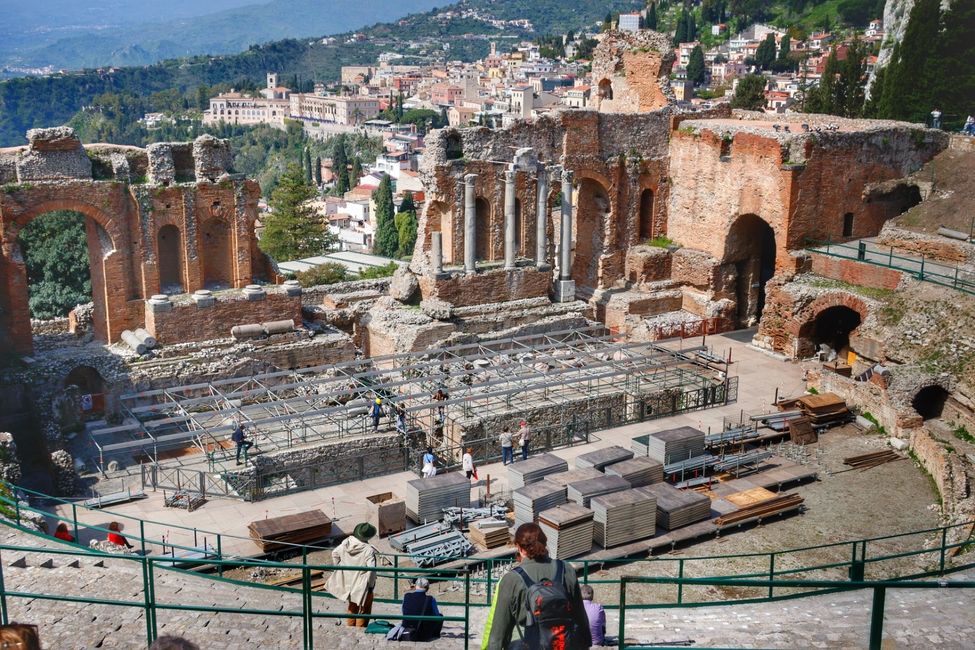
Taormina, a witness to Greek and Roman architecture, can be seen especially in the Teatro Antico.
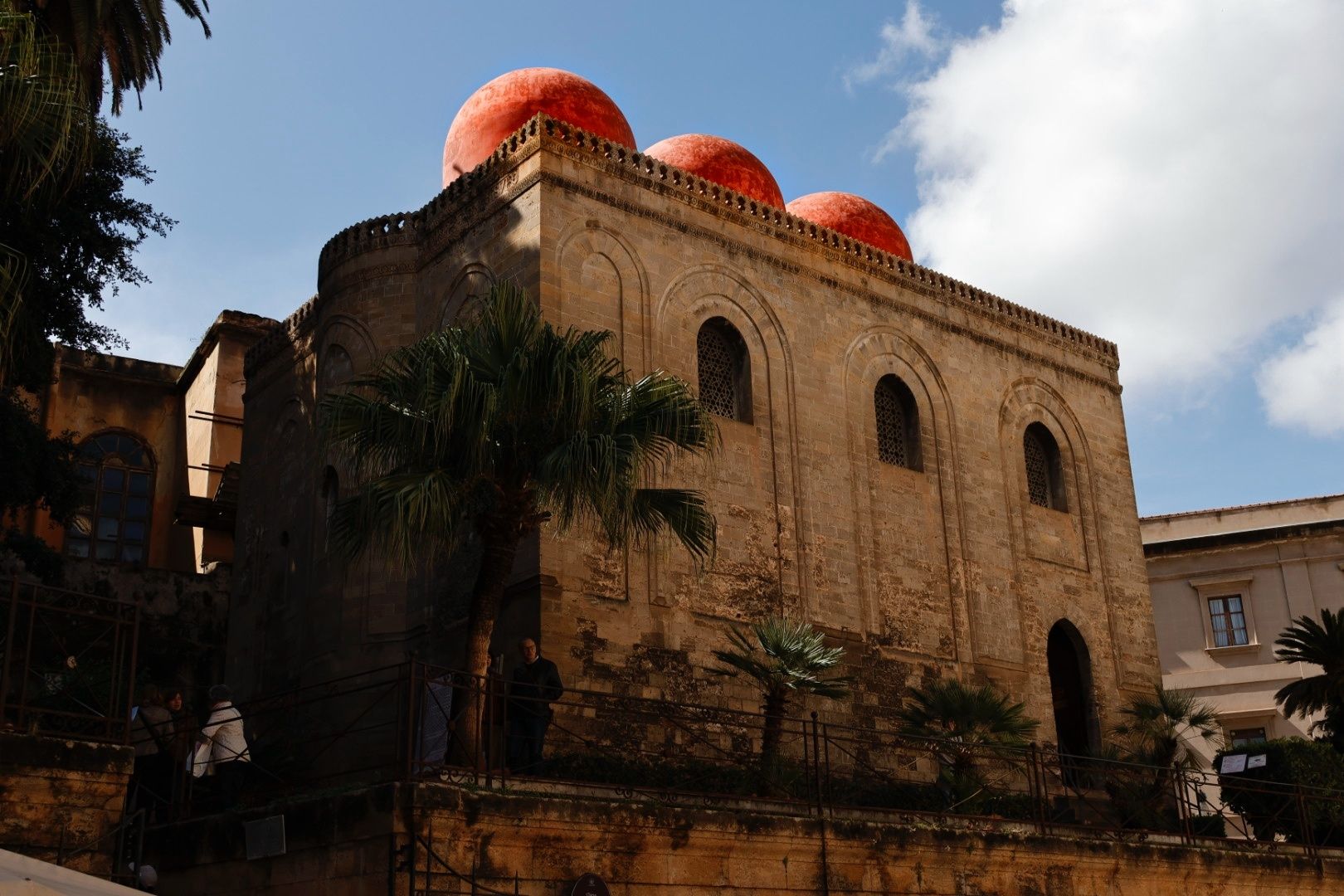
The Arabs from present-day Tunis conquered almost all of Sicily in the 9th century. The country owes its outstanding architecture, sophisticated irrigation systems, and plants such as lemon trees and date palms to their influence.
Palermo replaces Syracuse and develops into the capital.
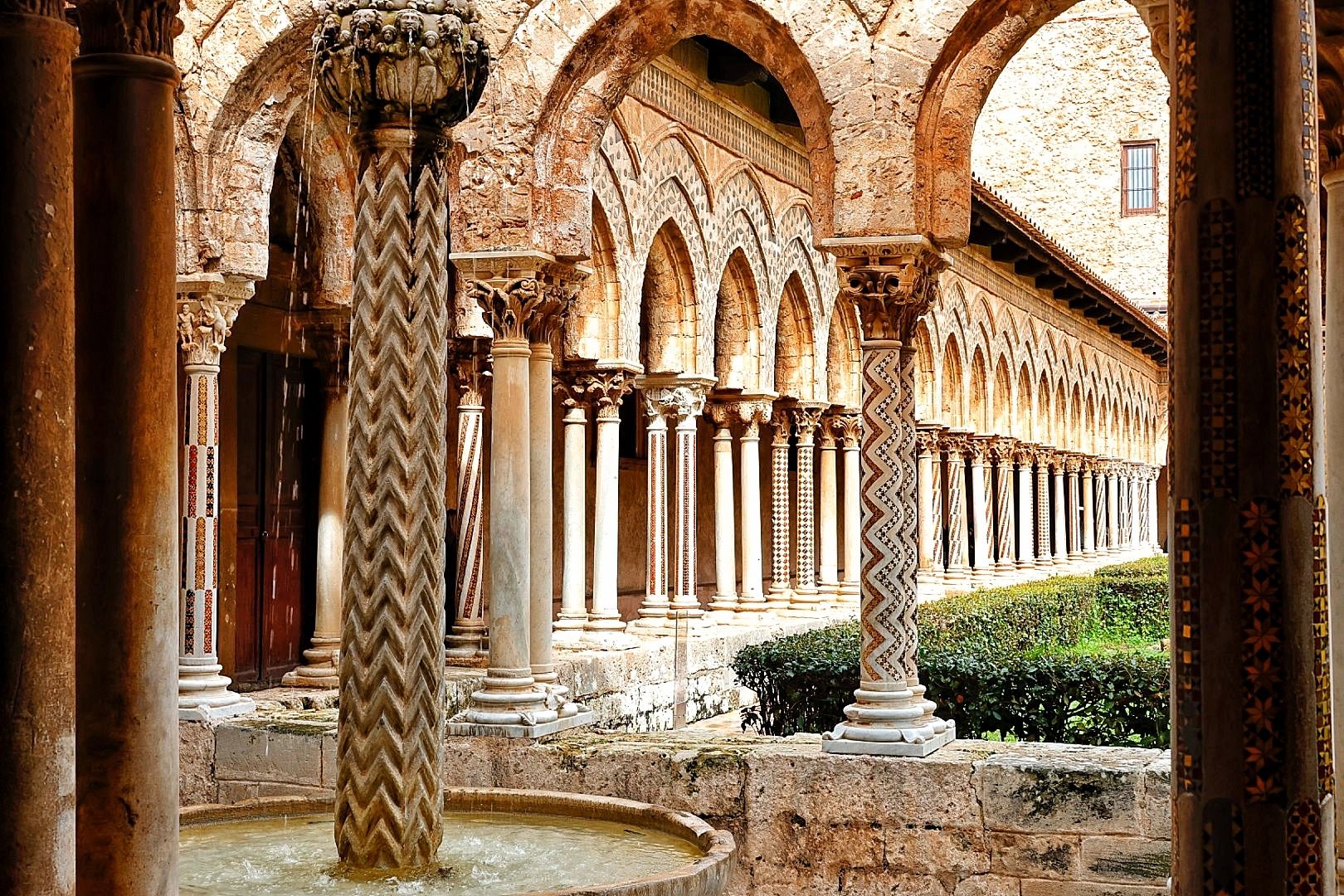
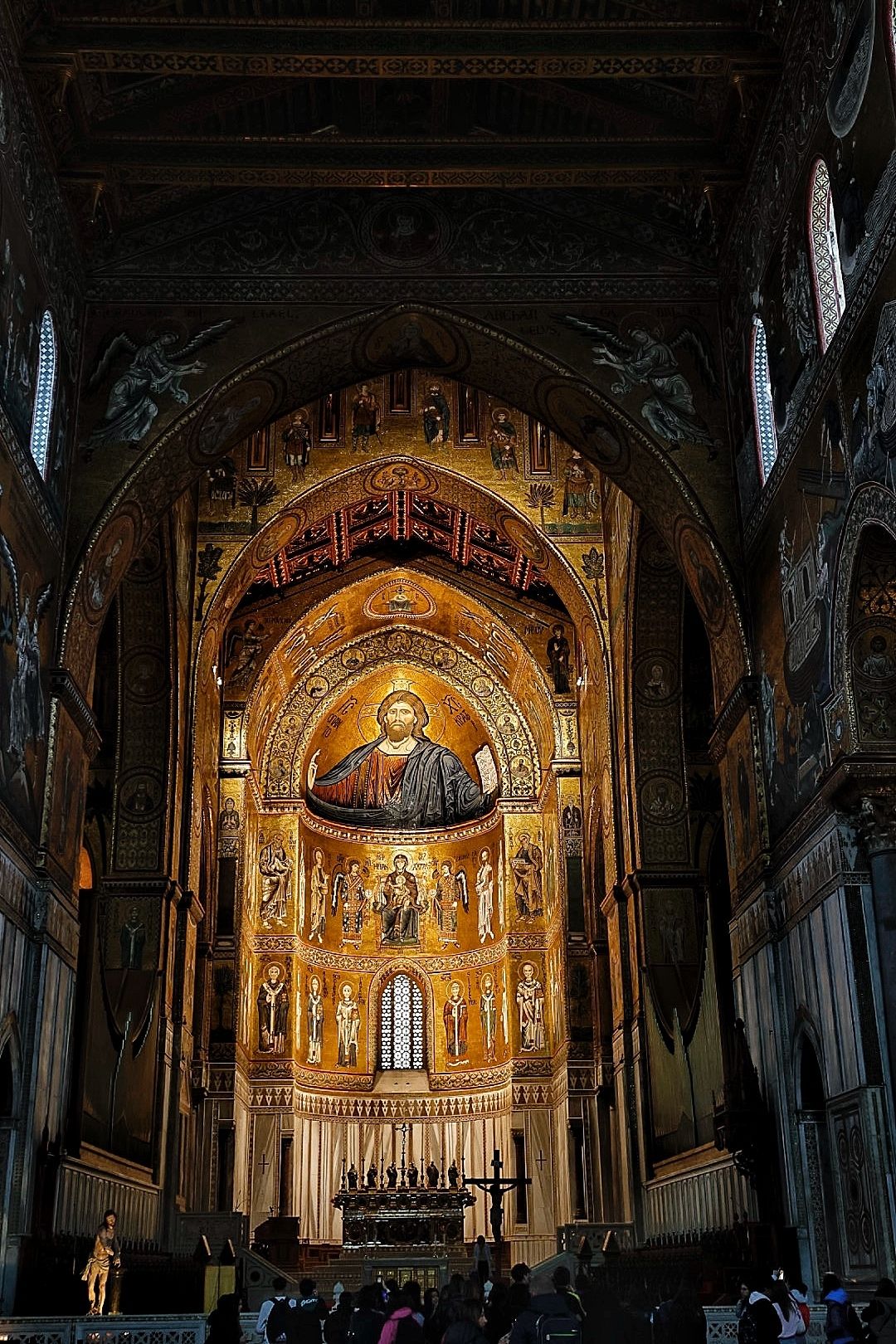
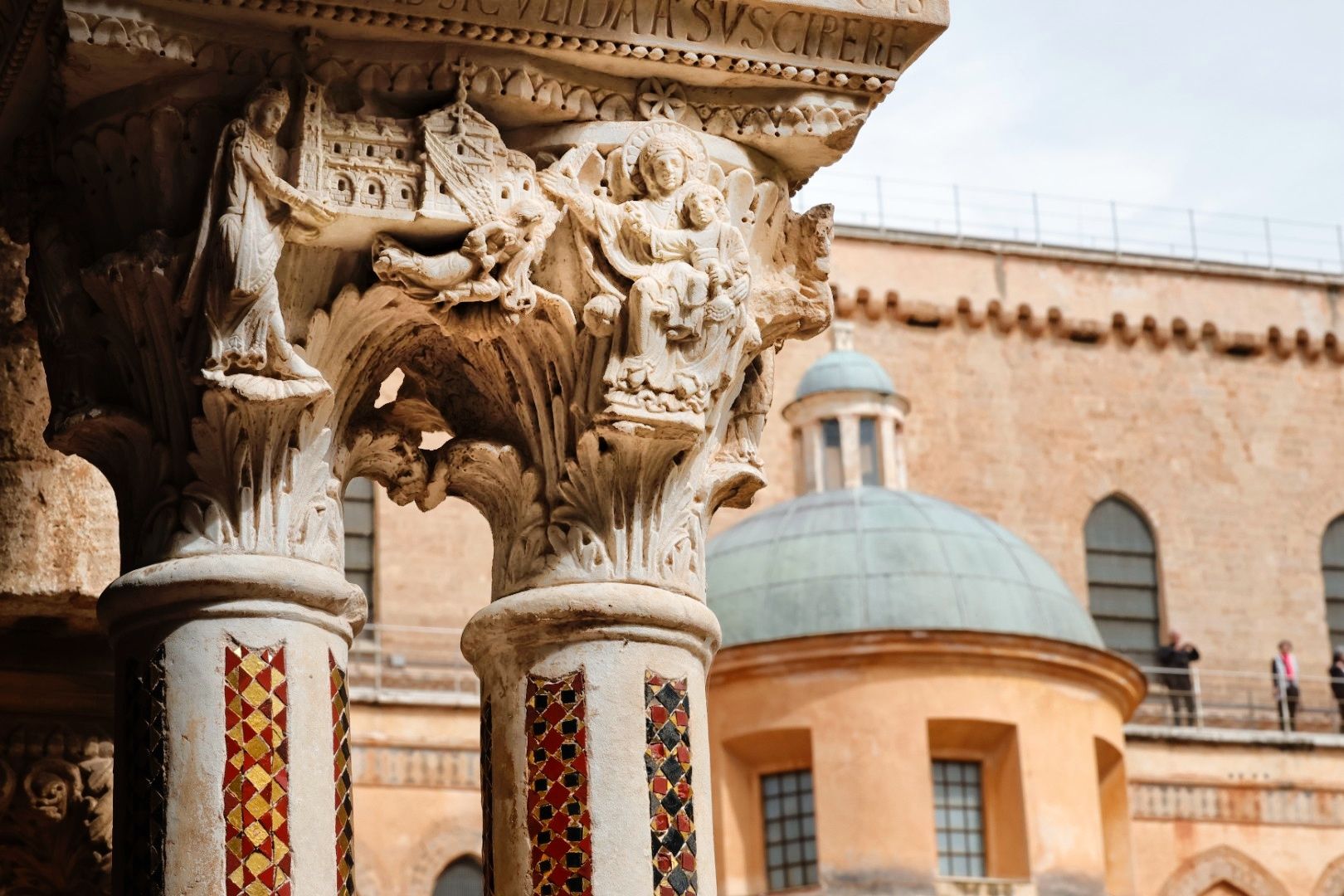
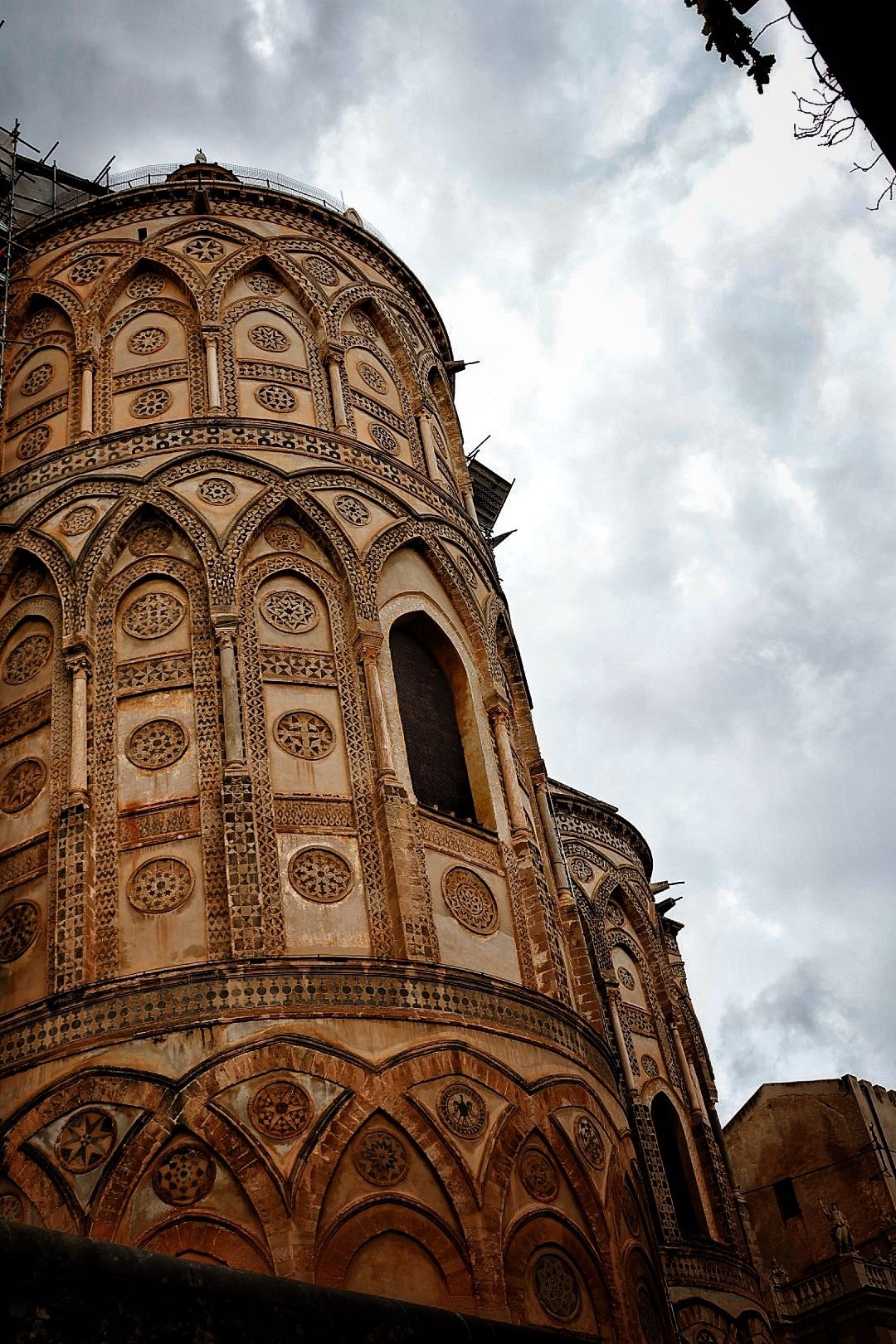
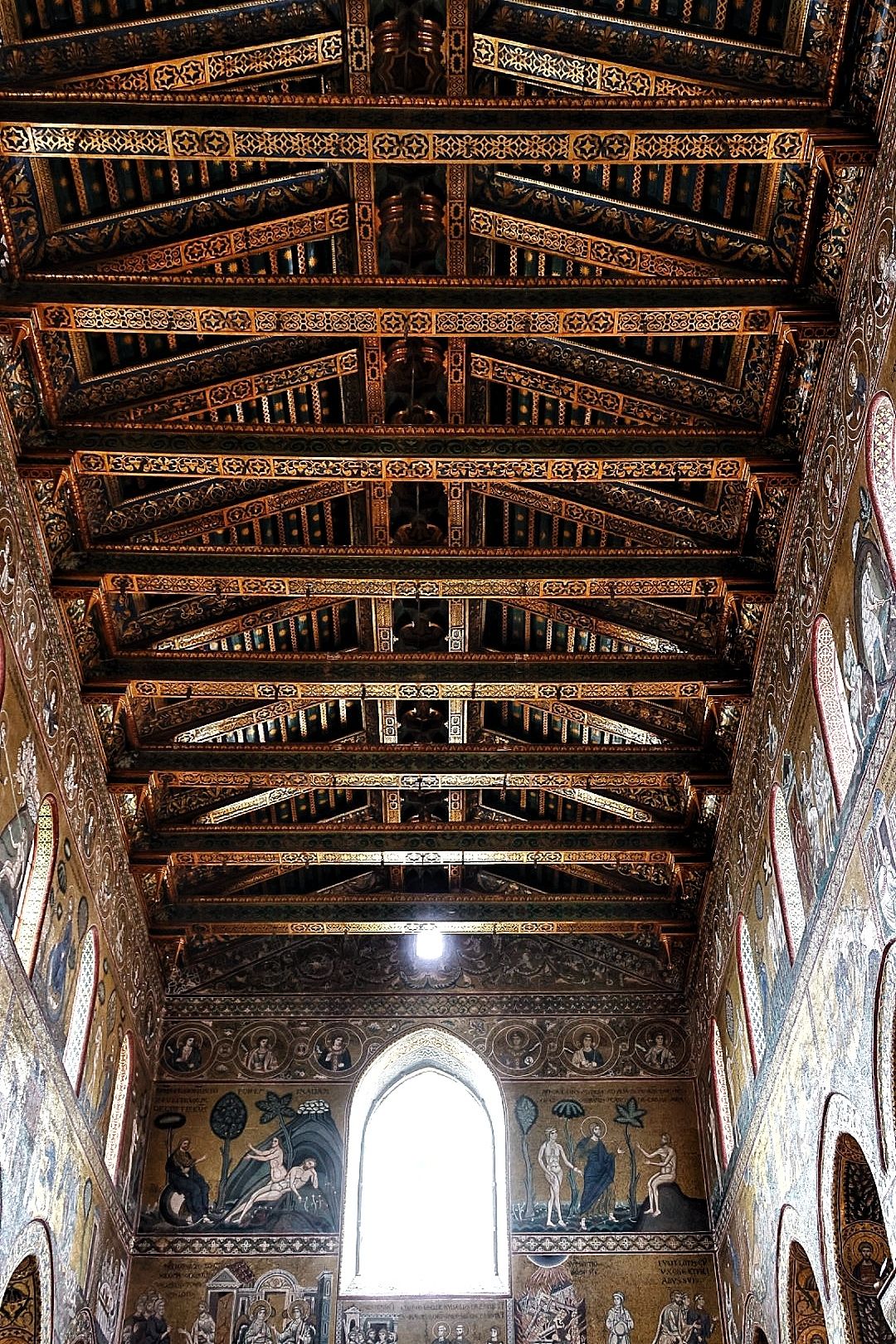
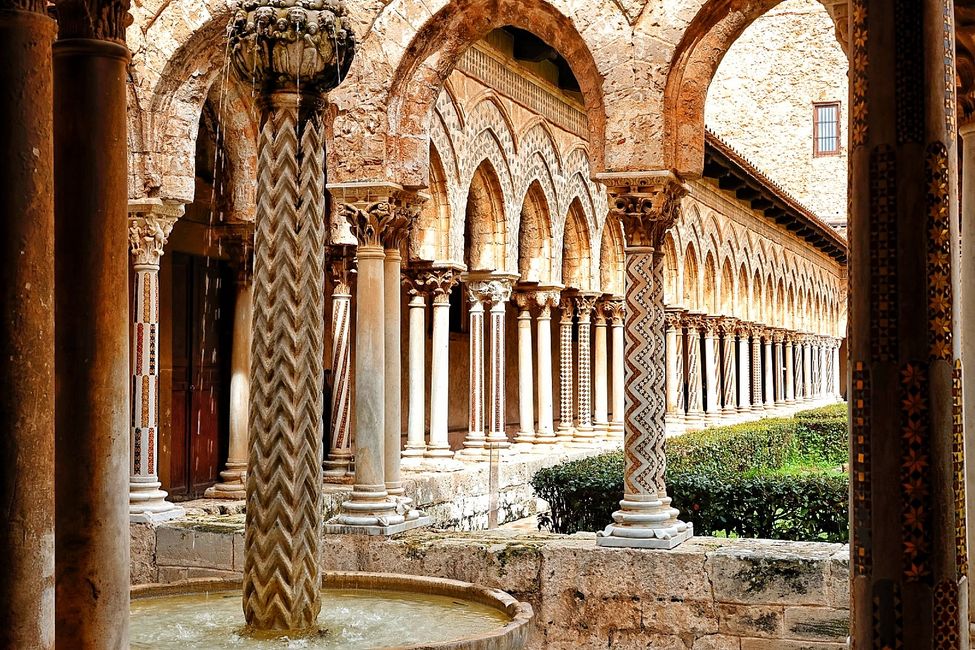
The Arabs were driven out by the Normans in the 11th century. Freedom of religion and linguistic diversity characterize the country.King William II of Sicily founded Monreal, which includes a Benedictine monastery, a cathedral, and a royal palace with a cloister.
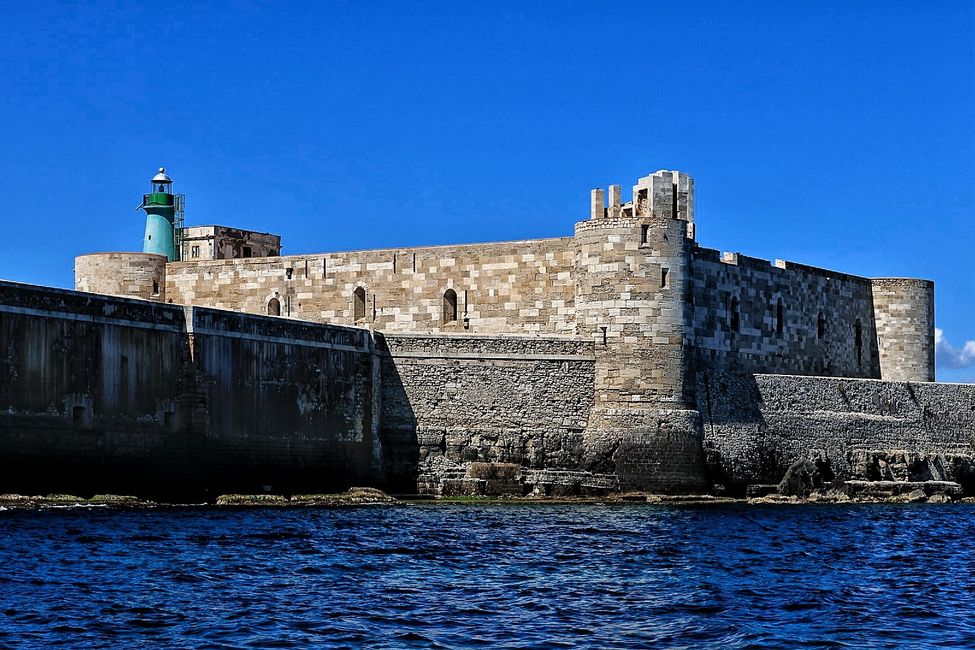
The devastating eruption of Mount Etna in 1669 and the earthquake of 1693 devastated Sicily to such an extent that the country seemed to be at its end.
The Mafia originated in the 19th century. Farmers commissioned middlemen, called Gabelutti, to reclaim the lost serfdom of the peasants.
In 1922, Benito Mussolini seized power and was able to curb the influence of the Mafia. Anyone belonging to the "honorable society" during the fascist dictatorship had to expect reprisals. For the population, it was a choice between two evils; they remained poor.
The Cosa Nostra, the Sicilian Mafia, is a criminal organization that operates worldwide and has a broad network.
Silvio Berlusconi had to pay protection money to the Cosa Nostra in the 1970s.
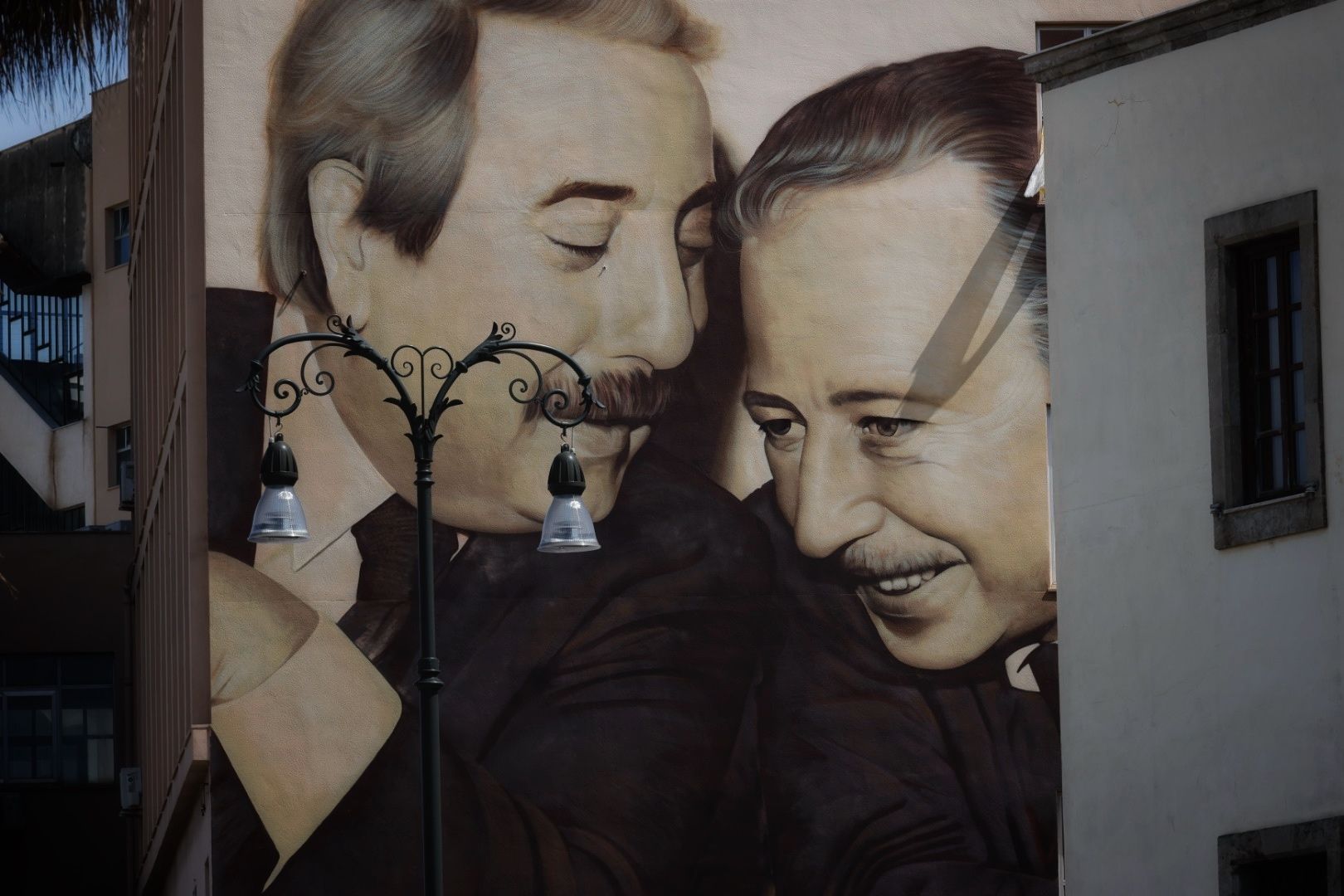
Falcone e Borsellino photographed in Palermo in 1992 by Toni Gentile.
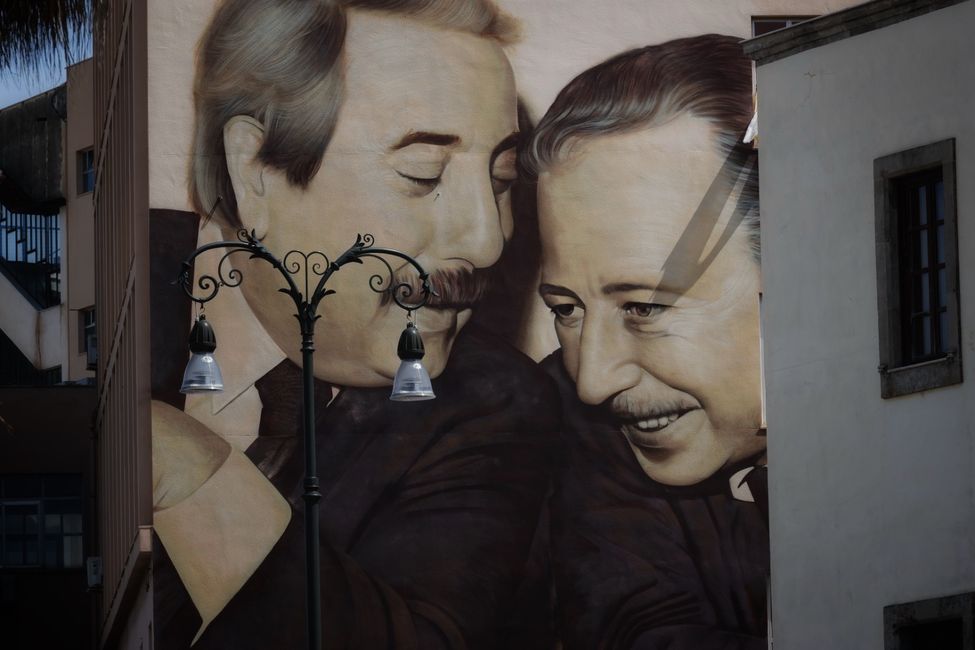
Both Italian judges, who through their tenacity penetrated to the core of the Mafia, were murdered in a bomb attack in Palermo just a few months after the photo was taken.
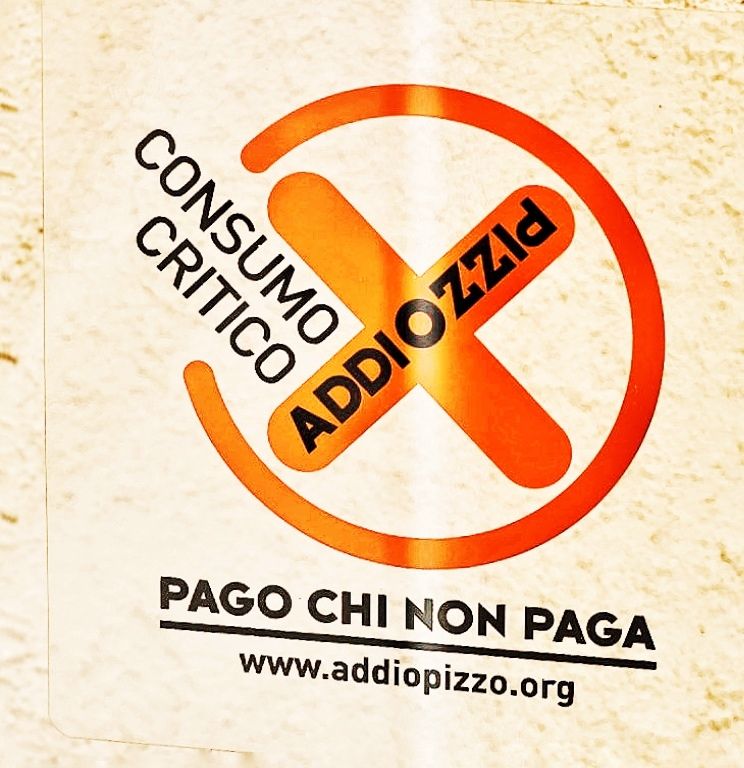
This led to a protest culture initiated primarily by women: ADDIO PIZZO Goodbye protection money.
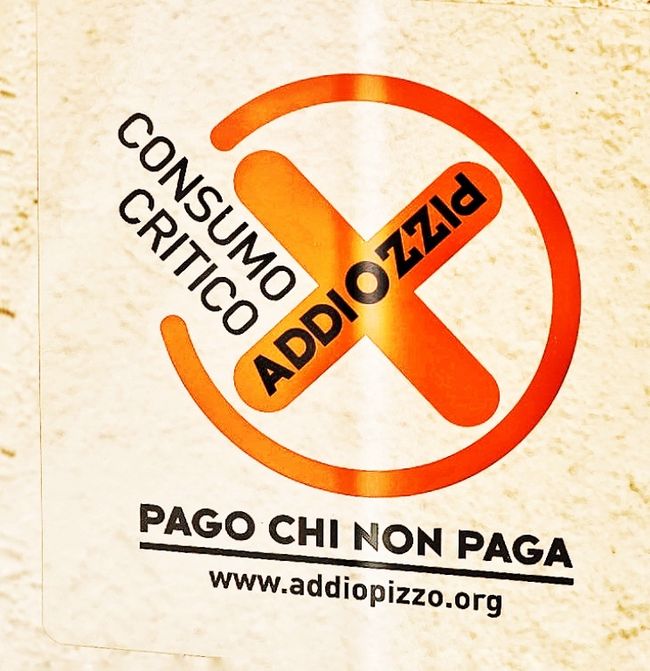
This movement has been working in Palermo since 2004 to bring about a cultural revolution against the Mafia, in the form of changing consumer behavior by shopping only in stores that don't pay protection money, and promoting awareness, especially in the tourism industry. In Germany, the anti-Mafia movement "Mafia Nein Danke" (Mafia No Thanks) was founded shortly after the Mafia murders in Duisburg in 2007.
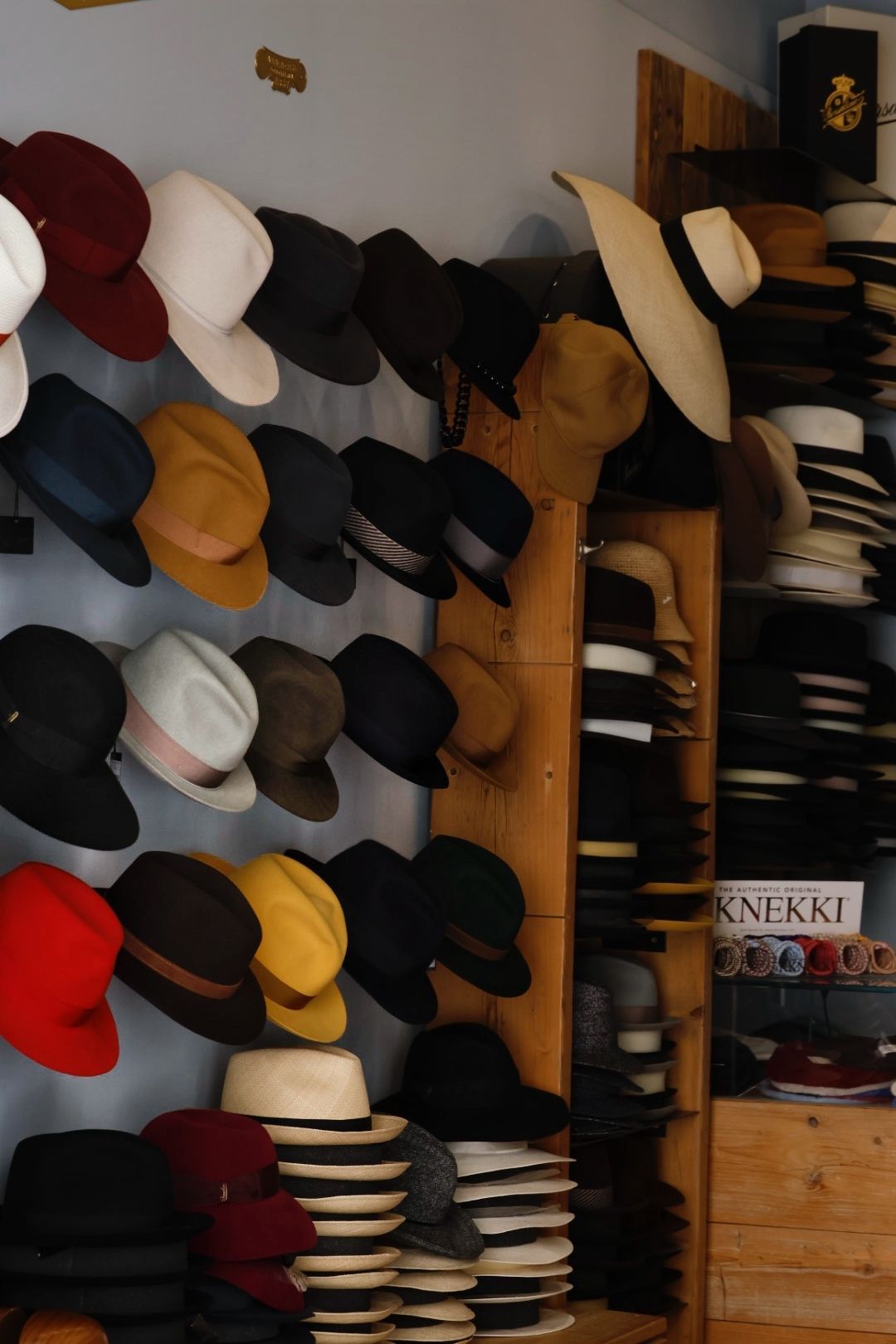
A small thank you to the very harmonious travel group and our magnificent hat wearer 🎩