Italian delicacies, Grande Amore, Dolce Vita, Pasta & Pesto, Cane & Gatto
Nothing is quite as typical as Italian washing culture. While Italians love washing their bed linens, the French are at the forefront when it comes to underwear, and...

Pubblicato: 20.04.2026
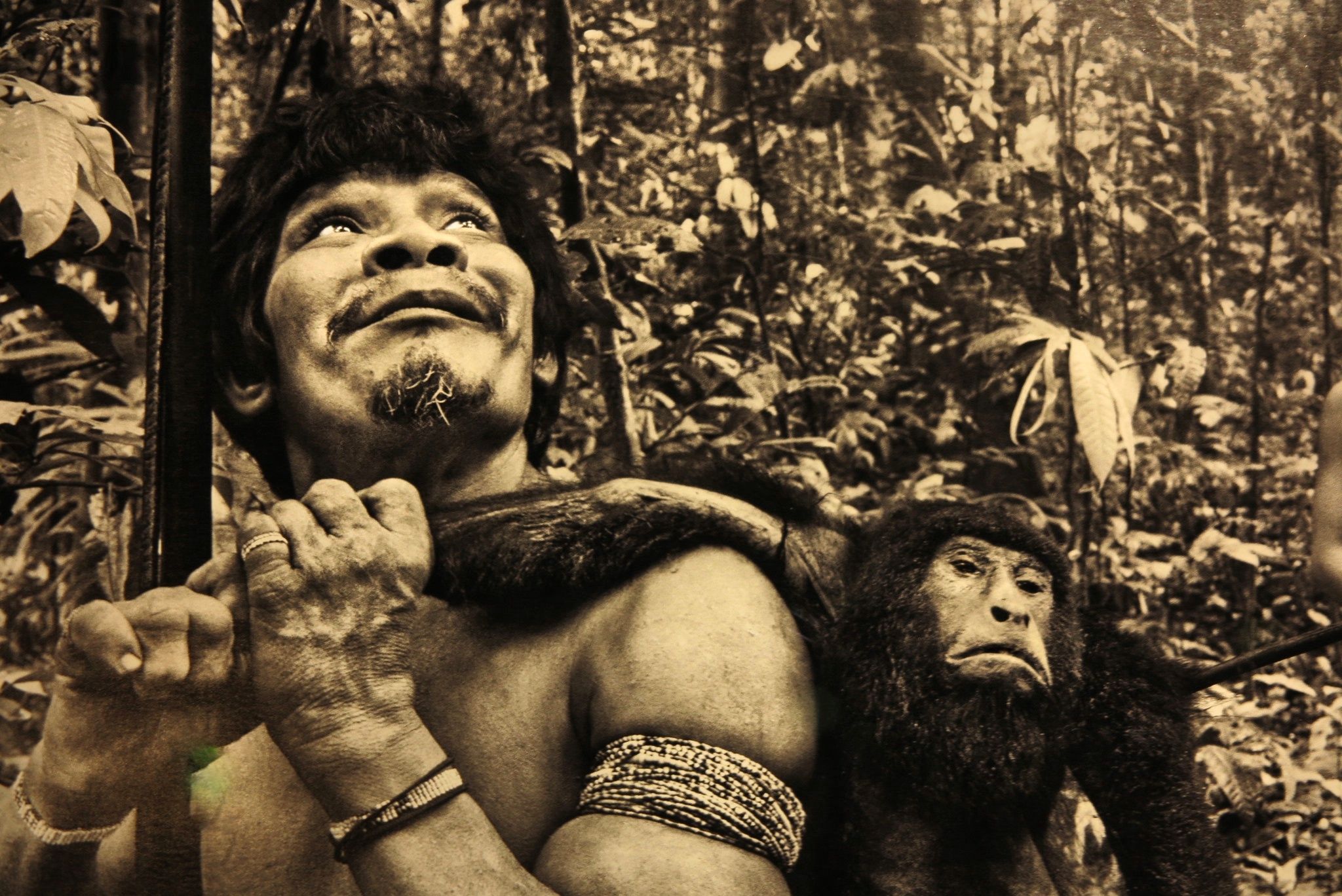
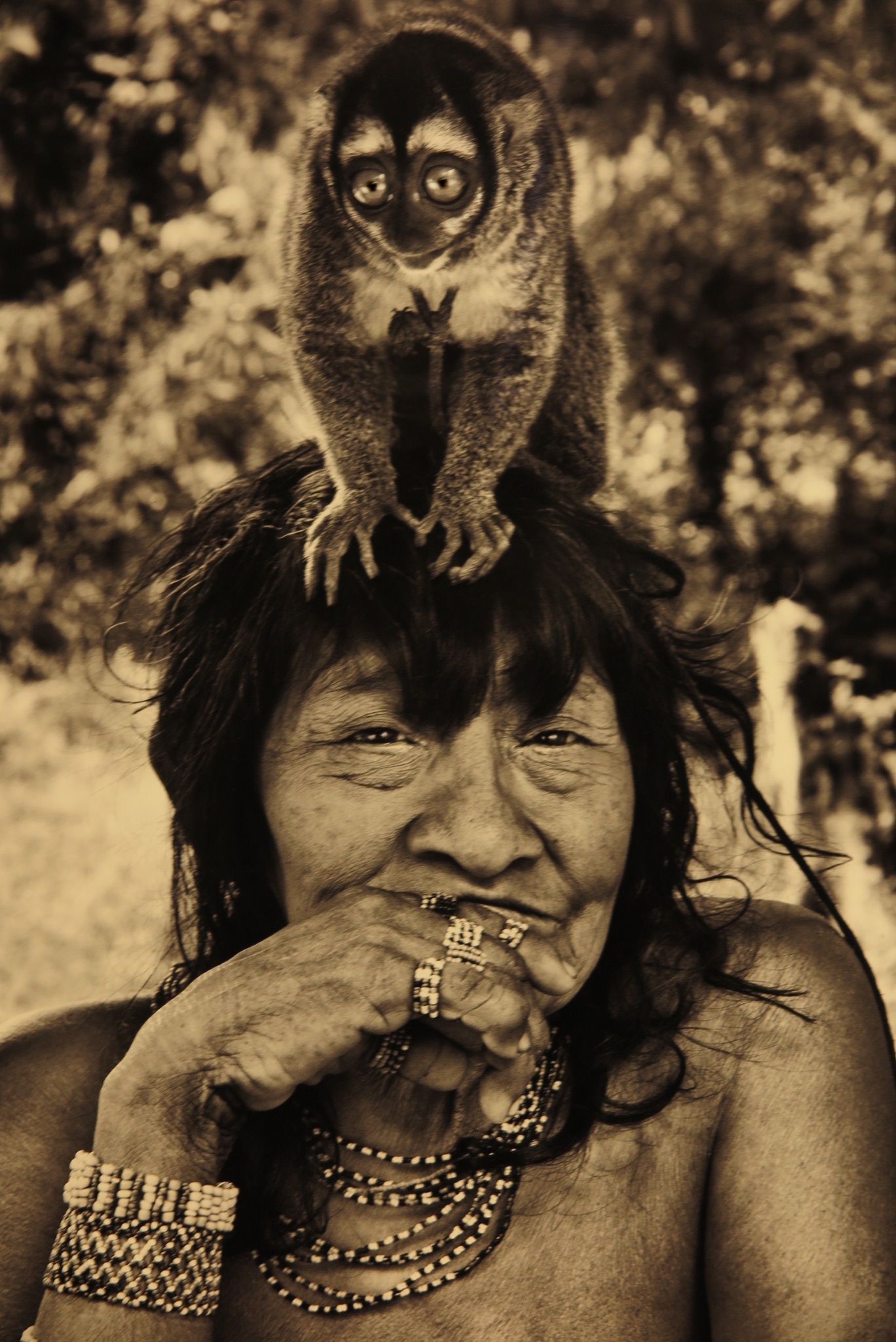
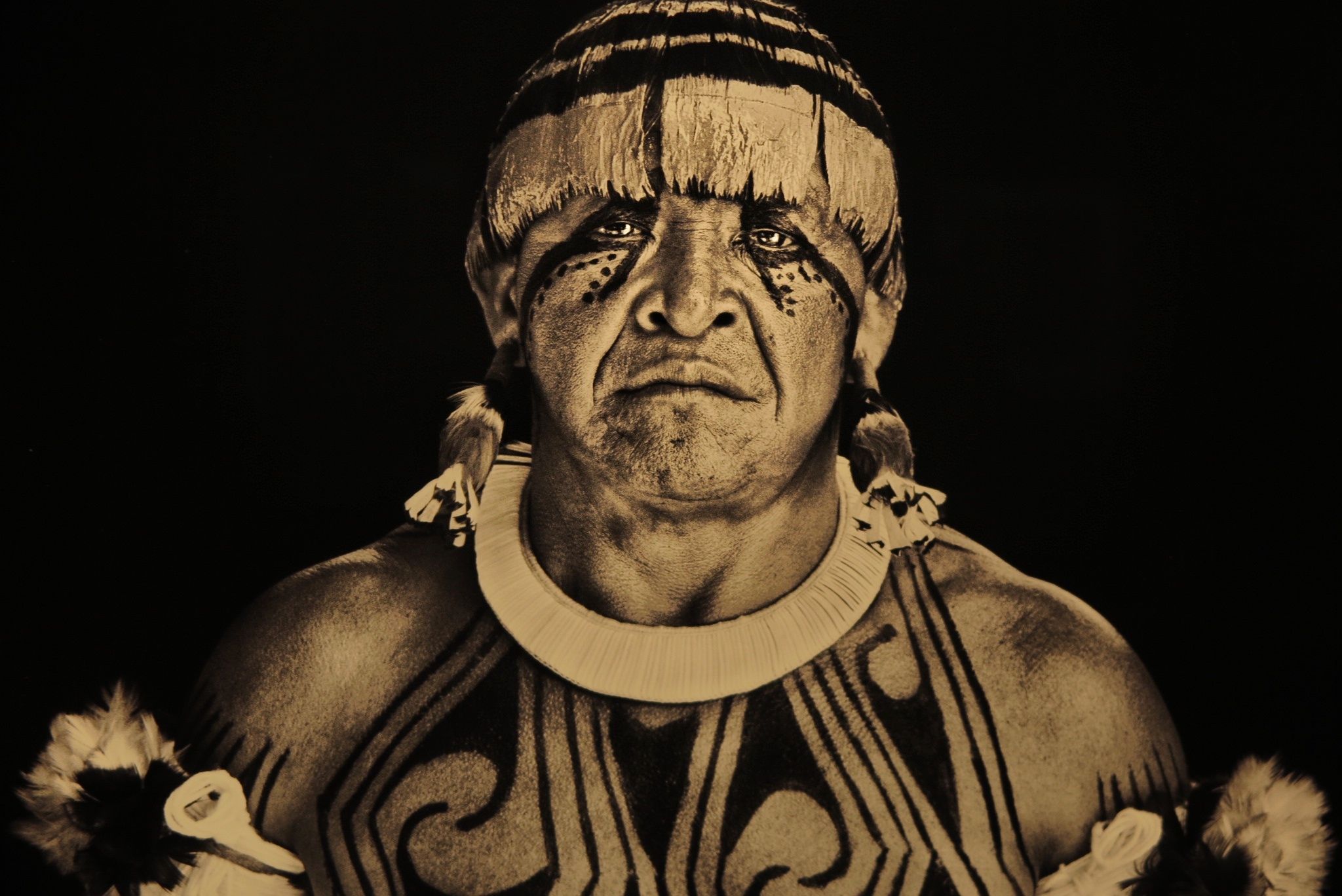
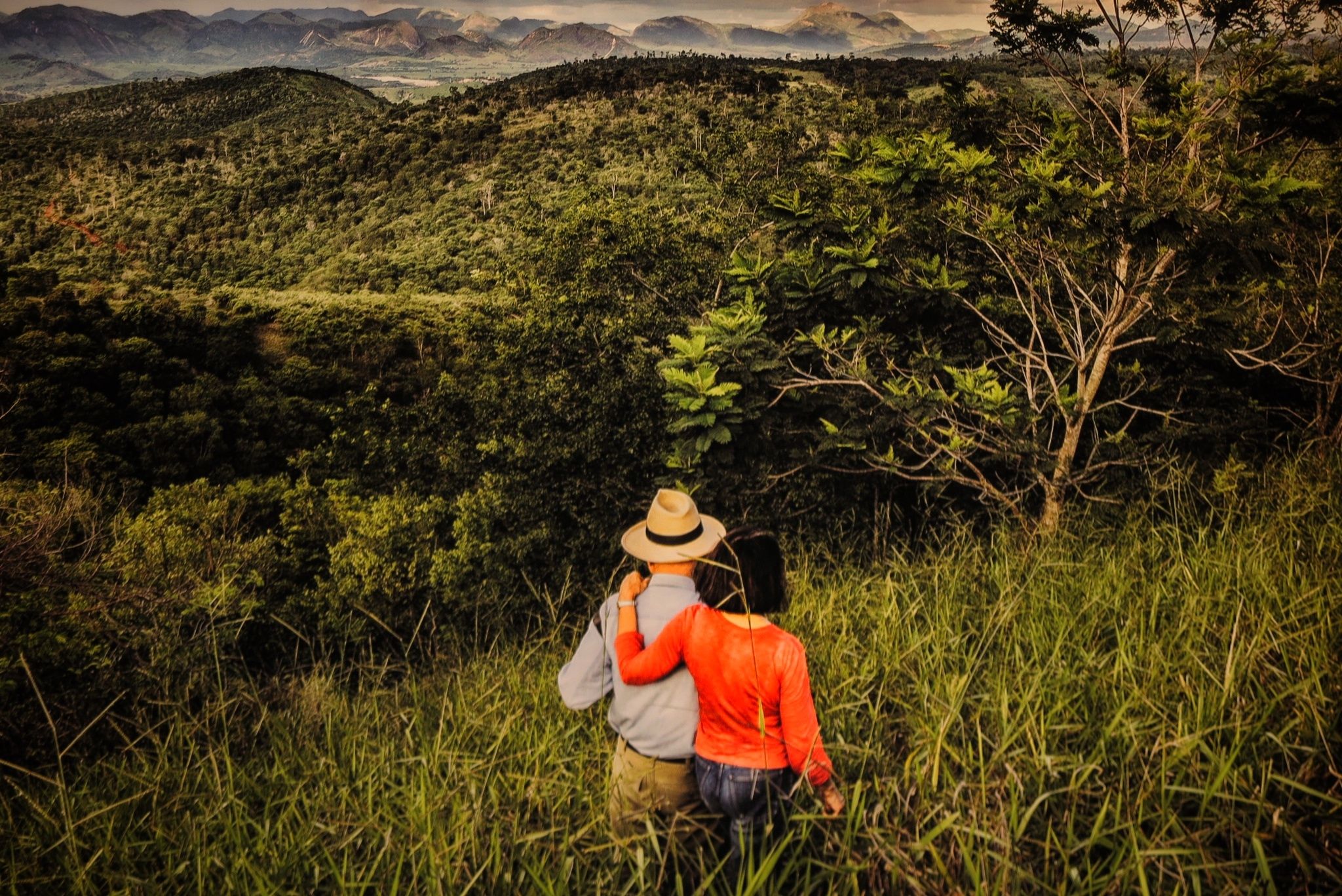
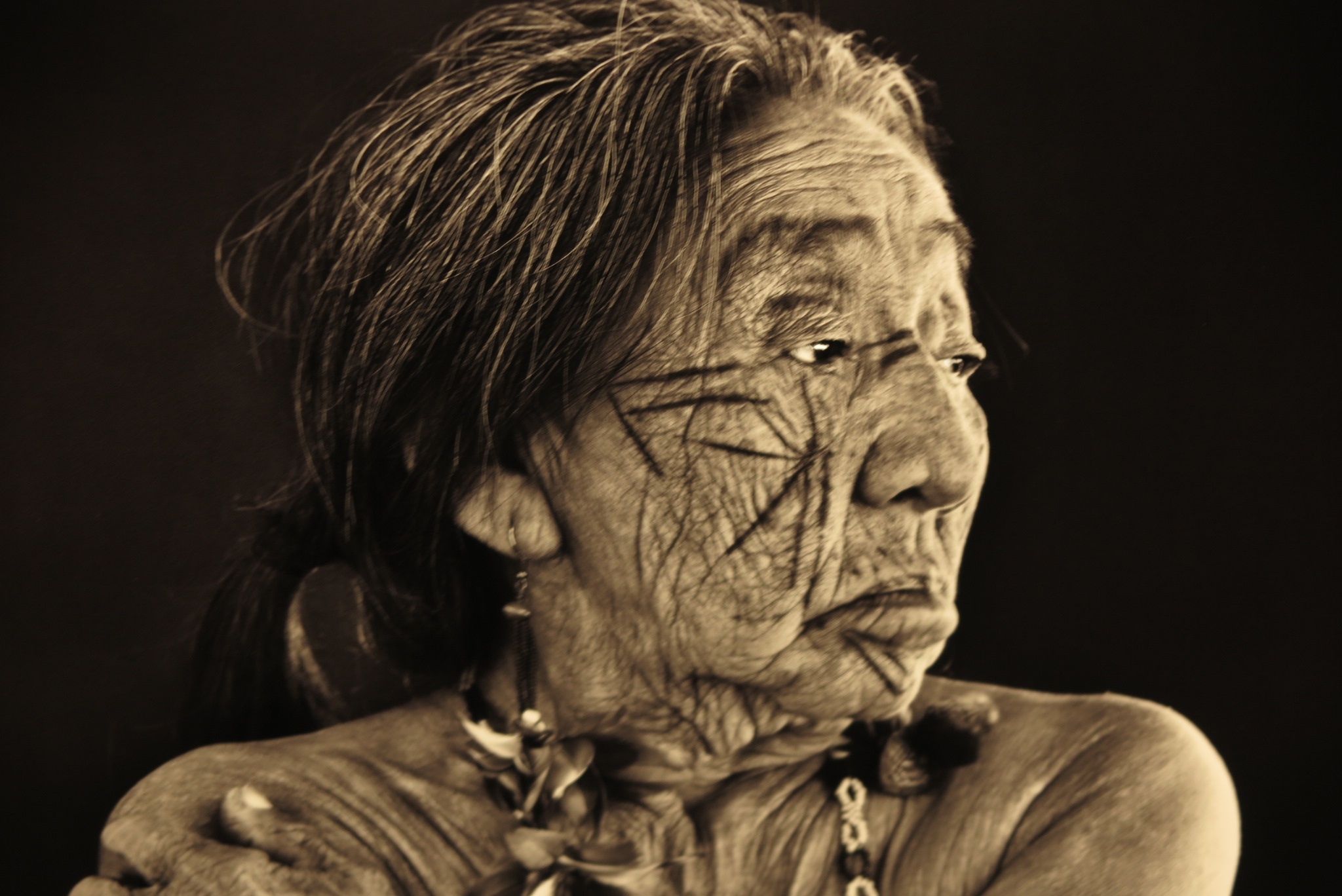
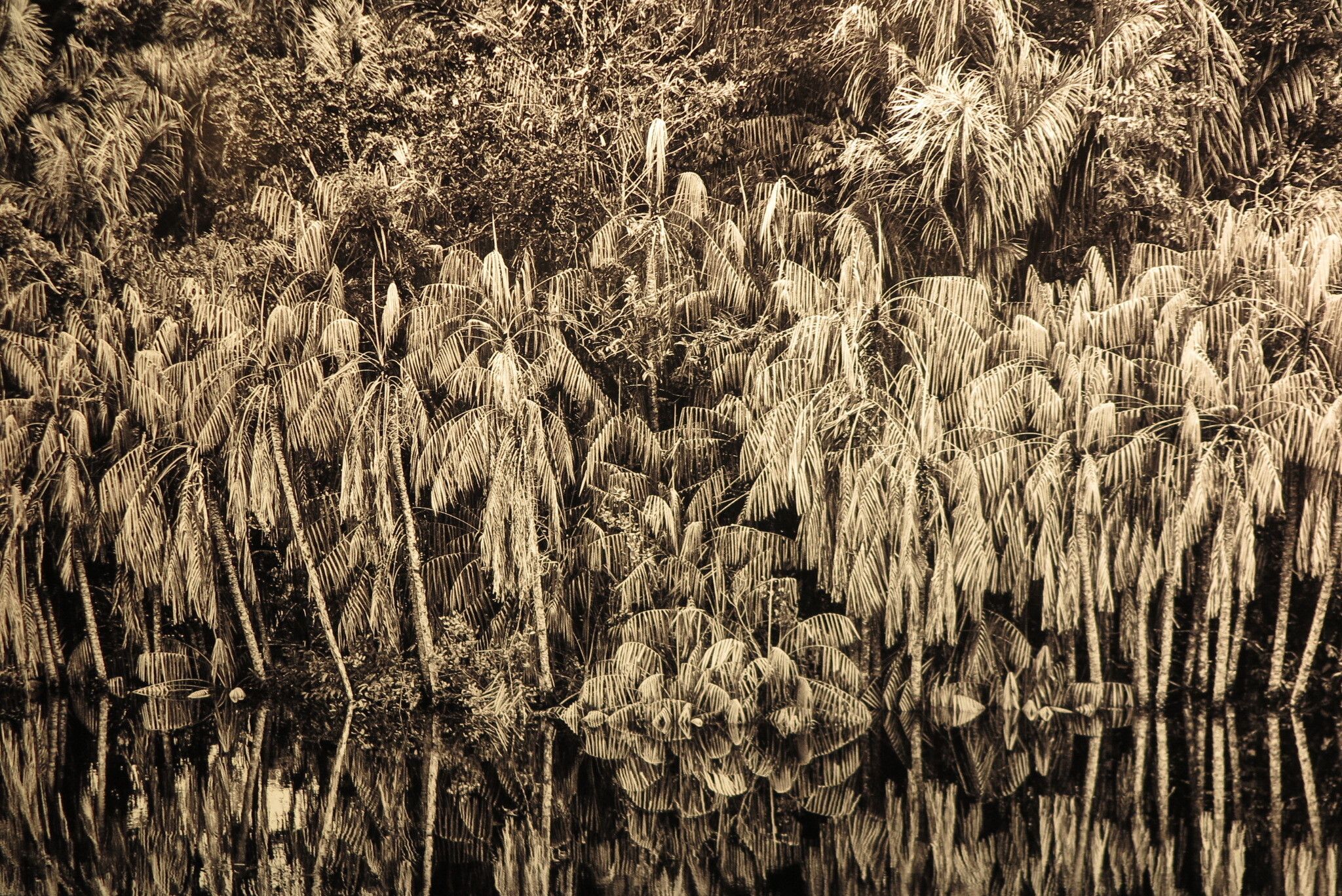
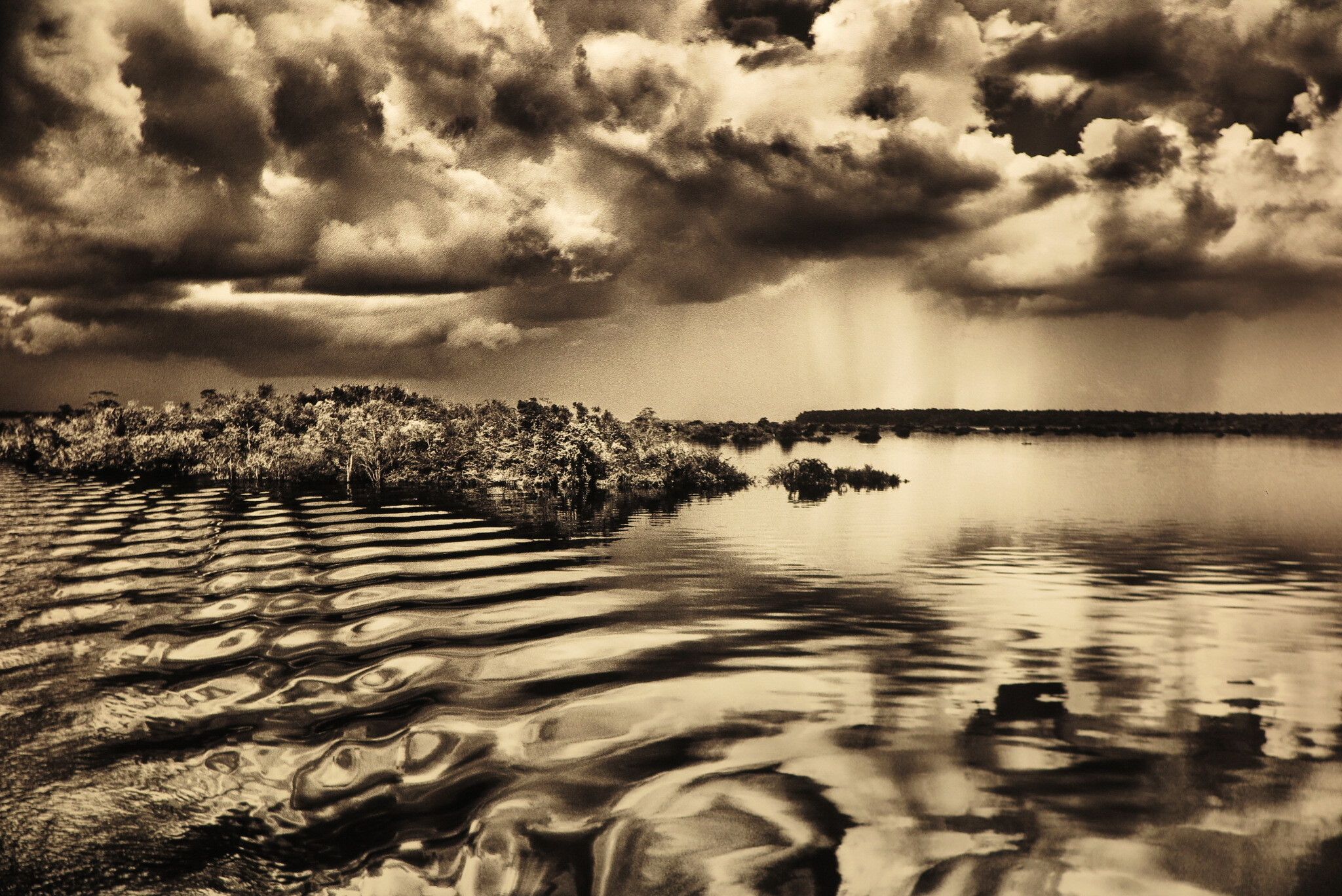
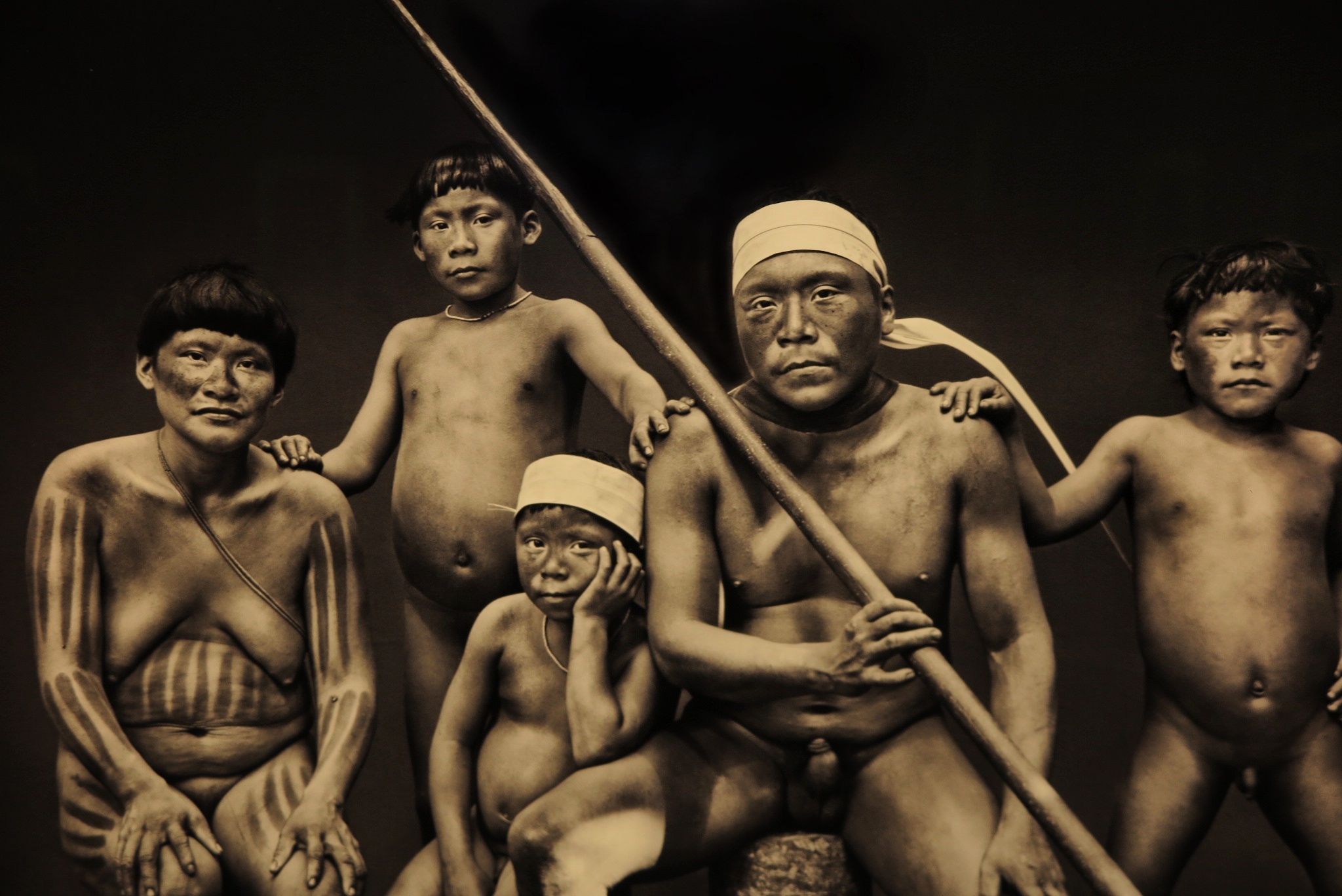
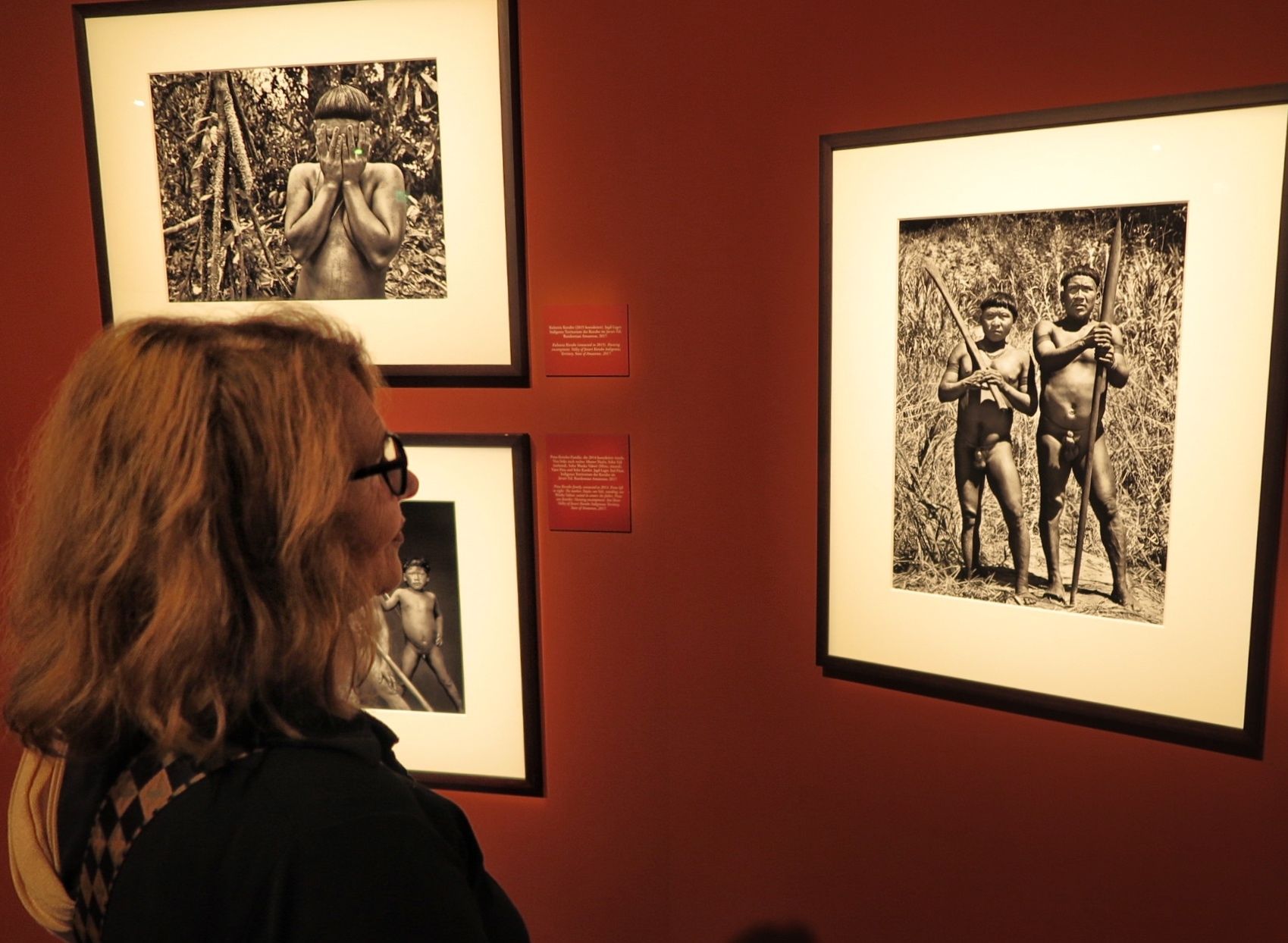
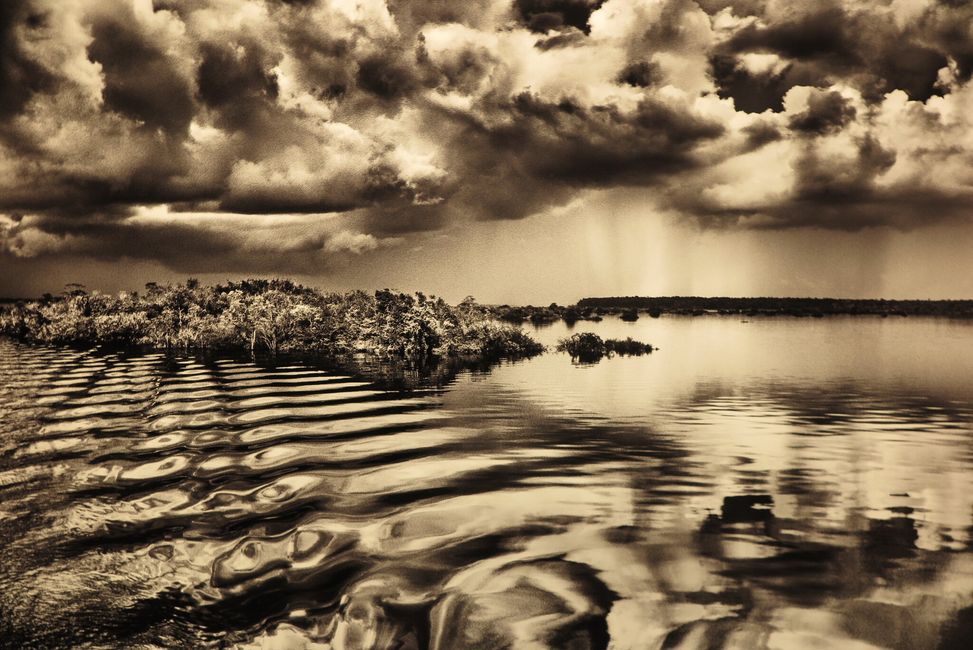
The exhibition by the renowned Brazilian photographer will run until mid-March 2026.
The focus is on the largest tropical rainforest area on Earth.
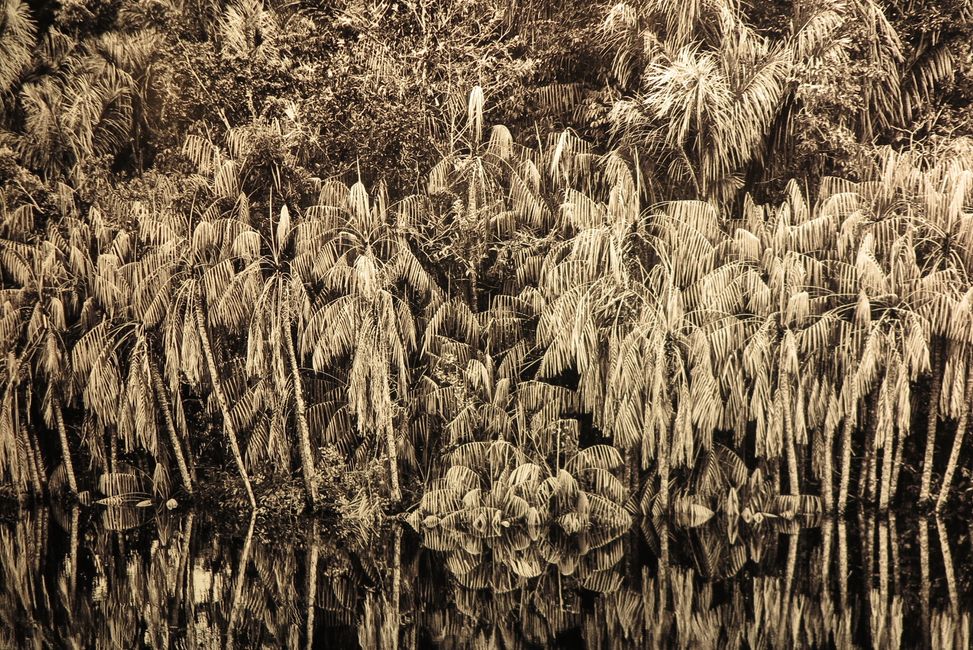
Around 200 masterful black and white photographs paint a vivid picture of the landscape.
Salgado also includes the indigenous population with dignity and respect.
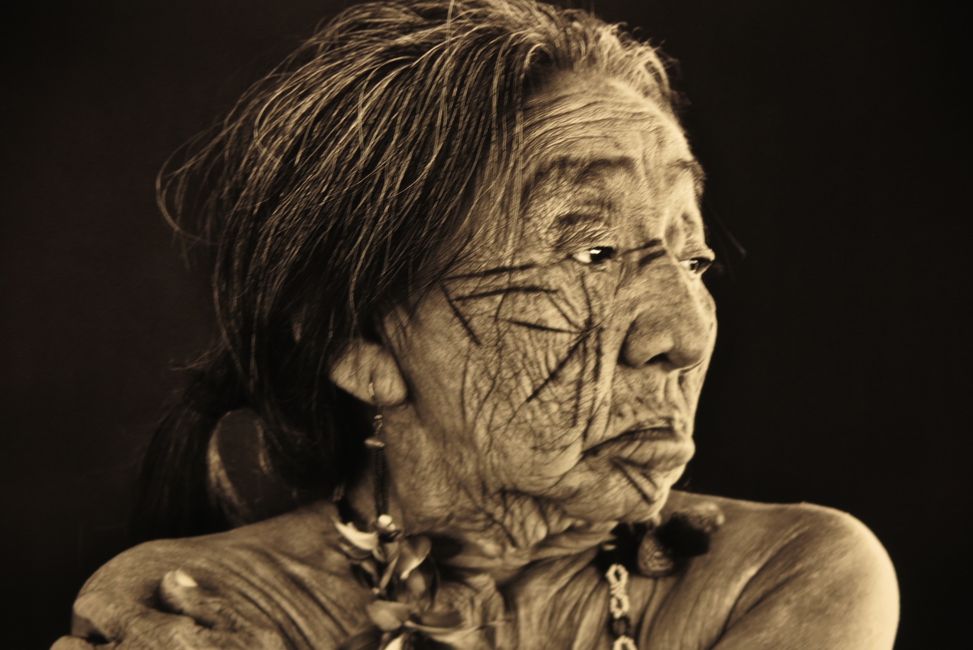
They have lived for almost 1000 years in the area surrounding Brazil's highest mountain range, extending to the Venezuelan border. It wasn't until the second half of the 20th century that they came into contact with explorers, missionaries, and the Brazilian military dictatorship. This led to a series of epidemics, including influenza, malaria, and sexually transmitted infections.
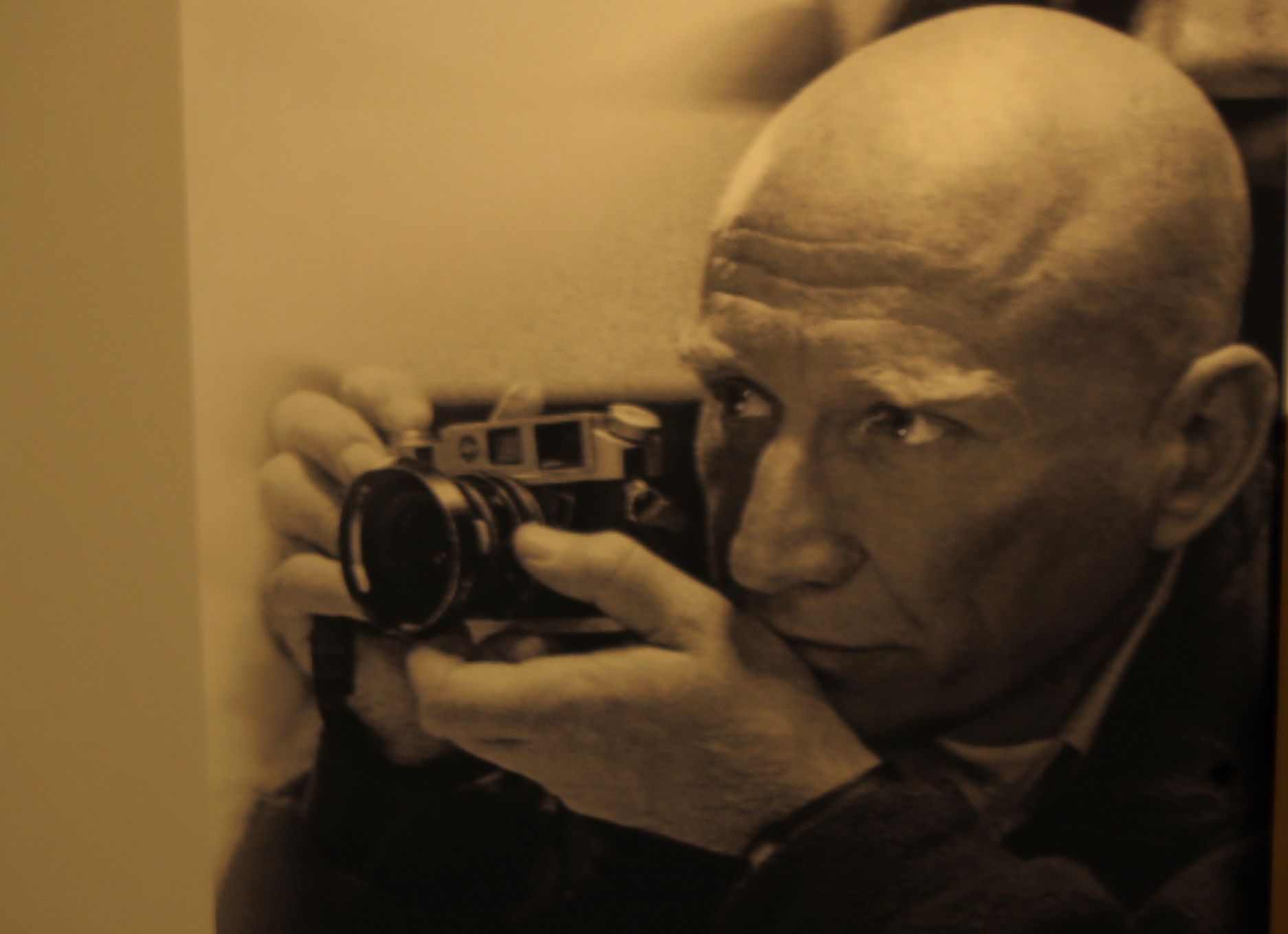
The artist's biographical development should definitely be examined. Sebastião Salgado was born in 1944 in Gerais Minas, Brazil. He studied economics, married his wife Lelia Deluiz Wanick in 1967, and was forced to emigrate to Paris due to the military dictatorship.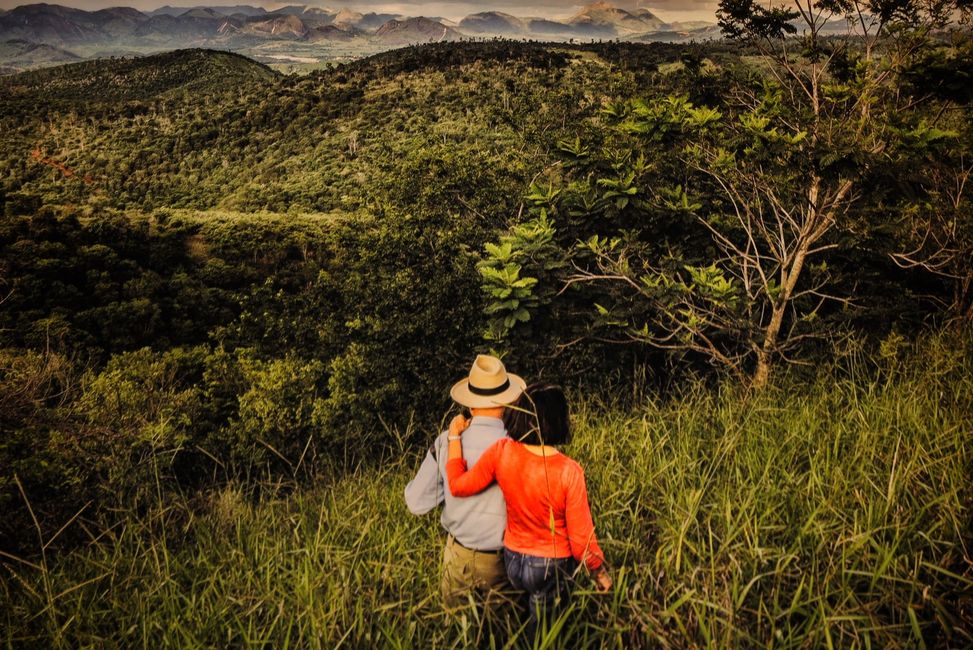
During his work trips, he took many photographs with his wife's camera, a Leica, and in 1973 he became self-employed as a photojournalist.
He worked for the aid organization Doctors Without Borders, portraying the starving population in the Sahel region, gold miners in the Brazilian Serra Pelada gold mine with its appalling working conditions, and also the 1991 Iraq War when the Canadians attempted to extinguish the burning oil fields. He documented the 1994 Rwandan tragedy, the genocide of nearly one million Tutsis, in the exhibition EXODUS.
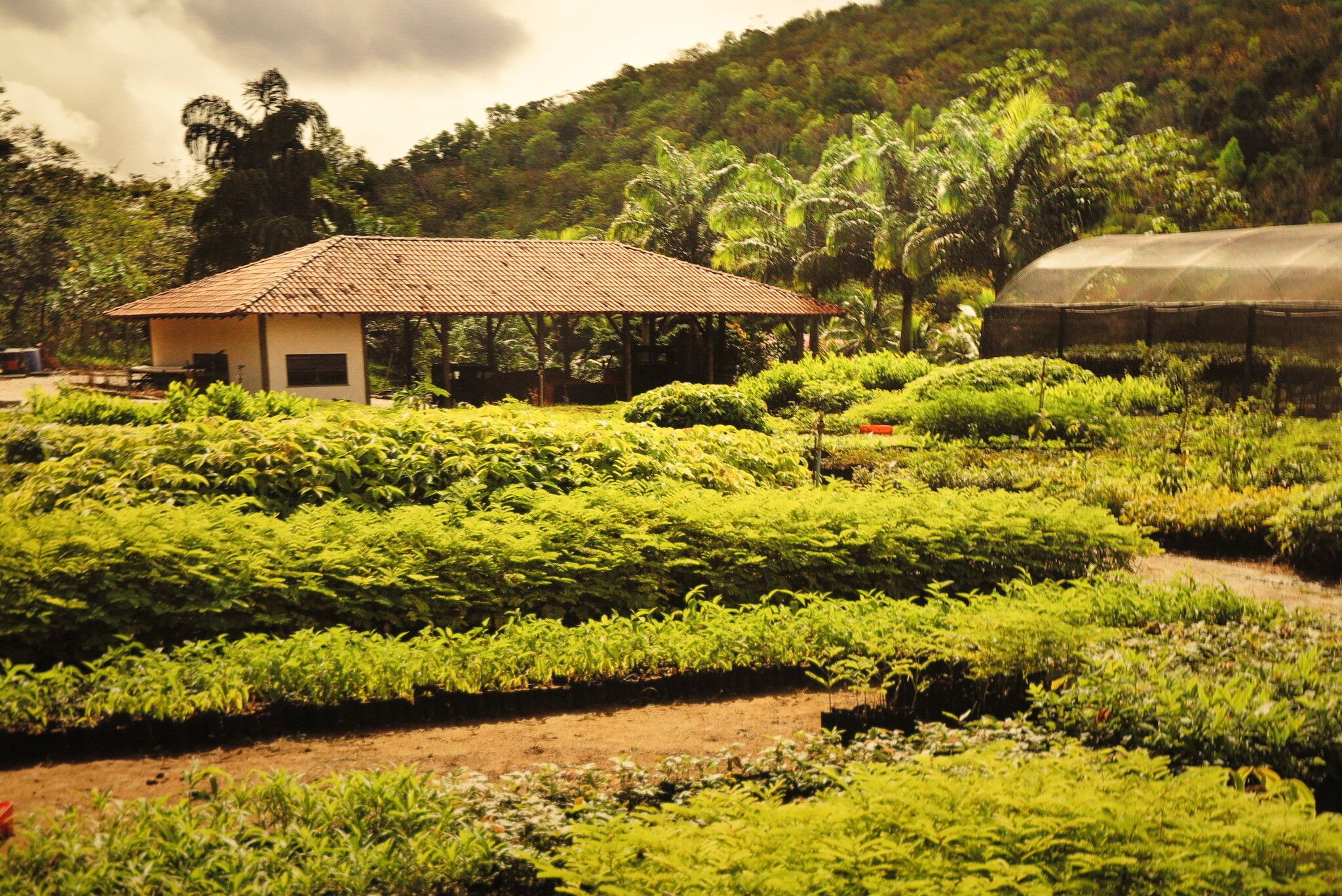
After years of photographing war, violence, disasters, and genocide, he returned to Brazil tired and ill. His wife had the idea to reforest the family's old farm and give something back to the world. Salgado recovered and drew strength from working the land, reforesting, and planting seedlings, and began photographing the beauty of the earth. Two and a half million rain trees were planted on his family's land, and he donated this area to the Brazilian state as a national park.
His wife published almost all of his books and conceived his exhibitions.
He died in May 2025 at the age of 81 from the effects of leukemia.