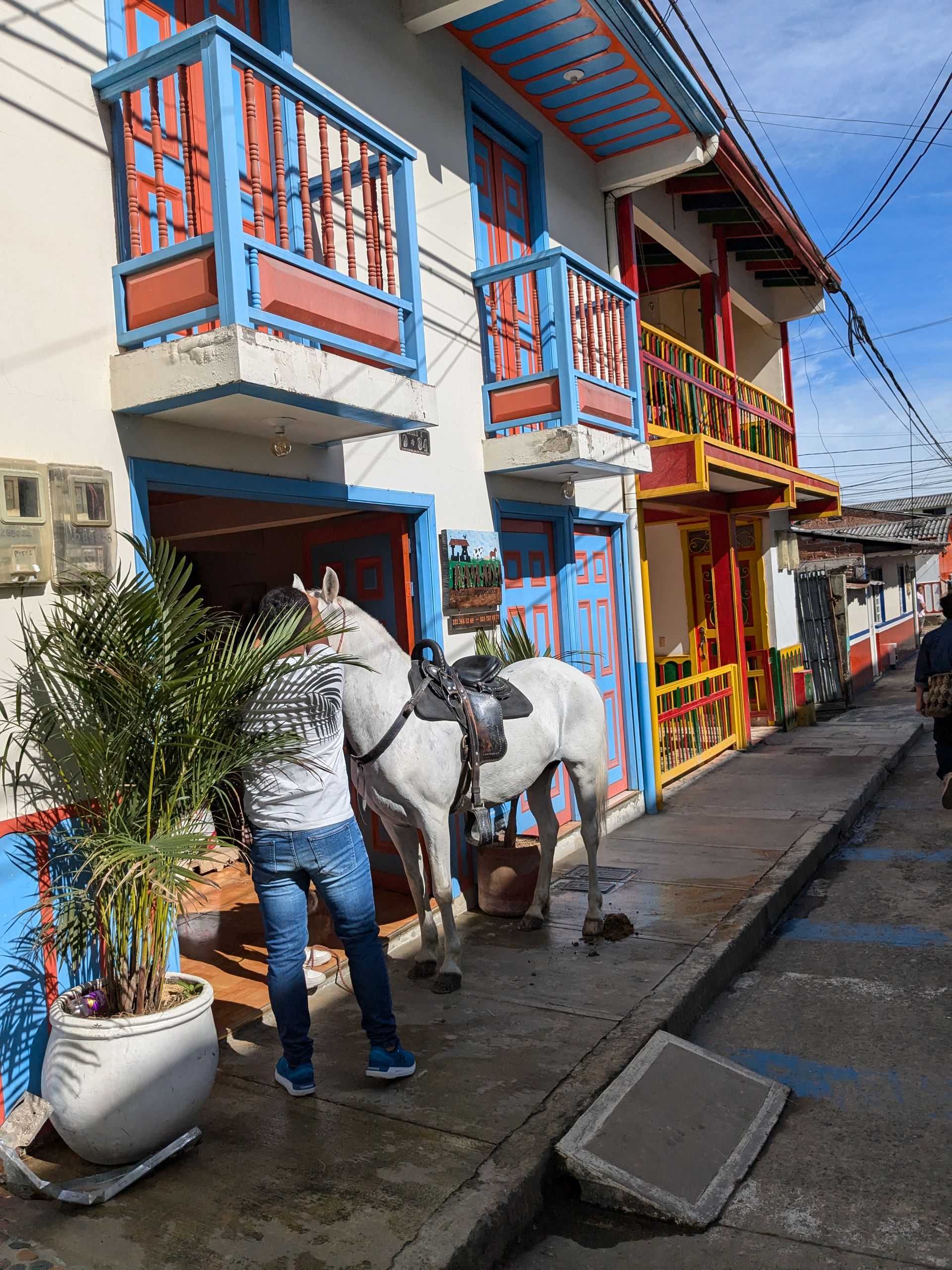

Guatap
Gi tutta la settimana ho parlato con Sebs, così come con Nadine e Beate, riguardo a fare un'escursione a Guatap, un luogo a circa due ore da Medelln o La Ceja....

Pubblicato: 03.09.2024
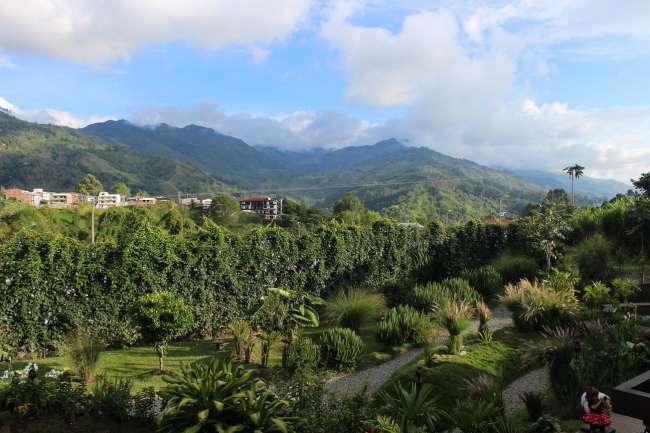
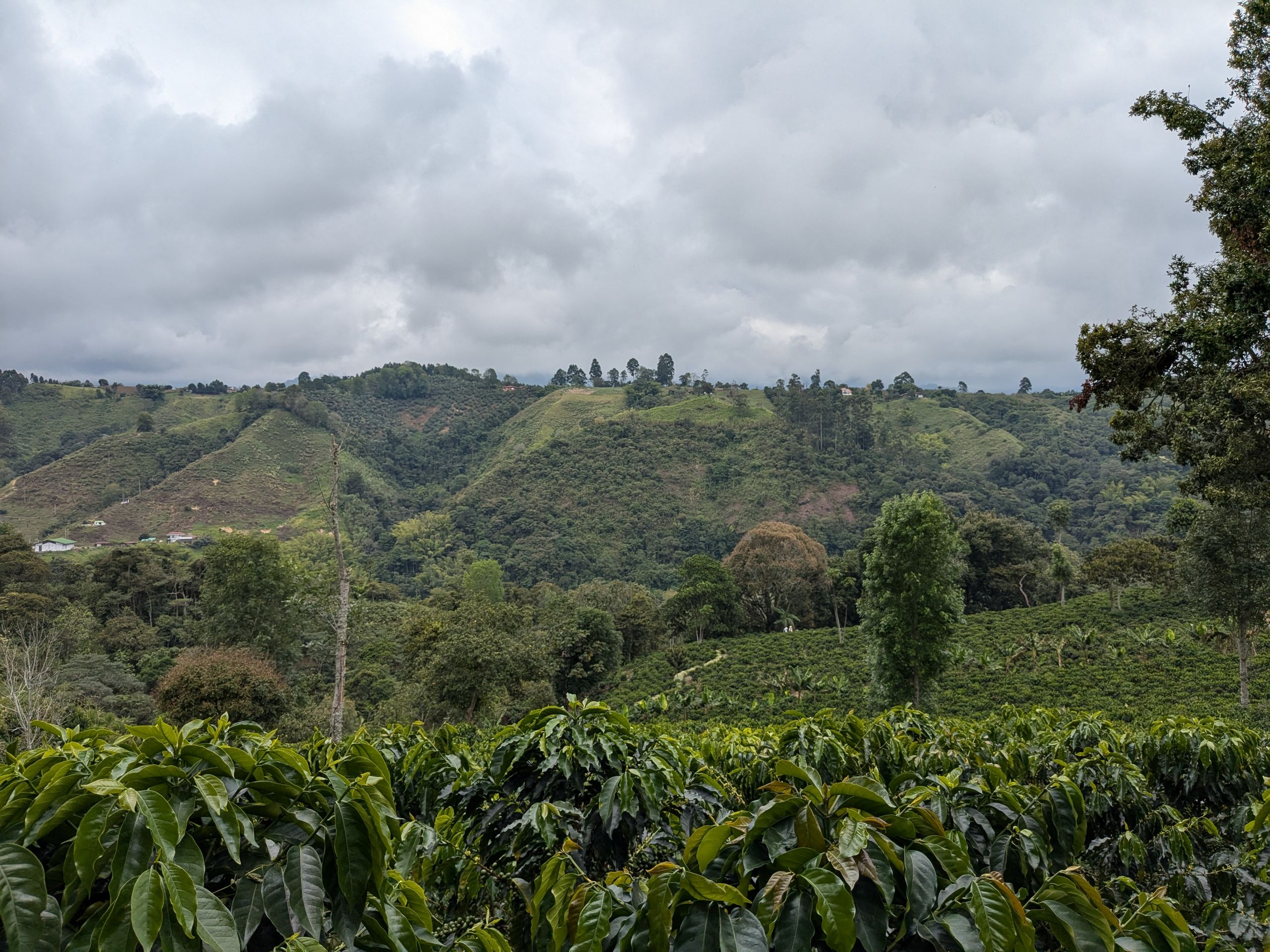
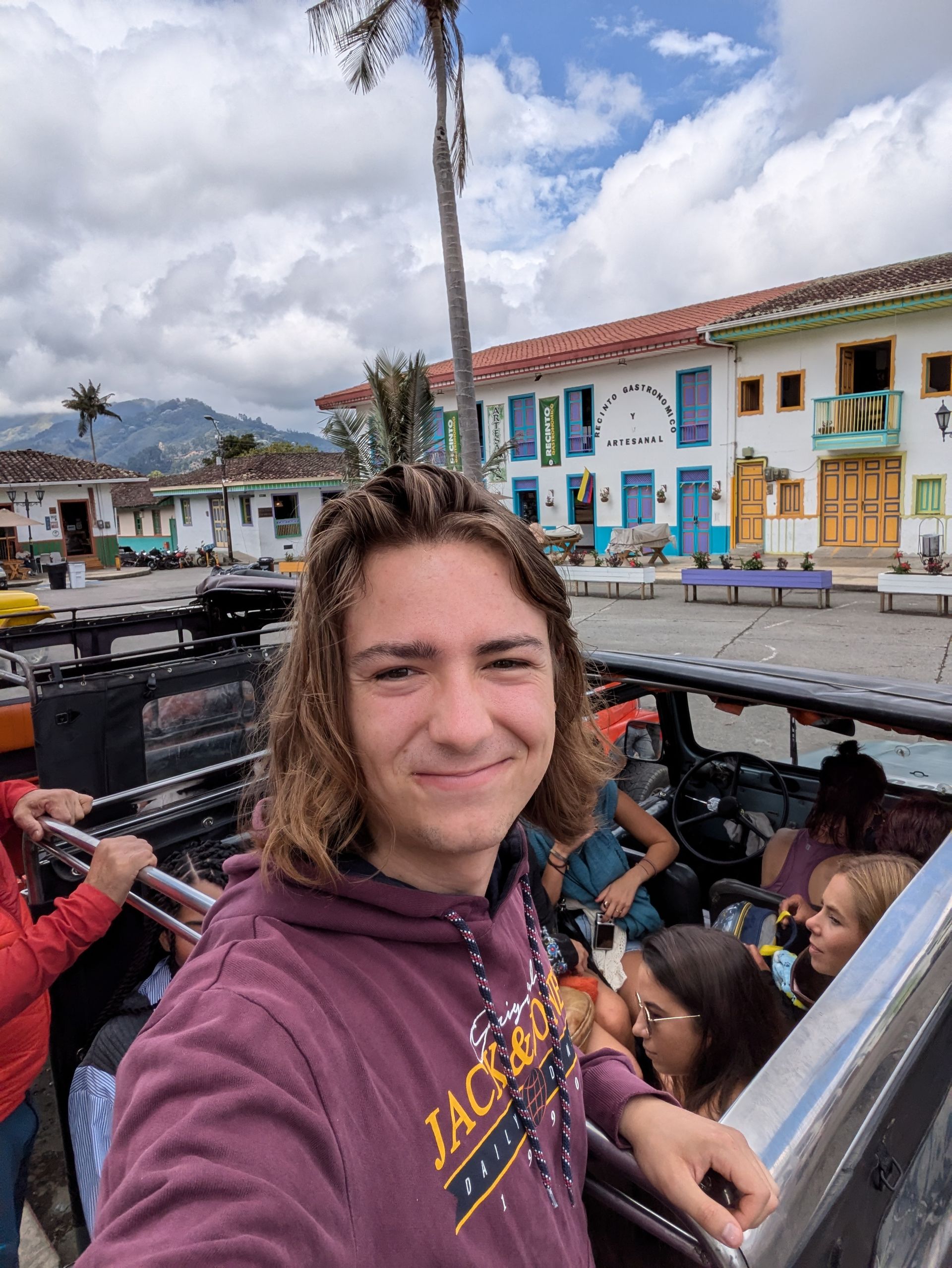
Quindío, la regione emblematiche della coltivazione del caffè in Colombia, è stata per me un must assoluto in questo viaggio. Da Medellín, ho preso un autobus turistico e sono arrivato la sera al mio ostello a Salento. Non sto parlando della pizzeria del mio villaggio bavarese, ma piuttosto di una città con 9.000 abitanti che, con i suoi 1,2 milioni di visitatori all'anno, è praticamente il Neuschwanstein della Colombia. Non appena mi sono svegliato la mattina seguente, tre ragazze messicane si sono trasferite nella mia stanza. Ci siamo presentati e ho chiesto loro se avessero piani per la giornata. Insieme ci siamo diretti verso la Plaza Central per fare spontaneamente un tour del caffè. Siamo saltati su un 'Willy', un tipo di Jeep che era stato originariamente introdotto dal governo statunitense in cambio di caffè colombiano. Il nostro Willy era ben imbottito: due turisti erano seduti sul sedile anteriore, otto sui panchetti, e altri quattro (compreso me) hanno trovato posto sulla pedana. Coraggiosamente ho scattato alcune foto durante il percorso tortuoso tra piantagioni di banane e caffè, sebbene non fossi sempre in grado di evitare i rami.
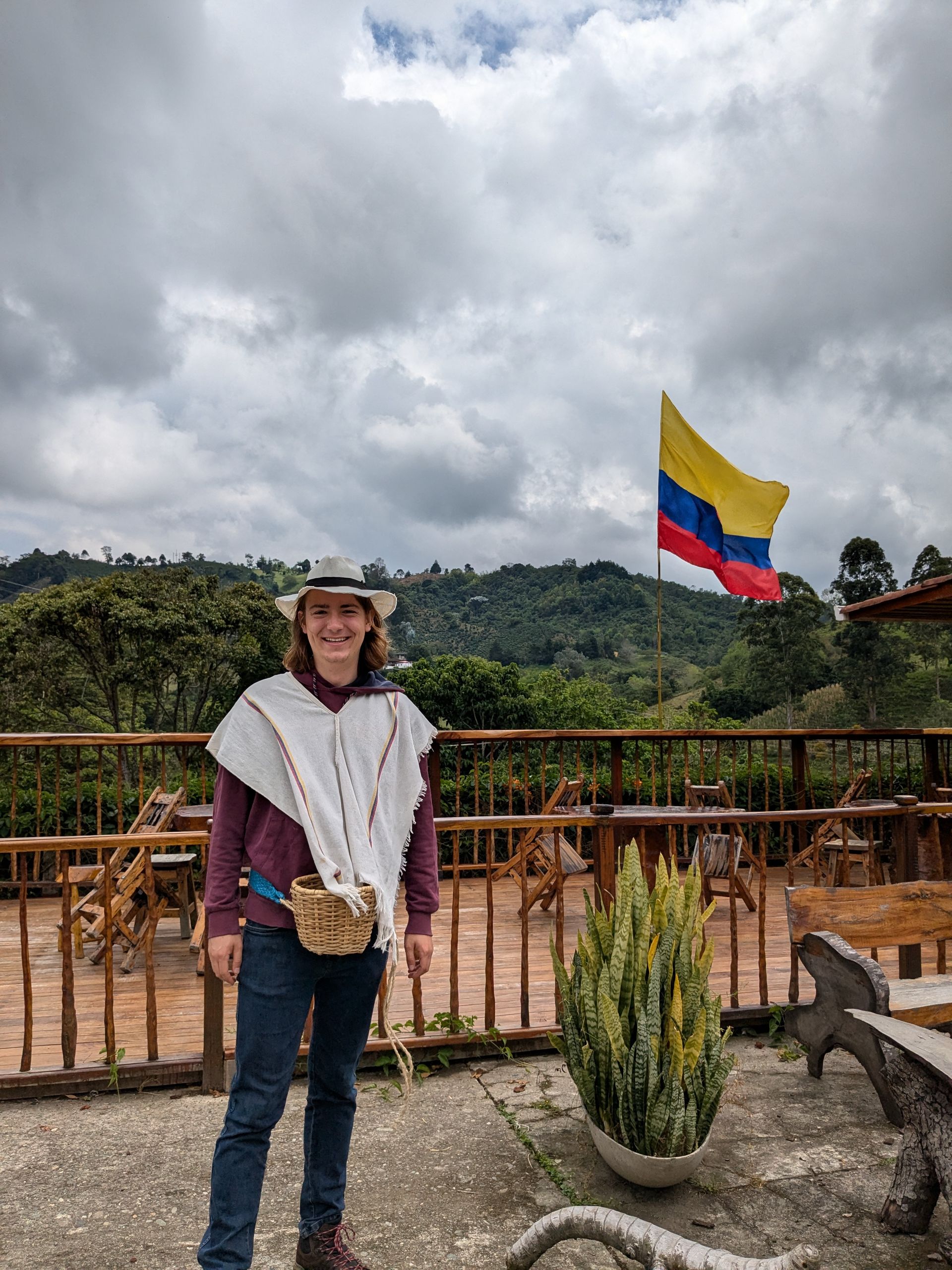
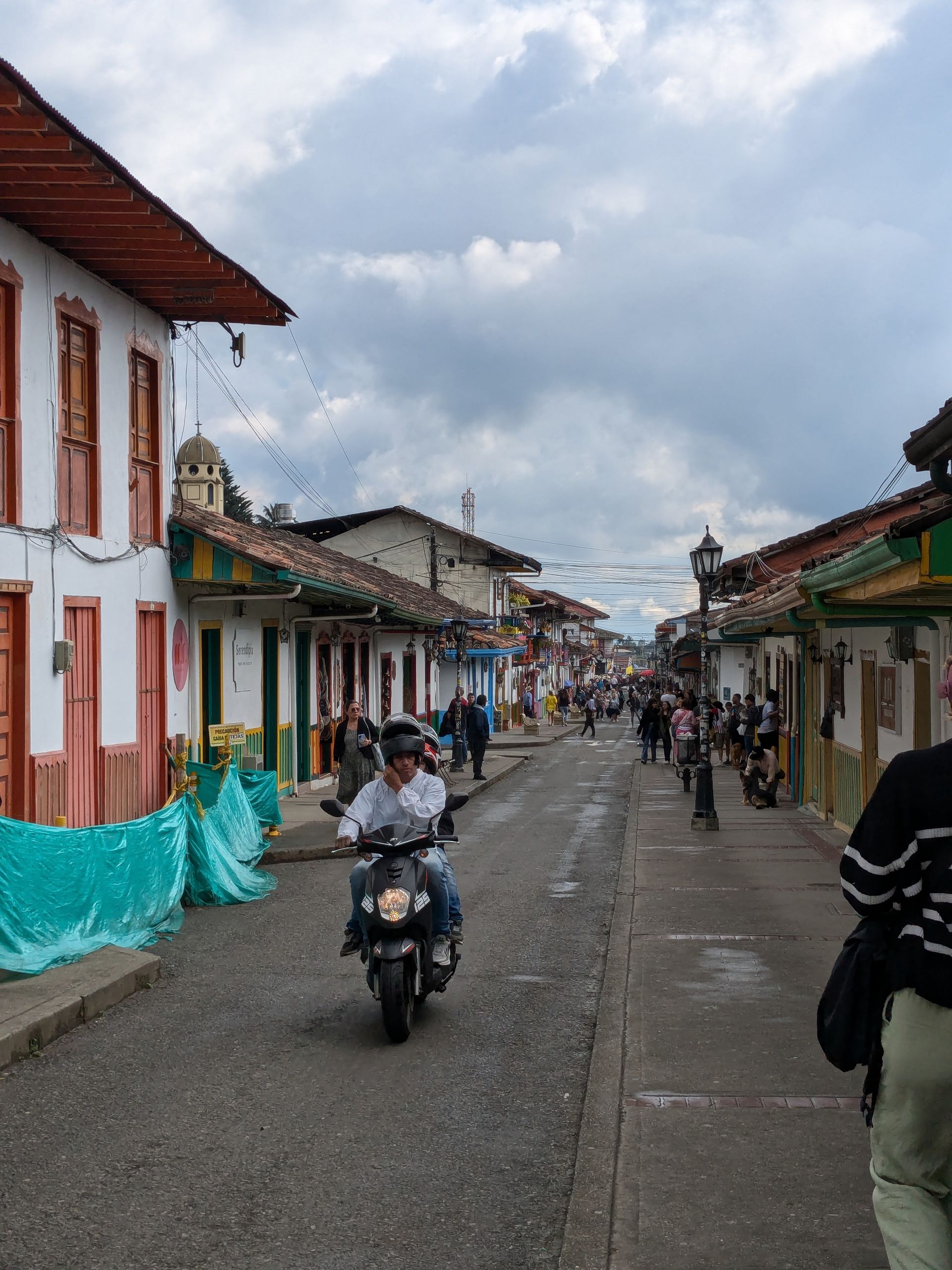
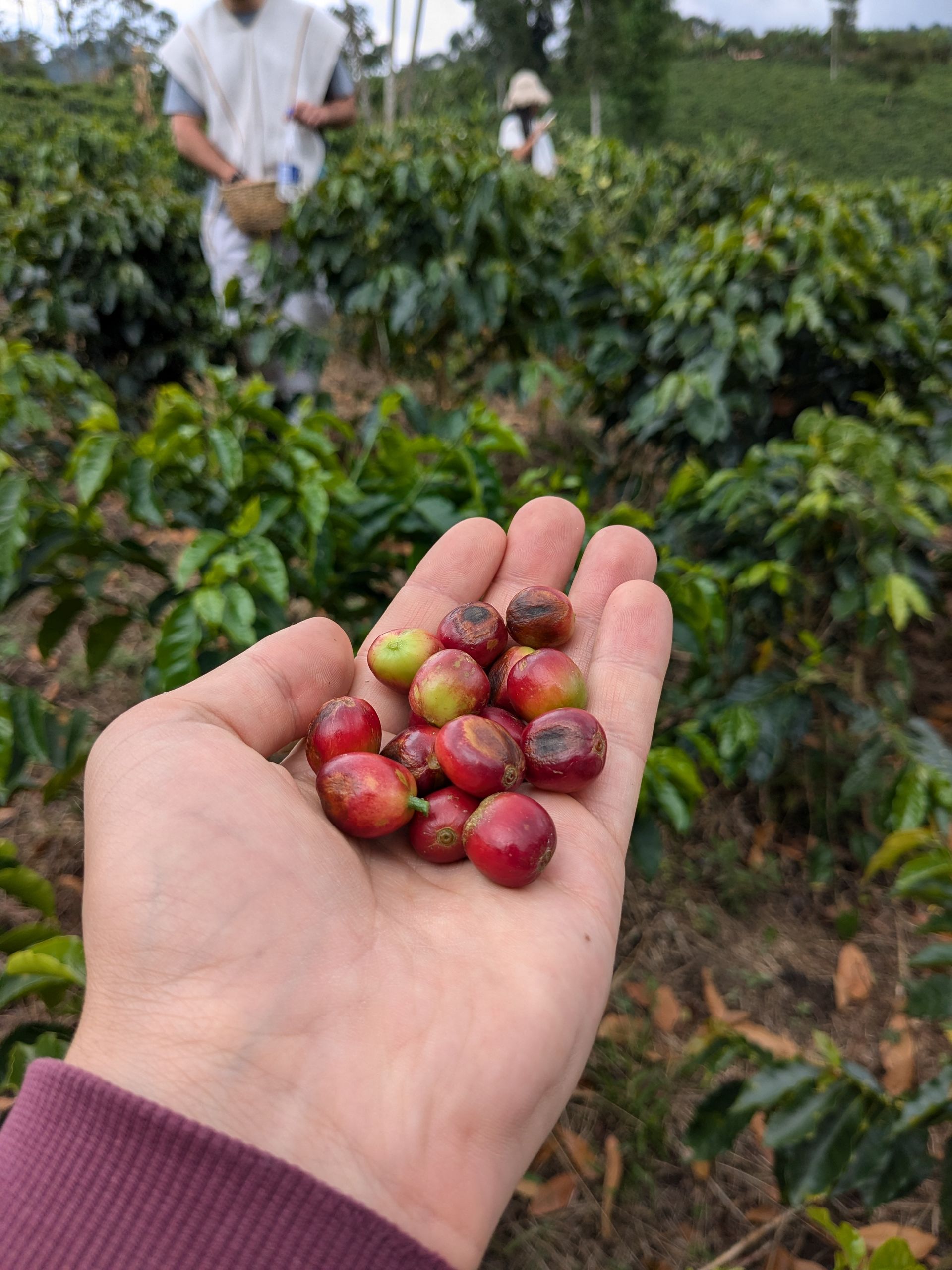
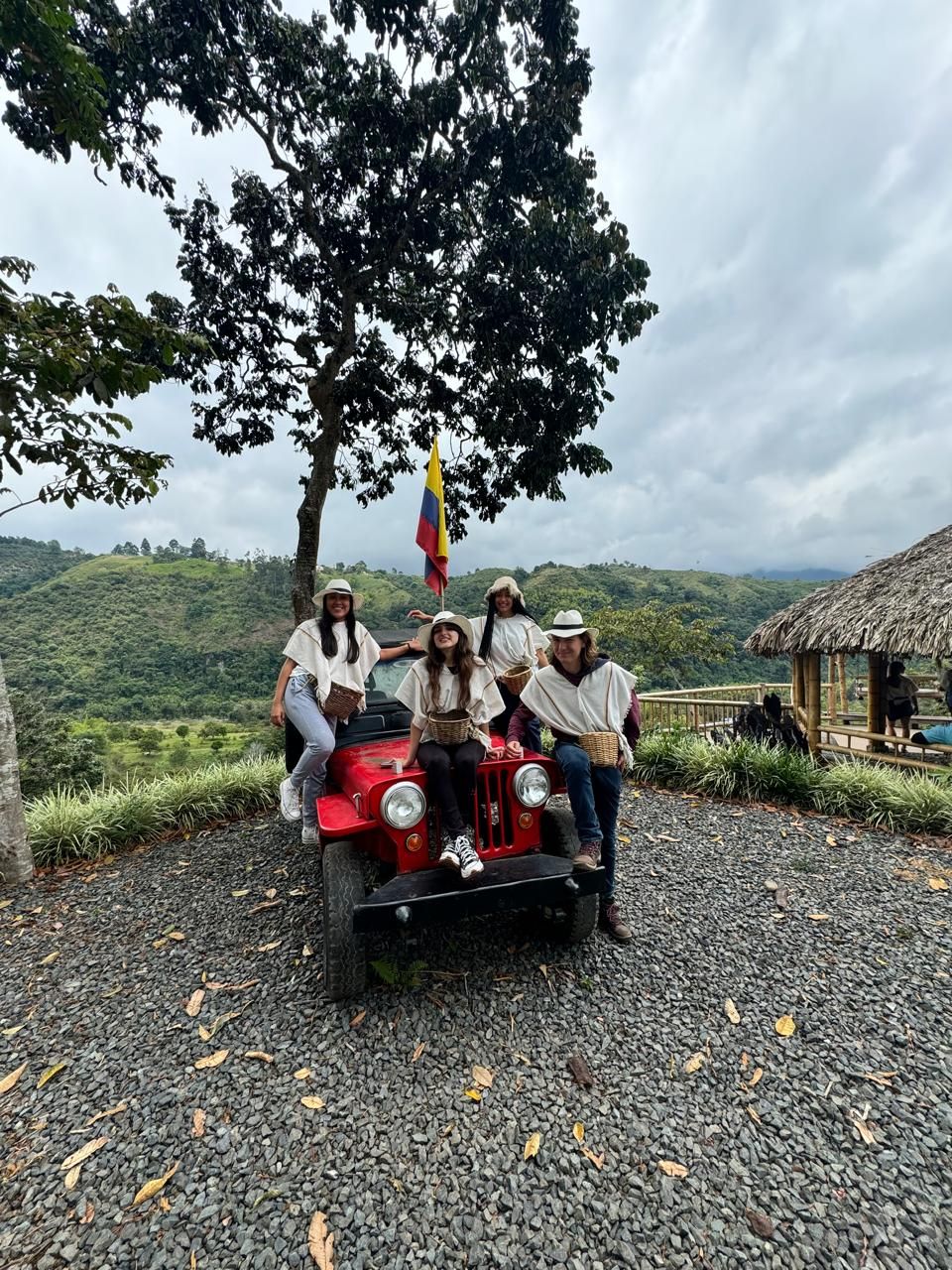
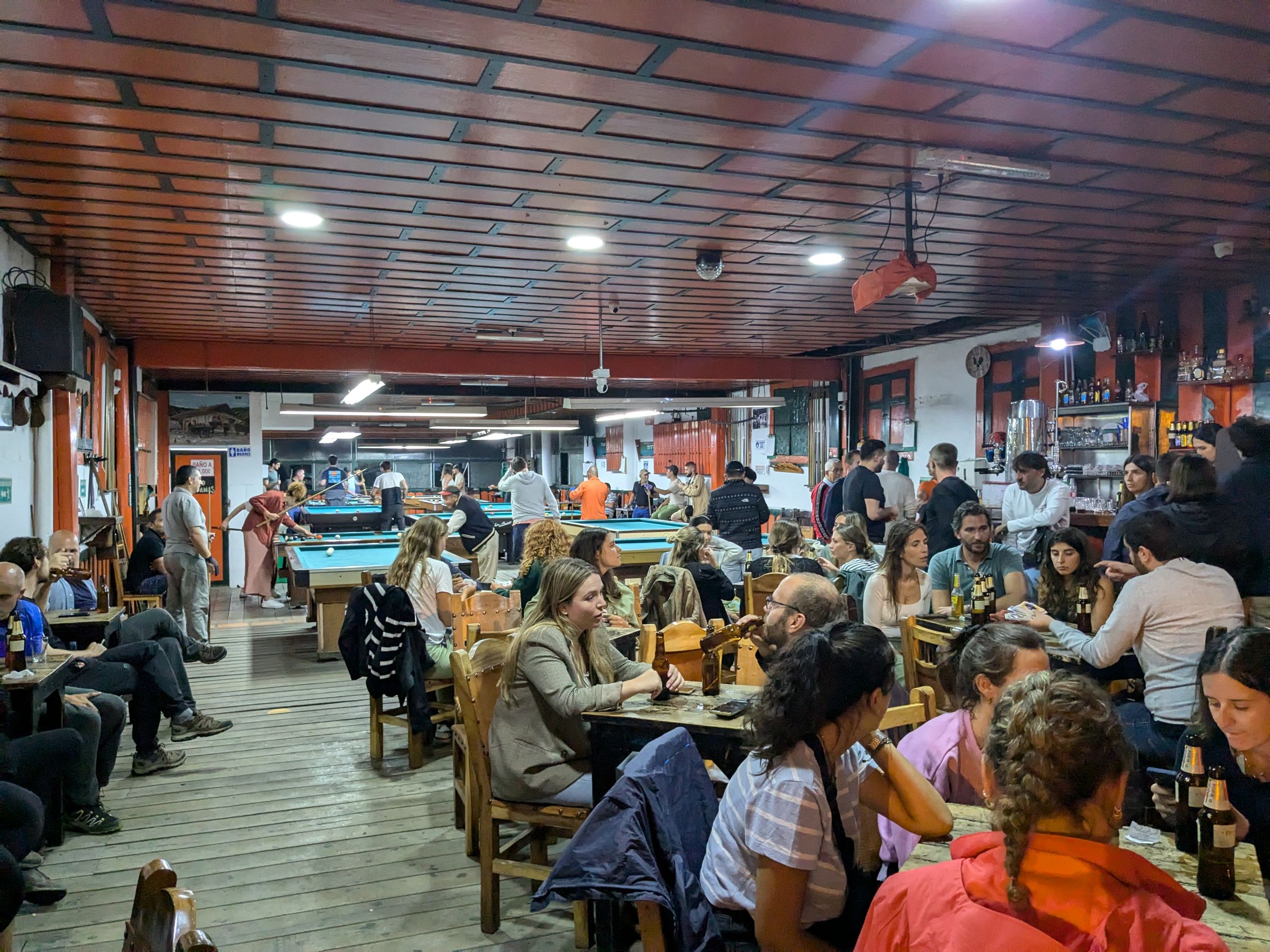
Arrivati alla Finca Buenos Aires, ci hanno dato un leggero poncho e un cappello e ci hanno accompagnato in un tour di circa due ore su tutti i dettagli della coltivazione del caffè in Colombia, compresa una degustazione. Il resto della giornata l'ho trascorsa esplorando le pittoresche strade di Salento. Sebbene il centro, simile a Guatapé, sia fortemente influenzato dal turismo, ci sono comunque angoli che offrono uno scorcio sul Colombia rurale. Questa regione ha una certa atmosfera del Far West, con cowboy che guidano il bestiame a cavallo, e il Bar Danubio. In questo grande saloon si praticano ampiamente due sport oltre a sorseggiare: biliardo e Tejo, un gioco di lancio con piccoli esplosivi (ne parlerò presto nell’articolo su Bogotà).
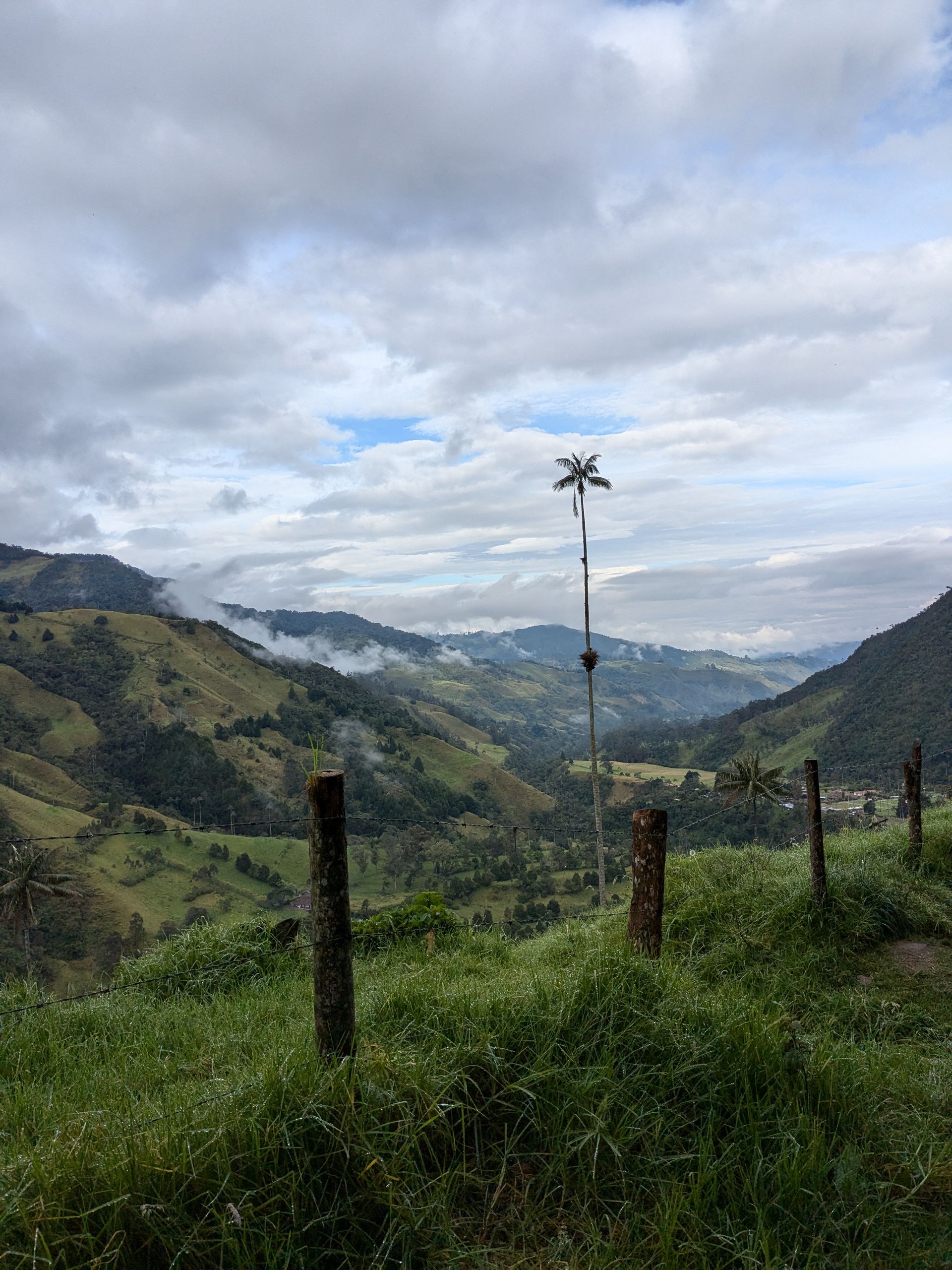
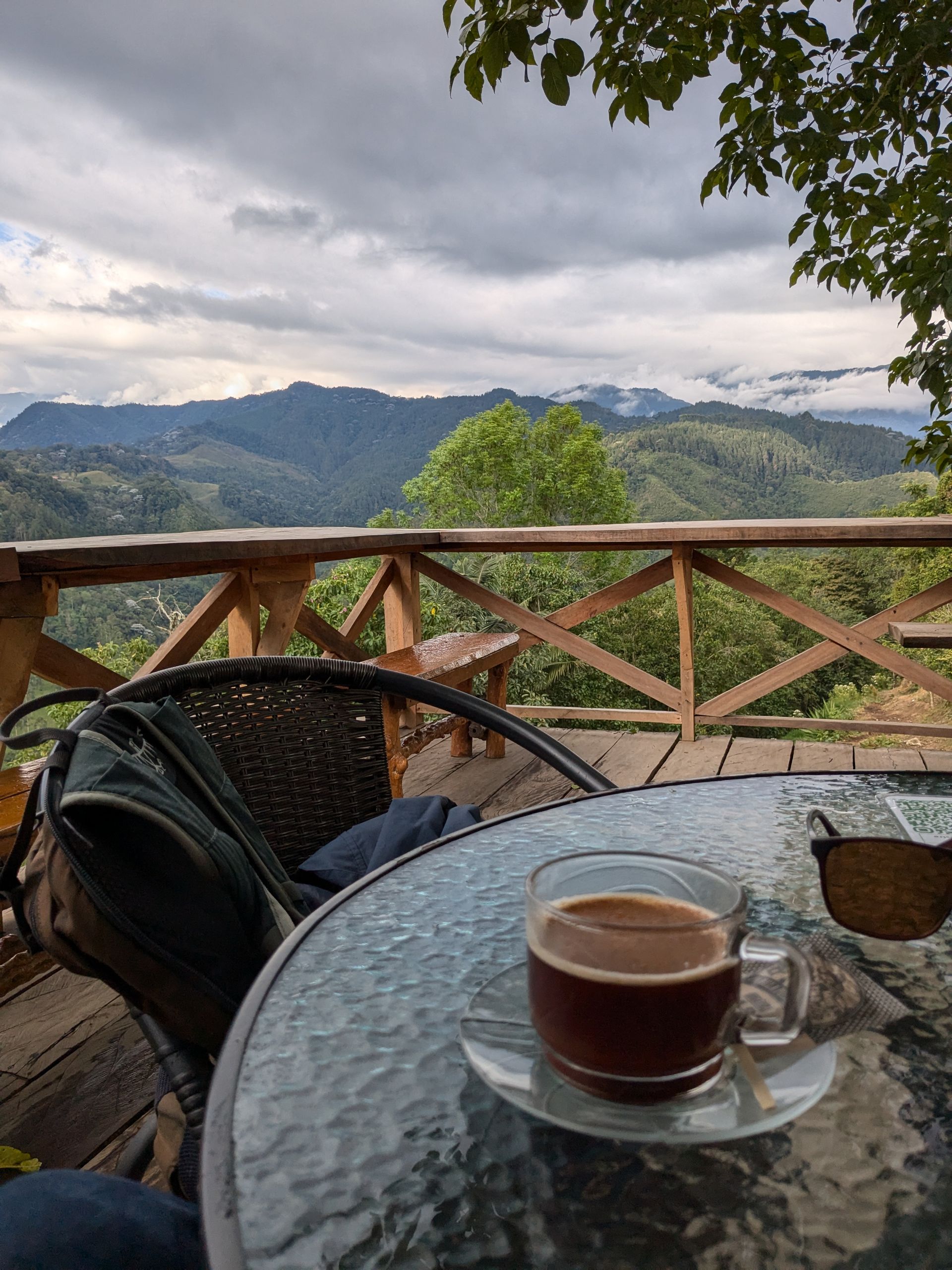
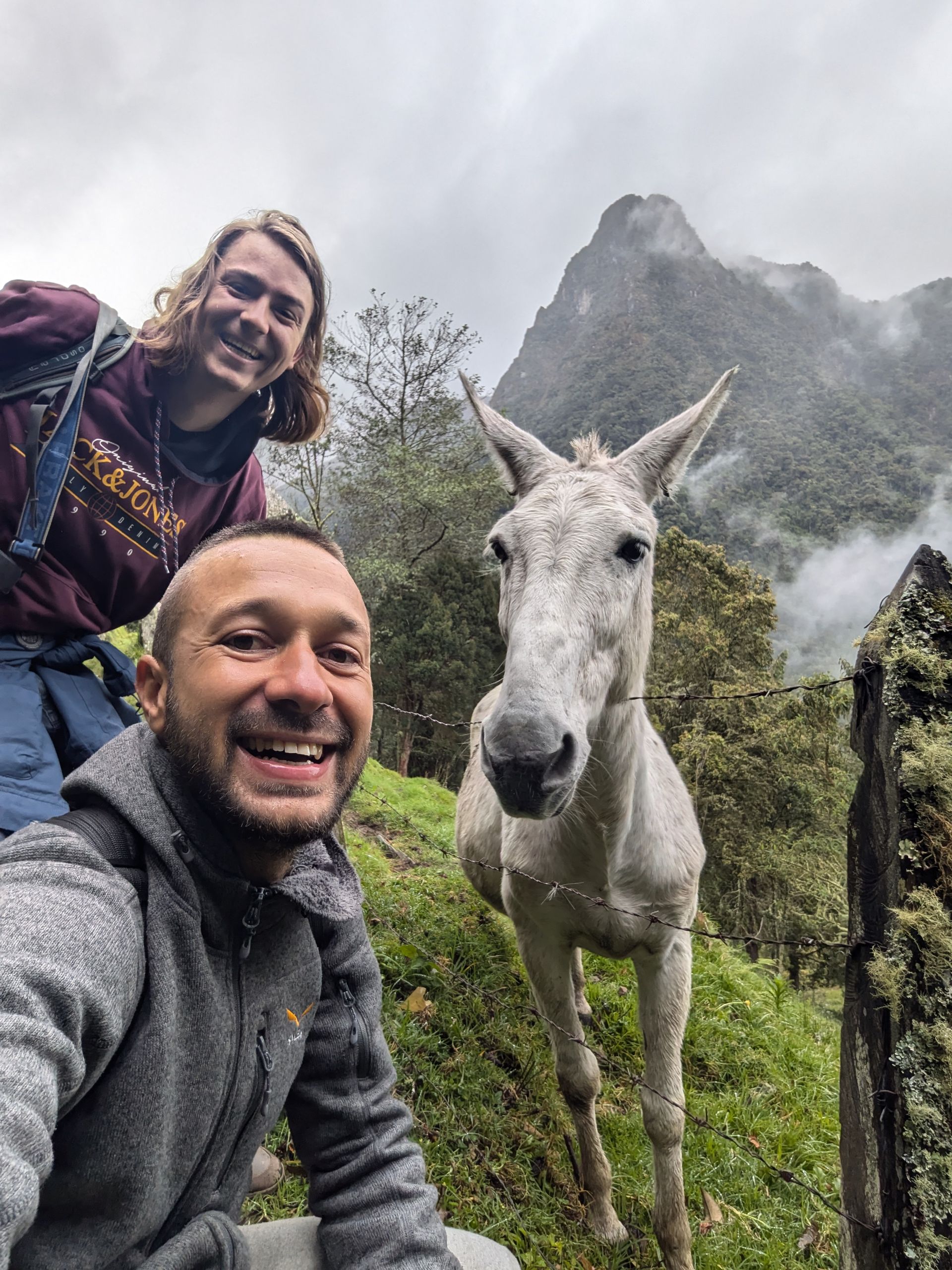
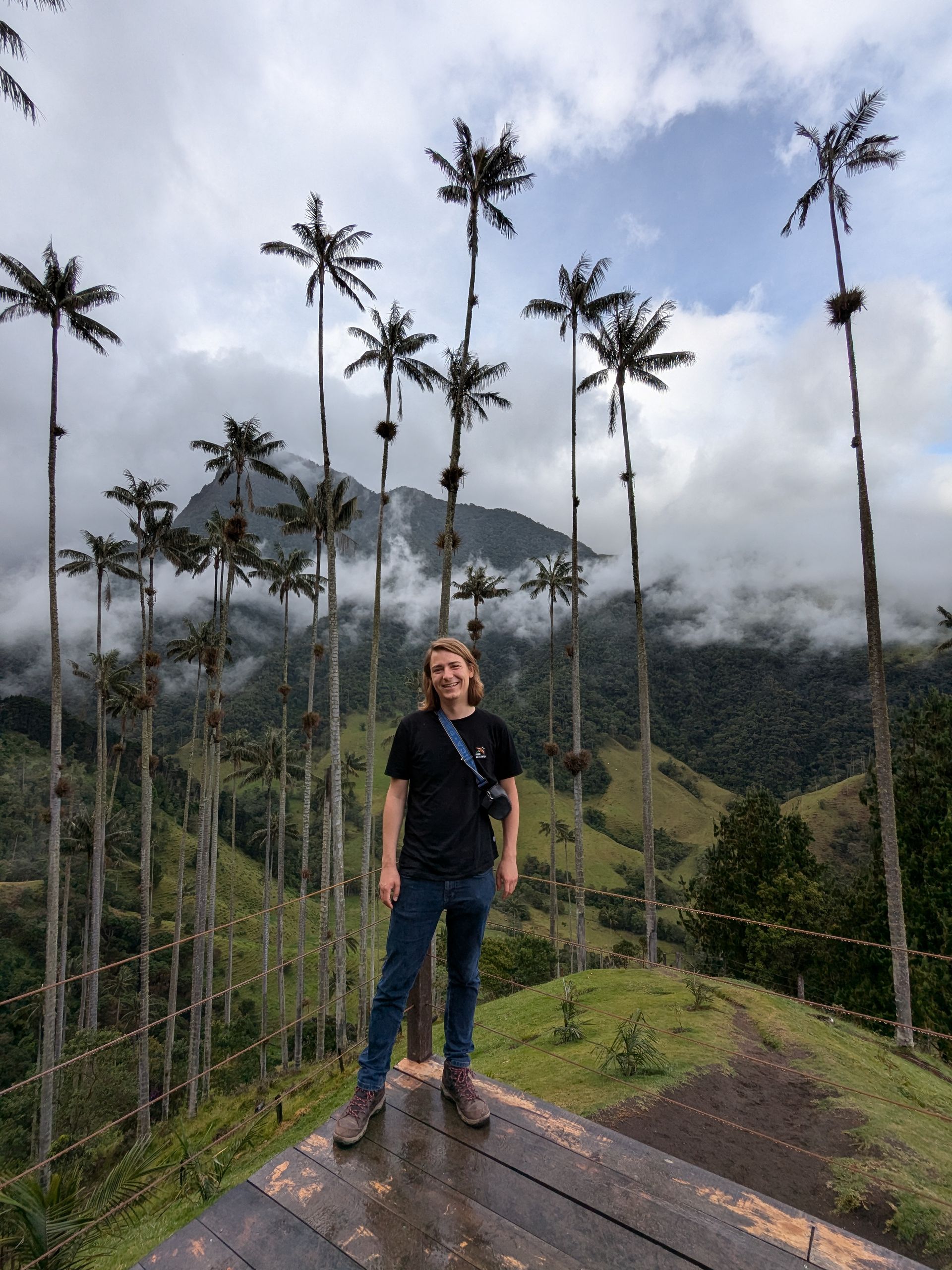
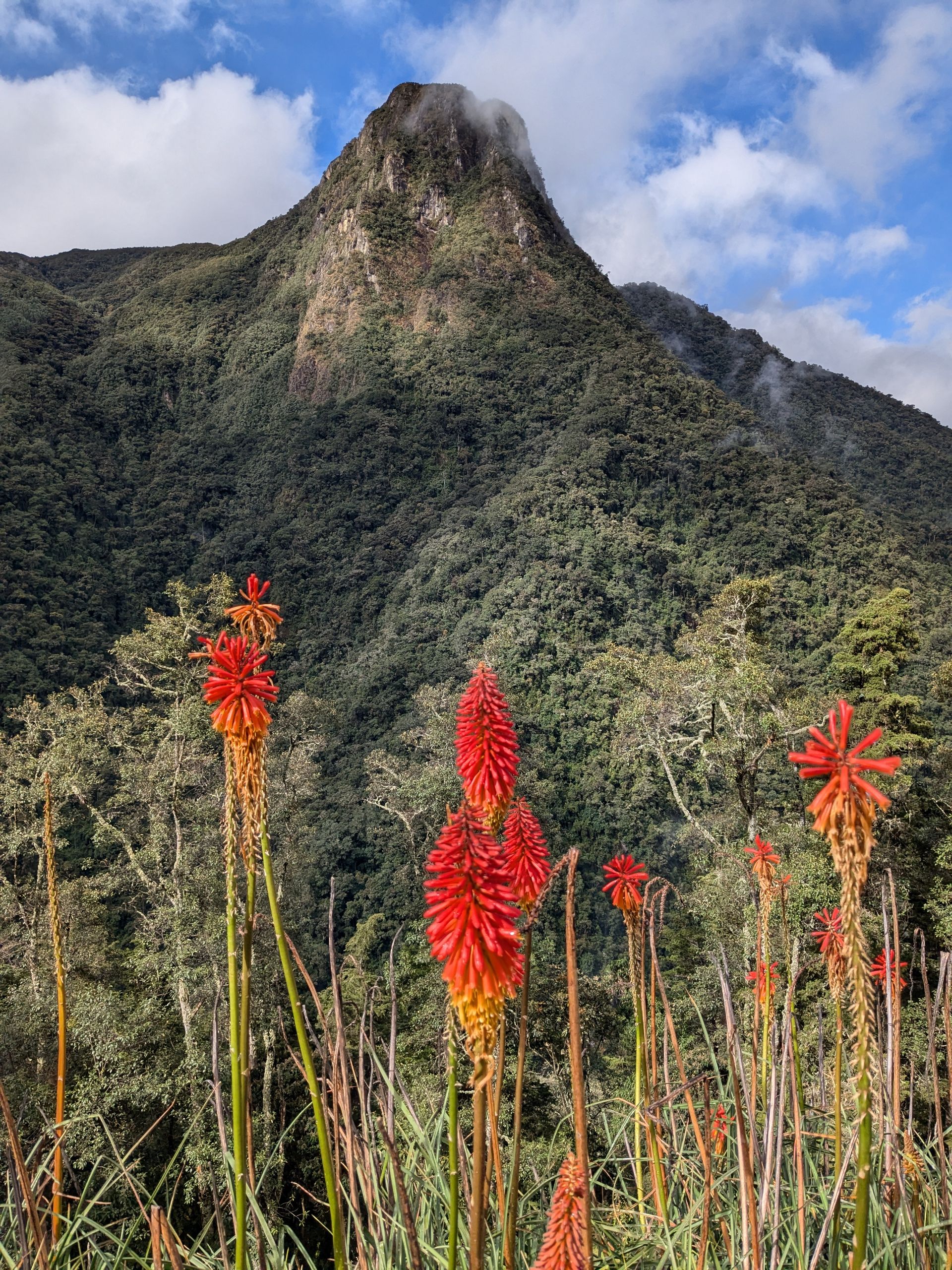
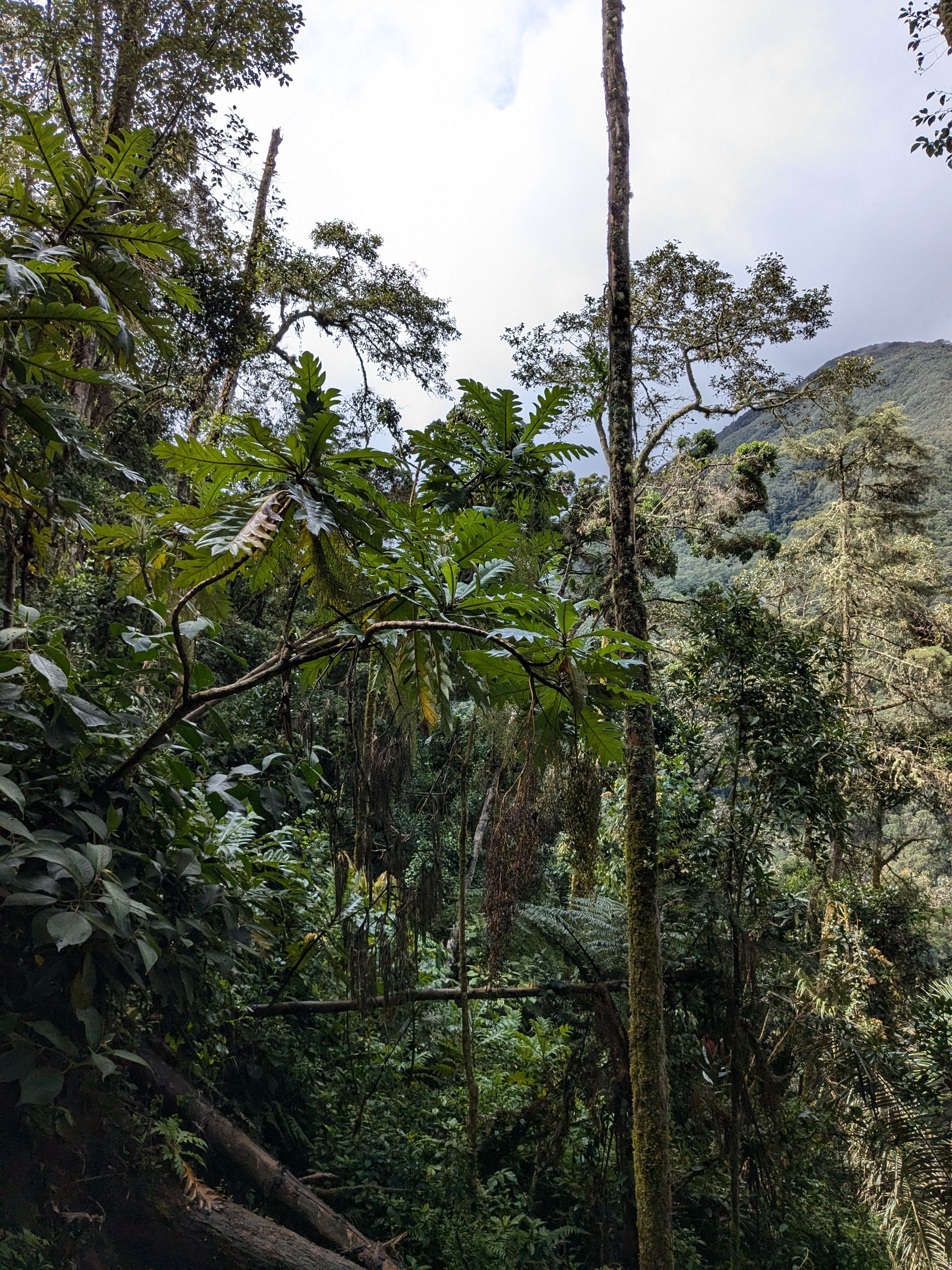
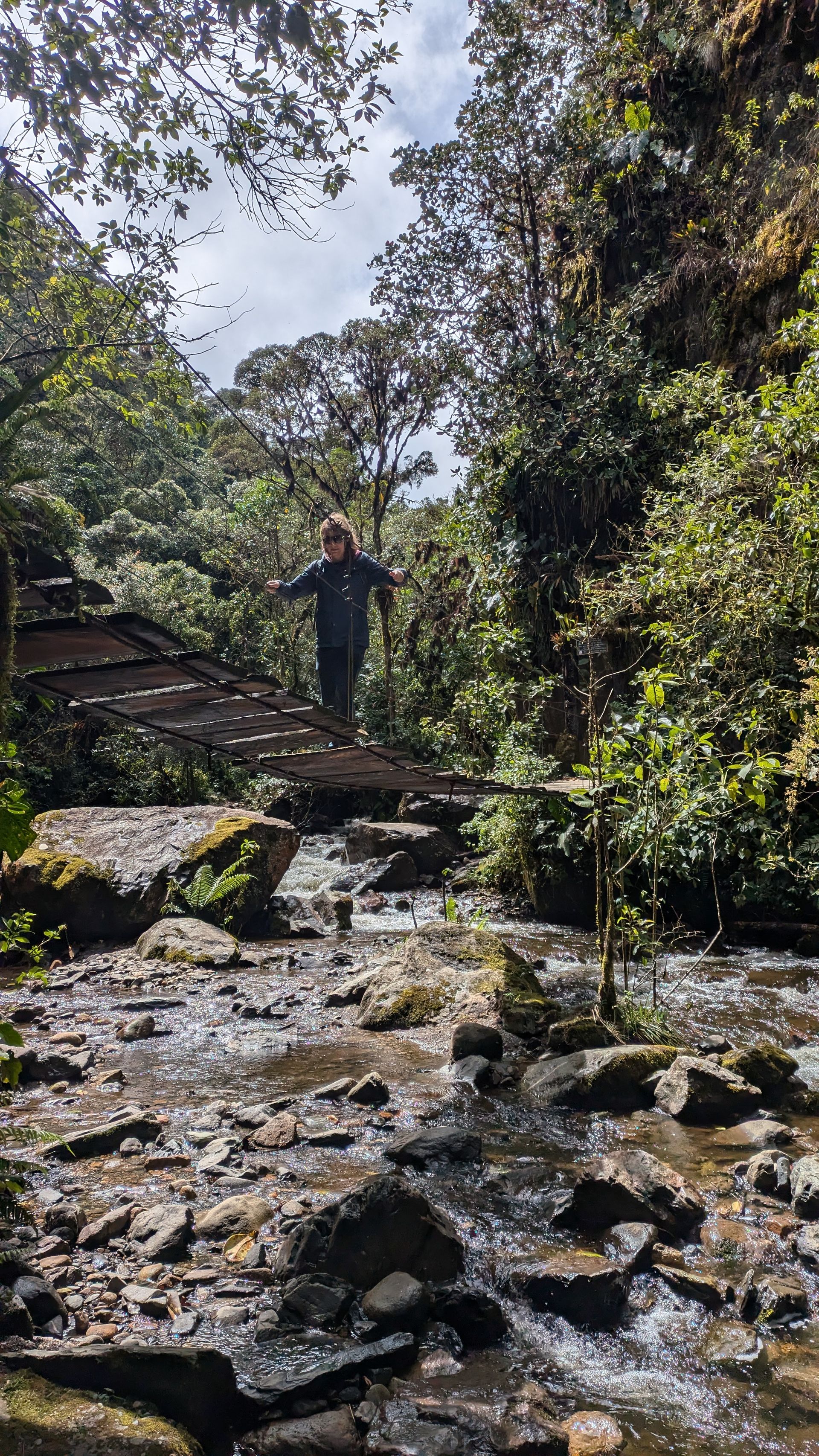
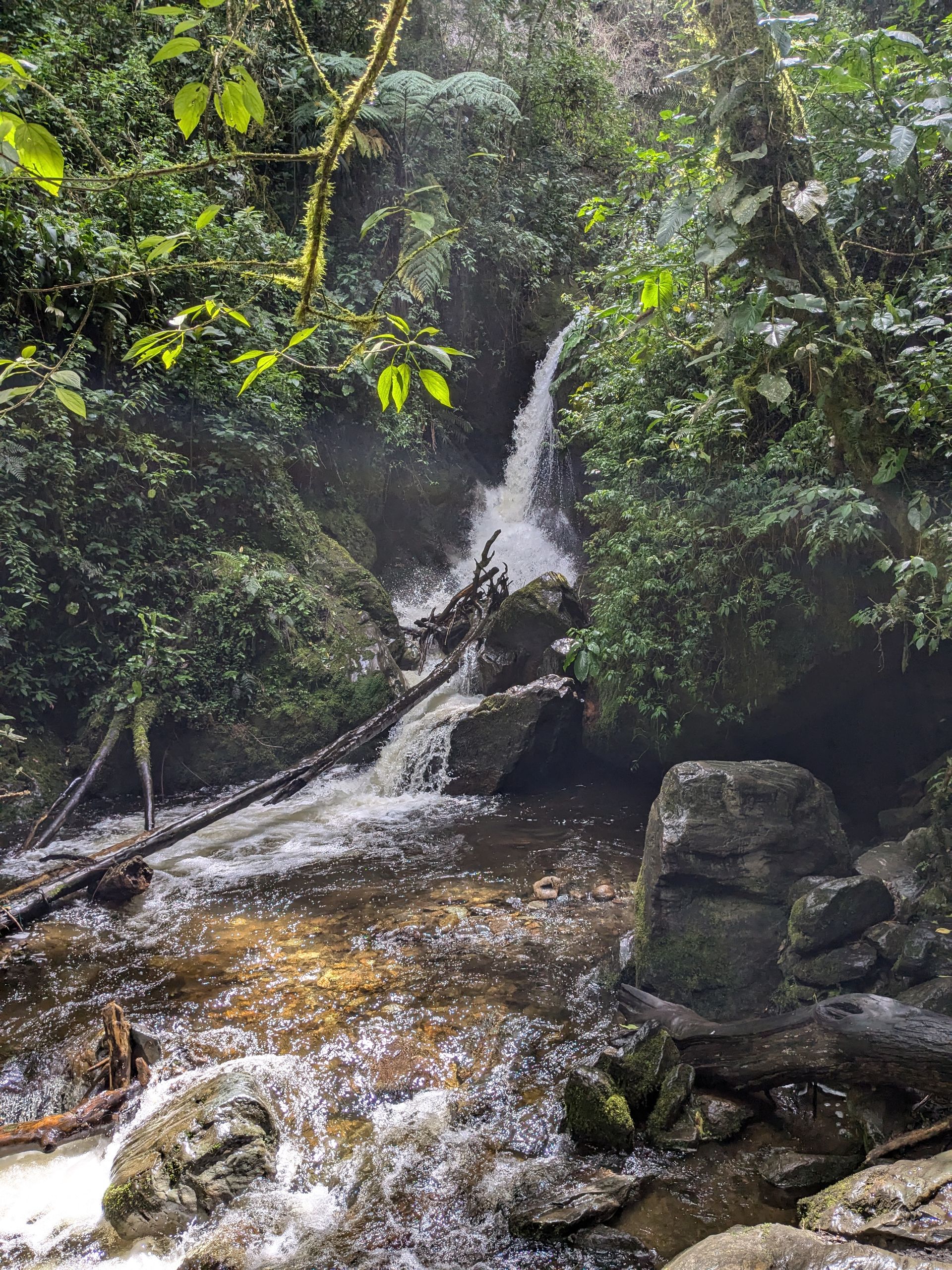
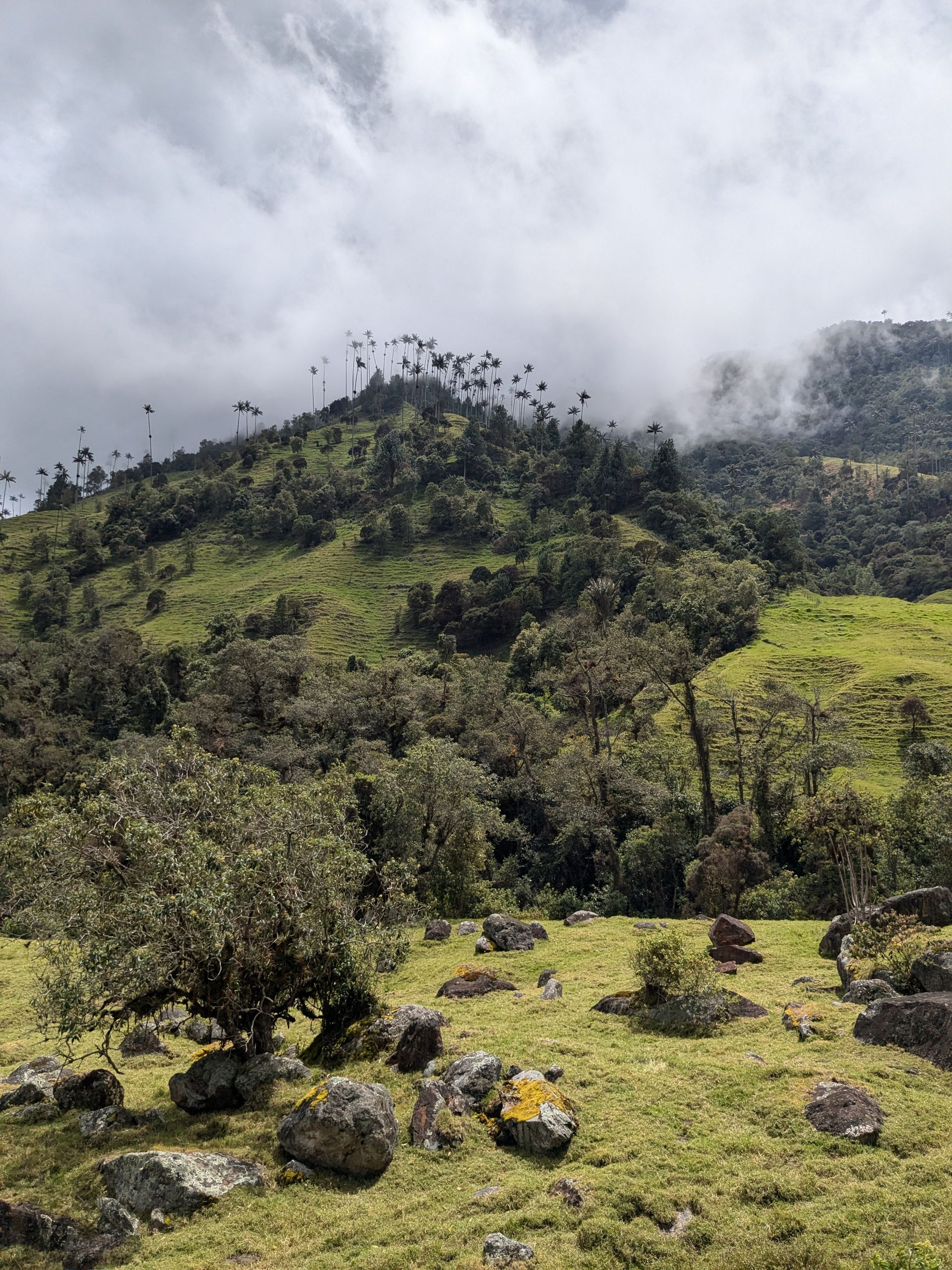
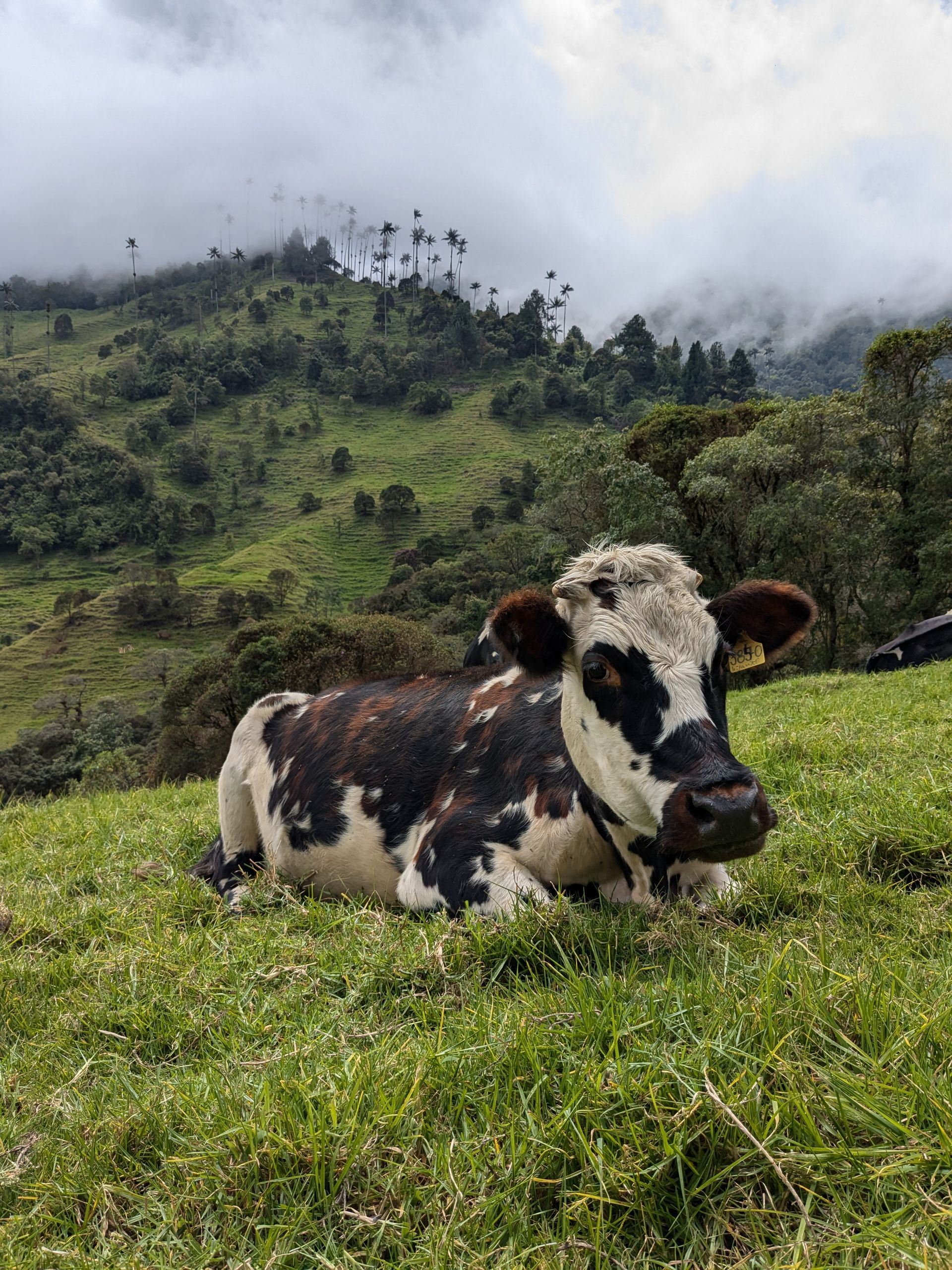
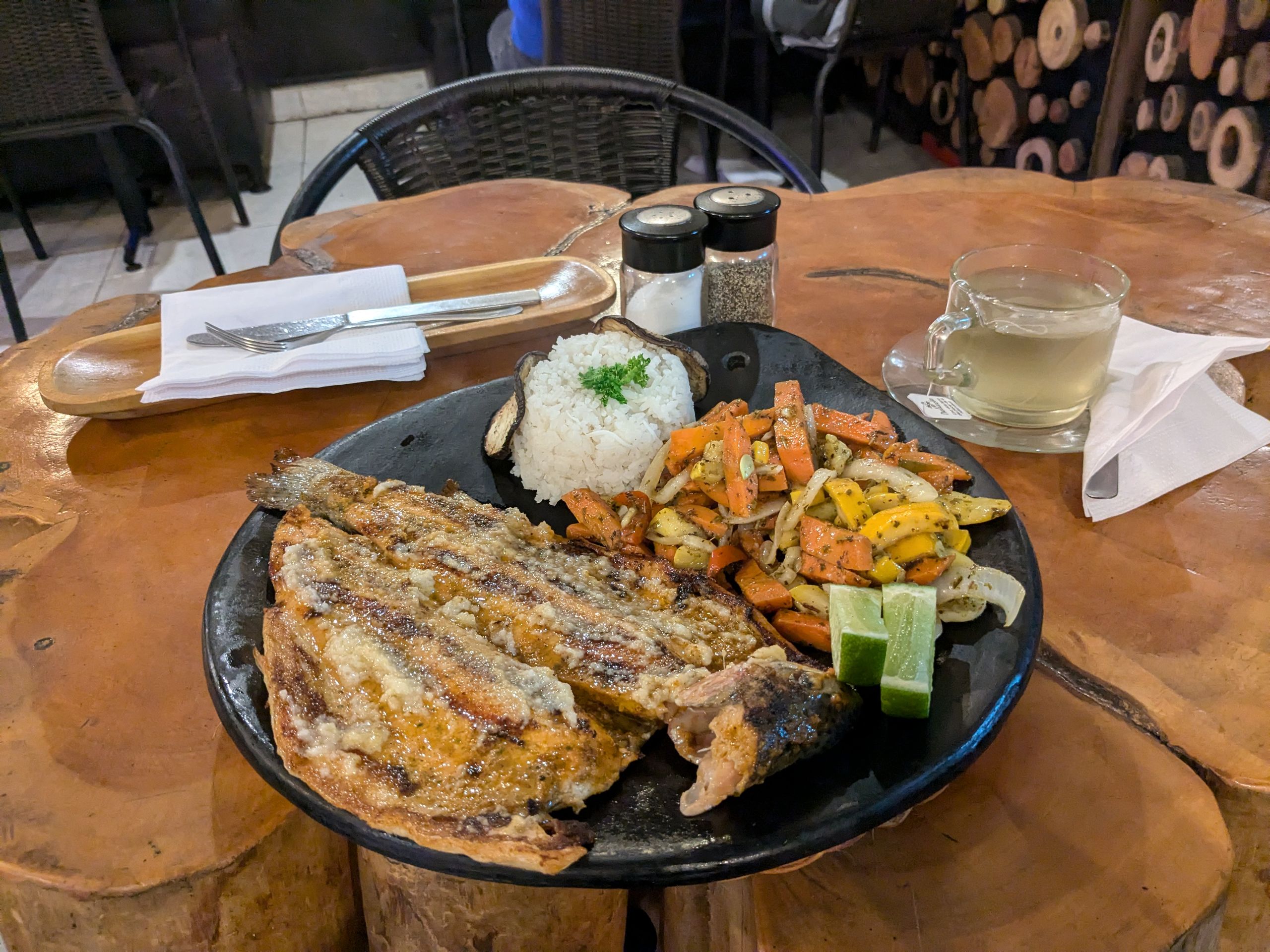
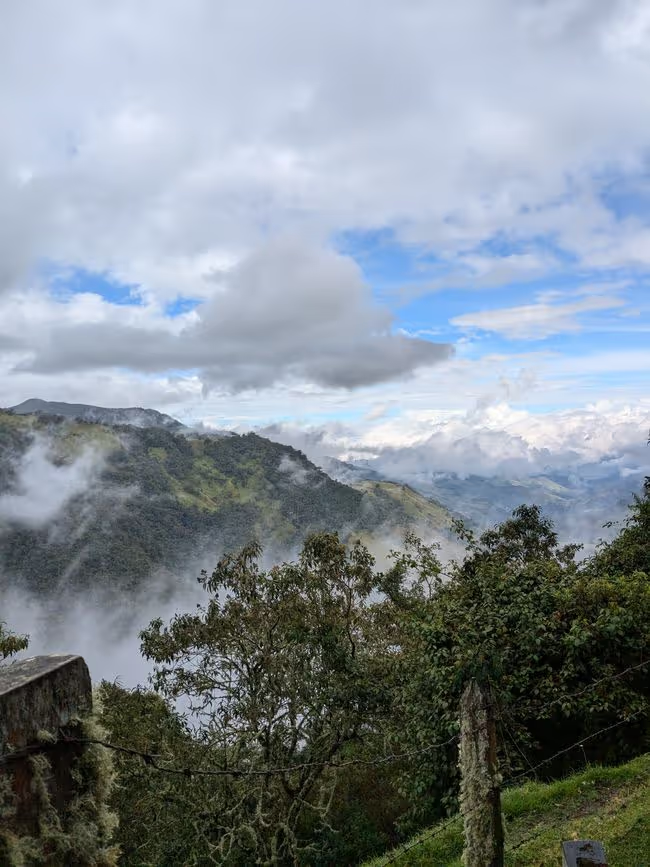
Il giorno dopo partimmo già alle 6 del mattino per la Valle del Cocora. Le mie tre nuove amiche si separarono presto da me e Lyubomir, un backpacker bulgaro che ci aveva accompagnato. Mentre le tre creavano contenuti per Instagram e TikTok all'ingresso, ci siamo imbattuti nell'escursione di 8 km. Questa ci ha condotto verso i panorami spettacolari per cui la valle è conosciuta in tutta la Colombia e oltre. Poiché eravamo tra i primi sul sentiero, potevamo gustarci il tempo per fare foto con le palme di cera di Cocora, che sono le palme più alte del mondo. Più in alto salivamo, più entravamo in una fresca foresta di nebbia, dove scoprivamo vari uccelli colorati. Dopo una piccola sosta con Cafè Tinto al punto più alto del sentiero, ci siamo diretti verso un stretto vallone scavato da un torrente di montagna. I ponti sospesi che abbiamo dovuto attraversare più volte (mi sono sentito molto più a mio agio di Lyubomir) mi hanno dato una forte sensazione da Indiana Jones. Tornato nel villaggio, ho incontrato di nuovo le messicane in un caffè e ho gustato in serata una deliziosa trota.
Quindío, the emblematic coffee-growing region of Colombia, was an absolute must-see for me on this trip. From Medellín, I took a tourist bus and arrived at my hostel in Salento in the evening. I'm not talking about the pizzeria, in my bavarian village but rather a town with 9,000 inhabitants that, with its 1.2 million visitors annually, is practically the Neuschwanstein of Colombia. As soon as I woke up the next morning, three Mexican girls moved into my room. We introduced ourselves, and I asked them if they had any plans for the day. Together, we headed towards Plaza Central to spontaneously take a coffee tour. We hopped on a 'Willy,' a type of Jeep that was originally introduced by the U.S. government in exchange for Colombian coffee. Our Willy was packed: two tourists sat in the front seat, eight on the benches, and four more (including me) found a spot on the running board. Bravely, I took a few photos during the winding ride past banana and coffee plantations, though I didn't always manage to avoid the branches.
When we arrived at Finca Buenos Aires, we were given a thin poncho and hat and then taken on a two-hour tour covering all the details of Colombian coffee cultivation, including a tasting. I spent the rest of the day exploring the picturesque streets of Salento. Although the town center, like Guatapés, is heavily influenced by tourism, there are still corners that offer a glimpse into rural Colombia. This region has a certain Wild West flair, with cowboys driving cattle on horseback, and the Danubio Bar. In this large saloon, two sports are practiced extensively besides drinking: billiards and Tejo, a throwing game with small explosives (more on that soon in the Bogotà entry).
The next day, we set out at 6 a.m. for the Cocora Valley. My three new friends soon parted ways with me and Lyubomir, a Bulgarian backpacker who had joined us. While the three of them created content for Instagram and TikTok at the entrance, we embarked on the 8 km hike. This hike took us to the spectacular views for which the valley is known throughout Colombia and beyond. Since we were among the first on the trail, we could take our time taking photos with the Cocora wax palms, which are the tallest palm species in the world. The higher we climbed, the more we entered a cool cloud forest, where we spotted various colorful birds. After a quick pick-me-up with Cafè Tinto at the highest point of the trail, we descended into a narrow side valley carved out by a mountain stream. The suspension bridges we had to cross multiple times (I felt much more comfortable than Lyubomir) gave me a strong Indiana Jones feeling. Back in the village, I met up with the Mexicans in a café again and enjoyed a delicious trout in the evening.
Quindío, la emblemática región cafetera de Colombia, fue un destino imprescindible para mí en este viaje. Desde Medellín, tomé un bus turístico y llegué por la noche a mi hostal en Salento. No se trata de una pizzería en mi pueblo bavaro, sino de un pueblo con 9.000 habitantes que, con sus 1,2 millones de visitantes anuales, es prácticamente el Neuschwanstein de Colombia. Apenas me desperté a la mañana siguiente, tres mexicanas se mudaron a mi habitación. Nos presentamos, y les pregunté si tenían planes para el día. Juntas nos dirigimos hacia la Plaza Central para hacer una gira de café de manera espontánea. Saltamos en un 'Willy', un tipo de Jeep que fue introducido originalmente por el gobierno de los EE. UU. en intercambio por café colombiano. Nuestro Willy estaba lleno: dos turistas se sentaron en el asiento delantero, ocho en los bancos, y cuatro más (incluyéndome a mí) encontraron lugar en el estribo. Con valentía, tomé algunas fotos durante el viaje lleno de curvas, pasando por plantaciones de banano y café, aunque no siempre logré evitar las ramas.
Cuando llegamos a la Finca Buenos Aires, nos dieron un poncho y un sombrero delgados y luego nos llevaron a una visita guiada de dos horas que cubría todos los detalles del cultivo de café en Colombia, incluyendo una degustación. Pasé el resto del día explorando las pintorescas calles de Salento. Aunque el centro, al igual que Guatapé, está fuertemente influenciado por el turismo, todavía hay rincones que ofrecen una visión del Colombia rural. Esta región tiene un cierto aire del Viejo Oeste, con vaqueros arreando ganado a caballo y el bar Danubio. En este gran salón, además de beber, se practican extensamente dos deportes: el billar y el Tejo, un juego de lanzamiento con pequeños explosivos (más sobre esto pronto en la entrada de Bogotá).
Al día siguiente, salimos a las 6 a.m. hacia el Valle del Cocora. Mis tres nuevas amigas pronto se separaron de mí y de Lyubomir, un mochilero búlgaro que se nos había unido. Mientras ellas creaban contenido para Instagram y TikTok en la entrada, nosotros emprendimos la caminata de 8 km. Esta caminata nos llevó a las vistas espectaculares por las que el valle es conocido en toda Colombia y más allá. Como éramos de los primeros en el sendero, pudimos tomarnos nuestro tiempo para hacer fotos con las palmas de cera de Cocora, que son las palmeras más altas del mundo. Cuanto más subíamos, más nos adentrábamos en un fresco bosque de niebla, donde avistamos varias aves coloridas. Después de un pequeño refrigerio con Café Tinto en el punto más alto del sendero, descendimos a un estrecho valle lateral tallado por un arroyo de montaña. Los puentes colgantes que tuvimos que cruzar varias veces (me sentí mucho más cómodo que Lyubomir) me dieron una fuerte sensación de Indiana Jones. De vuelta en el pueblo, me reuní con las mexicanas en un café y disfruté de una deliciosa trucha por la noche.