
Avec le train de Minneapolis à Seattle
Celui qui voyage en train à travers les zones presque désertiques des États-Unis voit surtout de l'espace et un immense et beau rien. Pas de gratte-ciel, pas de foules de gens...

Publié: 13.12.2024
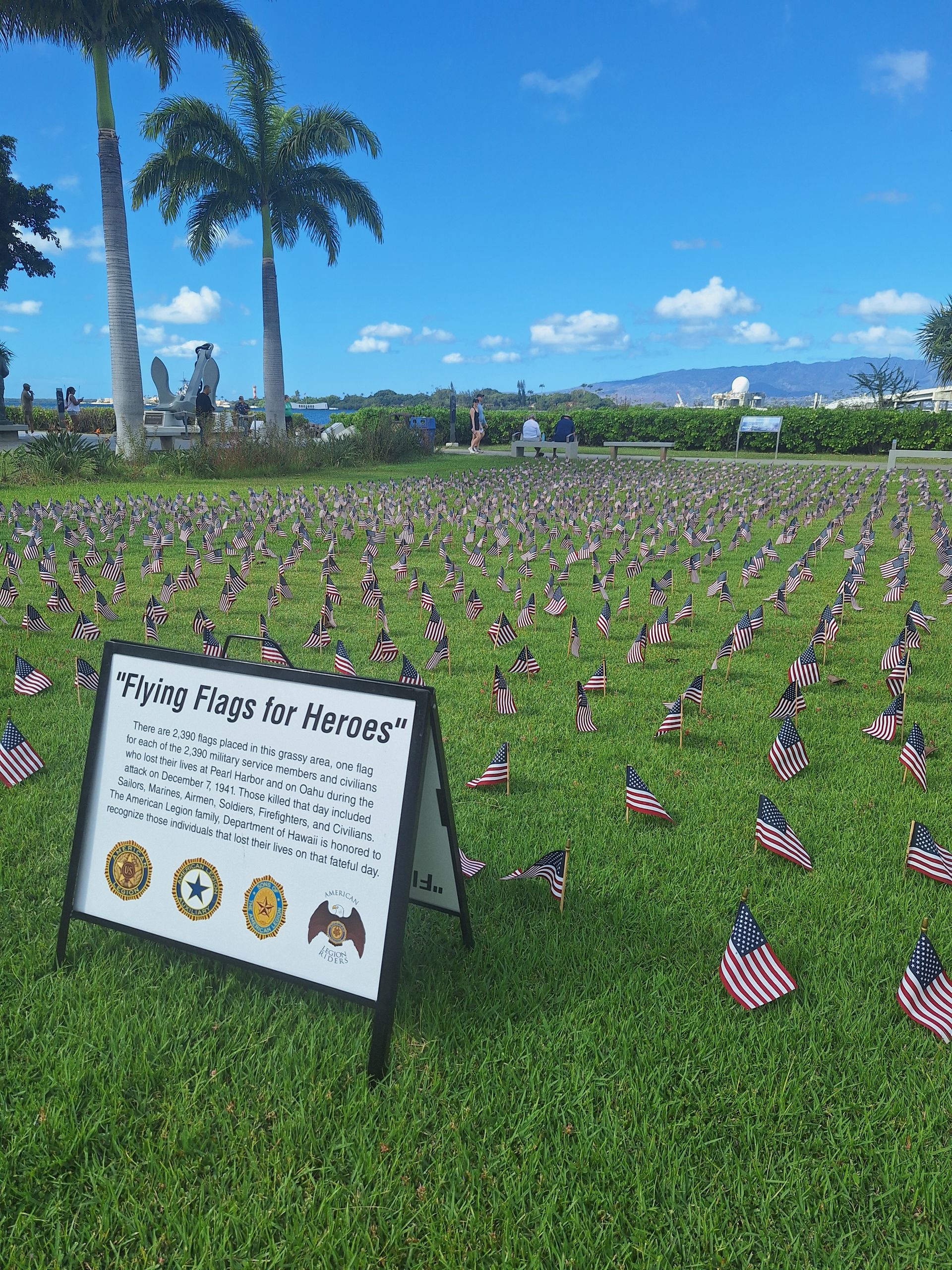
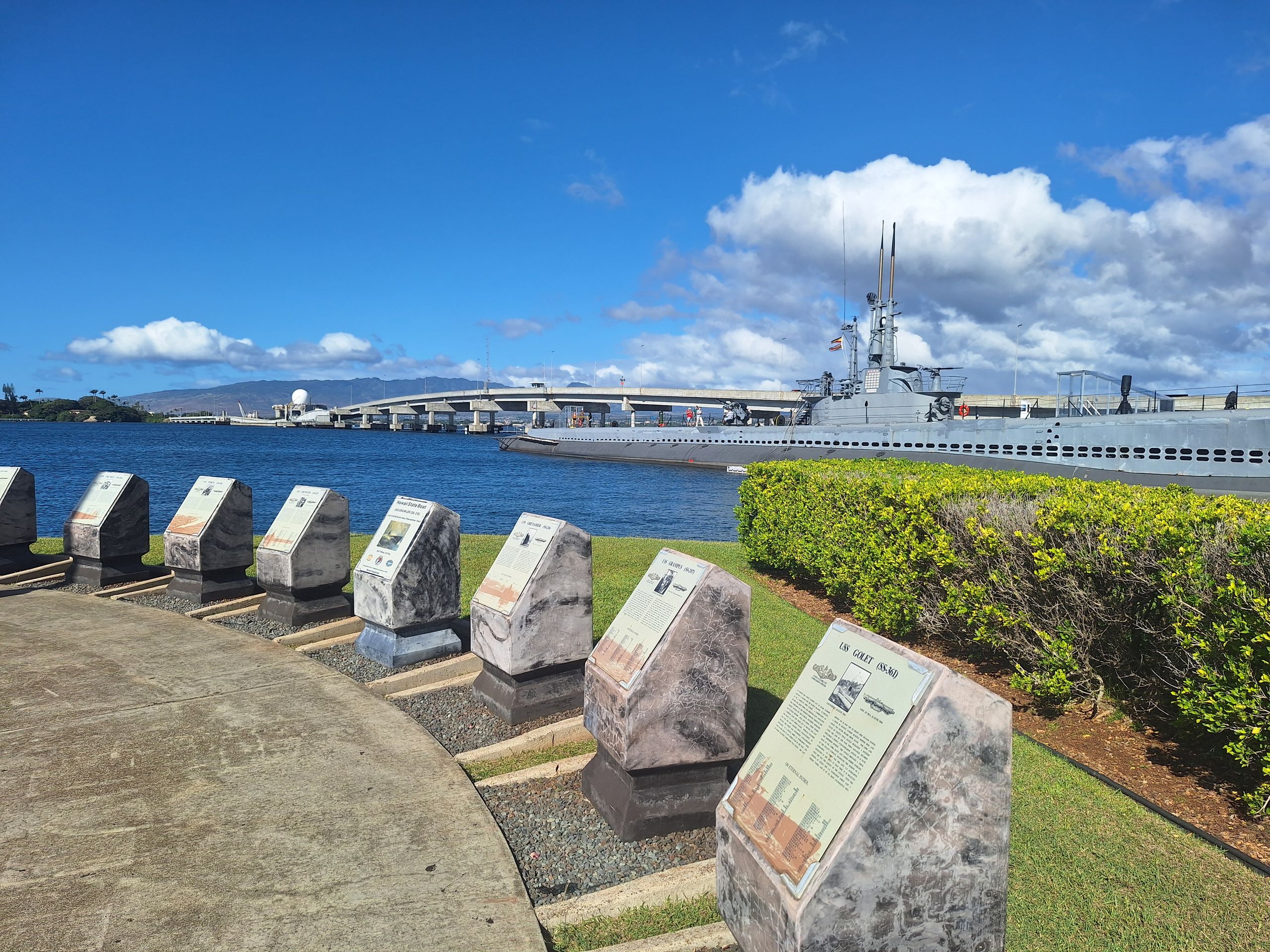
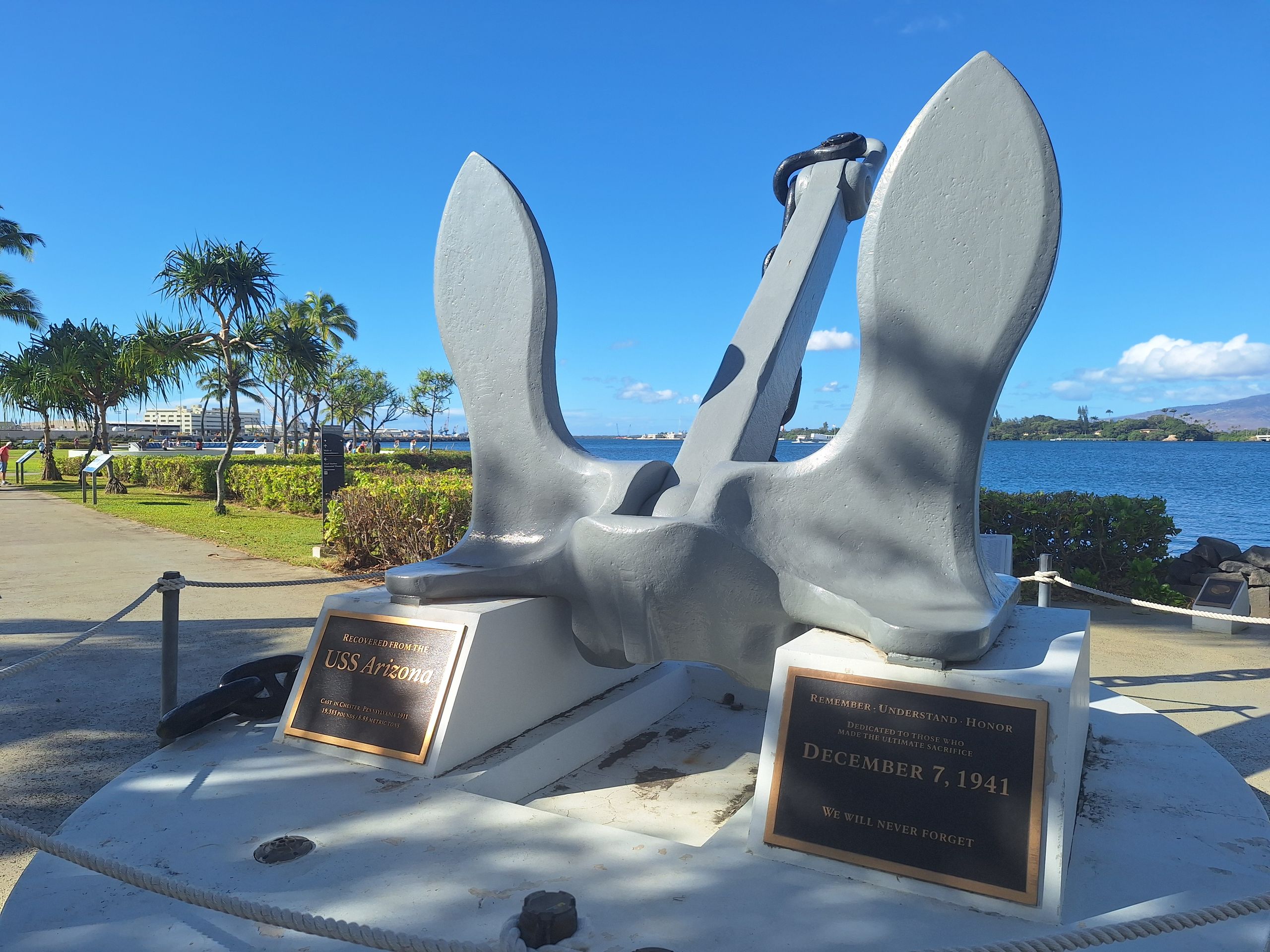
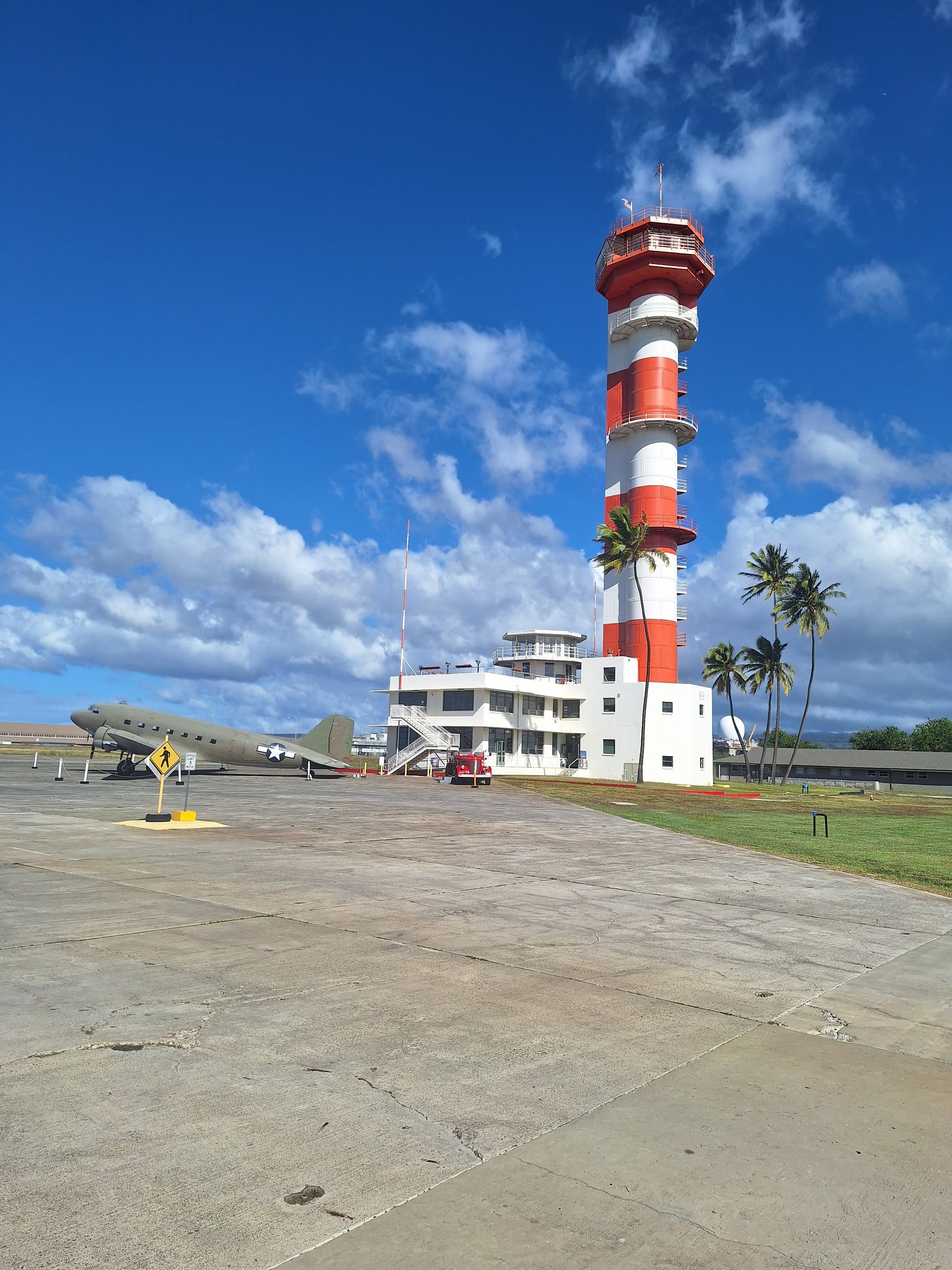
The Pearl Harbor Memorial is considered a must-see for anyone visiting Hawaii - at least that's what the internet says. And so do the advertisements at the airport, in hostels, in stores, and in cafes. There is no shortage of visitors to this national memorial. It is open almost every day from 7 AM (!) to 5 PM. An estimated 1.8 million people visit the site each year. Or more accurately, we should refer to “sites,” as there are at least four main points to visit, four museums, each recommending a stay of at least one to two hours. All of them have exorbitant entrance fees: to see everything costs around 100 dollars. Visitors are not allowed to bring bags; even the smallest one must be checked for about 7 euros - more than I paid for my round-trip bus ticket (90 minutes each way between Pearl Harbor and Waikiki Beach)... Clearly, none of this seems to deter anyone, and it appears that every Hawaii tourist makes their way here. Well, and of course, so did I.
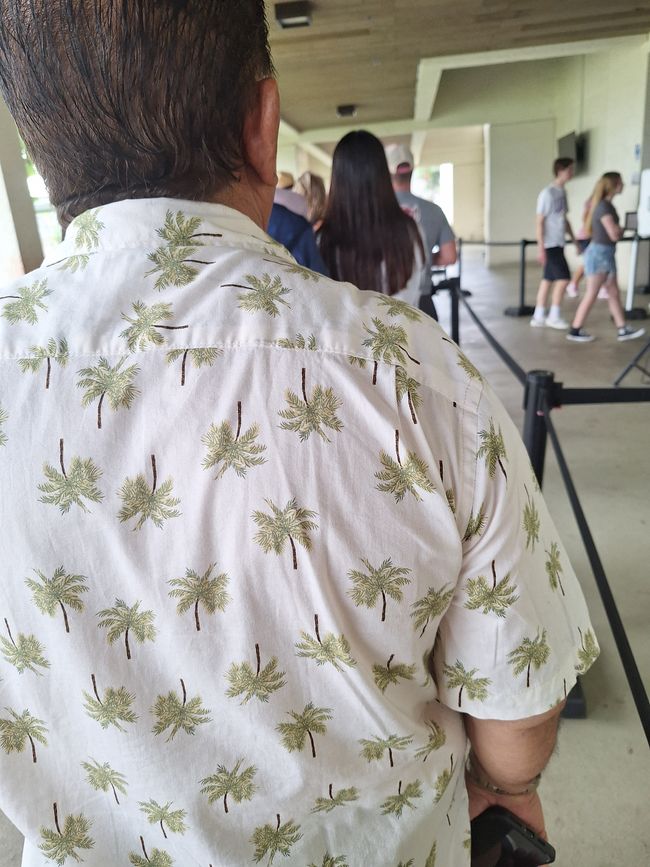
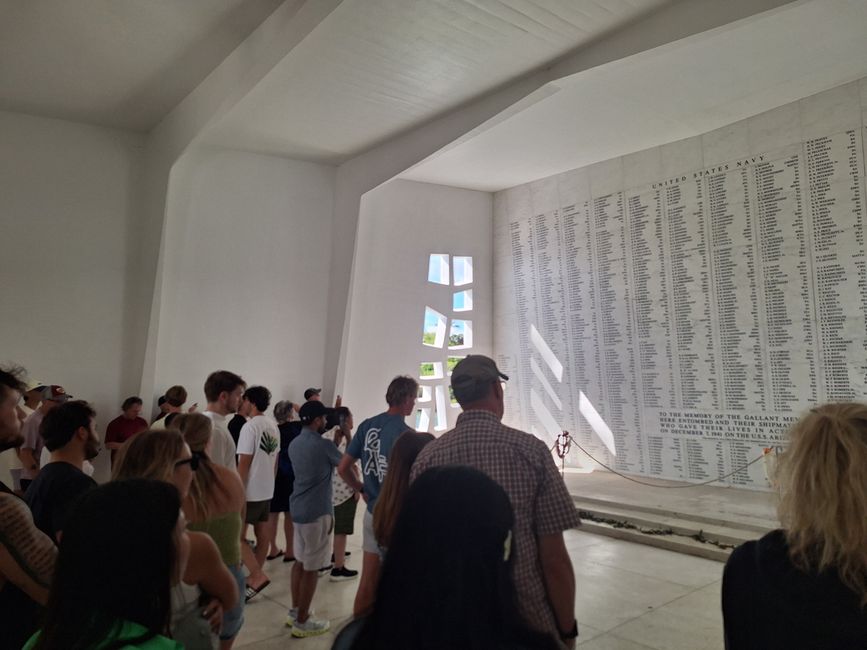
Online, I find that the actual entrance to the memorial grounds is free, so my visit will be a low-budget exploration. According to the omnipresent advertisements, I would be missing out on a lot, maybe everything, but my interest in submarines, military planes, and ships is limited, and I would describe my knowledge of World War II as sufficient. I am content with exploring the historic site without any unnecessary extras.
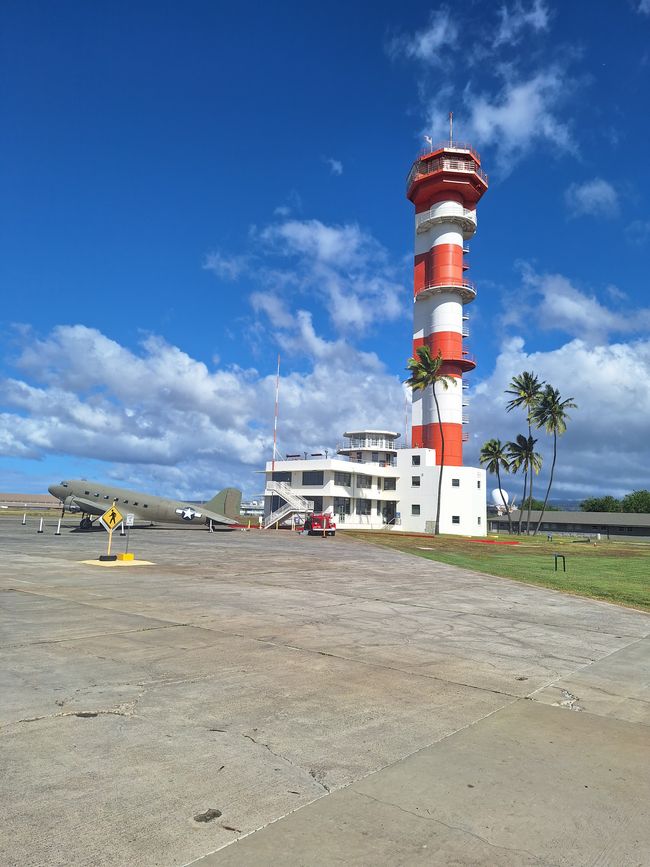
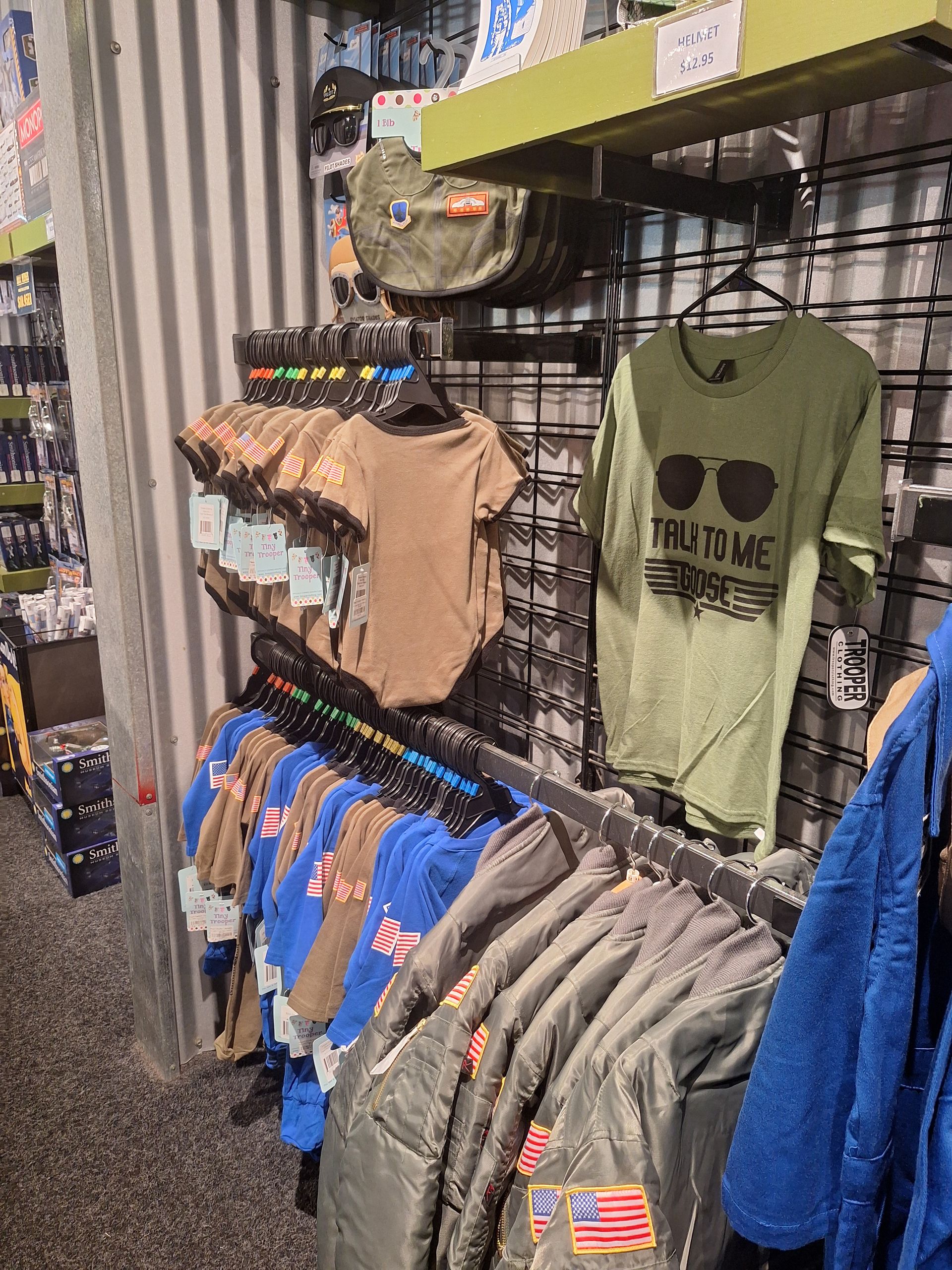
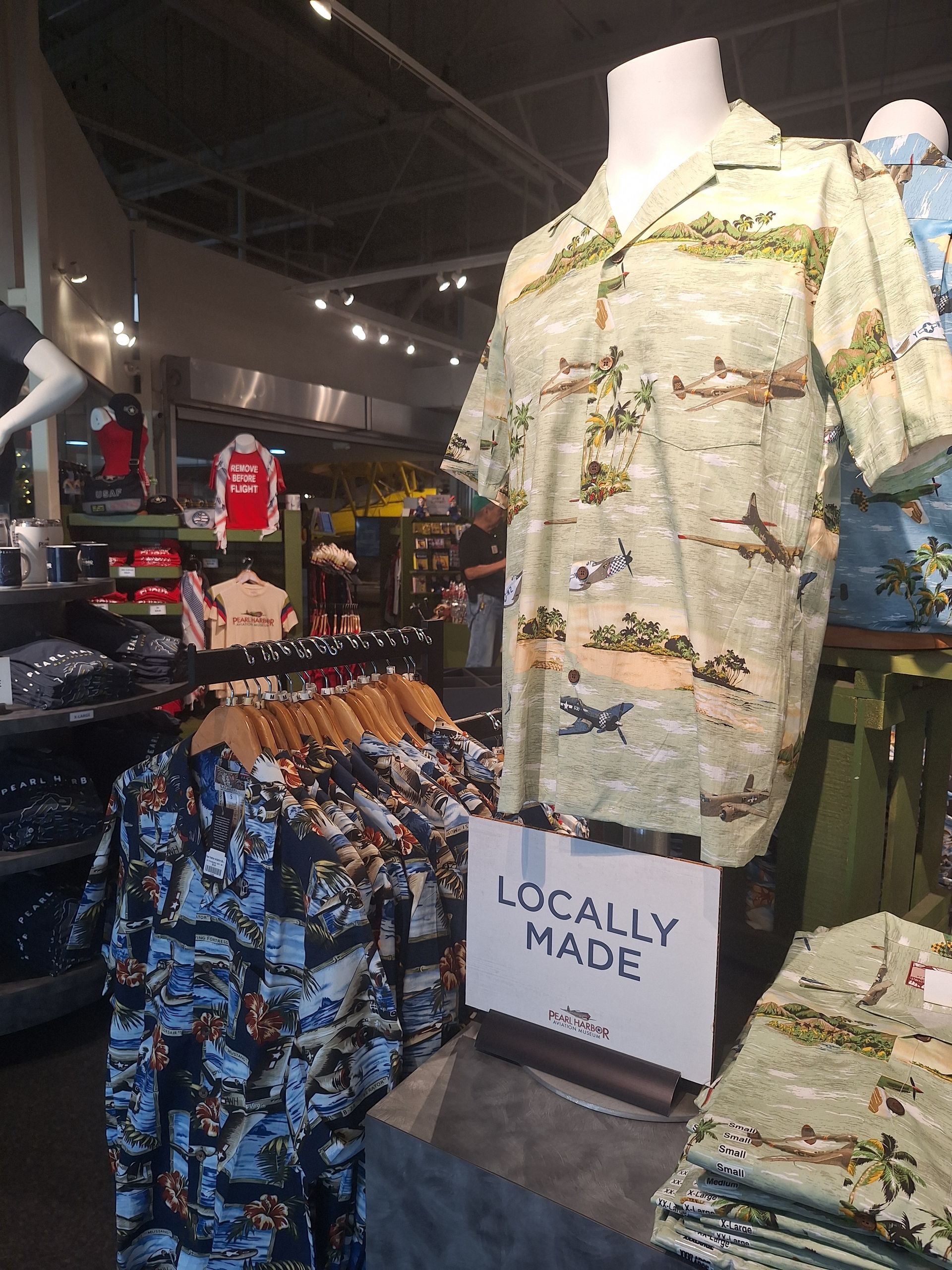
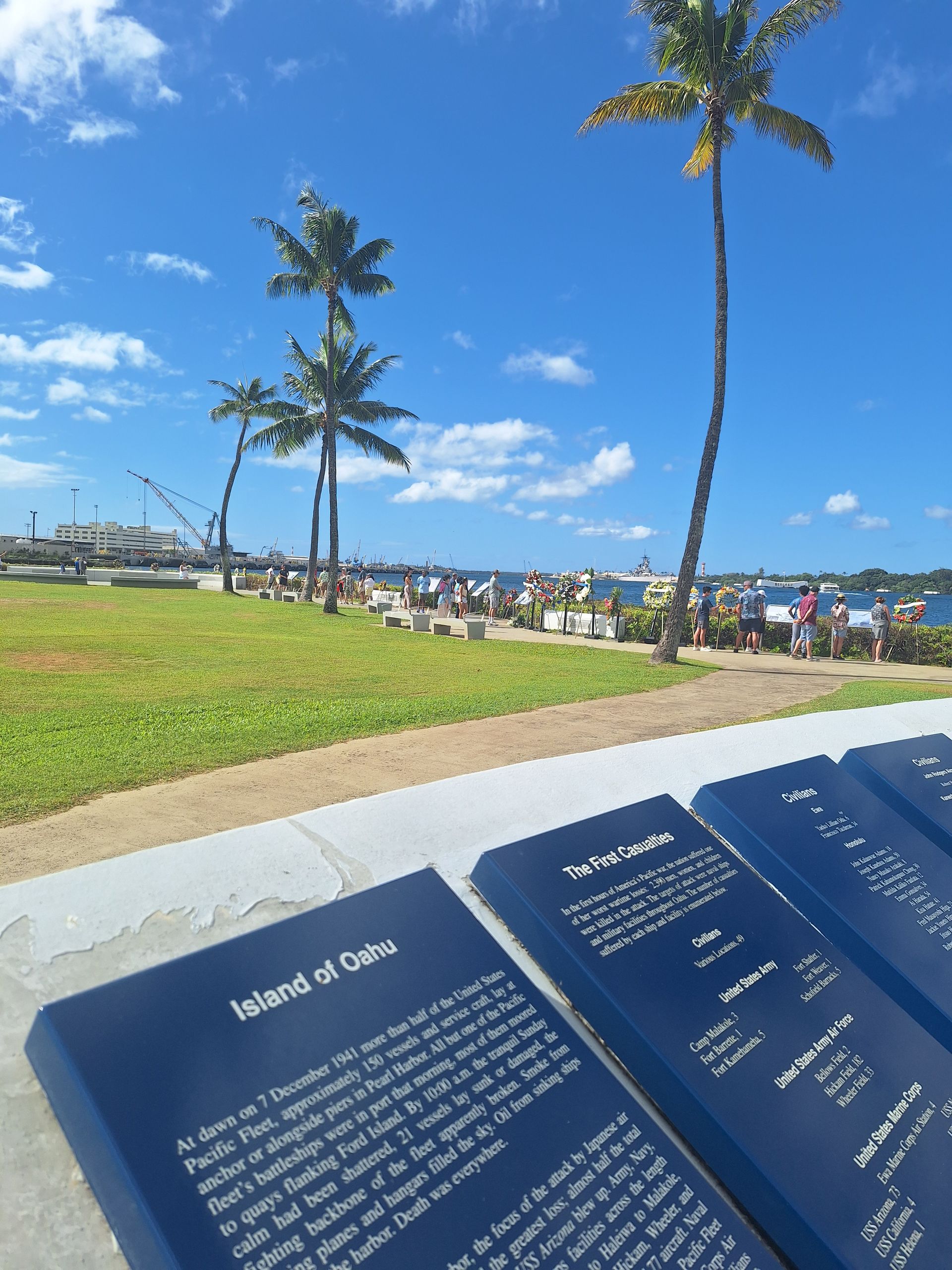
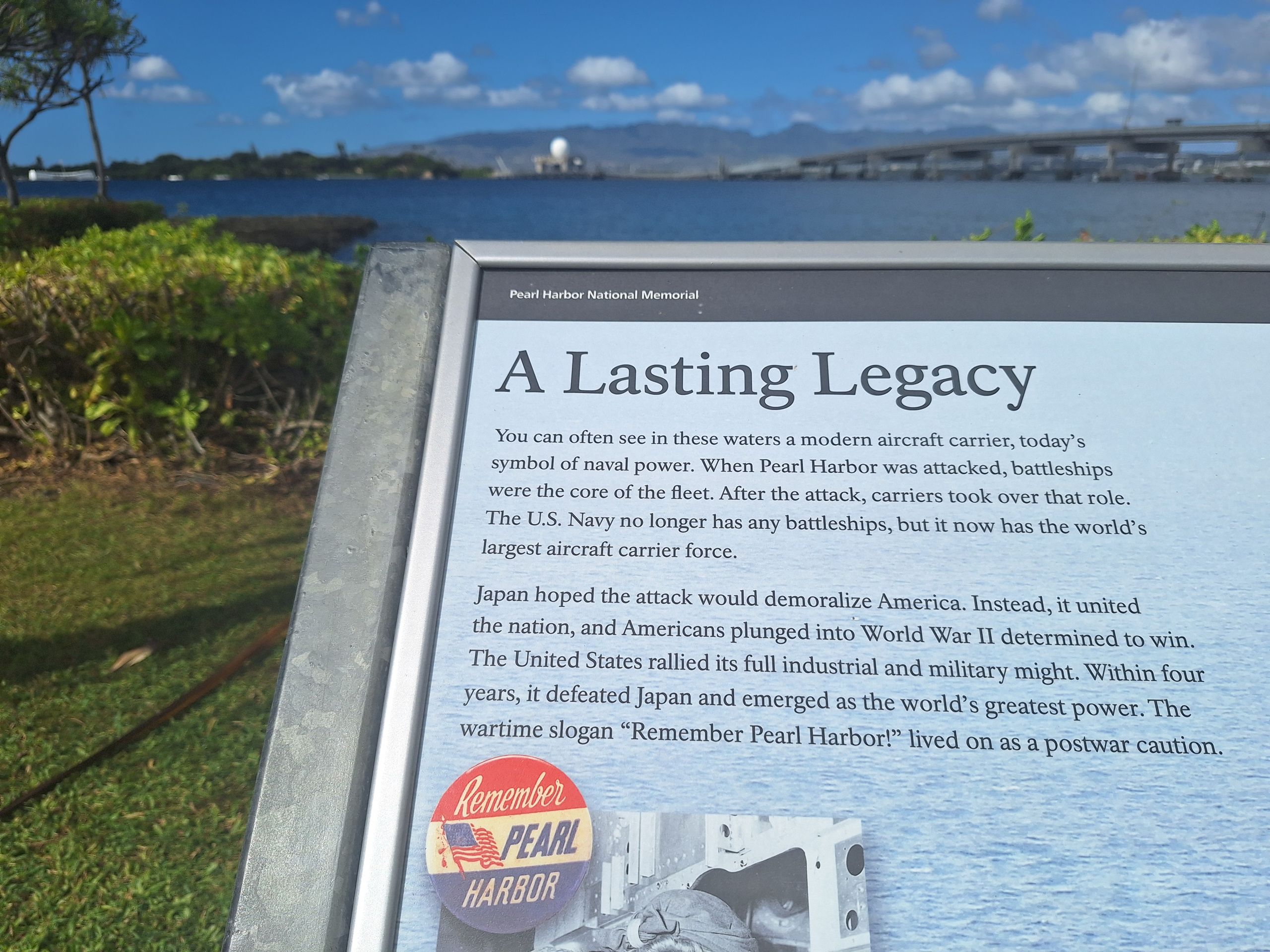
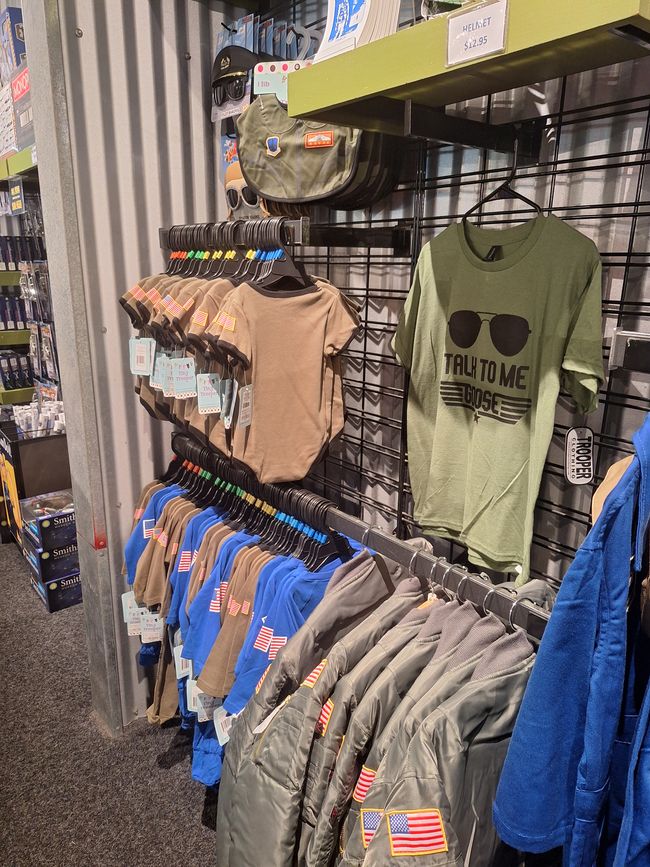
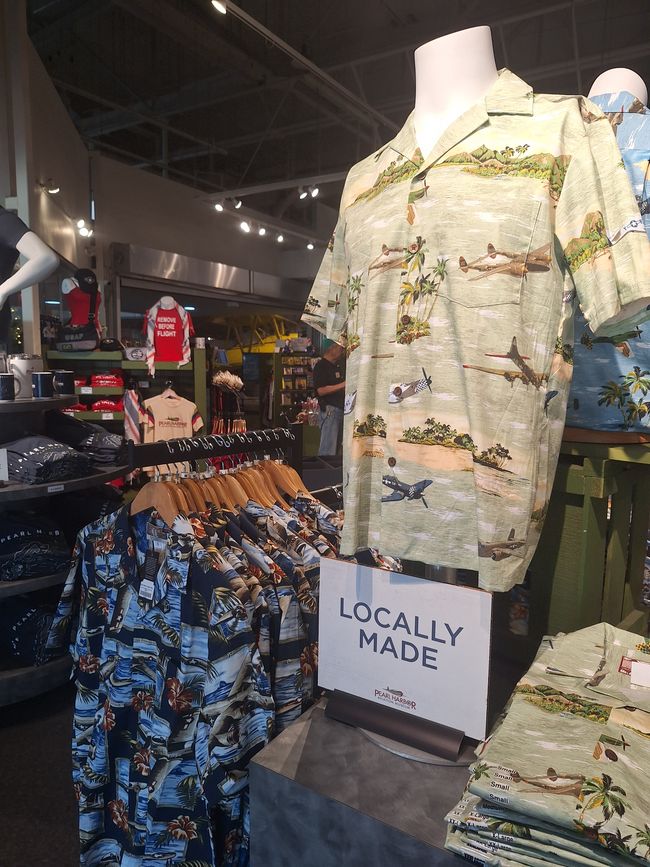
The main exhibition at the entrance is indeed free and tells the story of the Japanese surprise attack on Pearl Harbor, the fallen American soldiers and civilians, and even touches on the Japanese attackers and their planning, as well as the Japanese Americans and Hawaiians and their collective internment after the attack. There is also some content about the civilians in Hawaii and their contributions to the US Army (until 1950, the Hawaiian Islands were not part of the USA), and then there is also much to remember the victims of the attack and the national US remembrance of them. The atomic missiles that ultimately ended World War II, causing unknown devastation and loss, including destruction, are omitted from my exhibition study. Clearly, this is too uncomfortable for the narrative on site. According to the museum shop, World War II ended with the kiss of a sailor and a nurse in New York's Times Square. For those who do not want to buy magnets, keychains, T-shirts, stickers, puzzles, and posters from that, there is still a huge selection of clothing, sometimes more, sometimes less in military style for every age. Analyzing the display of the bookstore and gift shop alone is worth a visit.
USS Arizona Memorial
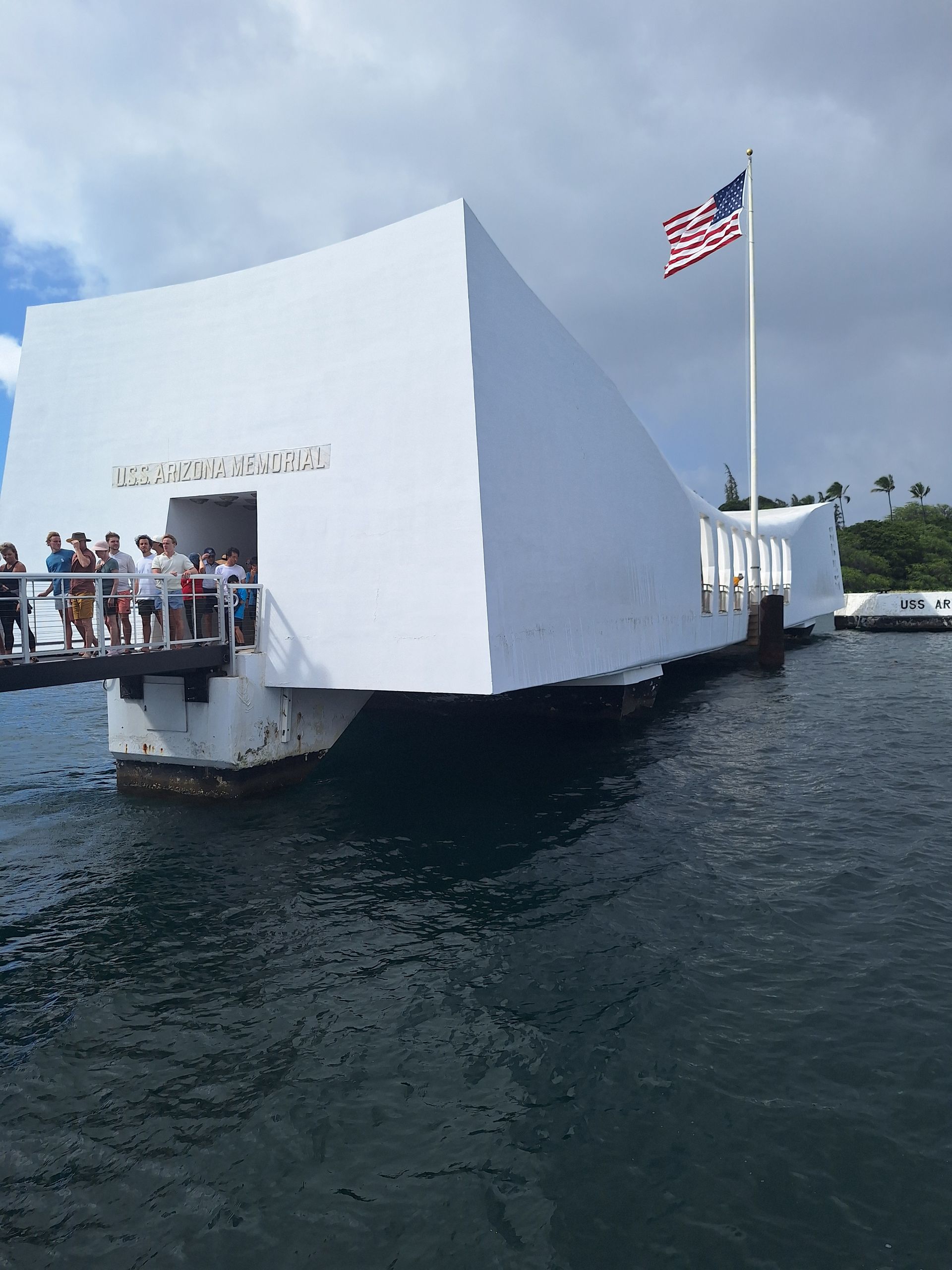
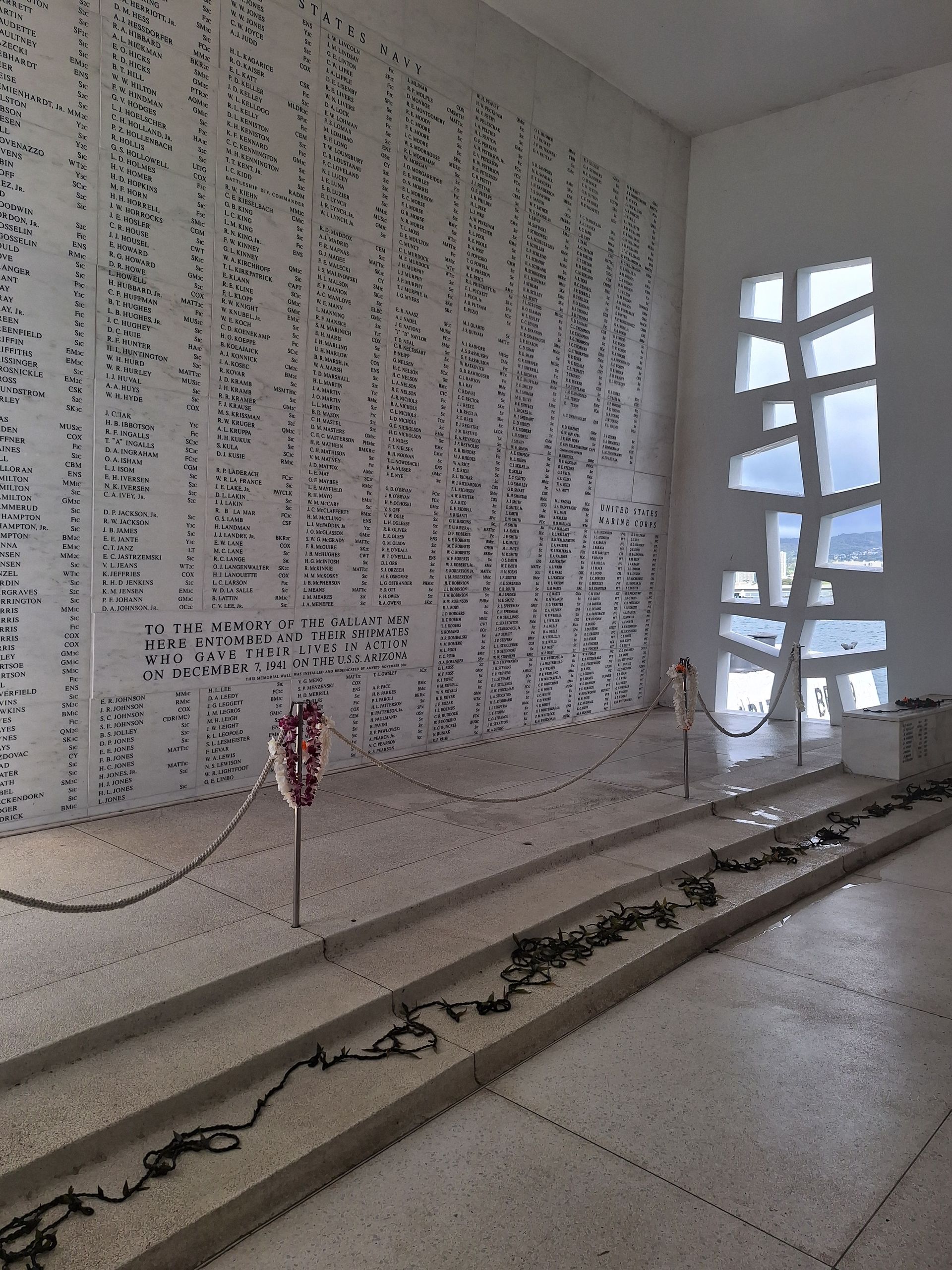
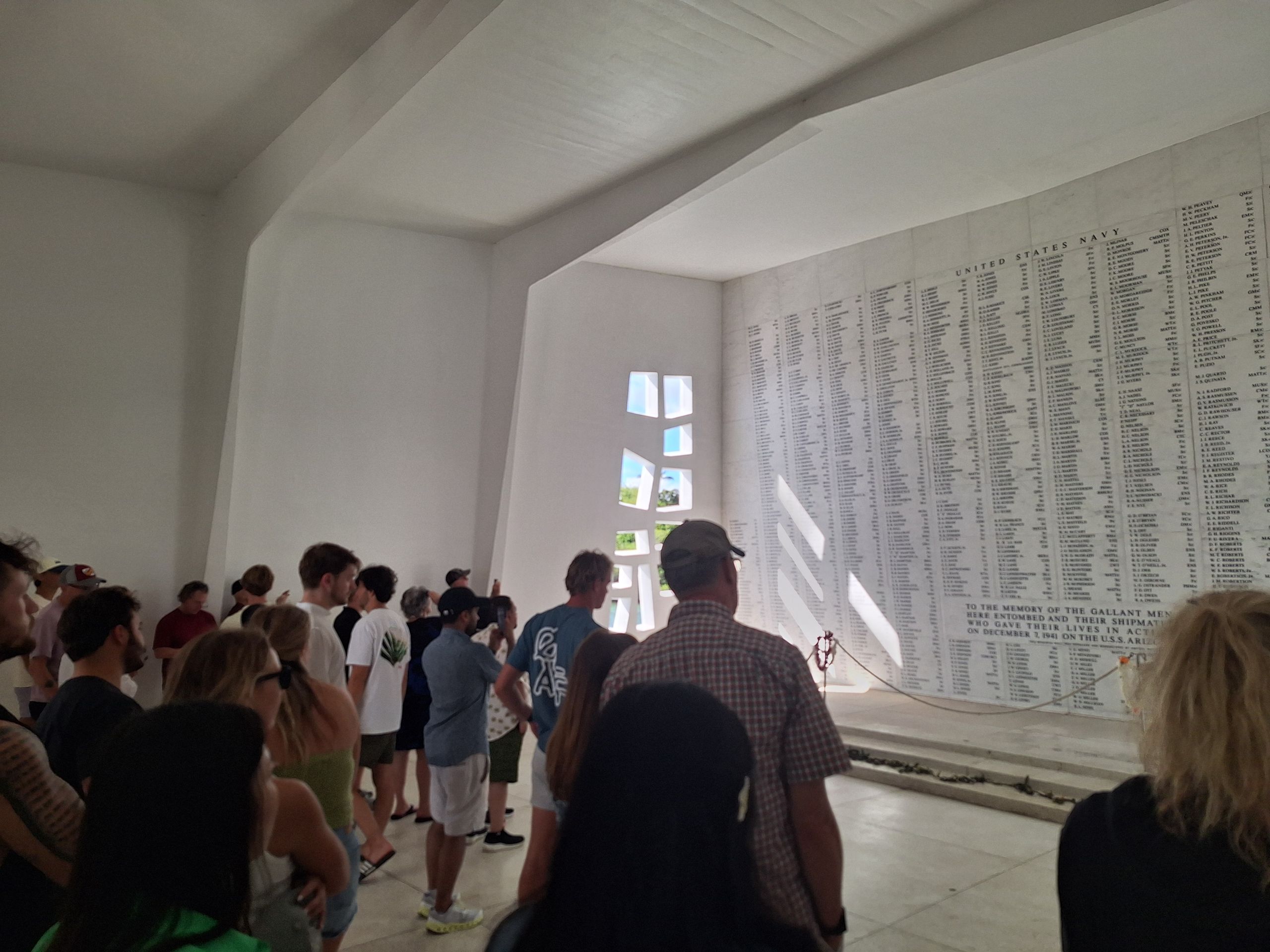
The highlight of the visit is the USS Arizona Memorial (also free to visit).

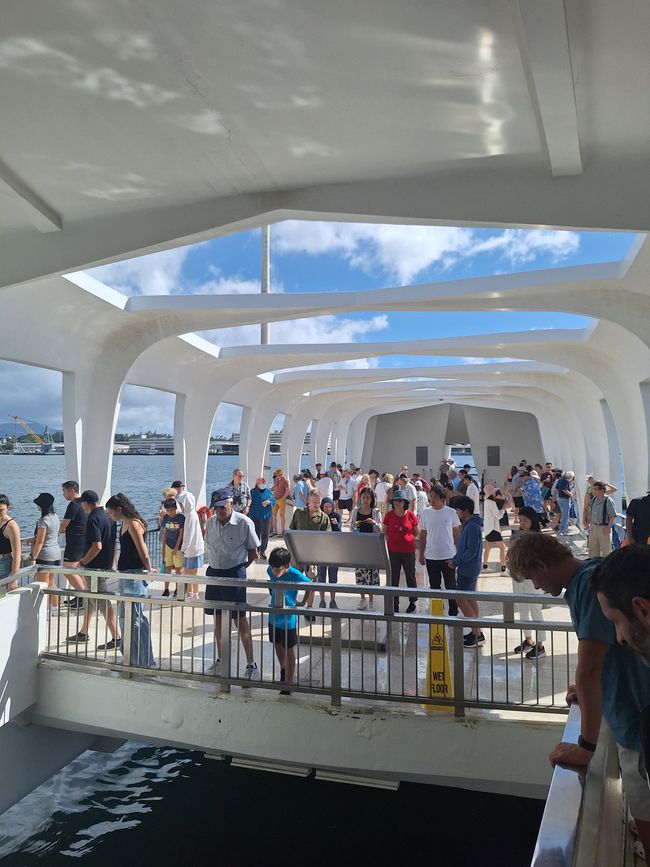
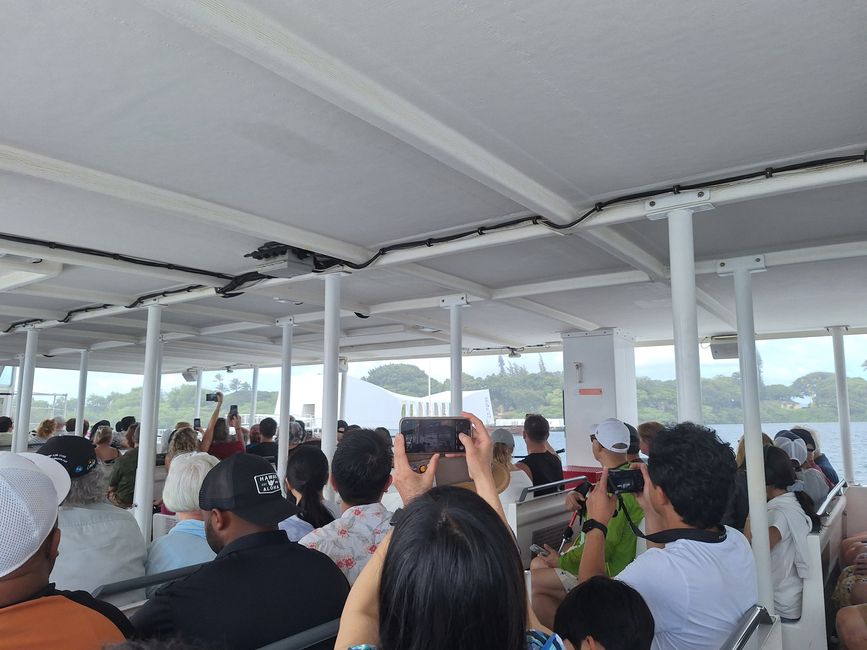
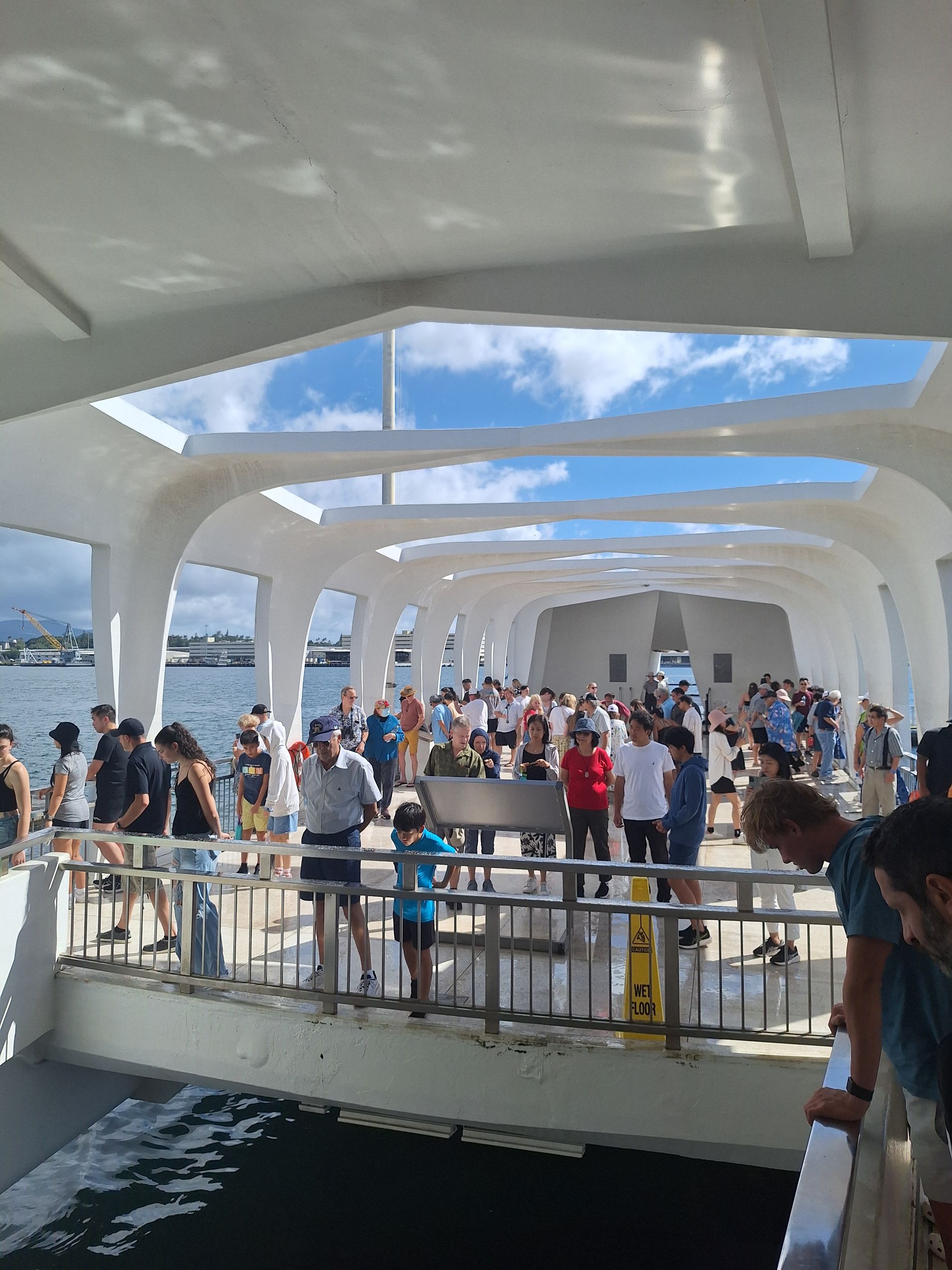
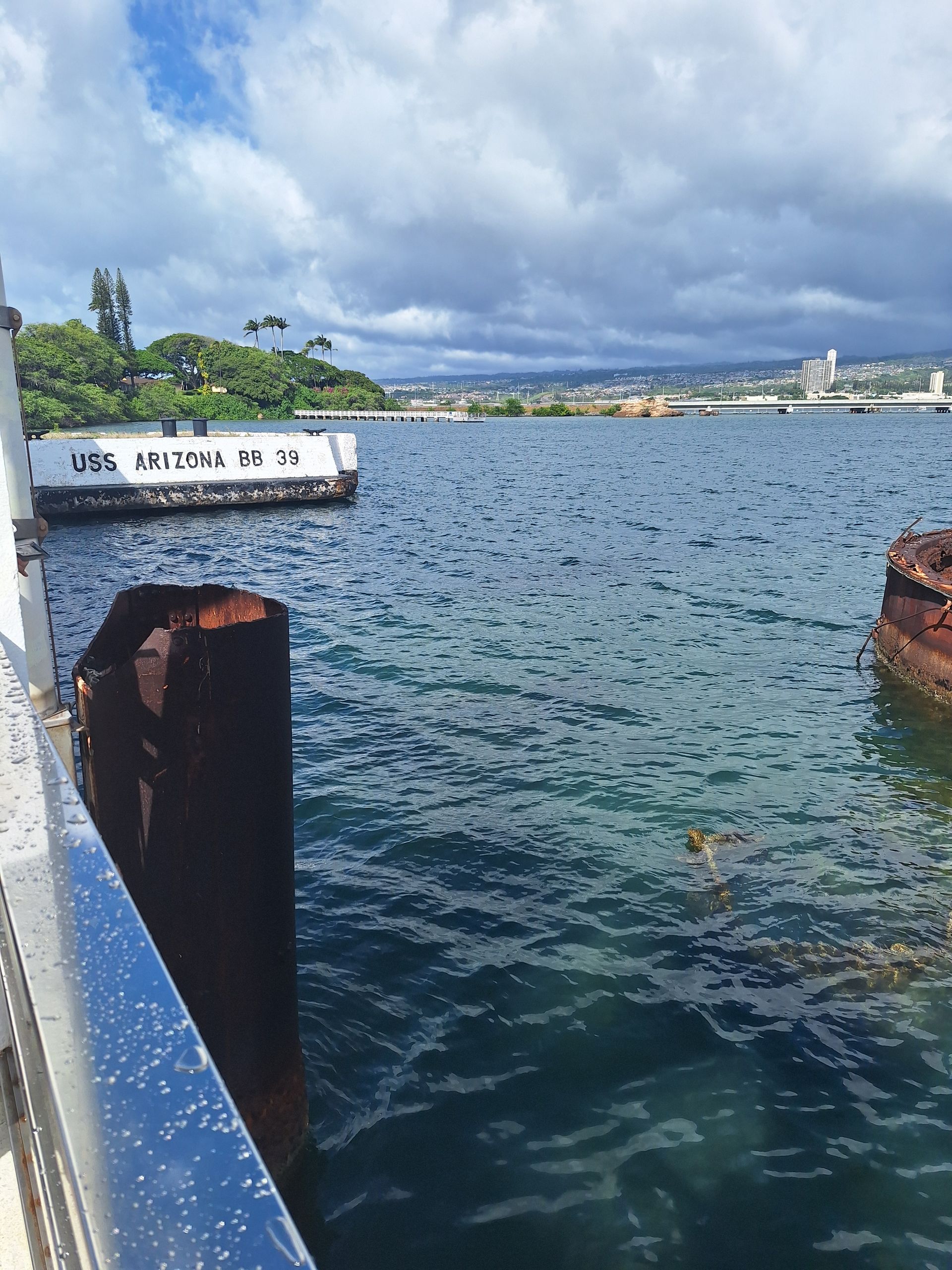
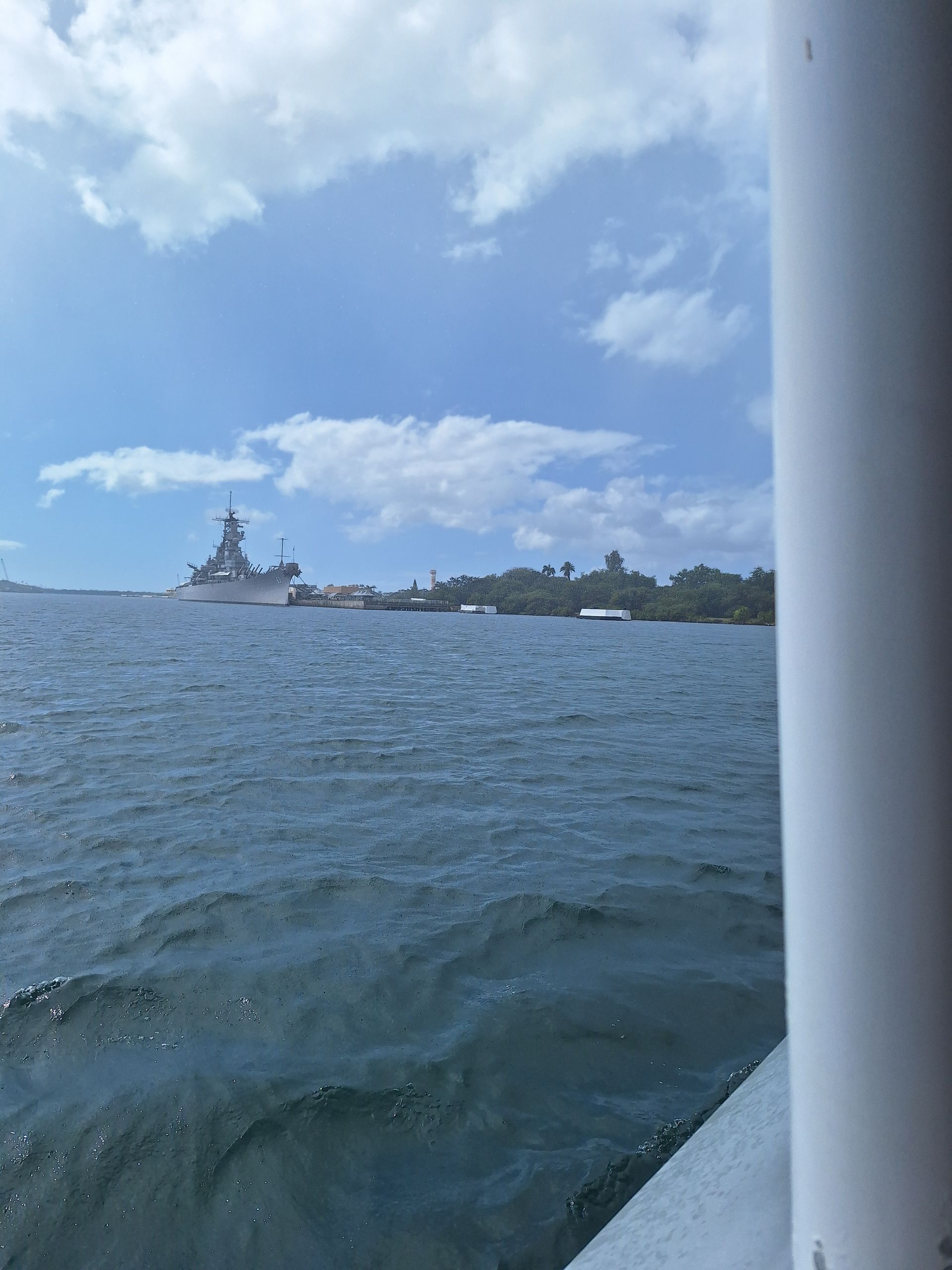
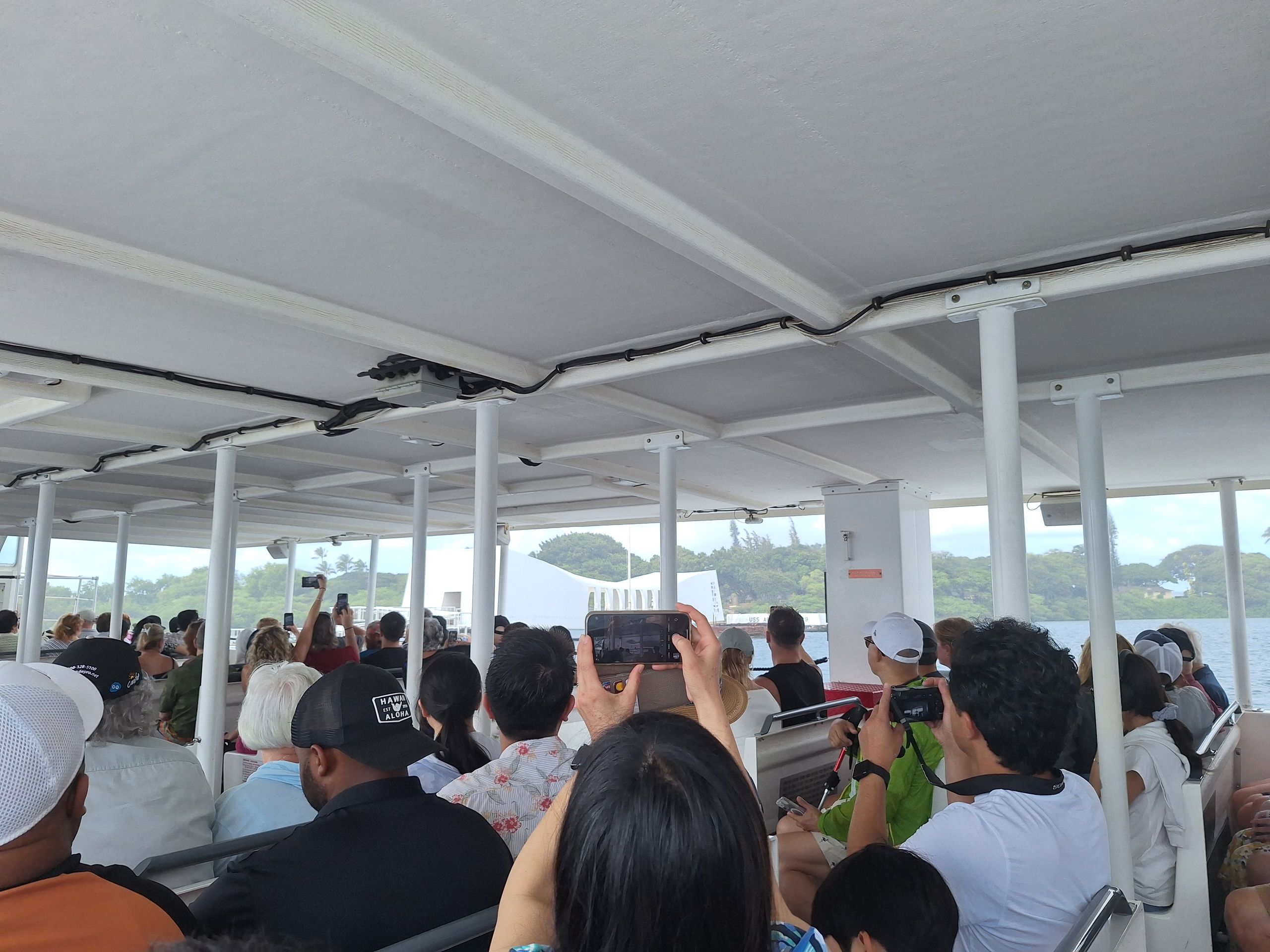
Marine soldiers take visitors to the wreck of the ship, which symbolizes the attack on Pearl Harbor on December 7, 1941, for about 15 minutes. More than 900 soldiers lost their lives in the inferno, and a memorial floating over the water serves as the central place of mourning for the United States.
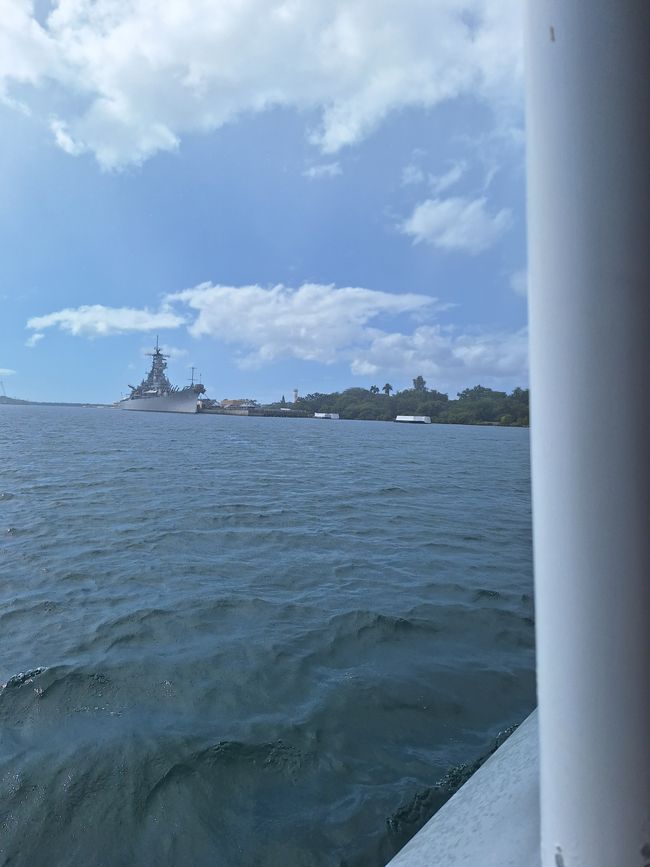
Before boarding the boat to the memorial, visitors are prepared: briefly, almost sternly, a memorial staff member explains that they are now heading to a “sacred place.” “Taking photos is allowed; no loud talking or phone use!” It is about paying respects to the fallen soldiers and veterans of the US Army. Respect and silence are his words.
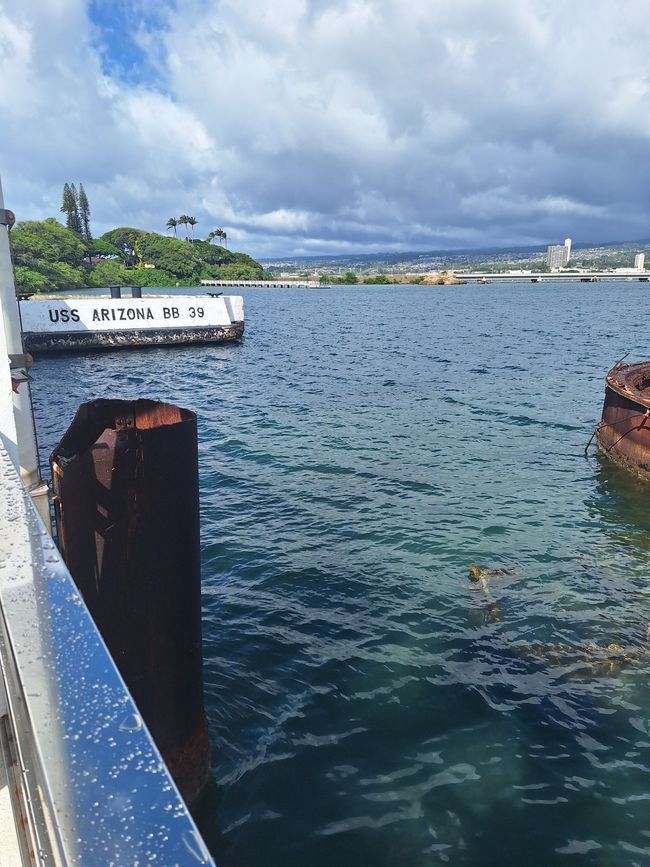
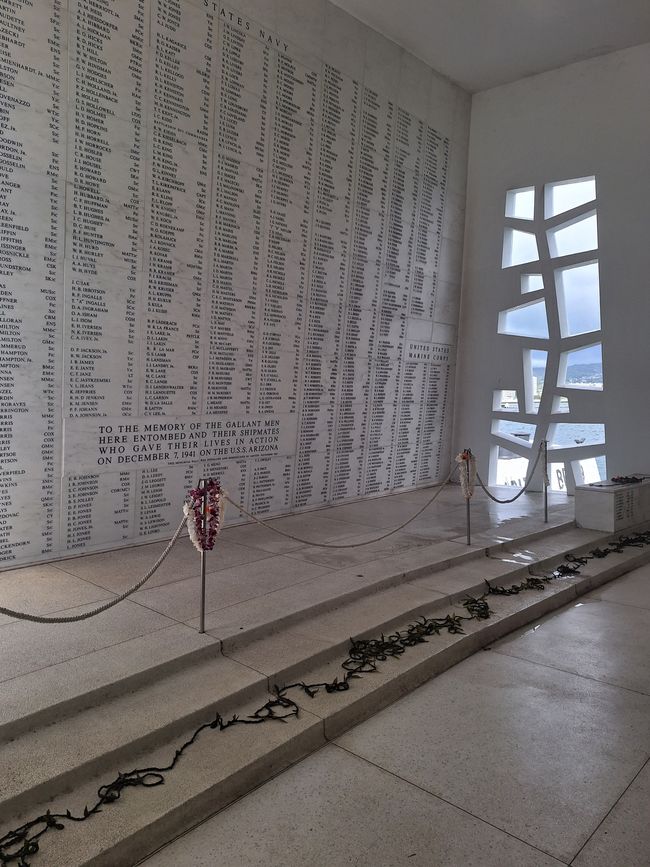
The USS Arizona Memorial was designed by an Austrian, Alfred Preis. After 1938 (when Austria became part of Nazi Germany), Preis left his homeland and sought refuge in Hawaii. As an “enemy alien,” a foreigner and a national of a then enemy country of the US, he was interned in 1941 - this was after the attack and the official entry of the USA into World War II when many Germans, Austrians, Japanese, and others were detained, regardless of whether they were for or against the Nazis/fascists. This architect, originally from Austria, remained in Hawaii even after 1945 and later planned the memorial, now one of the best-known in the USA.