
Dragon Head
Published: 24.09.2026

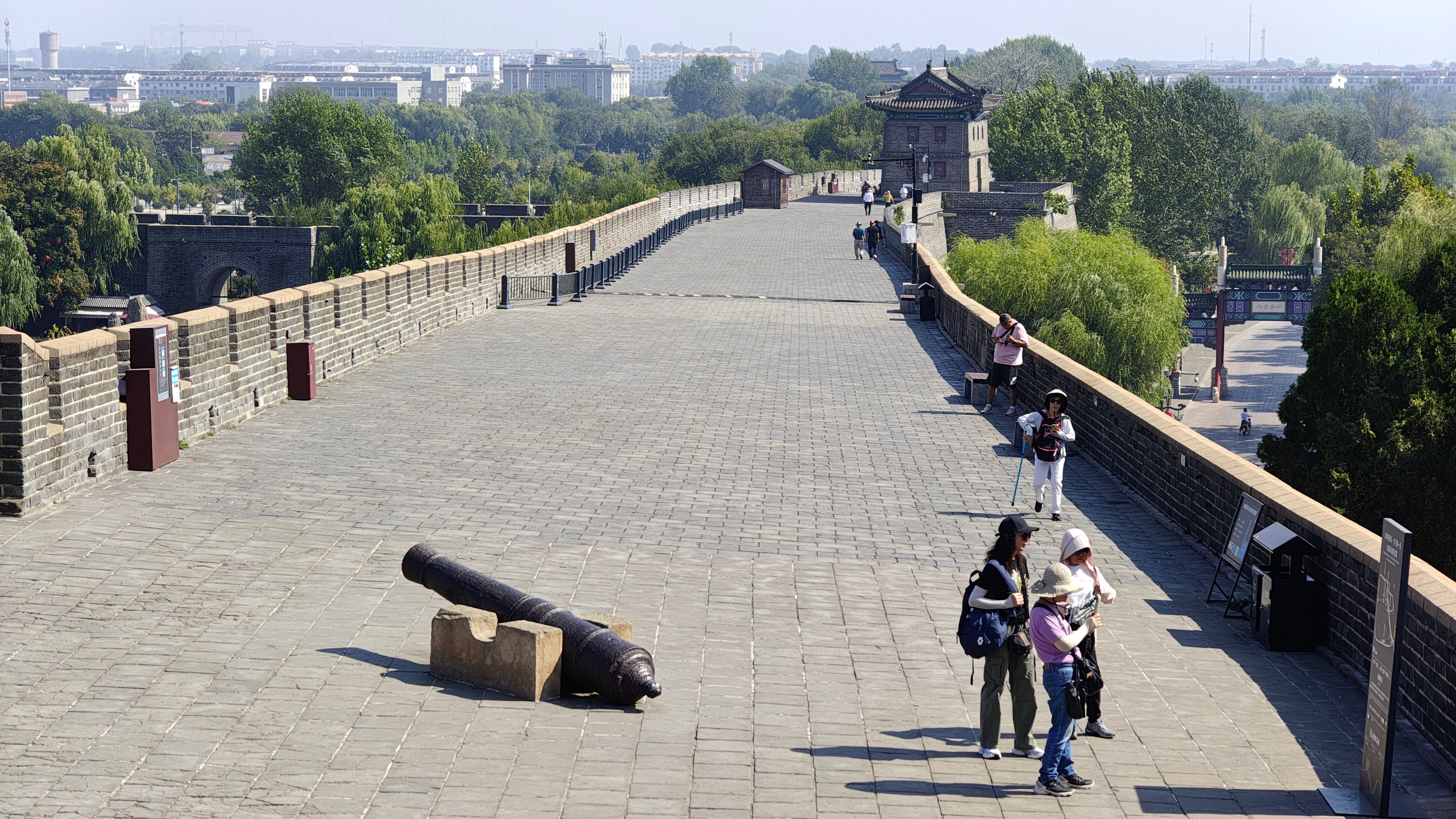
The section of the Great Wall of China we are visiting now has historical significance during the dynastic change in the 17th century. Shanhaiguan was the only easily passable border station between North and Northeast China, where the Jurchen people ruled at that time. Thus, the defense at this section of the wall was immensely important for the Ming dynasty.
After uprisings broke out in China and the death of the Ming emperor, Ming general Wu Sangui sought help in 1644 from the northeastern Jurchen people against the revolutionaries, who also mistreated his own family. Since he was responsible for the border fortifications at Shanhaiguan, he opened the gates to the Jurchen troops, who then defeated the cruel revolutionary leader Li Zicheng but marched all the way to Beijing and took power in China. The Jurchen subsequently called themselves 'Qing' and founded the nearly 300-year Qing dynasty, the last imperial dynasty in China.
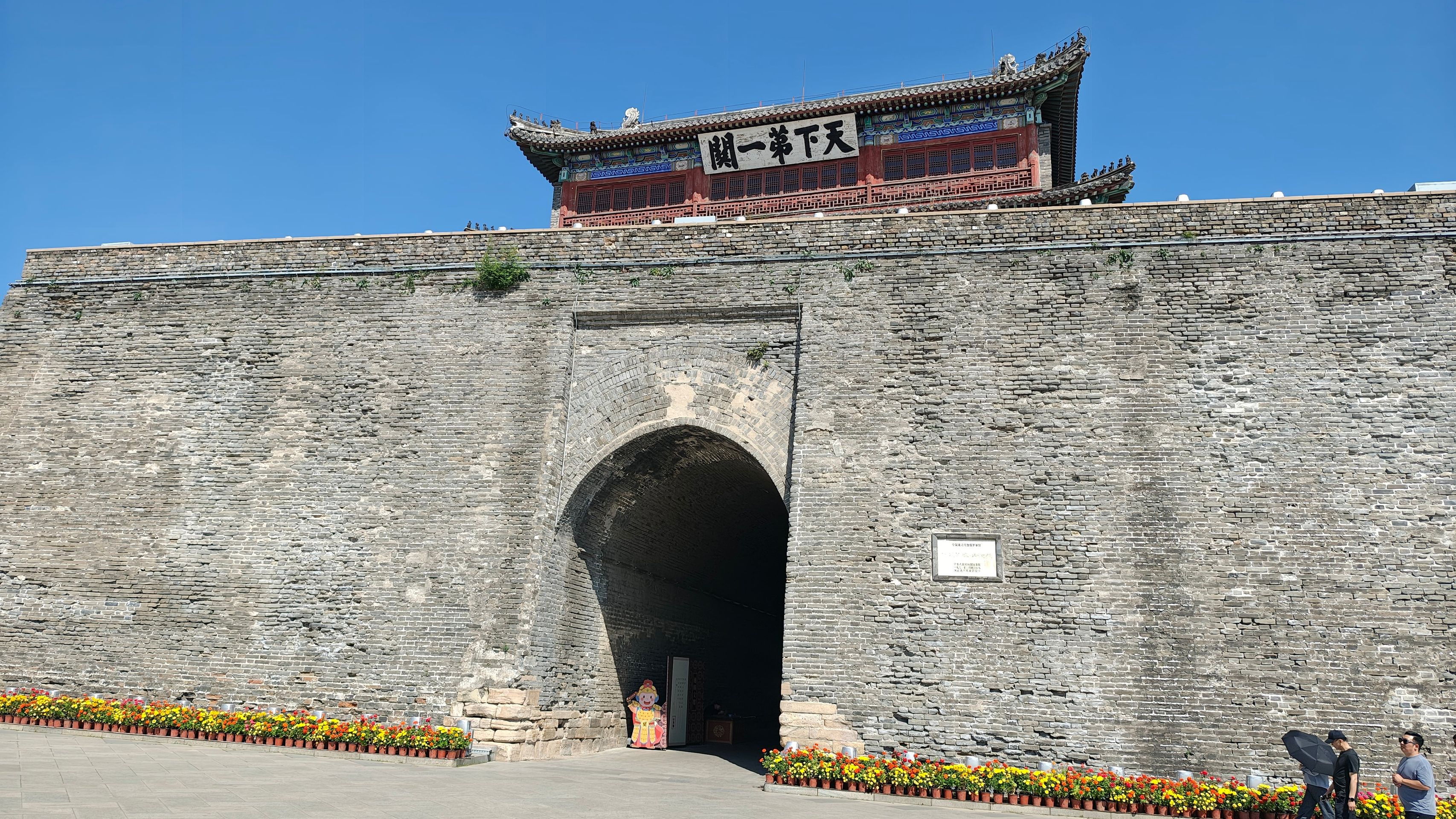
We are heading to the 'First Pass under Heaven', as this place is also called, because it represents the first eastern border station and is crucial for the defense of the country, especially for the capital Beijing. We arrive at the information center with the shuttle service. In the parking lot, a bus driver from a tour group has comfortably settled down while waiting.

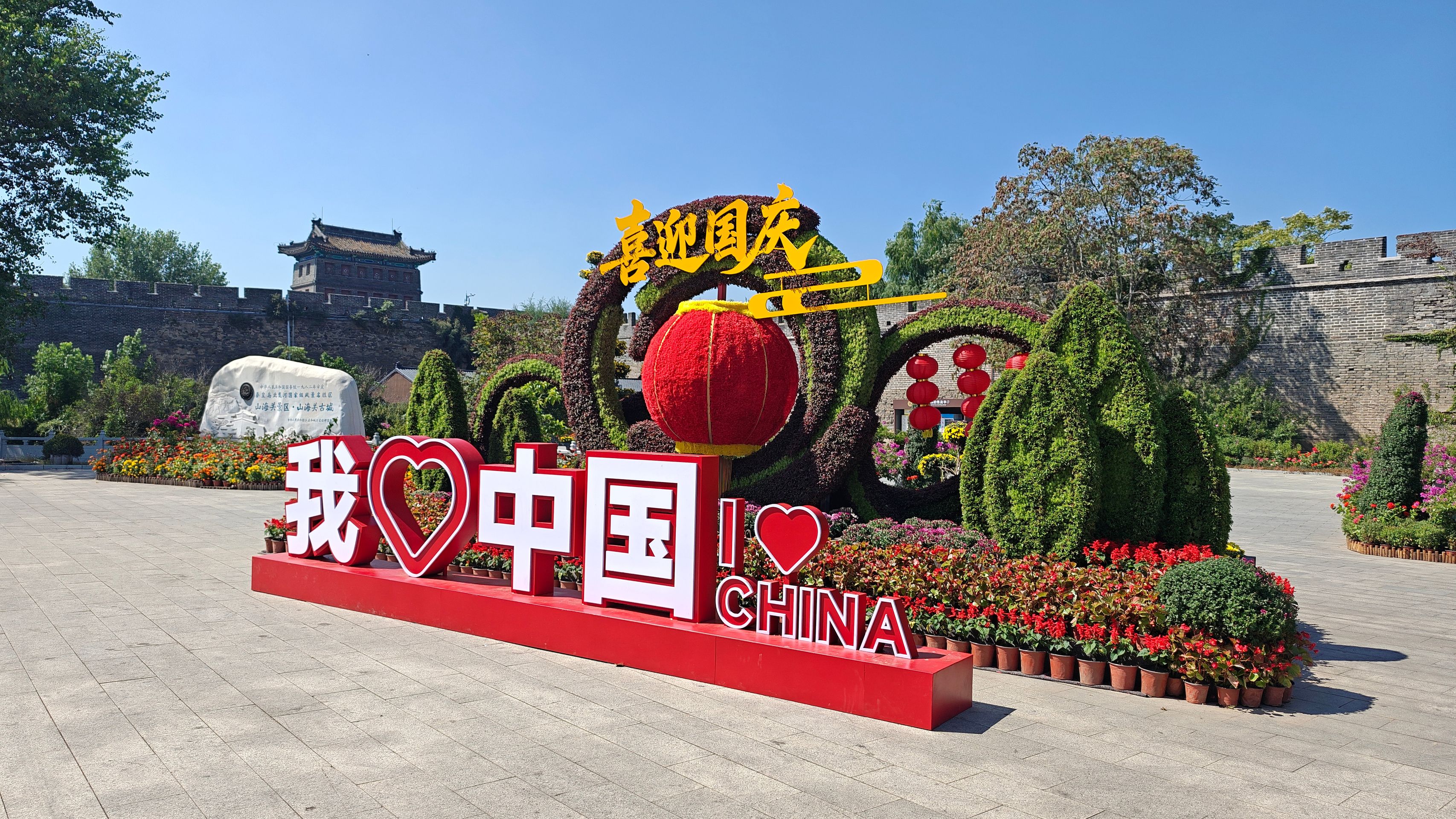
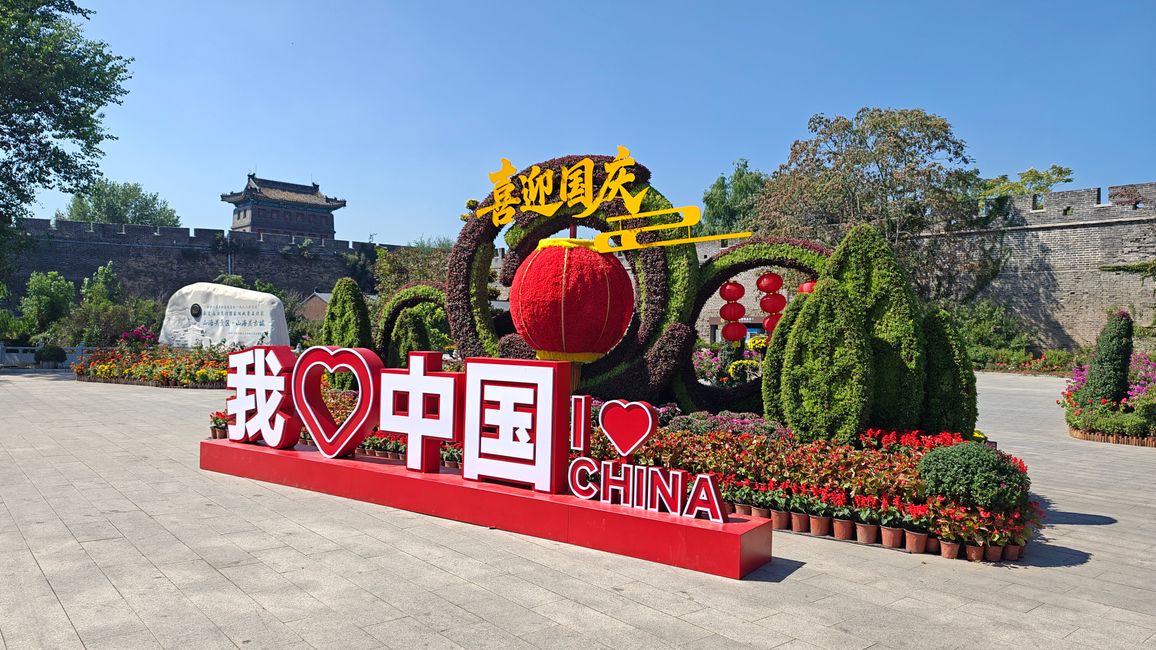
Flower decorations already announce the upcoming National Day.
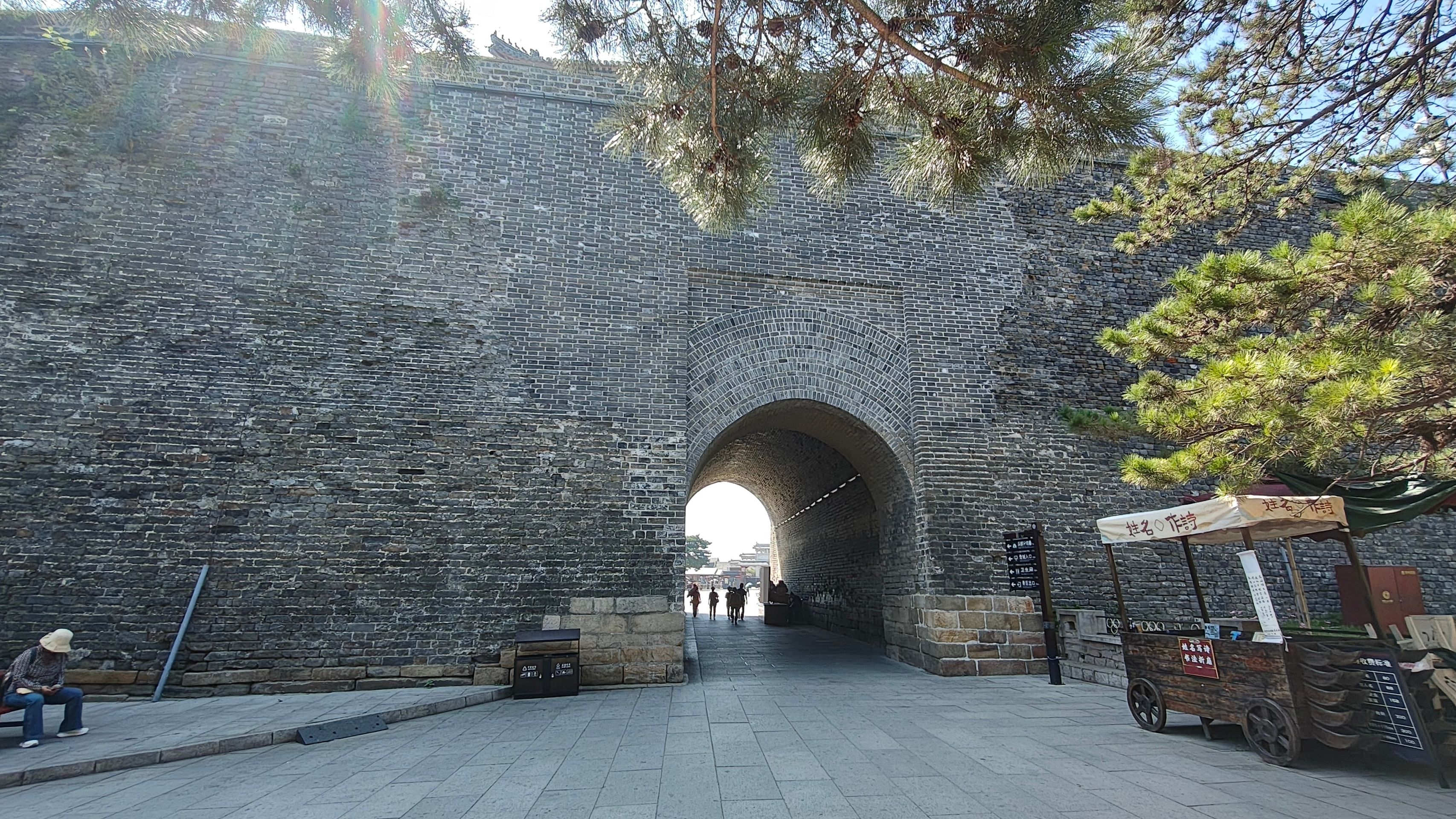
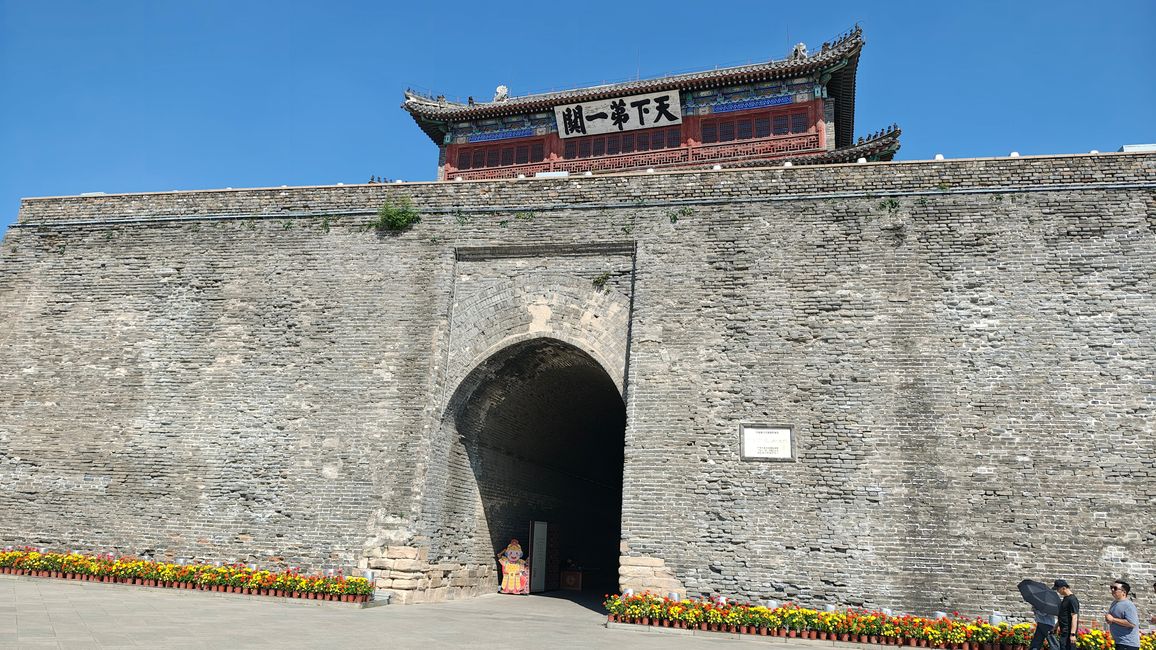
And then we stand before the famous mighty gate to Ming-China, as we come from the Jurchen side of the wall to Shanhaiguan.
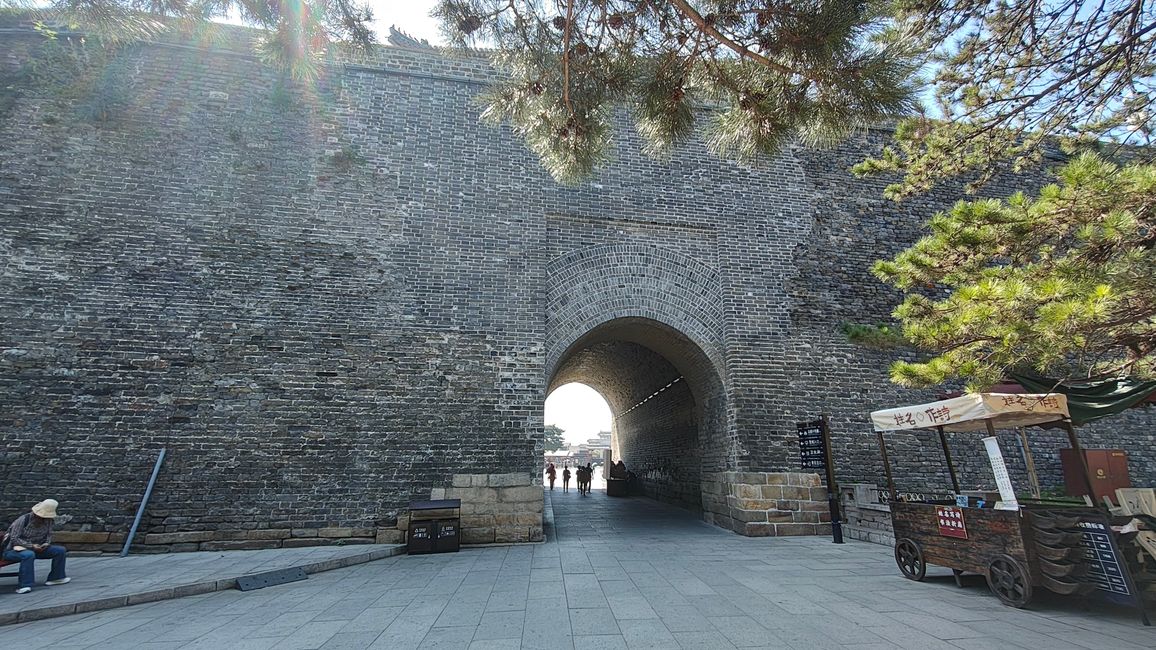
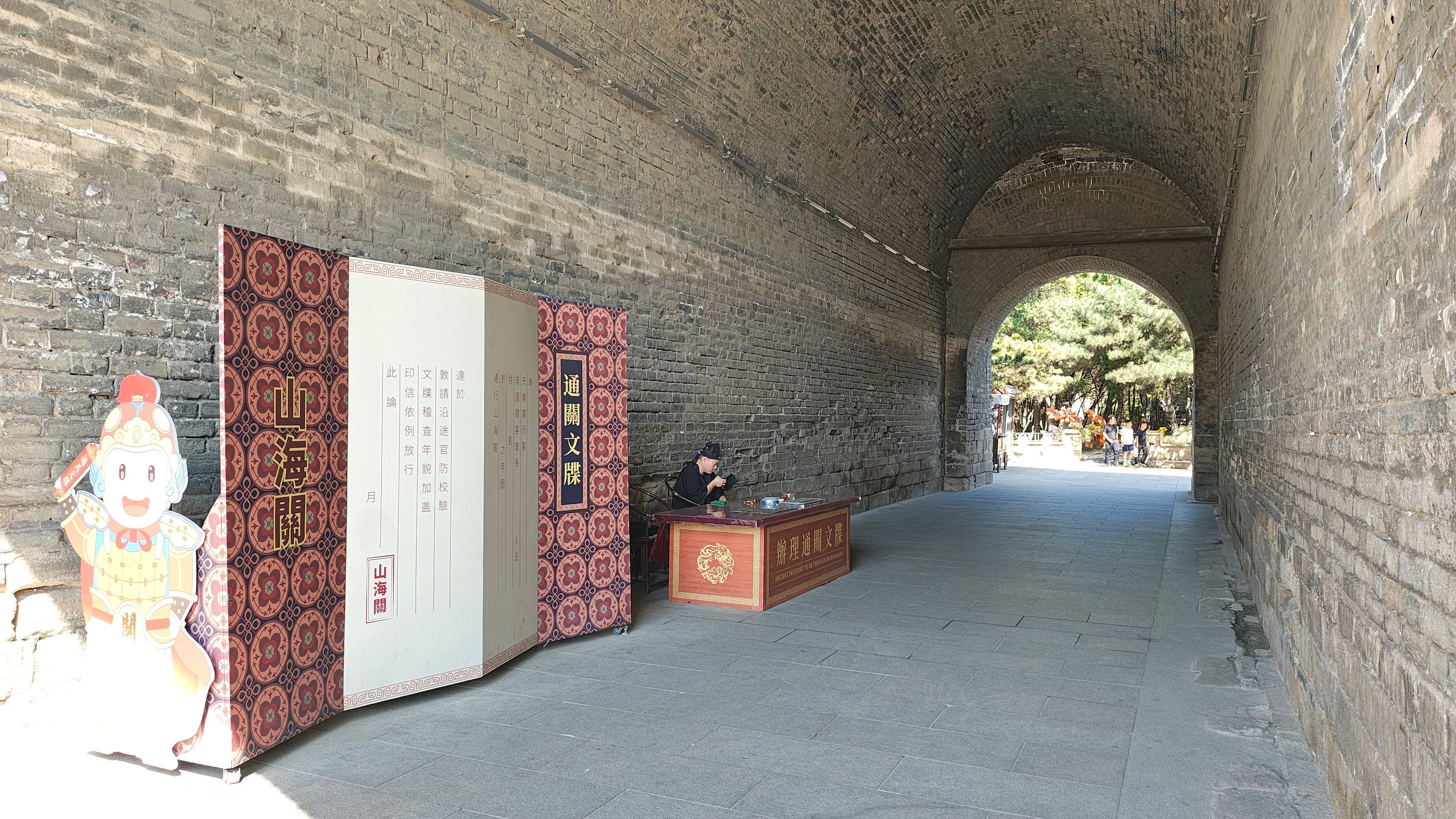
However, the Jurchen would have already had to break through a wall defense ring at this point, as the gate was additionally protected by further walls. In the middle of the passage is a checkpoint.
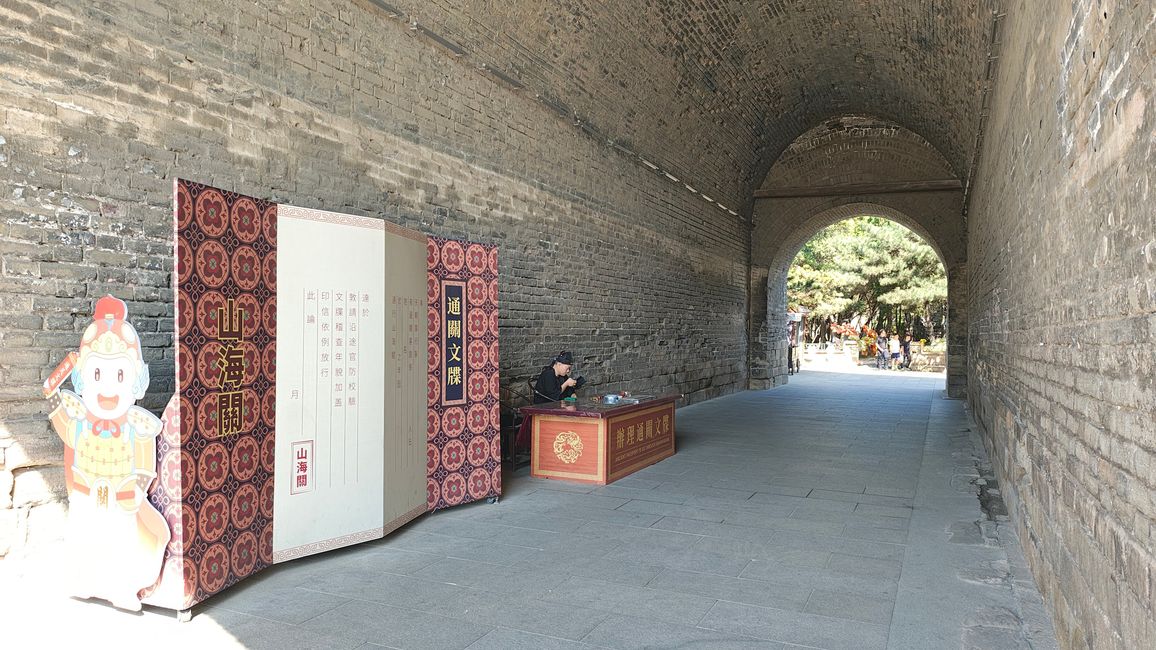
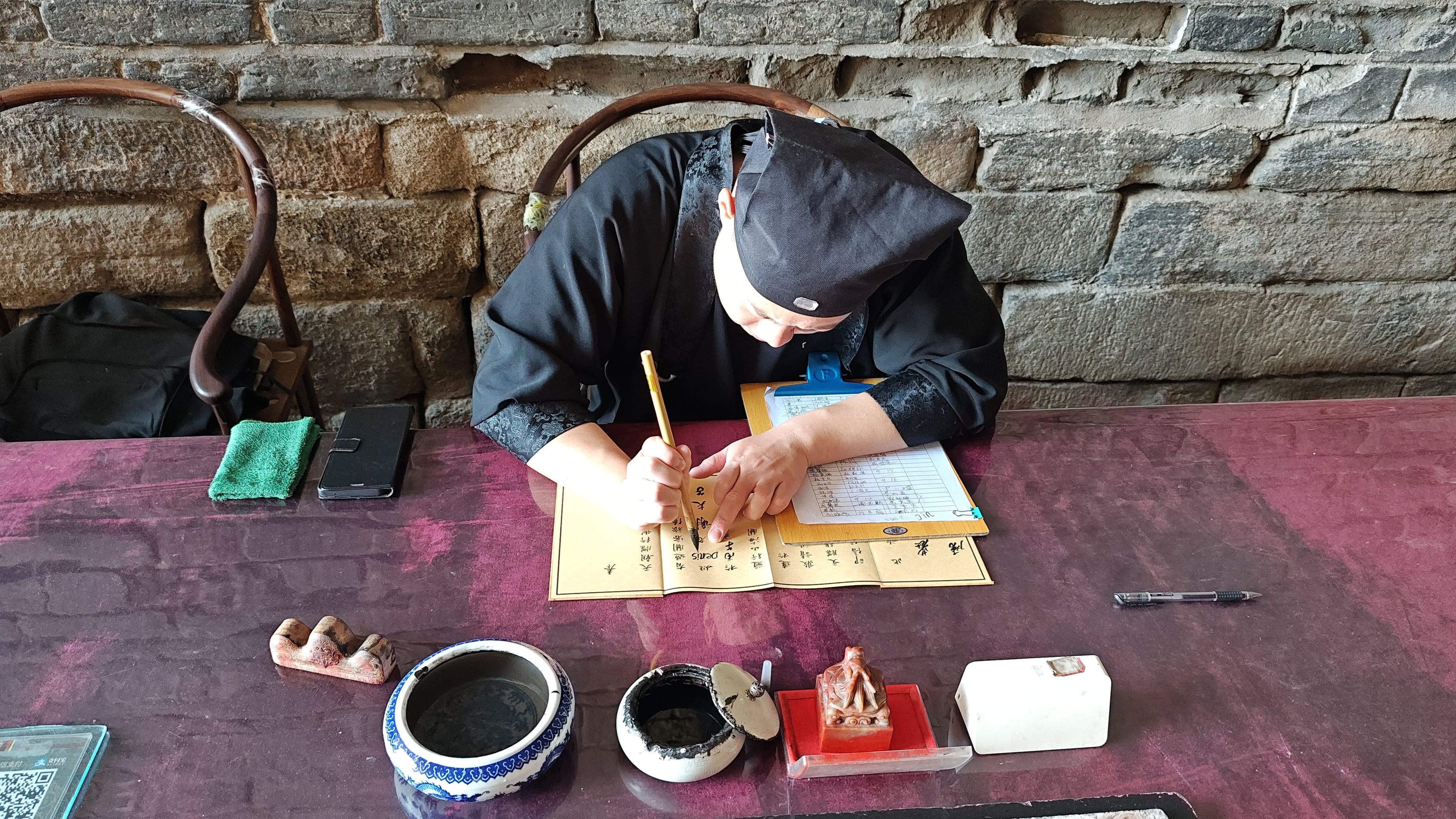
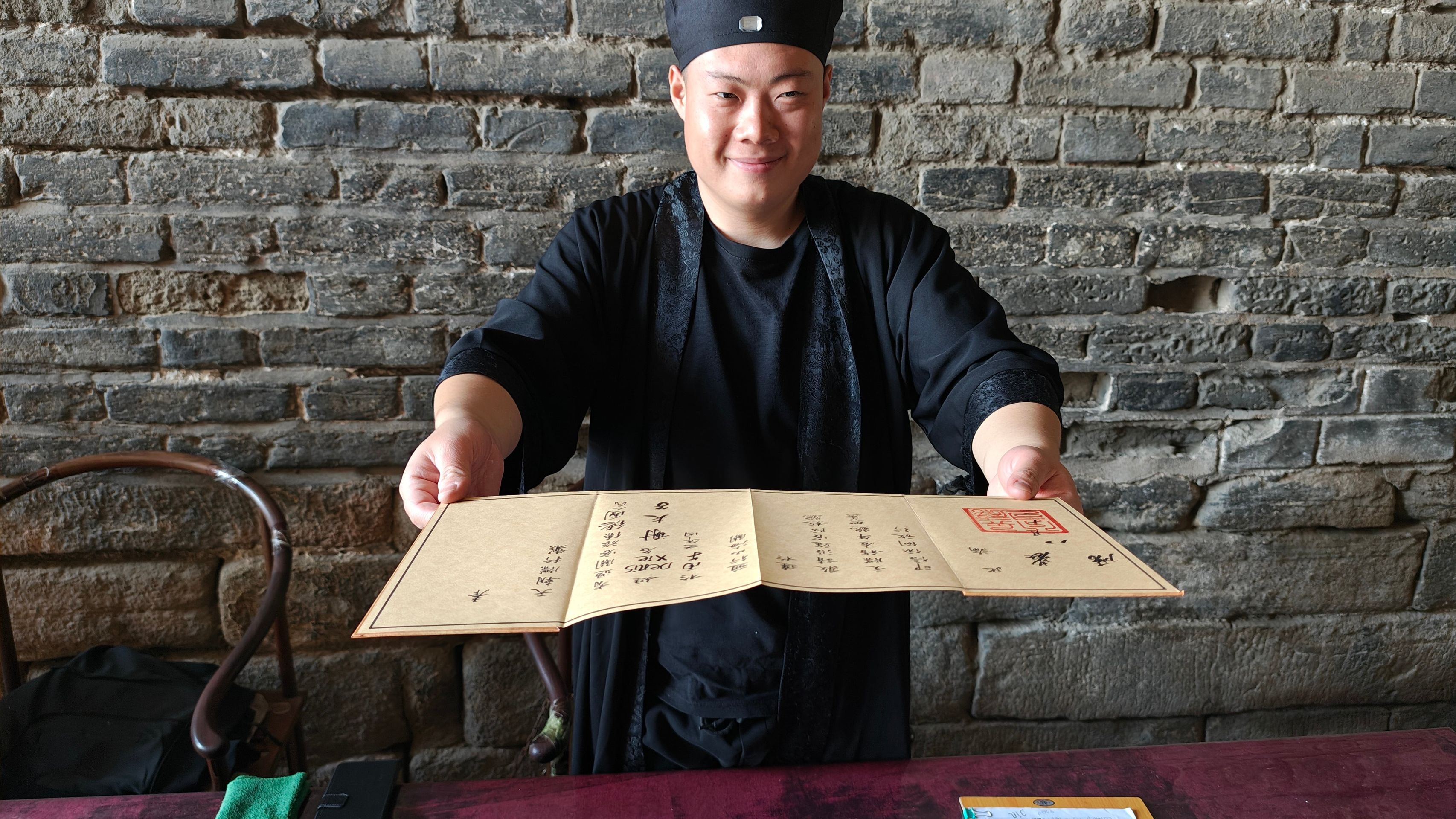
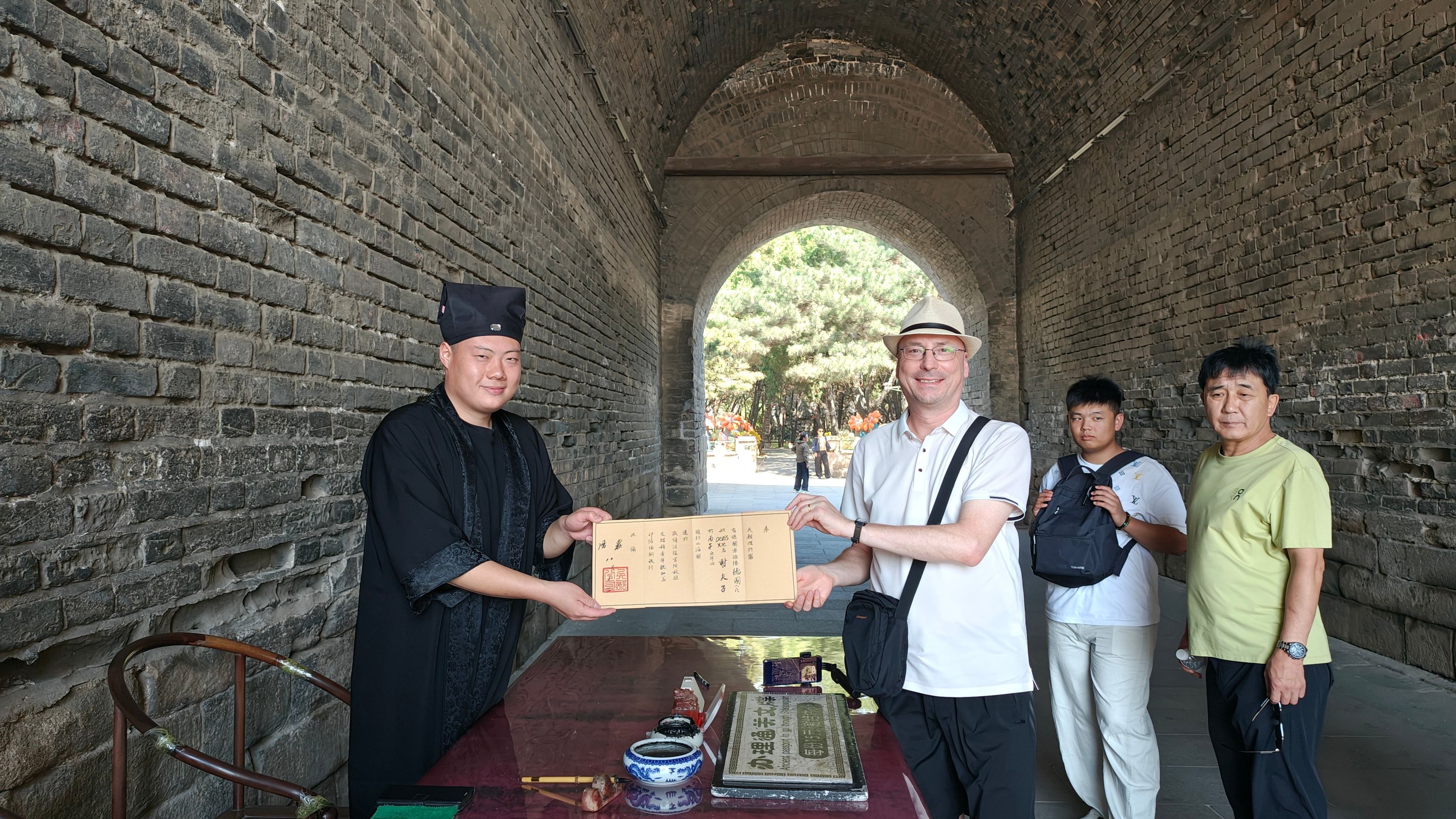
While my accompanying history buffs want to ignore the poor border officer, I insist on having my own historical passport issued. My name is written in ink into the document.
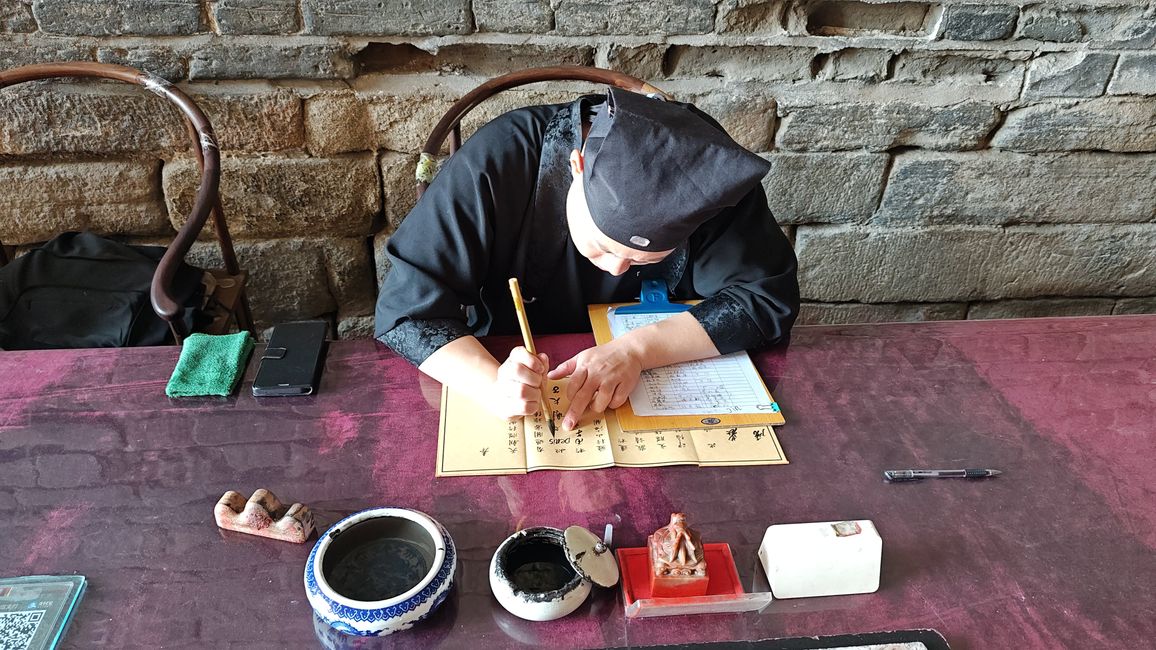
The important red imperial seal is affixed and the document is ceremoniously handed to me.
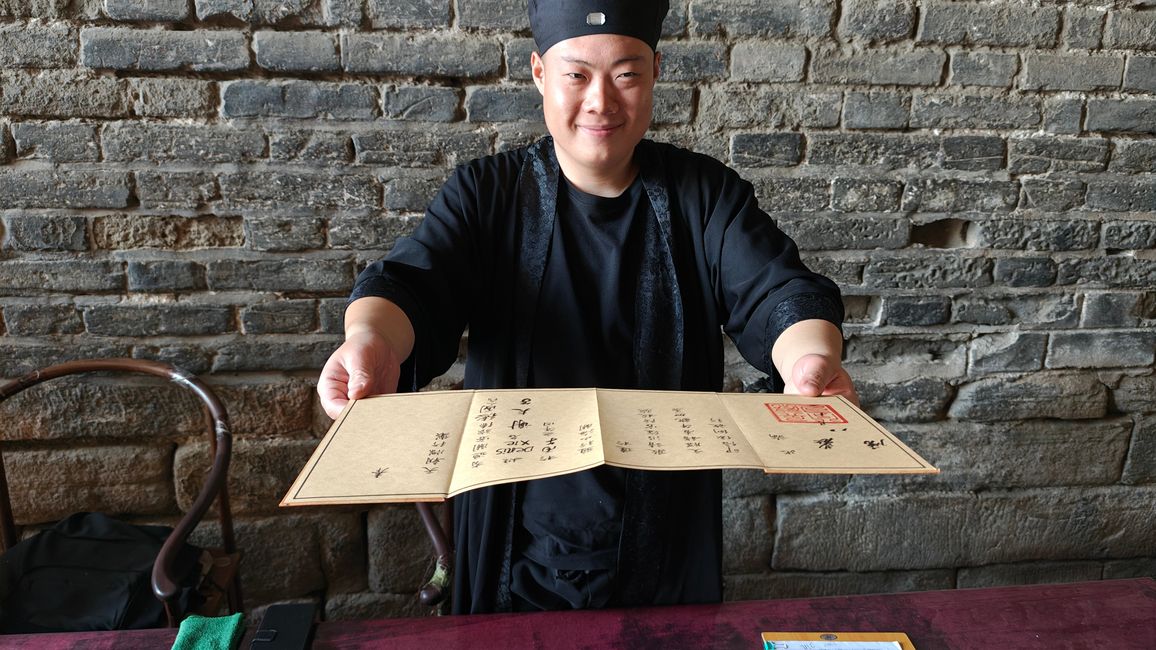
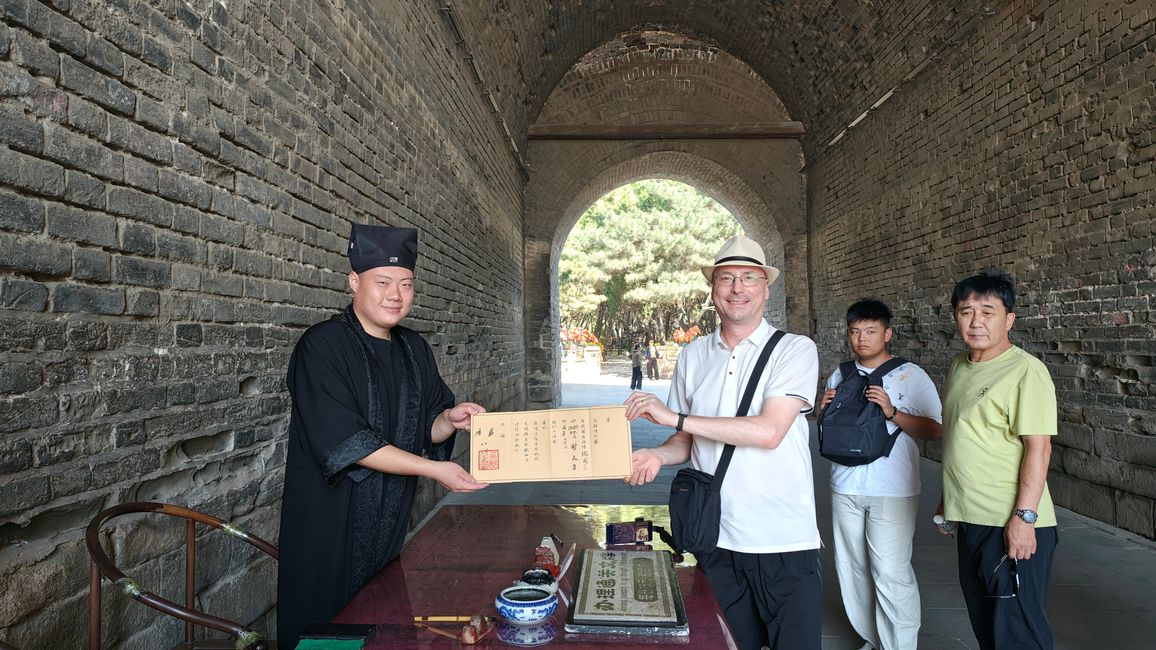
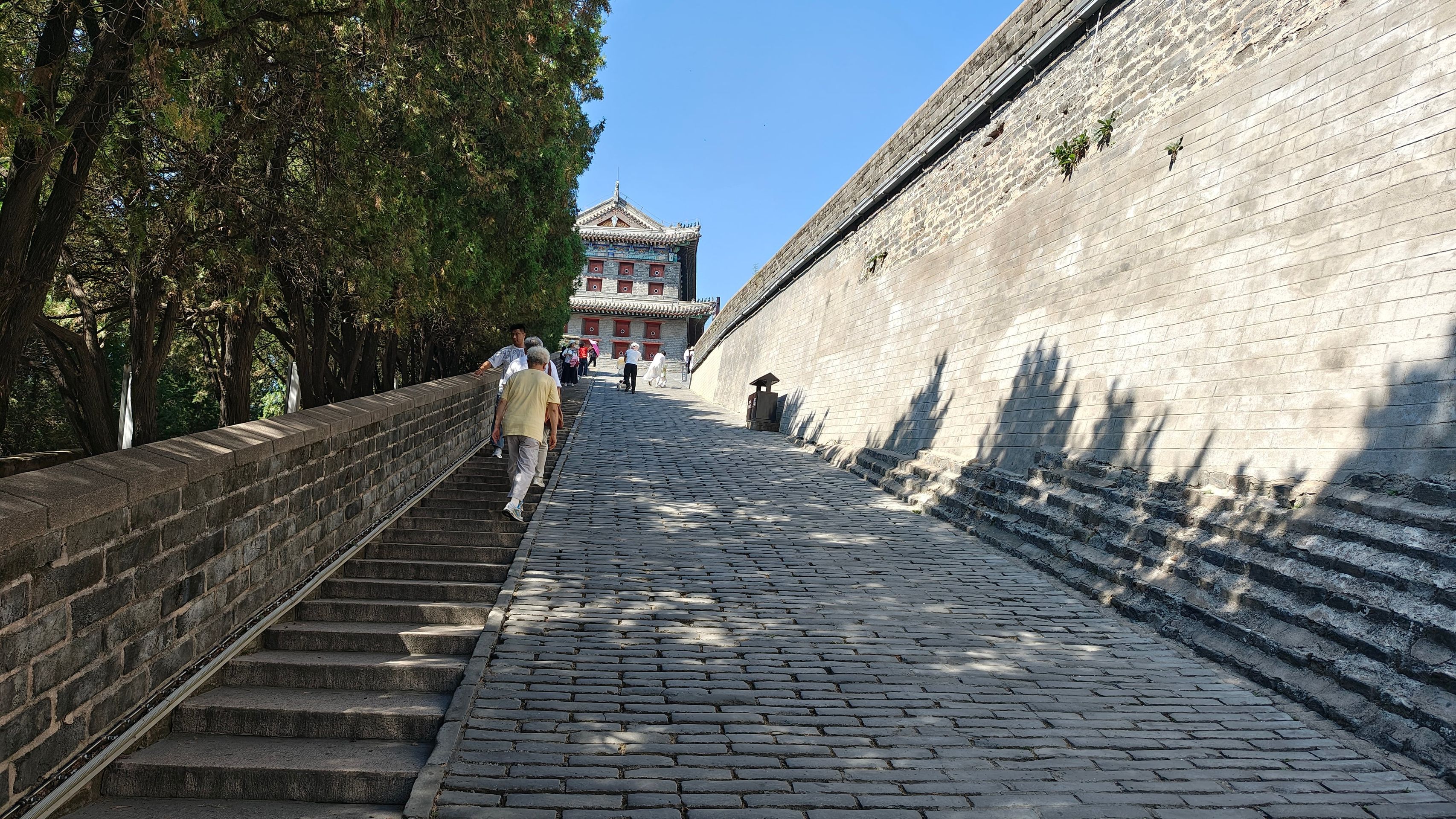
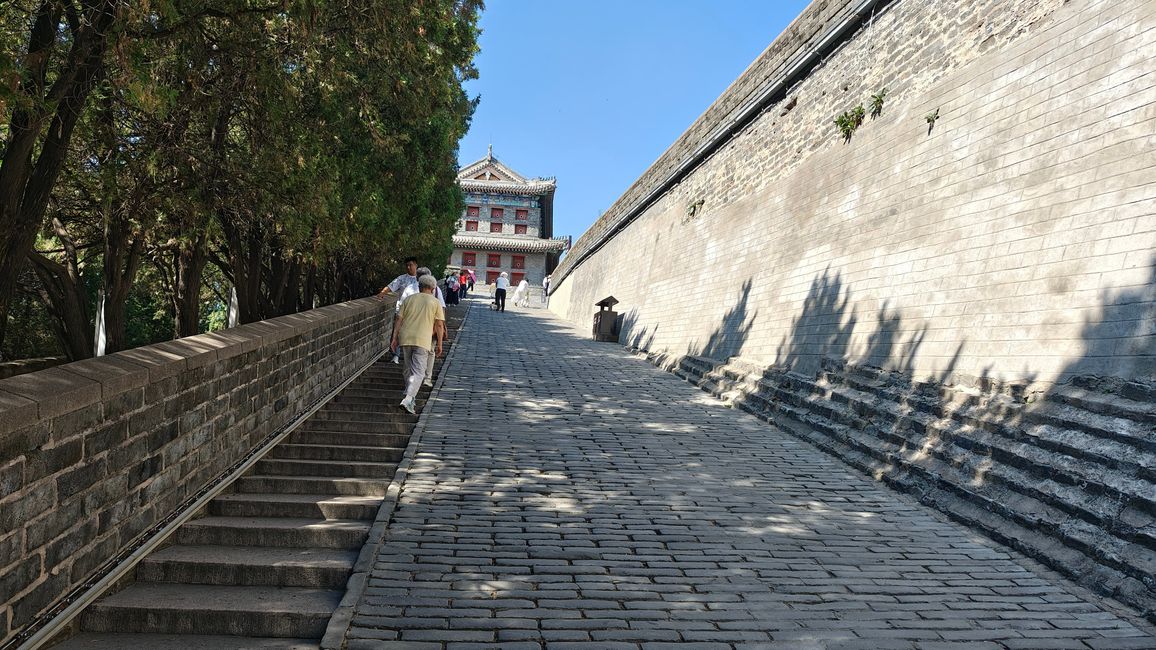
Of course, the ceremony has to be repeated, as the historical border officer wishes to take a picture with his own smartphone, as he likely does not often issue a passport to a German and wants to capture this historic moment for himself. We now climb up to the wall tower.
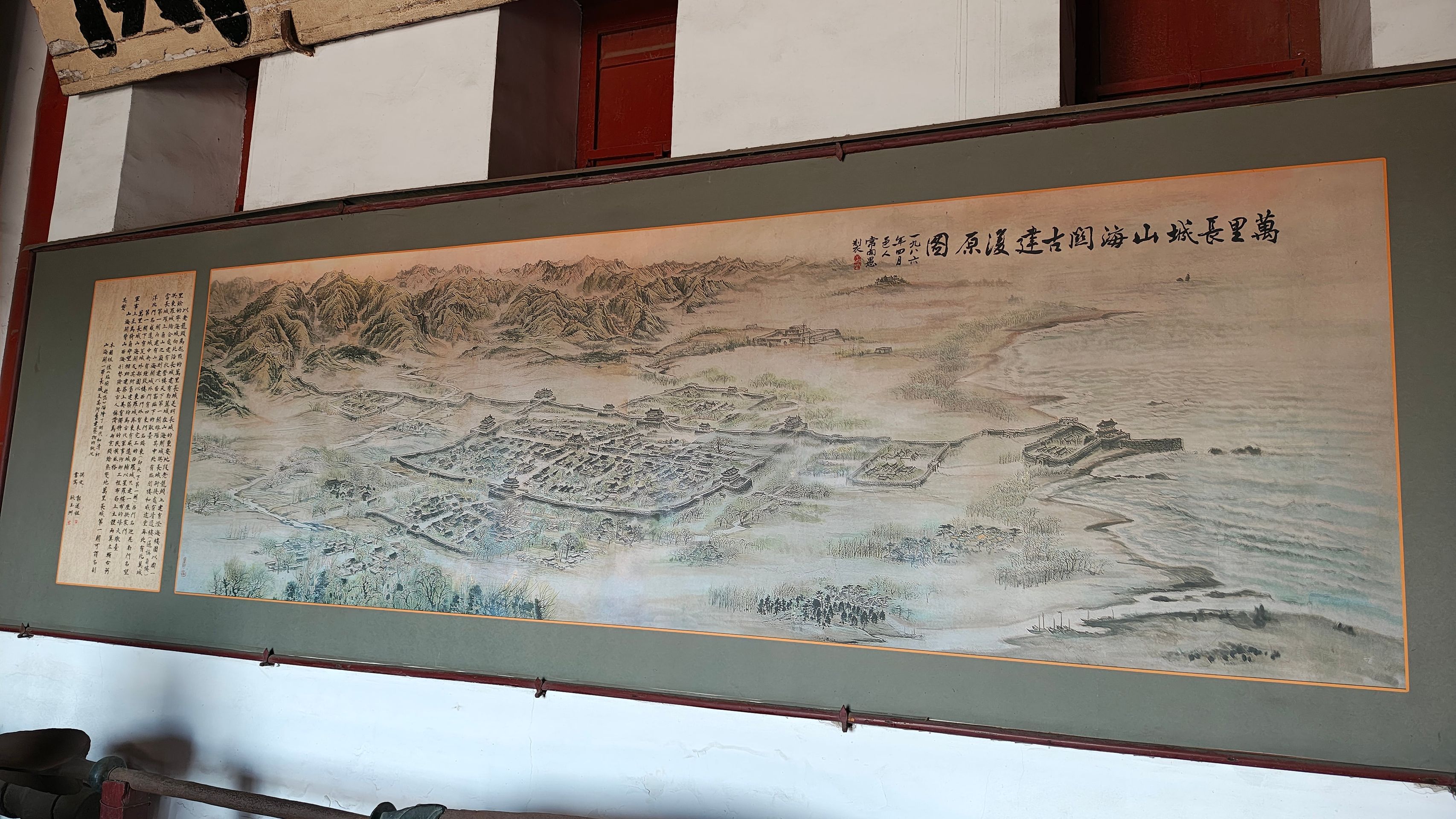
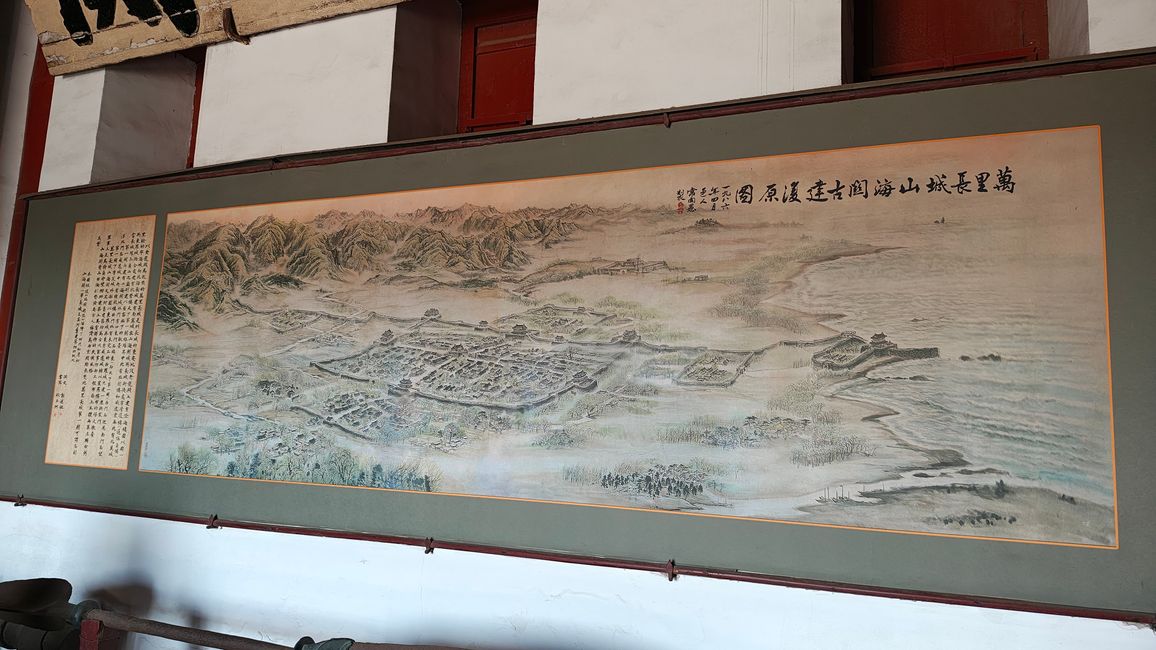
In the upper border tower, there is a large historical map, where we can nicely see the location of this place between the sea and the mountains.
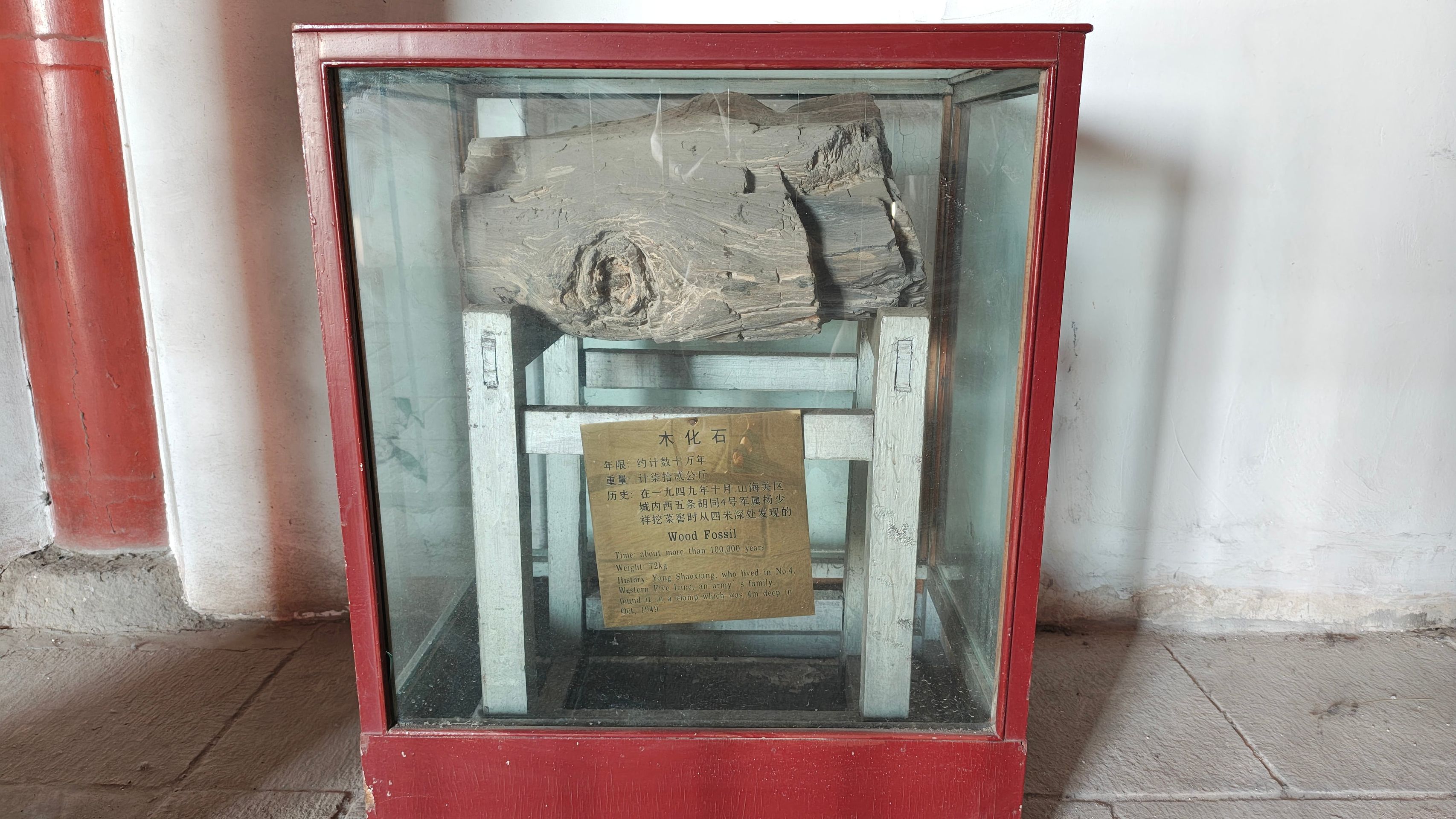
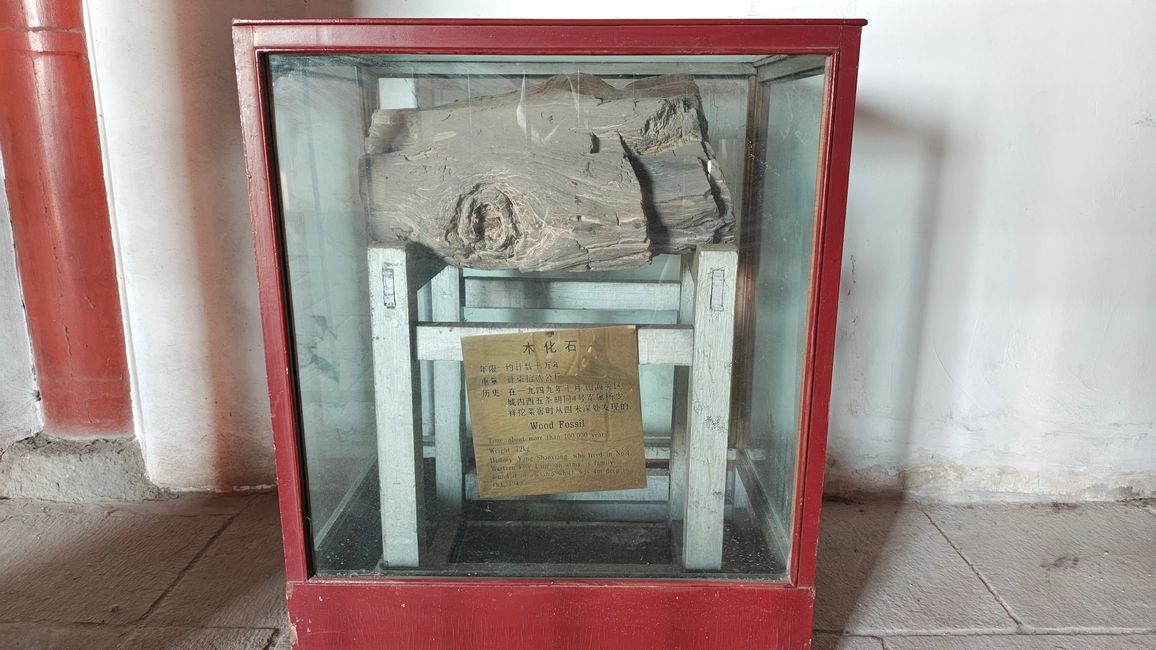
Additionally, there are various exhibits, such as a fossilized tree trunk found in 1949, which is over 100,000 years old.
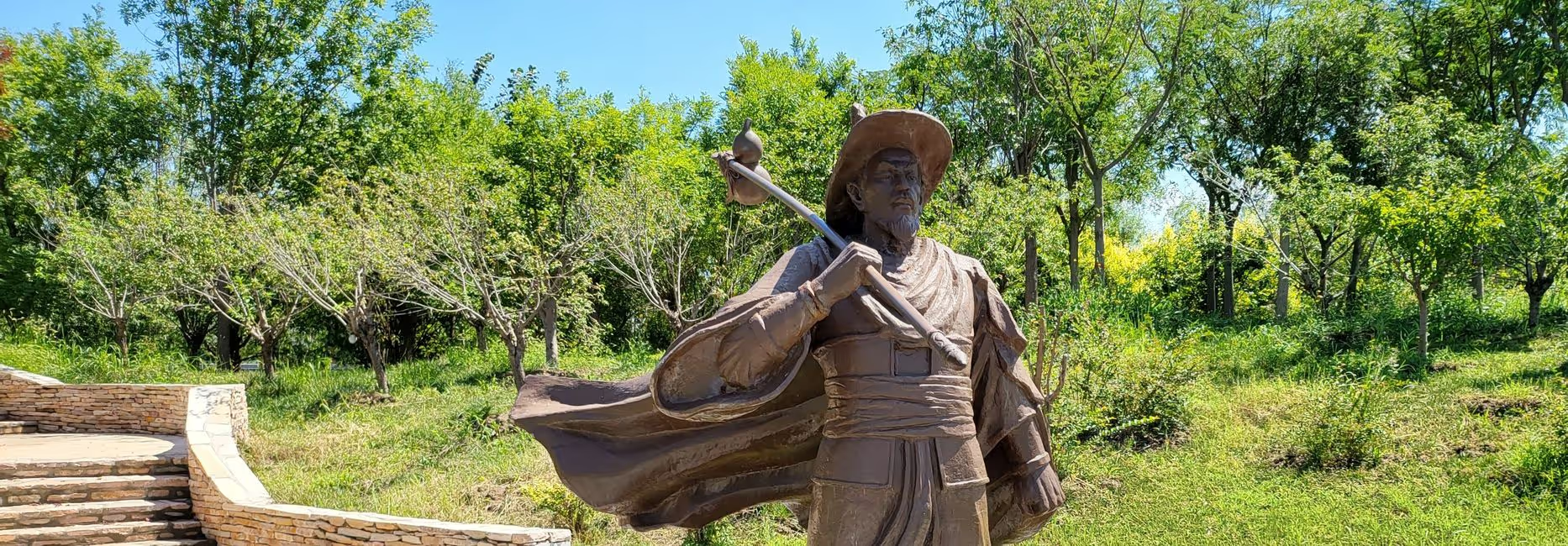
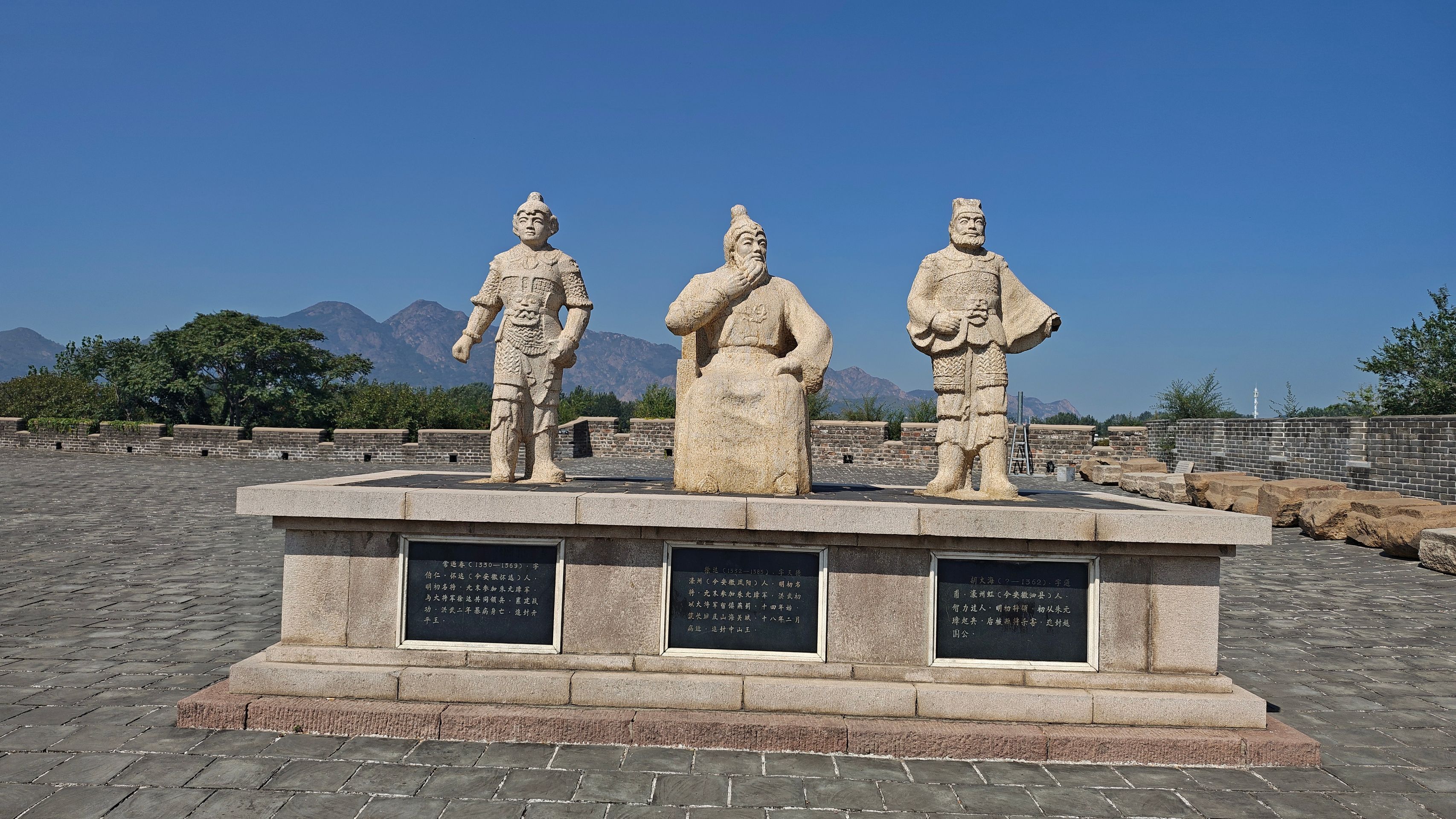
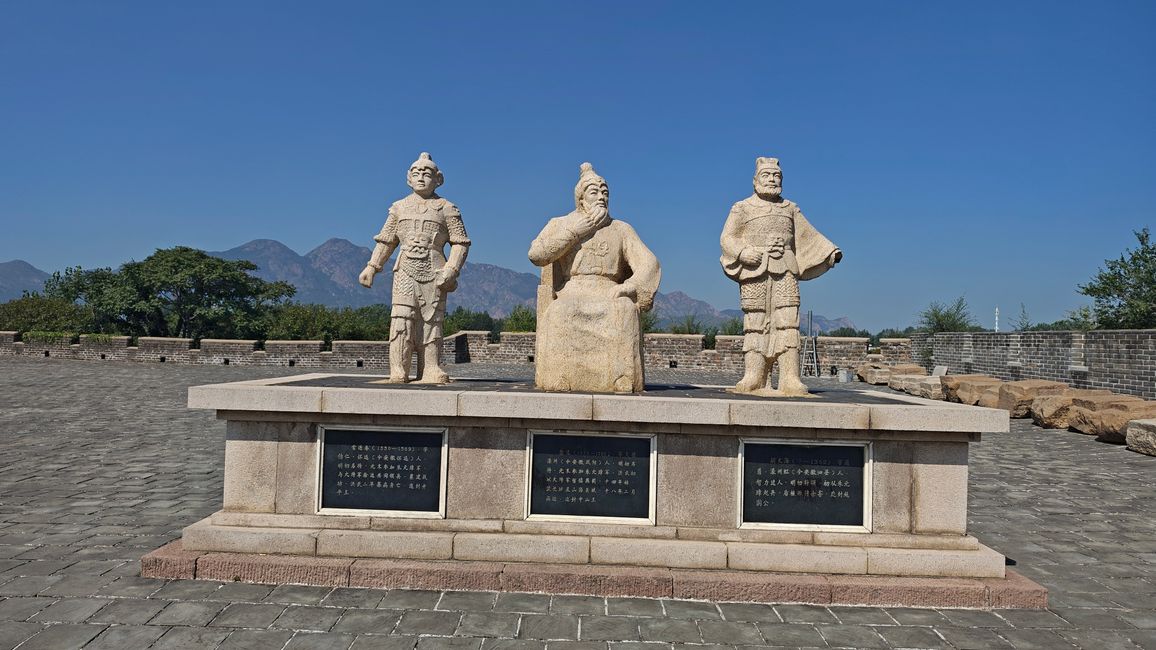
We now walk along the broad wall to the three statues representing the three famous Ming generals Chang Yuchun, Xu Da, and Hu Dahai.
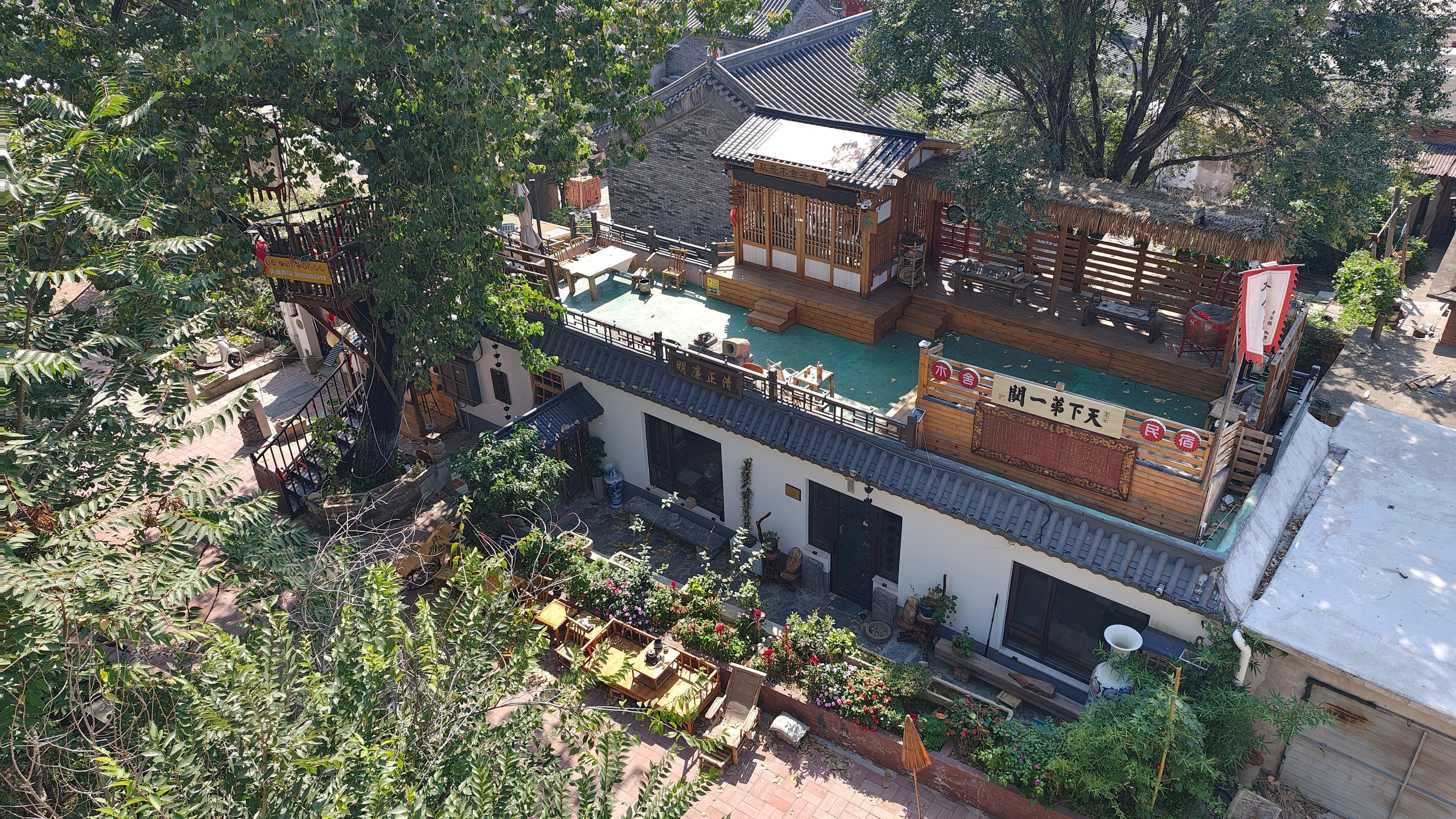
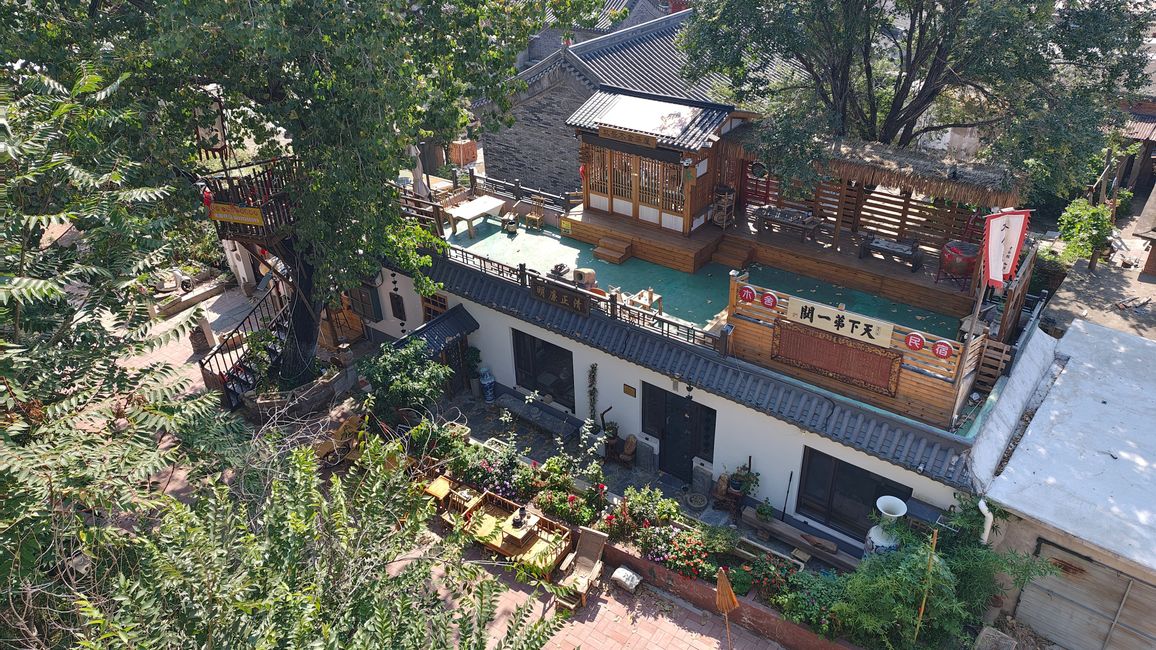
From the wall, we look down at the old town of Shanhaiguan, where we see nice little houses.
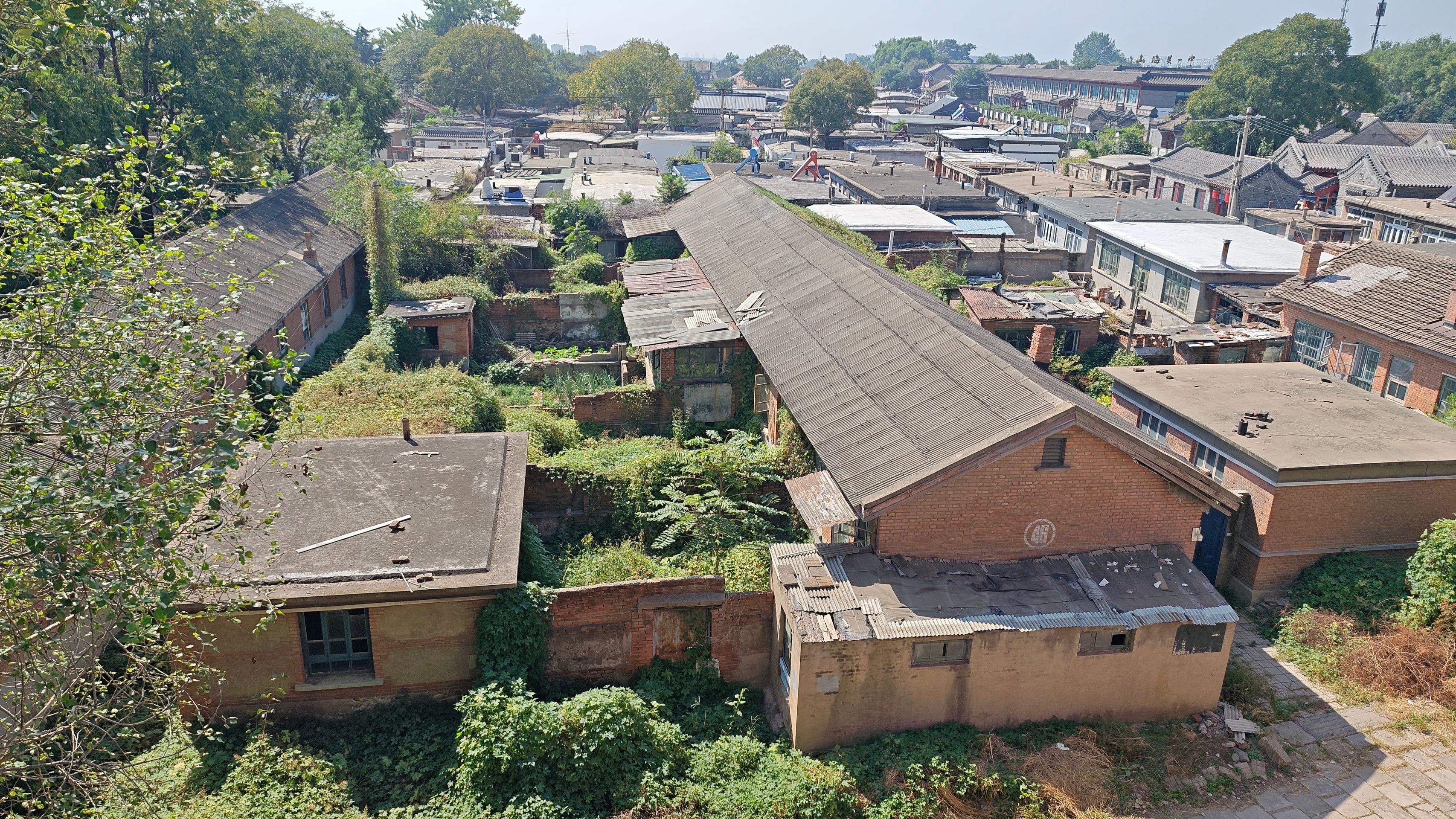
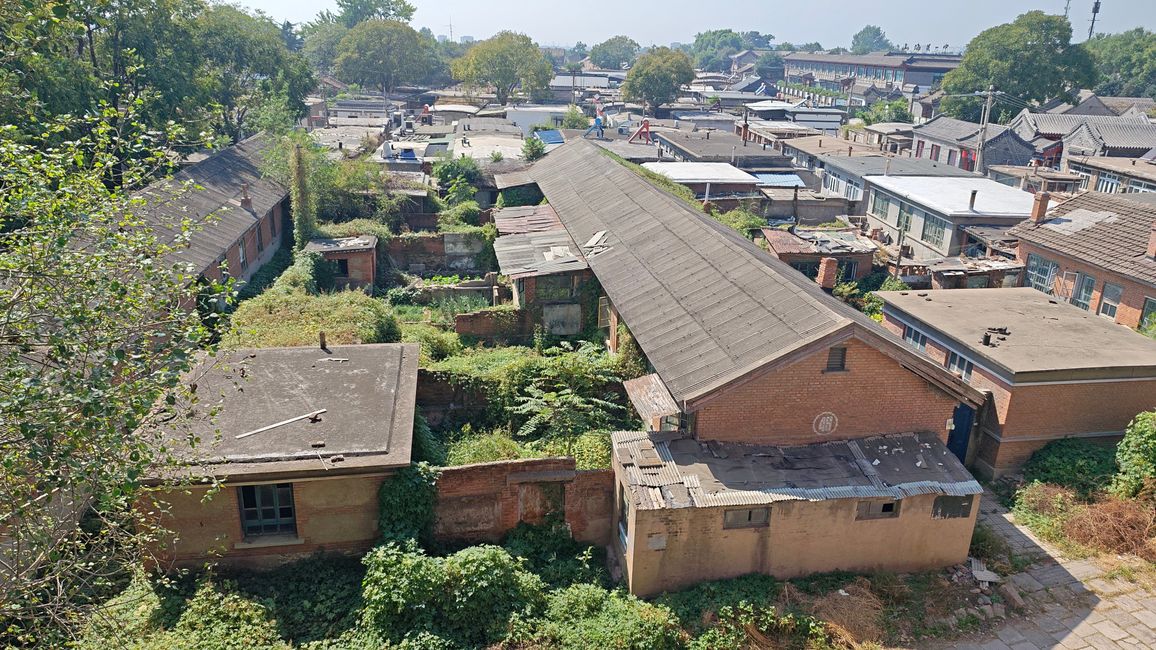
On the other hand, there are still areas waiting for redevelopment.
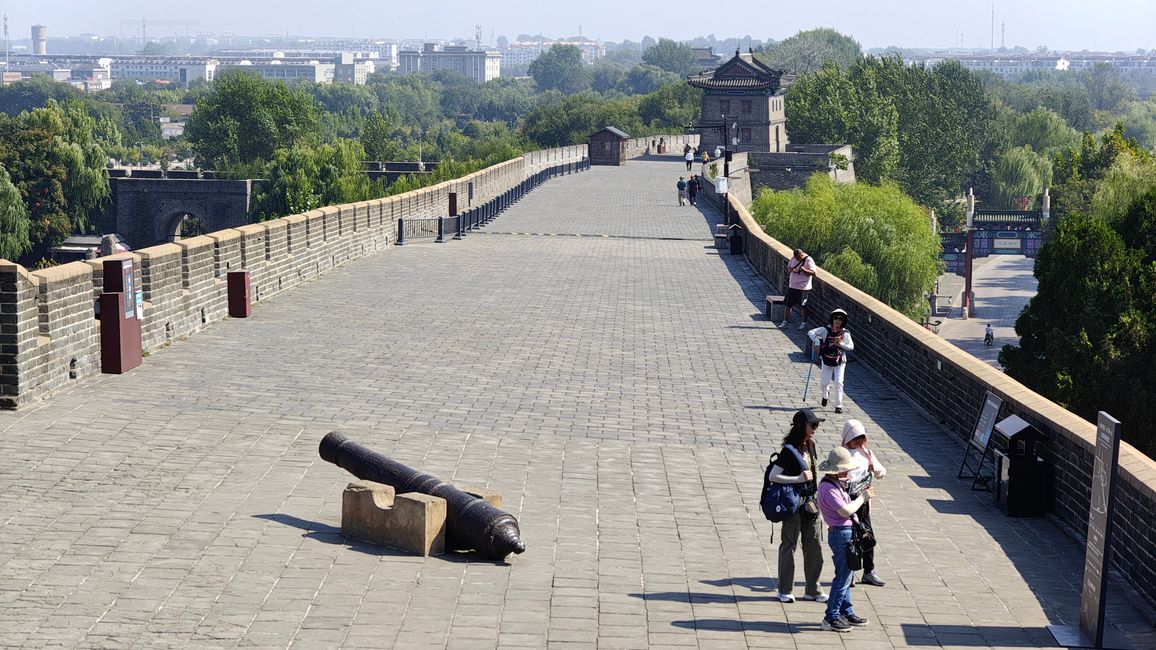
We leave the Great Wall of China on the safe side of the cannon.
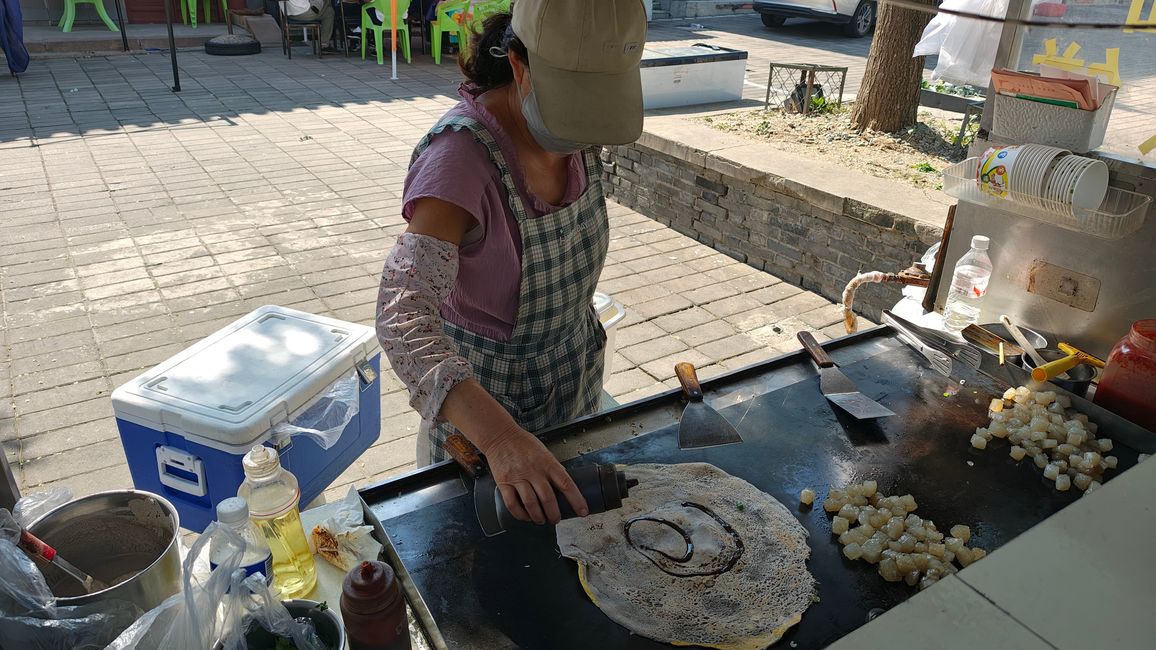
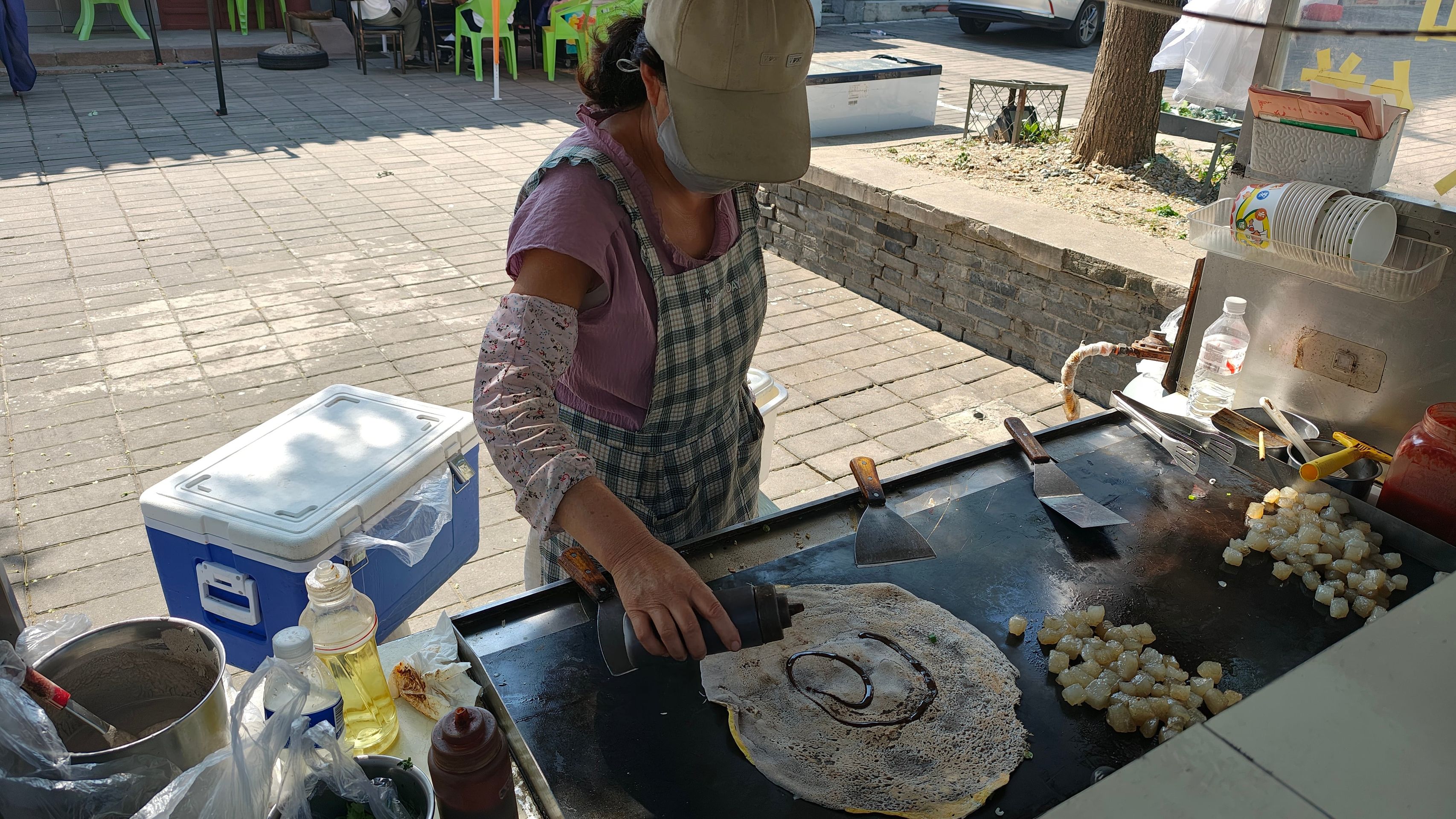
And we treat ourselves to a small snack by the roadside before we set off to the section of the wall at the foot of the mountains.