
Go to Taipei and proceed to Tainan
Hotpot

Published: 08.05.2026
Here we go. I am already on my second day in Kaohsiung (formerly Takao) and have Tainan (formerly Zeeland) on my mind. Writing debt. It is 7:55 AM, the best time, with a warm drink from a 3in1 sachet, UCC Coffee Mix. 'Rich Aroma & Strong taste by classic Japanese proportion, enjoy the great coffee time.' Water from the machine in the lobby. Hot - Warm - Cold. It could be hotter if I think of mainland China ...
Of course, I often think of mainland China here, in comparison and context. Tainan in Taiwan is roughly equivalent to Guangzhou (Canton) in mainland China, and Kaohsiung is somewhat like Shanghai. In terms of overall architectural impression (more on that later), not historically.
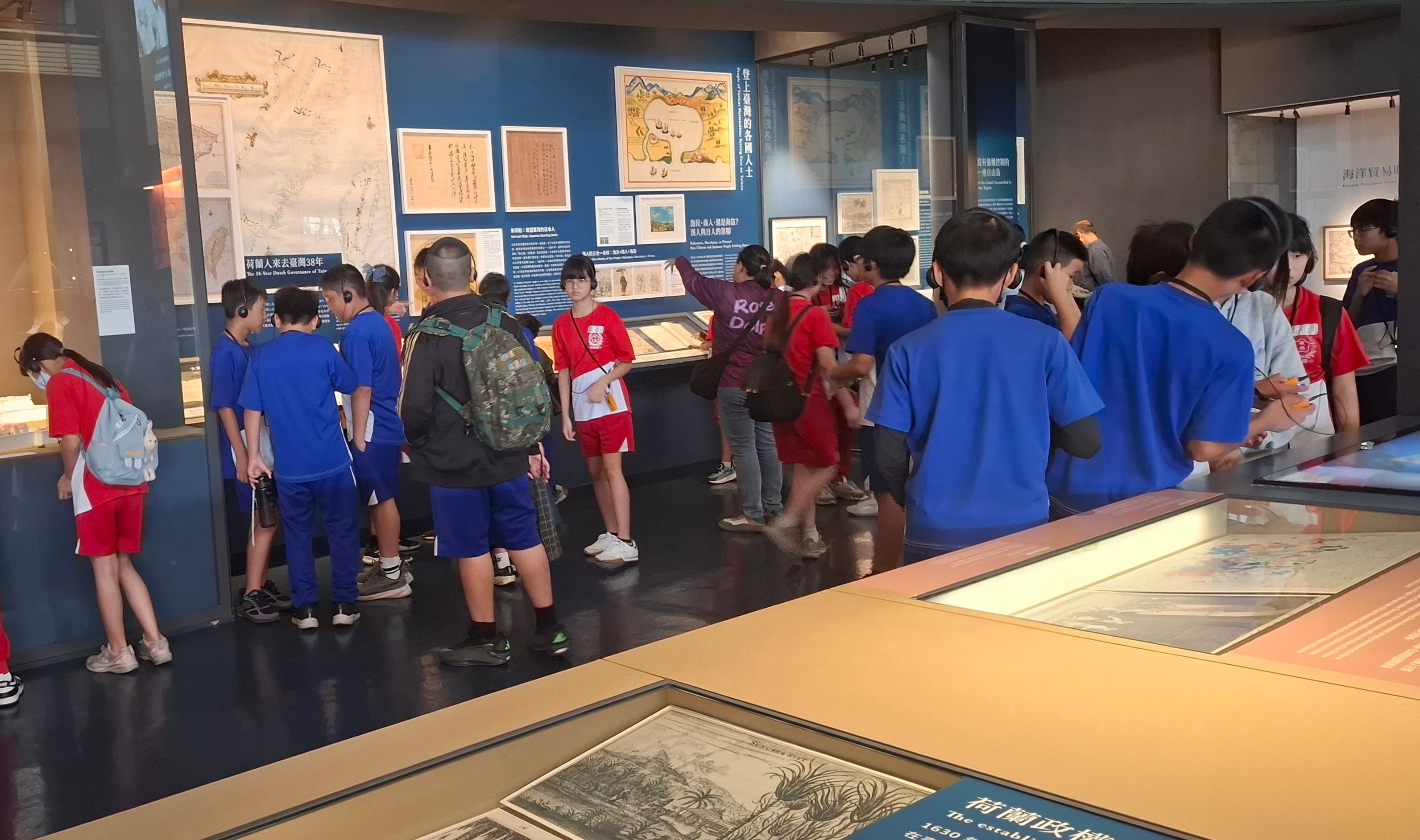
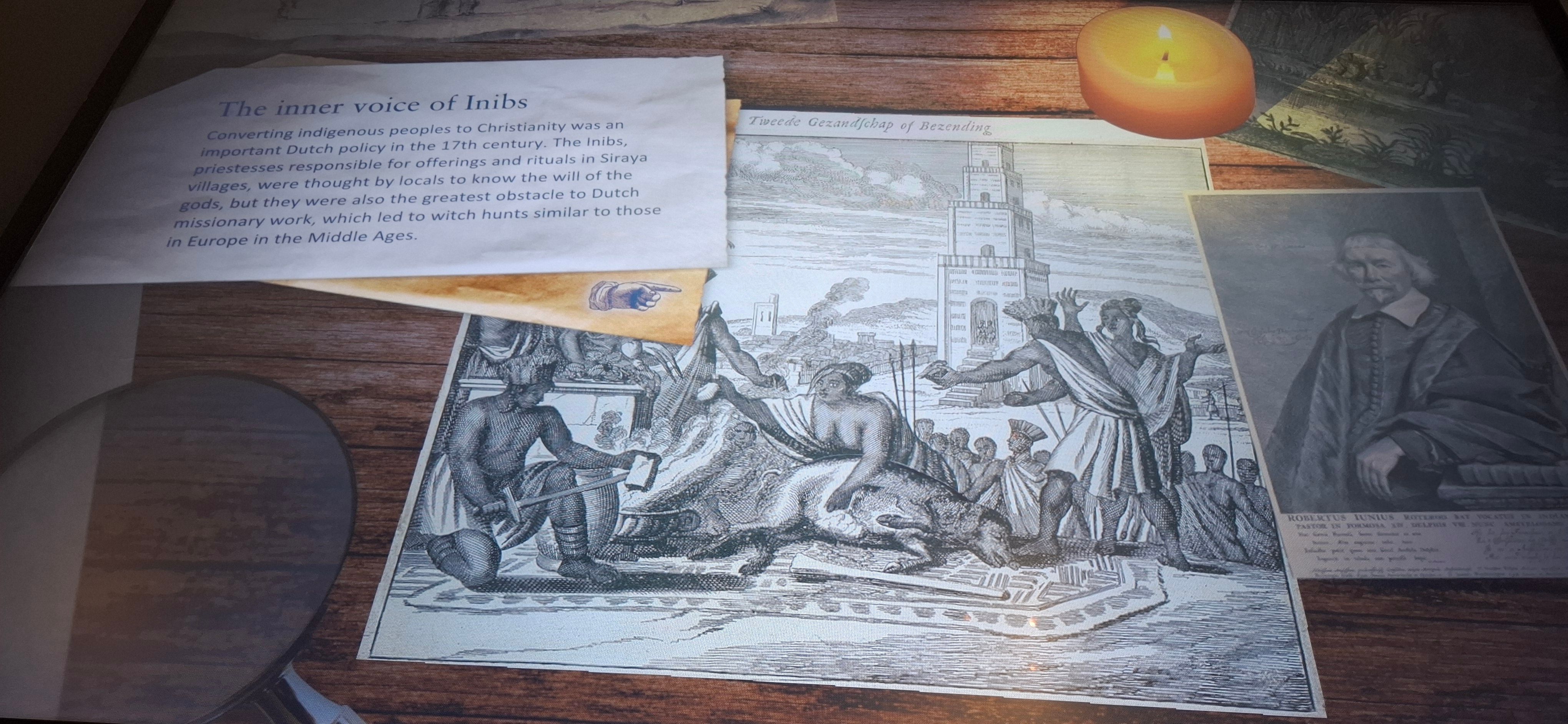
So, Tainan goes back to a Dutch colonial fortress (Zeeland), built in the 17th century, soon contested (Spaniards!) and ultimately came under the mainland dynasty of the Qing during the time of a person named Koxinga, as they say. I learned this from the National Museum of Taiwan History, where I arrived late morning with fourth graders or fourteen-year-olds (about, but with Chinese people, one should not rely too much on the European eye) and from which I was politely asked to leave at 5 PM (my watch showed 3:07 PM, the crown had come out of its setting).
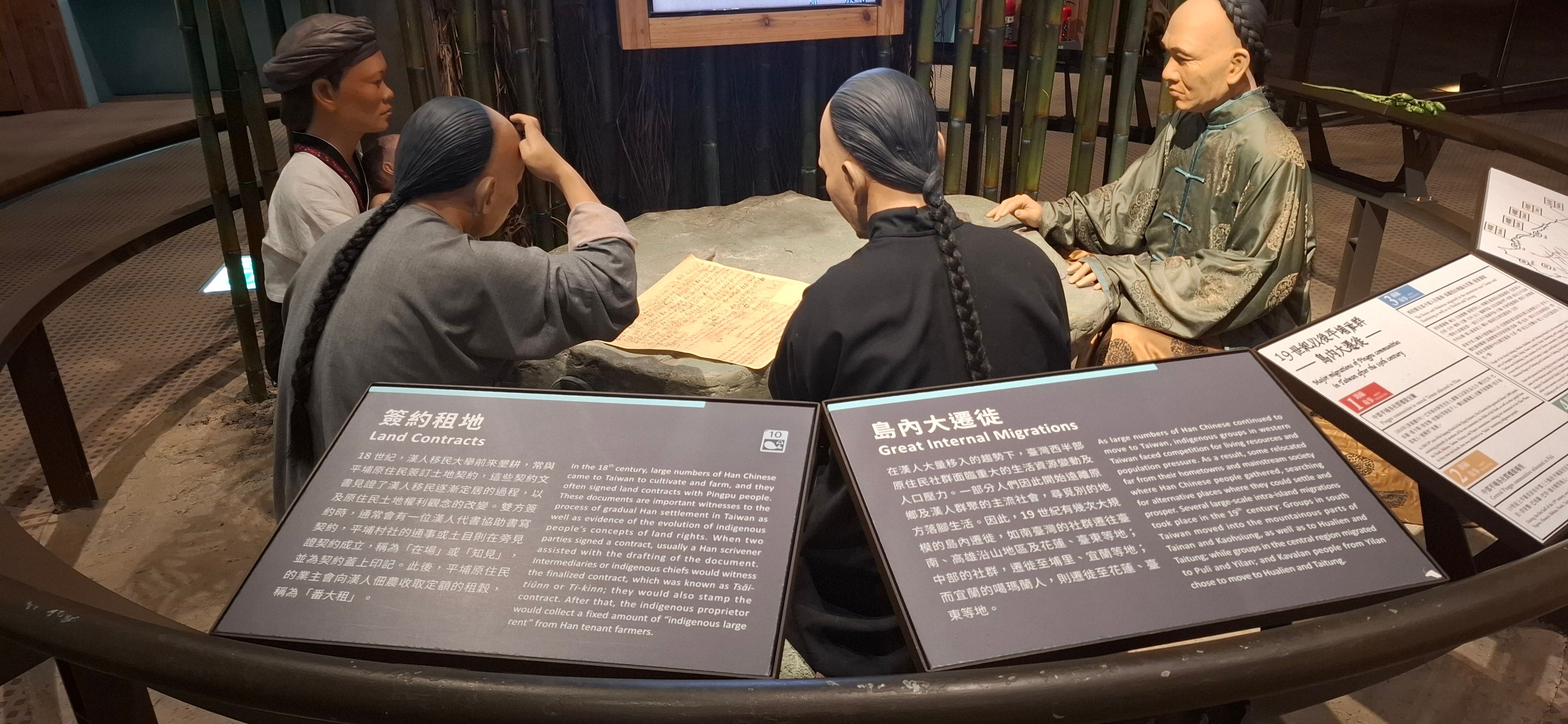
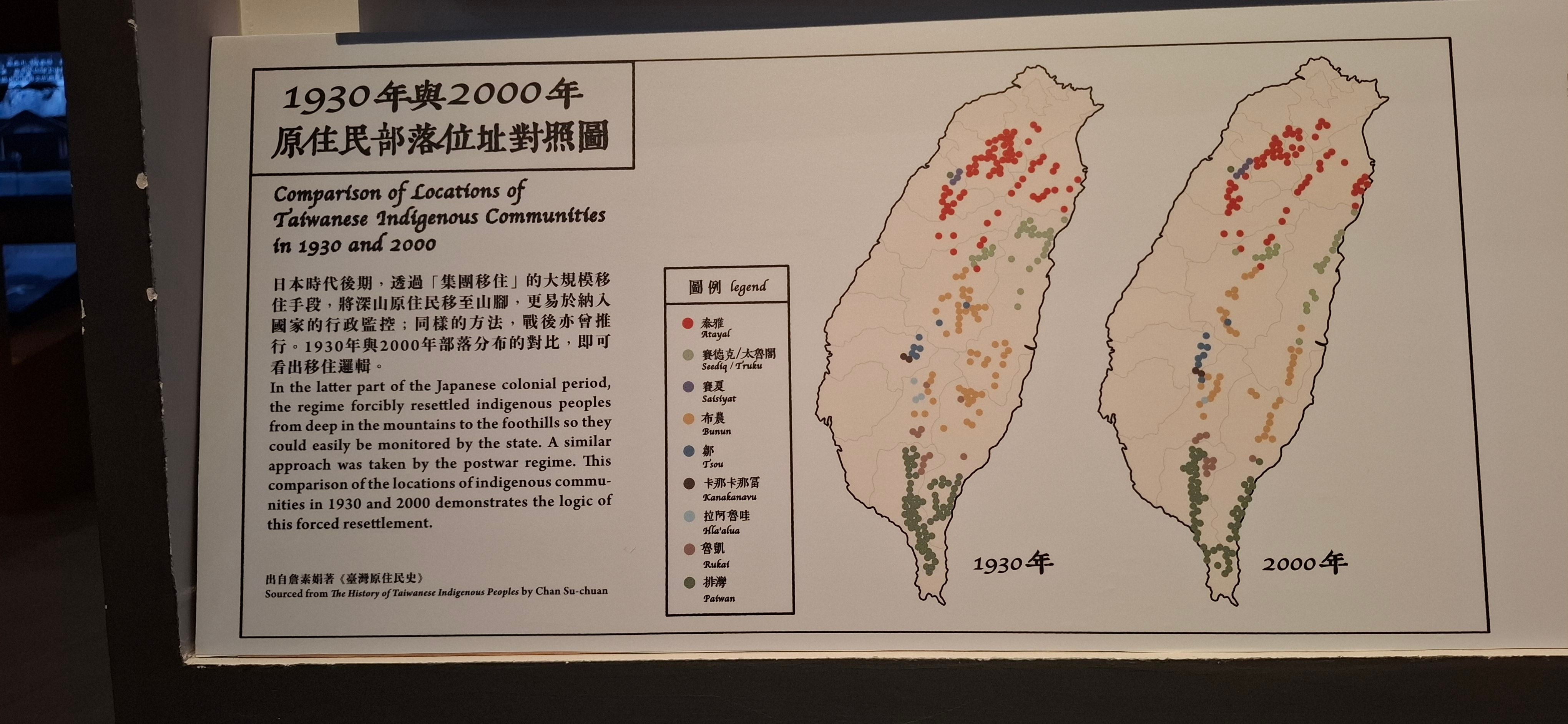
From this time in the mid-17th century to the late 19th century also comes the predominant ethnic composition: indigenous tribes, the first foreign workers (only men?) from Dutch Polynesia, then the many immigrants from mainland China (always referred to as Han people, although they were likely also ethnically diverse). Following that, by the end of the 19th century, came the Japanese as a colonial power. And starting in the mid-20th century, refugees from communism in mainland China, Vietnam, Korea.
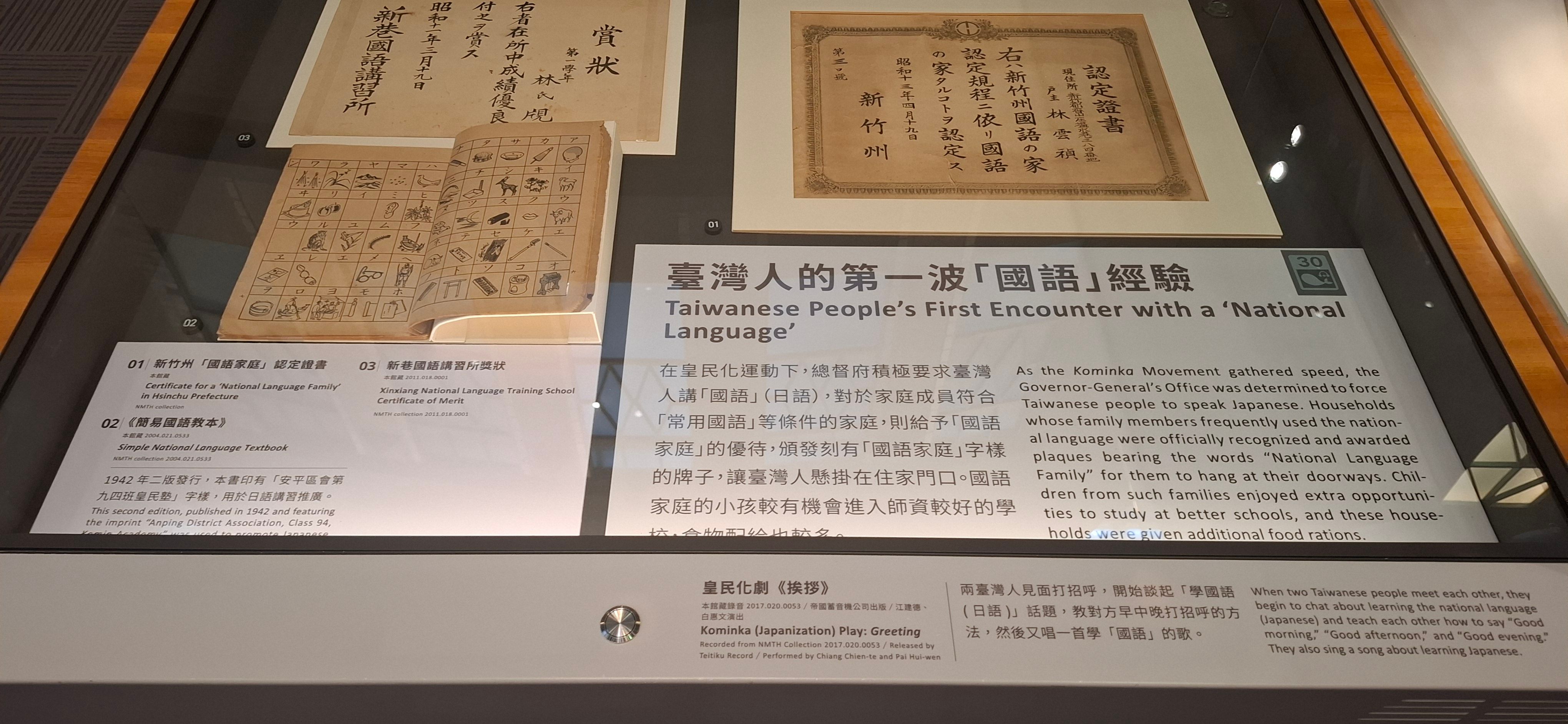
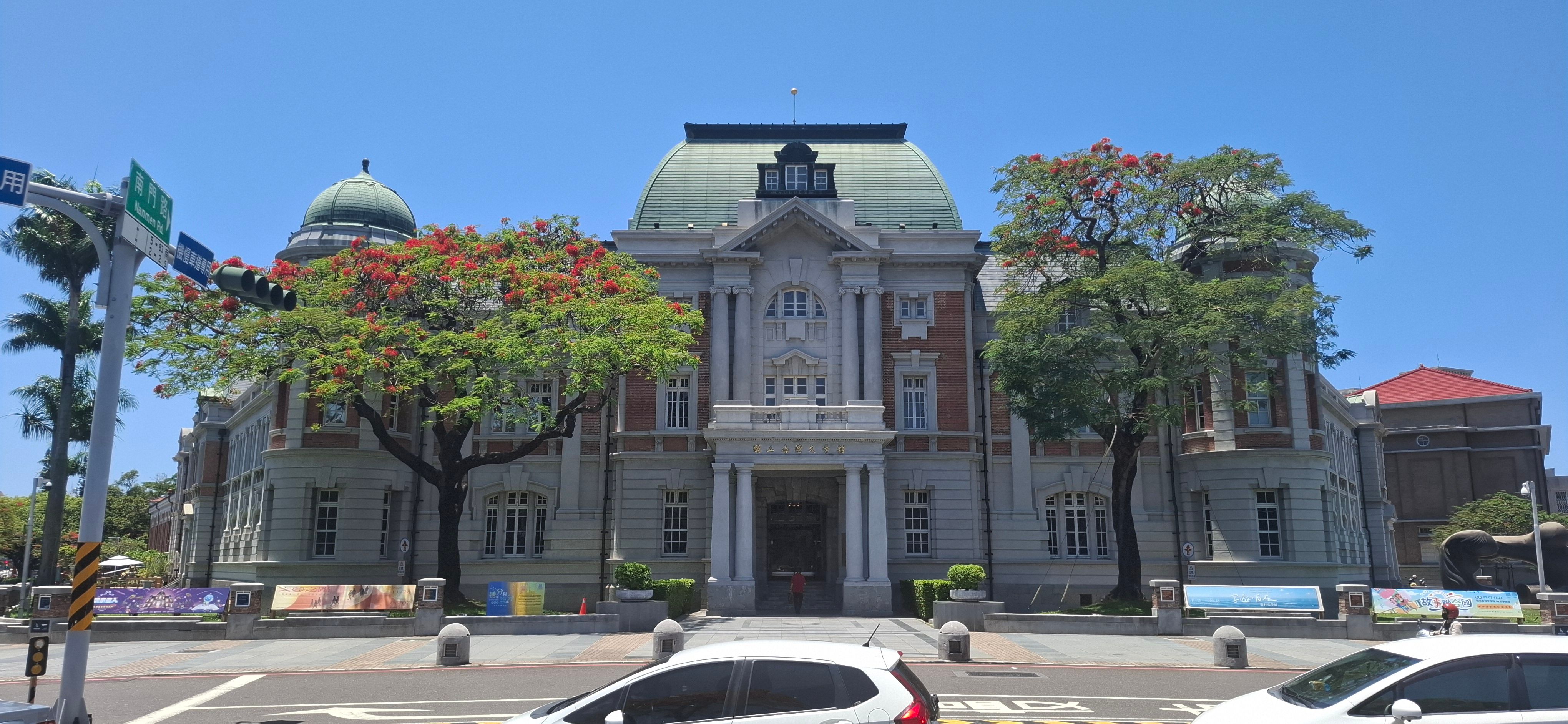
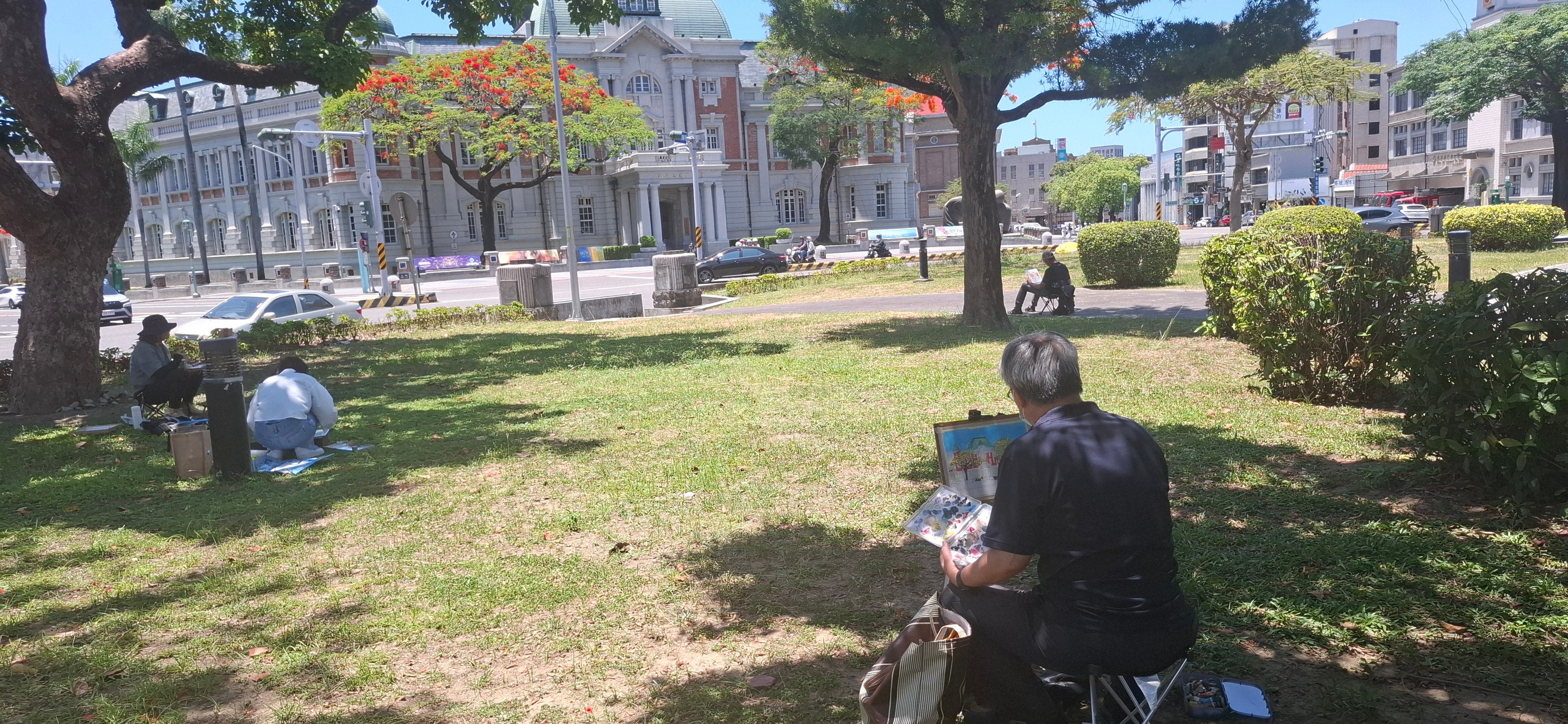
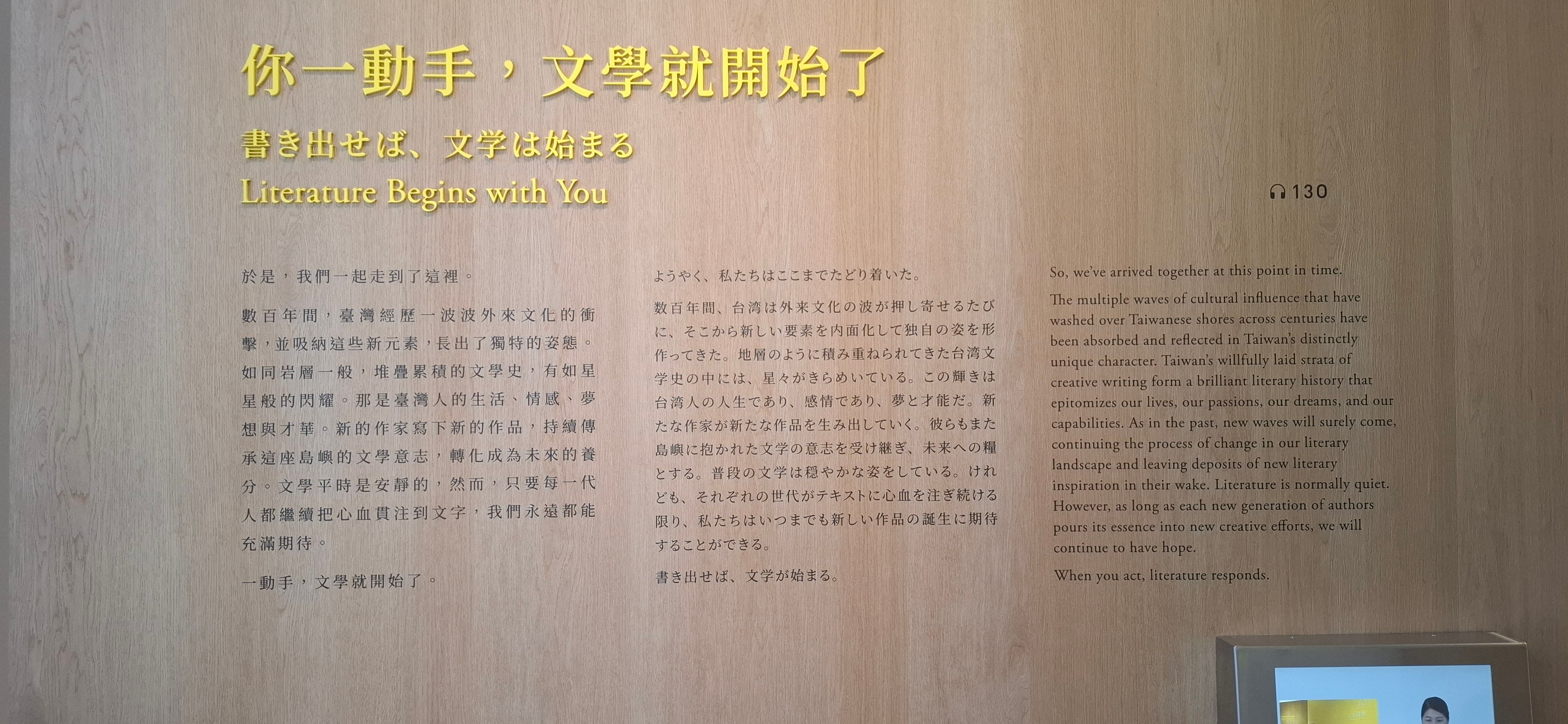
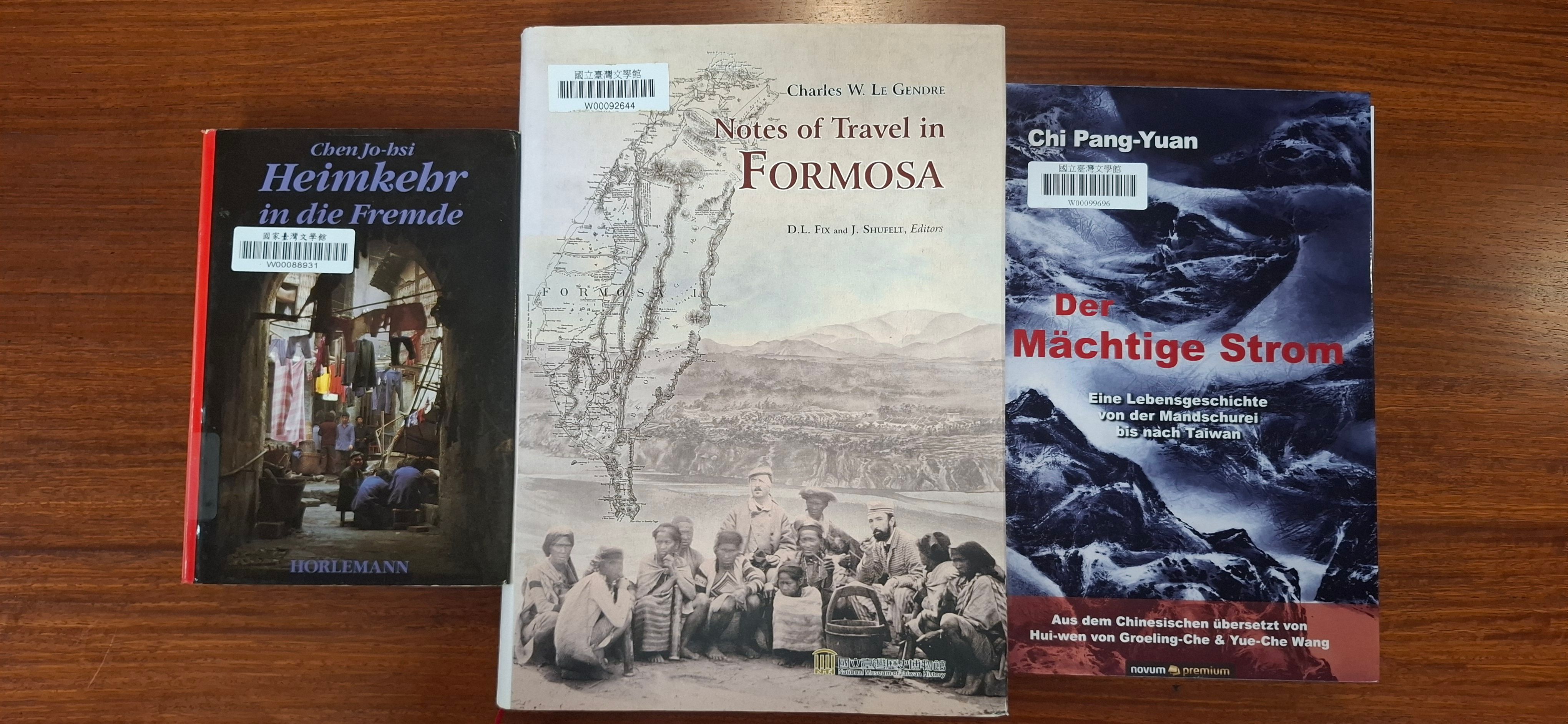
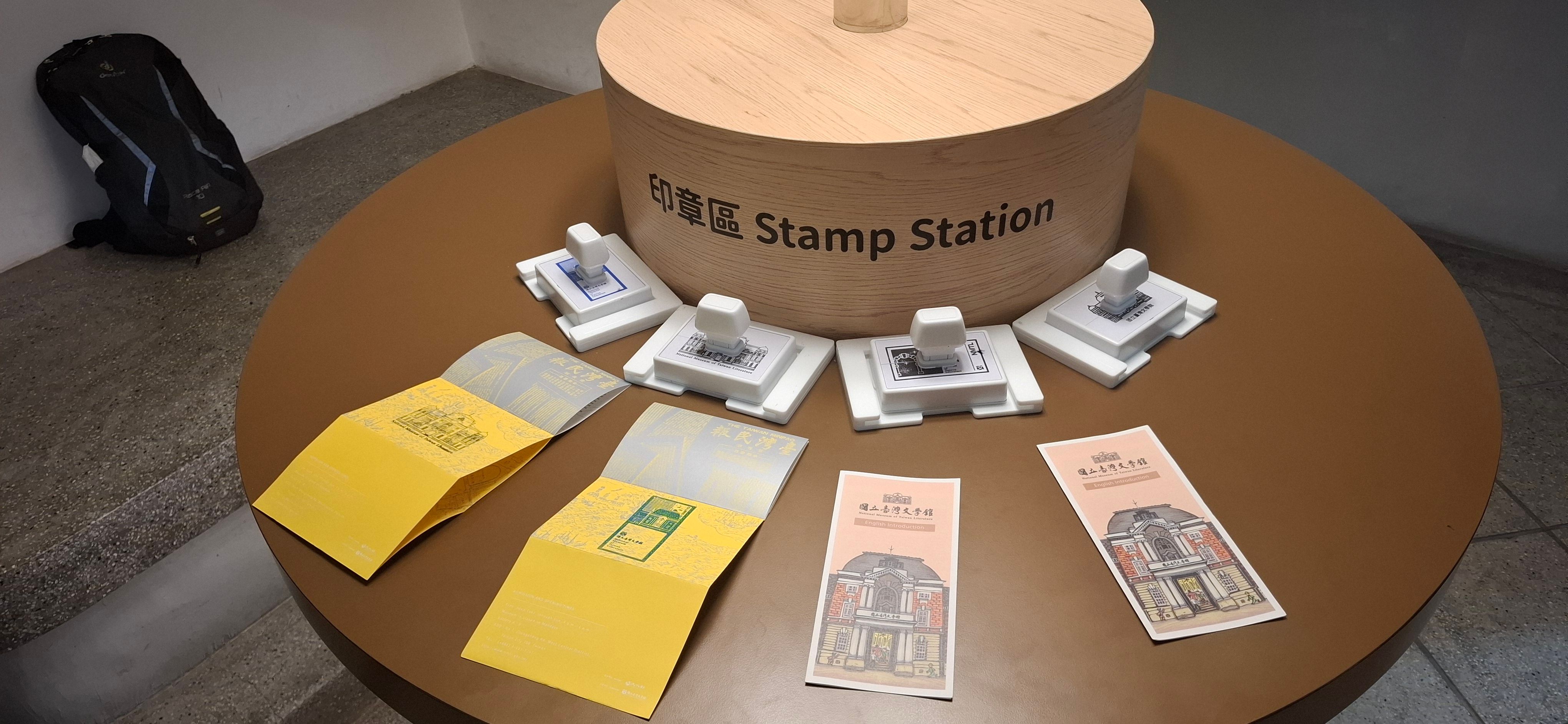
I learned what this means linguistically at the National Museum of Taiwan Literature. Hakka > Chinese > Japanese > Mandarin, where the last two stages were rolled out through the state-organized education system from the beginning of the 20th century. Wall panels, facsimiles, originals, that makes three hours. In the process, I initially wanted to go to the art museum but got distracted by the striking building of the Literature Museum (formerly the Japanese governor's residence, etc.) and the hobby painters in the roundabout park.
I will catch up on art today, and of course, history. I already started that yesterday at the Kaohsiung Museum of History, and today it continues.