
Linguistic Landscape of Taiwan
It begins with the High Speed Train from Taipei to Tainan, and ends before the departure from Taipei to Beijing.

Published: 01.06.2026
I'll approach it retrospectively.
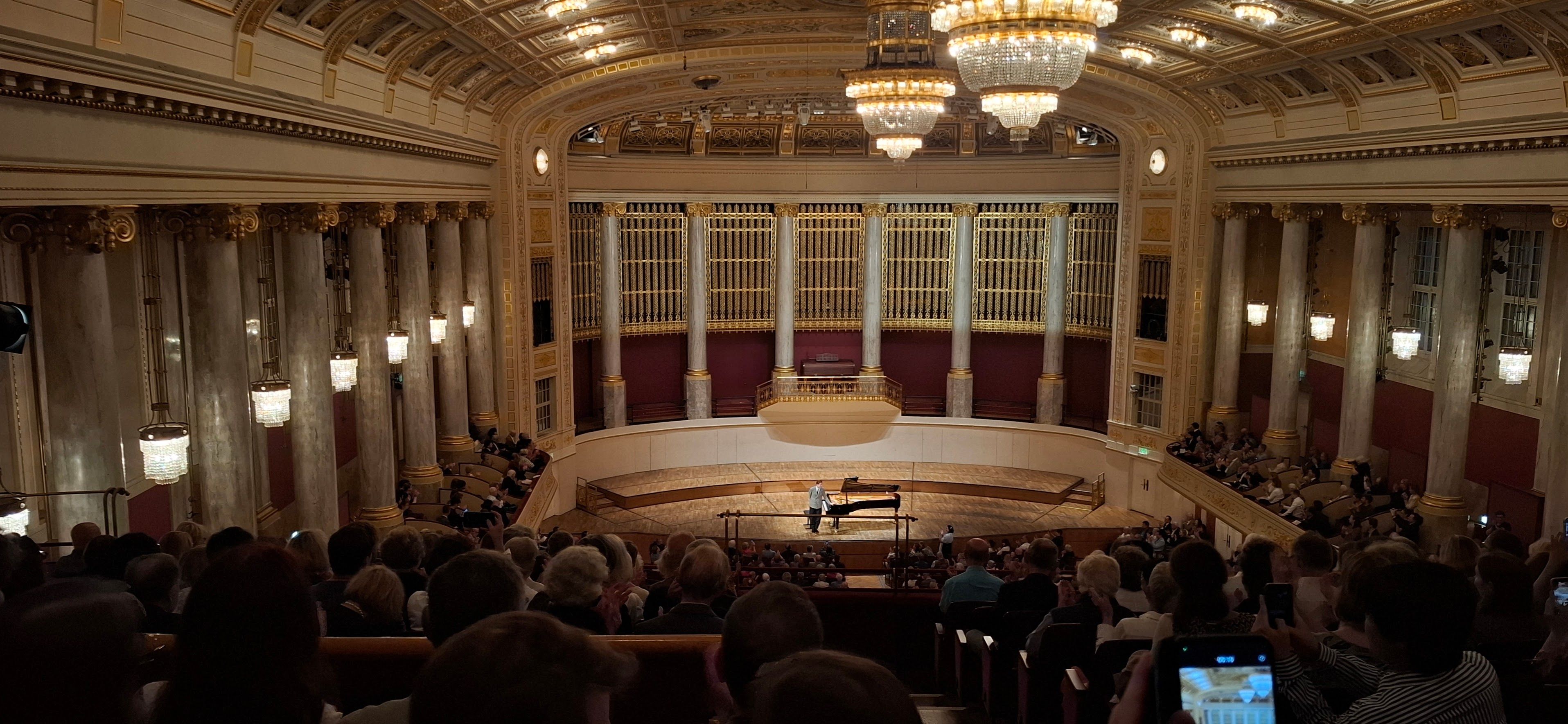
Sunday, May 31 - a solo concert like I've never experienced before, in not even 90 minutes 2 Bachs (BWV 854/Prelude 9; BWV 830), 2 Beethovens (op.90; op. 109) and 1 Schubert (D 566), everything in E major or E minor, a through, then three encores, and that's it. Vikingur Olafsson, with rhythmic and dynamic formations like never heard before. Sir András (Bach), Alfred (Schubert) and Paul (Beethoven) - my heroes - would have left the hall one by one. Technically so brilliant that I hallucinated a sound factory in the background and a human robot at the Steinway. Once yes, not often. I've already experienced quite a bit from Grigorij Sokolov in terms of playing through, but at least in two halves.
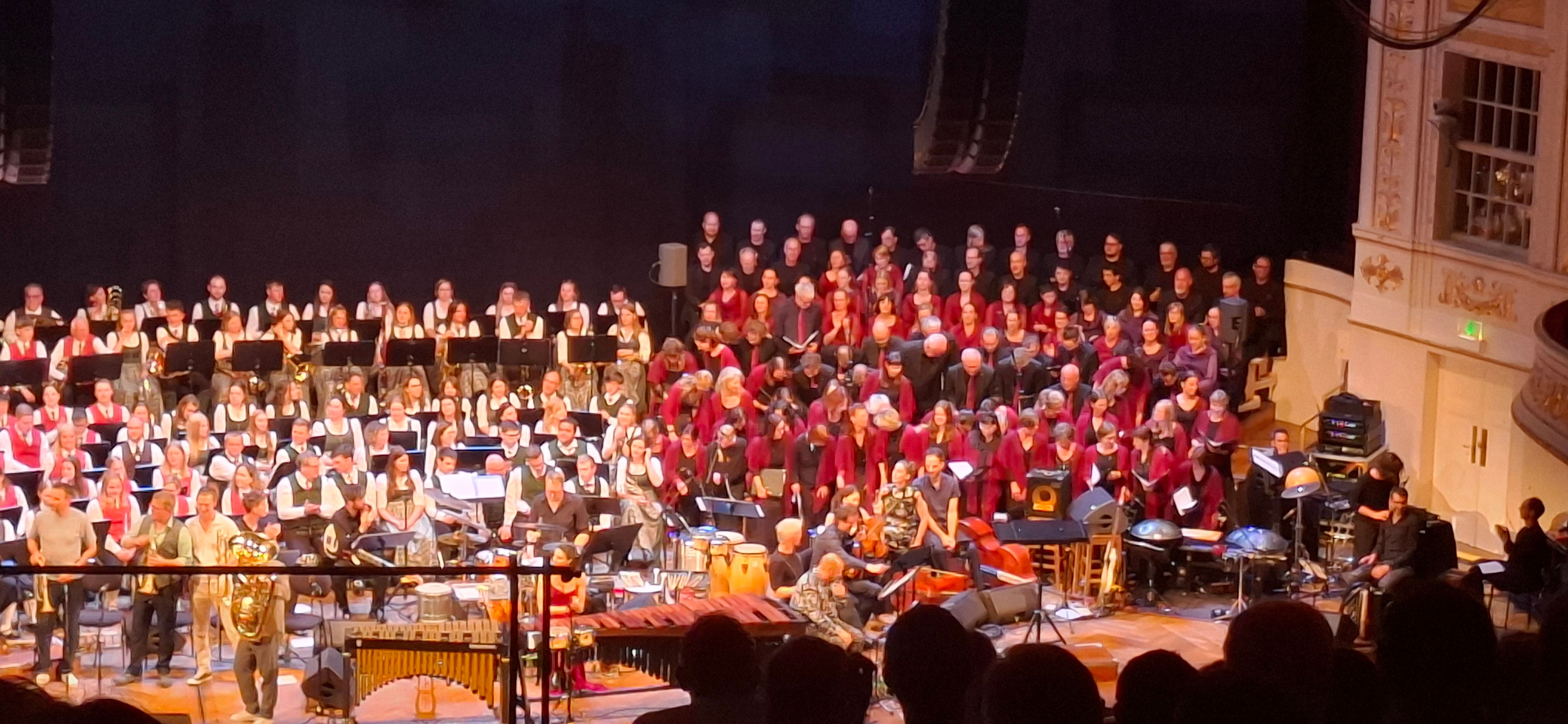
Two days prior, I was also at the concert hall, and the stage was filled in a way I had never seen before. ZAM closing gala with around 20 contributions vocal and instrumental. Kärntner Madrigalchor Klagenfurt and especially Thomas Gansch, that was my motivation to go, and Vivi Vassileva (Percussion). It was a celebration of professional and amateur musicians in Austria, as it couldn't be better and more diverse.
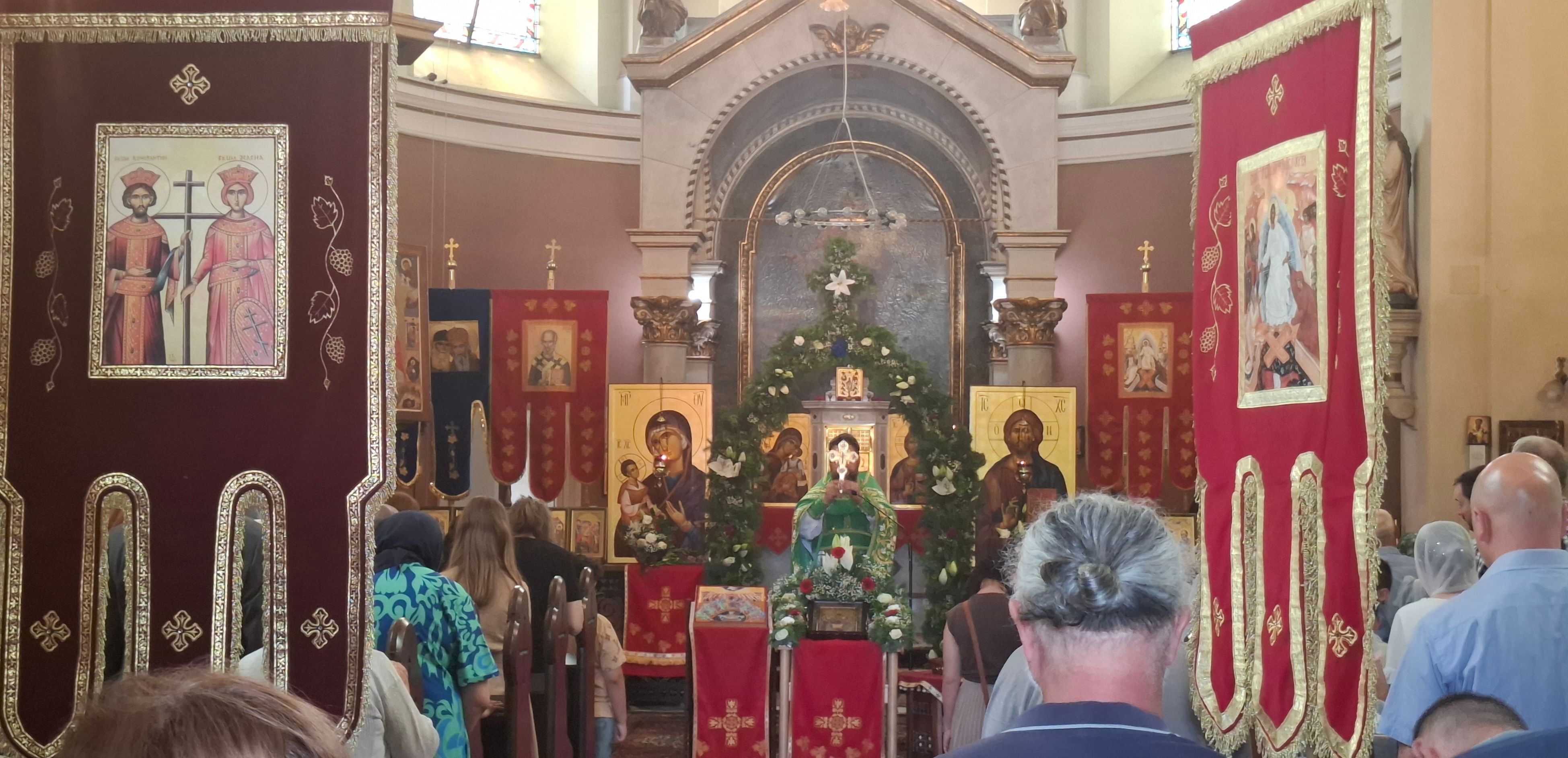
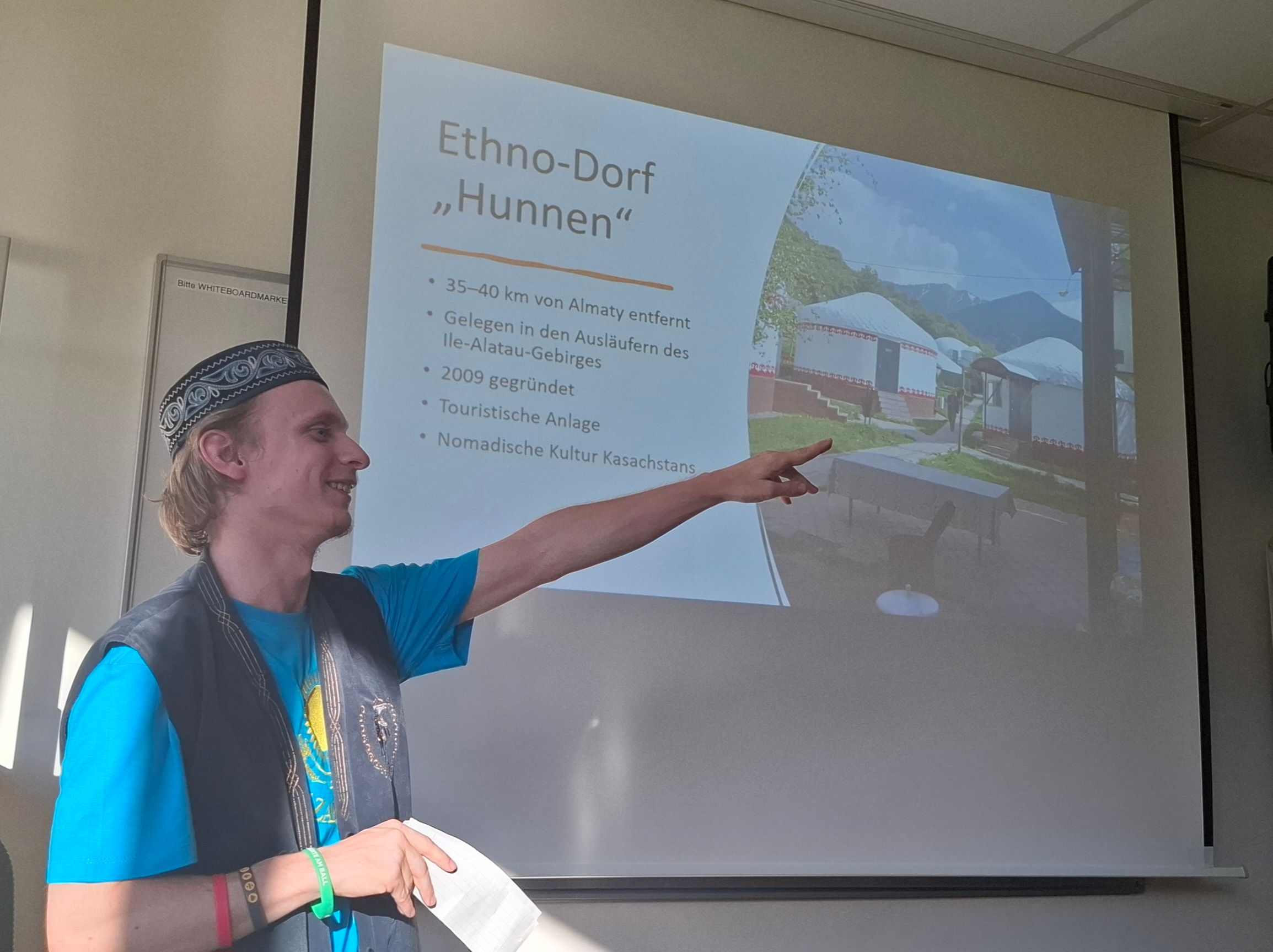
These two concert visits were framed by: the Serbian Orthodox Pentecost service at St. Nikolaus Church in ... Mödling! I stumbled upon this quite by chance, on my way to the train station, the use of the church, allegedly now owned by the municipal community, alternates between Orthodox and Lutheran. I knew that Orthodoxy celebrates Trinity Sunday on this Sunday and had the wonderful scent of scattered grasses and wildflowers in the Russian Orthodox communities in my nose (this was not present in Mödling), but that I would come to Pentecost this way was indeed surprising. And on the Thursday before, an evening with students of Slavic Studies from Klagenfurt, who reported on an excursion to Almaty, much about the peoples of Kazakhstan included.
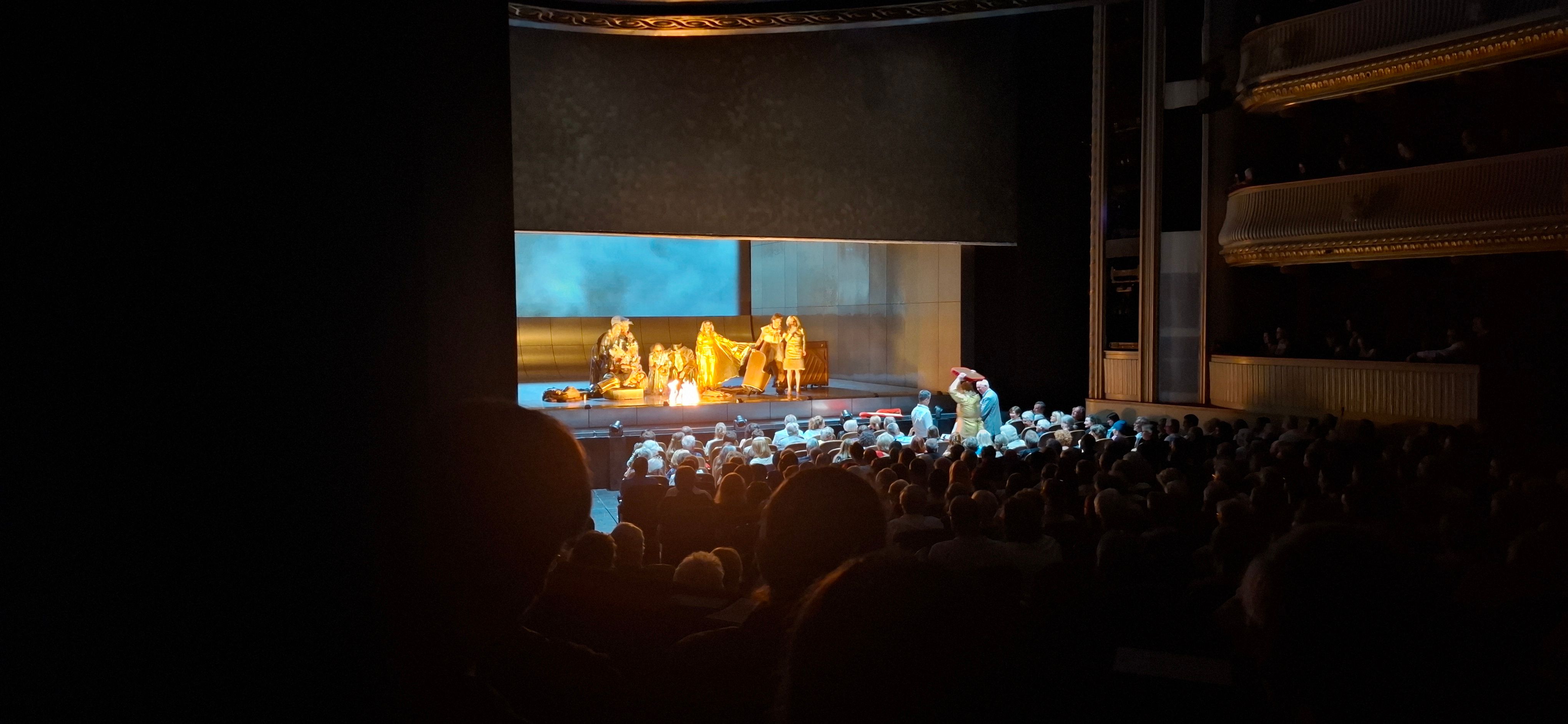
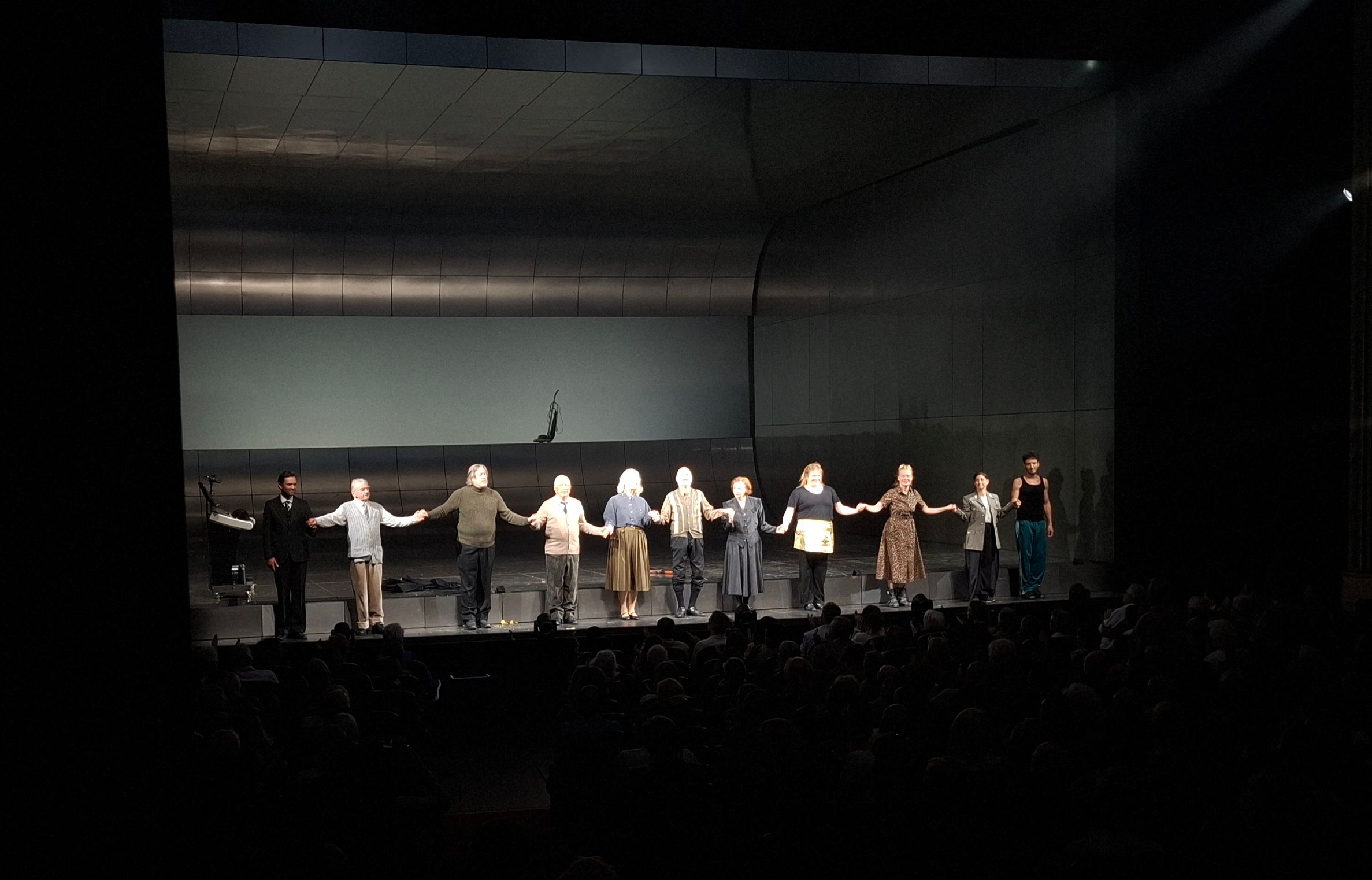
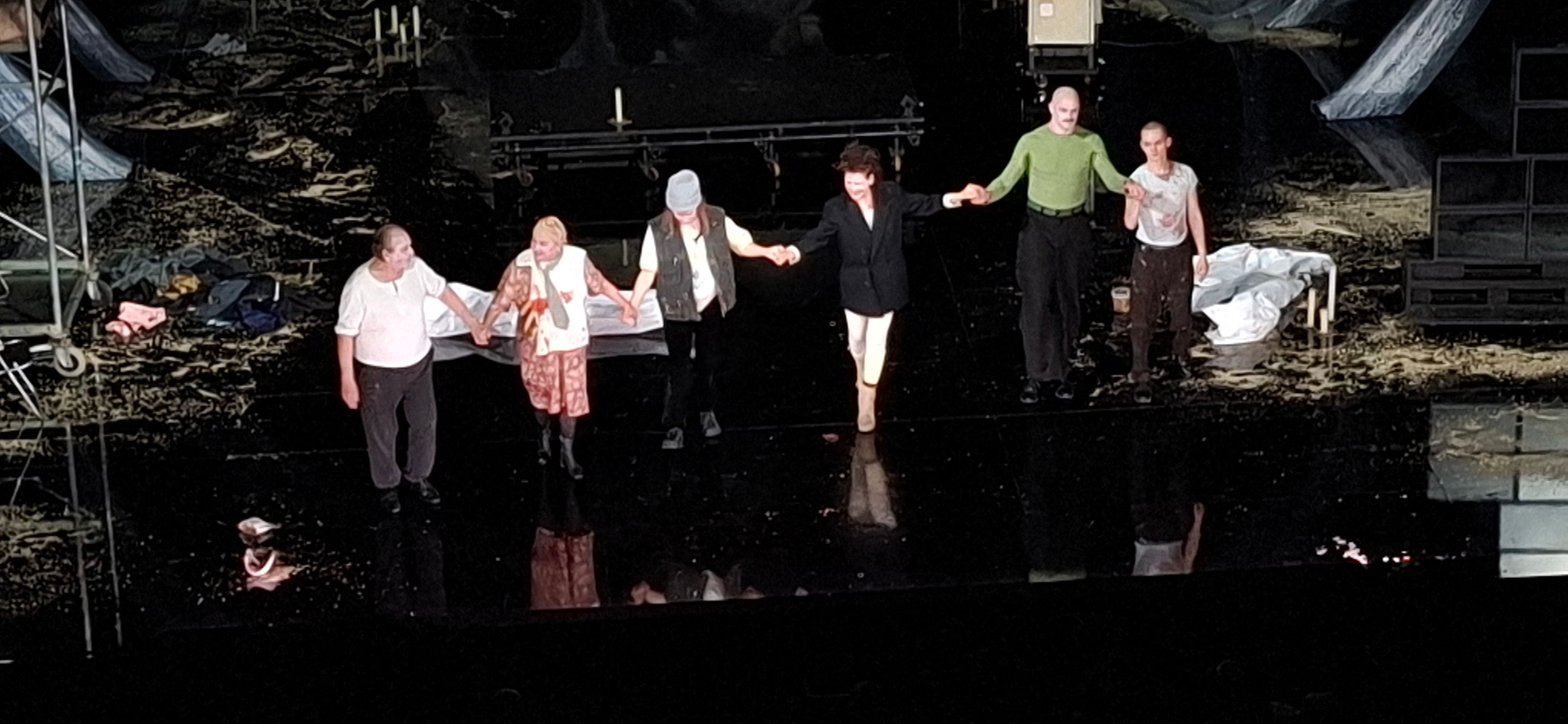
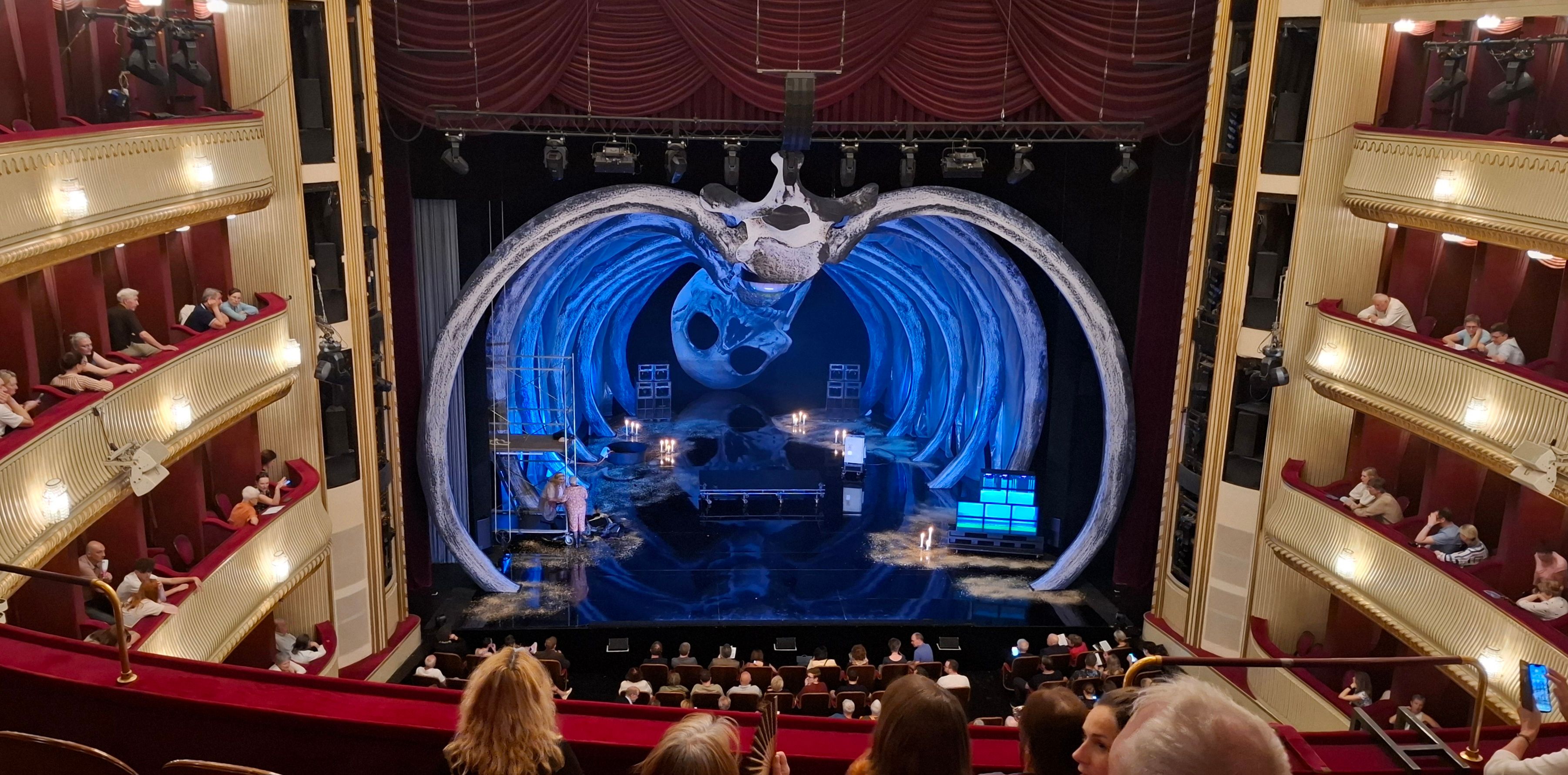
And the Burgtheater - two evenings in a row, the end of the season is approaching, and I still had performances from the anniversary cycle '250 years', where other dates didn't fit so well. St. Falstaff and we have gotten away again. Palmetshofer and Thornton Wilder, not exactly Shakespeare or Bernhard, but at least. While Palmetshofer was a Shakespeare adaptation (Henry IV.) and Wilder a dystopian exaltation like Bernhard. In both plays, everything that theater can do. Directorial ideas, set design, acting artistry, stars (Bieglau, Happel, Minichmayr, Ofczarek). And no dictational cacophony from all German dialect corners as fundamental tones, but everything well understood, sometimes even beautifully Austrian-Viennese. I just love it when it gets sarcastic in the text.
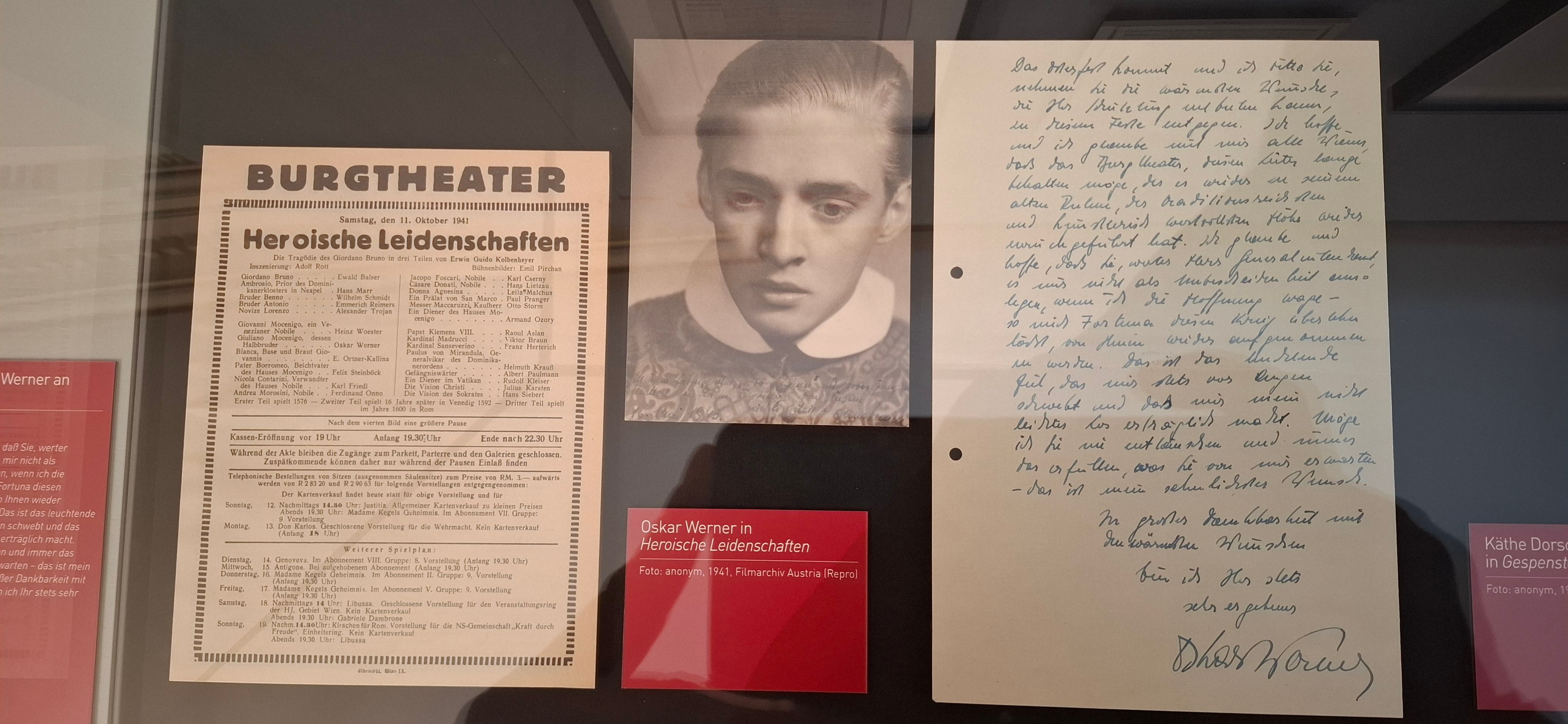
A tip: On the top floor of the Burgtheater, there is still an exhibition of the theater archive until June 30, focusing on the 20th century. What I didn't know from the Nazi era: Oskar Werner was already discovered at the Burgtheater in 1941, and Ewald Balser was a fixed ensemble member at the same time and afterwards.
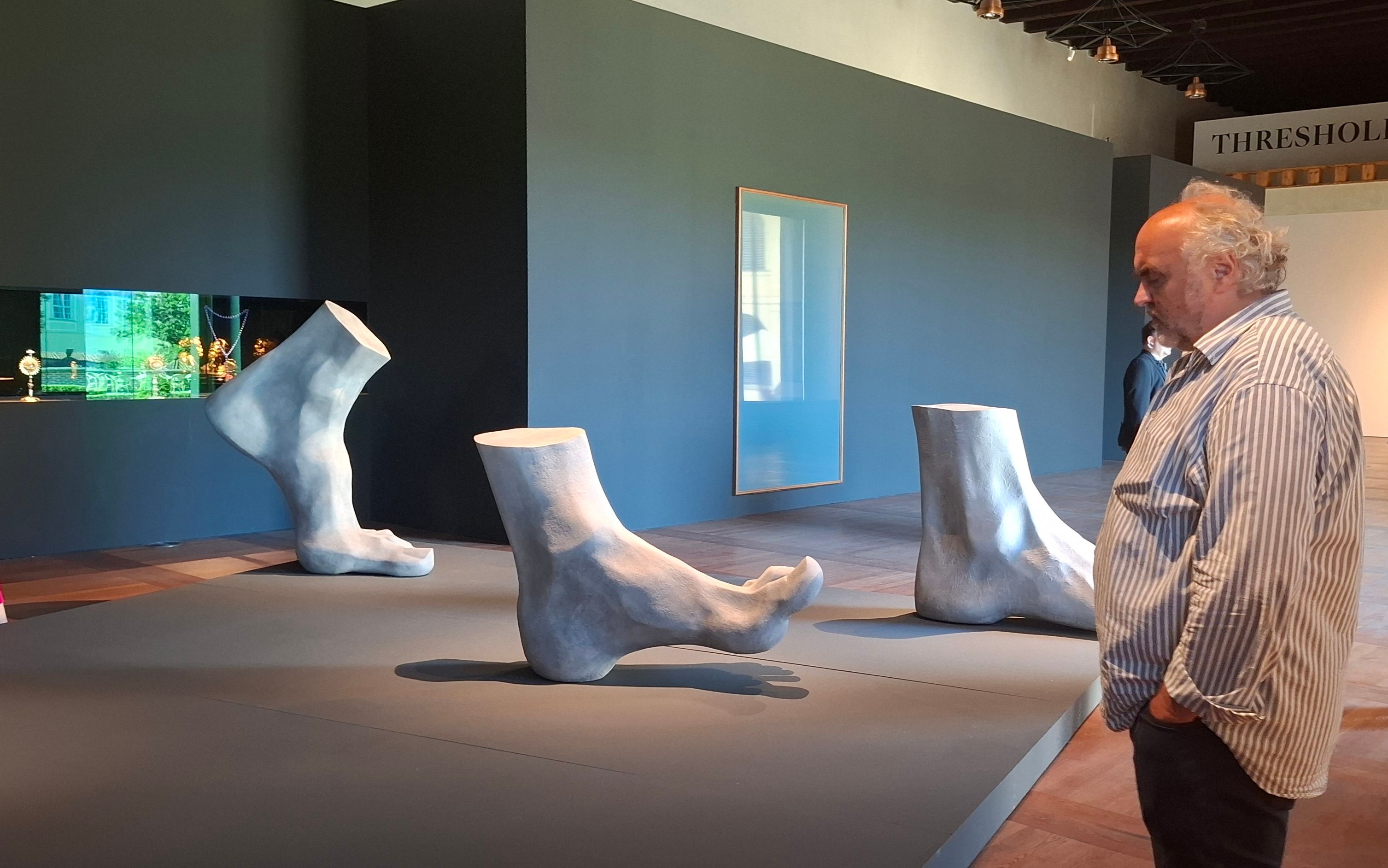
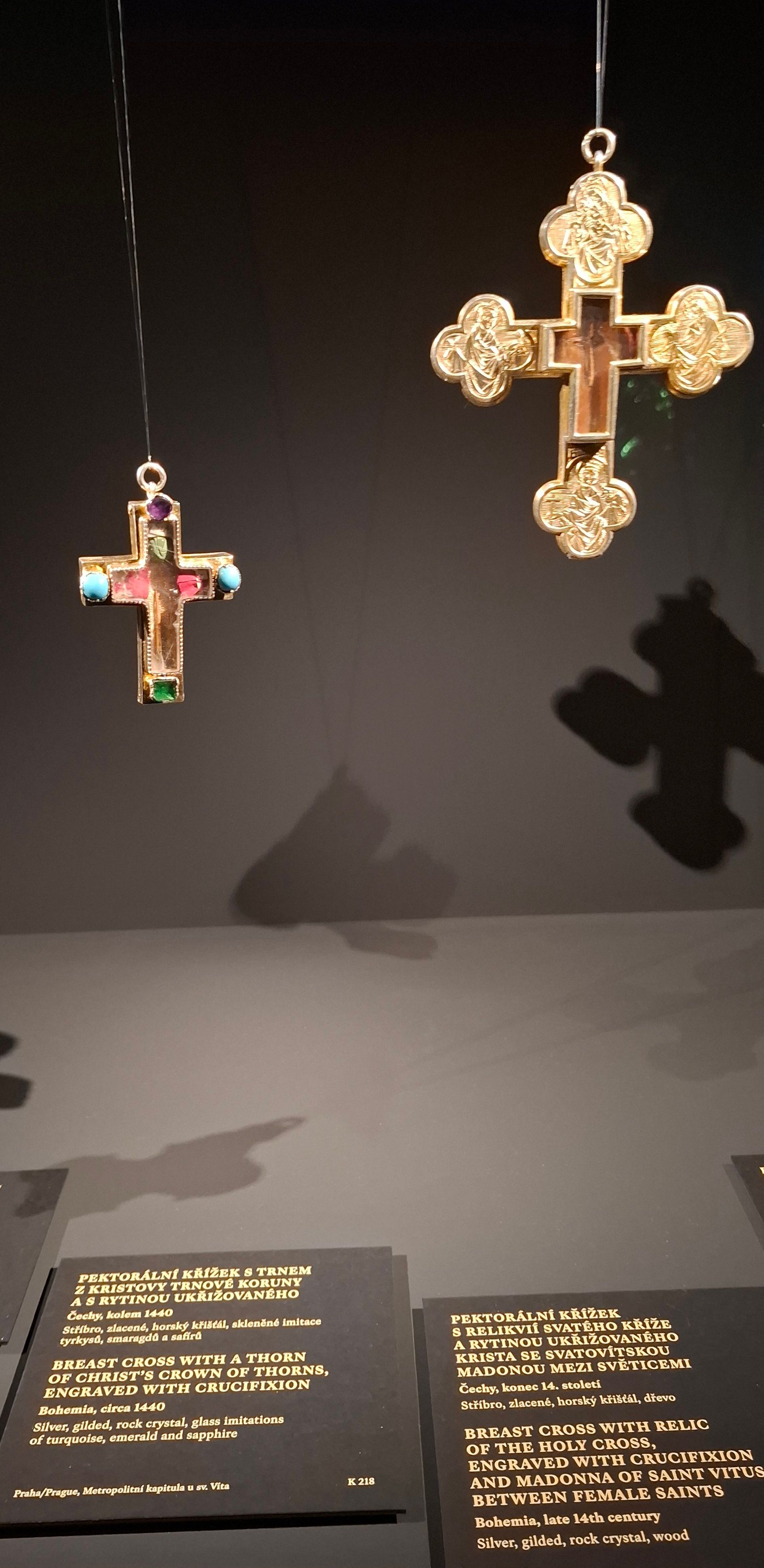
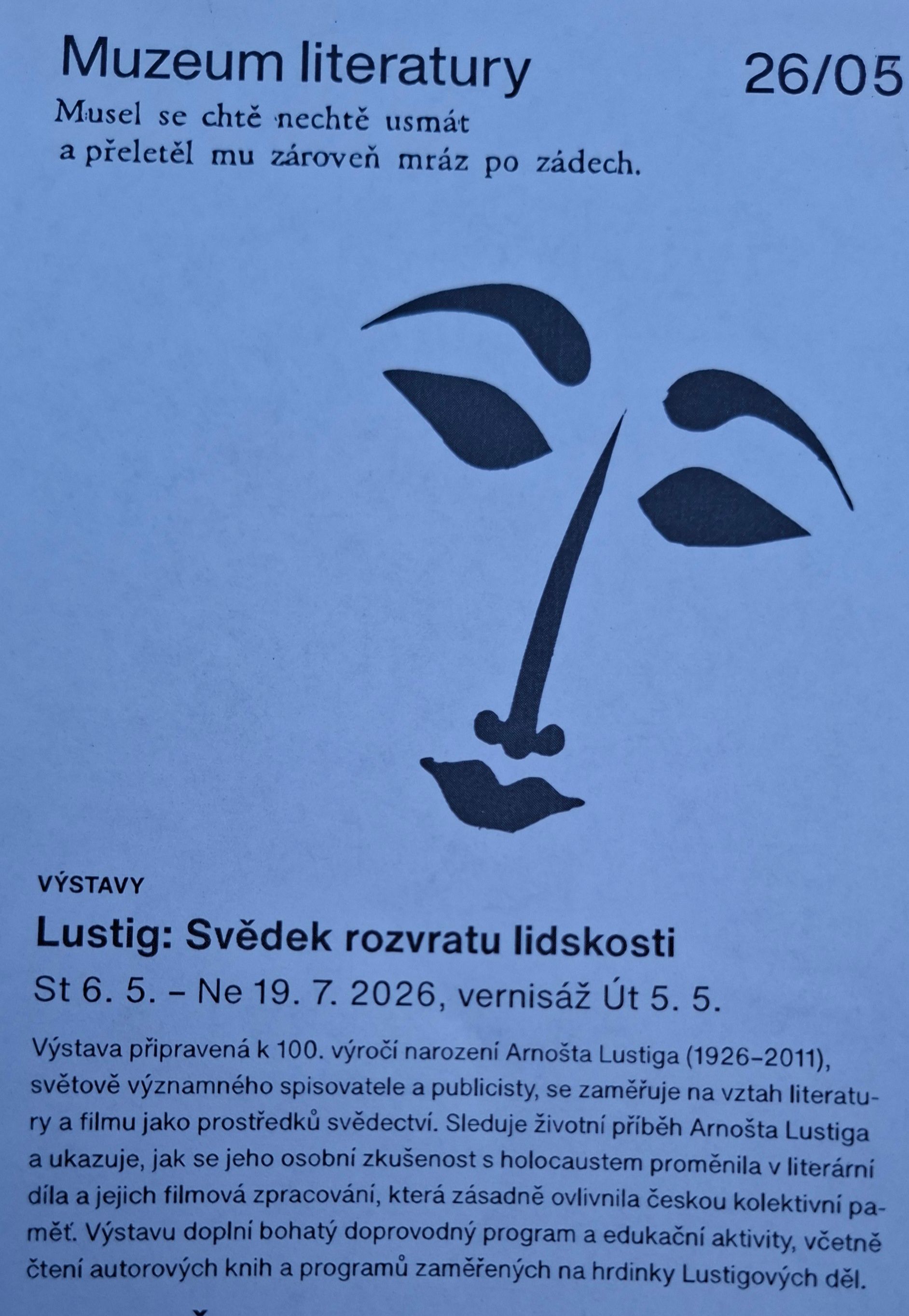
Lastly, the Pentecost days before in Prague. In the Jizdarna, Jiri Fajt, curator and eminent art scholar, guided through the exhibition Fragmenty pameti featuring pieces from the Metropolitan Museum and the St. Vitus Treasure of the Archdiocese of Prague and thematic counterparts of modern art (Kiefer, de Waal, Jetelova, Francis Bacon, etc.), and the Literature Museum is currently running an exhibition on Arnost Lustig, the Holocaust survivor, author and journalist.
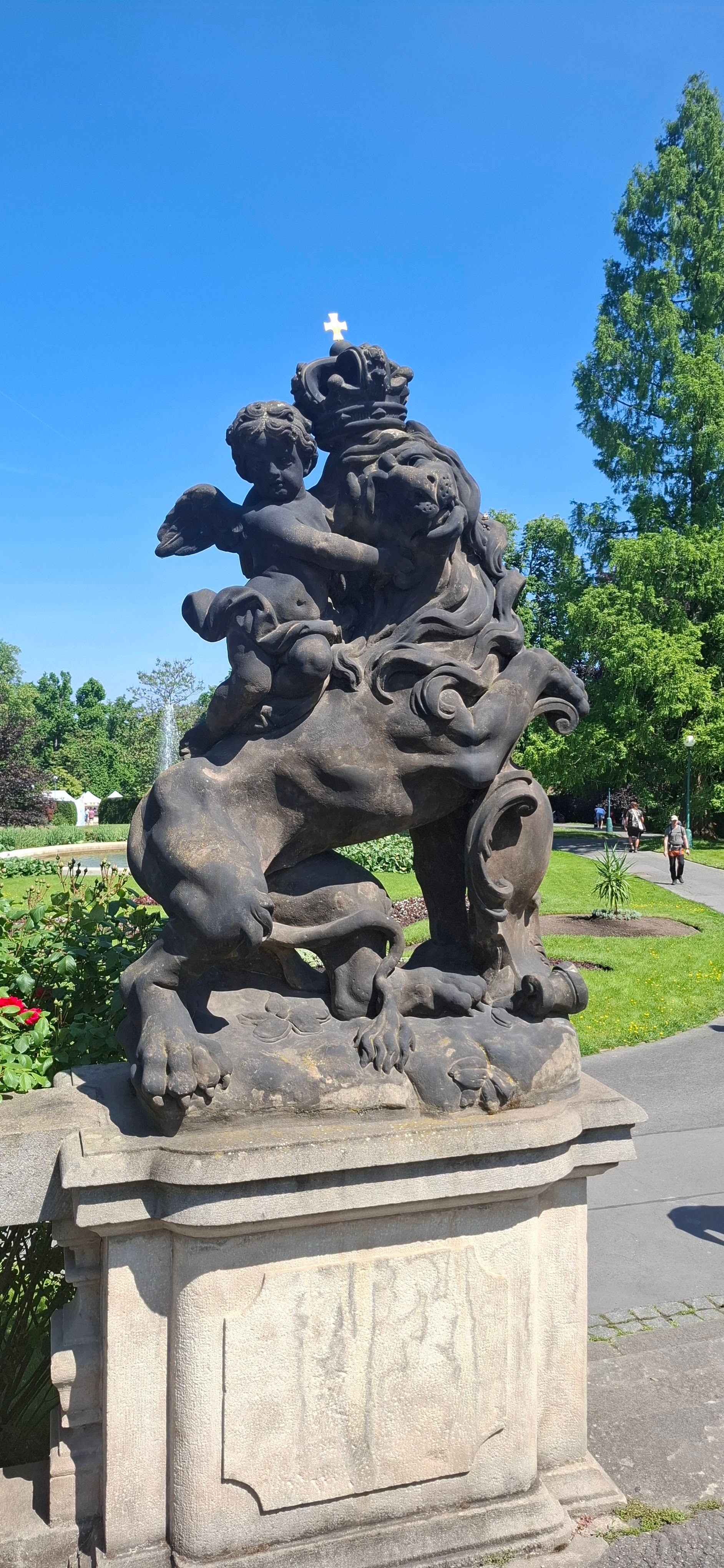
The lion with an angel in between stands in the Kralovska zahrada at Prague Castle, and there was just an open house day for children, under the honorary protection of Eva Pavlova, the wife of the president.