Cajón del Maipo - Trip to the Andes
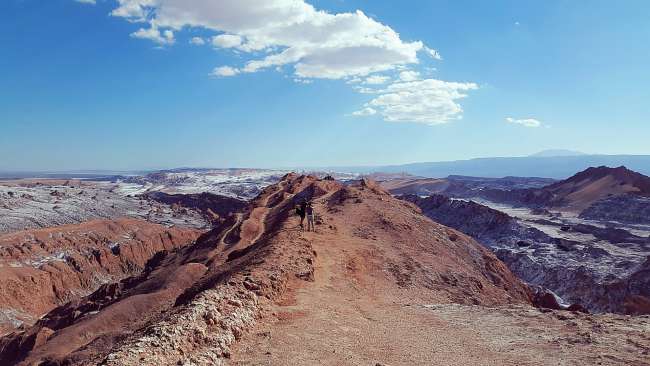
Today we went on the long excursion to Cajón del Maipo. It started shortly after 6:00 AM and took us to a reservoir (El Yeso Dam) and a glacier in the Andes (the Cordillera)....


Published: 17.03.2025
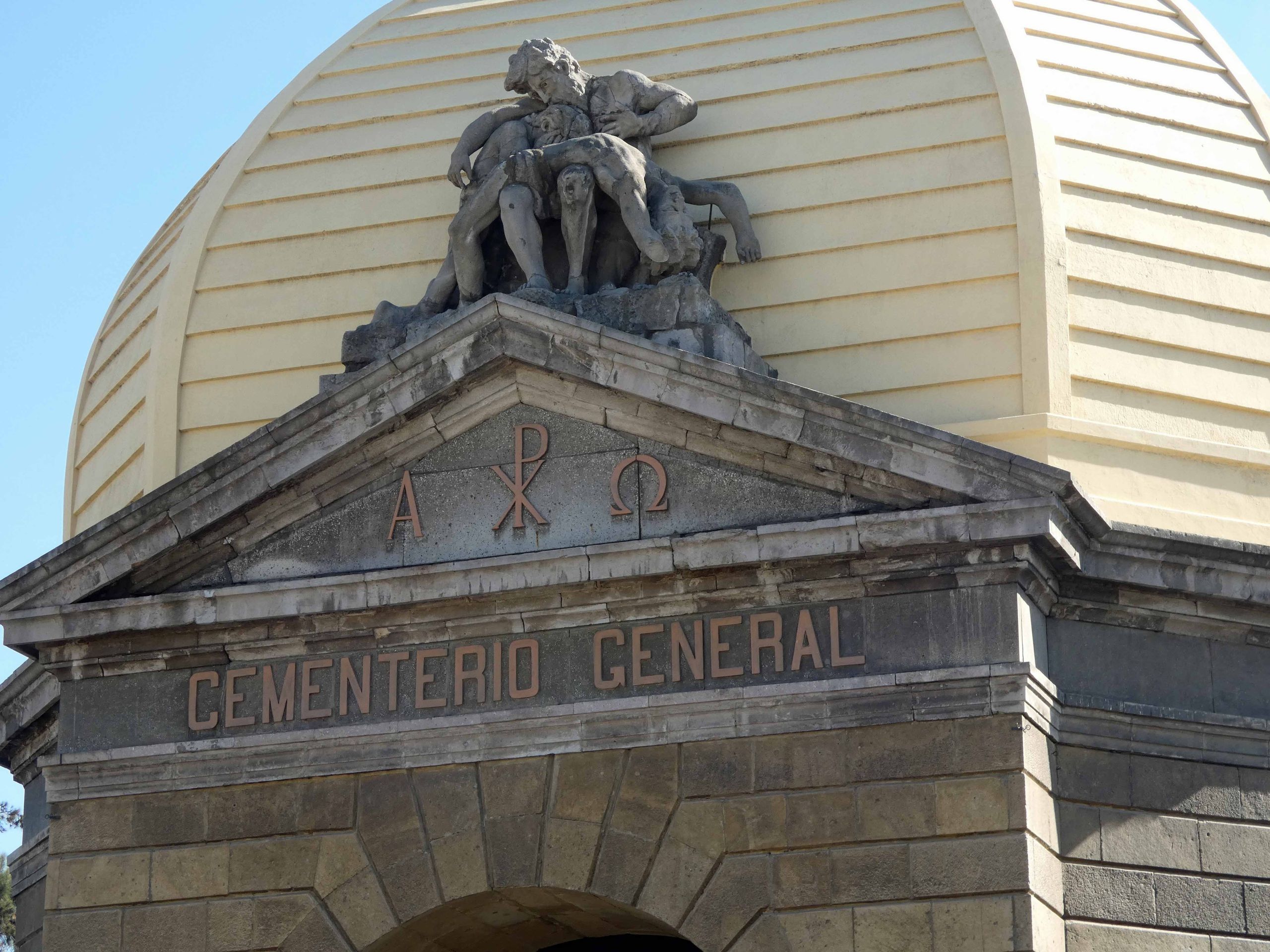
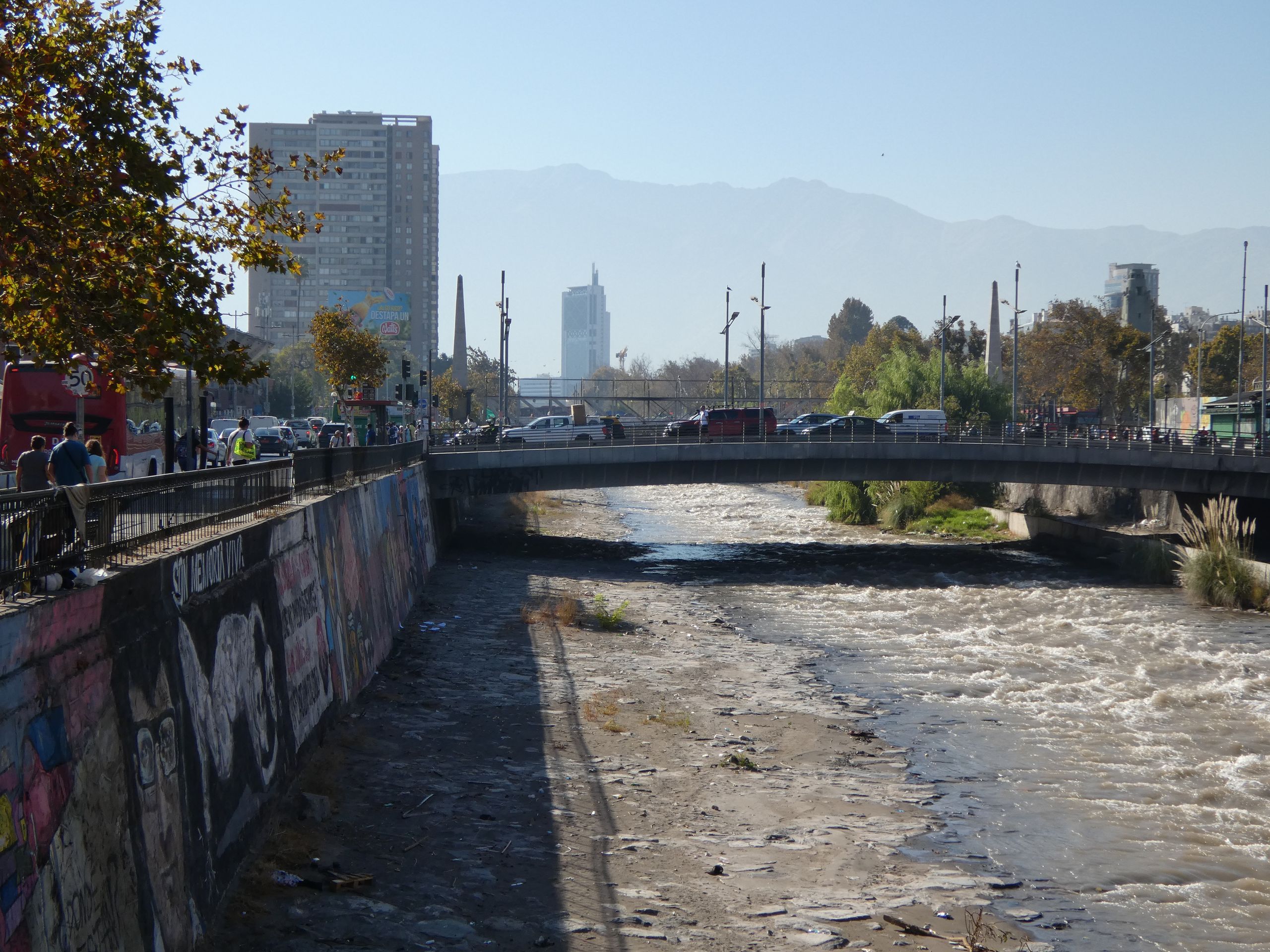
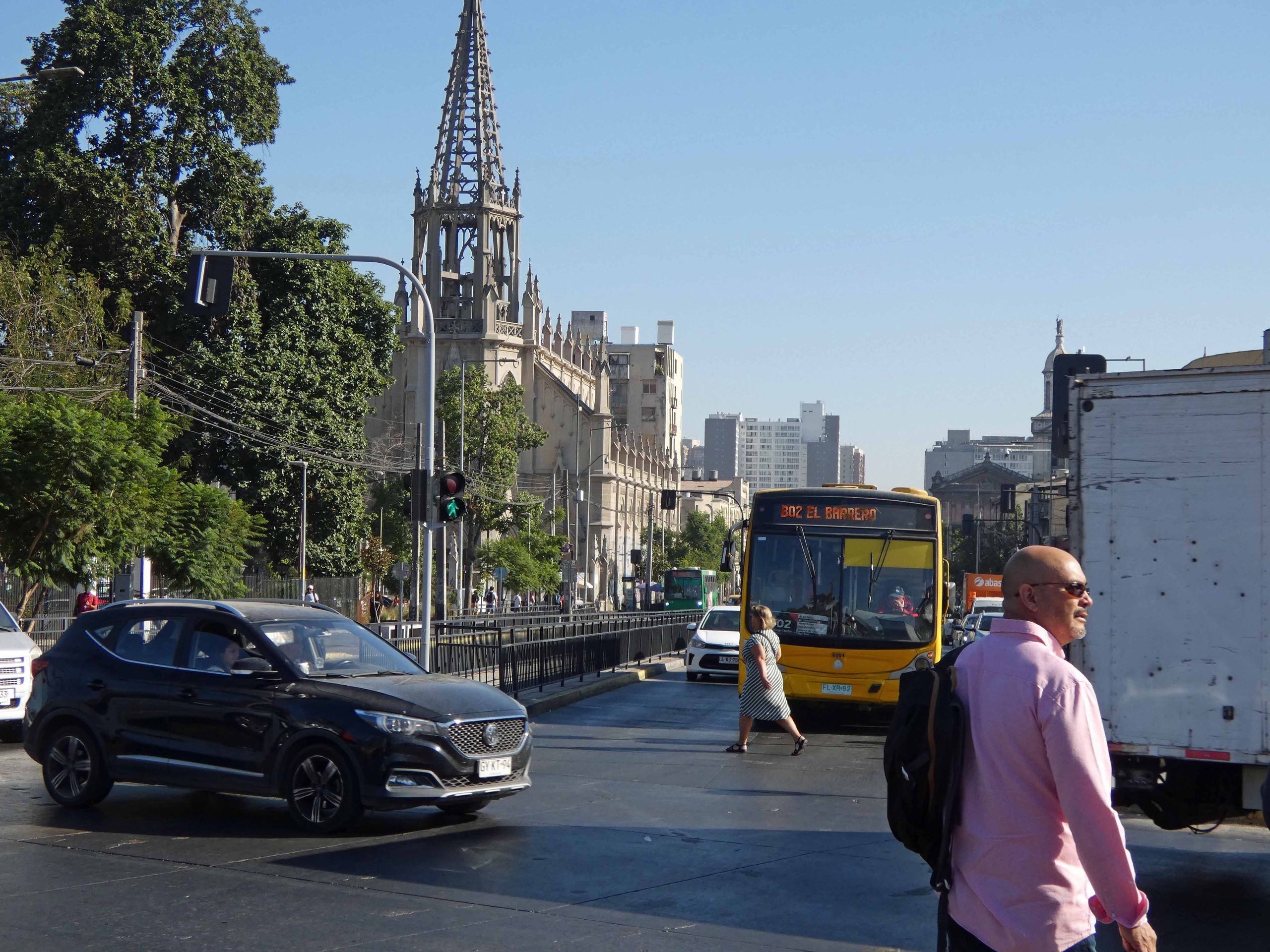
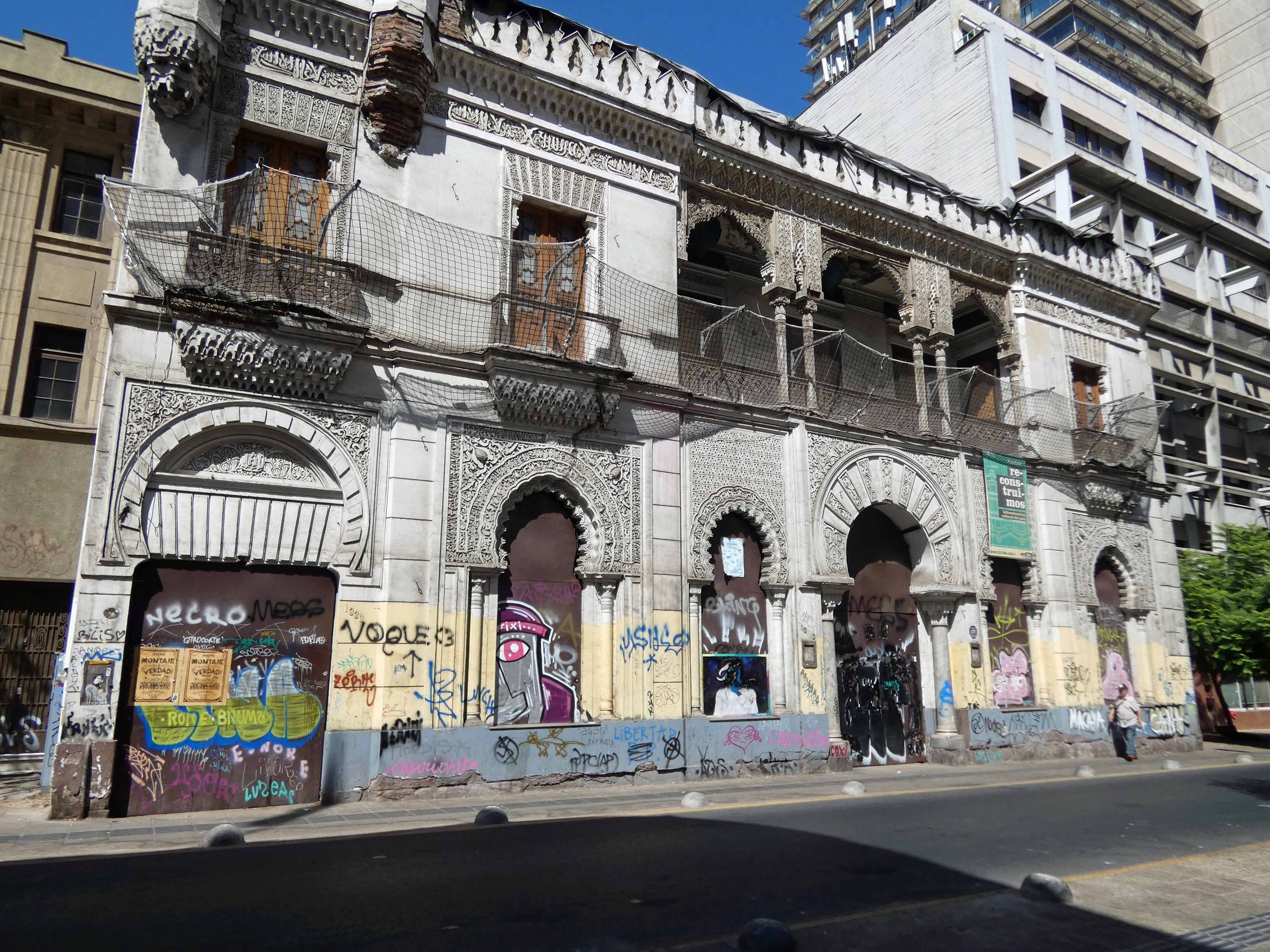
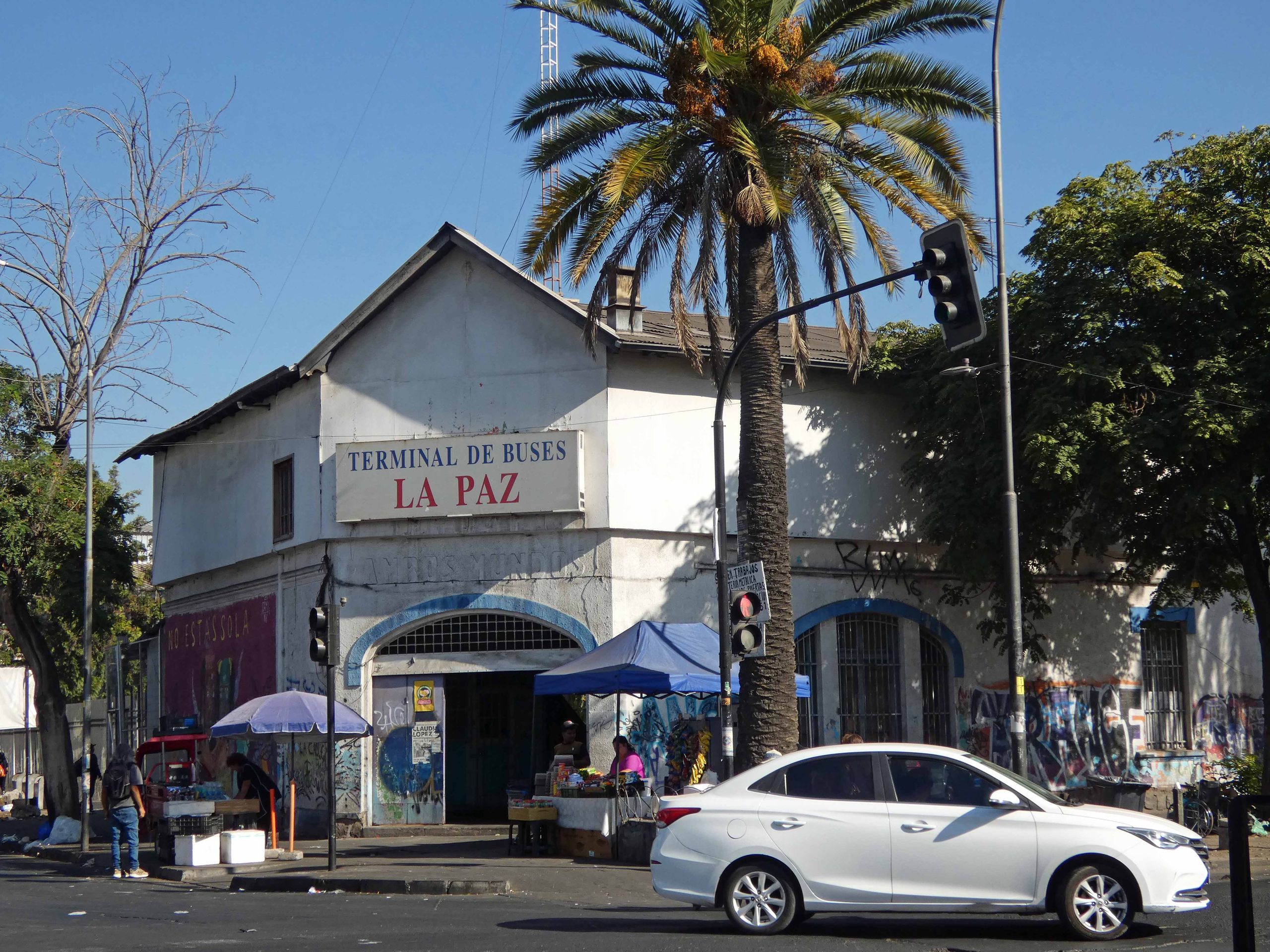
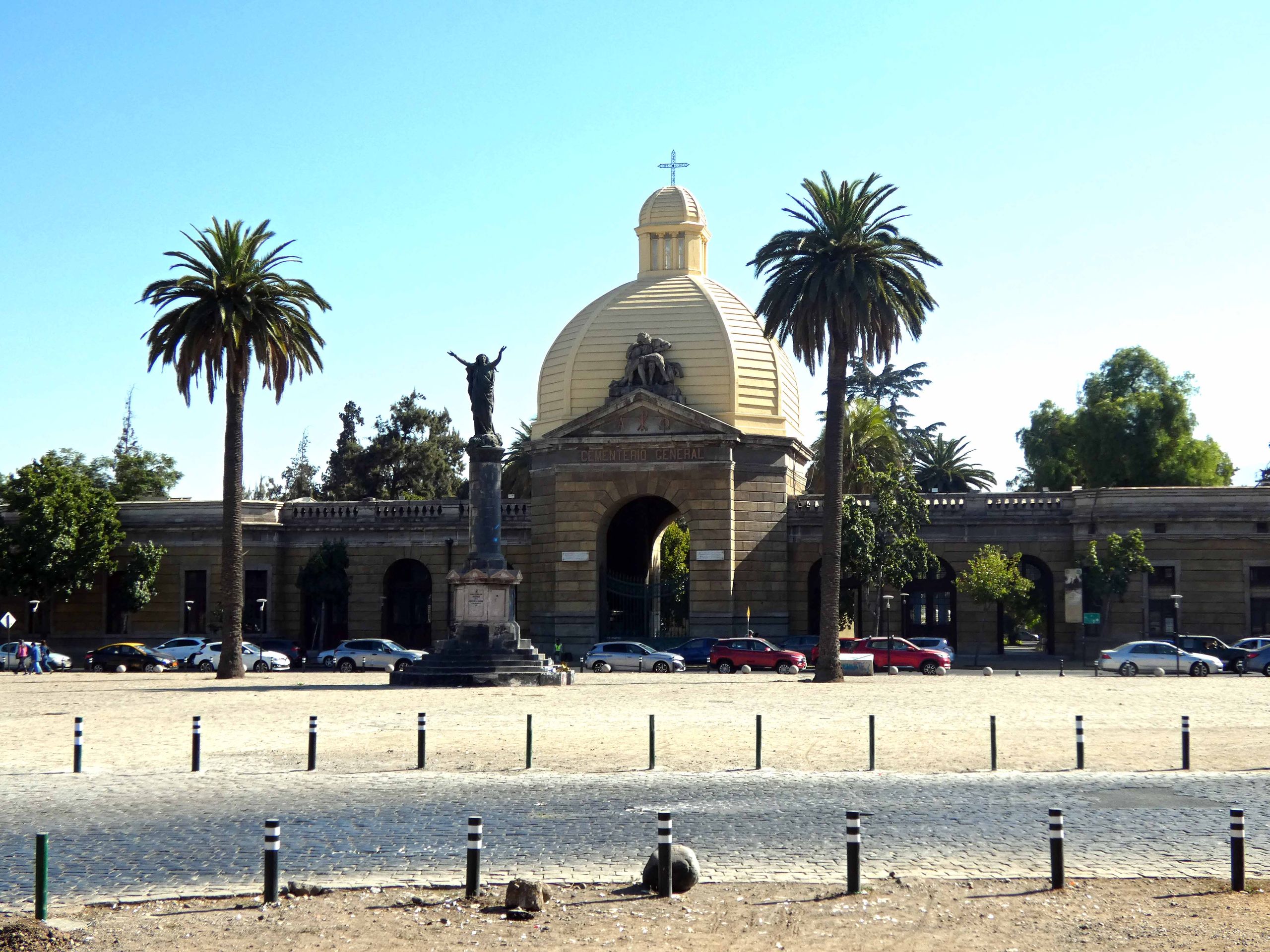
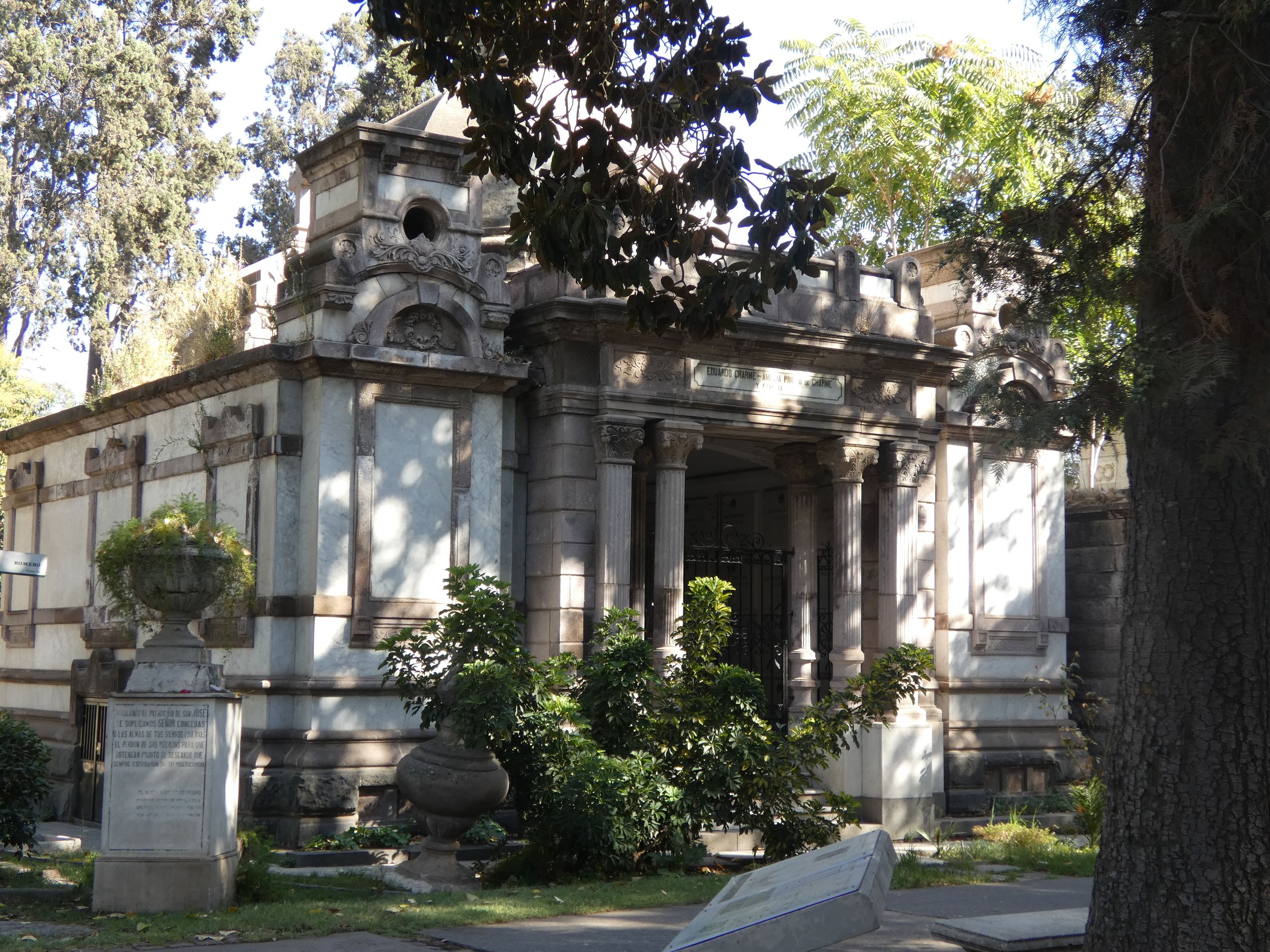
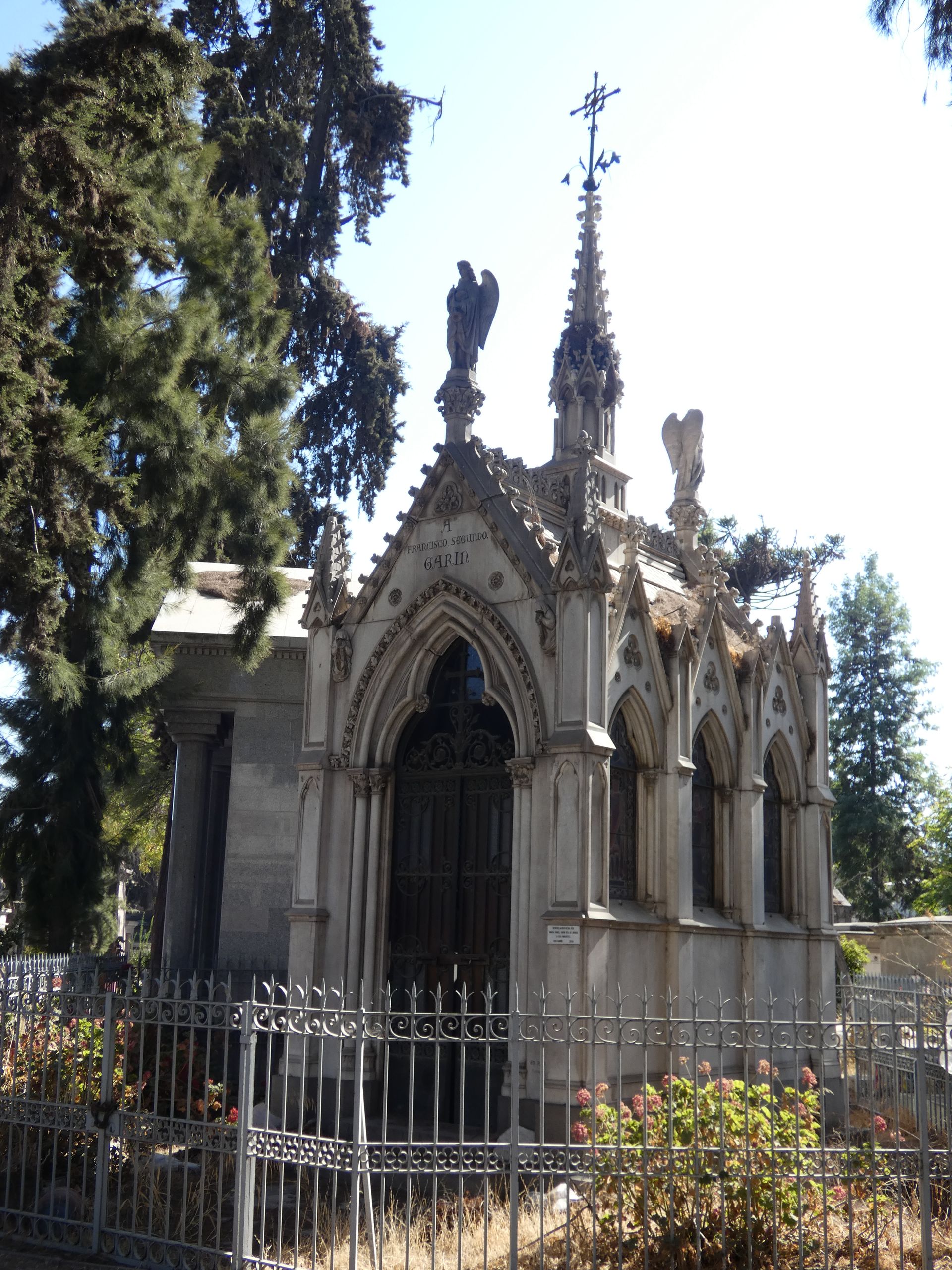
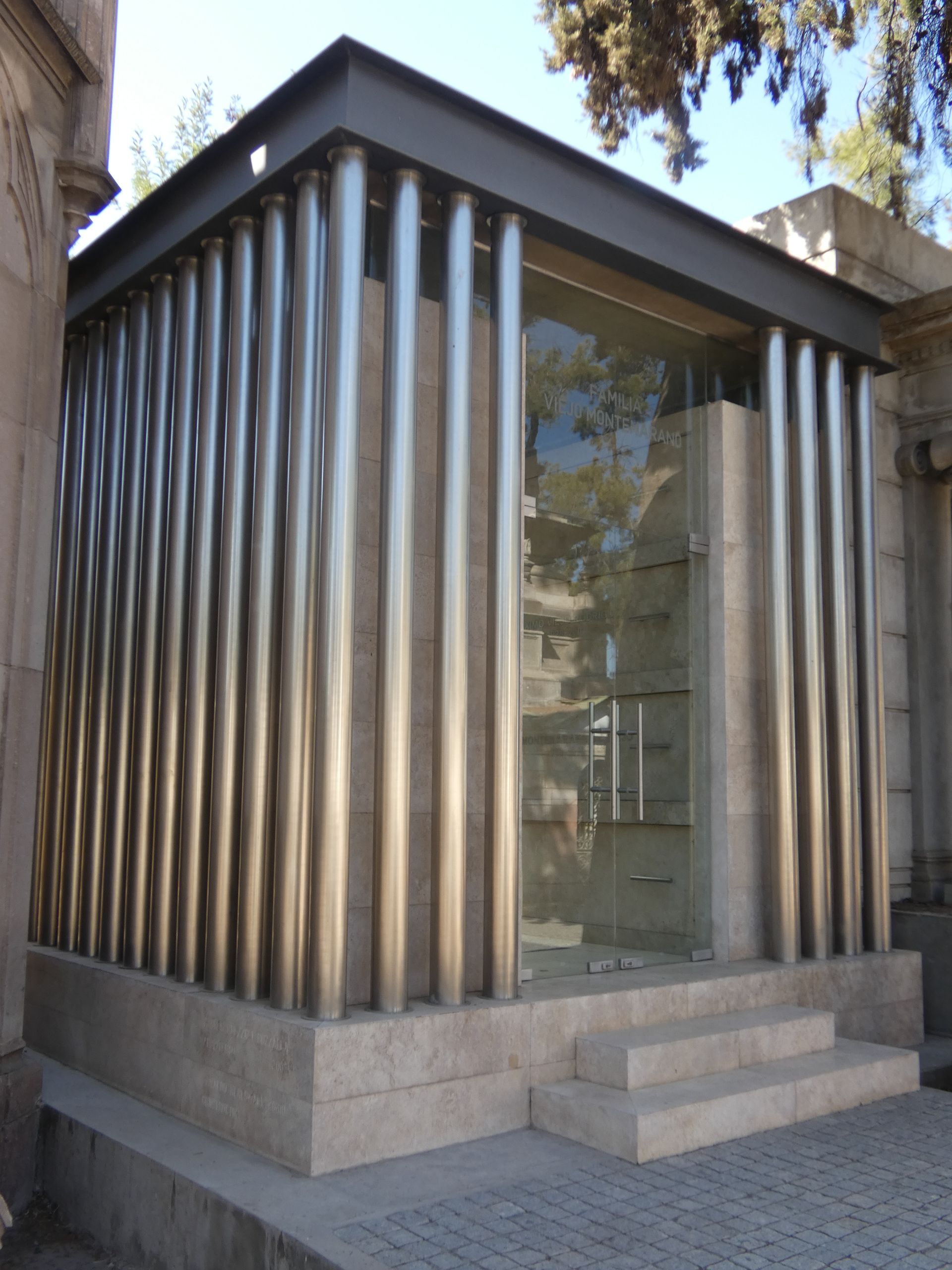
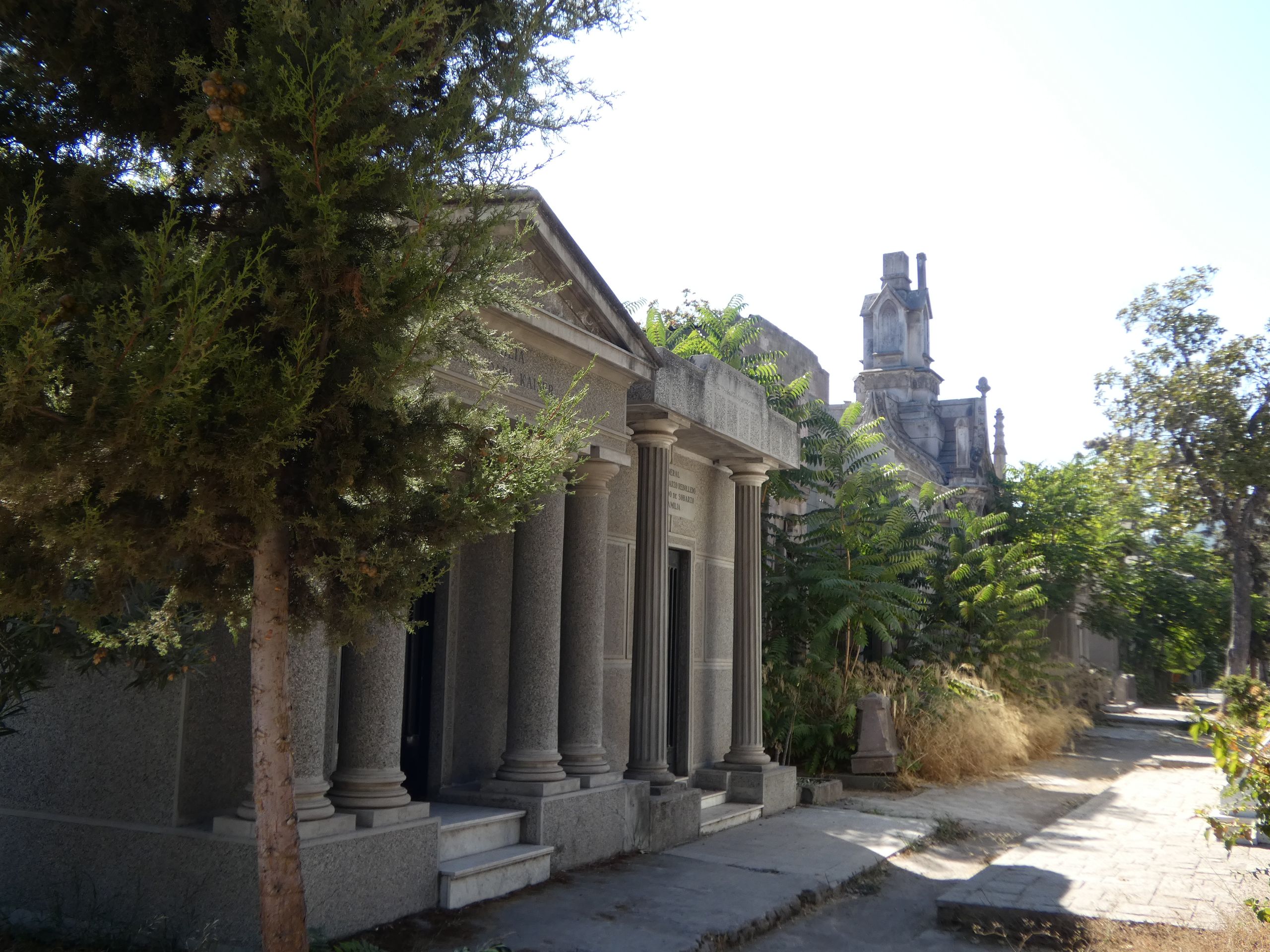
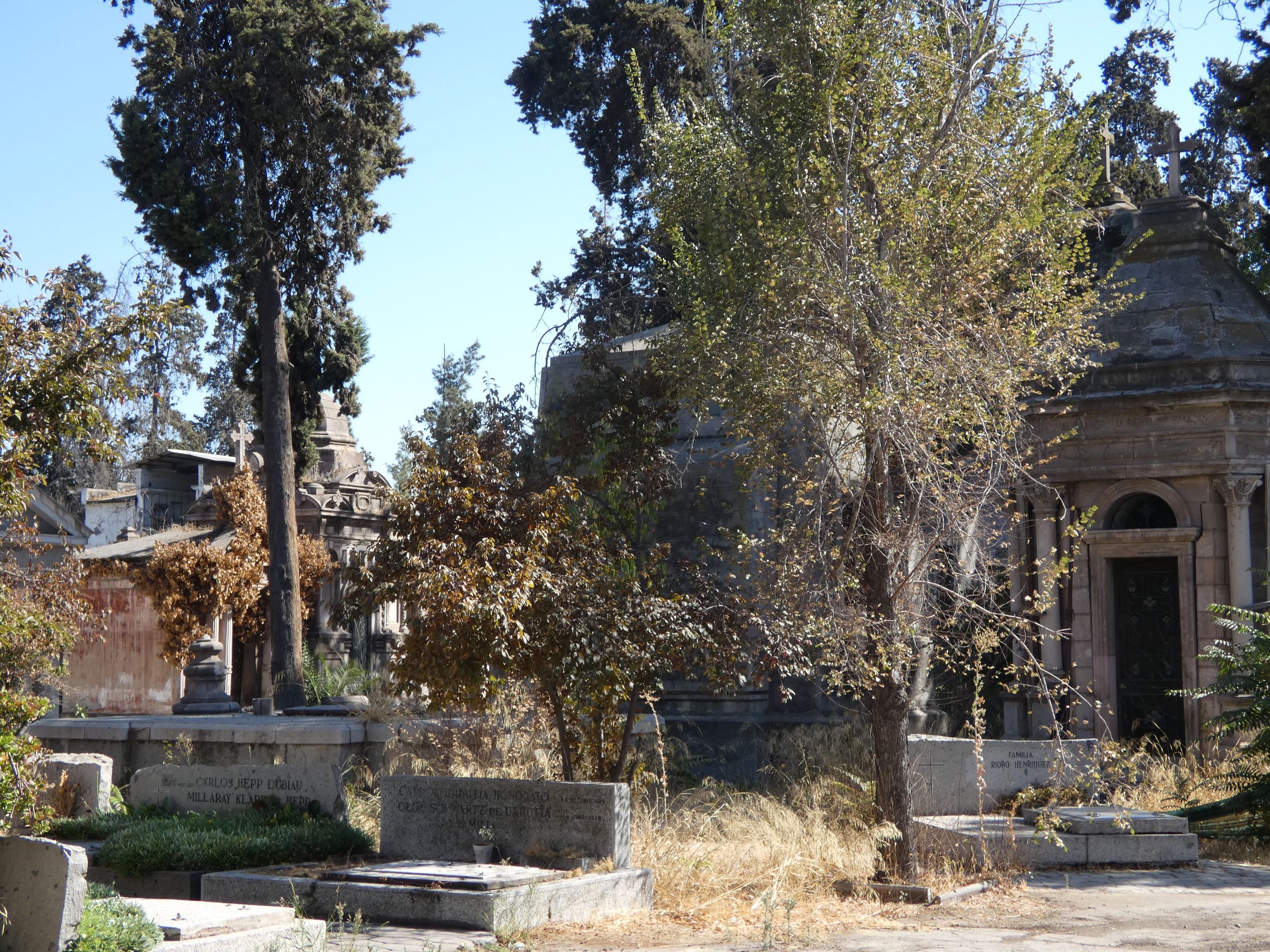
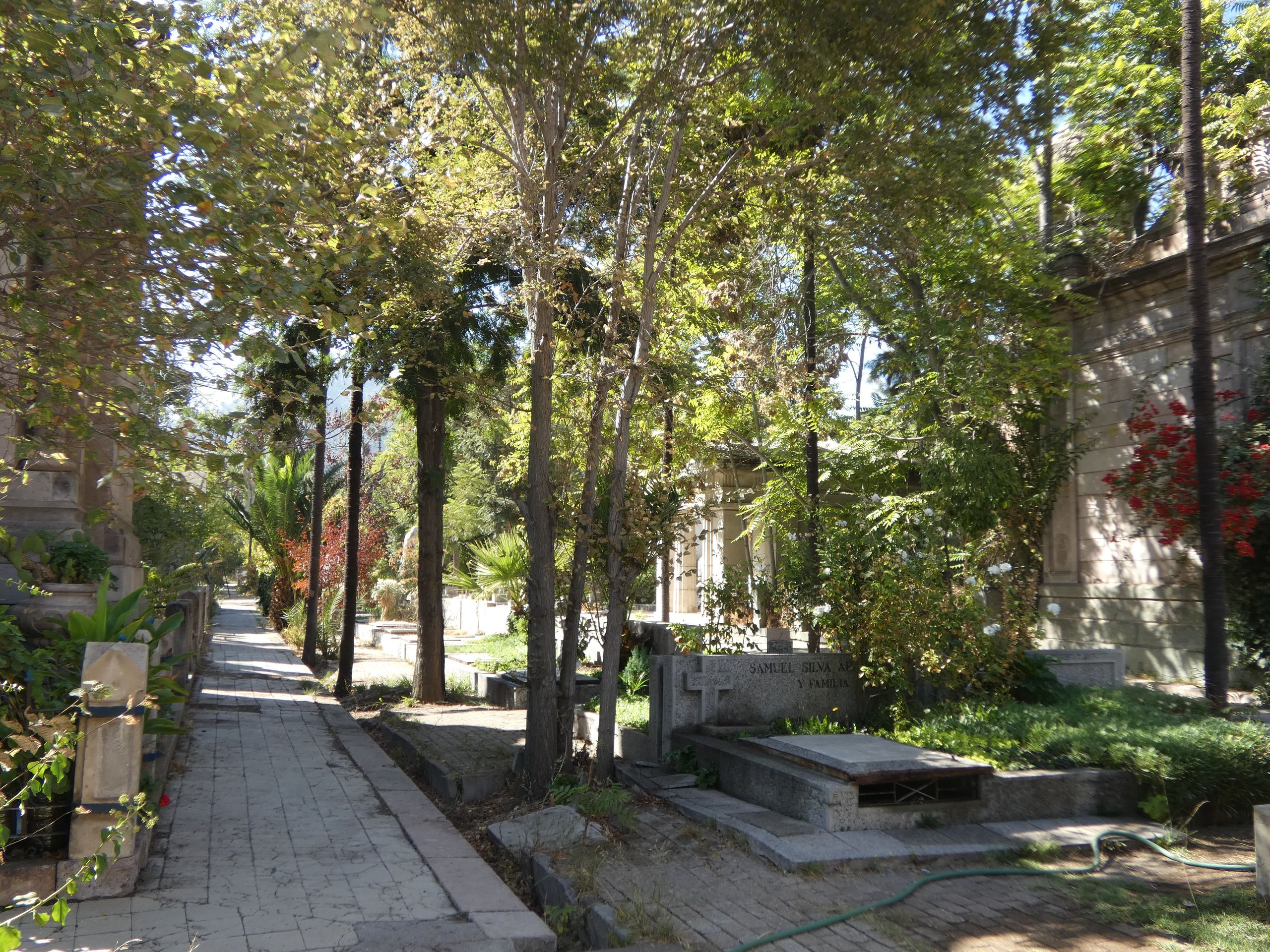


The Deutschlandfunk referred to the National Cemetery in a report as the City of the Dead in Santiago. It covers 86 hectares, making it as large as an entire city district, and even includes a hill. This report motivated us to take the longer walk there.
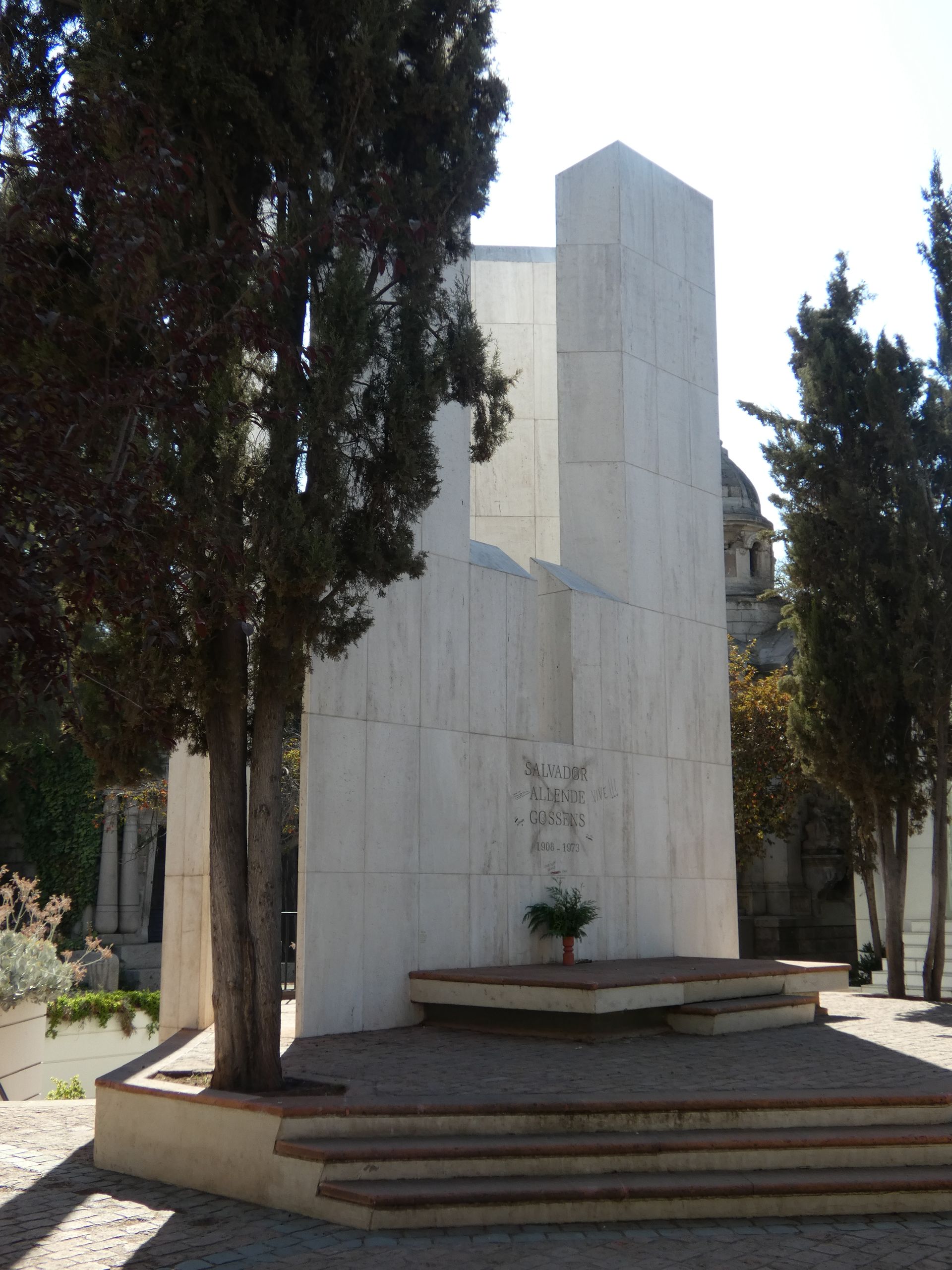
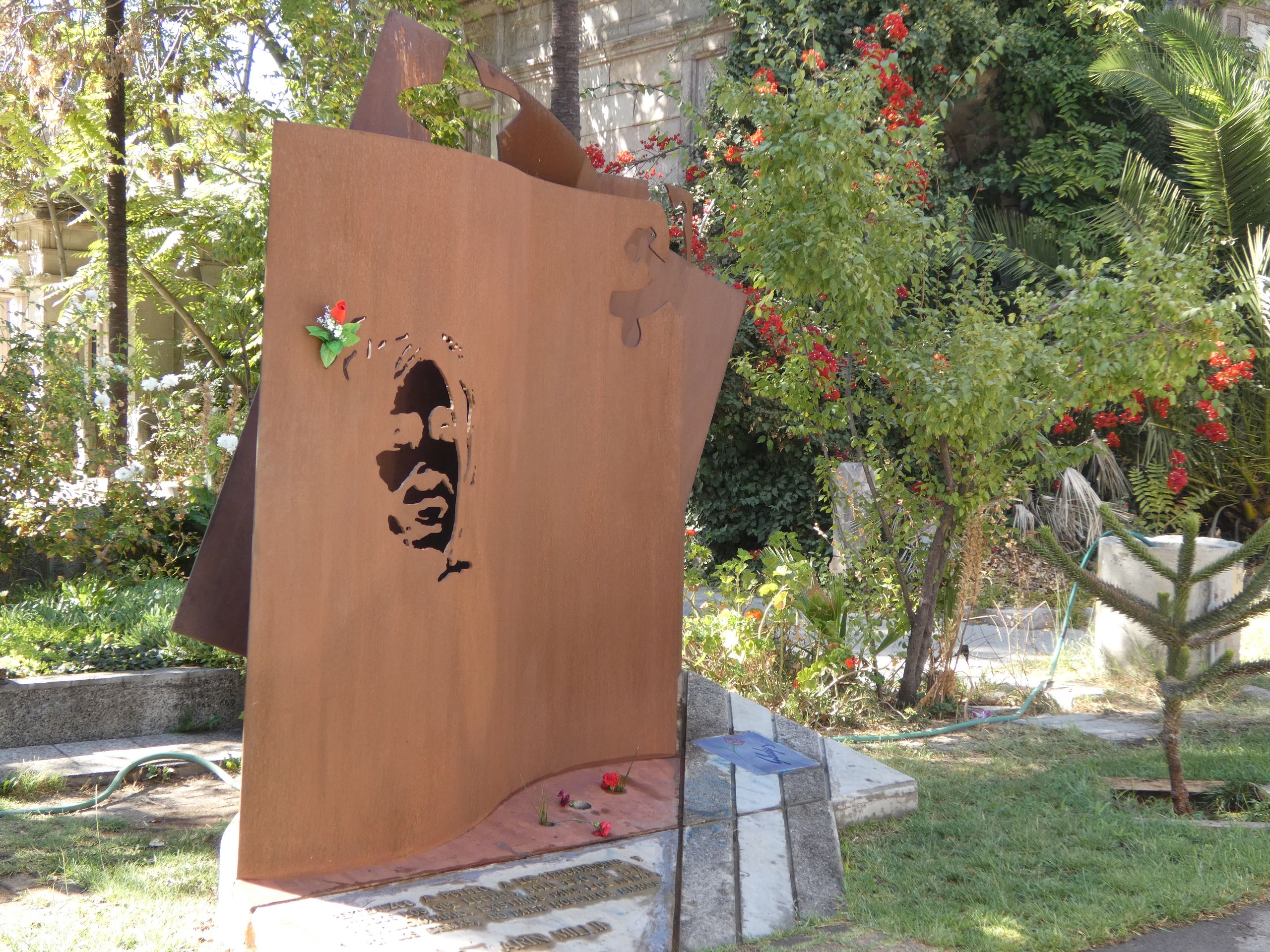
The entrance gate is imposing, and in front of it lies a huge round square surrounded by buildings. The cemetery features all kinds of monuments, from small cathedrals to Greek temples to modern mausoleums. Alongside the tombs of wealthy Chilean families rest many artists and nearly all presidents. Salvador Allende and, for instance, Víctor Jara were only reinterred after Pinochet's death. Augusto Pinochet, on the other hand, is not buried here, and Erich Honecker was cremated at the cemetery but not buried here.
The loud remarks of an American tourist present at Allende's tomb were absurd. He claimed that while Allende had erected a grand monument to himself, he also had championed the equality of all humans. An accompanying person added that Allende had even killed himself. The American truths are spreading.
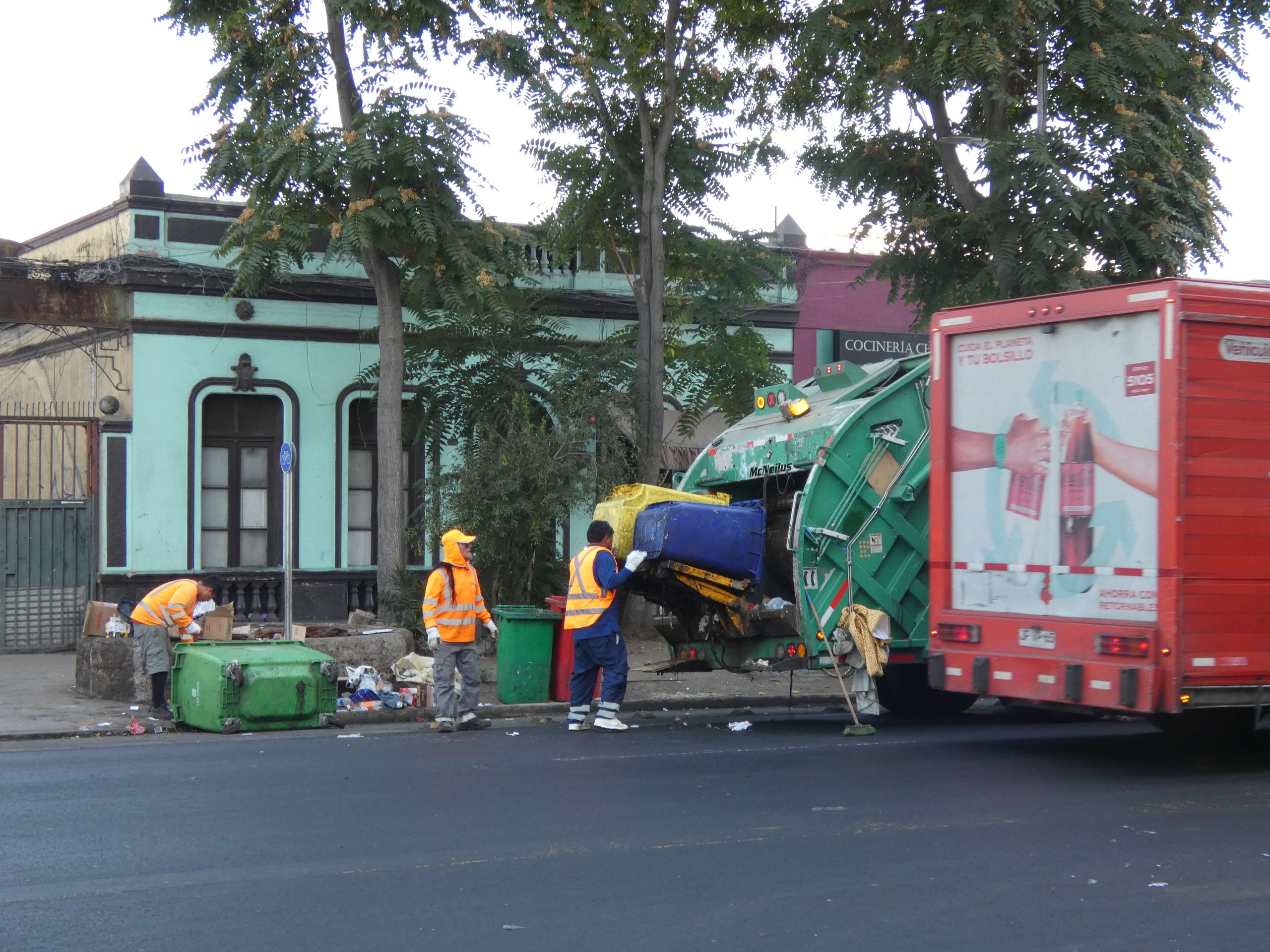
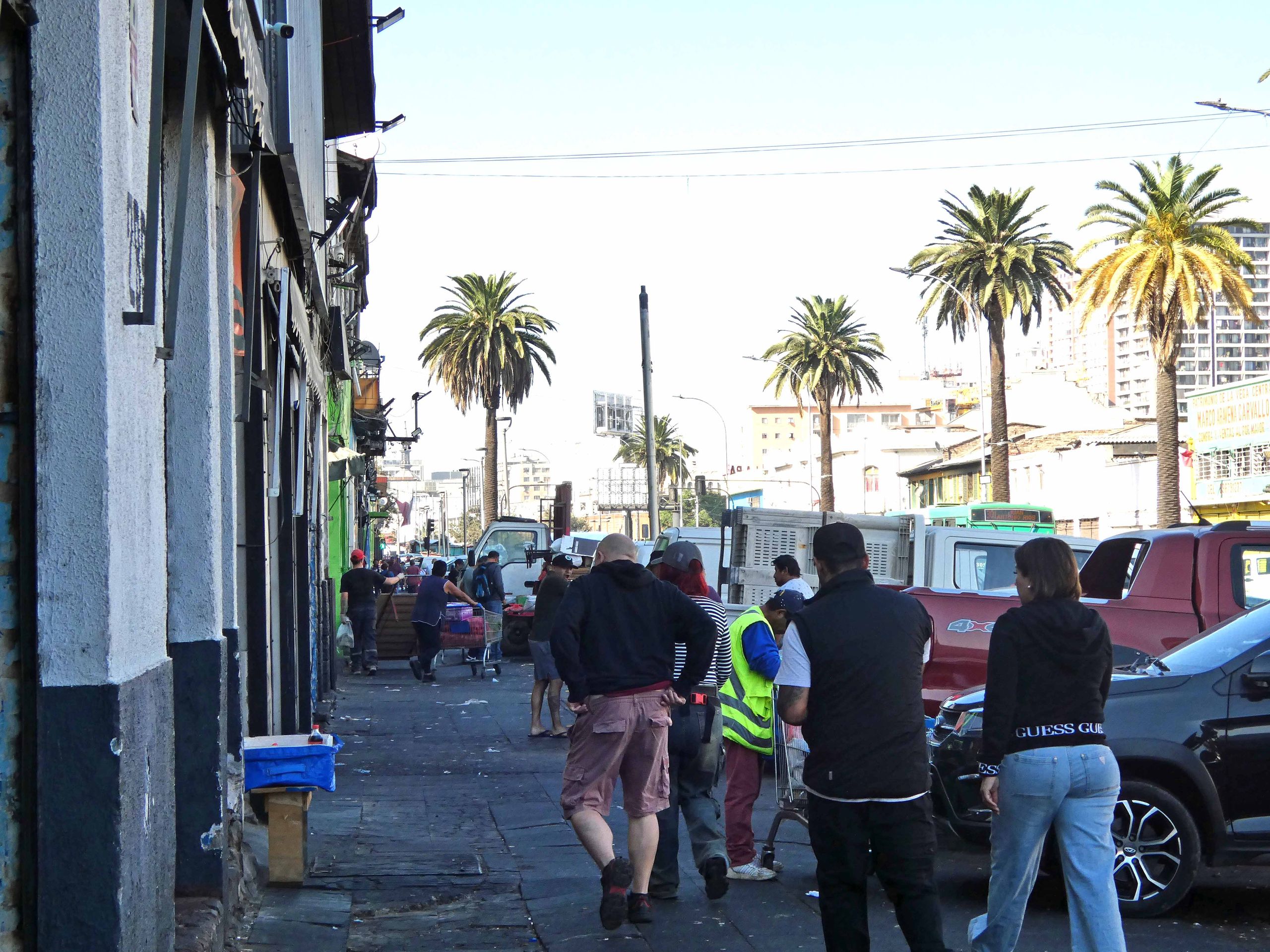
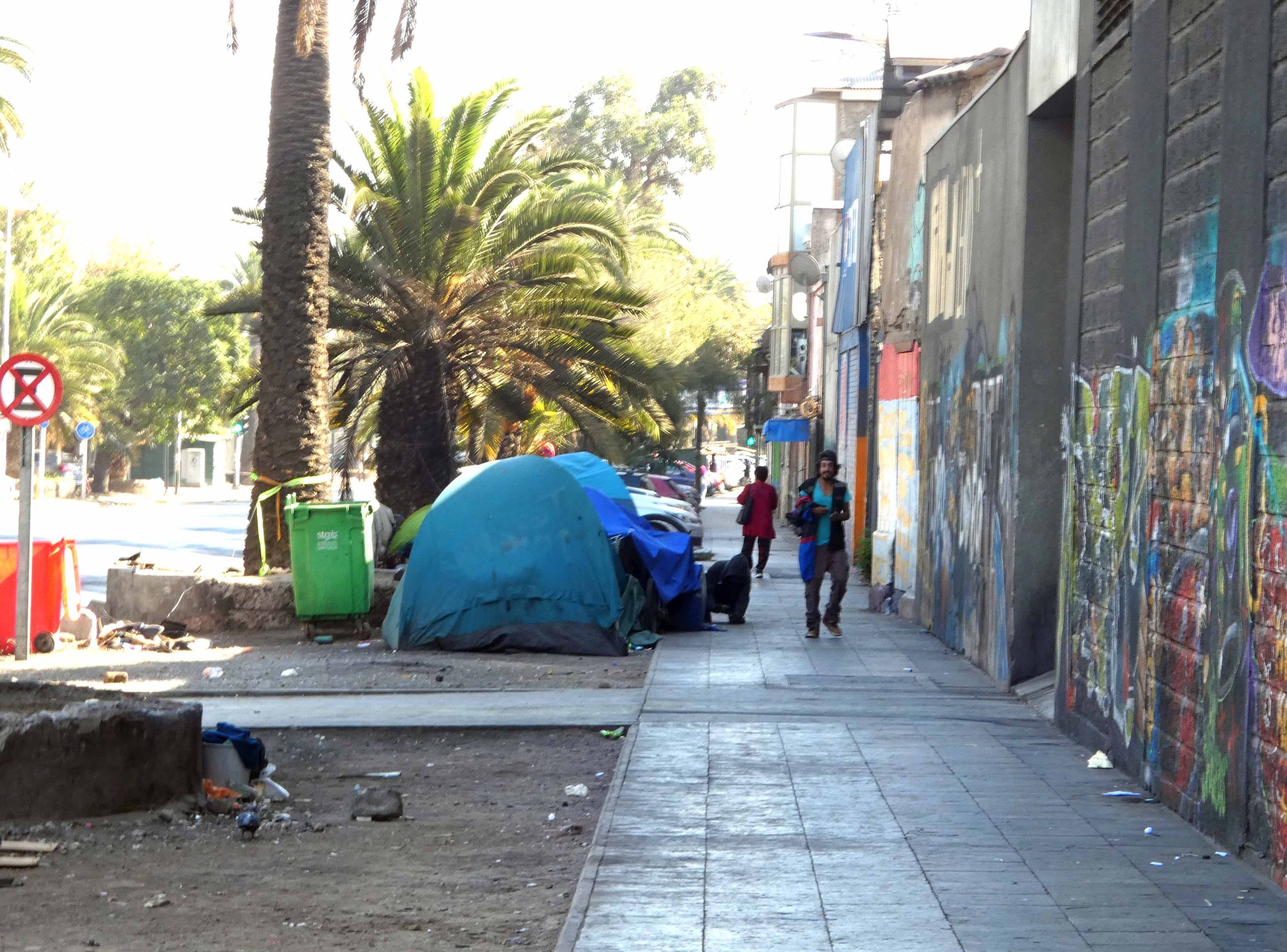
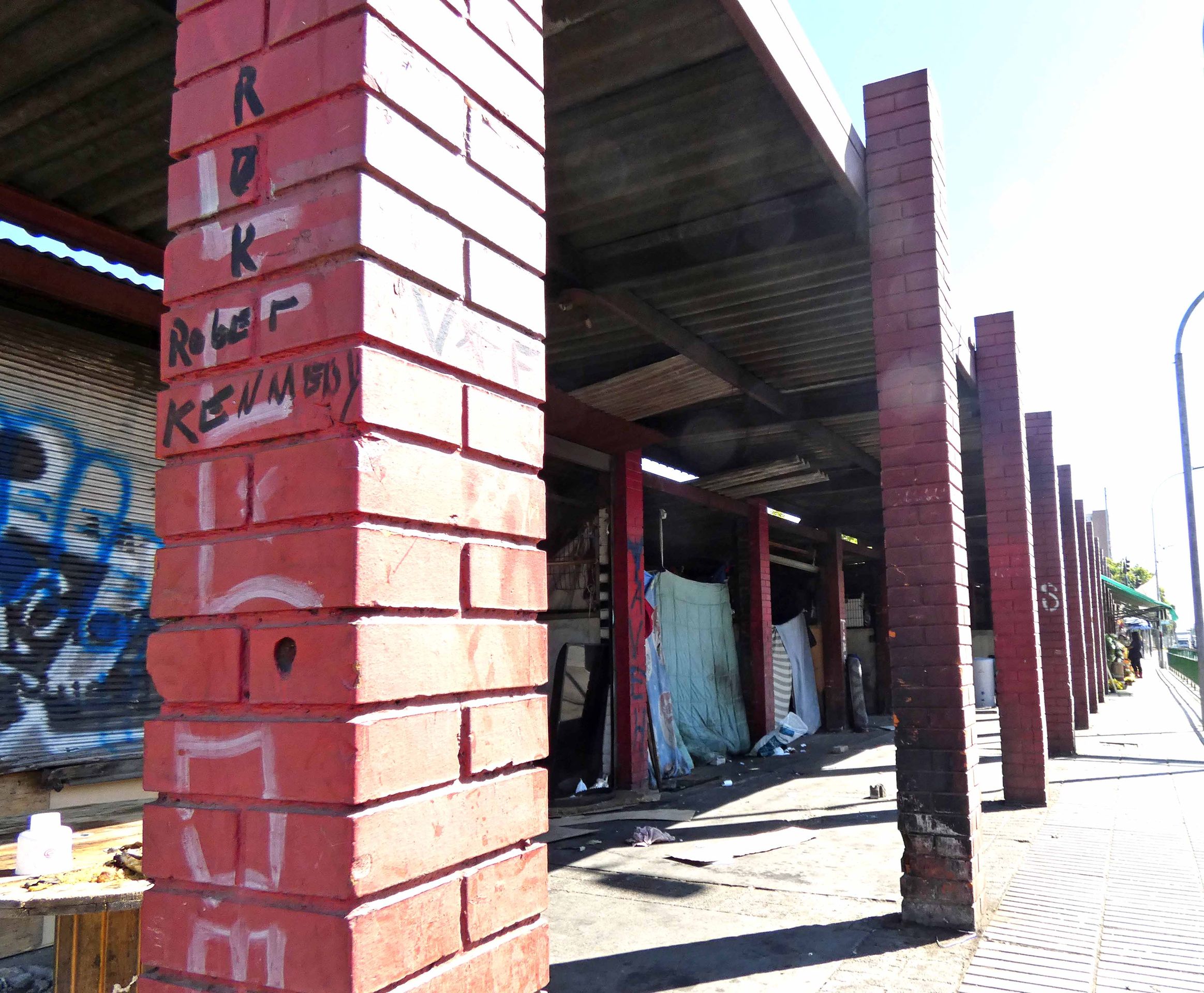
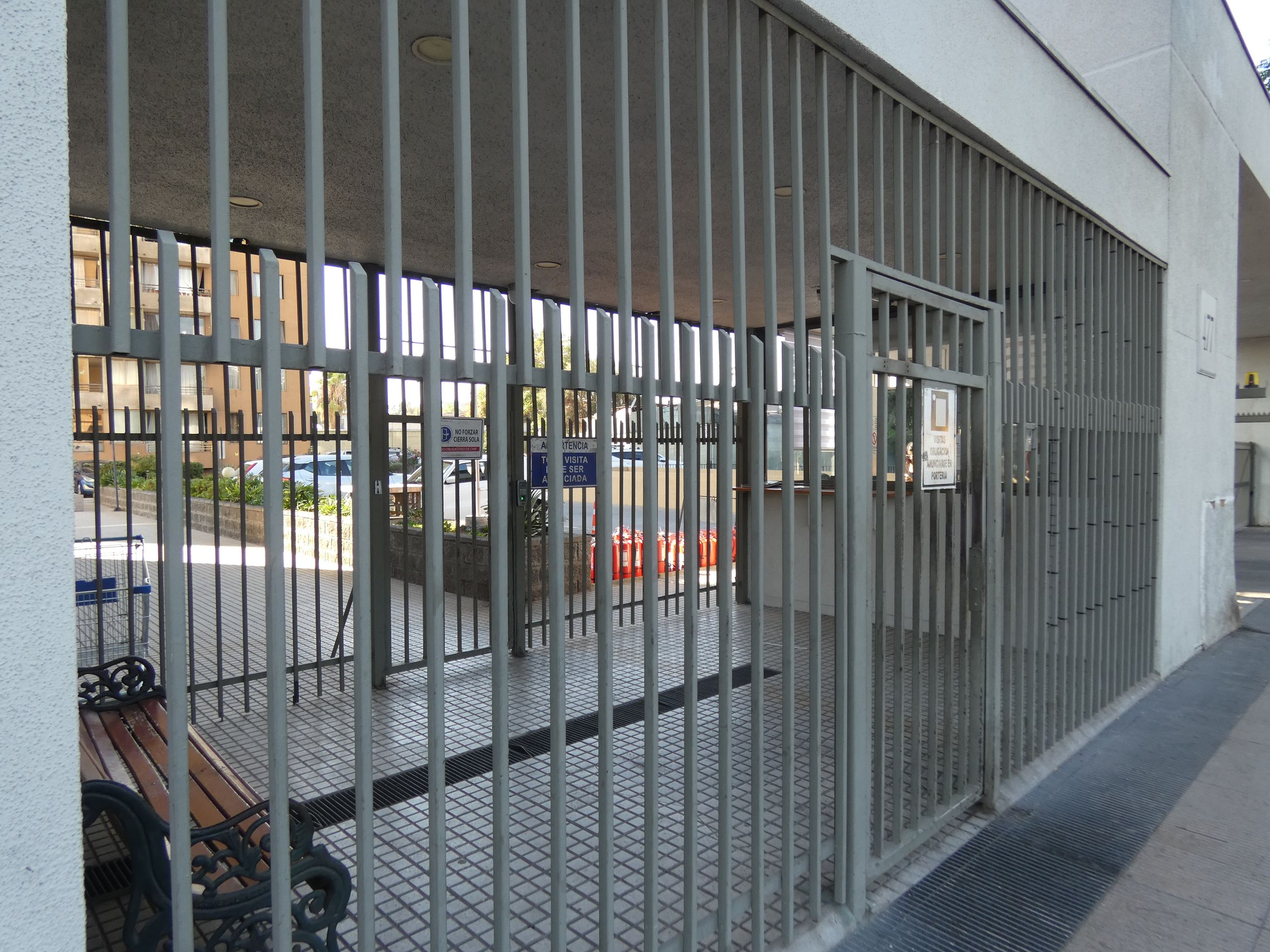
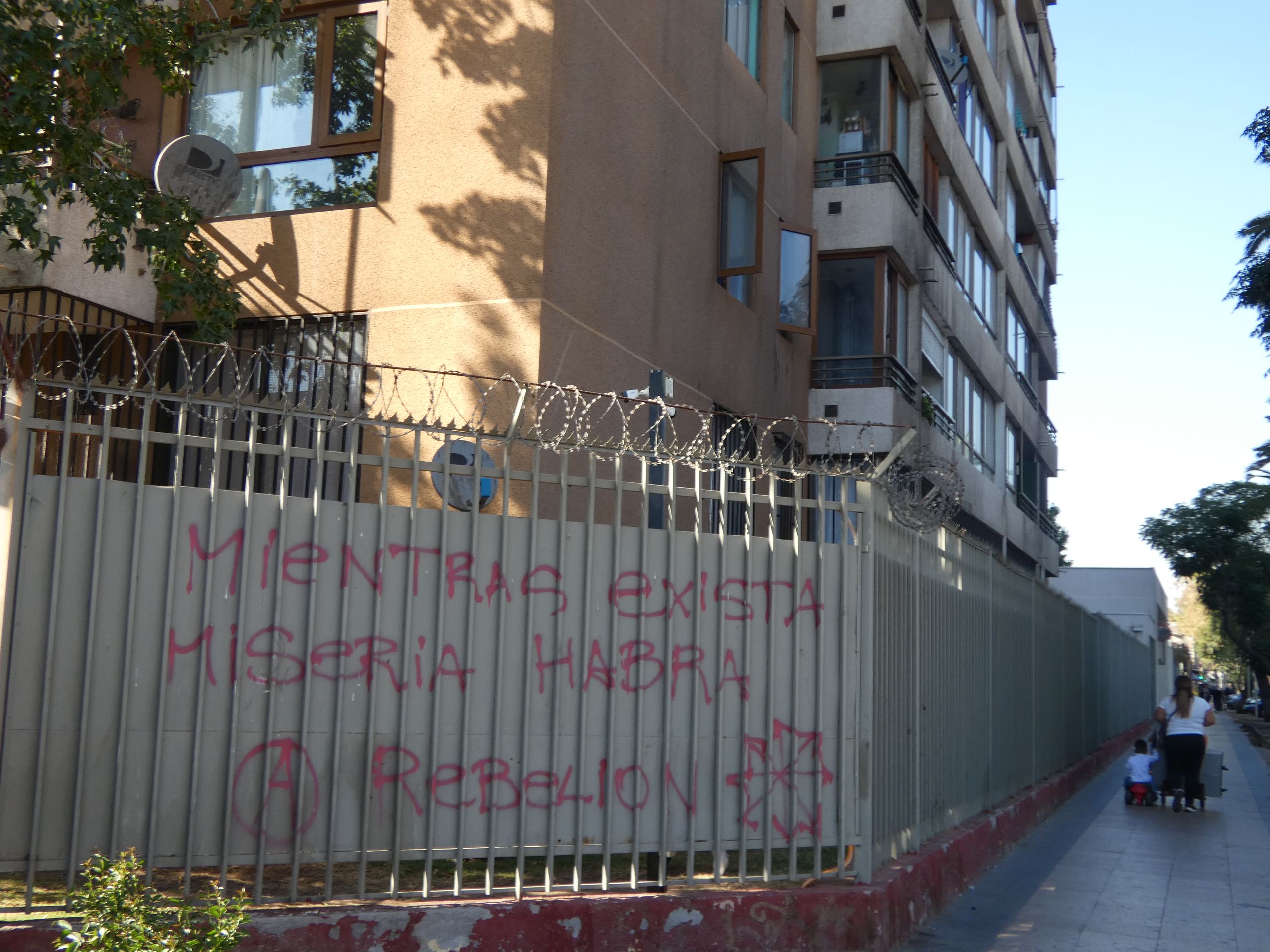
But that was not the only disillusioning experience. On the last part of the footpath, we walked through a sort of market street. Everything possible was being sold there; trash was everywhere, animal carcasses, homeless shelters, and an incredible stench. The longer we stay here, the more the poverty affects us. While we have not experienced any crime ourselves, all residential houses that are not decaying, whether single-family homes or high-rises, have fences with walls, strong grilles, or reinforced corrugated iron topped with barbed wire. Even regular police cars have thick grilles over all the windows, and all security guards and concierges wear bulletproof vests. Santiago is probably not going to be our favorite place, even though there are pretty birds and other animals here as well.
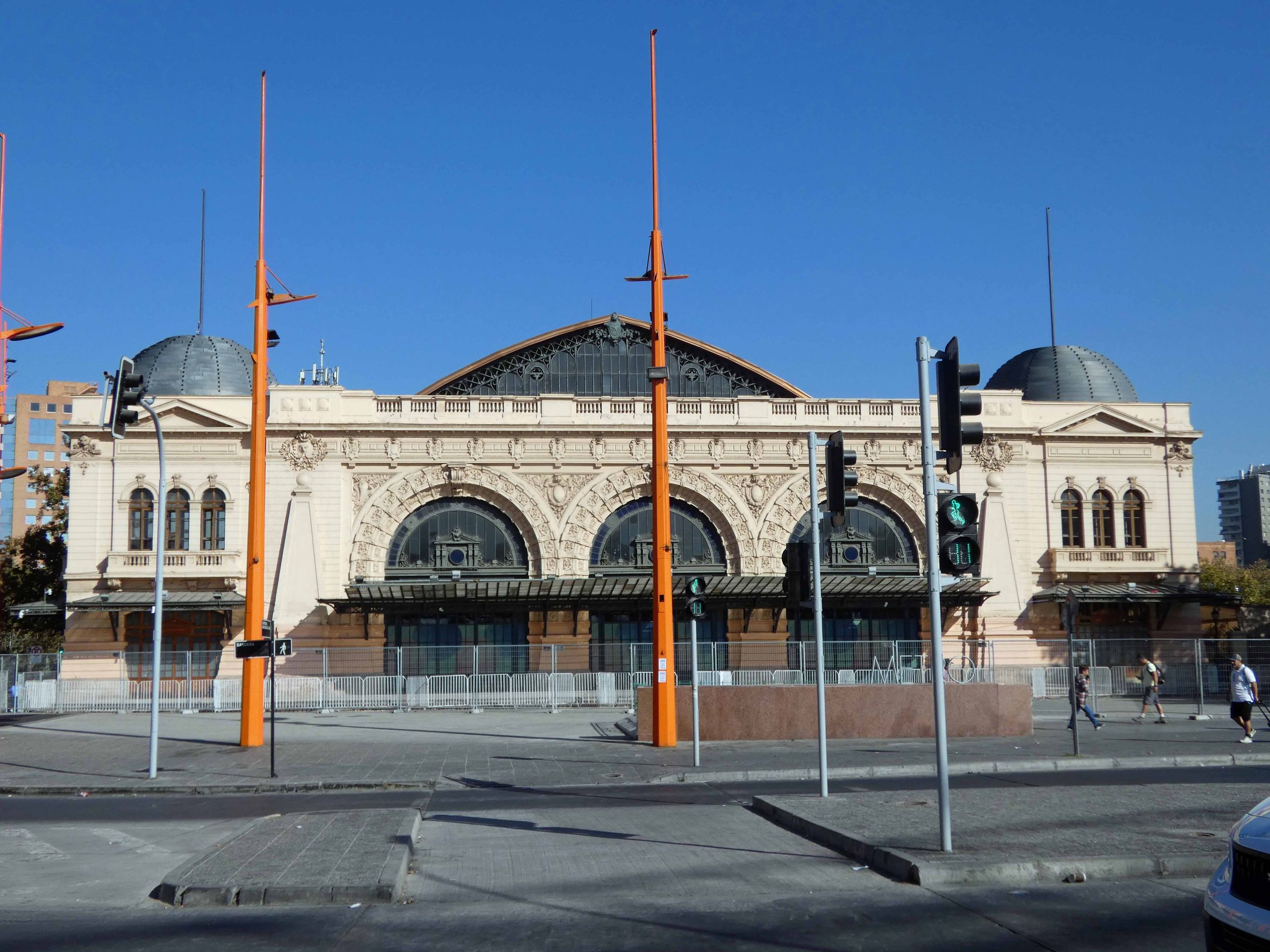
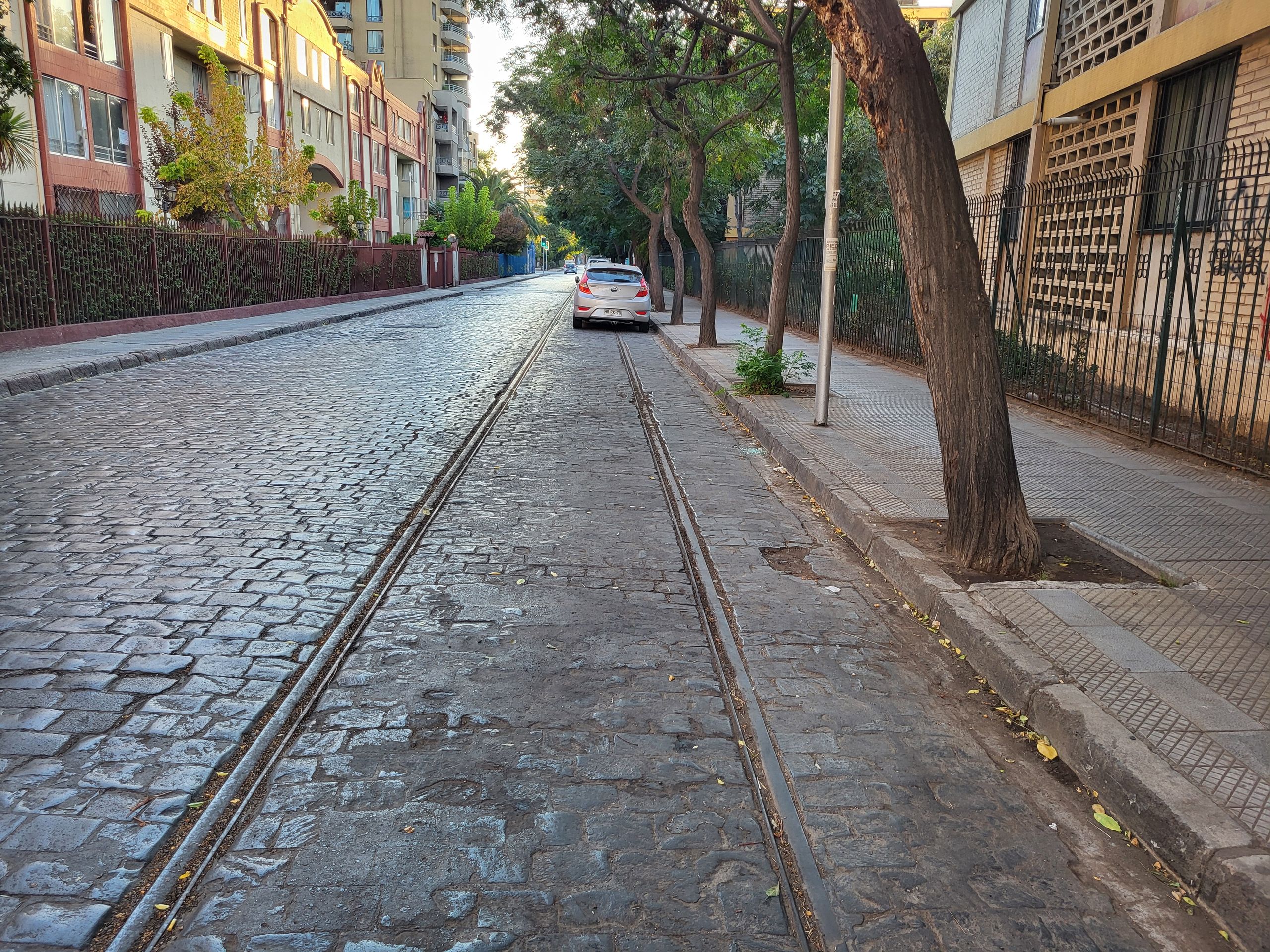
One more detail: Surprisingly many streets are still paved, and you can still see tram tracks on many streets. A steam tram was apparently introduced in 1858 and abolished after 101 years, in 1959. It was replaced like many places by buses, which were later supplemented by a metro in 1975.
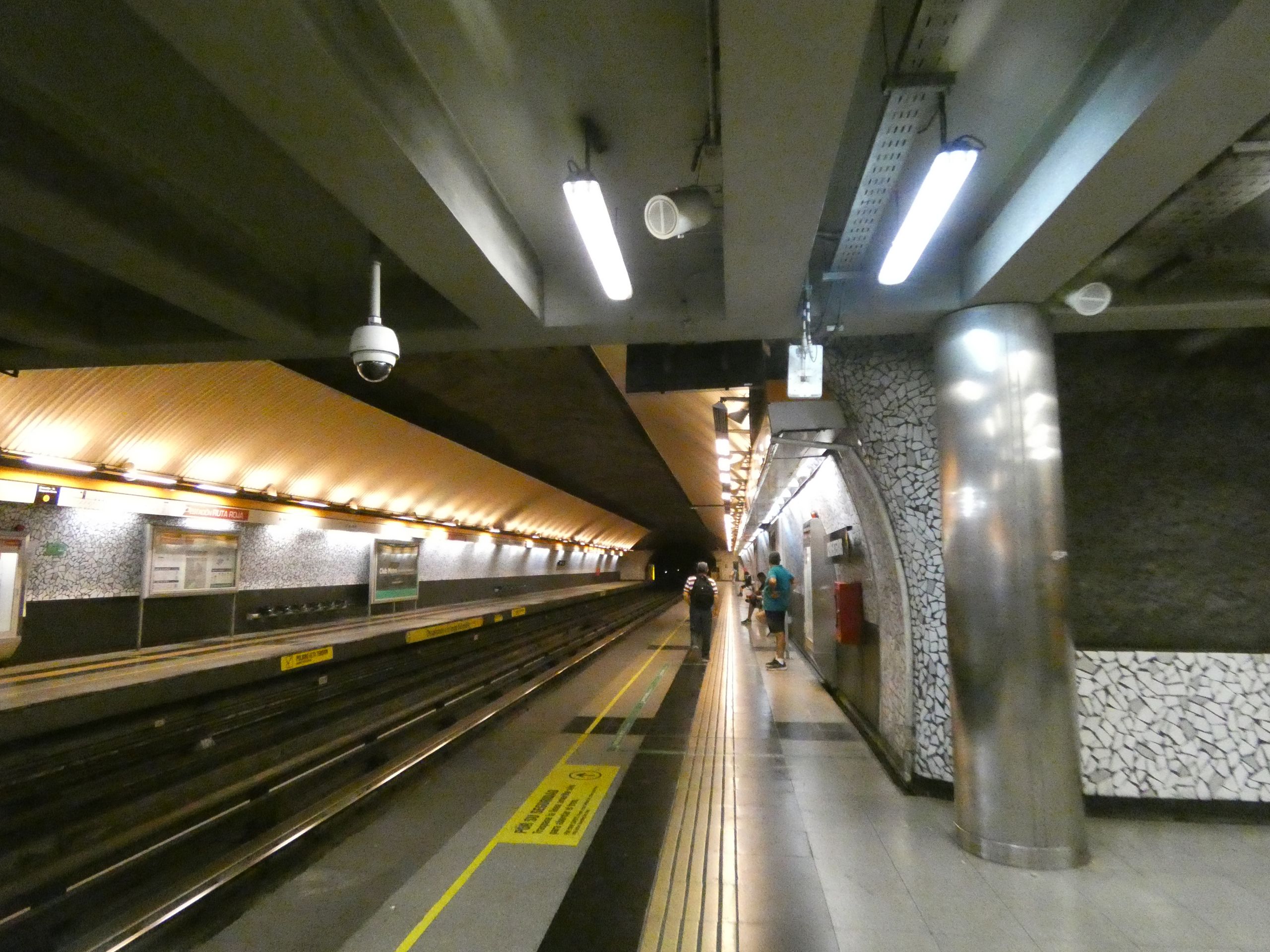
Then we took the metro back to the center, ate something small, and will go to a nice restaurant this evening. Tomorrow we will travel to San Antonio to board 'our' ship.