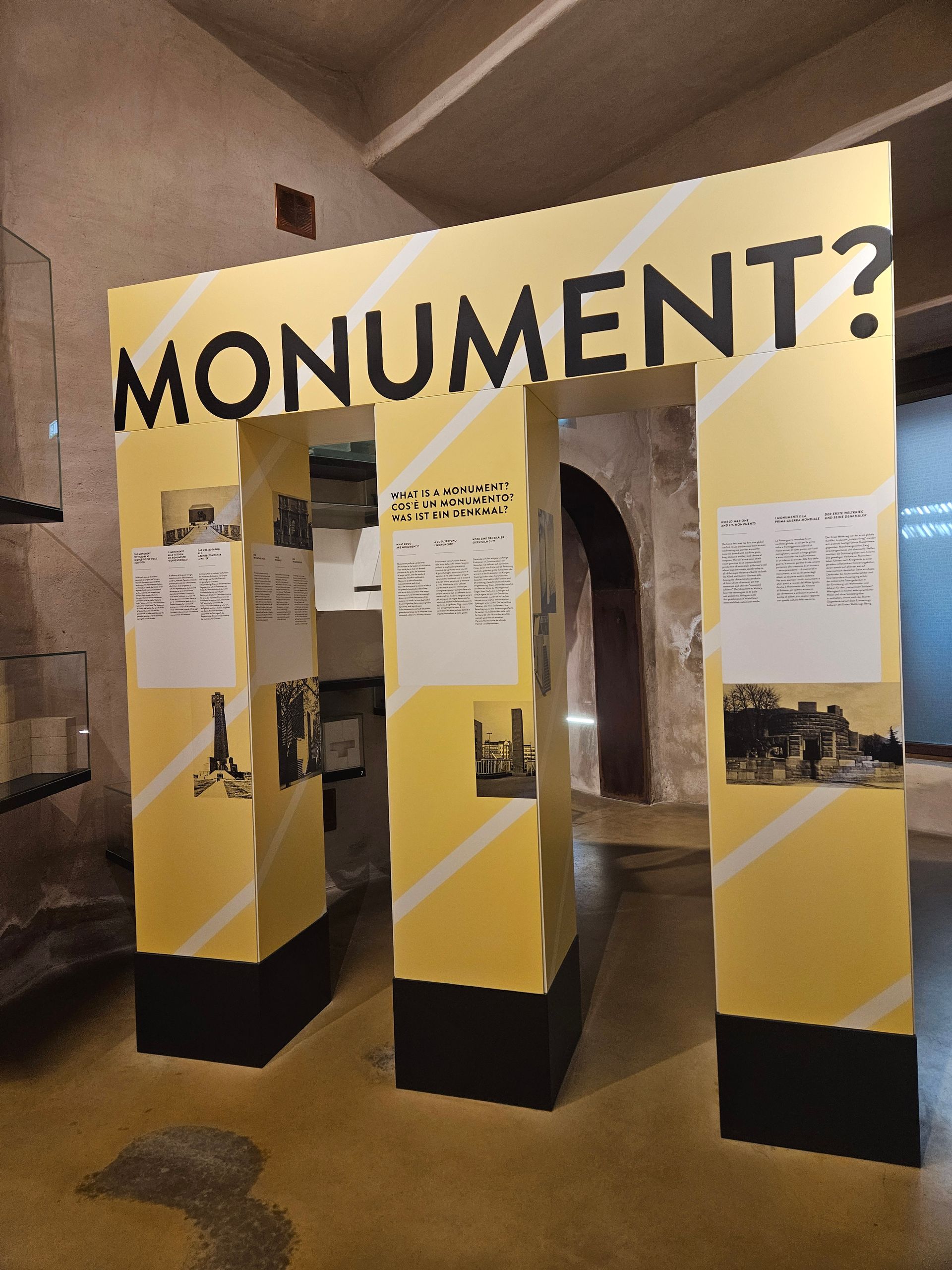
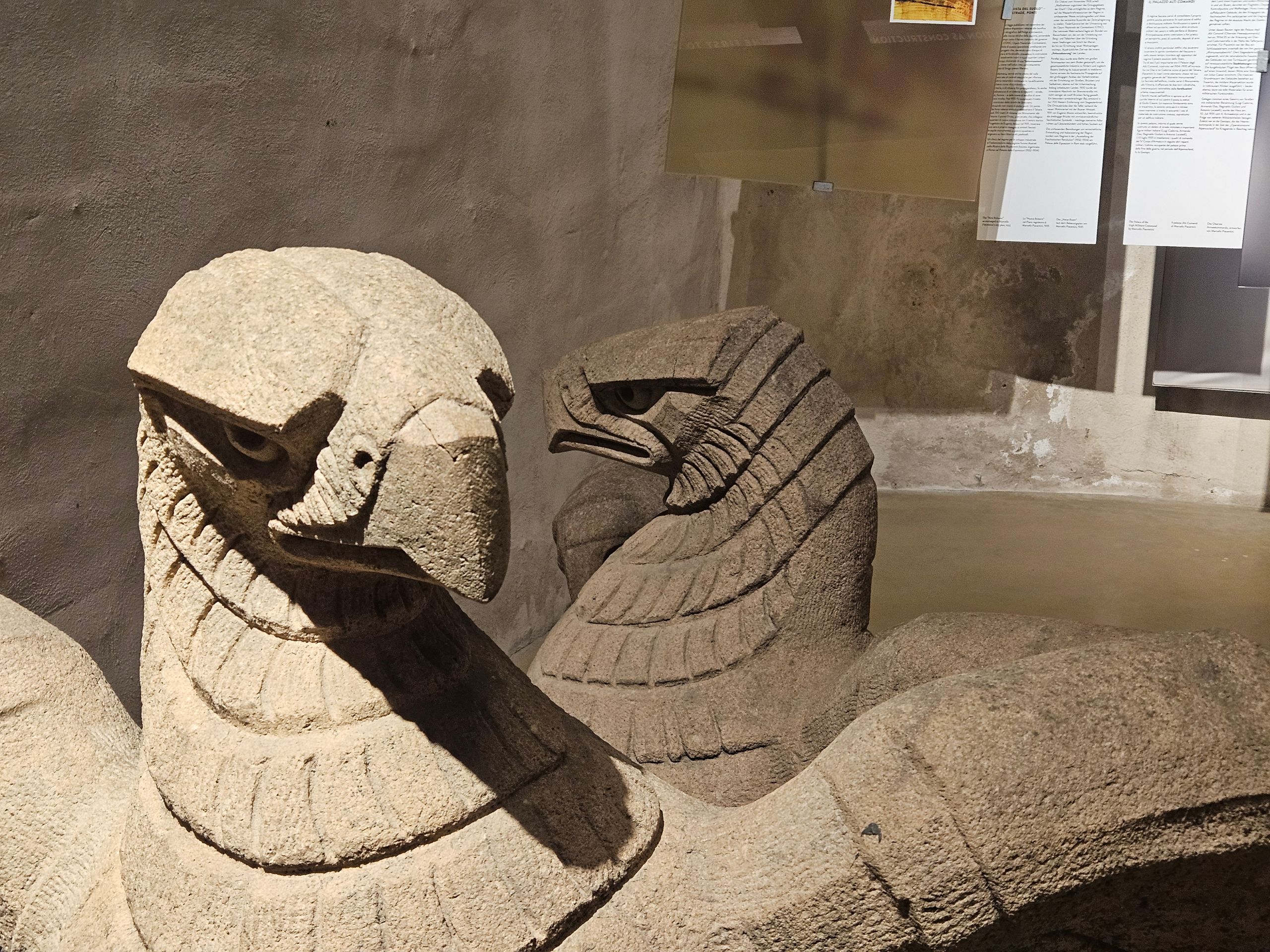
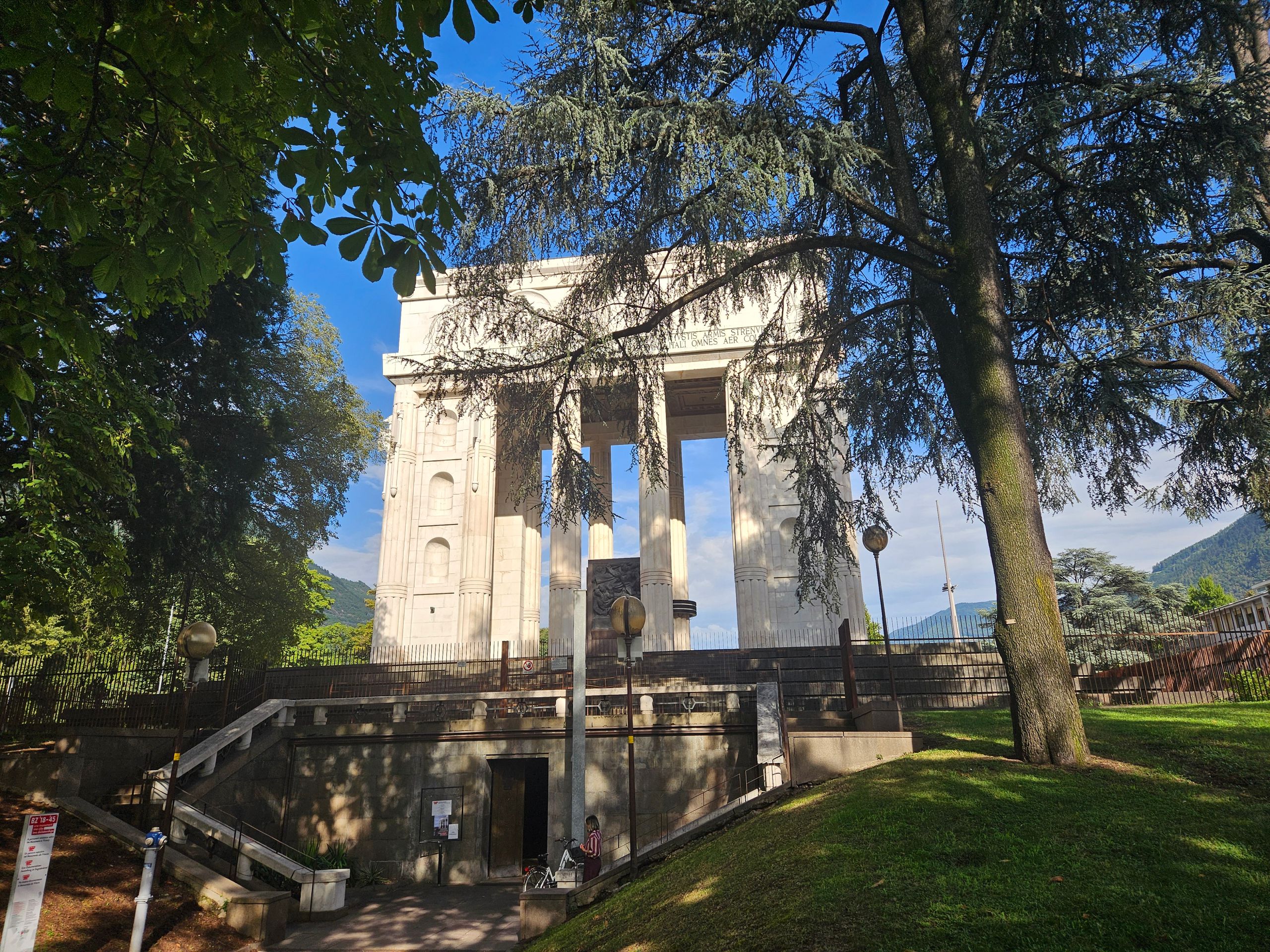
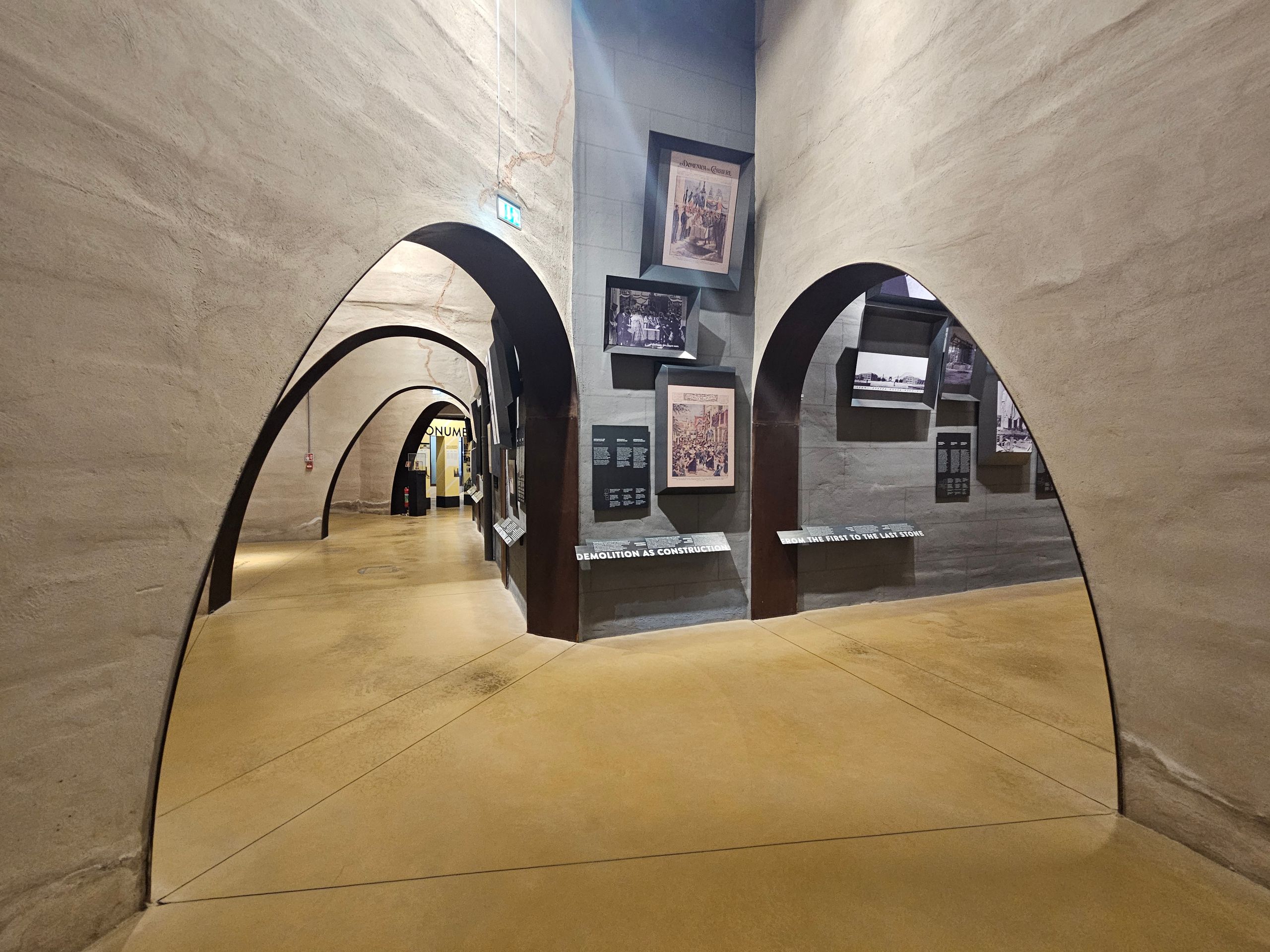
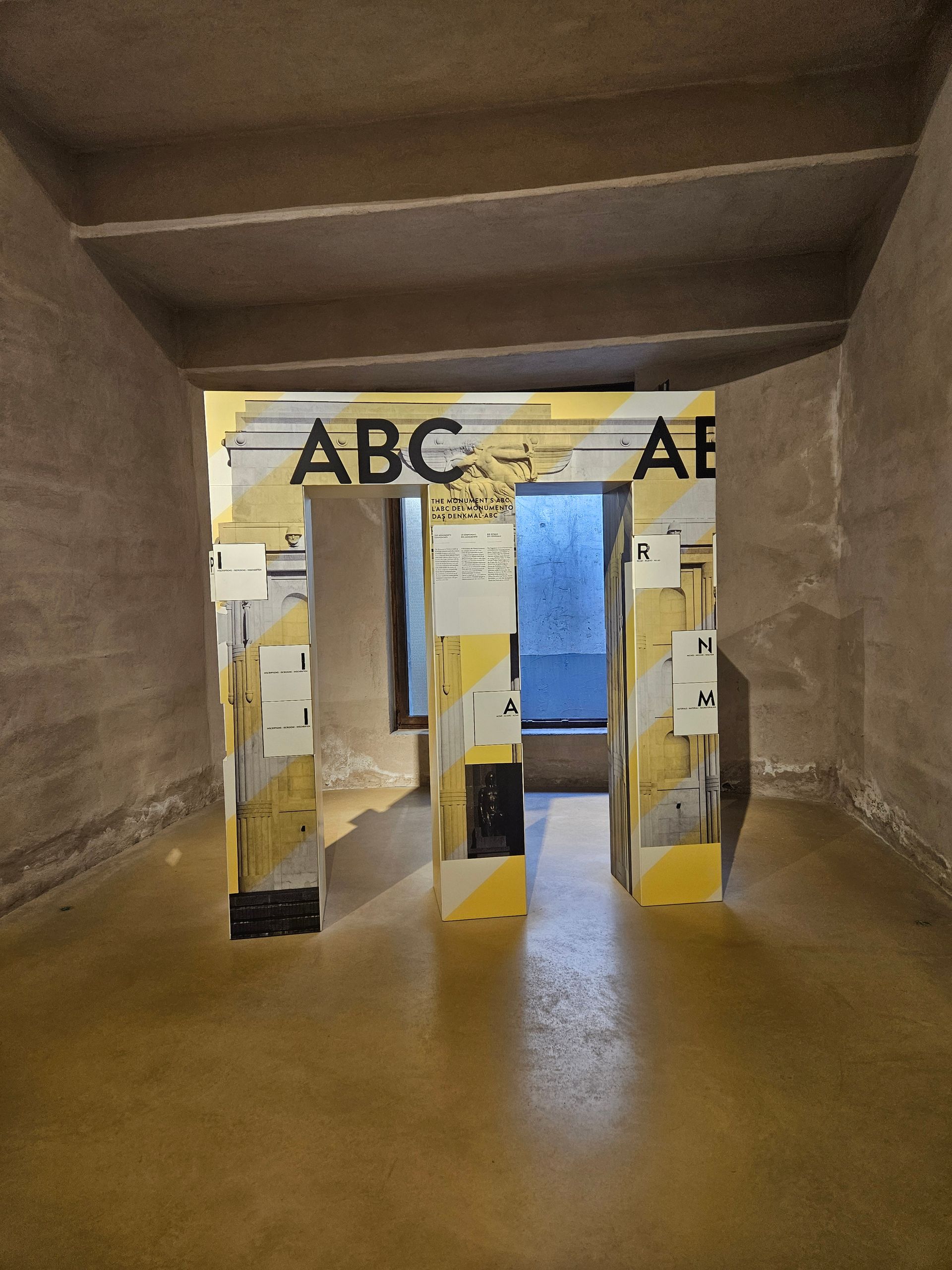
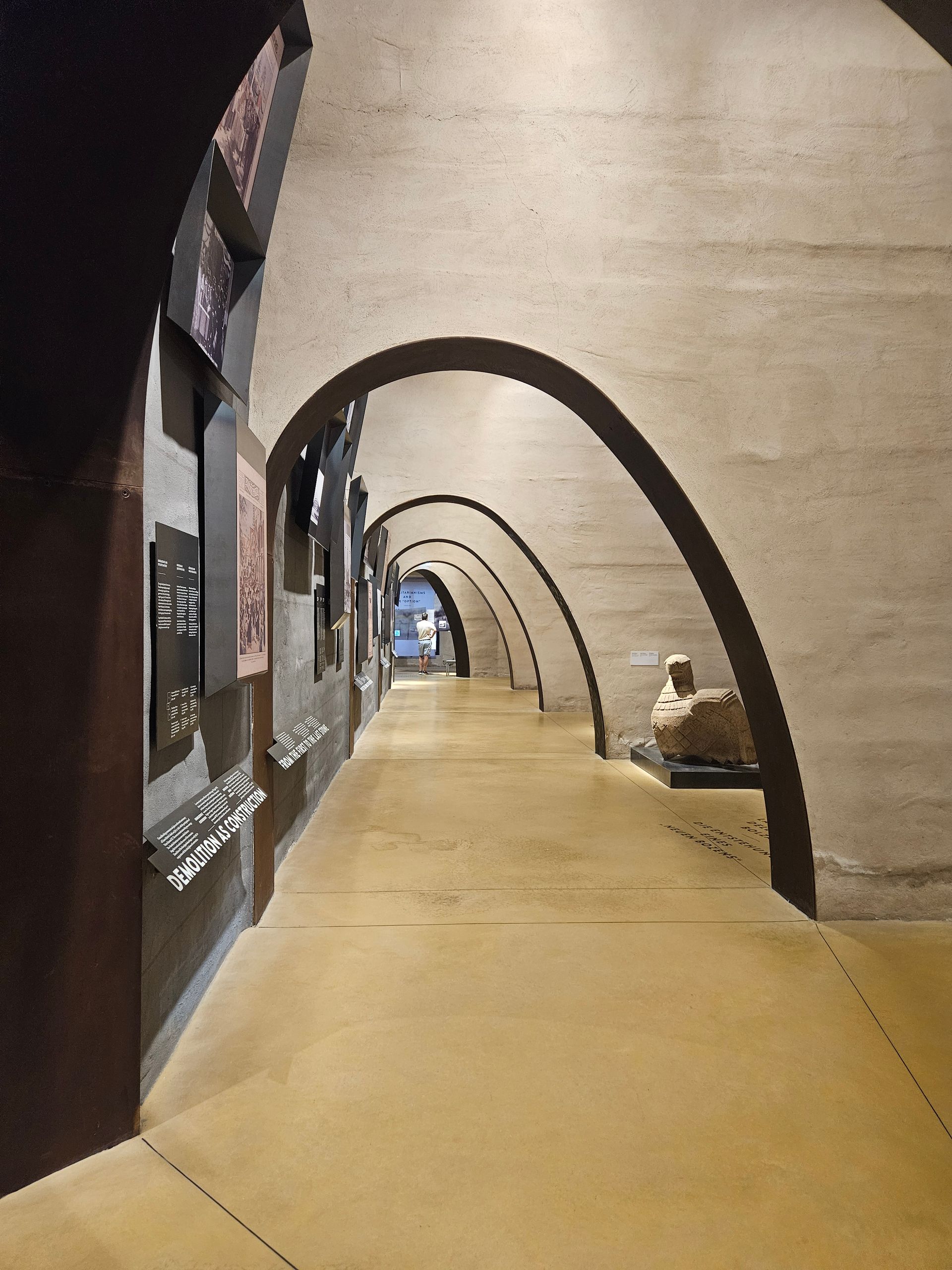
Without the excellent exhibition under the Victory Monument “BZ '18–'45”, I would not have known or understood many historical connections.
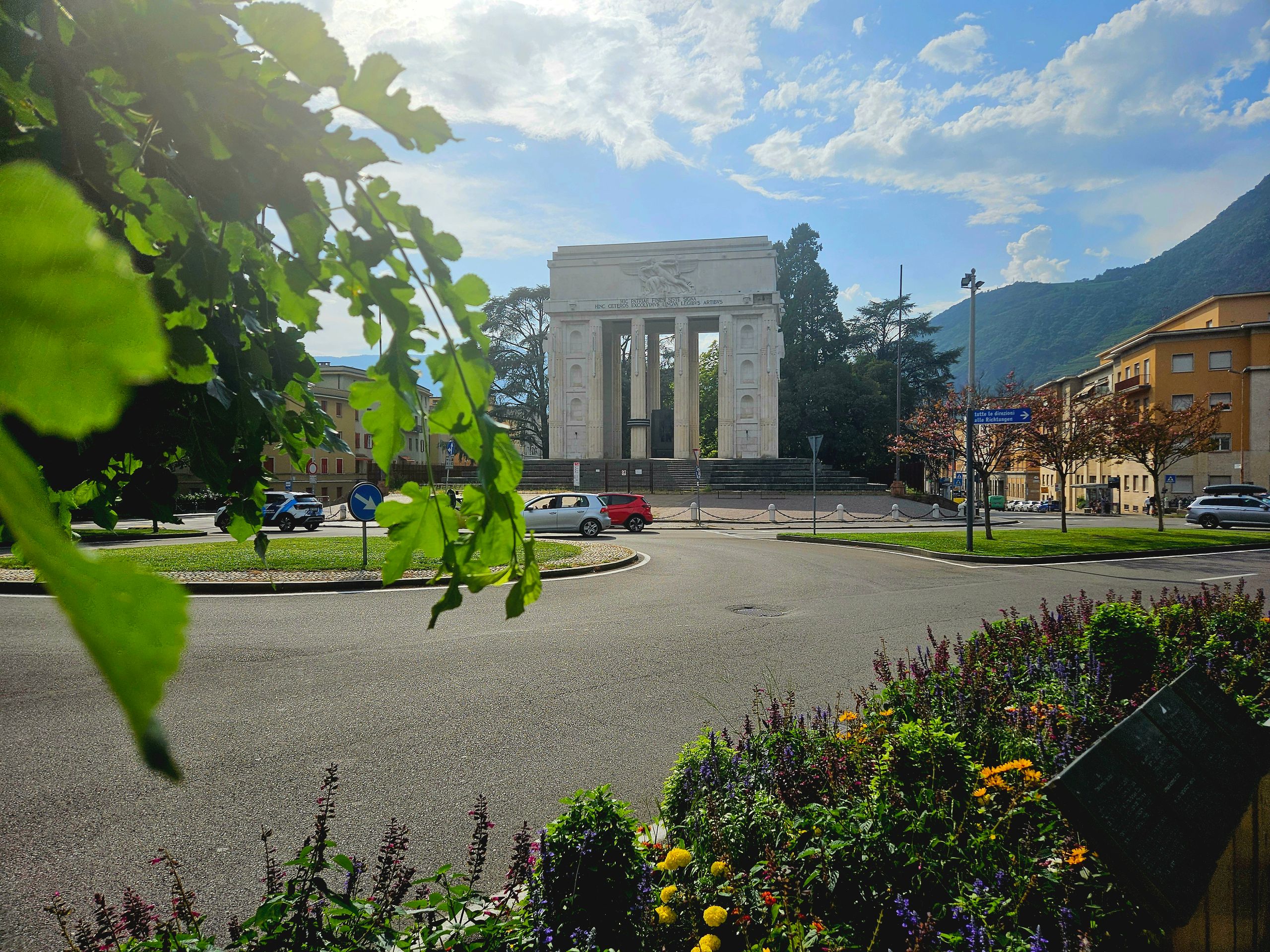
Because the monument, designed as a triumphal arch, is considered one of the first large, explicitly fascist monumental buildings in Italy.
Austria-Hungary lost the First World War in 1918. The Austro-Hungarian Monarchy was history, and Europe acquired new territorial borders. Among other territories, South Tyrol fell to Italy. With Mussolini, a new, aggressive nationalism began, asserting that Italian culture and nation were superior to other cultures.
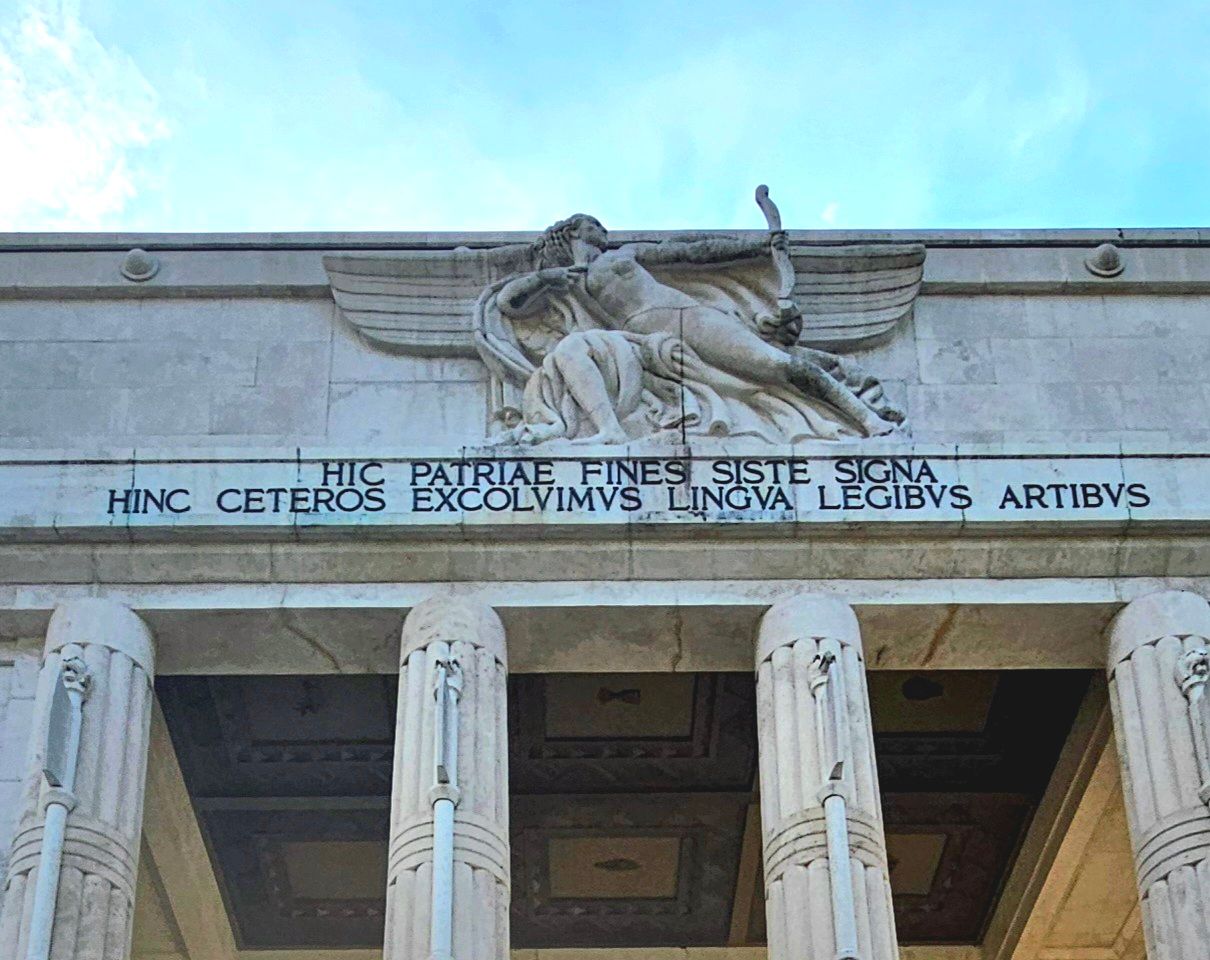
The monument, built between 1926 and 1928, celebrates the Italian victory over Austria-Hungary. For example, on the exterior of the entablature, one can see the goddess of victory, Nike, shooting her arrow northward, that is, toward the "Germanic North."
Over time, Mussolini banned German-language instruction in schools and severely restricted the German press. The fascist regime pursued a massive Italianization of the still largely German-speaking population. But don't you also find some things strangely parallel to German fascism?
In fact, Hitler only came to power after Mussolini, and South Tyrol became a special case. This was because the two fascist regimes were now drawing ever closer. In 1939, the so-called Option Agreement was reached: the German- and Ladin-speaking population of South Tyrol was to choose between resettlement in the German Reich and remaining in Italy.
After Mussolini was overthrown in 1943, the German Wehrmacht occupied South Tyrol. Parts of the German-speaking population initially perceived the German troops as liberators from Italian fascist rule. However, the reality of the Nazi occupation was quite different.
That's why the monument is so interesting today. It's actually a fascist monument that tells a story of two dictatorships:
Italian Fascism → Italianization of South Tyrol → Rapprochement and alliance between Mussolini and Hitler → Nazi occupation → End of both dictatorships
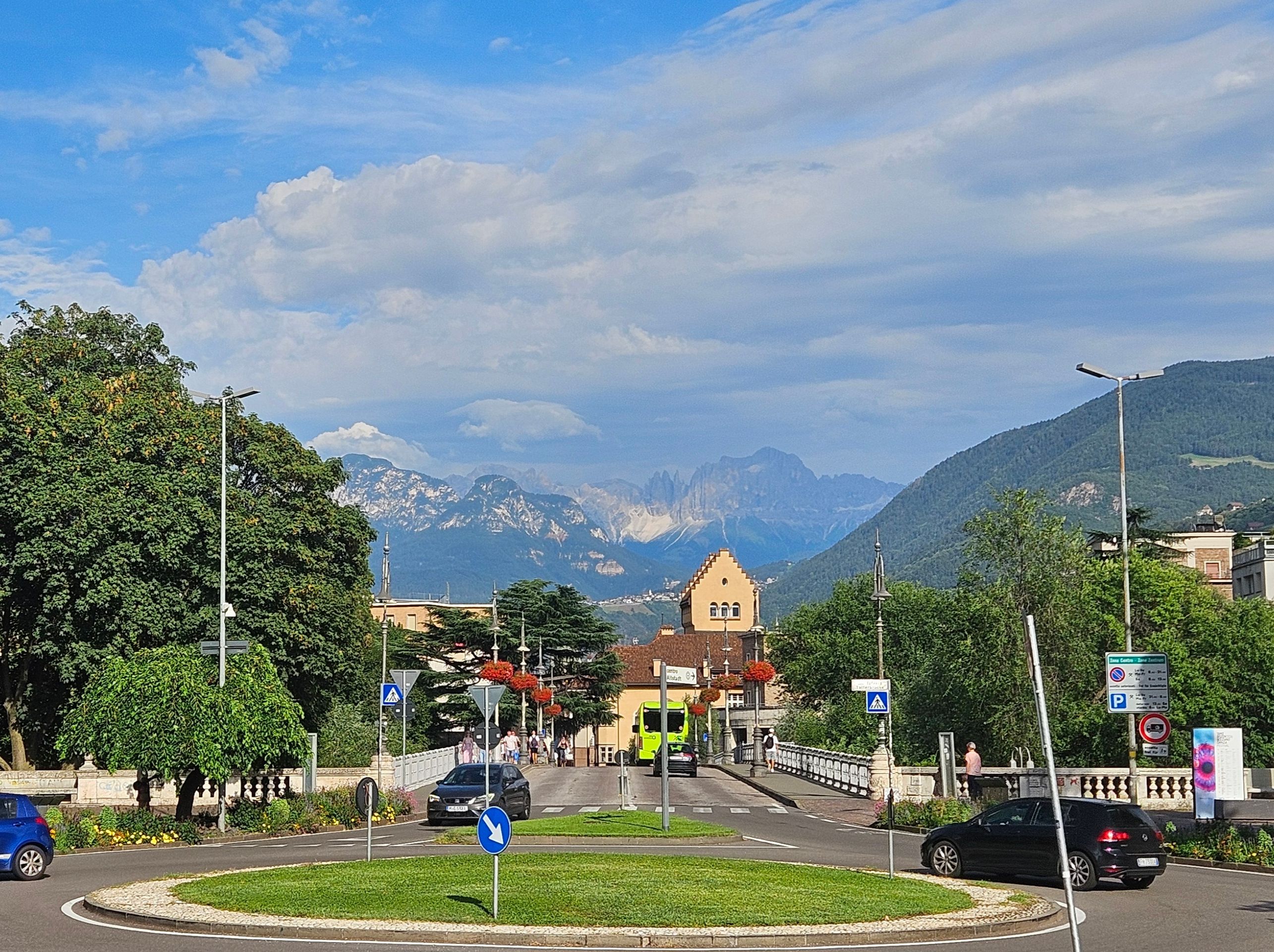
But even today, German has not disappeared as a language in South Tyrol. This is particularly evident in Bolzano: street signs are bilingual, as are many announcements at the train station or at public events.