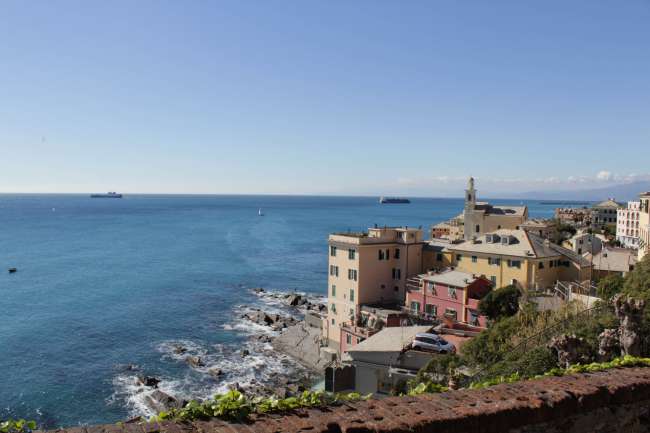
2025 - November - Venice - Acqua Alta
This journey has a backstory or better said two: On one hand, we were here in 2020 during the height of the Corona pandemic and wanted to fill some gaps from that time. On...

Published: 05.11.2025
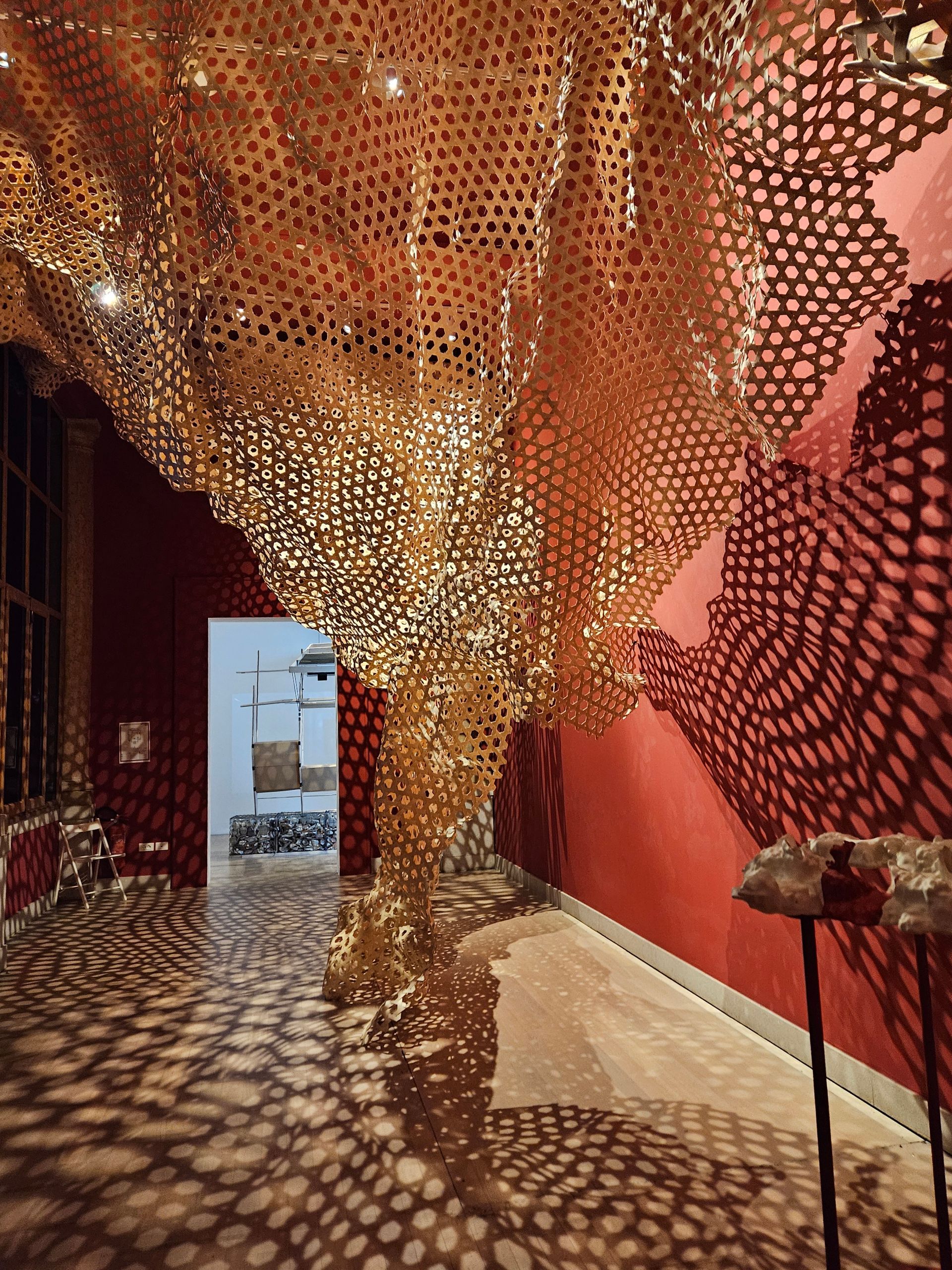
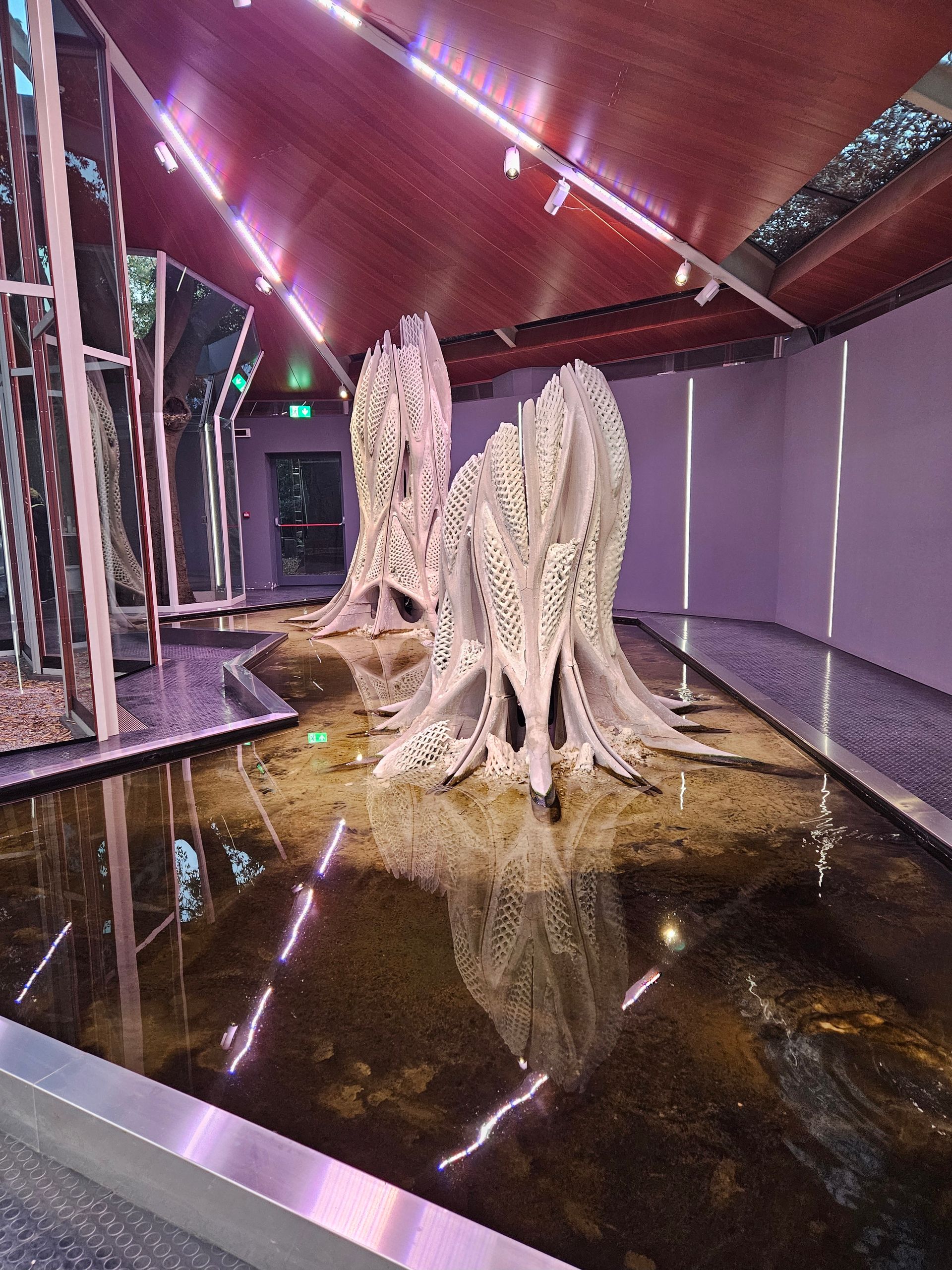
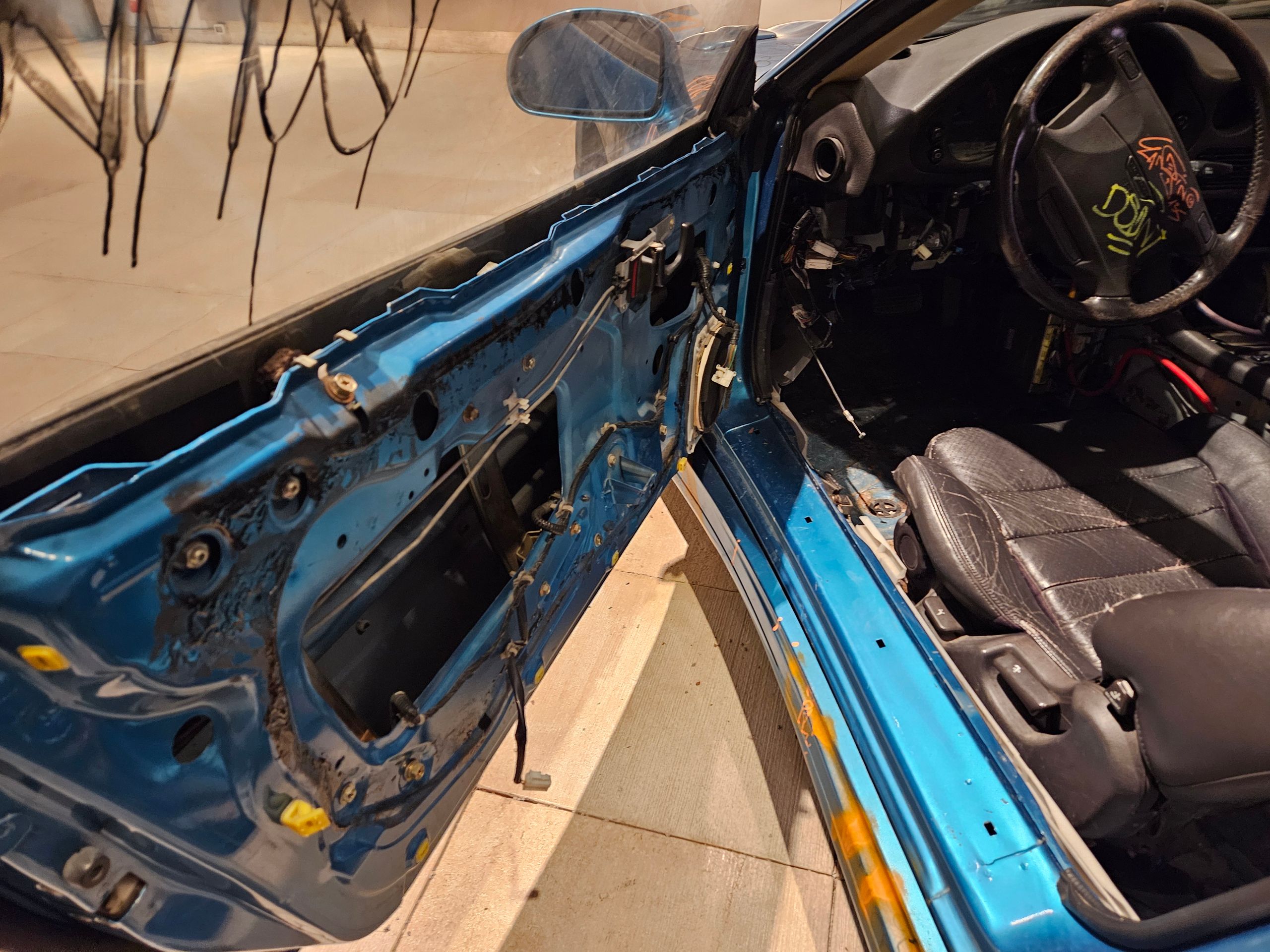
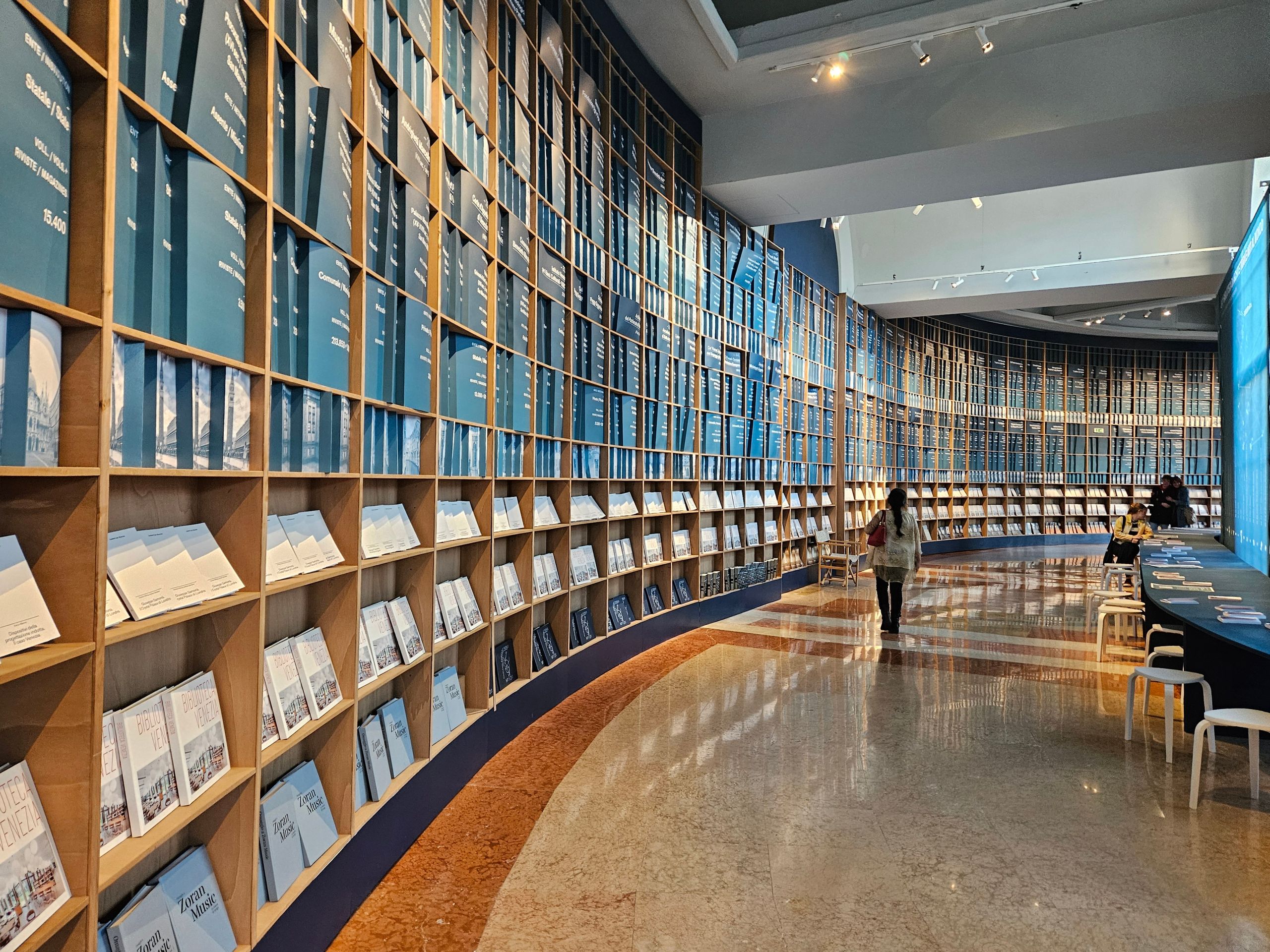
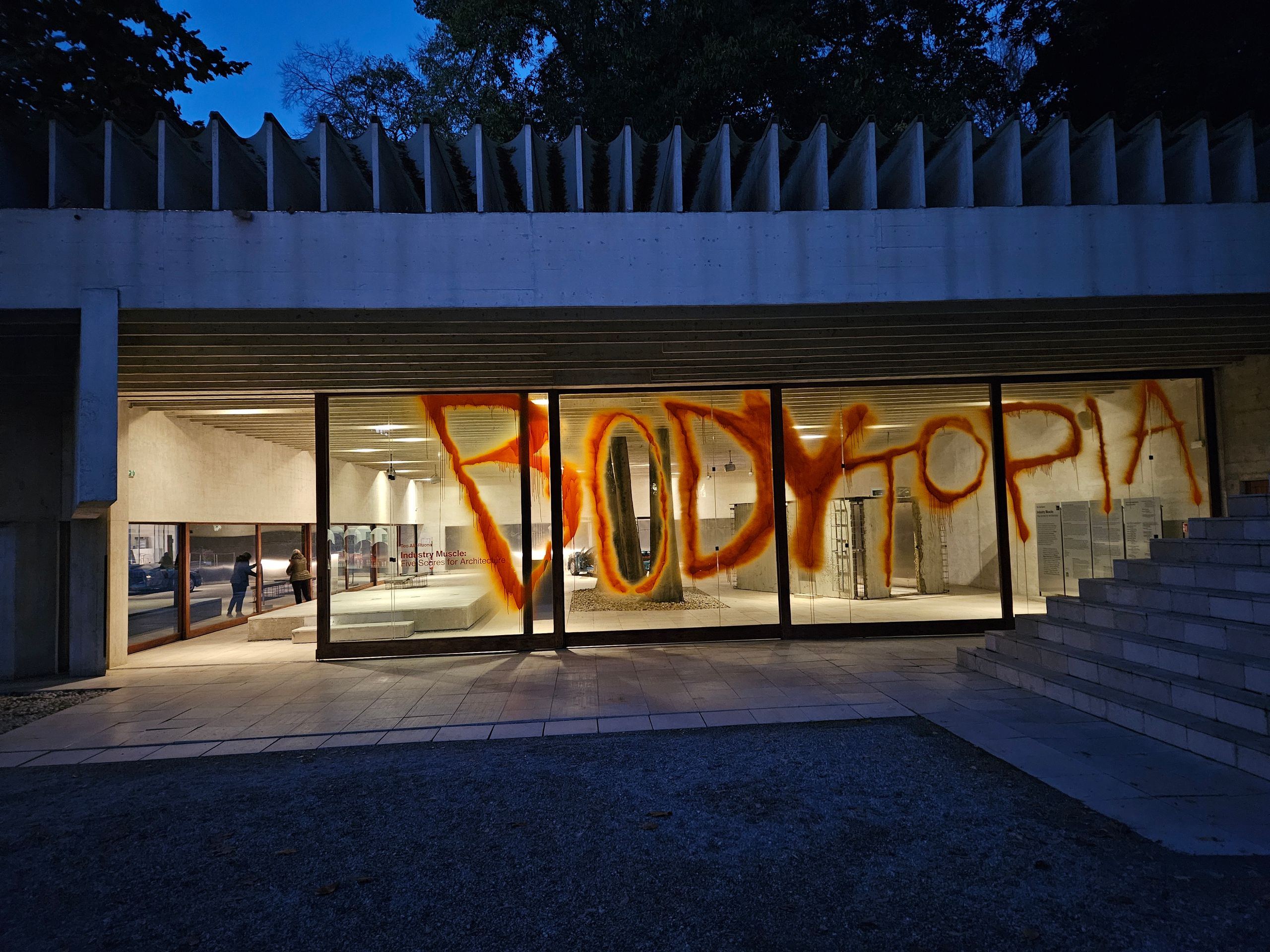
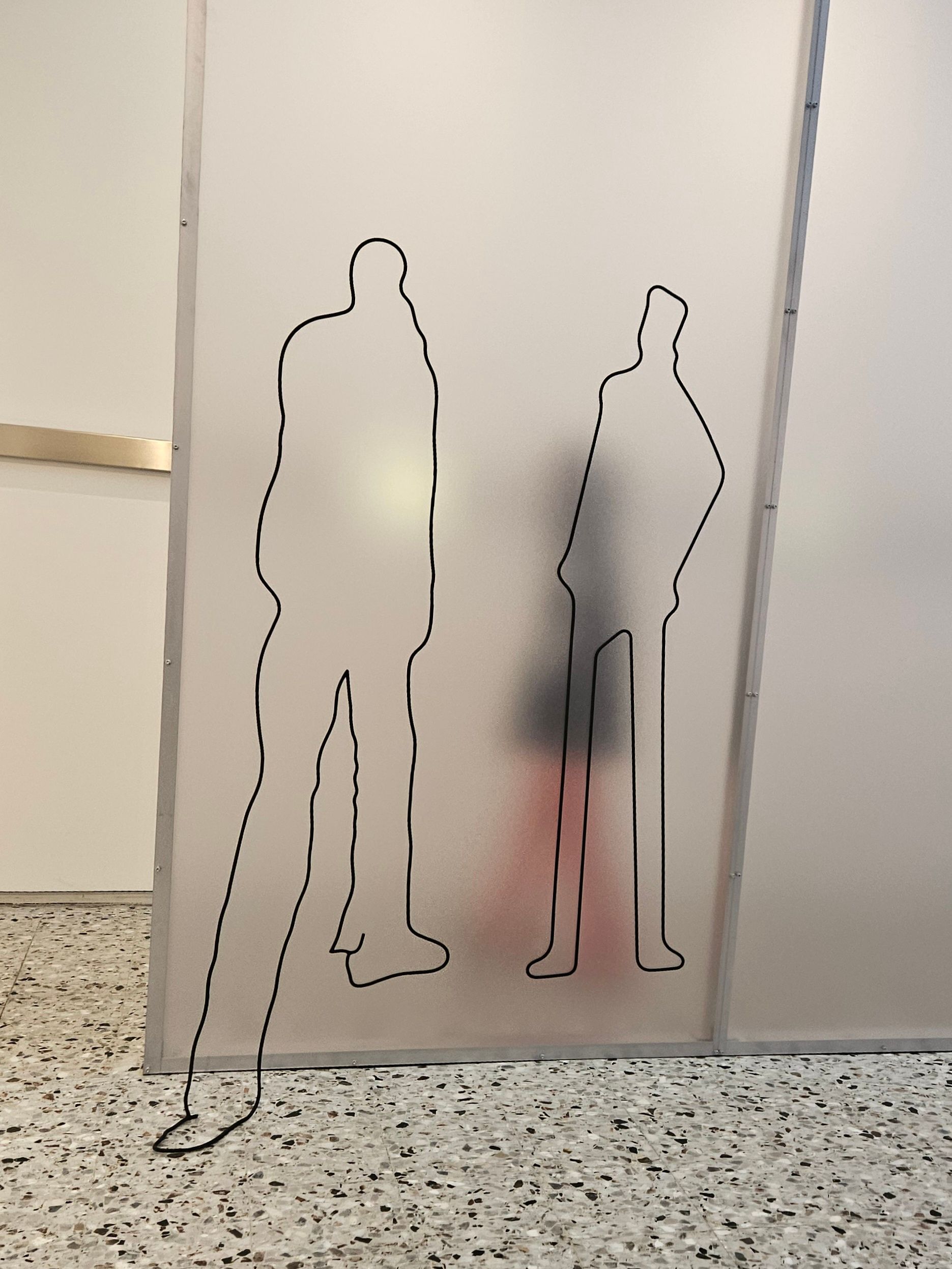
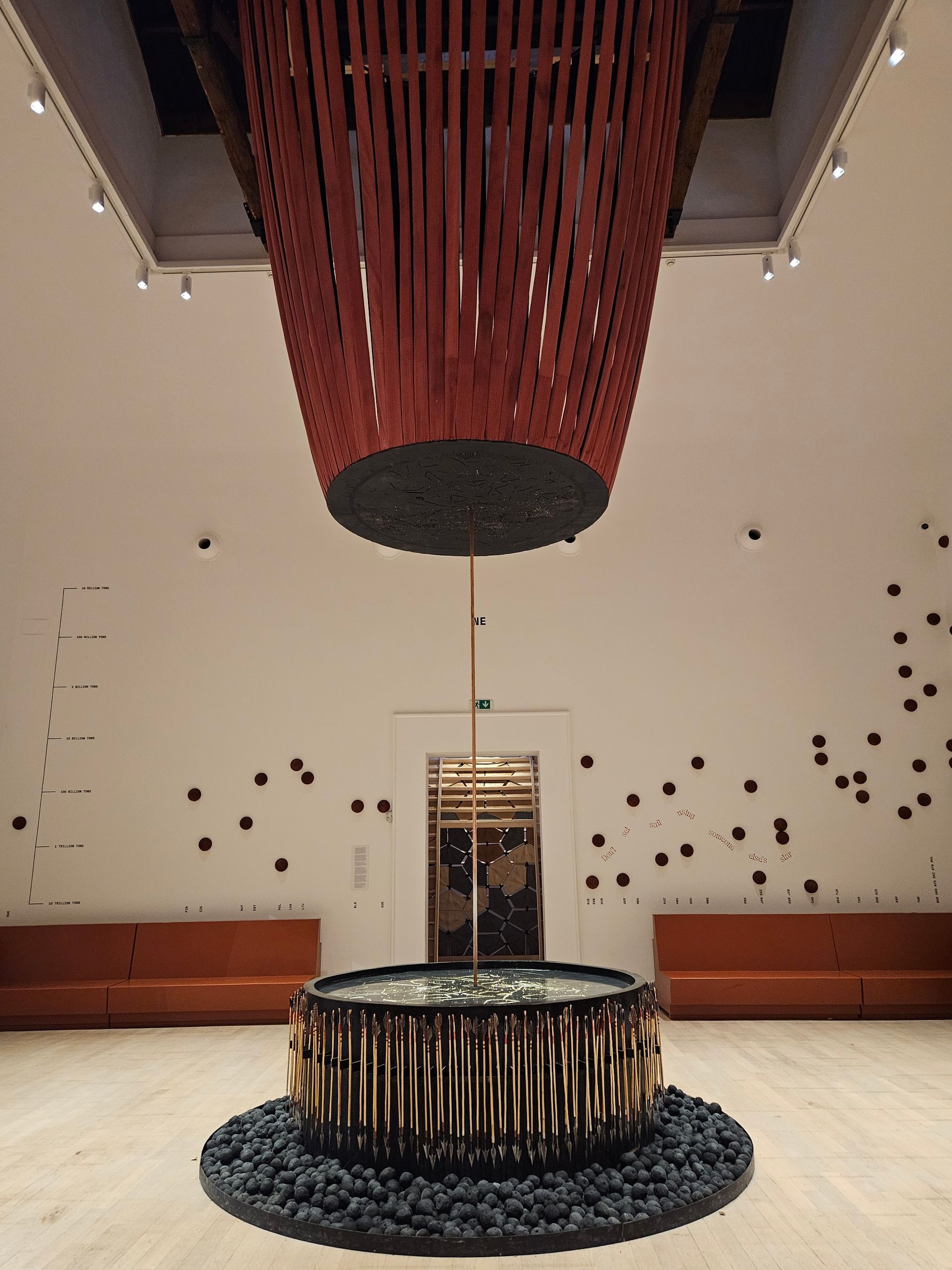
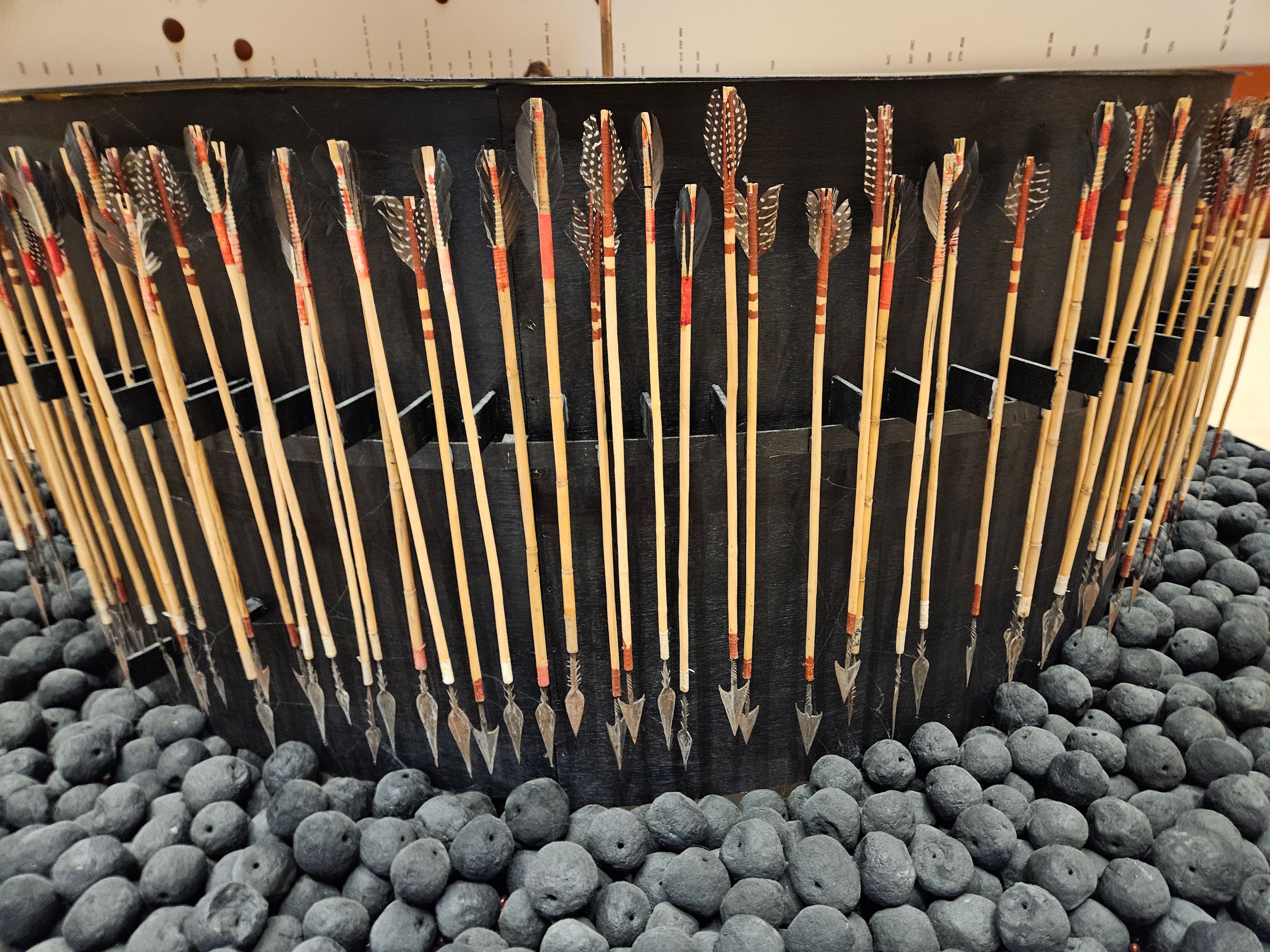
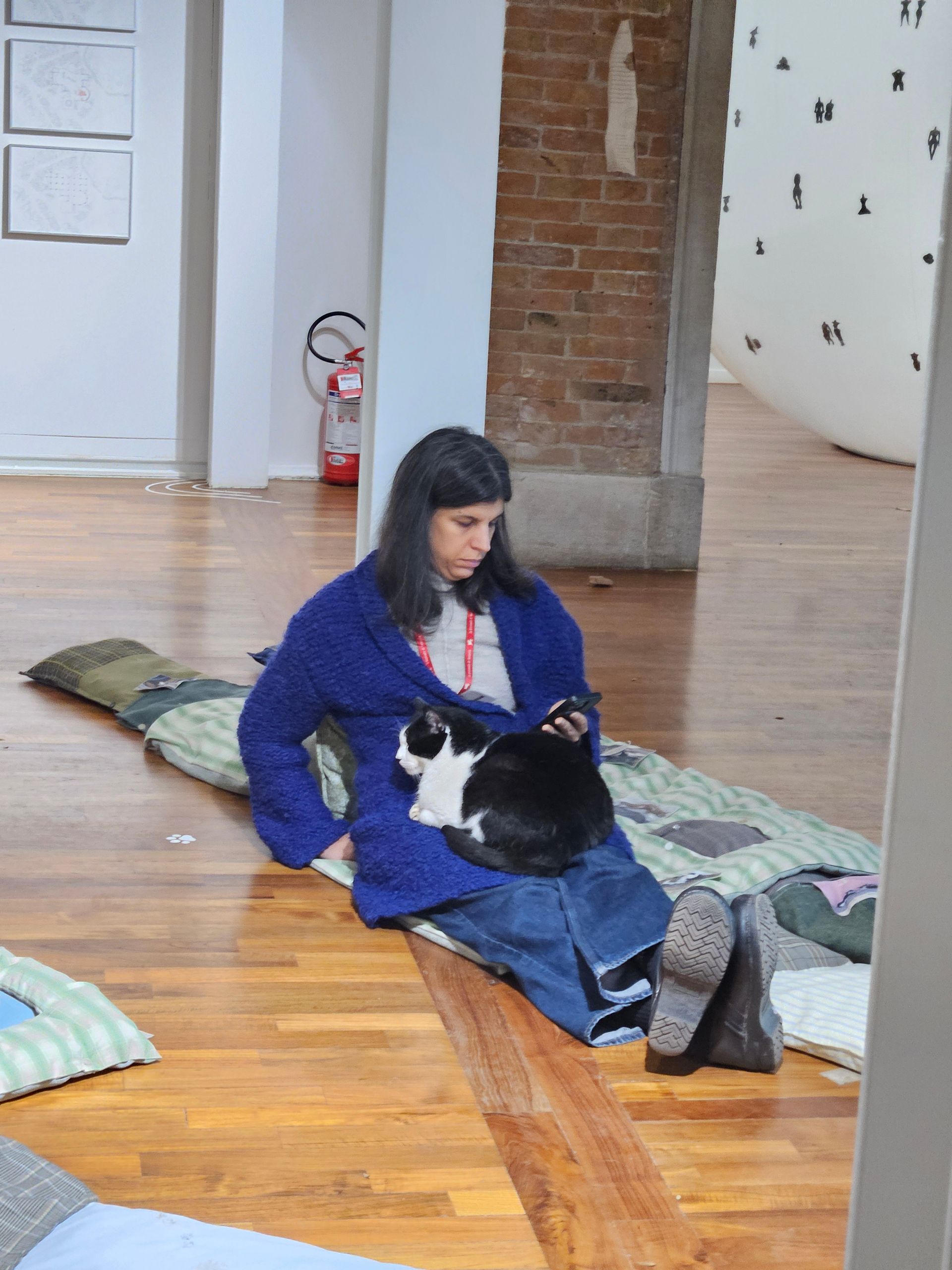
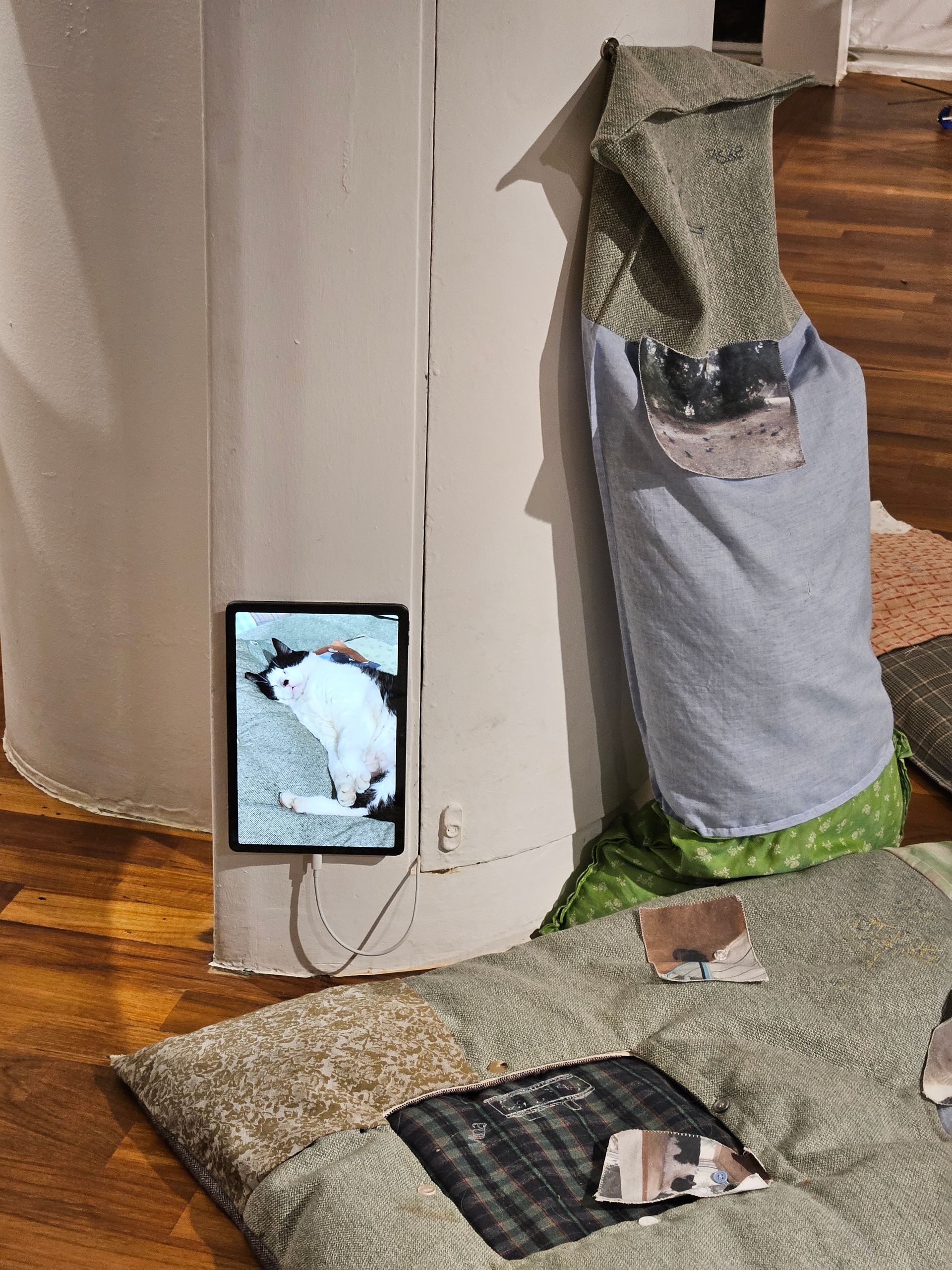
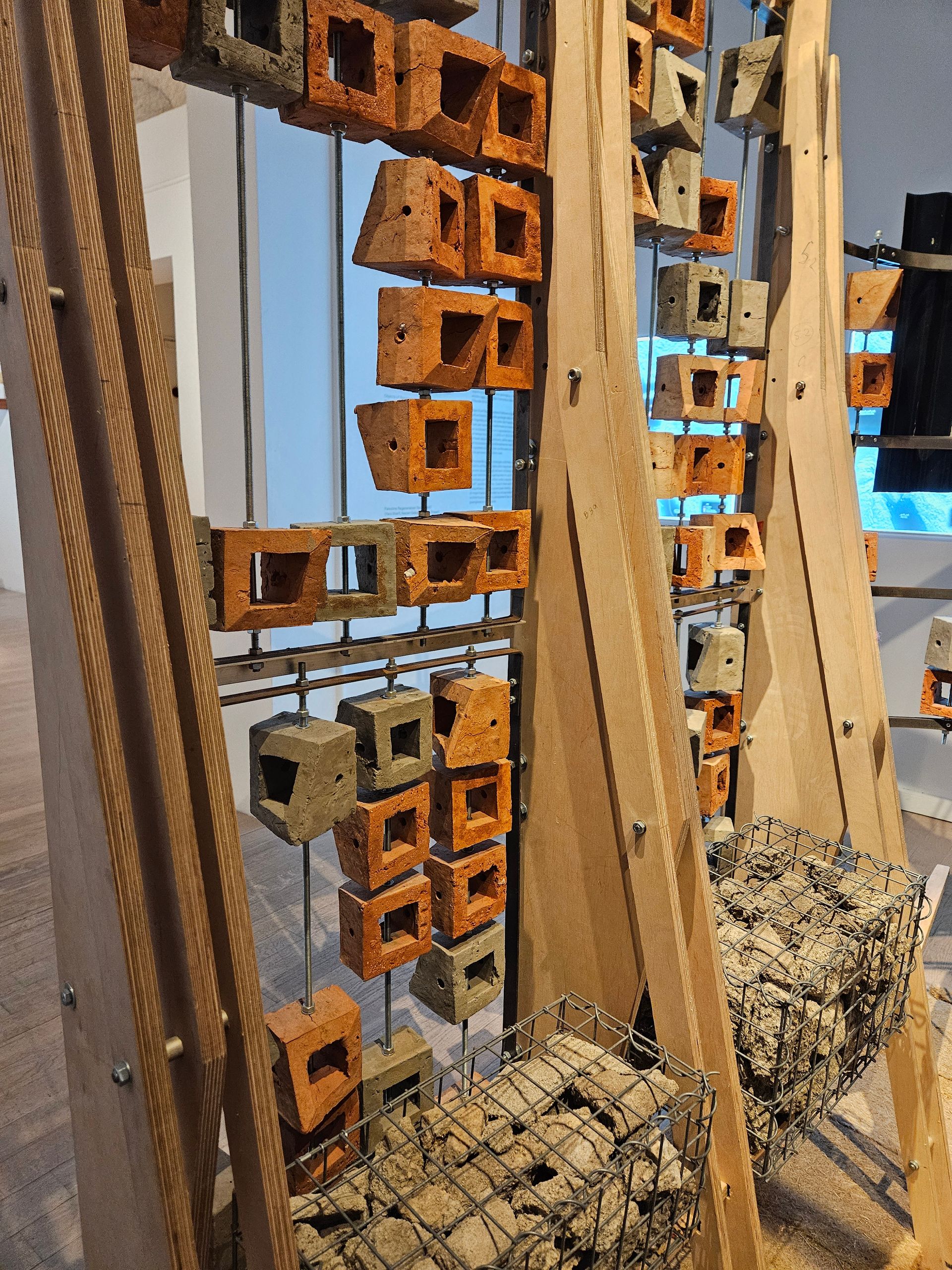
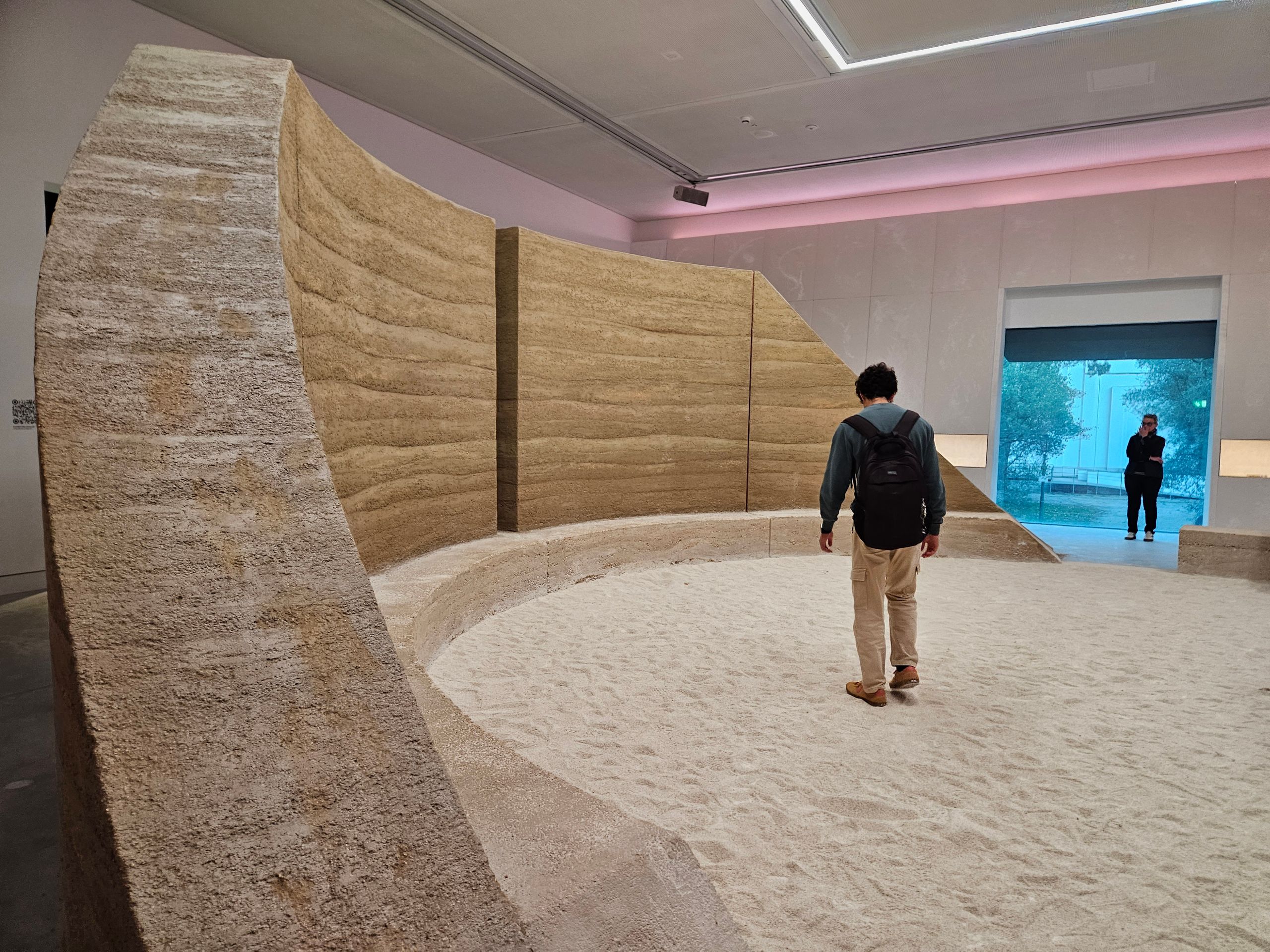
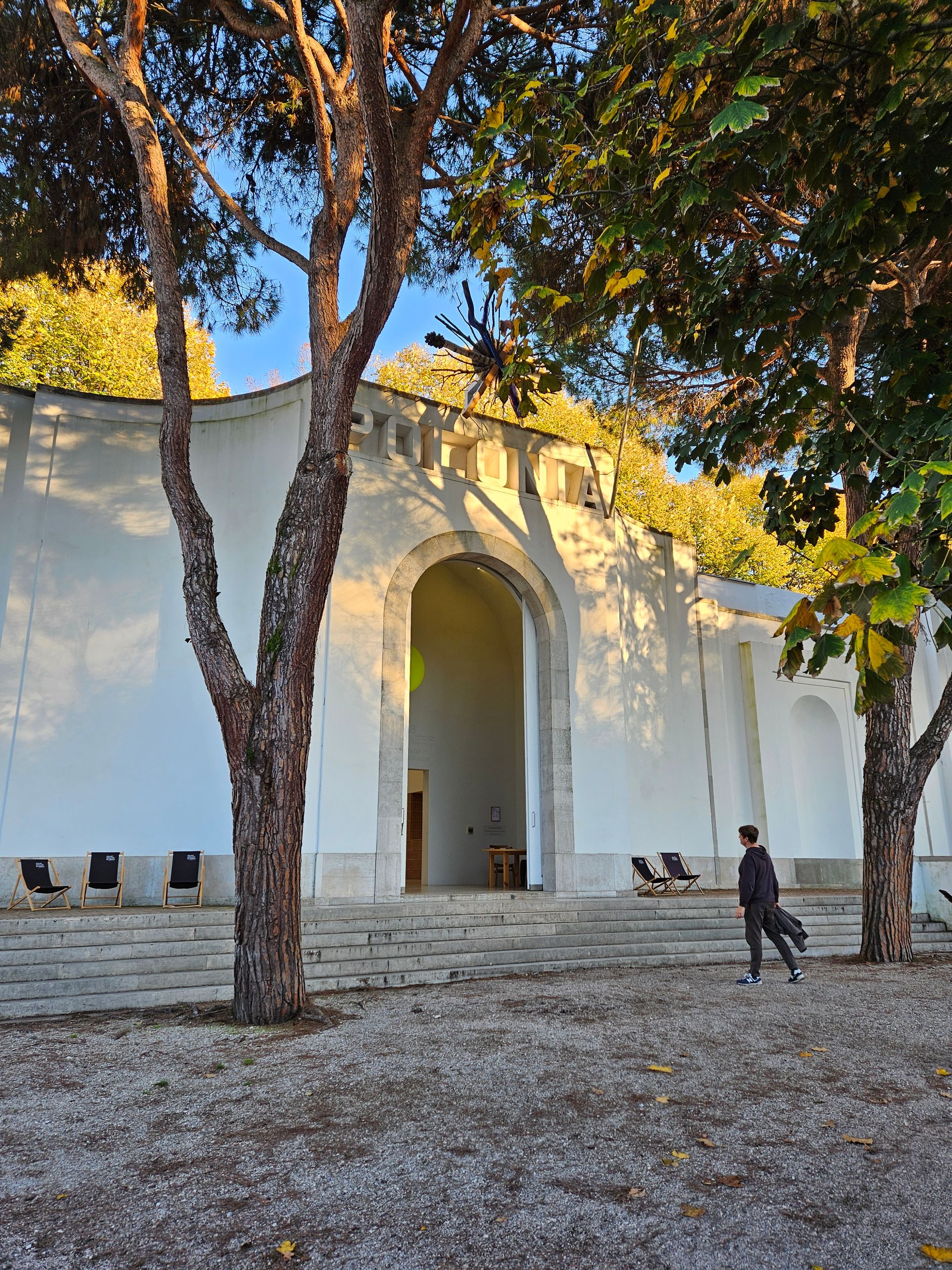
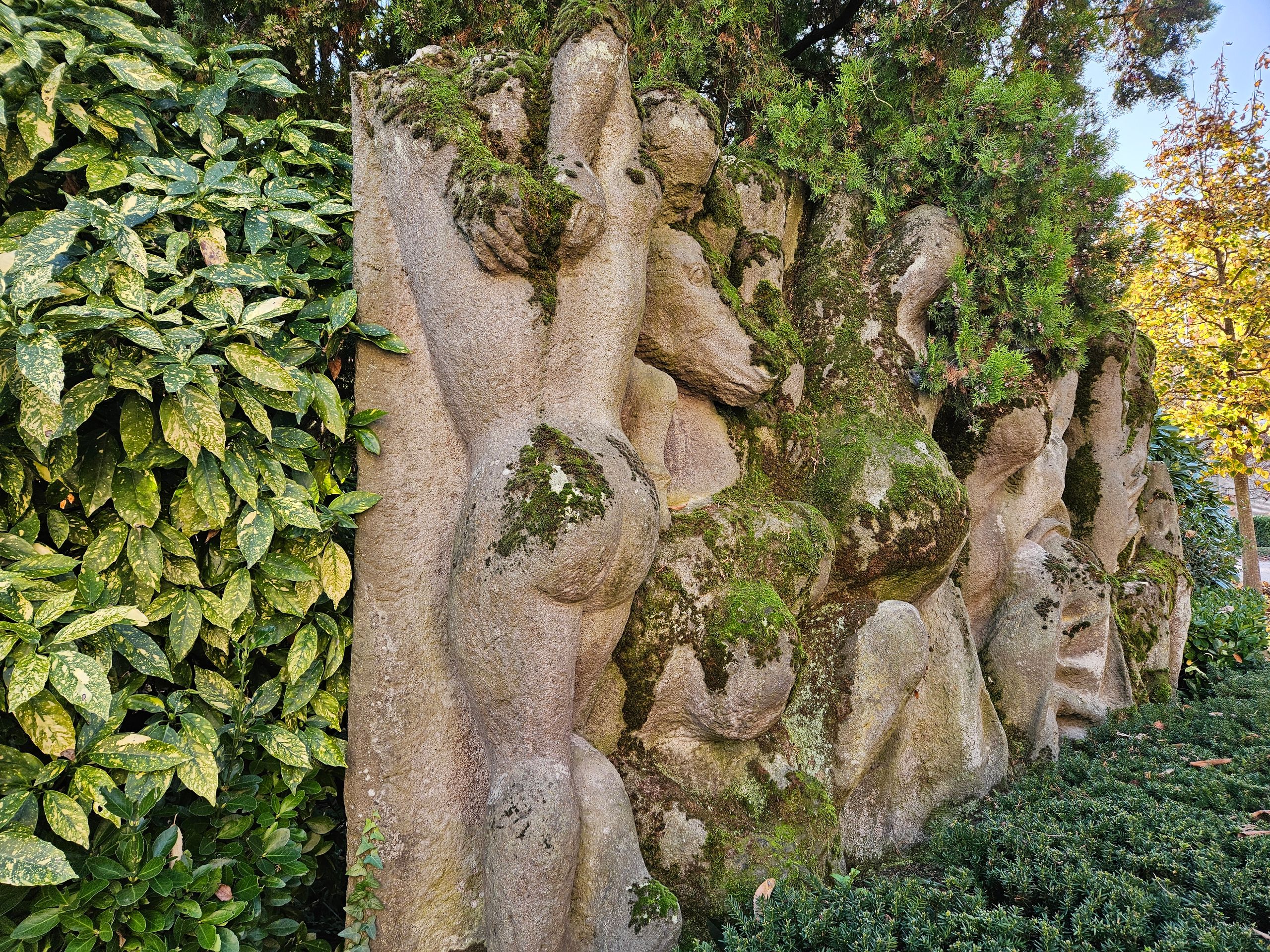
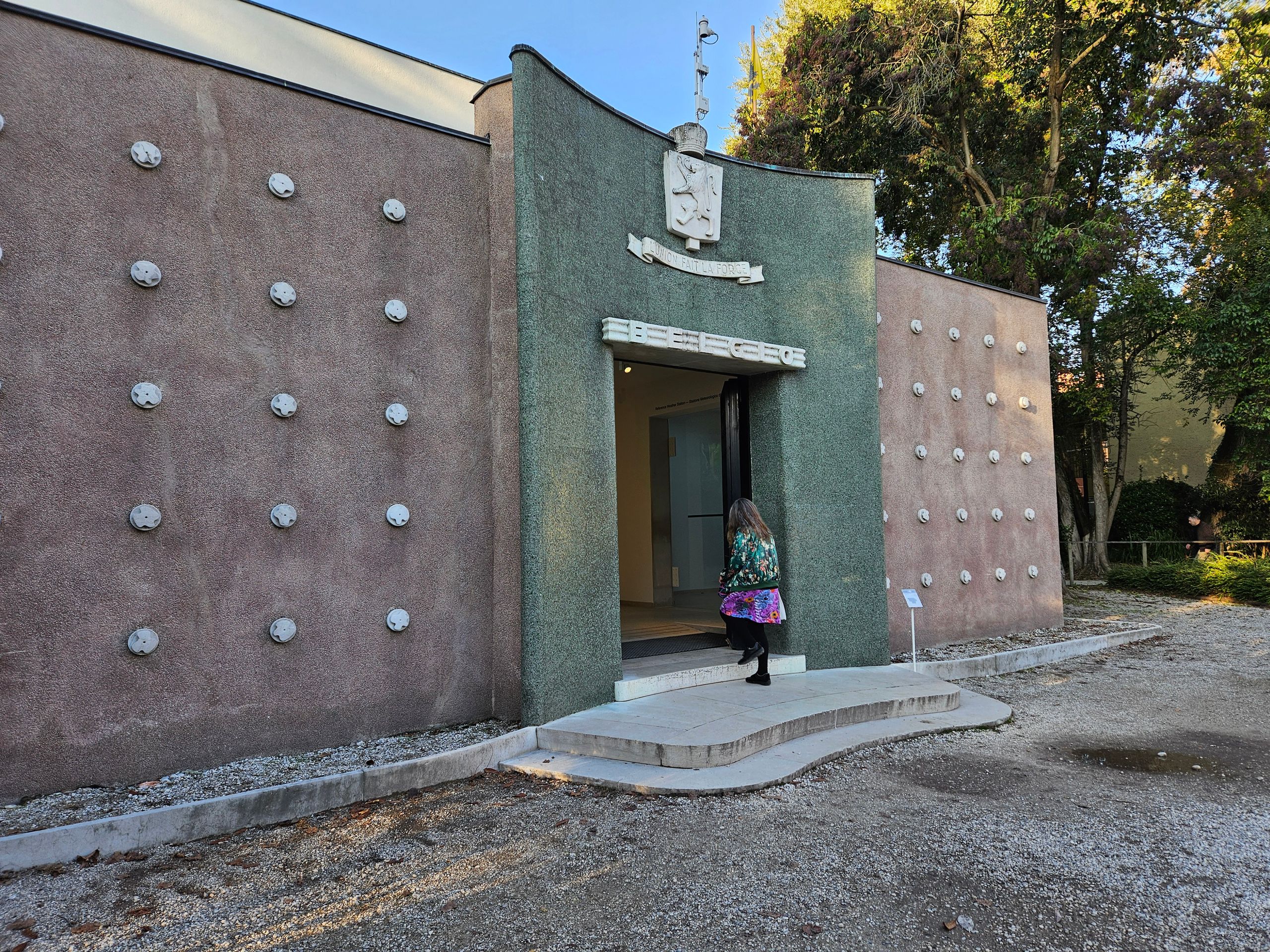
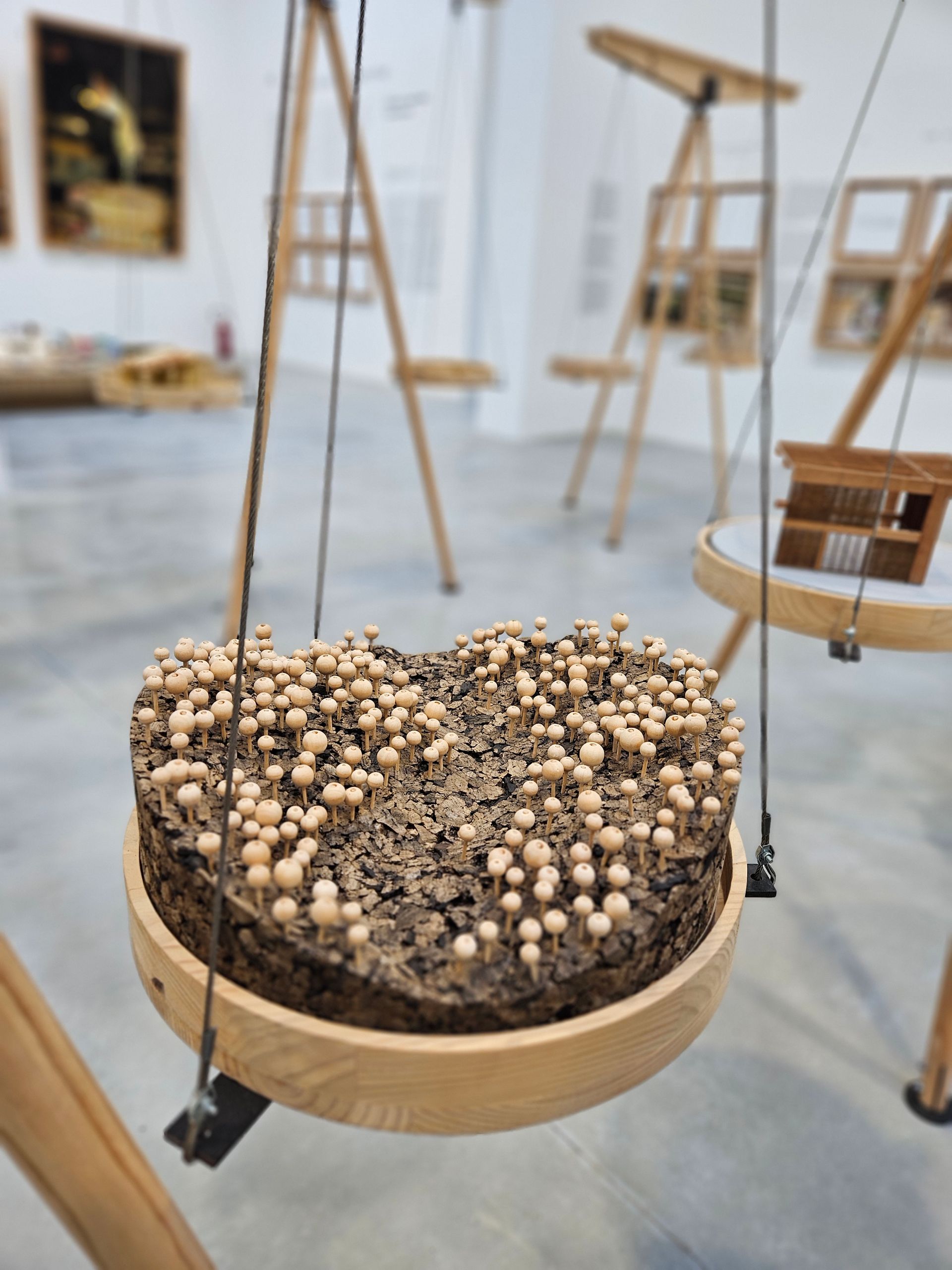
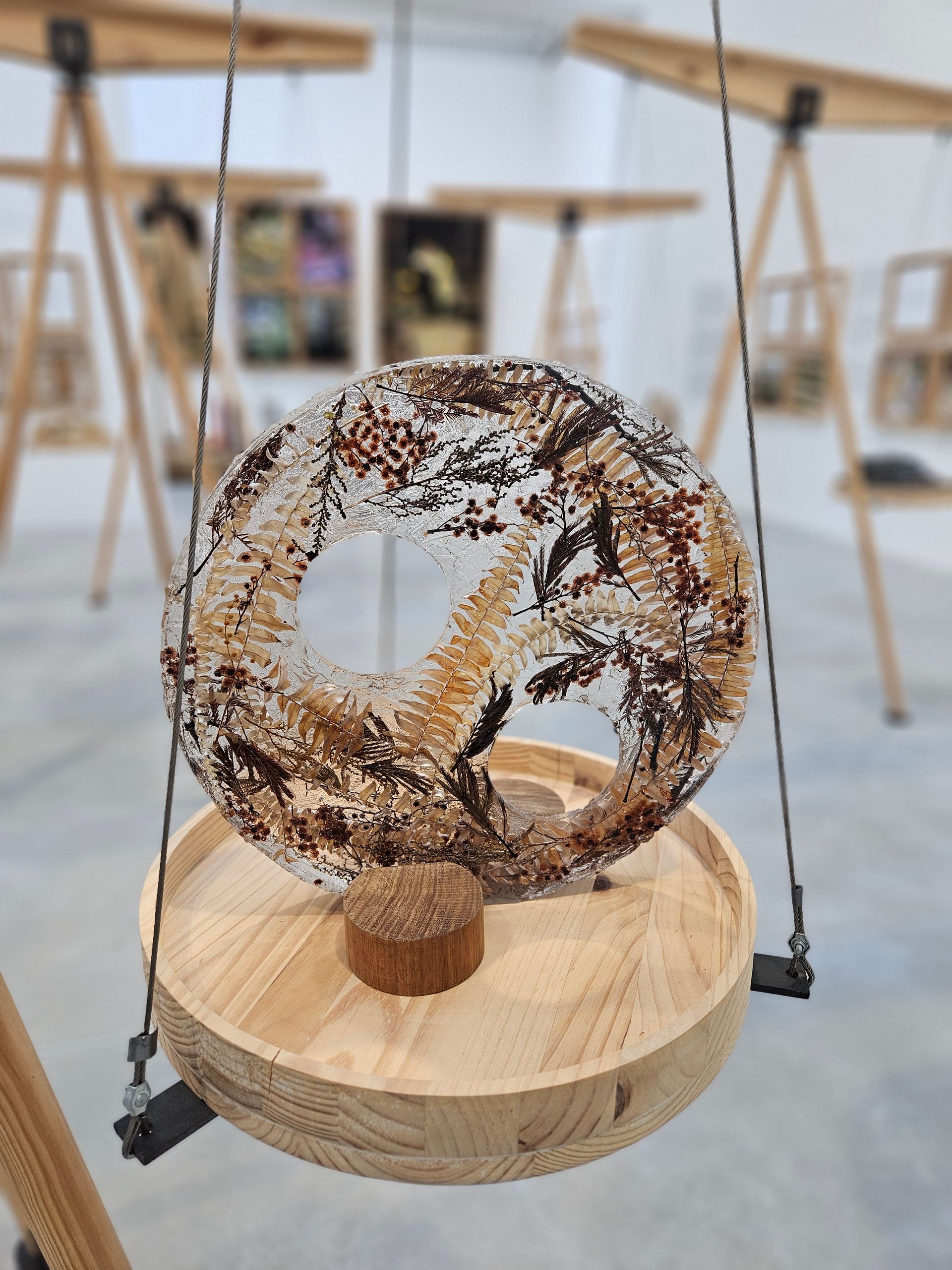
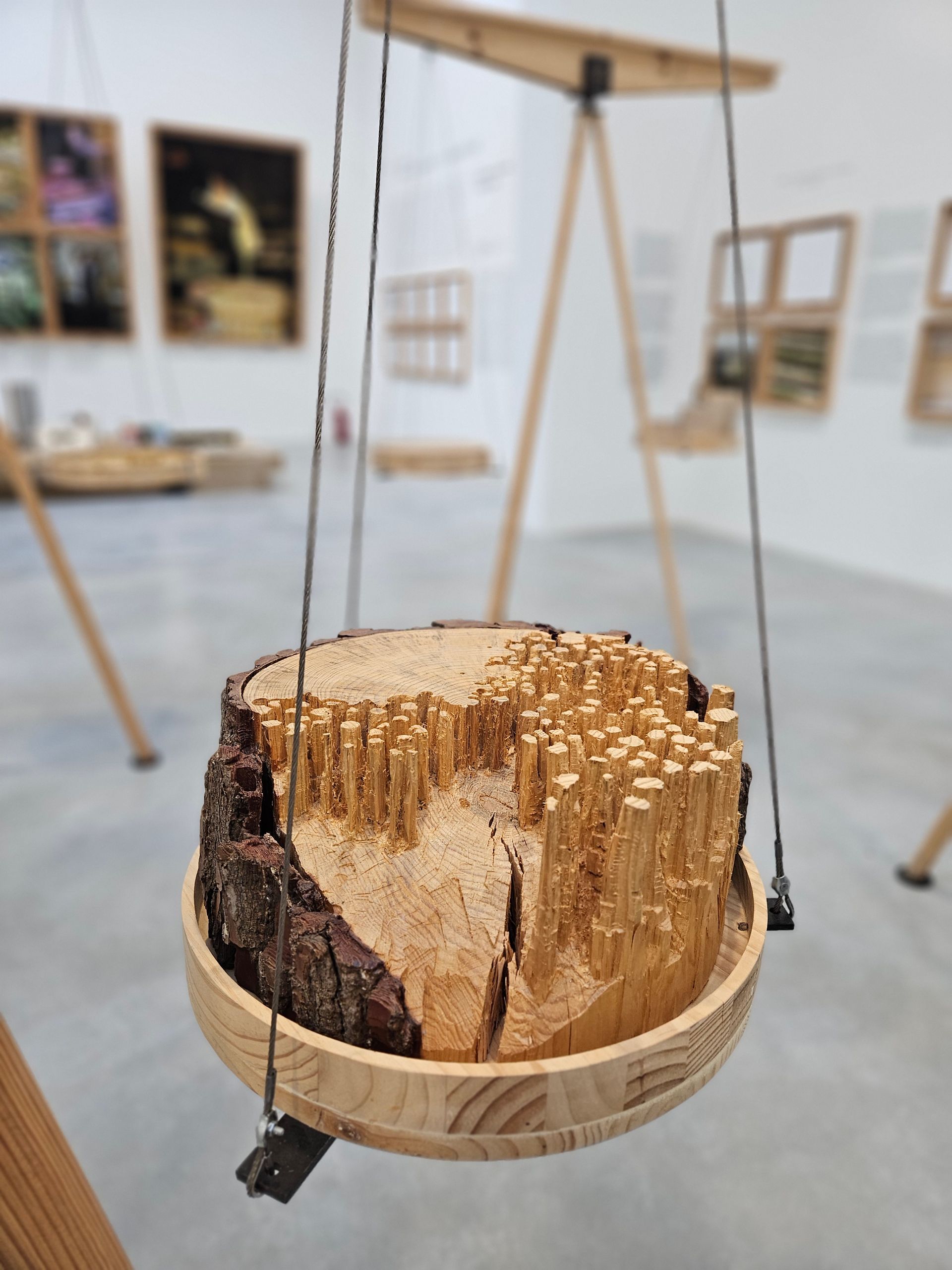
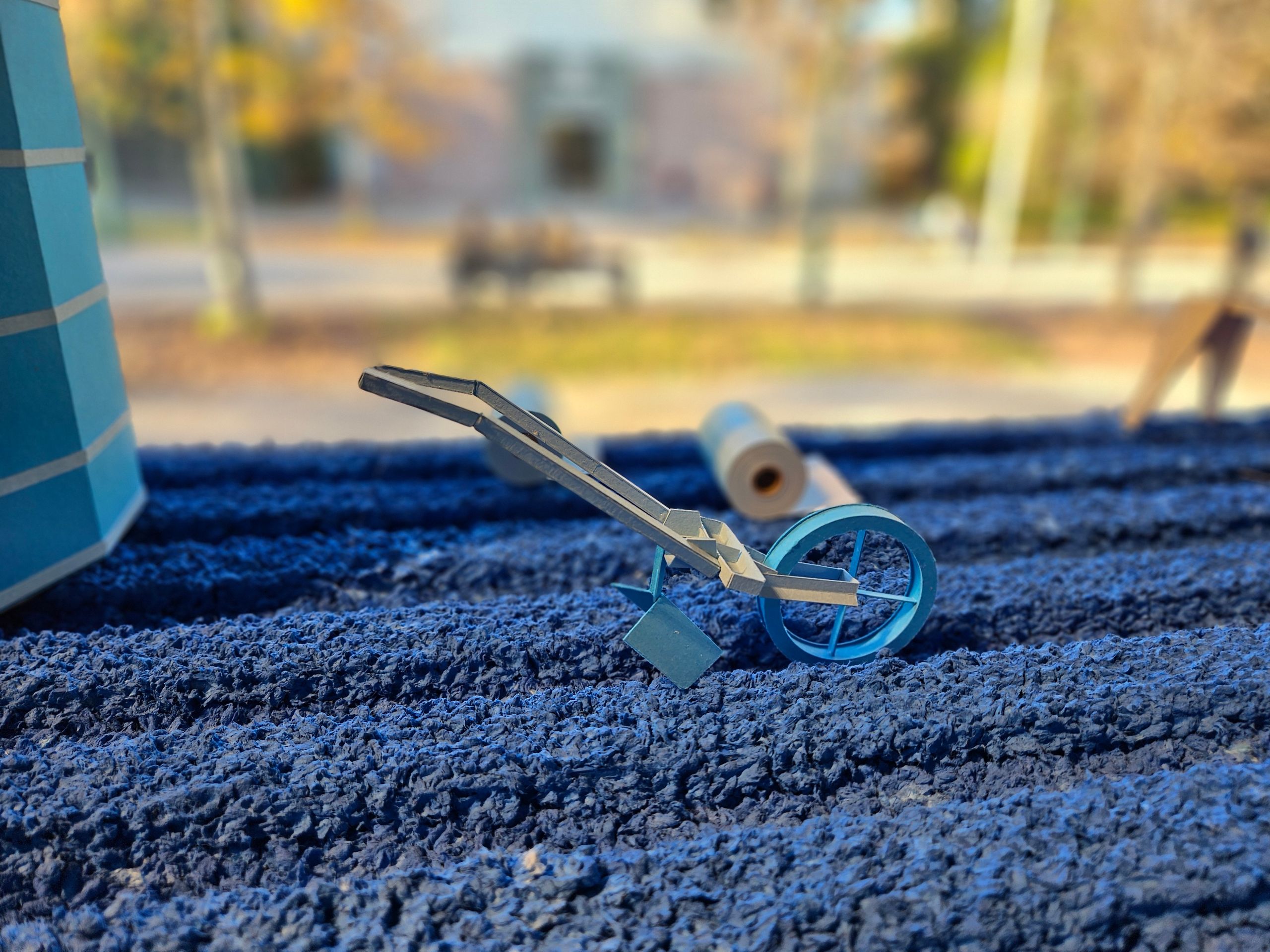
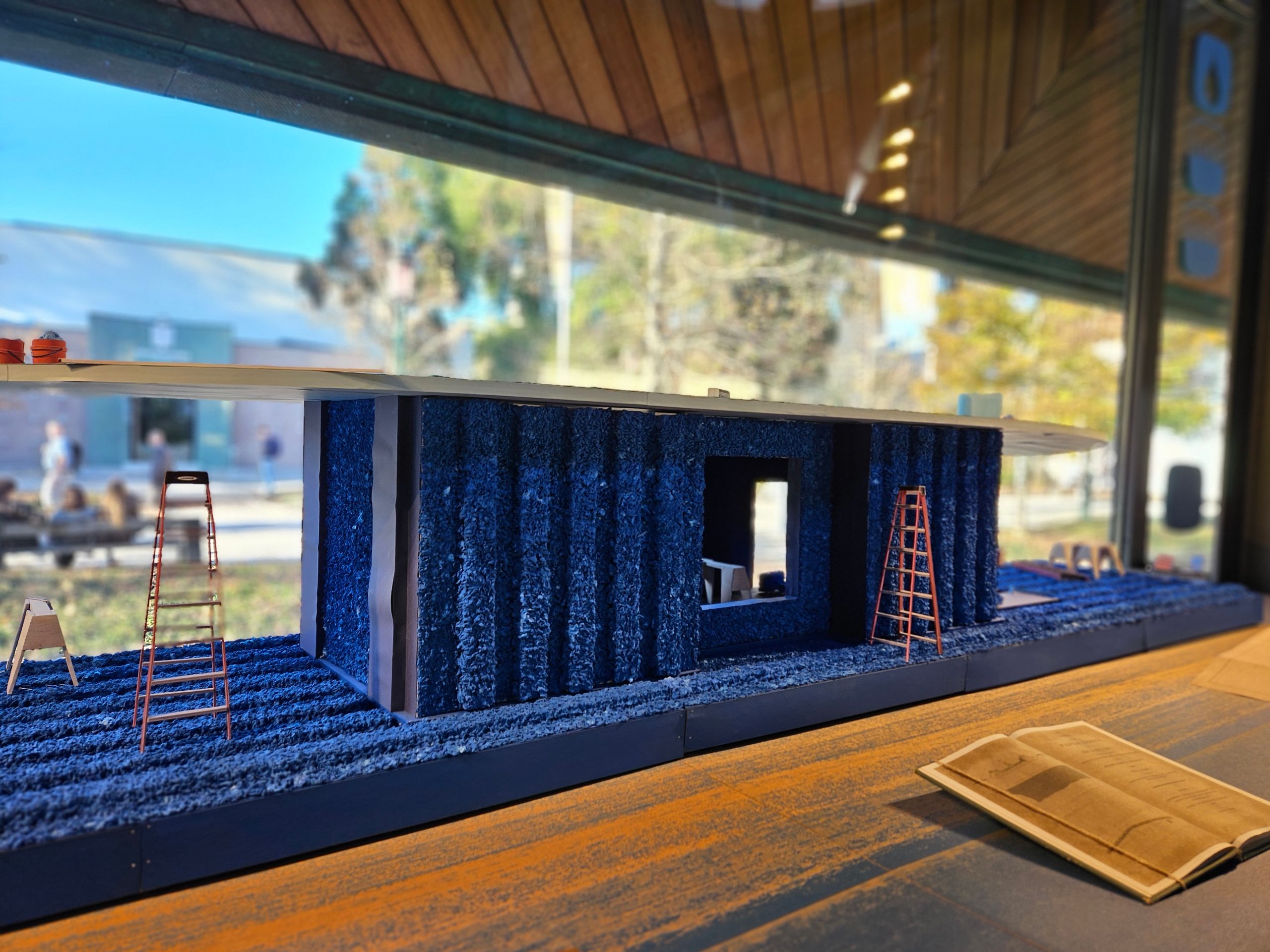
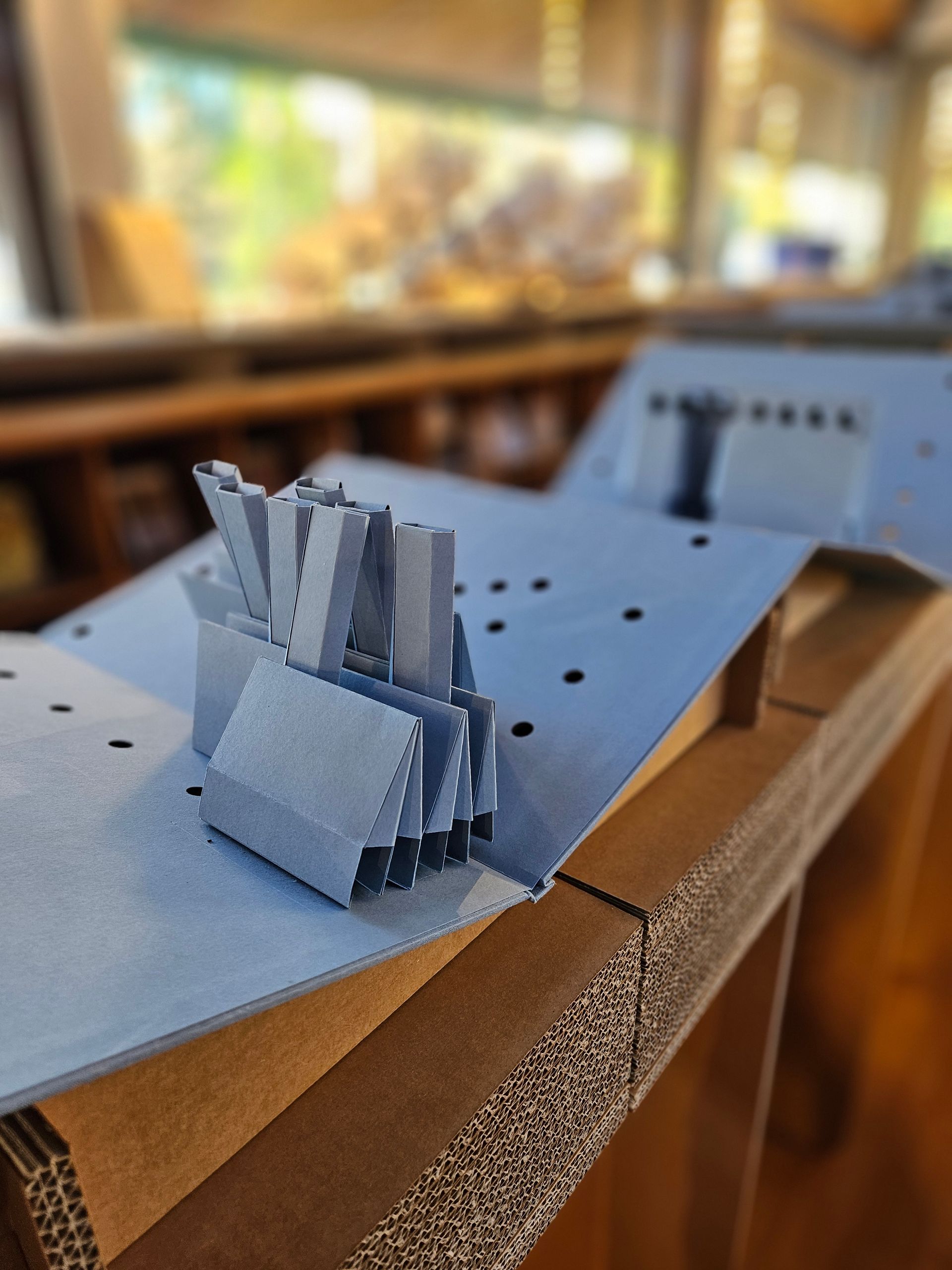
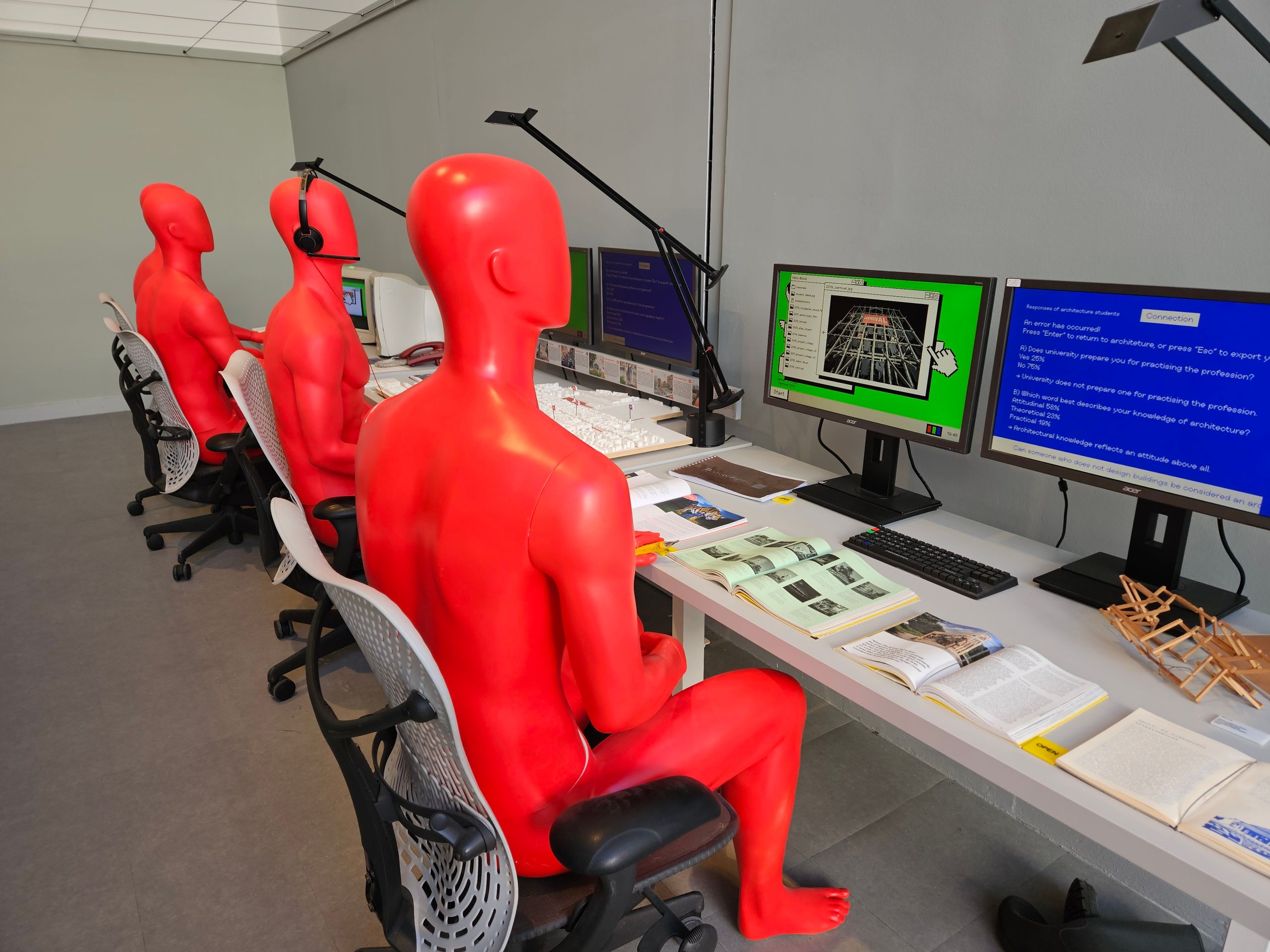
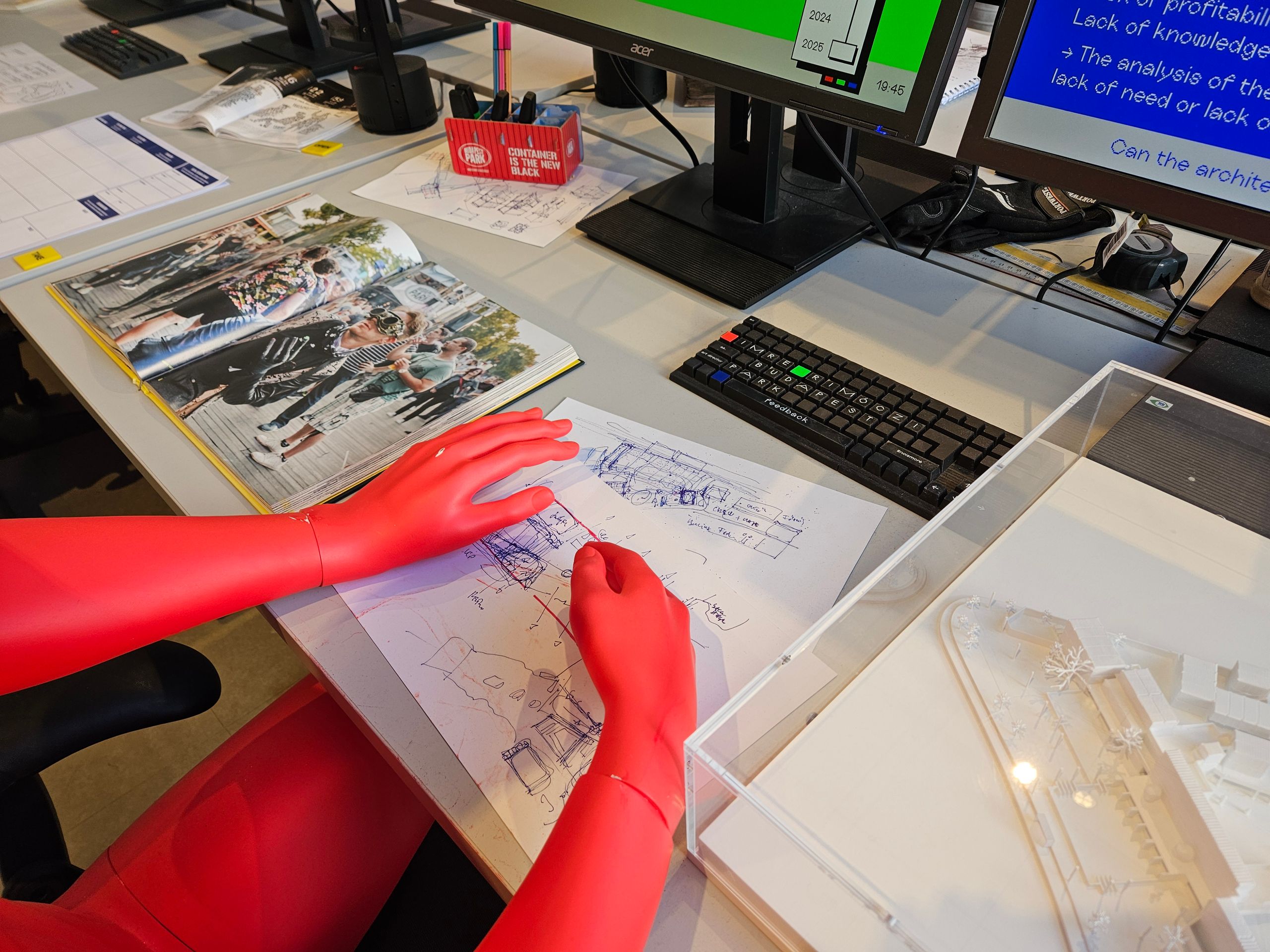
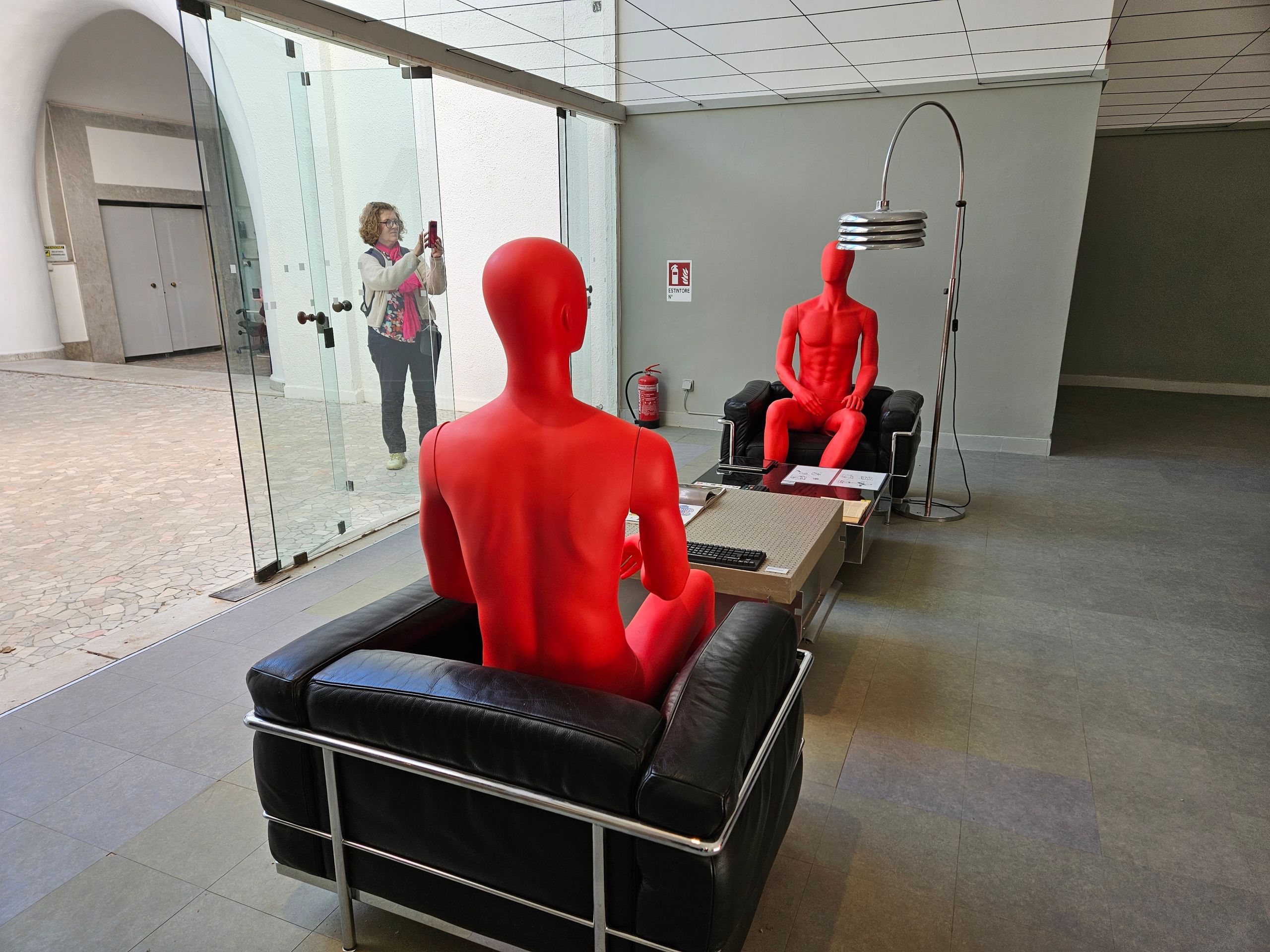
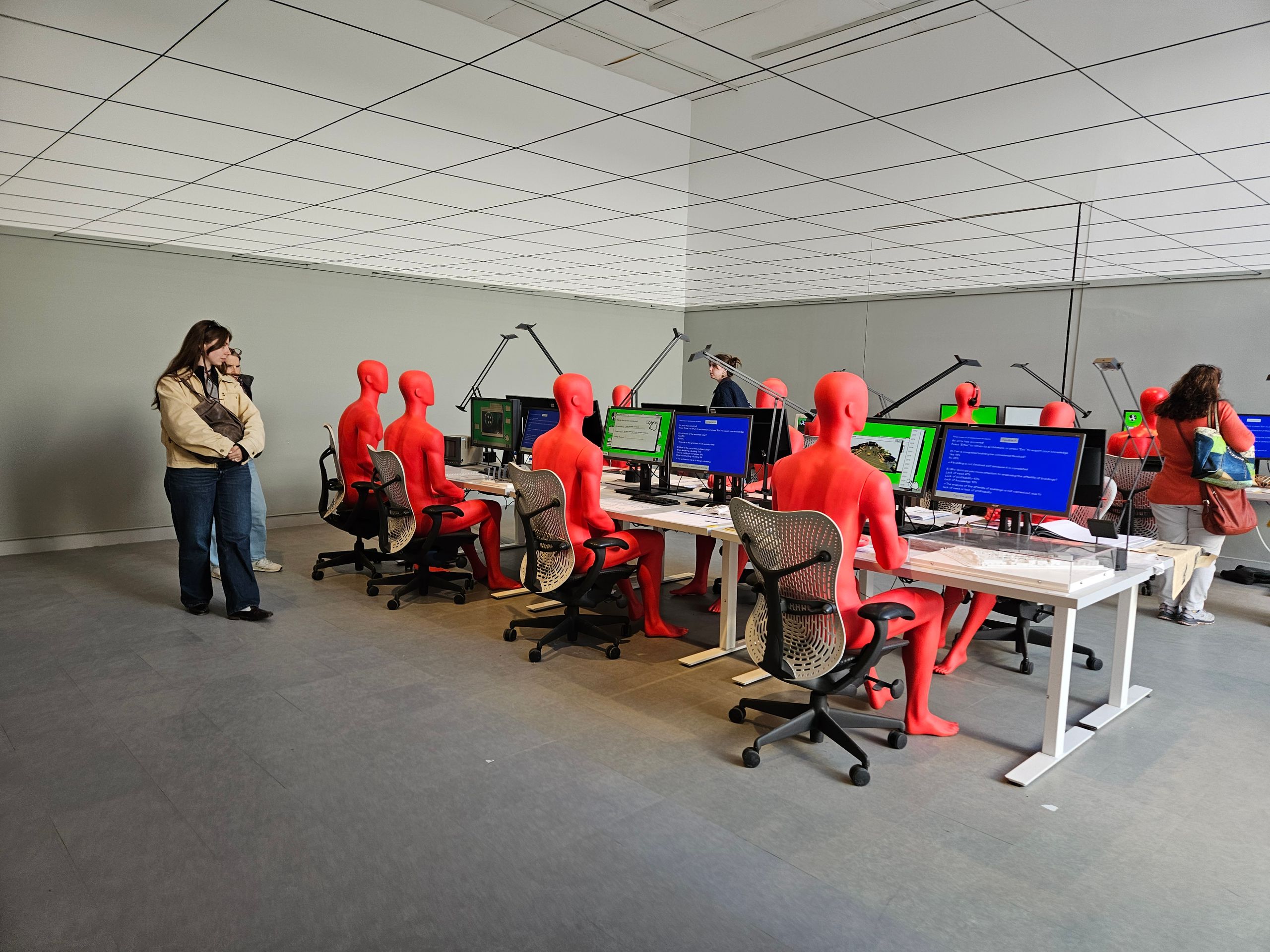
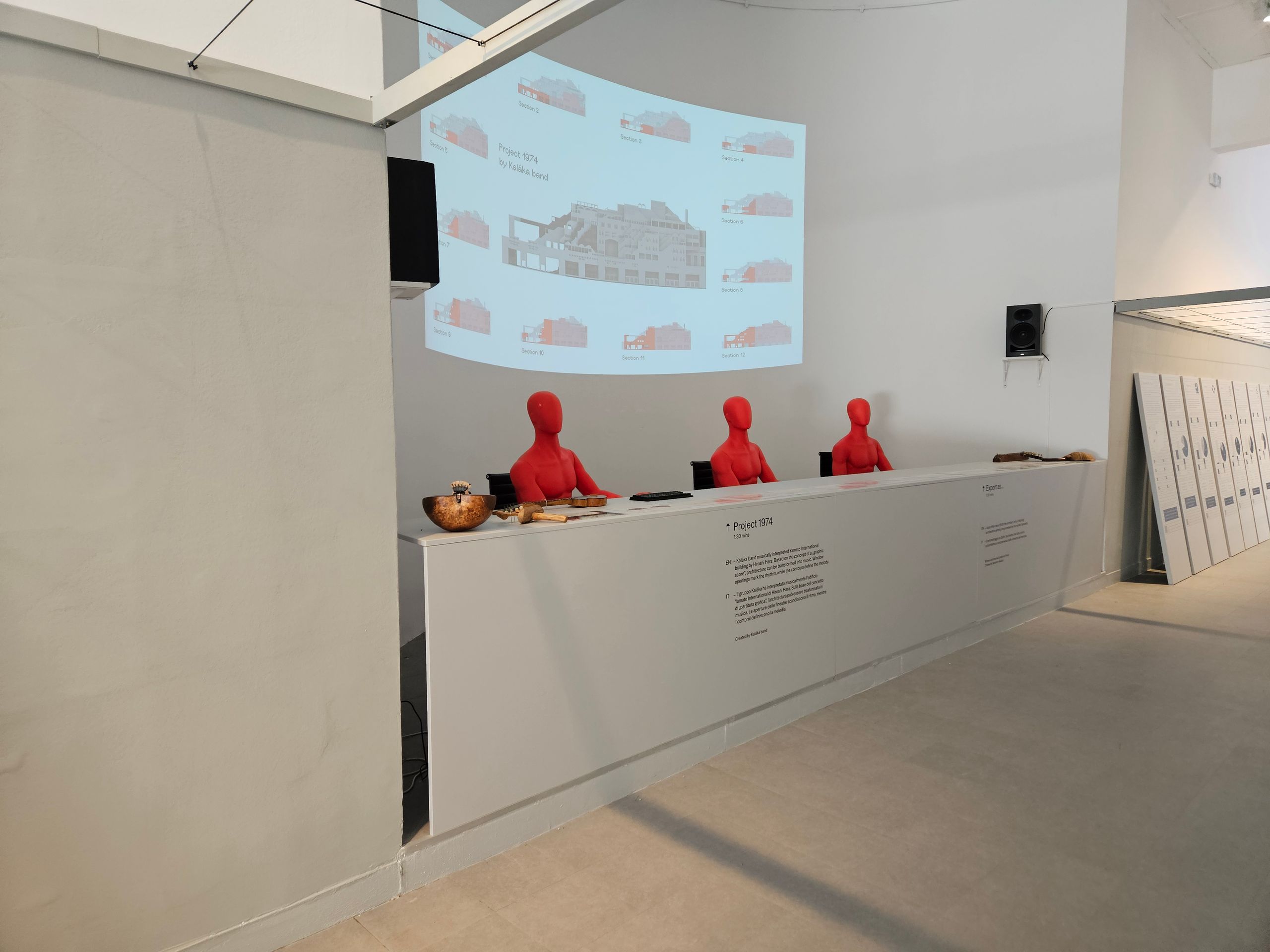
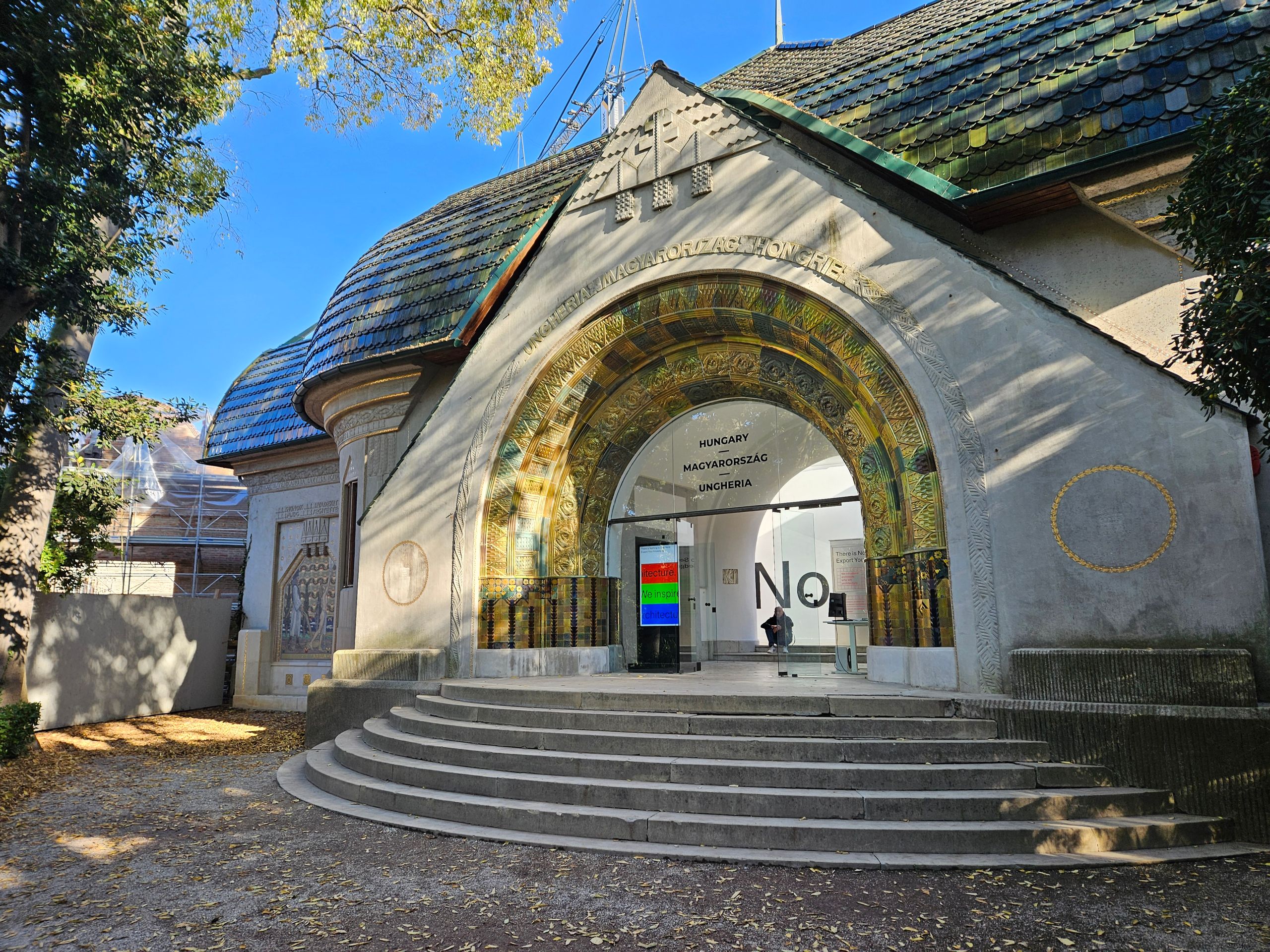
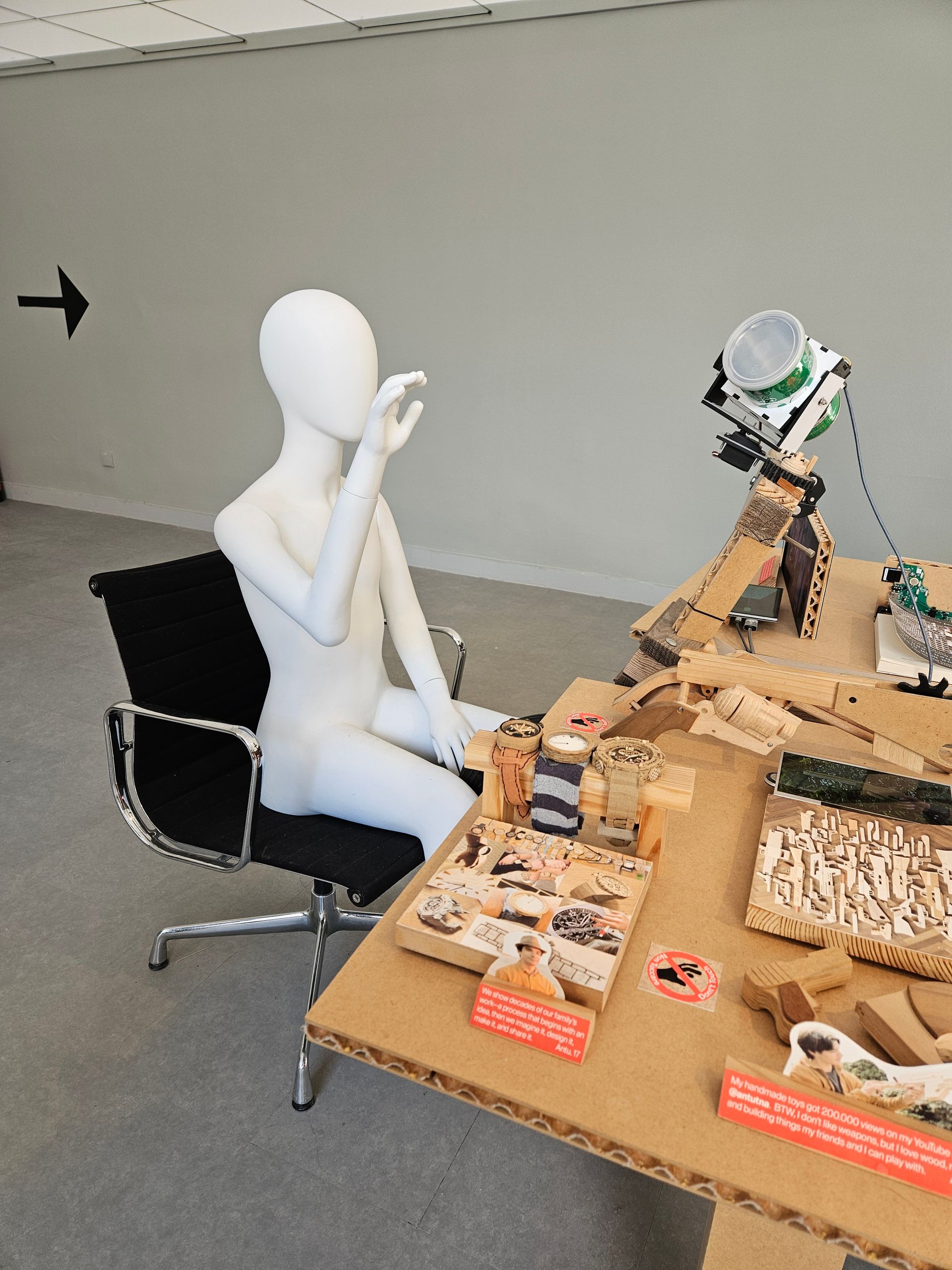
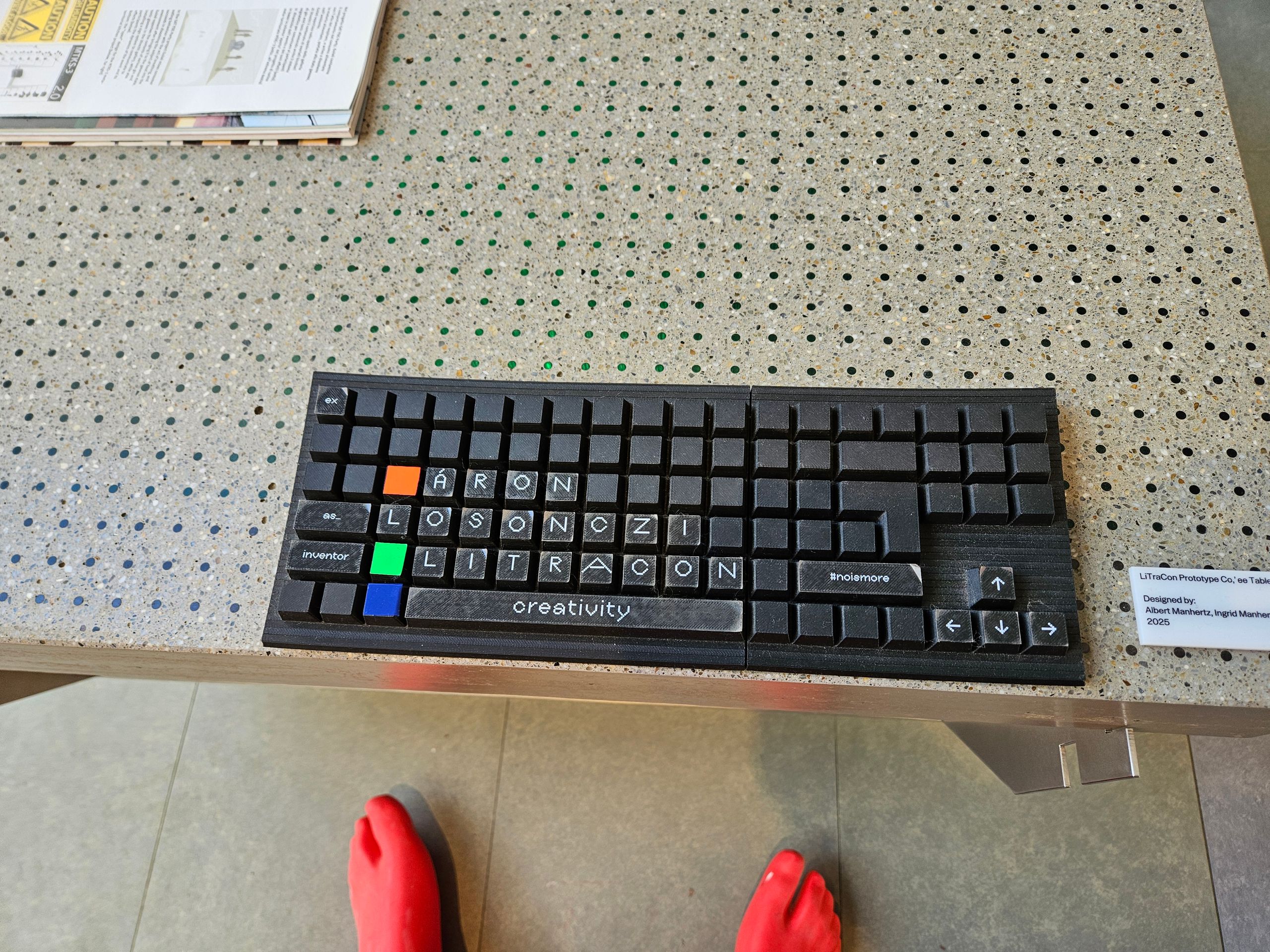
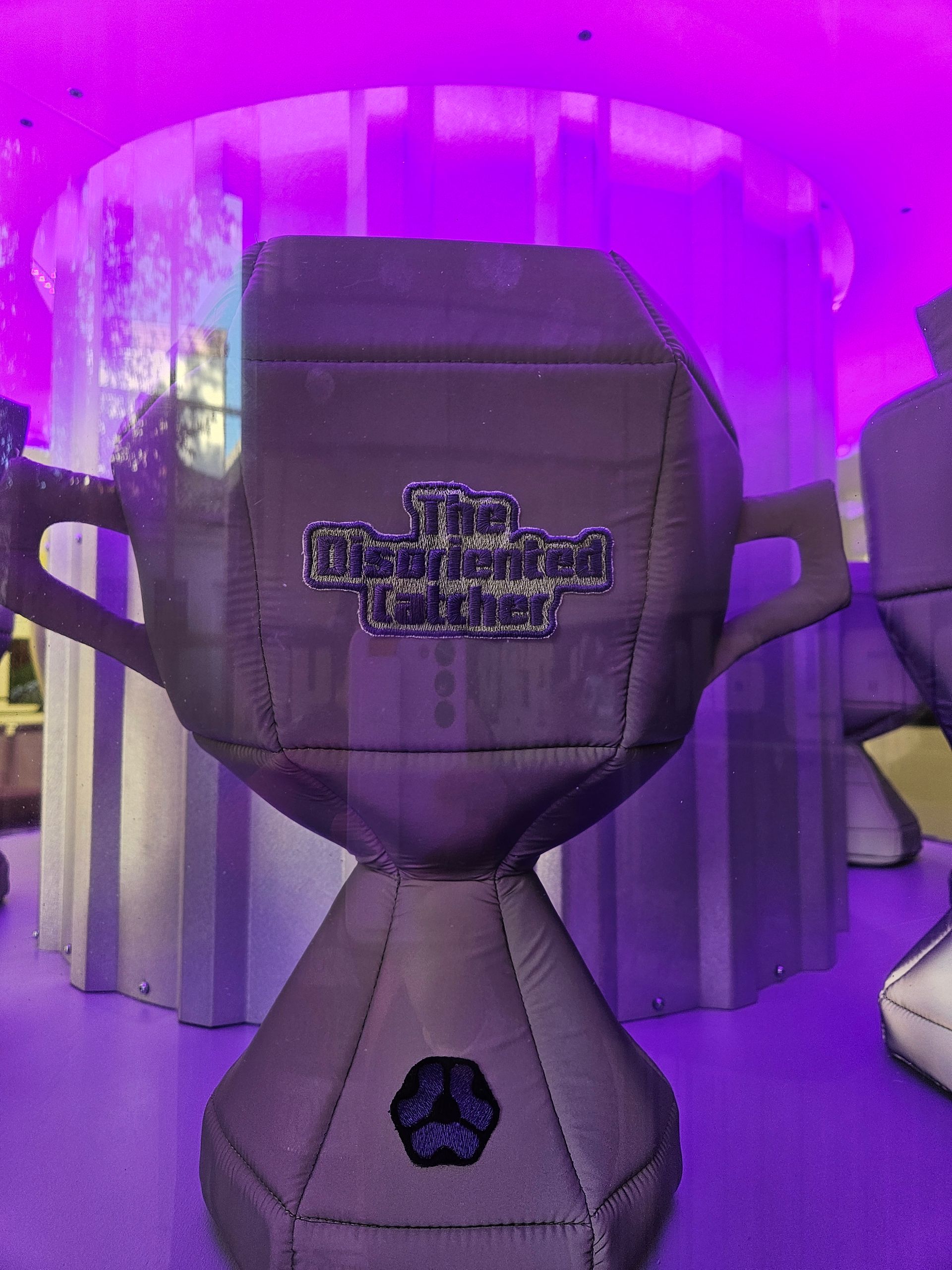
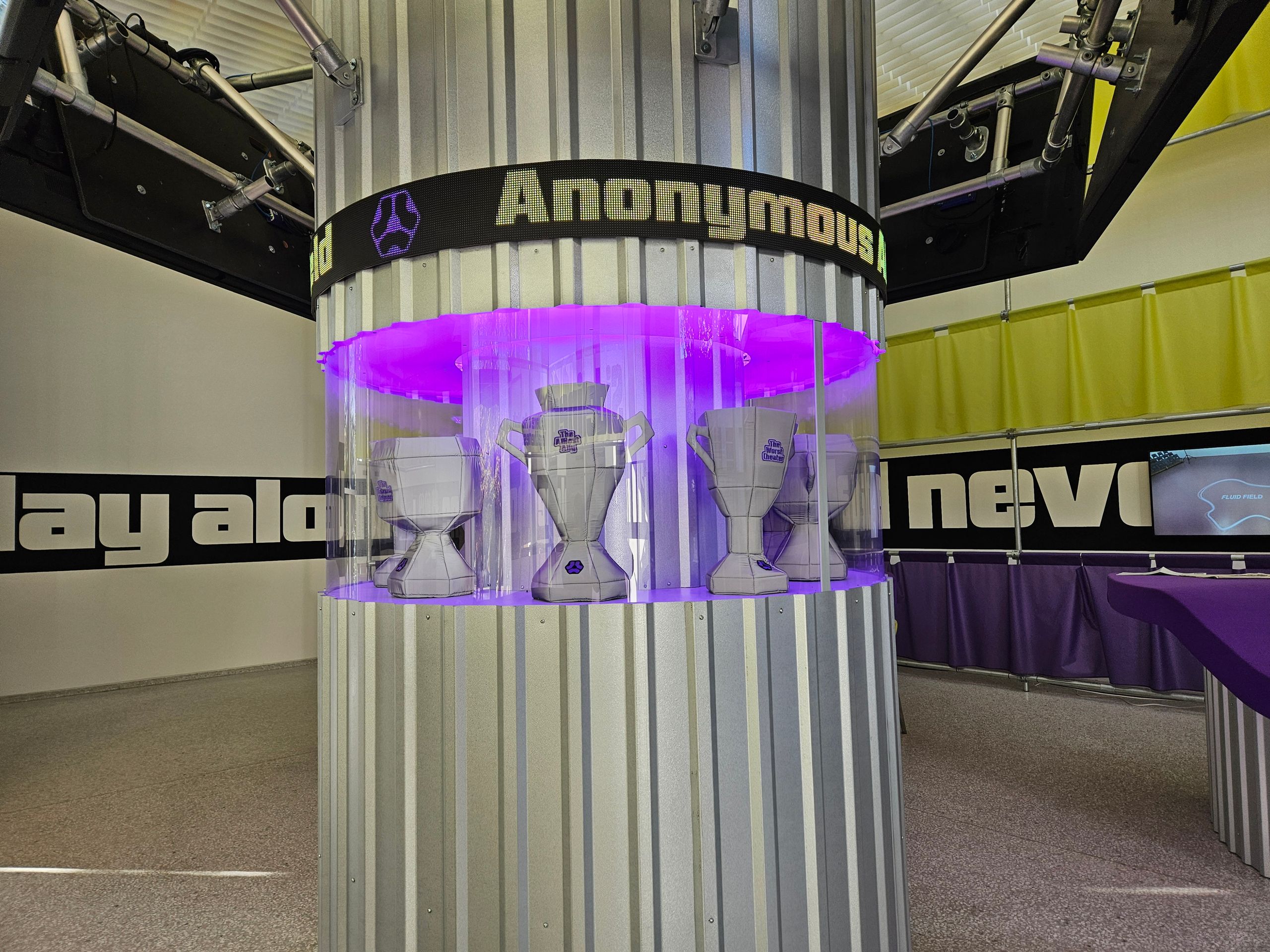
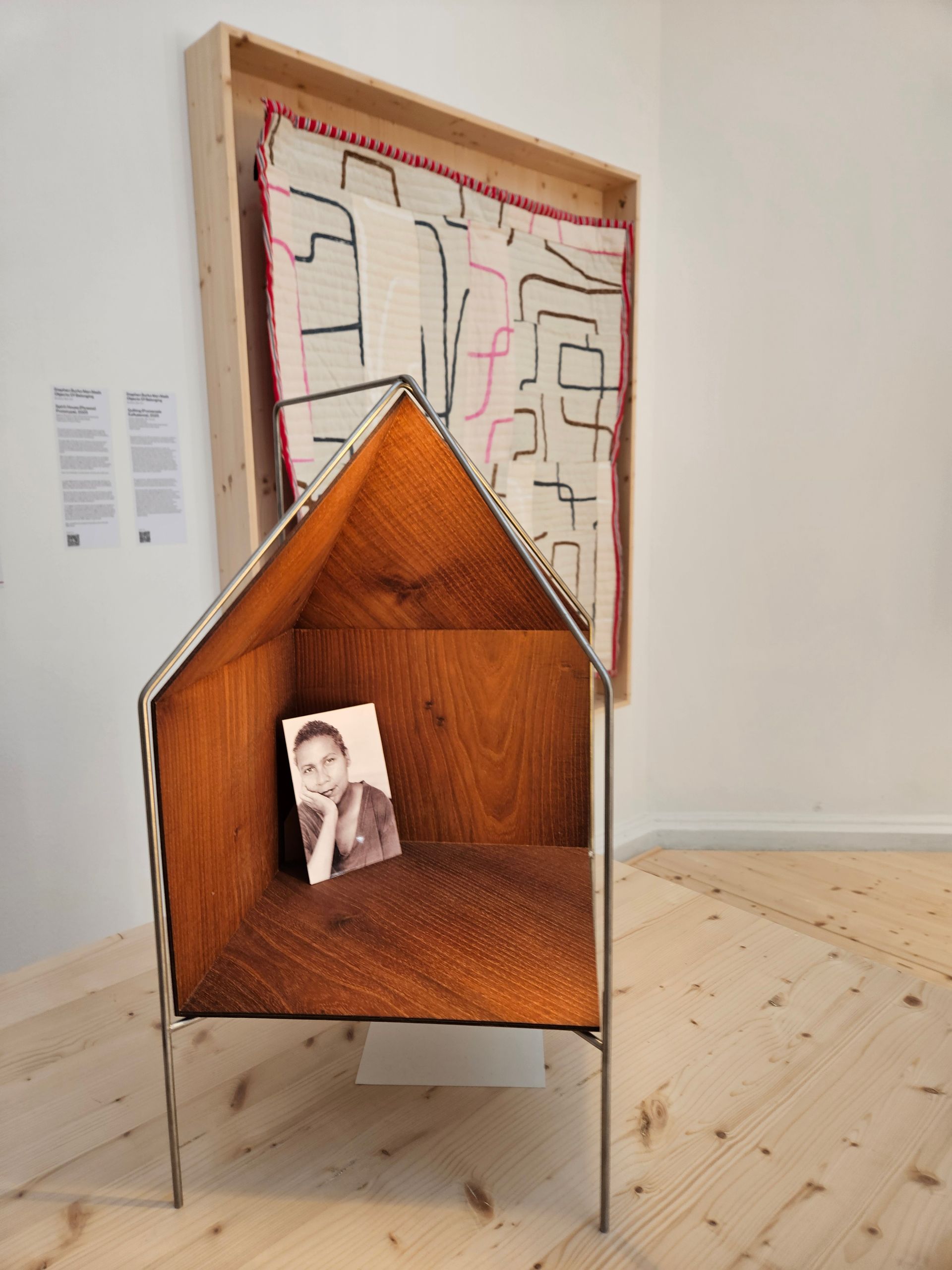
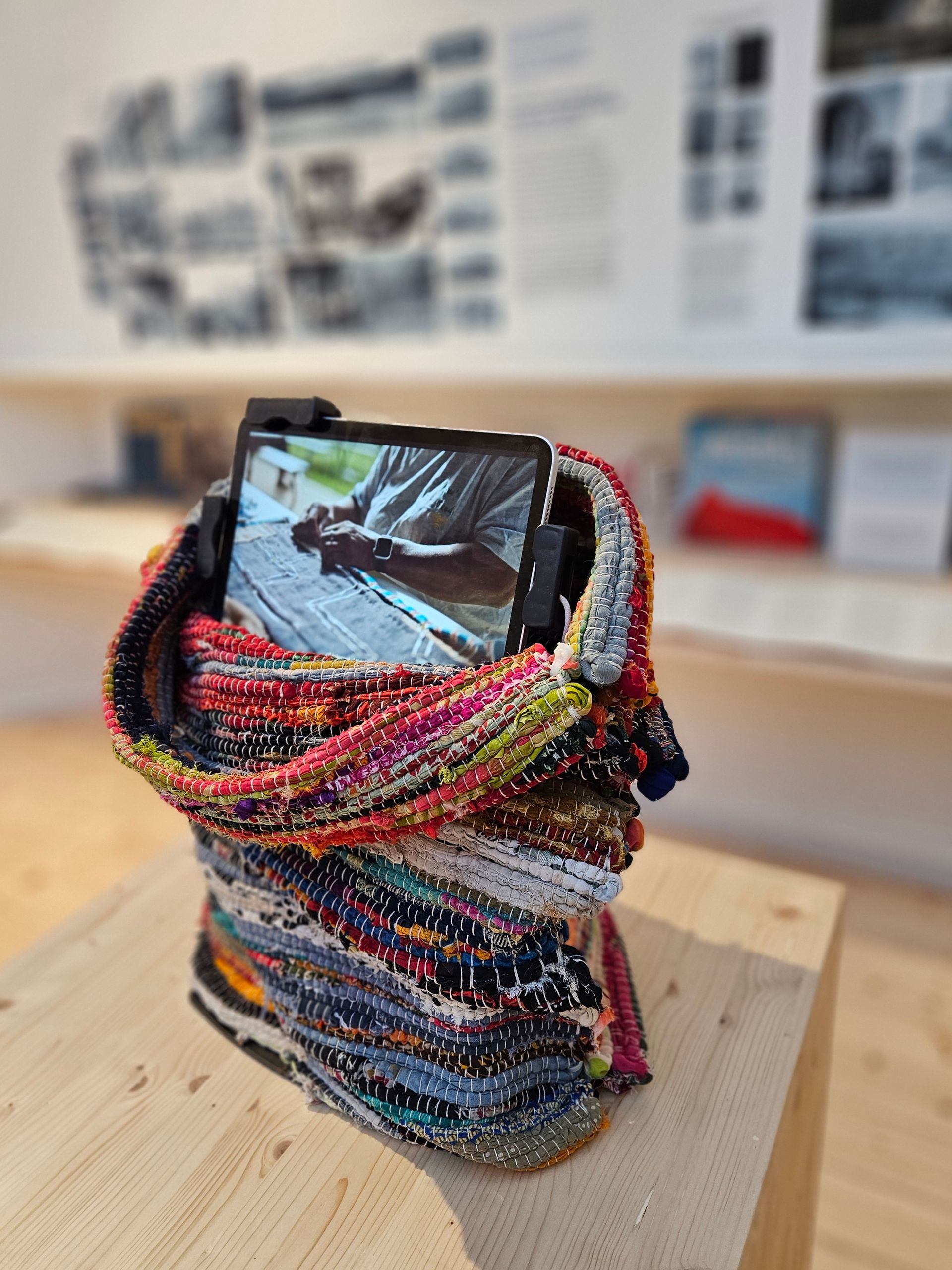
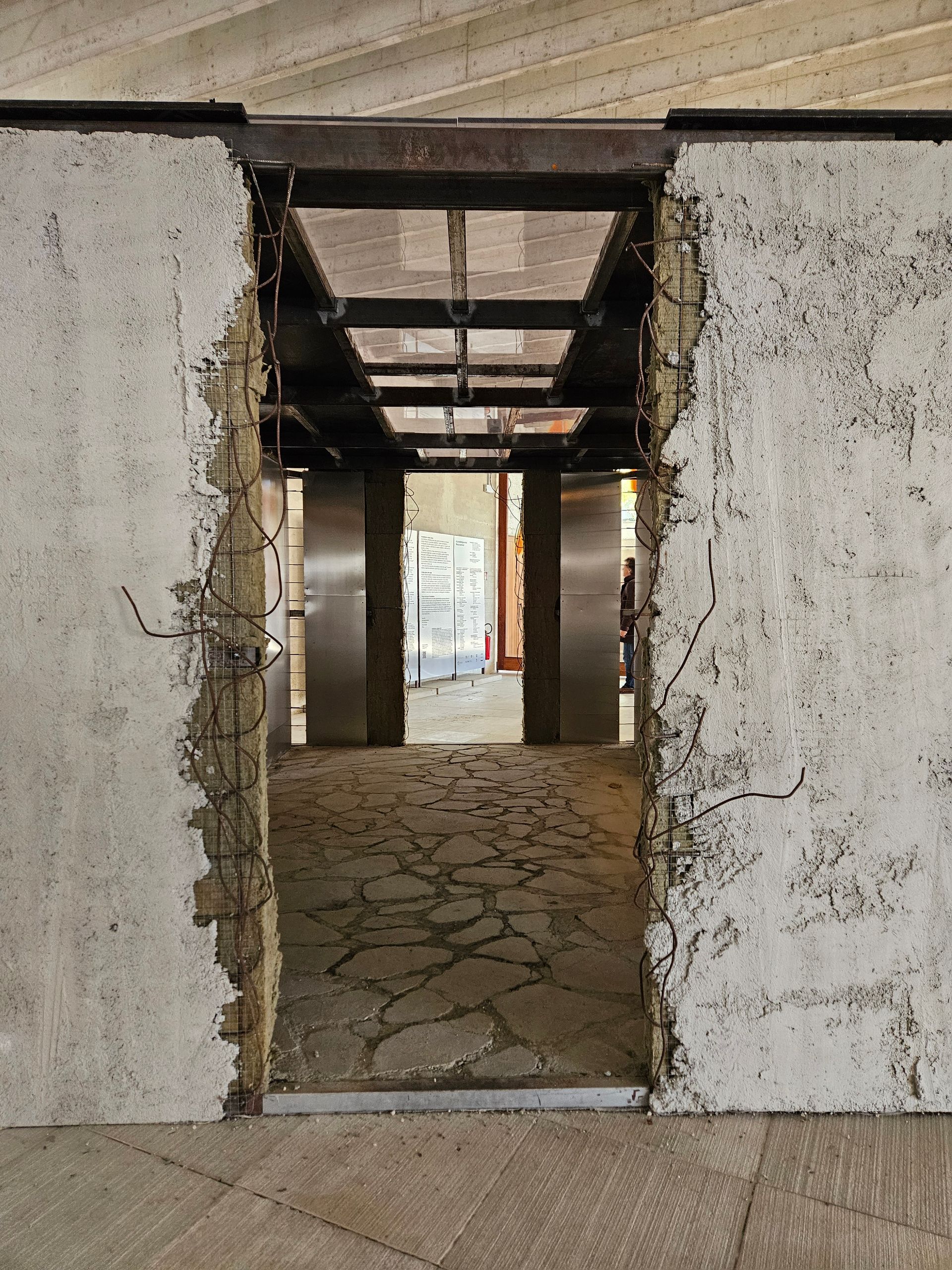
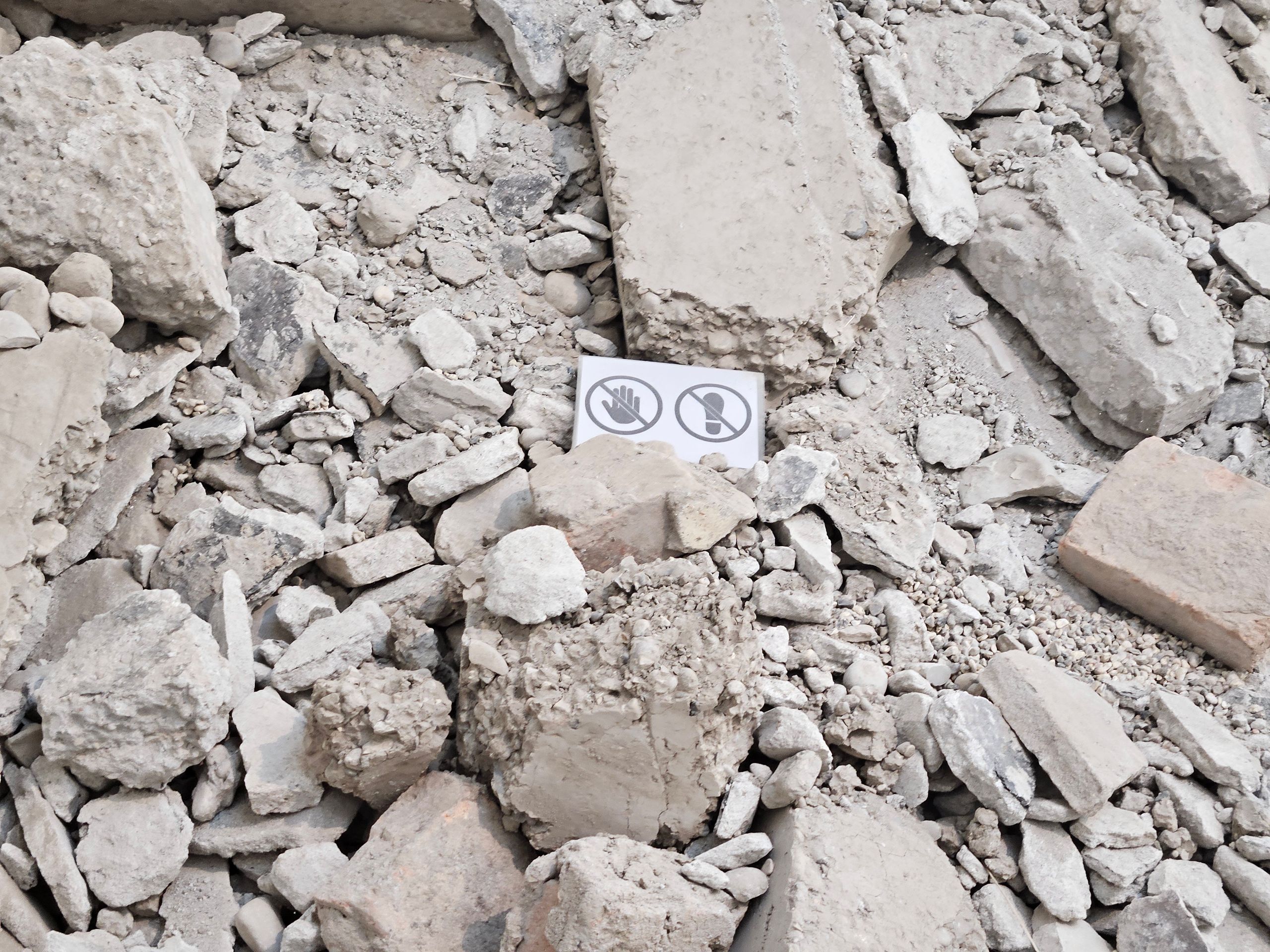
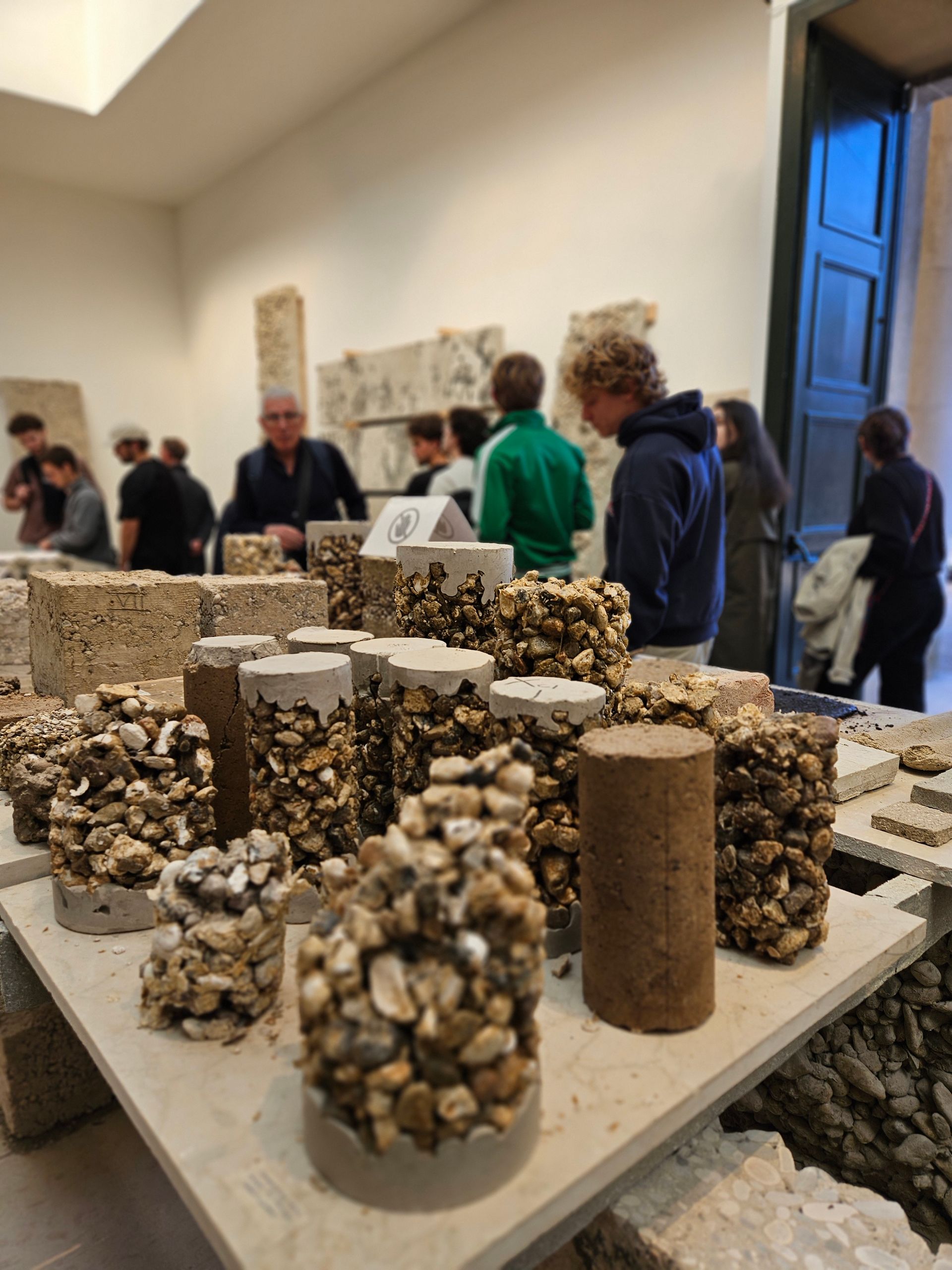
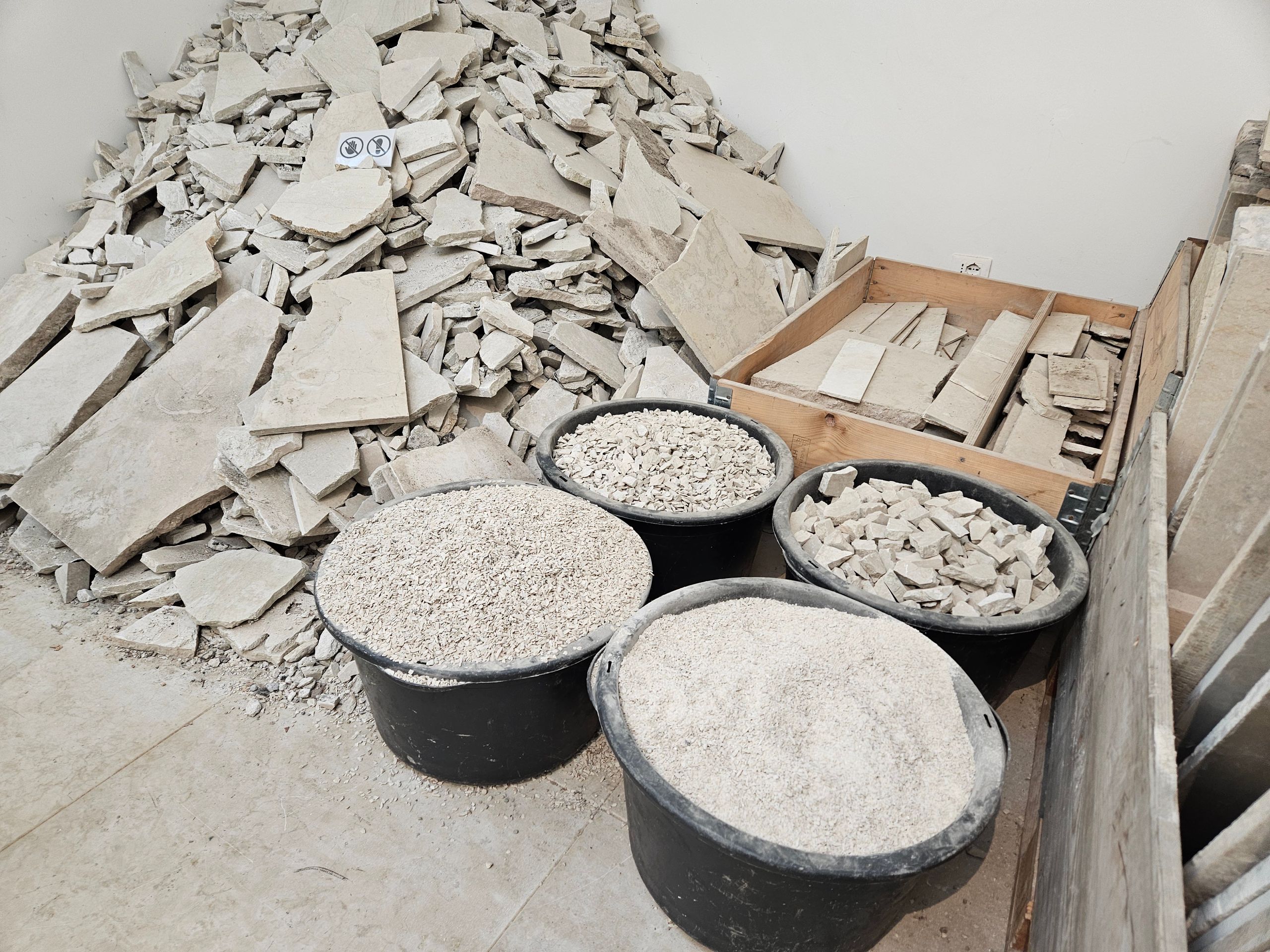
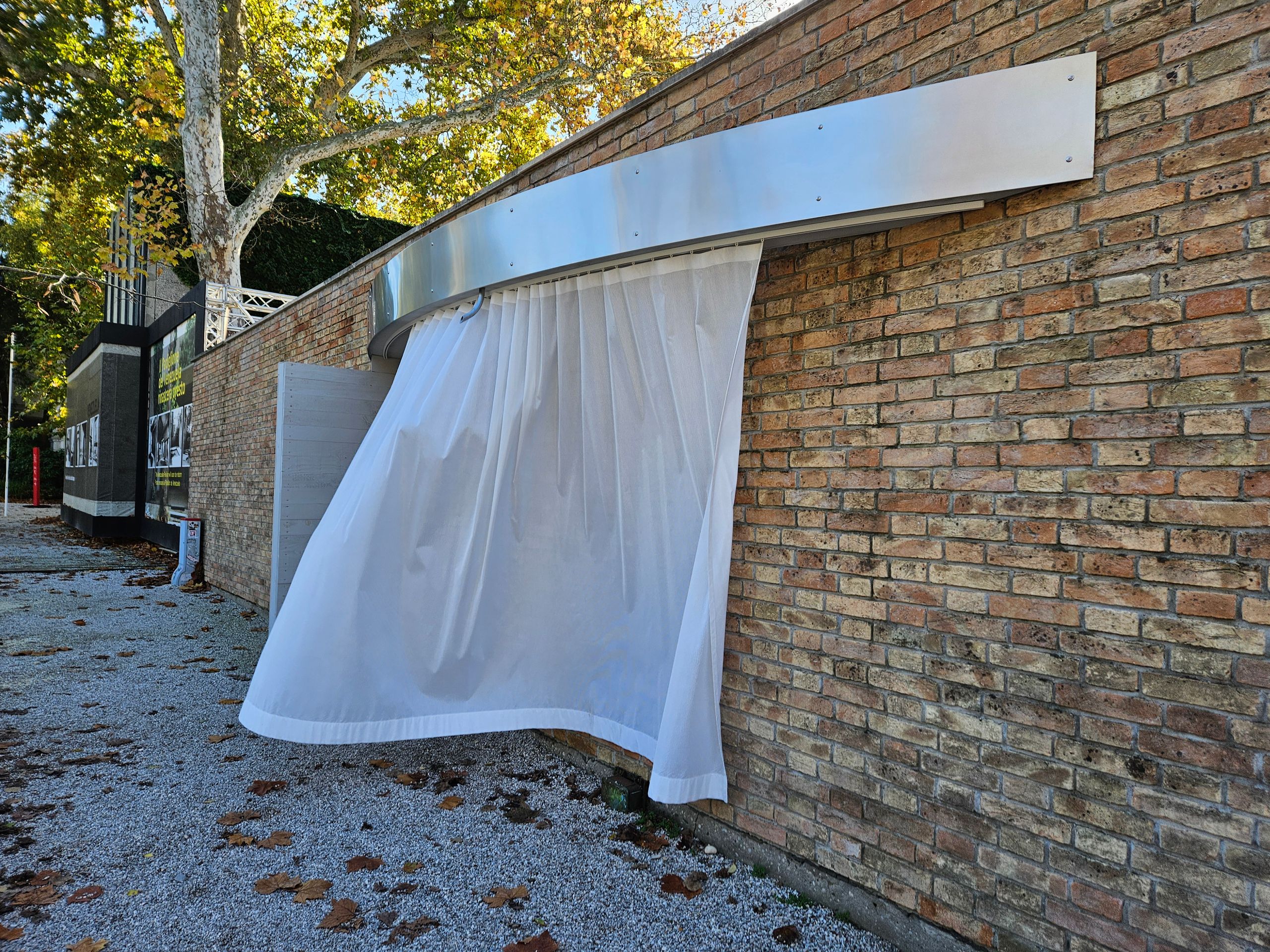
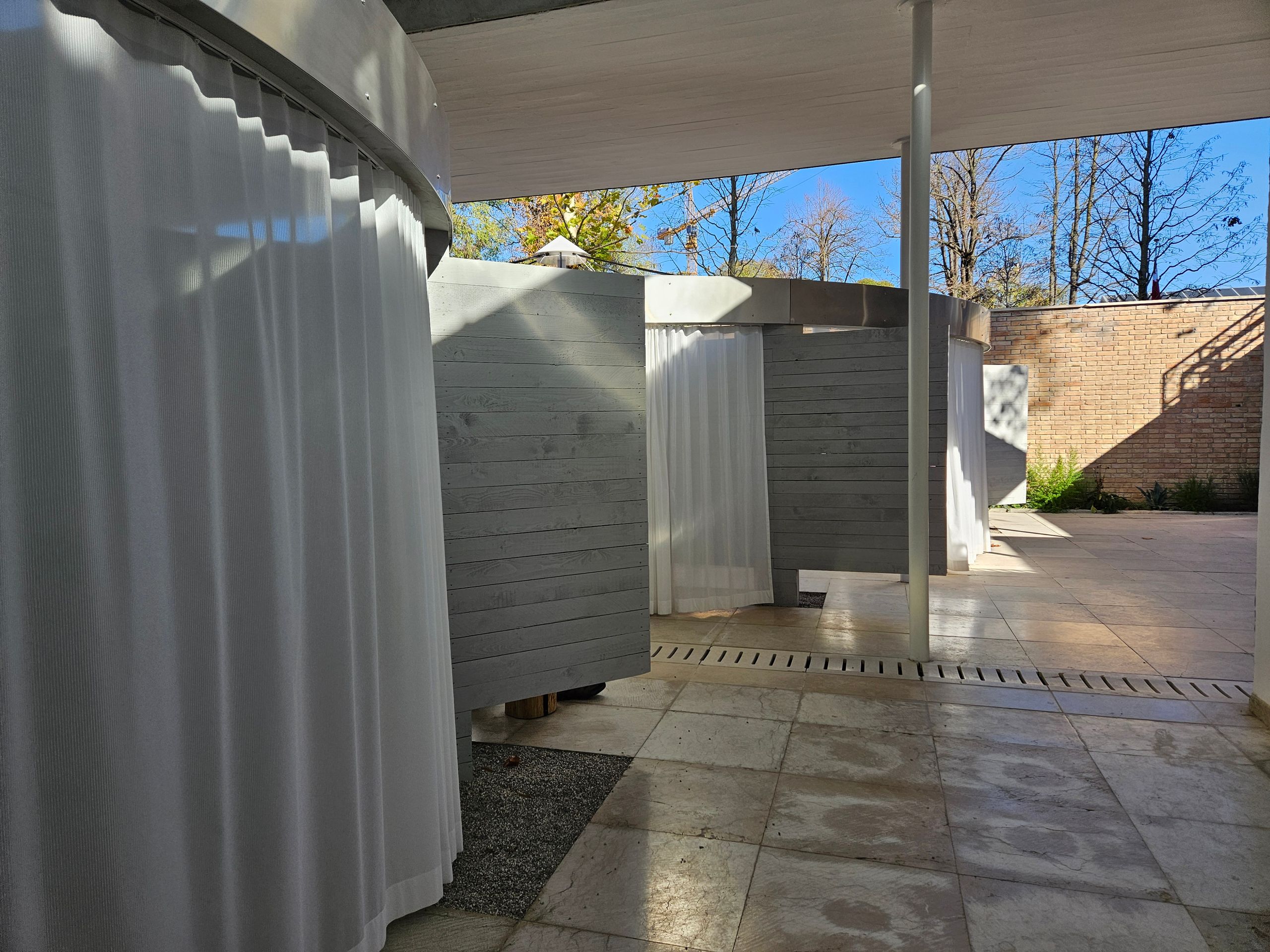
Sometimes art just comes to you, unprepared so to speak. In Venice, one can easily let oneself drift, and thus art finds you at every corner. Everywhere there are not only old buildings but also noteworthy exhibitions. And then suddenly, there is the world-famous Biennale.
Biennale? You’ve heard of it, right? Yes, there’s the film festival, but also the art exhibitions, and alternating with this is the Architecture Biennale. And it's all in Venice.
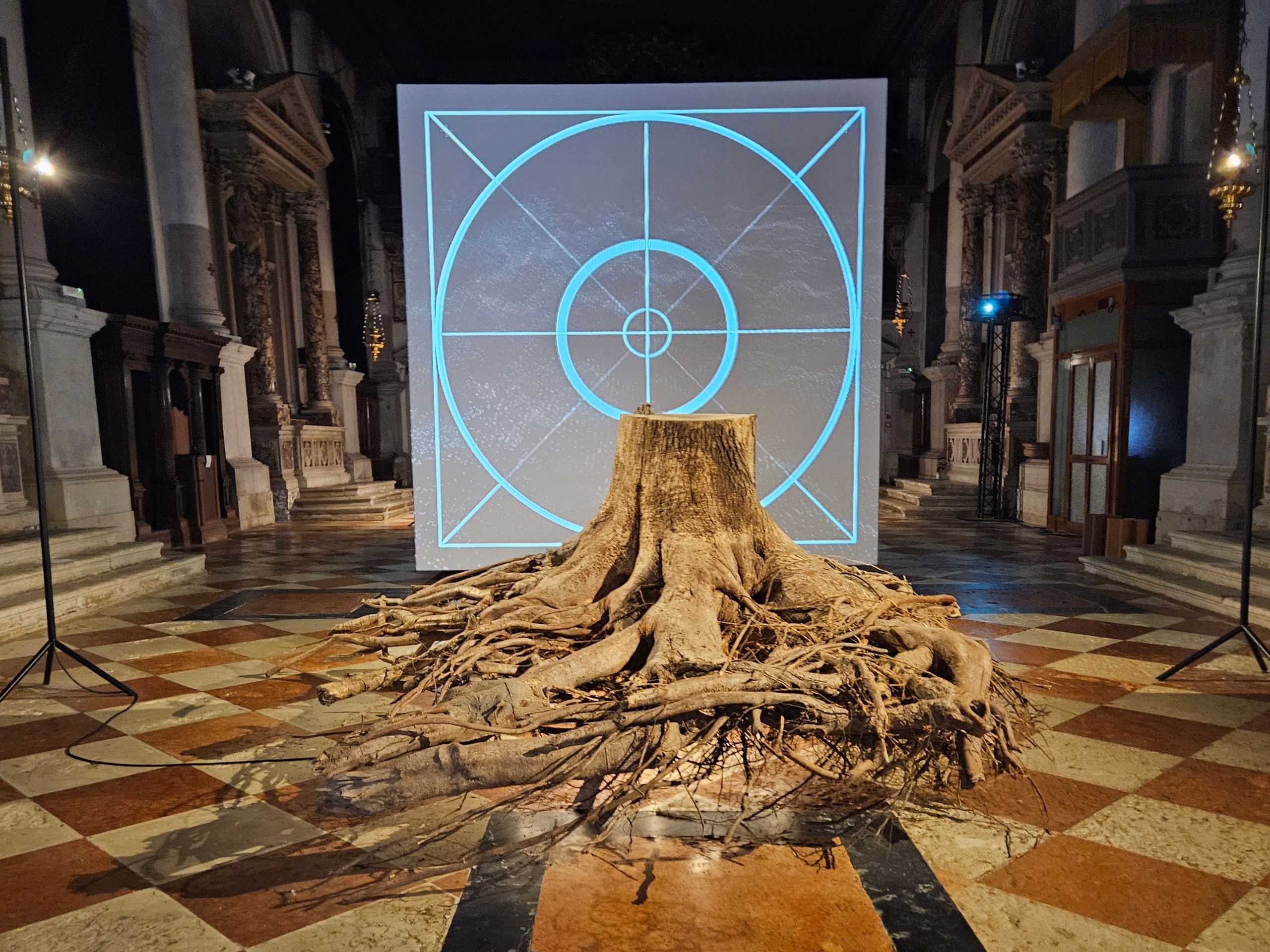
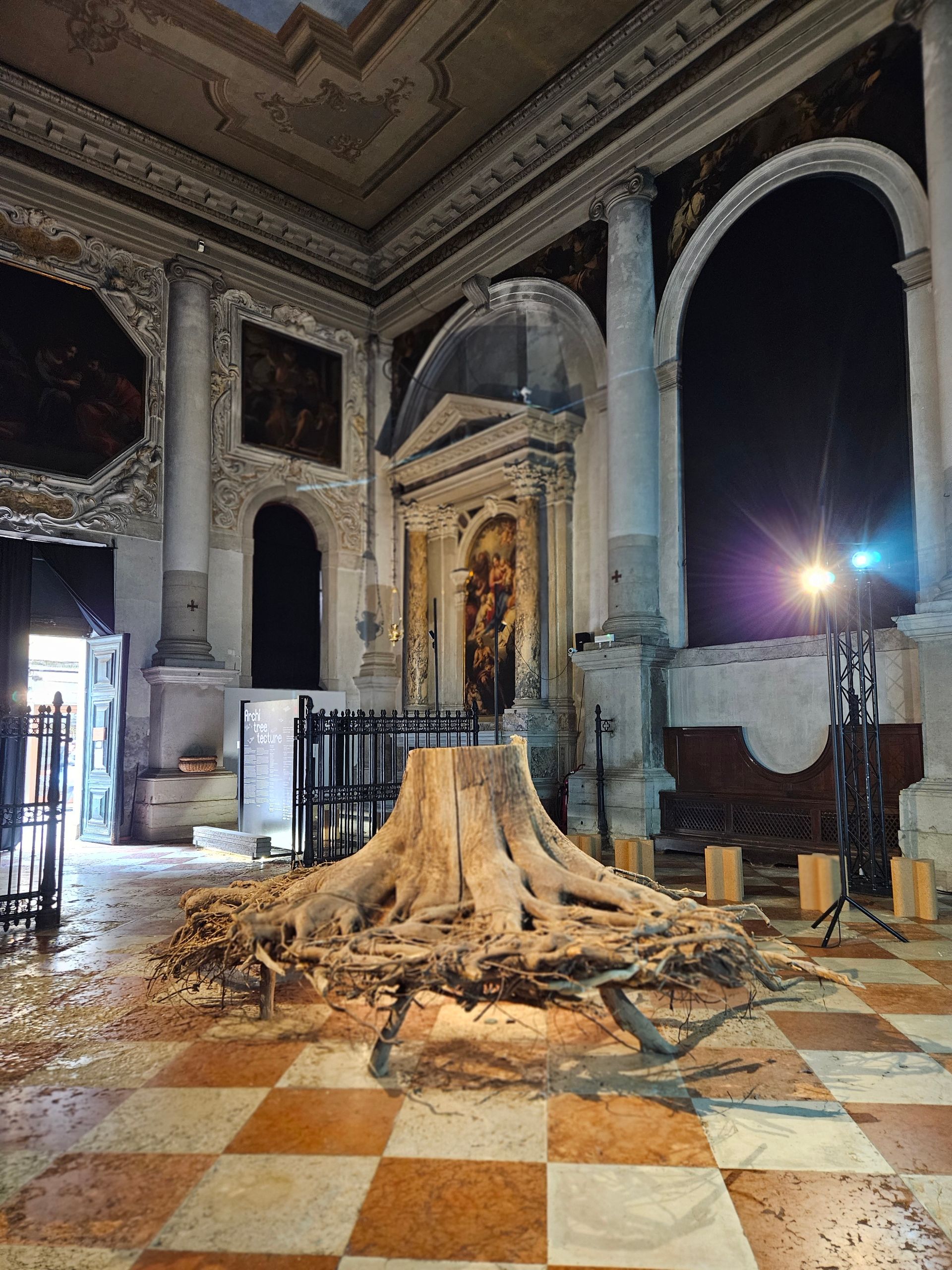
Even within the city limits, we stumbled upon the Lithuanian contribution in a church completely by chance. Upon entering, there was a large tree root prominently displayed. It was centrally installed, accompanied by a film that complemented the space. The installation was titled “Archi/Tree/tecture” and addressed the loss of nature in urban architecture.
And that brings us to the theme of this year's Architecture Biennale:
“Intelligent. Natural. Artificial. Collective.” – in German: “Intelligenz. Natürlich. Künstlich. Kollektiv.”
The Biennale is spread across various locations: The Giardini della Biennale, the Arsenale, and numerous other locations throughout the city.
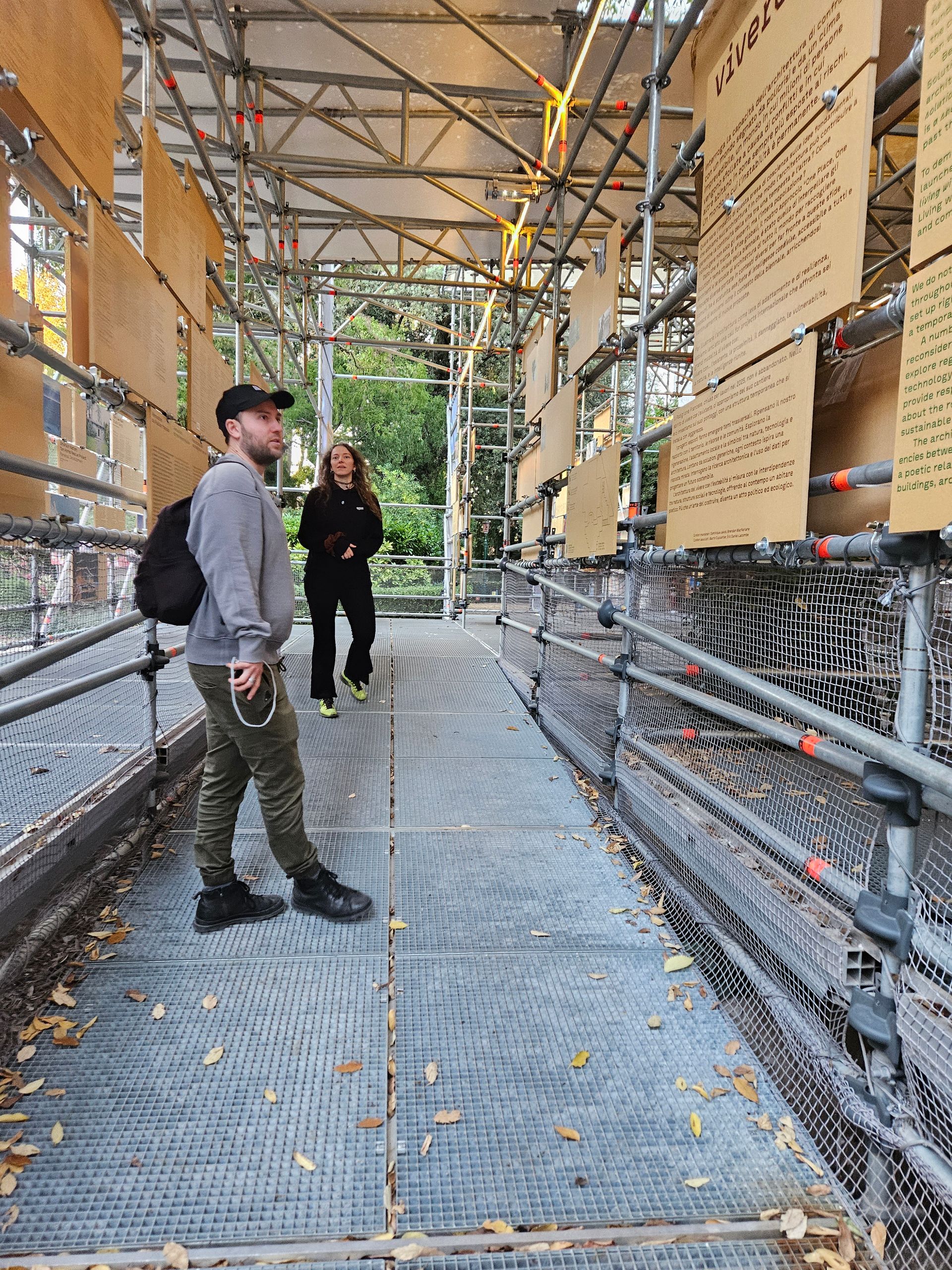
We visited the former first and right at the beginning, the pavilion of Switzerland. The motto of the installation is actually a quote: “The final form is determined by the architect on site” by Lisbeth Sachs. Otherwise, here you mainly see walls and curtains and hear voices from a sound installation. We were confused - too much art in construction.
The Danish pavilion was more extensive, but construction debris and various building materials led us to the realization that we might not belong to the target audience after all.
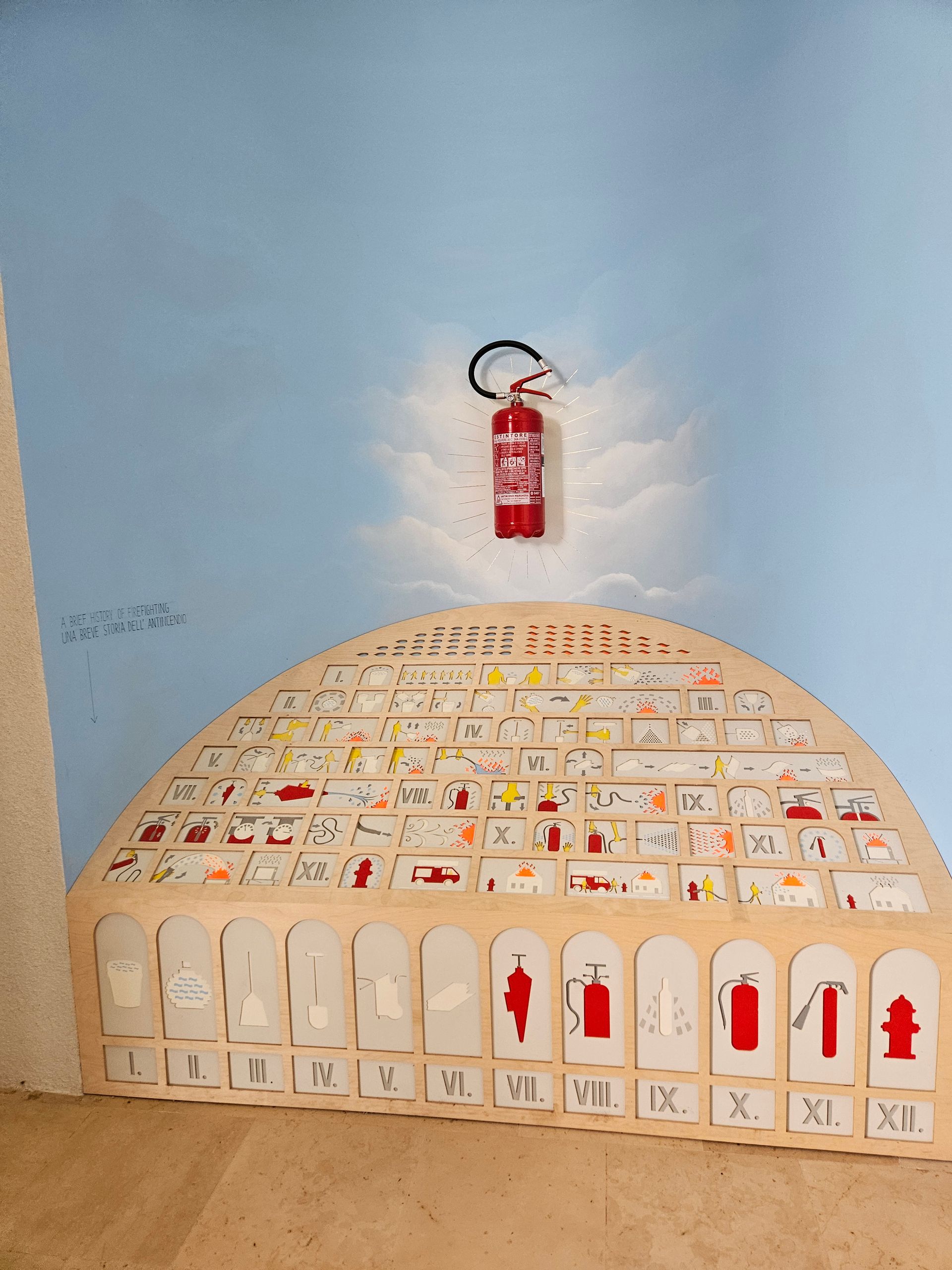
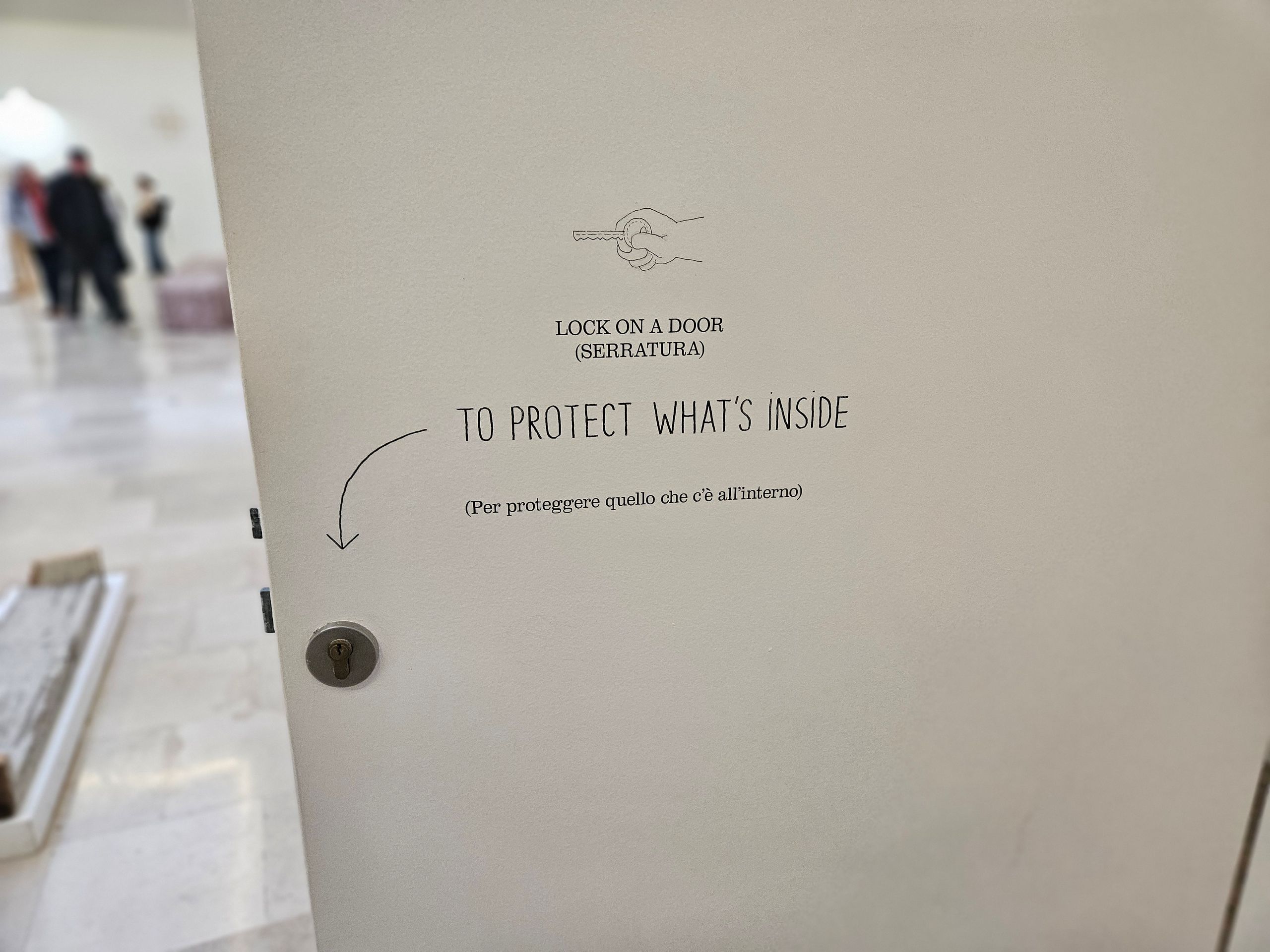
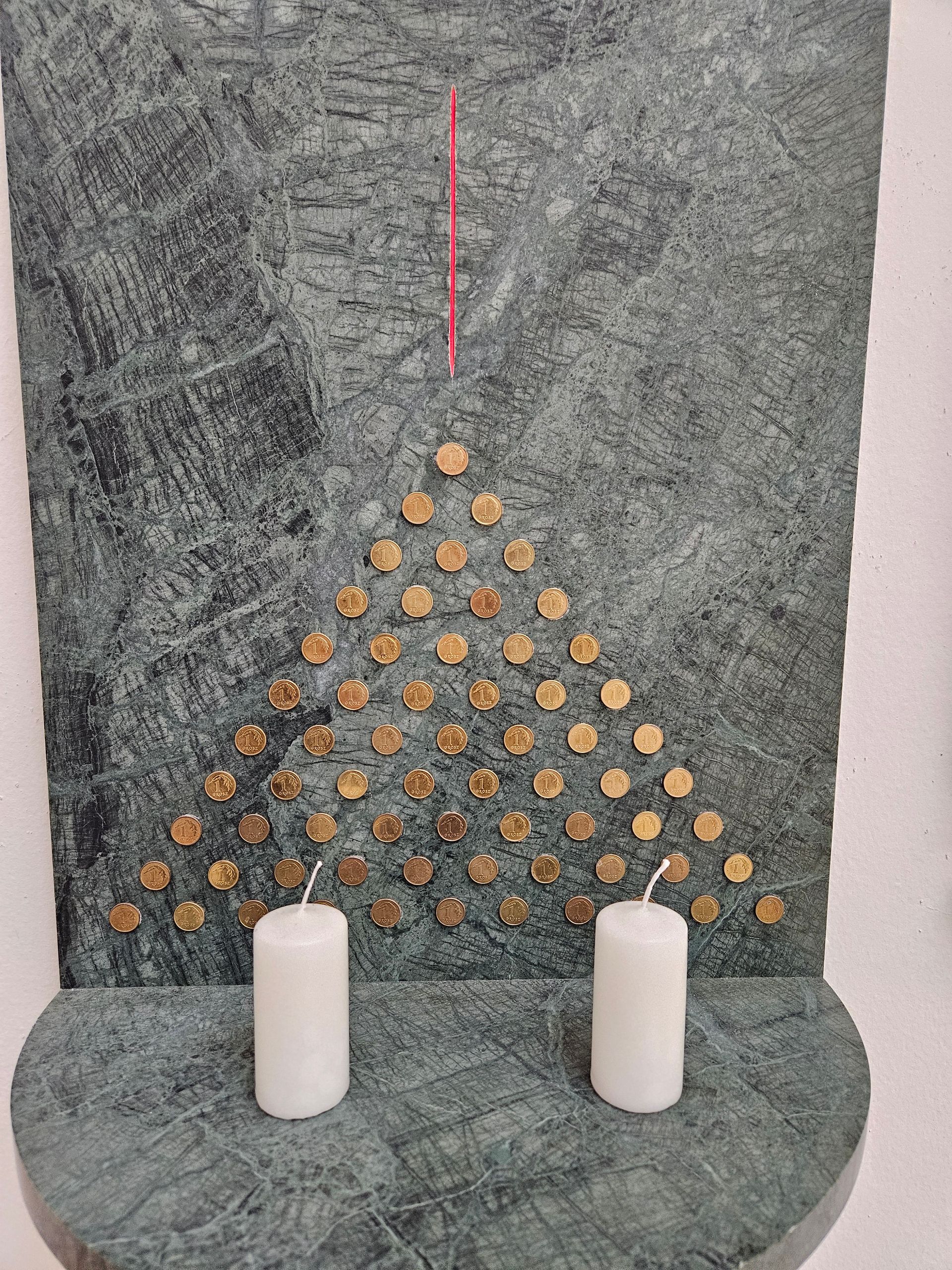
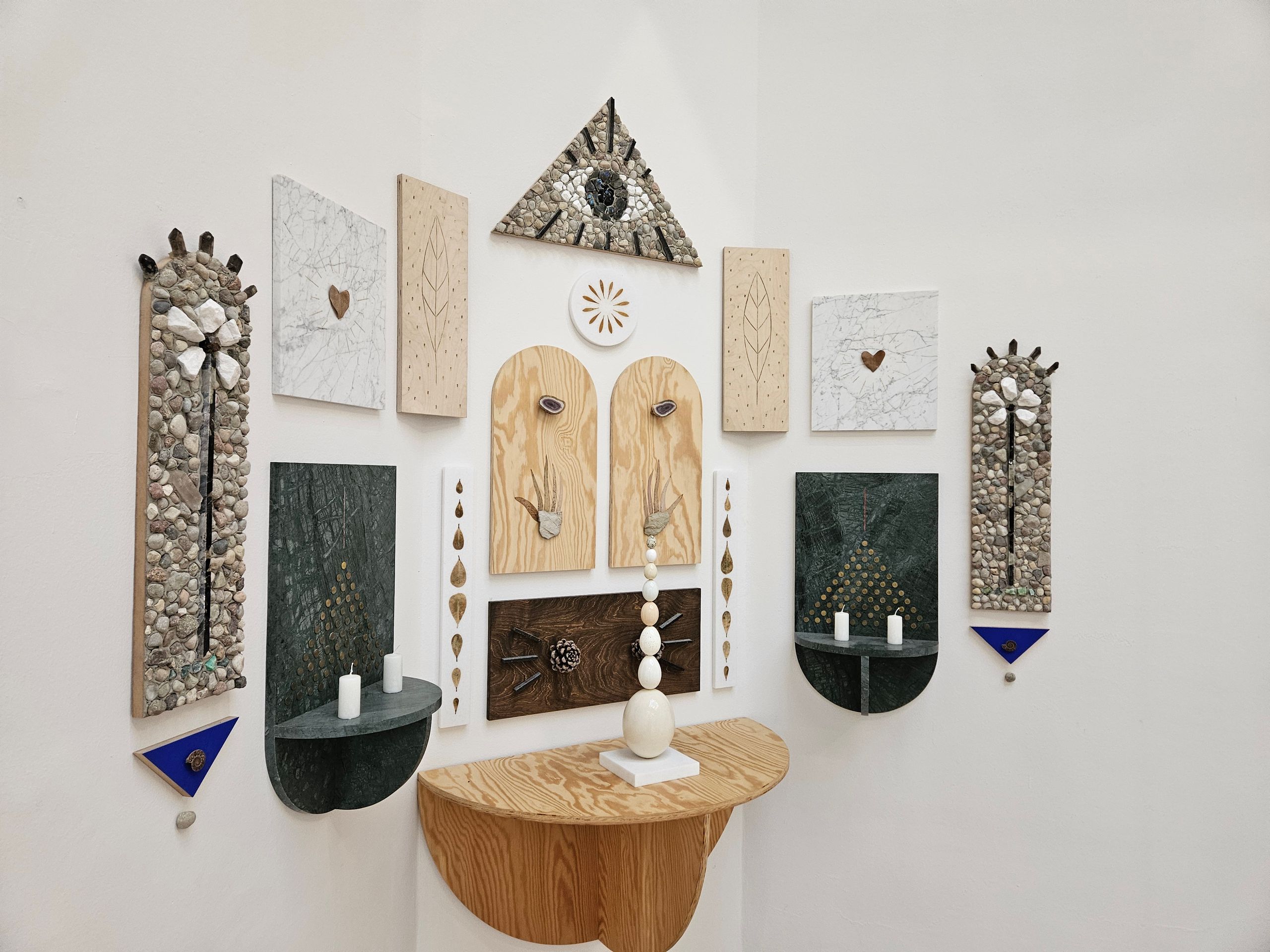
In contrast, the Polish pavilion was really amusing. Under the headline “Lares and Penates: On Creating a Sense of Security in Architecture” it was about household gods – which are Lares and Penates. With a proper wink, it showed how they can provide protection in architecture, not just against wind and weather but also against war, climate crises, or uncertainty. With recorded arrows and hints, we learned, for example, how salt in the corner serves as a protection against bad energy, that door locks secure the interior, and that one should knock on unpainted (!) wood.
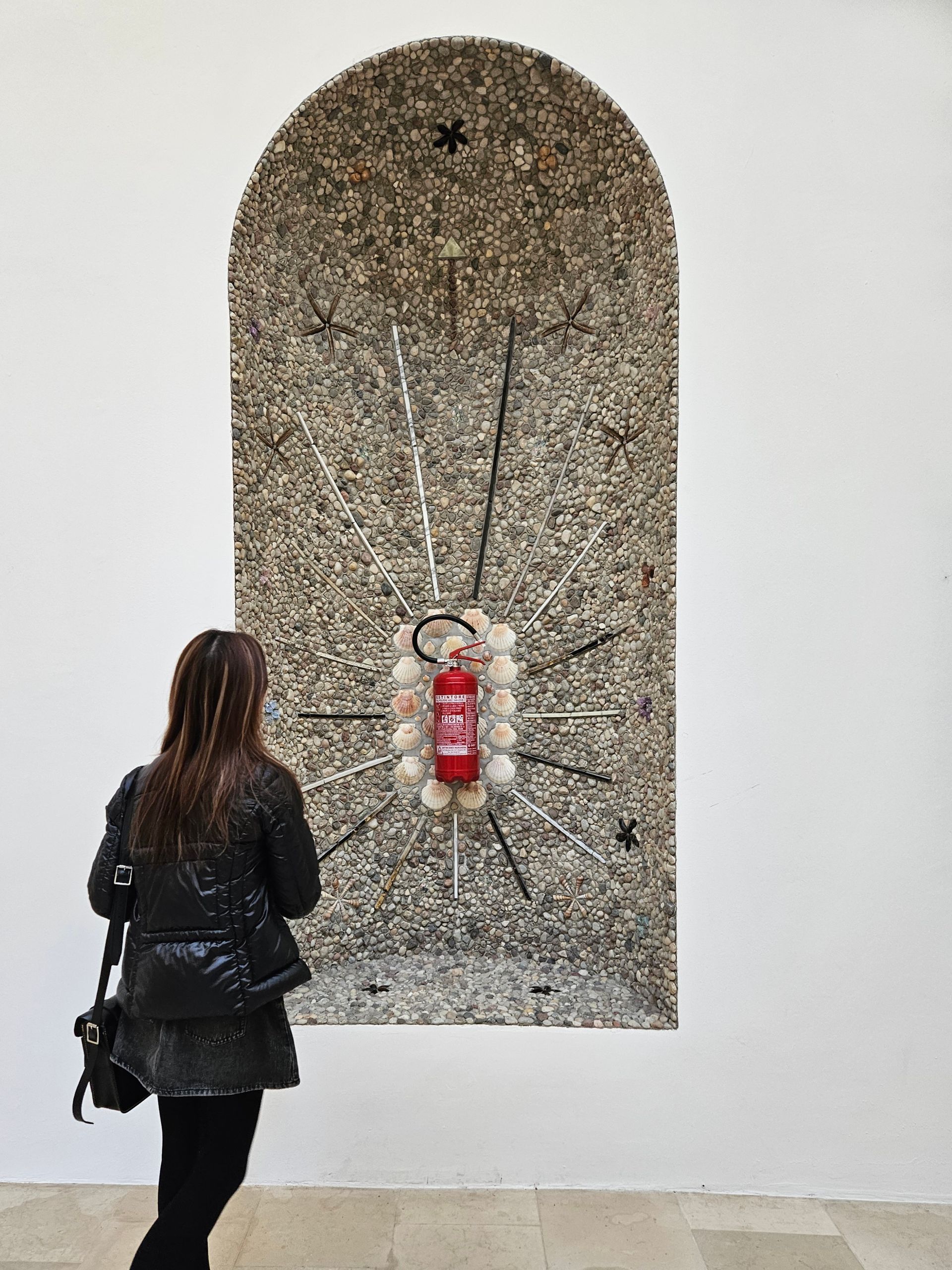
The emergency exit of the pavilion was literally surrounded by 76 (!) signs. I counted them. Of course, there are also lucky coins, a divining rod, and even a fire extinguisher that is presented like a saint.
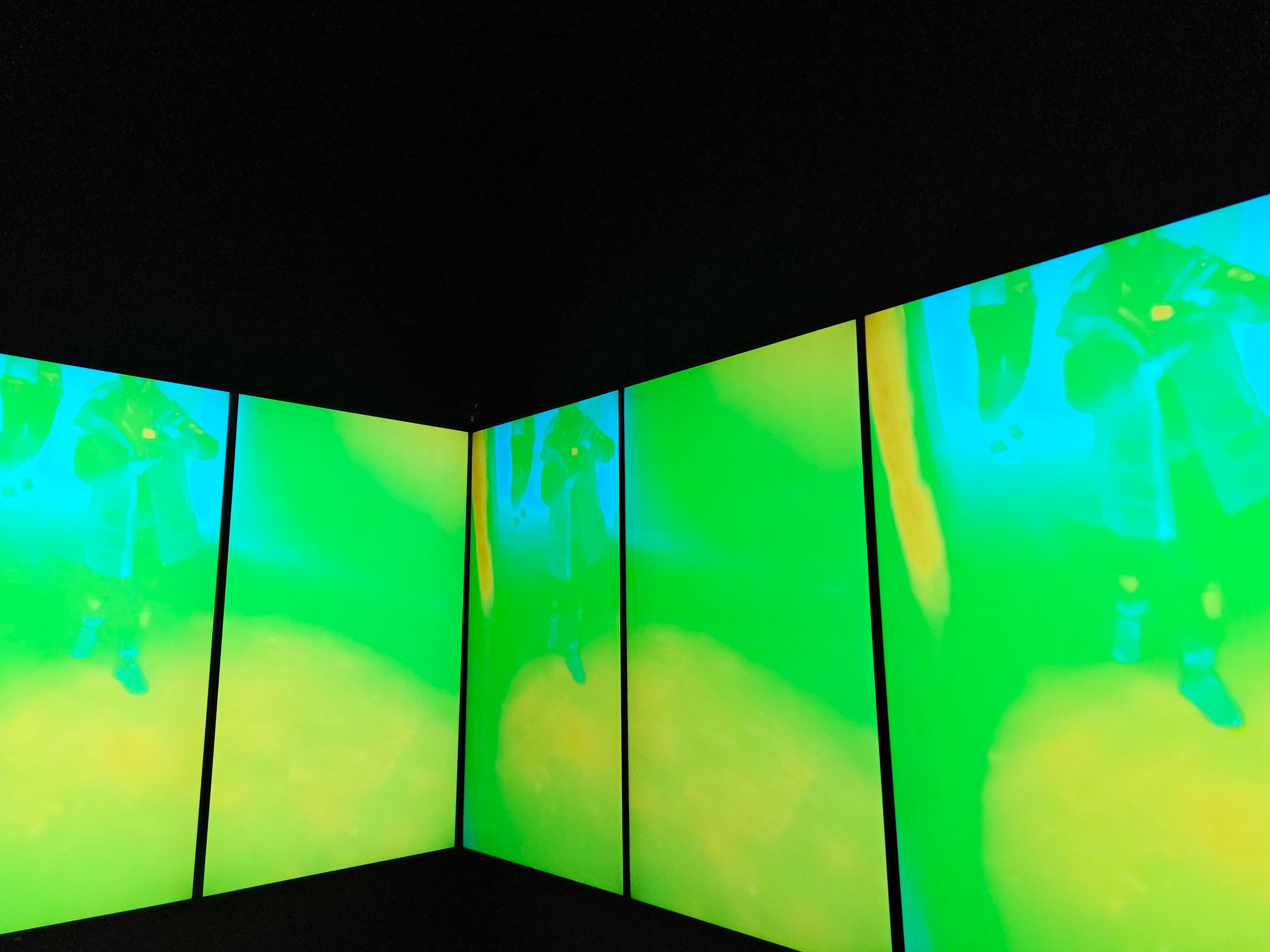
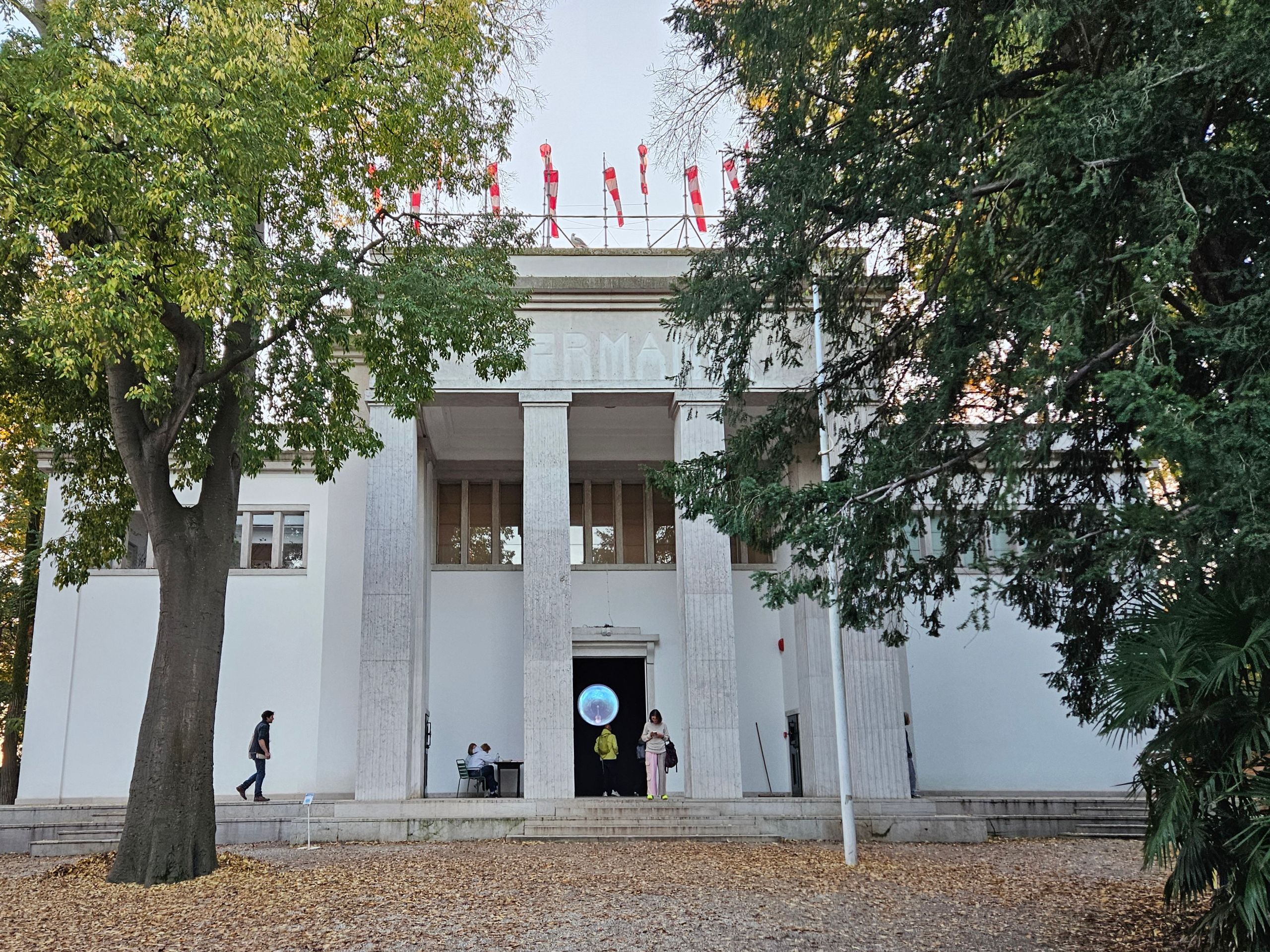
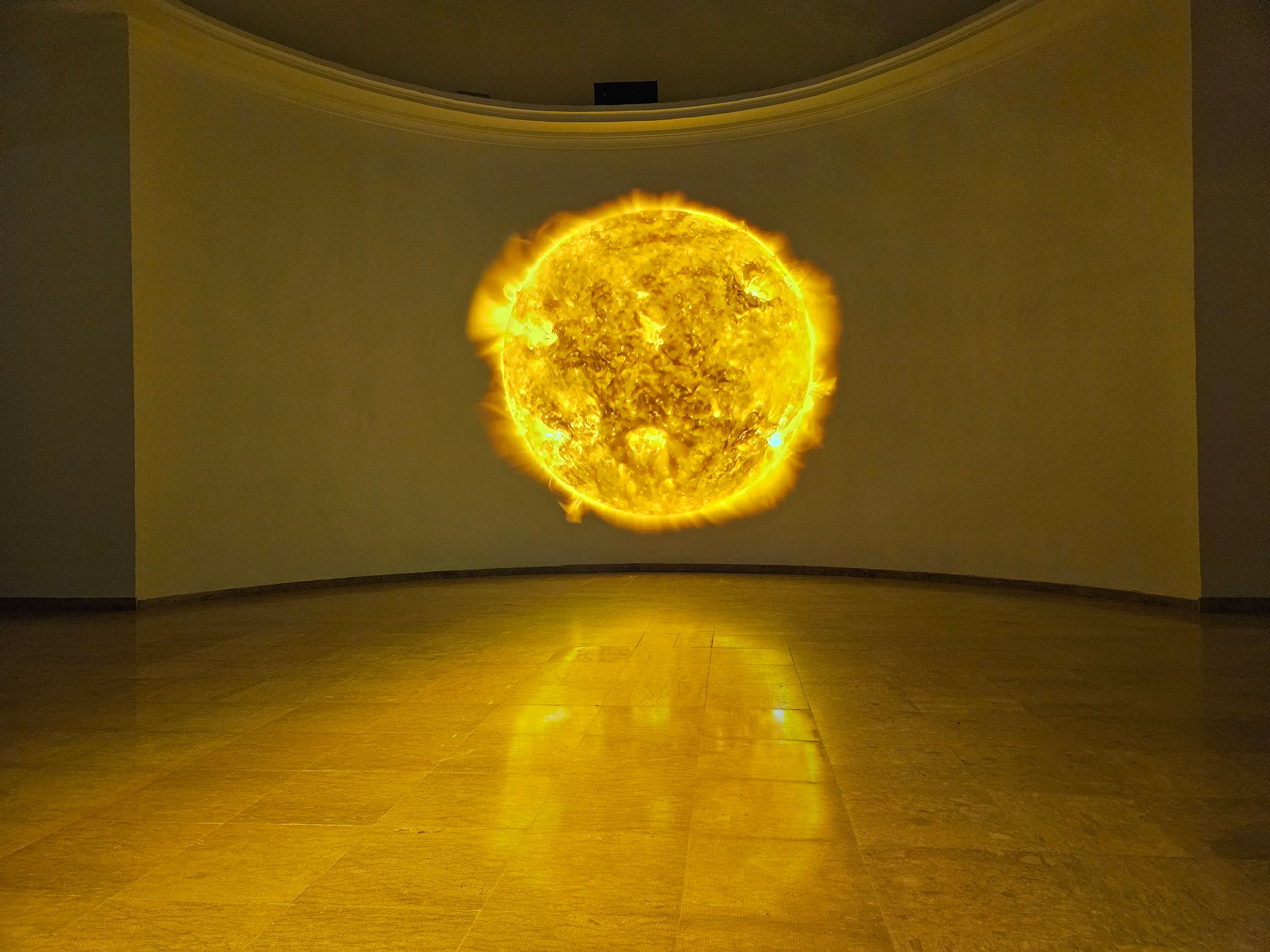
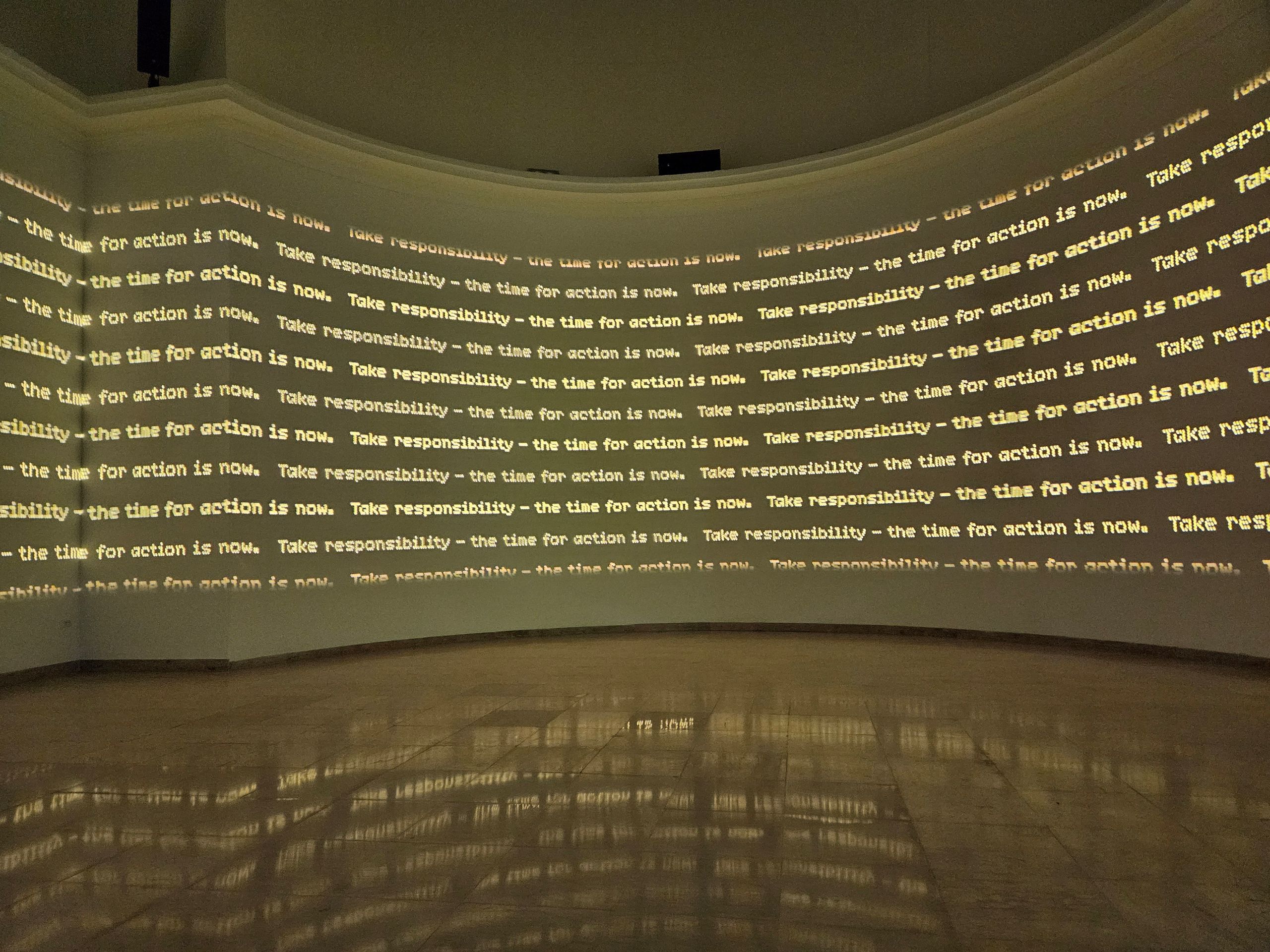
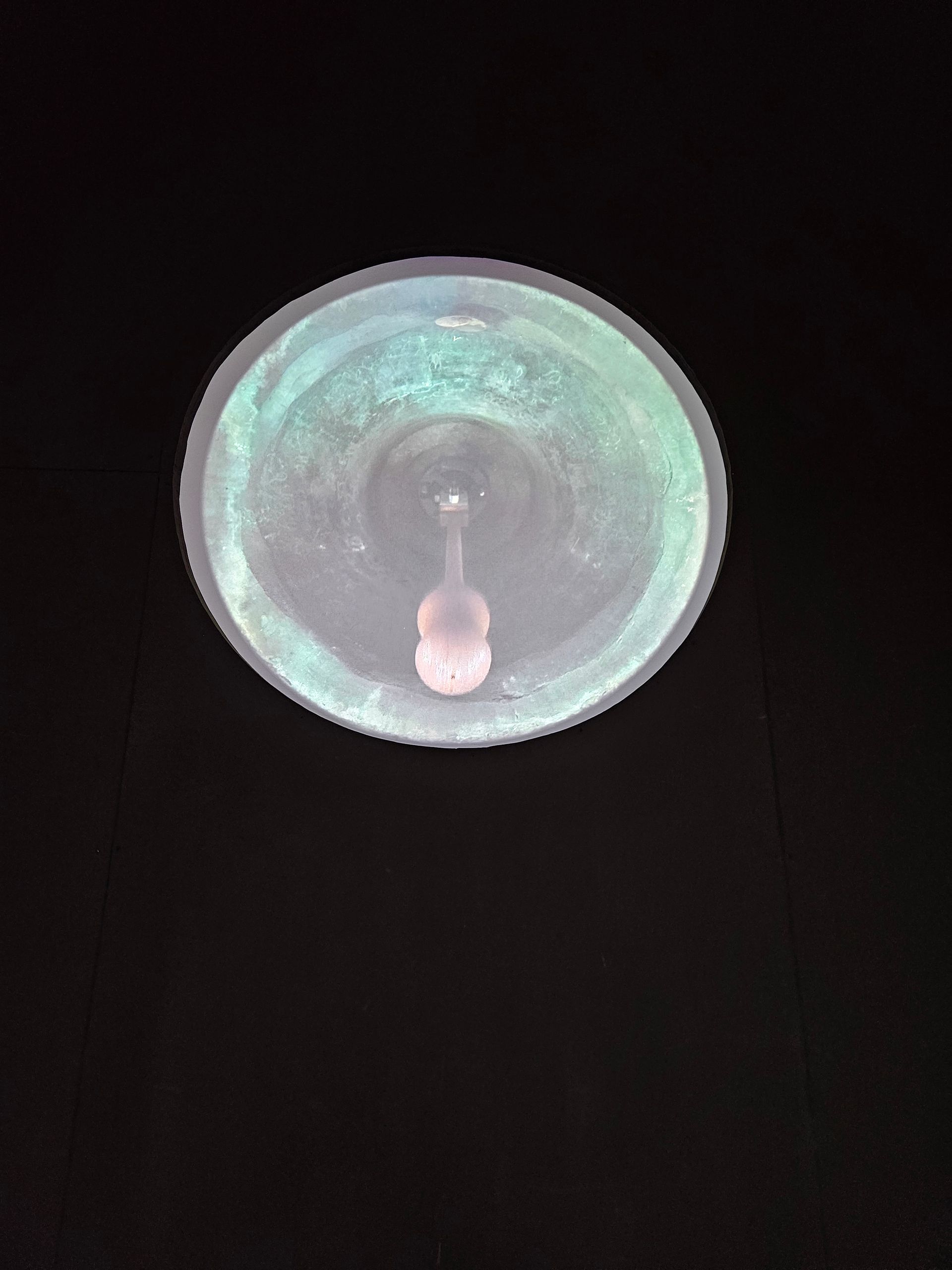
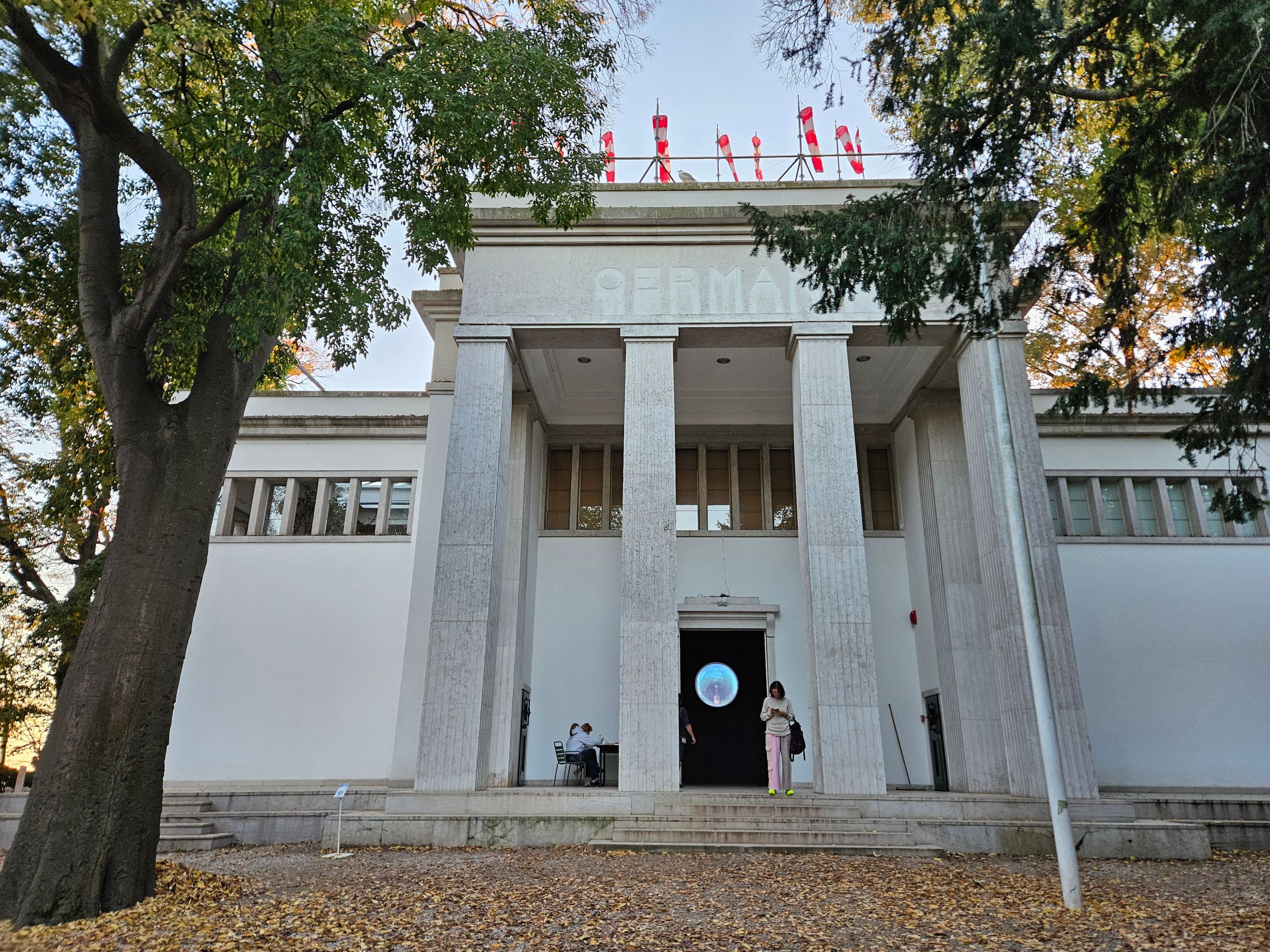
In stark contrast, the German pavilion was very serious and impressive. The building itself was erected in 1909, later adapted, and bears the inscription “Germania,” which reminded me of Nazi architectural fantasies. However, inside, a very current topic dominates: climate change and overheating in built-up cities. Visitors are welcomed by a virtual doomsday bell, a film emphasizes the theme, and a hot room with thermal imaging camera enhances the experience.
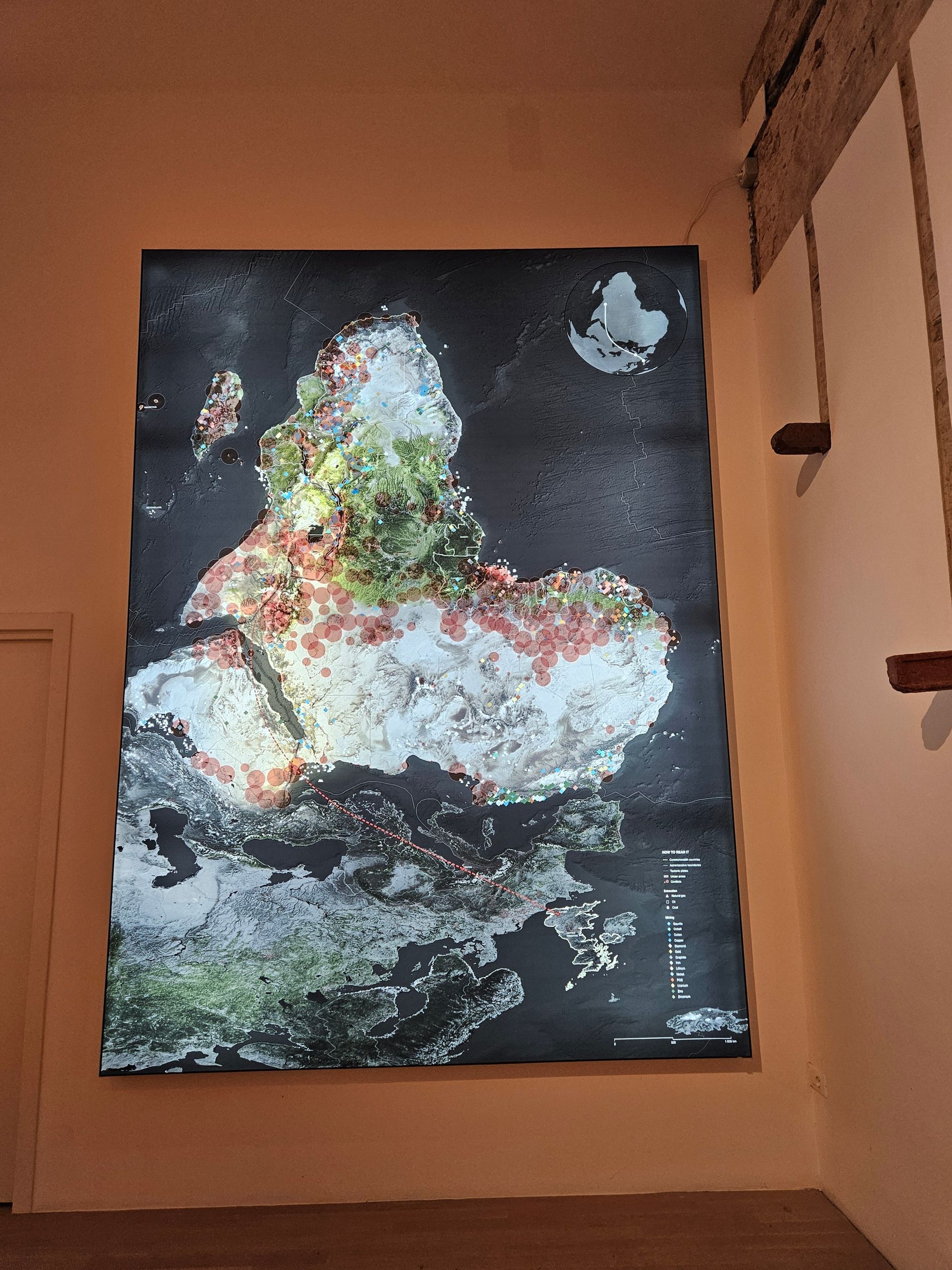
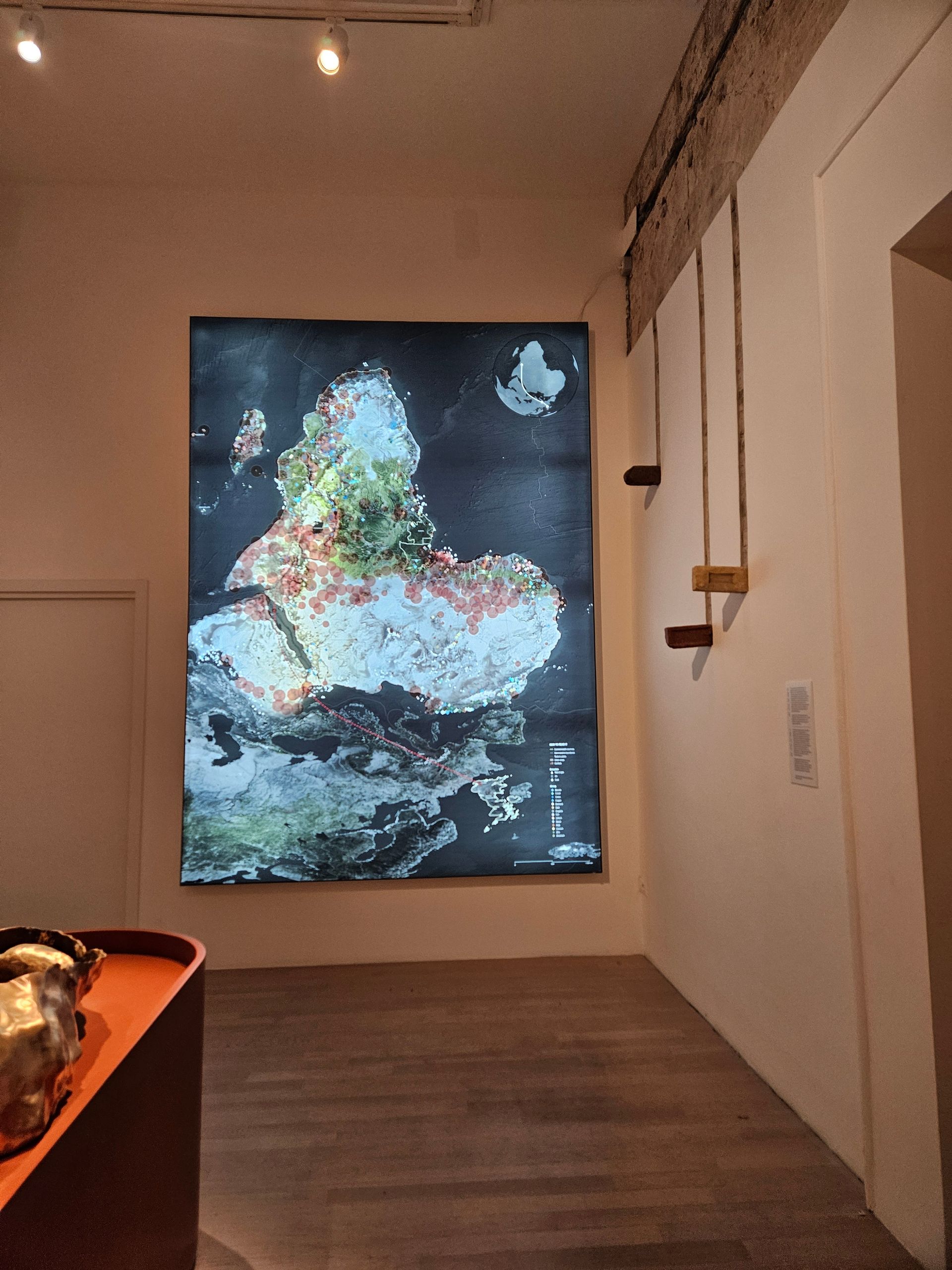
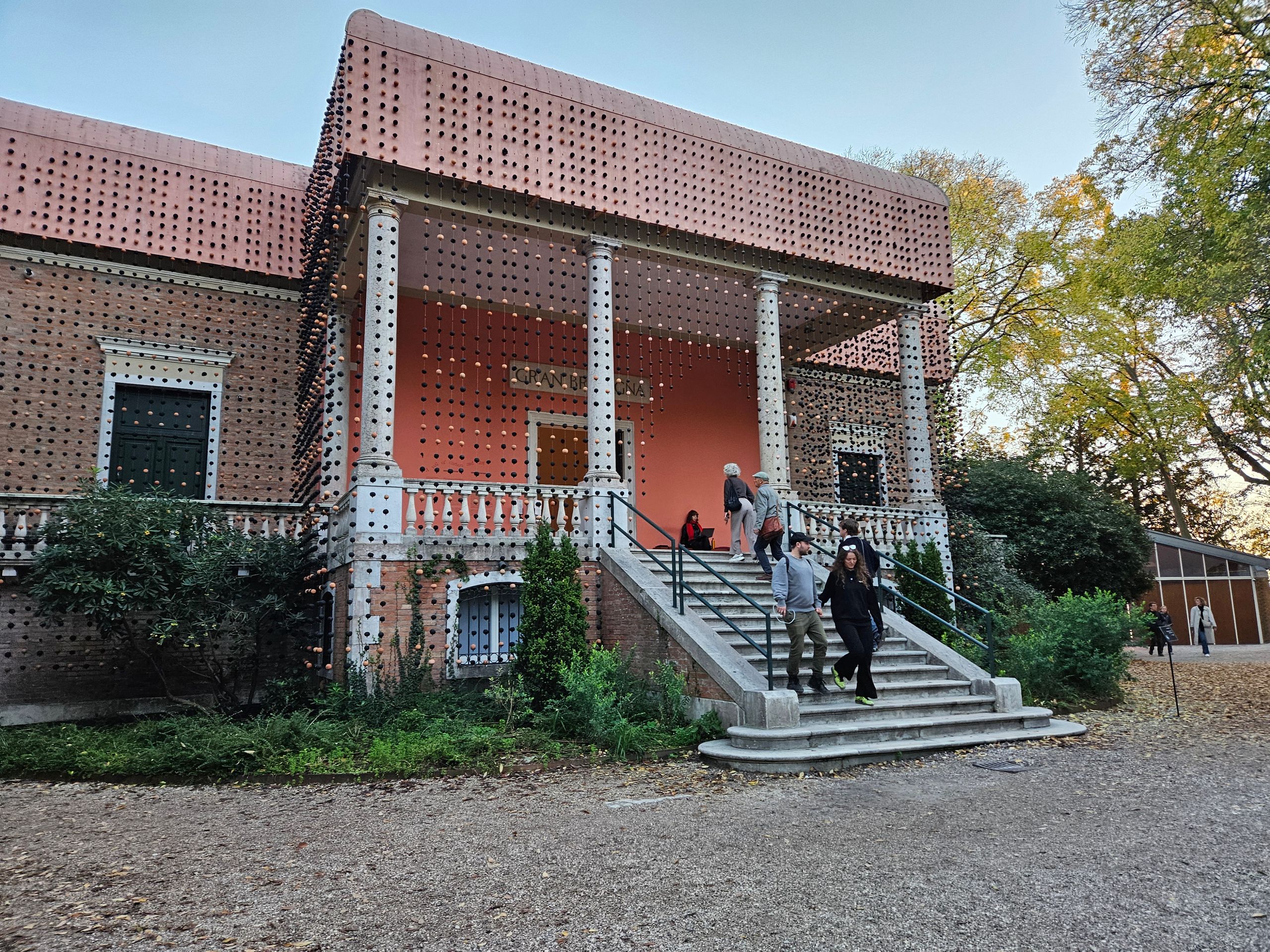
The adjacent British pavilion is equally elaborate and addresses a different difficult issue: The exploitation of natural resources by the former British Empire in Africa. One room displays a map of Africa - upside down, large and central. Below, then, is little Britain. A message that I also understood immediately.
Other interesting pavilions:
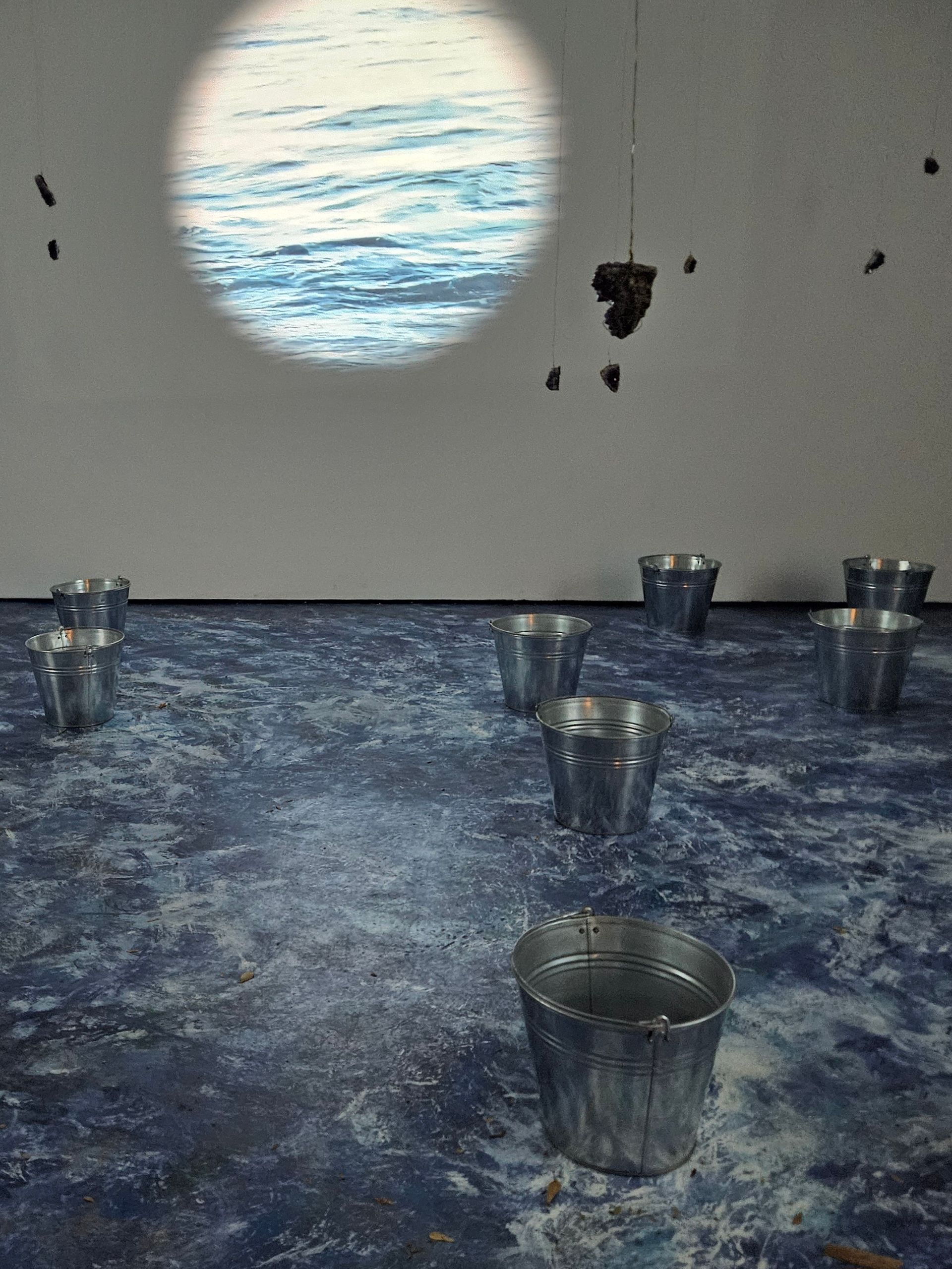
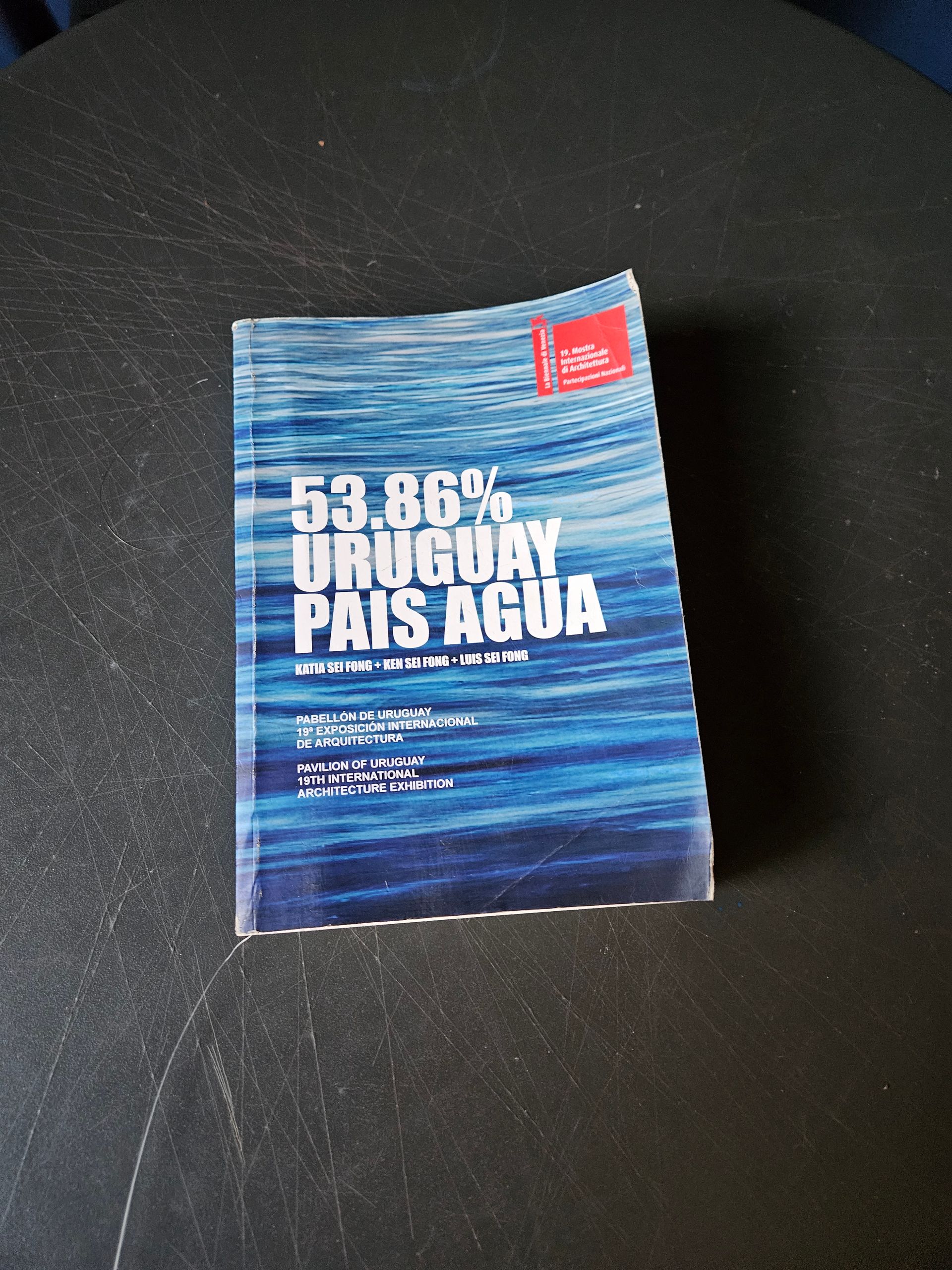
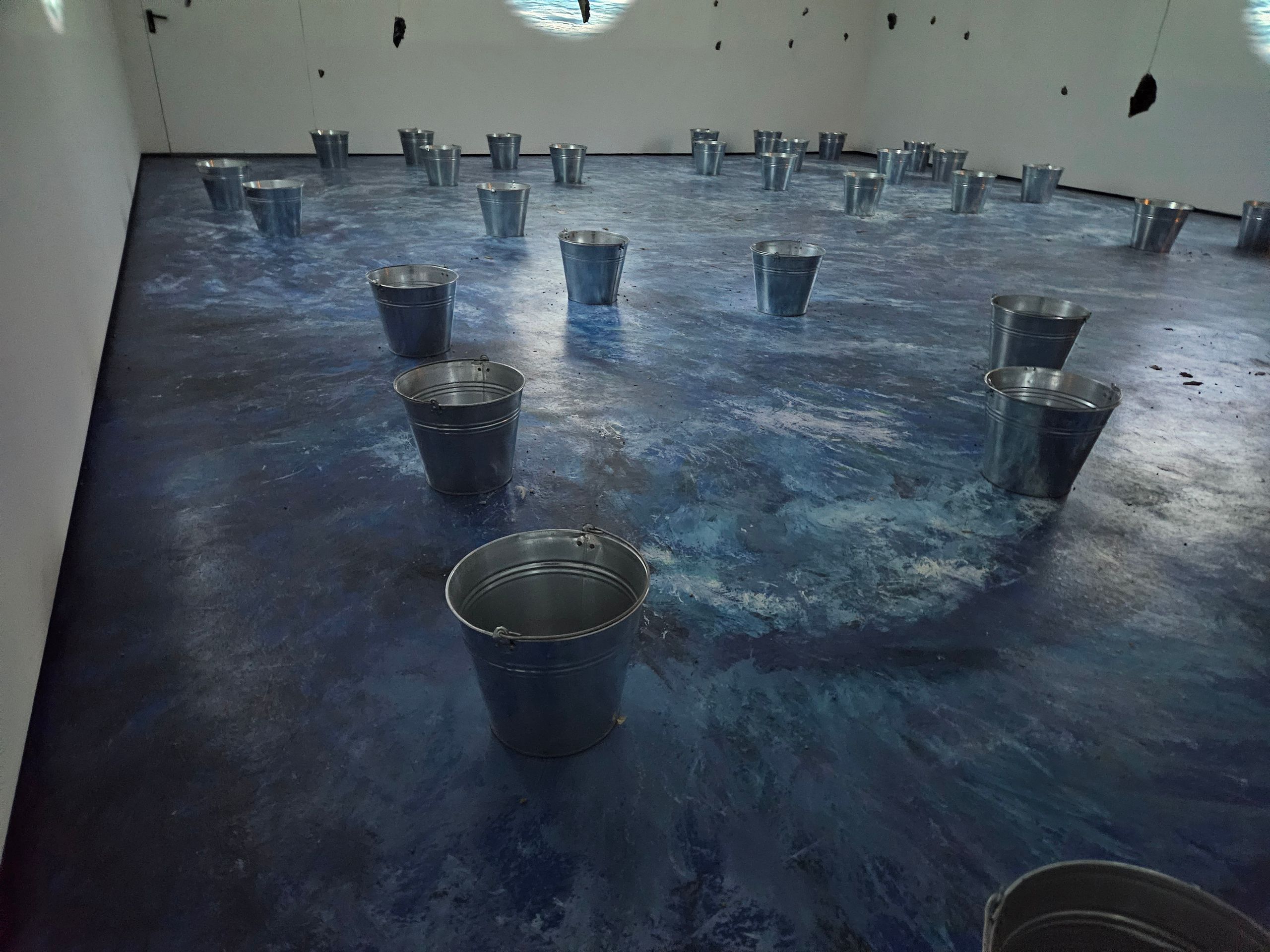
Uruguay: A dark room with buckets addresses the handling of water.
Canada: Growing, semi-natural structures demonstrate the connection between architecture and nature.
Finland: A film shows how a wooden pavilion has been rebuilt since 1956 – despite challenging weather.
And then there’s this pavilion, which I don’t know who represents: Here a cat is part of the work. It is sitting live (!) on the lap of the supervisor while also appearing on a small screen.
I could tell so much more, but that would probably get too long. We were on the premises until sunset, just before 5 PM, and felt a bit sad not to have had more time.
The Architecture Biennale is running until November 23, 2025, by the way. It’s close, I know. But in two years it will return with a new theme.