
Tips for an Unforgettable Tour Through Rammang-Rammang, South Sulawesi
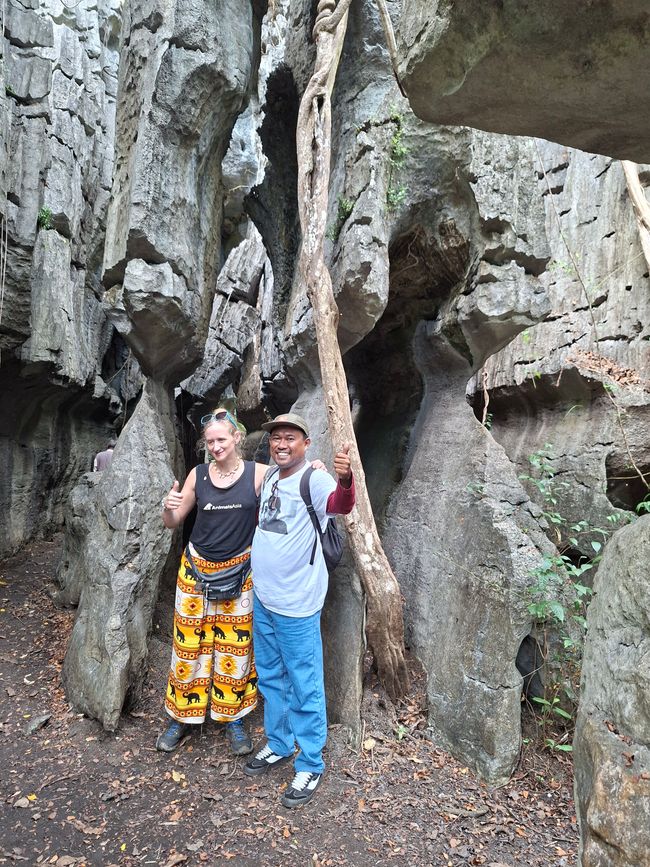
Rammang-Rammang is one of Indonesia's most stunning natural travel destinations and is considered one of the largest karst areas in the world. Located just about 40 kilometers...

Published: 03.07.2026
Deep in the impressive karst region of Kampung Biku in the province of South Sulawesi, Indonesia, lies one of the most significant testimonies of early human history. Here, archaeologists discovered a cave painting that is approximately 45,000 years old and is considered one of the oldest known representational artworks in the world. This extraordinary piece of art provides fascinating insights into the life, culture, and intellectual abilities of the people who lived on the island of Sulawesi tens of thousands of years ago.
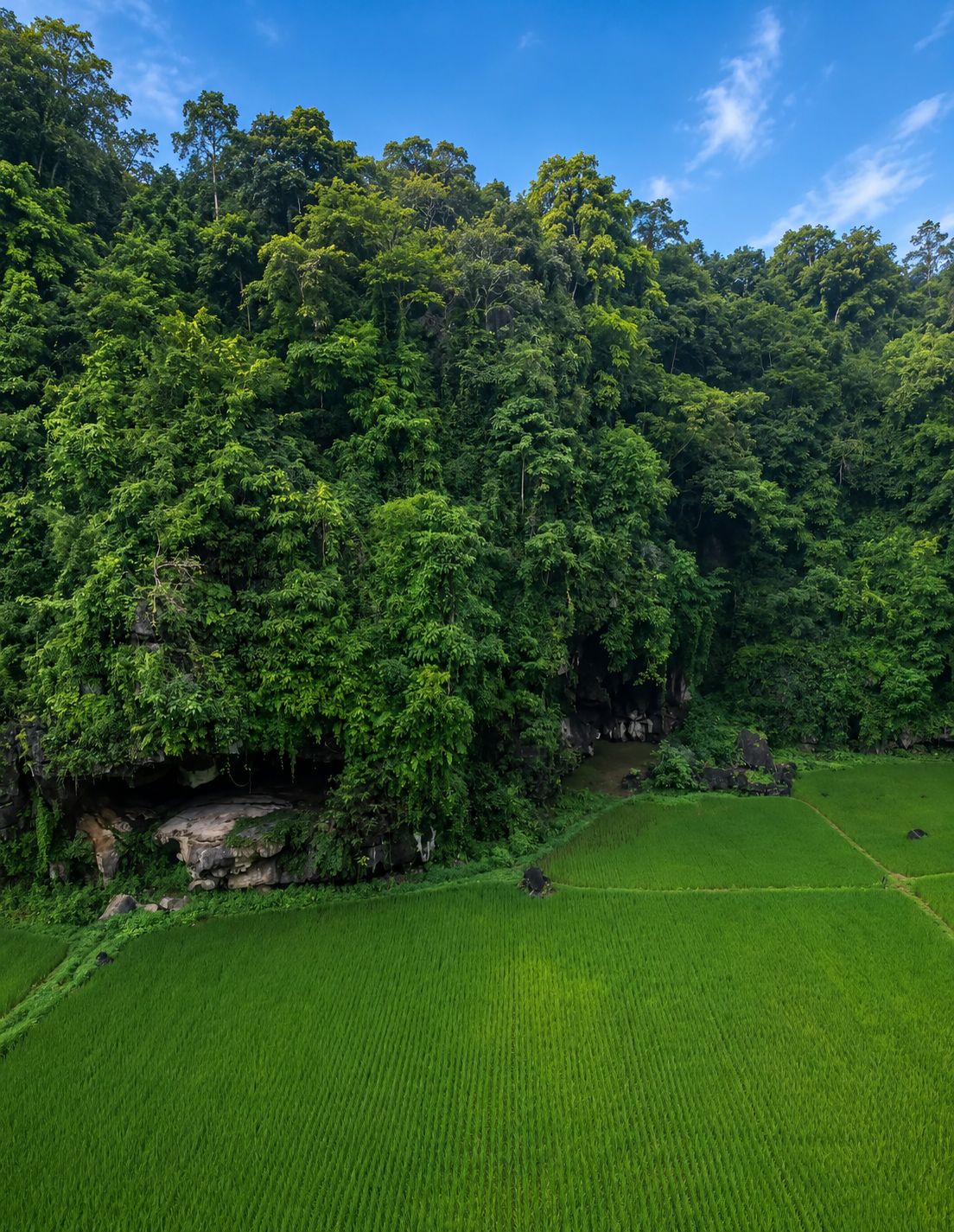
The painting is located in a limestone cave that is part of a vast karst landscape. This region is rich in natural caves, steep limestone cliffs, and tropical forests. For millennia, these caves provided early humans with shelter from the elements and wild animals. At the same time, they served as places for social life and possibly also for religious or ritual activities.
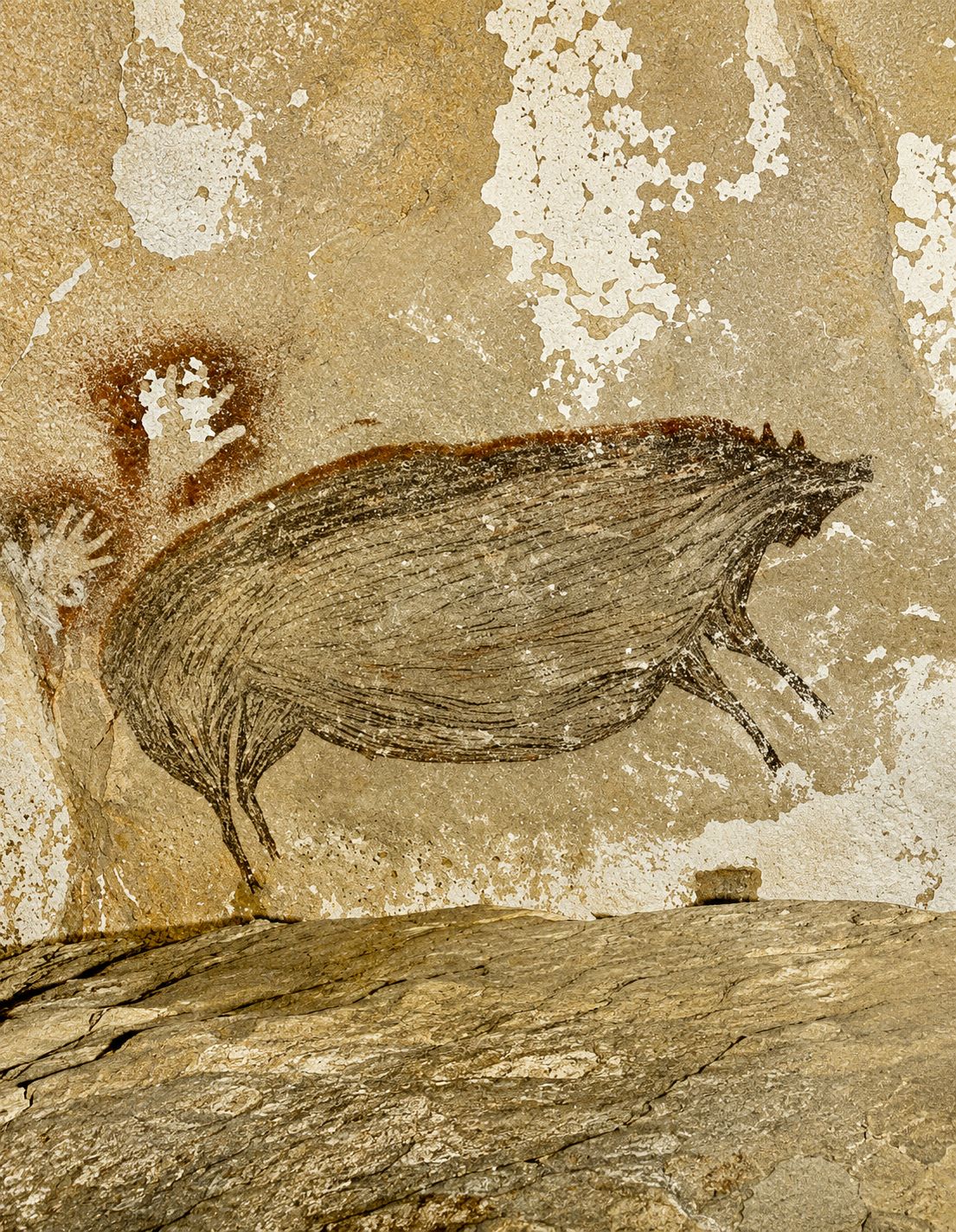
The famous cave painting depicts a Sulawesi warty pig, a species of wild pig endemic to Sulawesi. The animal is painted on the rock wall with red ochre and is remarkably detailed. Particularly striking are the robust physique, the characteristic facial warts, and the natural posture of the animal. Despite its great age, many details are still well preserved today, conveying an impressive impression of the artistic skill of its creators.
The red pigment used comes from natural ochre, an iron-rich mineral that has been used as a color pigment worldwide since the Paleolithic era. The production of such pigments required knowledge of suitable materials and their processing. This shows that the people of that time were not only skilled hunters and gatherers but also possessed remarkable technical and artistic abilities.
The dating of the painting was accomplished using modern scientific methods. Researchers examined calcareous deposits that had formed over parts of the painting. Using uranium-thorium dating, it was determined that these deposits are at least 45,000 years old. Since the image had to exist before the calcareous layer formed, this results in a minimum age of about 45,000 years. This discovery significantly altered the existing understanding of the origins of art.
For a long time, scientists believed that the oldest representational artworks were exclusively created in Europe. However, the cave paintings of Sulawesi clearly show that symbolic thinking and artistic expression developed very early in Southeast Asia as well. This has given Indonesia a prominent place in the global prehistoric research.
The South Sulawesi region has an extraordinary concentration of prehistoric sites. In numerous caves, along with animal depictions, hand negatives have also been discovered. These were created by people placing their hands against the rock wall and spraying color pigments over them. The resulting silhouettes are among the most impressive symbols of human creativity and uniquely connect us with people who lived tens of thousands of years ago.
Many archaeologists suspect that the creators of these artworks were members of the so-called Toalean culture or their predecessors. However, the Toalean culture developed significantly later, which suggests that the 45,000-year-old painting was probably made by earlier hunter-gatherer groups. These people lived in close connection with nature, hunted wild pigs, deer, and other animals, gathered edible plants, and used the caves as living and meeting places.
The Sulawesi warty pig likely played a significant role in the daily lives of these communities. It served as an important food source and may have also held symbolic or spiritual significance. The careful depiction of the animal suggests that it was much more than just game. It may have represented strength, fertility, or success in hunting.
The discovery of the cave painting brought international attention to Kampung Biku. Scientists from many countries visit the region to further investigate the development of early human cultures. Modern technologies such as 3D scanning, high-resolution photography, and geochemical analyses now allow for a particularly gentle exploration of the sensitive artworks.
At the same time, awareness for the protection of this unique cultural heritage is growing. Climatic changes, humidity, biological deposits, and human influences can damage the delicate paintings in the long term. Therefore, archaeologists, authorities, and local communities work closely together to preserve the caves for future generations.
For visitors, Kampung Biku offers not only archaeological treasures but also an impressive natural landscape. Massive limestone formations, dense tropical vegetation, and an extraordinary diversity of species make the region a fascinating travel destination. Those who explore this landscape get a sense of what South Sulawesi might have looked like tens of thousands of years ago.
The cave art of Kampung Biku reminds us that creativity is a fundamental part of being human. Even 45,000 years ago, people had the ability to observe their environment, depict animals realistically, and permanently record their thoughts on rock walls. These artworks are not just archaeological finds but also messages from a long-past time.
Today, the pig painting of Kampung Biku is considered one of the most significant examples of prehistoric art in the world. It broadens our understanding of human evolution and shows that artistic thinking developed independently in different regions of the earth. Indonesia, especially South Sulawesi, thus occupies a firm place in the history of early art.
For anyone interested in archaeology, history, or the origins of human creativity, Kampung Biku is an extraordinary place. The 45,000-year-old cave painting uniquely combines science, nature, and culture, reminding us that the ability to create art was already one of the most important features of modern humans. It is an invaluable heritage of humanity and a symbol of the timeless creativity of our ancestors.