


norssken
vakantio.de/norssken
Havila 1- 15 September 2024
Published: 09.01.2025




Worth seeing
Oslo
Oslo, Norway
Stroll
Oslo Central Station → Hotel near Oslo Central Station
Oslo, Norway
Tour
Hop on Hop Bus tour of Oslo
Tour
Worth seeing
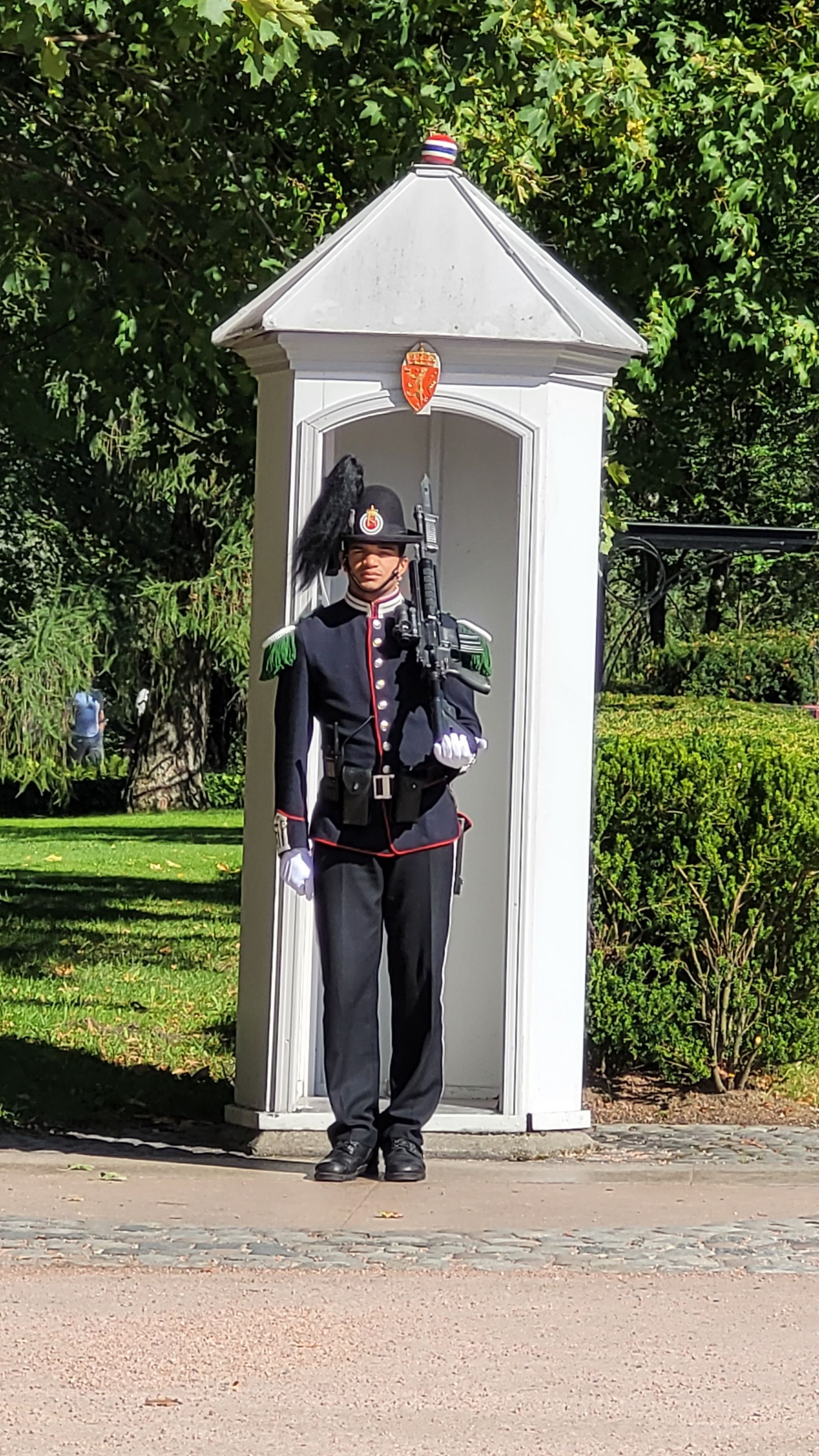
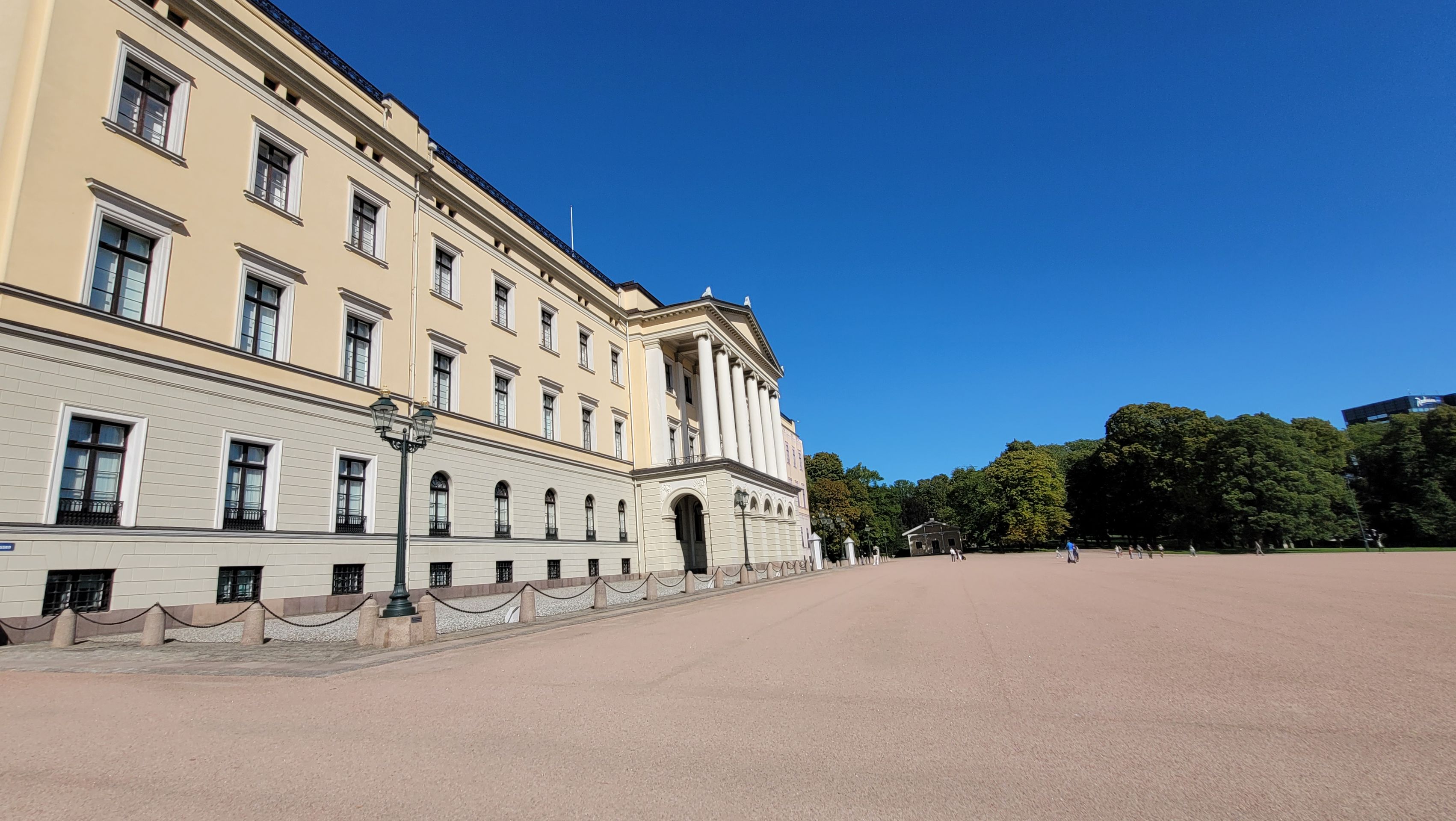
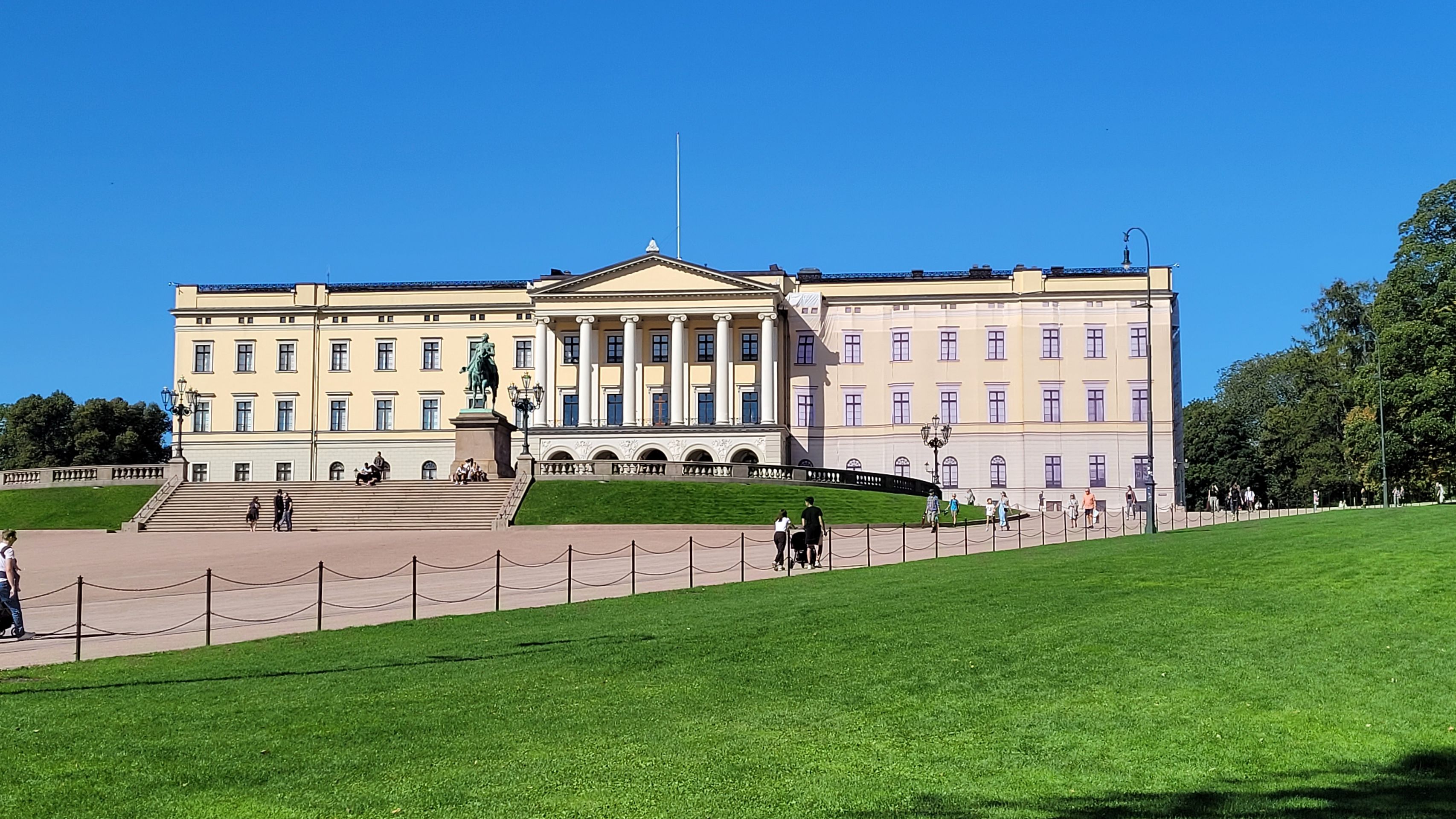
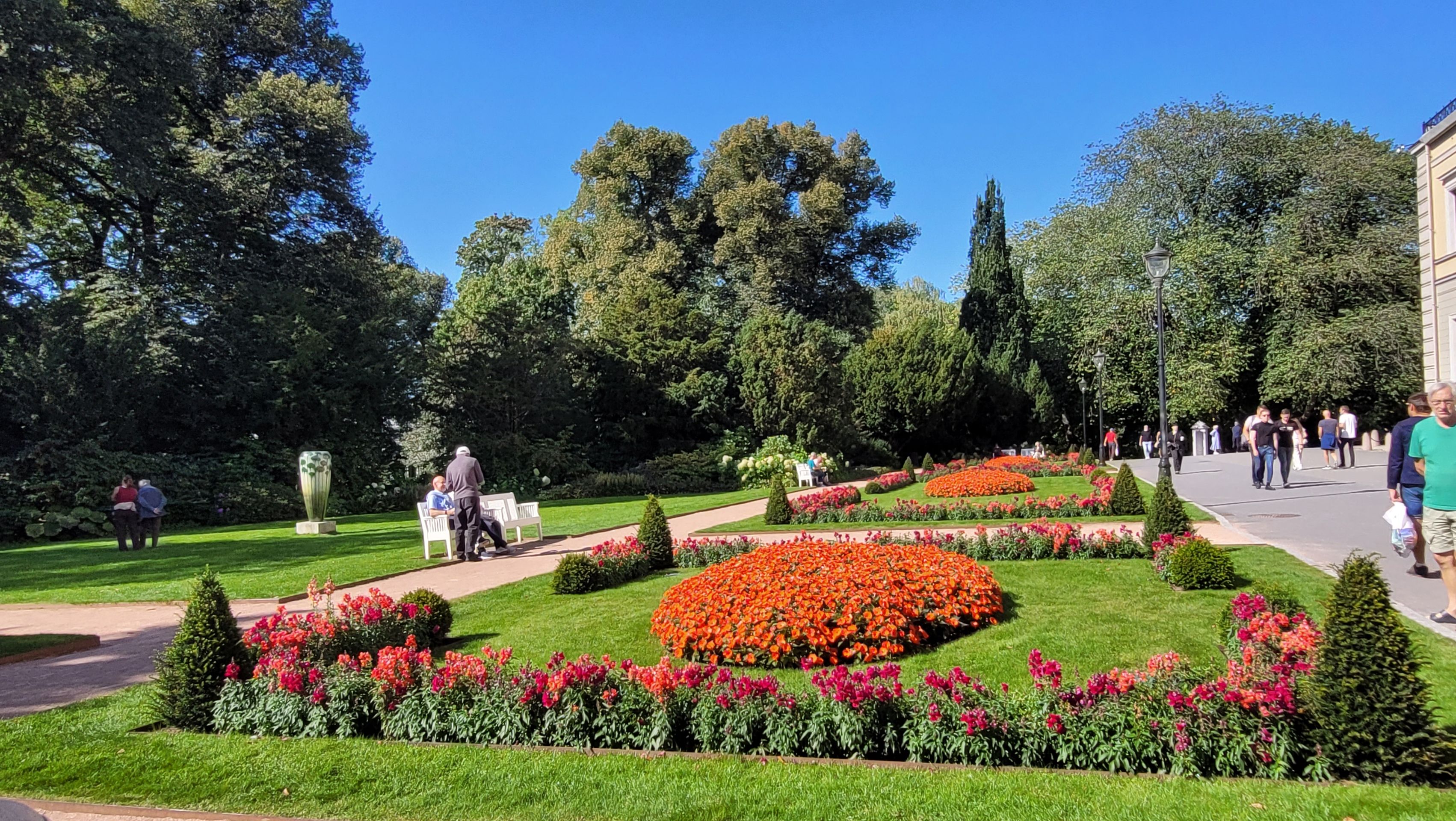
Königliches Schloss
Oslo, Norway
Park
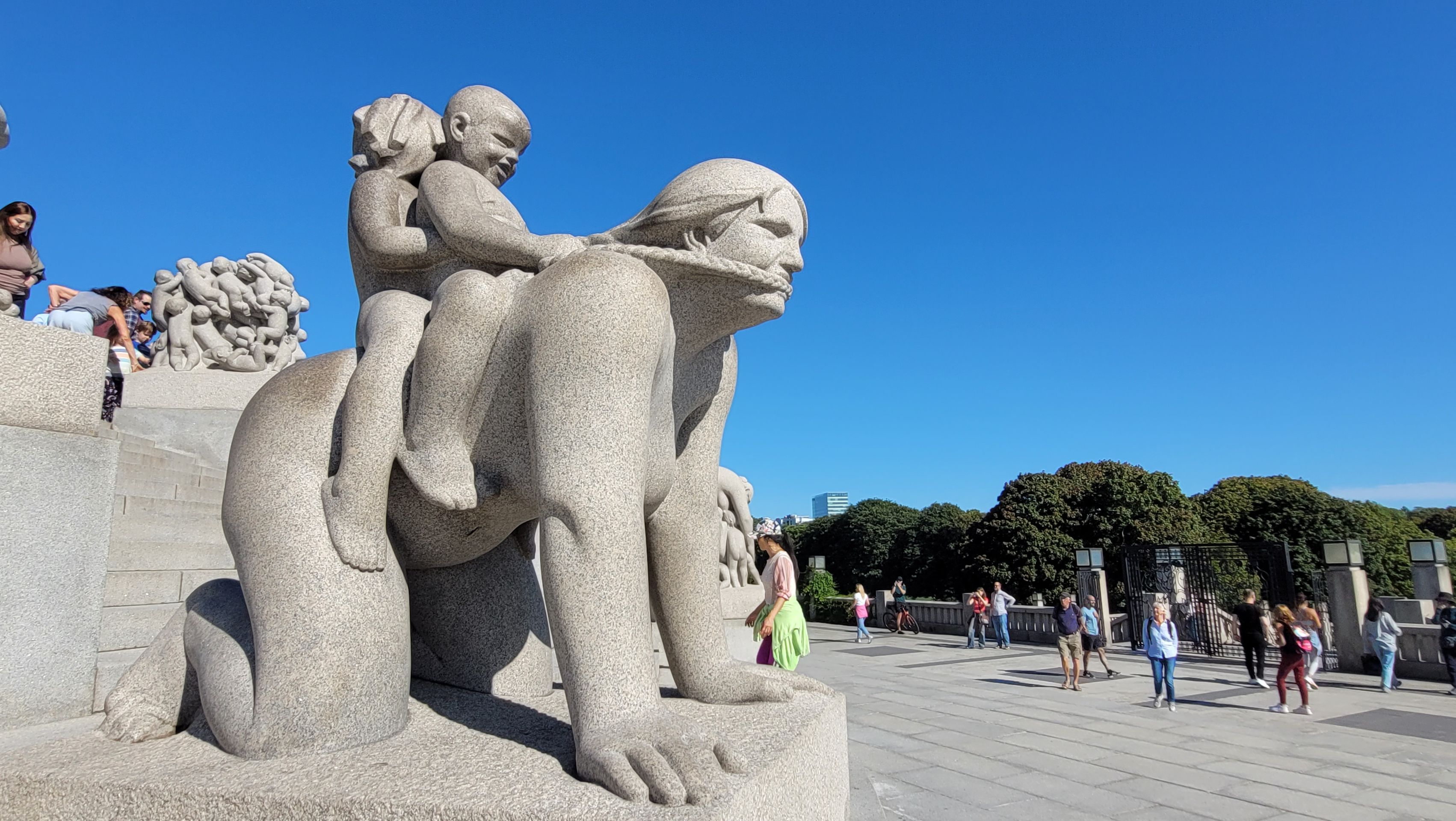
Vigeland Park
Oslo, Norway
Worth seeing
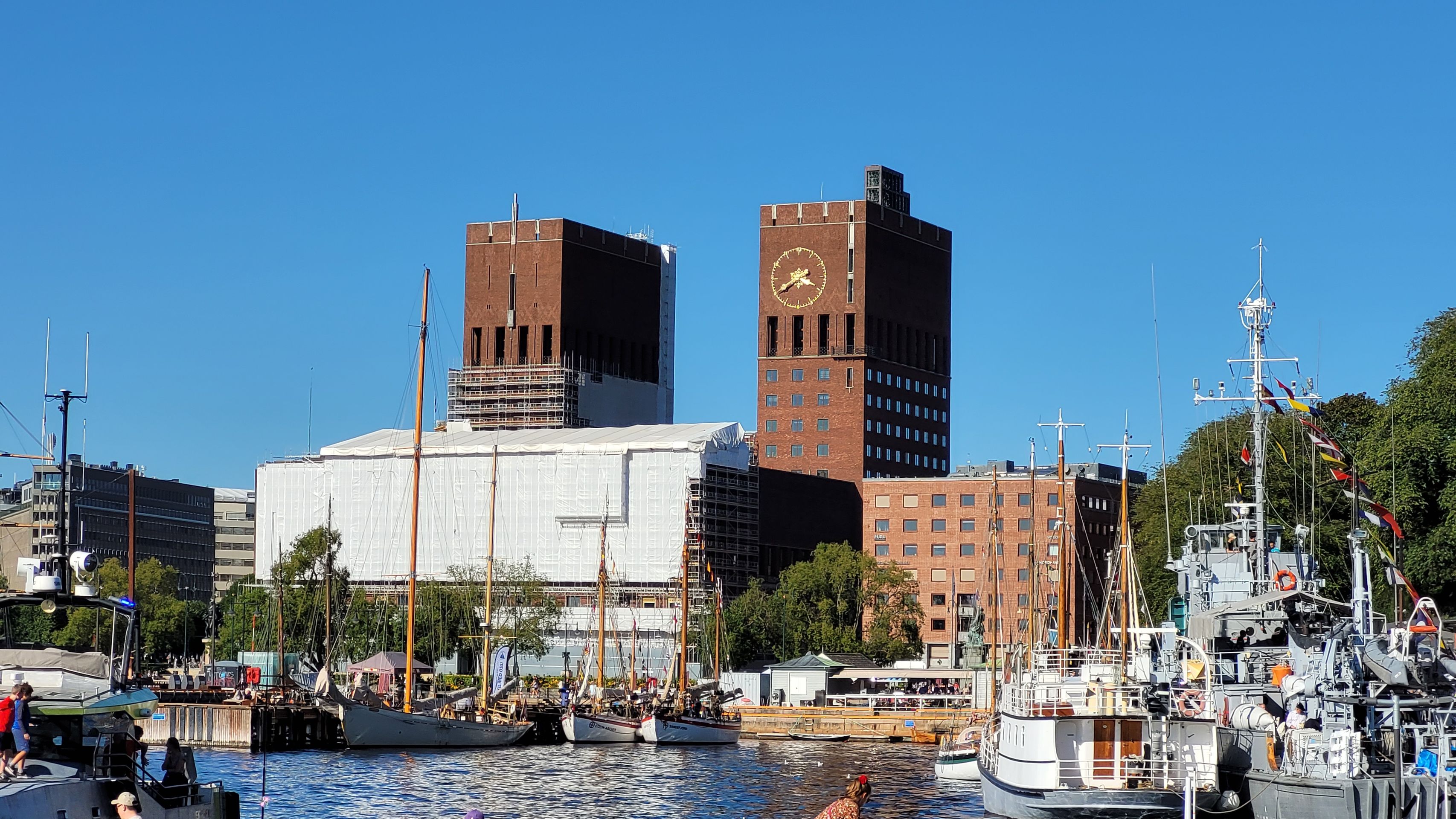
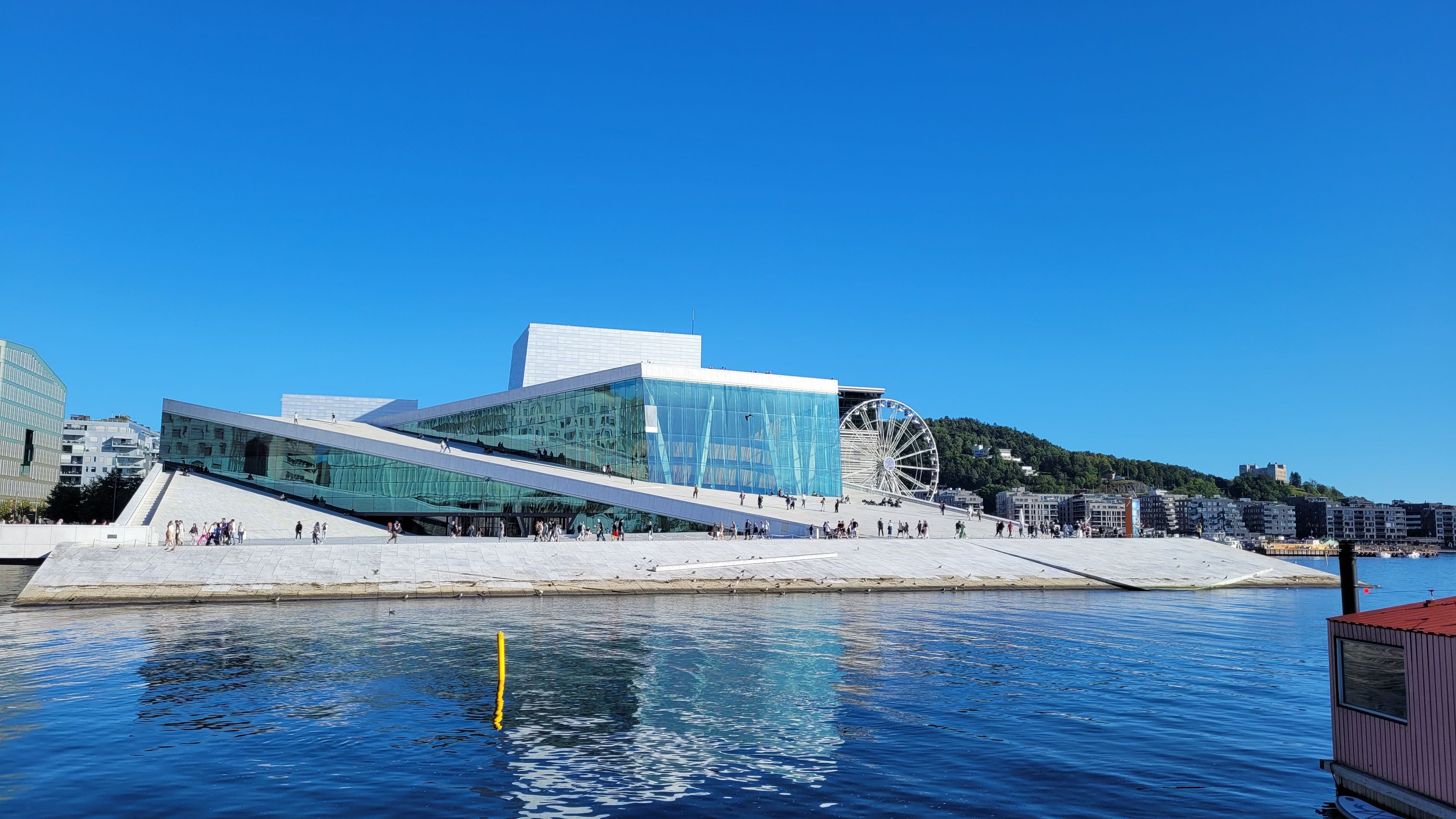
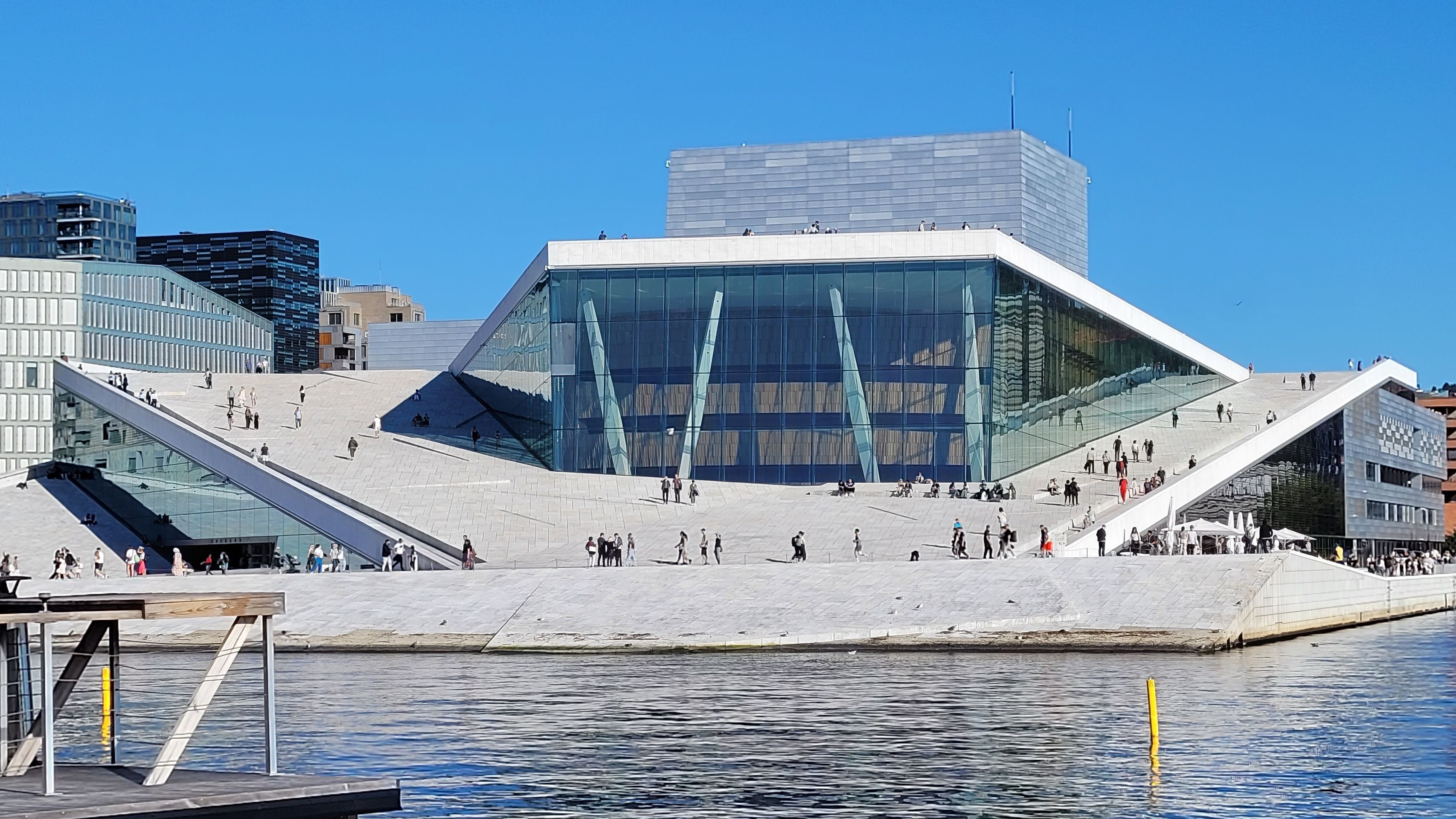
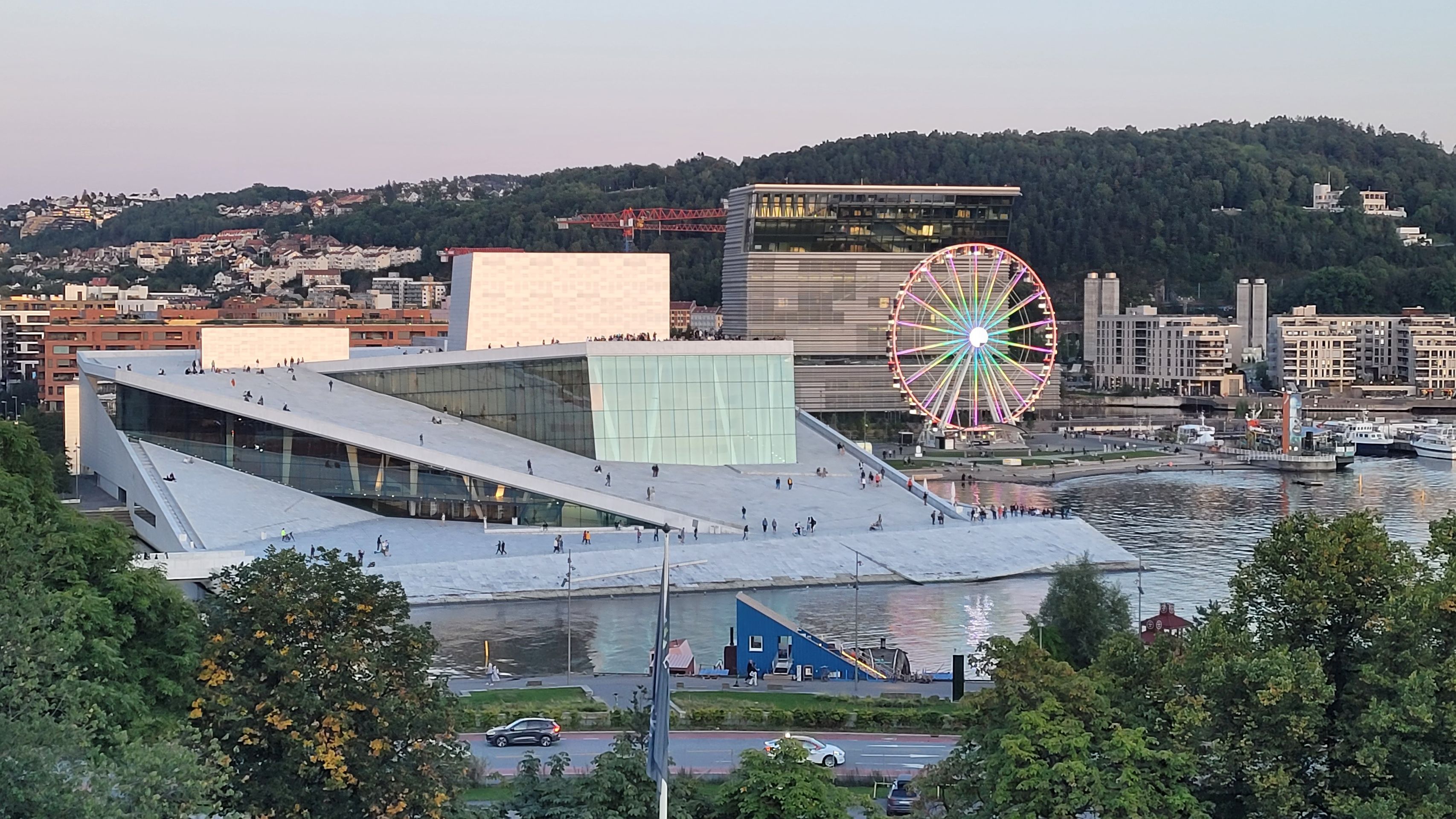
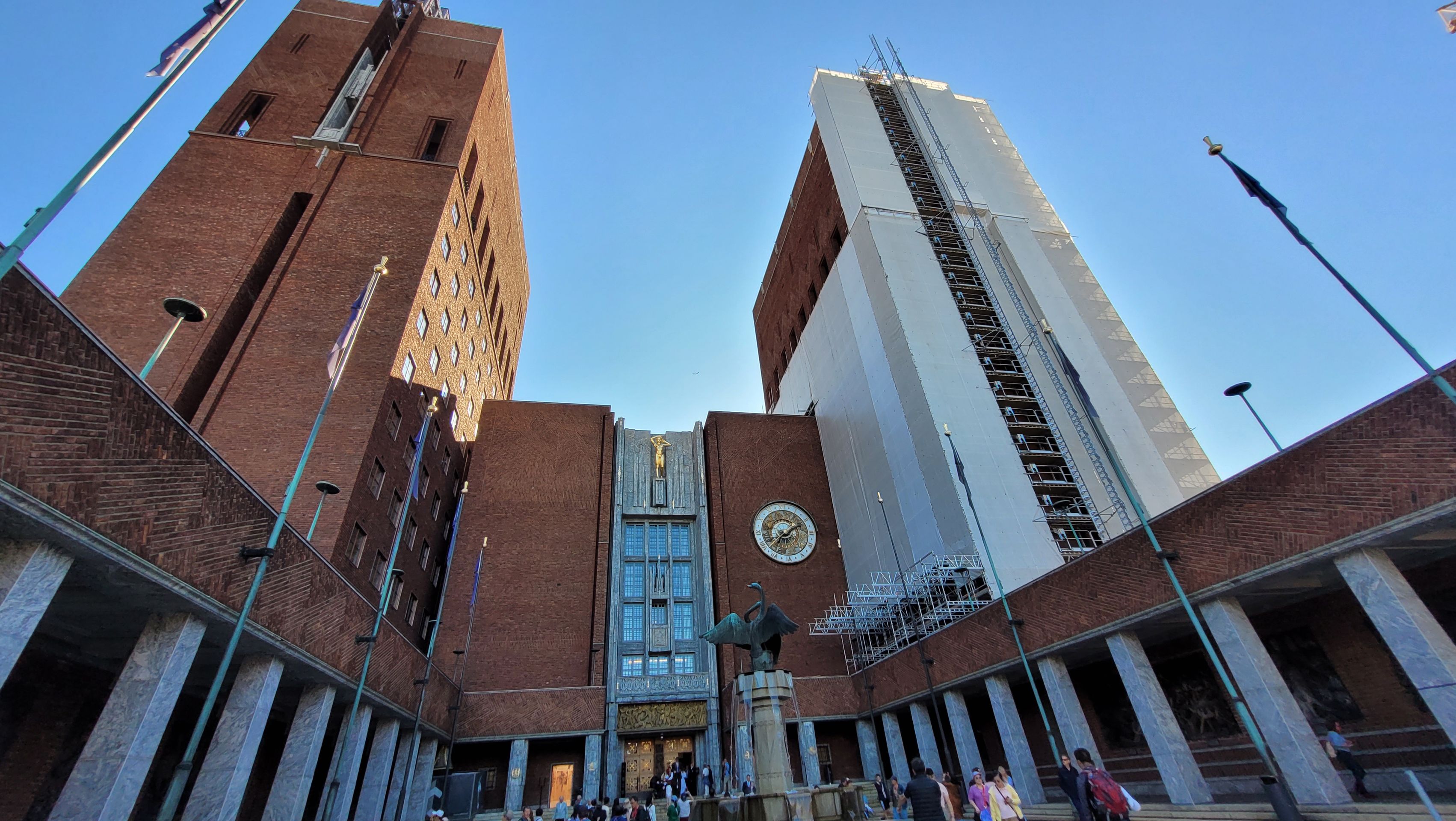
Oslo harbor with City Hall and the Opera
Oslo, Norway
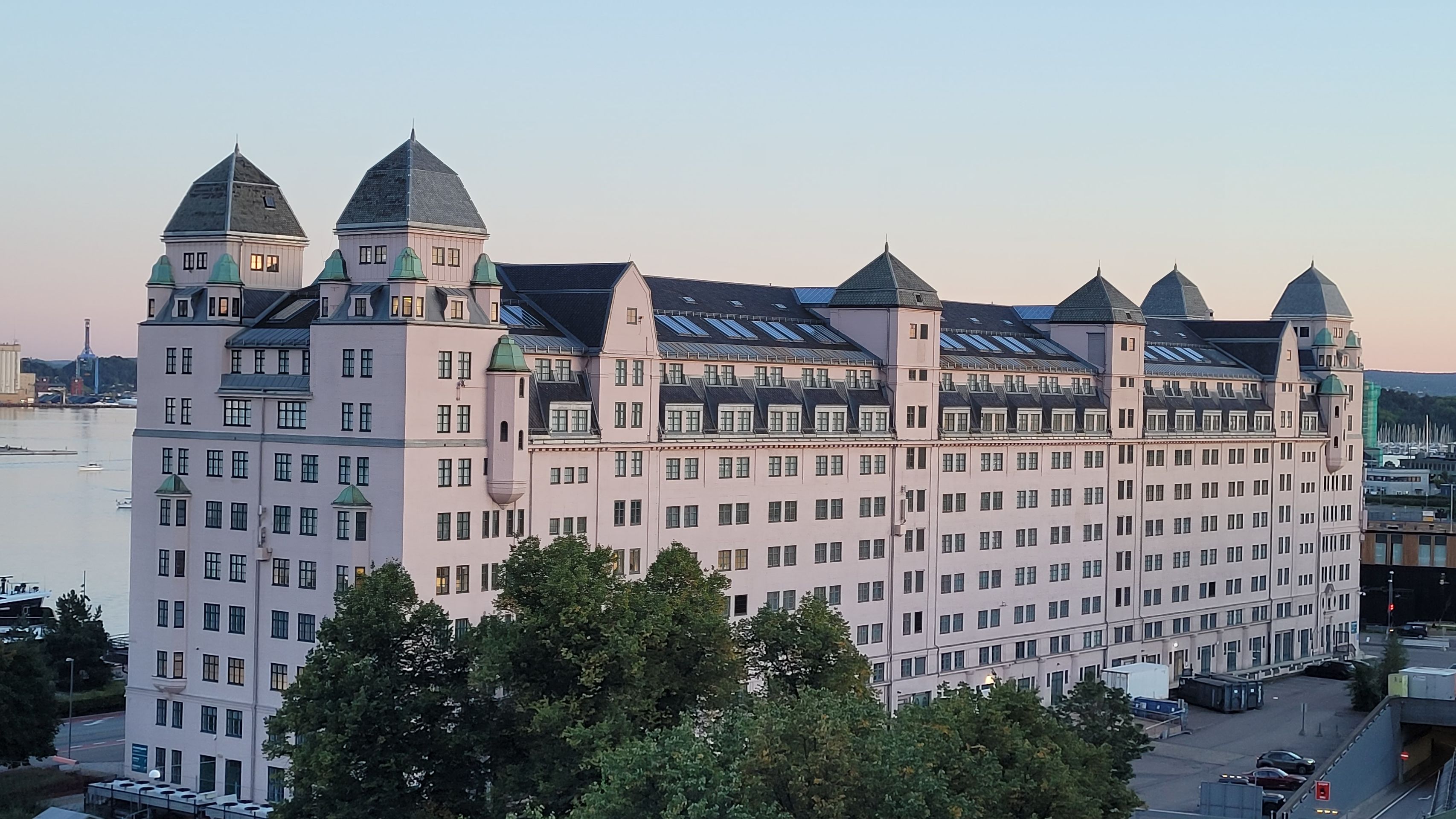
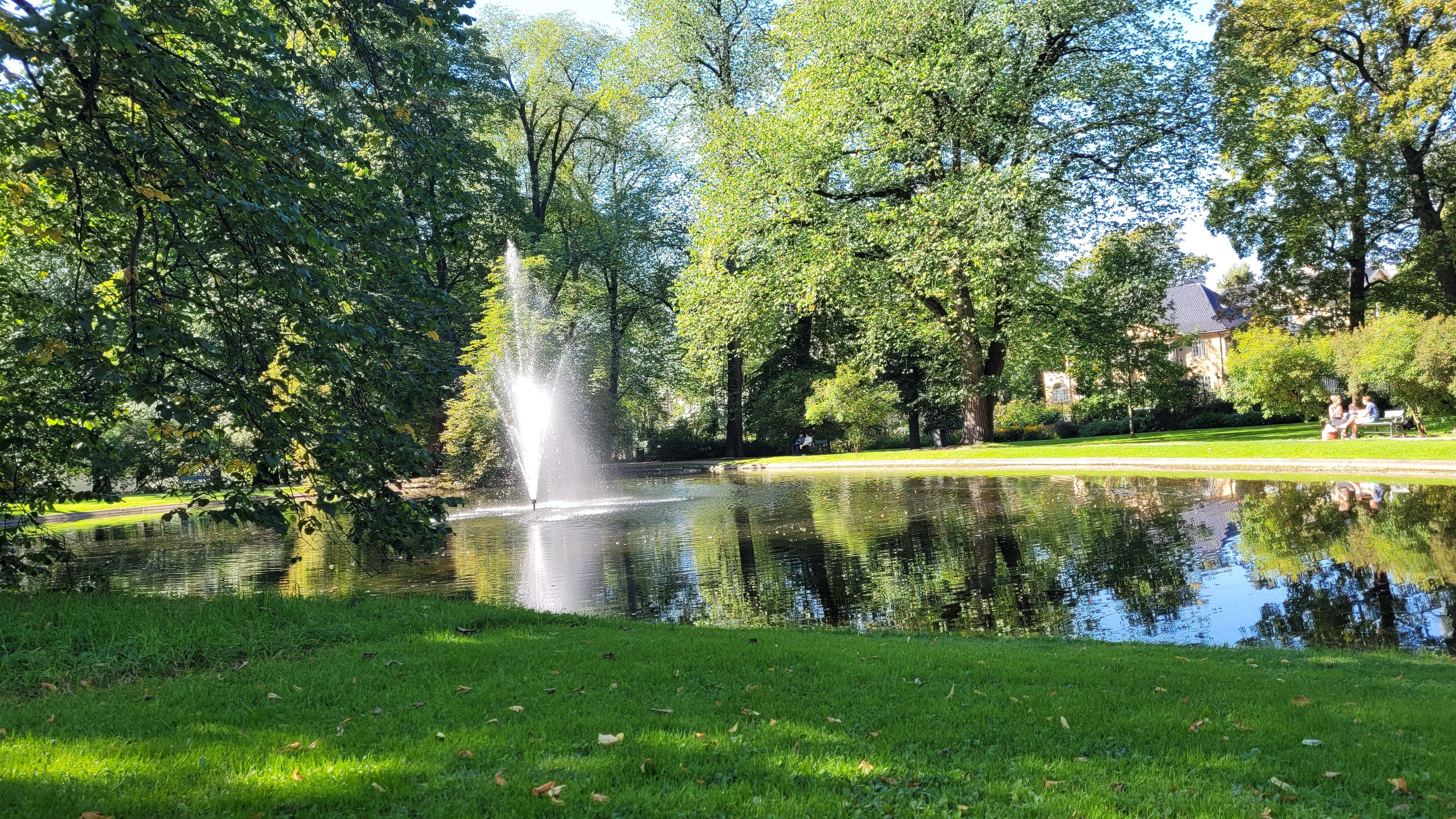
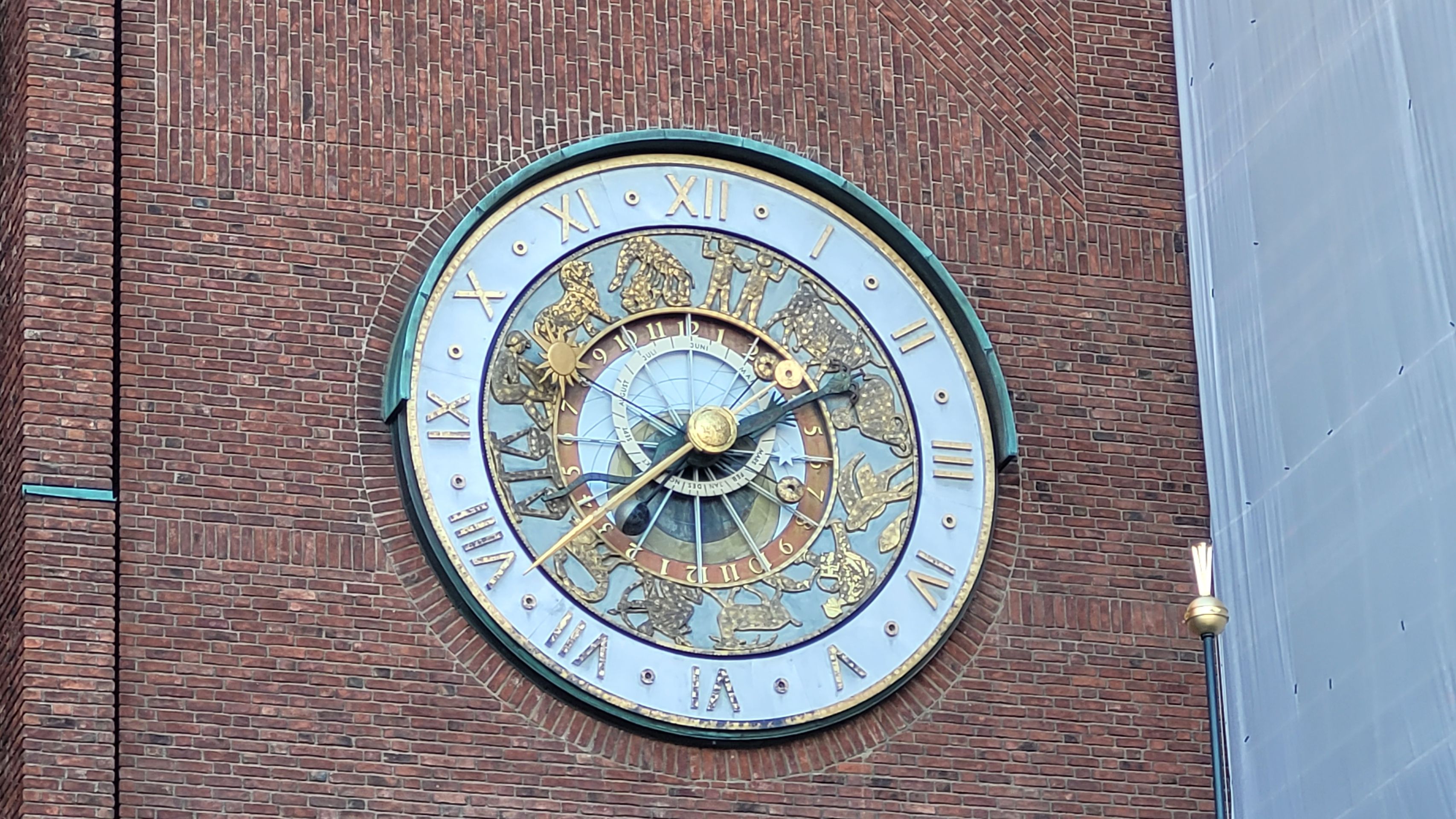
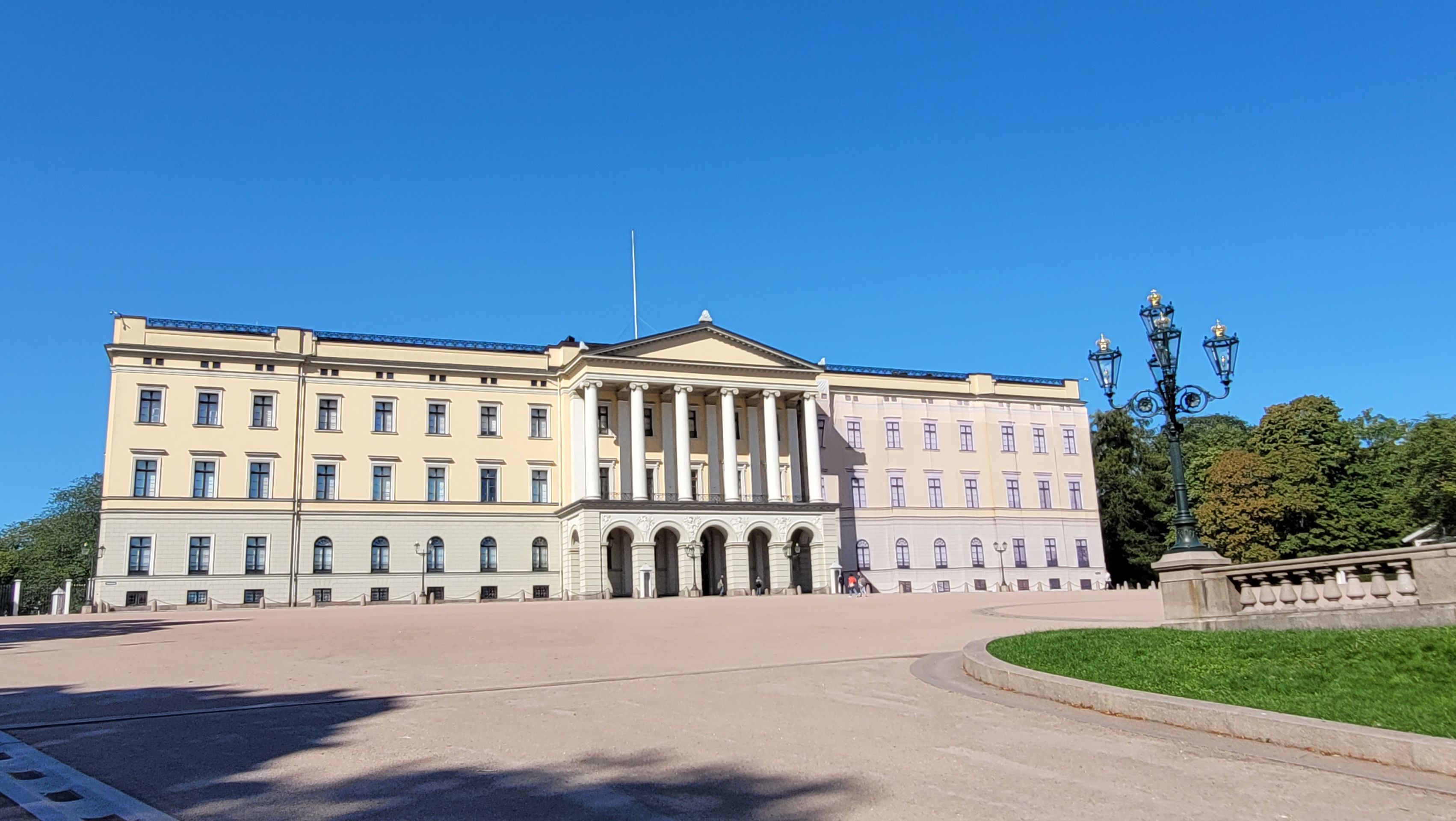
After a calm flight, we land in the morning, in beautiful autumn weather in Oslo. We take the train to the main station, which is very close to our hotel. With the Hop on Hop Bus, we explore Oslo. We make stops at the Royal Palace, Vigeland Park, the harbor with the City Hall and the Opera.
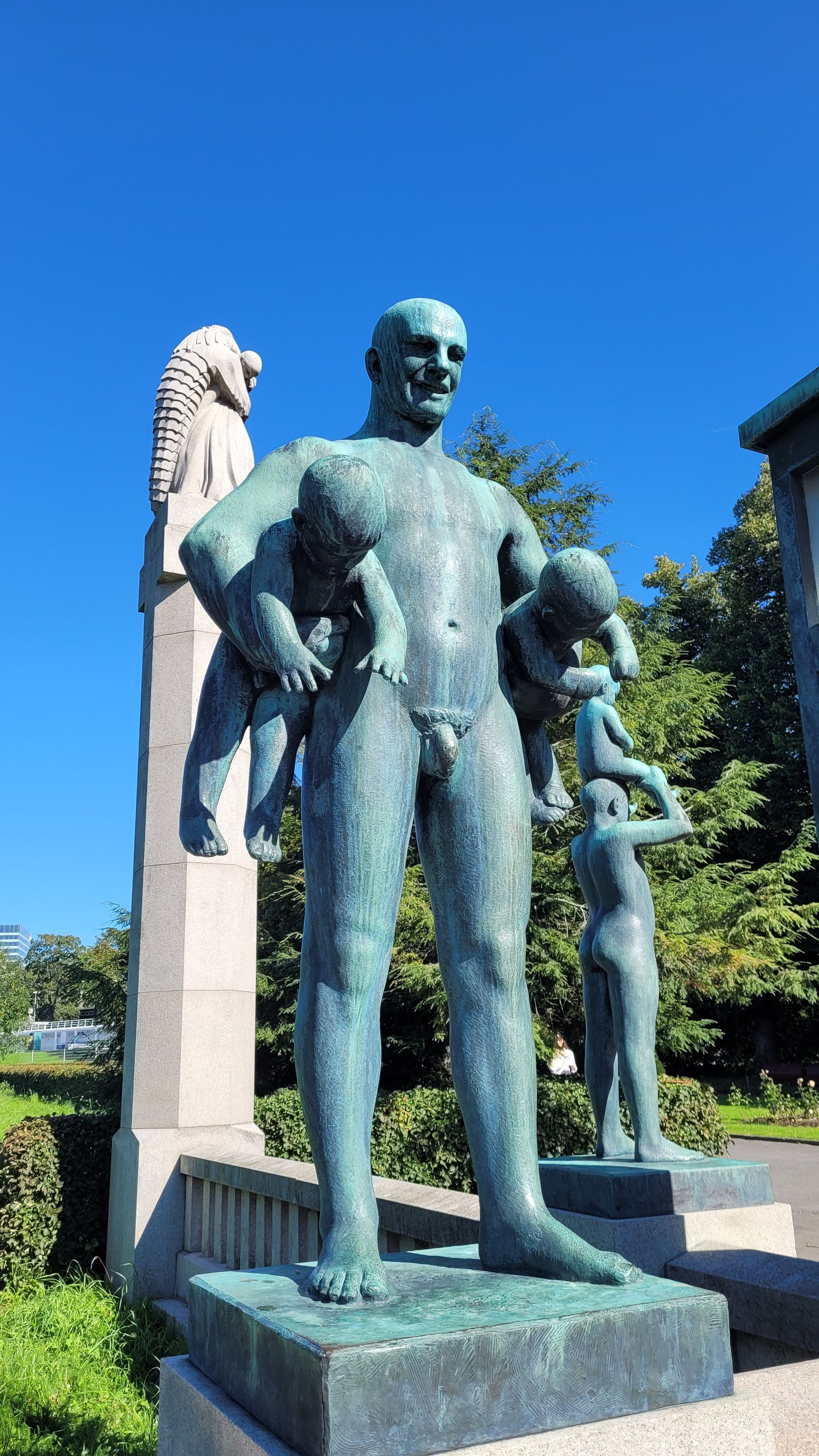
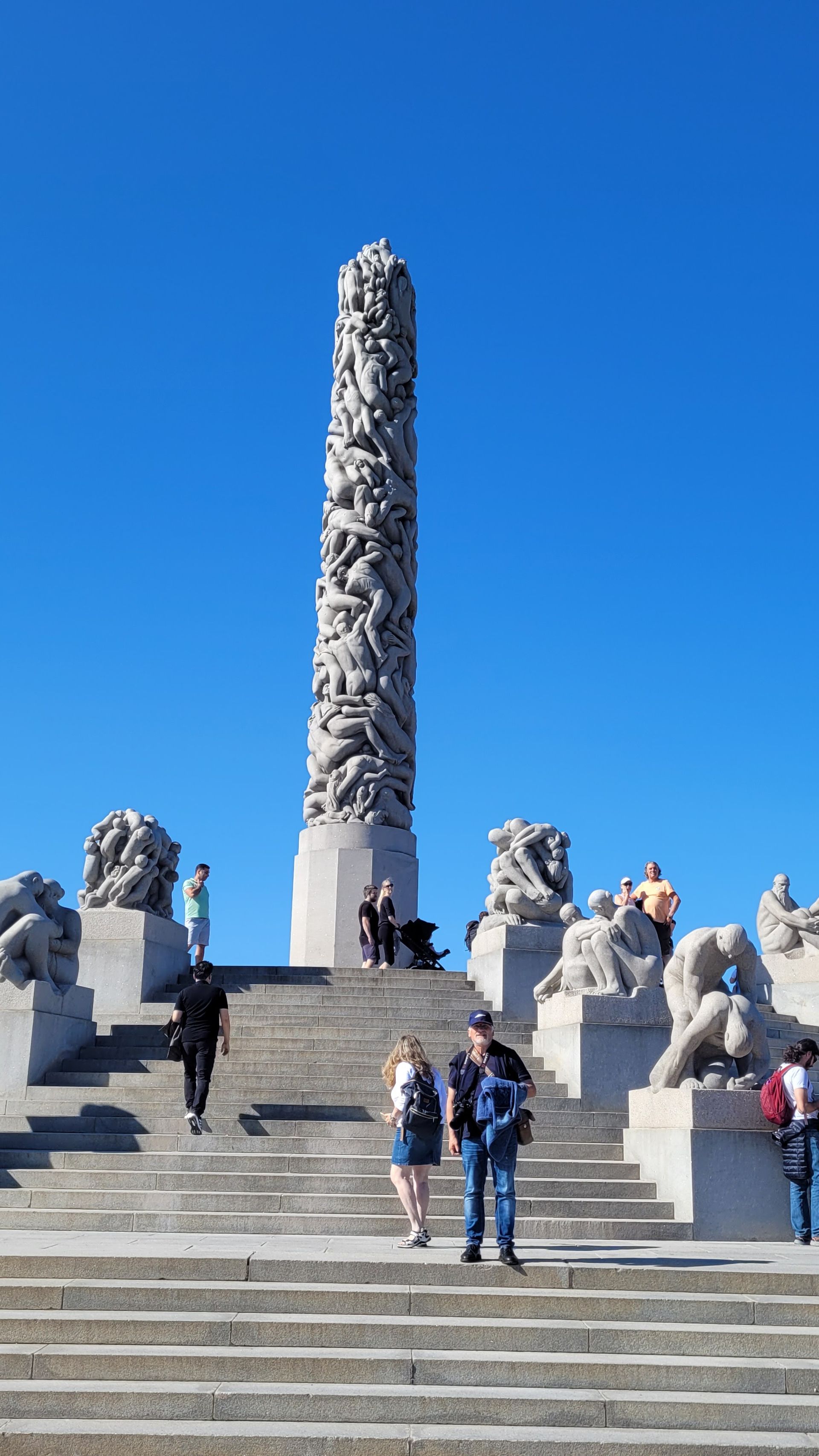
The Vigelandsanlegget (German Vigeland Installation), also known as the Vigeland Sculpture Park or Vigeland Park, is located in Frogner Park in Oslo, Norway.

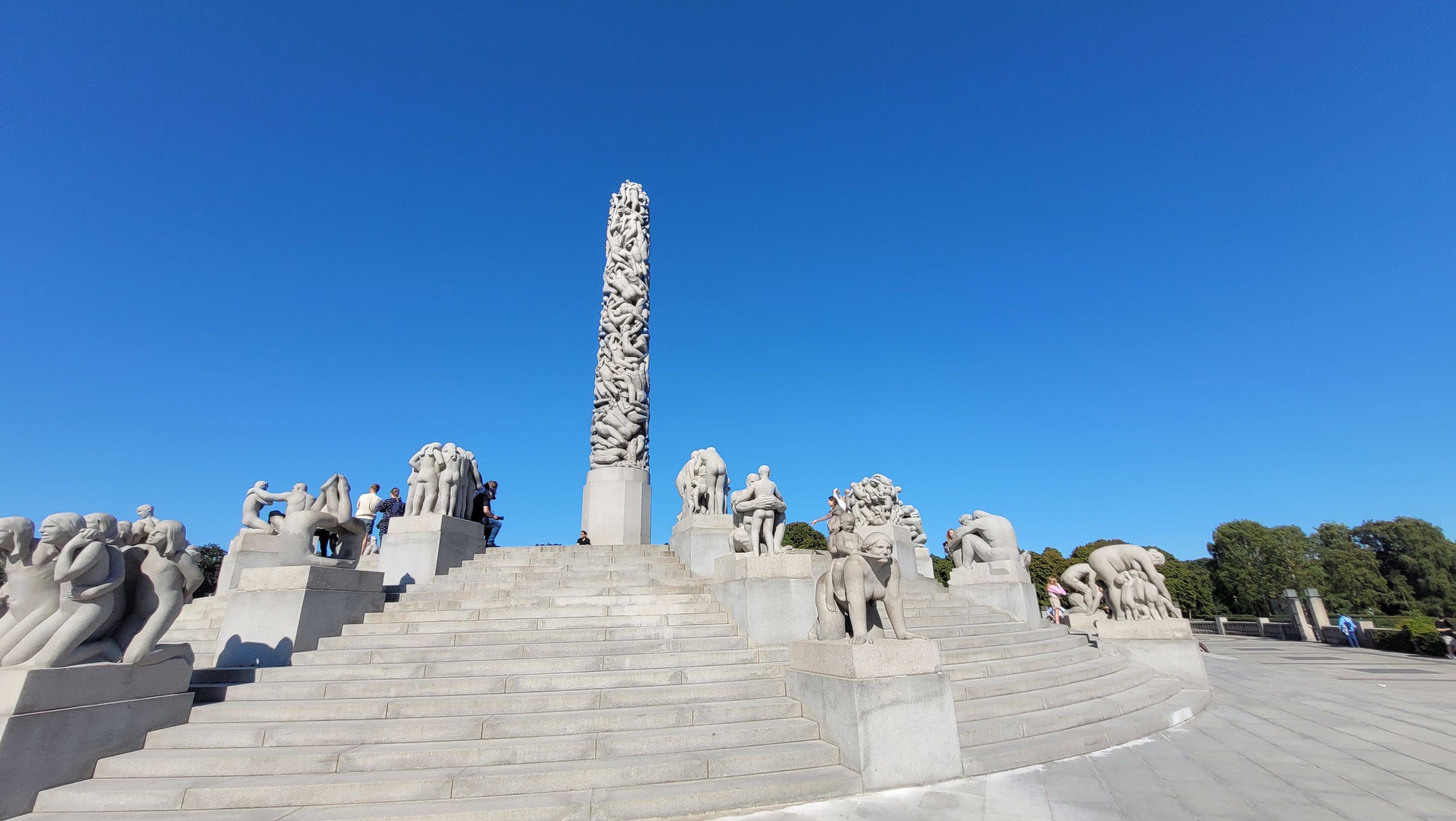
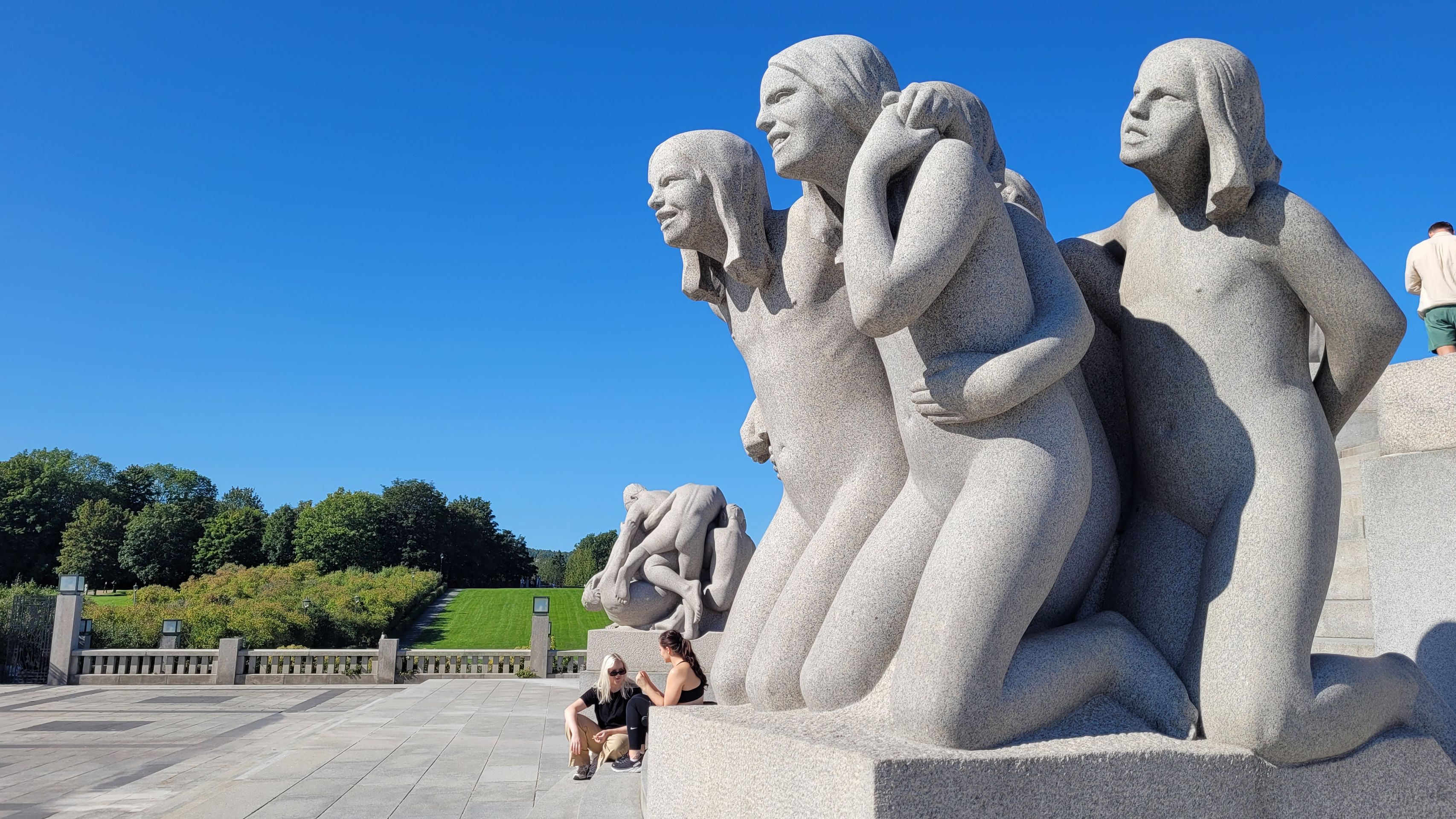
The Vigelandsanlegget features 212 stone and bronze sculptures by the Norwegian sculptor Gustav Vigeland, created between 1907 and 1942. Numerous sculptures symbolize the cycle of human life. Among other things, the so-called “Monolith” depicts the development from embryo through infancy and all life stages a person goes through.
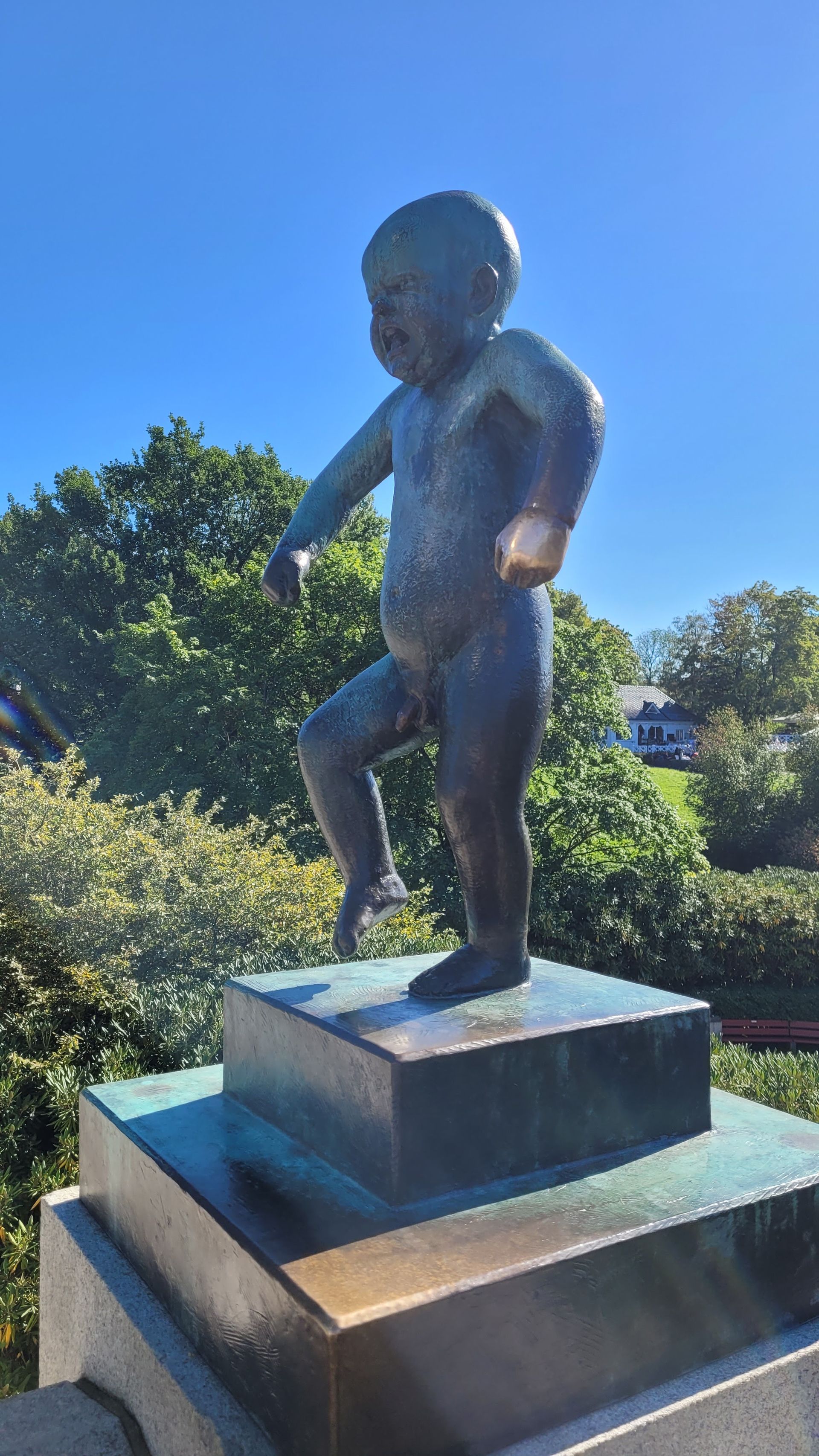
The entire complex is a monumental collection of figures made from natural stone and bronze. The sculpture park was developed from 1923 to 1943 along a long, ascending axis in Frogner Park. The installation begins at the foot of the hill with a bridge featuring 58 bronze sculptures, including the “Sinnataggen” (an angry child stamping its foot). This is followed by a fountain structure with more bronze sculptures. Via a flight of stairs, one then ascends to the “Monolith”, a 17-meter-high column of 121 figures made from Norwegian Iddefjord Granite, surrounded by 36 groups of figures. At the highest point of the installation, the axis is marked by a bronze sculpture group that represents the Circle of Life. Another large group of figures is located at the northeast end of a cross axis that stretches left and right of the fountain structure into Frogner Park.
Officially, the Vigelandsanlegget is not a park, but the name of the art installation with Vigeland's sculptures within Frogner Park; however, the installation is generally referred to as the “Vigeland Park” in German or English literature.[
norsskenLike a newsletter: every new post arrives via email.
Answer