

maria-zu-fuss-unterwegs
vakantio.de/maria-zu-fuss-franziskusweg
Zuletzt in Rom
5.
Published: 19.04.2025
Attraction
Basilika San Salvatore
Spoleto, Italien
Attraction
Ponte delle Torte
Spoleto, Italien
Mountain
Monteluco
Spoleto, Italien
Park
Heiliger Wald
Spoleto, Italien
Worth seeing
Klosterzelle des heiligen Franziskus
Spoleto, Italien
Stroll
Spoleto → … → Monteluco
Spoleto, Italien
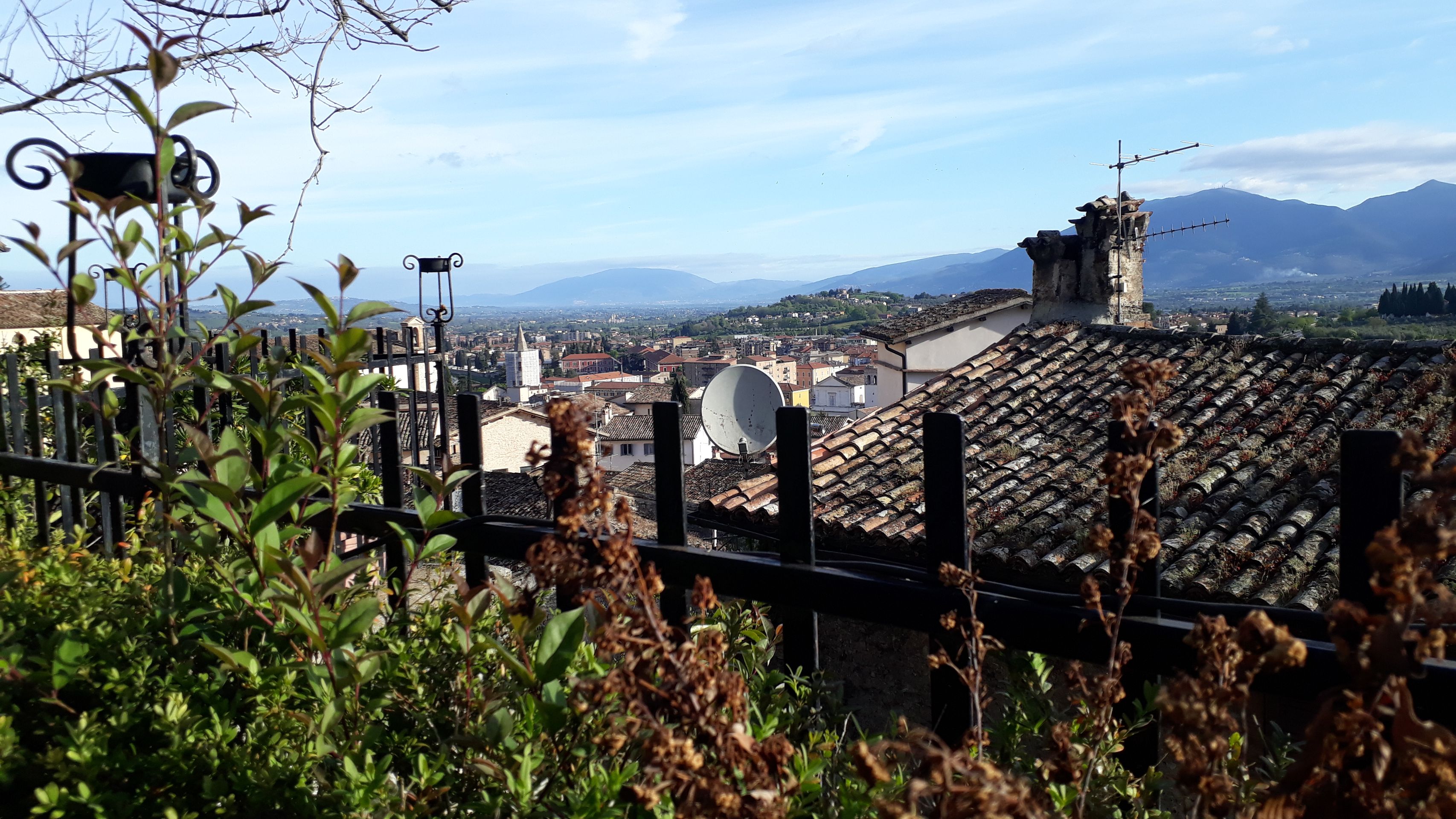
One should dedicate several days to the town of Spoleto, as there are so many treasures here to discover. However, it’s advisable to plan your visit before you develop any joint problems. The old town is built on a steep hill, and a walk there involves constant ups and downs through narrow alleyways and over steep stairs. By the way, those who want to learn more about the sights can read my notes from last year.
Basilica San Salvatore
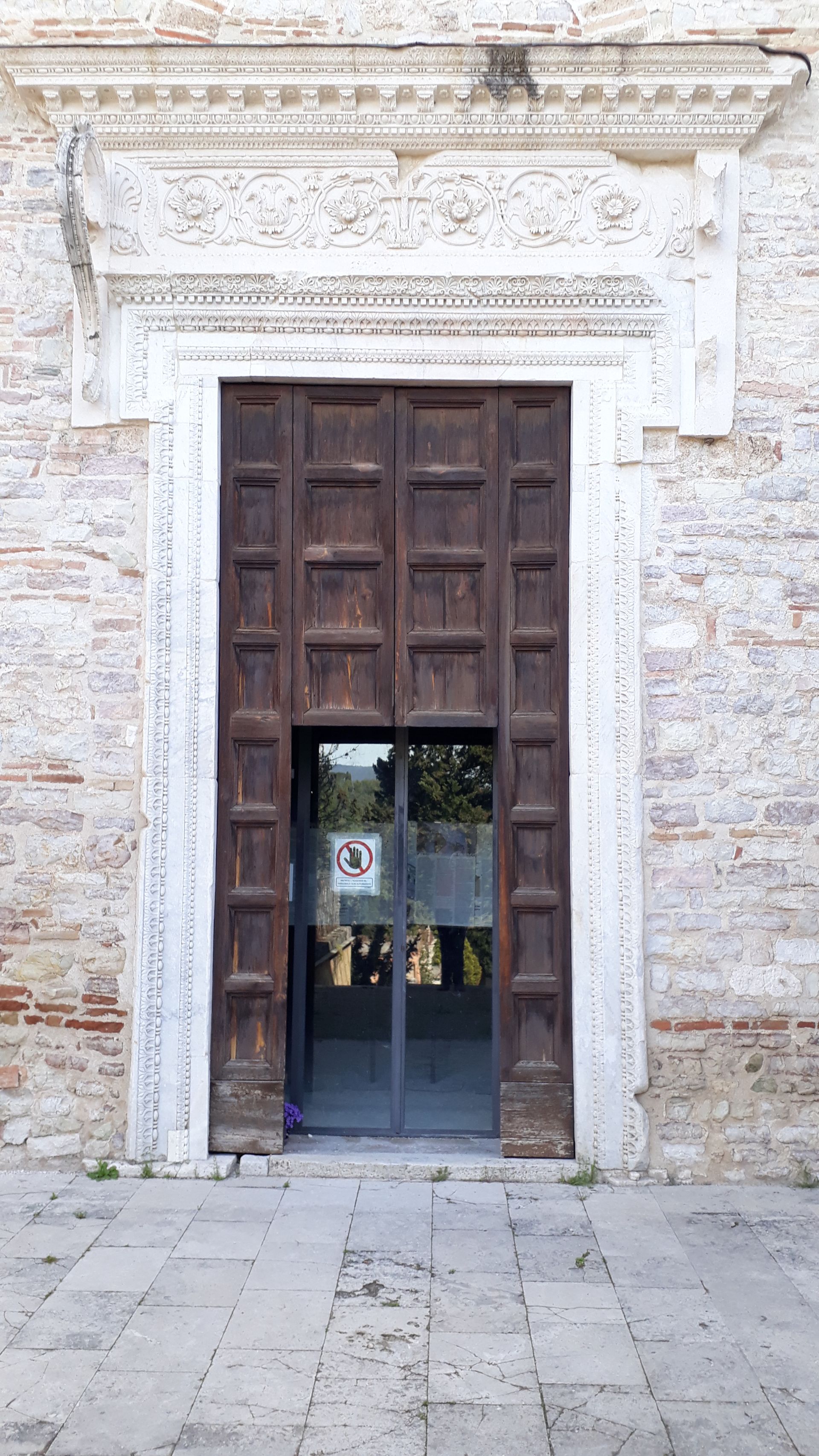
Before my hike on Monteluco, I make a detour to the Basilica San Salvatore. It was declared a UNESCO World Heritage Site in 2011, as part of the Lombards in Italy. But I’m out of luck, it is currently under restoration and is closed. The basilica is part of the cemetery, which is also worth a visit.
Ponte delle Torri
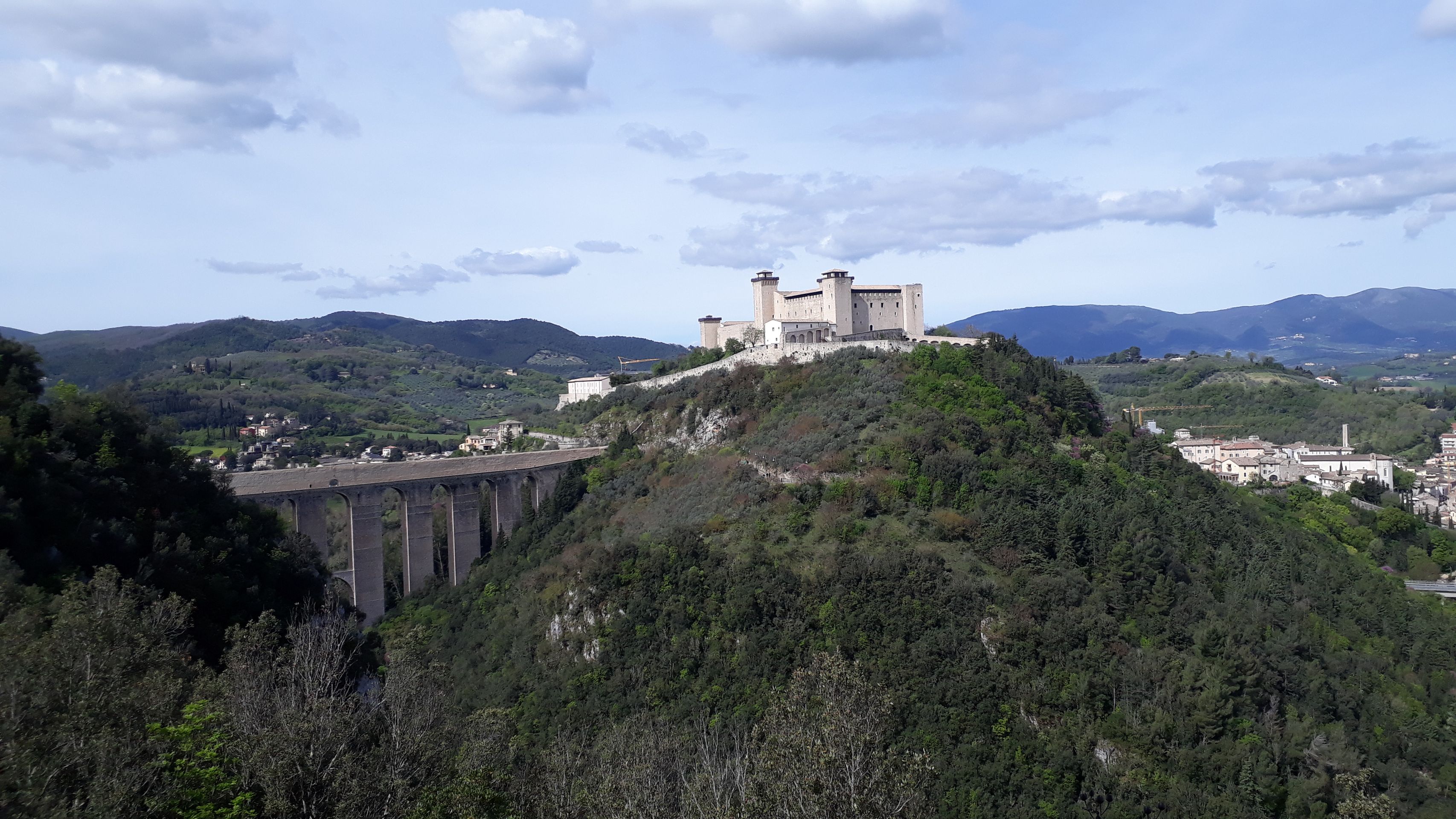
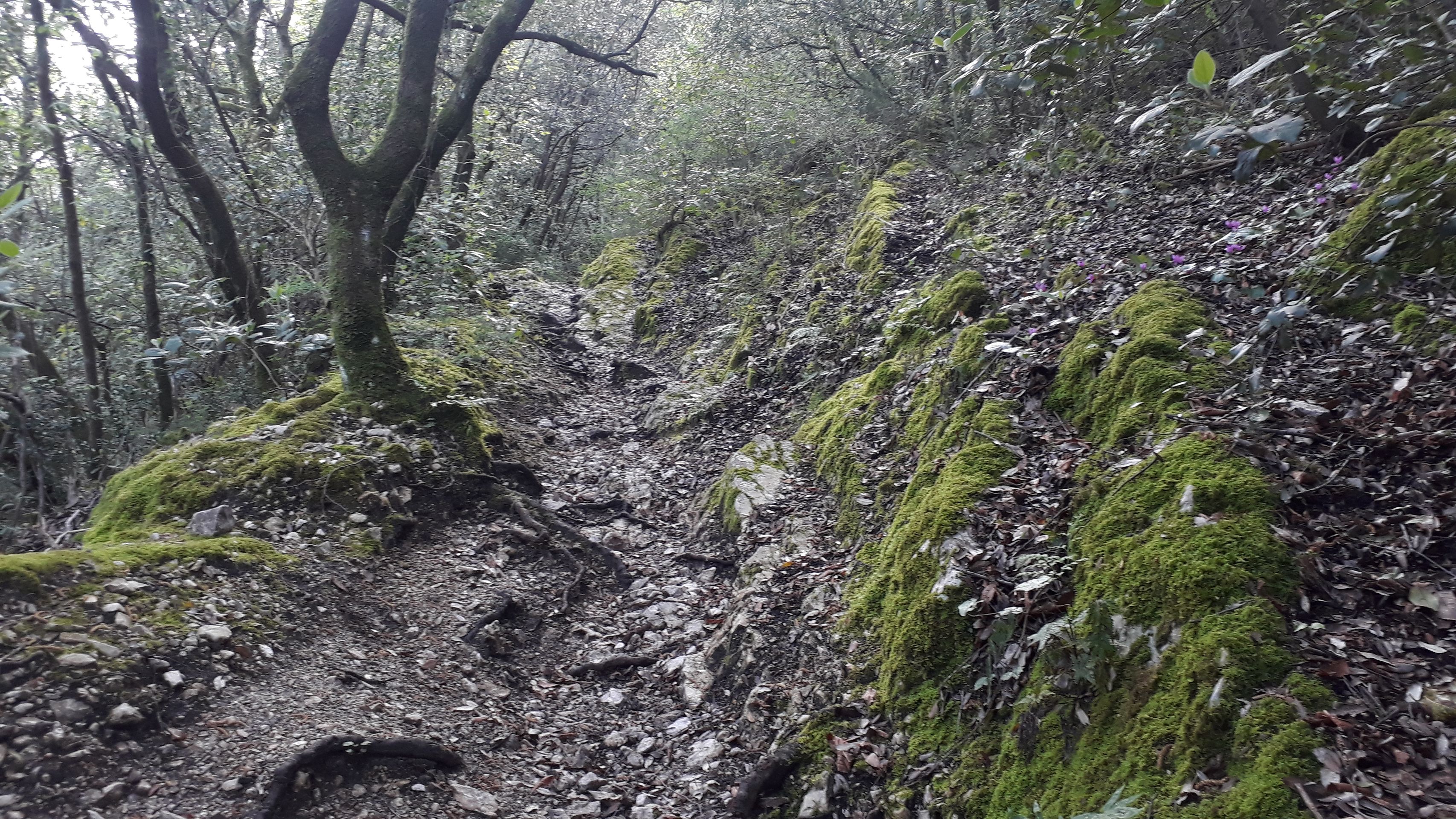
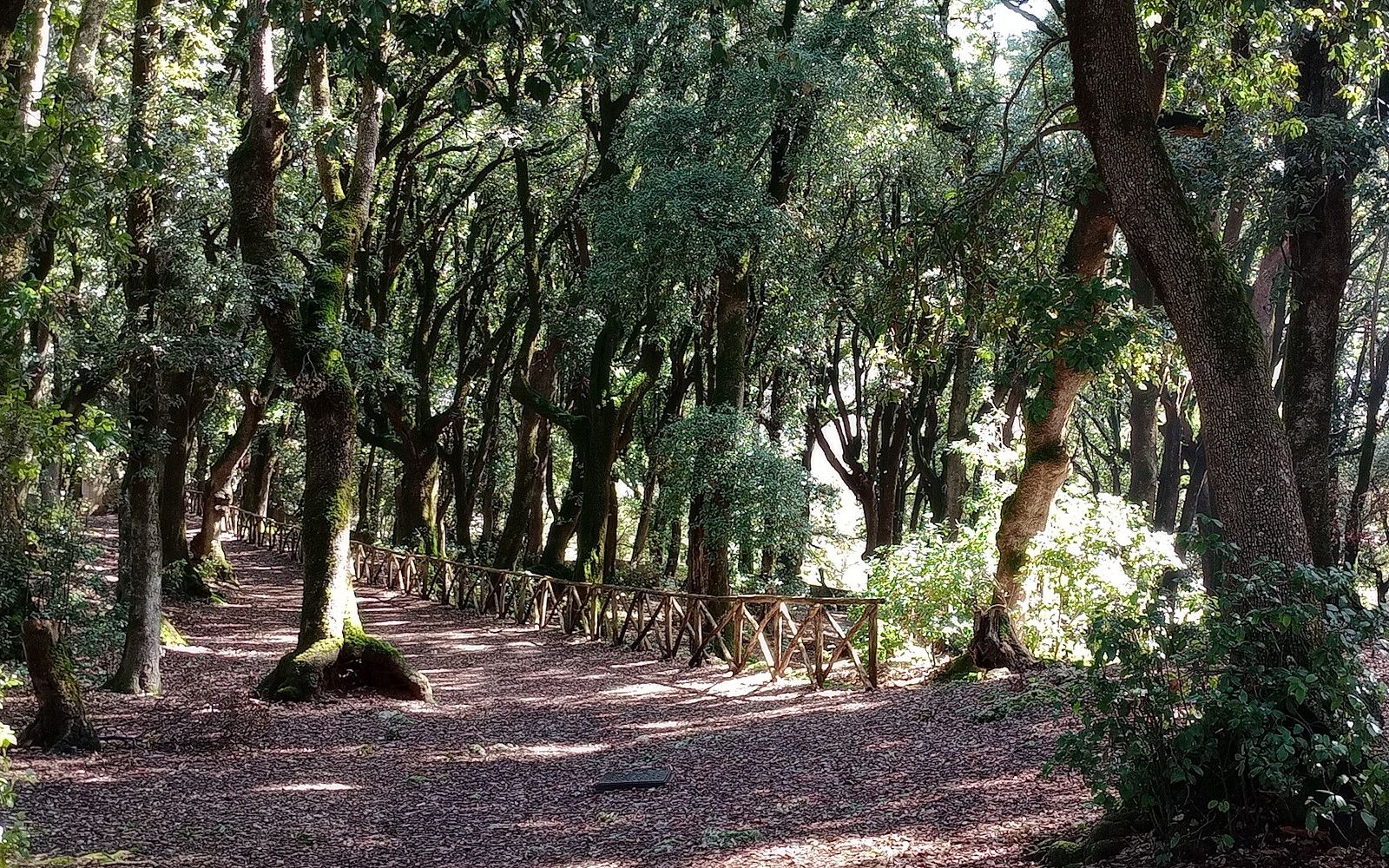
On the way to Monteluco, it’s a steep climb through a beautiful forest filled with bizarre old trees. Unexpectedly, I catch sight of the aqueduct in the south of the town. At a height of 76 meters and spanning 230 meters over an extremely steep gorge, the view is breathtaking and has amazed many famous individuals, including Goethe and Hesse. In disbelief, I realize that people actually walk over it, assuming they are not afraid of heights. The aqueduct was constructed in the 13th and 14th centuries and still surpasses all ancient and modern aqueducts in its dimensions.
Monteluco
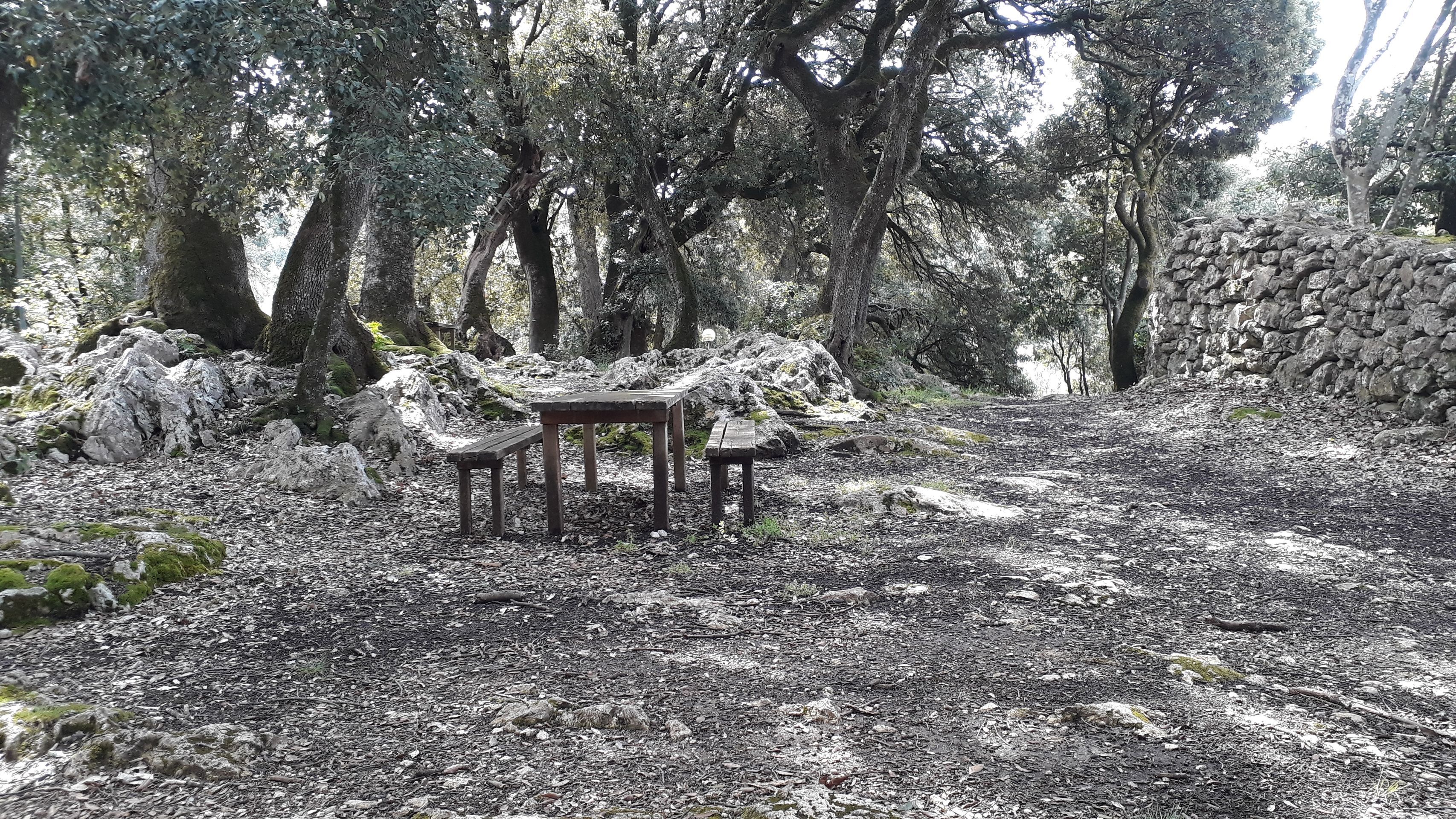
The hike up the mountain is challenging due to the continuous incline. But of course, the guide is right when he claims it’s worth it to come up here. The forest is characterized by the downy oak with its gnarled growth. This atmospheric woods has inspired people for centuries for religious use, which is why it’s also called the Holy Forest. The forest has been protected since the 3rd century BC, and these conservation regulations are considered the oldest in the world.
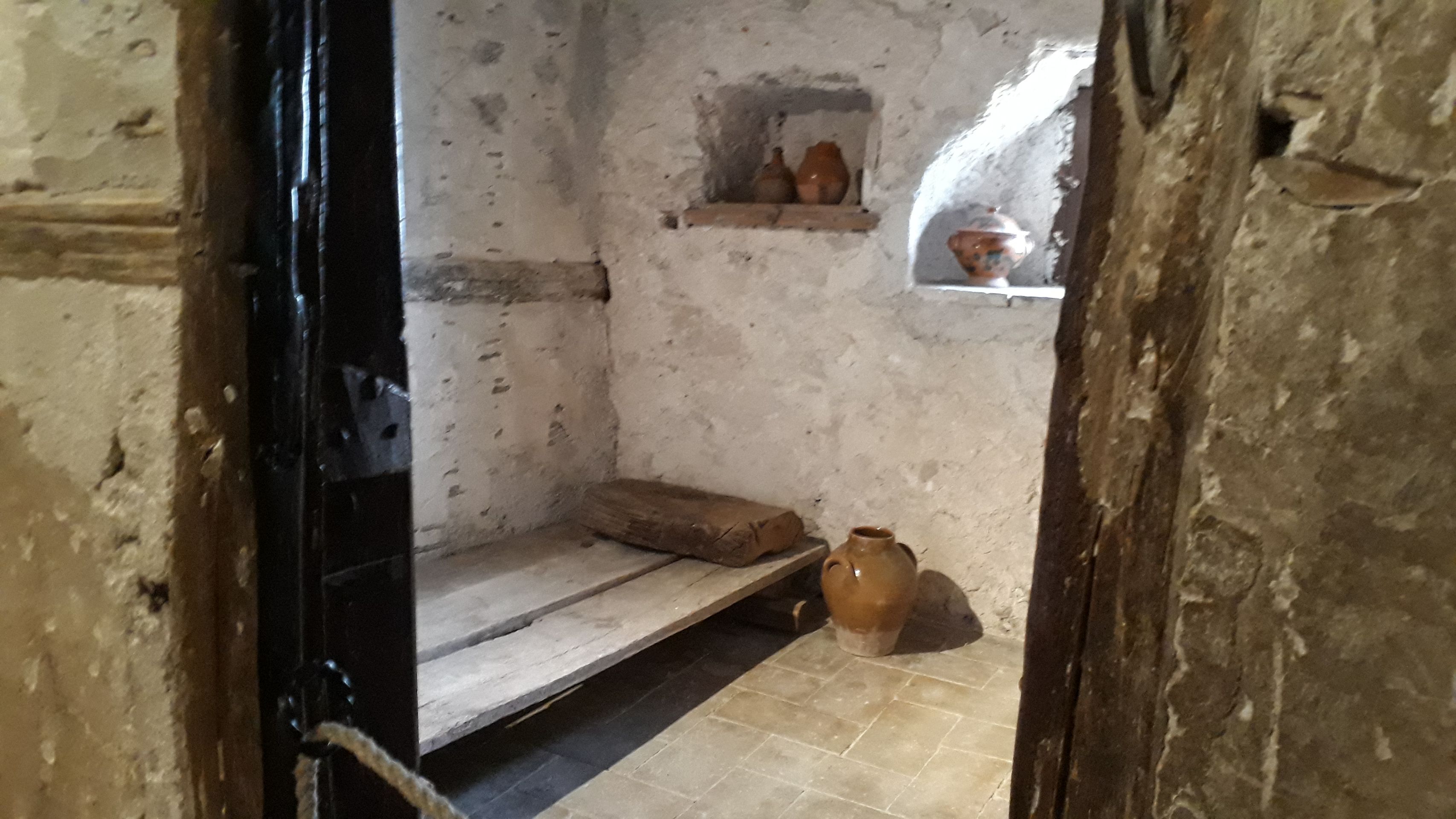
Here too, Saint Francis left his mark. You can visit the spartan monk's cell that he used when he came to pray on the mountain.
In conclusion, I must once again state: Francis knew where it’s beautiful. Following his paths is truly enriching.
maria-zu-fuss-unterwegsLike a newsletter: every new post arrives via email.
Answer (1)
Antjeover 1 year ago
Aus unseren “lohnenswerten” Alltag einen ganz lieber Gruß zur Franziskusentdeckerin. Ja, wenn ich die wunderschöne und anspruchsvolle Landschaft sehe, dann packt mich die Reiselust. Doch ich muss gestehen, dass auch ohne Arthrose muss ich leider feststellen: Tempi passati !
Stattdessen freuen wir uns auf die altersgerechte Verwöhnschipperei von Passau ans Schwarze Meer.
Wir freuen uns auf Deine Erzählungen und senden Dir einen ganz lieben Gruß auch von der Montagsmädelgruppe. Ciao Bella
Antje
Travel reports Italy